


TV Shows That Changed an Entire Genre Without Anyone Realizing

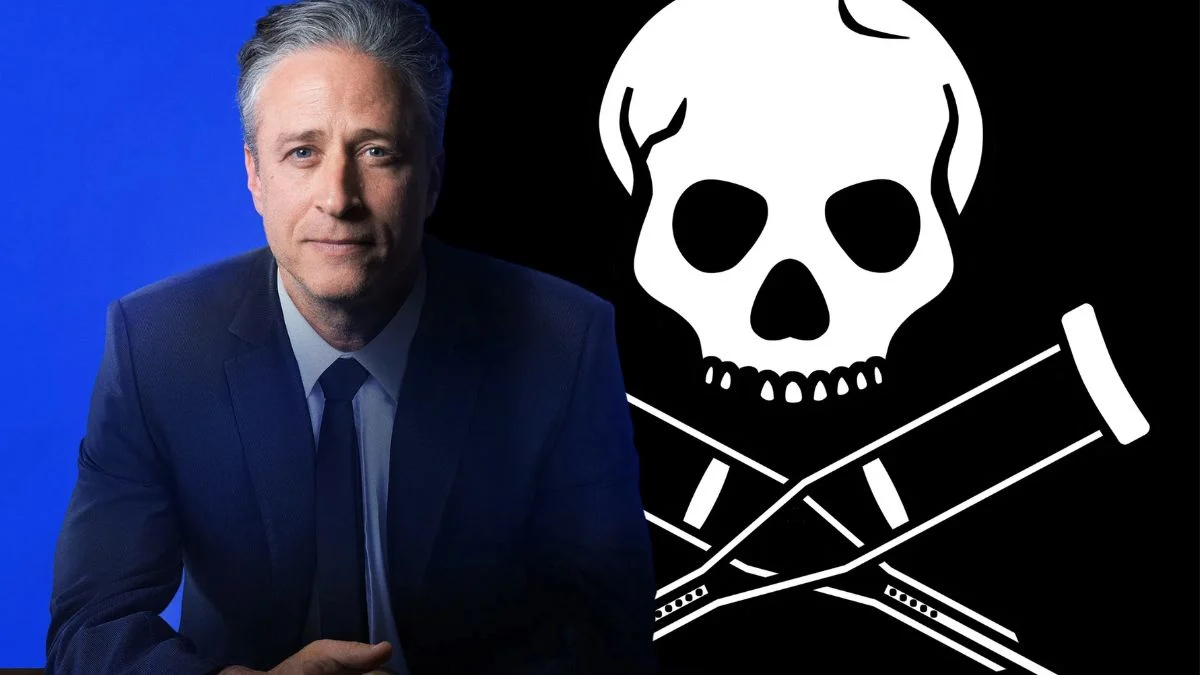


Television history is filled with programs that subtly shifted the landscape of storytelling and production. These series introduced narrative techniques or visual styles that gradually became the standard for their respective genres. Viewers often enjoy modern tropes without knowing they originated from a specific pioneering show that took a creative risk. This list highlights the series that quietly revolutionized the medium through innovation and structural change.
‘Hill Street Blues’ (1981–1987)
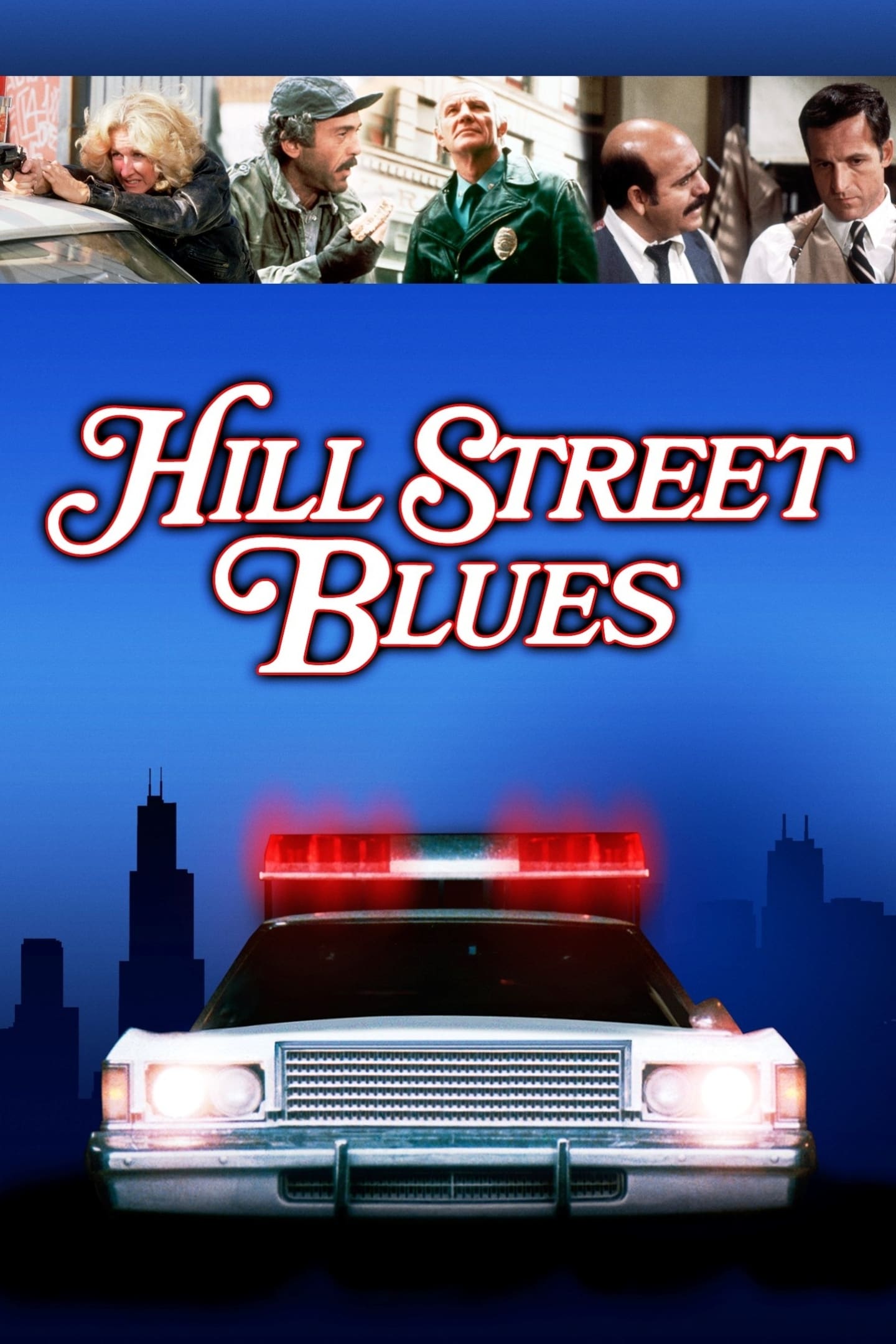
This police drama introduced a level of grit and realism that was previously unseen on network television. The creators utilized handheld cameras and overlapping dialogue to create a sense of chaotic urgency within the precinct. It also popularized the use of multi-episode story arcs rather than resolving every plot point by the end of the hour. Nearly every modern procedural owes its narrative structure and visual style to the groundwork laid by this series.
‘The Real World’ (1992–2019)
MTV created a new vocabulary for unscripted television by placing strangers in a house and filming their interactions. The producers discovered that editing footage to create narrative strands was just as compelling as fictional drama. It established the confessionals and casting archetypes that would dominate the reality genre for decades. This experiment proved that ordinary people could become celebrities simply by living their lives on camera.
‘Buffy the Vampire Slayer’ (1997–2003)
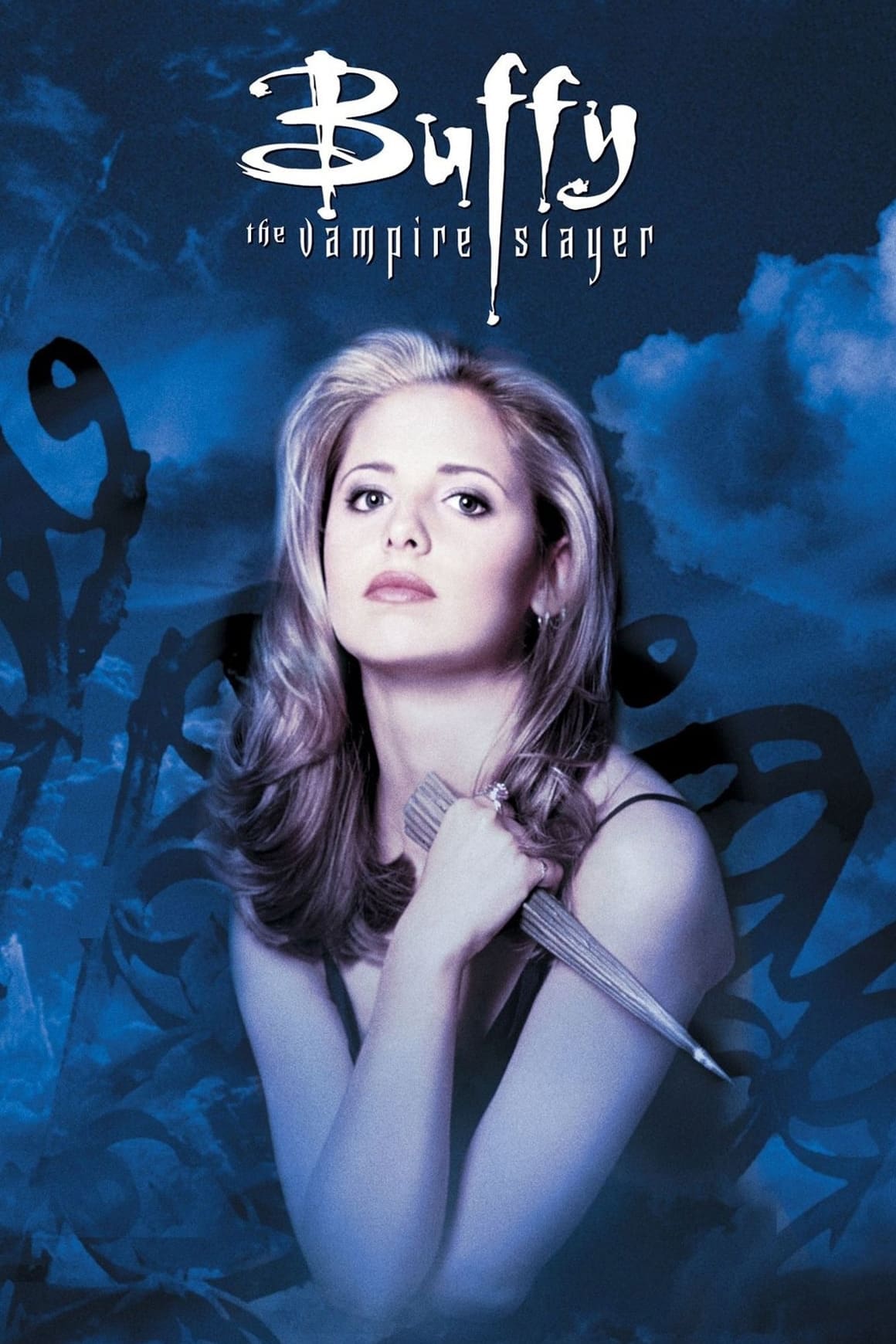
Joss Whedon successfully merged teen drama with supernatural horror while introducing a unique season-long narrative structure. The show popularized the concept of a Big Bad that required a full season to defeat rather than a monster of the week. It also utilized a distinctive dialogue style that mixed pop culture references with antiquated speech. This genre-bending approach paved the way for the golden age of serialized fantasy television.
‘The Office’ (2001–2003)
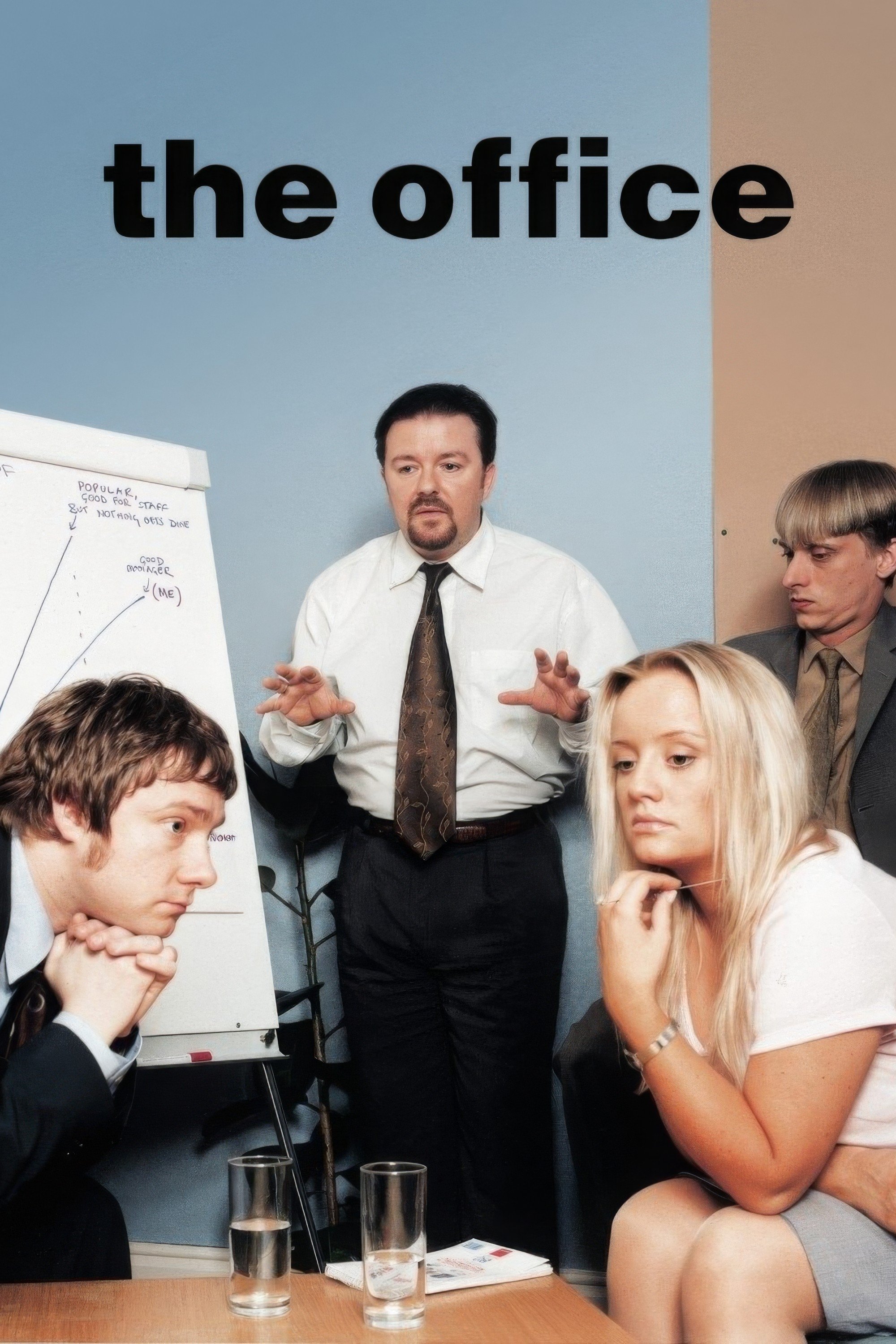
Ricky Gervais and Stephen Merchant removed the laugh track and added awkward silences to the sitcom format. The documentary style allowed characters to acknowledge the camera and created a new form of cringe comedy. This approach shifted the focus from punchlines to character reactions and mundane realism. The mockumentary format subsequently became a dominant style for single-camera comedies in both the UK and the US.
‘Oz’ (1997–2003)
This prison drama was the first one-hour dramatic series produced by HBO and it established the prestige TV model. It featured unsympathetic protagonists and a level of violence that was prohibited on broadcast networks. The serialized nature of the storytelling rewarded attentive viewing and allowed for deep character development over many years. Its success proved that cable networks could compete with cinema in terms of writing quality and adult themes.
‘Miami Vice’ (1984–1989)
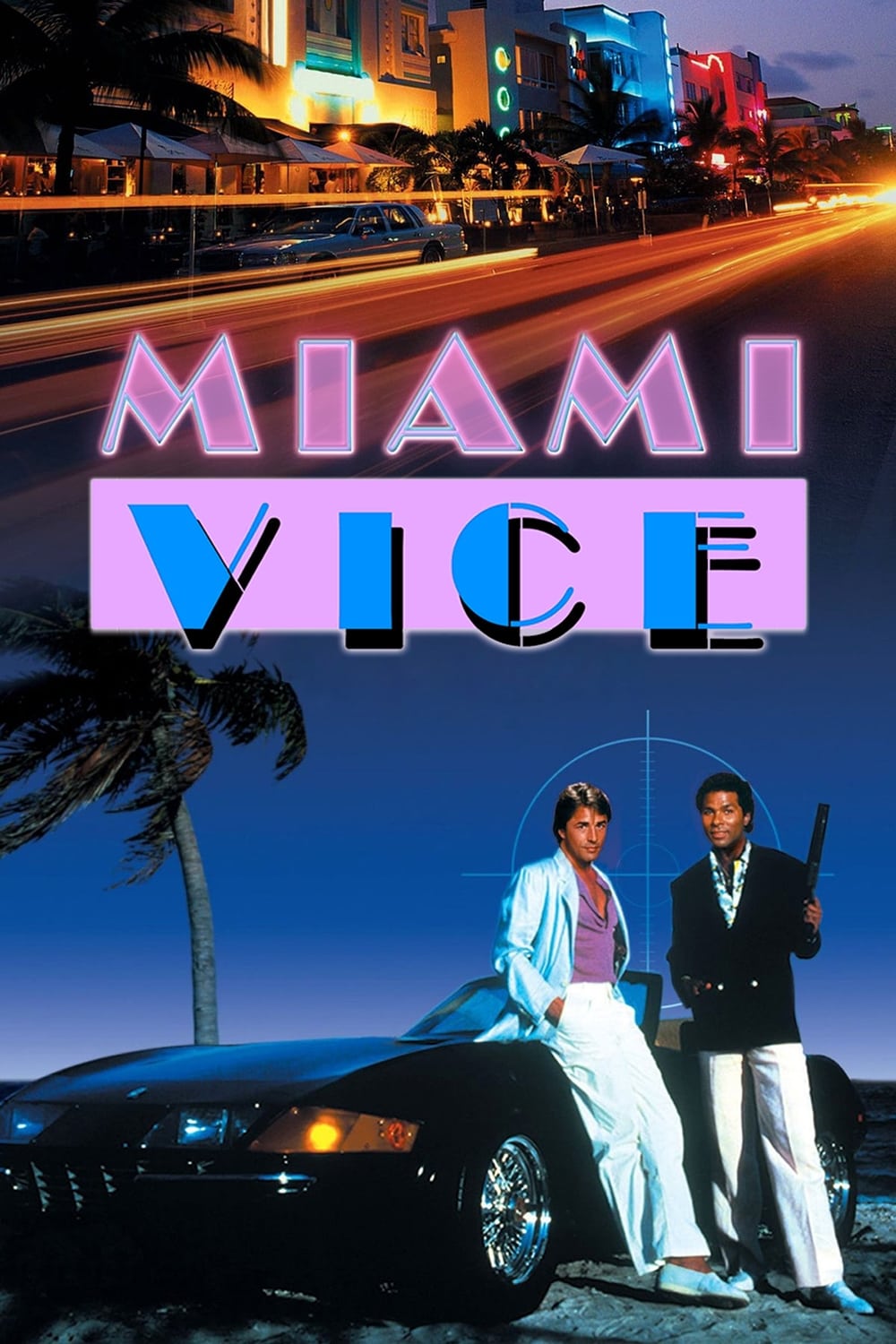
Police procedurals were visually drab until this series integrated cinematic lighting and pastel aesthetics. The show treated music as an integral part of the storytelling rather than just background noise. Scenes were often edited in time with popular radio hits to create music video sequences within the drama. This emphasis on style and atmosphere changed how television shows were photographed and scored.
‘Twin Peaks’ (1990–1991)
David Lynch brought surrealism and dream logic to a primetime soap opera format. The central mystery of a murder served as a trojan horse for bizarre characters and supernatural elements. It demonstrated that television audiences were willing to accept ambiguity and non-linear storytelling. The cinematic quality of the production raised the bar for what a television series could look like.
‘I Love Lucy’ (1951–1957)
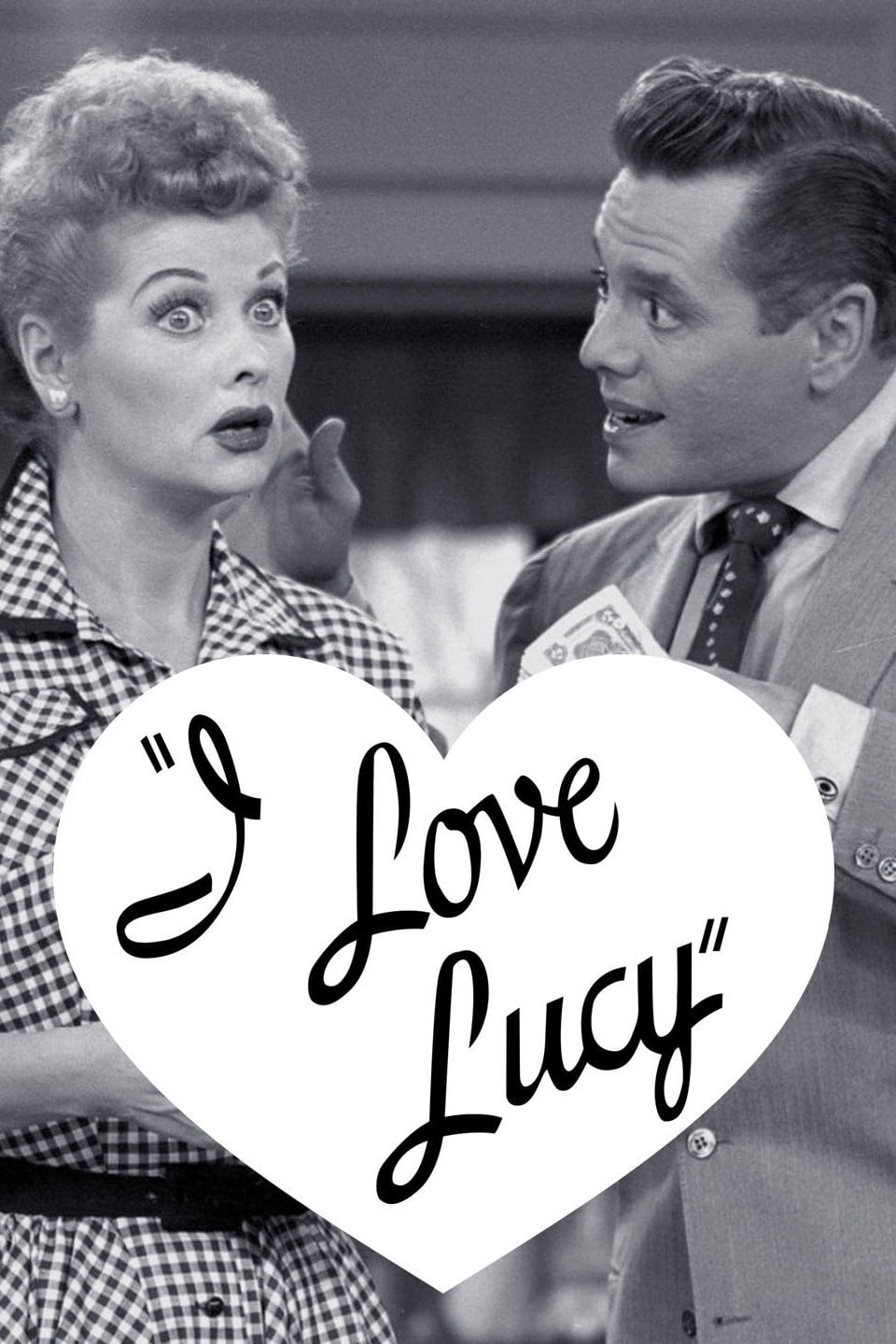
Desi Arnaz and Lucille Ball revolutionized production by using three film cameras simultaneously in front of a live audience. This technique allowed for high-quality preservation of the episodes compared to the kinescopes used by other shows. It established the visual grammar of the multi-camera sitcom that remains in use today. The ability to re-run high-quality film prints also invented the concept of syndication.
‘Dragnet’ (1951–1959)
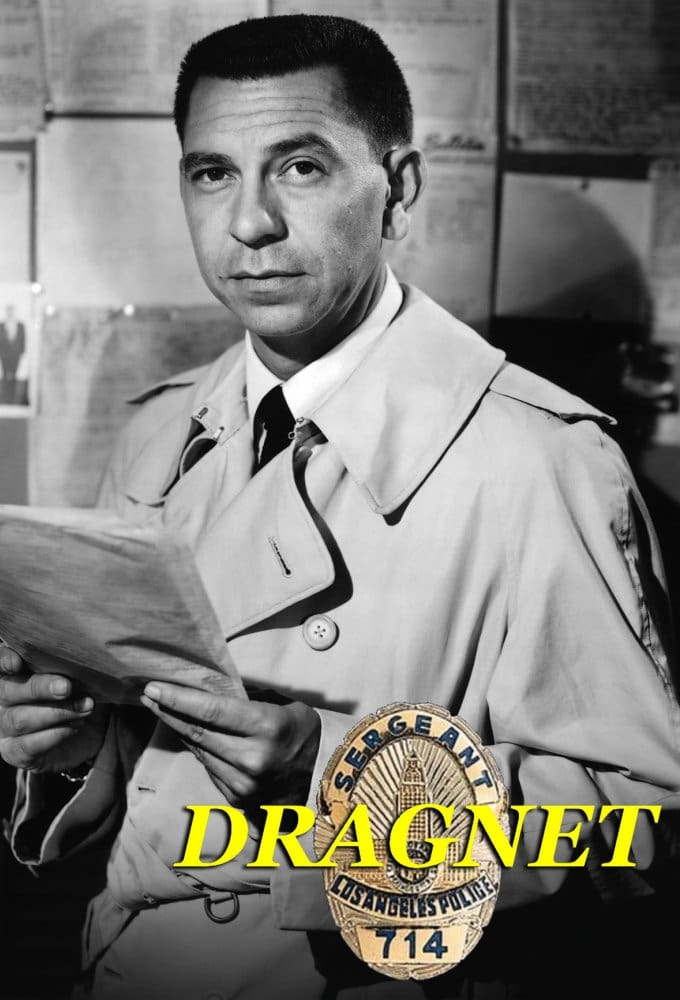
Jack Webb insisted on a flat acting style and technical jargon to mimic the actual work of police officers. The show emphasized the tedious and procedural aspects of law enforcement over action and melodrama. It created the template for the police procedural where the system is the hero rather than the individual. This focus on realism and case files became the standard for the entire crime genre.
‘Survivor’ (2000–Present)
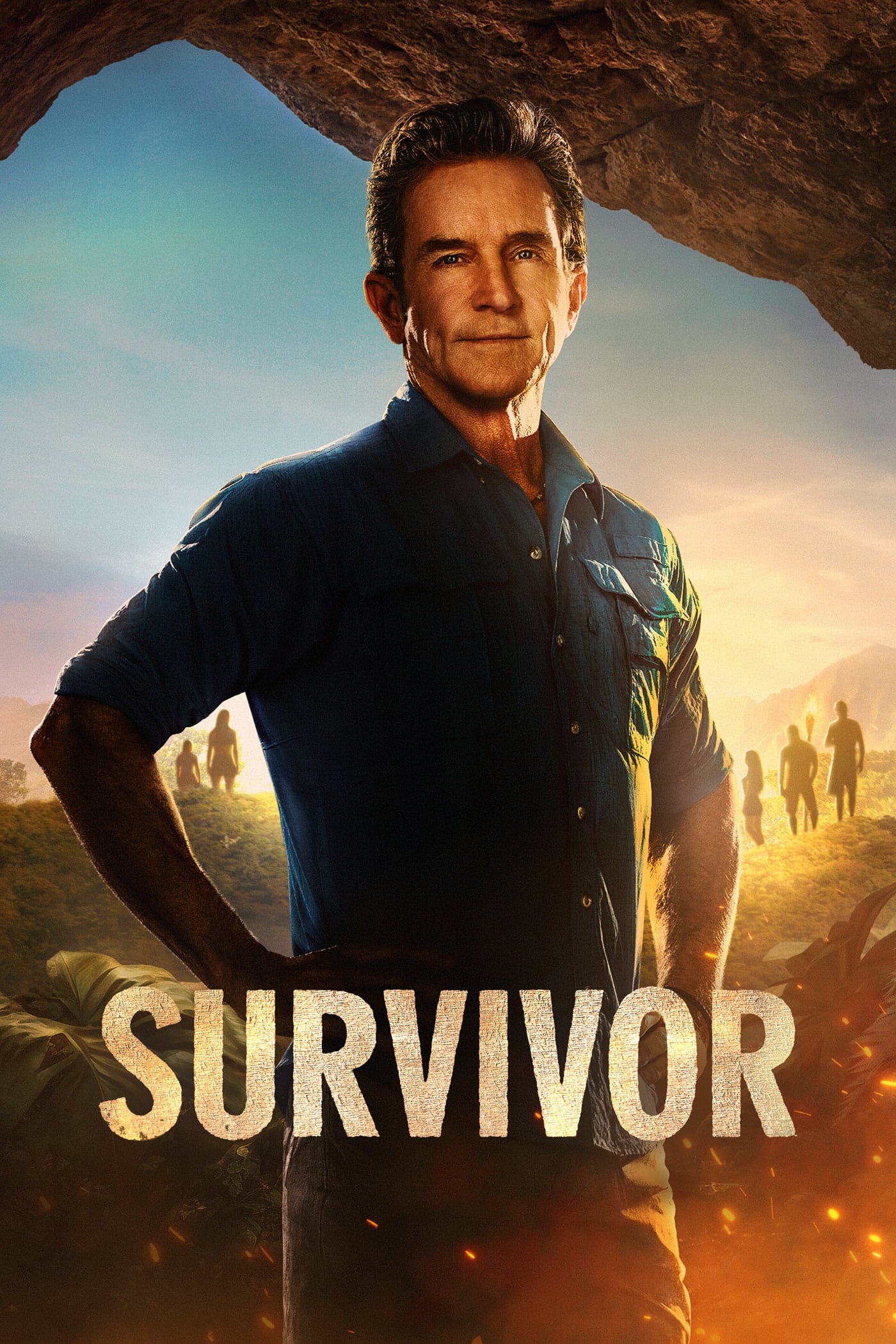
This competition series introduced a complex game structure involving social manipulation and voting alliances. It took the concept of unscripted drama and added high stakes that forced participants to betray one another. The production values and editing turned a game show into a cinematic adventure. It proved that reality television could sustain tension and character arcs comparable to scripted dramas.
‘Lost’ (2004–2010)
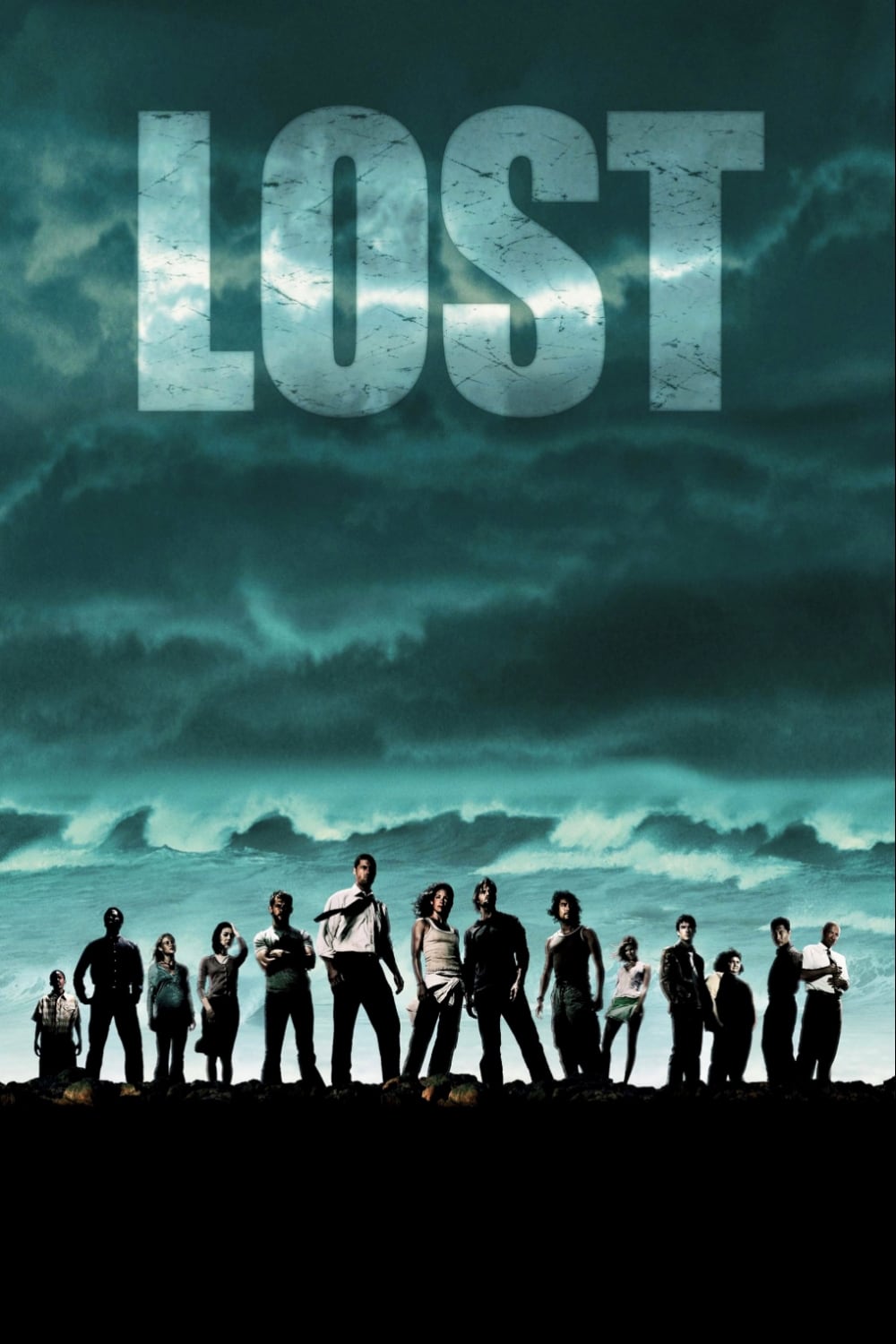
The pilot episode featured a budget and scale that rivaled feature films and immediately grabbed a global audience. The show utilized a complex mythology that encouraged viewers to discuss theories on the internet between episodes. It popularized the use of flashbacks and flash-forwards to deepen character backstories. This engagement model changed how networks viewed serialized mystery shows and fan interaction.
‘Arrested Development’ (2003–2019)
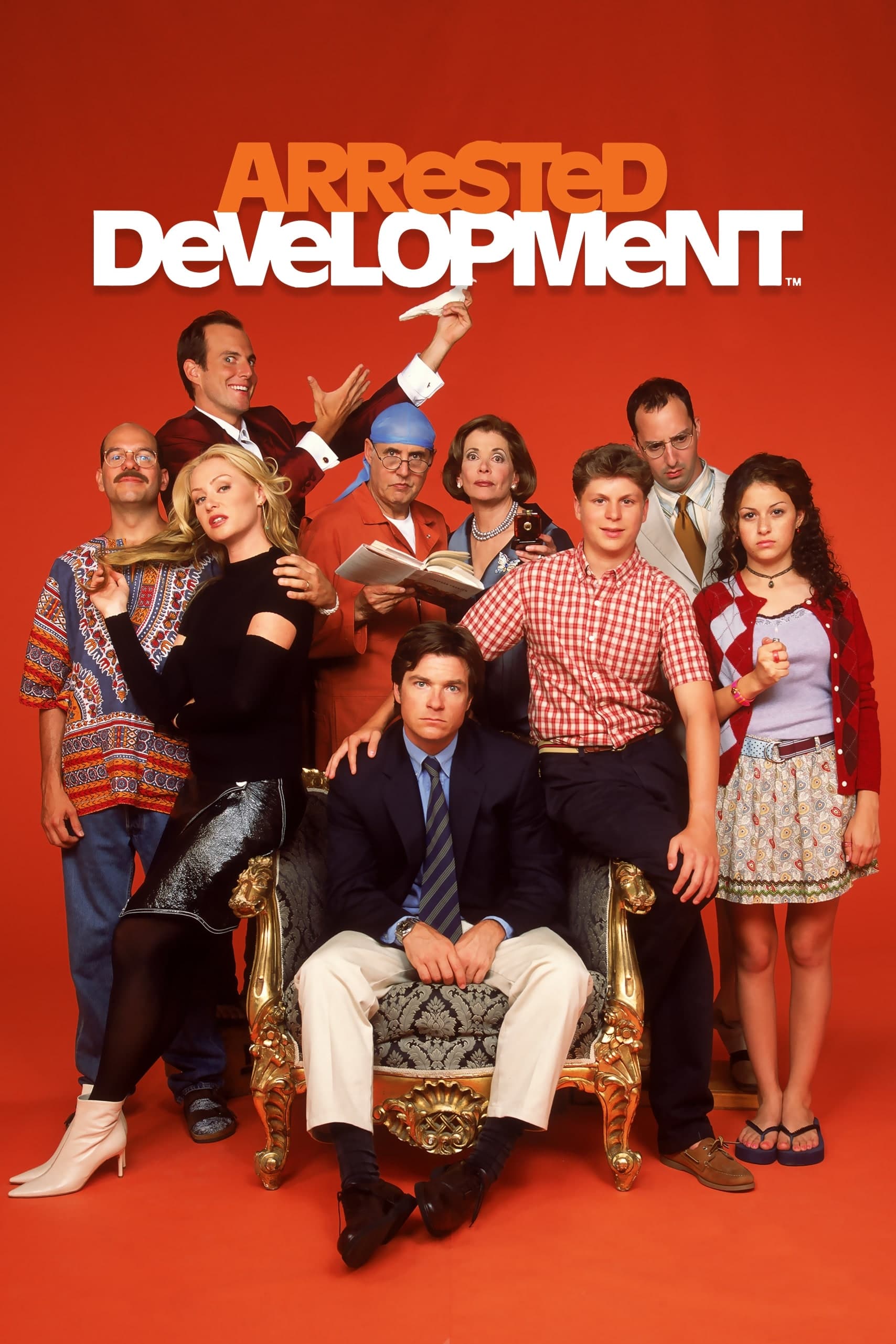
Mitchell Hurwitz packed episodes with rapid-fire jokes and visual gags that rewarded repeat viewing. The show abandoned the laugh track and used a handheld documentary style to heighten the absurdity of the family dynamics. It relied heavily on callbacks and self-referential humor that spanned multiple seasons. This density of humor influenced a generation of single-camera comedies to trust the intelligence of the audience.
‘Seinfeld’ (1989–1998)
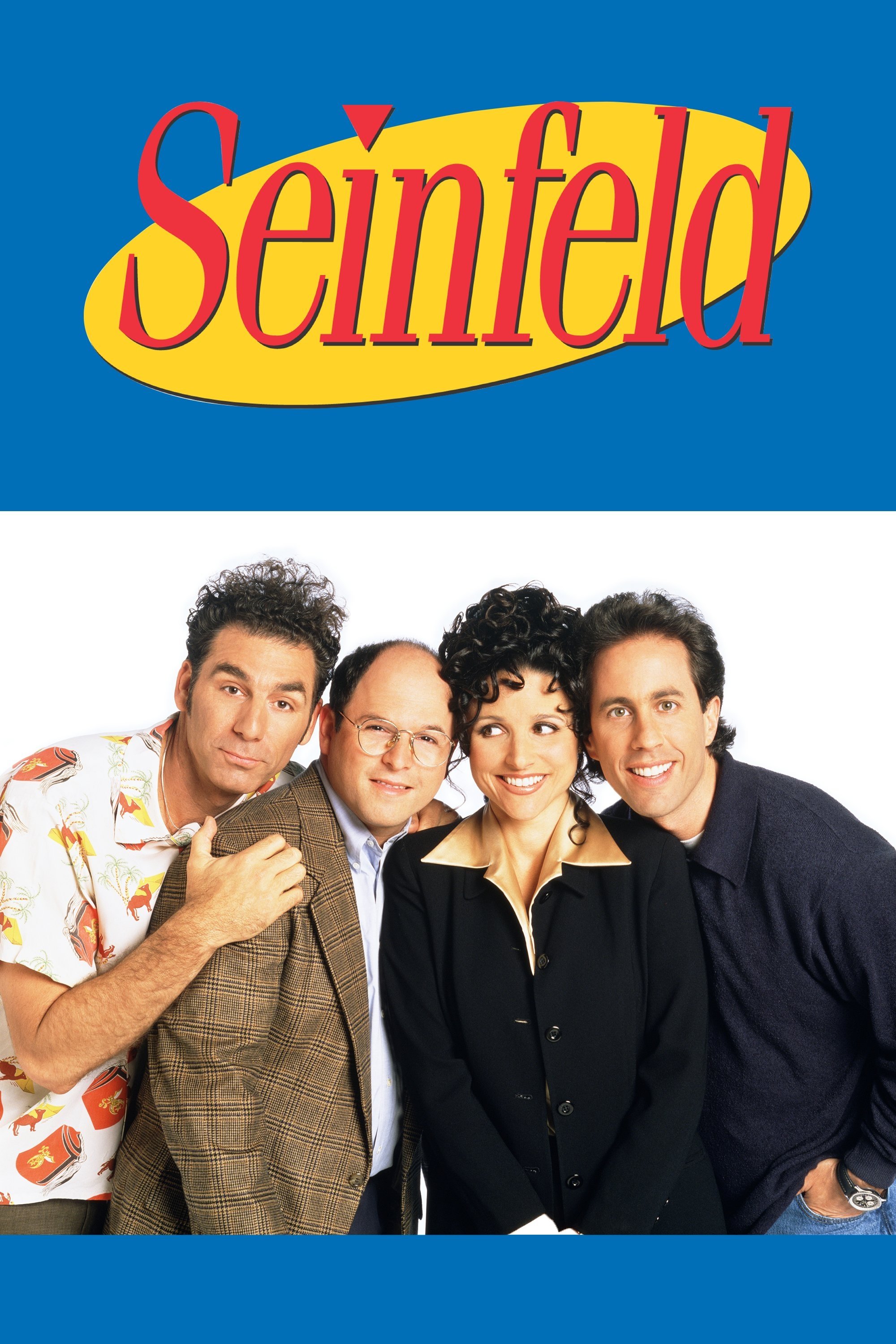
Larry David and Jerry Seinfeld created a sitcom that explicitly refused to have characters learn lessons or hug at the end. The show focused on the minutiae of daily life and social faux pas rather than major life events. This nihilistic approach provided an alternative to the sentimental family sitcoms that dominated the era. It paved the way for comedies featuring unlikable protagonists and anti-social behavior.
‘The Simpsons’ (1989–Present)
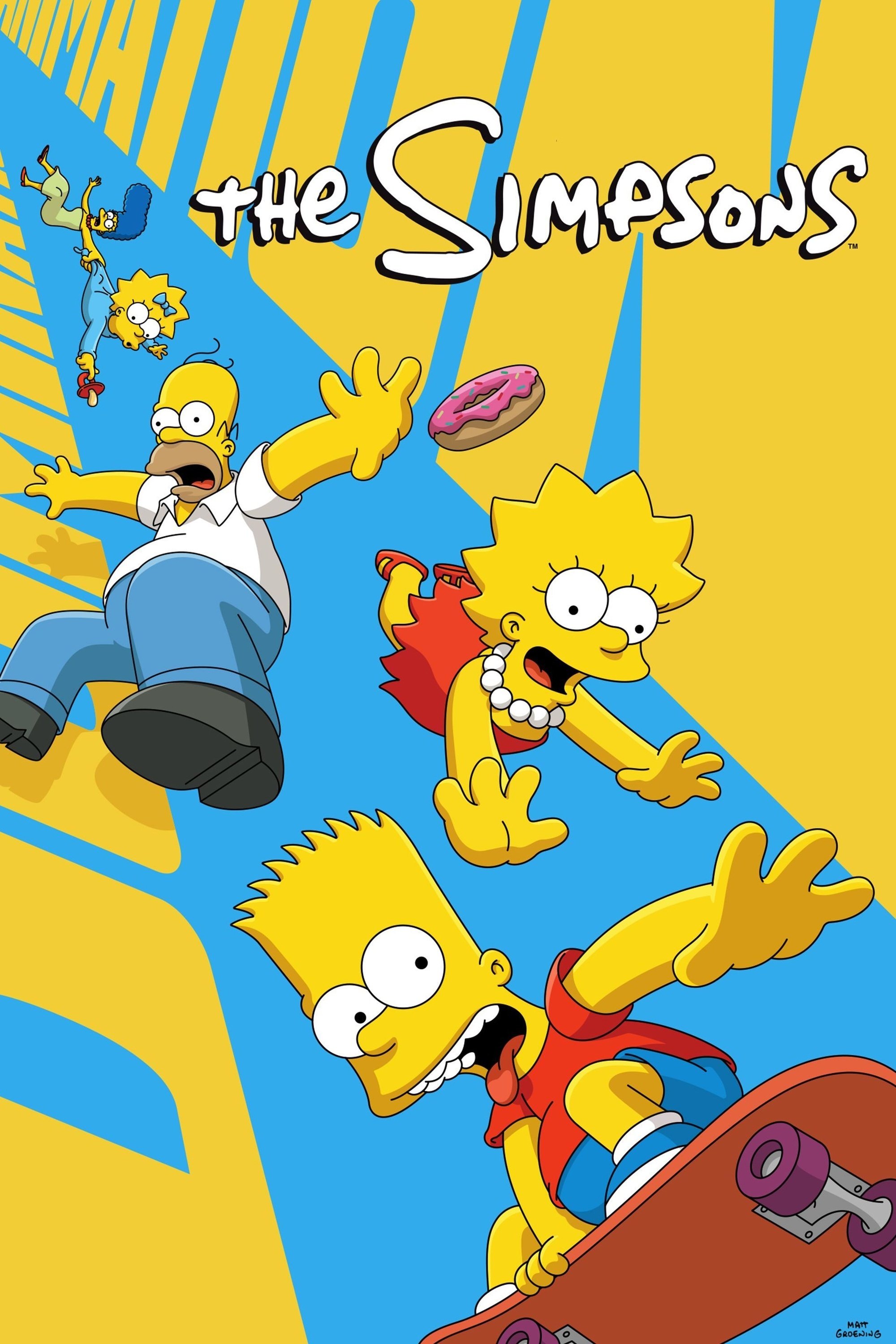
Matt Groening proved that animation could be written for adults and aired during primetime hours. The show deconstructed the nuclear family sitcom while offering satirical commentary on American culture. It established a pace of humor that was significantly faster than live-action alternatives. The success of the series opened the door for an entire industry of adult-oriented animated programming.
‘Sex and the City’ (1998–2004)
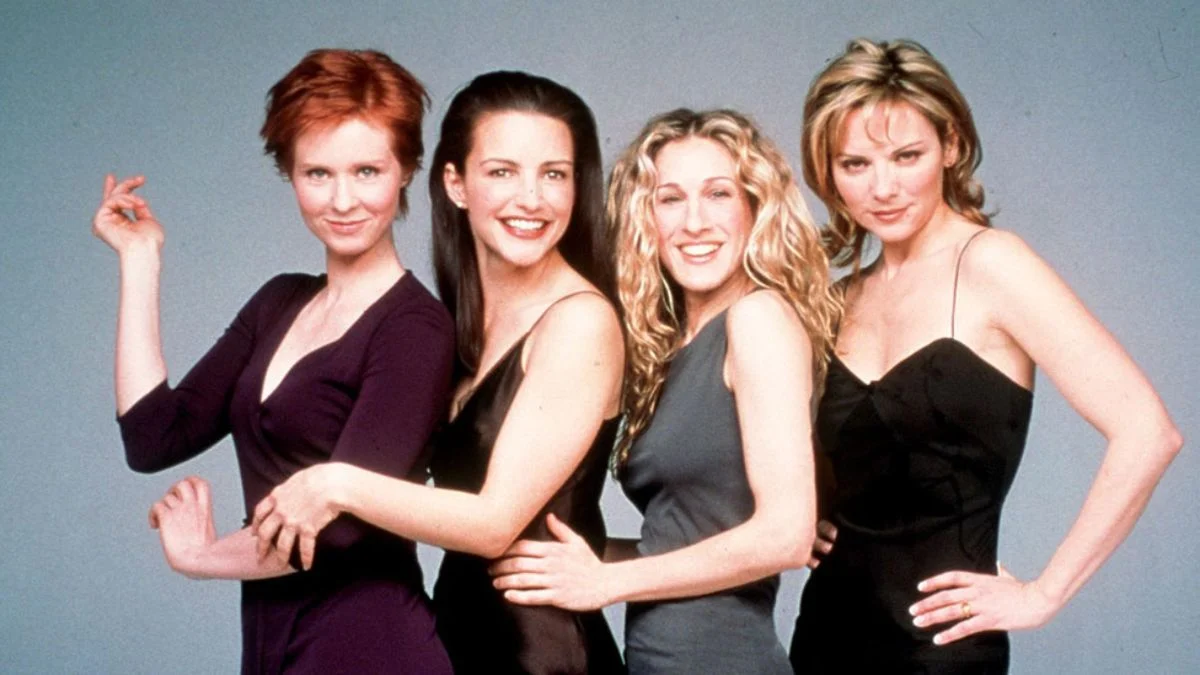
This series treated comedy with the cinematic production values usually reserved for dramas. It utilized a single narrator to guide the audience through frank discussions of modern relationships. The show was instrumental in branding HBO as a destination for female-led stories that pushed boundaries. It shifted the sitcom genre away from family units toward friendship circles in urban settings.
‘House of Cards’ (2013–2018)
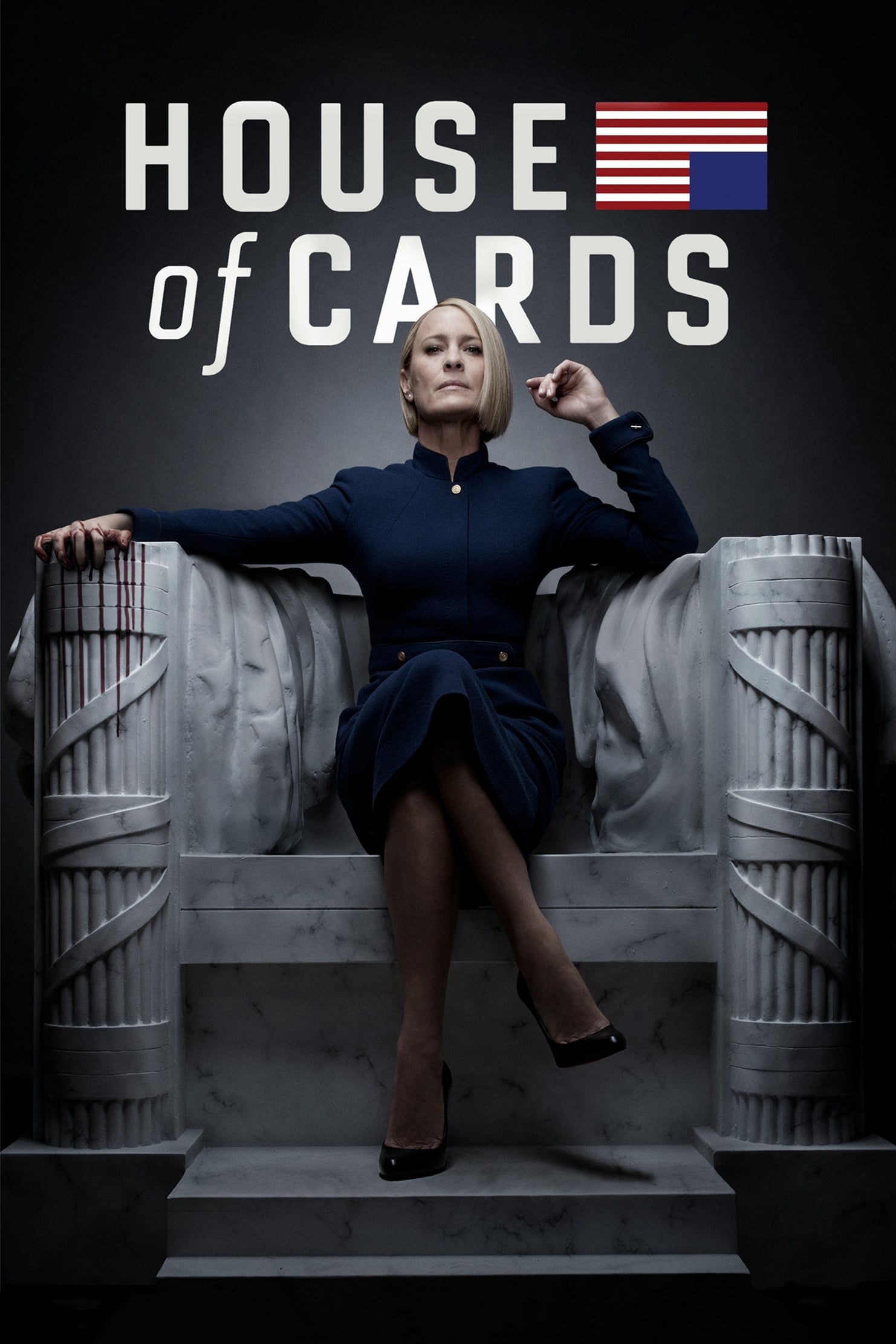
Netflix released the entire first season at once and fundamentally changed how audiences consume television. The show was engineered based on data regarding viewer preferences for political thrillers and specific actors. It validated the binge-watching model and signaled the beginning of the streaming wars. This release strategy forced traditional networks to reevaluate their weekly scheduling models.
‘Louie’ (2010–2015)
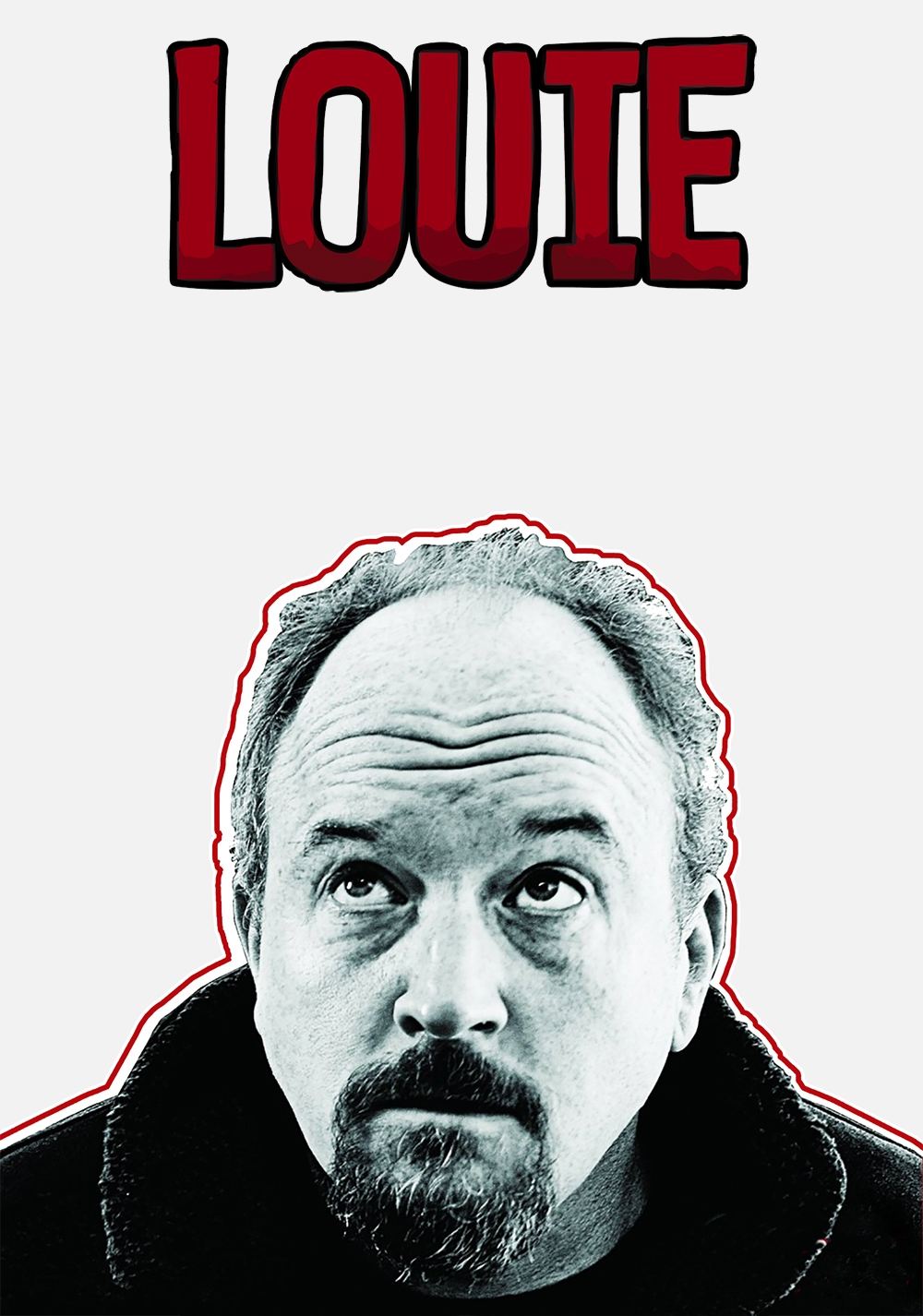
Louis C.K. retained complete creative control to write and direct a show that ignored traditional continuity. The series blended stand-up comedy with short films that ranged from hilarious to deeply tragic. It demonstrated that a comedy series could adopt an auteur approach similar to independent cinema. This freedom inspired a wave of creator-driven dramedies on basic cable and streaming platforms.
‘American Horror Story’ (2011–Present)

Ryan Murphy revived the anthology format by telling a self-contained story with a beginning and end each season. This allowed high-profile film actors to commit to television without signing multi-year contracts. The show proved that audiences would return for a new plot if the tone and cast remained familiar. This seasonal anthology model was subsequently adopted by crime dramas and sci-fi series.
’24’ (2001–2010)
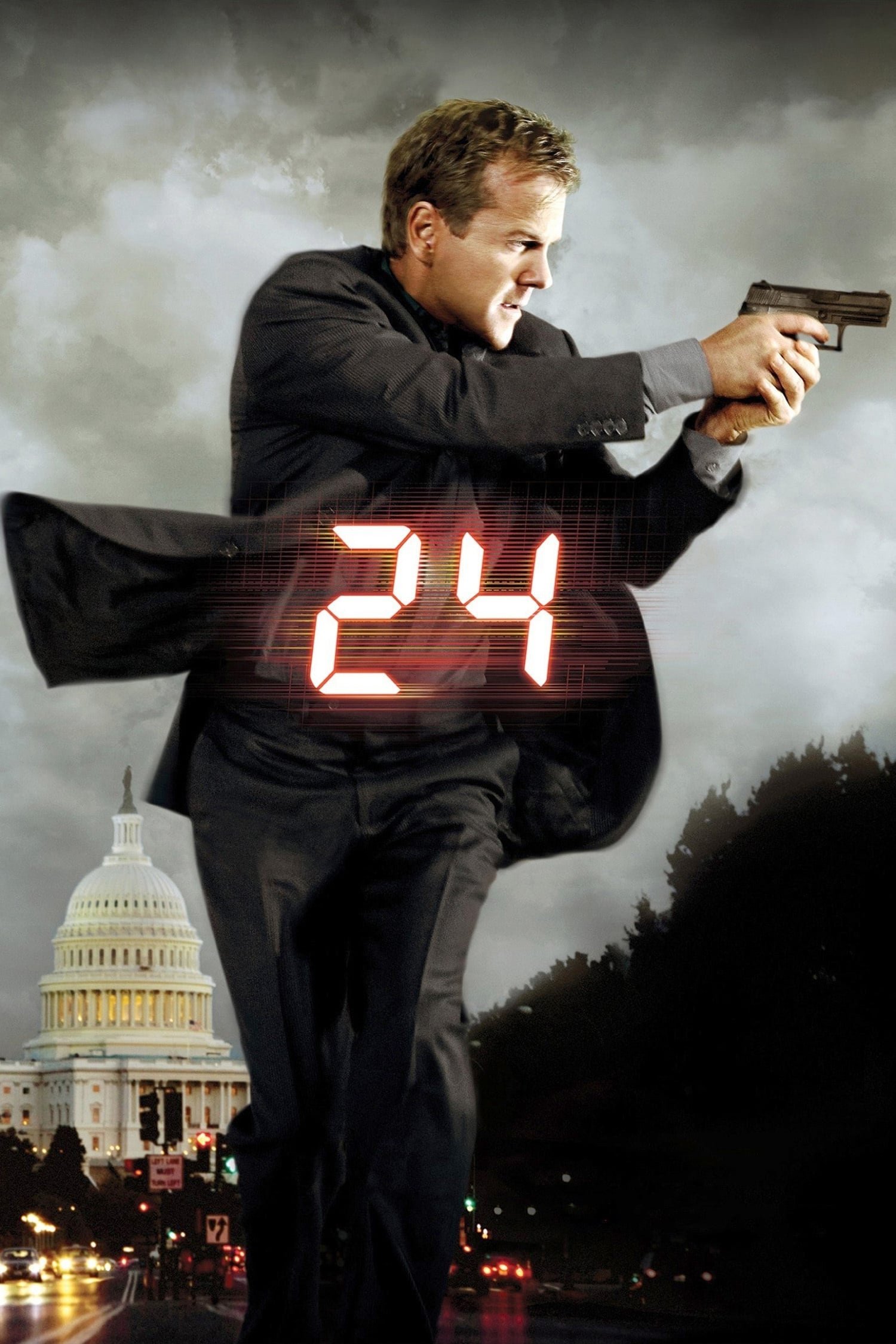
The writers committed to a real-time format where every minute of the broadcast corresponded to a minute in the story. This constraint created a relentless pace that redefined the action genre on television. The use of split screens allowed the show to track multiple storylines simultaneously without cutting away. It raised the bar for tension and pacing in network thrillers.
‘Curb Your Enthusiasm’ (2000–Present)
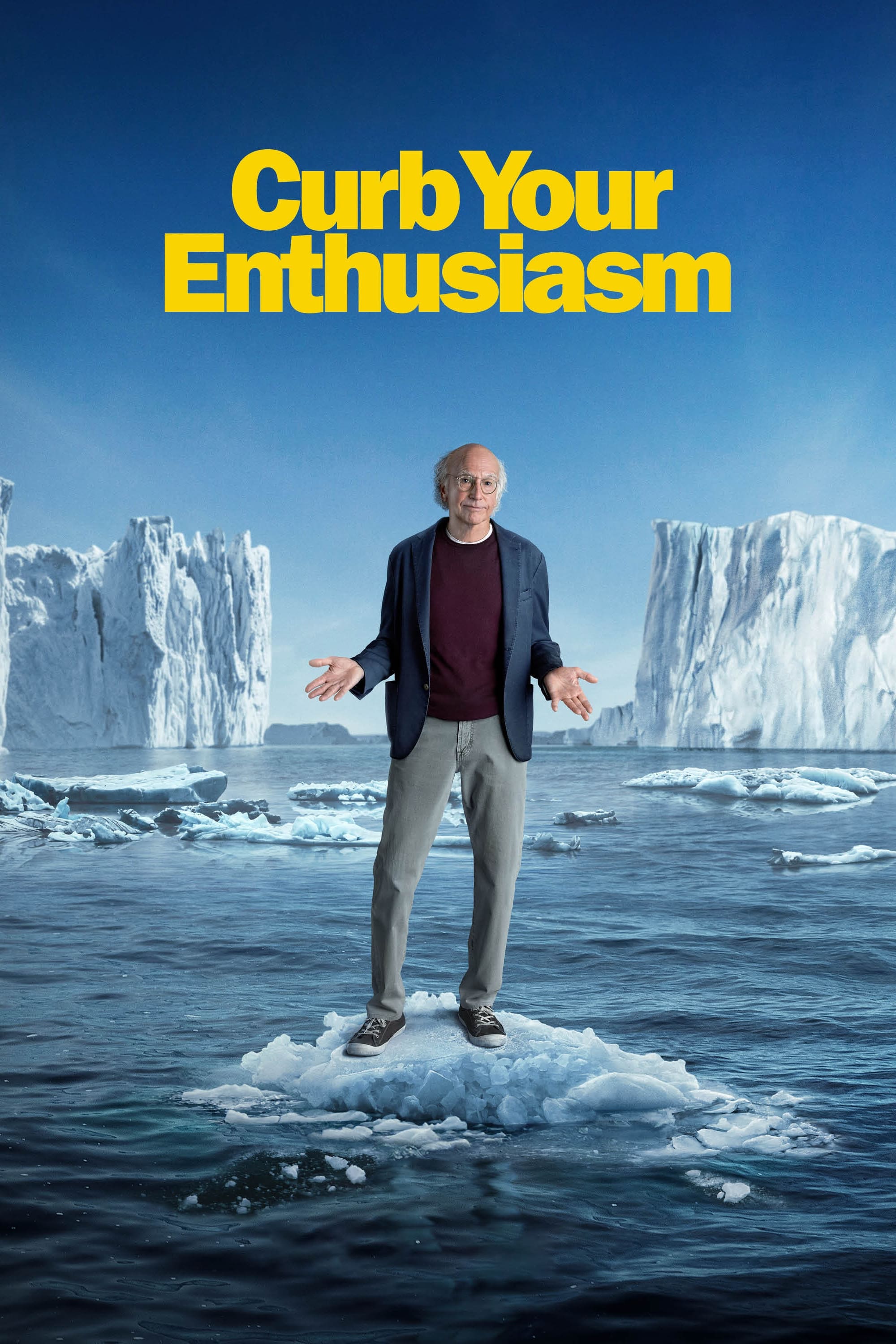
The dialogue in this series was entirely improvised by the actors based on a loose outline of plot points. This technique resulted in naturalistic conversations that felt distinct from scripted comedy. It blurred the line between the actor and the character they were portraying. The production style influenced many subsequent comedies to embrace improvisation and looser scripting.
‘The Daily Show’ (1996–Present)

Jon Stewart transformed a comedy show into a primary news source for a younger generation. The program used satire to critique the media landscape and political hypocrisy more effectively than traditional journalism. It established a format where comedians could act as public intellectuals and truth-tellers. This hybrid of news and comedy spawned numerous imitators and spiritual successors.
‘Star Trek’ (1966–1969)
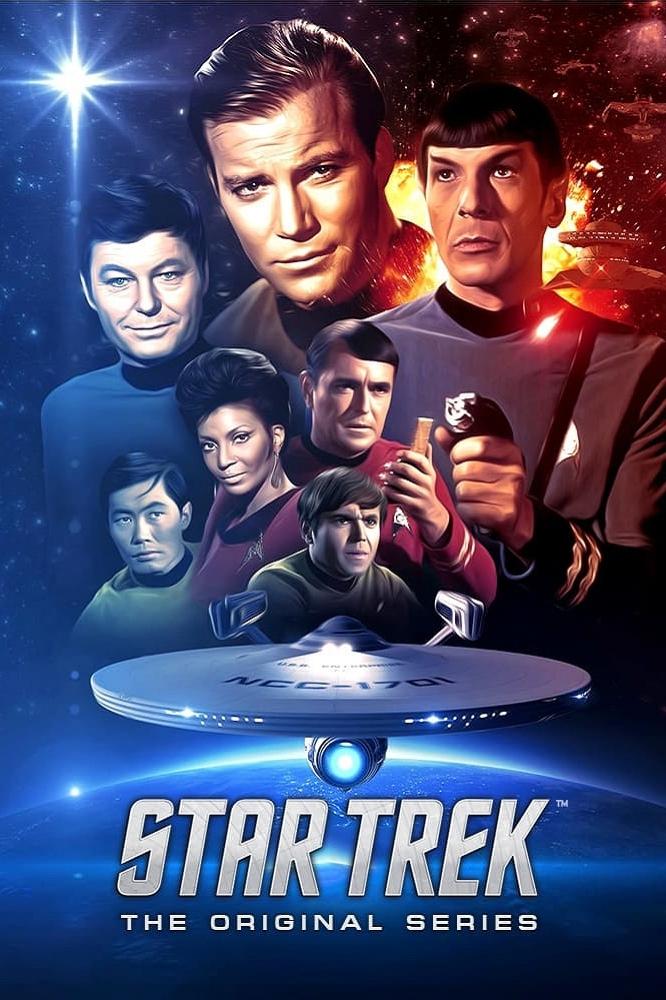
Gene Roddenberry used science fiction as a vehicle to tell allegorical stories about contemporary social issues. The show cultivated a dedicated fandom that organized conventions and wrote fan fiction long before the internet. It demonstrated the long-term profitability of syndication for genre properties. The franchise model it created became the blueprint for modern multimedia entertainment universes.
‘Dallas’ (1978–1991)
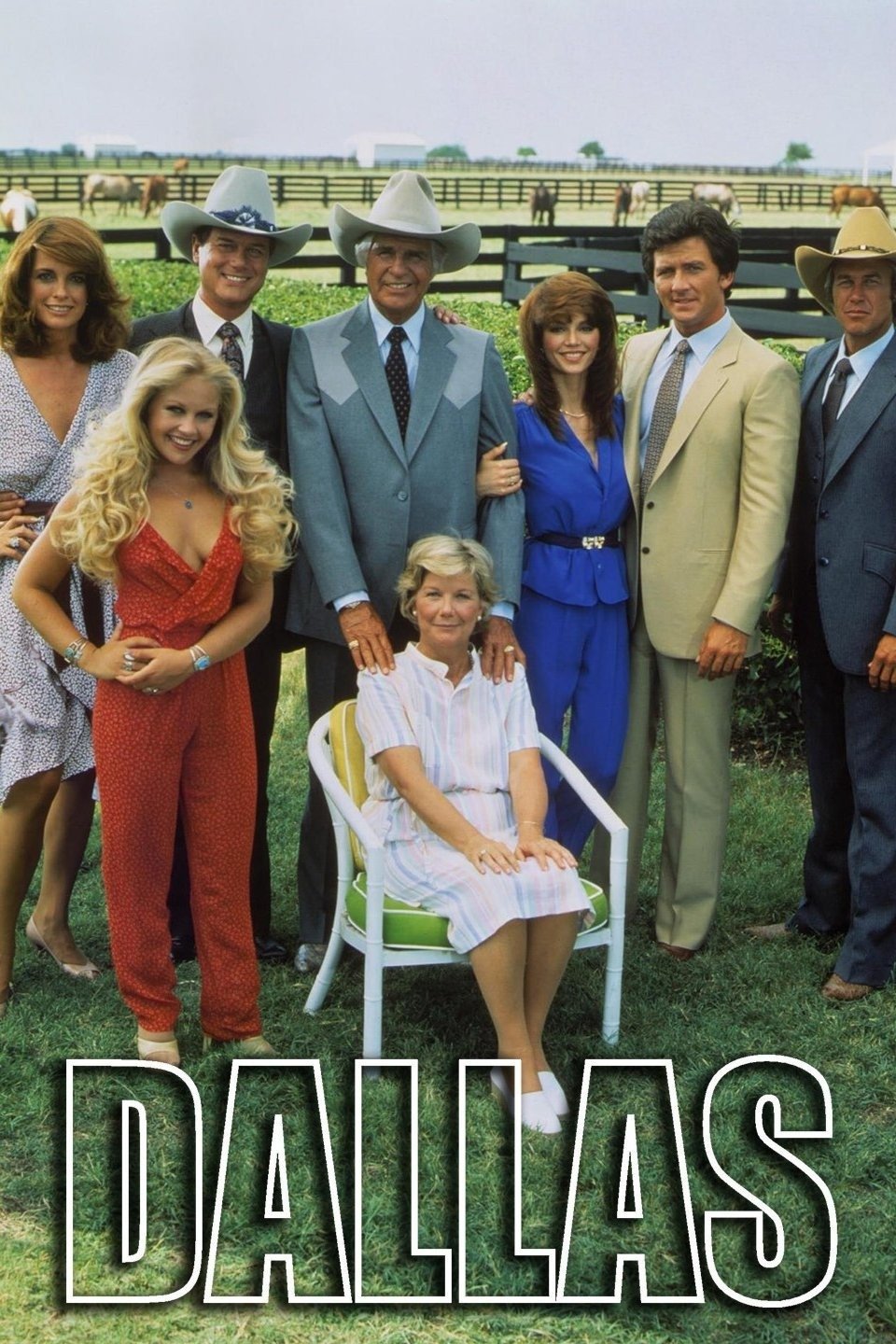
This primetime soap opera popularized the use of the season-ending cliffhanger to ensure audience retention. The mystery of who shot a main character became a global cultural phenomenon that transcended the show itself. It proved that serialized drama could achieve massive ratings in primetime slots. The structure of the show influenced how networks marketed season finales for decades.
‘Batman: The Animated Series’ (1992–1995)
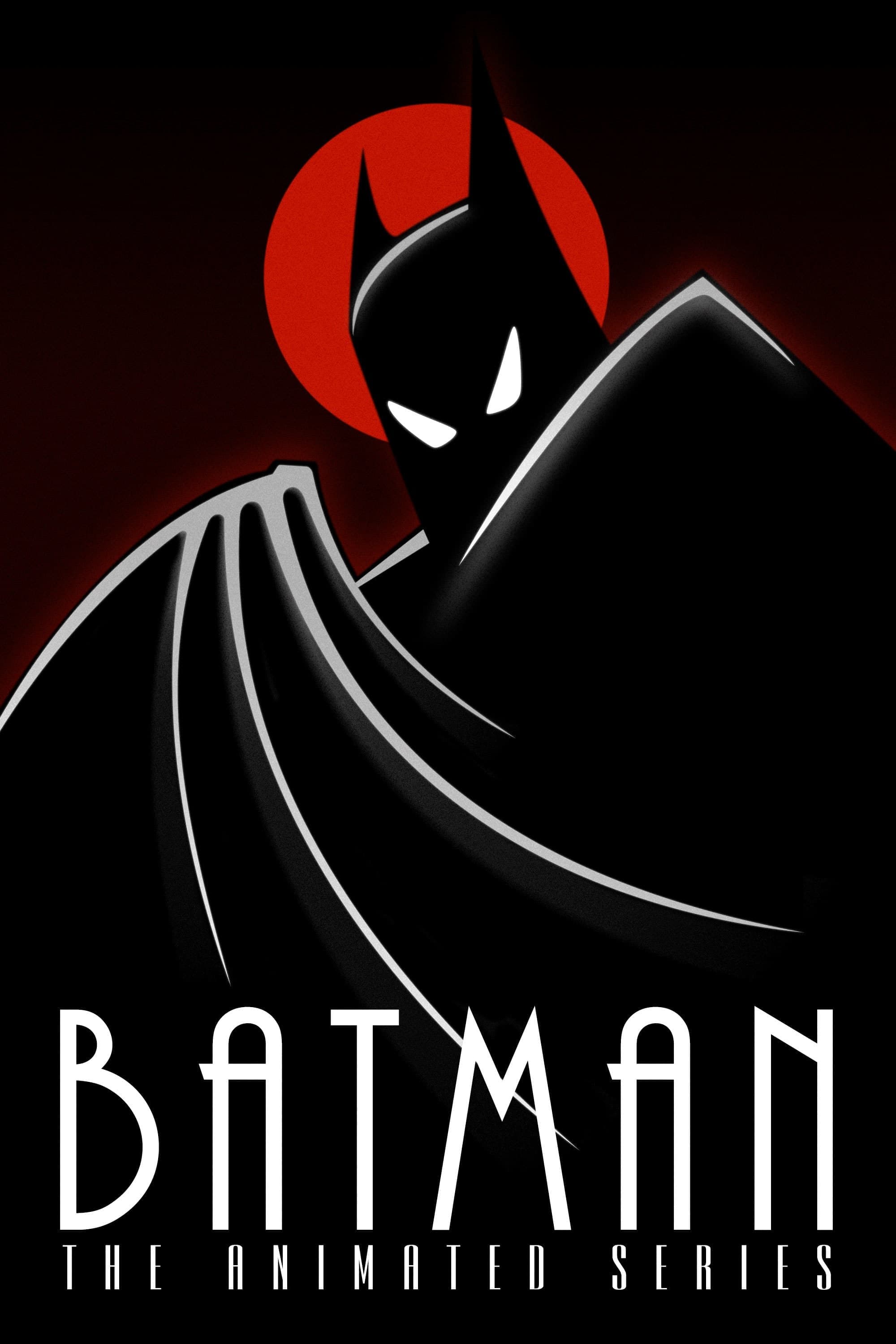
The creators utilized black paper for backgrounds to give the show a dark and film noir aesthetic. It treated the source material with a seriousness that was uncommon for children’s programming. The writing explored the psychology of the villains rather than simply portraying them as evil caricatures. This mature approach elevated the standard for action animation and superhero storytelling.
‘Adventure Time’ (2010–2018)
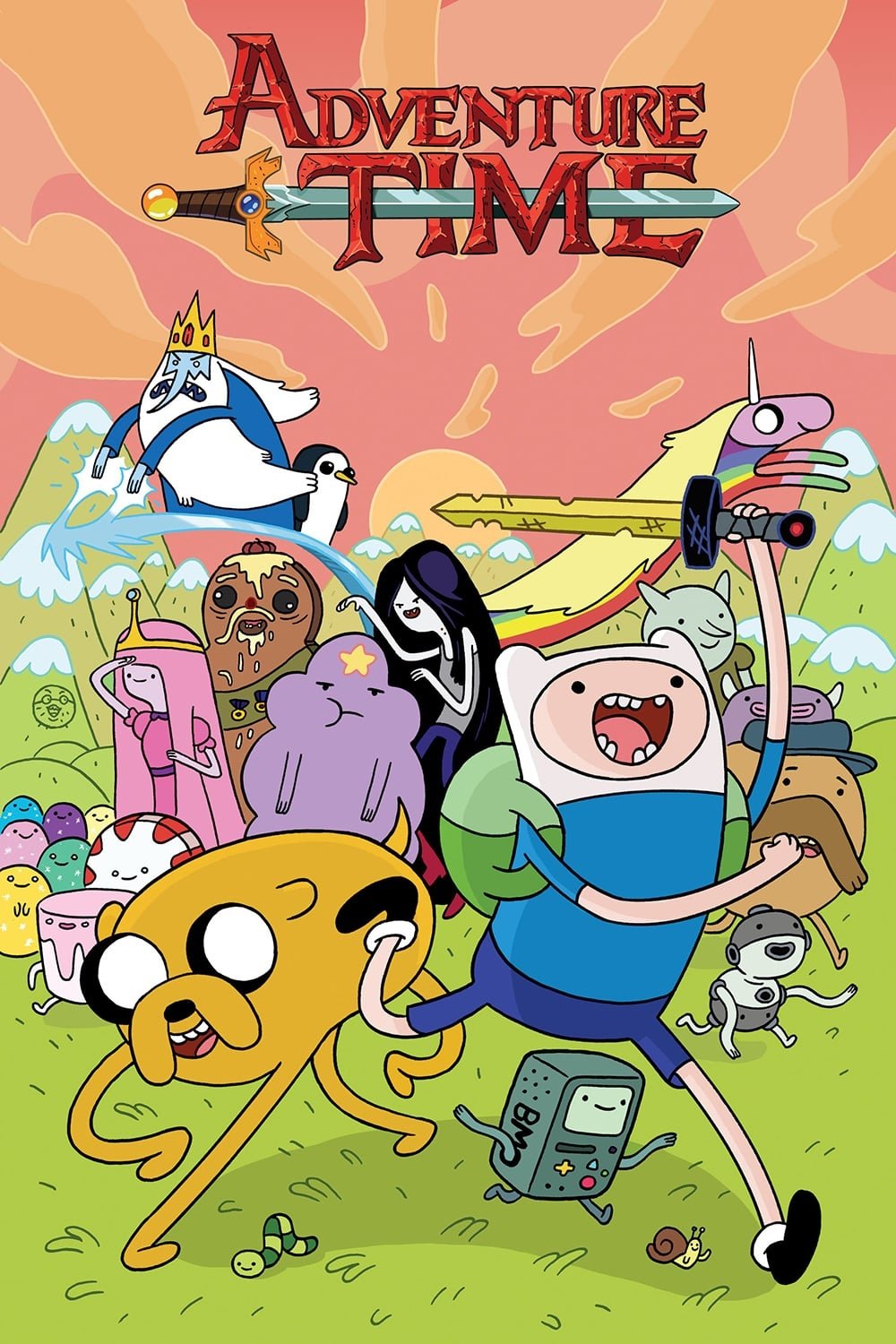
This animated series started as a simple fantasy but slowly built a deep post-apocalyptic lore. The episodes were only eleven minutes long yet managed to explore complex themes of aging and memory. It appealed equally to children and adults through its surreal visual style and emotional depth. The show ushered in a renaissance of creator-driven animation on cable networks.
‘Dark Shadows’ (1966–1971)
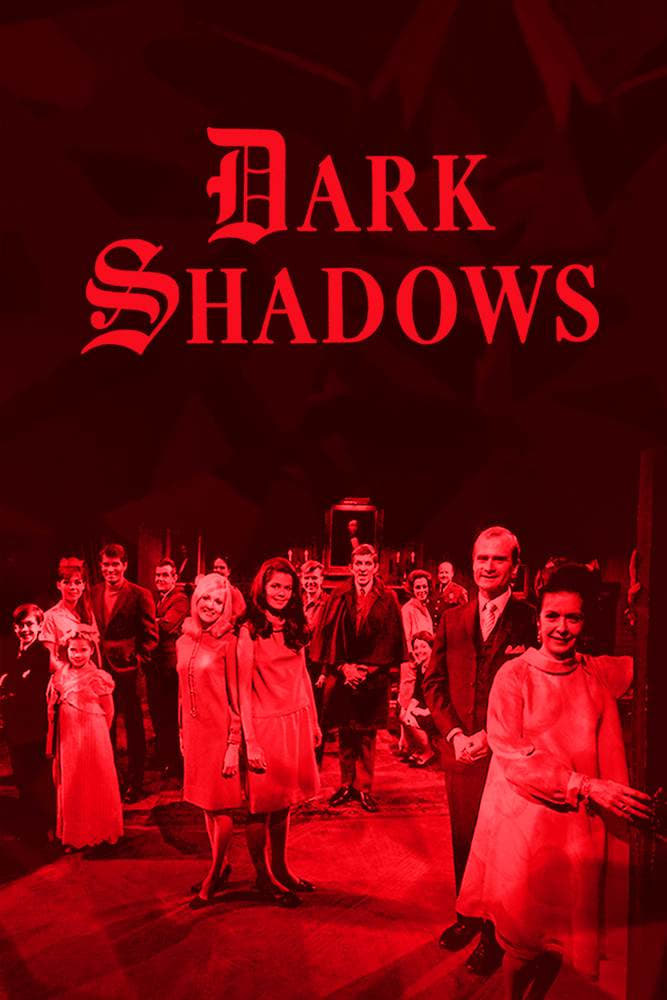
This daytime soap opera introduced vampires and witches to a genre previously defined by domestic romance. It proved that supernatural elements could sustain a daily narrative and attract a younger demographic. The gothic atmosphere distinguished it from every other program on the daytime schedule. It remains a rare example of a horror soap opera that achieved mainstream popularity.
‘All in the Family’ (1971–1979)
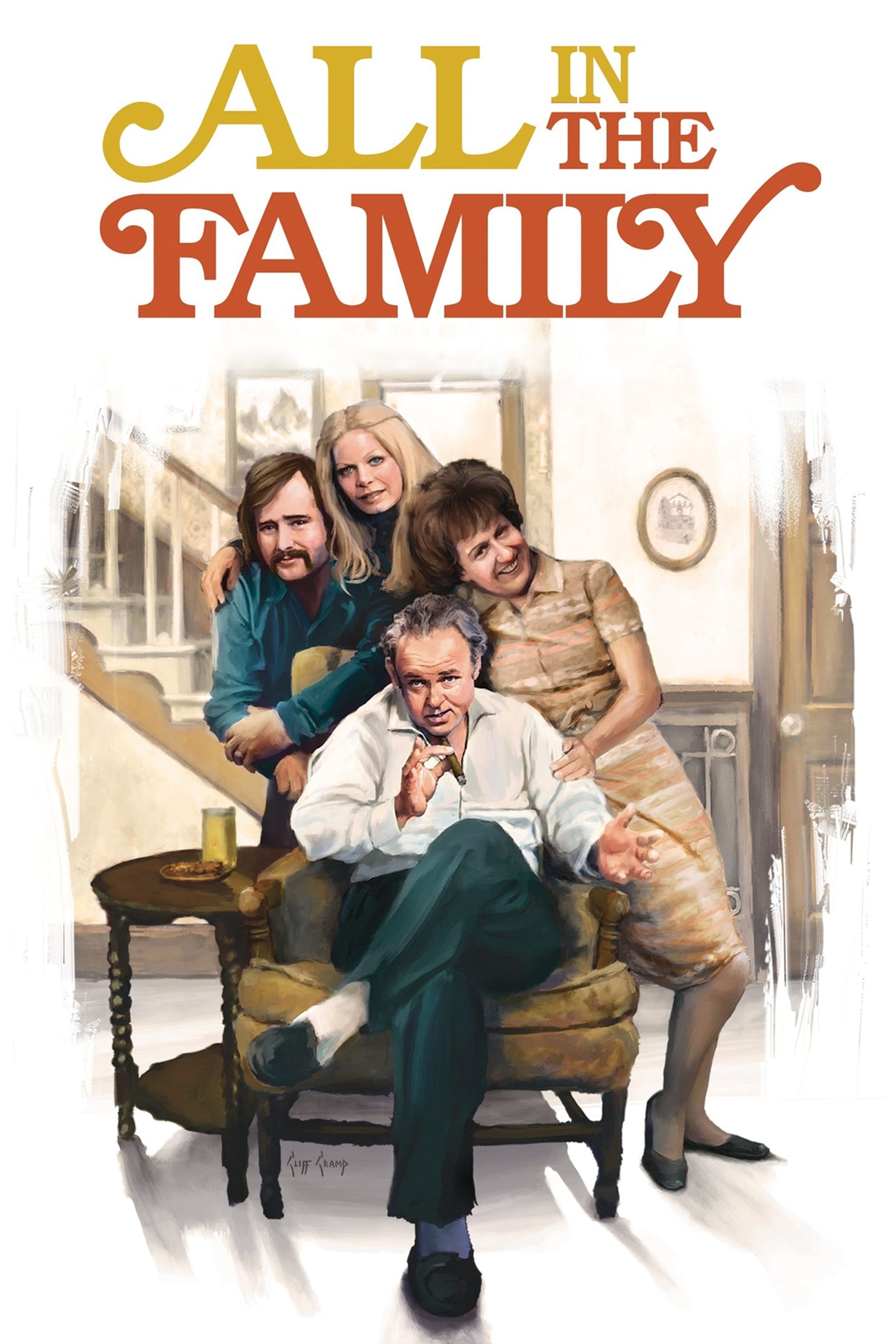
Norman Lear brought political arguments and social reality into the living rooms of sitcom characters. The show featured a bigoted protagonist whose views were constantly challenged by his family. It broke taboos by discussing race and religion openly during primetime. This realism changed the sitcom from a vehicle for escapism into a platform for social commentary.
‘Moonlighting’ (1985–1989)
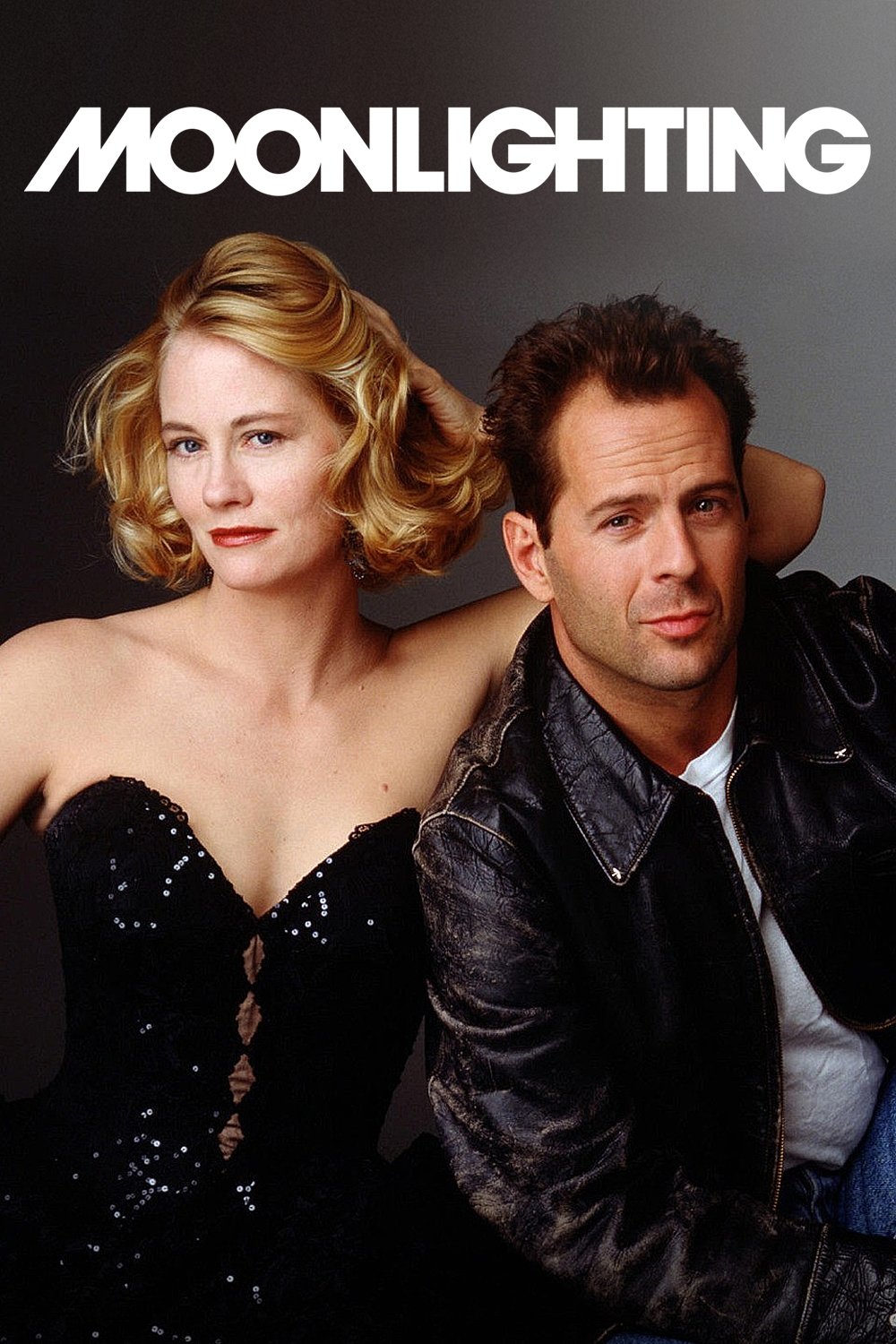
The writers frequently broke the fourth wall and allowed characters to address the audience directly. The show was notorious for mixing comedy, drama, and romance in a way that defied easy categorization. It focused heavily on the sexual tension between the leads rather than the mystery plots. This will-they-won’t-they dynamic became a staple for procedural partnerships.
‘Transparent’ (2014–2019)
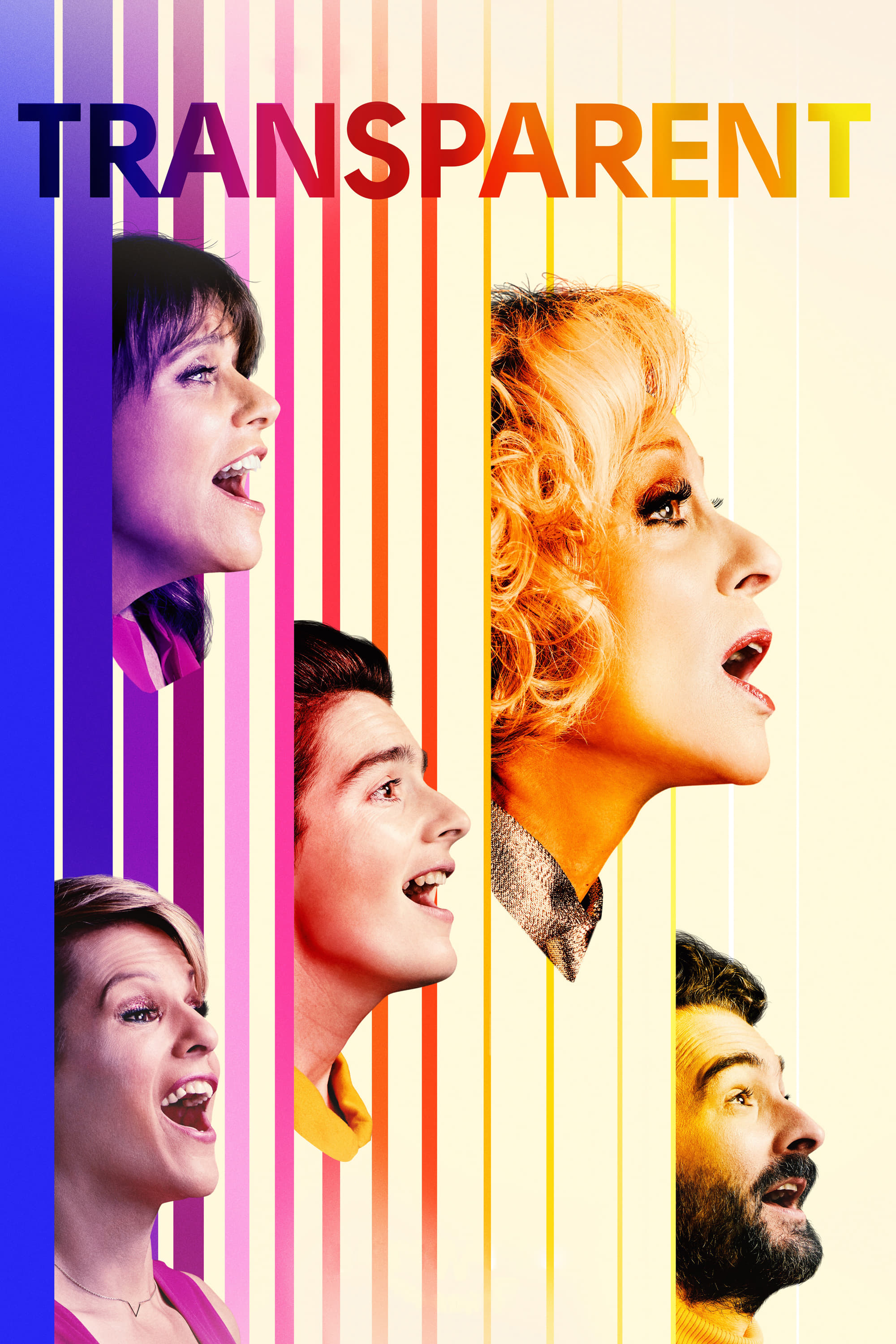
Amazon established itself as a serious content creator by producing this intimate drama about a family in transition. The show explored gender identity and sexuality with a nuance that was absent from broadcast television. It won major awards and signaled that streaming services could produce art-house quality series. This success encouraged other platforms to invest in niche storytelling.
‘Glee’ (2009–2015)
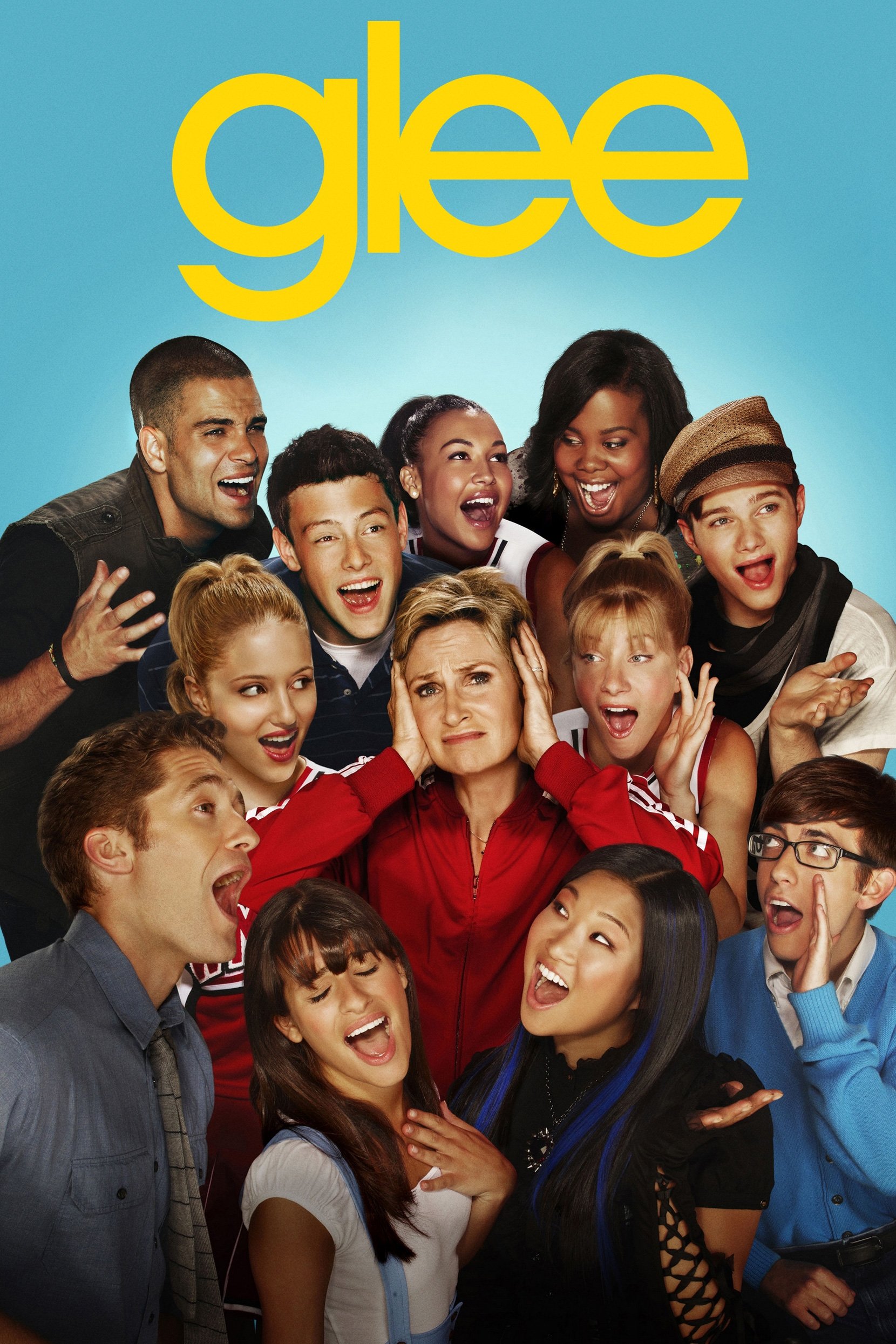
Ryan Murphy integrated musical numbers into a narrative format and made them integral to the plot. The show generated massive revenue through digital downloads of the songs performed in each episode. It created a synergy between television and the music industry that had not been seen since the variety show era. The series proved that a scripted musical could find a massive modern audience.
‘Jackass’ (2000–2002)

The show utilized consumer-grade video cameras to film dangerous stunts and pranks with a skate video aesthetic. It rejected high production values in favor of raw authenticity and shock value. The series tapped into a desire for anarchic content that felt dangerous and unregulated. This DIY style influenced the entire culture of internet content creation and YouTube vlogging.
‘Big Brother’ (2000–Present)
This reality franchise introduced the concept of twenty-four-hour surveillance and live feeds. Viewers could watch the contestants online even when the show was not airing on television. It turned the audience into active participants who could influence the game. This level of access fundamentally changed the relationship between reality stars and their fans.
‘Cops’ (1989–2023)

The producers stripped away narration and music to present a raw look at police work. It relied entirely on ride-along footage to create a cinéma vérité style of entertainment. The show was inexpensive to produce and could be syndicated endlessly. It established the visual language of handheld reality television that dominates cable programming.
‘Game of Thrones’ (2011–2019)
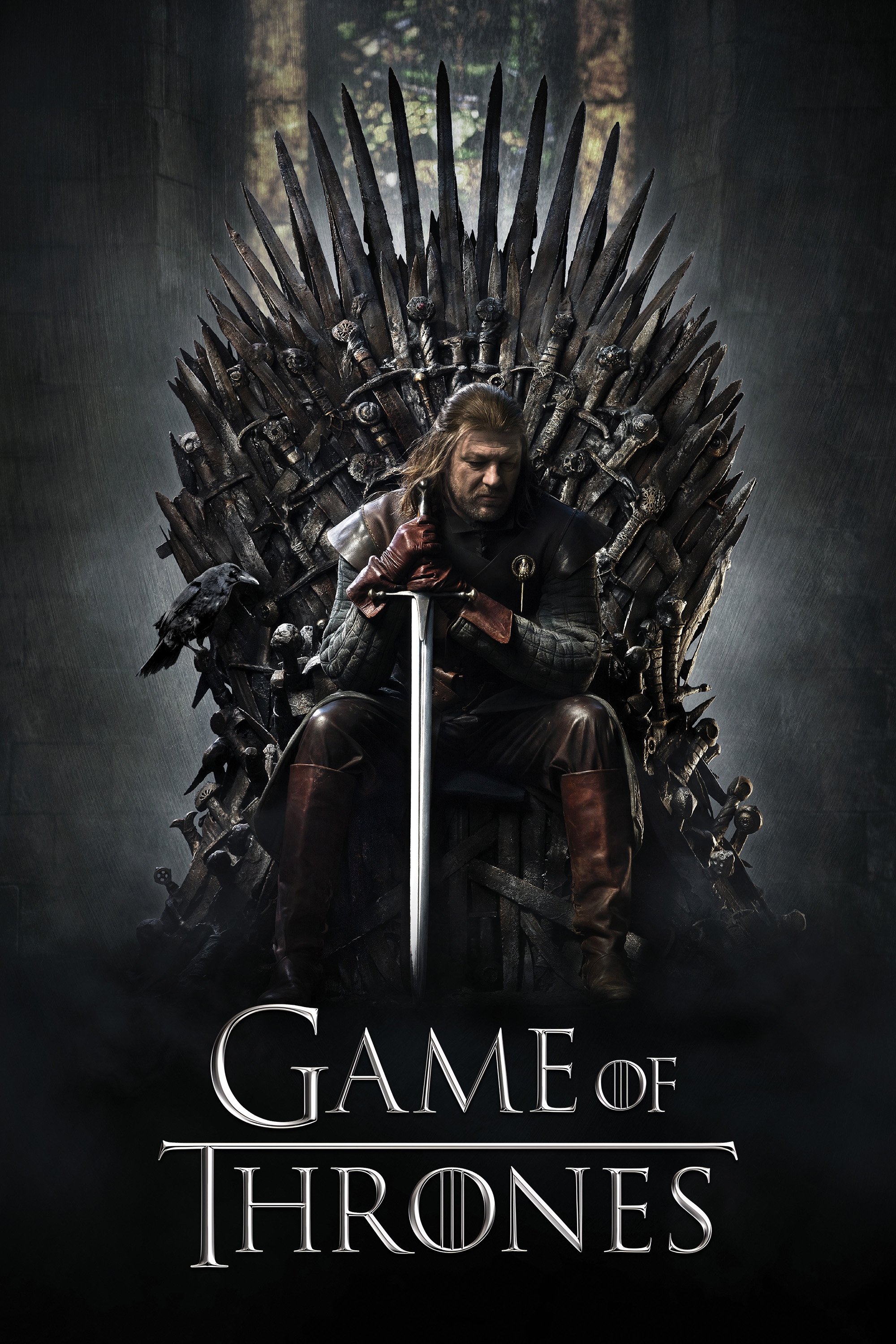
HBO proved that high fantasy could attract a mainstream adult audience if treated with political seriousness. The show was famous for killing off main characters to establish that no one was safe. It utilized a budget previously reserved for blockbuster films to create cinema-quality visual effects. This scale of production forced other networks to increase their budgets to compete.
‘The Walking Dead’ (2010–2022)
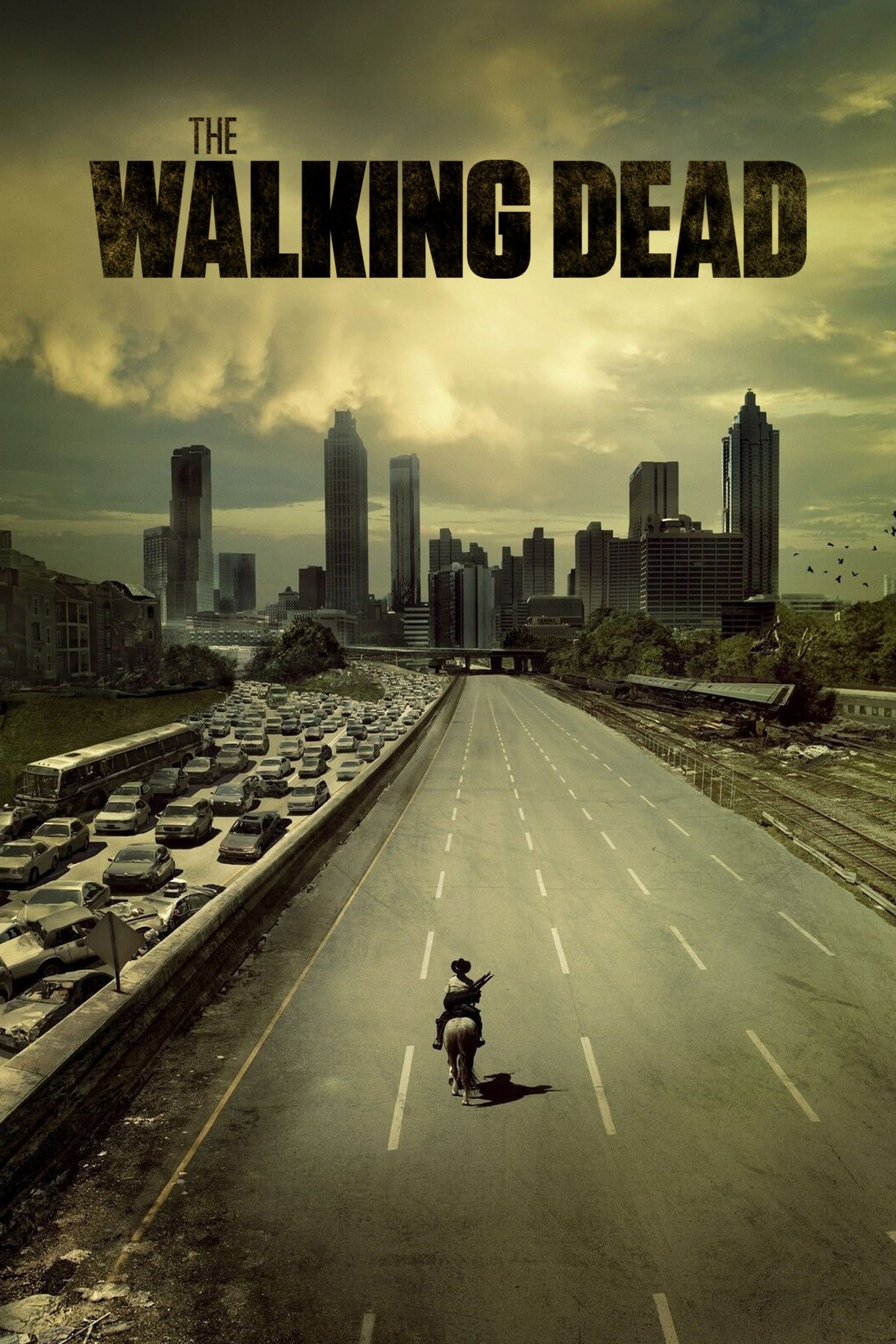
AMC demonstrated that a horror series featuring extreme gore could become the highest-rated show on cable. It treated a zombie apocalypse as a long-form character study rather than a quick slasher film. The show proved that genre fiction could sustain high ratings over a decade. It opened the door for comic book adaptations to dominate the television landscape.
‘True Detective’ (2014–Present)
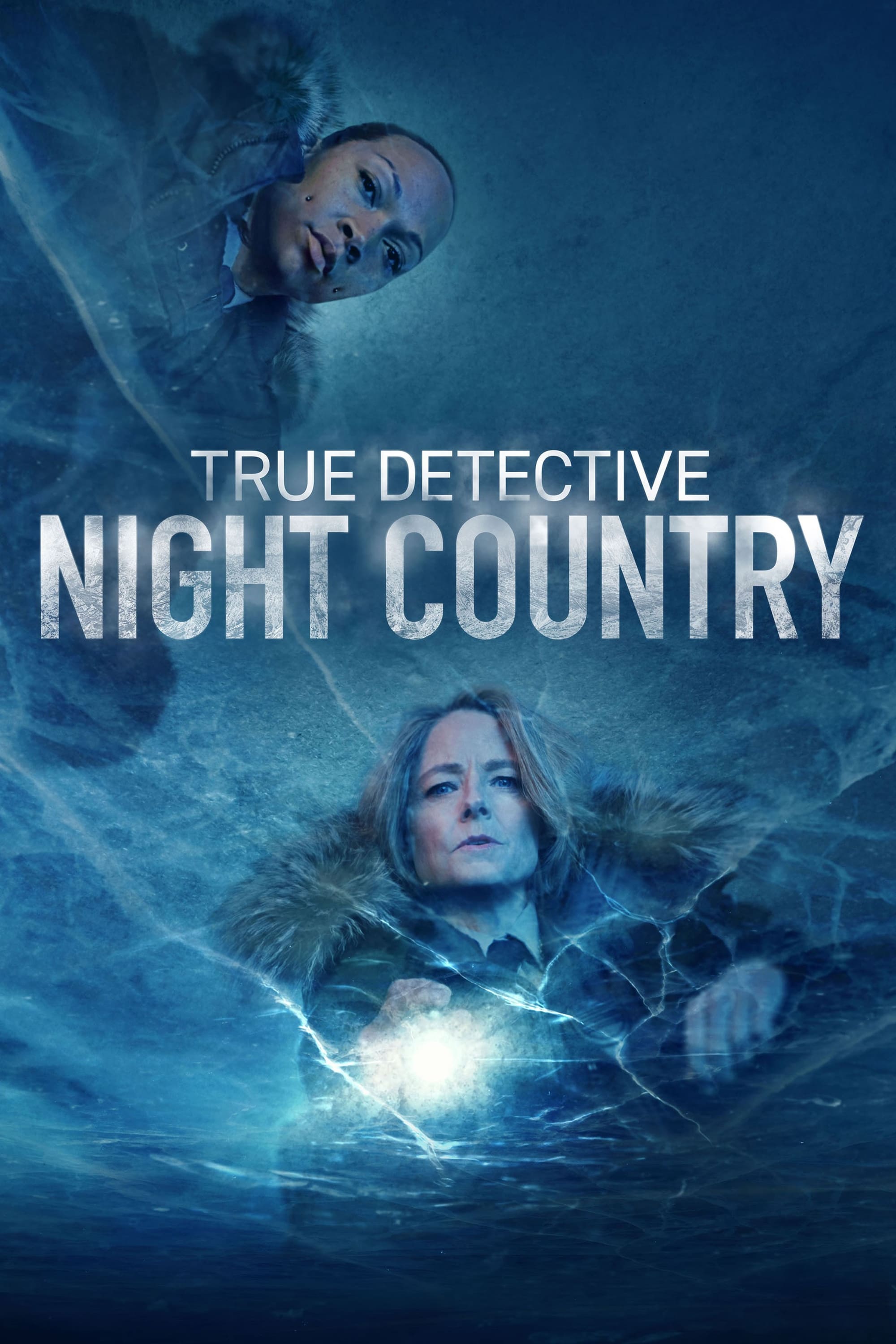
The first season was directed entirely by Cary Joji Fukunaga and treated as an eight-hour film. It attracted A-list movie stars who delivered performances typically reserved for cinema. The show popularized the limited series format where the story concludes but the brand continues. It elevated the crime procedural to the level of high art and philosophical drama.
‘Fleabag’ (2016–2019)
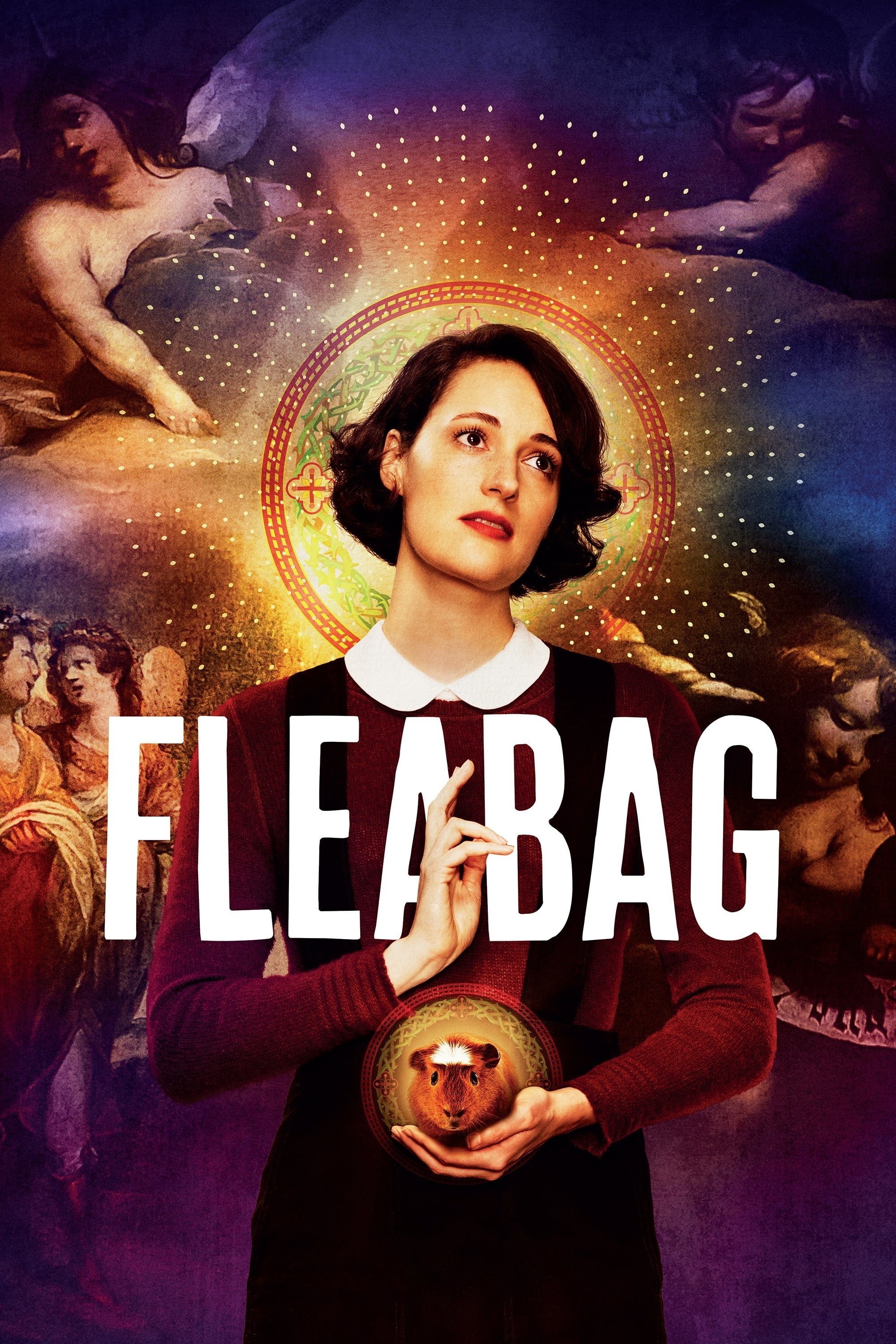
Phoebe Waller-Bridge used the technique of breaking the fourth wall to create an intimate bond with the viewer. The protagonist treated the audience as a confidant to share her hidden cynicism and grief. It blended raunchy comedy with devastating emotional beats in a short runtime. This style of tragicomedy influenced a wave of shows centered on messy female protagonists.
‘Sesame Street’ (1969–Present)
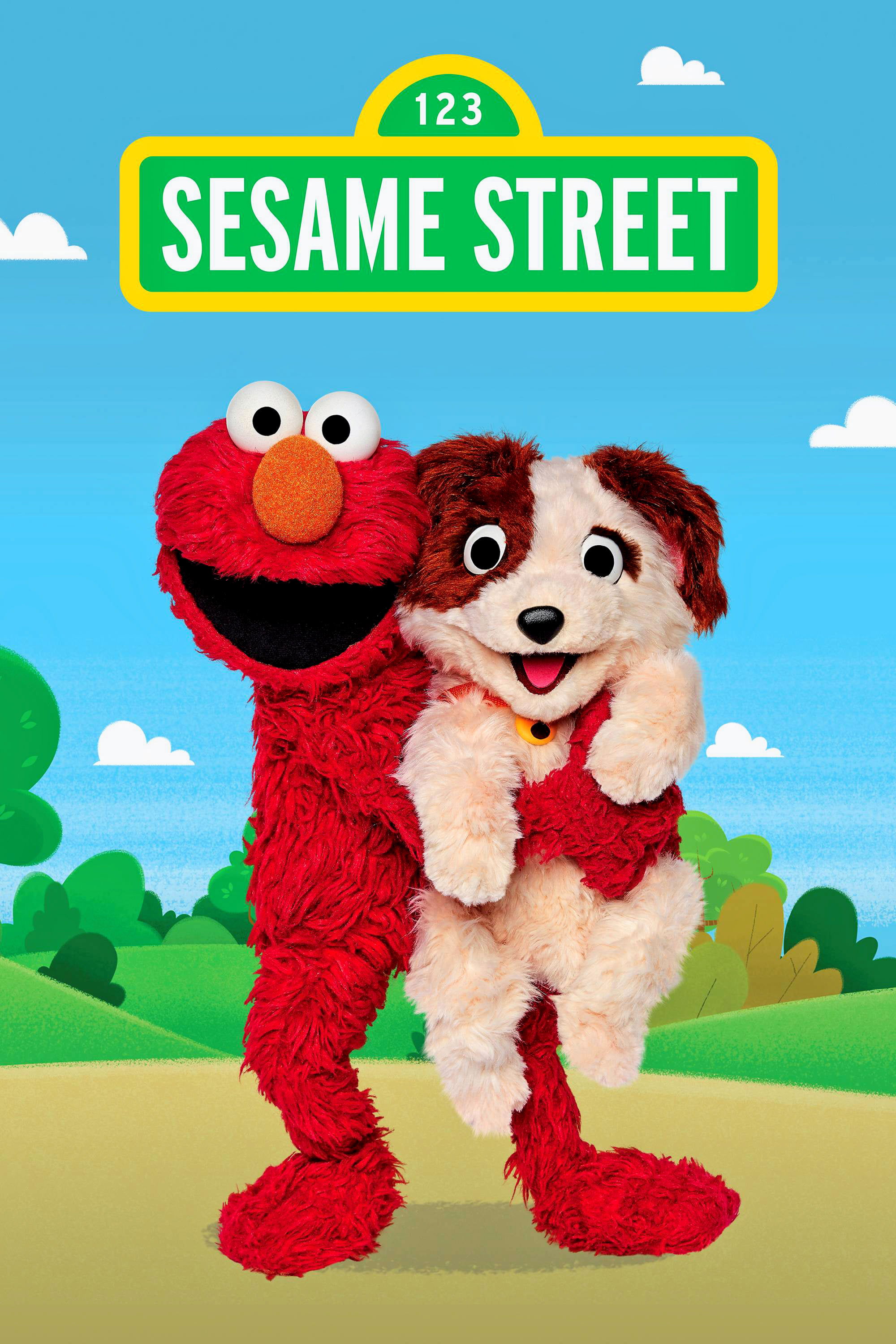
The creators designed an educational program that mimicked the fast pacing of television commercials. It was the first children’s show to be set in a gritty urban environment rather than a fantasy land. Research was used to refine the content to ensure it was effectively teaching the target audience. This scientific approach to programming set the standard for all future educational media.
‘The Mary Tyler Moore Show’ (1970–1977)
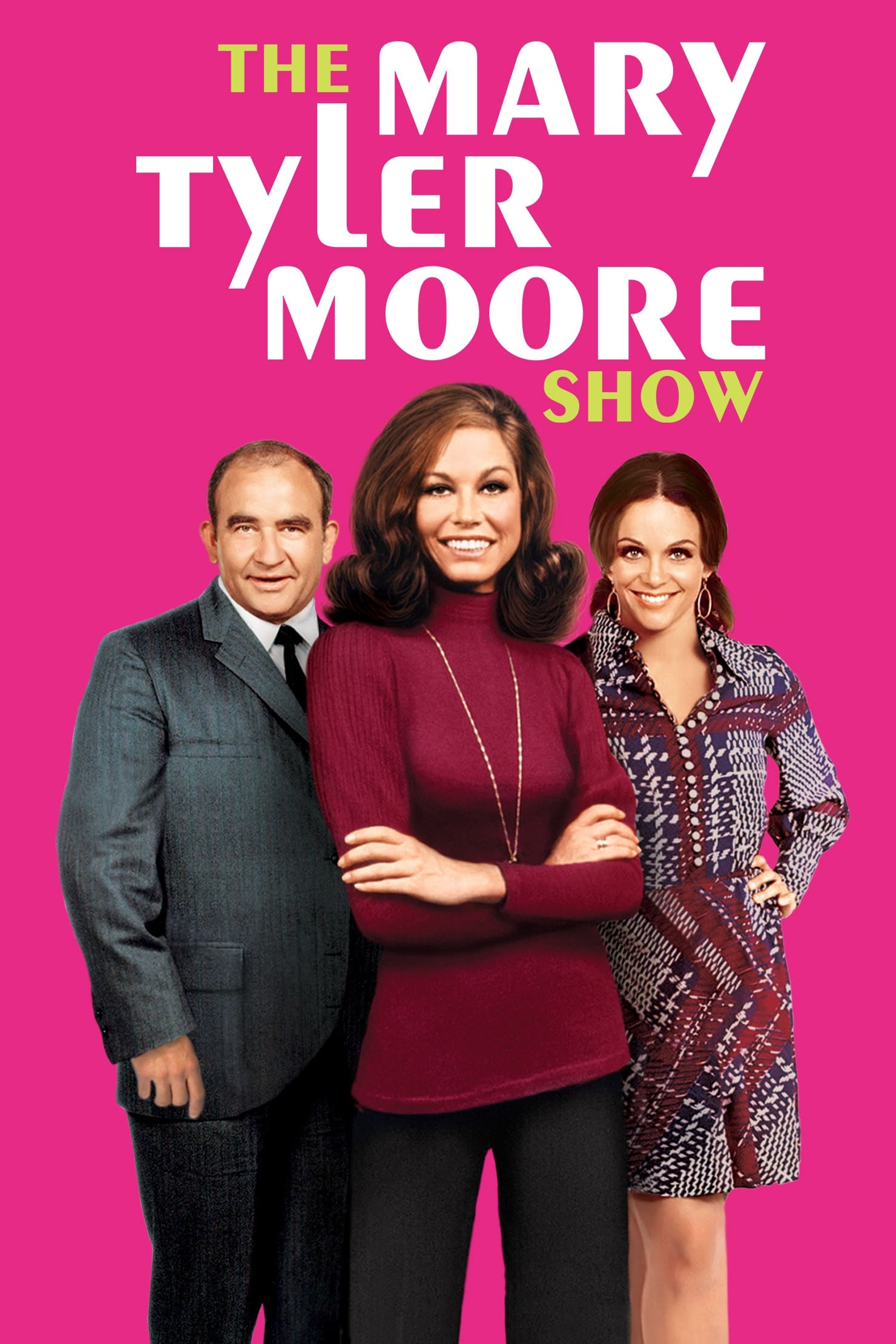
This sitcom focused on a single woman who was defined by her career rather than her search for a husband. It featured an ensemble cast that operated as a workplace family. The writing explored themes of gender equality and independence with sophistication. It provided a template for workplace comedies and female-led series for decades to come.
‘Roots’ (1977)
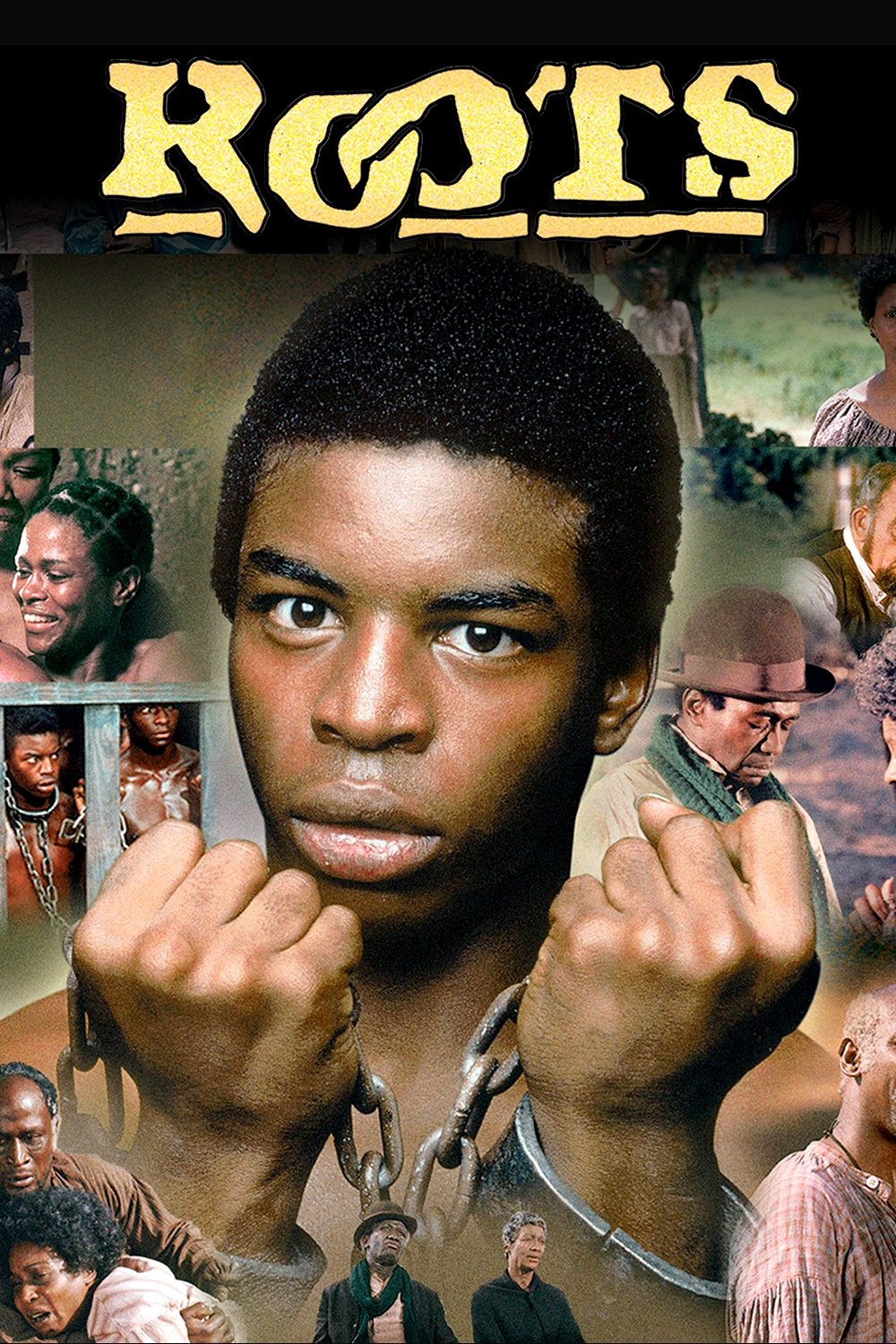
This miniseries was aired over eight consecutive nights and became a massive cultural event. It forced the nation to confront the history of slavery through a multigenerational family saga. The success of the broadcast proved that audiences would tune in night after night for a continuing story. It established the miniseries as a prestigious format for tackling historical subjects.
‘The Larry Sanders Show’ (1992–1998)
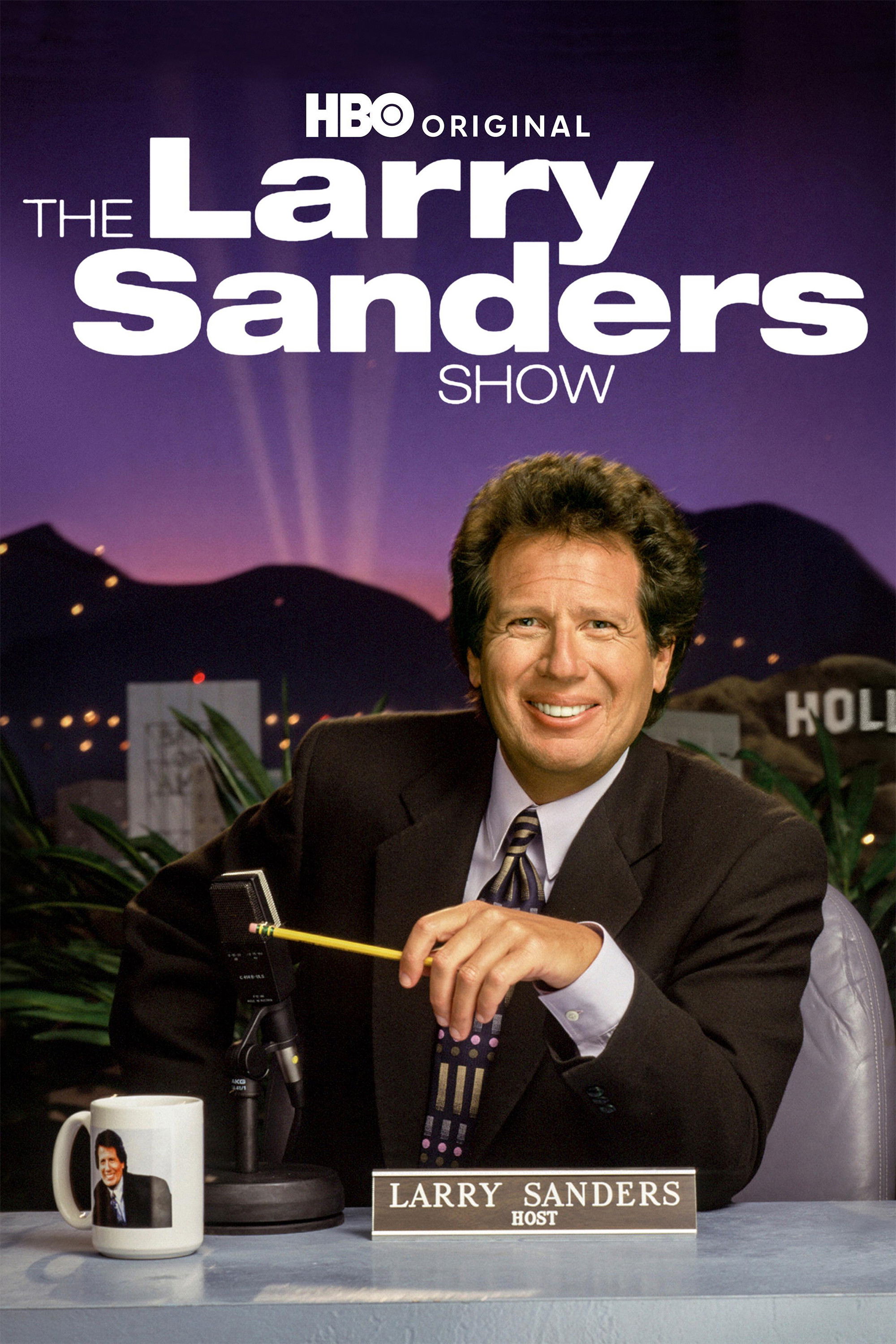
Garry Shandling deconstructed the late-night talk show format by showing the cynicism behind the scenes. The show used different film stocks to distinguish between the on-air segments and the backstage reality. It featured celebrities playing exaggerated versions of themselves. This meta-commentary on show business influenced nearly every premium cable comedy that followed.
Share your thoughts on which of these shows had the biggest impact in the comments.