


25 TV Shows That Changed Their Main Character (And Failed Miserably)




Swapping out a central face on a hit show can disrupt storylines, confuse viewers, and strain momentum that took years to build. Networks try new leads, fresh settings, or soft reboots to keep things going, but the results often include falling ratings, shorter seasons, and quick cancellations. Here are notable cases where a main-character change set off a clear downturn, based on cast exits, on-screen replacements, and what happened to the series afterward.
‘The Office’ (2005–2013)
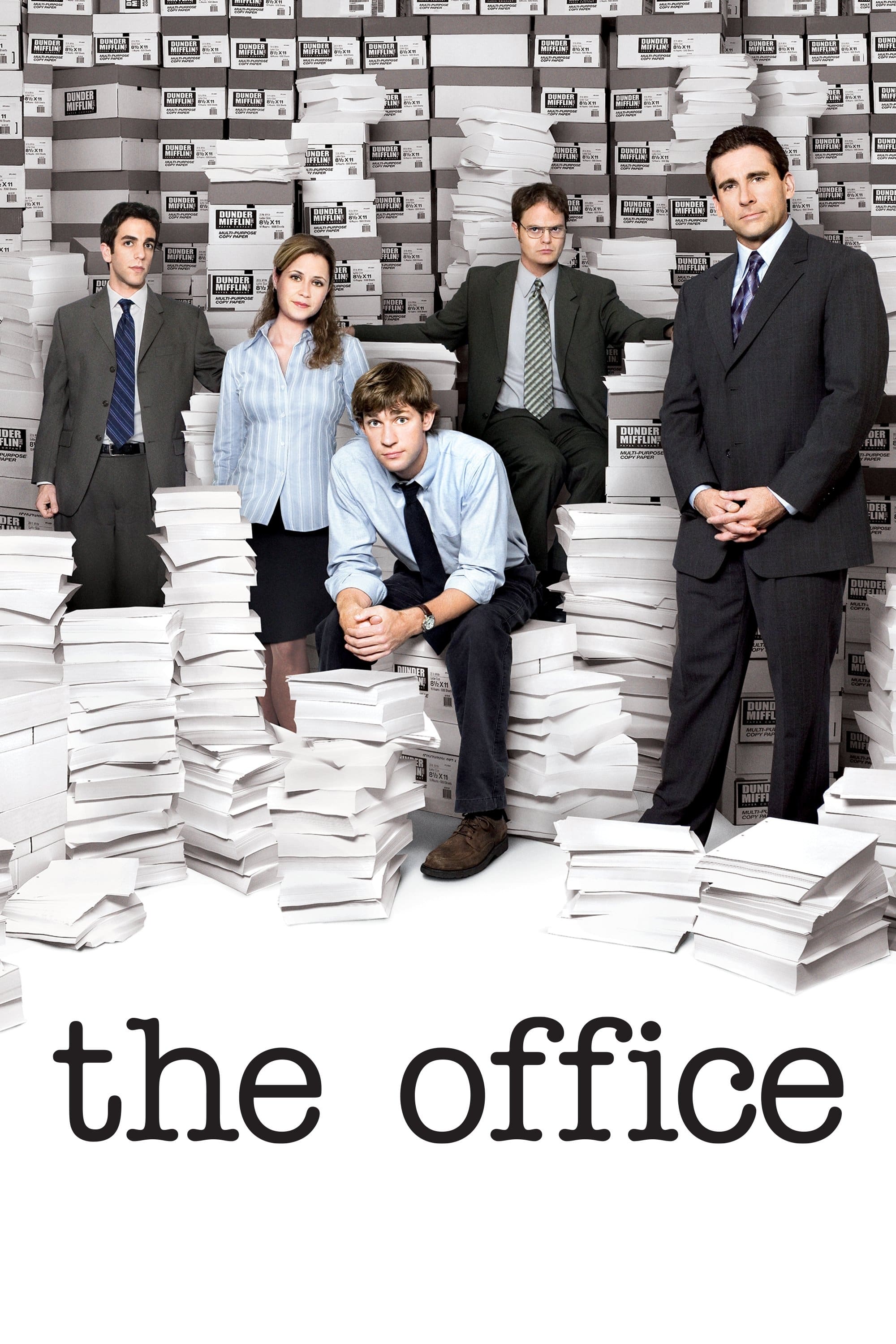
When Steve Carell left late in Season 7, the series reshuffled leadership at Dunder Mifflin with Ed Helms’ Andy Bernard taking over and guest bosses cycling in. Storylines leaned into corporate shakeups and a search for stability without Michael Scott. Live viewership tapered off in the final two seasons as the show moved toward its planned wrap-up. NBC closed the series after Season 9 with a retrospective ending for the documentary arc.
‘Scrubs’ (2001–2010)
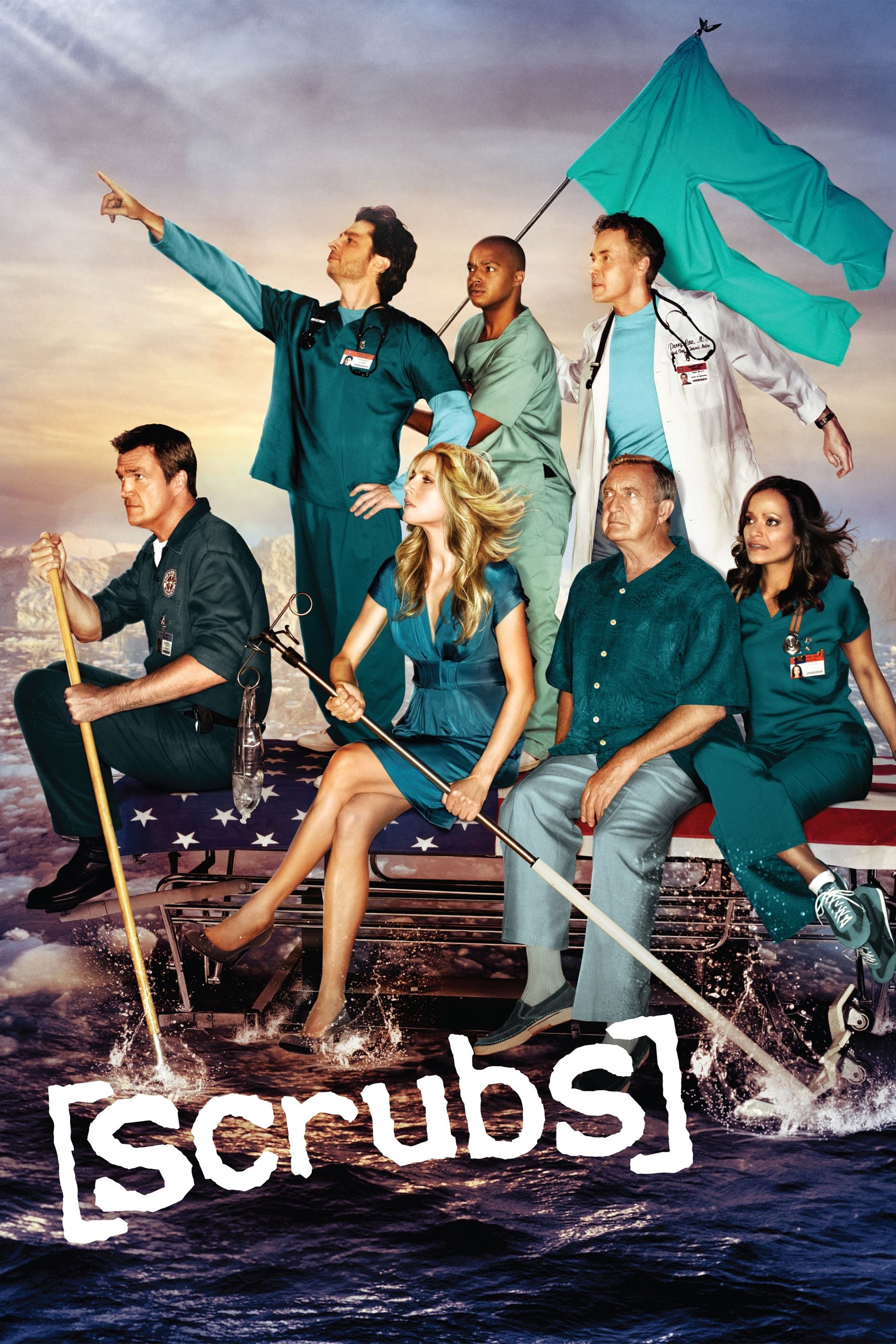
After eight seasons centered on Zach Braff’s J.D., the show retooled as a med-school spinoff for Season 9 with new leads and a different setting. Legacy characters appeared in limited roles as mentors rather than daily protagonists. Audience interest dropped compared with the hospital-based years. ABC ended the series after that single reworked season.
‘Two and a Half Men’ (2003–2015)
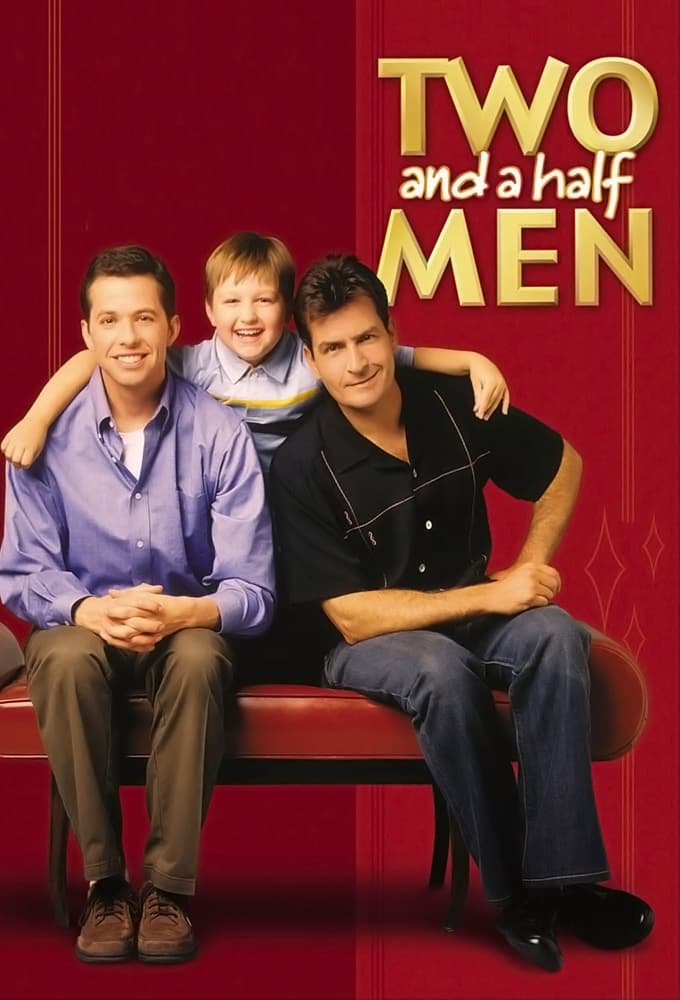
Charlie Sheen’s exit led to Ashton Kutcher joining as billionaire Walden Schmidt, effectively replacing the original half of the title dynamic. The show shifted to Walden and Alan’s odd-couple arrangement and new romantic plots. Ratings slid from their peak years with the original trio. The series concluded after Season 12 with a heavily publicized finale.
‘That ’70s Show’ (1998–2006)

Topher Grace departed before the final season, and Ashton Kutcher reduced his role to guest appearances. Producers introduced Josh Meyers as Randy to fill the core friend-group gap. The reworked ensemble and senior-year stories struggled to connect at the same level. Fox ended the show after Season 8.
‘The X-Files’ (1993–2018)
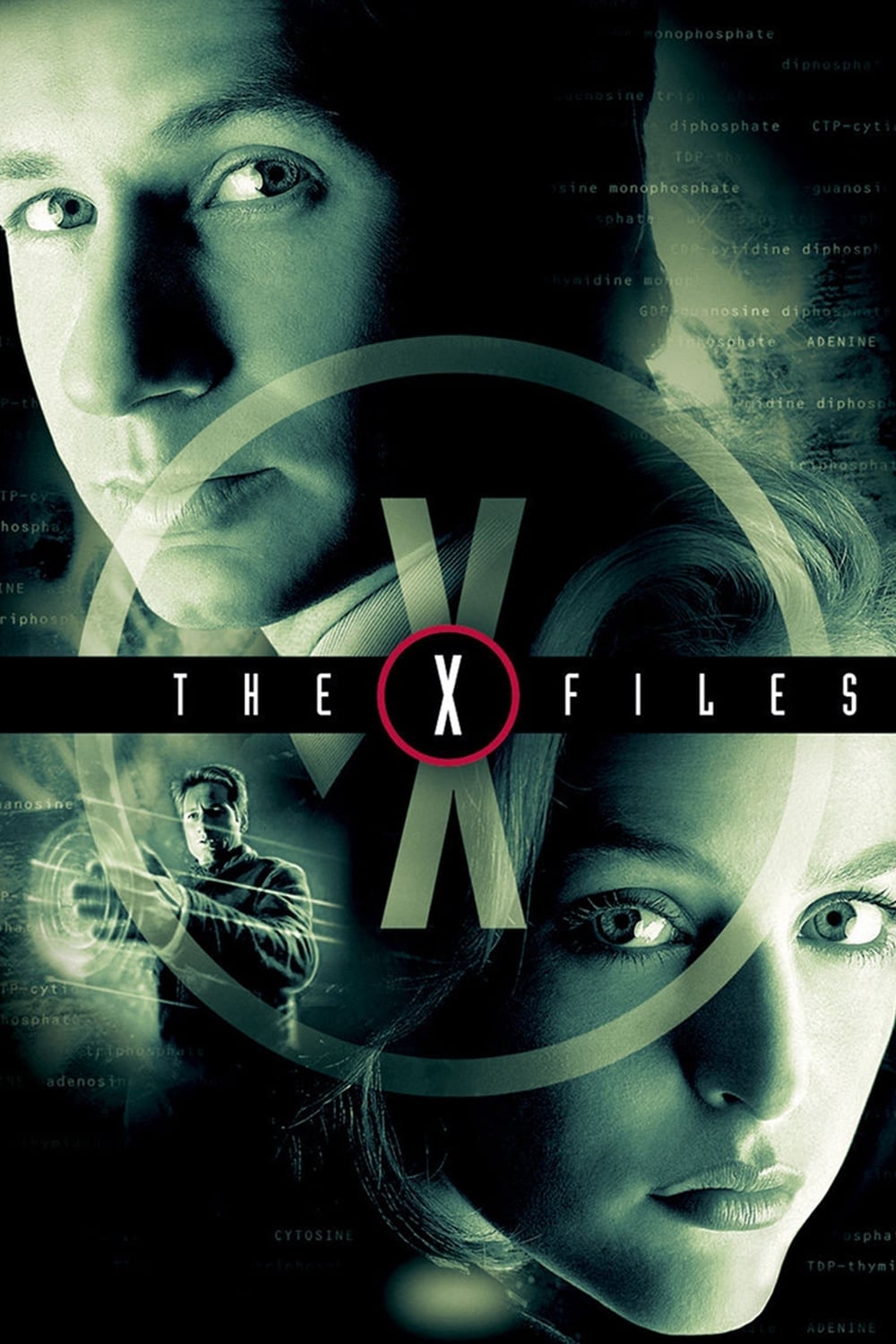
David Duchovny stepped back in Seasons 8 and 9, bringing in Robert Patrick’s John Doggett and later Annabeth Gish’s Monica Reyes as frontline agents. Mythology arcs continued with Mulder largely absent until key episodes. Nielsen numbers fell from the show’s late-90s height during the handoff period. Fox ended the original run in 2002 and later revived the series for limited seasons.
‘Bewitched’ (1964–1972)
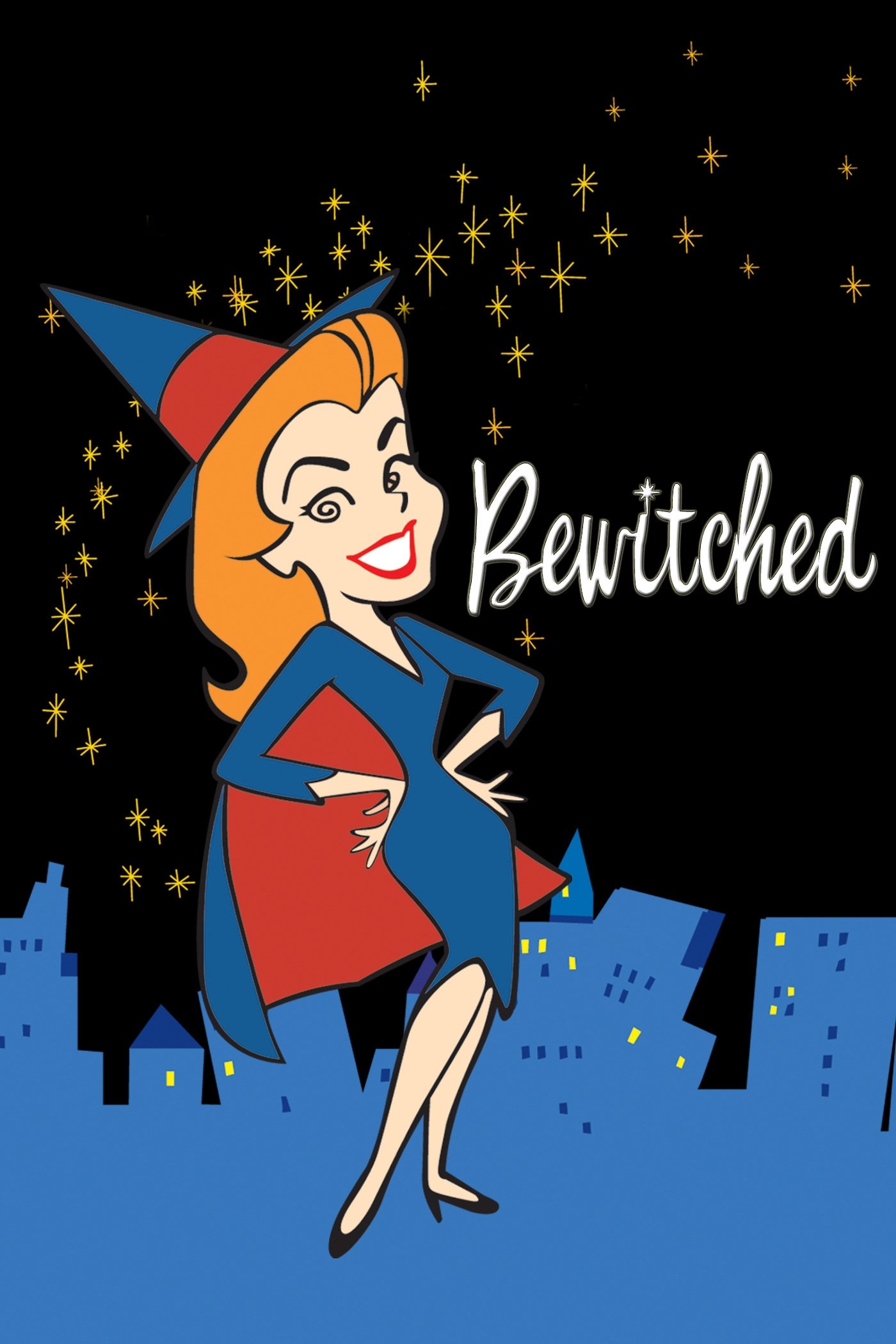
After Dick York’s health issues forced his departure, Dick Sargent took over as Darrin Stephens. The show kept its suburban magic format with Samantha’s witchcraft causing weekly chaos. Ratings trended downward in later seasons compared with earlier peaks. ABC canceled the series after Season 8.
‘Roseanne’ (1988–2018)
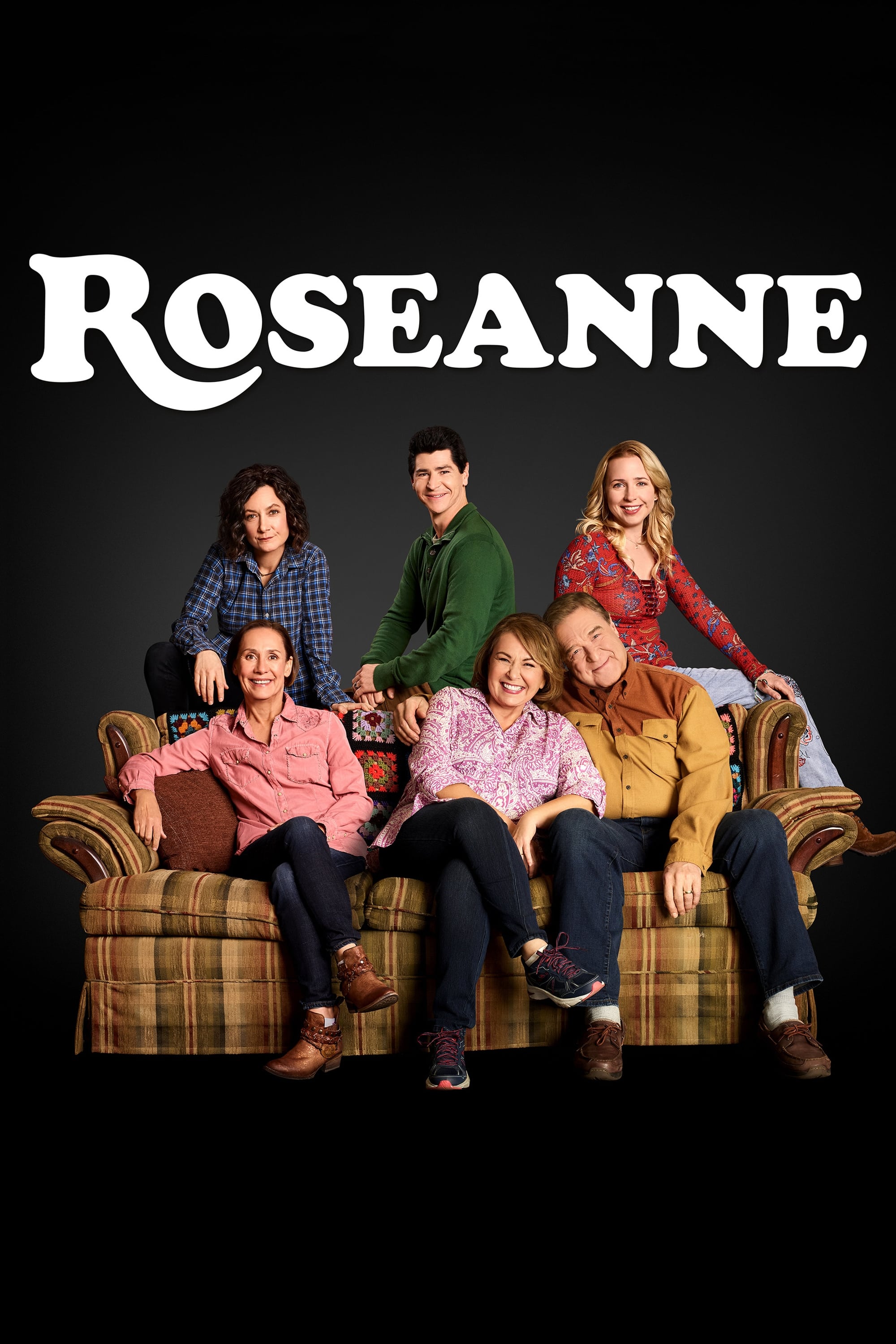
The 2018 revival ended abruptly following Roseanne Barr’s exit from the production. ABC launched ‘The Conners’ as a continuation without the original namesake character. The franchise pivoted to Dan and the next generation to keep the Lanford setting alive. The original revival under the ‘Roseanne’ title did not continue beyond its single season that year.
‘The Vampire Diaries’ (2009–2017)
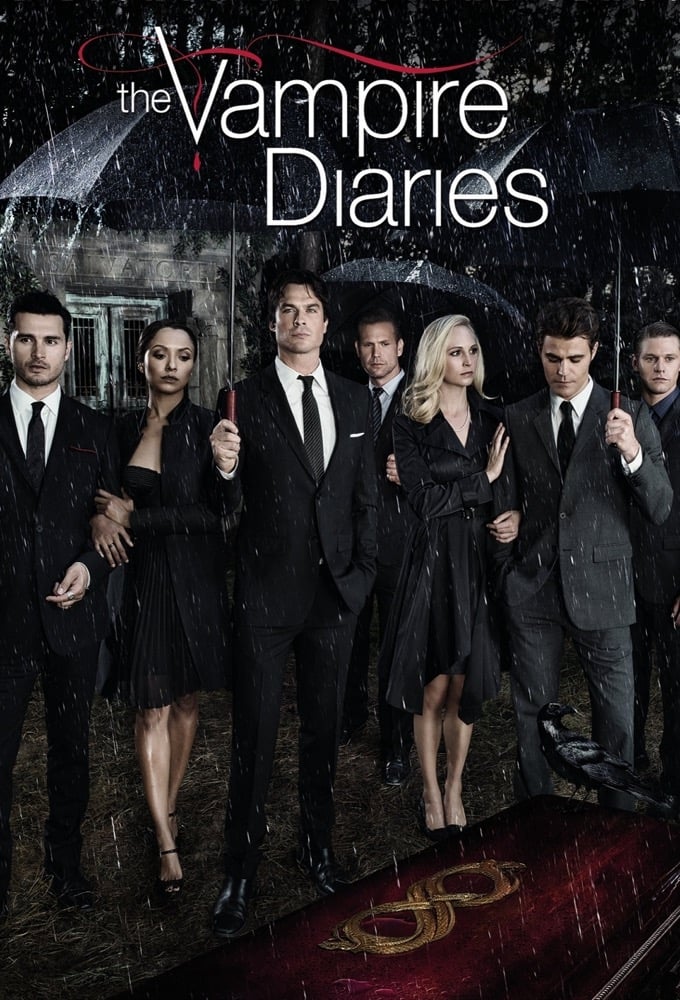
Nina Dobrev departed after Season 6, removing Elena Gilbert from the central love triangle that anchored the early narrative. The series recalibrated around Damon, Stefan, and Mystic Falls politics without its initial protagonist. Live ratings declined in the closing seasons compared with the show’s early highs. The CW wrapped the story with Season 8.
‘Sleepy Hollow’ (2013–2017)
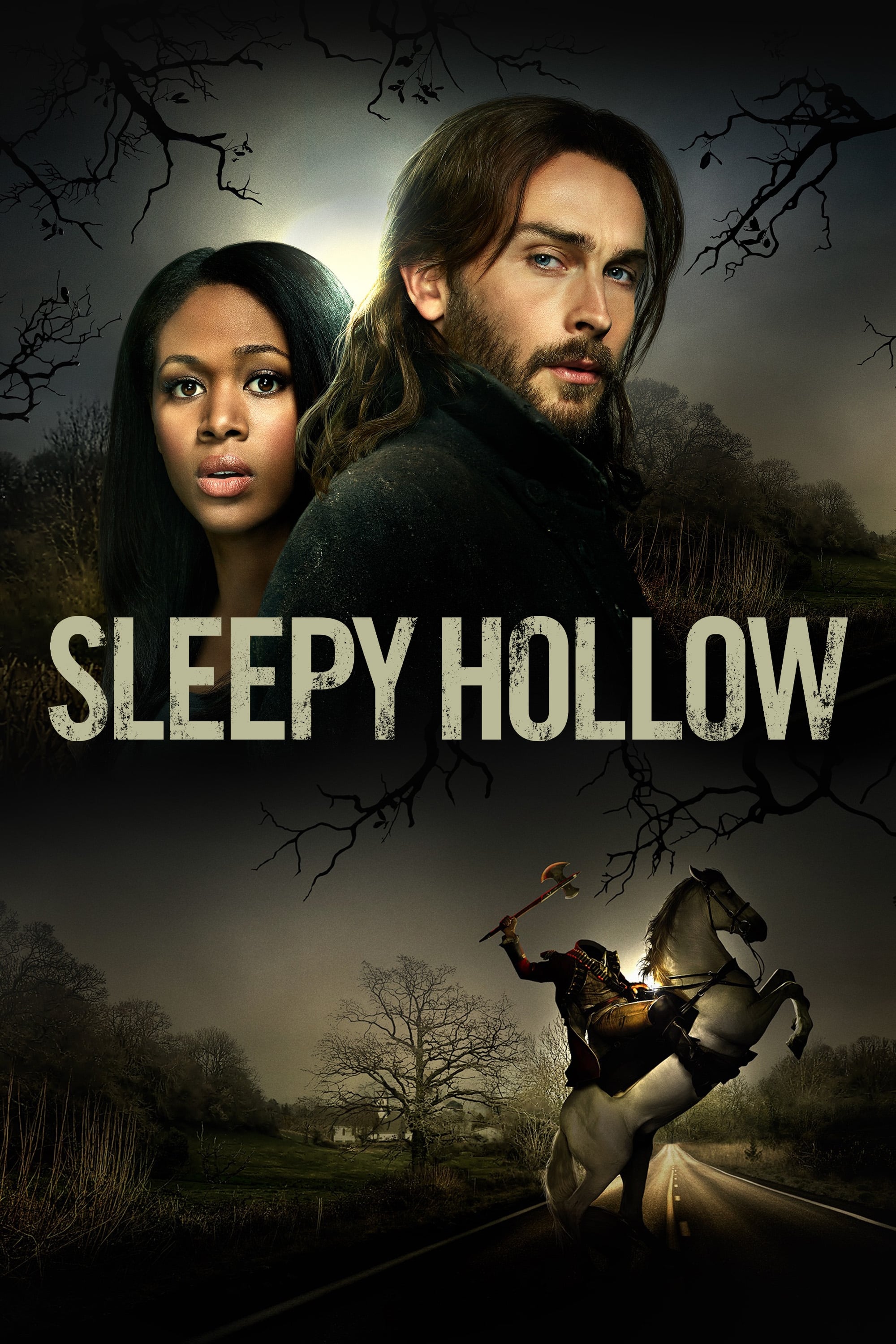
Nicole Beharie’s Abbie Mills was written out at the end of Season 3, removing half of the original two-hander with Ichabod Crane. Season 4 introduced a new partner and shifted the setting to Washington, D.C. The retooled configuration did not restore earlier-season audience levels. Fox canceled the series after Season 4.
‘Lethal Weapon’ (2016–2019)

Clayne Crawford’s exit led to Seann William Scott joining as a new character opposite Damon Wayans. The buddy-cop structure continued with revised backstories and a different partnership dynamic. Behind-the-scenes changes and the on-screen swap coincided with a ratings dip. Fox ended the show after three seasons.
‘Spin City’ (1996–2002)

Michael J. Fox left after Season 4, and Charlie Sheen stepped in as the deputy mayor lead. The tone remained workplace-comedy focused at City Hall with the ensemble intact. Viewership shrank from the Fox era’s peak, and ABC later moved the show. The series ended in Season 6.
‘The O.C.’ (2003–2007)
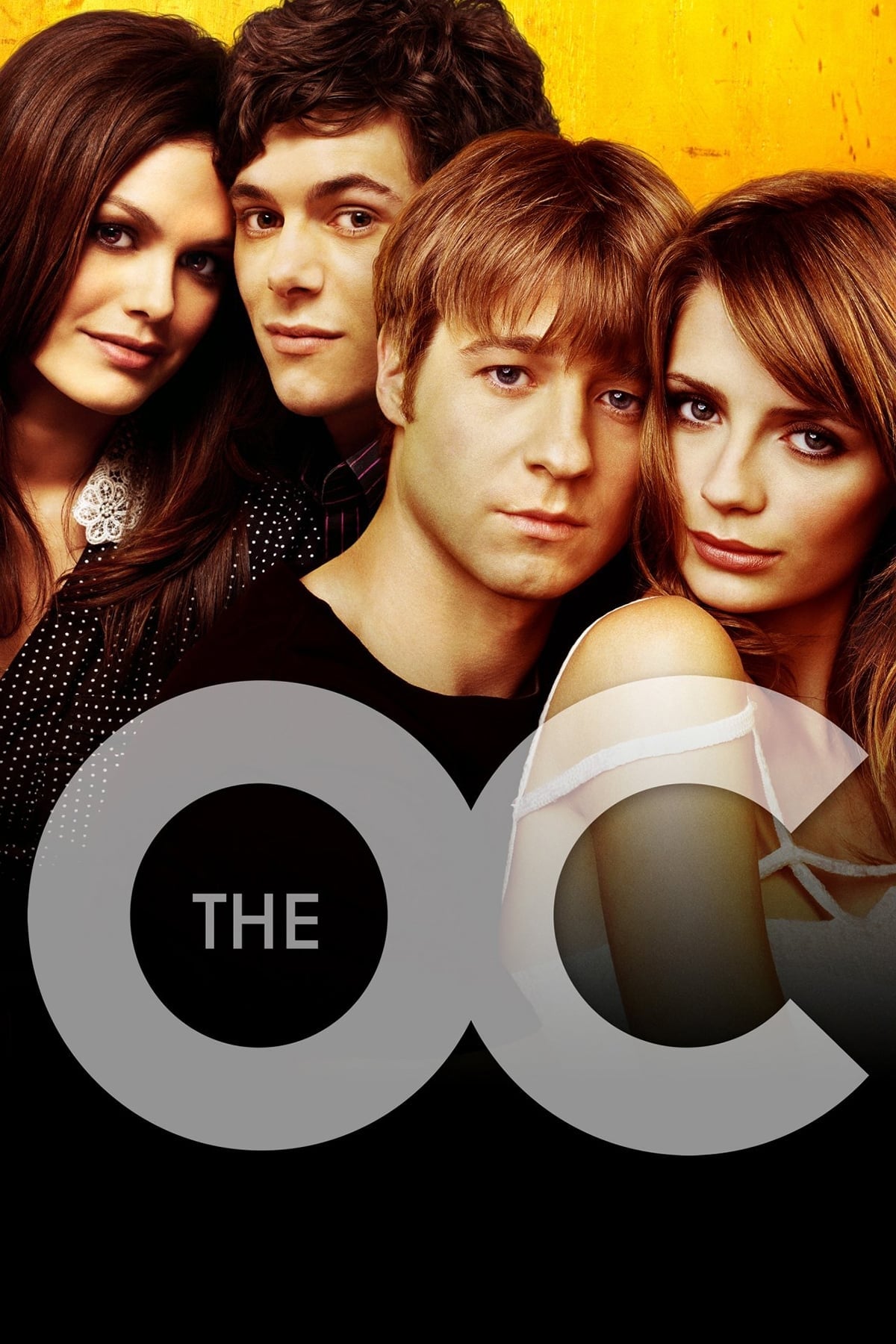
Mischa Barton’s Marissa Cooper exited at the end of Season 3, closing out a major pillar of the teen drama. Season 4 repositioned relationships and introduced new arcs around Ryan and Taylor. The change coincided with a continued ratings slide from the breakout first season. Fox concluded the series after a shortened final season.
‘8 Simple Rules’ (2002–2005)

Following John Ritter’s death during Season 2, the show addressed the loss on screen and added James Garner and later David Spade to the household dynamic. The premise shifted from a dad-centric comedy to a broader family ensemble. Audience levels dropped compared with the first season. ABC canceled the show after Season 3.
‘House of Cards’ (2013–2018)
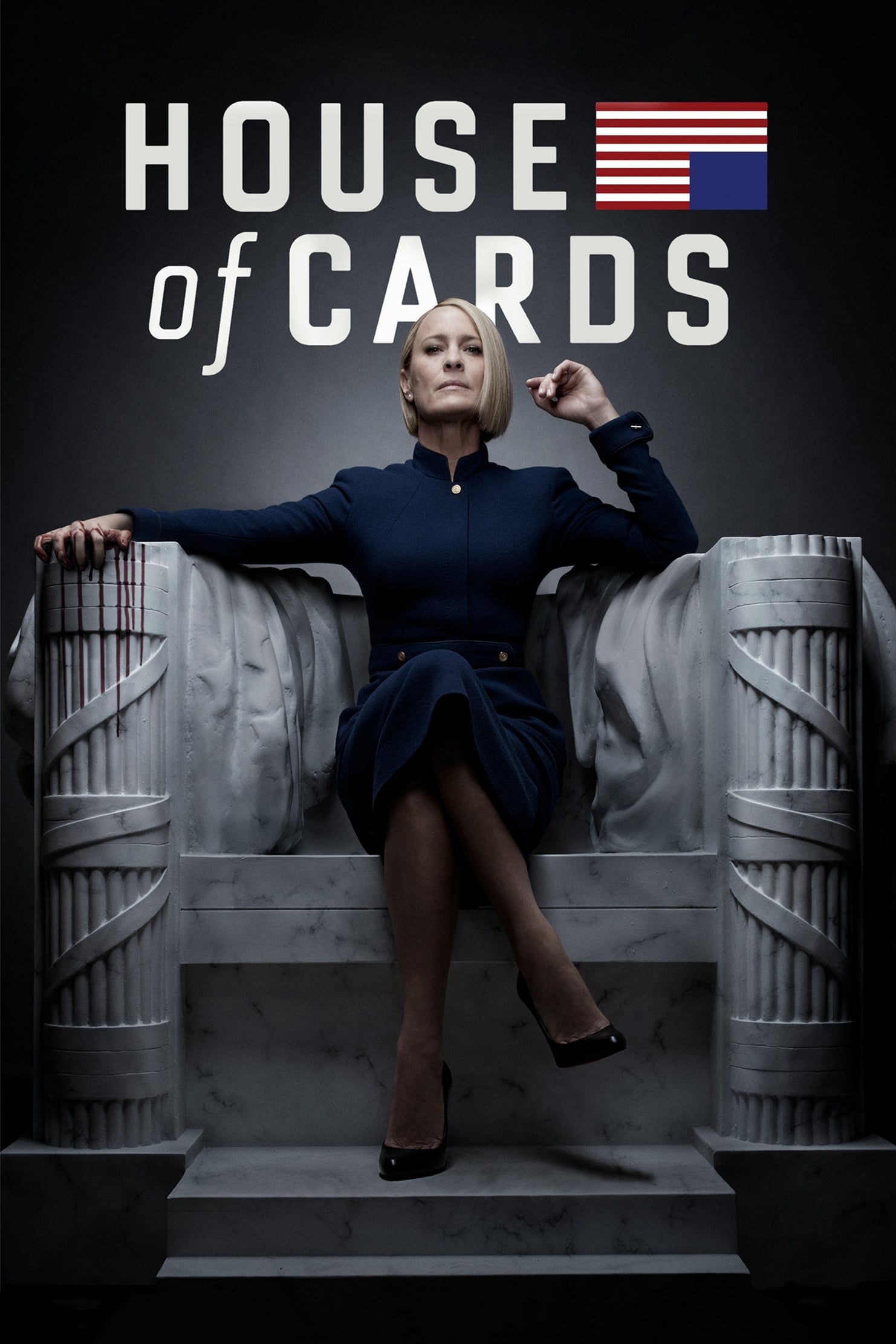
After Kevin Spacey’s removal, Robin Wright led the final season as President Claire Underwood. The storyline advanced without the original protagonist, reframing the power struggle around a new center. The season released as a shorter run than prior years and drew smaller viewership than the show’s early peak. Netflix ended the series with that closing chapter.
‘The Dukes of Hazzard’ (1979–1985)

Contract issues sidelined John Schneider and Tom Wopat for most of Season 5, bringing in look-alike cousins Coy and Vance. Car chases and small-town adventures continued but without Bo and Luke’s star pairing. Ratings sank during the swap, prompting negotiations that brought the originals back later that year. CBS finished the show two seasons afterward.
‘Once Upon a Time’ (2011–2018)
Season 7 launched a soft reboot without Jennifer Morrison’s Emma Swan as the anchor. The show jumped timelines, recast some roles in new identities, and moved much of the action to Hyperion Heights. Live ratings fell further from mid-run levels. ABC ended the series after that reboot season.
‘Top Gear’ (2002–2023)

After the 2015 departure of the Clarkson-Hammond-May trio, the show cycled through several presenter lineups. The motoring format remained, but chemistry and tone changed with each iteration. UK ratings never returned to the trio’s late-era heights, and production later paused following an on-set accident in 2022. The BBC put the series on an indefinite halt in 2023.
‘Sliders’ (1995–2000)
Jerry O’Connell left before the final season, and the show introduced a look-alike character to cover the lead’s absence. Earlier exits had already reshaped the original quartet of dimension hoppers. The last season aired on a different network with lower production resources. The series ended after Season 5.
‘Misfits’ (2009–2013)
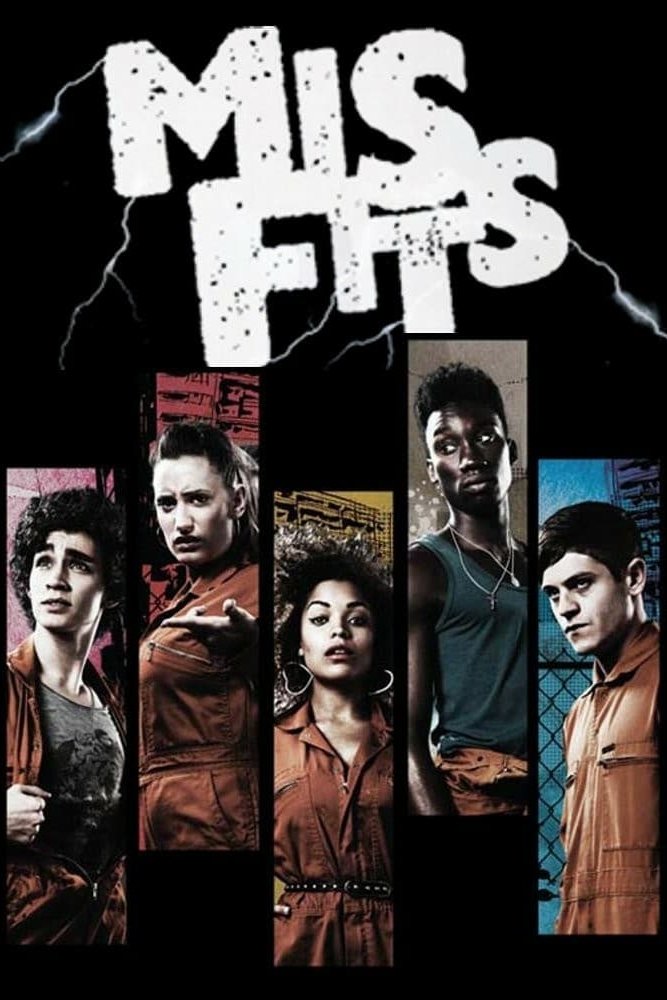
Across later seasons, the original probation crew rotated out and new powered delinquents took over. The premise stayed focused on everyday life colliding with accidental abilities. Audience enthusiasm cooled as lineups changed year to year. Channel 4 closed the series with a shortened final season.
‘Shameless’ (2011–2021)
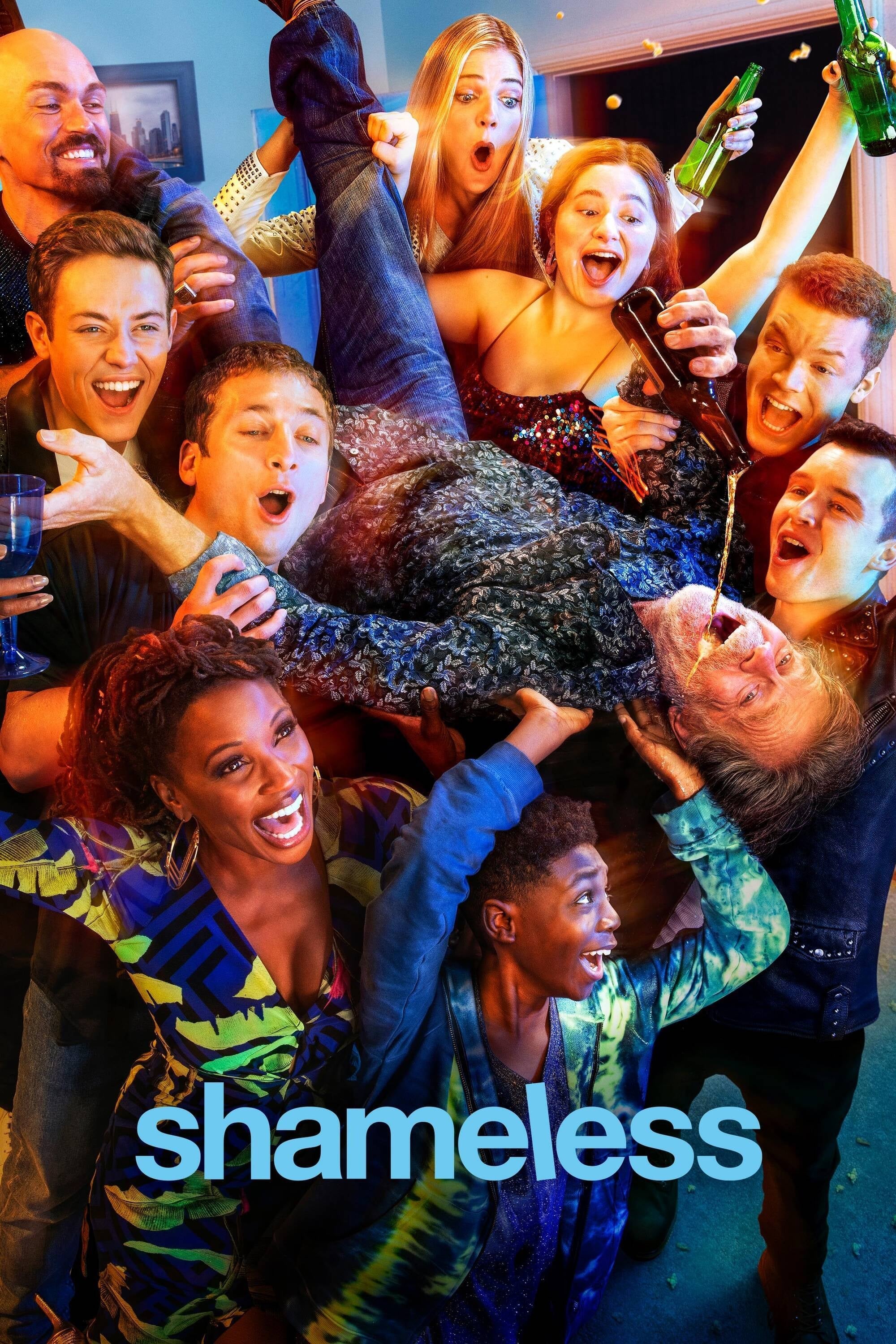
Emmy Rossum’s Fiona Gallagher left after Season 9, removing the South Side family’s central caretaker. Later seasons spotlighted Lip, Debbie, and Frank more heavily with new arcs about work, parenting, and gentrification. Linear ratings trended down from mid-series highs. Showtime wrapped the show at Season 11.
‘Glee’ (2009–2015)
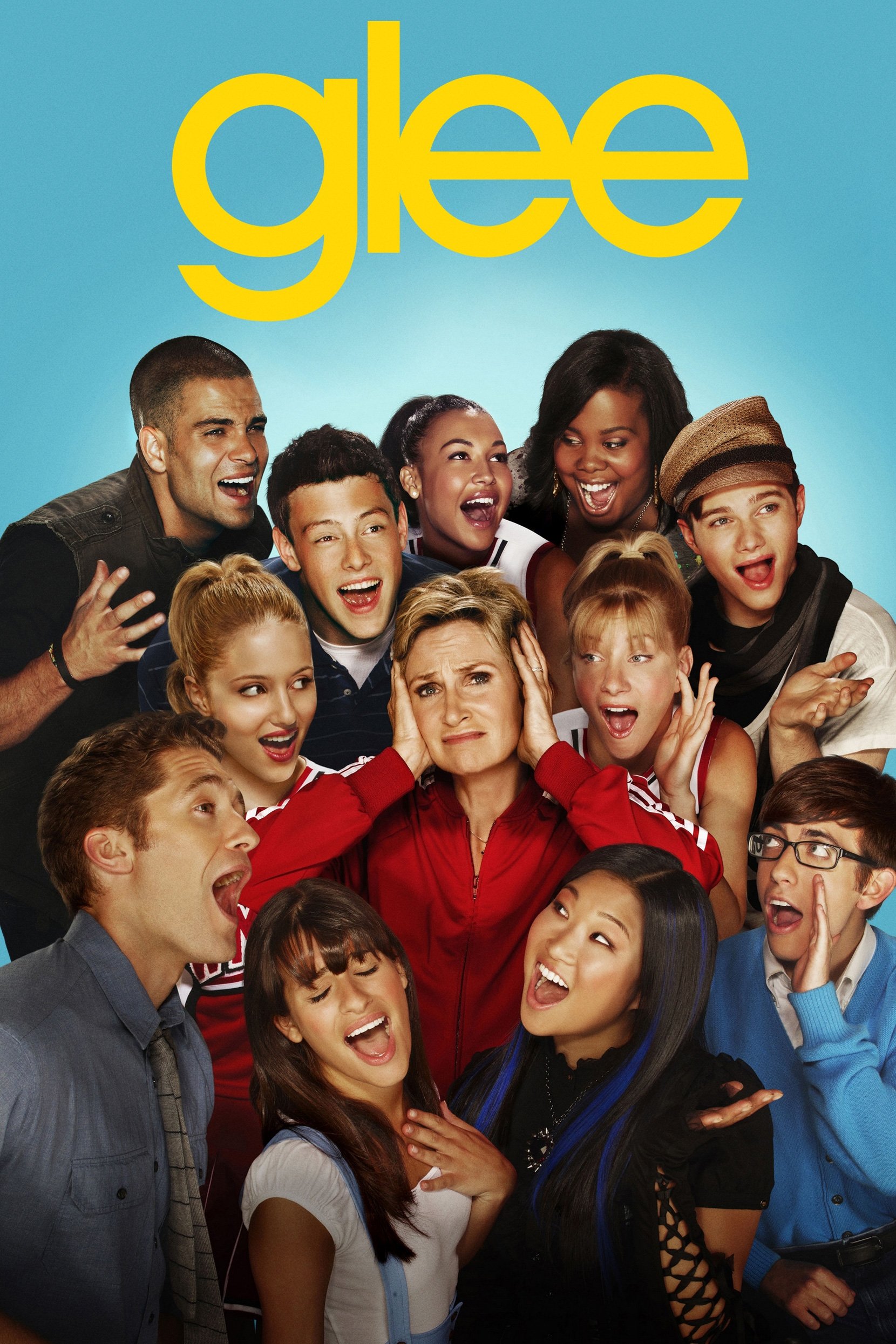
Following Cory Monteith’s death, the series reoriented around New Directions alumni and New York storylines. The show alternated between Ohio and city arcs while introducing newer class years. Viewership declined in the later seasons compared with the early phenomenon. Fox ended the musical after a shortened final year.
‘Fear the Walking Dead’ (2015–2023)

Season 4 shifted focus from the Clark family to Lennie James’ Morgan Jones crossing over from the flagship series. The setting, tone, and ensemble changed significantly during the handoff. Ratings fell over succeeding seasons as the show experimented with anthologies and time jumps. AMC concluded the series with Season 8.
‘Batwoman’ (2019–2022)

Ruby Rose exited after Season 1, and Javicia Leslie stepped in as a new hero taking up the cowl. The sophomore year rebuilt its origin story while maintaining Gotham-centric villains and mysteries. Live ratings decreased from the debut season’s level. The CW canceled the series after three seasons.
‘The Magicians’ (2015–2020)

Jason Ralph’s Quentin Coldwater left the story at the end of Season 4. Season 5 redistributed focus to Julia, Alice, and the Brakebills ensemble while closing long-running arcs. The final season aired with fewer episodes than earlier mid-run years. Syfy ended the series that year.
‘Suits’ (2011–2019)
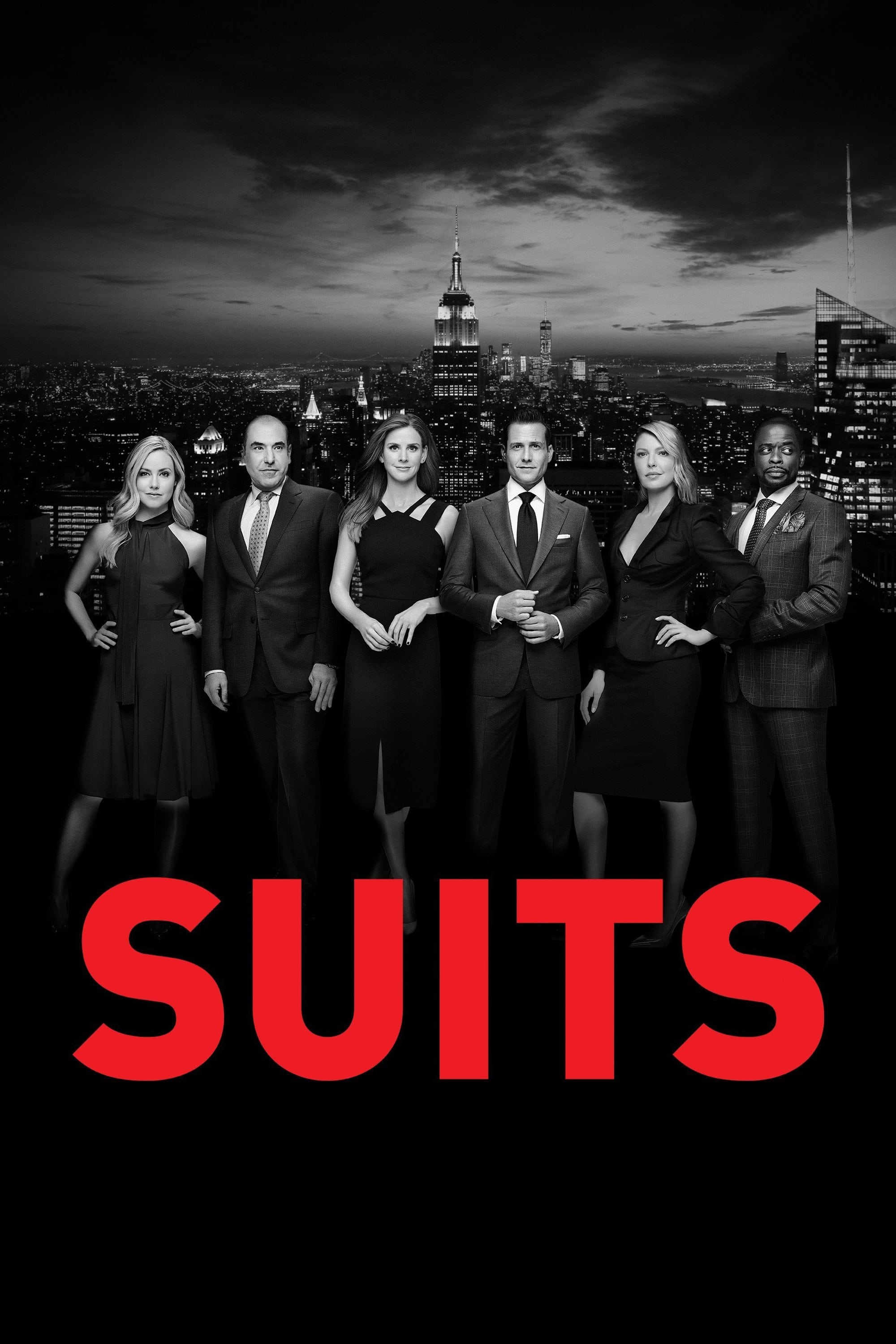
Patrick J. Adams and Meghan Markle exited after Season 7, removing the Harvey-Mike mentor pairing that launched the show. Later seasons added new partners and set up a different power structure at the firm. USA Network ordered two more seasons with smaller live audiences than the early run. The series wrapped with Season 9 and spun off a related project afterward.
Share which character swap you think hurt a show the most and tell us why in the comments.