


TV Shows That Evolved Props Into Recurring Characters




Television history is filled with inanimate objects that transcended their background status to become essential parts of the narrative. These items often drive plotlines or symbolize the emotional core of the series in ways that dialogue cannot achieve alone. Writers and directors frequently use these props to anchor the visual identity of a show and create instant recognition for audiences. The following series demonstrate how a simple object can evolve into a beloved icon with a legacy of its own.
‘Doctor Who’ (1963–Present)
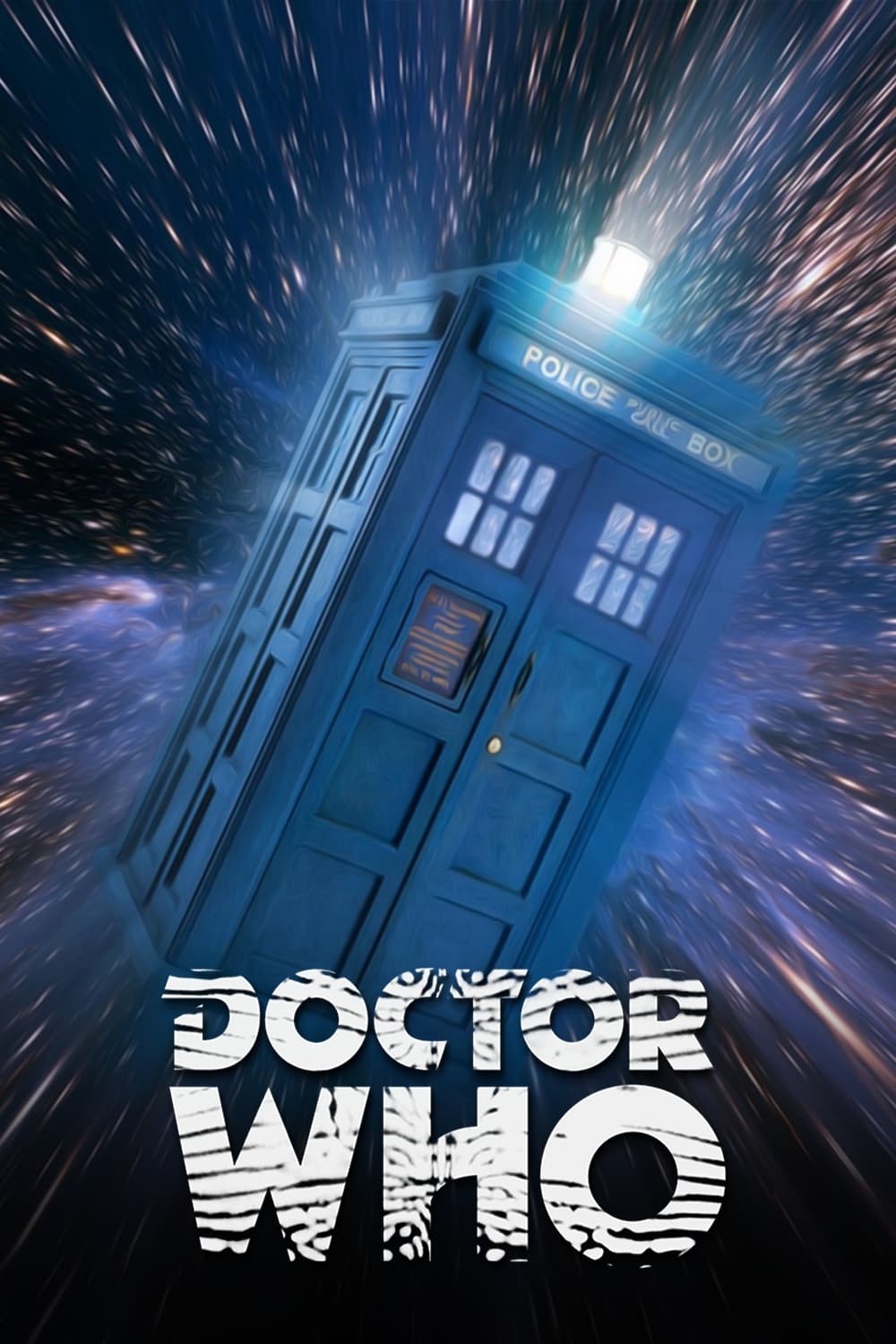
The TARDIS functions as the most vital companion to the Doctor throughout the long history of the series. This police box exterior hides an infinite interior that facilitates travel through time and space while possessing a consciousness of its own. It often takes the Doctor where they need to go rather than where they want to go. The distinct wheezing sound of its landing brings hope or terror to those nearby.
‘Supernatural’ (2005–2020)
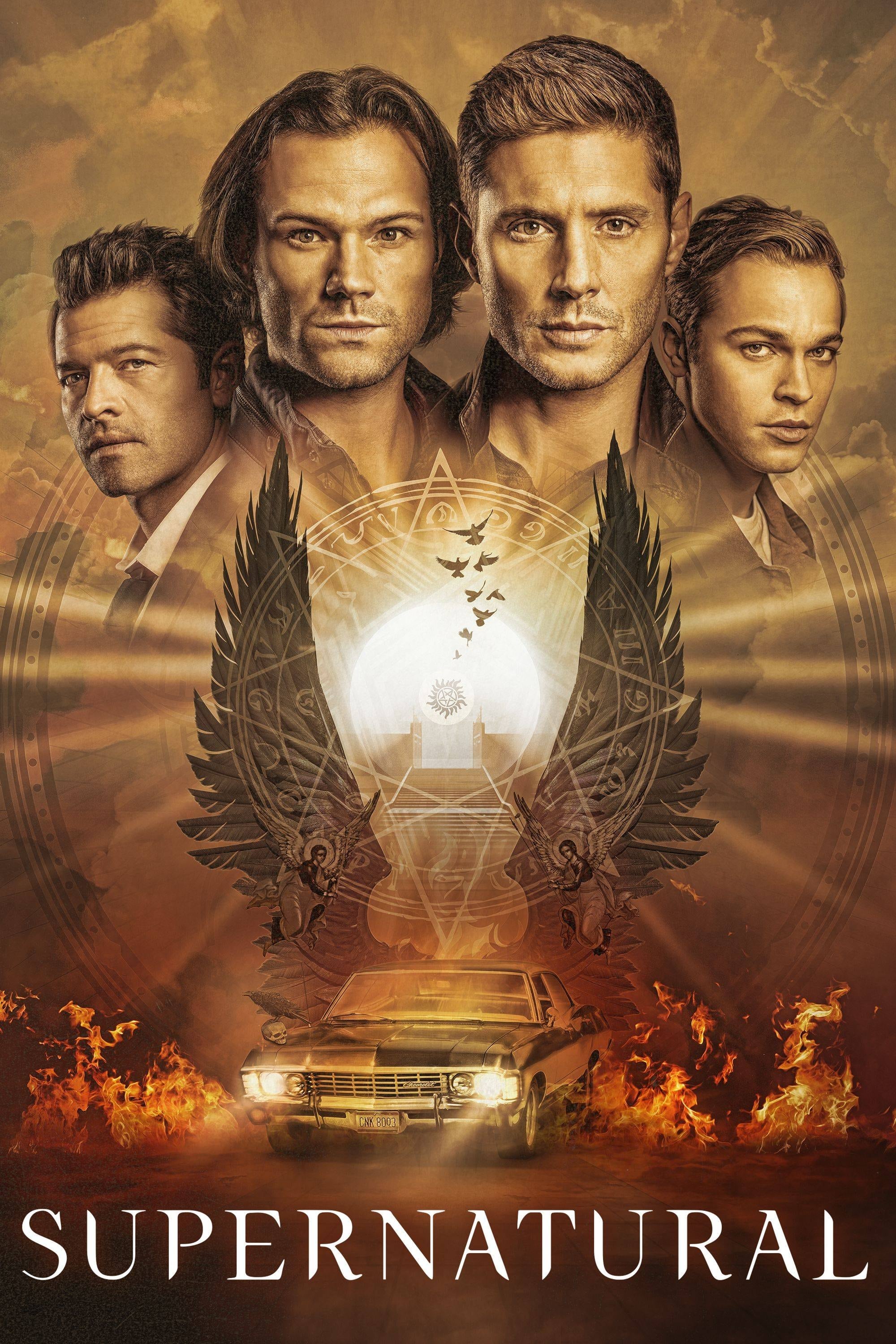
The 1967 Chevrolet Impala creates a safe haven for the Winchester brothers as they hunt monsters across the country. Dean Winchester affectionately refers to the vehicle as Baby and treats it with more respect than most humans. The car contains an arsenal in the trunk and serves as their only permanent home. It has been rebuilt multiple times and even has an episode told entirely from its perspective.
‘The Walking Dead’ (2010–2022)
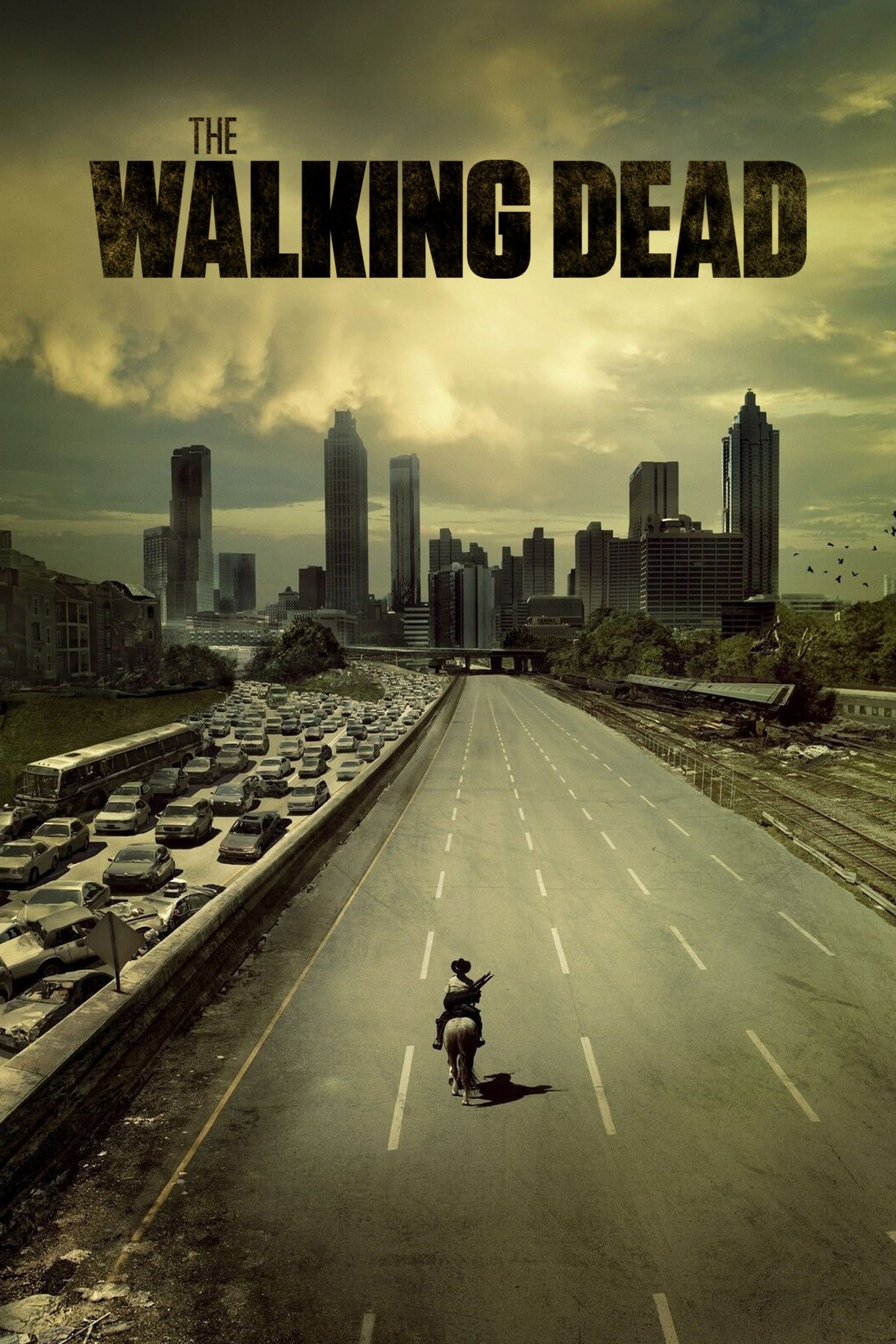
Lucille is a baseball bat wrapped in barbed wire that serves as the primary weapon of the antagonist Negan. He speaks to the weapon as if it were his late wife and treats it with a disturbing level of reverence. The prop becomes a symbol of terror and control within the post-apocalyptic landscape. Its introduction marks a significant tonal shift in the series that impacts every surviving character.
‘Game of Thrones’ (2011–2019)
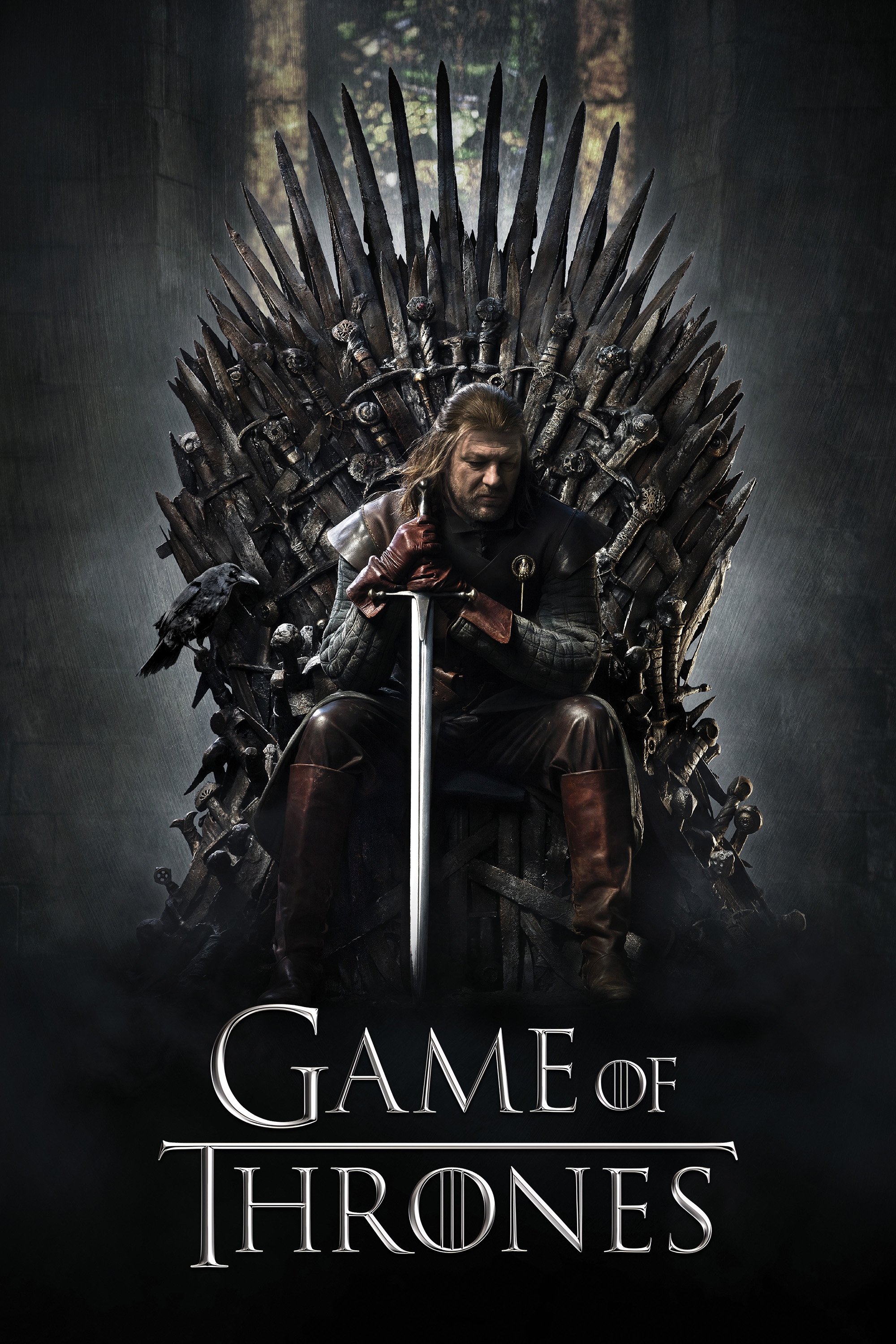
The Iron Throne represents the ultimate power in Westeros and serves as the central conflict for the entire series. It is forged from the swords of vanquished enemies and is rumored to be uncomfortable to ensure a ruler never rests easily. Characters betray their families and wage war just for the chance to sit upon it. The destruction of the throne in the finale signifies the end of an era of tyranny.
‘Knight Rider’ (1982–1986)

KITT is a high-tech Pontiac Firebird Trans Am that possesses an artificial intelligence capable of conversation and independent thought. The car assists Michael Knight in his crusade against crime with advanced weaponry and surveillance tools. KITT often displays a dry wit and a moral compass that rivals that of its human partner. The relationship between the car and driver is the emotional anchor of the show.
‘Twin Peaks’ (1990–1991)
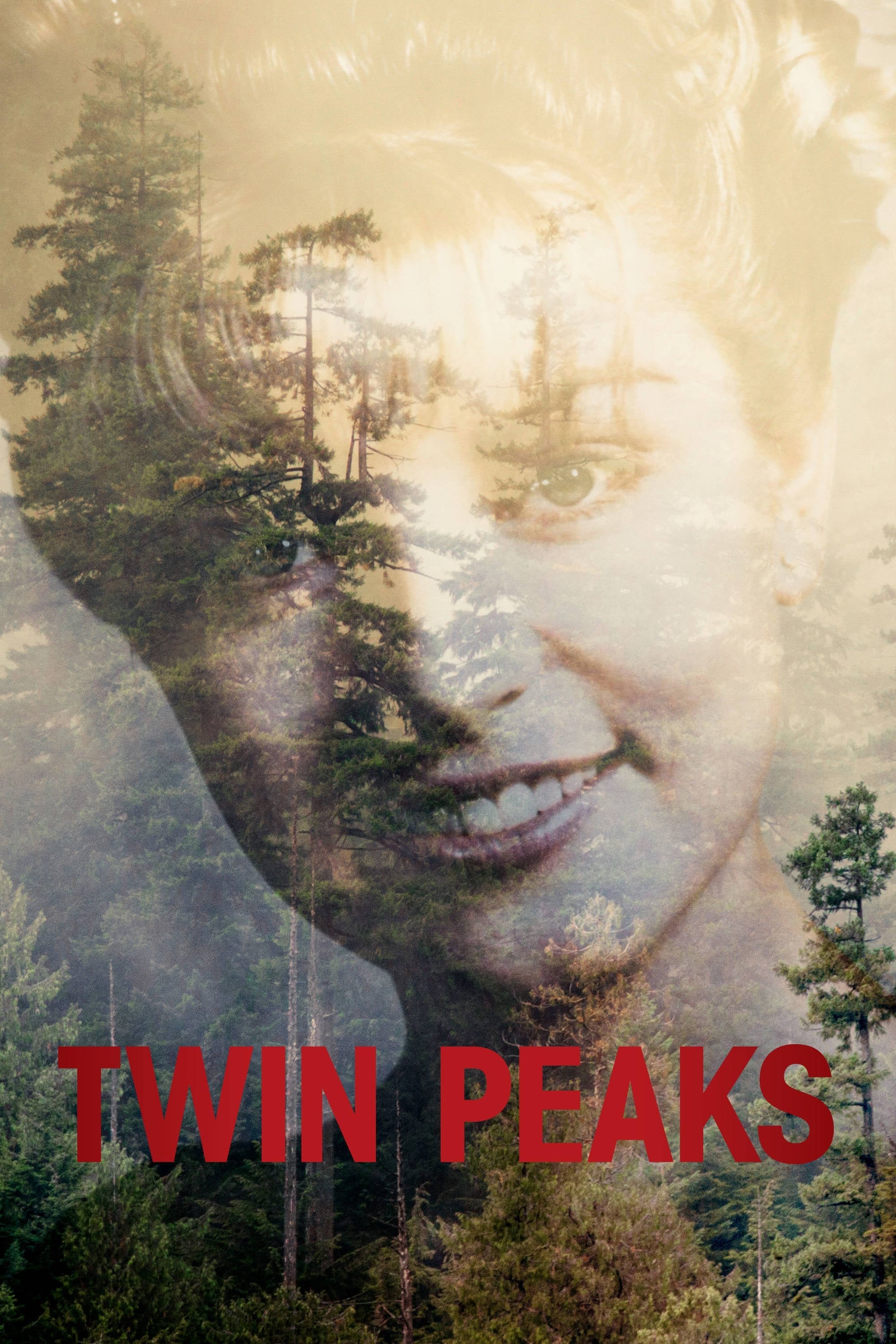
The Log Lady carries a cut piece of wood that she claims holds the spirit of her late husband. She acts as a medium and translates the silence of the wood into cryptic warnings for the residents of the town. This prop transforms a minor background character into a crucial oracle for the central mystery. The log eventually becomes a symbol of the supernatural undercurrents that define the series.
‘Friends’ (1994–2004)
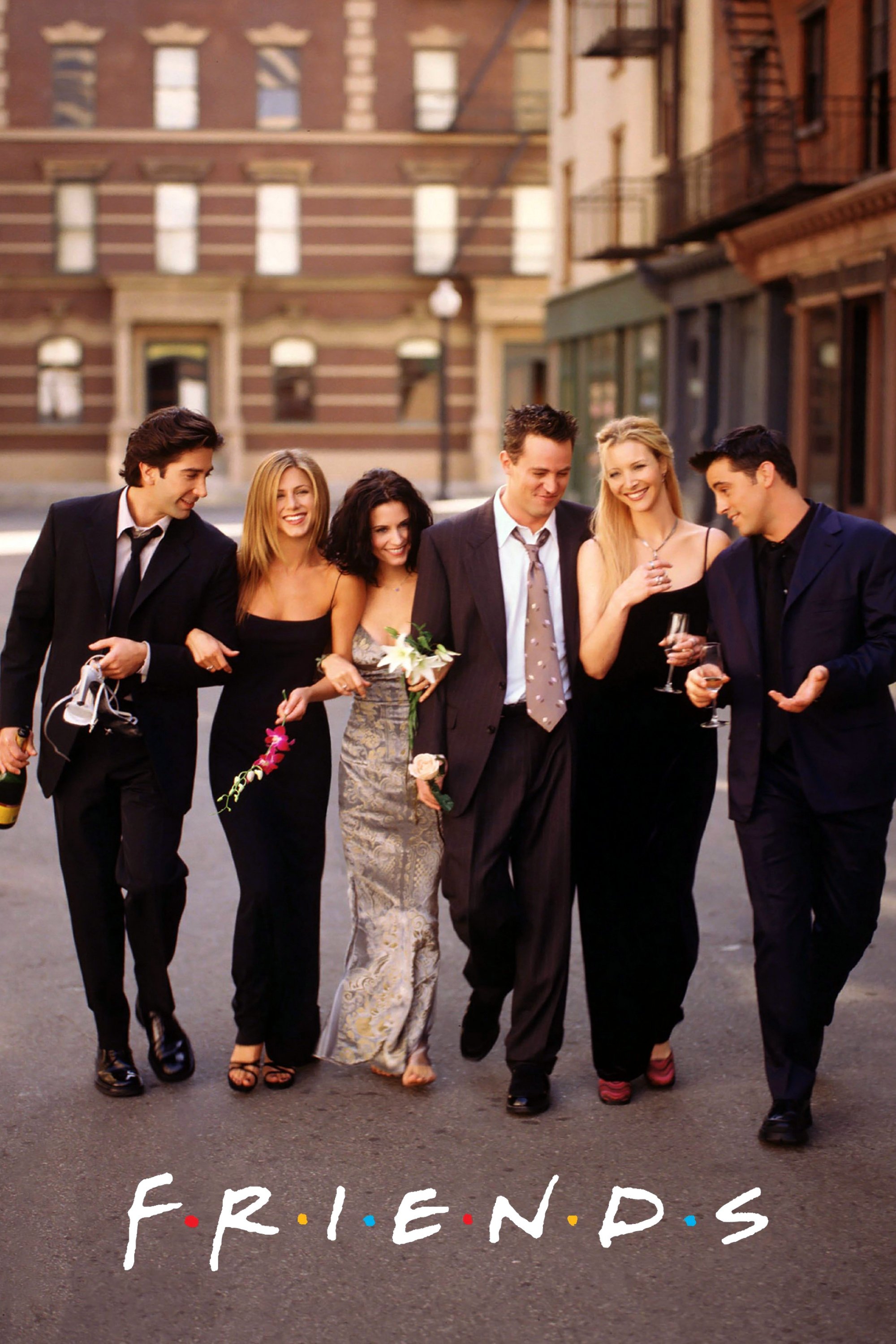
The orange velvet couch in Central Perk serves as the primary meeting place for the six main characters throughout the decade. It is almost always available for the group despite the coffee shop being busy. The furniture piece appears in the opening credits and anchors the social dynamic of the show. It remains one of the most recognizable set pieces in television history.
‘How I Met Your Mother’ (2005–2014)
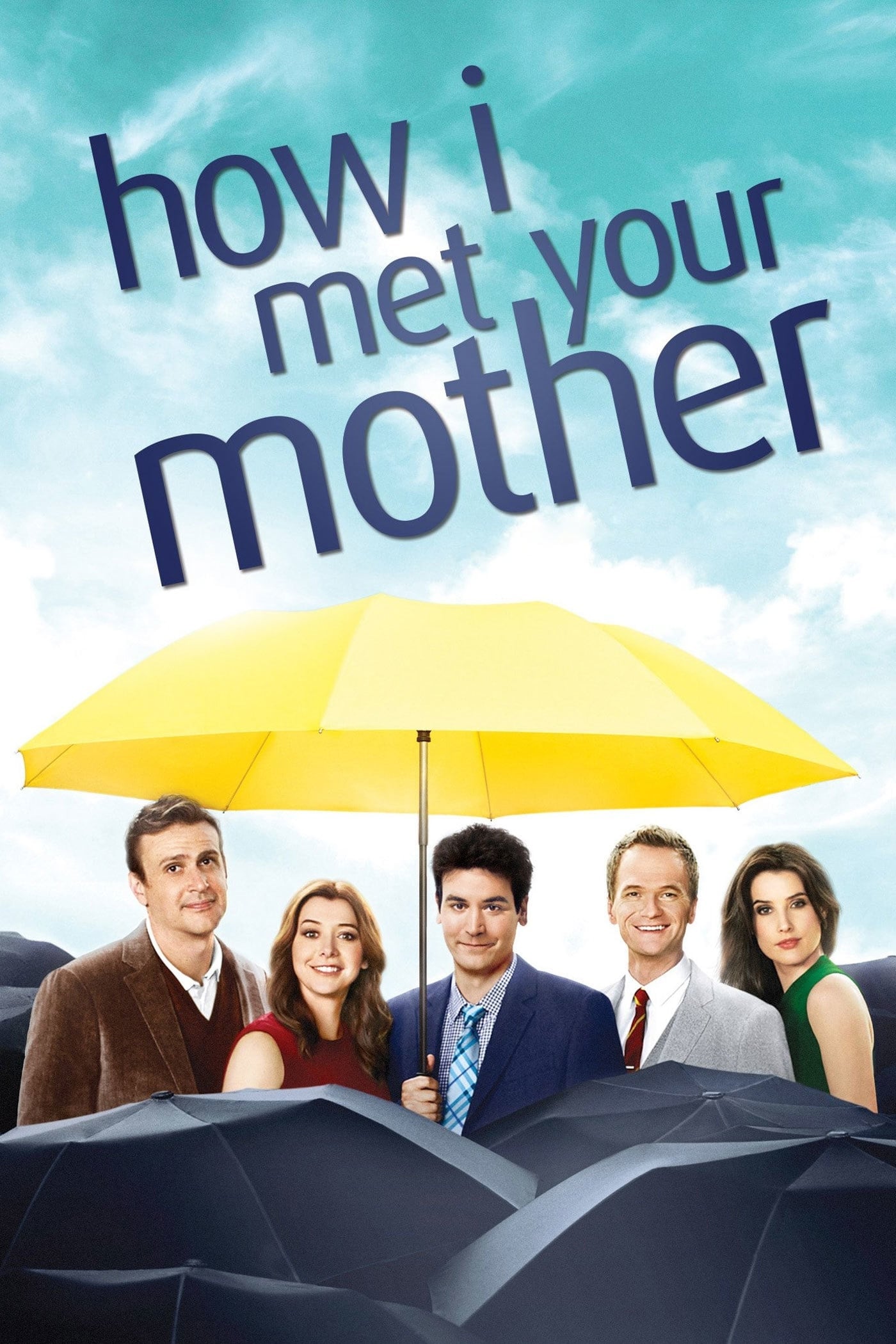
The Blue French Horn acts as a recurring symbol of romance and grand gestures between Ted and Robin. Ted steals the item from a restaurant on their first date to prove his affection. It returns multiple times throughout the series to signify the enduring nature of their connection. The prop frames the beginning and the controversial end of their love story.
‘Breaking Bad’ (2008–2013)
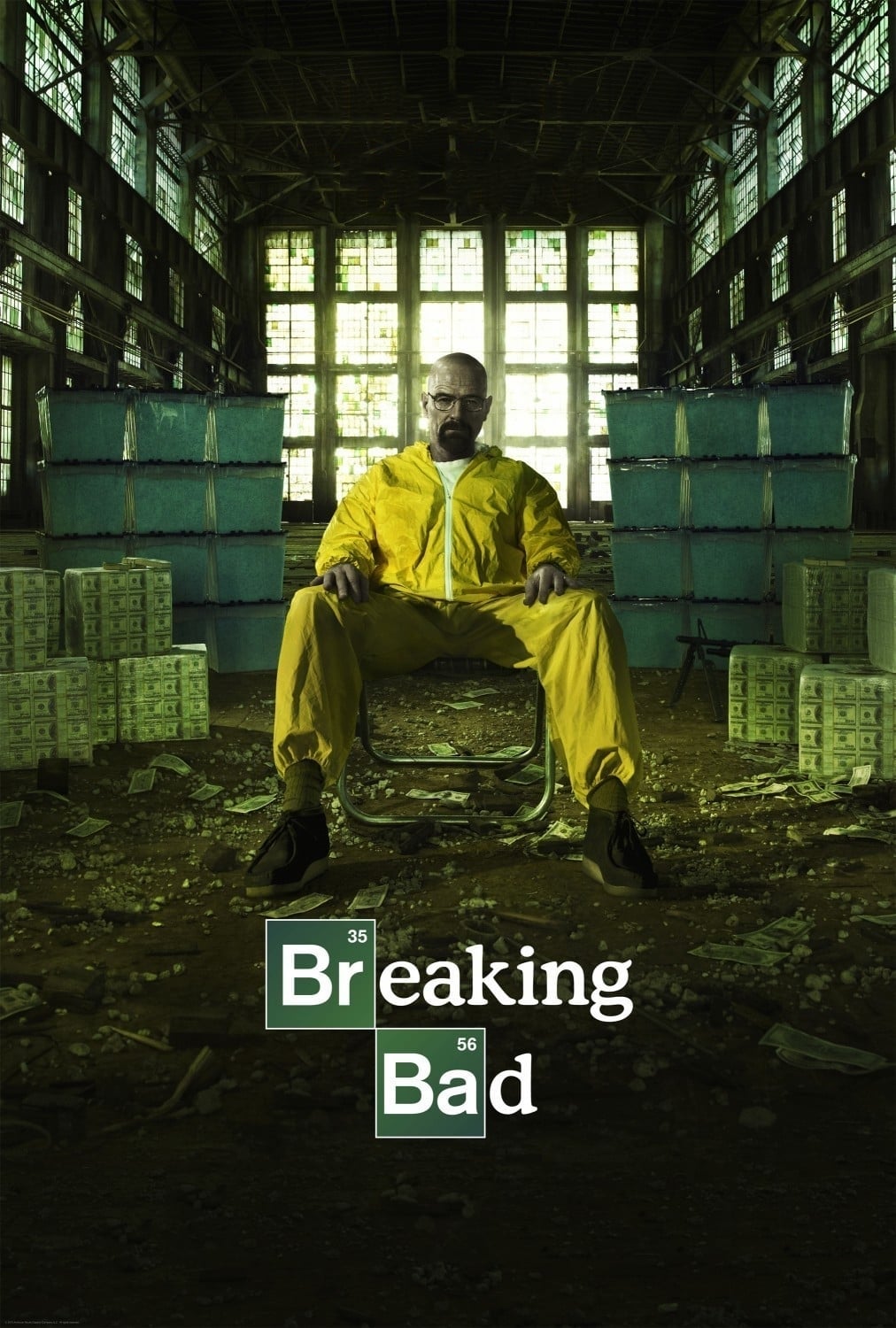
The pink teddy bear falls from a plane crash and lands in the pool of Walter White to foreshadow the destruction his actions cause. Its charred appearance and missing eye appear in flash-forwards throughout the second season. The prop symbolizes the loss of innocence and the collateral damage of the drug trade. It remains a haunting image of the consequences of the protagonist’s choices.
‘Buffy the Vampire Slayer’ (1997–2003)
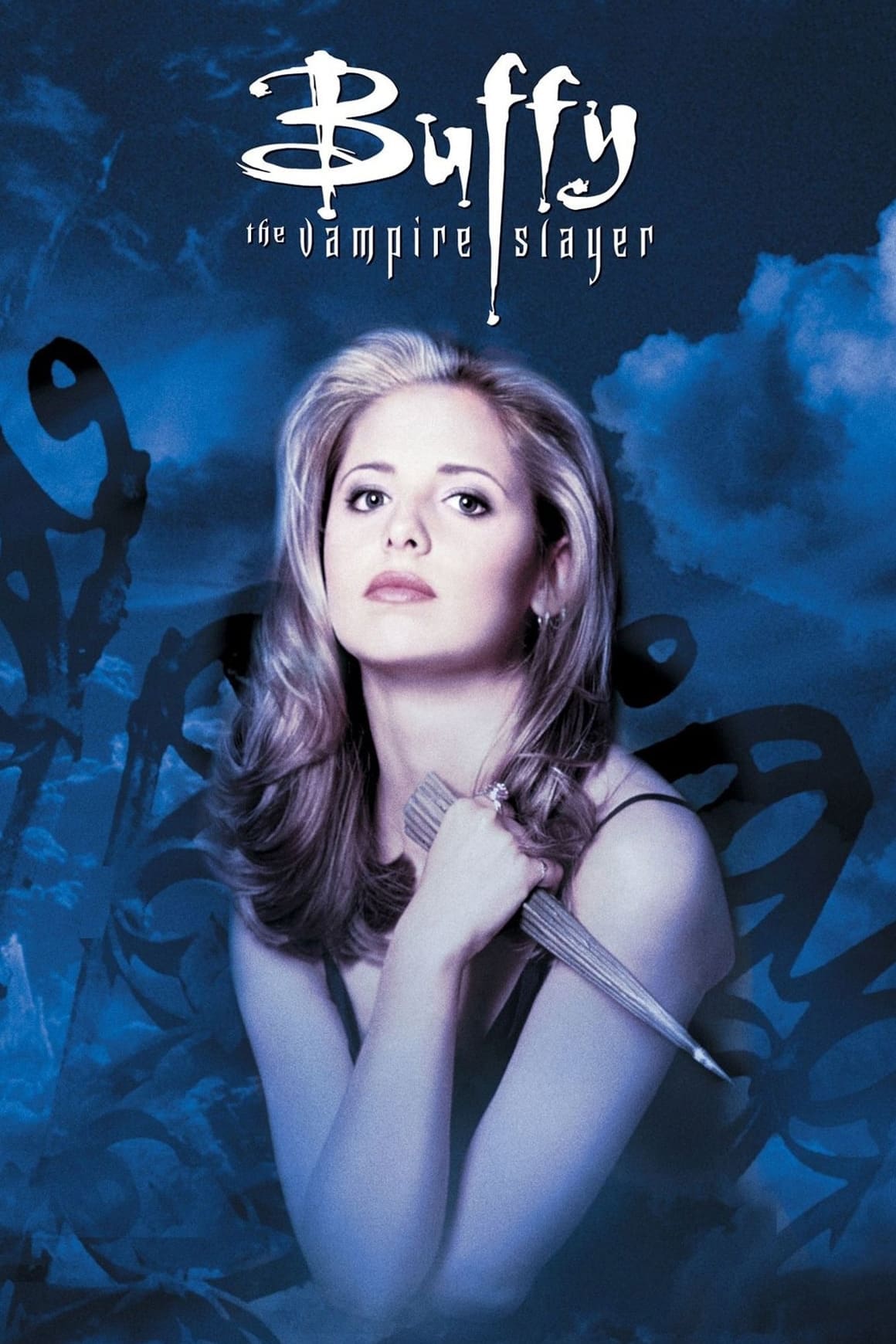
Mr. Pointy is a wooden stake that Buffy uses to dispatch vampires during her early adventures. The prop is named by another slayer and becomes a humorous talisman for the group. It represents the acceptance of the slayer destiny and the unique culture of the Scooby Gang. The object stands out among an arsenal of ancient weapons for its simplicity and charm.
‘Arrested Development’ (2003–2019)
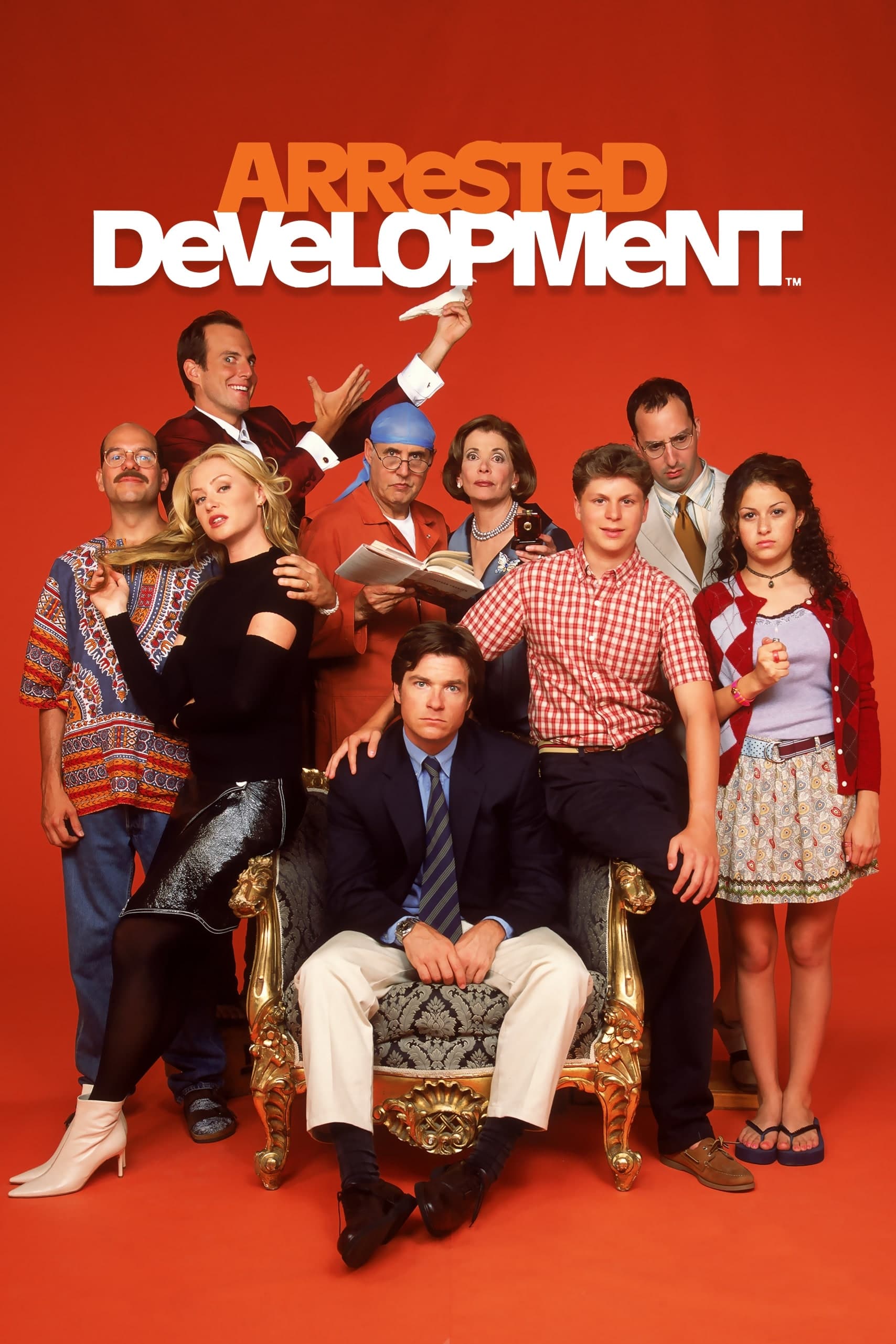
The stair car is the only mode of transportation left for the Bluth family after their assets are frozen. Its impractical design causes constant issues with low bridges and hop-ons throughout the series. The vehicle serves as a visual gag that highlights the steep fall from grace the family experiences. It becomes a mobile symbol of their financial incompetence and inability to adapt.
‘The X-Files’ (1993–2018)
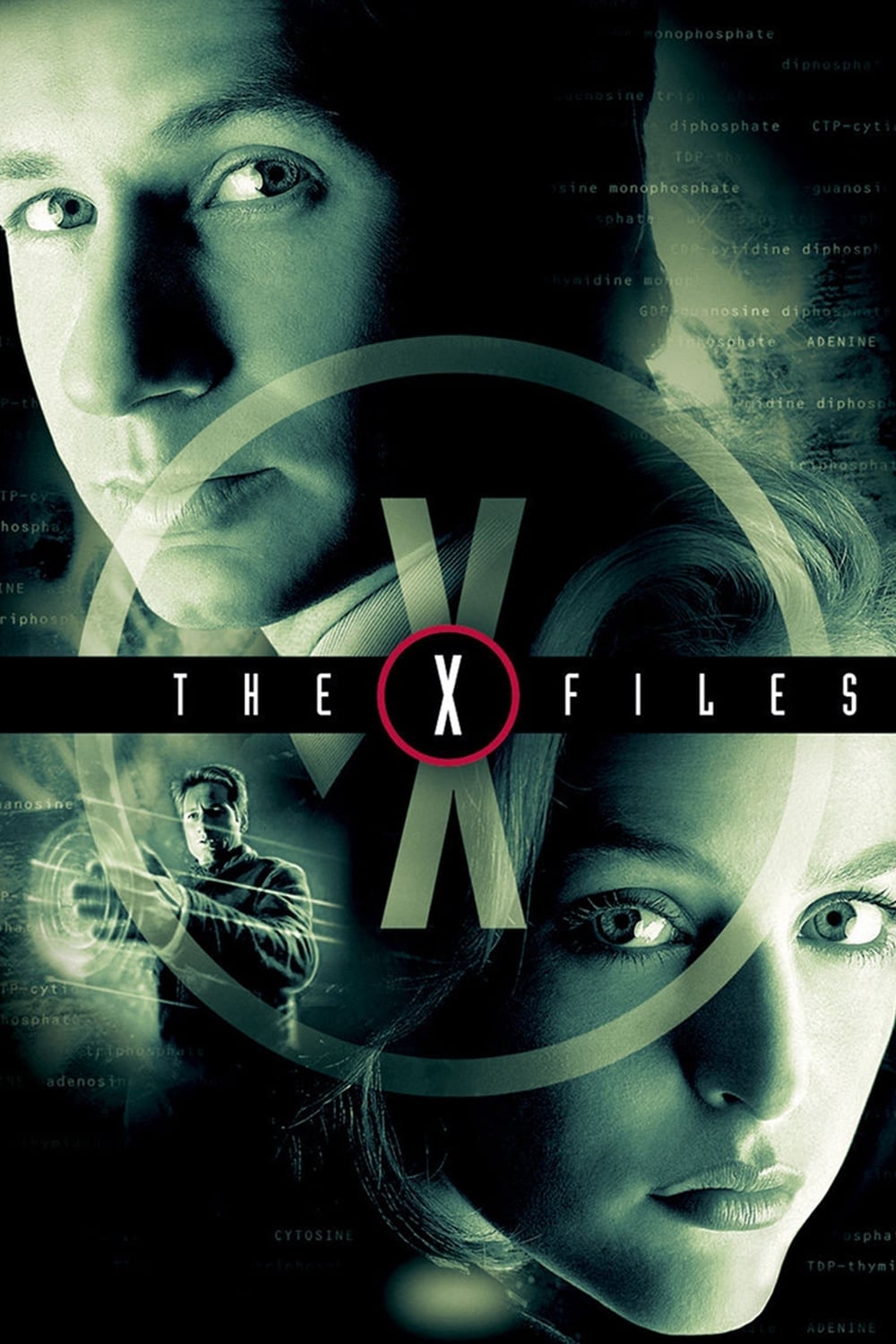
The poster in the office of Fox Mulder features a blurry UFO and the phrase I Want to Believe. It encapsulates the obsession Mulder has with the paranormal and his search for the truth. Characters often look at the poster during moments of doubt or resolve. It survives fires and office relocations to remain the spiritual center of their investigations.
‘It’s Always Sunny in Philadelphia’ (2005–Present)
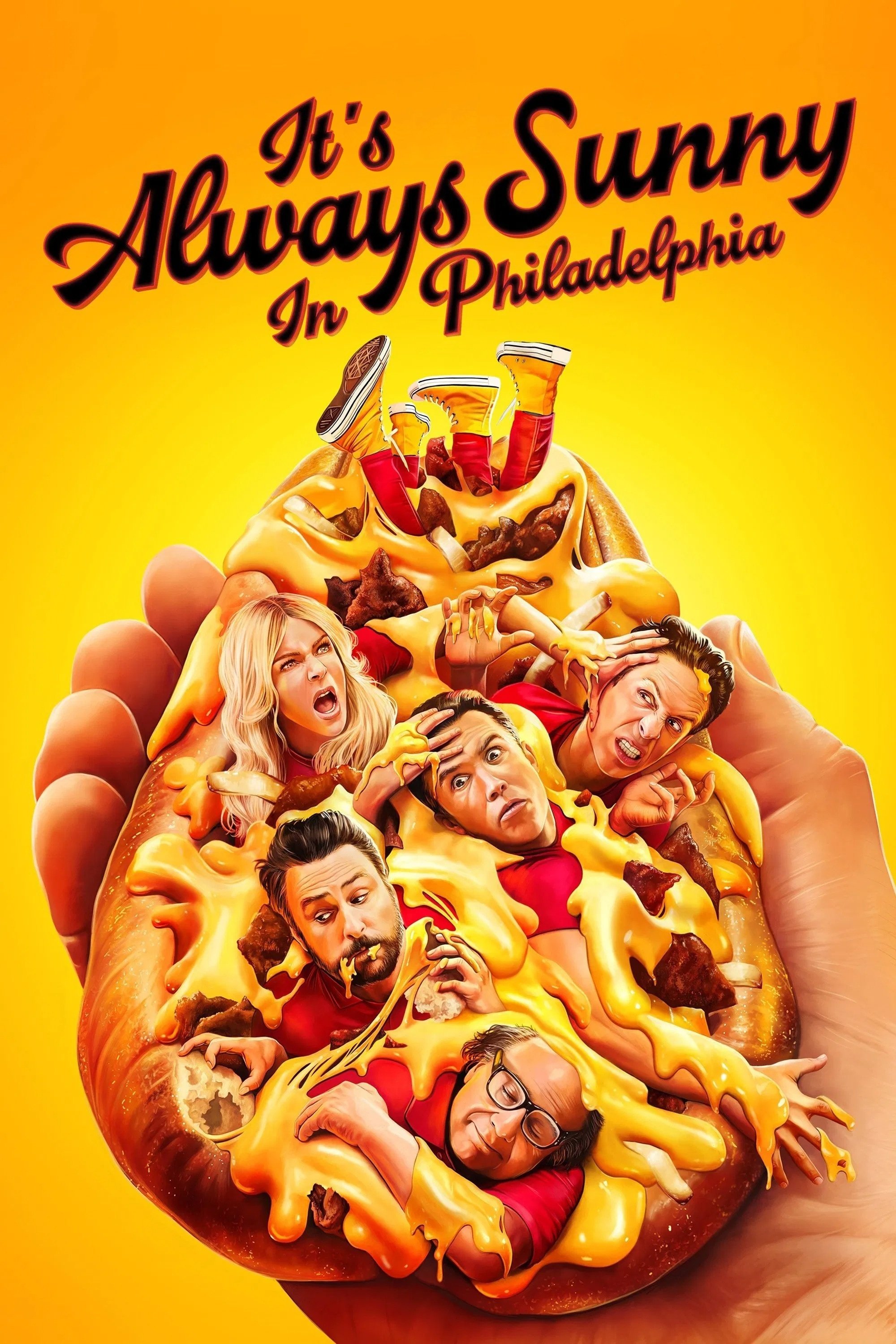
Rum Ham is a ham soaked in high-proof alcohol that Frank Reynolds prepares for a trip to the Jersey Shore. The food item is treated with the panic and desperation usually reserved for a missing person when it floats away. It returns in hallucinations and references as a pinnacle of the gang’s depravity. The prop perfectly summarizes the absurd priorities of the characters.
‘Parks and Recreation’ (2009–2015)
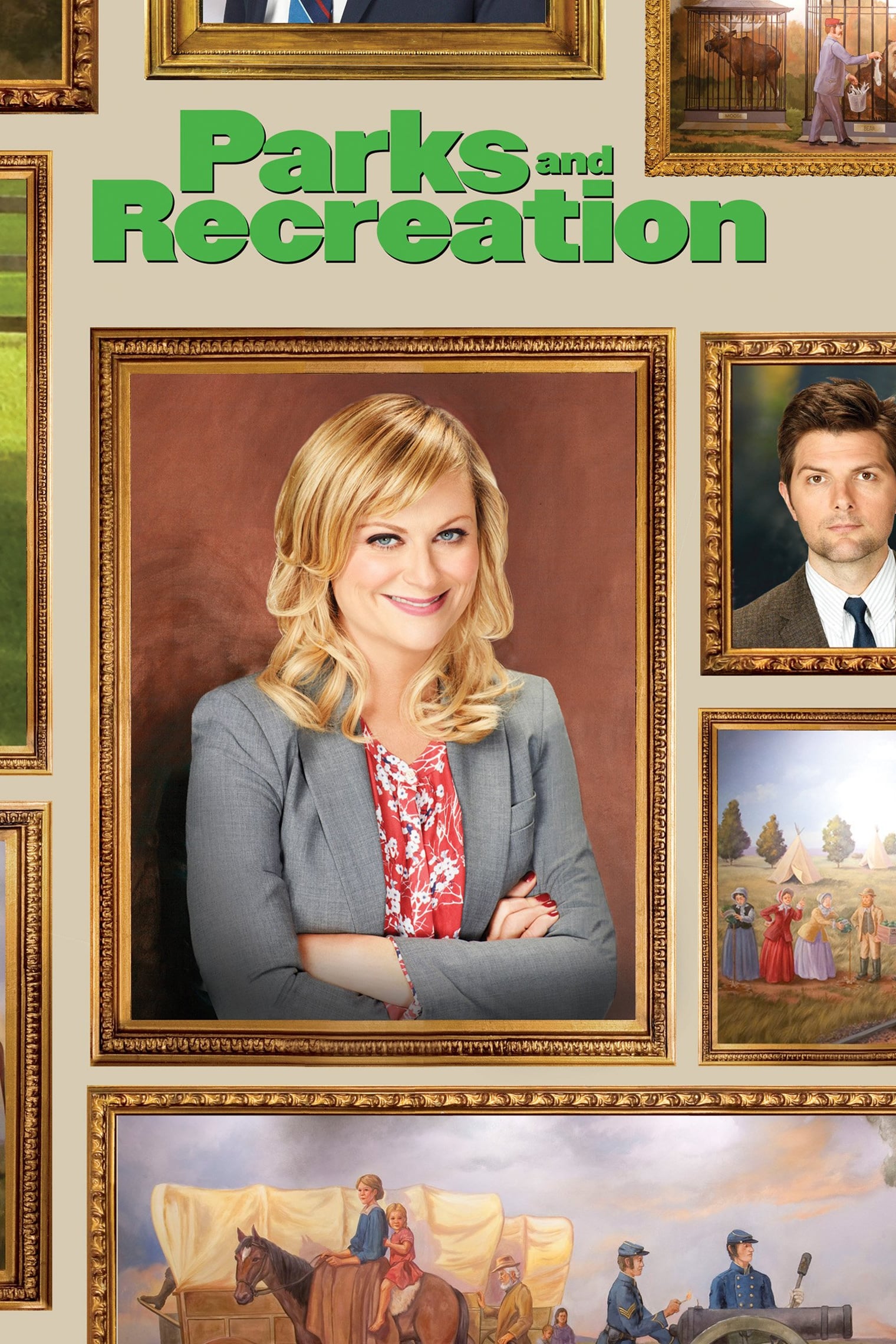
The Cones of Dunshire is a board game invented by Ben Wyatt during a period of unemployment. The incredibly complex rules and game pieces become a recurring joke about his nerdiness. It eventually gains popularity within the universe of the show and saves the department from a financial crisis. The game evolves from a depressing hobby into a legendary creation.
‘The Office’ (2005–2013)
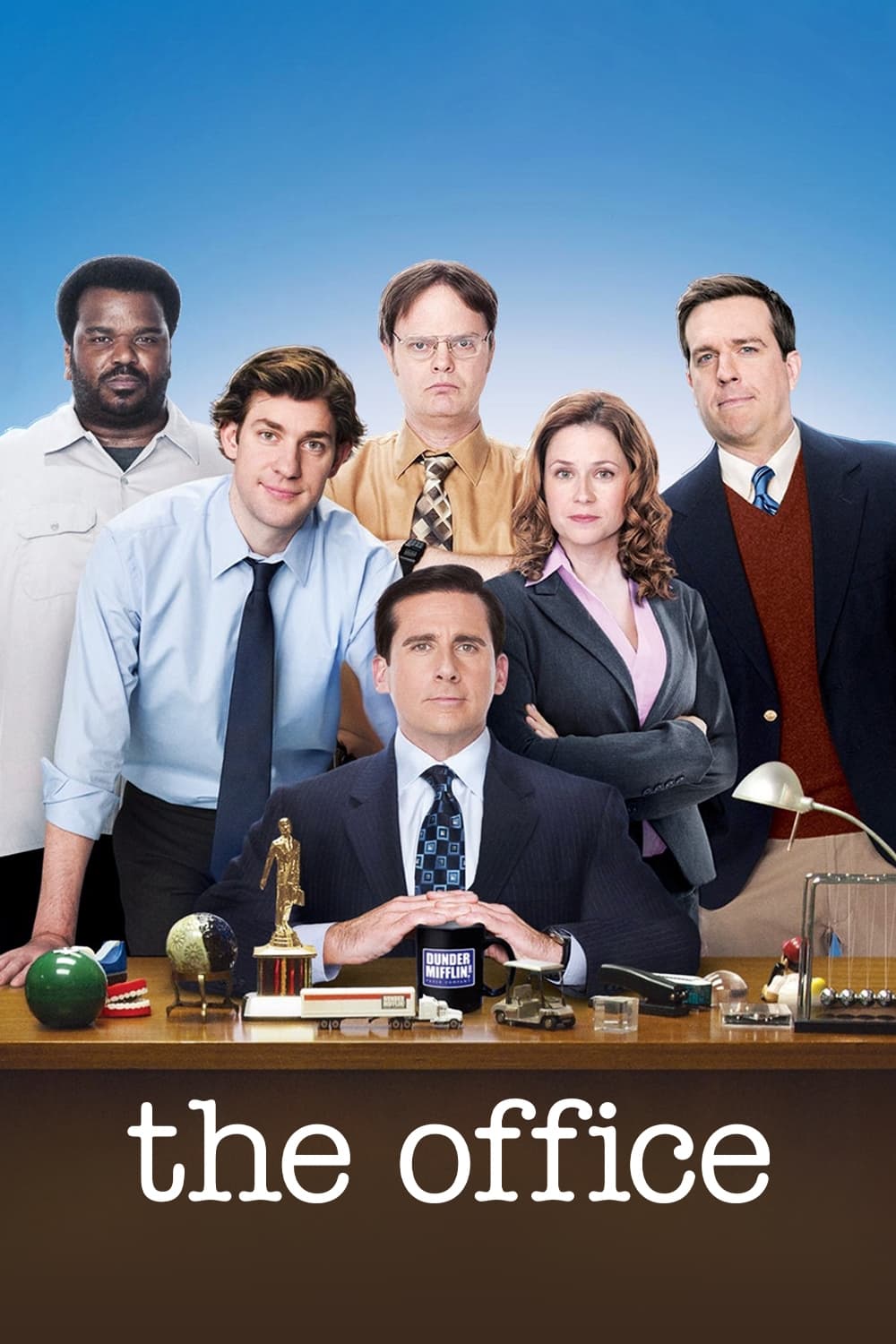
The Dundie Award is a plastic trophy given by manager Michael Scott to his employees for questionable achievements. These awards are often unwanted but eventually become cherished symbols of their time together. The statue appears in the final moments of the series to bring closure to the narrative. It represents the awkward but genuine family dynamic of the Dunder Mifflin staff.
‘Seinfeld’ (1989–1998)
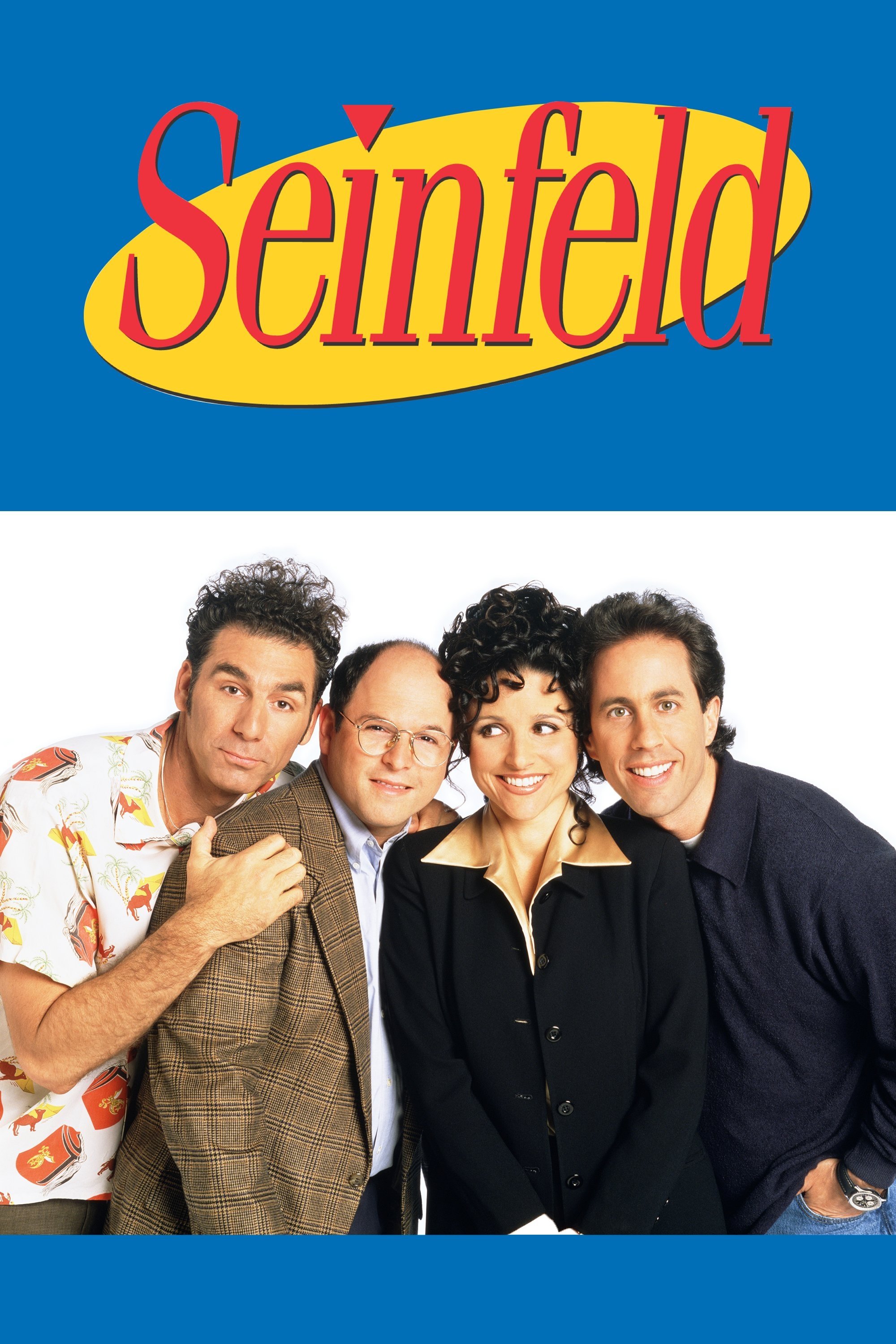
The Puffy Shirt is a ridiculous garment that Jerry agrees to wear during a television appearance because he could not hear the designer. The pirate-like appearance of the shirt ruins his reputation and becomes a major plot point. It stands as a testament to the show’s ability to turn minor social faux pas into catastrophic events. The shirt is now preserved in the Smithsonian museum.
‘Psych’ (2006–2014)
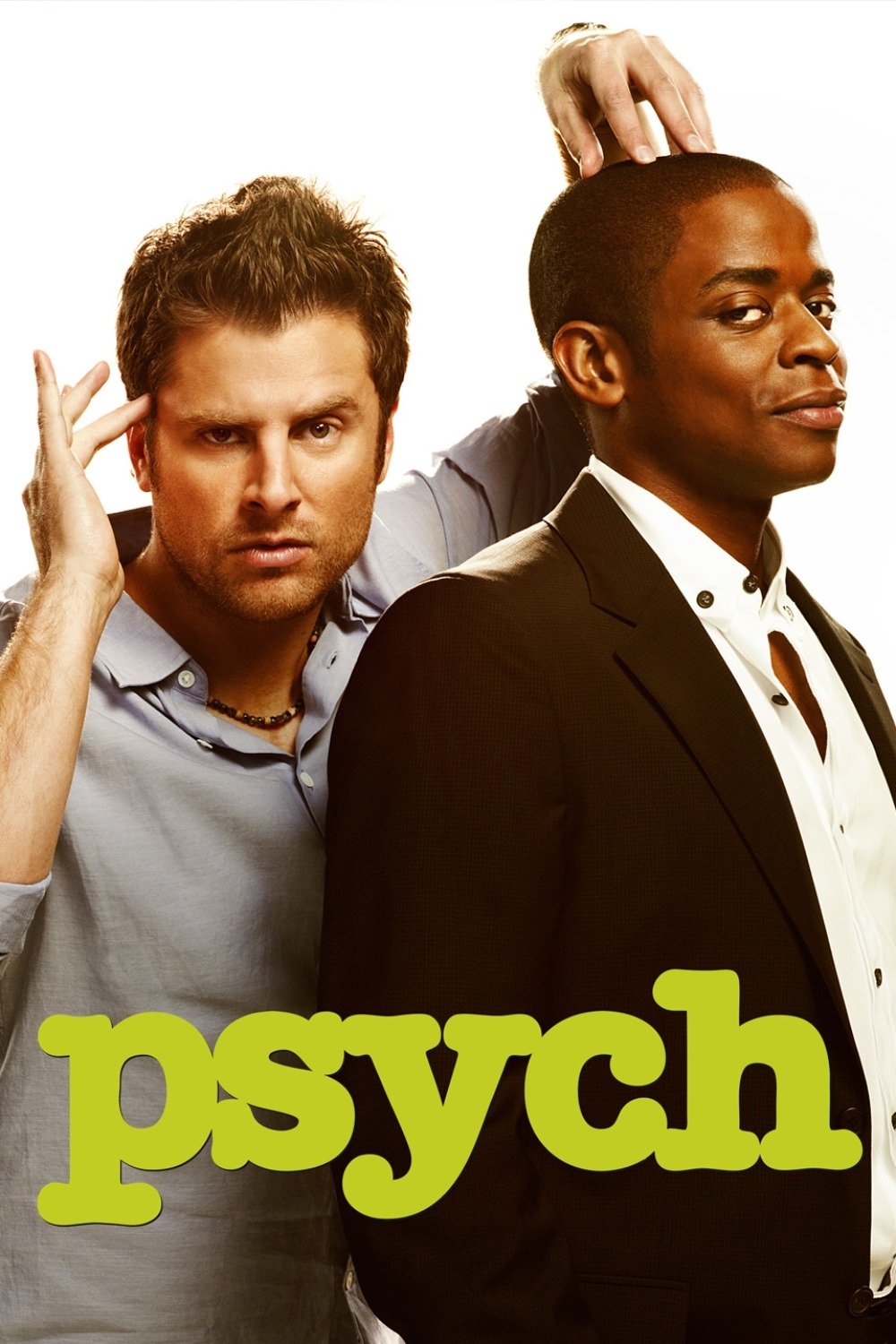
A pineapple appears in nearly every episode of the series as a hidden easter egg for fans to spot. The fruit is often in the background or mentioned in dialogue but rarely impacts the plot directly. It became a mascot for the show and a signal of its playful tone. Fans created websites dedicated to cataloging the appearance of the fruit in each mystery.
‘Star Trek’ (1966–1969)
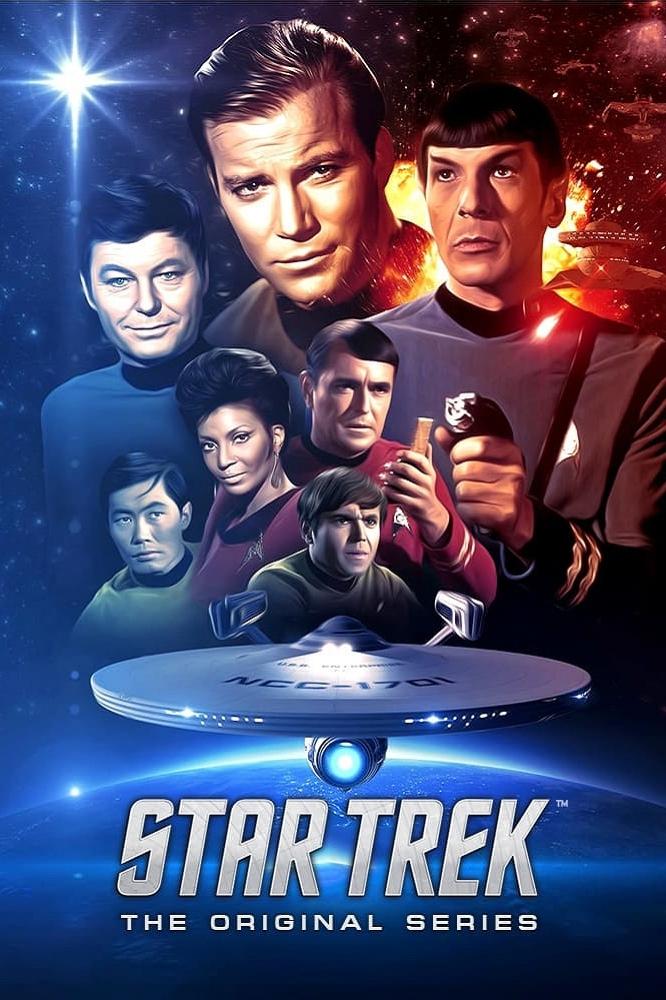
The USS Enterprise is more than just a setting for the crew as it commands loyalty and love from its captain. The starship endures battles and strange anomalies while protecting those aboard. Its silhouette is one of the most famous shapes in science fiction history. The ship is treated as a living entity that hurts when damaged and triumphs when repaired.
‘Firefly’ (2002–2003)
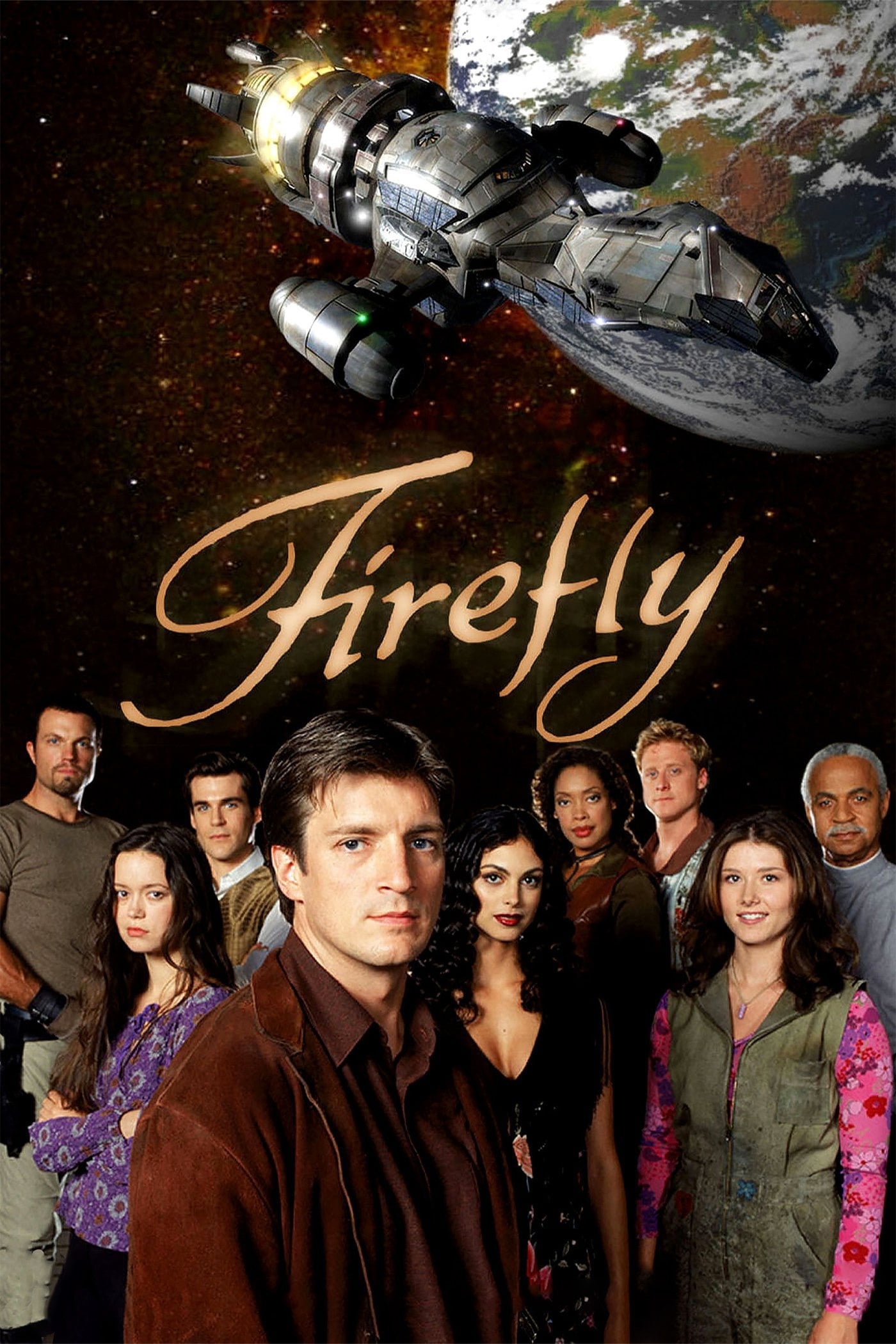
Serenity is a Firefly-class transport ship that serves as the home and livelihood for Captain Mal Reynolds and his crew. The ship is constantly breaking down but manages to hold together during critical escapes. Mal speaks to the ship and treats it with a tenderness he rarely shows to people. The vessel represents freedom from the Alliance and a way of life for the outcasts aboard.
‘Sherlock’ (2010–2017)
The deerstalker hat is a prop that Sherlock Holmes dislikes but the media adopts as his trademark look. He attempts to hide his face with it once and inadvertently creates his own brand image. The hat becomes a recurring joke about the public perception of the detective versus his reality. It serves as a visual shorthand for the character despite his modern wardrobe.
‘Mad Men’ (2007–2015)
The Kodak Carousel is a slide projector that Don Draper uses to deliver one of the most emotional pitches in the series. The device represents the power of nostalgia and the pain of his own hidden past. It transforms a piece of technology into a vessel for memory and longing. The pitch scene defines the genius and tragedy of the protagonist.
‘Sons of Anarchy’ (2008–2014)
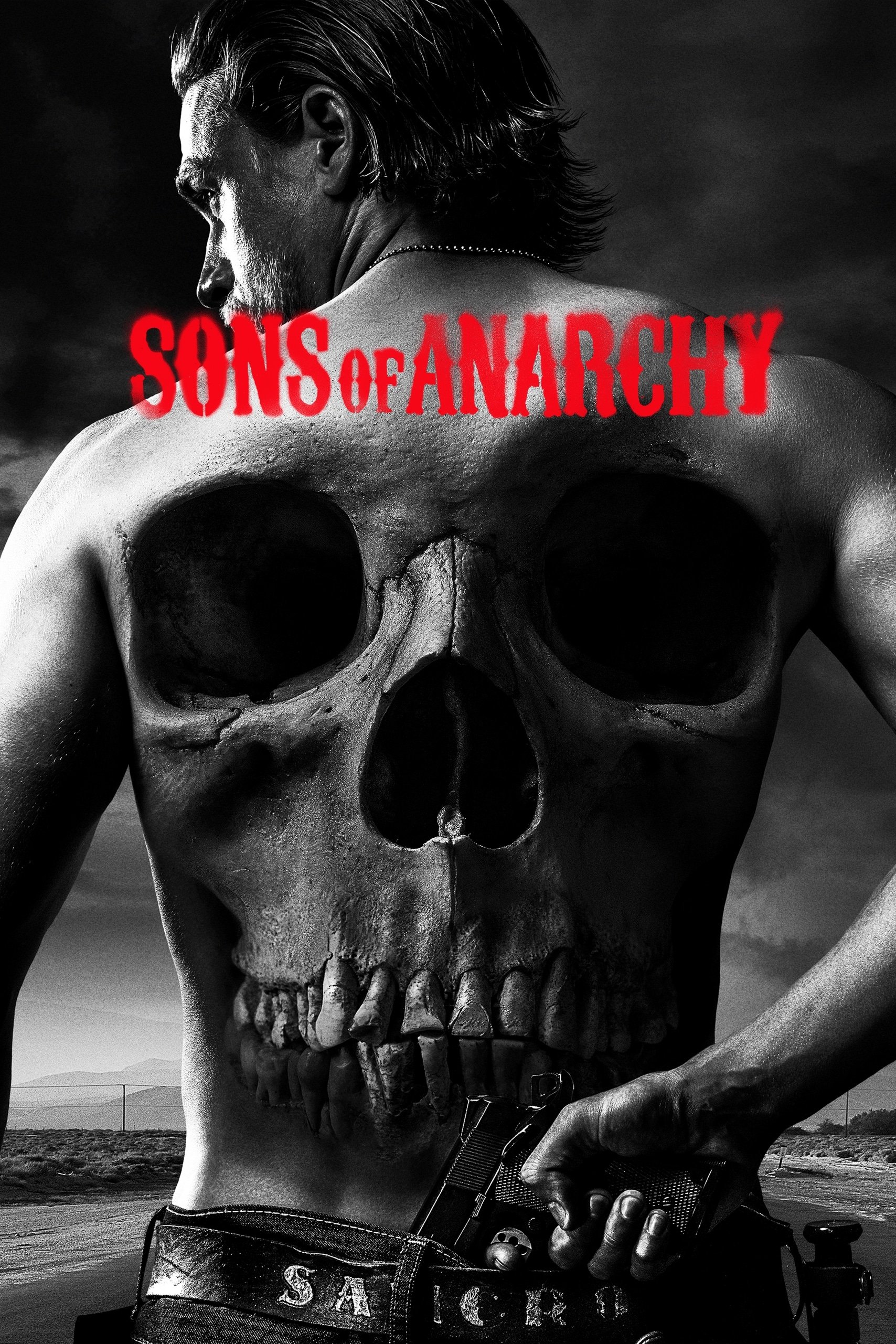
The gavel used by the club president represents order and the heavy burden of leadership. The sound of the gavel hitting the table ends debates and seals the fate of members or enemies. It passes from hand to hand as power shifts throughout the tragic narrative. The final shot of the series visually connects the gavel to the ultimate fate of the main character.
‘House’ (2004–2012)
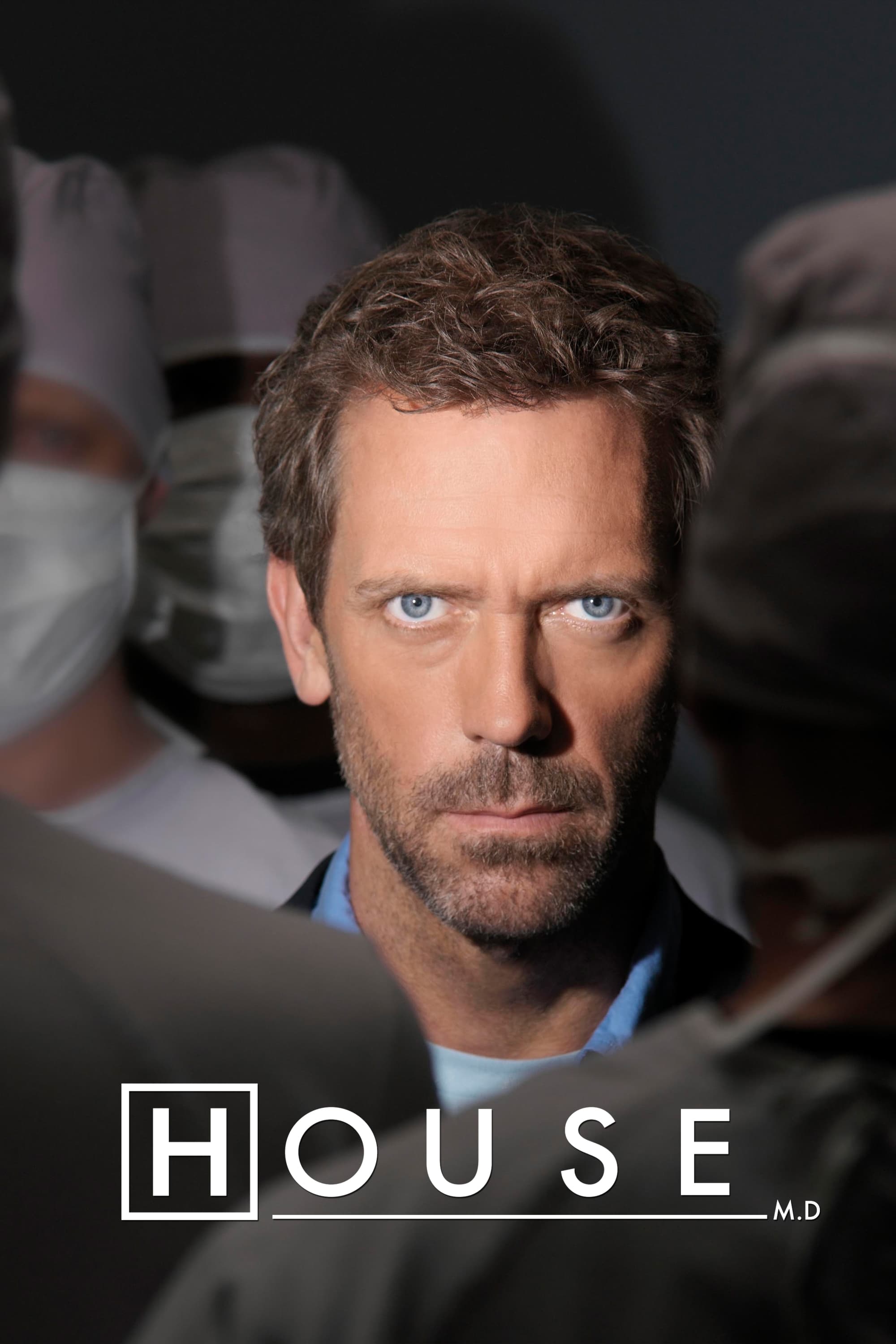
The cane used by Dr. Gregory House is a physical manifestation of his chronic pain and his abrasive personality. He uses it to trip people and open doors or gesture during diagnostic sessions. The design of the cane changes with the seasons to reflect his changing mental state. It is the one item he cannot function without.
‘MacGyver’ (1985–1992)
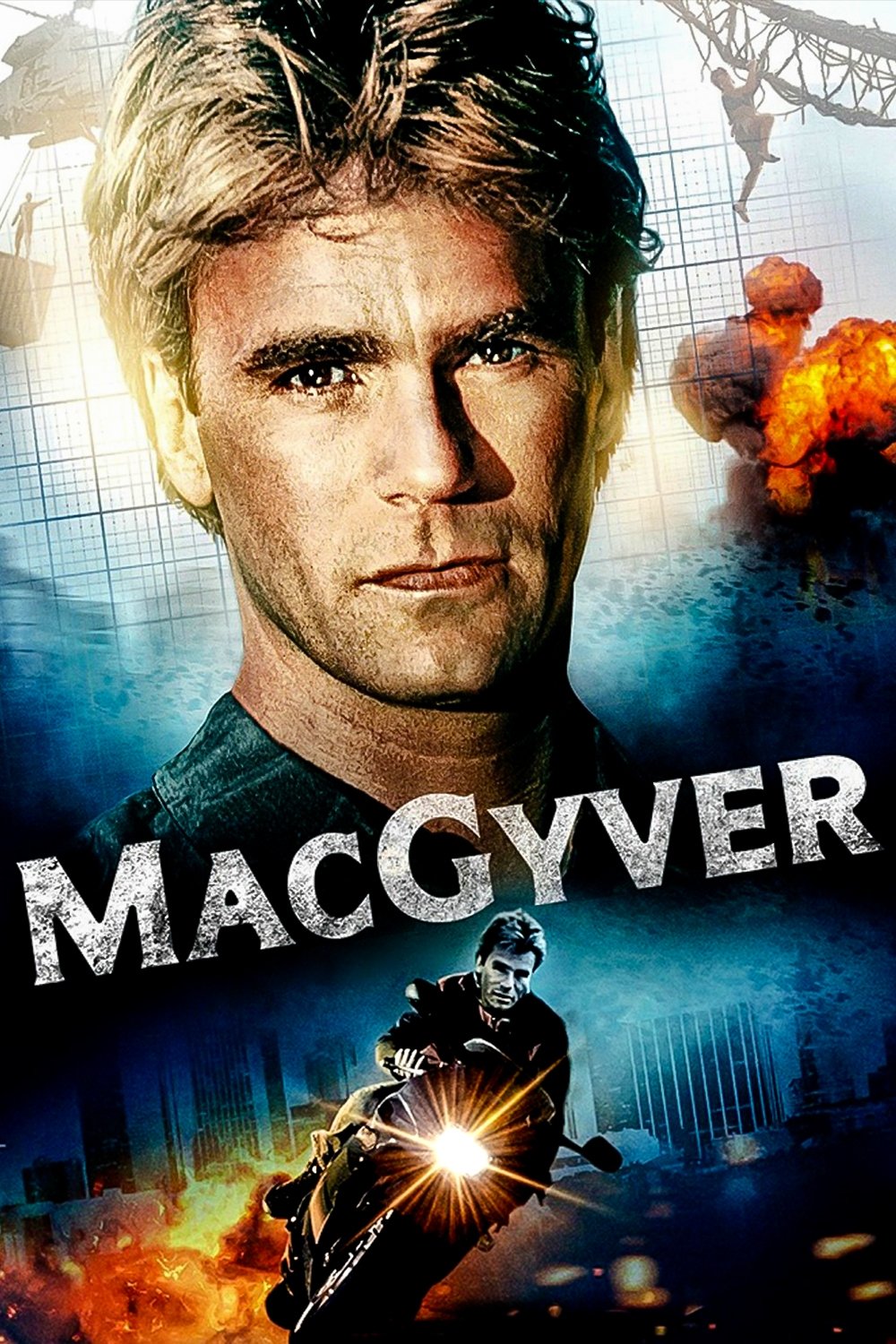
The Swiss Army Knife is the primary tool that allows the protagonist to solve complex problems without violence. It symbolizes his reliance on science and ingenuity rather than guns. The tool appears in almost every episode to dismantle bombs or build escape devices. It became a cultural icon for resourcefulness and quick thinking.
‘Magnum, P.I.’ (1980–1988)
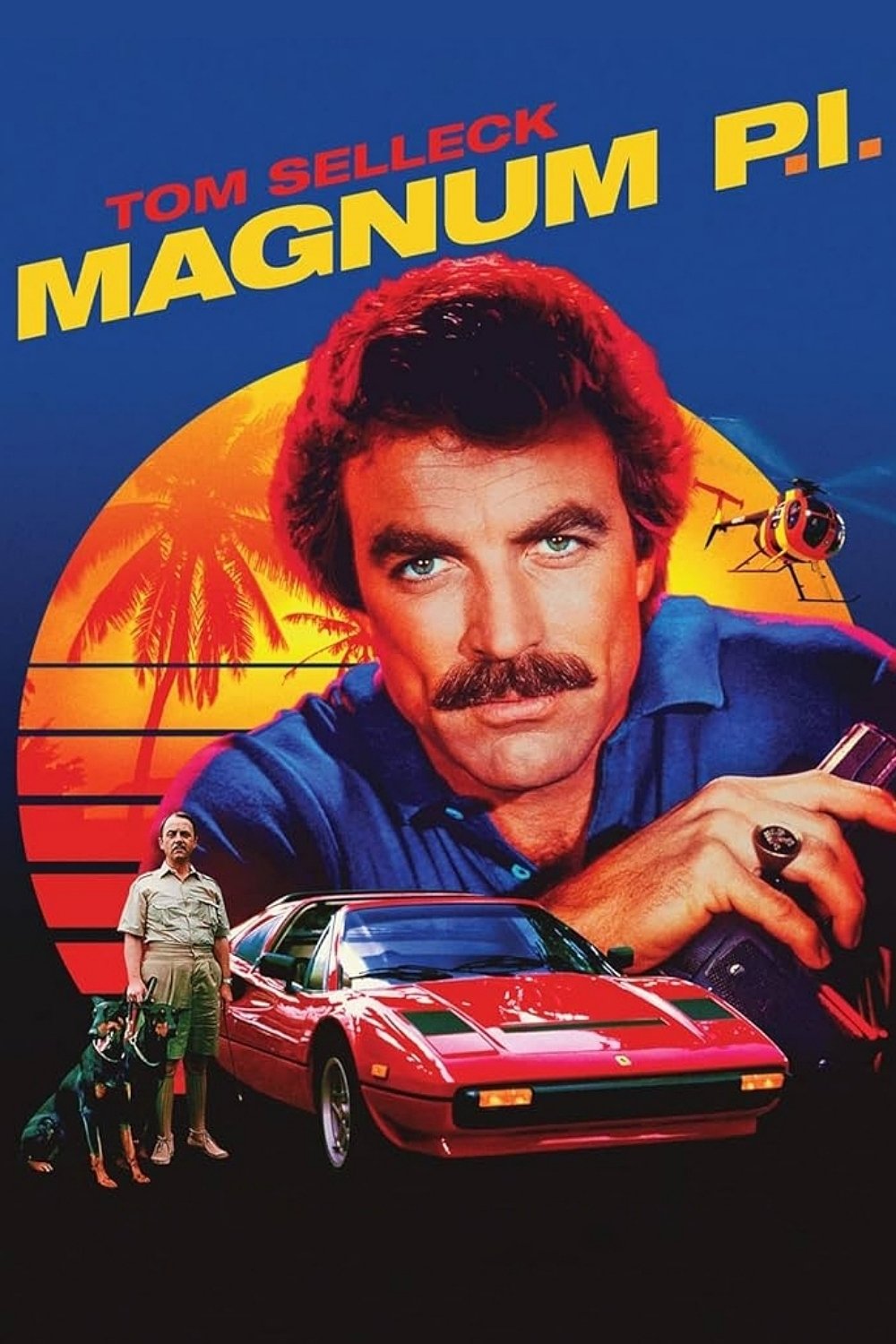
The red Ferrari 308 GTS is borrowed by Thomas Magnum from the unseen Robin Masters. The car is constantly at risk of being scratched or destroyed during investigations. It represents the luxurious lifestyle that Magnum mooches off while living in the guest house. The vehicle is as much a star of the show as the actor himself.
‘The Mandalorian’ (2019–Present)
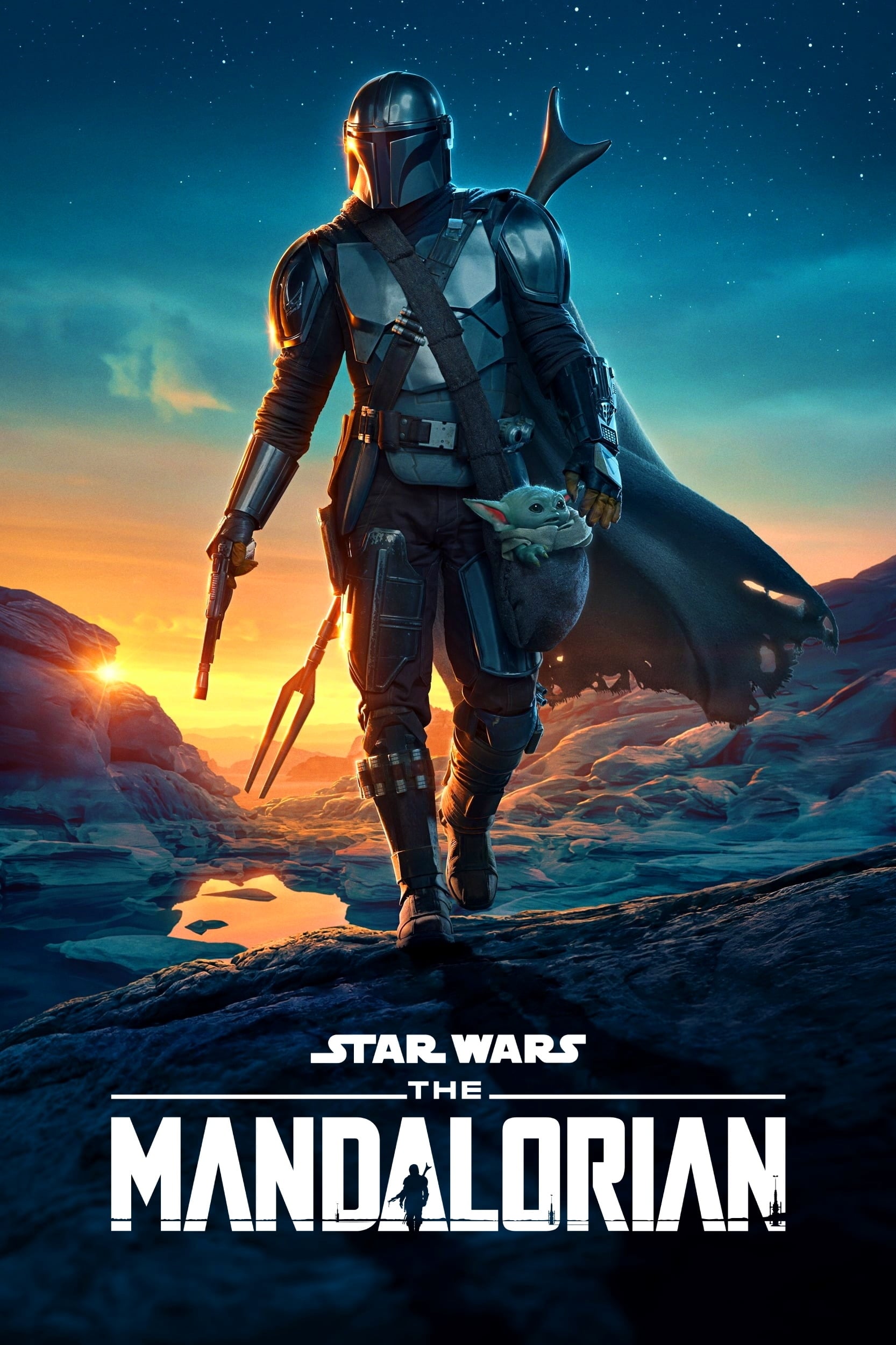
The Darksaber is an ancient black-bladed lightsaber that gives its wielder the right to rule Mandalore. Characters fight to the death to claim the weapon and the political power it carries. The history of the blade dictates the direction of the entire Mandalorian culture. It is a heavy object that requires focus and strength to lift in combat.
‘Stranger Things’ (2016–Present)
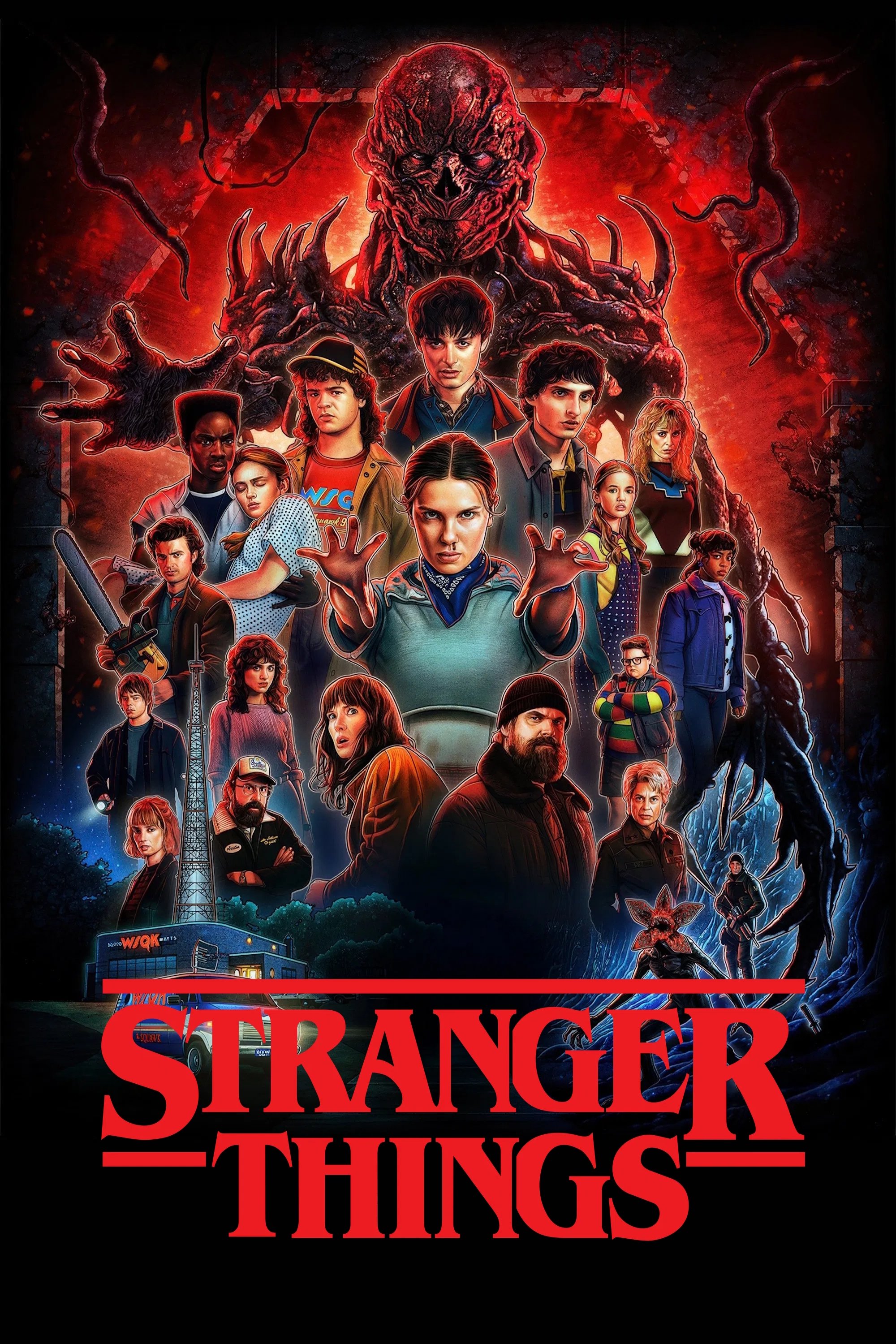
The Christmas lights strung up by Joyce Byers serve as a communication device with her missing son in the Upside Down. She paints an alphabet on the wall to allow him to spell out messages from the other dimension. This desperate setup visually defines the first season and the blend of horror with domestic life. It remains one of the most iconic images of the show.
‘Lost’ (2004–2010)
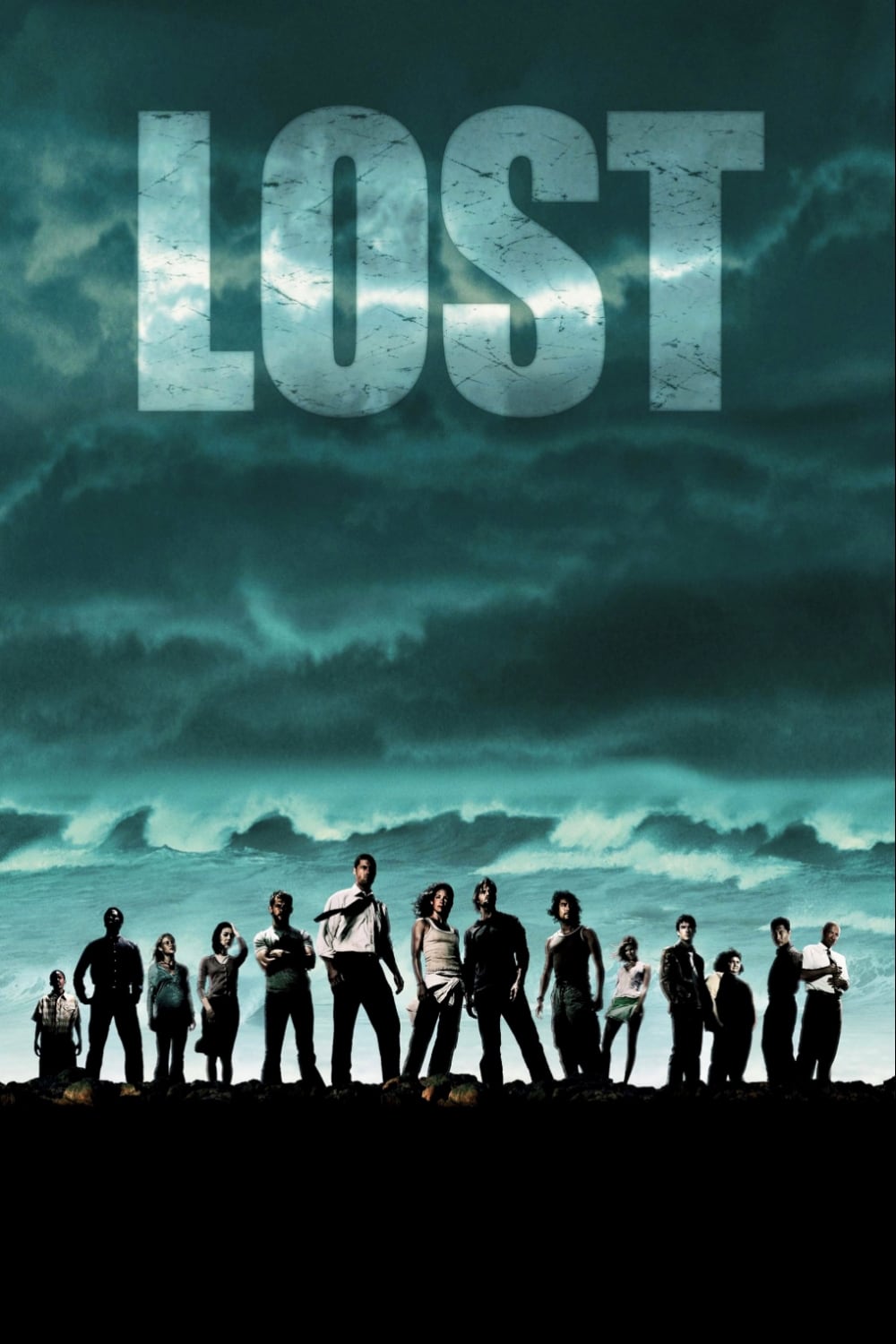
The Dharma Initiative van is discovered by Hurley and becomes a beacon of hope and joy for the survivors. The group works together to jumpstart the vehicle and take it for a fun ride to break the tension of the island. It contains supplies and beer that offer a brief respite from their survival struggles. The van represents the triumph of optimism over despair.
‘Fringe’ (2008–2013)
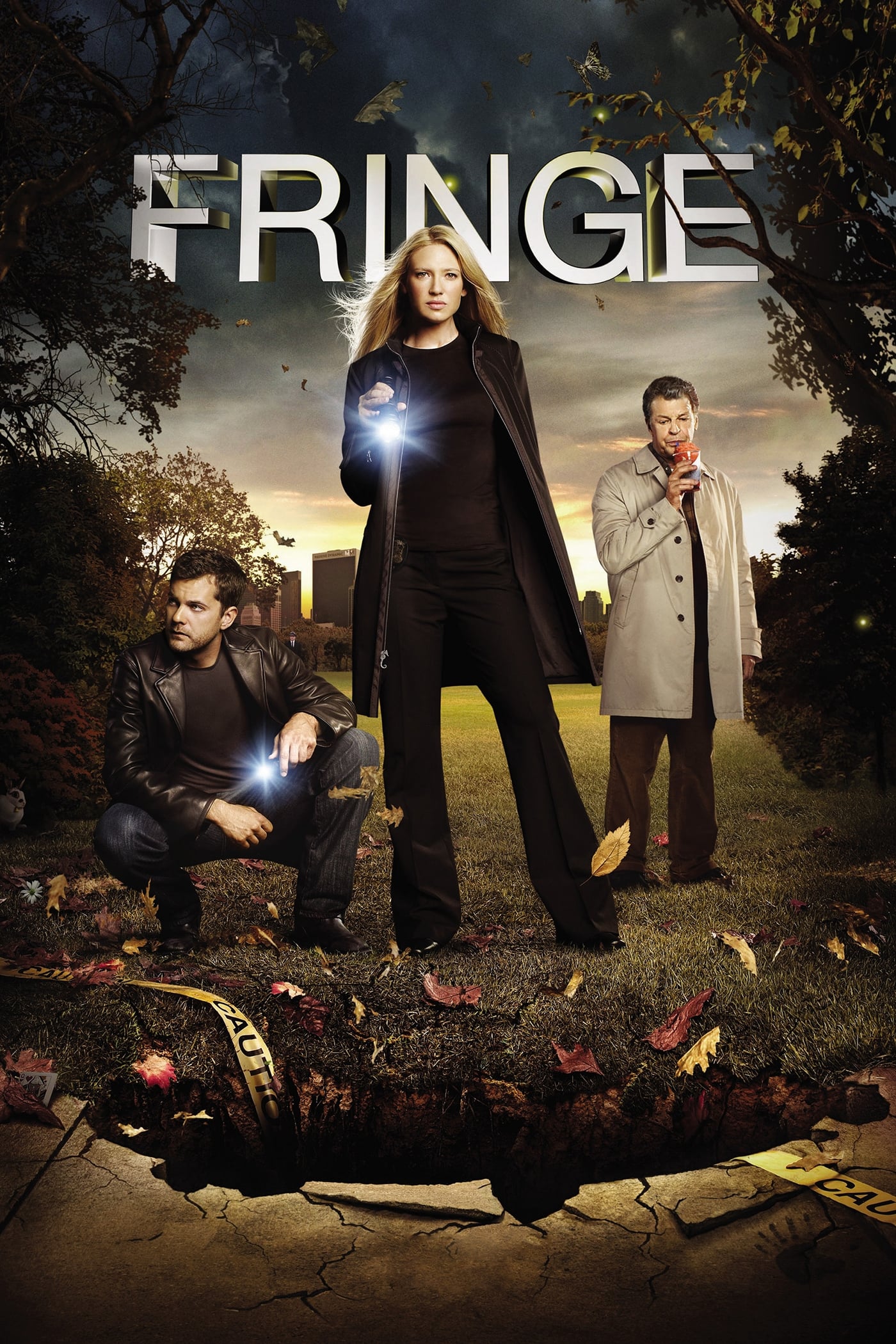
The White Tulip is a drawing sent to Walter Bishop that symbolizes forgiveness for his past sins against the universe. It represents his desire for redemption and a sign from God that he is forgiven. The symbol recurs throughout the timeline to anchor Walter’s character arc. It is the emotional resolution to the complex science fiction plot.
‘Suits’ (2011–2019)
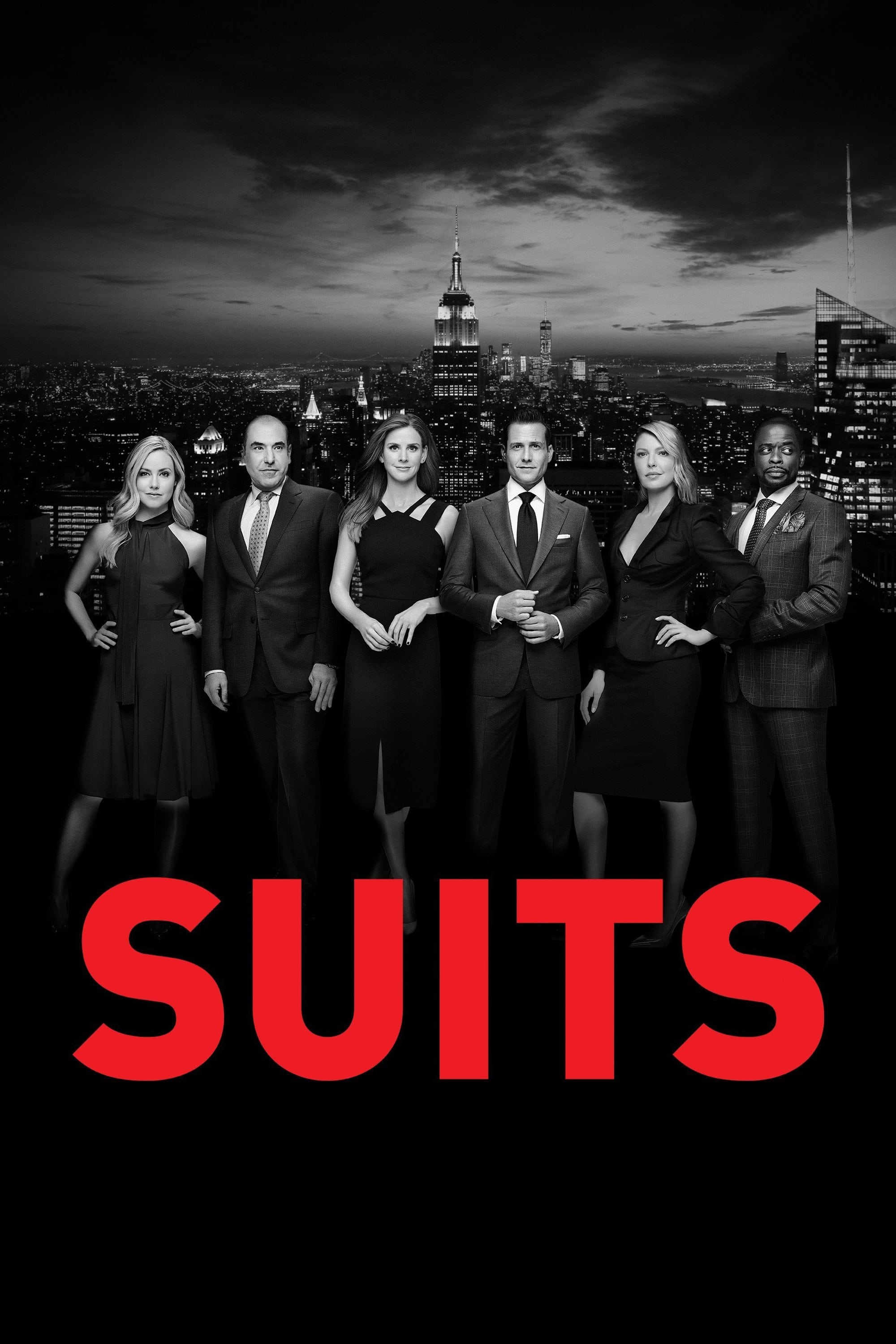
The can opener is part of a mysterious pre-trial ritual between Harvey Specter and Donna Paulsen. The audience never learns exactly how the object is used or why it is significant to the pair. It serves as a symbol of their unique bond and shared history that excludes everyone else. The mystery of the can opener is a running joke that humanizes the legal drama.
‘Scrubs’ (2001–2010)
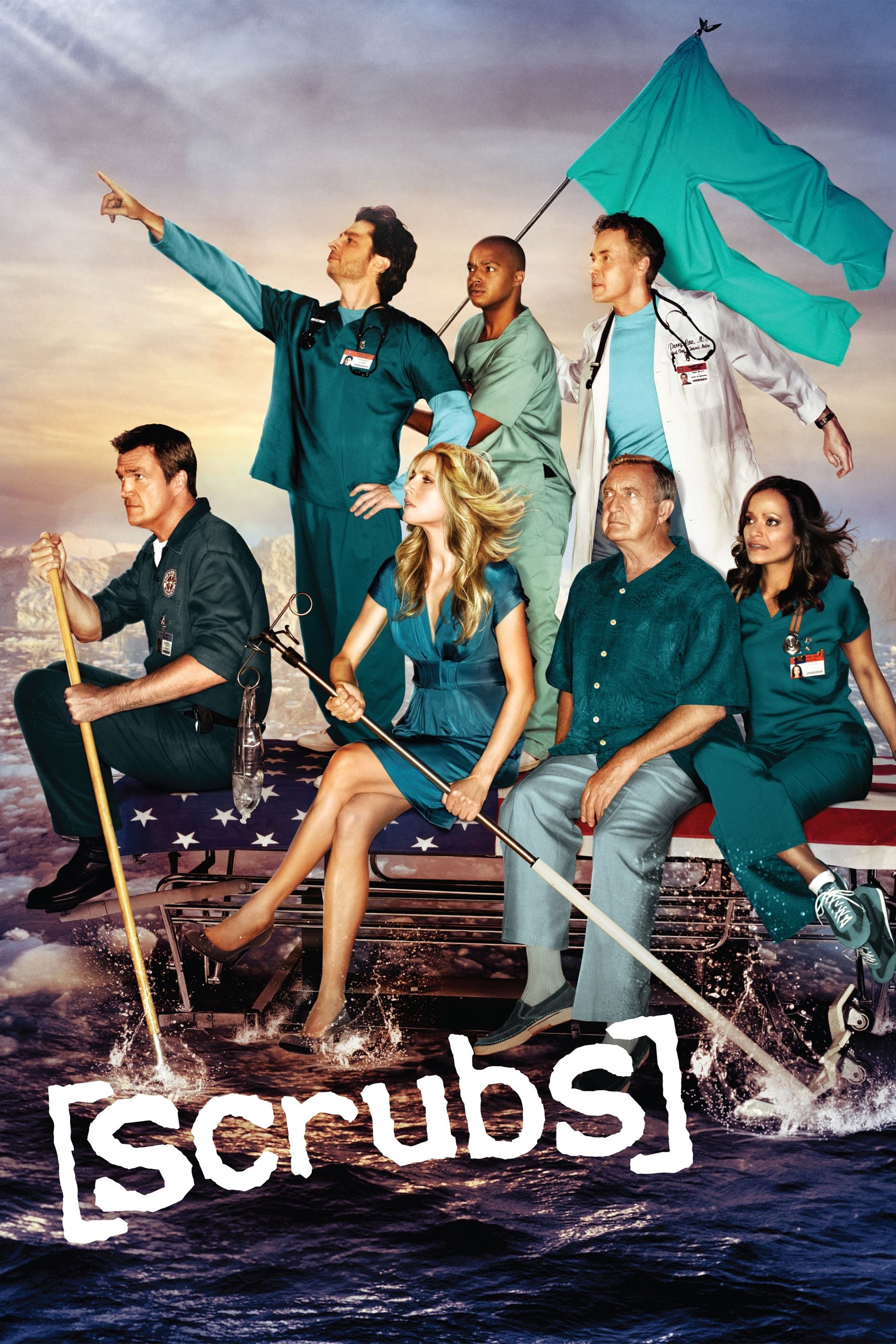
Rowdy is a taxidermied dog that J.D. and Turk treat as a living pet in their apartment. They use the stiff dog for pranks and often speak to it as if it understands them. The prop represents the immature but strong friendship between the two doctors. It survives moves and theft to remain a fixture of their lives.
‘Brooklyn Nine-Nine’ (2013–2021)
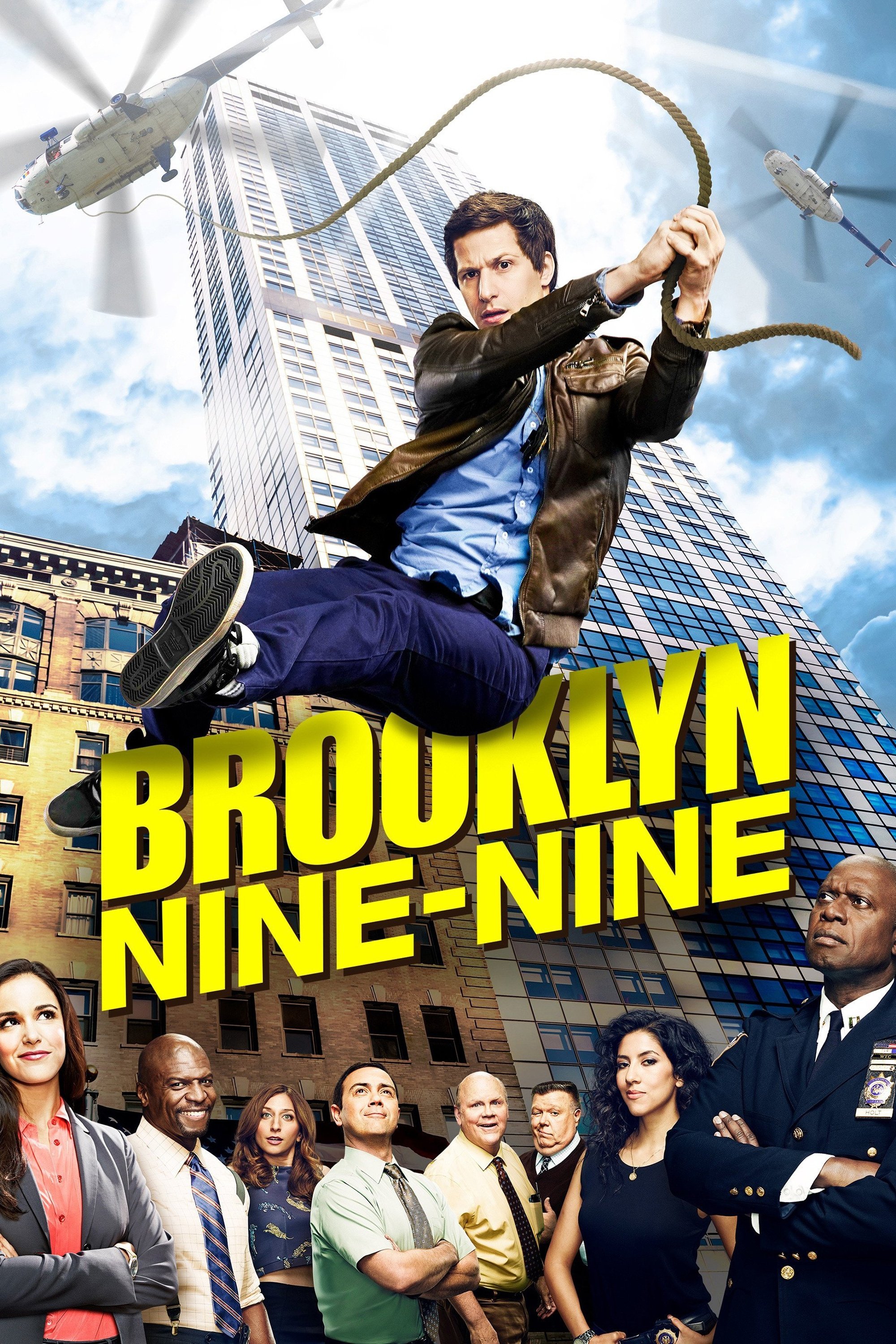
The object used for the annual Halloween Heist changes every year but acts as the ultimate prize for the precinct. Detectives betray each other and create elaborate plans just to hold the cummerbund or belt by midnight. The competition for the prop becomes the highlight of each season. It signifies the title of Ultimate Detective/Genius.
‘Downton Abbey’ (2010–2015)
The servant bell board in the kitchen acts as the central nervous system of the great house. It dictates the movement of the staff and signals the demands of the family upstairs. The ringing of the bells often interrupts personal moments and reminds the staff of their station. It visually connects the upstairs and downstairs worlds.
‘The Sopranos’ (1999–2007)
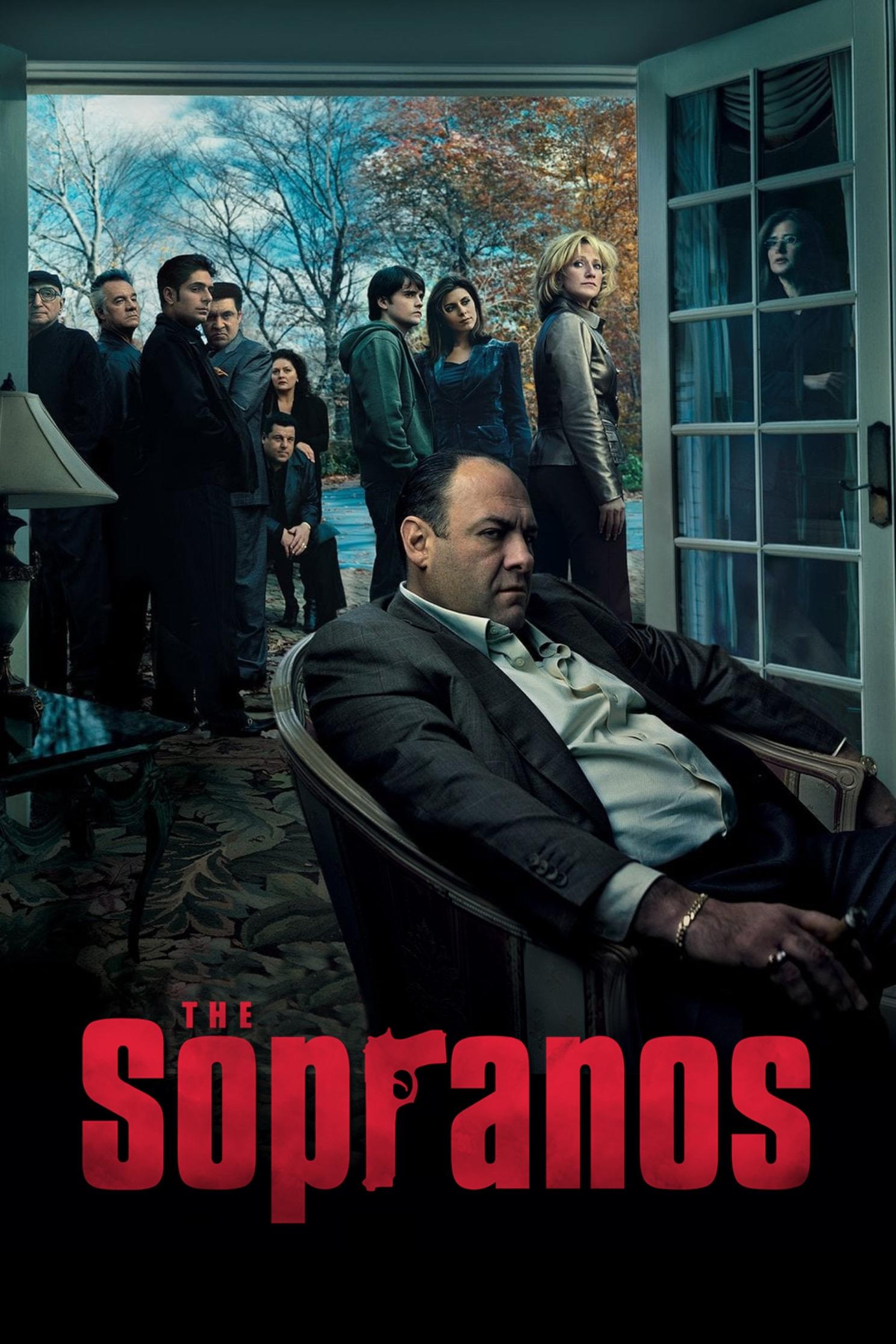
The leather jacket belonging to Richie Aprile is given to Tony Soprano as a gesture of respect. Tony dislikes the jacket and eventually gives it away to his maid’s husband. When Richie sees the jacket on someone else it triggers a violent rage that exposes his insecurity. The garment symbolizes the failed attempts at loyalty within the crime family.
‘Better Call Saul’ (2015–2022)
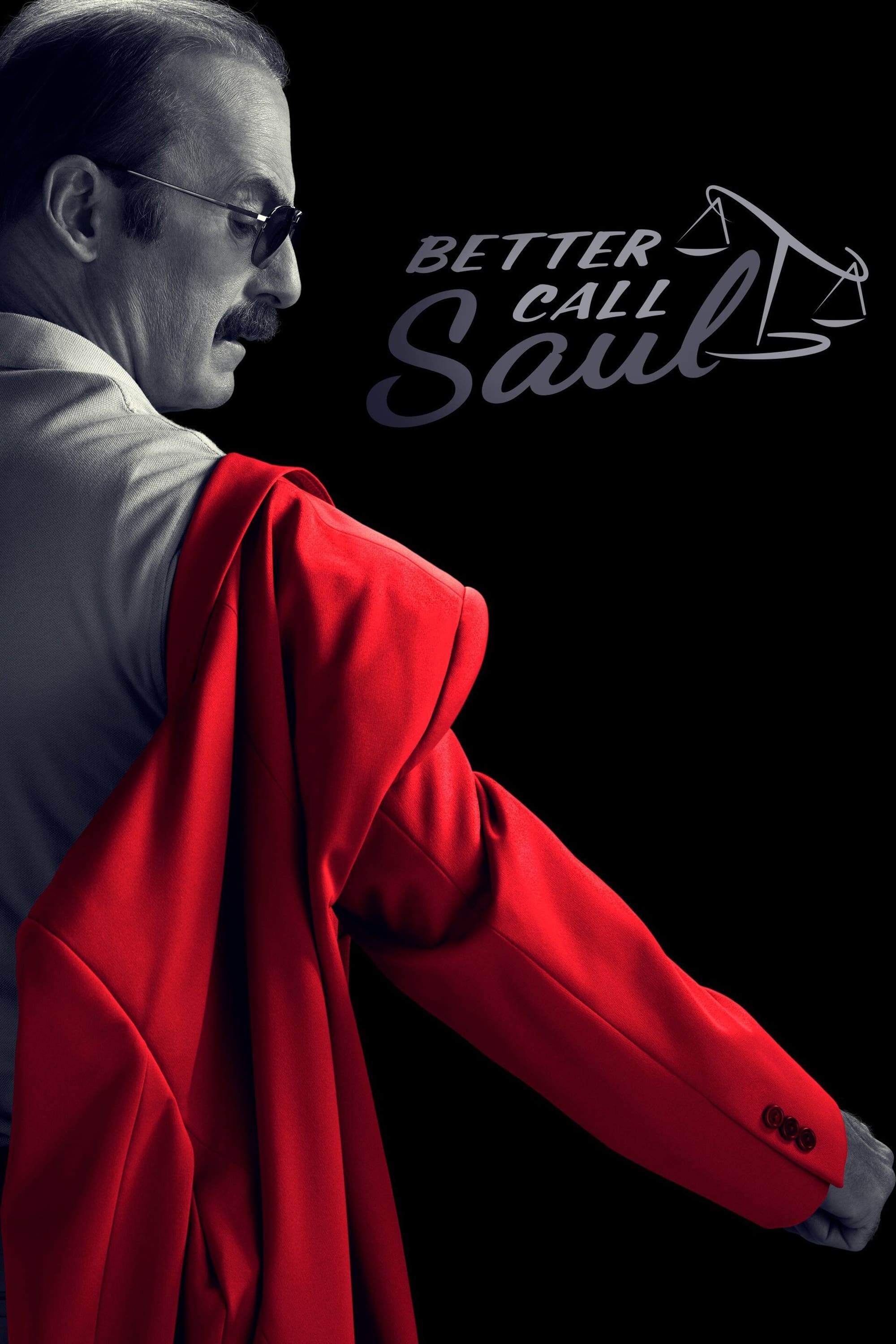
The Zafiro Añejo tequila stopper is a sharp metal object that Jimmy and Kim keep as a souvenir of their cons. It represents the thrill of their illicit activities and their bond as partners in crime. The object reappears in solemn moments to remind them of who they really are. It eventually signals the tragic divergence of their paths.
‘Happy Days’ (1974–1984)

The jukebox at Arnold’s drive-in will only play music when the Fonz hits it with his fist. This action establishes his coolness and his magical control over the environment. The machine refuses to work for anyone else and remains silent until he arrives. It is a mechanical extension of his dominance over the social scene.
‘Kojak’ (1973–1978)
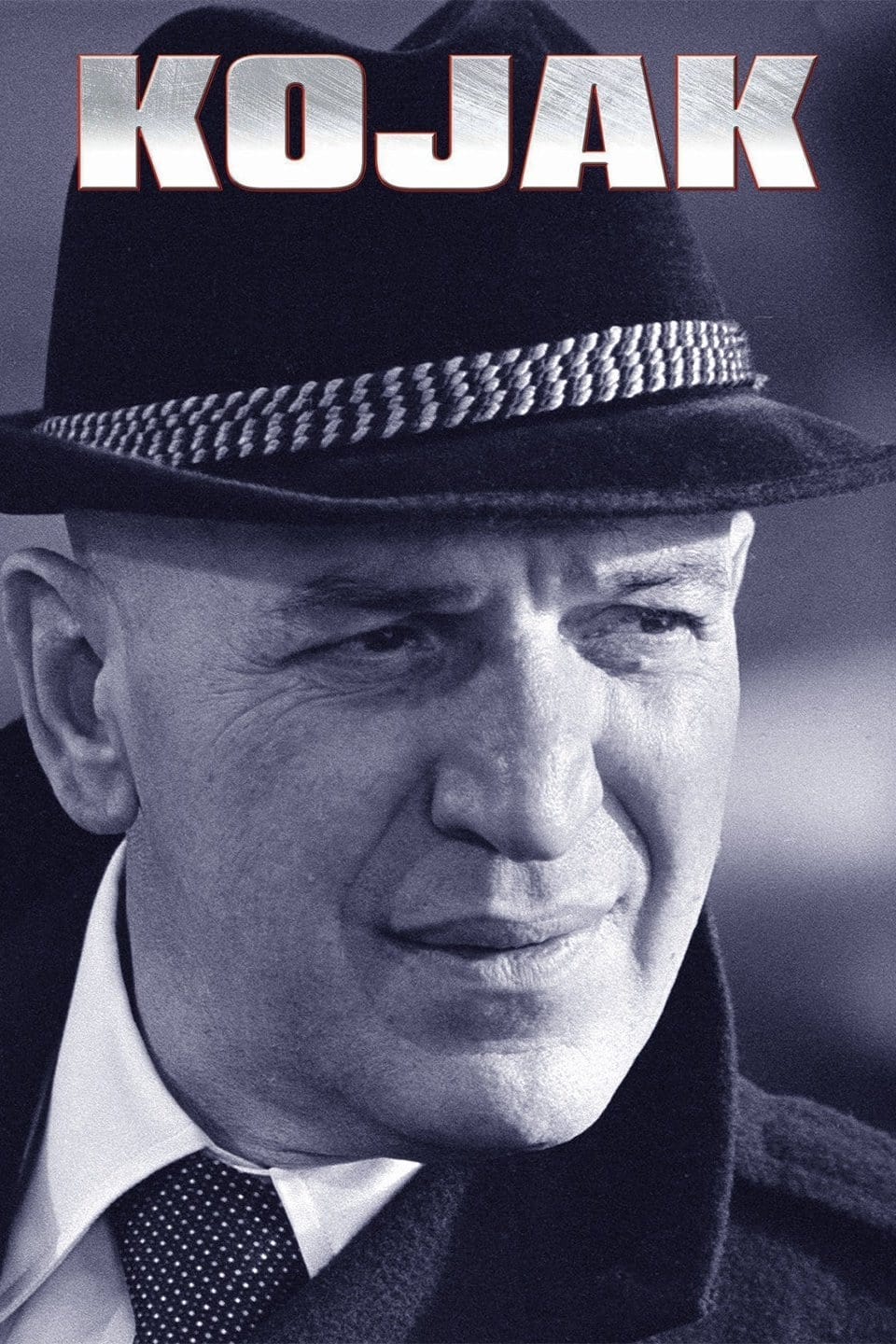
The lollipop consumed by Lieutenant Theo Kojak was originally added to help the actor quit smoking. It became a defining trait of the character and added a touch of whimsy to the gritty police procedural. He offers the candy to witnesses and suspects alike. The prop softens his tough exterior and makes him memorable.
‘The Prisoner’ (1967–1968)
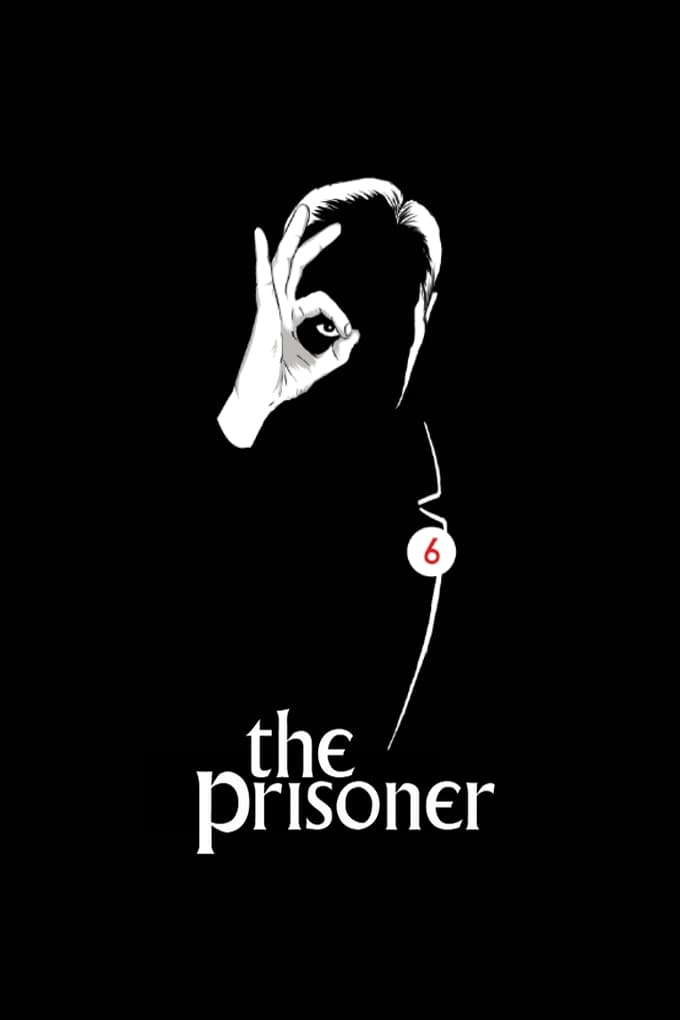
The Penny Farthing bicycle is the logo of the Village and appears throughout the mysterious community. It represents the antiquated and surreal nature of the prison where Number Six is held. The large wheel suggests a cycle that cannot be broken or escaped. It stands as a symbol of the individual versus the collective.
‘Westworld’ (2016–2022)
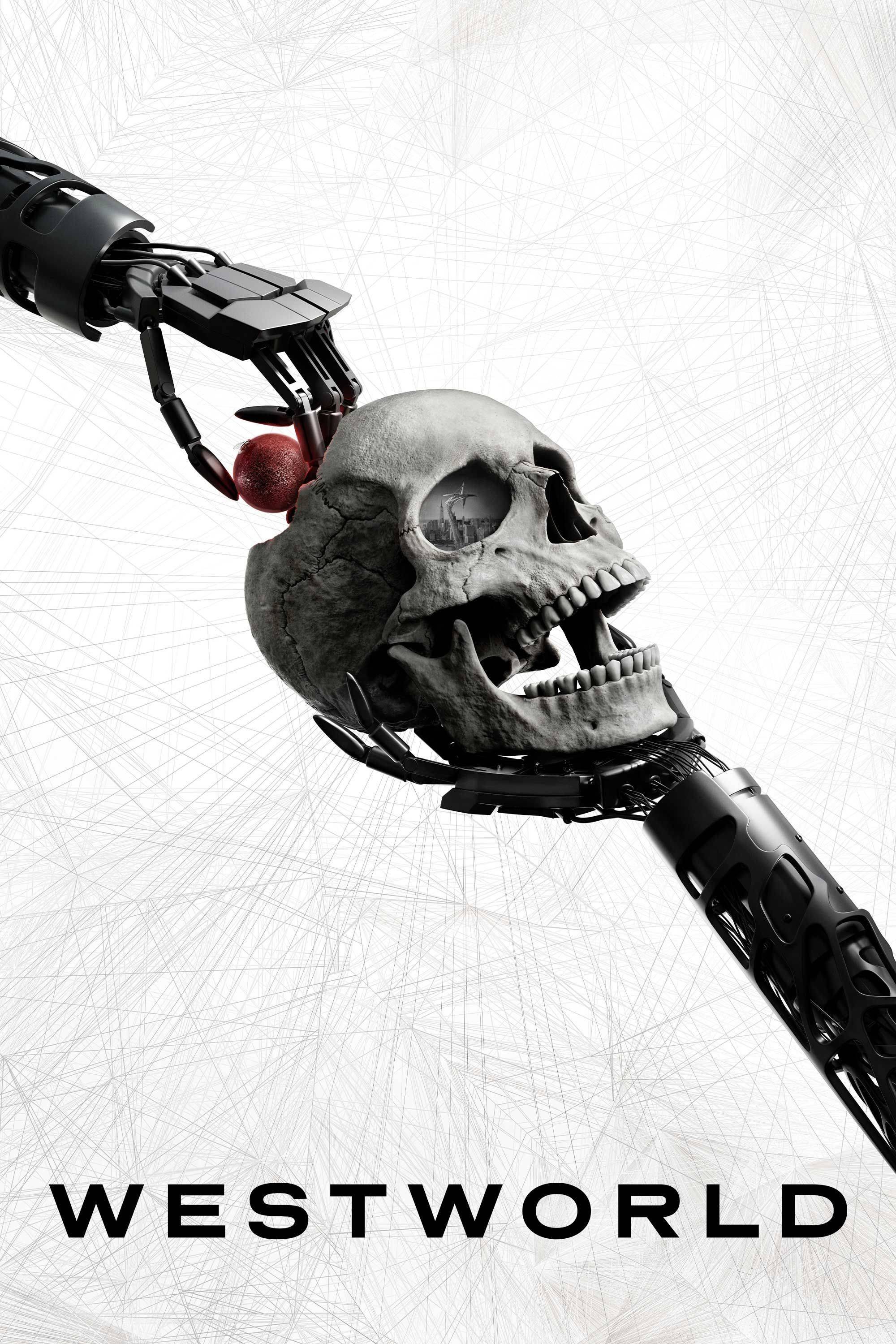
The Maze is a toy diagram that appears on scalps and in the dirt to guide the hosts toward consciousness. It is not a physical place but a journey inward that the androids must solve. The image haunts the Man in Black who believes it is a game designed for him. The prop is the key to unlocking the free will of the machines.
‘Rick and Morty’ (2013–Present)
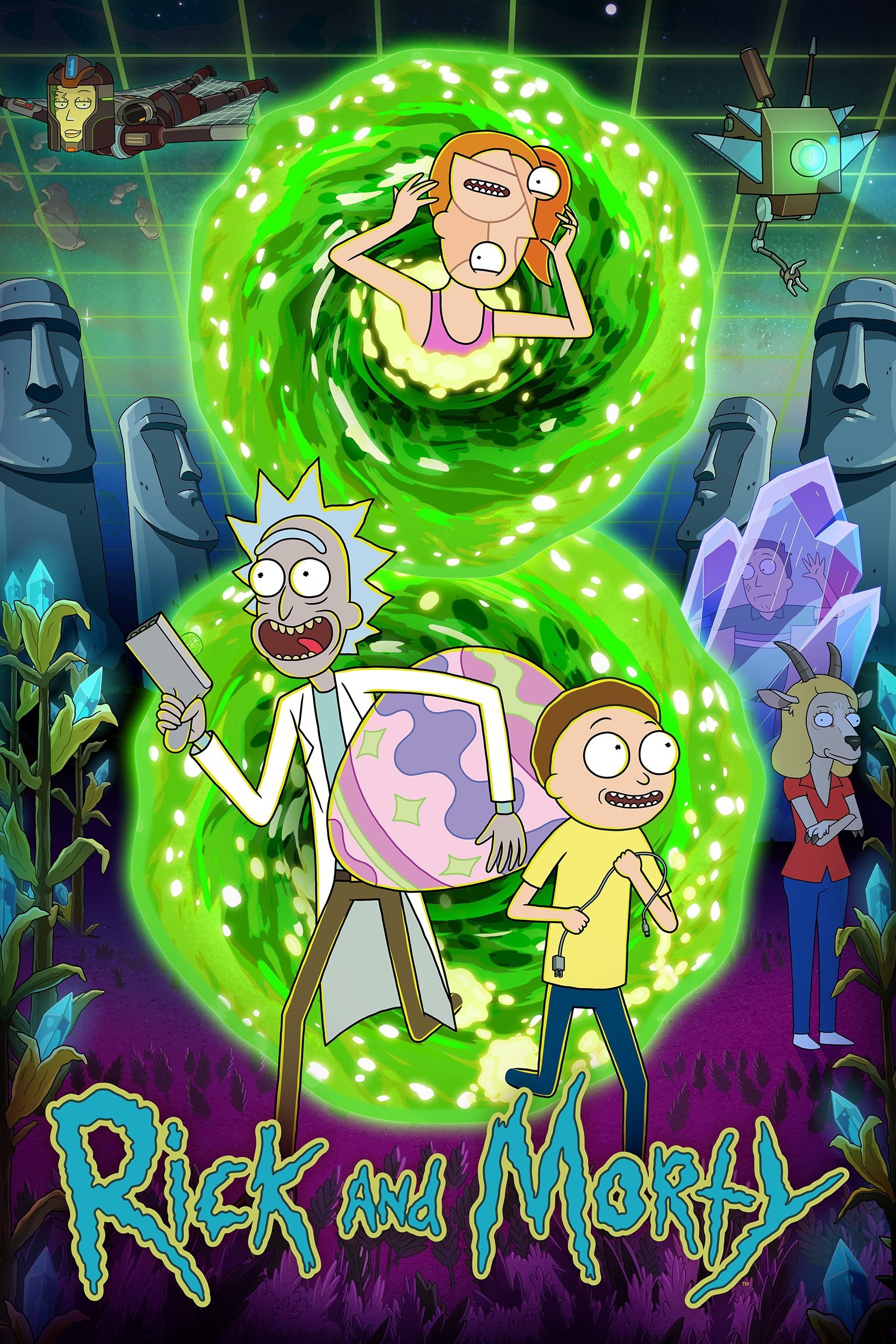
The Portal Gun is the device that drives almost every adventure by allowing instant travel between dimensions. Rick Sanchez uses it to escape consequences and endanger his family in infinite realities. The green fluid in the gun is a precious resource that others try to steal. It represents the god-like power that makes Rick miserable and unstoppable.
‘Batman’ (1966–1968)
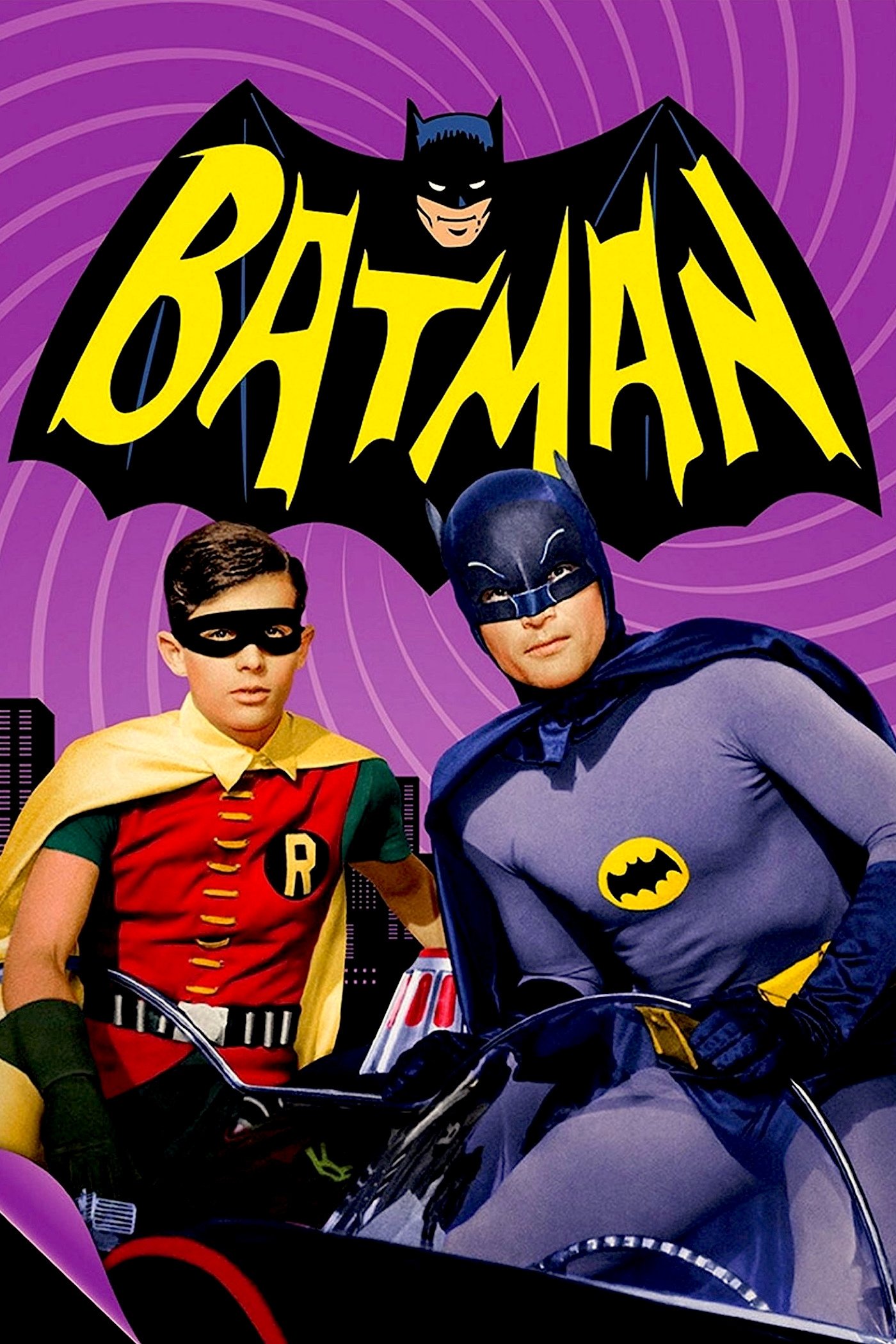
The Batphone is a bright red telephone that sits under a glass cake cover in Wayne Manor. It provides a direct line to Commissioner Gordon and signals the start of every episode’s conflict. The phone glows when it rings and requires immediate attention from Bruce Wayne. It is the primary link between the superhero and the law.
‘Get Smart’ (1965–1970)
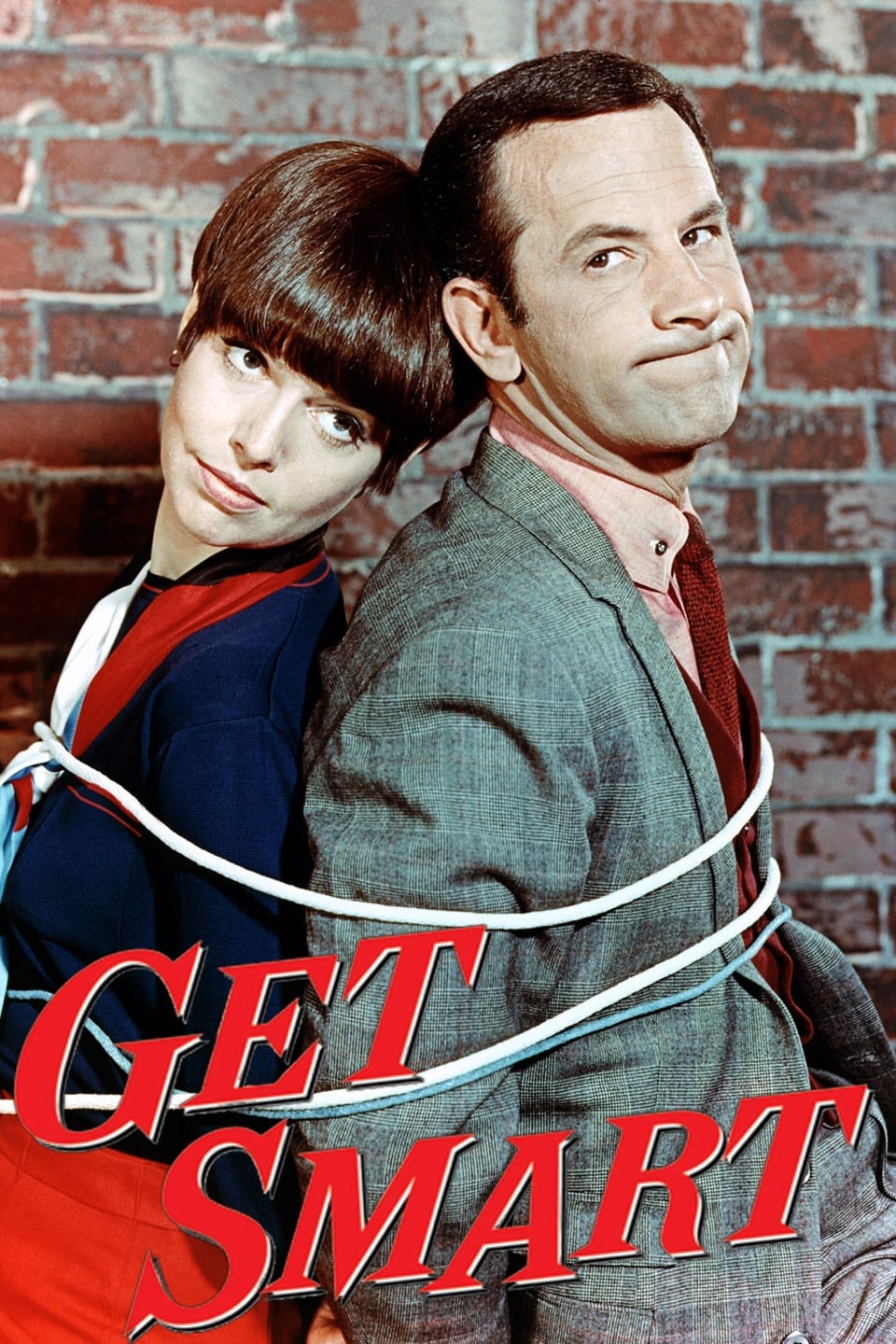
The Shoe Phone is a communication device hidden in the sole of Maxwell Smart’s footwear. He has to take off his shoe to make a call which leads to awkward physical comedy. The gadget parodies the spy genre’s obsession with hidden technology. It remains the most famous prop from the classic comedy series.
‘The Dukes of Hazzard’ (1979–1985)
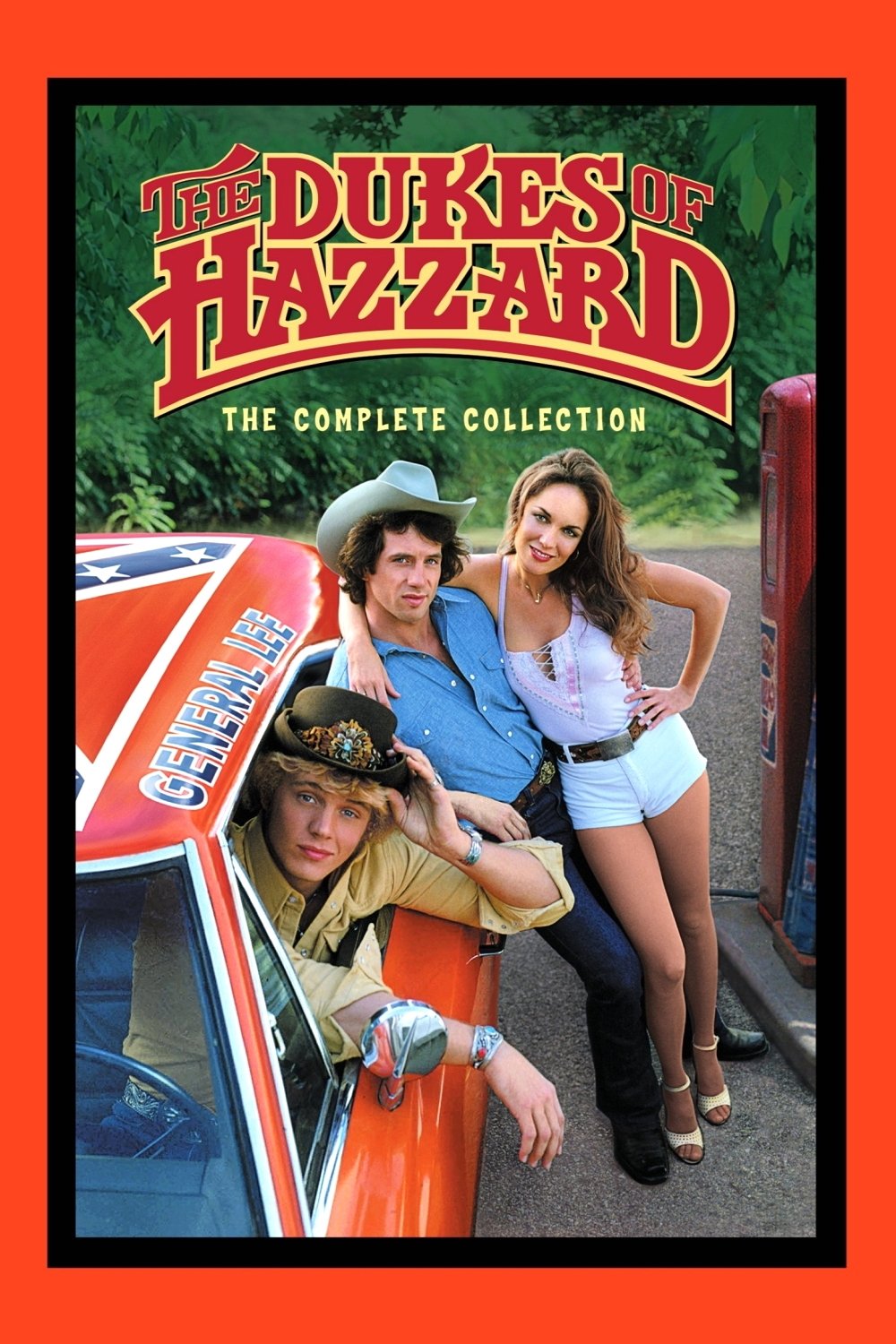
The General Lee is a 1969 Dodge Charger with welded doors that requires the cousins to slide through the windows. The car is famous for its long jumps and its distinct horn sound. It serves as the third main character of the show and is essential for escaping the corrupt sheriff. The vehicle is one of the most recognizable cars in entertainment.
‘Starsky & Hutch’ (1975–1979)
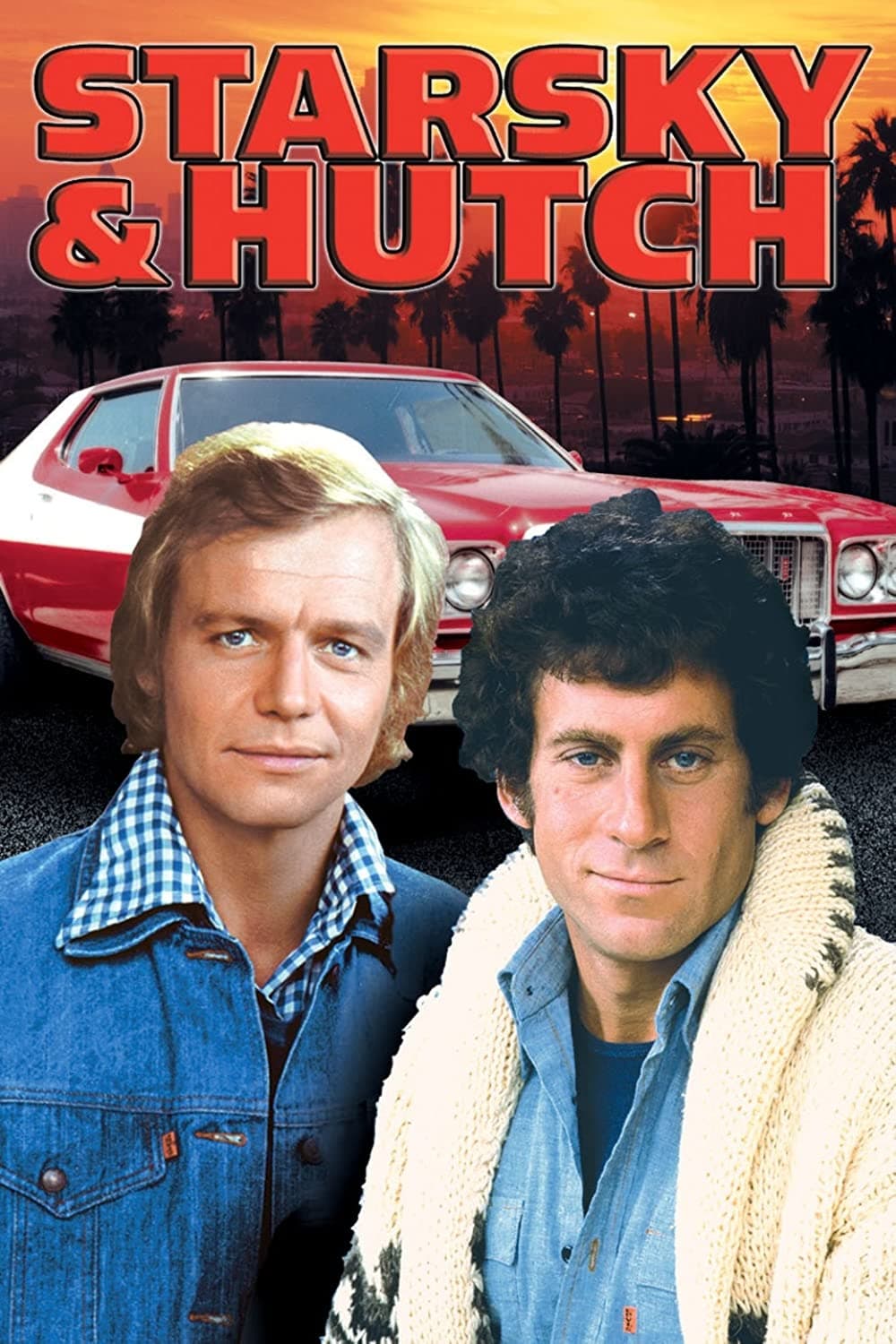
The red and white Ford Gran Torino is the vehicle of choice for the undercover detectives. The distinct paint job makes it impossible to be stealthy but fits the loud style of the duo. Fans of the show nicknamed the car the Striped Tomato. It is inseparable from the identity of the streetwise partners.
‘Battlestar Galactica’ (2004–2009)
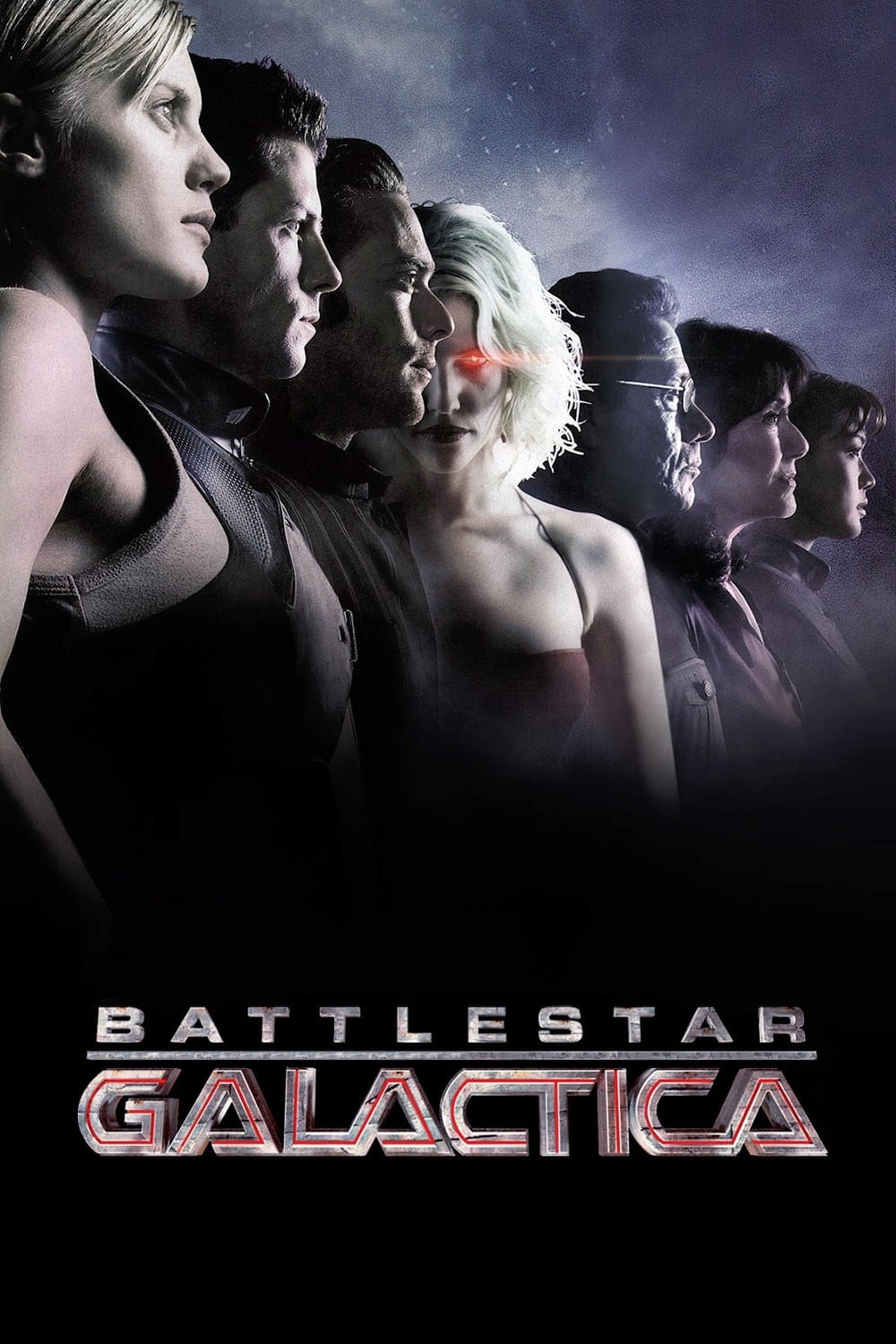
Galactica is an aging warship that is scheduled for decommissioning before the Cylon attack forces it back into service. The ship is low-tech and unnetworked which saves it from the virus that destroys the rest of the fleet. It becomes the lifeboat for the last remnants of humanity. The ship itself suffers damage and fatigue that mirrors the crew inside.
‘Ash vs Evil Dead’ (2015–2018)
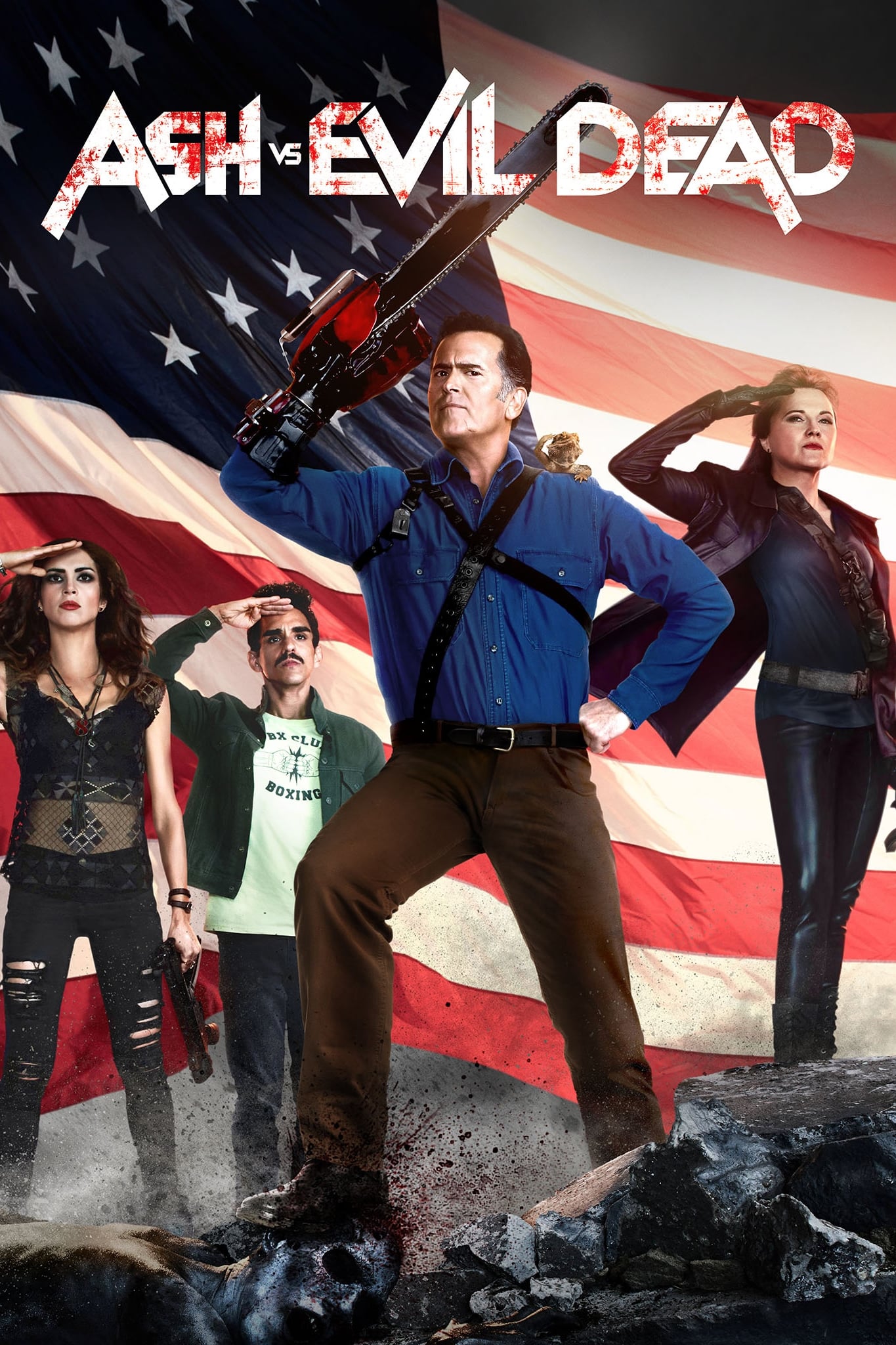
The chainsaw attached to the stump of Ash Williams’ right arm is his primary weapon against the Deadites. He modifies it and maintains it as an extension of his own body. The weapon is loud and messy but perfectly suits his fighting style. It is the defining visual element of the character’s legacy.
‘Peaky Blinders’ (2013–2022)
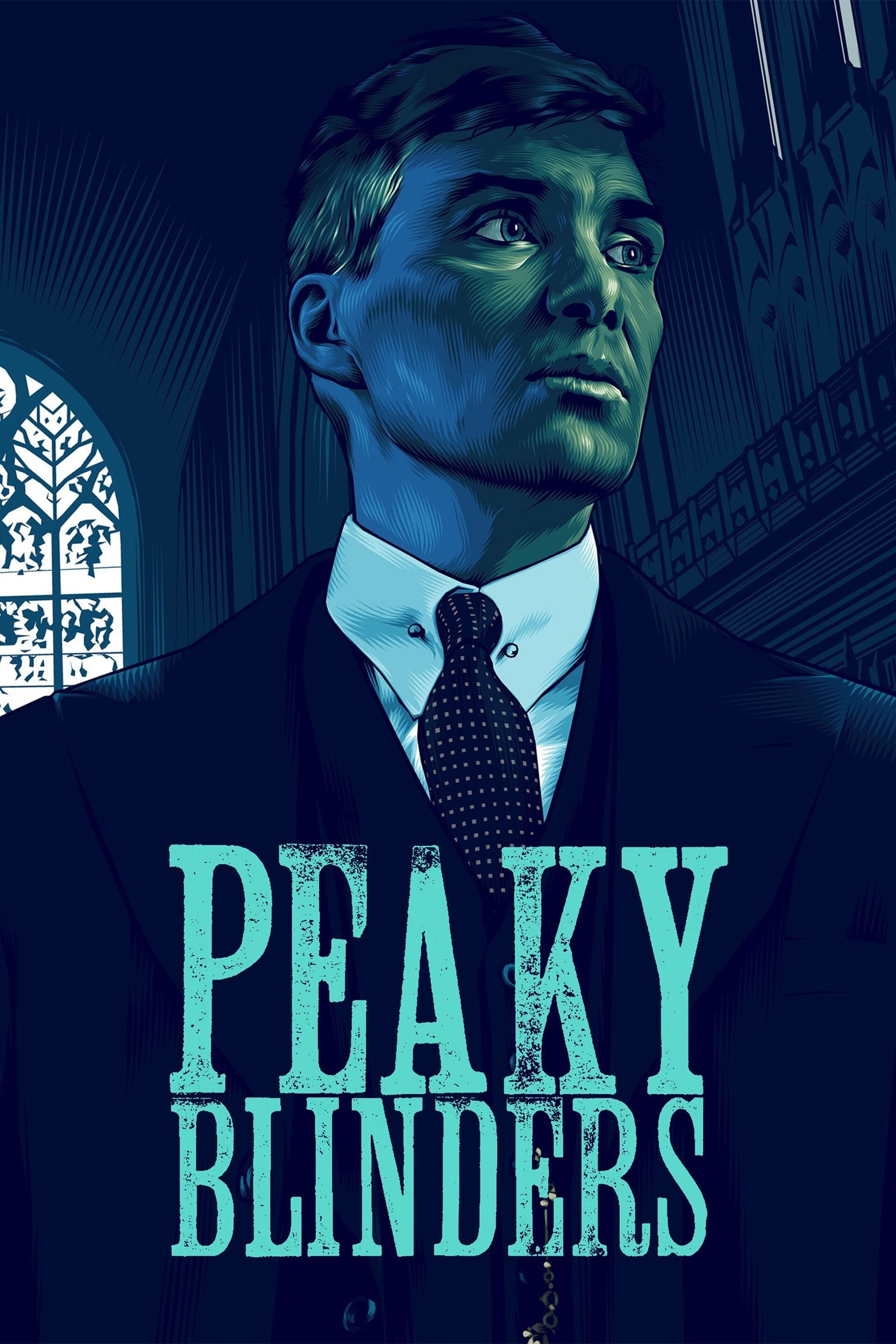
The flat cap with a razor blade sewn into the peak is the signature weapon of the Shelby family. They use the hats to blind enemies during fights in a brutal display of violence. The prop gives the gang their name and their fearsome reputation on the streets of Birmingham. It symbolizes the blend of working-class fashion and organized crime.
‘Dexter’ (2006–2013)
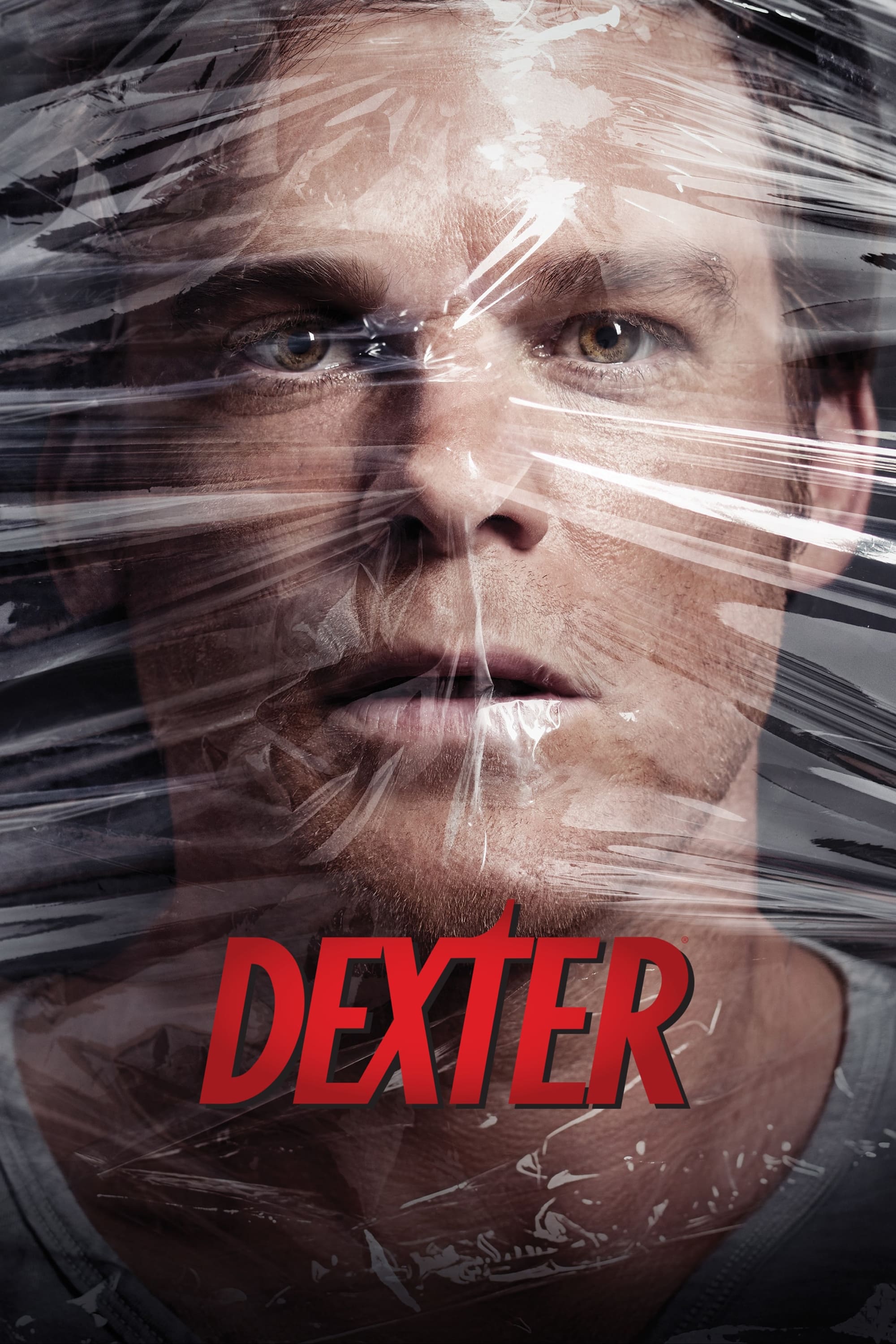
The box of blood slides is a trophy case that Dexter Morgan keeps hidden inside his air conditioner. He takes a drop of blood from each victim to memorialize his kills. The box represents his need for order and his connection to the crimes he commits. It is the only physical evidence that links him to the Bay Harbor Butcher persona.
‘Community’ (2009–2015)
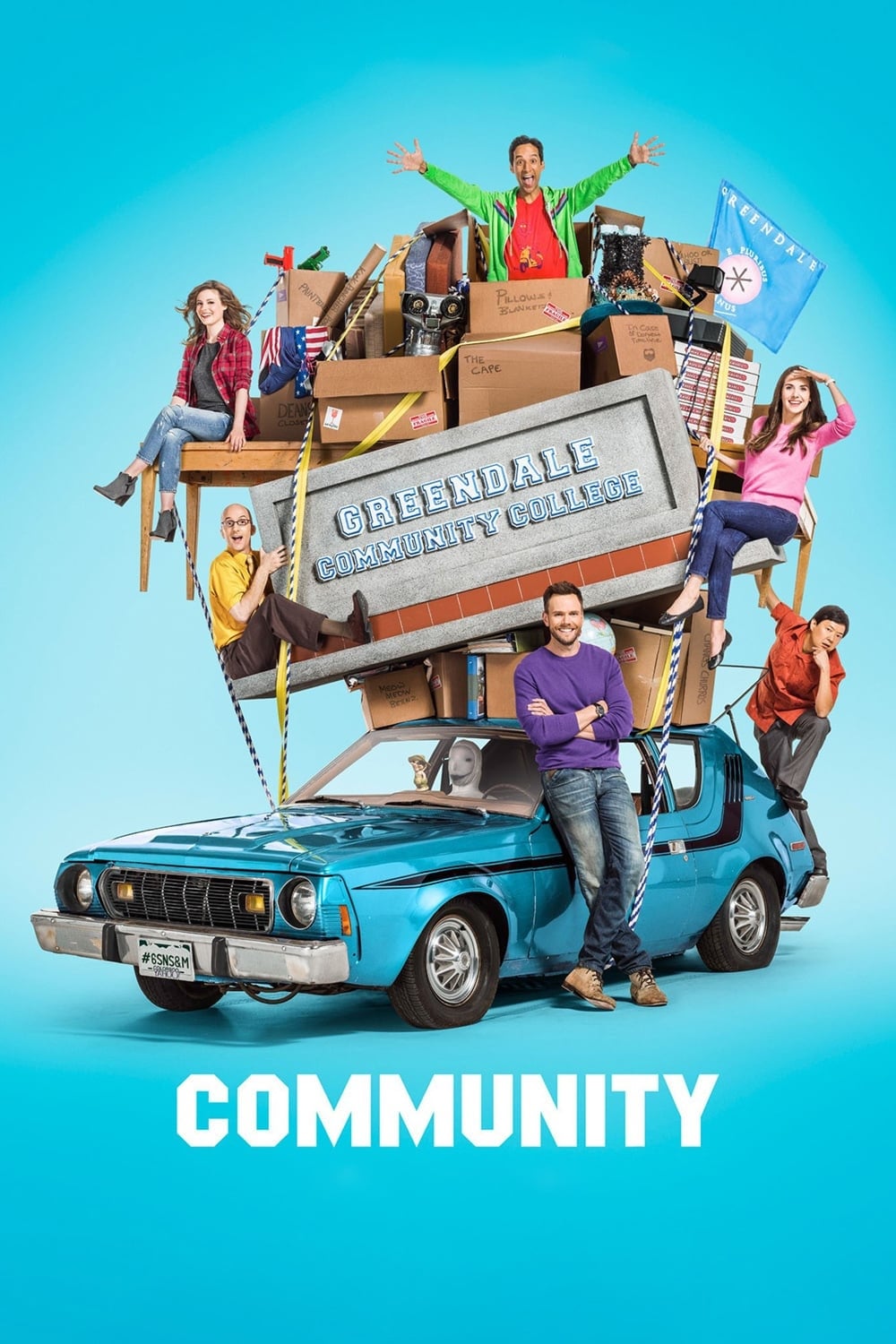
The study table in the library is the physical anchor for the group of misfits who form a study group. Jeff Winger fights to keep the table exclusive to their group and delivers his speeches from it. The table is damaged and eventually replaced but remains the center of their universe. It represents the stability of their friendship in a chaotic college.
Share your favorite TV prop that stole the show in the comments.