


TV Shows That Faced Aggressive Petitions for Glorifying Highly Toxic Masculinity

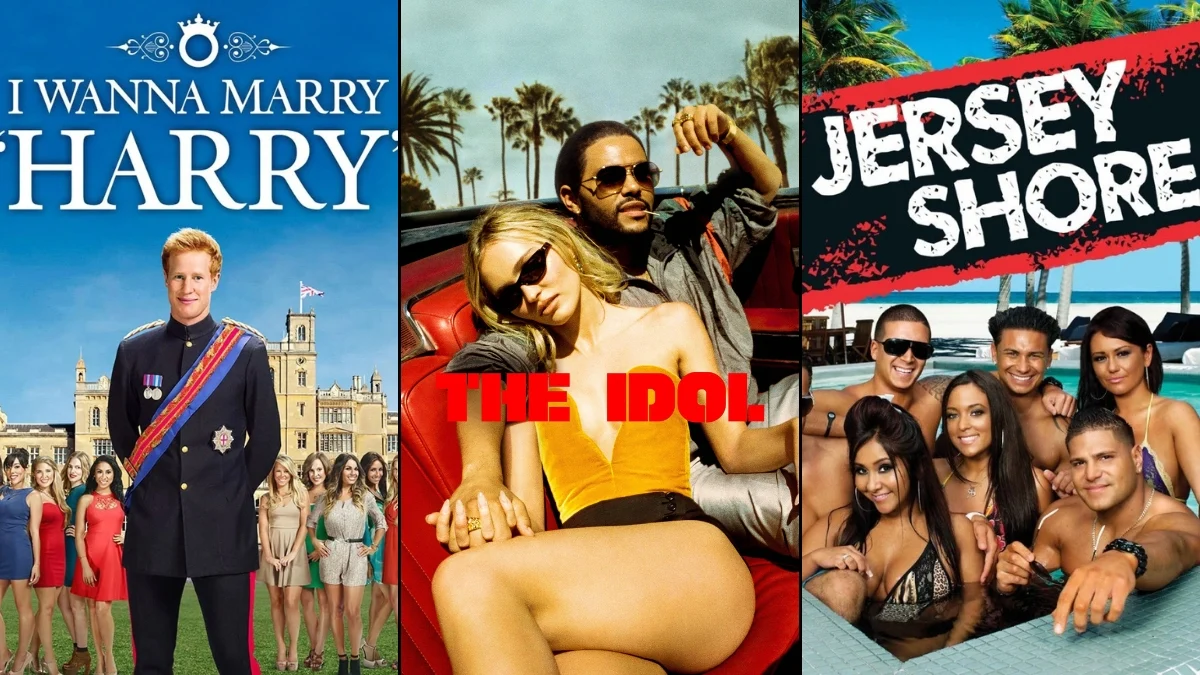


The cultural landscape of television has undergone significant shifts as audiences become more vocal about the representation of gender dynamics on screen. While many series aim to explore complex characters, some have been accused of crossing the line into glorifying harmful behaviors and toxic male traits. These controversies often result in large-scale public petitions on platforms like Change.org, where viewers demand cancellations, content warnings, or script changes. From reality dating shows to dark dramas, the following list explores television programs that faced aggressive public backlash and formal petitions for their portrayal of toxic masculinity.
‘The Idol’ (2023)
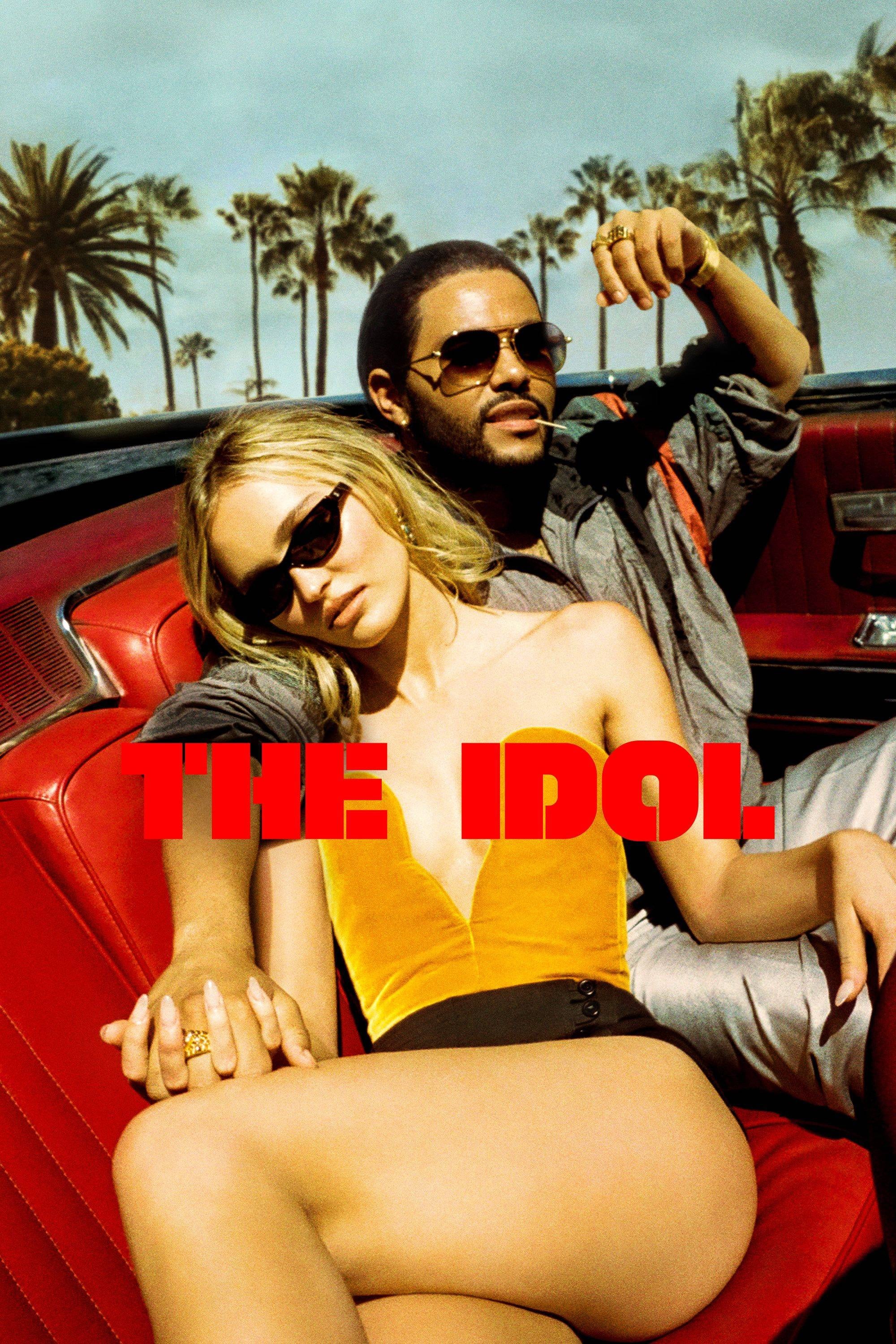
The HBO drama ‘The Idol’ faced immediate and intense backlash following reports of a troubled production and the onscreen portrayal of a controlling, predatory relationship. Petitions circulated online calling for the show’s cancellation, with critics arguing that the series leaned into “torture porn” and glorified the toxic, manipulative behavior of the character Tedros. Critics and viewers expressed concern that the show prioritized a male-centric fantasy of dominance over meaningful storytelling. The series was ultimately not renewed for a second season following its polarizing five-episode run.
’13 Reasons Why’ (2017–2020)

While ’13 Reasons Why’ initially focused on the aftermath of a student’s death, its later seasons sparked petitions regarding its handling of male aggression and sexual violence. Specifically, the redemption arc of the character Bryce Walker in the third season led to public outcry, as many felt it attempted to humanize a serial predator. Activists argued that the narrative choices minimized the impact of his actions and shifted the focus toward male trauma at the expense of his victims. These petitions sought to have the show removed from streaming services or heavily edited.
‘Love Island’ (2015–Present)
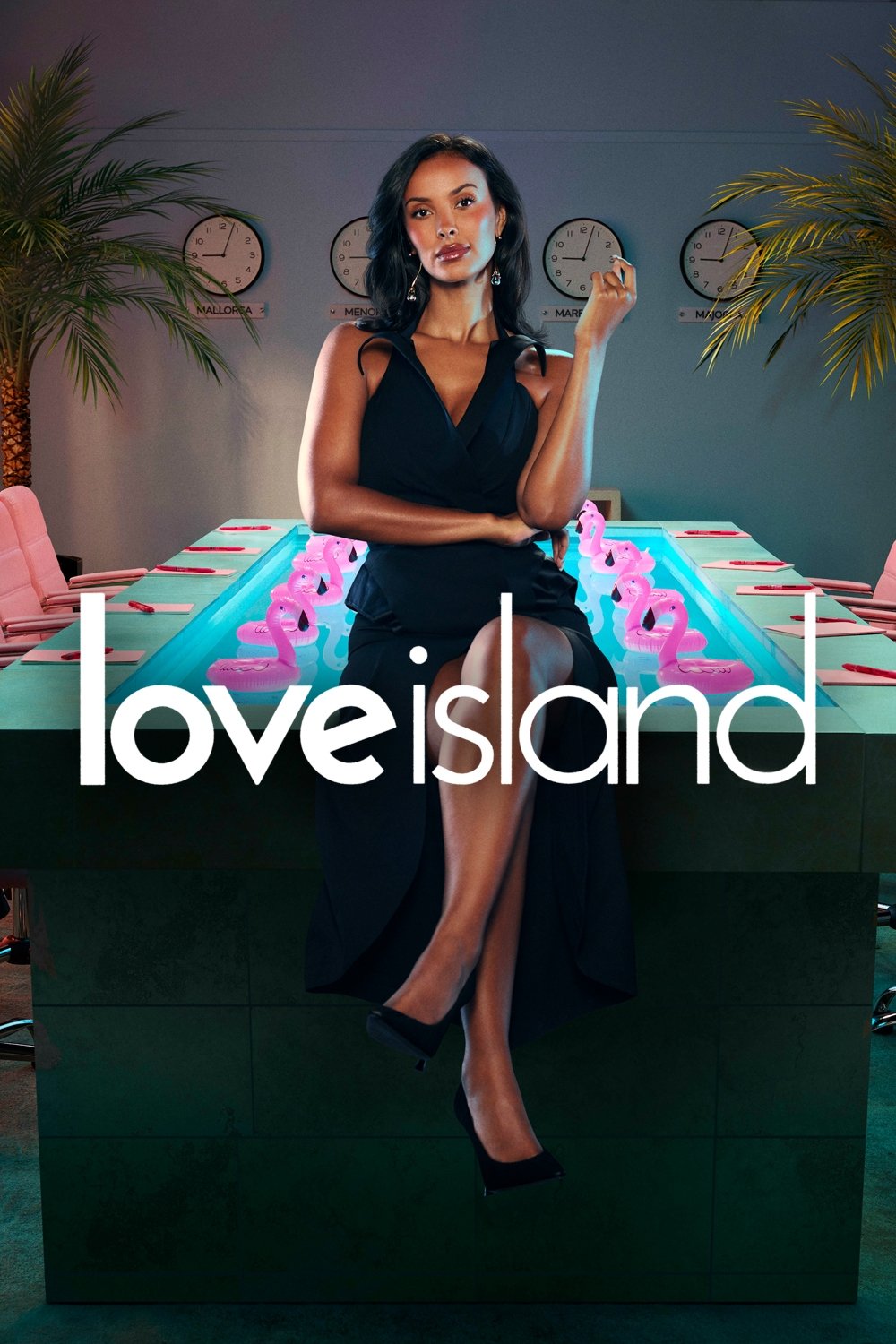
The reality competition ‘Love Island’ has frequently been the subject of thousands of formal complaints to broadcasting regulators and online petitions. Viewers have often pointed to the “gaslighting” and emotionally manipulative behavior of certain male contestants as evidence of toxic masculinity being used for entertainment. Petitions have specifically called for the removal of contestants who displayed aggressive verbal behavior or controlling tendencies toward their female partners. The show has since implemented more rigorous duty-of-care protocols and social media training for its participants.
‘The Pick-Up Artist’ (2007–2008)
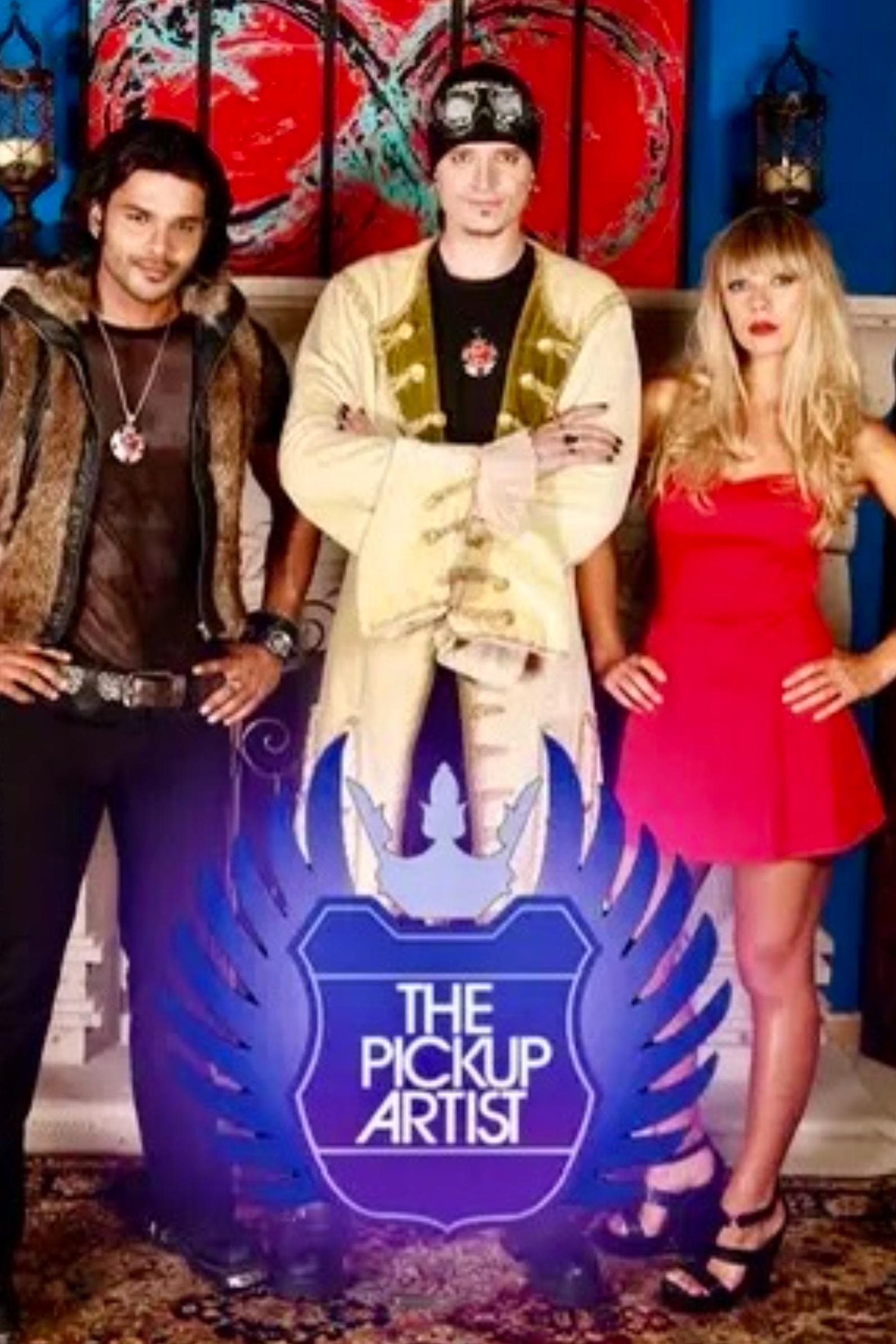
The VH1 reality series ‘The Pick-Up Artist’ centered on teaching socially awkward men how to “seduce” women using psychological tactics. Petitions against the show argued that it codified harassment and taught men to view women as targets rather than individuals with agency. The “negging” techniques promoted on the show were widely criticized for being rooted in misogyny and the toxic idea that breaking a woman’s self-esteem is a valid romantic strategy. The show’s premise remains a primary example of mid-2000s media that faced significant retrospective and contemporary condemnation.
‘Game of Thrones’ (2011–2019)

Throughout its run, ‘Game of Thrones’ faced numerous petitions and boycotts due to its frequent use of sexual violence and the brutalization of female characters. Critics argued that the show often utilized these tropes to establish the “toughness” of its male characters or to drive their narrative development. One of the most famous petitions followed a Season 5 episode, where viewers demanded that the network stop using sexual assault as a plot device. The debate surrounding the show often centered on whether it was reflecting a harsh reality or gratuitously glorifying a culture of male dominance.
‘The Bachelor’ (2002–Present)
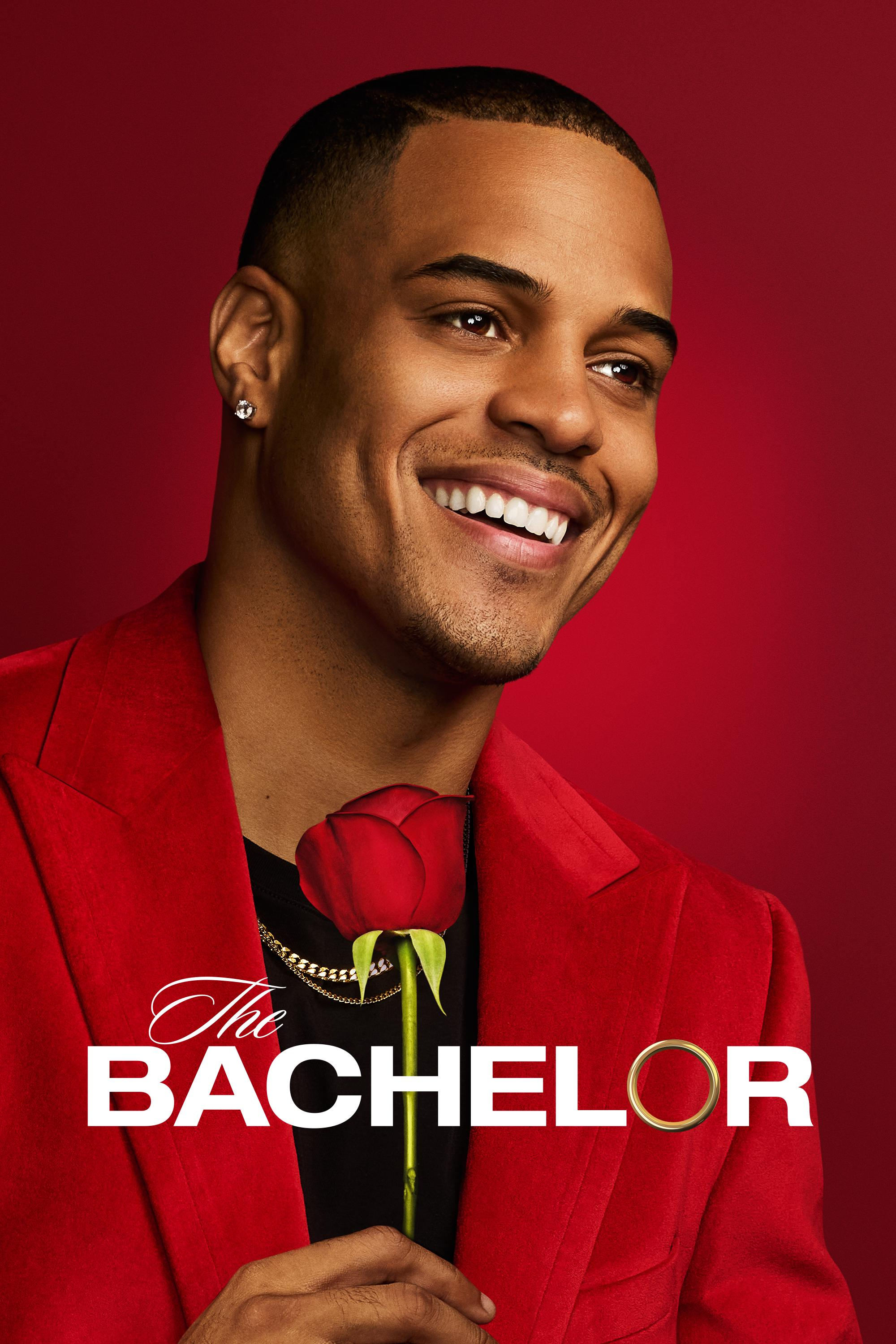
As a cornerstone of reality dating, ‘The Bachelor’ has faced various petitions over the years regarding the behavior of its leads and the inherent power imbalance of the format. Many viewers have petitioned for the removal of specific “Bachelors” who displayed what they described as chauvinistic or emotionally abusive behavior toward the female contestants. The show’s structure has been criticized for fostering a competitive environment where toxic male traits are rewarded with screen time. Petitions have also targeted the show’s lack of diversity and its traditionalist views on gender roles.
‘Vanderpump Rules’ (2013–Present)
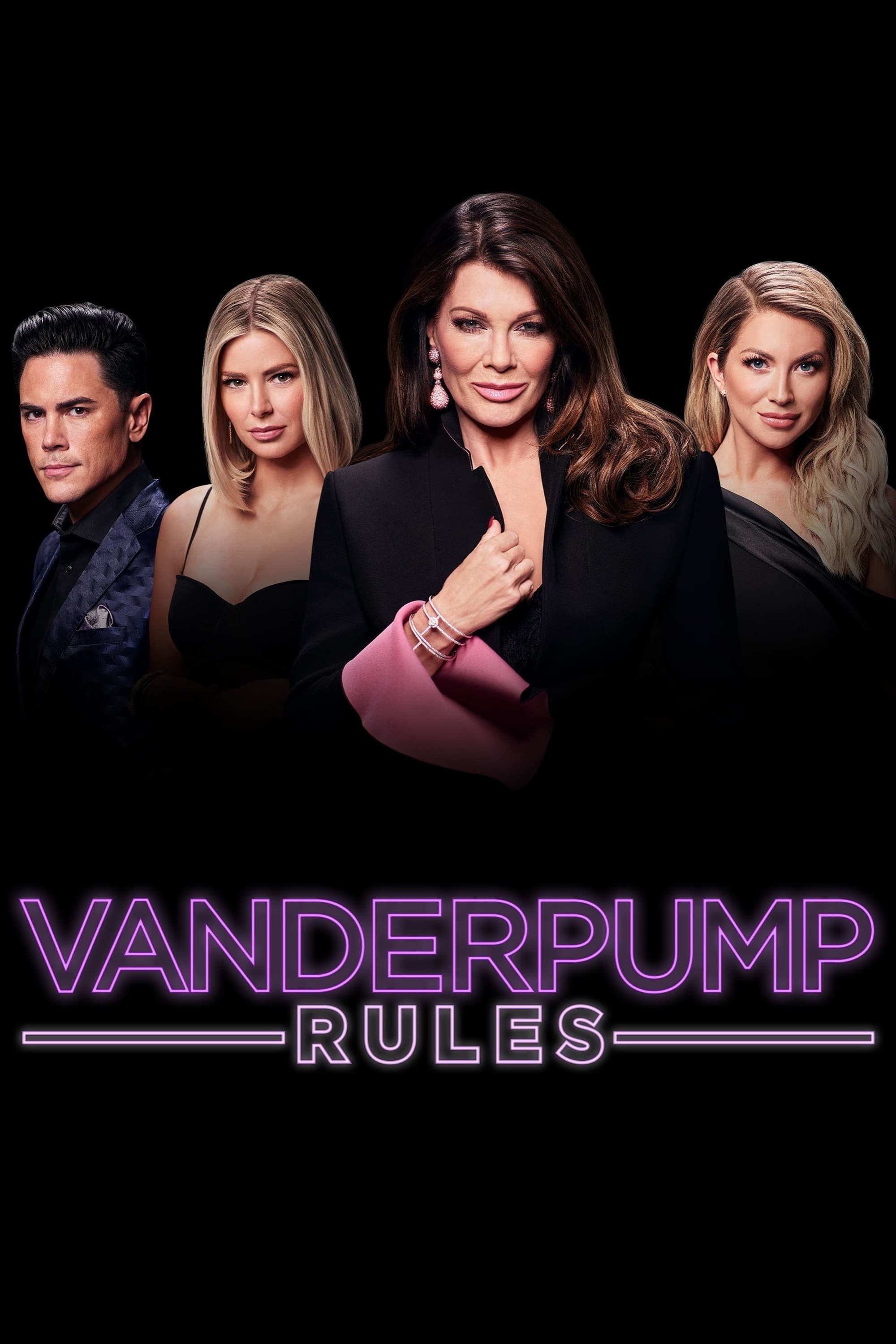
‘Vanderpump Rules’ has been the subject of several fan-led petitions, particularly concerning the behavior of the “Mikes” and other male leads. Viewers have frequently called for the firing of cast members who engaged in what was described as misogynistic bullying and serial infidelity. The “Scandoval” controversy in 2023 reignited these discussions, leading to petitions regarding the accountability of male cast members in toxic social circles. The show’s portrayal of a “boys’ club” mentality has been a recurring point of contention for its audience.
‘Bridgerton’ (2020–Present)
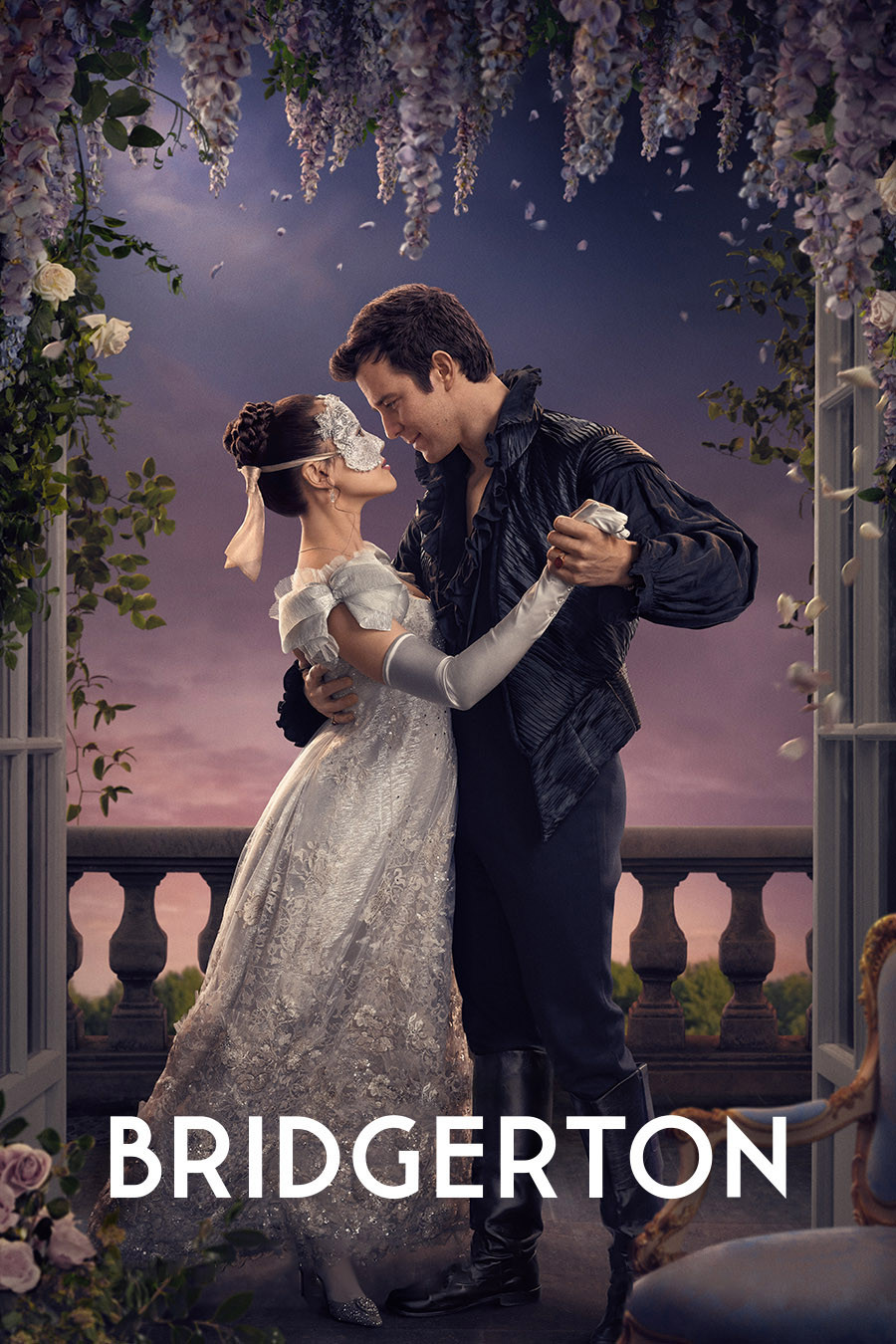
Despite its popularity, the first season of ‘Bridgerton’ faced significant backlash and petitions regarding a scene involving the characters Daphne and Simon. The controversy centered on a moment where consent was ignored, leading many to argue that the show was romanticizing a toxic and abusive dynamic. Petitions called for the writers to acknowledge the gravity of the scene rather than treating it as a standard romantic hurdle. This sparked a larger conversation about how “alpha male” tropes in historical romance can sometimes mask non-consensual behavior.
‘Jersey Shore’ (2009–2012)
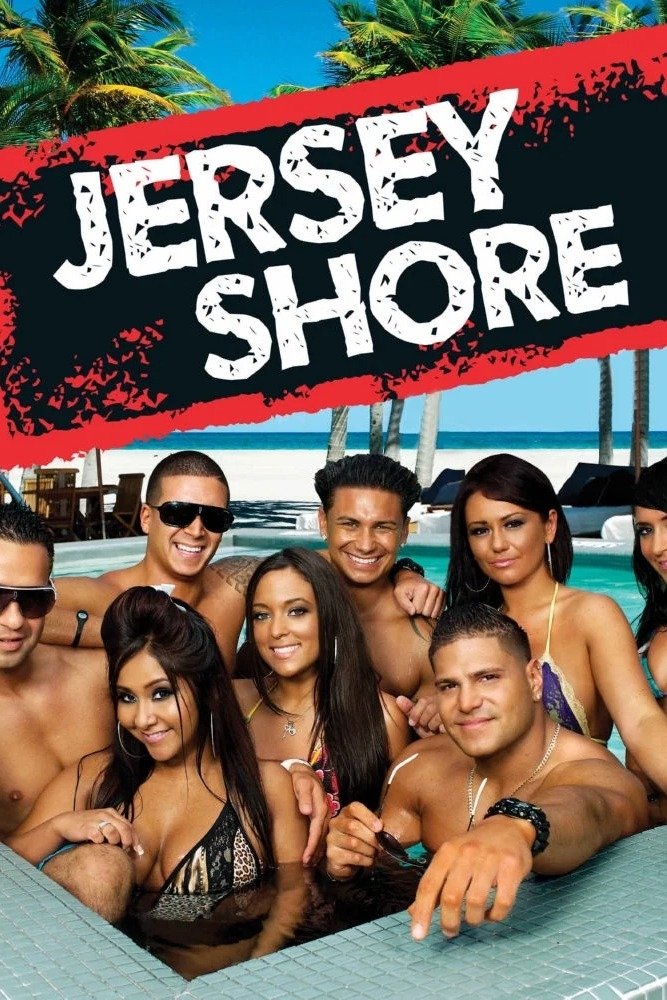
‘Jersey Shore’ was a lightning rod for controversy during its original run, with various advocacy groups launching petitions to have the show pulled from MTV. Much of the criticism focused on the aggressive physical altercations and the derogatory way male cast members spoke about and treated women. Petitions argued that the show glorified a “gym, tan, laundry” lifestyle that prioritized toxic bravado and casual misogyny. Advertisers were often pressured to drop the show due to the perceived negative influence it had on young viewers.
‘Married… with Children’ (1987–1997)

While a classic sitcom, ‘Married… with Children’ was the target of one of the most famous letter-writing and petition campaigns in television history, led by Terry Rakolta. The campaign argued that the show’s focus on Al Bundy’s blatant misogyny and the dehumanization of women was unfit for broadcast. While the show survived the backlash, the petitions successfully pressured several major advertisers to withdraw their support. The series is often cited as a turning point in the public’s willingness to challenge toxic gender portrayals in mainstream comedy.
‘Two and a Half Men’ (2003–2015)
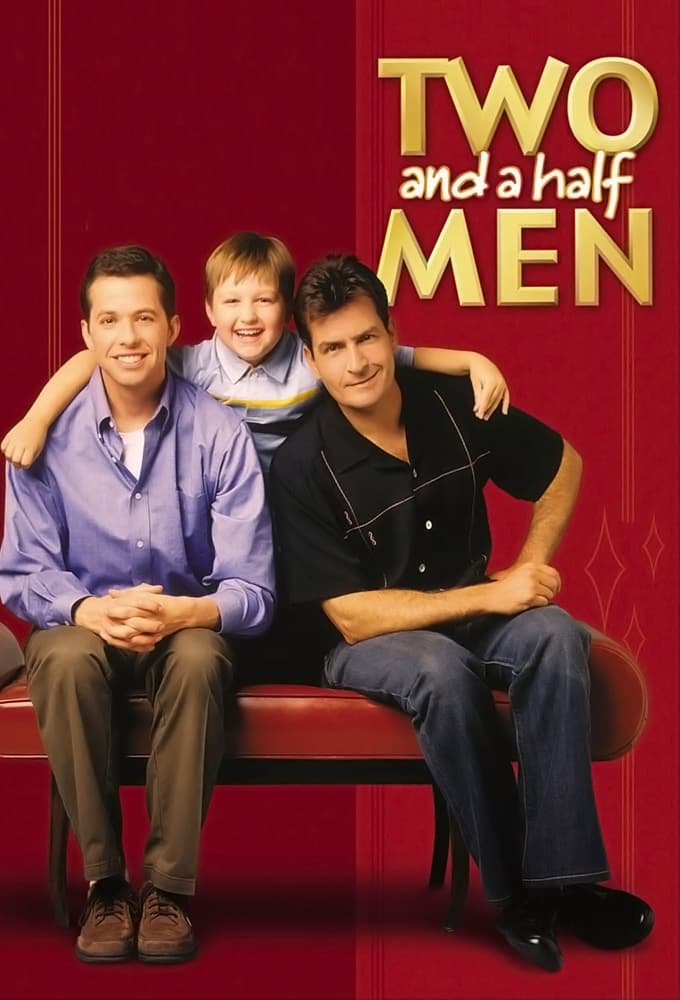
The character of Charlie Harper on ‘Two and a Half Men’ was frequently criticized for being a caricature of toxic masculinity, defined by his hedonism and objectification of women. Over its long run, various groups petitioned for the show to address its “mean-spirited” humor and the way it rewarded the lead’s predatory behavior. Critics argued that the sitcom normalized the idea that men are incapable of emotional depth or respect for their partners. Even after the departure of Charlie Sheen, the show continued to face scrutiny for its reliance on gender-based stereotypes.
‘The Man Show’ (1999–2004)
‘The Man Show’ was explicitly designed to celebrate “traditional” male interests, but it quickly became a target for petitions due to its overt misogyny. Segments like the “Juggy Squad” were criticized for reducing women to silent visual props for male entertainment. Petitions against the show argued that it promoted a regressive and toxic version of masculinity that relied on demeaning women. The show’s legacy is often discussed in the context of the “lad culture” of the late 90s that faced significant pushback from feminist organizations.
‘Redo of Healer’ (2021)

The anime ‘Redo of Healer’ faced massive international petitions and calls for it to be banned from streaming platforms upon its release. The story, which follows a protagonist who uses sexual violence as a tool for revenge, was condemned for glorifying extreme male aggression and rape culture. Petitions argued that the series was not merely “dark fantasy” but a dangerous endorsement of toxic and criminal behavior. Many streaming services refused to carry the uncensored version of the show due to the severity of the backlash.
‘Euphoria’ (2019–Present)

‘Euphoria’ has been the subject of intense debate and petitions regarding its hyper-sexualization of teenagers and its portrayal of toxic male characters like Nate Jacobs. While some viewers praise the show for its gritty realism, others have petitioned for the series to stop “glamorizing” the abusive and violent tendencies of its male leads. The petitions often express concern that the aestheticized filming style makes the toxic behavior appear aspirational to a younger audience. The show’s creator has frequently defended these choices as a reflection of the modern teenage experience.
‘The Ultimatum: Marry or Move On’ (2022–Present)
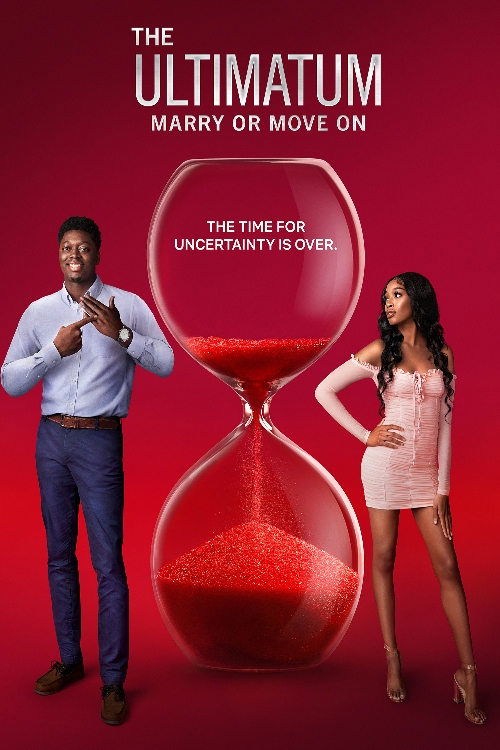
The Netflix reality series ‘The Ultimatum: Marry or Move On’ faced petitions from viewers who were disturbed by the emotional volatility of certain male participants. Critics pointed to instances of coercive behavior and aggressive outbursts, arguing that the show’s format encouraged toxic relationship dynamics for ratings. Petitions called for more intervention from production when contestants displayed signs of verbal or emotional abuse. The backlash highlighted the growing demand for reality TV to prioritize the psychological safety of its participants over dramatic conflict.
‘I Wanna Marry “Harry”‘ (2014)
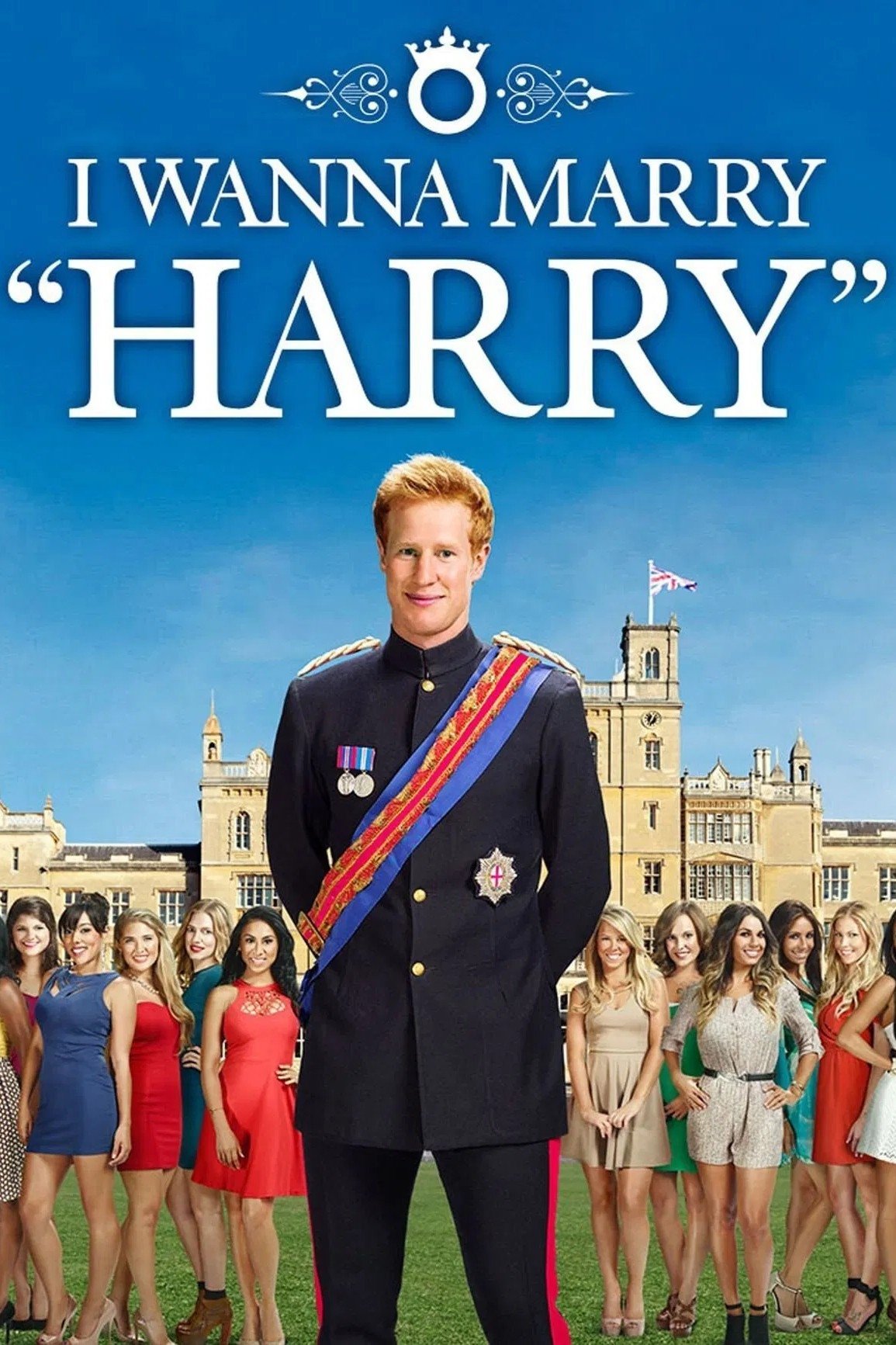
‘I Wanna Marry “Harry”‘ was a reality show where women were led to believe they were competing for the affections of Prince Harry, who was actually an impersonator. Petitions against the show argued that the entire premise was built on gaslighting and the toxic manipulation of women’s emotions. Critics characterized the show as a cruel social experiment that rewarded deception and reinforced a power dynamic where men held all the information. The show was pulled from the air mid-season due to low ratings and overwhelming negative reception.
‘Goblin Slayer’ (2018–Present)

The premiere episode of the anime ‘Goblin Slayer’ triggered a wave of petitions and content warnings due to its graphic depiction of sexual violence used to establish the “stakes” of the world. Critics argued that the scene was unnecessary and served only to justify the extreme aggression of the male protagonist. Petitions sought to have the show tagged with permanent trigger warnings or removed from certain platforms entirely. The controversy led to a broader discussion within the anime community about the “male gaze” and the use of assault as a narrative shorthand.
‘Family Guy’ (1999–Present)
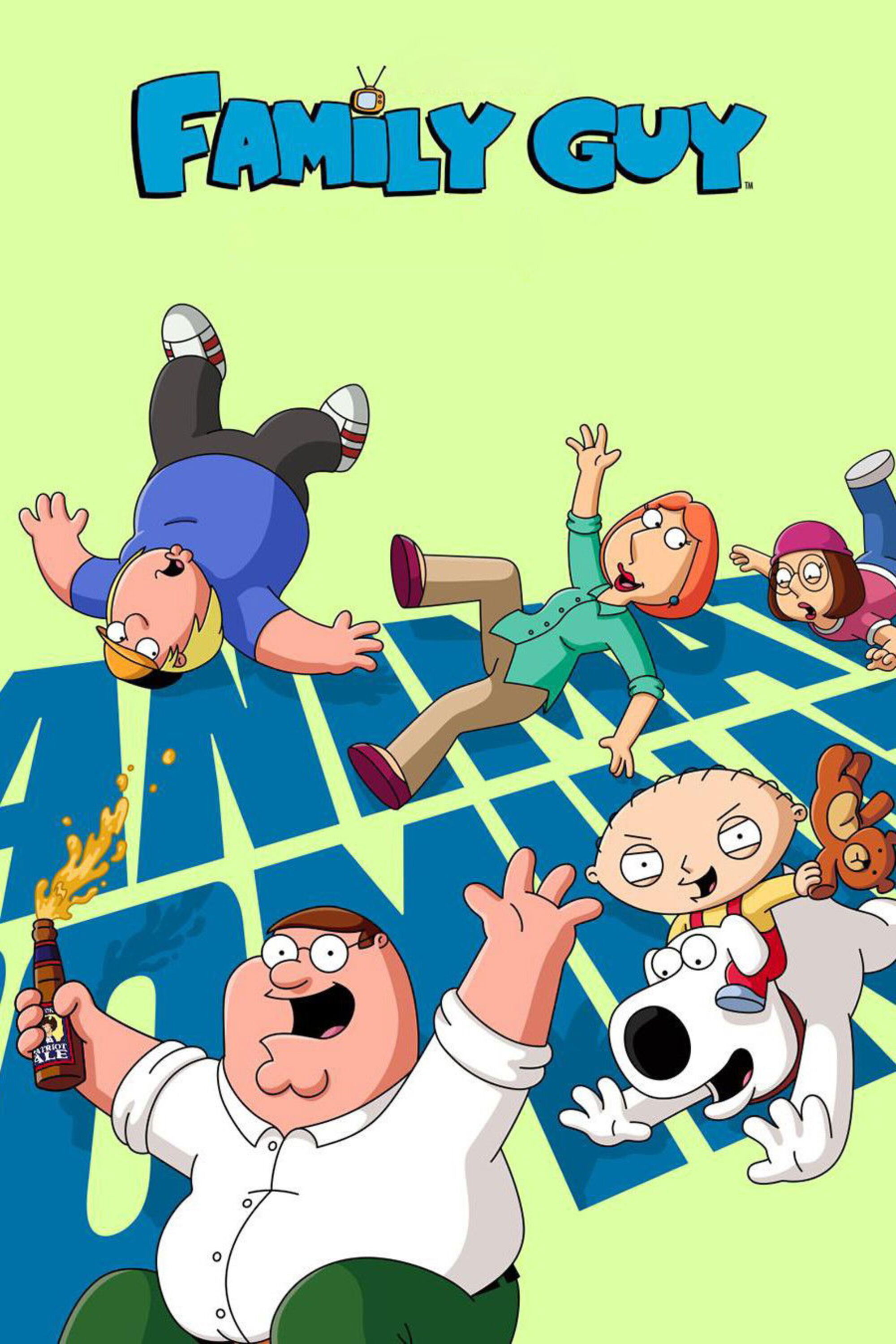
‘Family Guy’ has a long history of facing petitions from various advocacy groups regarding its portrayal of Peter Griffin and Quagmire. Petitions have specifically targeted Quagmire’s character, arguing that his “predatory” behavior is played for laughs in a way that normalizes sexual harassment. While the show is a satire, critics argue that it often reinforces toxic male stereotypes rather than subverting them. These petitions have occasionally led to specific episodes being edited or pulled from rotation during syndication.
‘The Rising of the Shield Hero’ (2019–Present)
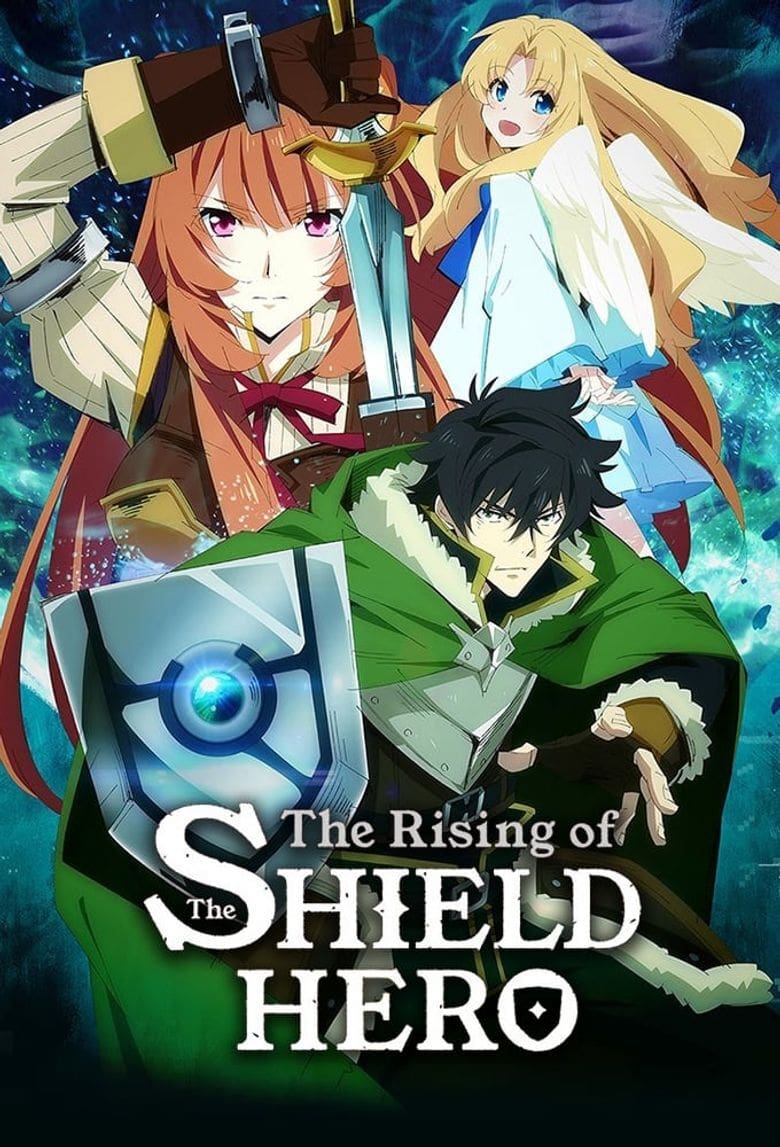
This series sparked immediate controversy and petitions due to a plot point involving a false accusation of sexual assault against the male protagonist. Critics argued that the show was playing into “incel” tropes and glorifying a toxic sense of male victimhood. Petitions called for viewers to boycott the series, claiming it promoted a dangerous narrative about female dishonesty in assault cases. Despite the backlash, the show remained highly popular, highlighting a significant divide between critics and specific fan segments.
‘South Park’ (1997–Present)
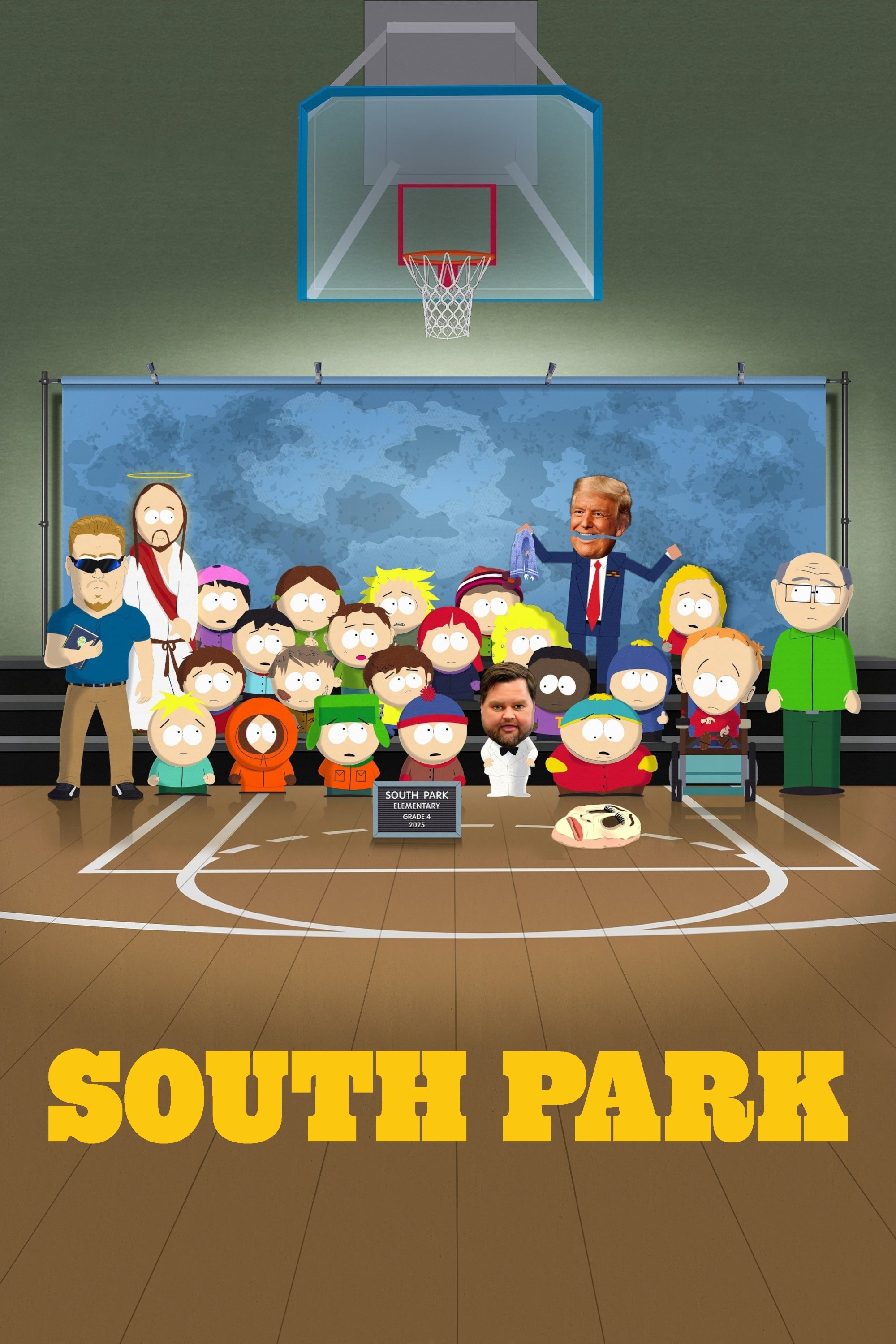
While ‘South Park’ is known for equal-opportunity offending, it has faced numerous petitions regarding Eric Cartman’s extreme behavior. Many of these petitions argue that the show’s longevity has allowed a generation of viewers to adopt Cartman’s toxic traits, including his virulent misogyny and aggression, as a form of “ironic” humor. Critics claim that the show provides a platform for toxic masculinity to thrive under the guise of free speech. The creators have often responded to these petitions by incorporating the backlash into the show’s meta-narrative.
Share your thoughts on these controversial television shows and their depictions of gender in the comments.