


TV Shows That Faced Massive Fan Revolt Over Straight-Washing Queer Couples



The landscape of modern television has often been a battleground for representation, with fans frequently demanding more authentic queer narratives. While some shows have made strides in inclusivity, others have faced intense criticism for what viewers perceive as “straight-washing” or queer-baiting. This occurs when the emotional or romantic depth between characters of the same sex is minimized, ignored, or redirected toward heterosexual pairings. From long-running dramas to cult sci-fi hits, these instances have sparked significant online revolts and calls for better accountability from writers and networks. The following programs are notable for the controversies surrounding their handling of potentially queer relationships.
‘Supernatural’ (2005–2020)
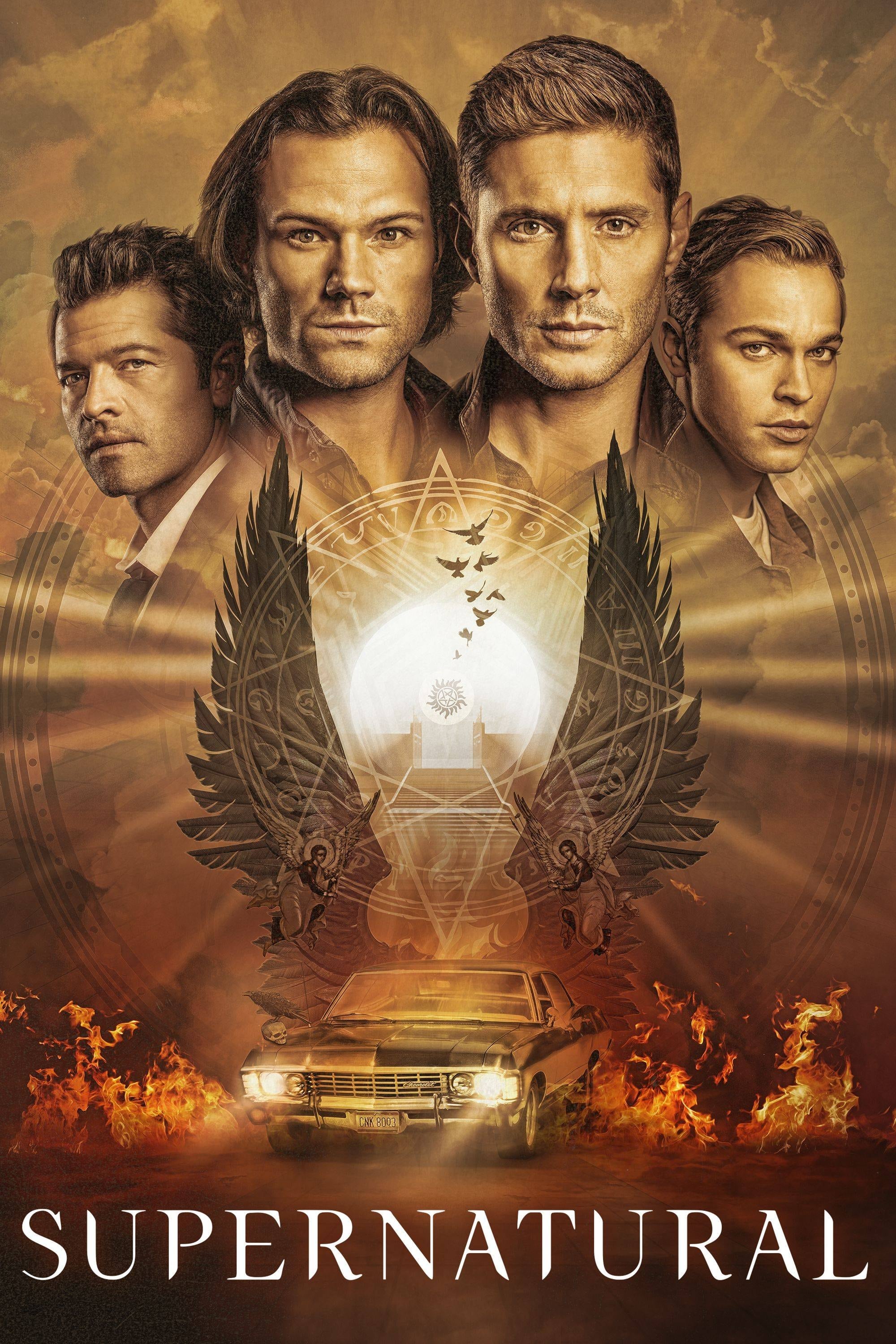
The long-running series ‘Supernatural’ became the center of a massive online movement after the final season aired. Fans had spent years identifying a romantic connection between the characters Dean Winchester and Castiel, a dynamic dubbed “Destiel.” While Castiel eventually confessed his romantic love for Dean, the show was criticized for immediately killing the character off and leaving Dean’s response ambiguous. This choice was widely interpreted as straight-washing a character who many believed was written with queer subtext. The controversy sparked global discussions regarding the “Bury Your Gays” trope and the erasure of LGBTQ+ themes in mainstream media.
‘Sherlock’ (2010–2017)
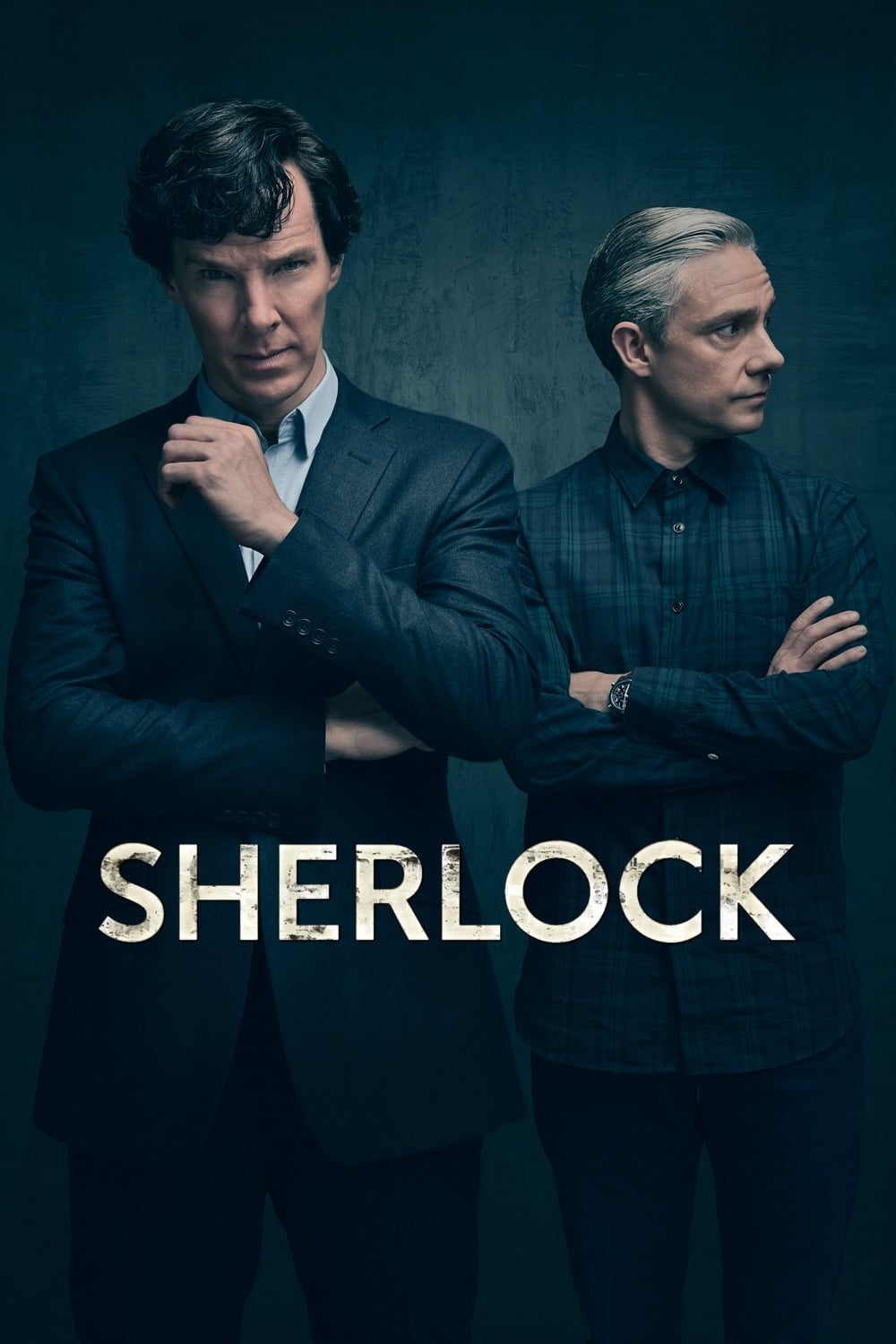
Fans of the BBC series ‘Sherlock’ frequently pointed to the intimate bond between Sherlock Holmes and John Watson as evidence of a burgeoning romance. Despite numerous scenes that paralleled romantic tropes, the show’s creators consistently dismissed the possibility of a queer relationship. This denial led to accusations of queer-baiting, where the show teased a gay relationship to attract viewers while maintaining a strictly heterosexual narrative. The revolt peaked after the series finale, which many felt intentionally ignored the deep emotional connection developed over four seasons. Viewers expressed frustration that the show chose to prioritize traditional straight dynamics over the central duo’s chemistry.
‘The 100’ (2014–2020)
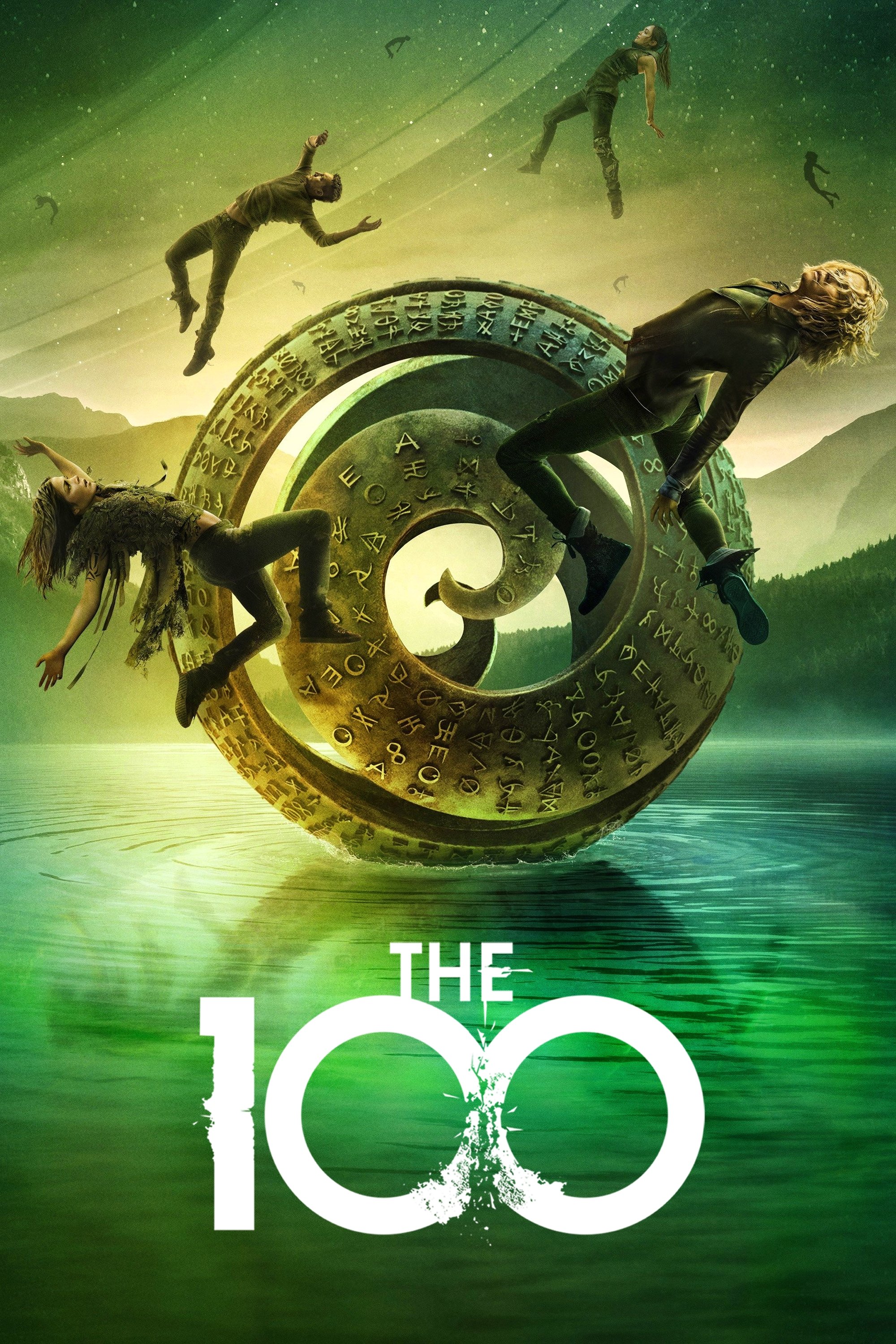
The relationship between Clarke Griffin and Commander Lexa in ‘The 100’ became a landmark for queer representation before ending in tragedy. After Lexa was killed off shortly after the couple consummated their relationship, fans revolted against the show’s perceived return to a heterosexual focus for Clarke. The push for a romantic pairing between Clarke and Bellamy Blake was seen by many as an attempt to straight-wash the lead character’s journey. This backlash led to the creation of the “Lexa Pledge,” a movement urging showrunners to treat LGBTQ+ characters with more respect. The controversy remains a primary example of fan resistance against the “Bury Your Gays” trope.
‘Voltron: Legendary Defender’ (2016–2018)
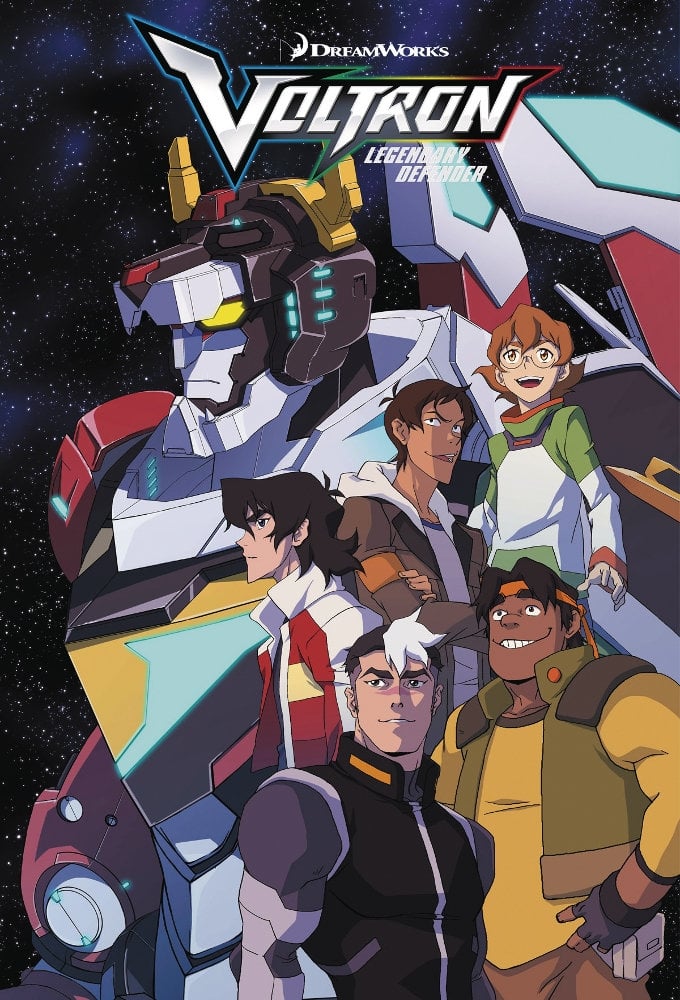
‘Voltron: Legendary Defender’ faced a massive backlash following the revelation of Shiro’s past relationship with a man named Adam. Fans felt misled by marketing that promised significant queer representation, only for Adam to be killed off with very little screen time. The subsequent finale, which featured Shiro marrying a background character, was criticized as a superficial attempt to appease the audience. Many viewers argued that this effectively straight-washed Shiro’s emotional history by glossing over his primary queer relationship. The outcry was so significant that the show’s producers eventually issued a public apology to the fanbase.
‘Killing Eve’ (2018–2022)
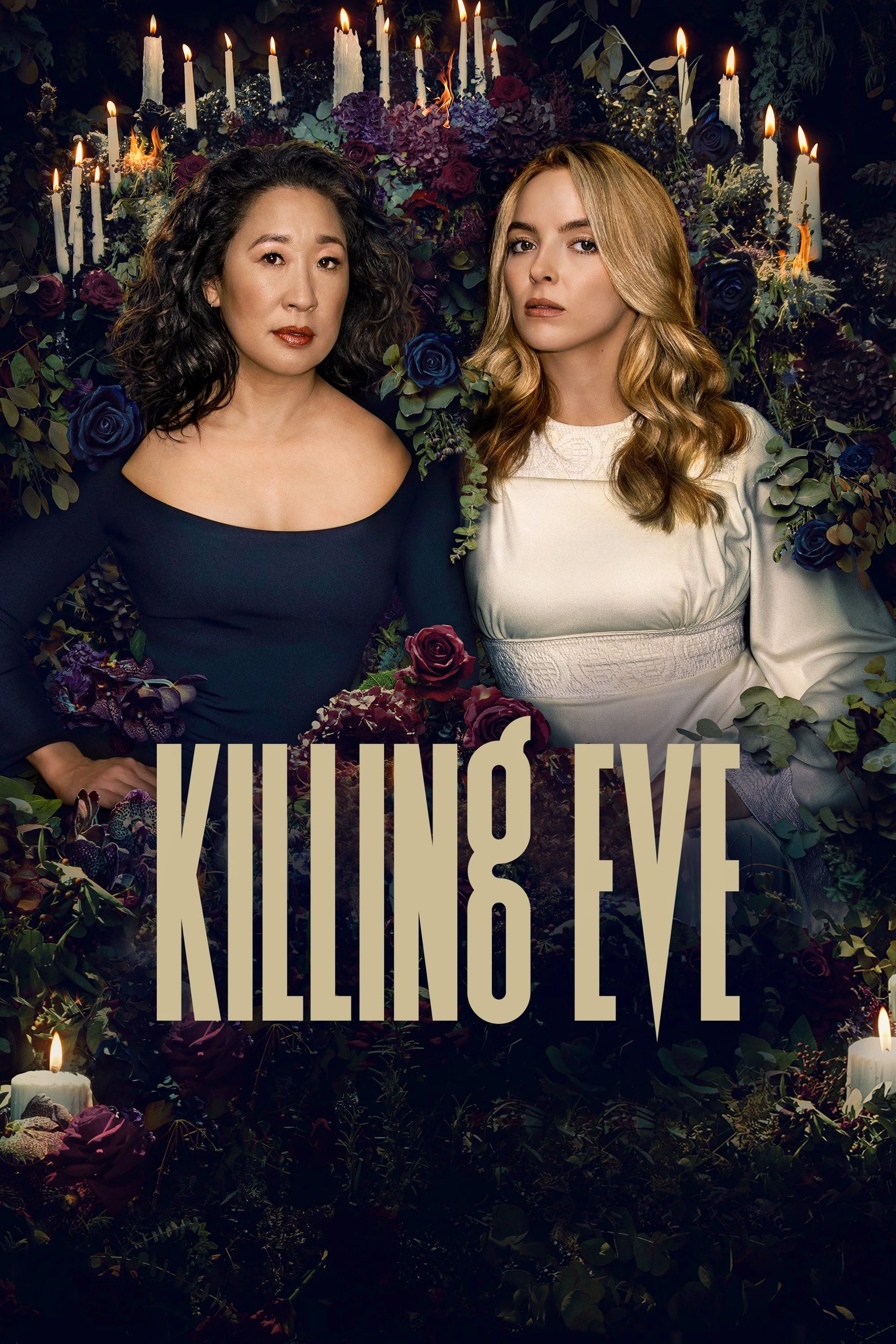
The complex and obsessive bond between Eve Polastri and Villanelle was the driving force of ‘Killing Eve’ for four seasons. However, the series finale sparked an immediate revolt when Villanelle was killed moments after the two finally shared a romantic breakthrough. Fans argued that the ending served to “cleanse” Eve of her queer desires and return her to a conventional, albeit traumatized, state. The show was accused of straight-washing the narrative arc by denying the couple a future in favor of a tragic, heteronormative conclusion. This decision resulted in the show’s final episode receiving some of the lowest audience ratings in its history.
‘Teen Wolf’ (2011–2017)

The MTV series ‘Teen Wolf’ was often criticized for the way it handled the chemistry between Stiles Stilinski and Derek Hale. Known as “Sterek,” the pairing dominated fan discussions and social media, yet the show continued to pair both characters with various female love interests. Fans accused the writers of queer-baiting by including subtle nods to the ship while never allowing it to become canon. This perceived straight-washing of the characters’ bond led to a rift between the production team and a large segment of the audience. The resentment persisted even years later when the ‘Teen Wolf’ movie failed to address the dynamic.
‘Once Upon a Time’ (2011–2018)
‘Once Upon a Time’ featured a dedicated fan base for “Swan Queen,” the pairing of Emma Swan and Regina Mills. Despite the deep emotional development and shared parenting of their son, the show consistently steered both women toward heterosexual romances. Viewers argued that the writers ignored the natural progression of their relationship to maintain a traditional fairy tale structure. This was seen as straight-washing the potential of two of the show’s most central characters. The revolt was characterized by organized social media campaigns and critiques of the show’s “true love” themes.
‘Merlin’ (2008–2012)
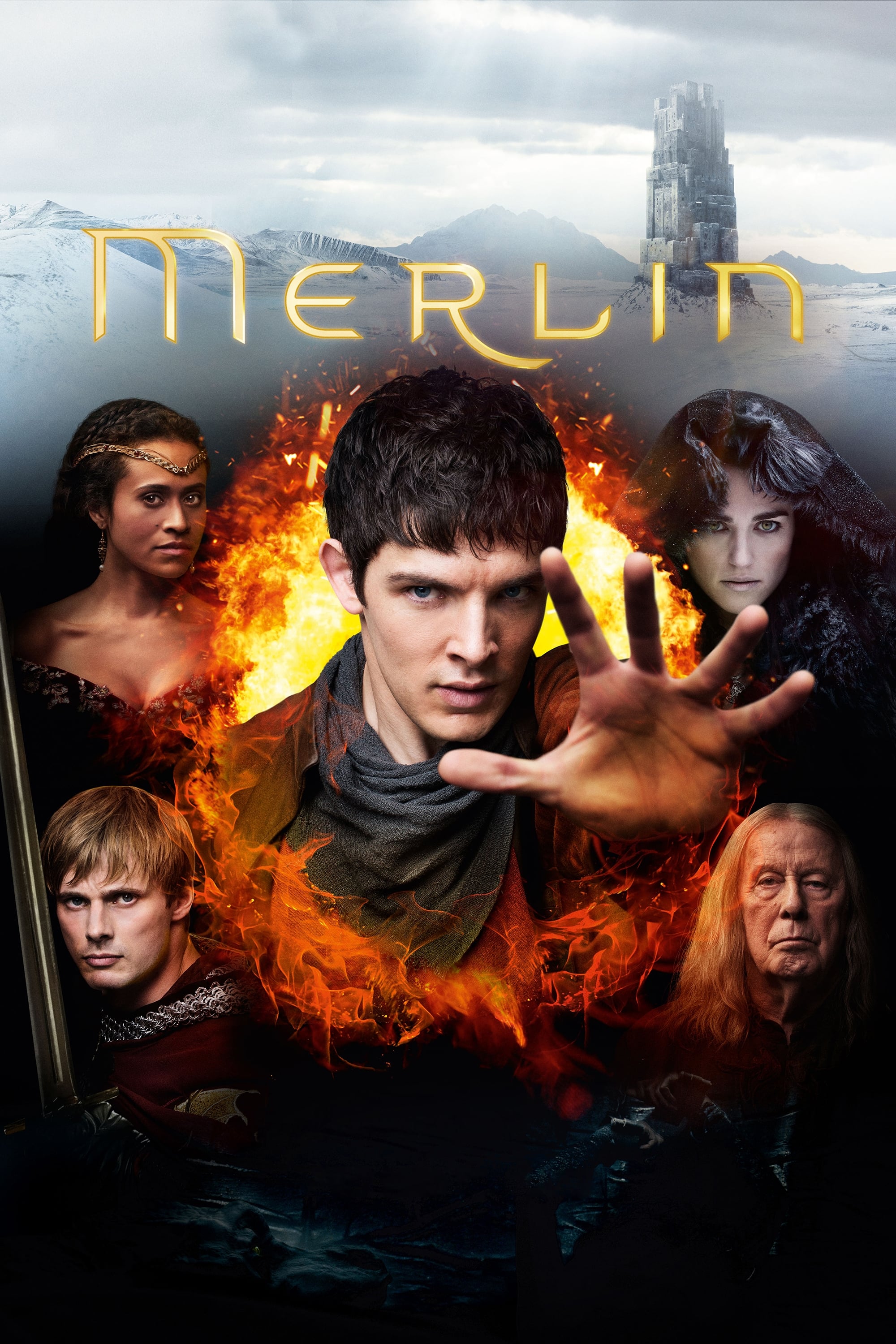
The BBC’s ‘Merlin’ focused on the “two sides of the same coin” relationship between Merlin and Prince Arthur. While the show utilized language typically reserved for soulmates and deep romantic bonds, it ultimately paired Arthur with Guinevere. Fans revolted against the conclusion, feeling that the epic tragedy of the finale was a queer story masked as a platonic friendship. The refusal to acknowledge the romantic undertones was viewed as a way to keep the show accessible to a more traditional audience. This has left ‘Merlin’ with a legacy defined by its debated subtext and fan-led queer reinterpretations.
‘Rizzoli & Isles’ (2010–2016)
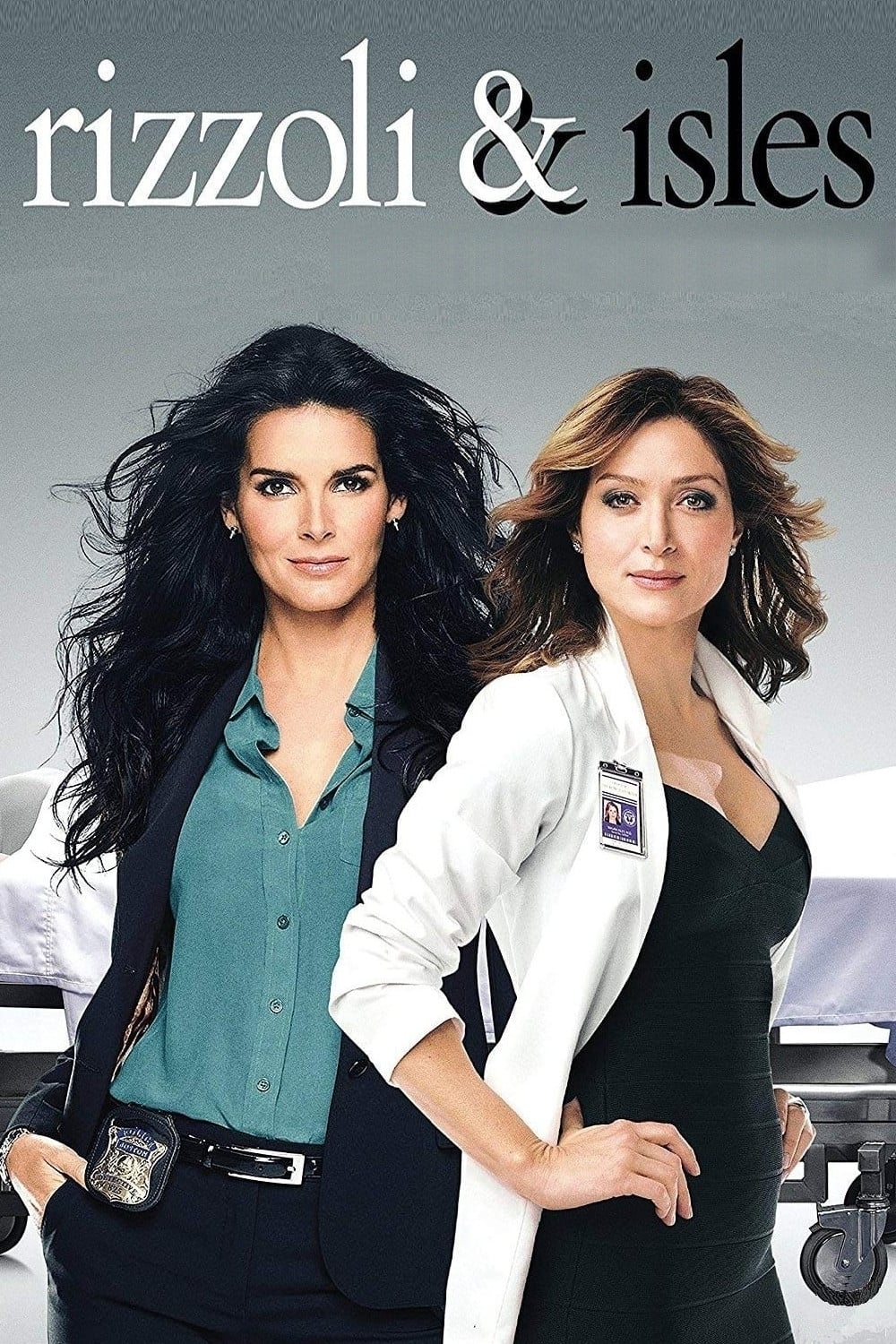
‘Rizzoli & Isles’ followed the professional and personal lives of detective Jane Rizzoli and medical examiner Maura Isles. The show’s marketing often leaned into the chemistry between the two leads, leading to a large queer following. However, the showrunners adamantly maintained that the characters were strictly platonic, frequently giving them short-lived male love interests. Fans criticized this as a form of straight-washing that capitalized on queer viewership without providing actual representation. The tension between the show’s subtext and its canonical heterosexual status remained a point of contention throughout its run.
‘Riverdale’ (2017–2023)
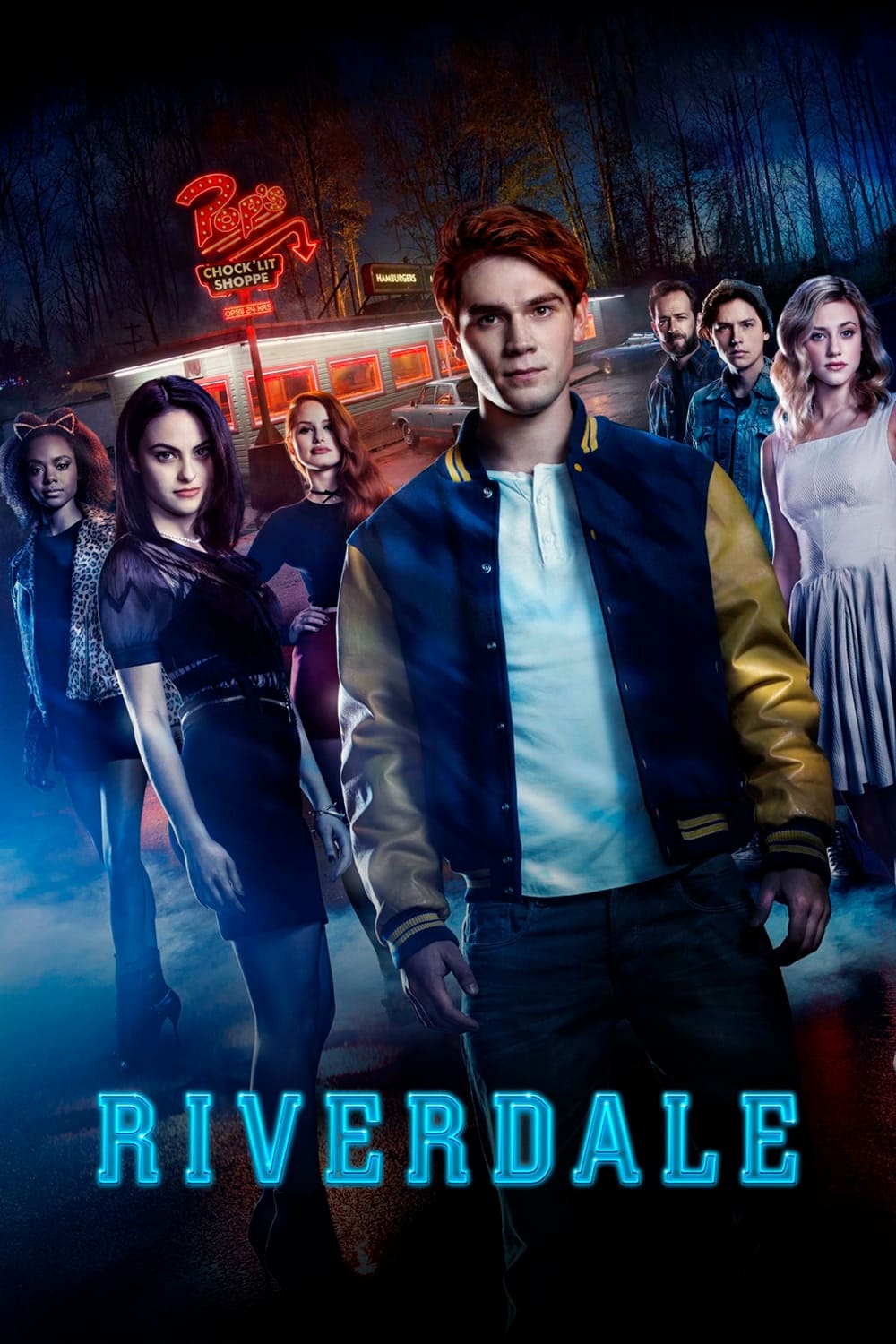
The pilot episode of ‘Riverdale’ featured a kiss between Betty Cooper and Veronica Lodge, which many viewers expected to lead to a romantic exploration. Instead, the show quickly pivoted to focusing on their respective relationships with Archie Andrews and Jughead Jones. This move was widely condemned as queer-baiting, as the show used a queer moment for shock value before returning to a heterosexual status quo. Fans revolted against the erasure of the “Beronica” potential in favor of more traditional teen drama tropes. Later seasons attempted to rectify this with other queer characters, but the initial straight-washing remained a sore spot.
‘Warrior Nun’ (2020–2022)
‘Warrior Nun’ gained a passionate following for the slow-burn romance between Ava Silva and Beatrice. When Netflix canceled the series shortly after the couple finally acknowledged their feelings, fans launched a massive campaign to save the show. The revolt was fueled by the belief that queer-led shows are often held to higher standards or canceled more abruptly than their straight counterparts. Viewers argued that ending the story at that specific moment was a form of narrative straight-washing by omission. The movement eventually succeeded in securing a future for the franchise in the form of feature films.
‘Xena: Warrior Princess’ (1995–2001)
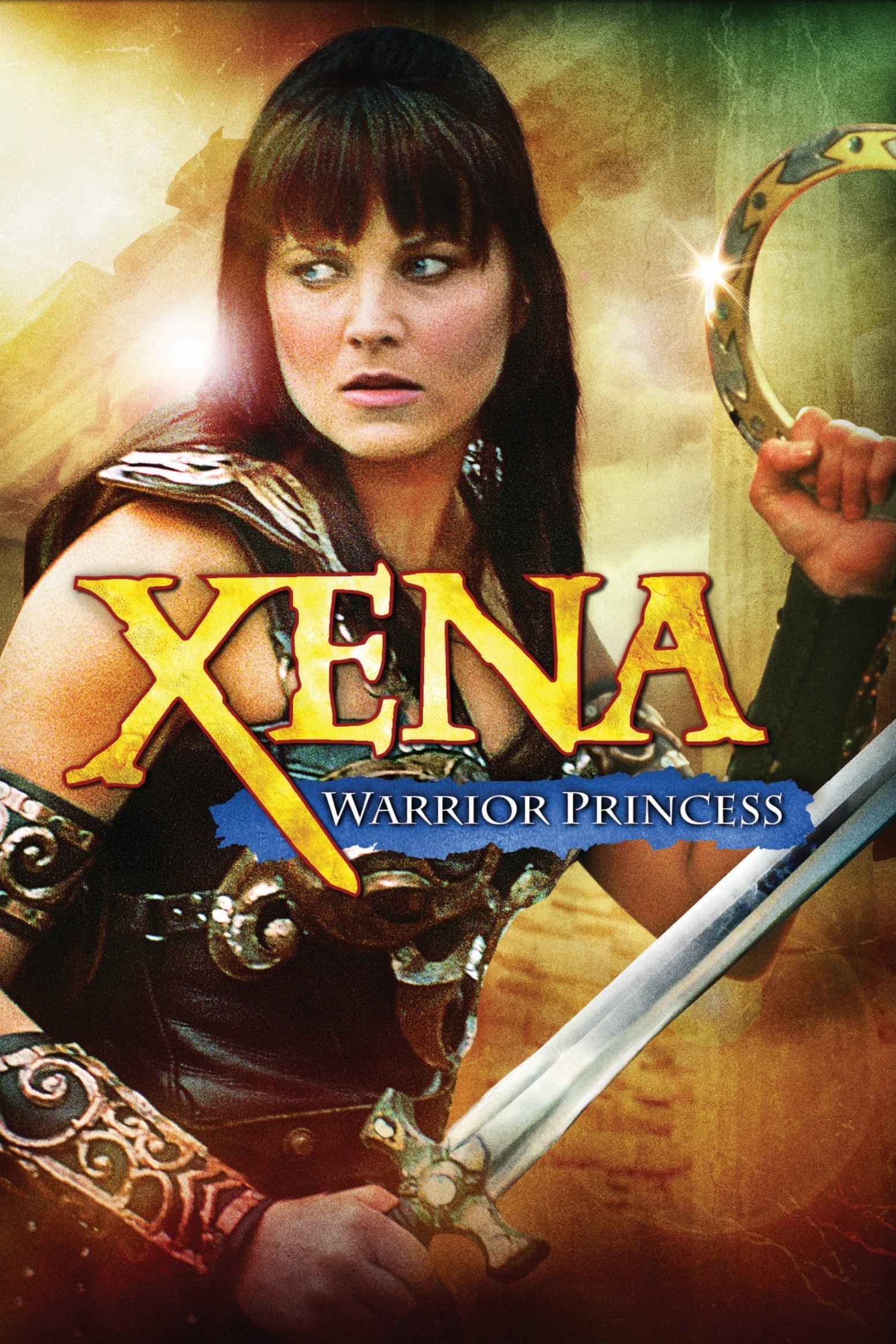
During its original run, ‘Xena: Warrior Princess’ was a pioneer in presenting a deep, arguably romantic bond between Xena and Gabrielle. However, network restrictions at the time forced the show to maintain a level of ambiguity, often inserting male love interests to deflect from the queer subtext. Fans revolted against these “beard” characters, viewing them as obstacles to the central relationship. The show’s legacy is now inextricably linked to the struggle for queer visibility in 1990s television. Even years later, the creators have acknowledged that the characters were intended to be a couple.
‘House’ (2004–2012)
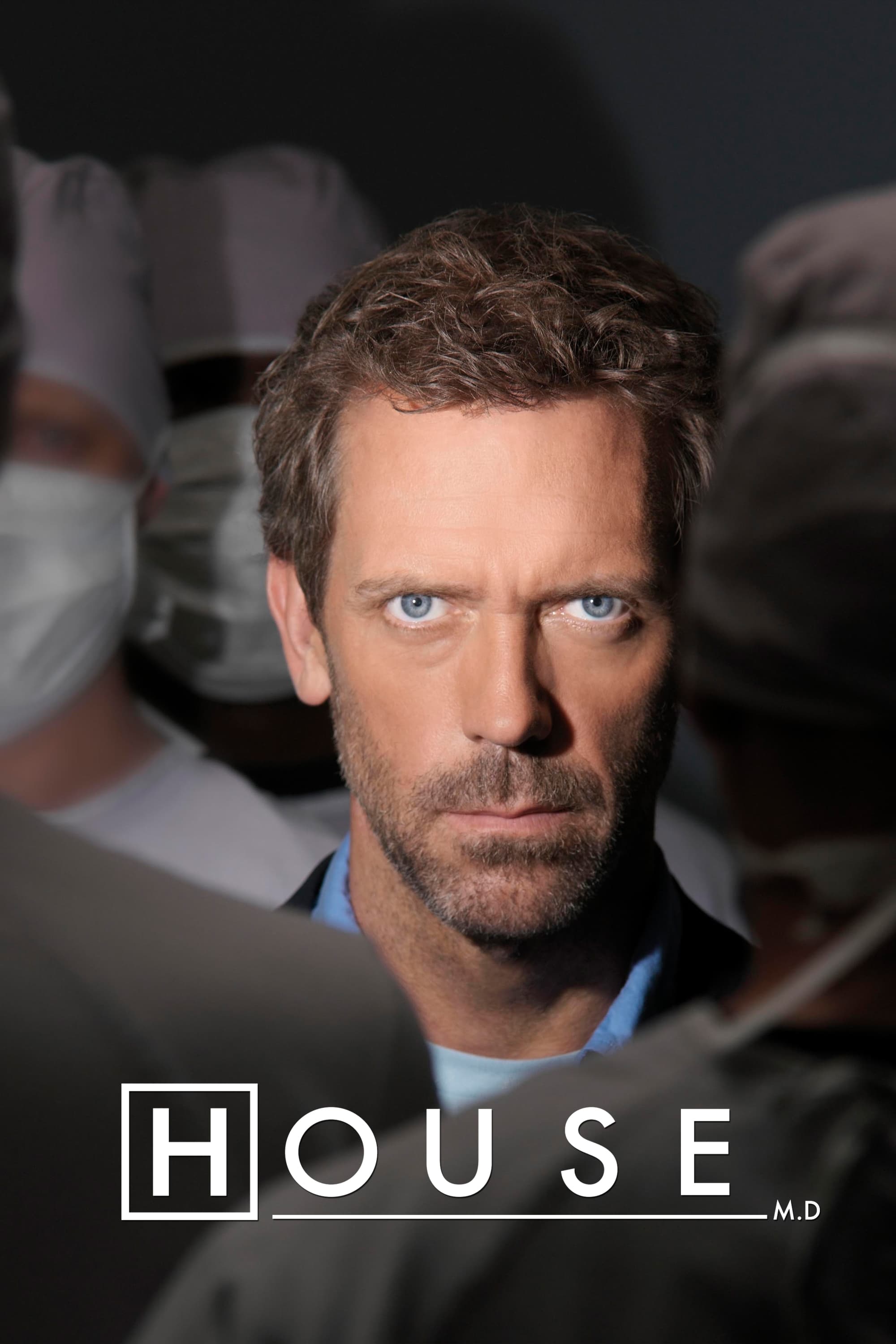
The medical drama ‘House’ centered on the intense and codependent relationship between Gregory House and James Wilson. Fans frequently noted that their dynamic mirrored the structure of a marriage, leading to the “Hilson” shipping community. Despite many jokes within the show about their perceived queerness, the narrative always reinforced their heterosexuality through various female partners. This was seen by some fans as a way to mine the emotional depth of a queer bond while keeping the characters safely within a straight framework. The revolt manifested in academic and fan-based critiques of the show’s refusal to commit to its own subtext.
‘Smallville’ (2001–2011)
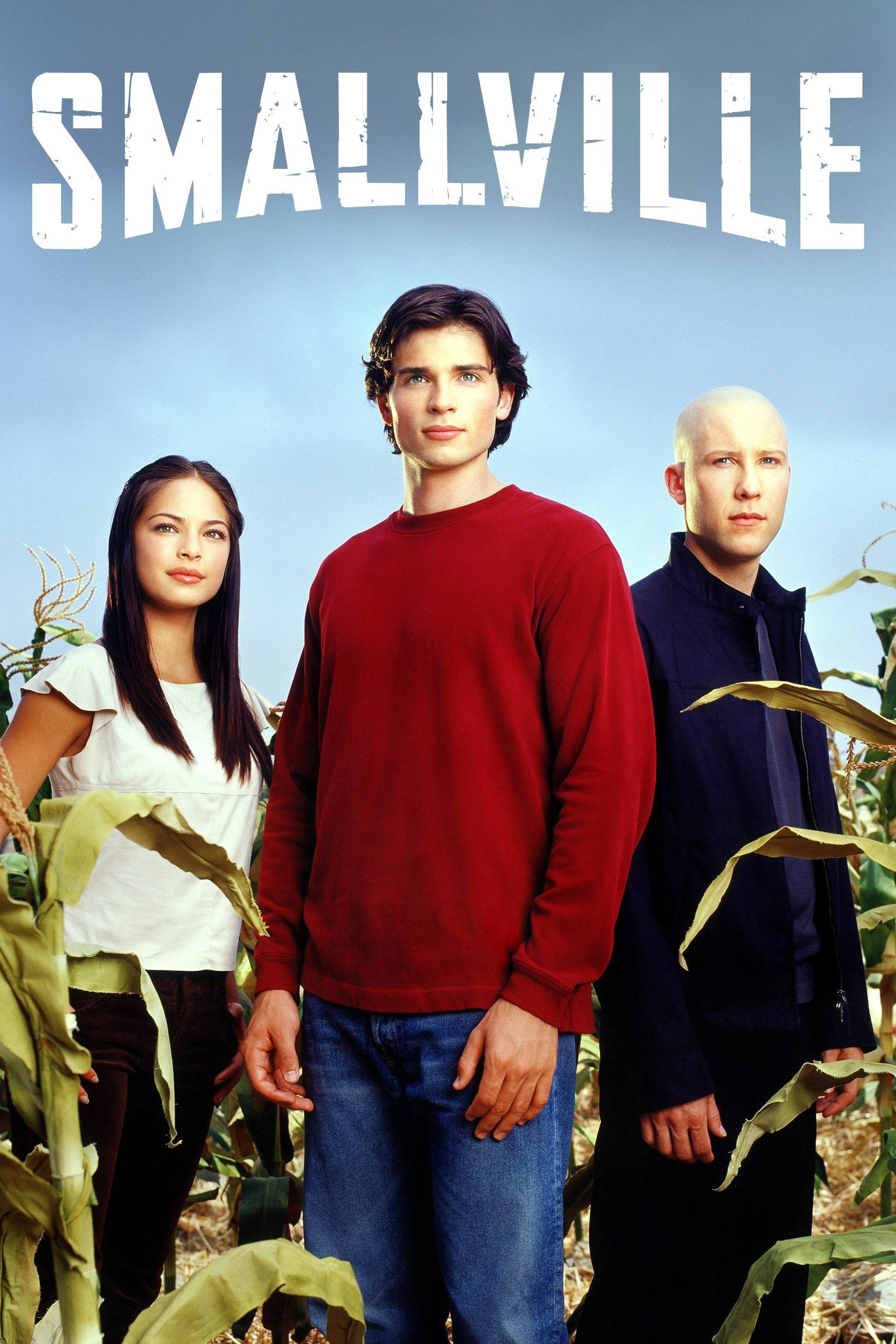
‘Smallville’ explored the early years of Clark Kent and Lex Luthor, featuring a relationship that many viewers interpreted as having romantic undertones. The intense obsession and emotional intimacy between the two was a hallmark of the show’s early seasons. However, the plot eventually moved toward their legendary rivalry and their respective heterosexual relationships with characters like Lana Lang and Lois Lane. Fans argued that the show ignored the queer potential of their bond to adhere to established comic book lore. This led to a significant “Clex” fan culture that criticized the show’s adherence to traditional heteronormativity.
‘Hannibal’ (2013–2015)
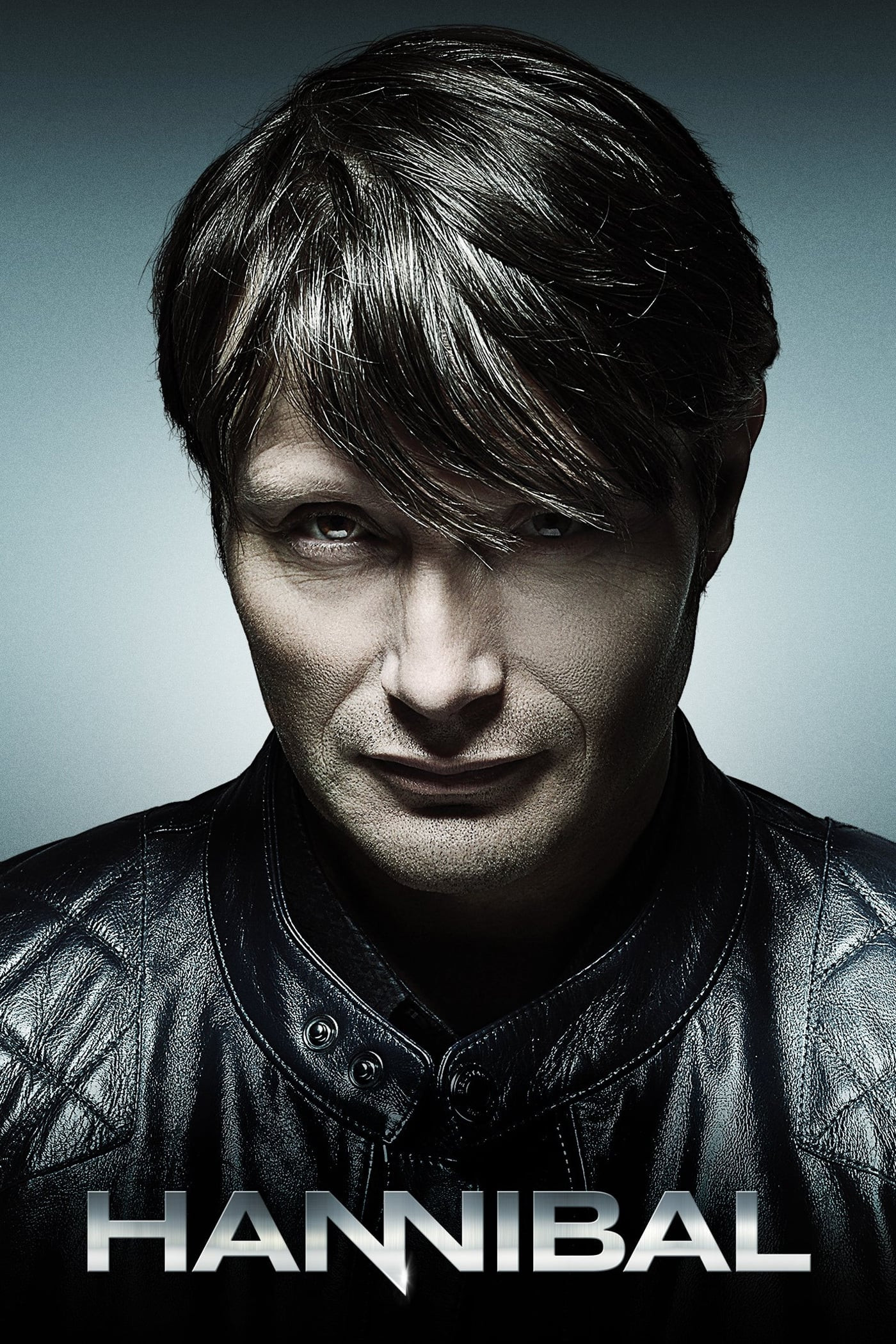
The relationship between Will Graham and Hannibal Lecter in ‘Hannibal’ was famously described by showrunner Bryan Fuller as a romance. While the show eventually made this explicit, earlier seasons saw a revolt from fans who were tired of the “just friends” or “brotherly” descriptors used in promotional material. Viewers pushed for the show to drop the metaphors and acknowledge the queer reality of the “murder husbands.” The tension between the show’s dark, artistic subtext and the audience’s desire for clear representation was a constant theme during its broadcast. Ultimately, the show is praised for leaning into the romance, but the journey there was fraught with fan-led demands.
‘Good Omens’ (2019–Present)
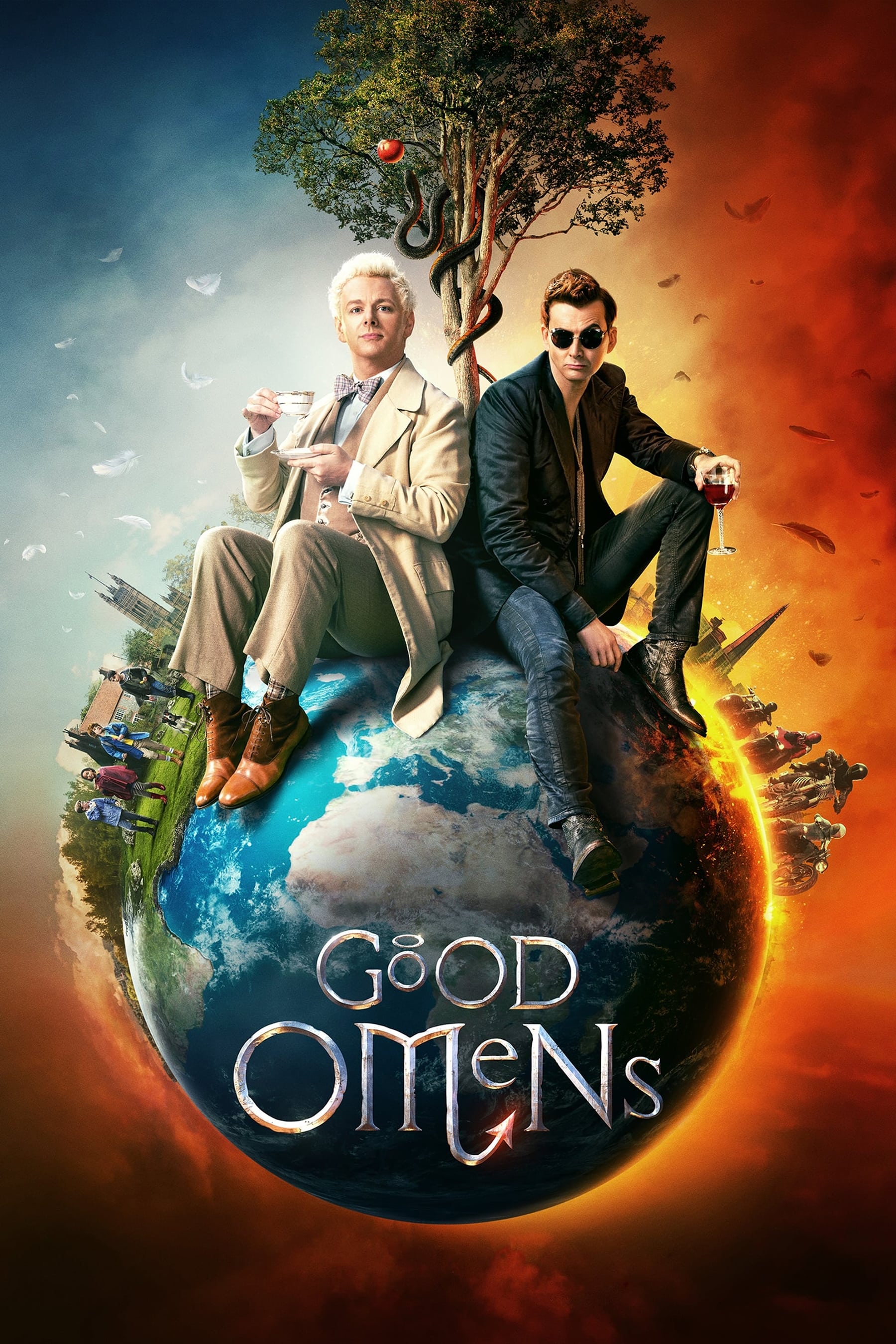
When ‘Good Omens’ first premiered, the relationship between the angel Aziraphale and the demon Crowley was marketed largely as a platonic friendship. This led to an outcry from fans who felt that the queer subtext from the original novel was being straight-washed for television. The revolt was so vocal that creator Neil Gaiman frequently interacted with fans to clarify the characters’ nature. By the second season, the show explicitly addressed the romantic bond, much to the relief of the audience. This transition is often cited as a successful example of a production responding to fan concerns about queer erasure.
‘The Legend of Korra’ (2012–2014)
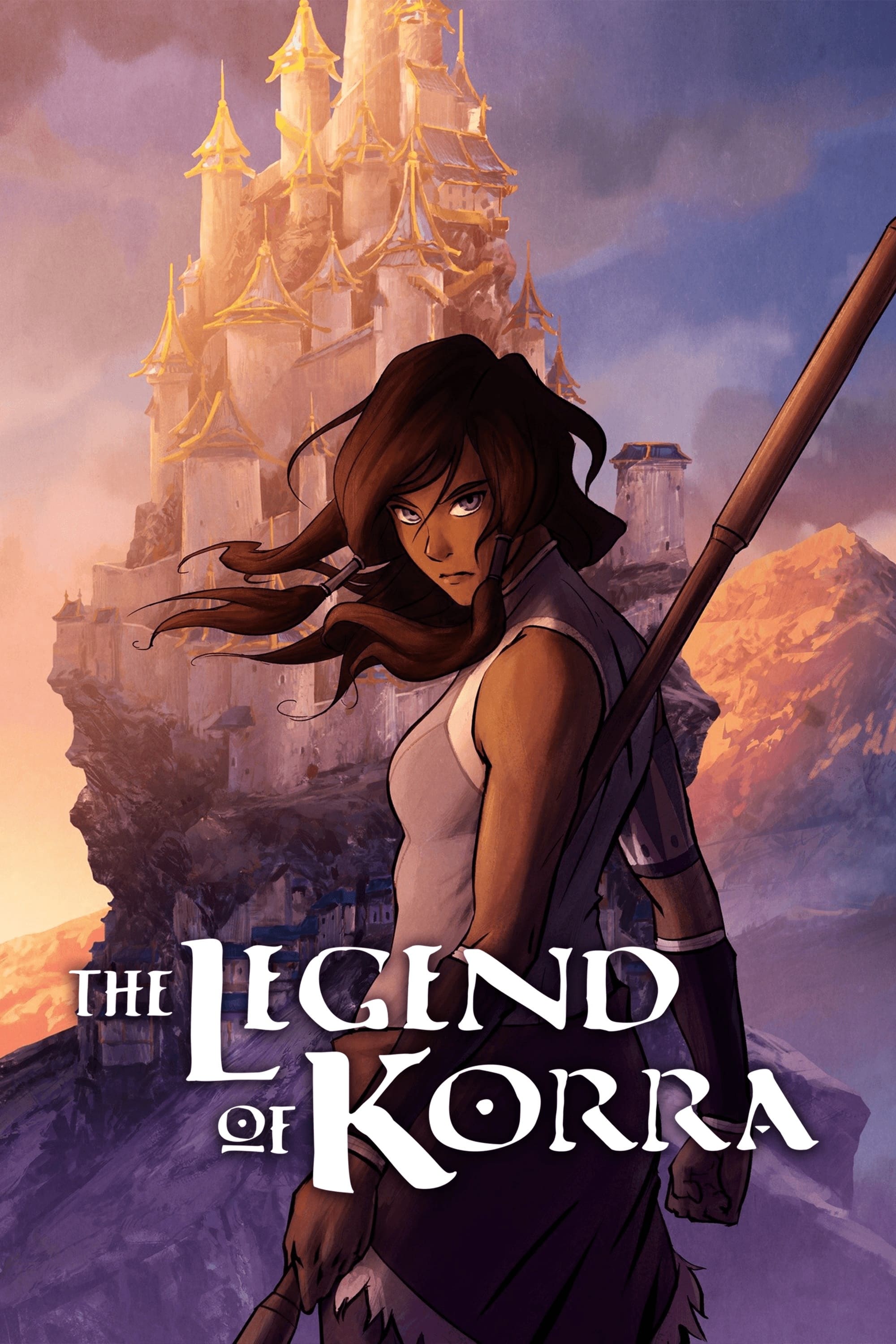
‘The Legend of Korra’ made history with its finale, which hinted at a romantic relationship between Korra and Asami Sato. However, at the time of its airing, the show faced a revolt from fans who felt the relationship was too subtle compared to the show’s previous straight romances. The “Korrasami” reveal was limited to the two characters holding hands and walking into the spirit world, which many saw as a compromise driven by network censorship. Viewers argued that this was a form of straight-washing the finale to avoid controversy. The creators later confirmed the romance in follow-up comics and public statements.
‘First Kill’ (2022)
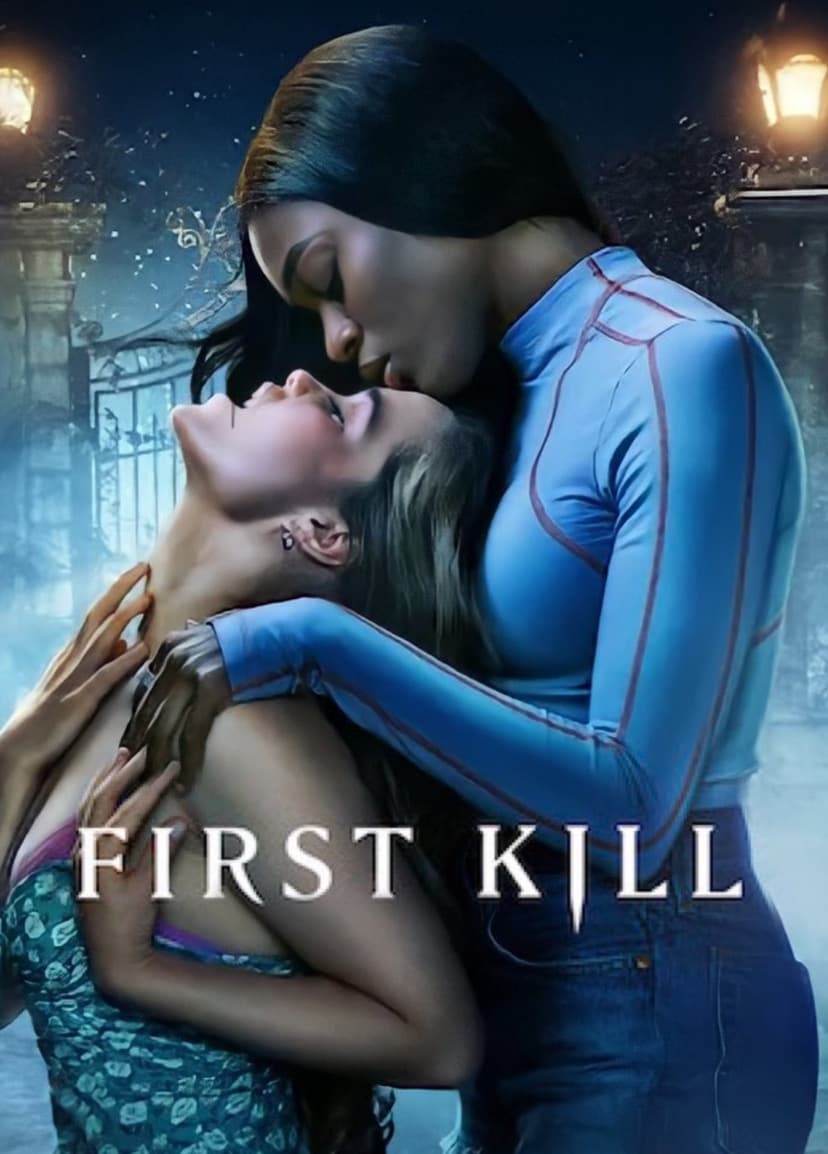
The teen vampire drama ‘First Kill’ focused on the relationship between a vampire and a monster hunter. Despite strong viewership numbers and a dedicated fanbase, Netflix canceled the series after just one season. The fan revolt was immediate, with many accusing the streaming service of prioritizing straight-led series over successful queer ones. This was framed as a systemic form of straight-washing the platform’s content library by removing diverse stories. The “Save First Kill” movement highlighted the disparity in how queer and straight shows are marketed and renewed.
‘Shadowhunters’ (2016–2019)
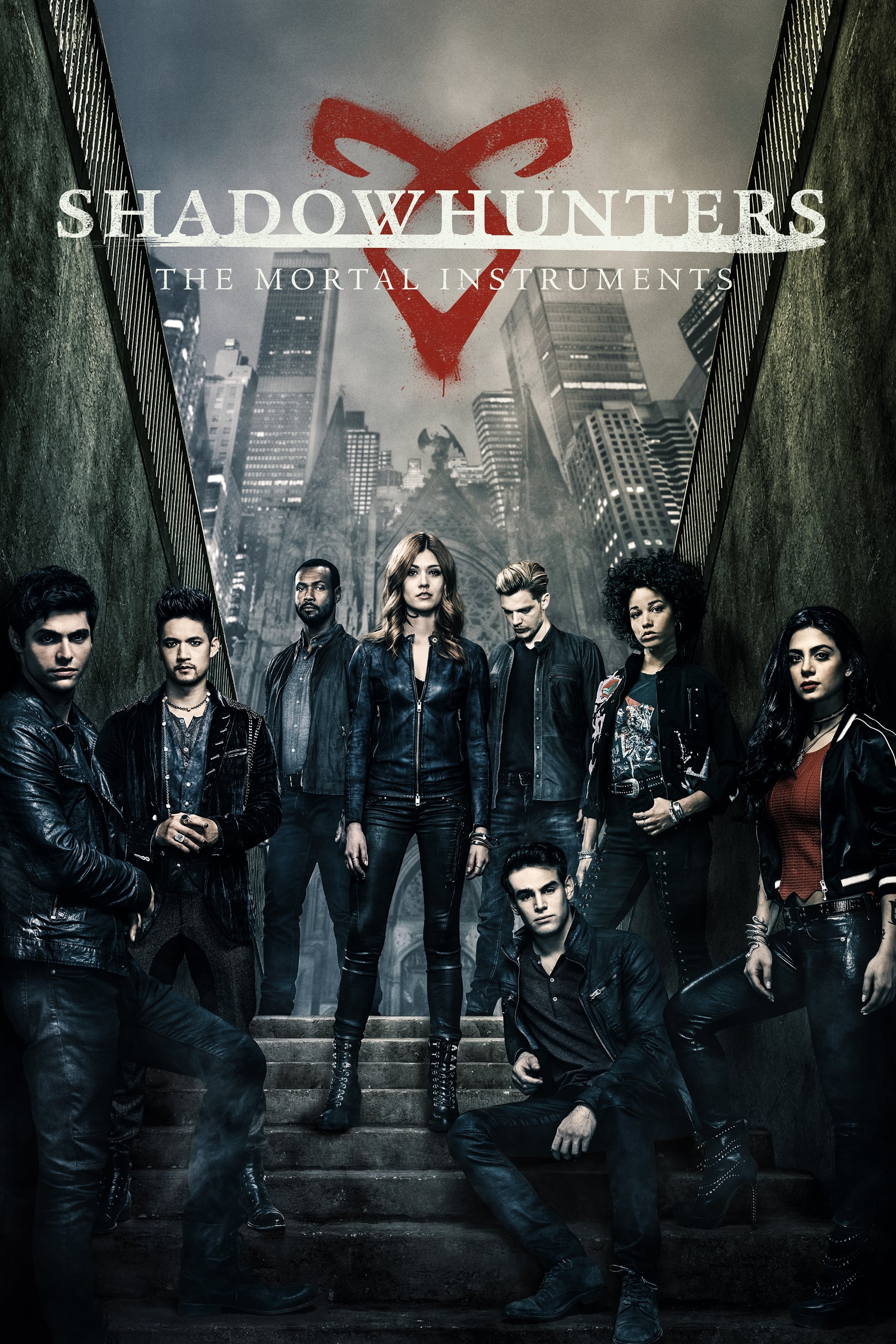
‘Shadowhunters’ featured the popular “Malec” pairing between Magnus Bane and Alec Lightwood, which was a highlight for many viewers. However, fans often revolted over the disparity in screen time and development given to Magnus and Alec compared to the show’s primary straight couple, Clary and Jace. There were accusations that the queer storyline was frequently sidelined or treated as secondary to the heterosexual main plot. This perceived imbalance was seen as a way to keep the show’s “main” narrative straight-washed. The dedicated fanbase campaigned for more focus on the queer characters until the show’s conclusion.
‘Buffy the Vampire Slayer’ (1997–2003)
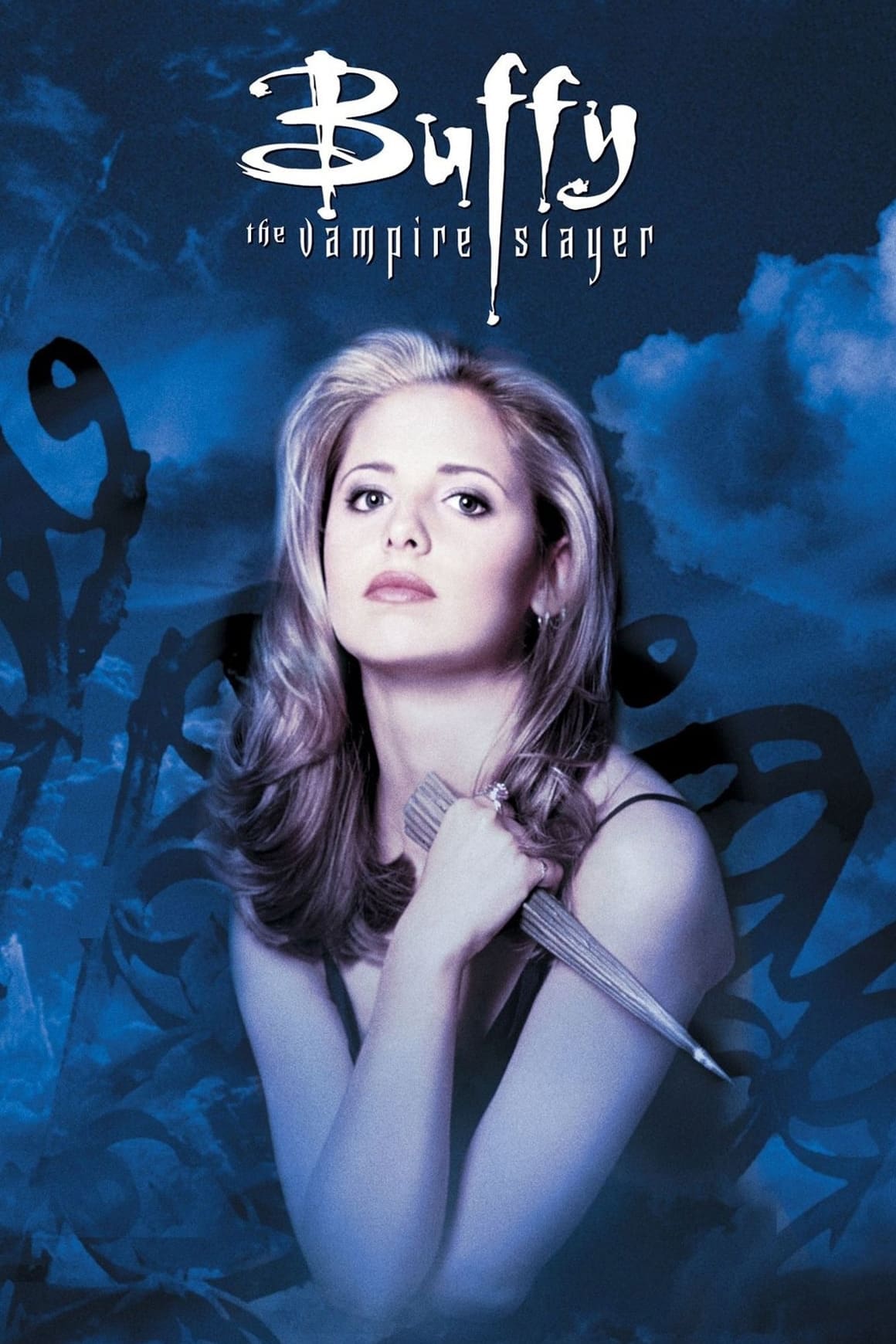
While ‘Buffy the Vampire Slayer’ is often praised for its inclusion of Willow Rosenberg’s journey as a lesbian, it faced criticism during its original run. In the fourth season, after Willow began her relationship with Tara, some dialogue and plot points suggested her queerness might just be a “phase.” Fans revolted against the idea that her identity could be temporary or a result of her heartbreak over a man. This concern was exacerbated by the show’s tendency to focus heavily on Buffy’s heterosexual relationships. Over time, the show solidified Willow’s identity, but the early handling of her transition remains a topic of debate regarding queer representation.
Share which TV shows you believe missed the mark on representation in the comments.