


TV Shows That Faced Whitewashing Accusations for Historical Figures

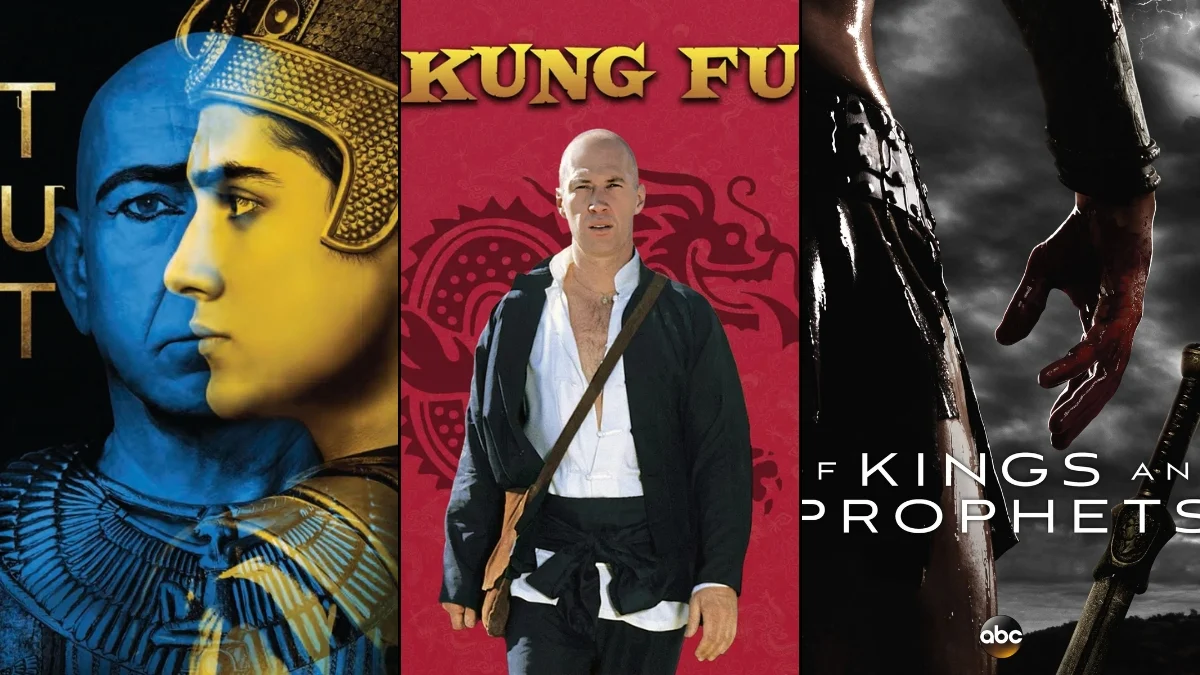


The portrayal of historical and religious figures on television has long been a subject of intense debate, particularly concerning ethnic accuracy. For decades, many productions have cast white actors to play non-white historical figures, a practice commonly referred to as whitewashing. This trend is often most visible in biblical epics and dramas set in the ancient Near East or Asia. While these shows often achieved commercial success, they have faced significant criticism for erasing cultural identities and failing to reflect geographical realities.
‘Kung Fu’ (1972–1975)

David Carradine stars as Kwai Chang Caine, a Shaolin monk who travels through the American Old West. The role was famously sought by Bruce Lee, but the network cast a white actor instead to ensure broader appeal to audiences at the time. This decision remains one of the most cited examples of whitewashing in television history. The series utilized East Asian philosophy and martial arts while excluding Asian actors from the leading role.
‘Jesus of Nazareth’ (1977)

Robert Powell’s portrayal of Jesus Christ in this iconic miniseries became the definitive image of the figure for many Western viewers. Despite the historical context of first-century Judea, the production chose an actor with distinctly European features and blue eyes. Critics have argued that this casting helped cement a Eurocentric vision of biblical history in the public consciousness. While the performance was praised for its intensity, it is frequently used to illustrate the lack of ethnic diversity in religious media.
‘The Bible’ (2013)
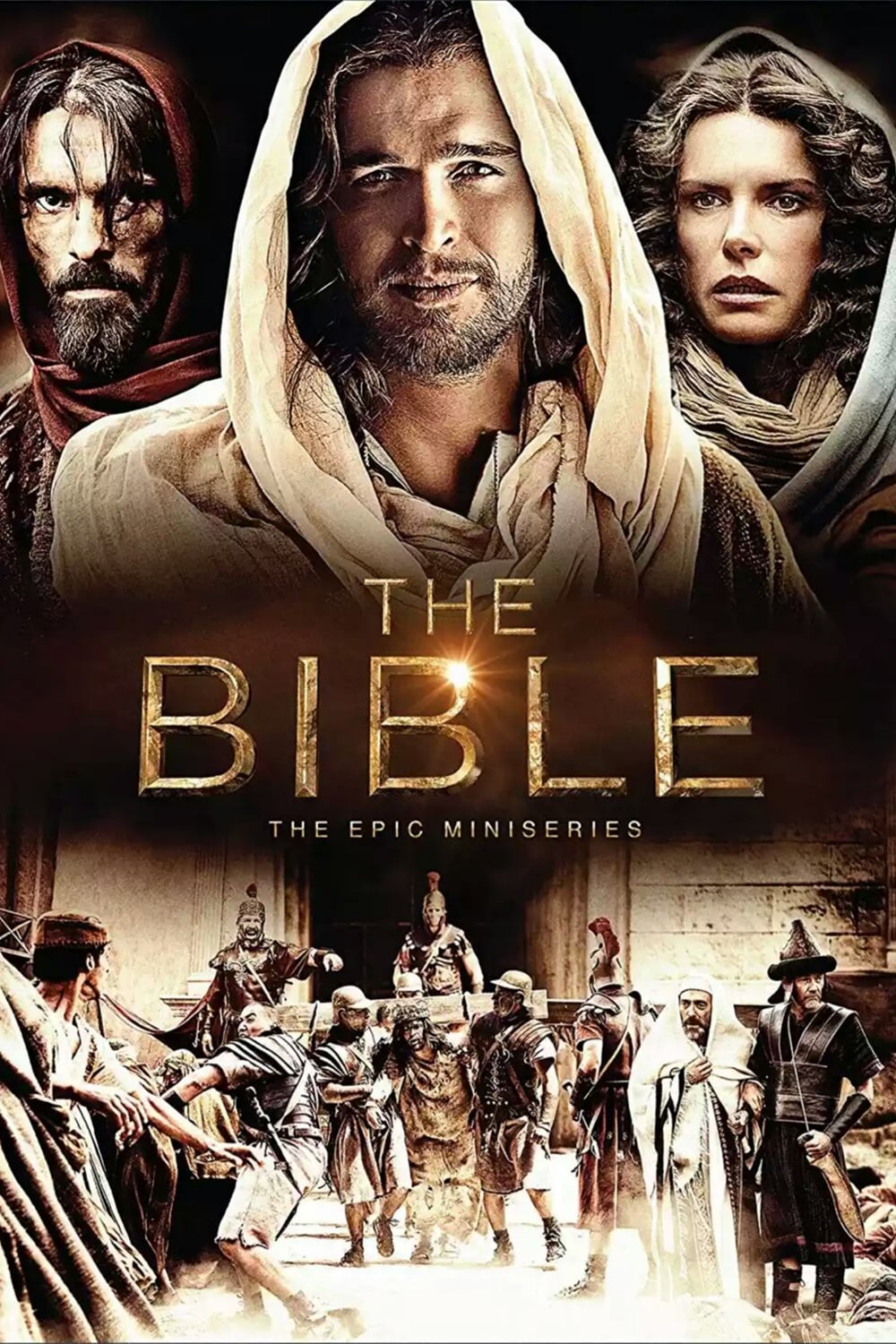
This 10-hour miniseries by the History Channel cast Portuguese actor Diogo Morgado in the central role of Jesus. While Morgado’s performance was popular, the choice to use a European lead for a Middle Eastern historical figure sparked significant criticism online. The production followed a long-standing tradition of prioritizing Western aesthetics over historical and geographical accuracy. This controversy highlighted the ongoing tension between traditional casting practices and the demand for more authentic representation.
‘Tut’ (2015)

The Spike miniseries ‘Tut’ faced backlash for its casting of several key Egyptian historical figures. While Avan Jogia played the titular King Tutankhamun, Ben Kingsley was cast as the powerful vizier Ay. Critics pointed out that the majority of the high-ranking Egyptian characters were portrayed by white or light-skinned actors. This led to accusations that the show was continuing the Hollywood trend of stripping ancient African history of its indigenous identity.
‘The Ten Commandments’ (2006)
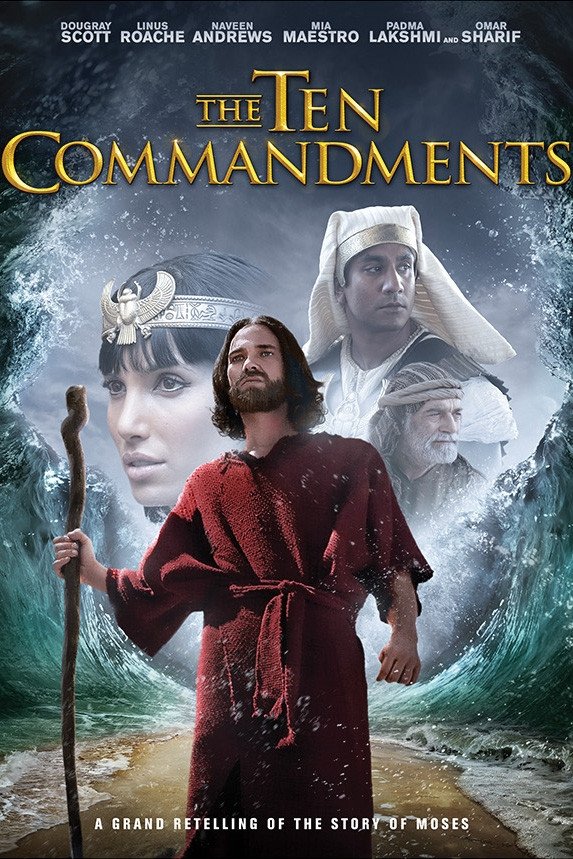
This miniseries adaptation of the exodus story cast Dougray Scott as Moses, the central figure of the narrative. Like many biblical dramas before it, the production relied on a predominantly white cast to portray historical figures from the ancient Middle East. Advocates for diversity argued that the casting ignored the Semitic roots of the characters involved. The show’s reliance on European actors for ancient Hebrew roles remains a point of historical and cultural contention.
‘The Red Tent’ (2014)
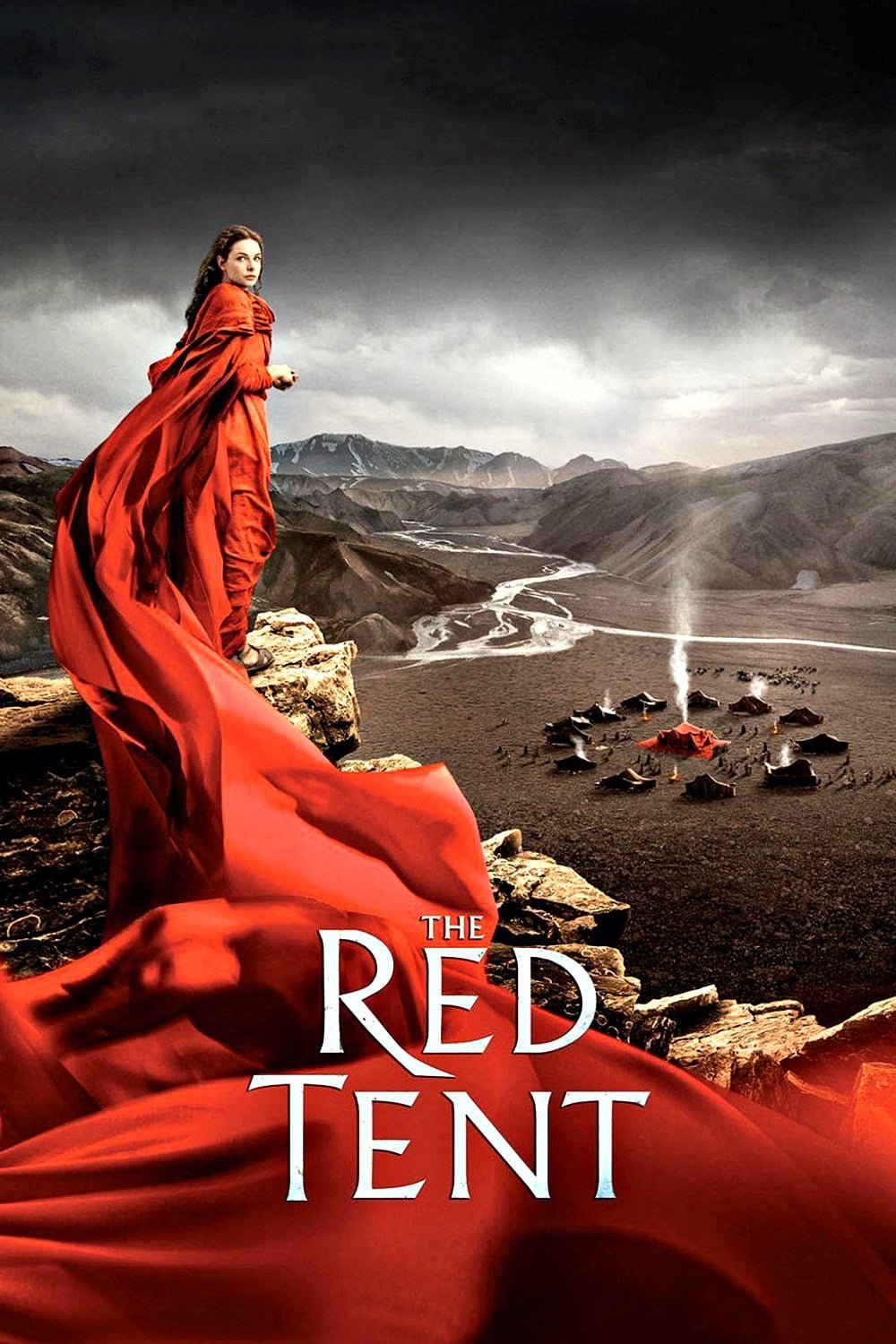
Based on the popular novel, this miniseries focuses on the lives of women in ancient Canaan during the time of the patriarchs. The show features a cast that is largely white, including Rebecca Ferguson in the lead role of Dinah and Minnie Driver as Leah. Critics noted that the depiction of these historical and biblical figures failed to represent the actual ethnic makeup of the region. Despite the show’s emphasis on female empowerment, the casting was criticized for its lack of ethnic authenticity.
‘Moses’ (1995)

As part of ‘The Bible Collection’, this television film features Ben Kingsley as the prophet Moses. Although Kingsley has Indian heritage, the overall casting of the production followed a strictly European-centric model. Many of the supporting historical figures were played by white actors, reinforcing the “whitewashed” aesthetic common in 1990s biblical epics. This approach has been scrutinized for prioritizing established Western actors over regional representation for Middle Eastern stories.
‘Mary, Mother of Jesus’ (1999)
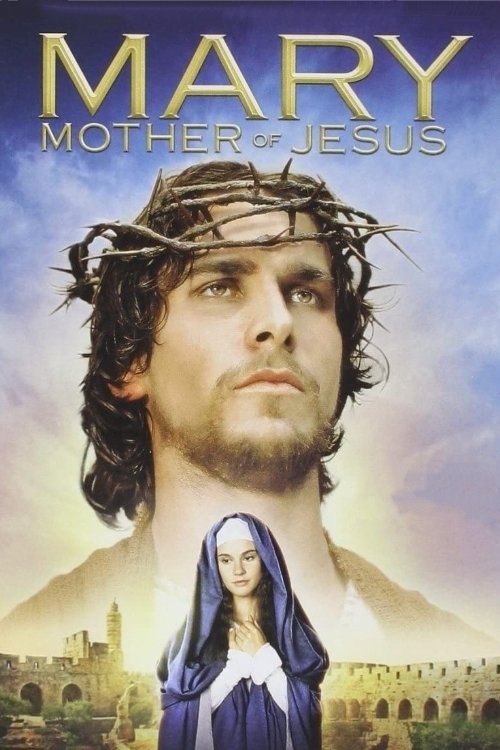
This NBC television movie stars Christian Bale as Jesus and Swedish actress Pernilla August as Mary. The casting of these central historical figures with European actors was noted by critics as another example of traditional Western casting in religious media. The production prioritized the visual language of European art over the historical reality of the first-century Middle East. This film is often cited in discussions regarding the persistent “whitewashing” of religious narratives on television.
‘Rome’ (2005–2007)
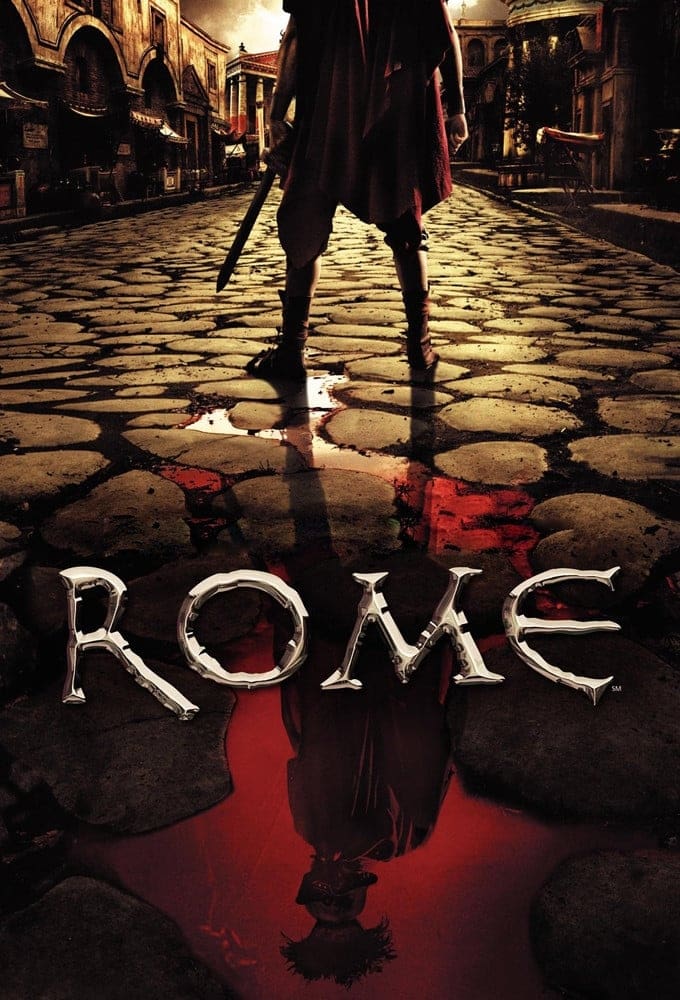
The HBO series ‘Rome’ features Lyndsey Marshal as Cleopatra, the last active ruler of the Ptolemaic Kingdom of Egypt. While Cleopatra was of Greek descent, the show’s portrayal was criticized for fitting into a broader pattern of casting white actors for North African roles. Critics argued that the series missed an opportunity to explore the complex ethnic landscape of ancient Egypt during the Roman era. The casting reinforced traditional Western cinematic depictions of the queen rather than exploring historical nuances.
‘I, Claudius’ (1976)
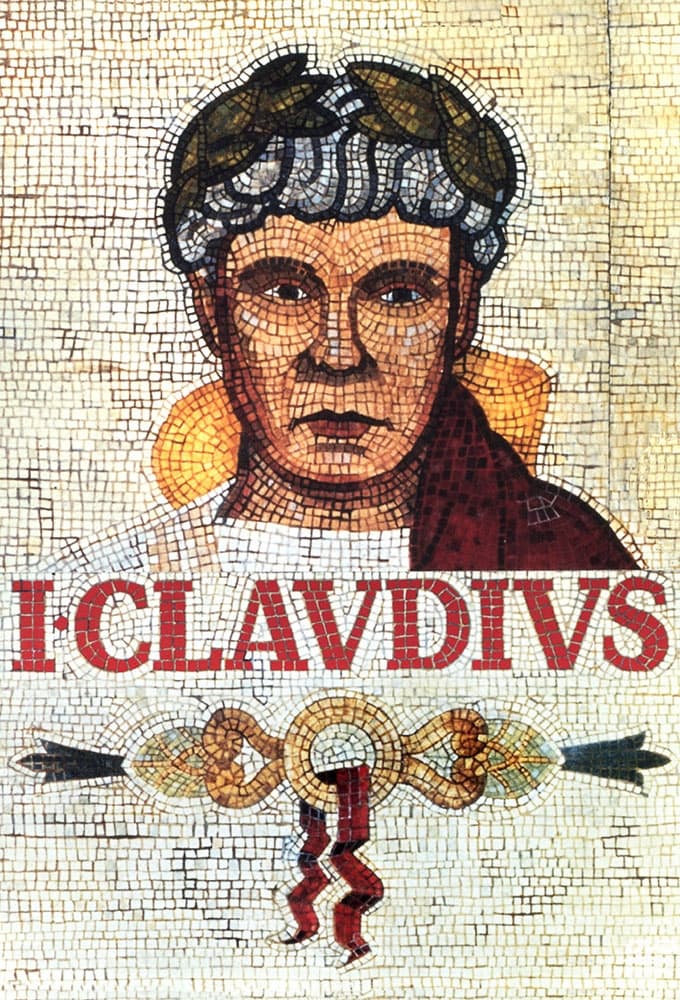
This celebrated BBC miniseries features James Aubrey as Herod Agrippa, the King of Judea and a key historical figure. The production cast actors of British descent to play nearly all the Mediterranean and Middle Eastern historical figures. At the time of its release, the lack of ethnic diversity was rarely questioned by mainstream critics. However, modern retrospective reviews often point to the series as an example of the era’s Eurocentric approach to portraying ancient history.
‘Masada’ (1981)
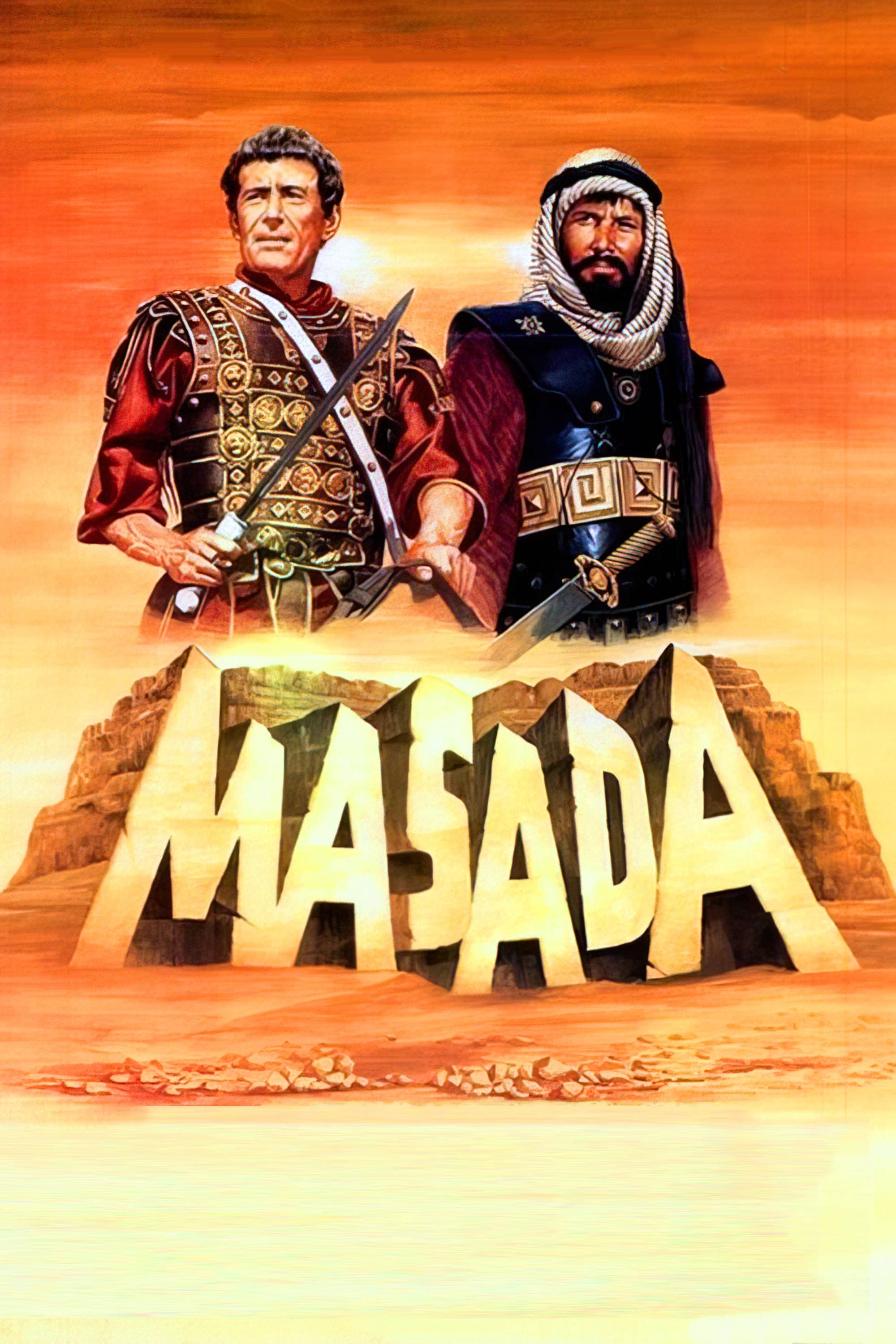
‘Masada’ tells the story of the historical Jewish resistance against the Roman Empire in the first century. The Jewish leader Eleazar ben Ya’ir is played by Richard Jordan, a white American actor, alongside other Western leads. The casting of European and American actors as Judean rebels has been criticized for lacking historical and regional accuracy. The miniseries focused on the dramatic conflict through a lens that largely excluded Middle Eastern representation from the primary cast.
‘Joseph’ (1995)
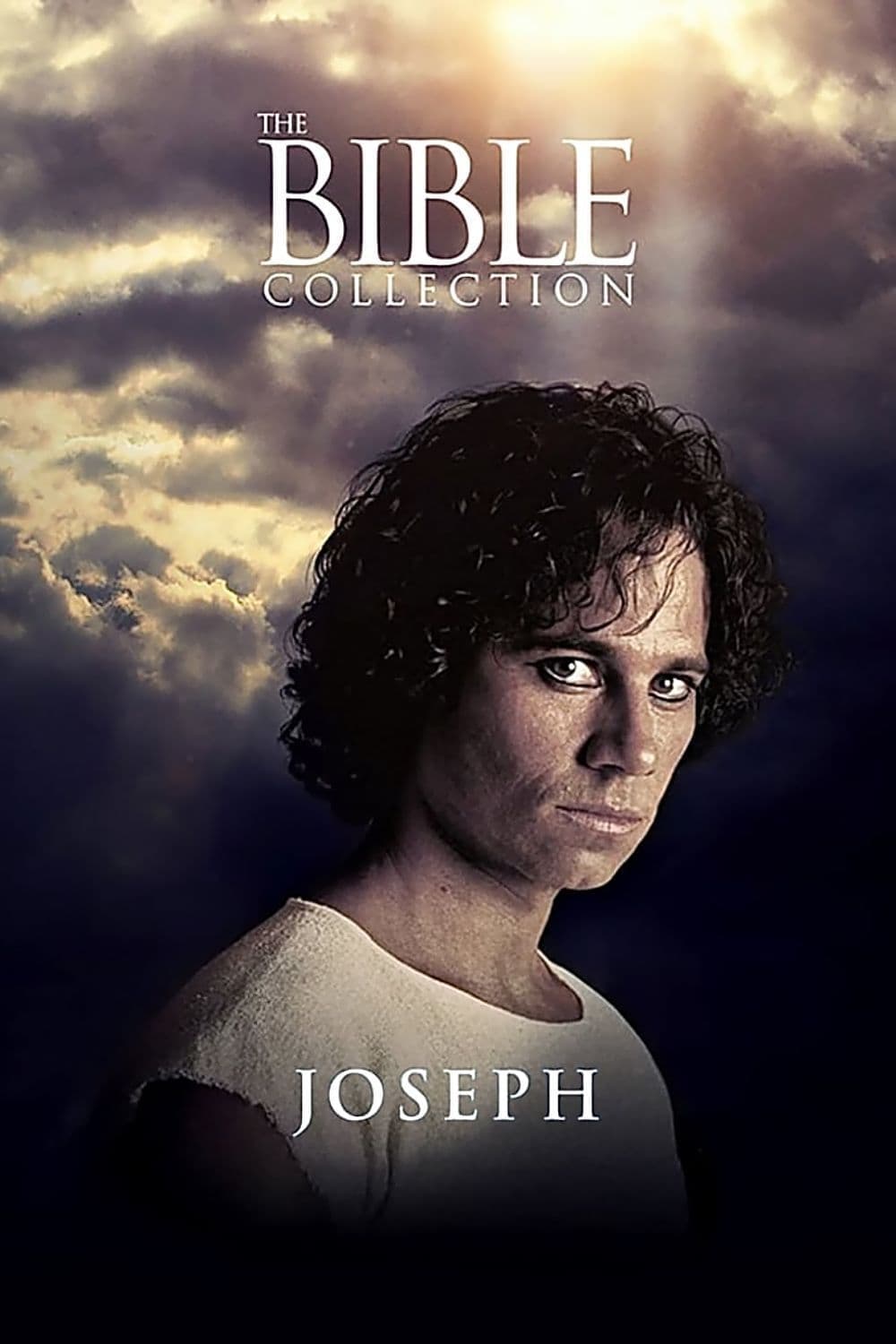
In this installment of ‘The Bible Collection’, Paul Mercurio portrays the historical figure of Joseph. The story follows Joseph from his life in Canaan to his eventual rise as a powerful official in the Egyptian court. Critics have pointed out that the casting of a white actor in this role ignores the probable ethnic appearance of ancient Semitic and Egyptian people. The series is frequently mentioned in lists of biblical television projects that lack authentic ethnic casting for lead roles.
‘A.D. The Bible Continues’ (2015)
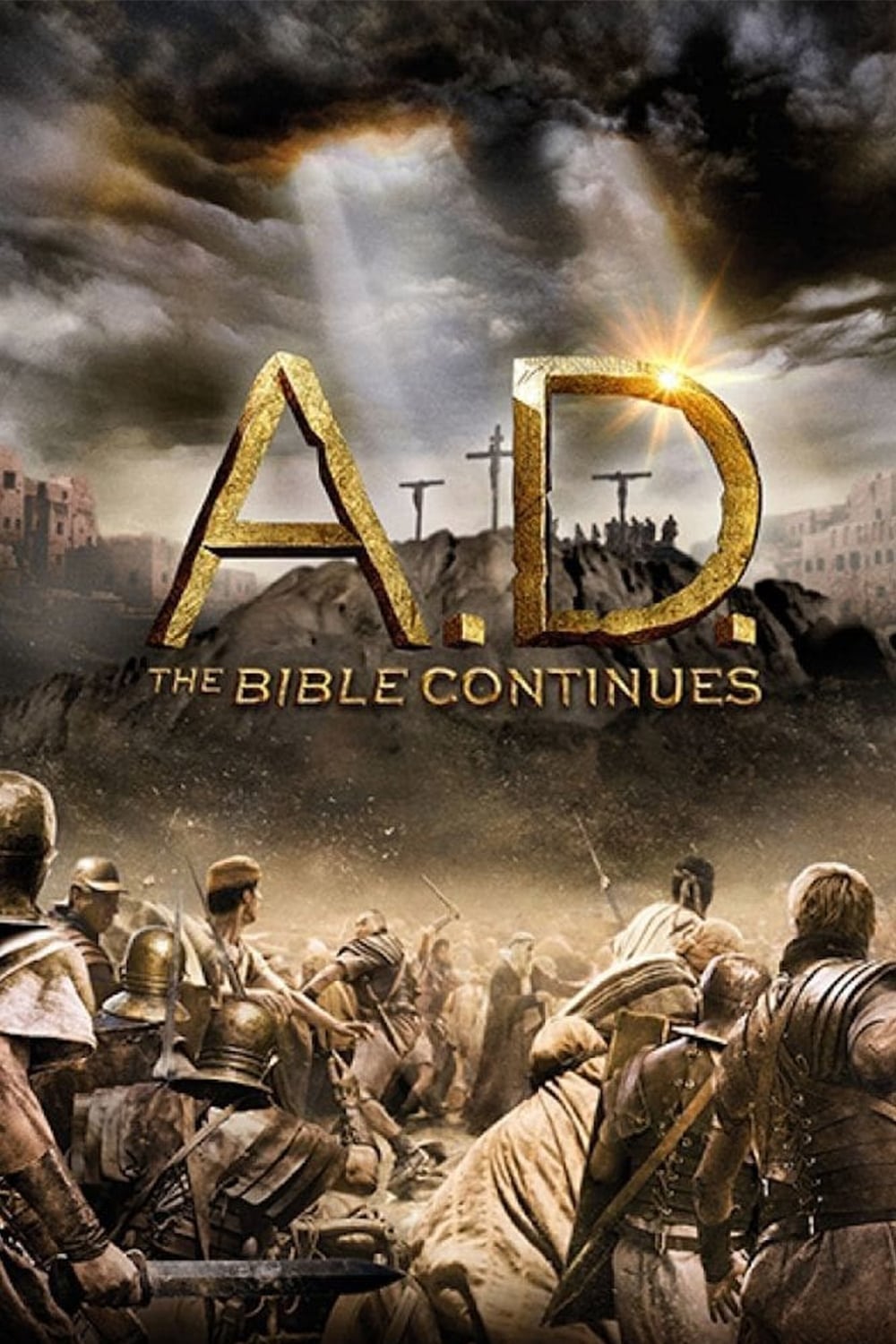
Produced as a sequel to ‘The Bible’, this series attempted to introduce more diversity into its ensemble cast. However, it still faced scrutiny for casting several key historical figures, including Peter and other disciples, with actors who did not reflect Middle Eastern heritage. Critics noted that while the show made progress compared to previous eras, it still struggled to fully break away from “whitewashed” traditions. The series serves as a case study for the slow transition toward more inclusive historical dramas in the modern era.
‘Of Kings and Prophets’ (2016)
This ABC series was an ambitious attempt to dramatize the life of King Saul and the rise of David. Ray Winstone, a British actor, was cast as Saul, a choice that drew immediate criticism for its lack of historical or regional accuracy. The production was filmed in South Africa, yet the leading roles were predominantly filled by white actors from Europe and America. This casting choice was cited as one of the reasons the show failed to resonate with modern audiences seeking authenticity.
‘Samson and Delilah’ (1996)
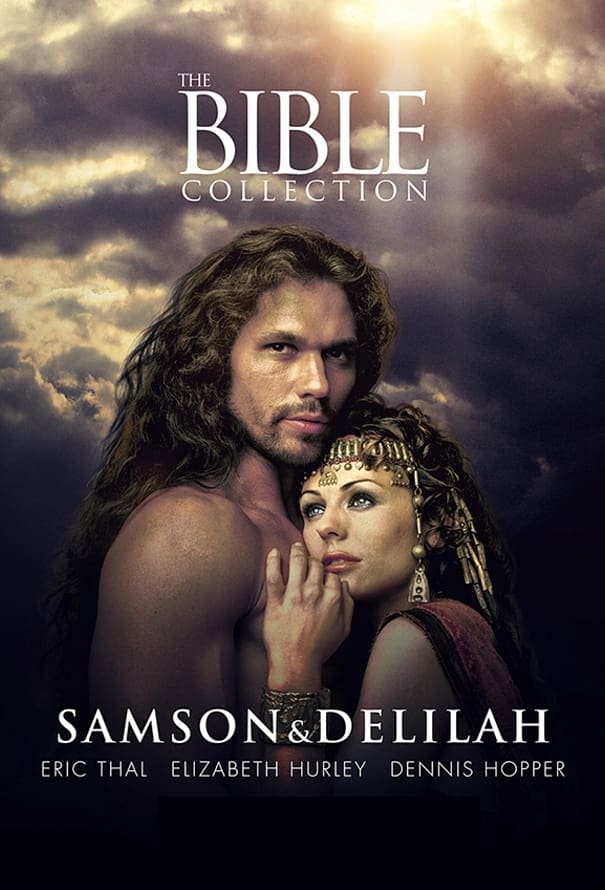
This miniseries features Eric Thal as Samson and Elizabeth Hurley as Delilah, two figures central to ancient Israelite history. Both lead roles, representing historical and biblical figures from the Levant, were played by white actors. The production adhered to the glamour-heavy casting style of the 1990s, prioritizing star power over ethnic realism. Critics have since identified the series as part of a long-standing pattern of whitewashing in biblical television projects.
‘Abraham’ (1993)
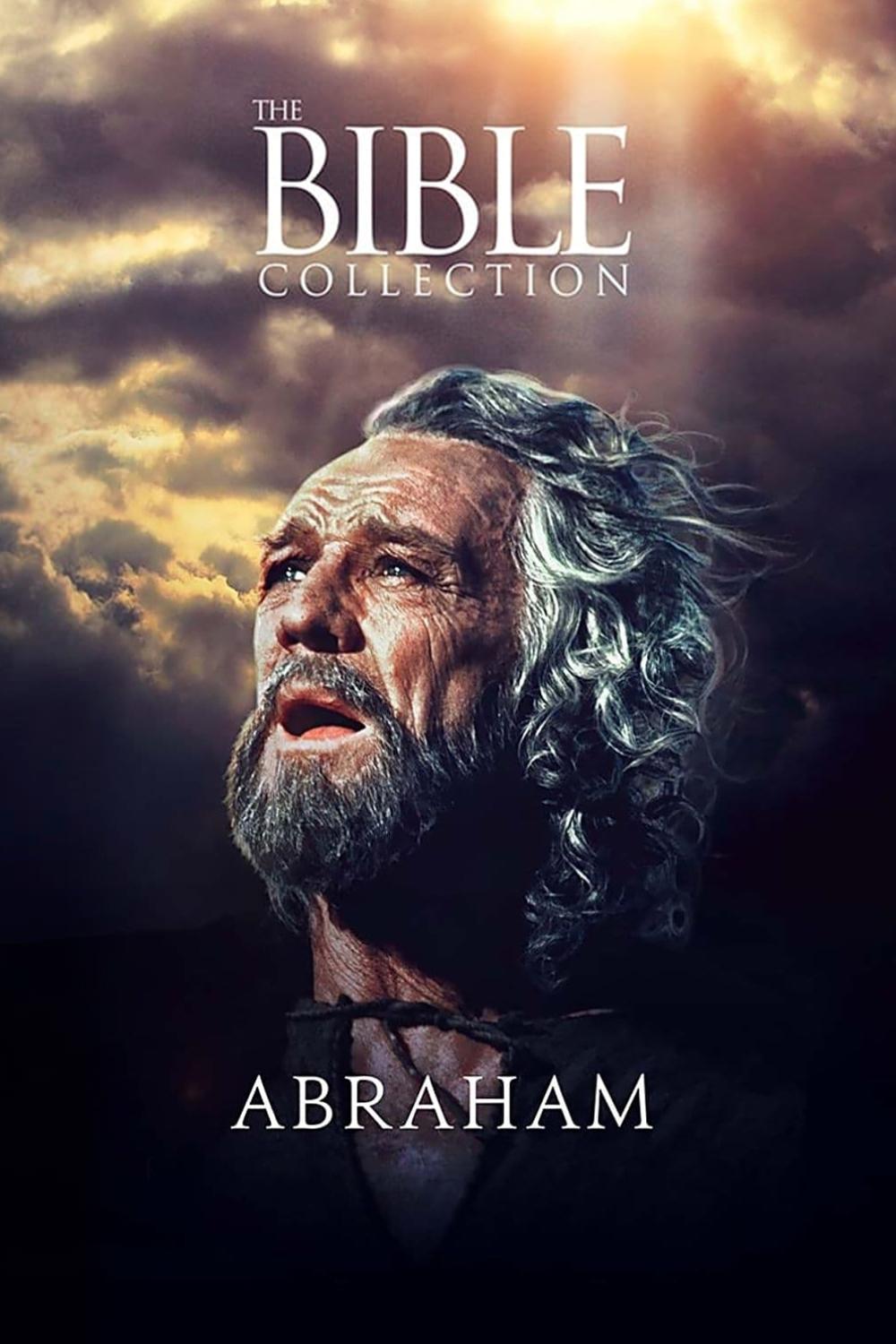
Richard Harris stars as the patriarch Abraham in this television film, which is part of ‘The Bible Collection’. The production features a cast that is almost entirely of European descent, depicting the founders of the ancient Israelite nation. Critics have argued that this casting choice erases the Middle Eastern identity of these fundamental historical figures. The series is often viewed as a product of its time, when ethnic representation was not a priority for major television networks.
‘Jacob’ (1994)

This television movie features Matthew Modine as the biblical patriarch Jacob, a key figure in the history of the Near East. The casting of an American actor to play an ancient Middle Eastern figure was met with criticism regarding the show’s historical authenticity. The production focused on the narrative beats of the Book of Genesis using a Western aesthetic and cast. Like other entries in its series, ‘Jacob’ is frequently analyzed for its role in perpetuating a white-centric view of ancient history.
‘Solomon’ (1997)
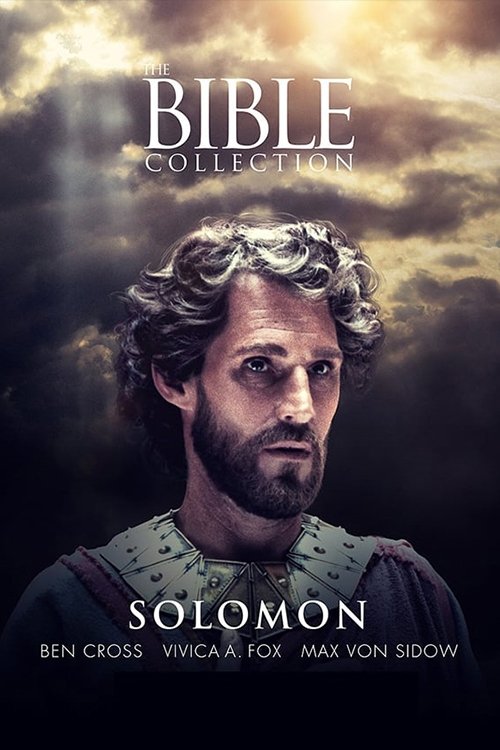
Ben Cross stars as King Solomon in this miniseries that explores the life and reign of the biblical monarch. The casting of Cross, along with a largely white supporting cast, was criticized for its lack of geographical and ethnic realism. The show depicts the ancient Kingdom of Israel through a Western lens, using actors who do not reflect the region’s historical demographics. This project remains a notable example of the 1990s trend of casting white actors in prominent Middle Eastern roles.
‘David’ (1997)
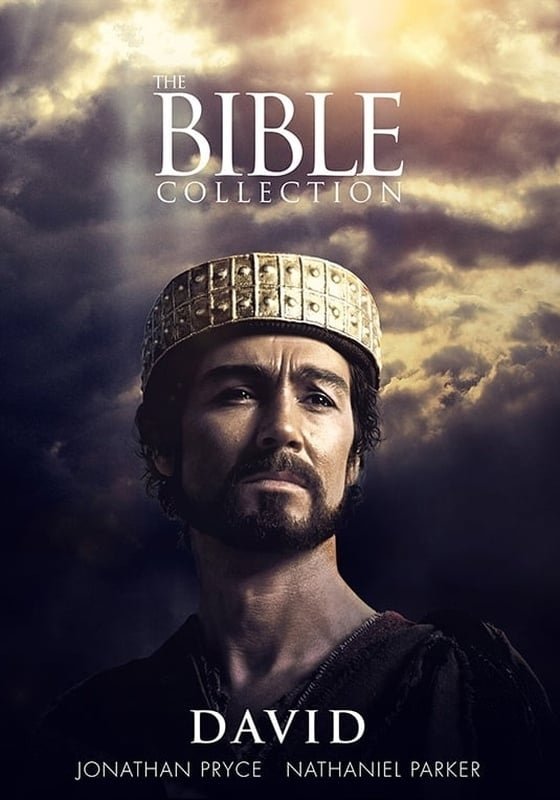
In this television adaptation, Nathaniel Parker portrays King David, one of the most important figures in Judean history. The production utilizes a cast of British and American actors to tell the story of the ancient Israelites and their conflicts. Critics have noted that the lack of Middle Eastern actors in primary roles diminishes the historical context of the narrative. The series is often cited as a missed opportunity for more diverse and accurate historical representation during the peak of miniseries popularity.
‘Jeremiah’ (1998)
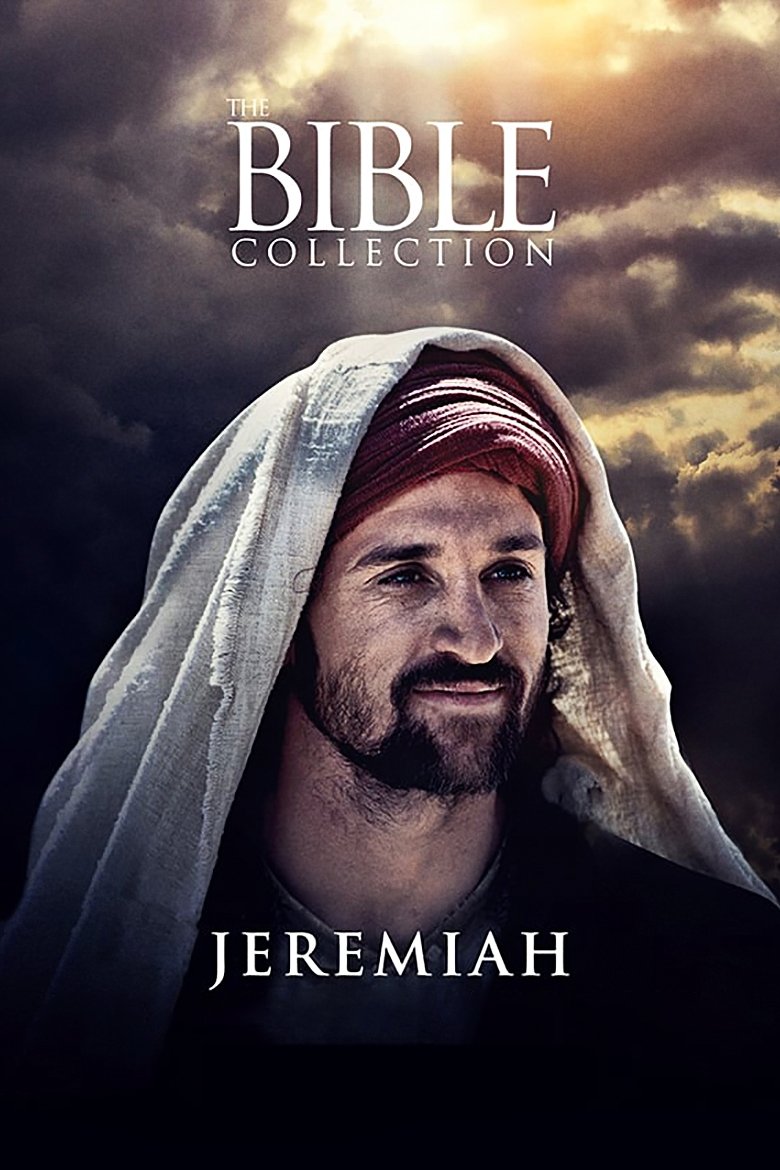
Patrick Dempsey stars as the prophet Jeremiah in this television film dramatizing the fall of Jerusalem to the Babylonians. The casting of Dempsey, known for his contemporary American television roles, was seen as a move to attract Western audiences rather than maintain historical accuracy. The production featured a largely white cast to represent the historical figures of the ancient Kingdom of Judah. This choice reinforced the perception that biblical history was primarily a Western story in the eyes of television producers.
Share your thoughts on these casting choices in the comments.