


TV Shows That Fans Claim Went “Too Far” With Their Graphic Content

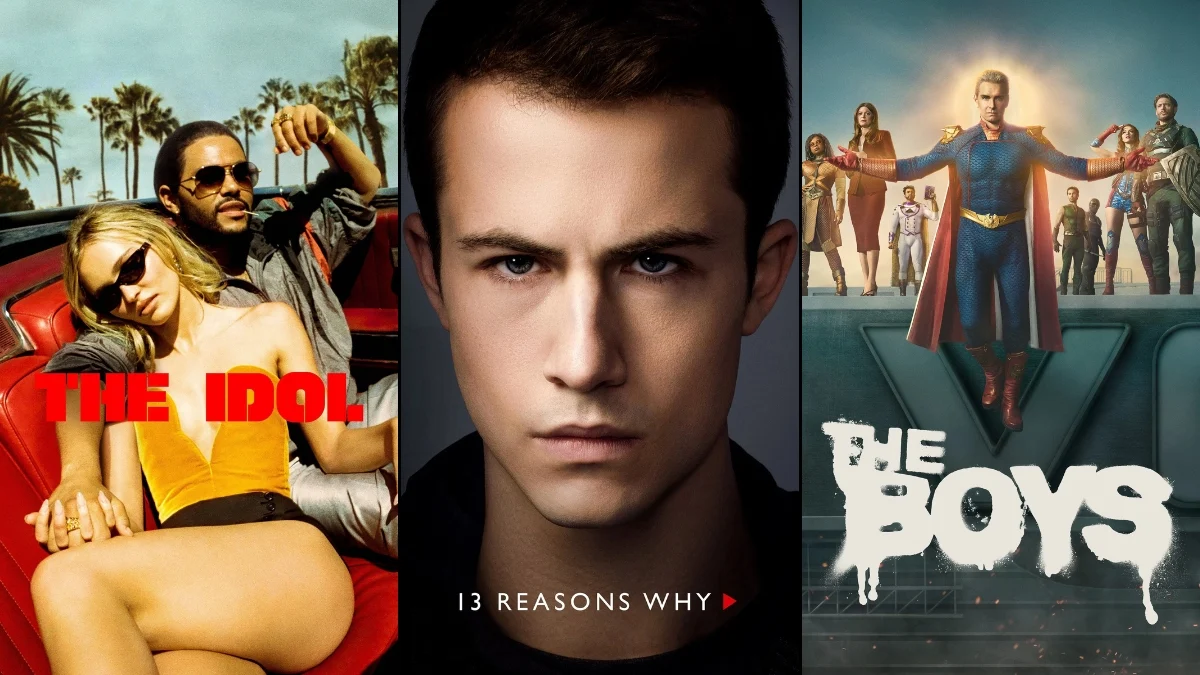


Television has evolved significantly over the past two decades, pushing the boundaries of what is acceptable for home viewing. While many viewers appreciate the realism and high stakes provided by intense drama, certain series have crossed lines that sparked widespread public debate. From hyper-violent horror sequences to graphic depictions of trauma, these shows prompted viewers and critics to question the necessity of their most extreme moments. The following list explores various television productions that triggered formal complaints or significant social media backlash due to their graphic nature.
’13 Reasons Why’ (2017–2020)
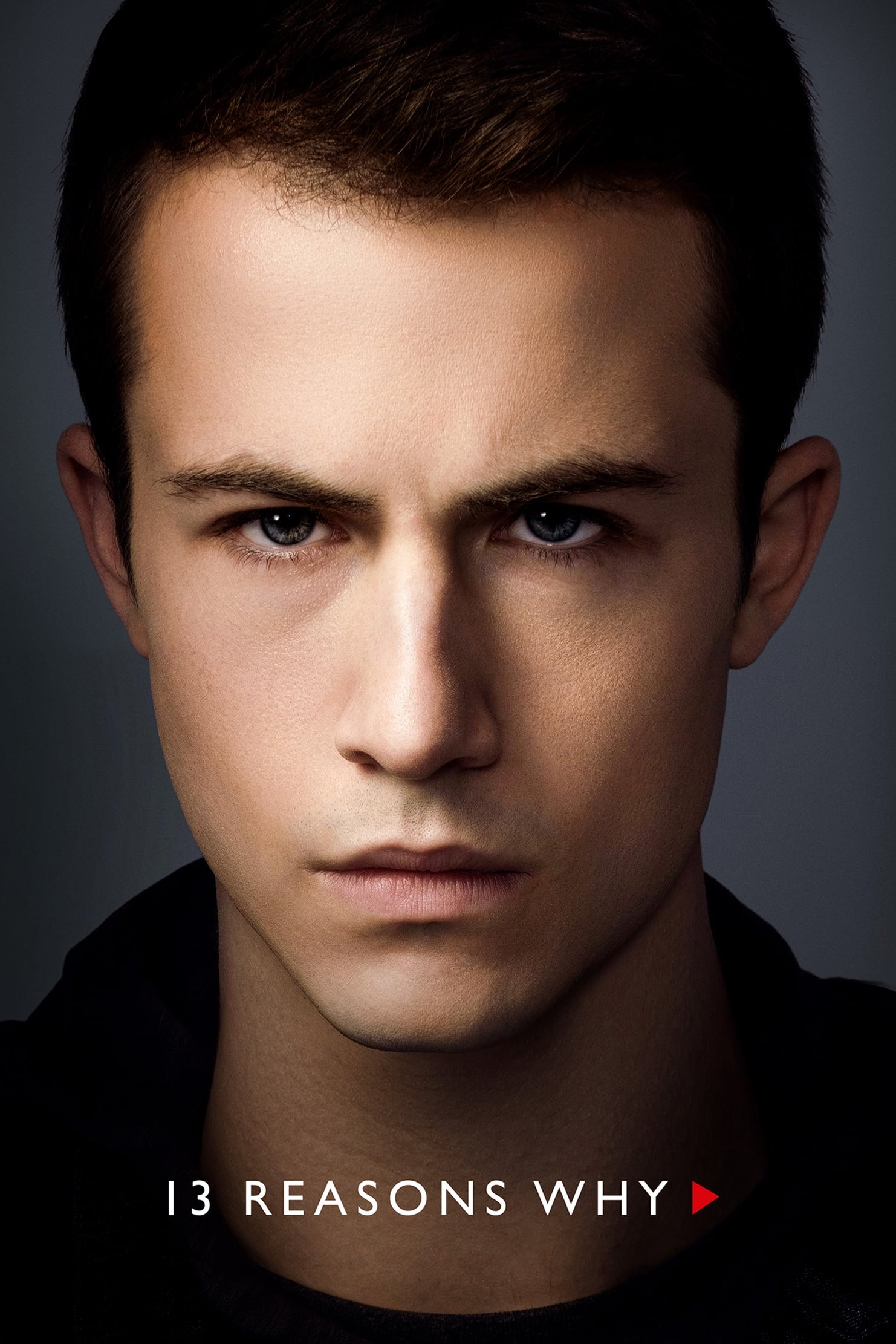
The series received significant criticism for its detailed depiction of a teenager’s suicide in the first season finale. Mental health organizations argued that the scene violated safety guidelines regarding the portrayal of self-harm in media. Netflix eventually removed the sequence from the episode in 2019, two years after its initial release, following advice from medical experts. The show also faced backlash for a graphic sexual assault scene involving a mop handle in the second season.
‘Game of Thrones’ (2011–2019)
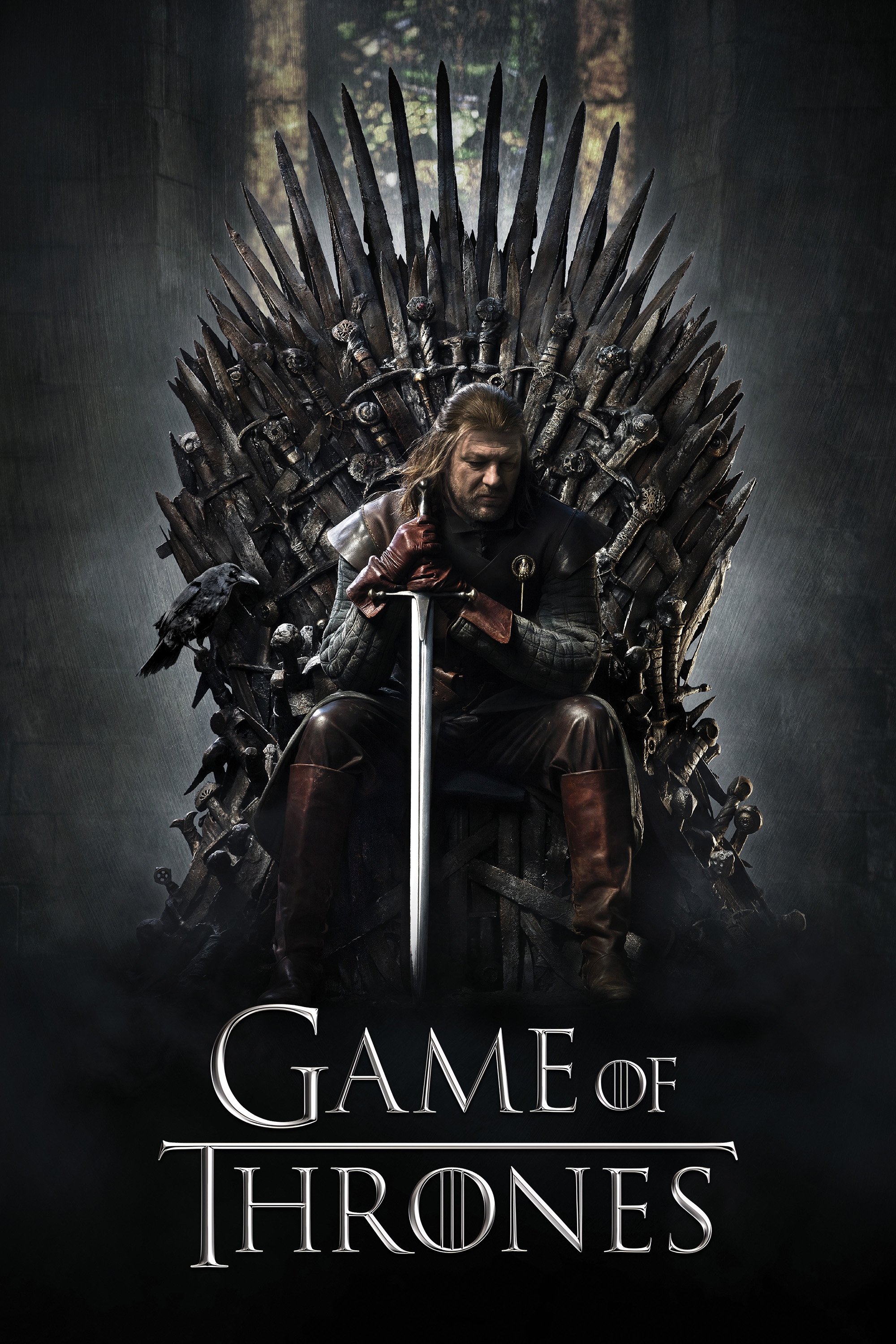
This fantasy epic became notorious for its frequent use of sexual violence and visceral gore throughout its eight-season run. A specific scene in the fifth season involving Sansa Stark prompted some viewers and critics to stop watching the series entirely. The ‘Unbowed, Unbent, Unbroken’ episode triggered a massive conversation regarding the use of female trauma as a plot device. Despite the controversy, the creators maintained that the violence was reflective of the harsh world depicted in the source material.
‘The Walking Dead’ (2010–2022)
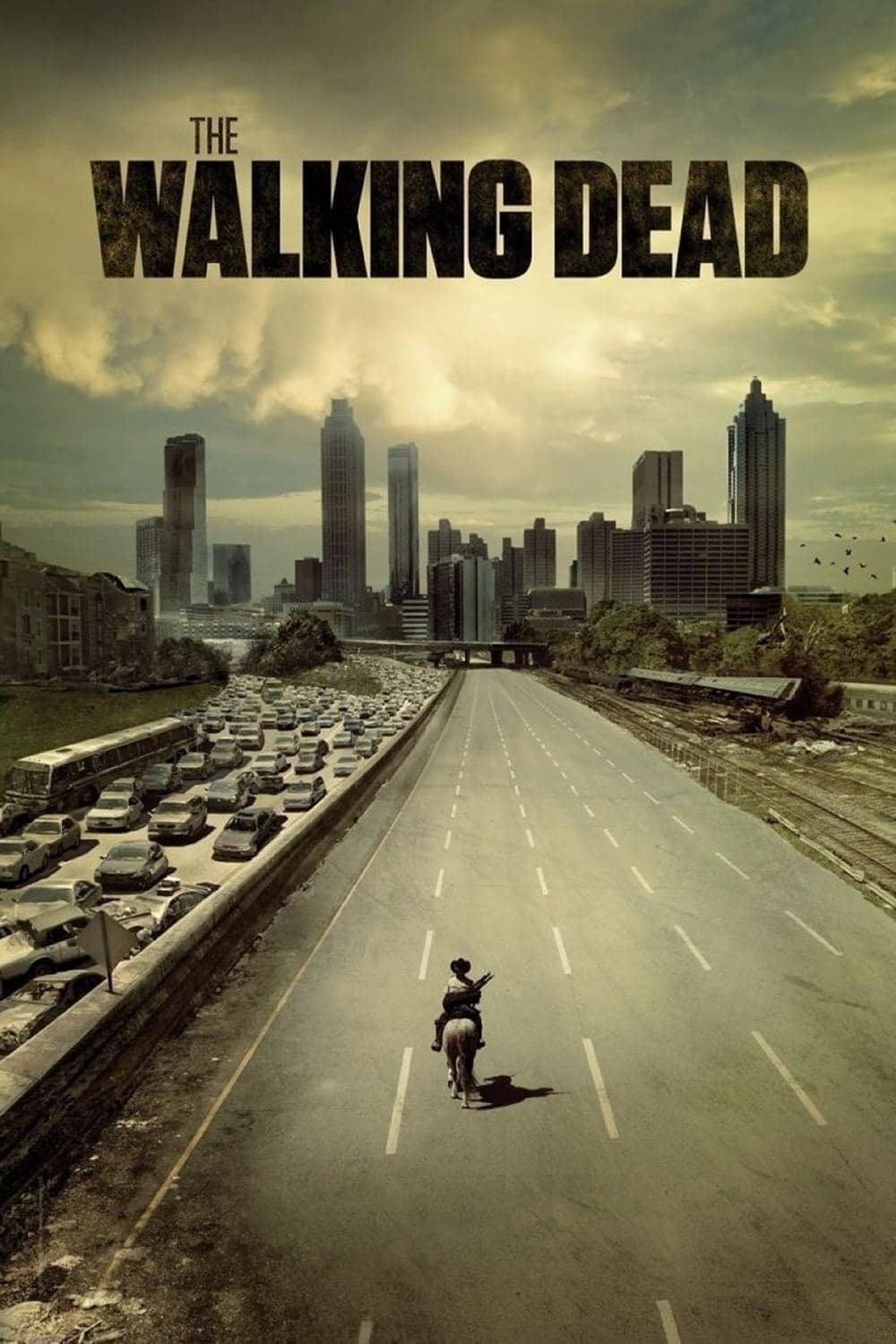
The Season 7 premiere featured the graphic deaths of two main characters at the hands of the villain Negan and his barbed-wire bat. Viewers complained that the focus on eye-popping trauma and blunt-force violence was excessive for a basic cable television show. The Parents Television Council condemned the episode for reaching a new level of brutality. This specific moment is often cited by fans as a turning point that led to a significant drop in the series’ long-term viewership.
‘The Boys’ (2019–Present)
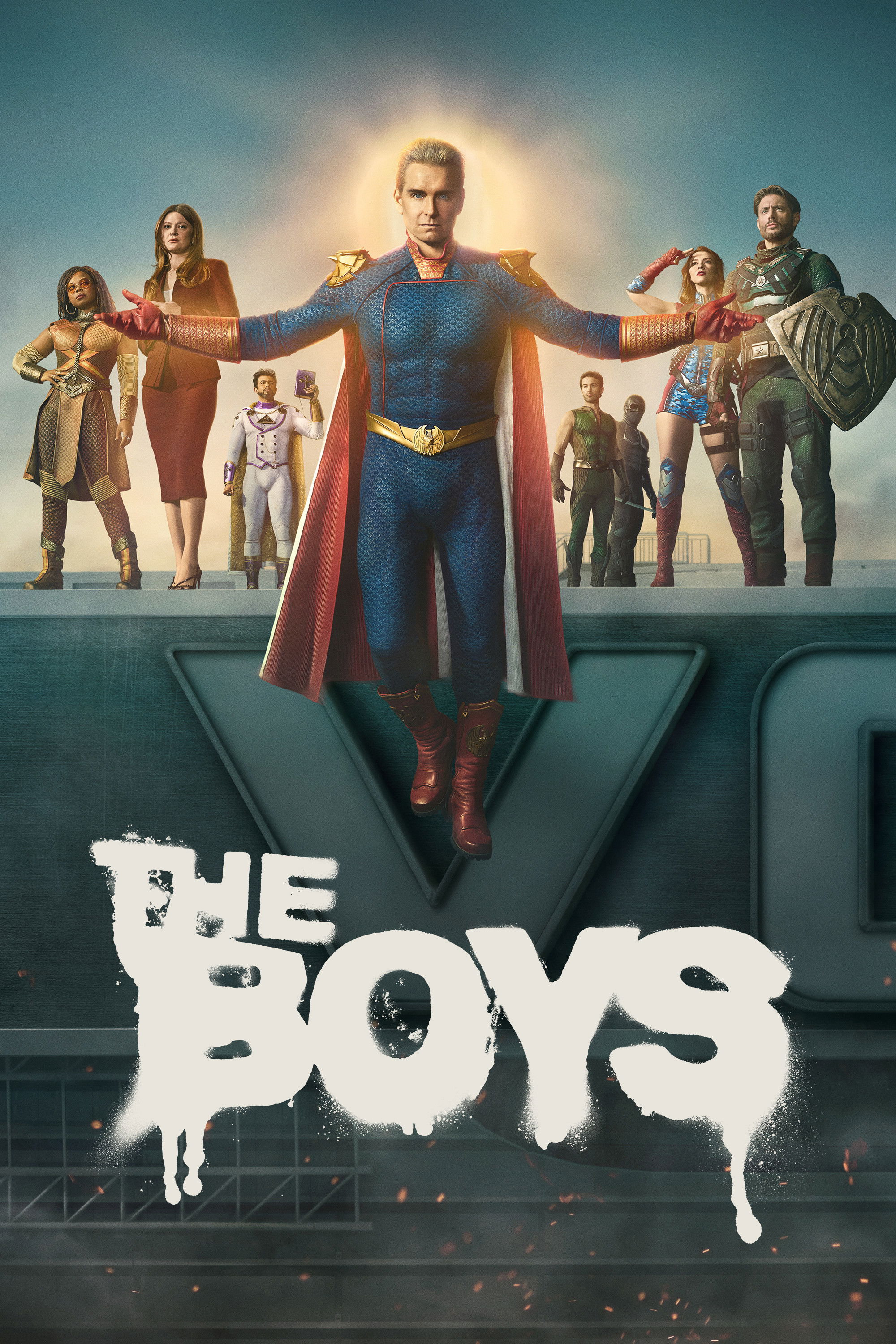
This satirical superhero series is well-known for its extreme gore and subversive depictions of sexual content. The third season episode titled ‘Herogasm’ was heavily marketed for its graphic nature, which adapted a controversial storyline from the comic books. In the same season, the opening scene of the premiere featured a shrinking superhero causing a fatal accident from inside another person’s body. While the show’s audience generally expects high levels of violence, these specific instances were noted for pushing broadcast standards to their absolute limit.
‘American Horror Story’ (2011–Present)
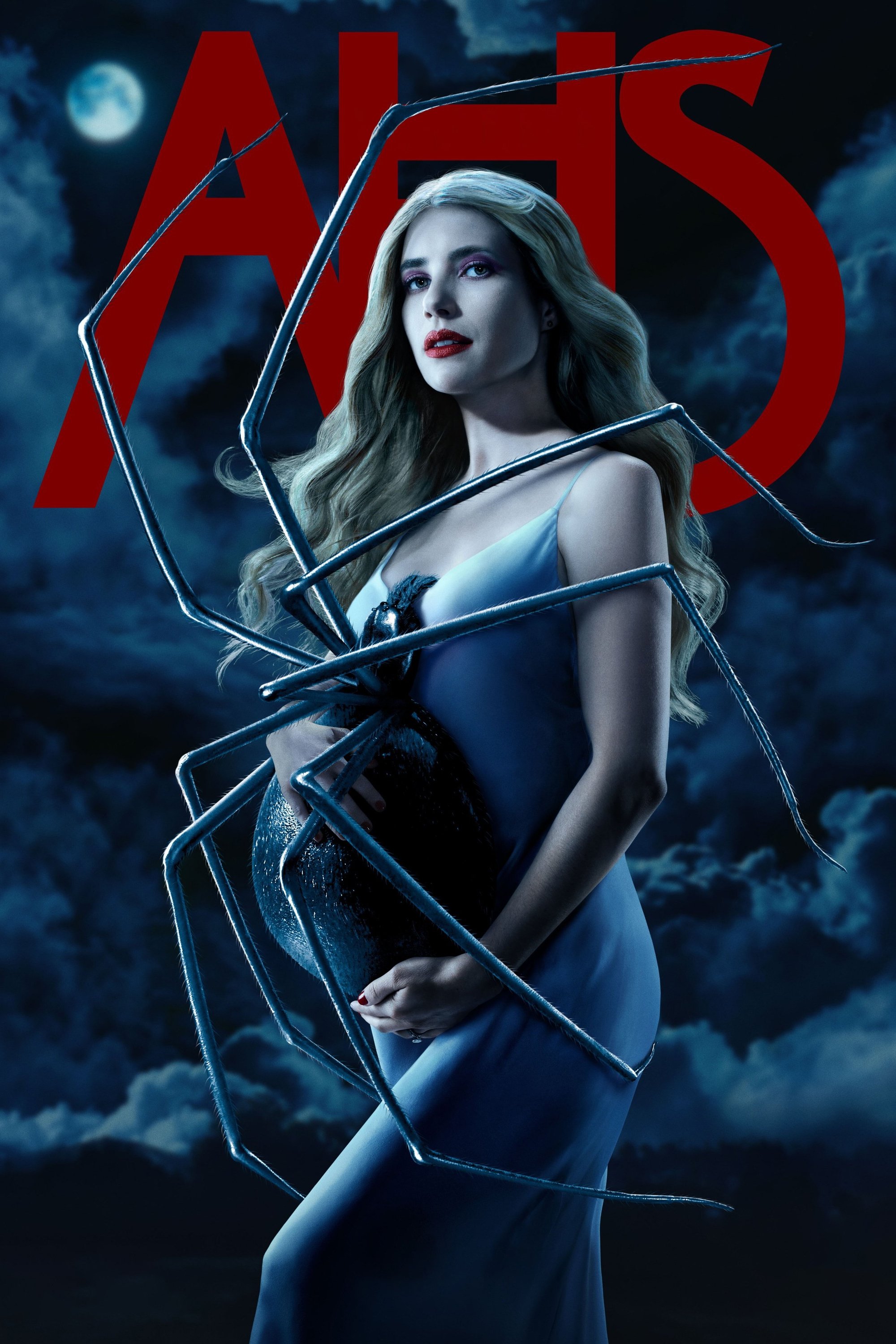
As an anthology series, this show frequently experiments with different subgenres of horror, often resulting in highly disturbing imagery. The fifth season, ‘Hotel’, featured a scene involving a character known as the Addiction Demon that was widely labeled as one of the most graphic moments in cable history. Viewers expressed discomfort with the level of sexualized violence depicted in the premiere episode. The series continues to utilize shock value, though few moments have matched the controversy of that specific sequence.
‘Hannibal’ (2013–2015)
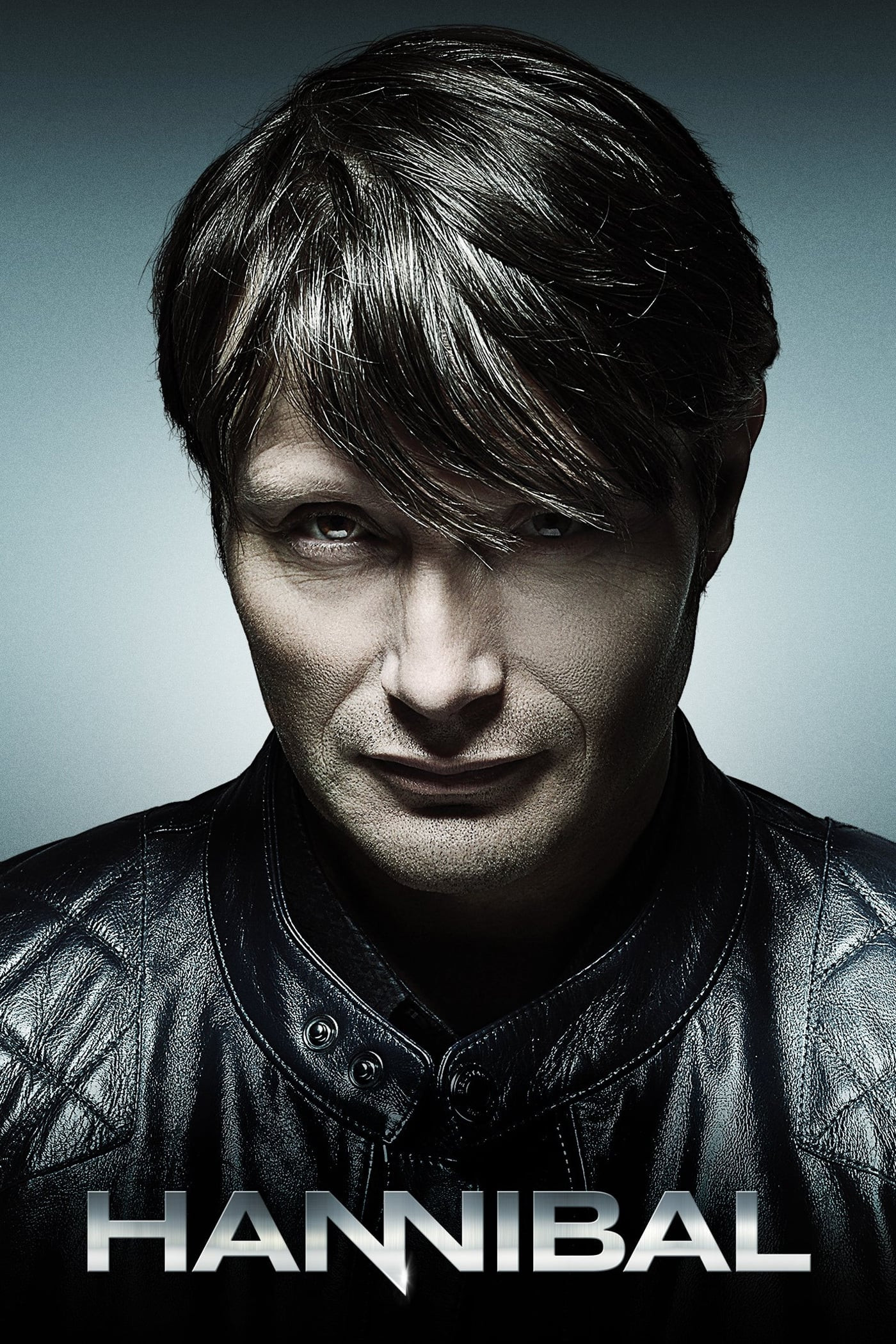
Despite airing on a major broadcast network, this series pushed the limits of what could be shown on primetime television. It featured highly stylized and artistic depictions of human remains, such as a “human cello” and a massive mural made of bodies. Standards and practices departments reportedly had frequent clashes with the production over the visibility of certain anatomical details. Fans were often surprised that the show managed to air its more grisly tableaus without significant censorship.
‘Euphoria’ (2019–Present)
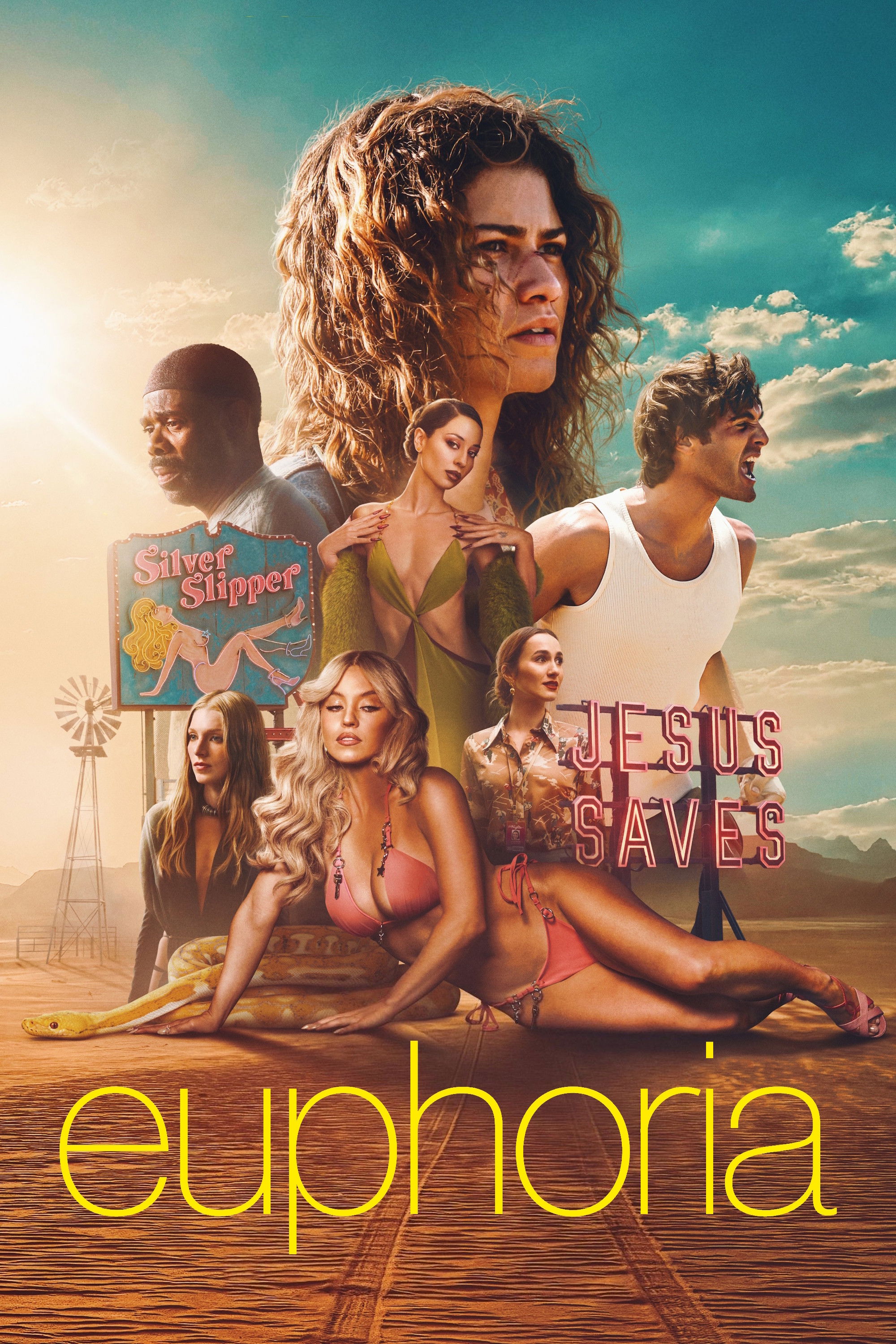
This teen drama has been a lightning rod for controversy due to its explicit depictions of drug use and sexual situations. Many viewers claimed the show went too far with the amount of full-frontal nudity, particularly involving the male cast members. Organizations like D.A.R.E. criticized the series for allegedly glamorizing substance abuse and risky behavior among high school students. The production team defended the content, stating that the graphic nature was intended to reflect the modern reality of the teenage experience.
‘The Handmaid’s Tale’ (2017–Present)
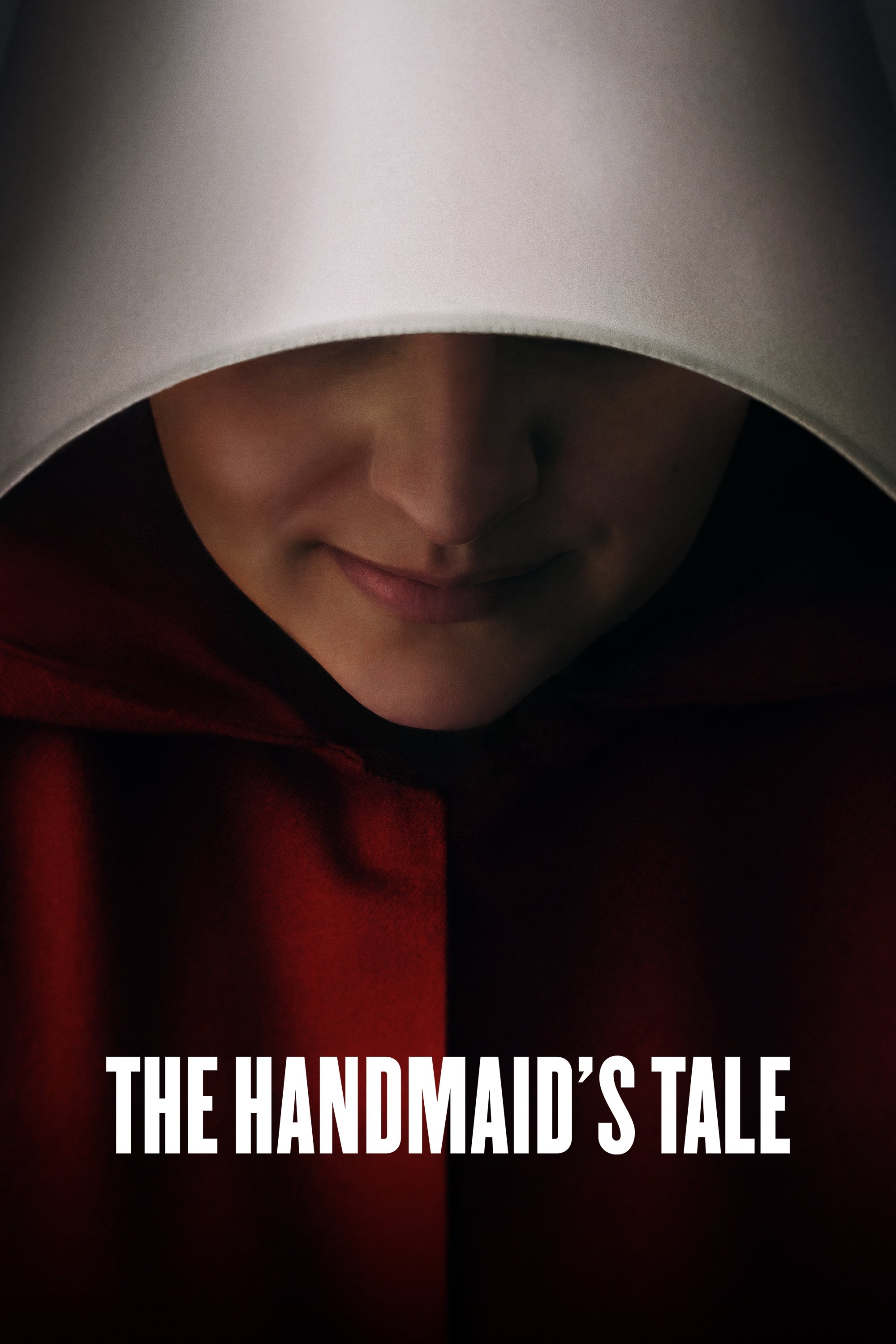
This adaptation of Margaret Atwood’s novel is recognized for its unrelenting depiction of a totalitarian society. Critics and fans have often remarked that the show’s focus on ritualized violence and the physical suffering of women becomes difficult to watch. The Season 2 premiere featured a mock mass hanging that many viewers found unnecessarily traumatic. While the graphic nature is intended to highlight the horrors of the fictional Gilead, some fans argue the series occasionally leans into “misery porn.”
‘Black Mirror’ (2011–Present)
The very first episode of this anthology series, ‘The National Anthem’, set a high bar for discomfort by centering on a prime minister forced to commit a lewd act with a pig. This premise was so graphic and disturbing that it became a defining moment for the show’s reputation. Even as the series moved to Netflix and explored different themes, many viewers still point to that debut as a moment that went too far. The show uses such graphic scenarios to provide social commentary on the dark side of technology and media.
‘Sons of Anarchy’ (2008–2014)
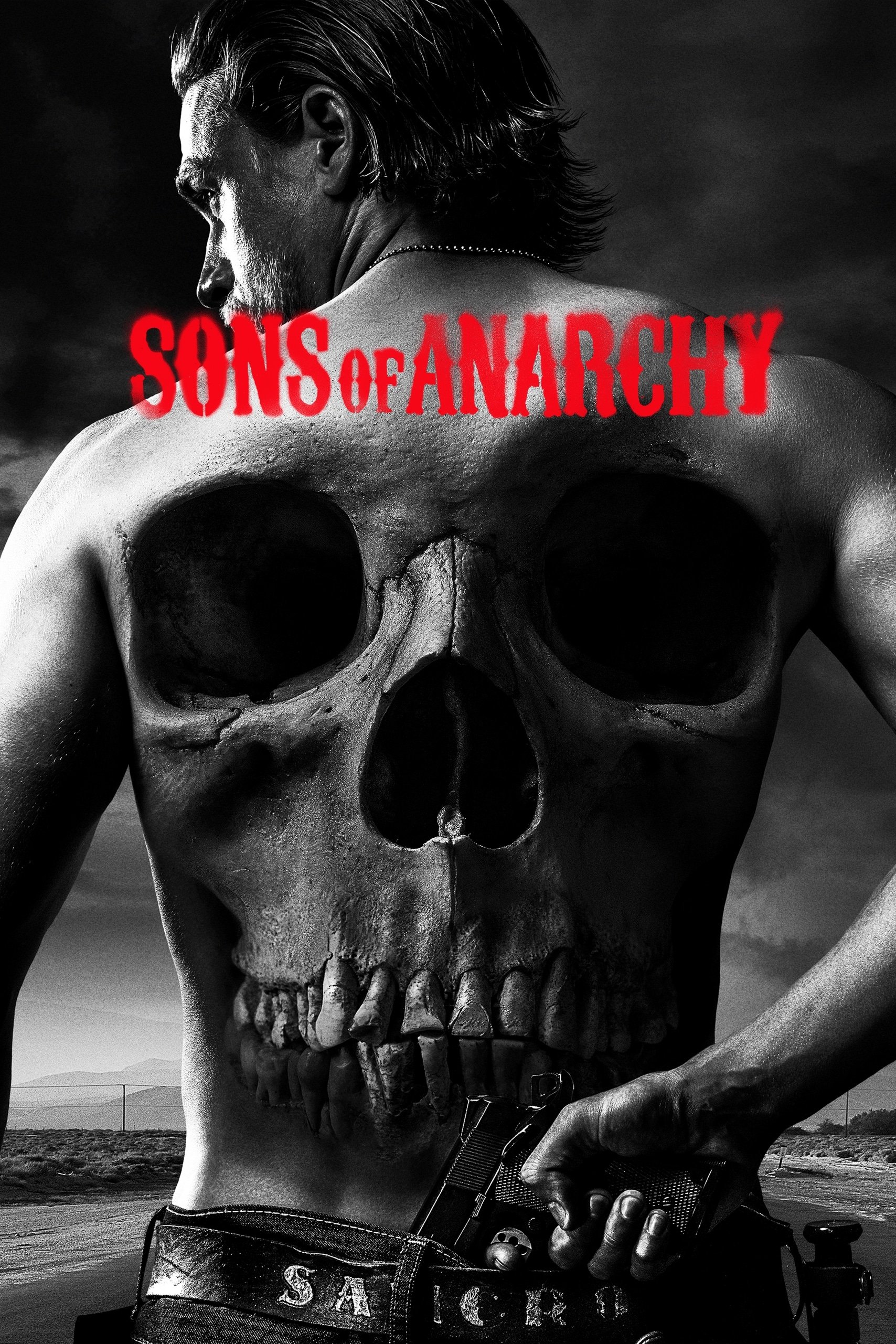
This motorcycle club drama increased its level of violence significantly during its final seasons. One particular scene in the seventh season involved the protagonist, Jax Teller, using a carving fork to assault a woman he believed was responsible for his wife’s death. Fans expressed that the level of gore in this sequence was gratuitous and marked a departure from the show’s earlier narrative tone. The series often utilized extreme physical consequences to illustrate the internal rot of its lead characters.
‘Spartacus’ (2010–2013)
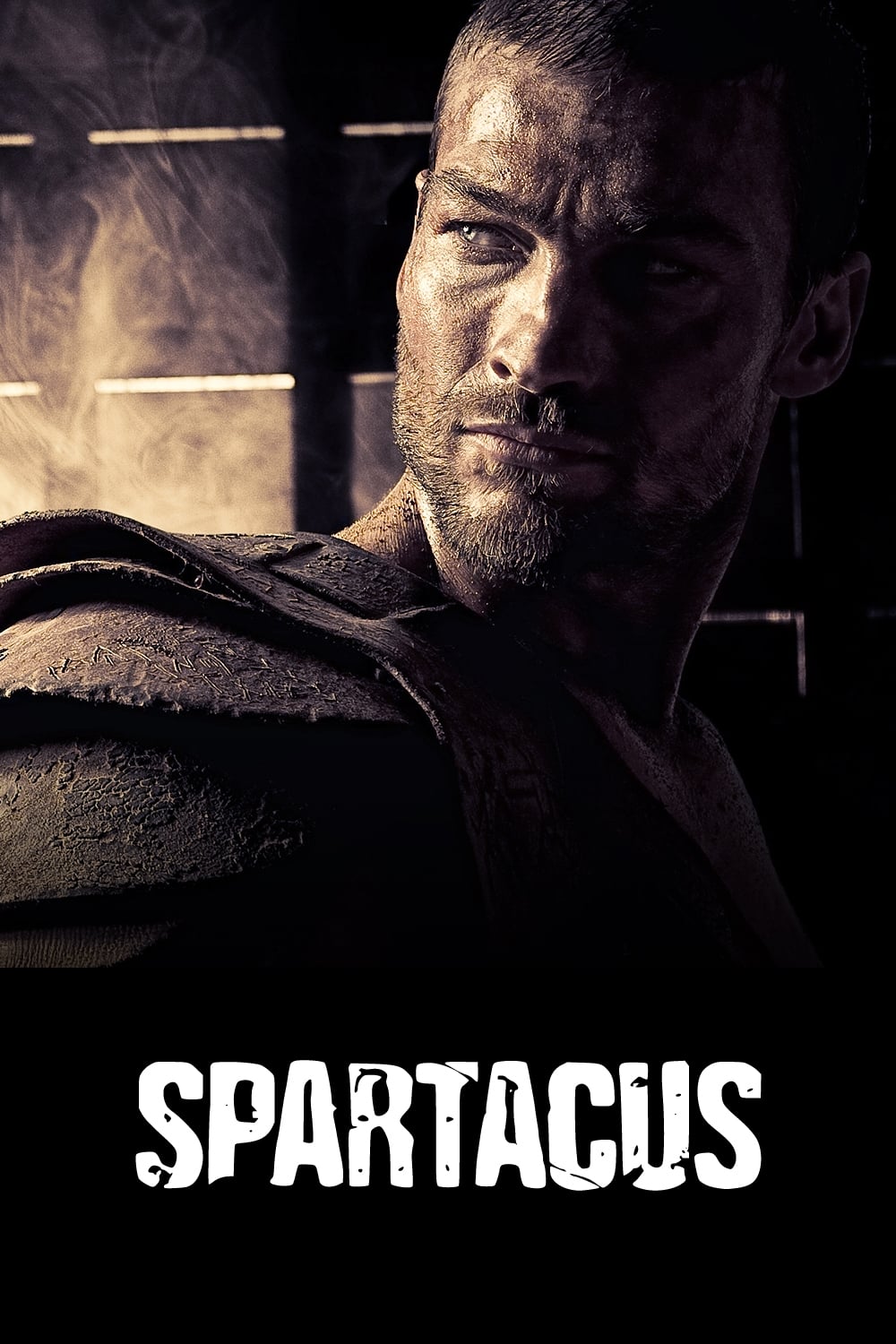
Aired on Starz, this series was heavily influenced by the visual style of ‘300’, featuring slow-motion blood spray and frequent nudity. The sheer volume of decapitations and dismemberments led some critics to label it as “gorn,” a portmanteau of gore and pornography. While the stylized nature of the violence was a draw for its core audience, the graphic sex scenes and brutality were often viewed as excessive. It remains one of the most visually explicit historical dramas ever produced for television.
‘Dahmer – Monster: The Jeffrey Dahmer Story’ (2022)
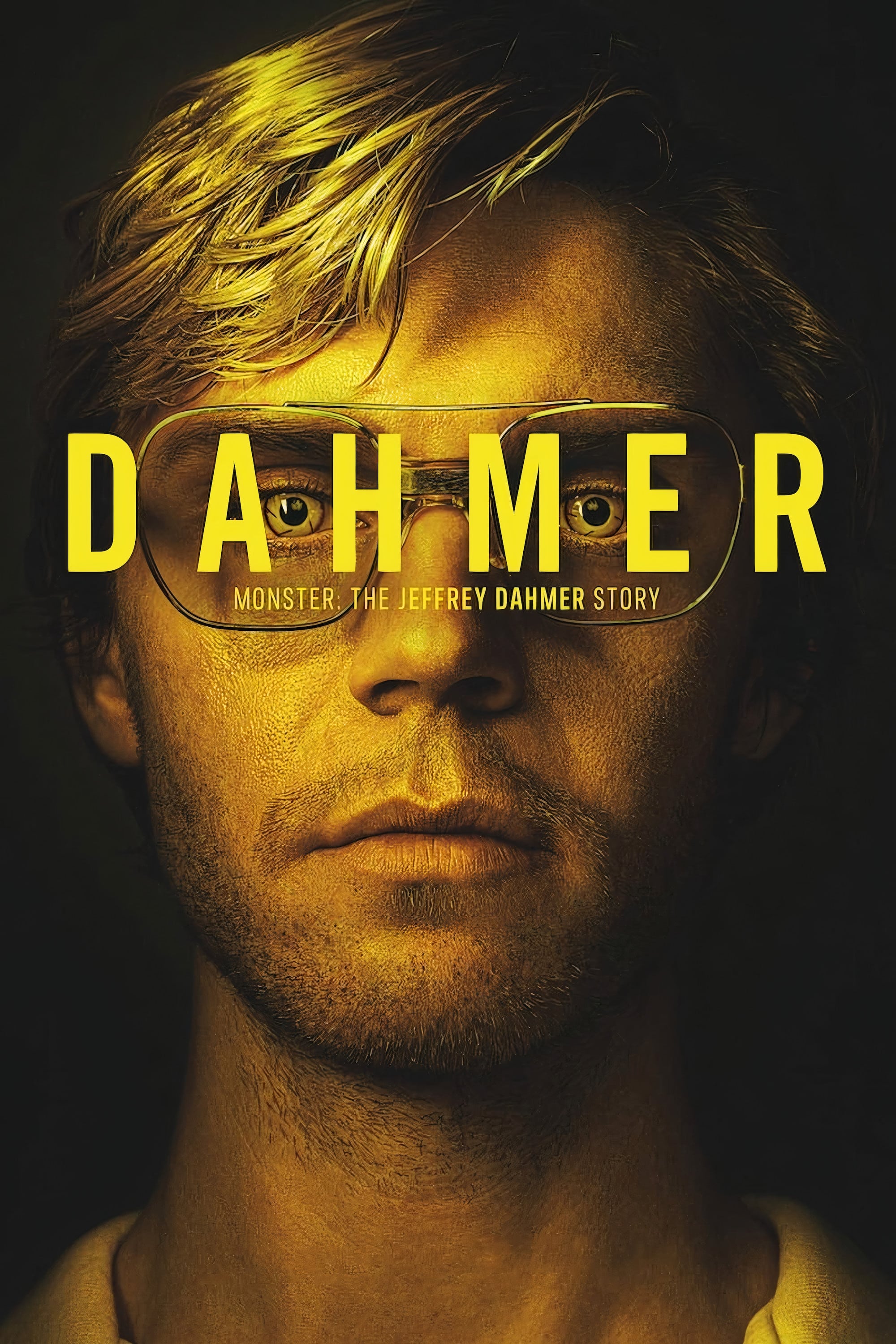
This true-crime dramatization faced intense scrutiny for its realistic and graphic reenactments of Jeffrey Dahmer’s crimes. Families of the victims spoke out against the show, claiming that the graphic nature of the scenes retraumatized them. The depiction of cannibalism and the desecration of remains were cited by viewers as being far too detailed for a mainstream streaming production. Despite the backlash regarding its graphic content, the series became one of Netflix’s most-watched programs of all time.
‘Invincible’ (2021–Present)
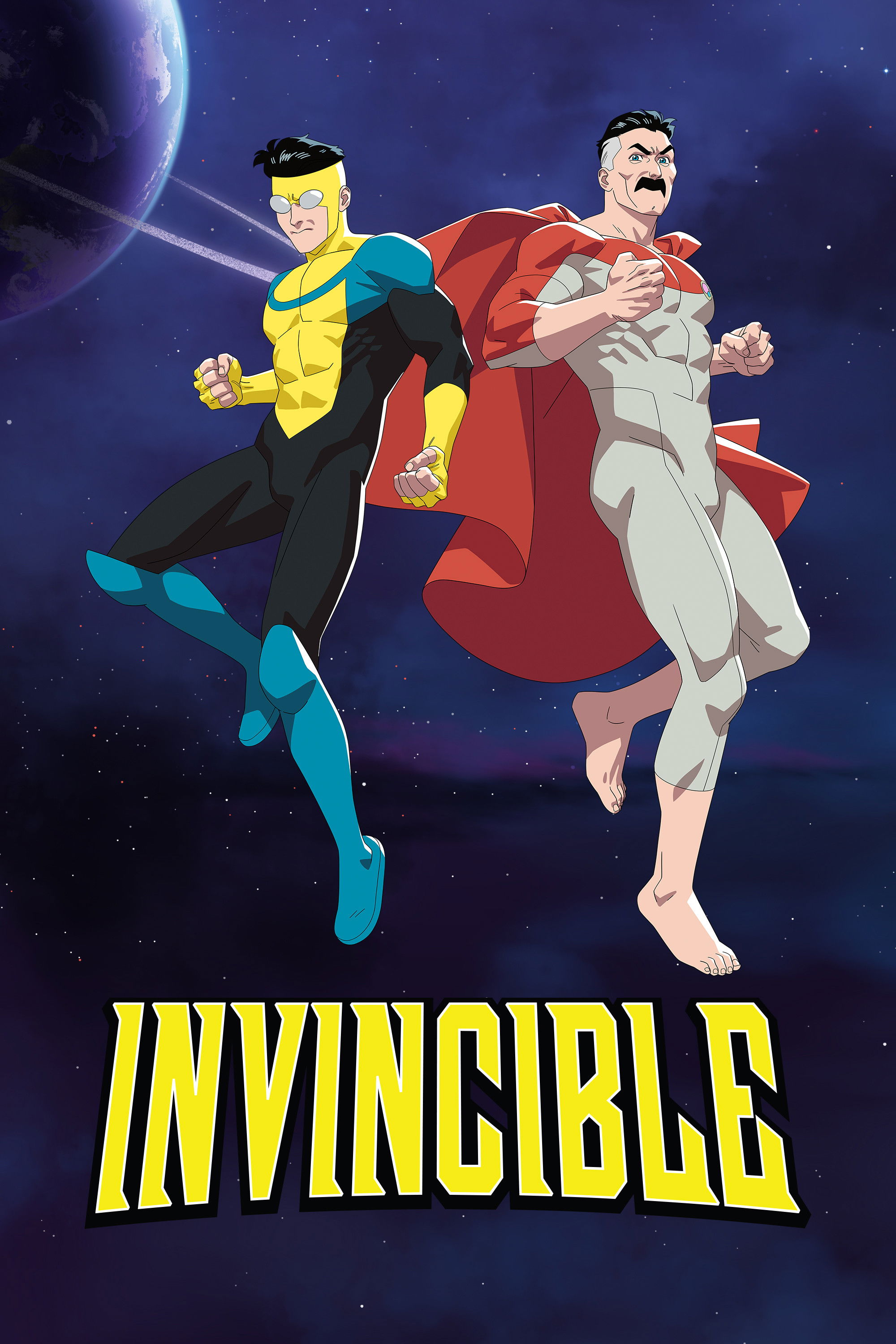
This animated series subverts the traditional superhero genre by including extreme, photorealistic violence. The Season 1 finale featured a sequence where the character Omni-Man uses his son’s body to massacre a subway car full of innocent people. Fans were shocked by the level of detail in the carnage, which was a significant step up from the already violent source material. The contrast between the bright, Saturday-morning cartoon art style and the visceral gore heightened the impact for many viewers.
‘South Park’ (1997–Present)
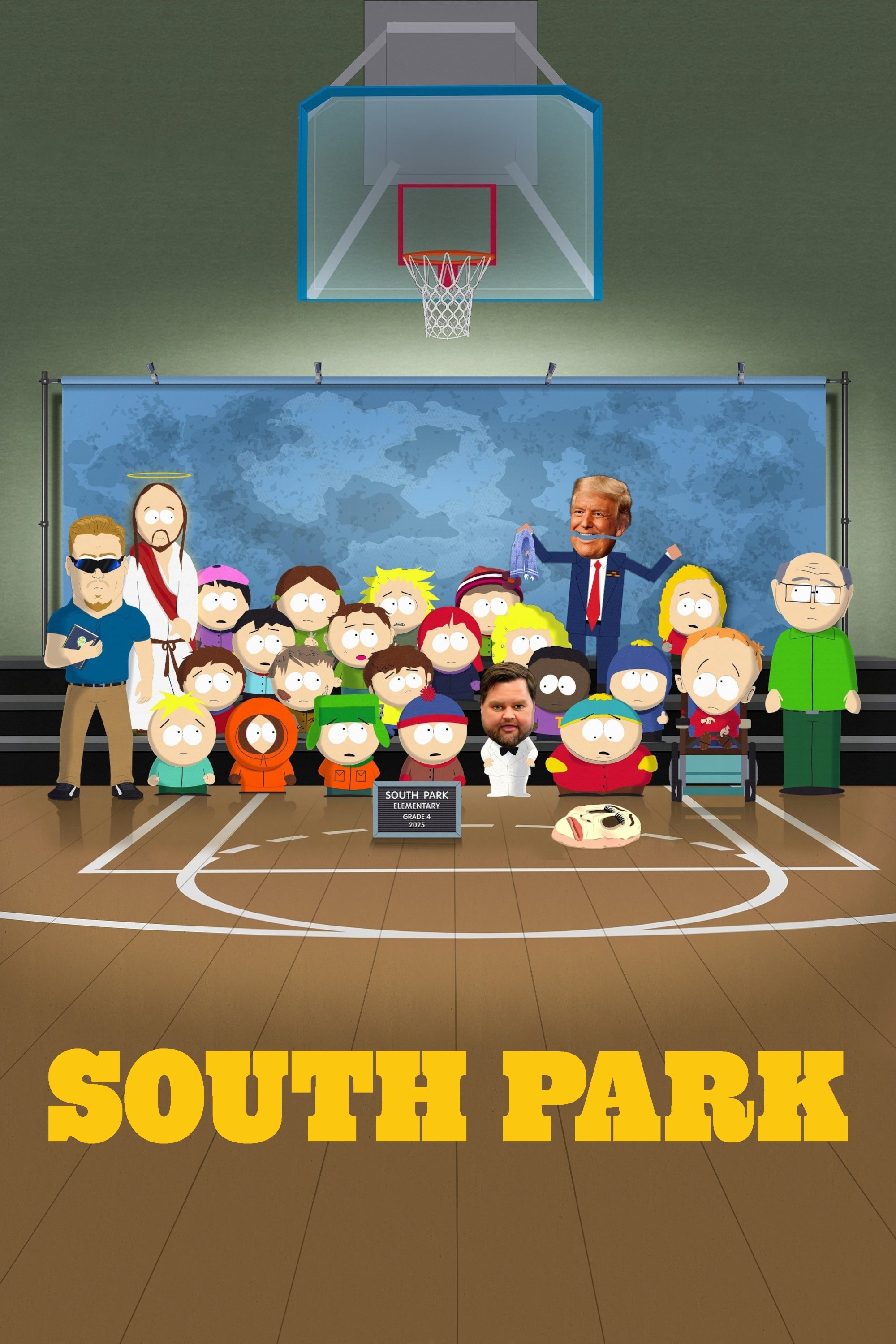
Known for its satirical take on current events, this animated show has faced numerous calls for cancellation over the decades. The episode ‘HumancentiPad’ parodied a famous horror film with graphic visual details that many fans found revolting even by the show’s standards. Other episodes, such as ‘Scott Tenorman Must Die’, featured dark psychological violence that pushed the boundaries of animated comedy. The creators have consistently used graphic content to test the limits of free speech and television censorship.
‘Oz’ (1997–2003)
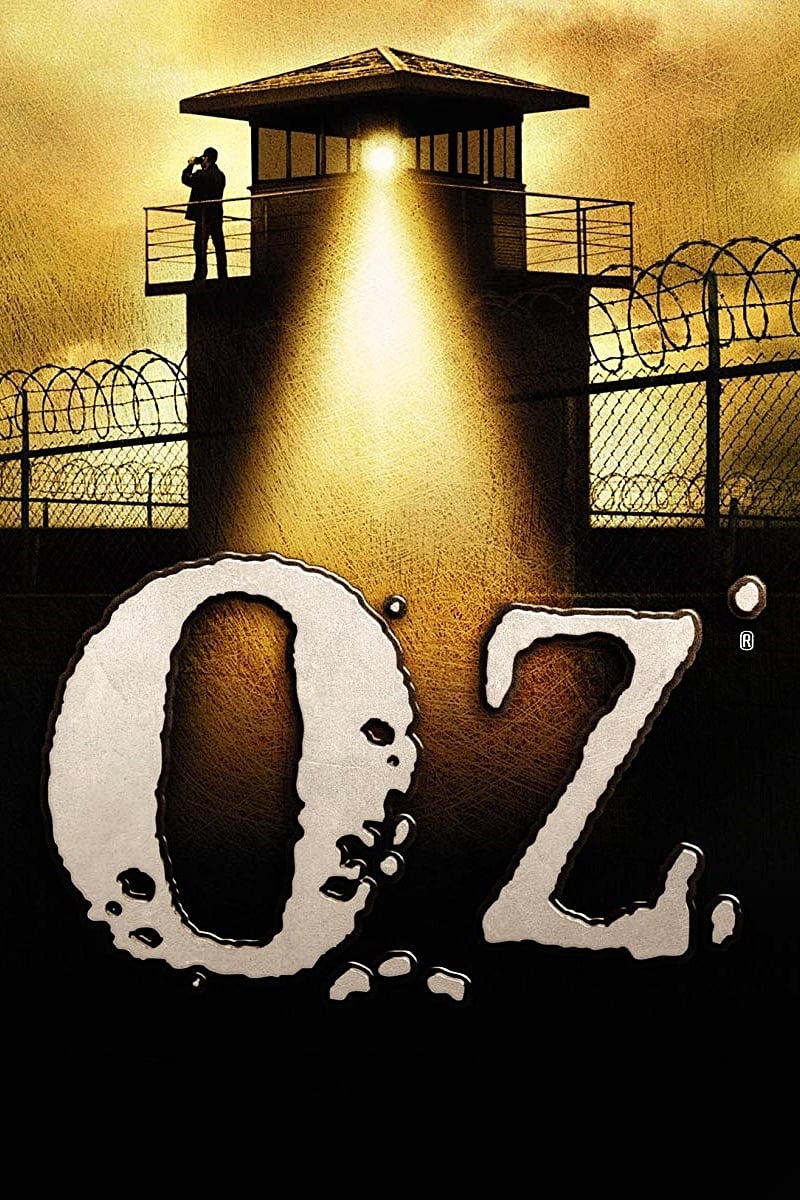
As one of the first hour-long dramas on HBO, this prison-set series established the network’s reputation for mature content. It featured frequent scenes of sexual assault, racial violence, and brutal murders within the confines of the Oswald State Correctional Facility. At the time, television audiences were not accustomed to seeing such a high degree of uncensored physical and psychological trauma. The show is often credited with paving the way for the graphic realism found in modern prestige television.
‘Marvel’s The Punisher’ (2017–2019)
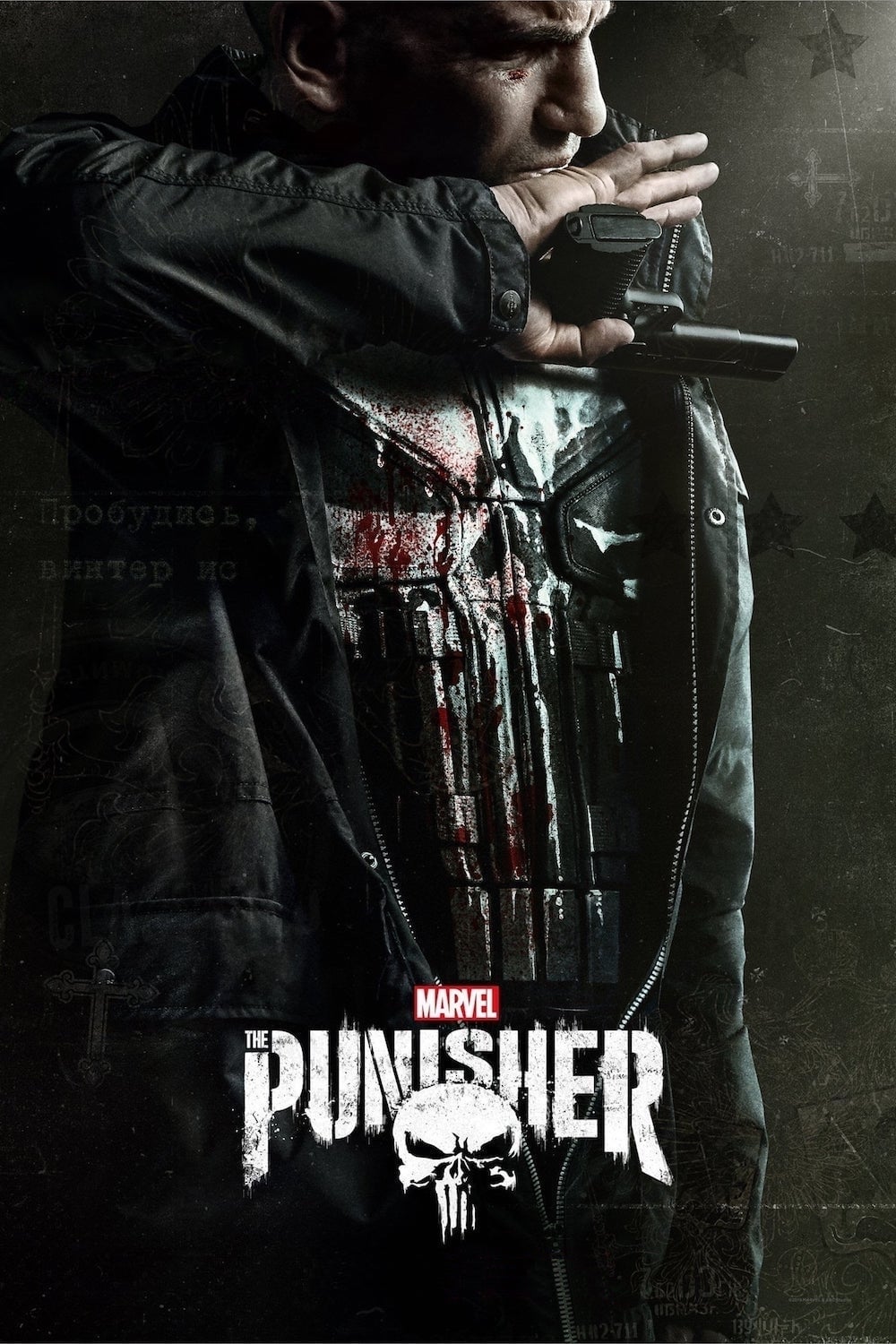
Part of the Marvel Netflix universe, this series was notably more violent than its contemporary superhero shows. The protagonist, Frank Castle, engaged in brutal close-quarters combat that frequently resulted in excessive blood spatter and bone-breaking imagery. One scene involving the gouging of a villain’s eyes was particularly cited by fans as being difficult to stomach. The show’s commitment to a “no-holds-barred” approach to the character’s vengeance divided some viewers who felt the violence was too consistent.
‘The Idol’ (2023)
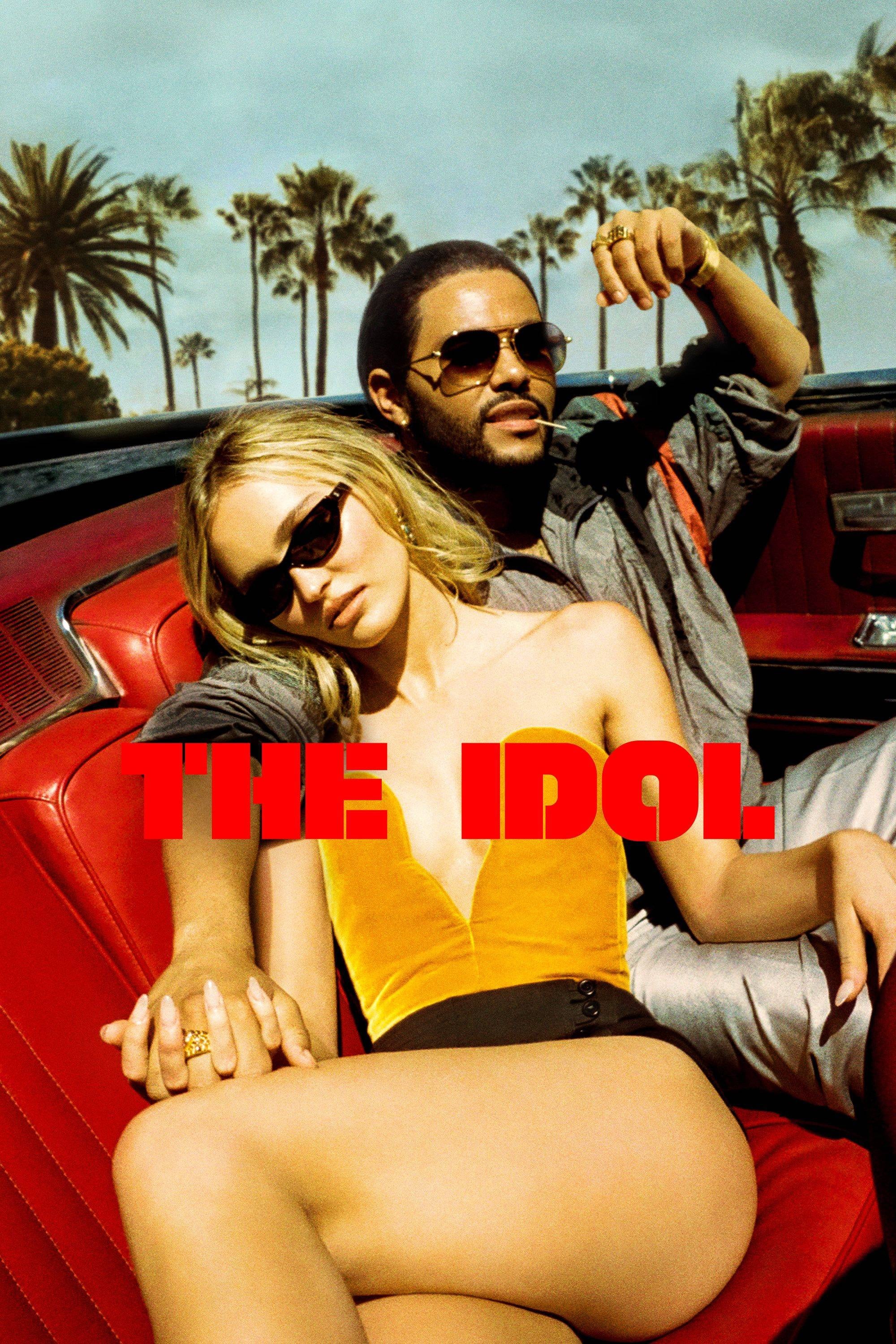
This HBO drama from the creator of ‘Euphoria’ faced immediate backlash for its graphic sexual content and depictions of a toxic relationship. Critics and fans claimed that the series felt exploitative rather than artistic, leading to widespread negative reviews. The controversy surrounding the graphic scenes was so significant that it overshadowed the show’s plot and performances. Following the conclusion of its first season, the network chose not to move forward with additional episodes.
‘Baby Reindeer’ (2024)
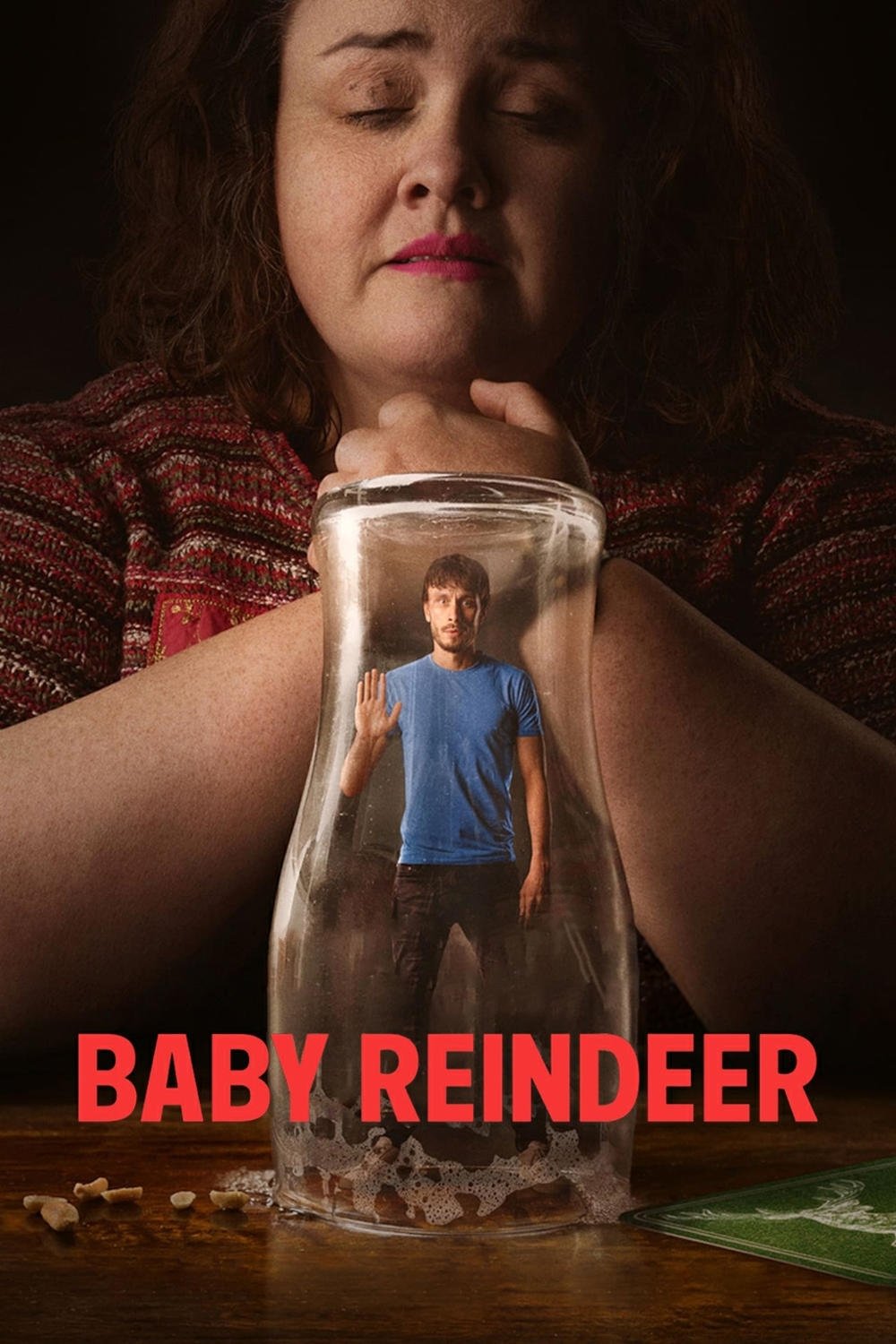
This biographical drama depicts a complicated story of stalking and past trauma with painful honesty. The fourth episode includes a prolonged and graphic depiction of sexual assault that many viewers found deeply upsetting. While the scene was essential to the protagonist’s character development and real-life history, it prompted discussions about the necessity of such literal portrayals. The show included trigger warnings, but the intensity of the sequence remained a point of debate among its audience.
‘Squid Game’ (2021–Present)
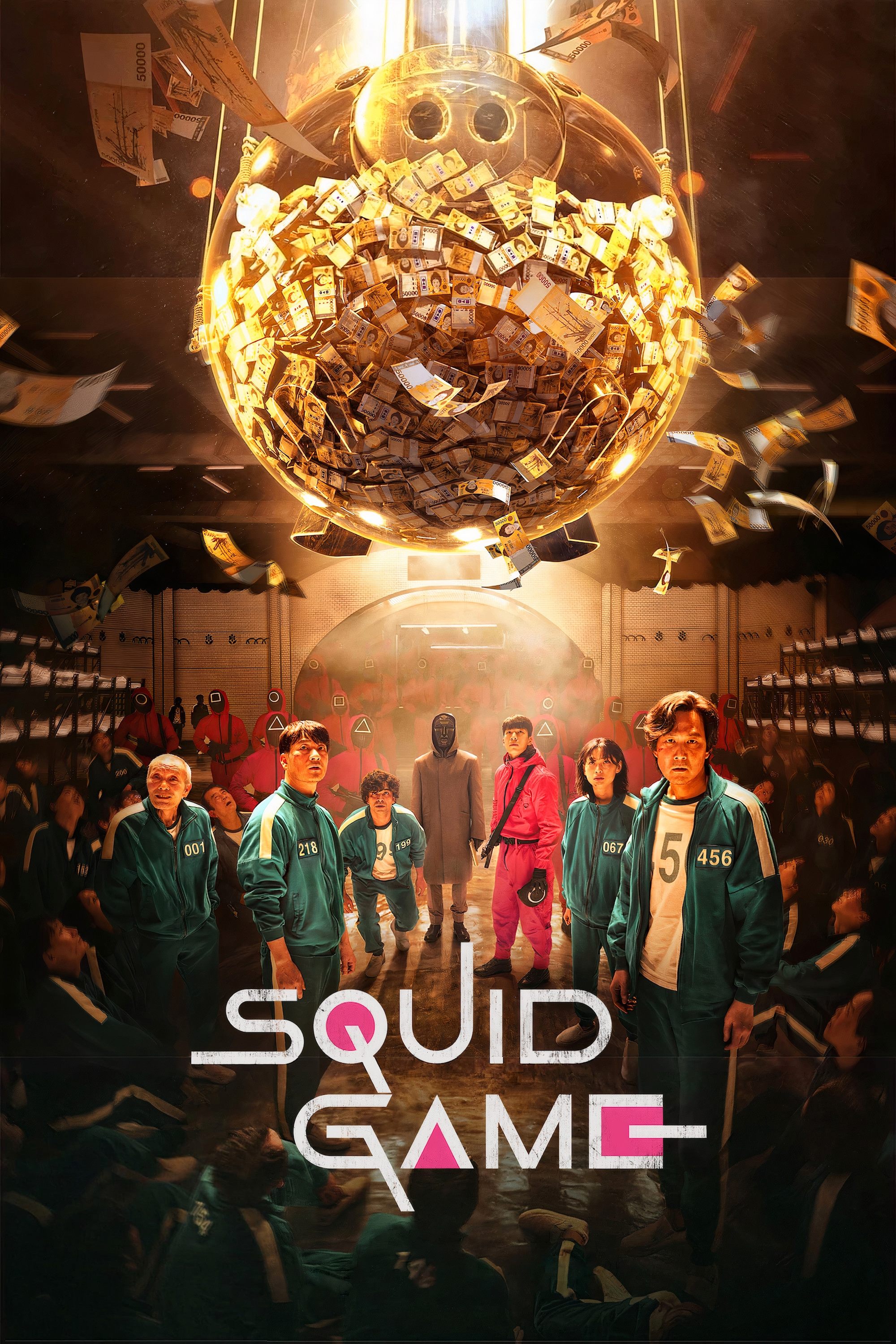
This South Korean thriller became a global phenomenon but was also criticized for its cold and graphic depiction of death. The series features scenes of organ harvesting and massive “red light, green light” casualties that were visually striking and gruesome. Some viewers felt that the focus on the mechanics of the deaths distracted from the show’s social commentary on capitalism. However, the graphic nature was instrumental in conveying the high stakes of the titular competition.
‘Breaking Bad’ (2008–2013)
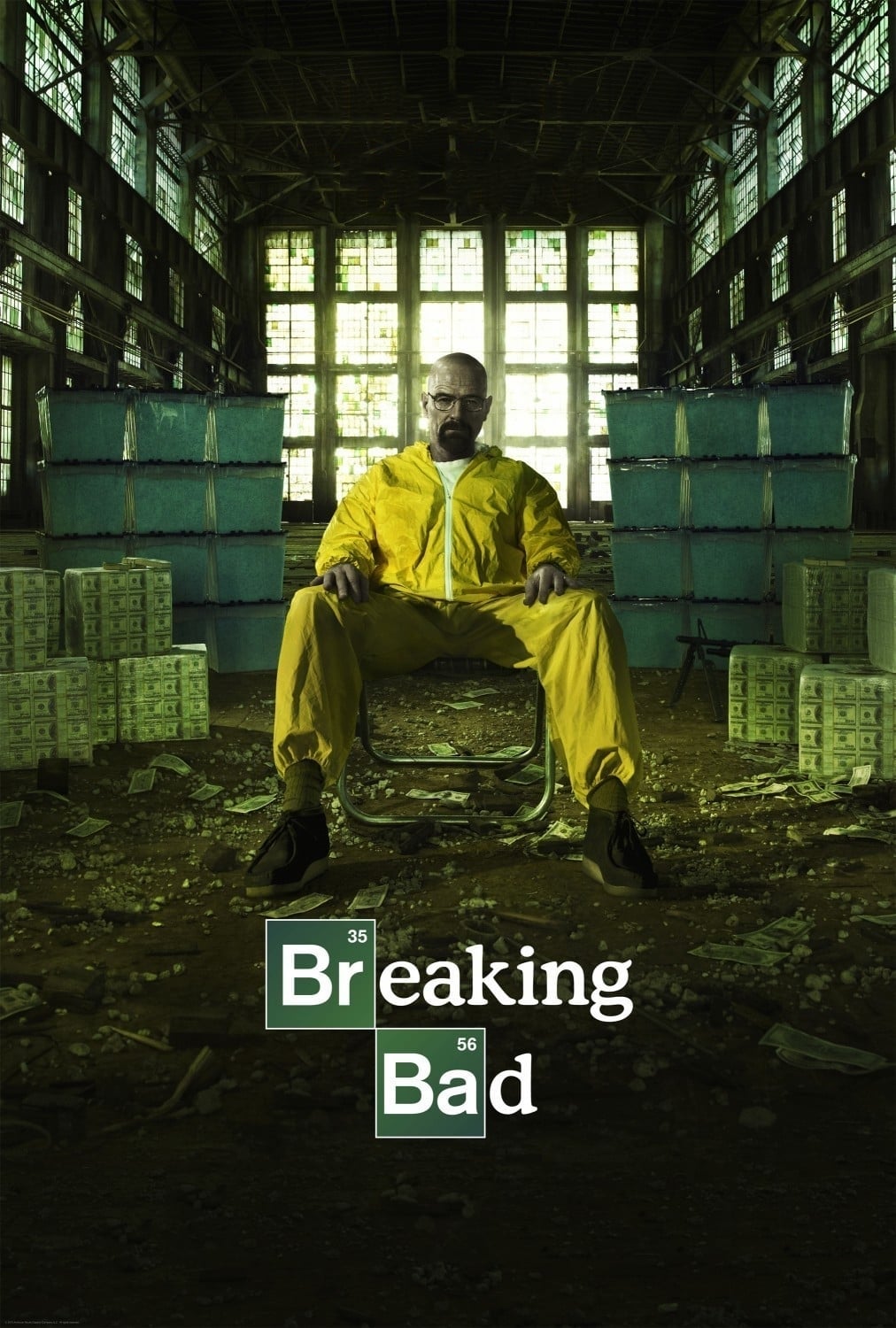
While generally more restrained than its peers, this series had several moments that fans claimed crossed into extreme territory. The Season 4 premiere featured a scene where Gustavo Fring uses a box cutter to kill a subordinate in a slow, silent, and incredibly graphic manner. Another notable instance involved a character’s head being crushed by an ATM, a moment that remains one of the show’s most visceral. These scenes were used strategically to demonstrate the escalating danger and moral decay of the characters.
Share your thoughts on which TV show moments you believe went a step too far in the comments.