


TV Shows That Fired Their Showrunner and Instantly Got Better




Behind-the-scenes drama often dictates the quality of a television series just as much as the writing on the page. Networks and studios sometimes intervene to remove a showrunner when creative differences or poor ratings threaten the future of a valuable property. These shake-ups can lead to disaster but occasionally they result in a massive jump in quality. A fresh perspective or a return to the original vision can save a sinking ship and turn it into a critical darling. The following series prove that changing the person in charge is sometimes the best decision a production can make.
‘Star Trek: The Next Generation’ (1987–1994)
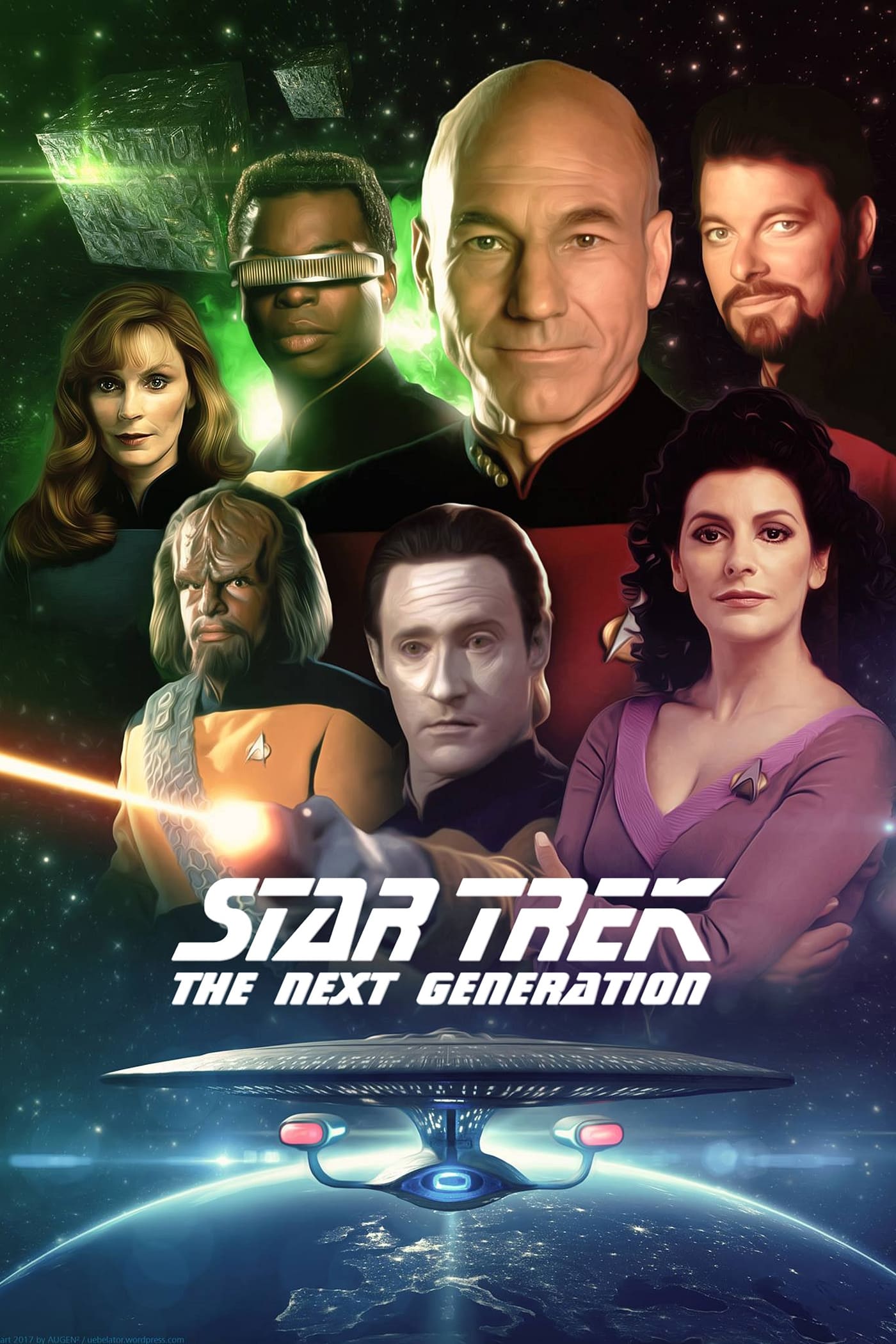
The first two seasons of this sci-fi staple were plagued by behind-the-scenes chaos and a revolving door of writers. Head writer Maurice Hurley left the series after the second season and opened the door for Michael Piller to take over. Piller immediately shifted the focus from plot-driven anomalies to deep character studies that explored the humanity of the crew. This pivot revitalized the writers room and led to some of the most acclaimed episodes in the history of the franchise. The series finally stepped out of the shadow of the original show to become a legend in its own right.
‘The Walking Dead’ (2010–2022)
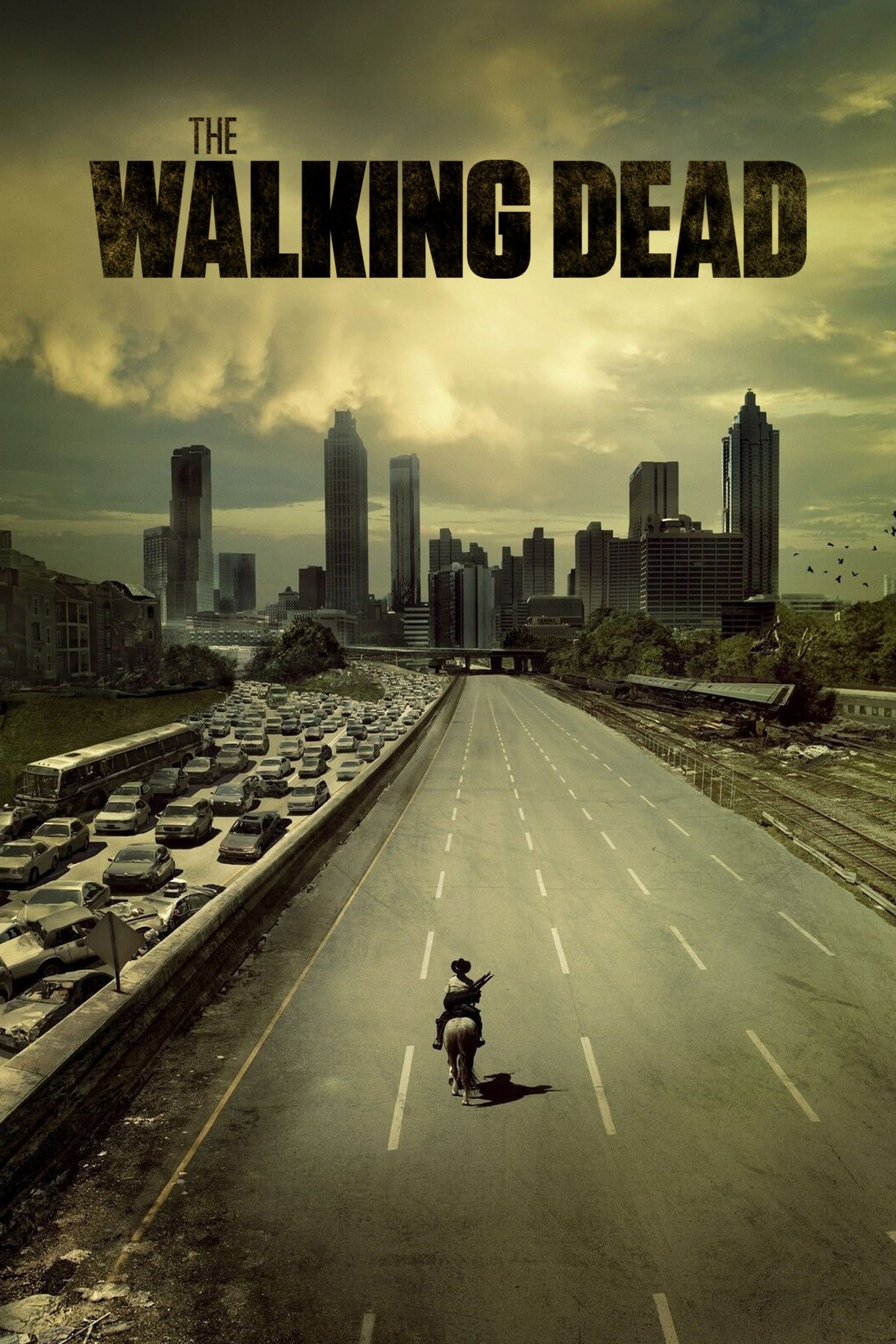
Scott M. Gimple presided over a period of the show that many fans felt was too grim and sluggish. Angela Kang took the reins for the ninth season and immediately injected a fresh energy into the decaying narrative. She focused on rebuilding civilization and deepening the interpersonal relationships that made the early seasons so compelling. Critics praised the new direction for making the zombies feel like a threat again while revitalizing the human drama. The show managed to find its footing even after losing its lead actor during this transitional period.
‘Community’ (2009–2015)
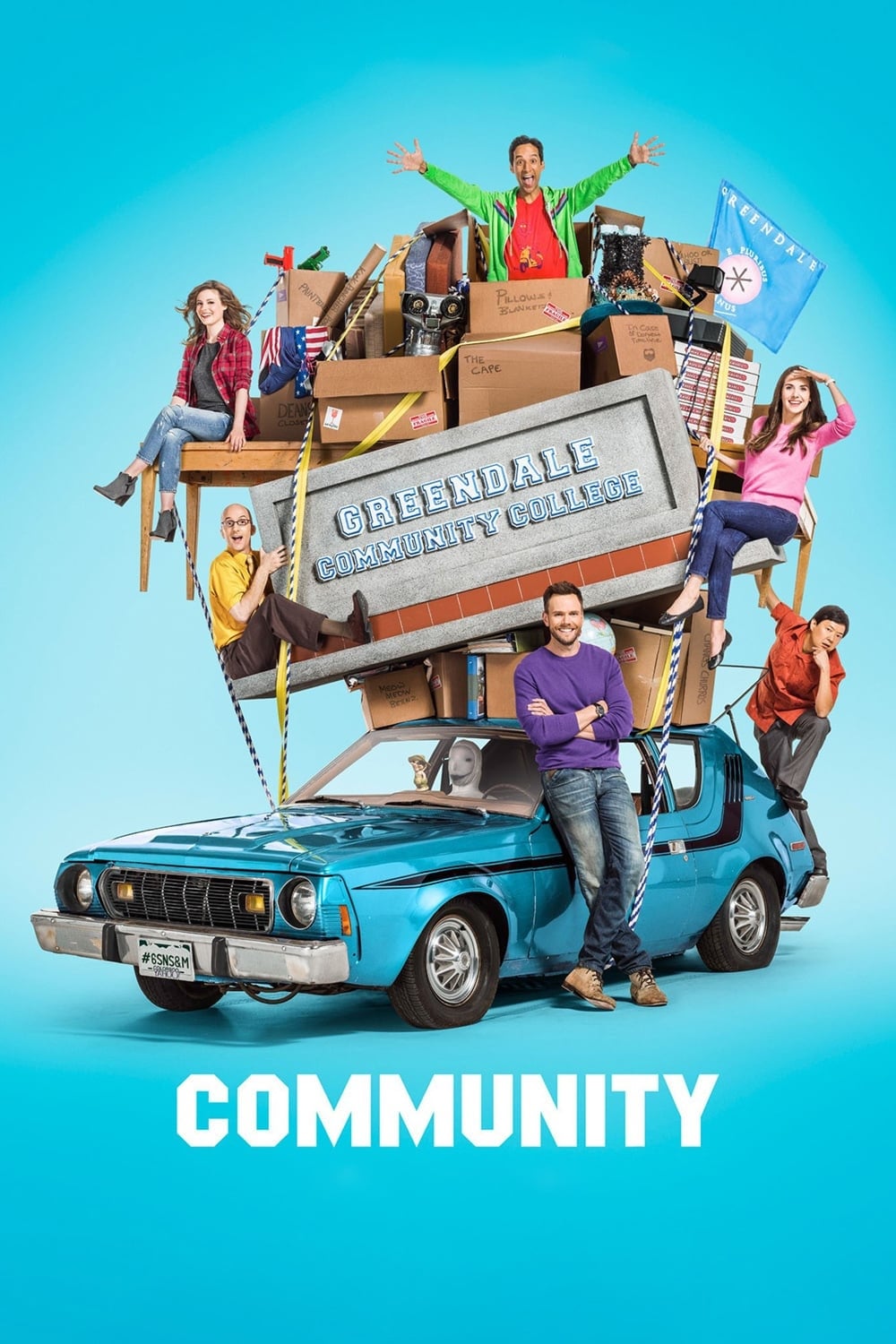
Dan Harmon created this cult classic but was famously fired by NBC after the third season due to friction with the studio. The fourth season proceeded without him and suffered from a noticeable dip in quality and wit. Harmon was rehired for the fifth season and the show instantly regained its unique voice and meta-humor. The characters returned to their grounded yet absurd roots after a year of feeling like caricatures. This rare move of bringing back a fired creator saved the legacy of the series for its loyal fanbase.
‘Marvel’s Iron Fist’ (2017–2018)

The debut season of this superhero drama was critically panned for its slow pacing and lackluster fight choreography under Scott Buck. Raven Metzner stepped in as the new showrunner for the second season and overhauled the entire tone of the series. The action sequences became visceral and violent in a way that properly honored the martial arts source material. Metzner also deepened the lore and gave the supporting cast much more meaningful material to work with. The shortened episode count helped eliminate the narrative bloat that plagued the first outing.
‘Smash’ (2012–2013)
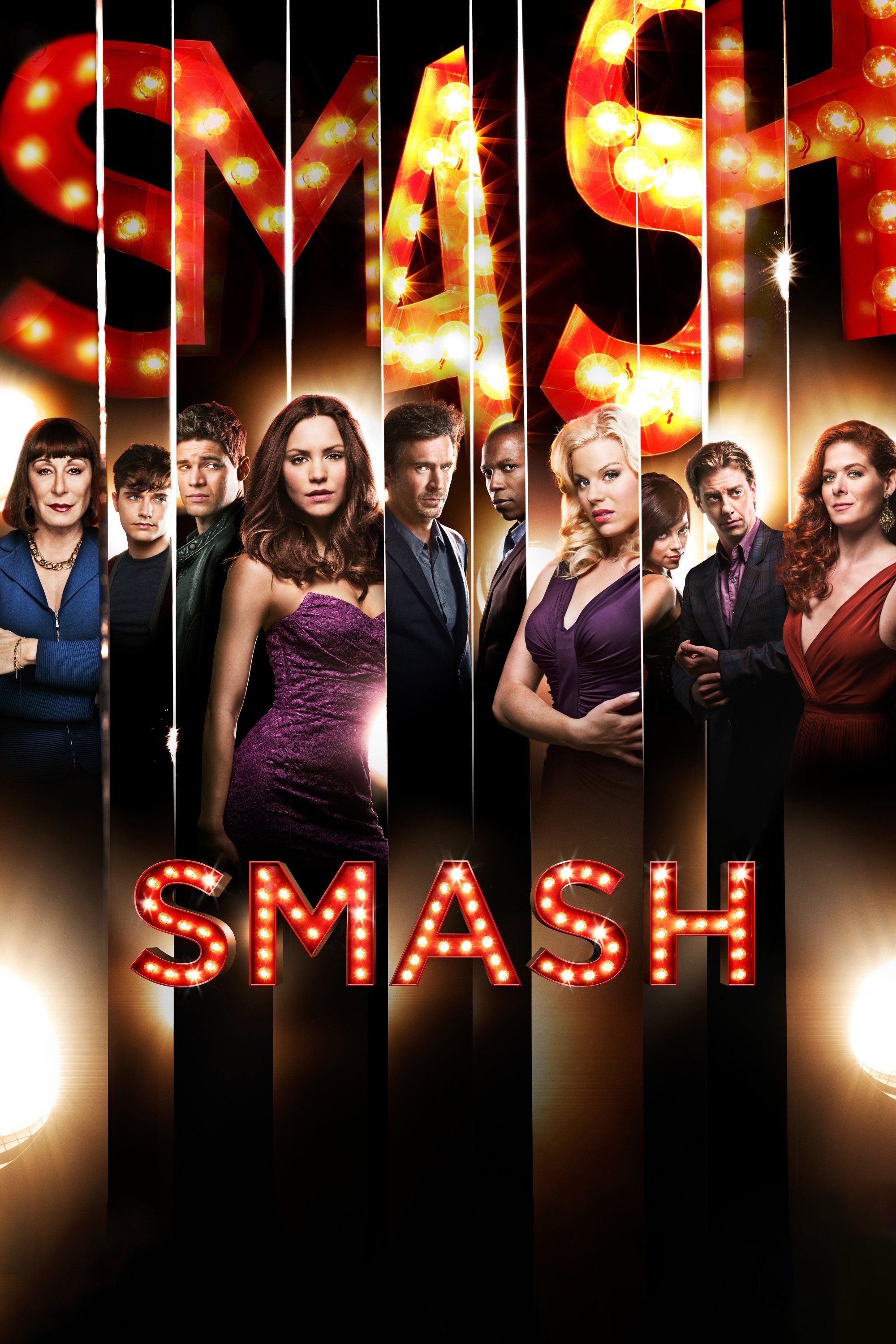
Creator Theresa Rebeck departed the musical drama after a first season that was criticized for its uneven tone and hate-watching appeal. Josh Safran took over for the second season and worked to streamline the storytelling while removing unpopular subplots. The musical numbers became more integrated with the plot rather than feeling like forced interruptions. Audiences appreciated the shift towards a more coherent narrative that focused on the making of the musical itself. The series found a stronger creative footing even if it did not survive for a long run.
‘Veep’ (2012–2019)
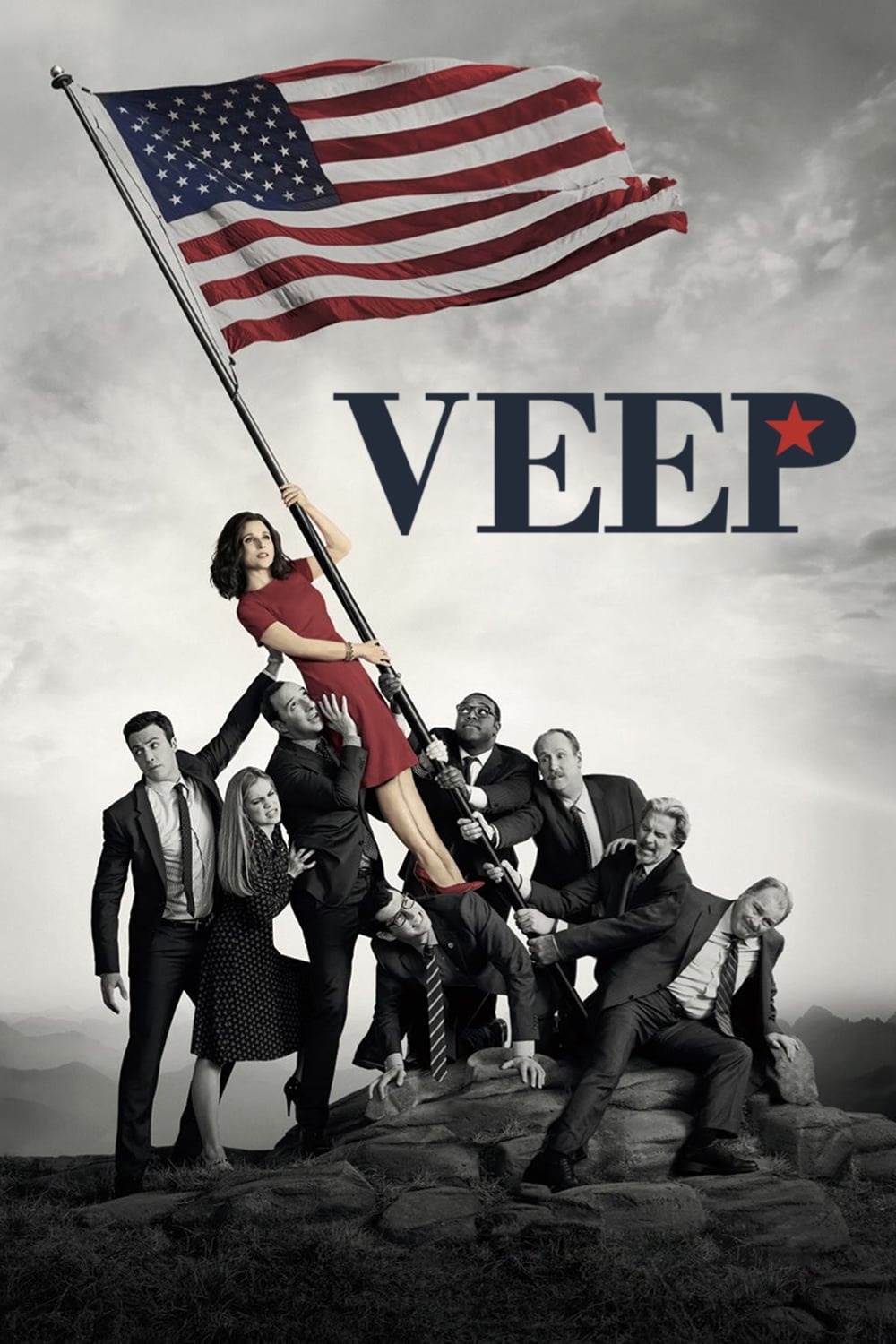
Armando Iannucci created this political satire but left after four seasons to pursue other projects. David Mandel took over the showrunner duties and managed to keep the sharp dialogue while raising the stakes for the characters. The series became even more cynical and biting as it mirrored the absurdity of real-world politics. Mandel successfully guided the narrative through major plot shifts that saw the protagonist move in and out of power. The transition was seamless and allowed the show to maintain its Emmy-winning streak without missing a beat.
‘Star Trek: Picard’ (2020–2023)
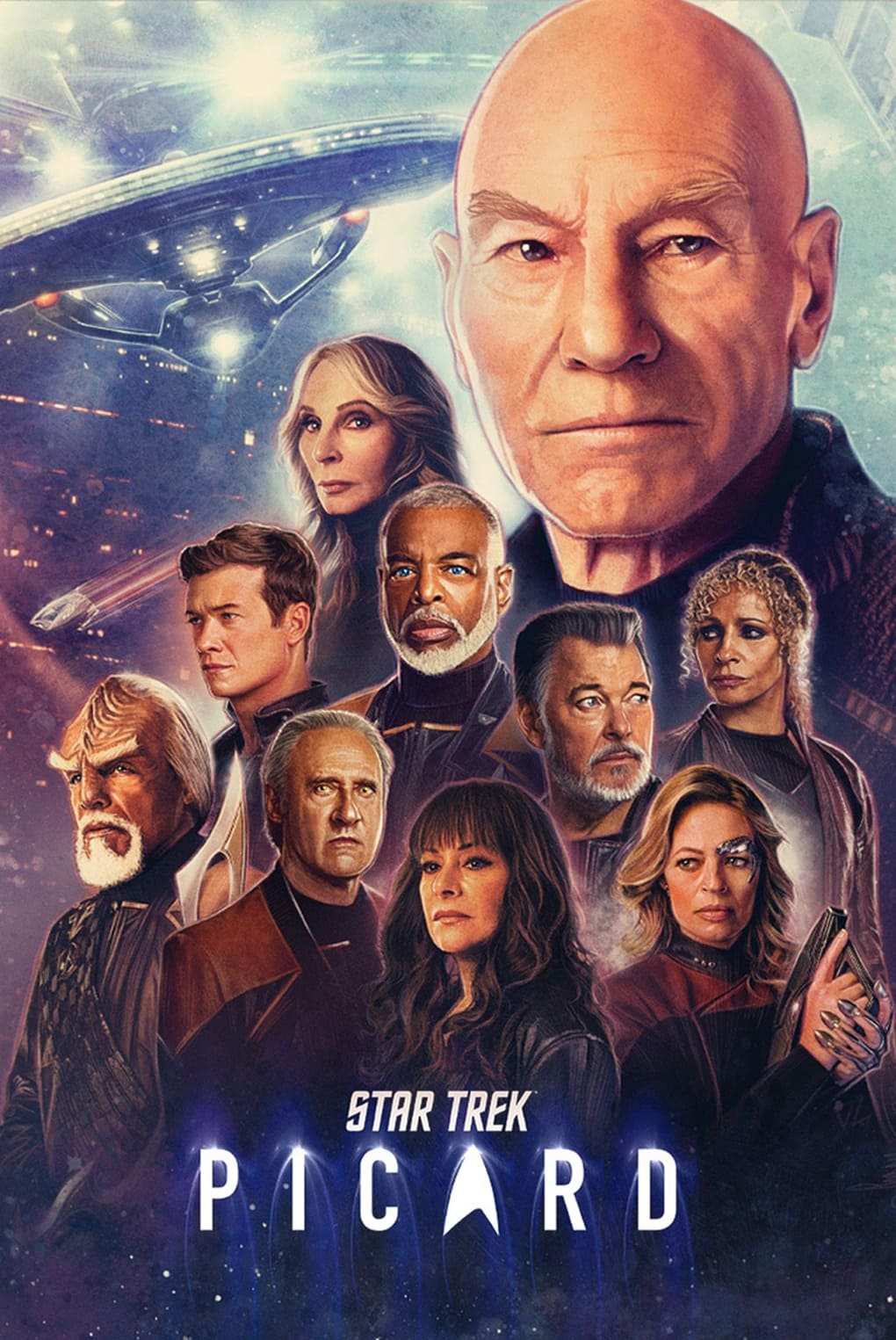
The first two seasons of this sequel series received a mixed response for deconstructing the title character in a way that alienated some viewers. Terry Matalas took full creative control for the third and final season to deliver a nostalgic yet thrilling conclusion. He reunited the entire bridge crew from the original enterprise for an adventure that felt like a long movie. The tone shifted back to the naval optimism and camaraderie that defined the franchise in the nineties. Fans and critics universally hailed the final season as a massive improvement that redeemed the entire series.
‘Star Trek: Enterprise’ (2001–2005)
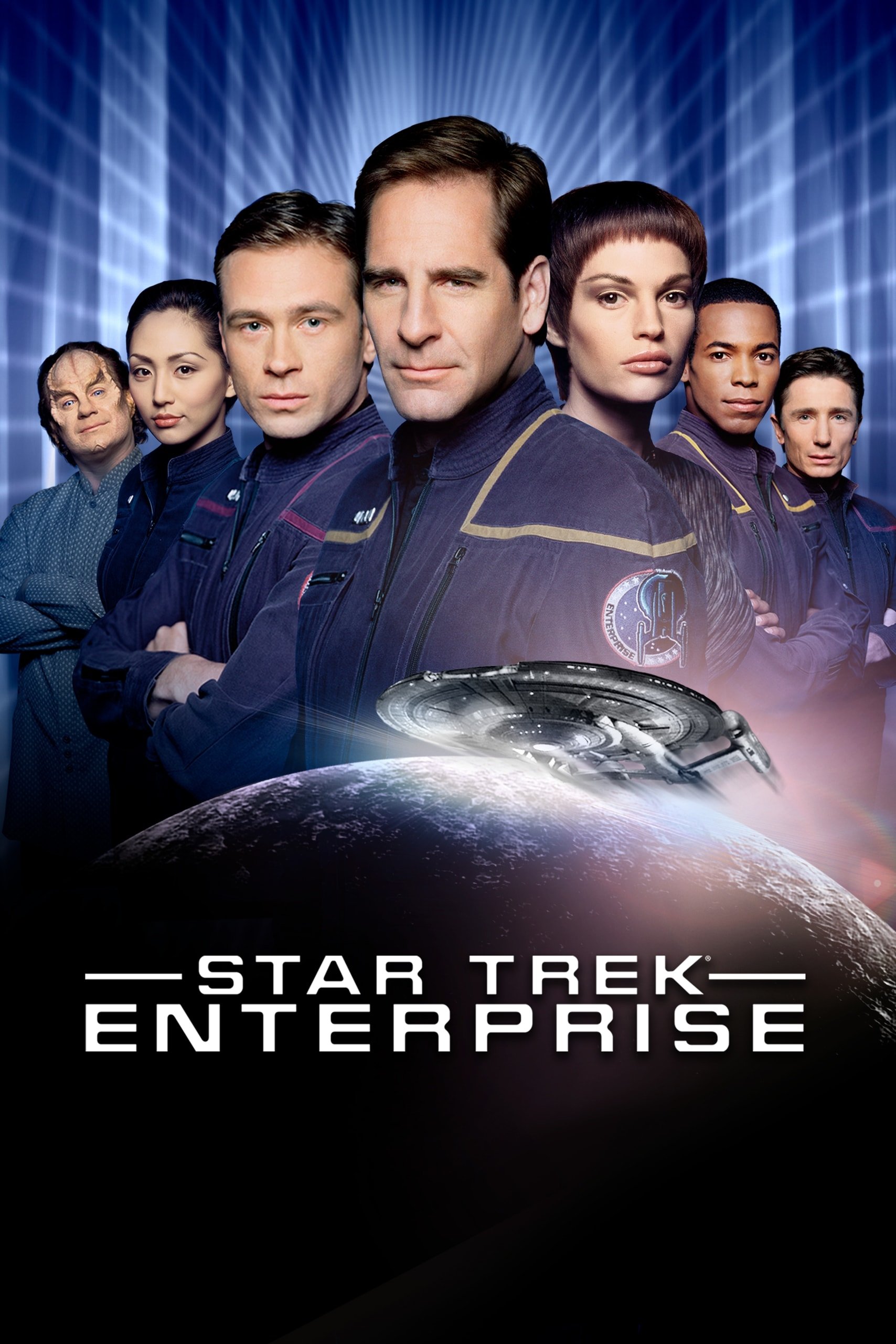
The first three seasons of this prequel struggled to find a balance between modern storytelling and franchise canon. Manny Coto took the lead for the fourth season and committed to bridging the gap between the eras. He introduced story arcs that directly explained the political landscape of the original sixties series. The scripts became tighter and the references to lore felt earned rather than forced. This creative resurgence turned the final year into the strongest run of the entire show.
‘True Detective’ (2014–Present)
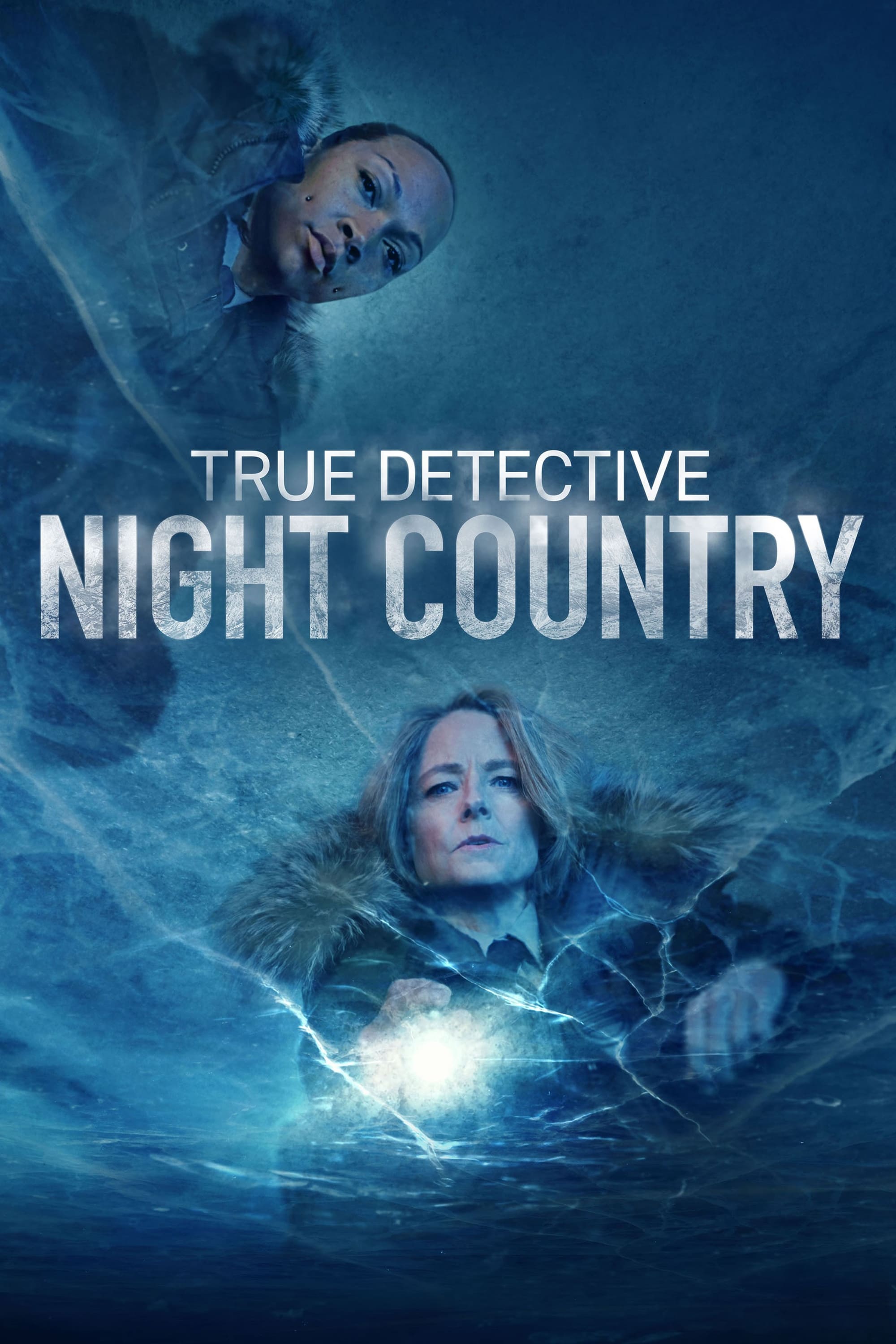
Creator Nic Pizzolatto steered the anthology series through three seasons of varying quality before stepping aside. Issa López took over as writer and director for the fourth installment titled Night Country. Her fresh perspective introduced a supernatural horror element that revitalized the formula and engaged a massive audience. The mystery became more focused and the atmosphere felt distinct from the previous southern gothic aesthetic. This creative handover resulted in the most-watched season of the franchise to date.
‘Andor’ (2022–Present)
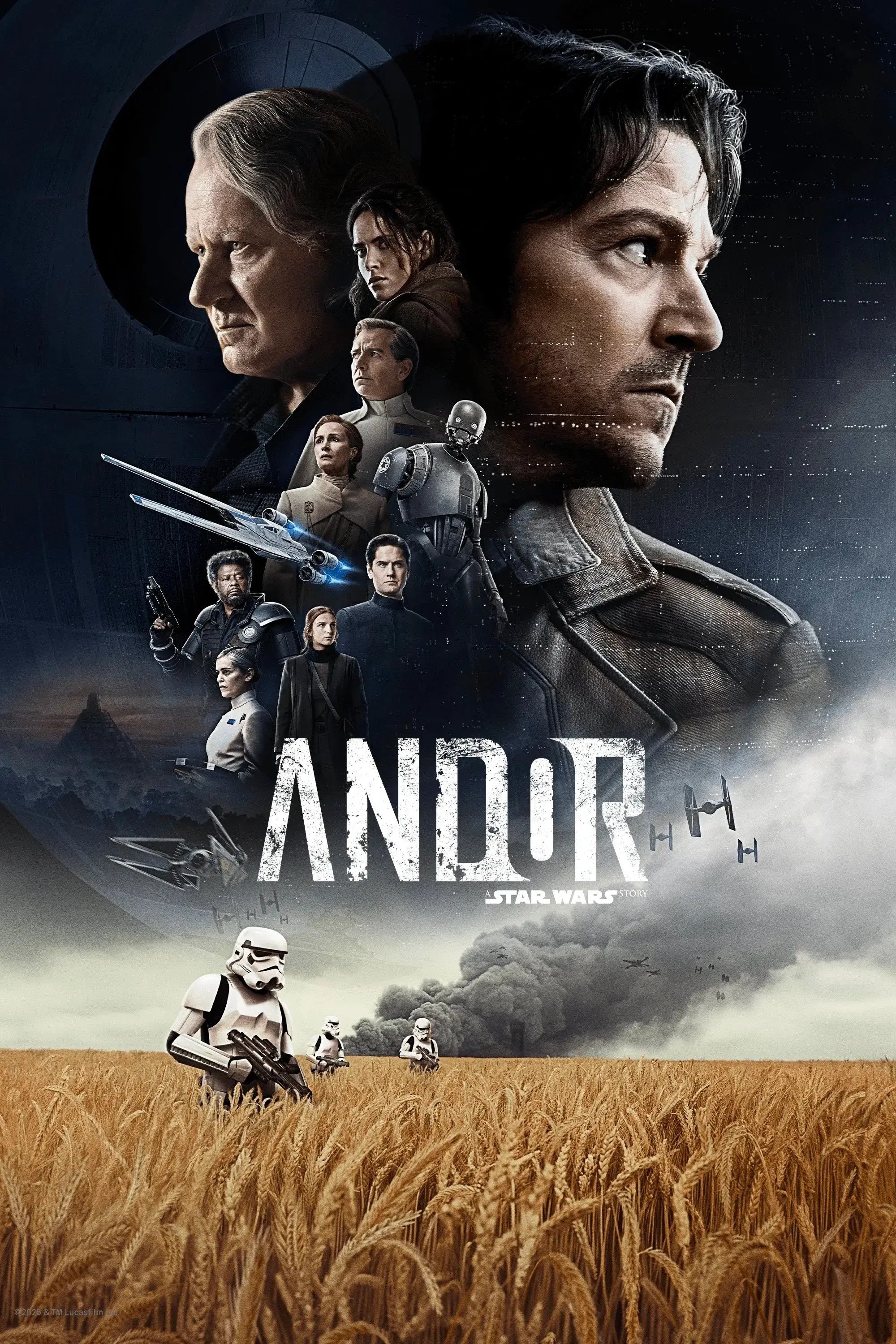
Stephen Schiff was originally tapped to run this Star Wars prequel before Tony Gilroy stepped in to rework the concept. Gilroy turned the project into a grounded spy thriller that eschewed Jedis and lightsabers for gritty political intrigue. The writing focused on the slow radicalization of ordinary people living under a fascist regime. This shift in tone resulted in one of the most critically acclaimed entries in the entire saga. The decision to prioritize practical sets and mature storytelling set a new standard for the franchise on television.
‘NCIS’ (2003–Present)
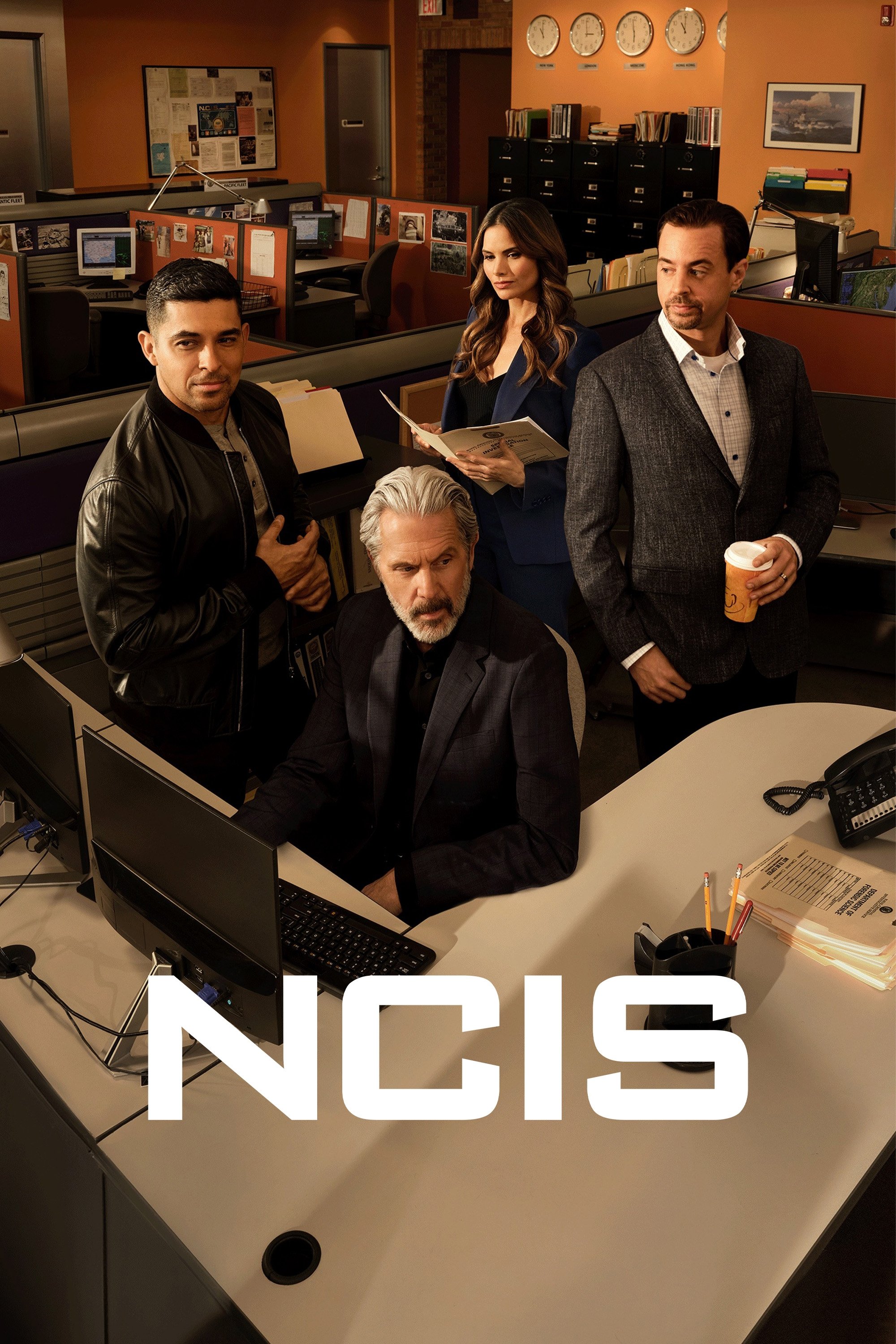
Creator Donald P. Bellisario ran the show with an iron fist until tensions with the lead actor forced his departure. The writers who succeeded him shifted the tone to focus more on the “work family” dynamic that fans loved. The procedural elements remained strong but the character interactions became lighter and more humorous. This adjustment helped the series grow into a ratings juggernaut that dominated television for nearly two decades. The set became a more harmonious place and that chemistry translated directly to the screen.
‘Lie to Me’ (2009–2011)
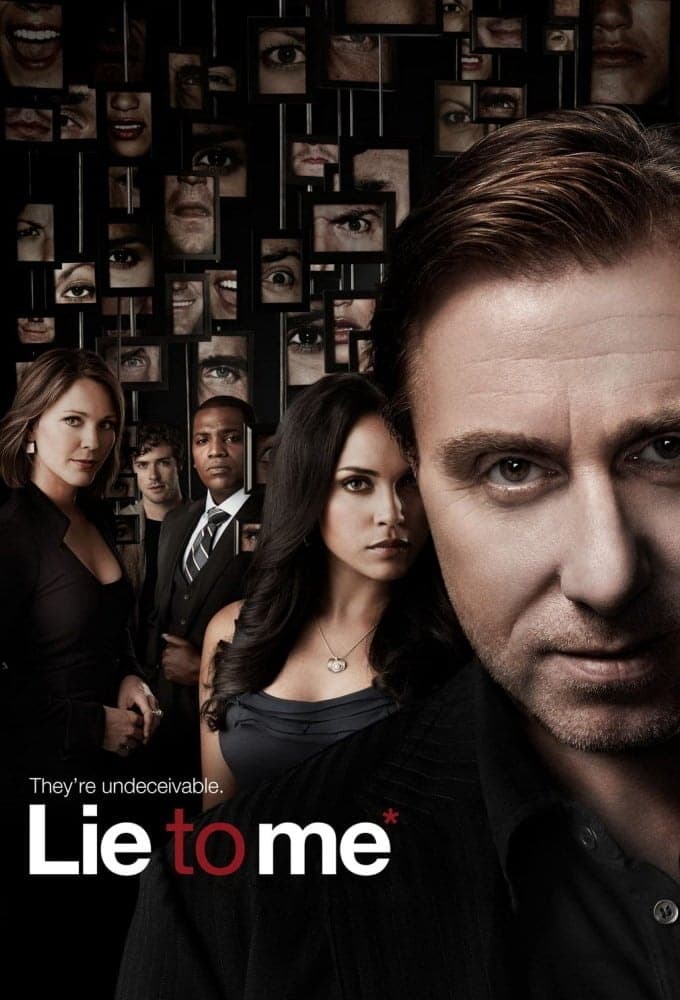
The first season of this procedural was often criticized for being too repetitive with its case-of-the-week format. Shawn Ryan took over as showrunner for the second season and immediately raised the stakes. He introduced a grittier visual style and serialized story arcs that challenged the main characters. The show moved away from simple scientific explanations and explored the darker psychological toll of the protagonist’s gift. This retooling transformed a standard crime drama into a much more compelling character study.
‘Marvel’s Daredevil’ (2015–2018)
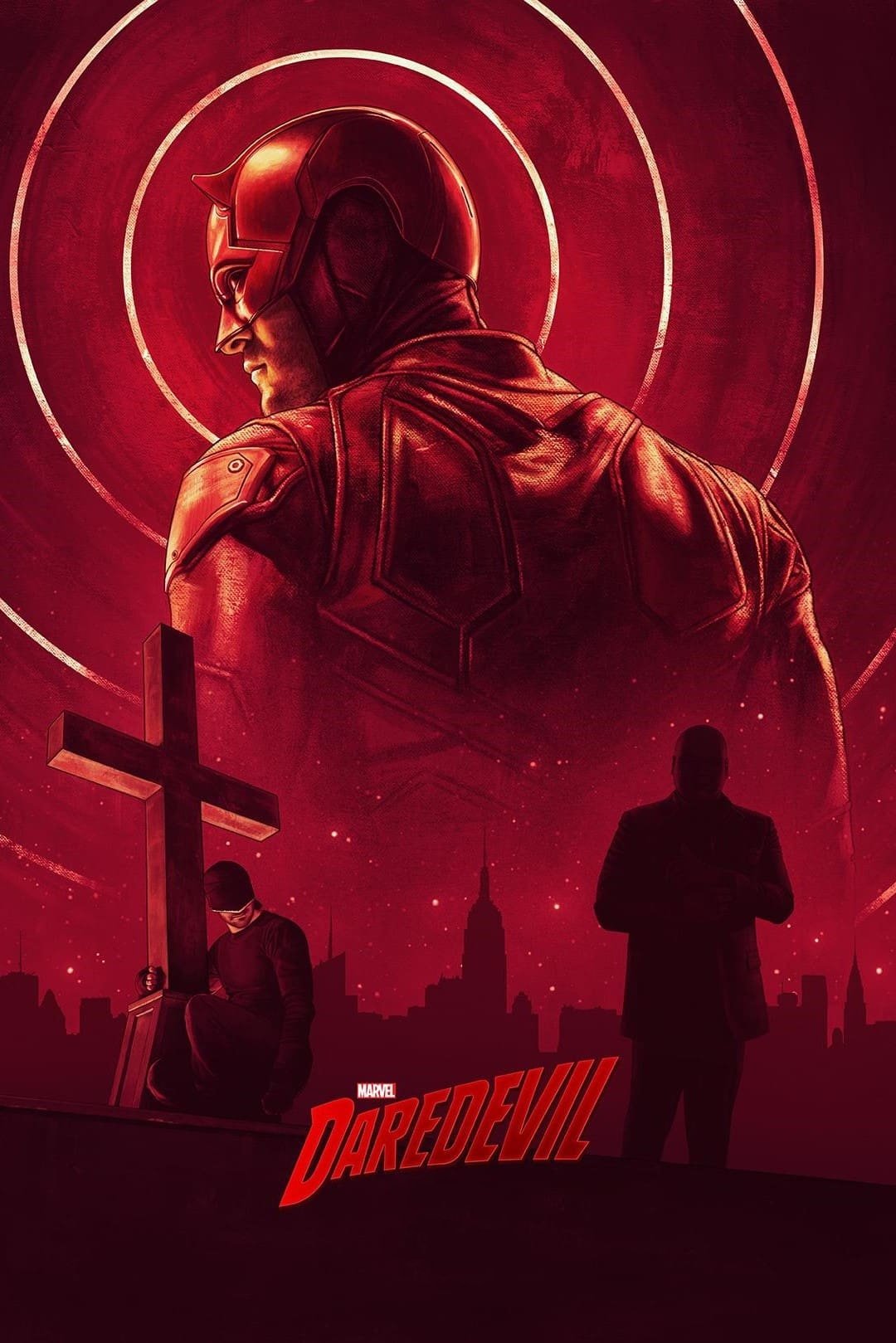
Erik Oleson took over as showrunner for the third season after a second season that felt unfocused to many viewers. He stripped the hero of his suit and resources to tell a desperate story of survival and identity. The narrative returned to the intense psychological battle between the protagonist and the villain Kingpin. Critics praised the return to the grounded crime drama roots that made the first season a hit. The pacing was relentless and the character arcs were brought to a satisfying emotional conclusion.
‘Grey’s Anatomy’ (2005–Present)
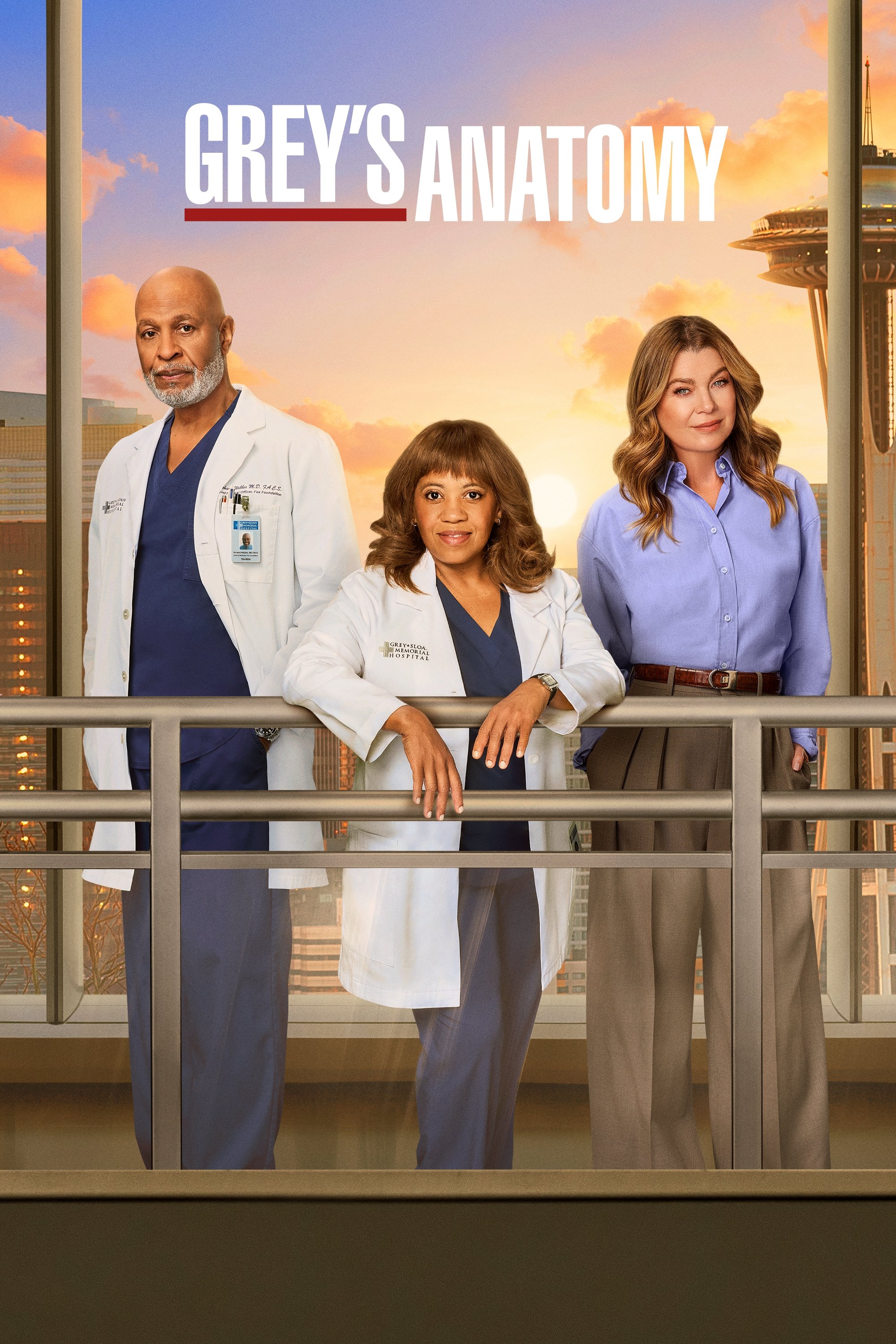
Krista Vernoff returned to run the medical drama in its fourteenth season after serving as a head writer in the early years. Her return marked a shift away from the relentless tragedy that had come to define the show. She injected more humor and romance back into the hospital halls while tackling socially relevant medical stories. The series experienced a creative renaissance that proved it still had stories to tell after more than a decade. Viewers responded positively to the lighter touch and the renewed focus on the original cast members.
‘Supernatural’ (2005–2020)
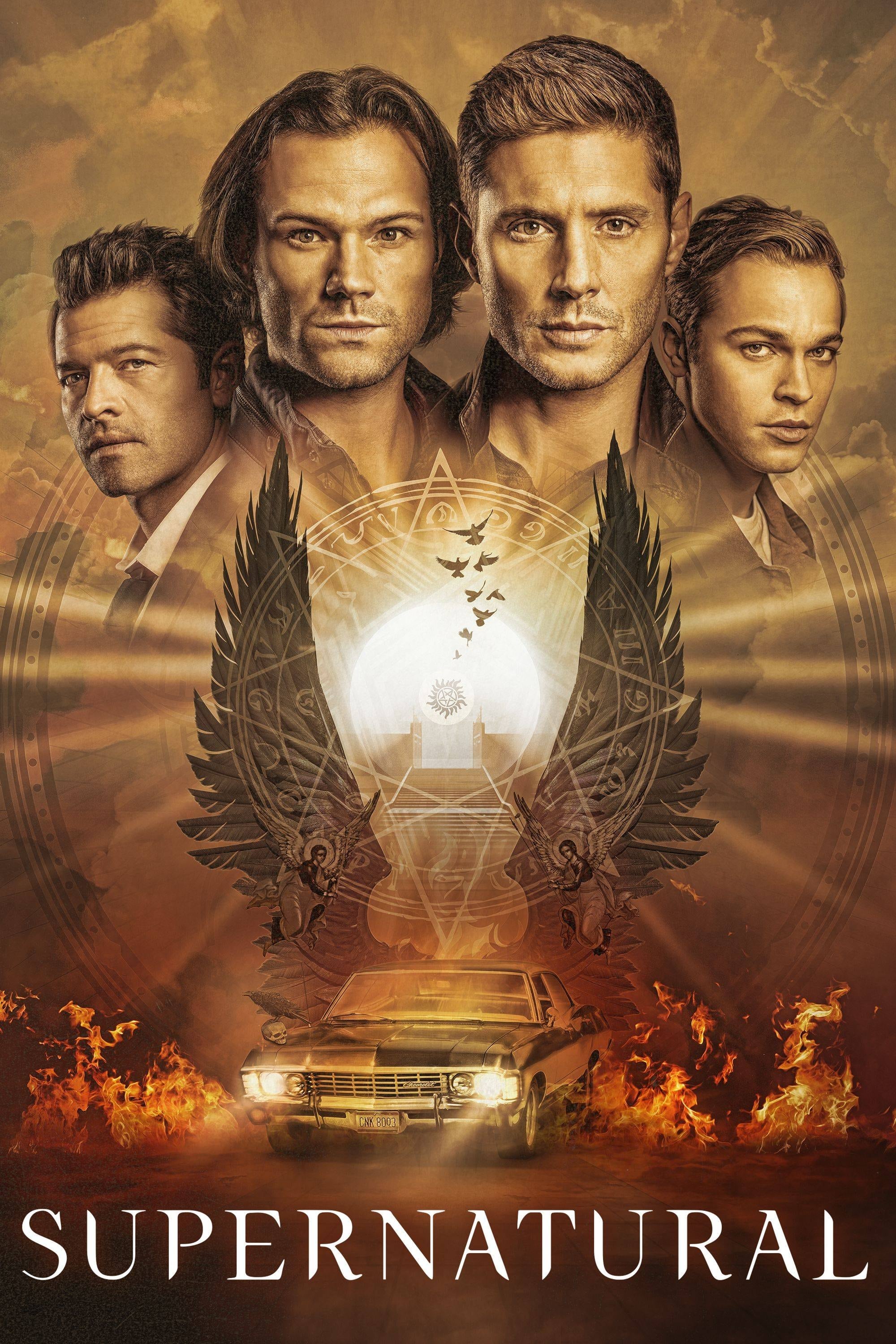
Jeremy Carver took over the showrunner role in the eighth season following a period that fans considered a low point. He immediately worked to simplify the mythology and return the focus to the bond between the two brothers. The introduction of the Men of Letters bunker gave the hunters a home base and opened up new storytelling avenues. This era stabilized the show and allowed it to continue for nearly another decade. The narrative regained its heart and moved past the convoluted plotlines of the previous regime.
‘Killing Eve’ (2018–2022)
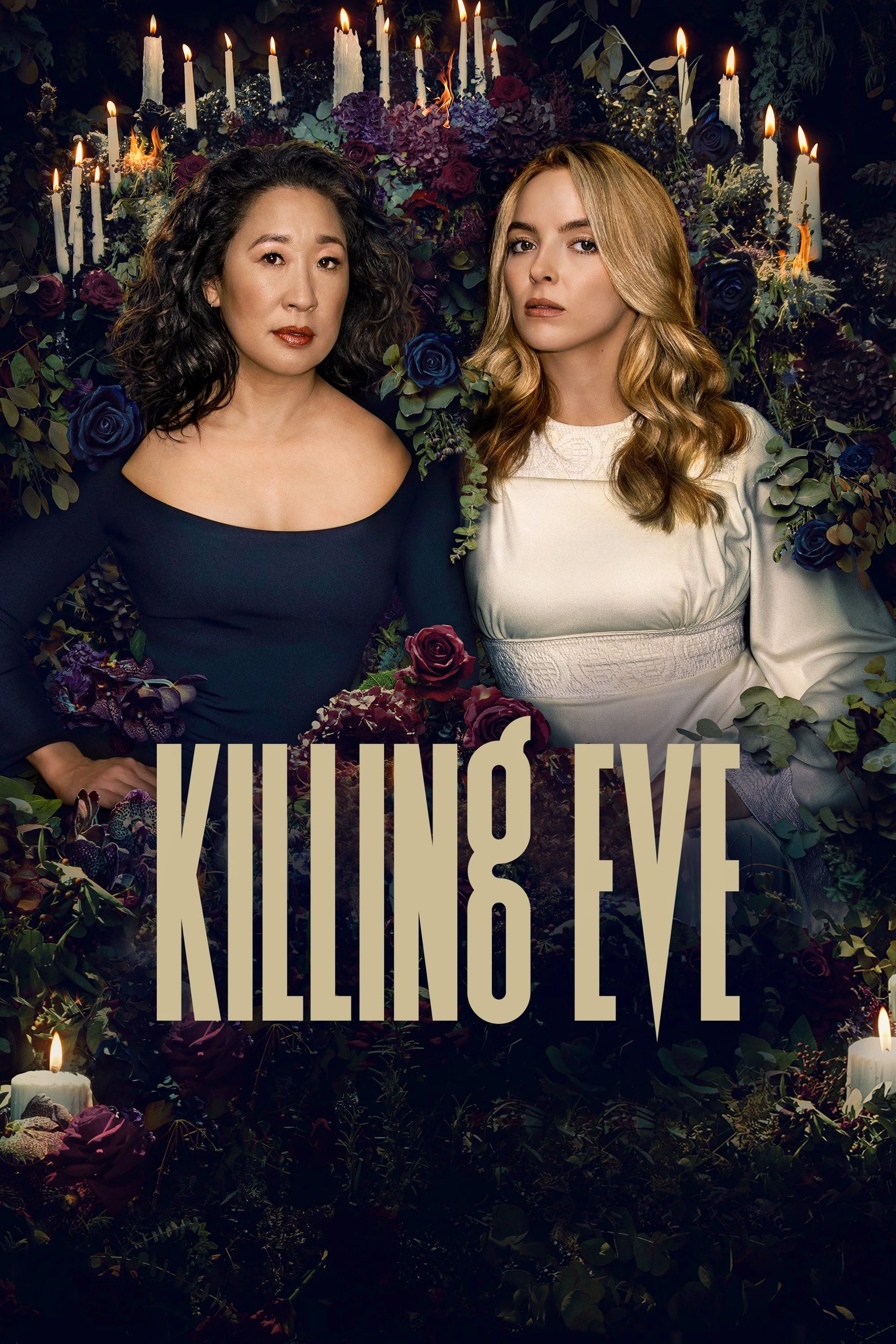
Phoebe Waller-Bridge created the first season but passed the torch to Emerald Fennell for the second year. Fennell managed to maintain the obsession and black comedy while pushing the characters into even darker territory. The cat-and-mouse game remained thrilling without feeling like a retread of the debut season. The dialogue stayed sharp and the fashion remained iconic under the new leadership. This successful handover proved the concept could sustain itself beyond the voice of its original creator.
‘Law & Order: Criminal Intent’ (2001–2011)
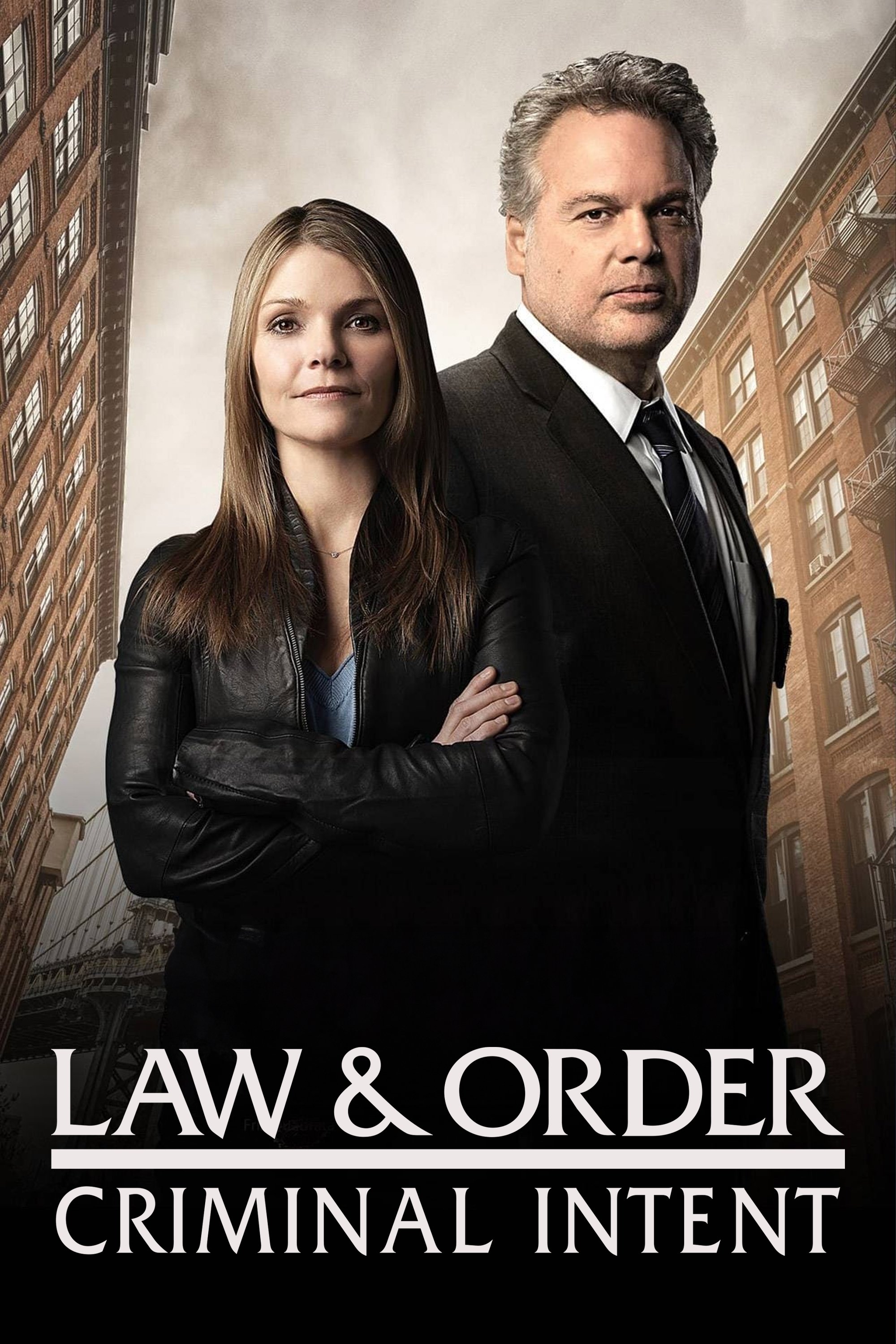
Warren Leight took over the showrunner duties during a time when the series was in danger of cancellation. He revitalized the show by delving deeper into the psychology of the detectives rather than just the criminals. The scripts began to explore the personal toll of the investigations on the lead characters. This era is often cited by fans as the creative peak of the series due to the intense character work. The shift secured several more seasons for a show that had been running on fumes.
‘Smallville’ (2001–2011)
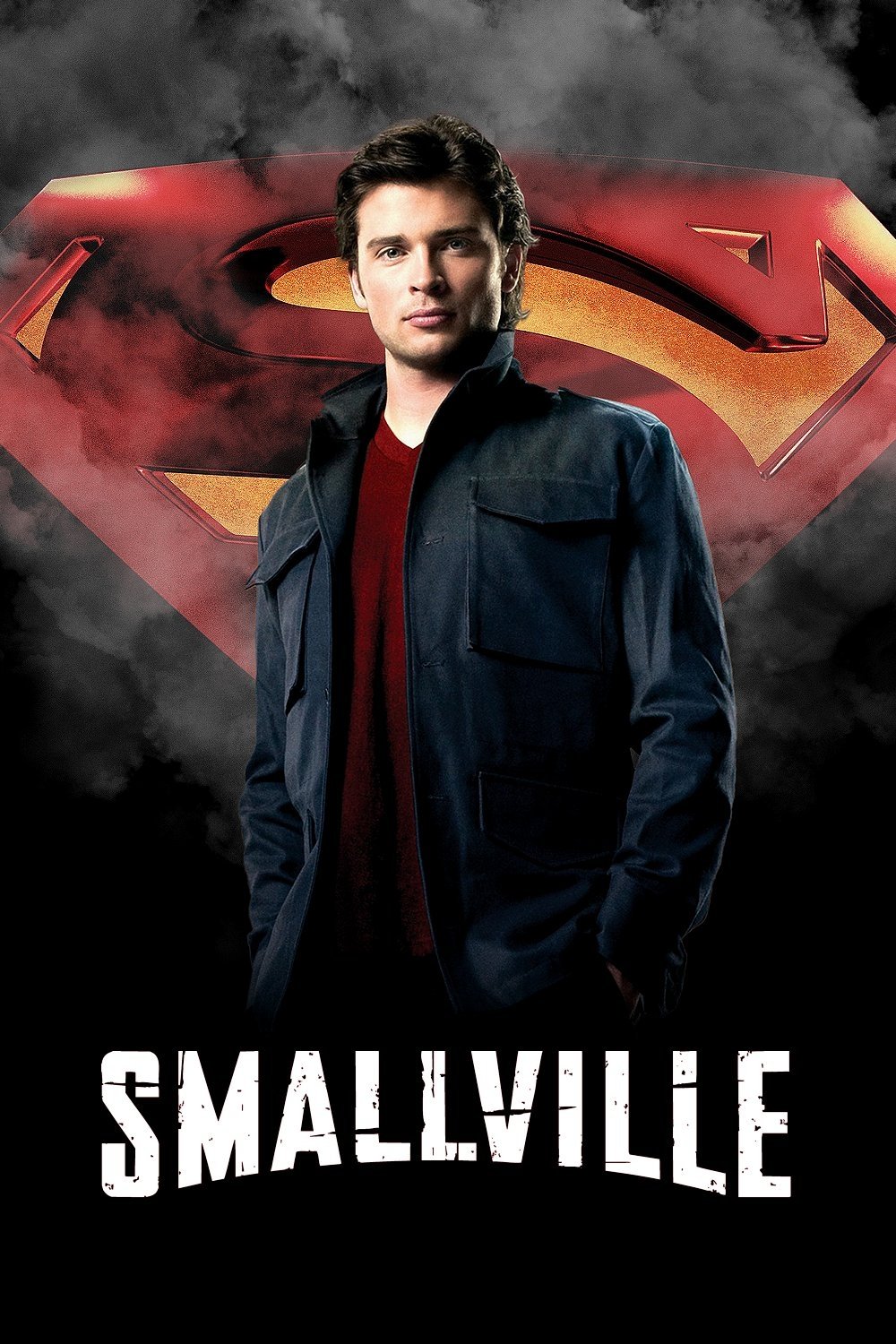
Original creators Alfred Gough and Miles Millar departed the series after seven seasons of guiding the Superman origin story. The new showrunners decided to finally move the characters out of their small town and into the city of Metropolis. This change allowed Clark Kent to embrace his destiny as a hero and interact with wider DC Comics lore. The tone became more mature and the soap opera elements were toned down in favor of superhero action. Fans welcomed the progression towards the iconic suit and the Daily Planet newsroom.
‘Chicago Med’ (2015–Present)
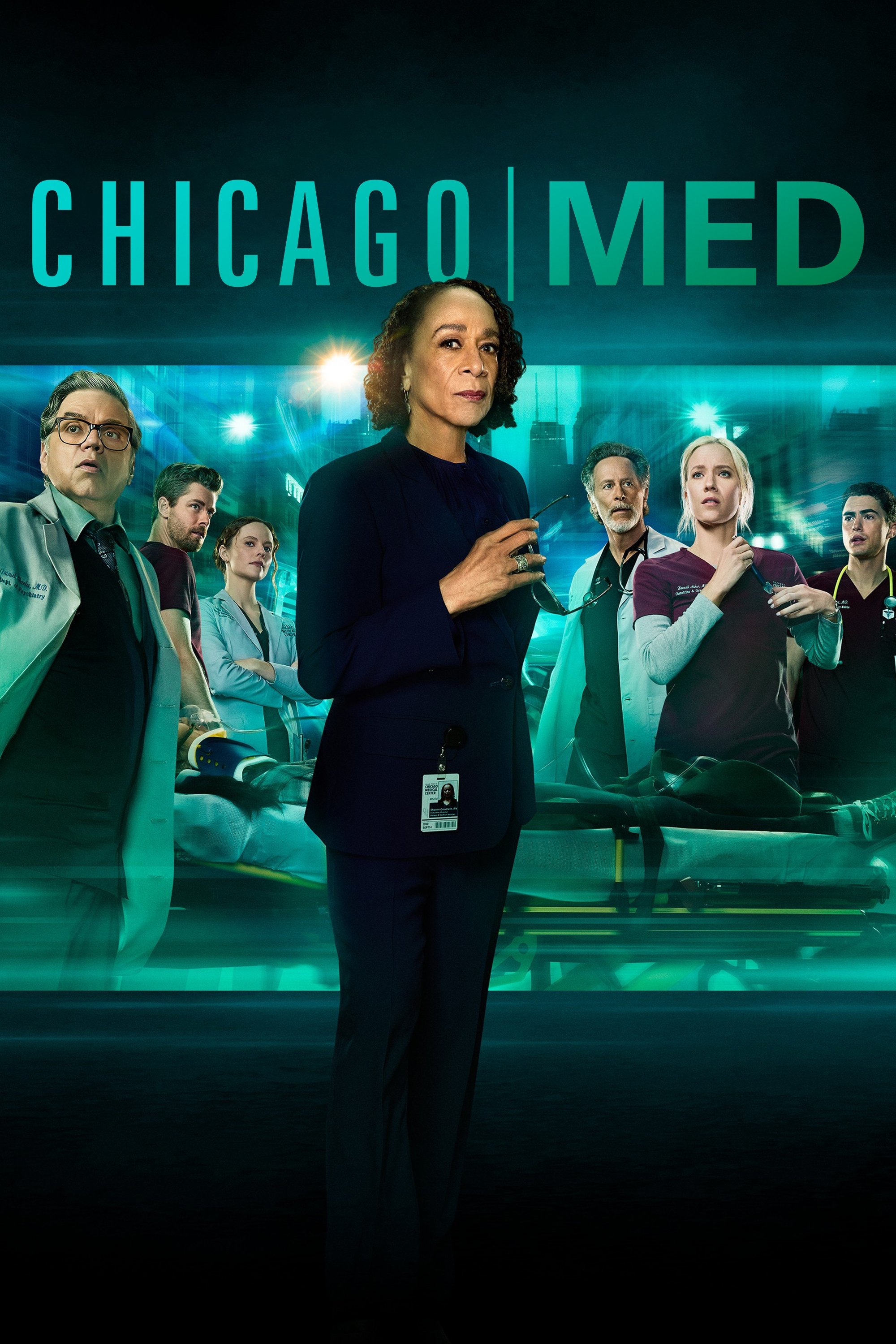
The medical drama underwent a significant change before it even aired when the original showrunner Andrew Dettmann left over creative differences. The replacement team aligned the show more closely with the successful formula of its sister series. They emphasized the crossover potential and the fast-paced nature of the emergency room. The series found its rhythm quickly and became a staple of the network lineup. The stable leadership ensured the tone remained consistent with the established universe of the franchise.
‘Fear the Walking Dead’ (2015–2023)
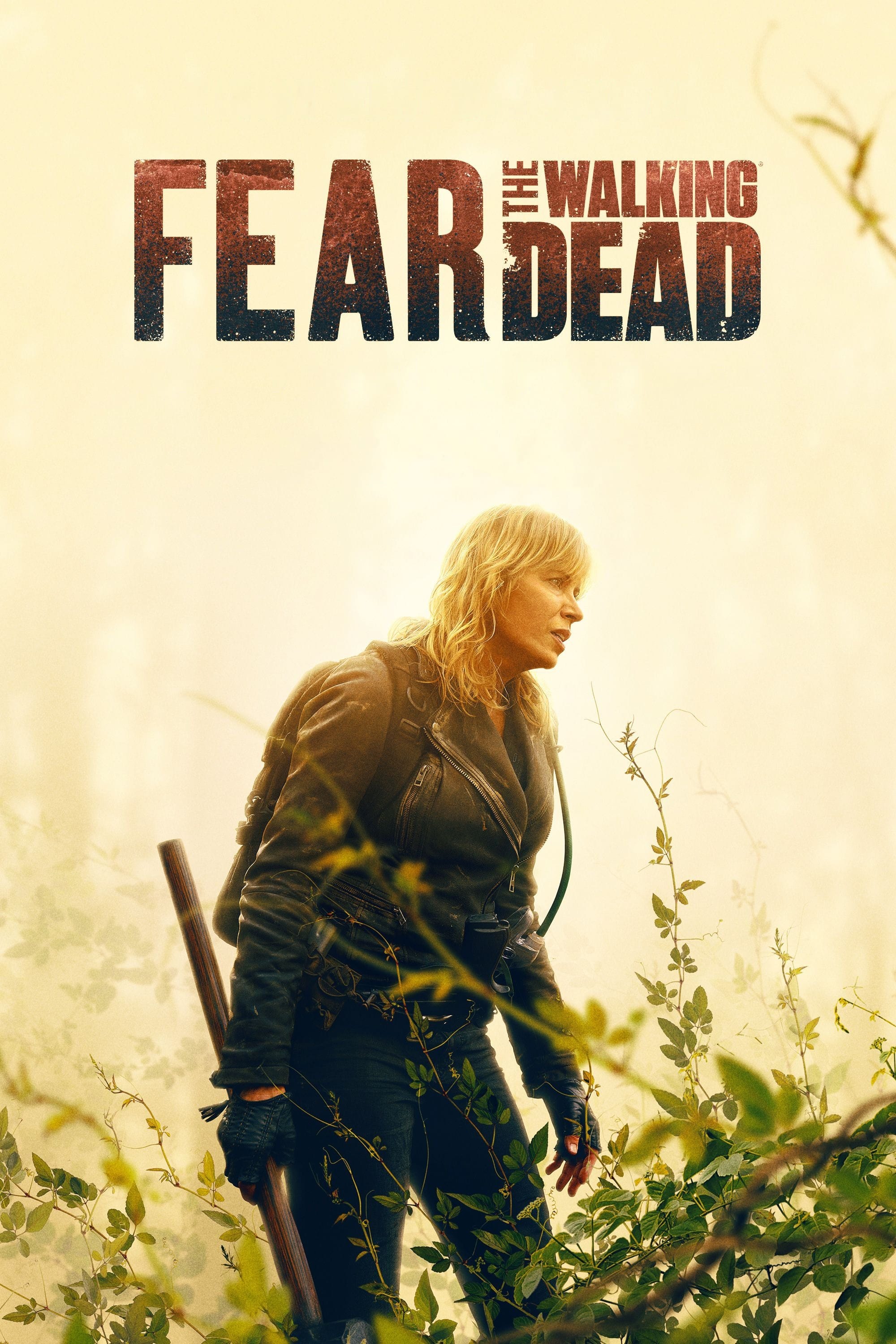
The first three seasons of this spin-off were a slow-burn family drama that divided the audience. Andrew Chambliss and Ian Goldberg took over for season four and soft-rebooted the entire show. They introduced a popular character from the parent series and adopted a western vibe with a new color palette. Critics initially praised the faster pace and the thematic focus on redemption and hope. The reinvention gave the series a distinct identity that separated it from the original show.
Tell us which showrunner swap you think saved a series by leaving a comment.