


20 TV Shows That Got Better Every Single Season

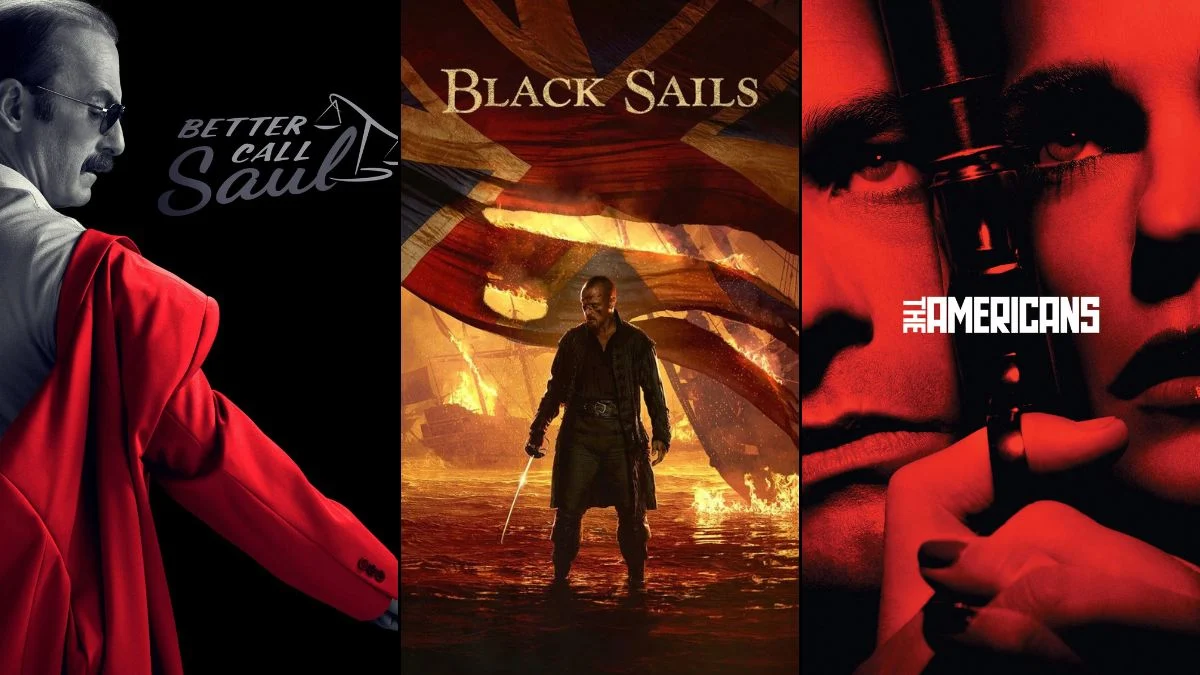


Maintaining narrative consistency and quality over multiple years presents a significant challenge for television showrunners. Many series begin with a strong premise but eventually struggle to keep the momentum going as storylines become exhausted. A rare collection of shows manages to defy this trend by deepening their mythology and expanding character arcs with each passing year. These productions often learn from early creative missteps to deliver finales that surpass their pilots in every conceivable way. Viewers witness a steady evolution in storytelling that turns initially good programs into legendary television history.
‘Breaking Bad’ (2008–2013)
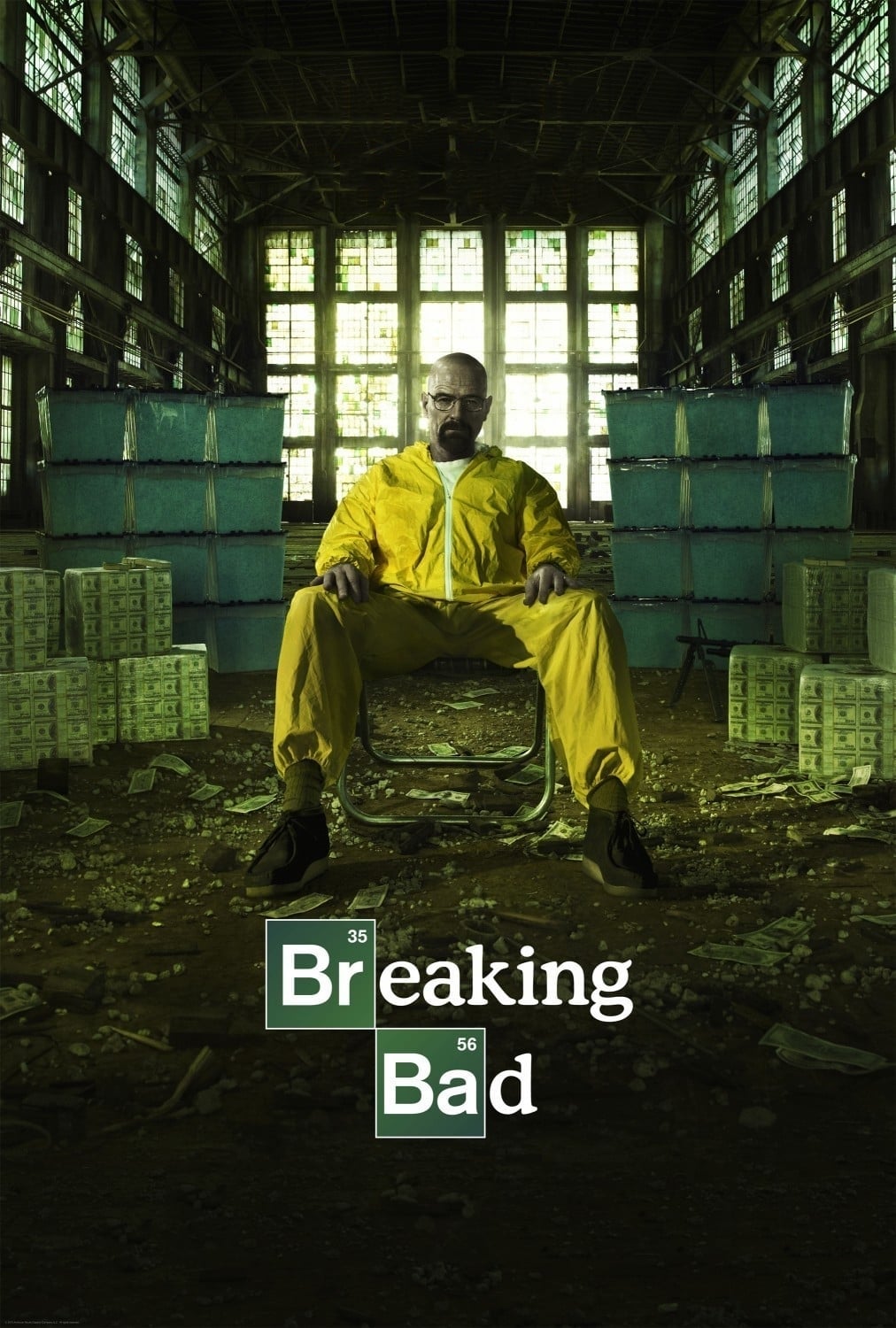
Walter White starts his journey as a desperate chemistry teacher and slowly morphs into a ruthless drug kingpin. The narrative stakes escalate naturally as his moral compass disintegrates further with every decision he makes. Vince Gilligan ensures the writing becomes tighter and the tension reaches unbearable levels by the final episodes. Bryan Cranston and Aaron Paul deliver increasingly complex performances that anchor the chaotic narrative. This crime drama set a new standard for character evolution in the modern era of television.
‘Better Call Saul’ (2015–2022)
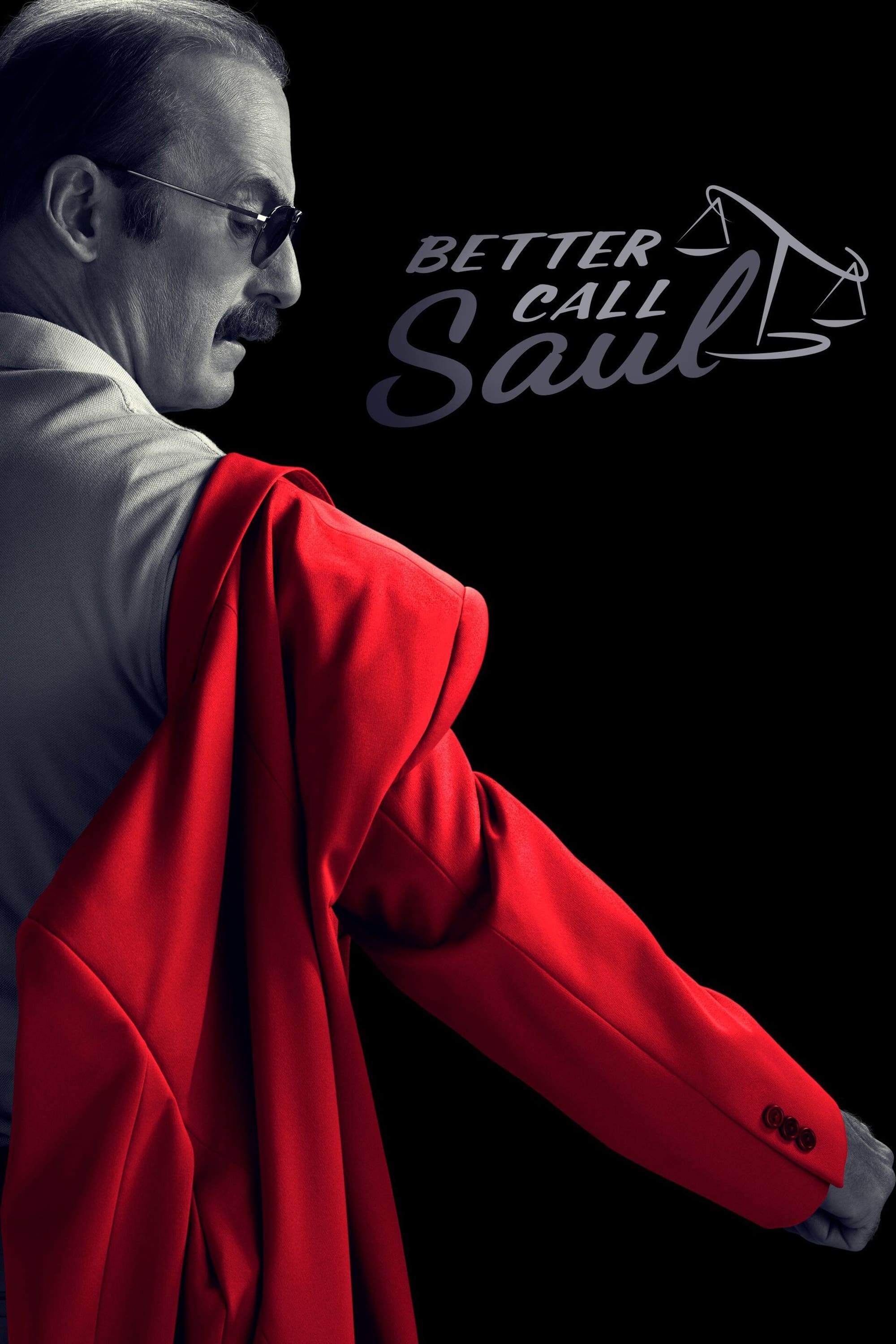
This spinoff focuses on the tragic transformation of Jimmy McGill into the criminal lawyer Saul Goodman. It begins as a quirky legal drama before slowly merging with the darker cartel elements of its predecessor. Bob Odenkirk adds layers of tragedy and depth to a character previously used primarily for comic relief. The cinematography and visual storytelling grow more ambitious and precise with every season. It successfully steps out of the shadow of ‘Breaking Bad’ to become a masterpiece in its own right.
‘Schitt’s Creek’ (2015–2020)
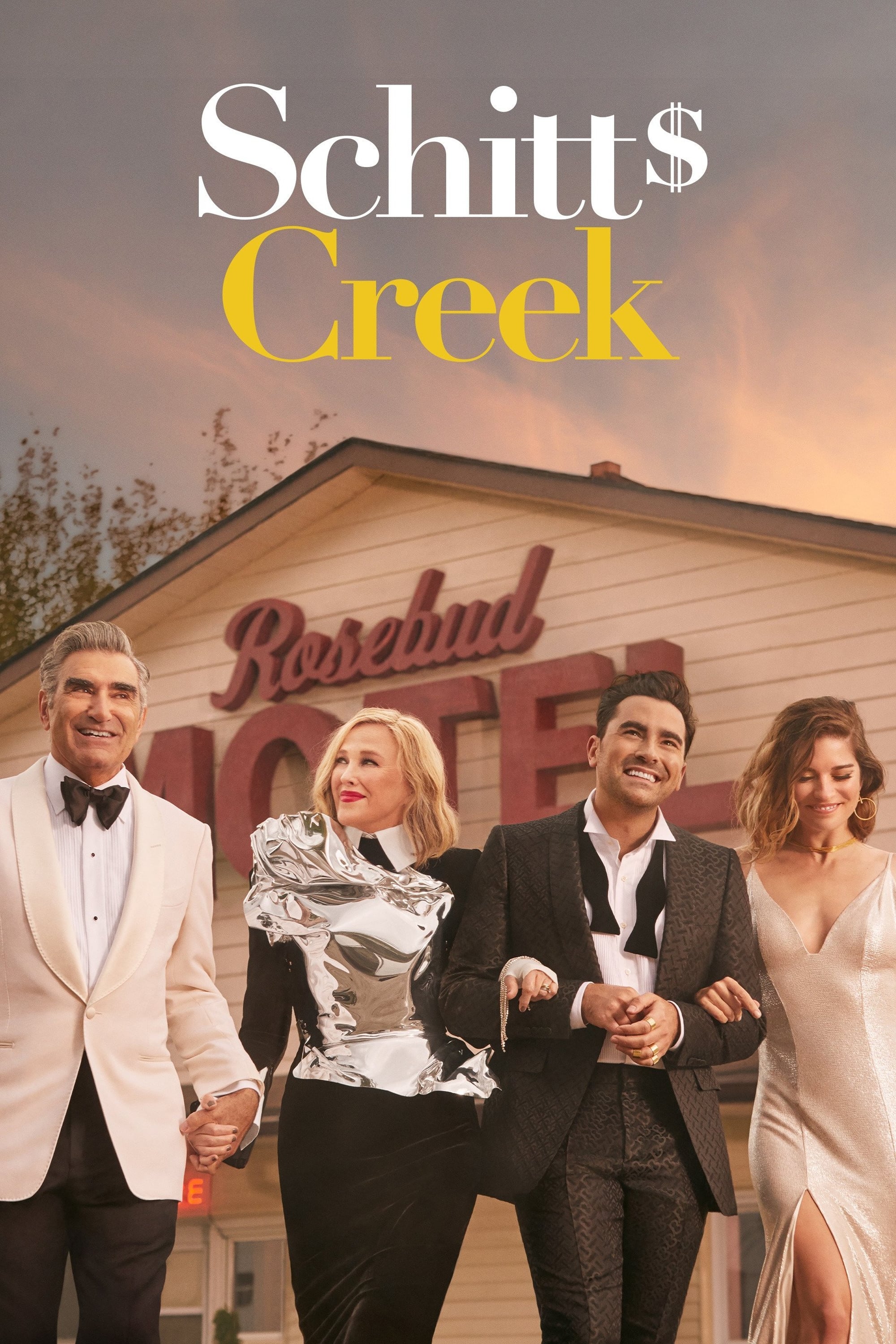
The Rose family begins the series as unlikable wealthy socialites who lose everything and move to a small town. The show evolves from a fish-out-of-water sitcom into a heartfelt exploration of love and personal growth. Writers carefully deconstruct the vanity of the characters to reveal their hidden vulnerabilities and strengths. Dan Levy crafts a conclusion that offers immense emotional payoff for the audience. The series culminated in a historic sweep at the Primetime Emmy Awards for its final season.
‘The Americans’ (2013–2018)
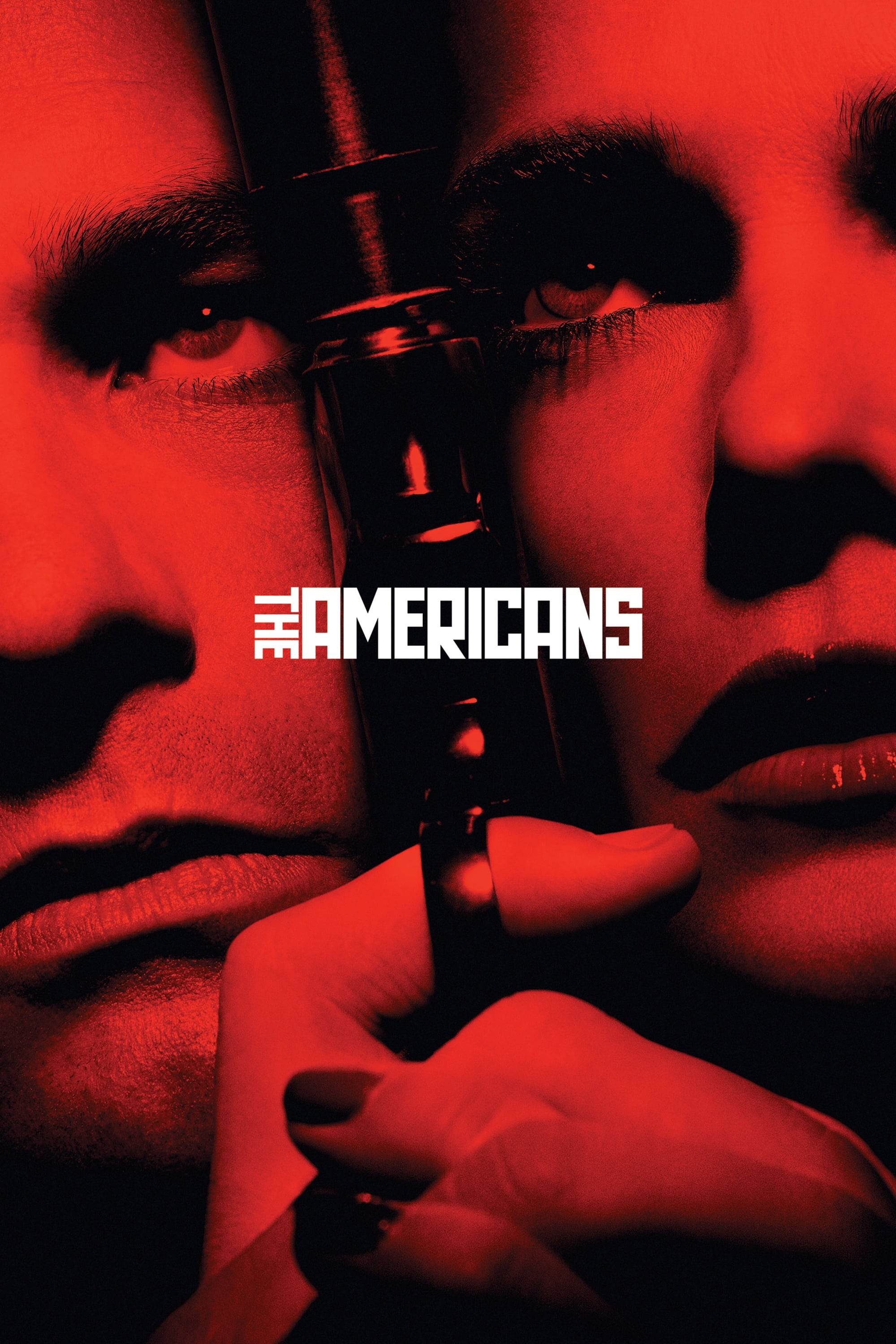
Two KGB spies pose as a suburban American couple during the height of the Cold War. The series masterfully balances high-stakes espionage missions with the intricacies of marriage and parenting. Tensions mount steadily as the couple faces the possibility of discovery by their FBI neighbor. Keri Russell and Matthew Rhys deliver nuanced performances that gain intensity as their web of lies becomes unsustainable. The finale is widely regarded as one of the most satisfying conclusions in dramatic television.
‘BoJack Horseman’ (2014–2020)
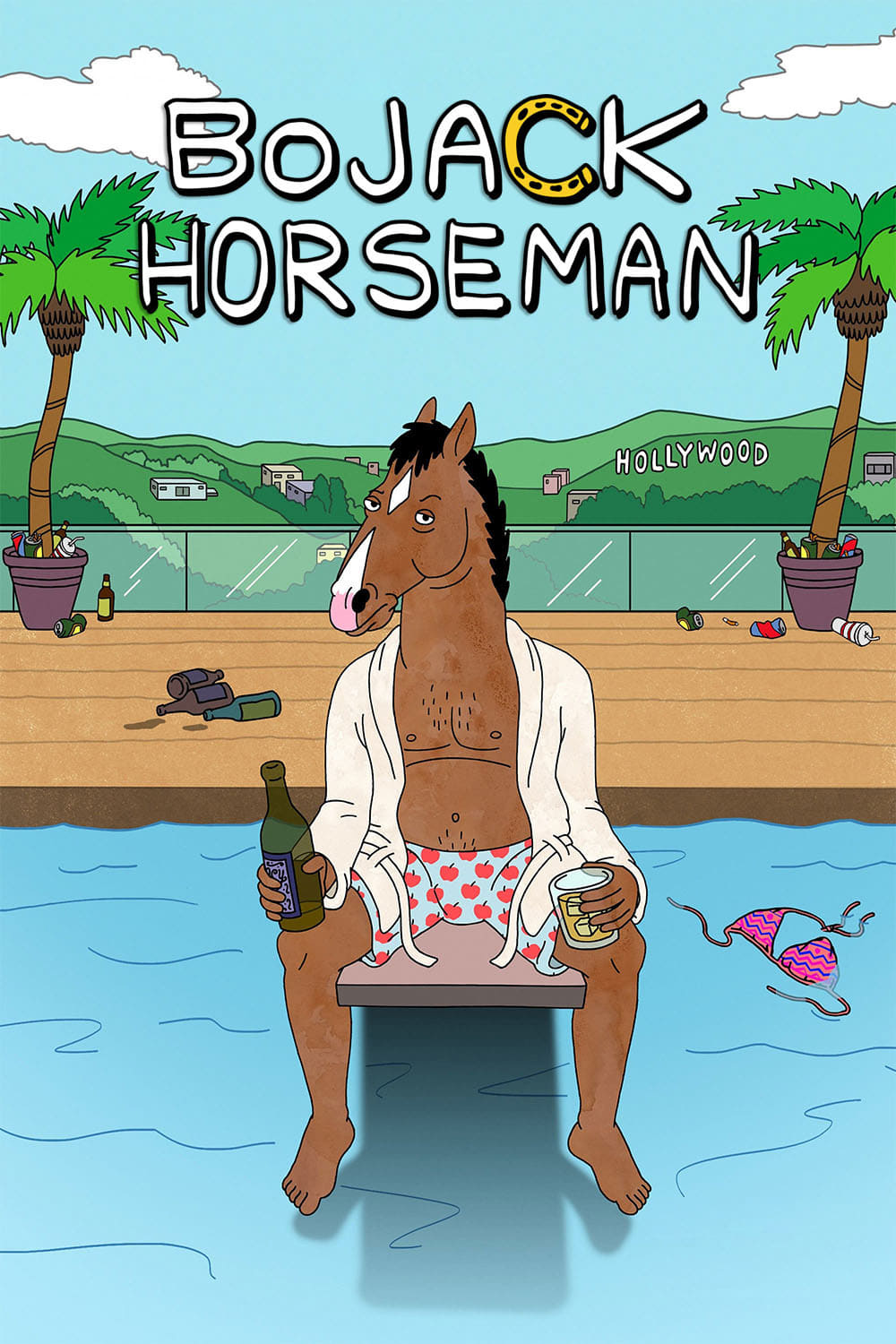
This animated series starts as a satire of Hollywood culture featuring a washed-up sitcom star. It quickly transitions into a profound examination of depression and addiction that refuses to offer easy answers. The writers utilize the animated medium to experiment with unique narrative structures and visual metaphors. Viewers watch the protagonist grapple with accountability in a way that feels uncomfortably real. It stands as a prime example of how adult animation can tackle serious psychological themes.
‘Succession’ (2018–2023)
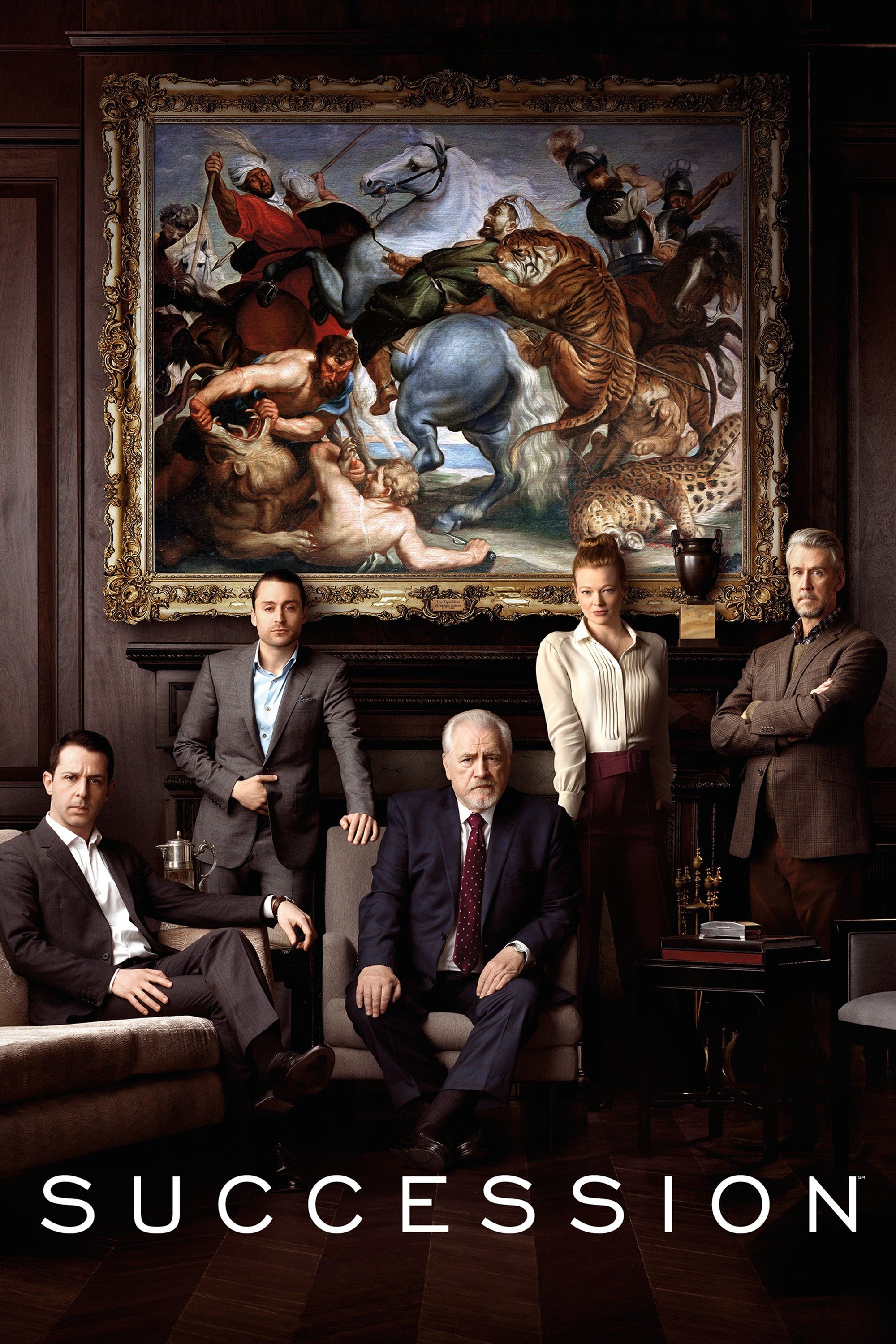
The Roy family battles for control of a global media empire while dealing with their abusive patriarch. Jesse Armstrong sharpens the dialogue and satire with each season to create a modern Shakespearean tragedy. The alliances and betrayals become more complex as the siblings vie for power and validation. Jeremy Strong and Sarah Snook give career-defining performances that reveal the broken souls behind the corporate facade. The show maintains a relentless pace until its shocking but inevitable conclusion.
‘The Leftovers’ (2014–2017)
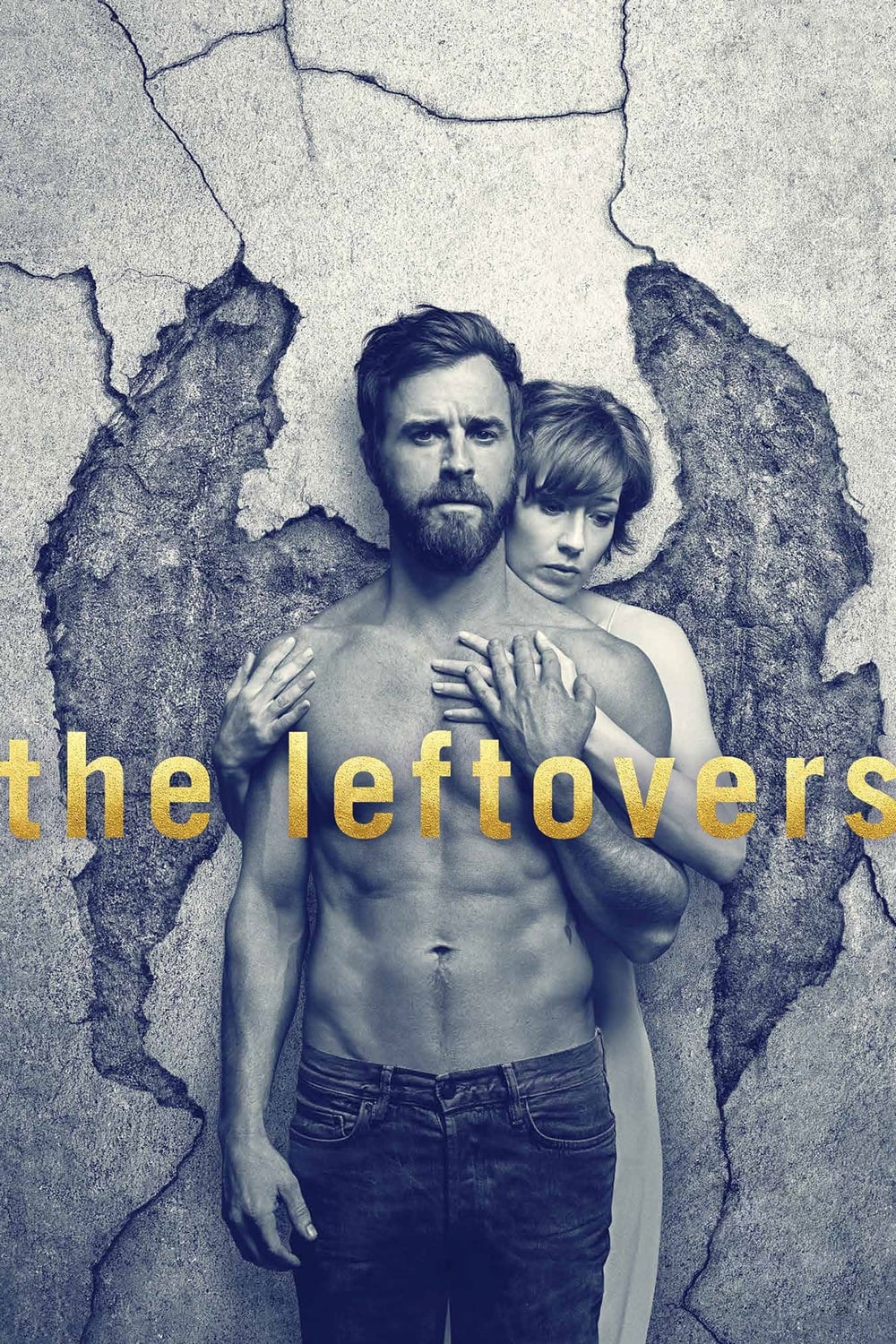
The sudden disappearance of two percent of the global population leaves the survivors in a state of perpetual grief and confusion. The first season is grim and grounded while subsequent seasons embrace surrealism and spiritual mystery. Damon Lindelof shifts the setting and tone to explore faith and human connection more deeply. Justin Theroux and Carrie Coon anchor the emotional weight of the story as it moves toward a cathartic ending. Critics praise the show for its willingness to reinvent itself creatively each year.
‘Parks and Recreation’ (2009–2015)
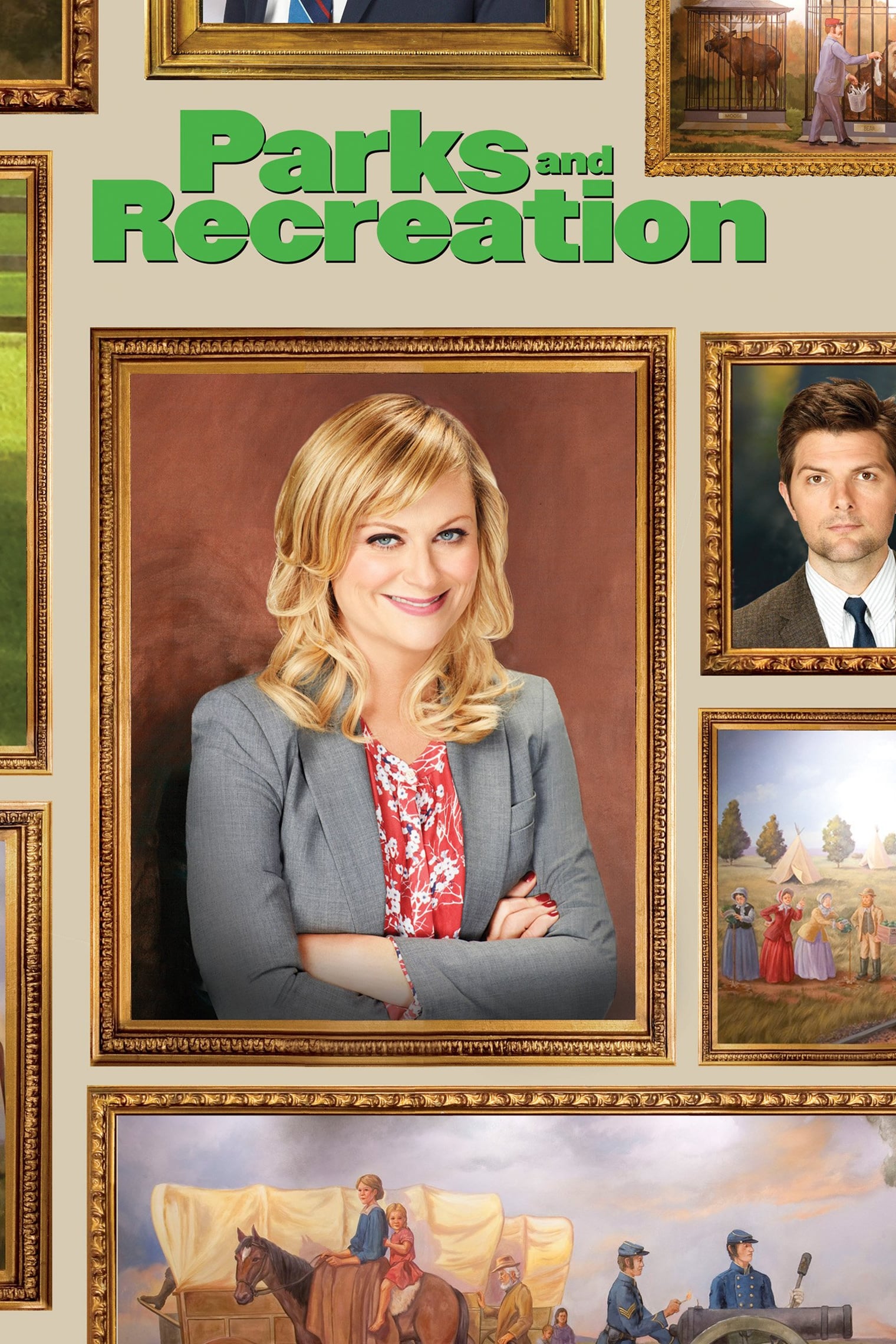
The series initially struggled to find its identity while attempting to mimic the style of ‘The Office’. Writers retooled the character of Leslie Knope from a clueless bureaucrat into a competent and ambitious leader. The ensemble cast developed a unique chemistry that allowed for more optimistic and character-driven humor. Secondary characters grew out of their one-dimensional tropes to become beloved fixtures of the show. By the end of its run the series had established a distinct and heartwarming legacy.
‘Halt and Catch Fire’ (2014–2017)

This period drama chronicles the personal and professional lives of individuals in the computer revolution of the 1980s and 1990s. It begins with a focus on hardware imitation before pivoting to the birth of online communities and the chaotic web. The focus shifts from the male anti-heroes to the brilliant female engineers who drive the innovation. Character dynamics mature significantly as the protagonists learn to value collaboration over ego. It is often cited as a hidden gem that found its true voice after the first season.
‘Black Sails’ (2014–2017)
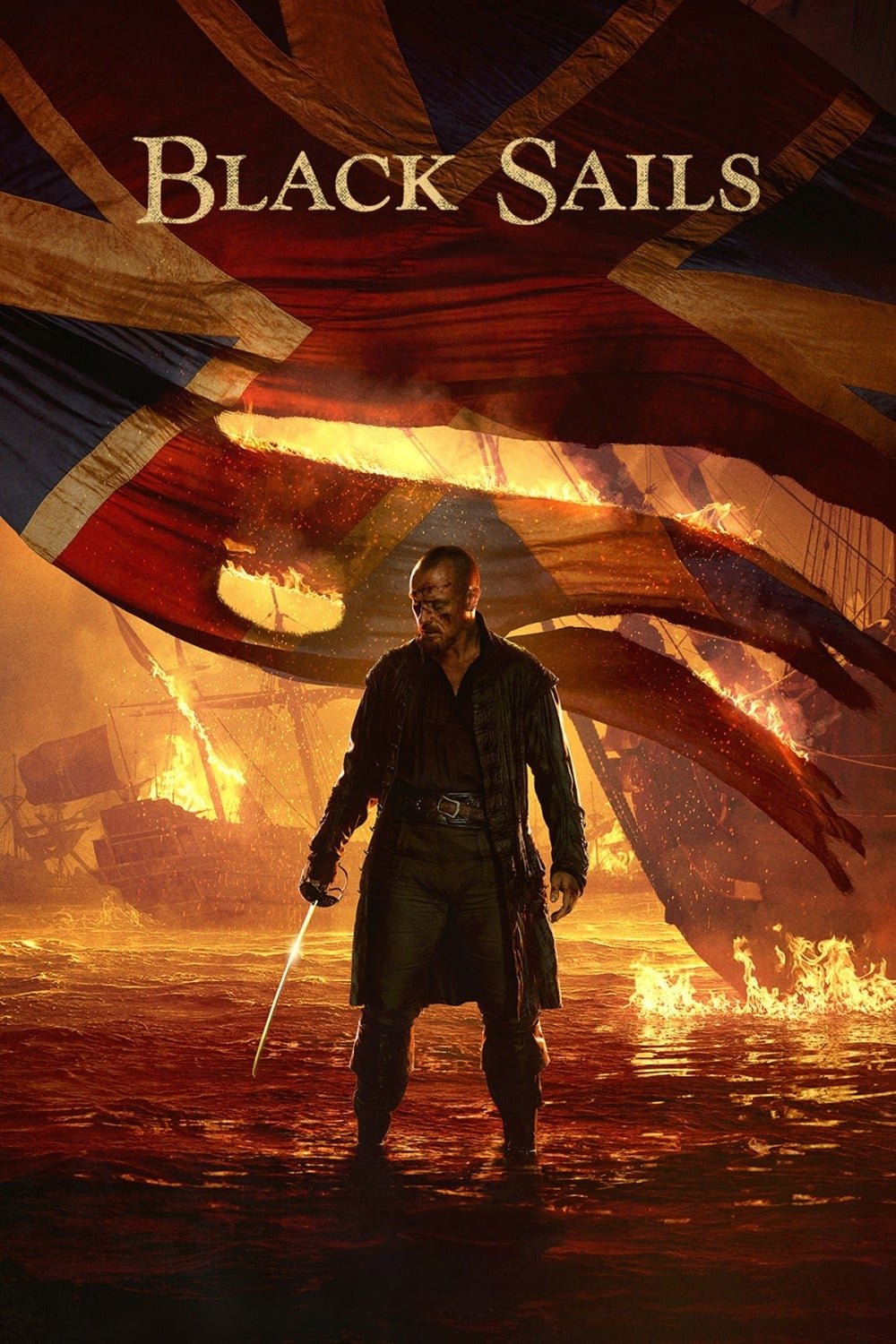
The story serves as a prequel to ‘Treasure Island’ and details the history of Captain Flint and Long John Silver. What appears to be a standard action series about pirates evolves into a complex political drama about civilization and freedom. The production values and naval combat sequences improve drastically as the budget and scope increase. Toby Stephens delivers a powerful performance as a man consumed by a war against the entire world. The writers weave historical figures and fictional characters into a cohesive and tragic narrative.
‘Star Wars: The Clone Wars’ (2008–2020)
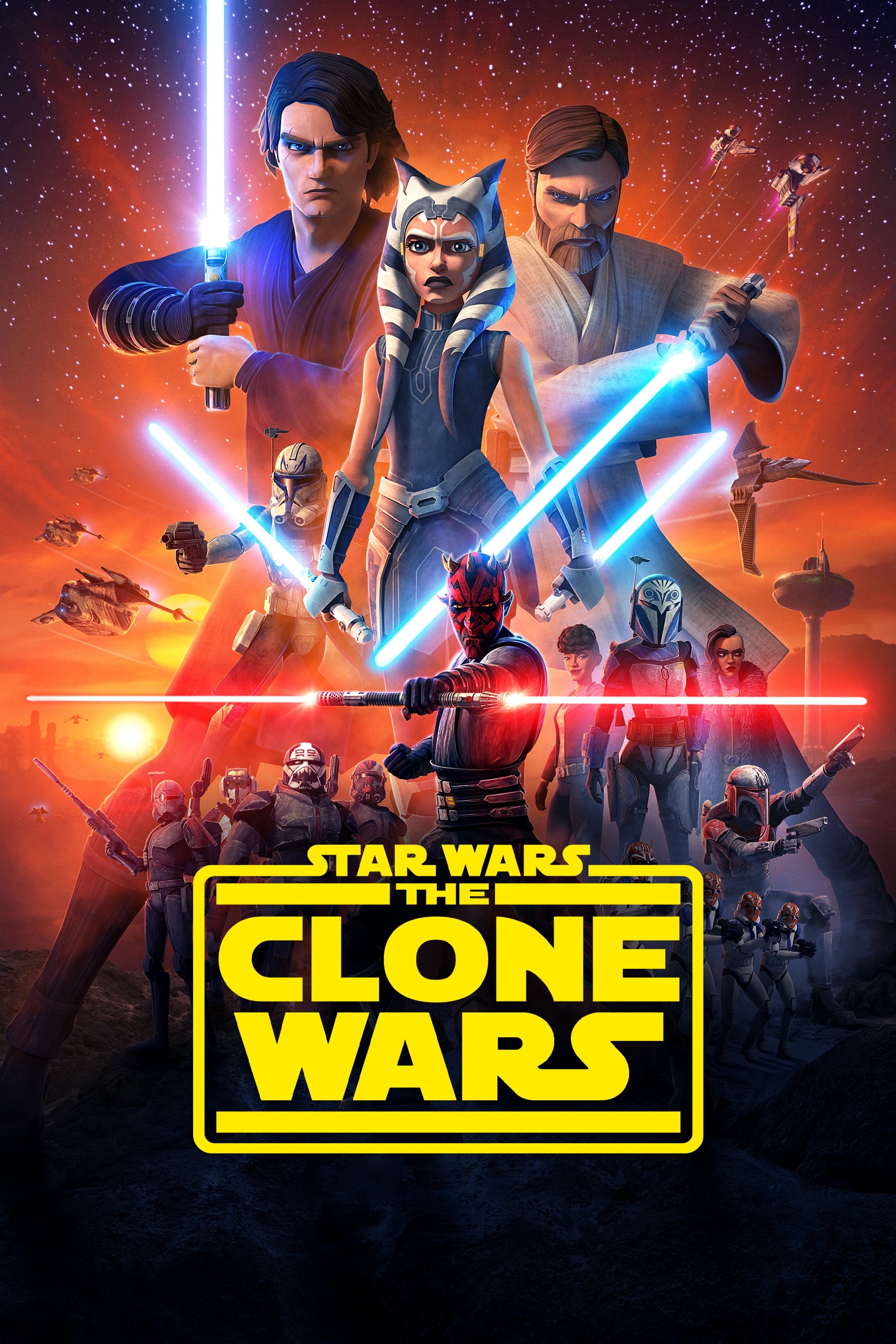
The animated series fills the gap between ‘Attack of the Clones’ and ‘Revenge of the Sith’. Early episodes cater to a younger demographic but the storytelling matures rapidly to handle darker themes of war and corruption. The animation quality sees a massive upgrade in lighting and texture work as technology advances. Ahsoka Tano grows from a divisive sidekick into one of the most beloved characters in the entire franchise. The final season provides a harrowing perspective on the fall of the Jedi Order.
‘Veep’ (2012–2019)
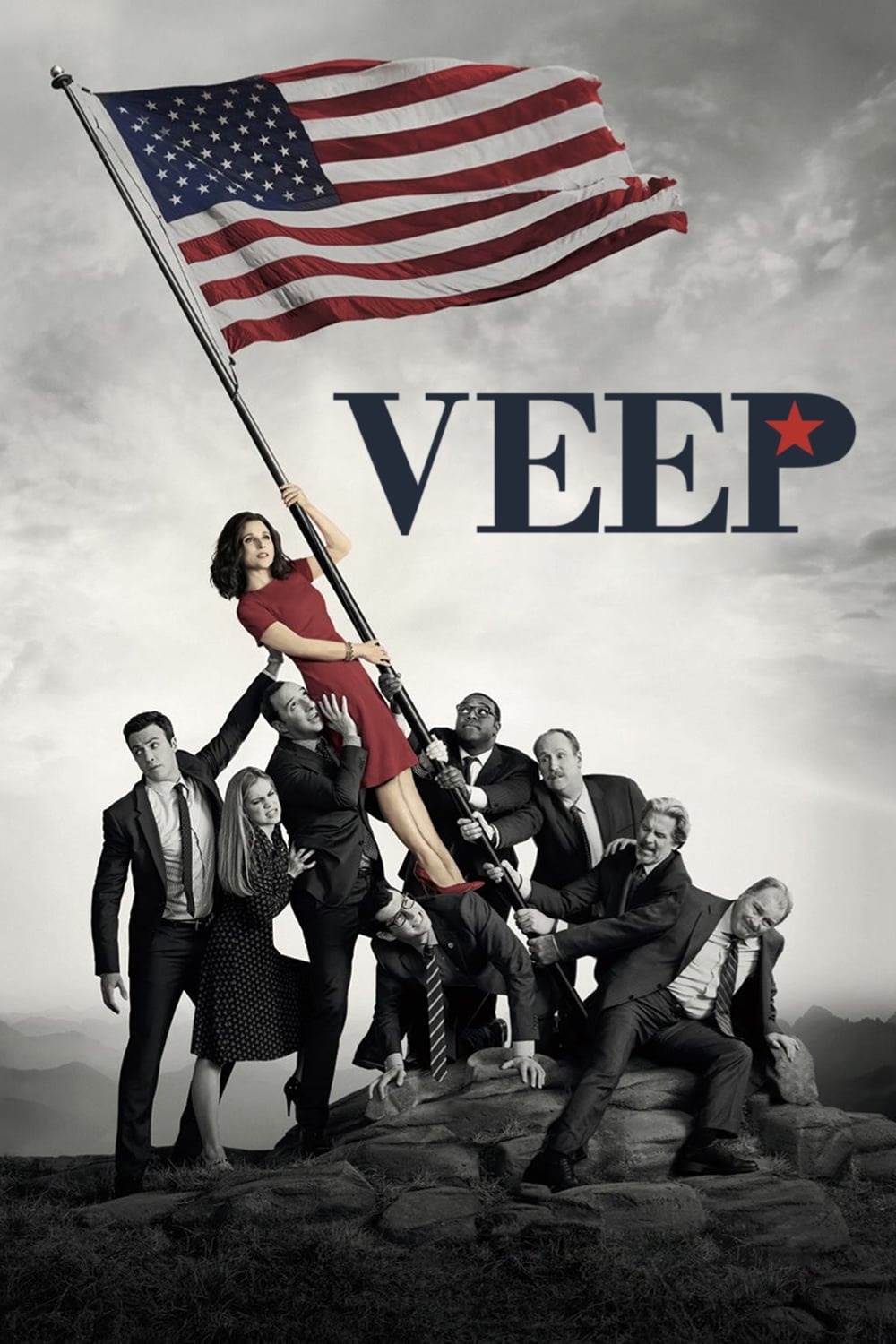
Selina Meyer navigates the incompetence and absurdity of Washington politics with her dysfunctional staff. The satire becomes sharper and more cynical as Selina inches closer to the highest office in the land. Julia Louis-Dreyfus perfects her timing and delivery to capture the narcissistic nature of the protagonist. The insults and dialogue become increasingly intricate and rapid-fire as the seasons progress. It offers a scathing look at political ambition that remains consistently hilarious until the end.
‘Justified’ (2010–2015)
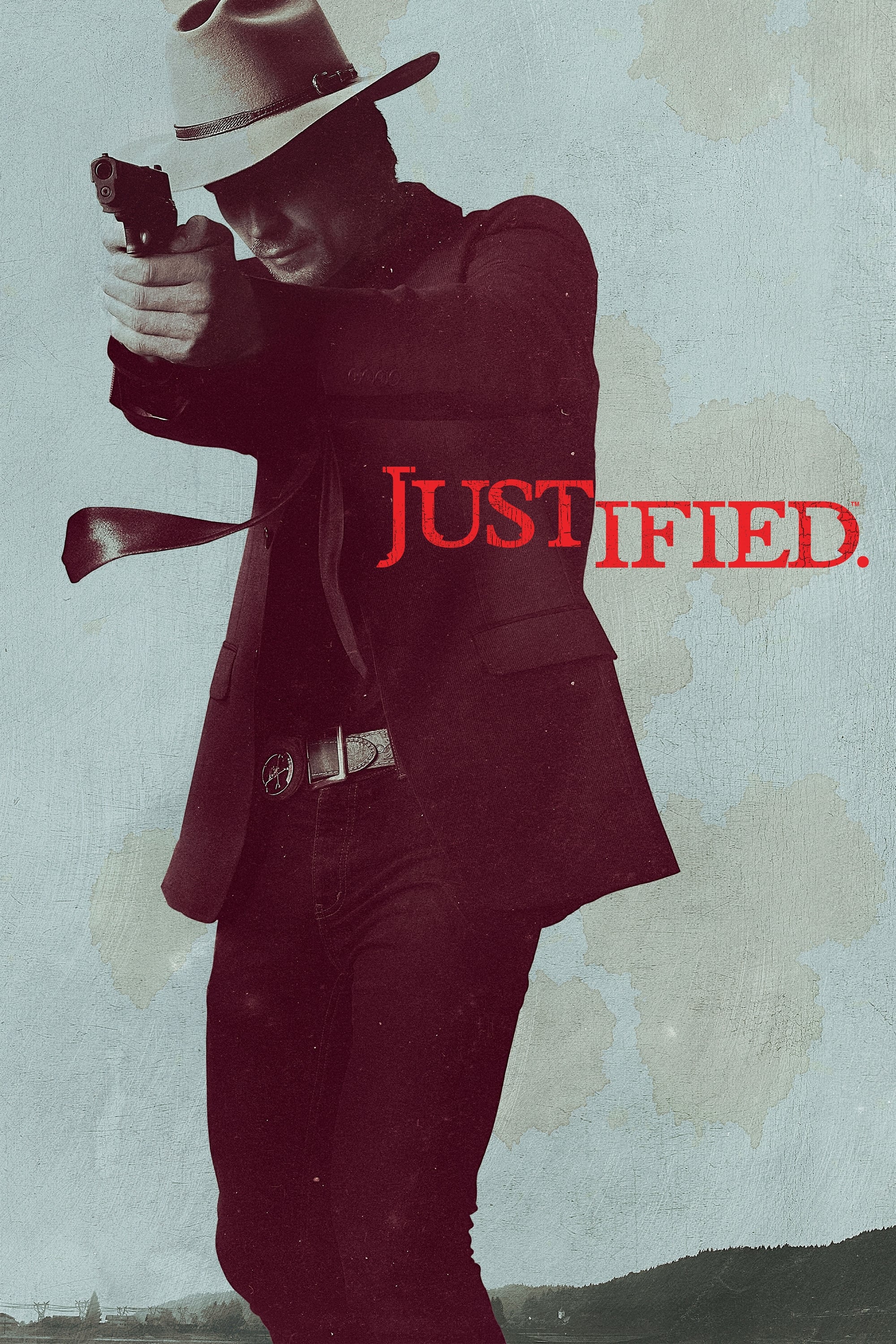
U.S. Marshal Raylan Givens returns to his home in Kentucky to dispense his own brand of justice. The show expands beyond a procedural format to explore the criminal ecosystem of Harlan County. Timothy Olyphant and Walton Goggins share an electric chemistry that defines the central conflict of the series. The dialogue captures the unique rhythm and wit of Elmore Leonard acting as a tribute to the source material. Each season introduces compelling antagonists that challenge the moral code of the protagonist.
‘Fleabag’ (2016–2019)
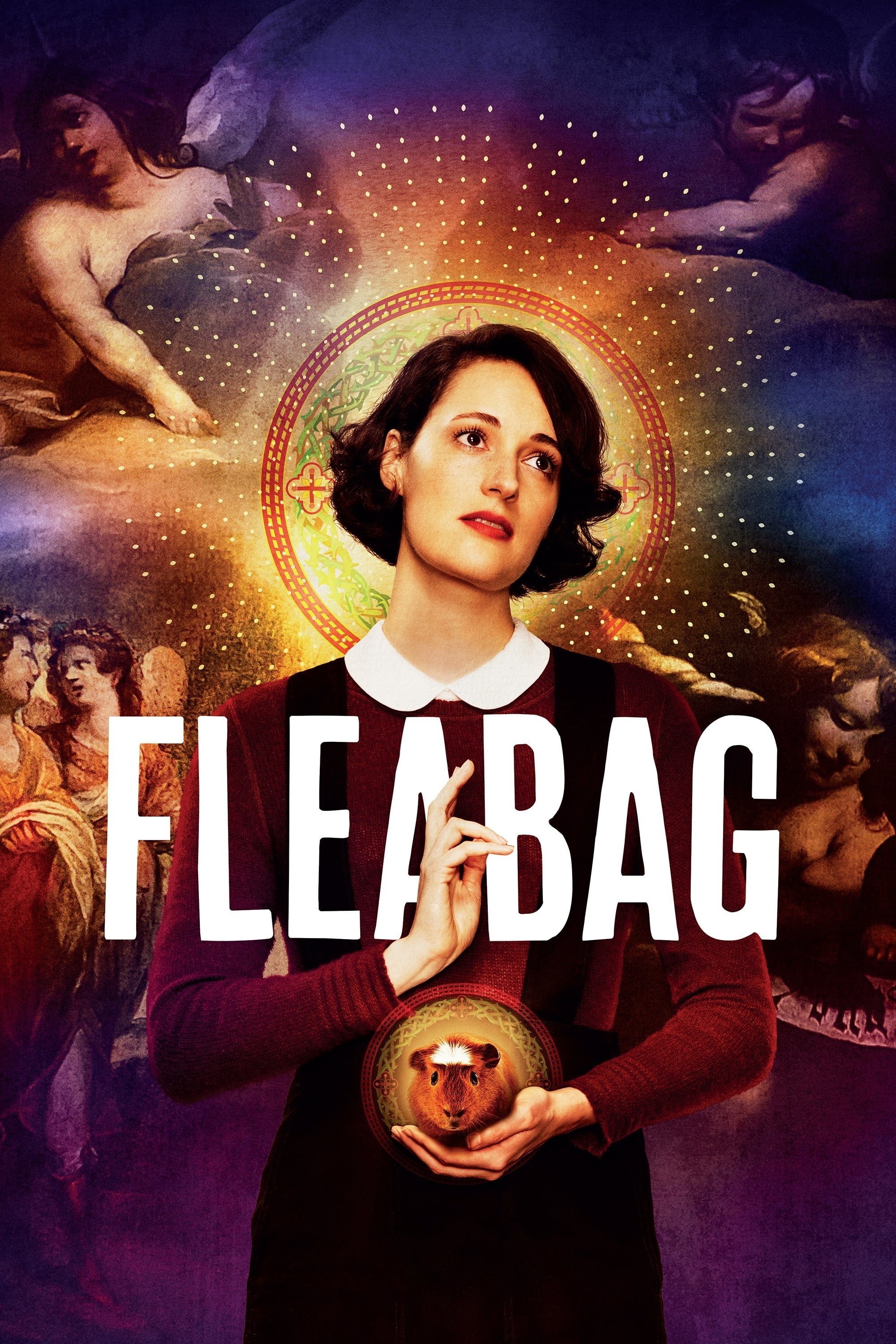
A young woman navigates life and love in London while dealing with tragedy and a dysfunctional family. The first season is a hilarious but cynical look at grief and guilt through the eyes of an unreliable narrator. Phoebe Waller-Bridge elevates the second season by introducing a romance that challenges the protagonist’s worldview. The breaking of the fourth wall evolves from a comedic crutch into a crucial narrative device. The distinct two-season structure results in a tight and perfectly paced story of redemption.
‘Avatar: The Last Airbender’ (2005–2008)
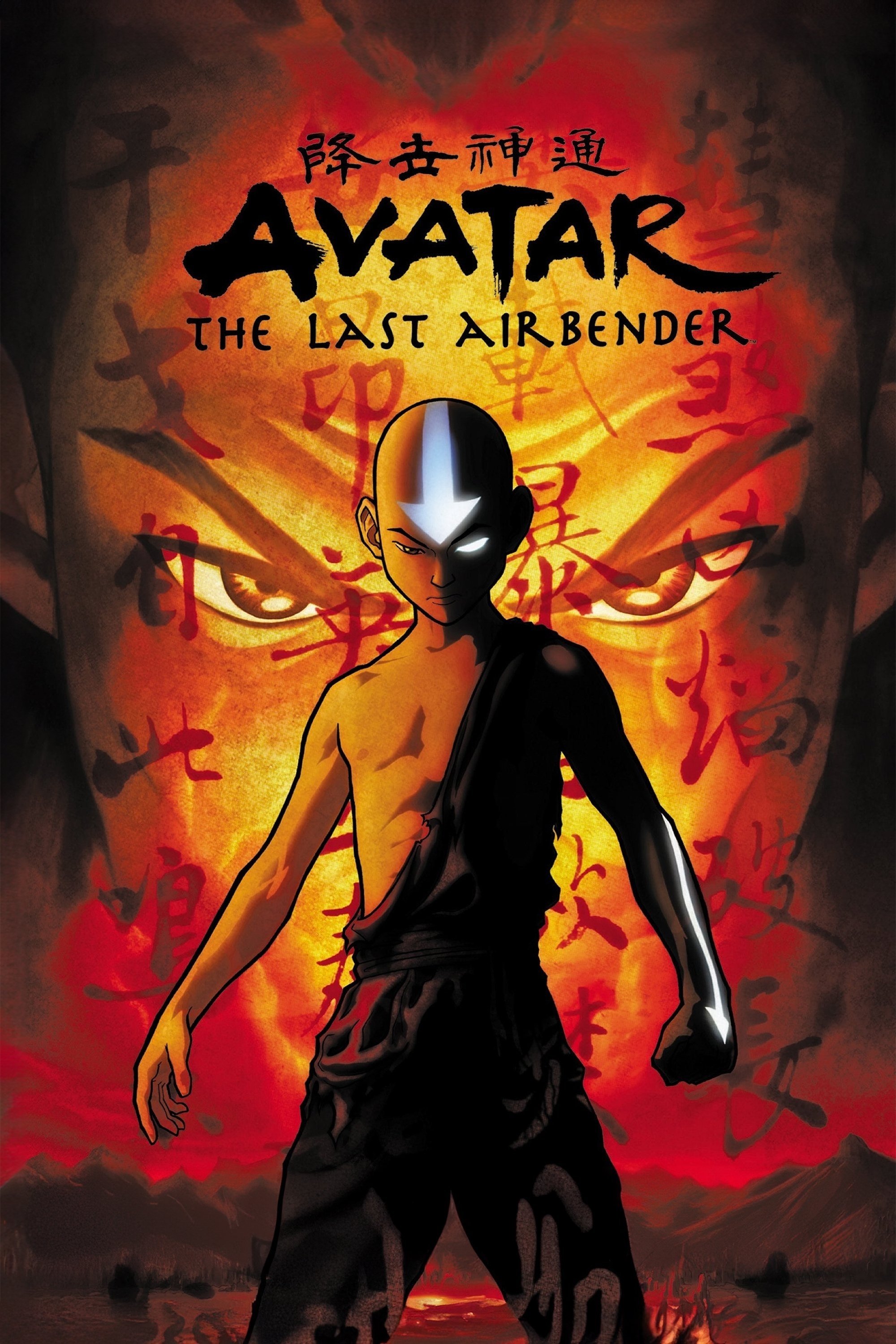
A young boy must master four elements to stop a century-long war and bring peace to the world. The world-building deepens significantly as the heroes travel across different nations and witness the costs of conflict. Character arcs for villains like Zuko are handled with a level of maturity rarely seen in children’s programming. The animation becomes more fluid and dynamic during the intense martial arts battles of the later books. It remains a benchmark for storytelling in Western animation.
‘Person of Interest’ (2011–2016)

A reclusive billionaire and a former CIA agent use an artificial intelligence to prevent violent crimes in New York City. The show begins as a standard case-of-the-week procedural before evolving into a serialized sci-fi thriller. Writers explore prescient themes regarding mass surveillance and the ethics of artificial superintelligence. The scope widens to include rival government agencies and competing AI systems battling for control. Character relationships deepen amidst the high-concept plot to create genuine emotional stakes.
‘The Shield’ (2002–2008)
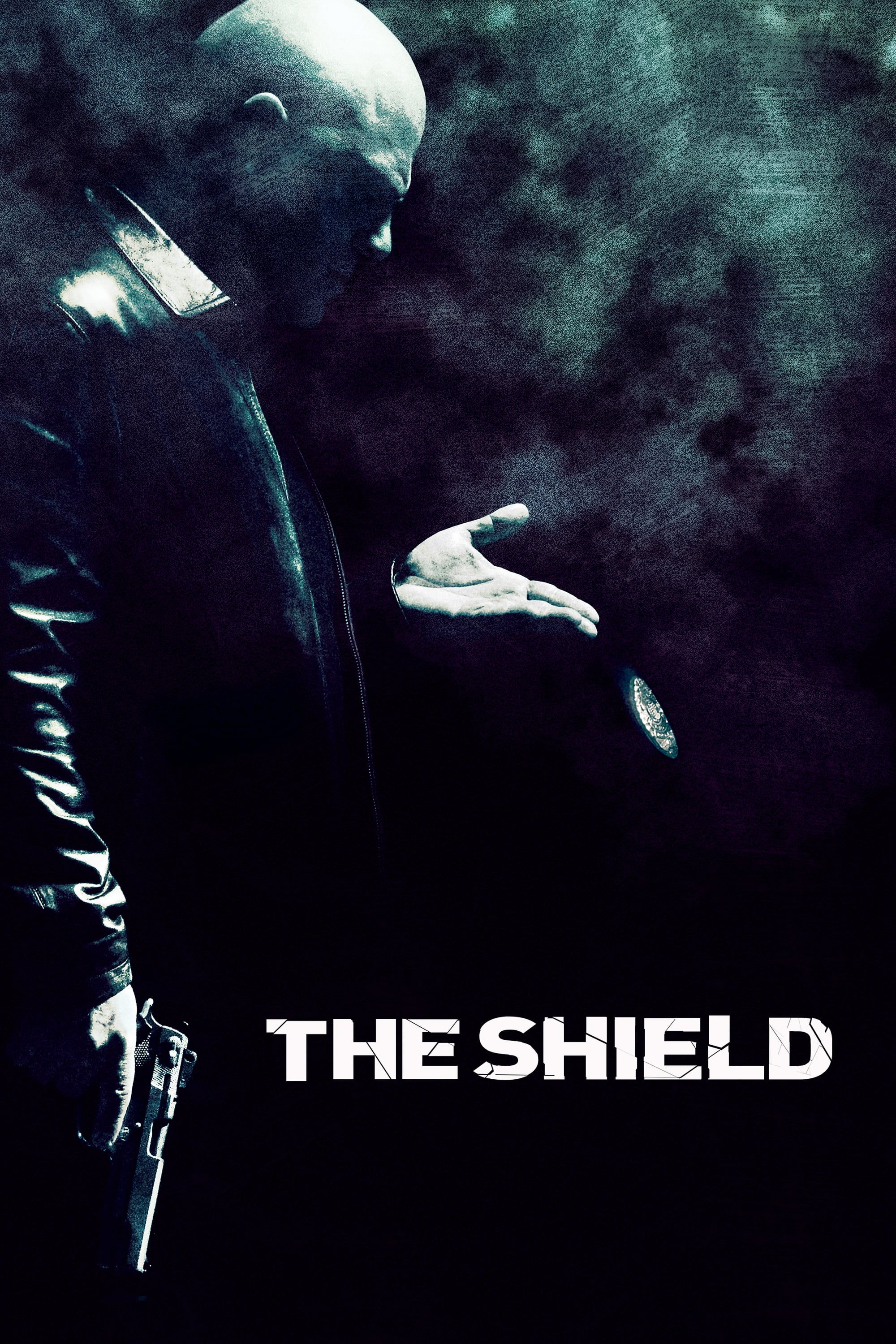
Vic Mackey leads a corrupt police strike team that operates above the law to control gang violence. The series maintains a high-octane pace while tightening the noose around the main characters with each illegal action. Internal affairs investigations and rival gangs create a constant sense of claustrophobia and impending doom. Michael Chiklis brings a terrifying physical presence to a character who is both a dedicated father and a monster. The explosive finale serves as a grim consequence of the choices made in the pilot episode.
‘Marvel’s Agents of S.H.I.E.L.D.’ (2013–2020)
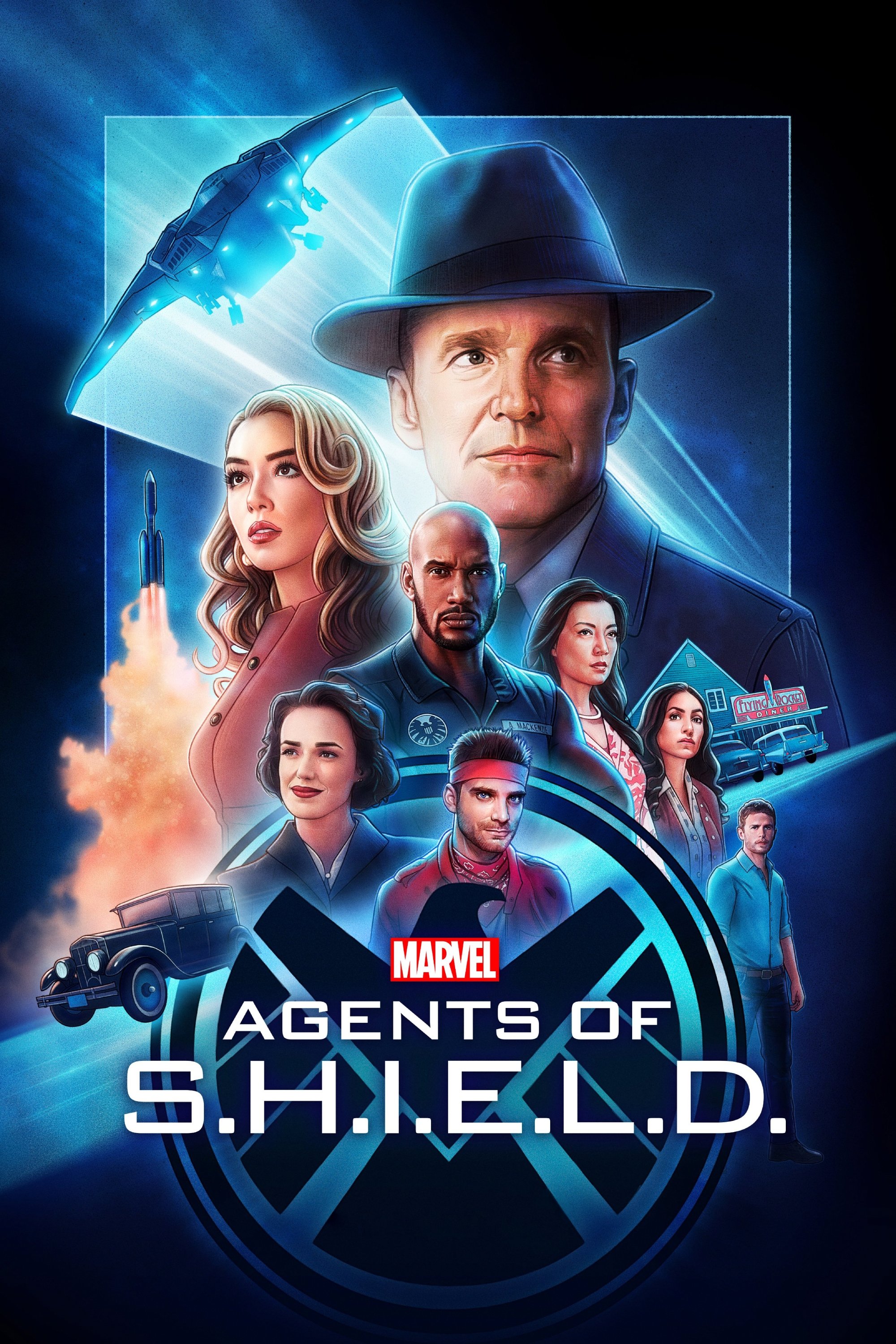
A team of spies investigates strange occurrences in a world filled with superheroes and aliens. The first season struggled to find its footing until a major plot twist from the films upended the entire premise. The series subsequently embraced its own mythology and experimented with different genres ranging from magic to space opera. Clark Gregg anchors the ensemble cast as they face increasingly personal threats and timeline disruptions. It proved that a network comic book show could sustain compelling long-form storytelling.
‘Bates Motel’ (2013–2017)
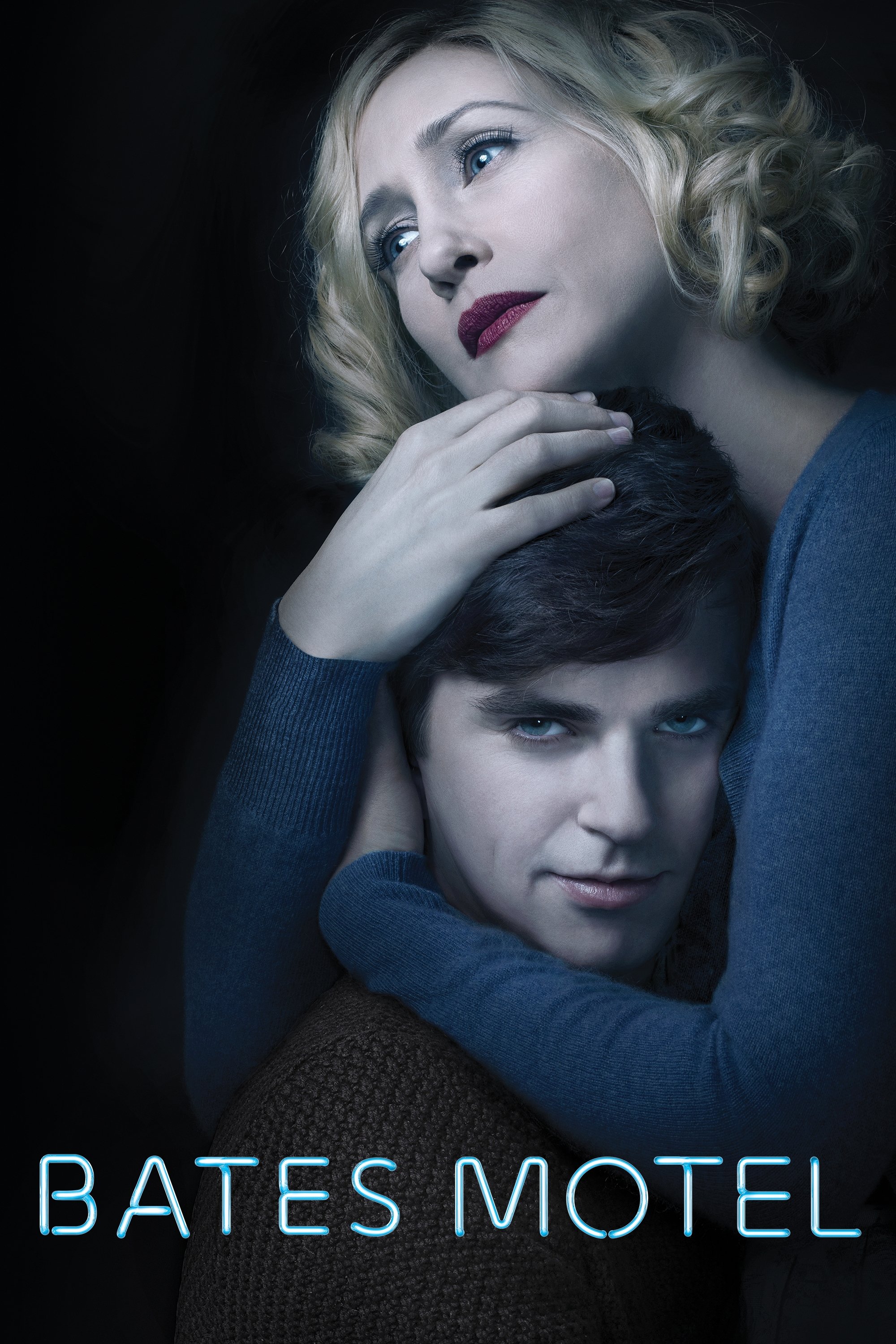
This contemporary prequel explores the unraveling psyche of a teenage Norman Bates and his complicated relationship with his mother. Freddie Highmore and Vera Farmiga deliver unsettling performances that oscillate between affection and toxicity. The writers carefully pace the descent into madness to align with the events of the original Alfred Hitchcock film. Narrative tension builds as Norman frequently loses his grip on reality and becomes dangerous. The series manages to respect the source material while carving out its own psychological horror identity.
‘Six Feet Under’ (2001–2005)
The Fisher family runs a funeral home in Los Angeles and confronts mortality on a daily basis. The writing grows more profound as the characters age and face their own existential crises. Relationships within the family fracture and heal in realistic ways that avoid melodramatic clichés. The final season delivers a powerful message about the transient nature of life and the importance of connection. Its closing montage is frequently cited by critics as one of the greatest sequences in television history.
Share your favorite TV series that improved over time in the comments.