


TV Shows That Got Boycotted for Leaning Too Left or Right

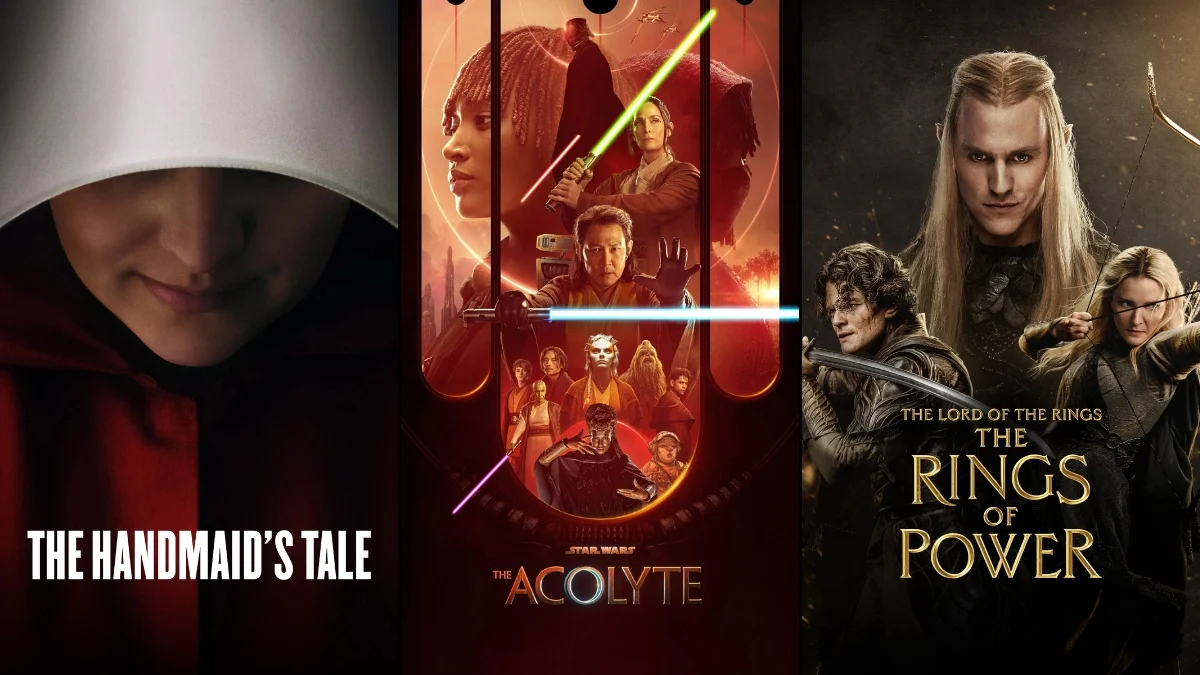


Television has always been a reflection of societal values and political shifts. Audiences often react strongly when a series appears to push a specific agenda that conflicts with their personal beliefs. Networks and streaming platforms frequently face organized boycotts from viewers who feel alienated by the narrative direction. These campaigns sometimes lead to cancellations or significant changes in production. Here are twenty-five television shows that sparked public outrage for their perceived political or social leanings.
‘Roseanne’ (2018)
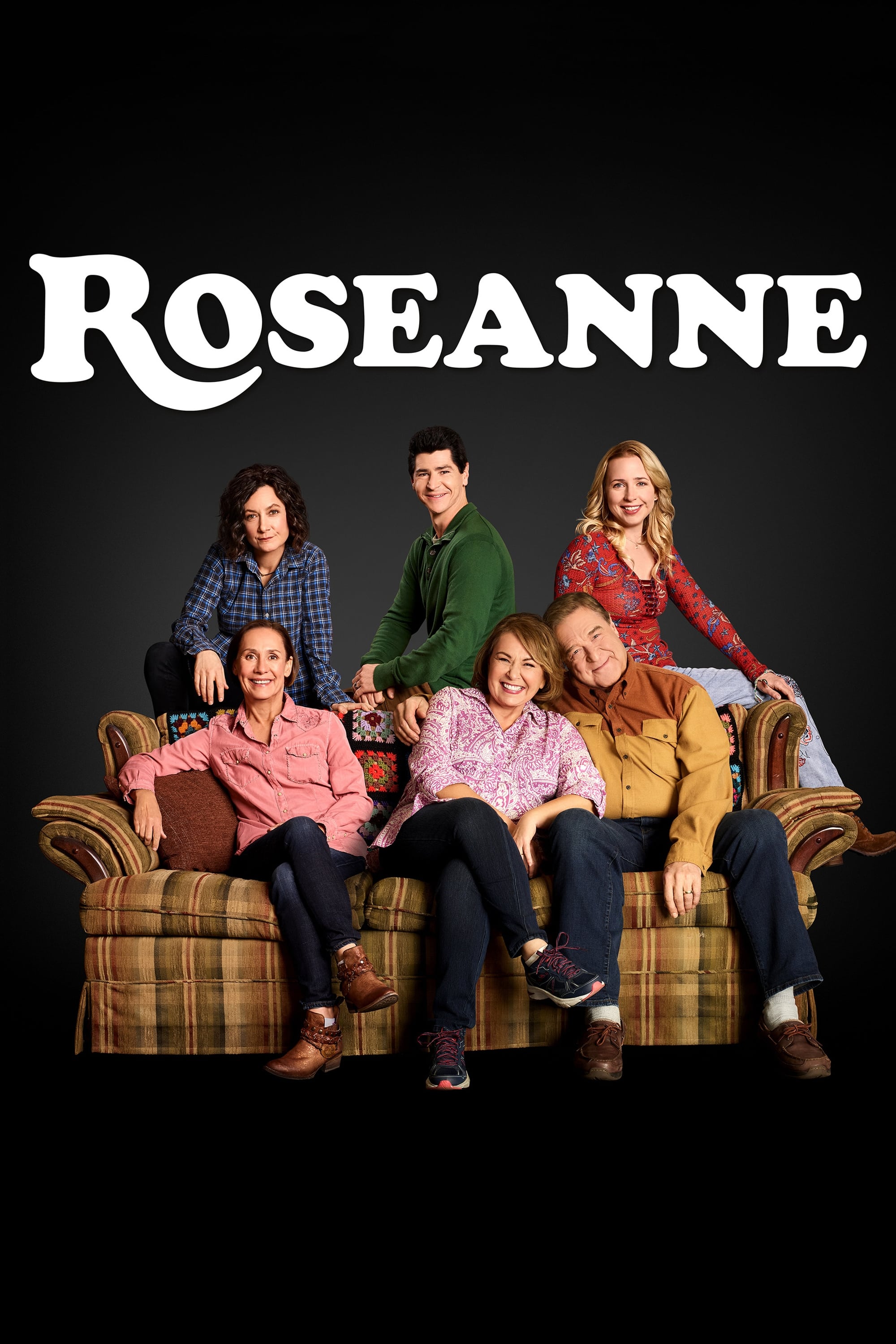
The revival of this classic sitcom achieved massive ratings by appealing to working class conservatives. ABC cancelled the series after star Roseanne Barr made racially insensitive comments on social media. Supporters of the show argued the network applied a double standard regarding political speech. The abrupt cancellation sparked calls for a boycott of the network from right leaning viewers. The show eventually continued as a spinoff without the matriarch to address the fallout.
‘The Acolyte’ (2024)
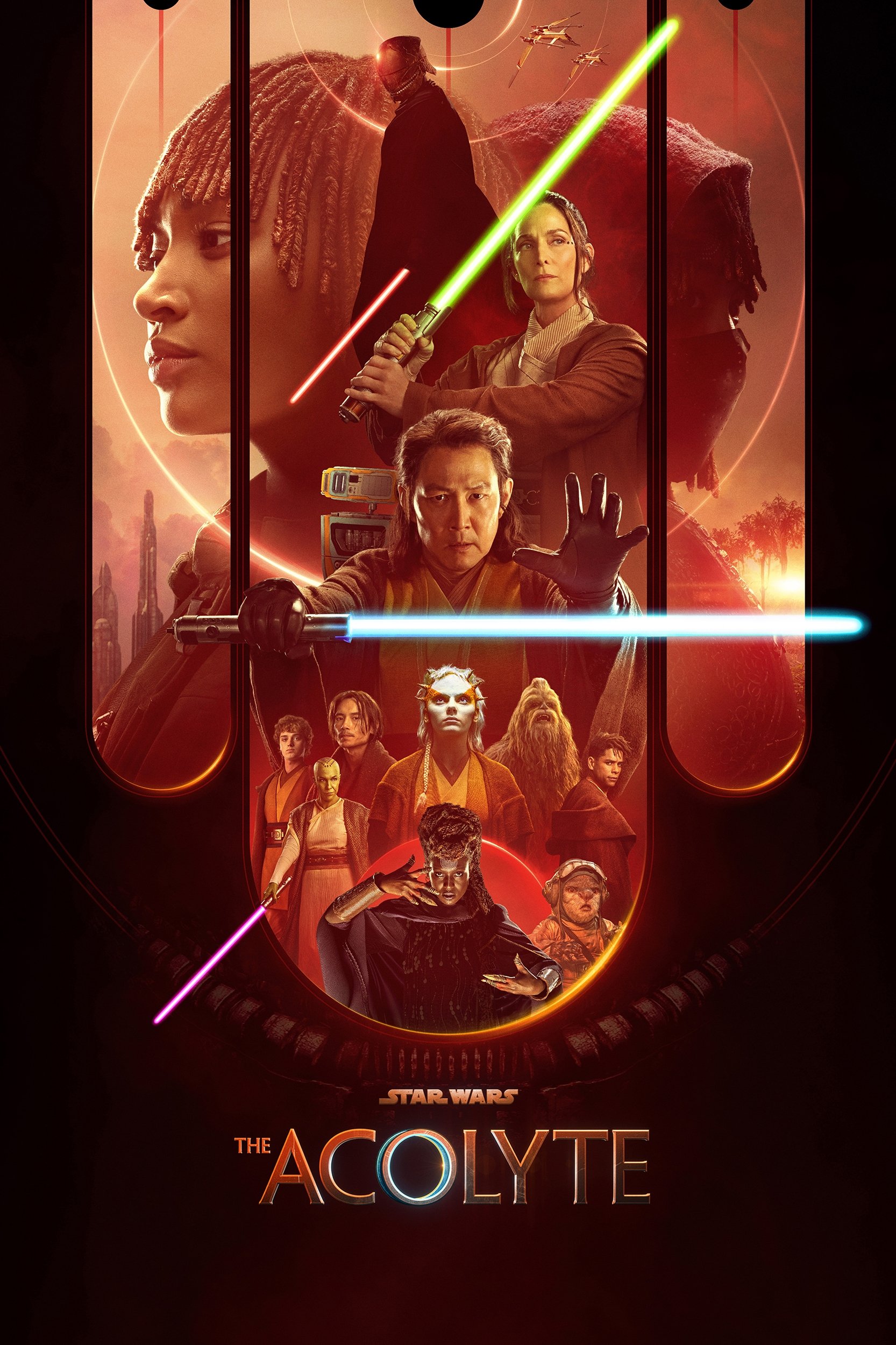
This addition to the Star Wars franchise faced immediate backlash regarding its casting choices and narrative themes. Critics accused the writers of prioritizing modern identity politics over established lore. Online campaigns encouraged fans to unsubscribe from Disney Plus in protest of the creative direction. The low viewership numbers and negative reception led to the cancellation of the series after one season. Discussions surrounding the show highlighted the intense polarization within the fandom.
‘Last Man Standing’ (2011–2021)
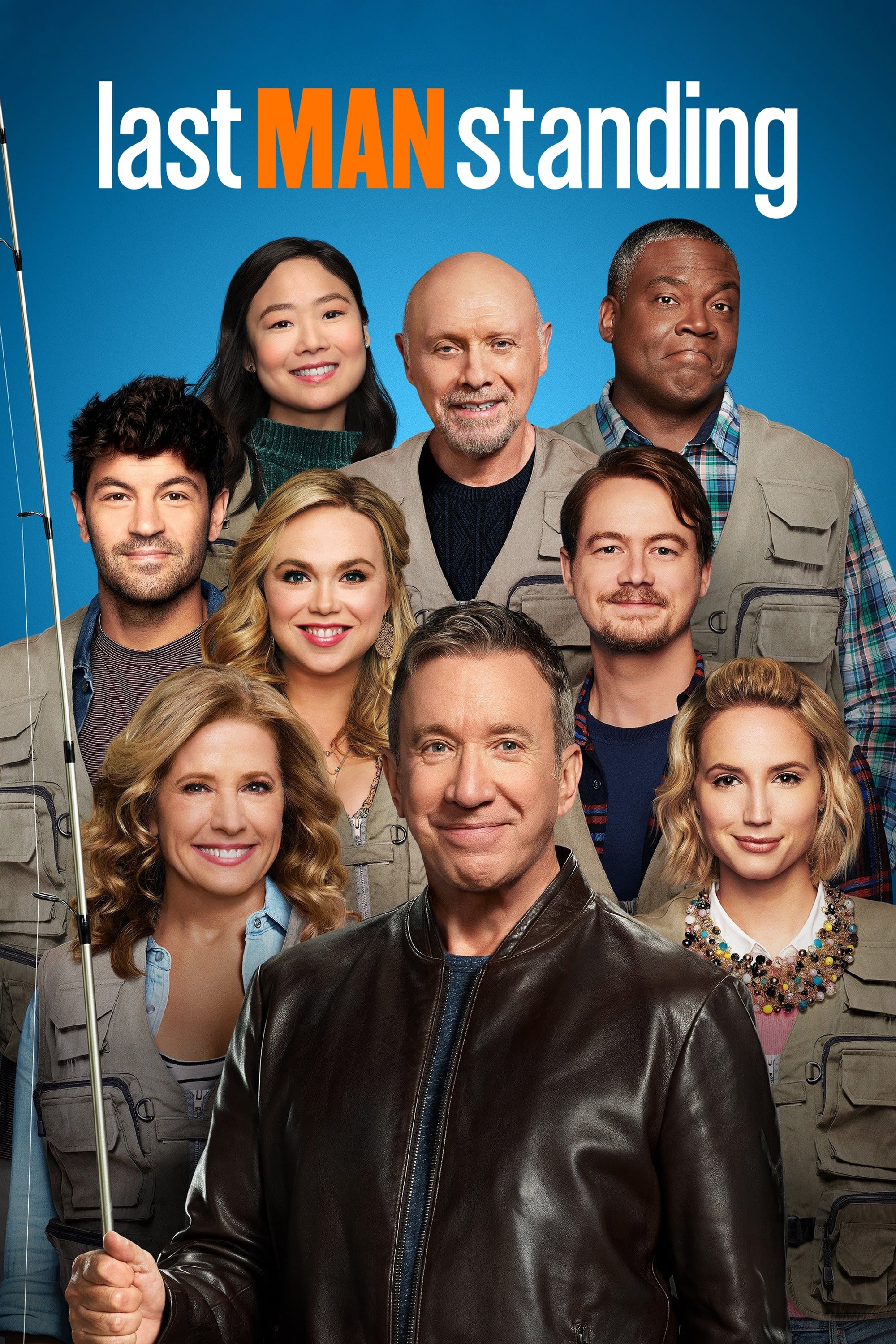
Tim Allen starred as a conservative father trying to maintain his traditional values in a changing world. ABC cancelled the show despite solid ratings which led to accusations of political bias against the network. Fans organized petitions and boycotts of the network until Fox picked up the series for revival. The show frequently tackled political topics that resonated with right leaning audiences who felt underrepresented in media. It remains a prime example of the divide between Hollywood executives and heartland viewers.
‘Murphy Brown’ (1988–1998)

The titular character became a flashpoint for national debate when she decided to raise a child as a single mother. Vice President Dan Quayle specifically cited the storyline as harmful to family values during a campaign speech. The comments sparked a media frenzy and led to conservative groups criticizing the show for undermining traditional structures. The writers incorporated the real life footage into the next season to respond directly to the criticism. This incident marked a significant moment where fictional television directly intersected with national politics.
‘Ellen’ (1994–1998)
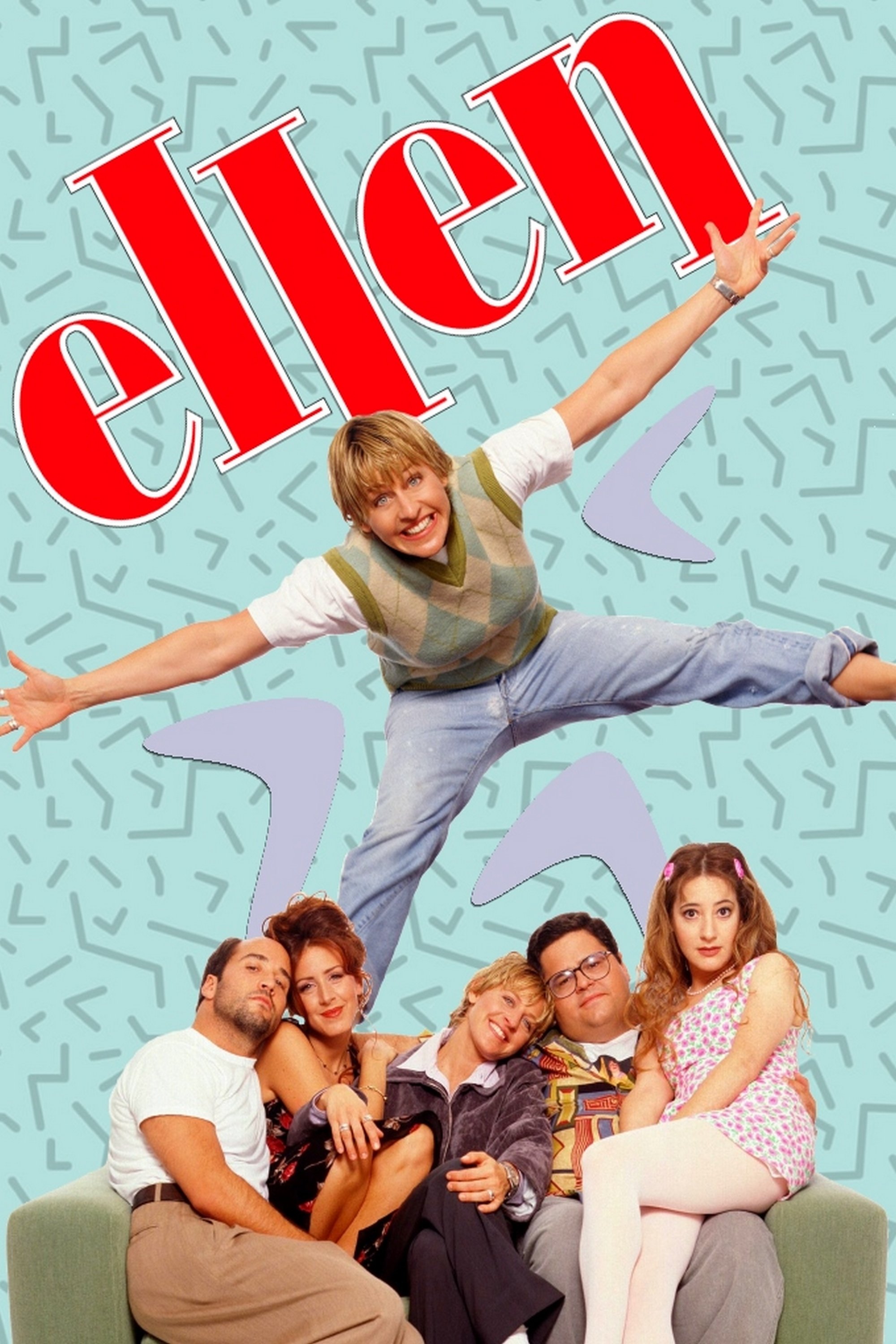
Ellen DeGeneres made television history when her character came out as gay in the famous Puppy Episode. Conservative groups like the American Family Association immediately called for a boycott of the show and its advertisers. Several sponsors withdrew their support while an affiliate station in Alabama refused to air the episode. The backlash contributed to the eventual cancellation of the series despite the initial ratings spike. Cultural historians now view the moment as a major turning point for LGBTQ representation on screen.
‘Duck Dynasty’ (2012–2017)

This reality series about a family of duck call manufacturers became a surprise hit for A&E. Patriarch Phil Robertson sparked controversy with comments regarding his religious views on sexuality during a magazine interview. The network briefly suspended him which caused an immediate uproar and boycott threats from conservative fans. A&E reinstated him quickly after realizing the strength of the audience support. The incident highlighted the cultural gap between coastal media executives and the rural fanbase.
‘Good Luck Charlie’ (2010–2014)
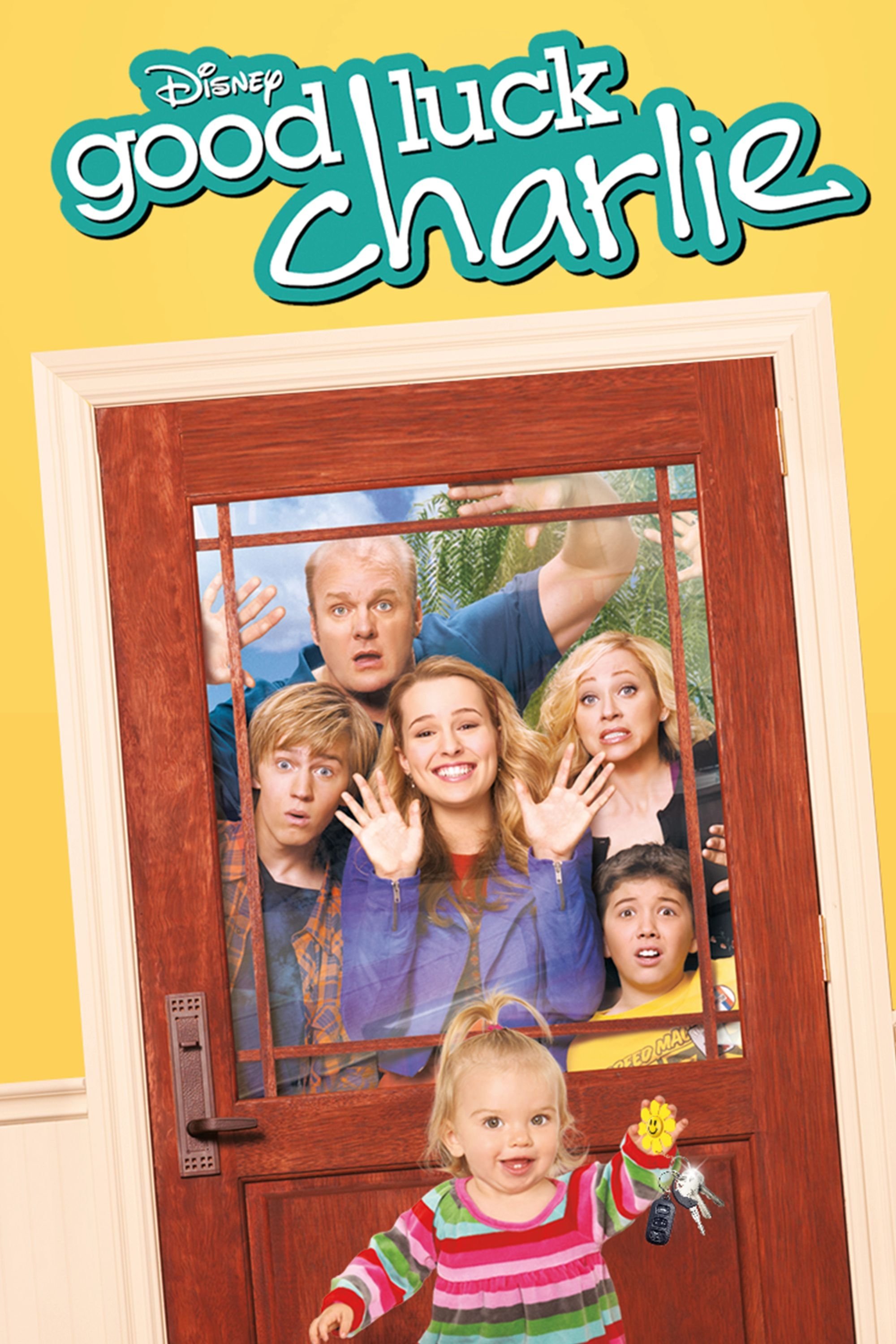
Disney Channel introduced its first same sex couple in an episode involving a playdate. The conservative advocacy group One Million Moms launched a campaign urging parents to boycott the network. They argued the channel was introducing controversial topics too early for the target demographic. Disney stood by the decision and aired the episode as planned despite the pressure. The move signaled a shift in children’s programming toward more inclusive representations of family units.
‘Dear White People’ (2017–2021)
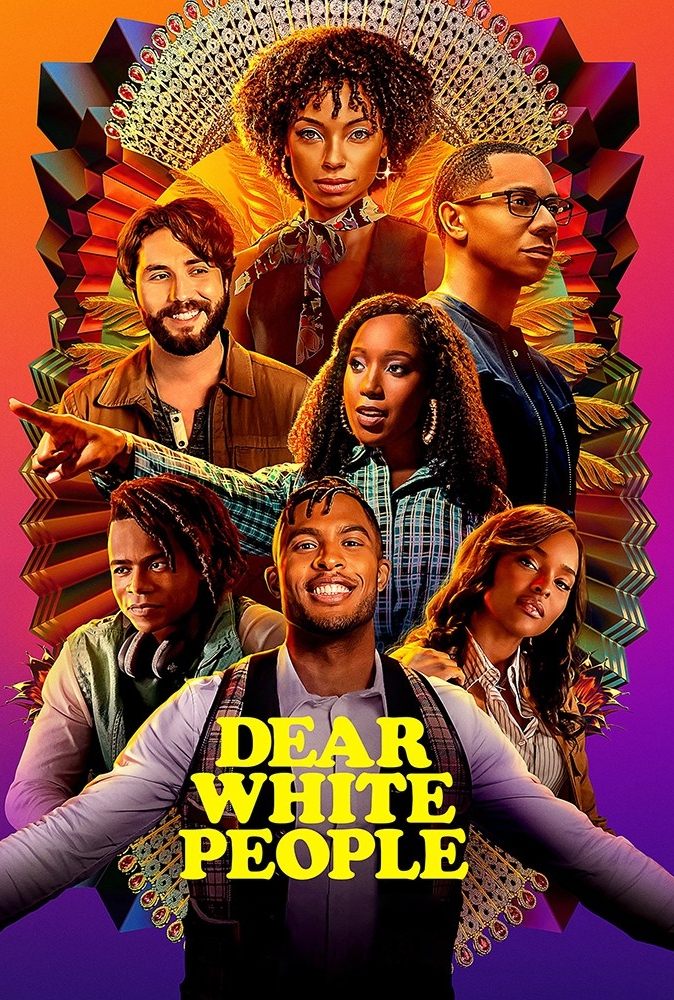
The announcement of this Netflix series triggered a wave of cancellations from subscribers who felt the title was divisive. The show explored racial tensions at an Ivy League university through a satirical lens. Critics accused the series of promoting anti-white sentiment before the first episode even aired. The creator stated the outrage actually helped market the show to its intended audience. It ran for four seasons while continuing to generate debate regarding race relations.
‘Batwoman’ (2019–2022)
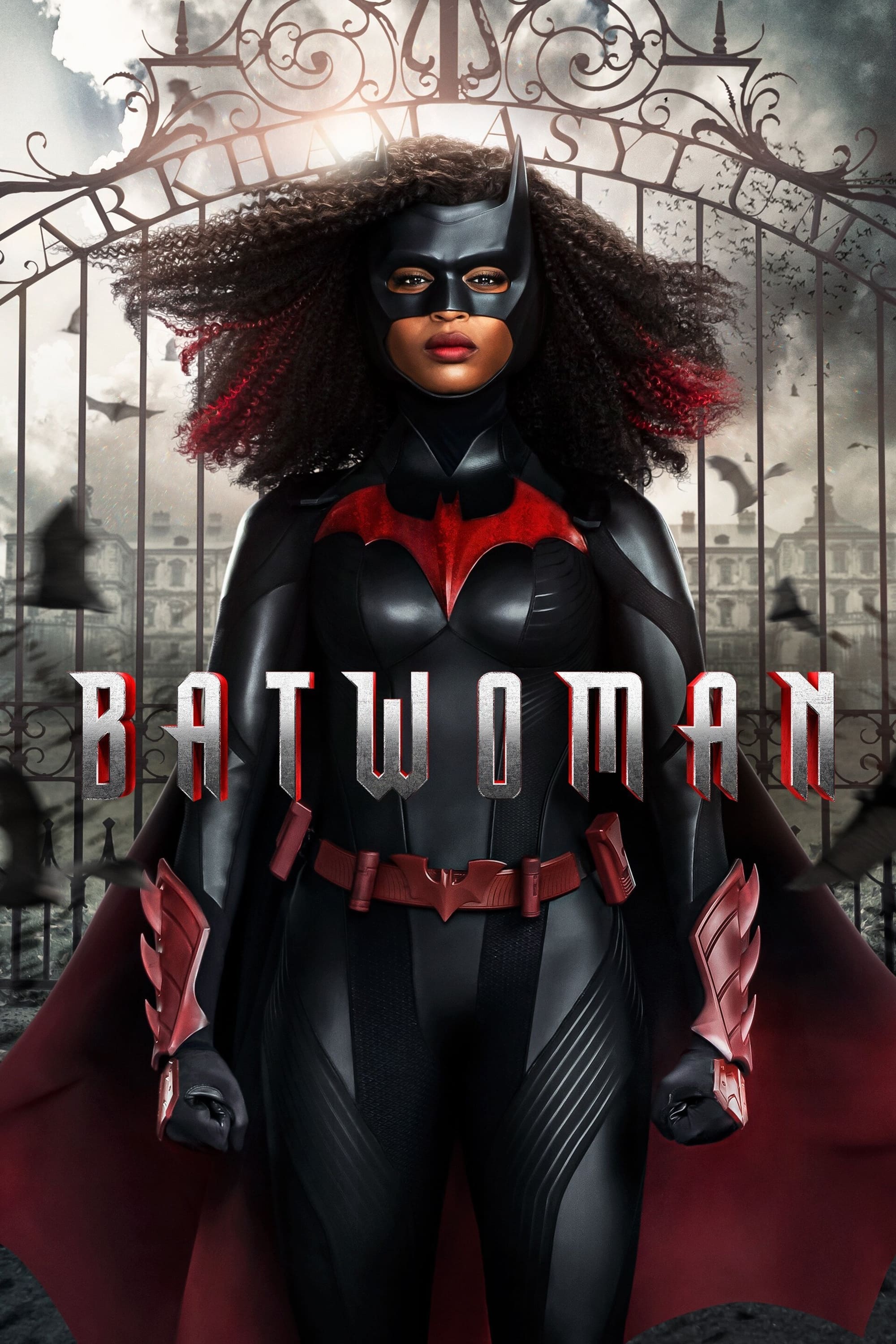
The casting and promotional material for this superhero series emphasized social justice themes that alienated some comic book fans. Youtube commentators and online forums organized viewing boycotts claiming the writing prioritized agenda over storytelling. The show faced review bombing on aggregator sites throughout its run. Lead actress Ruby Rose left after the first season which added to the production troubles. The series struggled to find a consistent audience amidst the ongoing culture war debates.
‘Doctor Who’ (1963–Present)
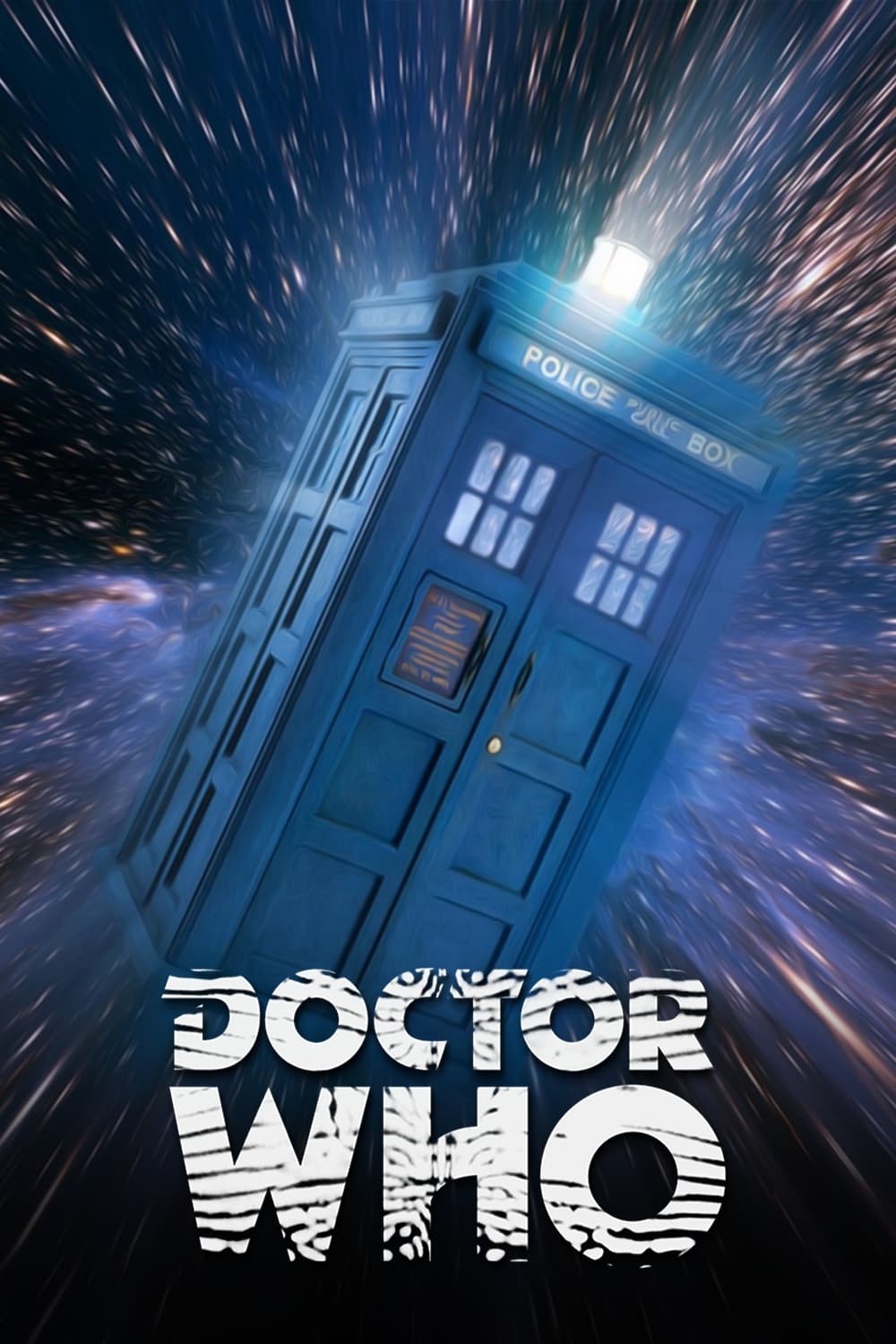
The casting of Jodie Whittaker as the first female Doctor signaled a shift that some traditionalist fans rejected. Scripts began to incorporate more explicit historical and political commentary which drew complaints of preachiness. A segment of the viewership stopped watching and cited the show as having gone too woke. Showrunners argued that the franchise has always been progressive and about change. The viewership numbers fluctuated significantly during this era of the long running sci-fi giant.
‘She-Hulk: Attorney at Law’ (2022)
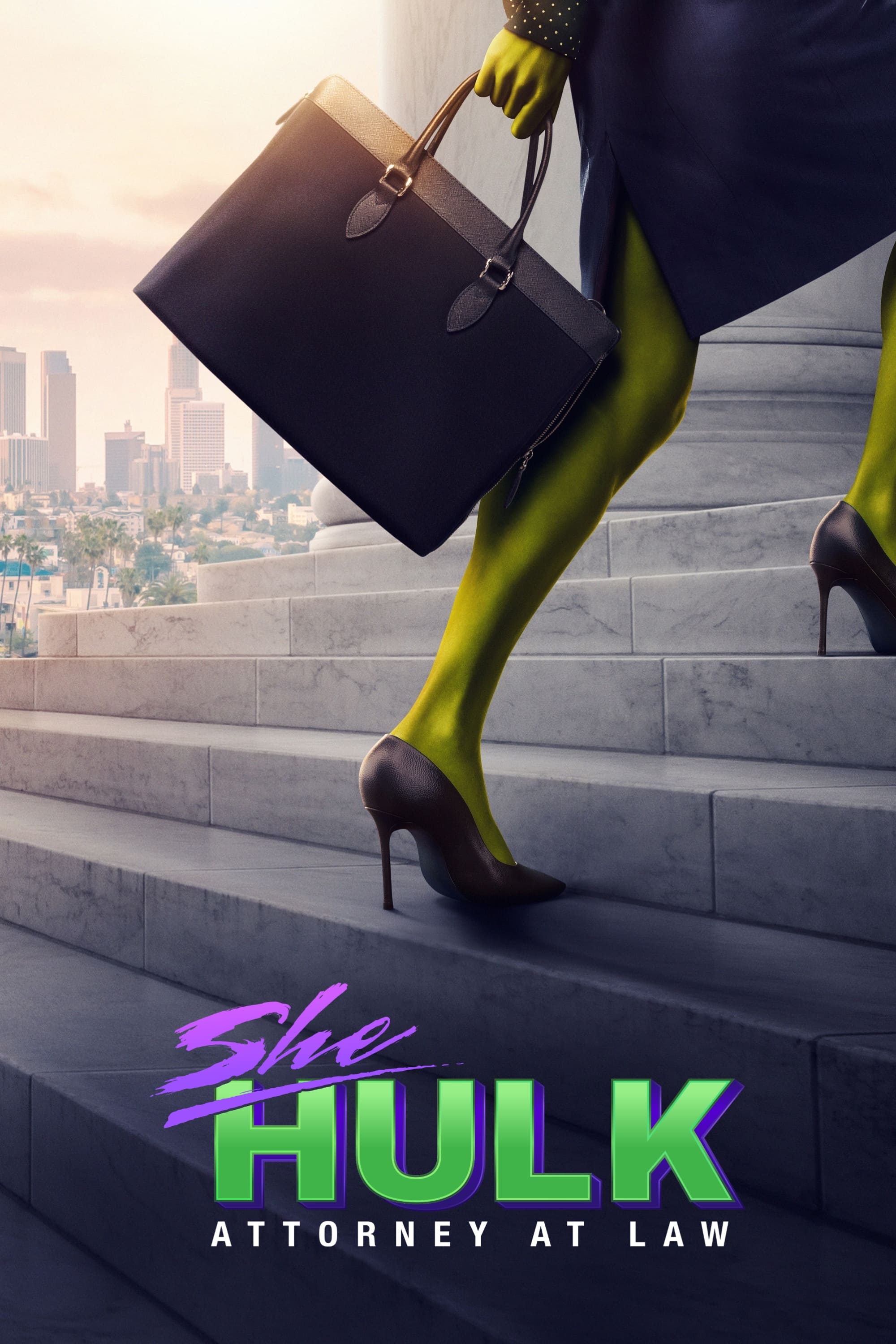
Marvel Studios faced criticism for the comedic and feminist tone of this legal procedural. The show broke the fourth wall to address internet trolls directly which fueled further backlash. Detractors labeled the writing as misandrist and boycotted the series on streaming platforms. The visual effects and storyline decisions became battlegrounds for wider discussions about the MCU direction. The series highlighted the toxic relationship between some fanbases and modern adaptations.
‘Velma’ (2023–Present)
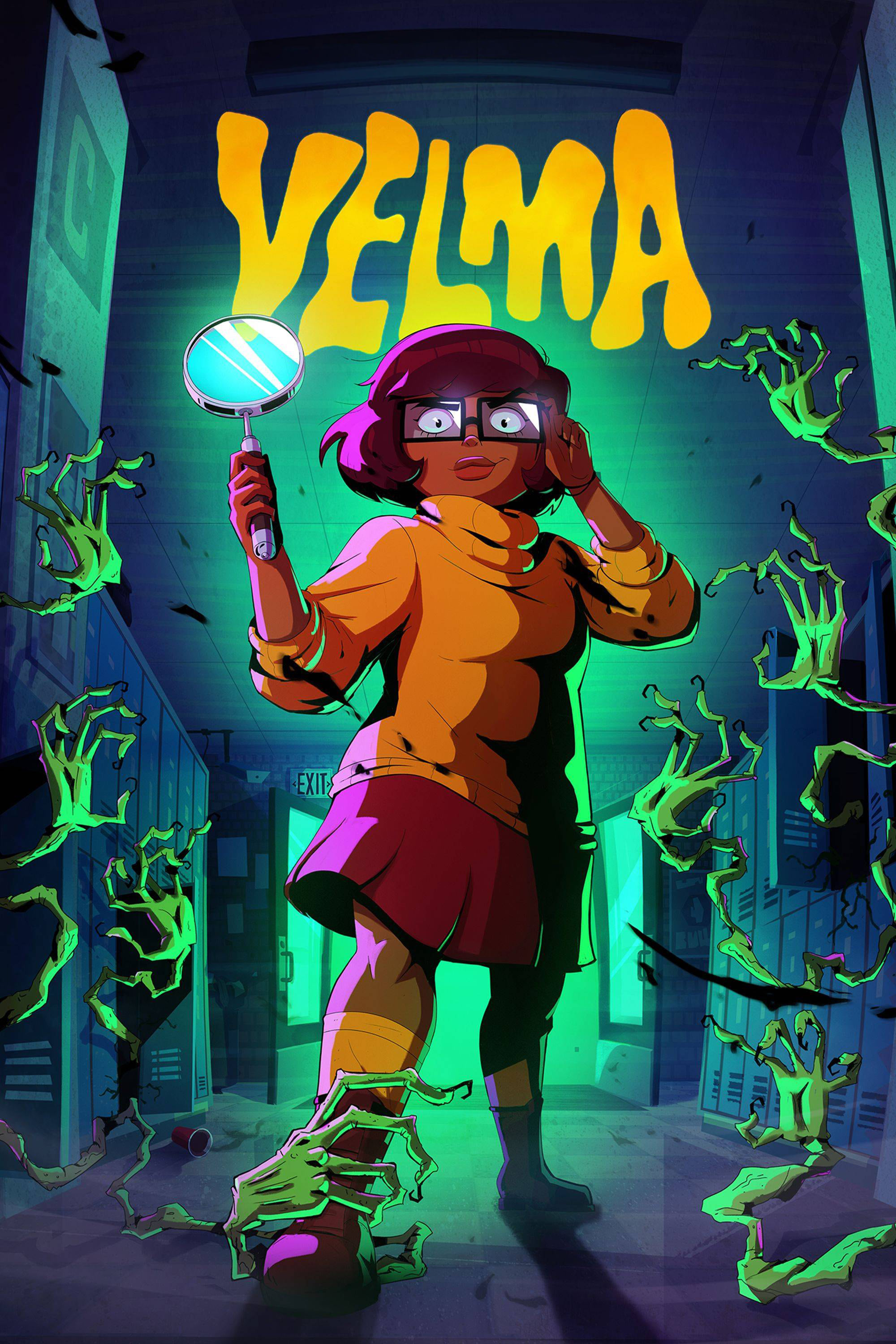
This animated prequel reimagined the classic Scooby Doo characters with diverse backgrounds and adult humor. The show united viewers across the political spectrum in their dislike for the radical changes. It received some of the lowest audience scores in history as fans of the original refused to support it. Hate watching initially drove numbers up but the genuine boycott movement grew quickly. The series became a case study in how not to modernize a beloved intellectual property.
‘The Lord of the Rings: The Rings of Power’ (2022–Present)
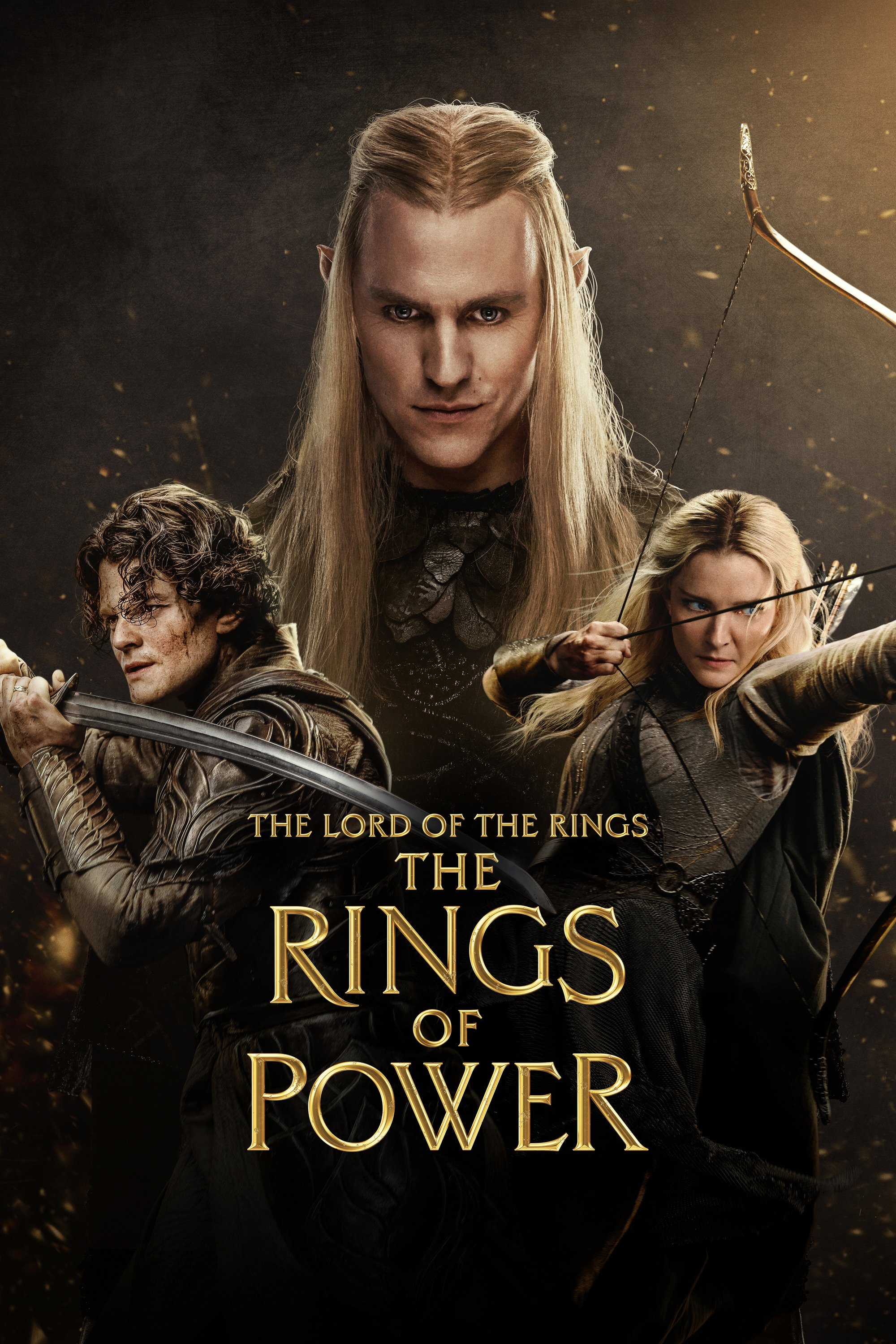
Amazon invested a fortune into this prequel to ‘The Lord of the Rings’ only to face immediate resistance. Tolkien purists and conservative commentators criticized the diverse casting as unfaithful to the source material. Claims that the show injected modern politics into a mythological setting led to calls for a boycott. The studio temporarily suspended user reviews to combat the influx of negative ratings. The divide between professional critics and audience scores remained stark throughout the first season.
‘South Park’ (1997–Present)
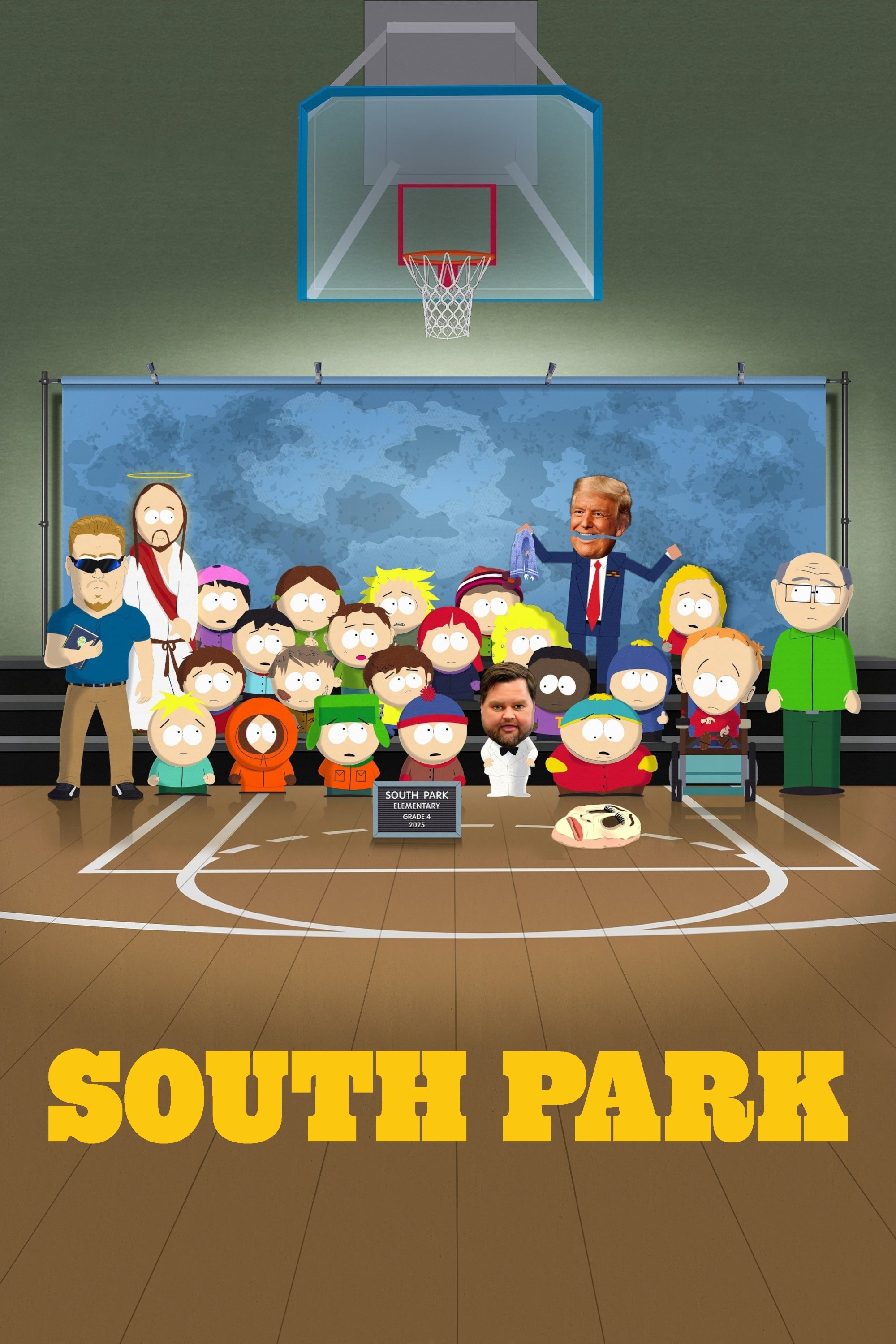
Creators Trey Parker and Matt Stone have faced boycotts from religious and political groups on all sides. The Catholic League famously targeted the show for its depiction of religious figures. Other episodes skewering censorship led to threats from radical organizations. The show maintains a libertarian stance that mocks everyone equally which prevents any single boycott from sticking. It endures as a bastion of free speech that refuses to bow to pressure groups.
‘Good Omens’ (2019–Present)
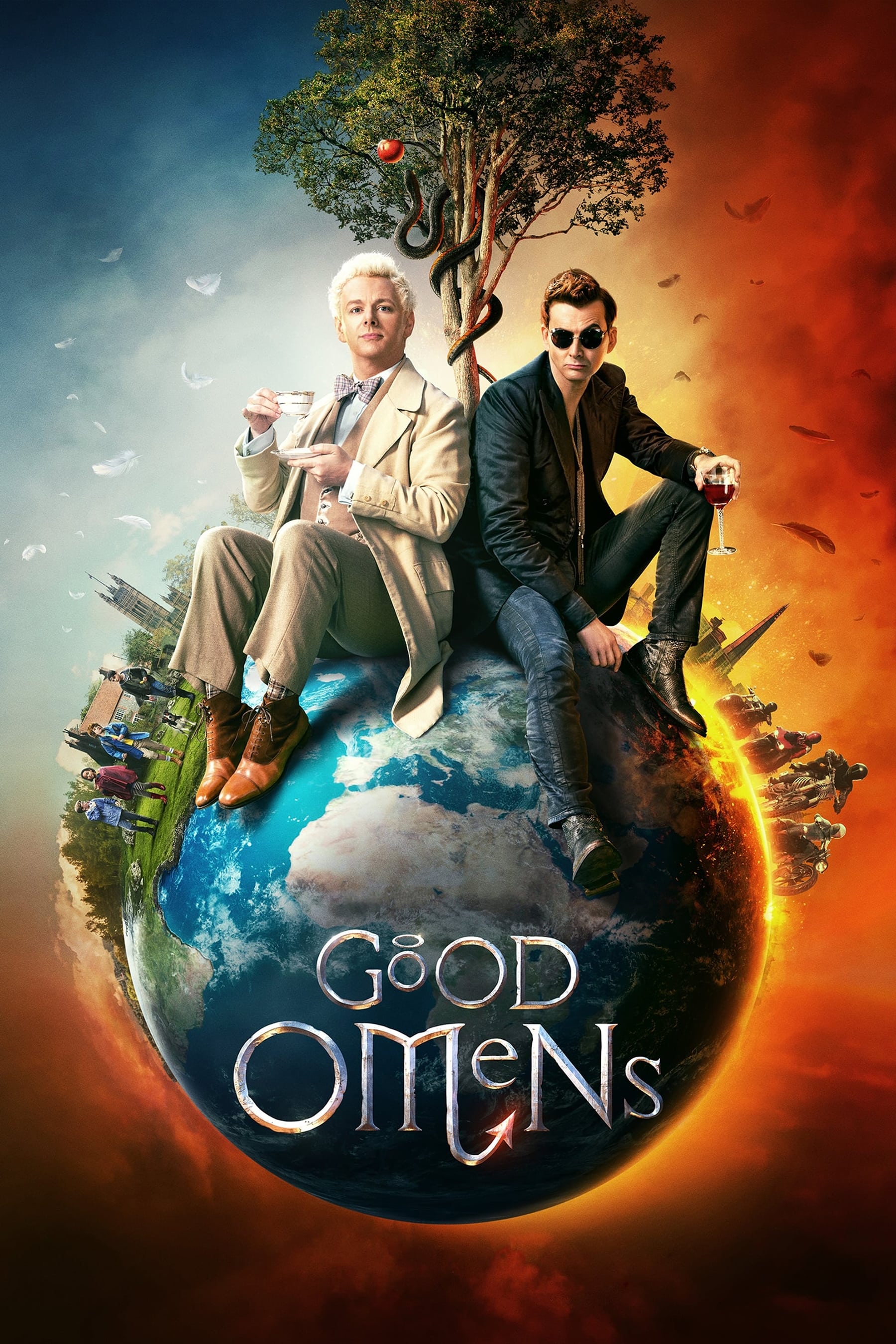
This adaptation of a novel by Neil Gaiman and Terry Pratchett features an angel and a demon working together. A religious group known as Return to Order petitioned Netflix to cancel the show for normalizing satanism. The petition became a source of ridicule because the series was actually produced by Amazon Prime. The creators mocked the mix-up while the publicity likely helped viewership numbers. It demonstrated how reactionary boycotts can sometimes lack basic research.
‘Arthur’ (1996–2022)
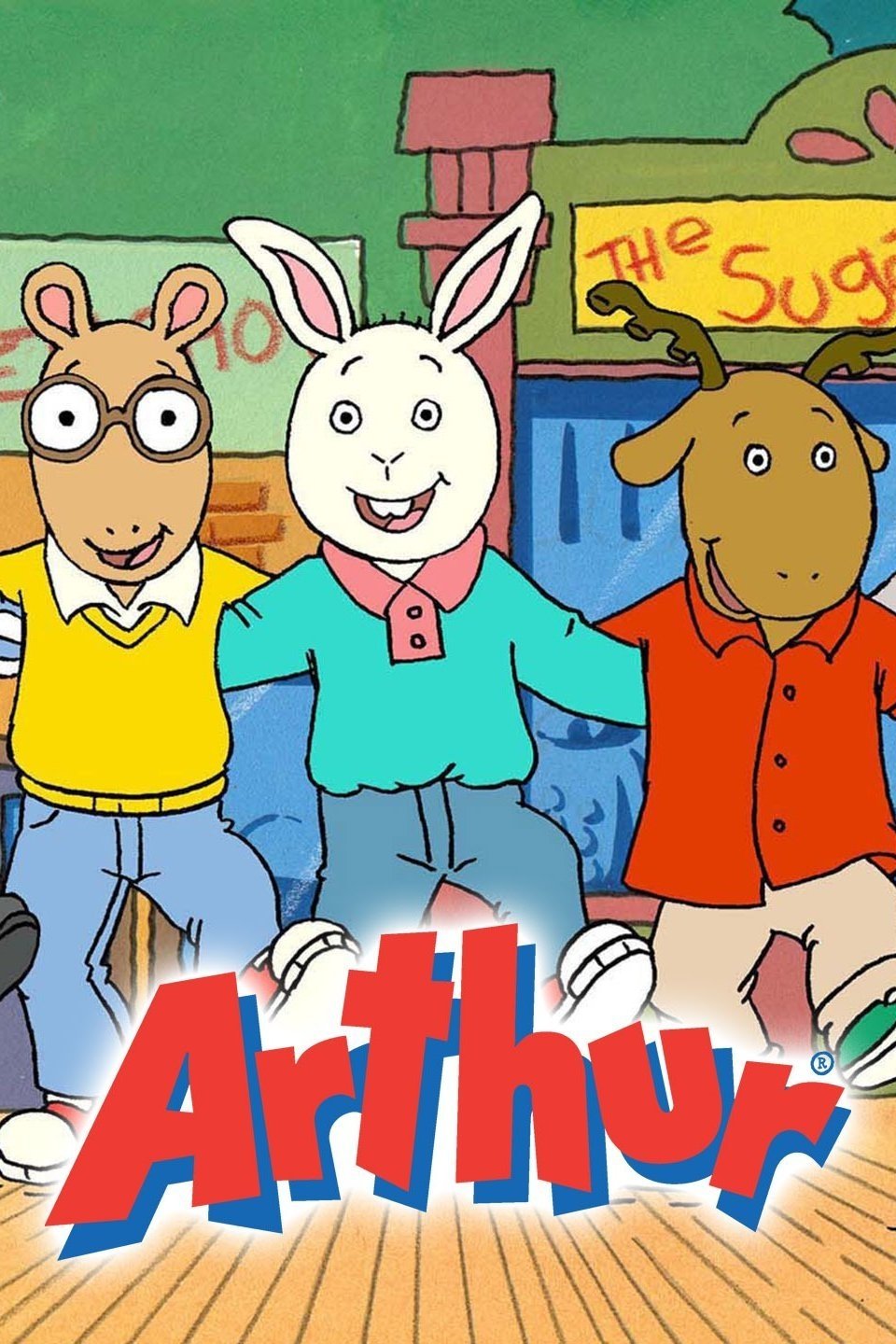
The long running children’s show aired an episode featuring the same sex wedding of the teacher Mr. Ratburn. Alabama Public Television refused to broadcast the episode citing a violation of community trust. Conservative groups praised the station while LGBTQ advocates criticized the censorship. The controversy brought national attention to the PBS series near the end of its run. It sparked a conversation about the role of public broadcasting in reflecting diverse societal norms.
‘Lucifer’ (2016–2021)
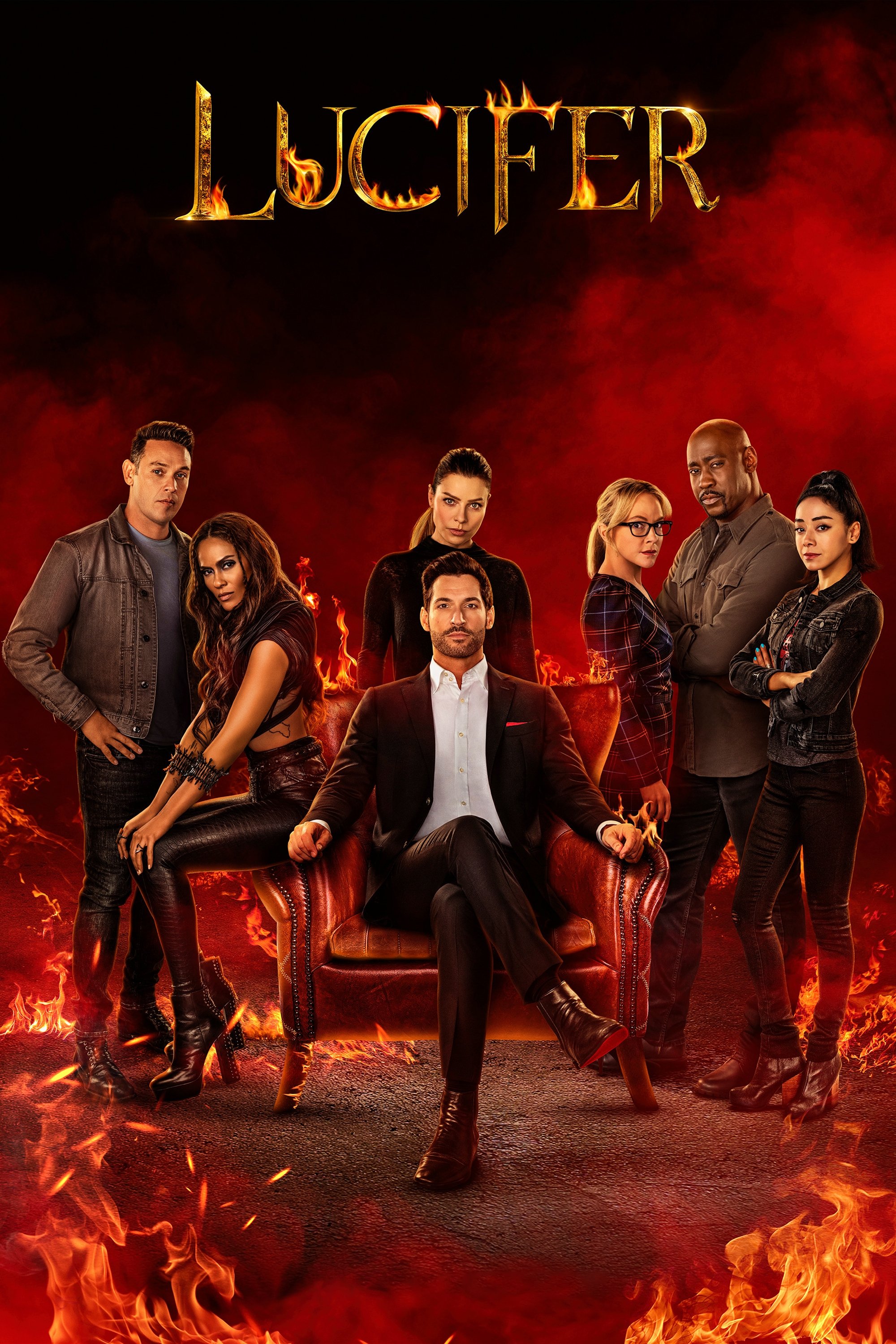
Fox premiered this police procedural starring the devil as a charming club owner in Los Angeles. One Million Moms launched a petition to prevent the show from airing for glorifying evil. The boycott failed to stop the premiere and the show garnered a passionate fanbase. It was later saved by Netflix after a cancellation campaign where it became even more popular. The protest ultimately failed to recognize the show’s theme of redemption.
‘Saturday Night Live’ (1975–Present)
The sketch comedy institution has frequently drawn ire for its political parodies. The Trump administration often criticized the show’s satire as unfair and called for investigations or boycotts. Conversely the show has faced boycotts from the left for inviting controversial hosts like Elon Musk or Donald Trump himself. Writers struggle to balance relevance with the polarized reactions of the viewing public. The show relies on this tension to remain a central part of the cultural conversation.
‘Quantico’ (2015–2018)
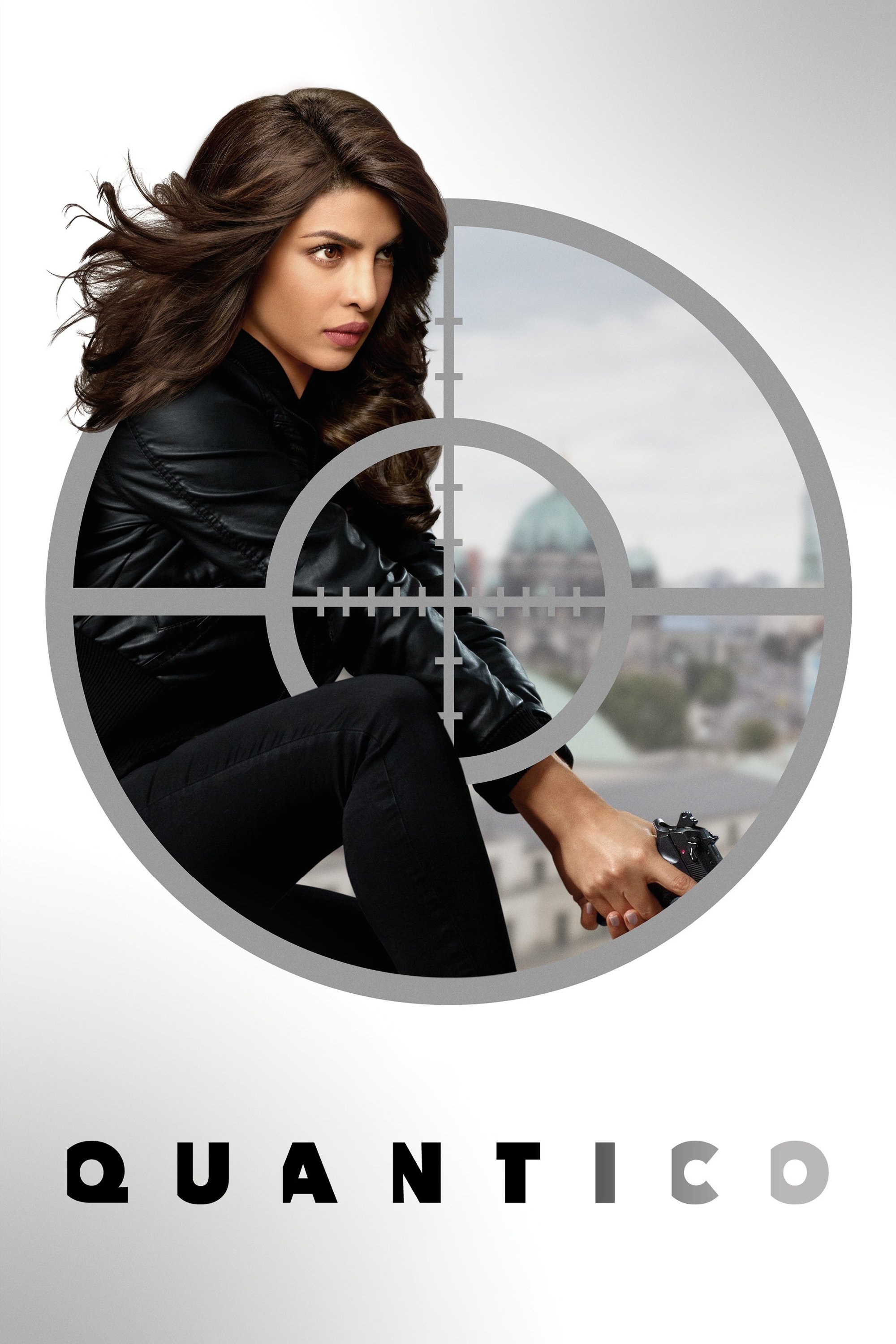
Priyanka Chopra starred in this FBI drama that faced an intense backlash from Indian viewers. An episode featuring a plot involving Hindu nationalists planning a terrorist attack caused international outrage. Fans in India called for a boycott of the actress and the network for defaming the country. ABC and Chopra both issued apologies to quell the diplomatic and social media firestorm. The incident showed the global reach of American television and the sensitivity of geopolitical narratives.
‘Modern Family’ (2009–2020)
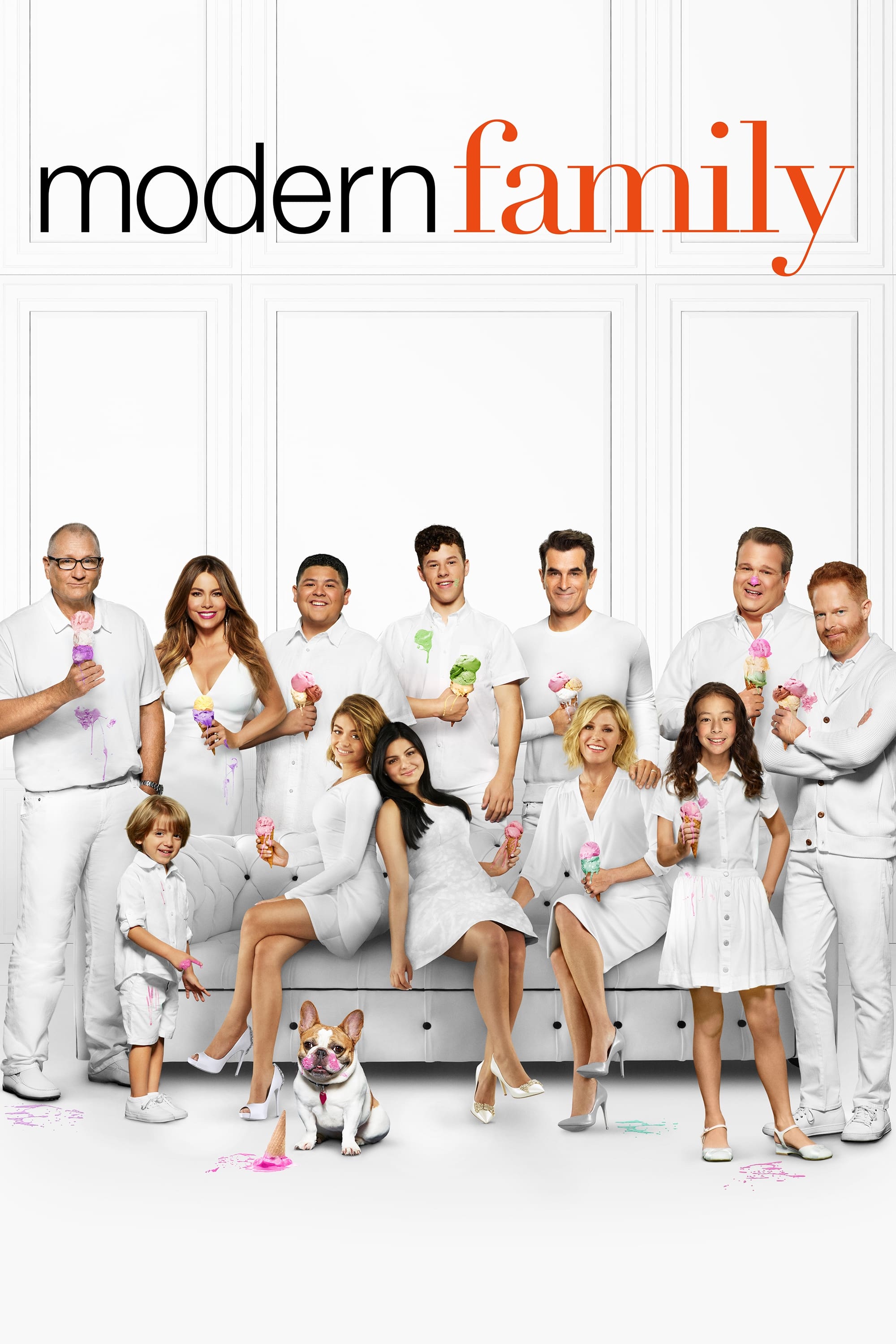
The sitcom was a ratings juggernaut but faced early resistance for its depiction of a gay couple adopting a baby. Conservative viewers initially threatened to boycott advertisers who supported the program. The show normalized the family dynamic for millions of Americans over its eleven seasons. The chemistry of the cast and the humor eventually won over many skeptics. It stands as a testament to how comedy can bridge ideological gaps over time.
‘Family Guy’ (1999–Present)
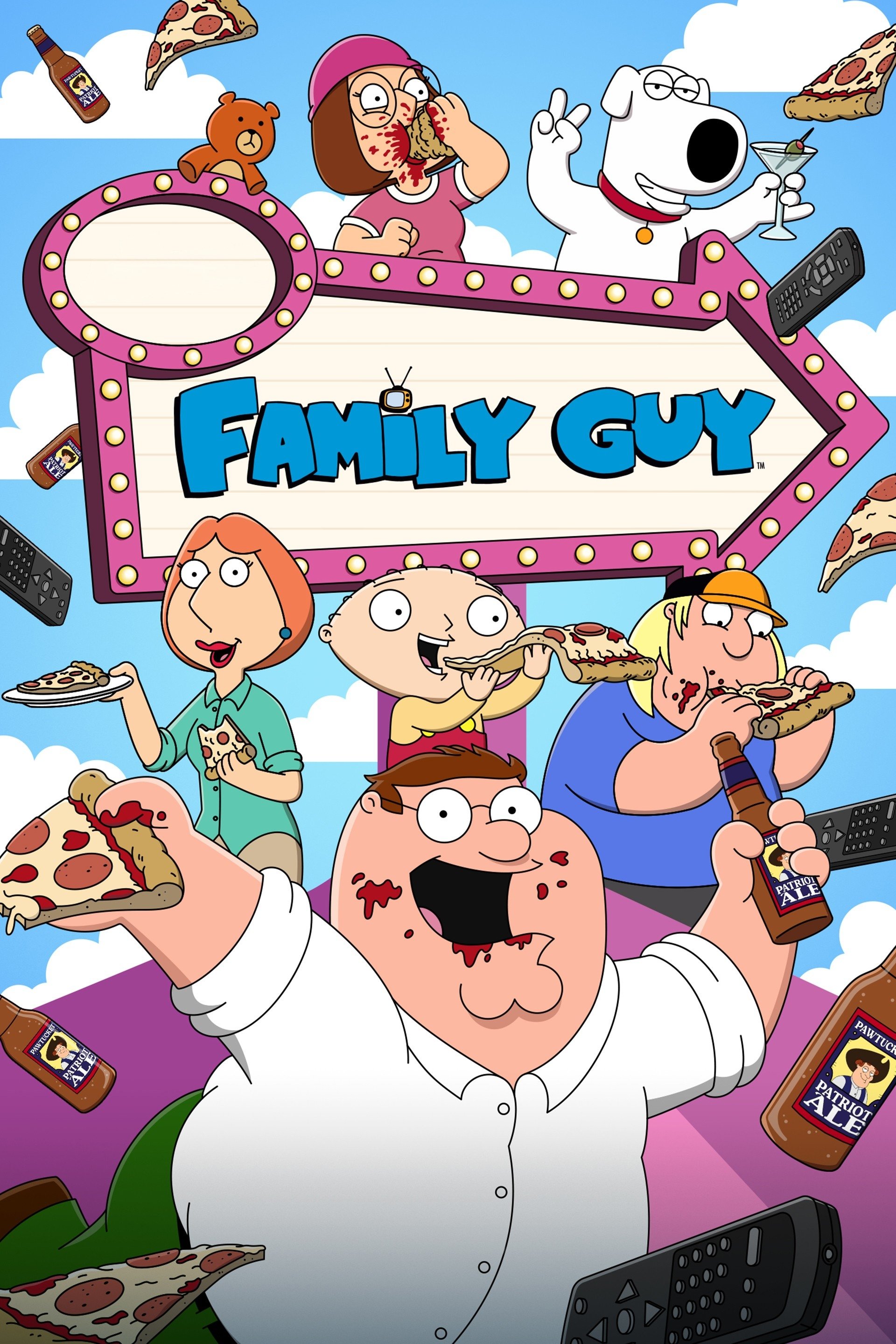
Seth MacFarlane’s animated series has been a target of the Parents Television Council for decades. The group frequently names the show the worst of the week and urges advertiser boycotts due to crude content. Jokes about religion and politics often result in specific campaigns to pull funding. The show wears these complaints as a badge of honor and references them in the episodes. Fox continues to air the show because the demographic remains profitable despite the moral outrage.
‘Tom Clancy’s Jack Ryan’ (2018–2023)
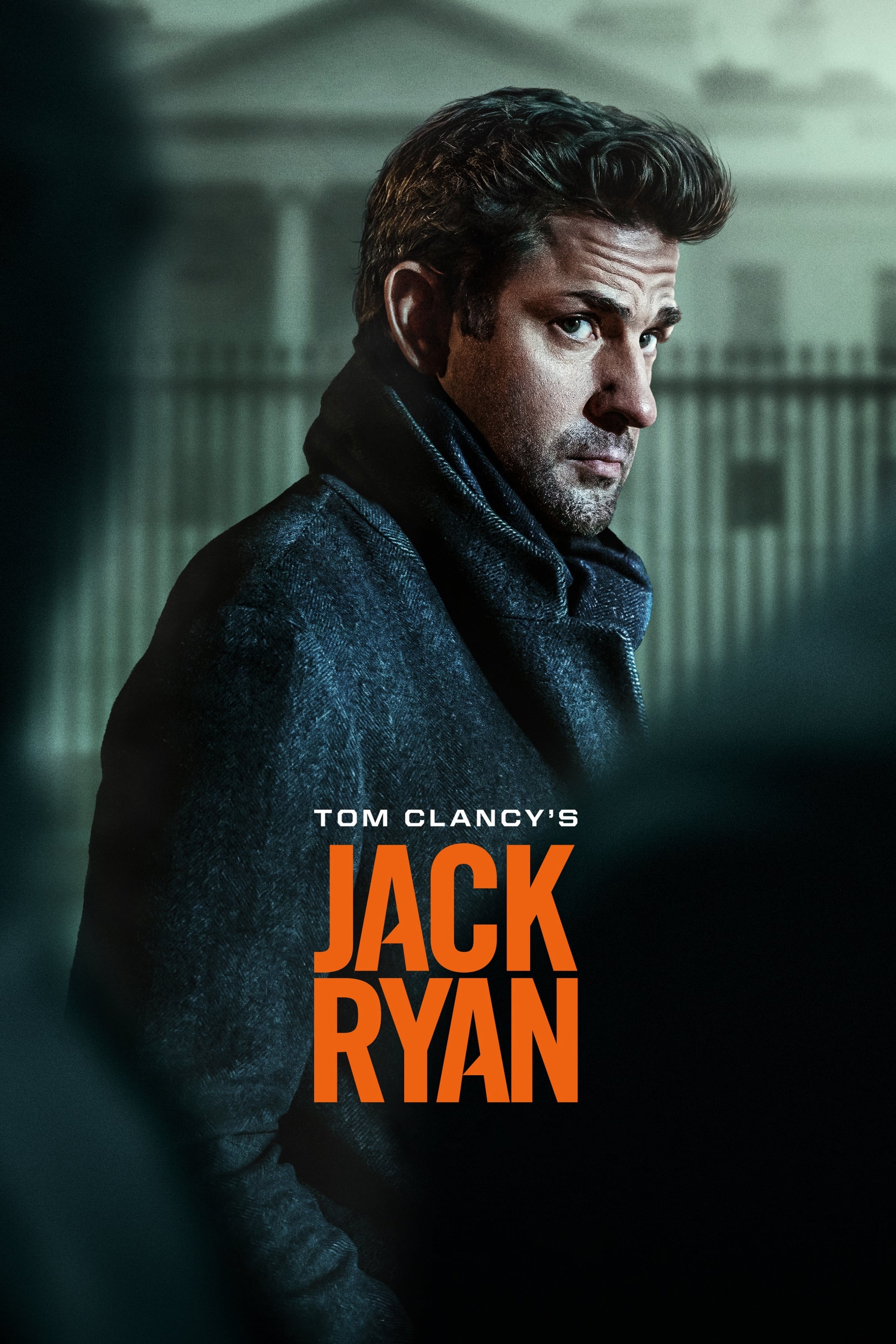
The second season of the Amazon thriller drew criticism from Venezuelan officials and supporters of the left. The plot depicted the country’s collapse and political turmoil in a way that critics called imperialist propaganda. Government officials in Venezuela labeled the show an act of war and called for a boycott. Viewers debated the accuracy of the geopolitical representation versus Hollywood dramatization. The controversy highlighted the complexities of using real world conflicts as entertainment backdrops.
‘Star Trek: Discovery’ (2017–2024)
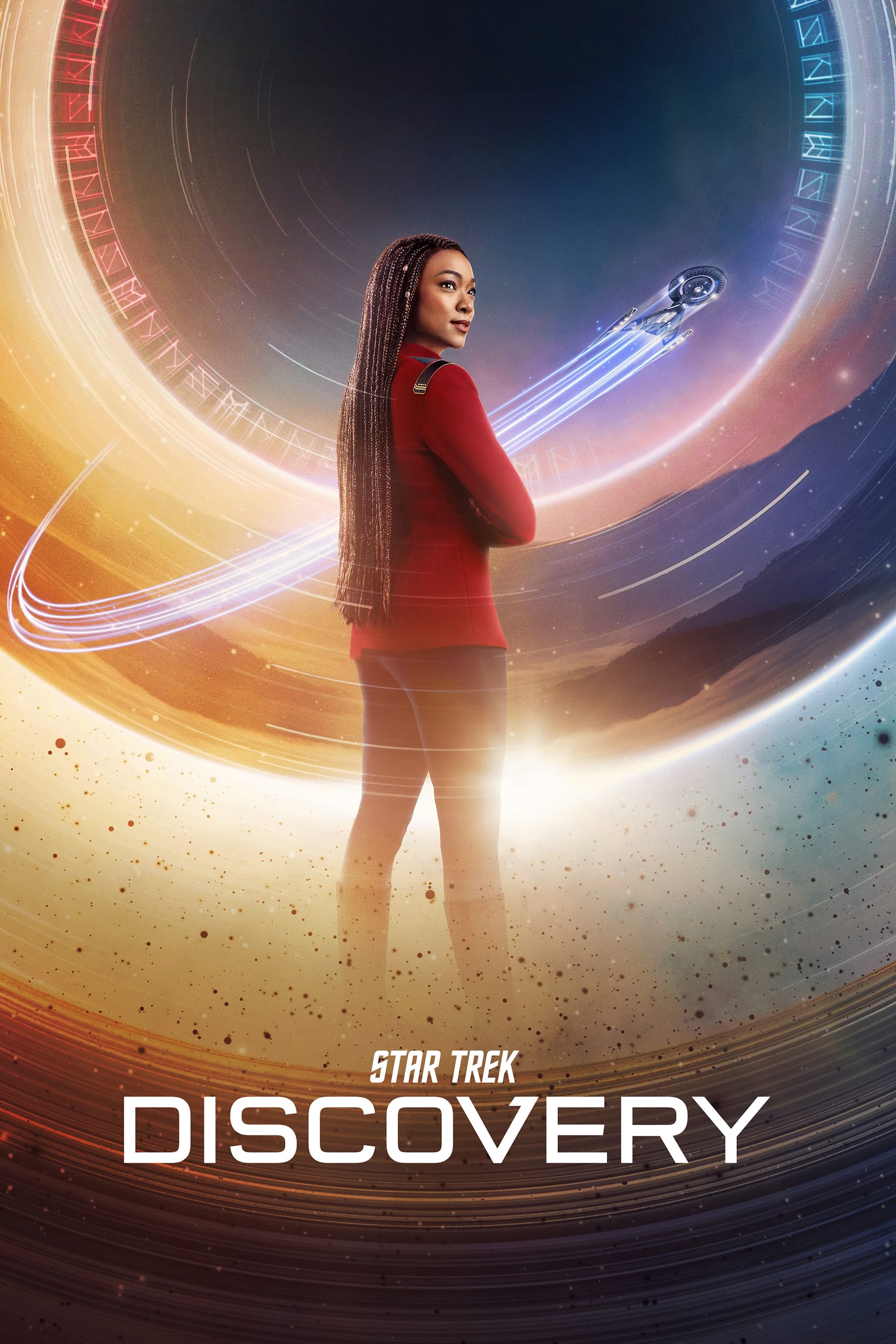
This entry in the Star Trek franchise faced complaints about its visual redesigns and political undertones. A vocal minority of the fanbase labeled the show as performative in its diversity efforts. These viewers claimed the writers prioritized political messaging over cohesive science fiction storytelling. The friction led to a segmented fandom with distinct groups supporting or boycotting the new era. The franchise continues to expand despite the persistent online cultural battles.
’24’ (2001–2010)
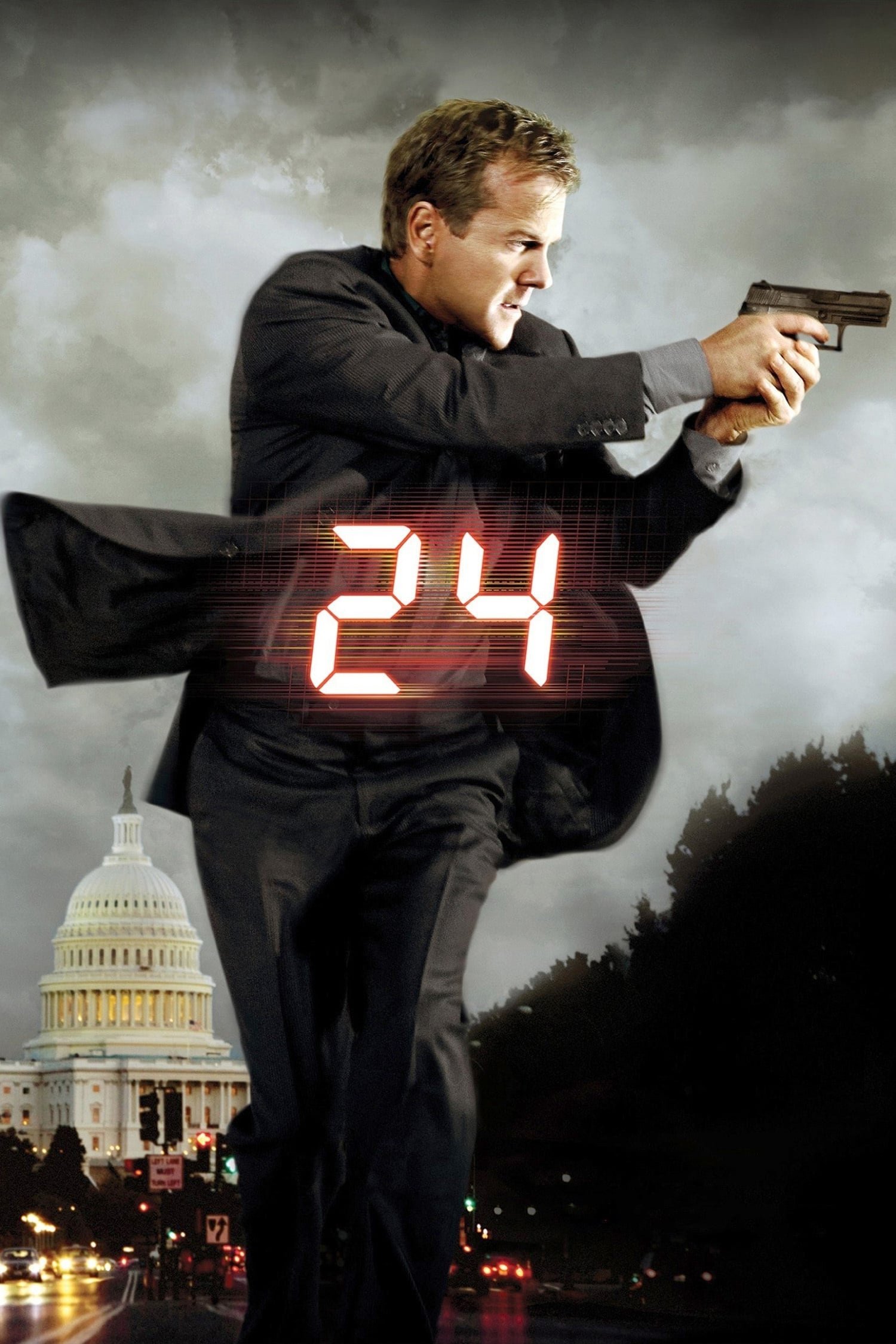
The action series starring Kiefer Sutherland was often criticized by civil liberties groups for its depiction of torture. Human rights organizations urged viewers and advertisers to reject the show’s message that ends justify the means. Conversely the show was embraced by some conservative thinkers during the War on Terror. The military even asked the producers to tone down the torture scenes to avoid influencing soldiers. The legacy of the show is tied inextricably to the political climate of the post-9/11 era.
‘The Handmaid’s Tale’ (2017–Present)
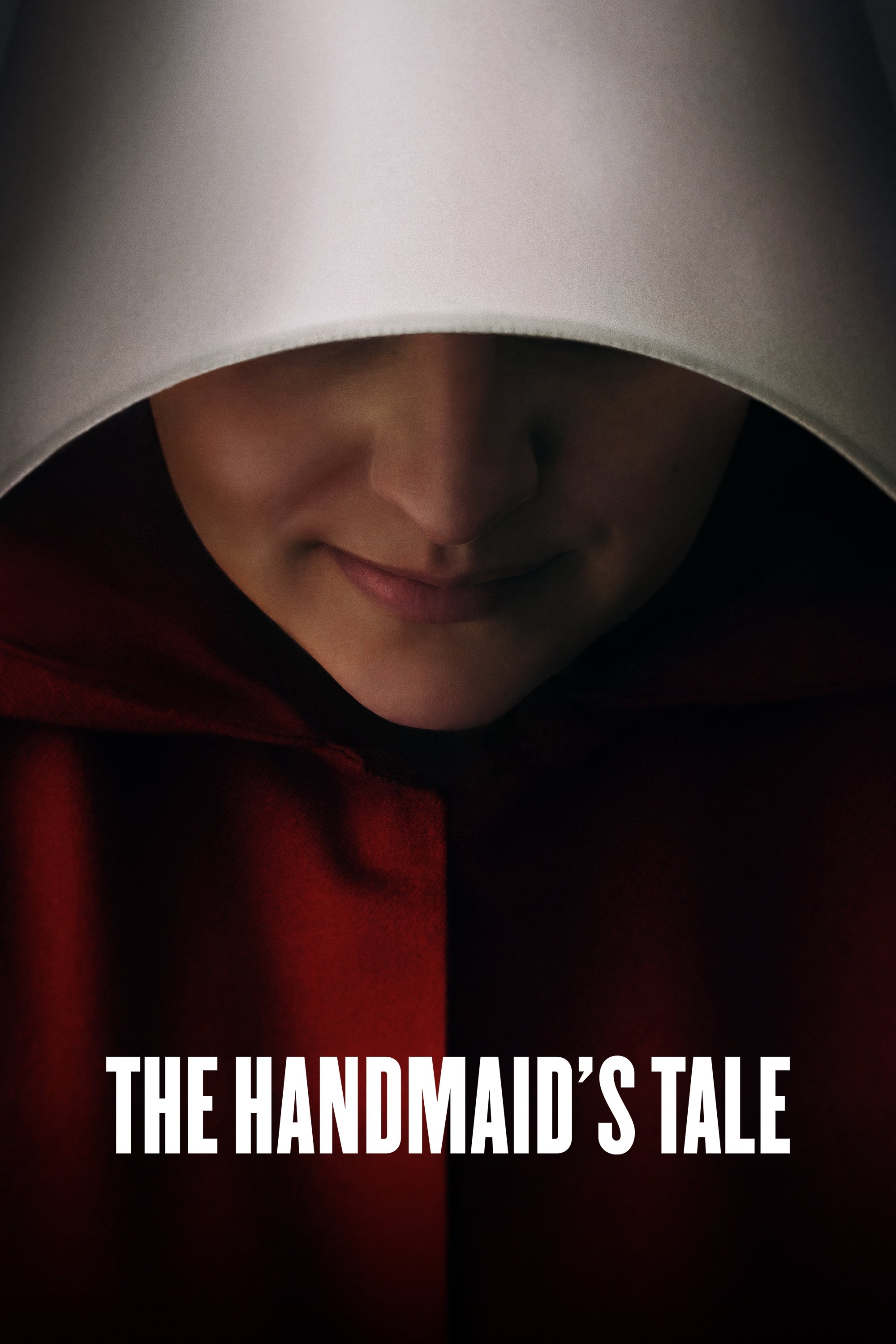
This dystopian drama is frequently championed by liberals but criticized by religious conservatives. Groups have accused the show of being anti-Christian propaganda that demonizes traditional values. The imagery from the show became a symbol for protests regarding women’s rights which deepened the political divide. Some viewers refuse to watch the series due to its relentless grimness and political heaviness. It remains a polarizing cultural touchstone that reflects contemporary anxieties about governance.
Tell us which of these controversies you remember most by leaving a reply in the comments.