


TV Shows That Got Significantly Better After a Weak First Season

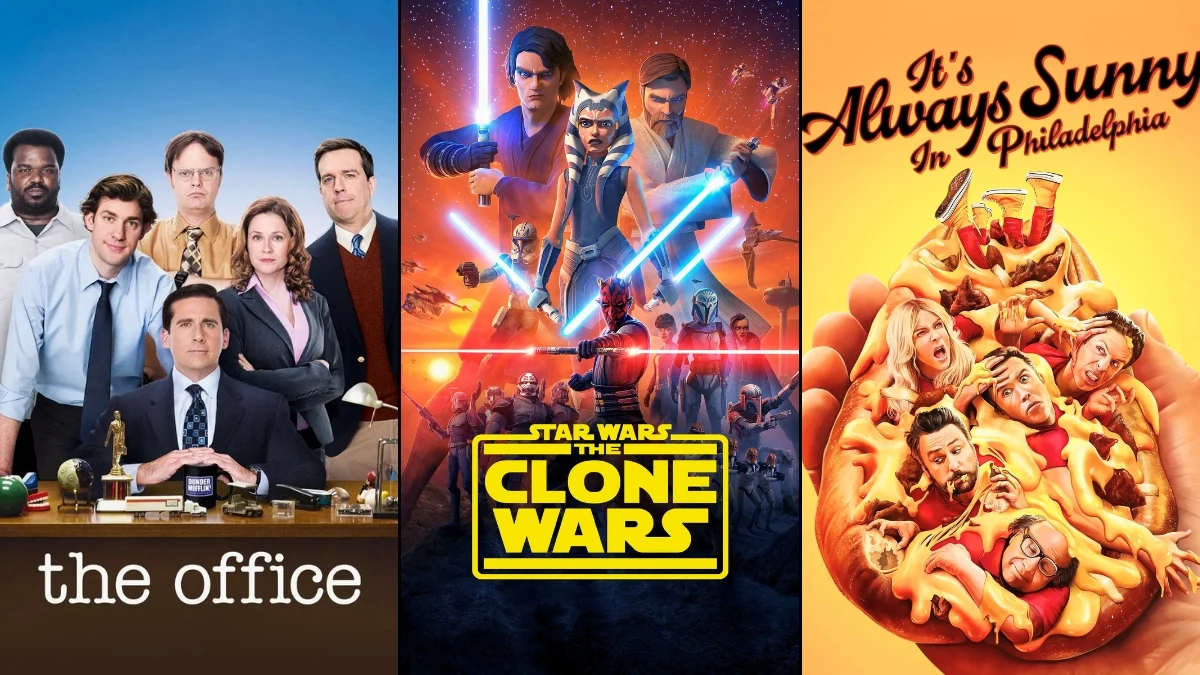


Television networks are rarely patient enough to let a struggling series find its footing in the modern streaming era. Many iconic shows started with confused pilots or tonal inconsistencies that nearly resulted in cancellation before they achieved greatness. Writers often need a full season to understand the chemistry between actors and refine the narrative voice. These fifteen series overcame their initial growing pains to become beloved staples of pop culture.
‘Parks and Recreation’ (2009–2015)
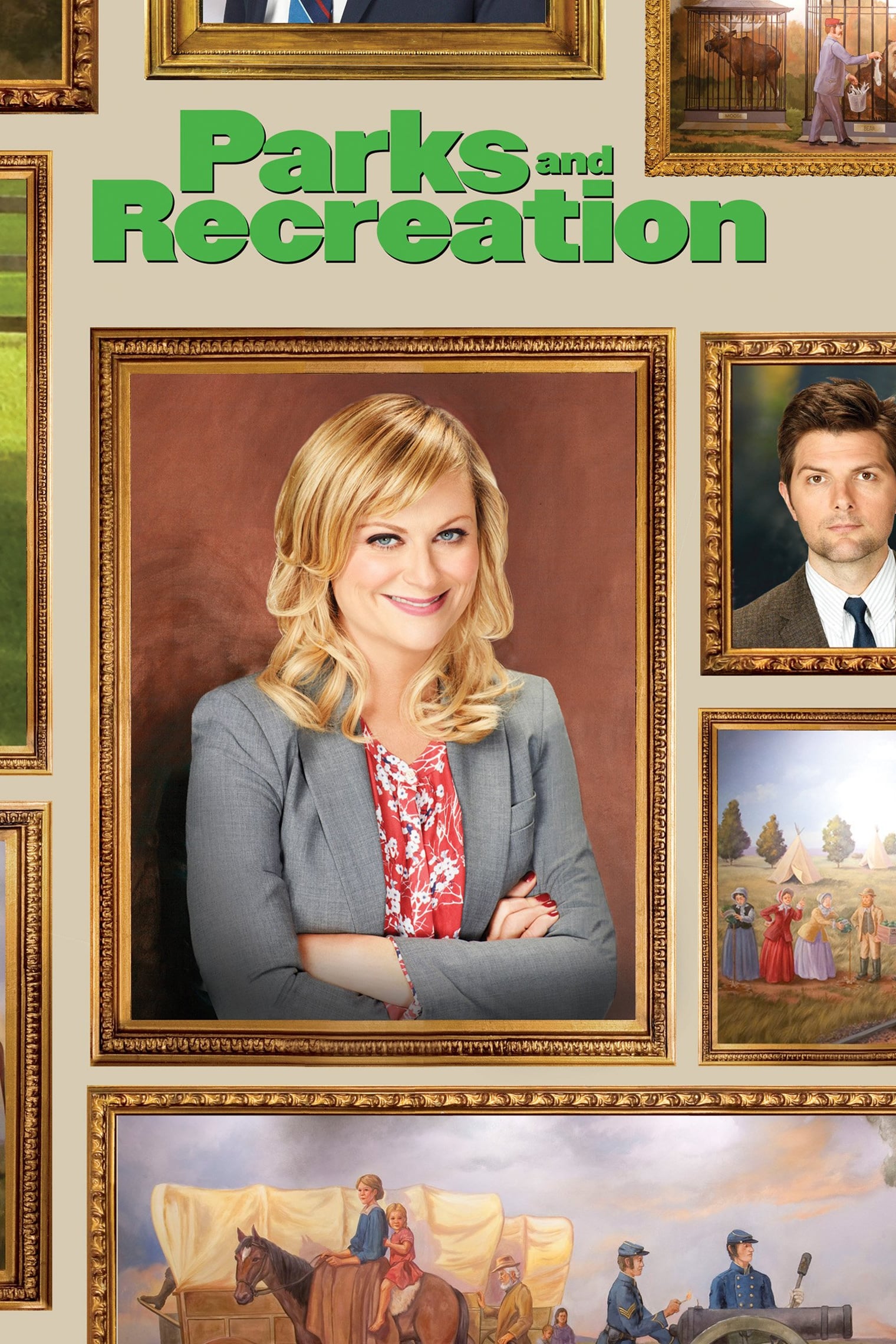
The first season of this mockumentary struggled to distinguish itself by portraying Leslie Knope as a female version of Michael Scott. Writers retooled the character dynamics significantly in the second season to make the protagonist more competent and the ensemble more supportive. The addition of Adam Scott and Rob Lowe later in the series further solidified the cast chemistry. Critics often cite the abandonment of the initial cynicism as the turning point that allowed the show to find its unique voice.
‘The Office’ (2005–2013)
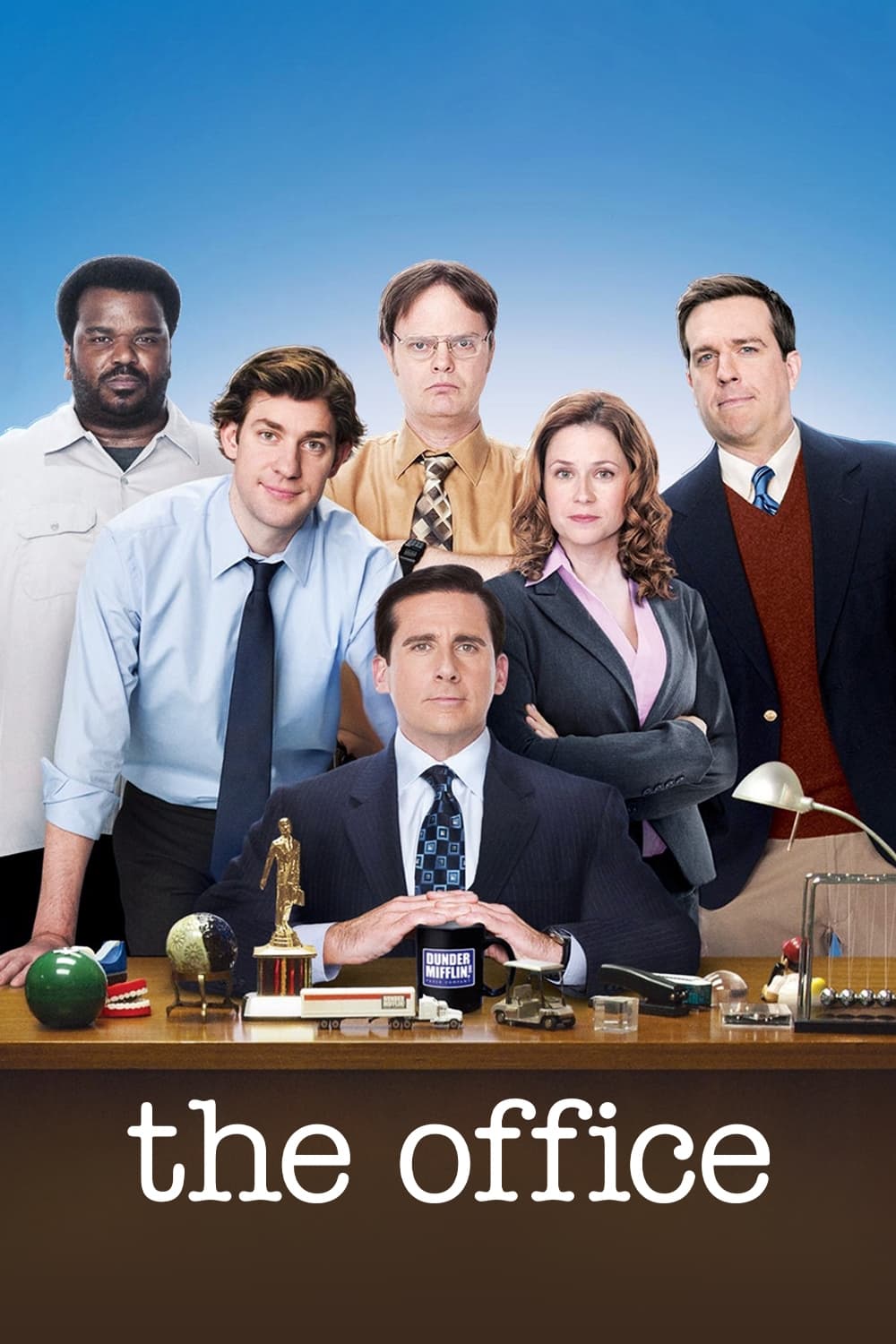
Audiences initially dismissed this American adaptation as a pale imitation of the British original due to a pilot that copied the script almost verbatim. The writers shifted the tone in the second season to make Michael Scott more sympathetic and less abrasive. This adjustment allowed the supporting cast to develop distinct personalities rather than serving as mere background fixtures. The series eventually forged its own identity to become one of the most streamed sitcoms in television history.
‘Star Trek: The Next Generation’ (1987–1994)
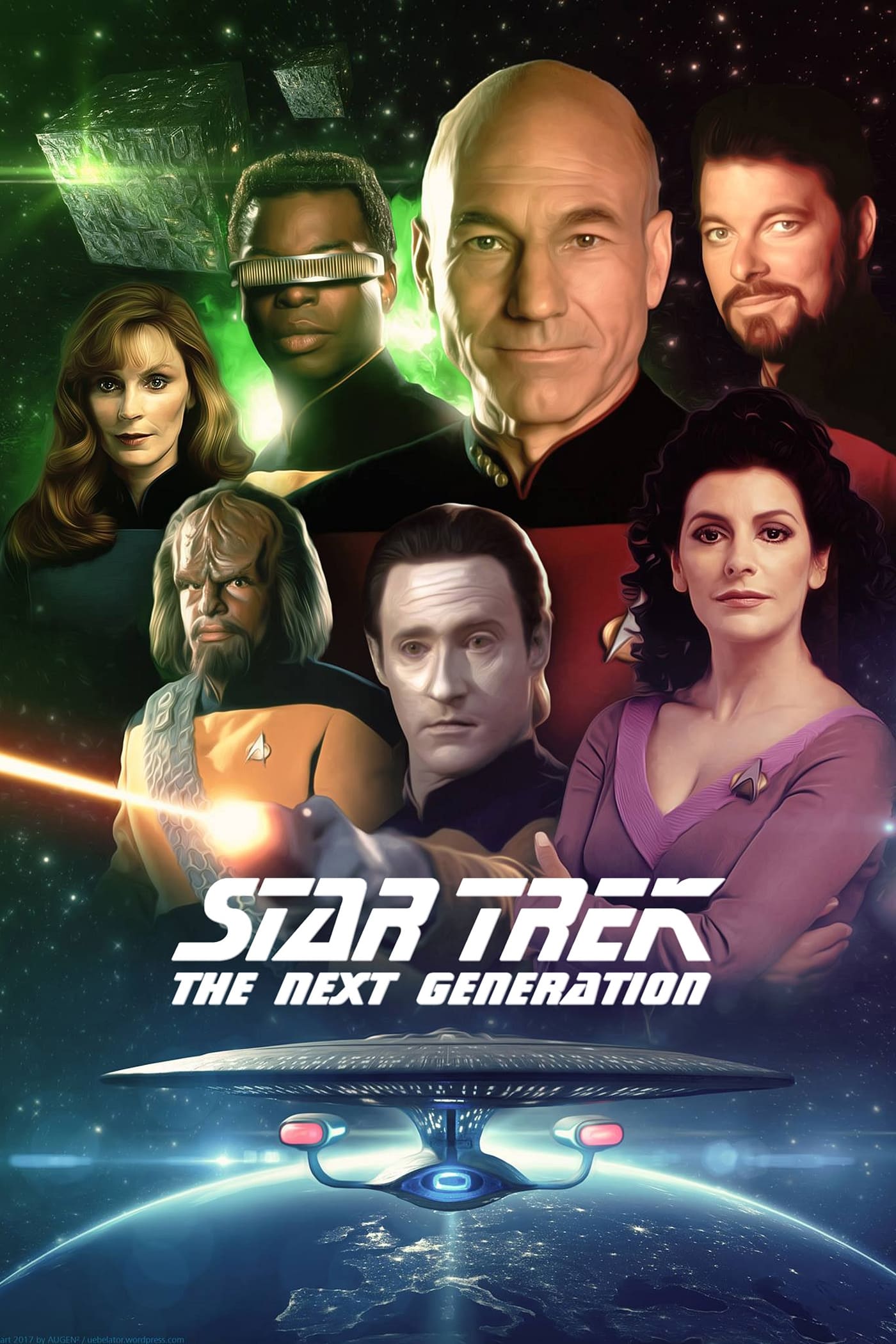
Gene Roddenberry exerted tight control over the debut season which resulted in stiff acting and recycled plots from the original series. The introduction of the Borg and a change in writing staff during subsequent years helped the show embrace complex science fiction themes. Character development improved drastically once the actors were allowed to relax into their roles and explore interpersonal dynamics. Many fans consider the arrival of Commander Riker’s beard as the visual marker for when the quality improved.
‘Seinfeld’ (1989–1998)
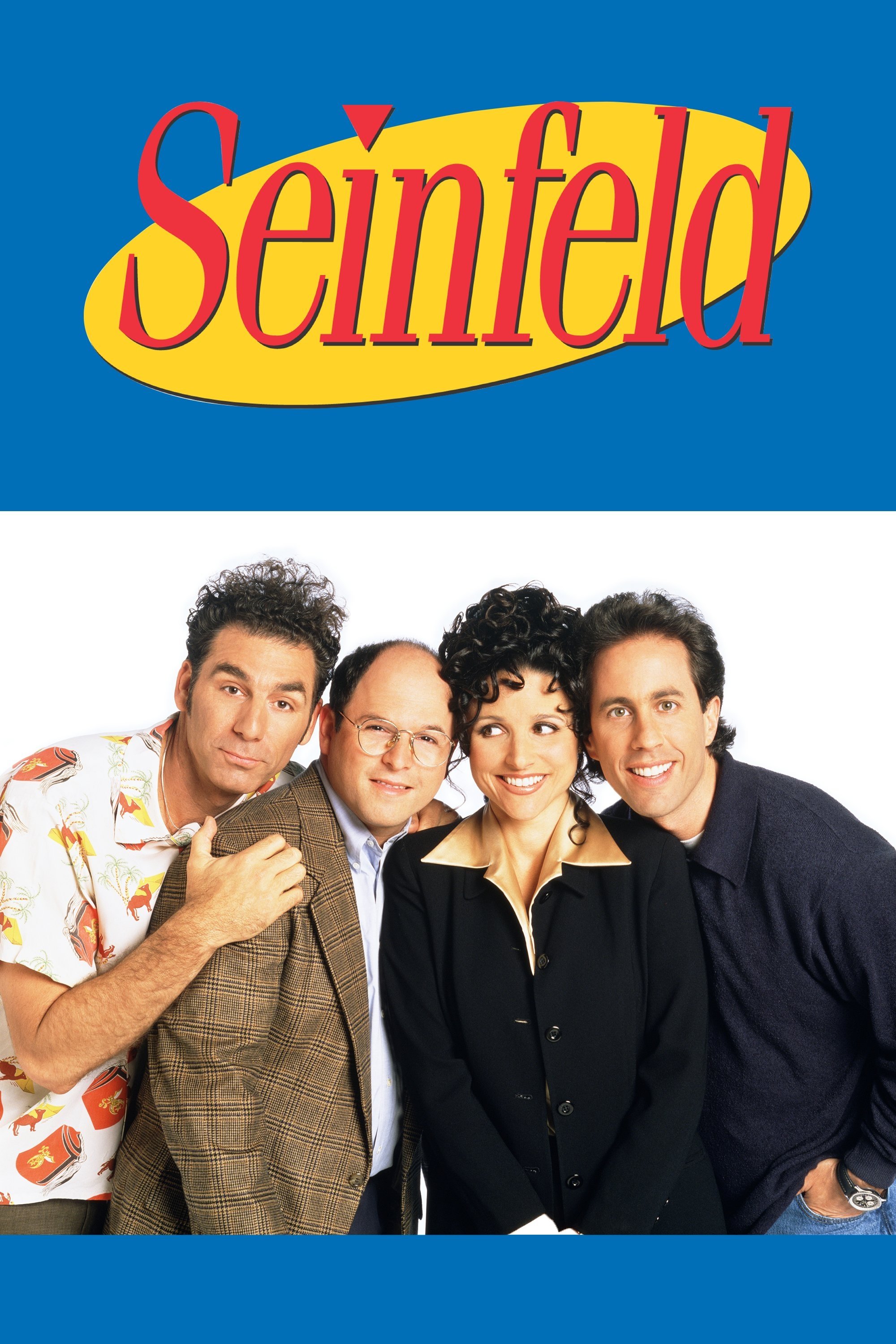
The pilot and early episodes focused heavily on standup routines and lacked the intricate plotting that defined later seasons. Elaine Benes was not even a regular character in the earliest episodes which left a notable gap in the ensemble dynamic. Larry David and Jerry Seinfeld refined the show about nothing concept to create interweaving storylines that paid off in the final act. The series evolved from a standard observational comedy into a cultural phenomenon with a unique language of its own.
‘Buffy the Vampire Slayer’ (1997–2003)
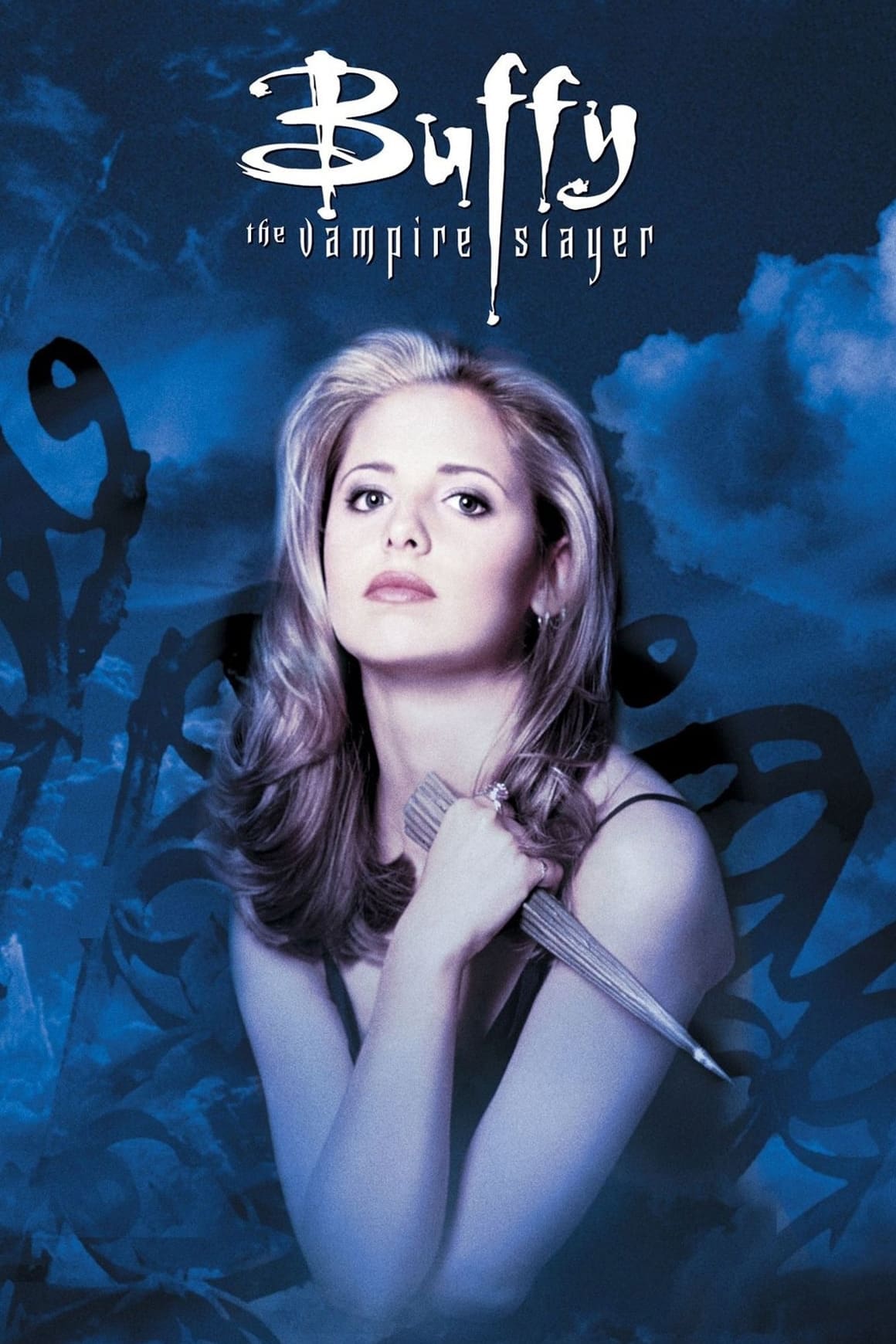
The debut season operated on a limited budget with a monster of the week format that often felt campy. Joss Whedon shifted focus in the second season toward serialized storytelling with high emotional stakes. The introduction of tragic romance and complex villains elevated the narrative beyond its B-movie origins. Critics praise the later years for using supernatural metaphors to explore the difficulties of growing up.
‘Schitt’s Creek’ (2015–2020)
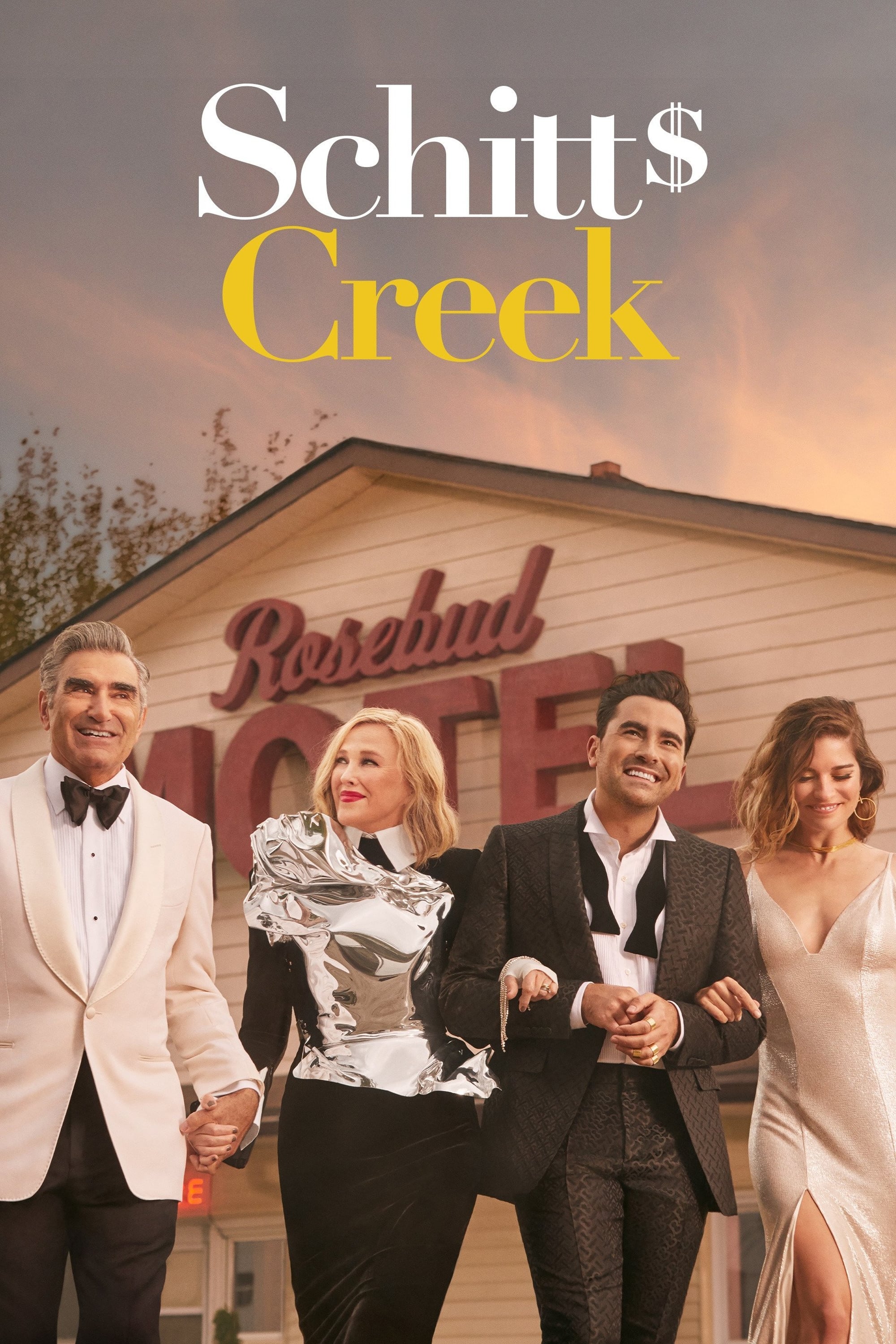
Viewers found it difficult to connect with the Rose family during the early episodes because the characters were intentionally abrasive. The writers gradually softened their edges by focusing on genuine emotional growth and familial bonding. The transition from mean-spirited humor to heartwarming character study turned the show into a sleeper hit. It eventually swept the comedy categories at the Emmys in its final season.
‘BoJack Horseman’ (2014–2020)
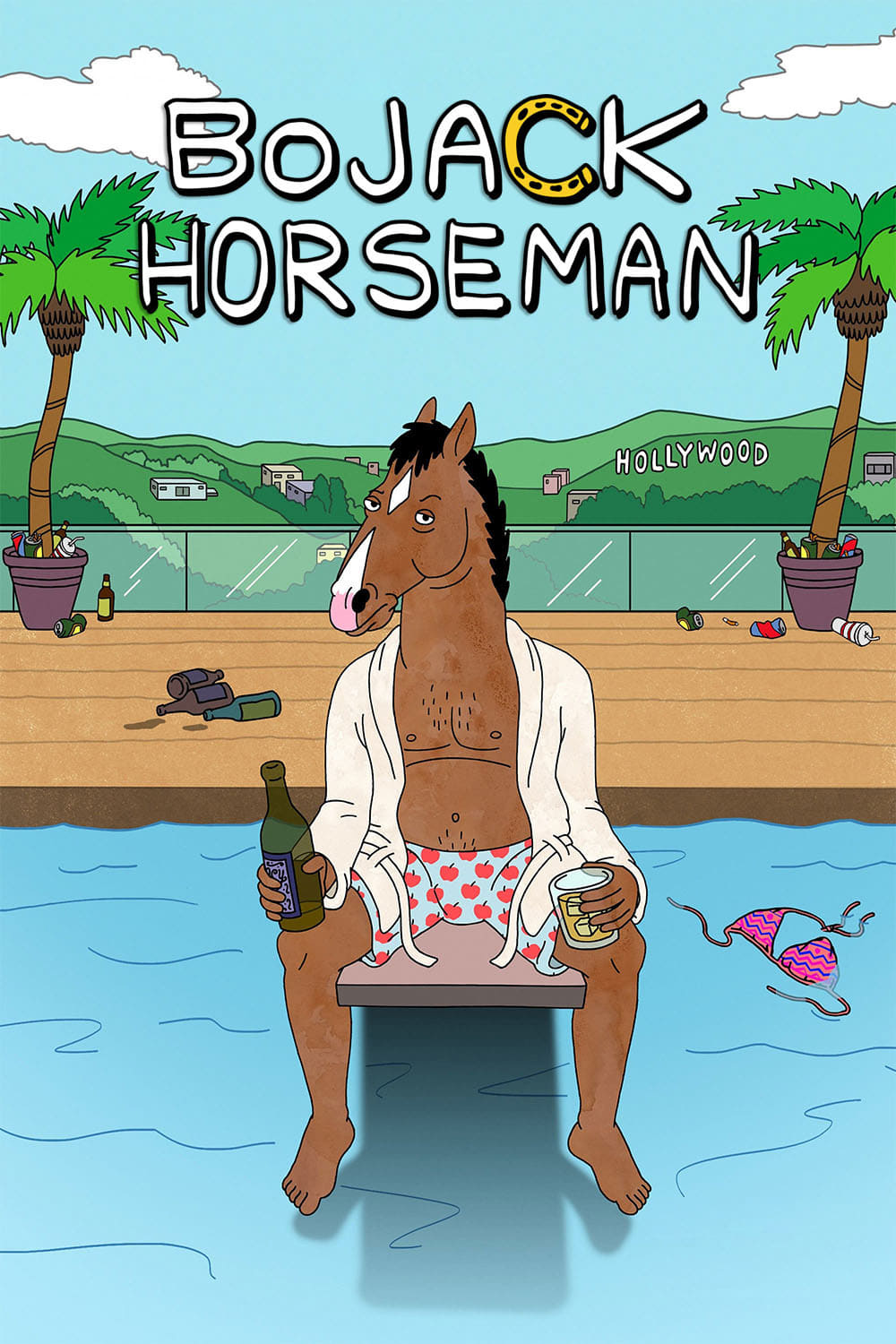
Early reviews dismissed this animated series as another crude adult comedy that relied too heavily on shock value. The narrative took a sharp turn halfway through the first season to explore deep themes of depression and trauma. Later seasons received acclaim for their experimental visual styles and poignant examination of accountability. The show is now regarded as one of the most realistic portrayals of mental illness on television.
‘Marvel’s Agents of S.H.I.E.L.D.’ (2013–2020)
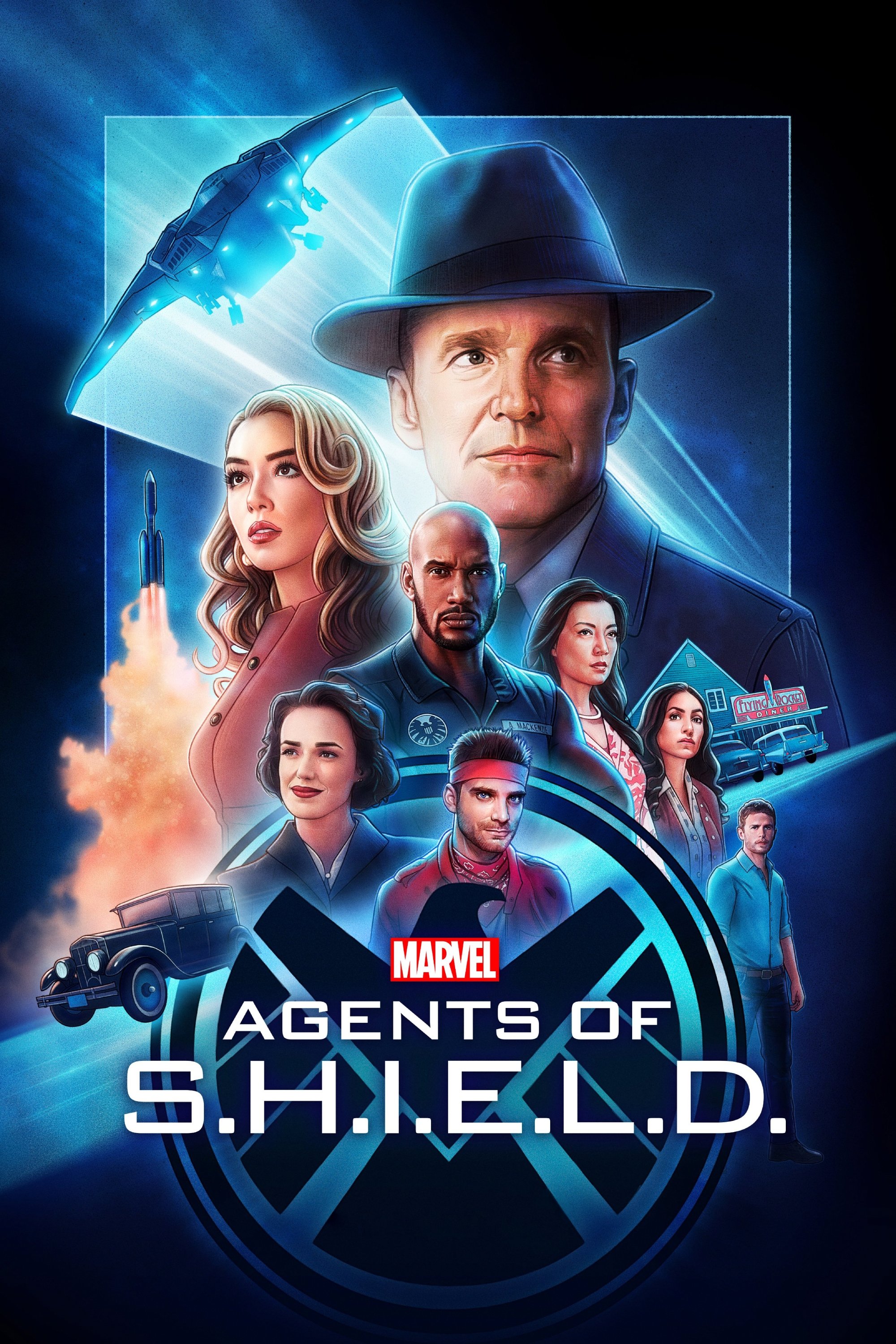
The series began as a standard procedural that failed to capture the excitement of the Marvel Cinematic Universe films. A major plot twist tied to the release of a Captain America movie completely upended the premise and raised the stakes. The storytelling became darker and more serialized as the characters faced betrayal from within their own ranks. This creative pivot allowed the show to explore complex sci-fi concepts like time travel and alternate realities.
‘Blackadder’ (1983–1989)
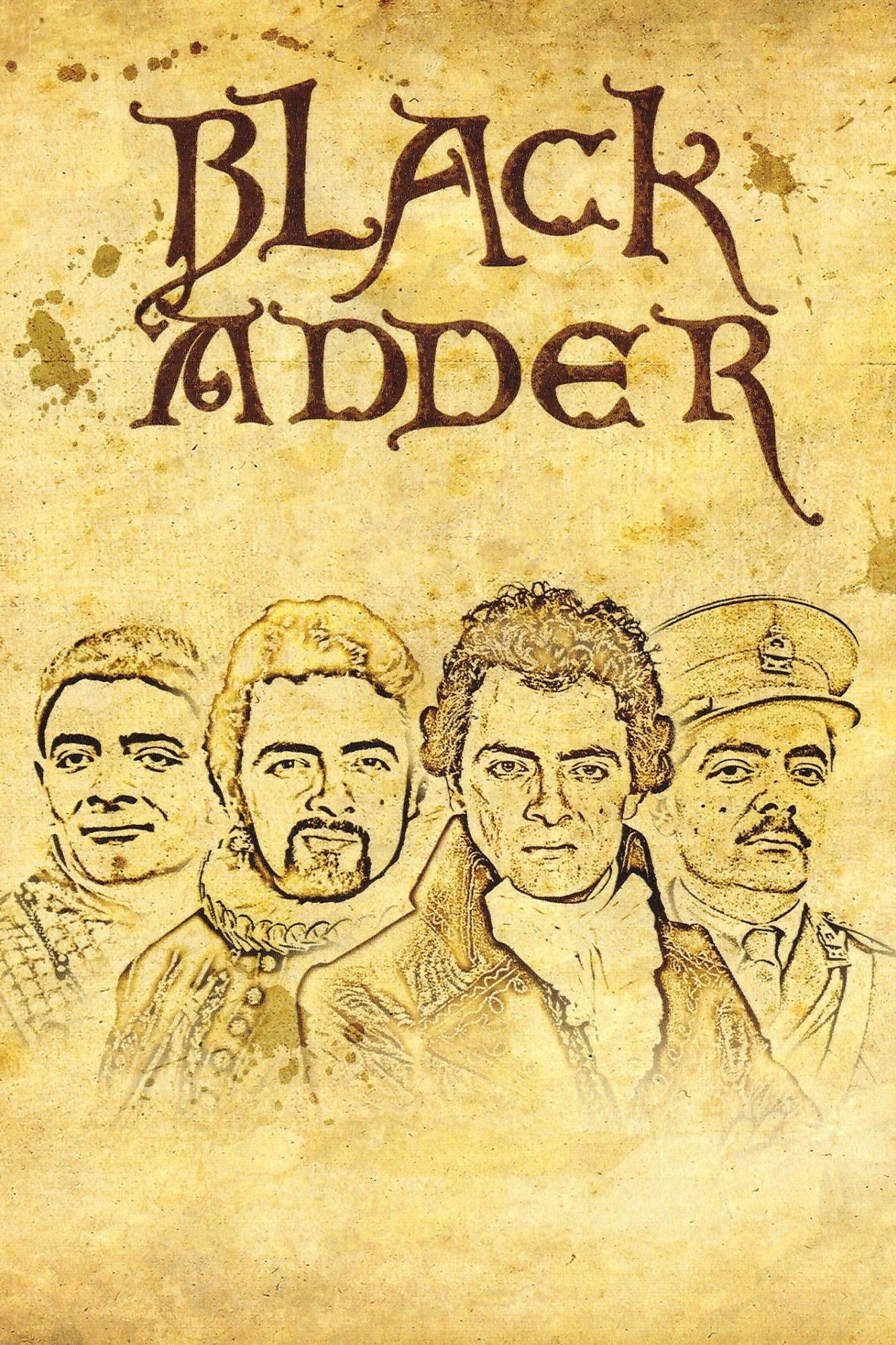
The first incarnation of this historical sitcom featured a large budget and a lead character who was a bumbling idiot. Rowan Atkinson and Richard Curtis retooled the format for the second series by cutting costs and changing the setting. The titular character was reinvented as a cynical genius surrounded by fools. This change in personality dynamics established the formula that made the subsequent series legendary.
‘Fringe’ (2008–2013)
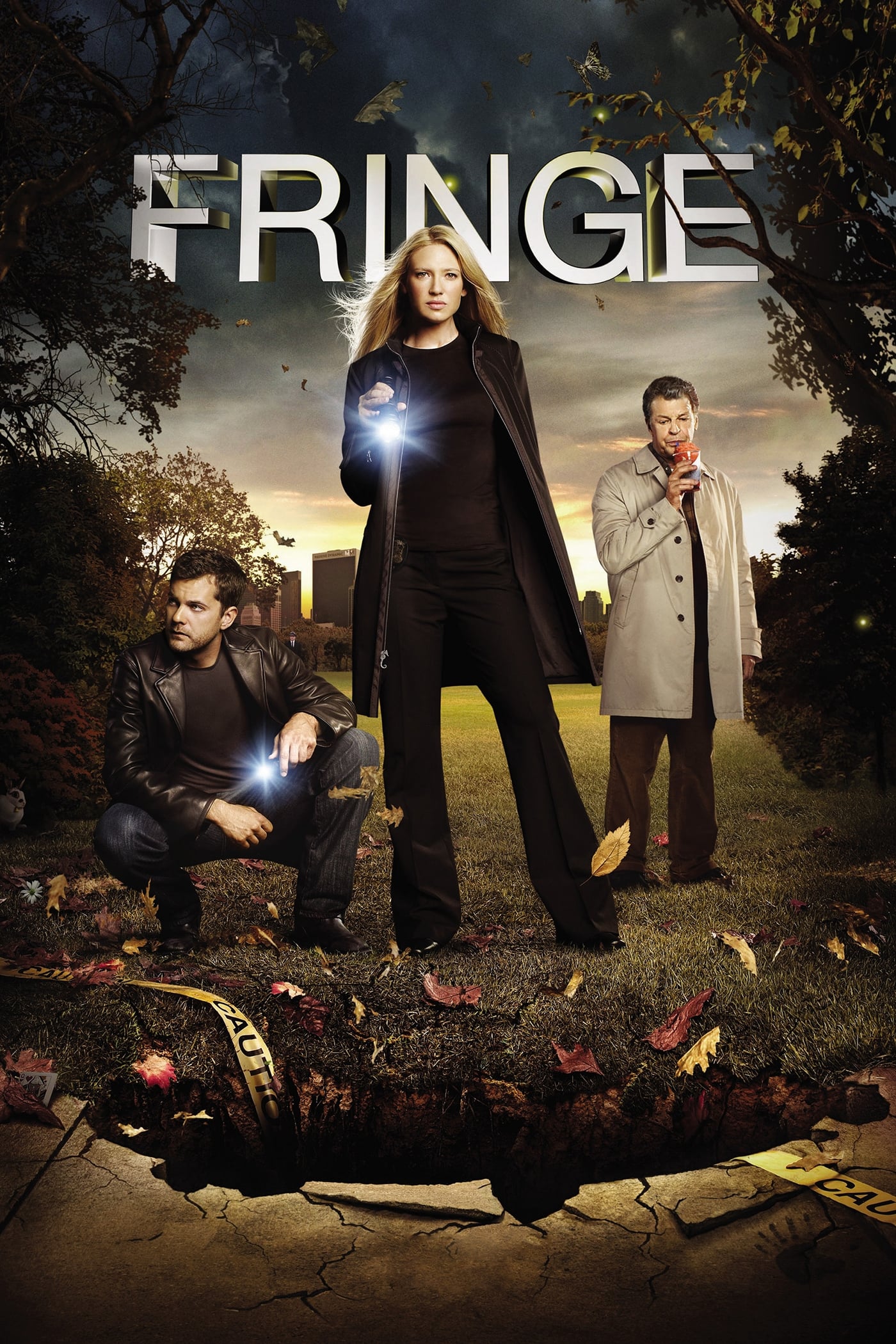
Fox marketed the show initially as a successor to earlier paranormal procedurals with standalone episodes about weird science. The mythology deepened significantly when the writers fully committed to a serialized plot involving a parallel universe. Characters like Walter Bishop became the emotional core of the story as the focus shifted to family dynamics across worlds. The series is now celebrated for its complex narrative architecture rather than its monster hunts.
‘DC’s Legends of Tomorrow’ (2016–2022)
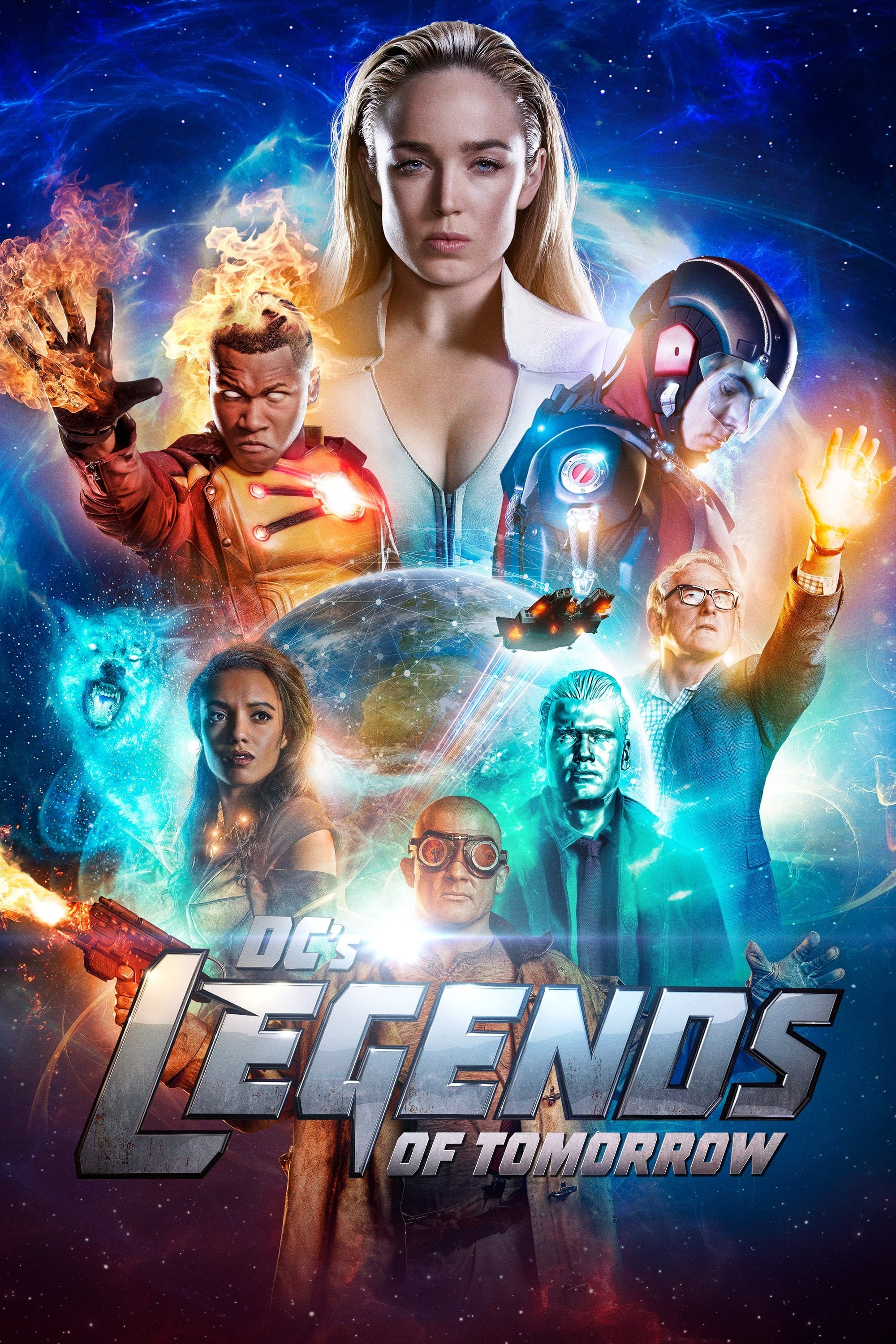
The first season took itself too seriously with a grim villain and a convoluted plot about time travel rules. Writers embraced absurdity in later seasons by incorporating magical creatures and meta-humor. The ensemble cast rotated frequently to keep the dynamic fresh and unpredictable. This tonal shift turned a generic superhero show into a cult favorite known for its wackiness.
‘It’s Always Sunny in Philadelphia’ (2005–Present)
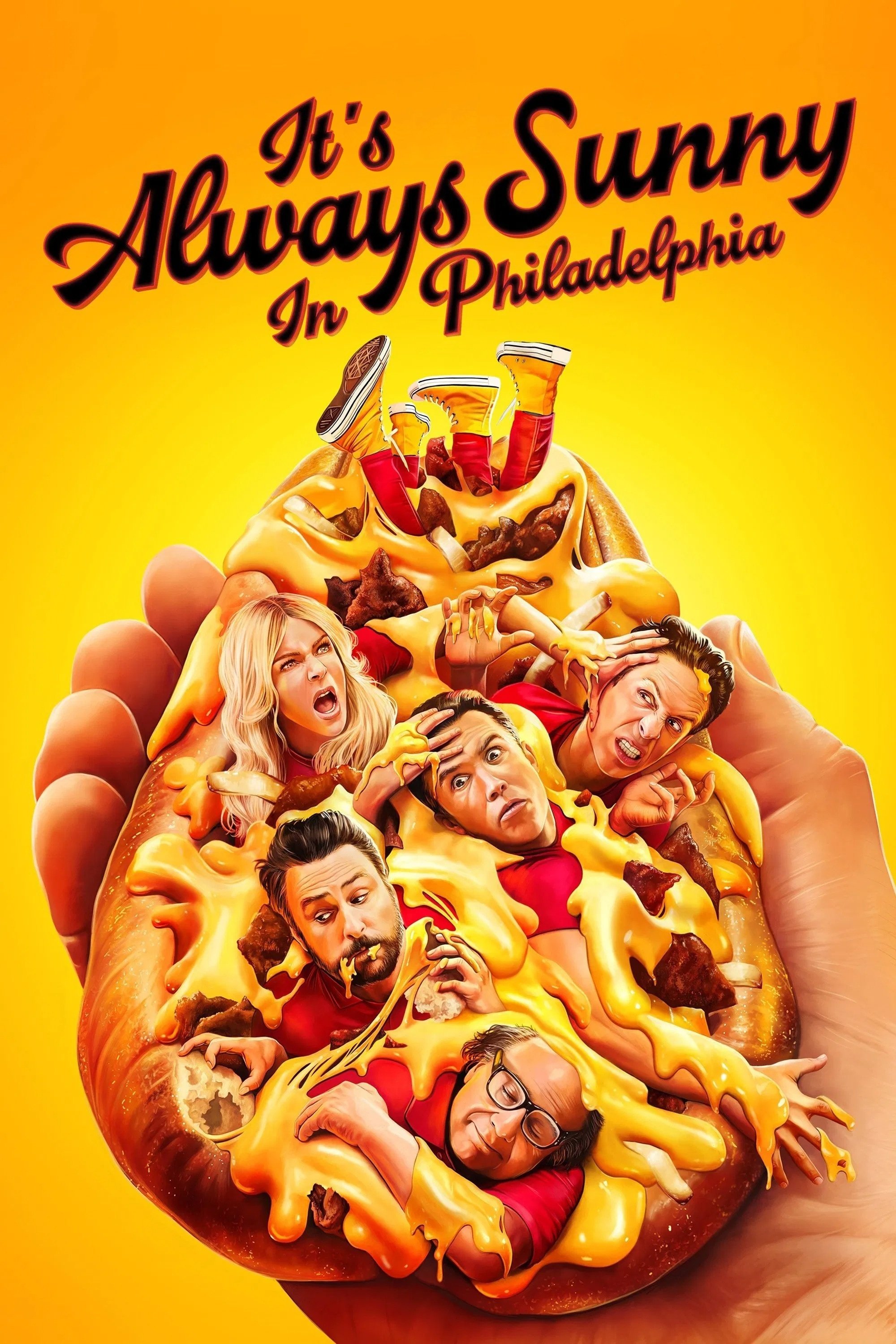
The first season had a very low budget and lacked the chaotic energy that defines the show today. Danny DeVito joined the cast in the second season and immediately altered the group dynamic for the better. His character provided the funding and the depravity needed to fuel the Gang’s wildest schemes. The series has since become the longest-running live-action sitcom in American television history.
‘Cougar Town’ (2009–2015)
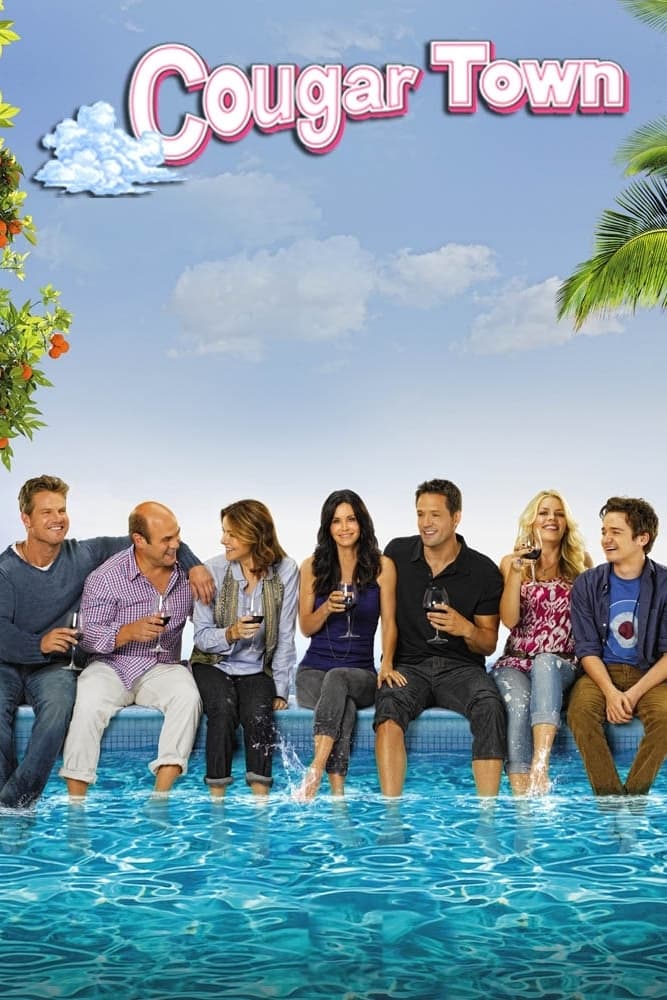
The original premise focused uncomfortably on an older woman dating younger men and felt disjointed. The creators quickly abandoned the title concept to focus on the eccentric friendship group and their wine-drinking habits. The show evolved into a hangout comedy that prioritized rapid-fire jokes and running gags over romantic melodrama. Even the opening title cards eventually made fun of the misleading name of the series.
‘Star Wars: The Clone Wars’ (2008–2020)
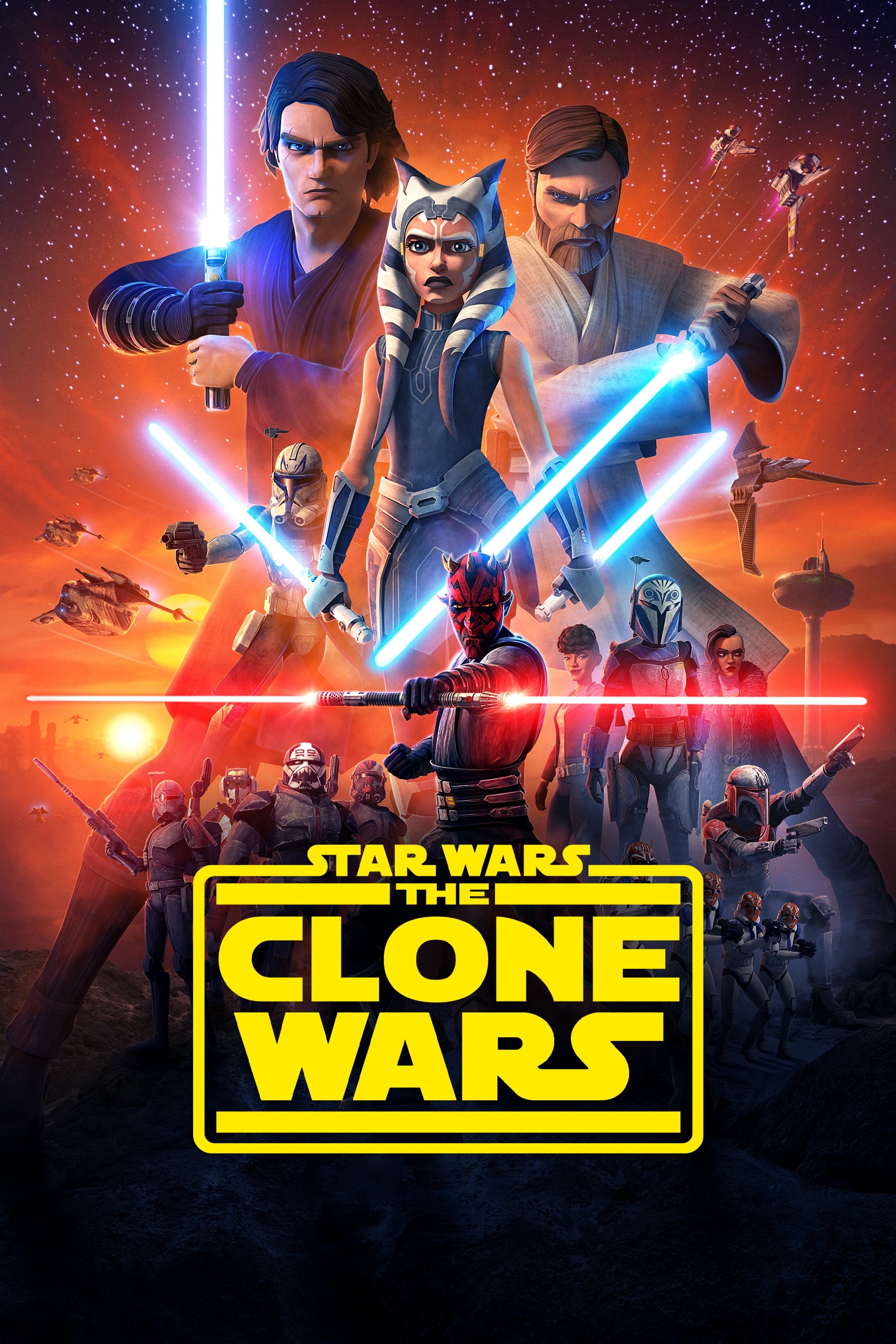
The theatrical film and early episodes were criticized for childish humor and stiff animation. The storytelling matured as the series progressed by exploring the moral complexities of war and the fall of the Jedi Order. Detailed story arcs fleshed out the clones as individuals and added depth to the prequels. Fans now consider it essential viewing for understanding the larger Star Wars saga.
‘Doctor Who’ (2005–Present)
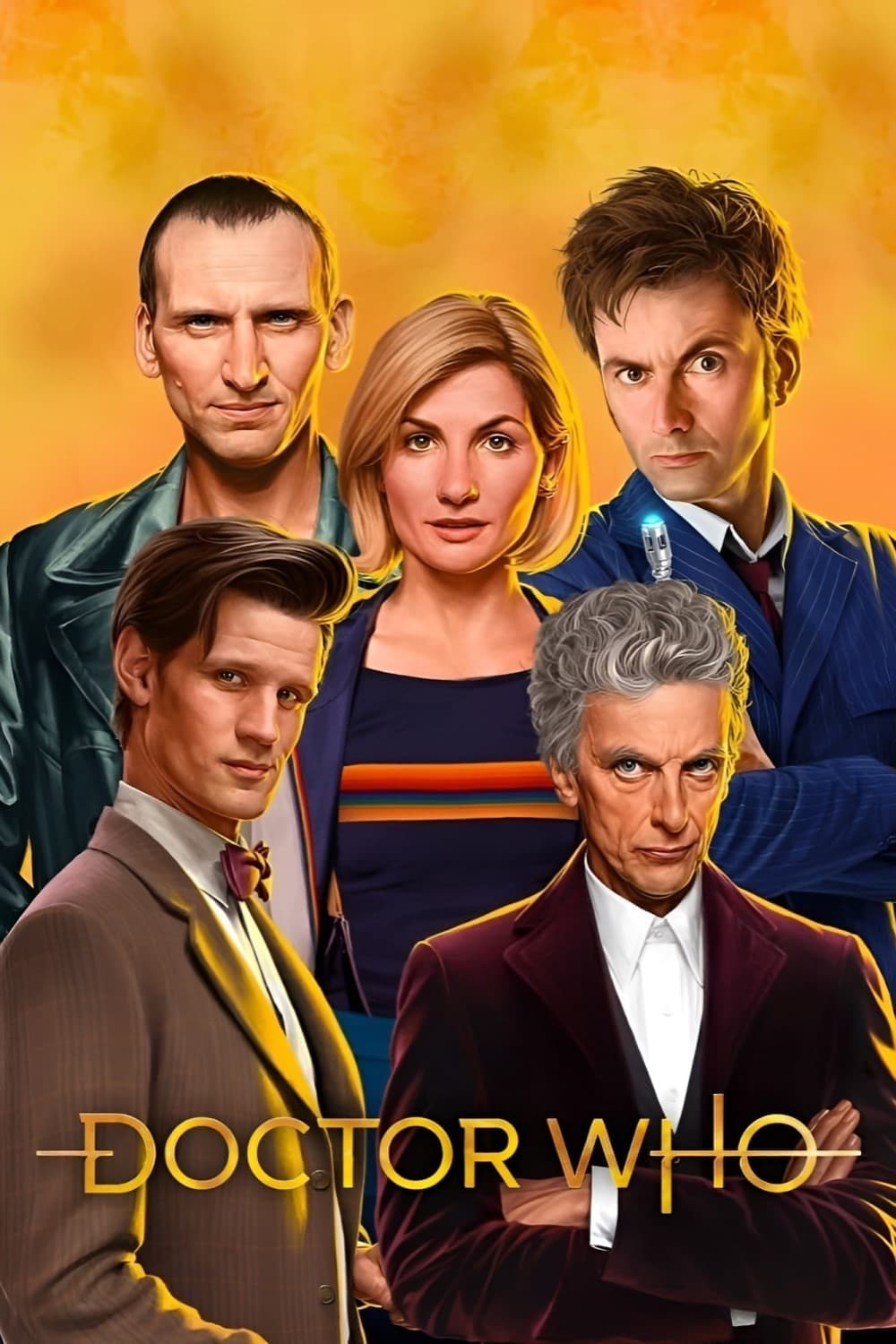
The revival series began with a limited budget that resulted in some questionable special effects and campy villains. Christopher Eccleston grounded the show with a serious performance that paved the way for more complex storytelling. The production values improved steadily as the show gained global popularity and a higher budget. Later seasons expanded the lore and emotional scope to rival cinematic blockbusters.
Please recommend other series that recovered from a stumbling start in the comments.