


20 TV Shows That Handled Black Queer Storylines Better Than Anyone Expected



Television has slowly evolved to include more diverse representations of LGBTQ+ characters and experiences. Narratives centered on Black queer identities have moved from the margins to the forefront of critically acclaimed storytelling. These shows provide complex humanization rather than relying on tired tropes or one-dimensional stereotypes. Writers and creators now explore the intersection of race and sexuality with nuance and emotional depth. The following series managed to exceed viewer expectations by delivering authentic and memorable storylines.
‘The Wire’ (2002–2008)
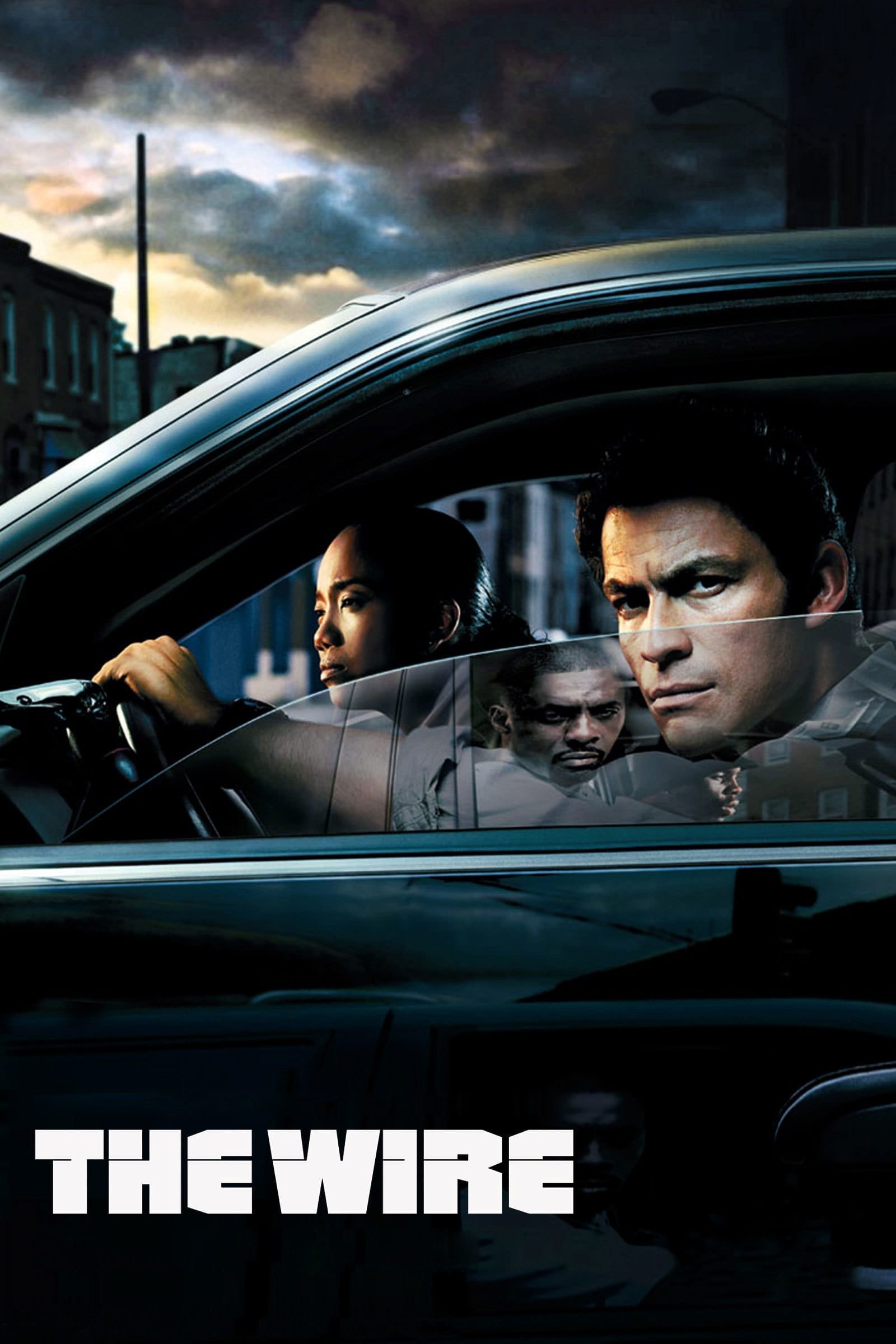
Omar Little remains one of the most iconic figures in modern television history due to his fearless nature and strict moral code. He survives in the dangerous drug trade of Baltimore by robbing dealers while living openly as a gay man. The series portrays his romantic relationships with a tenderness that contrasts sharply with the violence of his profession. Creators avoided making his sexuality his only defining trait or a source of shame within the narrative. His character shattered the monolithic image of the hyper-masculine gangster often seen in crime dramas.
‘True Blood’ (2008–2014)

Lafayette Reynolds captures every scene he is in with his sharp wit and flamboyant style. The show expands his role significantly compared to the source material where the character met an early demise. He navigates the supernatural chaos of Bon Temps while remaining grounded in his identity and loyalty to his cousin Tara. His storyline explores the intersection of mediumship and queer identity in the deep South. Viewers embraced him as the heart of the series because of his resilience and refusal to be a victim.
‘Brooklyn Nine-Nine’ (2013–2021)
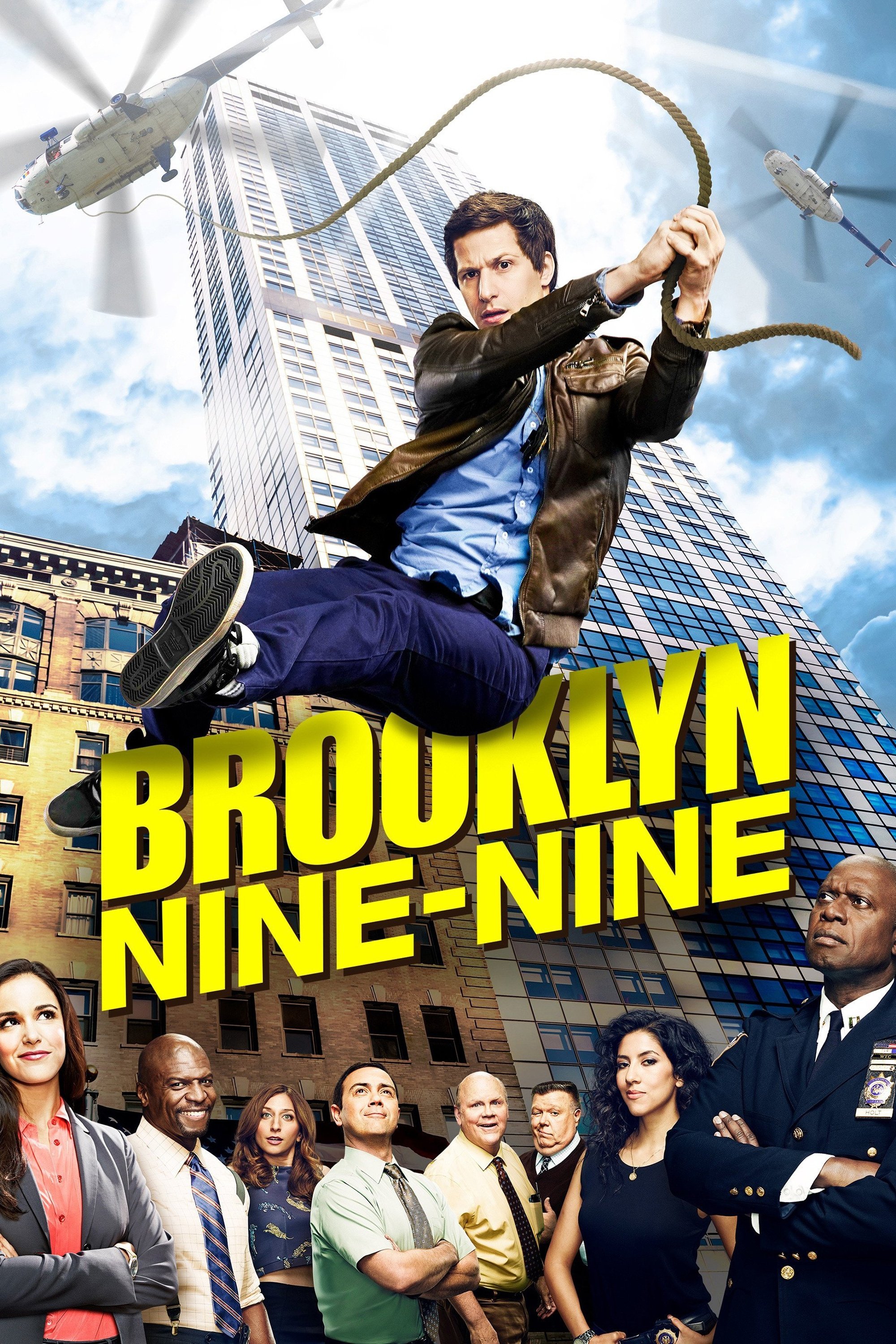
Captain Raymond Holt defies every stereotype of a gay character in a sitcom setting with his deadpan delivery and stoic demeanor. The show establishes his sexuality immediately as a matter of fact rather than a punchline or a dramatic reveal. His relationship with his husband Kevin relies on mutual intellectual respect and deep affection. Flashbacks reveal the discrimination he faced as a Black gay police officer rising through the ranks in previous decades. This portrayal provides a necessary balance of comedy and serious social commentary regarding institutional bias.
‘Orange Is the New Black’ (2013–2019)

Poussey Washington emerged as a fan favorite due to her intelligence and compassionate spirit within the prison walls. Her backstory reveals a life as a military brat who traveled the world and experienced love across different cultures. The writers handle her tragic death with a gravity that sparked real-world conversations about the value of Black lives. Her friendship with Taystee provides one of the most enduring and genuine platonic bonds in the series. The show utilizes her character to highlight the humanity often stripped away from incarcerated women.
‘How to Get Away with Murder’ (2014–2020)
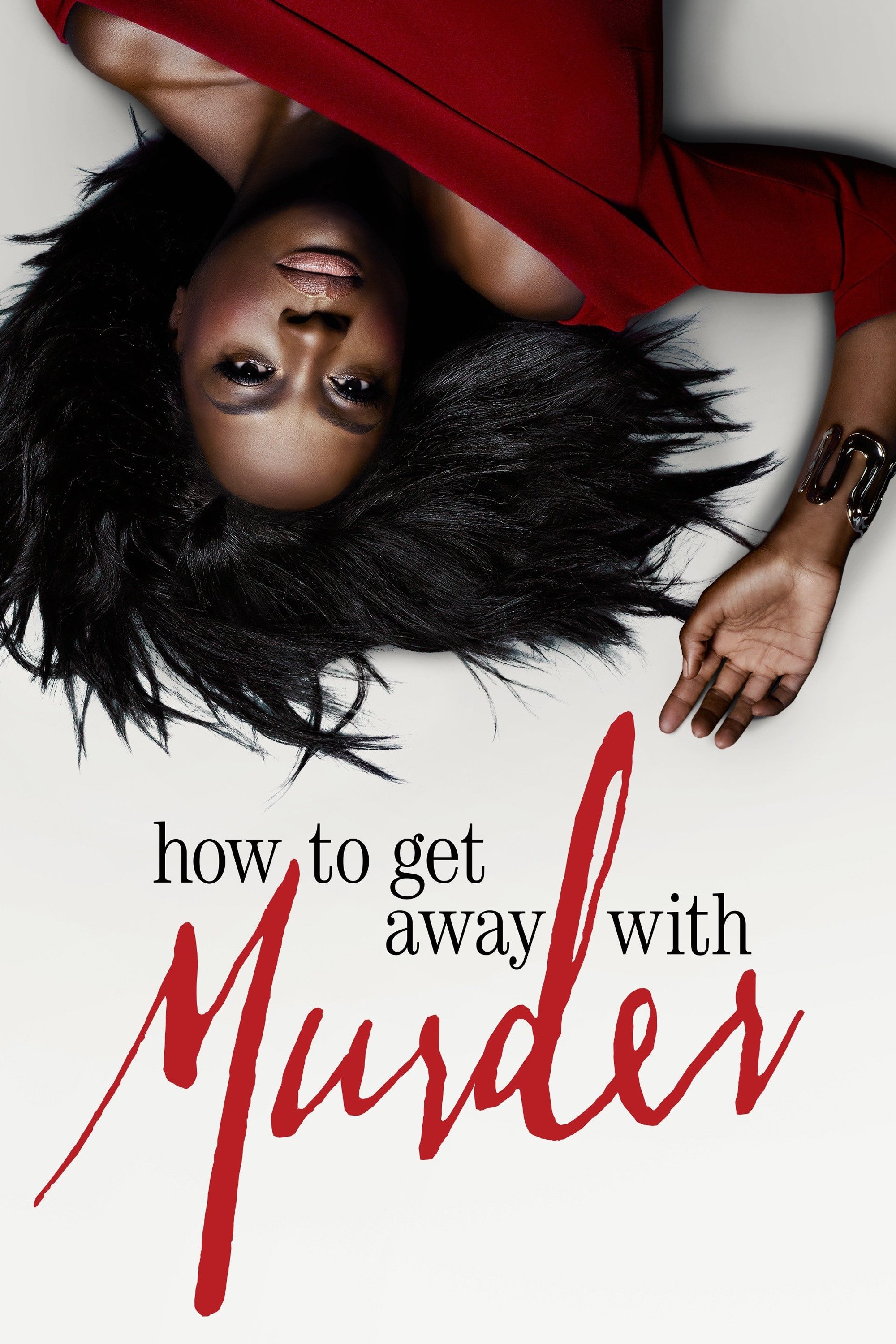
Annalise Keating dominates the screen as a high-powered defense attorney with a messy and complicated personal life. The series slowly peels back layers of her history to reveal her bisexuality through a touching relationship with a former law school classmate. This storyline allows a woman of a certain age to explore fluid desire without judgment or confusion. Viola Davis brings a raw vulnerability to the role that contrasts with her character’s ruthless courtroom persona. The narrative treats her sexual identity as just one facet of her multifaceted and often chaotic existence.
‘Empire’ (2015–2020)
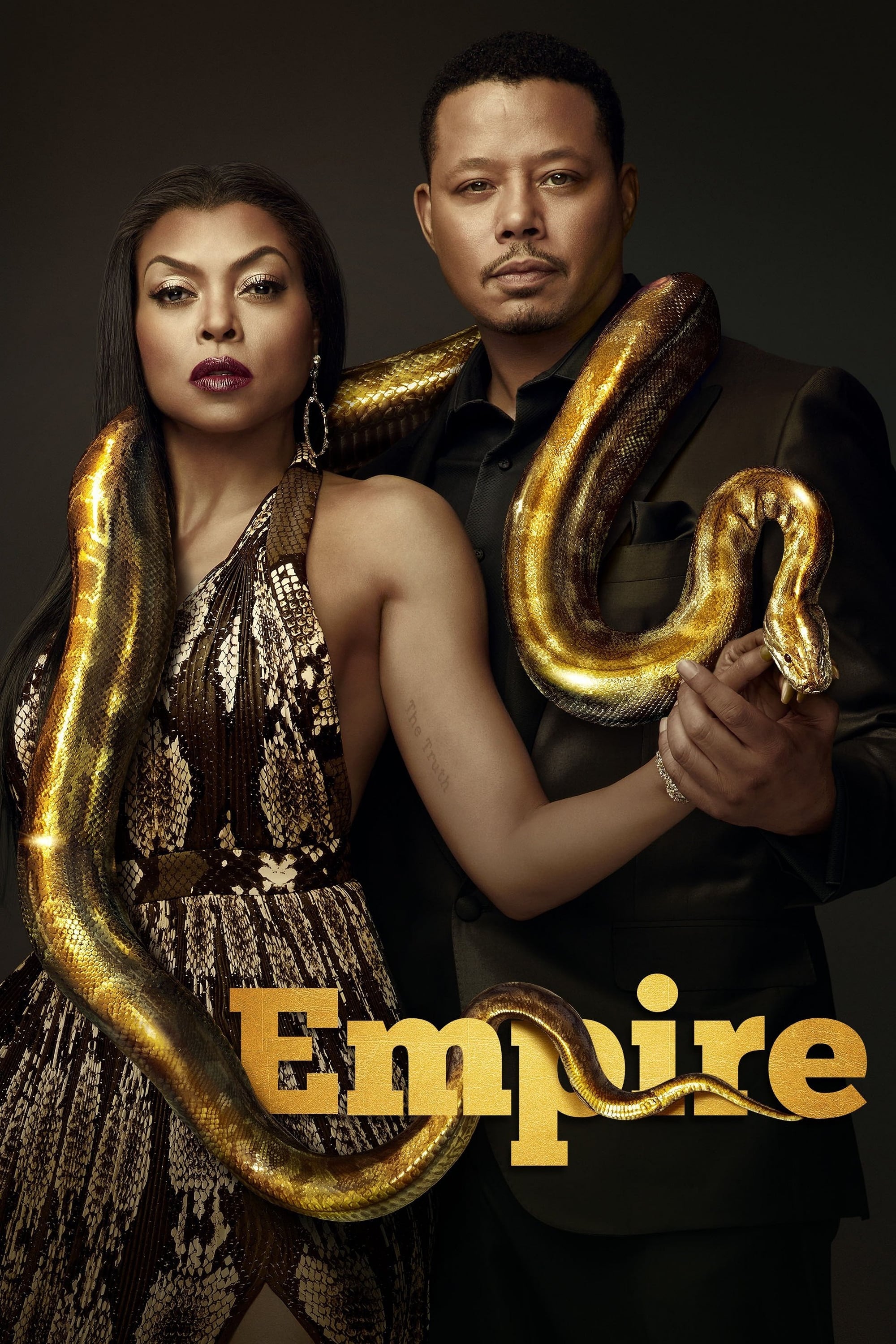
Jamal Lyon faces the difficult challenge of navigating the homophobic world of hip-hop while seeking his father’s approval. His musical talent becomes a weapon and a shield as he fights to claim his place in the family dynasty. The show addresses the specific cultural stigma surrounding male homosexuality in the Black community. Jamal refuses to stay in the closet for the sake of record sales or public image. His journey emphasizes the importance of authenticity in an industry built on appearances.
‘Master of None’ (2015–2021)

Denise serves as a grounding force for the protagonist while navigating her own path as a lesbian woman. The celebrated Thanksgiving episode dedicates a full half-hour to her coming-out journey over several decades. Viewers watch the slow evolution of her mother’s acceptance from denial to uneasy tolerance and finally love. This specific storyline resonated deeply for its honest depiction of generational divides within Black families. It stands out as a quiet but powerful examination of the patience required to bridge cultural gaps.
‘Queen Sugar’ (2016–2022)
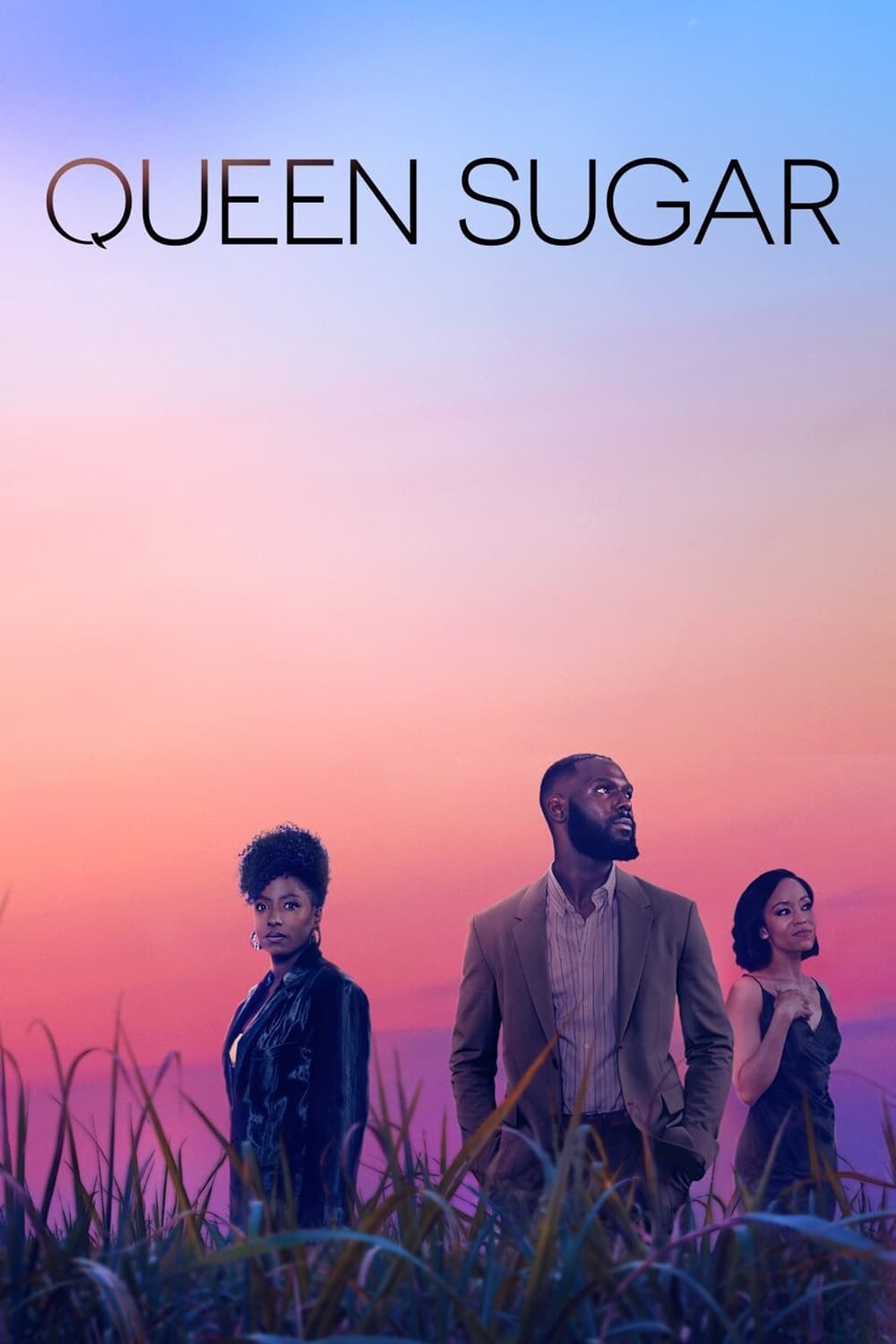
Nova Bordelon operates as a journalist and activist who dedicates her life to fighting for social justice in Louisiana. Her romantic life includes relationships with both men and women which the show depicts with equal weight and respect. The narrative avoids labeling her explicitly and instead focuses on her connection to the people she loves. Her fluidity is presented as a natural extension of her free-spirited and intense personality. The series uses her character to explore how personal intimacy intersects with public advocacy work.
‘Dear White People’ (2017–2021)
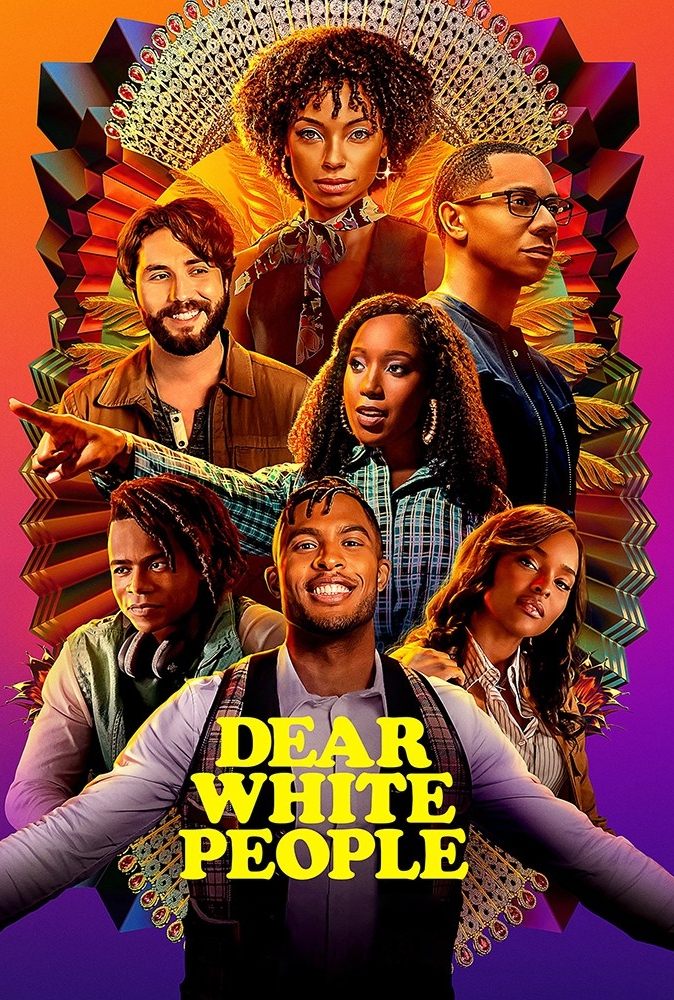
Lionel Higgins begins the series as a shy student struggling to find his place at a predominantly white university. He eventually finds his voice through journalism and embraces his identity as a gay Black man. The show subverts the trope of the tragic queer character by allowing him to find romantic success and professional confidence. His storyline addresses the specific isolation felt by those who exist at the intersection of multiple marginalized identities. Lionel evolves from a quiet observer into a powerful storyteller who holds power to account.
‘Black Lightning’ (2018–2021)
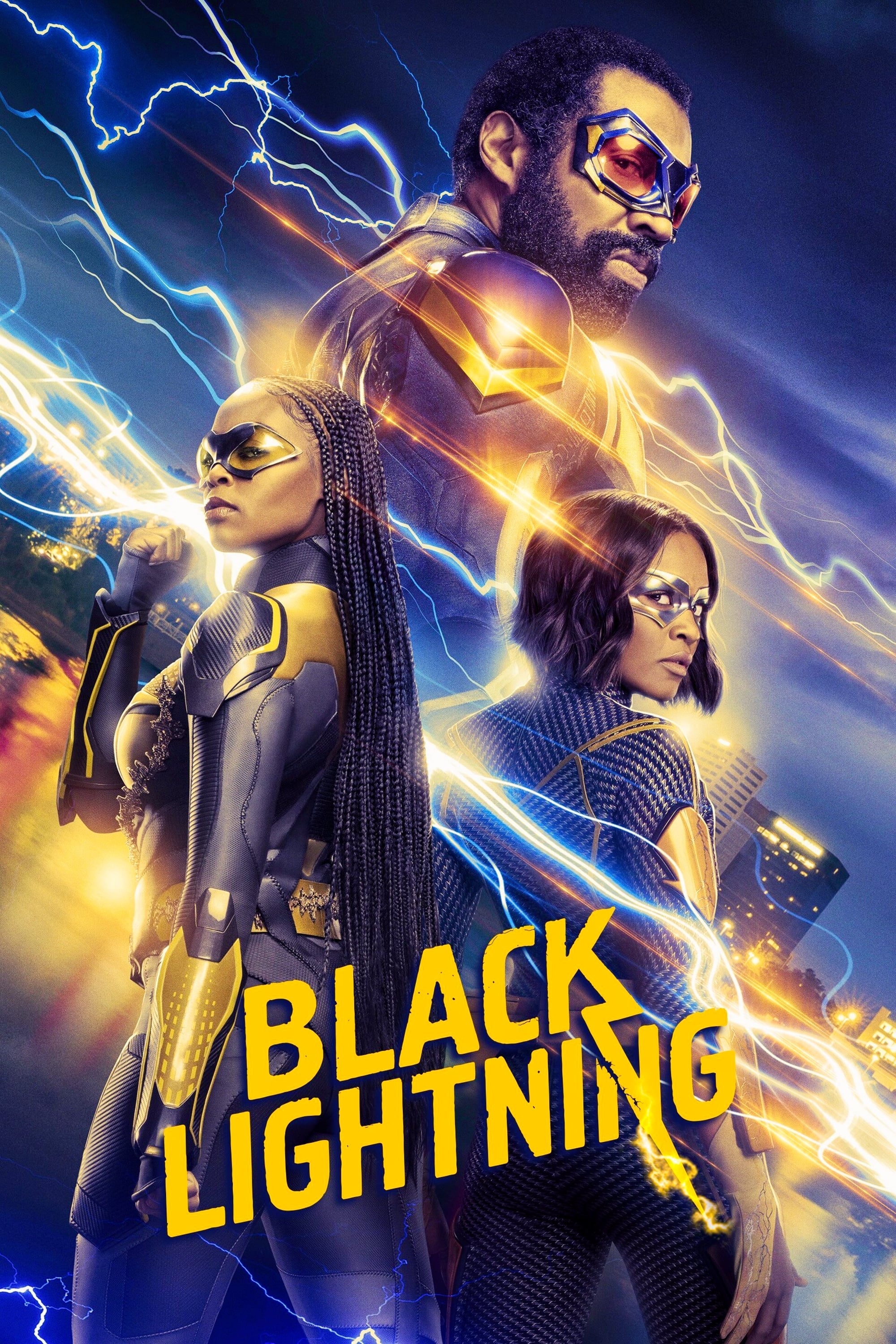
Anissa Pierce breaks new ground as a lesbian superhero of color who fights alongside her father. She balances her life as a medical student and activist while discovering her powers as Thunder. Her relationship with Grace Choi adds a layer of romance and stability amidst the superhero action. The series treats her sexuality as a normal part of her life rather than a source of constant angst. She stands as a symbol of strength and protection for her community without compromising who she is.
‘Pose’ (2018–2021)
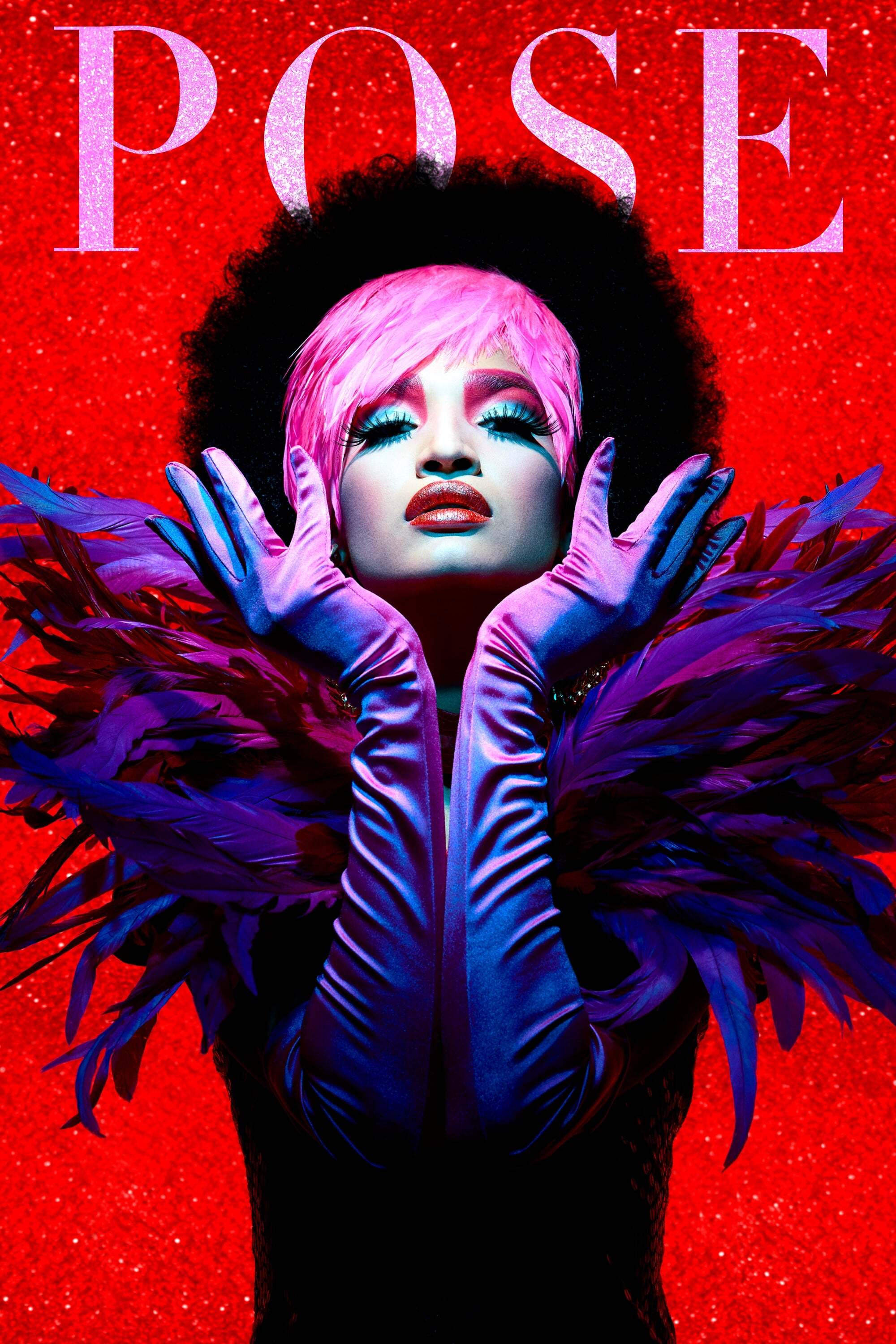
Blanca Evangelista serves as the fiercely protective house mother who creates a safe haven for LGBTQ+ youth in New York City. The series dives deep into the ballroom culture of the late 1980s and the devastating impact of the HIV epidemic. Characters like Pray Tell and Angel navigate triumph and tragedy with dignity and spectacular fashion. The show made history by casting the largest number of transgender actors in regular roles for a scripted series. It honors the resilience of a community that forged its own families when biological ones turned them away.
‘Sex Education’ (2019–2023)
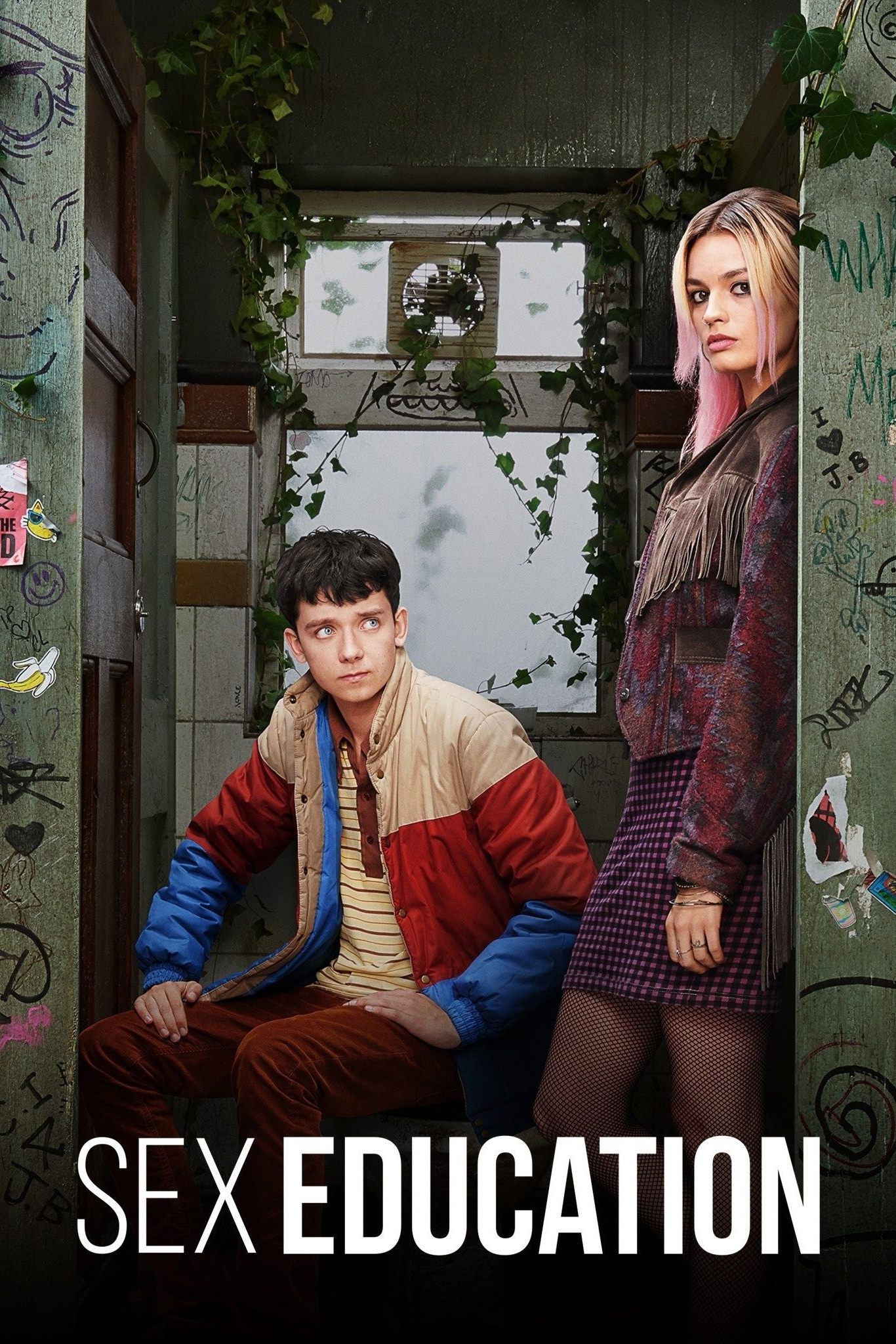
Eric Effiong shines as a vibrant and unapologetic teenager who refuses to dim his light for anyone. He comes from a religious Nigerian/Ghanaian family that struggles to reconcile their faith with his flamboyant expression. The writing avoids making him a victim of bullying and instead positions him as the heart of the school. His romantic arcs are complex and messy and allow him to make mistakes just like his straight peers. The character represents a joyous celebration of queer identity that is rarely seen in teen comedies.
‘Euphoria’ (2019–Present)
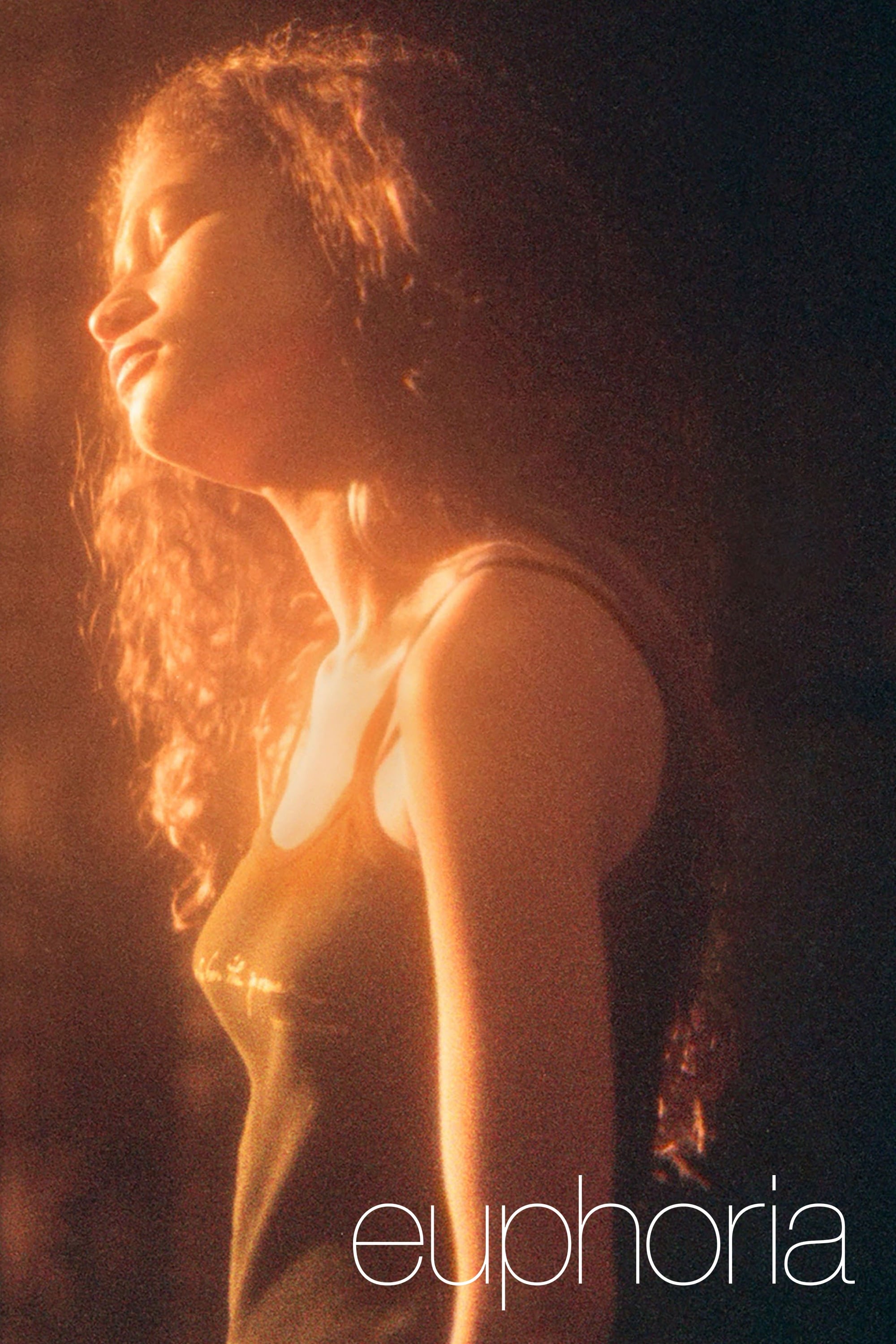
Rue Bennett battles severe addiction while forming an intense emotional dependency on her transgender best friend Jules. The show explores the fluidity of her sexuality through the lens of trauma and adolescent confusion. Zendaya delivers a performance that captures the raw pain and fleeting highs of her chaotic life. The relationship between Rue and Jules defies easy categorization and shifts constantly between romance and friendship. Their dynamic provides a modern look at how Gen Z navigates love without rigid labels.
‘Twenties’ (2020–2021)
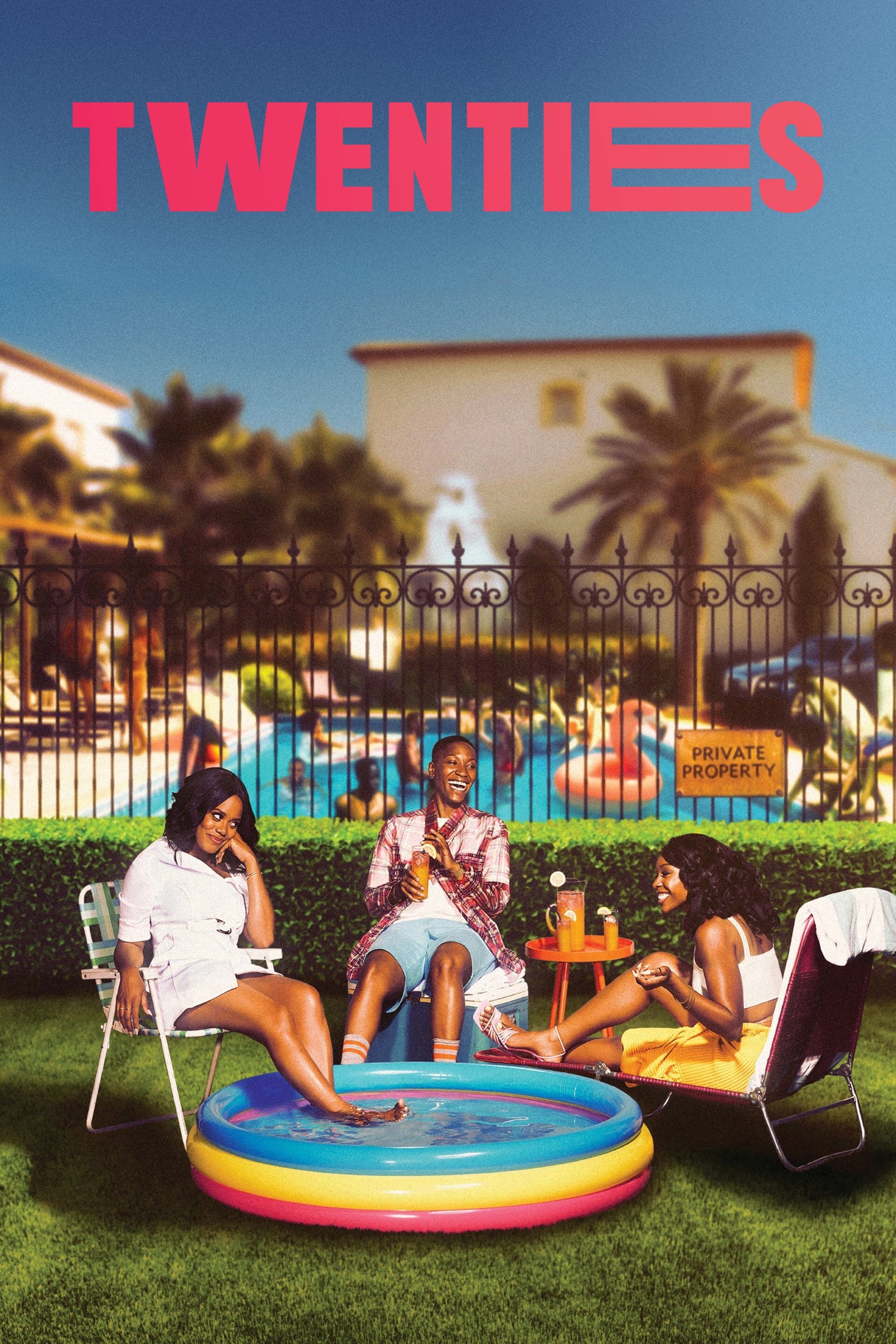
Hattie wanders through life in Los Angeles as a masculine-presenting lesbian trying to become a screenwriter. The show is notable for centering a butch Black woman as the lead in a comedy series. She navigates dating and professional hurdles with a charming lack of self-awareness and plenty of confidence. The script focuses on her ambitions and friendships rather than trauma or coming-out narratives. This perspective offers a refreshing normalization of gender-nonconforming women in everyday settings.
‘P-Valley’ (2020–Present)
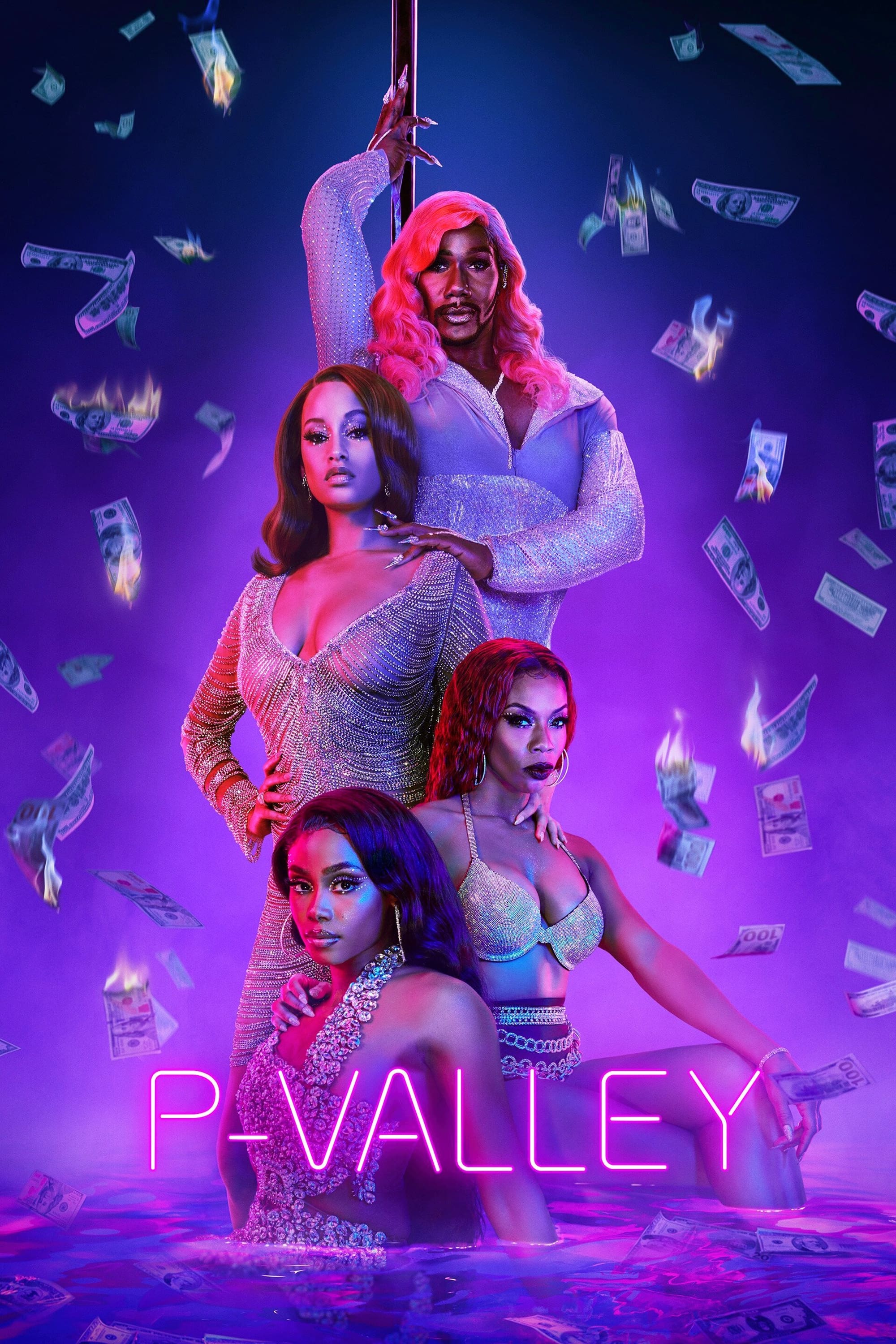
Uncle Clifford rules over The Pynk strip club with a strict hand and a deeply caring heart. The non-binary character uses he and she pronouns interchangeably and commands respect from everyone in the Mississippi Delta setting. The series explores their romantic life and business struggles without turning them into a caricature. The makeup and costuming for the character are consistently stunning and integral to their expression. Uncle Clifford represents a unique blend of maternal warmth and shrewd business acumen.
‘I May Destroy You’ (2020)
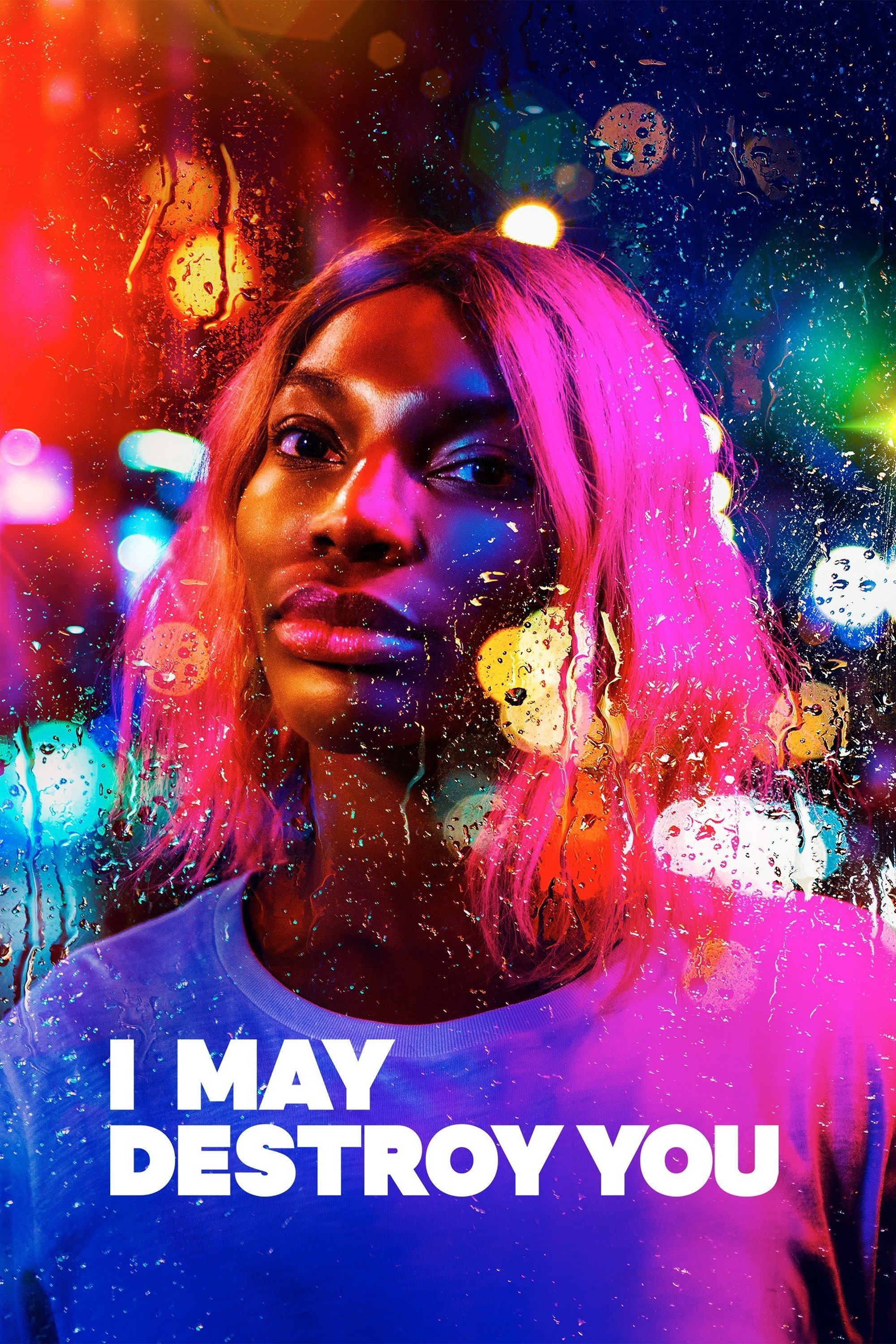
Kwame navigates the modern dating scene of London through apps and casual encounters. The series tackles the difficult subject of sexual assault against men with unflinching honesty. His storyline challenges the audience to understand how trauma manifests differently depending on gender and societal expectations. The character often struggles to articulate his pain in a world that expects Black men to be invulnerable. This narrative thread provides a crucial examination of consent within queer male spaces.
‘Lovecraft Country’ (2020)
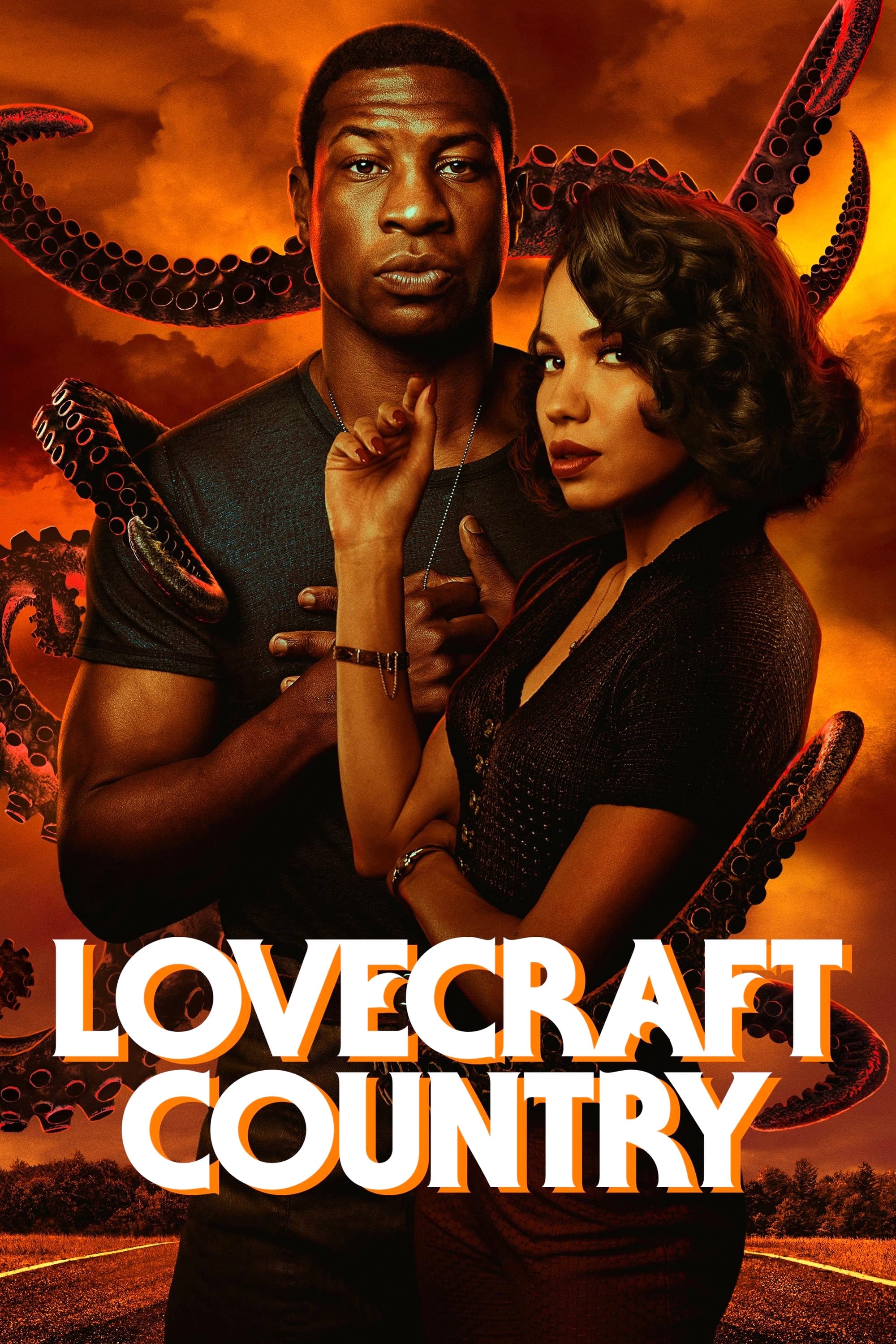
Montrose Freeman hides his true self beneath a veneer of anger and alcoholism in 1950s America. The horror series reveals that his erratic behavior stems partly from the strain of being a closeted gay man in a hostile era. Viewers see him find brief moments of liberation and love amidst the supernatural terrors and racial violence. His journey is one of unlearning the toxicity forced upon him by a patriarchal society. The show uses his character to explore the hidden histories of Black queer men in the mid-20th century.
‘Yellowjackets’ (2021–Present)
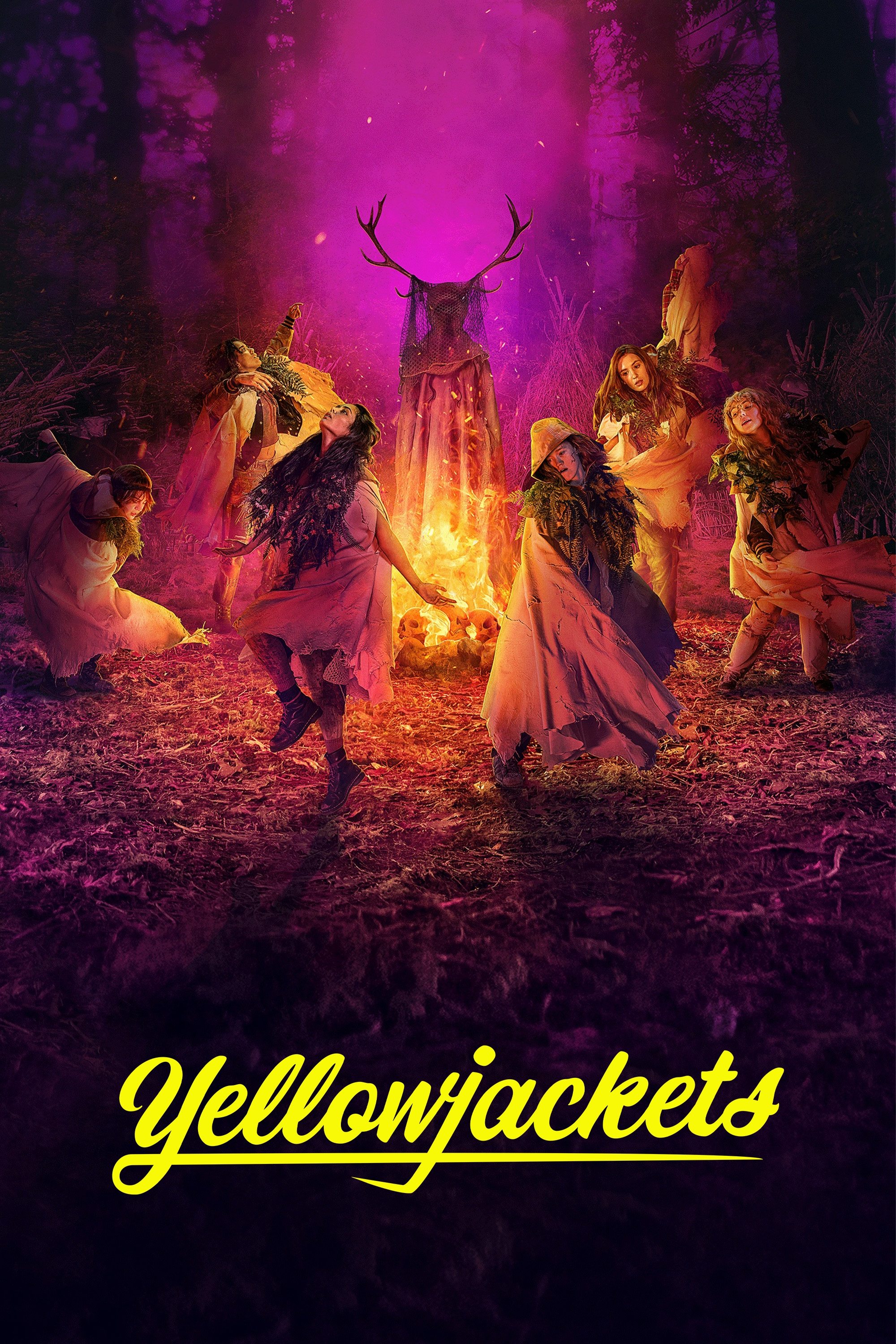
Taissa Turner survives a harrowing wilderness ordeal as a teenager to become a successful politician as an adult. Her relationship with her wife is portrayed as a stable anchor in her increasingly unraveling life. The flashbacks show her early romance with Van which developed under the most extreme survival conditions imaginable. The series avoids making her sexuality a plot twist and treats it as a fundamental part of her history. She battles internal demons and supernatural forces while trying to protect the family she built.
‘Bel-Air’ (2022–Present)
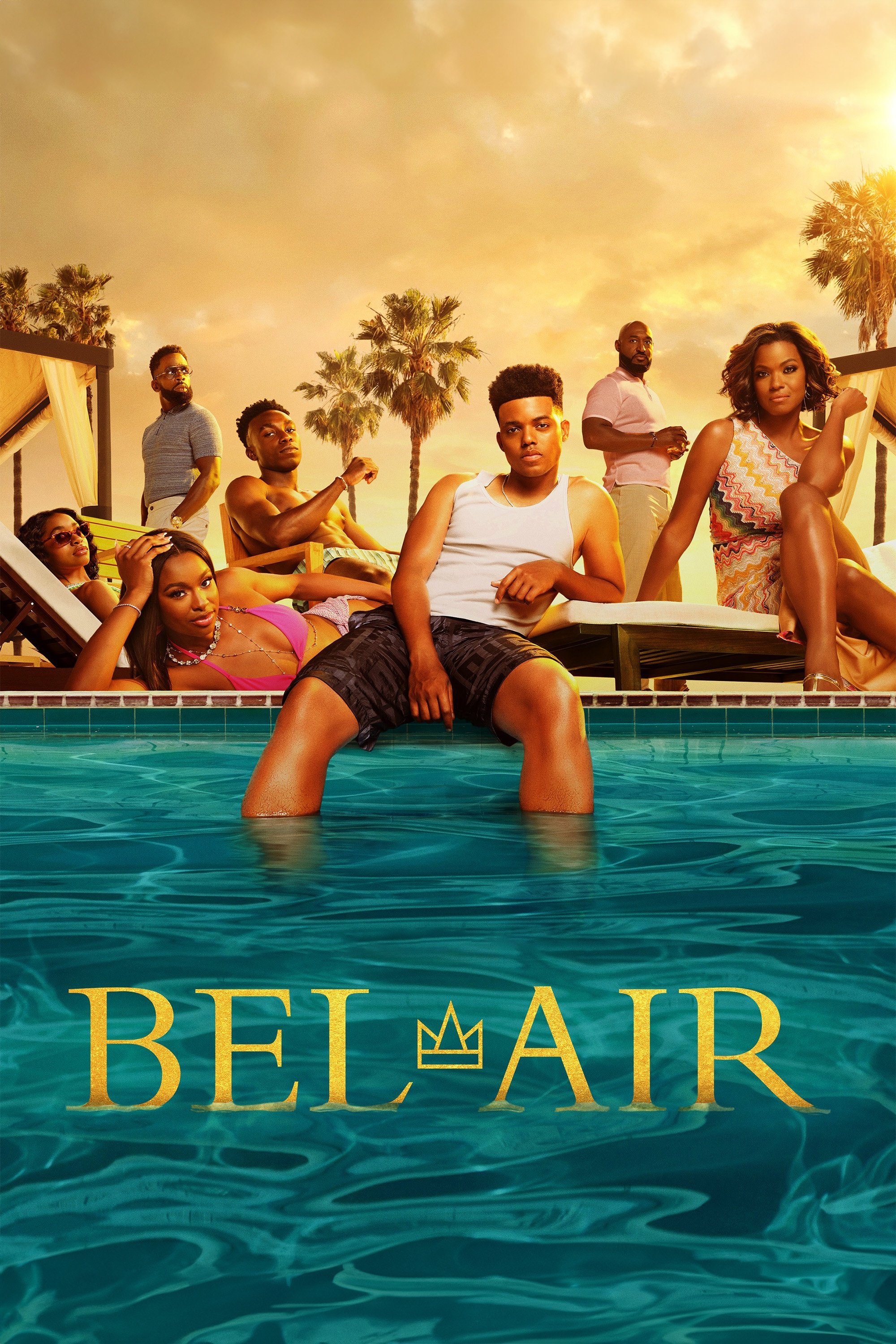
Carlton Banks receives a complete reimagining in this dramatic reboot of the classic 90s sitcom. The writers transformed the character from a comic foil into a complex young man dealing with anxiety and hidden sexuality. His antagonism toward Will stems partly from the pressure to maintain a perfect image while suppressing his true self. This change adds significant depth to his rivalry with his cousin and his struggle for acceptance. The storyline modernizes the pressure of elite Black expectations in a compelling way.
‘Interview with the Vampire’ (2022–Present)
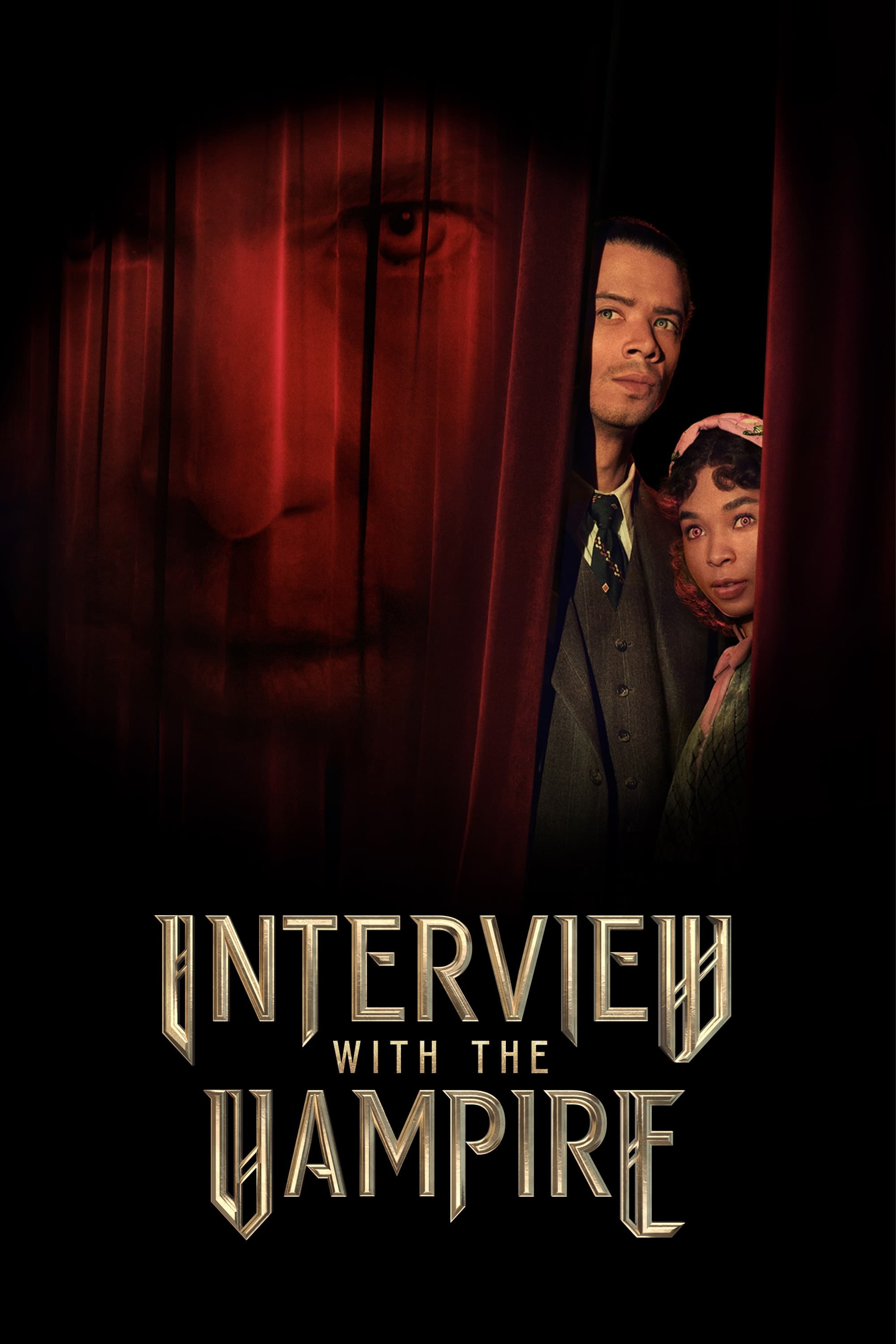
Louis de Pointe du Lac is reimagined as a Black Creole man in early 20th-century New Orleans. The series makes the subtext of the original novel explicit by centering the toxic romance between him and the vampire Lestat. Louis deals with the dual alienation of being a vampire and a Black man in a segregated society. The chemistry between the leads drives the narrative through decades of resentment and passion. This adaptation revitalized the franchise by placing race and queer desire at the very center of the horror.
Please tell us in the comments which of these storylines resonated with you the most or if we missed your favorite.