


TV Shows That Handled Breakups with Maturity and Growth




Television often thrives on dramatic explosions and toxic fallout when couples part ways for entertainment value. Some series choose to depict the end of relationships with nuance and emotional intelligence instead of high-decibel arguments. These narratives explore how characters navigate heartbreak while maintaining respect and finding personal growth in the aftermath. The following shows demonstrate that ending a romance does not always mean destroying a connection.
‘Schitt’s Creek’ (2015–2020)

Alexis Rose and Ted Mullens prove that a breakup can be an act of love rather than a failure. Their relationship ends because their dream careers take them to different parts of the world. Neither character asks the other to sacrifice their professional goals for the sake of the romance. This mutual decision highlights the immense personal growth Alexis experiences throughout the series. It remains one of the most heartbreaking yet respectful separations in modern sitcom history.
‘Insecure’ (2016–2021)

The journey of Issa and Lawrence is a realistic portrayal of two people who outgrow each other. They spend years navigating resentment and confusion before reaching a place of mutual understanding. The series takes its time to show that closure is rarely immediate or clean. By the end they are able to celebrate each other’s successes without needing to possess one another. Their evolution reflects the messy but necessary path to emotional maturity.
‘Parks and Recreation’ (2009–2015)

Ann Perkins and Chris Traeger initially struggle to find common ground after their breakup. They eventually transition into a supportive friendship that becomes a cornerstone of the show. The writers avoided turning them into bitter exes and instead focused on their shared values. This foundation allows them to eventually find their way back together in a healthy manner. Their timeline suggests that timing is just as important as compatibility.
‘The Good Place’ (2016–2020)

Eleanor and Chidi face a breakup driven by metaphysical necessity rather than a lack of love. Chidi chooses to have his memory erased to save the universe and Eleanor accepts this sacrifice. The show handles the emotional weight of their separation with profound philosophical depth. They demonstrate that letting go can be the ultimate ethical choice. It is a devastating yet beautiful example of placing the greater good above personal happiness.
‘Fleabag’ (2016–2019)

The relationship between Fleabag and the Priest is intense and spiritually complex. They acknowledge their deep love for one another while recognizing they cannot share a life. The Priest chooses his faith over a romantic future and Fleabag accepts this rejection with grace. Her final walk away from the camera signifies her readiness to face life on her own. It is a masterclass in accepting that love does not always equal possession.
‘Normal People’ (2020)

Marianne and Connell weave in and out of each other’s lives with varying degrees of success. Their final separation is marked by a deep appreciation for how they have shaped one another. They recognize that their bond has propelled them into new phases of their lives. The open-ended conclusion suggests they will always be connected even if they are physically apart. This portrayal honors the transformative power of first love.
‘Ted Lasso’ (2020–2023)

Ted and his wife Michelle navigate a divorce that is painful but devoid of malice. Ted realizes that holding onto the marriage is causing more harm than good for both of them. He grants her the space she needs despite his own heartbreak. The show emphasizes the importance of co-parenting and maintaining respect for the sake of family. It deconstructs the stigma of divorce by framing it as a brave step toward happiness.
‘The Marvelous Mrs. Maisel’ (2017–2023)

Midge and Joel Maisel start the series with a chaotic implosion of their marriage. Over several seasons they evolve into fierce supporters and reliable co-parents. Joel eventually accepts Midge’s comedic genius and steps up to protect her career. Their relationship shifts from romantic partners to lifelong allies who understand each other better than anyone else. It illustrates that a failed marriage can still result in a successful family unit.
‘Master of None’ (2015–2021)

Dev and Rachel provide a hyper-realistic look at how relationships slowly dissolve over time. There is no massive betrayal or screaming match that ends their time together. They simply realize their paths are diverging and they want different things from life. The show captures the quiet sadness of drifting apart when love is still present. It validates the idea that wanting to explore the world is a valid reason to leave a secure partnership.
‘Broad City’ (2014–2019)

The central love story of the show is the friendship between Abbi and Ilana. Their physical separation in the finale is treated with the gravity of a romantic breakup. They realize that they must spend time apart to grow into fully independent adults. The farewell is tearful but underscores their unshakeable bond. It celebrates female friendship as a life-altering force that survives distance.
‘Crazy Ex-Girlfriend’ (2015–2019)

Rebecca Bunch spends years chasing romantic love as a solution to her mental health struggles. The series finale sees her stepping away from her suitors to focus on her own well-being. She realizes that her happiness must come from within rather than from a partner. The men in her life respect her decision and support her journey toward self-discovery. It is a powerful subversion of the typical romantic comedy ending.
‘Better Things’ (2016–2022)

Sam Fox navigates single motherhood and dating with a refreshing lack of sentimentality. Her breakups are often quick and decisive as she prioritizes her dignity and her daughters. The show portrays middle-aged dating as a series of experiments rather than a hunt for a savior. Sam remains whole regardless of her relationship status. She models resilience and independence for her children in every interaction.
‘Jane the Virgin’ (2014–2019)

Jane and Rafael endure numerous breakups and obstacles before finding their happy ending. They spend significant time as co-parents who date other people while supporting one another. The show highlights the work required to build a foundation of trust after romantic failure. Their eventual reunion is earned through years of individual maturation. It proves that timing and personal readiness are essential ingredients for a lasting union.
‘New Girl’ (2011–2018)

Nick and Jess initially break up because they have fundamentally different approaches to planning their futures. They spend several seasons growing up and learning to communicate better as friends. When they eventually reconcile it feels earned rather than forced. The intervening years allow them to address the flaws that caused their first split. They show that sometimes you meet the right person before you are the right version of yourself.
‘Stranger Things’ (2016–Present)

Steve Harrington and Nancy Wheeler break up when she realizes she does not love him the way he loves her. Steve evolves from a stereotypical jock into a supportive friend and ally. He respects her relationship with Jonathan without harboring toxic jealousy. His growth allows him to become a protector for the entire group. This arc turns a potential villain into one of the most beloved characters on the show.
‘Sex Education’ (2019–2023)

Otis and Ruby have a brief relationship that ends when feelings become unequal. Ruby opens up emotionally for the first time and Otis is honest about not being able to say “I love you” back. They handle the split with a surprising amount of honesty for teenagers. The show treats teenage heartbreak with the validity and seriousness it deserves. It teaches that honesty is preferable to sparing someone’s feelings with lies.
‘Grace and Frankie’ (2015–2022)

The premise involves two women whose husbands leave them for each other. While the initial split is traumatic the ex-husbands eventually build a civil dynamic with their former wives. The show explores the messy reality of untangling decades of shared history. Everyone involved eventually finds a new equilibrium that includes the entire extended family. It is a testament to the possibility of forgiveness later in life.
‘Please Like Me’ (2013–2016)

Josh and Arnold navigate an open relationship that eventually succumbs to their different needs. The breakup is quiet and filmed with a heartbreaking sense of intimacy. They acknowledge that their anxiety and mental health struggles make them incompatible at that moment. The show avoids villainizing either party for their limitations. It remains a poignant look at LGBTQ+ relationships and mental health.
‘Catastrophe’ (2015–2019)

Rob and Sharon navigate a marriage born out of an accidental pregnancy with brutal honesty. They frequently discuss separation and the difficulties of monogamy without sugarcoating the struggle. Their commitment to sticking it out is based on genuine effort rather than romance tropes. The series finale leaves their fate ambiguous but highlights their enduring partnership. They show that staying together is an active choice made every single day.
‘Love’ (2016–2018)

Mickey and Gus are a couple who are often toxic for one another. They break up and make up repeatedly as they deal with addiction and codependency. The series ends with them deciding to get married while acknowledging it might be a disaster. They accept their flaws and decide to face the chaos of life together. It is a realistic take on two imperfect people trying to make it work.
‘High Fidelity’ (2020)

Rob revisits her top five heartbreaks to understand why she is always the one getting dumped. She eventually finds closure with her ex-fiancé Mac by accepting he has moved on. The show deconstructs the obsessive nature of heartbreak and the need for answers. Rob learns that looking backward is preventing her from moving forward. Her journey is about self-acceptance rather than winning someone back.
‘Girls’ (2012–2017)

Hannah and Adam share a volatile relationship that defines much of their twenties. They ultimately part ways because Adam cannot accept Hannah’s decision to raise a child on her own. The final breakup is a moment of clarity where they realize their lives no longer fit together. It is a sober acknowledgment that love is not enough to sustain a relationship. The separation allows Hannah to fully embrace motherhood.
‘BoJack Horseman’ (2014–2020)

Princess Carolyn and Ralph have a healthy relationship that ends due to different life goals. Ralph wants a conventional family life that Princess Carolyn struggles to provide. She chooses her career and her own path to motherhood over a relationship that requires her to change. The breakup is sad because they are good for each other in many ways. It highlights that compatibility does not always conquer circumstance.
‘Big Little Lies’ (2017–2019)

Madeline and Ed struggle with the fallout of infidelity and a lack of passion. They attend therapy and have difficult conversations to rebuild their marriage. The show depicts the hard work of forgiveness and the choice to recommit. They do not sweep the betrayal under the rug but face it head-on. Their arc offers a hopeful perspective on repairing a damaged trust.
‘Six Feet Under’ (2001–2005)

Nate and Brenda have a tumultuous relationship filled with infidelity and illness. They break up and reconcile multiple times as they navigate their individual traumas. Their ultimate marriage and subsequent struggles are portrayed with unflinching realism. The show examines how death and grief impact romantic connections. It remains a profound exploration of human intimacy and frailty.
‘Mad Men’ (2007–2015)

Don and Betty Draper’s divorce is the inevitable result of years of deceit. Betty finally asserts her independence and leaves a marriage that stifles her. The show portrays the divorce as a necessary liberation for her character. Even after separating they maintain a complex connection bound by their children. It captures the specific social constraints of the era regarding broken families.
‘Friday Night Lights’ (2006–2011)

Matt Saracen and Julie Taylor deal with the pressures of distance and growing up. They break up when Matt stays in Dillon to care for his grandmother while Julie wants more freedom. Their separation allows them to explore life apart before realizing they belong together. The show treats their young love with the same respect as adult relationships. Their eventual reunion feels earned through their individual maturation.
‘Parenthood’ (2010–2015)

Sarah Braverman and Mark Cyr have a loving relationship hindered by their age gap and life stages. Sarah ends things because she wants to focus on her adult children while Mark deserves to start his own family. It is a selfless decision made out of love for the other person’s future. The breakup is tearful and devoid of anger. It stands as a prime example of bad timing ruining a good match.
‘This Is Us’ (2016–2022)

Kevin and Sophie try multiple times to make their childhood romance work. They eventually realize that they are better off as friends who support each other’s new lives. The show resists the urge to force them together for the sake of nostalgia. They both find happiness with other partners while cherishing their shared history. It is a mature depiction of letting go of your first love.
‘Grey’s Anatomy’ (2005–Present)

Jackson Avery and April Kepner navigate the loss of a child and a divorce. Despite their separation they remain dedicated co-parents and best friends. They eventually decide to move across the country together to run a foundation. Their relationship evolves from romance to partnership to a unique bond that defies labels. It shows that shared trauma can eventually strengthen a connection.
‘Gilmore Girls’ (2000–2007)

Rory and Jess break up because he is not ready to be the partner she needs. Jess leaves town but returns later as a published author who credits Rory for his success. He urges her to get back to her true self when she is lost. Their dynamic shifts from teenage angst to mutual intellectual respect. It illustrates how exes can serve as mirrors for our own growth.
‘Buffy the Vampire Slayer’ (1997–2003)

Buffy and Angel realize that their relationship is doomed due to his curse and her destiny. Angel decides to leave Sunnydale to allow Buffy to have a normal life. They share a heartbreaking farewell that prioritizes her future over their present desires. The show uses supernatural metaphors to explore very human sacrifices. It remains a definitive example of doing the right thing despite the pain.
‘One Tree Hill’ (2003–2012)

Brooke Davis and Lucas Scott realize they are better as friends than lovers. Brooke selflessly lets Lucas go so he can be with Peyton. She values her friendship with Peyton and her own dignity more than fighting for a boy. This decision marks a major turning point in Brooke’s development into a strong independent woman. The trio maintains a close bond that anchors the rest of the series.
‘Dawson’s Creek’ (1998–2003)

Joey and Pacey struggle with the changing dynamics of their lives after high school. They break up at prom in a scene that captures the fear of the future. They spend years apart growing into successful adults before finding their way back. The time apart proves necessary for them to shed their insecurities. It is a classic example of setting someone free to see if they return.
‘The O.C.’ (2003–2007)

Seth and Summer face a breakup when environmental activism takes over Summer’s life. She changes from a superficial girl into a passionate advocate and needs space to explore this identity. Seth supports her growth even though it means losing her for a time. They eventually marry but only after they have both established their individual selves. The arc validates personal change as a priority over high school romance.
‘Superstore’ (2015–2021)

Amy and Jonah break up when Amy takes a corporate job in California. They acknowledge that their paths are diverging and end things with a heavy heart. The separation is driven by logistics and career ambition rather than a lack of love. They reconcile in the finale once their circumstances align again. The show respects the reality that love often takes a backseat to survival and career.
‘Brooklyn Nine-Nine’ (2013–2021)

Rosa Diaz and Marcus break up when she realizes she is not ready for marriage. She handles the conversation with directness and honesty. Rosa admits she cannot give him what he wants and refuses to string him along. The show praises her emotional boundaries and self-awareness. It is a refreshing take on a character knowing exactly what they can and cannot offer.
‘Never Have I Ever’ (2020–2023)

Devi and Paxton break up when she realizes she has put him on a pedestal. She understands that she needs to like herself before she can be in a healthy relationship. Paxton respects her decision and they maintain a supportive friendship. The show deconstructs the high school dream boy trope. It emphasizes self-love as the prerequisite for romantic love.
‘The Mindy Project’ (2012–2017)
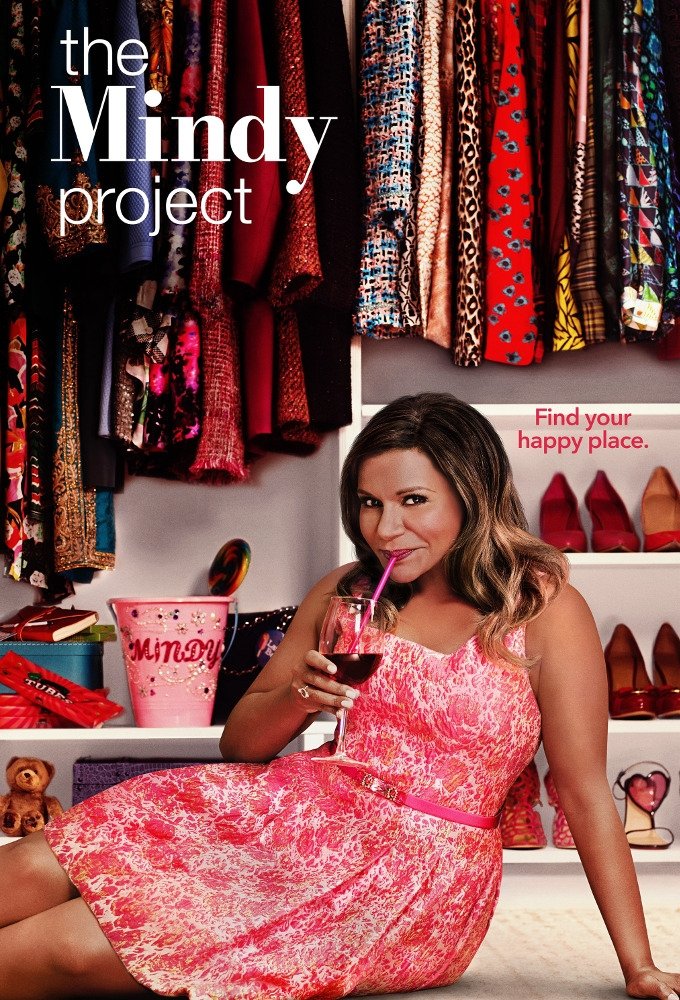
Mindy and Danny struggle with traditional gender roles and career ambitions. They break up when Danny tries to force Mindy to become a stay-at-home mother. Mindy chooses her career and her autonomy over the relationship. The show takes a firm stance on a woman’s right to choose her own path. Their eventual reconciliation only happens after Danny accepts her ambition.
‘Happy Endings’ (2011–2013)

Dave and Alex start the series with a runaway bride scenario but manage to stay in the same friend group. They navigate the awkwardness of dating others while remaining close friends. The group dynamic forces them to mature quickly to avoid fracturing their social circle. They eventually date again but realize they work better as friends. It is a great portrayal of preserving a friendship after romance fails.
‘Scrubs’ (2001–2010)

J.D. and Elliot have an on-and-off relationship that spans years of residency. They date other people and learn to function as colleagues before finally committing. The show allows them to grow out of their neurotic behaviors separately. By the time they settle down they are actual adults capable of a partnership. It shows that some couples just need time to mature.
‘Community’ (2009–2015)

Jeff and Annie share a romantic tension that is often held back by their age difference and life stages. In the finale they share a kiss but accept that Annie must leave to pursue her career. Jeff encourages her to go and explore the world rather than staying for him. It is a moment of selfless love from a character known for his narcissism. The ending is bittersweet but feels completely right for their arcs.
‘Modern Family’ (2009–2020)

Haley Dunphy and Andy maintain a relationship that is arguably the healthiest in her life. They break up because long-distance becomes too difficult for their career goals. It is a mutual decision that leaves both of them heartbroken but respectful. Haley eventually marries Dylan but her time with Andy teaches her what a supportive relationship looks like. It acknowledges that not every great love is the final one.
‘The Office’ (2005–2013)
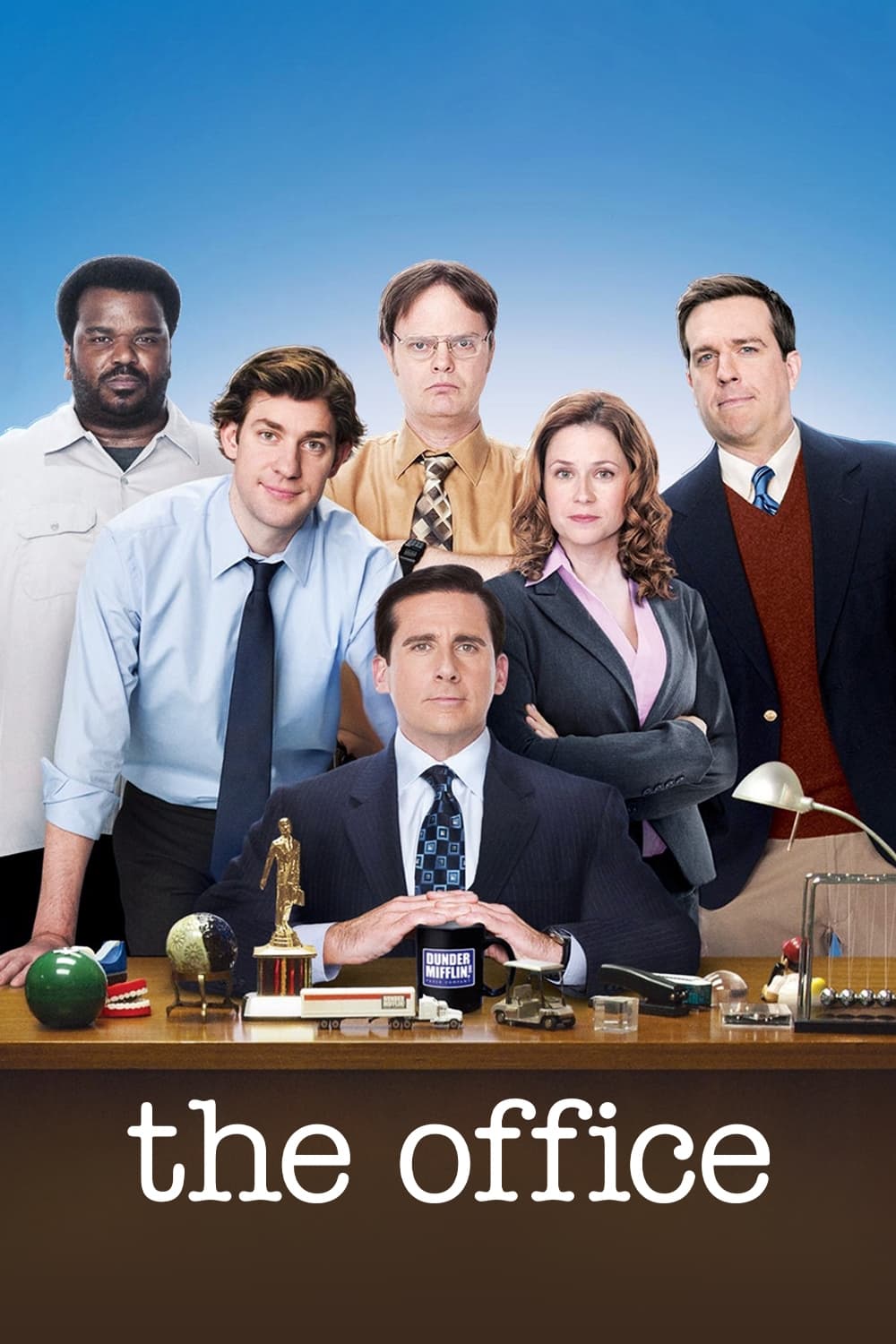
Darryl and Val break up when Darryl realizes he wants to leave Scranton. He tries to orchestrate a breakup to avoid being the bad guy but eventually has an honest conversation. They agree that they are on different paths and part ways. The show uses humor to explore the discomfort of ending a workplace romance. It reflects the mundane reality that some relationships just run their course.
‘Search Party’ (2016–2022)

Dory and Julian represent a breakup where one partner sees the other’s dark descent. Julian remains a voice of moral reason even after they split. He cares for Dory but refuses to enable her toxic behavior. The dynamic shifts from romance to a concerned observer trying to help. It is a dark but mature look at witnessing an ex change for the worse.
‘Shrinking’ (2023–Present)

Jimmy struggles with the death of his wife while navigating the dating world. He has to learn how to end casual relationships with kindness as he heals. The show explores the guilt and confusion of moving on after a great loss. Characters discuss their emotional availability with refreshing candor. It highlights that healing is a messy process that affects everyone around you.
‘Trying’ (2020–Present)

Nikki and Jason navigate the stress of adoption which puts a strain on their romance. They have moments where they question if they can handle the pressure together. They always choose to communicate through the fear rather than shutting down. The show depicts the strength required to maintain a relationship during major life hurdles. It is a beautiful example of a couple fighting the problem instead of each other.
‘Lovesick’ (2014–2018)

Dylan discovers he has chlamydia and must contact all his past partners. This premise leads to a series of flashbacks exploring why each relationship ended. He learns valuable lessons about his own fear of intimacy and communication failures. The show treats each ex as a fully realized person rather than a plot device. It is a journey of taking responsibility for one’s romantic history.
‘Easy’ (2016–2019)

This anthology series features various couples navigating modern relationship hurdles. One standout episode features a married couple engaging in an open marriage to solve their issues. Another explores the amicable separation of a long-term pair who just want different things. The show avoids judgment and focuses on the complexity of human connection. It offers a diverse array of realistic endings.
TV breakups can serve as powerful examples of how to close a chapter with dignity. Share your favorite examples of mature relationship endings in the comments.