


TV Shows That Handled Time Jumps Perfectly

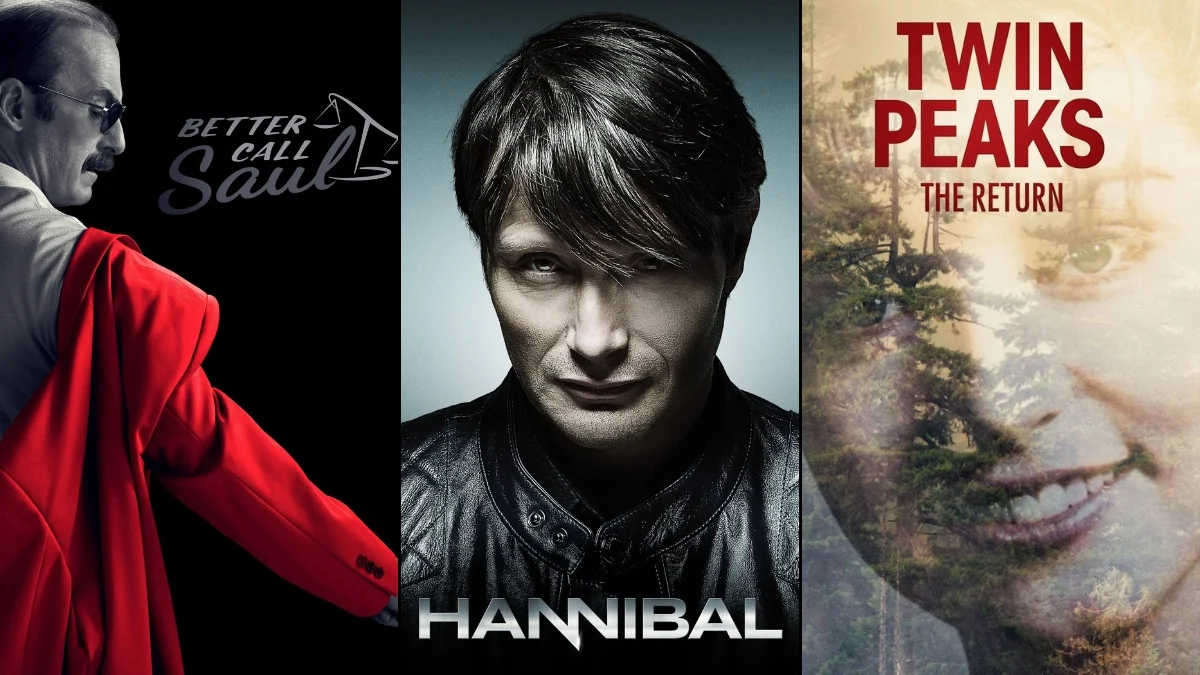


Narrative time jumps are risky storytelling devices that can either revitalize a stagnant plot or confuse the audience. When executed correctly they allow writers to bypass mundane details and accelerate character development in meaningful ways. This technique often serves to reset the status quo and introduce fresh mysteries for viewers to unravel. The following series successfully utilized temporal leaps to enhance their storytelling and deepen their lore.
‘Better Call Saul’ (2015–2022)
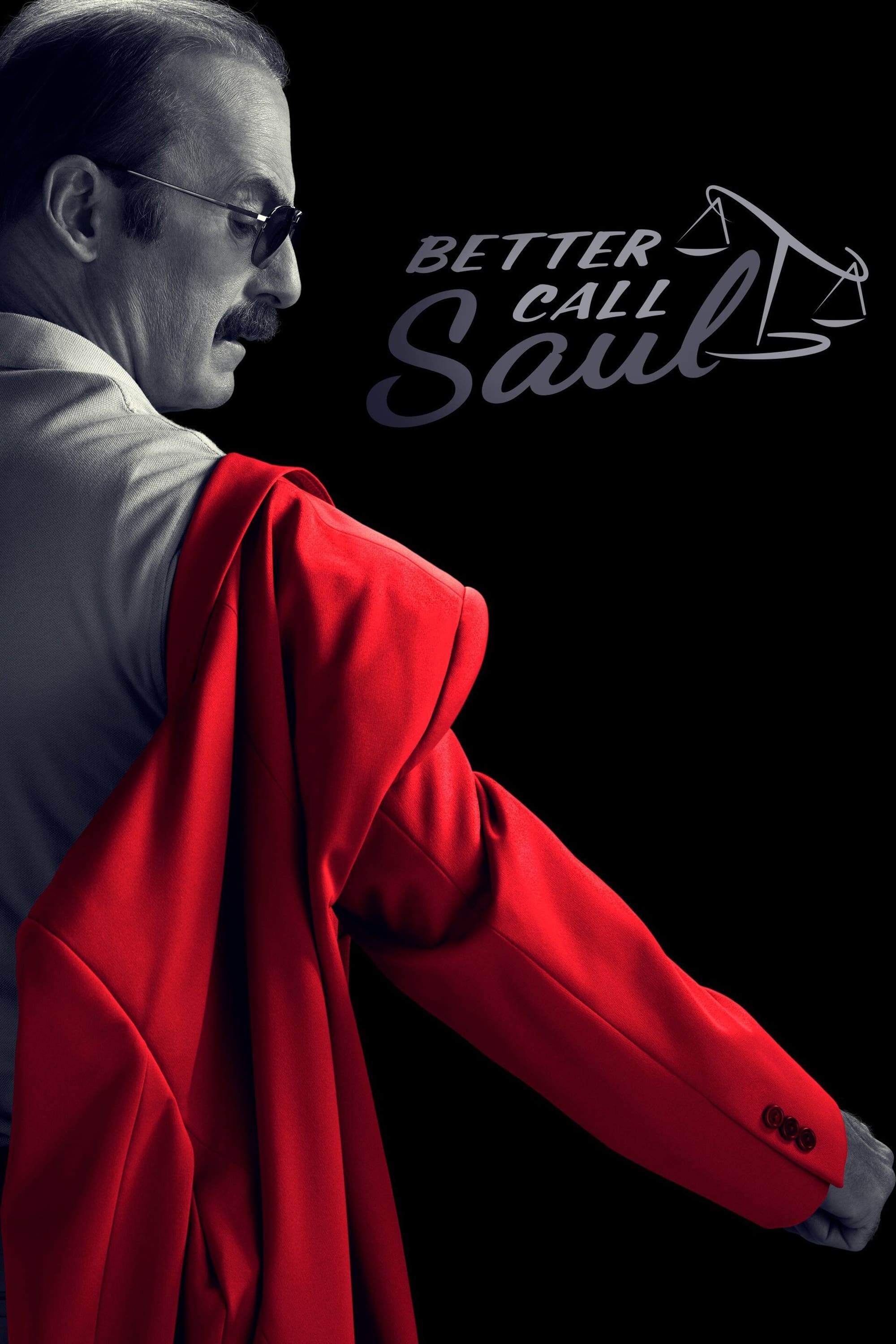
The transformation of Jimmy McGill into the criminal lawyer Saul Goodman spans several years of moral decline. The series utilizes flash-forwards to a black-and-white timeline featuring Jimmy living as Gene Takovic in Nebraska. These glimpses into the post-Breaking Bad future create a tense framing device for the entire show. The final episodes merge these timelines to provide a definitive conclusion to his complex character arc.
‘Battlestar Galactica’ (2004–2009)
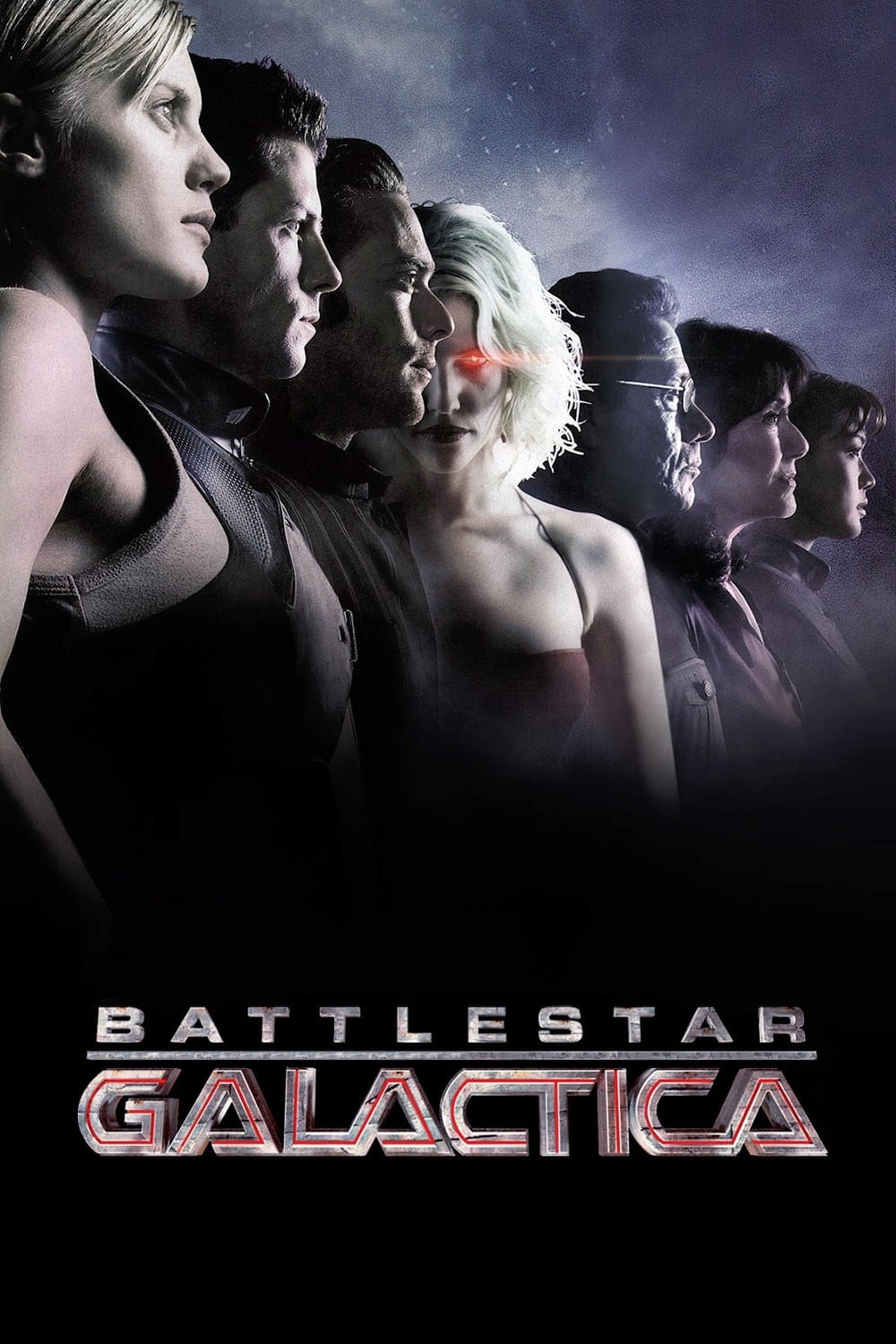
The writers took a bold risk by jumping ahead one year at the end of the second season. Viewers witnessed the drastic shift from life on the fleet to a bleak existence under Cylon occupation on New Caprica. This narrative reset allowed the show to explore themes of insurgency and collaboration without getting bogged down in daily survival logistics. The sudden change in the status quo immediately raised the stakes for every major character.
‘Parks and Recreation’ (2009–2015)
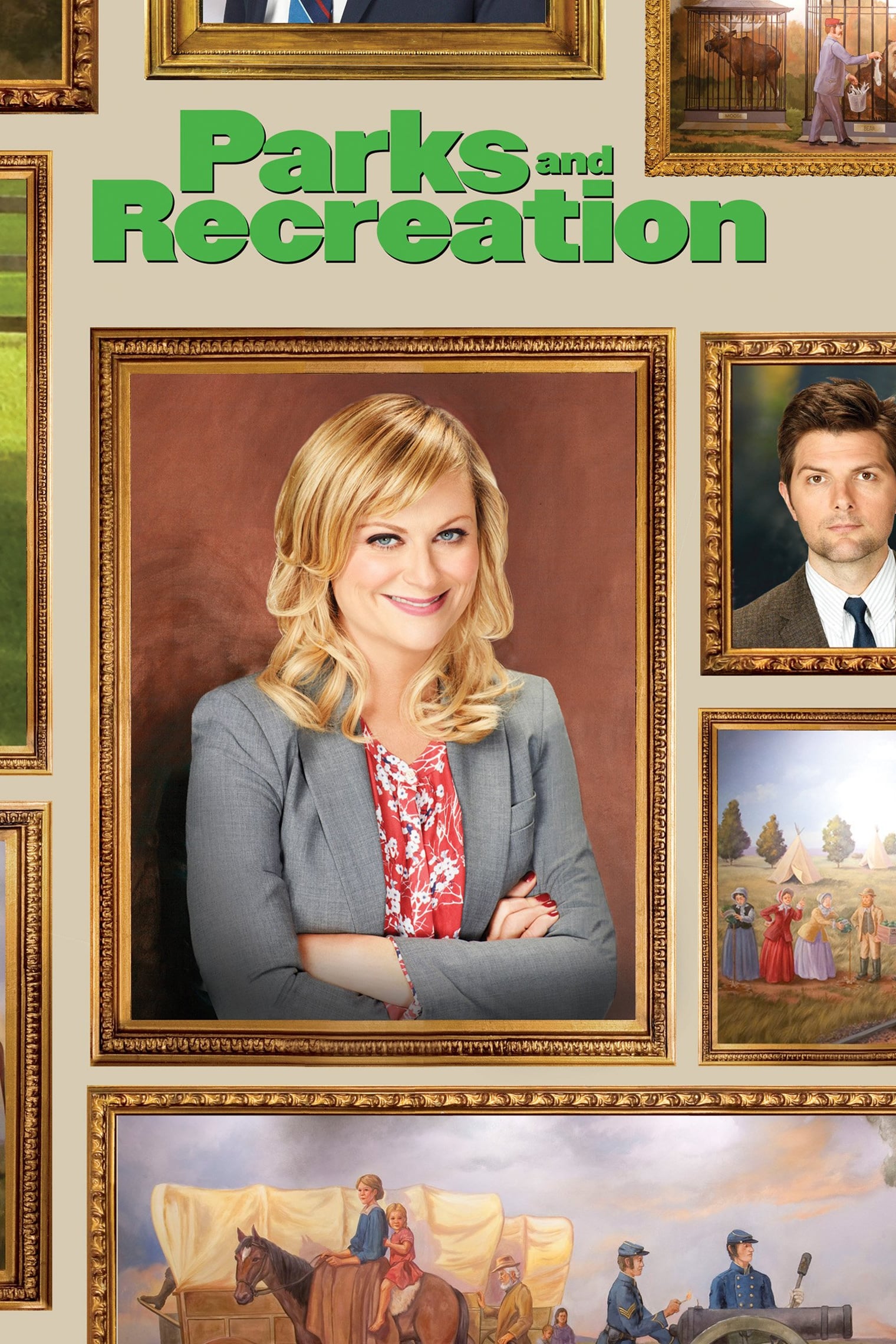
The decision to jump three years into the future for the final season allowed the characters to escape the rut of local government bureaucracy. Leslie Knope established herself as a successful regional director while her friends moved into new phases of their lives. This leap bypassed the immediate aftermath of her pregnancy and focused on her professional triumphs. The show used this device to offer a satisfying and optimistic conclusion to the ensemble comedy.
‘Desperate Housewives’ (2004–2012)

The series skipped five years ahead after the fourth season to completely overhaul the mysteries on Wisteria Lane. This creative choice allowed the writers to separate iconic couples and age the children into teenagers with their own plotlines. Bree Van de Kamp transformed from a homemaker into a successful business owner during the unseen interval. The time jump effectively rebooted the drama and sustained the show for several more years.
‘Lost’ (2004–2010)
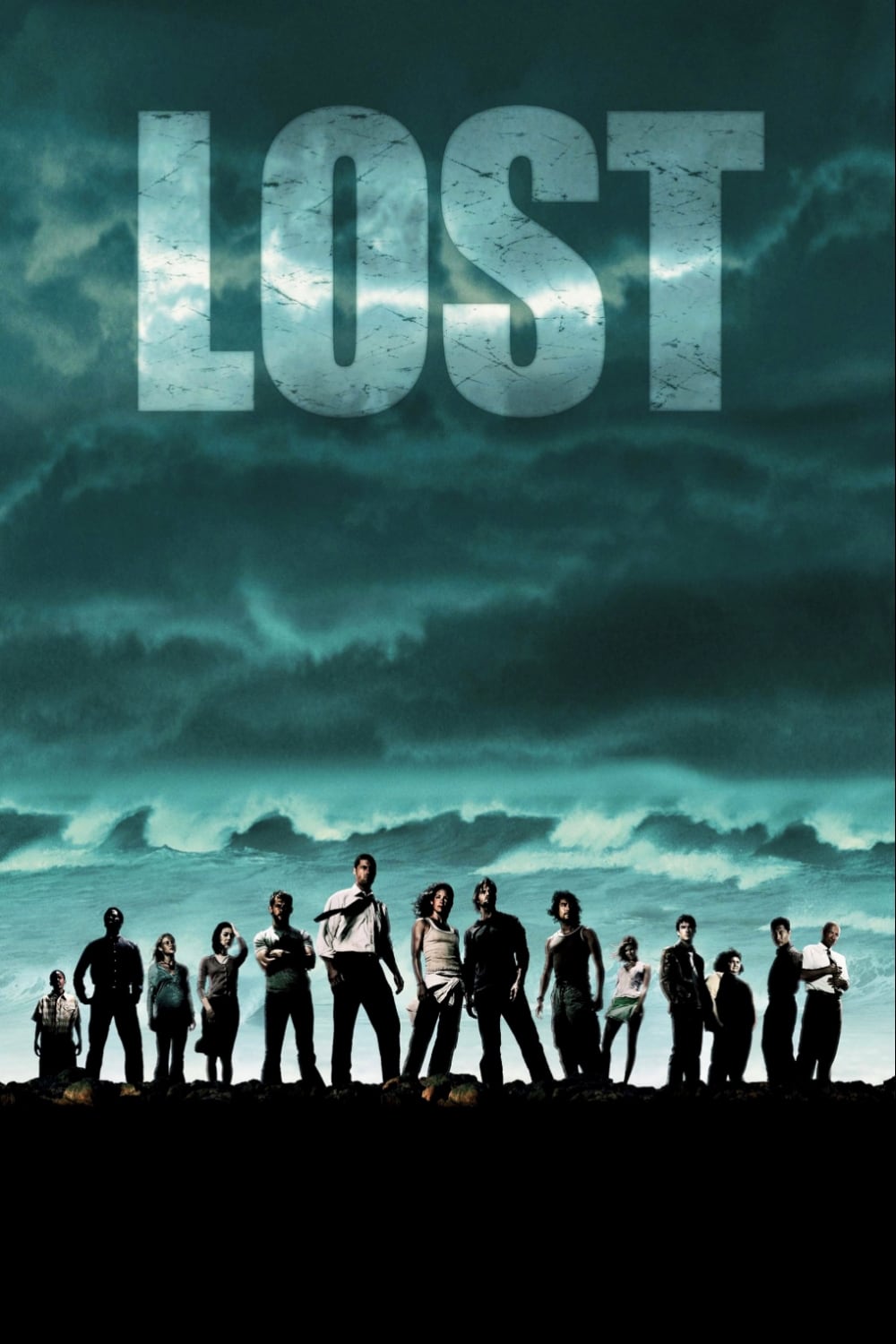
The season three finale shocked audiences by revealing that the flashbacks were actually flash-forwards depicting life off the island. This structural shift fundamentally changed the direction of the series by showing that the Oceanic Six eventually escaped. The narrative tension shifted from immediate survival to the psychological toll of leaving their friends behind. Viewers spent the subsequent seasons trying to piece together the events that filled the gap between the two timelines.
‘The Americans’ (2013–2018)
The final season jumps three years forward to 1987 to align with the upcoming summit between Reagan and Gorbachev. This temporal leap places the Jennings family at the brink of the collapse of the Soviet Union. Elizabeth is exhausted from her work while Philip has retired from espionage to run the travel agency full-time. The increased pressure of the changing geopolitical landscape forces the characters toward their inevitable endgame.
‘Fargo’ (2014–2024)

The first season features a significant time jump that reveals the long-term consequences of Lester Nygaard framing his brother for murder. Lester transforms from a timid insurance salesman into a confident and successful manipulator during the elapsed year. Officer Molly Solverson continues her investigation despite having no new leads for many months. The jump demonstrates how evil can thrive when good people are silenced or ignored.
‘True Detective’ (2014–Present)
The anthology series frequently utilizes multiple timelines to show how a single case haunts detectives over decades. The first season weaves together interrogations from 2012 with the original investigation in 1995 and a revisit in 2002. This structure highlights the physical and mental deterioration of Rust Cohle and Marty Hart. The gaps in time emphasize that true resolution is rare and the past is never truly buried.
‘Halt and Catch Fire’ (2014–2017)

The series chronicles the rapid evolution of the personal computing era by employing time jumps between each season. These leaps allow the narrative to progress from the early hardware wars to the rise of the World Wide Web. Characters age and mature as their professional partnerships shift with the changing technology. The show effectively captures the fleeting nature of innovation and the constant reinvention required in the tech industry.
‘Mad Men’ (2007–2015)
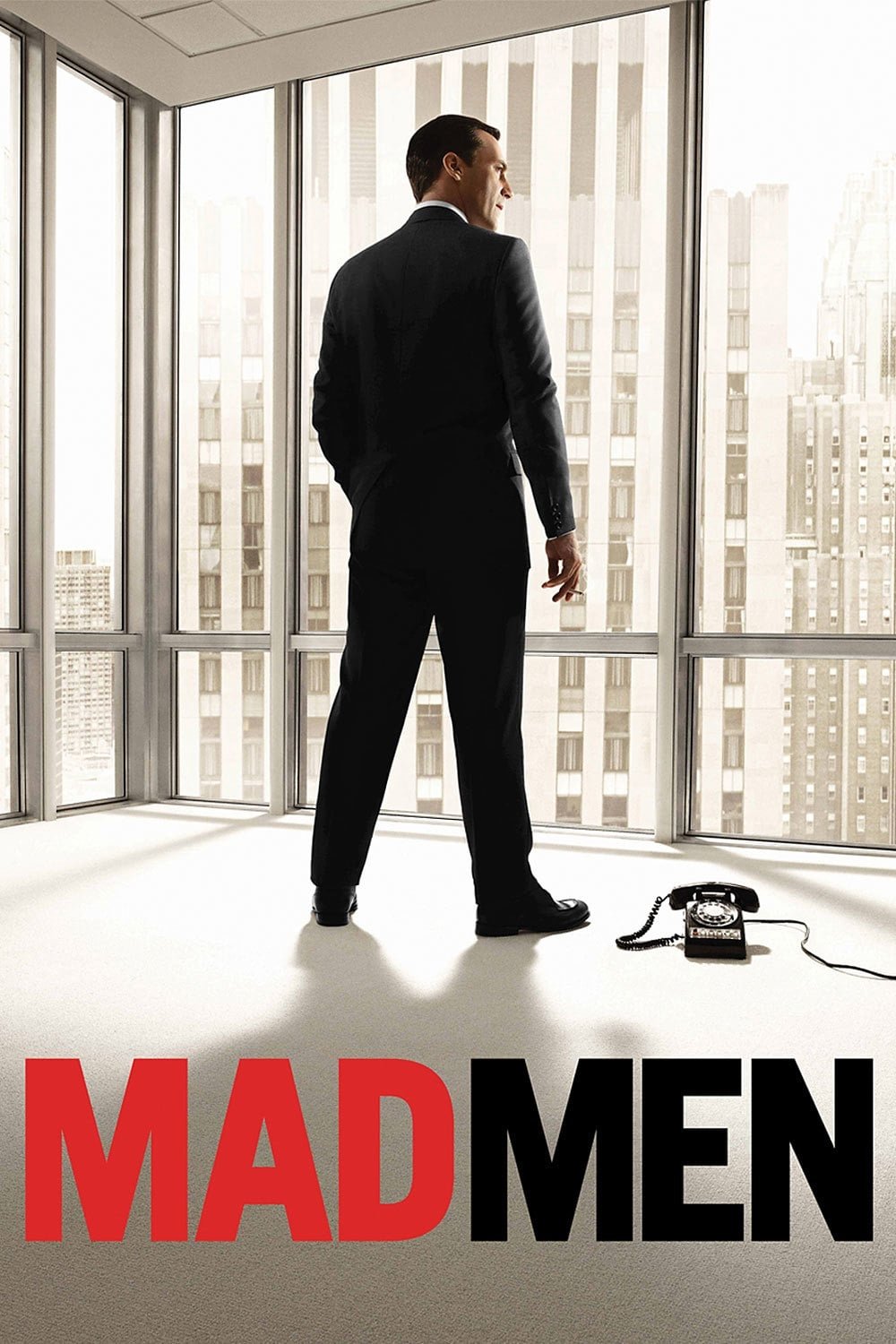
The gaps between seasons reflect the rapid cultural shifts occurring throughout the 1960s. Each new season premiere establishes a distinct era with changes in fashion and social norms. The characters evolve alongside the decade as Don Draper navigates his crumbling personal life and changing professional landscape. The passage of time serves as a silent protagonist that slowly erodes the old world of advertising.
‘The Walking Dead’ (2010–2022)
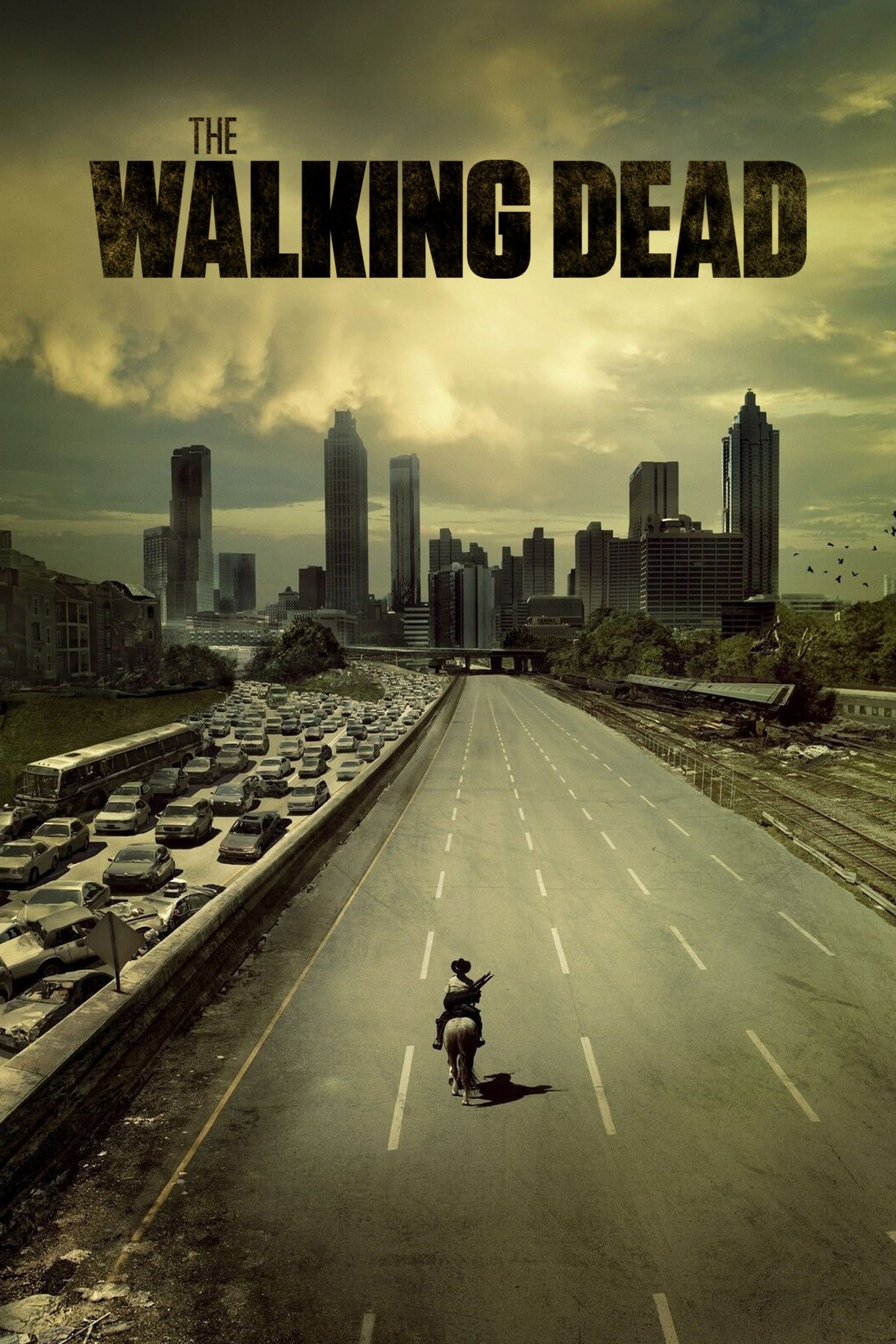
A massive six-year time jump following the departure of Rick Grimes completely reset the world of the survivors. The communities of Alexandria and Hilltop evolved into more established societies with new rules and tensions. Judith Grimes grew from a toddler into a capable survivor who carries the legacy of her father. This narrative device allowed the show to introduce the Whisperers as a terrifying new threat.
‘House of the Dragon’ (2022–Present)
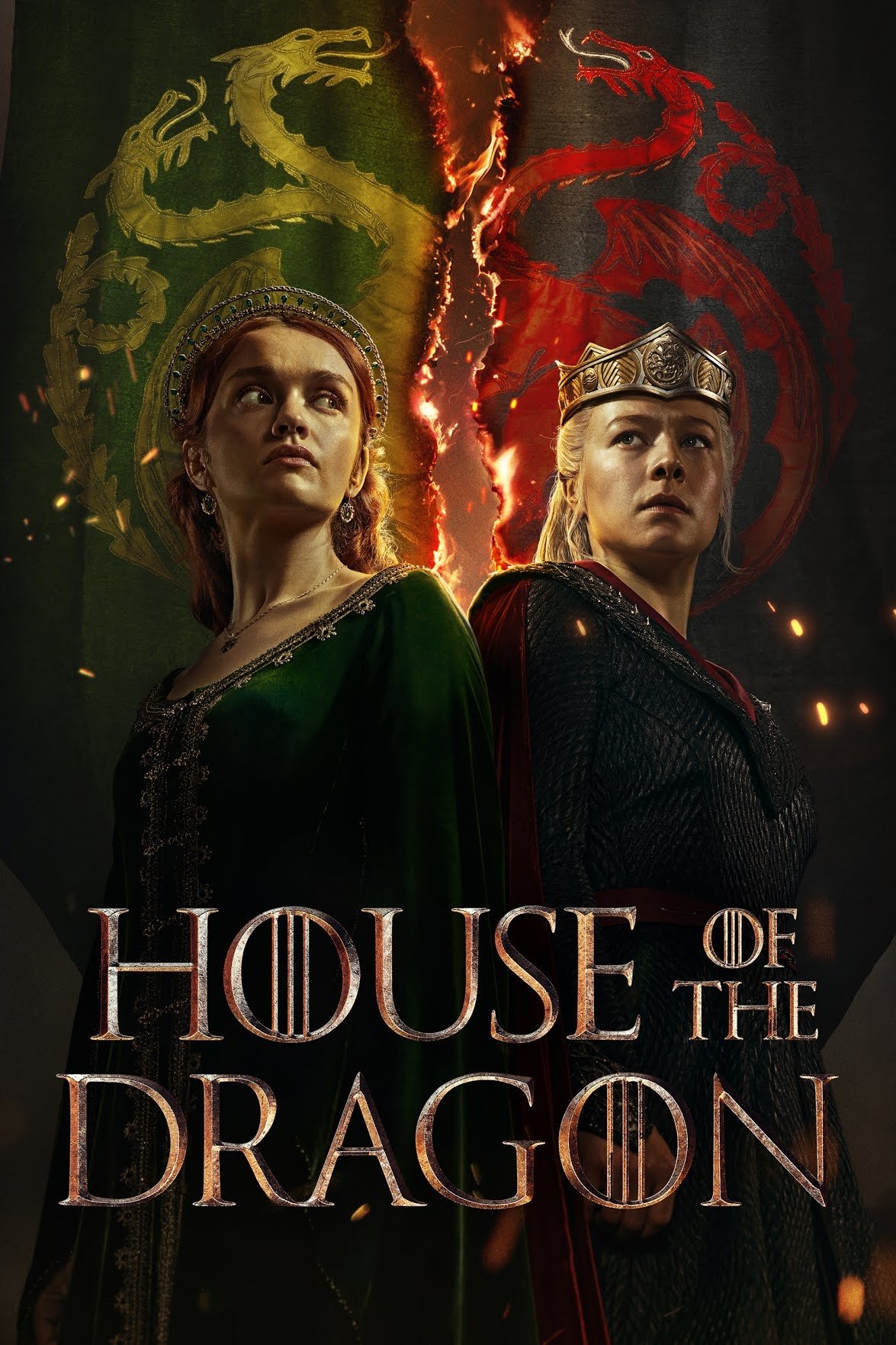
The first season employs multiple time jumps to cover the decades leading up to the Targaryen civil war. Actors are swapped out to portray Rhaenyra Targaryen and Alicent Hightower as they transition from friends to bitter rivals. These leaps are necessary to establish the complex lineage and deep-seated resentments within the royal family. The accelerated timeline sets the stage for the inevitable conflict known as the Dance of the Dragons.
‘Vikings’ (2013–2020)

The narrative focus shifts from Ragnar Lothbrok to his adult sons after a significant passage of time. This transition allows the show to explore the legacy of the legendary king through the distinct paths of his heirs. Bjorn Ironside and Ivar the Boneless emerge as powerful leaders with conflicting visions for their people. The show successfully managed this generational handoff to expand the scope of the viking expansion.
‘Outlander’ (2014–Present)

Claire and Jamie Fraser are separated for twenty years after the Battle of Culloden forces Claire to return to the 20th century. The series explores the grief and longing both characters endure while living apart in different centuries. Their eventual reunion is made more poignant by the visible aging and life experiences they acquired during the separation. The time jump underscores the enduring nature of their connection despite the barriers of time.
‘One Tree Hill’ (2003–2012)
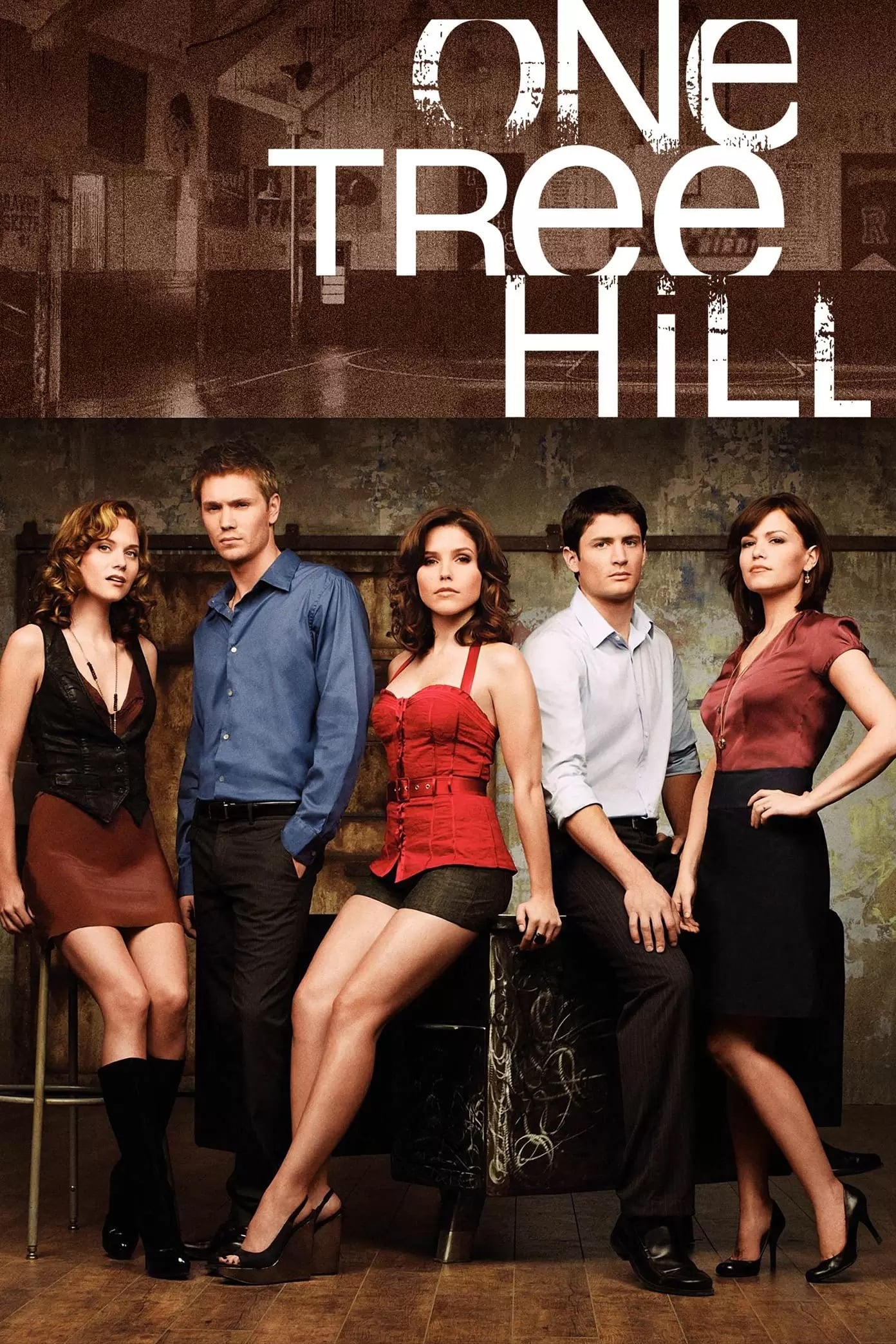
The writers decided to skip the college years entirely to present the characters as working adults in season five. This move avoided the common pitfalls of teen dramas struggling to keep cast members together in a university setting. Lucas returned as a published author while Brooke Davis managed a multi-million dollar fashion company. The jump revitalized the show by introducing adult problems and new relationship dynamics.
‘Alias’ (2001–2006)
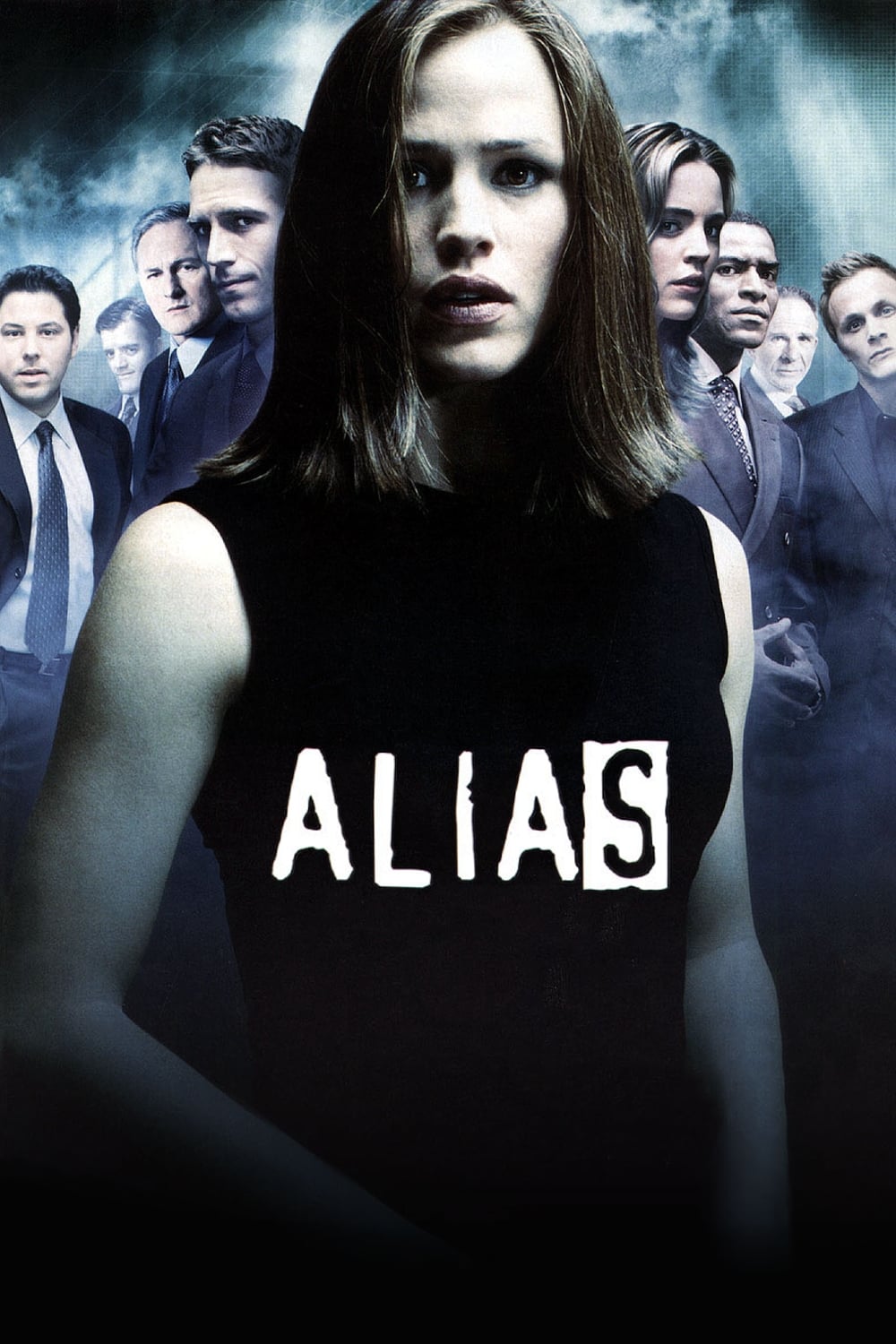
Sydney Bristow wakes up in an alley in Hong Kong to discover two years have passed without her memory. She learns that her friends have moved on and the man she loves has married someone else. This mystery drives the plot of the third season as she attempts to reconstruct her missing history. The jump successfully dismantled the comfortable routine of the show and isolated the protagonist.
‘Veep’ (2012–2019)

The timeline jumps in the later seasons showcase Selina Meyer in various stages of her chaotic political career. Viewers see her struggle with post-presidency irrelevance and her desperate attempts to remain in the public eye. These leaps allow the satire to target different aspects of the American political machine. The final episode creates a grim yet hilarious portrait of her ultimate legacy.
‘Six Feet Under’ (2001–2005)

The series finale features a breathtaking montage that flashes forward to depict the death of every main character. This sequence provides definitive closure by showing how each life eventually concludes. The flash-forwards reinforce the central theme of the show regarding the inevitability of death. It stands as one of the most acclaimed and emotionally resonant endings in television history.
‘New Girl’ (2011–2018)
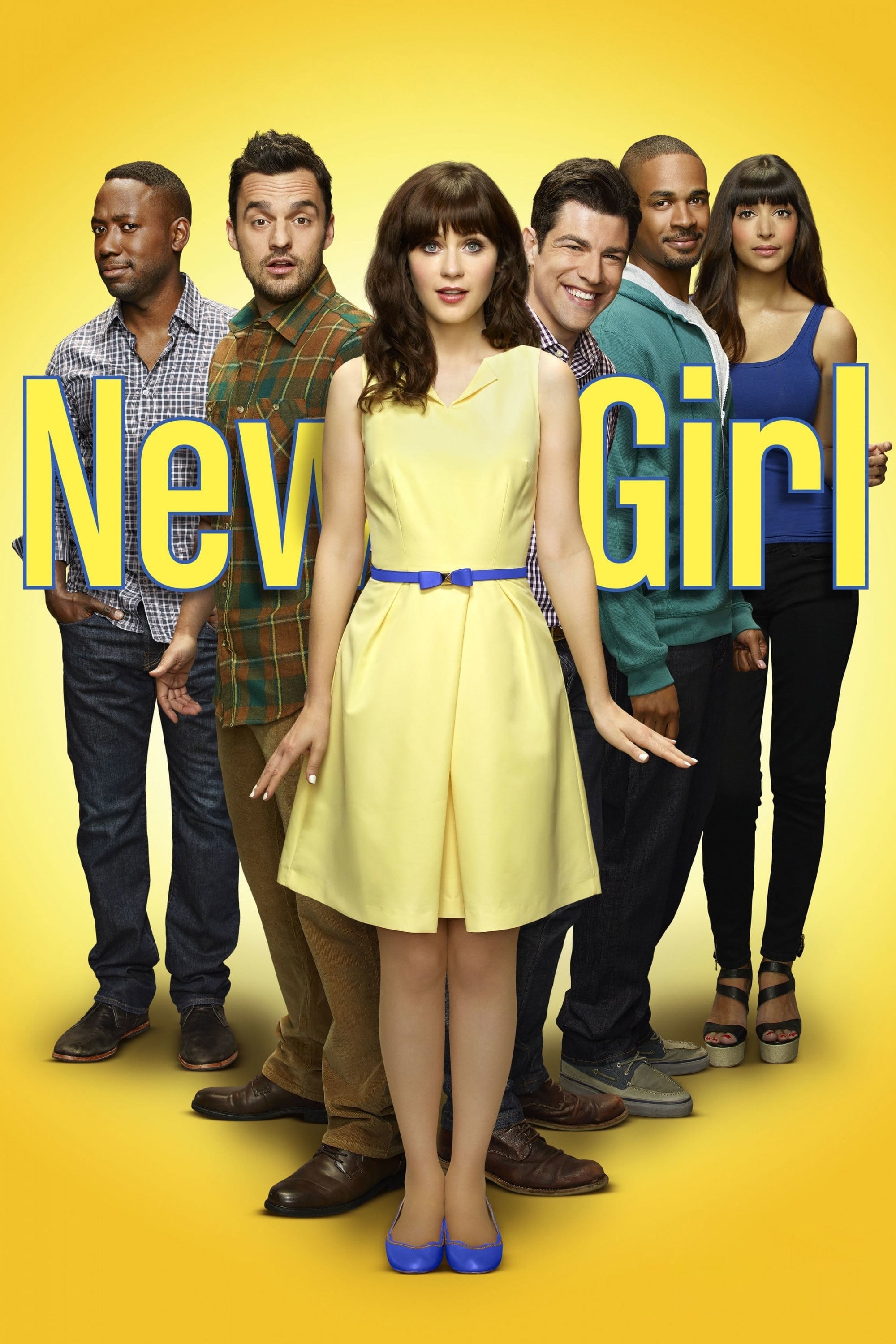
The final season moves forward three years to resolve the romantic tension between Nick and Jess. This jump allowed the writers to bypass the initial hurdles of their relationship and focus on their engagement. The other characters are also settled into domestic life with children and career stability. The shortened final season serves as a victory lap for the beloved ensemble cast.
‘The Leftovers’ (2014–2017)
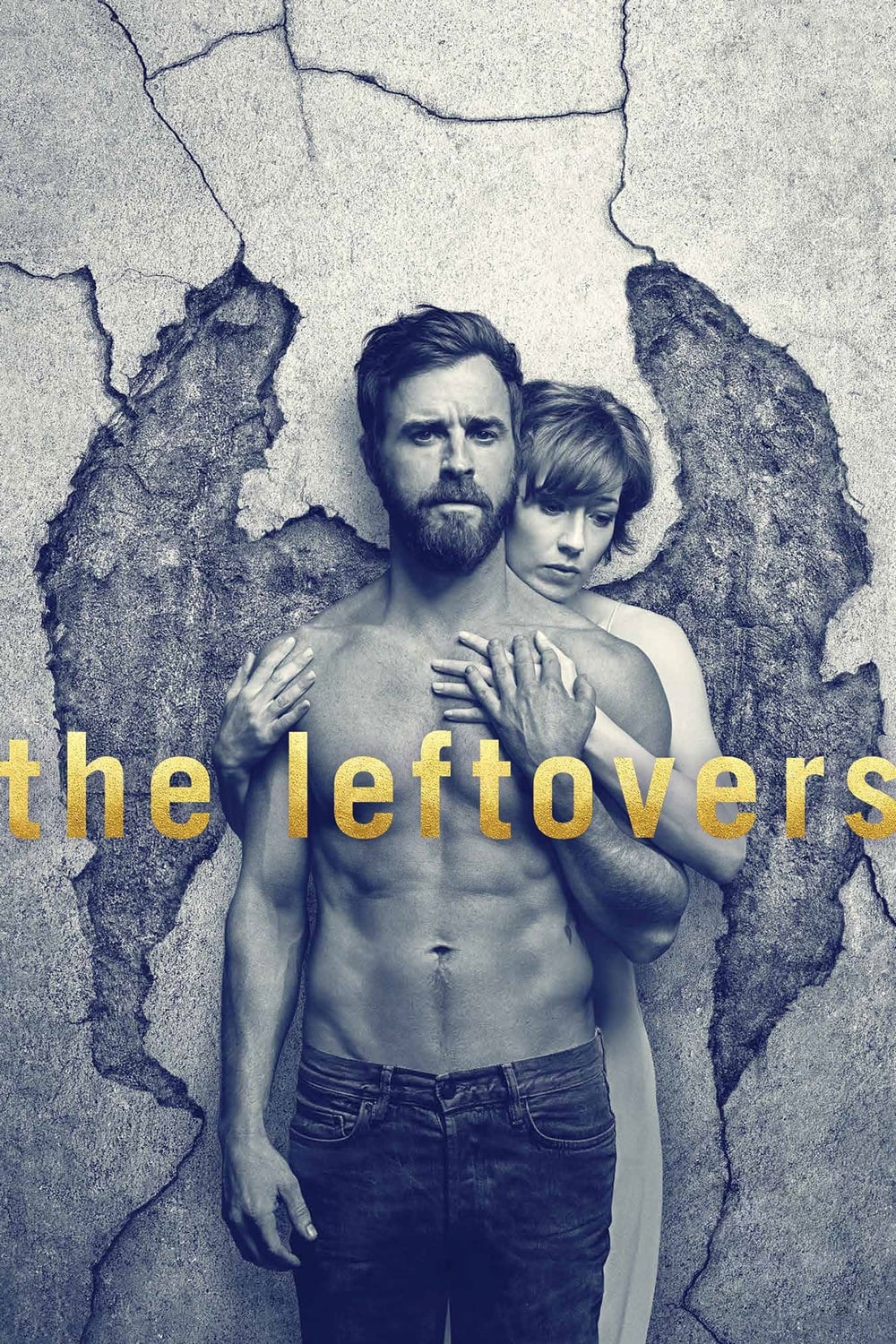
The final season jumps ahead to show the characters preparing for the seventh anniversary of the Sudden Departure. The narrative moves to Australia where Kevin Garvey operates as a police chief in a surreal landscape. An even further flash-forward frames the season around an elderly Nora Durst. These temporal shifts deepen the mystery and spiritual ambiguity of the series conclusion.
‘Hannibal’ (2013–2015)
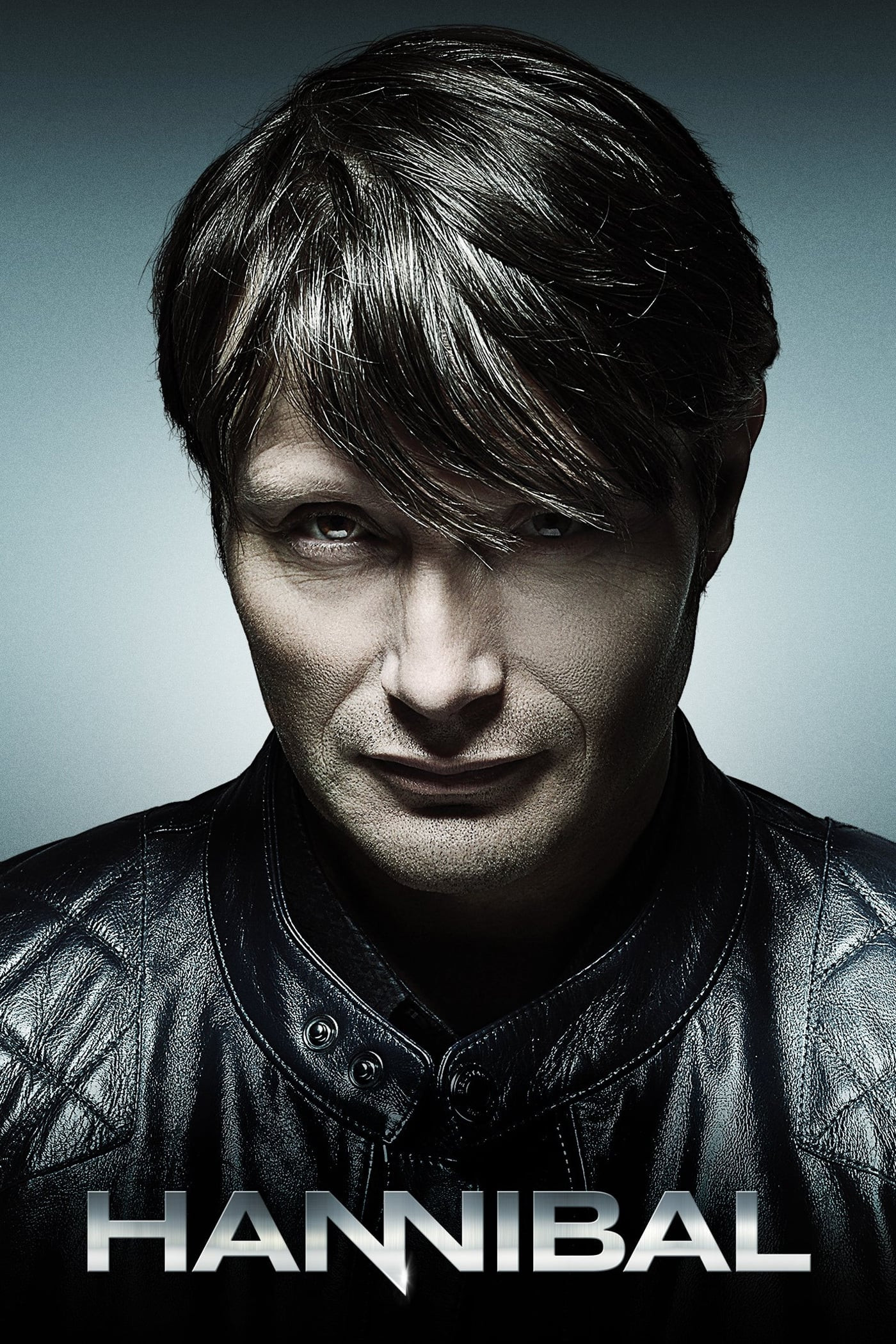
A three-year gap in the third season separates the capture of Hannibal Lecter from the emergence of the Great Red Dragon. Will Graham has attempted to build a quiet family life away from the darkness of criminal profiling. He is reluctantly pulled back into the orbit of his former adversary to solve a new series of murders. The time jump highlights the impossibility of escaping trauma and the magnetic pull between the two leads.
‘Prison Break’ (2005–2017)

The revival season picks up seven years after the apparent death of Michael Scofield to reveal he is alive in a Yemen prison. The jump explains his absence and sets up a new escape plan involving international conspiracy. Lincoln Burrows must reunite the old crew to extract his brother from the war-torn country. The gap in time raises the stakes for Michael as he fights to return to his family.
‘Riverdale’ (2017–2023)
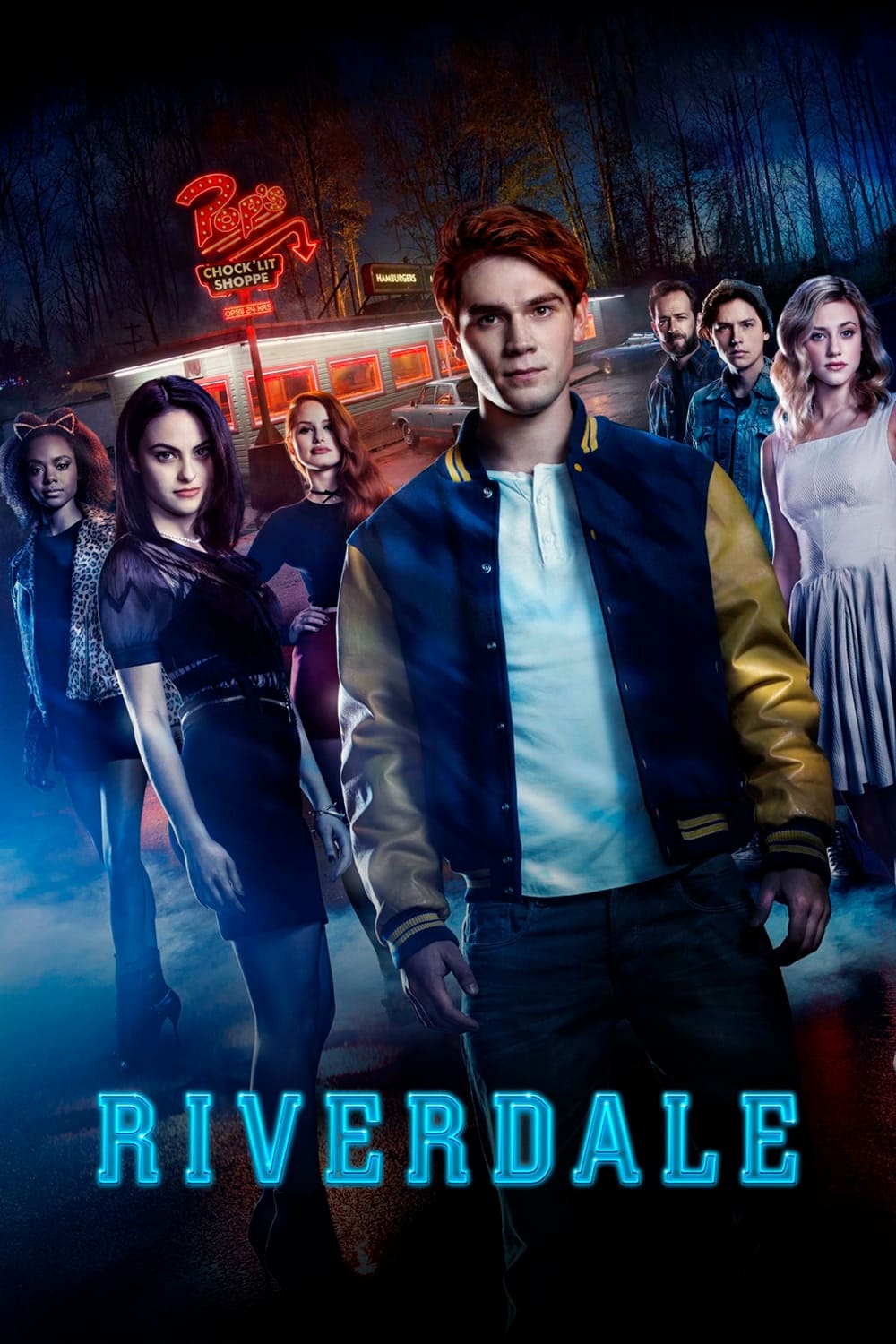
A seven-year time jump reinvents the show by bringing the characters back to their hometown as adults with trauma and secrets. Archie returns from war while Jughead is a struggling writer dealing with debt. The leap allows the actors to play characters closer to their actual ages and engage in more mature storylines. This reset saved the show from the repetitive nature of high school drama.
‘Twin Peaks: The Return’ (2017)

The revival aired twenty-five years after the original series and acknowledged the real-time passage of years for the actors and characters. Agent Cooper remains trapped in the Black Lodge while his doppelganger wreaks havoc in the real world. The show explores how the town has changed and how the darkness has spread over the decades. This meta-textual jump honors the promise made by Laura Palmer in the original finale.
‘Glee’ (2009–2015)
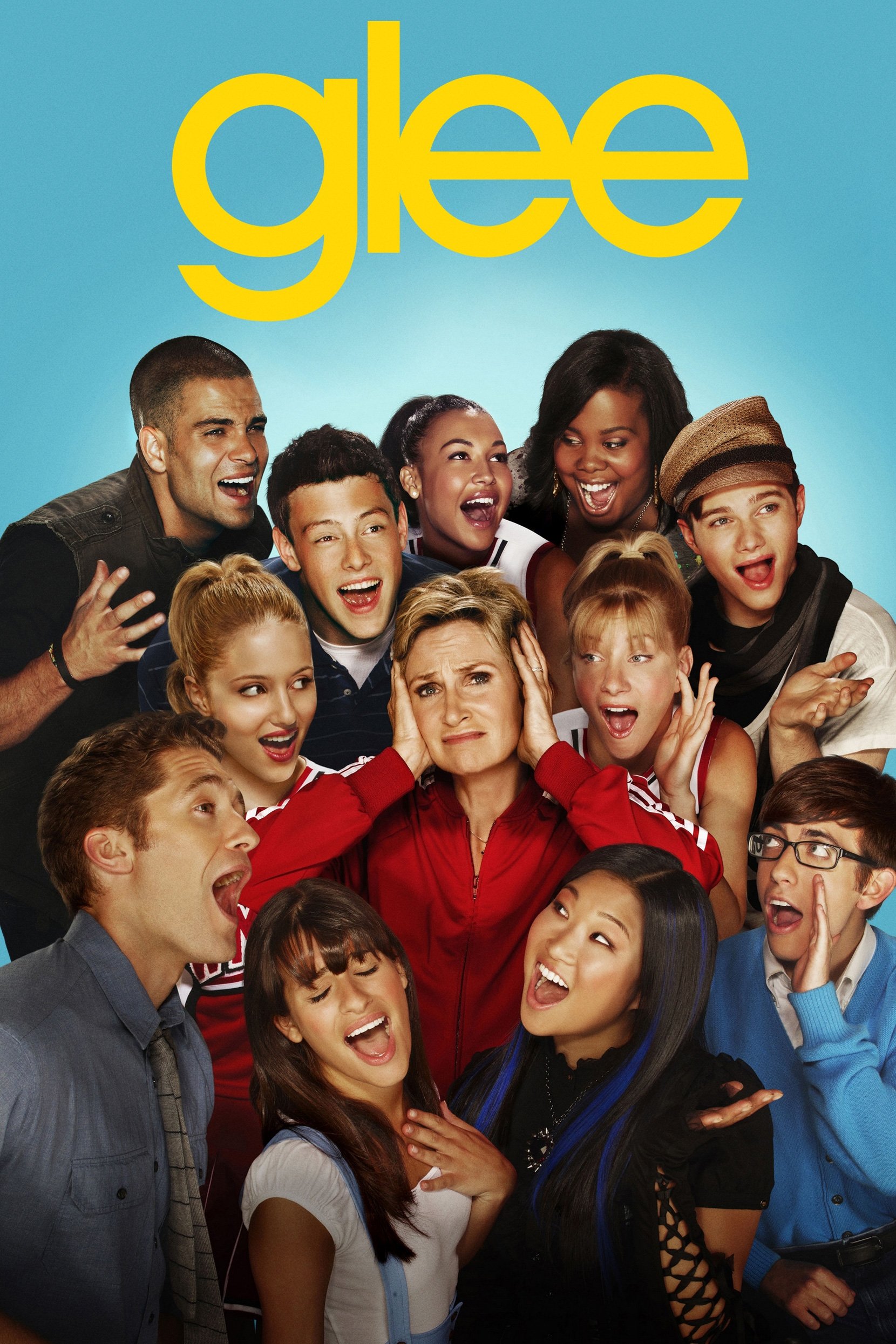
The final season features a five-year time jump in the last episode to show the ultimate fate of the New Directions alumni. Viewers see Rachel Berry achieving her Broadway dreams and winning a Tony Award. The school is renamed in honor of Finn Hudson to pay tribute to the late Cory Monteith. This glimpse into the future provides a sentimental and musical farewell to the characters.
Please share which show you think executed its timeline shift the best in the comments.