


TV Shows That Killed Off Gay Characters Right After Pride Promotions

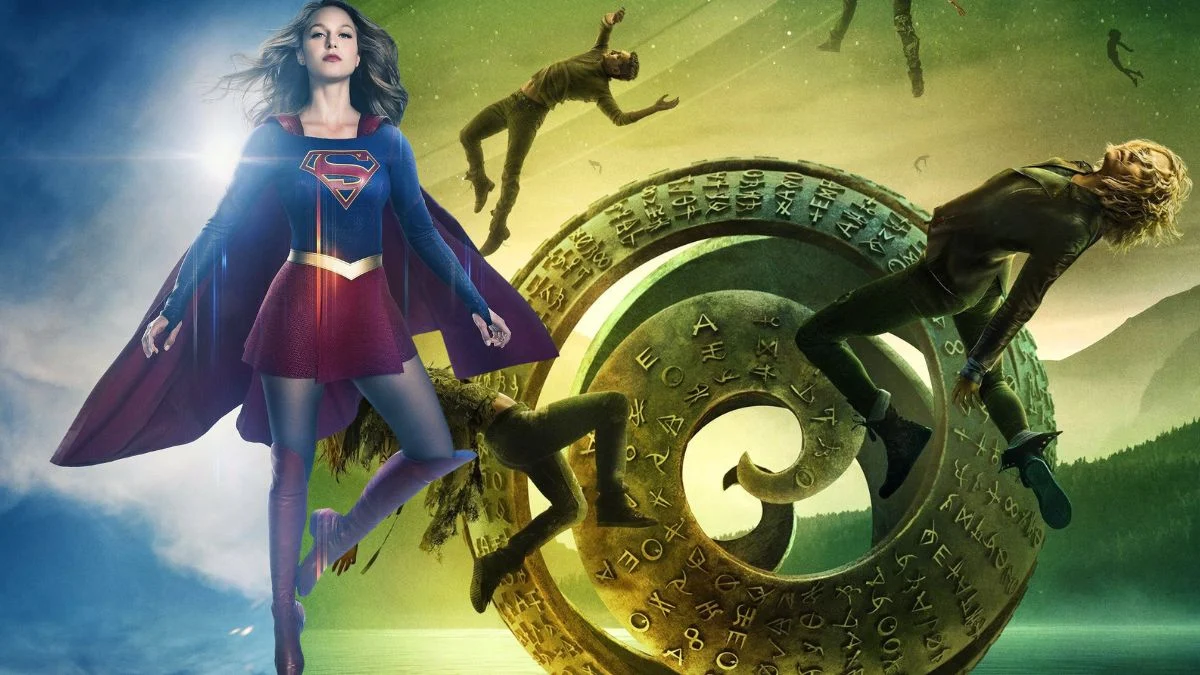


Television history is filled with instances where LGBTQ+ characters are introduced with much fanfare only to be written out of their respective shows prematurely. This phenomenon often occurs during or immediately following major promotional cycles that emphasize diversity and inclusion to attract specific audiences. Viewers have frequently pointed out the disconnect between a network’s marketing strategies and the actual narrative fates of these characters. The following series have all faced criticism for utilizing queer representation in their branding while ultimately killing off those same figures. This pattern highlights the ongoing challenges of achieving consistent and respectful representation on the small screen.
‘The 100’ (2014–2020)
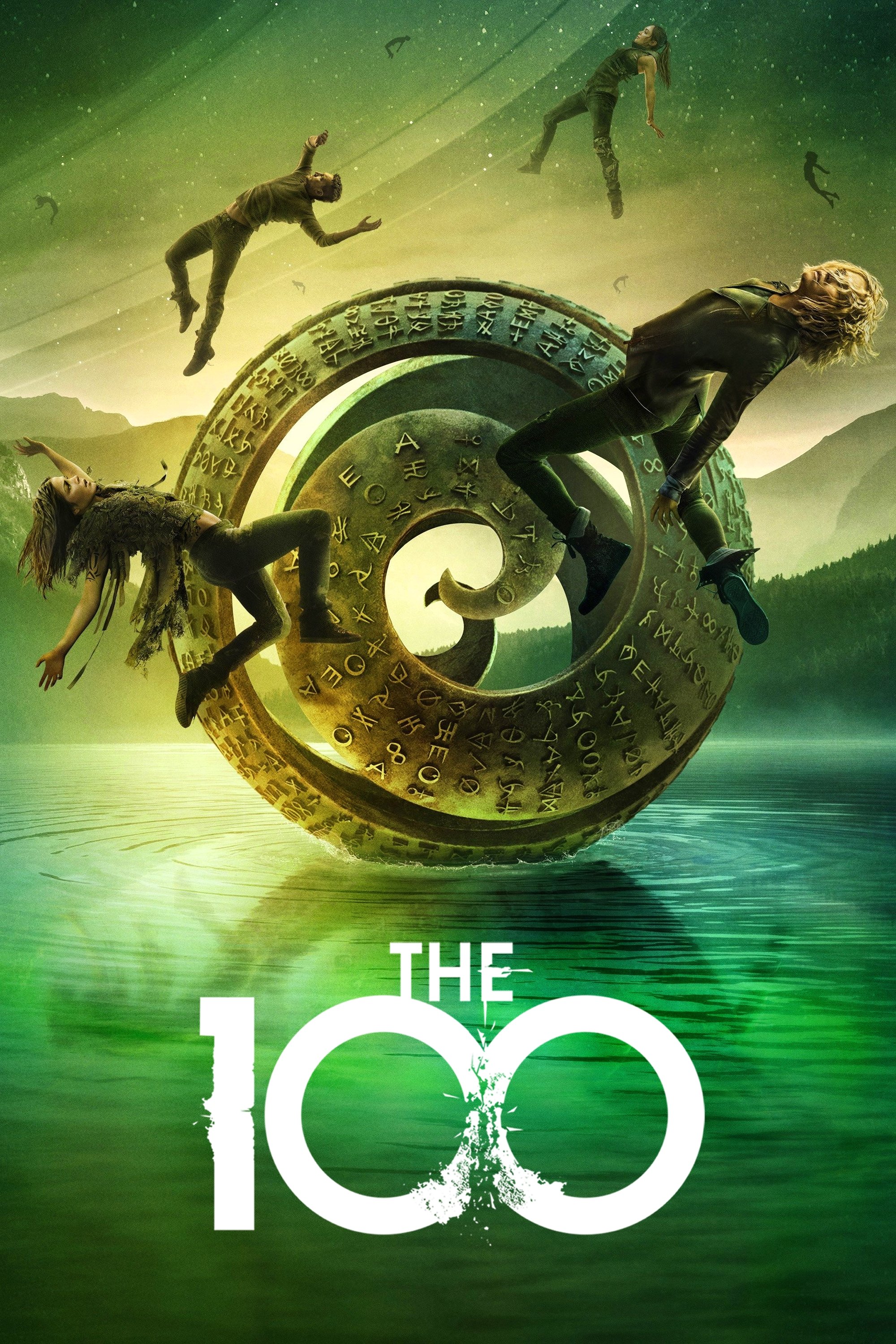
The series faced significant backlash after the death of Commander Lexa shortly after she and the protagonist Clarke Griffin consummated their relationship. This event occurred during a season where the network had heavily featured the couple in promotional materials to attract a diverse audience. Fans felt betrayed as the show utilized the popularity of the queer romance to drive viewership and social media engagement. The resulting outcry led to a wider conversation about the recurring trope of killing off diverse characters for shock value. This moment is often cited as a turning point for how television writers approach LGBTQ+ storylines in genre fiction.
‘Killing Eve’ (2018–2022)
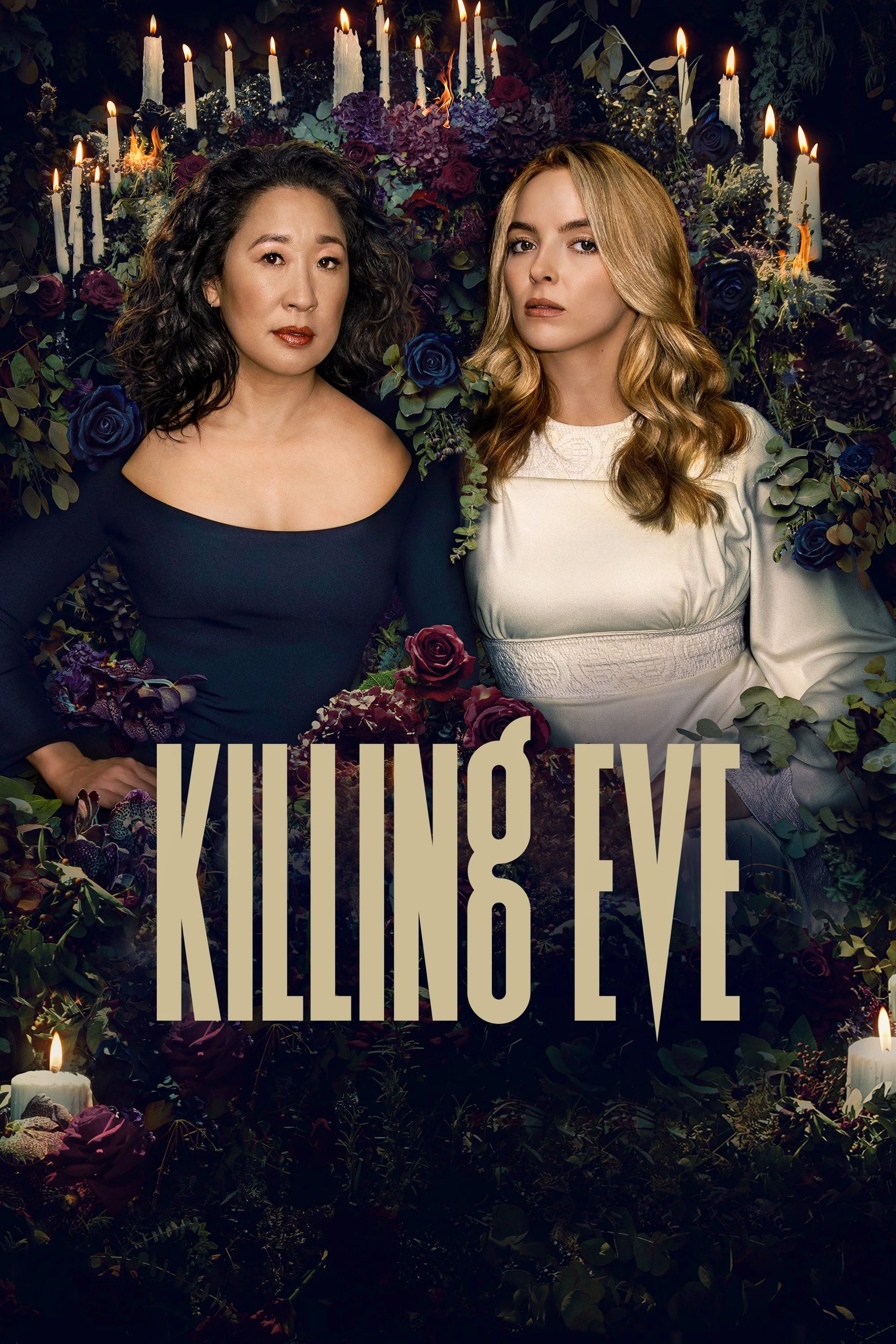
The series finale of this spy thriller drew widespread criticism for its treatment of the central relationship between Eve and Villanelle. After years of tension and promotional campaigns highlighting their connection the character of Villanelle was shot and killed moments after they finally united. Many viewers felt that the marketing exploited the queer subtext only to revert to a tragic ending for the sake of finality. This creative choice sparked intense debate regarding the lack of happy endings for queer characters in mainstream media. The timing of the finale coincided with several high profile advocacy campaigns featuring the lead actors in queer focused media.
‘Supernatural’ (2005–2020)
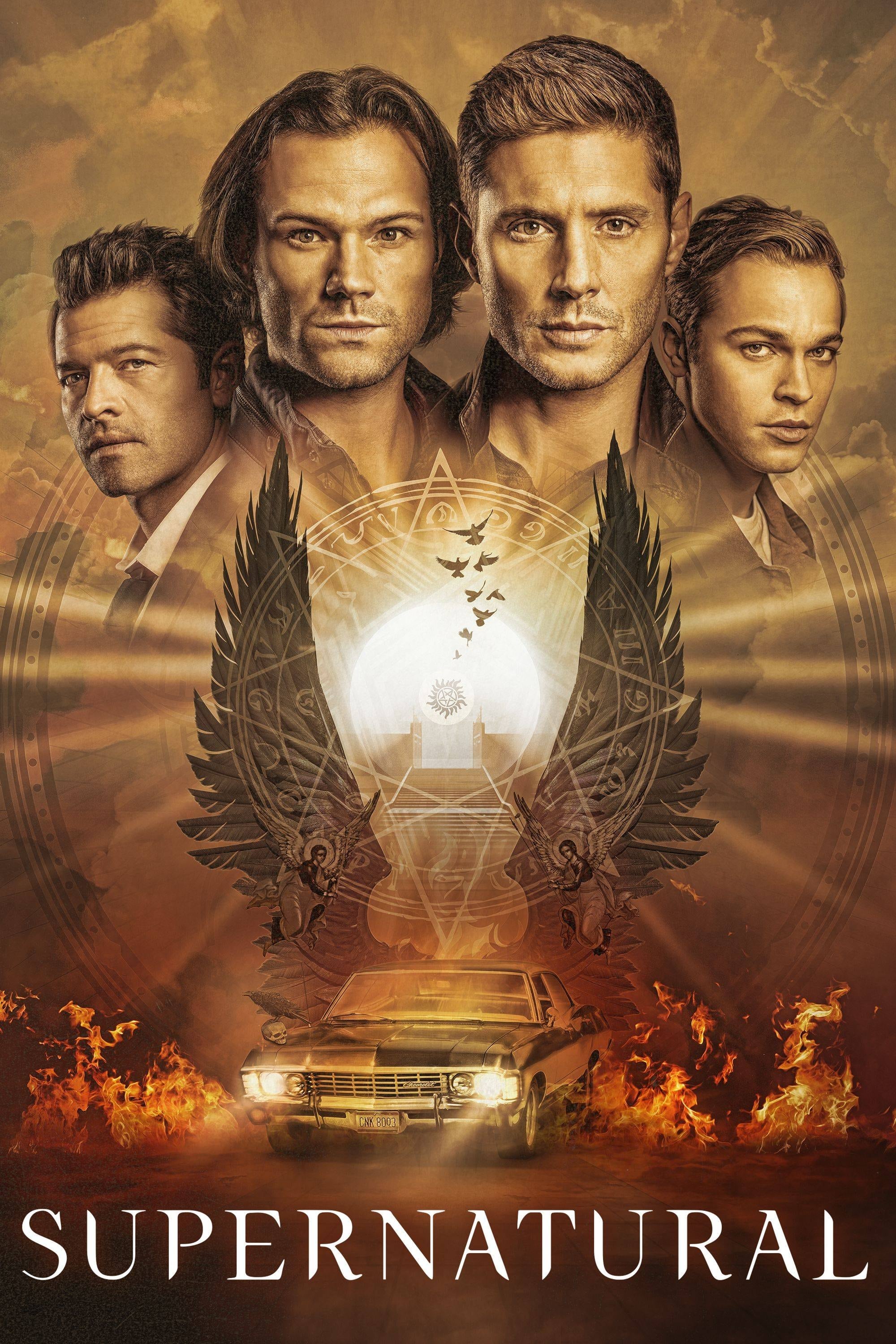
In the final season the long running series finally confirmed the romantic feelings of the angel Castiel for Dean Winchester. Moments after this confession the character was immediately sent to a void known as the Empty and effectively died. The show had been criticized for years for baiting audiences with queer subtext while marketing to diverse demographics at fan conventions. This sudden exit occurred during a promotional cycle that emphasized the emotional stakes of the series conclusion. The incident reinforced the pattern of queer characters finding peace or love only to face immediate demise.
‘Buffy the Vampire Slayer’ (1997–2003)
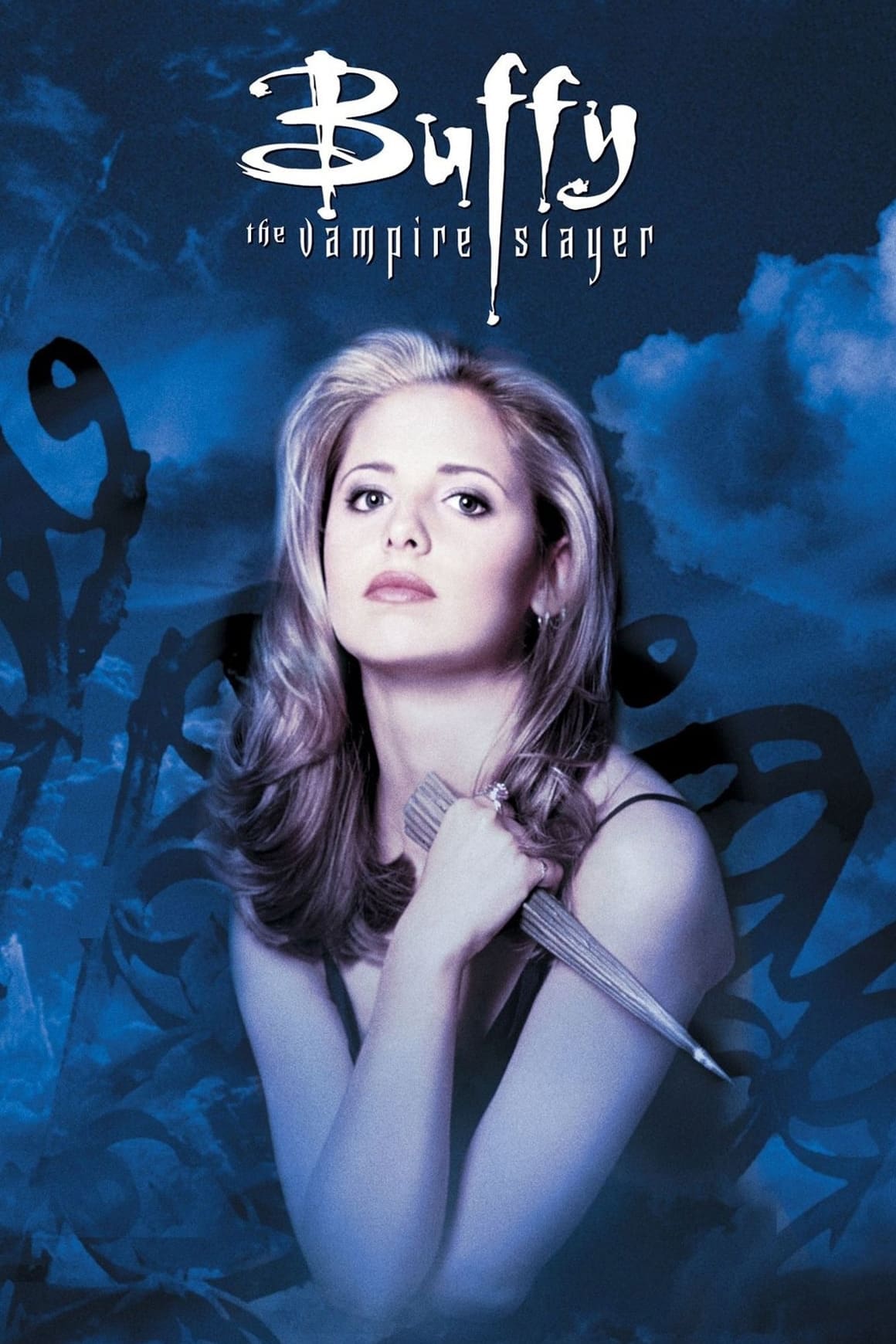
This supernatural drama is often remembered for the sudden death of Tara Maclay shortly after she reconciled with her partner Willow Rosenberg. The character was hit by a stray bullet in a scene that remains one of the most controversial moments in the history of the series. The show had been lauded for its groundbreaking representation and had featured the couple prominently in promotional photos. This loss devastated the fan base and cemented the association between queer happiness and sudden tragedy in teen dramas. It remains a foundational example of how narratives often dispose of secondary queer characters to drive the plot of the main protagonist.
‘The Walking Dead’ (2010–2022)
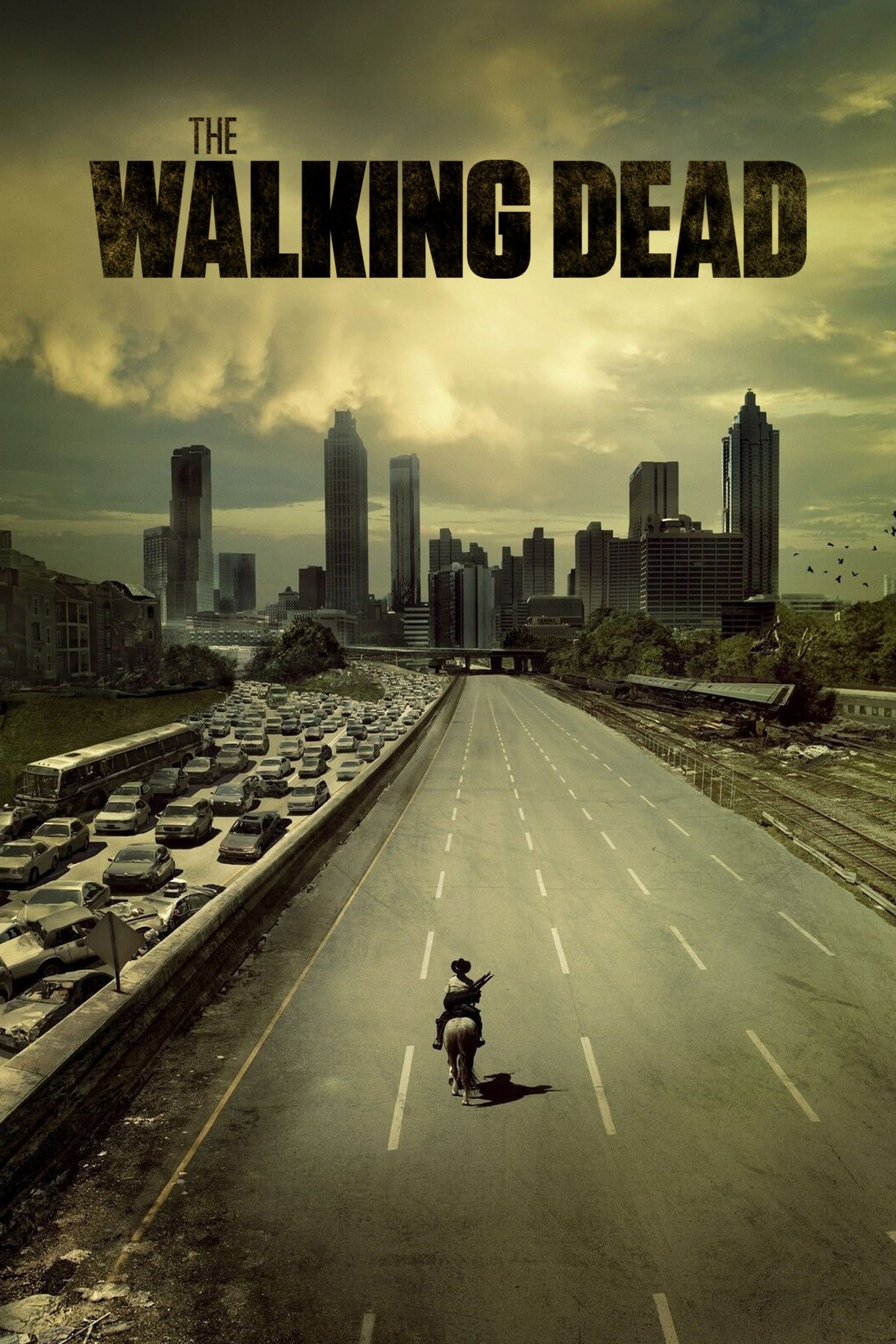
The character of Denise Cloyd met a sudden end when she was shot through the eye with a crossbow bolt while delivering a monologue. Her death occurred just as she was becoming a more central figure and her relationship with another woman was developing. This choice was particularly controversial because the marketing for the season had highlighted the diversity of the survivor groups to broaden the show’s appeal. Fans noted that the timing followed a familiar pattern of removing queer characters before they could achieve full narrative arcs. This incident led to increased scrutiny of how the zombie epic handled its minority representatives during peak viewership periods.
‘Orange Is the New Black’ (2013–2019)

The death of Poussey Washington remains one of the most polarizing moments in modern streaming history. Her character was a fan favorite and served as a central figure in the promotional materials for the fourth season of the show. Her tragic end during a peaceful protest sparked a massive outcry from audiences who felt her character deserved a better resolution. The timing was particularly sensitive as ‘Orange Is the New Black’ was being marketed as a leader in queer and diverse storytelling. This creative decision forced the series to grapple with its own role in the ongoing conversation about justice and representation.
‘The Magicians’ (2015–2020)
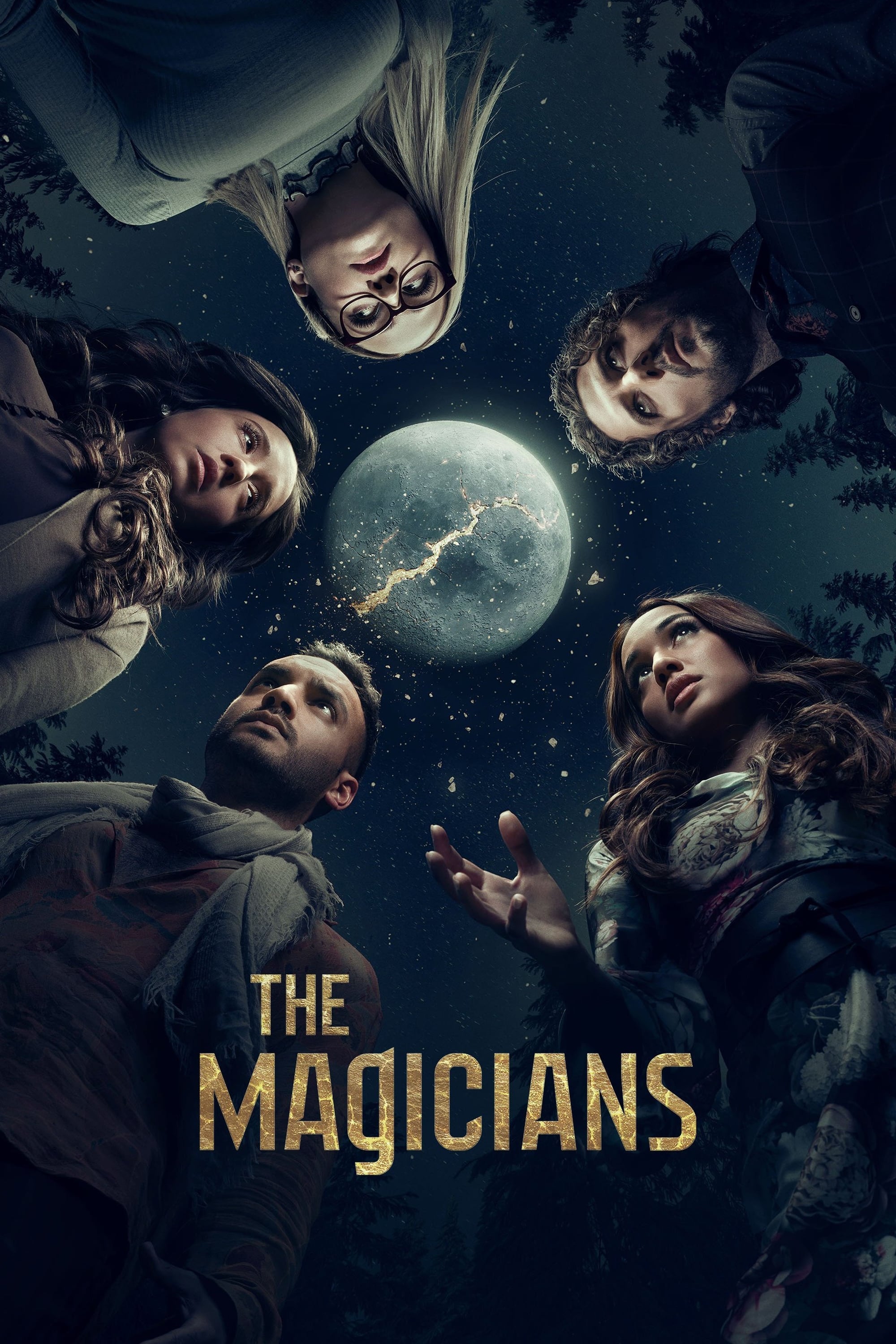
Fans of this fantasy series were shocked by the death of Quentin Coldwater who had spent seasons exploring his fluid sexuality. The character met his end in the season four finale which aired after a marketing push that highlighted his evolving identity and relationships. Many viewers felt that the show had teased a romantic future for Quentin and his male counterpart only to end it abruptly for shock value. This move was seen by many as a classic example of using queer subtext to build interest without delivering a long term payoff. The resulting backlash underscored the importance of meaningful follow through in queer representation.
‘Empire’ (2015–2020)
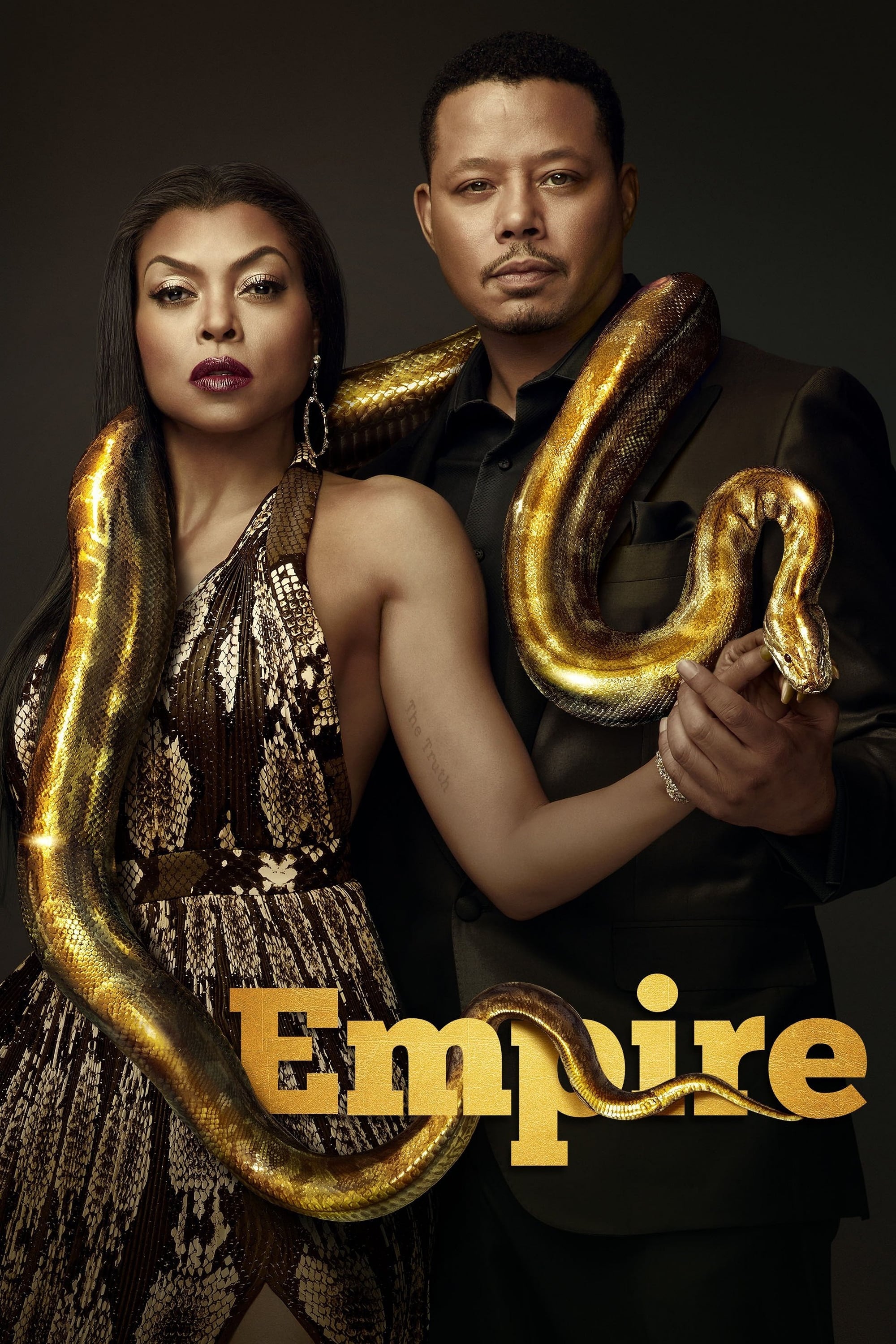
This musical drama featured several queer characters but often faced criticism for their sudden departures from the plot. Tiana Brown and her female love interests were frequently showcased in high energy musical numbers and promotional clips to highlight the show’s diversity. However many of these supporting characters were killed or written off shortly after their debut in the series. This pattern suggested that the show prioritized the aesthetic of diversity over the longevity of its queer narratives. Fans often expressed frustration that these characters were treated as disposable tools for temporary drama.
‘Pretty Little Liars’ (2010–2017)
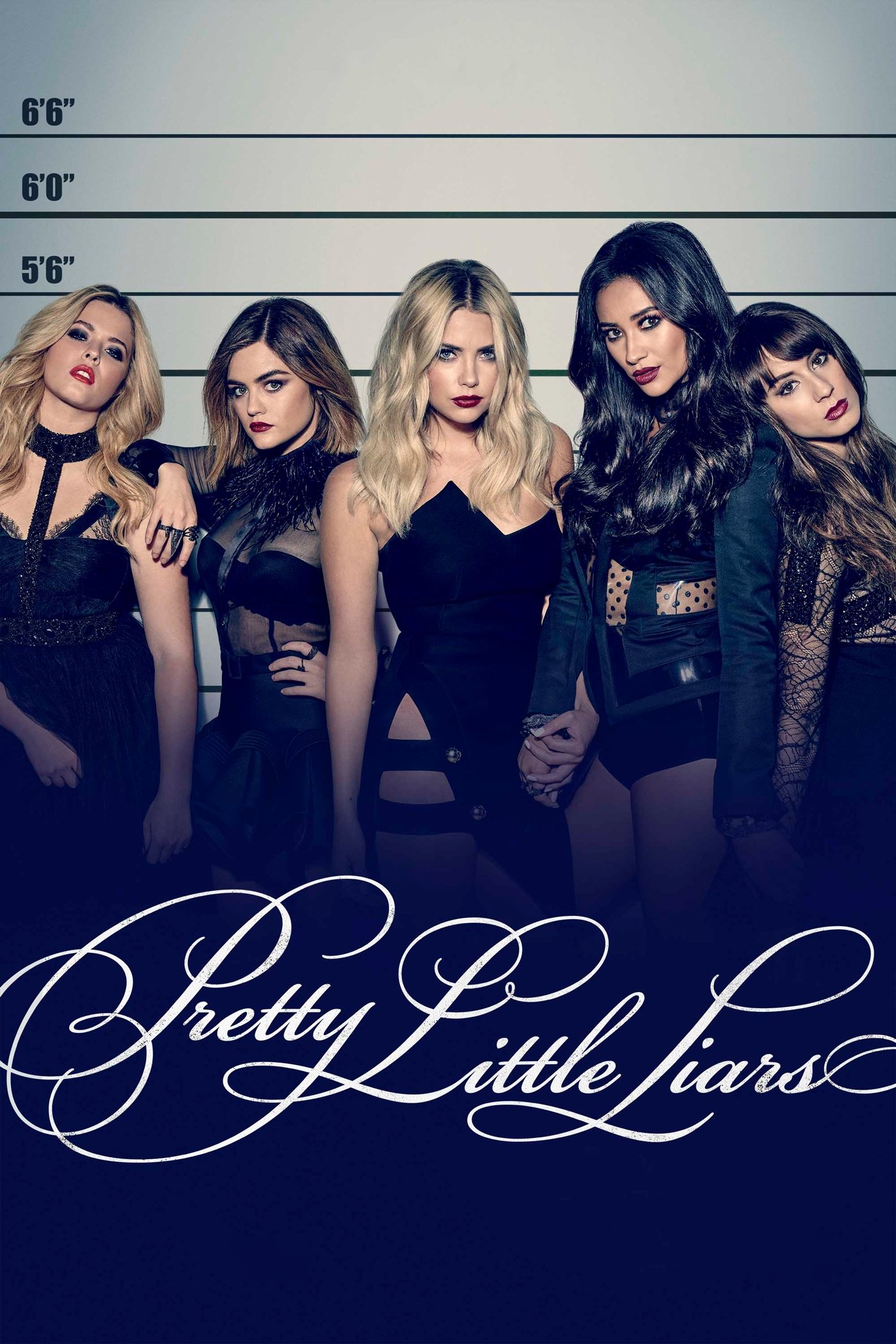
The mysterious death of Maya St. Germain early in the series set a precedent for how the show would handle its LGBTQ+ cast members. Maya was the first major love interest for Emily Fields and was featured prominently in the initial marketing for the show to attract young queer viewers. Her death happened just as the character was returning to the screen and rebuilding her relationship with the main cast. This choice frustrated fans who were looking for stable queer representation in a show aimed at young adults. The series would go on to introduce other queer characters but Maya remains a symbol of lost potential in the narrative.
‘Skins’ (2007–2013)
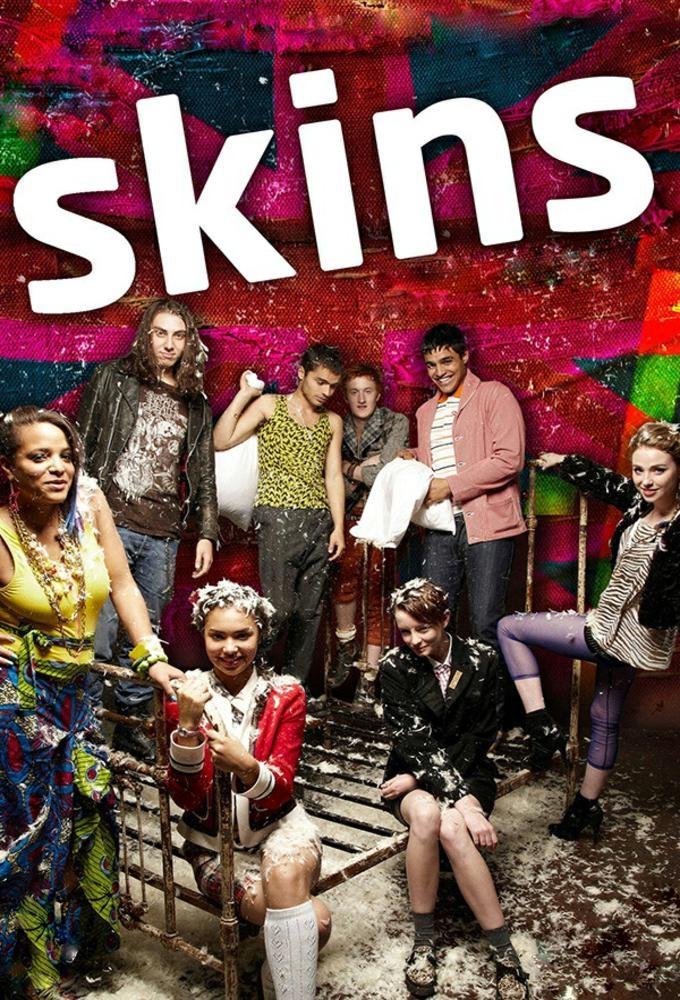
The British teen drama was known for its gritty realism and diverse cast but it often ended its queer storylines in tragedy. The death of Naomi Campbell in the later seasons was particularly hard for fans to accept given her history with her partner Emily. These characters were frequently used to promote ‘Skins’ as a groundbreaking look at youth culture and sexual identity. By killing off Naomi the show fell into a familiar trap of associating queer adulthood with illness and death. This narrative choice overshadowed much of the positive representation the show had built over several generations of characters.
‘Shameless’ (2011–2021)
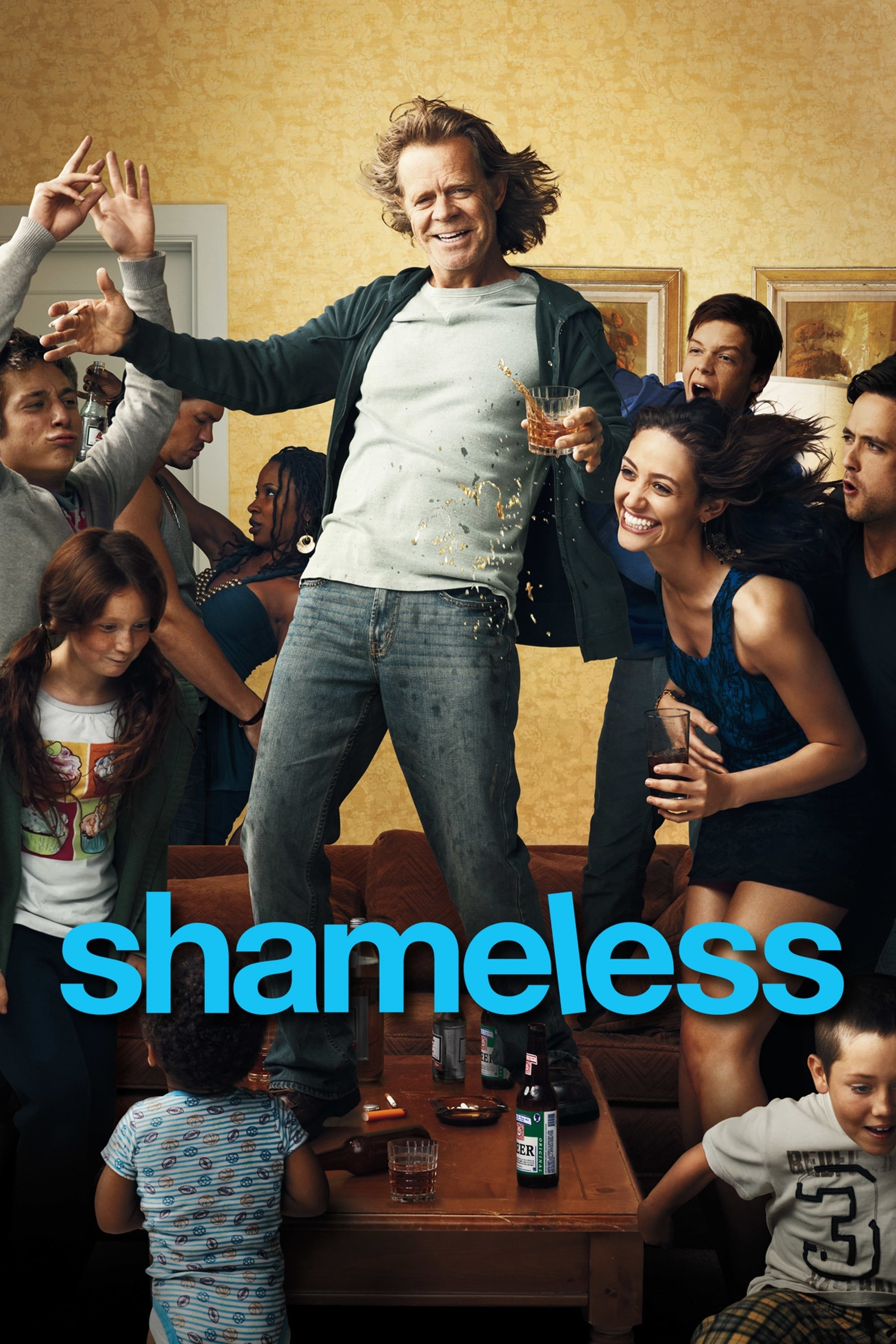
The relationship between Ian Gallagher and Mickey Milkovich was a central draw for many viewers of this long running dramedy. While both characters eventually found a happy ending many of their supporting queer love interests were not so lucky. The show frequently introduced queer characters in promotional cycles that highlighted the series inclusivity only to have them meet tragic ends. This included several recurring characters who were used to test the stability of the main couple before being written out. These choices often left fans feeling that the show was more interested in the drama of loss than in sustained representation for its secondary cast.
‘Riverdale’ (2017–2023)
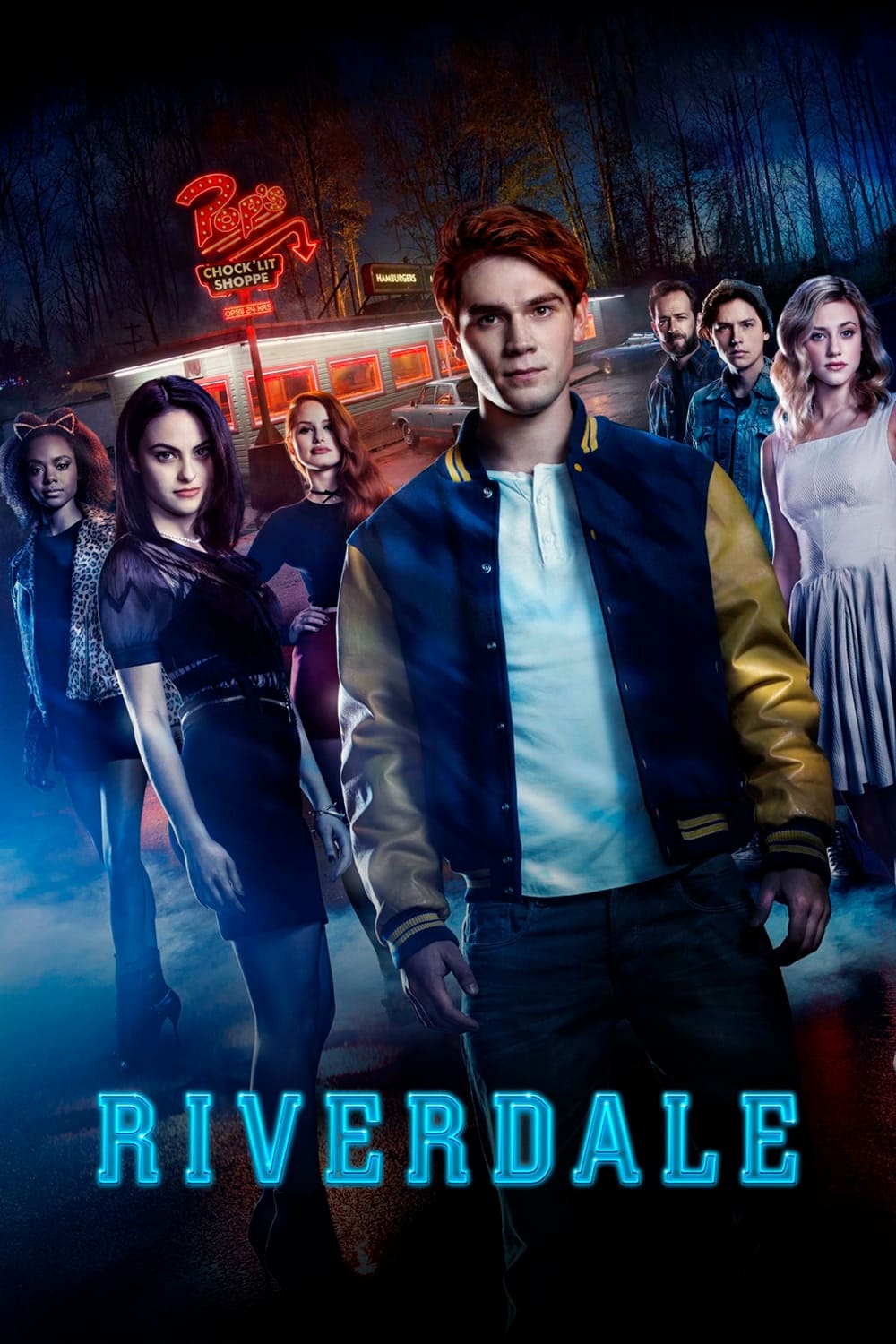
This stylized teen drama featured several LGBTQ+ characters who were often at the center of the show’s neon soaked marketing. Joaquin DeSantos was a fan favorite whose death in the third season came as a shock to the audience. His demise occurred during a period where the show was heavily promoting its diverse cast and romantic pairings to a global audience. The loss of a queer character of color was particularly criticized for falling into old and harmful tropes. Many felt that his exit was handled with a lack of sensitivity given his importance to the early seasons.
‘Charmed’ (2018–2022)
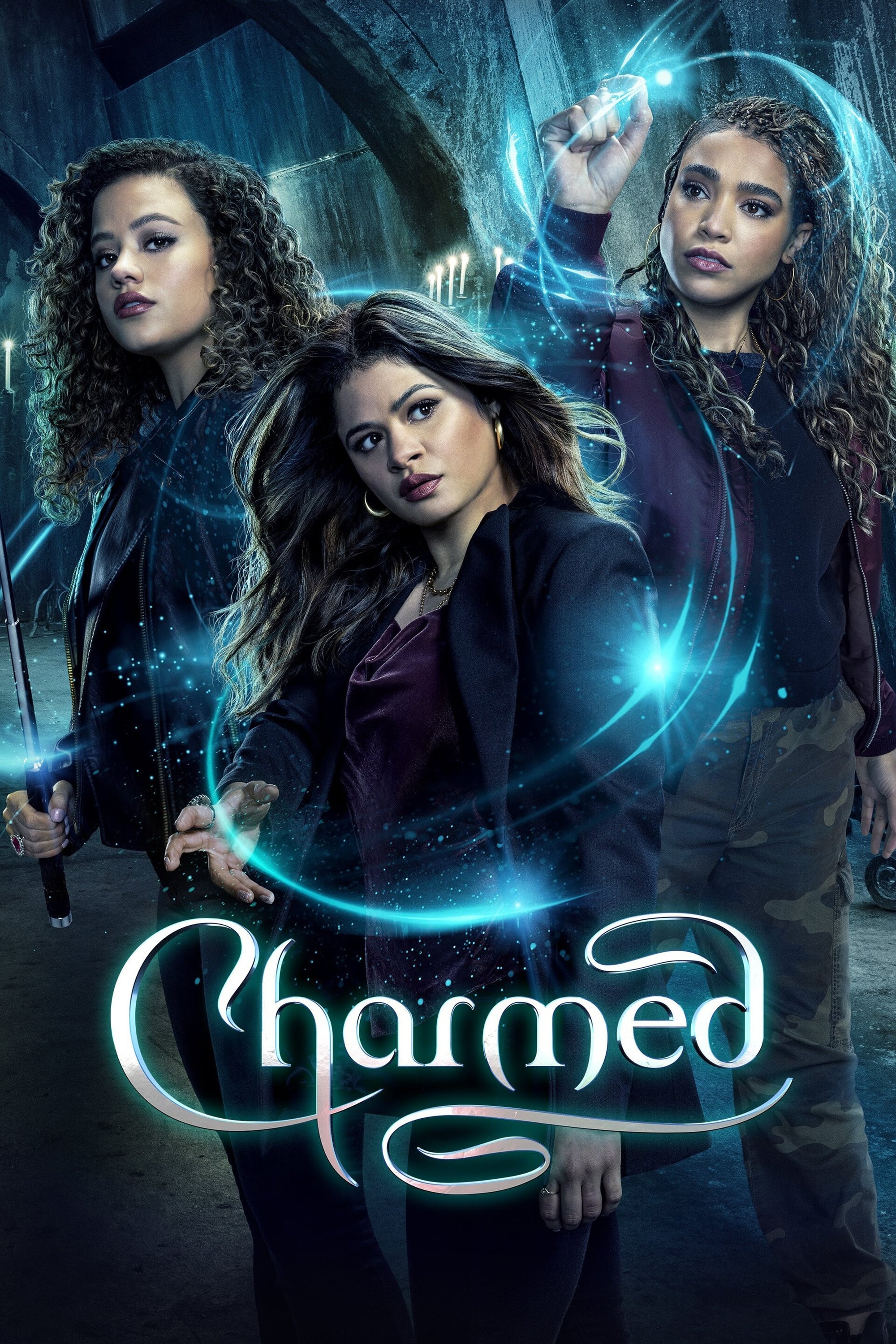
The reboot of the classic series made a point of featuring a queer lead and diverse storylines from its inception. Mel Vera and her various partners were often at the forefront of the show’s promotional images and social media campaigns during Pride Month. However the sudden death of her girlfriend Niko in a magical timeline shift left many viewers frustrated and disappointed. This event followed a marketing push that emphasized the groundbreaking nature of their relationship. It served as a reminder that even modern reboots can struggle with maintaining the safety of their queer characters.
‘The Vampire Diaries’ (2009–2017)
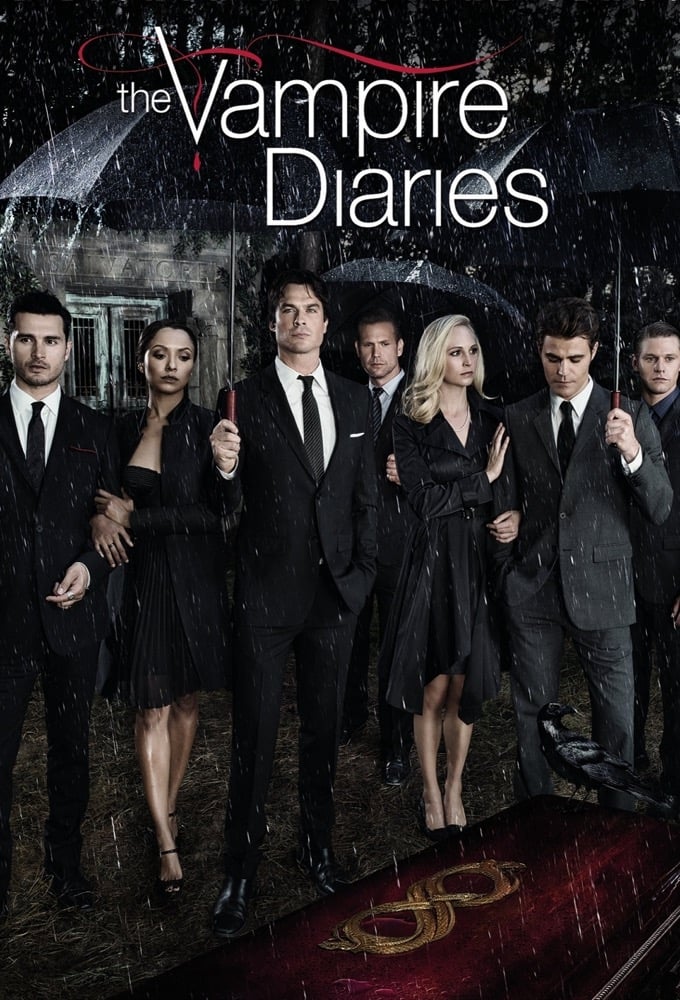
The character of Luke Parker was introduced as a powerful witch and was part of the show’s efforts to diversify its cast in later seasons. He was often featured in promotional materials that highlighted the new generation of characters in Mystic Falls. His death at the hands of his own twin brother was a tragic turn that ended his journey prematurely. Fans noted that his exit happened just as his character was becoming more integrated into the main plot and finding his footing. This move reinforced the idea that queer characters were often more vulnerable to the show’s high body count.
‘Batwoman’ (2019–2022)
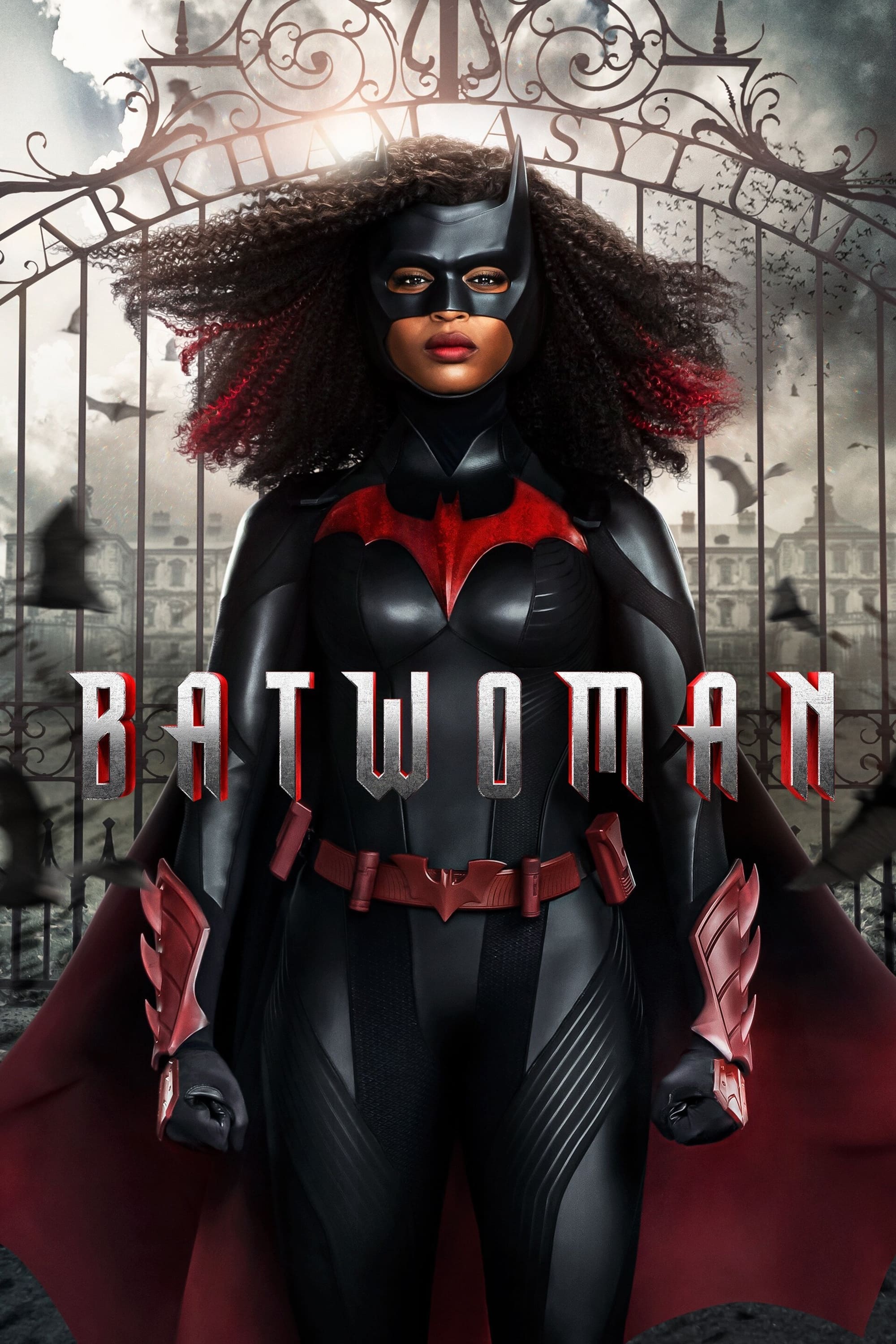
As one of the few superhero shows with a queer lead the series was a major part of the network’s annual Pride celebrations. The departure and presumed death of the original lead character Kate Kane after the first season caused significant controversy. While the show eventually replaced her with another queer lead the handling of the transition felt jarring to many fans. The marketing had heavily leaned into Kate’s identity as a queer icon before her character was written out. This change highlighted the volatility that queer characters can face even when they are the stars of the show.
‘Nancy Drew’ (2019–2023)
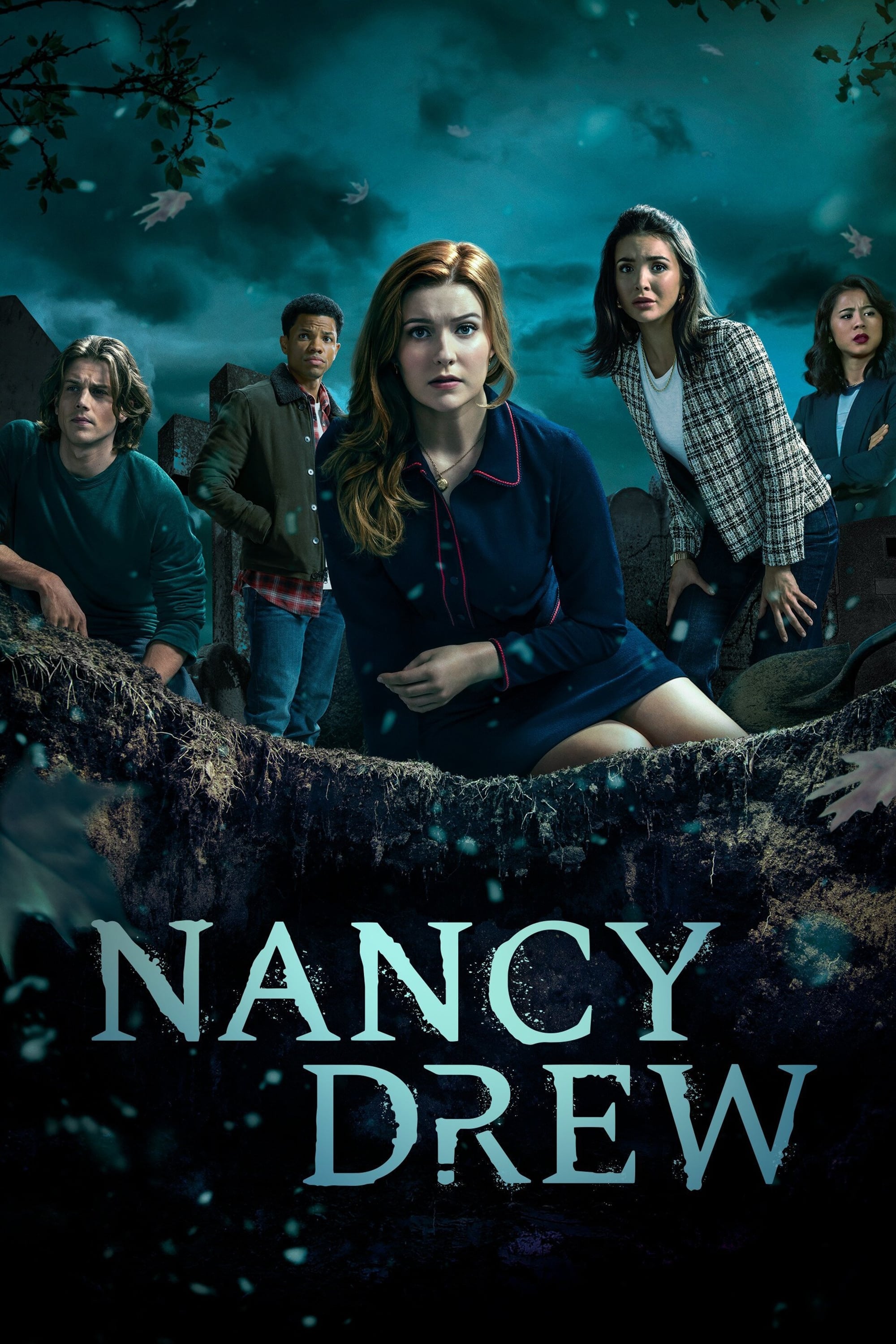
The mystery series featured several queer characters including Bess Marvin whose journey was a key part of the show’s appeal. While Bess herself survived many of the show’s supporting queer figures met unfortunate ends during the investigation of various hauntings. These deaths often happened shortly after the characters were introduced and featured in digital marketing clips to promote diversity. The pattern of introducing and then quickly removing queer voices was noticed by the dedicated fan base. This led to calls for more permanent and safe spaces for LGBTQ+ characters within the supernatural narrative.
‘Teen Wolf’ (2011–2017)

The character of Danny Mahealani was a trailblazer for the show and was featured in many early promotional photos to show the series inclusivity. Despite his popularity he was eventually written off the show without a clear resolution to his story. Other queer characters like Boyd also met tragic ends that served to motivate the straight leads in their hero journeys. The show was frequently praised for its casual approach to sexuality while simultaneously disposing of the characters who embodied it. This irony was not lost on viewers who followed the show’s marketing throughout its run.
‘Gossip Girl’ (2021–2023)
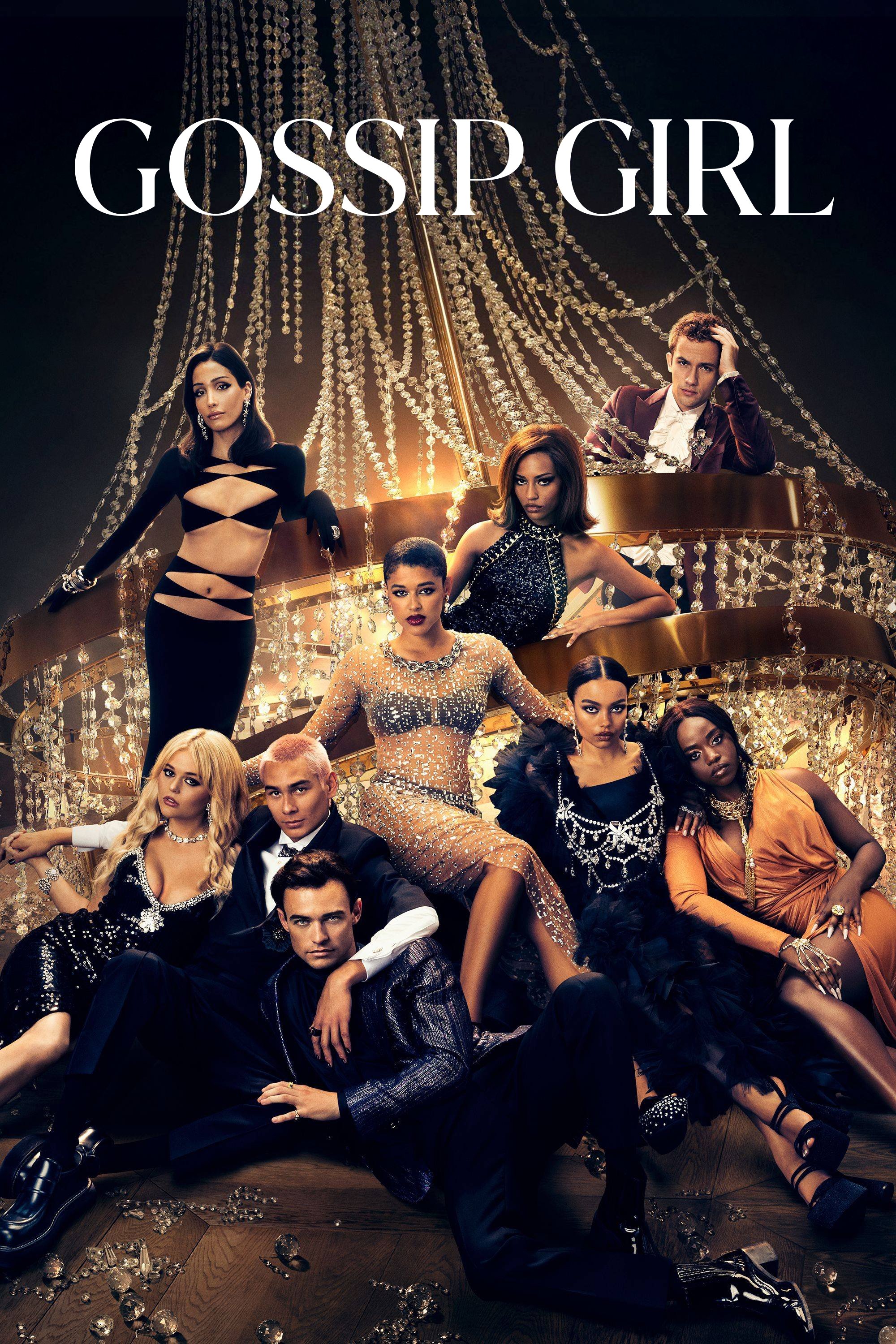
The revival of the hit series aimed to be more inclusive and featured a large ensemble of queer characters in its marketing. However the show struggled to provide these characters with meaningful arcs before it was eventually canceled. Several queer relationships were introduced and then dissolved or ended with characters leaving the city under mysterious circumstances. This felt like a betrayal to fans who had been promised a new era of diverse and stable storytelling. The promotional focus on Pride Month did not match the actual screen time or development given to these individuals.
‘Euphoria’ (2019–Present)

This drama is known for its intense and often tragic portrayal of teenage life including several queer storylines. The character of Ashtray who had a complex and unspoken identity met a violent end in the second season finale. This occurred after a season of heavy marketing that focused on the show’s diverse cast and their interconnected lives. While ‘Euphoria’ is praised for its artistry the frequency of tragedy for its younger characters is a point of contention. Fans often worry about the survival of the remaining queer characters in such a dark environment.
‘Sex Education’ (2019–2023)
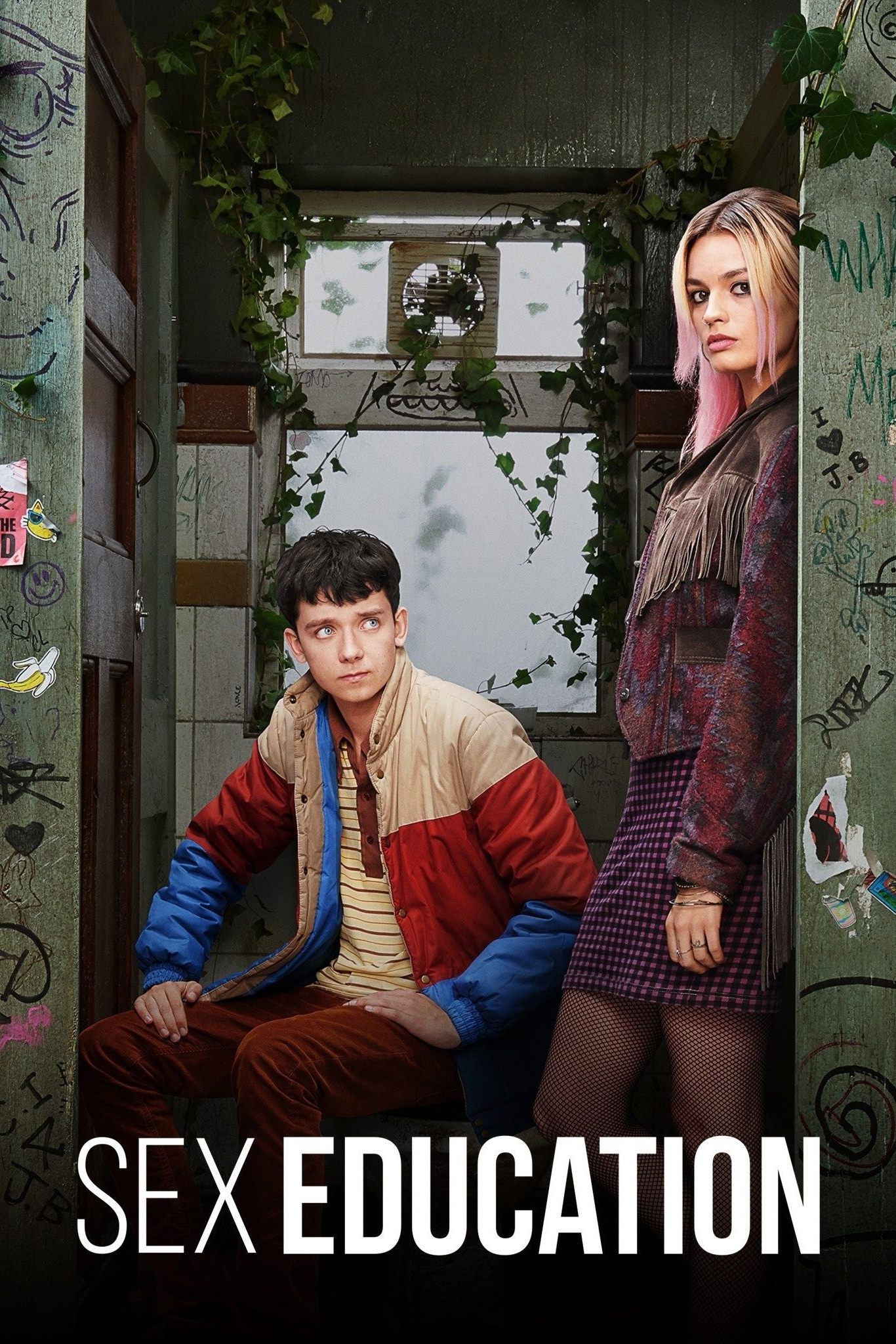
While the series is generally celebrated for its inclusive approach it has also seen several queer characters exit the show unexpectedly. These departures often follow seasons where the show was lauded for its representation during major media cycles and award seasons. Characters like Ola and Lily were central to the show’s marketing before their stories were brought to a sudden close. This left many viewers feeling that the show was moving on from its diverse roots too quickly for the sake of new plots. The impact of their absence was felt in the final season’s promotional efforts.
’13 Reasons Why’ (2017–2020)
The death of Justin Foley in the series finale was a devastating blow to fans who had watched his journey of recovery and self discovery. While his identity was complex the show had marketed his character’s growth as a key emotional pillar of the story. His death from health complications was seen by many as an unnecessarily tragic end for a character who had overcome so much. This event took place after years of ’13 Reasons Why’ being used as a platform for discussing youth issues and diversity. The decision to end his story in this way was met with significant backlash from the community.
‘Dead to Me’ (2019–2022)
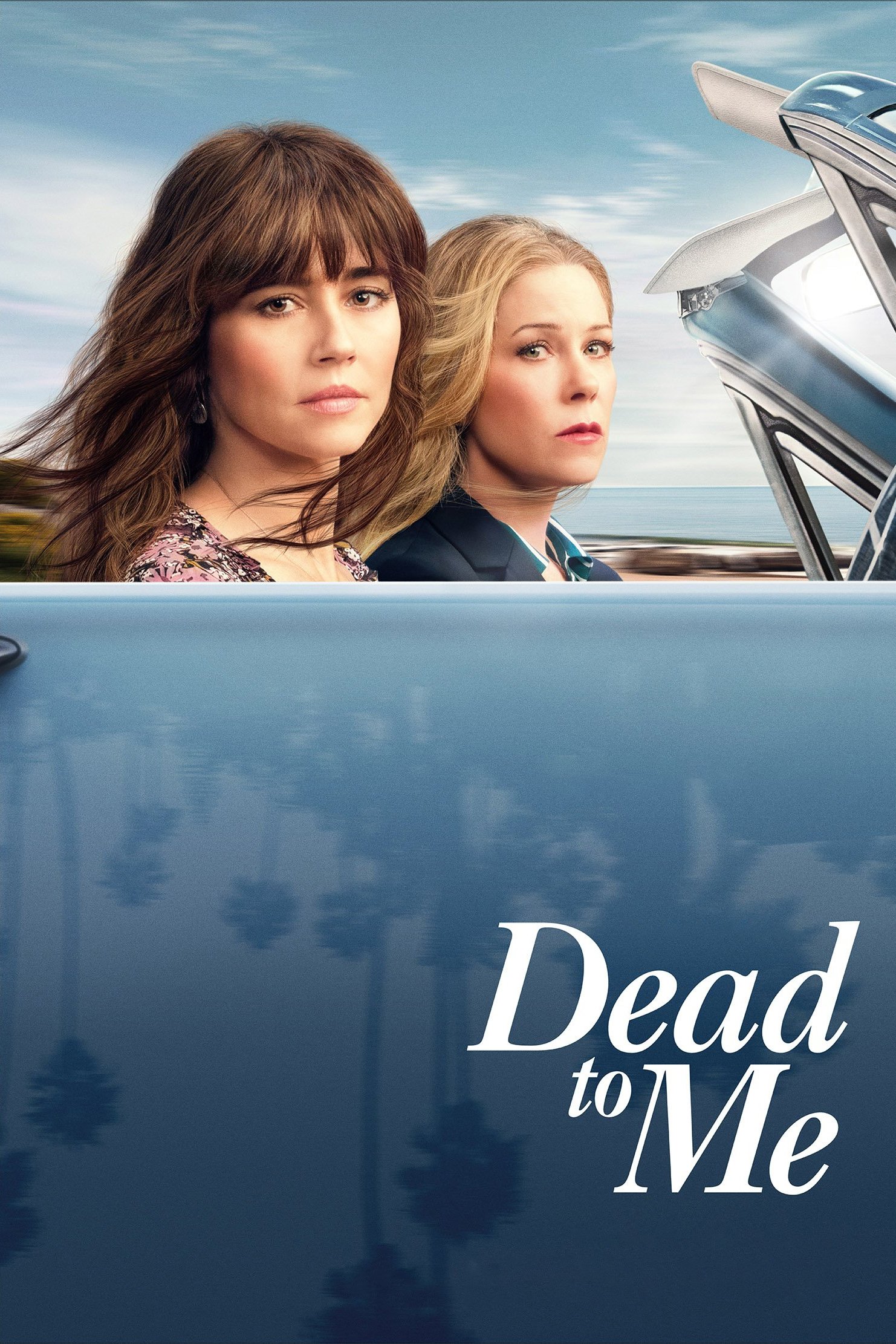
The character of Judy Hale was at the heart of the show’s mystery and her fluid sexuality was a key part of her personality. Her eventual fate in the final season was a somber conclusion to a series that had been marketed as a dark comedy with heart. Fans who had connected with her journey felt that the show leaned into tragedy just when she had found a sense of peace. The promotional campaigns for the final episodes focused on the bond between the leads while hinting at a permanent farewell. This outcome added to the list of queer characters who do not get to see a happy ending.
‘Shadowhunters’ (2016–2019)
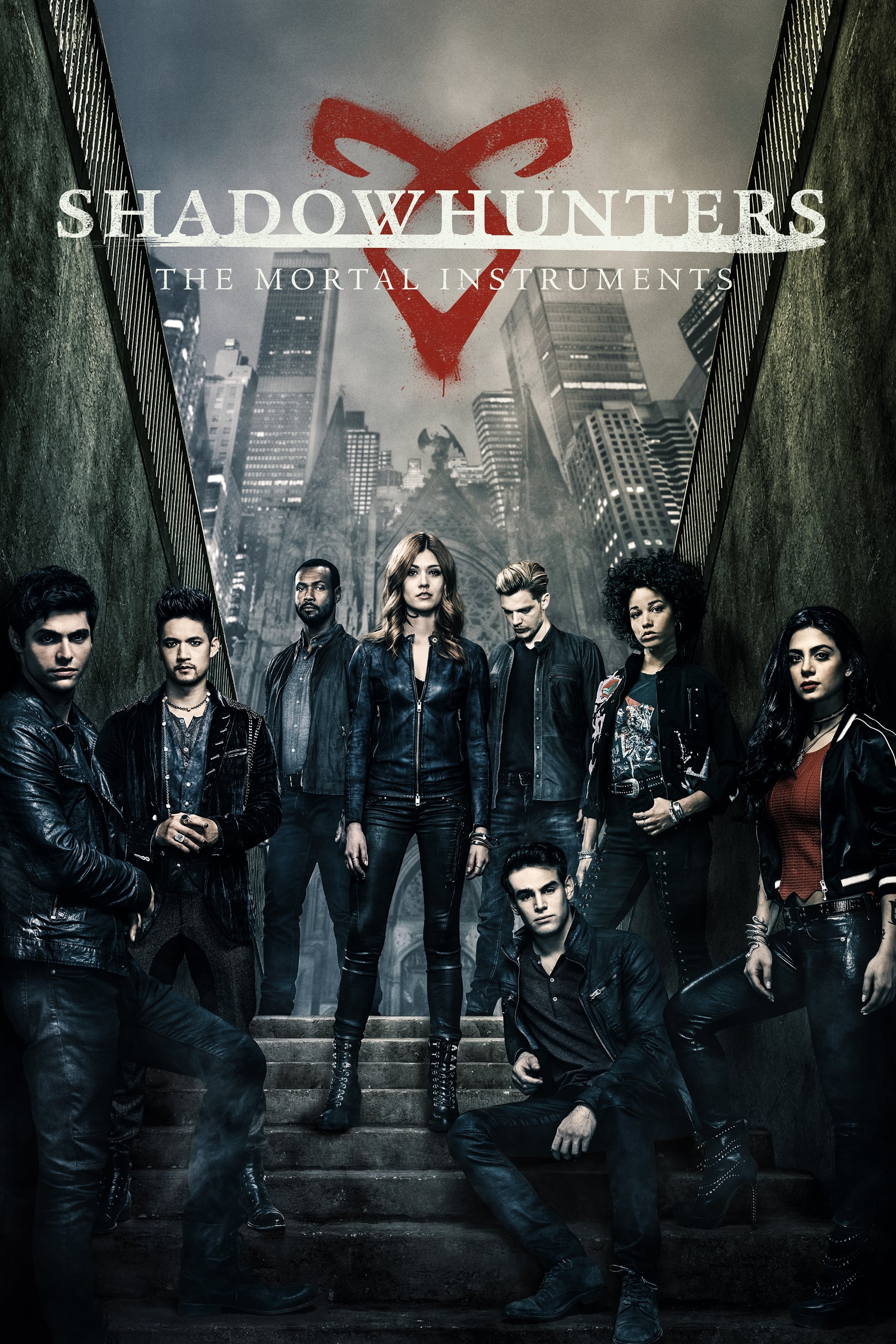
This supernatural series was beloved for its central queer romance between Alec Lightwood and Magnus Bane. However the show also featured other queer characters who did not survive the dangers of the shadow world. These deaths often occurred during seasons where the show was being promoted for its inclusive cast at large fan conventions. The loss of these secondary characters was a reminder of the high stakes and the frequent use of queer tragedy to raise them. Despite the central couple’s happy ending the overall mortality rate for queer figures was a point of concern for fans.
‘Wynonna Earp’ (2016–2021)
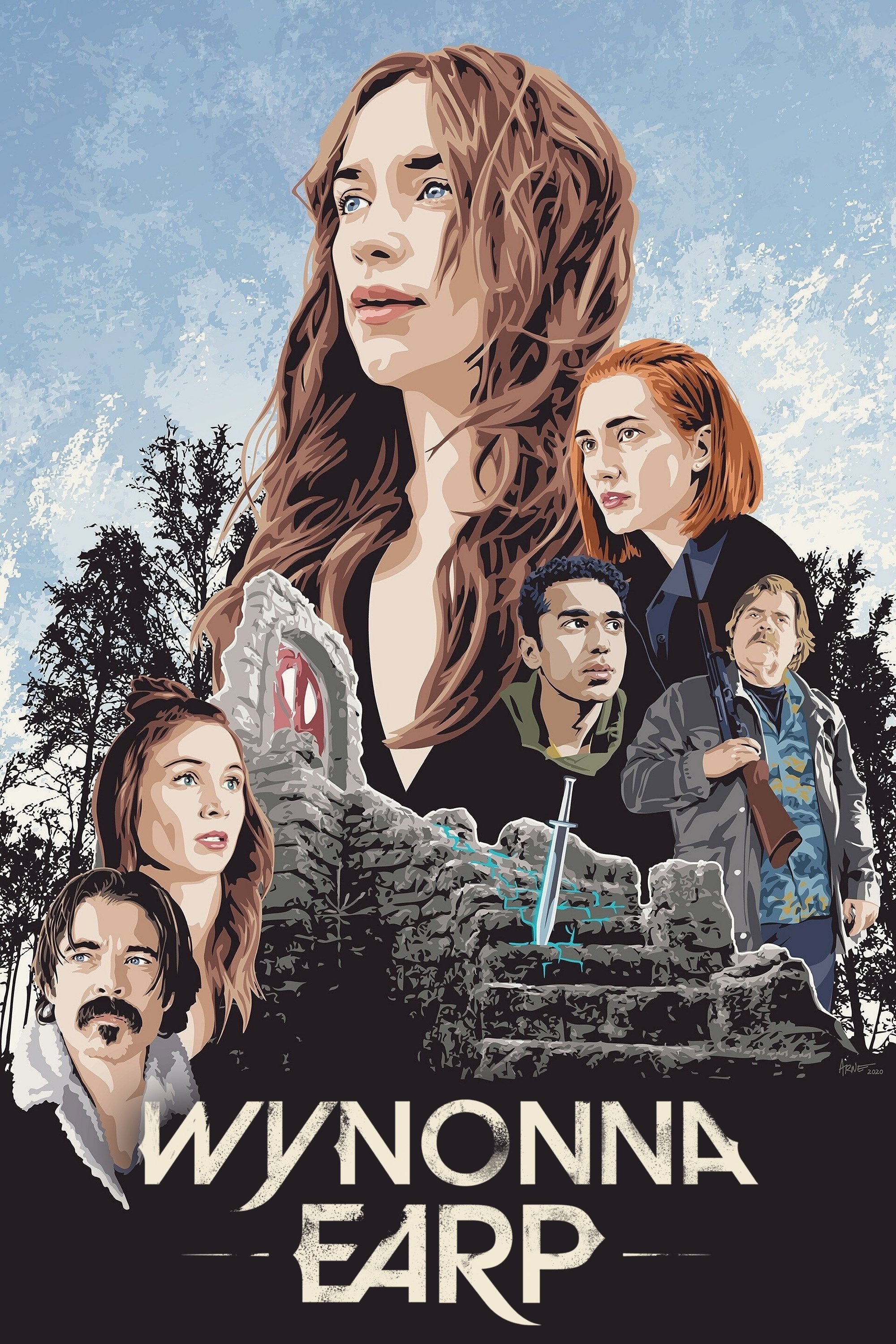
Known for its passionate fan base and the popular couple Waverly and Nicole this show was a staple of modern queer representation. While the main couple survived other queer characters in the series faced much darker fates throughout the years. These incidents often happened after the show had been celebrated in the media for its commitment to diversity during Pride events. The contrast between the show’s public image and the death of supporting queer characters created a complex dynamic for the audience. It highlighted the pressure on genre shows to balance high stakes with the need for positive representation.
‘Gotham’ (2014–2019)
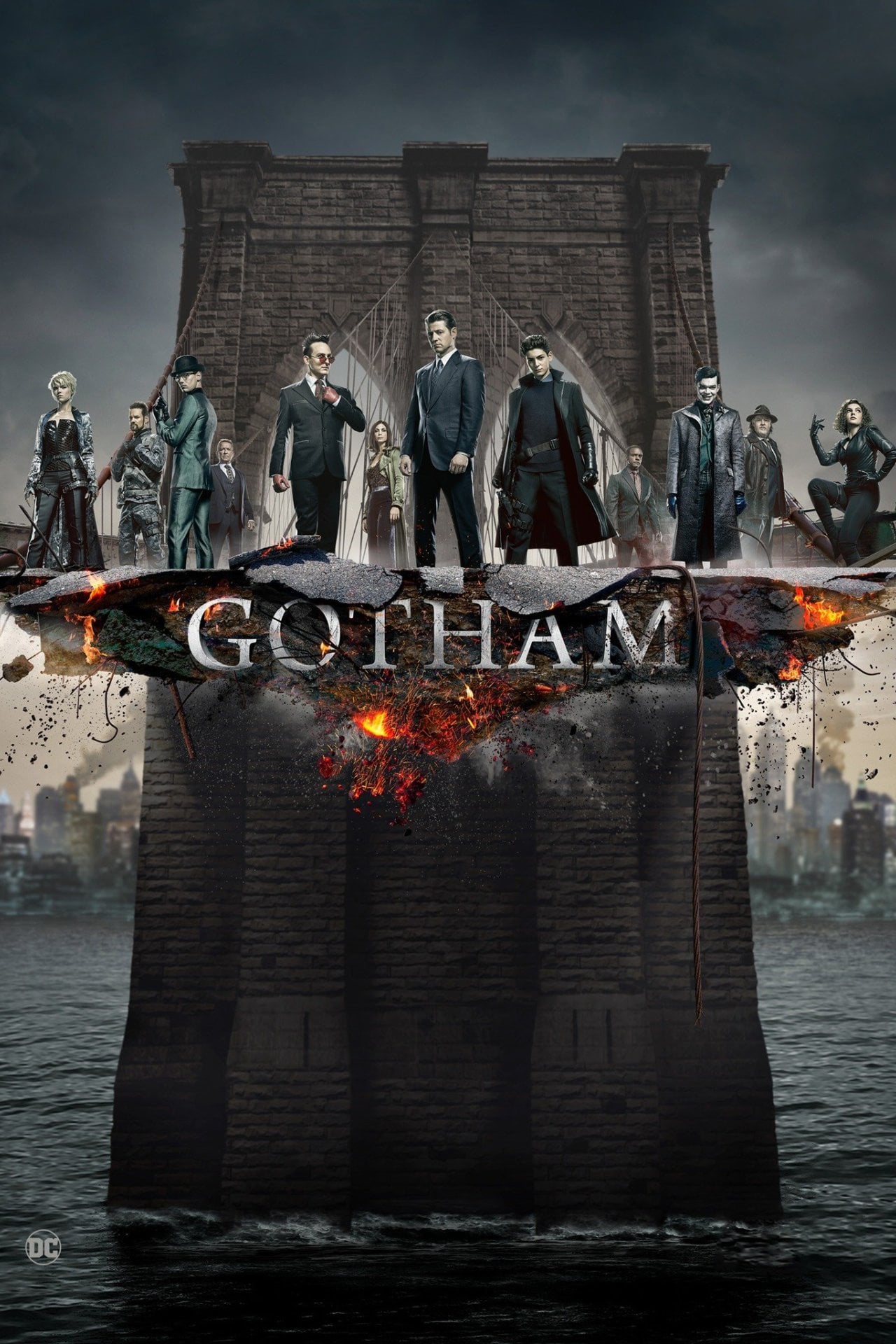
The origin story of the Batman universe featured a complex relationship between Oswald Cobblepot and Edward Nygma. The show was marketed with a heavy focus on its unique takes on these classic villains including their romantic tensions. However several queer supporting characters and love interests met violent ends throughout the various seasons of the series. These deaths were often used to further the descent of the main characters into villainy. This reinforced the idea that queer love in this version of ‘Gotham’ was destined for tragedy and loss.
‘How to Get Away with Murder’ (2014–2020)
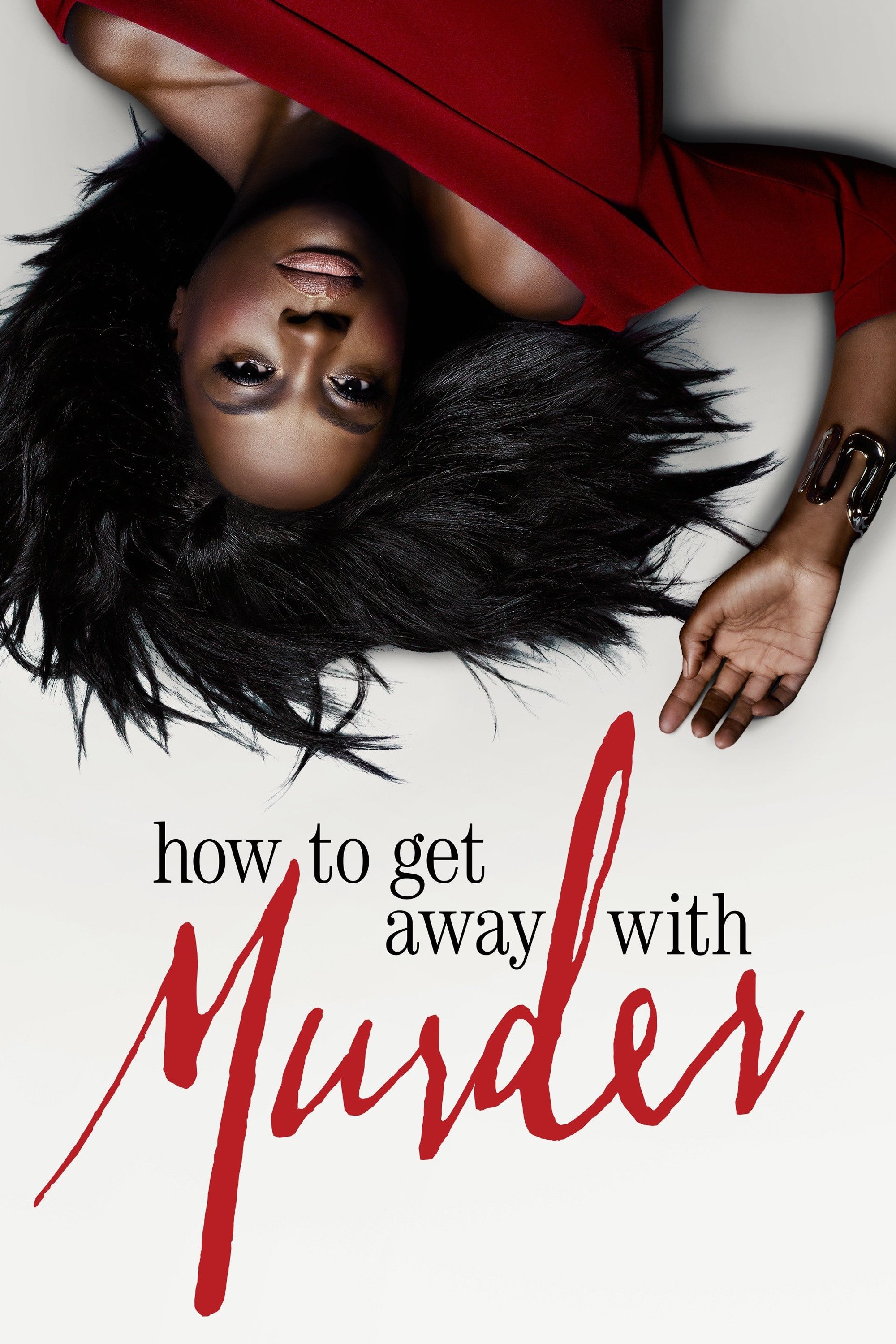
This legal thriller featured several prominent queer characters and relationships throughout its entire run on network television. The death of Wes Gibbins and the subsequent fallout affected many characters including those in the LGBTQ+ community. Later in the series the death of Frank Delfino and Bonnie Winterbottom also impacted the queer leads in significant ways. The show was frequently promoted as a leader in diverse storytelling during major television award seasons. Despite this the high mortality rate for all characters meant that queer joy was often short lived.
‘Scandal’ (2012–2018)
The character of Cyrus Beene was a major figure in the show and his personal life was a significant part of the political plot. His husband James Novak was a fan favorite who met a tragic and violent end in the fourth season of the series. This death occurred after the show had been lauded for its depiction of a powerful queer couple in Washington. The loss of James was used as a major plot point to drive Cyrus’s darker ambitions in the political arena. Fans felt that the show sacrificed a positive representation for the sake of heightened melodrama.
‘Orphan Black’ (2013–2017)
This sci fi series followed a group of clones including the popular queer character Cosima Niehaus. While Cosima ultimately survived several other characters with queer identities were killed off during the fight against the series villains. These deaths often happened during seasons where ‘Orphan Black’ was being celebrated for its feminist and inclusive themes. The tension surrounding whether Cosima would survive her illness was a major part of the marketing for several years. This kept fans on edge and highlighted the precarious nature of queer life in the show’s universe.
‘Grey’s Anatomy’ (2005–Present)
The long running medical drama has featured many queer characters but is also known for its high turnover of cast members. The death of Arizona Robbins’ brother and the departure of characters like Callie Torres followed major romantic milestones. Other queer supporting characters have also met their ends in various hospital disasters throughout the years. The show’s marketing often highlights its status as a pioneer for LGBTQ+ representation on broadcast television. However the constant cycle of tragedy can make it difficult for viewers to feel secure in their favorite pairings.
‘Station 19’ (2018–2024)
A spin off of ‘Grey’s Anatomy’ this series also features a diverse cast and several queer leads in the fire station. The character of Travis Montgomery has faced significant loss including the death of his husband before the show even began. Other queer characters have also faced life threatening situations and sudden exits from the station in later seasons. The show is frequently featured in promotional materials that celebrate its commitment to social justice and diverse representation. The recurring theme of loss for its queer characters remains a point of intense discussion among the fan base.
‘9-1-1: Lone Star’ (2020–Present)

This procedural drama has been praised for its inclusion of a trans man and a gay couple as lead characters. However the show has also utilized tragic cliffhangers involving these characters to drive viewership and social media buzz. Promotional clips often focus on the emotional bonds between the queer cast members before placing them in immediate peril. While many have survived the constant threat of death is a hallmark of the show’s high stakes writing style. This creates a sense of unease for viewers who want to see these characters thrive beyond their trauma.
‘Elite’ (2018–2024)
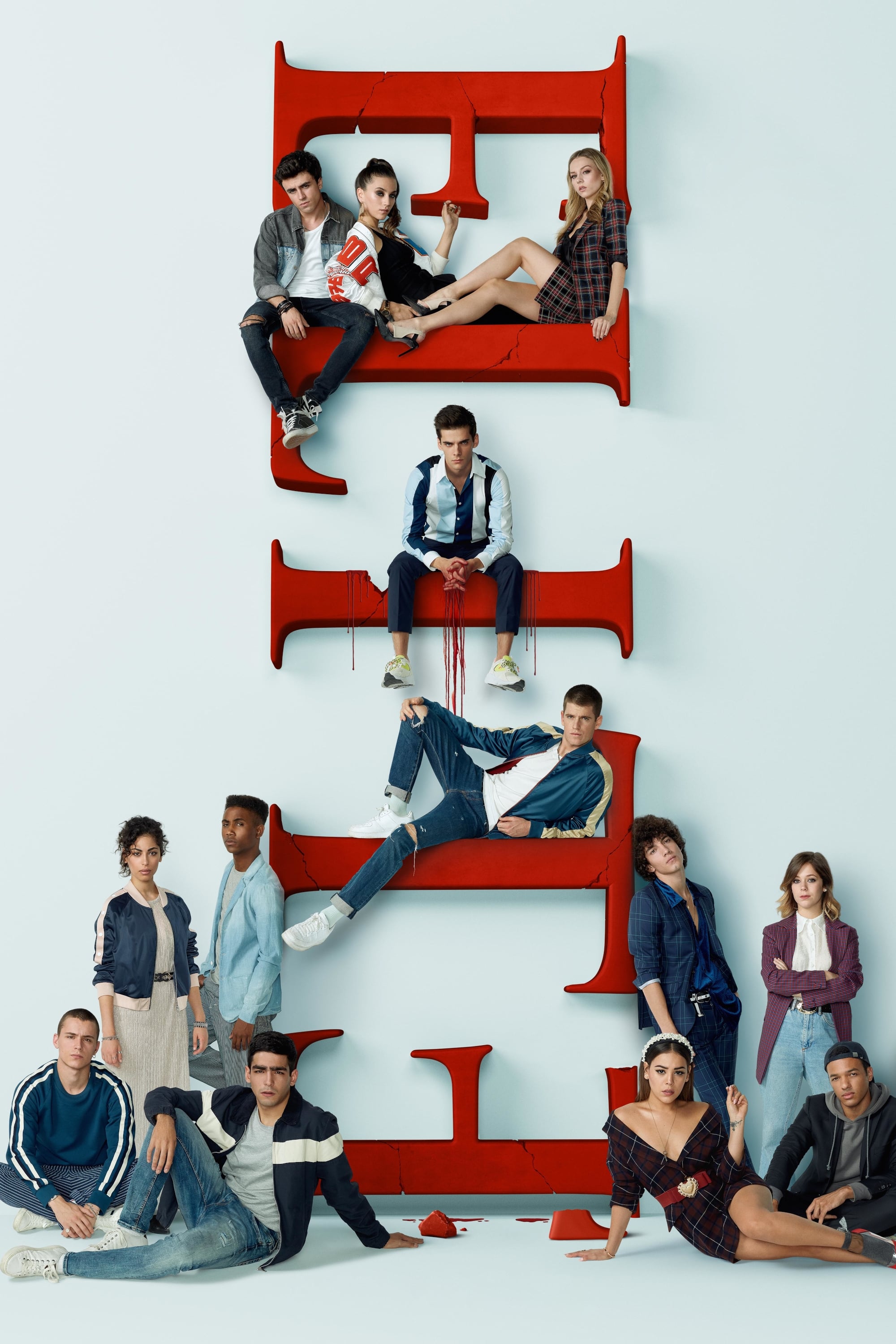
The Spanish teen drama is famous for its explicit queer representation and its central murder mysteries. Almost every season features the death of a character who is part of the show’s diverse and glamorous ensemble. These deaths are often teased in marketing materials that focus on the show’s inclusivity and romantic drama. Characters like Polo and others have met tragic ends after seasons of exploring their sexual identities. The show’s reliance on tragedy for its queer characters has become a defining characteristic of its narrative.
‘Glee’ (2009–2015)
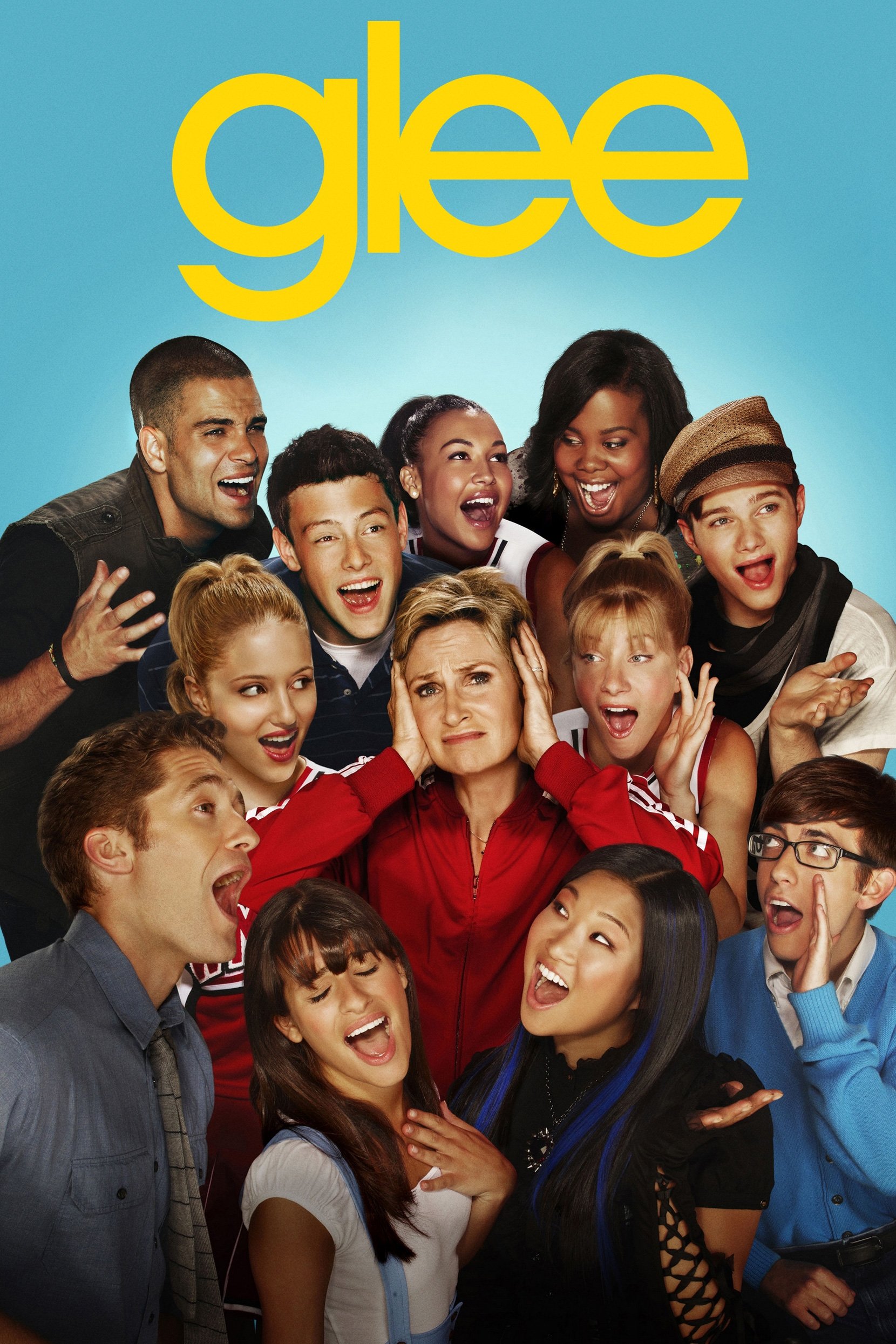
While the show was a pioneer for queer representation it also faced criticism for how it handled some of its diverse characters. The death of Cory Monteith led to the loss of Finn Hudson but the show also struggled with the exits of other queer students. Many characters were written off or moved to the background shortly after their romantic arcs were highlighted in the media. This included several supporting characters who were introduced to add diversity to the main musical group. The show’s legacy is a mix of groundbreaking progress and missed opportunities for its queer cast.
‘Lost’ (2004–2010)
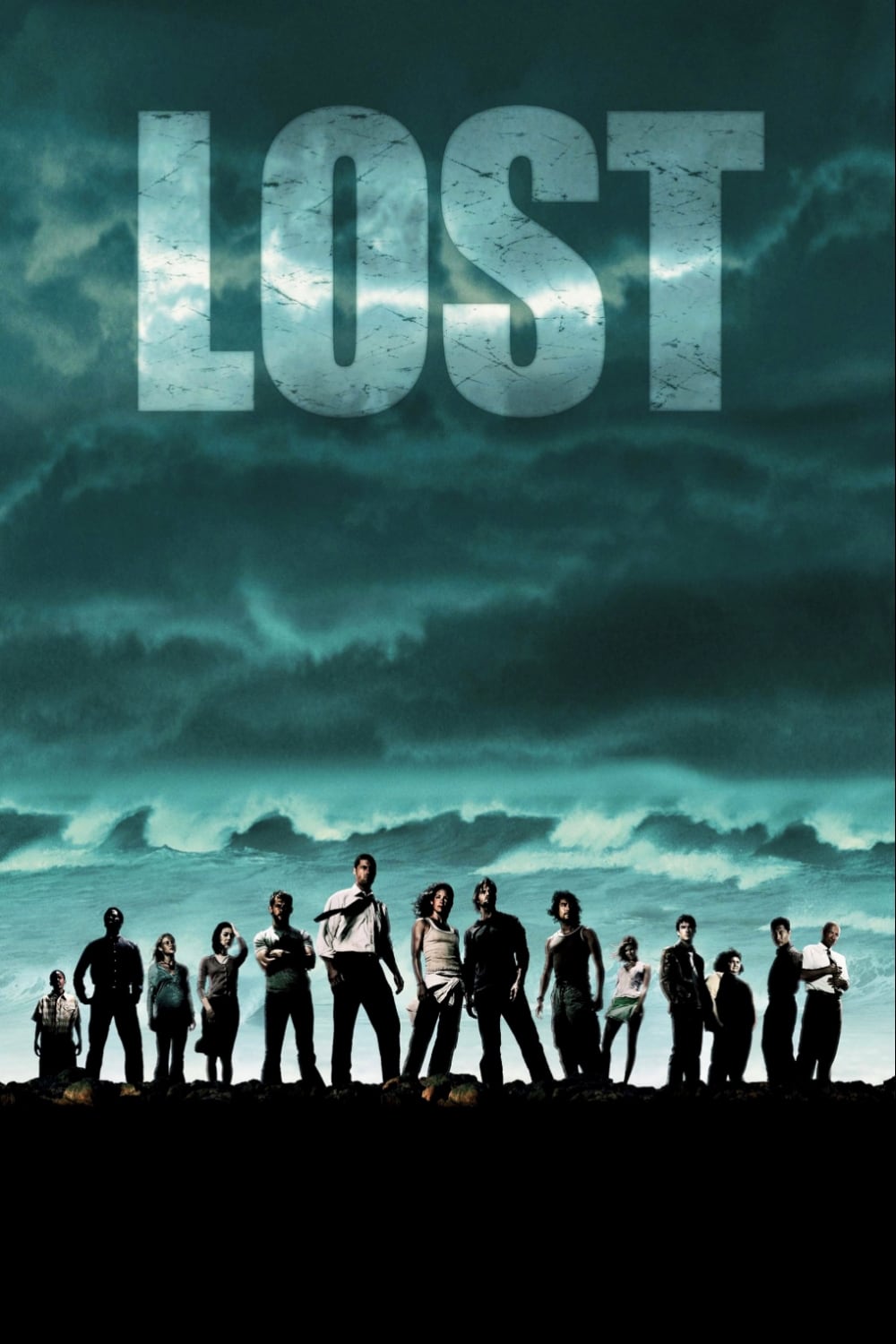
The mysterious island drama featured a diverse group of survivors including the character of Tom Friendly who was later revealed to be gay. His character was killed off in the season three finale just as his identity was being subtly explored in the narrative. This occurred during a time when ‘Lost’ was at the height of its global popularity and mainstream marketing. Many viewers felt that his death was a missed opportunity to develop a complex queer character in a massive hit. It remains an early example of the expendability of queer figures in high stakes television dramas.
‘American Horror Story’ (2011–Present)
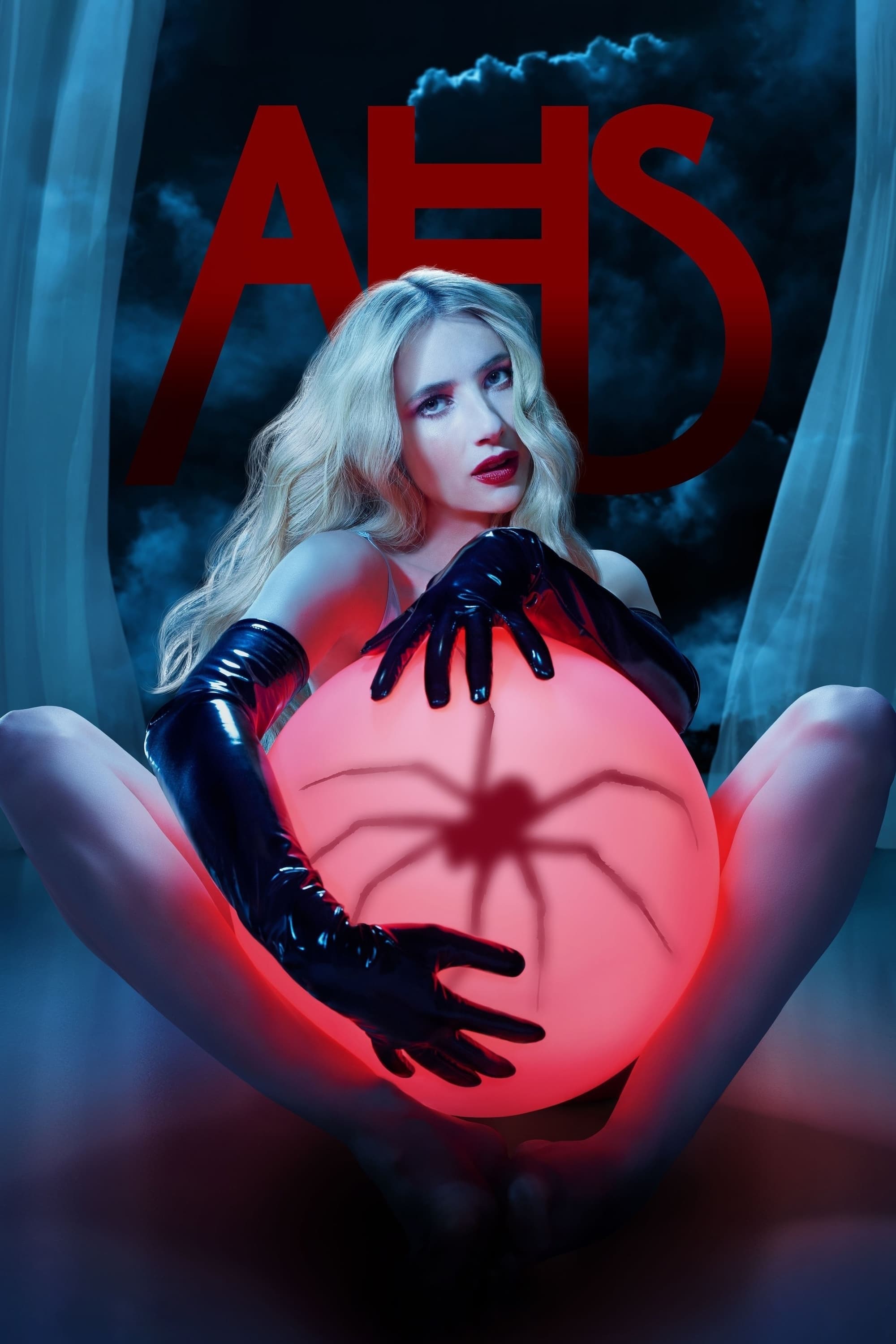
This anthology series frequently features queer characters but they are almost always met with gruesome and tragic deaths. The marketing for seasons like NYC and Hotel heavily leaned into queer themes and underground aesthetics. Despite this the narrative arcs often revolve around the victimization and ultimate demise of these characters for horror. This has led to a debate about whether the show is celebrating queer culture or simply using it as a backdrop for terror. The high body count is expected but the focus on queer suffering is a recurring concern for audiences.
‘The Flash’ (2014–2023)

The character of David Singh was one of the few queer figures in the early seasons of this superhero hit. While he survived the series several of his colleagues and other queer supporting characters did not. These deaths often occurred during major event episodes that were heavily promoted to draw in large and diverse audiences. The show’s marketing frequently emphasized its place in the diverse lineup of the network. However the actual screen time for these queer characters was often limited compared to their straight counterparts in the narrative.
‘Arrow’ (2012–2020)
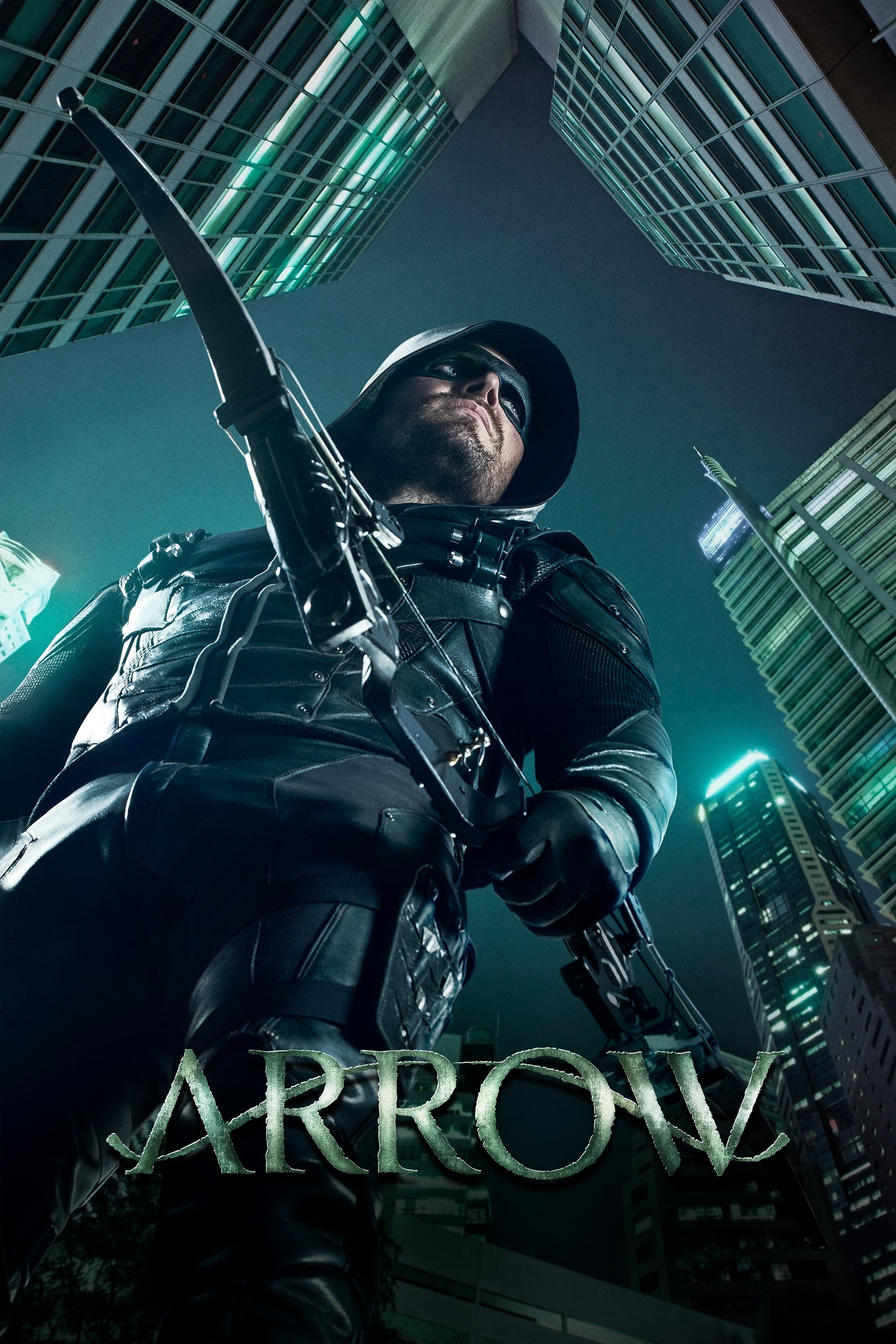
The death of Sara Lance in the third season was a shocking moment for fans of the show’s queer representation. While the character was eventually resurrected and lead her own show her initial death was a major plot point for the male lead. The marketing for the season had featured her prominently as a returning hero and queer warrior. This choice was seen as a classic example of killing a queer character to provide emotional weight for others. It sparked a long term conversation about the safety of diverse heroes in the superhero television universe.
‘Supergirl’ (2015–2021)
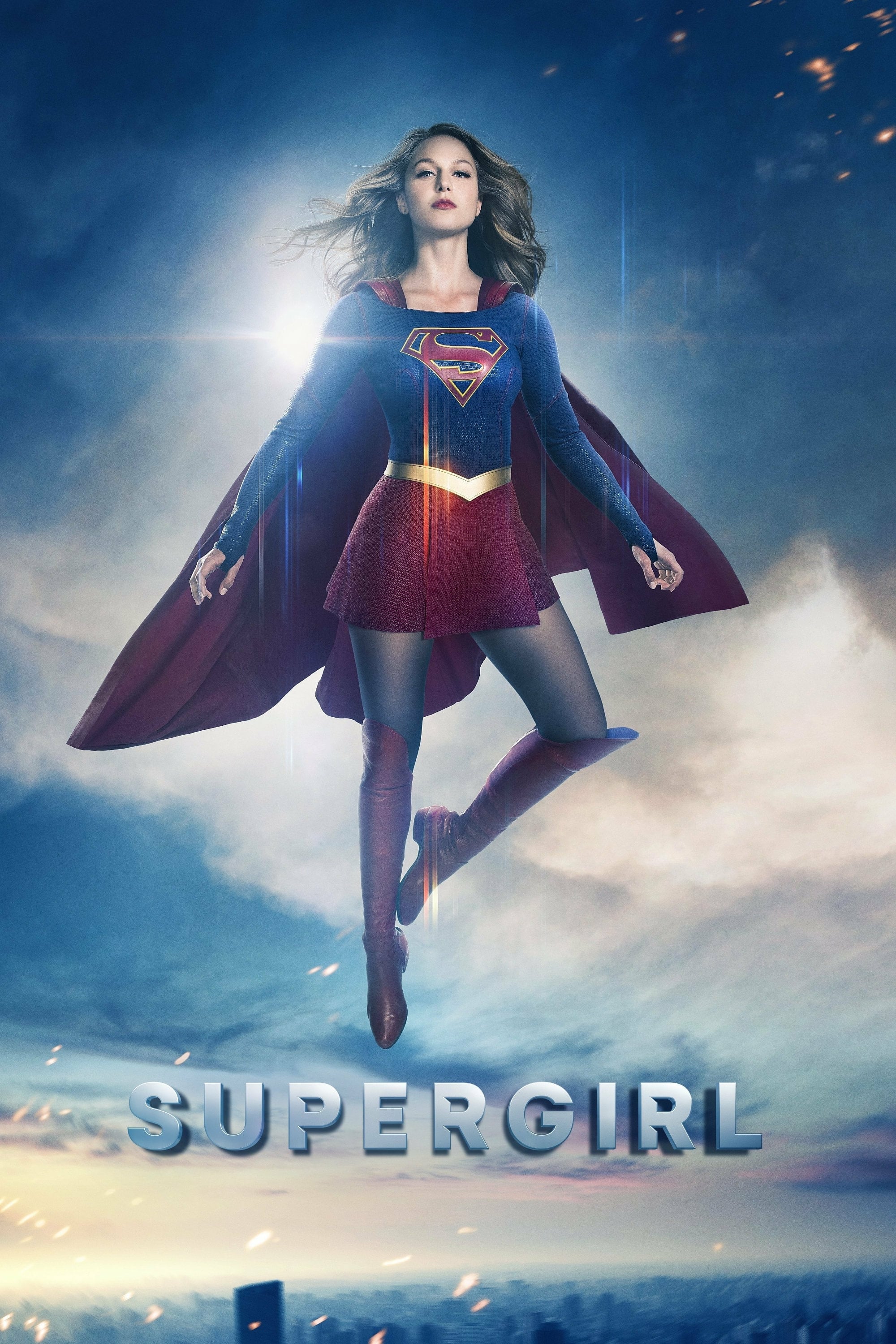
While the show is often praised for the relationship between Alex Danvers and Kelly Olsen it also featured several queer characters who met tragic ends. This included supporting figures and villains whose identities were highlighted in the show’s digital promotions. These characters were often introduced with much fanfare during annual Pride Month social media campaigns. Their subsequent deaths or departures felt like a step back for a show that marketed itself on hope and inclusion. This created a sense of frustration for fans looking for consistent and safe queer narratives.
‘Black Lightning’ (2018–2021)
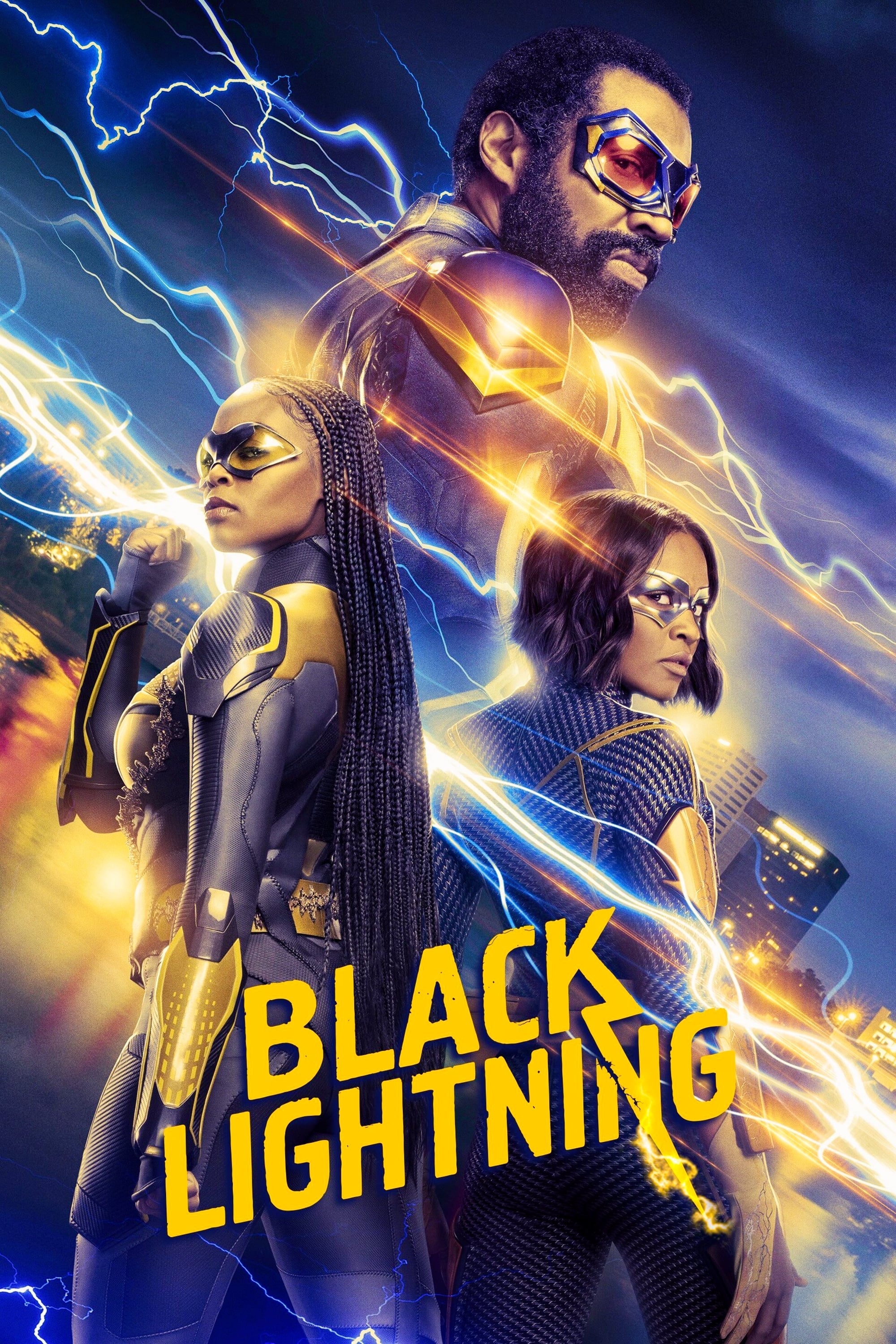
The series featured a prominent queer superhero in Anissa Pierce and was celebrated for its intersectional and diverse storytelling. However several of Anissa’s love interests and other queer characters in the community faced violent ends. These incidents happened during a run where ‘Black Lightning’ was being promoted for its groundbreaking portrayal of a Black queer family. The loss of these characters was often used to highlight the dangers of the show’s urban setting. This left many viewers wishing for more moments of queer joy that were not interrupted by tragedy.
Tell us your thoughts on these controversial character departures in the comments.