


20 TV Shows That Killed Their Ratings Chasing TikTok Trends

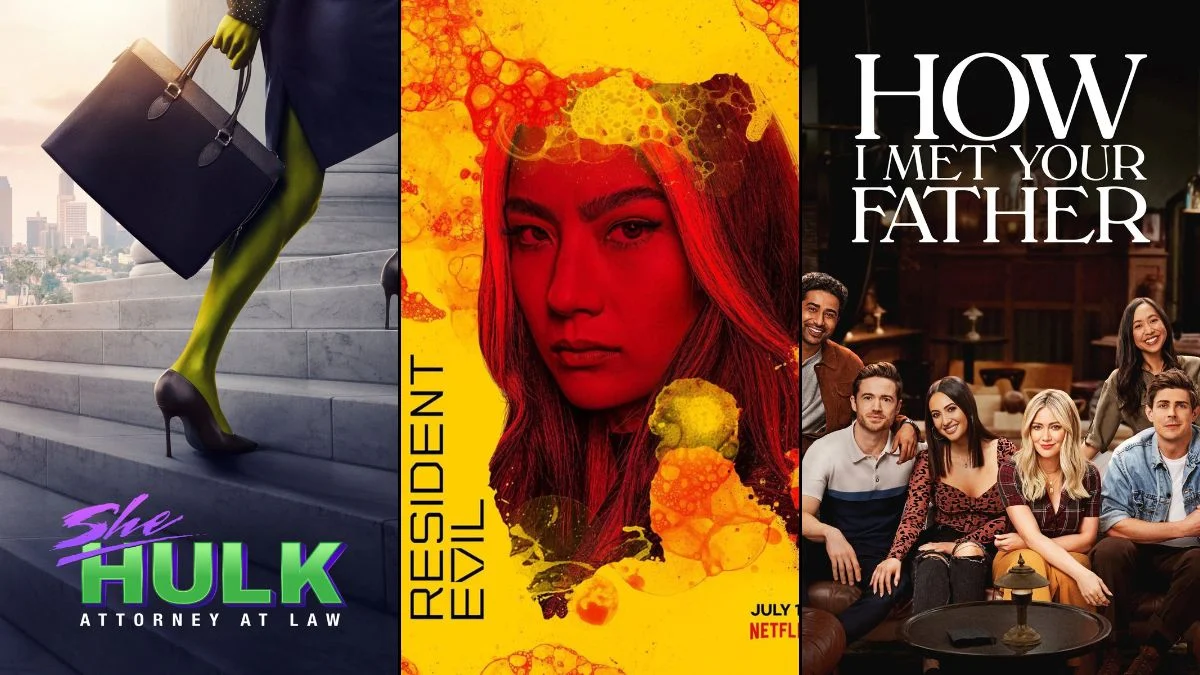


Television producers constantly struggle to adapt to the rapidly changing landscape of digital media and the viewing habits of younger generations. Studios often attempt to capture the elusive Gen Z demographic by incorporating viral dance trends and internet slang directly into their scripts. This strategy frequently backfires when long-time fans feel alienated by forced dialogue and plots that seem designed solely for social media clips. Shows that prioritize meme generation over cohesive storytelling often see a sharp decline in viewership numbers and critical reception. The following series struggled to maintain their audience after leaning too heavily into fleeting internet fads.
‘Gossip Girl’ (2021–2023)
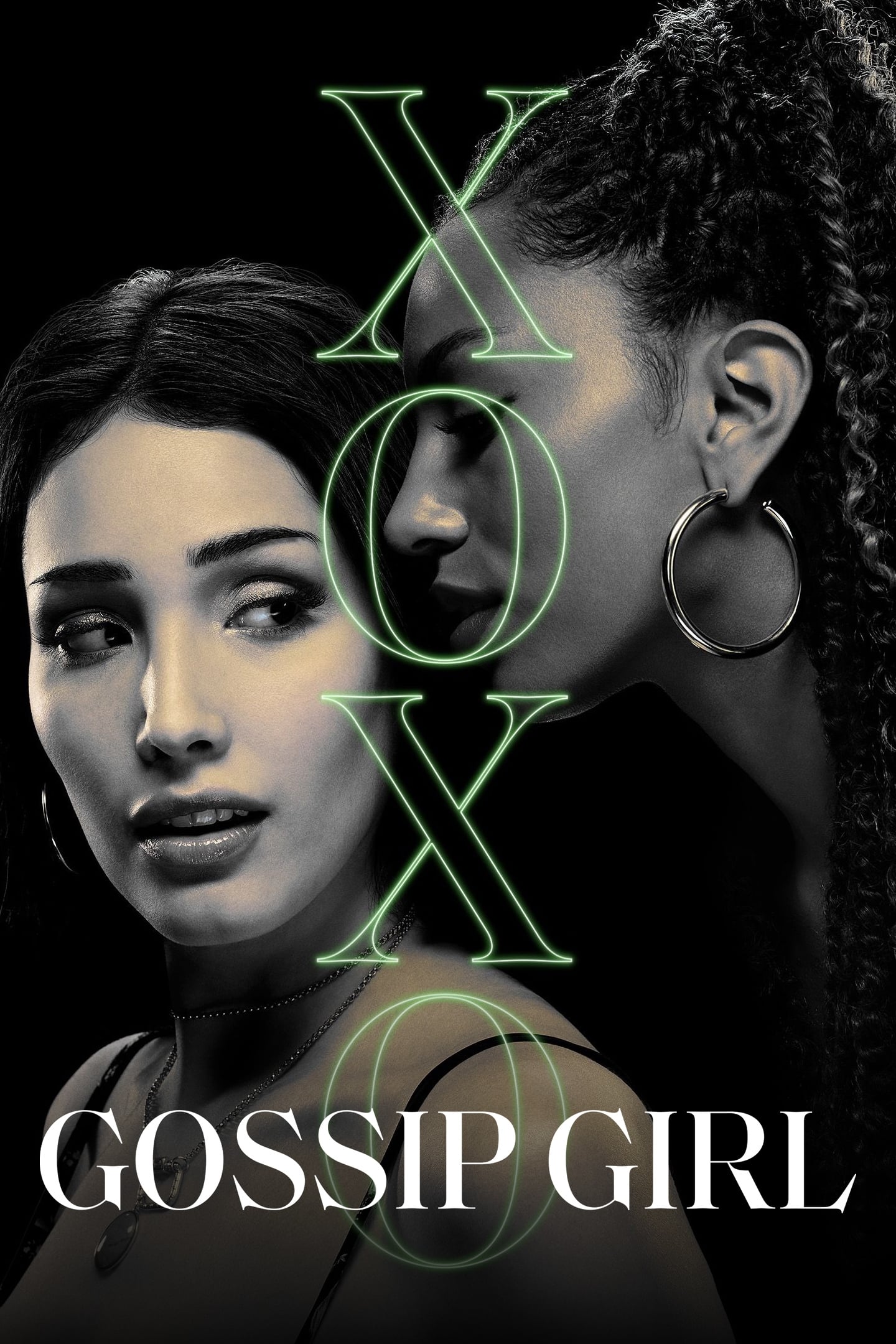
The reboot of the iconic teen drama attempted to modernize the original premise by moving the gossip from a blog to an Instagram account. Writers heavily incorporated social justice buzzwords and internet discourse that many viewers found performative and inauthentic. The characters often spoke in Twitter slogans rather than natural dialogue which made it difficult for the audience to form an emotional connection. This focus on trending topics over organic character development led to a steep decline in interest after the series premiere. HBO Max eventually cancelled the series after just two seasons due to low viewership and lack of cultural impact.
‘The Idol’ (2023)

This series aimed to satirize the music industry while simultaneously attempting to generate its own viral moments through provocative imagery. The creators relied on shocking scenes and music video aesthetics that seemed tailor-made for short-form video platforms. Audiences rejected the shallow storytelling and felt the show prioritized style over substance in a way that felt desperate for online engagement. The anticipated cultural phenomenon quickly turned into a critical failure as viewership dropped steadily throughout its short run. HBO chose not to renew the show after the negative reception overshadowed any attempted social media buzz.
‘She-Hulk: Attorney at Law’ (2022)
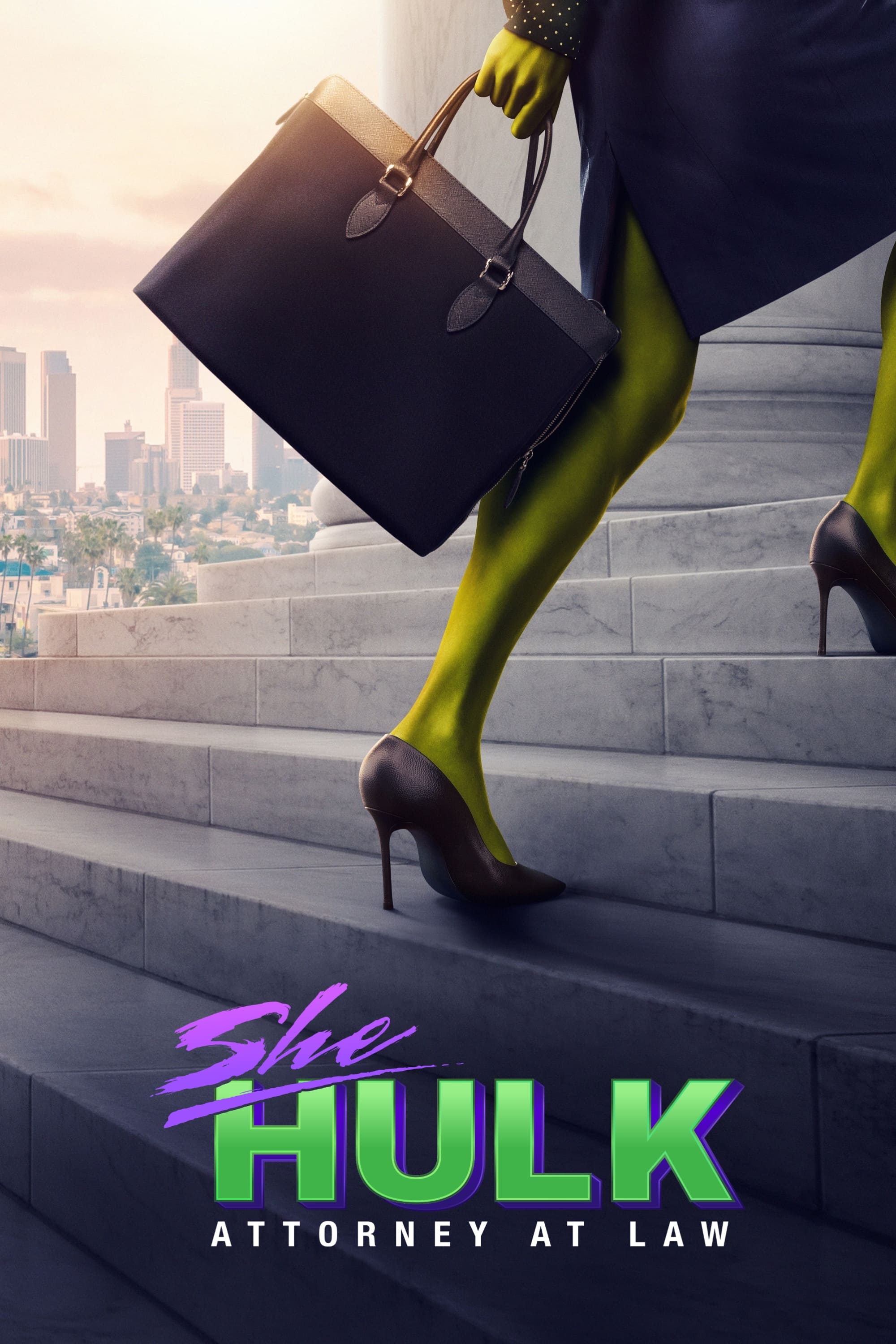
Marvel attempted to blend superhero action with legal comedy and internet culture in this Disney Plus series to mixed results. A specific scene featuring the protagonist dancing with a famous rapper was designed to go viral but alienated a significant portion of the core fanbase. Viewers criticized the show for prioritizing meme-worthy moments over a cohesive narrative structure or serious character work. The reliance on meta-commentary regarding internet trolls often felt defensive rather than clever to the general audience. While the show generated plenty of social media chatter the divisive content impacted its retention rates.
‘Riverdale’ (2017–2023)
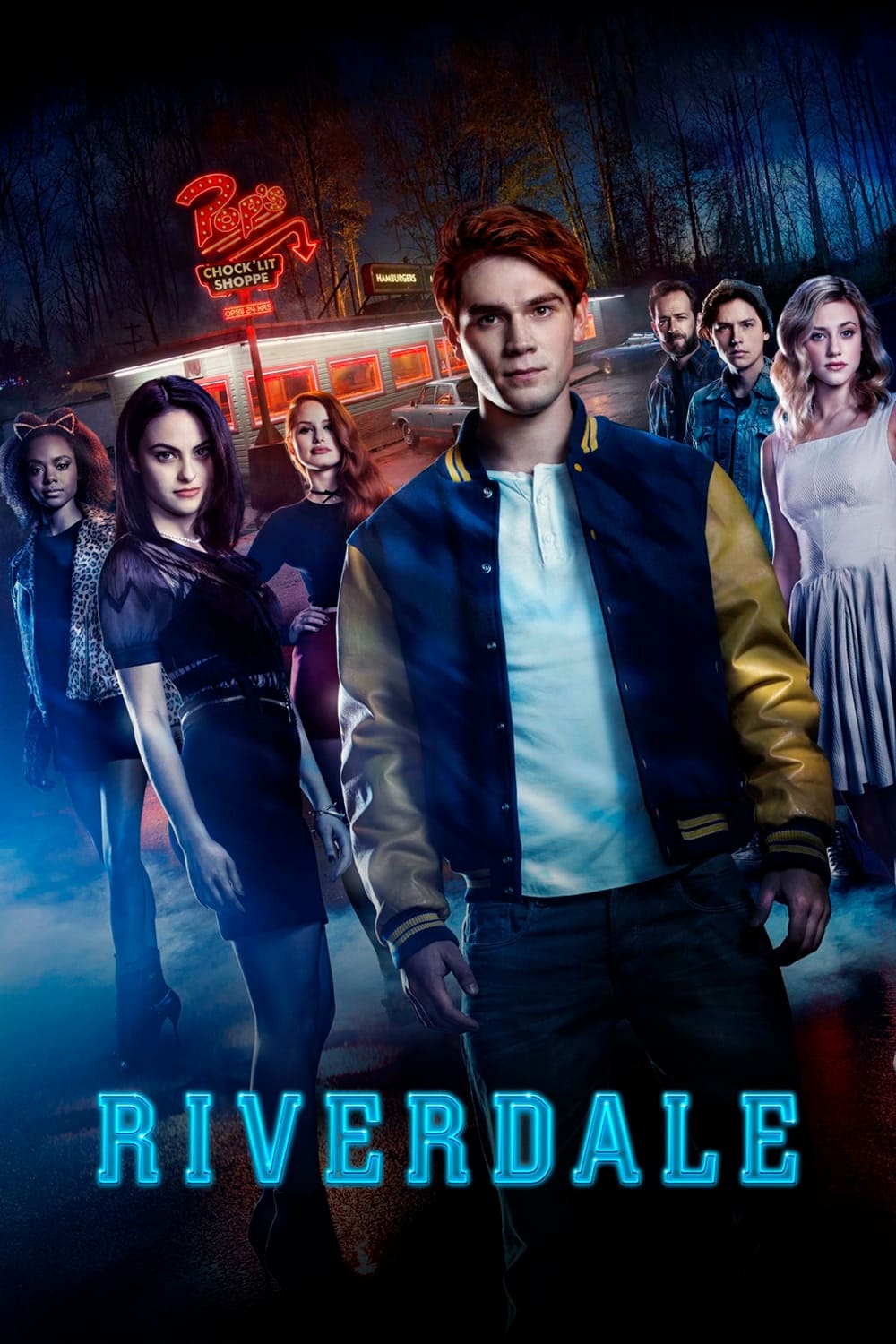
The later seasons of this teen drama became notorious for absurd plot twists that seemed written specifically to be clipped out of context. The writers introduced increasingly bizarre storylines involving superpowers and musical numbers that strayed far from the original murder mystery premise. Fans of the early seasons stopped watching as the show pivoted toward campy moments designed to trend on social media apps. The dialogue became saturated with unnatural slang that dated the episodes almost immediately upon release. Ratings plummeted as the series progressed because the narrative logic was sacrificed for shock value.
‘Velma’ (2023–2024)
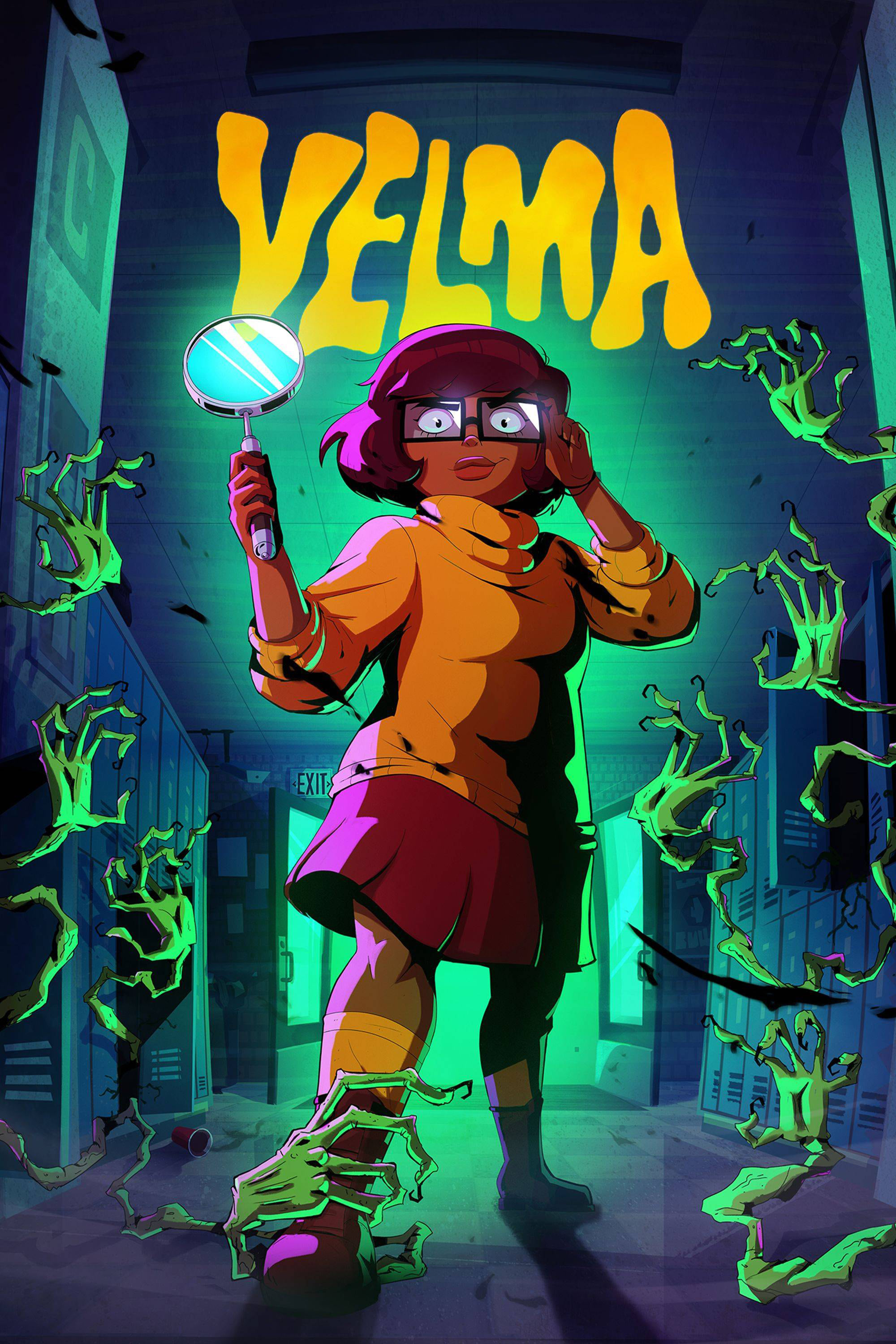
This animated prequel attempted to reinvent the classic Scooby-Doo characters with an edgy and meta-humorous tone inspired by internet discourse. The dialogue focused heavily on deconstructing tropes in a way that mirrored argumentative Twitter threads rather than telling a compelling mystery. Audiences found the humor mean-spirited and the constant references to social dynamics exhausting to watch. The show managed to secure a second season despite historically low audience scores but viewership reportedly collapsed completely by the return. The attempt to capitalize on hate-watching proved to be an unsustainable strategy for long-term success.
‘Resident Evil’ (2022)

Netflix tried to adapt the famous video game franchise by splitting the timeline and introducing teenage drama elements. The script included lines referencing obscure internet memes and pornography sites that felt jarring in a post-apocalyptic setting. Horror fans rejected the tonal shift and the attempt to appeal to a younger demographic through forced pop culture references. The series alienated the existing fanbase of the games without successfully bringing in a new casual audience. The streaming service cancelled the show shortly after its release due to poor completion rates and negative word of mouth.
‘The Fairly OddParents: Fairly Odder’ (2022)
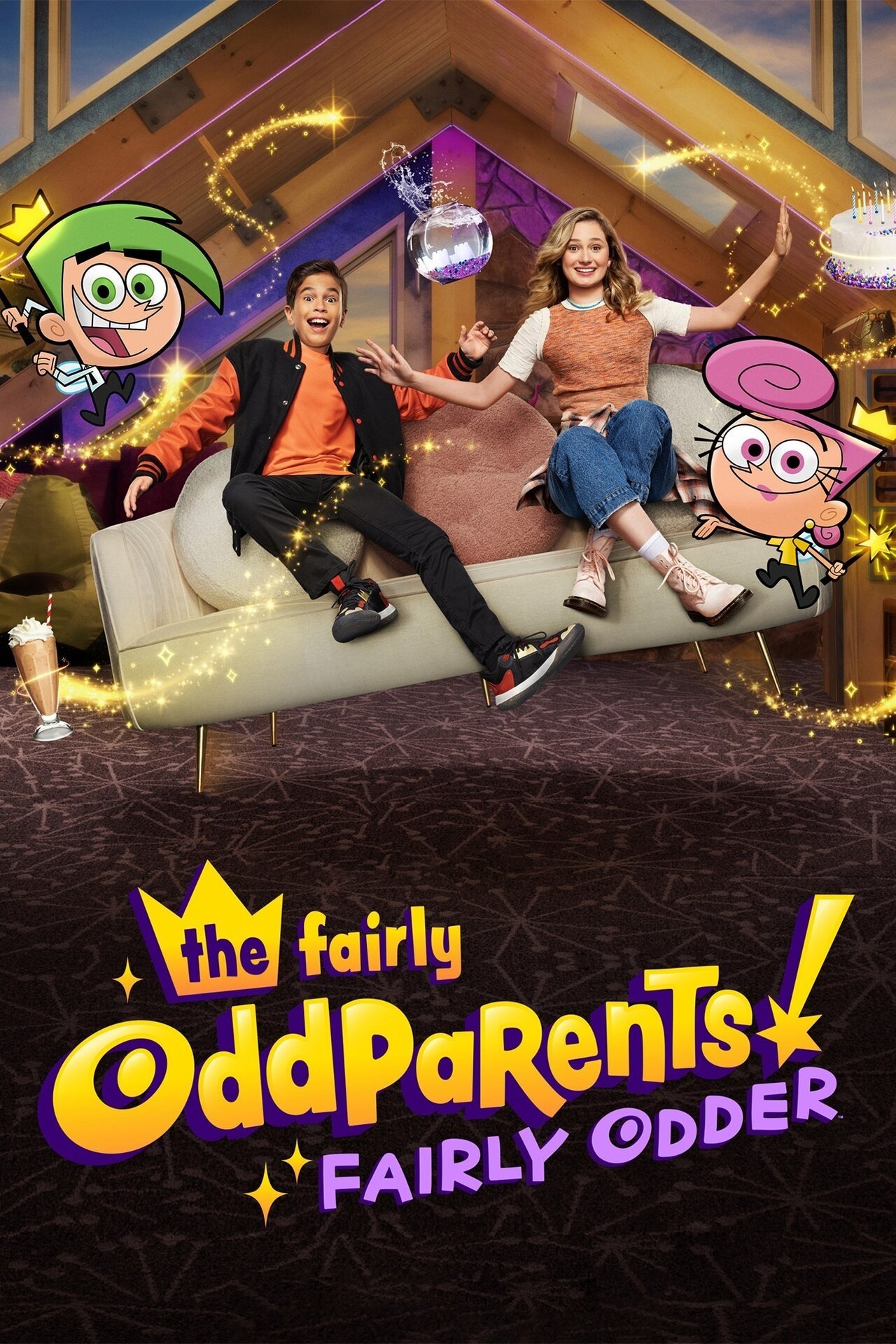
This live-action sequel to the beloved animated series centered its entire premise around the stepsiblings trying to become social media influencers. The plotlines revolved almost exclusively around gaining followers and creating viral content which stripped the show of its original magical charm. Longtime fans of the cartoon found the transition to live-action jarring and the humor painfully derivative of current trends. The constant use of smartphone interfaces and influencer jargon limited the appeal to a very narrow and fleeting demographic. Paramount removed the series from its platform completely just months after it premiered.
‘How I Met Your Father’ (2022–2023)
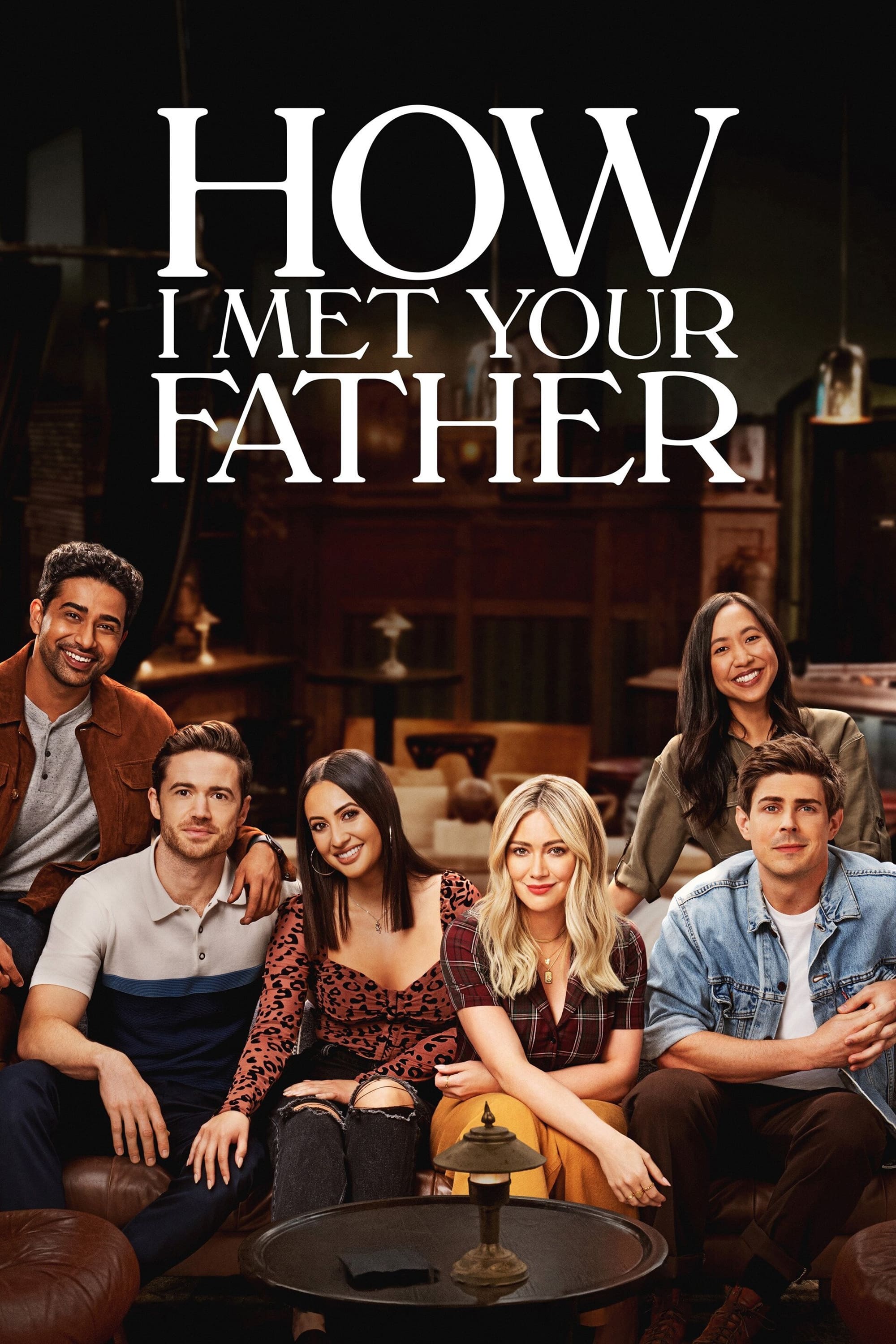
The spinoff to the popular sitcom struggled to find its own voice by relying too heavily on modern dating app tropes and millennial slang. The dialogue often felt like a collection of internet catchphrases rather than how real people actually speak to one another. Characters frequently made references to specific viral trends that were already outdated by the time the episodes aired. The laugh track felt out of place against the backdrop of forced quirkiness and social media obsessed storylines. Hulu cancelled the series after two seasons as it failed to capture the dedicated audience of its predecessor.
‘Blockbuster’ (2022)

This workplace comedy attempted to capitalize on the nostalgia for video rental stores while using a modern single-camera format. The writers tried to integrate jokes about streaming algorithms and internet culture that clashed with the retro setting of the store itself. Viewers felt the show lacked the genuine heart of similar workplace sitcoms and instead relied on generic observations about technology. The irony of a streaming service producing a show about the death of physical media was not enough to sustain viewer interest. Netflix cancelled the show after one season due to it failing to break into the top viewership charts.
‘Cowboy Bebop’ (2021)
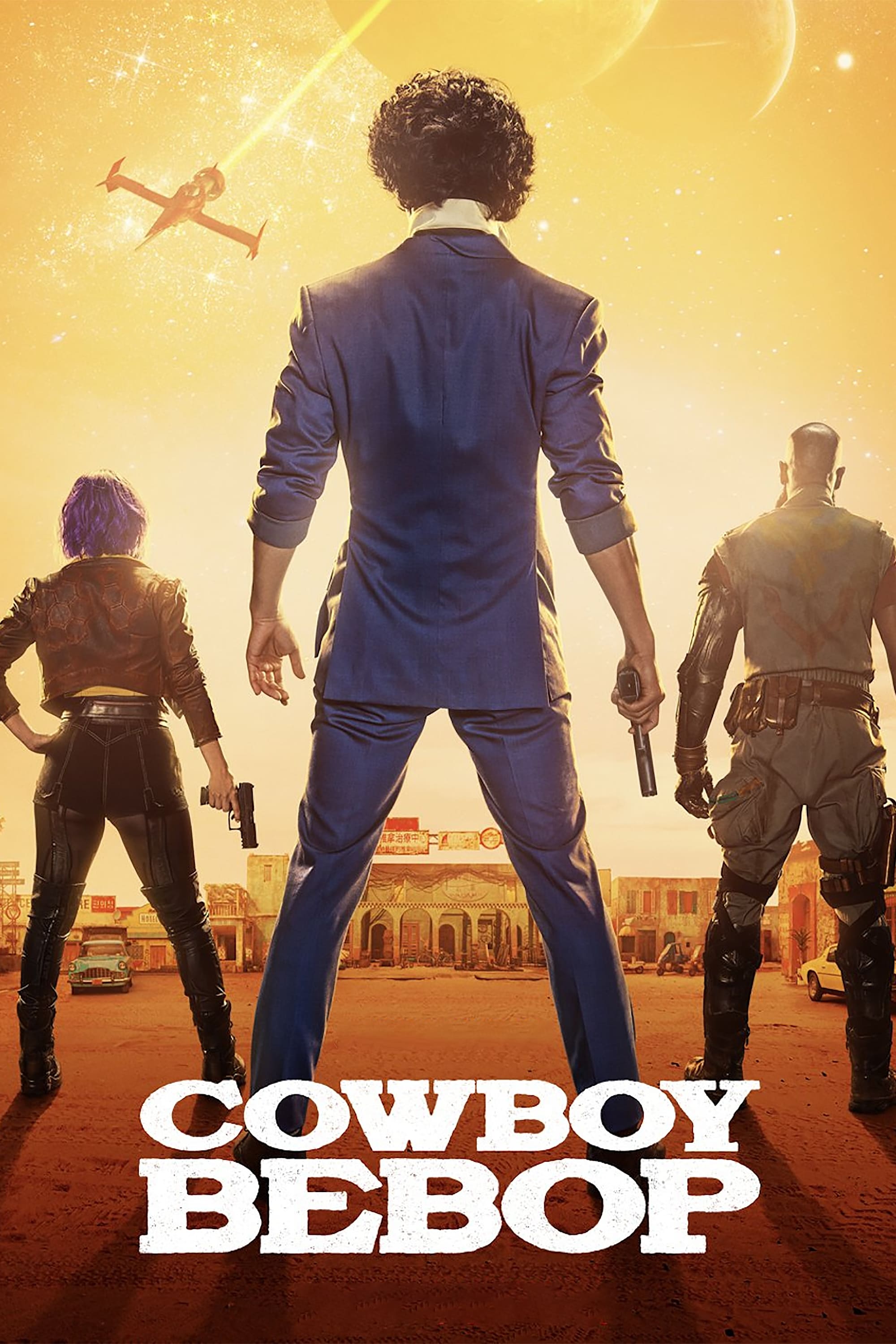
The live-action adaptation of the legendary anime tried to update the source material with snappy dialogue reminiscent of Marvel movies and social media edits. Fans of the original series criticized the tonal shift and the changes to character dynamics that felt catered to western internet sensibilities. The visual style attempted to mimic the quick cuts of music videos but resulted in a product that looked cheap to many viewers. The writing sacrificed the somber philosophical themes of the anime for quips and stylized violence designed for sharing online. Netflix cancelled the high-budget production less than a month after its release.
‘Generation’ (2021)
This dramedy aimed to portray the lives of high school students with an unfiltered look at modern identity and sexuality. Critics and audiences felt the show tried too hard to be provocative and ended up feeling like a checklist of Gen Z stereotypes. The heavy use of specific slang and fashion trends made the series feel more like a marketing presentation than a narrative story. Viewers struggled to find depth in characters that seemed to exist solely to represent different internet subcultures. HBO Max cancelled the show after one season as it failed to generate the critical acclaim of similar teen dramas.
‘Pretty Little Liars: Original Sin’ (2022–)
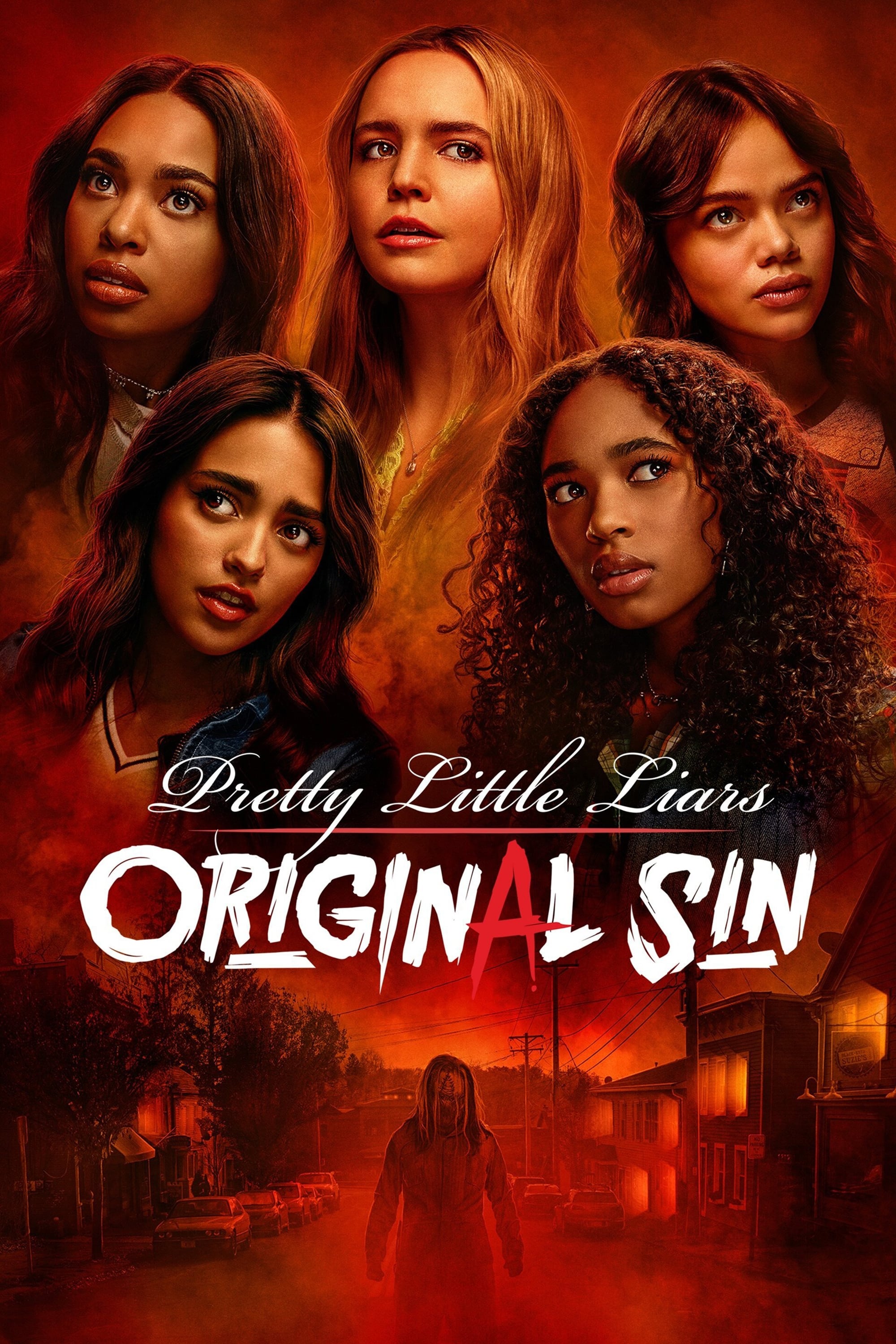
The reboot of the mystery series leaned heavily into slasher horror tropes while updating the setting for a supposedly modern teen audience. The characters frequently used therapy speak and social justice terminology in casual conversation which broke the immersion for many viewers. The writers attempted to integrate text messaging and social media bullying into the plot in ways that felt melodramatic and unrealistic. While the show received a second season the buzz significantly quieted as the novelty of the horror elements wore off. The reliance on current trends risks dating the show heavily in future rewatches.
‘Grease: Rise of the Pink Ladies’ (2023)
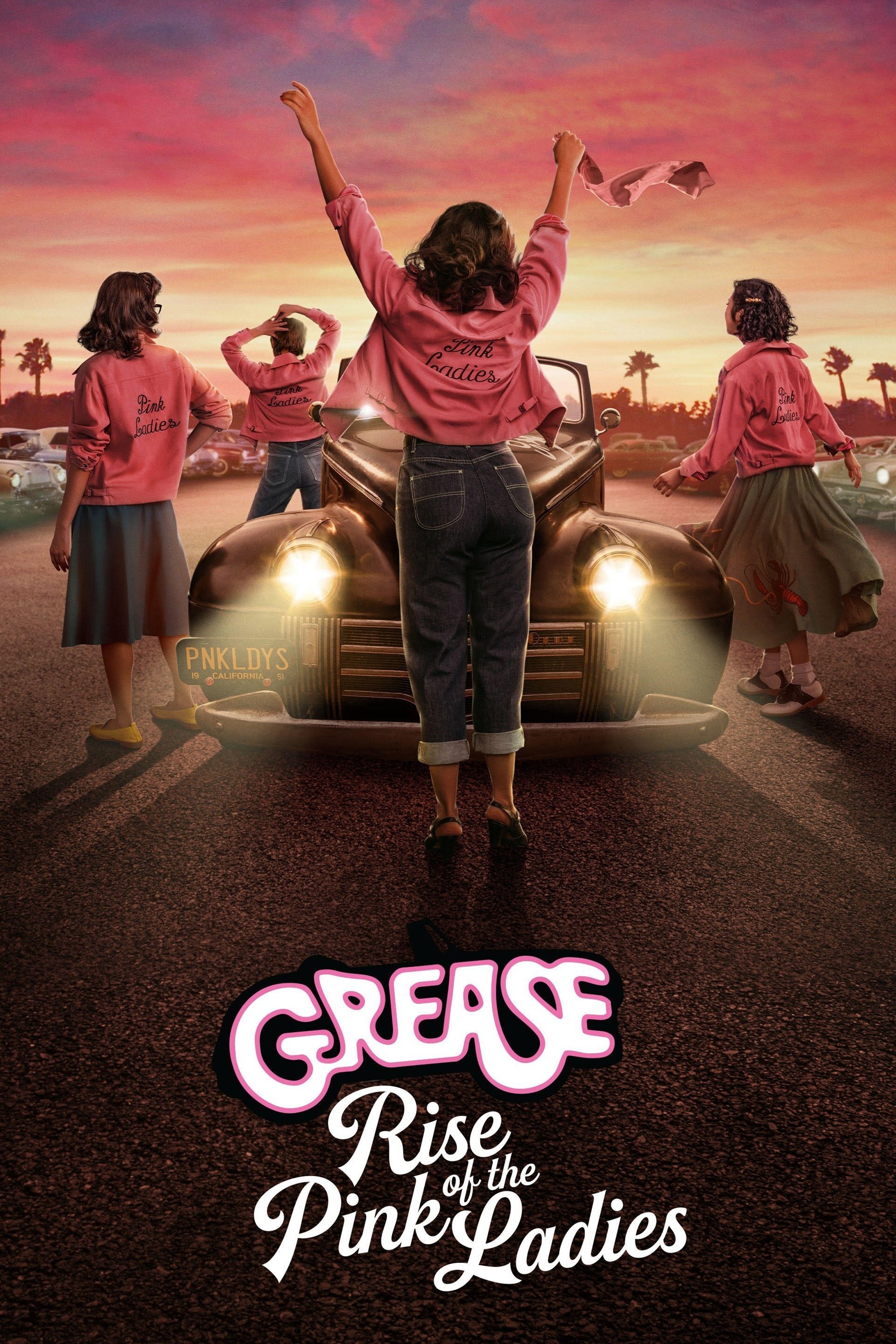
This musical prequel attempted to blend the 1950s setting with modern pop songs and contemporary social dialogue. The anachronistic approach confused audiences who wanted the nostalgic feel of the original movie rather than a modern teen drama in costumes. Musical numbers were staged like viral videos rather than traditional Broadway sequences which created a jarring disconnect. The show failed to find an audience among either the older generation of fans or the younger demographic it targeted. Paramount Plus removed the series from its library entirely as part of a content write-down strategy.
‘Willow’ (2022)
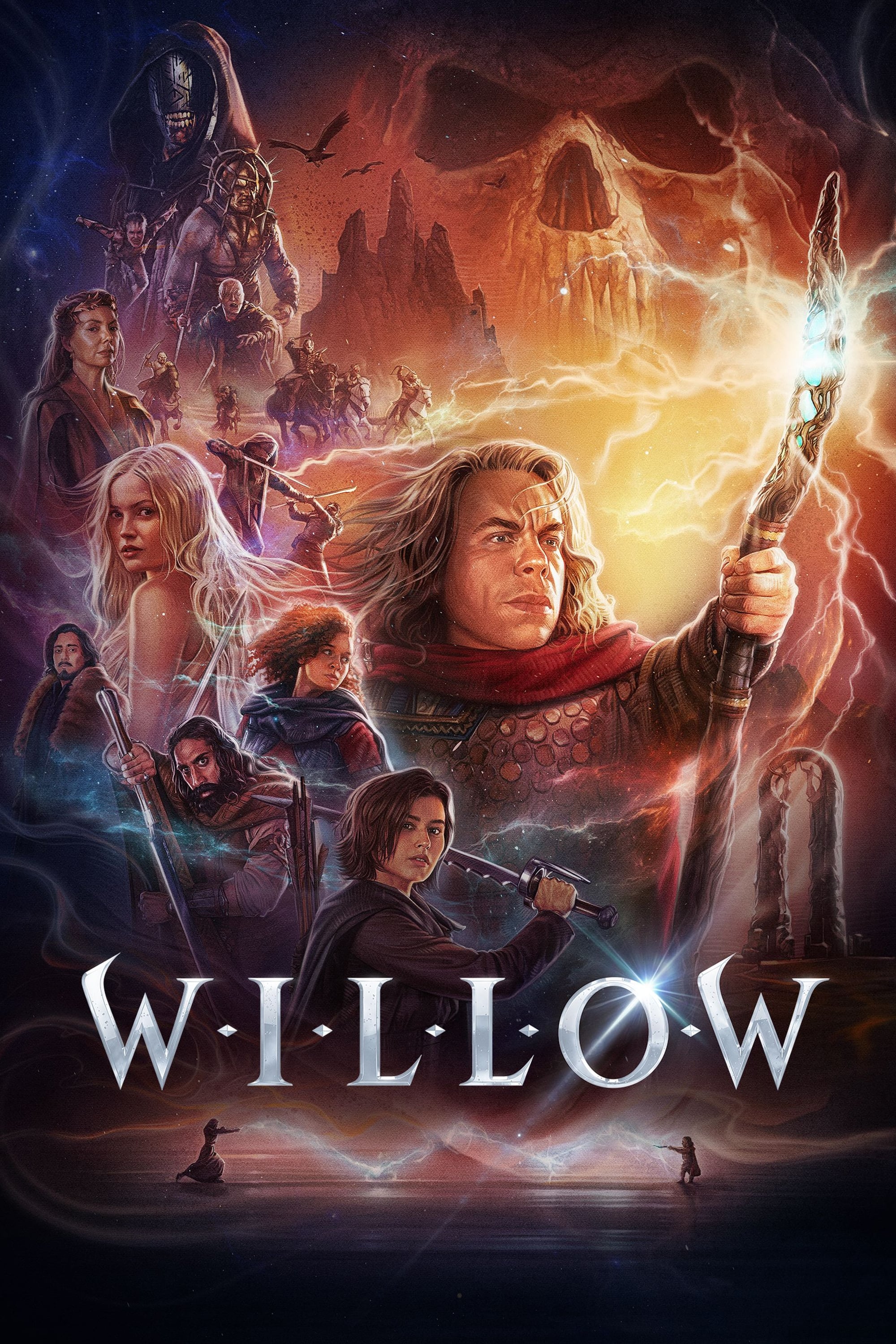
Disney attempted to revive the classic fantasy film as a series but updated the tone with modern vernacular and attitudes. Characters in the high fantasy setting spoke with contemporary American slang that completely undermined the world-building established in the original movie. The costuming and makeup also reflected modern fashion trends rather than a consistent medieval aesthetic. Fans of the original cult classic were vocal about their distaste for the modernization of the beloved universe. The series was cancelled after one season and subsequently removed from the streaming platform.
‘National Treasure: Edge of History’ (2022–2023)
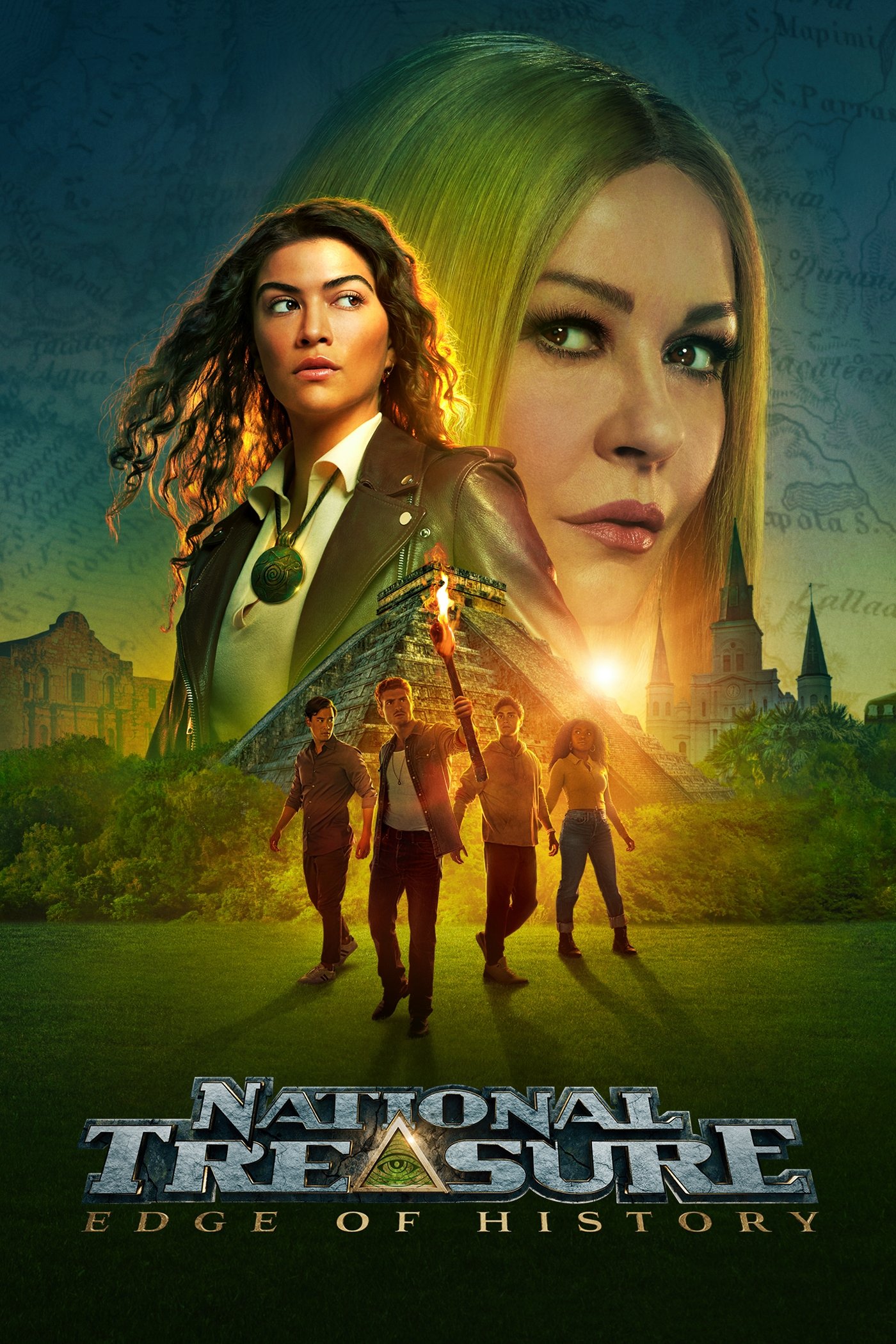
The television expansion of the adventure franchise replaced the history-loving protagonist with a younger cast focused on modern technology. The puzzles and mysteries often relied on smartphone capabilities and social media clues rather than historical knowledge. Viewers felt the show lacked the cinematic urgency of the films and pandered too hard to a younger demographic that was not interested in the franchise. The writing failed to capture the sense of wonder that made the movies successful and instead felt like a generic teen mystery. Disney Plus cancelled the series after just one season due to soft performance.
‘Head of the Class’ (2021)
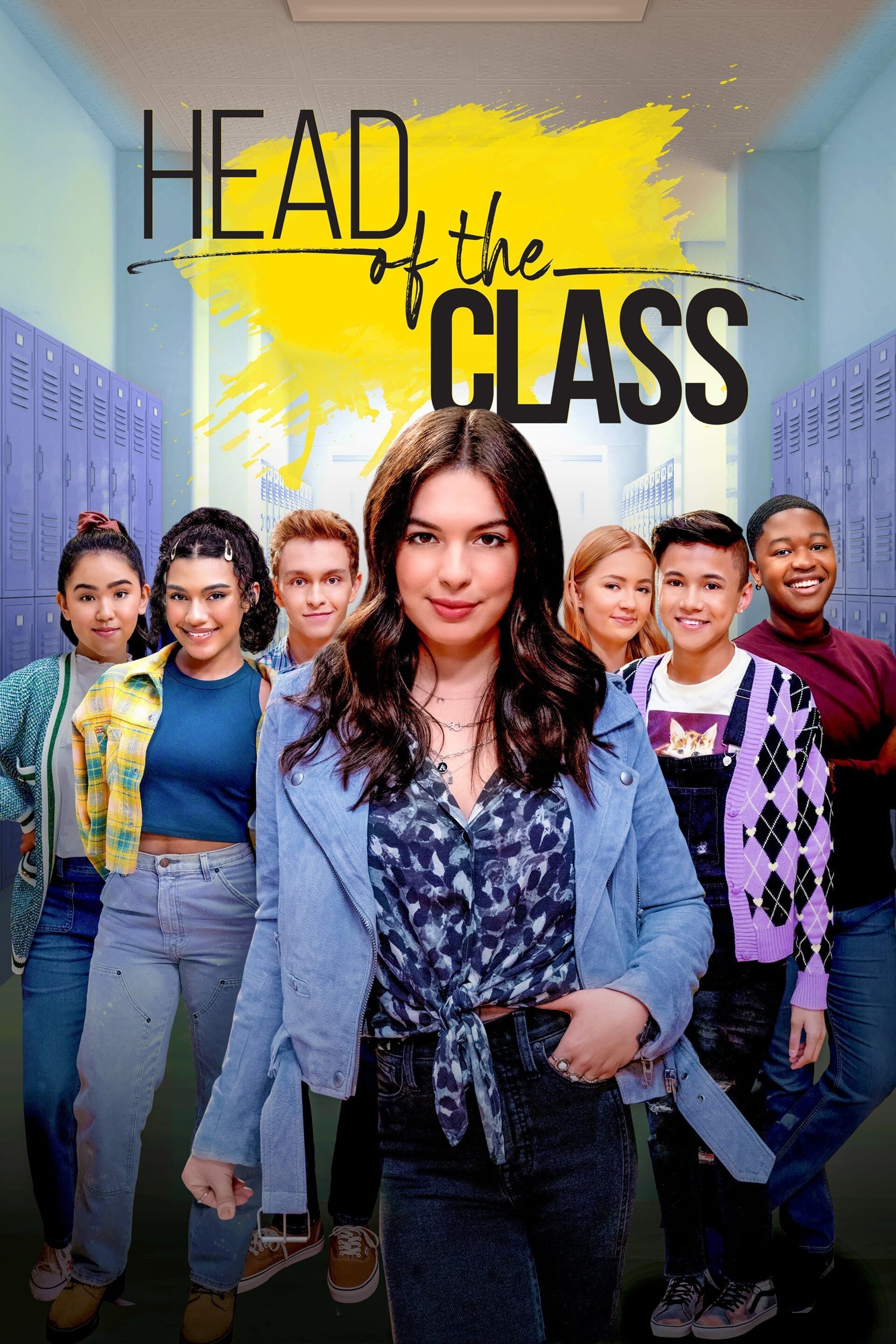
This sitcom reboot updated the 1980s concept by focusing on a group of overachieving students navigating high school in the digital age. The jokes relied heavily on references to specific apps and internet behaviors that failed to land with a general audience. The show lacked the distinct personalities of the original ensemble and replaced them with broad archetypes of modern teens. The attempt to make the classroom setting feel current resulted in a show that felt artificial and disconnected from real school experiences. HBO Max cancelled the series after the first season and scrubbed it from the service.
‘iCarly’ (2021–2023)
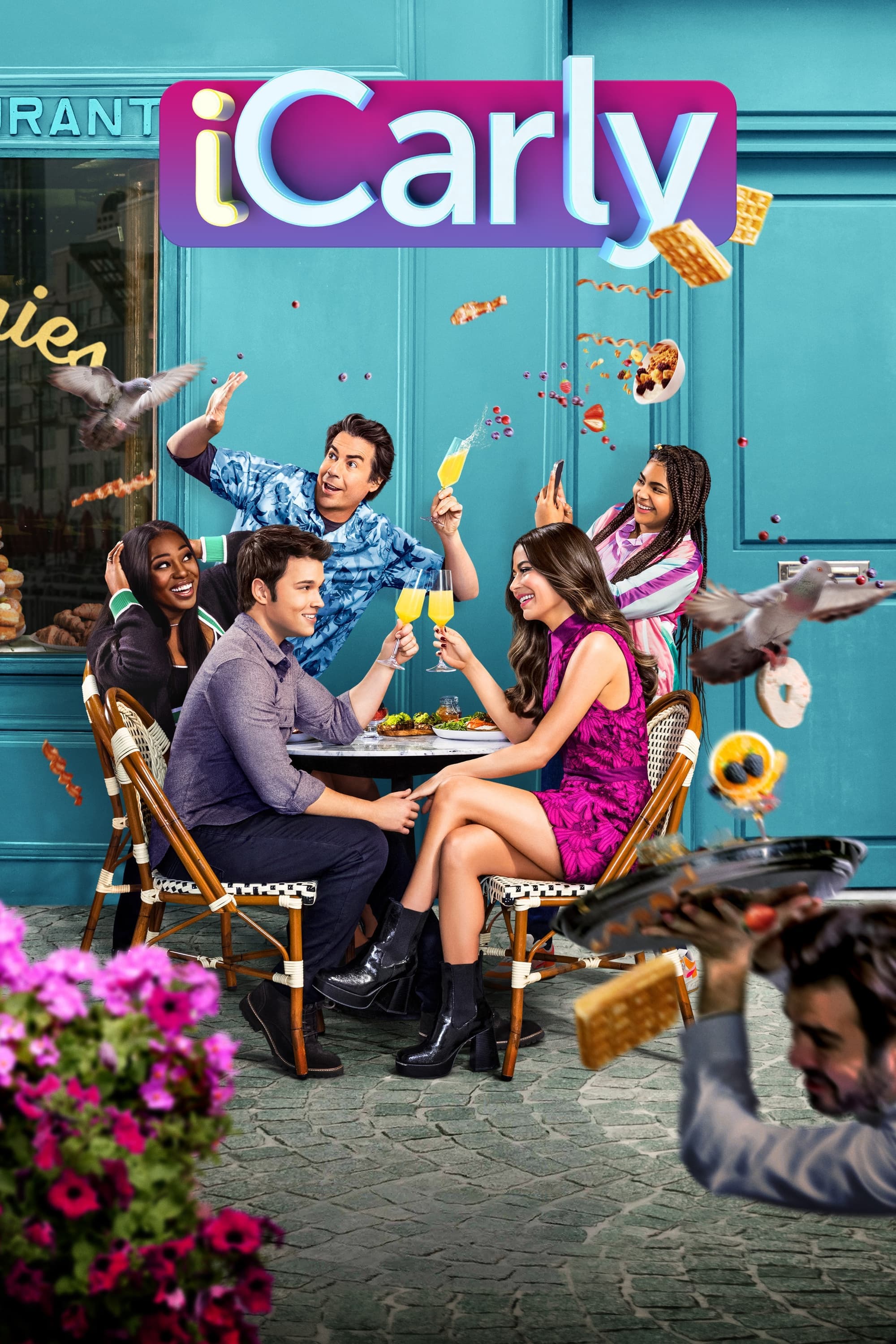
The revival of the Nickelodeon hit acknowledged the passage of time by making the main character a full-time social media influencer. While the show started with strong nostalgia viewership it struggled to maintain momentum as it focused on the minutiae of content creation. The plots often revolved around the specific mechanics of internet fame which alienated casual viewers who just wanted a sitcom. The humor attempted to be more adult but often fell into the trap of using dated internet slang. Paramount Plus eventually cancelled the revival leaving the show on a cliffhanger.
‘Saved by the Bell’ (2020–2021)
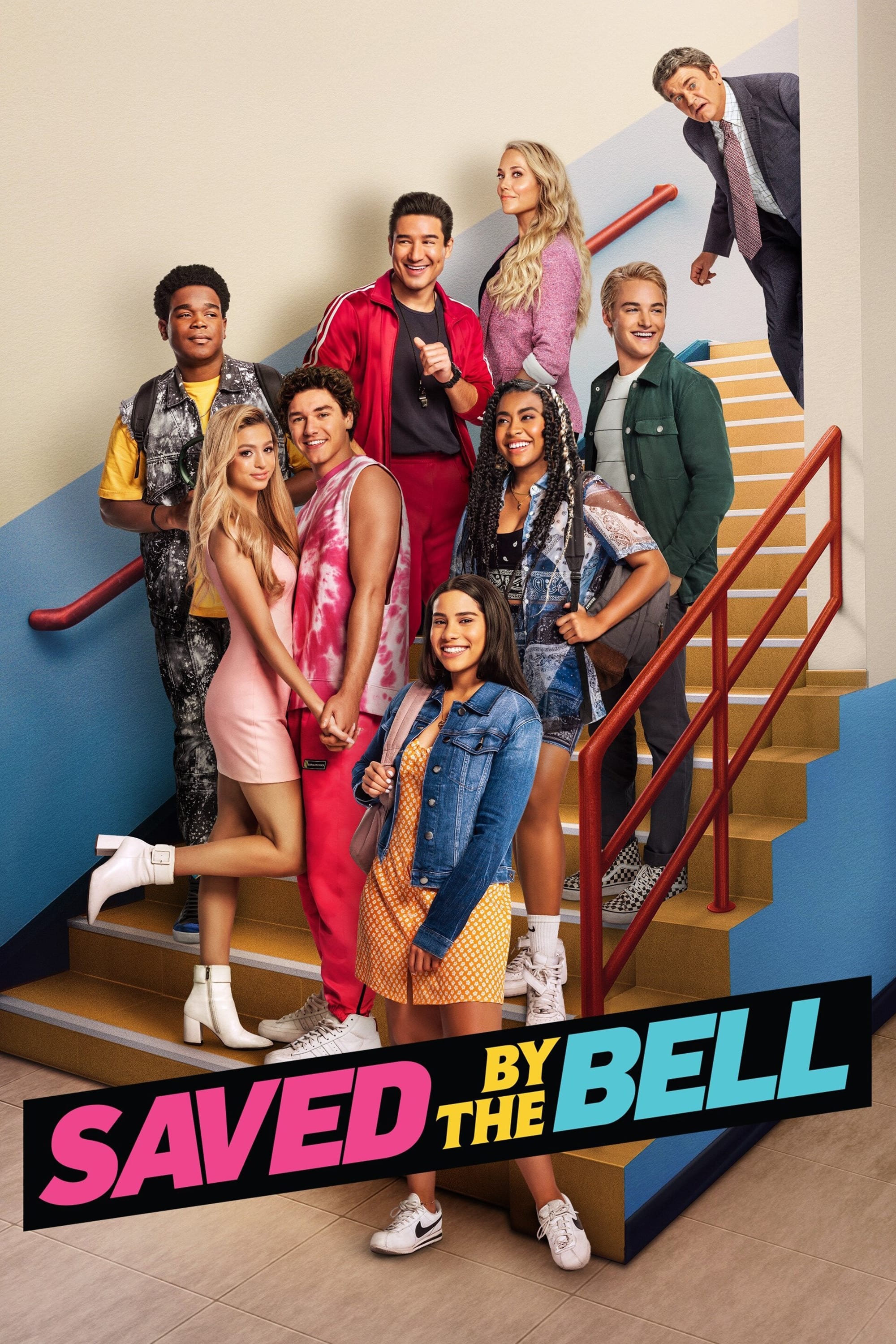
This reboot took a meta-approach to the original series by poking fun at the cheesy tropes and problematic elements of the 90s show. The humor was dense with pop culture references and irony that required a deep knowledge of internet discourse to appreciate. While critics initially praised the sharp writing the general audience found the constant cynicism exhausting. The show struggled to balance the nostalgia factor with its desire to be a modern satire of teen sitcoms. Peacock cancelled the series after two seasons as it failed to broaden its appeal beyond the initial curiosity.
‘Q-Force’ (2021)
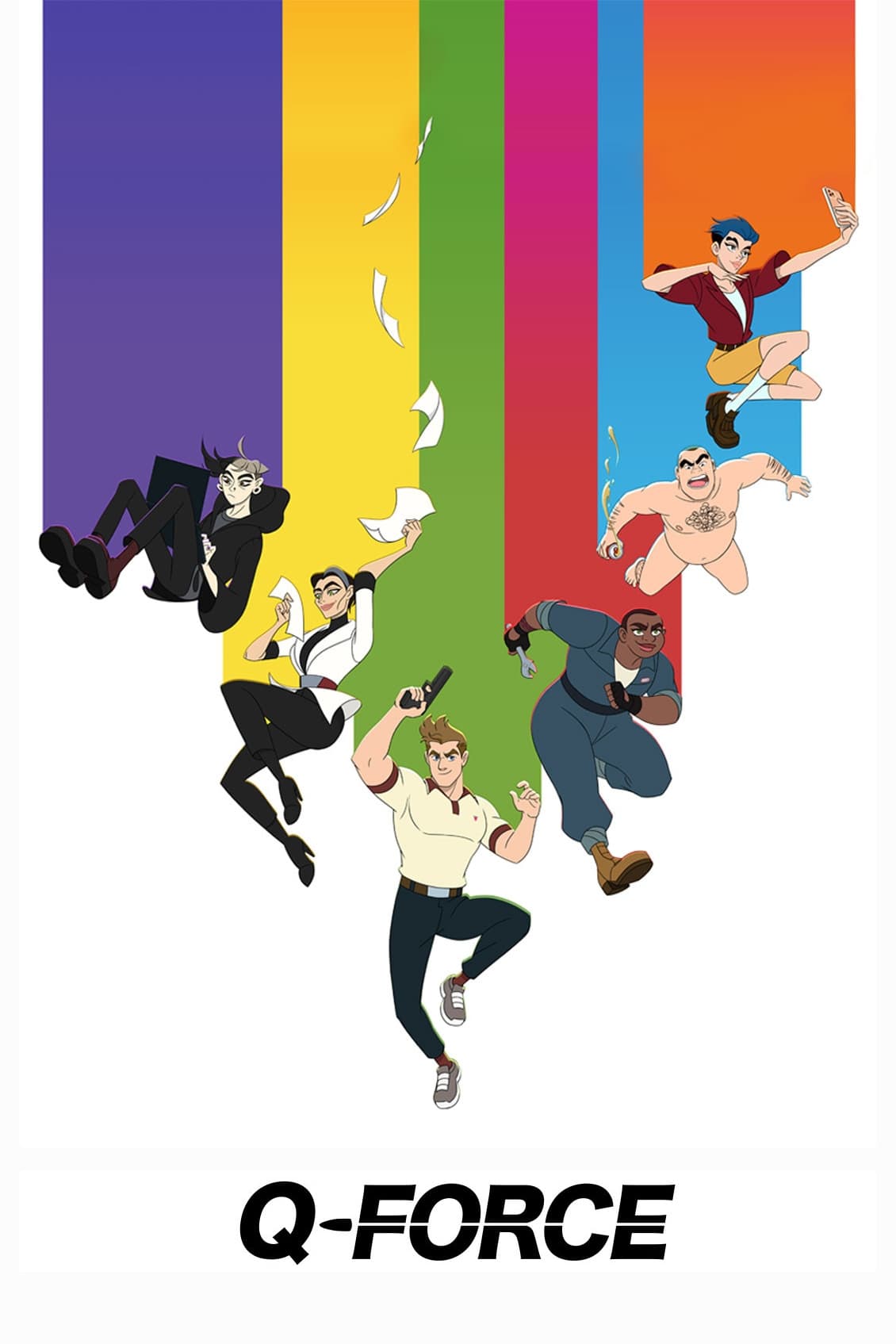
This animated spy comedy attempted to reclaim queer stereotypes through a lens of modern internet humor and adult animation tropes. The initial trailer was met with severe backlash for its reliance on dated slang and pandering jokes that felt insulting to the community it tried to represent. The actual show struggled to overcome this negative first impression despite attempts to add depth to the characters. The writing felt like it was trying to force meme formats rather than telling a compelling espionage story. Netflix quietly cancelled the series after one season without much fanfare.
‘Partner Track’ (2022)

This legal drama tried to balance high-stakes corporate law with the aesthetics of a romantic comedy and social media fashion trends. The protagonist frequently broke the fourth wall in a way that felt derivative of other popular shows without adding anything new. The plot incorporated diversity and inclusion topics in a way that felt corporate and safe rather than genuine or challenging. Viewers criticized the lack of chemistry between leads and the superficial treatment of the legal cases. Netflix declined to renew the series after the first season failed to meet viewership targets.
Share your thoughts on which show tried too hard to be trendy in the comments.