


TV Shows That Let Black Queer Characters Be Messy, Funny, and Flawed

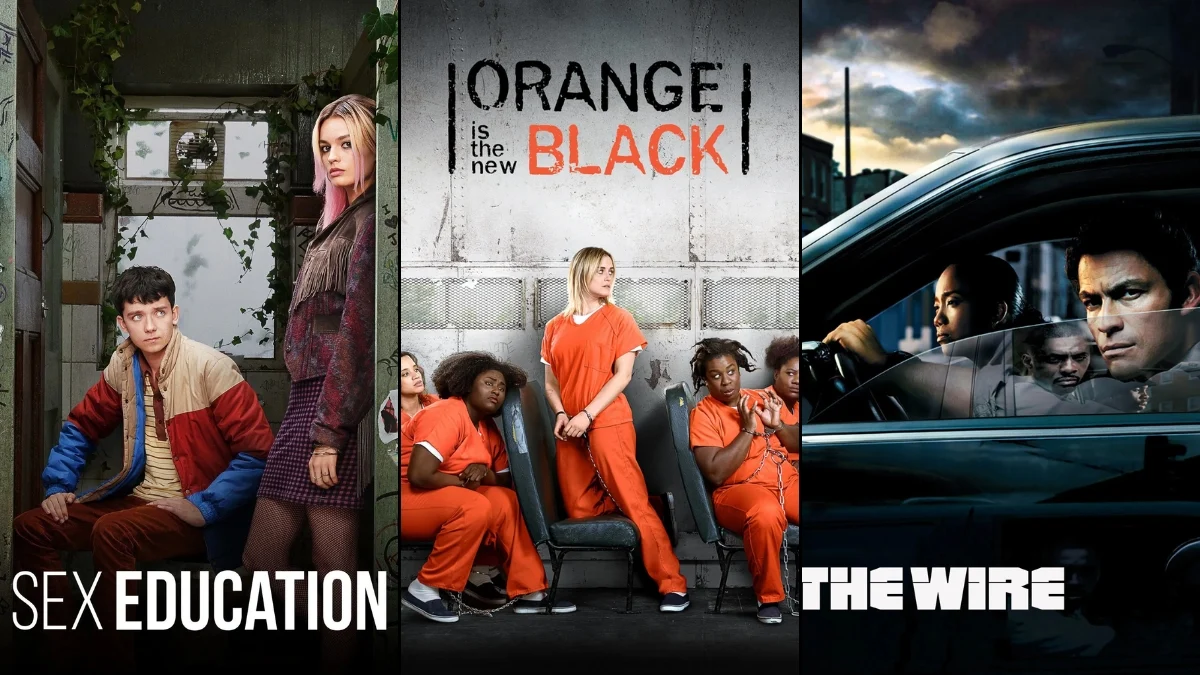


Television has evolved significantly in its representation of LGBTQ+ identities over the last two decades by embracing complex narratives. Modern storytelling now acknowledges that Black queer characters deserve to be just as imperfect and multifaceted as their straight counterparts. These shows move beyond simple tropes to explore lives filled with ambition and failure alongside joy and heartbreak. Audiences find a deep connection with these figures because they reflect the messy truth of the human experience. The following series highlight some of the most compelling examples of this vital shift in media.
‘The Wire’ (2002–2008)
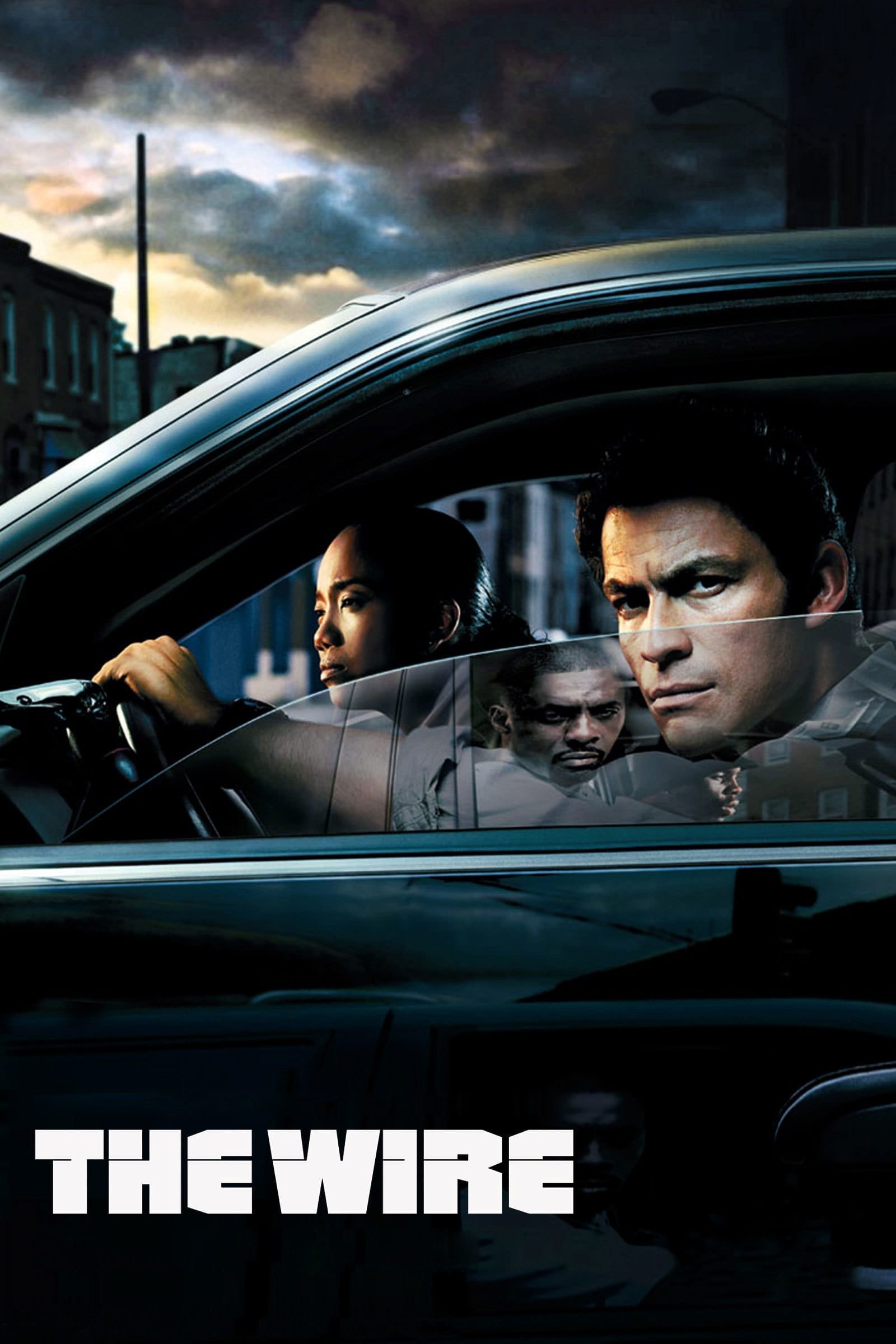
Omar Little remains one of the most iconic characters in television history for his role as a stick-up man who targets drug dealers. He lives by a strict moral code despite his violent profession and navigates the streets of Baltimore with fearless precision. The show depicts his homosexuality as just one facet of his character rather than his defining trait. Writers gave him depth through his tender relationships and the tragic losses he endures throughout the series. His presence challenges hyper-masculine stereotypes within the crime drama genre.
‘True Blood’ (2008–2014)

Lafayette Reynolds serves as a charismatic short order cook and medium who refuses to compromise his identity for anyone. He navigates the supernatural chaos of Bon Temps with wit and a sharp tongue that often lands him in trouble. The series expands his role significantly from the books to explore his vulnerability and resilience in the face of danger. Viewers love him for his flashy style and his intense loyalty to his friends and family. He stands out as a survivor who manages to find humor even in the darkest situations.
‘Orange Is the New Black’ (2013–2019)

Poussey Washington and Suzanne Warren offer two distinct portrayals of Black queer women navigating life within the prison system. Poussey brings intelligence and a hopeless romantic spirit to Litchfield while dealing with the harsh realities of incarceration. Suzanne battles mental health struggles with a creative mind that is often misunderstood by those around her. The show allows both women to make mistakes and seek redemption in an environment that constantly dehumanizes them. Their storylines emphasize the importance of finding love and community in the most unlikely places.
‘How to Get Away with Murder’ (2014–2020)
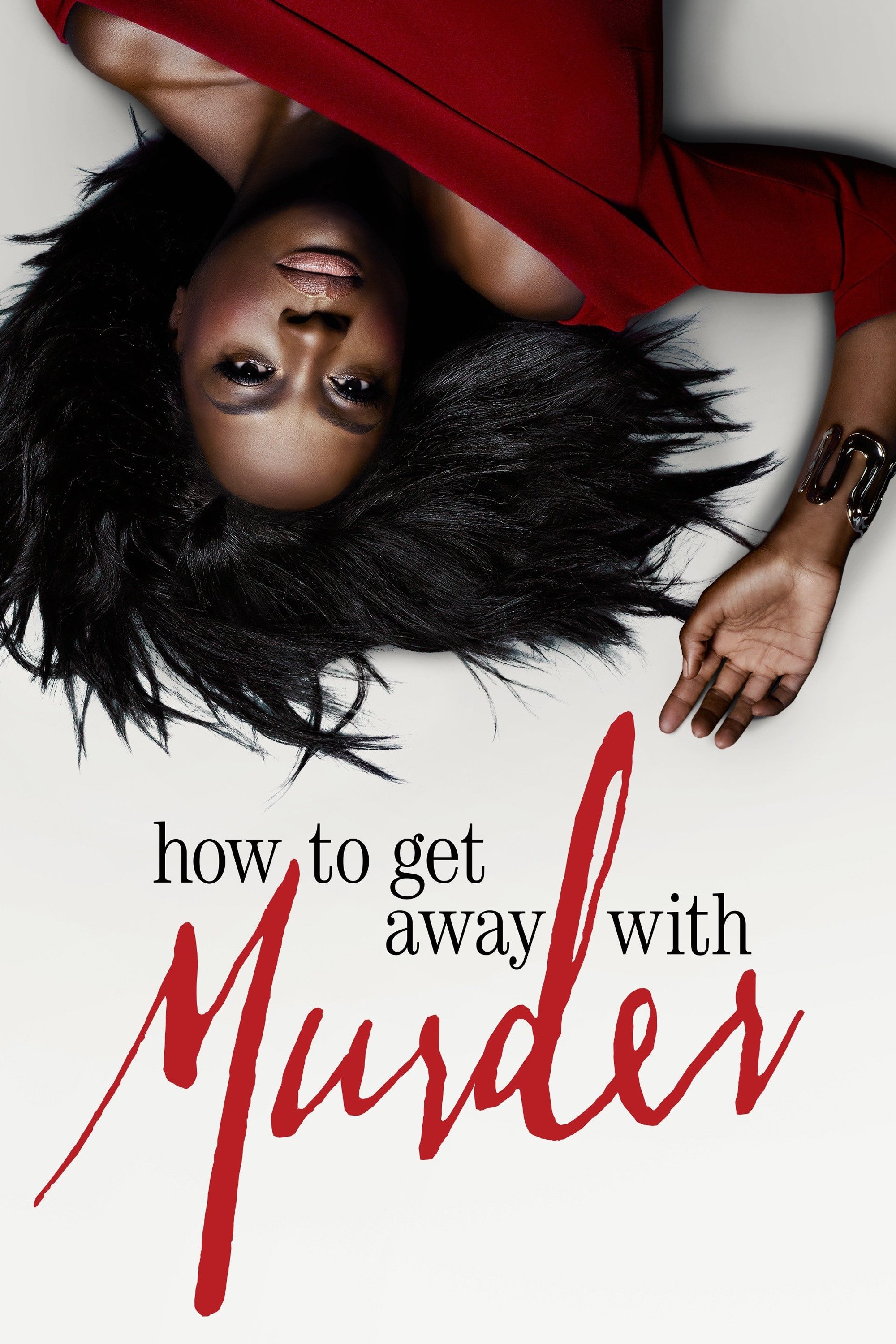
Annalise Keating dominates the screen as a brilliant defense attorney and law professor with a chaotic personal life. She identifies as bisexual and navigates a series of intense relationships that often complicate her professional ethics. The series peels back her tough exterior to reveal a woman grappling with trauma and addiction. Her messy decisions drive much of the plot and showcase a character who is powerful yet deeply flawed. Viola Davis delivers a performance that creates a raw and human portrait of a woman on the edge.
‘Master of None’ (2015–2021)

Denise acts as the cool and collected best friend who eventually gets her own spotlight to explore her identity. The show dedicates entire episodes to her journey of coming out to her family and navigating long-term relationships. She is allowed to be stubborn and drift through life without having all the answers. The third season shifts focus entirely to her marriage and the struggles of domestic life in the countryside. Her narrative provides an honest look at the difficulties of sustaining love and personal growth.
‘Empire’ (2015–2020)
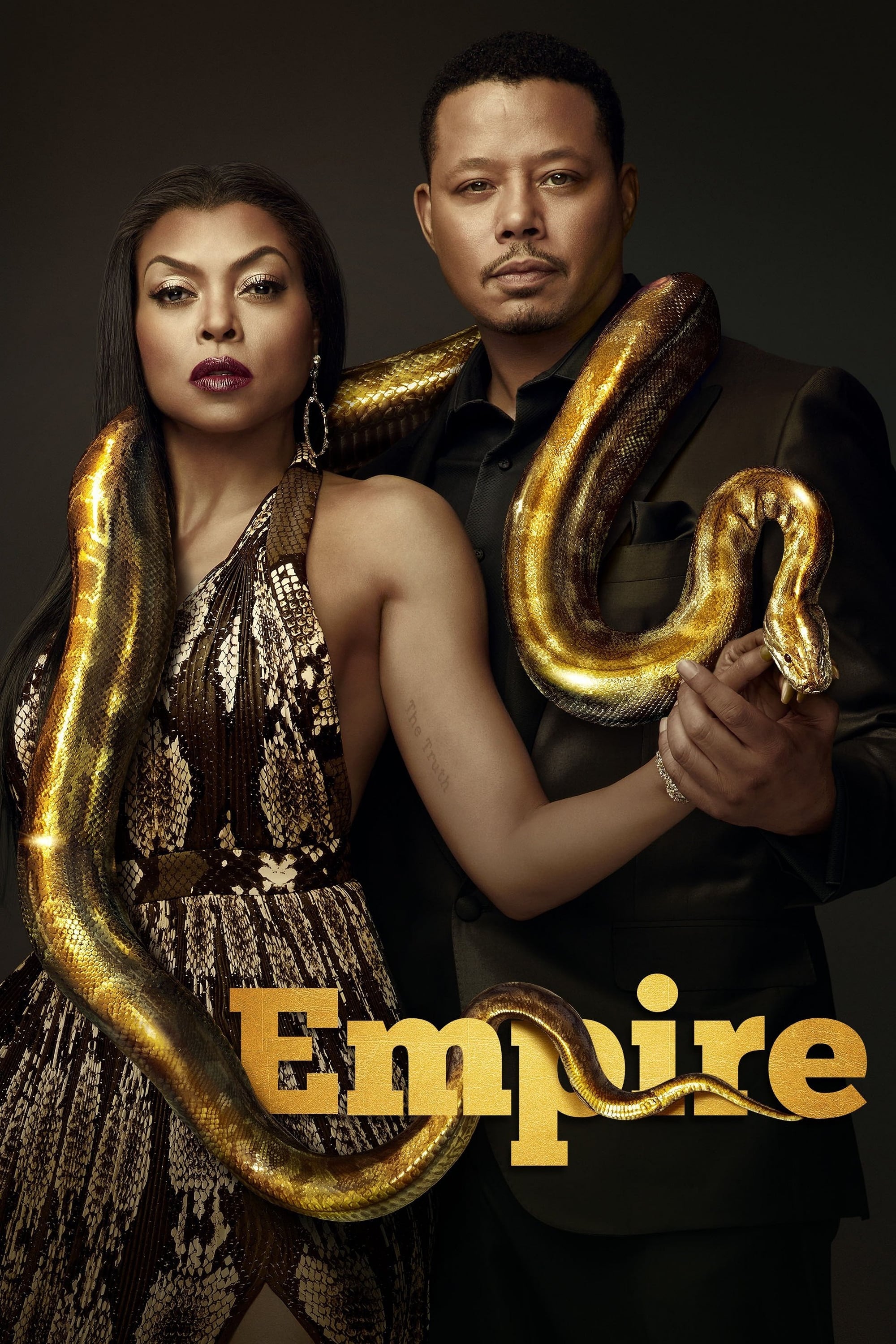
Jamal Lyon faces the immense pressure of being a musical prodigy in a hip-hop dynasty while living as a gay man. He constantly battles for his father’s approval while trying to maintain his artistic integrity. The drama follows his tumultuous romantic life and his sometimes ruthless ambition to lead the family company. Jamal makes questionable choices that prove he is just as calculating as the rest of his family. His journey highlights the intersection of fame and identity in the public eye.
‘Insecure’ (2016–2021)
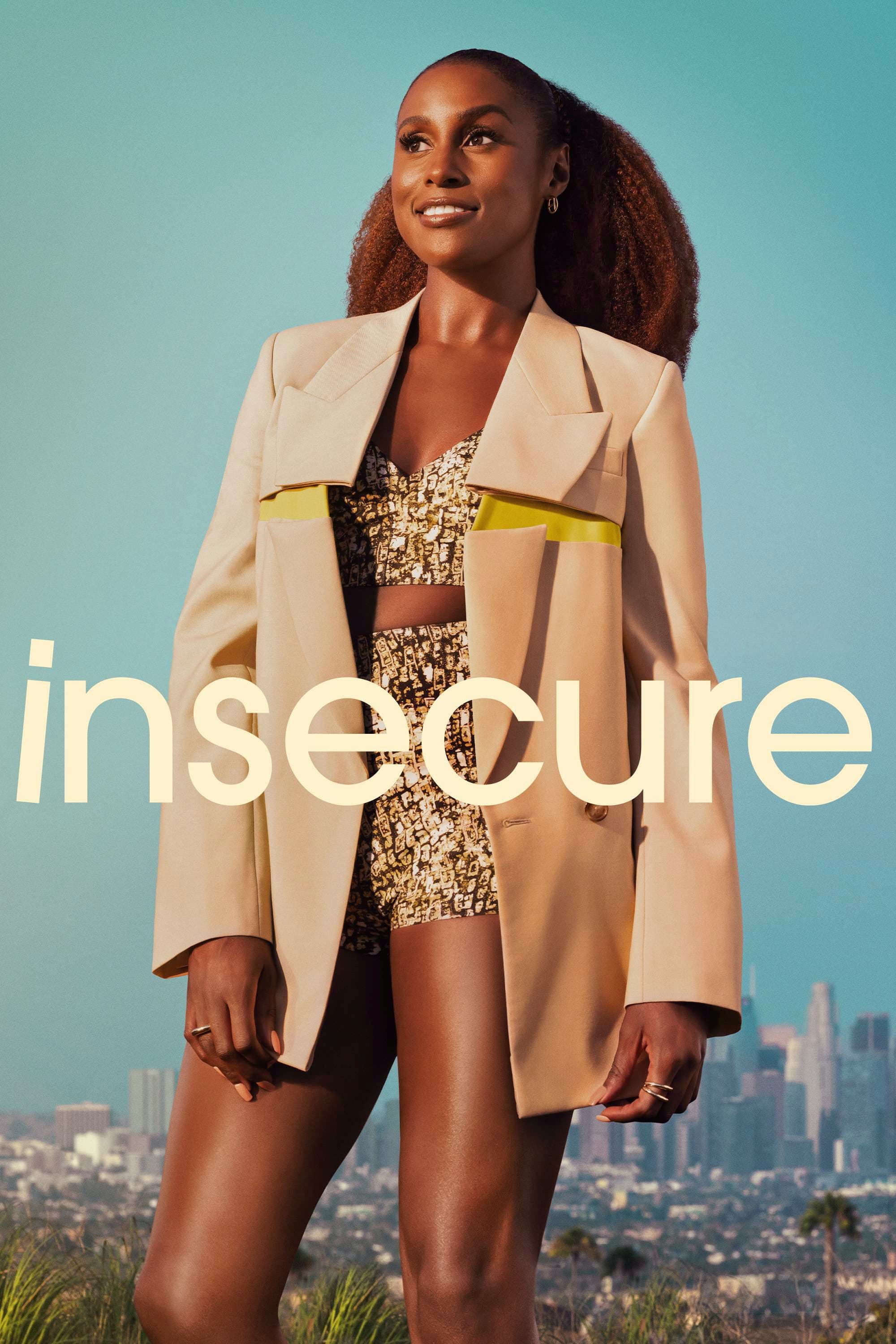
Ahmal Dee provides biting comic relief as a friend who is never afraid to speak his mind. He navigates the Los Angeles dating scene with high standards and a low tolerance for nonsense. The writers allow him to be petty and judgmental without reducing him to a villainous caricature. His interactions with his family and friends reveal a loyal person underneath the sarcastic exterior. He represents a refreshing portrayal of a Black gay man who is secure in himself and unapologetically blunt.
‘Atlanta’ (2016–2022)
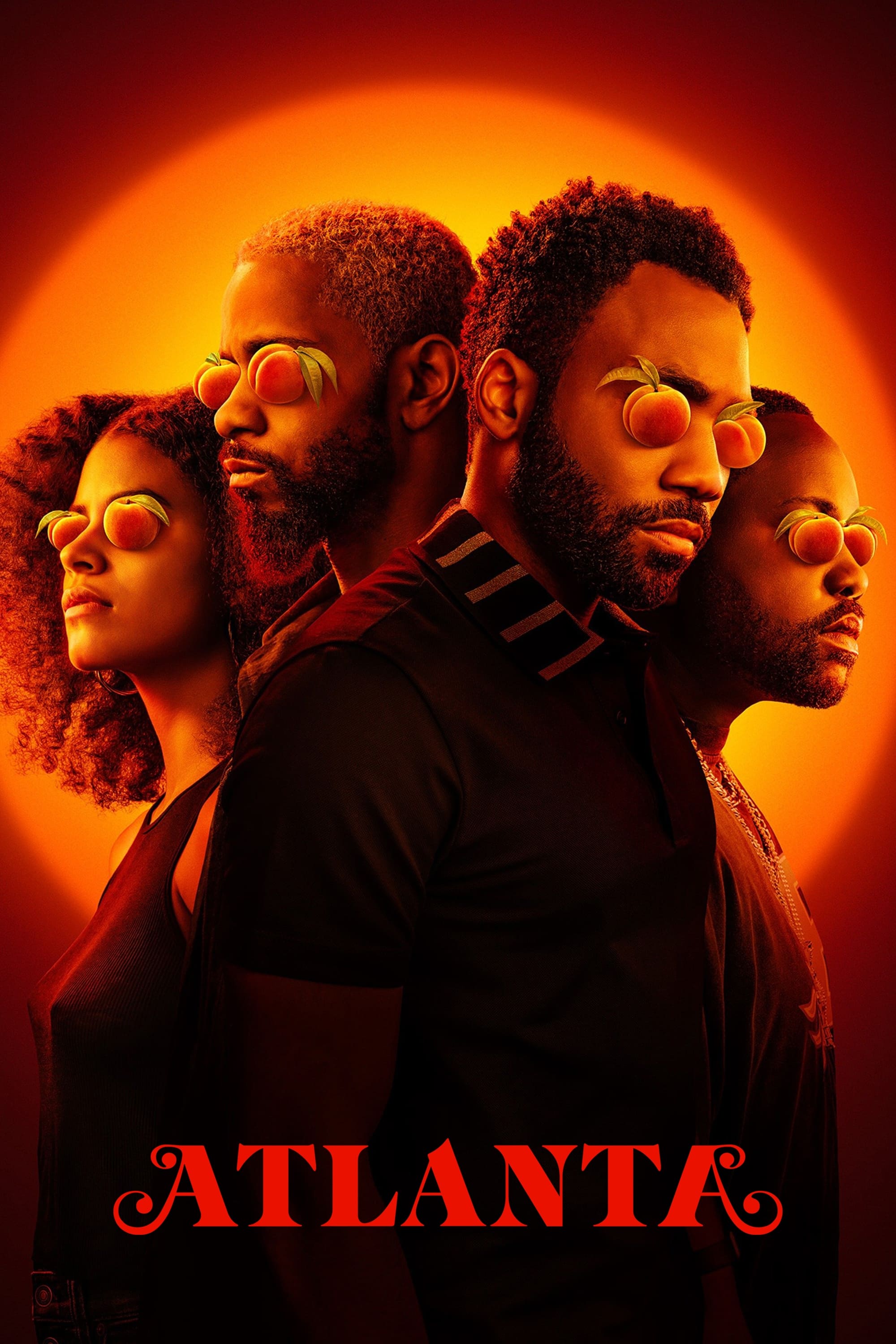
The show approaches queer themes with a surreal and often subtle touch that fits its unique atmosphere. Characters encounter situations that challenge their perceptions of masculinity and identity within the hip-hop scene. Specific episodes dive into the hidden lives of figures who grapple with societal expectations and personal desires. The narrative refuses to offer easy answers or moral lessons regarding the complex lives of its subjects. This approach creates a space where ambiguity and human flaw are central to the storytelling.
‘Dear White People’ (2017–2021)
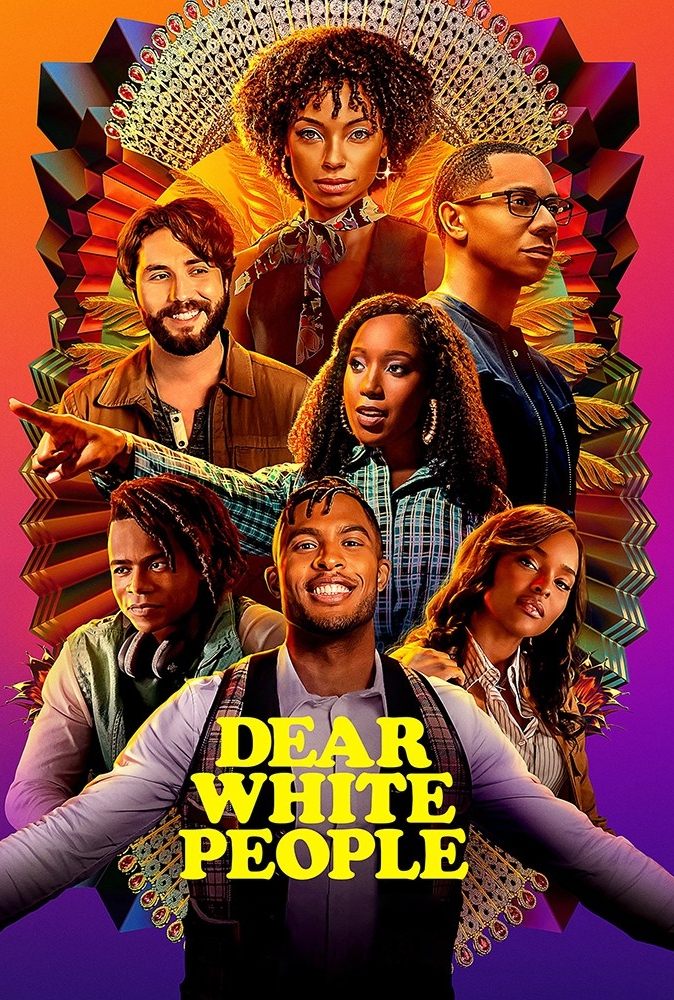
Lionel Higgins starts as a shy student journalist who slowly uncovers his sexuality and his voice on a polarized college campus. He navigates the messy world of dating while trying to expose secret societies and institutional bias. The series allows him to be awkward and make socially clumsy mistakes as he grows into his confidence. His journey is one of self-discovery that feels grounded in the confusing reality of young adulthood. Lionel proves that introverts can be powerful agents of change despite their insecurities.
‘She’s Gotta Have It’ (2017–2019)
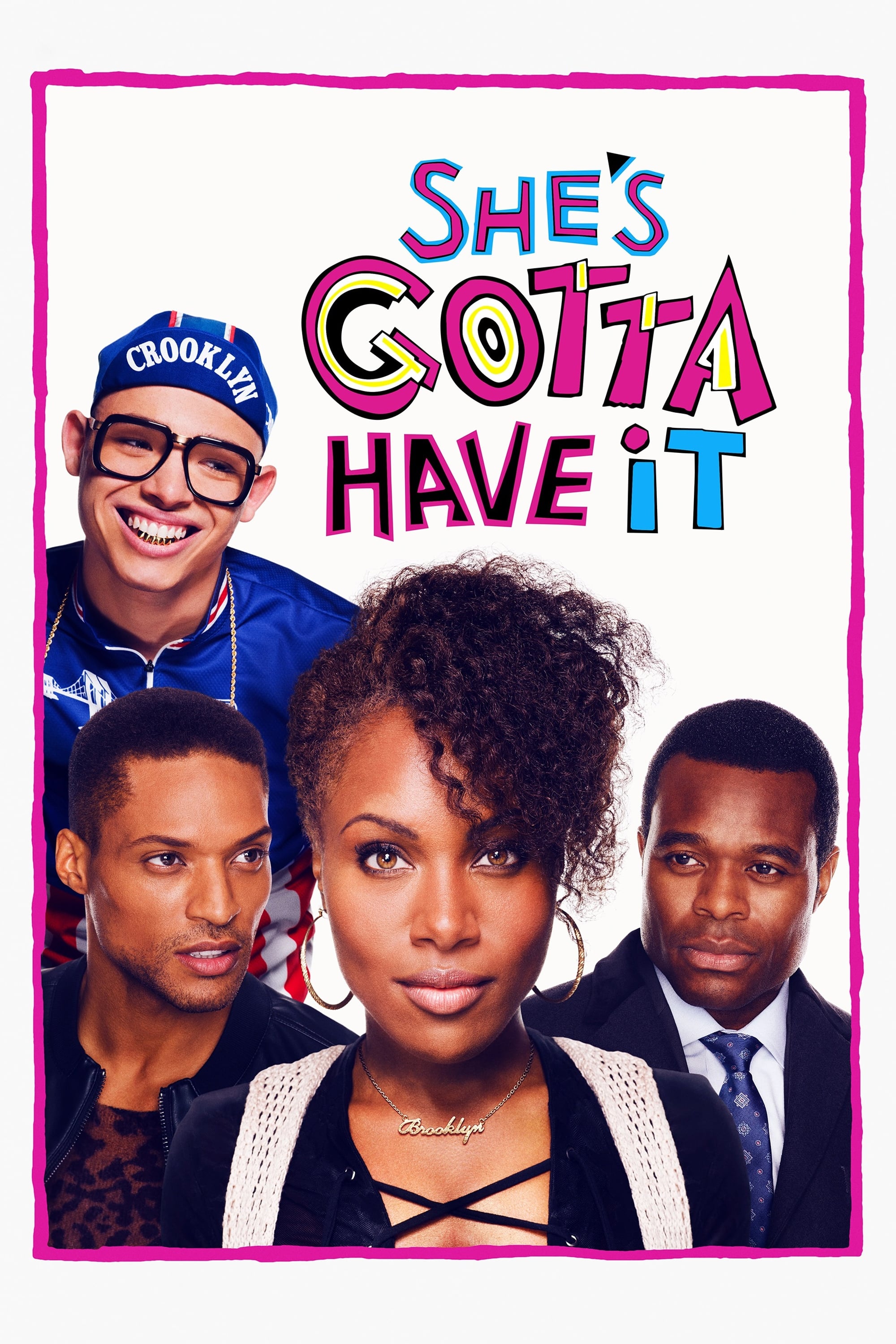
Nola Darling identifies as a pansexual artist who refuses to be labeled or owned by any of her lovers. She juggles multiple relationships while trying to maintain her independence and further her career in Brooklyn. The show portrays her as impulsive and sometimes selfish in her pursuit of freedom and self-expression. Her messy love life serves as the catalyst for her artistic breakthroughs and personal realizations. Nola embodies the struggle to define oneself on one’s own terms in a world that demands conformity.
‘Black Lightning’ (2018–2021)
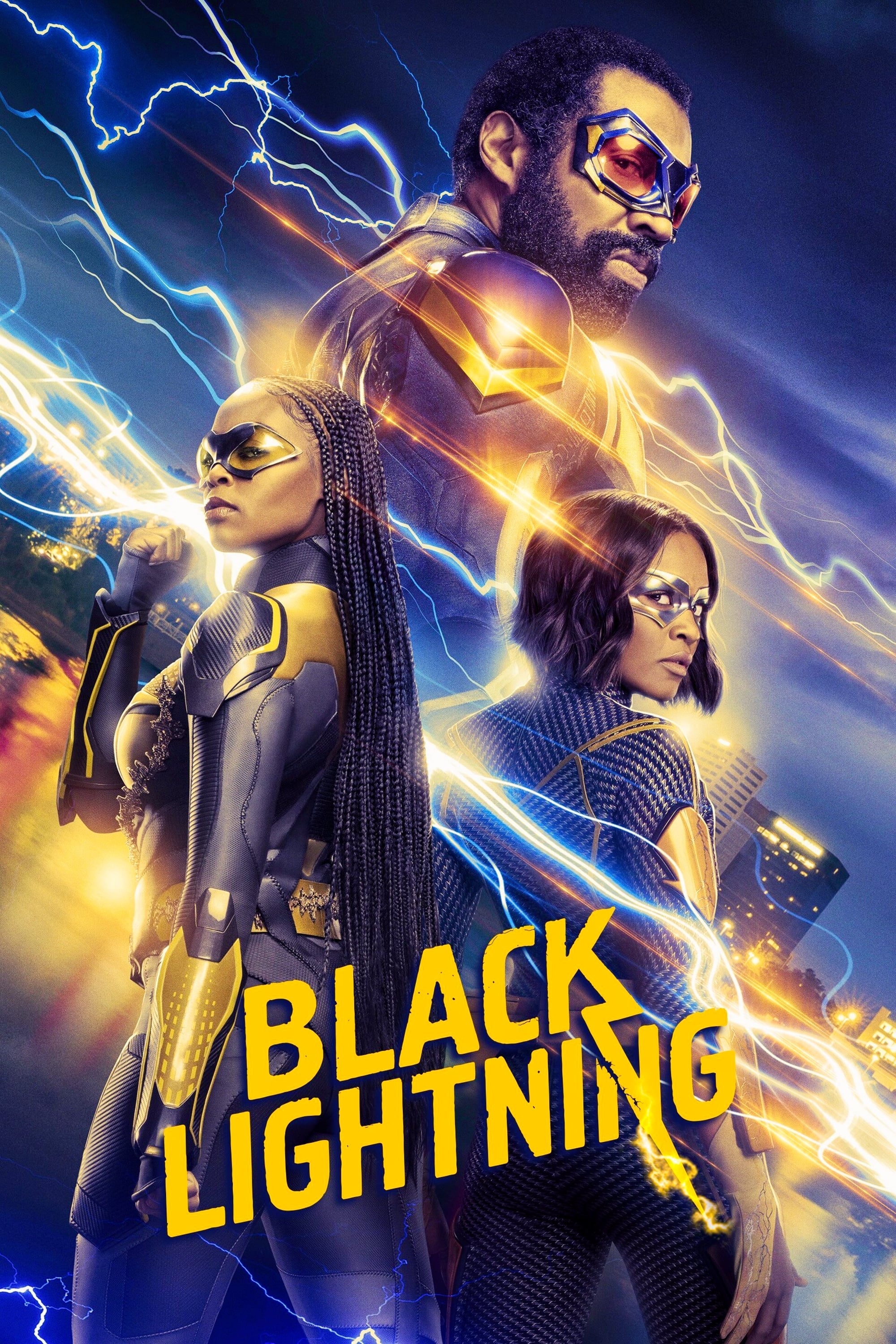
Anissa Pierce balances her life as a medical student and activist with her secret identity as the superhero Thunder. She identifies as a lesbian and navigates a serious relationship while fighting crime on the streets of Freeland. The show depicts her as headstrong and occasionally reckless when she believes she is doing the right thing. Her flaws often stem from her intense passion and desire to protect her community at any cost. Anissa breaks the mold by being a powerful physical force who is also emotionally vulnerable.
‘Pose’ (2018–2021)
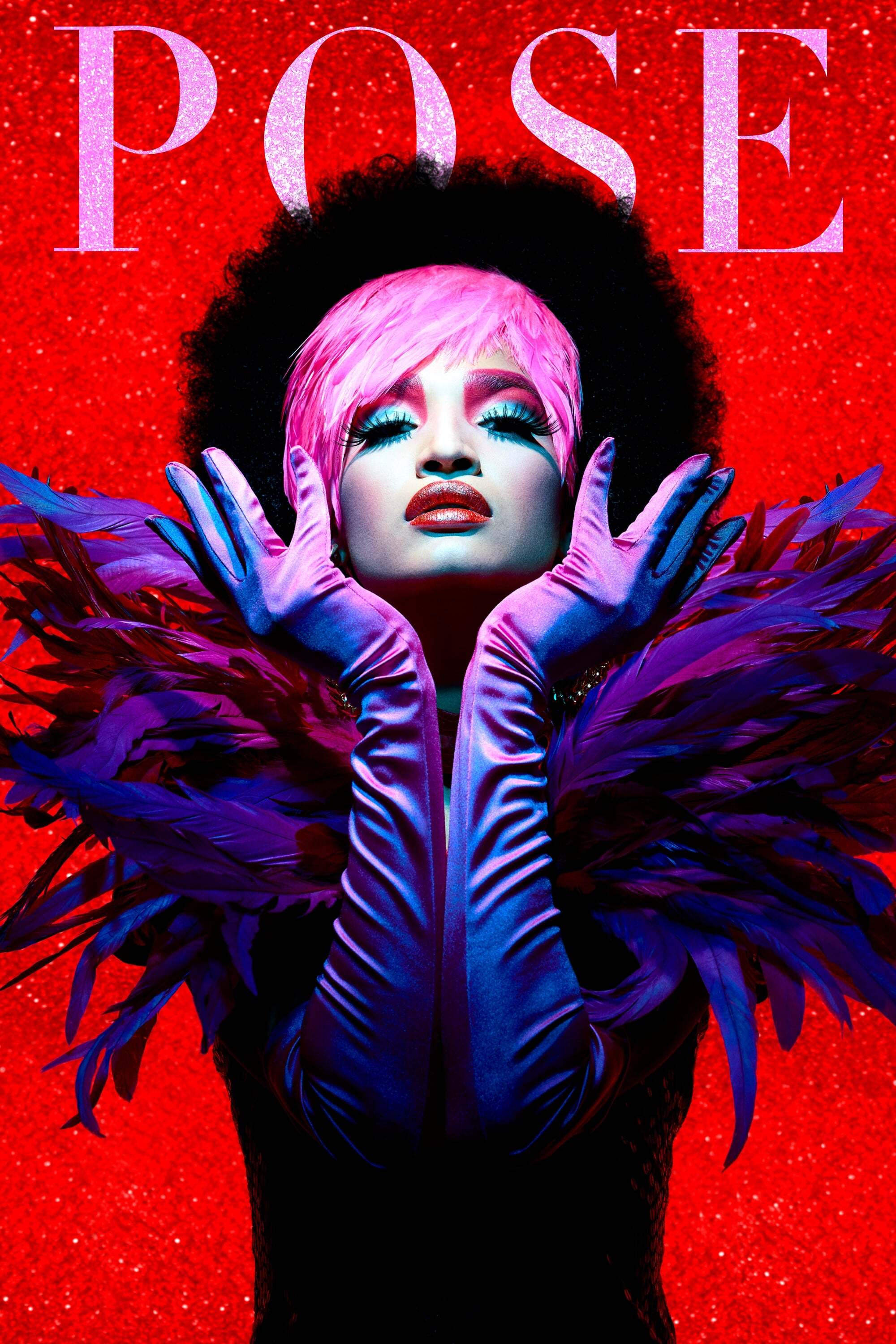
Blanca Evangelista and Pray Tell lead a cast of characters who form their own families within the New York ballroom scene. The series explores their triumphs and failures as they navigate the HIV/AIDS crisis and transphobia. Characters are allowed to be petty and competitive while still showing immense love for one another. They make desperate choices to survive and achieve their dreams of stardom and acceptance. The show celebrates their resilience without shying away from the harsh realities they face.
‘All American’ (2018–Present)
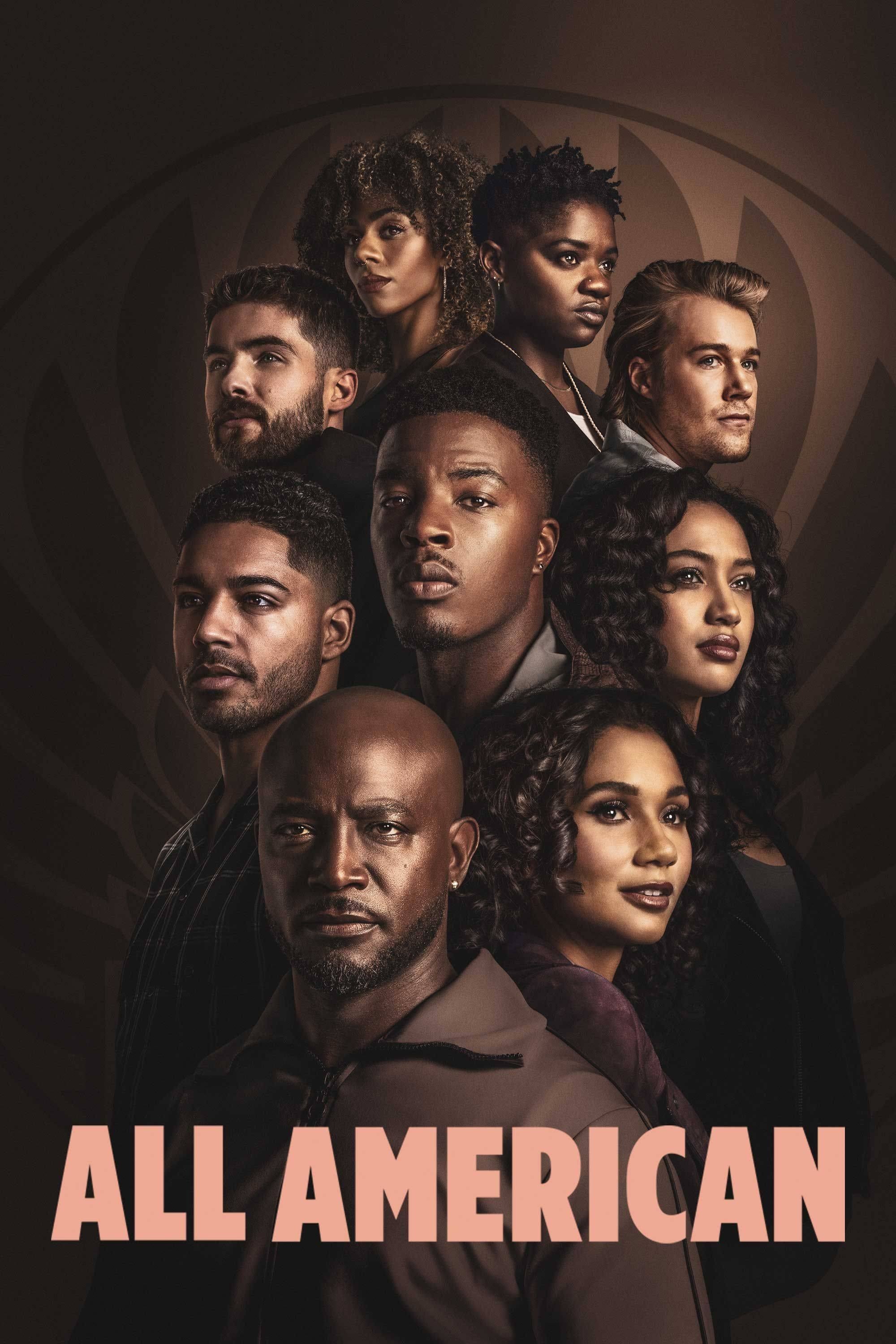
Tamia Cooper navigates the gang violence of Crenshaw while pursuing her dreams of a music career. She is openly gay and fiercely protective of her best friend Spencer as their lives take different paths. The series shows her making dangerous decisions that sometimes put her loved ones at risk. Her stubborn nature is both her greatest strength and her most significant weakness. Coop represents the struggle to escape one’s circumstances while staying true to one’s roots.
‘Sex Education’ (2019–2023)
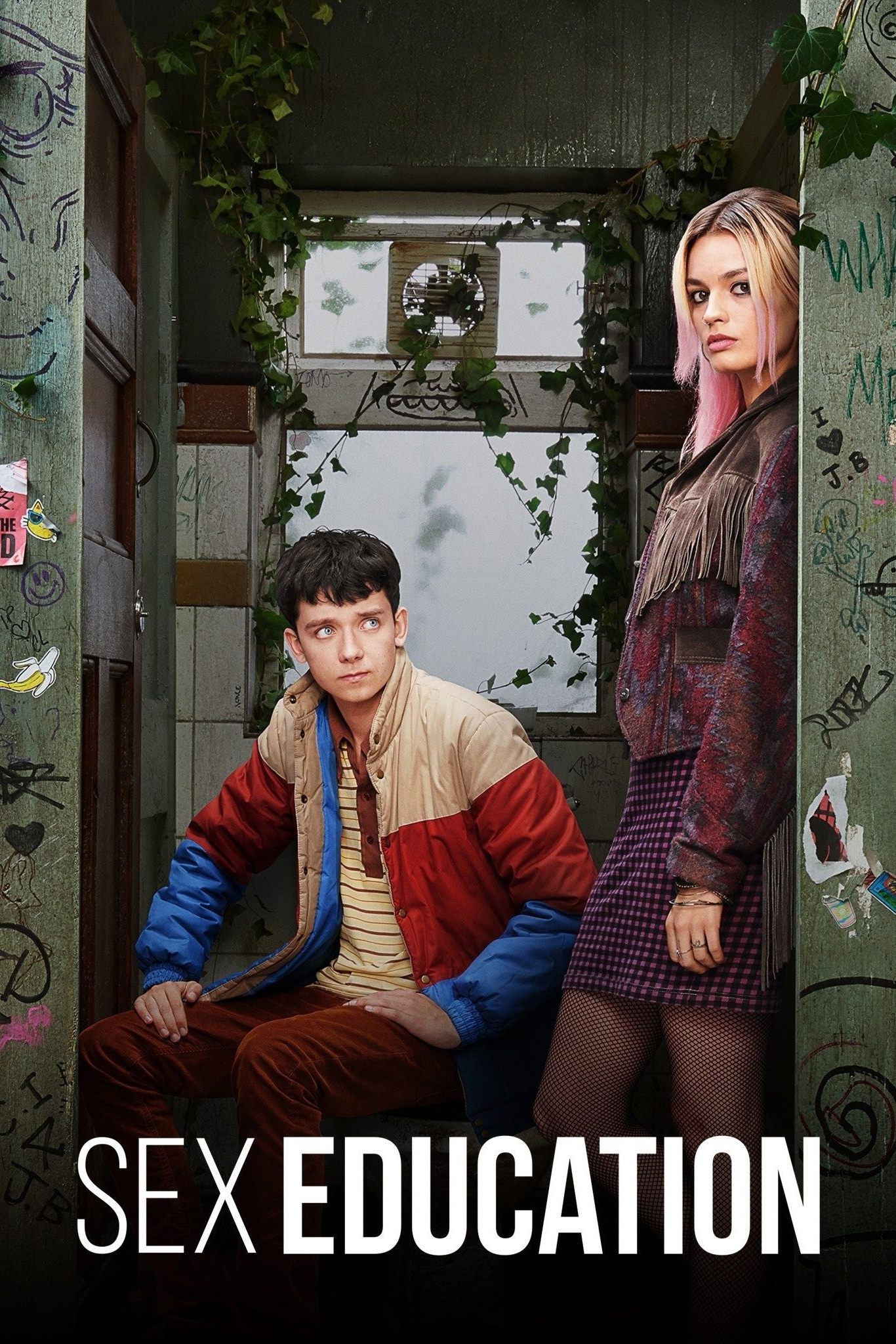
Eric Effiong shines as a vibrant teenager who refuses to hide his personality despite bullying and family pressure. He explores his sexuality and religion with a mixture of joy and confusion that feels authentic to high school life. The show allows him to be selfish in his relationships as he figures out what he truly wants. His friendship with Otis is tested repeatedly by his desire for popularity and acceptance. Eric stands out as a character who is allowed to be loud and proud while still learning how to be a good friend.
‘Euphoria’ (2019–Present)

Rue Bennett struggles with severe drug addiction and grief in a raw depiction of modern adolescence. She navigates a turbulent relationship with Jules while trying to find moments of peace in her chaotic life. The show does not shy away from the pain she causes her family and herself through her relapses. Her narration reveals a deeply sensitive soul who is constantly at war with her own mind. Rue represents a heartbreakingly human look at the destructive cycle of dependency.
‘Twenties’ (2020–2021)
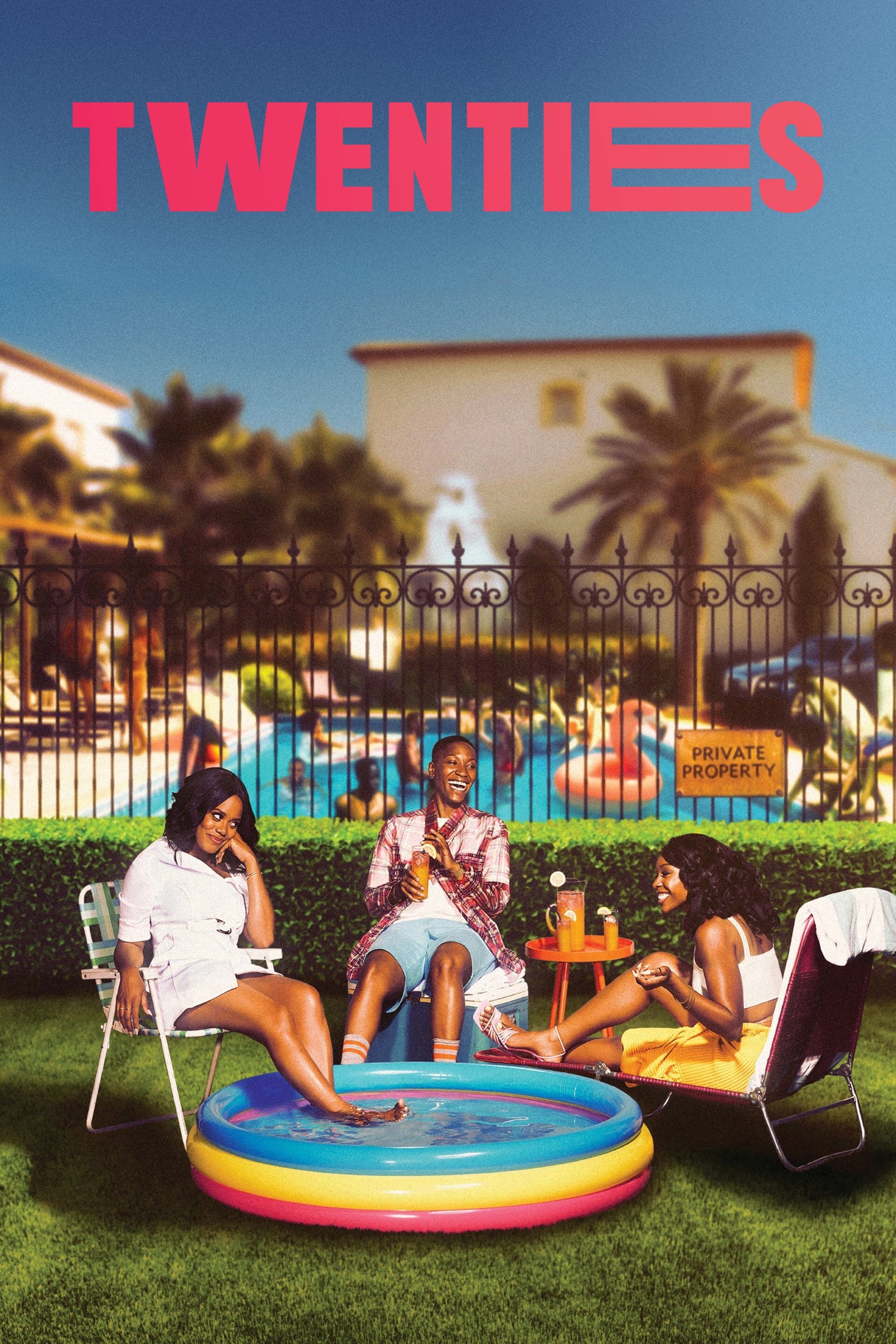
Hattie is an aspiring screenwriter who stumbles through life in Los Angeles while crashing on her friends’ couches. She is a masculine-presenting lesbian who is confident in her style but often clueless in her romantic endeavors. The series focuses on her professional failures and personal missteps with a dry sense of humor. Viewers root for her even when she is being self-absorbed or making poor career moves. Hattie offers a unique perspective on the hustle of Hollywood from a queer Black woman’s point of view.
‘I May Destroy You’ (2020)
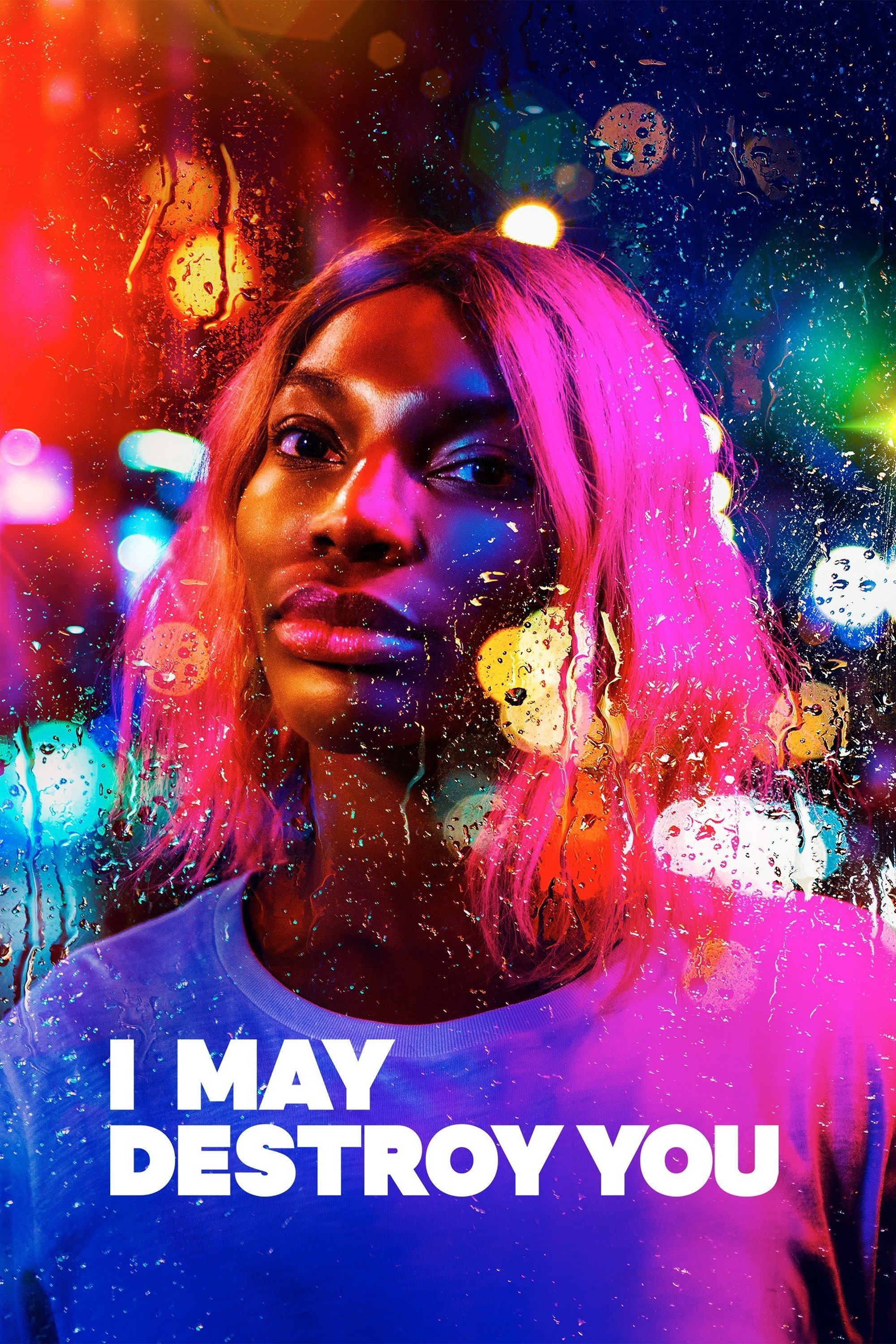
Kwame attempts to navigate the modern dating scene in London through hookup apps and casual encounters. He experiences trauma and assault but struggles to process his emotions or find the support he needs. The show depicts his hesitancy to open up and his tendency to put himself in unsafe situations. His journey highlights the specific vulnerabilities that queer men face in sexual encounters. Kwame remains a sympathetic figure who is trying to find connection in a digital world.
‘P-Valley’ (2020–Present)
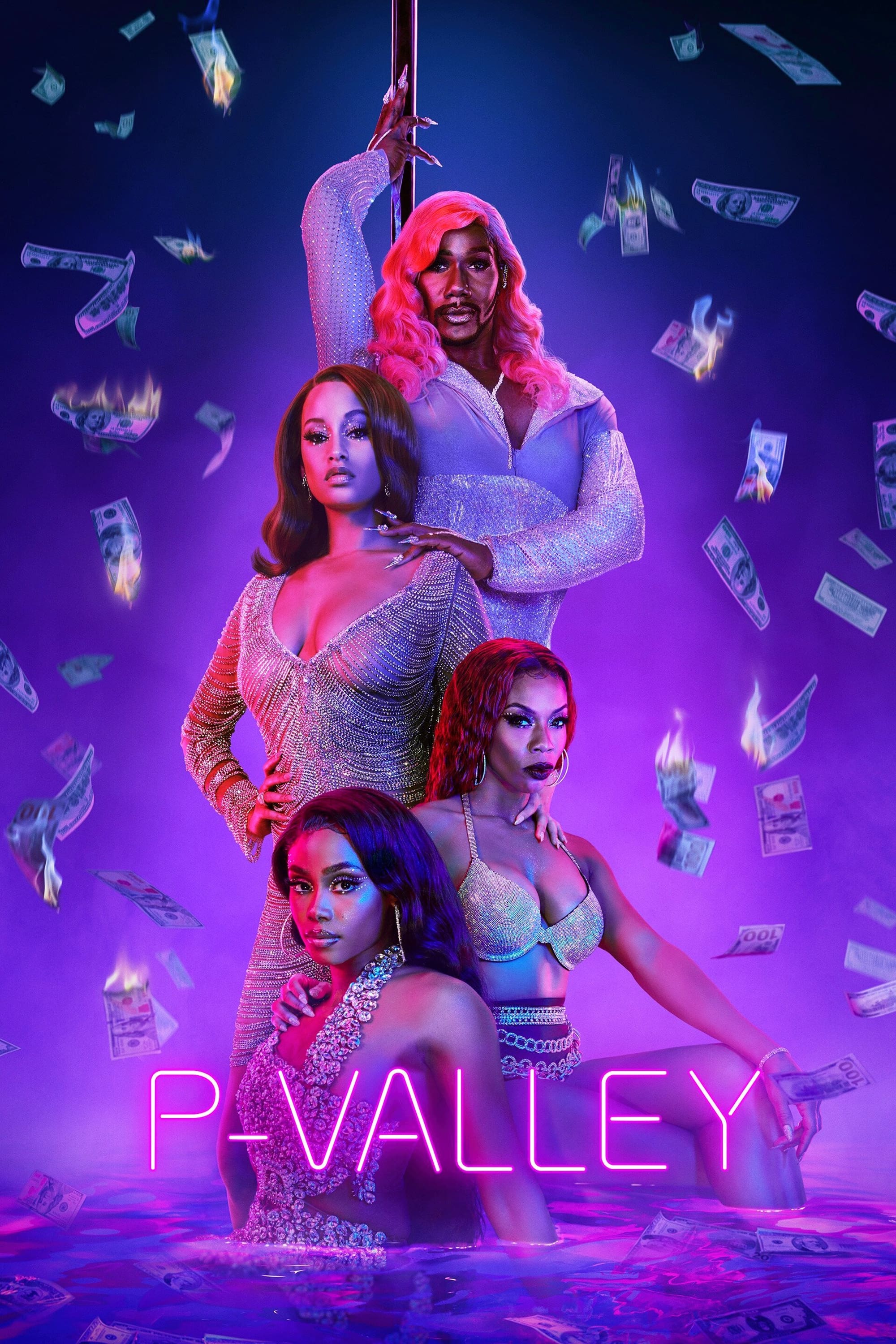
Uncle Clifford rules over the Pynk strip club with a firm hand and a fabulous sense of style. She identifies as non-binary and manages the chaotic lives of her dancers while dealing with her own financial troubles. The series shows her vulnerability in her secret relationship with a younger rapper. She makes difficult business decisions that sometimes compromise her morals to keep the club afloat. Uncle Clifford is a complex matriarch who commands respect while revealing her softer side.
‘Lovecraft Country’ (2020)
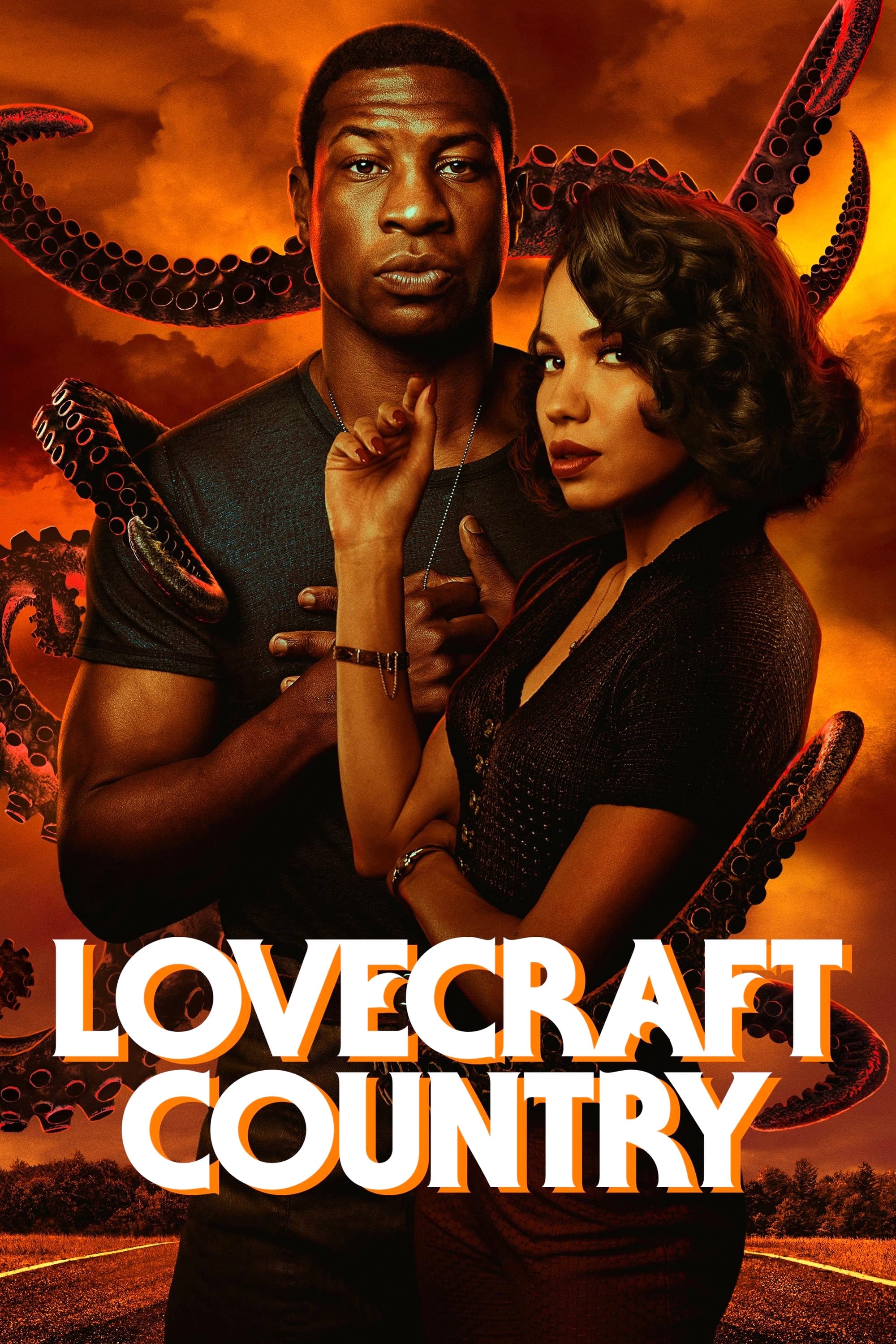
Montrose Freeman is a tortured soul who hides his sexuality and his past from his son Atticus. He is driven by fear and anger as he tries to protect his family from supernatural and human monsters. The show reveals his violent outbursts and his history of abuse as symptoms of his repressed life. His relationship with Sammy offers a glimpse of the tenderness he is capable of showing. Montrose is a tragic figure who illustrates the destructive power of living in the closet.
‘Industry’ (2020–Present)
Gus Sackey enters the cutthroat world of high finance as a graduate who is used to excelling in elite institutions. He navigates office politics and sexual encounters with a detachment that often masks his true feelings. The series shows him making ruthless career moves and compromising his values to get ahead. His journey involves questioning whether the corporate ladder is worth the loss of his personal identity. Gus represents the tension between ambition and authenticity in a high-pressure environment.
‘It’s a Sin’ (2021)
Roscoe Babatunde flees his religious family to live freely in London during the onset of the AIDS epidemic. He navigates the nightlife and political landscape with a boldness that hides his fear of rejection. The show depicts his sexual escapades and his professional ambition with humor and heart. He makes questionable choices to advance his career while watching his friends succumb to the illness. Roscoe stands as a vibrant testament to the resilience of youth in the face of tragedy.
‘Hacks’ (2021–Present)
Marcus serves as the dedicated chief operating officer for a legendary comedian while managing his own personal struggles. He is a workaholic who uses his job to avoid dealing with his loneliness and relationship issues. The series explores his messy attempts at dating and his tendency to prioritize his boss over his own happiness. He eventually begins to unravel as the pressure of maintaining a perfect professional facade takes its toll. Marcus highlights the difficulty of finding work-life balance when your career is your entire identity.
‘Harlem’ (2021–Present)
Tye is a successful tech entrepreneur who created a dating app for queer people of color. She struggles to maintain intimacy in her own life despite her professional expertise in connection. The show portrays her as emotionally unavailable and often dismissive of her partners’ feelings. Her health scare forces her to reevaluate her priorities and her treatment of those who love her. Tye is a modern example of a woman who has it all on paper but still has much to learn about love.
‘Yellowjackets’ (2021–Present)

Taissa Turner is a high-achieving politician who is haunted by the traumatic events of her youth. She struggles to keep her family together while battling sleepwalking episodes and dark impulses. The narrative alternates between her teen years in the wilderness and her adult life as she spirals out of control. Her ruthless ambition often leads her to make morally ambiguous choices that hurt the people closest to her. Taissa is a terrifyingly competent woman who is slowly being consumed by her past.
‘Interview with the Vampire’ (2022–Present)
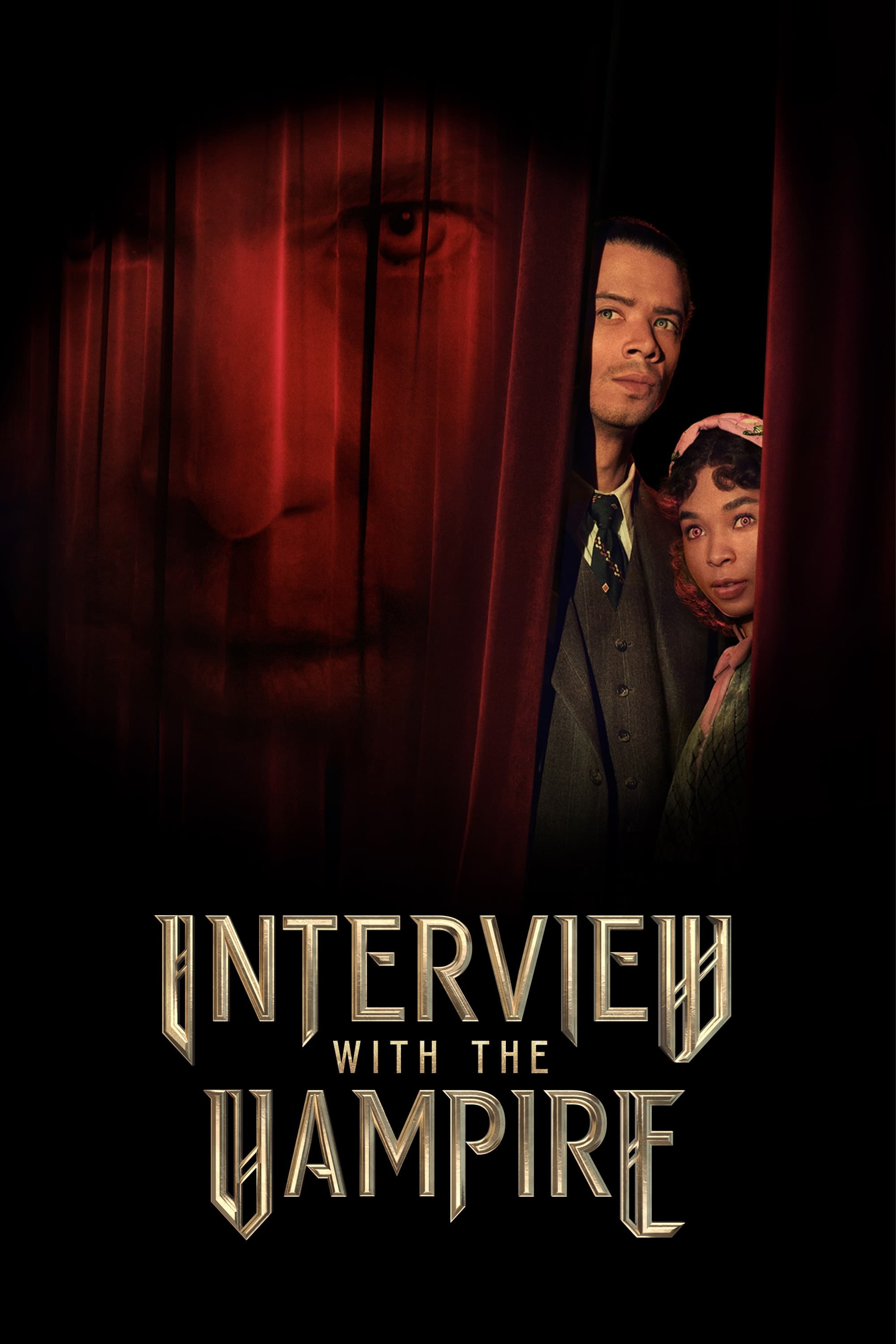
Louis de Pointe du Lac recounts his life as a vampire and his toxic romance with his maker Lestat. He grapples with his humanity and his desire for blood in early 20th-century New Orleans. The series frames his vampiric existence as a metaphor for the isolation and danger of being a Black queer man in that era. Louis is moody and often hypocritical as he tries to justify his violent actions. His story is a gothic tragedy about the cost of immortality and the complexity of desire.
Tell us which of these complex characters resonates with you the most in the comments.