


20 TV Shows That Lost Sponsors After Positive Black LGBTQ+ Episodes

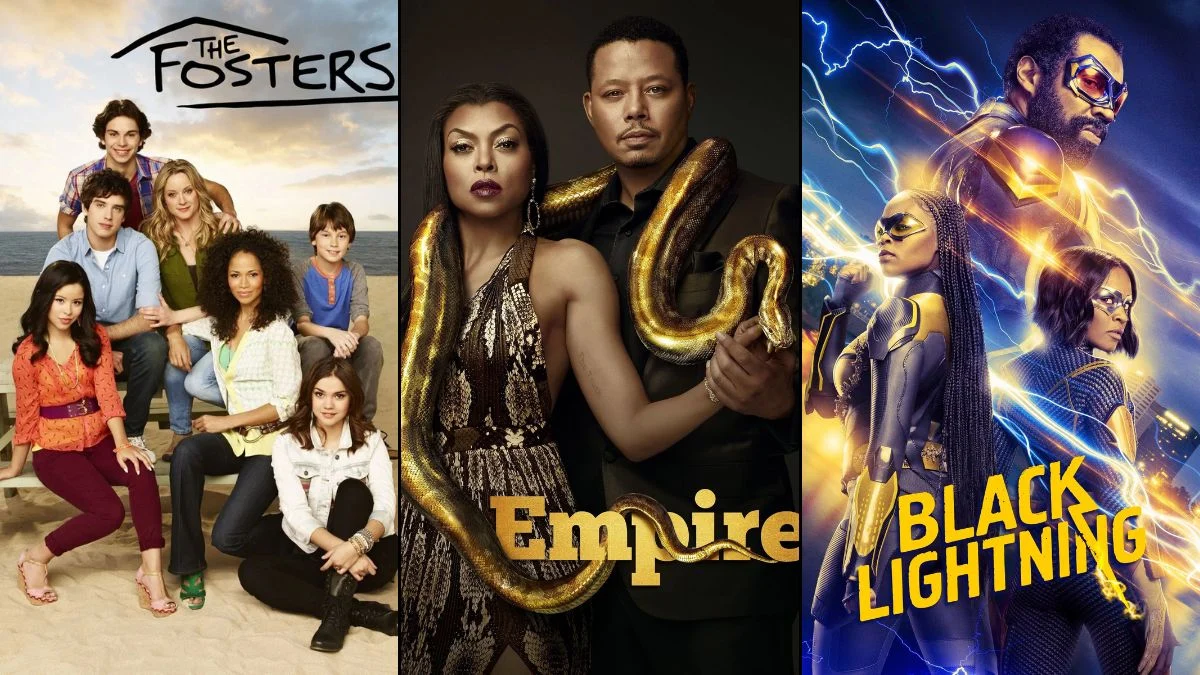


Television has largely embraced diverse storytelling in recent years, but the inclusion of Black LGBTQ+ characters has frequently sparked backlash from conservative organizations. Networks often face organized campaigns to strip advertising revenue from programs that depict these intersectional identities in a positive light. While some broadcasters stood firm against the financial pressure, others saw advertisers pull out due to the controversy surrounding these groundbreaking episodes.
‘Doc McStuffins’ (2012–2020)

This beloved Disney Junior series faced intense scrutiny when it aired the episode ‘The Emergency Plan’ featuring a family with two moms. The storyline introduced a doll couple voiced by Wanda Sykes and Portia de Rossi, marking a significant moment for interracial lesbian representation in children’s programming. Conservative advocacy group One Million Moms immediately launched a campaign urging sponsors to pull their funding from the network. Despite the threats to advertising revenue, the show’s creator Chris Nee defended the episode as a reflection of her own family.
‘The Proud Family: Louder and Prouder’ (2022–Present)
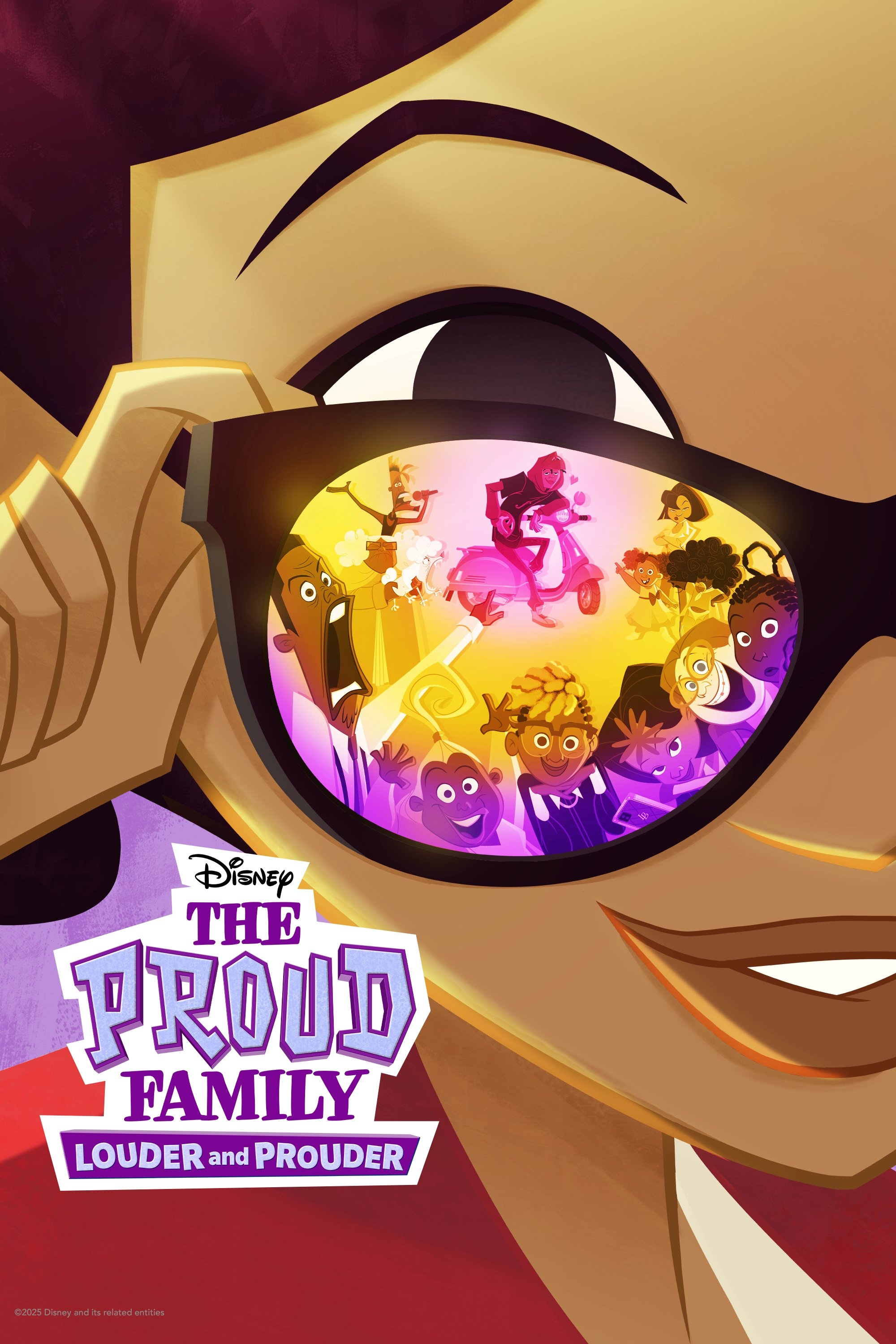
The revival of the classic animated sitcom introduced Barry and Randall Leibowitz-Jenkins, a mixed-race gay couple who are loving fathers to Maya. Their inclusion sparked outrage among right-wing groups who accused Disney of pushing an agenda on young viewers. Petitions were circulated to pressure advertisers to drop their support for the streaming platform and the specific series. The backlash highlighted the continued resistance to normalizing Black queer families in animation aimed at younger demographics.
‘The Fosters’ (2013–2018)
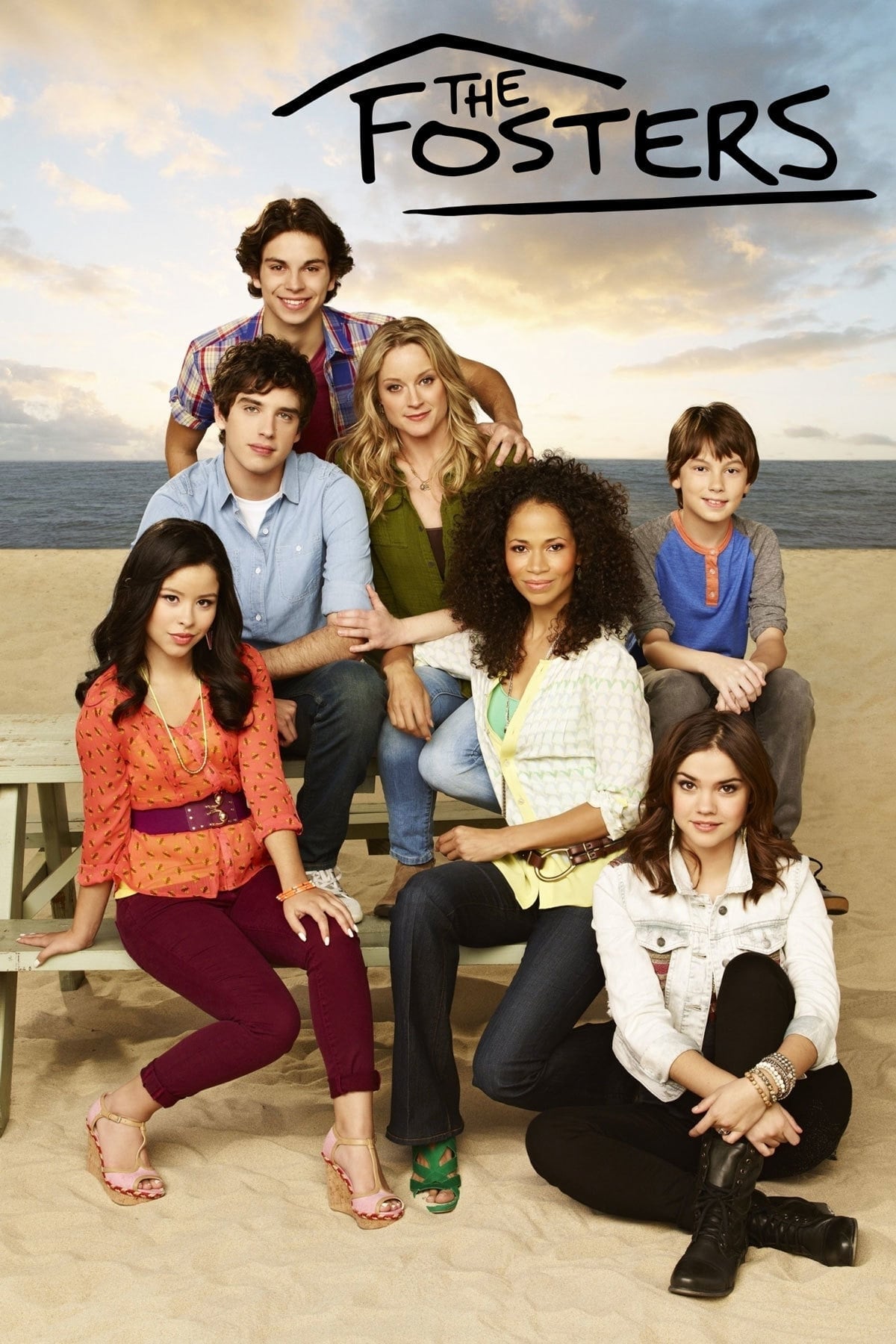
Produced by Jennifer Lopez, this series broke ground with its central couple, Stef and Lena, the latter being a Black and Jewish lesbian vice principal. The show faced an immediate boycott from One Million Moms before it even premiered due to its depiction of a same-sex household raising children. Advertisers were aggressively targeted by email campaigns demanding they withdraw spots during the broadcast. The network supported the show, which became a landmark for intersectional representation despite the financial threats.
‘Empire’ (2015–2020)
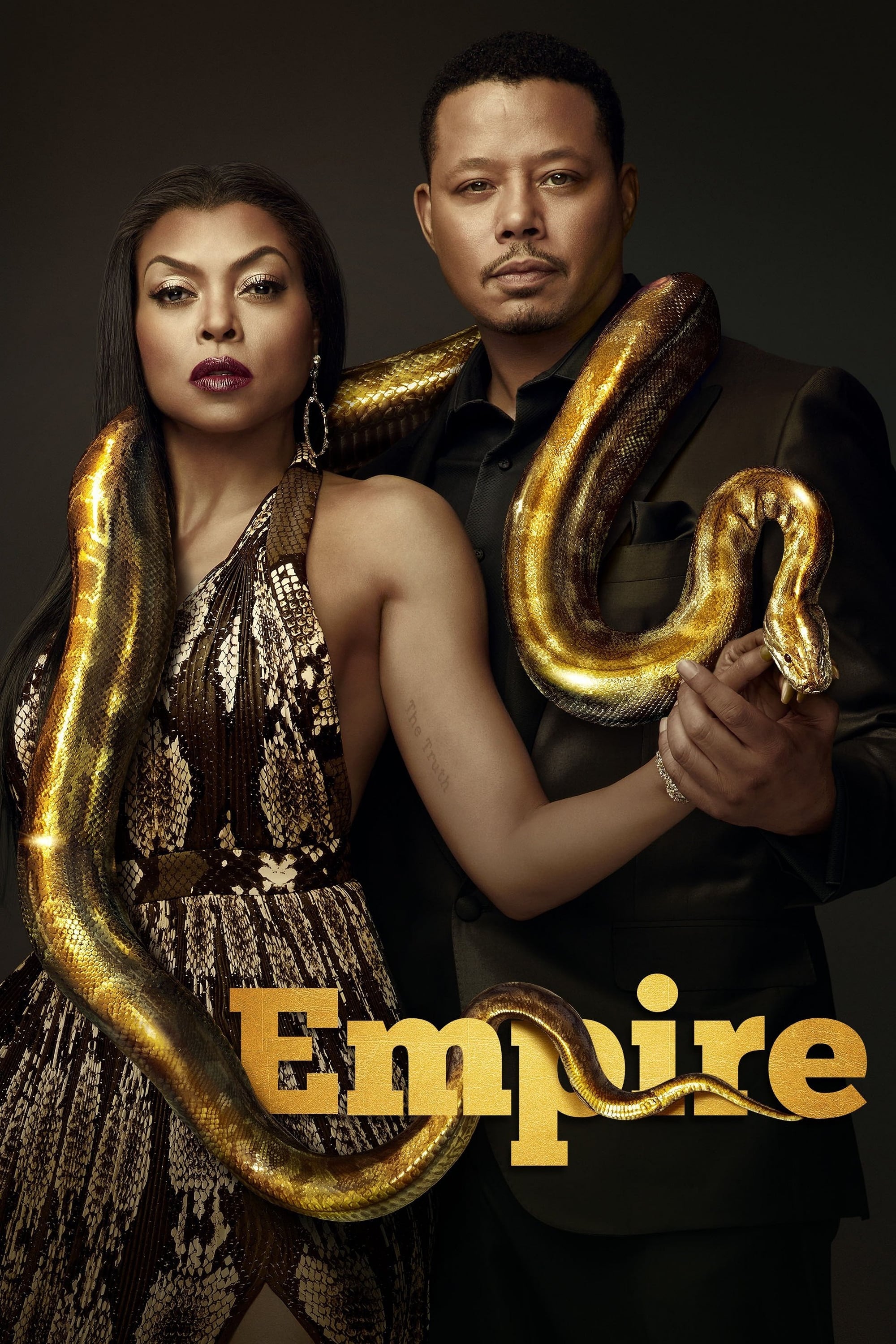
The character of Jamal Lyon, played by Jussie Smollett, was a talented R&B singer whose storyline focused on his struggle for acceptance from his father and the hip-hop industry. While the show was a ratings juggernaut, the explicit depiction of Jamal’s romantic life drew ire from conservative watchdogs who claimed it was inappropriate for primetime. Several advertisers faced pressure to distance themselves from the series during its early seasons. The show continued to push boundaries regarding homophobia in the Black community despite the external commercial pushback.
‘Black Lightning’ (2018–2021)
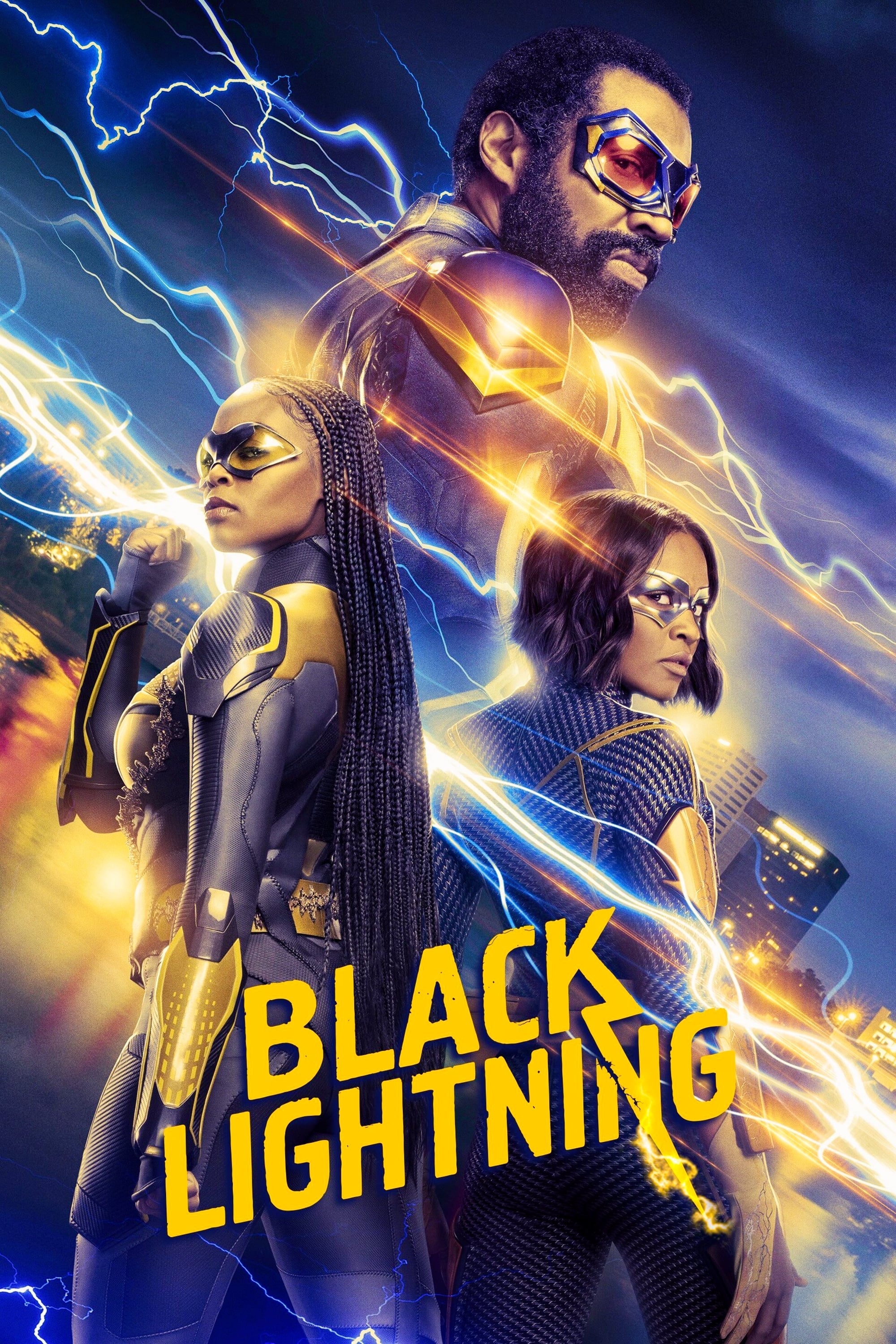
The CW’s superhero drama featured Anissa Pierce, also known as Thunder, who was the first Black lesbian superhero to have a leading role on television. Her relationship with Grace Choi was a central part of the narrative, drawing criticism from groups that historically target the network’s diverse lineup. Boycott campaigns were launched to discourage family-friendly brands from buying ad space during the show’s timeslot. The series remained committed to Anissa’s identity, portraying her sexuality as a non-negotiable aspect of her heroism.
‘9-1-1’ (2018–Present)
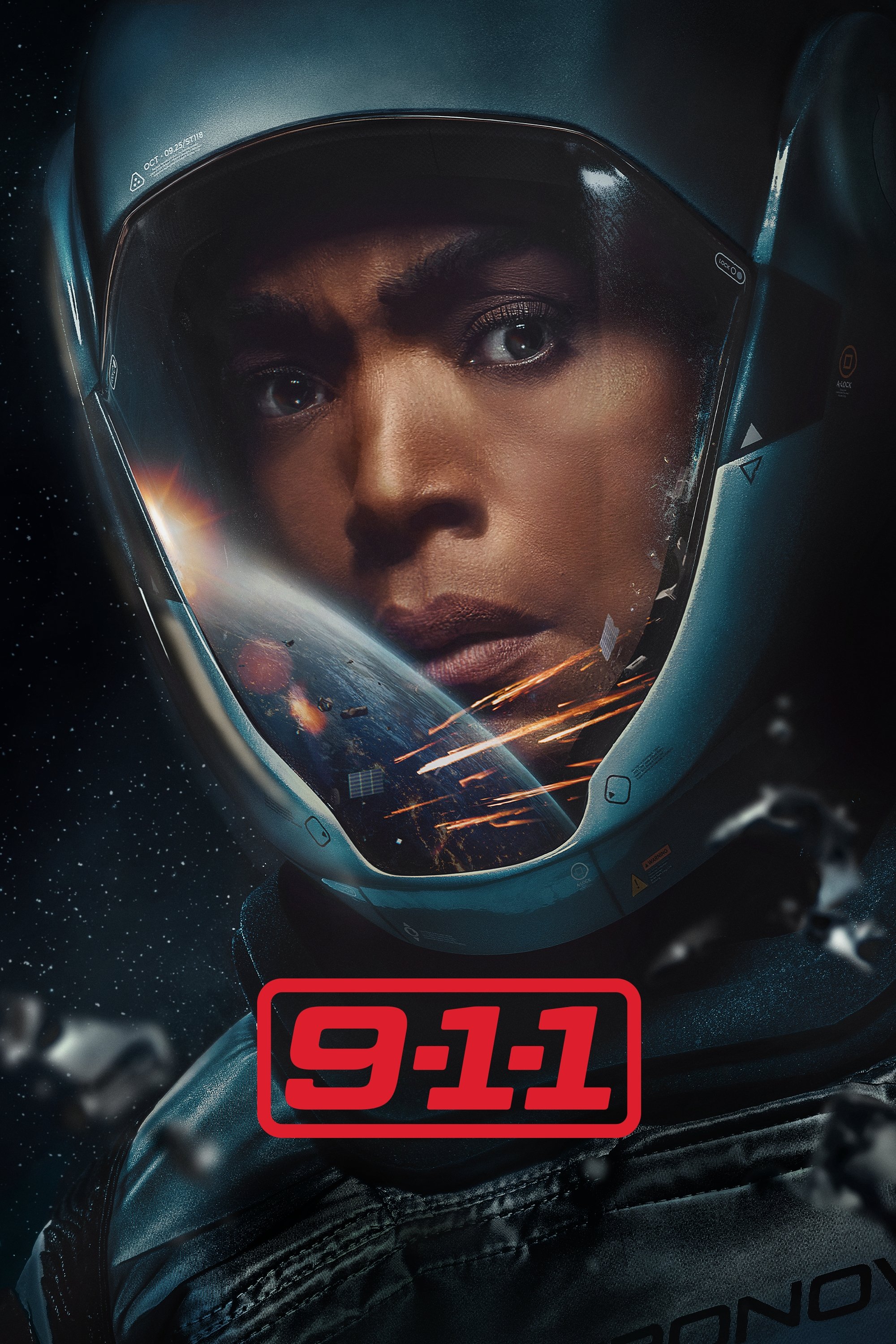
This procedural drama has been praised for the character of Hen Wilson, a Black lesbian firefighter and paramedic with a complex family life. Her marriage to Karen and their journey as foster parents became a frequent target for viewer complaints sent to the FCC and advertisers. Conservative organizations flagged episodes featuring their domestic life as reasons for sponsors to withdraw support. Fox and later ABC maintained the storyline, viewing Hen’s representation as essential to the show’s realistic portrayal of first responders.
‘All American’ (2018–Present)
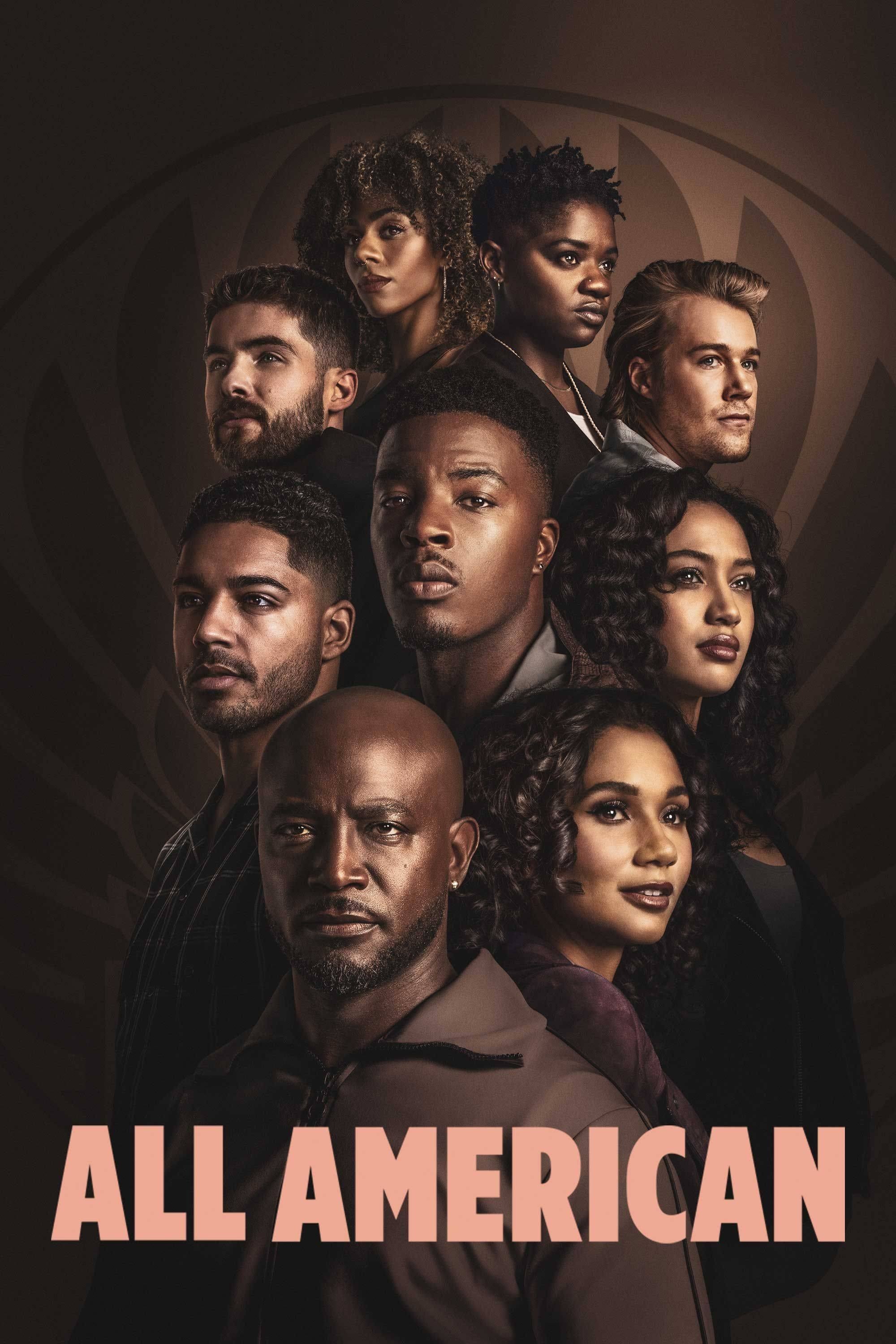
Bre-Z stars as Tamia “Coop” Cooper, a lesbian aspiring rapper whose storyline navigates gang culture and acceptance within her community. The show’s frank discussion of her sexuality and her relationships invited backlash from viewers who preferred the focus remain solely on football. Advertisers were contacted by groups claiming the content was unsuitable for the teen demographic the network serves. Despite the threats, the series continued to develop Coop’s character as a pillar of the show’s emotional core.
‘Batwoman’ (2019–2022)
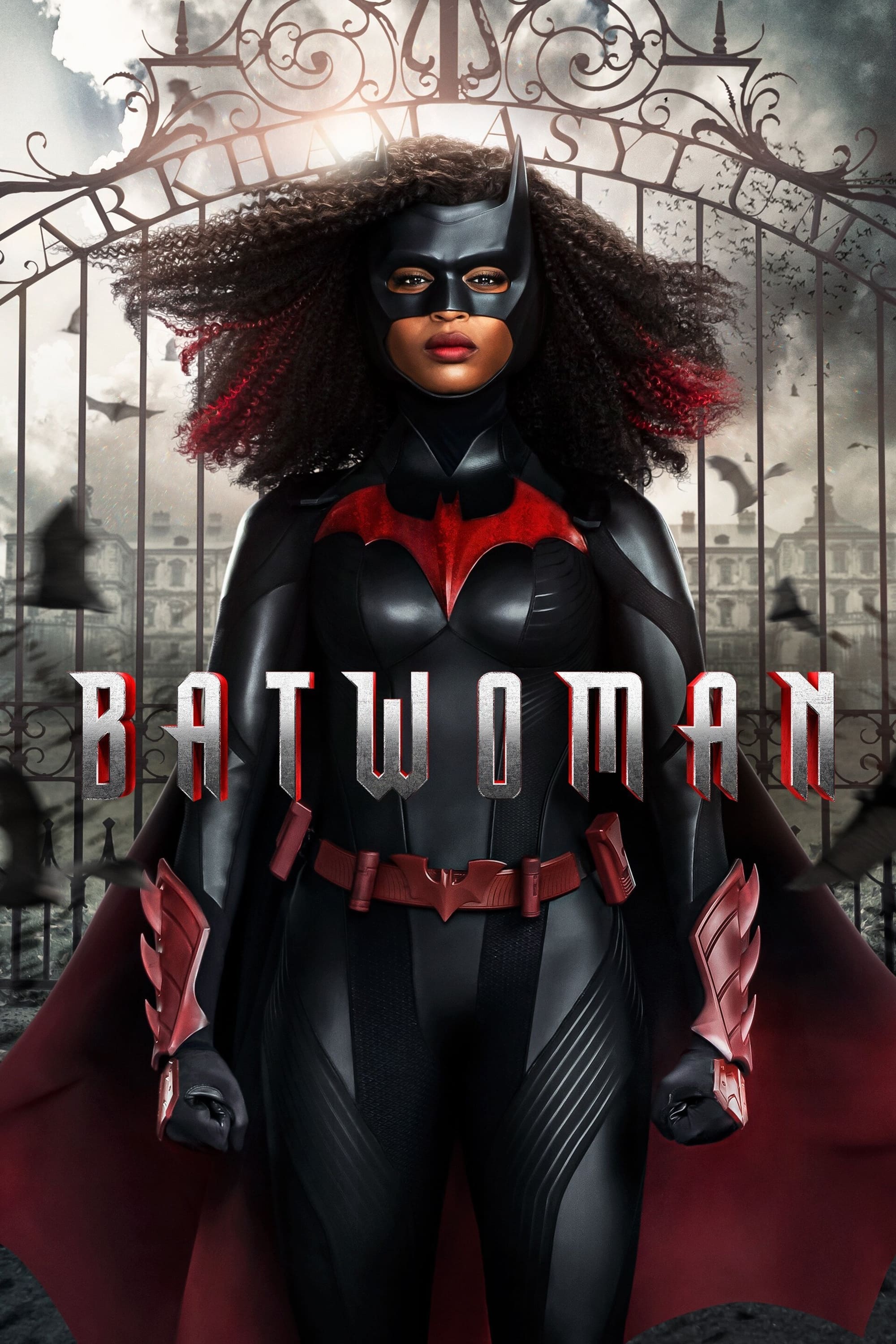
When Javicia Leslie took over the mantle of Batwoman as Ryan Wilder, she became the first Black lesbian to play the caped crusader in live action. The casting decision and the character’s subsequent romance storylines led to a predictable wave of “anti-woke” criticism and boycott threats against the network’s sponsors. Online campaigns attempted to tank the show’s commercial viability by targeting the brands that aired commercials during the broadcast. The series persisted in centering Ryan’s identity until its eventual cancellation.
‘Supergirl’ (2015–2021)
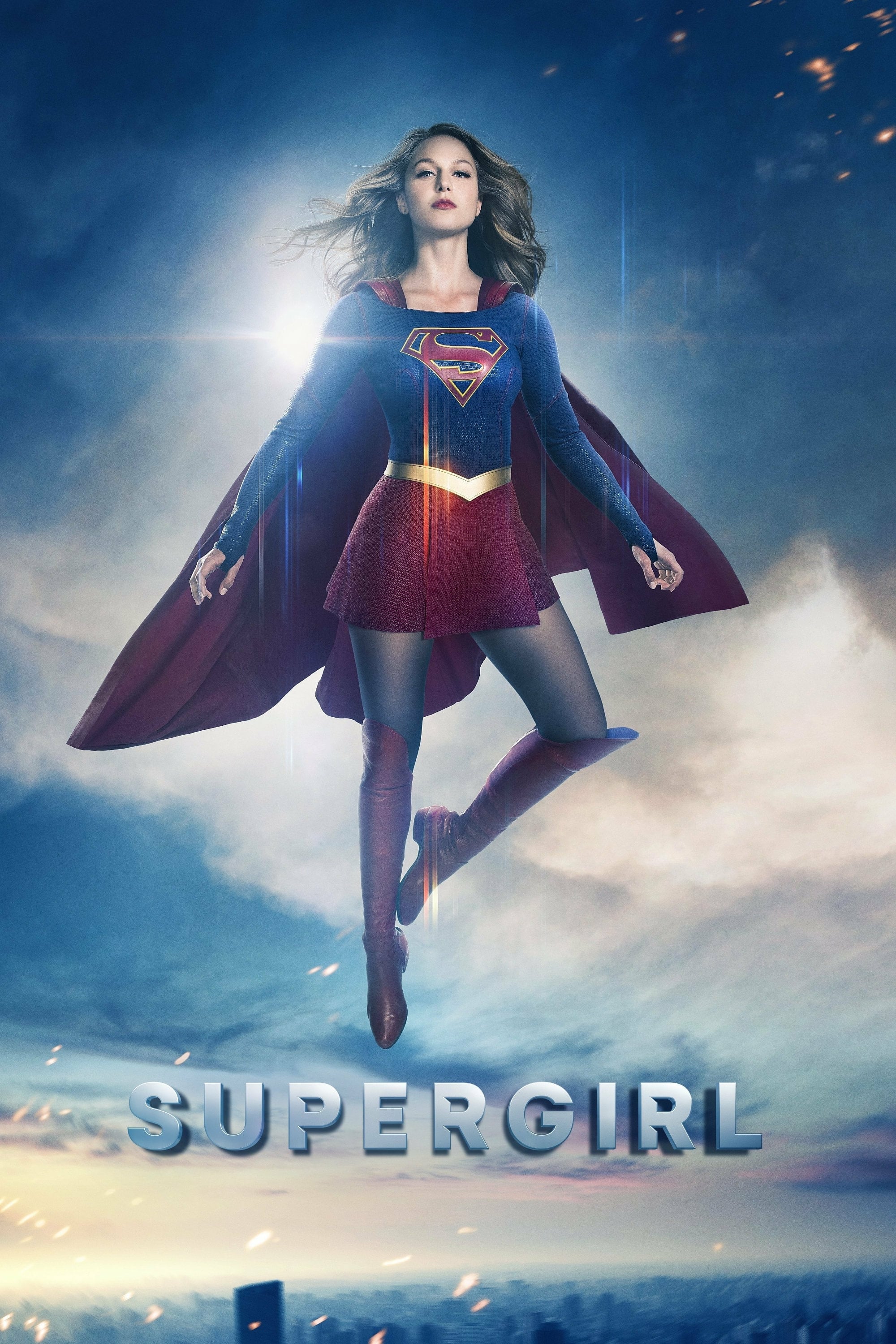
The introduction of Kelly Olsen, a Black queer character who eventually becomes the superhero Guardian, was a major step forward for the Arrowverse. Her relationship with Alex Danvers culminated in a wedding that was celebrated by fans but derided by conservative detractors. Advertiser boycott lists frequently included the show due to its heavy focus on LGBTQ+ themes and social justice issues. The network ignored the pressure, allowing the couple to adopt a child and have a happy ending.
‘How to Get Away with Murder’ (2014–2020)
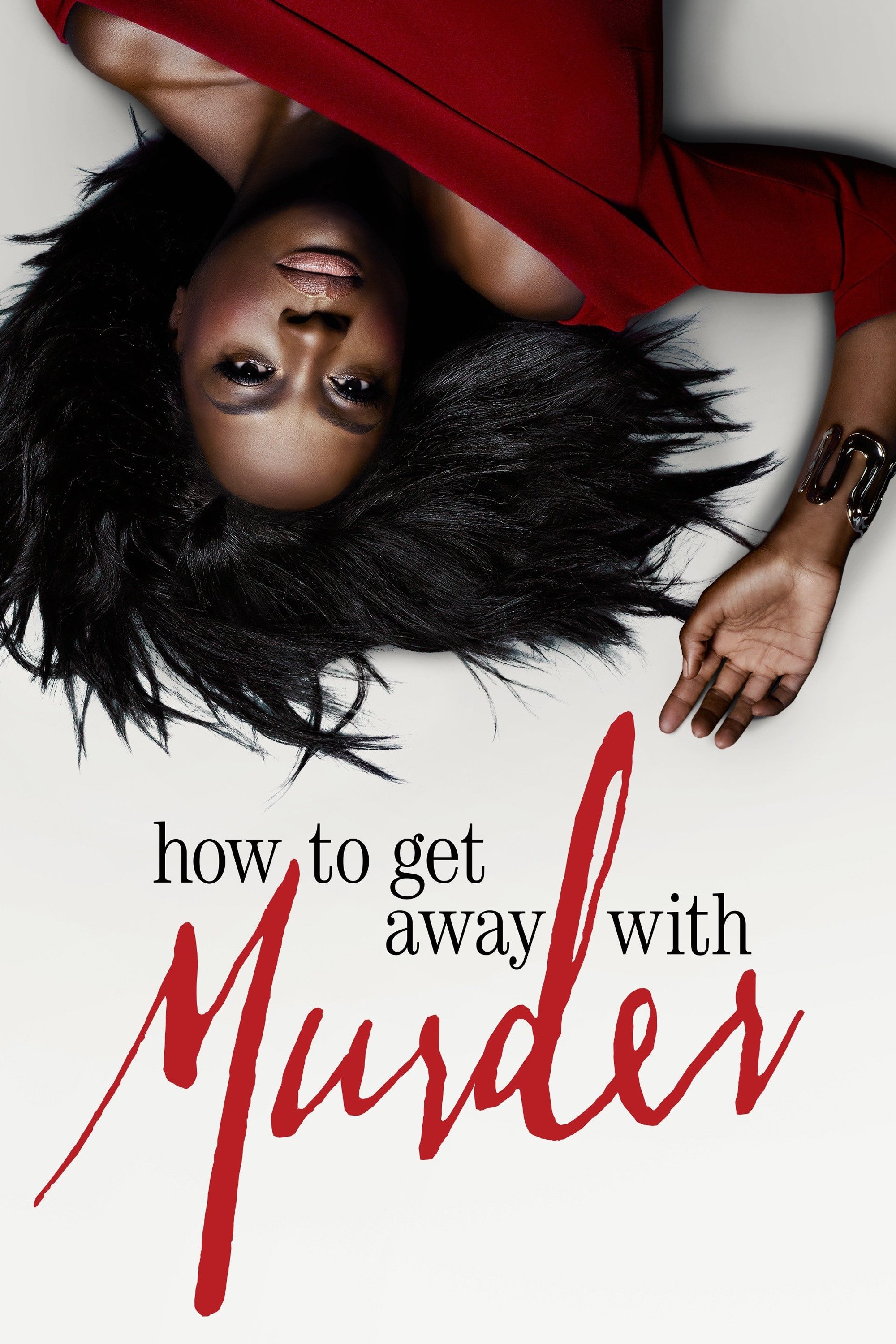
Viola Davis played Annalise Keating, a complex anti-heroine who was revealed to be bisexual and had significant relationships with women, including Eve and Tegan. The sexual fluidity of such a high-profile Black female lead caused discomfort among conservative advertisers who had initially signed on for a legal thriller. The show’s frank depiction of queer sex scenes led to complaints and threats of ad withdrawals. Shonda Rhimes famously refused to censor the content, accepting the loss of any intolerant sponsors.
‘Glee’ (2009–2015)
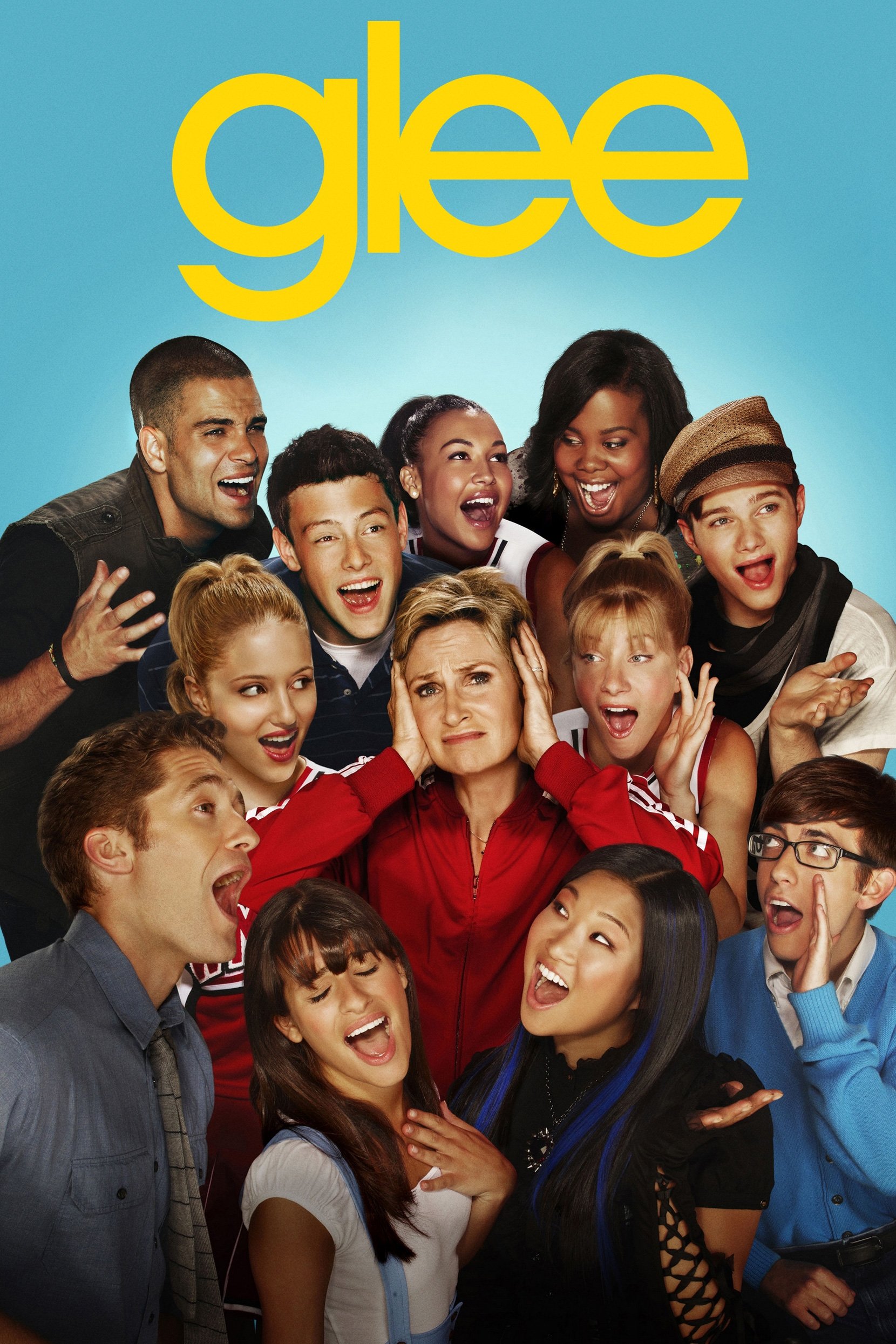
While the show was known for its diverse cast, the character Unique Adams, a Black transgender teen, faced specific vitriol during the later seasons. Episodes focusing on Unique’s transition and struggle to use the correct bathroom drew heat from the American Family Association. Advertisers were pressured to pull out of the show to protest what was termed as the promotion of a “transgender agenda.” The series maintained the storyline, using the controversy to highlight the discrimination trans students face.
‘The New Normal’ (2012–2013)
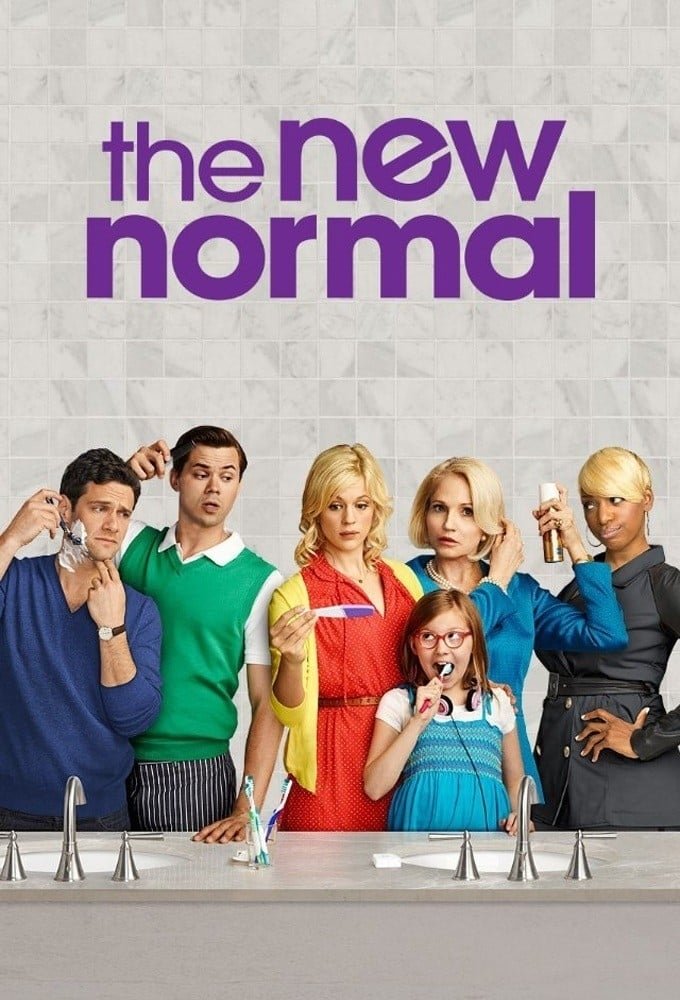
This sitcom featured Nene Leakes as Rocky, the assistant to a wealthy gay white couple, but the show’s overall premise of a gay family caused massive advertiser fallout. One Million Moms urged members to contact sponsors like Ford and asking them to pull ads, which some local affiliates did by refusing to air the show entirely. The intersection of Black and gay culture represented by Leakes and the main couple was deemed “harmful” to traditional values. The show was cancelled after one season partly due to this sustained pressure.
‘Pretty Little Liars’ (2010–2017)
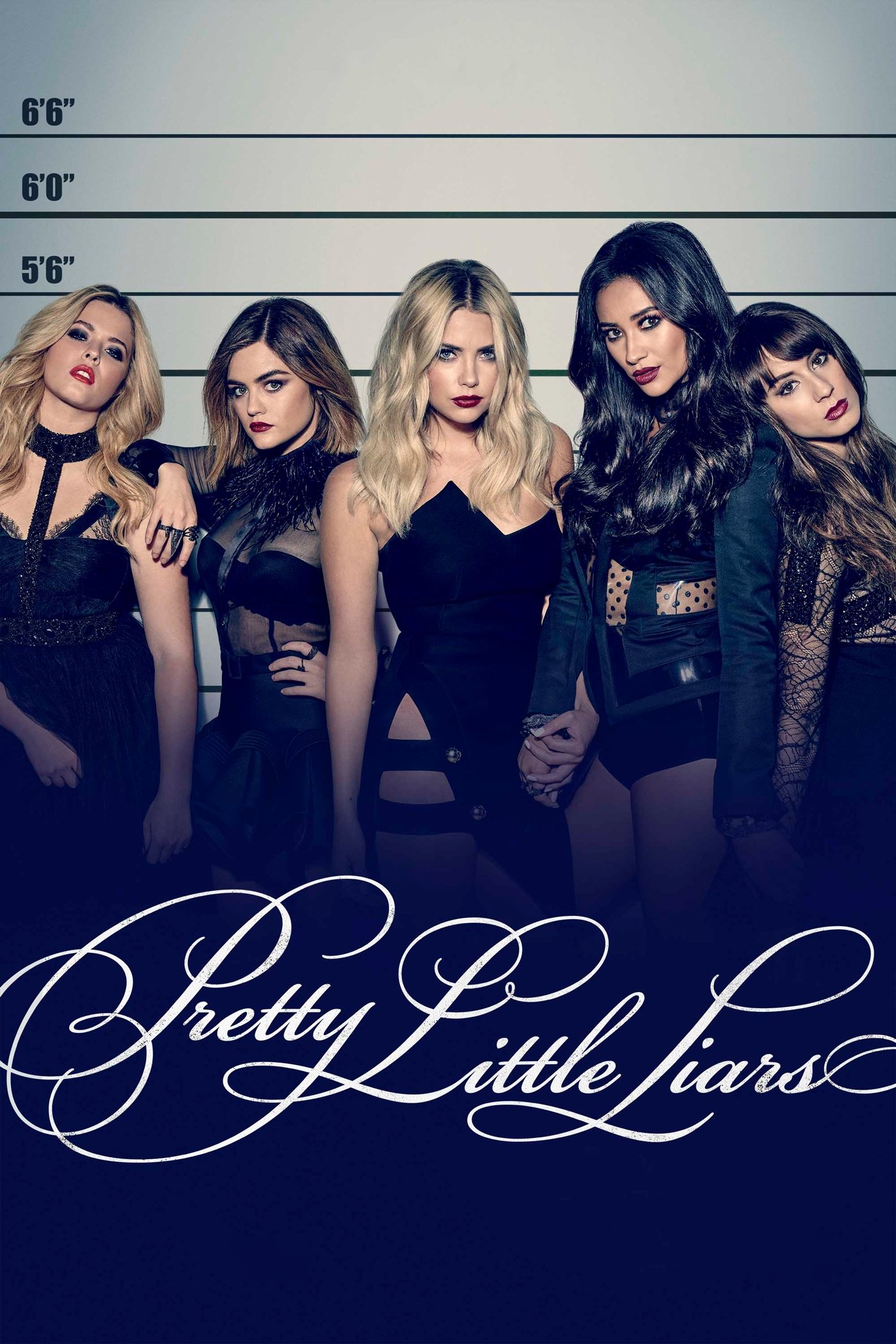
The relationship between Emily Fields and Maya St. Germain was one of the first major teen lesbian romances involving a Black character on a popular cable drama. Maya’s character was pivotal to Emily’s coming out, which sparked backlash from conservative parent groups monitoring the network. Companies advertising on the channel received floods of emails demanding they stop funding the program. The show became a cult hit, but it constantly battled against commercially motivated censorship campaigns.
‘Steven Universe’ (2013–2019)

The character Garnet, voiced by Estelle, is a fusion of two female-coded gems, Ruby and Sapphire, effectively making her a walking representation of a Black lesbian relationship. The episode featuring the wedding of Ruby and Sapphire caused significant issues with international censors and domestic advertisers who feared parental backlash. The creator fought to keep the wedding intact despite the risk of losing funding and financial support from conservative markets. The episode aired as intended, becoming a history-making moment for animation.
‘The Owl House’ (2020–2023)
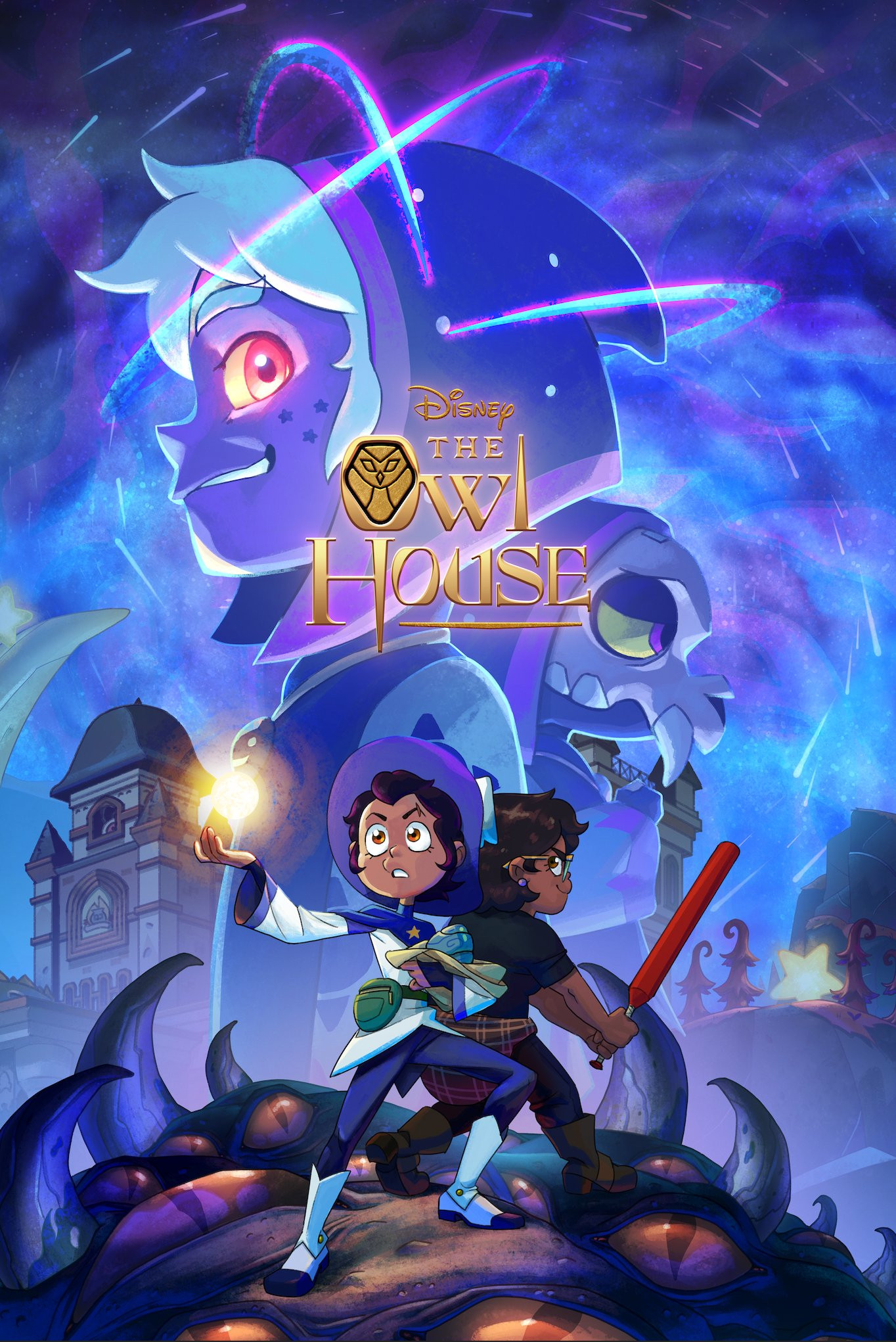
Protagonist Luz Noceda is an Afro-Dominican bisexual teen whose relationship with Amity Blight became the heart of the series. Disney executives reportedly cut the show short, with the creator citing that the serialized queer storytelling did not fit the “brand” the company wanted to sell to advertisers. While not a direct external boycott, the pressure to maintain a sanitized image for sponsors led to the show’s premature conclusion. Fans rallied to save it, proving the commercial viability of diverse stories.
‘Brooklyn Nine-Nine’ (2013–2021)
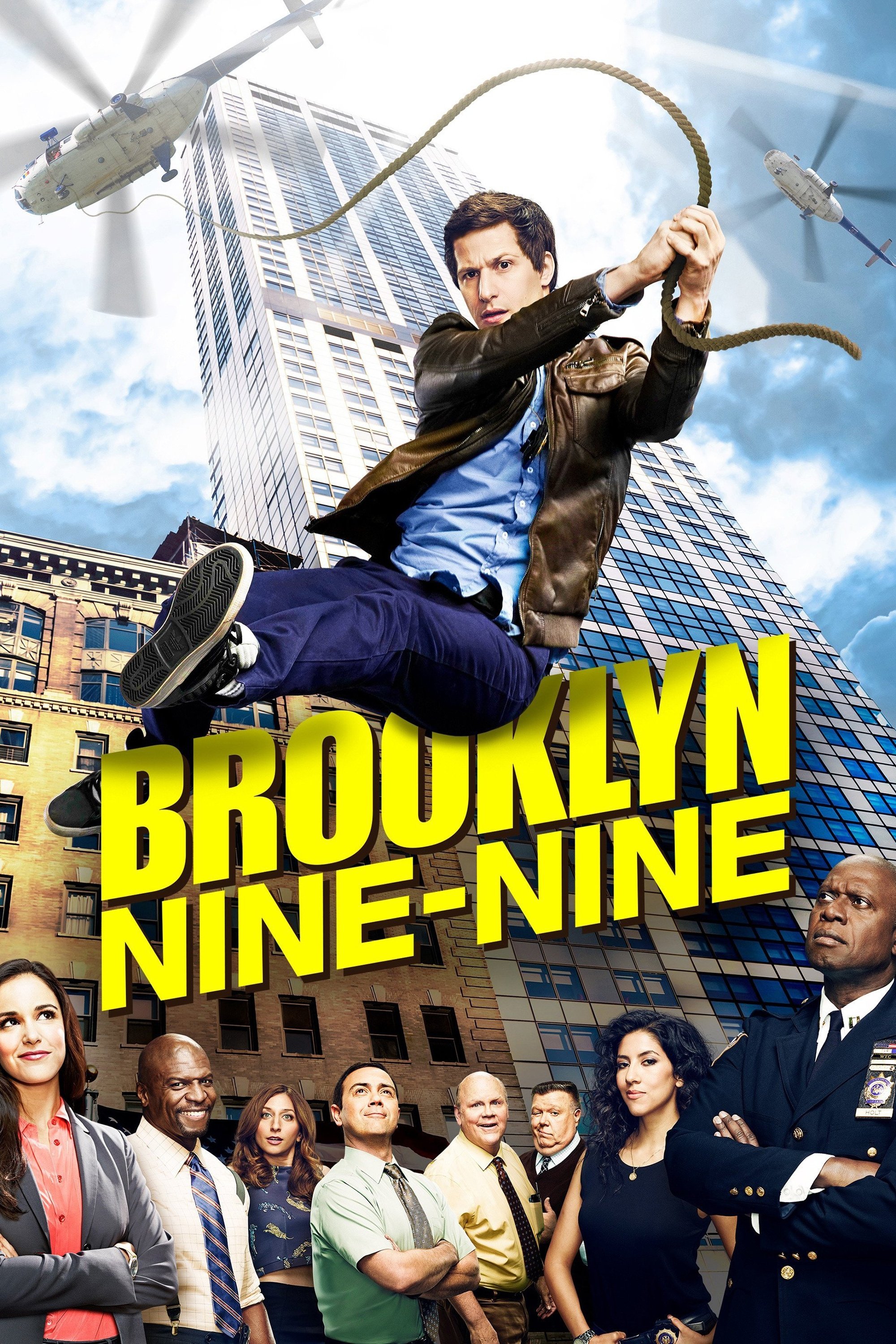
Captain Raymond Holt, played by Andre Braugher, was a groundbreaking character as a stoic, professional Black gay police captain. While the show was a critical darling, its move from Fox to NBC was partially attributed to Fox’s desire to focus on broader, less “niche” programming that appealed to conservative advertisers. Holt’s identity was never treated as a punchline, which alienated viewers who were used to more stereotypical depictions. The show successfully found a new home where advertisers were more accepting of its diverse ensemble.
‘Star Trek: Discovery’ (2017–2024)
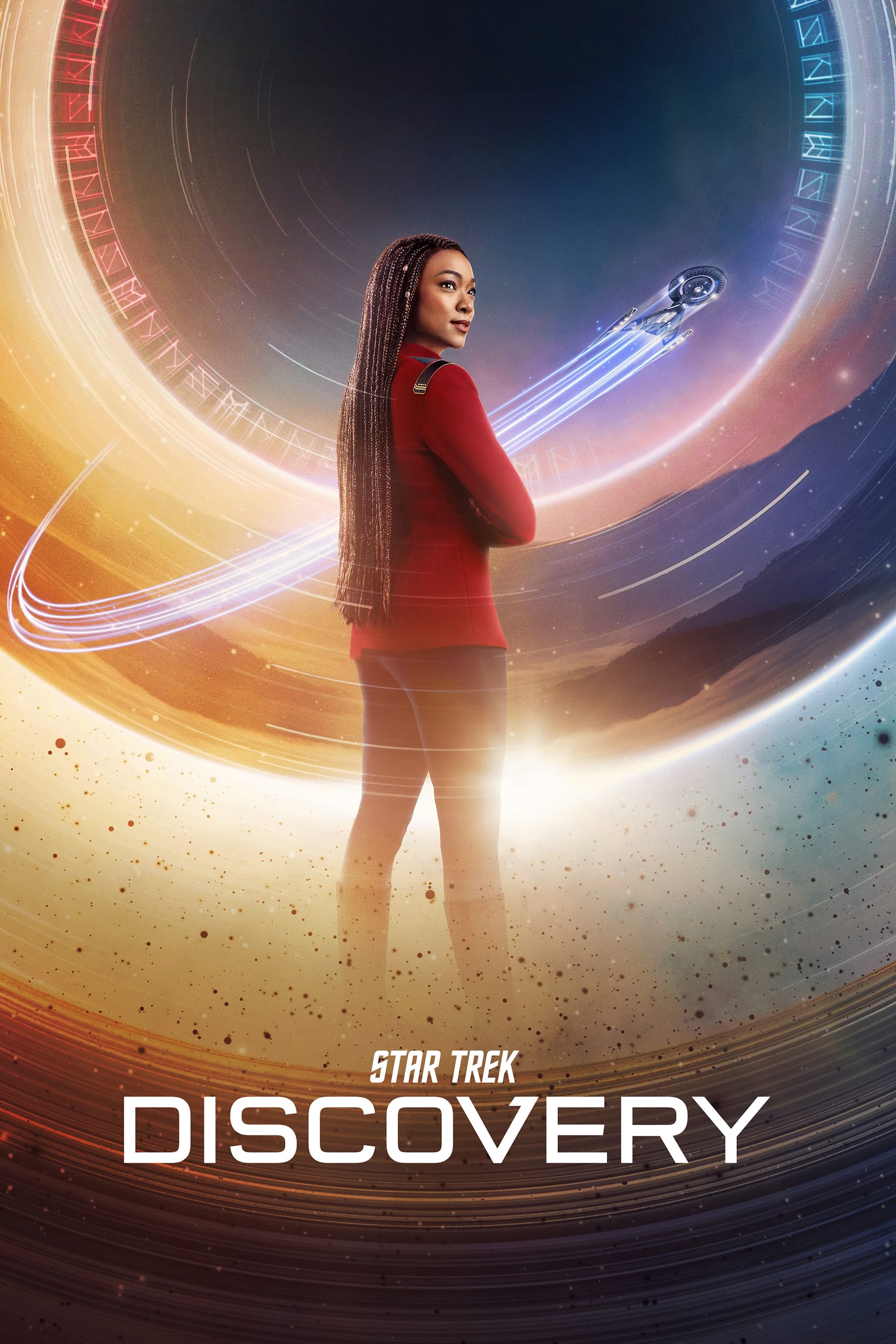
Dr. Hugh Culber, played by Afro-Latino actor Wilson Cruz, is half of the franchise’s first central gay couple alongside Paul Stamets. Their on-screen domesticity and kisses broke the long-standing conservative hold on the sci-fi genre’s television presence. A vocal minority of “traditional” fans bombarded the network and its sponsors with complaints about the show being too “woke.” CBS All Access (now Paramount+) stood by the couple, viewing them as essential to the Star Trek ethos of infinite diversity.
‘Kipo and the Age of Wonderbeasts’ (2020)
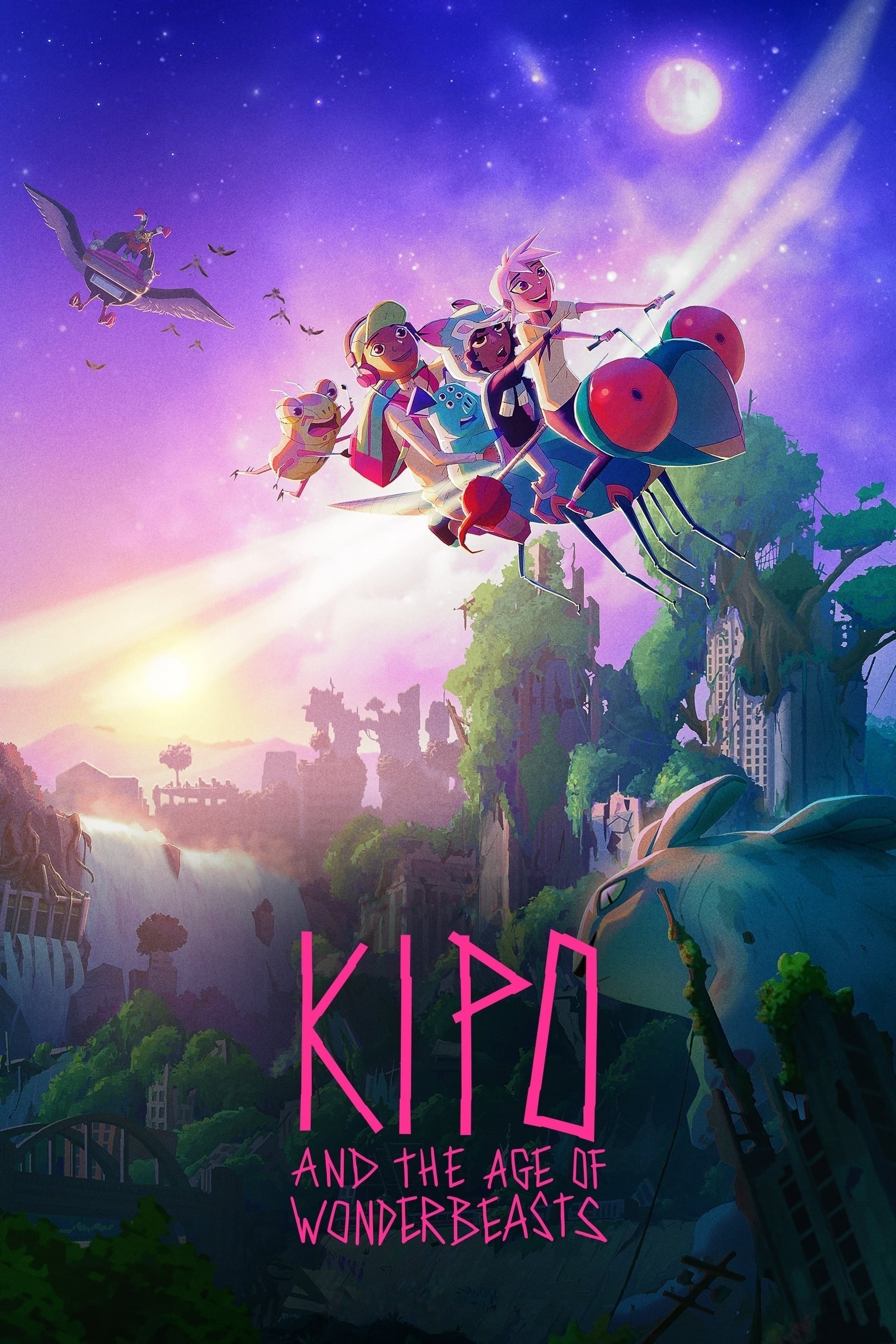
Benson, a main character in this animated series, explicitly identifies as gay and is a Black teenager. His coming-out scene was praised for its casual normalcy but still attracted the attention of groups that monitor children’s entertainment for LGBTQ+ content. These organizations listed the show as one to avoid, signaling to family-oriented advertisers that it was “controversial.” The show remained a favorite on Netflix, proving that subscriber support could outweigh traditional ad-based fears.
‘She-Ra and the Princesses of Power’ (2018–2020)
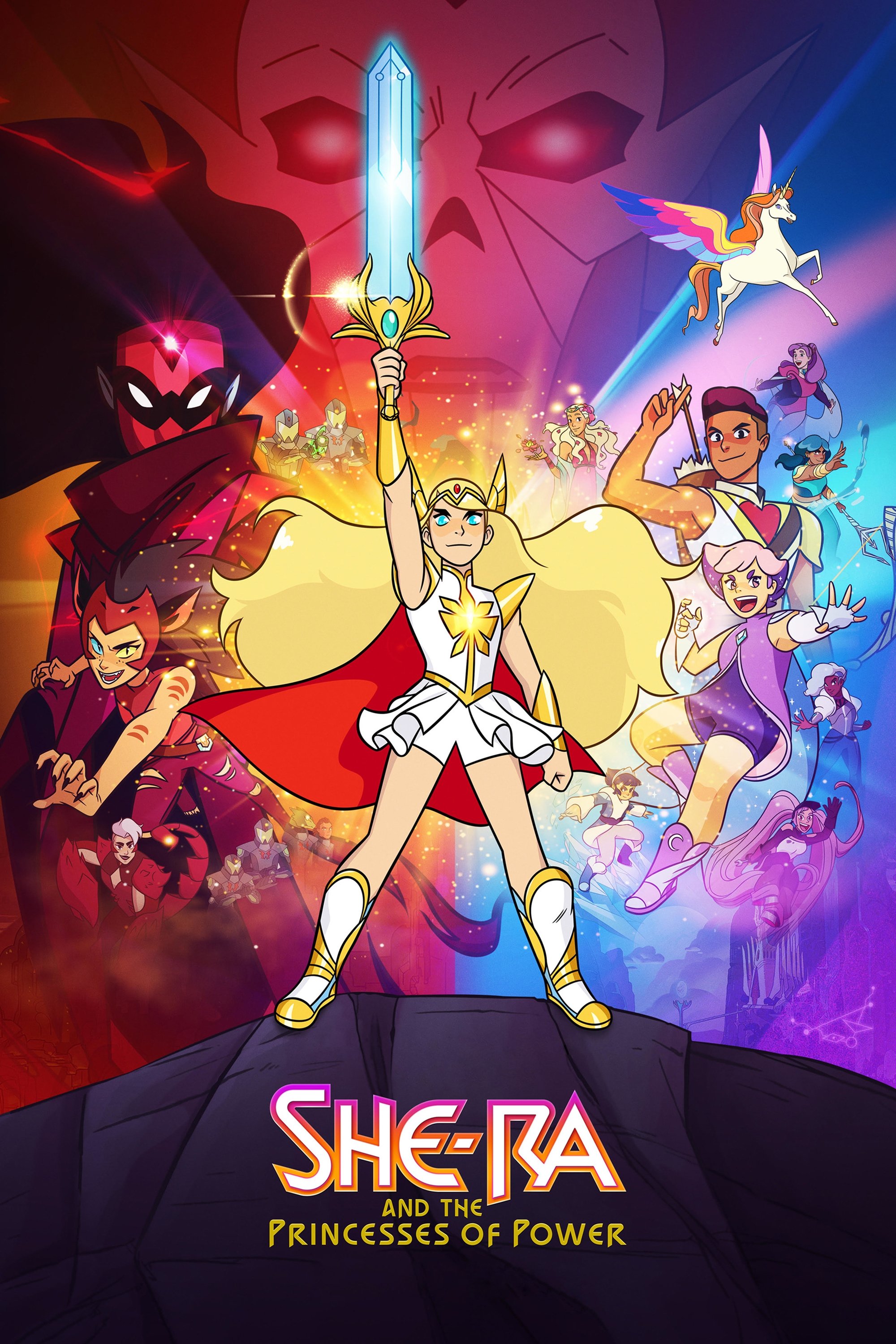
The rebooted series featured Netossa and Spinnerella, a married lesbian couple where Netossa is depicted as a Black woman. Their relationship was shown openly, leading to the show being flagged by conservative watchdogs as “propaganda” for children. Advertisers and partners were pressured to distance themselves from the property. The showrunner insisted on keeping their relationship explicit, refusing to bow to the industry standard of vague “gal pals.”
‘Good Trouble’ (2019–2024)
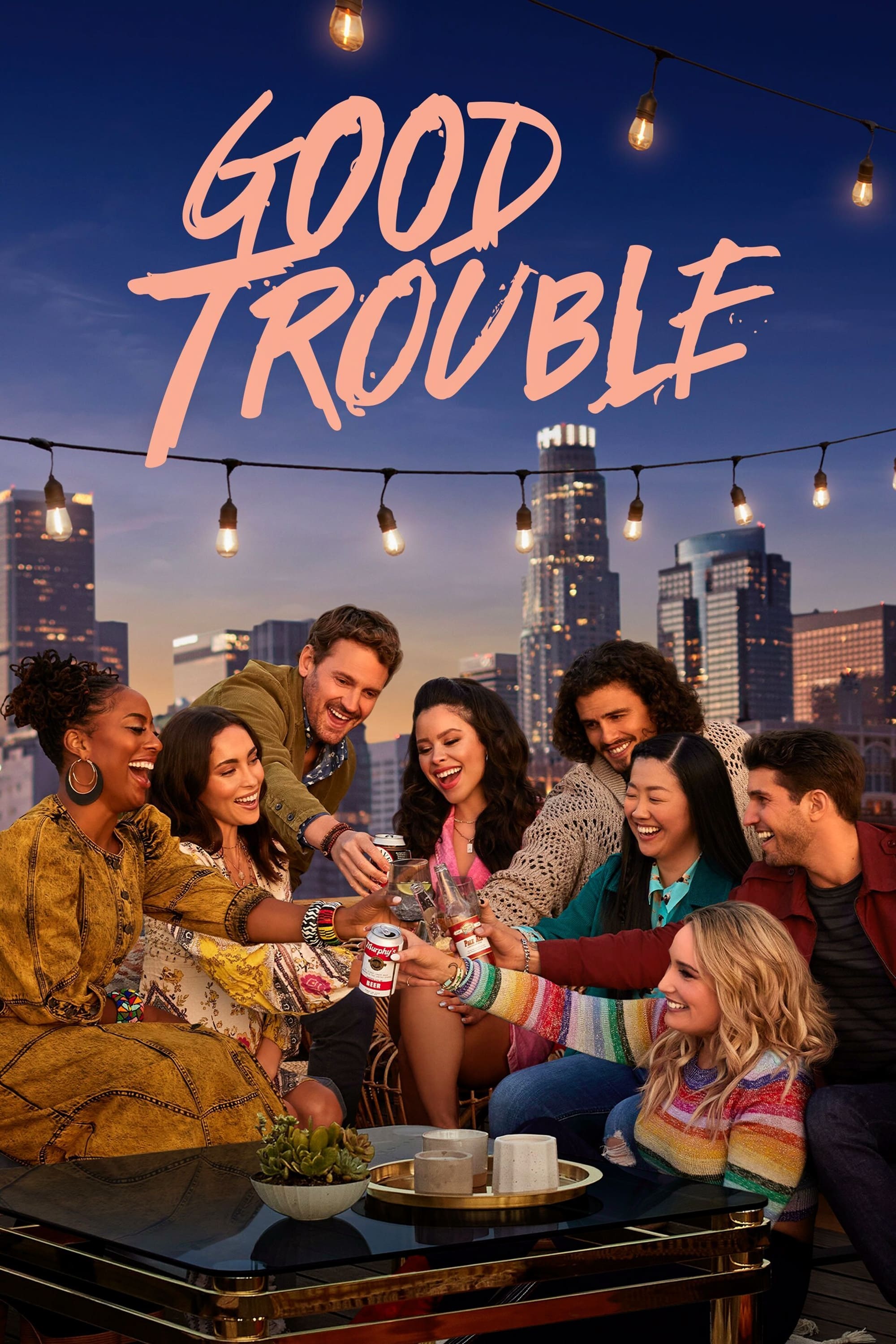
A spinoff of ‘The Fosters’, this show continued the legacy of diverse representation with characters like Malika and Alice exploring queer identities and polyamory. The inclusion of Black Lives Matter storylines alongside LGBTQ+ narratives made it a double target for right-wing boycott campaigns. Advertisers were frequently tagged in social media blasts accusing the show of promoting radical leftist values. The series maintained its course, prioritizing authentic storytelling over the comfort of conservative sponsors.
Share your thoughts on these groundbreaking shows and the controversies they faced in the comments.