


TV Shows That Lost Their Main Audience After Moving to a New Network

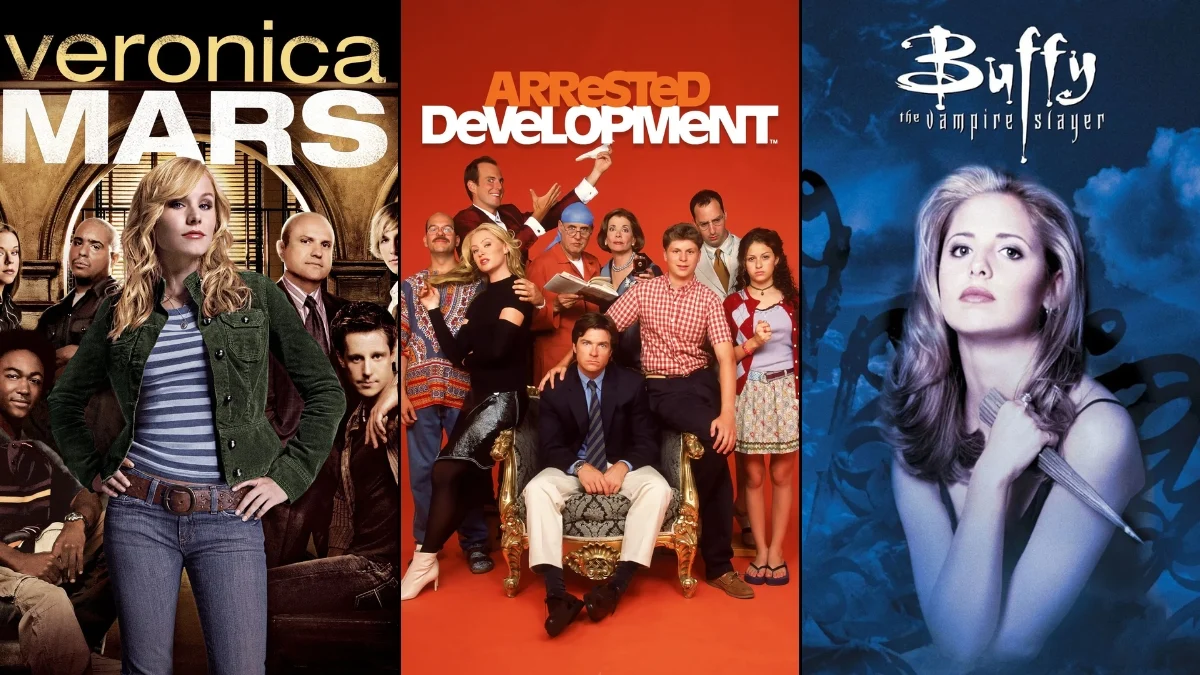


The transition of a television series from one network to another is often a desperate attempt to save a property from cancellation, yet it rarely results in a return to peak viewership. While a loyal core of fans might follow a show to its new home, the disruption in scheduling and accessibility frequently leads to a significant decline in mainstream reach. Whether moving from broadcast to cable or from traditional networks to streaming platforms, these shows often struggle to maintain their cultural momentum.
‘Scrubs’ (2001–2010)
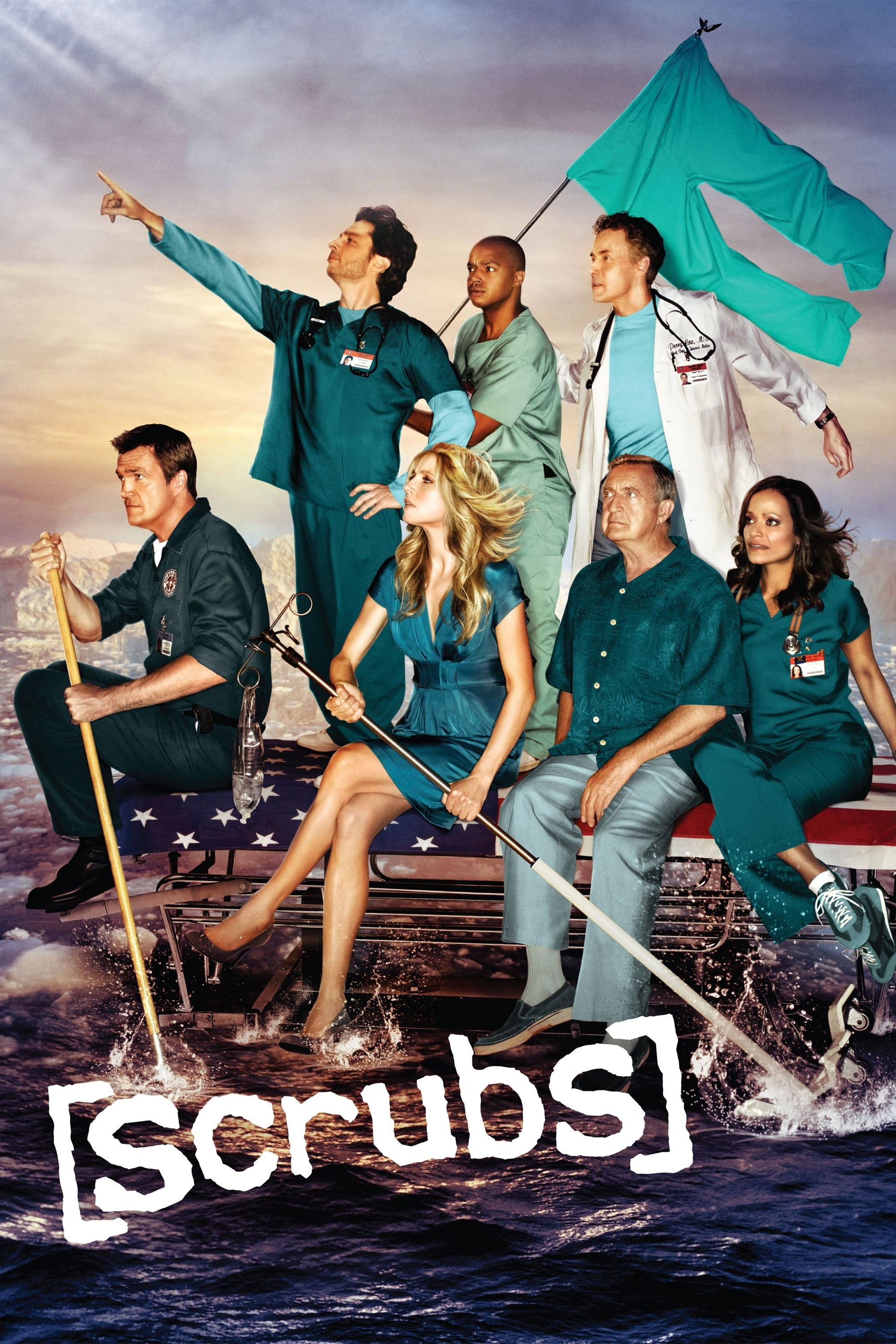
NBC aired the first seven seasons of the medical comedy before ABC picked up the eighth and ninth installments. The move coincided with a creative shift that focused on a new set of medical students in the final season, which alienated many longtime viewers. While the eighth season performed reasonably well, the ninth season saw a sharp decline in viewership and critical reception. Many fans felt the original ending at NBC provided a perfect conclusion, making the transition feel unnecessary and disjointed. This shift ultimately led to the cancellation of ‘Scrubs’ shortly after the move.
‘Futurama’ (1999–2023)

Originally airing on Fox, the animated sci-fi series was canceled in 2003 before being revived by Comedy Central in 2010. While the initial return sparked excitement, the linear ratings on cable never reached the heights achieved during its original network television run. The show faced multiple hiatuses and schedule changes that made it difficult for casual viewers to keep up with new episodes. Despite maintaining a cult following, ‘Futurama’ struggled to recapture the mainstream cultural impact it possessed in the early 2000s. The series eventually moved again to Hulu for a second revival years later.
‘Community’ (2009–2015)

After five seasons on NBC, the cult favorite sitcom ‘Community’ was picked up by the short-lived streaming service Yahoo! Screen for its sixth season. This move to a digital platform significantly limited the show’s accessibility to its traditional broadcast audience. Technical issues with the Yahoo! video player further frustrated the remaining viewers during the final run of episodes. Although the show finally fulfilled its “six seasons and a movie” prophecy, the viewership numbers were a fraction of its network peak. Yahoo! eventually reported a massive financial loss on its original programming, with ‘Community’ being its most prominent title.
‘Arrested Development’ (2003–2019)
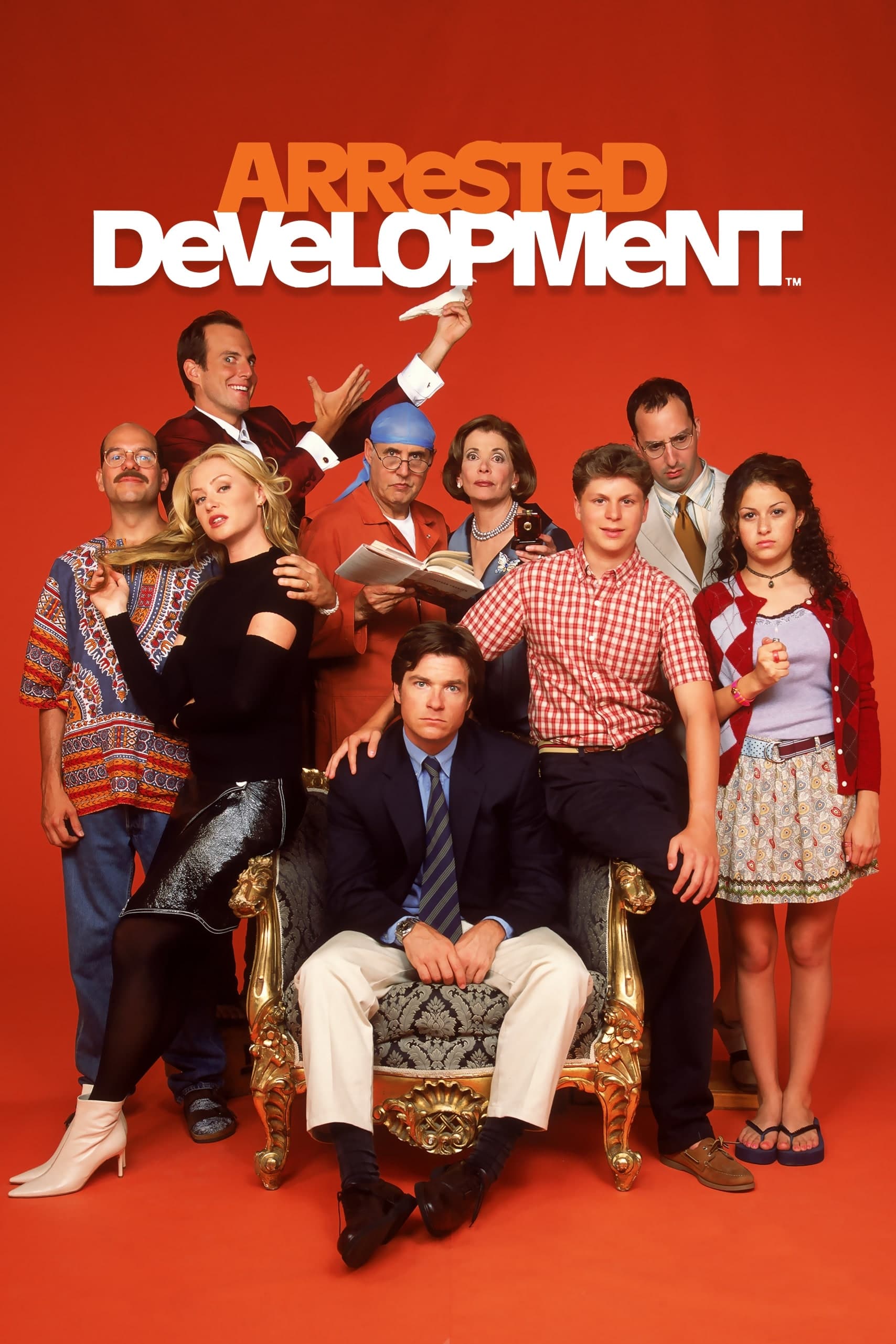
The critically acclaimed comedy ‘Arrested Development’ moved to Netflix in 2013, seven years after its initial cancellation by Fox. The transition changed the show’s format to accommodate actor schedules, which meant many main characters rarely appeared in scenes together. This shift in structure and the long gap between seasons alienated segments of the original fanbase. While the fourth season was later re-edited to resemble the original format, the momentum of the series had noticeably slowed. By the time the fifth season concluded, the intense buzz that once surrounded the show’s network years had largely dissipated.
‘Buffy the Vampire Slayer’ (1997–2003)
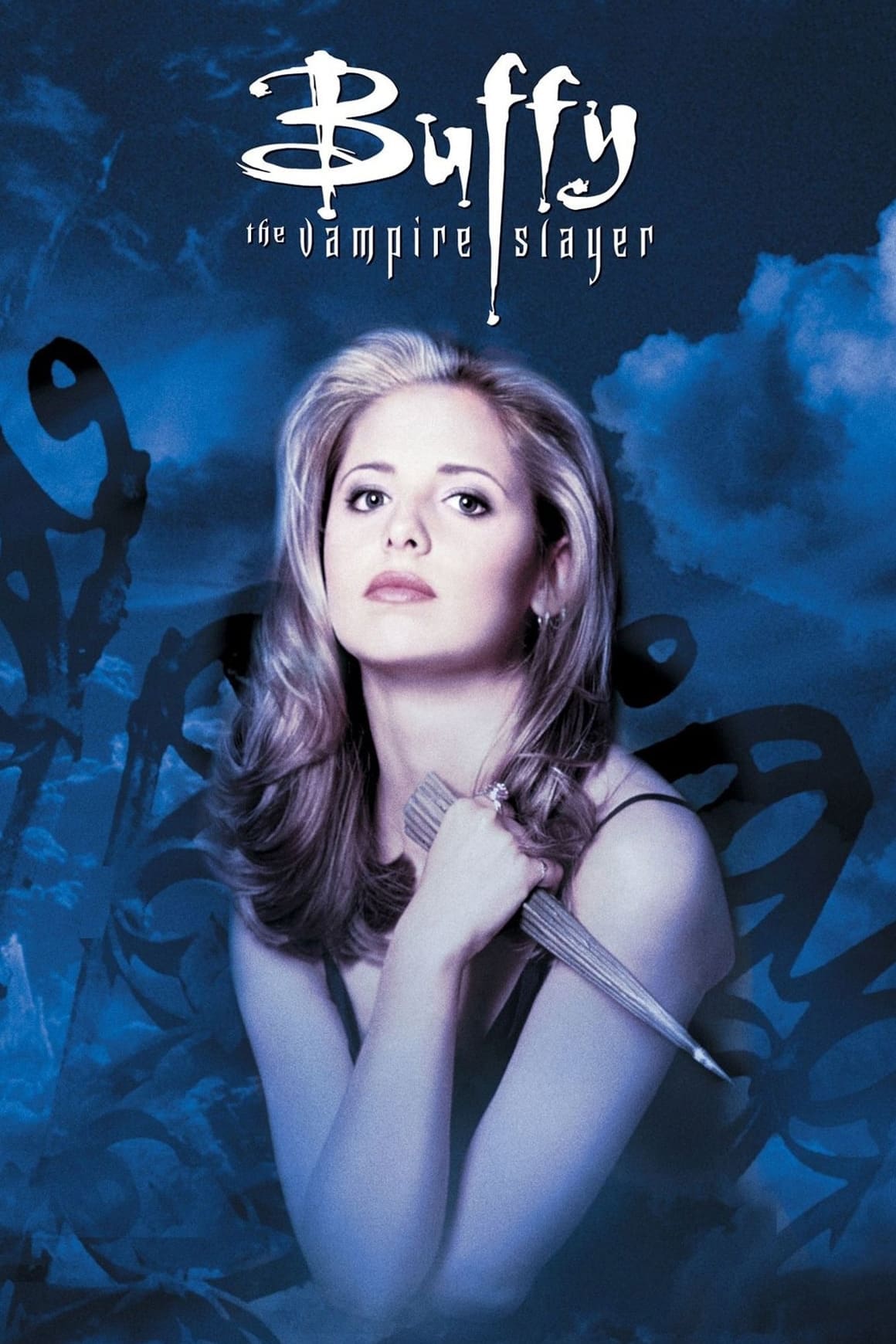
Following a dispute over licensing fees, ‘Buffy the Vampire Slayer’ moved from The WB to UPN for its final two seasons. The move brought a darker tone and more experimental storylines that polarized the established audience. While UPN initially saw a ratings boost compared to its other programming, the show’s overall viewership trended downward compared to its prime years. The change in networks also separated the series from its spin-off ‘Angel’, which remained on The WB. This separation effectively ended the frequent crossovers that fans of the franchise had previously enjoyed.
‘The Mindy Project’ (2012–2017)
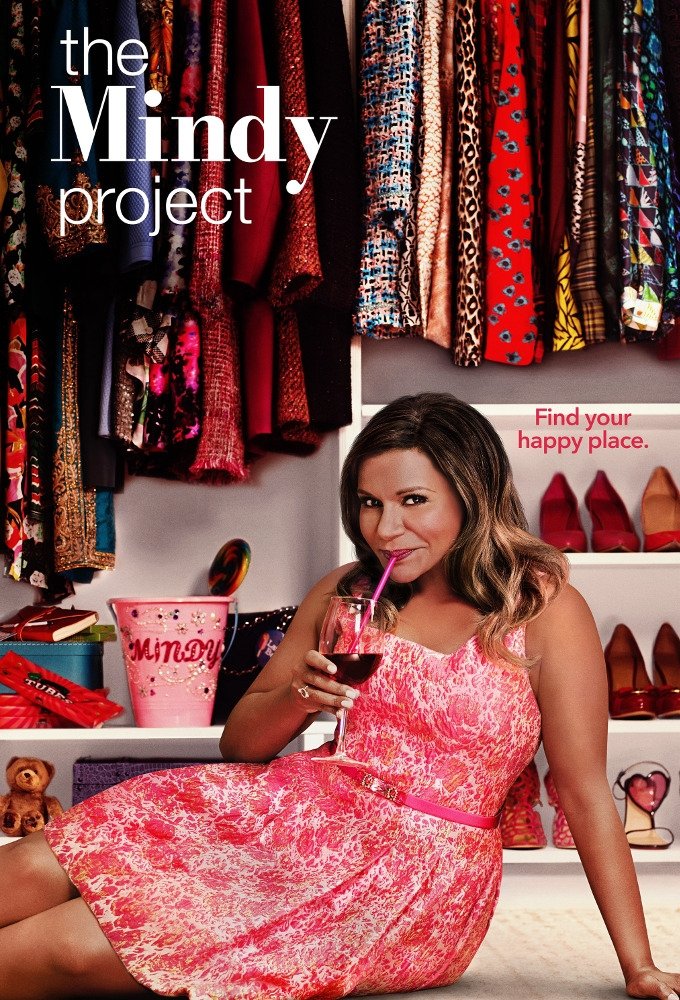
Mindy Kaling’s sitcom ‘The Mindy Project’ moved to Hulu after three seasons on Fox due to declining linear ratings. On the streaming platform, the show was able to explore more adult themes and longer episode runtimes without network interference. However, the transition to a subscription-based service meant that the broader network audience did not follow the show into its later years. While it successfully completed a six-season run, the cultural conversation surrounding the series became much quieter after its departure from broadcast television. The series became a niche streaming title rather than a mainstream network comedy.
‘Nashville’ (2012–2018)

After ABC canceled the musical drama ‘Nashville’, the series was revived by CMT for its fifth and sixth seasons. The transition to a niche cable network resulted in a significantly smaller audience reach compared to its time on a major broadcaster. Many viewers were unaware of where to find the show or lacked access to the CMT channel in their standard cable packages. Although the production values remained high, the narrative shifted focus and lost several key cast members. This change led to a noticeable decline in the social media engagement and live ratings that the show once commanded.
‘Cougar Town’ (2009–2015)
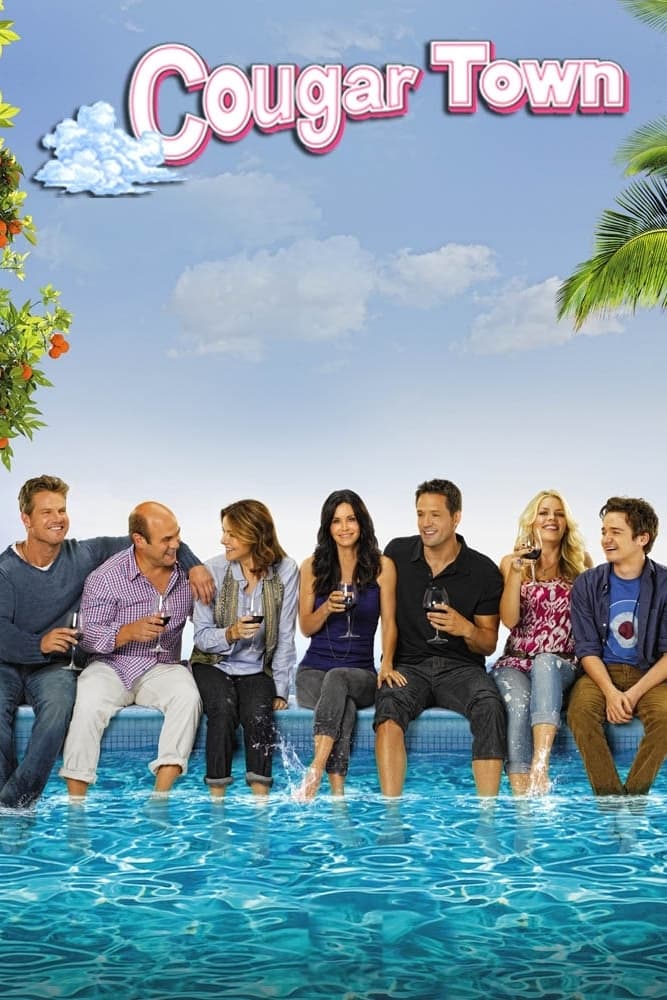
‘Cougar Town’ spent its first three seasons on ABC before being moved to the cable network TBS for the remainder of its run. While the move allowed for more creative freedom and a dedicated promotional push by TBS, the total viewership numbers dropped significantly. The transition to cable inherently limited the potential audience pool compared to the reach of a national broadcast network. Fans who did not have cable access were unable to continue following the adventures of the “Cul-de-Sac Crew.” Despite the loyal core fan base, the show never regained the broader recognition it held during its early years.
‘American Idol’ (2002–Present)

The singing competition ‘American Idol’ was a cultural juggernaut on Fox for fifteen seasons before being rebooted by ABC two years later. Although the show remains a steady performer for ABC, it has never approached the massive viewership records set during its original run. The new iteration features a different judging panel and a production style that some longtime fans found less compelling. The shift in networks marked the end of the “Event TV” era for the franchise, where it once dominated the national conversation. It now functions as a standard reality competition rather than a record-breaking ratings powerhouse.
‘Project Runway’ (2004–Present)

‘Project Runway’ moved from its original home on Bravo to Lifetime in 2009 after a legal battle between production companies. The move led to changes in production locations and a perceived shift in the show’s aesthetic that dissatisfied many original fans. Ratings began to decline over the years on Lifetime, and the show eventually lost its status as a top-tier reality series. When the show finally returned to Bravo years later, much of the original momentum and cultural prestige had been lost. The constant switching between networks fragmented the audience and diluted the brand’s identity over time.
‘Southland’ (2009–2013)

The gritty police drama ‘Southland’ was famously canceled by NBC before its second season had even premiered, leading to an immediate move to TNT. While TNT was praised for saving the show, the cable audience was naturally smaller than the reach provided by a major network. The show’s realistic and often bleak tone struggled to find a massive following on cable, leading to consistent bubble status. Despite high critical praise and a dedicated following, the series never became the massive ratings hit that NBC had initially hoped for. It was eventually canceled after five seasons due to the low viewership numbers.
‘Veronica Mars’ (2004–2019)

After two seasons on UPN and one on The CW, ‘Veronica Mars’ returned for a fourth season on Hulu over a decade later. The revival took a significantly darker tone and introduced a controversial ending that alienated a large portion of the loyal fanbase. While the show’s return was highly anticipated, the backlash to the narrative choices discouraged many viewers from wanting additional seasons. The transition to a streaming environment changed the show’s pacing and structure in ways that some felt strayed too far from the original series. This resulted in a lack of interest in further seasons, effectively ending the franchise again.
‘The Game’ (2006–2015)
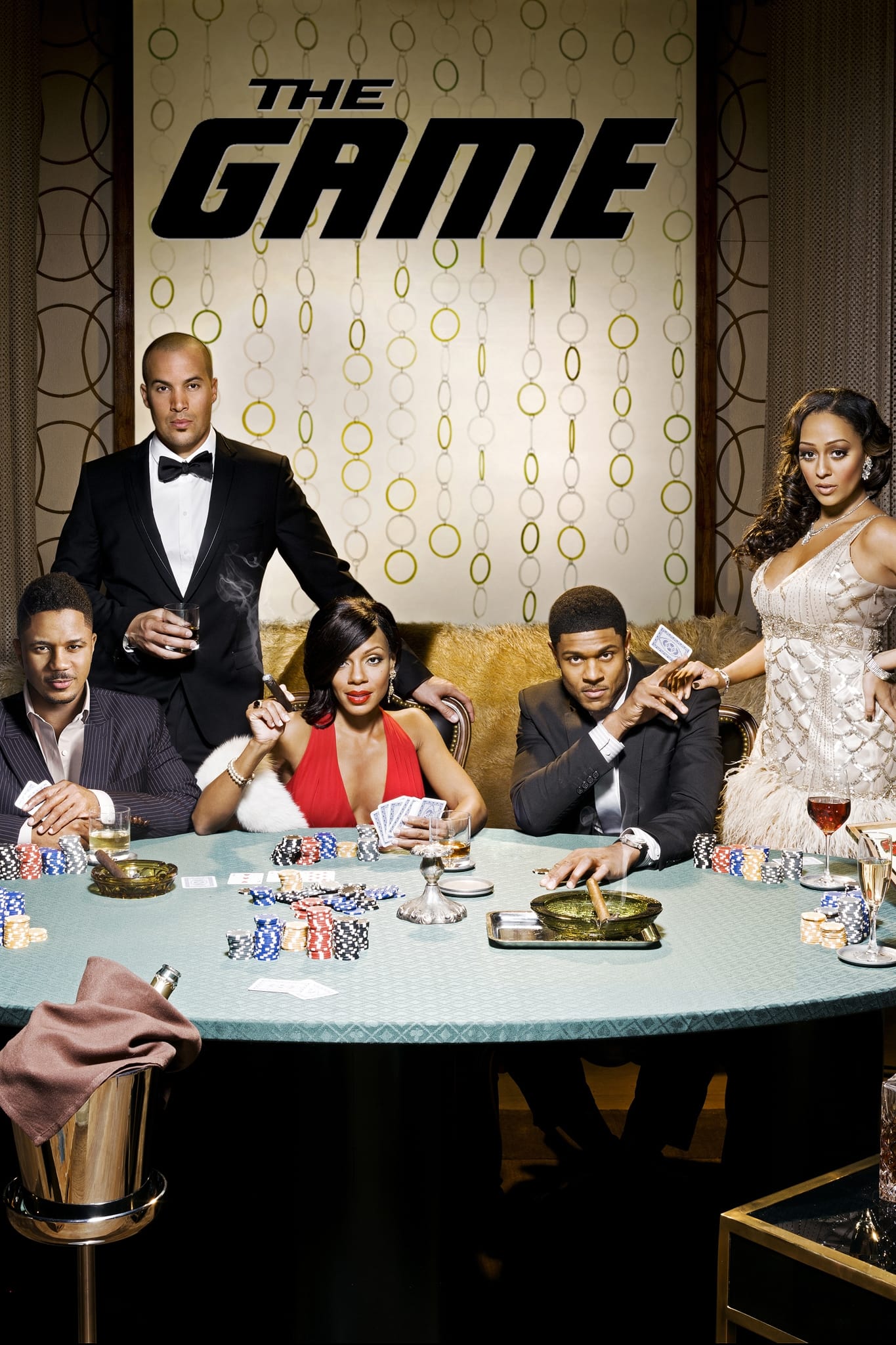
‘The Game’ started as a sitcom on The CW but was canceled after three seasons, only to be revived by BET. The revival initially broke cable records with its premiere, but the show’s tone eventually shifted from a half-hour sitcom to a serious hour-long dramedy. This creative pivot, combined with major cast departures, led to a steady decline in viewership over subsequent seasons. Many fans of the original CW run felt the BET version lacked the humor and chemistry of the earlier years. The show eventually concluded with much less fanfare than its record-breaking cable debut had initially suggested.
‘Taxi’ (1978–1983)
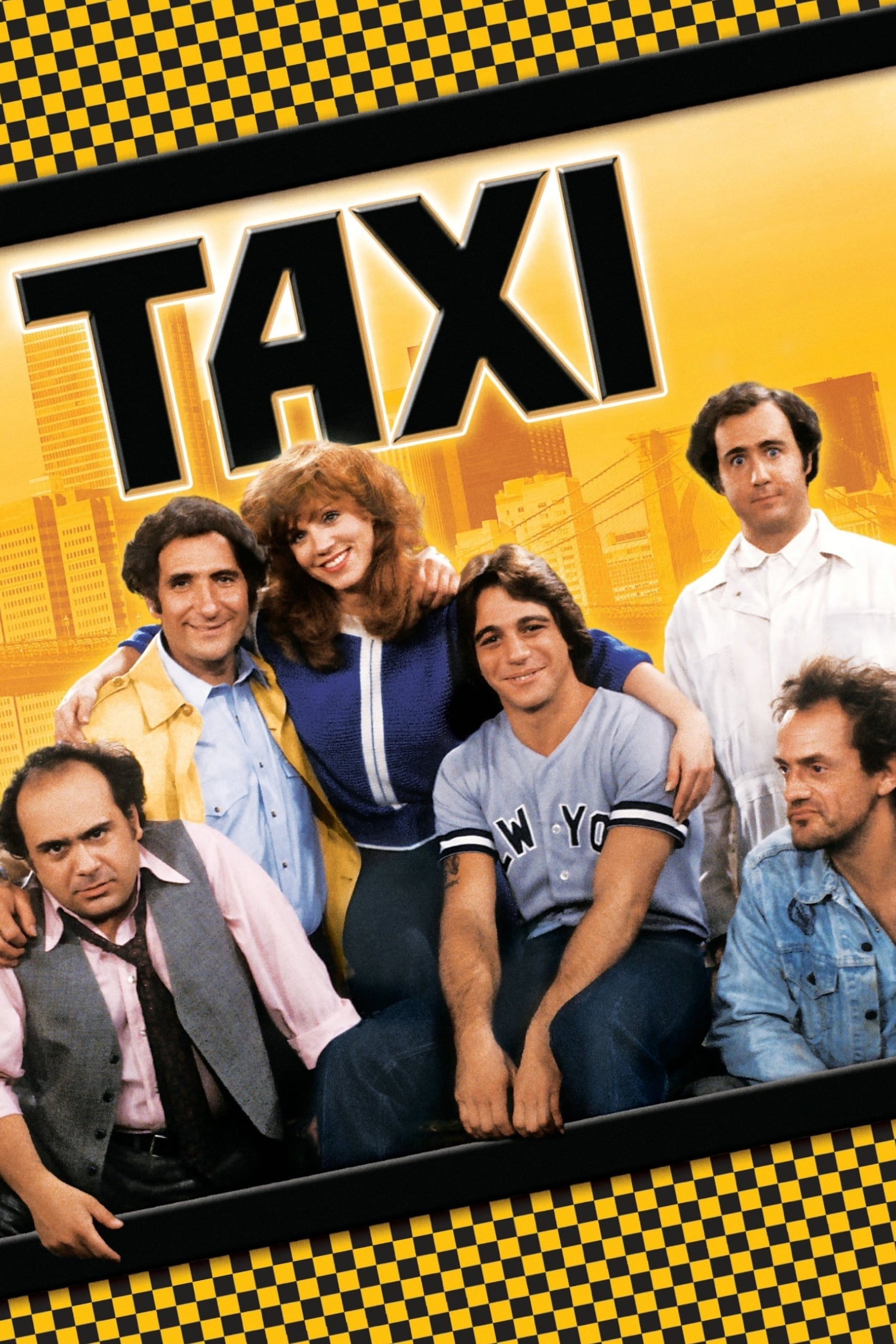
The classic sitcom ‘Taxi’ moved from ABC to NBC for its fifth and final season in 1982. The move was an attempt to save the show after declining ratings on ABC, but the transition failed to attract a sufficient new audience. The series suffered from a poor time slot on its new network, which further contributed to the loss of established viewers. Despite its pedigree and talented cast, the show could not regain the popularity it enjoyed during its first three seasons. ‘Taxi’ was canceled by NBC after just one season on the network.
‘Get Smart’ (1965–1970)

The spy spoof ‘Get Smart’ spent four successful seasons on NBC before moving to CBS for its final year. The change in networks coincided with a decline in the show’s creative energy and a shift in general television trends. Viewers who had followed the show on NBC did not make the transition to CBS in large enough numbers to keep it afloat. The ratings continued to slide throughout the season, and the show was canceled at the end of the year. This move is often cited as a classic example of a show losing its magic after switching network homes.
‘Inside Amy Schumer’ (2013–2022)

The sketch comedy series ‘Inside Amy Schumer’ was a massive hit for Comedy Central during its initial four-season run. After a six-year hiatus, the show returned for a fifth season exclusively on the streaming service Paramount+. The move away from cable television significantly reduced the show’s cultural footprint and general accessibility. Without the lead-in from other popular Comedy Central shows, the revival failed to generate the same level of viral conversation as previous seasons. The audience that once tuned in for its sharp social commentary largely moved on during the long break.
‘Tuca & Bertie’ (2019–2022)

The animated series ‘Tuca & Bertie’ was canceled by Netflix after one season and later picked up by Adult Swim for two additional seasons. While fans were initially thrilled by the rescue, the transition to linear cable television made the show harder to watch for those who had cut the cord. The shift in platform also meant a change in how the show was promoted and distributed to international audiences. Despite continued critical acclaim, the viewership numbers on Adult Swim were not enough to sustain the production costs. The series was canceled for a second time after its third season.
‘Designated Survivor’ (2016–2019)

Kiefer Sutherland’s political thriller ‘Designated Survivor’ moved to Netflix for its third season after being canceled by ABC. The Netflix version introduced more profanity and darker themes, which some viewers felt fundamentally changed the core identity of the show. Many fans of the original network version did not follow the transition to the streaming platform. The loss of the traditional broadcast structure and the change in writing staff led to a decline in general interest. Netflix opted not to renew the show for a fourth season, ending the series shortly after the move.
‘The Expanse’ (2015–2022)

The science fiction epic ‘The Expanse’ moved to Amazon Prime Video after being canceled by Syfy following its third season. While the move was celebrated by fans and allowed for a larger budget, the show’s audience became more specialized and niche. Moving to a streaming service meant the loss of the linear cable audience that had discovered the show through traditional channel surfing. While it remained a critical darling, it never reached the level of mainstream fame that other sci-fi hits achieved on major platforms. The series concluded its run after six seasons on the platform.
‘Longmire’ (2012–2017)

‘Longmire’ was a top-rated drama on A&E before the network canceled it to focus on a younger target demographic. Netflix picked up the series for three additional seasons, providing a home for its loyal and older audience. However, the transition to a digital platform was difficult for some of the show’s core viewership who were less tech-savvy. While the show was able to provide a proper conclusion for its characters, its overall reach was significantly narrowed compared to its time on basic cable. The move marked a shift from a broad-reach hit to a targeted streaming title.
‘Wonder Woman’ (1975–1979)

The superhero series ‘Wonder Woman’ aired its first season on ABC as a period piece set during World War II. When the show moved to CBS for its second and third seasons, the setting was updated to the contemporary 1970s. This creative overhaul confused some original viewers and changed the fundamental dynamic of the storytelling. While it remained a pop culture icon, the ratings on CBS never matched the initial excitement of its debut season. The shift in tone and time period ultimately contributed to its cancellation after the third season concluded.
‘The Bionic Woman’ (1976–1978)

‘The Bionic Woman’ was a massive success for ABC during its first two seasons as a spin-off of ‘The Six Million Dollar Man’. After a contract dispute, the series moved to NBC for its third and final season. The transition led to declining ratings as the show lost its direct connection to the lead-in of its parent series. NBC attempted to refresh the concept with new characters and plotlines, but the original audience did not follow in the same numbers. The series was canceled shortly after the move, ending the bionic franchise’s prime era on television.
‘Matlock’ (1986–1995)
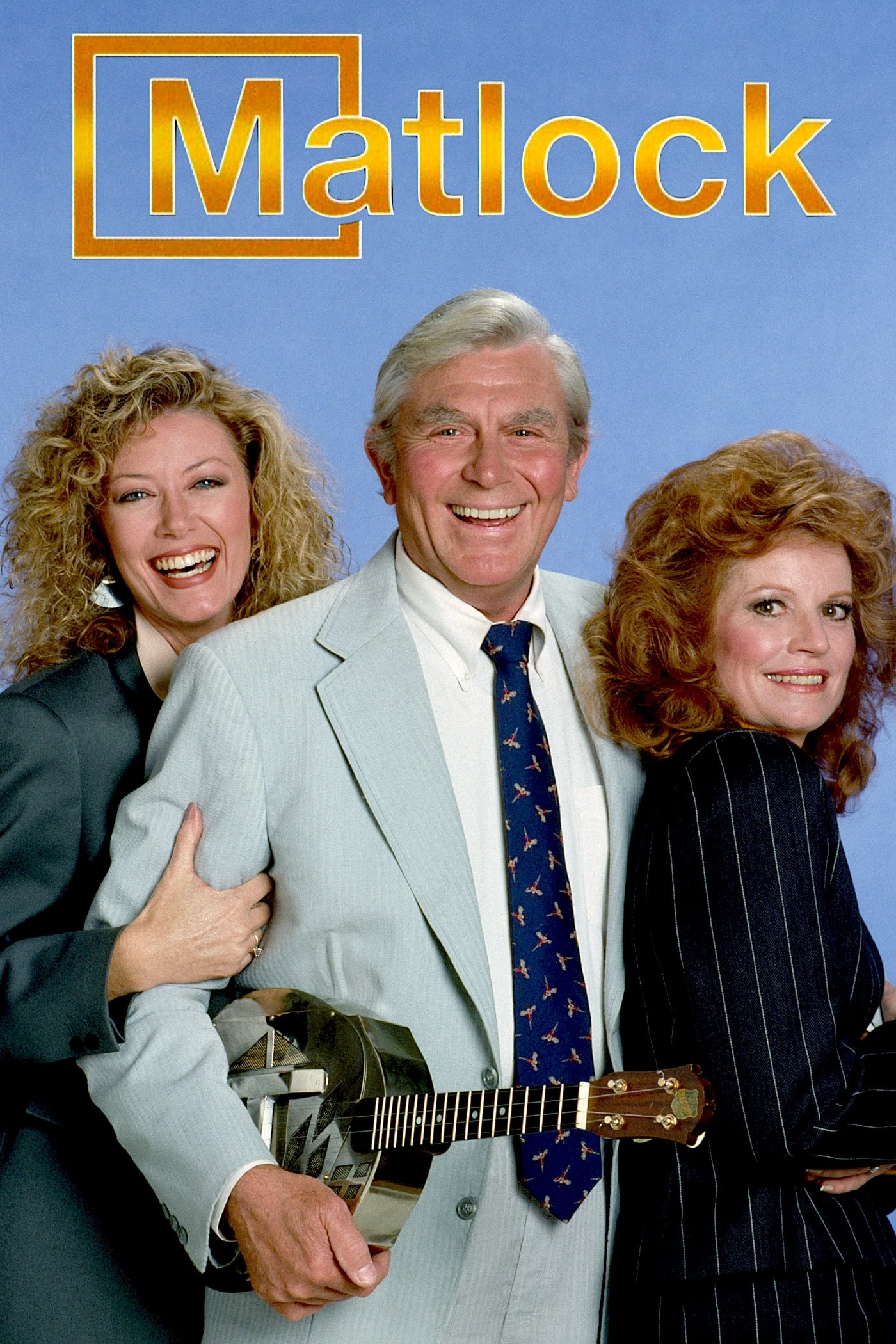
The legal drama ‘Matlock’ was a staple of NBC’s lineup for six seasons before moving to ABC for its final three. While Andy Griffith remained a major draw, the move to a new network often indicated a show’s declining popularity or rising production costs. On ABC, the viewership began to dwindle as the core audience of older viewers struggled to find the show in its new timeslot. The network eventually ended the series in 1995 as part of a push for younger-skewing programming. Despite the move, ‘Matlock’ remains a classic in syndication for its original run.
‘Diff’rent Strokes’ (1978–1986)
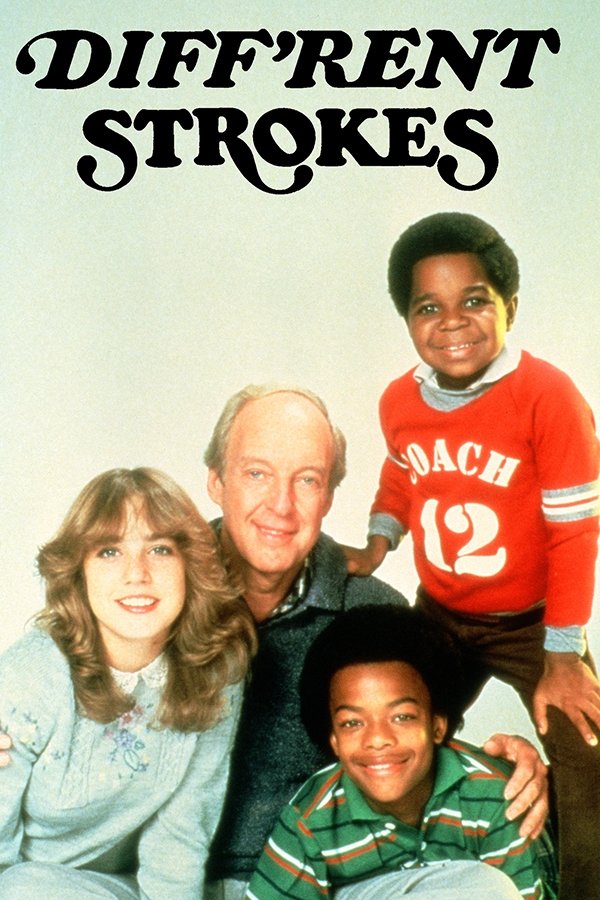
‘Diff’rent Strokes’ enjoyed a long and successful seven-season run on NBC before being picked up by ABC for an eighth season. By the time it moved to ABC, the series was already facing declining ratings and the natural aging of its child stars. The transition failed to revitalize the show, and viewership continued to drop on the new network. ABC canceled the series after just one season, as the show had clearly lost the cultural relevance it held in the late 1970s. The move is often seen as a final attempt to squeeze life out of a fading network hit.
‘Brooklyn Nine-Nine’ (2013–2021)

After being canceled by Fox, the police comedy ‘Brooklyn Nine-Nine’ was quickly saved by NBC for its final three seasons. While the move was celebrated by a vocal online fanbase, the linear television ratings steadily declined on the new network over time. The show also faced external cultural shifts that made a lighthearted police comedy more difficult to produce and market to a wide audience. By the eighth and final season, the audience reach was significantly smaller than during its peak years on Fox. Despite this, the move allowed the show to reach a planned conclusion for its ensemble cast.
Please share which of these network moves you think was the most detrimental to the show’s quality in the comments.