


15 TV Shows That Never Used a Laugh Track and Felt Better for It




Television comedy underwent a significant transformation when creators began moving away from the traditional multi-camera setup. The removal of the laugh track allowed shows to experiment with silence and awkwardness in ways that enhanced the humor. Writers gained the freedom to write faster dialogue and explore darker or more emotional territory without waiting for audience validation. This shift paved the way for the single-camera era and redefined what audiences expect from a sitcom.
‘The Office’ (2005–2013)
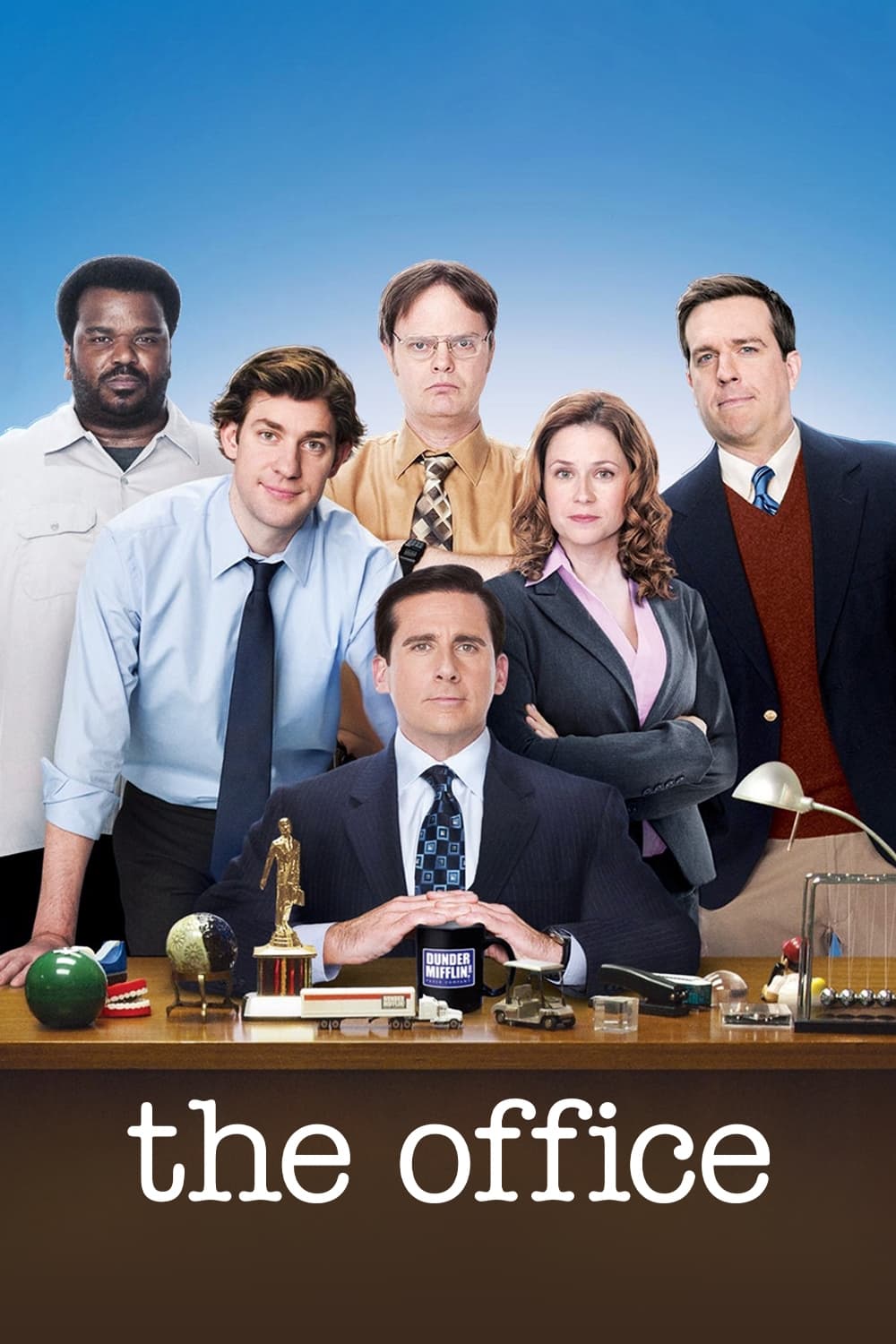
This mockumentary sitcom revolutionized American television by finding humor in the mundane aspects of office life. The absence of a laugh track allowed the awkward silences and deadpan stares to land with maximum impact. Characters often broke the fourth wall by glancing directly at the camera to express their frustration or amusement. The series relied heavily on the natural chemistry of the ensemble cast rather than forced punchlines.
‘Arrested Development’ (2003–2019)
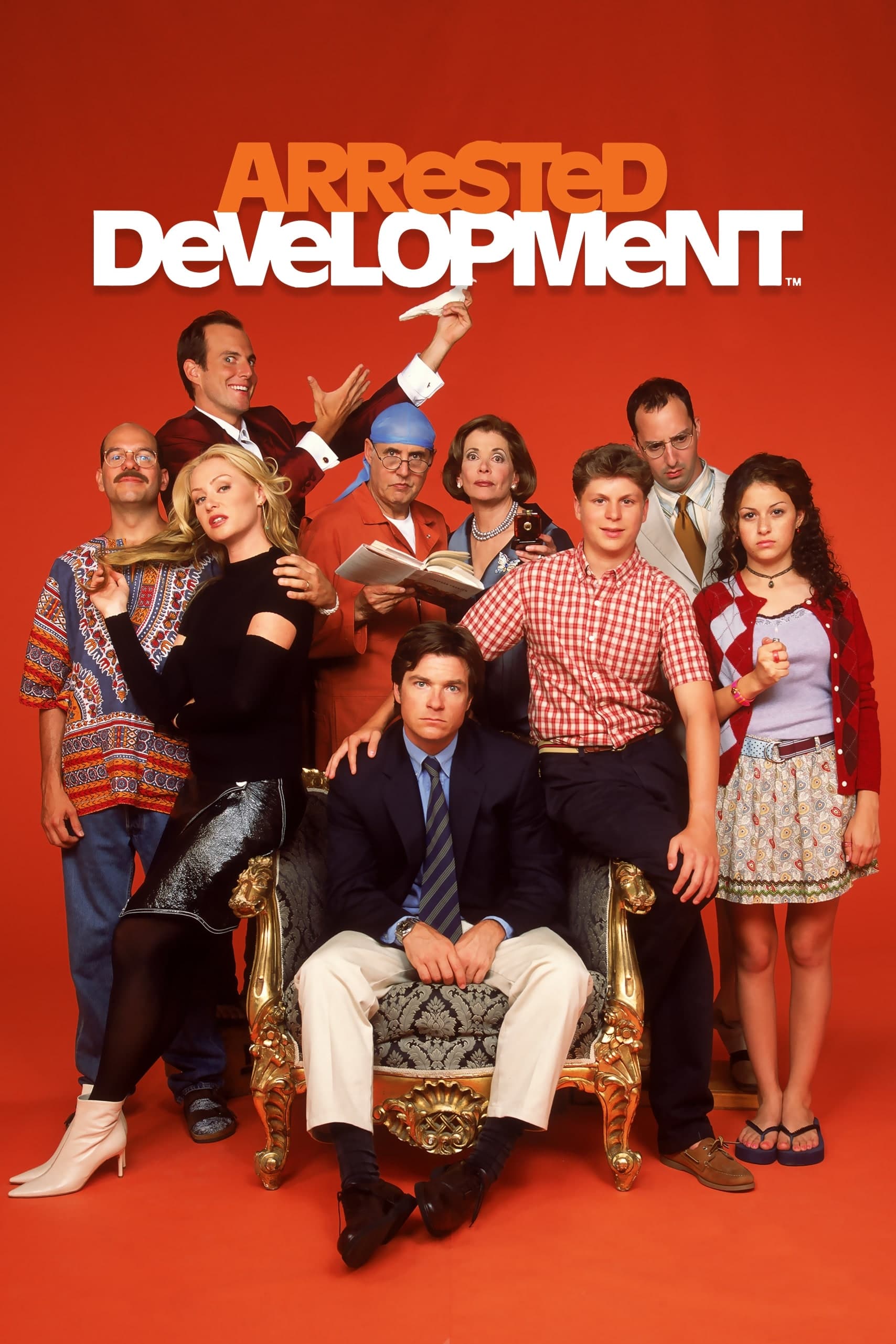
The story follows a wealthy family that loses everything and the one son who has no choice but to keep them all together. Intricate plotting and rapid-fire jokes replaced standard sitcom beats to reward attentive viewing. A narrator provided crucial context and irony that often contradicted what the characters said on screen. The show utilized handheld camera work and archival footage to create a distinct documentary feel.
‘Malcolm in the Middle’ (2000–2006)
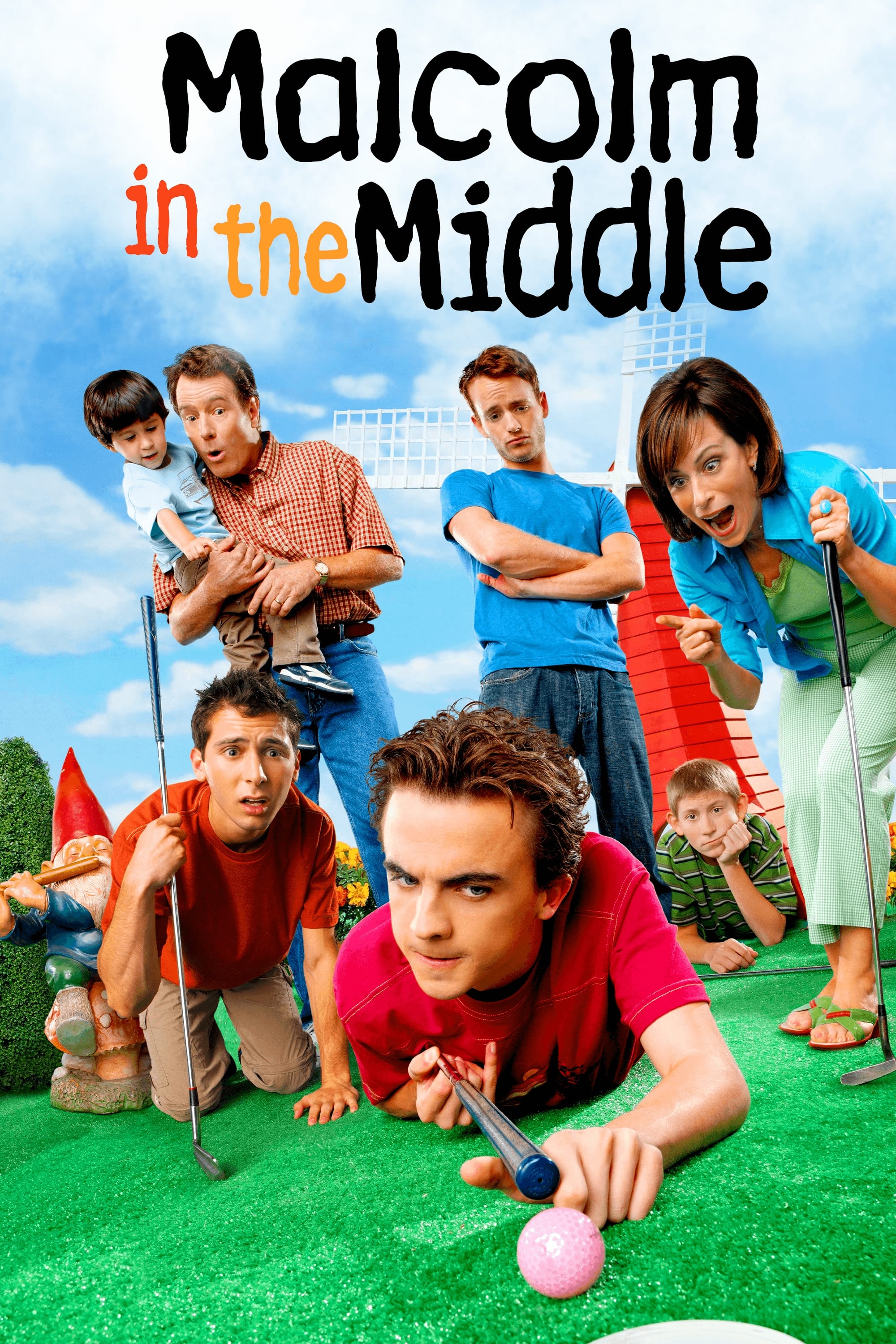
This series focused on a gifted child navigating life in a dysfunctional working-class family. The protagonist frequently addressed the audience directly to explain his chaotic surroundings and eccentric parents. Fast editing and visual gags replaced the traditional stage setup found in other sitcoms of the era. Viewers connected with the realistic portrayal of sibling rivalries and financial struggles without the prompting of audience laughter.
‘Scrubs’ (2001–2010)

Medical dramas and screwball comedies merged in this series centered on interns at a teaching hospital. The narrative utilized surreal fantasy sequences to visualize the internal thoughts of the main character. Shifts between slapstick humor and poignant emotional moments occurred naturally without artificial cues. Music played a vital role in setting the tone for scenes that ranged from hilarious to heartbreaking.
‘It’s Always Sunny in Philadelphia’ (2005–Present)
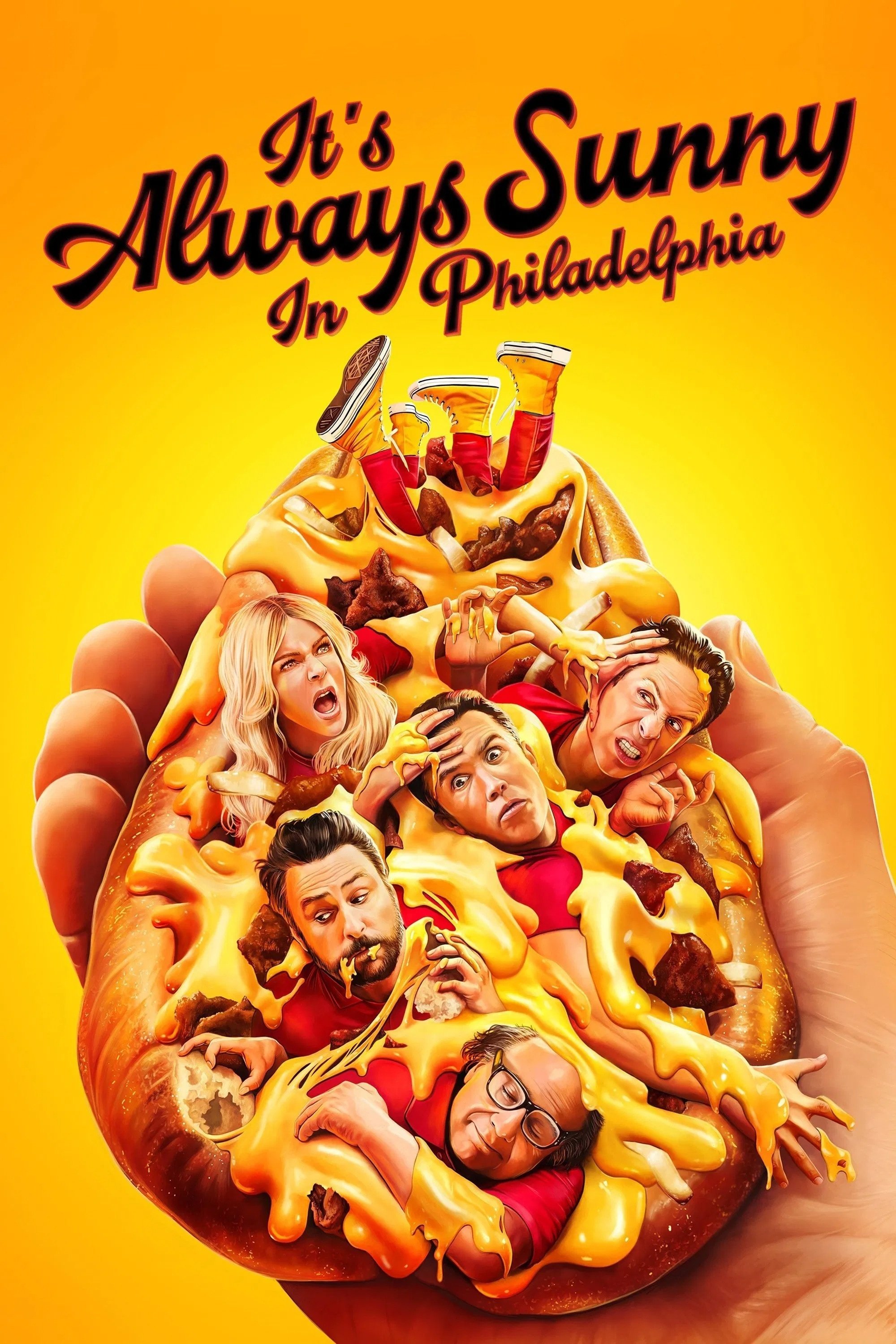
Five narcissists run a decrepit Irish bar in South Philadelphia while engaging in depraved schemes. The dialogue often features characters shouting over one another to create a sense of frantic realism. Silence is used effectively to highlight the absurdity of their immoral actions and lack of self-awareness. The show proves that dark comedy can thrive without a studio audience to soften the edges.
’30 Rock’ (2006–2013)

A television writer tries to manage a variety show while dealing with an arrogant boss and erratic stars. The script density sets a high bar with multiple jokes often packed into a single minute of airtime. Surreal cutaways and flashbacks provide visual humor that would be impossible in a multi-camera format. The pacing remains breathless throughout the series to keep the energy high without pausing for laughs.
‘Parks and Recreation’ (2009–2015)
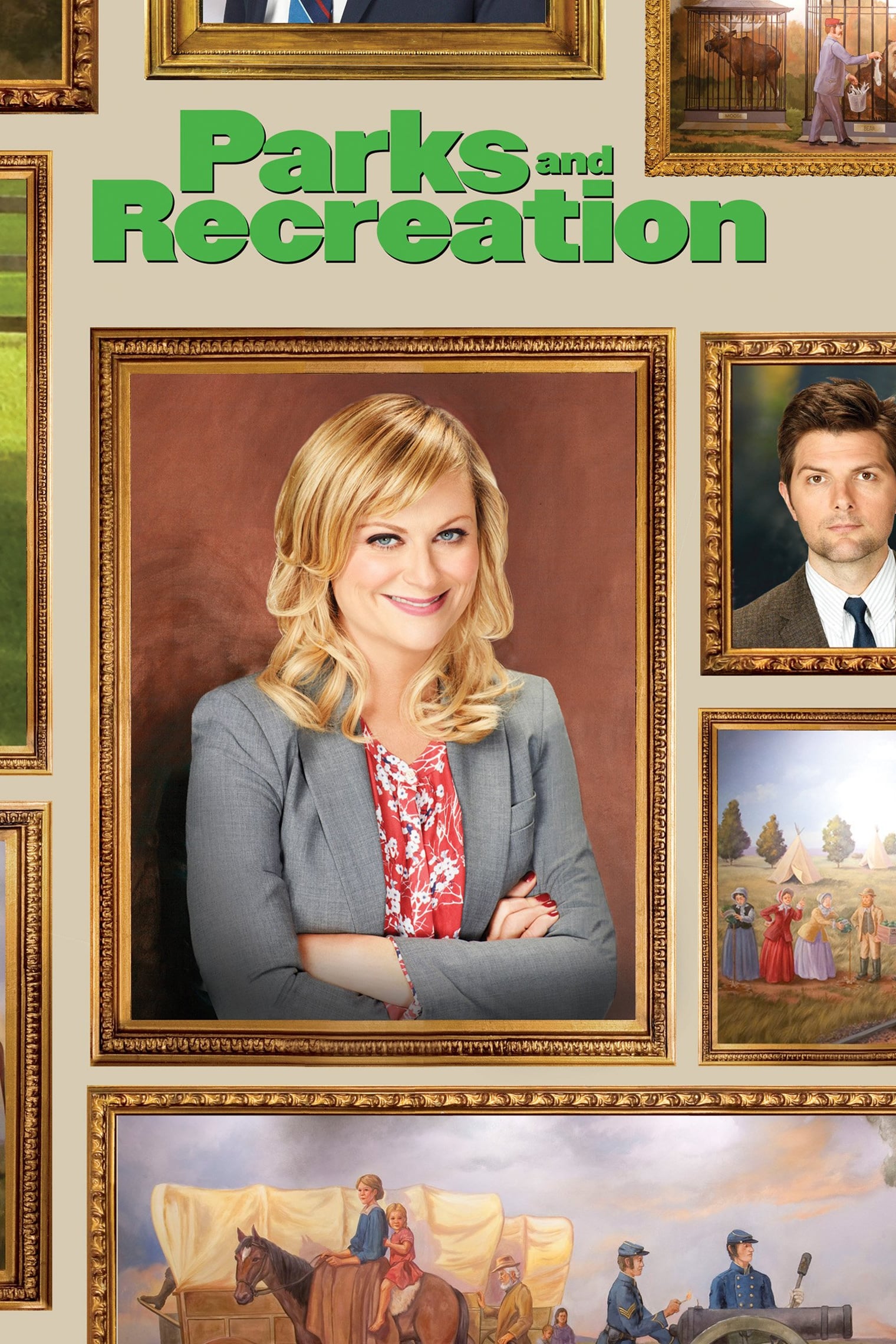
Optimistic public servant Leslie Knope works tirelessly to improve her small town despite bureaucratic hurdles. The mockumentary format captures the quirky personalities of the local government employees in Pawnee. Positive character relationships drive the humor rather than the cynical insults often found in traditional sitcoms. Improvised lines and genuine reactions from the cast create a warm and inviting atmosphere.
‘Modern Family’ (2009–2020)

Three diverse branches of the same family agree to be interviewed by an unseen documentary crew. The show explores the complexities of raising children and maintaining relationships in a changing world. Talking head segments allow characters to reveal their true feelings or contradict their previous actions. The single-camera setup enables the production to utilize various locations that reflect a realistic suburban lifestyle.
‘Community’ (2009–2015)
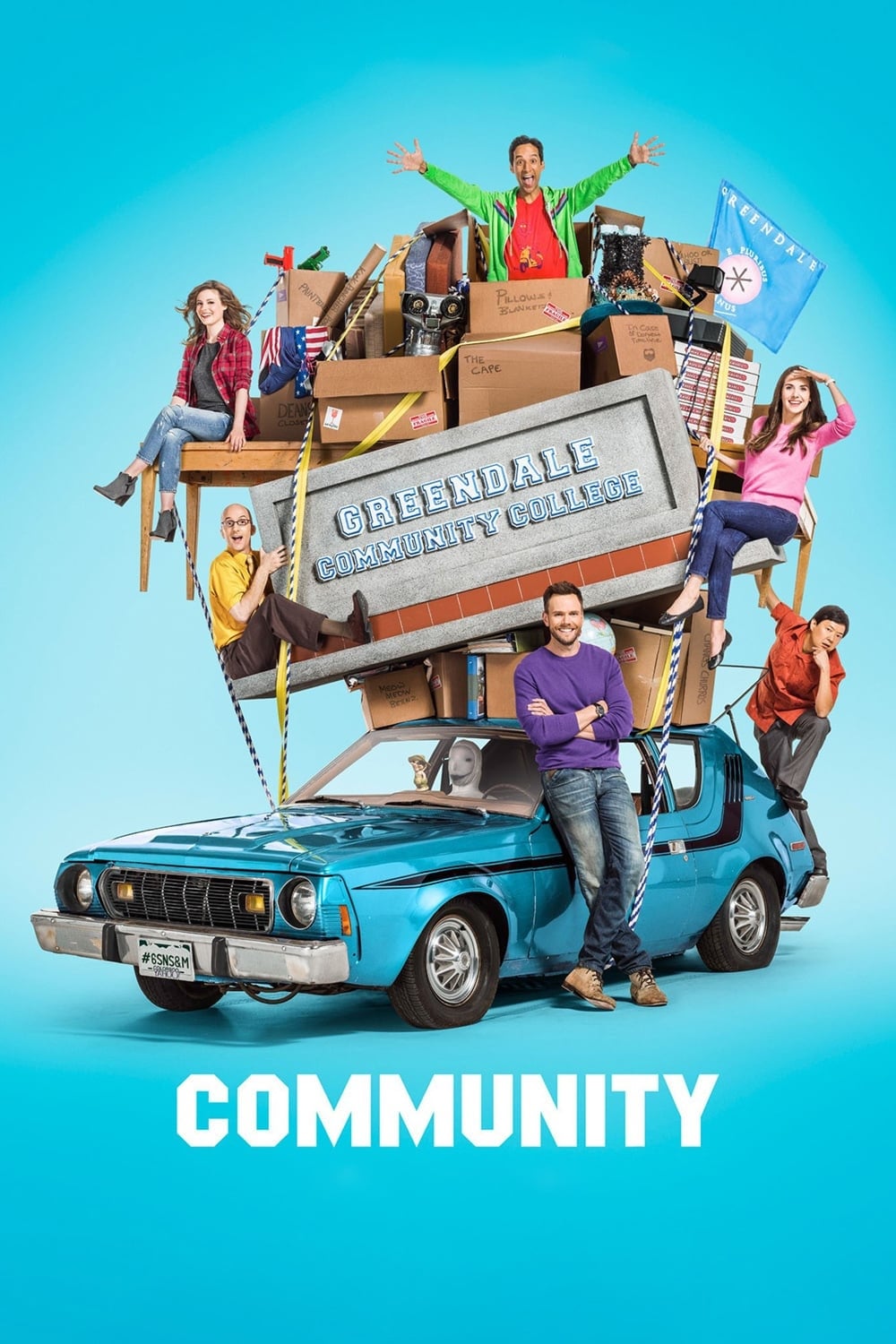
A suspended lawyer forms a study group at a community college filled with eccentric misfits. The series became known for its high-concept parody episodes that mimicked various film and television genres. Meta-humor allowed the characters to comment on the tropes of the sitcom format itself. The lack of a laugh track gave the writers freedom to experiment with complex narrative structures and emotional depth.
‘Curb Your Enthusiasm’ (2000–2024)

A fictionalized version of Larry David navigates social faux pas and misunderstandings in Los Angeles. The dialogue is largely improvised by the actors based on a detailed plot outline for each episode. Awkward encounters play out in real time to maximize the cringe factor for the audience. The handheld camera work adds a layer of verite realism to the absurd situations.
‘Brooklyn Nine-Nine’ (2013–2021)
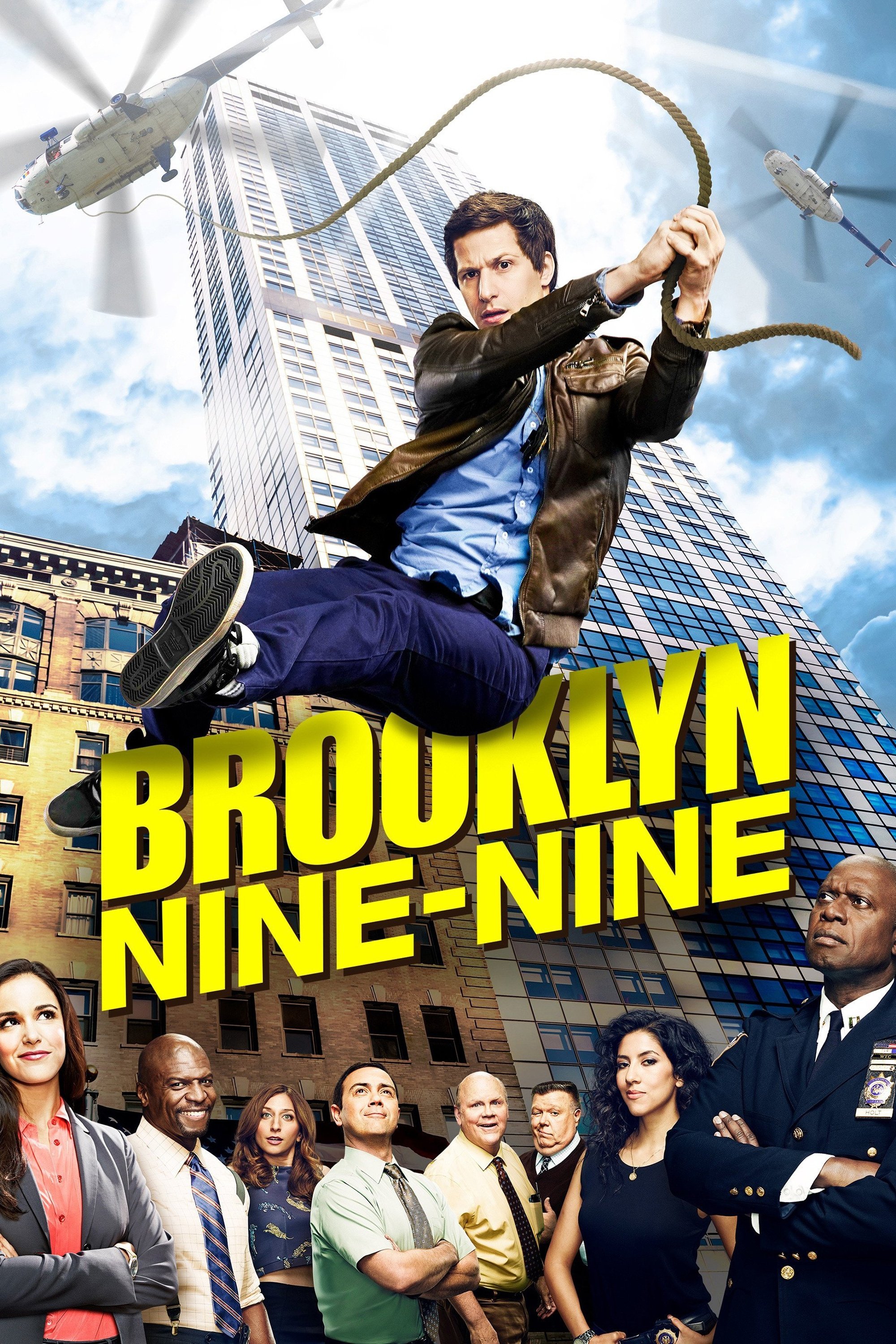
Detectives at the 99th precinct of the NYPD solve crimes while bonding as a dysfunctional work family. The cold open sequences often feature elaborate pranks or bets that set a comedic tone for the episode. Quick cuts and flashback gags keep the momentum moving without the need for pauses. The chemistry between the stern captain and his immature squad serves as the emotional anchor.
‘The Good Place’ (2016–2020)
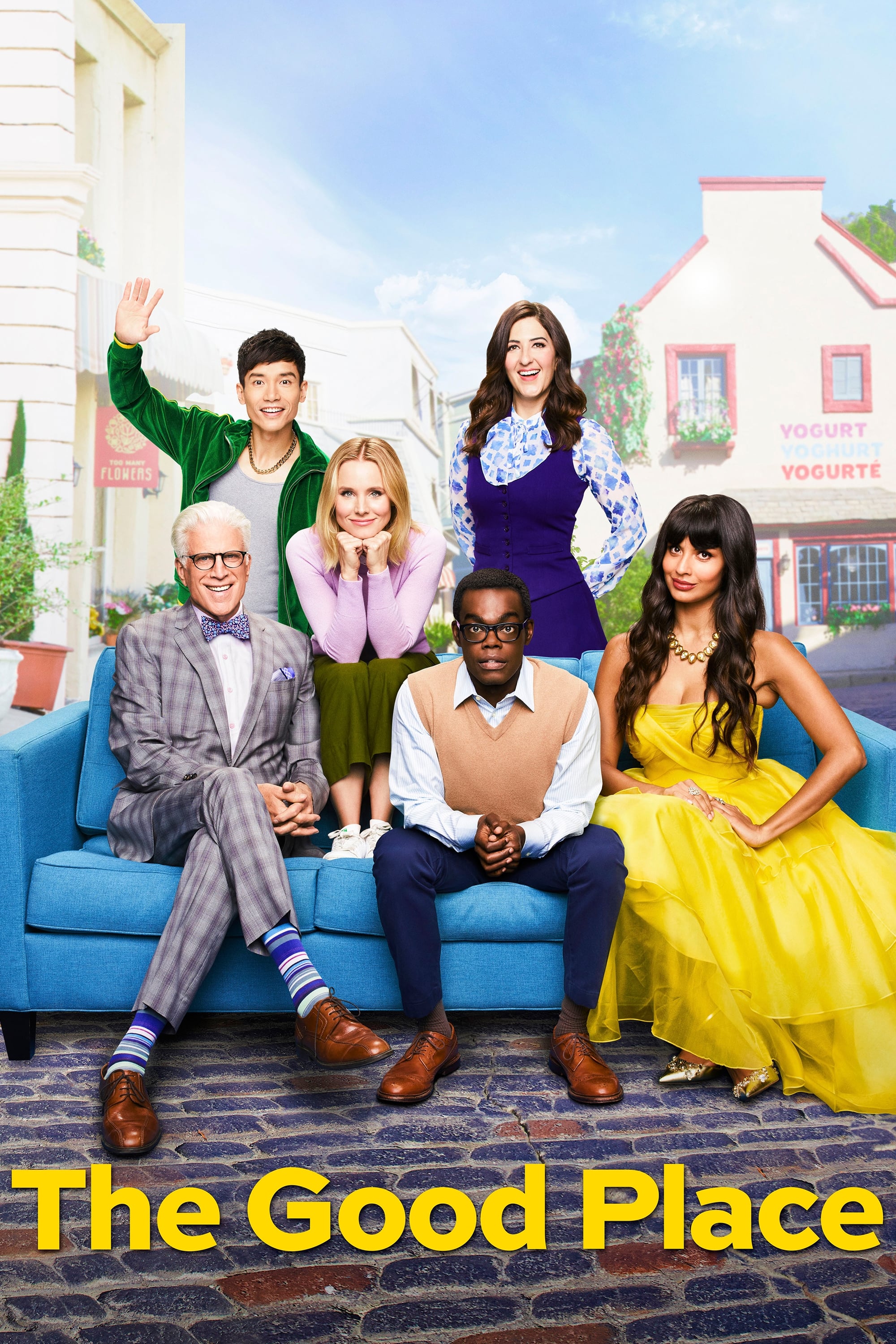
A woman wakes up in the afterlife and tries to hide her morally ambiguous past to stay in a utopian neighborhood. The narrative unfolds like a serialized mystery with cliffhangers that fundamentally change the premise. Visual effects and magical elements are seamlessly integrated into the comedic situations. Philosophical concepts are explored through humor without the interruption of audience reaction.
‘Schitt’s Creek’ (2015–2020)
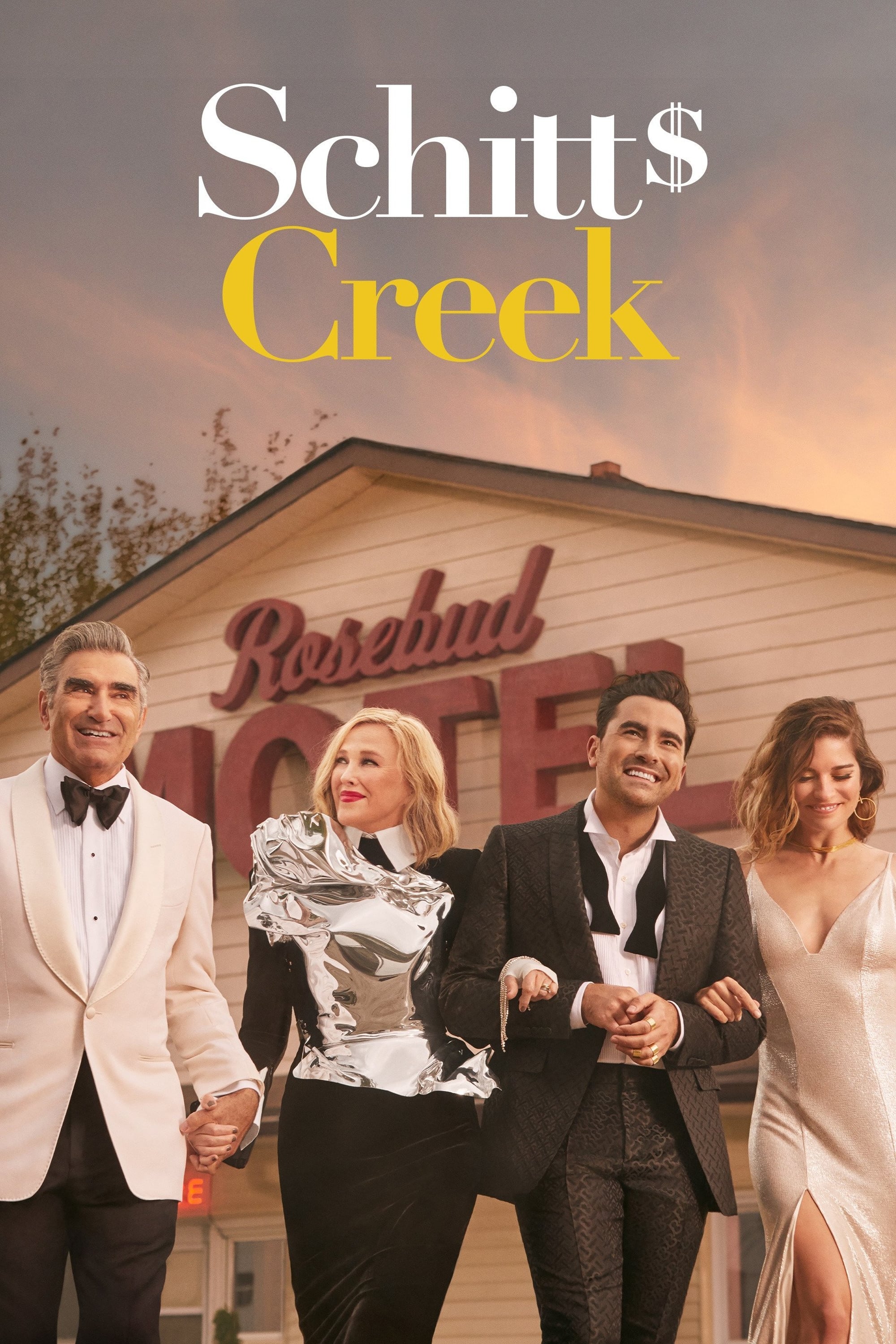
A video store magnate and his family lose their fortune and relocate to a small town they once bought as a joke. The humor derives from the stark contrast between their pampered past and their rustic present reality. Character development takes precedence as the family members slowly learn to appreciate one another. The dry delivery of the dialogue emphasizes the absurdity of their entitlement.
‘New Girl’ (2011–2018)
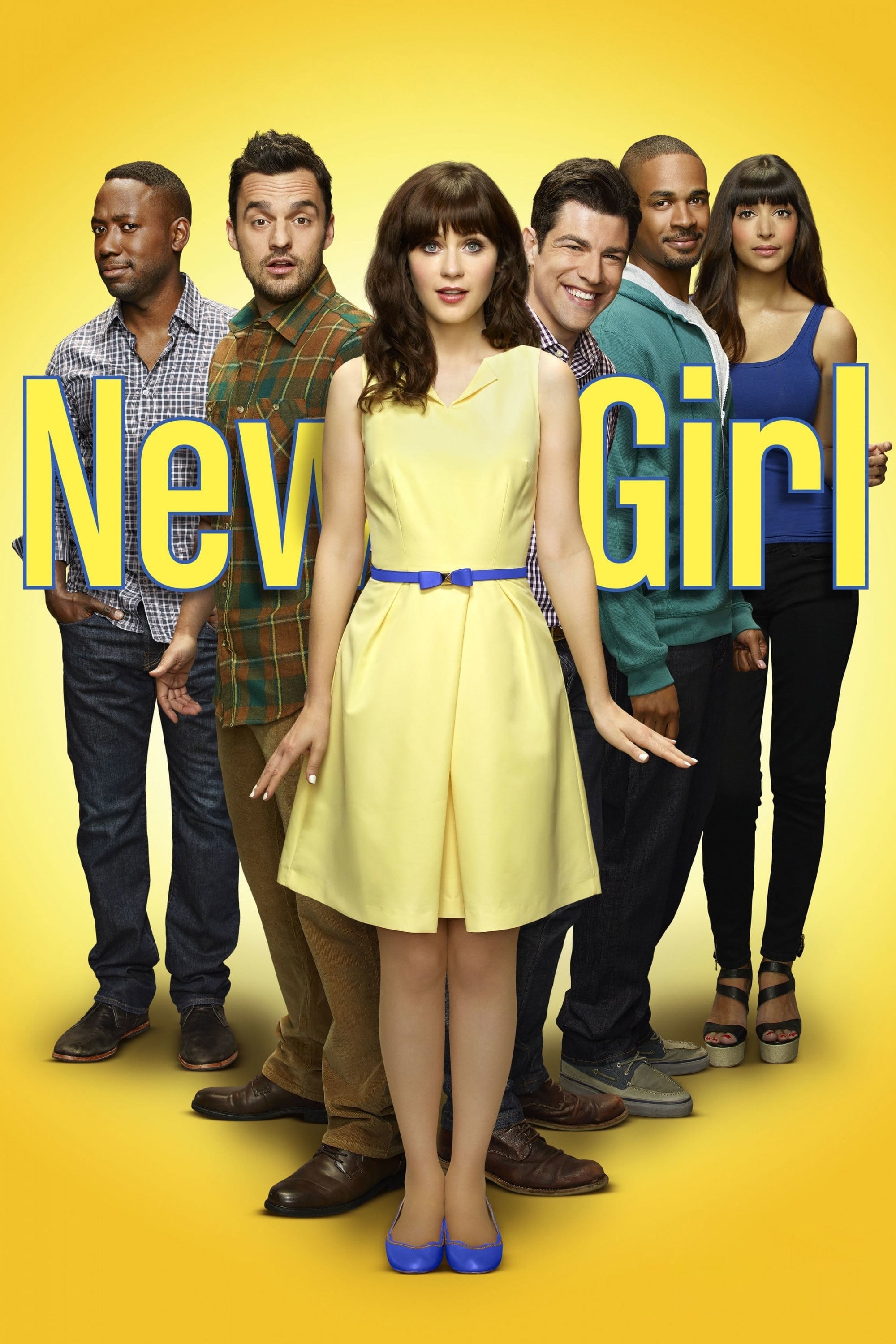
A bubbly teacher moves into a loft with three single men after a bad breakup. The show focuses on the “hangout” dynamic where the group navigates dating and career struggles together. Physical comedy and alternative takes allowed the actors to find the funniest version of every scene. Flashbacks and stylized cutaways added visual flair to the relationship-based storytelling.
‘What We Do in the Shadows’ (2019–2024)
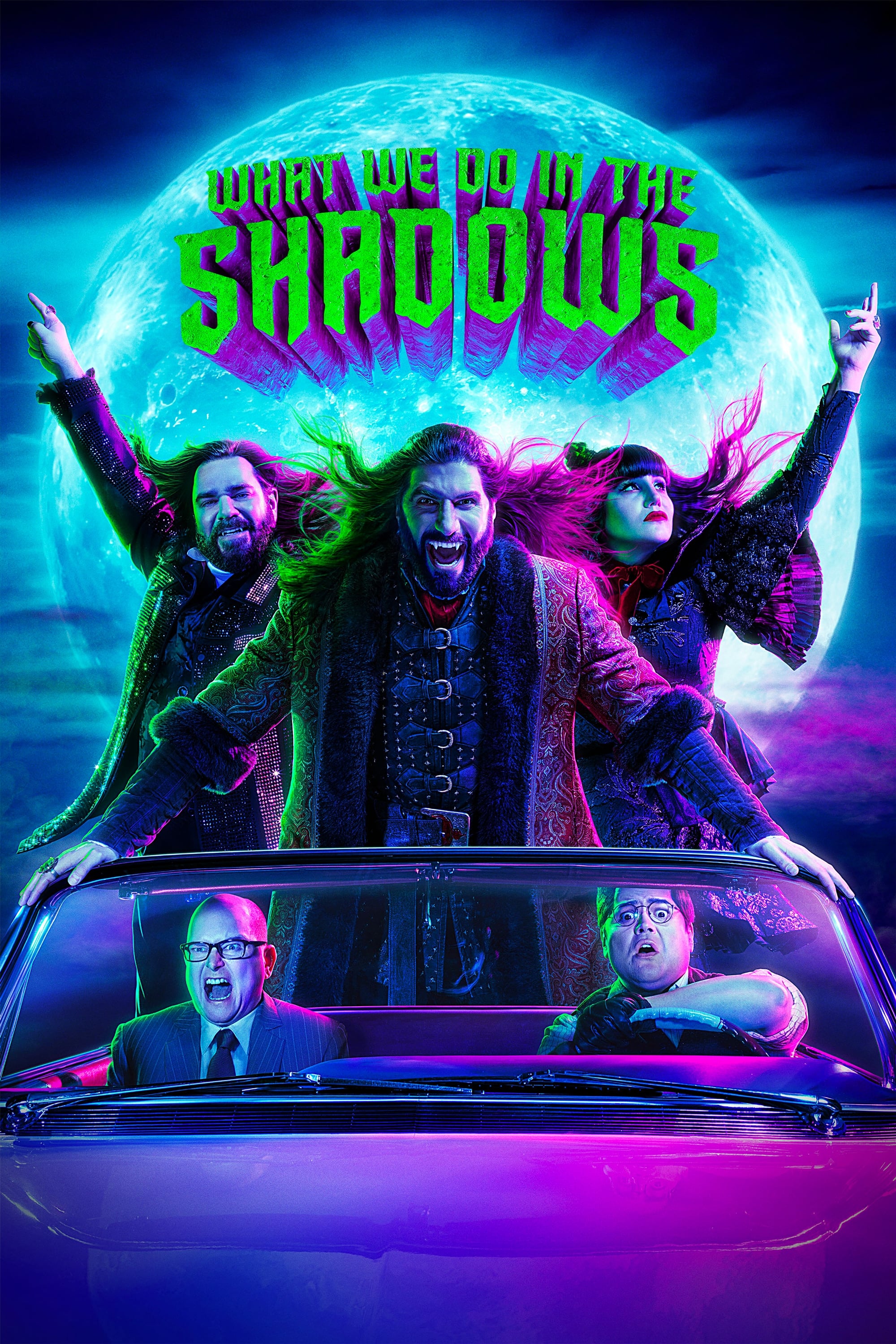
Four vampire roommates cope with the mundane annoyances of modern life on Staten Island. The documentary crew follows their nightly exploits as they encounter werewolves and other supernatural beings. Special effects are used casually to enhance the mundane nature of their immortal existence. The juxtaposition of ancient customs and contemporary problems creates consistent comedy without forced laughter.
Tell us which single-camera comedy is your favorite by leaving a response in the comments.