


20 TV Shows That Pandered So Hard to Gen Z They Lost Everyone Else



Television networks and streaming platforms are constantly chasing the elusive younger demographic to secure future viewership. This pursuit often leads to productions that rely heavily on internet slang and performative social consciousness to appeal to Generation Z. These creative decisions can sometimes backfire by presenting an inauthentic reflection of youth culture that feels disconnected from reality. The resulting shows frequently struggle to find an audience because they alienate older viewers while failing to resonate with the very group they intend to capture.
‘Velma’ (2023–2024)
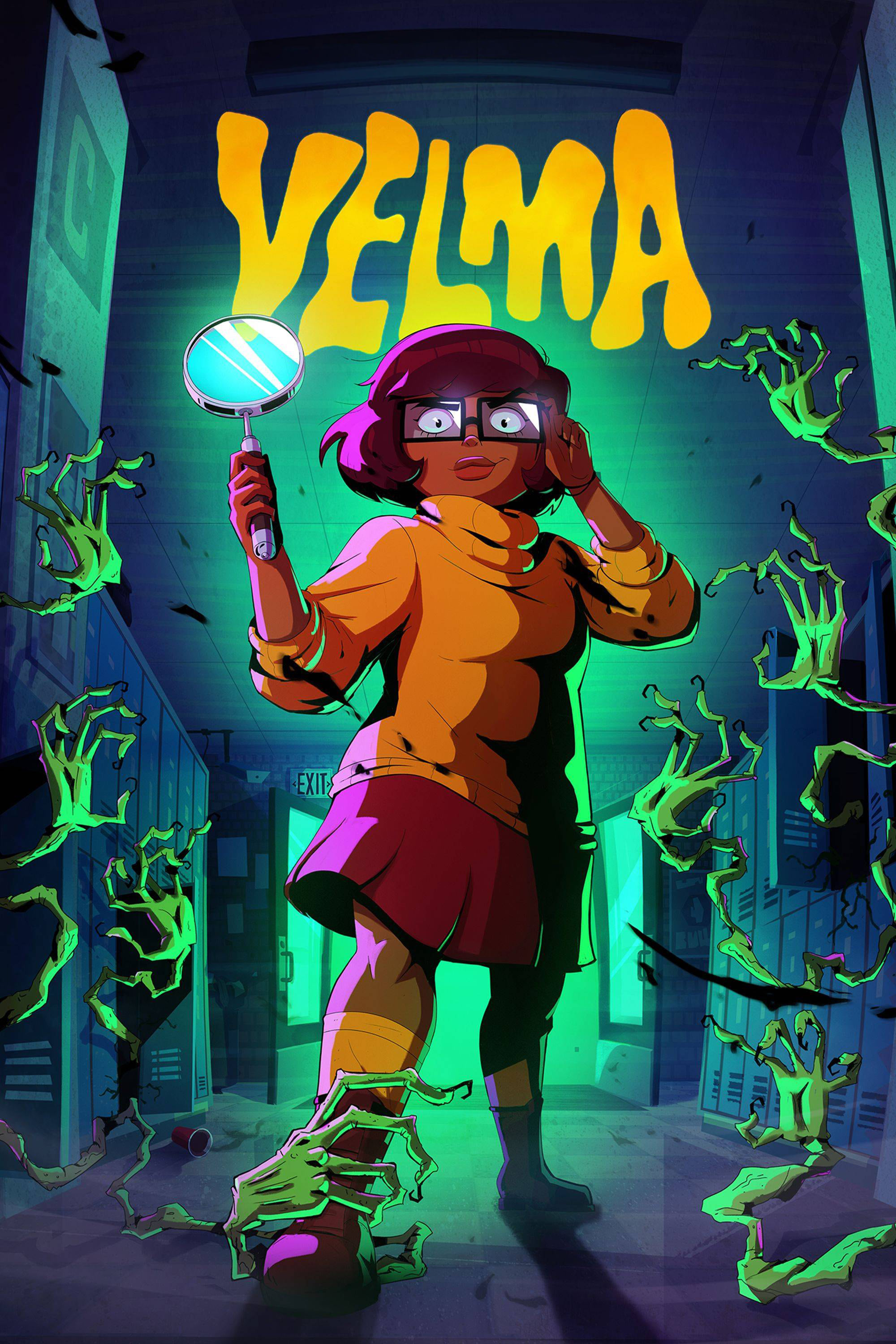
This adult animated series reimagines the origin story of the brains behind the Mystery Inc. gang without the titular dog. Mindy Kaling voices the main character in a narrative that relies heavily on meta-humor and contemporary social commentary. The writing attempts to deconstruct the original tropes by infusing the script with modern internet slang and self-aware jokes about the animation genre. Many viewers felt the drastic changes to character personalities and the aggressive tone alienated long-time fans of the franchise. The show focuses more on interpersonal drama and edgy dialogue than the mystery elements that defined the original property.
‘The Idol’ (2023)

Sam Levinson and The Weeknd created this drama to explore the dark and sordid underbelly of the modern music industry. The series attempts to critique fame and exploitation through a lens of extreme provocation and stylized cinematography. Much of the dialogue and character motivation centers on a cynical view of youth culture that feels curated for shock value rather than authenticity. Critics and audiences alike found the execution to be more exploitative than the very industry it aimed to satirize. The show was canceled after one shortened season due to overwhelming negative reception regarding its direction and writing.
‘Gossip Girl’ (2021–2023)
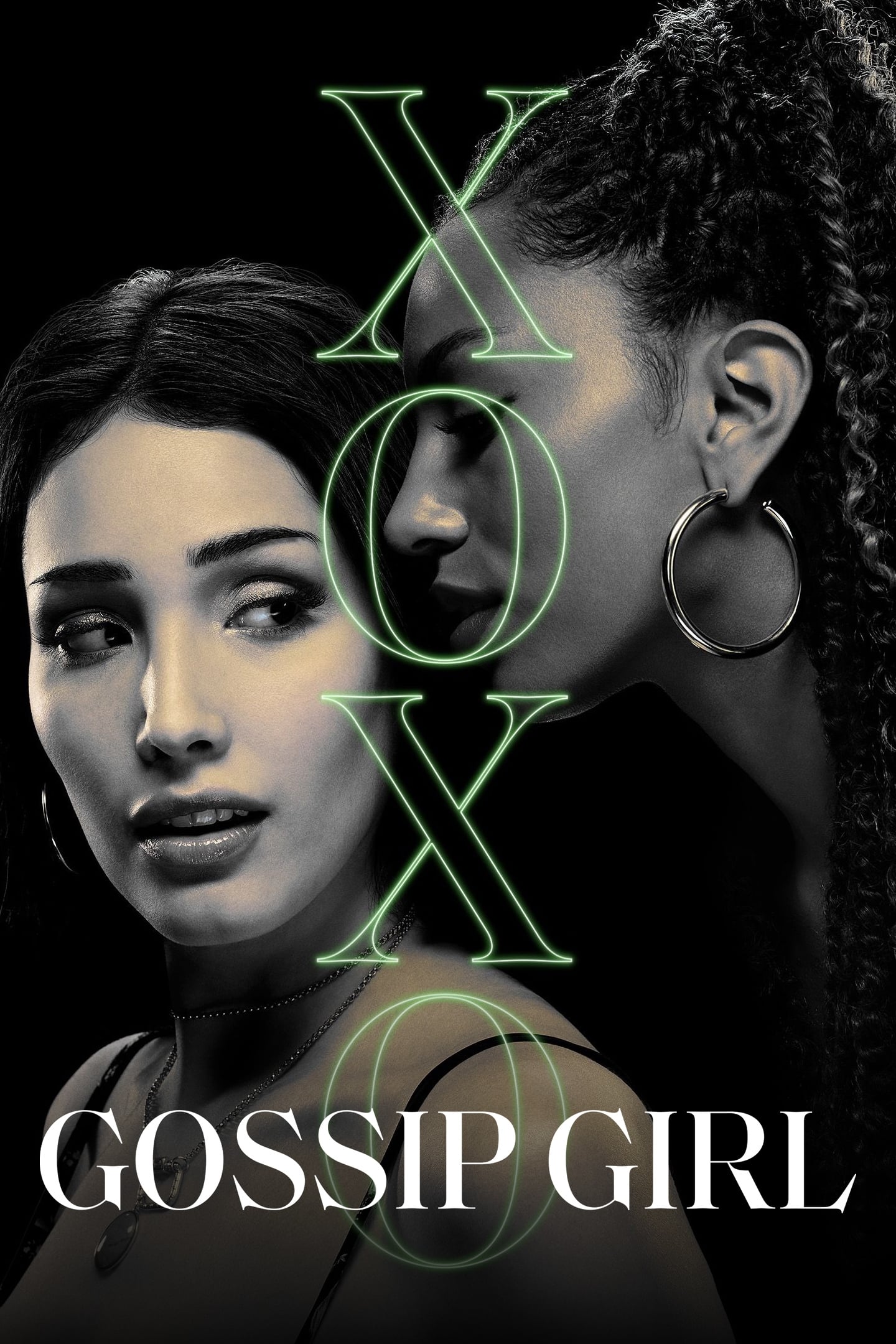
The reboot of the iconic CW series introduces a new generation of Manhattan private schoolers under the surveillance of an Instagram account. The writers updated the premise to include more diverse characters and storylines centered on social justice and privilege. Characters often speak in polished paragraphs about moral responsibility that contrast sharply with the soapy nature of the original show. This shift in tone resulted in a series that lacked the scandalous fun of its predecessor while feeling preachy to casual viewers. The attempt to make the characters morally conscious while engaging in treacherous behavior created a tonal disconnect.
‘Heathers’ (2018)

This anthology series reimagined the 1988 cult classic film for a modern television audience. The show flips the social hierarchy by making the historically marginalized groups the popular bullies in the school. This satirical approach attempted to comment on modern identity politics and social justice movements in a dark comedy format. The complex premise confused audiences and critics who felt the messaging was muddled and mean-spirited. The series struggled to find a home before airing and failed to capture the biting wit that made the original film a staple of teen cinema.
‘Resident Evil’ (2022)

Netflix adapted the famous survival horror video game franchise into a series that splits its timeline between a distinct past and present. The 2022 storyline focuses on teenage sisters navigating high school drama and corporate espionage in a futuristic community. Writers incorporated heavy doses of teen angst and pop culture references that felt out of place within the established lore of the games. Longtime fans expressed frustration that the survival horror elements were sidelined for young adult melodrama. The series was canceled shortly after its release due to low viewership and poor completion rates.
‘Cowboy Bebop’ (2021)
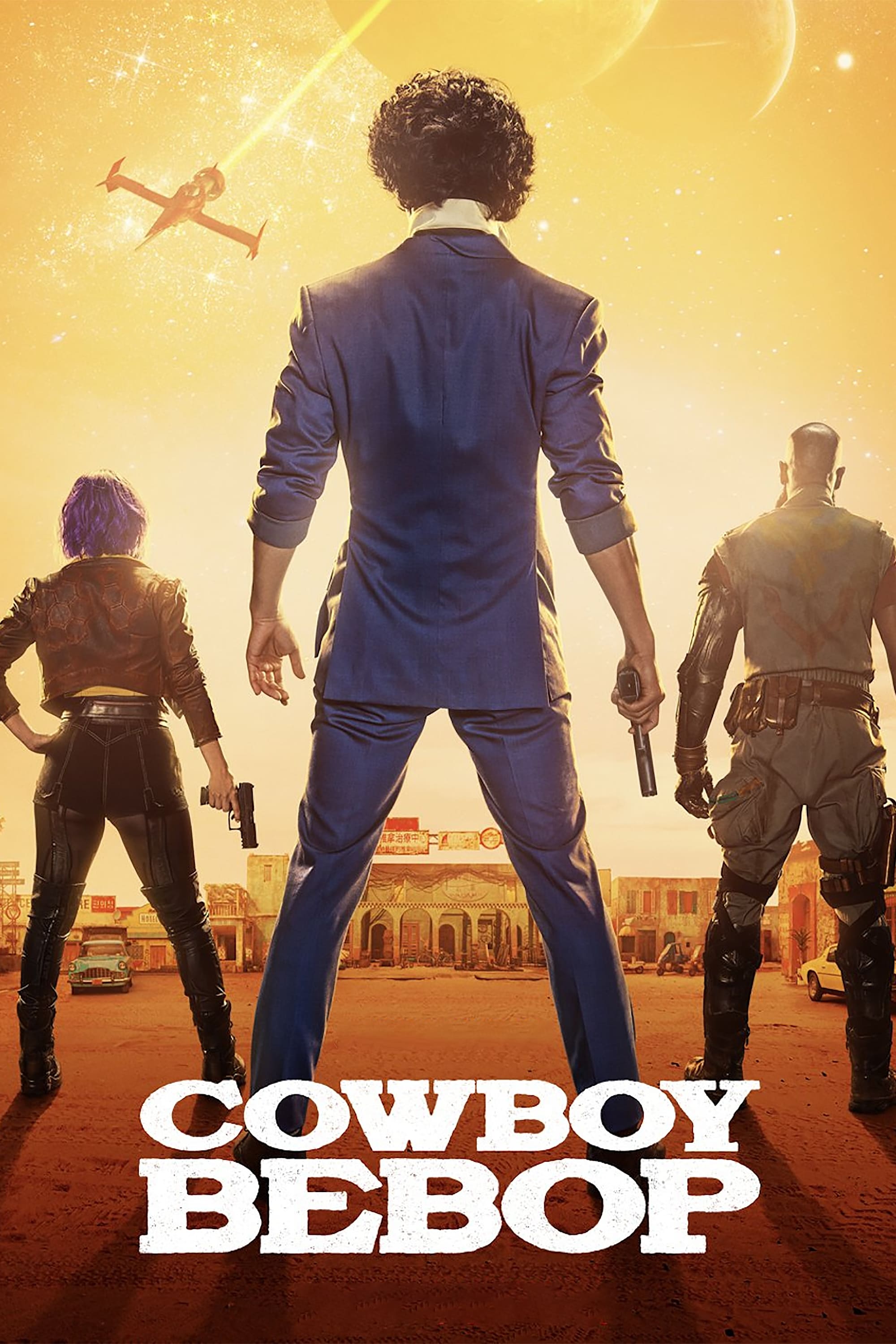
The live-action adaptation of the beloved anime sought to bring the stylish space western to a broader streaming audience. The script updated the dialogue to include the quippy and ironic humor found in many modern superhero blockbusters. Visuals were heavily stylized to mimic the anime aesthetic but often clashed with the realistic sets and actors. Fans of the original felt the new tone misunderstood the somber and philosophical undercurrents of the source material. The show prioritized visual flair and modernized banter over the character depth that made the anime a classic.
‘She-Hulk: Attorney at Law’ (2022)
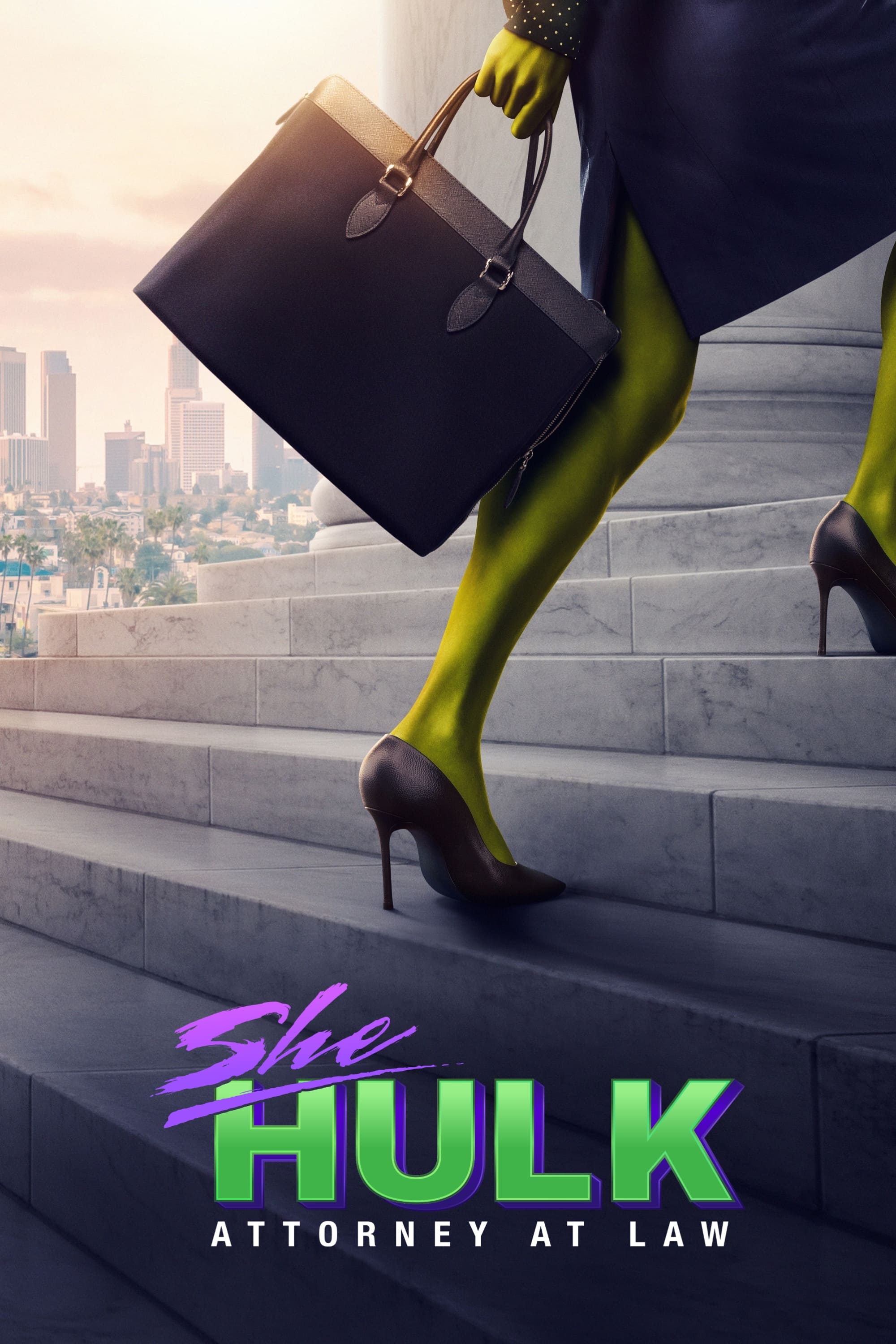
This Marvel Cinematic Universe entry introduces Jennifer Walters as she navigates her life as a lawyer and a hulk. The show utilizes a fourth-wall-breaking format to directly address internet trolls and toxic fandom behavior. Writers included scenes referencing specific social media trends and memes to ground the show in the current cultural moment. This approach led to a polarized reception where some viewers felt the meta-commentary overshadowed the superhero narrative. The heavy focus on internet culture dated the humor and alienated viewers looking for a traditional legal comedy.
‘Blockbuster’ (2022)

A workplace sitcom set in the last remaining video rental store attempts to capitalize on 90s nostalgia while using modern humor. The characters are written as archetypes of different generations constantly clashing over technology and social norms. The dialogue frequently employs buzzwords and slang that aim to sound current but often come across as forced. Audiences noted the irony of Netflix producing a show about the demise of the video rental industry it helped destroy. The series failed to generate significant laughter or engagement and was canceled after one season.
‘Fate: The Winx Saga’ (2021–2022)
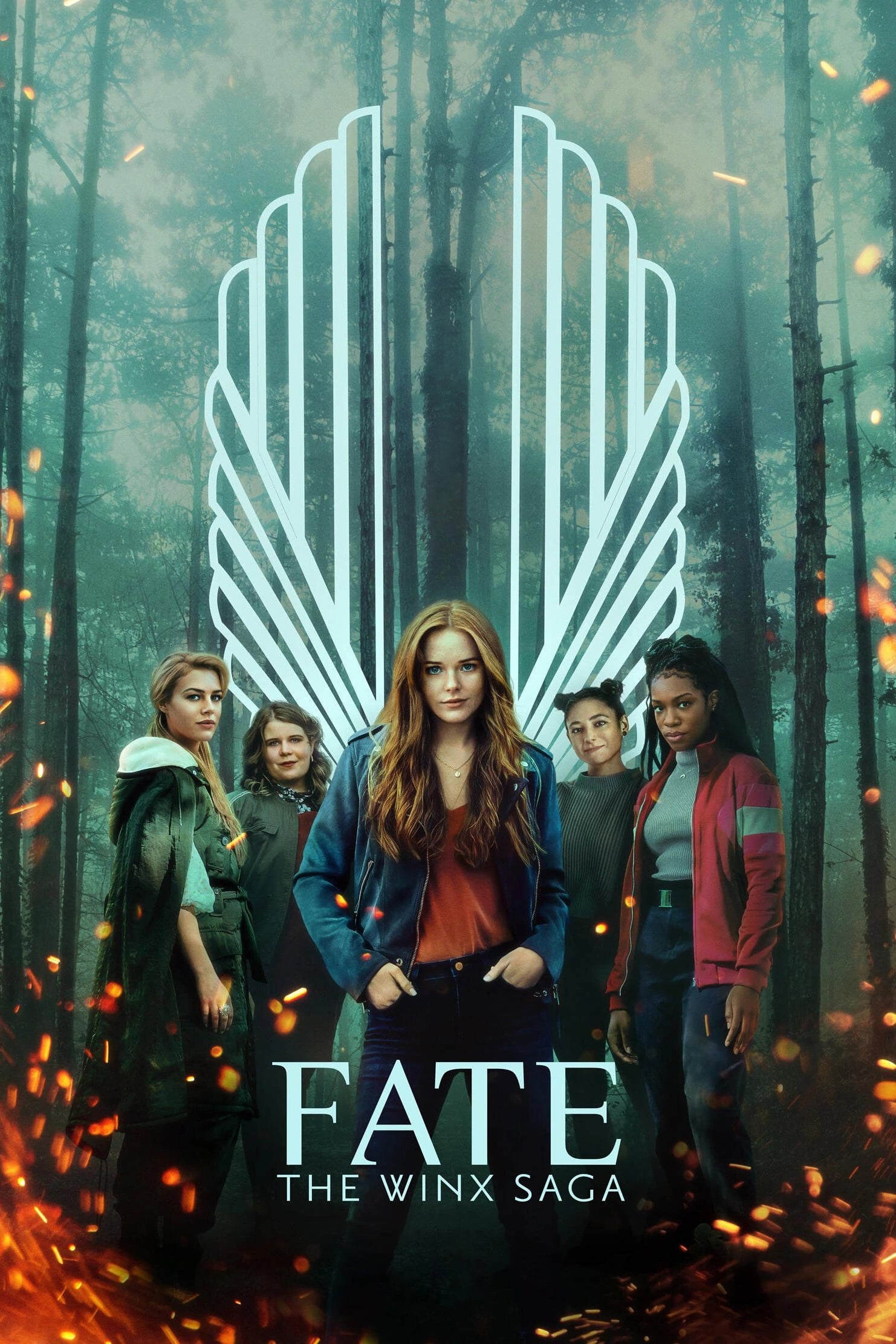
This live-action adaptation transforms the colorful and whimsical ‘Winx Club’ cartoon into a gritty teen drama. The show trades the bright aesthetics of the original animation for a darker tone reminiscent of other young adult mystery series. Storylines focus heavily on romance and angst rather than the magical friendship themes of the source material. Fans criticized the casting choices and the removal of the unique fashion elements that defined the animated series. The attempt to mature the property resulted in a generic fantasy show that lost the charm of the original.
‘Riverdale’ (2017–2023)
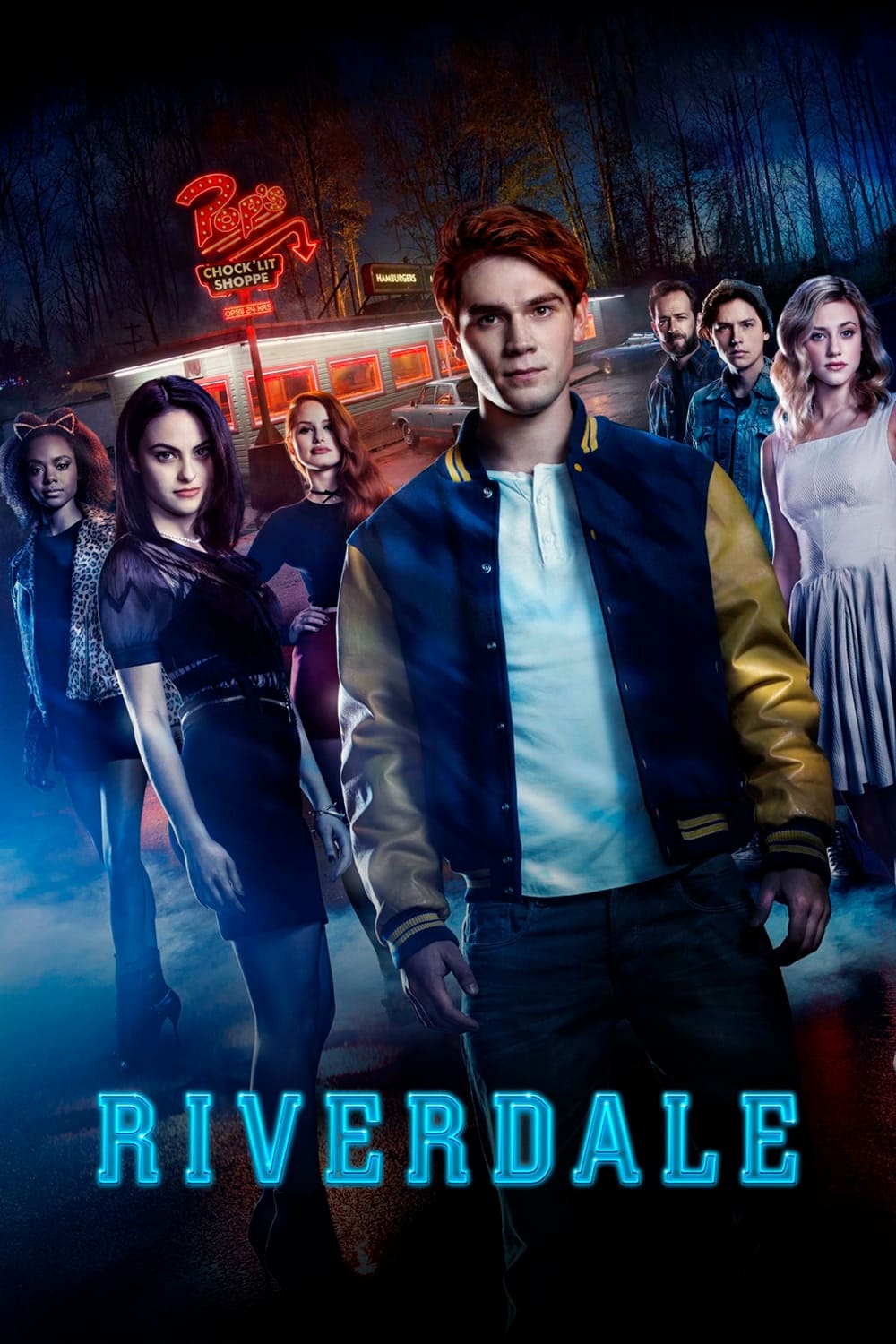
While the series began as a murder mystery, later seasons leaned heavily into bizarre plot twists and stylized dialogue. The writers increasingly incorporated internet slang and absurdist scenarios to generate social media buzz and memeable moments. Characters frequently change motivations and personalities to suit the needs of the increasingly chaotic narrative. This strategy alienated viewers who wanted cohesive storytelling rather than clips designed for viral marketing. The show became known for its “cringe” factor rather than its plot as it continued to escalate the absurdity.
‘Batwoman’ (2019–2022)
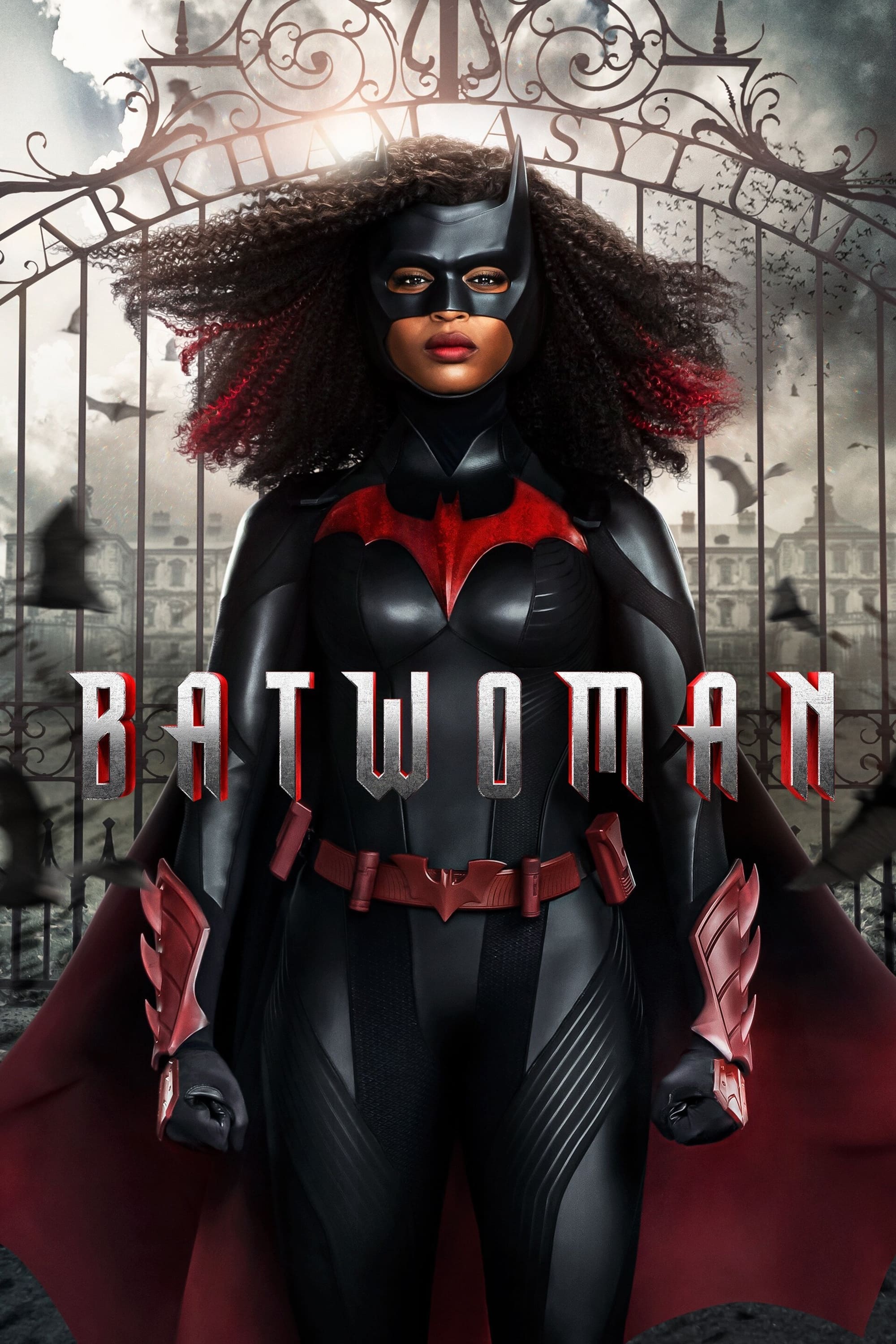
The series follows Kate Kane and later Ryan Wilder as they take up the mantle of the bat in Gotham City. Scripts often prioritized heavy-handed social messaging over nuanced character development or action sequences. Dialogue frequently explicitly stated the themes of the episode rather than letting them unfold naturally through the plot. This direct approach to storytelling was intended to resonate with socially conscious viewers but often felt didactic. The show struggled to maintain a consistent audience as it navigated casting changes and shifting storylines.
‘Q-Force’ (2021)
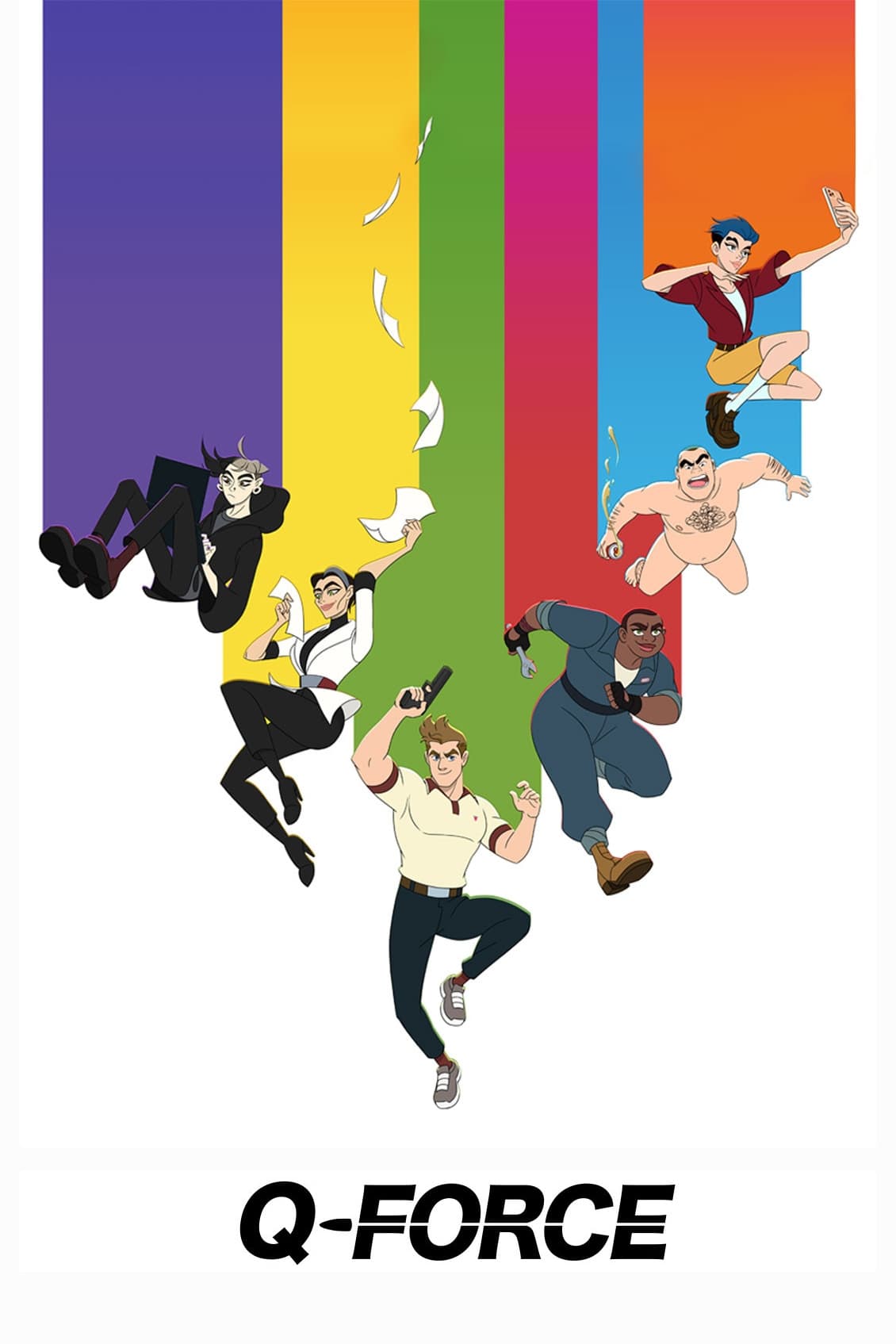
This animated comedy centers on a group of LGBTQ+ superspies attempting to prove themselves to their agency. The humor relies almost exclusively on stereotypes and references to queer pop culture that many found reductive. Critics noted that the show seemed to aim for a specific demographic while relying on jokes that felt dated or offensive. The attempt to reclaim stereotypes for comedy backfired as the target audience found the representation shallow. Netflix canceled the series after a single season due to the lukewarm reception.
‘Emily in Paris’ (2020–Present)

The show follows an American marketing executive who moves to Paris to provide an American perspective to a French firm. Plots revolve heavily around social media engagement and the protagonist’s ability to become an influencer overnight. The portrayal of Gen Z work ethic and social media success is often criticized for being superficial and unrealistic. While popular for hate-watching, many viewers find the dialogue and situations to be a caricature of modern digital life. The series simplifies complex cultural clashes into brief moments suitable for Instagram captions.
‘And Just Like That…’ (2021–Present)
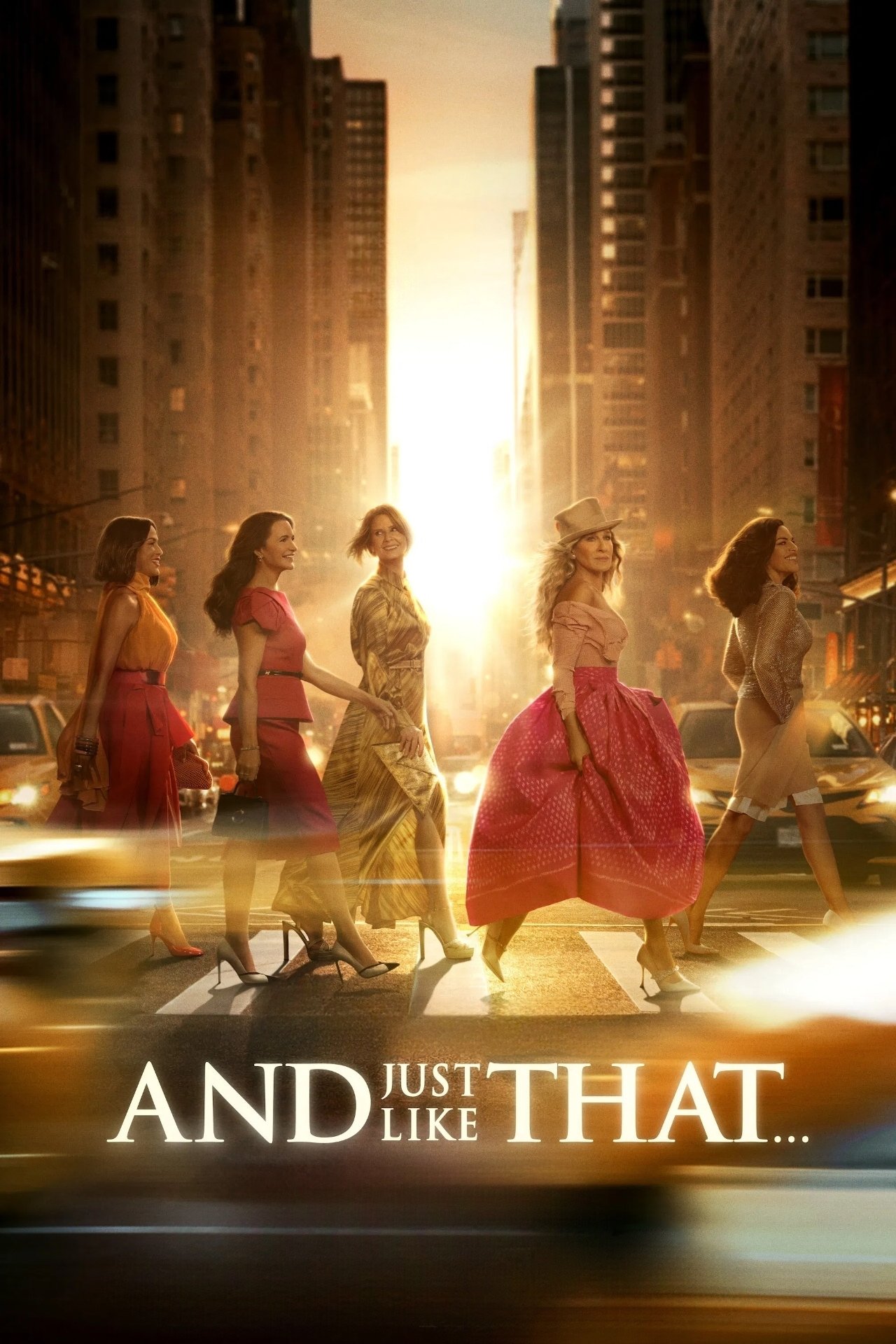
The revival of ‘Sex and the City’ attempts to bring the original characters into the modern era of social awareness. Scripts introduce new characters and storylines intended to address the lack of diversity in the original series. The execution of these updates often feels clumsy as the legacy characters struggle awkwardly with changing social norms. Longtime fans felt the characters were rewritten to be out of touch simply to allow for educational moments about modern culture. The tone shifts drastically from the breezy confidence of the original to a more self-conscious dramedy.
‘Pretty Little Liars: Original Sin’ (2022–Present)
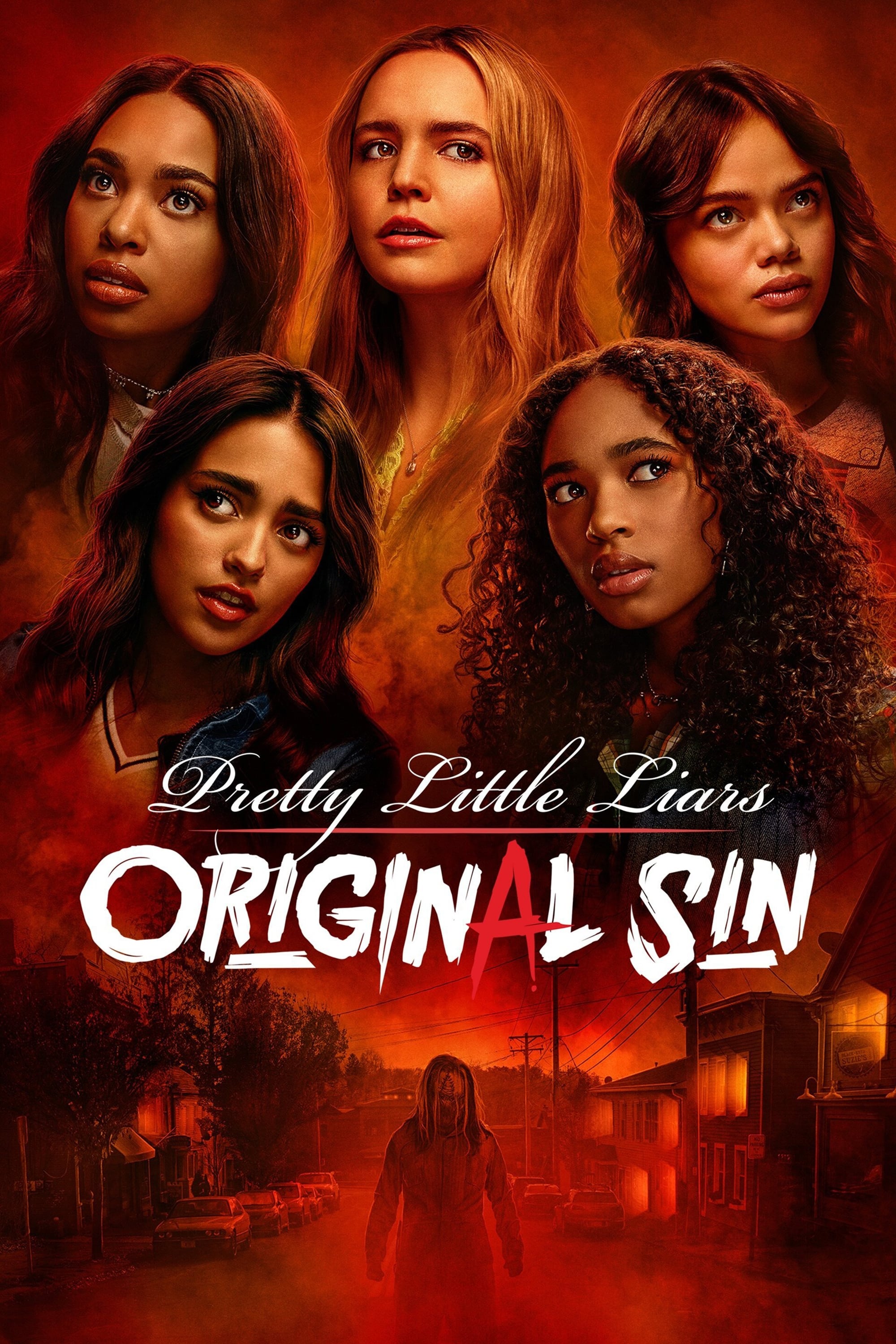
This spinoff shifts the genre from a teen mystery thriller to a slasher horror setting. The narrative incorporates heavy themes of generational trauma and social justice into the traditional horror framework. Characters frequently speak in therapy-speak and utilize modern terminology to describe their experiences and relationships. This focus on current social discourse sometimes slows the pacing of the horror elements and mystery solving. The show aims to be a conscious horror series but risks losing the suspense that drives the genre.
‘Saved by the Bell’ (2020–2021)
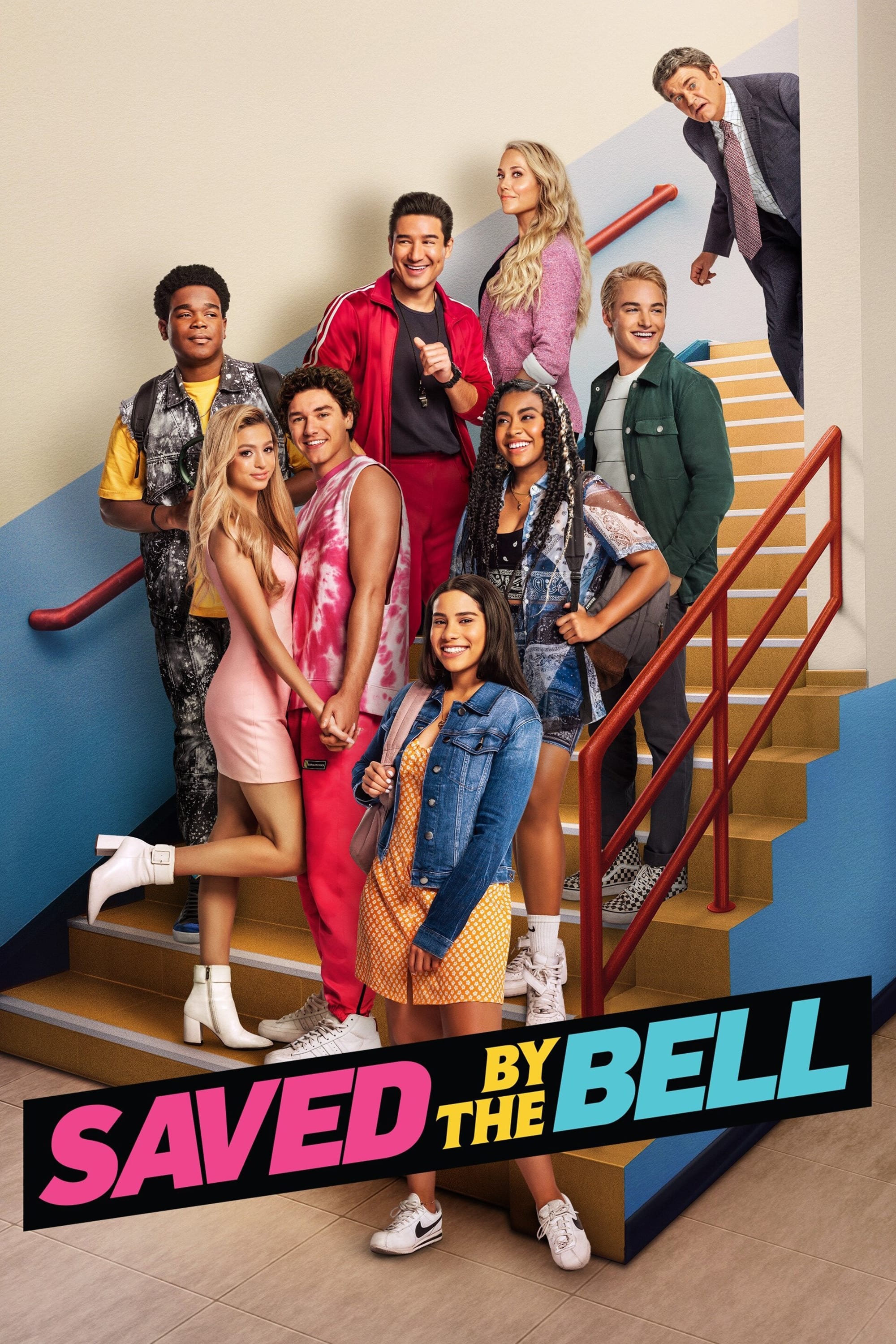
The revival of the Saturday morning sitcom places original characters alongside a new diverse cast of students. The humor relies heavily on meta-commentary regarding the privilege and outdated tropes of the original series. Writers designed the show to be self-aware and critical of its own nostalgia in a way that appeals to modern sensibilities. This ironic detachment made it difficult for the show to capture the earnest heart that made the original a hit. The series was canceled after two seasons despite receiving generally positive reviews from critics.
‘Charmed’ (2018–2022)
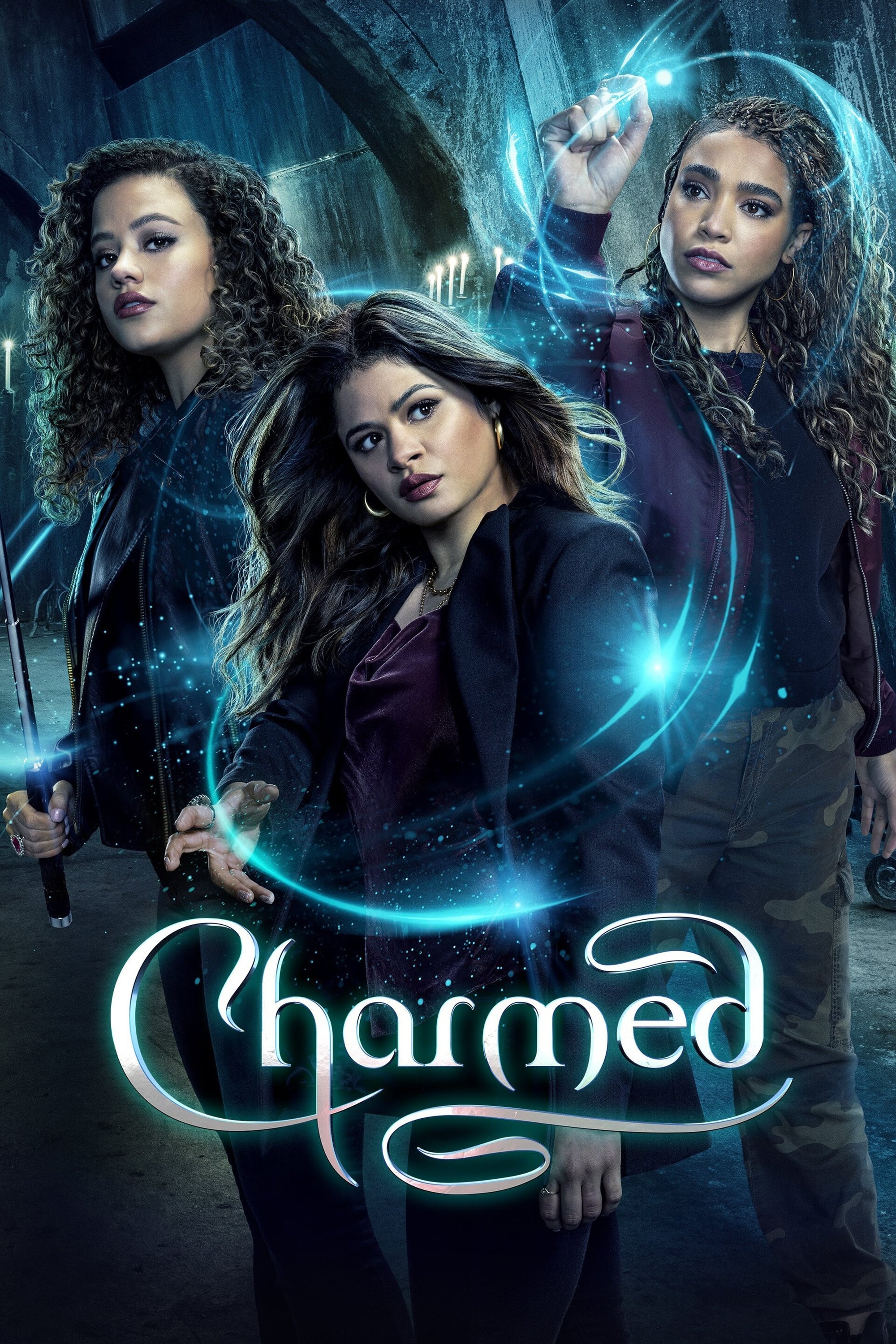
The reboot of the WB series updates the Power of Three for a new generation with an overt focus on political activism. Storylines explicitly tackle consent and institutional oppression within the framework of a supernatural drama. The magical allegories are often replaced with literal interpretations of real-world social issues. Fans of the original series found the reboot lacked the chemistry and subtlety of the sisters’ dynamic. The show struggled to balance its desire to be an important political statement with the need to be an entertaining fantasy drama.
‘Generation’ (2021)
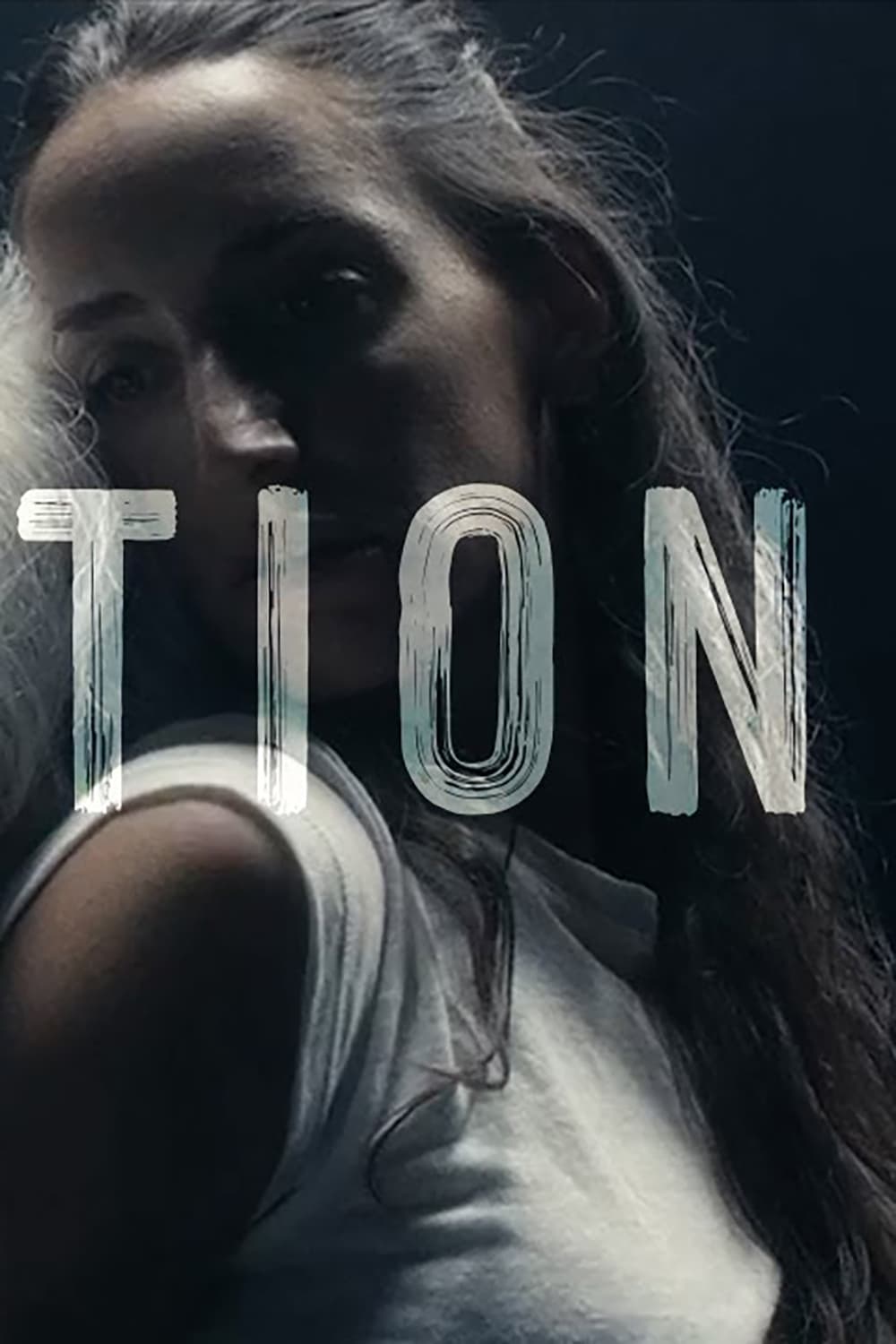
Produced by Lena Dunham, this dramedy attempts to offer an unfiltered look at the lives of high school students in Orange County. The show focuses intensely on the exploration of sexuality and gender identity among its ensemble cast. Critics and viewers felt the series often crossed the line from authentic representation to voyeuristic obsession. The dialogue and situations were designed to feel raw but often came across as trying too hard to shock older audiences. HBO Max canceled the show after one season and later removed it from the platform entirely.
‘Grease: Rise of the Pink Ladies’ (2023)
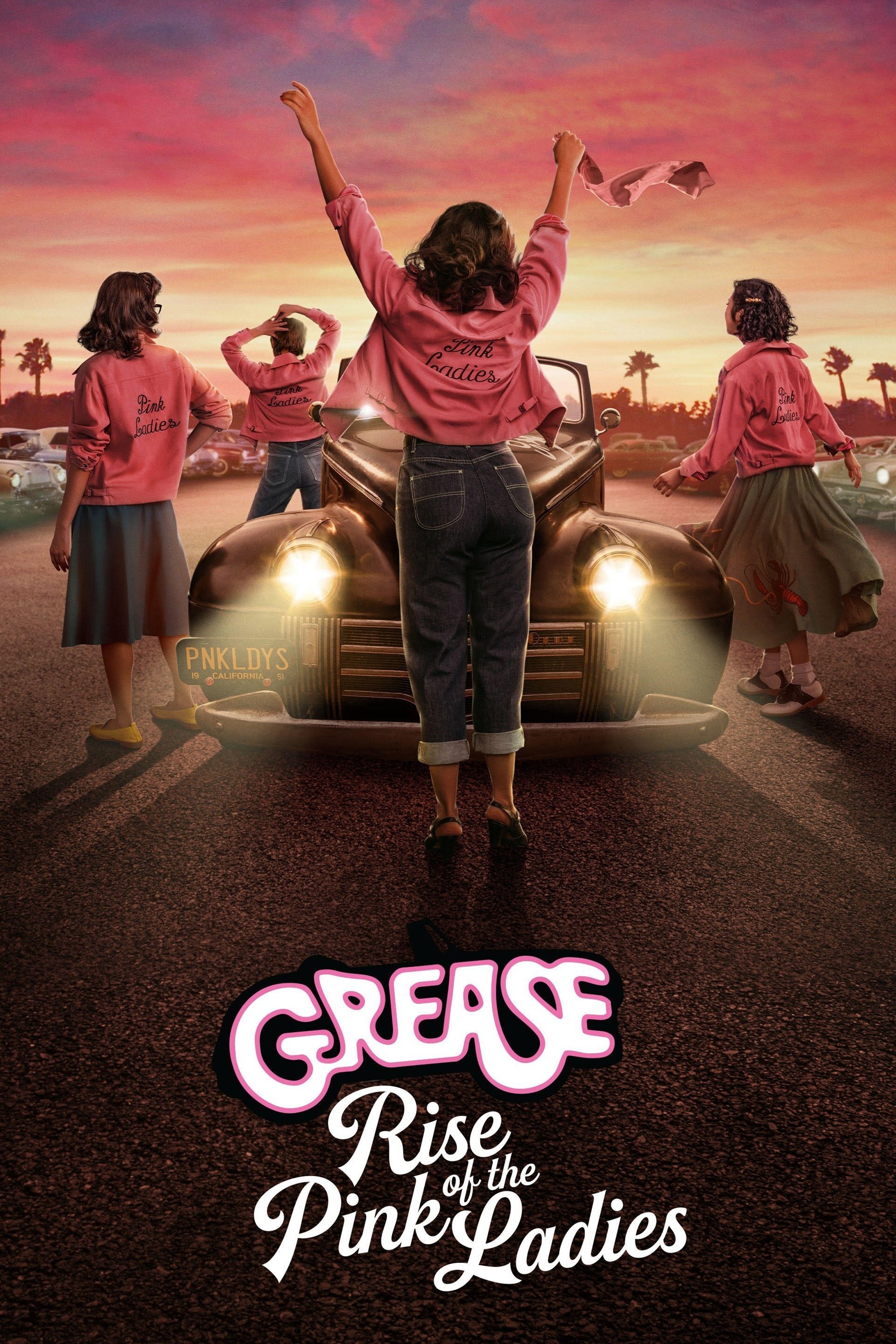
This musical prequel explores the origins of the famous girl gang at Rydell High before the events of the film. The songs and dialogue infuse modern pop sensibilities and feminist discourse into the 1950s setting. This anachronistic approach creates a jarring contrast between the visual period setting and the contemporary attitudes of the characters. Viewers found the modernization of the themes to be distracting rather than empowering or innovative. The series was quickly canceled and removed from the streaming service as part of content cost-cutting measures.
‘National Treasure: Edge of History’ (2022–2023)
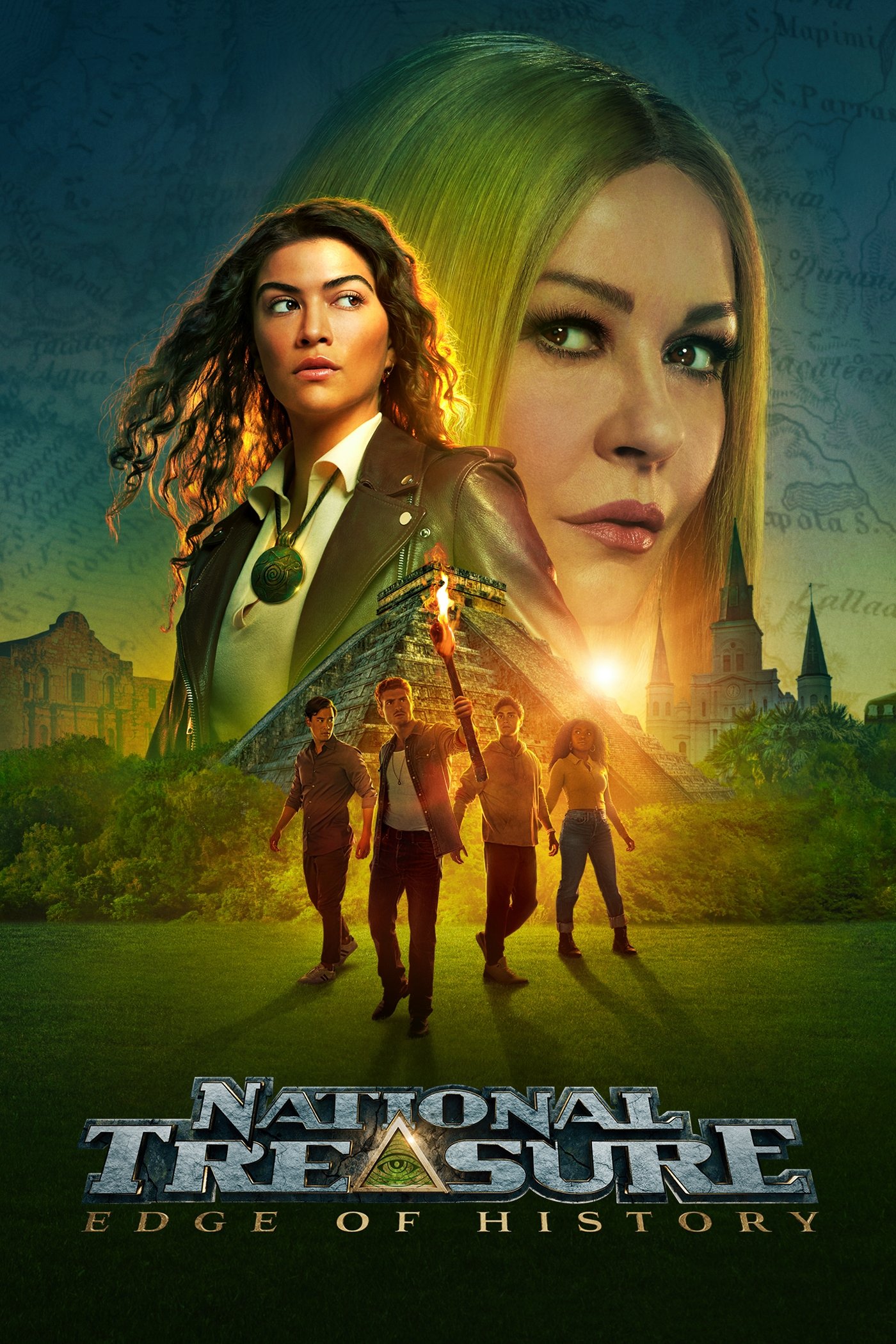
The television expansion of the film franchise centers on a young DREAMer searching for answers about her family. The puzzles and treasure hunting rely heavily on modern technology and smartphone usage rather than historical deduction. The script tries to appeal to a younger audience by focusing on young adult romance and coming-of-age tropes. Fans of the movies missed the presence of Nicolas Cage and the historical enthusiasm that defined the original adventures. The series failed to capture the sense of grandeur and mystery required to sustain the franchise.
Please share your thoughts on which series tried the hardest to be trendy in the comments.