


TV Shows That Predicted Real Life Tragedies



Television history is filled with moments where scriptwriters seemingly anticipated future catastrophes with unsettling accuracy. From structural collapses to global health crises and specific aviation disasters, these instances often blur the line between creative fiction and eerie foresight. While some occurrences can be attributed to logical extrapolations of current events, others feature specific details that remain difficult to dismiss as mere coincidence. This collection explores the instances where the small screen reflected dark realities years before they occurred.
‘The Lone Gunmen’ (2001)
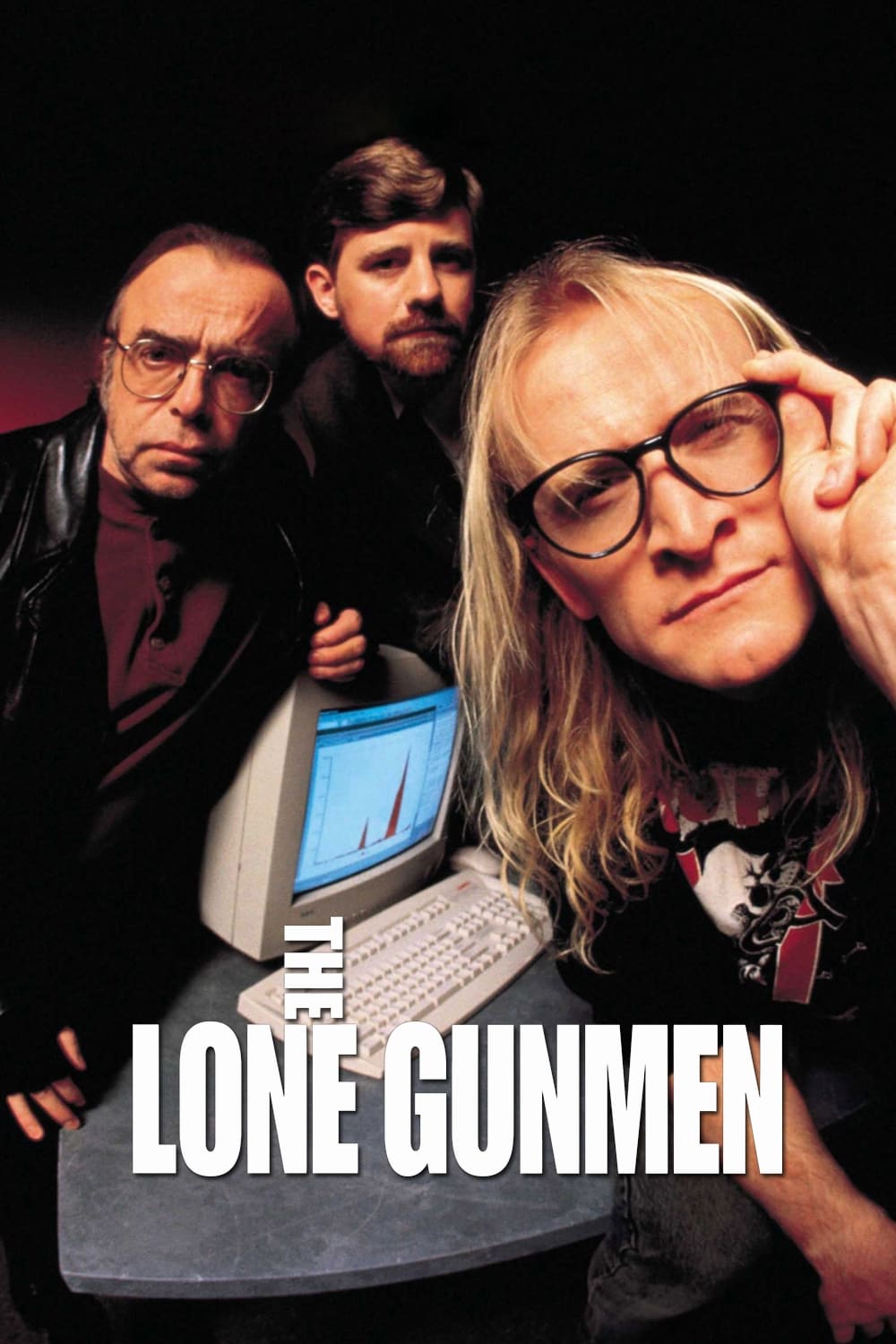
The pilot episode of this conspiracy thriller featured a plot involving a government plot to hijack a commercial airliner via remote control. The intended target for the aircraft was the World Trade Center in New York City, intended to spark a profitable war. Airing in March 2001, the episode depicted the protagonists successfully attempting to stop the crash just moments before impact. The narrative parallels to the September 11 attacks, which occurred six months later, led to the series becoming one of the most cited examples of media foresight.
‘The Simpsons’ (1989–PRESENT)
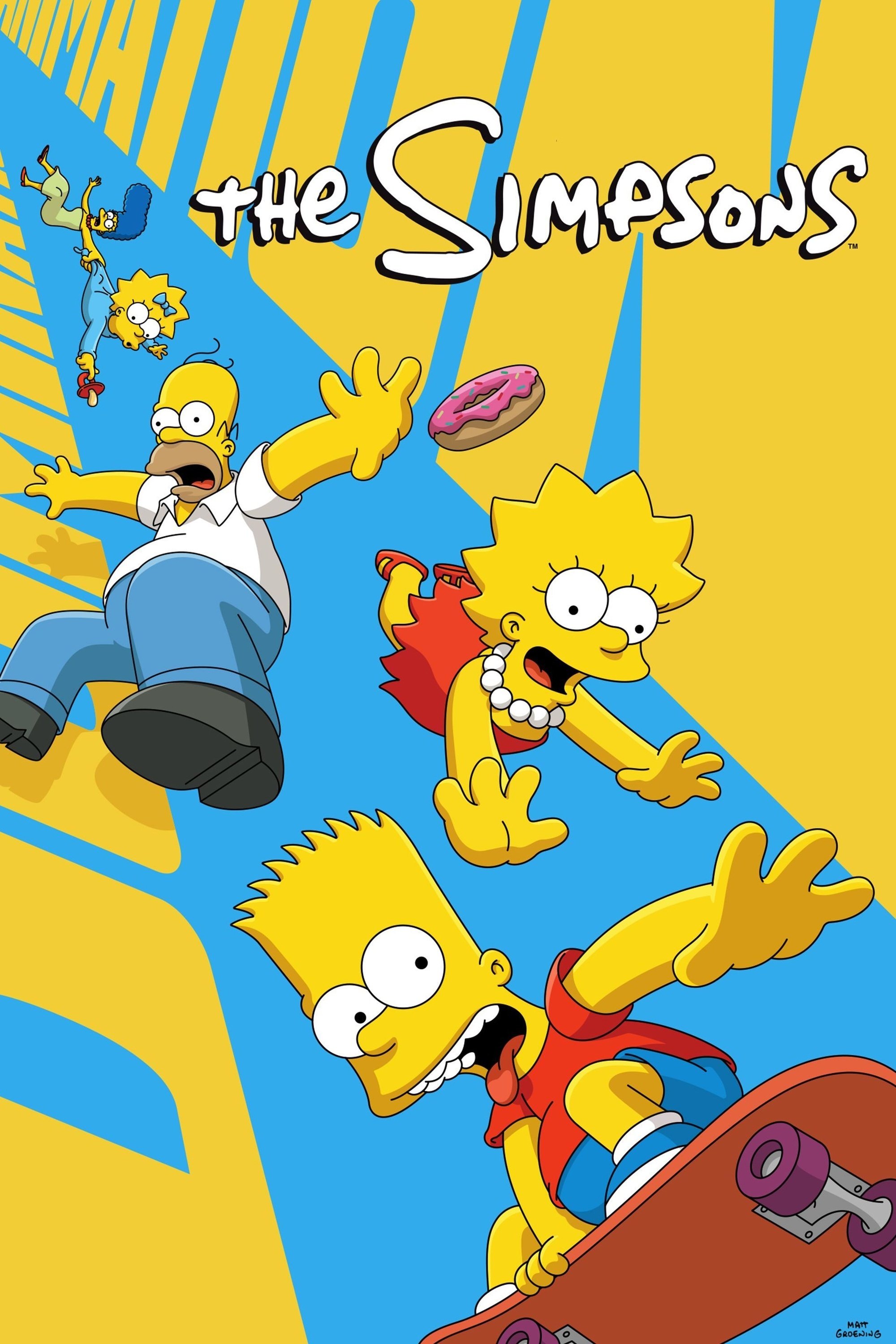
In a 1997 episode, a magazine is shown featuring a price of nine dollars placed next to a silhouette of the Twin Towers. The visual arrangement creates a striking resemblance to the date 9/11, years before the actual event. This specific frame has been widely discussed for its accidental foreshadowing of the 2001 terrorist attacks. Producers have since noted the imagery was a coincidence based on the cost of the prop magazine and the city skyline.
‘Family Guy’ (1999–PRESENT)
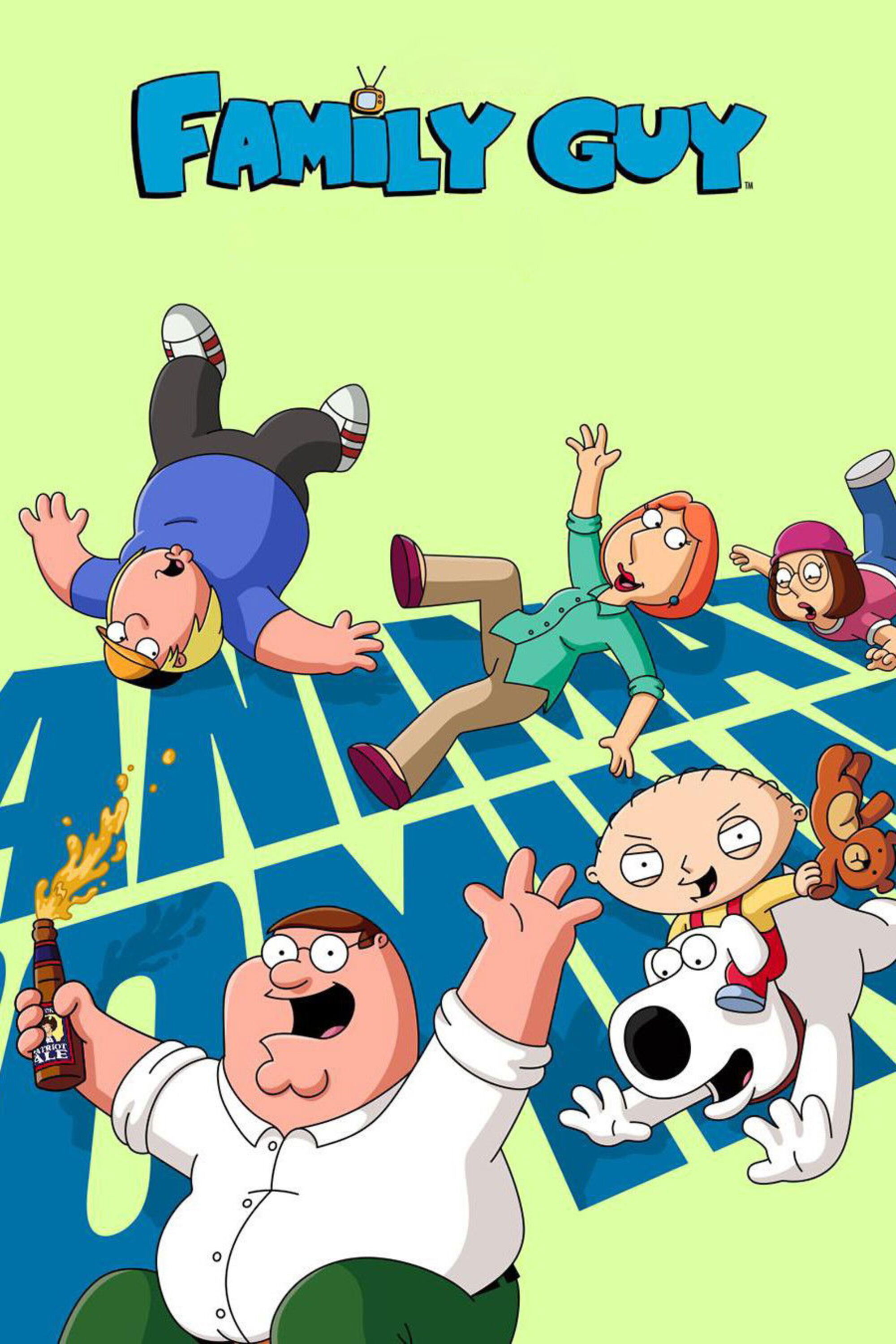
The episode ‘Turban Cowboy’ featured a sequence where Peter Griffin inadvertently causes explosions at the Boston Marathon. Although the episode aired shortly before the actual 2013 Boston Marathon bombing, edited clips later circulated online to create a false narrative of a direct prediction. However, the original broadcast did include Peter driving over runners and a separate scene involving cell phone-detonated bombs. Fox eventually pulled the episode from television rotation out of respect for the victims of the real-life tragedy.
‘Spooks’ (2002–2011)

An episode of this British spy drama depicted a terrorist attack on the London Underground system involving a chemical agent. The plot focused on the vulnerability of the transit network and the logistical nightmare of a coordinated bombing. In July 2005, just months after similar themes were explored in contemporary British media, London was hit by a series of coordinated suicide attacks on the transport system. The proximity of the fictional narrative to the real event caused significant public discourse regarding national security themes in entertainment.
‘The Chris Rock Show’ (1997–2000)
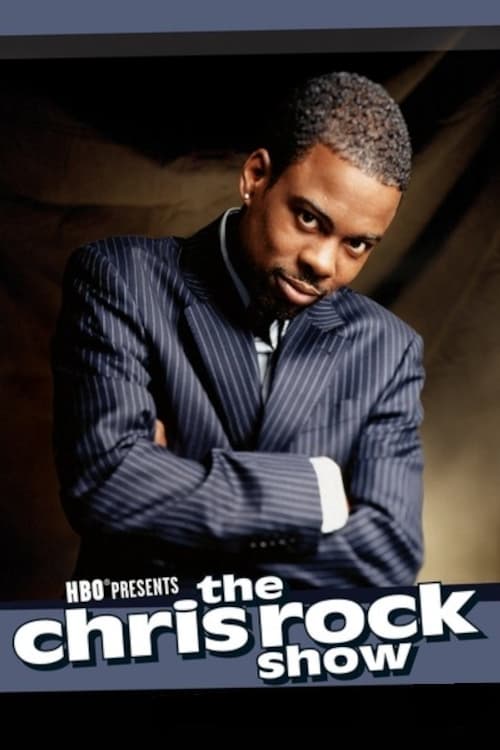
During a comedy segment in 1997, Chris Rock joked about the career trajectory of O.J. Simpson following his trial. He suggested that the former athlete would eventually release a video titled ‘I Didn’t Kill My Wife, But If I Did, Here’s How I’d Have Done It.’ Years later, Simpson authored a book titled ‘If I Did It,’ which detailed a “hypothetical” version of the murders of Nicole Brown Simpson and Ron Goldman. The conceptual similarity between the 1997 joke and the 2006 book project was noted by media analysts as a bizarrely accurate prediction.
‘Star Trek: The Next Generation’ (1987–1994)
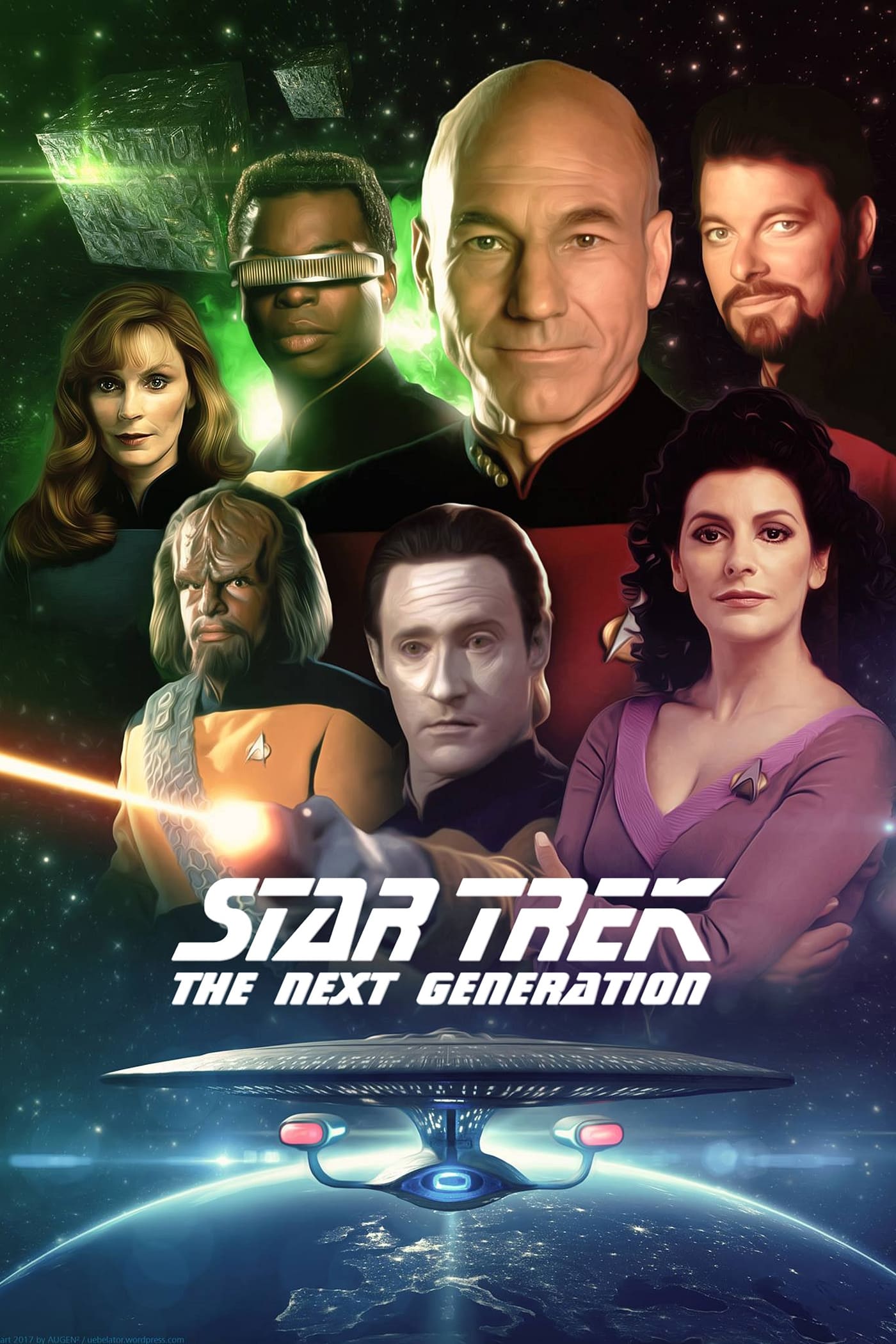
In the episode ‘The High Ground’, the character Data references the “Irish Unification of 2024” as a successful example of political change achieved through unconventional means. At the time of airing in 1990, the depiction of a united Ireland was a highly sensitive political topic during the Troubles. This specific date became a point of significant interest in 2024 as political shifts in Northern Ireland sparked renewed global discussions about unification. The episode was originally banned or edited in the United Kingdom and the Republic of Ireland due to these specific references.
‘Parks and Recreation’ (2009–2015)

During the sixth season, the show featured a time jump forward to the year 2017. In this future setting, the character Andy Dwyer is seen wearing a jersey for the Chicago Cubs, celebrating their status as World Series champions. In reality, the Chicago Cubs broke their 108-year drought by winning the World Series in late 2016. While off by one year in the narrative timeline, the show accurately predicted the end of the longest-running curse in American professional sports.
‘Quantum Leap’ (1989–1993)
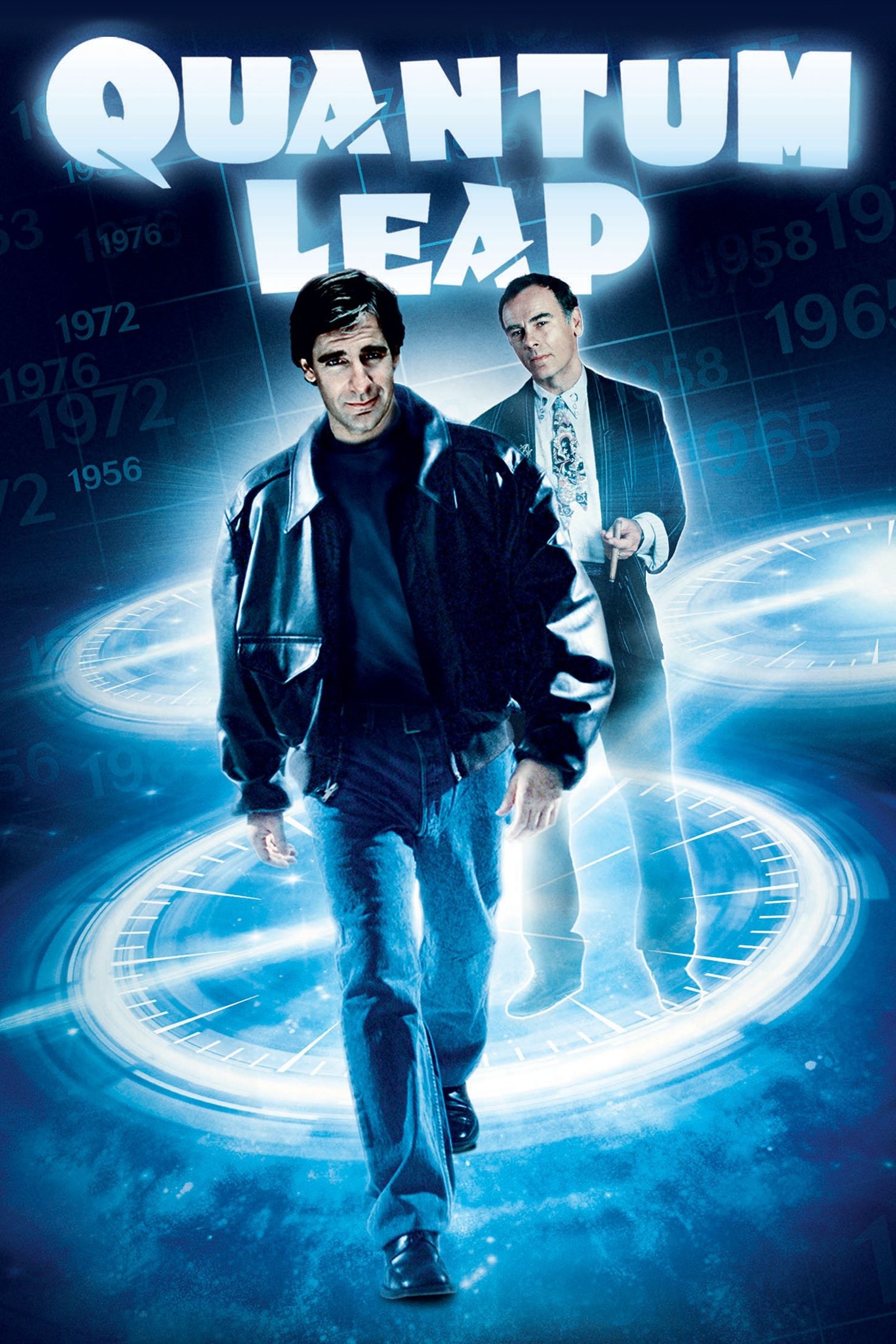
The episode ‘All-Americans’ features a broadcast that mentions the Pittsburgh Steelers are down by three points in the Super Bowl against a team from Los Angeles. This broadcast was set in the future relative to the 1990 airdate, which was a time when Los Angeles did not have a Super Bowl-winning team. In 1996, the Steelers did play in Super Bowl XXX, though against Dallas. However, the show’s mention of a Los Angeles team in a Super Bowl setting felt prophetic when the Rams returned to the city and eventually won Super Bowl LVI.
‘Black Mirror’ (2011–PRESENT)
The debut episode ‘The National Anthem’ features a plot where a fictional British Prime Minister is coerced into a humiliating act with a pig on live television. Four years after the episode aired, allegations surfaced in an unauthorized biography of David Cameron regarding a similar, albeit private, incident during his university years. The creator of the series, Charlie Brooker, expressed shock at the coincidence, clarifying that he had no prior knowledge of the rumors. The event became a significant cultural moment often referred to as “Piggate.”
‘The Jack Benny Program’ (1950–1965)
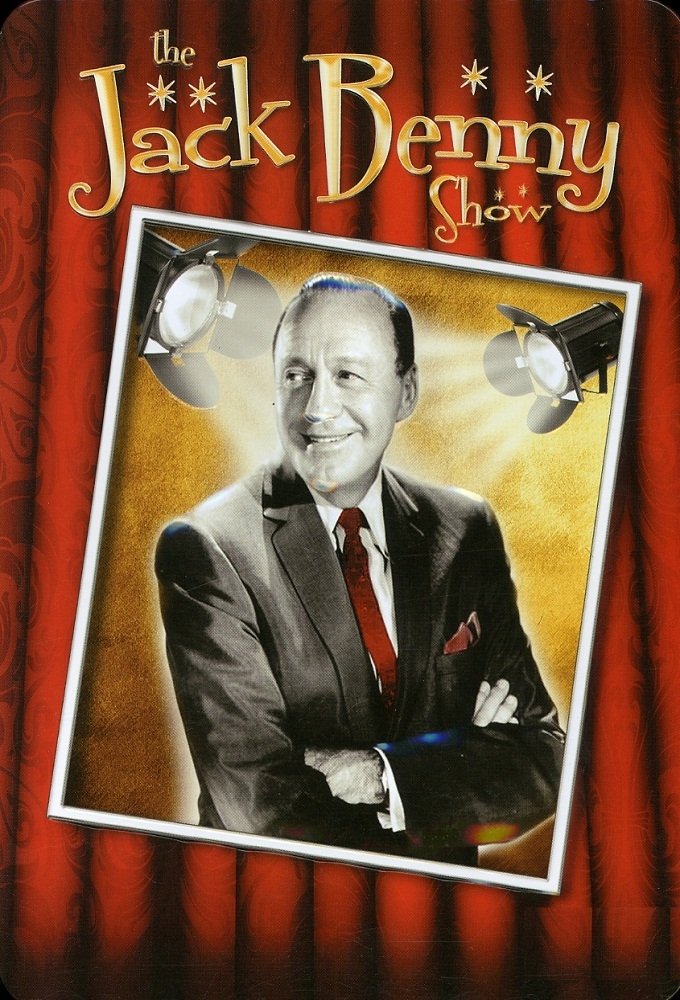
In a 1954 television episode, a joke was made about the possibility of a futuristic device that allowed people to see who was calling them on a small screen. This concept was treated as a far-fetched, comedic impossibility during the 1950s. Decades later, the advent of Caller ID and eventually video calling via smartphones turned the gag into a daily reality. The show effectively predicted the transition of the telephone from an audio-only tool to a visual communication medium.
‘Thunderbirds’ (1965–1966)
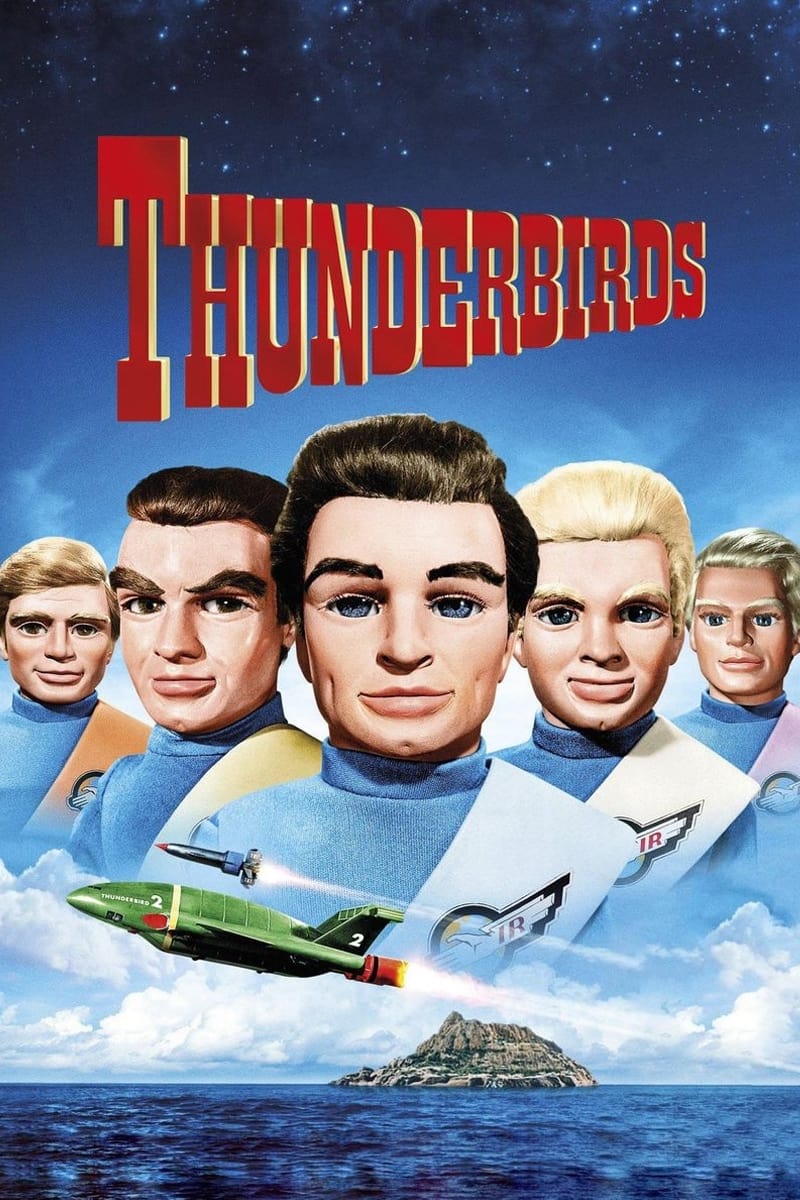
The episode ‘Lord Parker’s ‘Oliday’ depicts a solar power station that accidentally reflects a concentrated beam of heat toward a Mediterranean town, causing fires. In 2013, the skyscraper at 20 Fenchurch Street in London, nicknamed the “Walkie-Talkie,” made headlines for a similar issue. The building’s concave glass surface concentrated sunlight into a beam that melted car parts and ignited carpets in nearby shops. The real-world “death ray” incident mirrored the structural dangers warned about in the 1960s puppet series.
‘The 100’ (2014–2020)
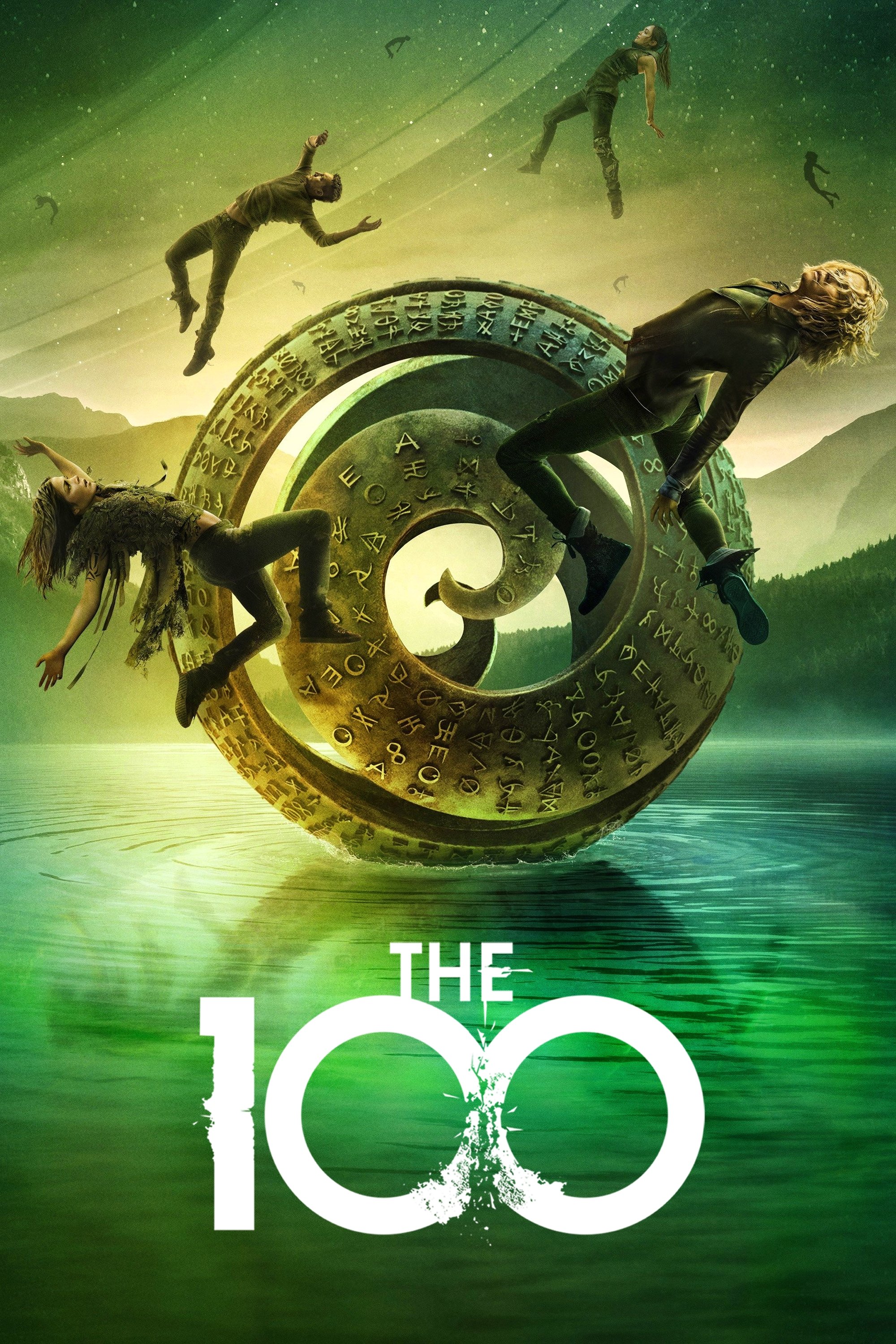
The series depicts a post-apocalyptic Earth struggling with the aftermath of a nuclear “firestorm” that decimated the population and poisoned the atmosphere. Scientists have pointed to the show’s portrayal of atmospheric collapse and the resulting radiation zones as a grimly accurate representation of “nuclear summer” theories. Recent climate models suggesting that localized nuclear conflicts could trigger global environmental shifts have lent a new layer of realism to the show’s premise. The series effectively dramatized the long-term biological consequences of such a global tragedy.
‘Cyberpunk: Edgerunners’ (2022)

While a more recent production, the series focuses on the psychological toll of “cyberpsychosis” caused by excessive technological integration and social isolation. Sociologists have noted that the show’s themes reflect the rising real-world rates of digital addiction and the mental health crises associated with hyper-connected urban environments. The portrayal of a society where corporate interests override public health serves as a predictive warning for current technological trajectories. The tragic downfall of the characters mirrors modern concerns regarding the loss of human agency to AI and bionics.
‘Person of Interest’ (2011–2016)
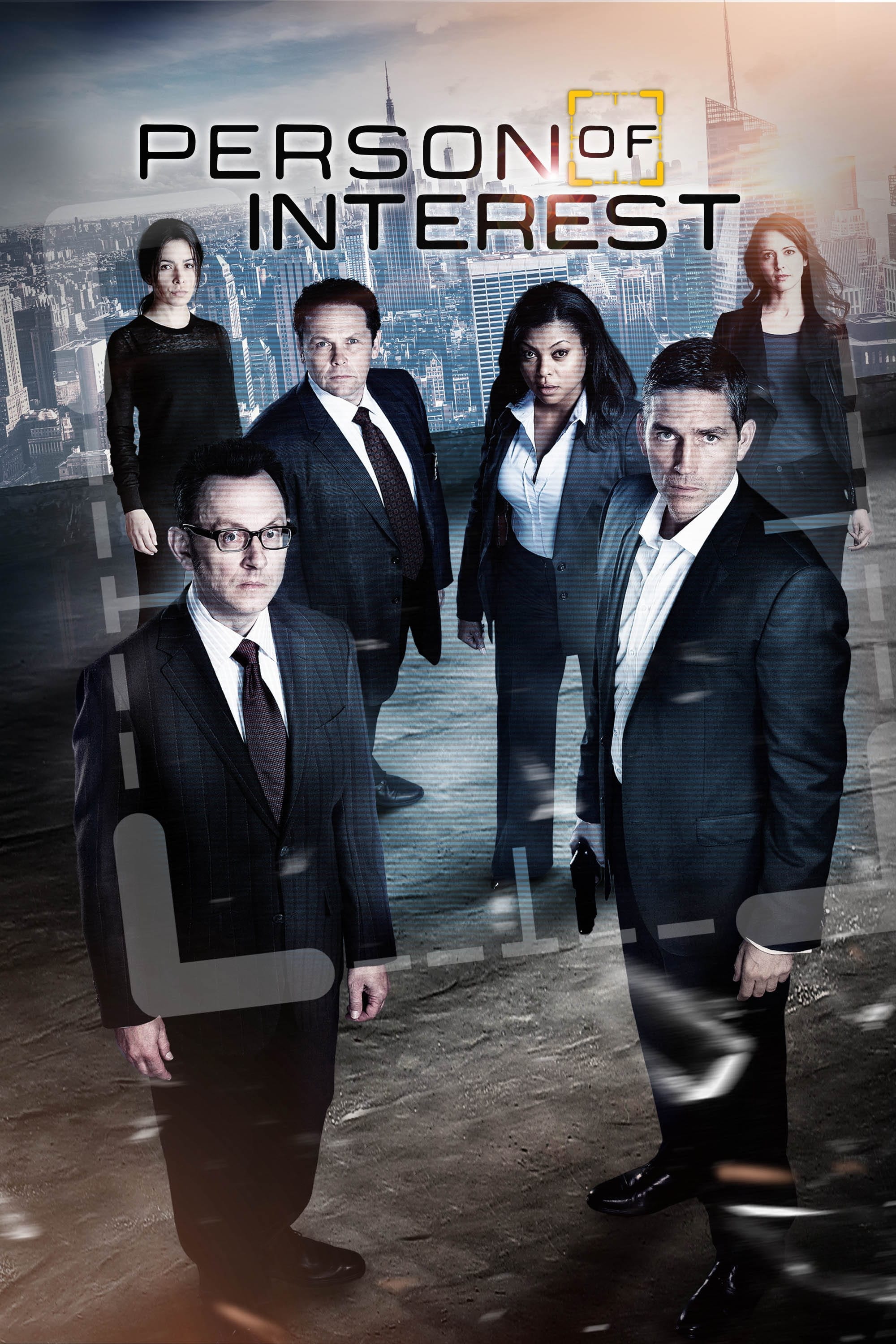
This series revolves around a mass surveillance system known as “The Machine” that monitors all electronic communications to predict crimes. Two years after the show premiered, Edward Snowden leaked documents revealing the existence of the NSA’s PRISM program. The real-world revelations about government metadata collection and domestic surveillance programs were almost identical to the fictional premise. The show’s exploration of the ethical trade-off between privacy and security became a primary topic of national debate.
‘The Twilight Zone’ (1959–1964)
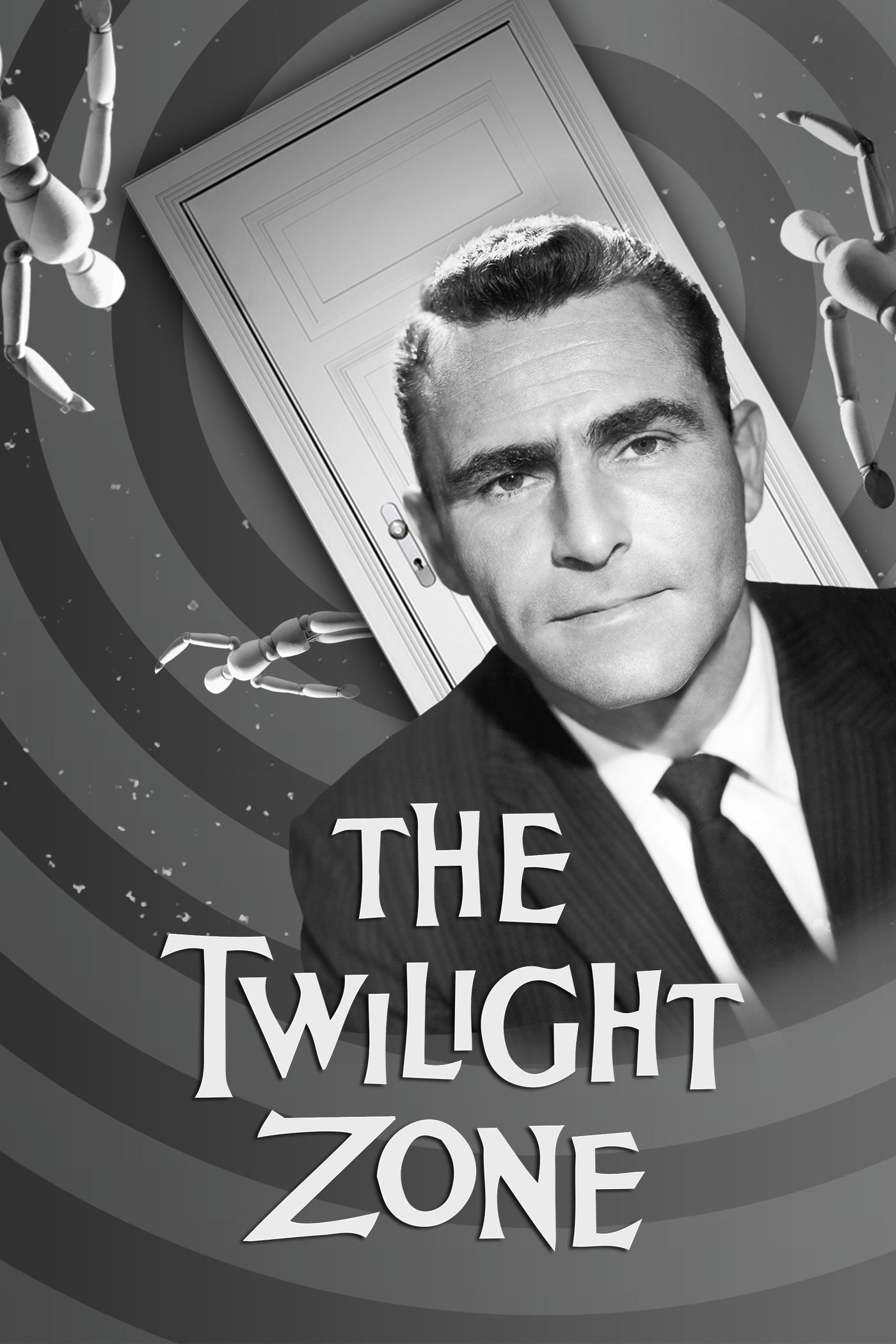
In the episode ‘The Midnight Sun’, the Earth’s orbit is altered, causing the planet to move closer to the sun and resulting in an uncontrollable global temperature rise. The episode vividly portrays the breakdown of social order, the drying up of water sources, and the physical toll of extreme heat. Modern climate scientists often reference the imagery of the episode when discussing the projected outcomes of unchecked global warming. The story remains a seminal piece of fiction that predicted the anxieties surrounding planetary environmental shifts.
‘Scrubs’ (2001–2010)
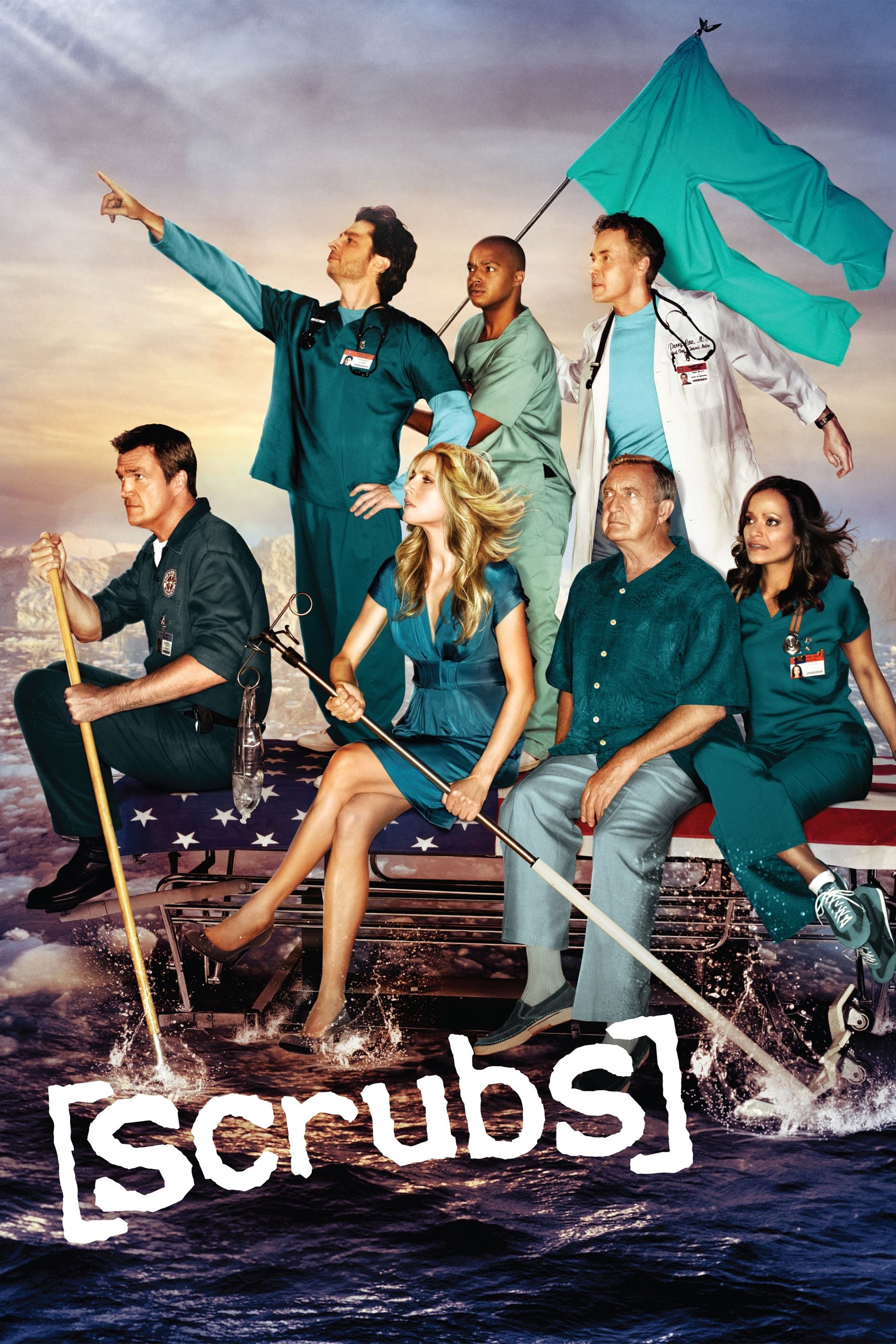
In the 2006 episode ‘His Story IV’, the character Janitor makes a comment about the United States needing to look for Osama bin Laden in Pakistan. At the time, intelligence briefings and public consensus generally placed bin Laden in the Tora Bora mountains of Afghanistan. Five years later, in 2011, it was discovered that bin Laden was indeed hiding in a compound in Abbottabad, Pakistan. The throwaway line from a sitcom character proved to be more accurate than the prevailing public theories of the time.
‘Futurama’ (1999–PRESENT)
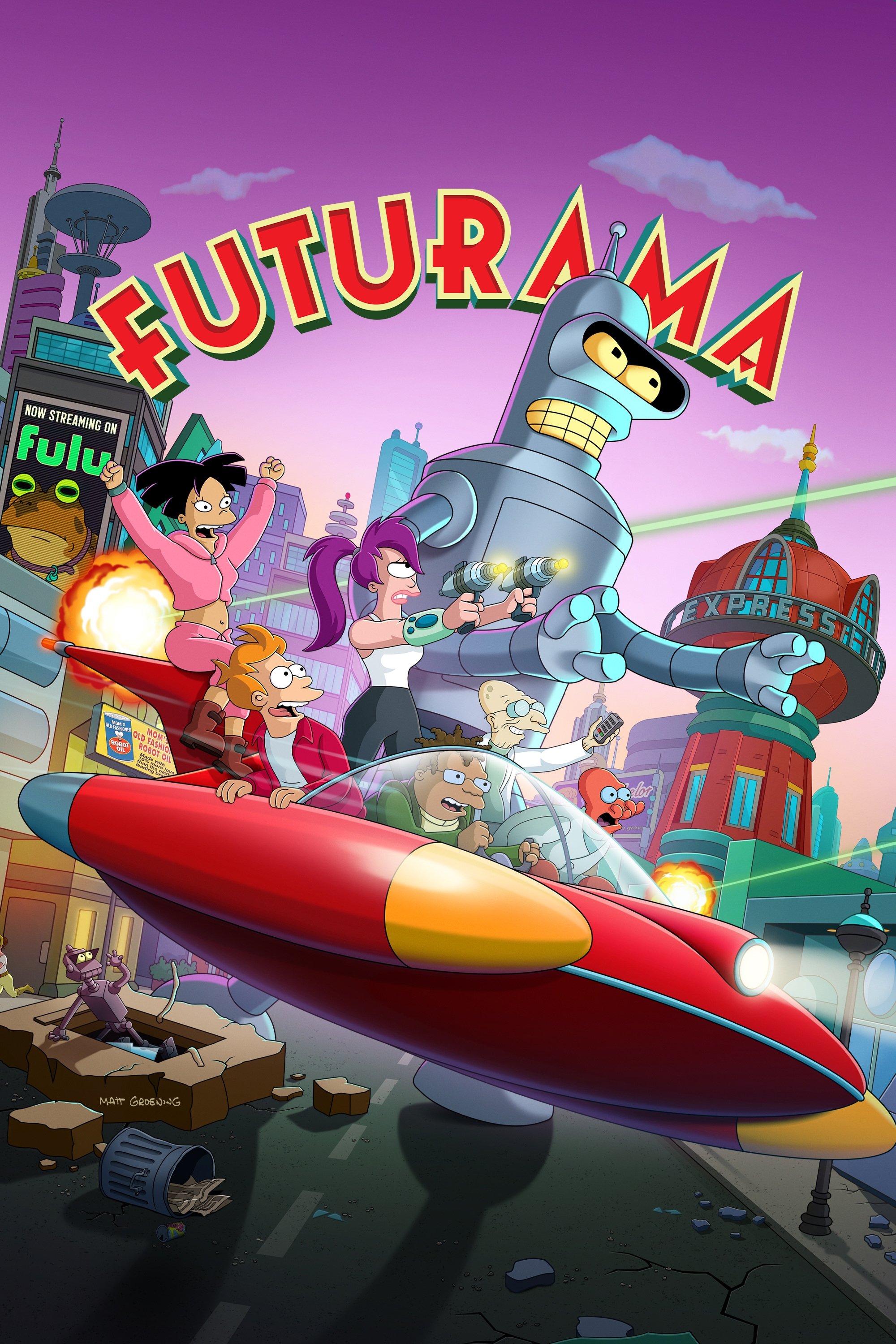
The 2000 episode ‘The Cryonic Woman’ features a scene where the characters travel through a desolate version of Los Angeles in the future. They encounter a destroyed sign that indicates the city’s bid for the 2024 Olympics. In reality, Los Angeles was awarded the 2028 Olympics, but only after a unique double-allocation process involving the 2024 games. The show’s focus on Los Angeles as a site for massive international events and its eventual selection in that timeframe was remarkably close to the actual Olympic committee decisions.
‘Home Improvement’ (1991–1999)
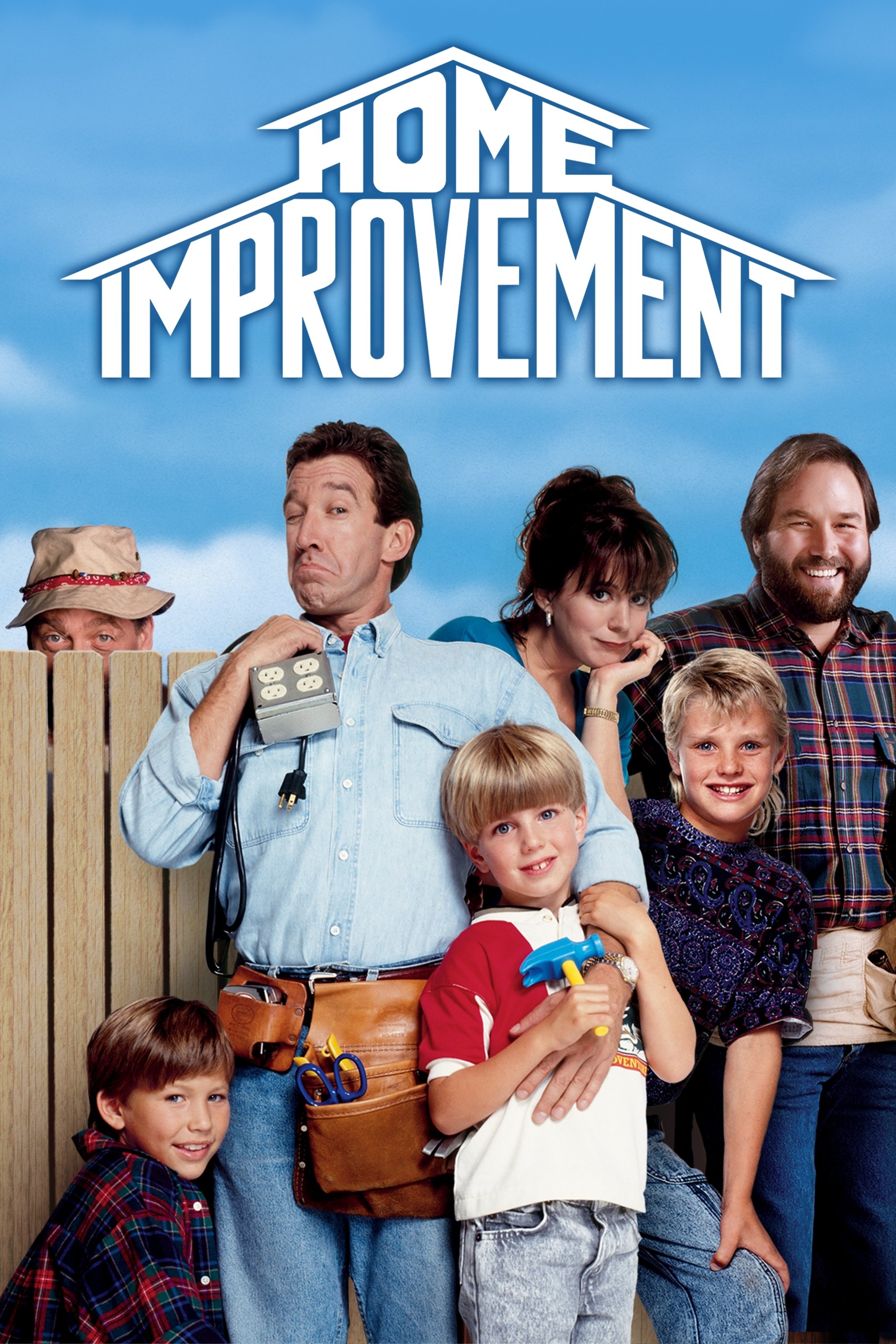
The episode ‘The Future Is Now’ featured a look at a high-tech kitchen equipped with a “smart” refrigerator that could track inventory and suggest recipes. In the mid-1990s, the idea of an appliance connected to a network was viewed as a domestic fantasy. Today, the Internet of Things (IoT) has made smart refrigerators a standard luxury item in modern homes. The show’s depiction of a screen-based interface on the fridge door anticipated the design of current models by over two decades.
‘Second Chance’ (1987–1988)
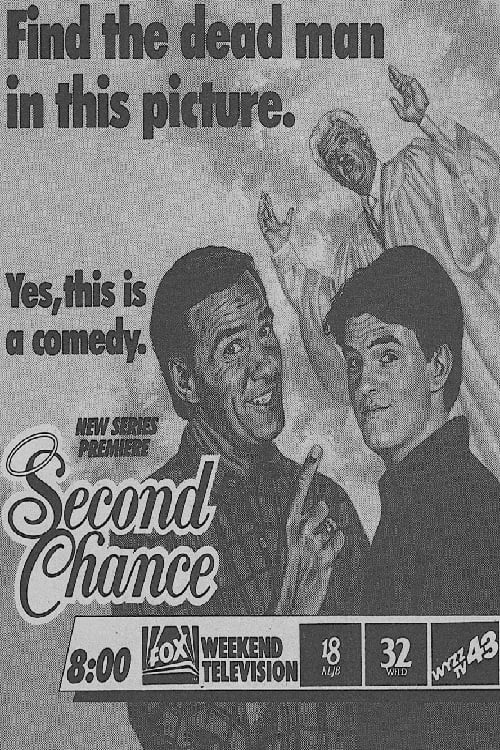
This short-lived sitcom featured a scene set in the future where the main character dies and goes to Heaven’s waiting room. In the background, a poster lists the deaths of various celebrities, including Muammar Gaddafi with a date in 2011. Muammar Gaddafi was indeed killed in October 2011 during the Libyan Civil War. The specific accuracy of the year, predicted 24 years in advance, remains one of the most unexplained coincidences in television history.
‘The Wire’ (2002–2008)
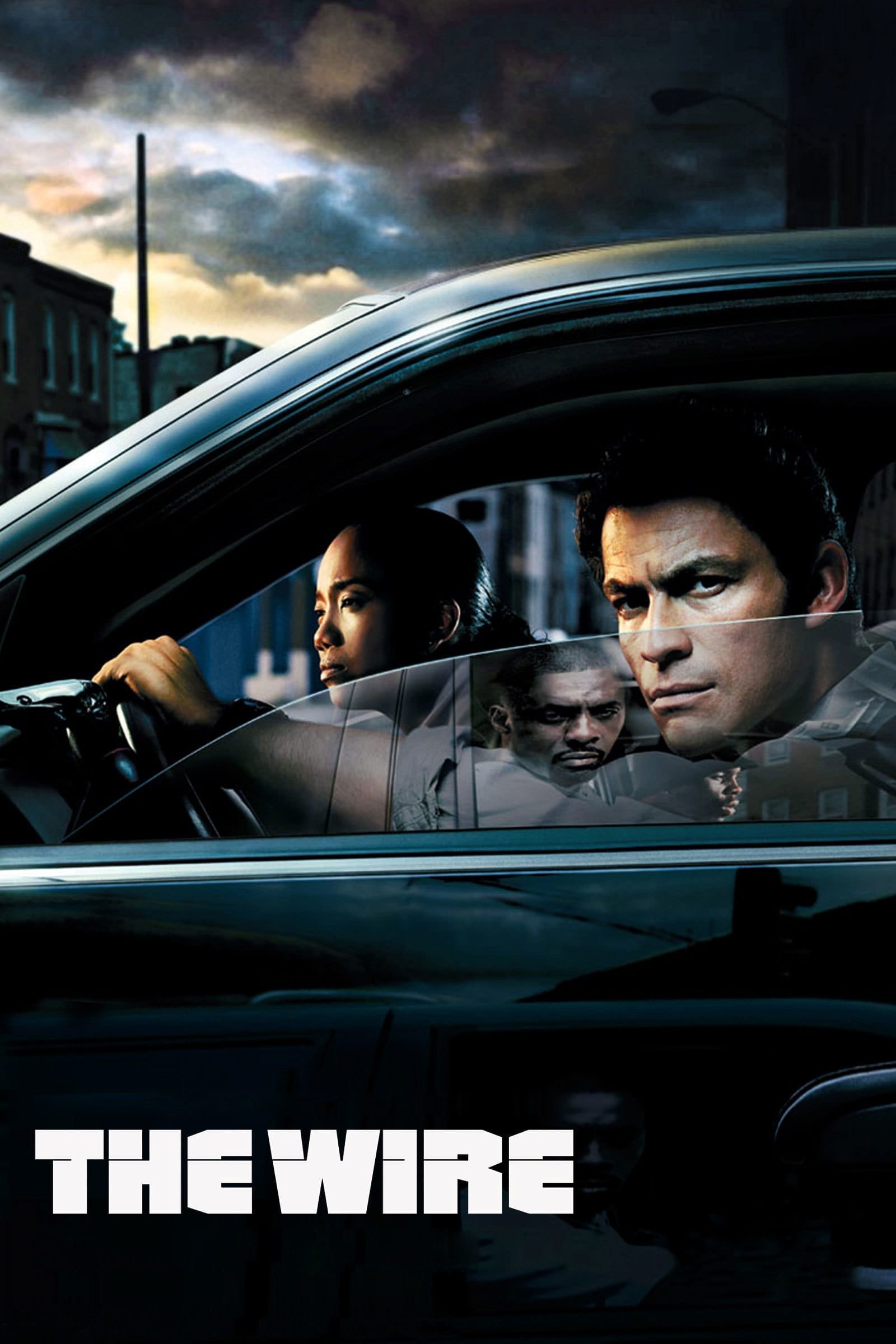
The series meticulously depicted the rise of “burner phones” as a primary tool for criminal organizations to evade police surveillance. At the time, the concept was relatively niche and not widely understood by the general public. Following the show’s success, law enforcement agencies across the globe reported a massive surge in the use of disposable mobile technology by organized crime. The show effectively predicted the shift in criminal tradecraft toward digital anonymity and the difficulties it would pose for investigators.
‘The West Wing’ (1999–2006)
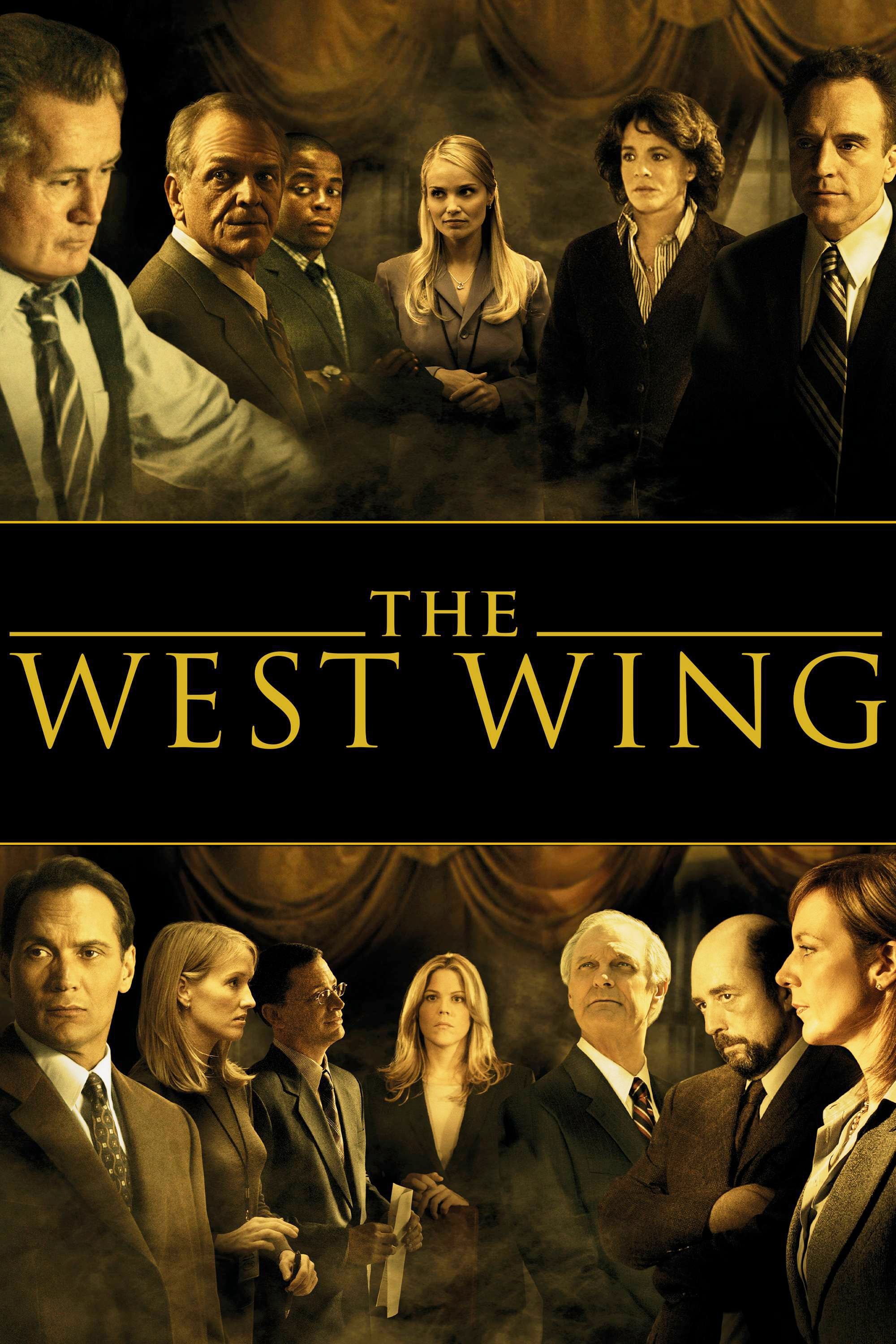
During its final seasons, the show introduced a presidential candidate named Matt Santos, a charismatic young minority politician who rose from relative obscurity. Many political analysts noted the striking similarities between the fictional Santos and the real-life rise of Barack Obama a few years later. The show’s writers had actually modeled Santos after Obama, who was then a burgeoning political star. The narrative arc predicted the shift in American politics toward a new generation of diverse leadership.
‘Mr. Robot’ (2015–2019)
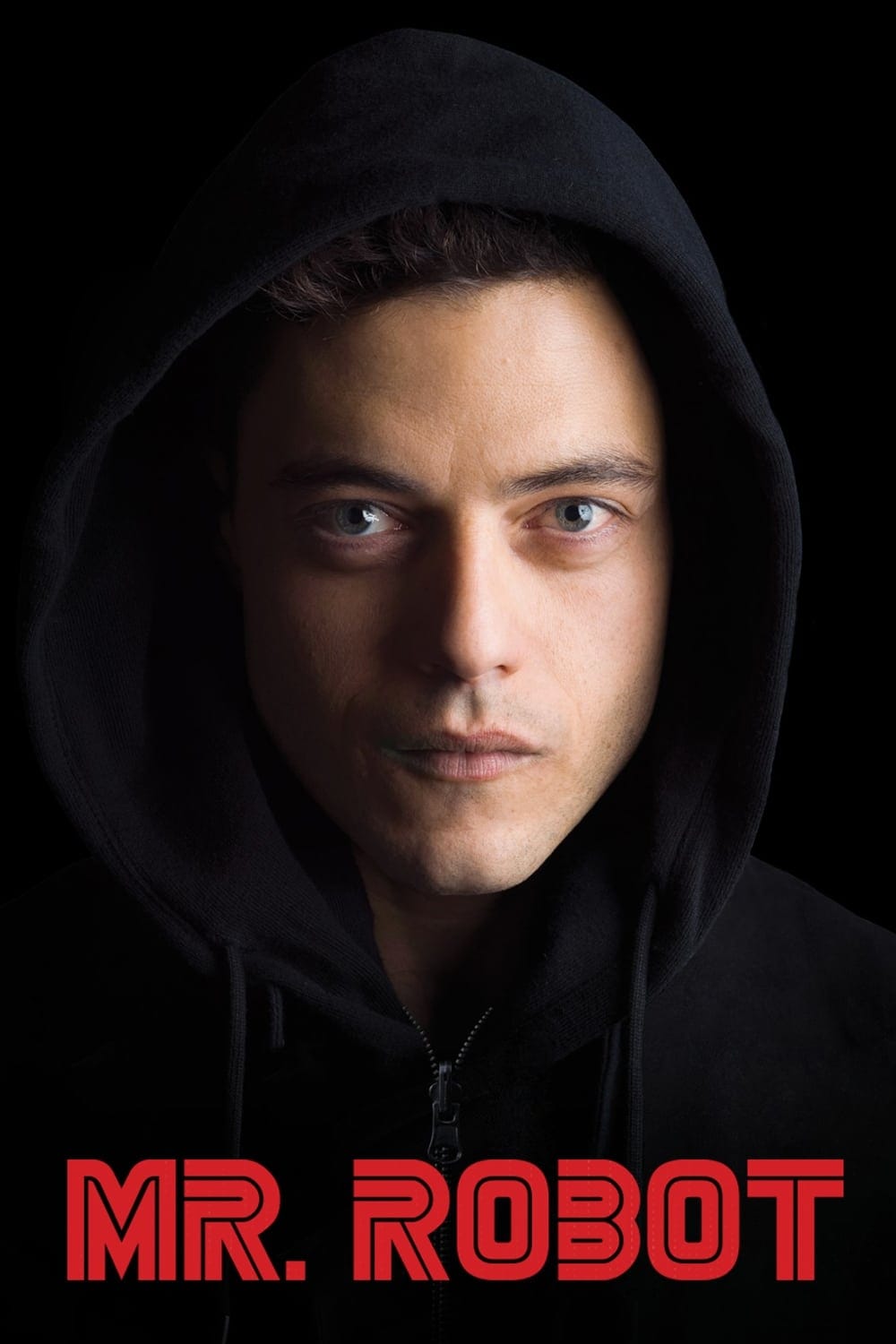
The show’s plot centers on a massive cyberattack that wipes out global debt by encrypting the data of a major conglomerate. Shortly after the first season, several real-world ransomware attacks, such as WannaCry and NotPetya, caused billions of dollars in damage to global infrastructure. The show’s depiction of the vulnerability of the world’s financial and corporate digital records was validated by these events. It served as a precursor to the modern era of state-sponsored cyber warfare and corporate digital fragility.
‘Utopia’ (2013–2014)
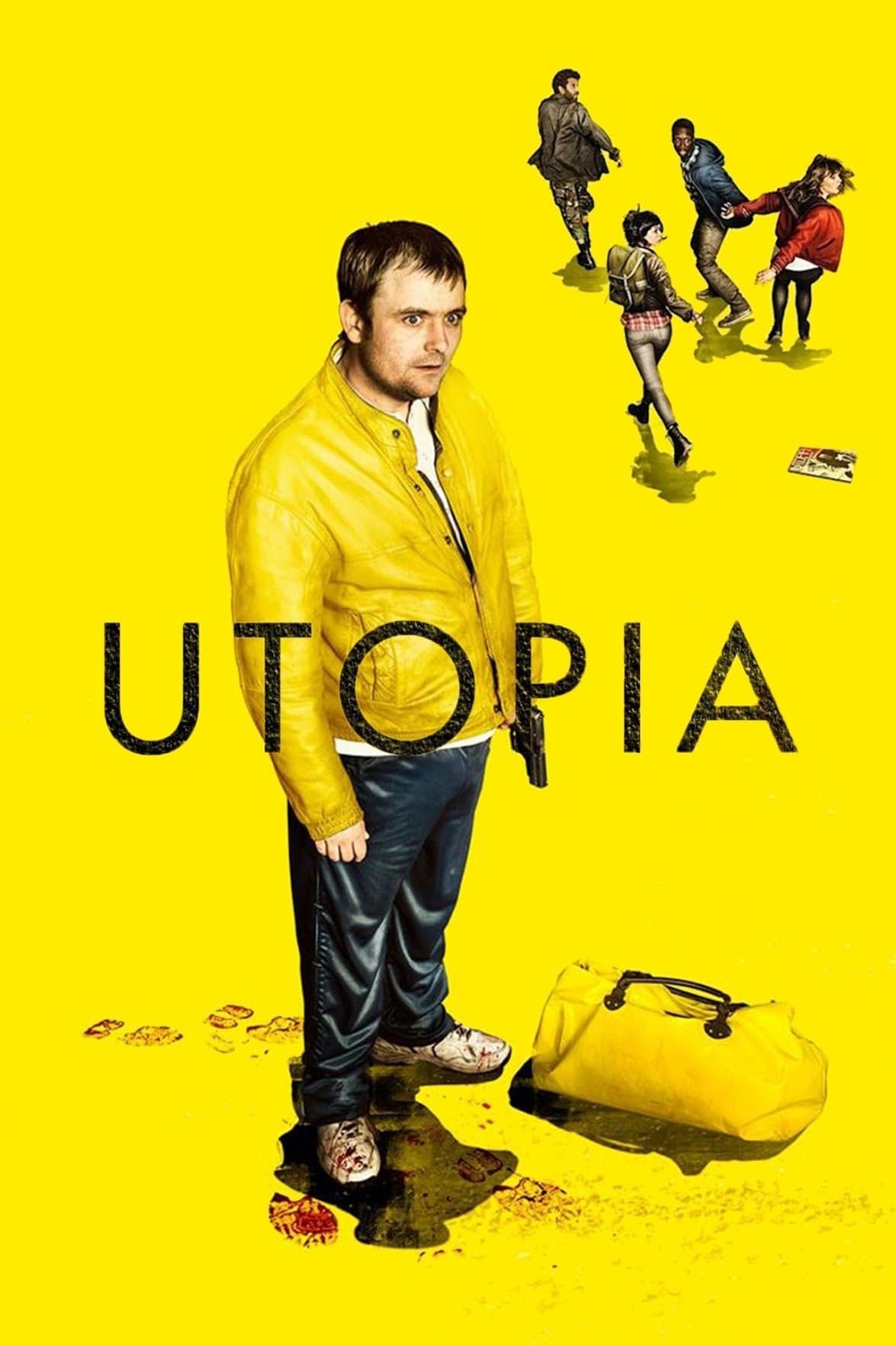
This British thriller series involves a shadowy organization that plans to release a virus to sterilize the global population to prevent environmental collapse. The show’s themes of vaccine skepticism, government tracking, and the ethics of population control mirrored many of the social tensions that emerged during the 2020s. The visual style and the specific focus on a “Russian Flu” created an atmosphere that many found uncomfortably relevant during real-world lockdowns. The series predicted the deep societal distrust that can arise during a public health crisis.
‘The X-Files’ (1993–2018)
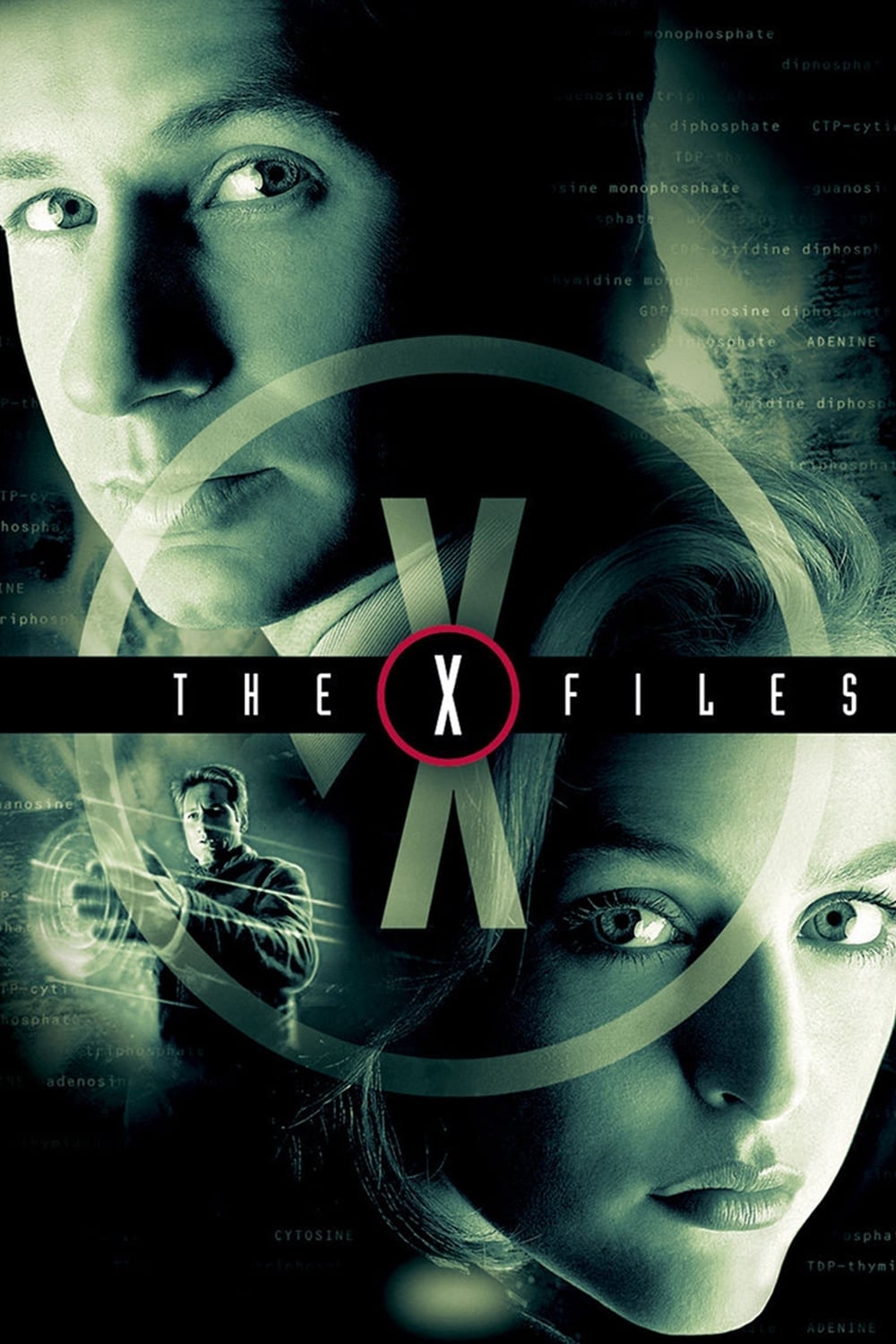
In the episode ‘The Pine Bluff Variant’, the series depicted a bioterrorist threat involving a flesh-eating contagion designed to be spread through the atmosphere. The narrative focused on the unintended consequences of chemical research and the potential for a man-made plague. In the years following, real-world concerns regarding biological warfare and laboratory leaks became central to global security discussions. The show’s focus on government secrecy regarding viral research proved to be a significant cultural foresight.
Please share your thoughts on these eerie television coincidences in the comments.