


TV Shows That Promised Diverse Casts But Delivered Stereotypes

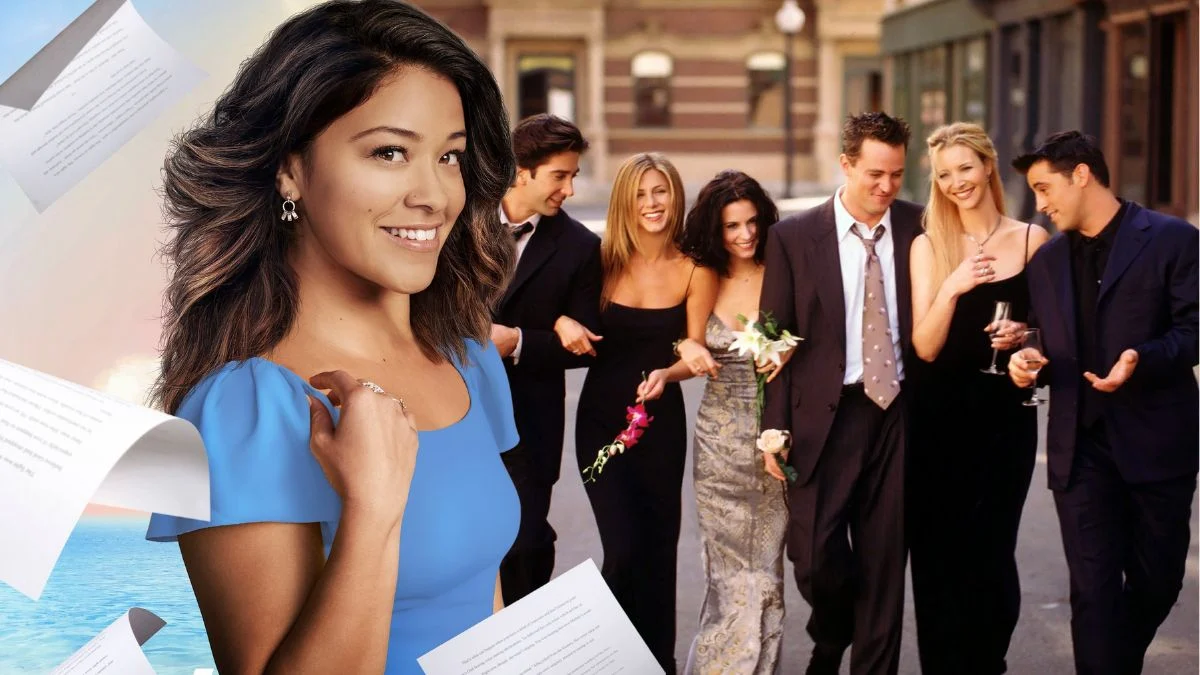


The television industry has made significant strides toward inclusivity by casting actors from various backgrounds to reflect a more realistic world. Many productions market themselves on the strength of their diverse ensembles to attract a modern audience. However the execution often falls short when these characters are relegated to narrow archetypes or recycled tropes. This disconnect between the promise of representation and the reality of the writing remains a major point of discussion among critics and viewers alike.
‘The Simpsons’ (1989–Present)
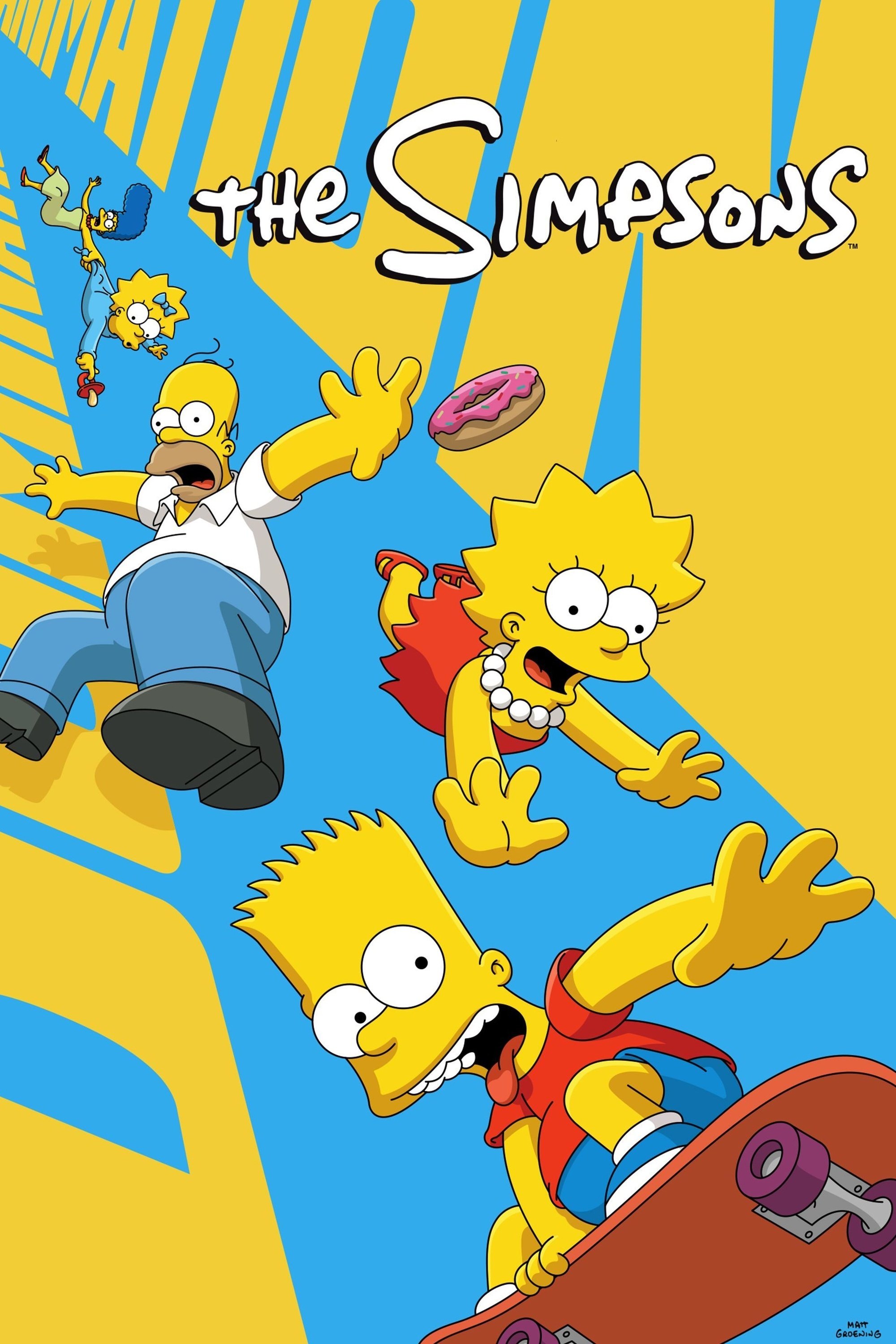
For decades the character of Apu Nahasapeemapetilon stood as the most prominent representation of South Asian people on American television. The characterization relied heavily on an exaggerated accent and his status as a convenience store owner which many viewers found reductive. A documentary eventually highlighted how these traits reinforced harmful stereotypes for generations of Indian Americans. The show faced significant pressure to address the issue and eventually the voice actor stepped down from the role. The character has since been largely removed from the spotlight to avoid further controversy.
‘Friends’ (1994–2004)
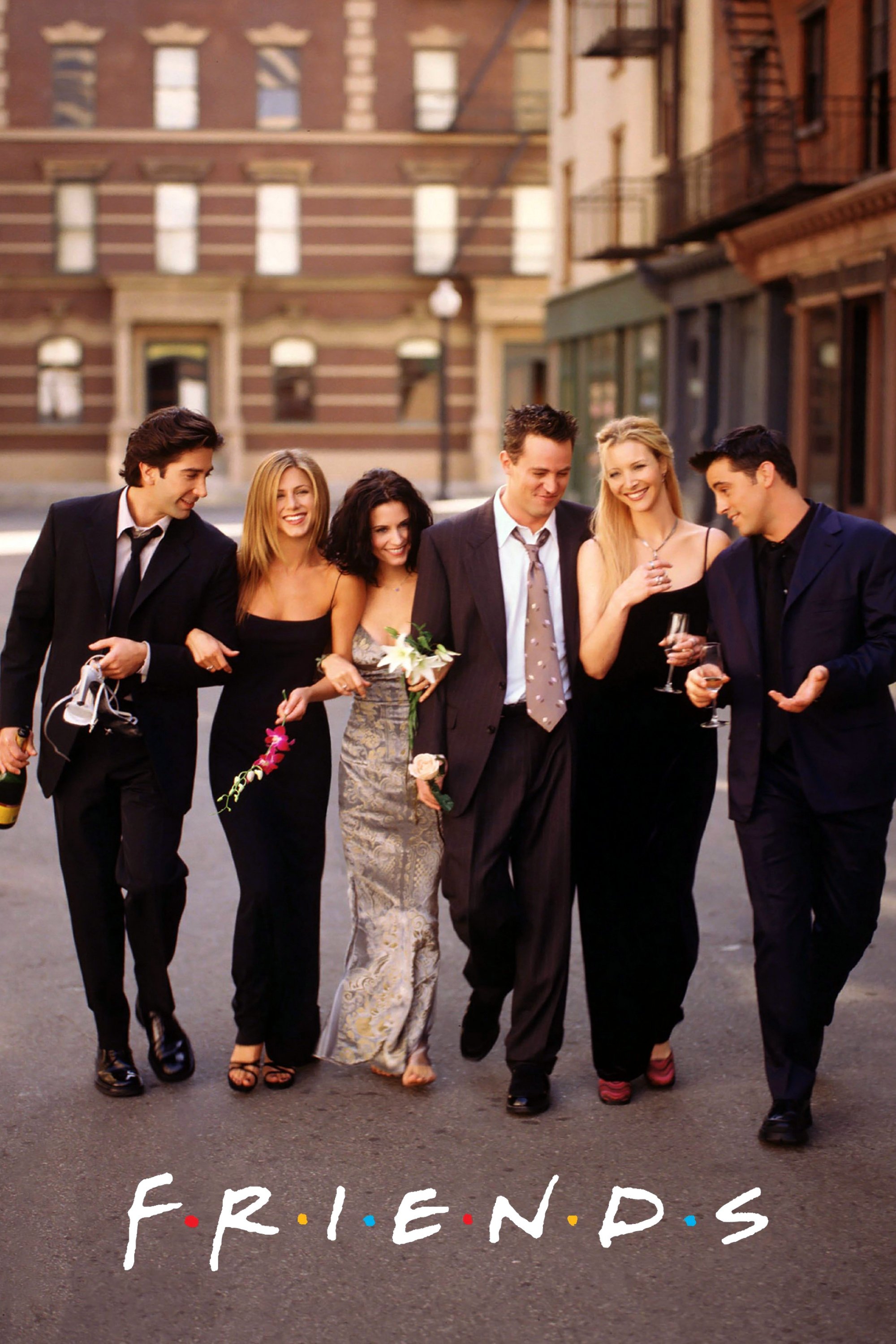
This iconic sitcom faced criticism for its lack of diversity throughout most of its ten seasons in New York City. When the show finally introduced Black characters in the later years they often served only as temporary romantic obstacles for the main cast. These characters lacked the deep backstories and personal development afforded to the six protagonists. Their presence felt more like a response to criticism than a genuine attempt at inclusive storytelling. This approach left the show with a legacy of tokenism rather than meaningful representation.
‘Sex and the City’ (1998–2004)

The original series focused exclusively on the lives of four white women while ignoring the diverse reality of Manhattan. Any non white characters who did appear were usually defined by their race or served as brief plot devices for the leads. For example the rare instances of dating outside their race were treated as unusual experiments or cultural lessons. The show failed to integrate diverse voices into the central social circle in any meaningful way. This oversight became a major point of contention when the series was analyzed in later years.
‘Smallville’ (2001–2011)
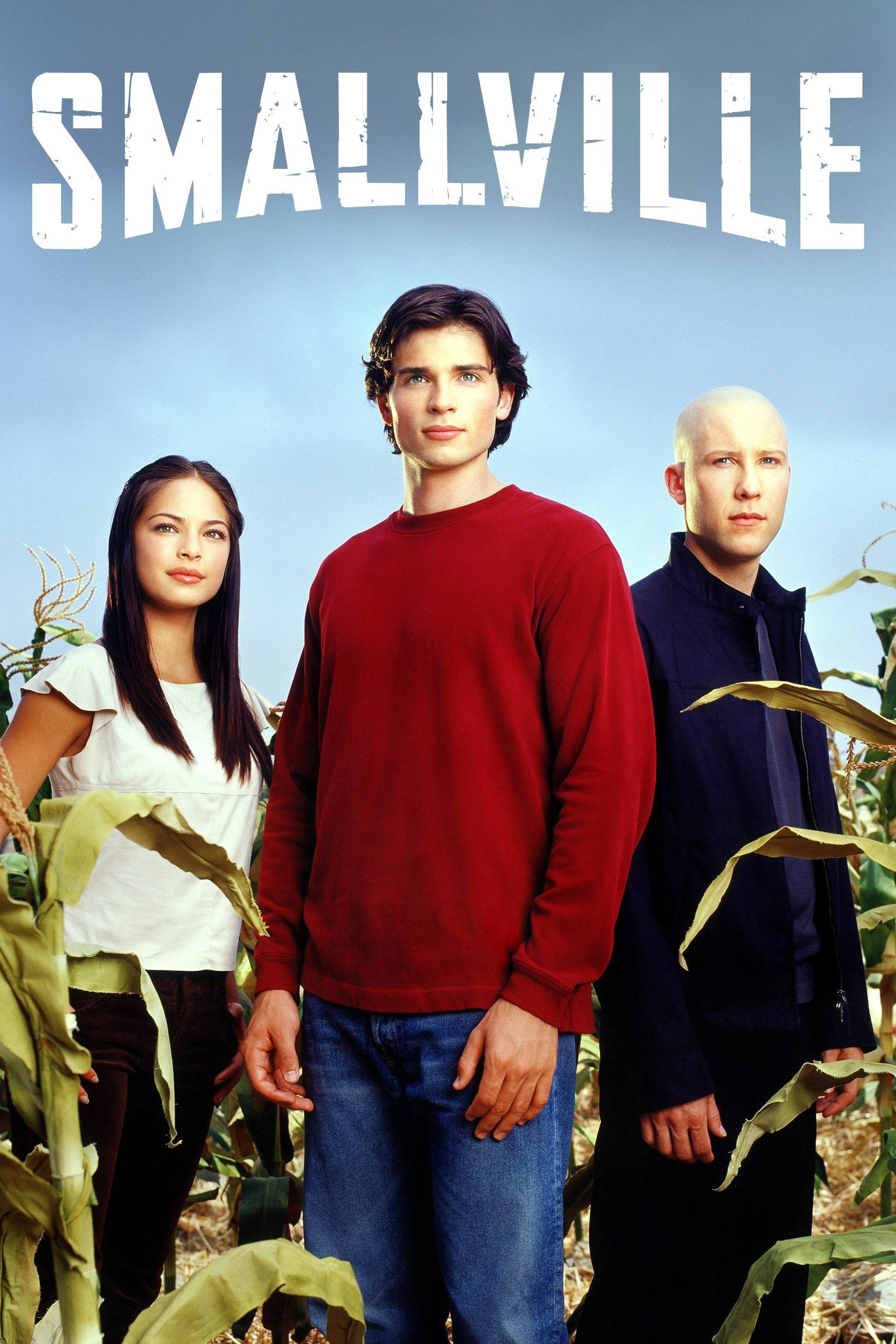
The character of Pete Ross was a reimagined version of the comic book character to include a Black best friend for Clark Kent. However his character often felt sidelined or ignored compared to the white romantic leads and villains. He eventually left the show early on because the writers struggled to give him substantial plotlines or growth. His departure highlighted the difficulty the show had in maintaining a truly inclusive environment for its supporting cast. The character remained a missed opportunity to explore a more diverse side of the Superman mythos.
‘Lost’ (2004–2010)
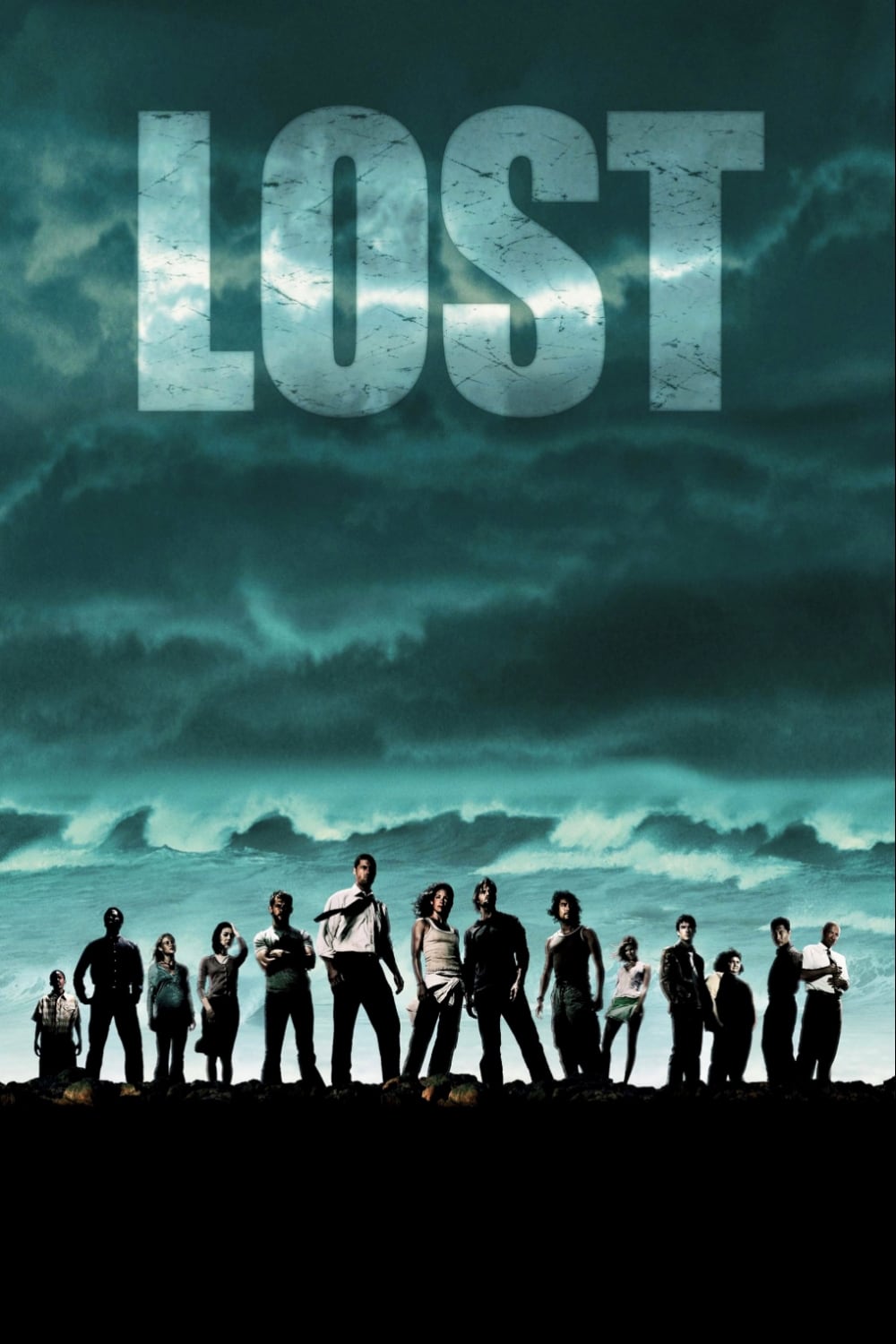
The show featured a massive international cast but several characters were initially framed through cultural clichés. The Korean couple Jin and Sun started with a dynamic that leaned into tropes about traditional gender roles and linguistic isolation. While they eventually received more depth many early episodes emphasized their inability to communicate with others. Other characters from different backgrounds were also introduced through their mysterious or exotic qualities. This initial framing made it difficult for the show to escape its reliance on archetypes.
‘Grey’s Anatomy’ (2005–Present)
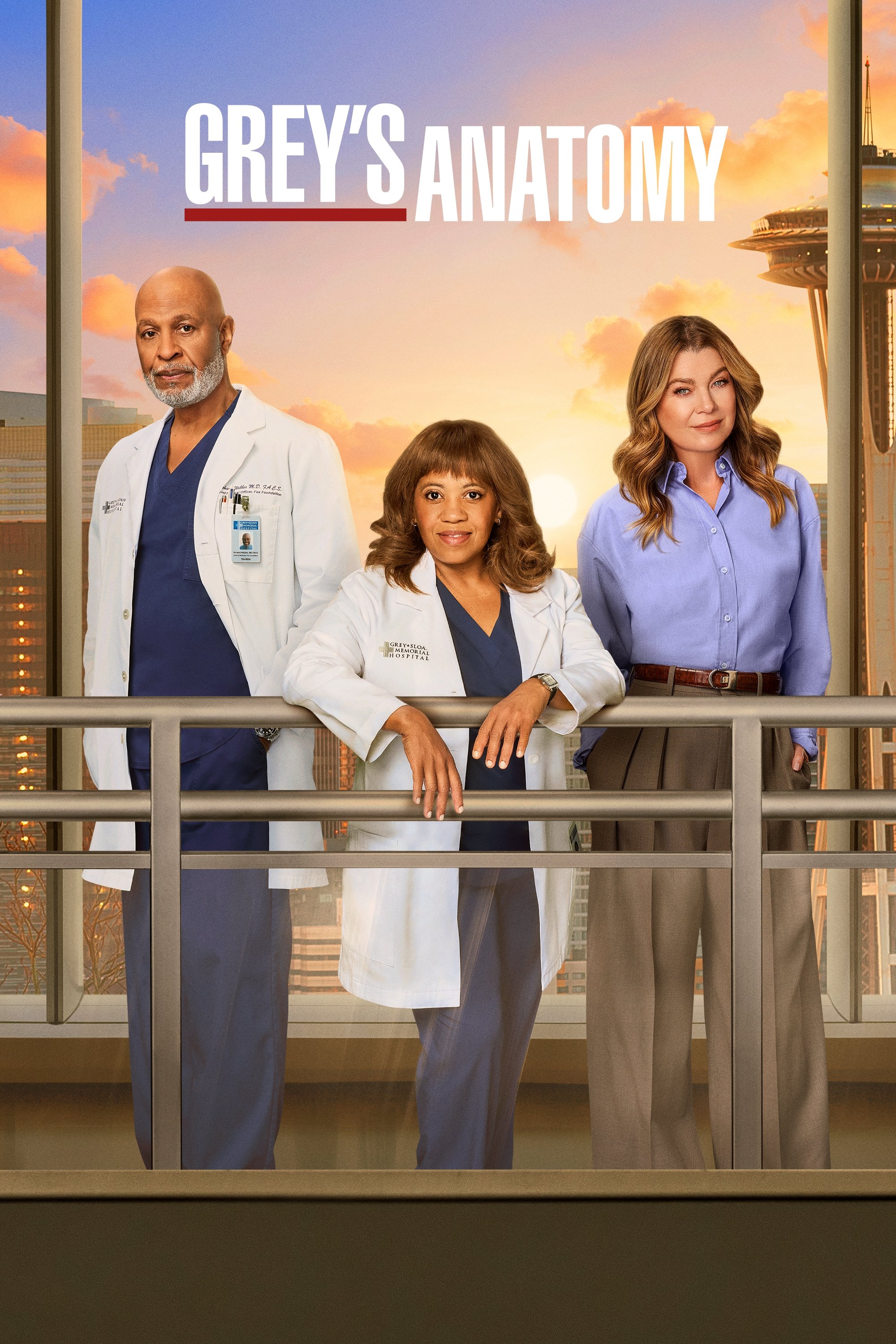
While this medical drama is famous for its diverse cast early seasons occasionally struggled with character depth for its minority leads. Some characters were defined primarily by their toughness or their professional drive without much exploration of their personal lives. The show has been criticized for using diverse casting to appear progressive while sometimes falling back on predictable relationship tropes. While it has improved over the years some early storylines felt like they were checking boxes rather than telling unique stories. The sheer volume of the cast sometimes means that non white characters wait longer for meaningful arcs.
‘Heroes’ (2006–2010)
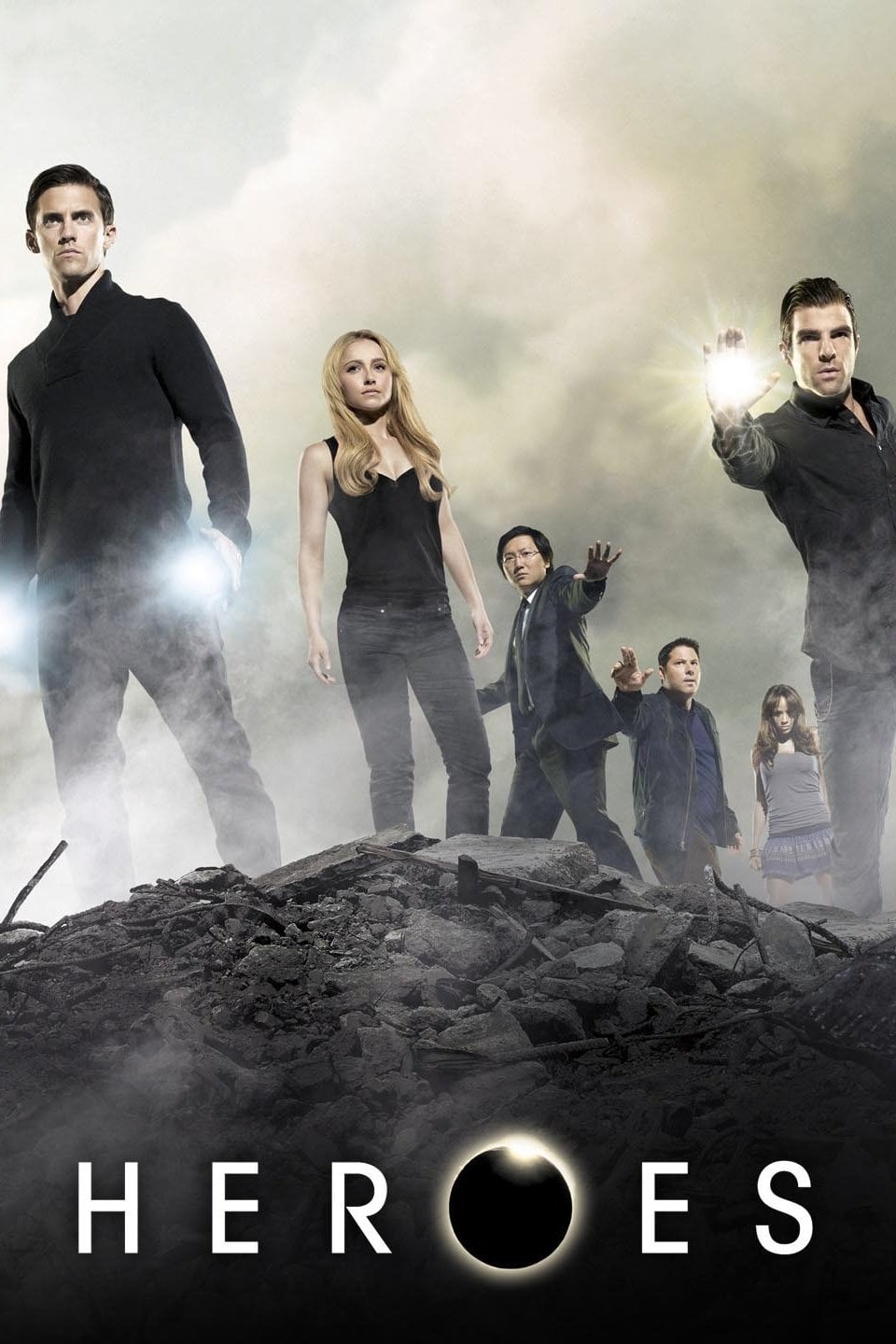
The series gained international attention for its premise of people from all over the world developing superpowers. However characters like Hiro Nakamura were often presented through a lens of comic relief or extreme naivety. His storyline heavily featured tropes about Japanese culture and martial arts that felt dated even at the time. Other diverse characters faced similar issues where their powers were tied to their ethnic origins or mystical backgrounds. This prevented the characters from feeling like fully realized individuals rather than representatives of their cultures.
‘Skins’ (2007–2013)
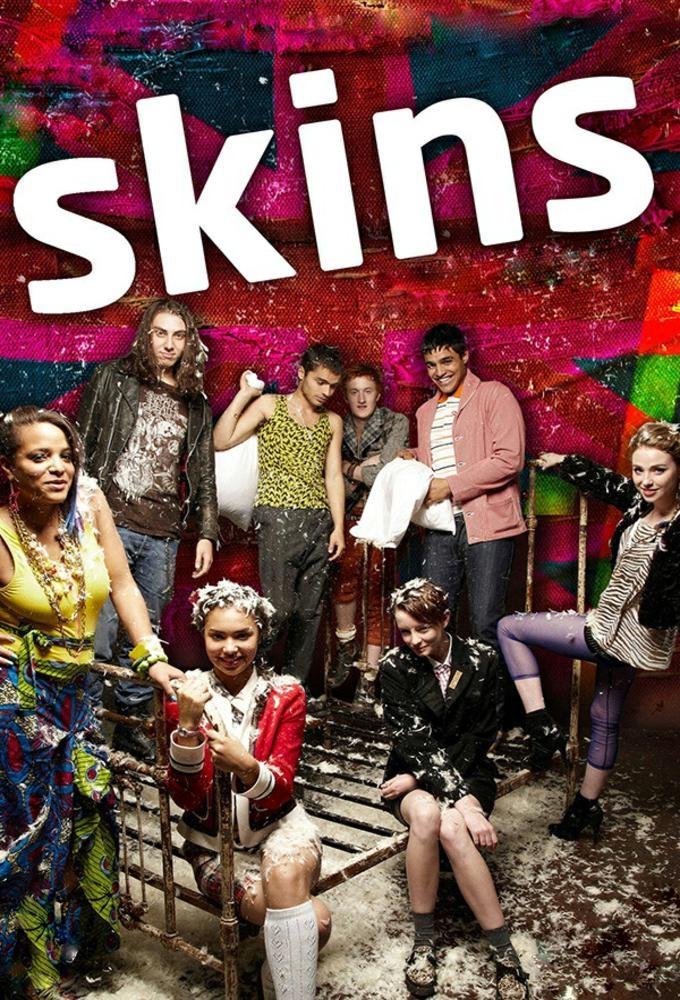
The British teen drama was praised for its gritty realism and diverse casting of teenagers in Bristol. However many of the minority characters were given storylines centered on religious repression or strict parental expectations. These themes often felt repetitive and served to highlight their difference from their white peers. The show occasionally used racial identity as the primary source of conflict for these characters instead of allowing them to have the same varied experiences as others. This resulted in a show that was diverse on the surface but narrow in its character development.
‘The Big Bang Theory’ (2007–2019)
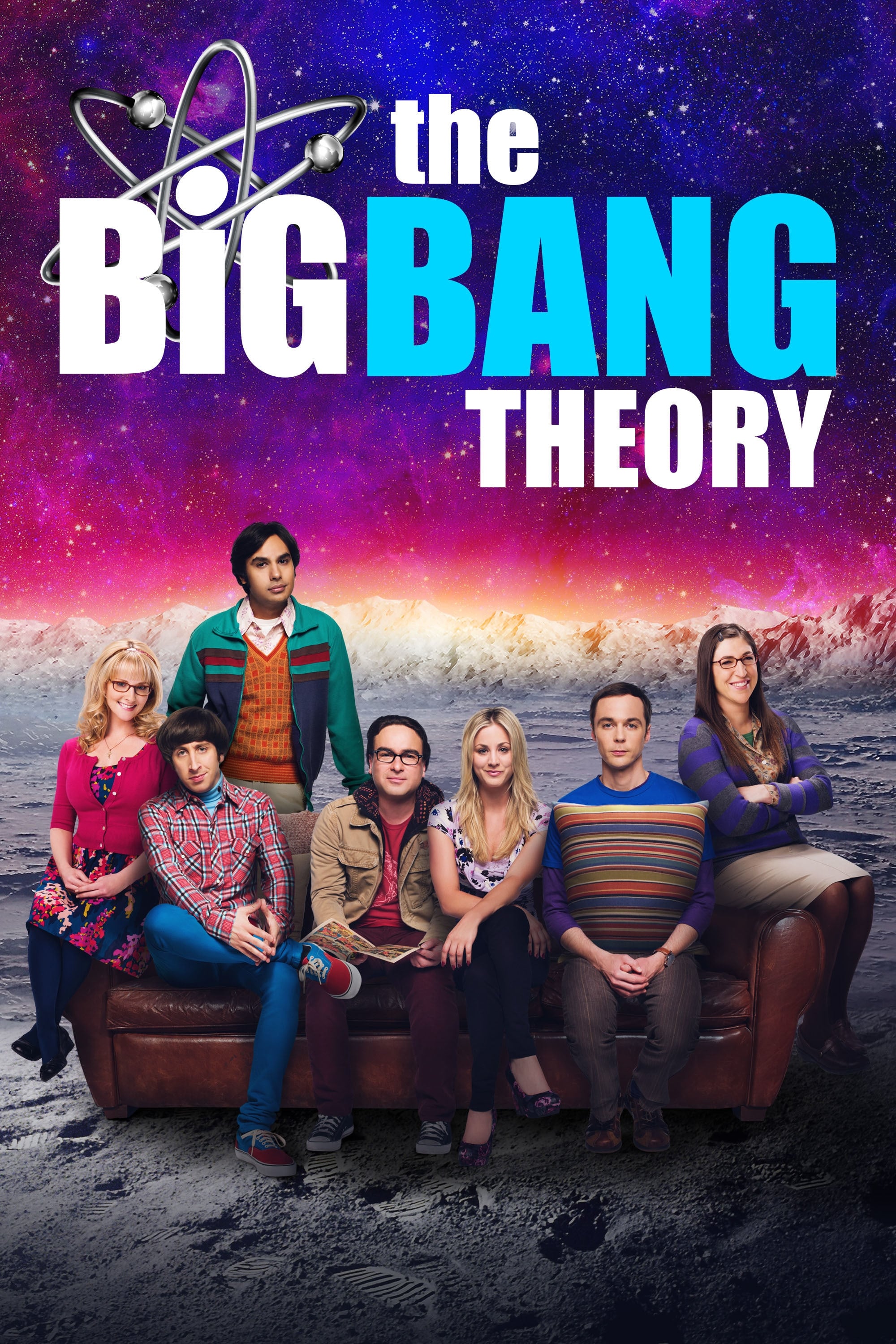
Raj Koothrappali was the only person of color in the main group for the entirety of the series. His character was defined by an inability to speak to women for several seasons and a heavily accented delivery used for humor. The writers frequently joked about Indian culture and food without offering a nuanced look at his background. His professional successes were often overshadowed by jokes about his personal failures or his status as an outsider. This portrayal remained a point of criticism for a show that otherwise celebrated intellectualism.
‘Glee’ (2009–2015)
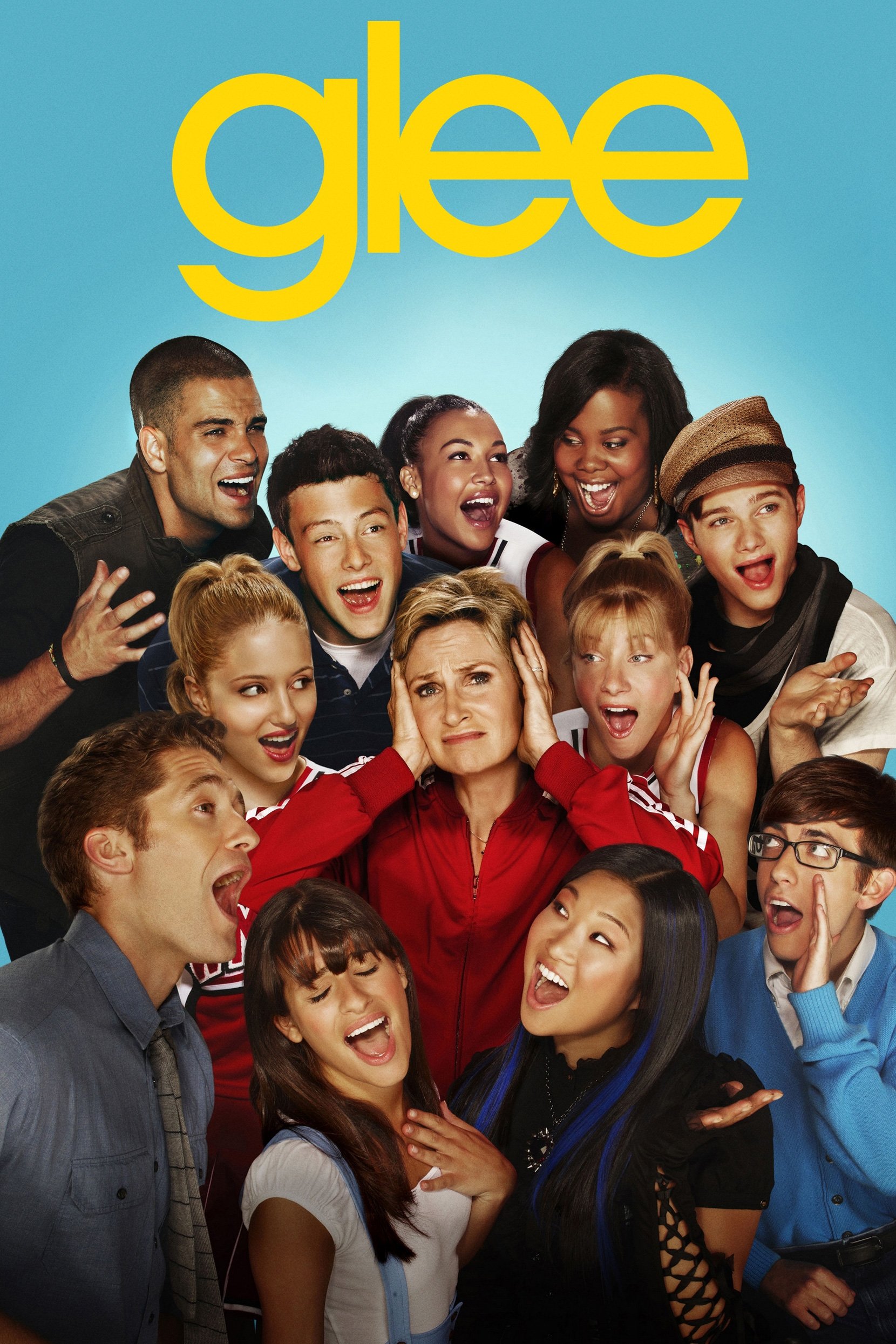
The series was marketed as a champion of diversity and inclusion for students of all backgrounds. However characters like Mercedes Jones often voiced their frustration on screen about being relegated to backup singer roles. Tina Cohen Chang and Mike Chang were also frequently defined by their ethnicity or by being the quiet members of the group. The show often used stereotypes for comedic effect and then attempted to address them with moral lessons that felt hollow. This created a cycle where the show benefited from diversity while still leaning on tropes.
‘Modern Family’ (2009–2020)
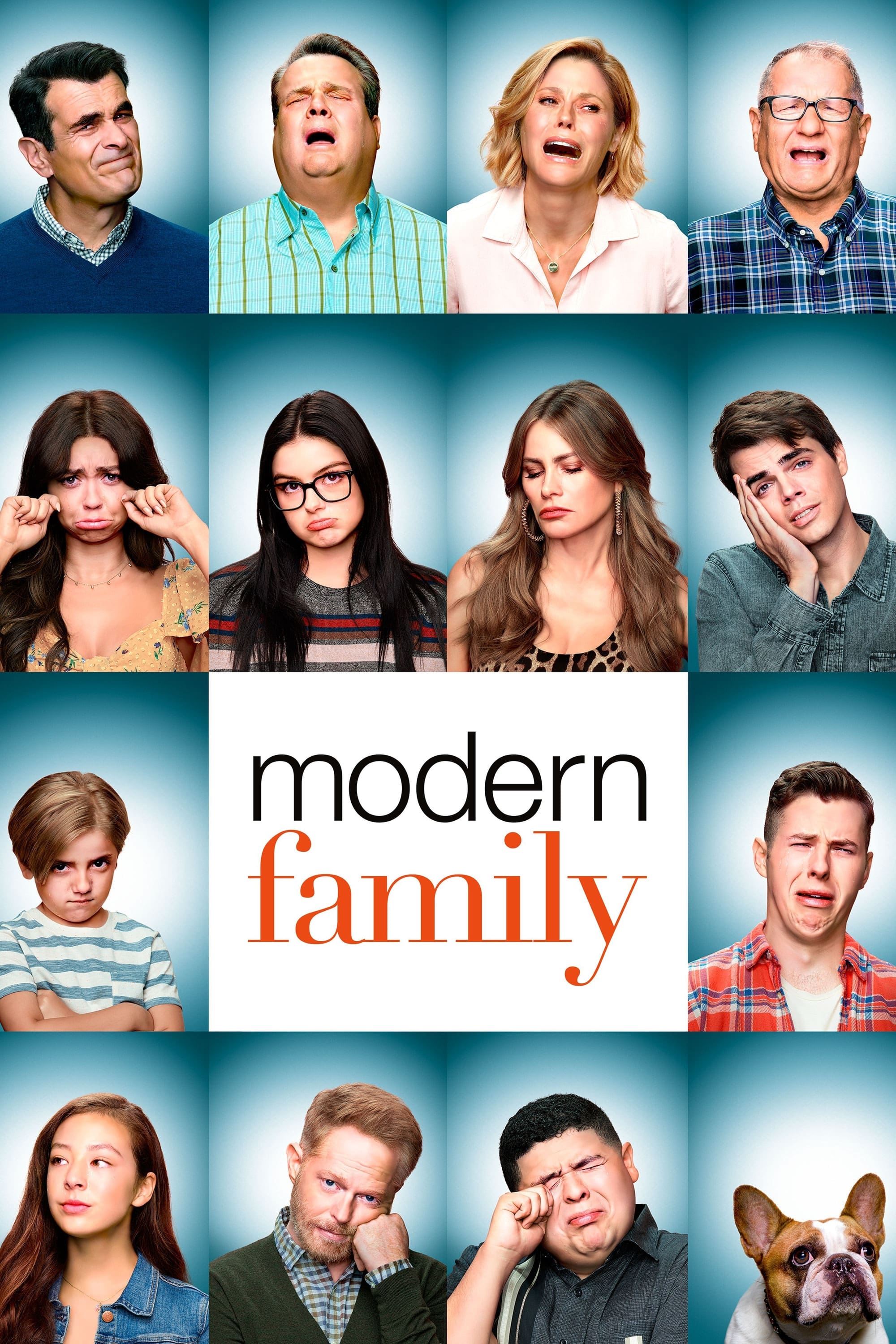
Gloria Delgado Pritchett became a household name but her character was often the target of jokes regarding her accent and Colombian heritage. The writing frequently emphasized her loud personality and her past in a way that felt like a collection of Latina clichés. While she was a loving mother and wife her character lacked the same grounded realism given to the white members of the family. The show also struggled to integrate other diverse characters who often appeared as one dimensional guest stars. This made the representation feel more like a caricature than a reality.
‘The Vampire Diaries’ (2009–2017)
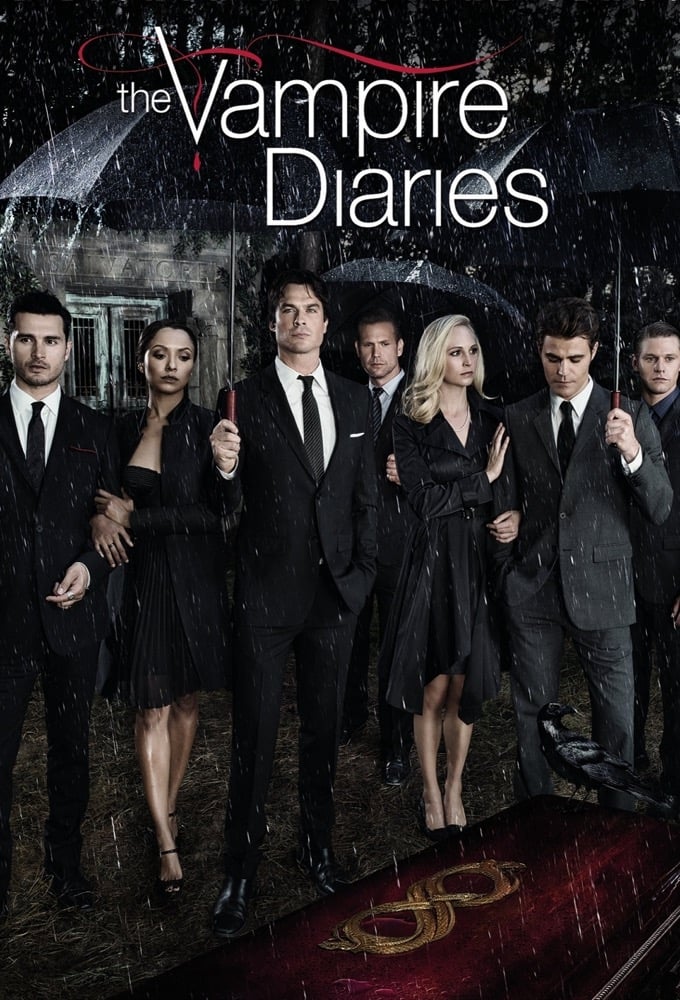
Bonnie Bennett was the primary person of color in a world of supernatural beings but she often served only as a tool for the white leads. Her character was frequently put in dangerous situations or forced to sacrifice her happiness to save her friends. She lacked the same extensive romantic developments and personal agency afforded to characters like Elena or Caroline. Fans often pointed out that the writing team failed to give her a life outside of her utility to the main plot. This pattern continued for most of the series making her feel more like a plot device than a lead.
‘The Walking Dead’ (2010–2022)
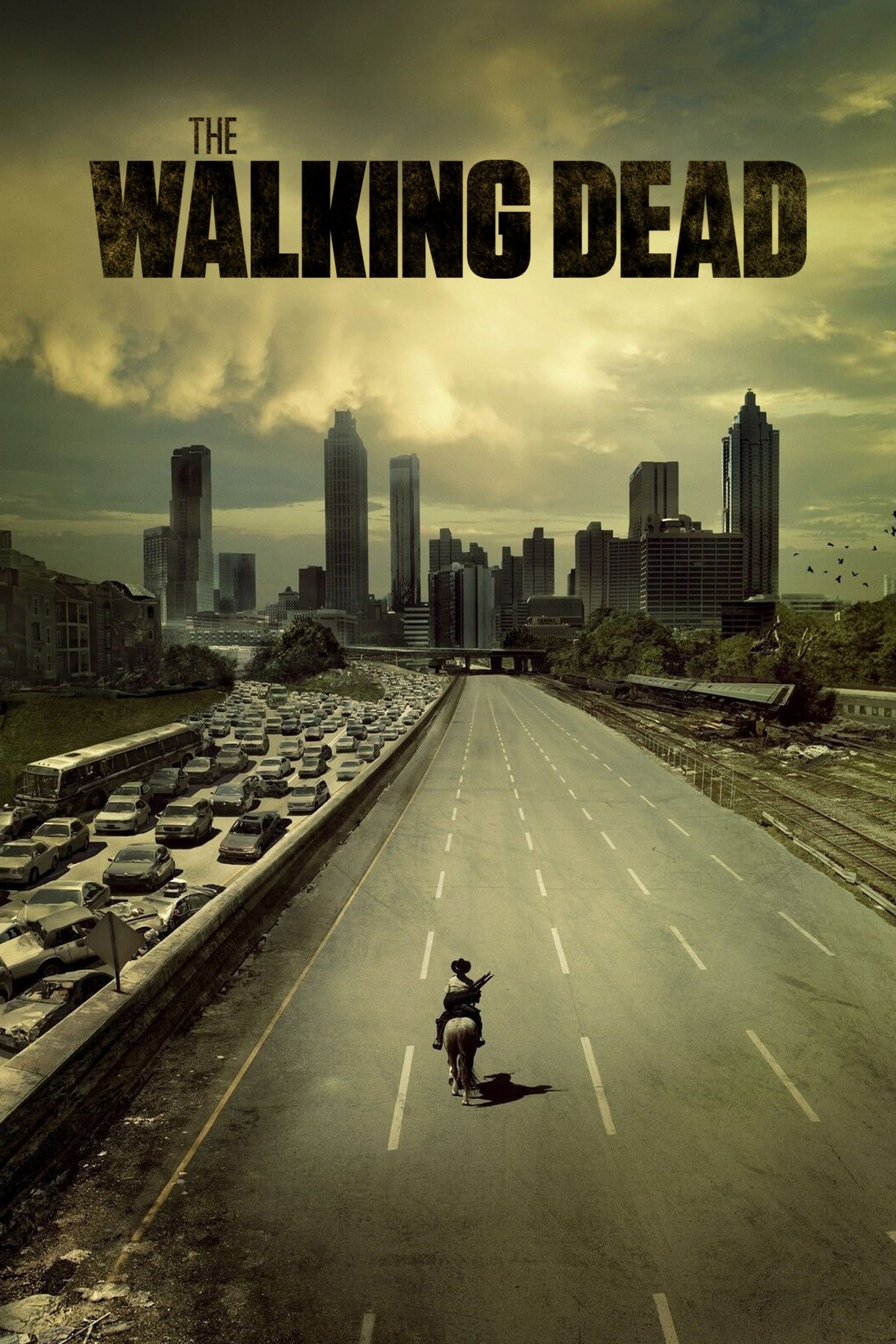
The post apocalyptic series featured a rotating cast of diverse characters but faced early criticism for the survival rates of Black men. Many viewers noticed a trend where new minority characters were introduced only to be killed off shortly after. This led to a feeling that the diverse cast was expendable compared to the core group of white survivors. While the show eventually diversified its long term leads the early seasons struggled with this perception. The reliance on these tropes made it difficult for the show to claim true inclusivity.
‘New Girl’ (2011–2018)
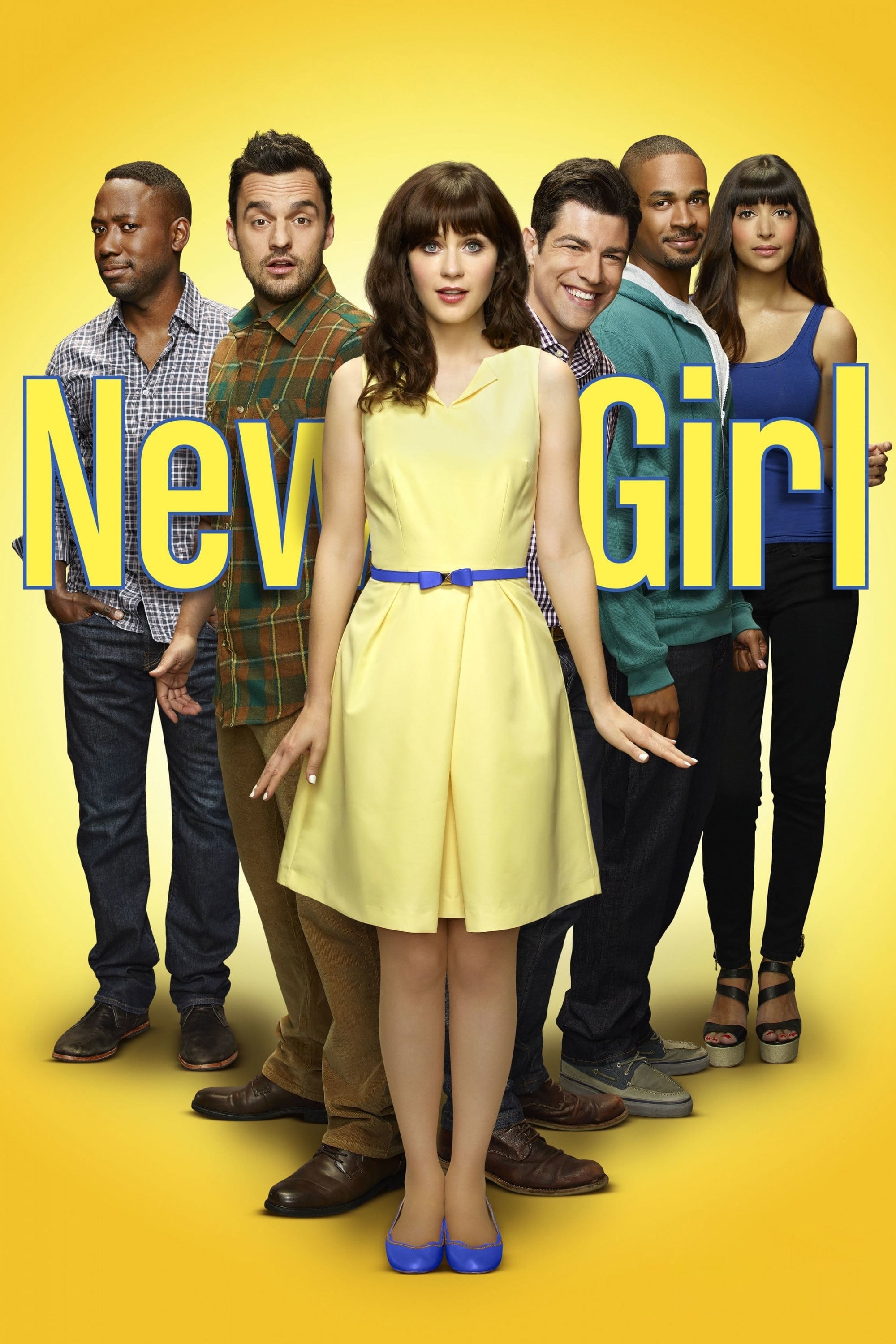
Winston Bishop was introduced after the pilot but the writers struggled to find a consistent personality for him in the beginning. For several seasons he lacked the clear comedic identity and romantic storylines given to his roommates Nick and Schmidt. He often served as the straight man to their antics without having his own agency in the plot. While he eventually became a fan favorite through his quirky traits the early years were marked by a lack of direction. This made his character feel like an afterthought in an otherwise tight ensemble.
‘2 Broke Girls’ (2011–2017)

This sitcom was frequently called out for its portrayal of Han Lee the owner of the diner. His character was defined by his small stature and his struggle to understand American slang or dating culture. The main characters regularly insulted him with jokes that targeted his ethnicity and physical appearance. The show ignored the backlash and continued to use these tropes for the duration of its run. This approach made the show a prime example of regressive characterization in a modern setting.
‘Scandal’ (2012–2018)
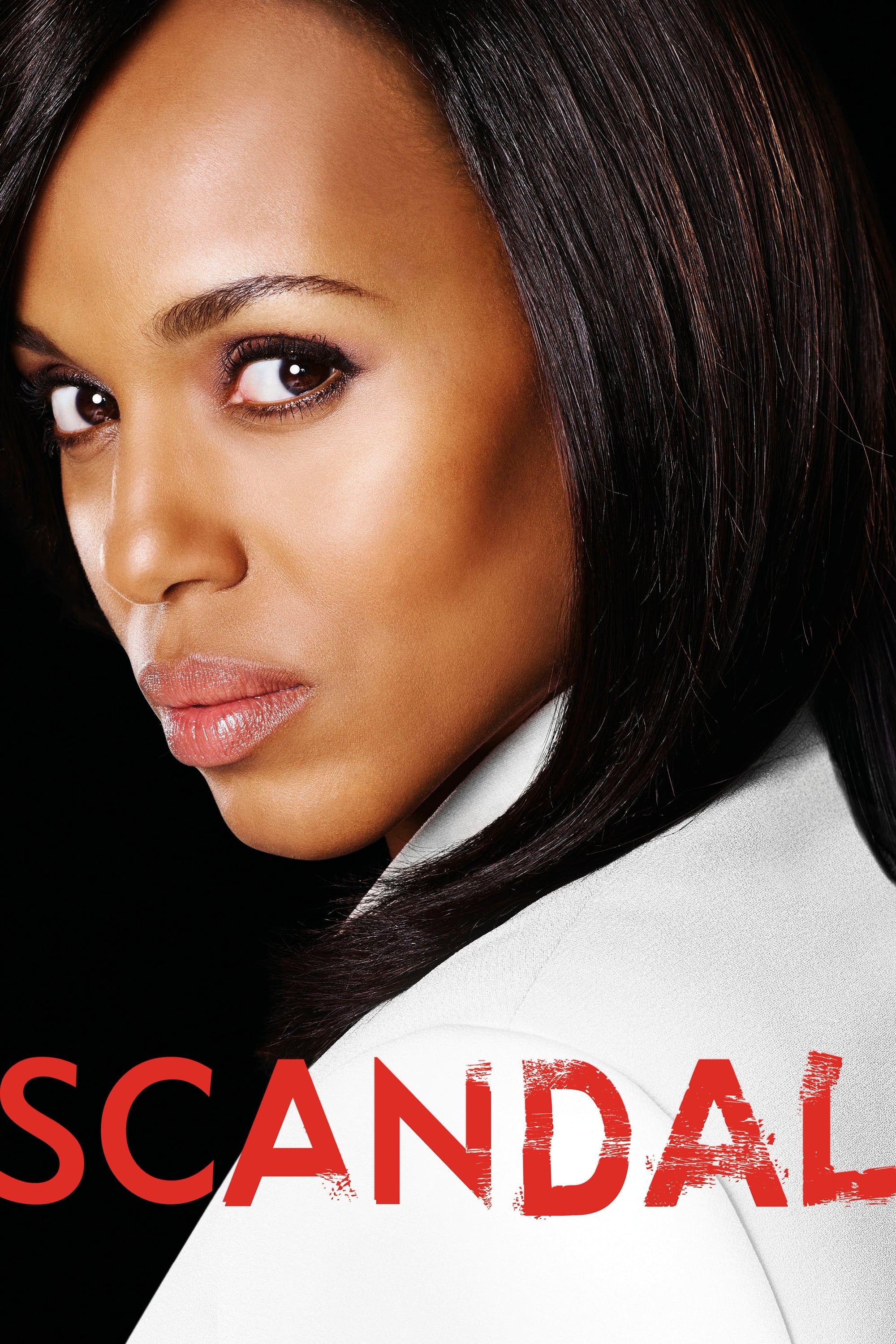
While Olivia Pope was a groundbreaking lead as a powerful Black woman in Washington the show occasionally leaned into the trope of the long suffering mistress. Her identity was often secondary to her complicated and sometimes toxic relationship with a powerful white man. Some critics argued that the show focused more on her emotional turmoil than her professional brilliance. The supporting cast of diverse characters also faced storylines that emphasized trauma and sacrifice. This made the representation feel heavy and sometimes repetitive.
‘The Mindy Project’ (2012–2017)
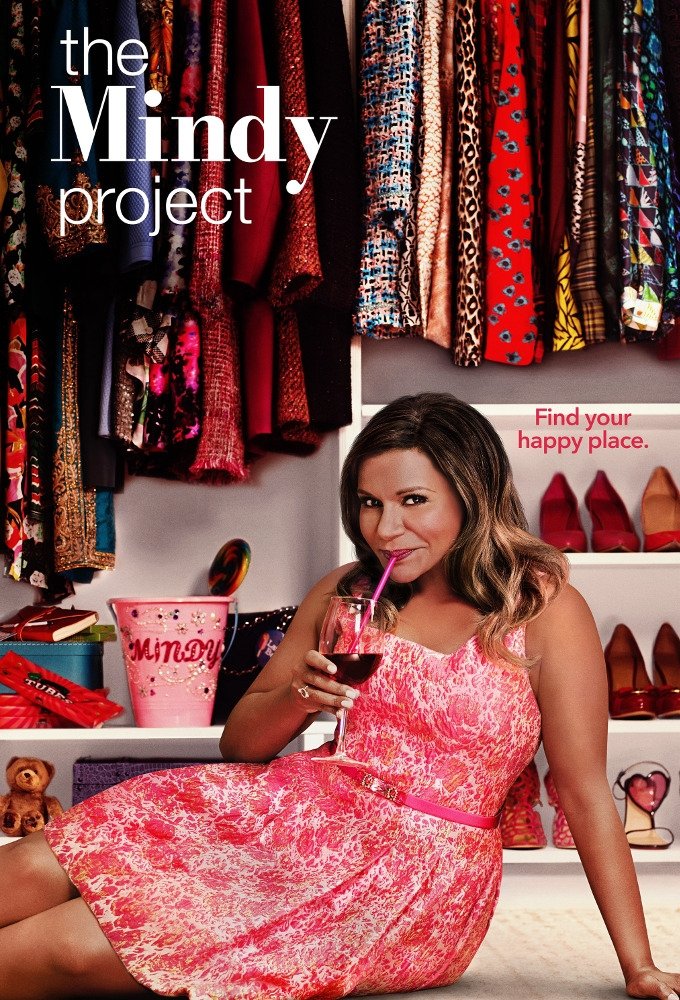
Mindy Kaling created and starred in this romantic comedy but the show faced criticism for its lack of diverse romantic interests. The protagonist almost exclusively dated white men which many viewers felt was a missed opportunity for broader representation. Additionally the other diverse characters in the office were often treated as background noise or sources of brief comic relief. While the show was a milestone for South Asian women in comedy it struggled to diversify its wider world. This created a narrow focus that contradicted the show’s diverse potential.
‘Devious Maids’ (2013–2016)
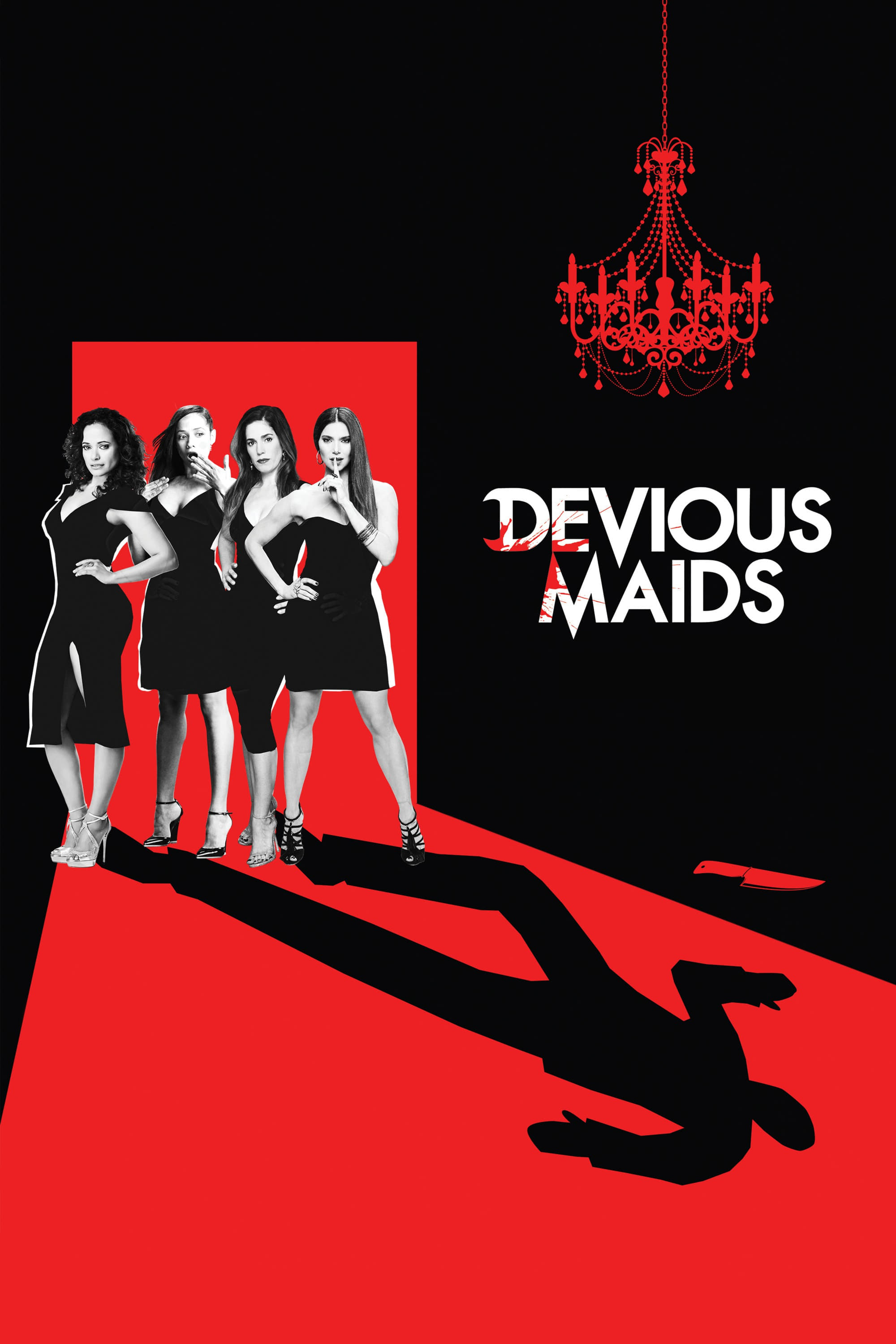
The show promised to center on the lives of Latina women but the premise itself relied on the trope of domestic workers in wealthy homes. While the characters had their own mysteries and dramas they were still defined by their service to white employers. This setup made it difficult for the show to escape the classist and ethnic clichés inherent in the title. Many felt that the show prioritized soap opera antics over meaningful cultural exploration. The representation felt limited by the narrow scope of the characters’ professional lives.
‘Brooklyn Nine-Nine’ (2013–2021)
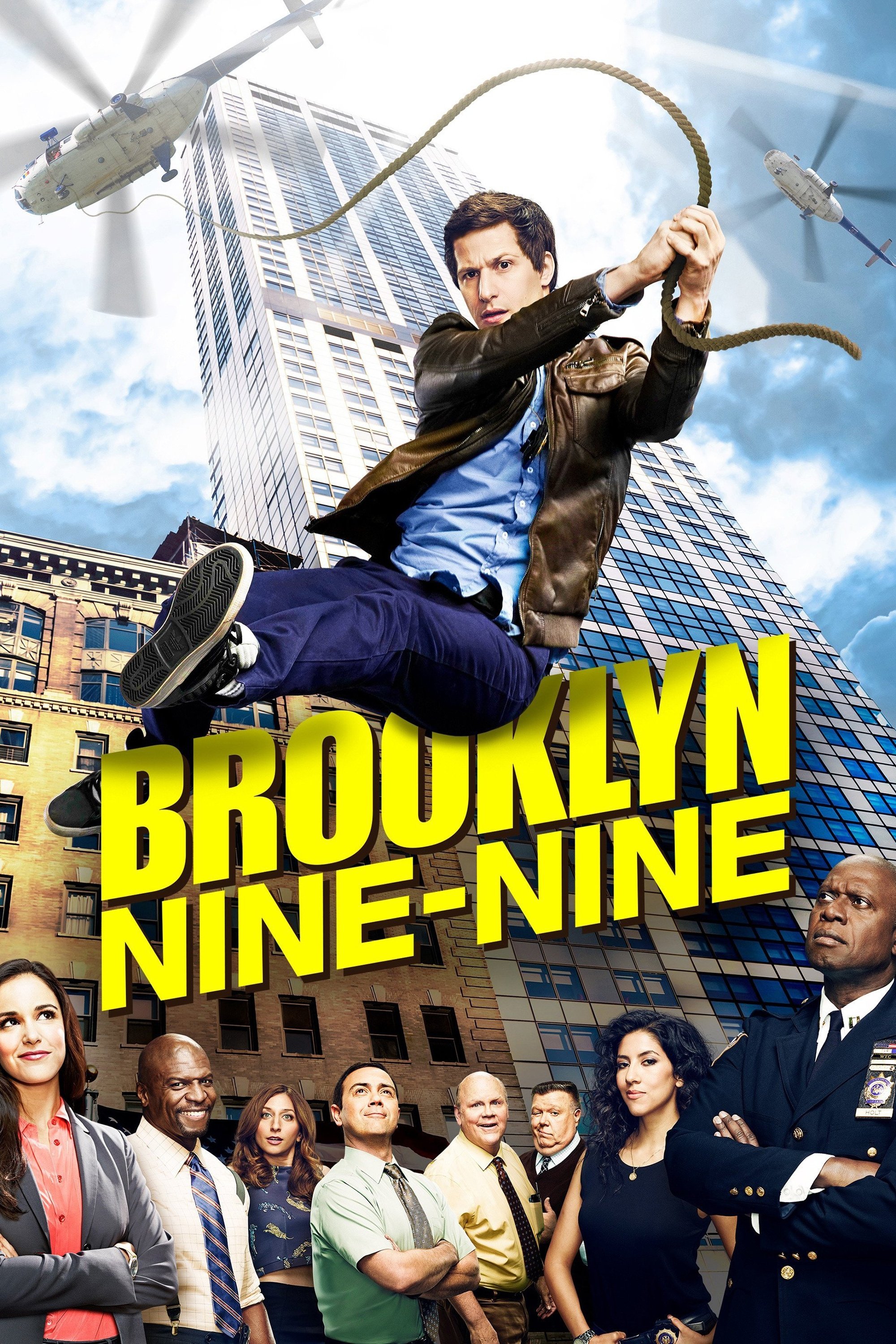
Although the show is celebrated for its diverse and respectful cast early seasons occasionally leaned on the stoic Black man trope for Captain Holt and Terry. While these characters were developed beautifully over time their initial appeal was often based on their rigid or hyper masculine personas. The show eventually moved away from these shortcuts to provide genuine depth and vulnerability. However some viewers felt that the early humor was too reliant on the contrast between their appearances and their interests. This improved significantly as the series progressed but the starting point was noticeable.
‘Orange Is the New Black’ (2013–2019)

The series was initially marketed through the perspective of a white woman entering a diverse prison system. While it gave voices to many marginalized groups it sometimes relied on prison tropes to define the Latin and Black inmates. Some characters were initially presented as aggressive or uneducated before their backstories were revealed in later seasons. This structure meant that viewers had to wait years to see the humanity behind the initial stereotypes. The show eventually became much more nuanced but the early framing was problematic for some.
‘Jane the Virgin’ (2014–2019)

As a parody of telenovelas the show intentionally used tropes but sometimes risked reinforcing them in the process. The portrayal of the grandmother as a devoutly religious and Spanish speaking only character fit a very specific mold of Latina representation. While the show was clever and heartful it still leaned on the fiery or dramatic archetypes for many of its conflicts. The diverse cast was central to the story but their problems were often tied to their cultural identity in predictable ways. This created a balance between satire and stereotype that was not always perfect.
‘Marco Polo’ (2014–2016)
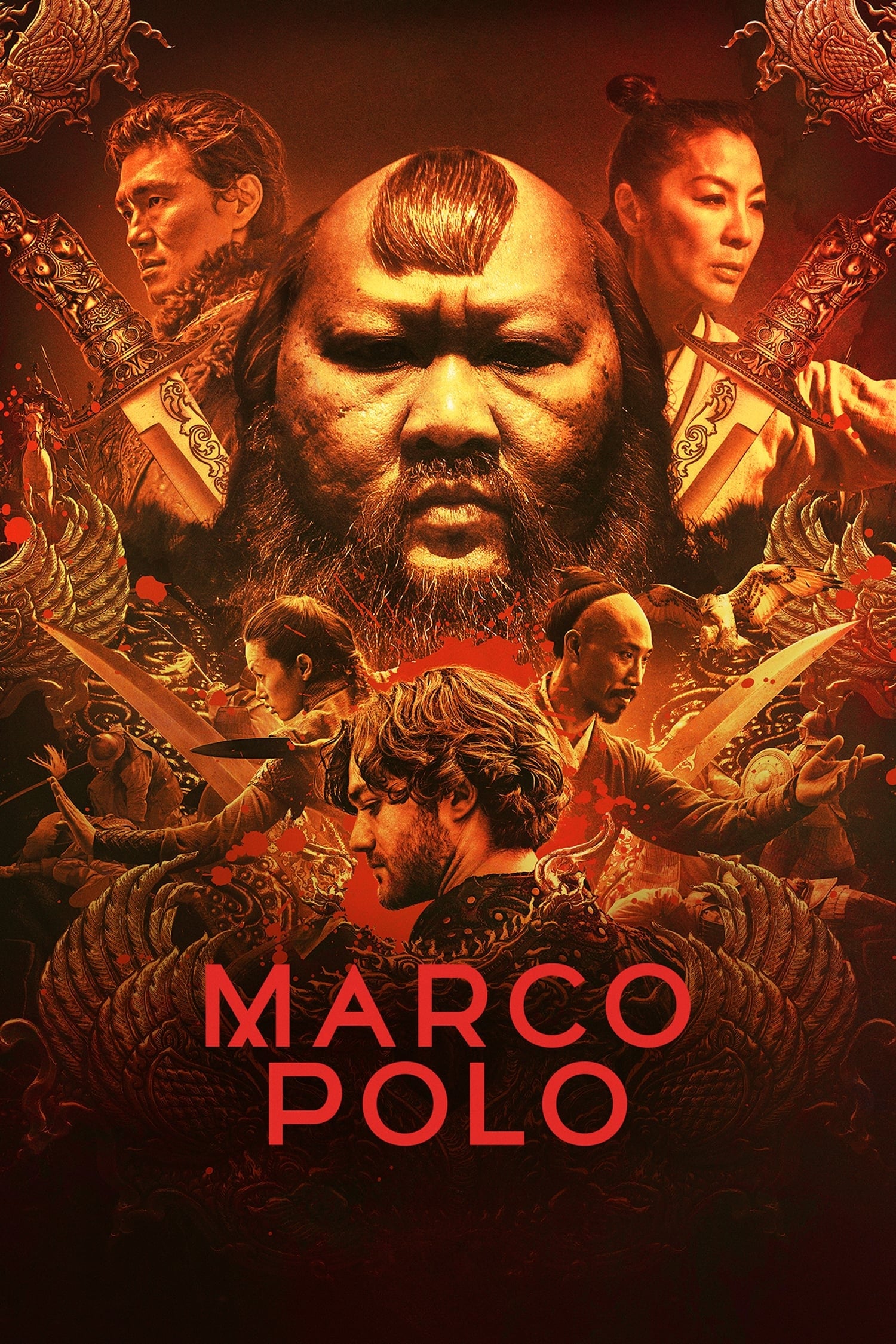
This historical drama featured an Asian setting and cast but the story was told through the eyes of a white explorer. Many of the Asian characters were depicted as mysterious or skilled in martial arts which are common tropes in Western media. The female characters in particular were often sexualized or portrayed as exotic temptresses. The show prioritized the perspective of the outsider rather than the rich culture it was attempting to depict. This limited the agency of the diverse cast and made them feel like background for the lead’s journey.
‘Power’ (2014–2020)
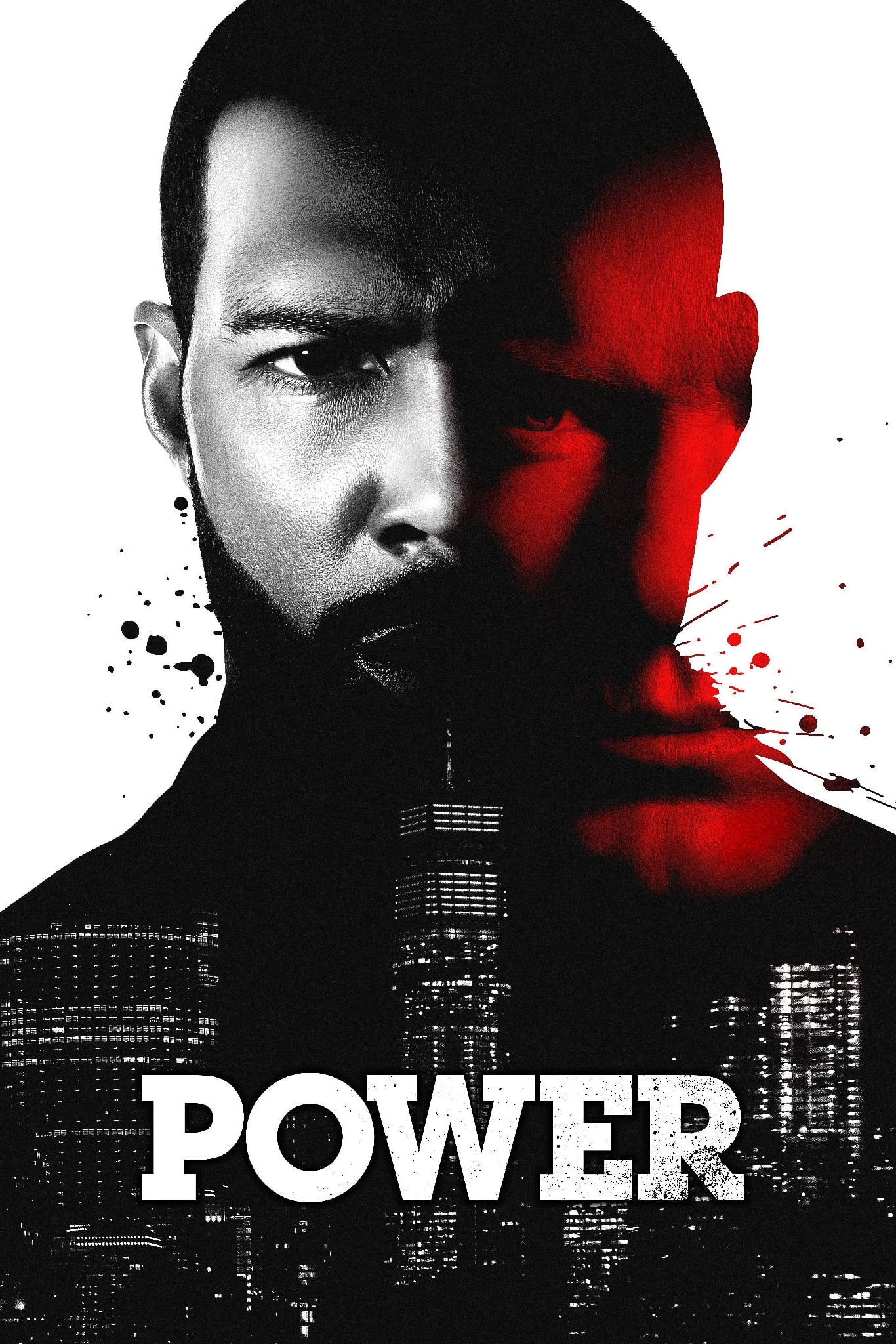
This gritty drama focused on the drug trade in New York City and featured a predominantly Black and Latino cast. Critics pointed out that the show often relied on criminal stereotypes to drive the narrative for its minority characters. The focus on violence and illegal activity meant that these characters were rarely seen in a positive or professional light. While it was a massive hit it reinforced narrow perceptions of urban life and minority communities. The diversity was present but the themes remained tied to familiar and often negative tropes.
‘How to Get Away with Murder’ (2014–2020)

Annalise Keating was a powerhouse character but she was often portrayed through the trope of the angry or traumatized Black woman. Her strength was frequently tied to extreme emotional pain and professional isolation. The diverse group of students also faced storylines that revolved around betrayal and darkness. While the show was groundbreaking it rarely allowed its diverse leads to experience joy or simple successes. This created a heavy atmosphere where representation was synonymous with suffering.
‘Empire’ (2015–2020)
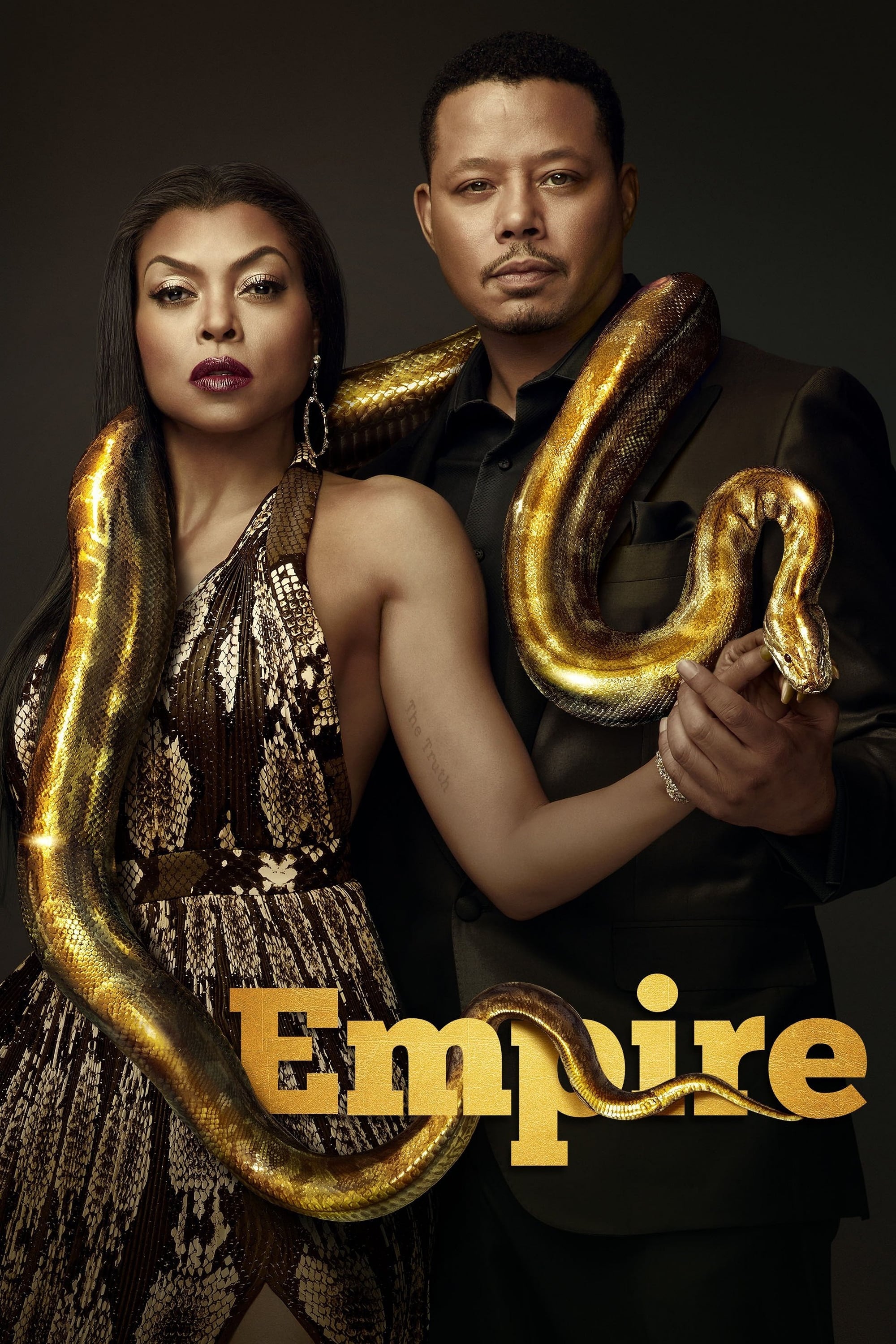
The show brought a high energy look at the music industry with a predominantly Black cast but often leaned into soap opera clichés. Themes of family betrayal and criminal pasts were the primary drivers of the plot for almost every character. Critics argued that the show prioritized flashy drama over authentic portrayals of the Black business experience. The characters were often larger than life caricatures rather than relatable individuals. This made the show entertaining but potentially damaging in its reliance on hyperbolic stereotypes.
‘Fresh Off the Boat’ (2015–2020)
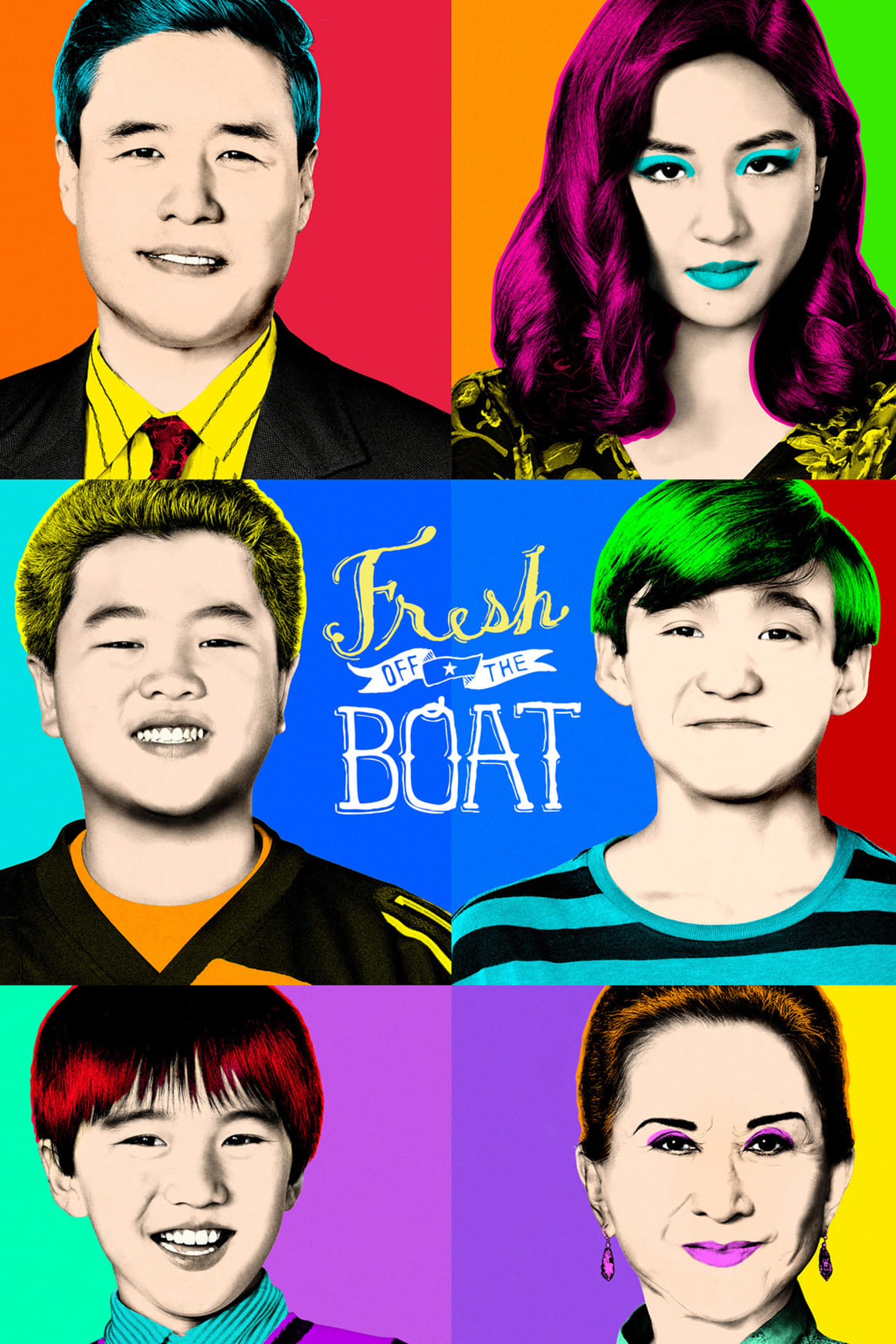
As the first Asian American sitcom in decades the show carried a lot of weight in its representation. However the mother character Jessica was often portrayed through the trope of the overbearing and frugal tiger mom. While the character was beloved the writing frequently used these cultural traits for easy laughs. Some episodes relied on the fish out of water theme to highlight the family’s difference from their white neighbors. This prevented the show from fully exploring a more modern and varied Asian American experience.
‘Quantico’ (2015–2018)

Priyanka Chopra starred as an FBI agent in a show that promised a diverse and international look at law enforcement. Despite the lead’s heritage the show often fell into the trap of using her background as a exoticized plot point. Other minority characters were given backstories involving religious extremism or international intrigue that felt stereotypical for a post 9/11 drama. The show prioritized high stakes action over nuanced character development for its diverse ensemble. This resulted in a series that felt more like a generic thriller than a cultural breakthrough.
‘Supergirl’ (2015–2021)
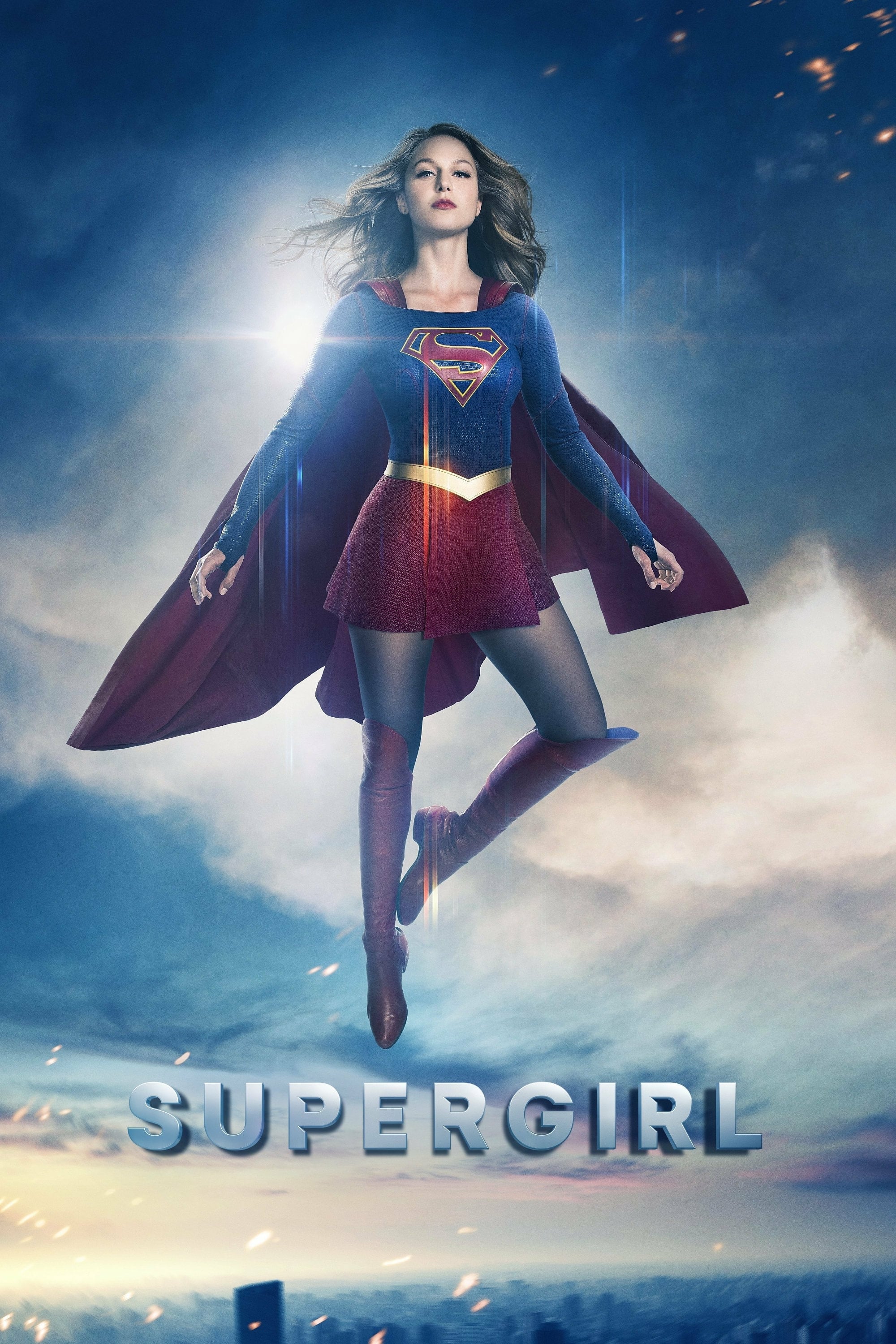
The show introduced several diverse characters including a Black James Olsen and a transgender superhero. However the writing often struggled to give these characters significant arcs that did not revolve around their identity. James Olsen in particular was often sidelined in favor of the lead’s romantic and professional struggles. The diverse cast members were frequently used to deliver moral lessons rather than having their own complex journeys. This made the representation feel more like a teaching tool for the audience than an integral part of the story.
‘Kim’s Convenience’ (2016–2021)
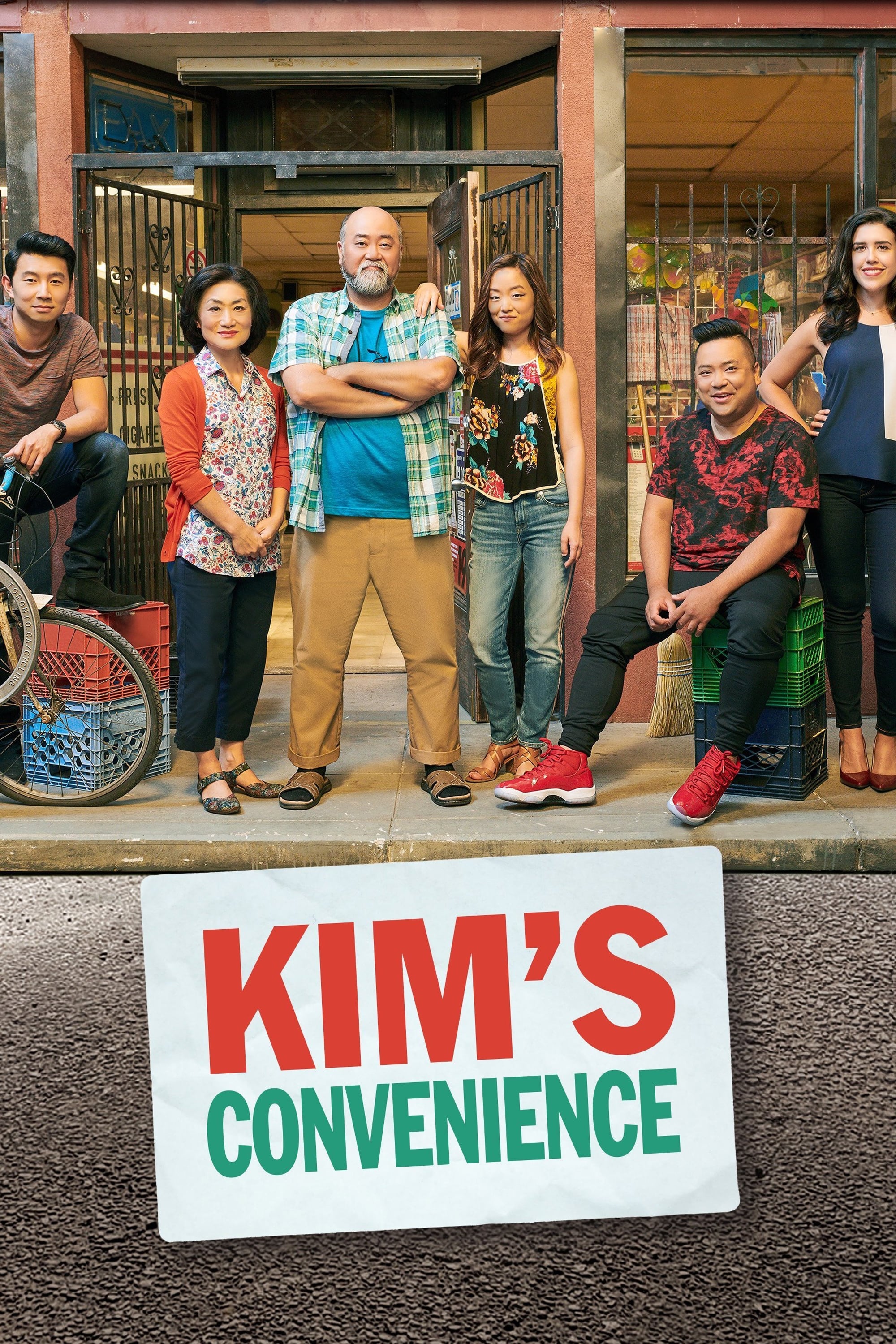
While the show was a hit for its portrayal of a Korean Canadian family the behind the scenes reality told a different story. Several cast members revealed that the writers lacked diverse perspectives leading to storylines that felt culturally insensitive. Some characters were pushed into roles that leaned into immigrant tropes without their input. The show eventually ended abruptly following these public complaints about the lack of authentic representation in the writing room. This highlighted the importance of having diverse voices behind the camera as well as in front of it.
’13 Reasons Why’ (2017–2020)

The teen drama featured a very diverse cast but often put its minority characters through extreme trauma for the sake of the plot. Many of these characters were defined by their suffering or their relationship to the white protagonist. The show was criticized for using diverse casting to appear modern while failing to provide these characters with positive or hopeful outcomes. This resulted in a show where representation was often linked to tragedy and pain. The lack of balanced development made the diversity feel superficial.
‘Riverdale’ (2017–2023)
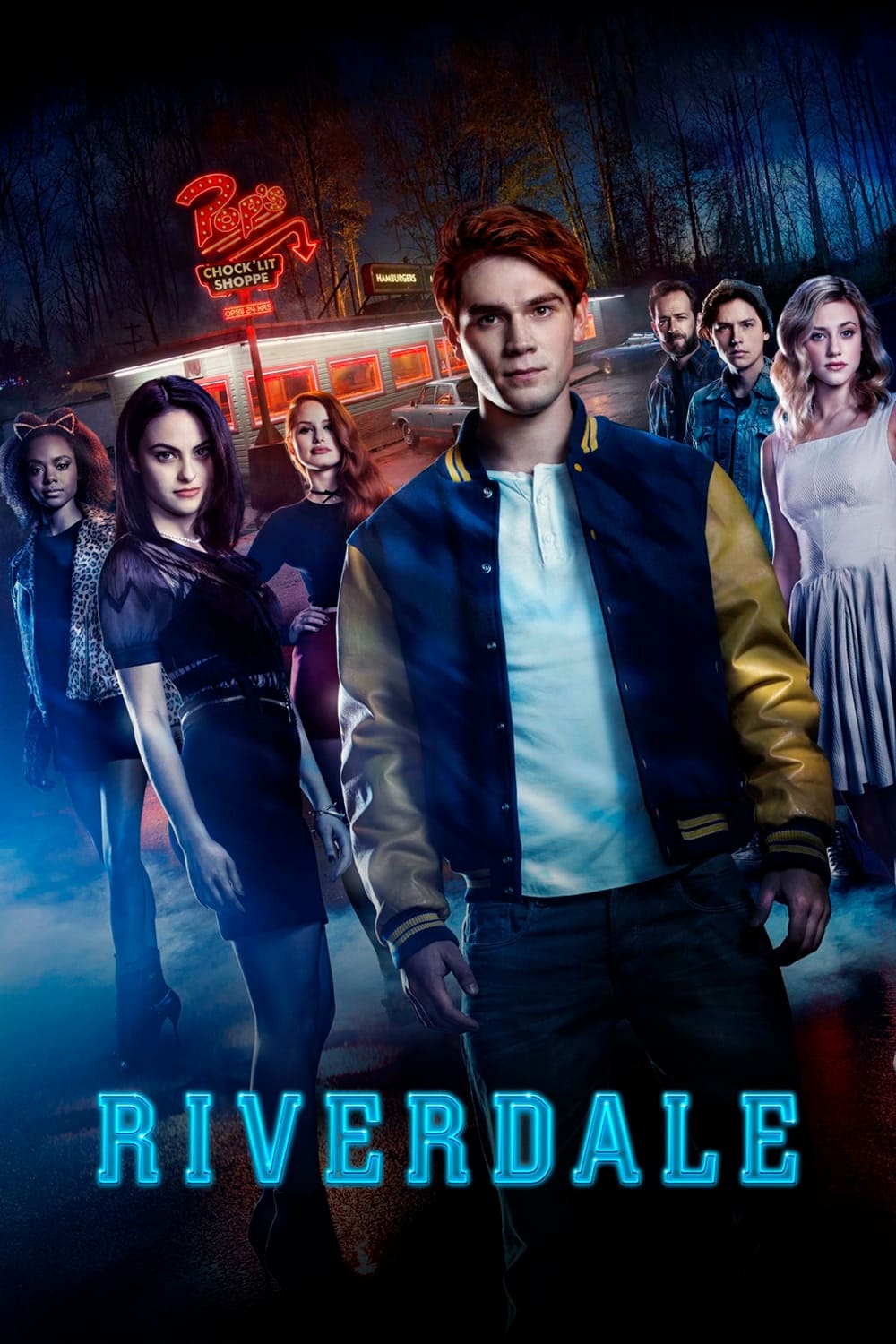
Despite having a diverse cast many of the non white characters were consistently given less screen time and fewer development arcs. Characters like Toni Topaz and Josie McCoy were often used as accessories to the drama of the white lead characters. One of the actresses eventually spoke out about being paid less and given less meaningful material than her white costars. The show often promised inclusivity but failed to deliver on that promise in the actual episodes. This led to a divided fanbase that felt the show was wasting its talented diverse cast.
‘The Bold Type’ (2017–2021)

The show centered on three friends at a fashion magazine and included a Black lead character and a lesbian relationship. However the show was criticized for its breezy approach to complex issues of race and identity. The problems faced by the diverse characters were often solved quickly within a single episode in a way that felt unrealistic. This made the representation feel sanitized and performative rather than deep and meaningful. The show aimed for empowerment but often missed the mark by ignoring the systemic nature of the issues it raised.
‘Cobra Kai’ (2018–Present)
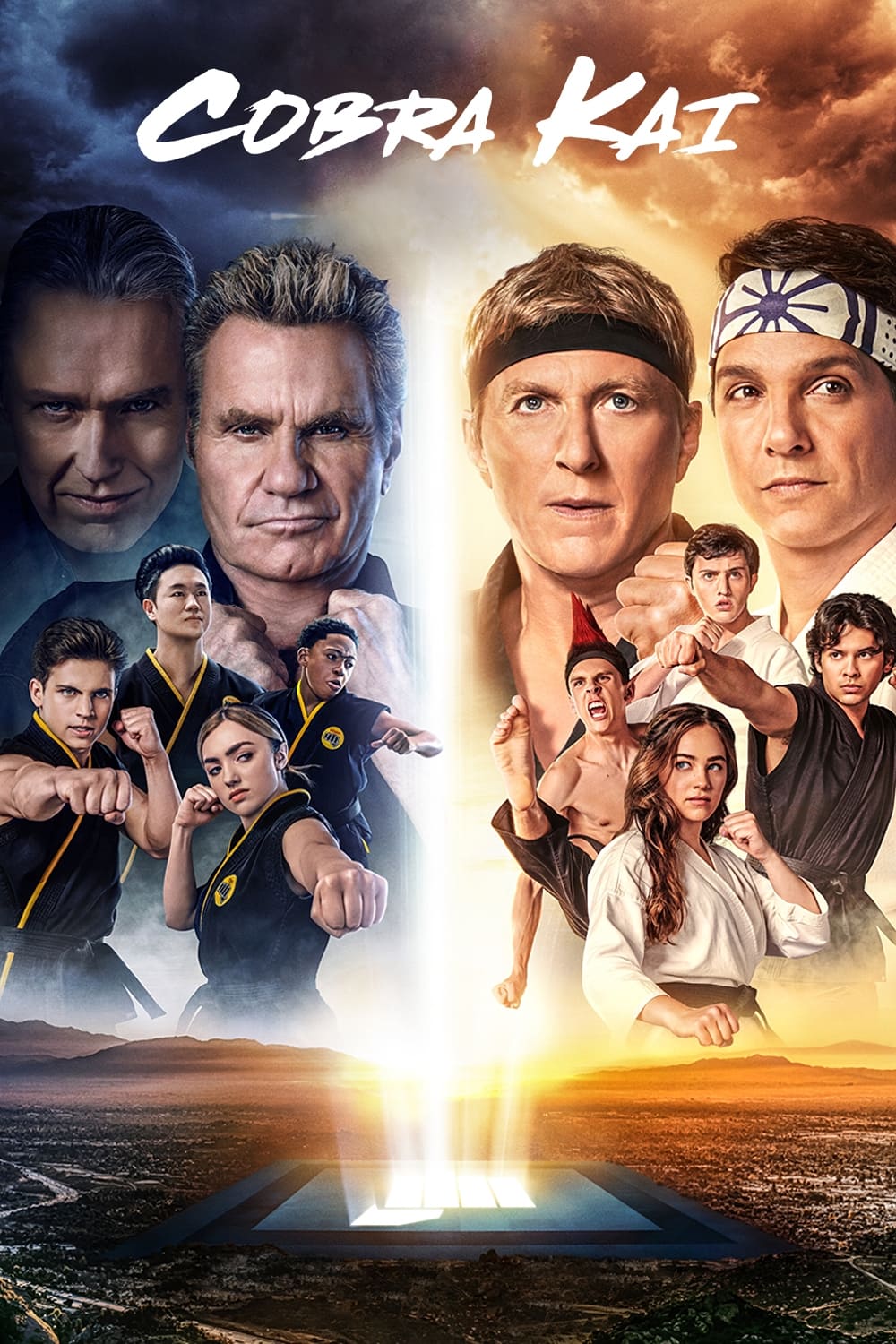
As a continuation of ‘The Karate Kid’ the show features several Asian characters but they are almost always tied to martial arts. The show has been criticized for not having more Asian writers given its heavy reliance on Japanese culture. Many of the diverse students in the dojo are treated as background characters with very little personal history. The story remains focused on the rivalry between the two white leads while the diverse cast provides the setting. This creates a sense that the culture is being used as a backdrop rather than being genuinely explored.
‘And Just Like That…’ (2021–Present)
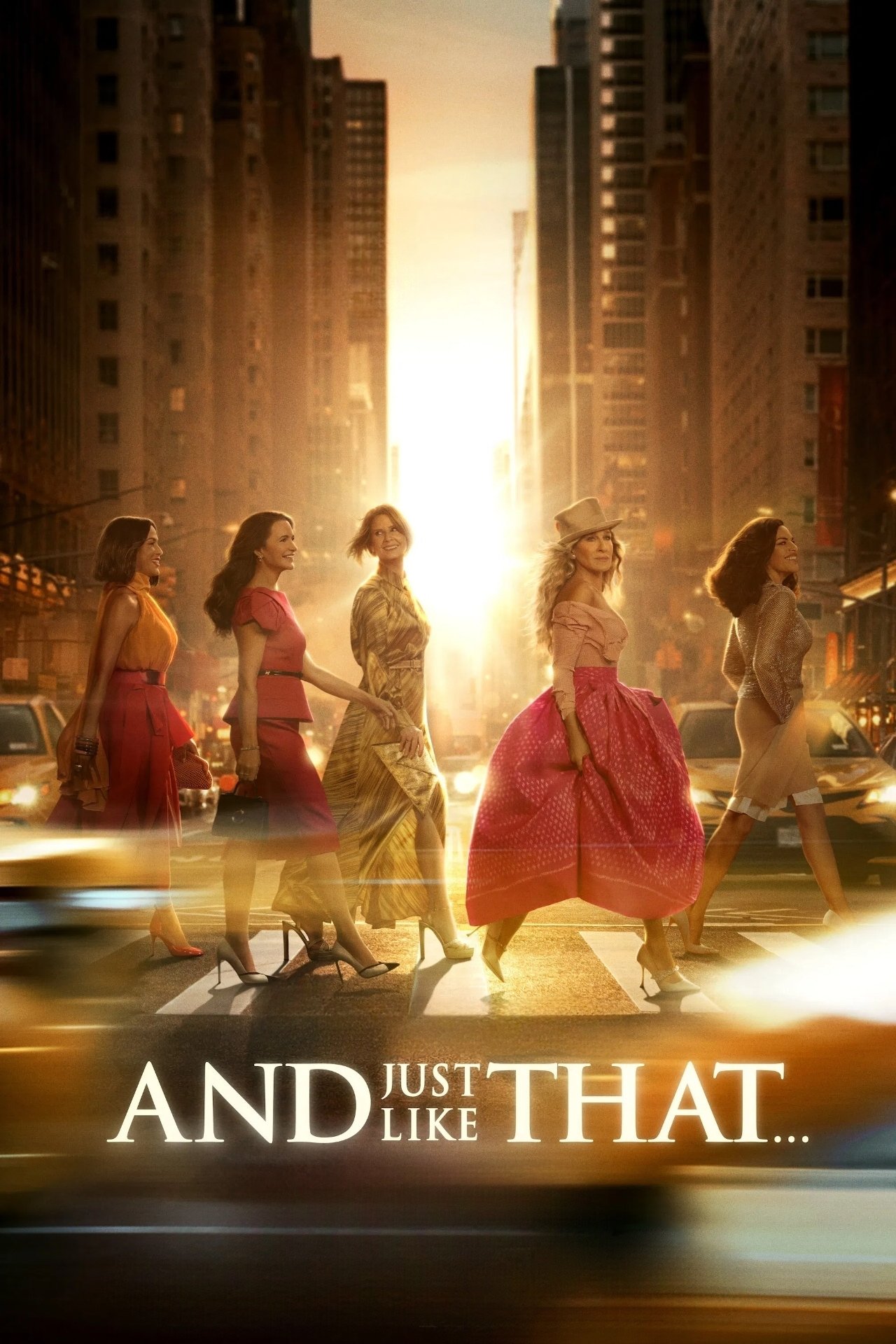
The revival of ‘Sex and the City’ attempted to fix the original’s lack of diversity by adding several new non white characters. However many viewers felt these characters were introduced as tokens to educate the original white leads. Their storylines often felt forced and disconnected from the main heart of the show. Instead of feeling like natural friends they often seemed like replacements for the lack of diversity in the past. This made the attempt at inclusivity feel awkward and overly self conscious.
‘Emily in Paris’ (2020–Present)

The show features a diverse supporting cast in Paris but often portrays them through a very narrow American lens. Mindy the Asian best friend is depicted as a wealthy heiress with a penchant for singing which fits a specific wealthy trope. The French characters are also frequently shown as rude or lazy which are common stereotypes in Western media. The show prioritizes the perspective of the white American lead while everyone else exists to serve her story. This limits the depth of the diverse world the show claims to inhabit.
‘Bridgerton’ (2020–Present)
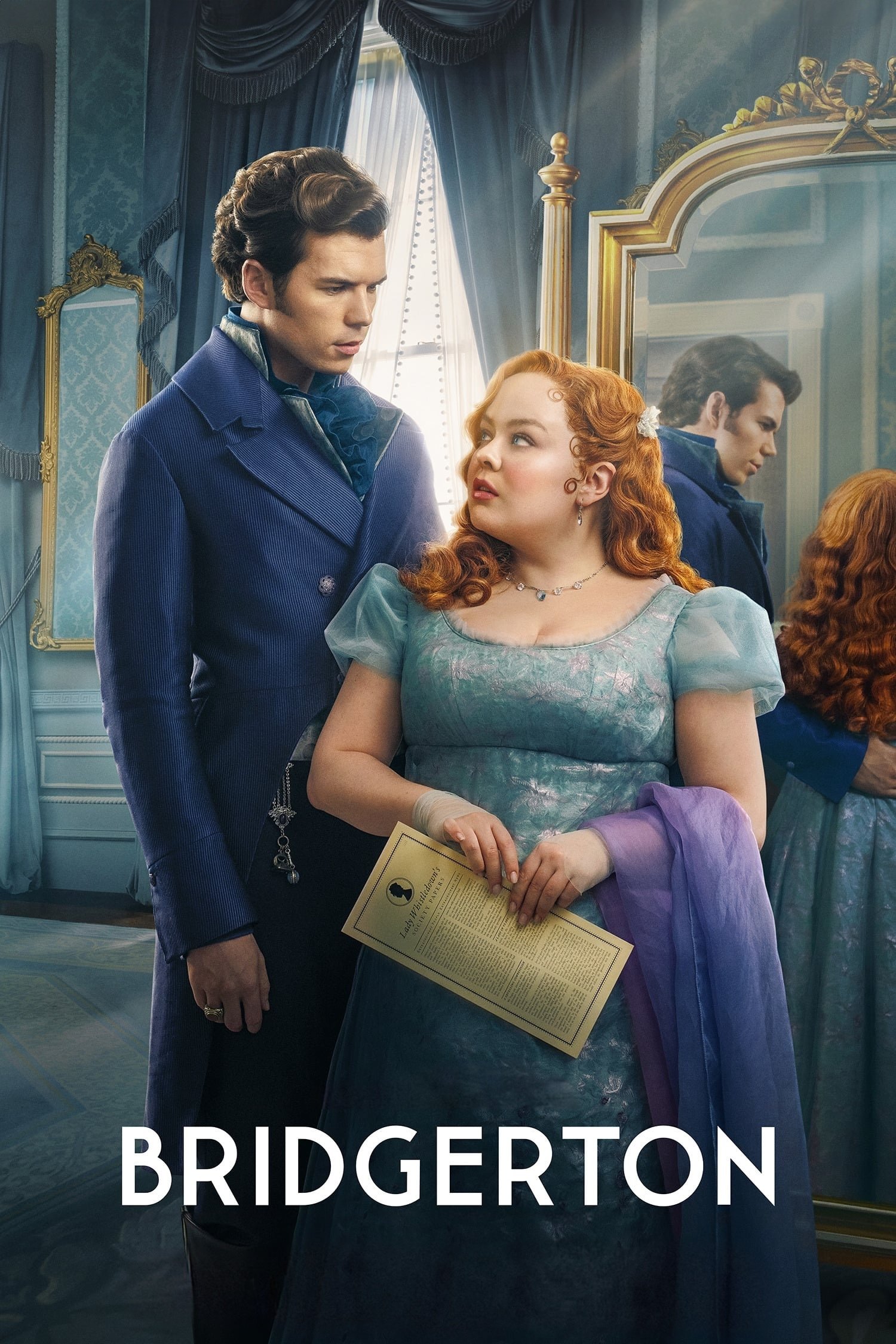
This period drama used colorblind casting to create a diverse version of Regency era London. While visually stunning the show has been criticized for not addressing how race functions in this reimagined world. By ignoring the realities of history the show creates a fantasy that some feel is hollow and avoids difficult conversations. The diverse characters are often given the same tropes as traditional romance leads without any cultural specificity. This makes the representation feel purely aesthetic rather than substantive.
‘Gossip Girl’ (2021–2023)
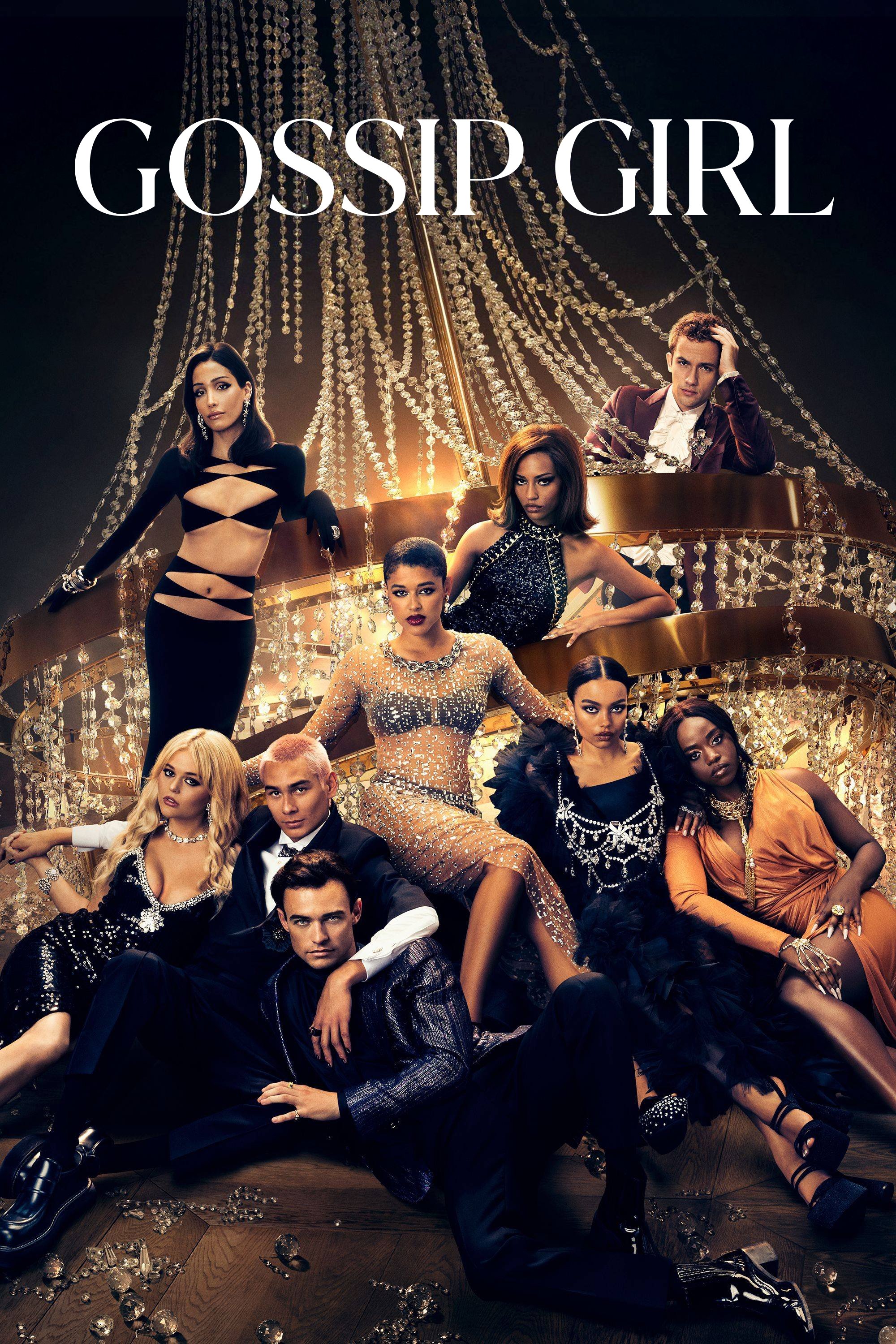
The reboot promised to fix the original’s diversity issues by casting a more inclusive group of wealthy teens. However many of the characters were still defined by their privilege and petty dramas in a way that felt repetitive. The show struggled to give its diverse leads a unique voice that differentiated them from the archetypes of the original series. While the cast was visually diverse the writing remained tied to the same tropes of backstabbing and elitism. This made the new version feel like it was simply putting different faces on the same old stories.
Please share your thoughts on these television portrayals in the comments.