


20 TV Shows That Quietly Erased LGBTQ+ Characters After Backlash

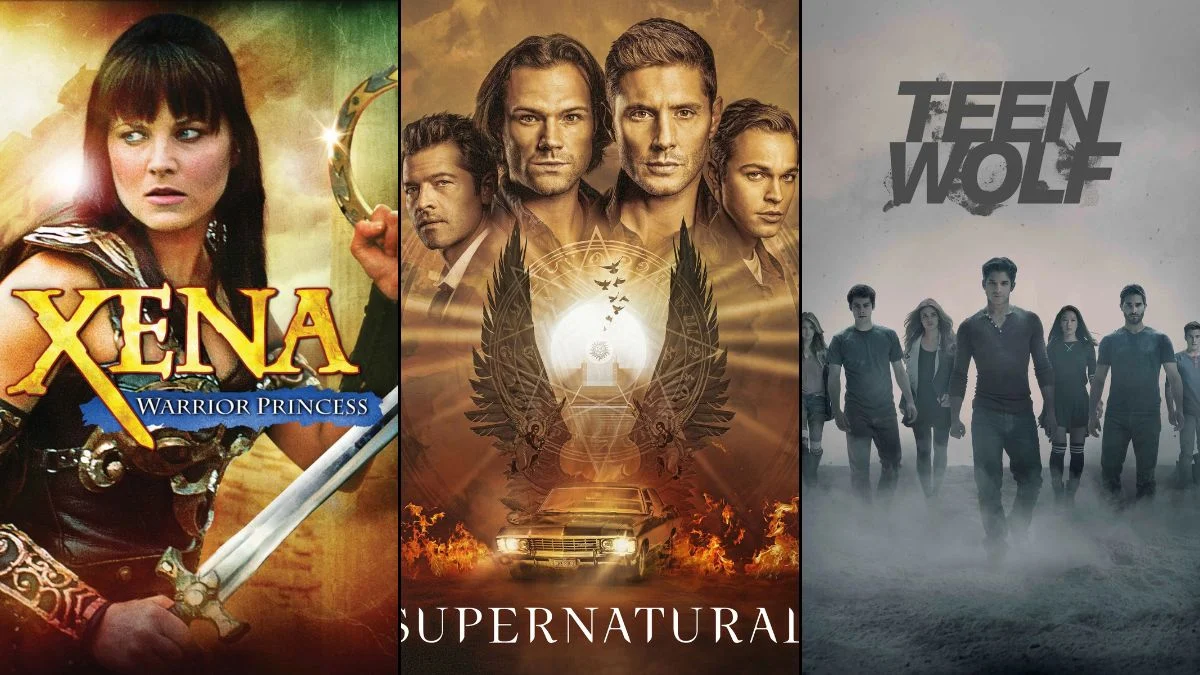


Television networks have a long history of altering content to appease advertisers and conservative audiences. Many shows have faced pressure to tone down or completely remove LGBTQ+ storylines that were deemed too controversial for their time. This often results in confusing plot holes or characters who vanish without explanation. The following series are notable examples of shows that erased or censored queer identities following internal or external pushback.
‘Sailor Moon’ (1992–1997)
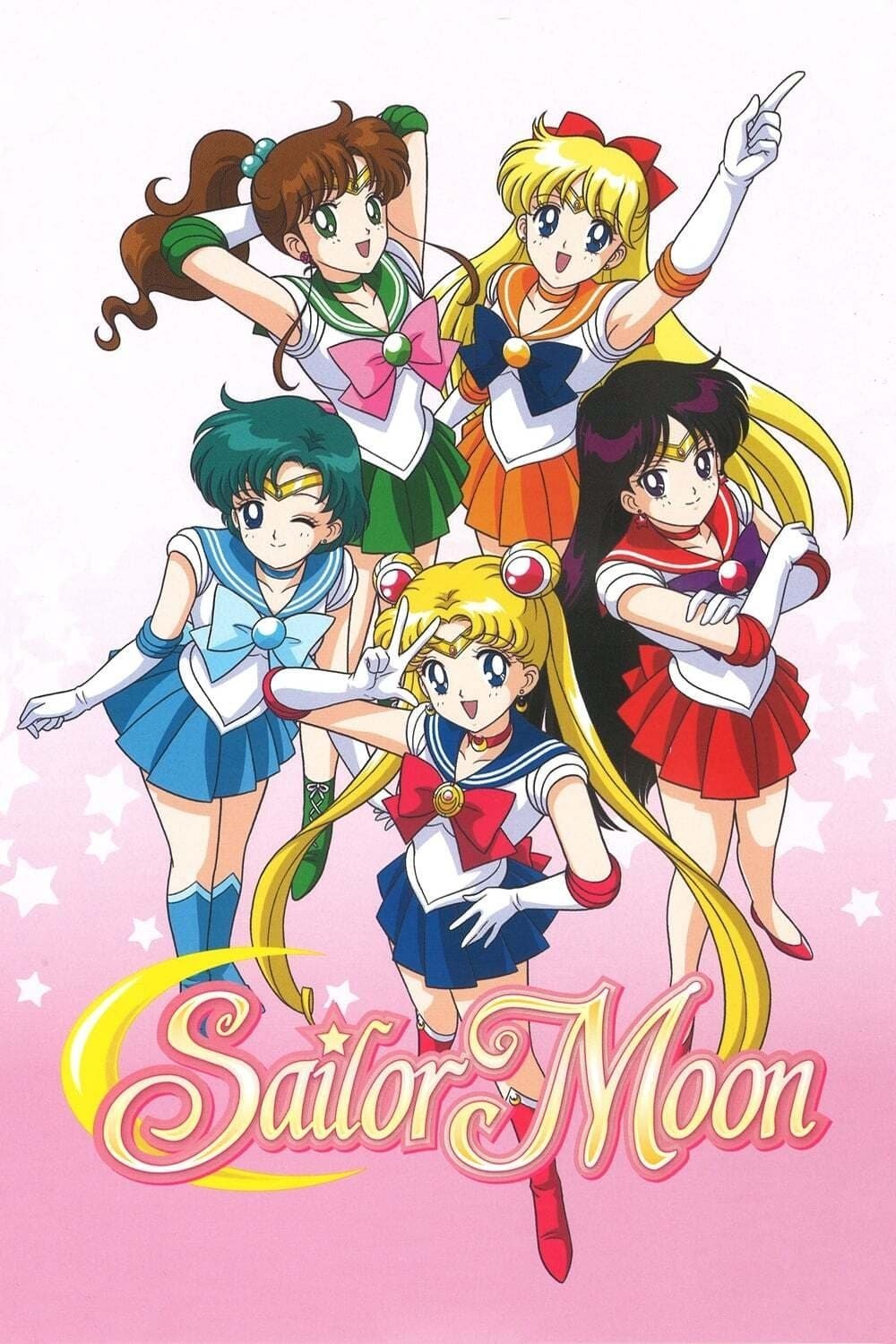
The original Japanese anime depicted Sailor Neptune and Sailor Uranus as devoted lovers. The English dub produced by DiC changed their relationship to cousins to avoid controversy. This alteration was an attempt to make the show acceptable for American children in the 1990s. The result created accidental incestuous undertones that confused many viewers for years.
‘The Legend of Korra’ (2012–2014)
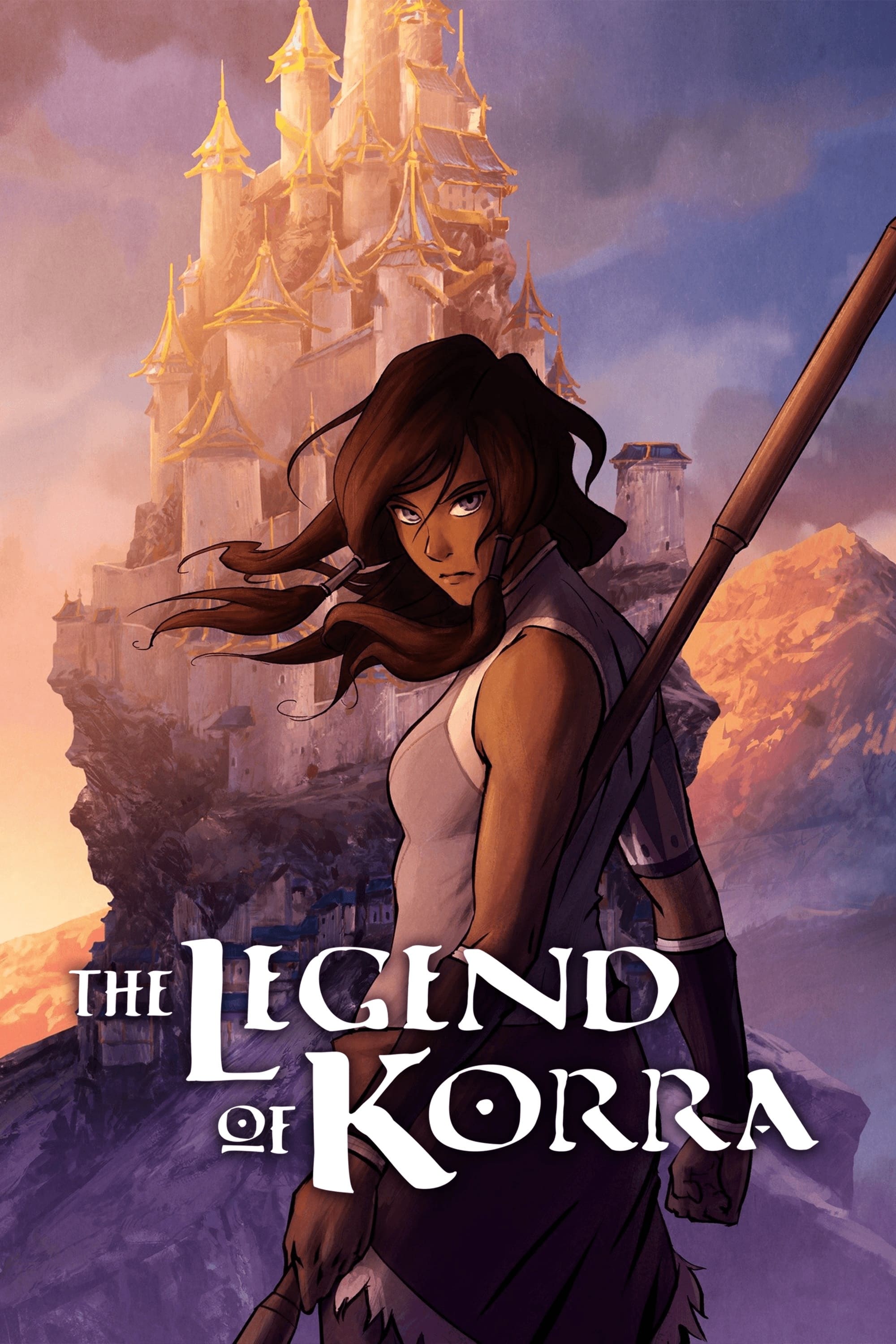
The creators intended for Korra and Asami to share a romantic kiss in the series finale. Nickelodeon executives did not allow this level of explicit representation at the time. The characters were only shown holding hands as they walked into the spirit portal. It took a follow up comic book series to confirm their romantic relationship was canon.
‘Adventure Time’ (2010–2018)
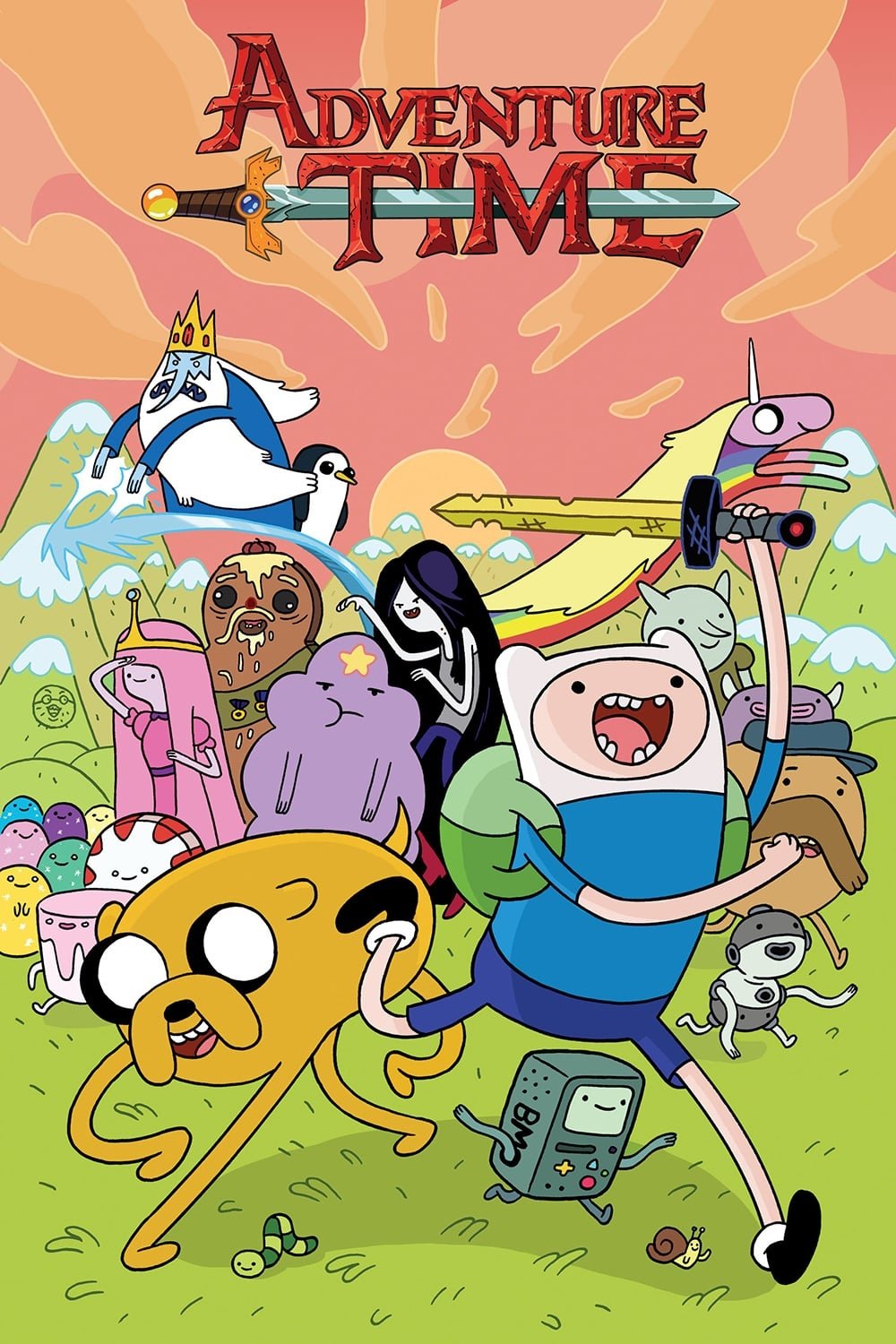
Hints of a past relationship between Princess Bubblegum and Marceline appeared early in the series. A behind the scenes video confirming their romance was pulled by the studio after it gained traction. The creators were told they could not explicitly confirm the pairing until the very end of the show. This restriction forced the writers to rely on heavy subtext for most of the run.
‘Xena: Warrior Princess’ (1995–2001)
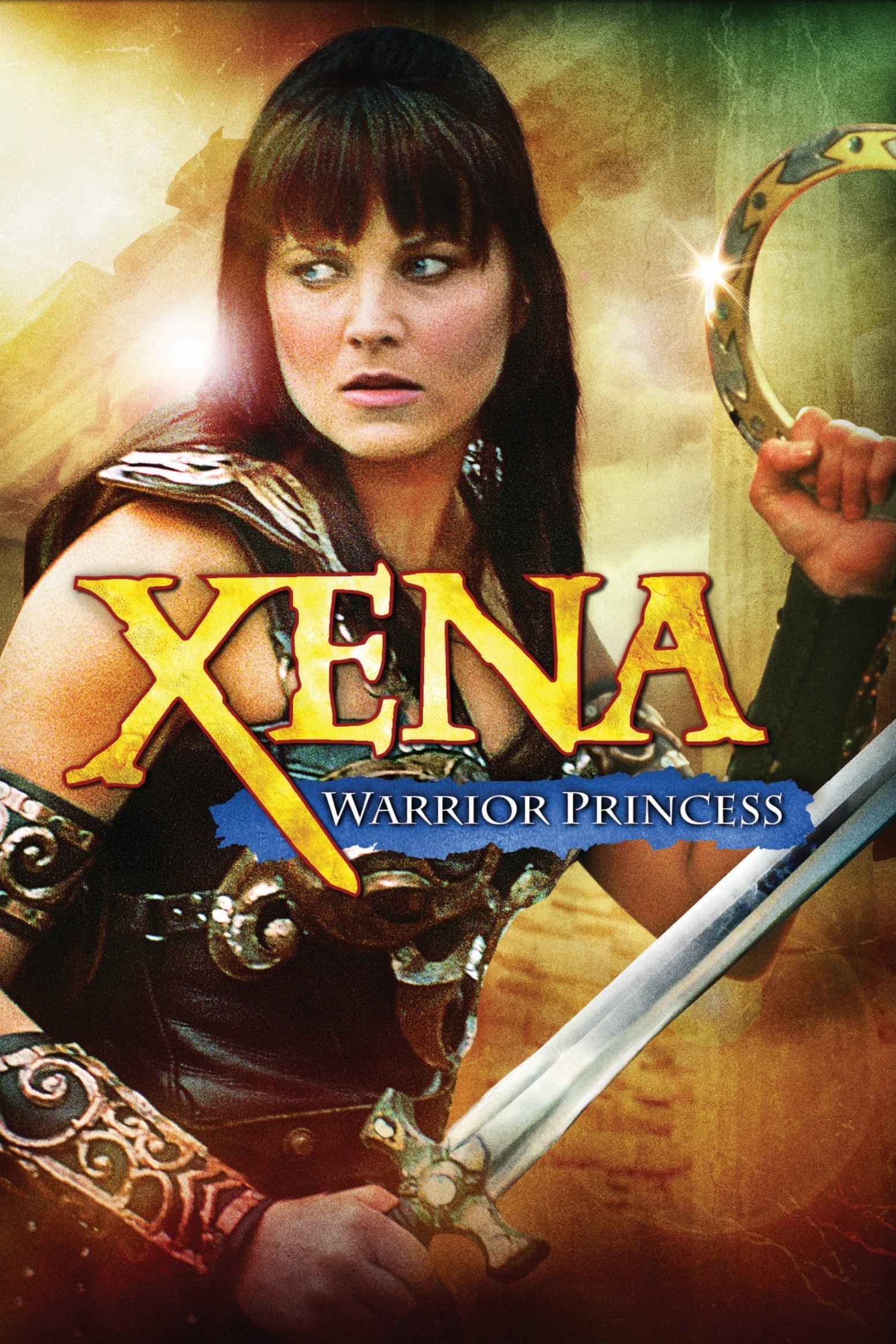
The relationship between Xena and Gabrielle was heavily implied throughout the series. Executives at the network prohibited the writers from confirming the romance on screen. They feared losing affiliate stations in conservative markets if the subtext became text. The show relied on innuendo to satisfy fans without breaking strict network rules.
‘Postcards from Buster’ (2004–2012)
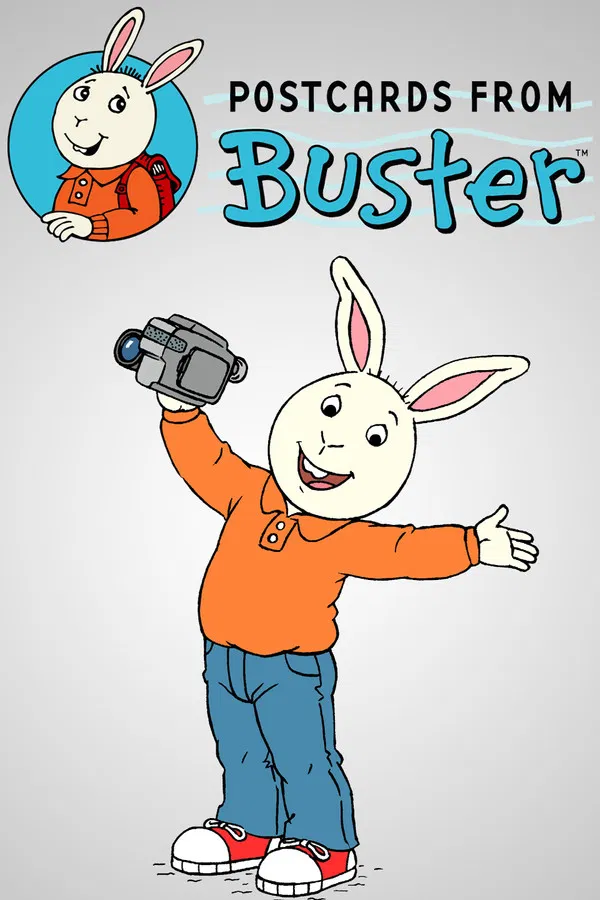
This children’s show produced an episode featuring a family with two mothers in Vermont. The Secretary of Education demanded that PBS return the public funding used for the episode. PBS decided not to distribute the episode to its member stations to avoid political fallout. The controversy effectively buried the segment despite its educational intent.
‘Gravity Falls’ (2012–2016)
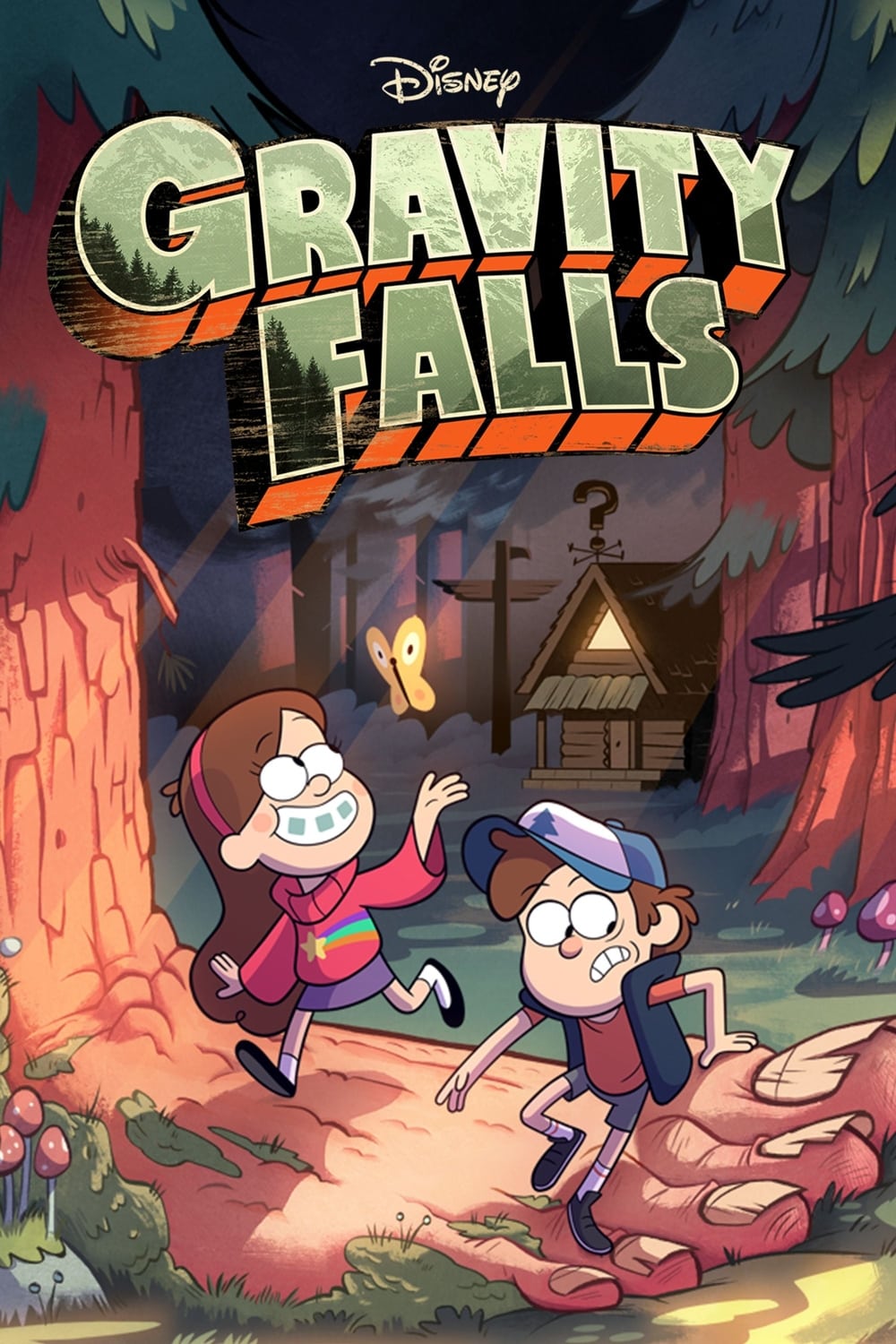
Creator Alex Hirsch fought to include LGBTQ+ representation in the animated series. A storyboard featuring two elderly women falling in love was rejected by Disney censors. The network feared the scene would cause issues in international markets where such content is banned. Hirsch later shared the censored note to highlight the difficulties creators face.
‘Melrose Place’ (1992–1999)
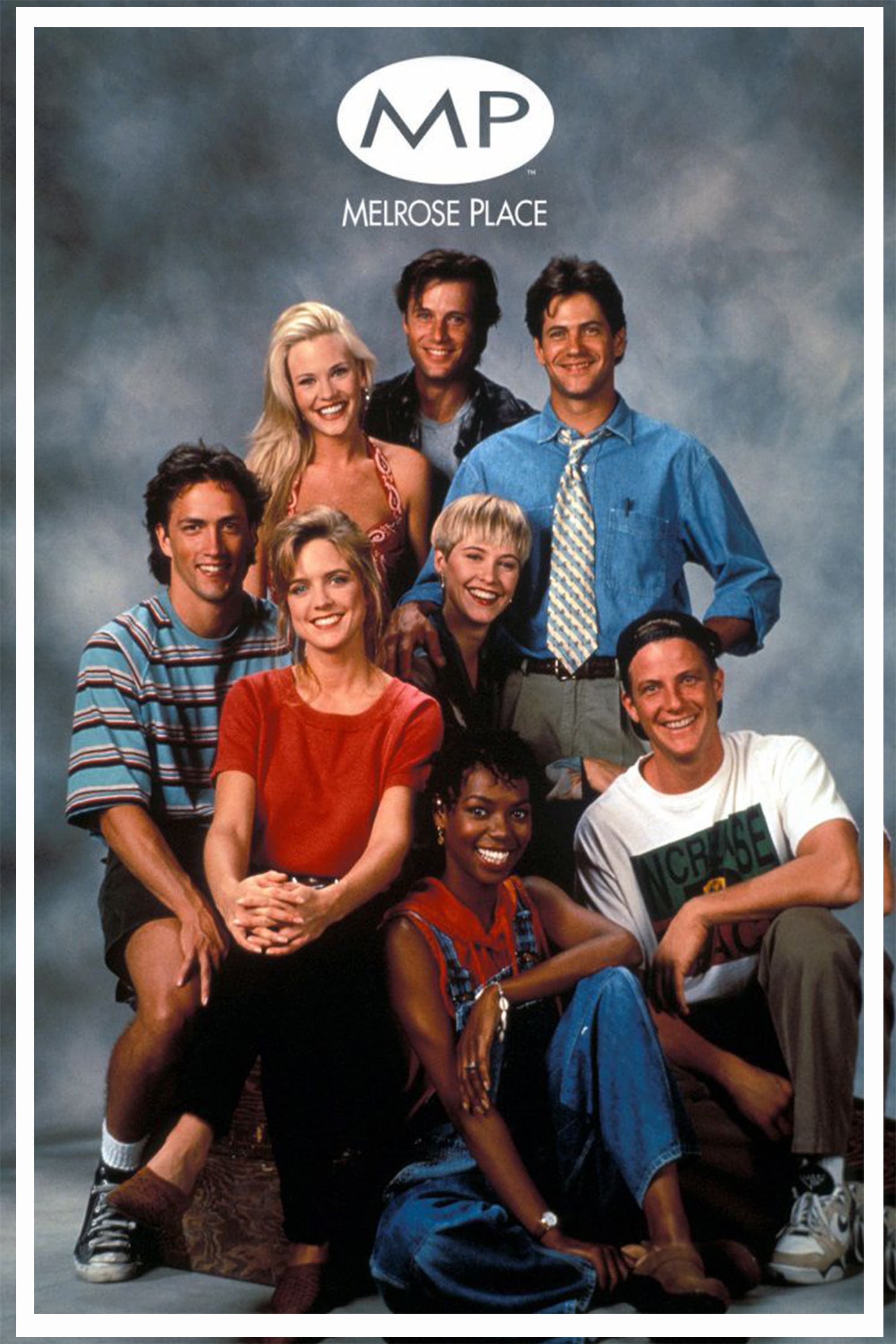
Matt Fielding was a groundbreaking gay character on this primetime soap opera. The season finale was supposed to feature him sharing a romantic kiss with another man. The network edited the scene out completely due to fear of advertiser backlash. Viewers only saw a lingering look between the two men instead of the filmed embrace.
‘Supernatural’ (2005–2020)
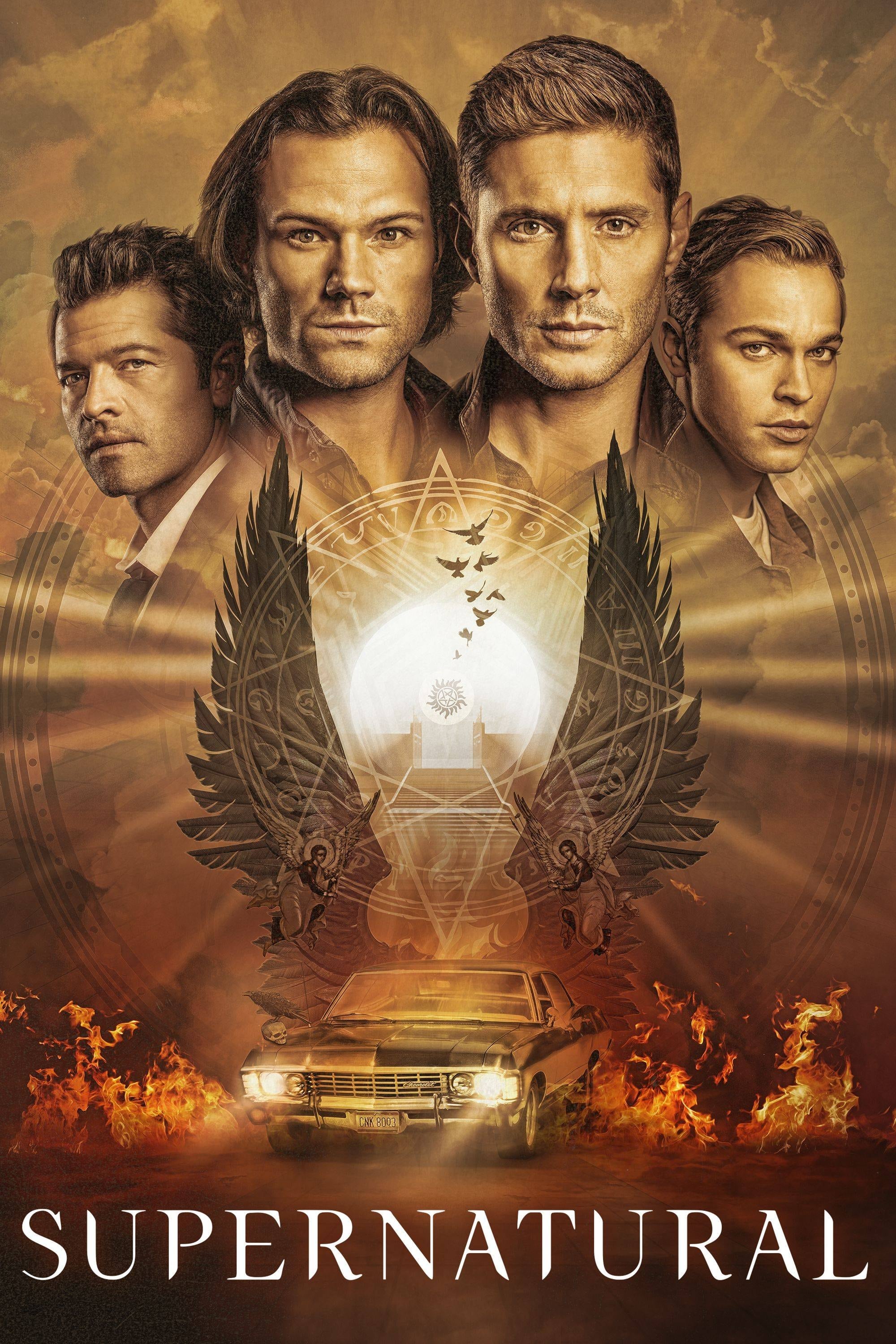
Castiel confessed his love to Dean Winchester in the final season after years of fan speculation. The angel was immediately killed and sent to a realm of nothingness moments after his admission. The scene faced criticism for playing into the harmful bury your gays trope. It silenced a character arc that had developed for over a decade.
‘Steven Universe’ (2013–2019)

The creator fought to have a wedding between two female coded characters. The network approved the wedding but subsequently cut the final season short. Funding was pulled because the show would lose international distribution in conservative countries. The series had to rush its conclusion due to this financial decision.
‘Cardcaptor Sakura’ (1998–2000)
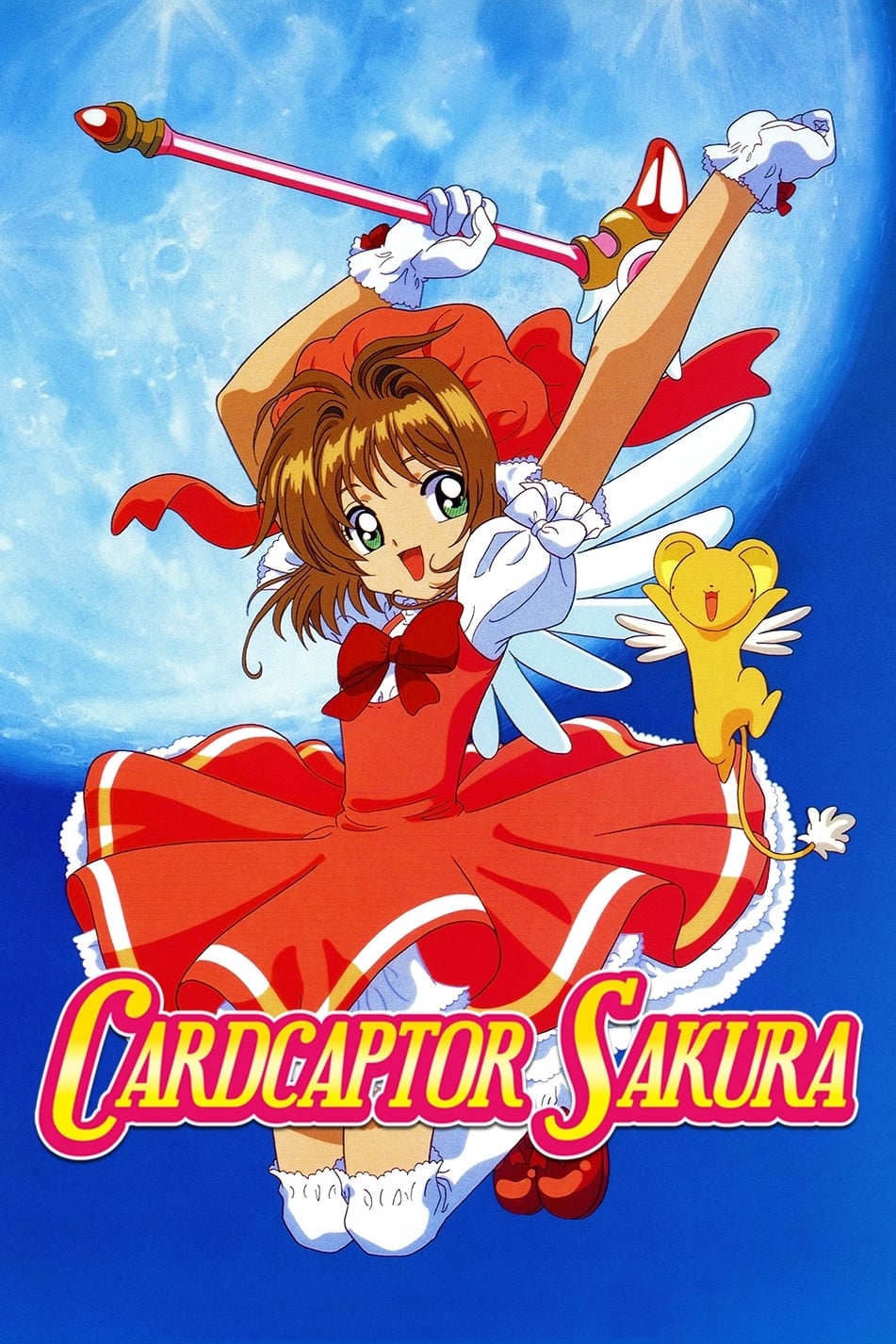
The English adaptation known as Cardcaptors heavily edited the source material. It removed the romantic feelings Shaoran Li held for Yukito. The editors rewrote dialogue to frame their interactions as purely competitive. This effectively erased the bisexual themes present in the original narrative.
‘Teen Wolf’ (2011–2017)

Danny Mahealani was a recurring character who openly dated men. He suddenly disappeared from the series after the third season without a trace. Fans received no explanation for his absence within the narrative. The show introduced new characters rather than addressing his sudden departure.
‘Voltron: Legendary Defender’ (2016–2018)
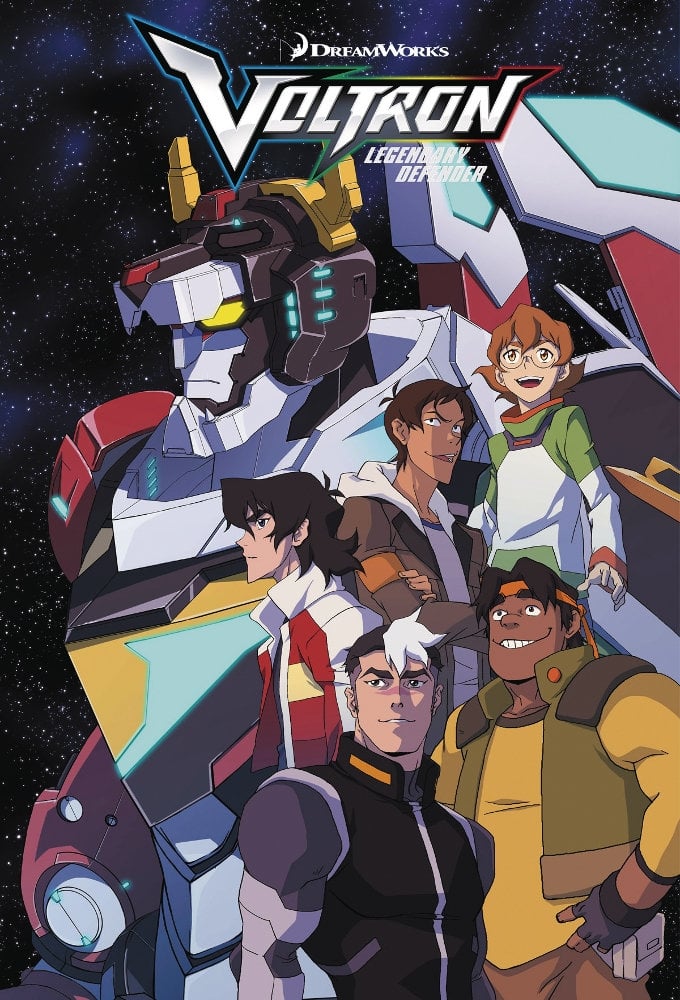
Promotional material hyped the inclusion of a gay relationship for the character Shiro. His partner Adam appeared briefly only to die almost instantly during an invasion. The narrative sidelined Shiro for much of the later seasons. Fans criticized the show for failing to deliver on its promise of meaningful representation.
‘Clarence’ (2014–2018)
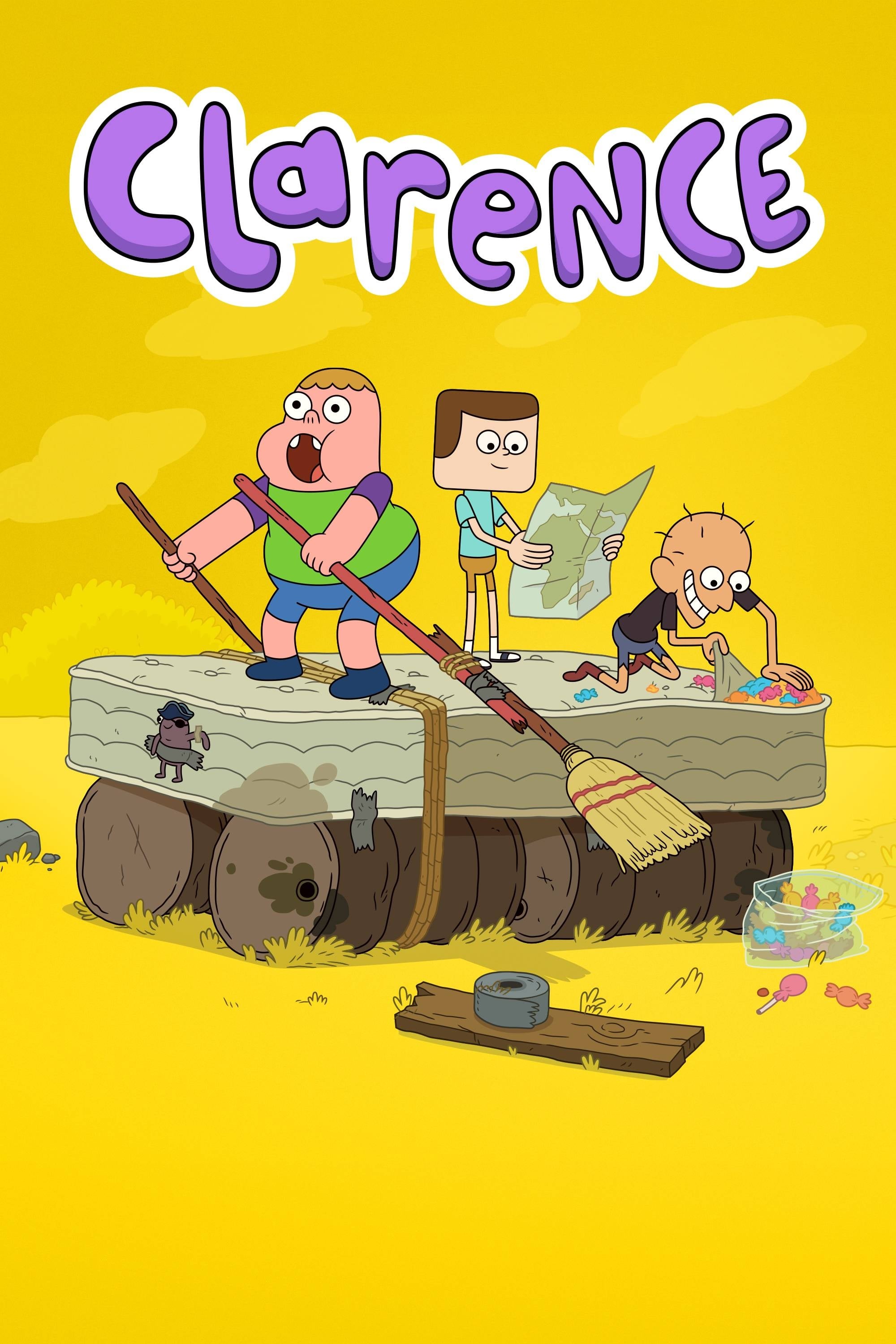
An episode initially featured a scene where two men kissed on the lips at a restaurant. The network mandated that this interaction be changed before the episode aired. The final version showed the character kissing the other man on the cheek instead. This alteration occurred despite the background nature of the characters.
‘The 100’ (2014–2020)
Commander Lexa was a powerful leader who entered a relationship with the protagonist Clarke. She was killed by a stray bullet immediately after consummating the relationship. The decision sparked a massive fan outcry regarding the treatment of queer characters. The writers claimed it was for plot purposes but it removed a major queer figure.
‘Friends’ (1994–2004)
Ross’s ex wife Carol and her partner Susan were recurring characters in the early seasons. Their appearances became increasingly rare as the show progressed to later years. They were essentially written out of the main group dynamic by the end of the series. The show focused almost exclusively on the heterosexual relationships of the main cast.
‘Once Upon a Time’ (2011–2018)
Mulan was introduced with a storyline that implied unrequited love for Princess Aurora. The plot thread was dropped without a satisfying resolution. Mulan vanished from the screen for several seasons afterwards. The writers failed to revisit her romantic arc when she finally returned.
‘Riverdale’ (2017–2023)
Kevin Keller was the first openly gay character in the Archie Comics universe. The television adaptation frequently relegated him to joining cults or supporting other characters. He rarely received the same depth of romantic development as the straight leads. His storylines often felt disconnected from the main emotional core of the show.
‘Buffy the Vampire Slayer’ (1997–2003)
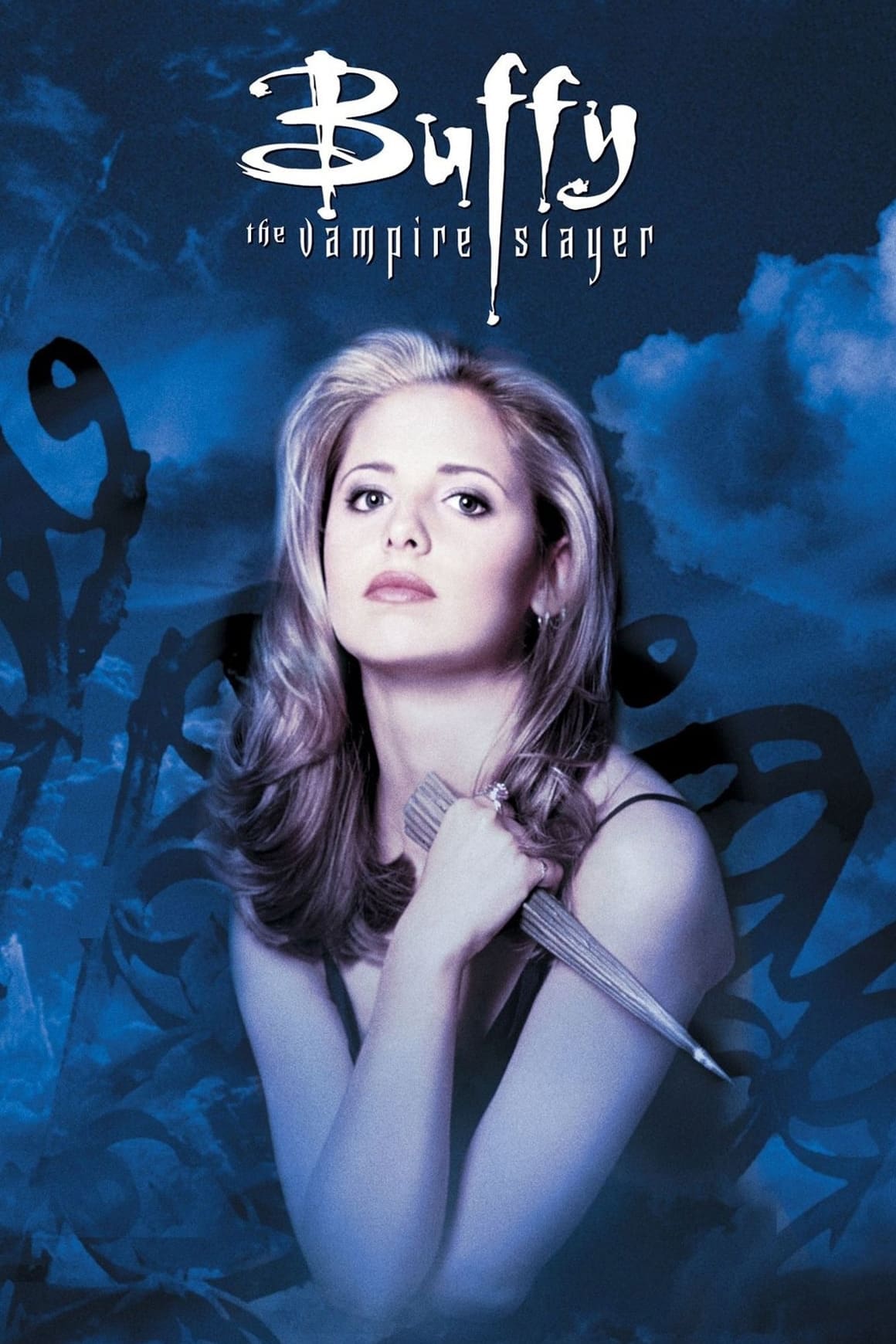
Willow and Tara shared one of the first lesbian relationships on network television. The network placed strict limits on how much physical affection they could show. Their first on screen kiss was delayed until a poignant episode about death. Tara was later killed in a manner that many fans felt was unnecessary.
‘Love, Victor’ (2020–2022)
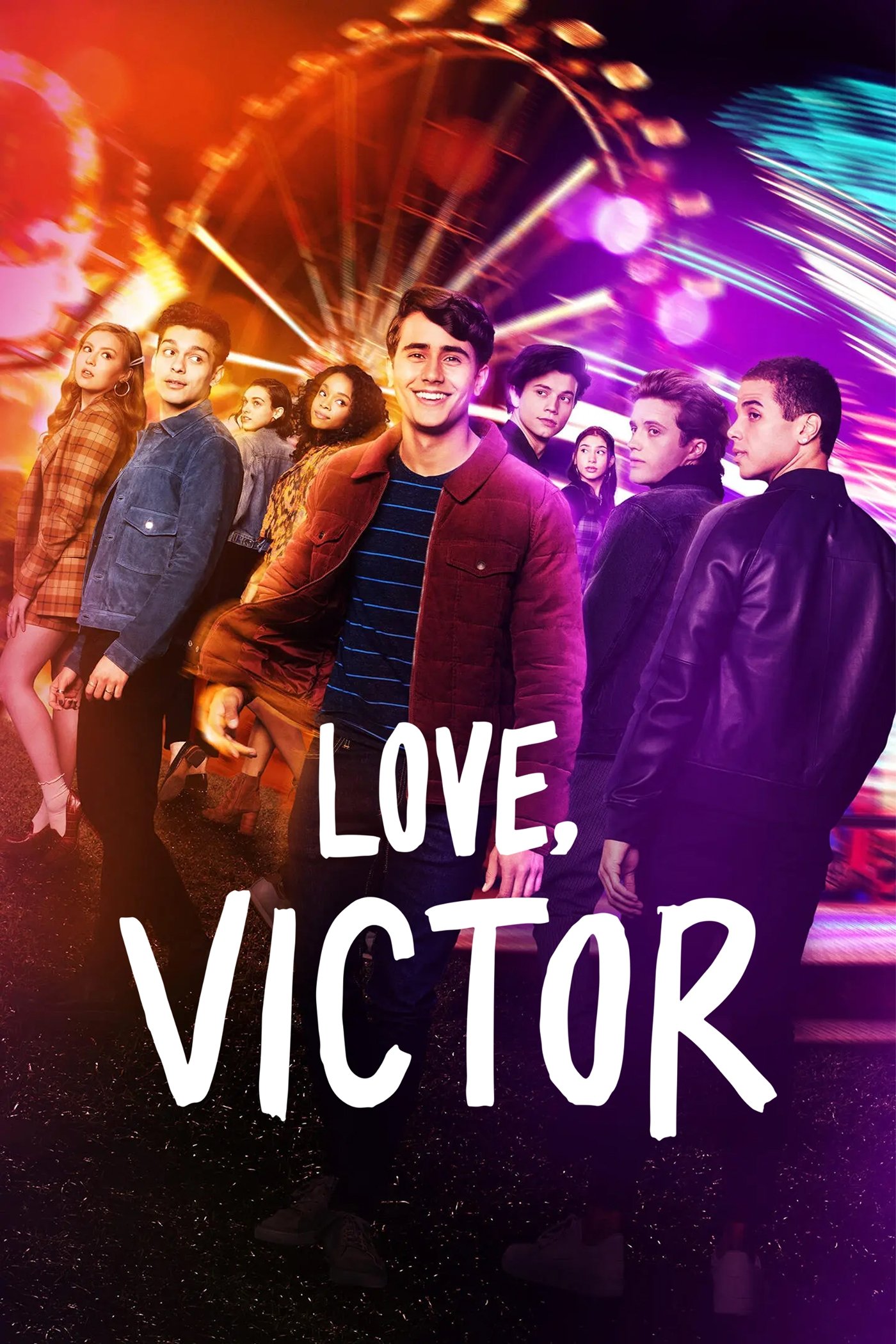
This series was originally developed for Disney+ as a follow up to the film ‘Love, Simon’. Executives moved the show to Hulu because they deemed it too mature for their family audience. The decision implied that queer stories were inherently not family friendly. It separated the show from the main Disney brand.
‘Ellen’ (1994–1998)
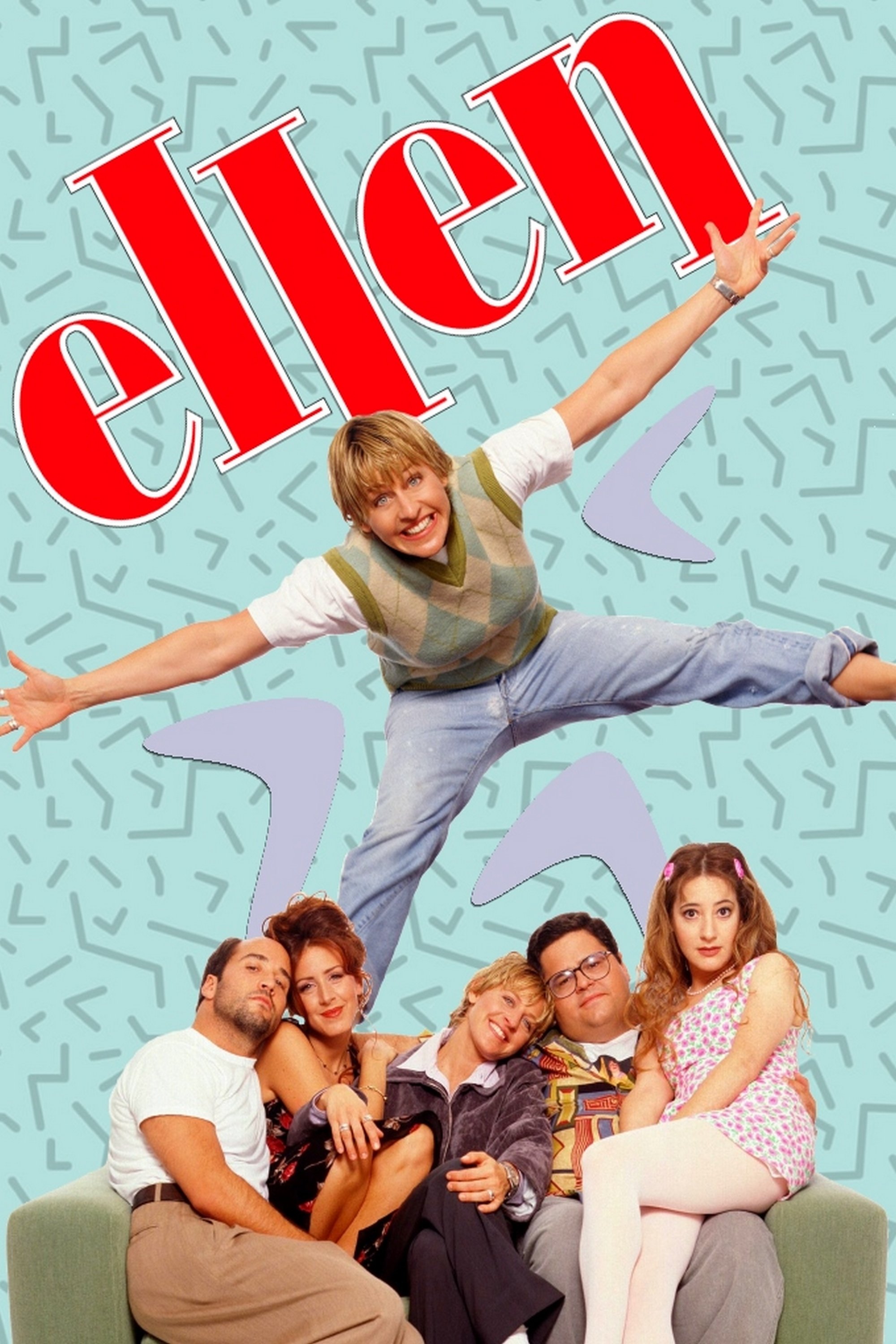
The sitcom was a ratings hit until the main character came out as a lesbian. The network added a parental advisory warning to the episodes following the revelation. The show faced intense scrutiny and advertiser boycotts. It was cancelled the following season despite its cultural impact.
Please let us know which of these production choices surprised you the most in the comments.