


TV Shows That Were Accused of Promoting Harmful Cultural Stereotypes

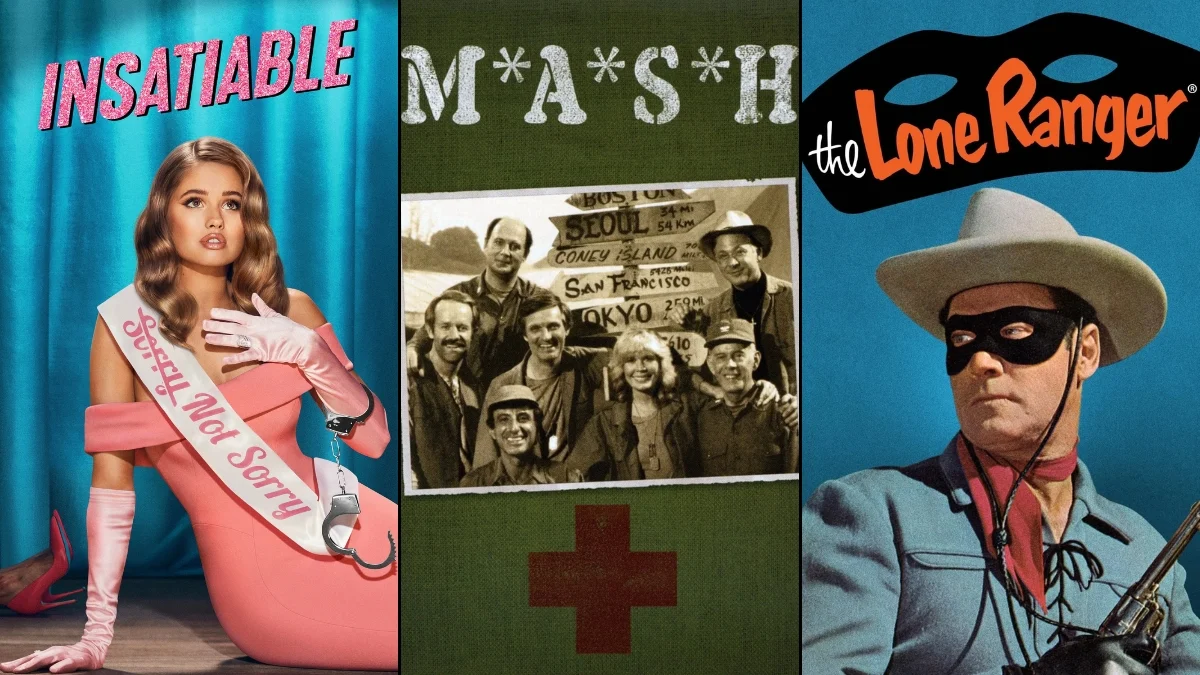


The evolution of television has often been marked by a tension between creative freedom and the responsibility of representation. For decades, various series have relied on tropes and archetypes to deliver humor or drama, sometimes at the expense of marginalized communities. When these portrayals cross the line into harmful cultural stereotypes, they often spark intense public debate and calls for institutional change. From early sitcoms to modern streaming hits, the following shows have faced significant criticism for their depictions of race, ethnicity, and identity.
‘Amos ‘n’ Andy’ (1951–1953)
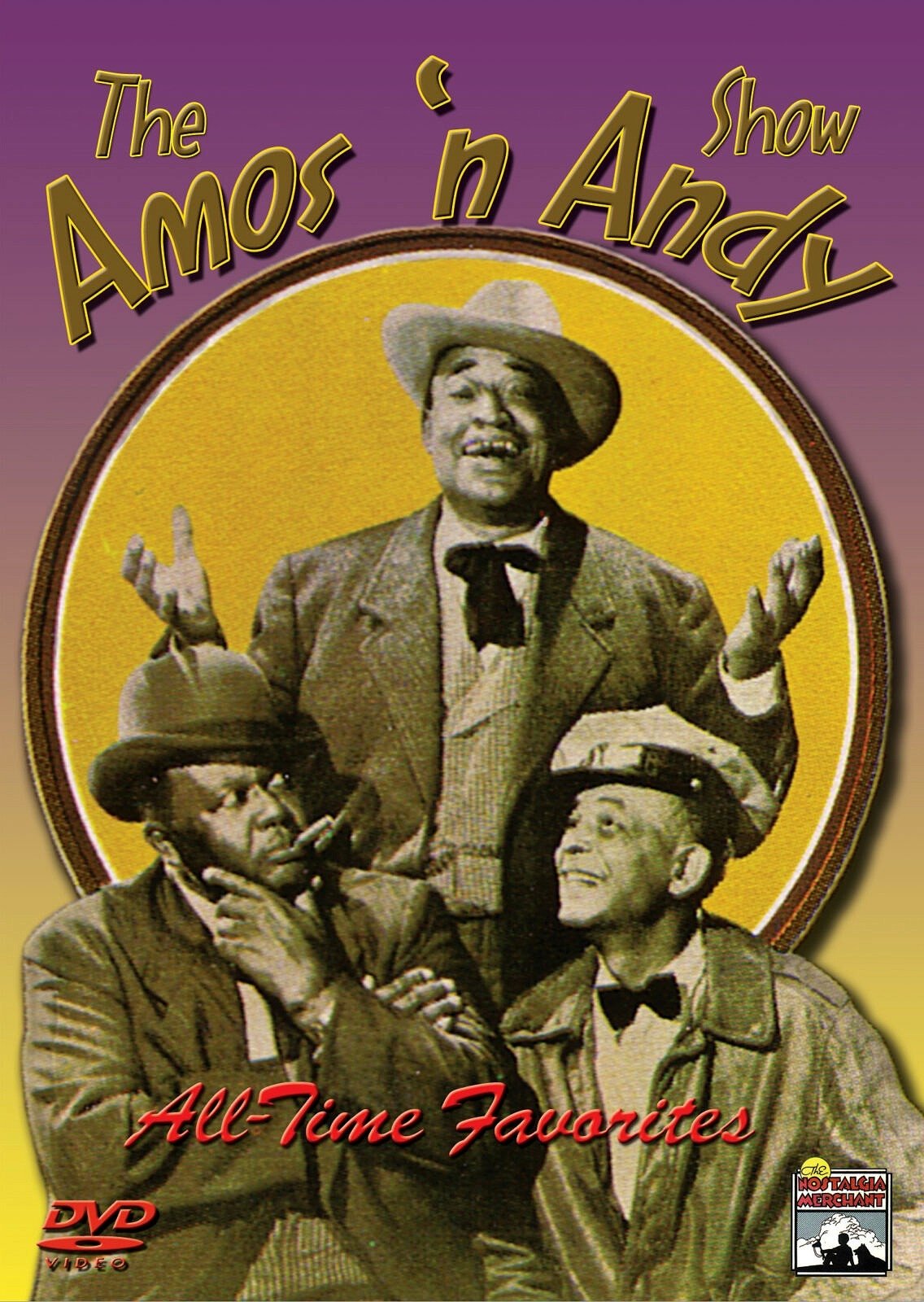
The television adaptation of the popular radio show ‘Amos ‘n’ Andy’ faced immediate backlash from the NAACP for its portrayal of Black Americans. Critics argued that the characters depicted African Americans as lazy, dishonest, or intellectually inferior through exaggerated dialect and clownish behavior. The series was eventually pulled from the airwaves after years of formal protests regarding its reinforcement of racial caricatures. Its legacy remains a significant point of study regarding early television’s role in perpetuating systemic prejudice.
‘The Lone Ranger’ (1949–1957)
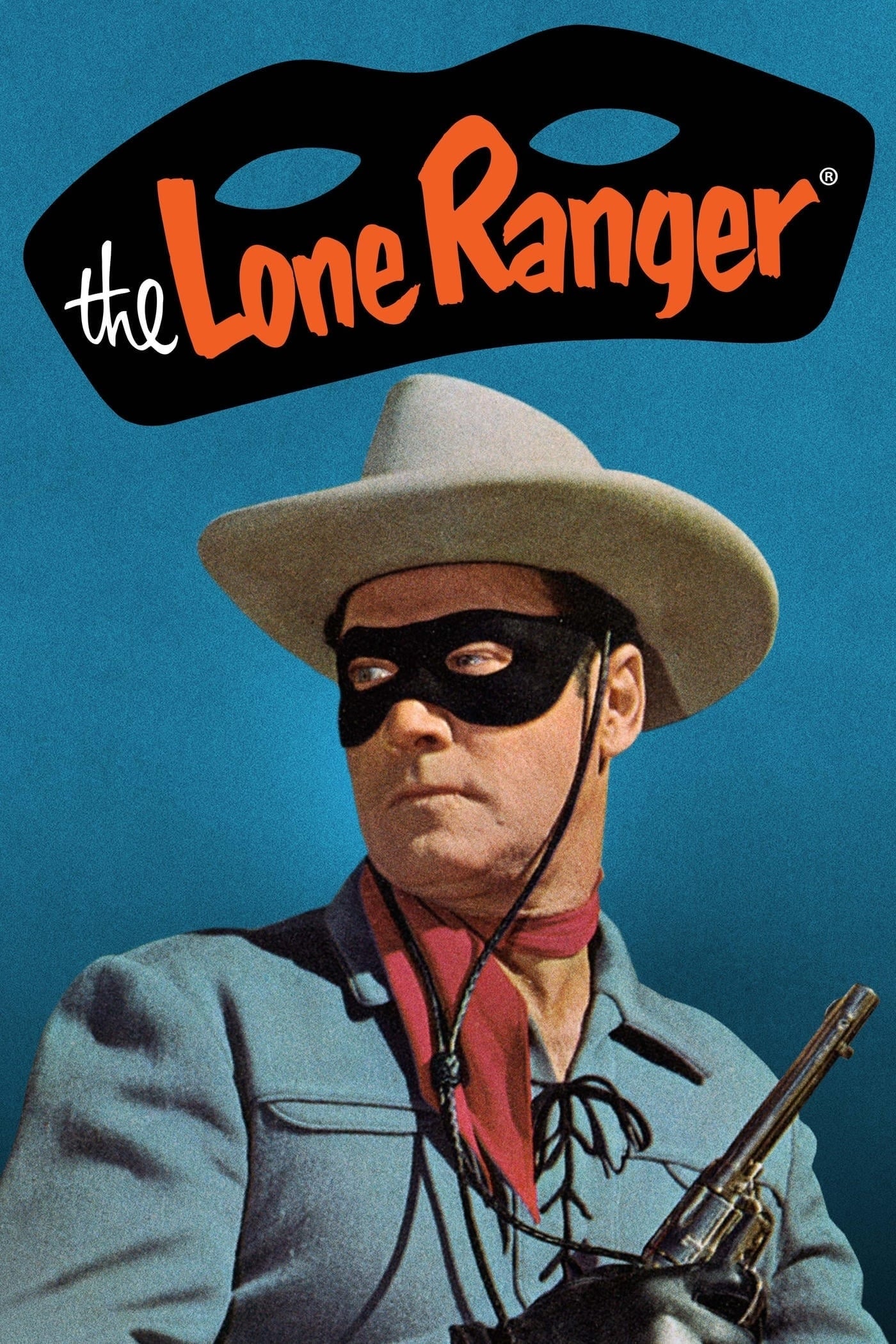
This classic Western series featured the character Tonto, the Native American companion to the titular hero. Over time, the character has been criticized for being a “sidekick” who speaks in broken English and serves as a subservient figure to the white protagonist. Many cultural critics argue that ‘The Lone Ranger’ reduced Indigenous culture to a monolith of mysticism and stoicism. While popular at the time, the show is now frequently cited as an example of Hollywood’s long-standing reliance on the “faithful scout” trope.
‘The Simpsons’ (1989–Present)
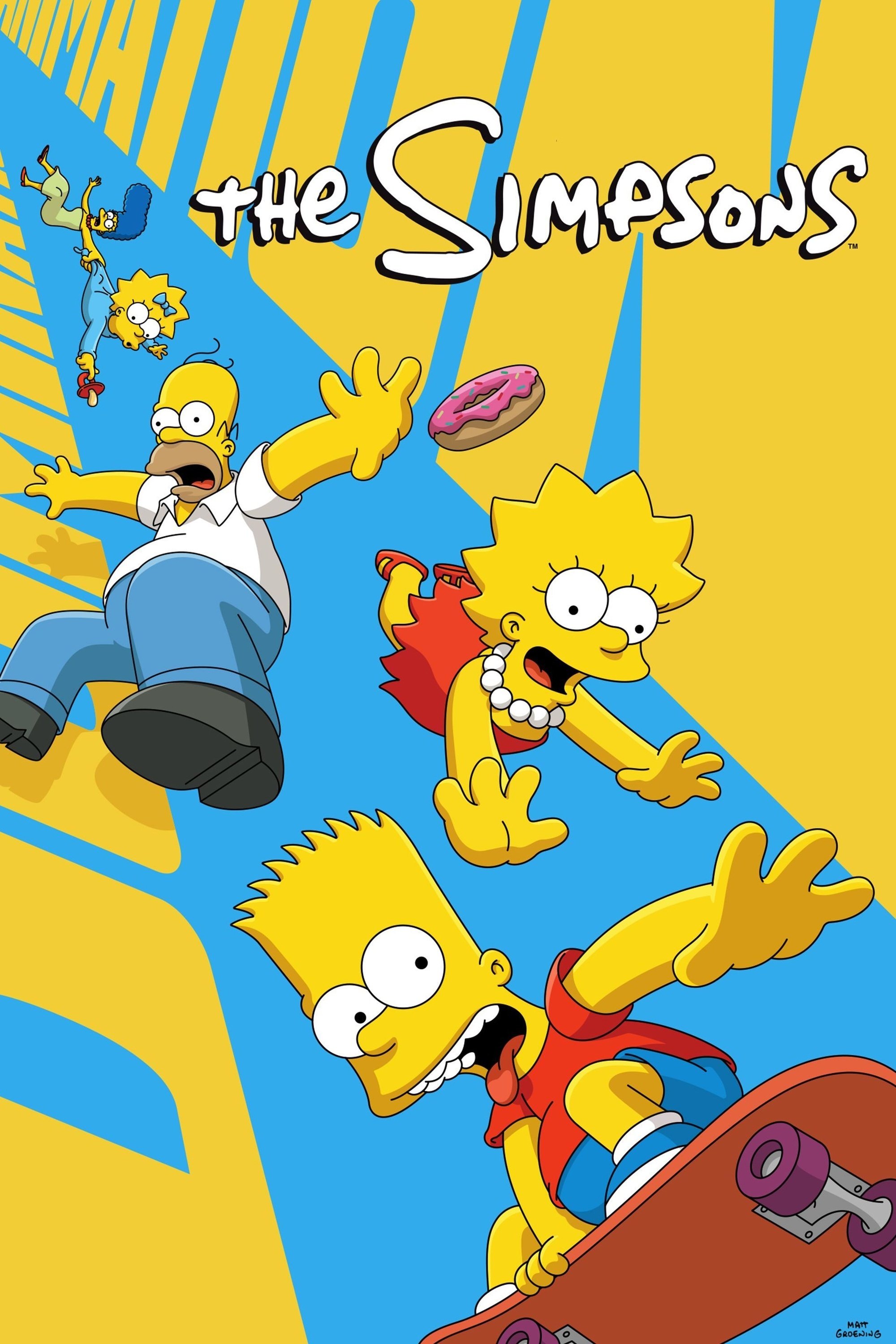
The character of Apu Nahasapeemapetilon became a lightning rod for controversy, particularly after the release of the documentary ‘The Problem with Apu’. Critics and performers of South Asian descent argued that the character’s exaggerated accent and occupation reinforced harmful stereotypes about Indian immigrants. The show was accused of normalizing a narrow, caricatured view of the South Asian experience in America for decades. In response to the growing discourse, the producers eventually decided that Apu would no longer be voiced by a white actor.
’24’ (2001–2010)
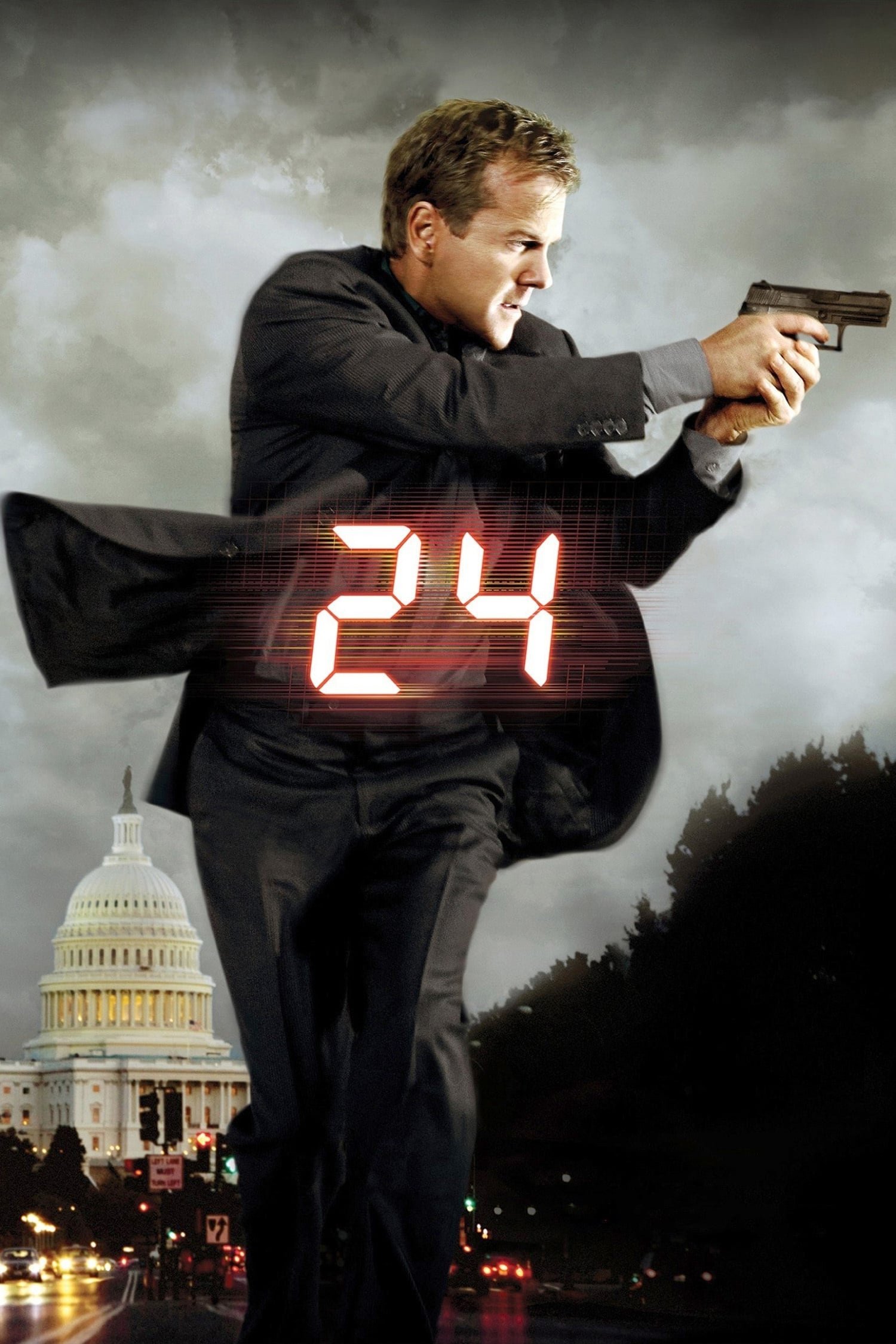
Throughout its high-stakes run, ’24’ was frequently accused of promoting Islamophobia and negative stereotypes regarding Arab and Muslim communities. Advocacy groups expressed concern that the show’s frequent use of Middle Eastern villains contributed to a “terrorist” narrative in the post-9/11 era. The Council on American-Islamic Relations met with network executives to discuss the potential real-world harm caused by these depictions. Critics argued that the series rarely balanced these portrayals with positive or nuanced characters from those same backgrounds.
‘Modern Family’ (2009–2020)

The character Gloria Delgado-Pritchett, portrayed by Sofía Vergara, often faced criticism for leaning into “spicy Latina” tropes. Critics pointed to the character’s loud demeanor, heavy accent, and frequent references to violence in her home country as reductive stereotypes. While the show was praised for its diversity, some viewers felt Gloria’s characterization relied too heavily on recycled tropes about Colombian women. This portrayal sparked ongoing debates about the line between comedic characterization and cultural caricature.
‘The Big Bang Theory’ (2007–2019)

The character Raj Koothrappali was often at the center of discussions regarding the stereotyping of Indian men in Western media. Viewers noted that Raj was frequently the butt of jokes involving his accent, his traditional parents, and his perceived lack of social prowess. Critics argued that ‘The Big Bang Theory’ reinforced the “nerdy minority” trope while keeping the character in a state of arrested development compared to his white peers. The show’s reliance on these cultural punchlines was seen by many as a missed opportunity for genuine representation.
‘Emily in Paris’ (2020–Present)

Upon its release, ‘Emily in Paris’ drew sharp criticism from French viewers and critics for its clichéd depiction of life in Paris. The show was accused of portraying French people as rude, lazy, and perpetually unfaithful, while sanitizing the city into a postcard-perfect fantasy. Additionally, a storyline in the second season involving a Ukrainian character was condemned by Ukraine’s culture minister for being insulting and stereotypical. These controversies highlighted the show’s tendency to prioritize aesthetic over cultural authenticity.
‘Cops’ (1989–2023)

This long-running reality series faced decades of criticism for its disproportionate focus on the arrests of Black and Latino suspects. Advocacy groups argued that ‘Cops’ helped solidify harmful racial biases by presenting a skewed reality of crime in America. The show was accused of dehumanizing suspects and glorifying police tactics without providing context or legal follow-up. Following the global protests for racial justice in 2020, the show was temporarily canceled before moving to a new platform.
‘Insatiable’ (2018–2019)
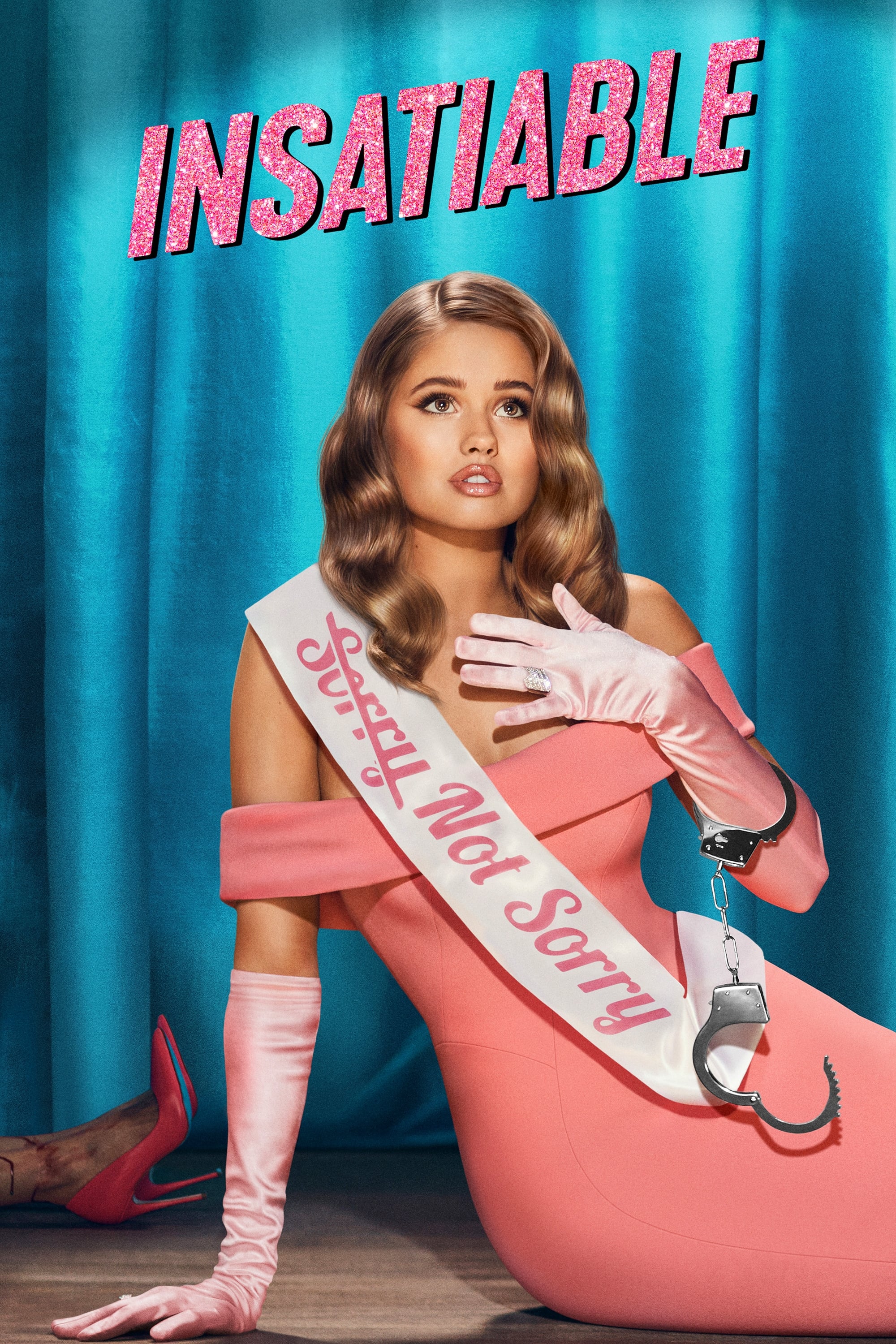
Netflix’s ‘Insatiable’ sparked an immediate outcry before its premiere due to its perceived “fat-shaming” premise. The series follows a teenager who seeks revenge on her bullies after losing a significant amount of weight while her jaw was wired shut. Critics argued that the show promoted the harmful idea that a person’s worth is tied to their physical appearance. Despite the creators’ claims of satire, many viewers found the portrayal of body image issues and southern stereotypes to be offensive.
‘Little Britain’ (2003–2006)
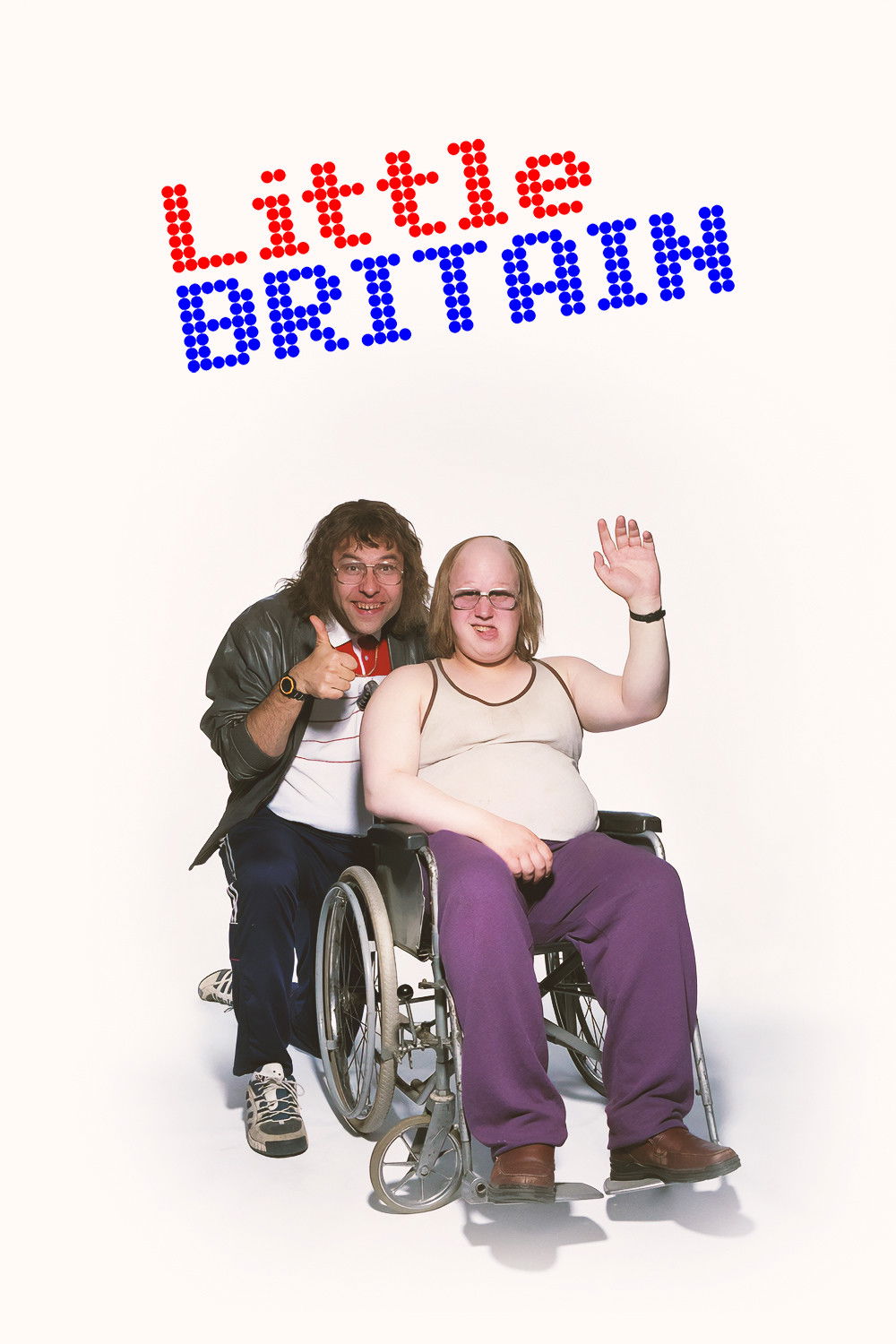
This British sketch comedy show has been heavily criticized in recent years for its use of blackface and its mockery of various marginalized groups. The series featured characters that relied on crude stereotypes regarding race, gender, and disability. In 2020, several streaming services removed the show from their libraries due to these concerns about its content. The creators have since expressed regret over some of the character choices made during the show’s original run.
‘All-American Girl’ (1994–1995)
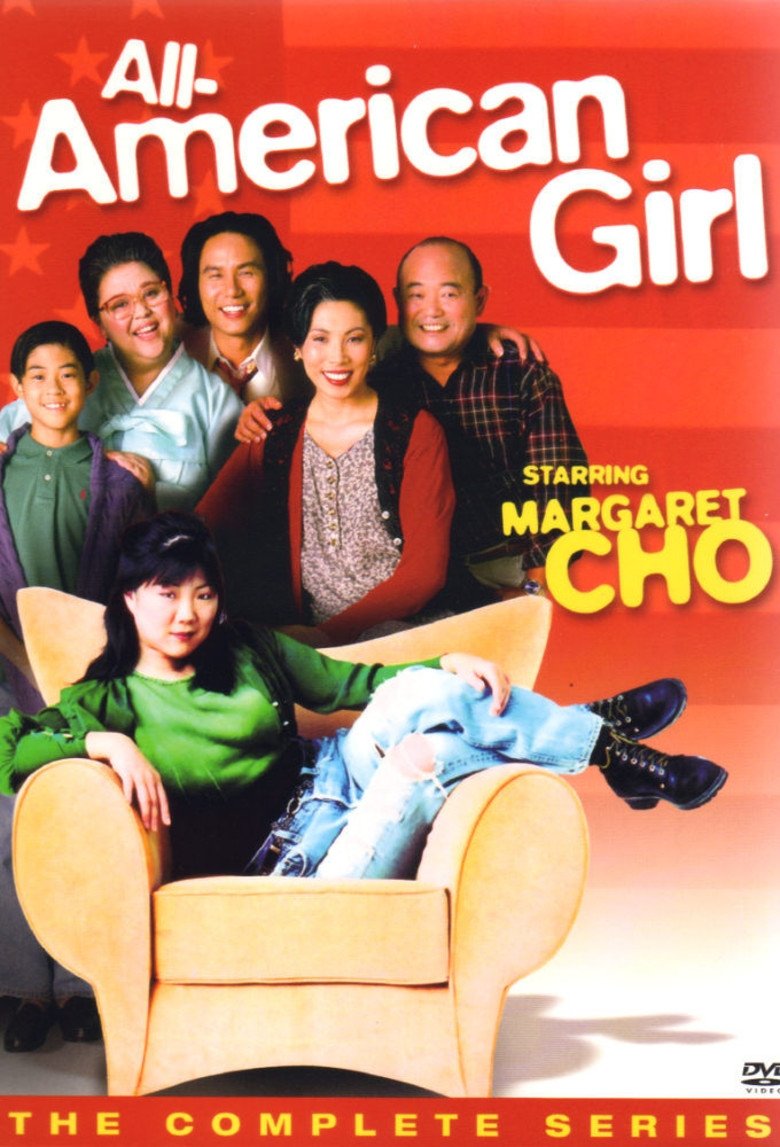
As one of the first sitcoms to feature an Asian American family, ‘All-American Girl’ faced immense pressure and subsequent criticism. Lead actress Margaret Cho later spoke out about the network’s insistence on “Asian-ing up” the characters, which led to forced accents and shallow cultural tropes. Critics felt the show failed to capture the nuances of the Korean American experience, instead relying on generic sitcom formulas. The series lasted only one season but remains a cautionary tale regarding the lack of authentic voices in writers’ rooms.
‘Dads’ (2013–2014)
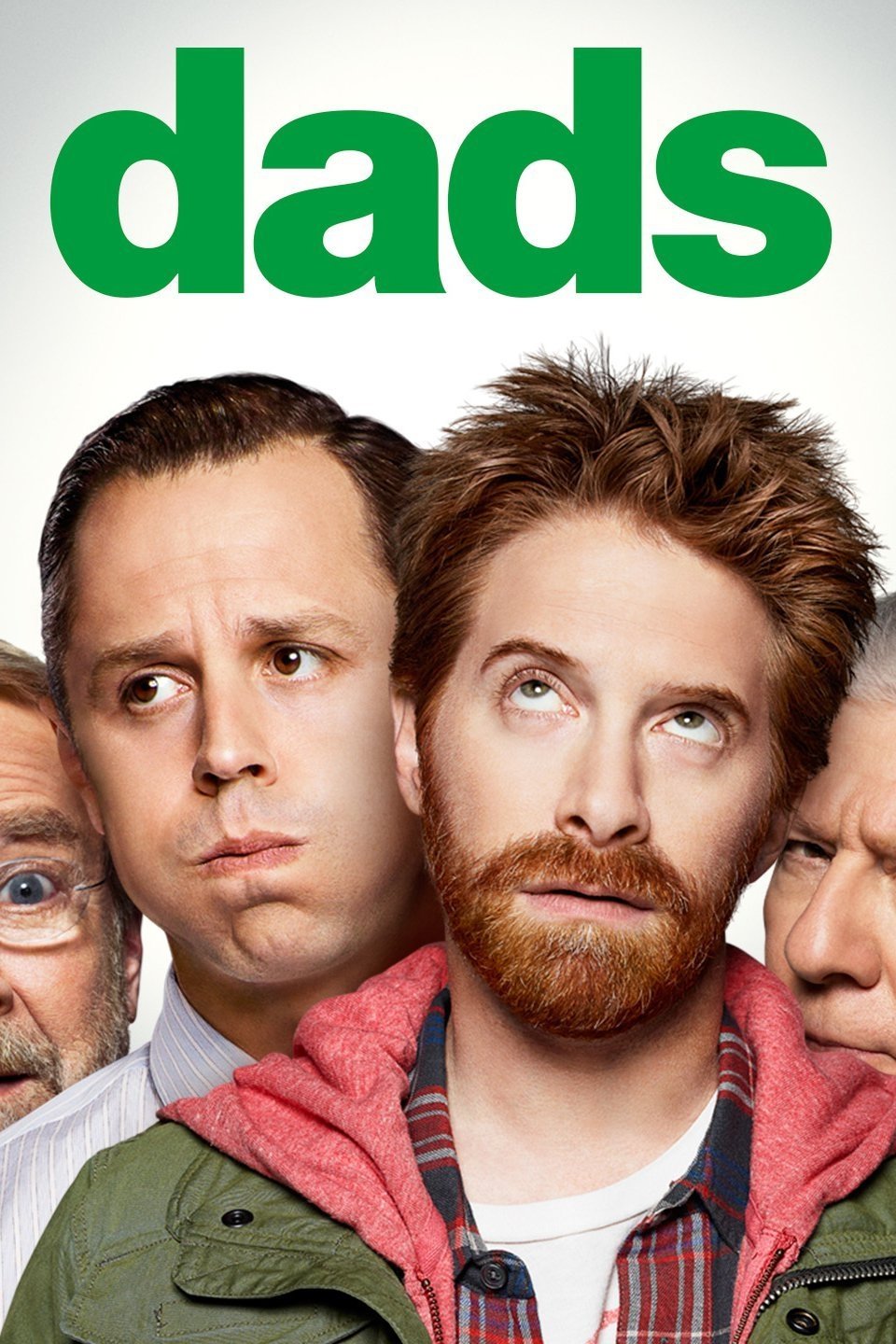
Produced by Seth MacFarlane, the sitcom ‘Dads’ was panned by critics and advocacy groups for its reliance on racial and ethnic stereotypes. One particular episode featured an Asian character dressed as a “sexy schoolgirl” to appease Chinese businessmen, which sparked a formal protest from the Media Action Network for Asian Americans. The show’s humor was widely described as mean-spirited and outdated. It was canceled after a single season following consistently low ratings and sustained public backlash.
‘Marvel’s Iron Fist’ (2017–2018)

The Marvel series ‘Iron Fist’ was criticized for its use of the “white savior” trope and its handling of Asian cultural elements. While based on the original comics, many viewers felt the show missed an opportunity to cast an Asian American lead to update the story’s themes. Critics argued that the series centered a white protagonist in a narrative deeply rooted in East Asian mysticism and martial arts. This creative choice led to accusations of cultural appropriation and a failure to address the problematic origins of the source material.
‘Work It’ (2012)
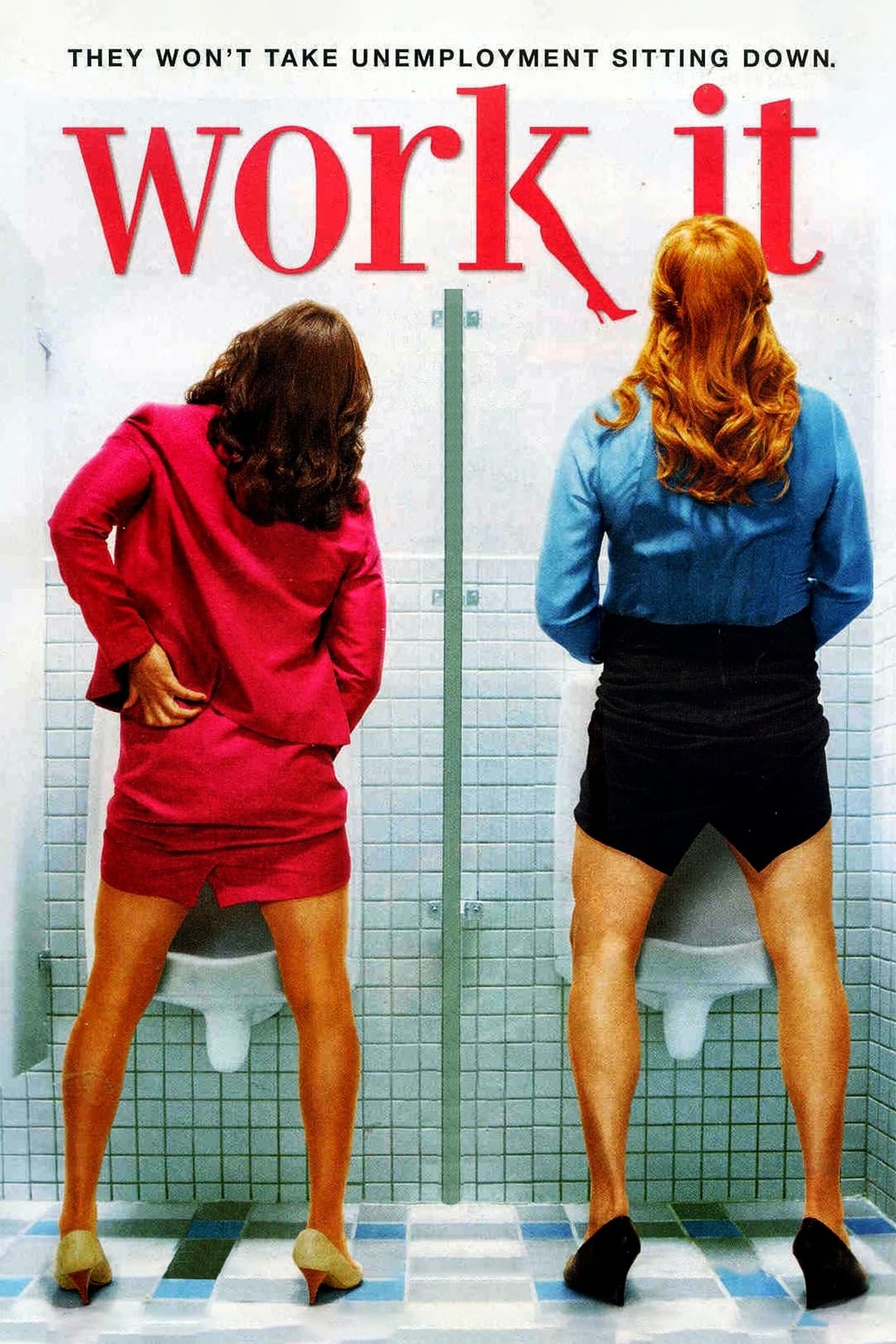
This short-lived sitcom followed two men who dress as women to secure jobs in a difficult economy. The show was immediately condemned by LGBTQ+ advocacy groups, particularly GLAAD, for its perceived transphobic undertones. Critics argued that ‘Work It’ relied on the tired “men in dresses” trope for cheap laughs at the expense of the transgender community. The backlash was so swift and severe that the network canceled the series after only two episodes had aired.
‘The New Normal’ (2012–2013)
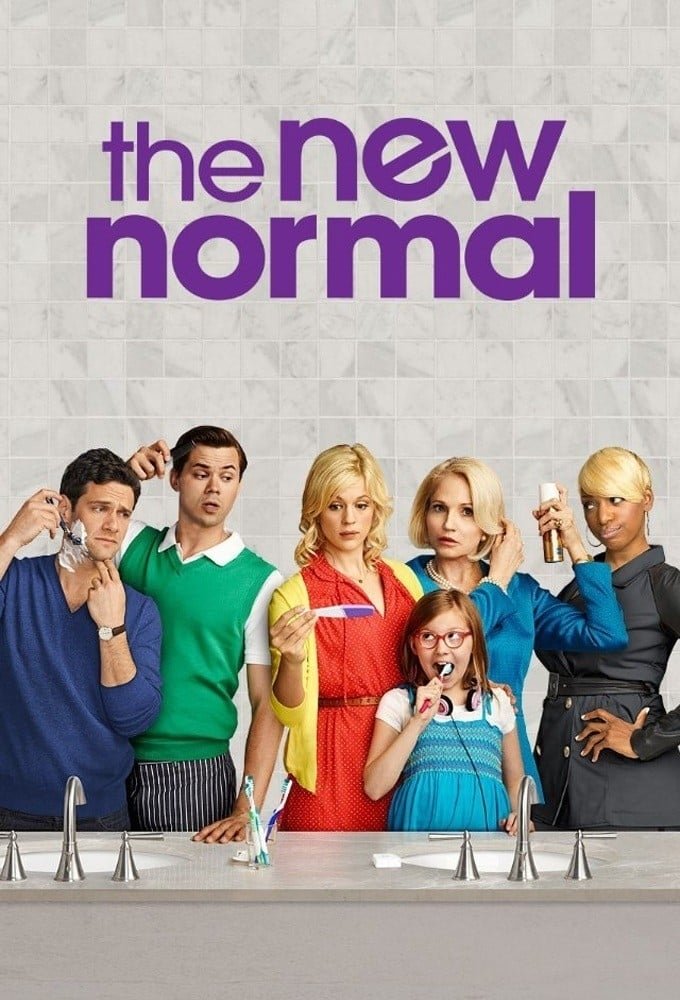
Created by Ryan Murphy, ‘The New Normal’ followed a wealthy gay couple and their surrogate as they prepared for a baby. While the show aimed to promote inclusivity, it was criticized for its reliance on flamboyant stereotypes and its portrayal of a “token” Black character. Some critics felt the series utilized shallow characterizations to make its central premise more palatable to a mainstream audience. Despite its progressive intentions, ‘The New Normal’ struggled to overcome accusations of being reductive and out of touch.
‘Kim’s Convenience’ (2016–2021)
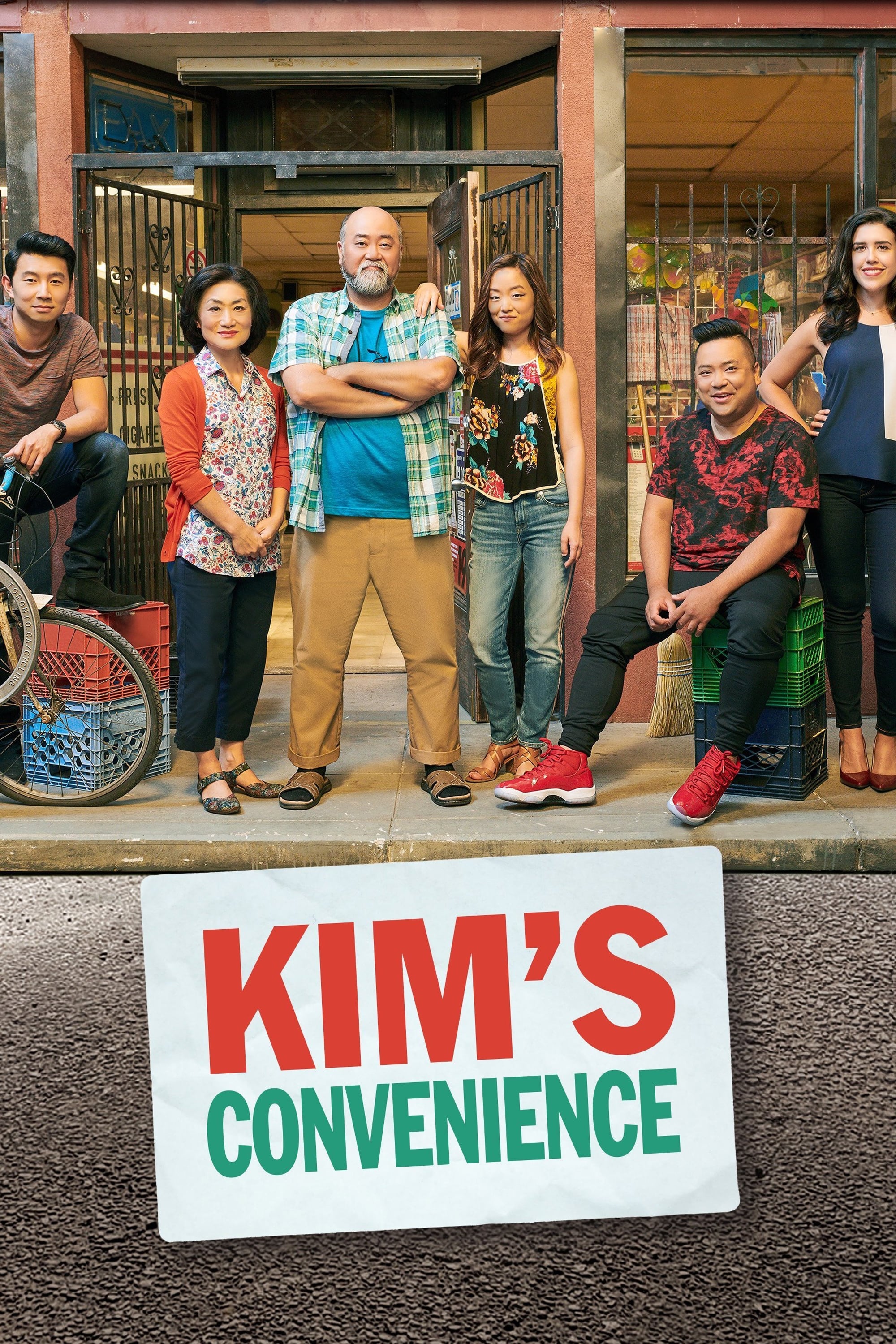
Despite its popularity and critical acclaim, ‘Kim’s Convenience’ faced significant controversy following its cancellation. Cast members, including Simu Liu and Jean Yoon, spoke out about the lack of diversity in the writers’ room and the inclusion of “overtly racist” storylines. Yoon specifically pointed to scripts that relied on cultural inaccuracies and painful tropes regarding the Korean Canadian experience. These revelations cast a shadow over the show’s legacy as a landmark for Asian representation on television.
‘Sex and the City’ (1998–2004)

While ‘Sex and the City’ was a cultural phenomenon, it has been retrospectively criticized for its lack of racial diversity and its handling of LGBTQ+ characters. Critics often point to episodes where non-white characters are treated as accessories or where bisexual and transgender individuals are depicted through a lens of confusion or mockery. The show’s portrayal of foreign cultures, such as a trip to Abu Dhabi in the second film, was also condemned for its “orientalist” stereotypes. These issues have been a central point of discussion during the show’s recent revival.
‘Will & Grace’ (1998–2020)
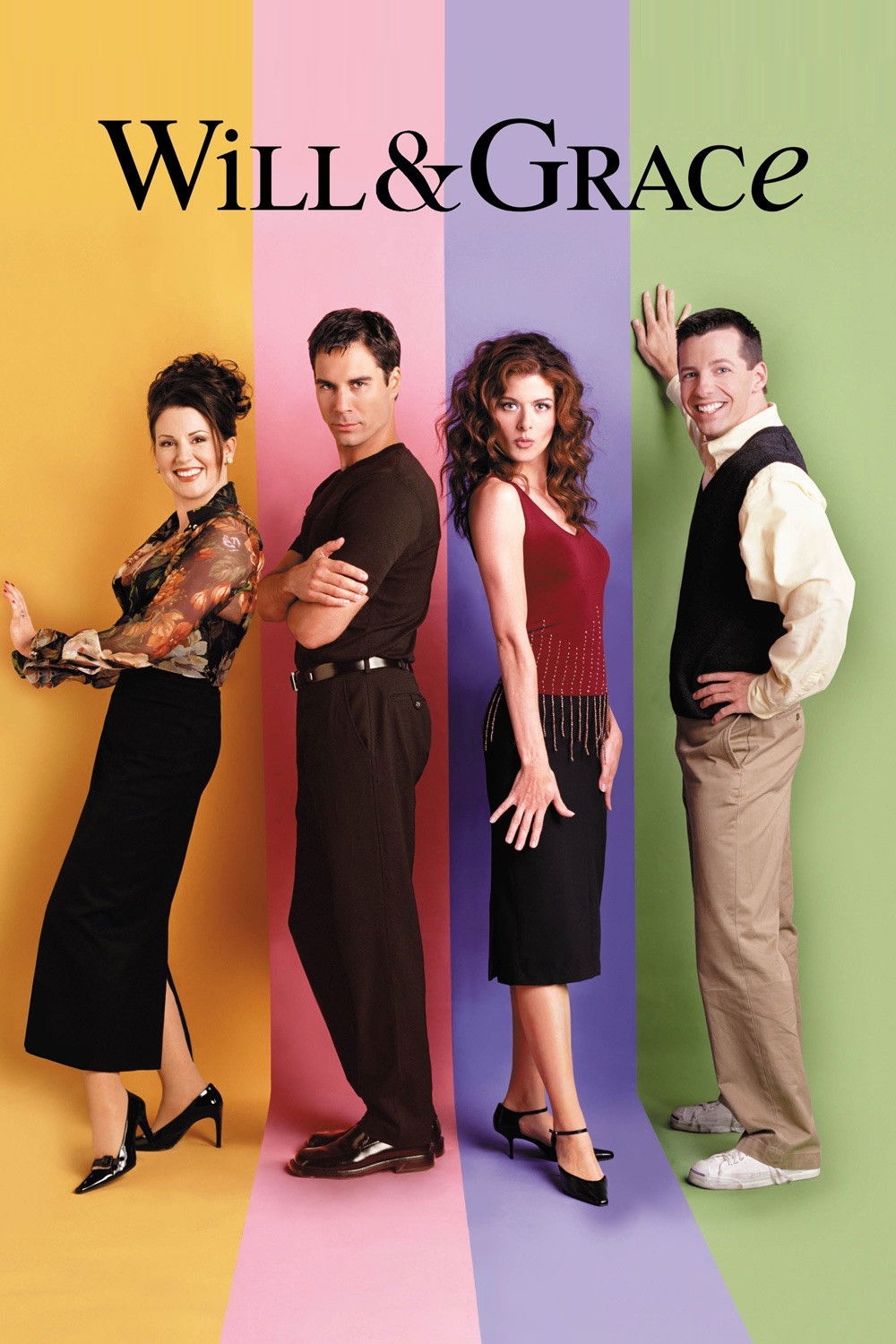
As a pioneer for gay representation on network television, ‘Will & Grace’ nonetheless faced criticism for its narrow focus. Some viewers argued that the show prioritized white, affluent, and “cisgender-passing” gay men while sidelining other identities within the LGBTQ+ community. The character of Jack McFarland was often cited as a collection of flamboyant tropes that some felt were more for the amusement of straight audiences. While the show broke many barriers, critics have noted its struggle to move beyond surface-level archetypes.
‘Glee’ (2009–2015)
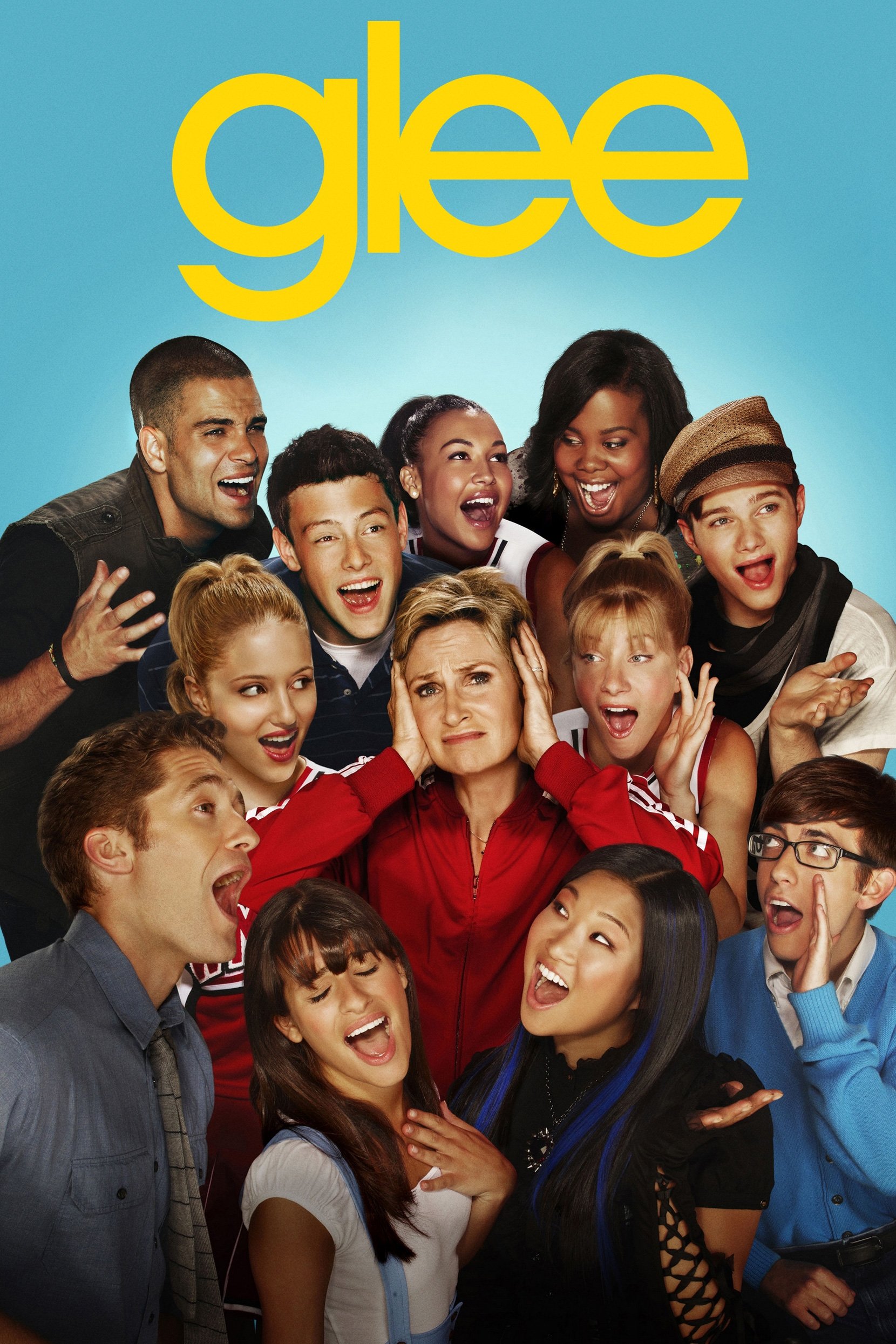
The musical series ‘Glee’ was known for its diverse cast, yet it frequently came under fire for how it handled that diversity. Critics argued that the show often reduced its minority characters to a single trait, such as “the Asian girl” or “the boy in the wheelchair,” and relied on stereotypical jokes. While the series tackled important social issues, its fast-paced satirical tone sometimes resulted in offensive caricatures. Over time, many viewers felt the show’s attempt at inclusivity often felt performative rather than authentic.
‘Family Guy’ (1999–Present)
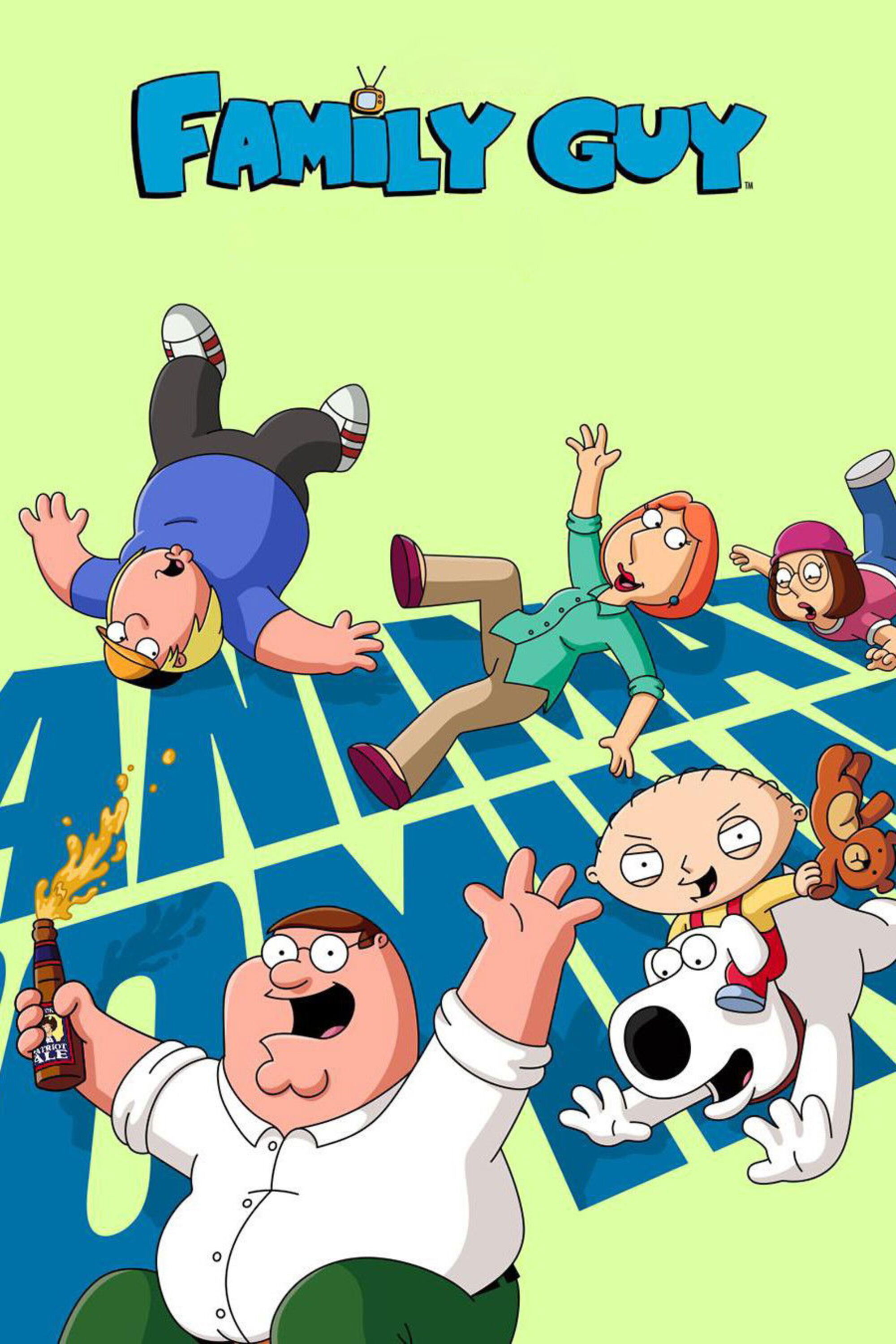
Known for its “cutaway” humor and offensive jokes, ‘Family Guy’ has targeted almost every ethnic, religious, and social group over its long run. The show has been frequently criticized by advocacy groups for perpetuating harmful stereotypes under the guise of satire. From its portrayal of Jewish and Latino characters to its jokes about transgender individuals, the series often pushes the boundaries of broadcast television. While its fans defend the humor as equal-opportunity offense, critics argue it reinforces systemic biases.
‘South Park’ (1997–Present)
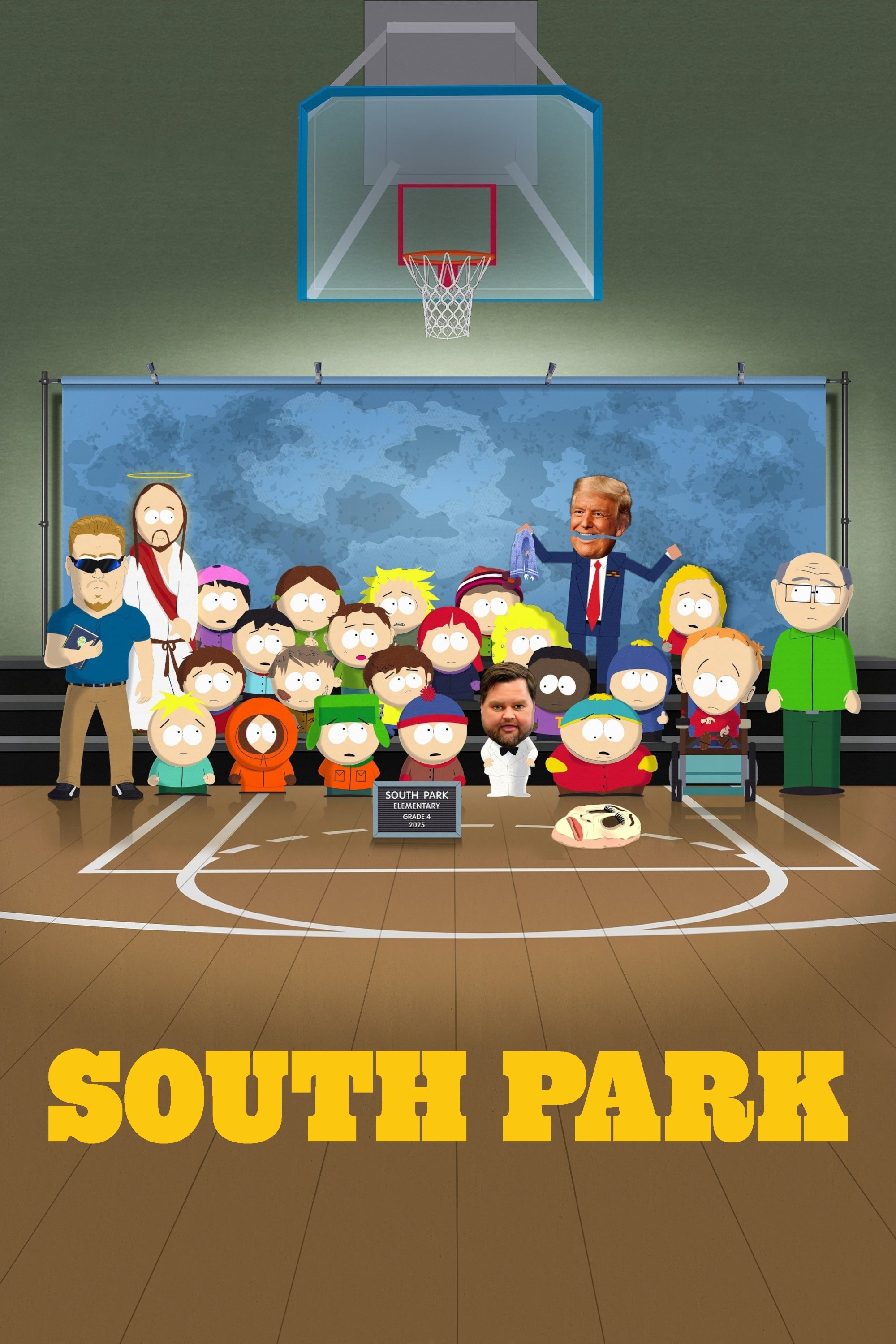
Like other adult animations, ‘South Park’ has faced numerous accusations of promoting harmful stereotypes throughout its history. The show frequently uses crude caricatures of celebrities and marginalized groups to make satirical points about current events. Critics have argued that the show’s “enlightened centrism” often ends up punching down at vulnerable communities. While it remains a critical favorite for its social commentary, its reliance on shock humor and stereotypes remains a point of intense debate.
‘Diff’rent Strokes’ (1978–1986)
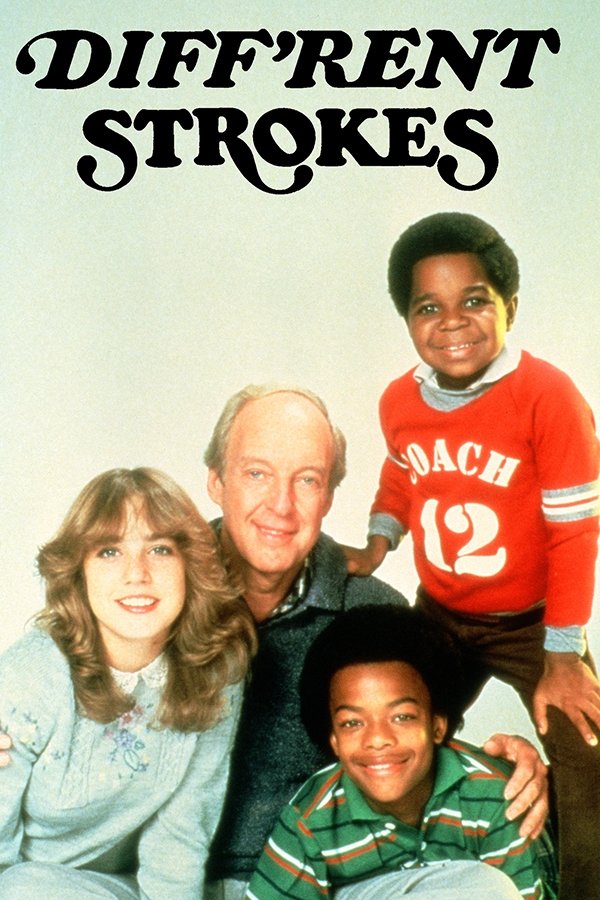
This sitcom featured two Black children from Harlem who are adopted by a wealthy white businessman. While the show was a hit, it has been criticized for the “white savior” dynamic and the way it sanitized the Black experience. Critics argued that the show often used the boys’ race as a source of comedic misunderstanding rather than engaging with real social issues. The series is often cited as an example of how 1970s television attempted to address race through a lens that was comfortable for white audiences.
‘Breaking Bad’ (2008–2013)
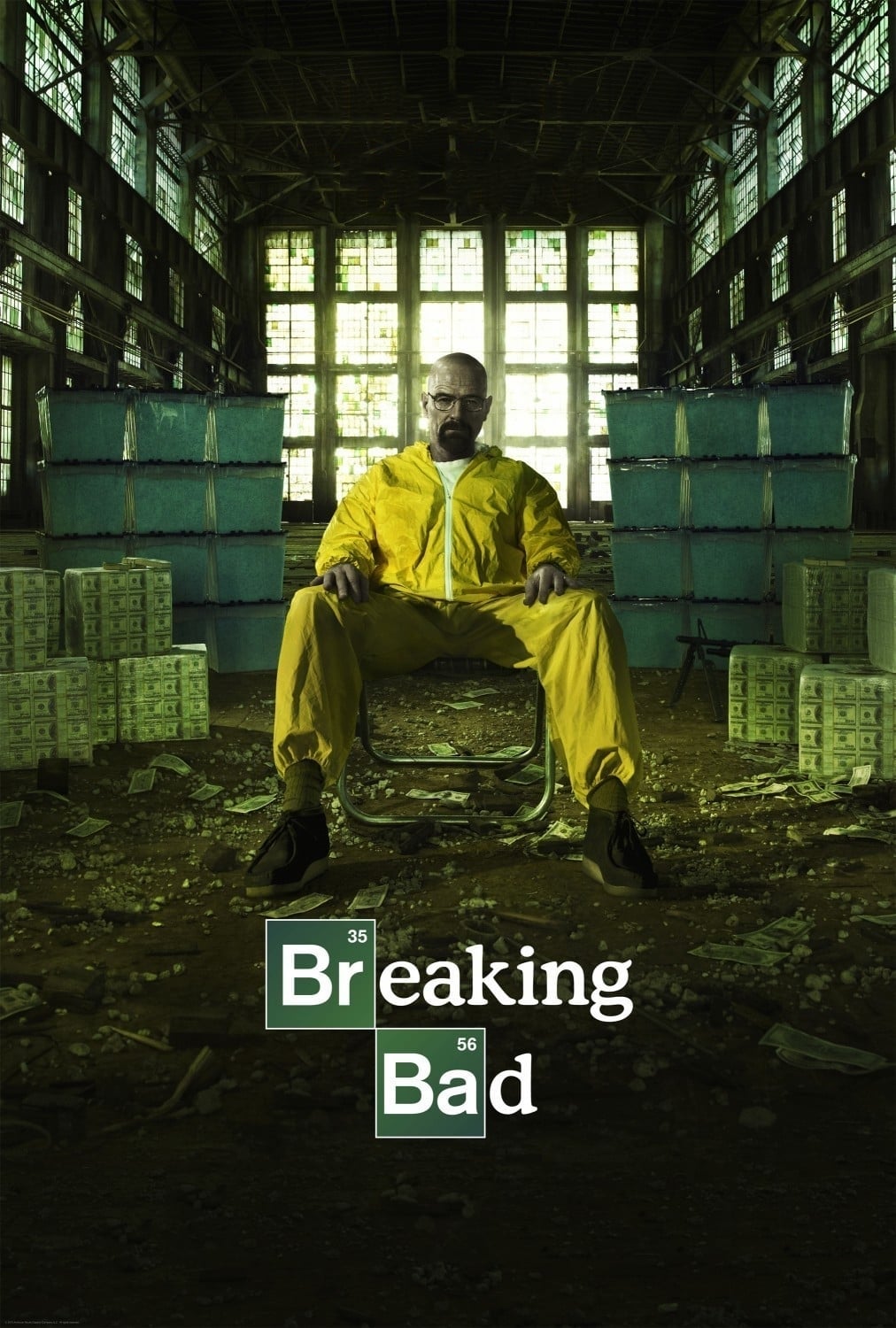
Although widely considered one of the greatest TV dramas, ‘Breaking Bad’ has been criticized for its depiction of Mexico and Latino characters. Critics have noted the persistent “yellow filter” used for scenes in Mexico, which some argue reinforces the idea of the country as a dirty or dangerous place. Furthermore, the show’s portrayal of the cartel was seen by some as leaning into violent, one-dimensional stereotypes of Mexicans. These visual and narrative choices have sparked discussions about the “othering” of Latin American cultures in prestige TV.
‘Marco Polo’ (2014–2016)
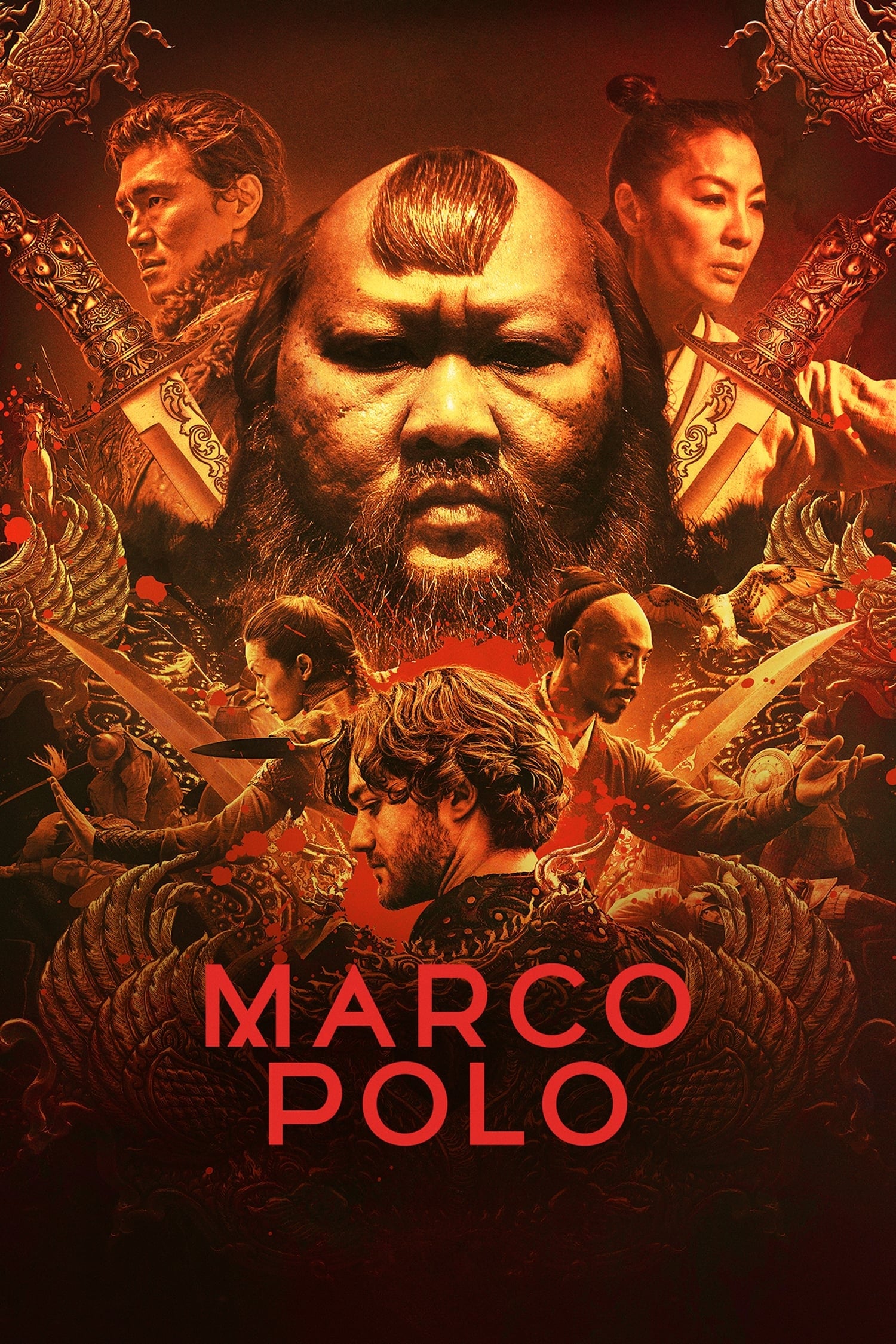
Netflix’s big-budget historical drama ‘Marco Polo’ was accused of falling into “orientalist” tropes in its depiction of the Mongol Empire. Critics argued that the series prioritized a white perspective over the complex history and characters of the region. The show was also criticized for its frequent use of martial arts clichés and the sexualization of its Asian female characters. Despite its high production values, many felt the series lacked the cultural depth required to tell its story accurately.
‘M*A*S*H’ (1972–1983)
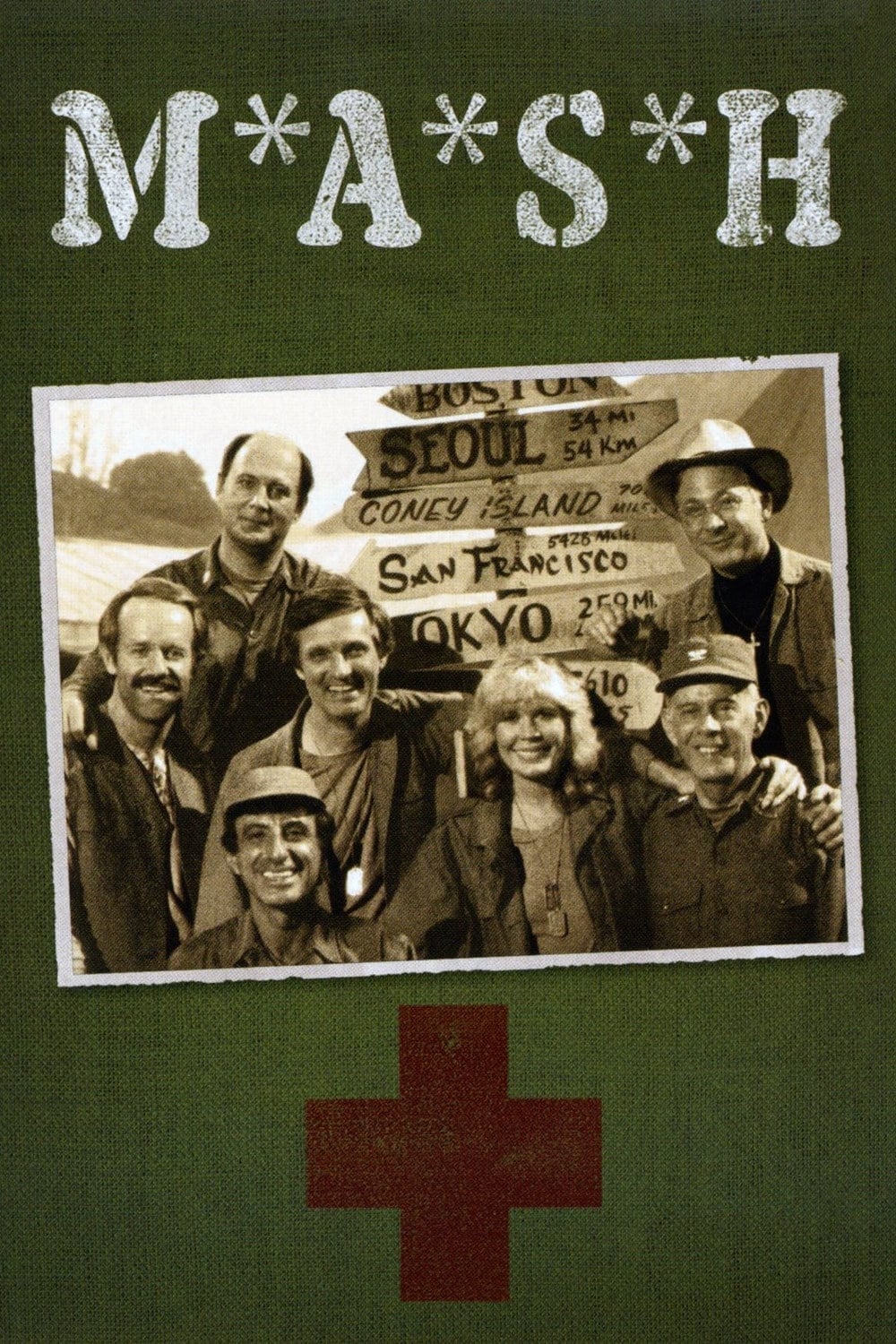
In its early seasons, ‘MAS*H’ included a character named Spearchucker Jones, a Black surgeon whose name was a racial slur. The character was eventually written out of the show, but his presence remains a controversial part of the series’ history. Critics have also pointed to the show’s depiction of Korean people, who often served as background characters or caricatures. While the show was praised for its anti-war message, its early handling of race and ethnicity reflected the era’s limitations.
Share your thoughts on how television can improve its cultural representation in the comments.