


TV Shows That Were Accused of “Queerbaiting” and Angered Fans



The term “queerbaiting” has become a significant point of contention in modern media, describing instances where creators hint at LGBTQ+ romances to attract an audience without ever intending to depict them on screen. Fans often invest years of emotional energy into character dynamics, only to feel let down when the narrative avoids or dismisses these connections. This list highlights several television series that faced significant backlash for their handling of such themes and character relationships.
‘Supernatural’ (2005–2020)
The long-running series ‘Supernatural’ became a focal point of queerbaiting discussions due to the relationship between Dean Winchester and the angel Castiel. Fans frequently pointed to the characters’ deep emotional bond and intense eye contact as evidence of a romantic trajectory known as “Destiel.” While Castiel eventually confessed his love for Dean in the final season, he was killed off immediately after, which fans argued invoked the “Bury Your Gays” trope. This move was seen by many as a way to validate the ship without having to depict a functional queer relationship.
‘Sherlock’ (2010–2017)
In ‘Sherlock’, the chemistry between Sherlock Holmes and John Watson led to a massive fan movement supporting a romantic pairing. The show frequently included jokes where other characters assumed the two were a couple, which the creators often followed with verbal denials from the leads. Many viewers felt that the series intentionally utilized queer subtext to maintain engagement while simultaneously mocking the idea of the characters being gay. The perceived baiting became so prominent that the showrunners eventually addressed the controversy in interviews, though the backlash remained.
‘Teen Wolf’ (2011–2017)
The MTV series ‘Teen Wolf’ was accused of queerbaiting regarding the fan-favorite pairing of Stiles Stilinski and Derek Hale. The show’s production team and social media accounts often leaned into the “Sterek” ship to win fan-voted awards and boost online engagement. Despite the heavy promotion of their dynamic, the characters rarely shared meaningful screen time in later seasons, and a romance never materialized. Fans expressed frustration that their enthusiasm was exploited for marketing purposes without any narrative payoff.
‘Rizzoli & Isles’ (2010–2016)
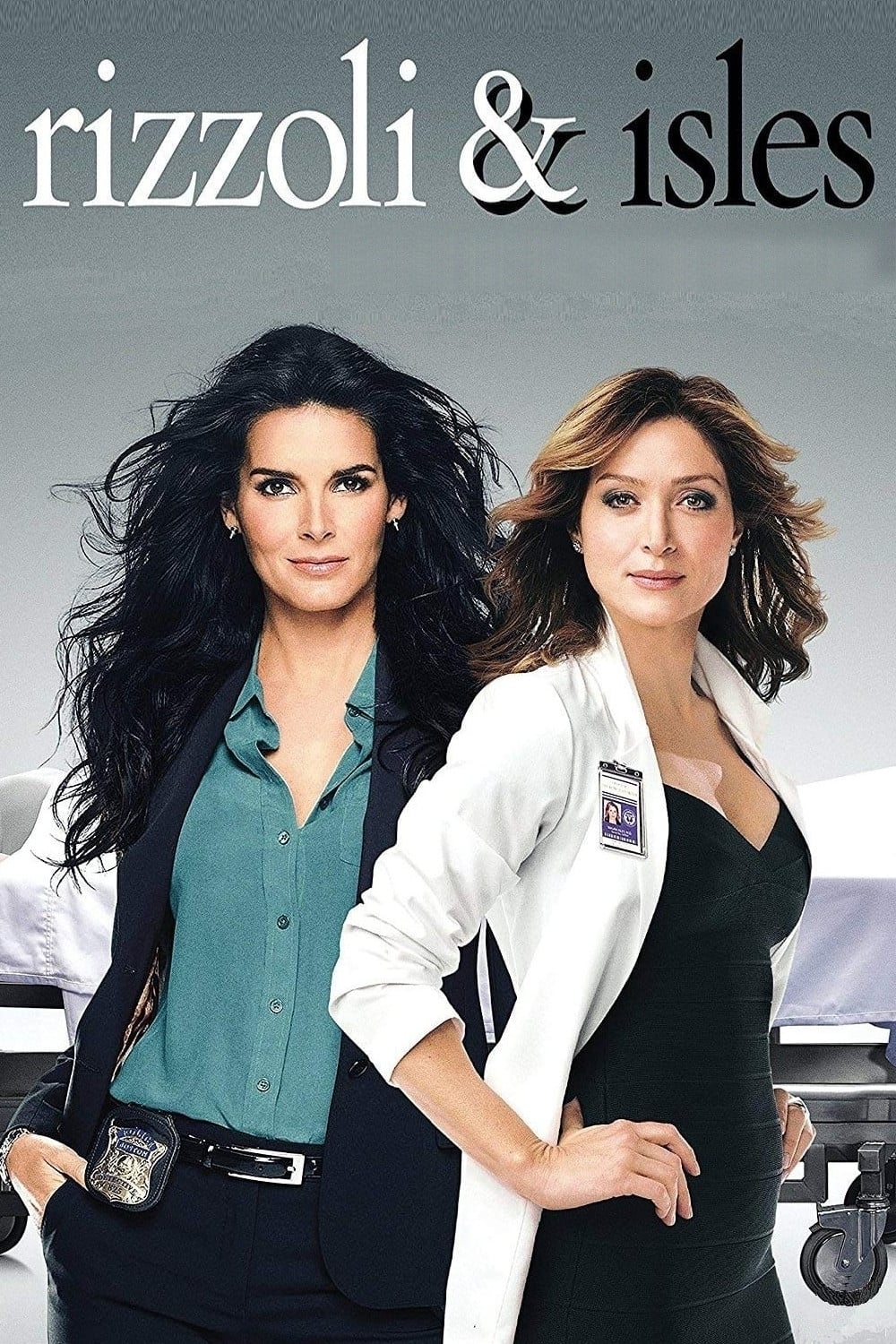
‘Rizzoli & Isles’ followed the partnership of detective Jane Rizzoli and medical examiner Maura Isles, whose close relationship was often interpreted as romantic. The showrunners and lead actresses acknowledged the “lesbian subtext” in various interviews, admitting that they played into it for the benefit of the audience. However, both characters were consistently portrayed as heterosexual, which led to accusations that the show was teasing a queer audience without providing actual representation. The tension between the subtext and the official narrative remained a point of debate throughout the show’s run.
‘Once Upon a Time’ (2011–2018)
The fantasy series ‘Once Upon a Time’ faced criticism for the way it handled the relationship between Emma Swan and Regina Mills. Known by fans as “SwanQueen,” the duo’s shared history and co-parenting dynamic led many to hope for a romantic development. Critics argued that the show used the chemistry between the two women to build tension while steering them toward heterosexual relationships that felt less developed. This discrepancy led to a vocal segment of the fanbase feeling that the show had baited them with a central emotional core it never intended to honor.
‘Riverdale’ (2017–2023)
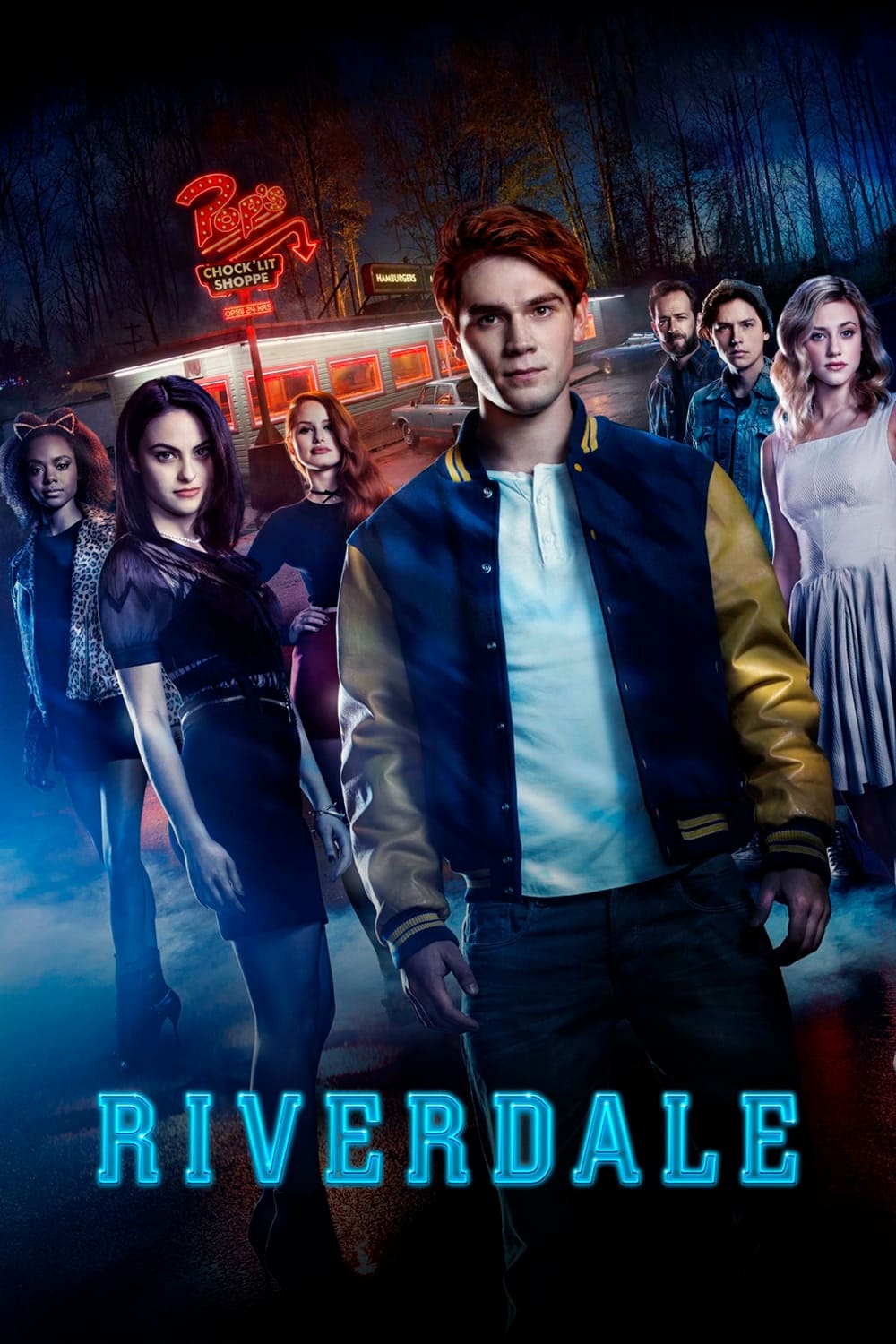
‘Riverdale’ drew immediate fire during its pilot episode, which featured a kiss between Betty Cooper and Veronica Lodge that was used extensively in promotional trailers. The show quickly moved away from this dynamic, with the characters dismissing the moment as a way to get attention. Fans accused the series of using the kiss as a marketing gimmick to lure in queer viewers before pivoting to traditional heterosexual triangles. This instance is often cited as a clear example of using LGBTQ+ imagery for shock value rather than storytelling.
‘Voltron: Legendary Defender’ (2016–2018)

The animated series ‘Voltron: Legendary Defender’ faced a massive wave of backlash regarding the character Shiro and the fan-favorite “Klance” ship. While the marketing for the final seasons teased a major revelation regarding Shiro’s past relationship, fans felt the execution was minimal and relegated to the background. Additionally, the chemistry between Keith and Lance was heavily promoted in fandom spaces, but the show ended with Lance in a heterosexual pairing. This led to widespread accusations that the series had misled its audience regarding the depth of its queer representation.
‘Killing Eve’ (2018–2022)
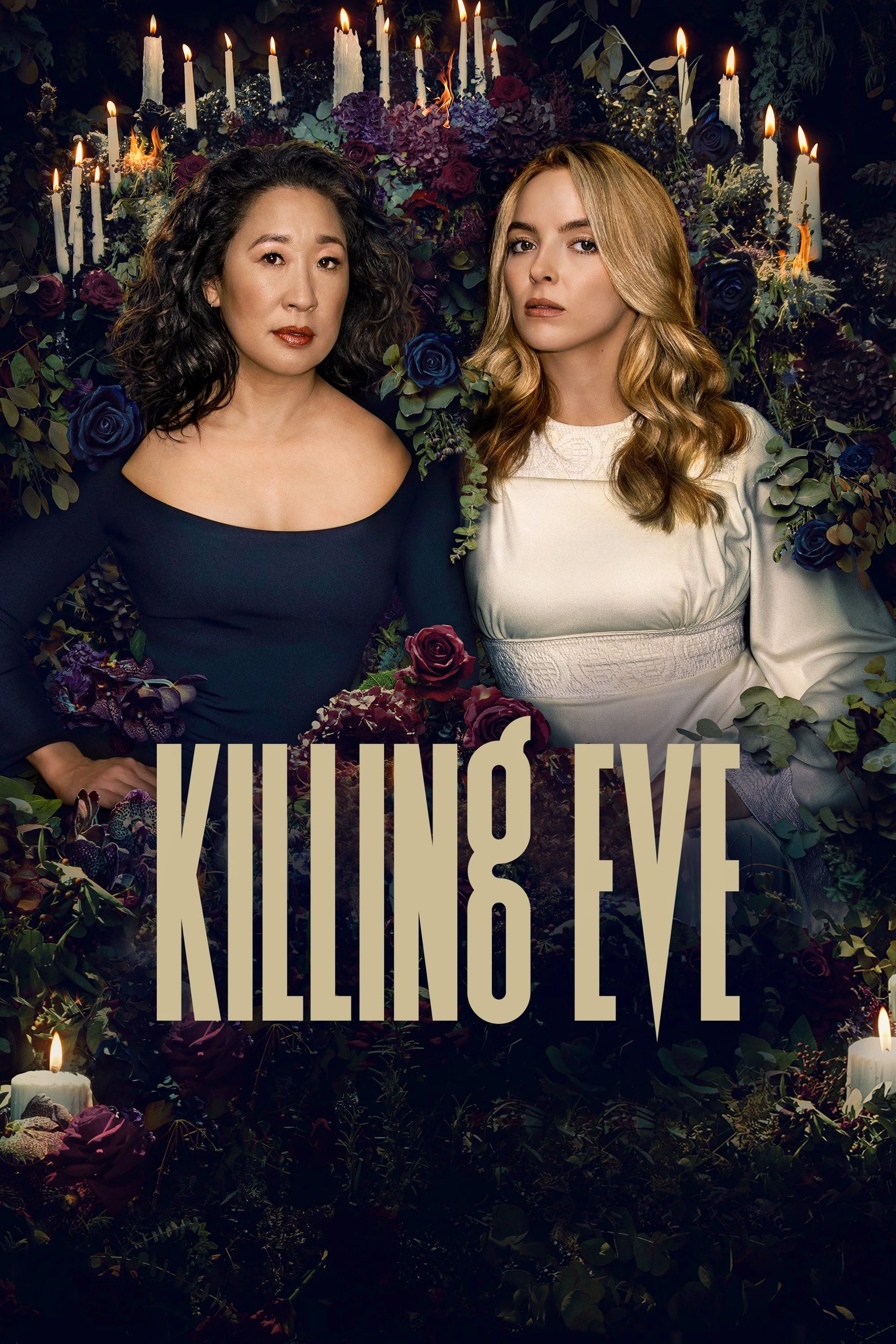
‘Killing Eve’ was centered on the mutual obsession between intelligence officer Eve Polastri and assassin Villanelle. While the attraction was the driving force of the show, the final season and the series finale were heavily criticized for their handling of the relationship. After years of eroticized tension, the two shared a brief romantic moment before one was abruptly killed, leading to charges of both queerbaiting and the “Bury Your Gays” trope. Comments from the show’s writers suggesting the bond was not truly romantic further fueled fan outrage.
‘Merlin’ (2008–2012)

The BBC series ‘Merlin’ featured a central relationship between Merlin and Prince Arthur that was often described using romantic or “soulmate” language by the characters themselves. Despite the intense devotion between the two, the show remained strictly platonic, leading many to feel that the production was profiting from queer subtext. Fans argued that the narrative structure mirrored that of a classic romance, yet the show refused to acknowledge it as such. This led to ‘Merlin’ being remembered as a significant instance of subtext-heavy baiting in fantasy television.
‘Xena: Warrior Princess’ (1995–2001)
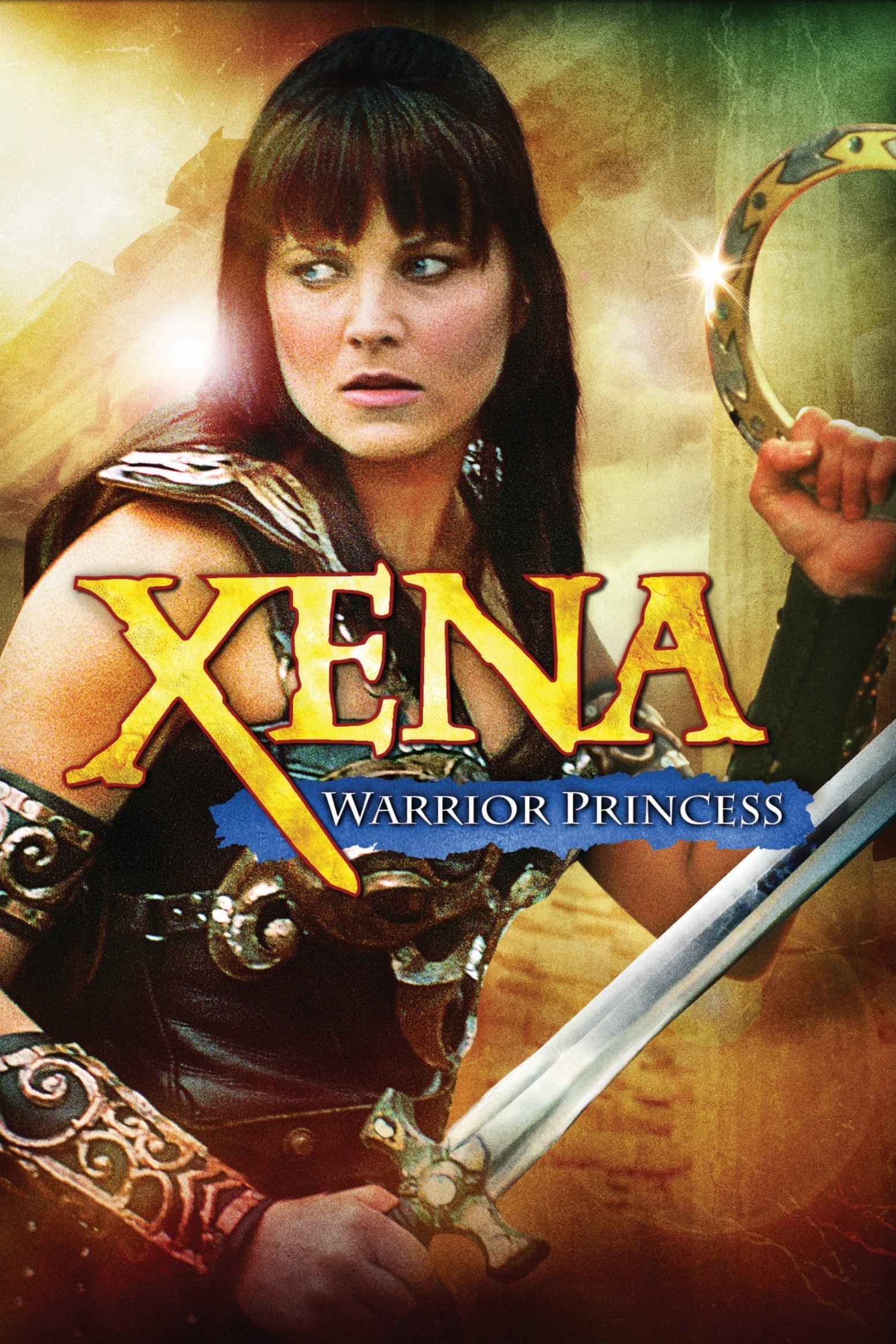
As a pioneer of the “subtext” era, ‘Xena: Warrior Princess’ is frequently discussed in the context of queerbaiting. The relationship between Xena and Gabrielle was filled with romantic imagery and dialogue, yet the showrunners were often restricted from making the pairing explicit due to network concerns. While the show is now celebrated for its historical importance, contemporary fans often point to the way it teased the relationship to keep viewers hooked without ever confirming the romance. This created a template for how many future shows would handle similar dynamics.
‘The Falcon and the Winter Soldier’ (2021)
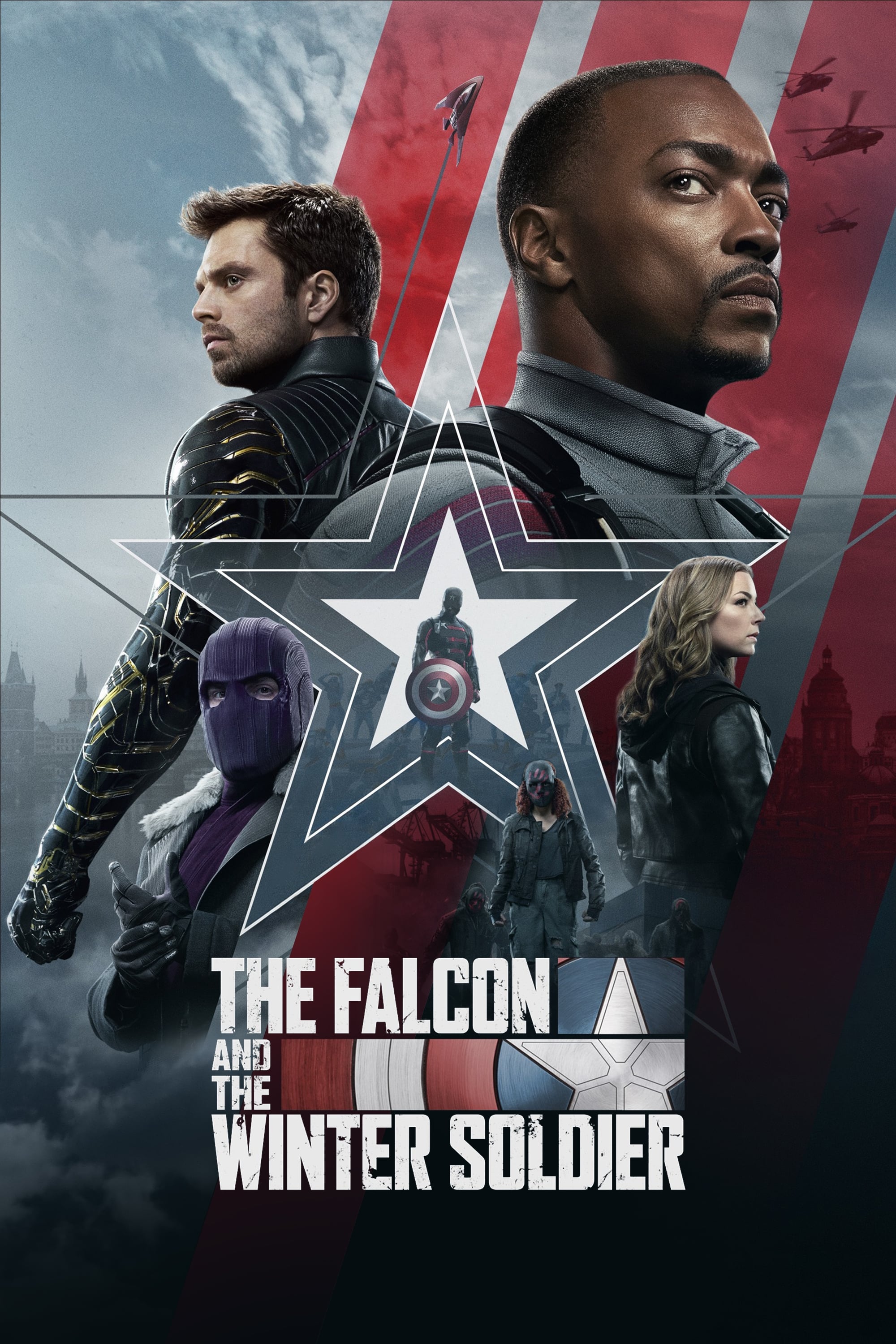
The Disney+ series ‘The Falcon and the Winter Soldier’ was accused of queerbaiting regarding the relationship between Bucky Barnes and Sam Wilson. Viewers pointed to a scene in a therapy session involving “soul gazing” and physical interlocking as traditional romantic tropes used for comedic effect. Additionally, a line about Bucky’s “tiger photos” on dating apps led fans to speculate about his bisexuality, which was never addressed again. Critics argued that the show utilized queer-coded humor to appeal to fans without following through with character development.
‘Wednesday’ (2022–Present)
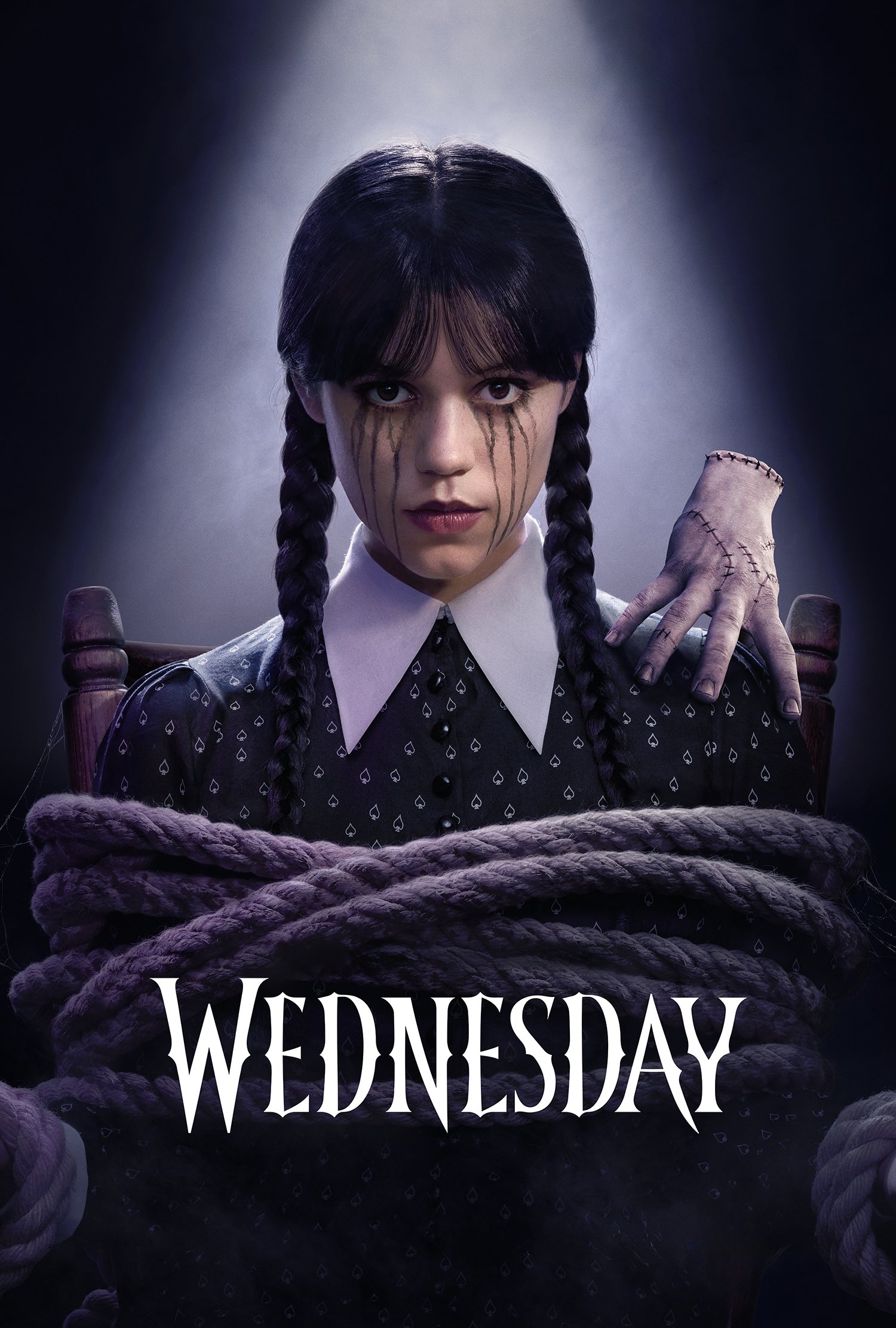
The Netflix hit ‘Wednesday’ faced immediate accusations of queerbaiting concerning the relationship between Wednesday Addams and her roommate, Enid Sinclair. Despite the show’s marketing leaning into their “sunshine and grump” dynamic and Netflix hosting “Wednes-Gay” promotional events, the plot focused on Wednesday’s relationships with male characters. Fans were particularly vocal on social media, arguing that the show used the chemistry between the two women as a “hook” for the queer community. The controversy sparked discussions about the ethics of using fan-favorite ships for viral marketing.
‘Stranger Things’ (2016–Present)
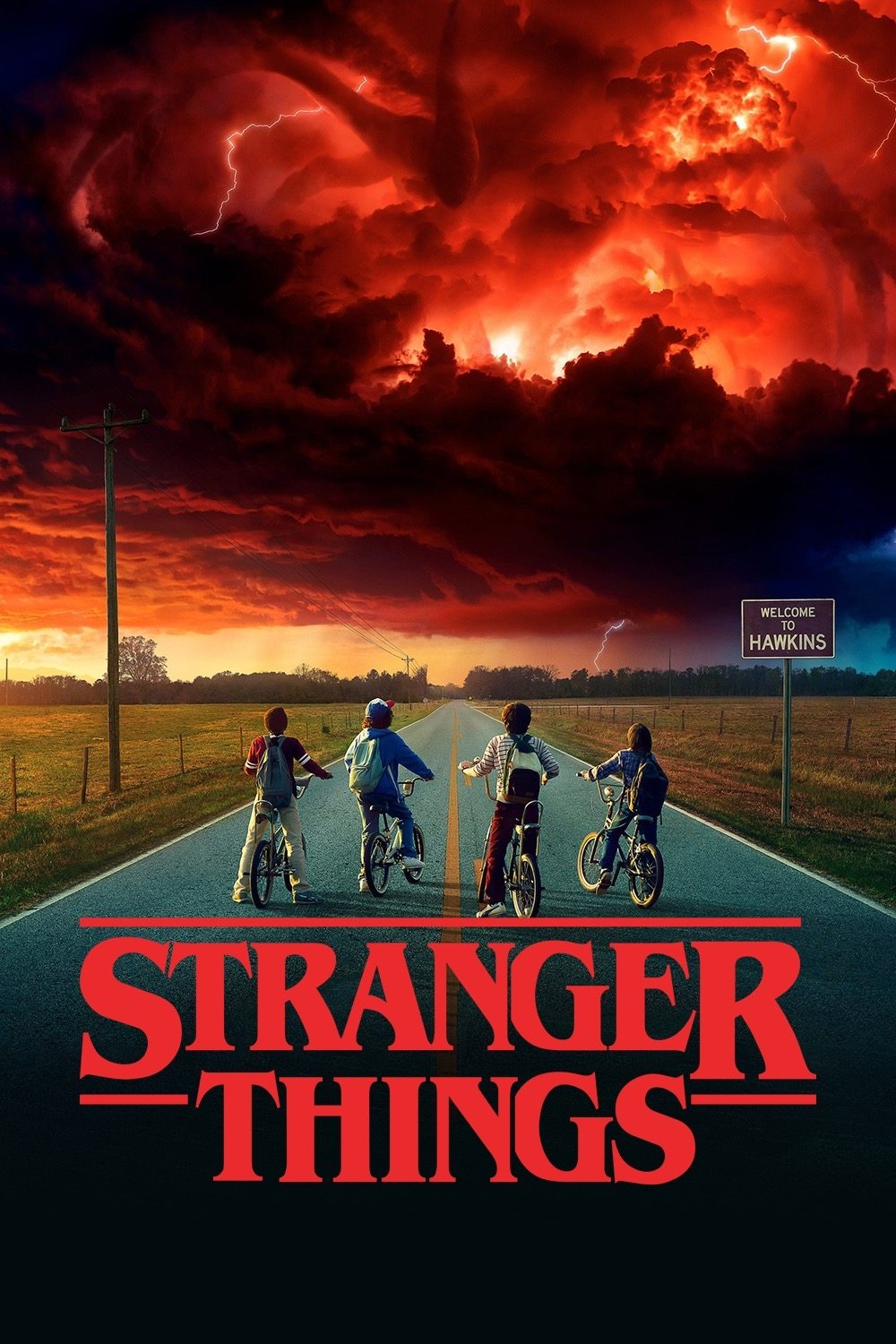
‘Stranger Things’ has been criticized for the slow-burning ambiguity surrounding Will Byers’ sexuality. For multiple seasons, the show included subtle hints and dialogue about Will being “different,” but it avoided a definitive confirmation for years. Many fans felt that the show was baiting the audience by prolonging the mystery to keep viewers guessing without committing to a queer arc. While the fourth season moved closer to confirming his feelings for Mike, the long period of uncertainty remained a point of frustration for many.
‘Hannibal’ (2013–2015)
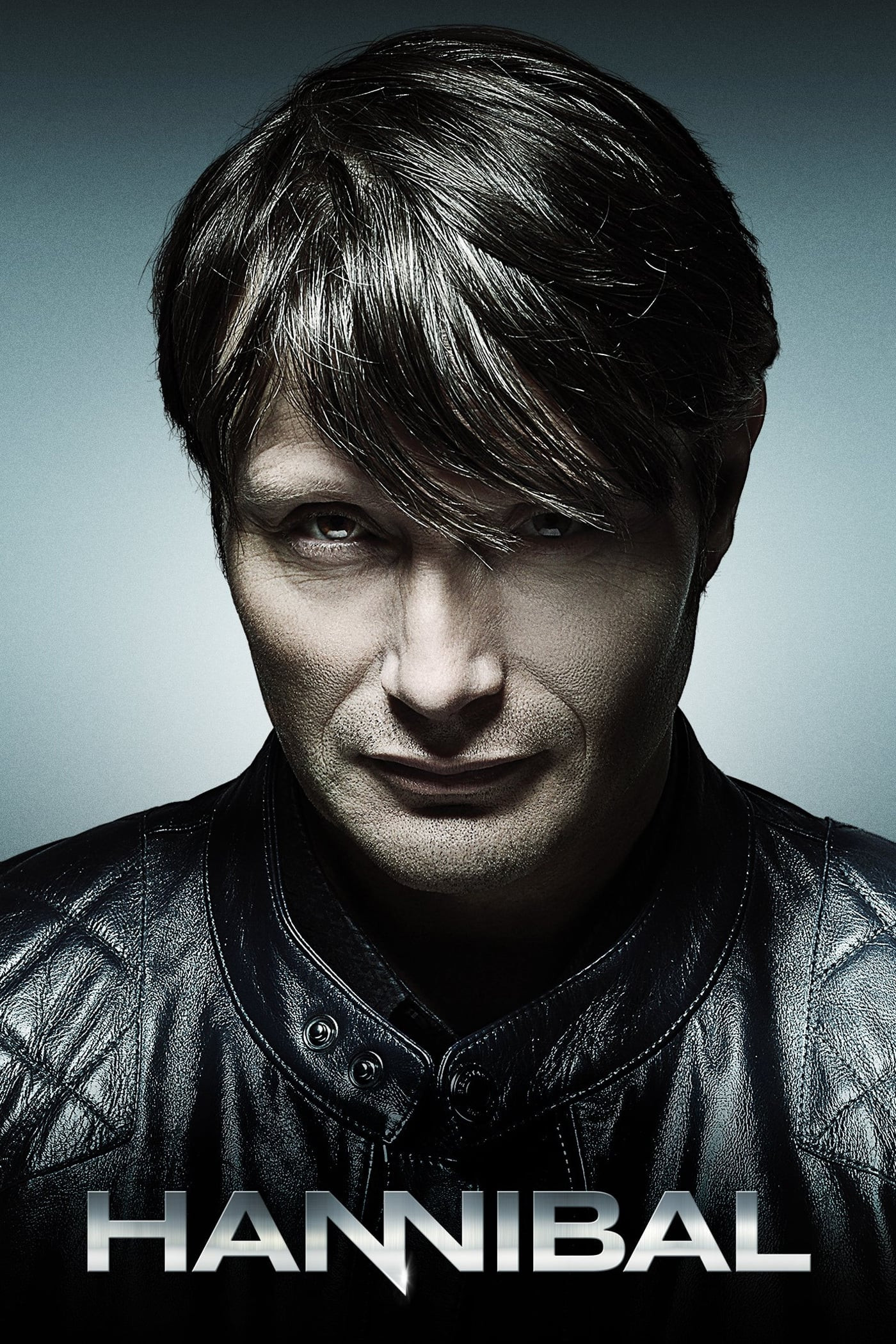
The psychological thriller ‘Hannibal’ featured an intensely intimate and eroticized relationship between Hannibal Lecter and Will Graham. While the show creator eventually described the bond as a form of love, fans argued that the years of “will-they-won’t-they” subtext functioned as queerbaiting during the initial broadcast. The show used highly stylized imagery and dialogue to suggest a romantic connection that stayed just beneath the surface for the majority of its run. This left many viewers feeling that the show was hesitant to fully embrace the nature of the lead characters’ bond.
‘Glee’ (2009–2015)
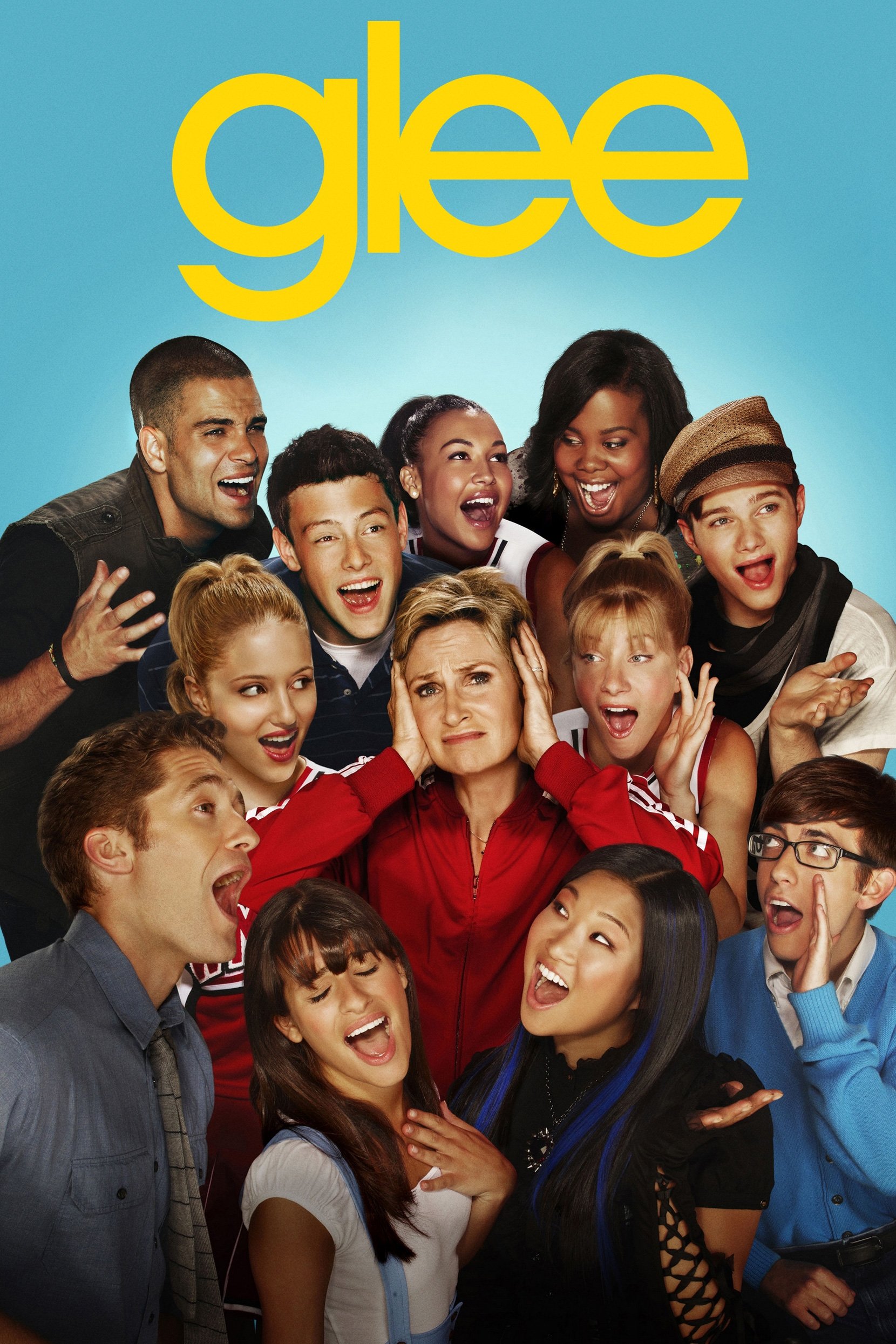
Despite being known for its queer representation, ‘Glee’ was accused of queerbaiting with the relationship between Quinn Fabray and Rachel Berry. Fans of the “Faberry” ship pointed to various scenes and lines of dialogue that suggested a deeper connection than a mere rivalry. The show’s writers were accused of acknowledging the ship through Meta-humor while never intending to explore it seriously. This led to a divide in the fandom, with many feeling that the show was teasing a popular ship to maintain interest without any narrative intent.
‘The Walking Dead’ (2010–2022)

‘The Walking Dead’ faced years of speculation regarding the sexuality of the character Daryl Dixon. Producers and cast members frequently teased that Daryl could be gay or asexual in interviews, but the show waited over a decade to provide any clarity. This prolonged ambiguity led to accusations that the show was baiting LGBTQ+ viewers by dangling the possibility of a major queer lead without following through. Fans expressed that the lack of definitive storytelling for such a central character felt like a missed opportunity for genuine representation.
‘Doctor Who’ (2005–Present)
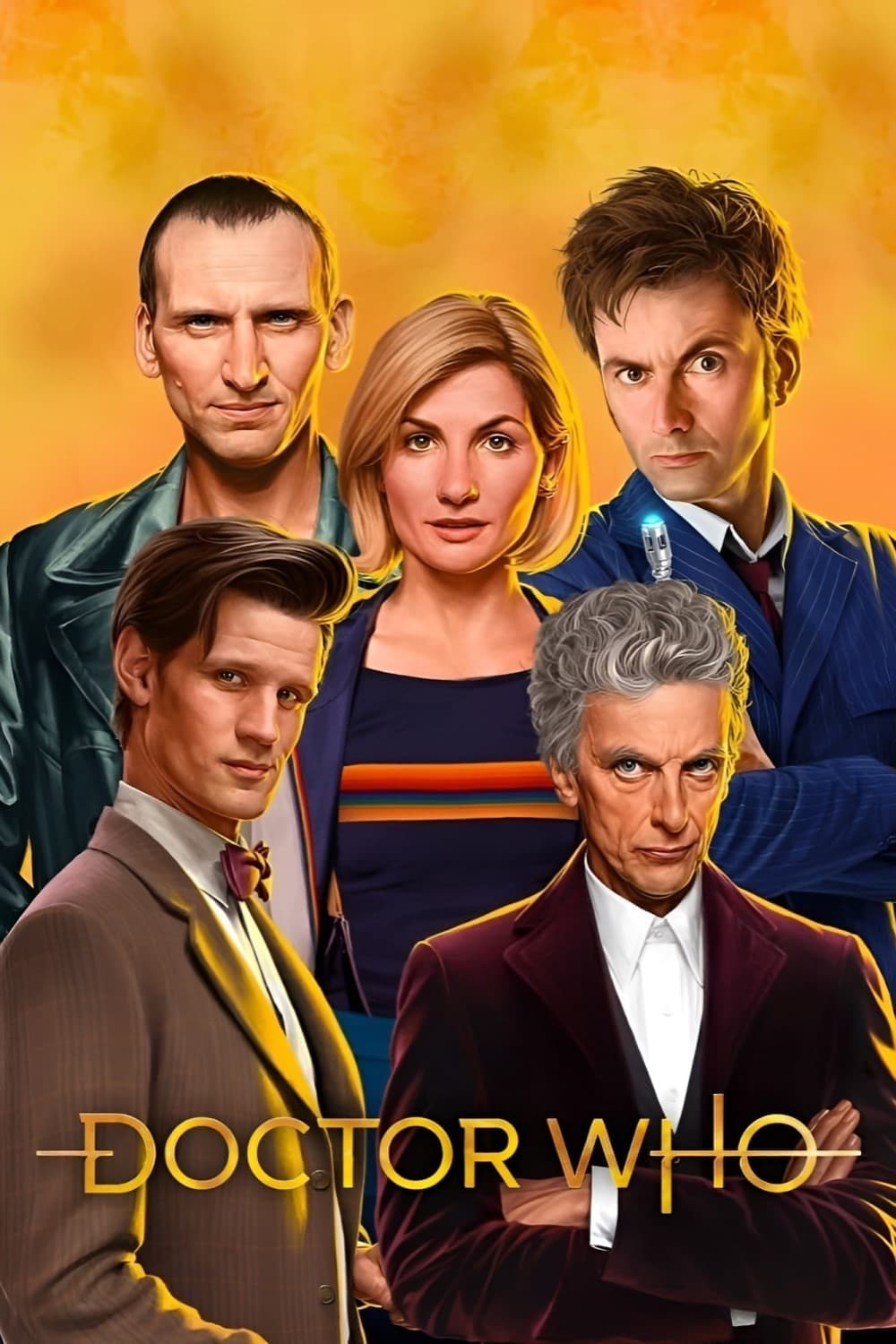
The long-running sci-fi series ‘Doctor Who’ has been accused of queerbaiting in various iterations, most notably with the Doctor and the Master. Fans have often pointed to the “enemies to lovers” tension and flirtatious dialogue between the two Time Lords as baiting. Additionally, some viewers felt that the show teased romantic possibilities between the Doctor and certain companions without ever making them canon. This has led to ongoing debates within the community about the line between platonic friendship and intentional romantic teasing.
‘House’ (2004–2012)
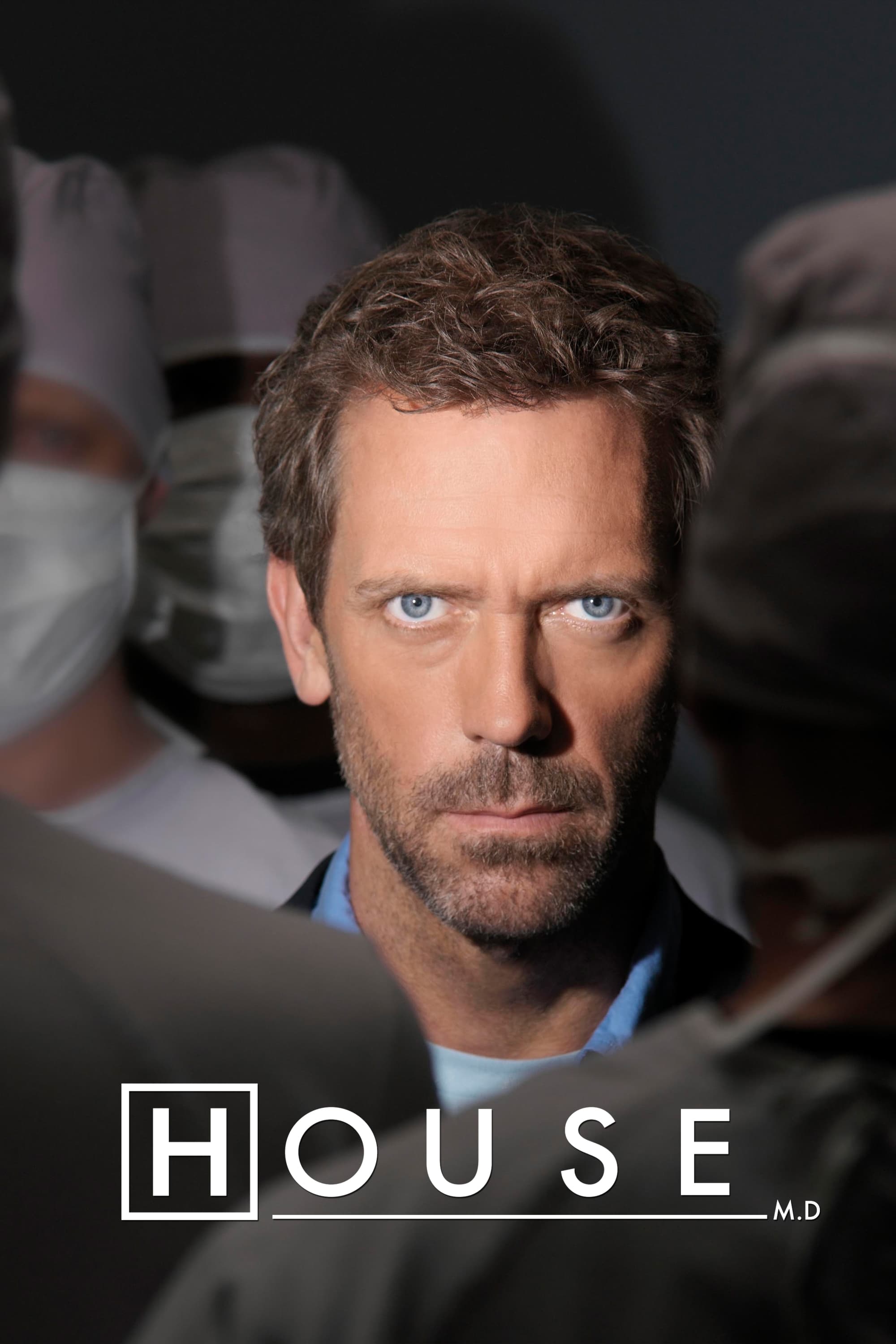
In ‘House’, the friendship between Gregory House and James Wilson was frequently framed using the language of a long-term marriage. The show often featured plotlines where other characters or the leads themselves joked about their “romance,” which fans felt used queer tropes for cheap laughs. While the deep bond was a pillar of the show, the constant teasing of a romantic element that was always played for comedy frustrated some viewers. Critics argued that the series benefited from the “bromance” while avoiding any real exploration of queer themes.
‘Hawaii Five-0’ (2010–2020)
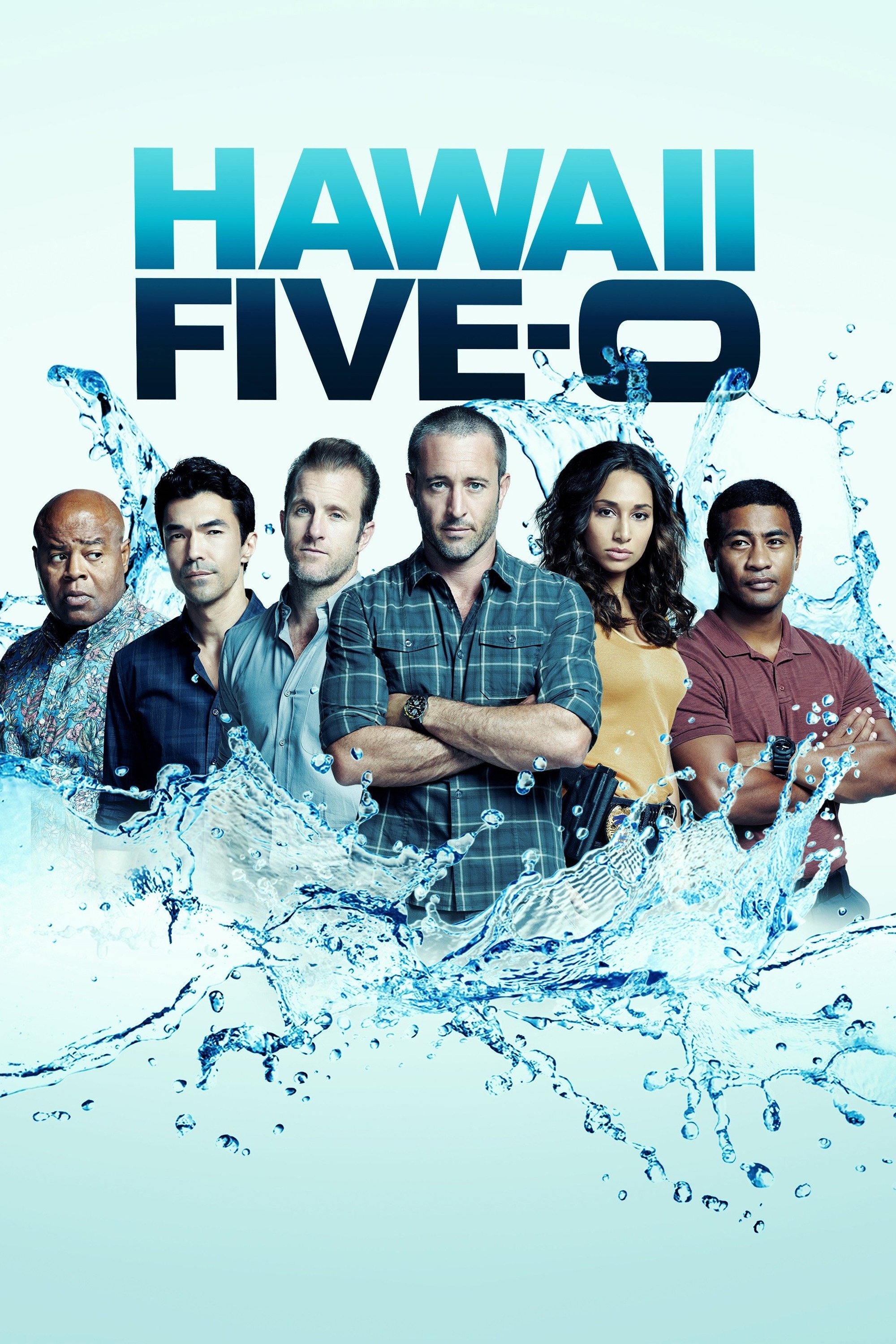
The reboot of ‘Hawaii Five-0’ was often called out for the dynamic between Steve McGarrett and Danny Williams, known as “McDanno.” Their constant bickering and “carguments” were a staple of the show, and the writers frequently leaned into the idea that they were like a married couple. Despite the show using this chemistry in its promotion, both characters remained strictly heterosexual throughout the series. This led to accusations that the production was baiting the audience with a queer-coded relationship that would never be realized.
‘Buffy the Vampire Slayer’ (1997–2003)
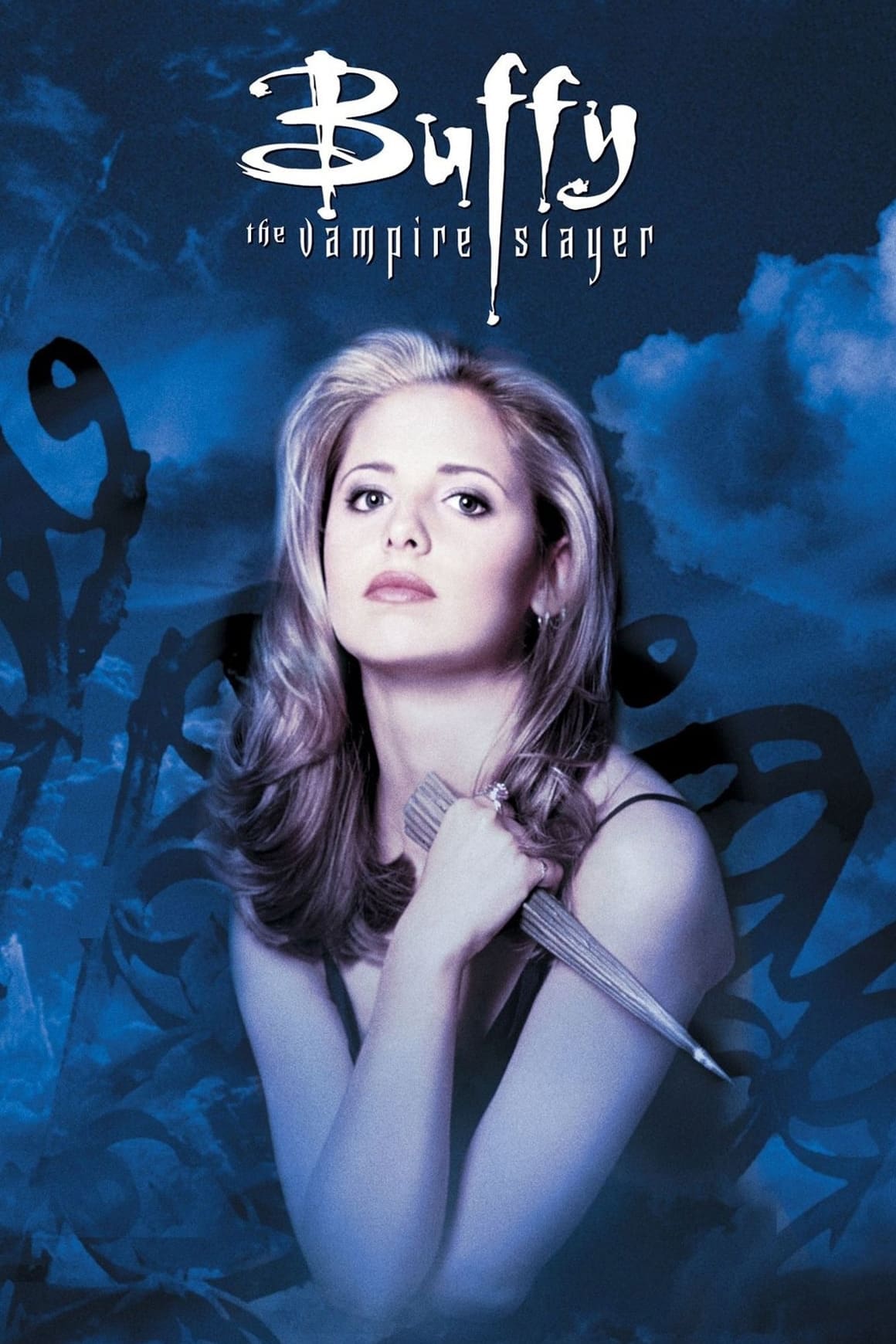
‘Buffy the Vampire Slayer’ is often analyzed for the intense subtext between Buffy Summers and Faith Lehane. Fans and scholars have noted that their chemistry was often more electric and romantically coded than Buffy’s relationships with her male love interests. While the show did eventually feature a groundbreaking lesbian relationship with Willow, many felt the Buffy and Faith dynamic was a missed opportunity for further representation. The use of heavy tension without a romantic conclusion remains a common point of discussion regarding early 2000s television.
‘Smallville’ (2001–2011)
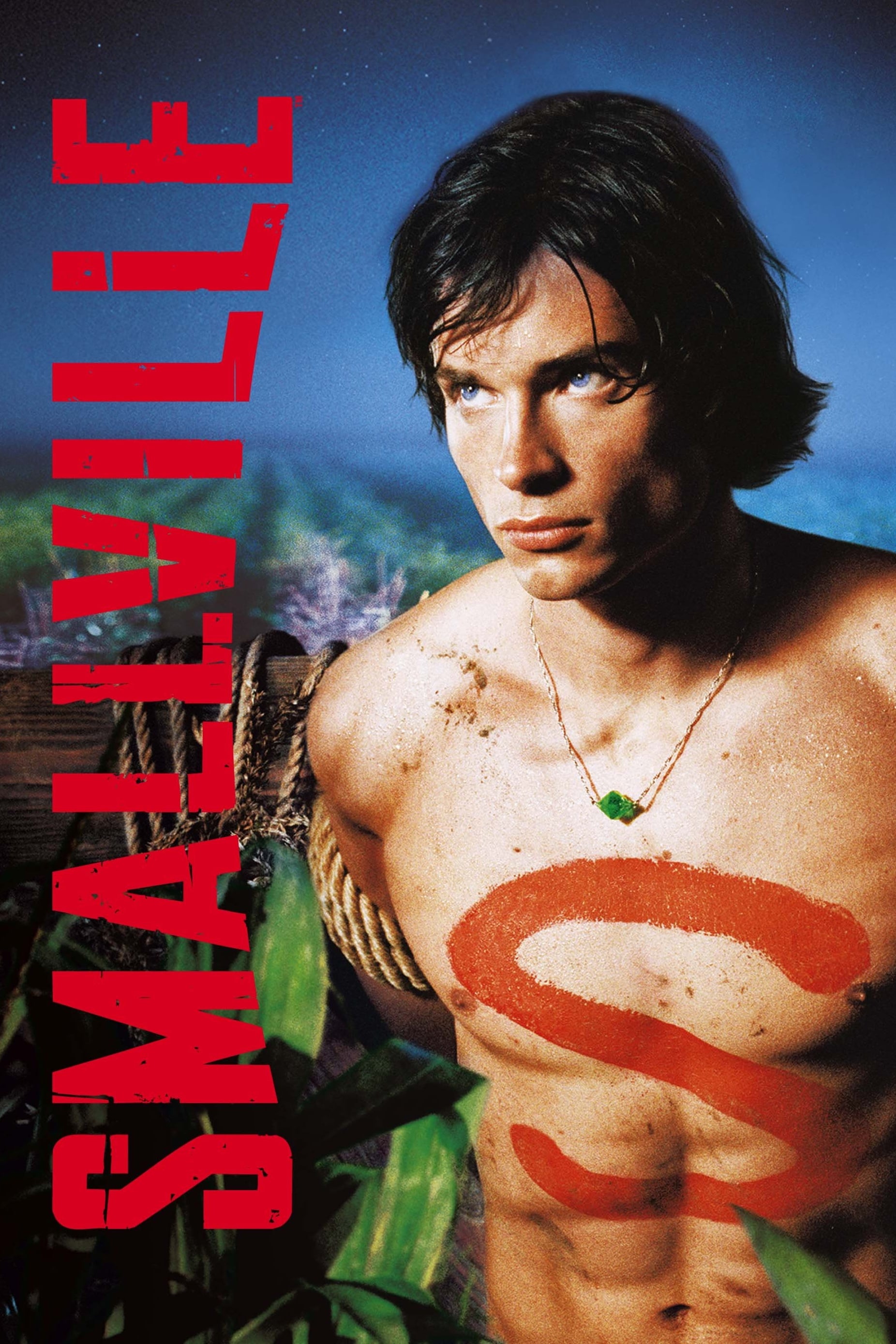
‘Smallville’ explored the early relationship between Clark Kent and Lex Luthor, and many fans noted the romantic undertones of their friendship. The show’s writers and actors often commented on the “Clex” ship, sometimes even leaning into the idea during promotional appearances. However, the narrative eventually moved toward their legendary rivalry, leaving the romantic subtext unaddressed. Fans felt that the show utilized the attraction between the two leads to add depth to their relationship while ultimately adhering to traditional comic book norms.
‘Warrior Nun’ (2020–2022)
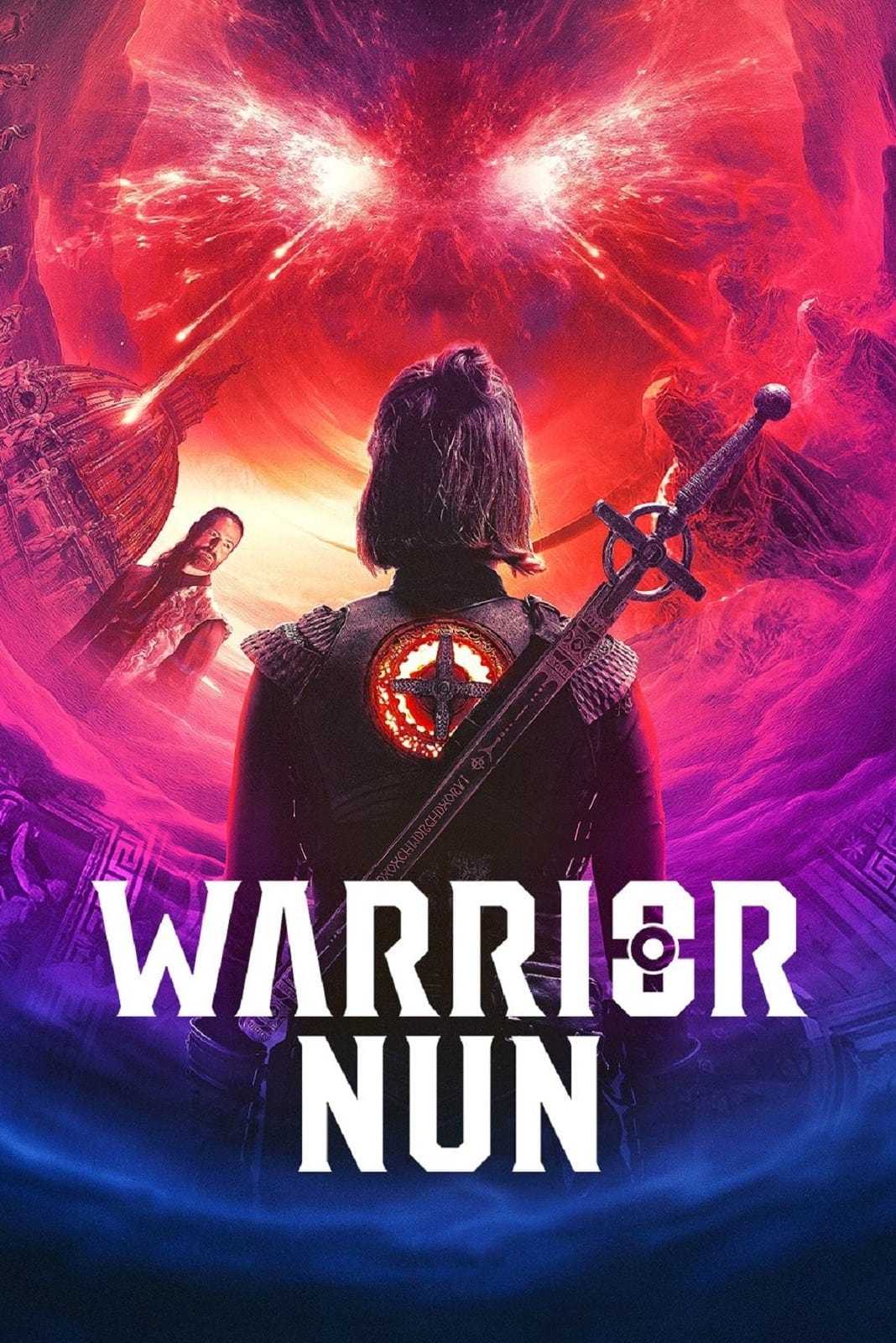
The Netflix series ‘Warrior Nun’ faced early accusations of queerbaiting when the first season focused primarily on the lead character’s interest in men despite heavy subtext with a female lead. While the second season did eventually make the “Avatrice” ship canon, the initial marketing and slow build-up left many fans feeling baited during the show’s first year. The eventual cancellation of the show after the ship became canon only added to the frustration of the fanbase. Many viewers felt the show spent too long teasing the relationship before it was prematurely ended.
‘Good Omens’ (2019–Present)
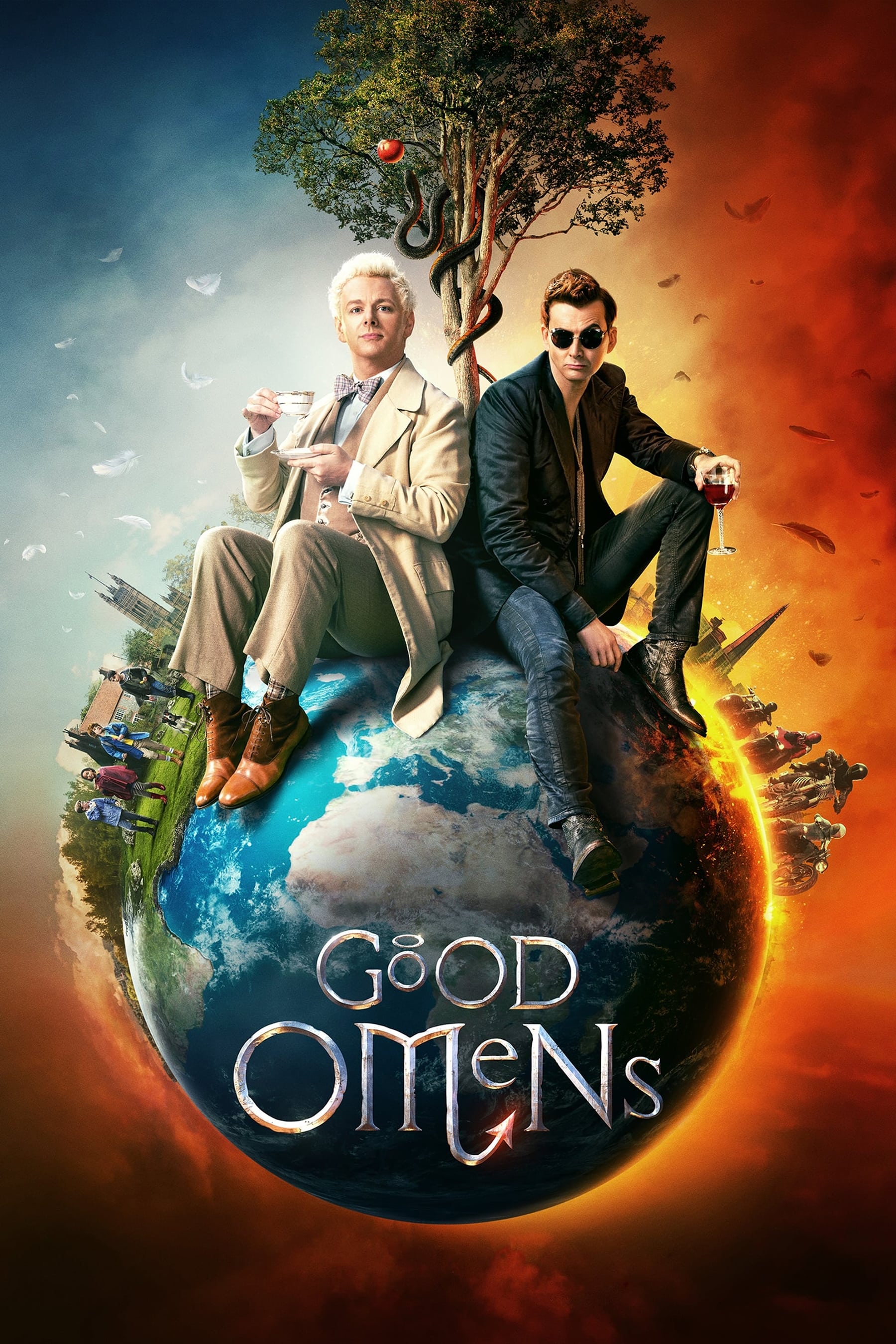
‘Good Omens’ was initially criticized following its first season for the way it categorized the relationship between the angel Aziraphale and the demon Crowley. Although the chemistry was the heart of the series, creator Neil Gaiman initially described them as “not human” and therefore not having a human sexuality, which some fans interpreted as a dismissal of their queer bond. While the second season moved the relationship into explicit romantic territory, the early discourse was dominated by accusations of baiting. This shift made the show a rare example where a “baited” ship eventually became canon.
‘The 100’ (2014–2020)
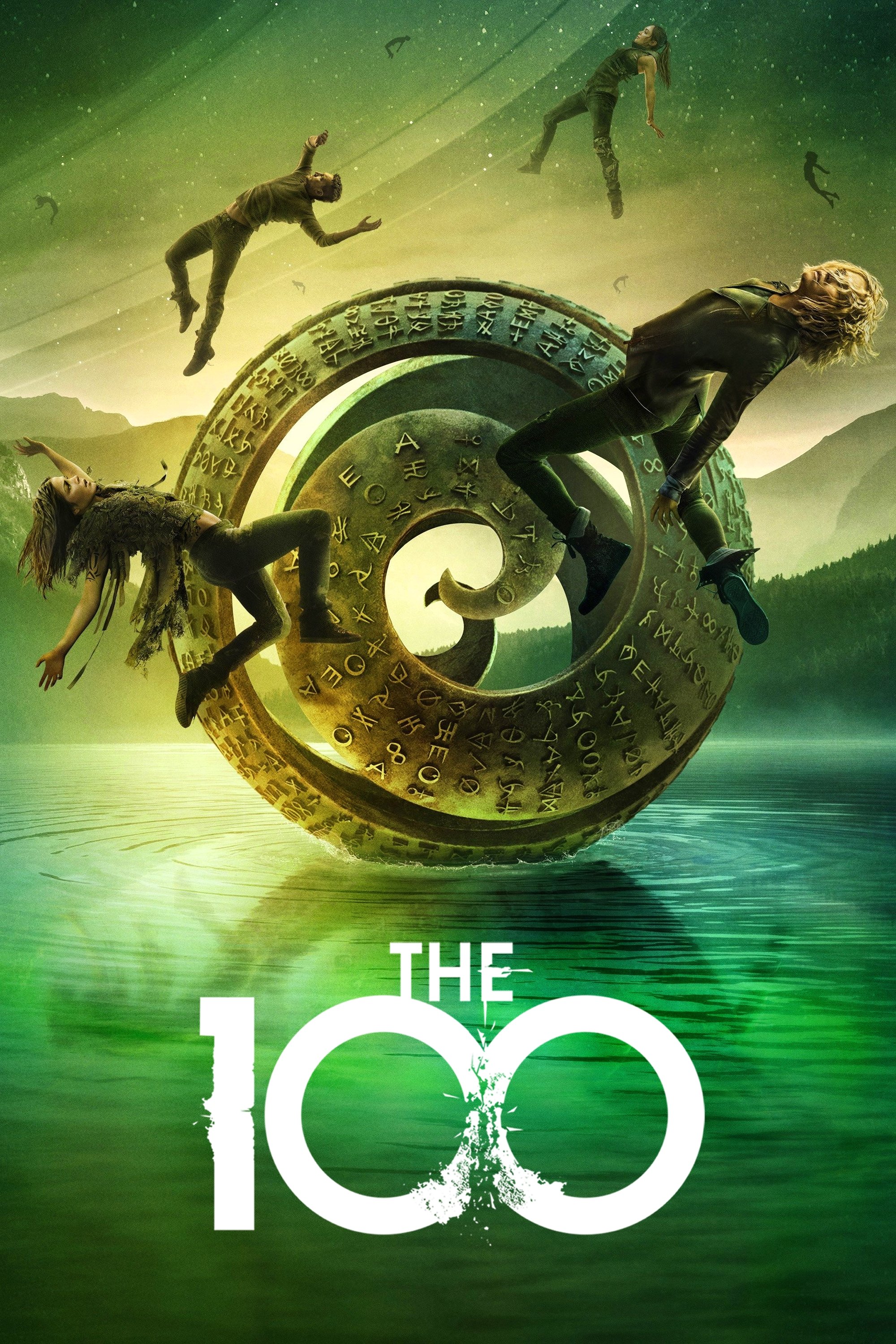
While ‘The 100’ did feature a canon queer relationship between Clarke Griffin and Lexa, the show was accused of baiting in the way it promoted the ship. The production team used the “Clexa” relationship to heavily market the show to the LGBTQ+ community, promising a revolutionary arc for the characters. However, the decision to kill Lexa immediately after the relationship was consummated led to a massive backlash and accusations of exploitation. Fans argued that the show used their desire for representation to build a brand before falling back on harmful tropes.
‘Starsky & Hutch’ (1975–1979)
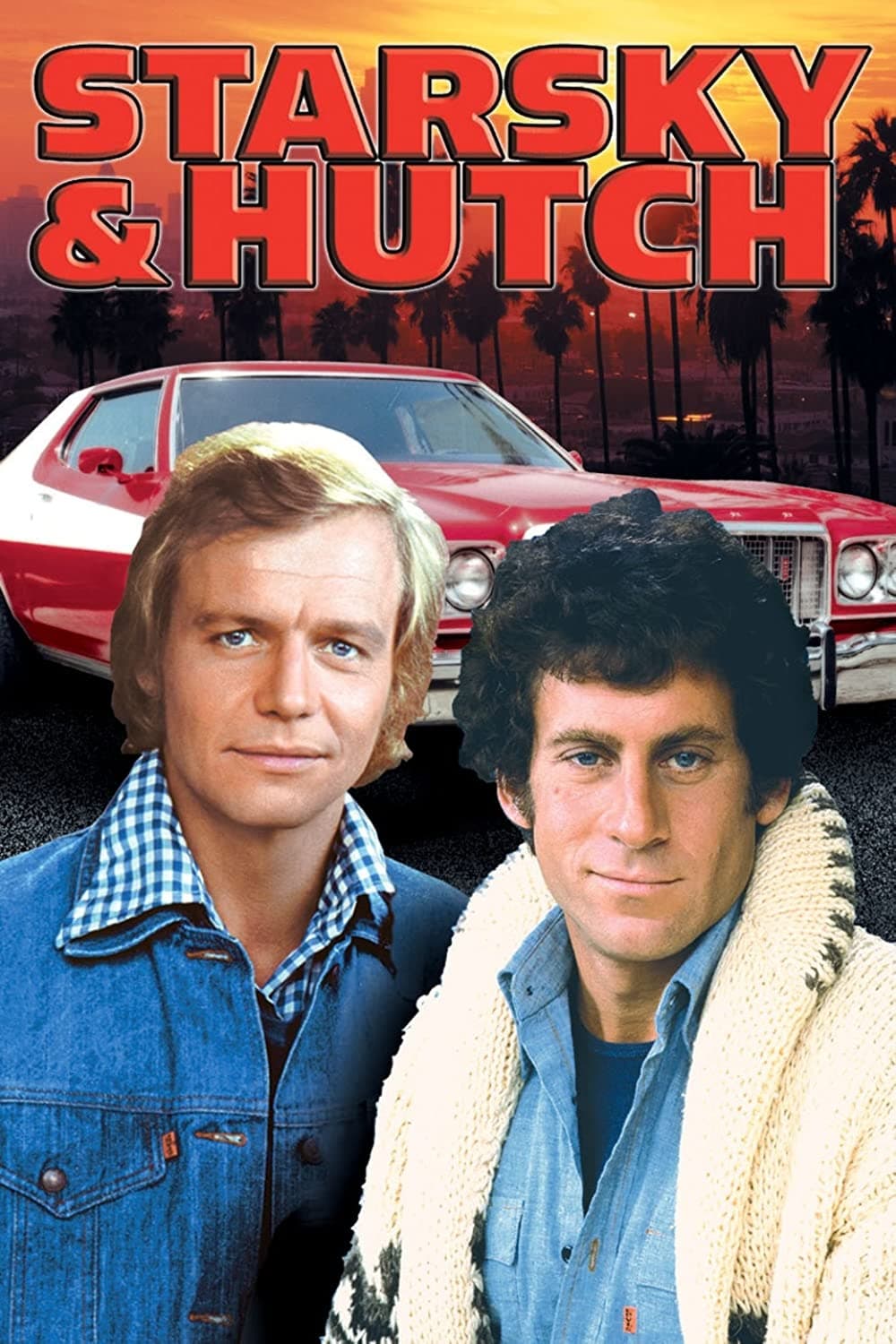
The classic 1970s police procedural ‘Starsky & Hutch’ is often cited as one of the earliest examples of intense male intimacy that modern fans recognize as queerbaiting. The characters were known for their physical affection and emotional vulnerability, which was unusual for the era’s masculine archetypes. While the concept of queerbaiting did not exist in the 1970s, modern critics view the show’s reliance on “bromance” as a precursor to the trope. The series set a standard for using deep male bonds to attract viewers while keeping the characters strictly platonic.
‘Skins’ (2007–2013)
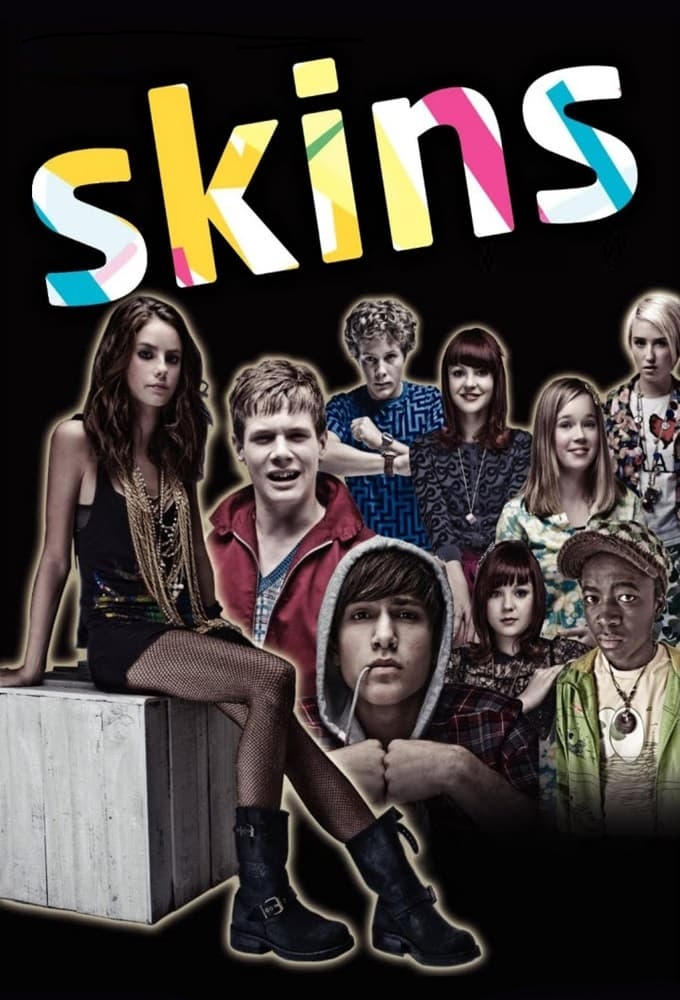
The UK teen drama ‘Skins’ was criticized for its handling of queer themes, particularly in the first generation. Fans pointed to a scene where the characters Tony and Maxxie engaged in an experimental encounter that was never followed up on or treated with emotional weight. This was seen by some as a way to include “edgy” queer content for ratings without committing to a queer narrative for the lead character. The show’s tendency to use sexuality as a plot device for shock value rather than character growth drew frequent criticism.
‘9-1-1’ (2018–Present)

The procedural drama ‘9-1-1’ has a large fan contingent that supports a relationship between firefighters Evan “Buck” Buckley and Eddie Diaz. Known as “Buddie,” the ship has been the subject of numerous accusations of queerbaiting due to the show’s focus on their domestic bond and shared parenting of Eddie’s son. Fans have pointed to specific camera angles and dialogue that mirror romantic tropes, yet the characters continue to pursue heterosexual relationships. The show’s social media team has often interacted with “Buddie” fans, which many feel is a way to maintain engagement without fulfilling the ship.
‘Shadowhunters’ (2016–2019)
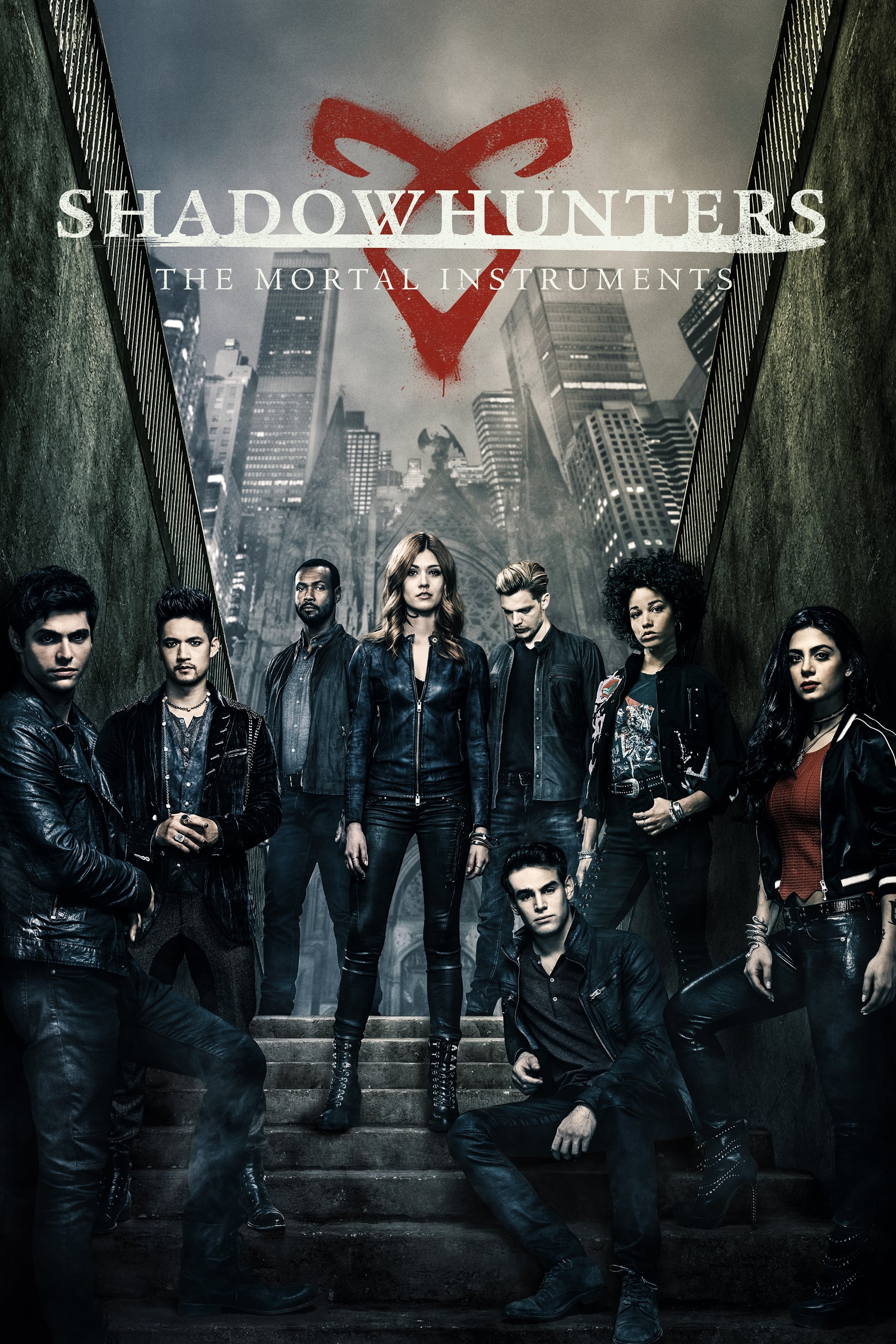
‘Shadowhunters’ was accused of queerbaiting in its promotional materials, specifically regarding the relationship between Clary Fray and Isabelle Lightwood. While the show featured a prominent gay couple in Magnus and Alec, the marketing often included suggestive photos and videos of the two female leads. These moments were never reflected in the actual show, leading fans to believe the production was using “girl-on-girl” imagery to attract male viewers or queer women. This discrepancy between the marketing and the narrative was a frequent point of contention in the fandom.
‘Yellowjackets’ (2021–Present)

The survival drama ‘Yellowjackets’ has been accused by some fans of leaning too heavily into queer subtext without committing to the relationships. While the show does have confirmed queer characters, certain dynamics between the other leads are often framed with romantic or erotic tension that remains unresolved. Viewers have expressed concern that the show is using these “will-they-won’t-they” vibes to keep the audience guessing about the characters’ true nature. As the show continues, the debate over whether it is building a slow-burn romance or simply baiting the audience remains active.
‘Ted Lasso’ (2020–2023)
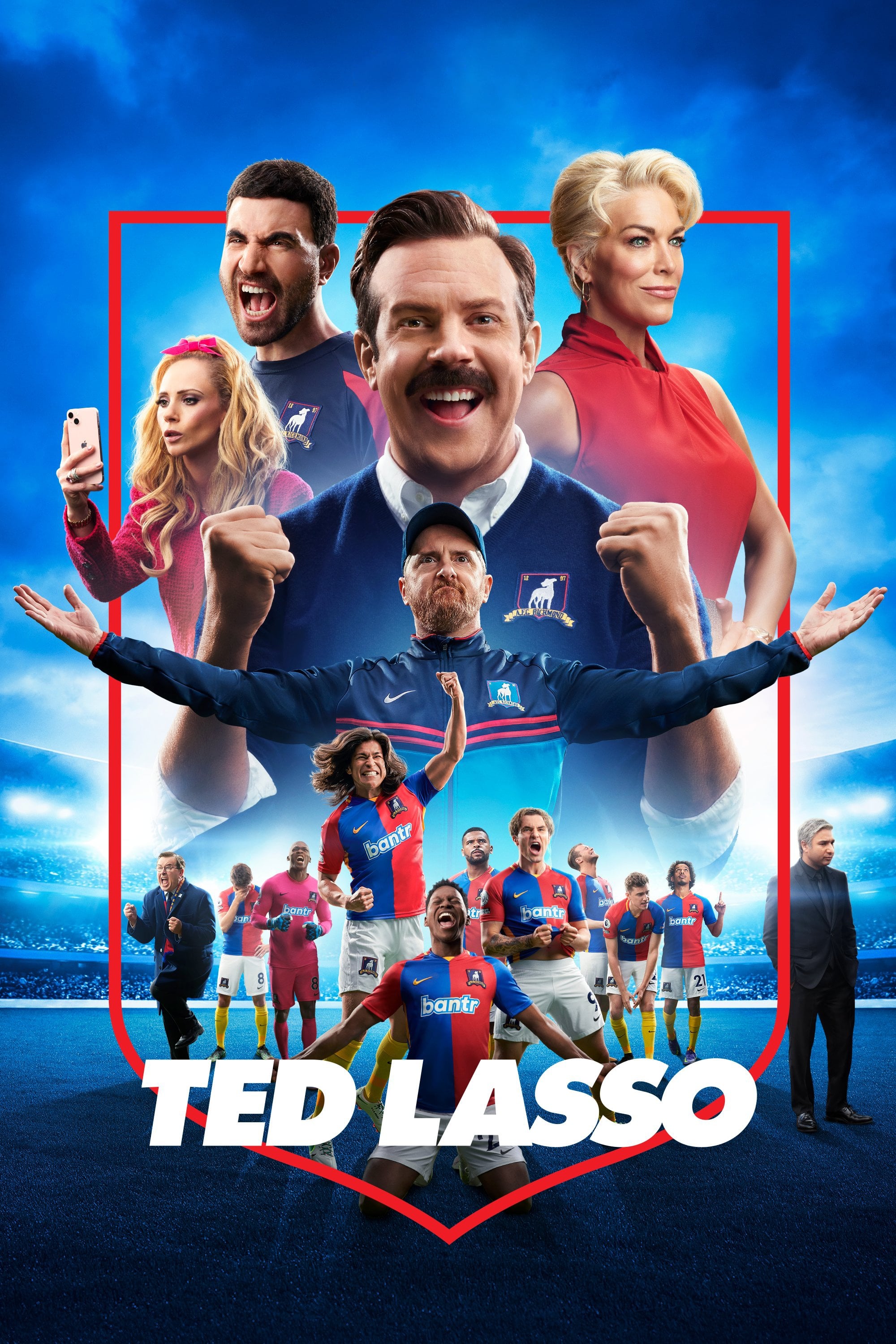
‘Ted Lasso’ faced accusations of queerbaiting regarding the friendship between Keeley Jones and Rebecca Welton. The two characters shared an intense, highly supportive bond that occasionally included flirtatious dialogue and physical closeness. Some fans felt that the show was teasing a potential romance to appeal to a wider demographic before ultimately keeping the relationship platonic. While the show was praised for its positive portrayal of female friendship, the perceived romantic teasing led to discussions about why the writers chose to include such specific subtext.
Please share your thoughts on these shows and whether you think the accusations were justified in the comments.