


TV Shows Where “Inclusive” Arcs Felt Like Afterthoughts

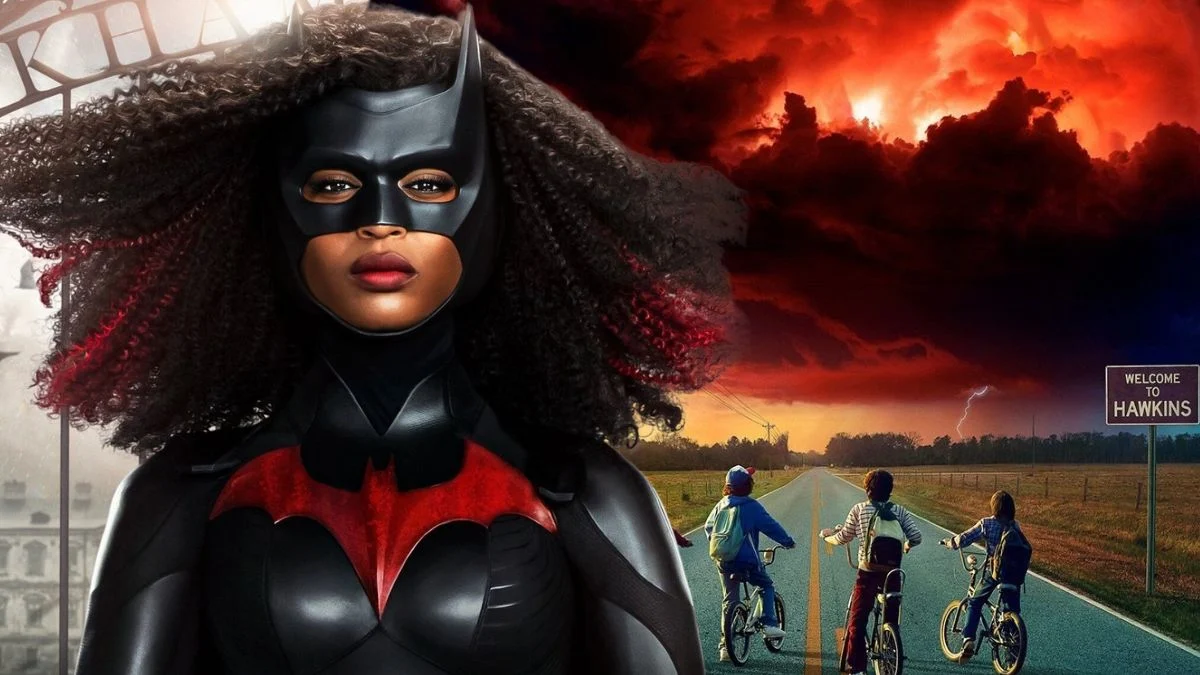


Representation in television has improved significantly over the last few decades as creators strive to reflect the diverse world we live in. Some series successfully integrate these themes into the fabric of the story while others seem to struggle with natural execution. There are instances where inclusive storylines or character traits appear to be added late in the process without sufficient development. This list explores television shows where certain arcs regarding race, sexuality, or disability felt rushed or poorly integrated.
‘Supernatural’ (2005–2020)
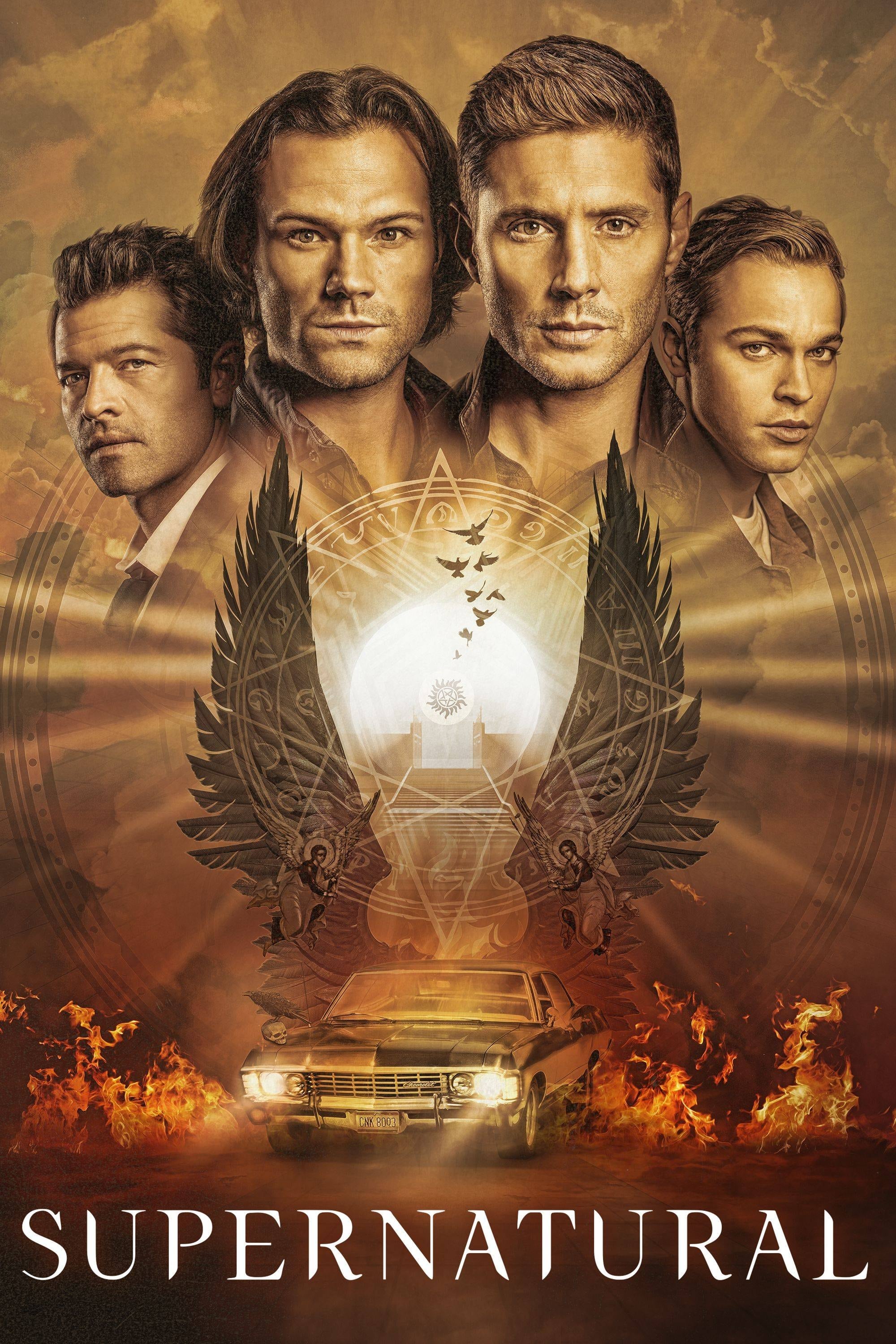
Fans speculated for over a decade about the nature of the relationship between Dean Winchester and the angel Castiel. The writers finally addressed this dynamic in the final season when Castiel confessed his love to Dean just moments before sacrificing himself. The character was immediately killed off and sent to a metaphysical void without Dean ever acknowledging the romantic weight of the confession. Many viewers felt this pivotal moment was treated as a disposable plot point rather than a meaningful development for the characters.
‘Voltron: Legendary Defender’ (2016–2018)
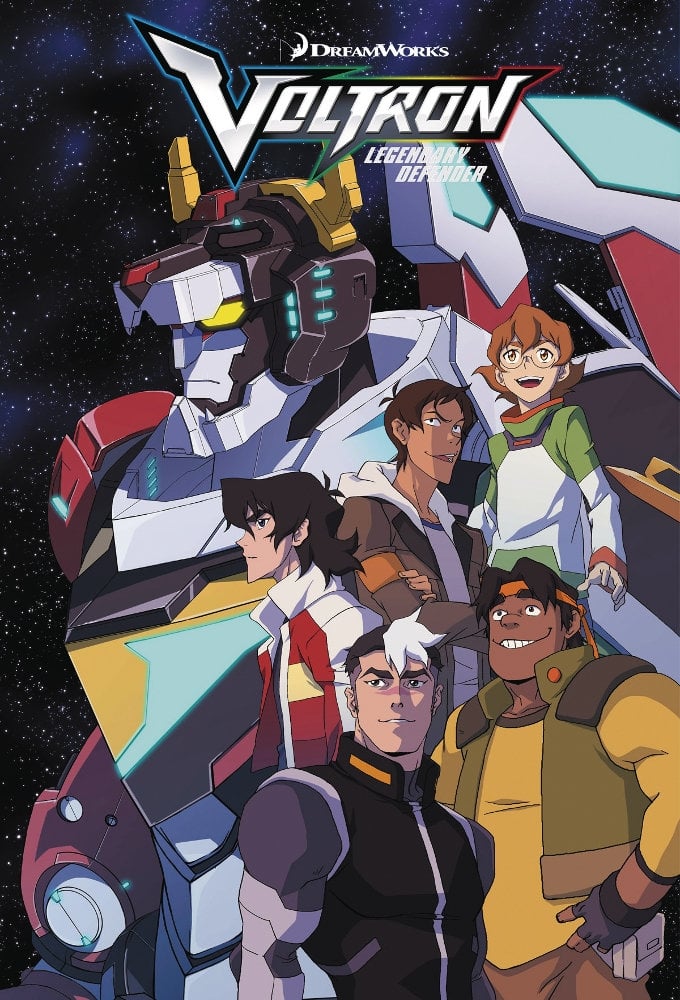
The marketing for the final seasons of this animated series heavily teased a significant LGBTQ+ storyline involving the leader Shiro. The actual content revealed that Shiro had a fiancé named Adam who appeared briefly in a flashback before dying off-screen in an invasion. The series finale featured a wedding between Shiro and a background character who had no prior lines or development. Critics argued that the lack of screen time for these relationships made the inclusion feel performative rather than narrative.
‘Loki’ (2021–2023)
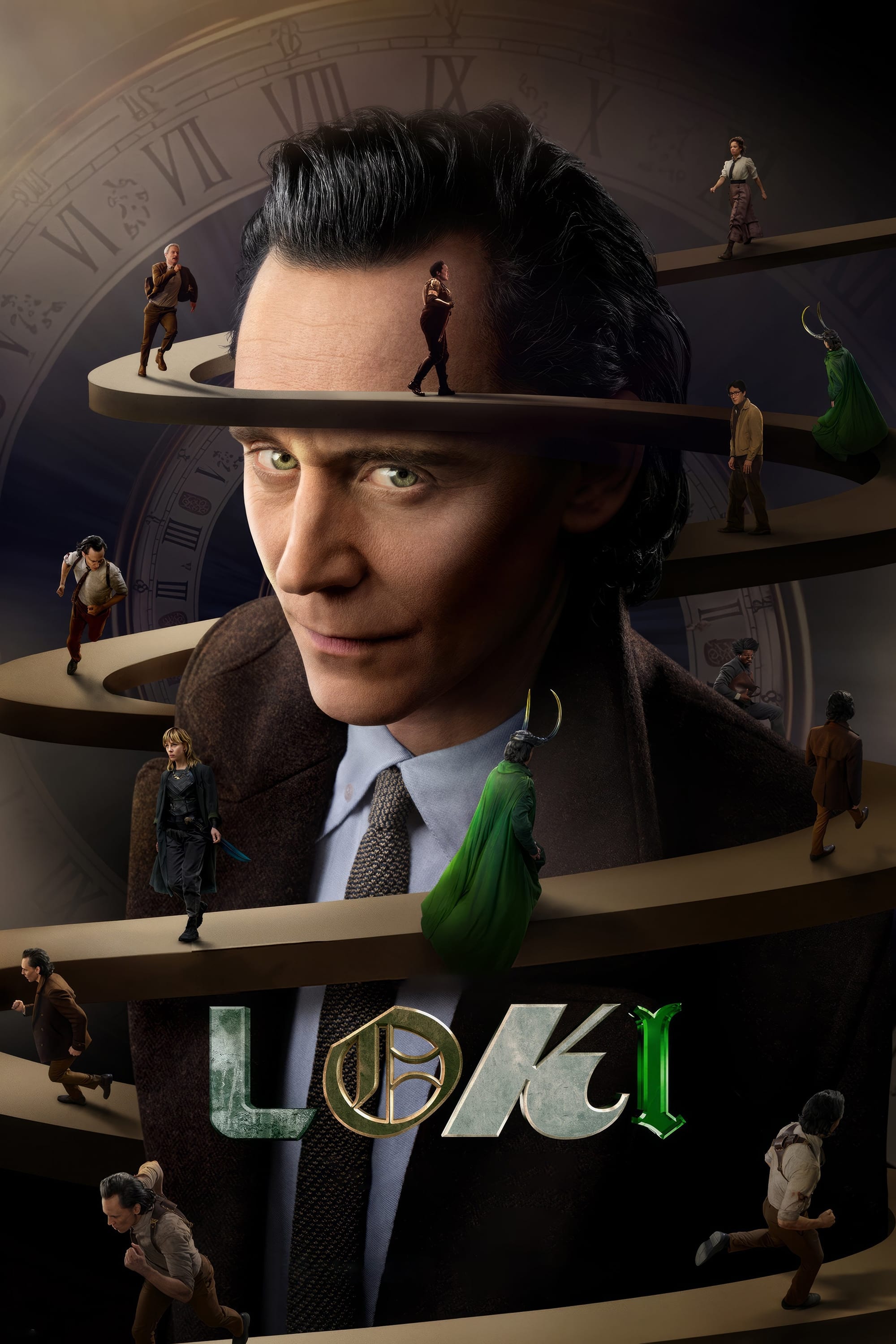
The God of Mischief was canonically confirmed as bisexual within the Marvel Cinematic Universe during the first season of his solo series. This revelation occurred during a brief conversation about romantic history where Loki noted he was interested in both princes and princesses. The series did not explore this aspect of his identity any further in subsequent episodes or plotlines. The moment felt to some audiences like a cursory acknowledgment that had no tangible impact on the character or the story.
‘Riverdale’ (2017–2023)
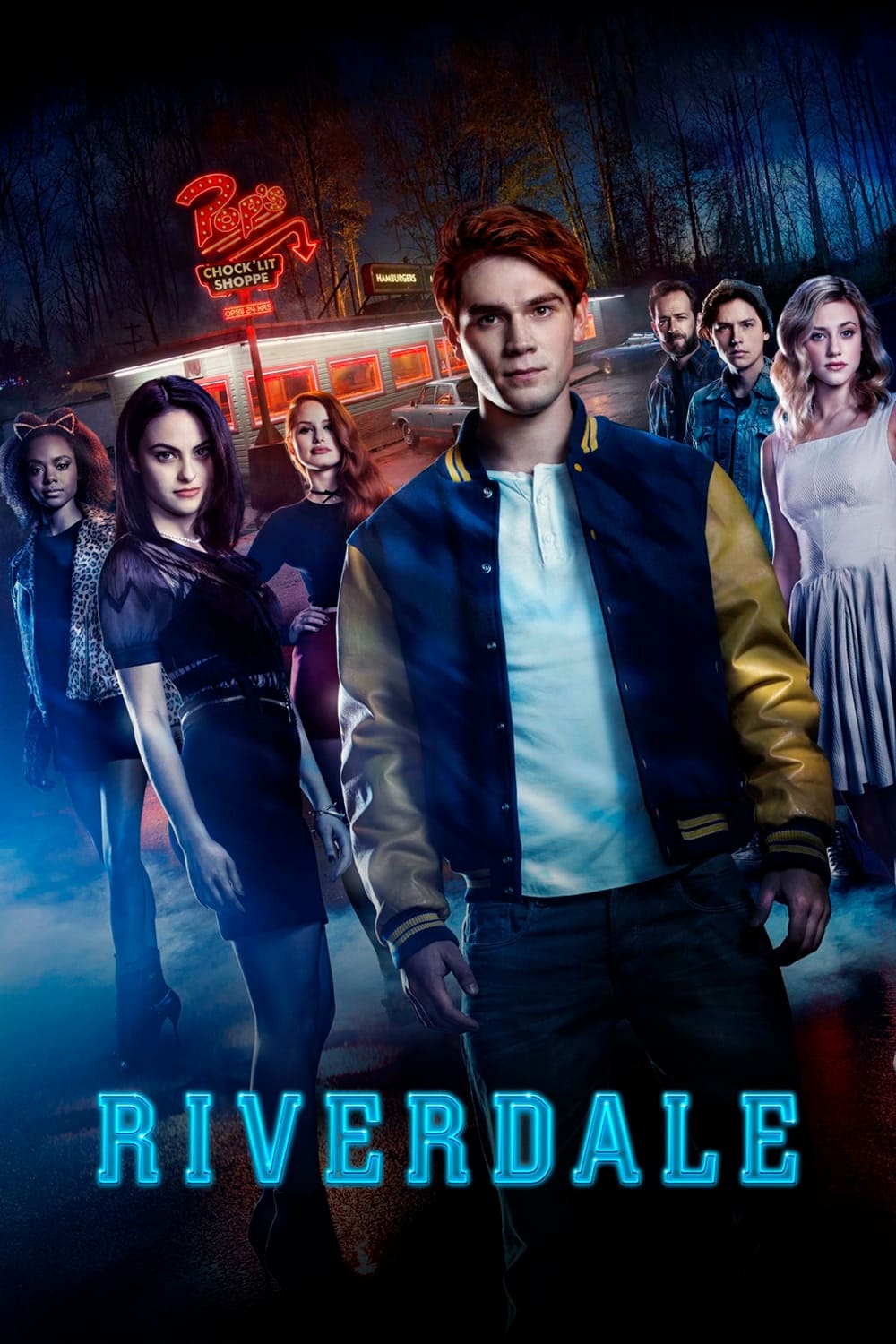
Kevin Keller was introduced as the first openly gay character in the Archie Comics universe and was a core part of the show’s ensemble. His storylines frequently devolved into harmful tropes or sidelined him into joining various cults rather than giving him agency. The writers often utilized his sexuality as his only defining trait or paired him with random characters to fill narrative gaps. This treatment left the character feeling like an accessory to the main drama rather than a fully realized individual.
‘Game of Thrones’ (2011–2019)
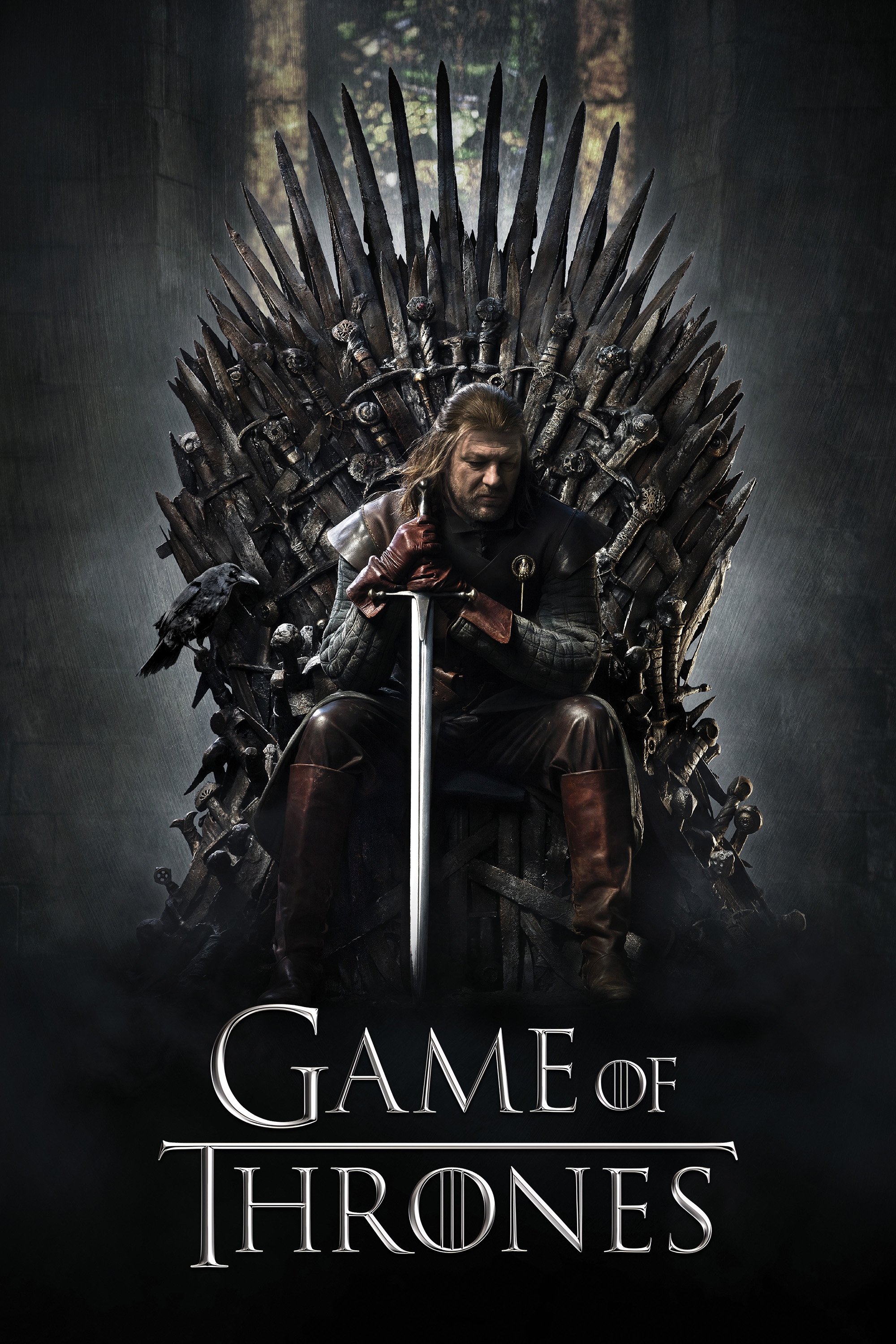
The television adaptation of George R. R. Martin’s books faced criticism for its handling of the diverse landscape of Dorne. The rich cultural background and complex female characters from the source material were reduced to stereotypes and swiftly killed off when the plot became inconvenient. Missandei was the only prominent woman of color in the main cast and her death served primarily to motivate a white protagonist’s descent into madness. These choices led to discussions about how the show utilized its diverse characters as plot devices rather than people.
‘Glee’ (2009–2015)
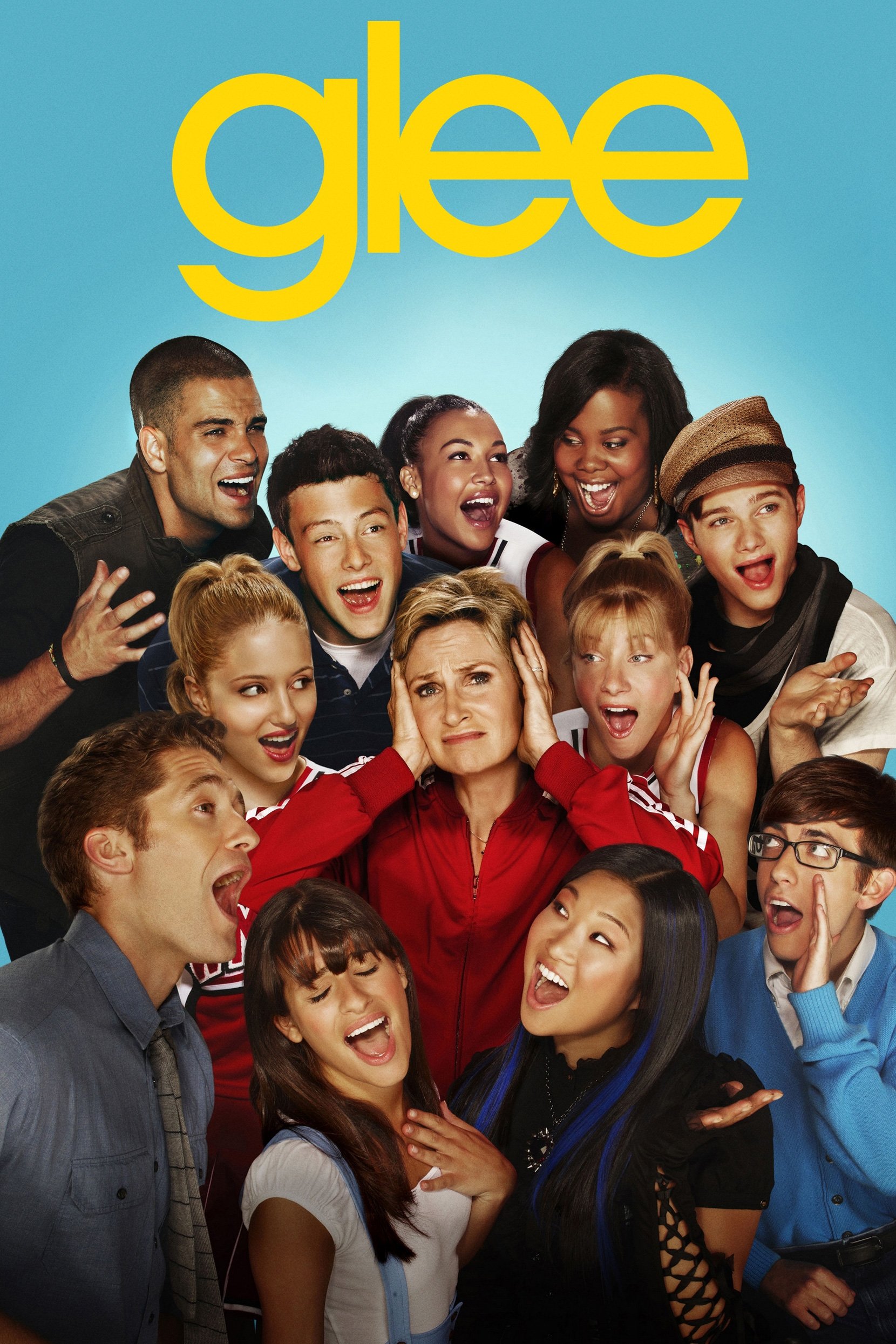
This musical comedy prided itself on being a haven for outcasts and diverse representation throughout its run. The show often introduced inclusive storylines such as Unique’s transition or Ryder’s dyslexia only to drop them when new drama arose. Unique was frequently the punchline of jokes regarding her identity rather than the subject of a nuanced narrative arc. The rapid introduction and abandonment of these serious topics made them feel like items on a checklist.
‘Sherlock’ (2010–2017)
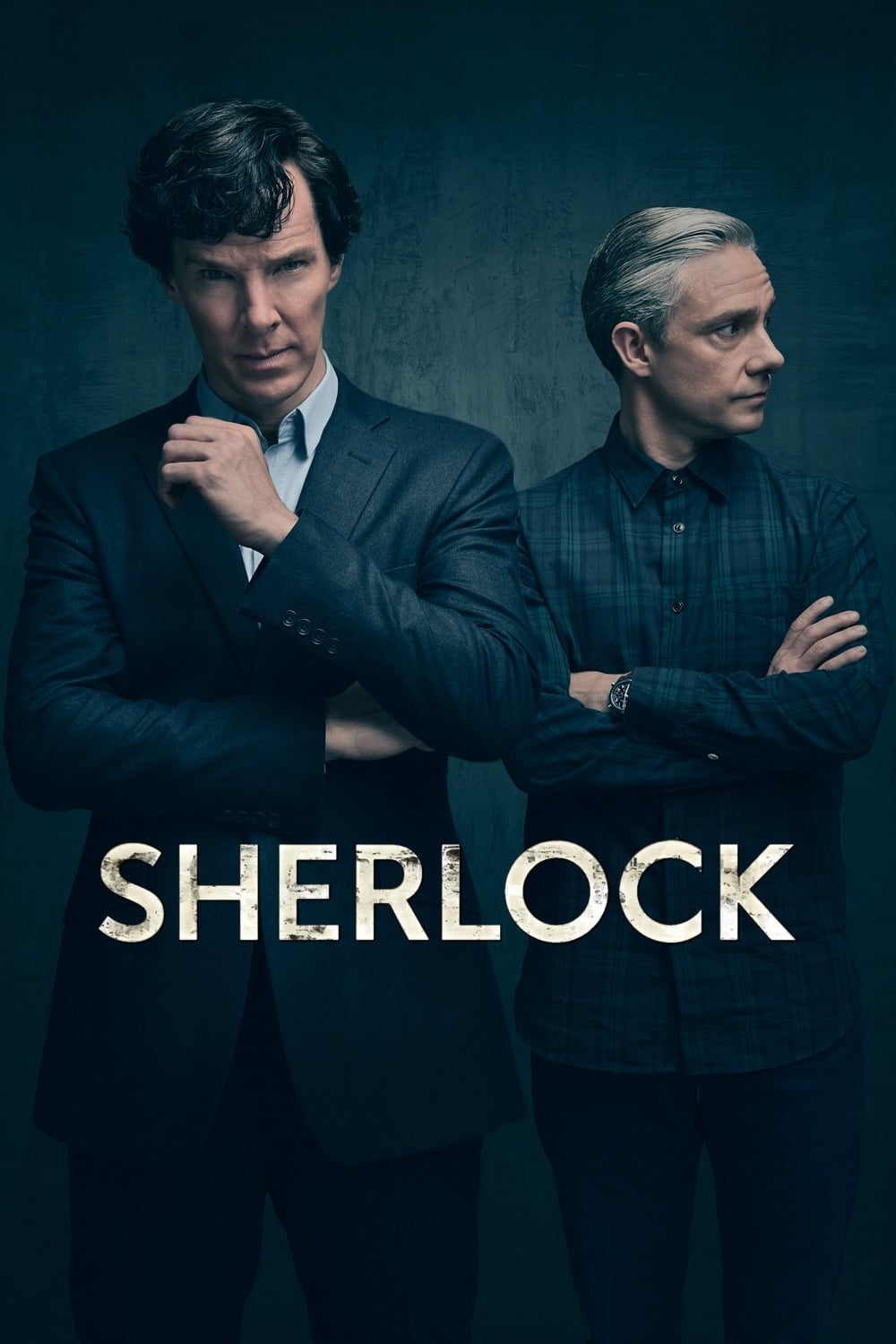
The dynamic between Sherlock Holmes and John Watson contained heavy amounts of subtext that led many viewers to interpret their relationship as romantic. The showrunners frequently included jokes or scenes that played into this interpretation while simultaneously mocking the idea within the dialogue. This practice is often referred to as queerbaiting because it teases a marginalized representation to retain an audience without committing to it. The lack of genuine follow-through left a significant portion of the fanbase feeling manipulated by the narrative.
‘The 100’ (2014–2020)
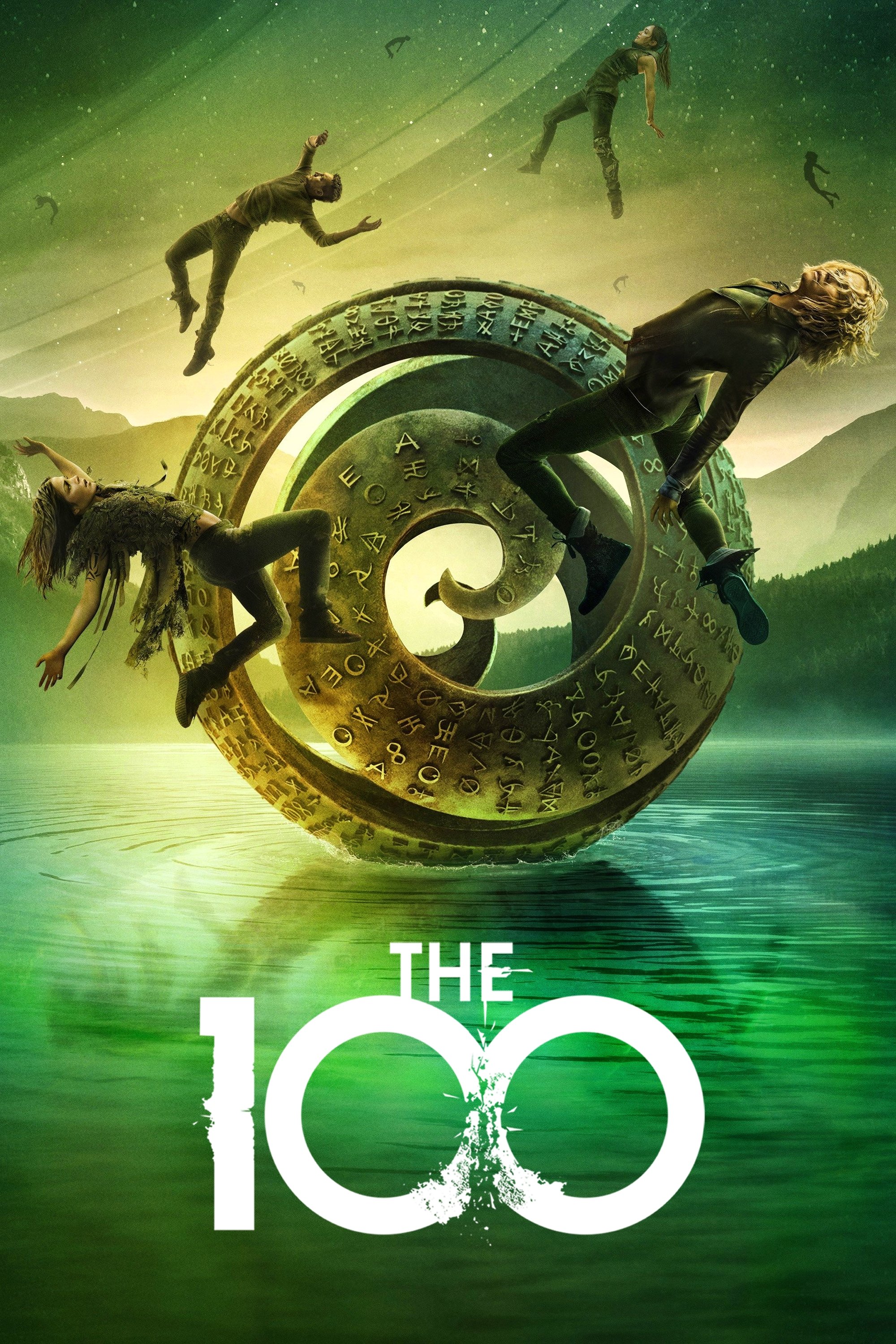
The relationship between Clarke Griffin and Commander Lexa was a groundbreaking moment for LGBTQ+ representation in sci-fi television. The writers chose to kill Lexa immediately after the couple consummated their relationship in a move that echoed the harmful Bury Your Gays trope. This decision sparked a massive fan outcry because it treated a beloved queer character as a disposable catalyst for the protagonist’s pain. The showrunner later apologized for the execution of the arc acknowledging the hurt it caused the community.
‘Modern Family’ (2009–2020)
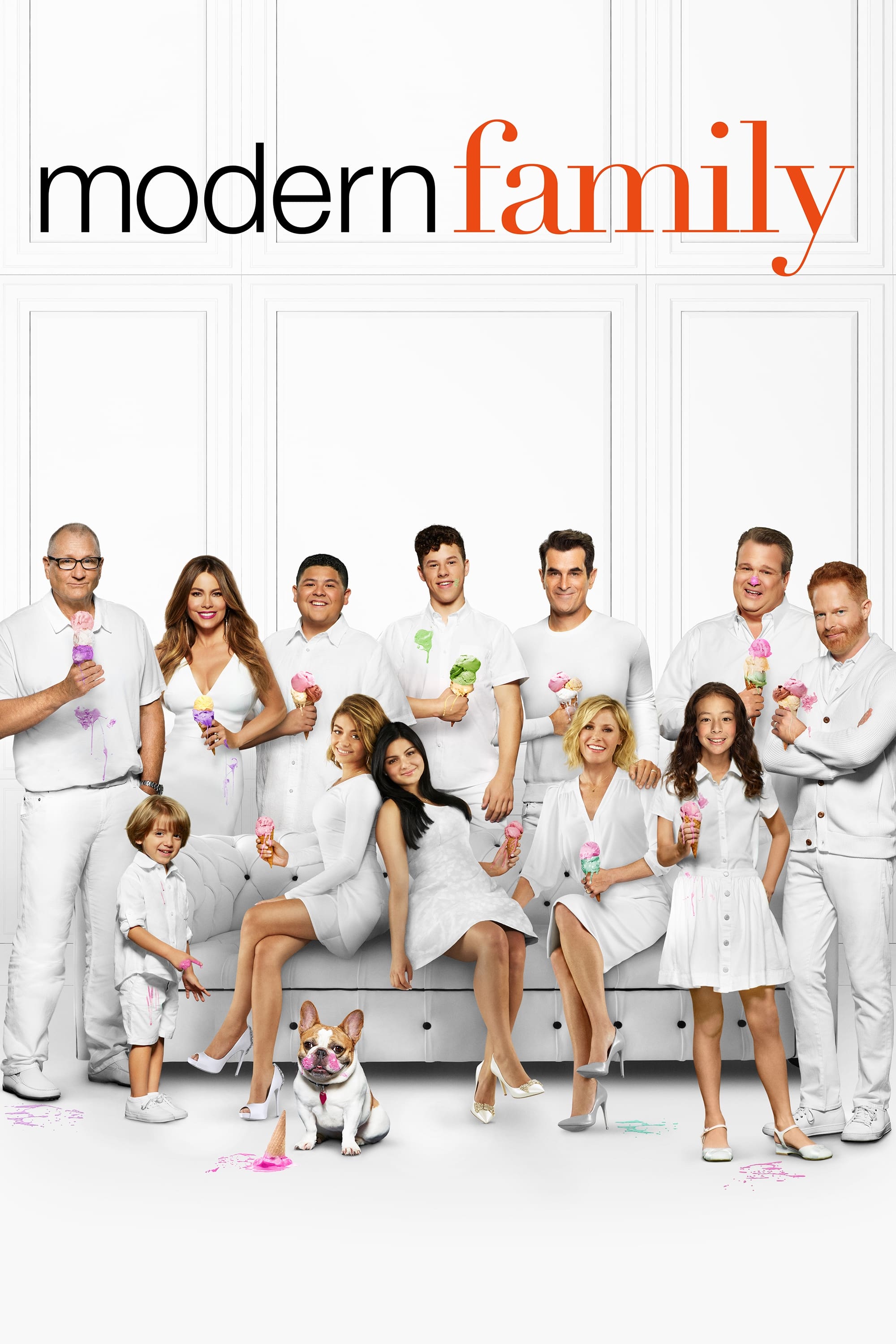
Cam and Mitch were groundbreaking as a gay couple on a major network sitcom but their physical affection was notably limited compared to straight couples. Viewers noticed early on that the couple rarely kissed or showed intimacy even in the background of scenes. The writers eventually addressed this with an episode focused on a kiss in the background but the initial hesitation lingered in the show’s history. This caution gave the impression that the network was afraid to fully commit to the visual reality of their relationship.
‘Once Upon a Time’ (2011–2018)
The series teased a romance between Mulan and Aurora during the second season but never allowed the relationship to blossom. Mulan was eventually brought back seasons later only to be paired with Red Riding Hood in a rushed storyline that happened largely off-screen. The development felt like a consolation prize to fans who had waited years for the character to find happiness. The narrative weight given to this pairing was minimal compared to the central hetero romances.
‘Teen Wolf’ (2011–2017)

Danny Mahealani was a recurring gay character who was well-liked by fans for his intelligence and chemistry with the werewolf Ethan. The character simply vanished from the show after the third season without any explanation or farewell. His absence was glaring because he was a member of the central friend group and had been involved in supernatural events. This unceremonious exit suggested that the show did not view his conclusion as essential to the overarching story.
‘Killing Eve’ (2018–2022)
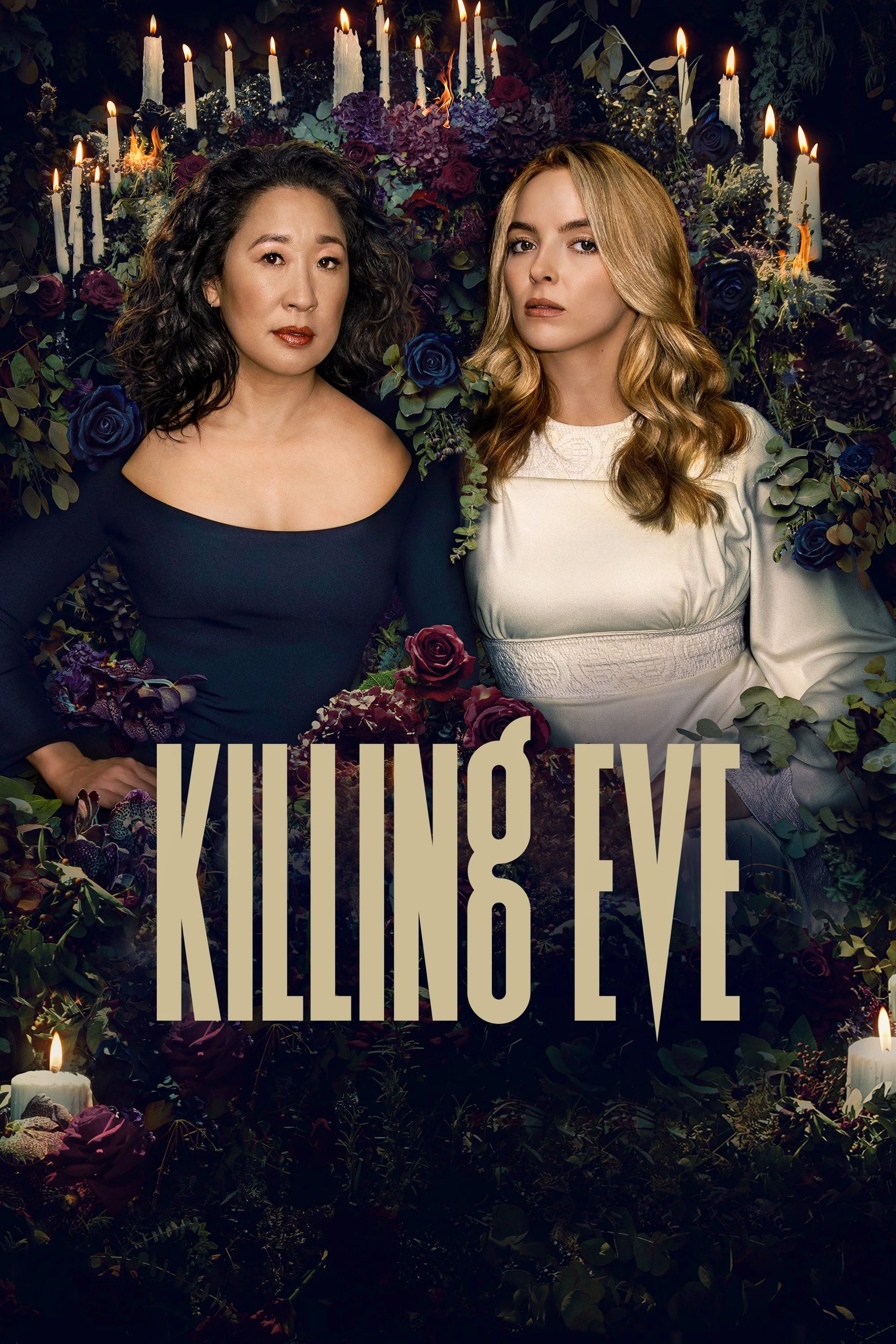
The cat-and-mouse game between Eve Polastri and Villanelle was fueled by intense romantic and sexual tension for four seasons. The series finale brought them together for a brief moment of happiness before Villanelle was shot and killed in the final minutes. The ending was widely panned for relying on outdated tropes that punish queer characters right as they achieve fulfillment. It rendered the complex journey of their relationship futile and felt disconnected from the show’s previous tone.
‘And Just Like That…’ (2021–Present)
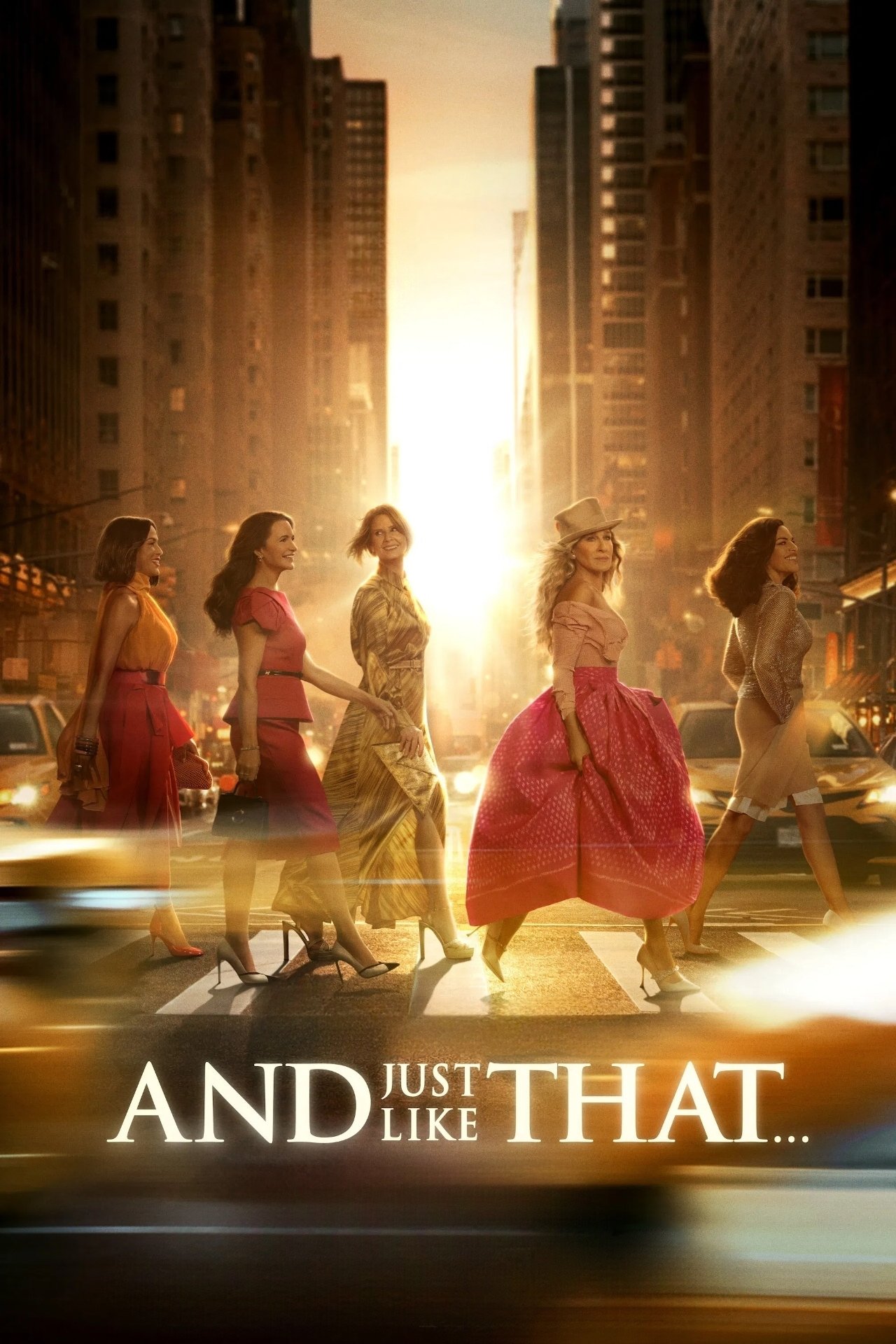
The revival of ‘Sex and the City’ introduced Che Diaz as a non-binary comedian who starts a relationship with Miranda Hobbes. The character of Che was criticized for being a caricature of modern progressive discourse rather than a believable human being. Miranda’s sudden shift in sexuality and personality to accommodate this affair felt jarring and unearned to long-time viewers. The entire arc appeared to be an attempt to modernize the franchise’s image without the necessary character work.
‘Star Trek: Voyager’ (1995–2001)
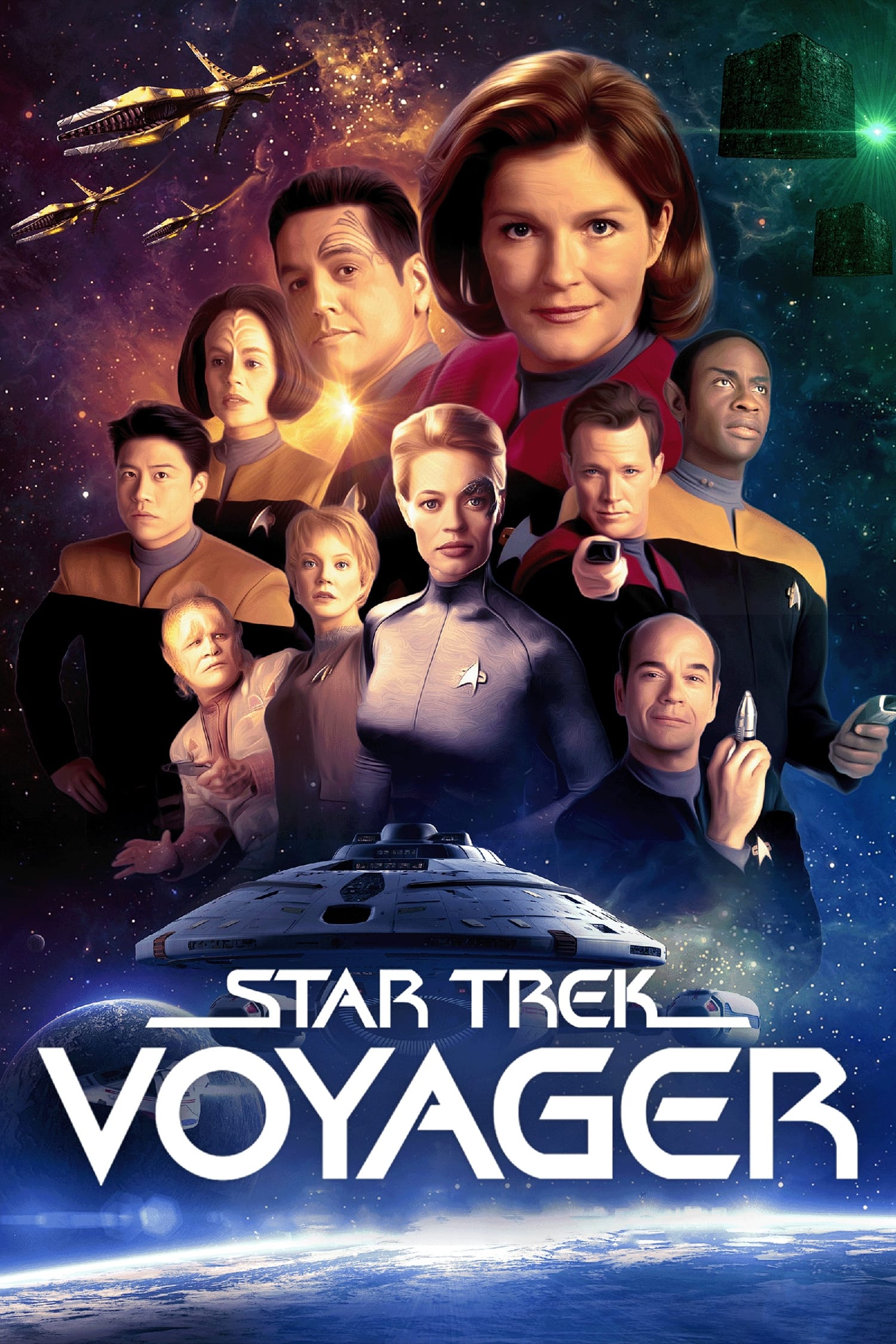
Commander Chakotay was intended to represent Indigenous American culture in the futuristic setting of Star Fleet. The production team relied on a consultant who was later exposed as a fraud with no legitimate claim to the heritage he purported to represent. This resulted in Chakotay’s storylines being filled with mishmash stereotypes and made-up rituals rather than authentic cultural practices. The representation aimed for inclusivity but ultimately failed due to a lack of genuine research and respect.
‘Gilmore Girls’ (2000–2007)
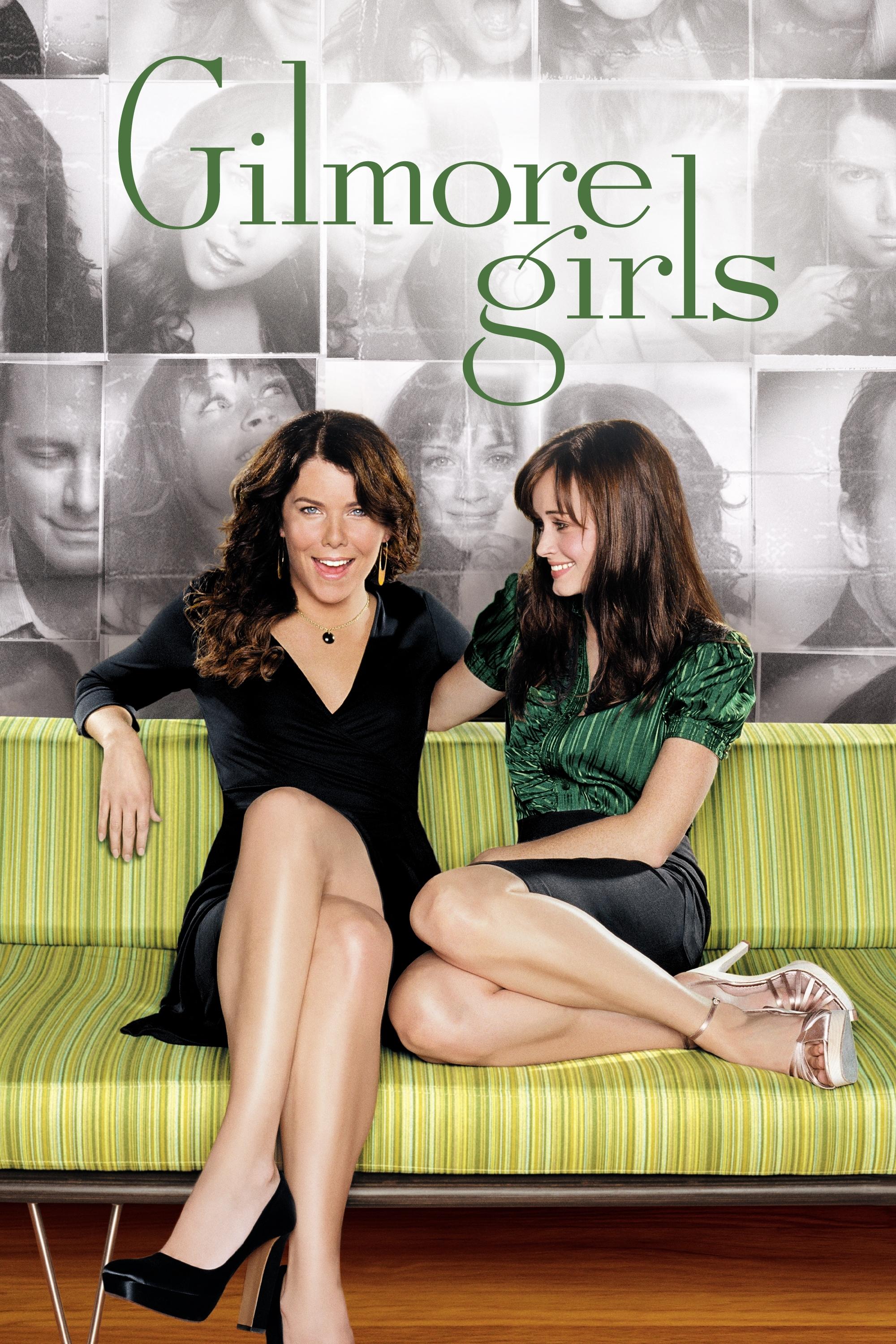
Michel Gerard was a prominent character throughout the original series who exhibited many stereotypical traits often associated with gay men. The show never confirmed his sexuality or gave him a romantic partner during its initial seven-season run. It was not until the 2016 revival that the character was revealed to be married to a man. The delay in acknowledging his identity made the original silence feel like a deliberate avoidance of the topic.
‘How I Met Your Mother’ (2005–2014)
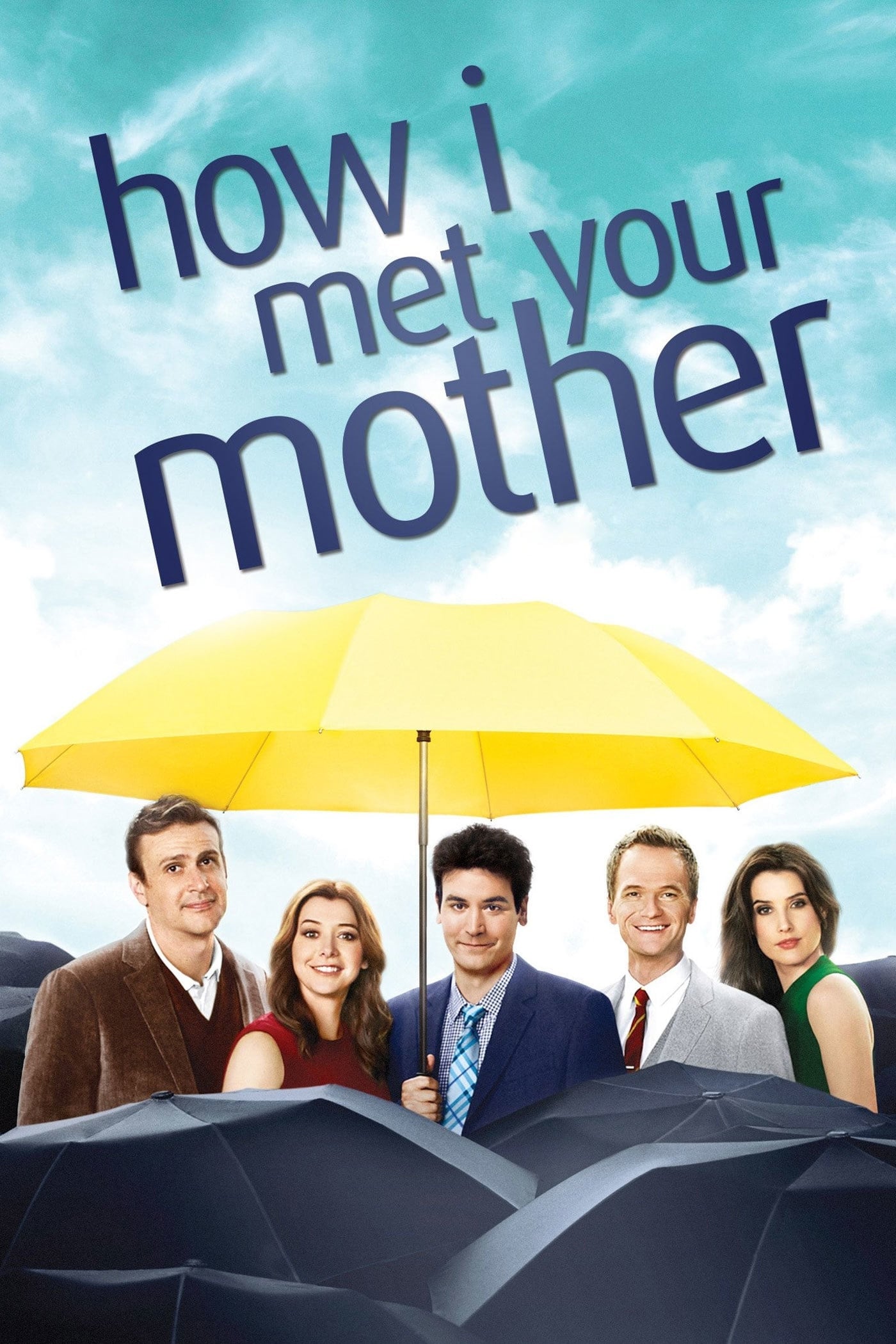
The character of Barney Stinson had a gay brother named James who appeared sporadically throughout the sitcom. James was primarily used to facilitate jokes about Barney’s behavior or to serve as a prop for wedding-related plotlines. The show rarely explored James’s life or relationship depth beyond surface-level mentions suited for comedy. He existed largely to absolve the main cast of criticism regarding the show’s frequent insensitive humor.
‘Doctor Who’ (2005–Present)
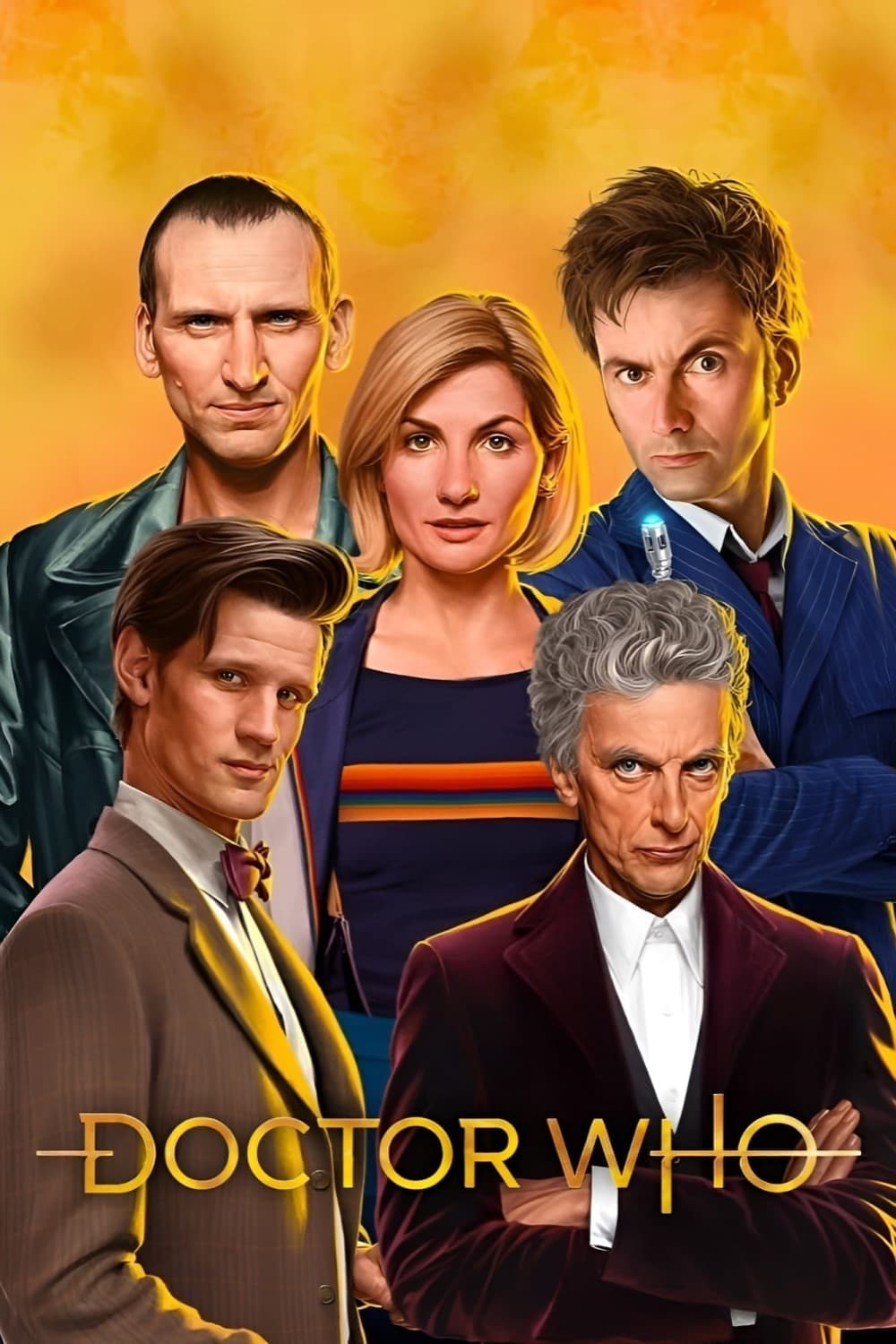
The relationship between the Thirteenth Doctor and her companion Yaz was teased with longing stares and subtext for several seasons. The romantic feelings were finally vocalized in the penultimate episode of the Doctor’s tenure only to be unrequited and unresolved. The show committed to the text of the relationship far too late for it to have any meaningful exploration or payoff. This left the dynamic feeling like a last-minute addition to appease fans rather than a planned narrative arc.
‘Stranger Things’ (2016–Present)
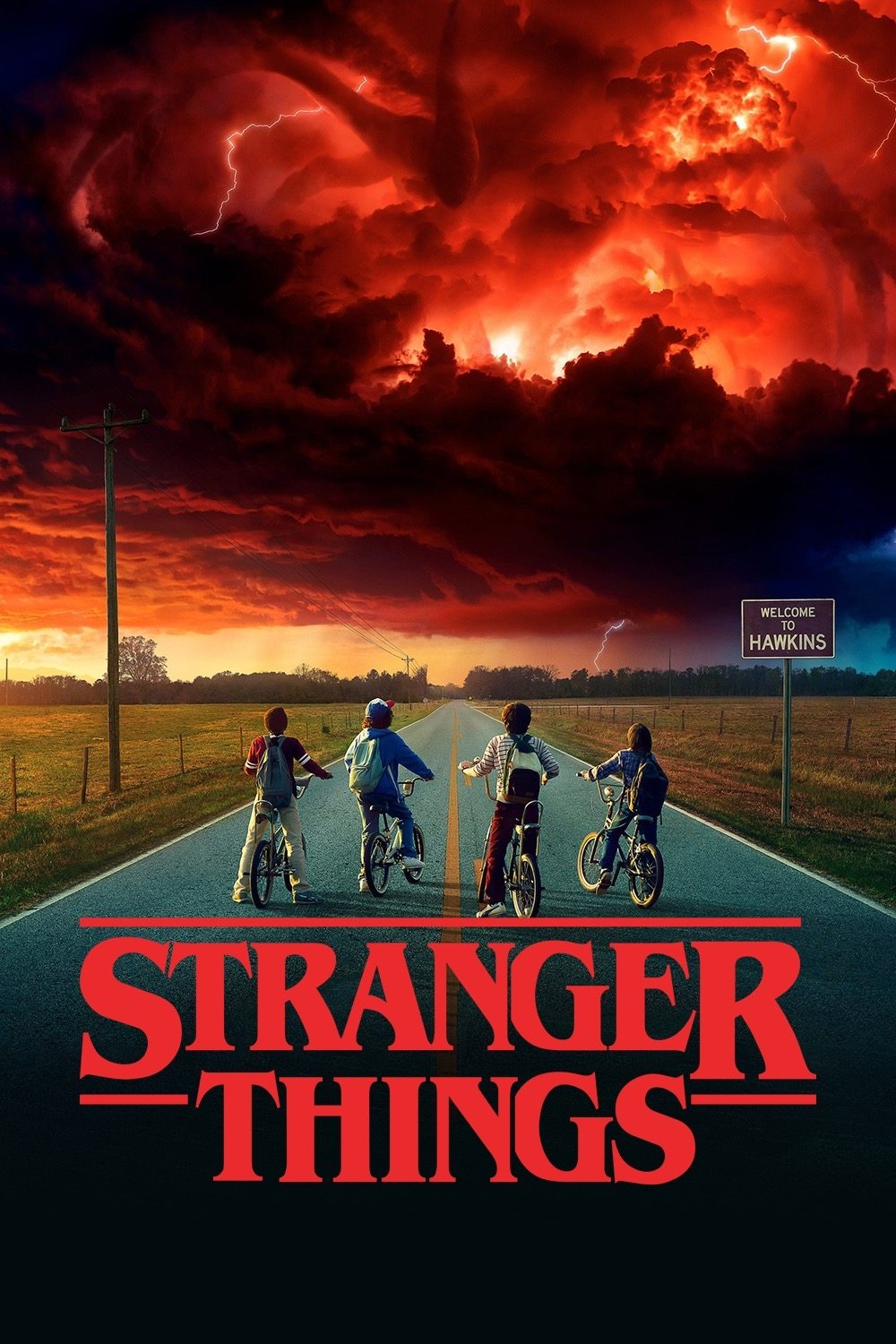
Will Byers has been hinted to be gay since the earliest seasons of the show through dialogue and character interactions. The series has dragged out his coming out process over multiple years without allowing him to explicitly state his feelings. Scenes often feature Will crying silently while other characters remain oblivious to his internal struggle. The reluctance to let Will own his identity has frustrated viewers who feel the arc is being stalled for dramatic convenience.
‘Smallville’ (2001–2011)
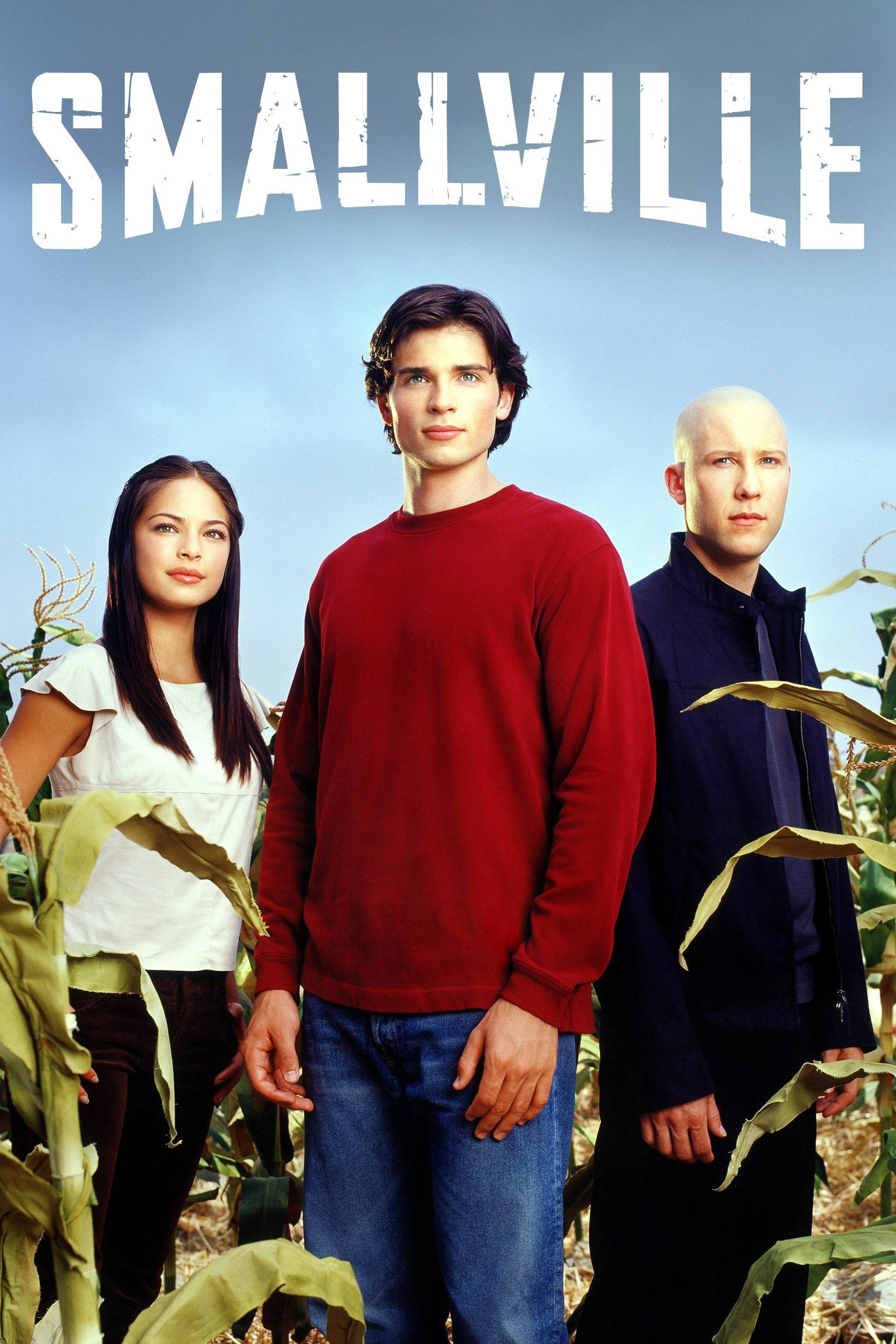
Pete Ross was Clark Kent’s best friend and one of the few main characters of color in the early seasons. He was written out of the show in the third season after receiving very little individual character development compared to his white counterparts. The writers struggled to find a place for him in the expanding mythology of the series. His departure signaled a lack of imagination regarding how to integrate diverse perspectives into the Superman origin story.
‘Pretty Little Liars’ (2010–2017)
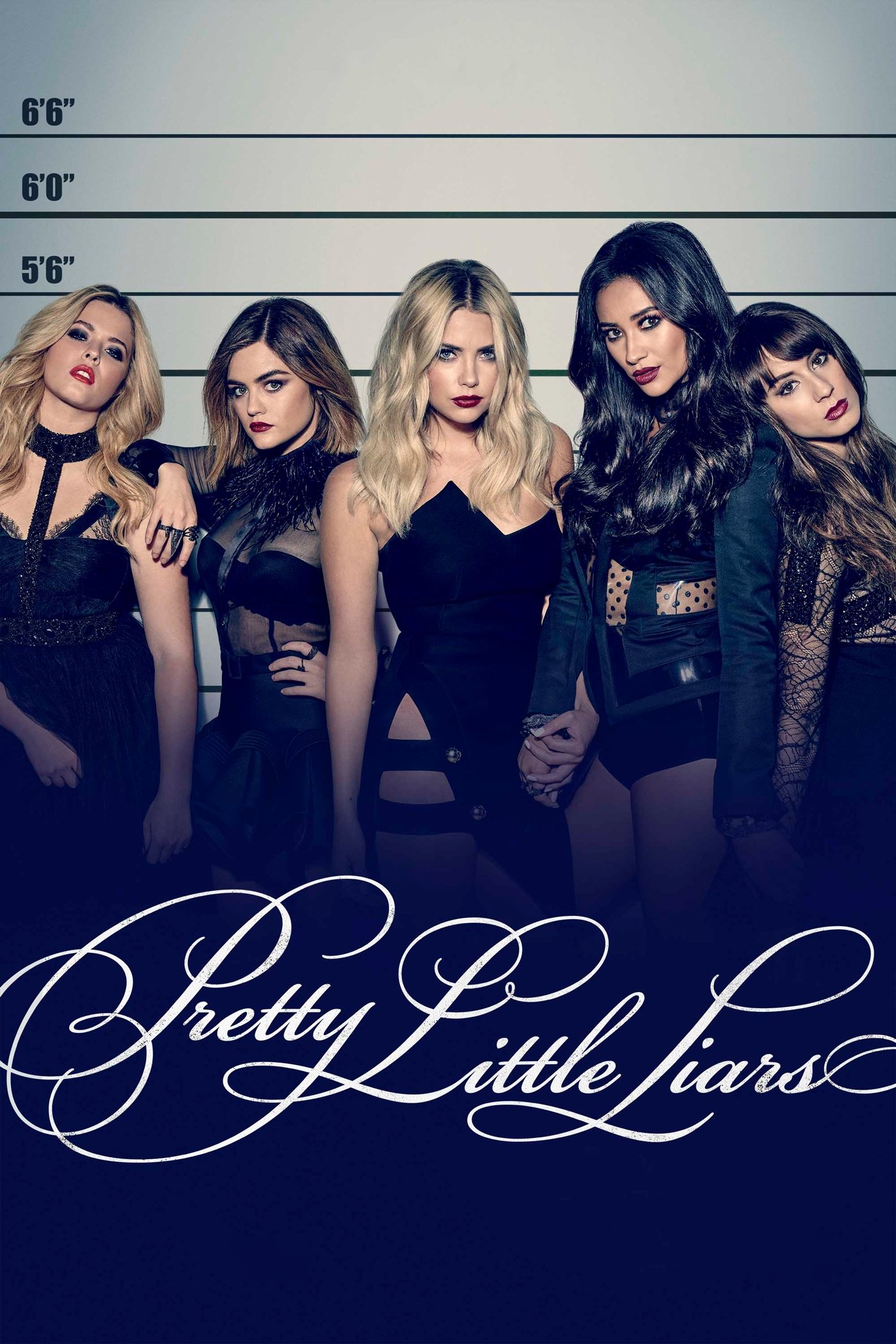
The reveal of “A” as Charlotte DiLaurentis introduced a transgender storyline to the central mystery of the show. The execution was criticized for associating trans identity with deception and mental instability. The character’s history was filled with plot holes that suggested the gender identity element was decided late in the writing process. This villainous depiction played into harmful stereotypes rather than offering complex representation.
‘The Vampire Diaries’ (2009–2017)
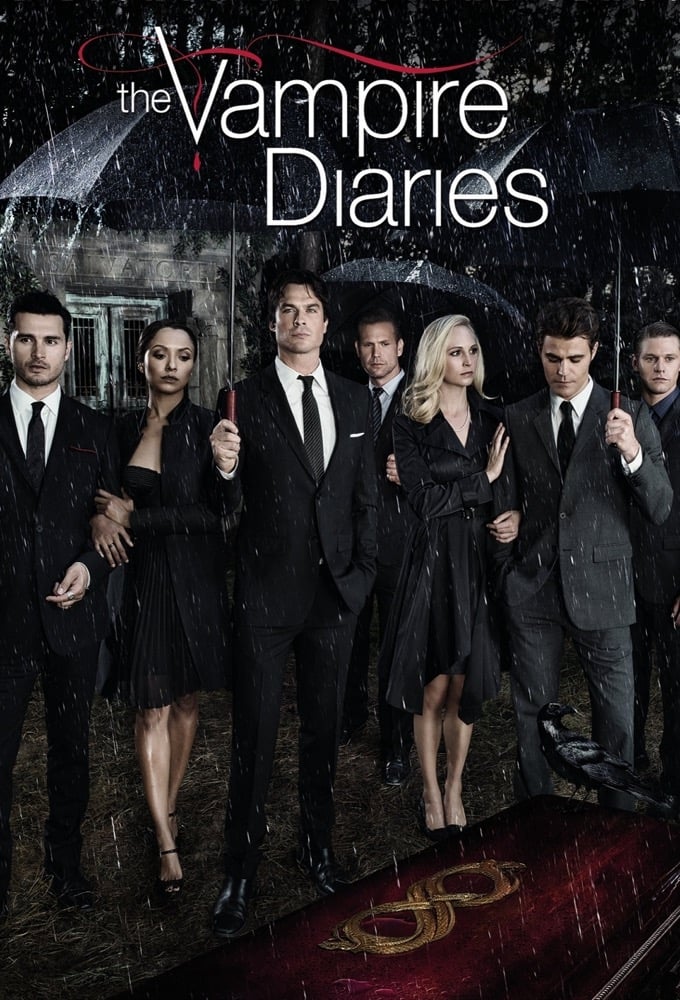
Bonnie Bennett was a powerful witch and a central figure in the show yet she was frequently sidelined for the benefit of white characters. Her storylines often involved her losing her powers dying or suffering trauma to save her friends. The writers rarely allowed her to have romantic or personal arcs that did not revolve around service to others. This pattern of treatment sparked conversations about the “Magical Negro” trope and the undervaluing of black female characters.
‘Friends’ (1994–2004)
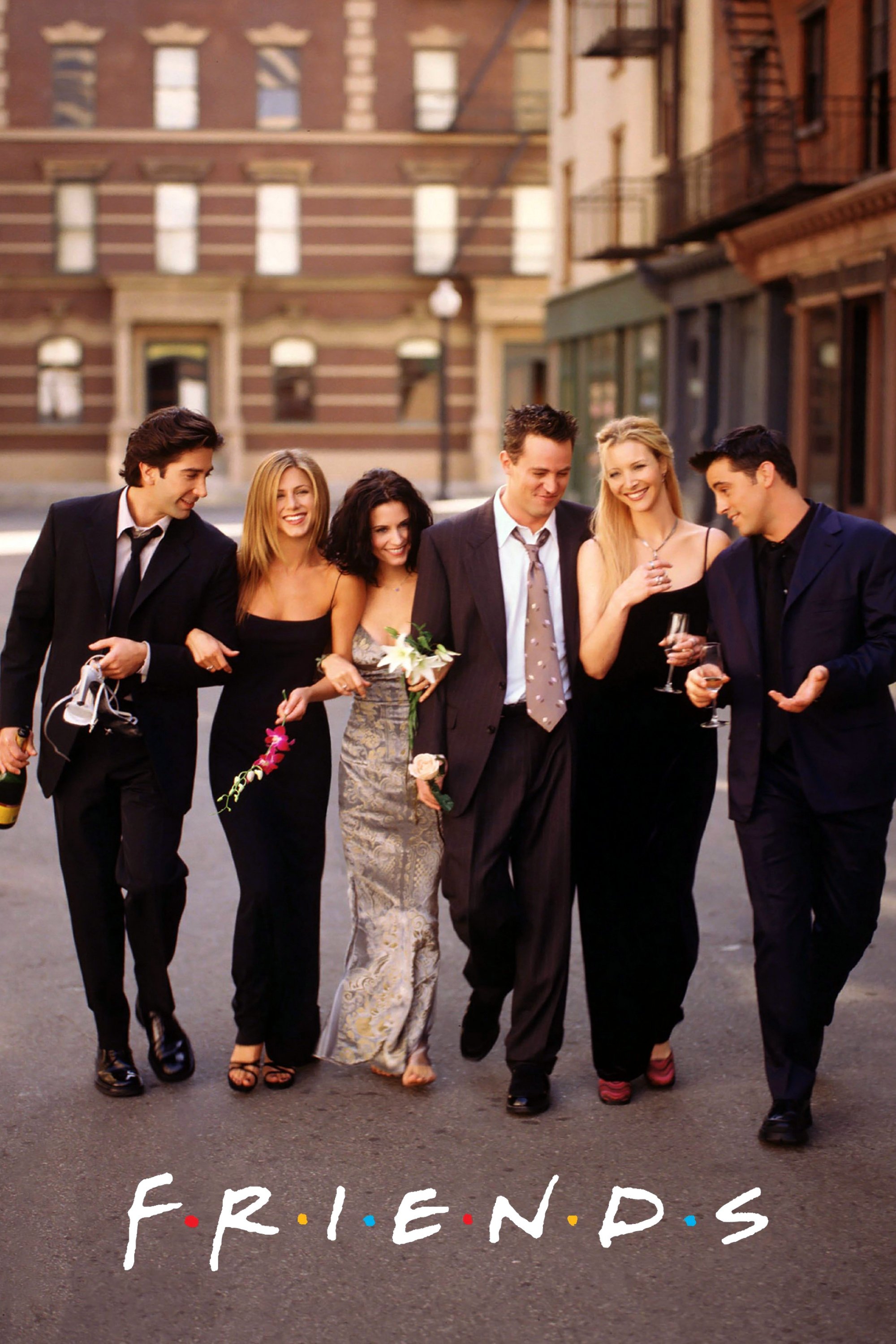
Chandler Bing’s father was a drag queen who was portrayed by a cisgender woman and was the subject of constant mockery. The show never clarified if the character was transgender or a gay man who performed drag leaving the representation muddy. The jokes surrounding this character were often transphobic and mean-spirited rather than inclusive. The lack of respect afforded to the character made the inclusion feel like a setup for punchlines rather than genuine diversity.
‘Sleepy Hollow’ (2013–2017)
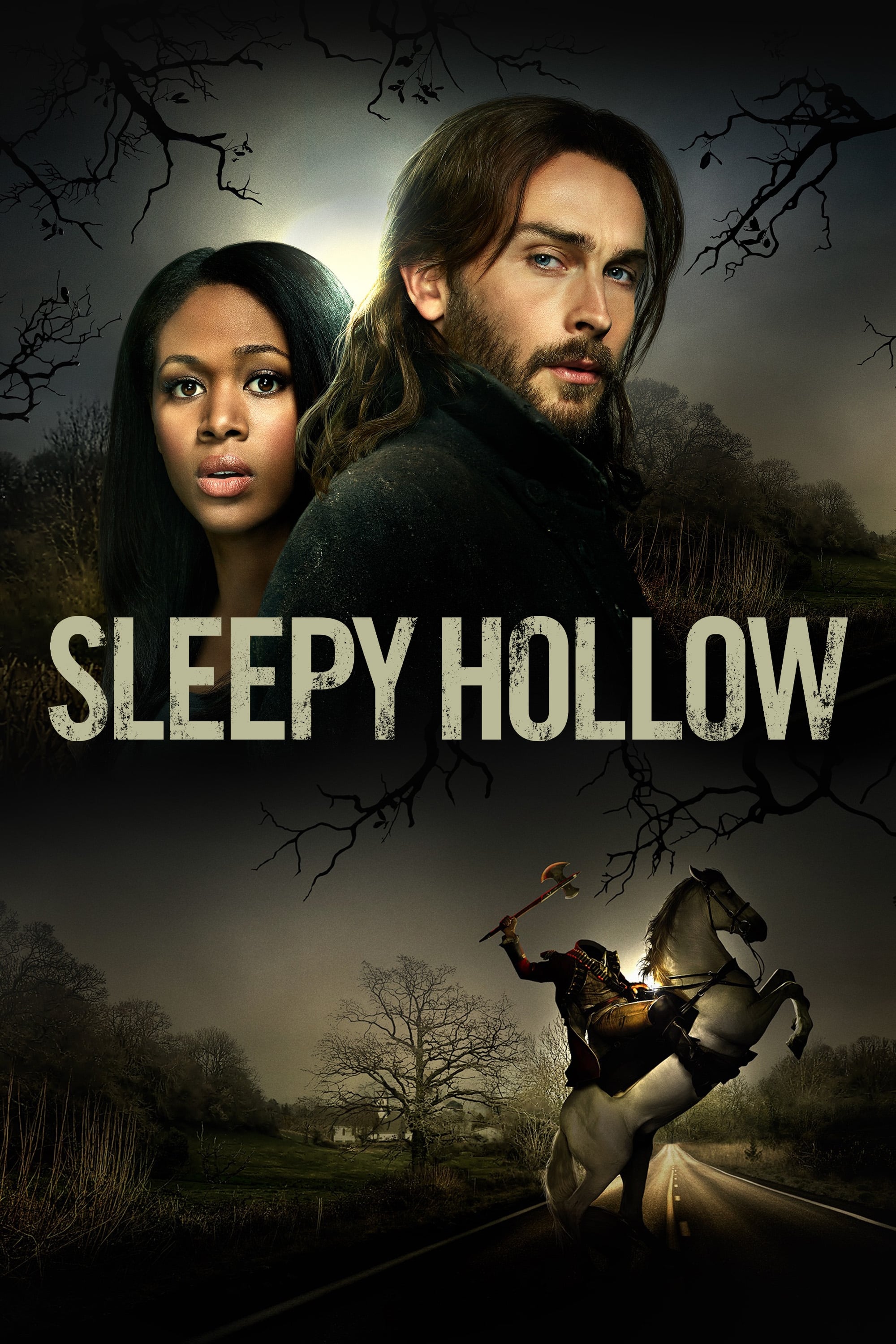
Nicole Beharie’s character Abbie Mills was a co-lead of the series alongside Tom Mison’s Ichabod Crane. Despite her status the show increasingly marginalized her role before killing her off in the third season finale. The decision to remove the black female lead while continuing the show with the white male lead was met with backlash. It appeared to audiences that the show viewed its inclusive casting as expendable once the premise was established.
‘Brooklyn Nine-Nine’ (2013–2021)
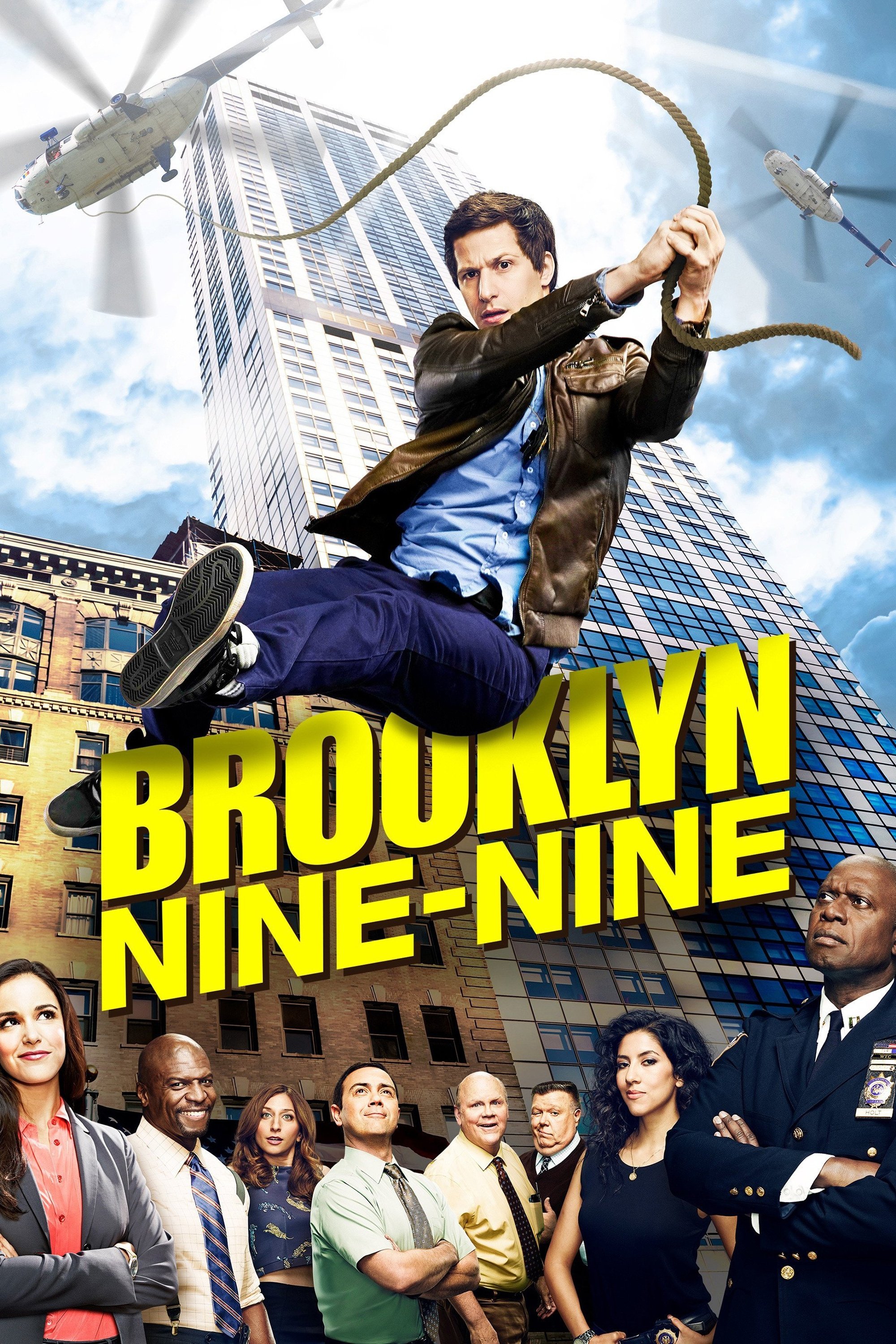
The eighth season of this police comedy attempted to address the Black Lives Matter movement and police brutality following real-world events. The resulting episodes were criticized for being heavy-handed and disrupting the flow of the comedy without offering deep insight. Characters often delivered speeches that felt like lectures rather than natural dialogue. The abrupt tonal shift felt like a reactive measure to current events rather than an organic evolution of the show’s themes.
‘Fate: The Winx Saga’ (2021–2022)
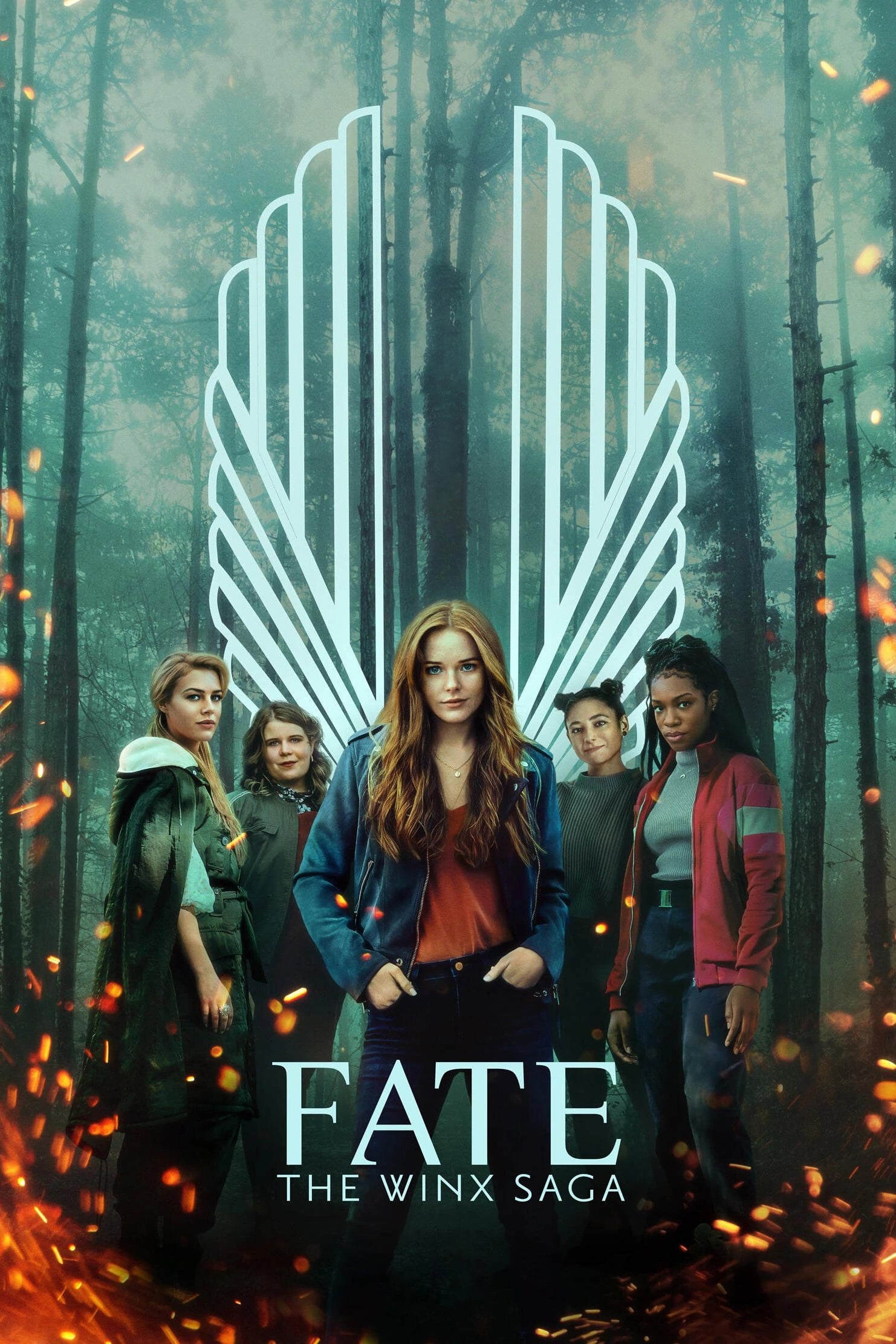
This live-action adaptation of a popular animated series faced immediate backlash for whitewashing the cast. The character of Musa was changed from East Asian to white and the Latina character Flora was replaced by a white cousin named Terra. The show attempted to rectify the exclusion of Flora in the second season after intense fan criticism. The initial erasure of these identities suggested that diversity was not a priority for the creative team during development.
‘New Girl’ (2011–2018)
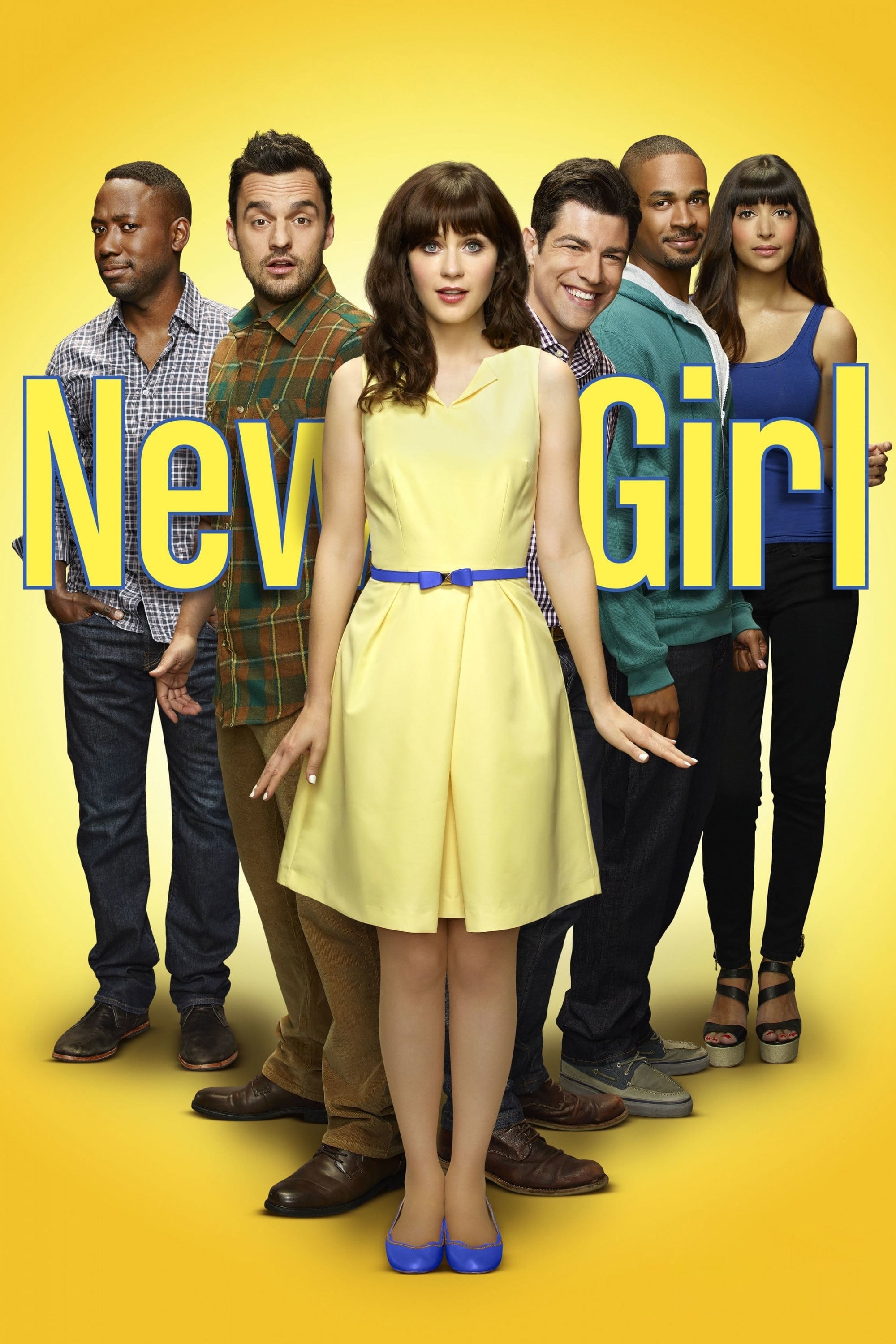
Winston Bishop joined the loft after the pilot episode to replace a character played by Damon Wayans Jr. For much of the first season Winston lacked a distinct personality or clear narrative drive compared to the other roommates. He was often given B-plots that felt disconnected from the main group’s antics. While the character eventually became a fan favorite his initial integration was clumsy and lacked direction.
‘Heroes’ (2006–2010)
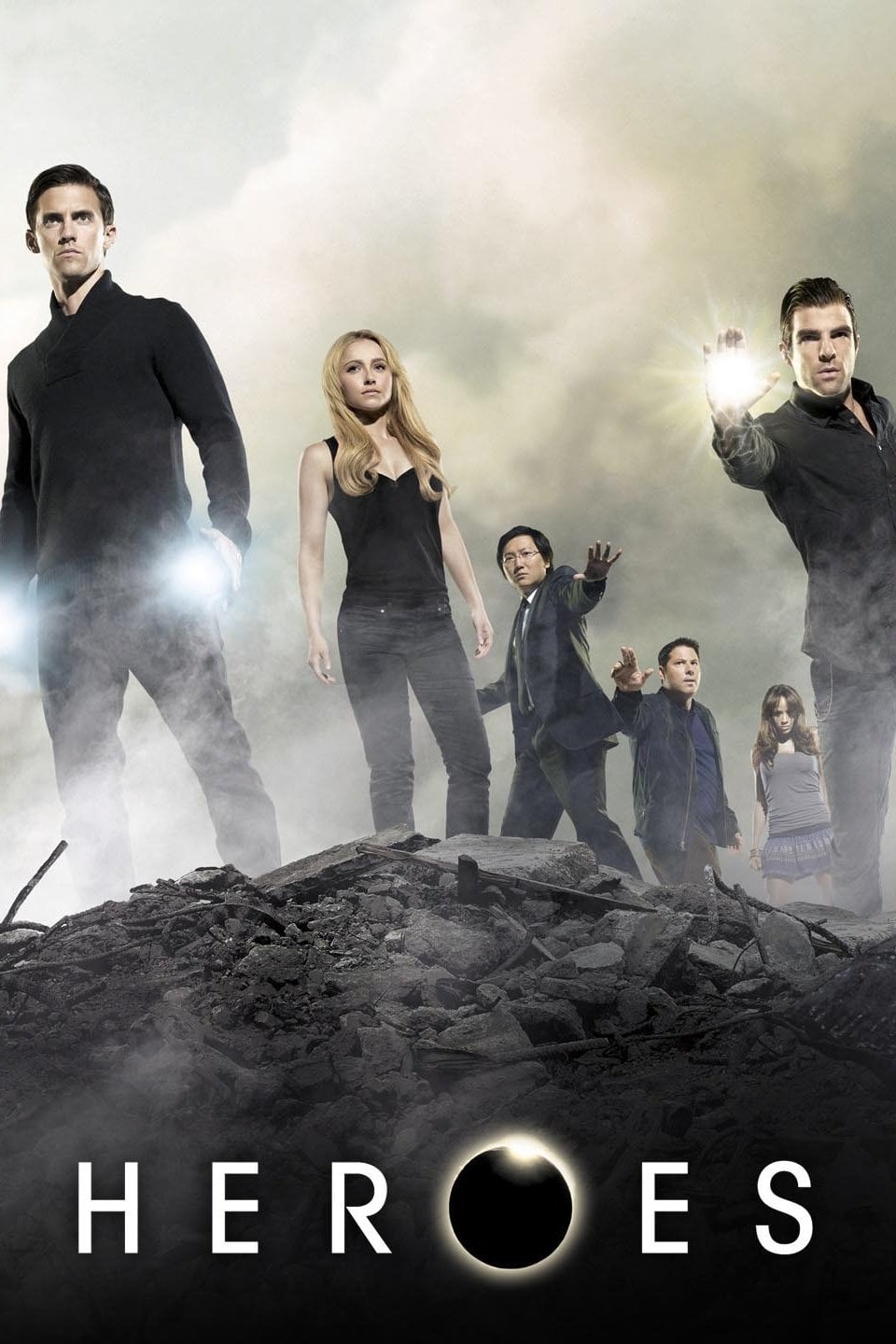
The second season introduced Maya and Alejandro Herrera as siblings on the run with dangerous abilities. Their storyline was completely isolated from the main cast and felt repetitive as they traveled toward the other characters. Alejandro was killed unceremoniously and Maya was eventually written out after her plot converged with the villain Sylar. The arc felt like a detour that added little to the overarching mythology of the series.
‘Scrubs’ (2001–2010)
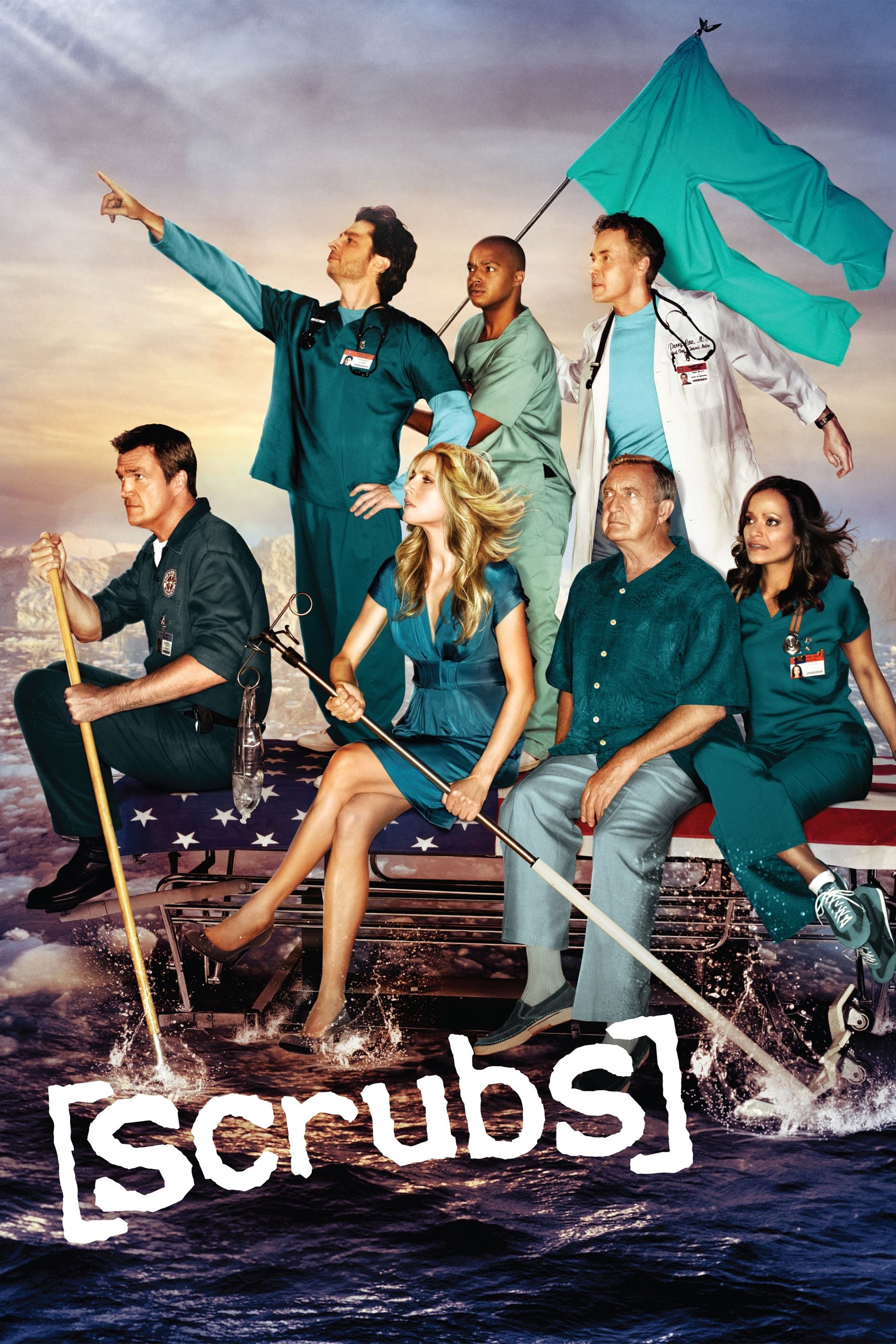
Franklin was a recurring laboratory technician who was introduced primarily to make jokes about his race and sexuality. While the show had other diverse characters Franklin was rarely afforded the depth or humanity given to the main cast. His lines were almost exclusively punchlines that relied on stereotypes for easy laughs. The character served as a comedic device rather than a meaningful example of inclusion.
‘Saved by the Bell’ (1989–1993)
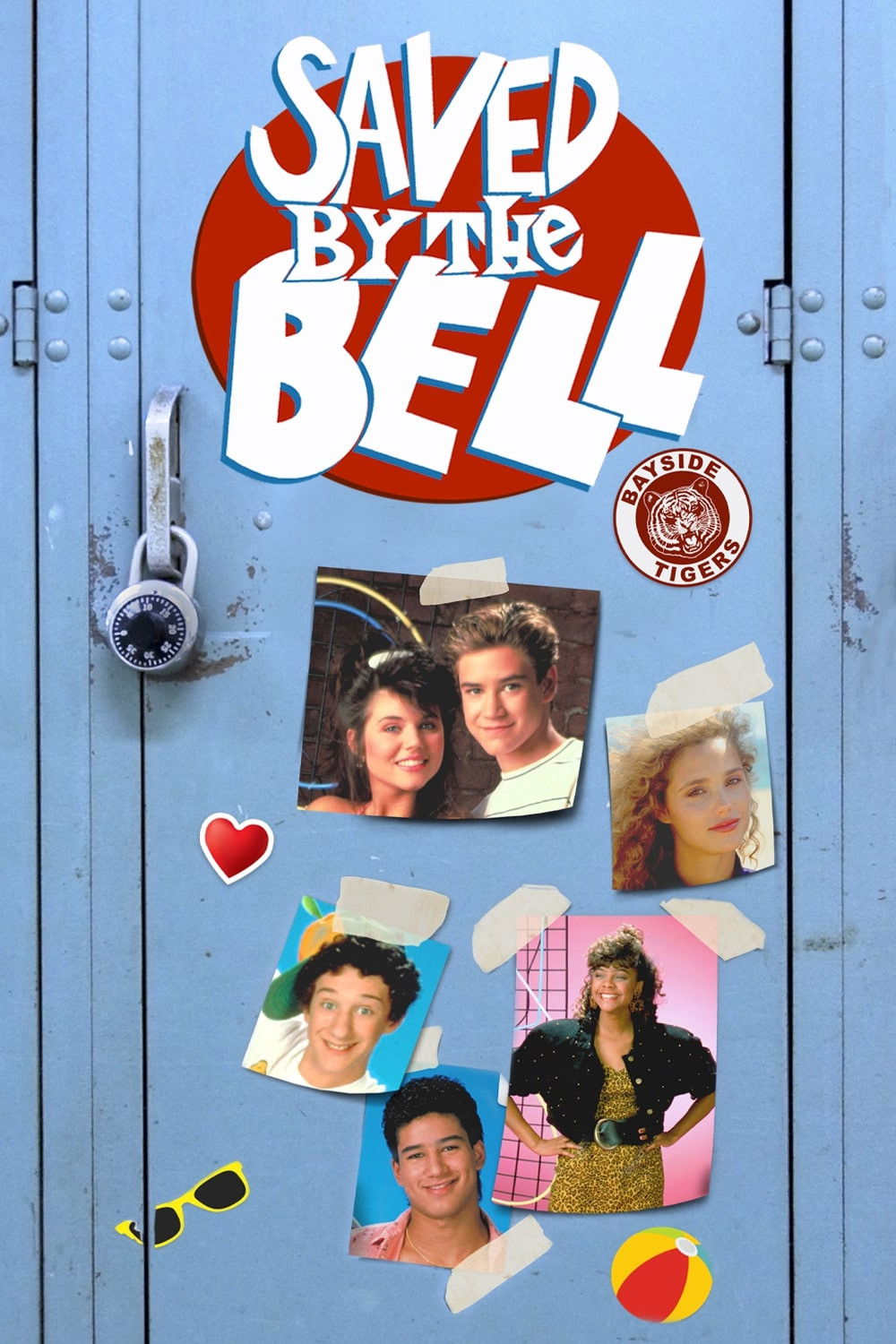
Lisa Turtle was a fashion-forward member of the Bayside gang and one of the few black students focused on in the series. The show rarely addressed her racial identity or cultural background in a way that distinguished her experience from her white friends. She was often paired with the erratic Screech in unrequited romance plots rather than being given serious love interests. Her characterization felt “colorblind” in a way that erased her specific identity.
‘House’ (2004–2012)
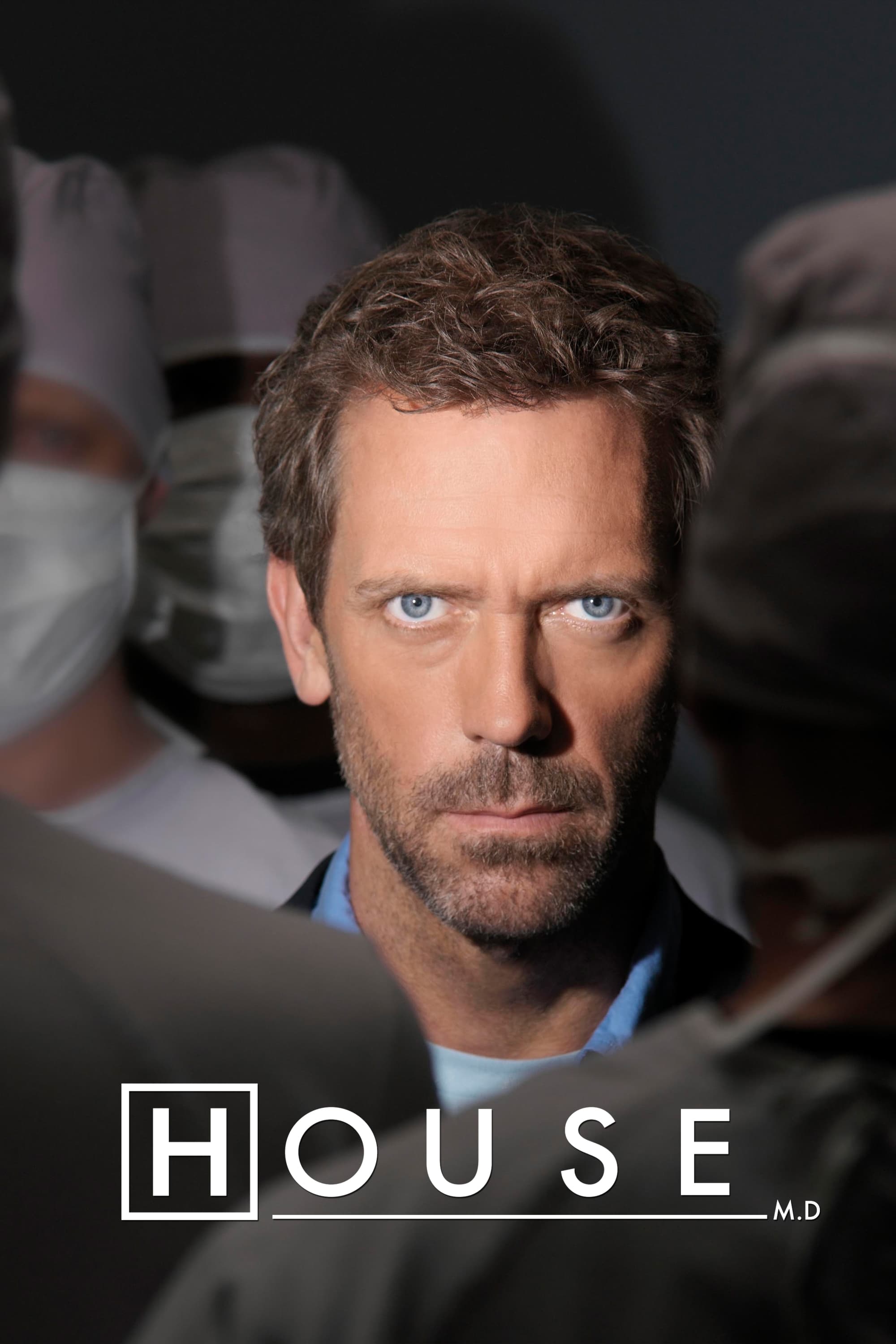
Thirteen was a bisexual doctor who joined House’s team in the later seasons of the medical drama. Her sexuality was often brought up for titillation or male gaze purposes rather than character exploration. The show frequently dismissed or mocked her relationships with women while validating her relationships with men. This portrayal reinforced the idea that her bisexuality was a phase or a performance for male attention.
‘Shadowhunters’ (2016–2019)
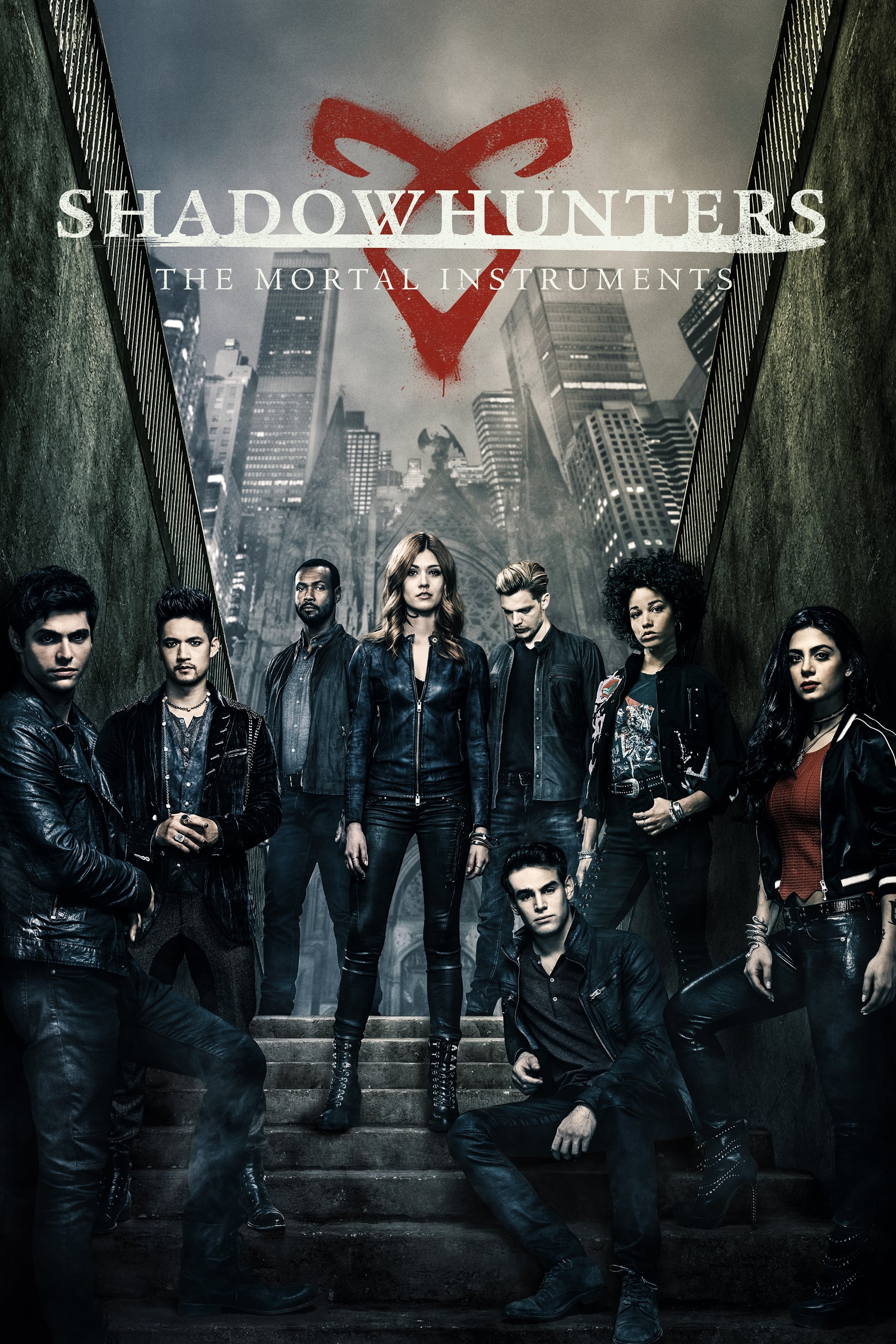
Raphael Santiago was revealed to be asexual in the source novels a detail that fans were eager to see adapted. The show brought up his lack of interest in sex briefly but then engaged him in romantic subplots that muddied the representation. The nuance of asexuality was lost amidst the melodrama of the teen fantasy format. It felt like the writers were unsure how to write a compelling romance without sexual tension.
‘Desperate Housewives’ (2004–2012)
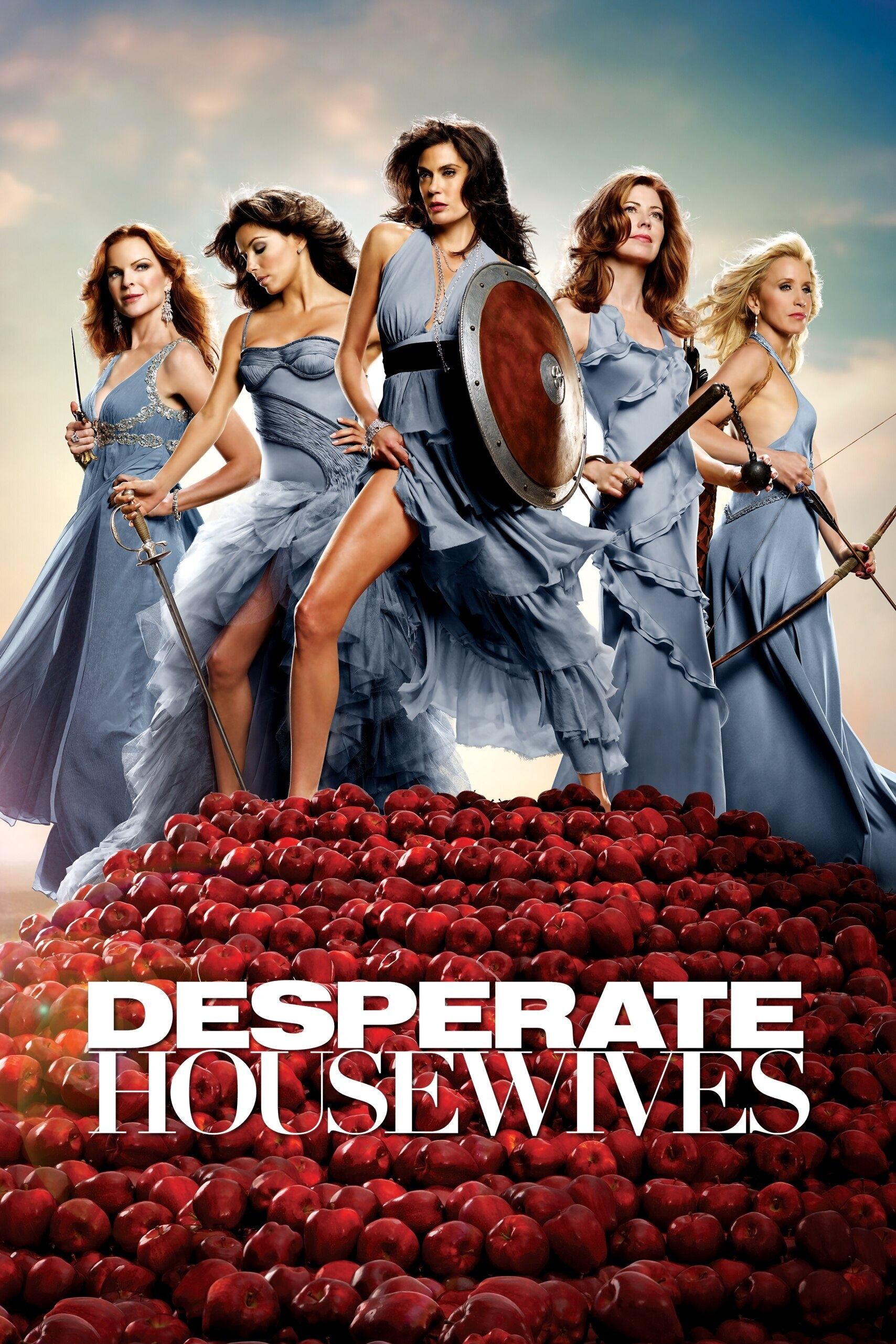
The second season mystery revolved around the Applewhite family who were the first black family to move onto Wisteria Lane. The storyline required them to keep a family member locked in a basement portraying them as secretive and dangerous. The plot was widely considered one of the weakest in the show’s history and the family was written out by the end of the season. The attempt to integrate a black family into the suburban satire resulted in a damaging and swiftly discarded arc.
‘Batwoman’ (2019–2022)
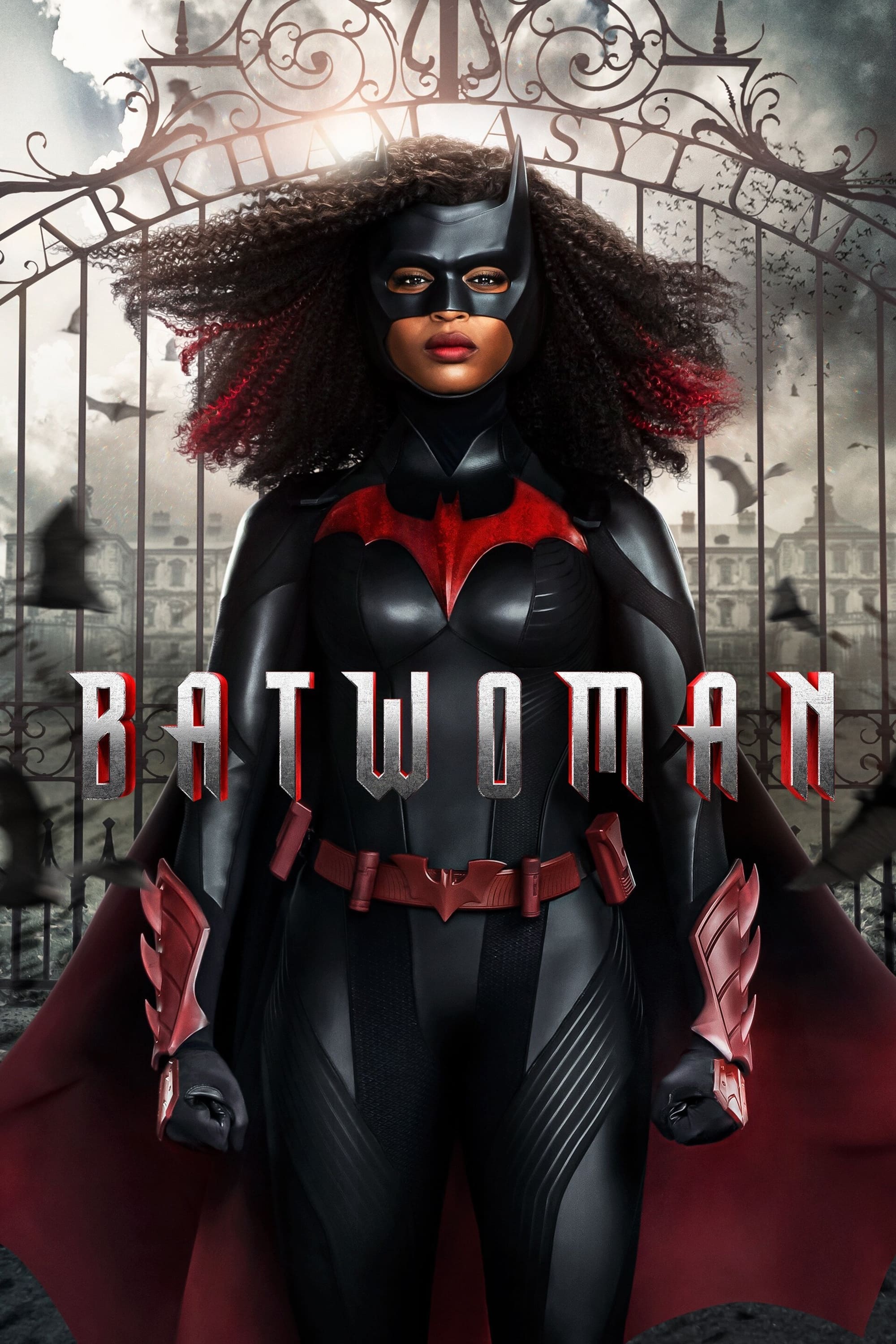
After the lead actress departed the series the showrunners introduced a new character named Ryan Wilder to take up the mantle. The transition between the two leads was abrupt and required the new character to fit into pre-existing plotlines designed for the original protagonist. Ryan’s integration into the team often felt forced as the writers scrambled to justify her presence. The sudden shift highlighted the lack of contingency planning for maintaining diverse leads.
‘The Walking Dead’ (2010–2022)
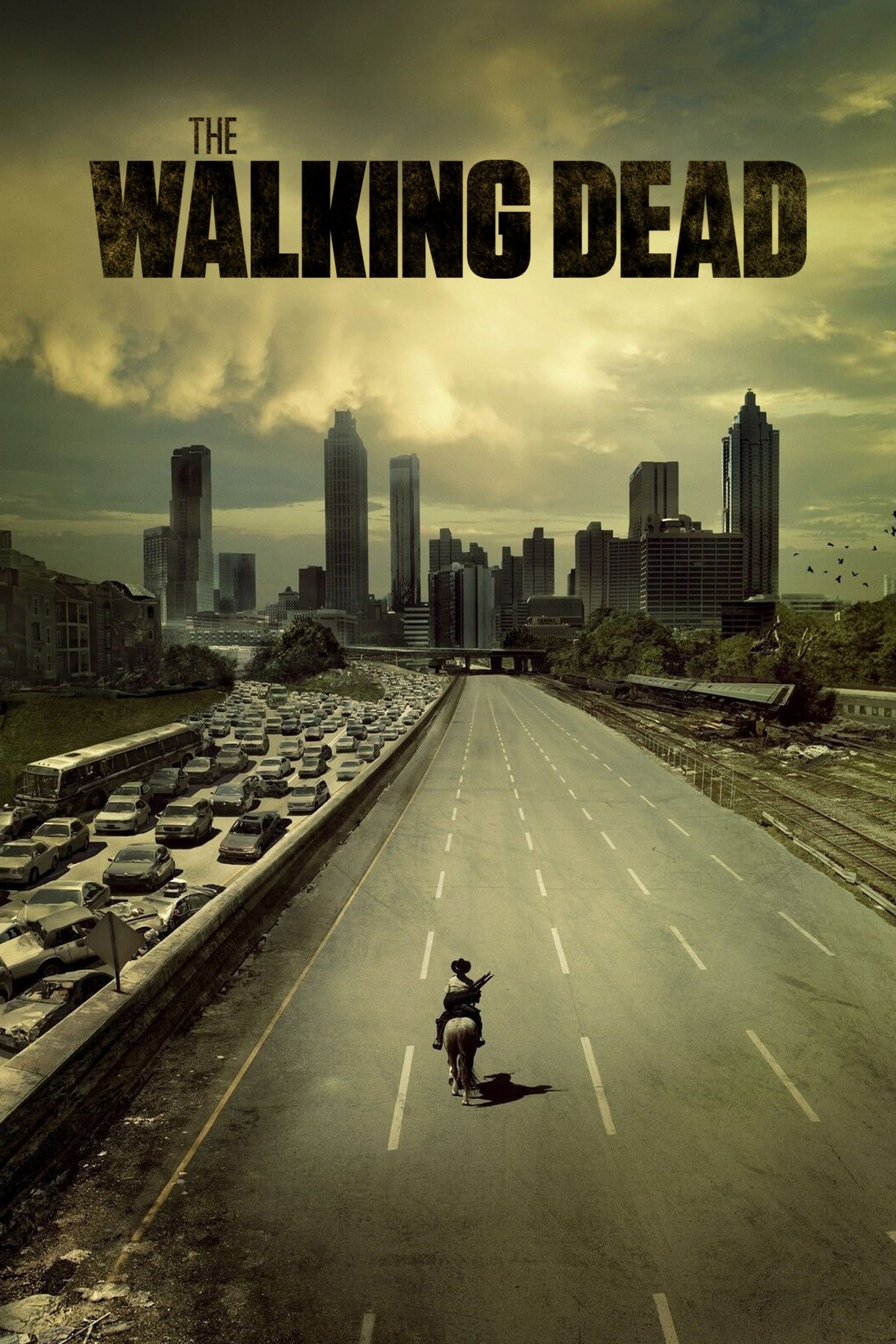
Paul “Jesus” Rovia was a capable fighter and a gay man whose sexuality was treated casually in the narrative. The character was killed off in a foggy graveyard scene that caught many fans off guard and felt anticlimactic. The actor expressed frustration that the show had failed to utilize the character’s full potential from the comic books. His death added to the growing list of LGBTQ+ characters who met untimely ends in the series.
Please share your thoughts on these storylines or other examples you’ve noticed in the comments.