


TV Shows Where LGBTQ+ Arcs Felt Like Checklist Items




Representing the LGBTQ+ community in television has undergone a massive transformation over the last decade. Many shows now prioritize inclusive casting and diverse storylines to reflect a wider reality. However some viewers and critics argue that these additions occasionally feel forced or added to satisfy a corporate quota. This can lead to characters who lack depth or storylines that feel disconnected from the primary plot. The following series have been noted for including queer elements that sometimes felt like items on a checklist.
‘Riverdale’ (2017–2023)
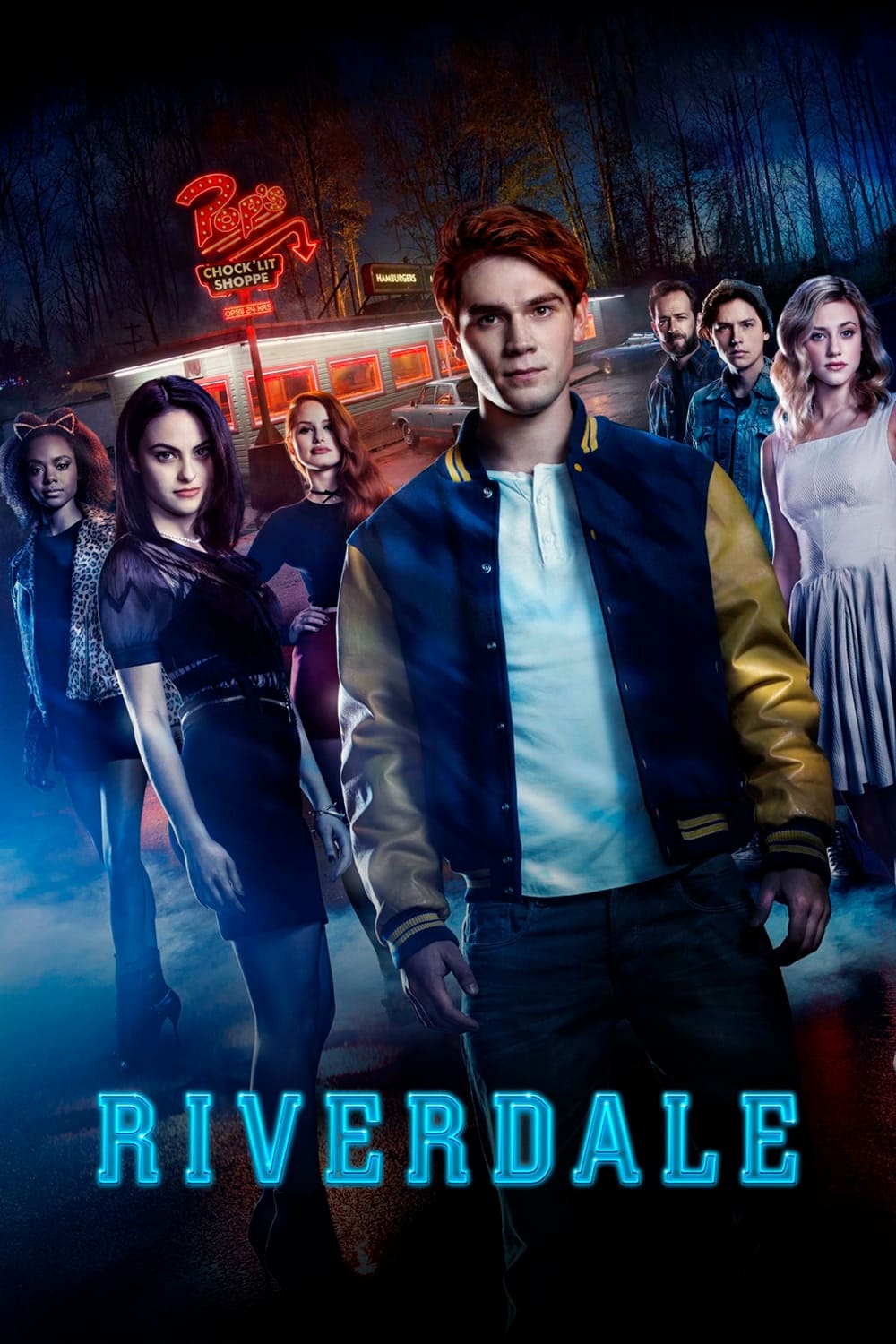
The character of Kevin Keller was often criticized for being a one dimensional best friend archetype. While the series featured several queer relationships many fans felt these arcs were used for shock value rather than character growth. The inclusion of various sexualities often happened in a way that felt isolated from the central mystery of the show. Critics noted that the development of these characters frequently stalled once their identity was established. This led to a perception that the writers were more interested in diversity statistics than meaningful representation.
‘Glee’ (2009–2015)
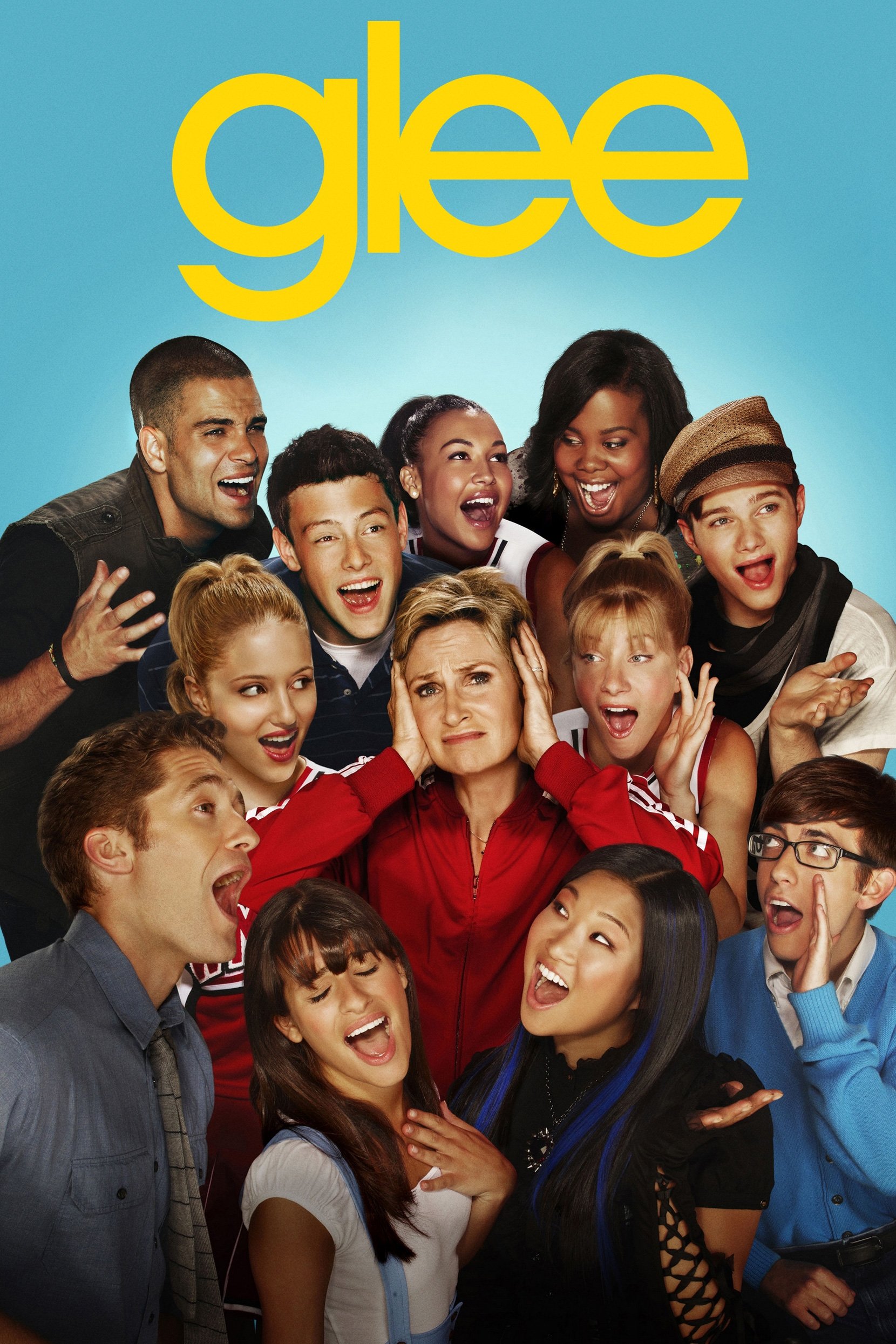
This musical series was a pioneer for queer representation but later seasons were accused of cycling through identities to maintain relevance. New characters were often introduced with a specific label that defined their entire personality and narrative purpose. Many of these students disappeared from the show once their initial coming out story was completed. Audiences felt that the show eventually treated diversity as a competition rather than a natural part of the high school experience. The sheer volume of fleeting queer characters led to criticisms of a quantity over quality approach.
‘Supergirl’ (2015–2021)
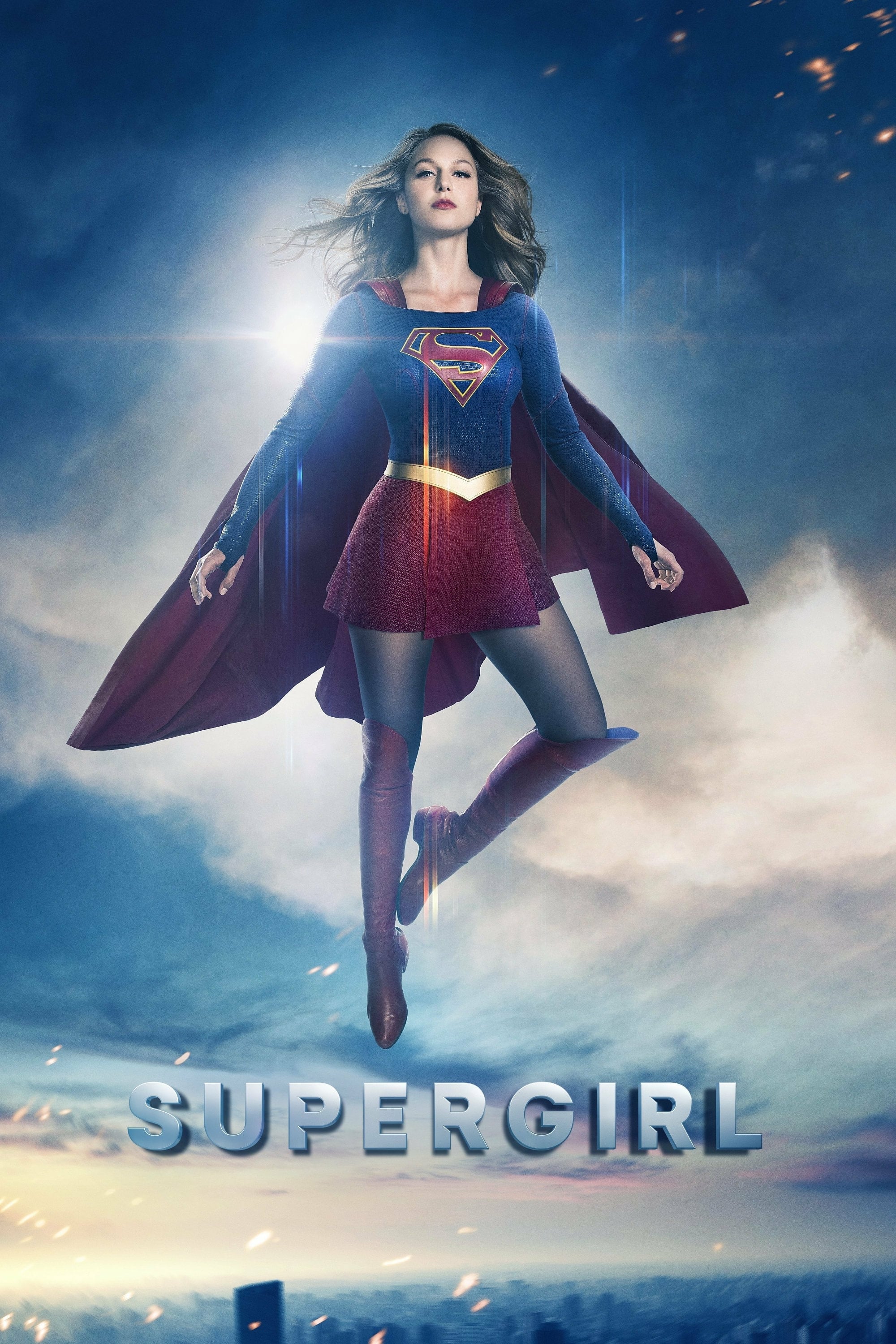
While the coming out story of Alex Danvers was widely praised the later addition of Kelly Olsen was viewed differently by some fans. Many felt that her character was primarily defined by her relationship with Alex and lacked her own independent story arcs. The show was accused of using her presence to fulfill a requirement for a diverse romantic pairing. Some critics noted that the writers struggled to integrate her professional life as a social worker into the larger superhero narrative. This resulted in a character who often felt like a supporting player in her own romantic life.
‘The 100’ (2014–2020)
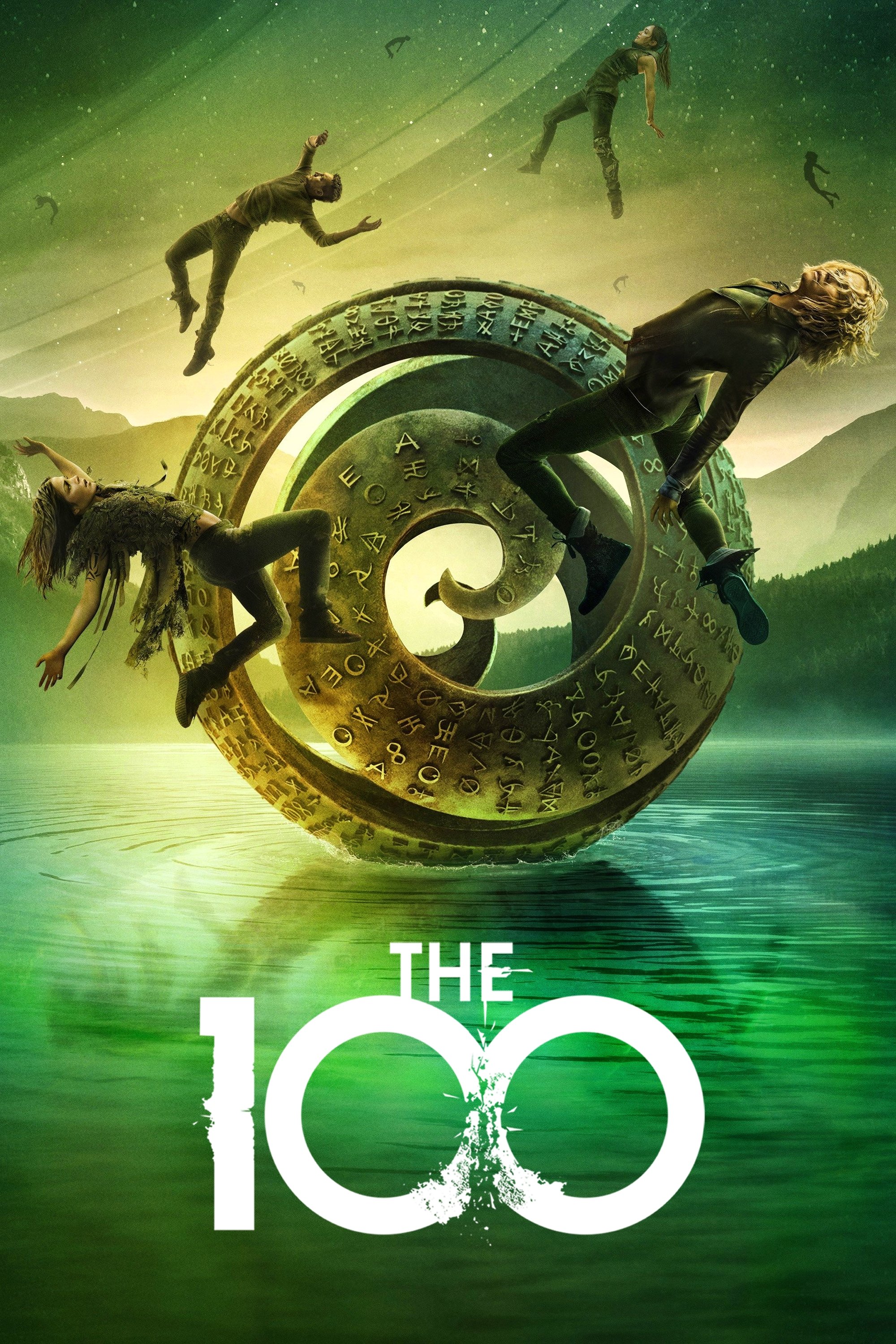
The relationship between Clarke Griffin and Lexa became a major cultural moment but ended in significant controversy. Fans were outraged when Lexa was killed off immediately after the couple finally consummated their relationship. This trope was seen as a way to benefit from queer viewership without committing to a long term storyline. The show later attempted to introduce other queer characters to mend the relationship with the audience. These subsequent arcs often felt like an apology or a tactical move to regain lost trust.
’13 Reasons Why’ (2017–2020)
As the series progressed past its original premise it added numerous LGBTQ+ characters into the ensemble. Many of these characters were given subplots that focused heavily on trauma or public coming out moments. Some viewers felt these stories were added to ensure every demographic was represented in the high school setting. The rapid introduction of various queer identities in the final seasons was seen as a departure from the more focused narrative of the beginning. This gave the impression that the writers were ticking boxes to make the show feel more inclusive.
‘Elite’ (2018–2024)
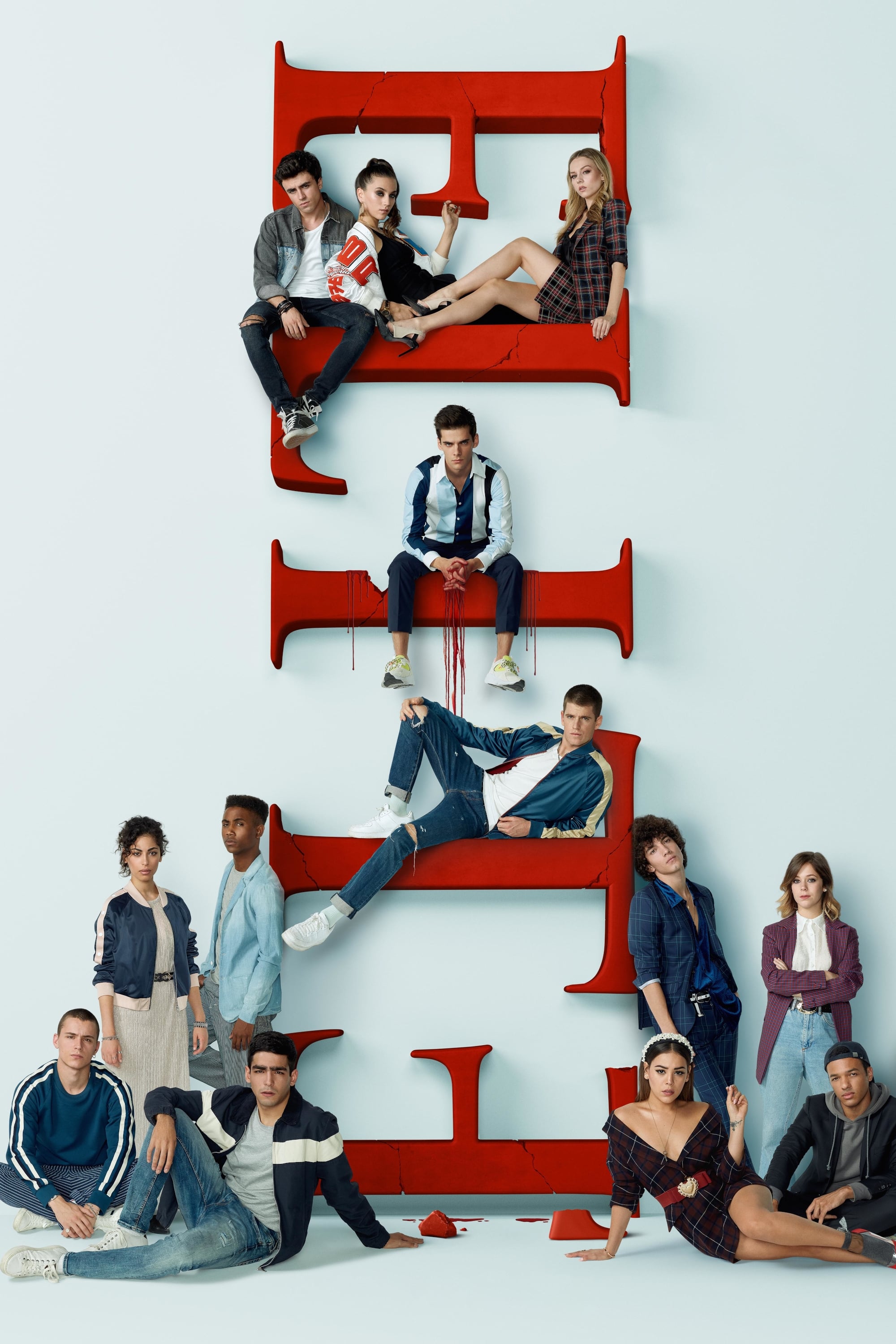
This Spanish drama is known for its explicit content and frequent rotation of cast members. Every new class of students brought a set of queer characters who were often involved in short lived love triangles. Critics noted that these relationships rarely had a lasting impact on the characters or the central murder mysteries. The repetitive nature of these romantic entanglements made them feel like a mandatory part of the show’s formula. By the middle seasons the queer representation felt more like a stylistic choice than a character driven necessity.
‘And Just Like That…’ (2021–Present)
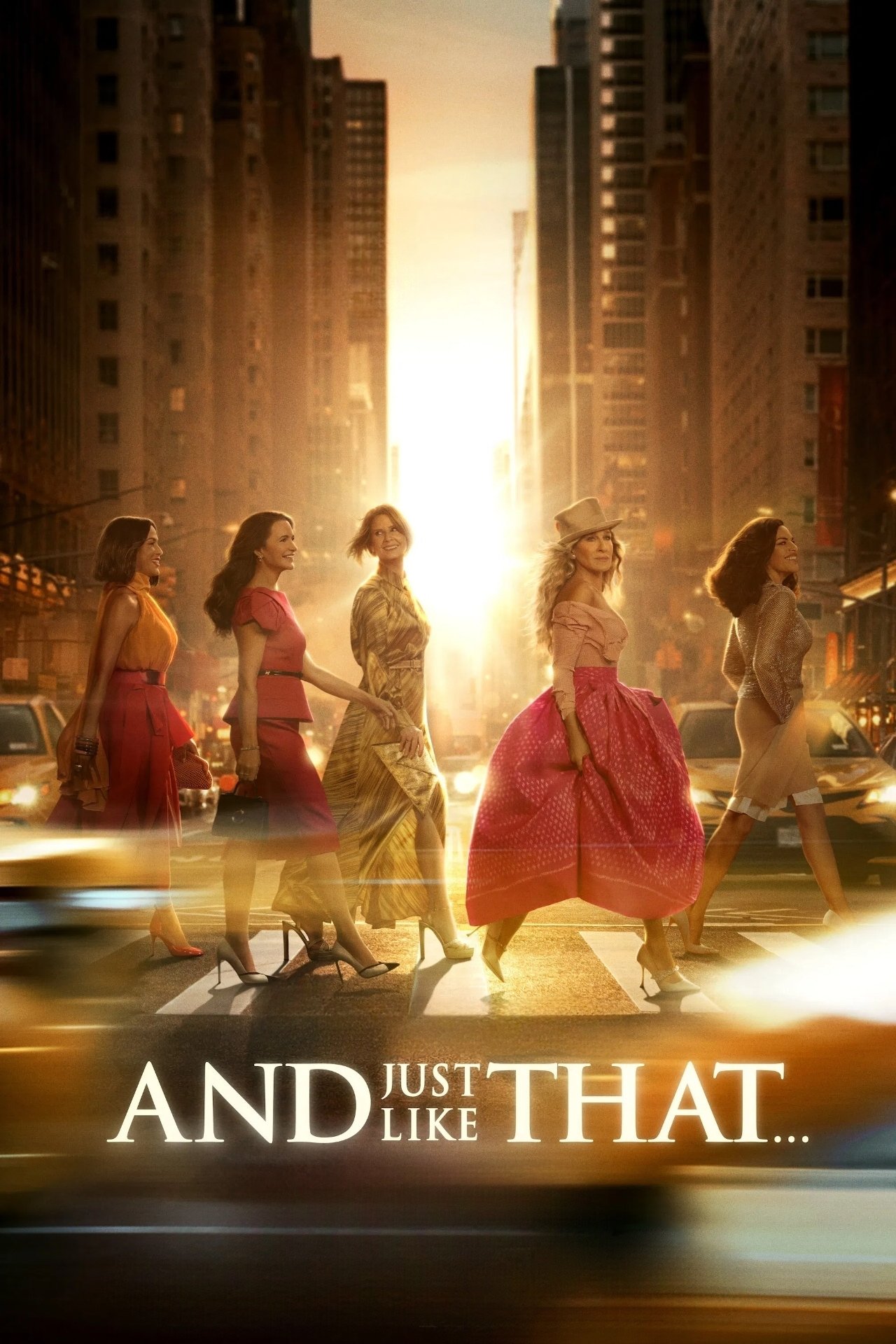
The revival of the iconic series introduced several new characters to address the lack of diversity in the original run. The character of Che Diaz became a lightning rod for criticism due to how their identity was presented. Many fans felt the character was a collection of buzzwords and tropes rather than a fully realized human being. The focus on educating the original cast members about gender and sexuality often felt didactic. This approach led to the perception that the new characters were only there to serve as lessons for the protagonists.
‘The L Word: Generation Q’ (2019–2023)
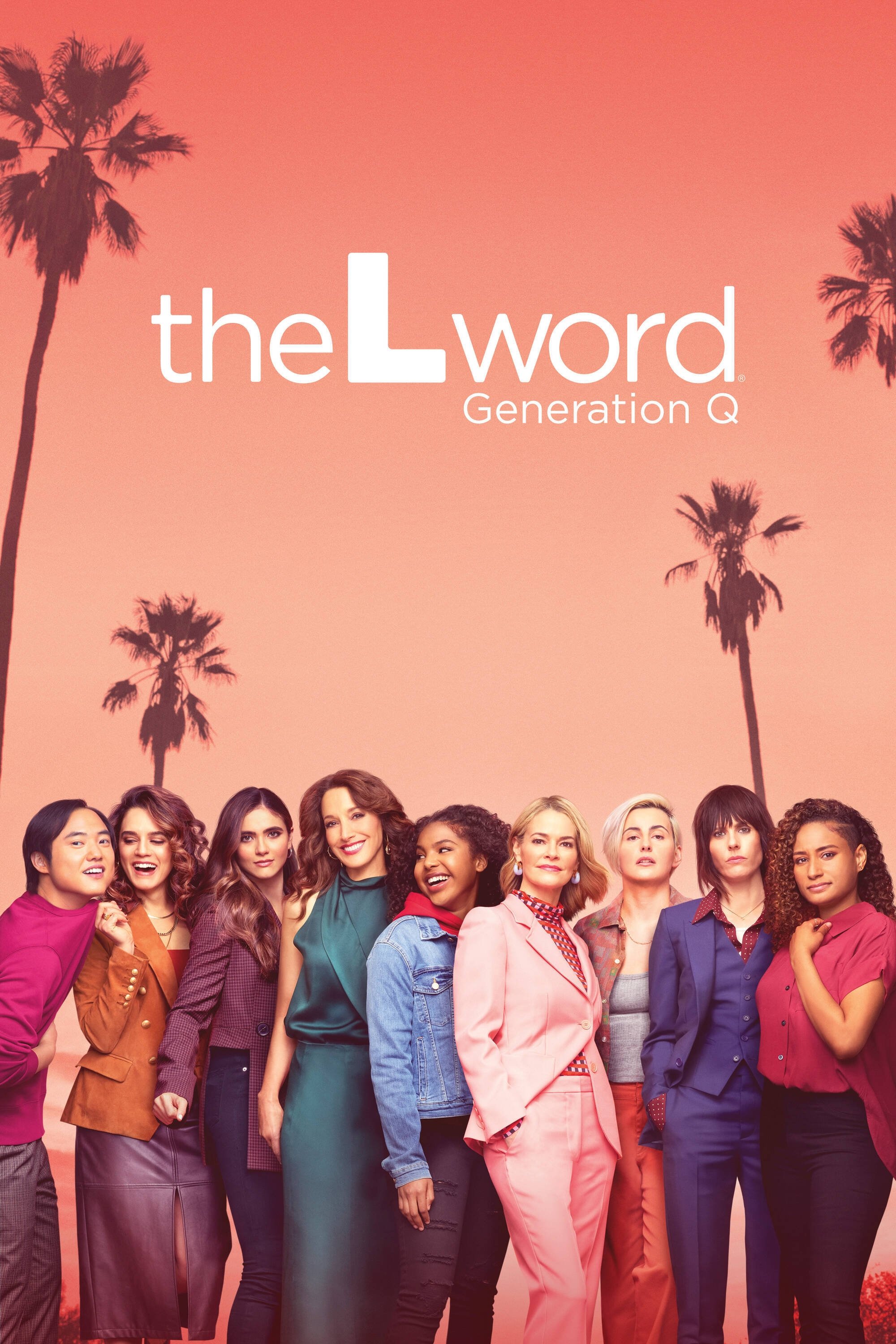
As a revival of a groundbreaking series this show aimed to update its representation for a modern audience. While it included a much broader range of identities many viewers felt the storytelling was disjointed. The new characters were often introduced with complex labels but were given very little screen time to explore them. Fans of the original show felt the writing sacrificed character depth in order to cover as many social issues as possible. This led to a series of subplots that felt like they were pulled from a sociological checklist.
‘Chilling Adventures of Sabrina’ (2018–2020)
The character of Theo Putnam underwent a transition that was handled over the course of the second season. Some viewers felt the transition was integrated well while others thought it was rushed to meet a narrative milestone. The character often felt sidelined once the transition storyline was resolved. Theo was rarely involved in the high stakes magical battles that defined the rest of the cast. This created a sense that the character was kept on the periphery once their specific representation arc was completed.
‘Batwoman’ (2019–2022)
As a show centered on a lesbian superhero the series naturally featured many LGBTQ+ characters. However some critics felt the show leaned too heavily on making every supporting character queer as well. This gave the impression that the writers were creating a world that felt disconnected from the reality of the characters’ lives. The focus on identity often overshadowed the actual superheroics and detective work. Many fans argued that the show struggled to balance its social messaging with compelling storytelling.
‘Gossip Girl’ (2021–2023)
The reboot of the teen drama made a conscious effort to be more inclusive than the original version. It featured a pansexual lead and several non binary characters from the very beginning. While the representation was vast many viewers felt it lacked the soapy charm of the predecessor. The characters often spoke in a way that sounded like they were reading from a social justice handbook. This made the inclusive elements feel like a mandated part of the brand rather than organic character traits.
‘Once Upon a Time’ (2011–2018)
The show teased a queer romance for several seasons before finally introducing one in its later years. The relationship between Ruby and Dorothy was established and resolved within a single episode. Many fans felt this was a lackluster attempt to provide representation after years of fan theories. The arc relied on a true love’s kiss trope that felt unearned given the characters had just met. This brief inclusion was widely seen as a way to fulfill a promise without changing the show’s status quo.
‘Supernatural’ (2005–2020)
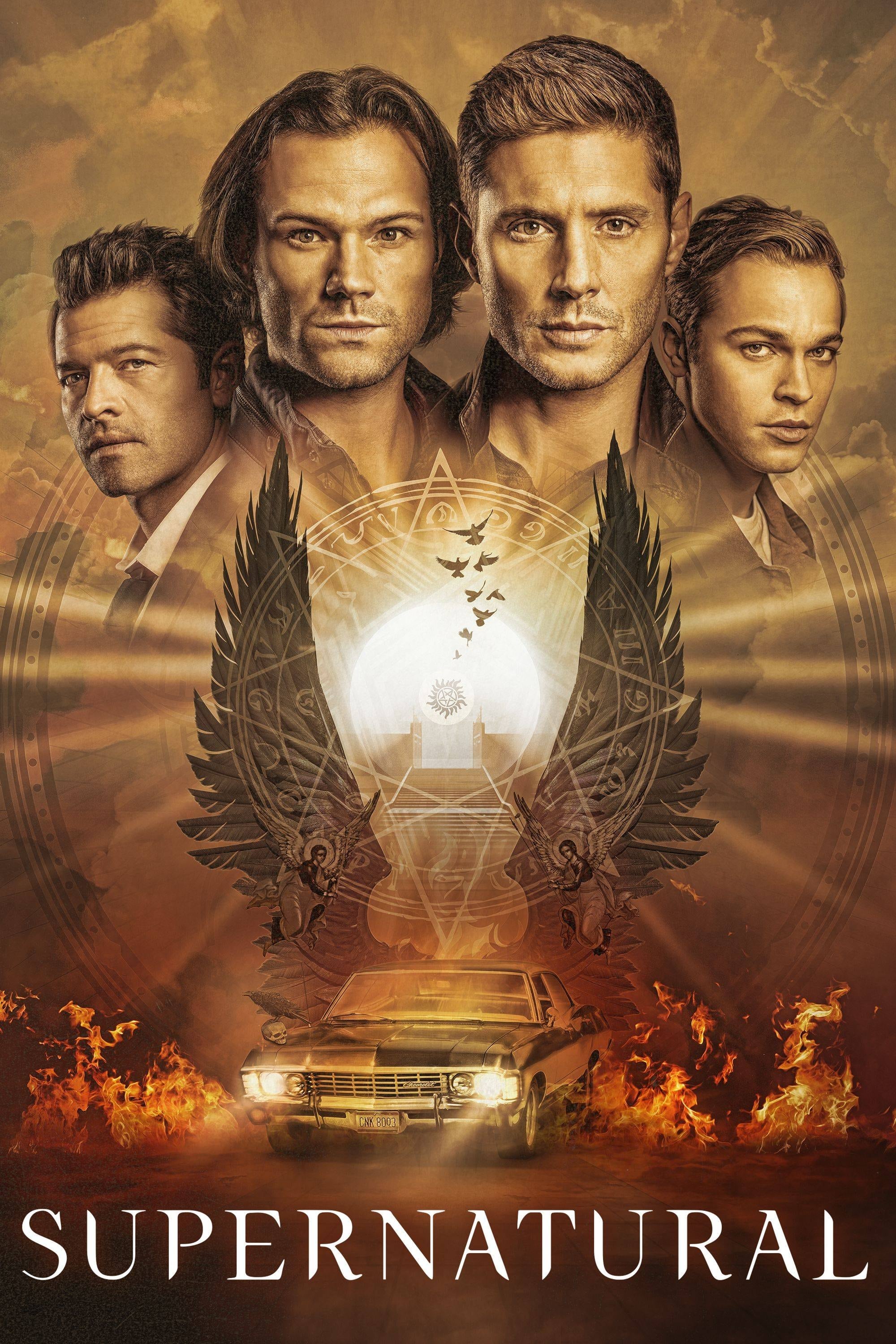
The long running series was frequently accused of queerbaiting regarding the bond between Dean and Castiel. For over a decade the show utilized romantic subtext to keep a specific segment of the audience engaged. In the final episodes a character finally confessed their love before being immediately killed off. This move was heavily criticized for being a performative gesture that came too late to be meaningful. It reinforced the idea that the writers were only willing to acknowledge queer feelings at the very end of the story.
‘The Walking Dead’ (2010–2022)
The series featured several prominent gay characters like Jesus and Aaron who survived long into the apocalypse. While they were respected members of the community their romantic lives were often kept in the background. Fans noted that while heterosexual couples were given significant screen time for their relationships queer couples were rarely seen. This led to the feeling that the characters were included to meet a diversity quota but were not allowed the same romantic agency. Their presence felt like a passive form of representation that avoided any actual intimacy.
‘Grey’s Anatomy’ (2005–Present)
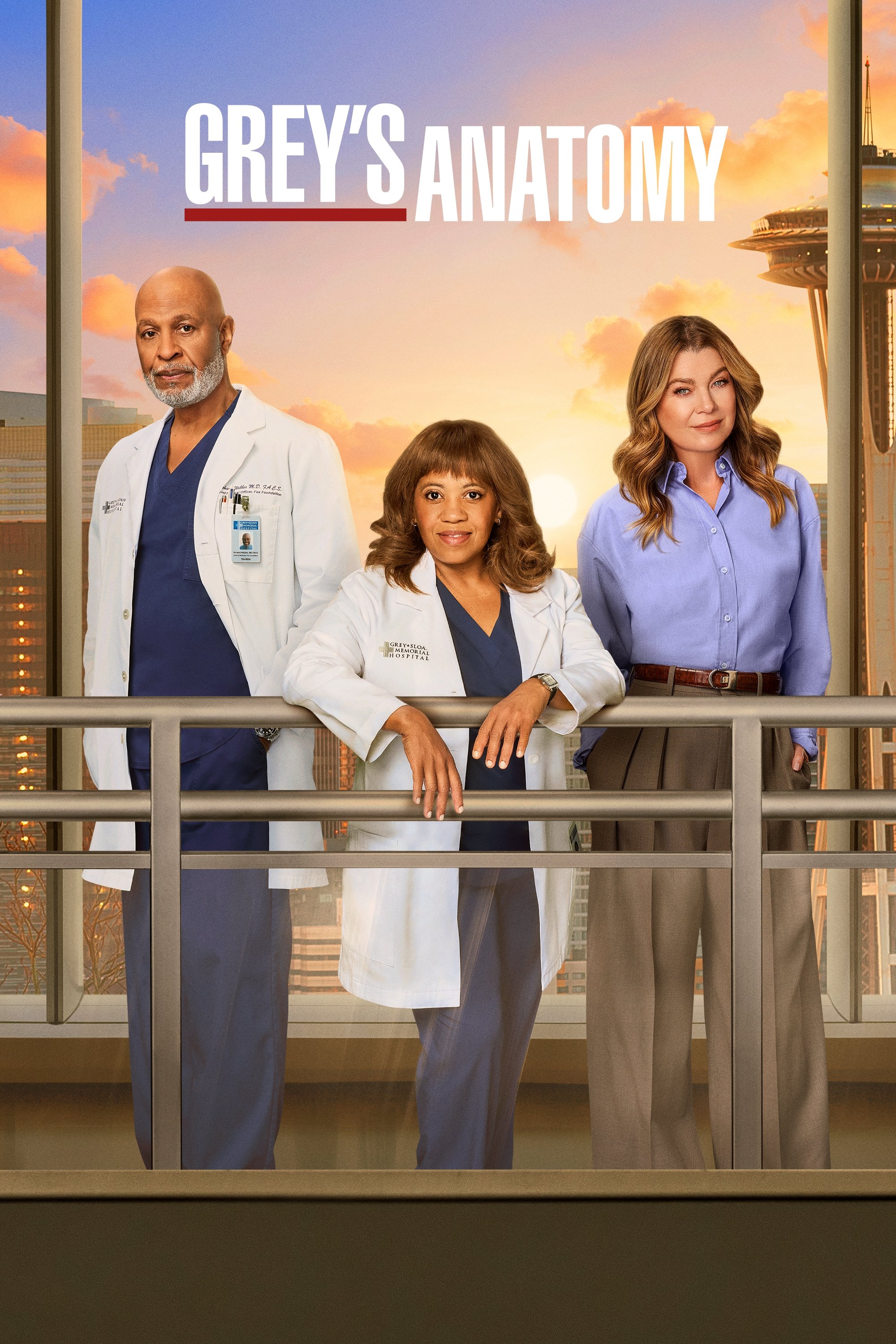
The medical drama has featured a revolving door of LGBTQ+ interns and doctors over its many seasons. While some characters like Callie Torres were deeply developed others have felt like temporary additions. New interns are often introduced with a specific identity that is highlighted for a few episodes before they disappear. This creates a sense that the hospital is constantly cycling through queer characters to maintain its reputation for diversity. Critics have noted that many of these newer doctors lack the complex backstories of the original cast.
‘Modern Family’ (2009–2020)
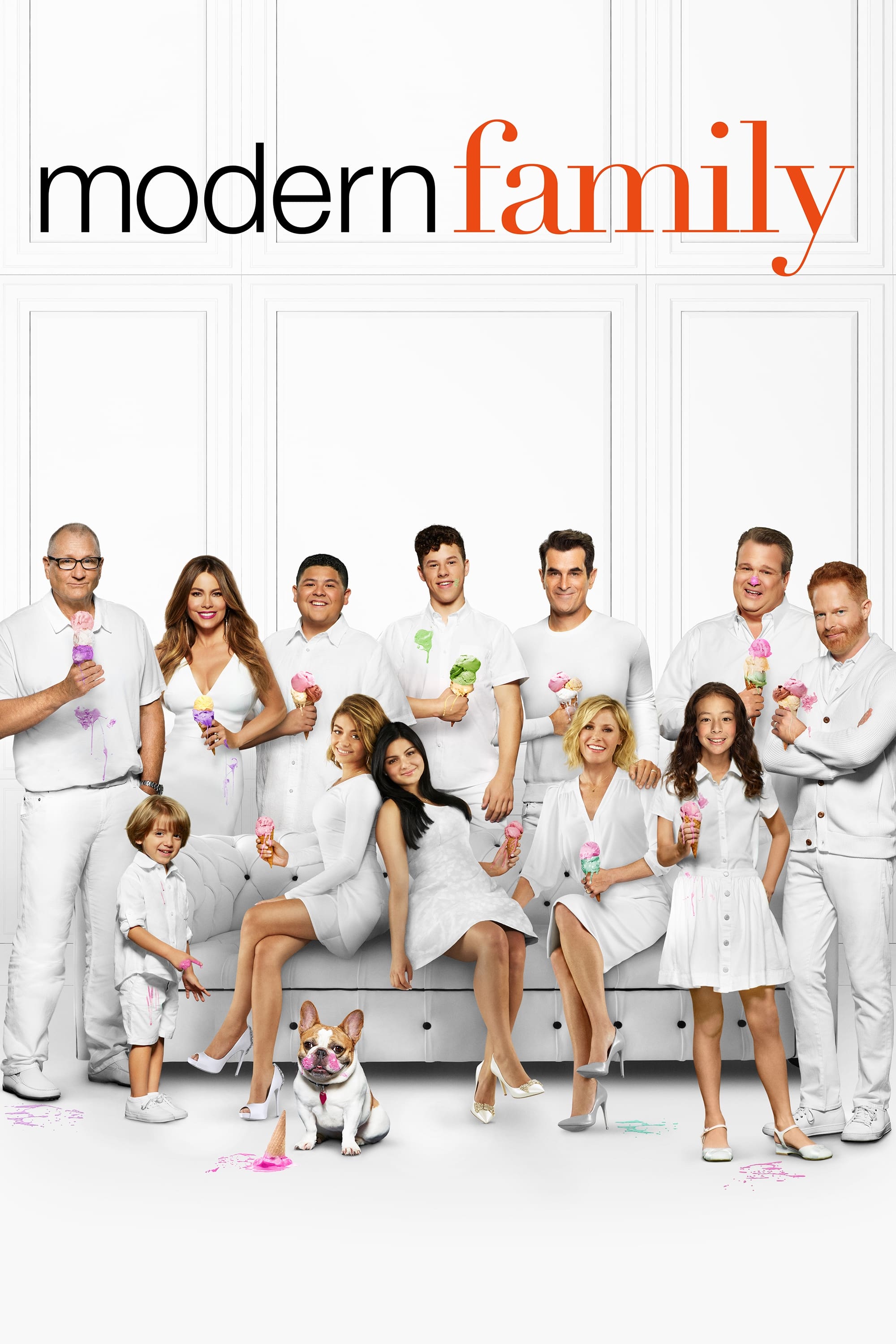
Despite being a hit show featuring a gay couple the series was often criticized for its treatment of Mitchell and Cameron. For many years the couple was rarely allowed to show physical affection on screen compared to the heterosexual couples. Their storylines often relied on stereotypical bickering or dramatic misunderstandings. While they were central to the show many viewers felt their relationship was sterilized for a general audience. This led to a perception that they were a safe version of a gay couple designed for broad appeal.
‘Arrow’ (2012–2020)
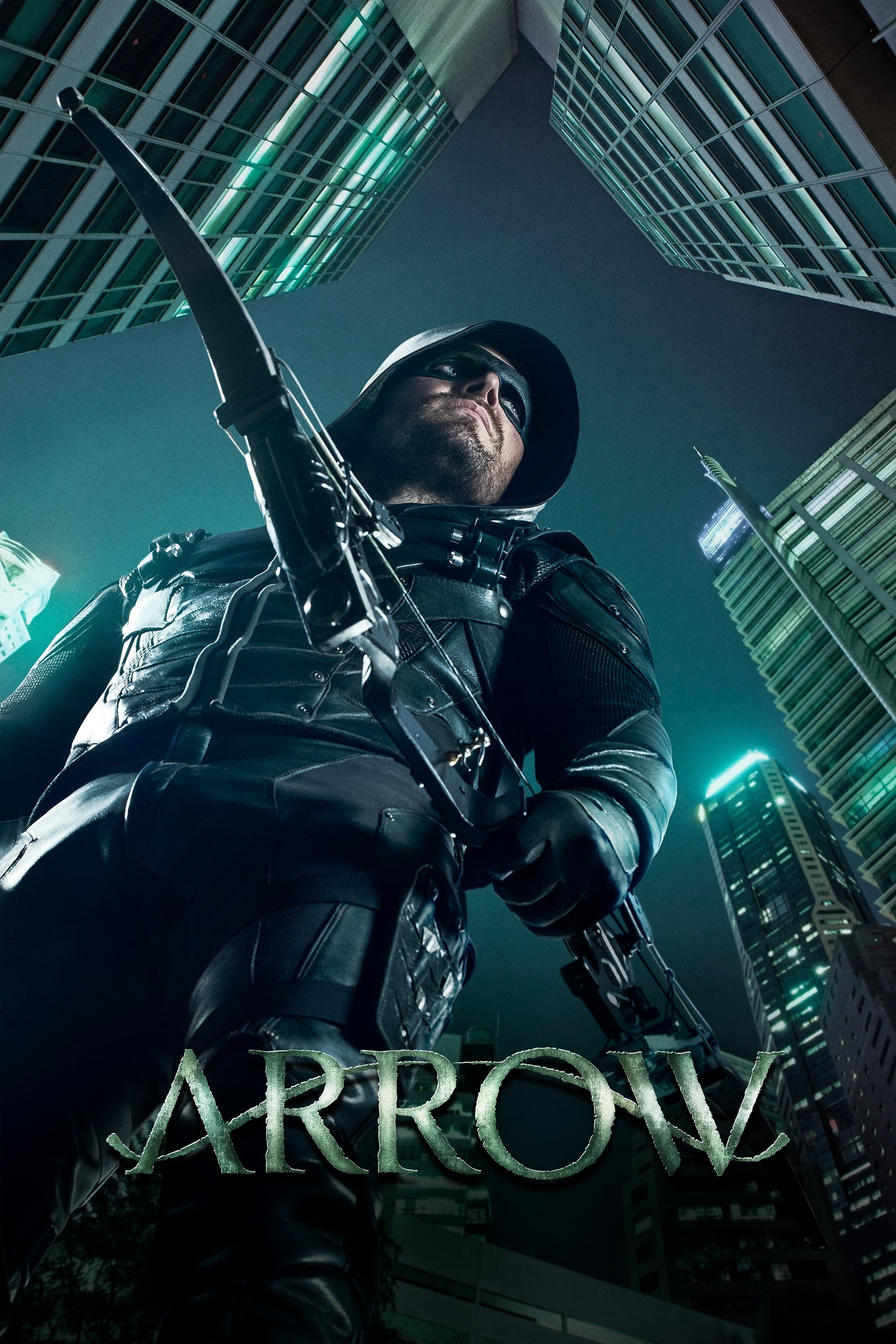
The character of Curtis Holt was introduced as a tech genius and later became the superhero Mister Terrific. Throughout his tenure he frequently mentioned his husband and his identity as a gay man. Some fans felt these reminders were repetitive and served as a substitute for actual character development. When his husband eventually left him the storyline felt more like a way to move the character into a new role than a genuine emotional arc. The character was often used as a source of comic relief rather than a serious hero.
‘The Flash’ (2014–2023)
The show introduced several queer characters in its later seasons including Nora West Allen and various supporting allies. Many of these characters had their sexuality mentioned in passing but it rarely influenced their personal journeys. Some viewers felt that these additions were made to align the show with the more inclusive tone of other series in the franchise. The storylines for these characters often felt secondary to the main plot involving the titular hero. This made the inclusive elements feel like a background feature rather than an integrated part of the show.
‘Voltron: Legendary Defender’ (2016–2018)
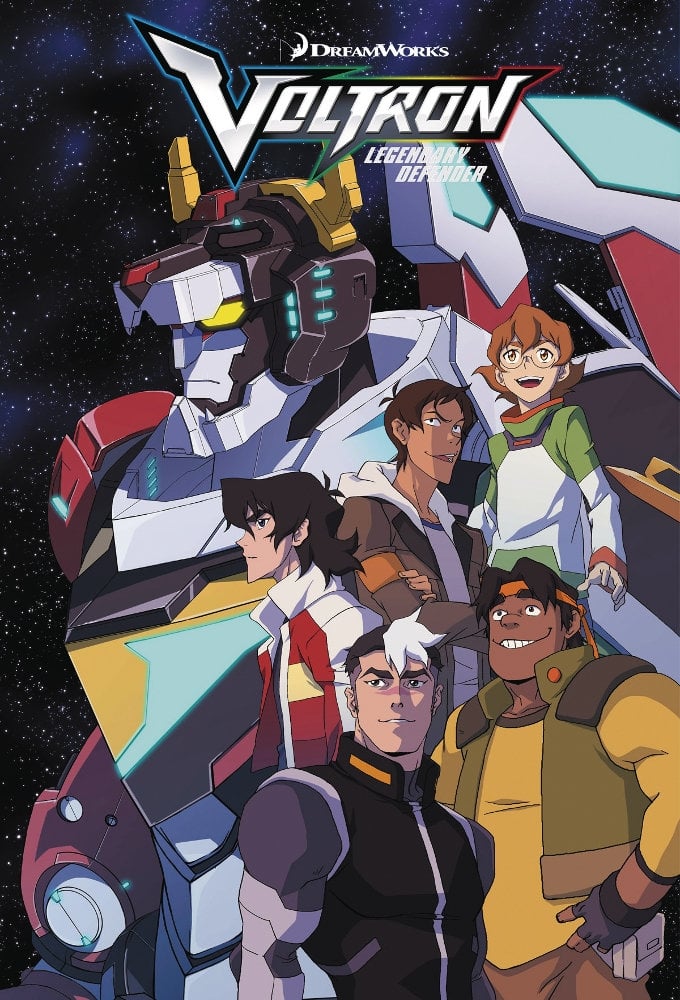
The showrunners generated significant hype by announcing that a main character was gay before the final seasons. However the character’s former partner was introduced and then killed off almost immediately. This left very little room for the character to actually explore his identity on screen. Fans felt that the announcement was a marketing tactic that did not reflect the actual content of the episodes. The lack of screen time for the relationship made the representation feel like an afterthought.
‘Empire’ (2015–2020)
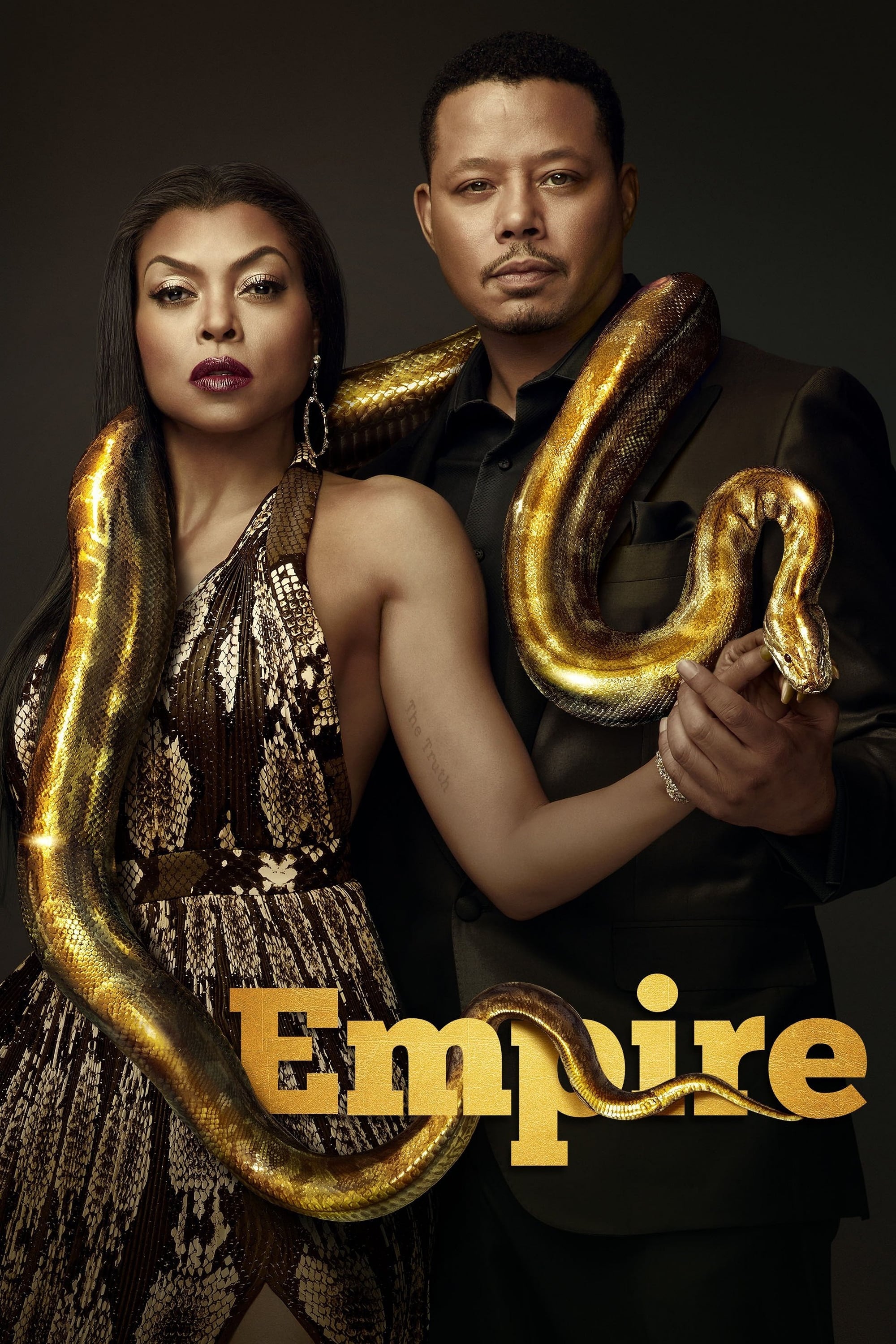
The character of Jamal Lyon was central to the show’s exploration of homophobia within the music industry. As the series continued his romantic subplots often became repetitive and focused on high stakes drama. Critics noted that his relationships seemed to follow a predictable pattern of conflict and resolution. This led to a feeling that his identity was being used to generate soap opera plot points rather than exploring his character. The focus on his trauma often outweighed the celebration of his success as an artist.
‘Dynasty’ (2017–2022)
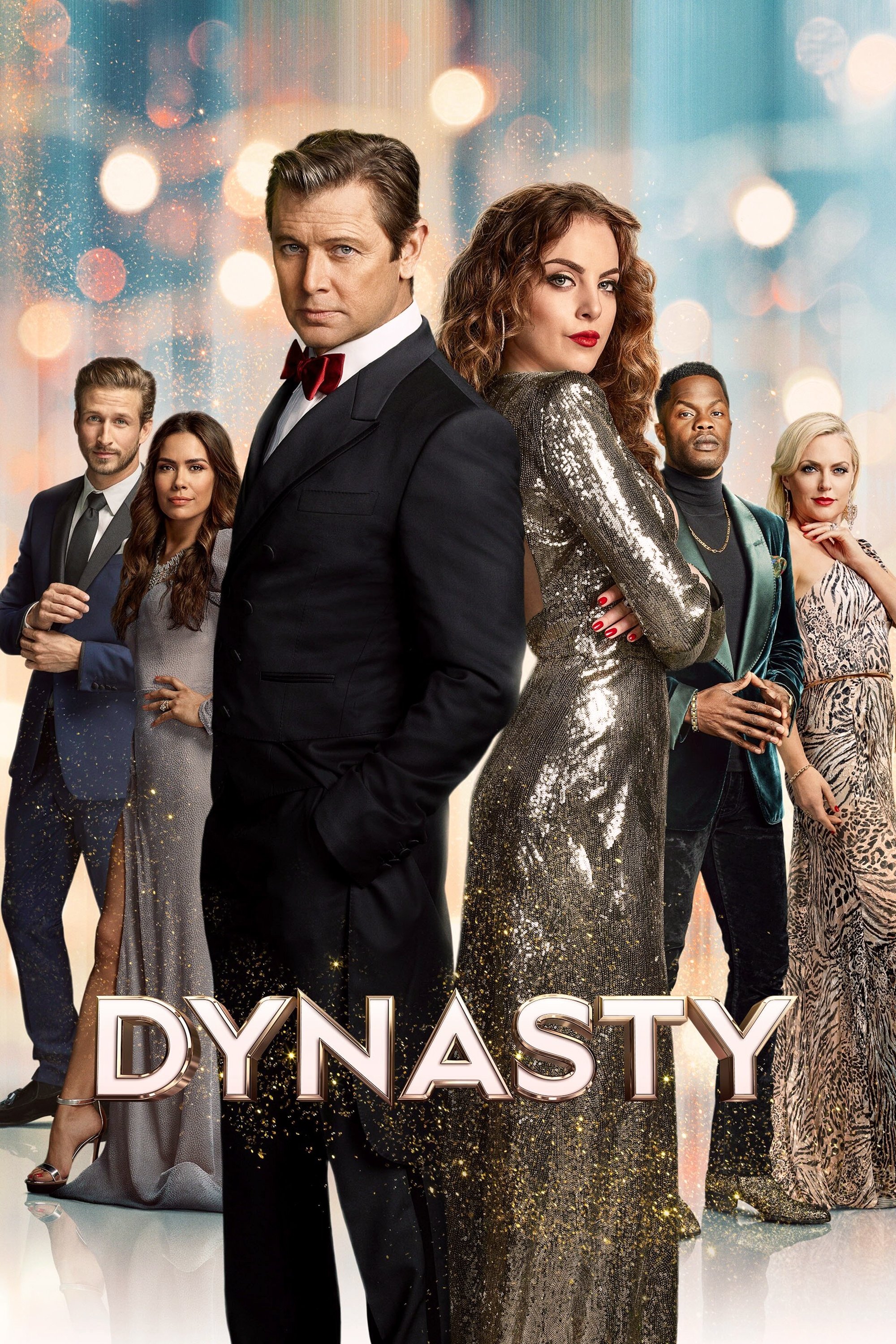
The reboot of the classic soap opera featured Steven Carrington as an openly gay man from the start. However the character was written out of the show early on and replaced with a new set of queer characters. These new additions were often involved in fleeting romances that lacked emotional weight. The show seemed more interested in the aesthetics of diversity than in developing stable relationships. This resulted in a series of arcs that felt like they were designed to keep the show looking modern.
‘Pretty Little Liars’ (2010–2017)
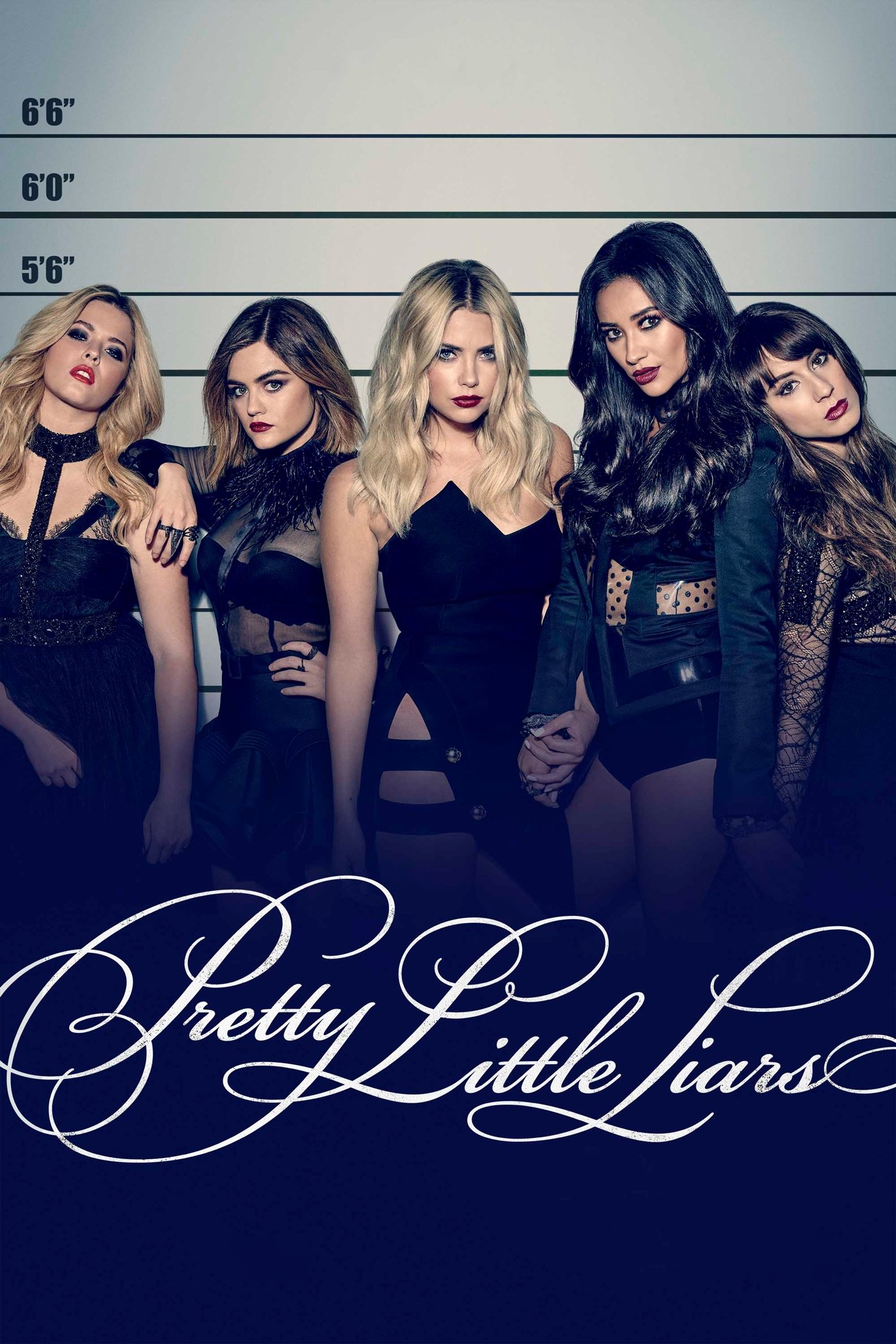
Emily Fields was a core member of the cast and the show’s primary source of LGBTQ+ representation. Over the course of the series she was given a long list of romantic interests who rarely stayed for more than a few episodes. Many of these girlfriends were introduced only to be revealed as villains or to be killed off. Fans felt the writers were using Emily’s dating life to fill time between the main mystery beats. This made her romantic journey feel like a revolving door of disposable characters.
‘Teen Wolf’ (2011–2017)

The series was praised for creating a world where homophobia did not exist in the high school setting. While this was a positive step many of the gay characters remained in the background of the main action. Characters like Danny and Ethan were popular with fans but were often excluded from the supernatural plotlines. Their presence felt like a way to add color to the show without giving them significant agency. When they left the series their absence was rarely mentioned by the other characters.
‘The Vampire Diaries’ (2009–2017)
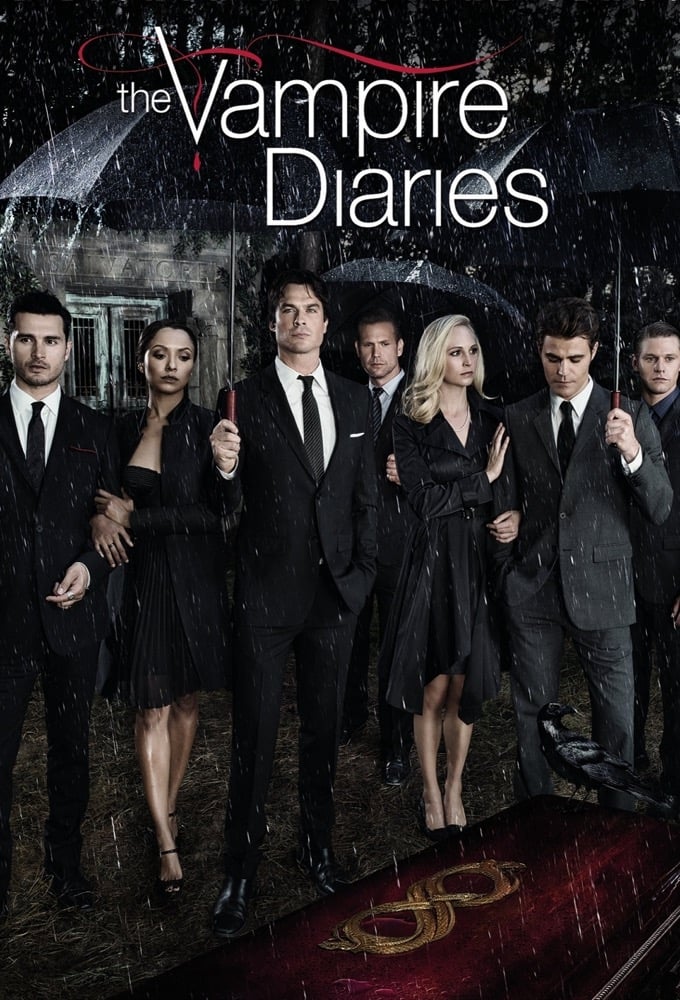
This supernatural drama waited until its seventh season to introduce its first recurring lesbian couple. Mary Louise and Nora were presented as villains before becoming sympathetic tragic figures. Their relationship was defined by centuries of secrecy and constant internal conflict. Many viewers felt they were introduced too late in the series to have a meaningful impact on the story. Their eventual deaths were seen as a way to clear the slate for the final season.
‘Shadowhunters’ (2016–2019)
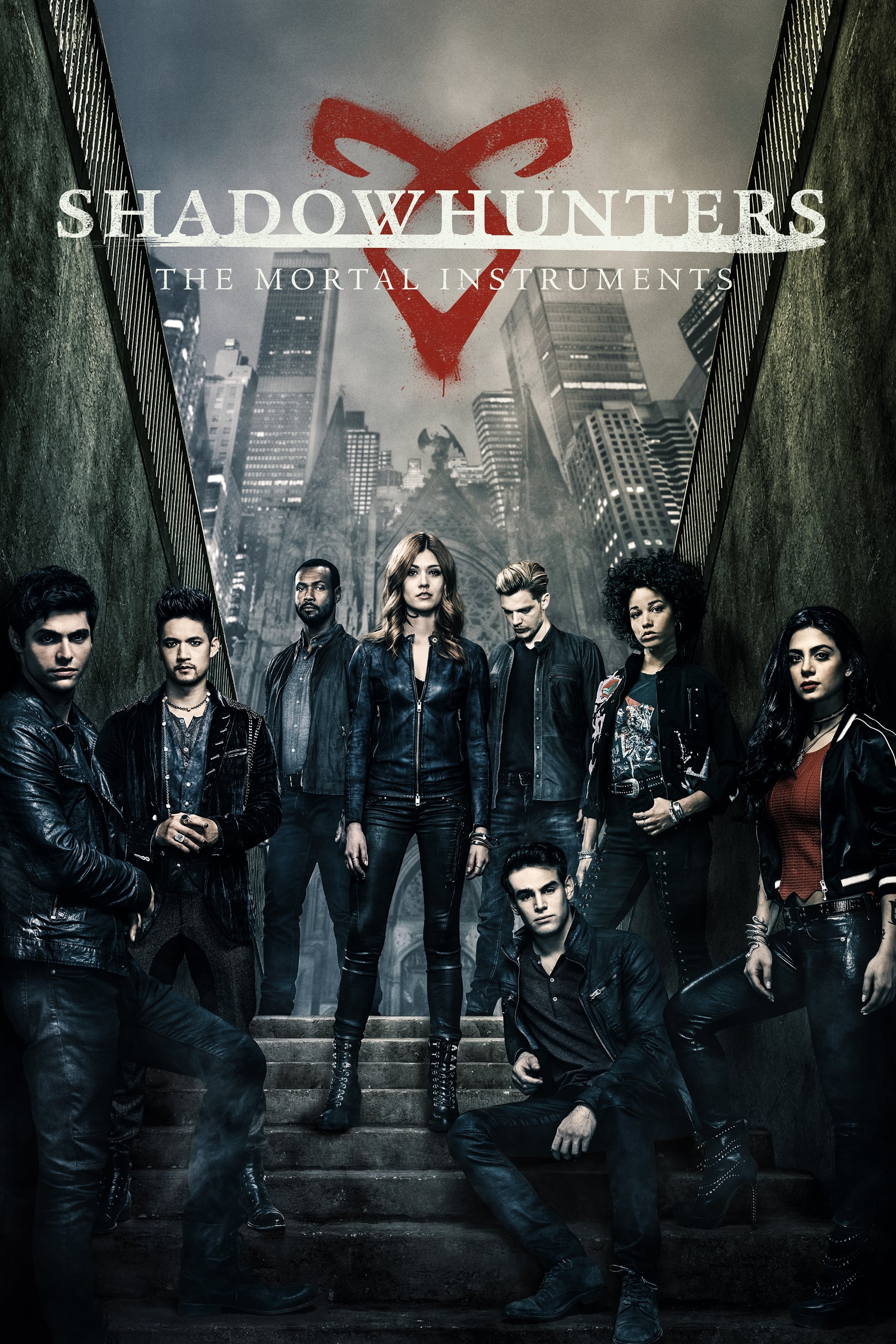
The relationship between Magnus Bane and Alec Lightwood was a primary draw for much of the audience. While their arc was central many other queer characters in the show were given much less development. Side characters were often introduced with a queer identity only to serve as obstacles or background extras. This created a hierarchy of representation where only the main couple was allowed to have depth. The other inclusions felt like they were there to populate a world that met a certain diversity standard.
‘The Politician’ (2019–2020)

This Ryan Murphy production featured a cast where almost every character existed somewhere on the queer spectrum. While this was a stylistic choice some critics felt it made the representation feel less impactful. The fluid identities were often presented as a given but were rarely explored in a grounded way. The show focused more on the satire of political ambition than on the personal lives of its characters. This made the diverse casting feel like part of the show’s polished and cynical aesthetic.
‘Hollywood’ (2020)

This limited series presented an alternate history of the film industry where diverse creators found success in the late nineteen forties. While the show was meant to be aspirational many critics felt it was overly simplistic. The characters achieved their goals with very little realistic resistance which made the triumphs feel hollow. By rewriting history the show was accused of ignoring the actual struggles of the people it sought to represent. The result was a narrative that felt like a glossy checklist of what should have been.
‘Ratched’ (2020)
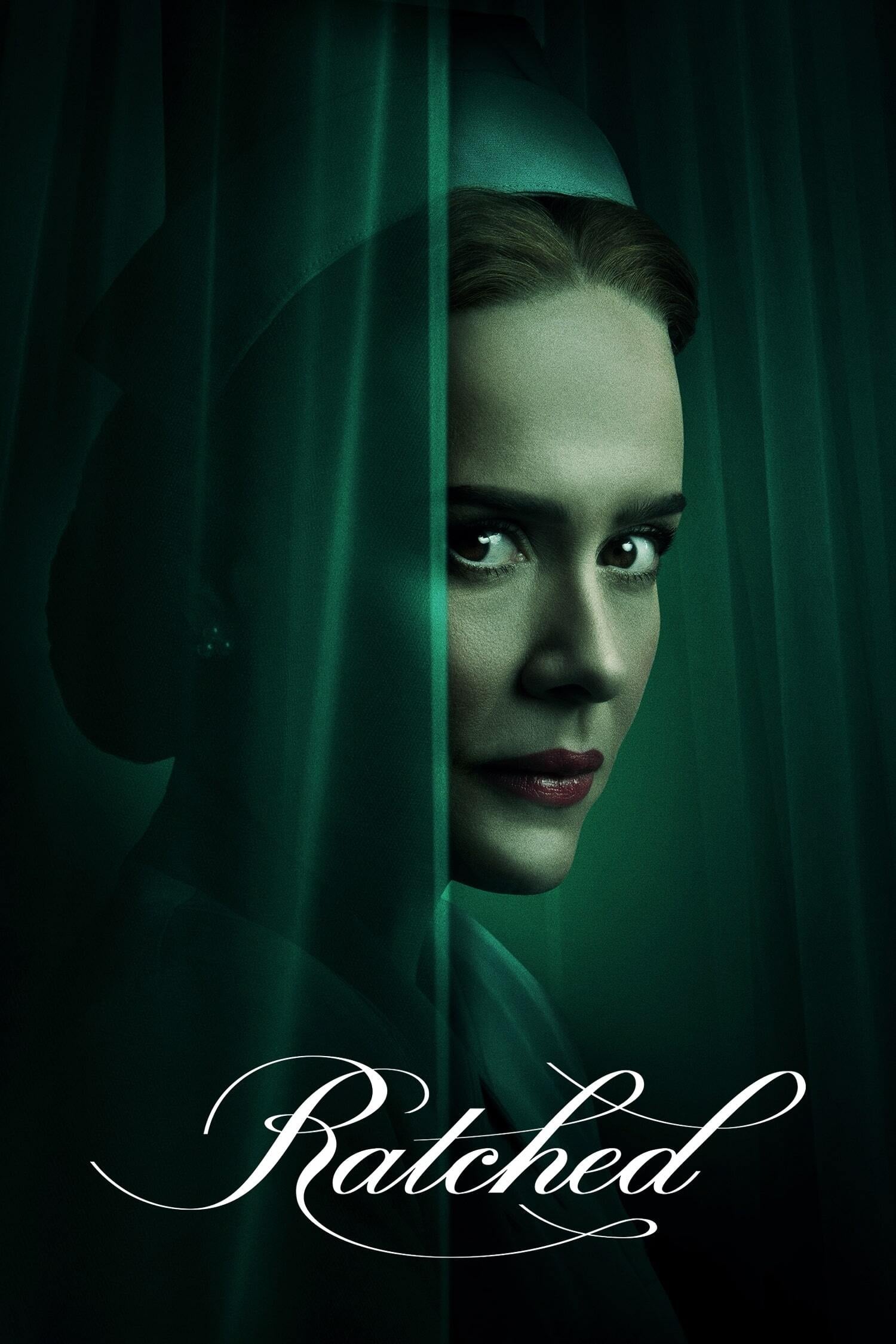
The series introduced a romantic connection between the titular nurse and a political consultant. Some viewers felt this relationship was added to humanize a character who was otherwise portrayed as a monster. The arc was heavily stylized and felt disconnected from the dark and violent tone of the rest of the show. Critics noted that the romance seemed to follow a modern sensibility that didn’t fit the period setting. This led to a feeling that the queer elements were a mandatory inclusion for a modern streaming drama.
‘Bridgerton’ (2020–Present)
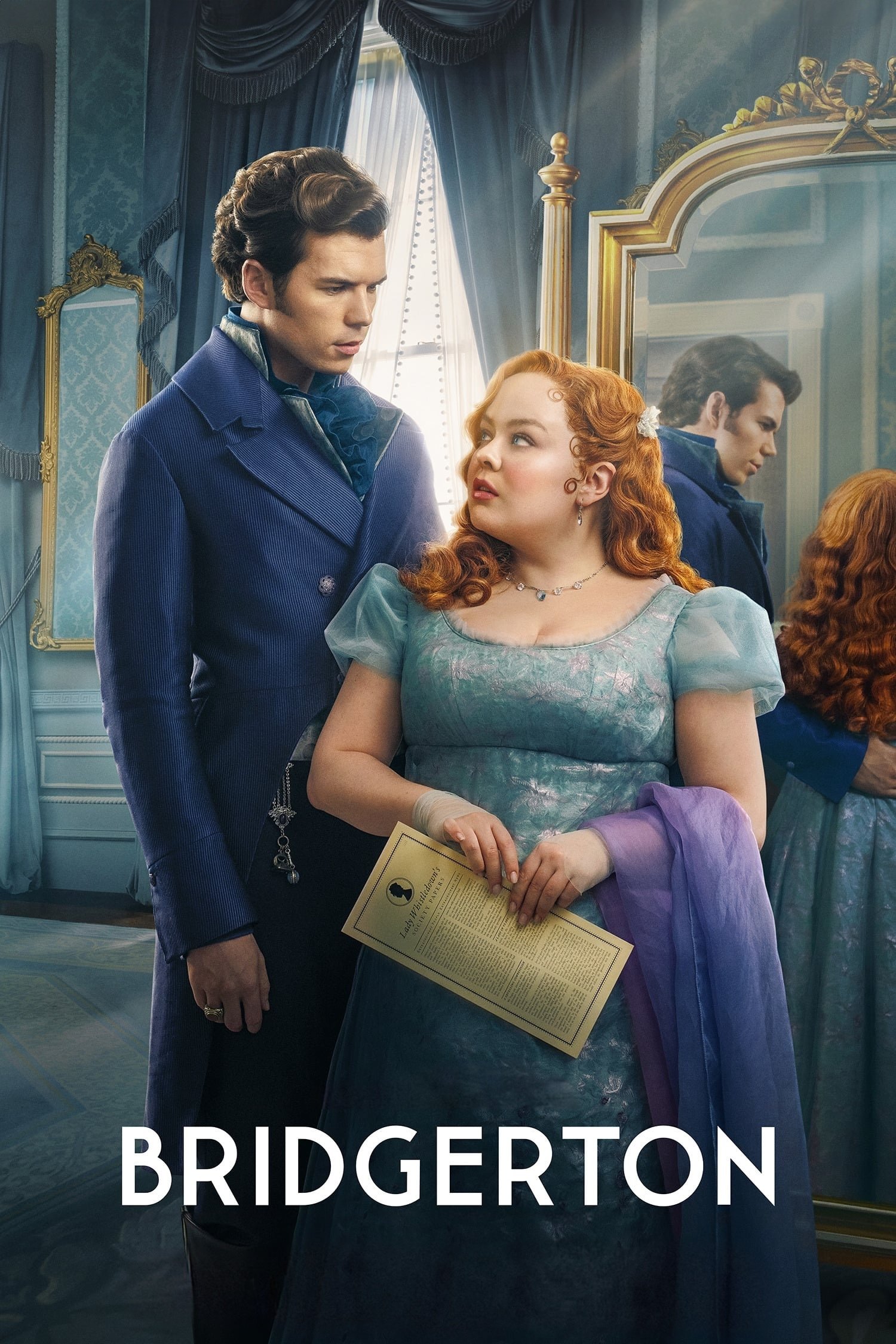
The show is famous for its diverse casting in a Regency setting but was slow to include LGBTQ+ storylines. When these elements were finally introduced they were often relegated to side characters with very little screen time. Benedict Bridgerton was given a subplot involving a secret bohemian community that was never fully explored. Fans felt the show was teasing representation without actually integrating it into the main marriage plots. This made the occasional queer scenes feel like a nod to modern audiences rather than a core part of the show.
‘The Witcher’ (2019–Present)
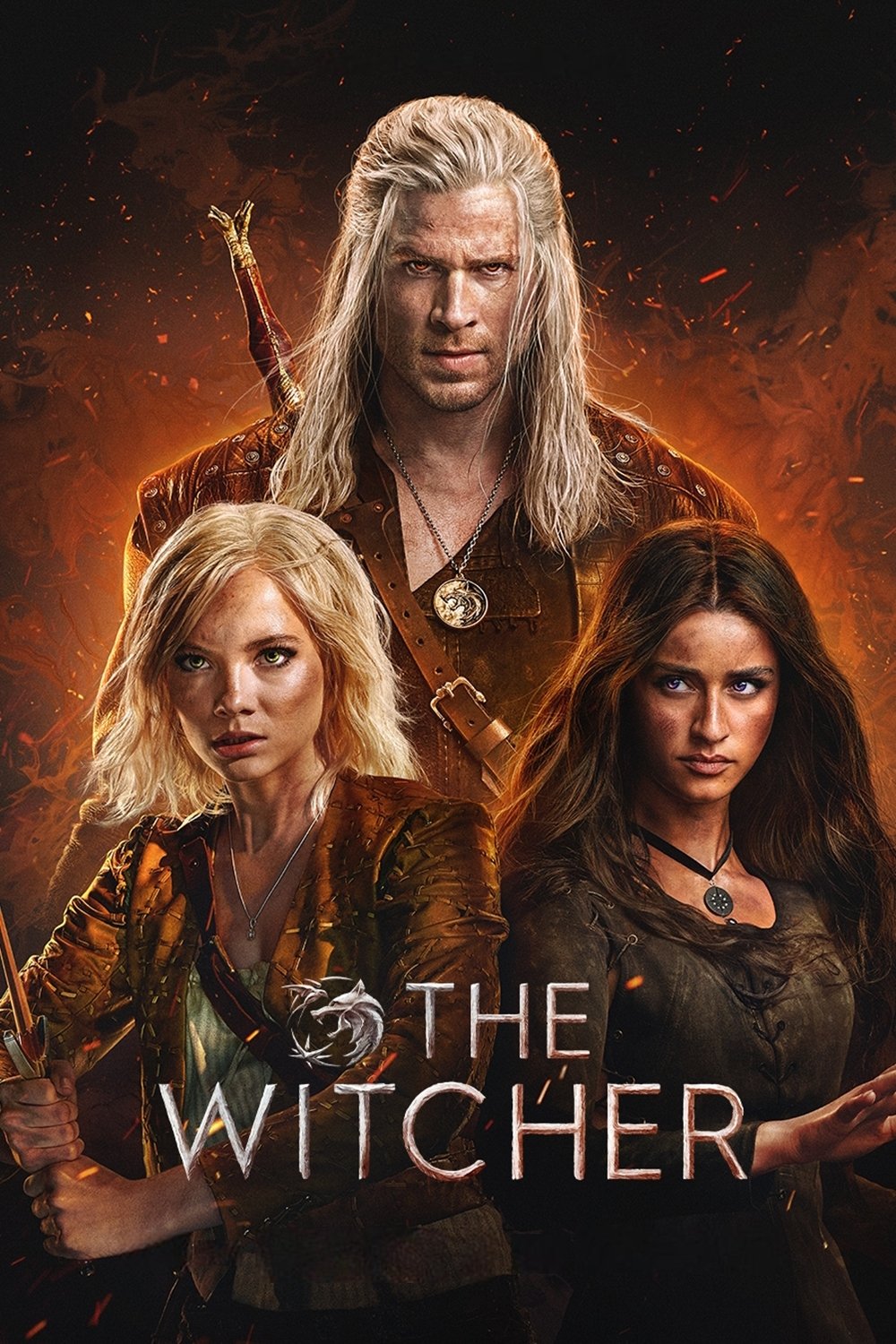
The series has made several changes to the source material to include more diverse characters. This included hints about the sexuality of major characters and the introduction of queer supporting roles. Some fans of the books felt these changes were done to modernize the show rather than to enhance the story. The queer elements were often mentioned in passing and did not significantly affect the main quest. This led to a perception that the writers were adding these details to avoid criticism about a lack of diversity.
‘Stranger Things’ (2016–Present)
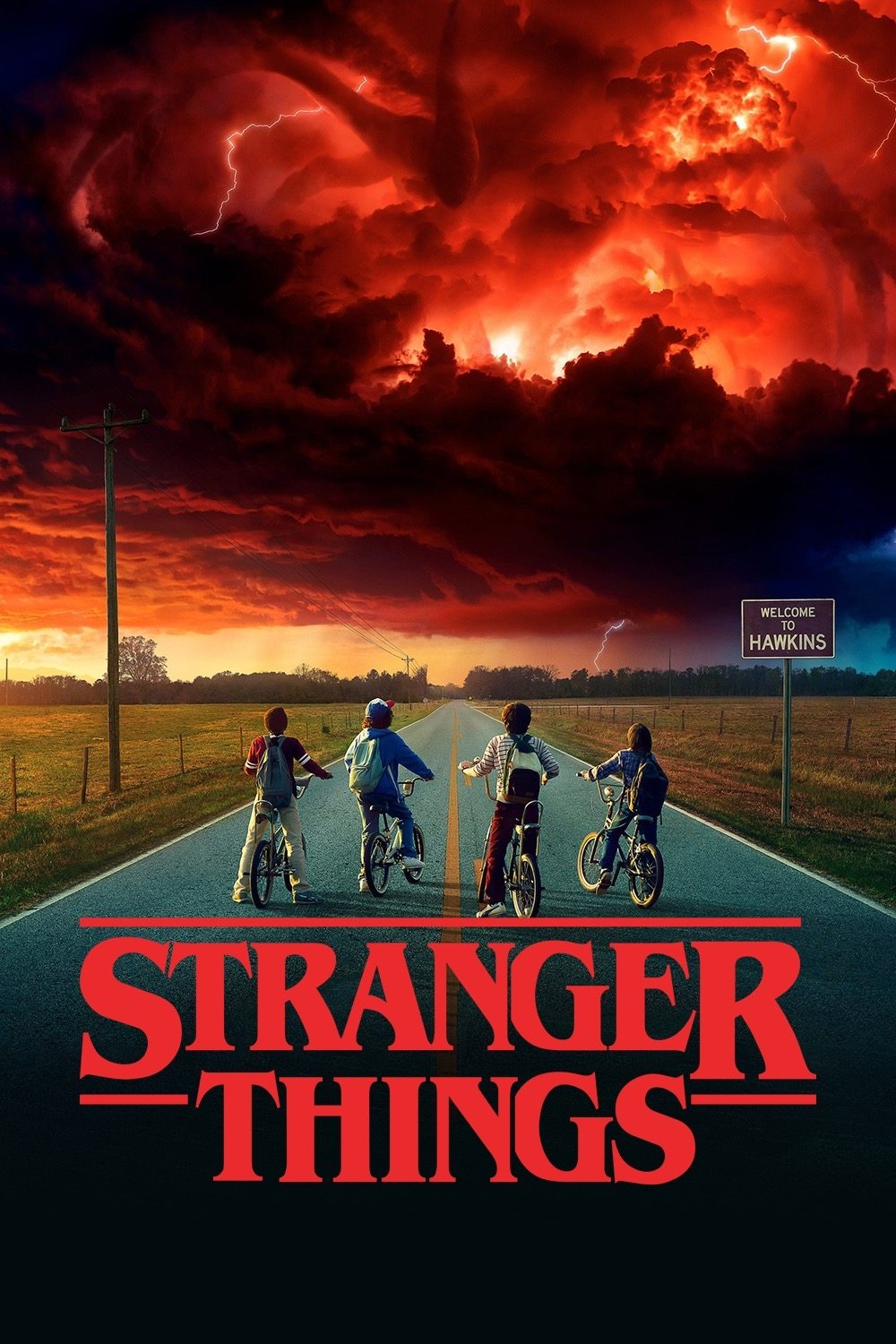
The coming out of Robin Buckley in the third season was a highlight for many fans of the series. However the show has been criticized for how it handles the potential sexuality of Will Byers. For several seasons his feelings were hinted at through subtle clues that were never openly addressed by the characters. This slow burn approach led to accusations of the show being afraid to fully commit to the storyline. Many viewers felt the show was using the mystery of his identity to keep fans speculating.
‘The Umbrella Academy’ (2019–2024)
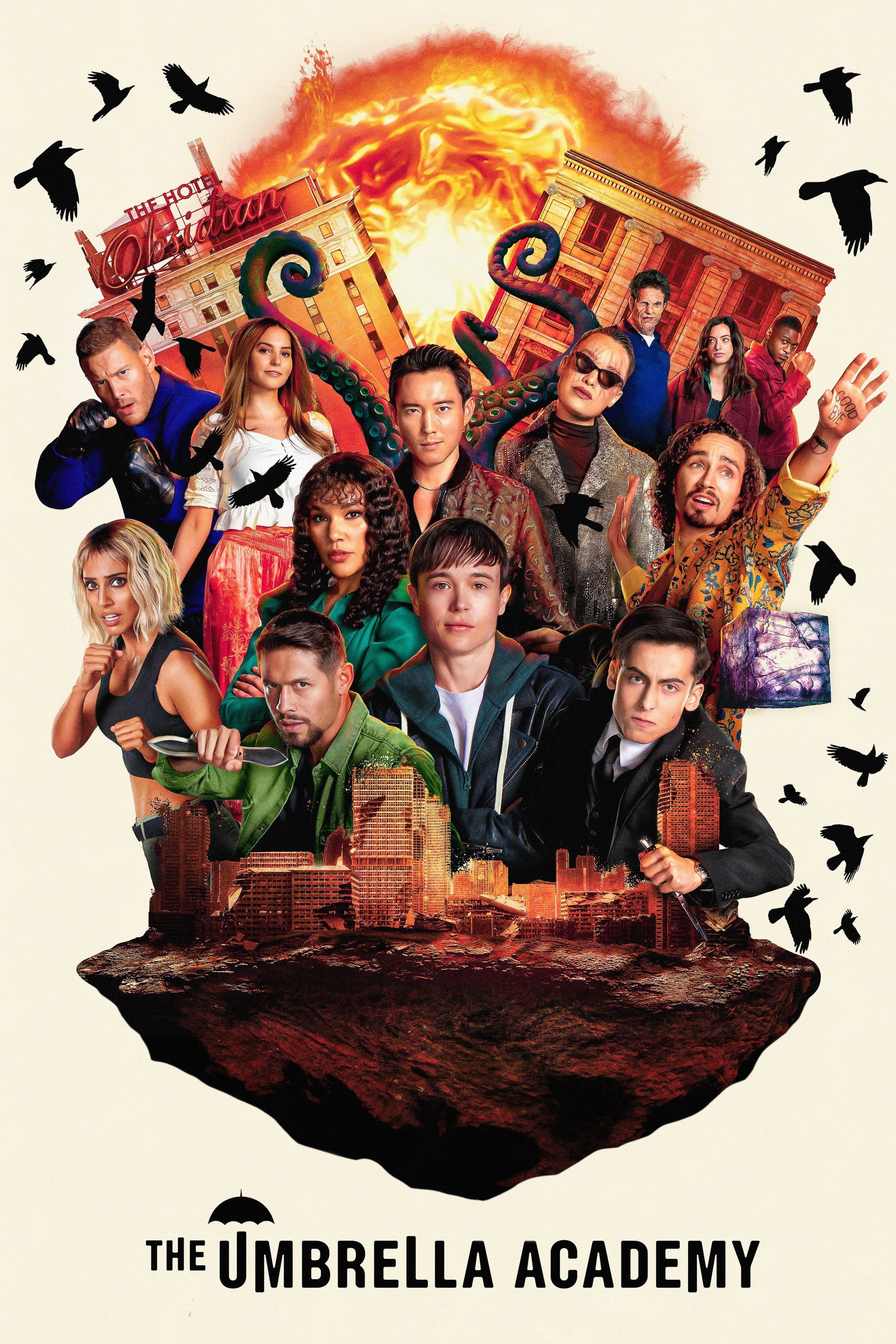
The transition of Viktor Hargreeves was written into the show to reflect the real life transition of actor Elliot Page. While many praised the respectful handling of the transition some felt it was resolved too quickly within the narrative. The other characters accepted the change almost instantly which some viewers found unrealistic for a dysfunctional family. This made the arc feel more like a necessary logistical adjustment than a fully developed plotline. The character’s identity was rarely a point of focus once the initial announcement was made.
‘Sex Education’ (2019–2023)
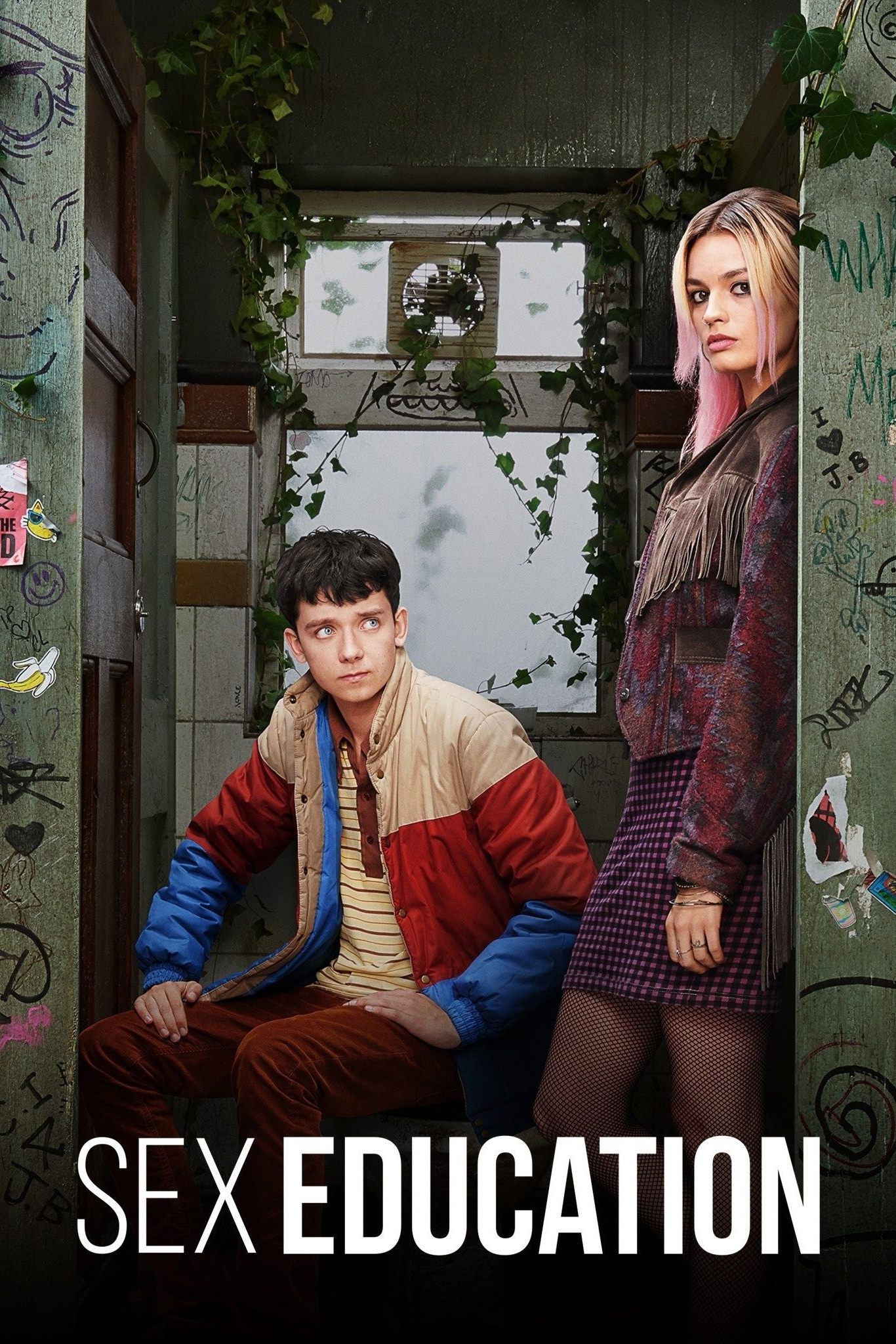
The final season of this show introduced a large number of new queer characters at a different college. Many fans felt the original cast was sidelined to make room for these new arrivals and their specific issues. The new characters were often used to represent very specific niches of the LGBTQ+ community. This led to a feeling that the show was trying to be a comprehensive encyclopedia of identity. Critics argued that the focus on broad representation came at the expense of the show’s established emotional core.
‘Euphoria’ (2019–Present)
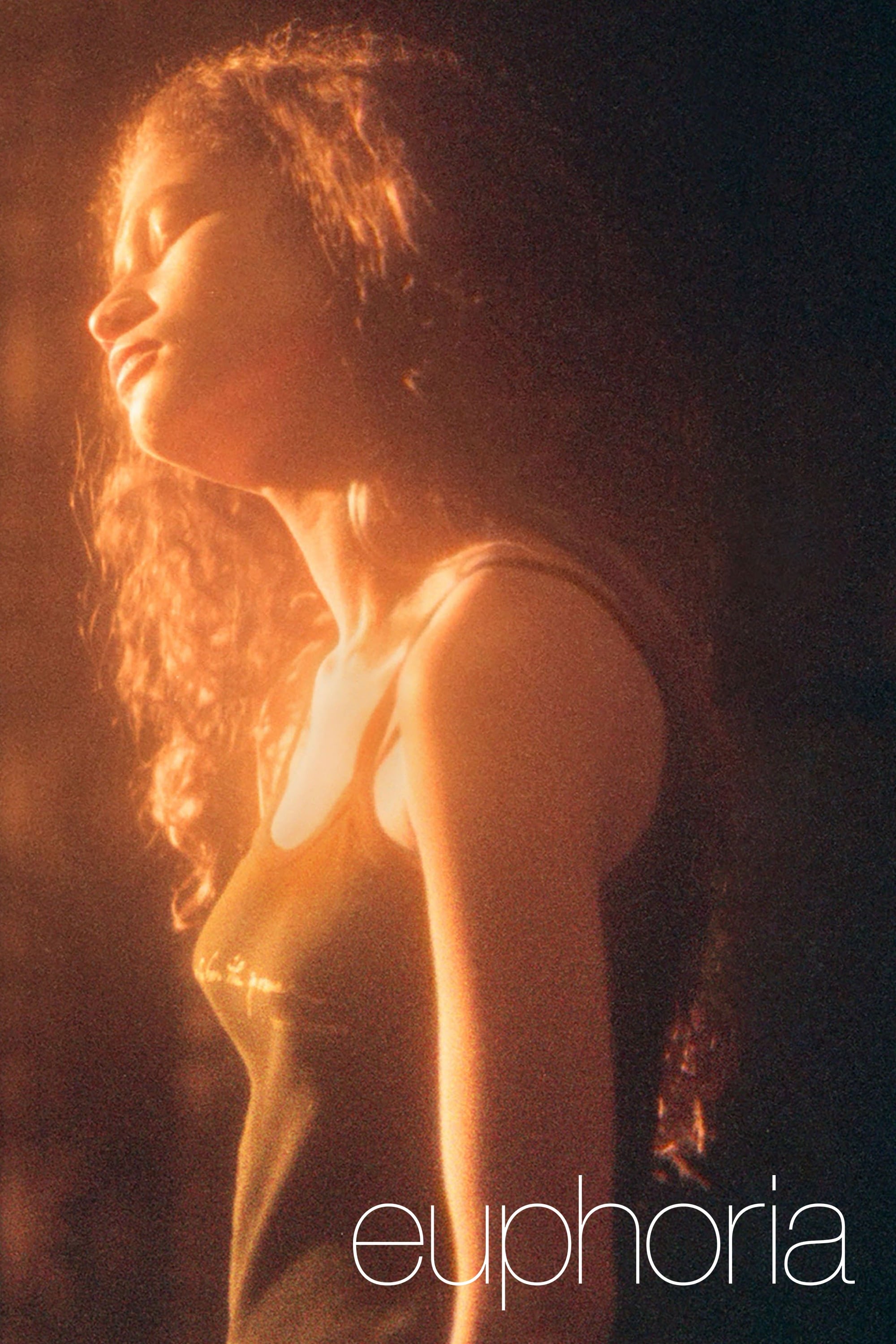
The show features a diverse range of characters but has been criticized for its reliance on shock value. The backstory of Cal Jacobs was a major focus of the second season and explored his repressed sexuality. While the episode was visually striking some viewers felt it was used to justify his abusive behavior in the present. The show was accused of using queer trauma to add depth to an unlikable character. This made the representation feel like a tool for plot development rather than a genuine exploration of identity.
‘The Morning Show’ (2019–Present)

The character of Bradley Jackson discovers her bisexuality during the second season of the drama. The storyline involves a romance with a news anchor that becomes a public scandal. Some critics felt this arc was a sudden shift for the character and served primarily to increase the stakes of the show. The relationship was often used as a source of conflict between Bradley and her family. This led to a perception that her identity was a convenient way to generate new drama for the character.
‘The White Lotus’ (2021–Present)
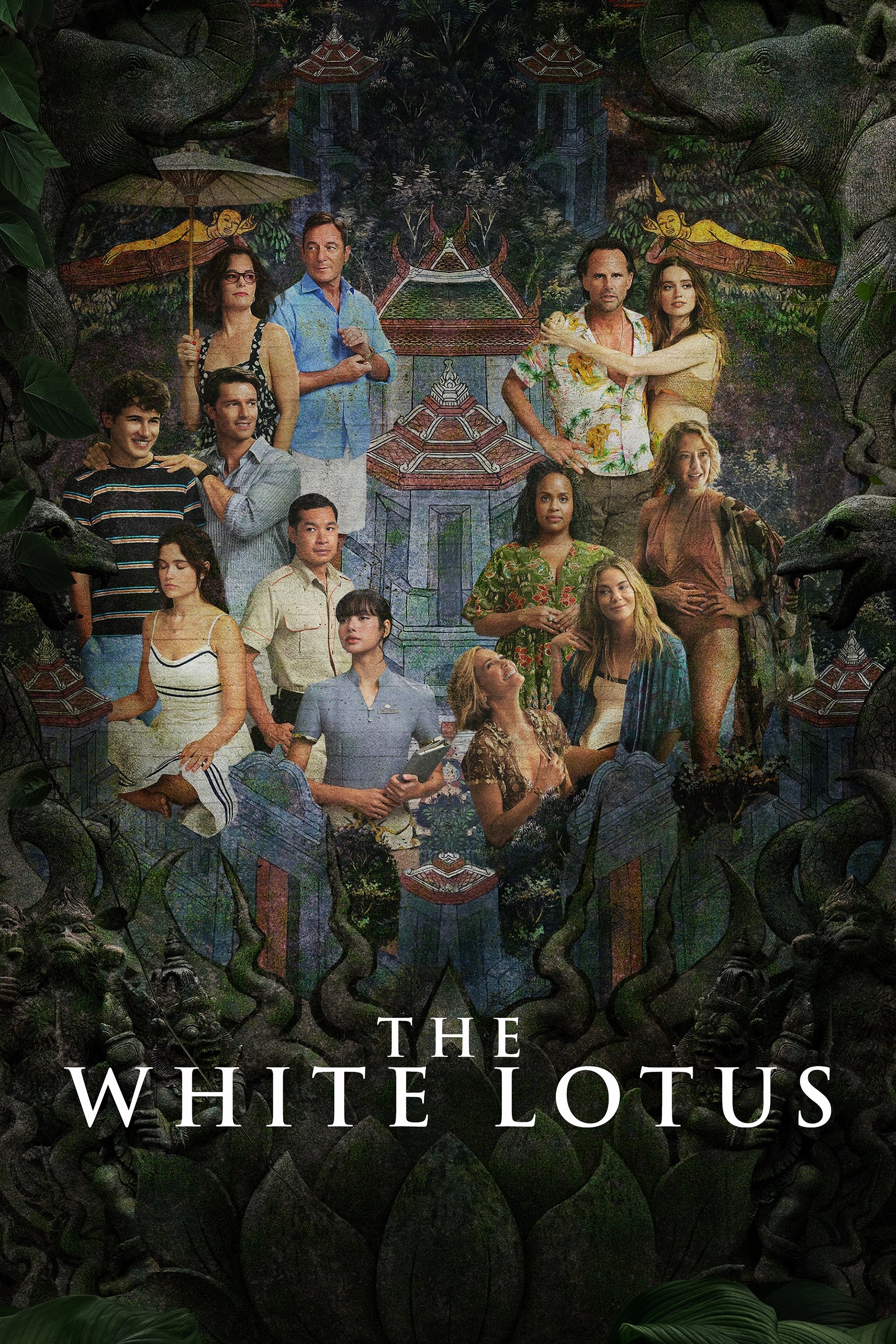
The second season features a group of gay men who befriend Tanya McQuoid in Italy. As the season progresses it is revealed that they are part of a elaborate plot to steal her money. Some viewers felt that the show leaned into the trope of the villainous gay man. While the characters were entertaining their inclusion was primarily as a vehicle for the season’s twist. This made their presence feel like a calculated move to set up the dark finale.
‘The Flight Attendant’ (2020–2022)
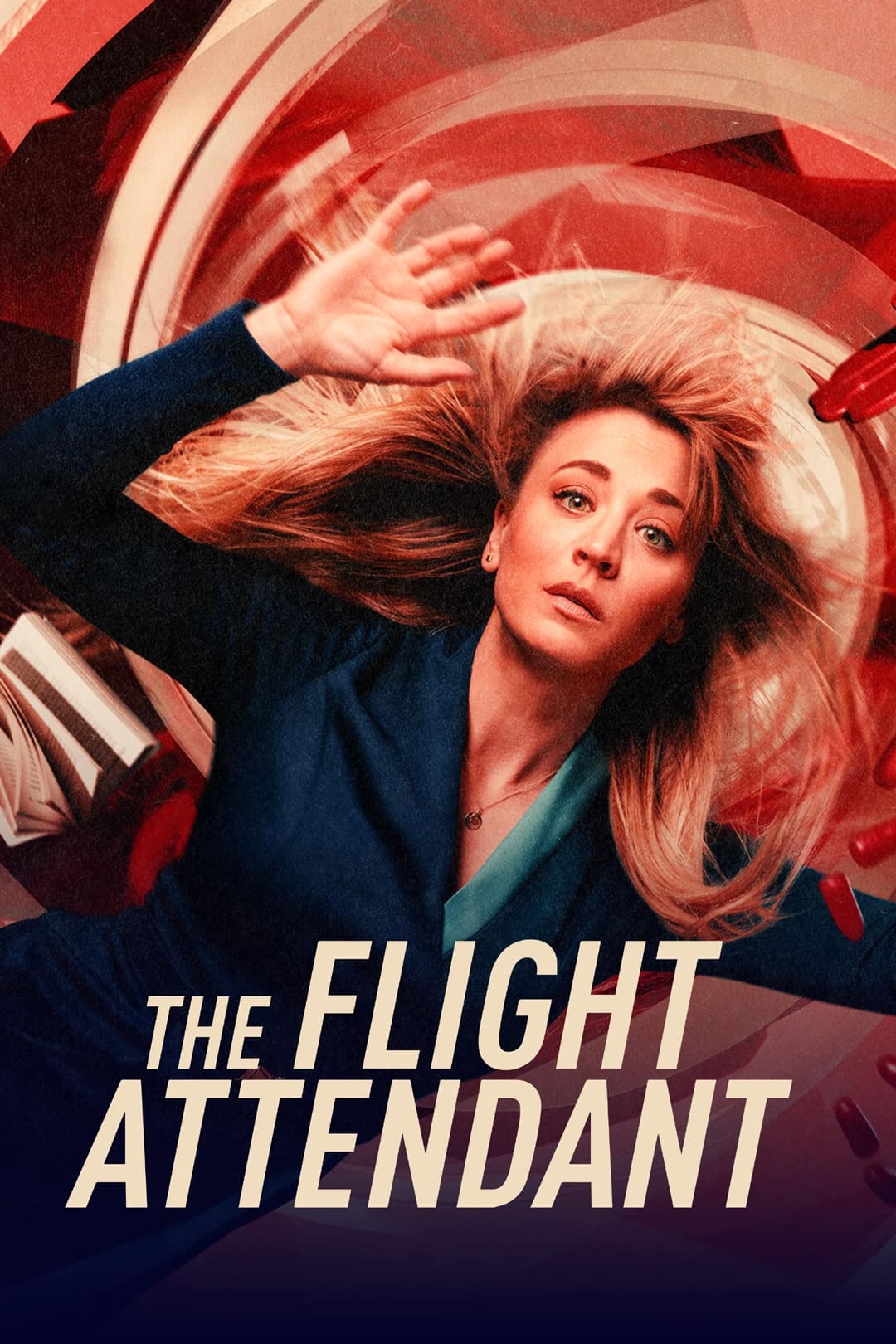
The brother of the main character is a gay man with a family who often serves as her moral compass. While he is a supportive presence he is rarely given his own storylines that don’t involve the protagonist. His personal life is only shown when it provides a contrast to the chaotic life of his sister. Fans felt the character was a standard example of the grounded gay sibling trope. This resulted in a character who felt like a secondary item on the show’s ensemble list.
‘Killing Eve’ (2018–2022)
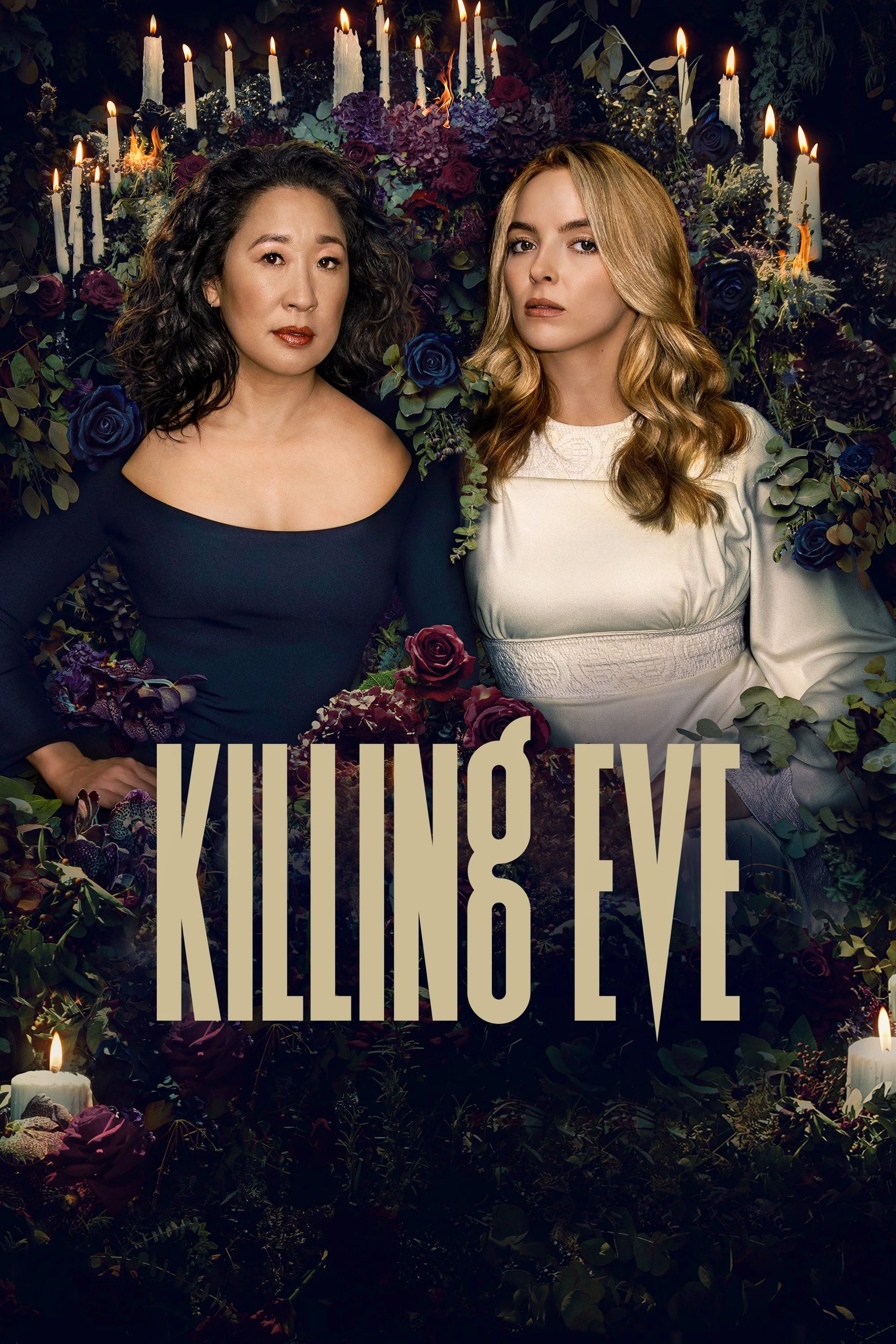
The central relationship between Eve and Villanelle was a masterclass in tension and obsession. However the final episode featured a brief moment of romantic fulfillment followed by an immediate death. This ending was widely criticized for falling into the bury your gays trope. Many fans felt the writers used the romantic payoff as a final check on the list before ending the series. The lack of a meaningful future for the couple felt like a betrayal of the years of build up.
‘Station 19’ (2018–2024)
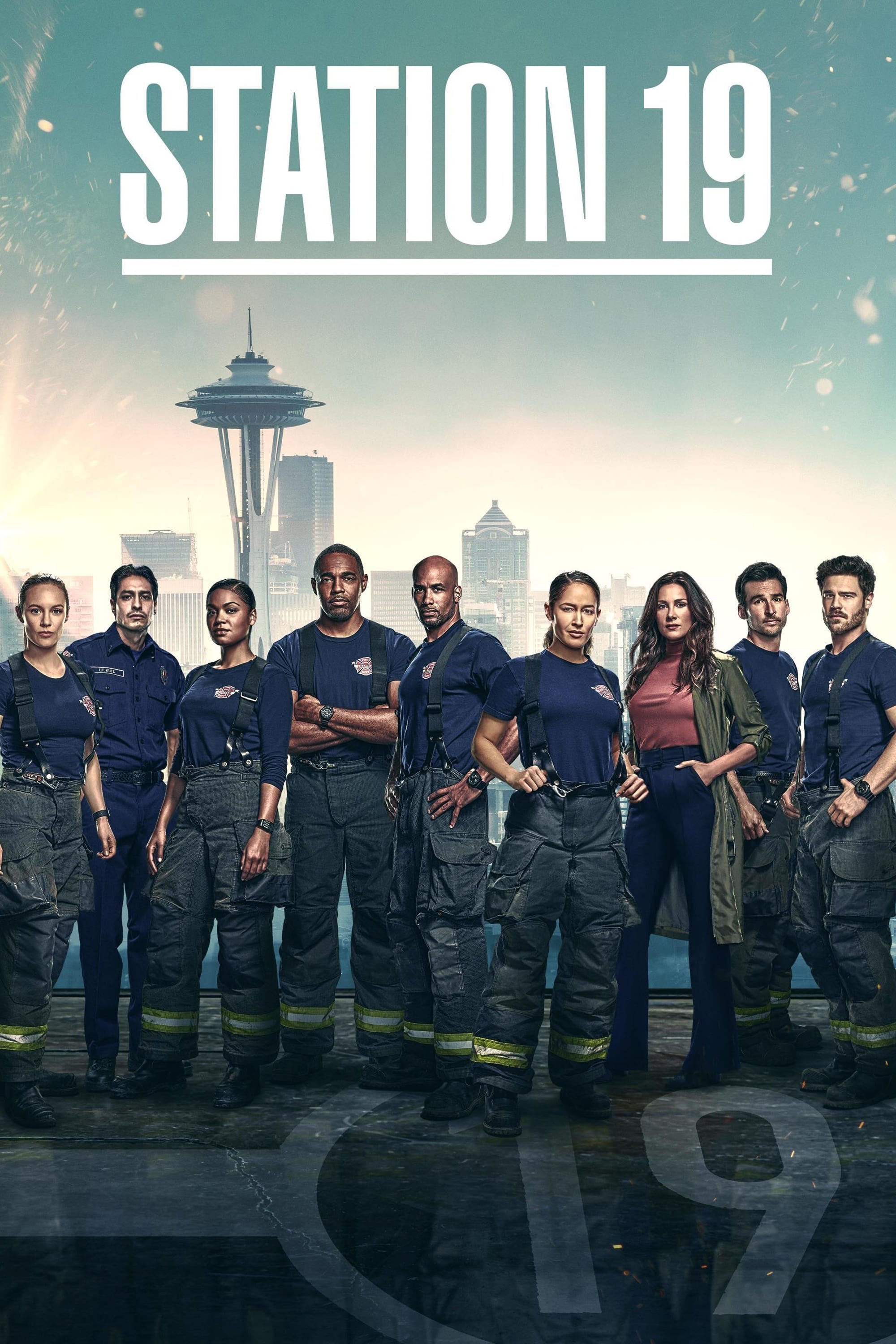
The relationship between Maya and Carina became one of the most popular parts of the firefighter drama. However the writers often put them through a series of dramatic hurdles that felt excessive. Their marriage was frequently used to explore social issues or medical traumas rather than simple character moments. Critics noted that the couple was often isolated from the rest of the team’s social dynamics. This led to a feeling that they were the show’s designated source of queer representation.
‘9-1-1’ (2018–Present)
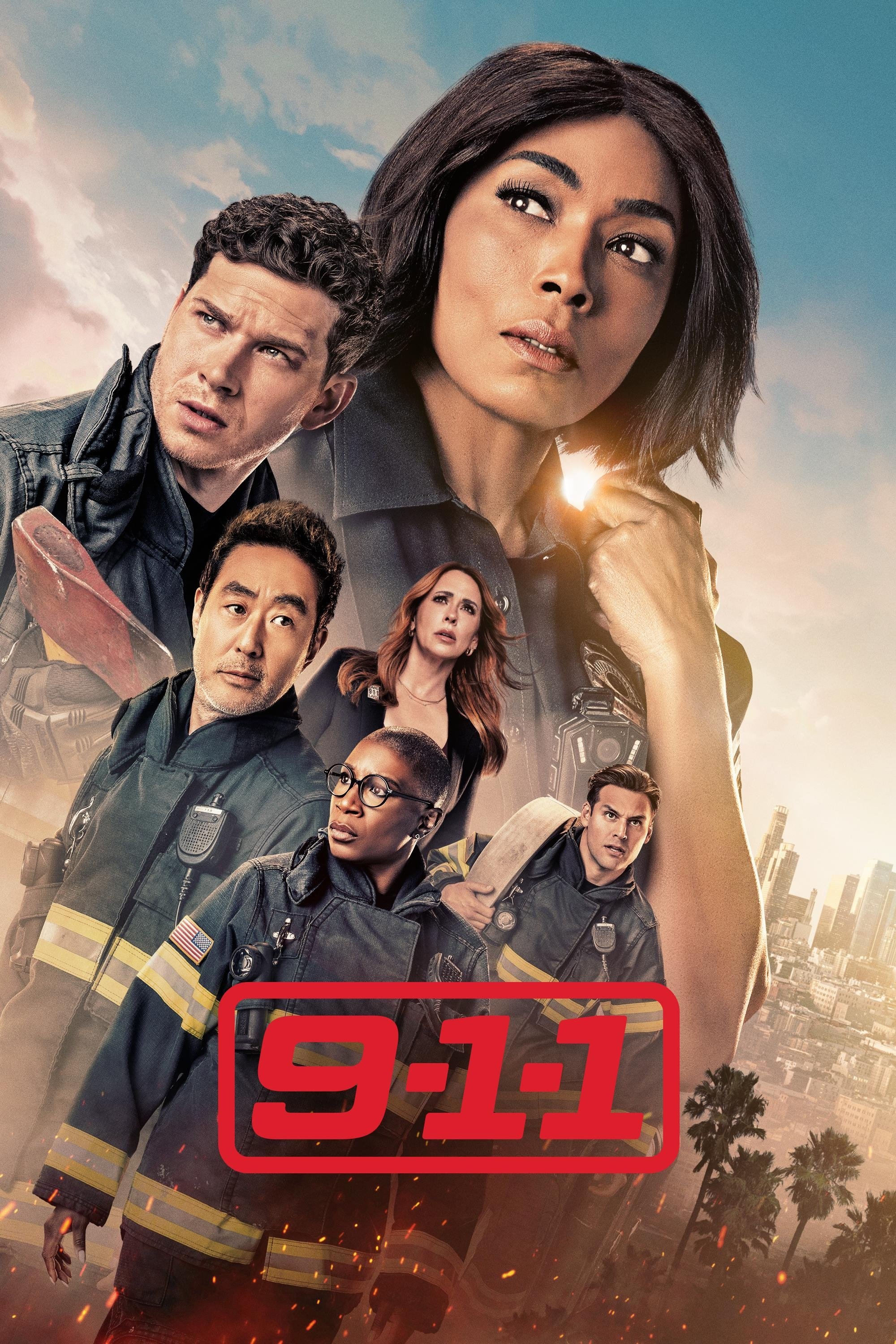
The show features Hen and Karen as a stable and loving couple within the first responder world. While their relationship is depicted positively they are often given subplots that revolve around adoption or legal issues. These stories sometimes feel like they are pulled from a list of common struggles for queer families. The couple rarely gets to be involved in the main action of the show in the same way as the other leads. This can make their representation feel like a separate and more serious part of the series.
‘9-1-1: Lone Star’ (2020–Present)
The spin off series features a prominent relationship between a firefighter and a police officer. TK and Carlos have become a central couple and are often involved in high stakes life or death situations. Some viewers feel the show constantly puts them in extreme peril to maintain audience interest. This trend of near death experiences can make their romance feel more like a plot engine than a relationship. Critics have noted that the show relies on their drama to fill its emotional requirements.
‘Nancy Drew’ (2019–2023)
The CW adaptation of the classic mystery series featured a diverse cast including several queer characters. While the representation was consistent some fans felt the romance subplots were forced into the supernatural mysteries. The characters would often stop to discuss their dating lives in the middle of dangerous investigations. This created a tonal shift that made the inclusive elements feel like a mandatory part of the network’s brand. The focus on teen drama sometimes overshadowed the actual detective work.
‘Tiny Pretty Things’ (2020)
This ballet drama on Netflix included a wide array of characters with diverse sexualities and backgrounds. Almost every student at the academy was given a specific identity that led to a unique set of problems. Critics felt the show was trying to do too much in a single season by tackling every possible social issue. This resulted in characters who felt more like representations of demographics than real people. The sheer volume of these arcs made the show feel like a crowded checklist.
‘Insatiable’ (2018–2019)
The show attempted to satirize beauty pageants and social status while including several queer plotlines. One of the main characters discovers he is gay later in life which leads to a comedic and messy journey. Many viewers found the humor to be offensive and the representation to be caricatured. The show was accused of using diversity to appear edgy while relying on old stereotypes. This made the inclusive elements feel like a misguided attempt to be provocative.
‘First Kill’ (2022)
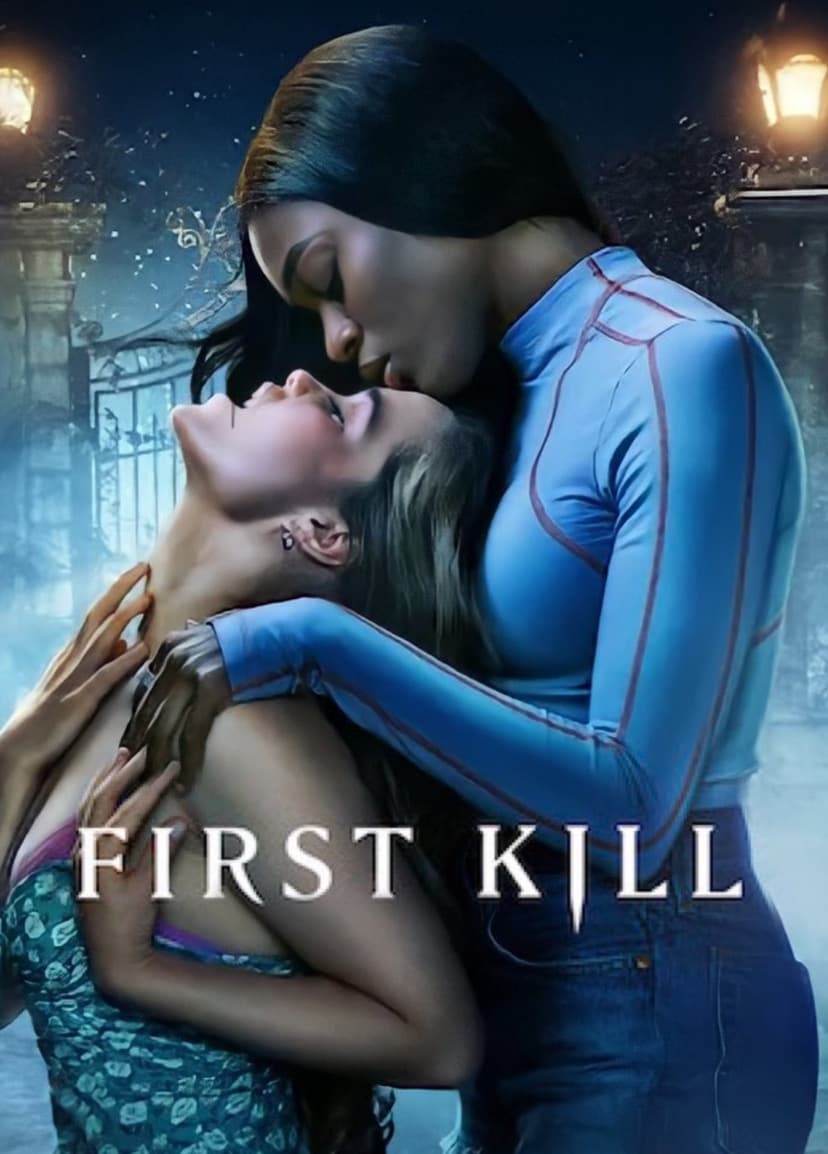
This vampire series focused on a lesbian romance that was described as a queer version of Romeo and Juliet. While the premise was popular many critics felt the writing relied heavily on established tropes. The conflict between the families was the primary focus while the central relationship lacked development. Some viewers felt the show was marketed primarily on its queer representation rather than its story quality. This led to the perception that the series was trying to fill a specific void in the streaming market.
‘Warrior Nun’ (2020–2022)
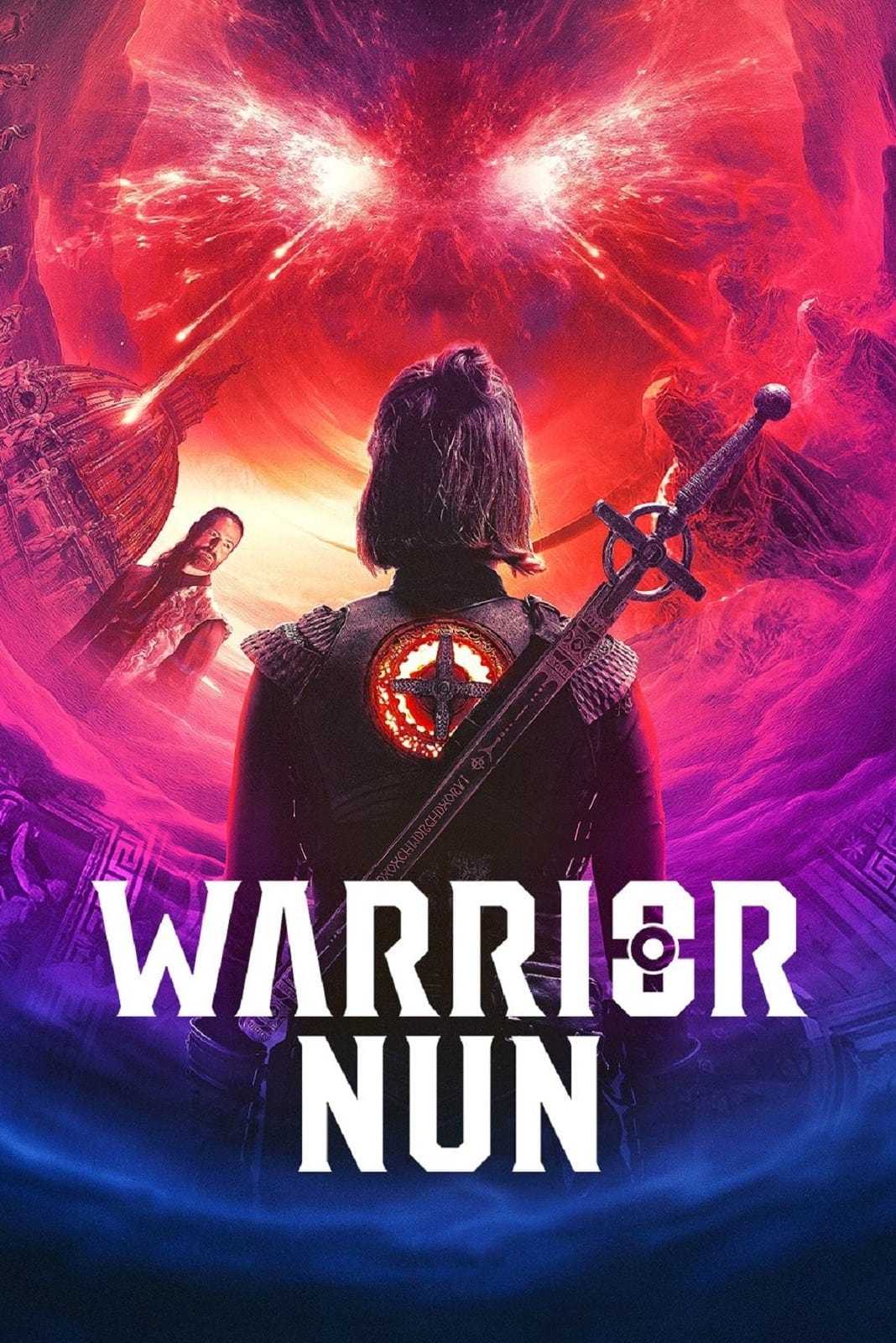
The relationship between Ava and Beatrice was a slow burn that became the heart of the show for many fans. However the romantic elements were only confirmed in the final episodes of the second season. This delay led to some frustration among viewers who felt the show was being overly cautious. When the couple finally shared a kiss it was followed by one character leaving for another dimension. This felt like another example of a show only allowing queer joy at the very end of a character’s journey.
‘Fate: The Winx Saga’ (2021–2022)
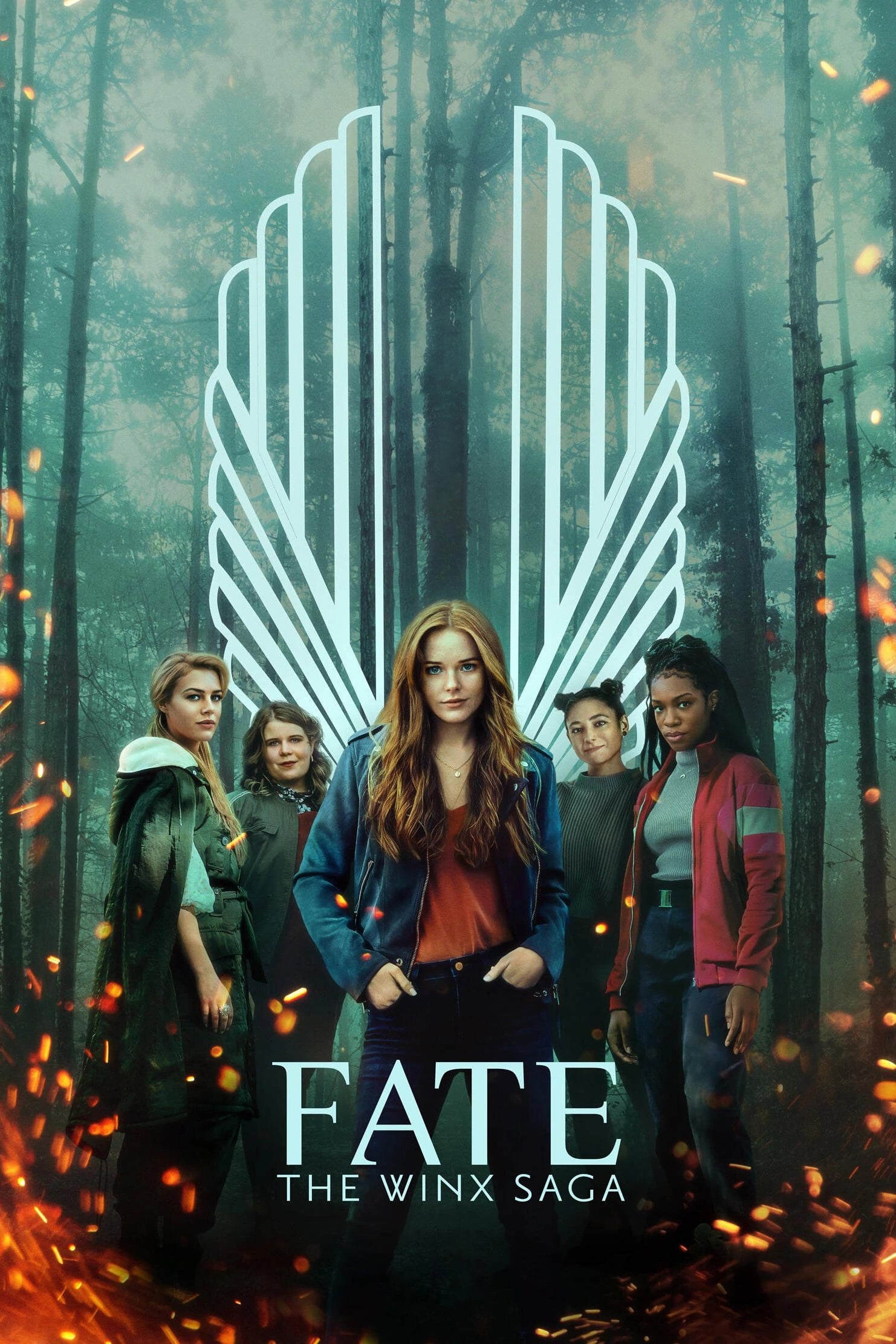
The live action reboot of the animated series changed several character backgrounds to include more diversity. This included the introduction of Terra whose storyline touched on body image and later her sexuality. Some fans of the original show felt these additions were part of a generic teen drama formula. The queer arc was introduced in the second season but felt disconnected from the magical threat. This gave the impression that the writers were adding modern elements to a story that didn’t naturally support them.
‘The Wilds’ (2020–2022)
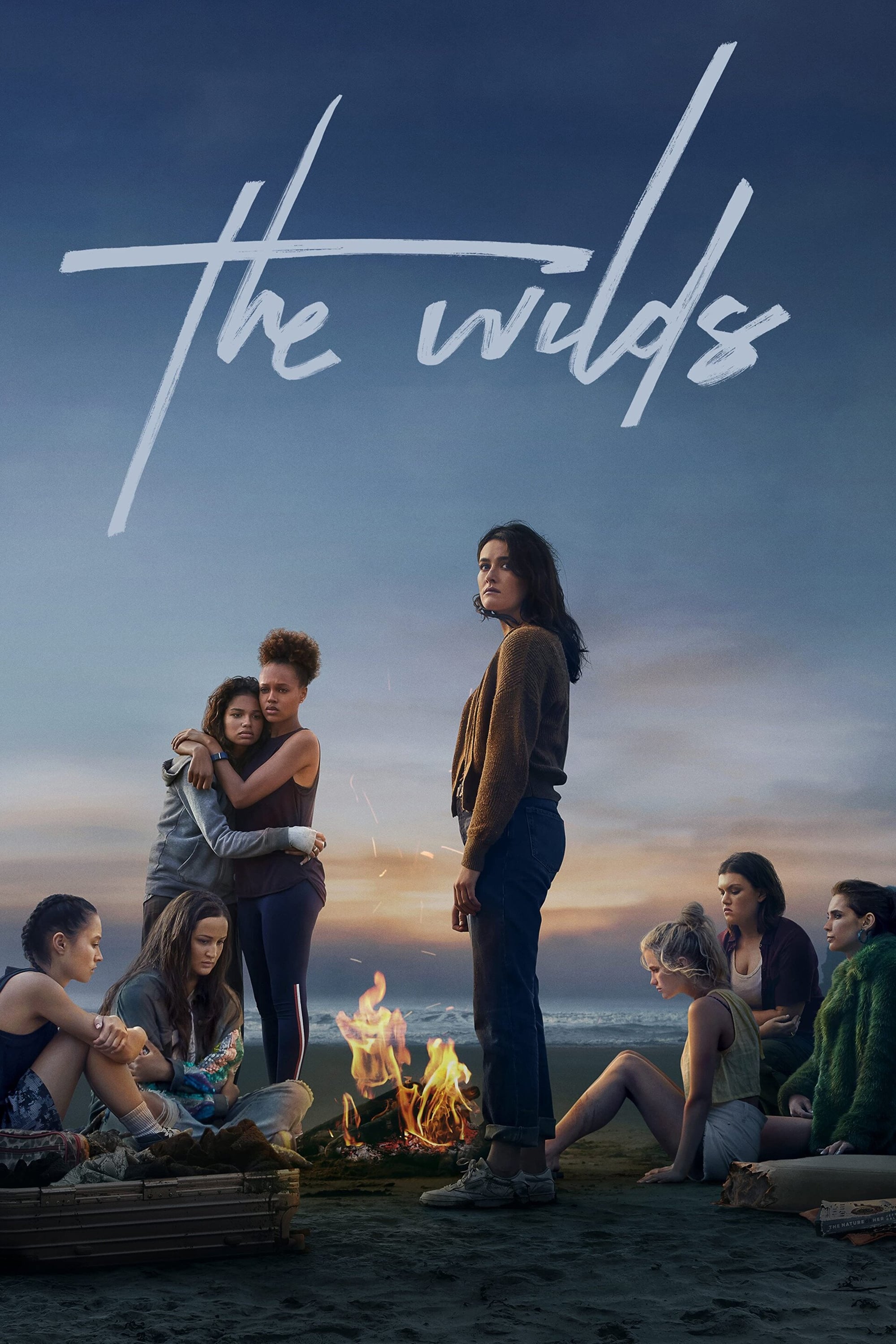
This survival drama featured a group of girls stranded on an island with several queer characters among them. The relationship between Toni and Shelby was a major focus and was generally well received by fans. However the second season introduced a group of boys which significantly reduced the screen time for the original cast. Many viewers felt this shift was a way to broaden the show’s appeal at the expense of its diverse leads. This made the earlier representation feel like a temporary focus before moving to a more traditional ensemble.
‘Trinkets’ (2019–2020)

The show centered on three girls who meet in Shoplifters Anonymous and features several LGBTQ+ characters. One of the main characters Elodie is a lesbian who navigates various romantic interests throughout the series. While her identity is integrated into the plot some critics felt her romances were often used as distractions from her primary growth. The show sometimes felt like it was checking off a list of high school experiences including coming out and first love. This made the series feel like a standard coming of age story with inclusive elements added.
‘Never Have I Ever’ (2020–2023)
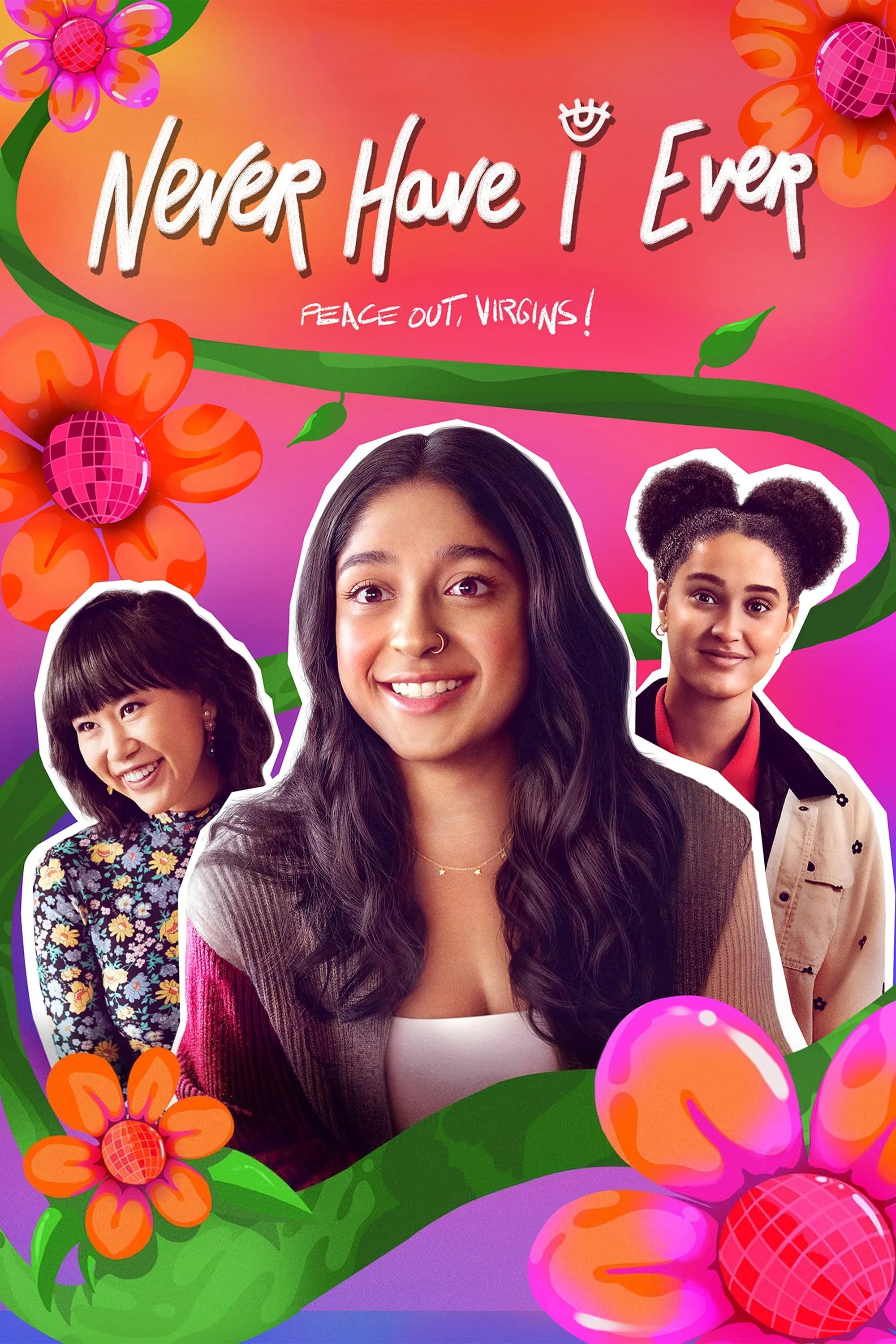
The character of Fabiola Torres has a central arc involving her coming out and exploring her identity in high school. While her story was a significant part of the early seasons it often felt isolated from the main character’s journey. Fabiola was frequently given subplots that focused on specific queer interests like robotics or niche dating apps. Some viewers felt these stories were a way to keep the character busy while the main plot moved forward. This led to a feeling that her presence was a necessary but separate part of the show’s diversity.
Share your thoughts on these television shows and their representation in the comments.