


TV Shows Where LGBTQ+ Characters Were “Fixed” by Straight Romance

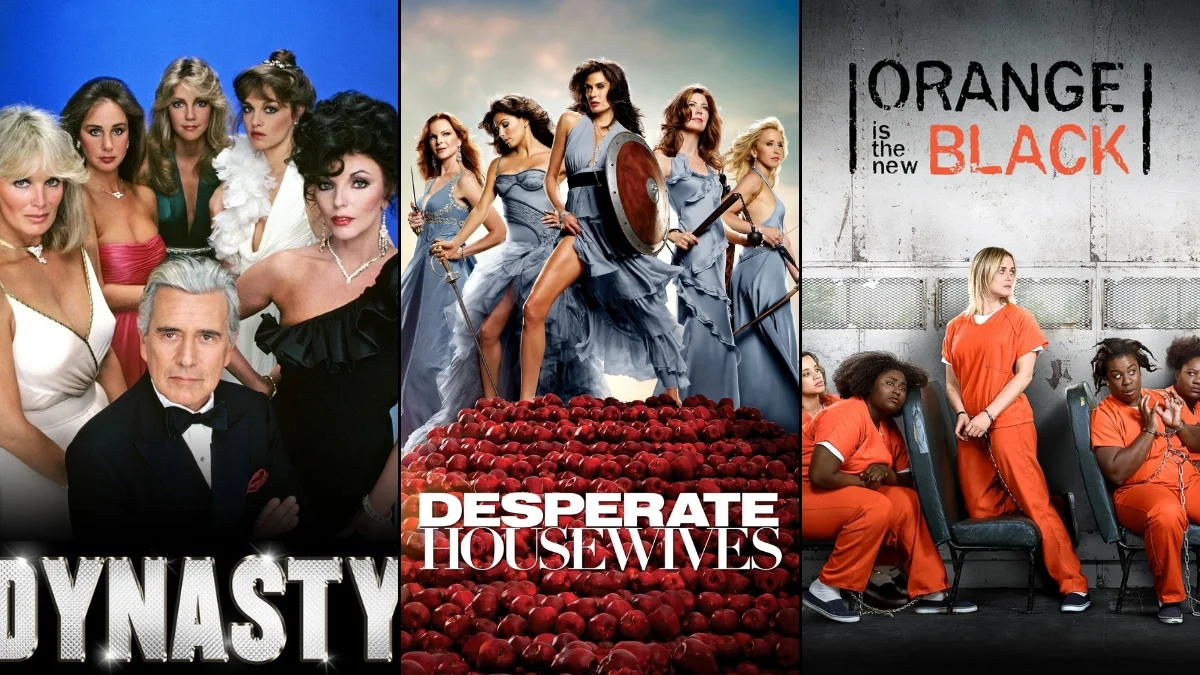


Television history contains various instances where LGBTQ+ characters had their sexual orientations or gender identities altered, often to fit more traditional heteronormative narratives. This phenomenon, frequently discussed by critics as “bi-erasure” or “corrective storytelling,” typically involves a queer character entering a straight relationship that is framed as a permanent resolution to their previous identity. These storylines often suggest that a character’s queer attraction was merely a phase, a symptom of trauma, or a temporary rebellion. While media representation has evolved, these specific arcs remain notable for how they handled diverse identities through the lens of straight romance.
‘Dynasty’ (1981–1989)
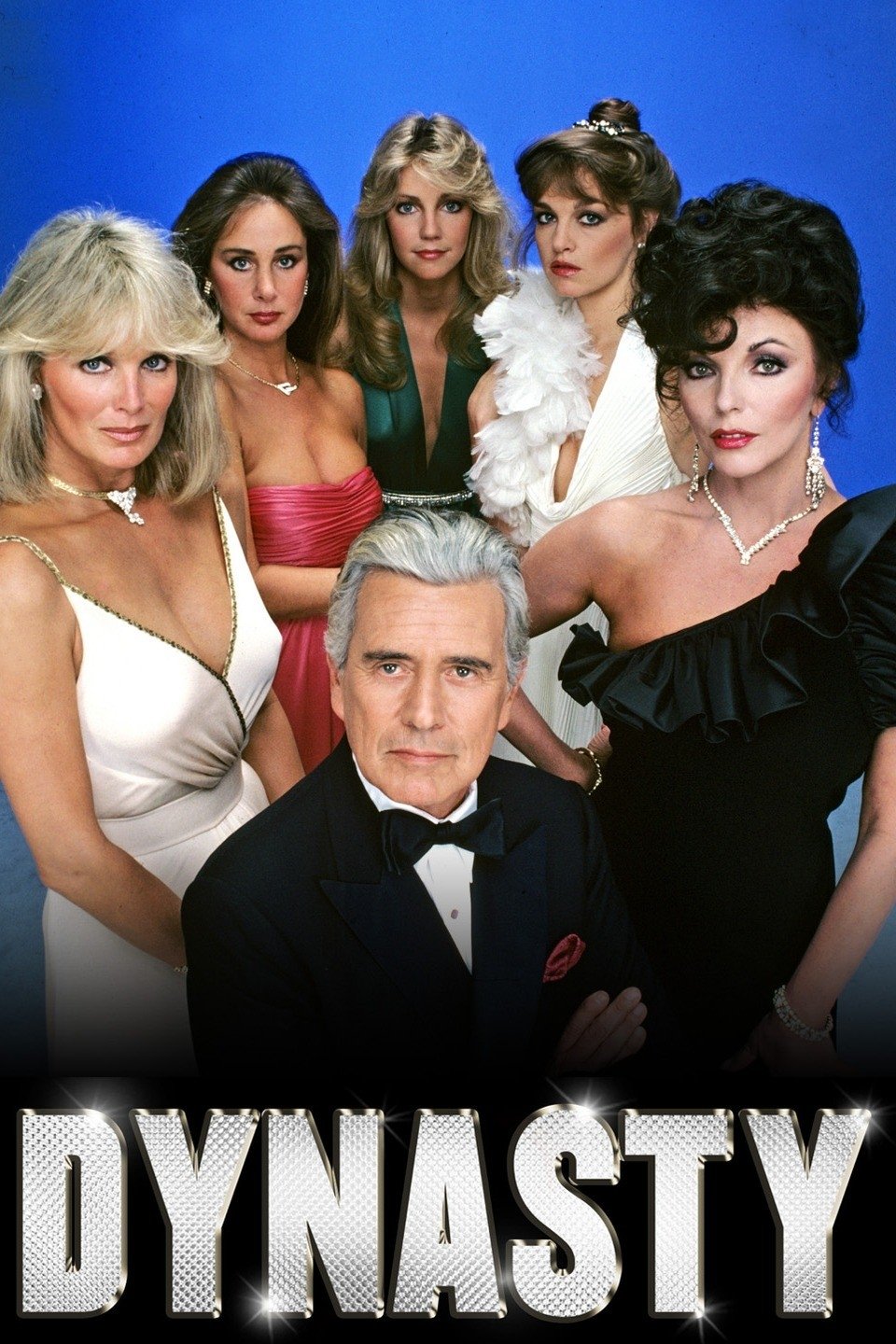
Steven Carrington was a groundbreaking character as one of the first openly gay series regulars on primetime television. However, the show frequently struggled with his identity, often pushing him into marriages with women to satisfy his father’s demands for a traditional heir. His relationships with women like Sammy Jo and Claudia were framed as attempts to “cure” or stabilize his life. These arcs often treated his attraction to men as a source of shame or a condition that could be overcome through the right heterosexual partnership. This back-and-forth narrative reflected the era’s hesitation to fully commit to a permanent gay protagonist.
‘Sex and the City’ (1998–2004)
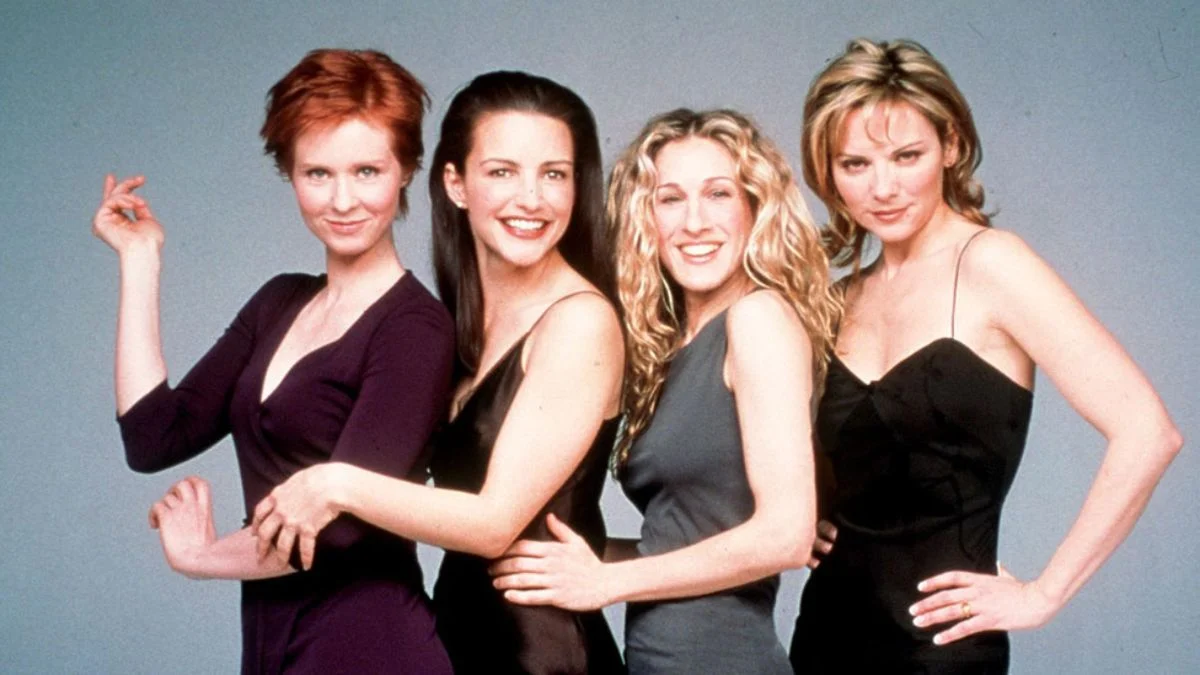
In the fourth season of ‘Sex and the City’, Samantha Jones enters a committed relationship with a female artist named Maria. While the show explored their connection over several episodes, the narrative ultimately framed Samantha’s lesbianism as a reaction to her exhaustion with men. Once the relationship ended, the character explicitly stated she was “not a lesbian” and returned to her pursuit of male partners. This transition was portrayed as a return to her “true” self rather than an exploration of bisexuality. Critics have often cited this arc as an example of treating queer identity as a fleeting experiment.
‘Desperate Housewives’ (2004–2012)
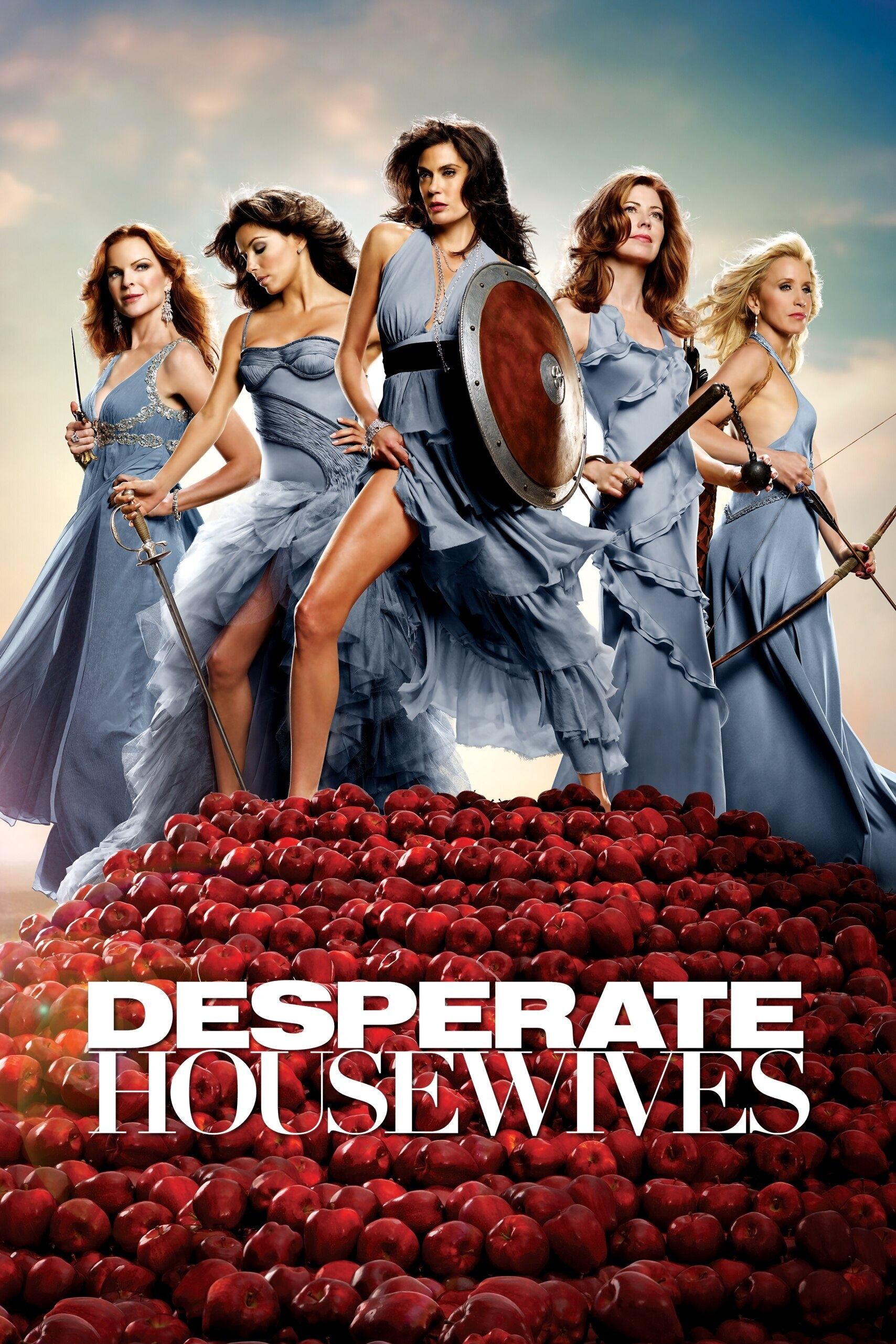
Katherine Mayfair’s character arc took a surprising turn in the sixth season when she began a romantic relationship with a woman named Robin. The two characters eventually left Wisteria Lane together to start a new life in Paris, suggesting a permanent shift in Katherine’s identity. However, when Katherine returned for the series finale, she revealed that she and Robin had broken up and she was no longer interested in women. She framed her time with Robin as a singular experience that was now behind her. This development effectively reset her character to a heterosexual status quo for the show’s conclusion.
‘Skins’ (2007–2013)
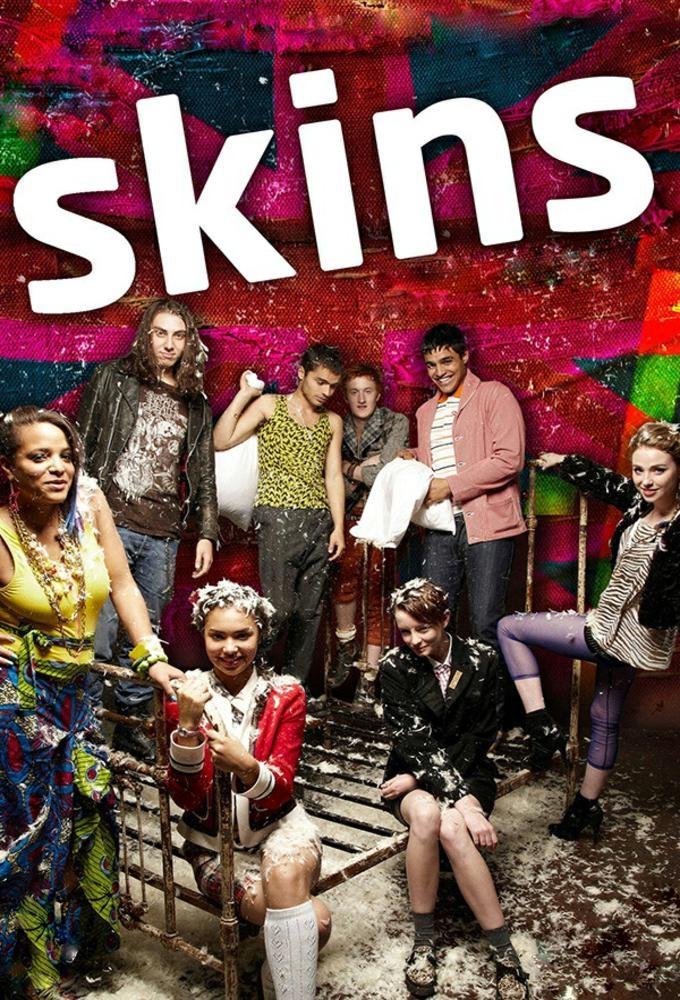
The character of Franky Fitzgerald was introduced in the fifth season of ‘Skins’ as an androgynous, gender-neutral individual who challenged traditional sexual norms. By the sixth season, however, her character underwent a drastic shift in both appearance and motivation, becoming the center of a traditional male-dominated love triangle. This change saw her queer and gender-non-conforming traits largely erased in favor of a “straightened” persona. Many fans and critics felt this was a regression that ignored the unique identity established in her debut season. The narrative pivot suggested that her previous subversion of gender and sexuality was something she simply grew out of.
‘The O.C.’ (2003–2007)
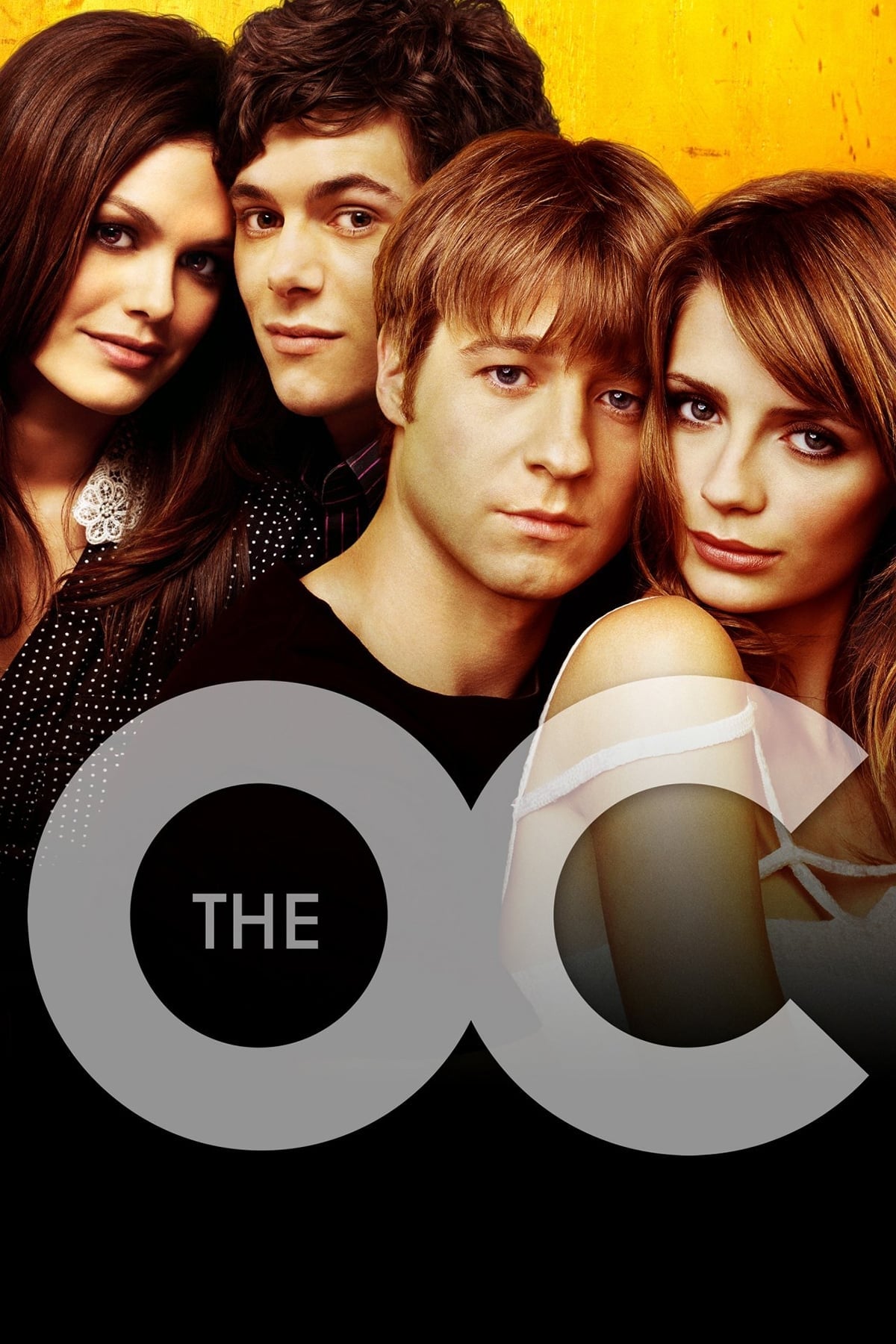
Alex Kelly, portrayed by Olivia Wilde, was introduced as a bisexual character who had a significant relationship with Marissa Cooper. This storyline was a major television event in the early 2000s, but it was short-lived. Following their breakup, Alex’s storyline concluded with her returning to her former boyfriend and leaving town. The show did not explore her bisexuality further, and her departure with a man served as a definitive end to her queer narrative. This gave the impression that her relationship with a woman was a temporary detour from her heterosexual life.
‘Ally McBeal’ (1997–2002)

Ling Woo was a character known for her aggressive personality and occasional displays of sexual fluidity, most notably through a publicized kiss with Nelle Porter. Despite these hints at bisexuality, the show never allowed Ling to pursue a serious or sustained relationship with a woman. Instead, her “fluidity” was often treated as a provocative character trait intended for the male gaze. Her romantic interests remained strictly male for the remainder of her time on the series. This approach suggested that her queer tendencies were a performance rather than a core part of her identity.
‘Roseanne’ (1988–1997)
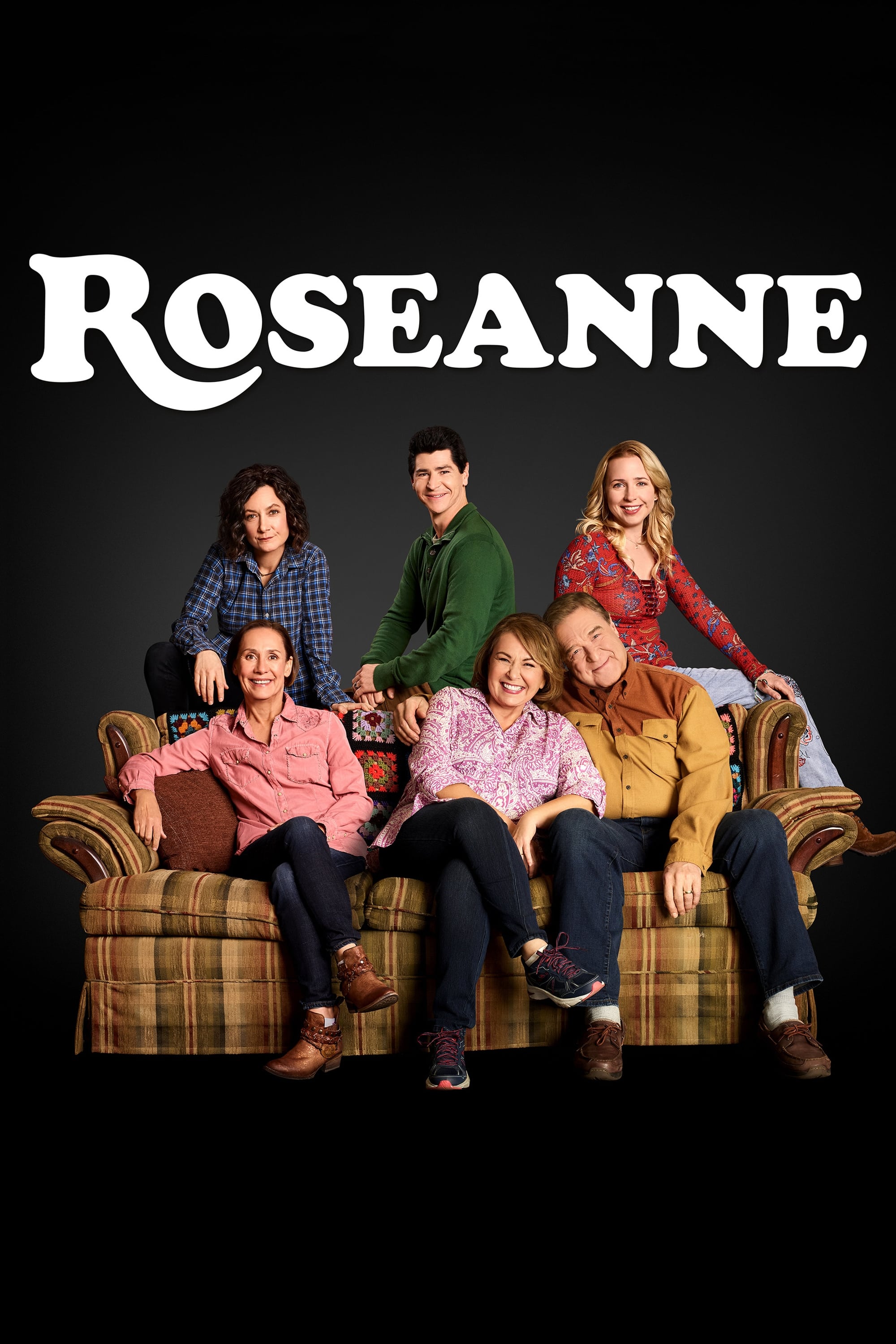
Beverly Harris, Roseanne’s mother, came out as a lesbian in the final season of the original run of ‘Roseanne’. This was a significant development for an older character, but it was largely undone in the years that followed. When the series was revived in 2018, and later transitioned into ‘The Conners’, the show suggested that Beverly had been “faking” her lesbianism or was simply going through a phase. She was depicted as having returned to dating men, effectively erasing the earlier coming-out arc. This retcon was criticized for dismissing a meaningful moment of LGBTQ+ representation as a joke.
‘Modern Family’ (2009–2020)
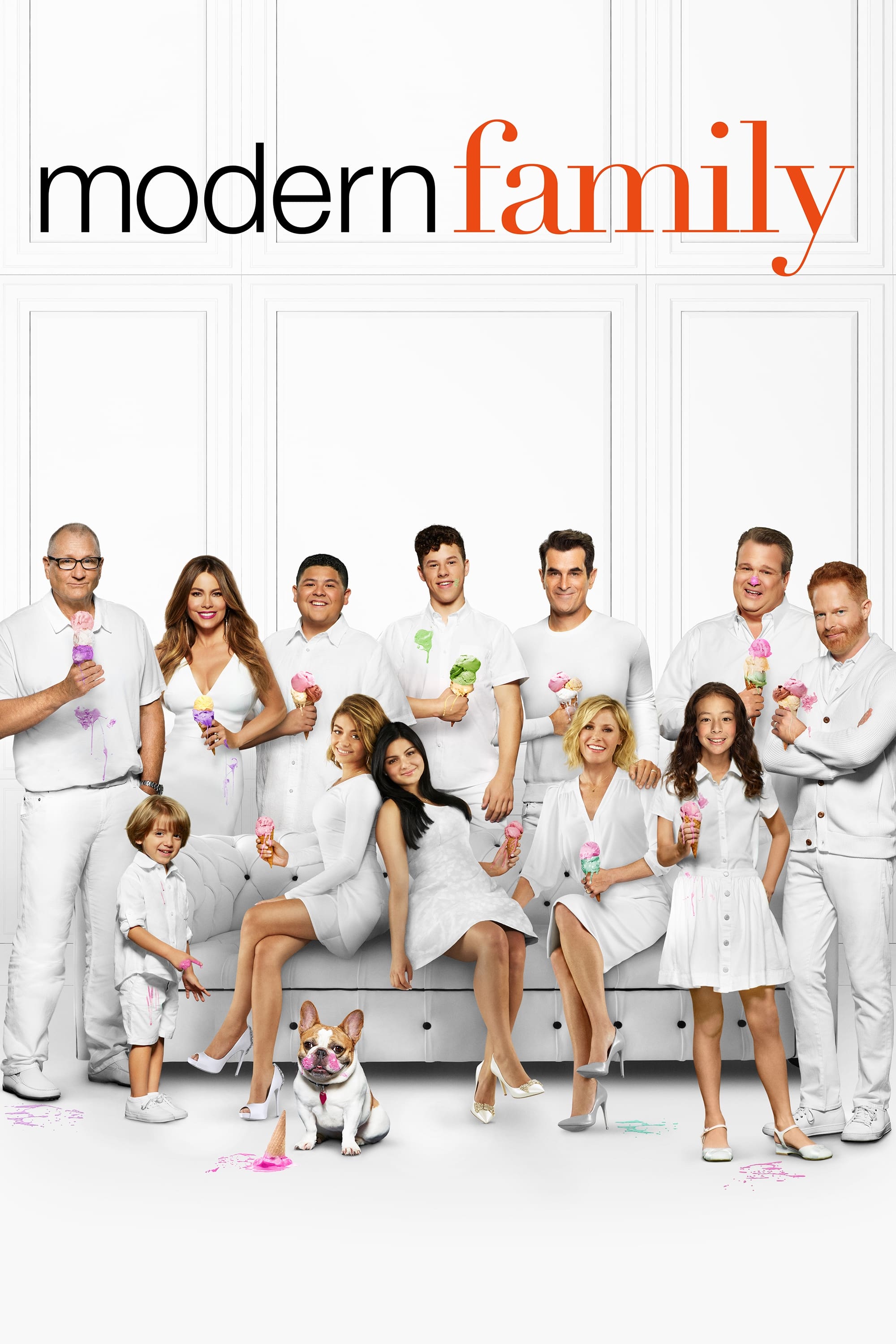
The character Sal, played by Elizabeth Banks, was often depicted as a “wild child” friend of Mitchell and Cameron whose lifestyle included attraction to both men and women. Her chaotic and promiscuous behavior was frequently linked to her sexual fluidity as part of her “unstable” persona. However, her character arc concluded with her getting married to a man and becoming a traditional mother. This transition was framed as Sal finally “settling down” and “fixing” her erratic ways. The implication was that her queer interests were part of the immaturity she eventually outgrew.
‘Empire’ (2015–2020)
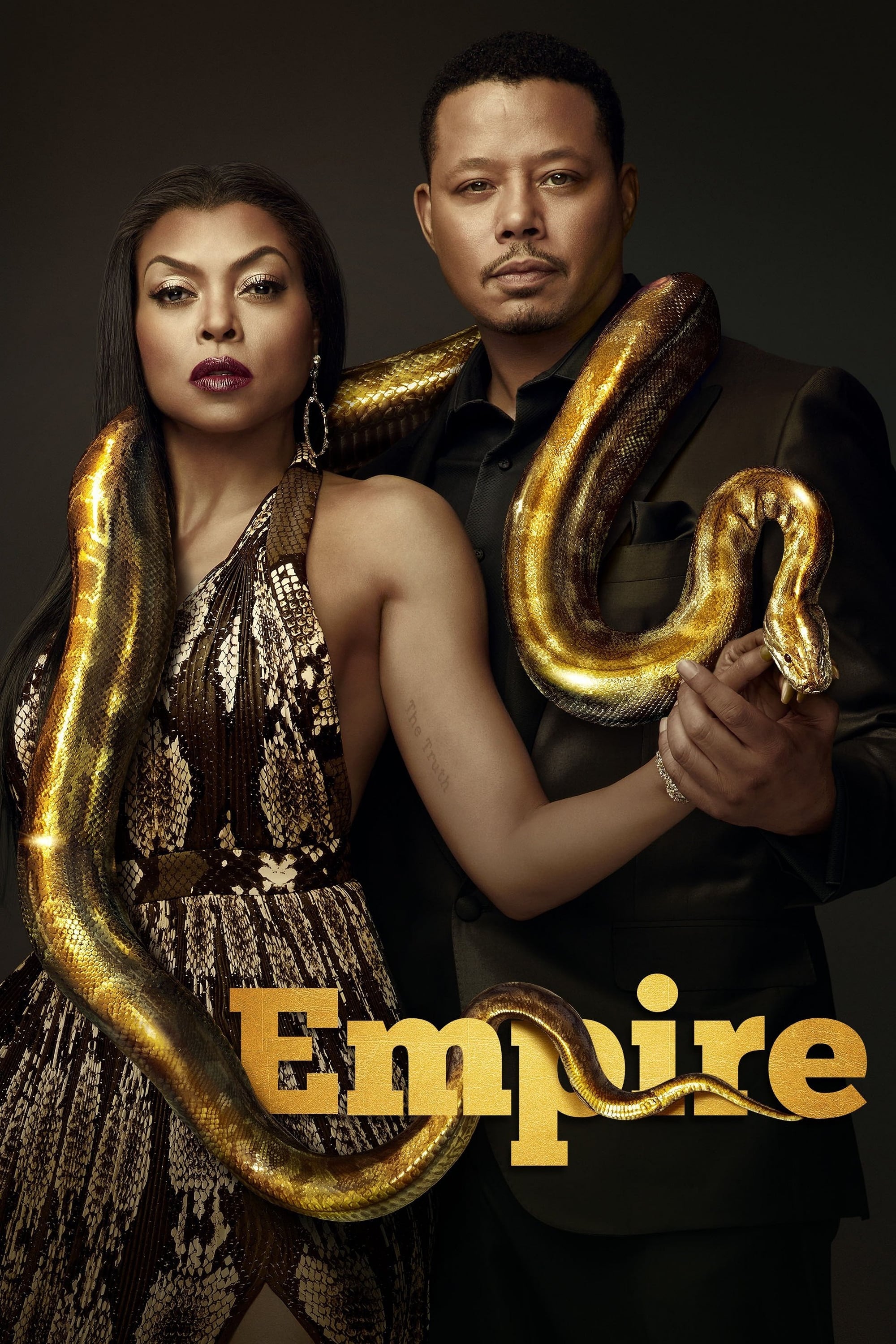
Tiana Brown was established early in ‘Empire’ as a bisexual woman, but her relationships with women were consistently treated as secondary to her straight romances. When she was involved with a woman, the narrative often framed it as a distraction or a PR stunt rather than a legitimate identity. The show’s writers primarily focused on her volatile relationship with Hakeem Lyon as her “true” romantic center. This framing often relegated her bisexuality to a background detail that was easily ignored in favor of traditional drama. Consequently, her queer identity felt like a temporary plot device rather than a permanent trait.
‘Greenleaf’ (2016–2020)
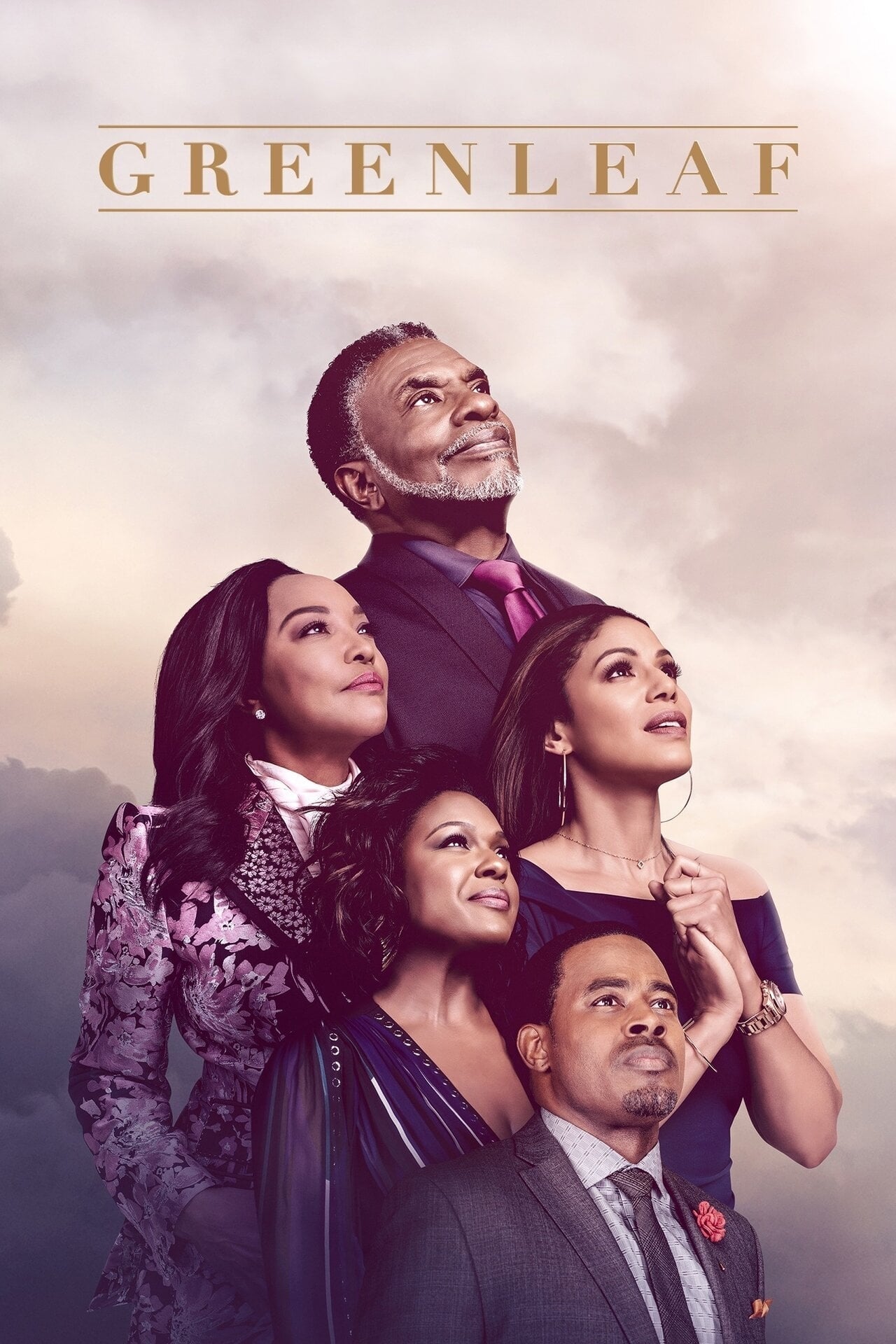
In ‘Greenleaf’, Kevin Satterlee struggled with his sexual orientation within the context of his religious community and his marriage to Charity Greenleaf. For much of the first two seasons, the character actively sought to “fix” his attraction to men through faith and traditional counseling. While the show initially treated his struggle with nuance, he eventually left the series after attempting to reconcile his faith with his marriage. The storyline focused heavily on the pain his identity caused his wife, framing his “recovery” into a straight-passing life as a tragic necessity. His departure left his queer journey unresolved in favor of the show’s more traditional family dynamics.
‘Riverdale’ (2017–2023)
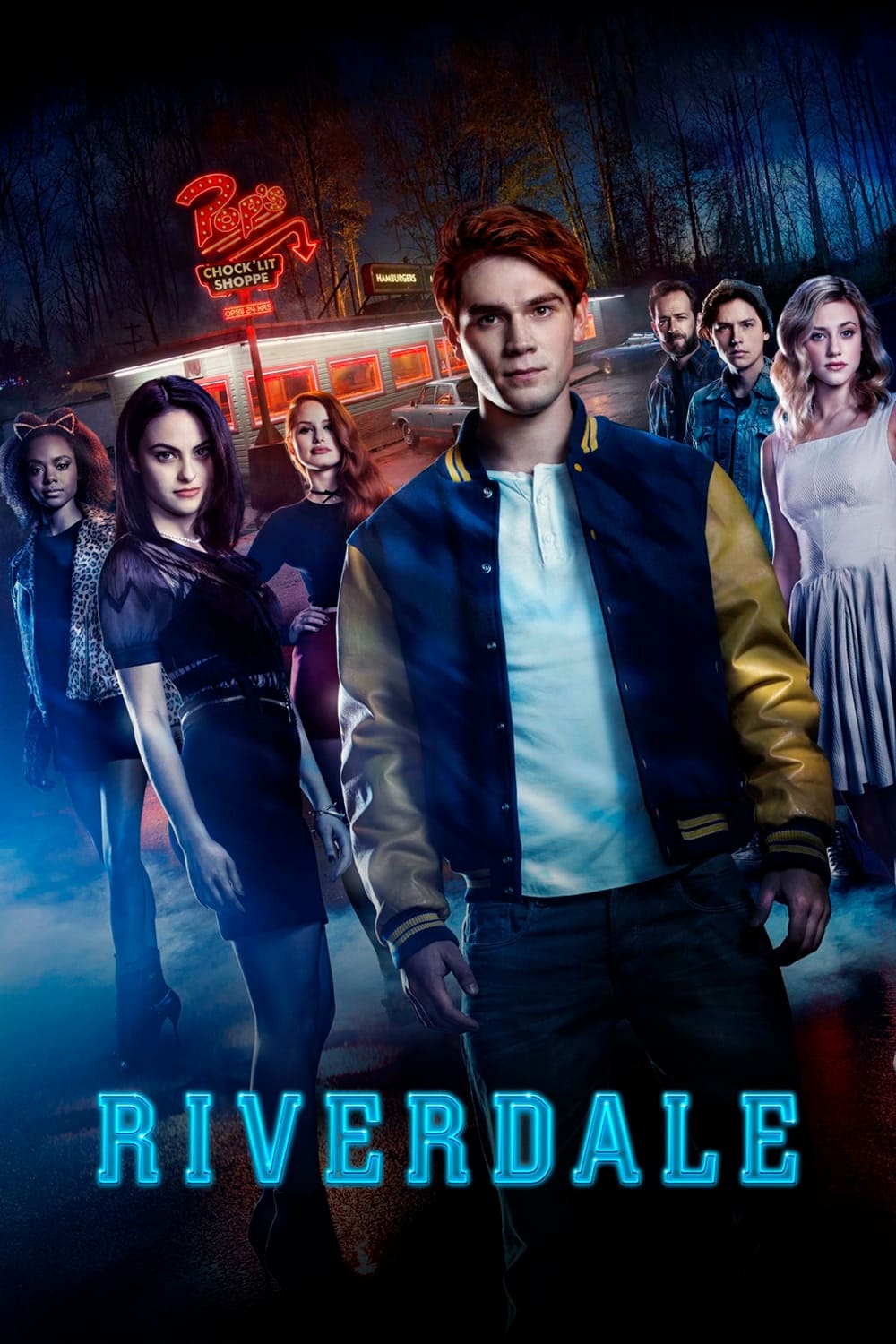
Moose Mason’s journey in ‘Riverdale’ involved significant struggle with his closeted sexuality and his secret relationship with Kevin Keller. However, the narrative frequently pushed him back into a straight relationship with Midge Klump to maintain appearances and satisfy his father. Even after Midge’s death, Moose’s attempts to be with Kevin were constantly interrupted by external pressures that forced him back into the closet. He eventually left town after being subjected to a traumatic “purification” ritual by his father. This arc often prioritized the “fixing” of his reputation over his actual identity as a gay man.
‘Glee’ (2009–2015)
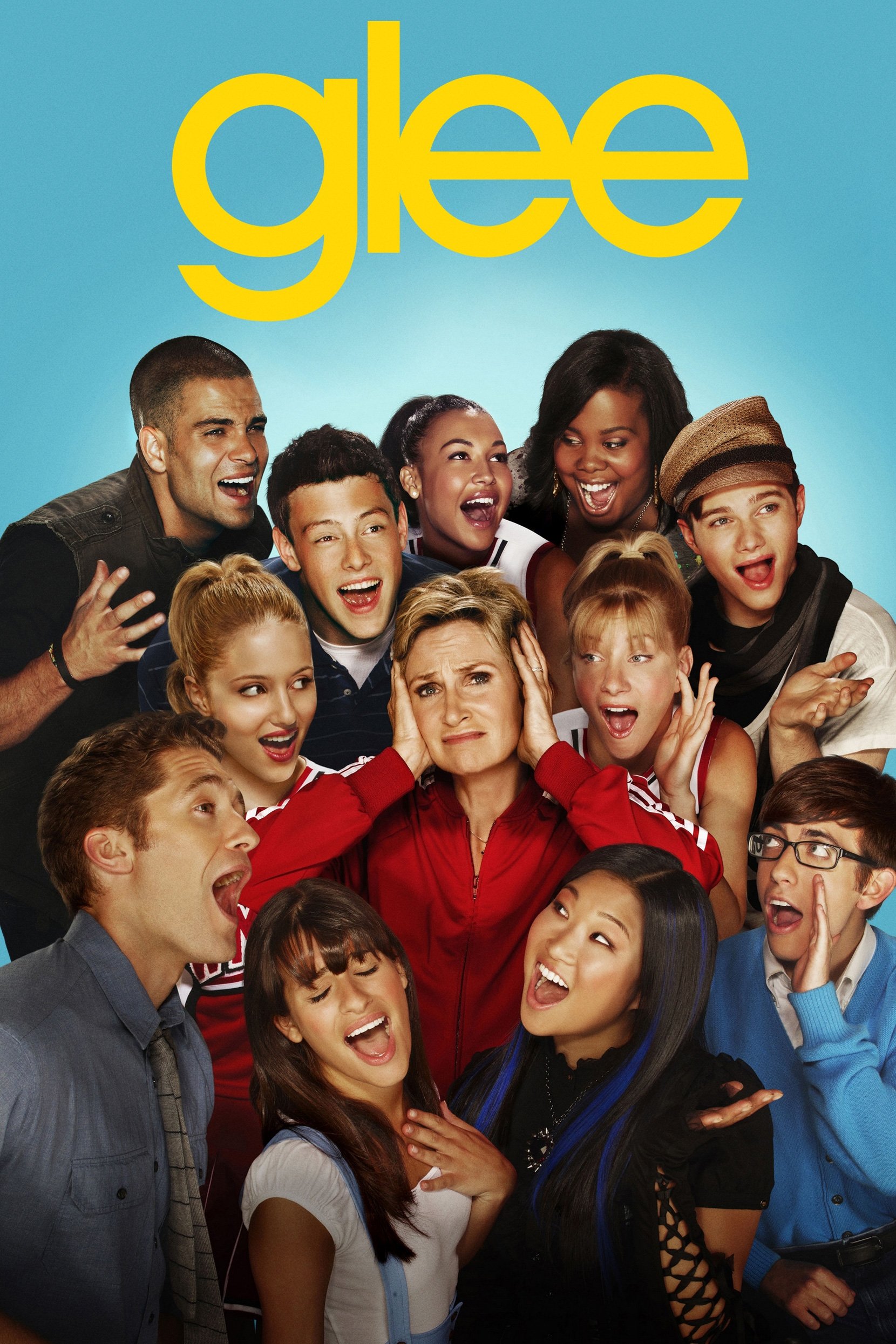
Brittany S. Pierce was a beloved bisexual character whose primary relationship was with Santana Lopez. However, during the fourth season when Santana was away, the show heavily promoted a straight romance between Brittany and Sam Evans. This relationship was often framed by other characters as Brittany finally being in a “healthy” or “normal” partnership. While Brittany and Santana eventually reunited, the Sam arc was viewed by many as an unnecessary attempt to give Brittany a “straight” period. The narrative during this time seemed to minimize her deep history with Santana in favor of a more conventional pairing.
‘House’ (2004–2012)
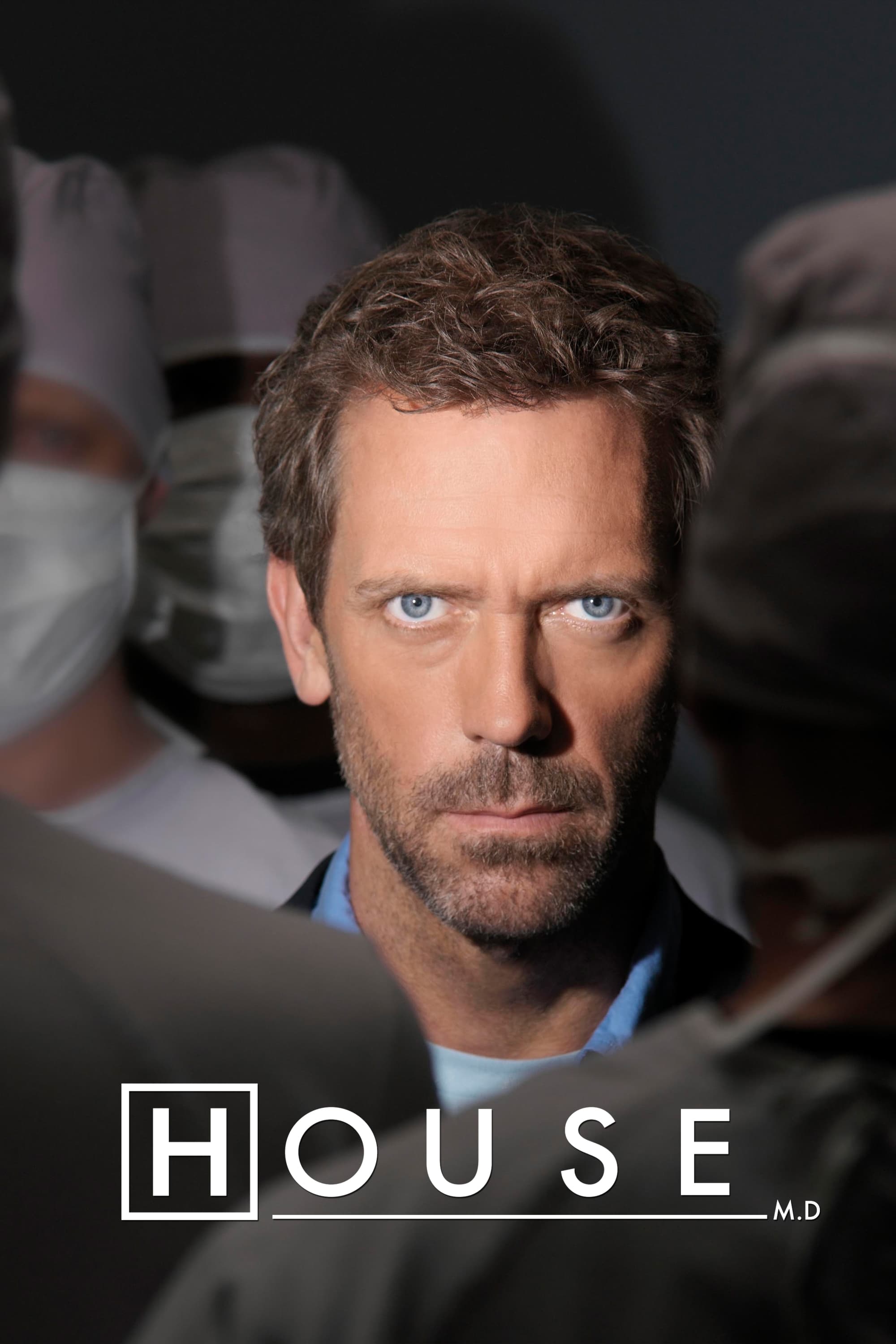
Remy ‘Thirteen’ Hadley was a prominent bisexual character whose sexuality was a recurring topic of conversation among the team. Dr. Gregory House frequently mocked her bisexuality, often suggesting it was a symptom of her Huntington’s disease or a result of her being bored. The show rarely depicted her in meaningful relationships with women, instead focusing on her long-term straight romance with Dr. Eric Foreman. This relationship was treated as her primary and most “legitimate” romantic arc. Her attraction to women was often presented as a curiosity for the male characters rather than a respected identity.
‘The Flash’ (2014–2023)

Hartley Rathaway, also known as Pied Piper, was introduced as one of the few openly gay characters in the Arrowverse. In the early seasons, his sexuality was a confirmed part of his backstory, including a strained relationship with his parents over his boyfriend. However, following the ‘Crisis on Infinite Earths’ event, the timeline was reset, and Hartley’s life was significantly altered. In the new reality, his previous queer relationships were not mentioned, and he was depicted primarily in a professional capacity with no signs of his original identity. This timeline change effectively erased his established LGBTQ+ history.
‘Orange Is the New Black’ (2013–2019)

Piper Chapman’s identity as a bisexual woman was the driving force of ‘Orange Is the New Black’, particularly her conflict between her ex-girlfriend Alex and her fiancé Larry. Despite her deep connection to Alex, the early seasons often framed Larry as the “safe” and “correct” choice for a successful life. Larry and his family frequently spoke of Piper’s relationship with Alex as a youthful mistake or a “lesbian phase” that she needed to move past. Even as the show progressed, the tension between her queer reality in prison and her straight “real life” outside remained a dominant theme. This created a persistent narrative that her queerness was a deviation from her intended path.
‘True Blood’ (2008–2014)

Tara Thornton’s character underwent many transformations, including a period in later seasons where she explored a romantic and sexual connection with the vampire Pam. This pairing was a fan favorite and offered Tara a new sense of agency and identity. However, as the series neared its end, this relationship was sidelined in favor of other plotlines involving male characters. Tara’s eventual death and her final appearances in a dream-like state focused more on her family trauma than her queer identity. The potential for a permanent shift in her sexuality was abandoned as the show returned to its core straight romances.
‘Nip/Tuck’ (2003–2010)
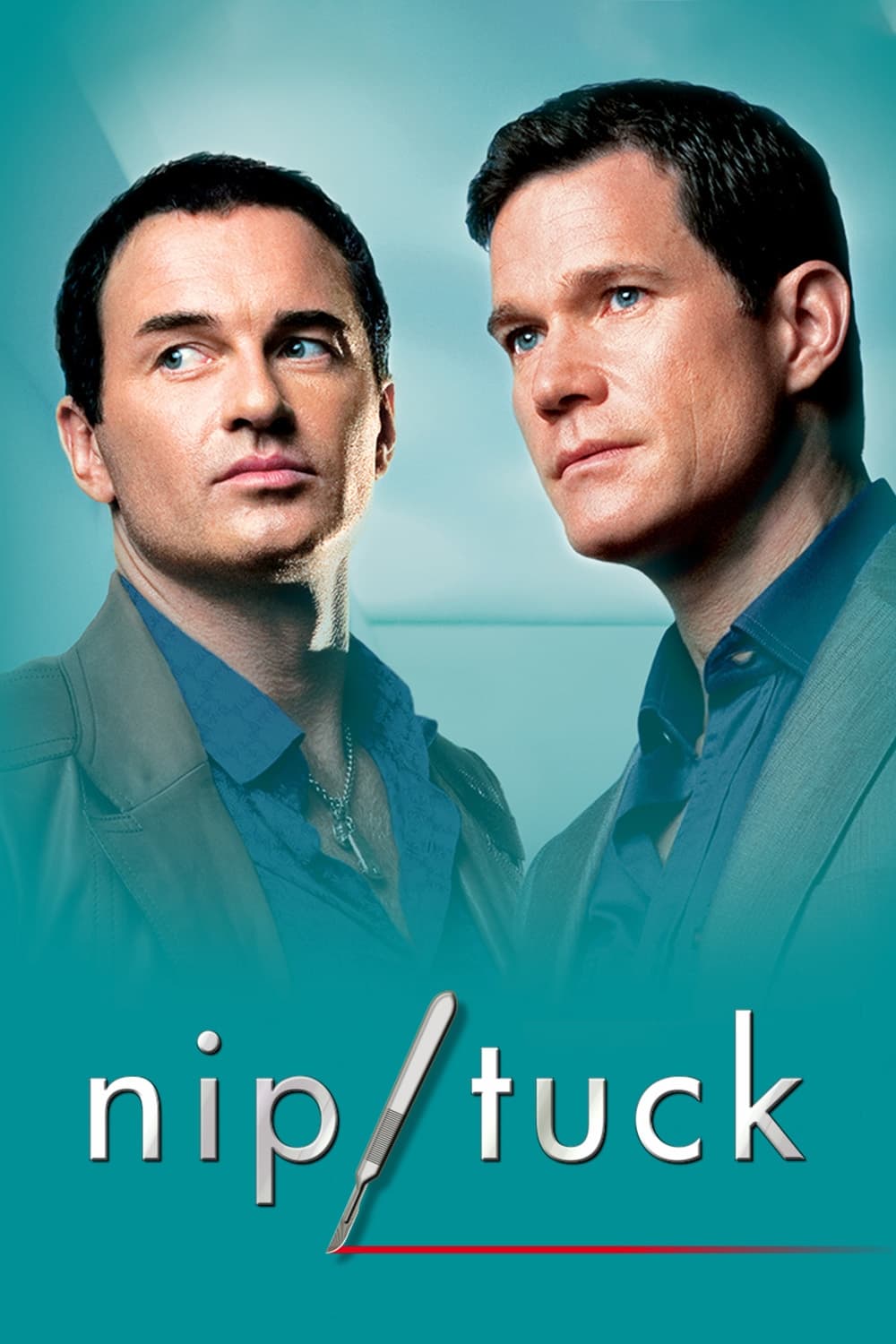
Kimber Henry was a character whose sexuality was depicted as highly fluid, often engaging in relationships with both men and women throughout the series. However, the show’s writers frequently framed her fluidity as a symptom of her low self-esteem or her desire for male validation. Her relationships with women were usually portrayed as experimental or destructive, while her marriages to men were seen as her attempts at “normalcy.” This narrative structure suggested that her queer experiences were something she needed to “fix” to find true happiness. Ultimately, her character’s tragic end avoided any permanent affirmation of her sexual identity.
‘Xena: Warrior Princess’ (1995–2001)

While ‘Xena: Warrior Princess’ is celebrated for its queer subtext between Xena and Gabrielle, the show’s producers frequently pushed Xena into straight romances to appease network censors. Throughout the series, Xena had several significant male love interests, such as Ares and Borias, which were used to define her past and present. These relationships were often positioned as the “official” romances, while her bond with Gabrielle was kept in the realm of “best friends.” This constant insertion of male partners was seen as an effort to keep the character “fixed” within a heterosexual framework. It prevented the show from ever explicitly confirming the central queer relationship.
‘90210’ (2008–2013)
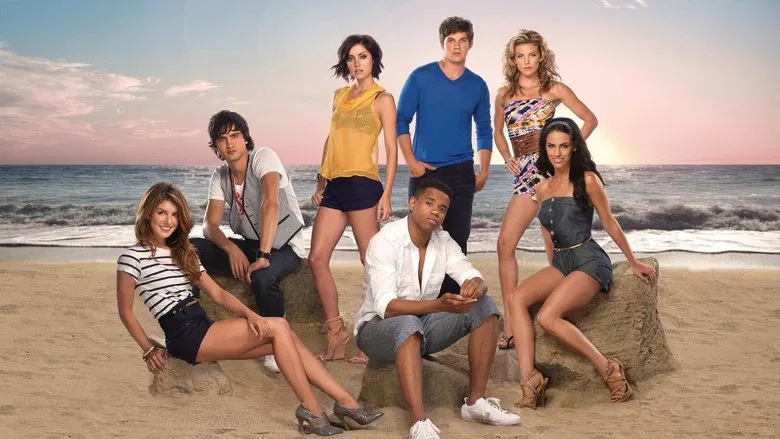
In the CW revival of ‘90210’, Adrianna Tate-Duncan explored her sexuality during the second season by dating a girl named Gia. This storyline was initially presented as a genuine discovery of her identity. However, shortly after the relationship ended, Adrianna declared that she was “done with girls” and returned to her long-term male love interest, Navid. The show treated the entire lesbian arc as a brief detour or a reaction to her previous heartbreak. This pivot effectively “fixed” her character back into a heterosexual role for the remainder of the series.
‘The Walking Dead’ (2010–2022)

The character Dante in ‘The Walking Dead’ represents a case of “straight-washing” from the original source material. In the comics, Dante is a gay character, but in the television adaptation, his sexuality was changed to make him a straight romantic foil. He was given a storyline that involved flirting with and pursuing female characters, which fundamentally altered his identity. This change removed a significant piece of LGBTQ+ representation that existed in the original story. Fans of the comics noted that this adjustment served to fit the character into more traditional, heterosexual television tropes.
Please share your thoughts on these character arcs and how they impacted your viewing experience in the comments.