


TV Shows Where Minority Characters Only Existed to Die First

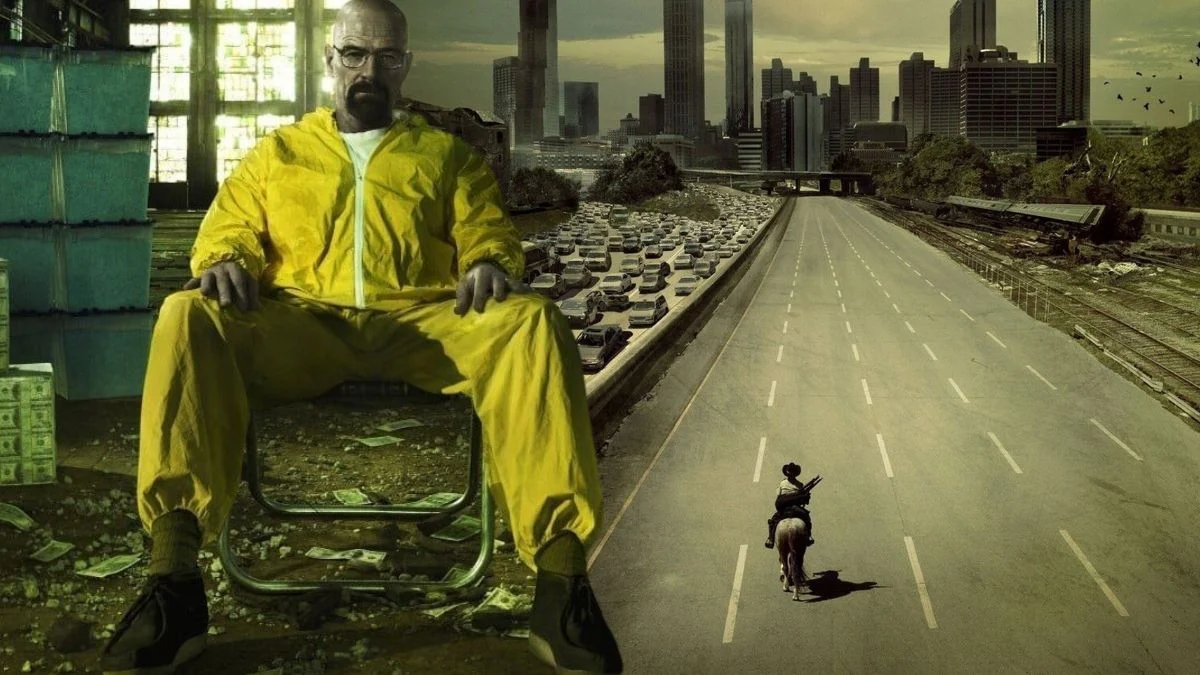


The landscape of television has frequently utilized a recurring narrative device where minority characters are introduced only to meet an early demise. This trope often serves to raise the stakes for the main cast without sacrificing primary protagonists who have had more development. While modern storytelling has made strides in representation these historical patterns reveal how certain demographics were relegated to expendable roles. Examining these instances provides insight into the evolution of television writing and the changing expectations of global audiences.
‘The Walking Dead’ (2010–2022)
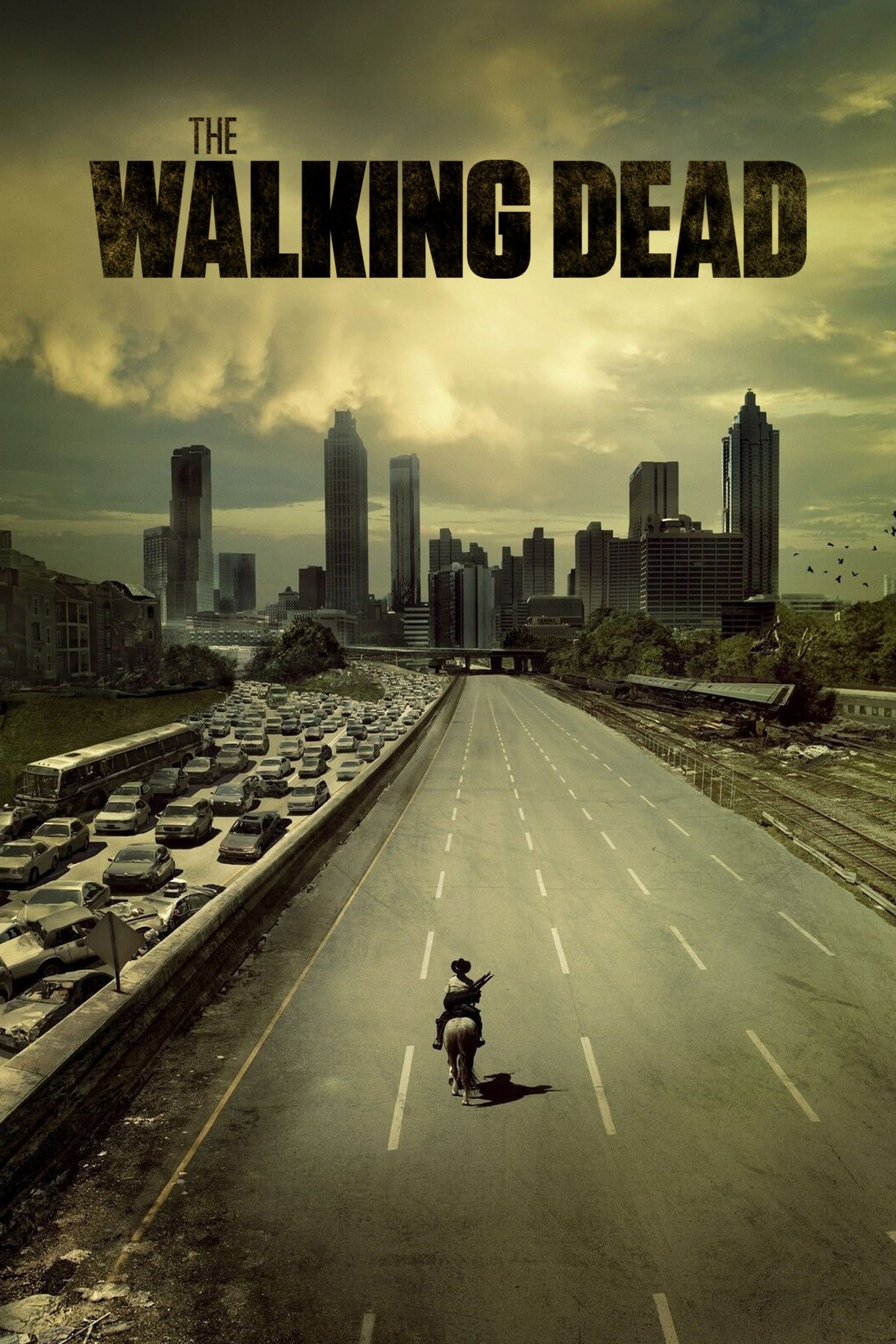
This post-apocalyptic series frequently introduces minority survivors who join the central group only to perish during intense zombie encounters. Characters such as T Dog and Oscar provide valuable support but often lack the deep backstories granted to the original white cast members. Their departures often coincide with the introduction of new minority characters who then take over the sacrificial role. This cycle has been noted by many viewers who observed that minority presence often felt temporary within the high stakes environment of the show.
‘Scream Queens’ (2015–2016)
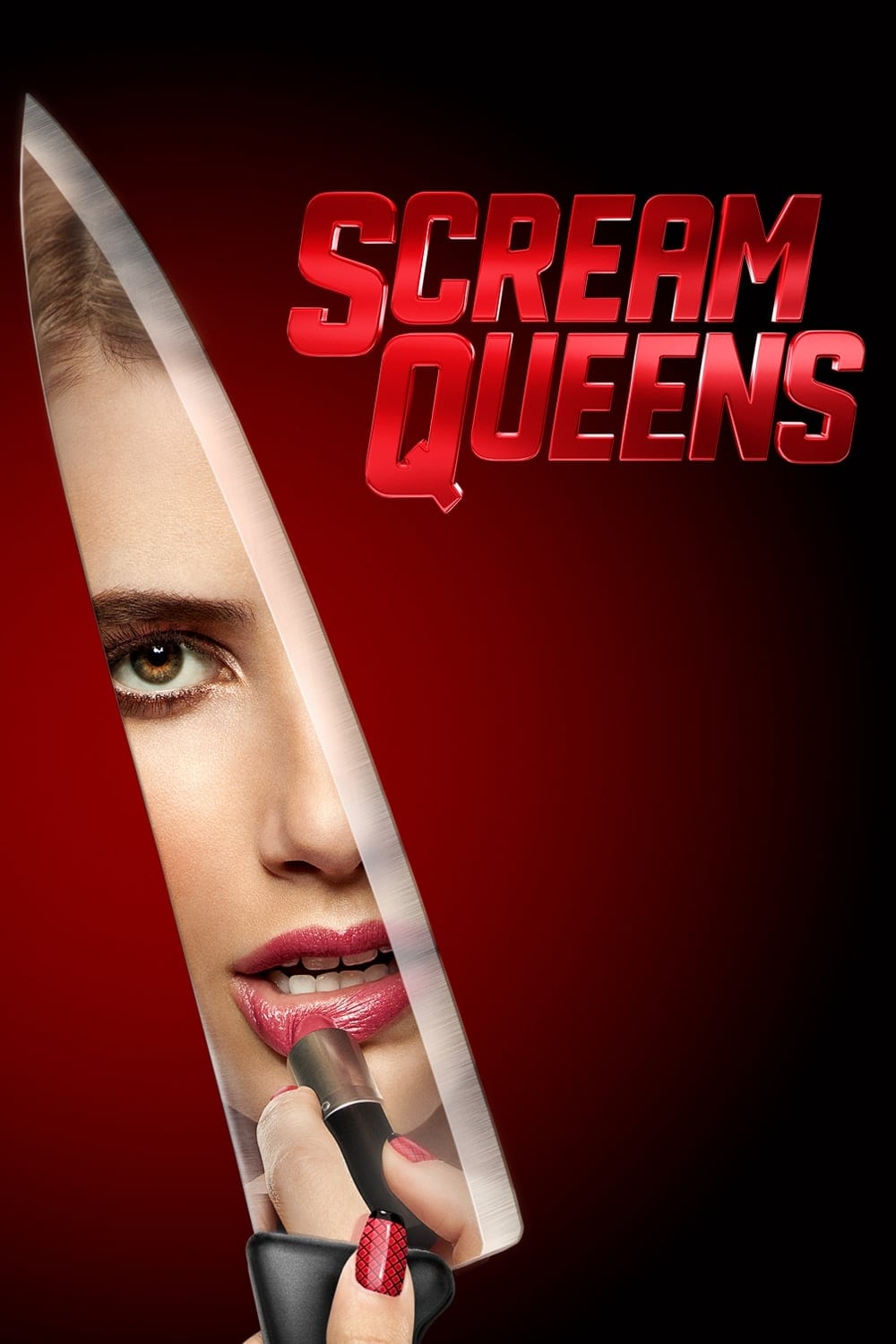
In the first season of this horror comedy Shondell is introduced as a security guard hired to protect the sorority house. She is killed almost immediately after her introduction which serves as a comedic beat rather than a significant loss. This quick elimination reinforces the trope of minor characters of color being expendable for the sake of setting the tone. The show utilizes her death to demonstrate the incompetence of the other characters while moving the plot forward quickly.
‘Supernatural’ (2005–2020)
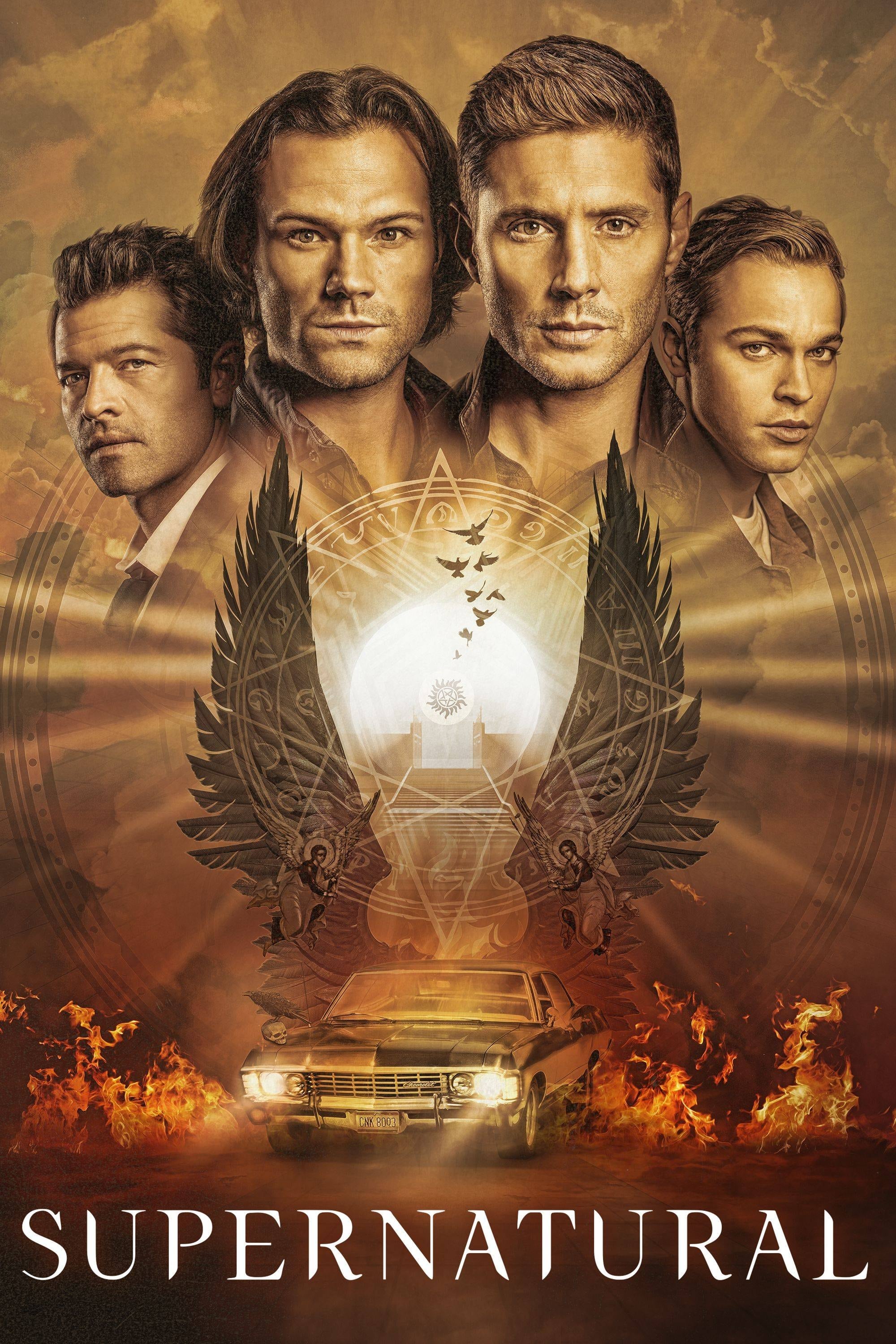
Throughout its long run the series has faced criticism for the frequent and rapid deaths of its diverse guest stars. Many characters of color are introduced as hunters or allies only to be killed by the monster of the week within the same episode. This recurring theme often leaves the primary white brothers as the sole survivors of every supernatural encounter. The lack of longevity for these minority characters has been a point of discussion among the fan base for years.
‘Lost’ (2004–2010)
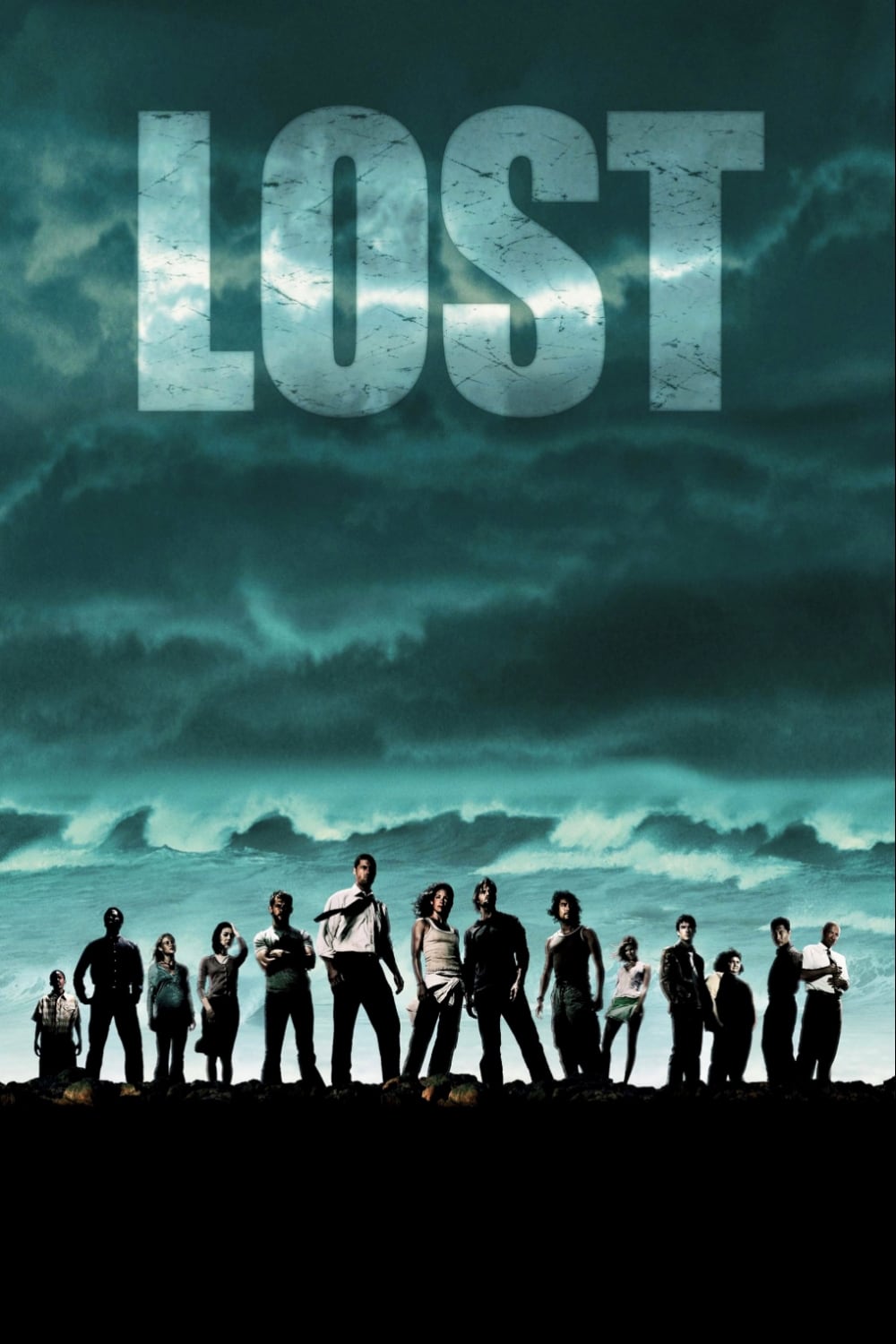
The mysterious island setting features a diverse cast but many characters of color are eliminated before they can reach full narrative potential. Mr Eko and Ana Lucia are notable examples of characters whose journeys were cut short through violent ends. While their deaths were impactful they followed a trend where minority survivors faced higher mortality rates than the core white cast. This creative choice often shifted the focus back to a smaller and less diverse group of protagonists.
‘American Horror Story’ (2011–Present)

In multiple seasons of this anthology series characters of color are introduced with intriguing backstories only to be killed off relatively early. For instance in ‘Coven’ several minority characters serve as early victims to demonstrate the power of the central witches. This pattern is repeated in ‘Hotel’ and ‘Roanoke’ where guest characters of color often face grisly ends before the mid season finale. These creative choices focus the narrative resolution on the long standing main cast members who are predominantly white.
‘The 100’ (2014–2020)
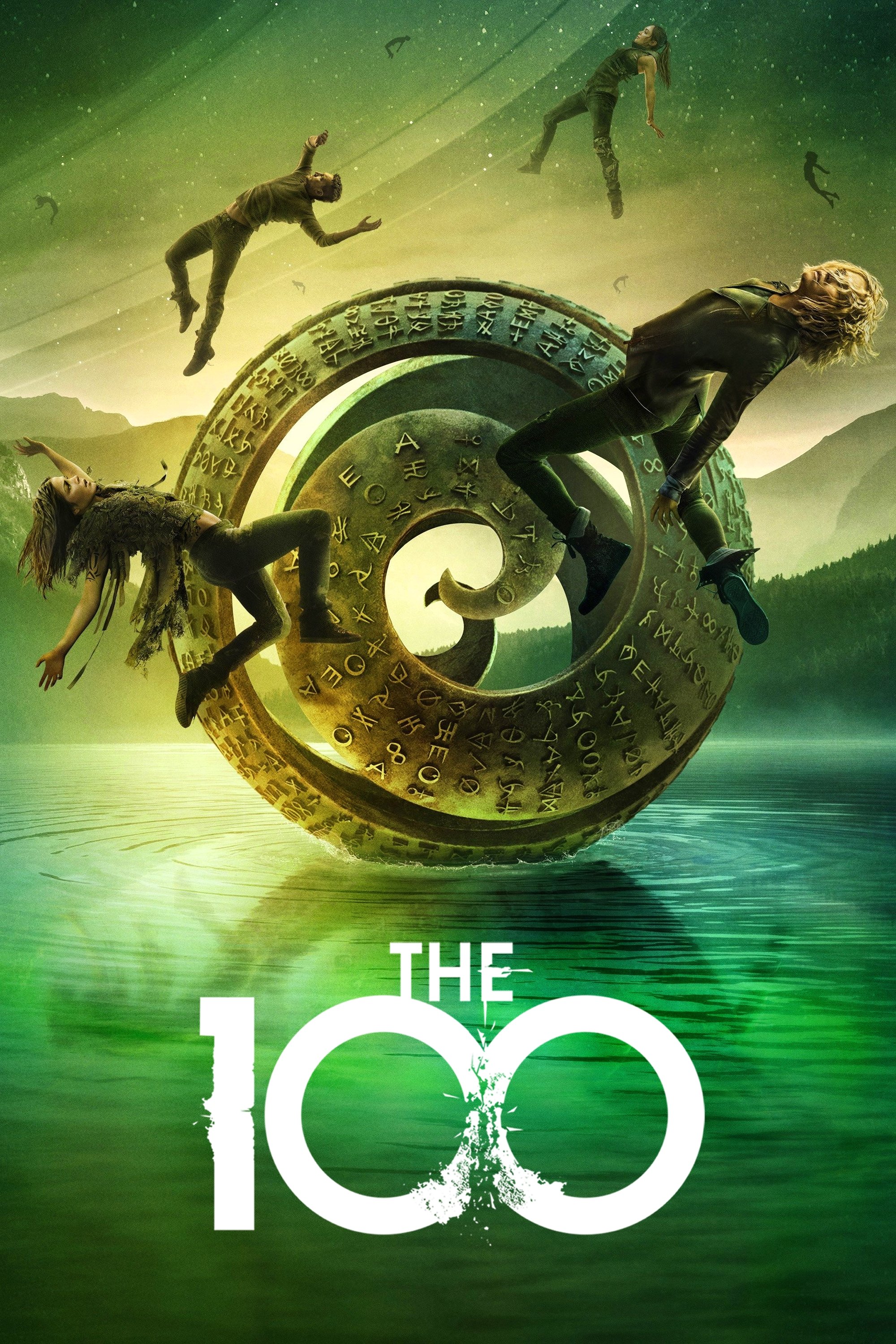
This science fiction drama often features a high body count where minority characters frequently fall victim to the harsh environment. Wells Jaha was one of the first major characters to be killed which shocked audiences given his importance in the source material. His death served to establish the lawless nature of the new world but removed a significant person of color from the main ensemble. Other diverse characters often met similar fates shortly after being introduced as potential leaders or love interests.
‘Star Trek’ (1966–1969)
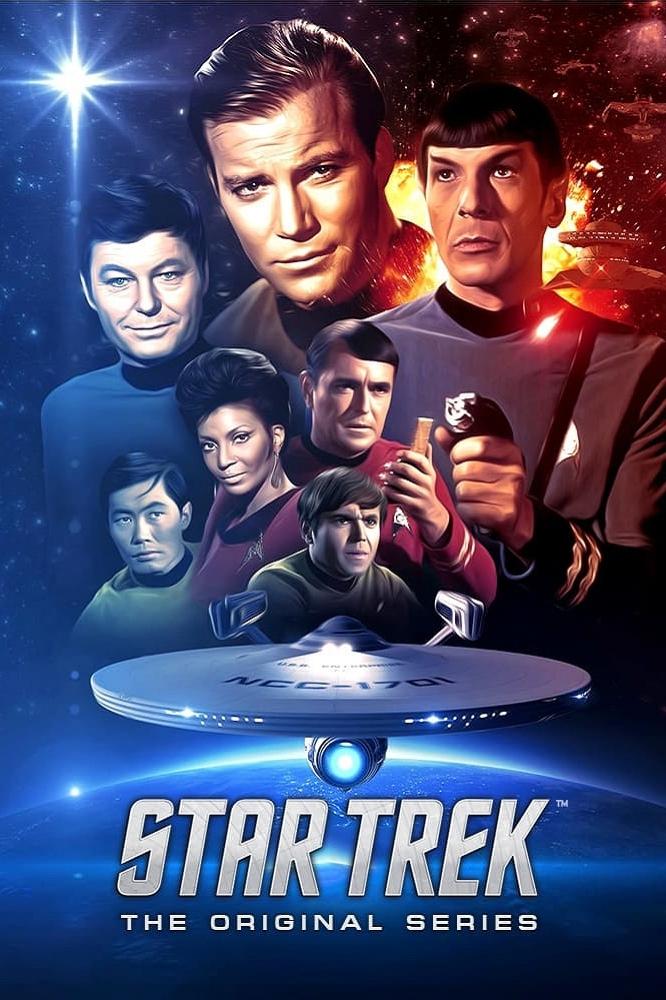
The original series established the famous concept of the red shirt who frequently dies during away missions. Many of these security officers were played by minority actors whose characters remained unnamed or underdeveloped. These deaths served to show the danger of new planets without risking the lives of the main bridge crew. This practice created a lasting image of diverse background characters being used primarily as cannon fodder in science fiction.
‘Friday the 13th: The Series’ (1987–1990)
Each episode of this horror show typically revolves around a cursed object that causes various deaths. Minority guest stars were often the first to encounter these items and suffer the consequences. Their deaths provided the necessary exposition for the protagonists to solve the mystery. Because these characters were rarely recurring they existed primarily to showcase the lethal nature of the weekly curse.
‘The Vampire Diaries’ (2009–2017)
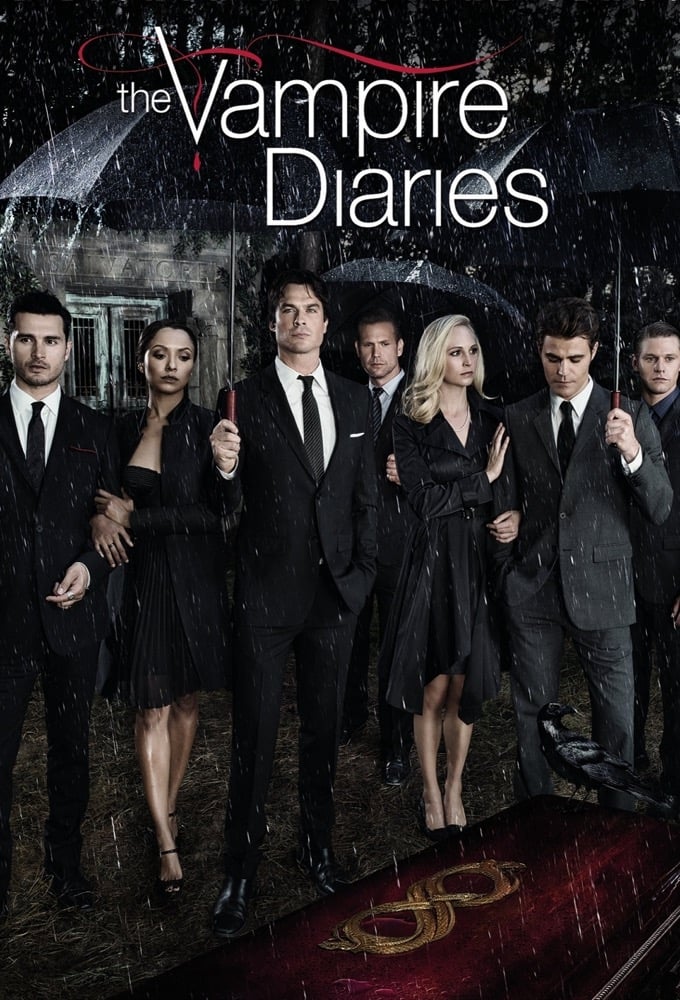
While the series features a few long term characters of color many minority supporting characters were introduced solely to be killed. This was particularly evident with members of the Bennett family who often died to protect the main white protagonists. These characters frequently served as magical plot devices whose lives were traded for the safety of others. The repetitive nature of these sacrifices became a point of contention for many viewers throughout the show.
‘Buffy the Vampire Slayer’ (1997–2003)
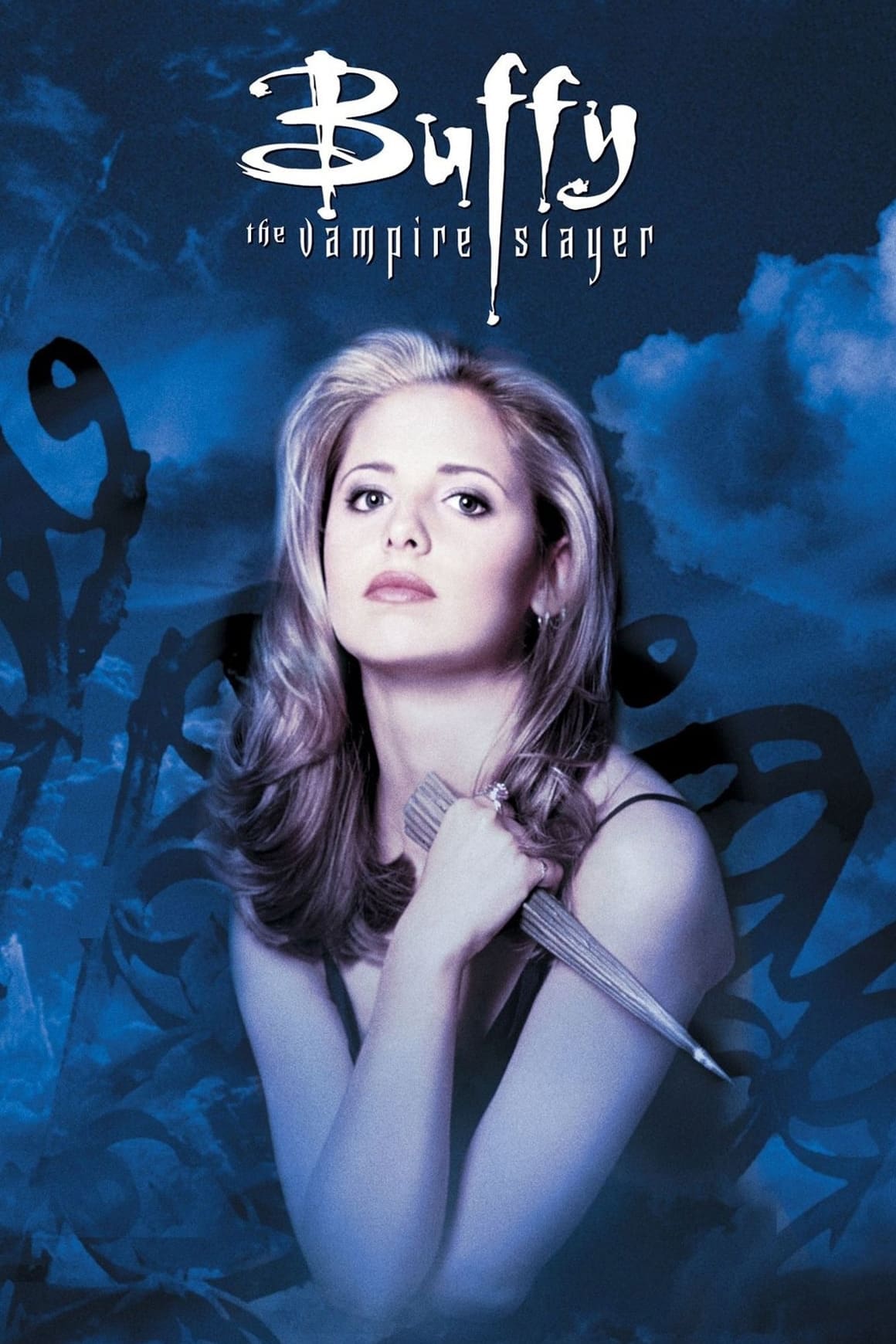
The series has a history of introducing diverse characters who do not survive their first few appearances. Kendra the Vampire Slayer was introduced as a powerful ally but was killed off quickly to further the emotional arc of the lead character. Similarly characters like Mr Trick and various diverse students often met violent ends to demonstrate the threat of the villains. These deaths reinforced the idea that the central group was the only one capable of enduring the supernatural dangers of Sunnydale.
‘Teen Wolf’ (2011–2017)

In this supernatural drama several minority characters were introduced as new members of the pack or local community only to be killed off soon after. Characters like Boyd and various diverse classmates were often used to raise the stakes during major conflict arcs. Their deaths frequently served as emotional catalysts for the primary white characters. This trend made it difficult for diverse supporting characters to establish a lasting presence in the series.
‘Charmed’ (1998–2006)
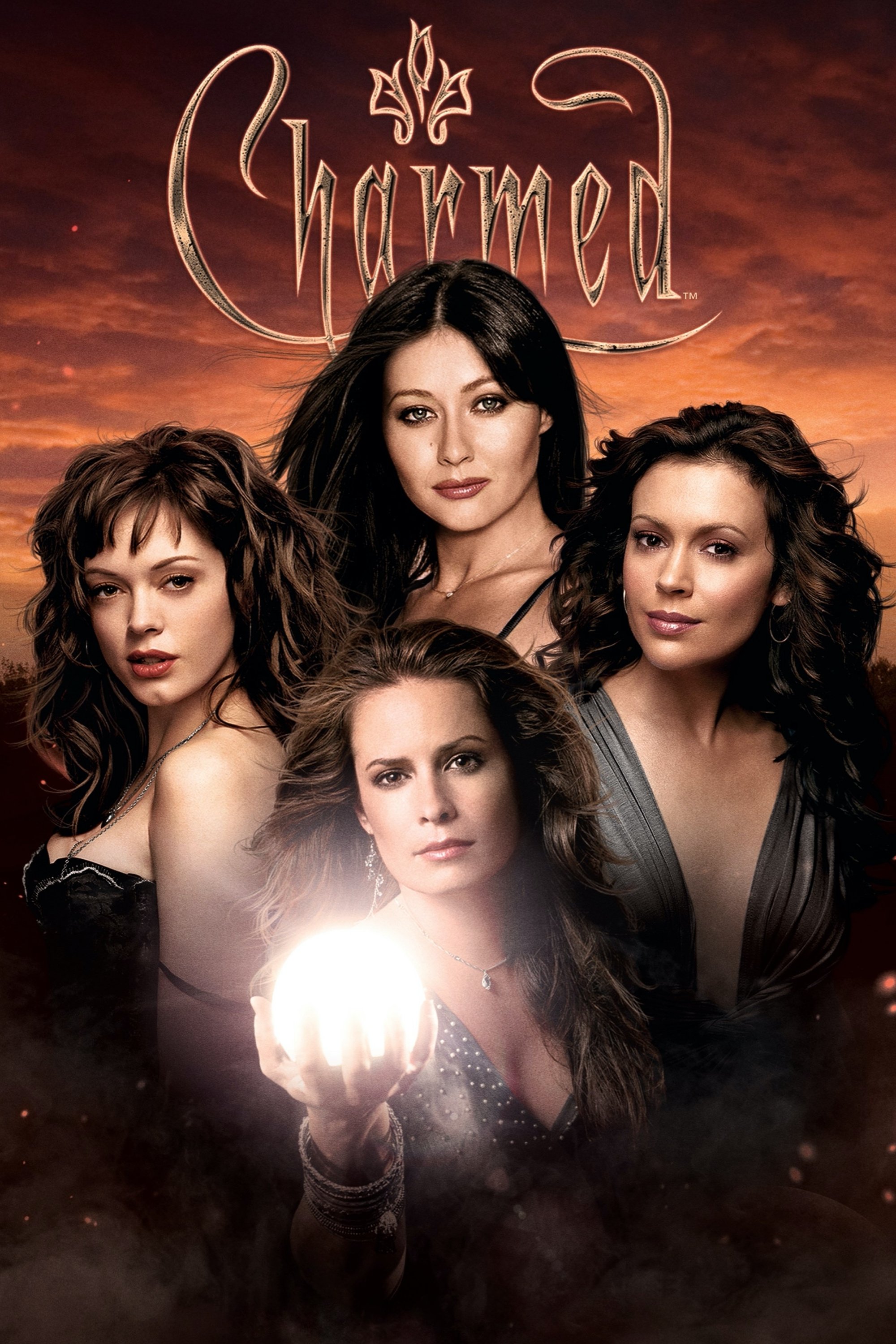
The original series often featured guest stars of color who were targeted by demons early in the episodes. These characters frequently died within the first act to alert the Halliwell sisters to a new threat. While some were saved many served as the necessary casualties to prove the danger of the week. This narrative structure meant that diverse representation was often limited to temporary and endangered roles.
‘The X-Files’ (1993–2018)
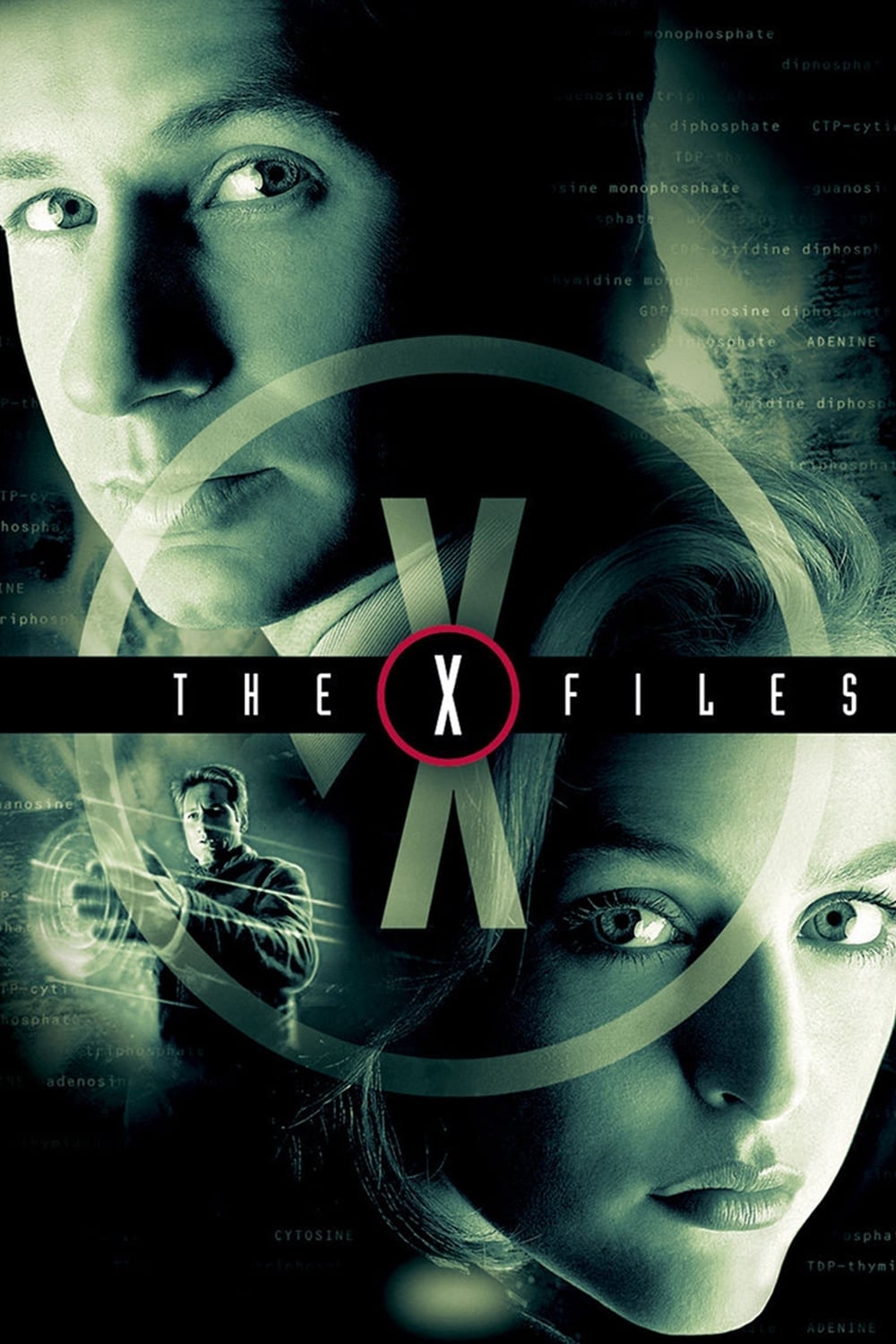
Many episodes of this paranormal investigation series begin with the death of a minor character to introduce the mystery. These initial victims were frequently members of minority groups who lived in isolated or marginalized communities. Their deaths set the scene for Mulder and Scully to investigate the supernatural or extraterrestrial phenomena. These characters were rarely given names or backstories before they were removed from the plot.
‘Stranger Things’ (2016–Present)
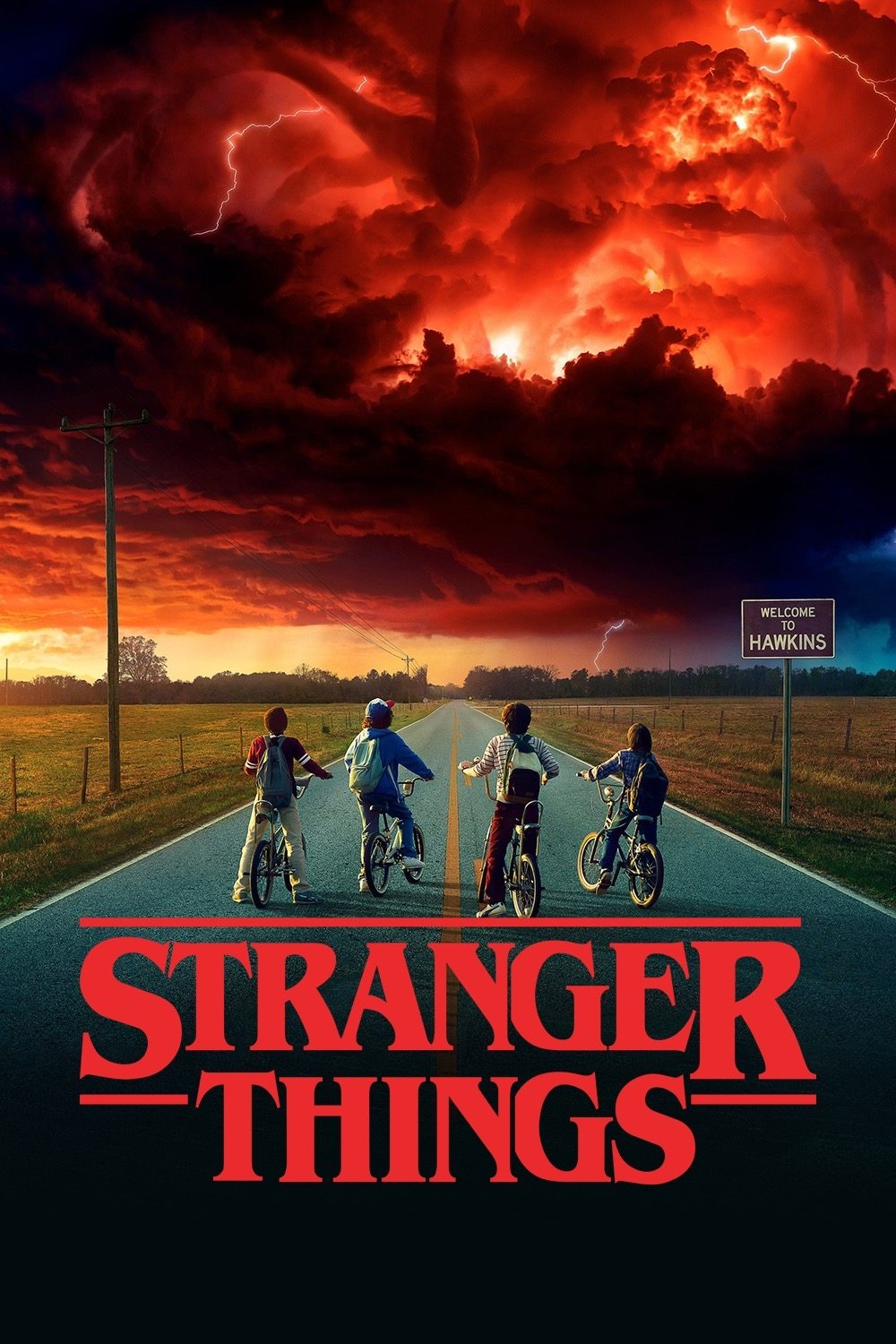
While the core cast has become more diverse over time the early seasons featured a pattern of killing off minor characters of color. Characters like Benny were introduced as kind and helpful figures only to be eliminated by government agents almost immediately. These deaths served to show the ruthlessness of the antagonists but left few diverse characters in the early narrative. This trope has been a point of critical analysis regarding the survival of secondary characters in Hawkins.
‘Game of Thrones’ (2011–2019)
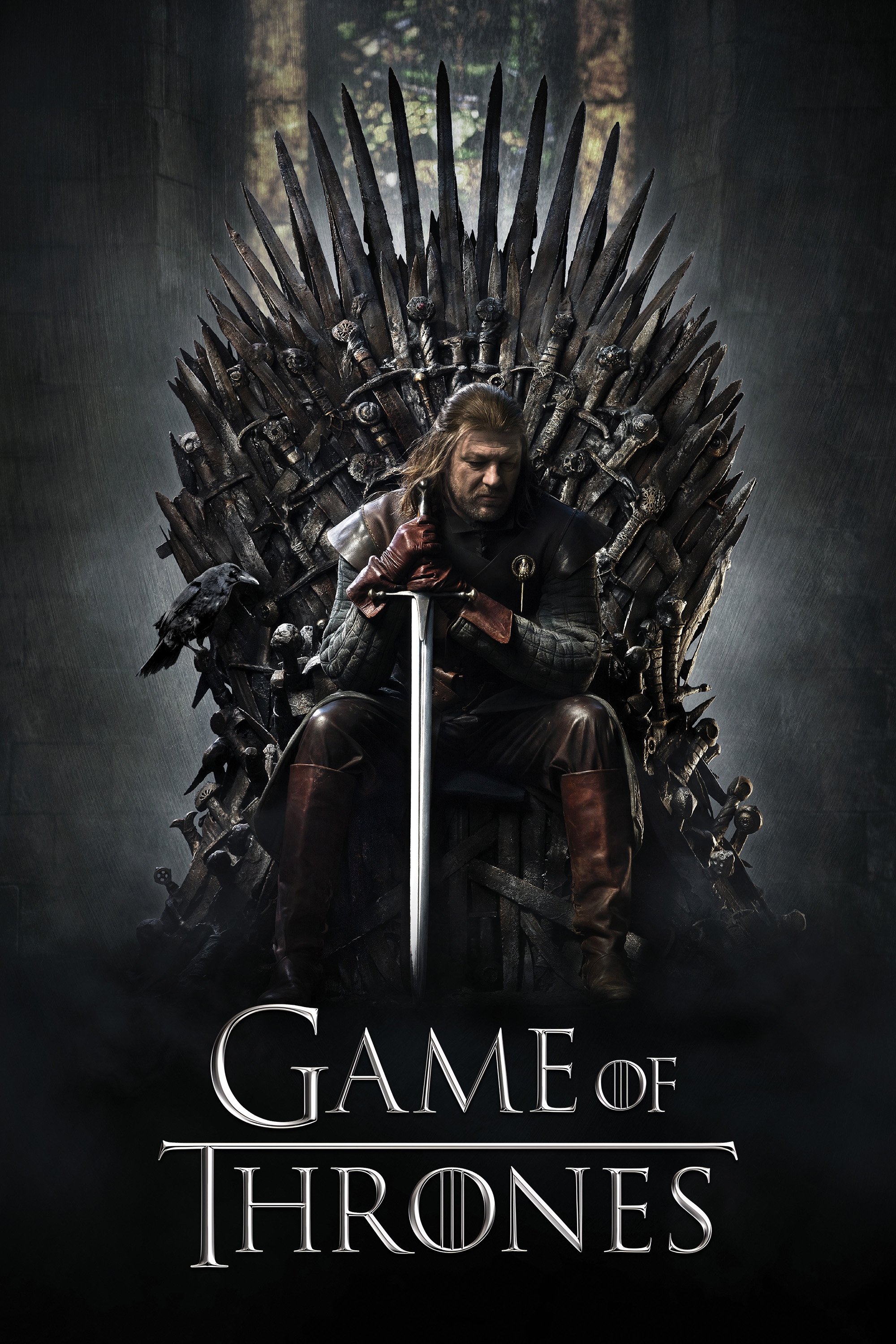
The sprawling epic fantasy has been noted for the high mortality rate of its diverse characters particularly those from Essos. Areo Hotah and several Dothraki leaders were introduced with significant buildup only to be killed in sudden or unceremonious ways. These deaths often served to consolidate power for the primary Westerosi houses. While the world was vast the survival of minority characters often felt precarious compared to the main noble families.
‘Dexter’ (2006–2013)
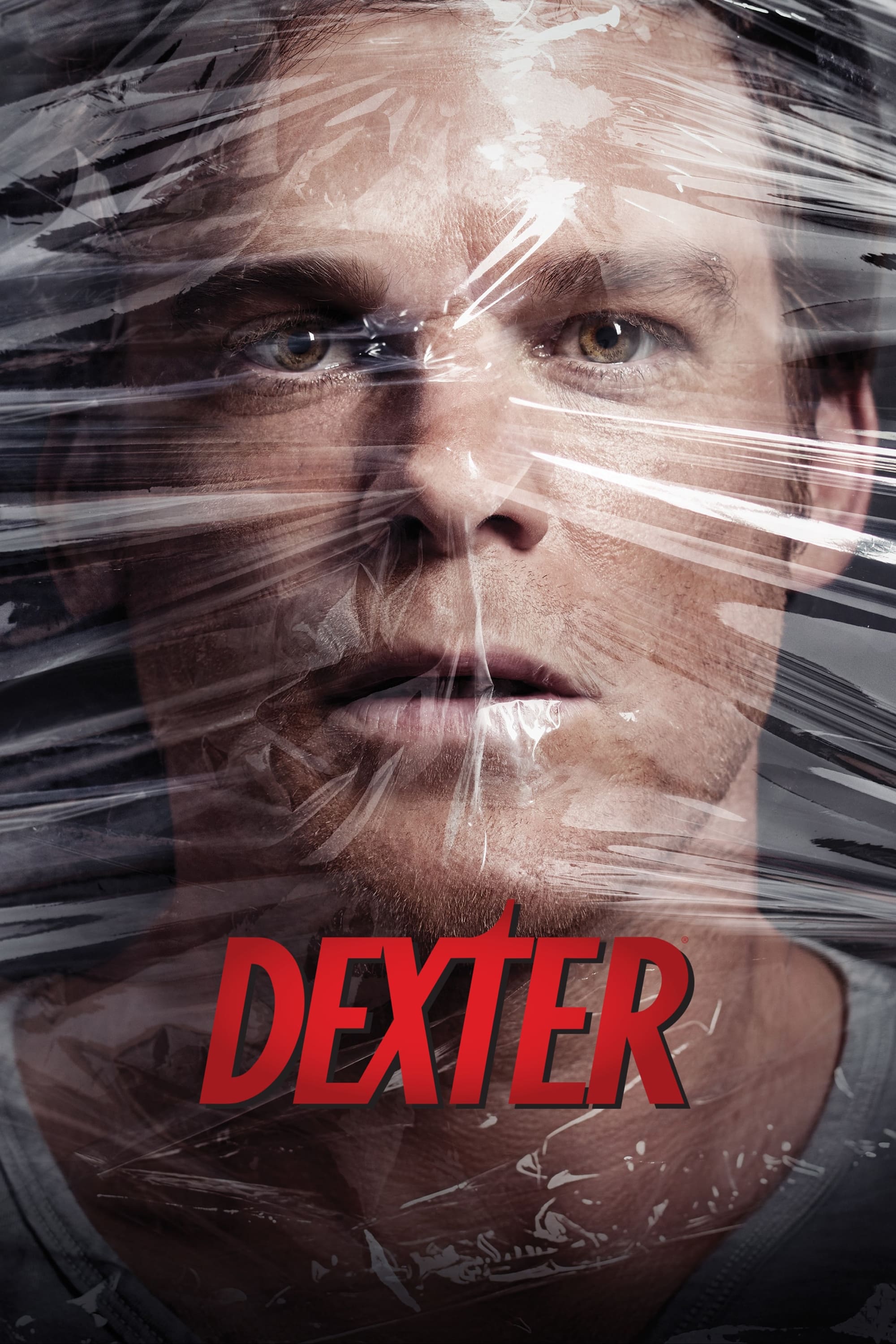
The procedural nature of this serial killer drama meant that many of the victims were minority characters introduced within a single episode. These individuals often represented the criminal underworld of Miami and were killed to satisfy Dexter’s code. Because they were often depicted as antagonists or low level criminals their deaths were framed as necessary or even justified. This limited the representation of diverse characters to those who were either victims or villains.
‘True Blood’ (2008–2014)

The supernatural community in this series was diverse but many minority characters faced early and violent ends. Characters like Jesus and various diverse vampires were often used as emotional leverage or sacrificial lambs during political power struggles. Their deaths frequently served to motivate the actions of the central protagonists. This created a sense that while the world was populated with different groups their longevity was rarely guaranteed.
‘Sons of Anarchy’ (2008–2014)
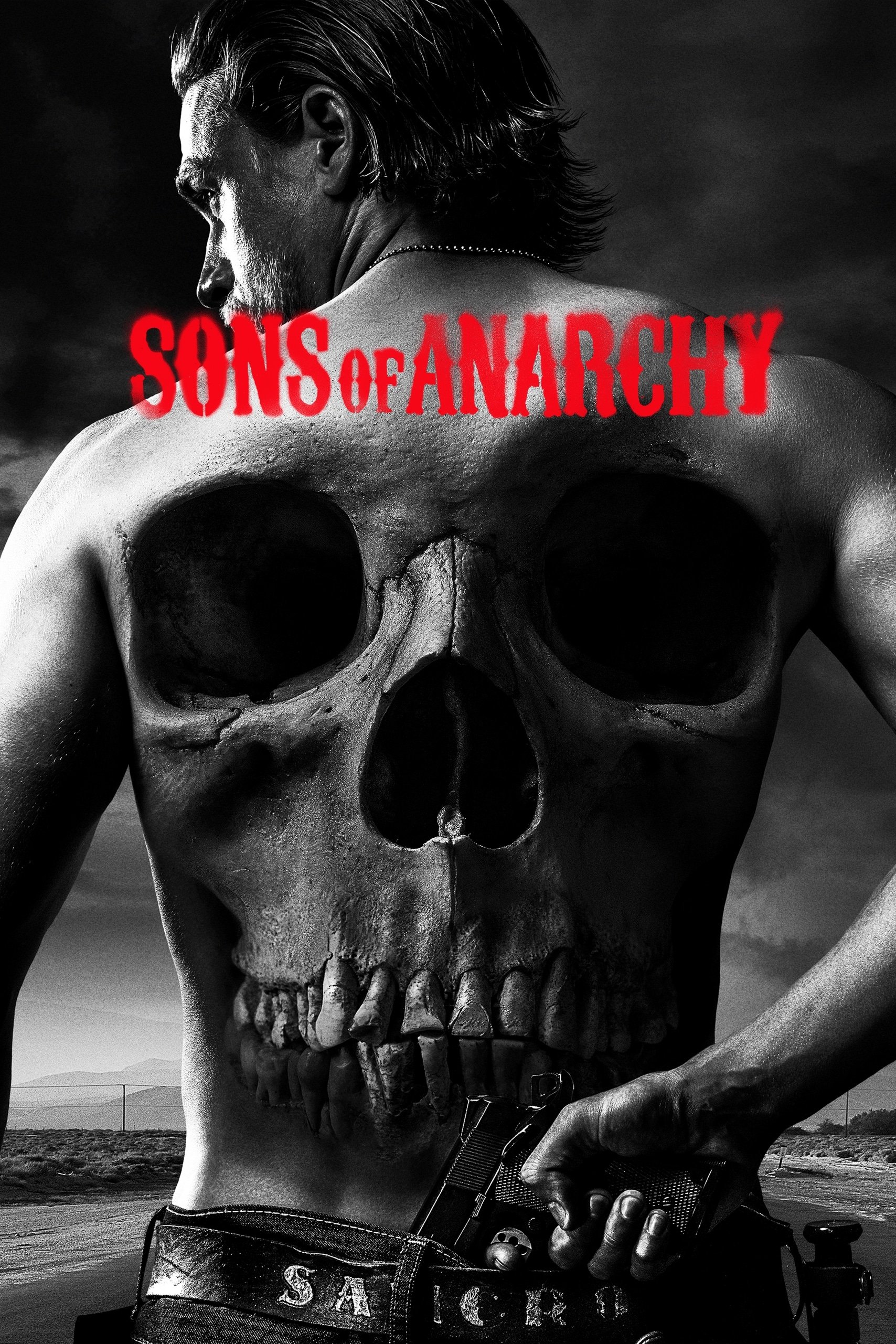
In this gritty crime drama members of rival minority gangs were frequently the first to die in violent confrontations. These characters often served as placeholders to show the rising tensions between the different factions in Charming. While some minority characters were part of the core cast many secondary ones existed only to be casualties of the ongoing gang wars. This cycle of violence often marginalized the personal stories of these diverse characters.
‘Fear the Walking Dead’ (2015–2023)
Similar to its predecessor this spin off series frequently introduces diverse groups of survivors who are quickly decimated. Characters of color often join the main family only to be lost during the chaos of the early apocalypse. These deaths serve to emphasize the brutal reality of the world but often follow a predictable pattern. This has led to discussions about how the franchise handles the development of its non white supporting cast.
‘Oz’ (1997–2003)
The prison setting of this drama ensured a diverse cast but the turnover rate for minority characters was extremely high. New inmates of color were often introduced in one episode and killed by the next to demonstrate the danger of the prison environment. These deaths were used to shock the audience and maintain a sense of constant peril. This environment meant that many minority characters never had the chance to develop long term narrative arcs.
‘Twin Peaks’ (1990–1991)
The original run of this surreal mystery featured several minor characters of color who were involved in the darker side of the town. These characters often faced tragic ends or disappeared after serving a specific plot purpose. Their roles were frequently peripheral to the central investigation of Laura Palmer. This limited their impact on the overall story while emphasizing the mysterious and dangerous nature of the setting.
‘Breaking Bad’ (2008–2013)
In the world of the Albuquerque drug trade many low level enforcers and rivals of color were killed early in their interactions with Walter White. These characters often served as obstacles that the protagonist had to overcome to build his empire. Their deaths were frequently used to show the increasing ruthlessness of the main character. While the show featured prominent minority antagonists their subordinates were often depicted as expendable.
‘Boardwalk Empire’ (2010–2014)
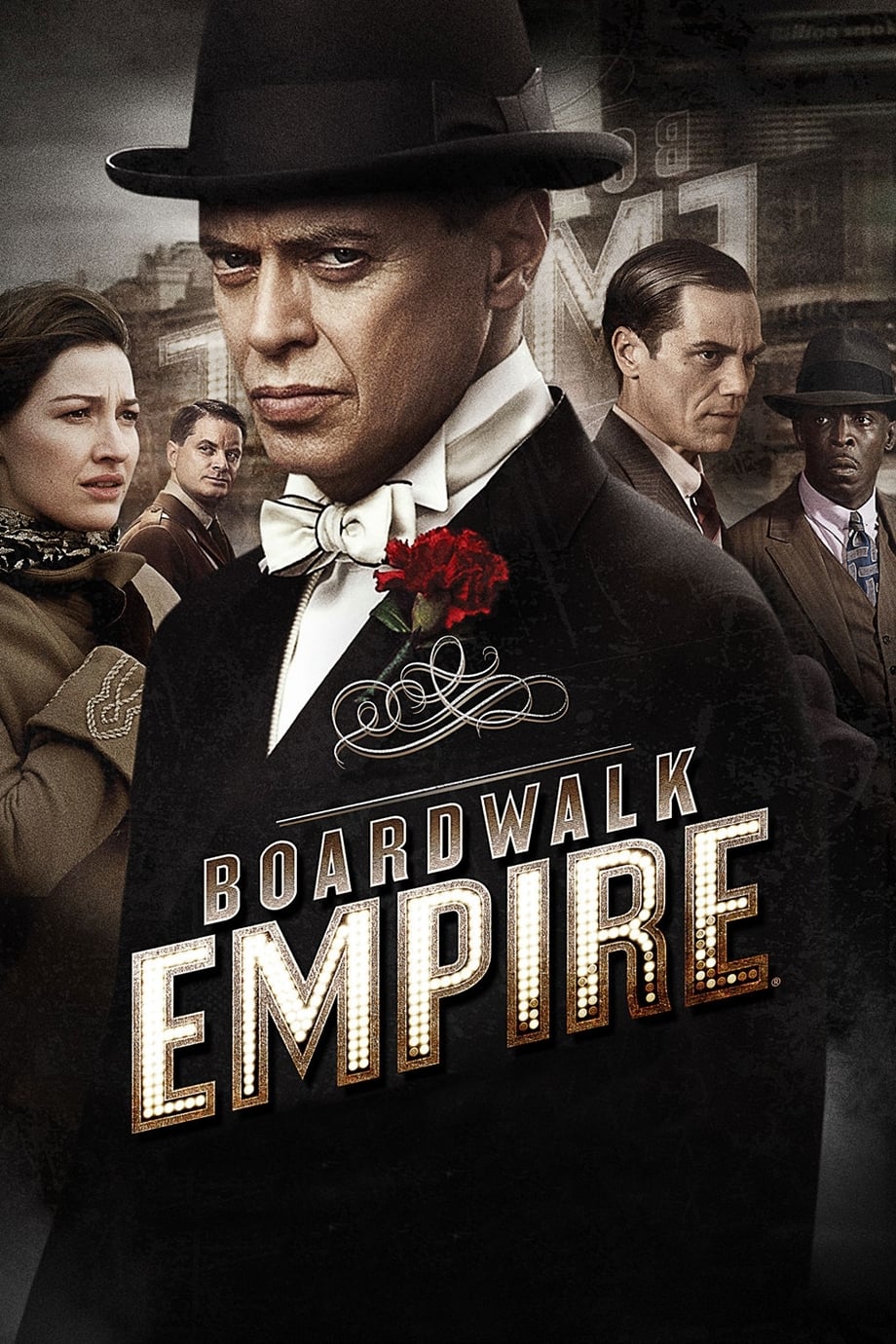
This Prohibition era drama features various minority groups vying for control of the bootlegging business. Many secondary characters from these groups are killed off during the frequent turf wars that drive the plot. These deaths are often used to illustrate the cold and calculating nature of the criminal underworld. This focus on the primary white leaders often leaves the stories of diverse characters unfinished or cut short.
‘The Flash’ (2014–2023)
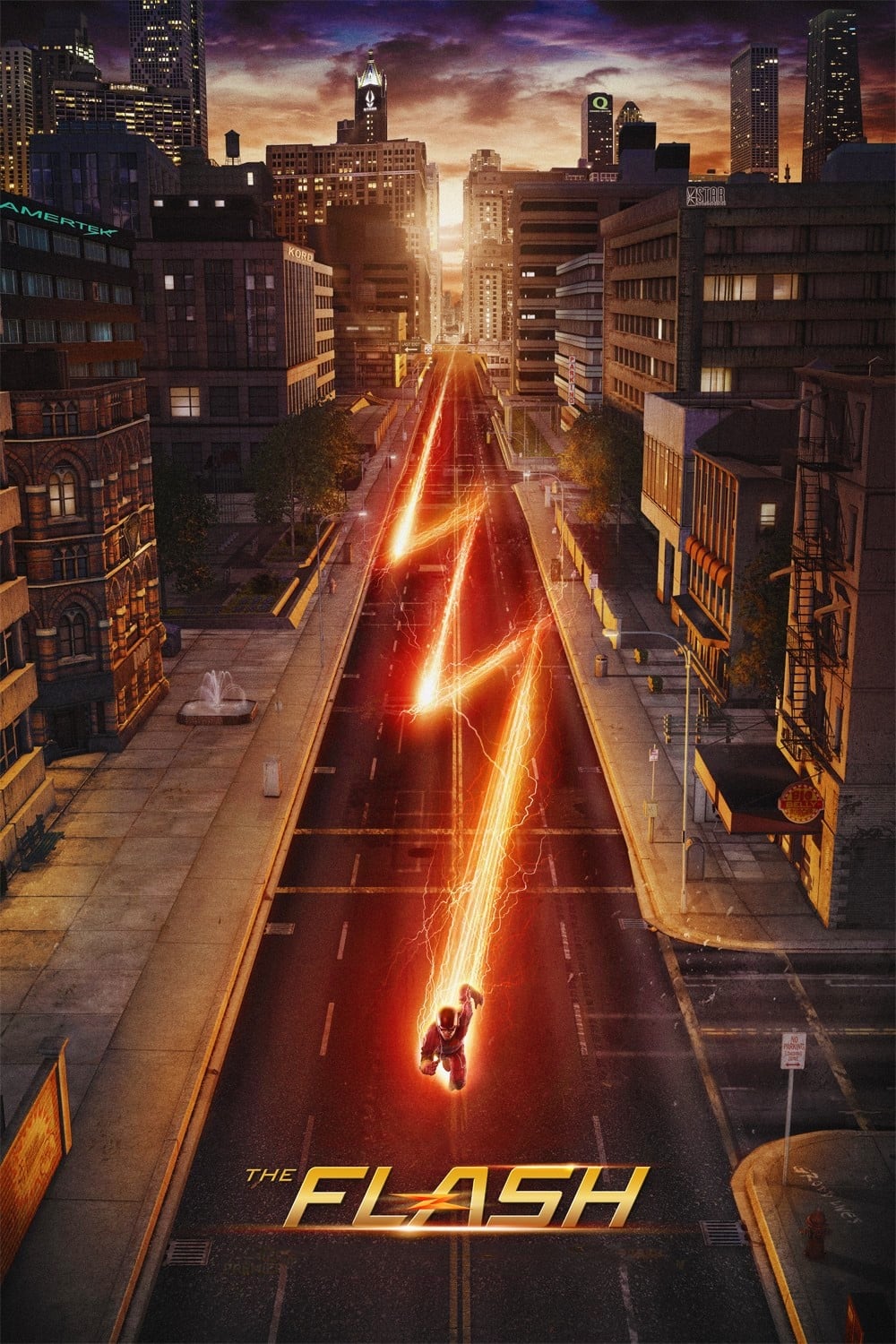
In the early seasons of this superhero series diverse guest stars often appeared as villains of the week who were either captured or killed. These characters were used to test the powers of the protagonist and provided the necessary conflict for each episode. While some were recurring many minority actors were cast in roles that ended with their character’s demise. This pattern was common in the procedural format of the early Arrowverse shows.
‘Arrow’ (2012–2020)
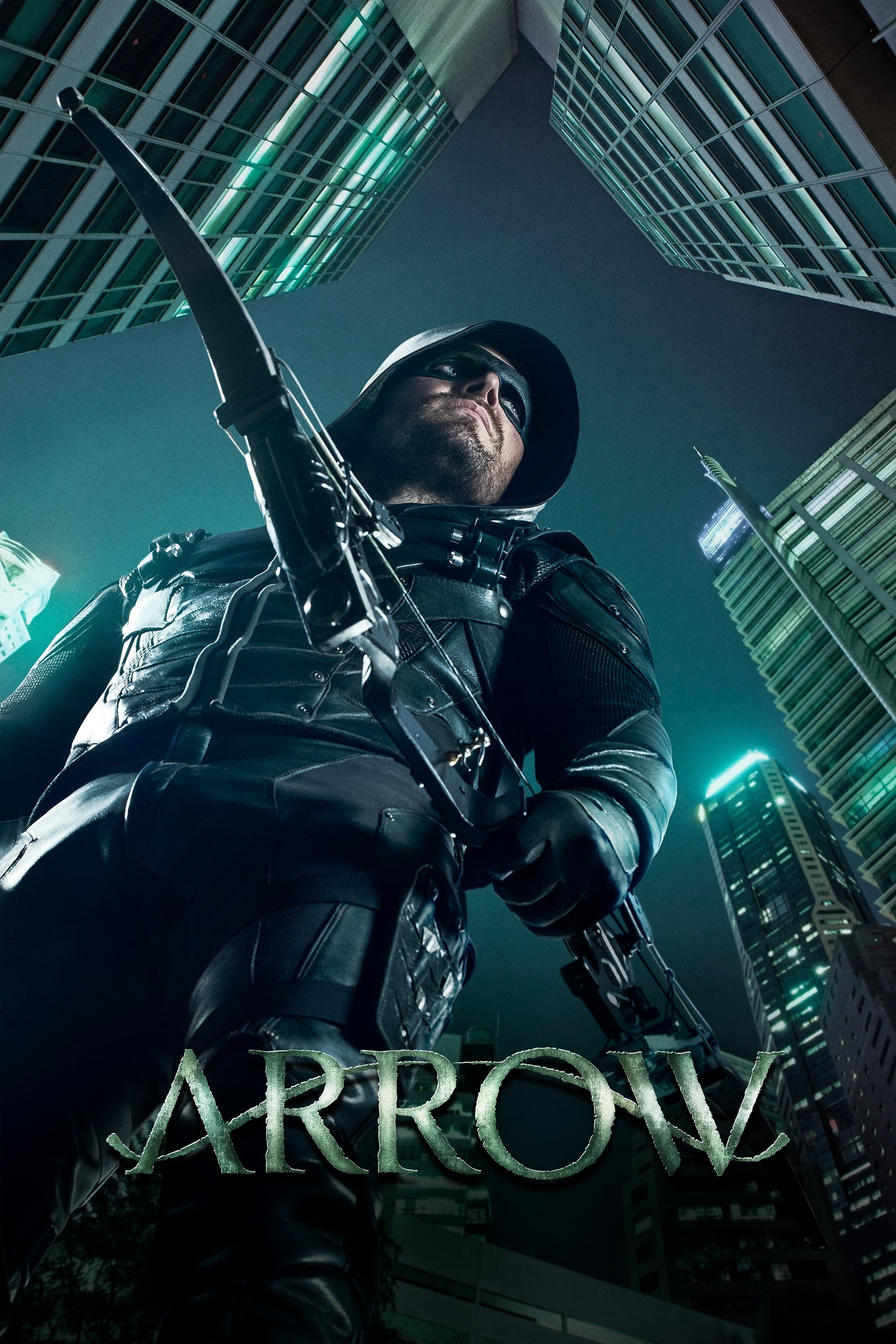
This vigilante drama frequently featured diverse characters who acted as mentors or allies only to be killed to motivate the hero. Characters like Amanda Waller and various members of the League of Assassins often met their ends during pivotal moments. Their deaths served to raise the stakes and force the protagonist to make difficult choices. This recurring theme often resulted in a rotating door of diverse supporting characters who did not survive the series.
‘Gotham’ (2014–2019)
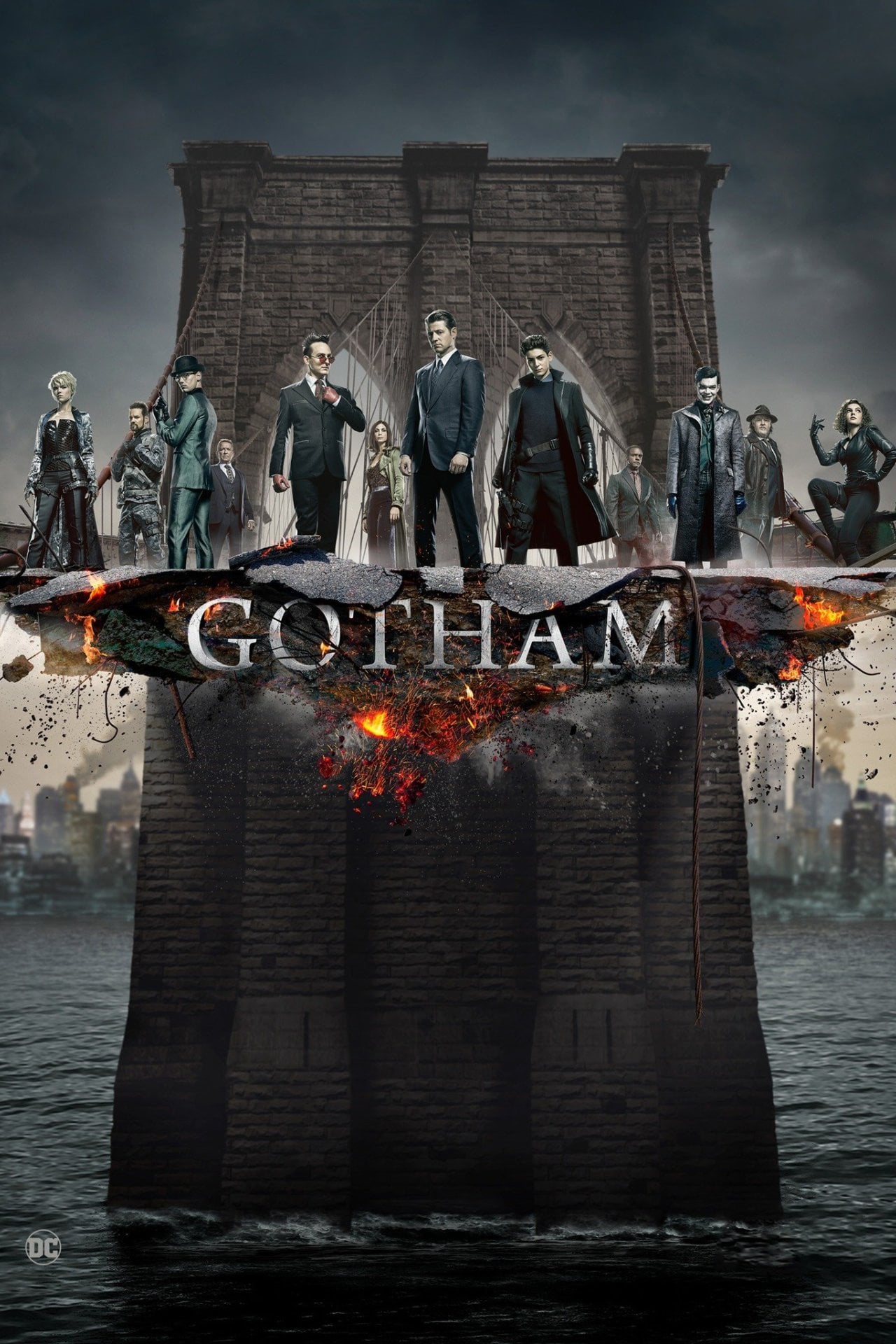
As a prequel to the Batman mythos this show introduced many diverse versions of classic characters who were killed off before they could reach their established futures. These deaths were used to create a sense of unpredictability in the narrative. Many minority characters served as early victims of the rising criminal chaos in the city. Their short tenures emphasized the lawlessness of Gotham before the arrival of the Dark Knight.
‘Westworld’ (2016–2022)
In the high concept world of the theme park diverse hosts were often programmed to die repeatedly as part of the guest experience. While some minority hosts eventually gained sentience many others were relegated to background roles where they were killed for entertainment. These repetitive deaths were a central theme of the show’s exploration of artificial intelligence. This narrative structure meant that many diverse characters were defined by their expendability in the eyes of the park’s creators.
‘The Terror’ (2018–2019)
In the first season of this historical horror series the diverse crew members of the Arctic expedition were among the first to perish. These deaths were used to establish the environmental dangers and the threat of the mysterious creature. Because the focus was on the naval officers many of the lower ranking diverse sailors were given less screen time before their deaths. This hierarchy reflected the historical context while also following the trope of expendable secondary characters.
‘Yellowjackets’ (2021–Present)
The survival story of a high school soccer team involves various diverse characters who are lost in the wilderness. Some minority characters have been killed early in the timeline which adds to the desperation and trauma of the group. These deaths serve as pivotal moments that force the remaining survivors to make extreme choices. The show uses these losses to build the mystery and the psychological tension of the narrative.
‘Midnight Mass’ (2021)
This horror miniseries features a small island community where several diverse residents are among the first to be affected by the supernatural events. Their deaths and transformations serve as the early warning signs for the rest of the town. These characters often have unique perspectives that are cut short as the mystery unfolds. Their early departures from the story help to establish the high stakes of the spiritual conflict.
‘The Haunting of Hill House’ (2018)
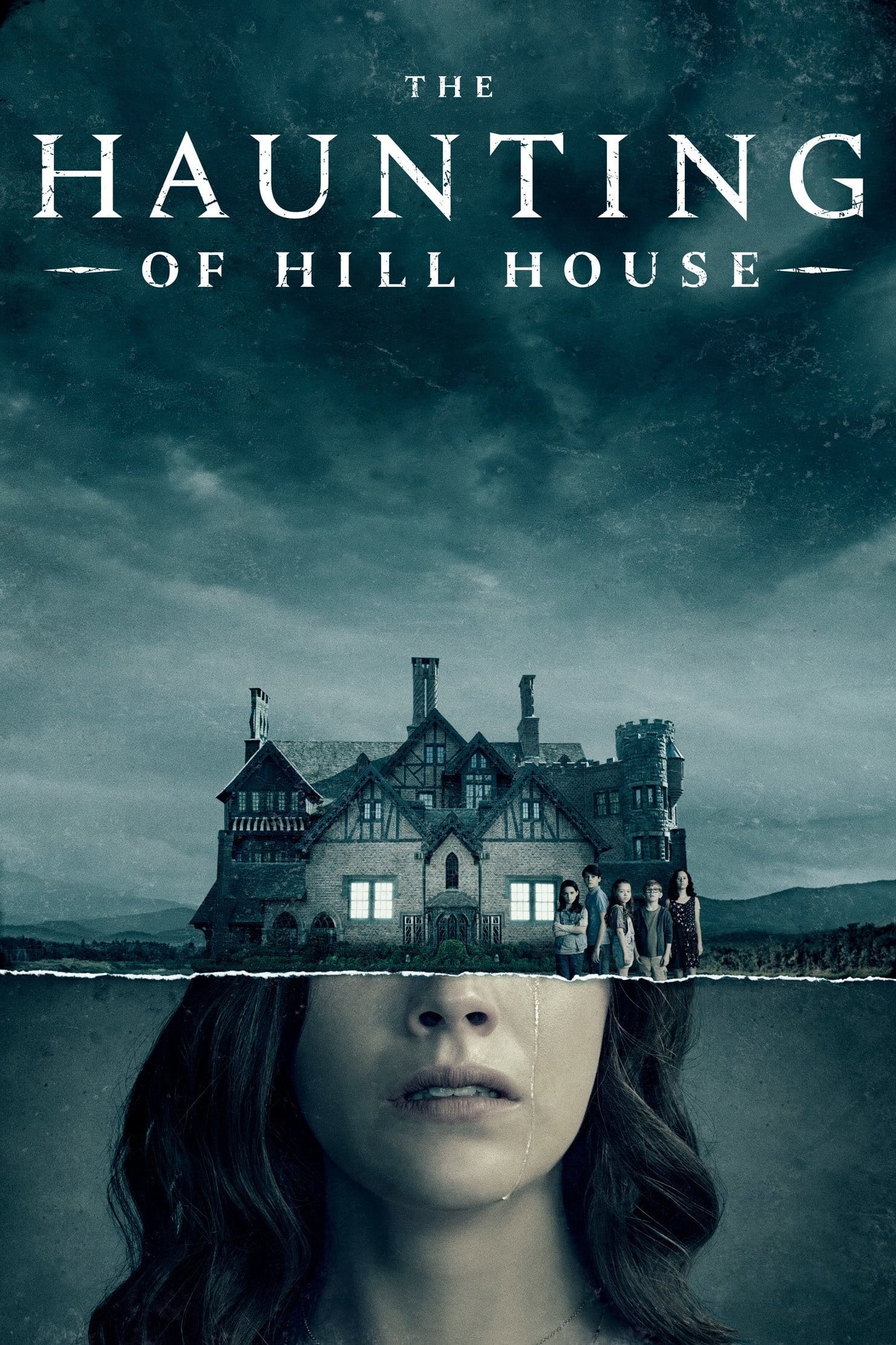
In this psychological horror series various diverse characters who are not part of the central family often meet tragic ends. These deaths occur in the background or during flashbacks to explain the history of the haunted house. They serve to build the lore and the sense of impending doom for the main protagonists. This choice focuses the emotional core on the core family while using others as sacrificial elements of the house’s history.
‘The Haunting of Bly Manor’ (2020)

Similar to its predecessor this anthology installment features diverse staff members and guests who become victims of the mansion’s ghosts. Some of these characters are killed early in the story to reveal the rules of the haunting. Their deaths are often depicted as part of the cycle of loss that defines the setting. These characters provide the necessary exposition for the main characters to understand their predicament.
‘The Witcher’ (2019–Present)
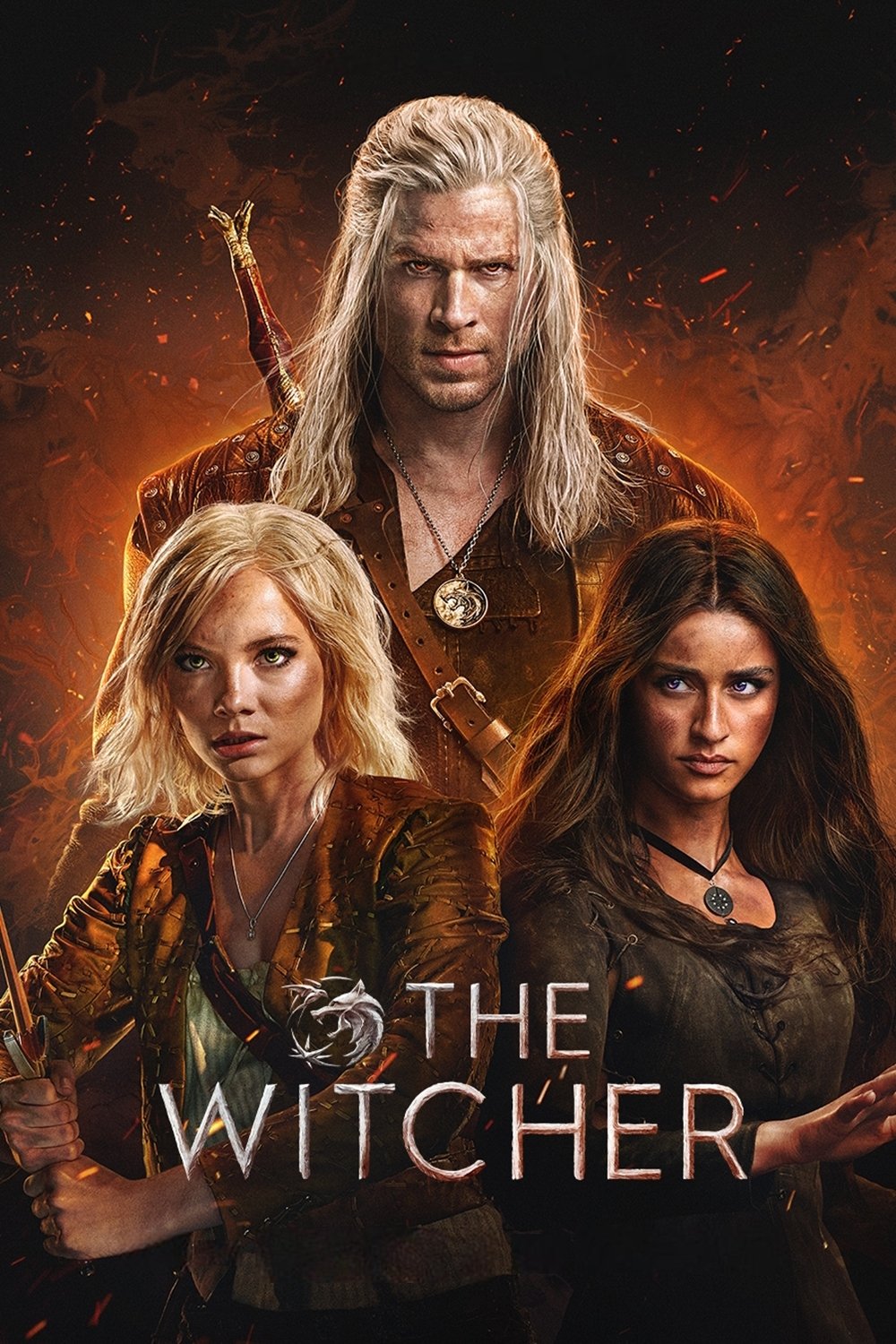
The fantasy world of the Continent features a diverse cast of mages and warriors who often die in large scale battles. Many minority characters are introduced during specific quests only to perish before the episode concludes. These deaths help to show the brutality of the political conflicts and the danger of the monsters. This frequent turnover of secondary characters ensures that the focus remains on the primary trio of heroes.
‘The Wheel of Time’ (2021–Present)
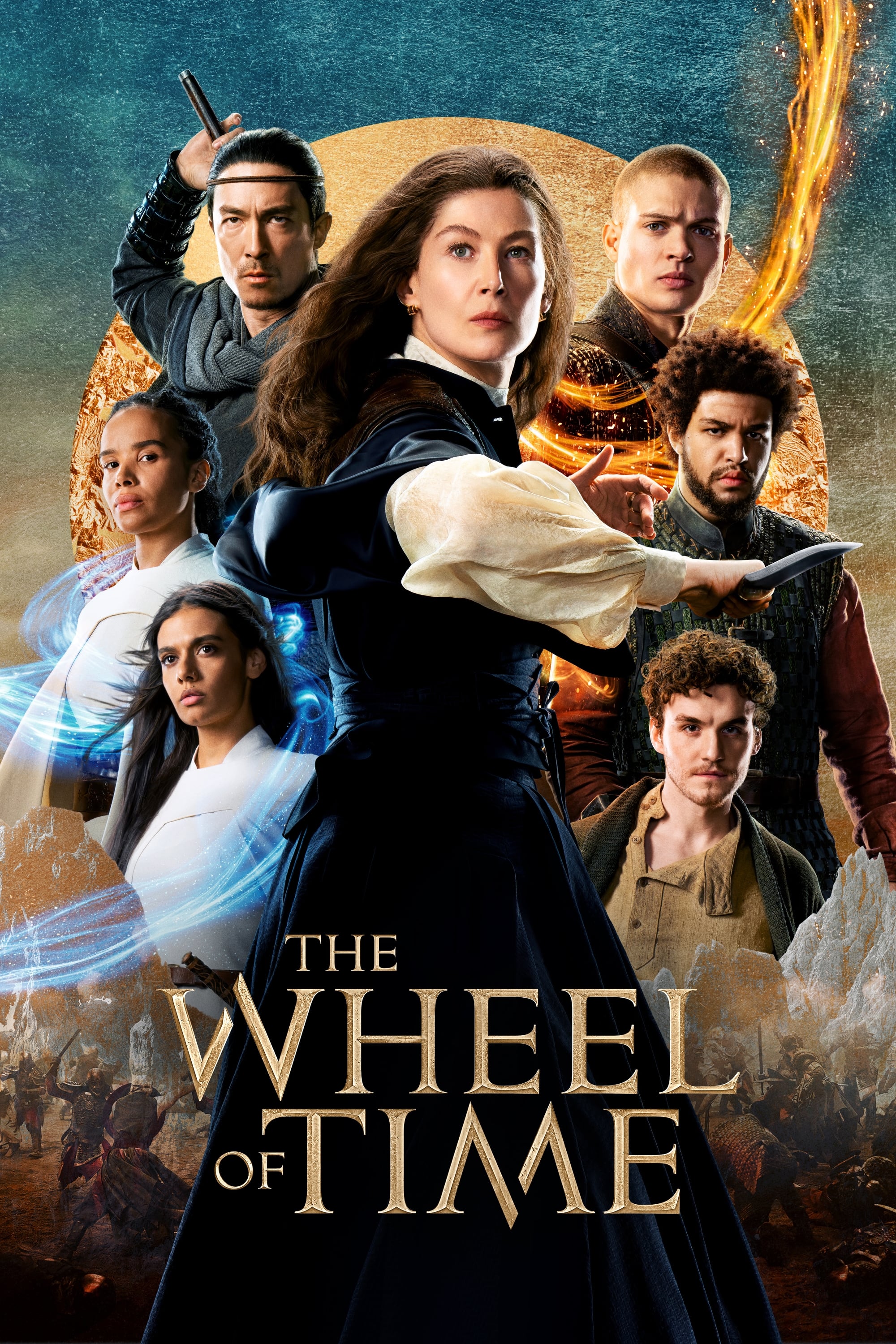
In this epic fantasy adaptation several diverse characters are introduced as villagers or travelers who are killed during the initial attacks. These deaths serve to motivate the main characters to leave their homes and begin their journey. While the world is designed to be inclusive the early mortality rate for minor diverse characters follows established genre tropes. These losses establish the threat of the Dark One and his followers.
‘Supergirl’ (2015–2021)
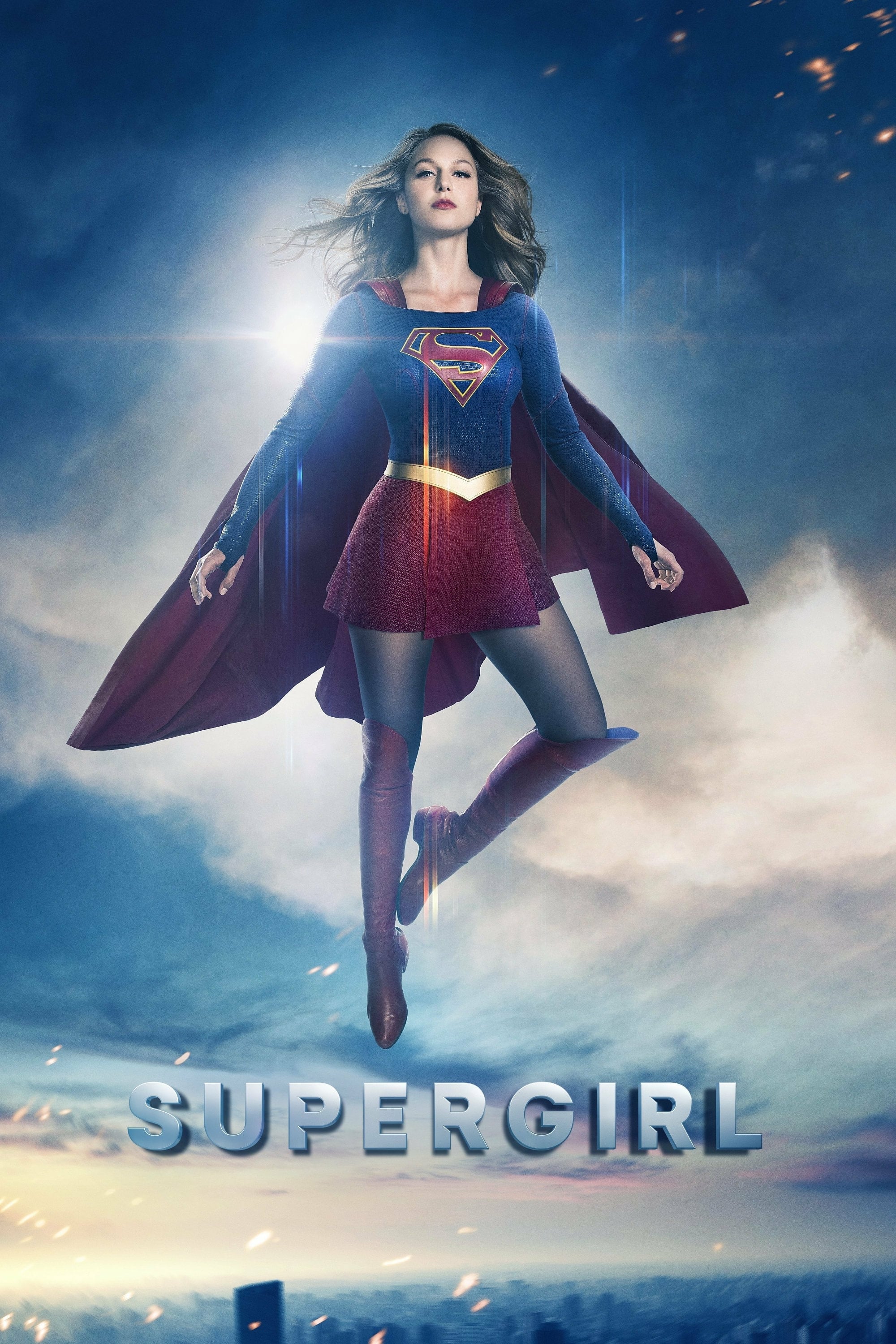
Throughout the series various diverse aliens and human allies were introduced only to be killed by the villains of the week. These characters often served as symbols of the inclusivity the show aimed for but were frequently sacrificed to prove a point. Their deaths were used to challenge the morals and the strength of the protagonist. This recurring pattern meant that many diverse guest stars did not have the opportunity for long term development.
‘Titans’ (2018–2023)
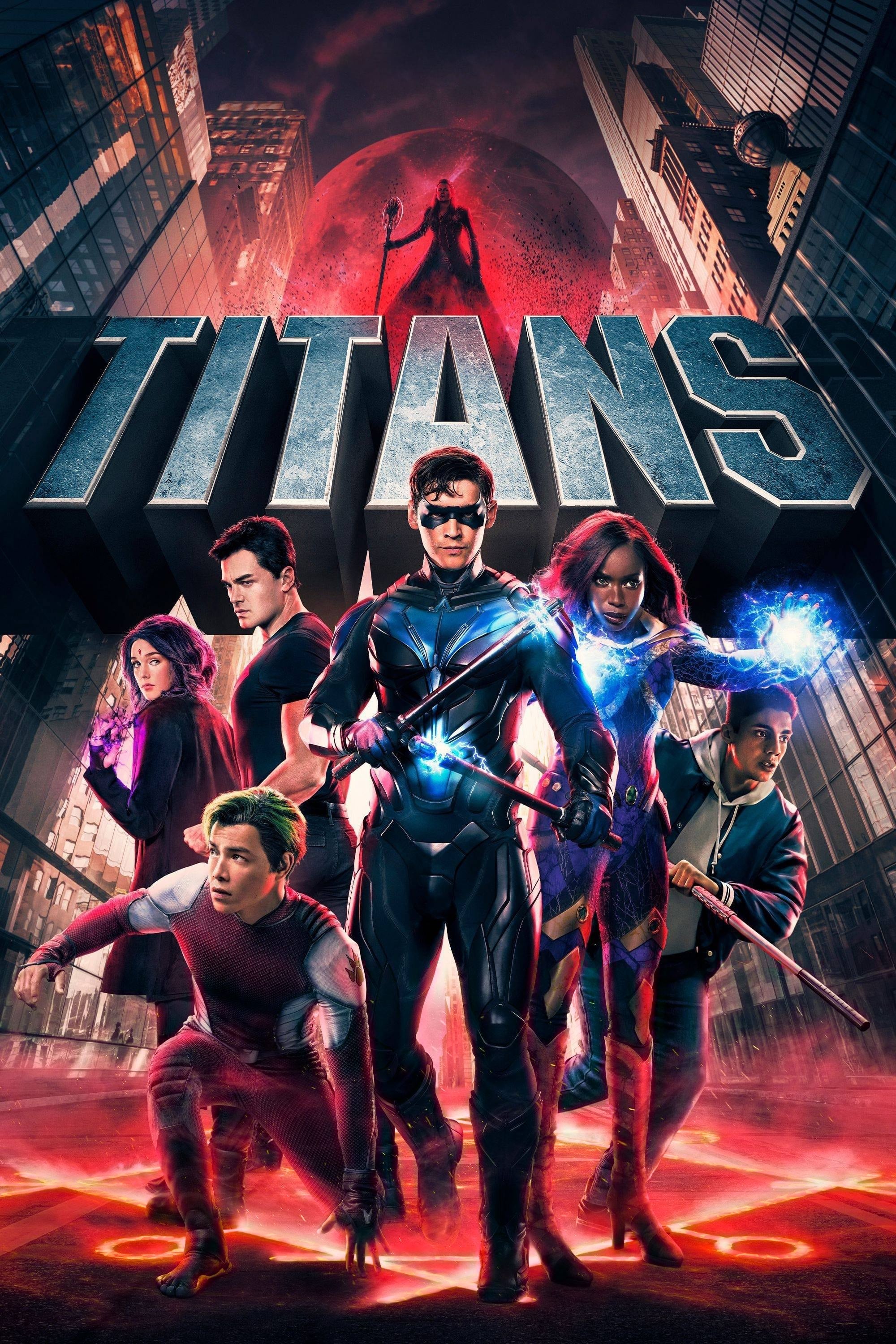
In this darker take on the superhero team several diverse allies and rivals were introduced only to be killed in violent encounters. These deaths were used to emphasize the gritty tone and the real world consequences of vigilantism. Many minority characters served as cautionary tales for the younger heroes. Their short lived presence in the show often focused on their demise rather than their potential as long term allies.
‘The Tomorrow People’ (2013–2014)
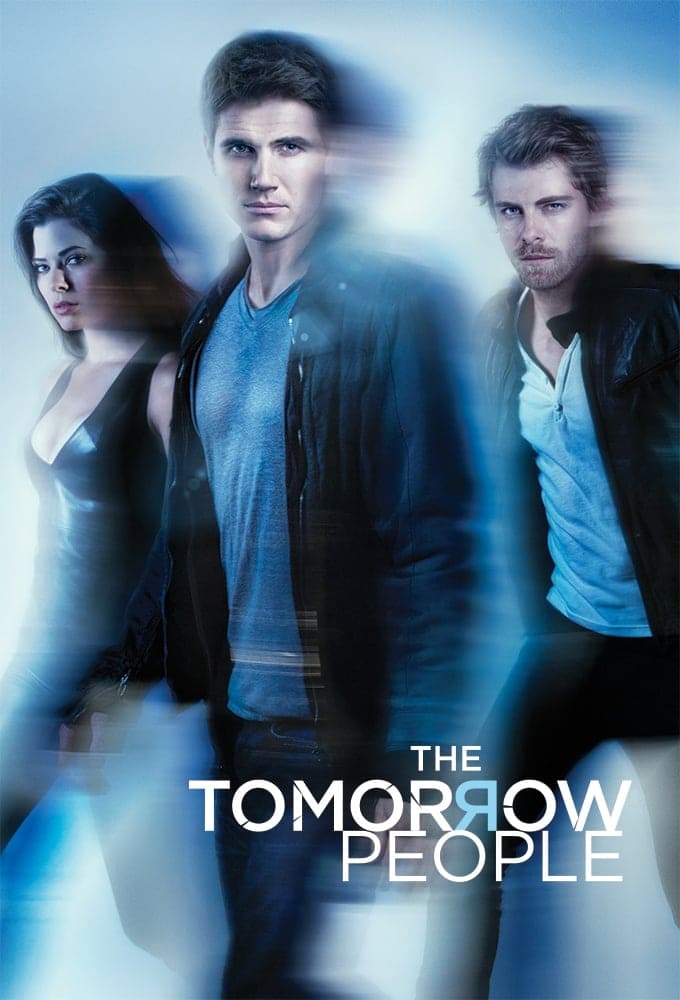
This science fiction drama featured a group of humans with special abilities who were hunted by a secret organization. Many diverse members of this group were killed in the early episodes to show the ruthlessness of the hunters. These characters were often used as examples of the danger faced by the main protagonists. Their deaths served to increase the tension and the stakes of the conflict.
‘Peaky Blinders’ (2013–2022)
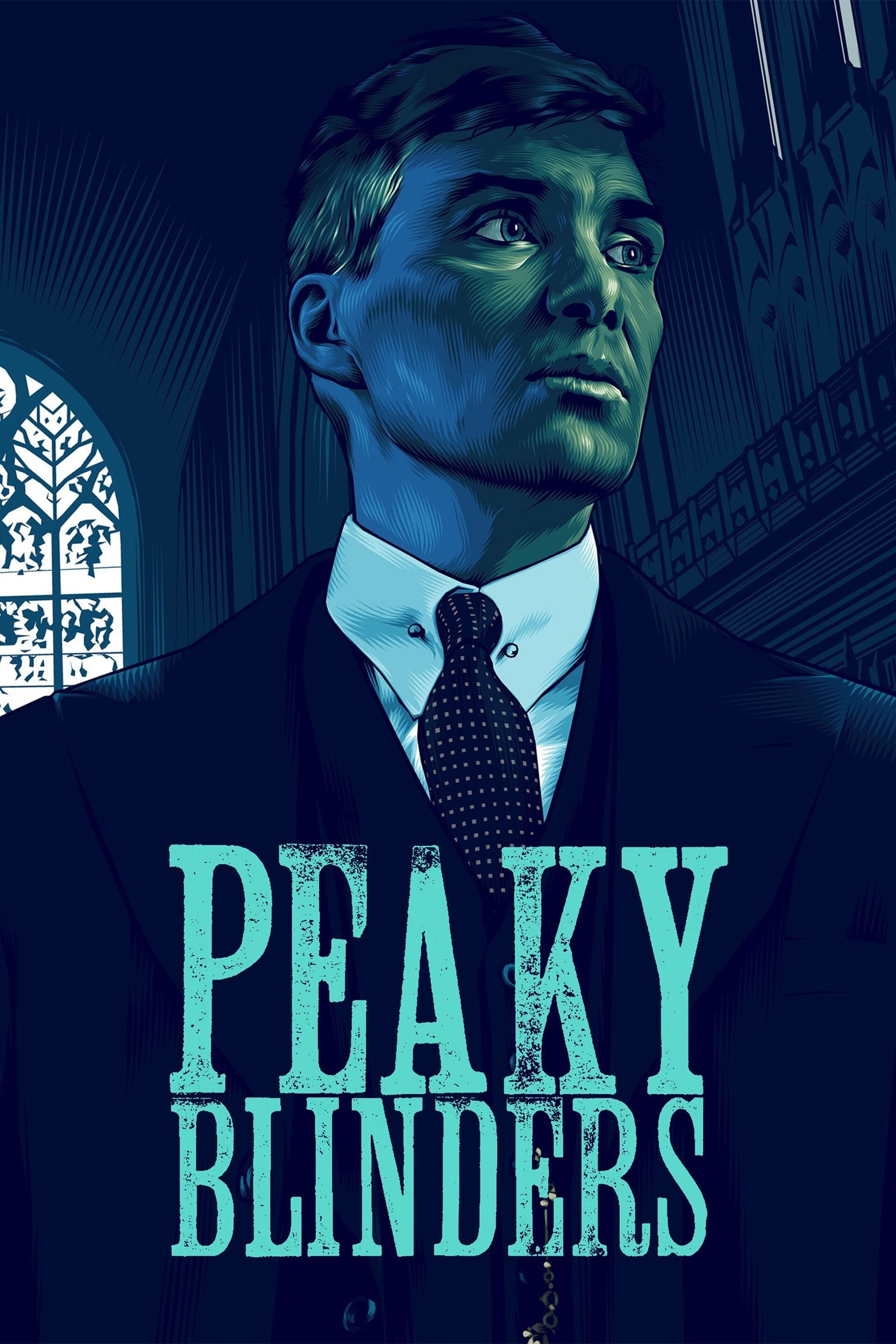
The criminal underworld of Birmingham involves various minority groups who often find themselves at odds with the Shelby family. Many secondary characters from these diverse communities are killed during the frequent violent clashes. These deaths are used to show the expansion of the protagonist’s influence and the cost of his ambitions. This focus on the central family often relegates the stories of diverse rivals to short and tragic arcs.
‘House of the Dragon’ (2022–Present)
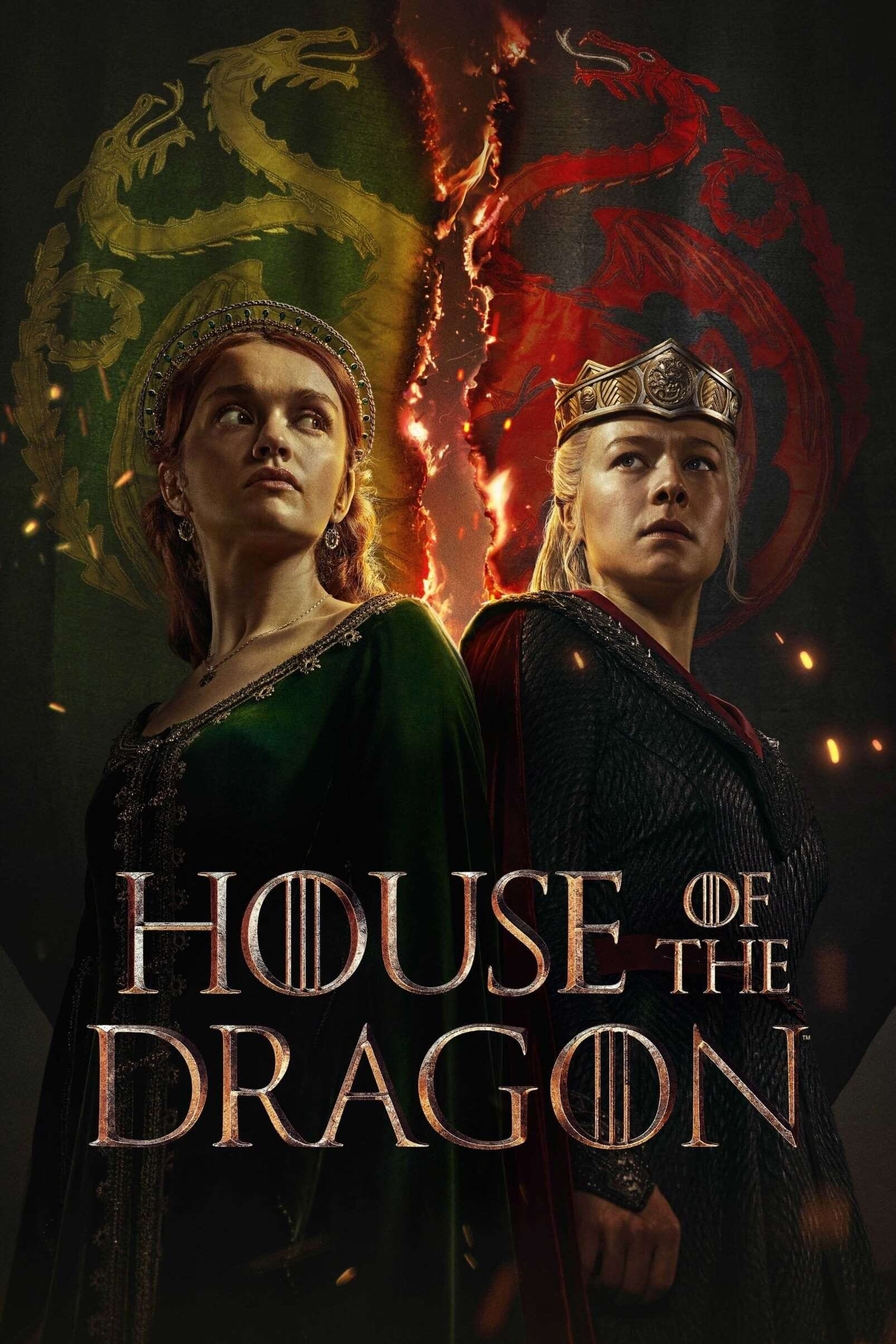
This prequel series features diverse noble houses that are involved in the political struggles for the Iron Throne. Some minority characters have been killed during the early stages of the civil war which highlights the instability of the realm. These deaths serve as key turning points in the narrative and influence the decisions of the main players. The show uses these losses to build the atmosphere of betrayal and high stakes.
‘The Last of Us’ (2023–Present)
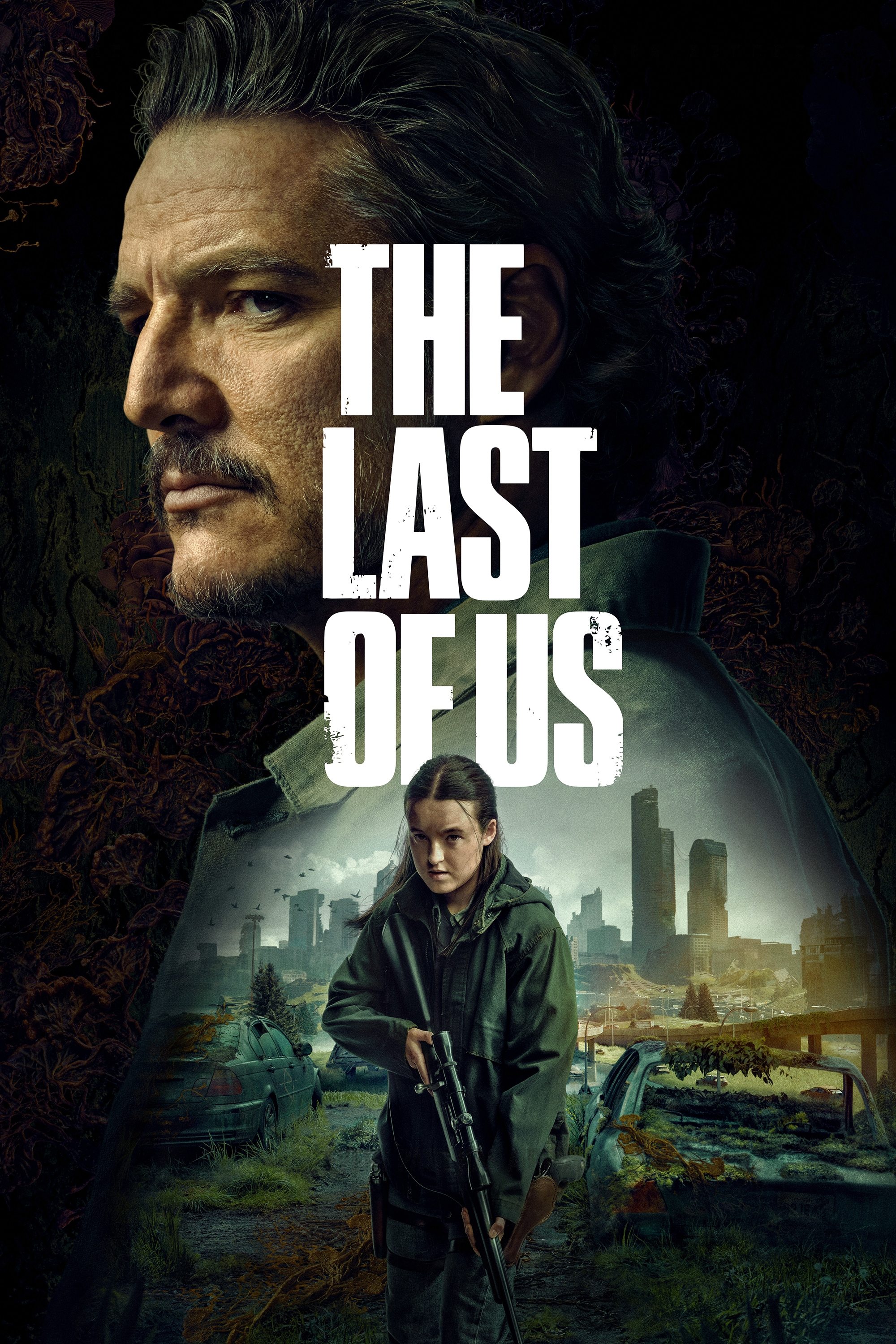
In this adaptation of the popular video game several diverse characters are introduced as survivors who assist the main protagonists. Characters like Sarah and Riley are key figures whose deaths occur early and serve as foundational trauma for the leads. Other minority characters such as Henry and Sam are introduced only to meet tragic ends within a few episodes. These deaths are used to explore the themes of loss and the harsh reality of the post apocalyptic world.
‘Fargo’ (2014–Present)
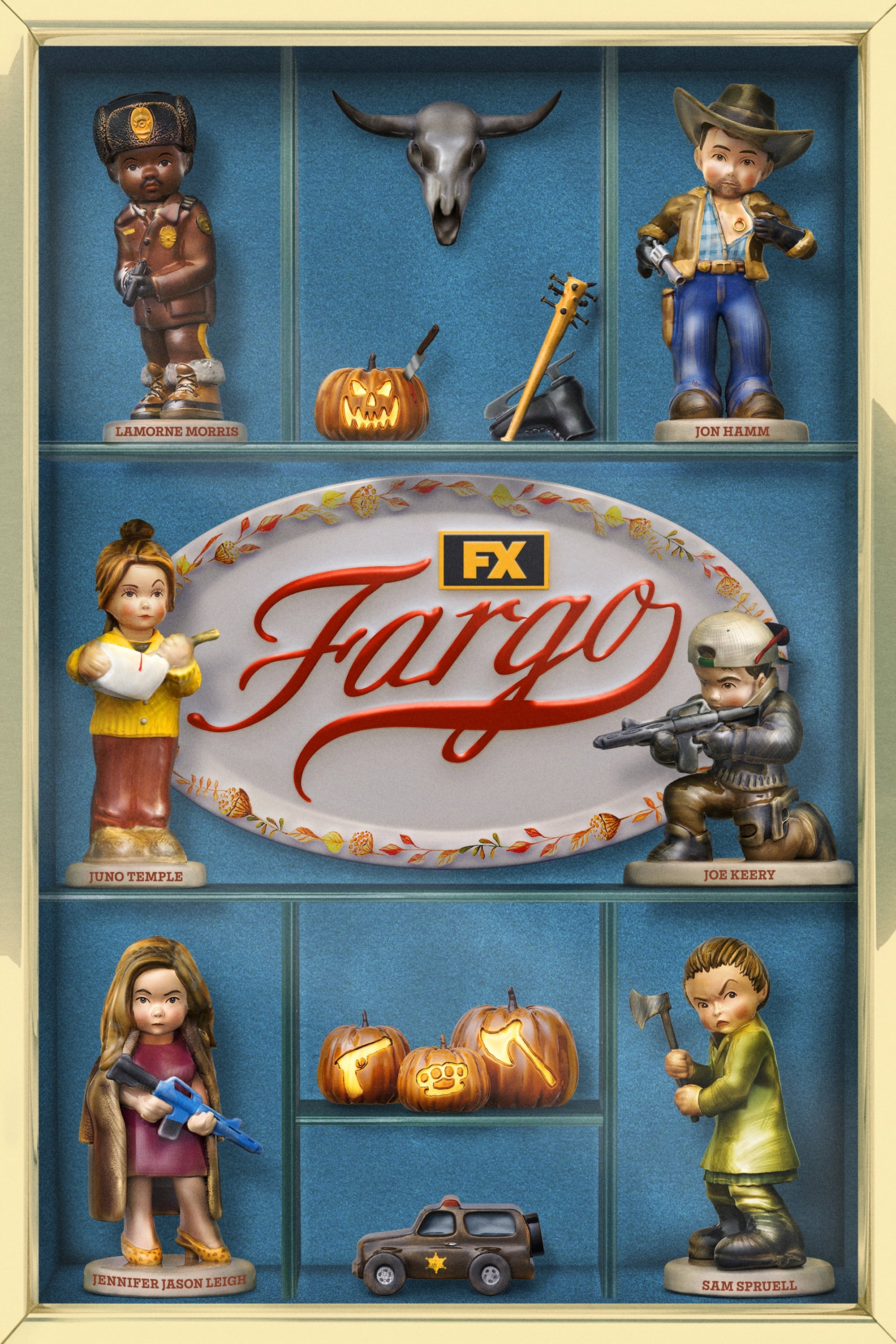
Each season of this anthology crime drama features a new set of characters where minority guest stars often face violent ends. These characters are frequently caught in the crossfire of the central conflict between criminals and law enforcement. Their deaths are often depicted with the show’s signature dark humor or sudden brutality. This pattern emphasizes the random and often senseless nature of violence in the series’ world.
‘Grimm’ (2011–2017)
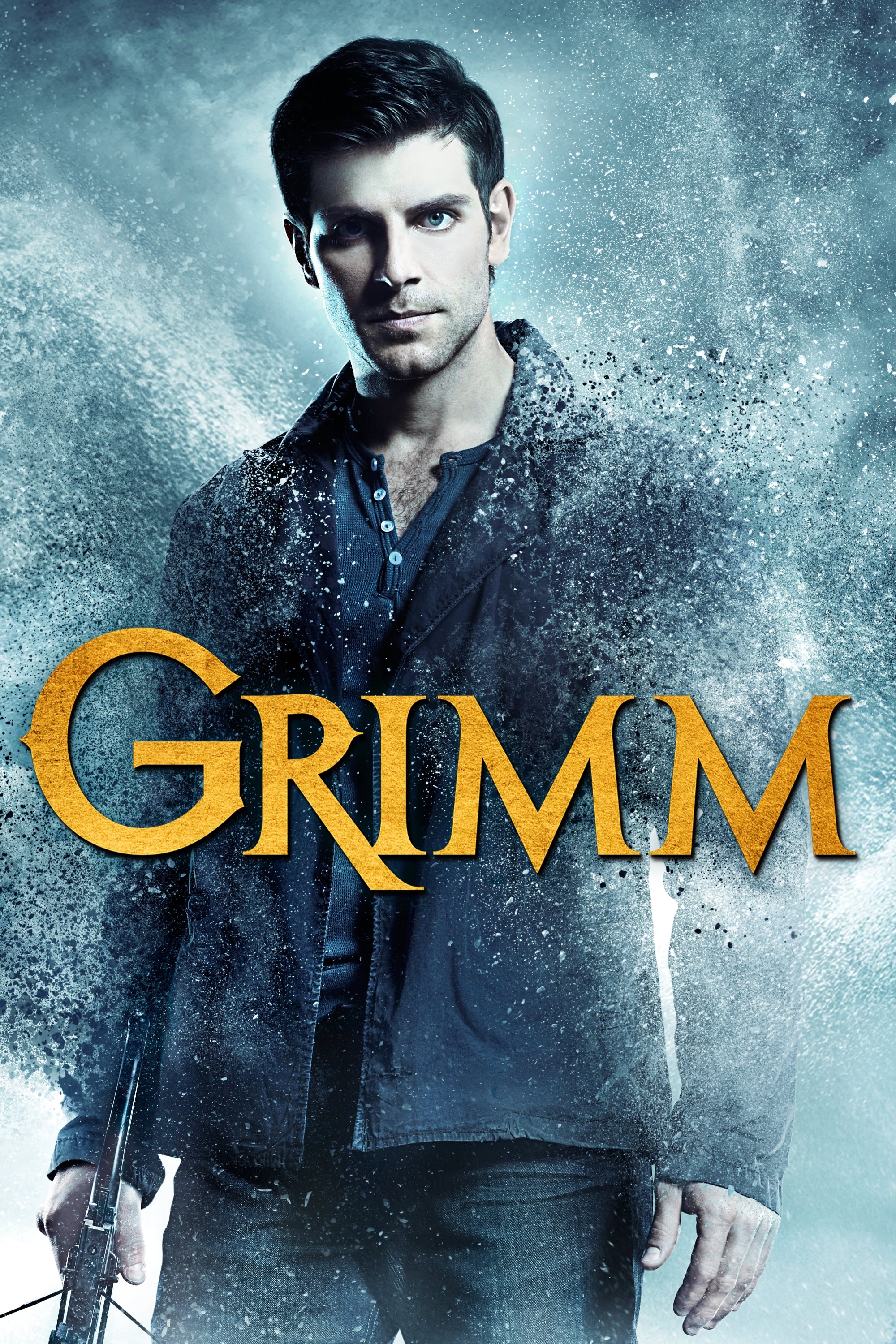
The procedural format of this supernatural series often involved diverse victims who were targeted by ancient creatures. These characters were typically introduced at the beginning of an episode and killed to set the investigation in motion. Their deaths provided the necessary clues for the protagonist to identify the threat. This limited the representation of diverse guest stars to those who were victims of the monster of the week.
‘Sleepy Hollow’ (2013–2017)
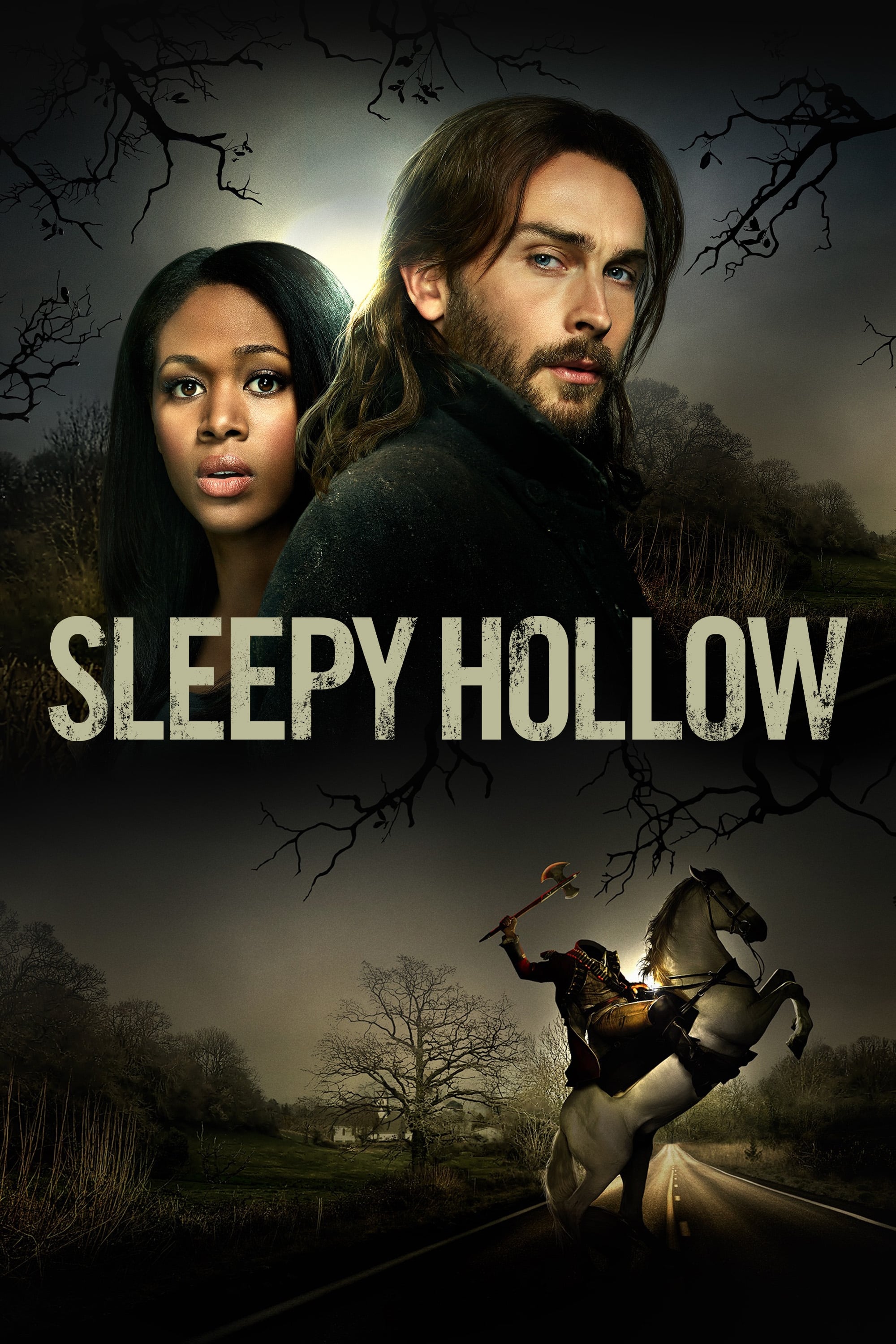
While the show initially had diverse leads it faced significant criticism for the way it handled its minority characters in later seasons. Several diverse supporting characters were killed off or written out to change the direction of the narrative. These departures often felt sudden and were seen as a way to refocus the story on other elements. This trend made it difficult for the show to maintain its original commitment to a diverse ensemble.
‘The Magicians’ (2015–2020)
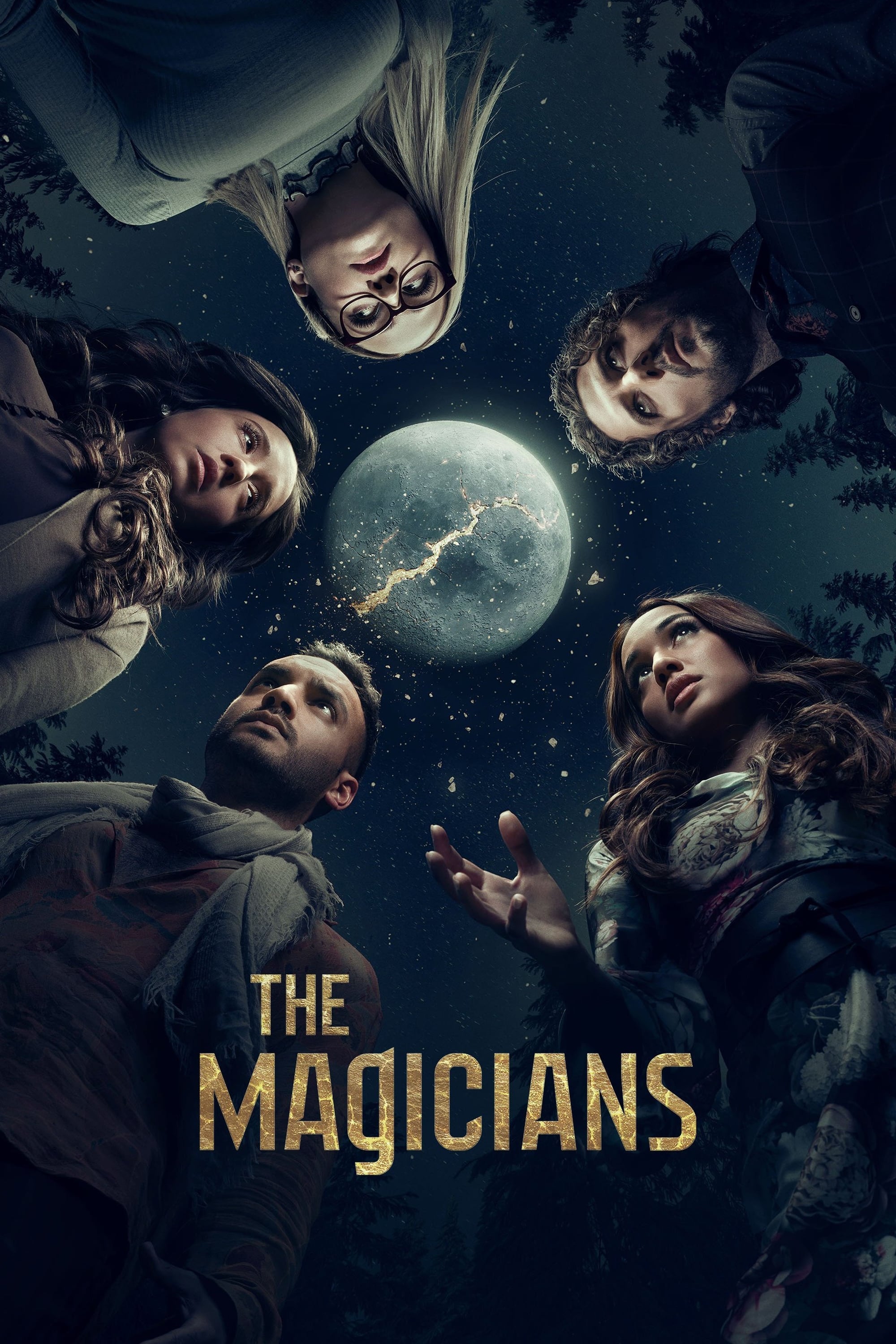
In the magical world of this series various diverse students and faculty members are killed during the frequent supernatural crises. These characters often serve as early casualties to show the true danger of the magic they are practicing. Their deaths are used to raise the stakes for the core group of protagonists. This focus on the central cast often means that diverse secondary characters have very short life spans.
‘Penny Dreadful’ (2014–2016)
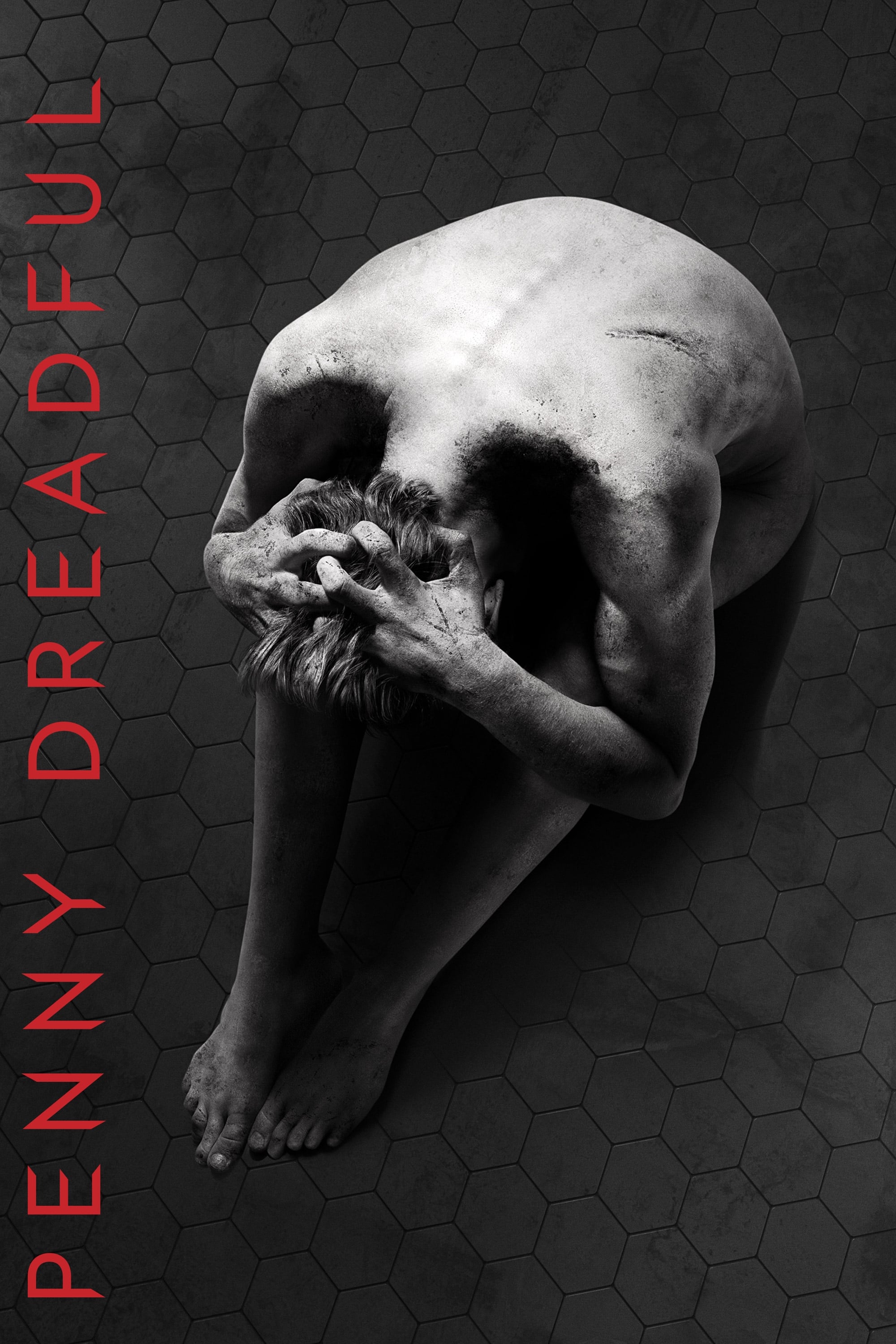
The Victorian setting of this horror series includes diverse characters from around the world who are often involved in the supernatural underground. Many of these individuals are killed early in their interactions with the main cast to highlight the danger of the darkness. Their deaths serve to build the atmosphere of dread and mystery. These characters often act as the initial victims who bring the main protagonists together.
‘The Strain’ (2014–2017)
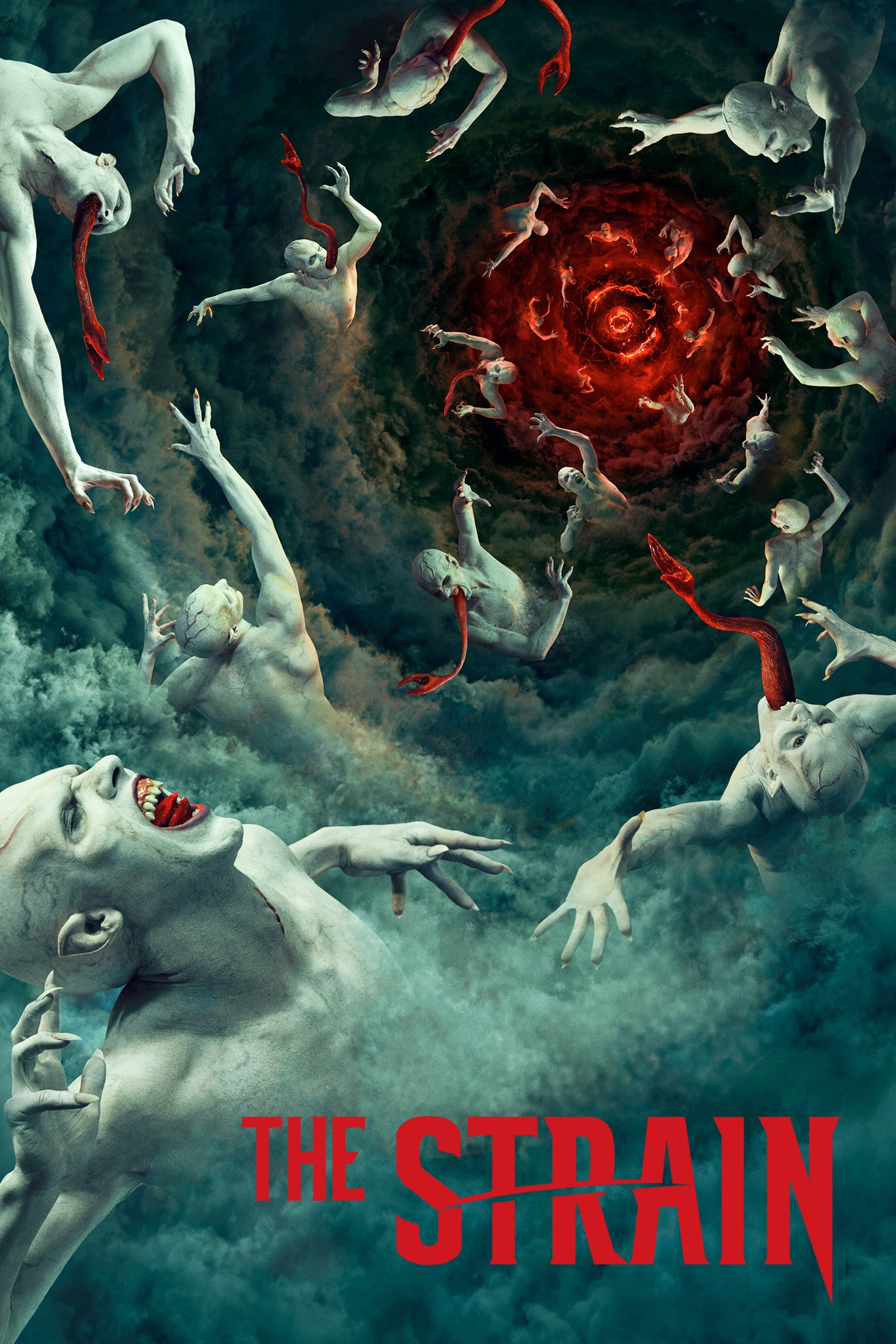
The vampire outbreak in New York City results in the rapid death of many diverse characters who are among the first to be infected. These characters are used to show the speed and the horror of the virus’s spread. Many minority secondary characters are killed off during the early chaos of the invasion. Their deaths emphasize the systemic failure to contain the threat and the high cost of the survival struggle.
‘Under the Dome’ (2013–2015)

In the isolated town trapped under a mysterious dome several diverse residents are killed in the early episodes as resources become scarce. These deaths are used to show the rising tensions and the breakdown of social order. Many minority characters serve as early examples of the dangers within the trapped community. Their short lived presence in the show highlights the desperation of the situation.
Please share your thoughts on which other shows relied on this trope in the comments.