


TV Shows Where the Theme Song Lyrics Change Per Episode




Theme songs are often the most repetitive part of a television series and serve to establish a consistent tone for viewers. While most shows utilize a static opening number that remains the same for years, some creators view the credit sequence as an opportunity for evolving creativity. A select group of series features theme songs where the lyrics or vocal performances change with every episode to reflect the specific plot of the chapter. These dynamic intros reward attentive fans and prevent the urge to hit the skip button on streaming platforms.
‘Animaniacs’ (1993–1998)
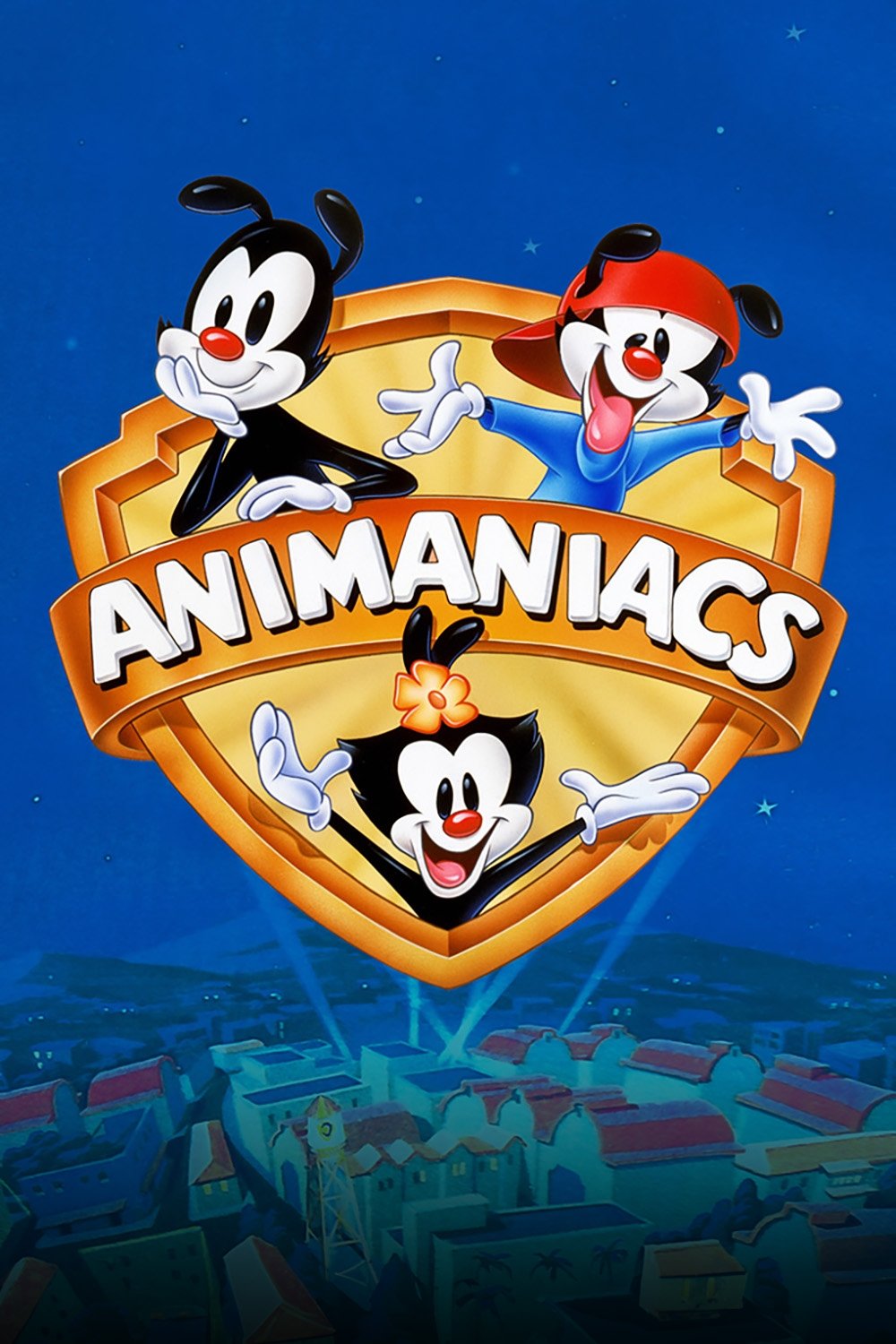
This beloved animated variety show is famous for its zany humor and catchy orchestral score. While the majority of the opening number remains consistent, the final verse features a variable line that changes with every single episode. Yakko, Wakko, and Dot sing a rhyme that pairs with “totally insaney” which ranges from referencing “Citizen Kane” to playing the timpani. This running gag rewards attentive viewers and highlights the show’s commitment to clever wordplay and metahumor.
‘A Series of Unfortunate Events’ (2017–2019)
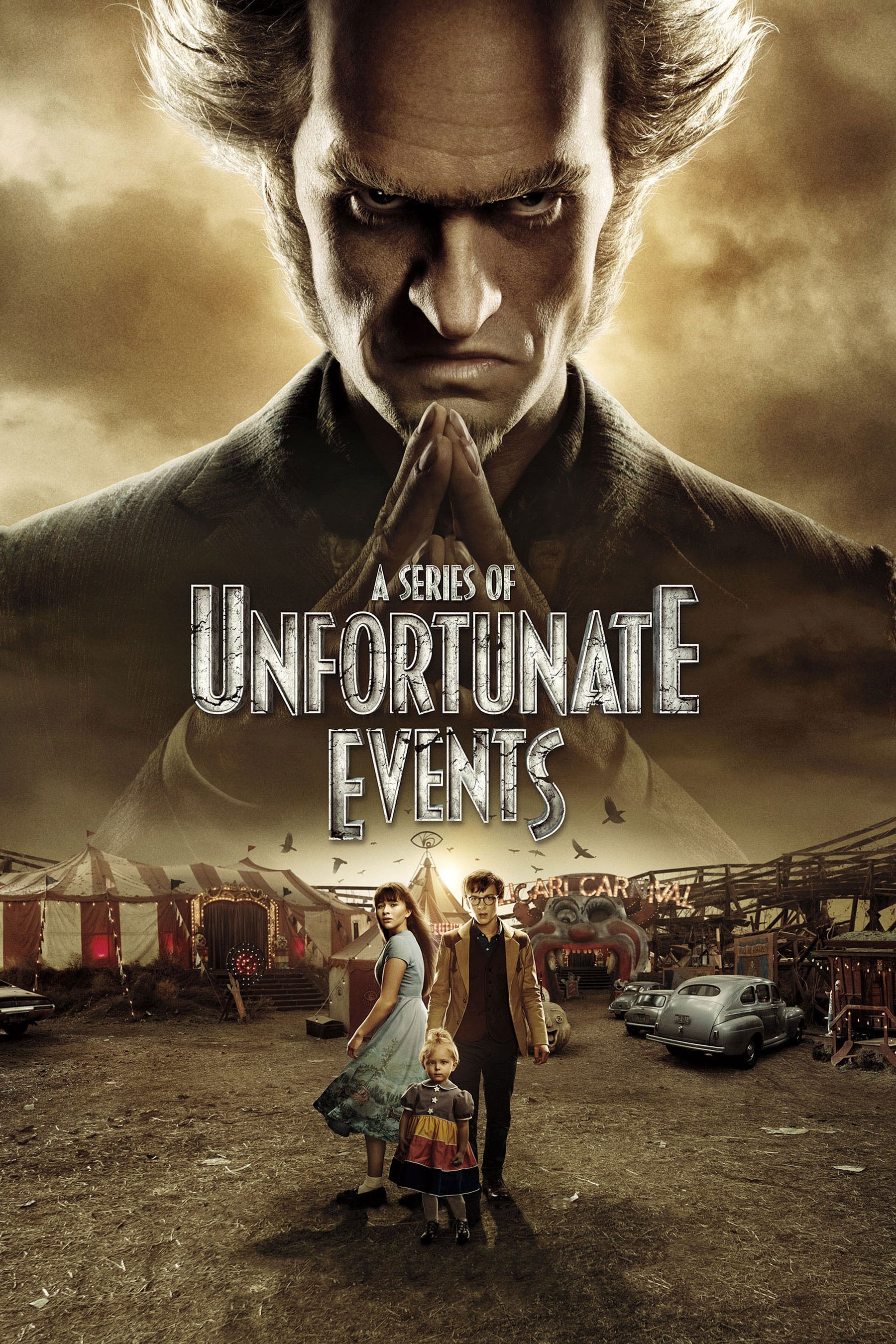
Netflix’s adaptation of Lemony Snicket’s book series utilizes its theme song “Look Away” as a narrative device. Neil Patrick Harris performs as Count Olaf and sings the track while the lyrics in the middle verses change to summarize the plot of the previous or current episode. The song explicitly warns viewers to stop watching while detailing the specific grim circumstances the Baudelaire orphans are about to face. This evolving lyrical recap ensures the opening credits are integral to the storytelling of each installment.
‘BrainDead’ (2016)
The creators of ‘The Good Wife’ took a unique approach to the recap segment for this science fiction political satire. Instead of a standard clip show, musician Jonathan Coulton wrote and performed a brand new acoustic recap song for every episode. These musical segments provided a humorous and catchy summary of the complex plot points involving alien ants and Washington D.C. politics. The lyrics were never the same twice and effectively made the intro a constantly changing narrative ballad.
‘WandaVision’ (2021)
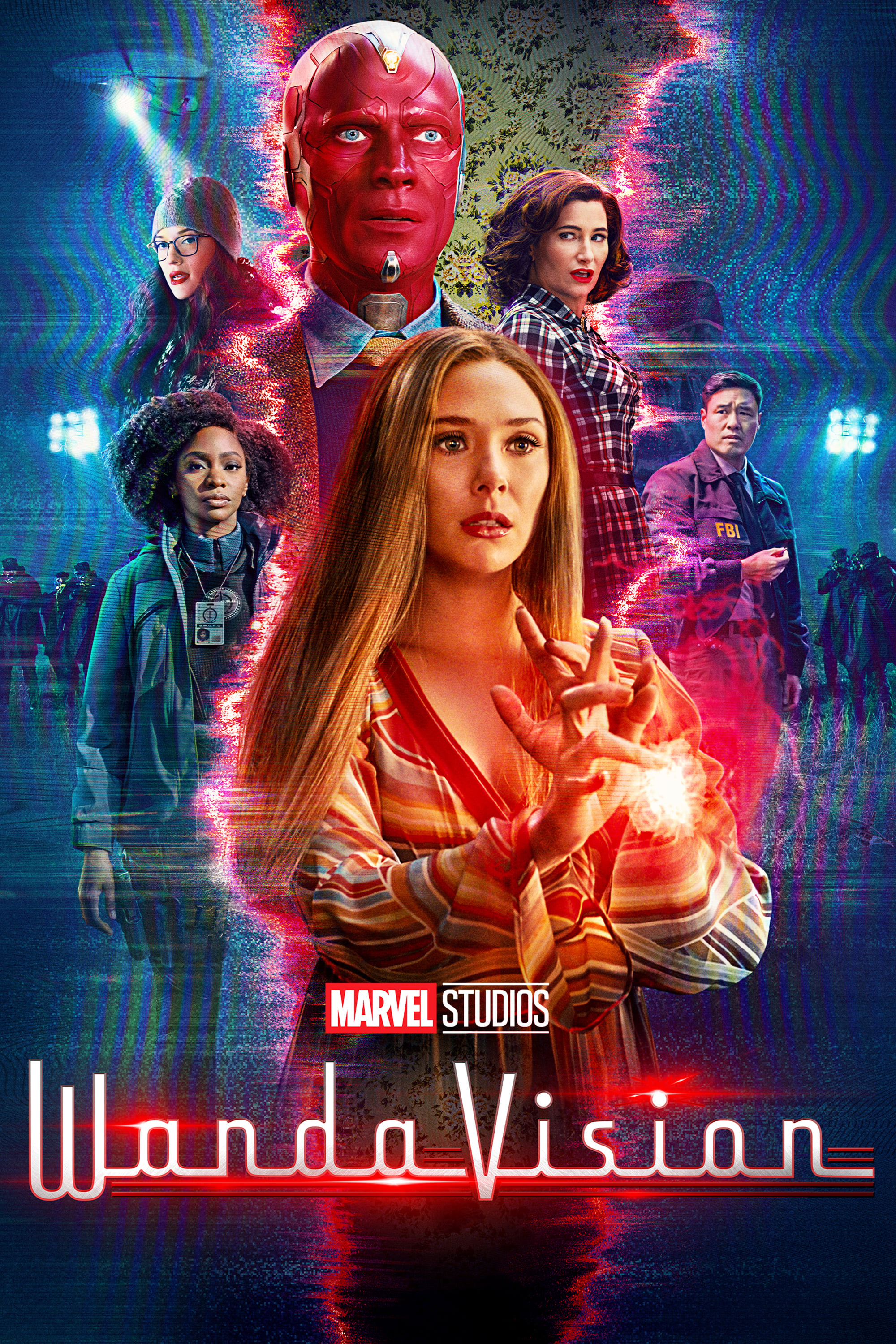
As a homage to American sitcom history, this Marvel series reinvents its entire aesthetic including its theme song for each episode. Every entry features a new opening title sequence composed by Kristen Anderson-Lopez and Robert Lopez that mimics the musical style of the specific decade being portrayed. The lyrics and genre shift from a 1950s choral ballad to a 1990s riot grrrl track to perfectly set the tone for the era. This musical evolution is crucial to the show’s mystery and reflects the protagonist’s shifting reality.
‘Weeds’ (2005–2012)
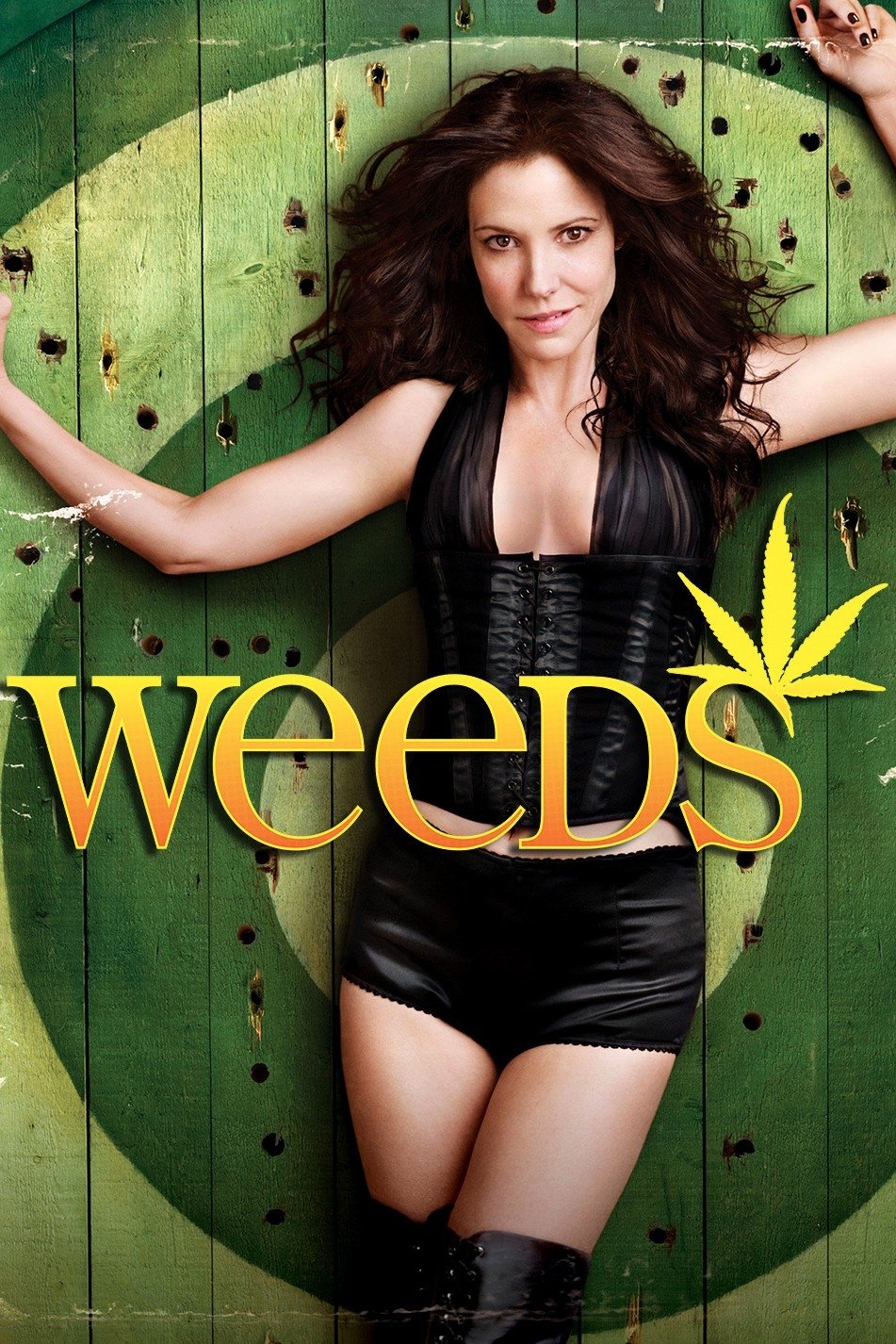
For the first several seasons and the final season of this dark comedy, the opening theme “Little Boxes” by Malvina Reynolds was a staple. Starting in season two, the show producers commissioned different artists to cover the song for each episode. While the core lyrics remained largely the same, the vocal delivery and interpretation varied wildly from death metal to bluegrass. Artists like Elvis Costello and Linkin Park provided these unique sonic renditions that set a distinct mood for each chapter.
‘The Leftovers’ (2014–2017)
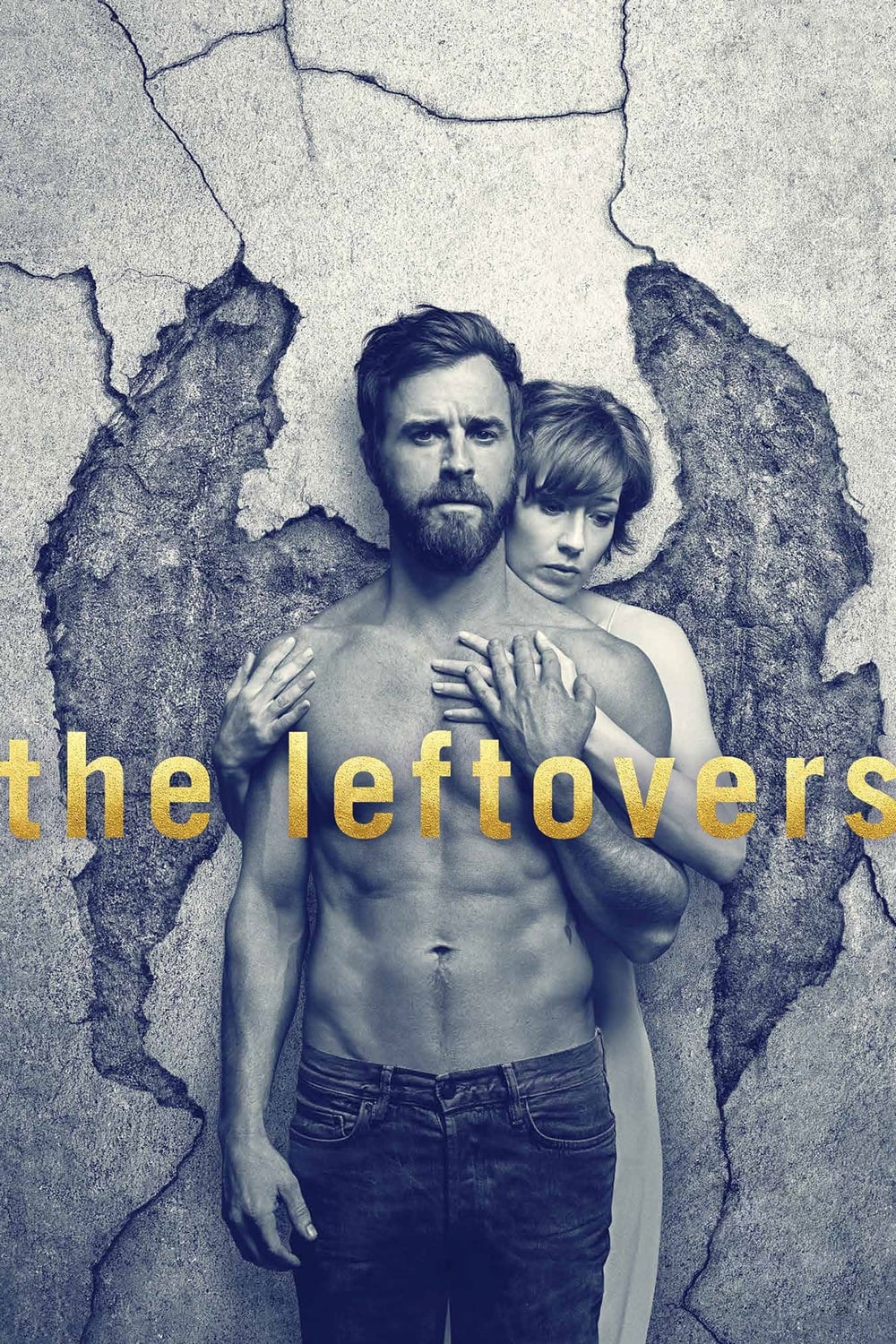
In its third and final season, this critically acclaimed drama abandoned its previous fixed opening credits music in favor of a rotating playlist. Each episode opens with a completely different song that thematically resonates with the specific narrative arc of that hour. The selections range from 1980s pop hits like “Personal Jesus” to classic television themes like the song from ‘Perfect Strangers’. This bold choice turned the opening credits into a thematic clue that foreshadowed the emotional tone of the episode.
‘Solar Opposites’ (2020–Present)
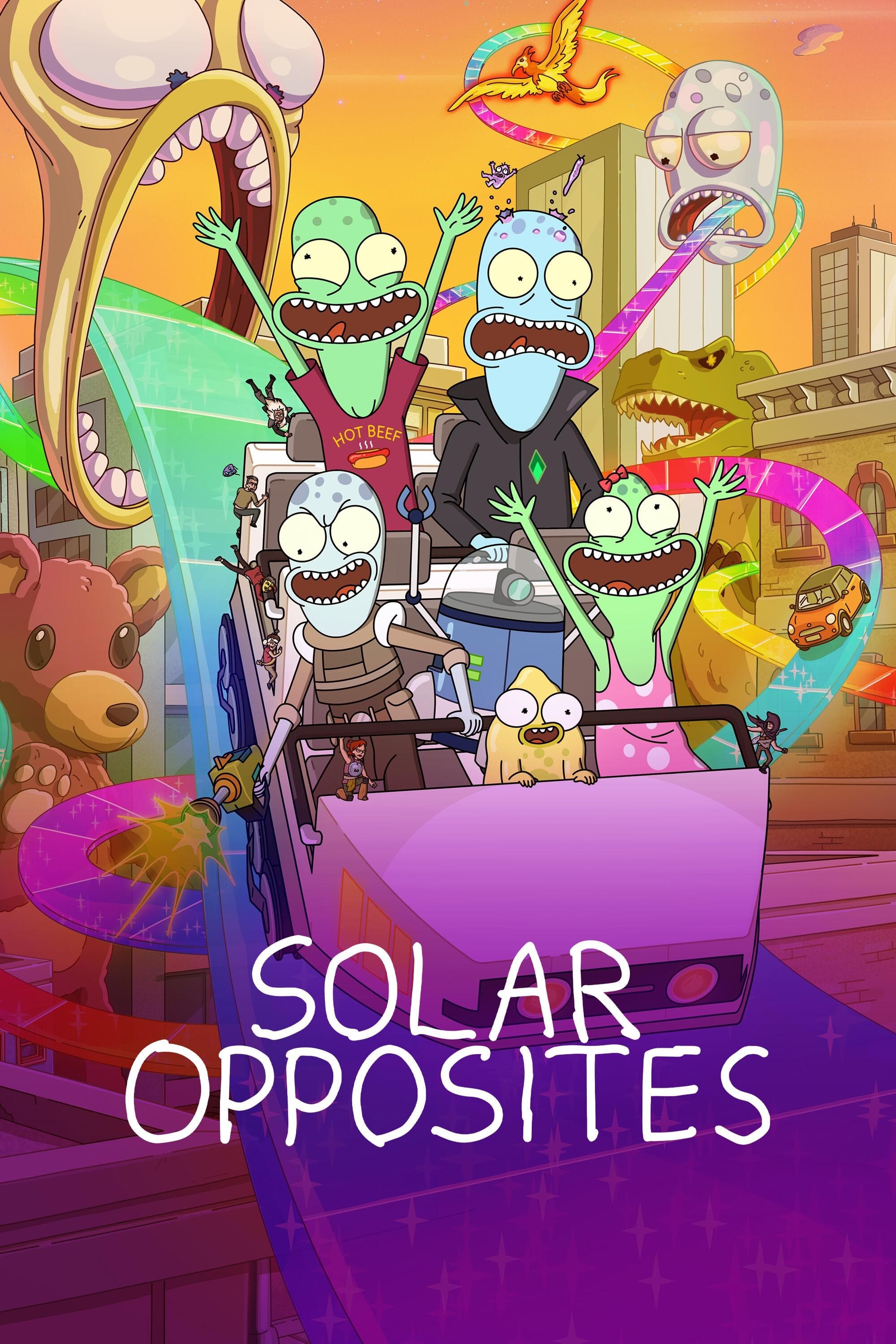
This animated science fiction sitcom features an opening sequence where the alien leader named Korvo explains their backstory and mission on Earth. While the visual structure remains similar, Korvo’s spoken monologue changes significantly in the final seconds of the intro. He typically goes on a specific and angry rant about a different human cultural confusing him such as magicians or daylight saving time. These improvised grievances add a layer of character development and comedy before the plot even begins.
‘Bill Nye the Science Guy’ (1993–1998)
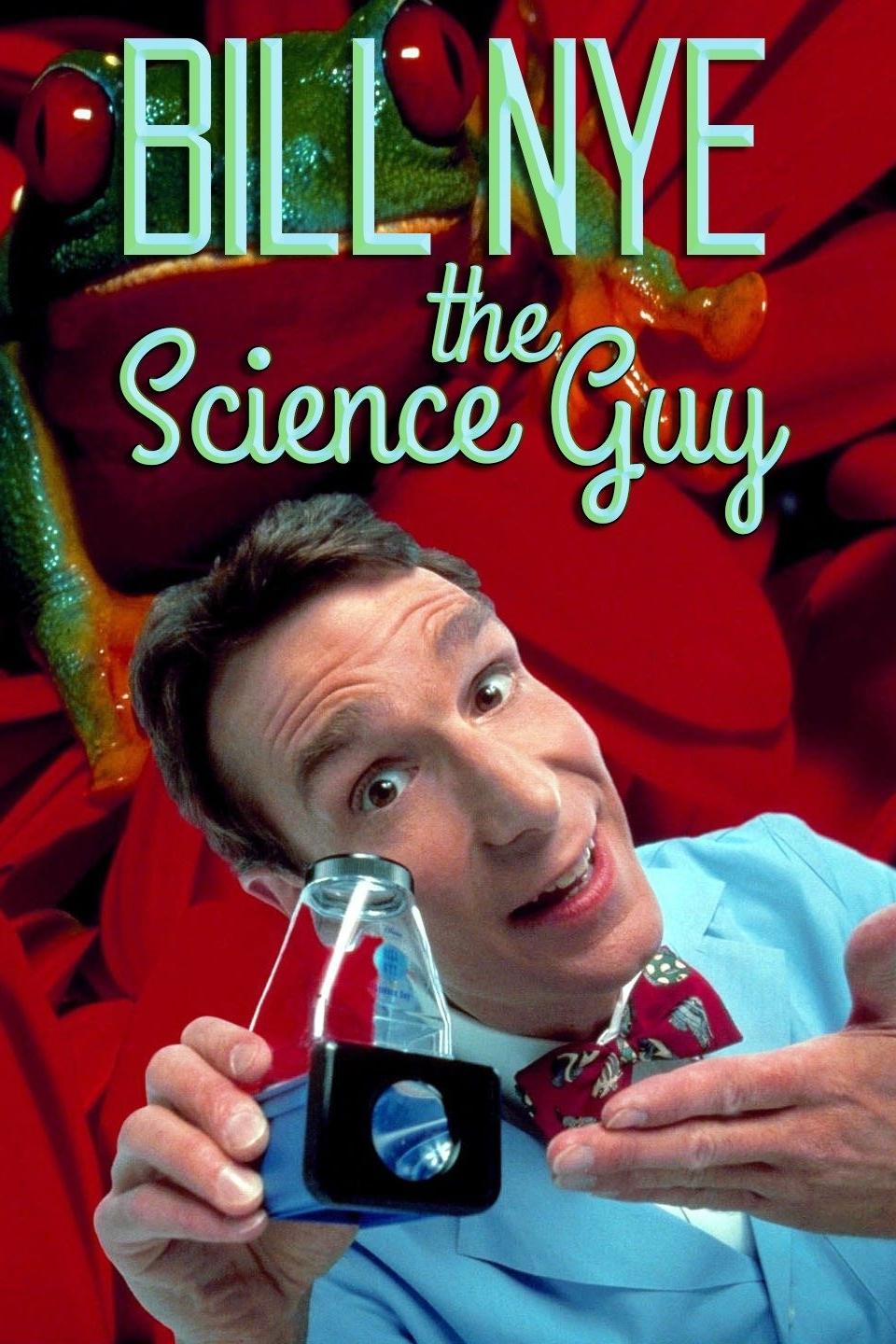
The energetic theme song for this educational science program is iconic for its chanting of the host’s name. During the chaotic intro sequence, a voiceover line stating a scientific principle changes to match the episode’s specific topic. A distorted voice announces phrases like “Inertia is a property of matter” or “Check it out” to ensure the intro is educational in itself. This small lyrical tweak helped prepare young viewers for the specific lesson Bill Nye was about to teach.
‘Comedy Bang! Bang!’ (2012–2016)
Based on the popular podcast, this surreal talk show features a theme song composed and performed by Reggie Watts. In each episode, Watts improvises or alters the lyrics to “Comedy Bang! Bang!” to make nonsensical or humorous observations about the host Scott Aukerman. When Kid Cudi took over as the bandleader, he continued the tradition of modifying the musical intro. The fluid nature of the lyrics fits perfectly with the show’s improvisational and chaotic structure.
‘The Muppet Show’ (1976–1981)
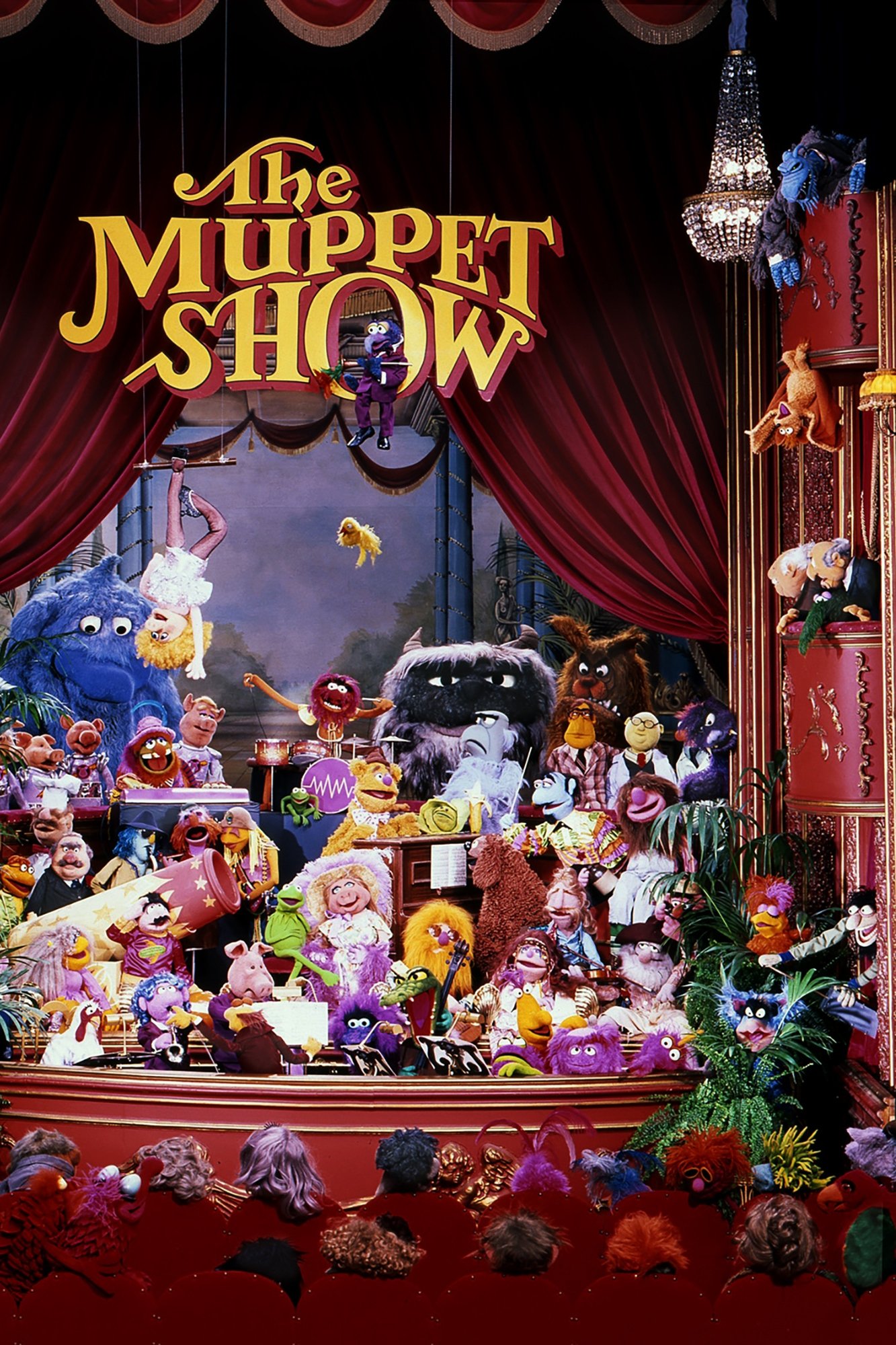
The opening number “The Muppet Show Theme” is a grand theatrical introduction that invites the audience into the variety show. A key lyrical component changes every week when Kermit the Frog announces the special guest star during the song. The final joke of the intro performed by Gonzo with his trumpet or Fozzie Bear provides a unique visual and audio gag for every episode. These variations emphasize the vaudeville nature of the production and highlight the weekly guest.
‘South Park’ (1997–Present)
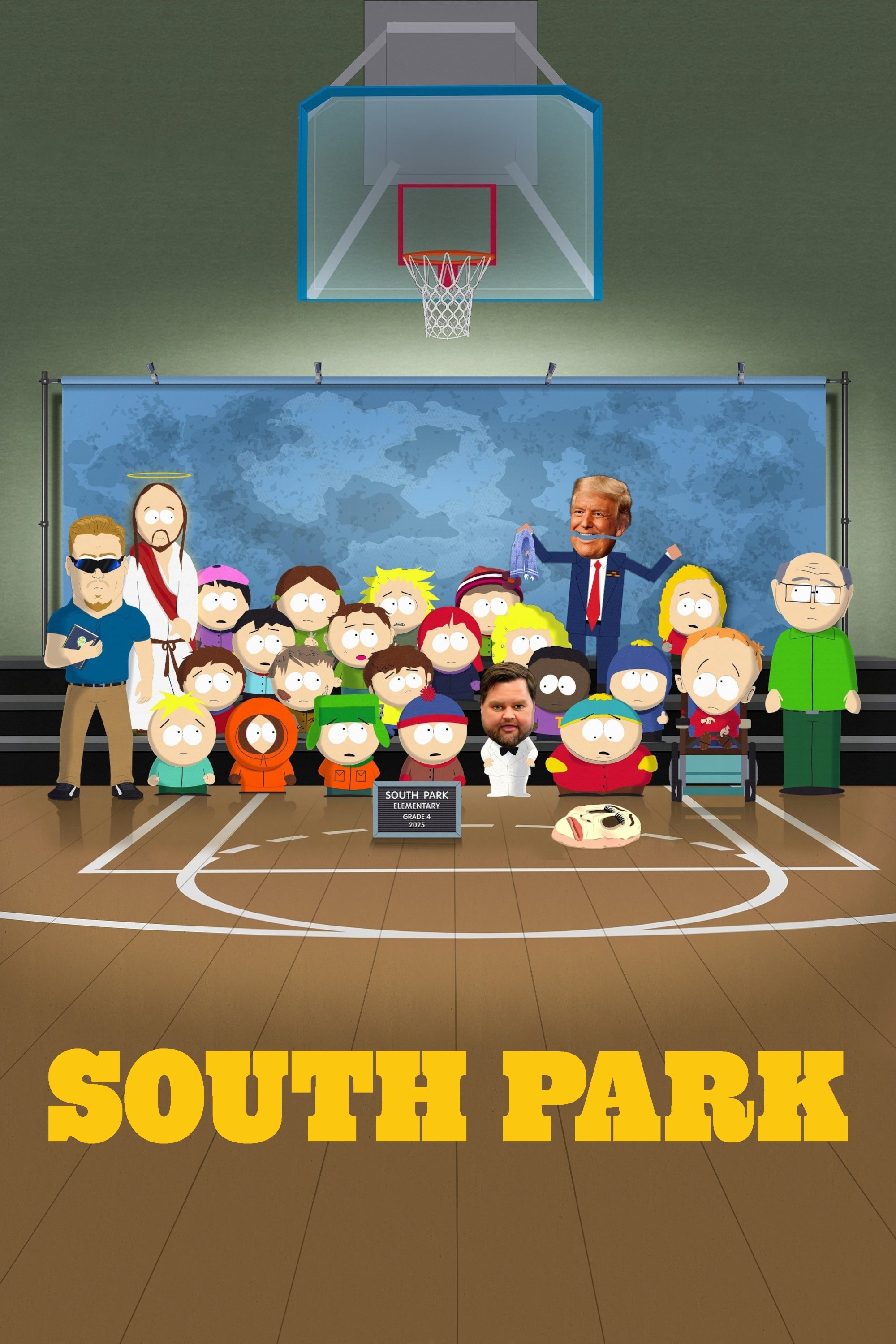
The theme song for this long running animated satire is performed by the band Primus with the main characters singing individual lines. The character Kenny McCormick contributes a verse that changes every few seasons or eras and often contains muffled or risqué lyrics. While not strictly changing every single week in recent years, the lyrics have evolved frequently throughout the show’s history to reflect current events or the character’s status. Fans often have to look up the translation of Kenny’s muffled lines to understand the new vulgar jokes hidden in the theme.
‘Scooby-Doo and Guess Who?’ (2019–2021)
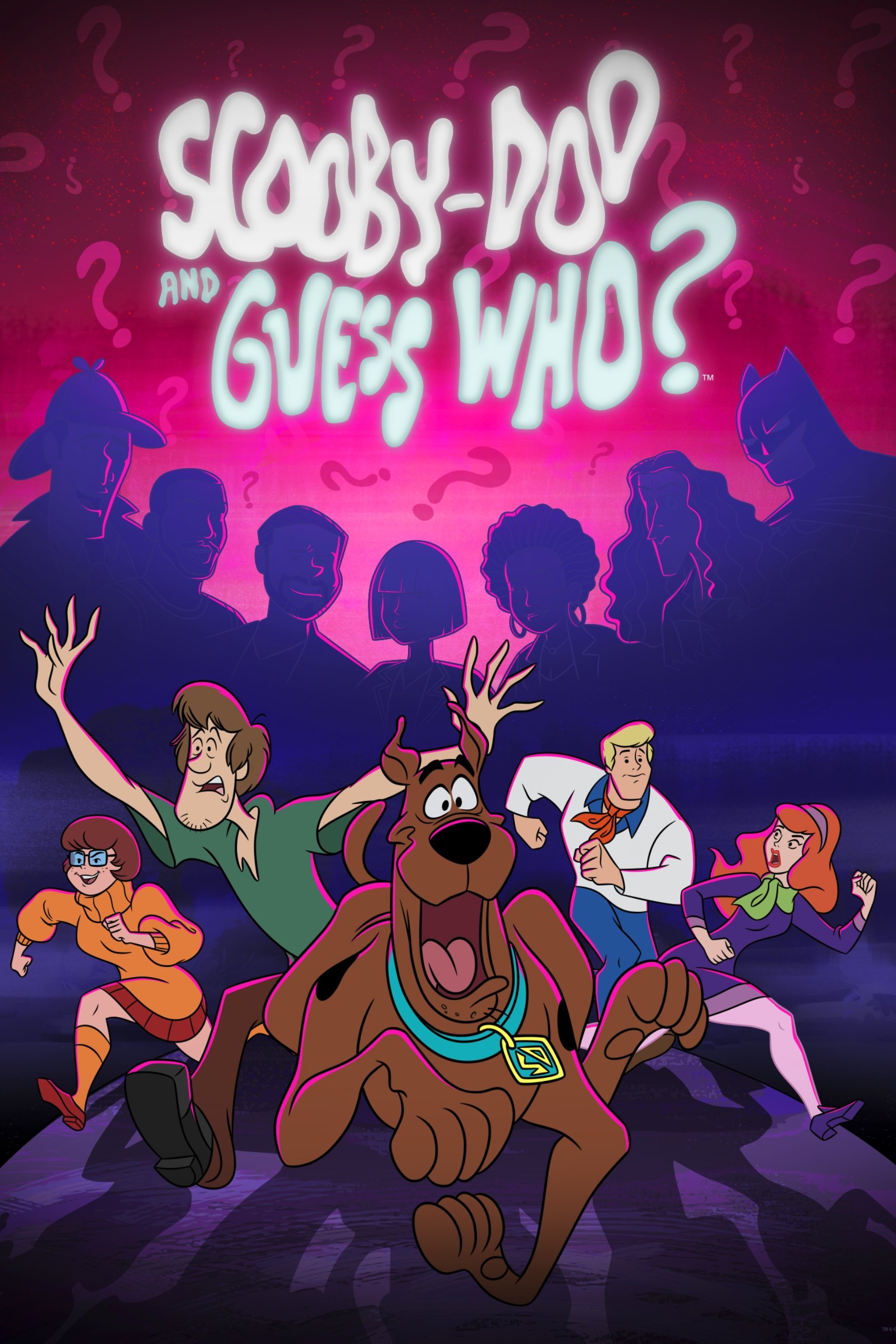
Reviving the format of the classic ‘The New Scooby-Doo Movies’, this series features a celebrity guest or fictional character in every episode. The upbeat theme song includes a lyrical line that explicitly names the guest star by singing about who is coming to see them. This personalized shout out integrates the guest into the fabric of the show immediately. It serves as both a catchy hook and a clear announcement of the crossover taking place.
‘Documentary Now!’ (2015–Present)
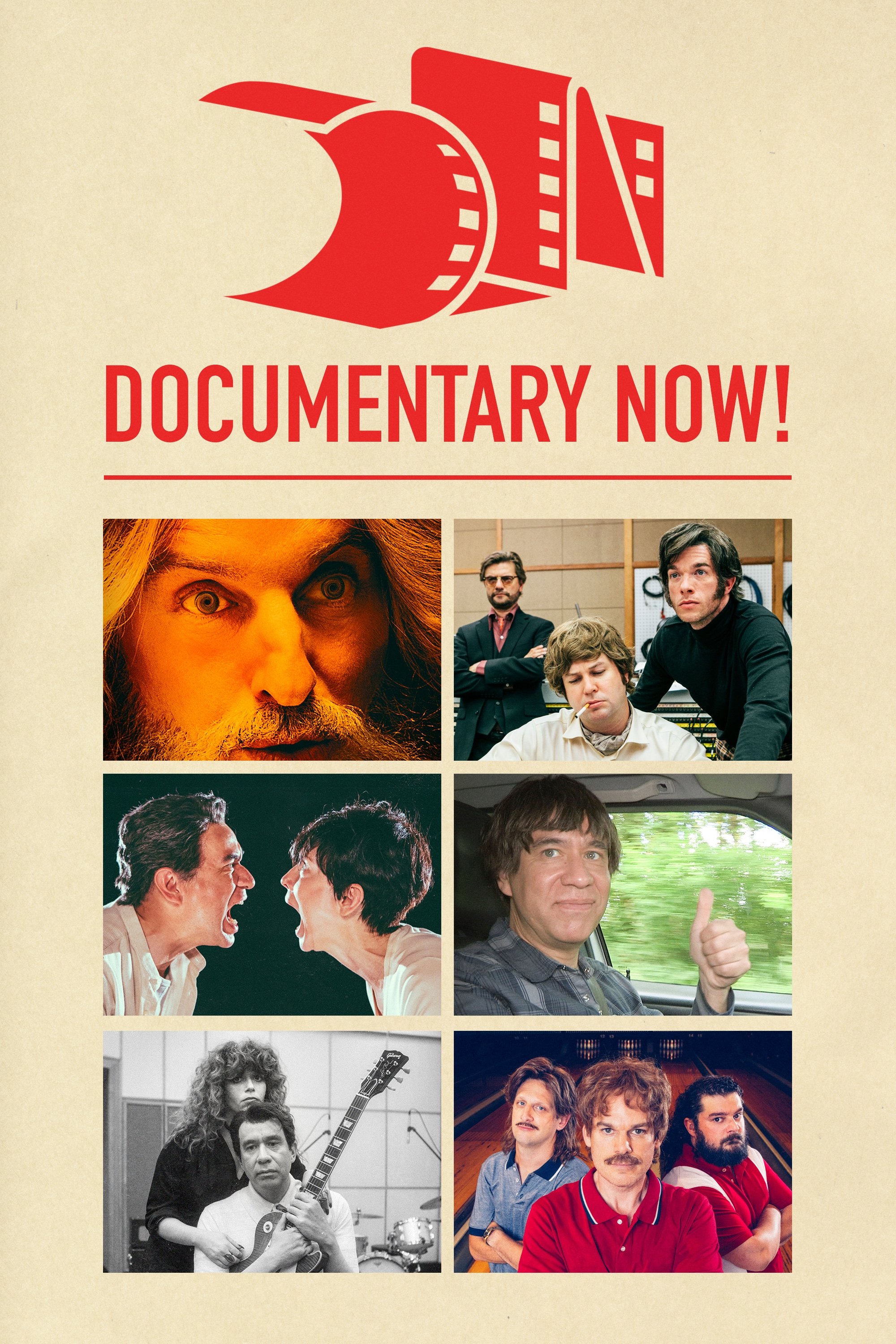
As a mockumentary series that parodies famous nonfiction films, this show changes its entire style and presentation for every episode. There is no single fixed theme song because the opening music and lyrics are composed to mimic the specific documentary style being satirized. One episode might feature an eerie orchestral score while another opens with an 80s soft rock ballad. The music is an essential part of the detailed parody and sets the stage for the specific genre of the week.
‘Squidbillies’ (2005–2021)

This Adult Swim animated series about a family of anthropomorphic mud squids initially used a standard country theme song. In later seasons, the show adopted a rotating approach by inviting different musical acts to record their own version of the opening track for each episode. Genres ranged from punk to gospel with artists like T-Pain and The B-52s contributing vocals. This variety kept the intro fresh and showcased a wide range of musical interpretations of the same lyrics.
‘One Tree Hill’ (2003–2012)
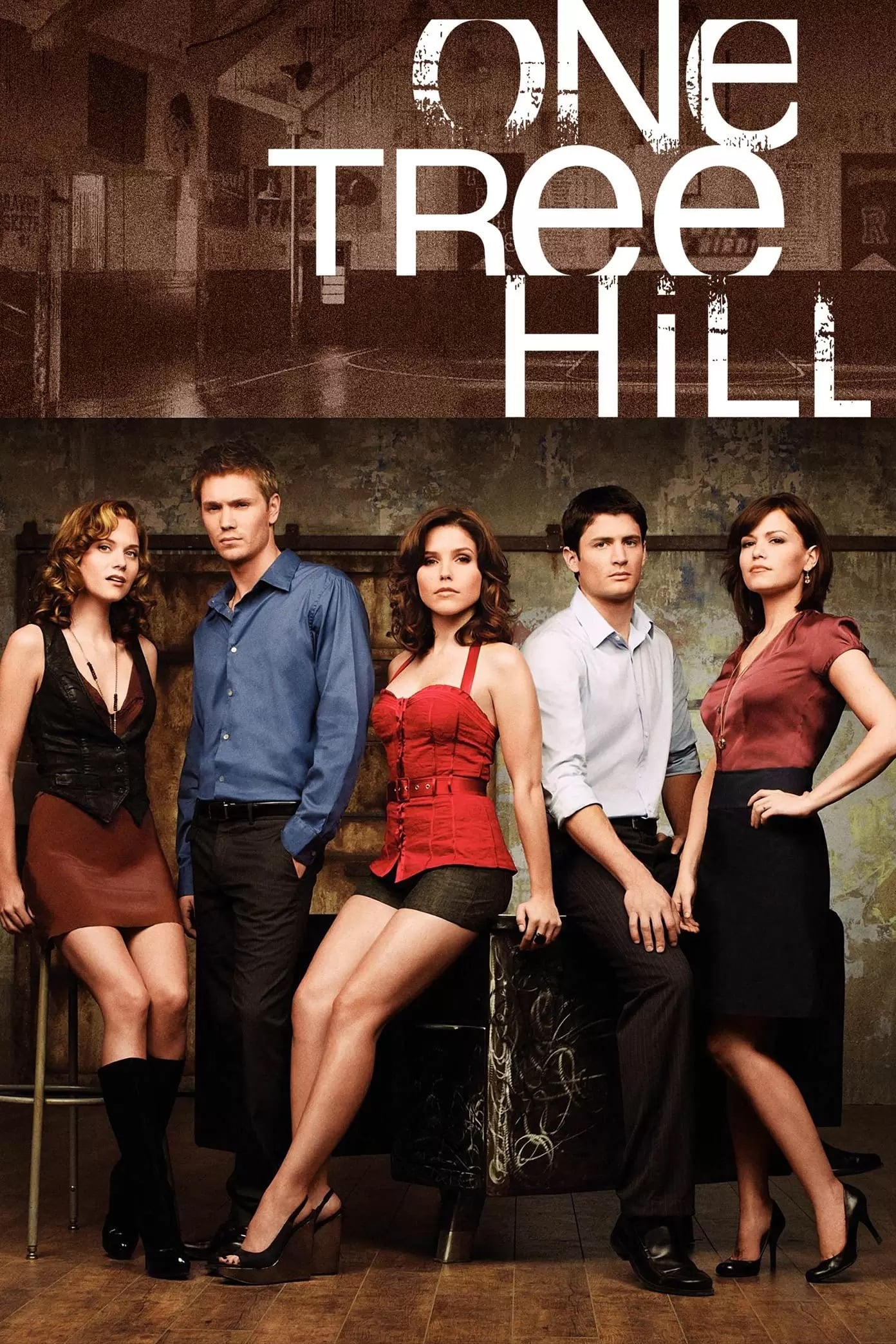
During its eighth season, this teen drama decided to refresh its long standing theme song “I Don’t Want to Be” by Gavin DeGraw. For this specific season, the producers commissioned different artists to perform covers of the anthem for every single episode. The lyrics remained the emotional core of the show but the delivery shifted between acoustic and rock styles depending on the covering artist. This experiment breathed new life into a song that had been opening the show for nearly a decade.
‘Galavant’ (2015–2016)
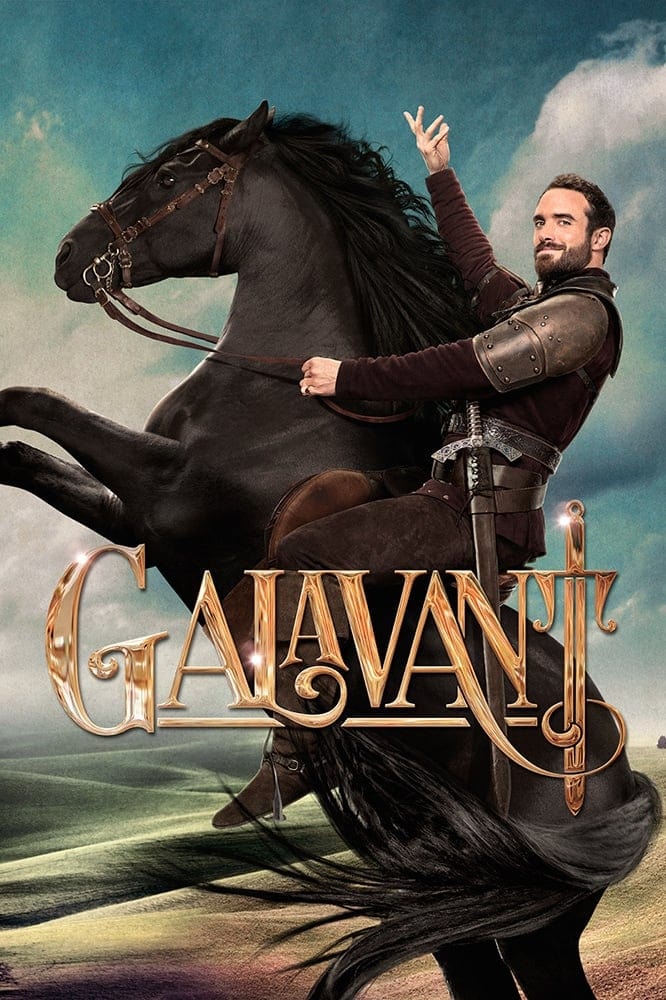
This musical comedy series is unique in that almost every episode begins with a musical recap number. The title character or a chorus sings a song that summarizes the cliffhangers and plot developments of the prior week with catchy rhymes. These recaps are fully produced musical numbers with original lyrics written specifically for that episode’s context. It turns the mundane necessity of a plot summary into a highlight of the show’s musical storytelling.
‘Mystery Science Theater 3000’ (1989–2022)
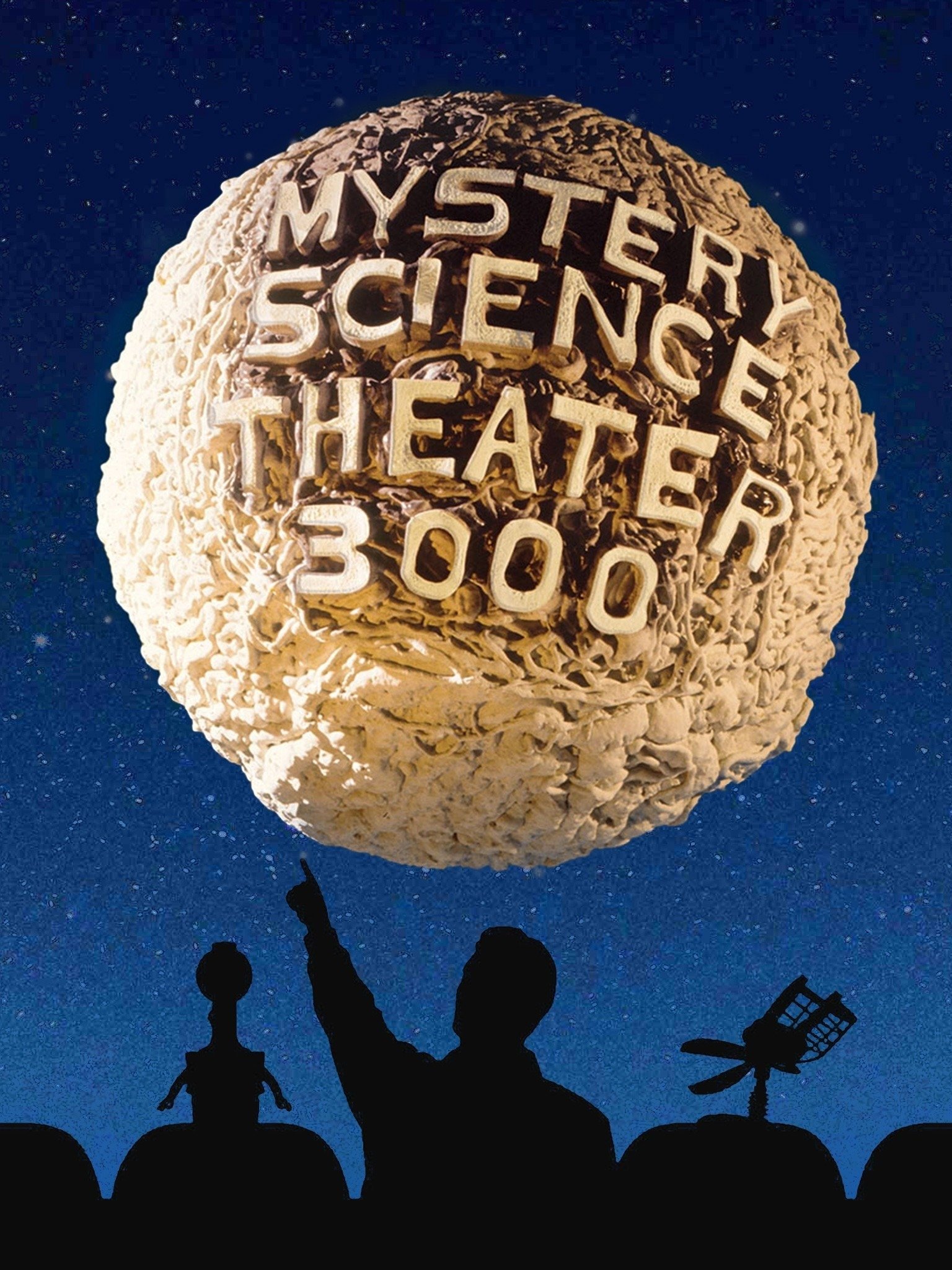
The “Robot Roll Call” is a famous segment of this show’s theme where the puppet characters are introduced. Depending on the era and the specific cast members present, the lyrics change to name the correct host and the active robot companions. In the Netflix revival, the lyrics were further tweaked to reflect the new “Gauntlet” format and the different test subjects. The song adapts to ensure the audience knows exactly who is trapped on the Satellite of Love.
‘Pop Team Epic’ (2018–Present)

This surreal absurdist anime is known for its chaotic energy and frequent subversion of expectations. The opening theme song often changes singers or alternates between male and female vocalists and is sometimes interrupted by sound effects. In some episodes, the visuals and lyrics glitch or change completely to parody other anime genres. The inconsistency of the opening is a deliberate artistic choice that aligns with the show’s unpredictable humor.
‘Shameless’ (2011–2021)
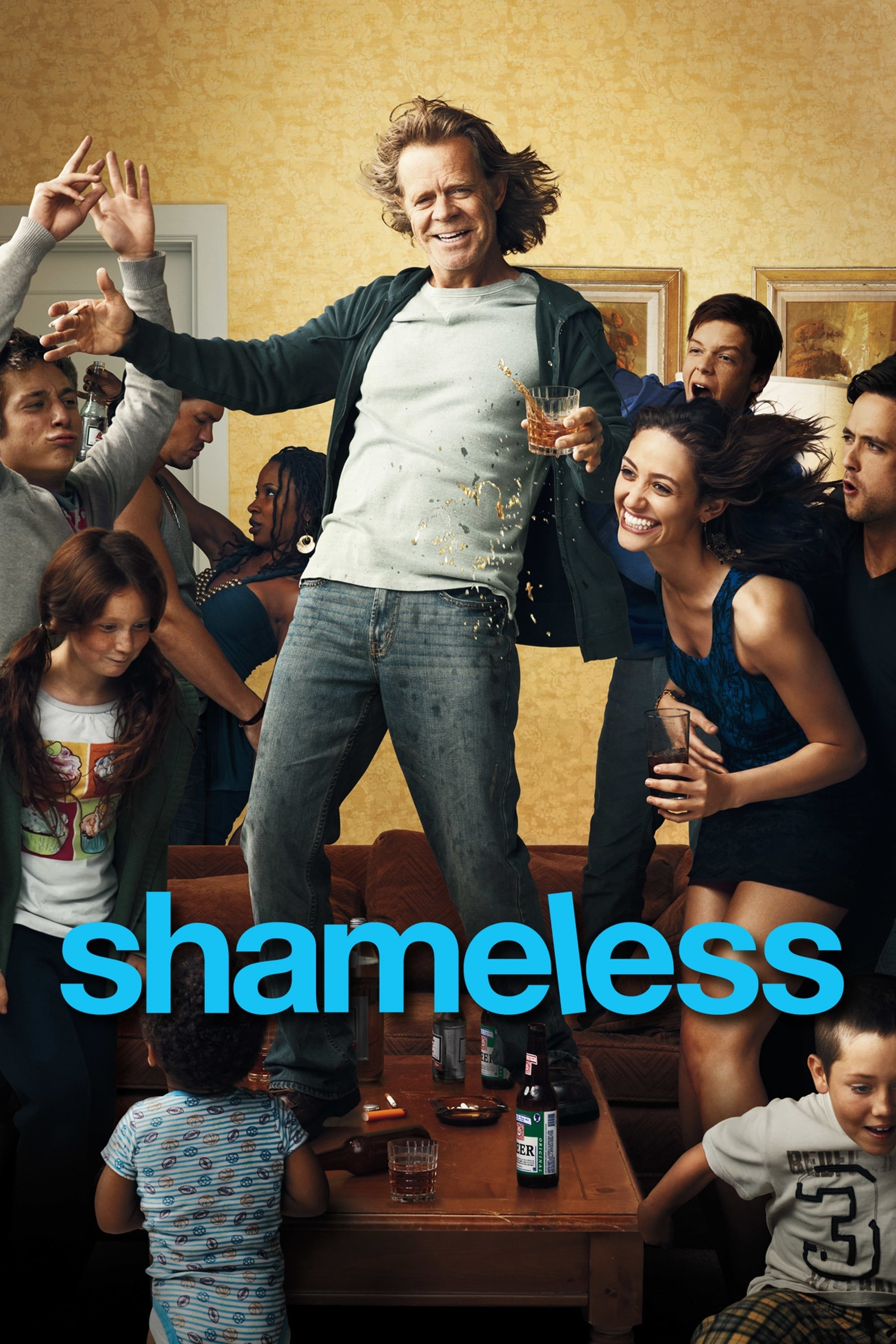
The US version of this dramedy features a distinct cold open where a main character breaks the fourth wall to berate the viewer for missing the previous episode. While not a sung melody, this rhythmic and spoken rant acts as the lyrical intro before the title card. The characters aggressively summarize the plot while insulting the audience’s intelligence or memory. This aggressive recap sets the gritty and chaotic tone that defines the Gallagher family’s life.
‘Jane the Virgin’ (2014–2019)

The “Latin Lover Narrator” is a central character in this telenovela inspired series and his voiceover work begins immediately with the title card. While the visual logo remains, the narrator reads a unique text overlay that changes from “Jane the Virgin” to “Jane the Mother” or other descriptors depending on the plot. His spoken introduction sets the specific context for the chapter and effectively acts as a changing spoken theme. The interaction between the on-screen text and the narrator’s delivery makes each intro unique.
‘Chainsaw Man’ (2022)

This high octane anime series took the unprecedented step of commissioning a completely different ending theme song and animation for every one of its twelve episodes. Top Japanese musical artists provided unique tracks that ranged from heavy metal to pop with lyrics written specifically to match the mood of the episode that just concluded. This prevented viewers from skipping the credits as each ending offered new musical and visual content. It represents one of the most ambitious uses of theme music in modern animation.
‘Lucky Star’ (2007)
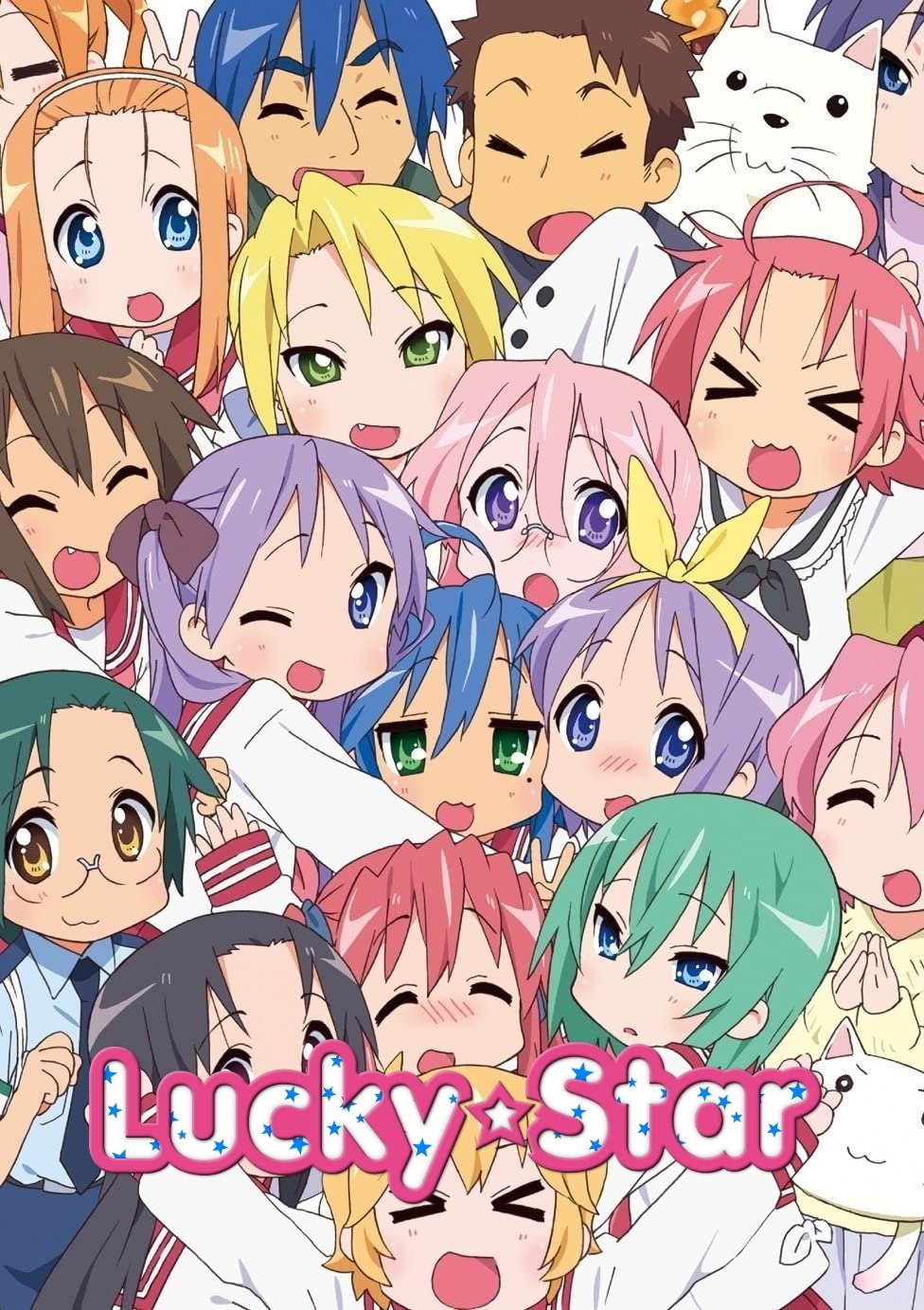
The ending sequence of this slice of life anime features the main characters stuck in a karaoke booth. In each episode, the characters sing a different real world song with the lyrics displayed on screen like a karaoke machine. The theme is essentially the characters’ performance which is often off key or interrupted by talking. This creates a realistic experience where the lyrical content is completely dependent on the song chosen for that week.
‘Steven Universe’ (2013–2019)

The closing credits of this animated series feature a song titled “Love Like You” which was revealed in fragments over the course of several seasons. In early episodes, the track was instrumental or featured only a few humming notes, but as the series progressed, new verses and lyrics were added to the recording. Viewers who watched consecutively heard the song grow and evolve with lyrics appearing that reflected the deepening relationships in the show. It was a subtle and cumulative change rather than a complete swap.
‘High School of the Dead’ (2010)
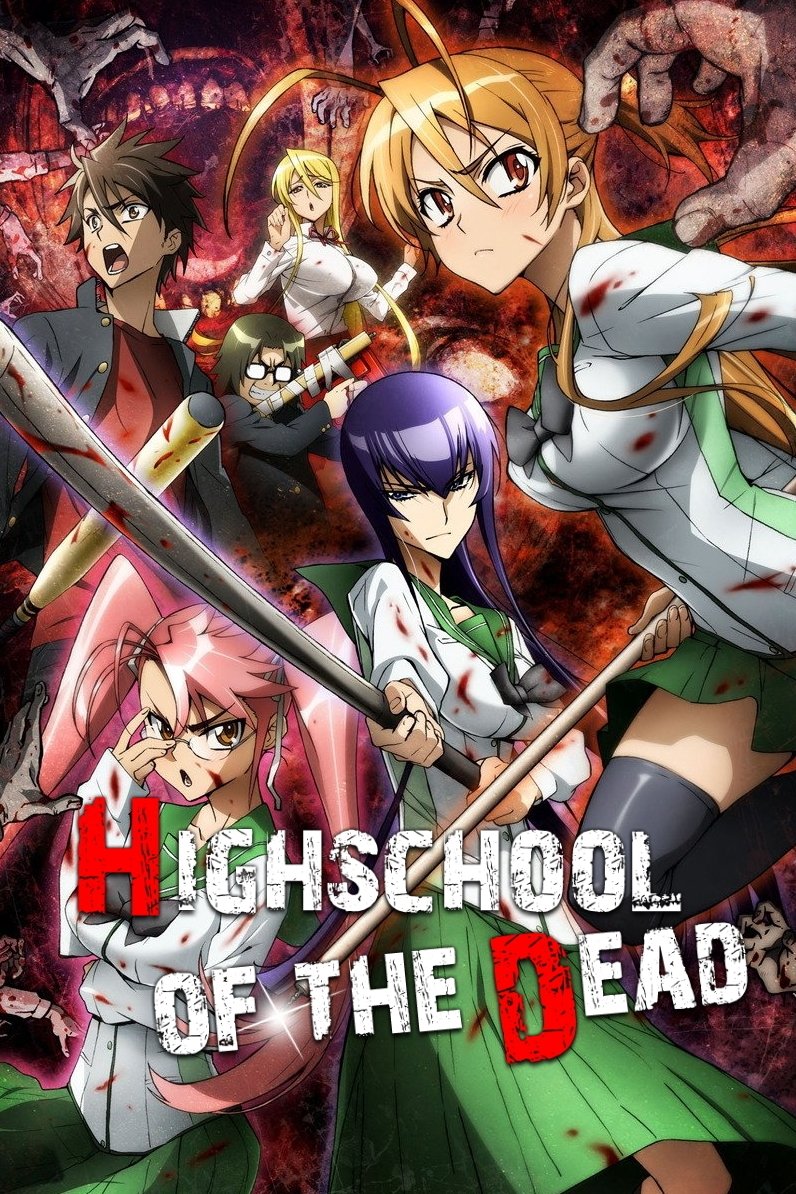
Similar to other high production anime, this zombie apocalypse series featured a different ending theme song for each episode. The songs were performed by the band Maon Kurosaki and were tailored to the specific intensity or tragedy of the episode’s events. The lyrics and tempo shifted from high energy rock to melancholic ballads depending on who survived or died that week. This approach kept the emotional momentum going even as the credits rolled.
‘Psych’ (2006–2014)
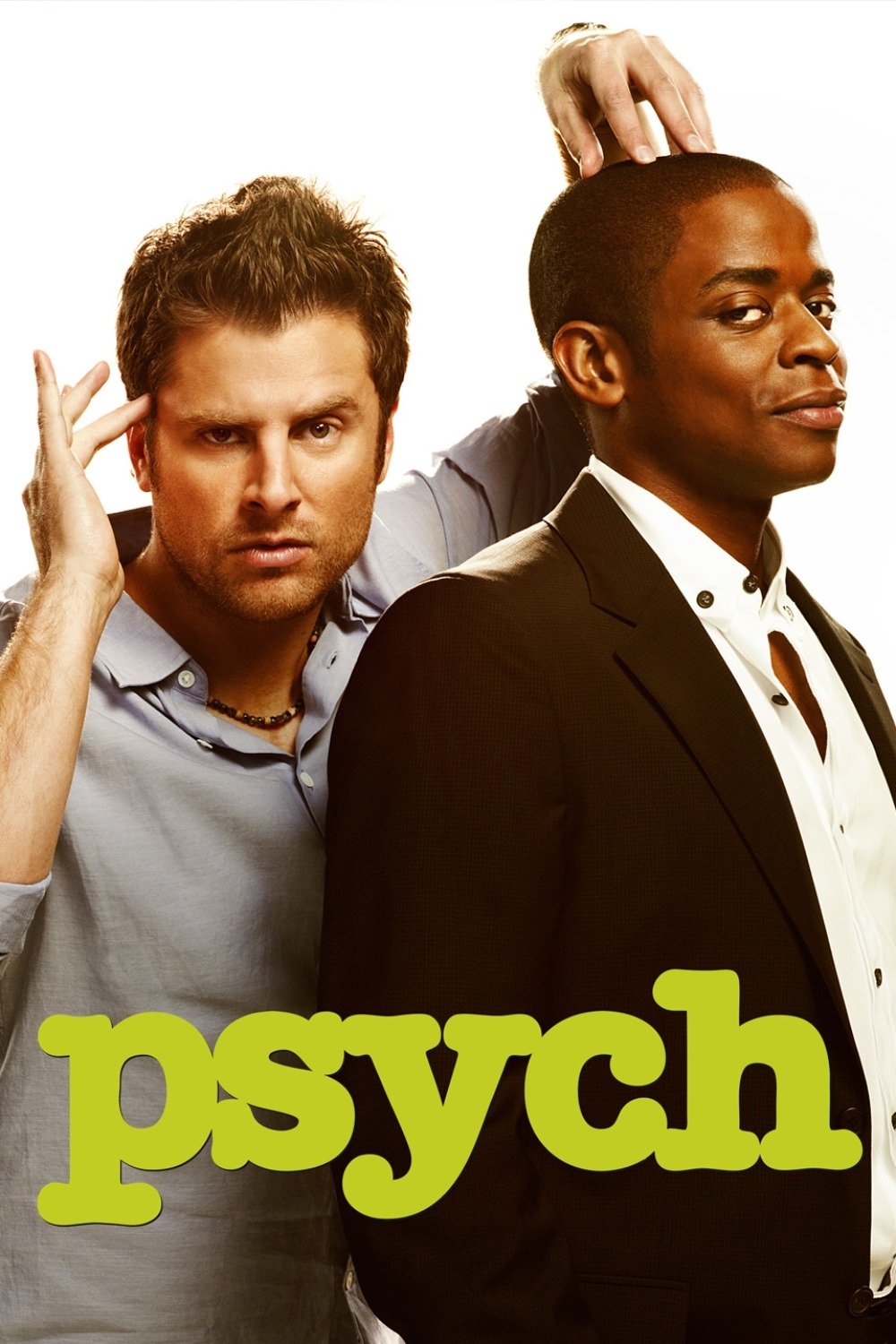
While the catchy theme song “I Know, You Know” by The Friendly Indians was a constant, the show frequently recorded special versions to match themed episodes. Fans were treated to a Boyz II Men a cappella version or a Bollywood inspired Hindi version depending on the plot. These lyrical and stylistic shifts occurred frequently enough to become a trademark of the series. It signaled to the audience that the episode was going to be a departure from the standard procedural format.
Share your favorite changing theme song in the comments.