


TV Shows Where the Writer’s Room Included Fan Consultants



Television studios are increasingly recognizing the value of hiring die-hard fans to assist in the creative process of major franchises. Showrunners often find that dedicated enthusiasts possess a deeper understanding of complex lore and continuity than the writers themselves. These fan consultants serve as vital resources for fact-checking scripts and ensuring fidelity to the source material. By integrating this specialized knowledge into the writer’s room, productions can avoid alienating their most loyal viewers with avoidable errors. The following examples highlight series that successfully utilized the expertise of their fanbase to improve the storytelling.
‘Game of Thrones’ (2011–2019)
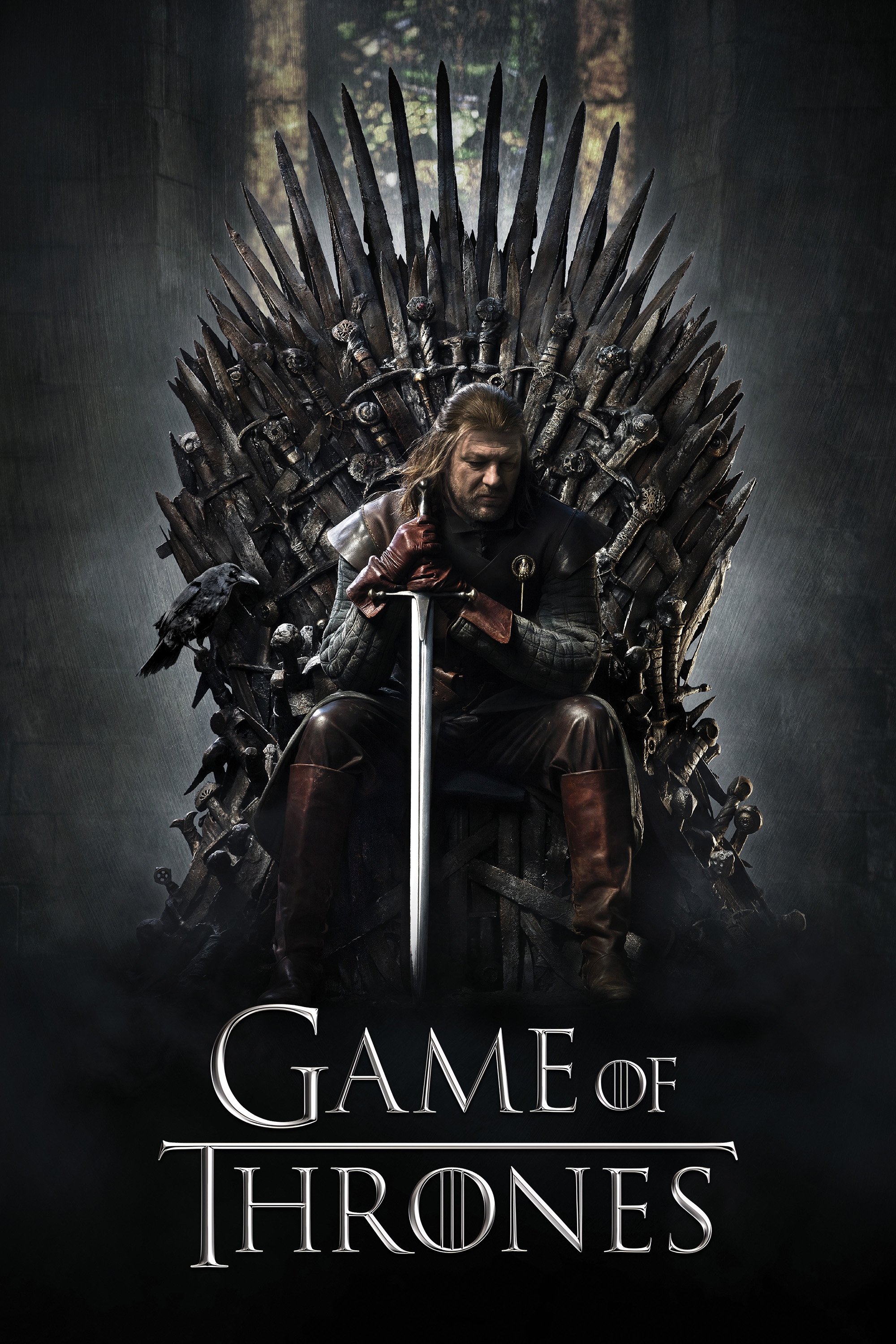
The production team for this massive fantasy series enlisted the help of Elio M. García Jr. and Linda Antonsson, the founders of the fan website Westeros.org. Author George R.R. Martin had previously collaborated with the duo on the companion book ‘The World of Ice & Fire’ due to their encyclopedic knowledge of his universe. During the early seasons of the show, they served as researchers and continuity checkers to ensure the scripts aligned with the dense history of the novels. Their involvement helped the writers navigate the complex genealogies and historical details of the Seven Kingdoms.
‘The Wheel of Time’ (2021–Present)
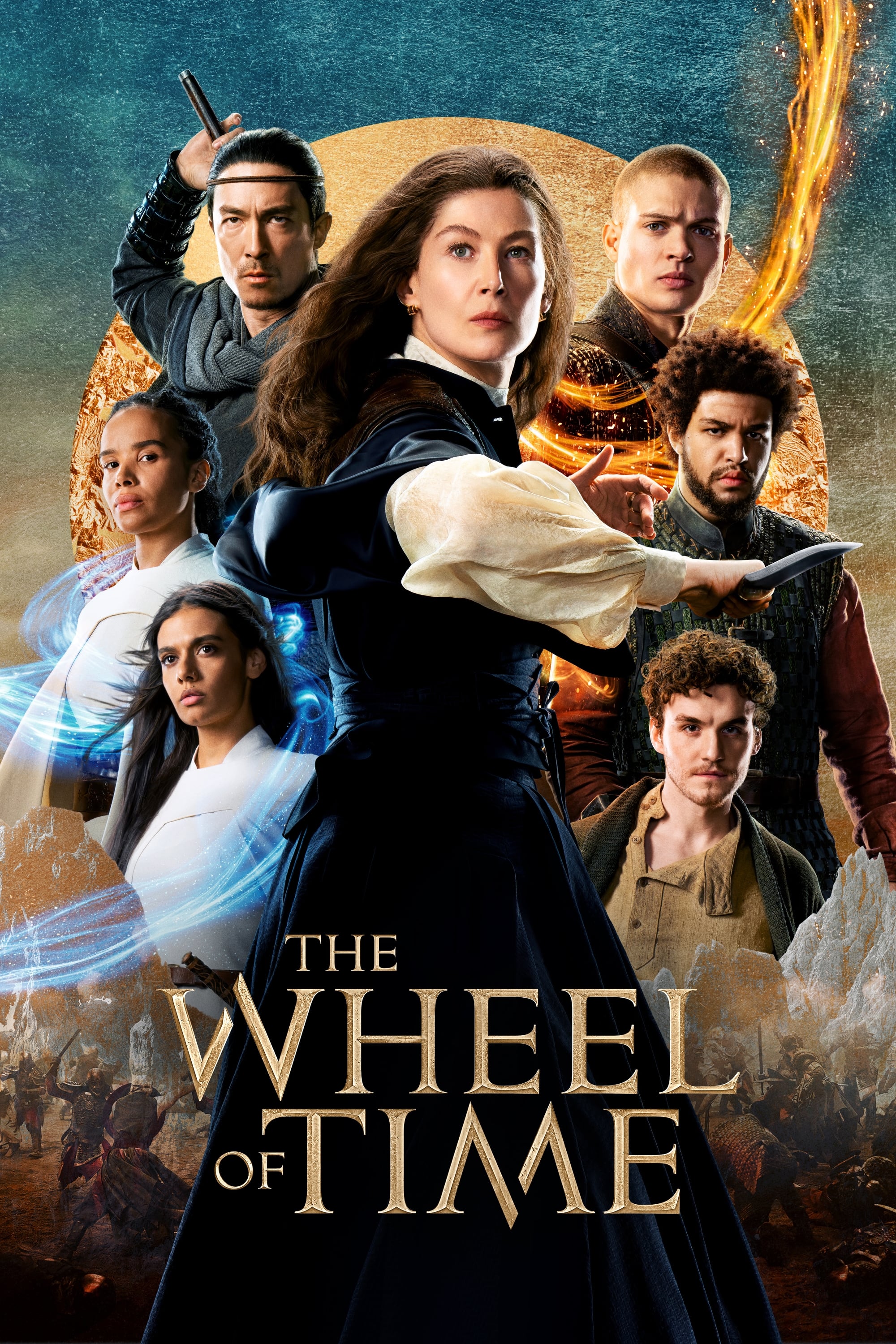
Showrunner Rafe Judkins hired Sarah Nakamura, a well-known figure in the book community, specifically to serve as a “Book Expert” and consultant for the series. Nakamura’s role involves reviewing scripts and production designs to maintain fidelity to Robert Jordan’s sprawling narrative and magic system. She acts as a bridge between the production team and the source material, often carrying digital copies of the books to search for specific details on set. Her official position allows her to flag potential lore contradictions before scenes are filmed.
‘Star Trek: The Next Generation’ (1987–1994)
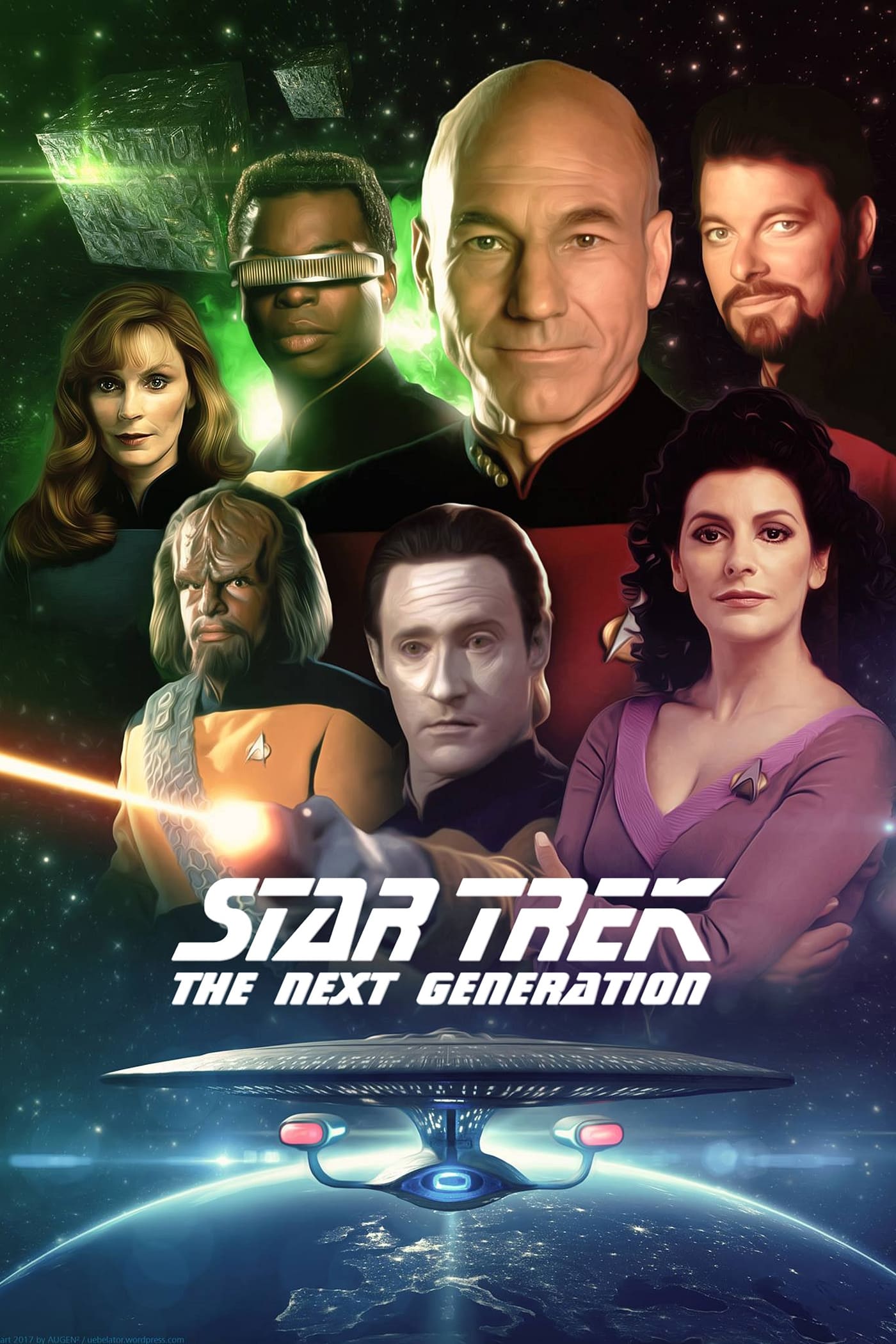
Richard Arnold began his journey as a dedicated fan and president of a ‘Star Trek’ fan club before becoming Gene Roddenberry’s assistant. He was eventually hired by Paramount as the official “Star Trek Archivist” and research consultant for the series. Arnold was responsible for reviewing scripts and licensed merchandise to ensure they adhered to the established canon and Roddenberry’s specific vision for the future. His detailed knowledge of the franchise history made him a gatekeeper for continuity during the show’s run.
‘Doctor Who’ (1963–Present)
In the 1980s, superfan Ian Levine became an unofficial continuity consultant for the long-running British sci-fi series. Known for his efforts to locate and save missing episodes of the show from destruction, Levine’s vast knowledge of the show’s history was utilized by the production team to link new stories with past events. He often advised producers on facts regarding the Daleks and Cybermen to prevent contradictions within the show’s decades-long timeline. Although his role was informal, his influence on the continuity of that era was significant.
‘Star Wars: The Clone Wars’ (2008–2020)
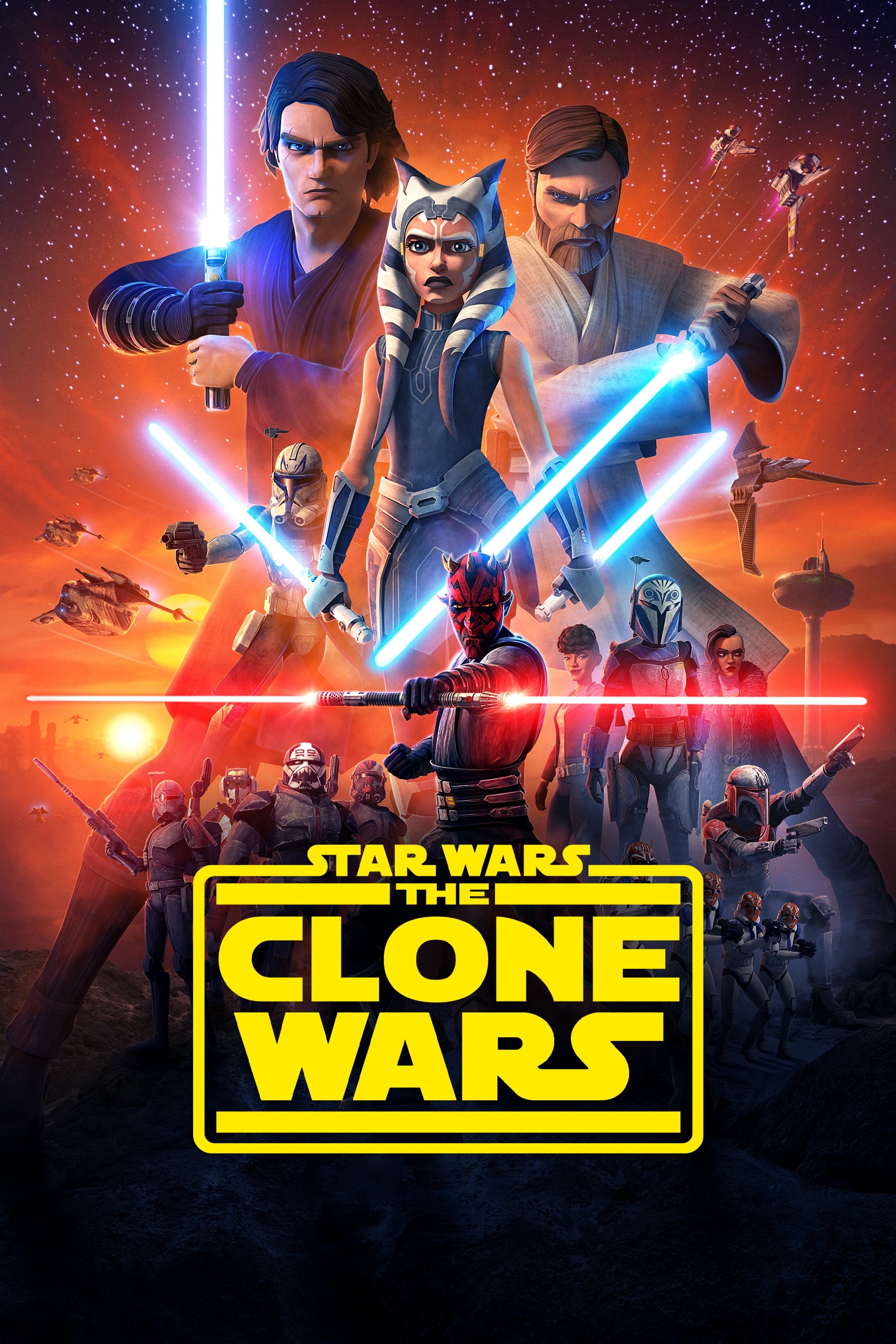
Pablo Hidalgo started as a fan creating role-playing game content and maintaining fan websites before being hired by Lucasfilm. He became a key member of the Lucasfilm Story Group, serving as a Lore Advisor for animated series like ‘Star Wars: The Clone Wars’ and ‘Star Wars Rebels’. His job is to ensure that all new storytelling aligns with the established movies and the wider expanded universe. Hidalgo effectively professionalized the role of the “fan consultant” within the ‘Star Wars’ franchise.
‘Ms. Marvel’ (2022)
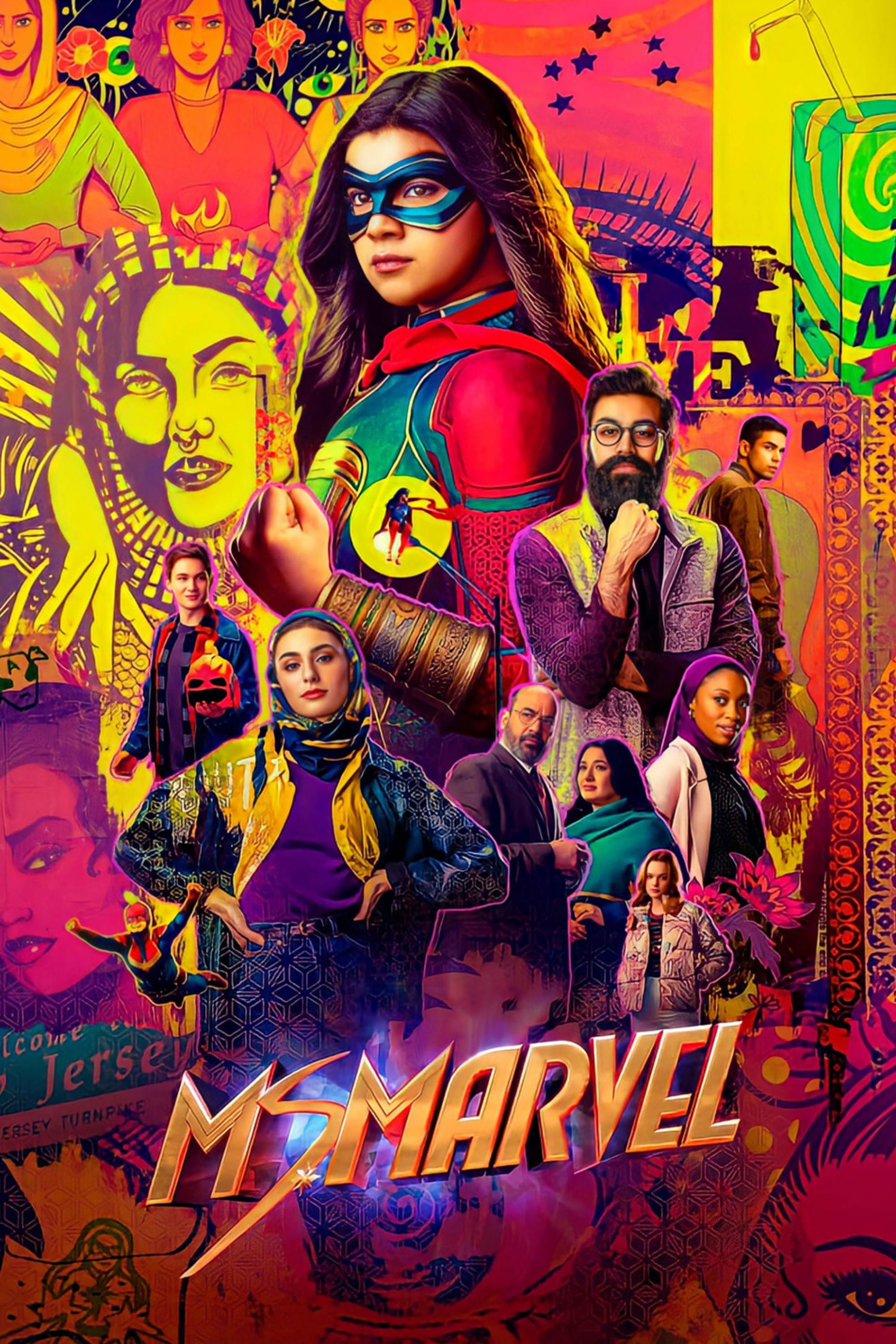
Actress Iman Vellani, who plays the titular character, was a die-hard Marvel fan long before she was cast in the role. During production, the writers and producers frequently utilized her extensive knowledge of the Marvel comics to verify details and character motivations. Executive Producer Sana Amanat and Marvel Studios President Kevin Feige openly acknowledged that Vellani often corrected them on specific lore points and continuity errors. Her perspective as a fan directly influenced the authenticity of Kamala Khan’s portrayal as a superhero fangirl.
‘Lost’ (2004–2010)
While the writers did not hire a single specific fan, the production team famously utilized the fan-created wiki, Lostpedia, as an essential reference tool in the writer’s room. Showrunners Damon Lindelof and Carlton Cuse admitted that the show’s mythology became so complex that they relied on the fan community’s detailed archiving to keep track of timelines and obscure character connections. The writers effectively outsourced their continuity bible to the collective intelligence of their fanbase. This relationship between the creators and the wiki editors helped maintain consistency in the show’s intricate mystery.
‘One Piece’ (2023–Present)
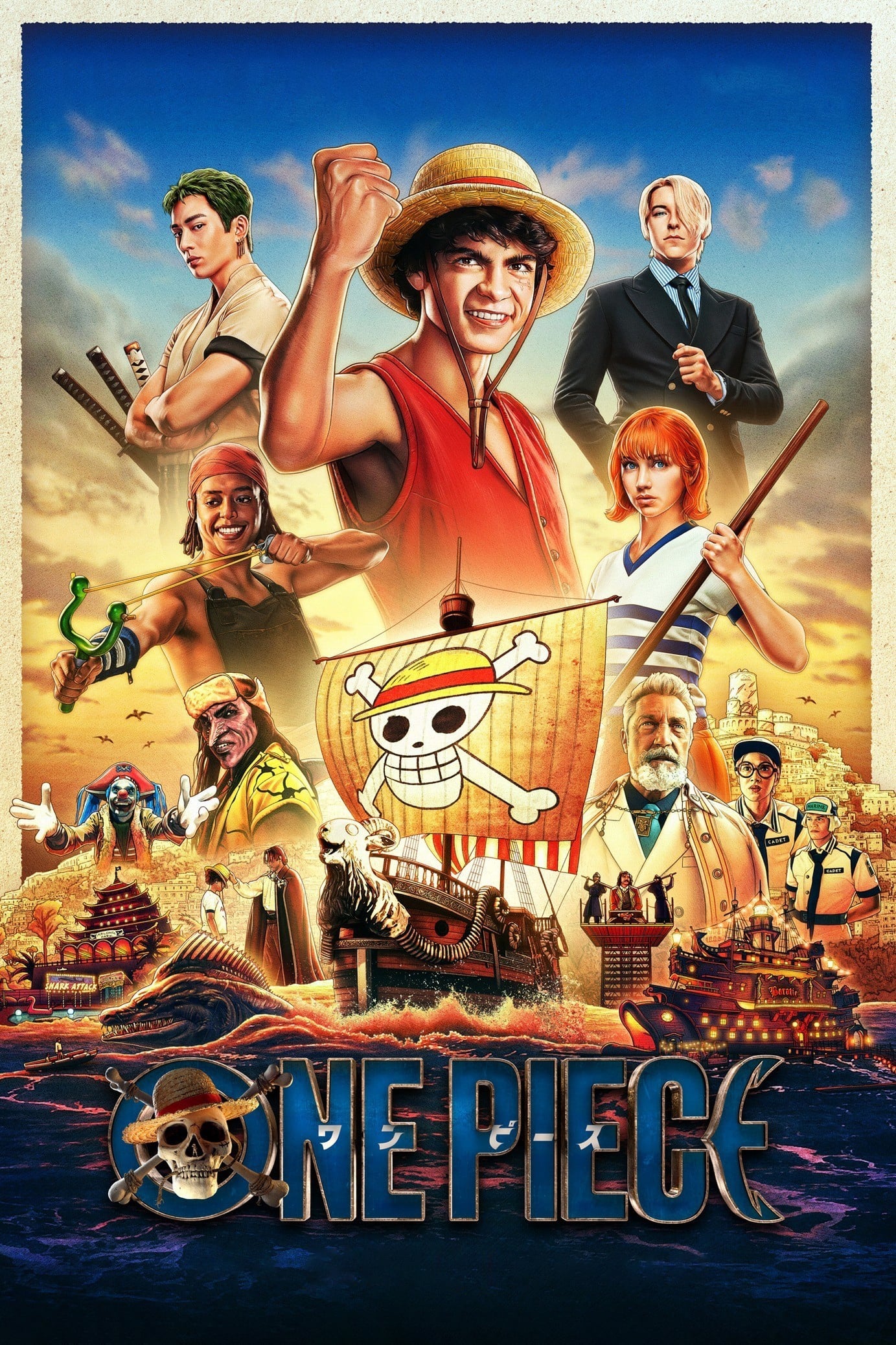
Showrunner Matt Owens secured his position on the live-action adaptation by pitching himself to Netflix and creator Eiichiro Oda as a massive superfan of the manga. Owens has stated that his primary qualification for the job was his deep love and obsession with the source material, which allowed him to protect the core spirit of the story during adaptation. He acts as the resident lore expert in the writer’s room, ensuring that changes necessary for live-action do not break the fundamental rules of the world. His fandom was a crucial factor in gaining Oda’s trust for the project.
‘The Lord of the Rings: The Rings of Power’ (2022–Present)
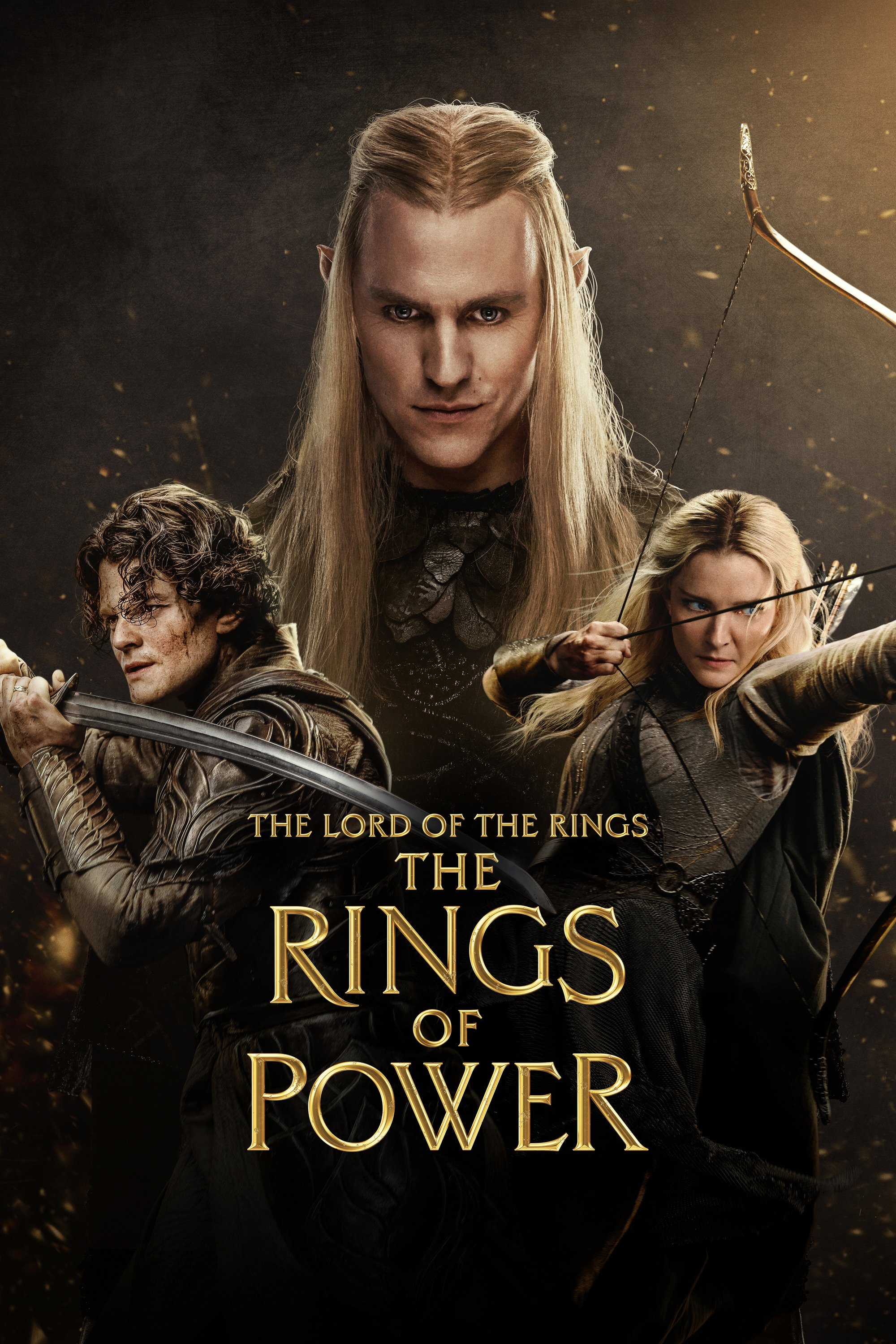
To manage the dense mythology of J.R.R. Tolkien’s Second Age, the production team consulted with Simon Tolkien, the author’s grandson and a novelist in his own right. Additionally, the showrunners worked with various Tolkien scholars and lore experts to interpret the appendices of ‘The Lord of the Rings’. These consultants helped the writers navigate the linguistic and historical complexities of Middle-earth. The goal was to ensure the tone and details respected the legendary author’s work despite the limited rights available to the studio.
‘Star Trek: Discovery’ (2017–2024)
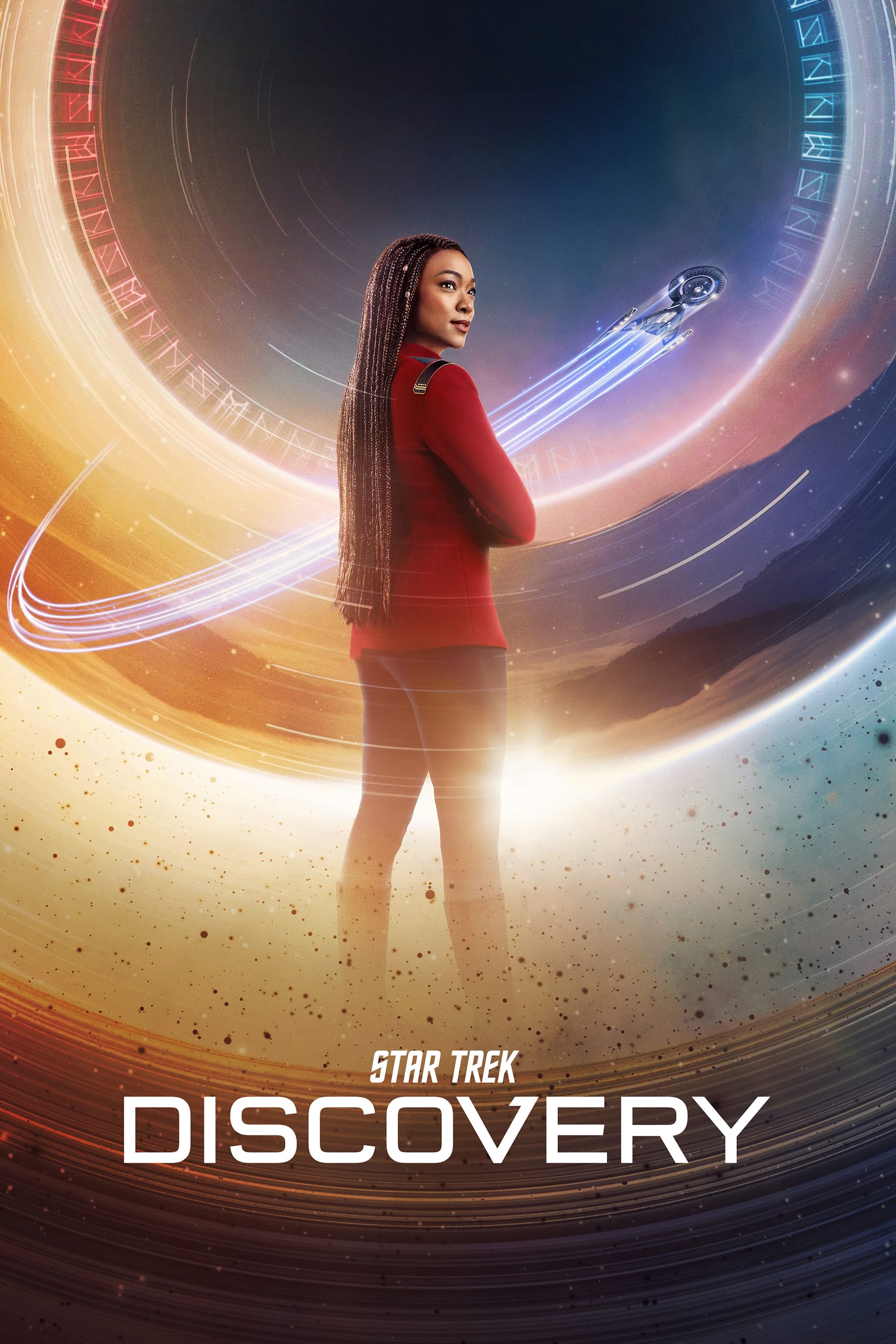
Similar to the writers of ‘Lost’, the modern ‘Star Trek’ production teams have officially acknowledged their reliance on Memory Alpha, the comprehensive fan-maintained wiki. Writers use the site to fact-check technological specifications, alien species history, and historical events to ensure the new series fits within the franchise’s timeline. This reliance transforms the collective work of thousands of fans into a de facto consulting body for the show. It allows the writers to draw upon fifty years of continuity without having to memorize every episode themselves.
‘My Little Pony: Friendship Is Magic’ (2010–2019)
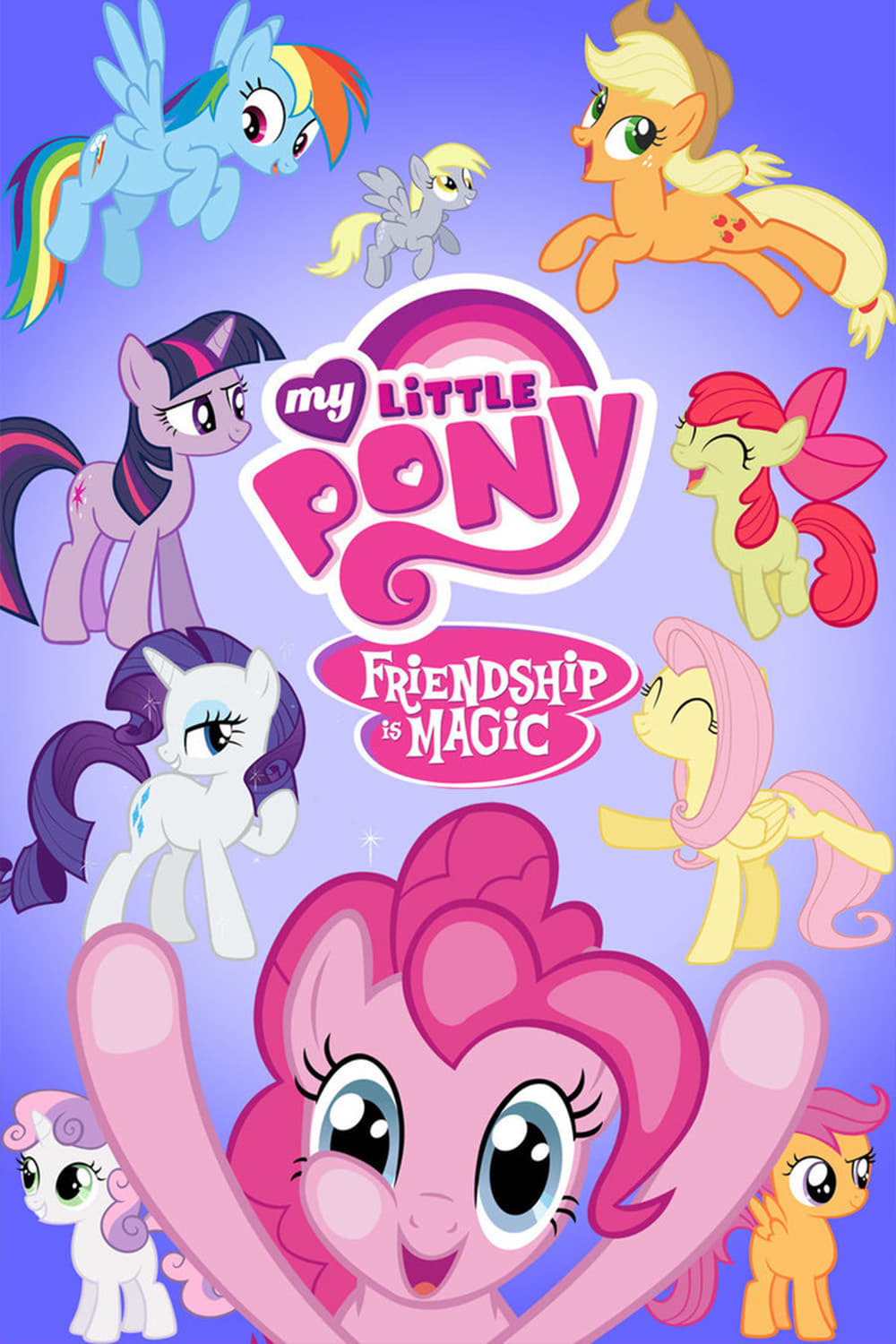
G.M. Berrow started as a fan of the franchise before being hired to write official guidebooks and tie-in novels for the series. Her deep understanding of the characters and the world she demonstrated in the books eventually led to her joining the show’s writing staff for several episodes. She was able to integrate lore from the expanded universe into the television series, rewarding dedicated fans with continuity nods. Her trajectory from fan writer to show writer exemplifies the show’s close relationship with its audience.
‘The Expanse’ (2015–2022)
Showrunner Naren Shankar and the writing team frequently monitored the show’s Reddit community and the fan wiki to gauge audience understanding and track continuity. The original book authors, Ty Franck and Daniel Abraham, were also heavily involved in the writer’s room, serving as the ultimate experts on their own creation. While they are the creators, their interaction with the fan community helped refine the adaptation’s scientific accuracy and political intricacy. This feedback loop ensured the show remained one of the most scientifically grounded sci-fi series on television.
‘Mystery Science Theater 3000’ (2017–2018)
When creator Joel Hodgson revived the cult classic series, he specifically looked to the fanbase to find new writing talent. He hired fans who had grown up watching the original show to write the “riffs” and jokes for the new episodes, ensuring the humor retained its specific, quirky tone. This approach allowed the revival to feel authentic to the original run while updating the references for a modern audience. The writer’s room was essentially populated by professional fans of the format.
‘The Last of Us’ (2023–Present)
Co-creator Craig Mazin was a massive fan of the original video game long before he was attached to the television adaptation. He pursued the project specifically because of his love for the game’s narrative and partnered with the game’s creator, Neil Druckmann, to bring it to the screen. Mazin’s role as a superfan allowed him to advocate for keeping iconic scenes and dialogue verbatim, acting as a guardian of the source material against unnecessary changes. His detailed knowledge of the game’s emotional beats was central to the show’s critical success.
‘X-Men ’97’ (2024–Present)
Head writer Beau DeMayo and his team were hired specifically for their deep nostalgia and encyclopedic knowledge of the original 1990s animated series. The production team functioned as superfans who wanted to revive the specific aesthetic and melodramatic tone of the Saturday morning cartoon. They focused on continuity details that only long-time viewers would notice, effectively consulting their own fandom to craft the narrative. This dedication to the “fan experience” resulted in a revival that seamlessly continued the original storylines.
Share your thoughts on which show best utilized its fan experts in the comments.