


TV Shows Where Weather Effects Were Completely Improvised



Television productions often rely on soundstages and controlled environments to ensure perfect continuity and comfort for the cast. Some of the most memorable moments in TV history occurred when nature decided to rewrite the script with unscripted storms or extreme temperatures. Directors and cinematographers frequently embrace these spontaneous elements to add a layer of gritty realism that computer-generated effects simply cannot match. This list explores instances where the cast and crew battled the elements to capture authentic performances amidst the chaos of the real world. The unpredictable weather often transformed the setting into a character of its own and elevated the dramatic tension of the series.
‘Game of Thrones’ (2011–2019)
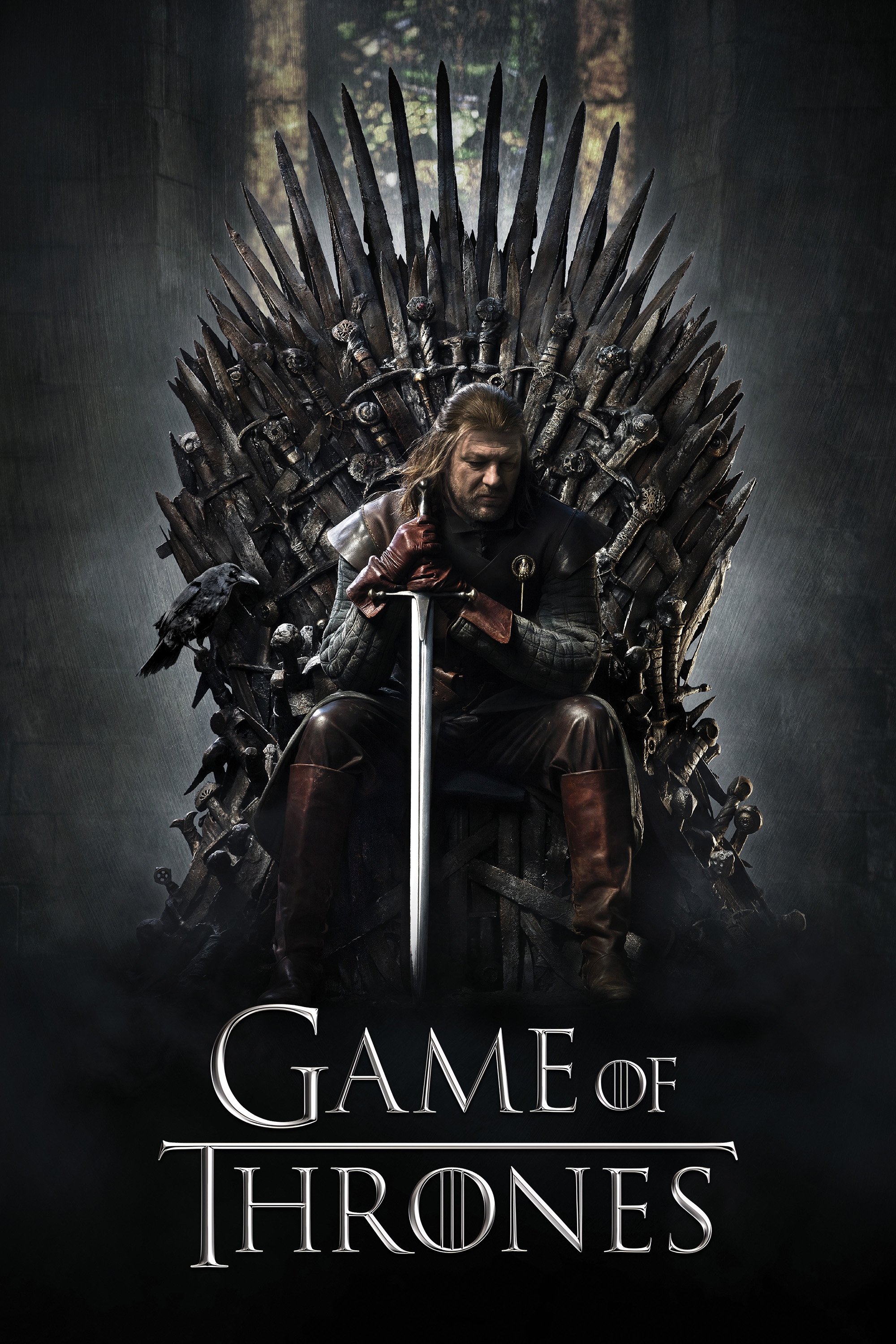
Filming in locations like Iceland and Northern Ireland meant the cast often faced brutal, unscripted elements. The production utilized real blizzards for scenes taking place North of the Wall which forced actors to react to genuine freezing temperatures rather than acting against green screens. The iconic gloomy atmosphere of Winterfell was frequently enhanced by natural overcast skies and rain that could not be controlled. This reliance on natural weather added a gritty realism to the fantasy epic that CGI could not replicate.
‘Lost’ (2004–2010)
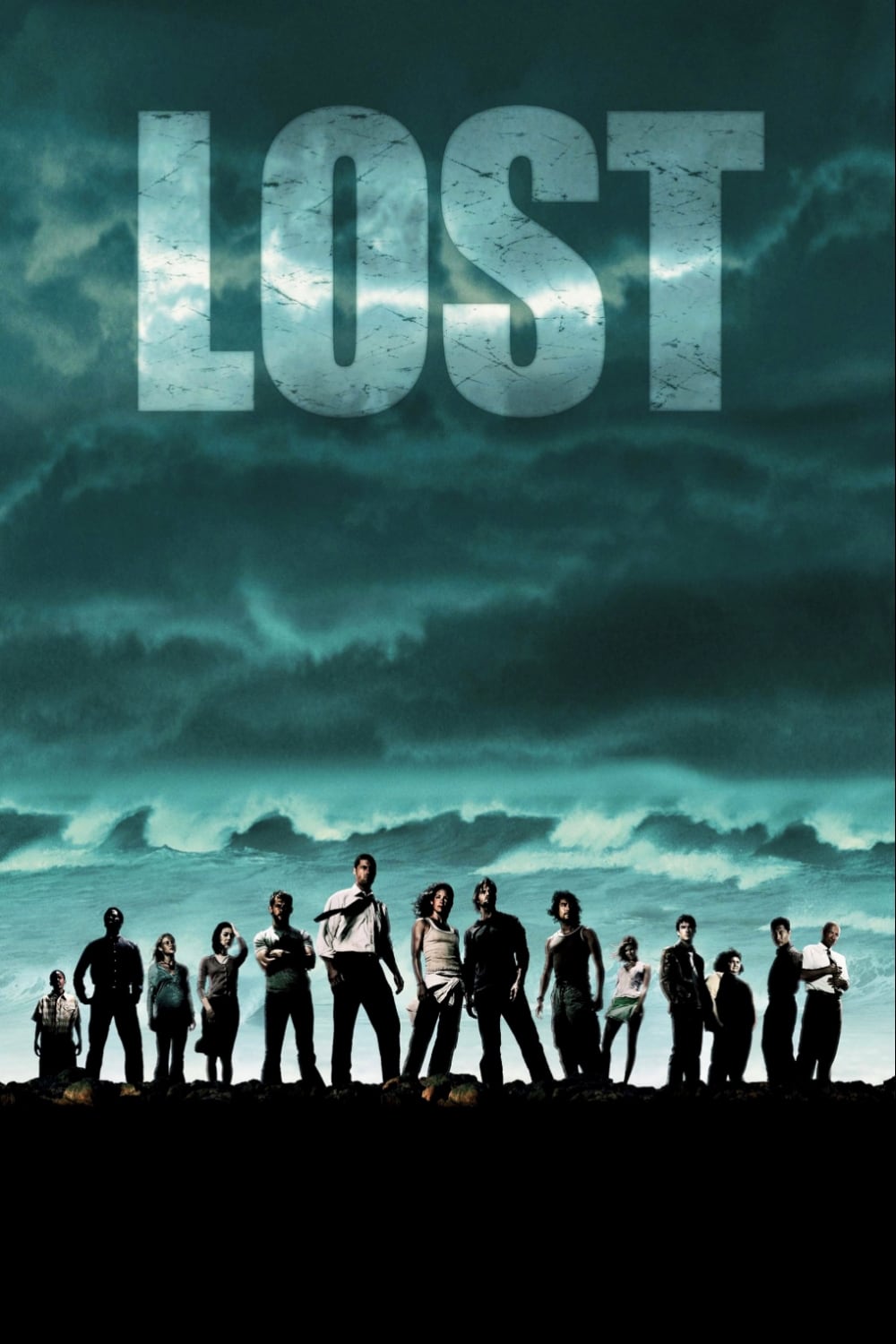
The production filmed primarily on location in Oahu where sudden tropical rainstorms were a daily occurrence. Instead of halting production, the directors often incorporated the sudden downpours into the scenes to heighten the sense of isolation and struggle. Actors were frequently soaked by real rain that added to the desperate look of the plane crash survivors. This unscripted weather helped establish the island as a wild and unpredictable character in itself.
‘The X-Files’ (1993–2018)
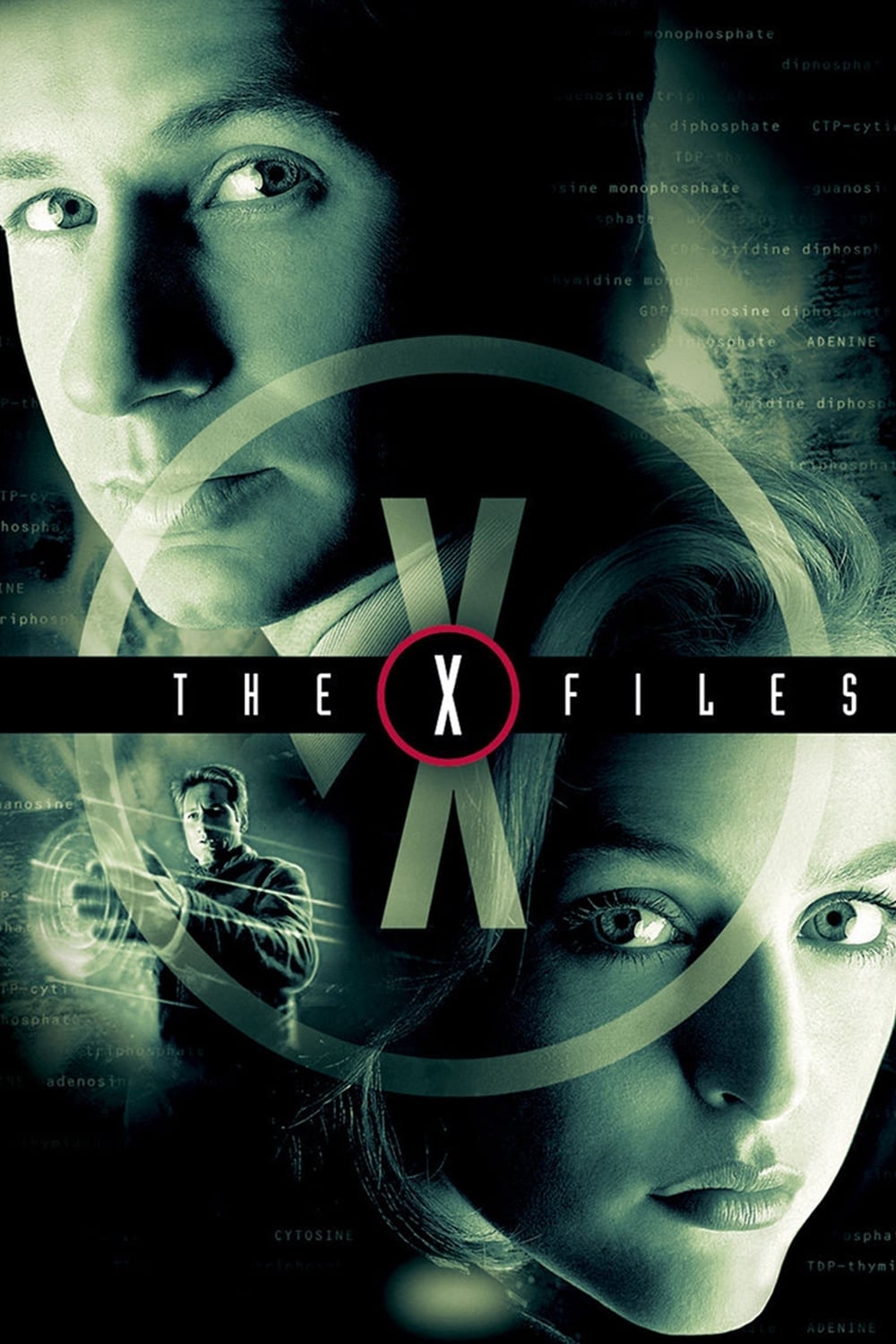
The first five seasons were filmed in Vancouver where the constant cloud cover and drizzle became a signature aesthetic of the series. The production team embraced the natural low light and wet streets to create the moody atmosphere associated with the show. This reliance on the local climate meant that the rain seen on screen was almost always real rather than generated by sprinklers. The natural gloom significantly contributed to the paranoia and mystery central to the narrative.
‘Vikings’ (2013–2020)

Filming in the Wicklow Mountains of Ireland exposed the cast to mud, rain, and high winds that were entirely authentic. The actors often performed battle scenes in freezing sleet that made their physical exhaustion and shivering genuine. These harsh conditions eliminated the need for artificial weather effects and grounded the historical drama in reality. The natural lighting and sudden storms dictated the visual tone of the series.
‘Outlander’ (2014–Present)
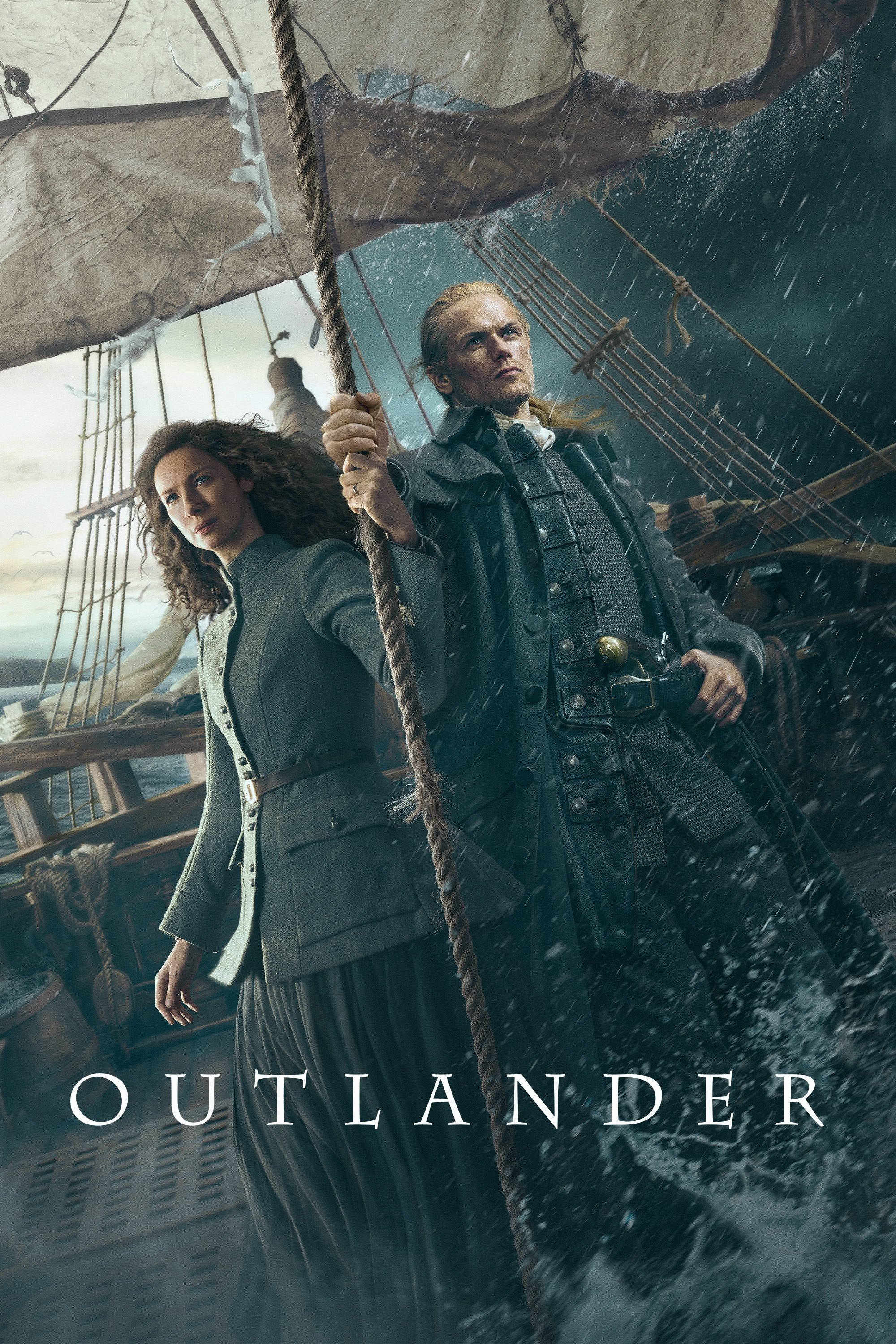
The Scottish Highlands provided a stunning but volatile backdrop that frequently interrupted filming with high winds and rain. Cast members have noted that the shivering and red noses seen during outdoor sequences were rarely the result of acting. The production often utilized these spontaneous weather shifts to reflect the turmoil of the time travel narrative. Unplanned gusts of wind frequently added dramatic movement to the costumes and hair of the leads.
‘The Last of Us’ (2023–Present)
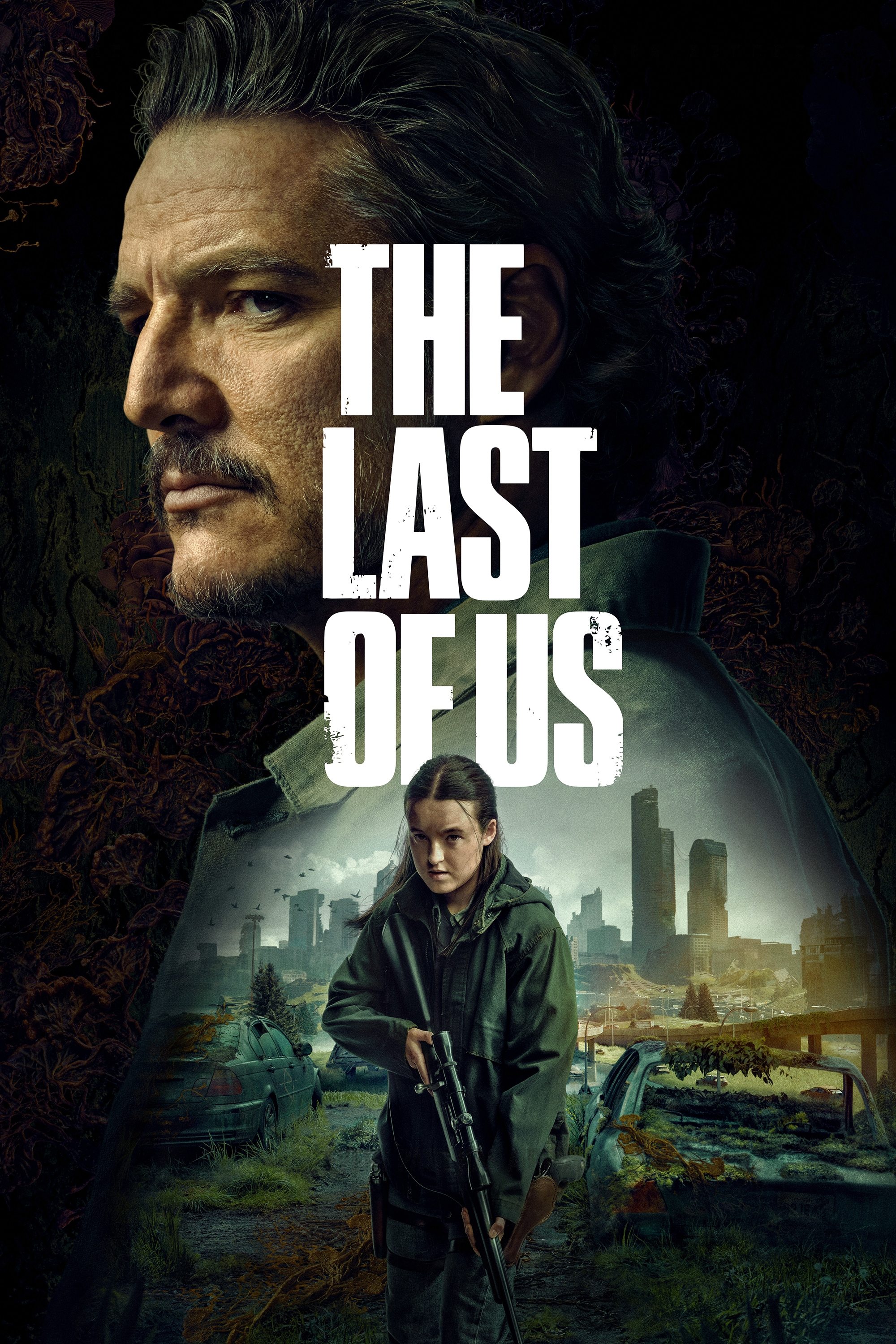
Production for the winter chapters took place in Alberta, Canada during actual freezing conditions. The actors faced real snow and sub-zero temperatures that made their physical struggles through the landscape authentic. Breath condensation seen in these episodes is real and resulted from the extreme cold on location. Embracing the harsh winter environment was essential to capturing the survivalist themes of the story.
‘Yellowstone’ (2018–Present)
Filming on a real ranch in Montana meant the production was at the mercy of the changing seasons and unpredictable storms. Sudden changes in light or precipitation were often captured on camera and kept in the final cut to emphasize the rugged nature of the setting. The dust, mud, and snow seen on the actors and animals were typically the result of the actual environment. This adherence to location shooting gave the series a visual authenticity that soundstages cannot match.
‘The Walking Dead’ (2010–2022)
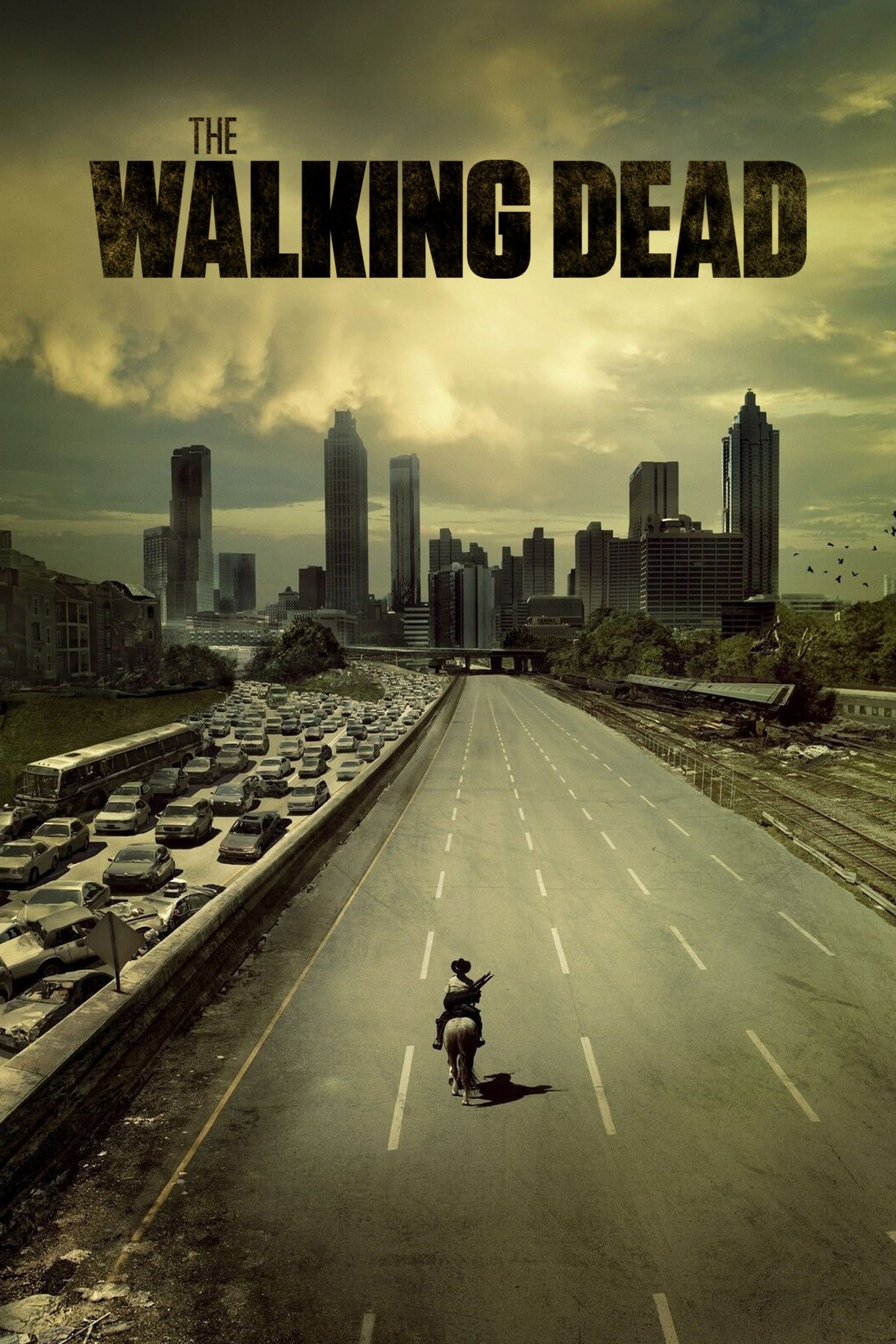
Shot largely in rural Georgia, the cast endured sweltering heat and high humidity that created a tangible sense of exhaustion. The sweat seen on the actors was almost always real due to the intense summer temperatures during filming. Sudden thunderstorms would occasionally force the crew to adapt, adding a layer of grime and wetness to the post-apocalyptic world. The oppressive weather became a key component of the show’s uncomfortable atmosphere.
‘Fargo’ (2014–2024)
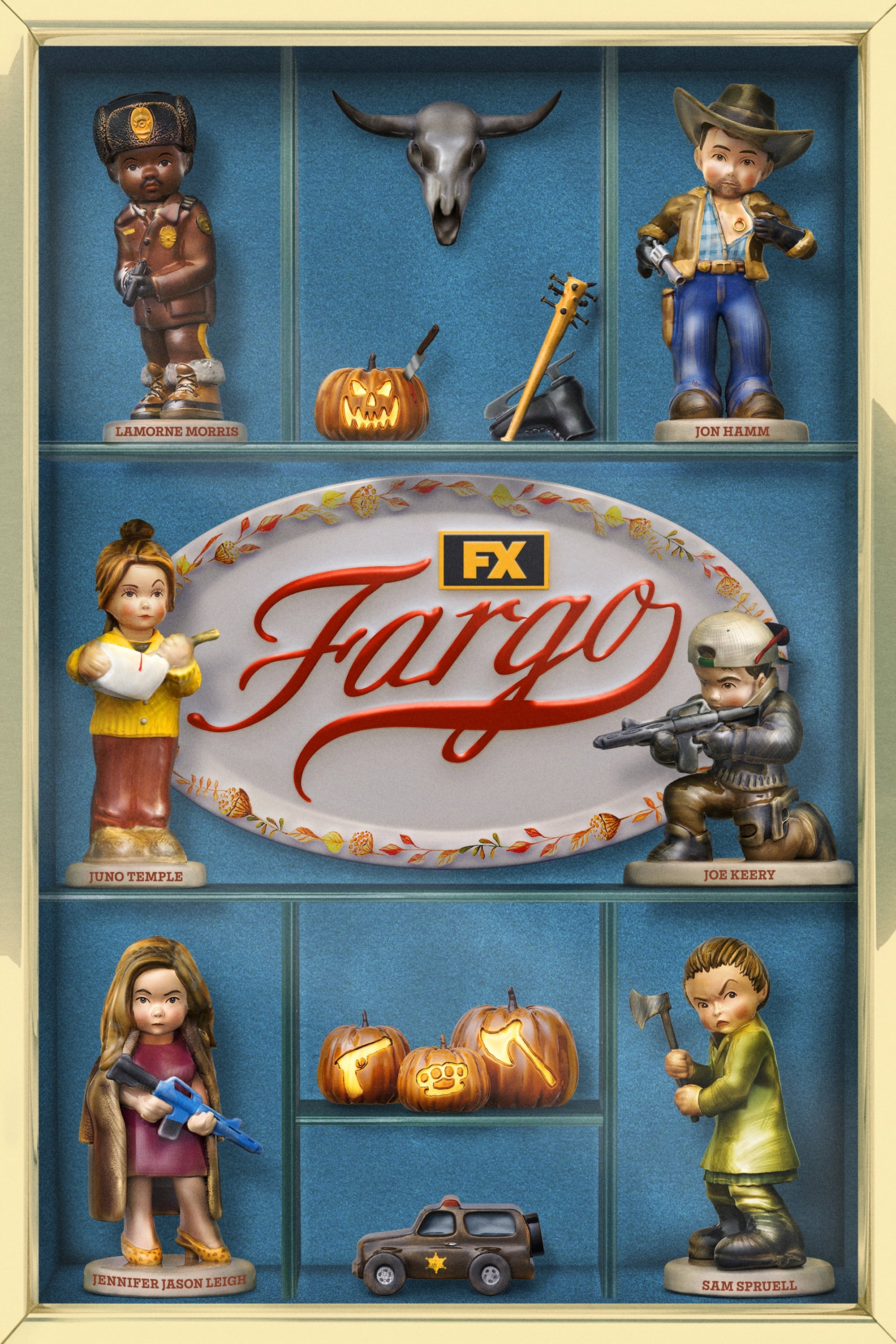
The production frequently filmed in Calgary during the winter to capture authentic snow and cold. Cast members had to perform in temperatures well below freezing which led to genuine physical reactions to the environment. The bleak, white-out conditions seen in outdoor scenes were often natural weather events captured by the cameras. This reliance on real winter weather was crucial for establishing the isolation inherent to the series.
‘The North Water’ (2021)
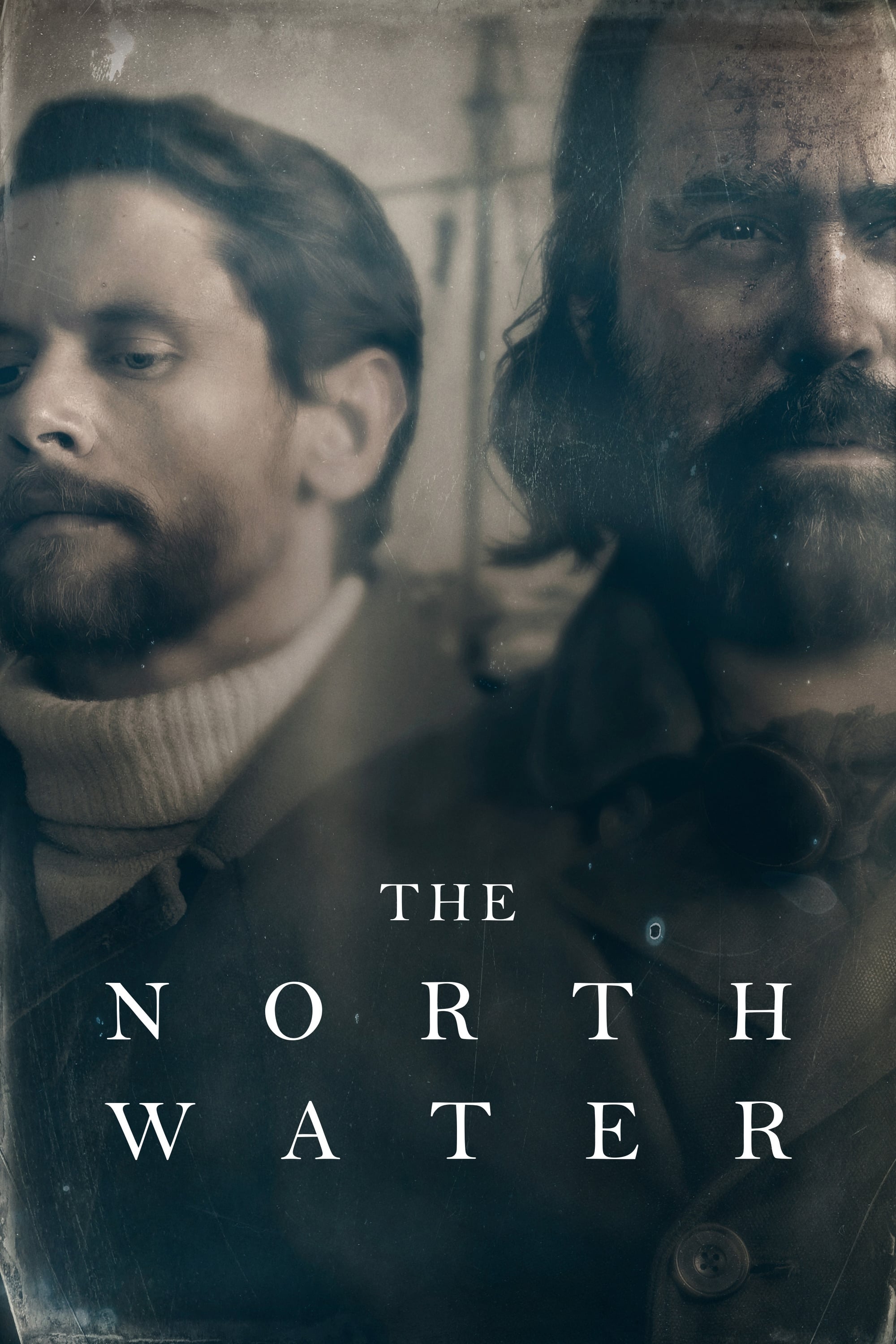
This miniseries was filmed on pack ice in the Arctic Ocean, making it one of the most extreme location shoots in television history. The cast and crew lived on a boat and faced real polar conditions including freezing winds and shifting ice. The terror and physical duress depicted on screen were largely a result of the actual dangerous environment. No artificial snow or soundstage work could replicate the genuine Arctic landscape captured here.
‘True Detective’ (2014–Present)
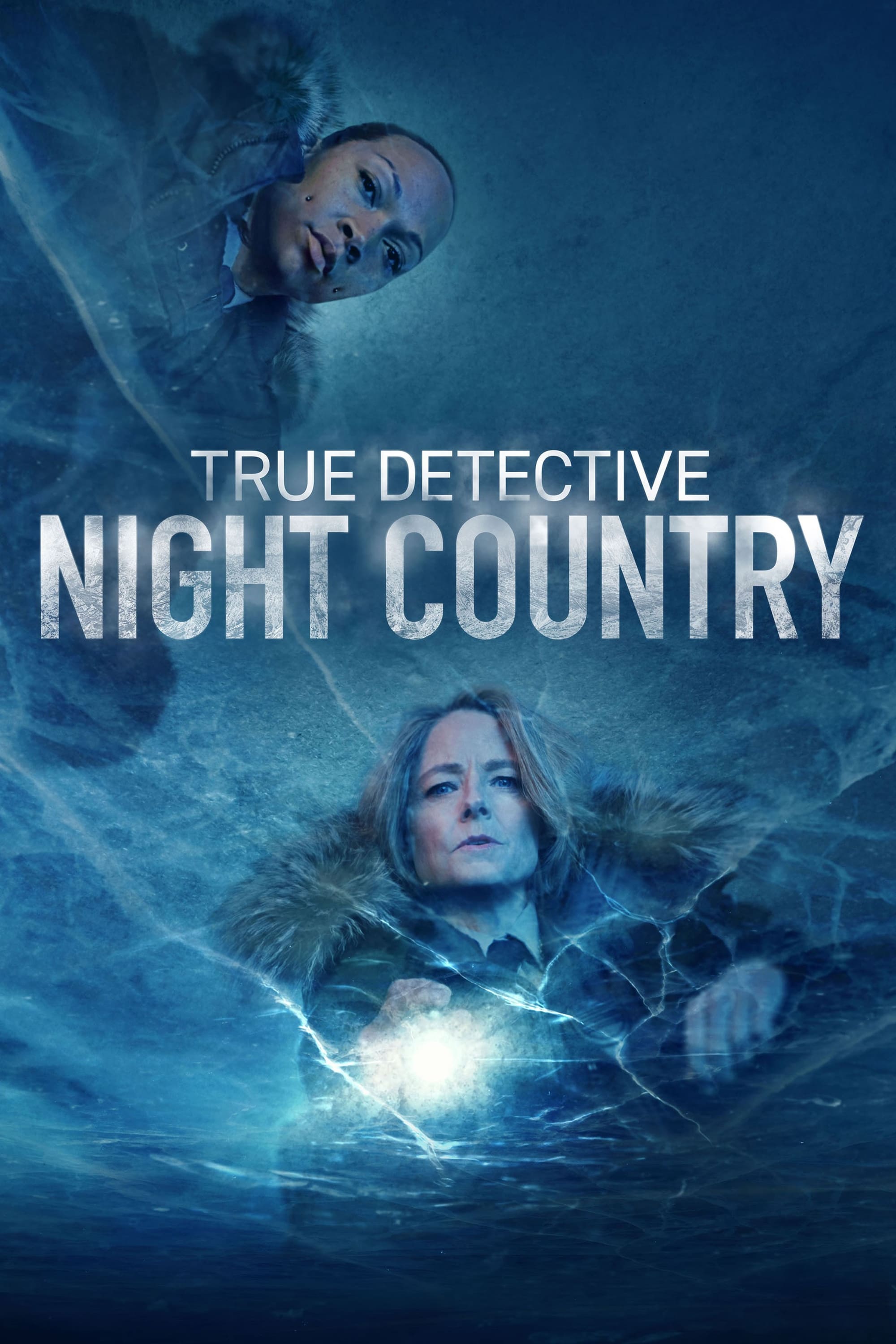
The fourth season, ‘Night Country’, was filmed in Iceland to capture the endless night and severe cold required for the story. Actors performed in real snowstorms that reduced visibility and made movement difficult. The first season utilized the humid, oppressive heat of Louisiana to create a thick and sticky atmosphere. In both instances, the real weather conditions were integral to the mood and mystery of the anthology.
‘Succession’ (2018–2023)
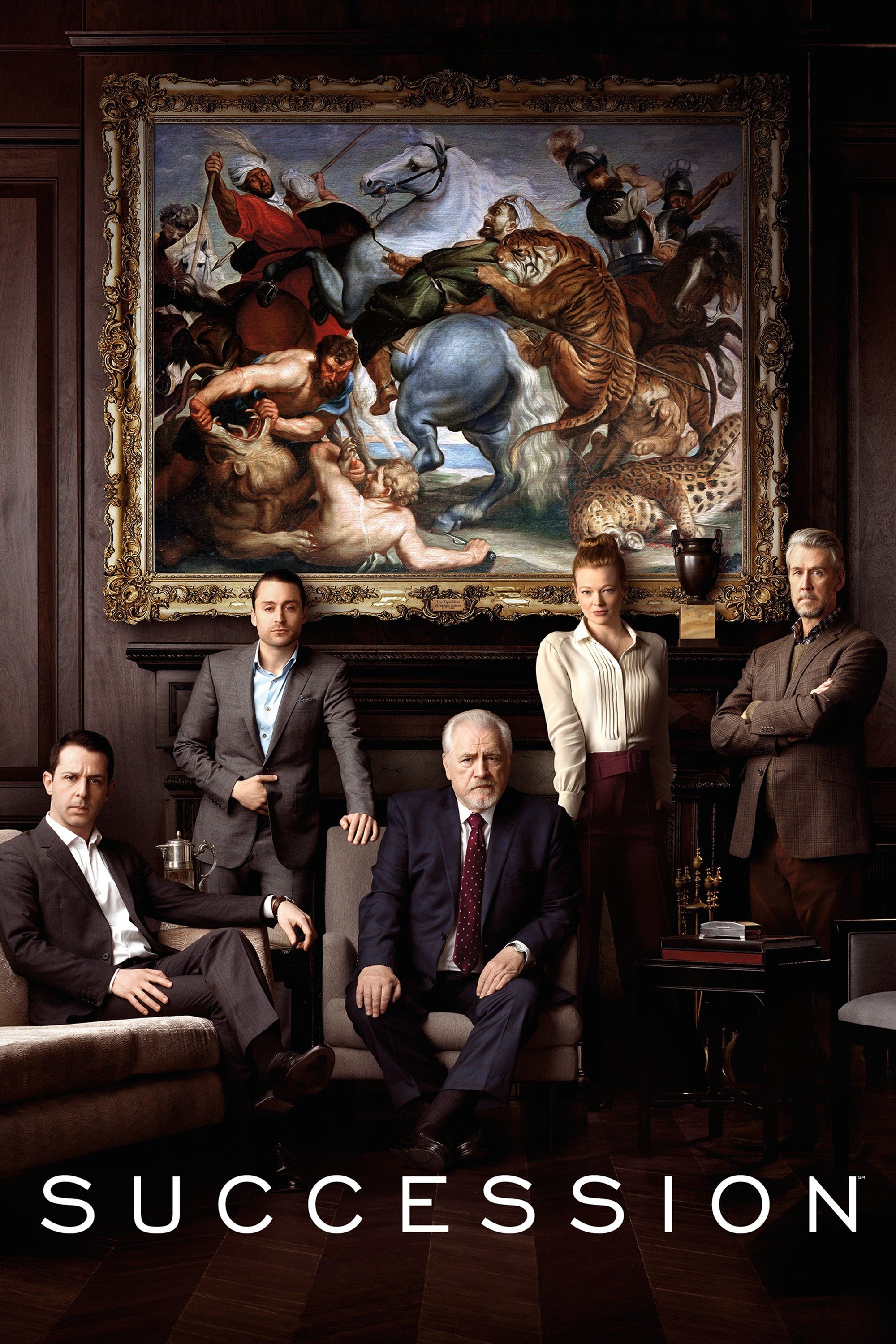
Scenes filmed on location in Scotland and on yachts often featured unscripted wind and gray skies. The actors frequently had to shout over the sound of real wind and waves during outdoor conversations. These natural elements added a layer of chaos and discomfort to the lives of the wealthy characters. The overcast weather provided a visual counterpoint to the sterile luxury of their corporate environments.
‘Breaking Bad’ (2008–2013)
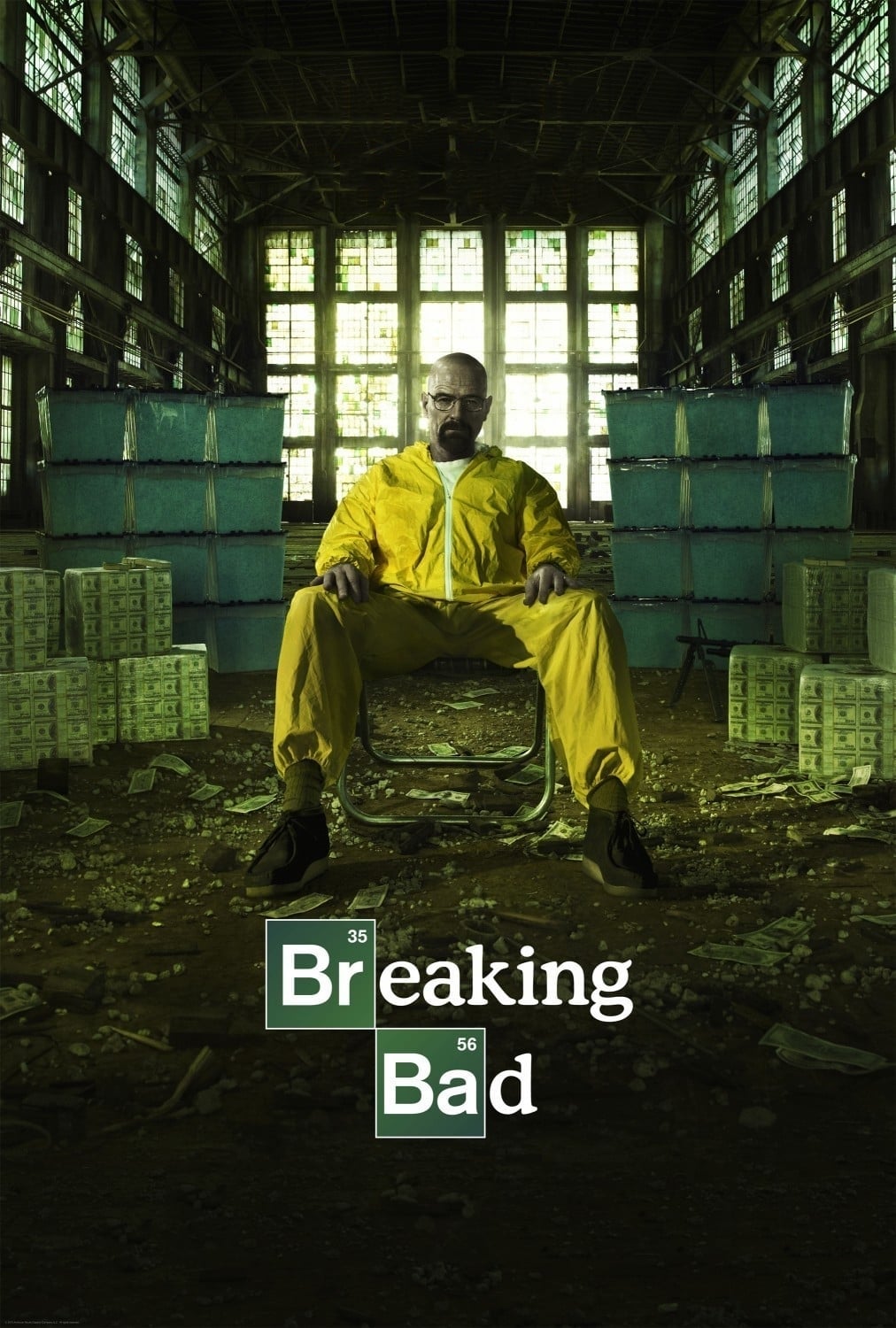
The distinct look of the show relied heavily on the natural harsh sunlight and dust of Albuquerque, New Mexico. Sudden wind storms and the intense heat of the desert were often captured during outdoor desert cooks. The actors sweating in their hazmat suits was a genuine reaction to the high temperatures on location. The vast, cloudless blue skies were a natural effect that defined the show’s cinematography.
‘Peaky Blinders’ (2013–2022)
Filmed across various locations in the UK, the series often utilized the natural gray, rainy weather to suit its noir tone. The mud on the streets and the wet cobblestones were frequently the result of actual British rain rather than set dressing. Smoke and fog mixed with the damp air to create the show’s signature industrial atmosphere. The cast often worked in cold conditions that added to the grit of the post-war setting.
‘The Crown’ (2016–2023)
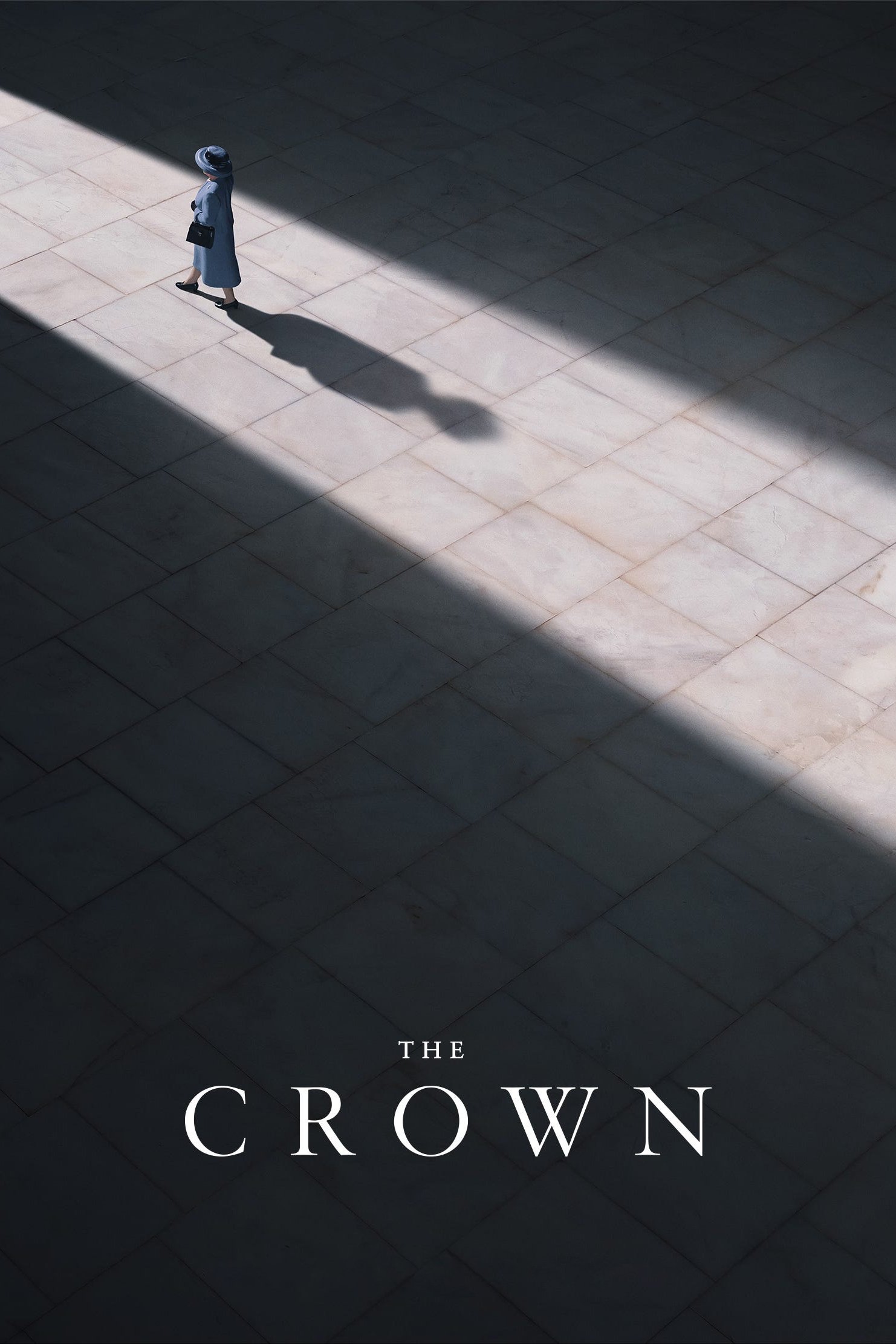
Extensive location shooting at country estates meant the production often had to contend with the unpredictable British weather. Rain and fog seen during hunting trips or outdoor walks were often real occurrences that the crew worked around. The wind blowing through the actors’ hair and clothes added a sense of dynamism to the stoic royal drama. These natural elements helped ground the historical figures in a tangible reality.
‘Poldark’ (2015–2019)
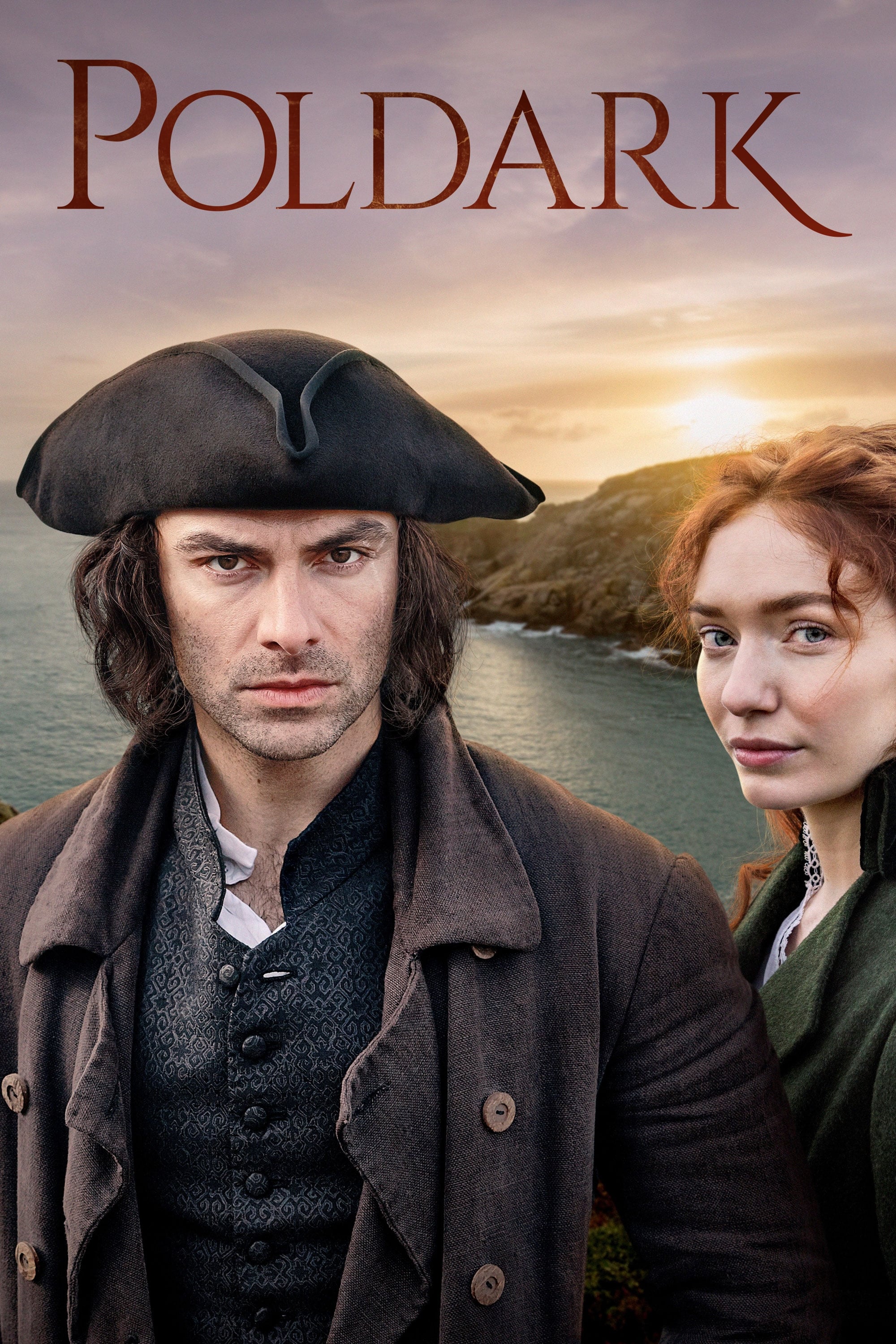
The cliffs of Cornwall are known for high winds and sudden storms, which the production team fully embraced. Scenes of the titular character looking out over the sea often featured real gusts that threatened to knock the actors off balance. The crashing waves and sea spray were natural effects that heightened the romantic and dramatic tension. Adapting to these wild elements was a constant requirement for the cast and crew.
‘Broadchurch’ (2013–2017)
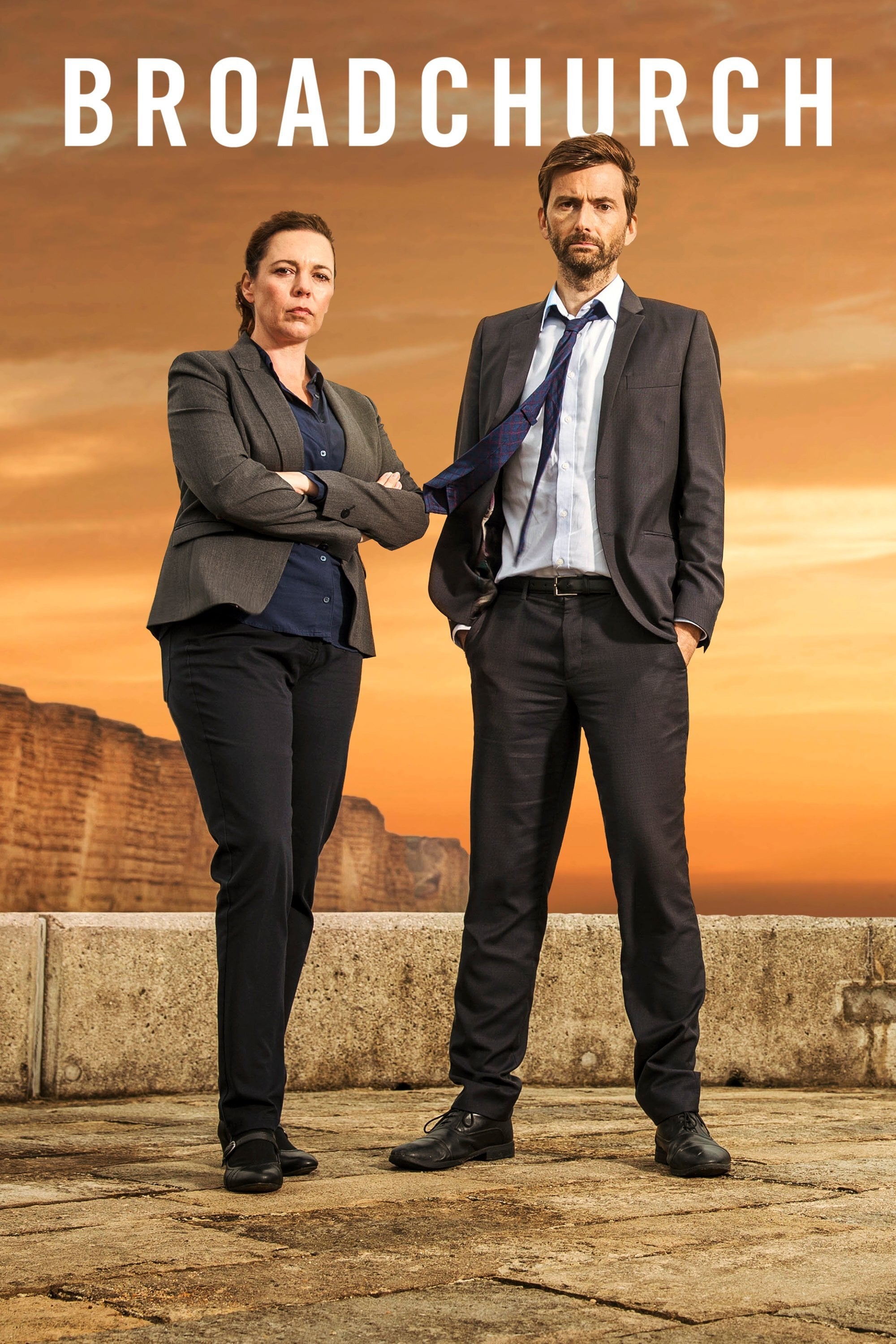
Set and filmed on the Dorset coast, the towering cliffs and beaches were subject to rapidly changing weather. The actors often performed in real wind and light rain that reflected the somber mood of the murder mystery. The gray skies and choppy waters were natural backdrops that emphasized the community’s grief. This reliance on the coastal environment made the setting a central character in the show.
‘Shetland’ (2013–Present)
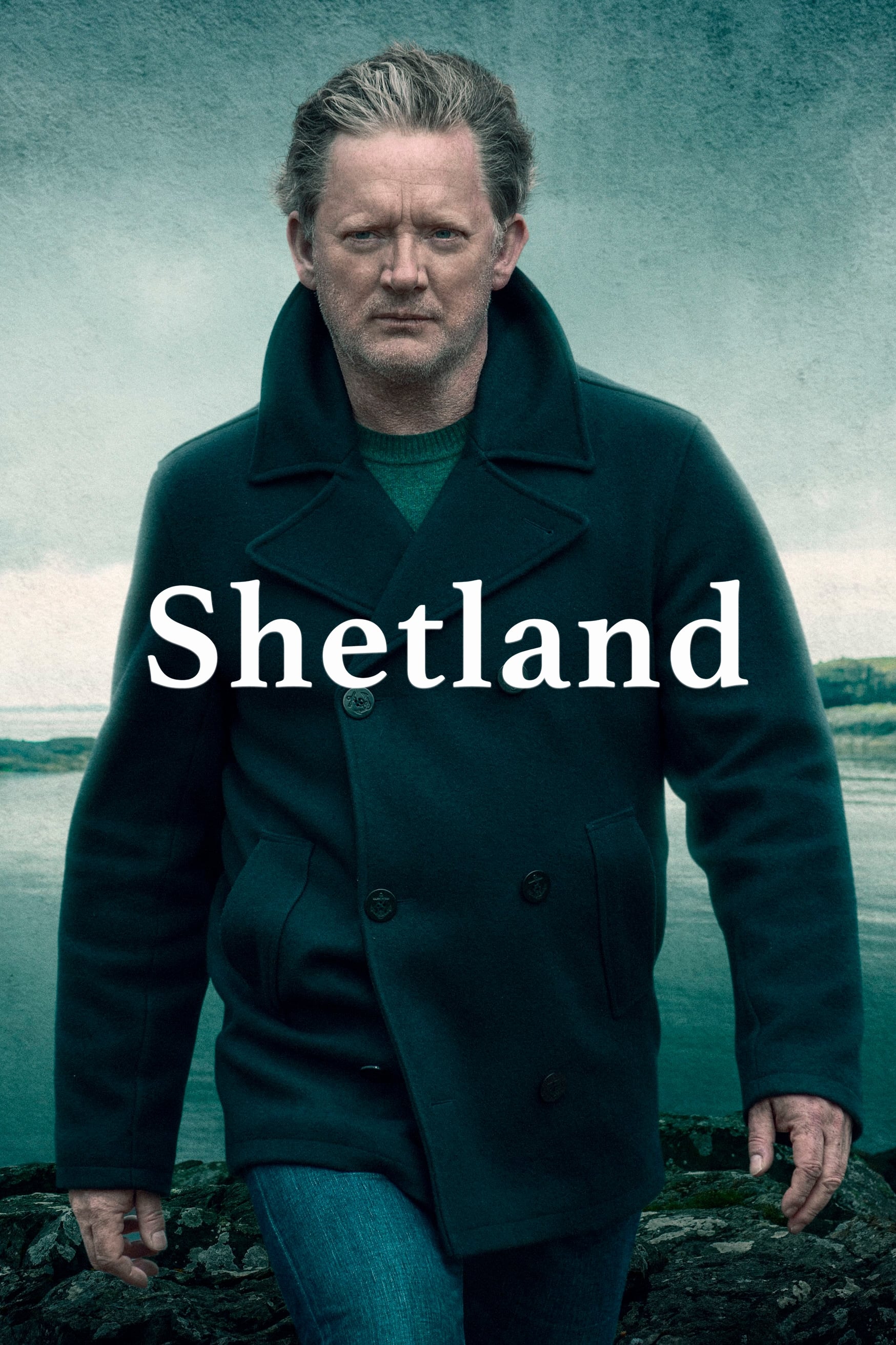
Filming on the Shetland Islands meant dealing with some of the wildest weather in the UK. The actors frequently shouted their lines over gale-force winds that were completely unscripted. Real rain and storms were captured to showcase the harsh beauty of the remote location. The isolation felt by the characters was mirrored by the genuine difficulty of filming in such exposed elements.
‘Doctor Who’ (1963–Present)
Decades of filming in Welsh quarries and British countrysides have led to countless scenes featuring unscripted rain and mud. The production is famous for shooting through adverse weather rather than waiting for it to clear. This “keep calm and carry on” approach has resulted in many alien planets looking suspiciously like a wet afternoon in Wales. The actors’ reactions to the cold and damp are often one of the most realistic aspects of the sci-fi adventures.
‘Andor’ (2022–Present)
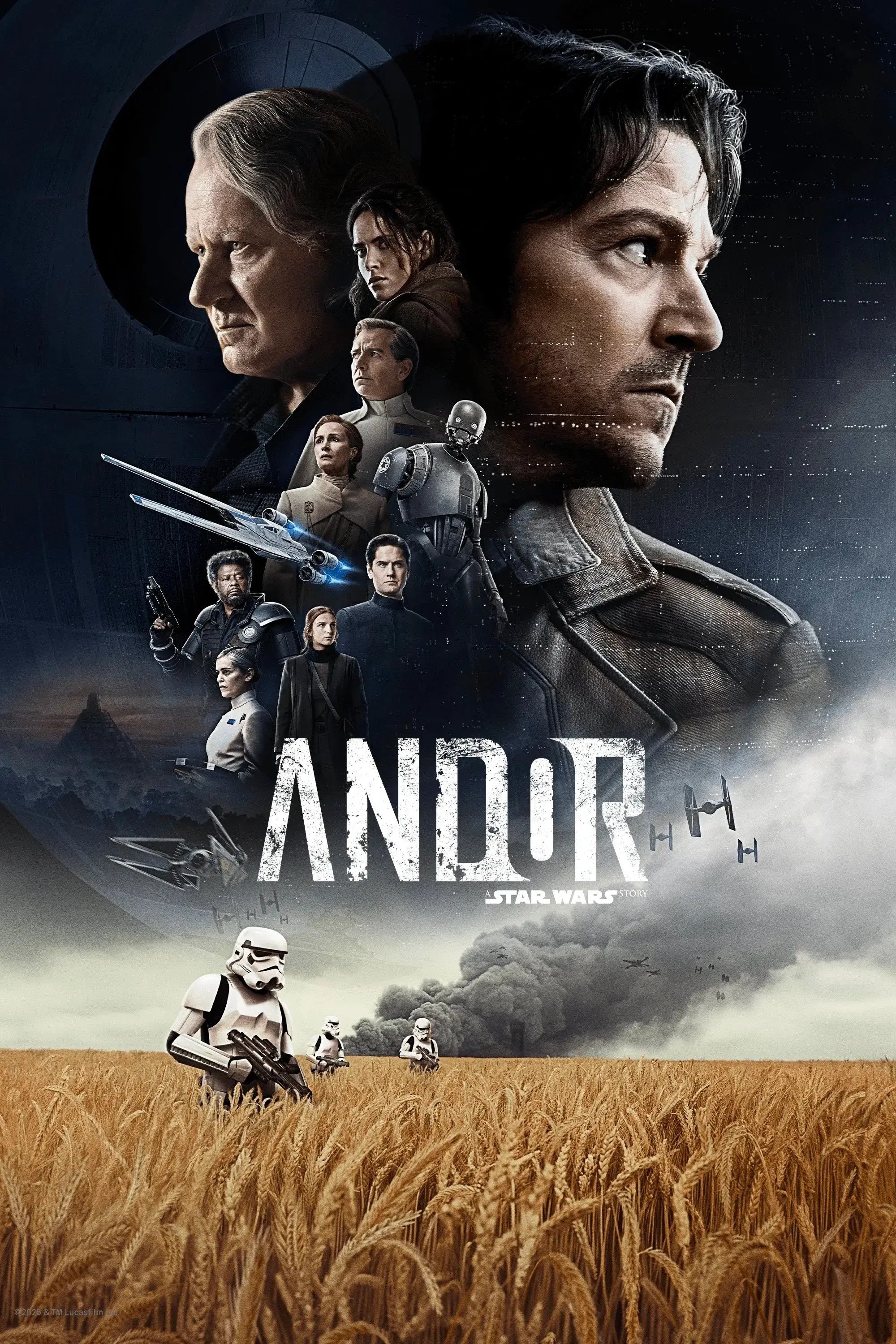
The series moved away from the digital backgrounds of other ‘Star Wars’ shows to film on location in Scotland and England. The actors trekked through real mud and rain that added a tangible weight to the rebellion narrative. The gray skies and mist were natural elements that contributed to the show’s spy-thriller aesthetic. Utilizing real weather helped distinguish the series with a grittier, more grounded visual style.
‘Northern Exposure’ (1990–1995)
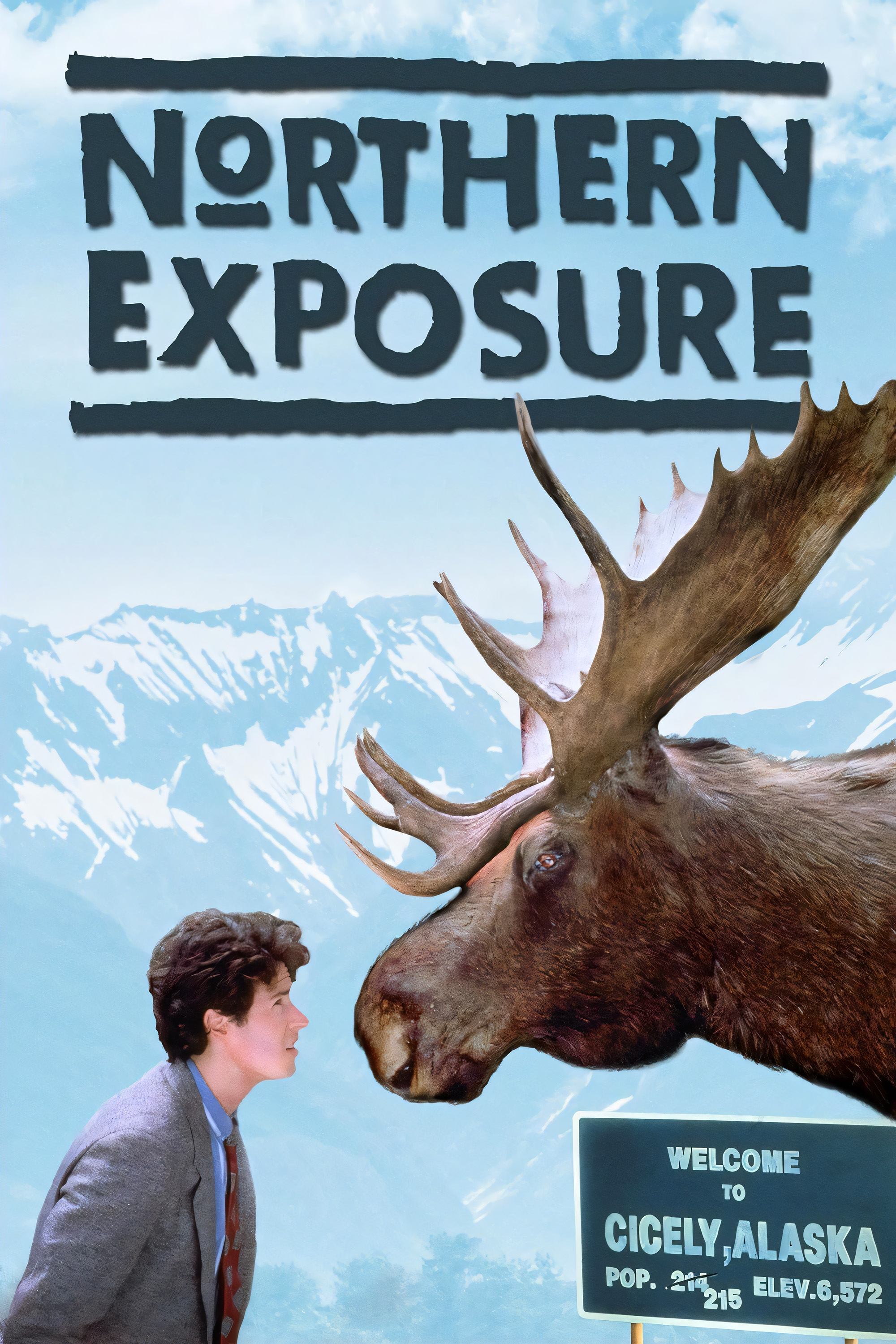
While interiors were shot in a studio, exteriors were filmed in Roslyn, Washington, where the cast faced real snow and cold. The breath seen coming from the actors was often genuine due to the low temperatures during night shoots. Sudden snowfall was incorporated into the scenes to enhance the Alaskan setting. The adaptation to the Pacific Northwest climate gave the fictional town of Cicely its authentic feel.
‘Twin Peaks’ (1990–1991)
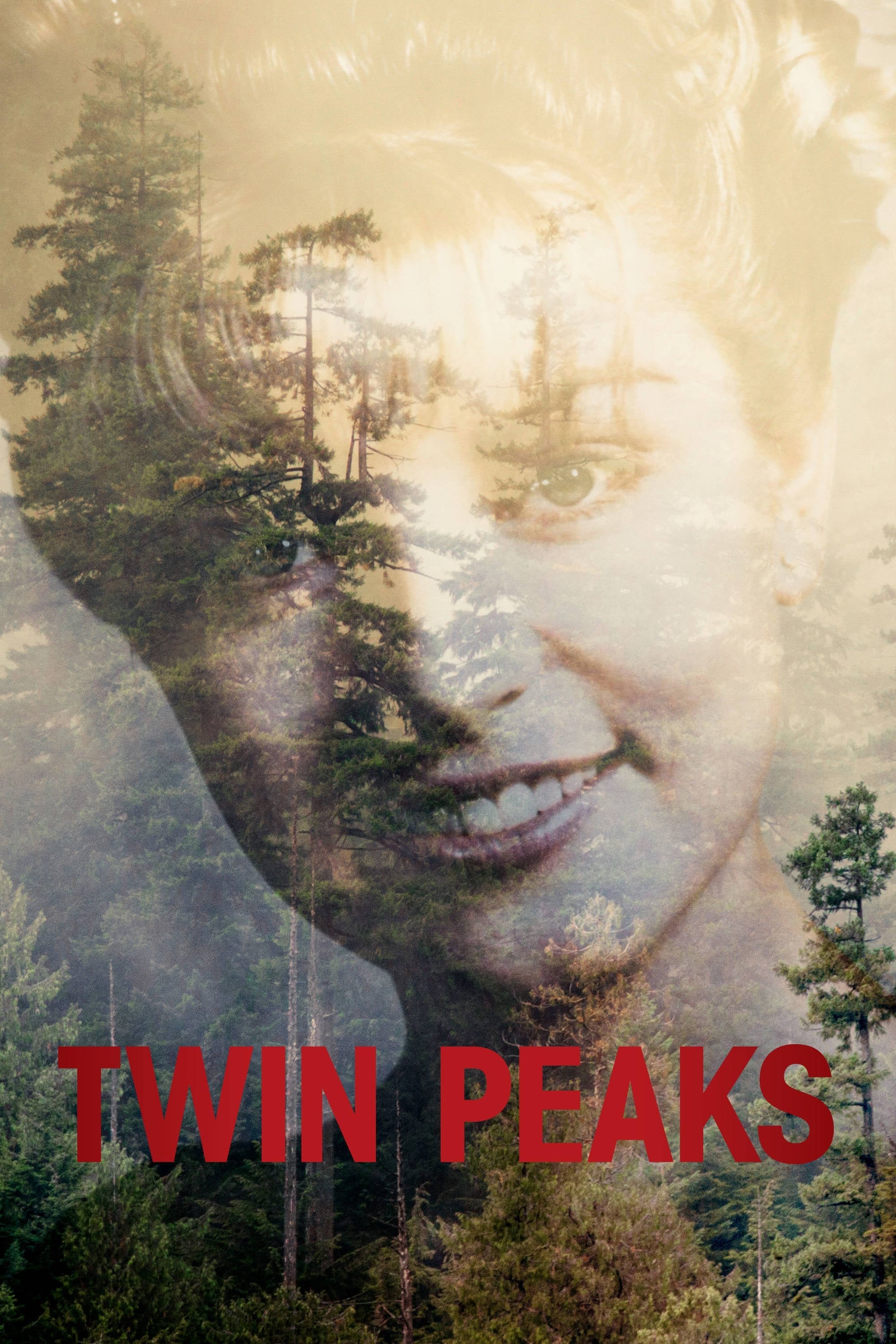
The pilot and subsequent location work in Snoqualmie, Washington, relied on the natural mist and dampness of the region. The constant gray light and wet forests were essential in creating the show’s eerie and dreamlike atmosphere. Real wind often rustled the Douglas fir trees, adding to the sense of unease in the woods. This natural weather became synonymous with the show’s visual identity.
‘The Killing’ (2011–2014)
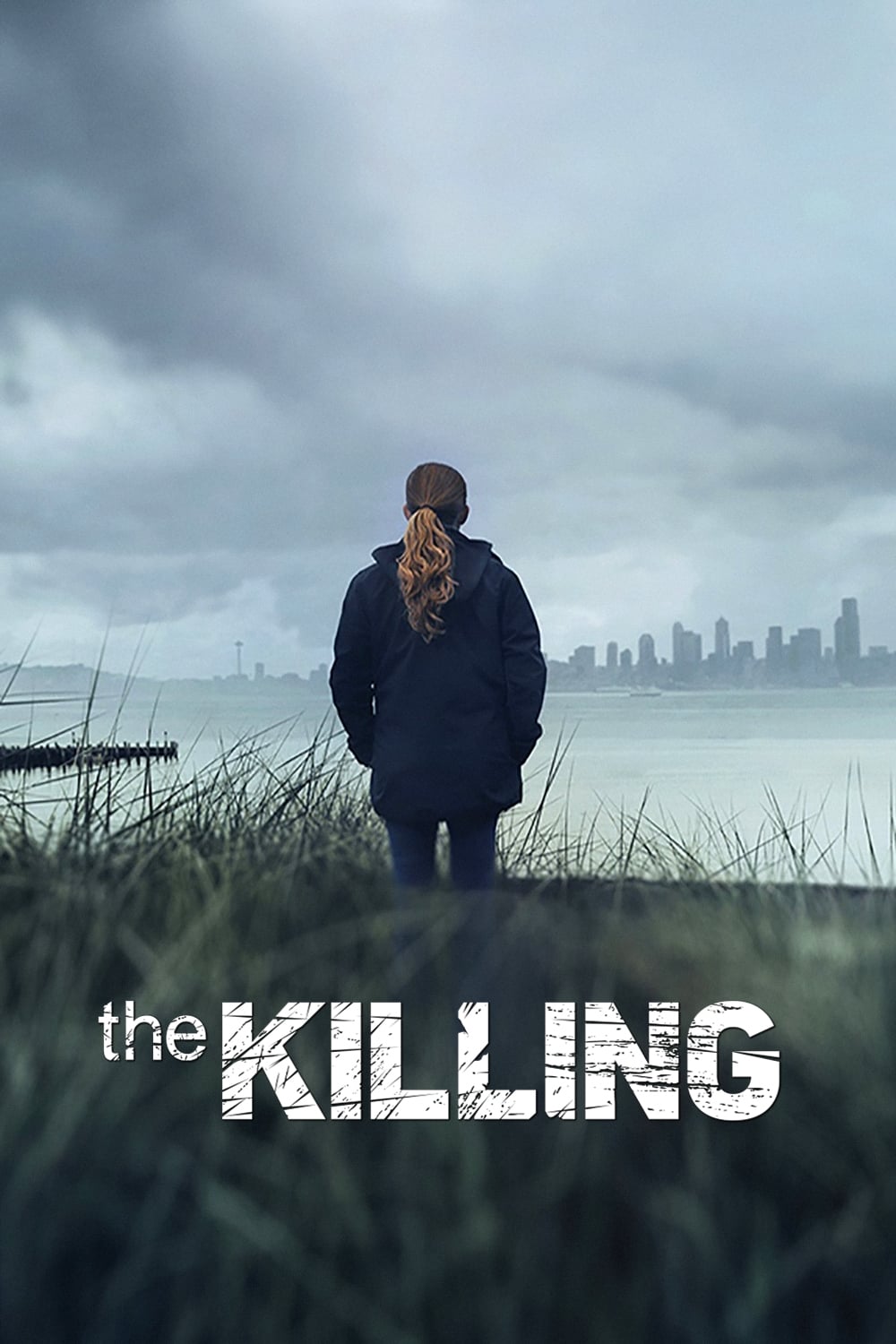
Set in Seattle and filmed in Vancouver, the show is famous for its relentless rain. While rain machines were used, the natural precipitation of the region often blended seamlessly with the effects. The overcast skies and wet pavement were largely a result of the actual climate during filming. This constant dampness weighed heavily on the characters and the mood of the investigation.
‘Friday Night Lights’ (2006–2011)
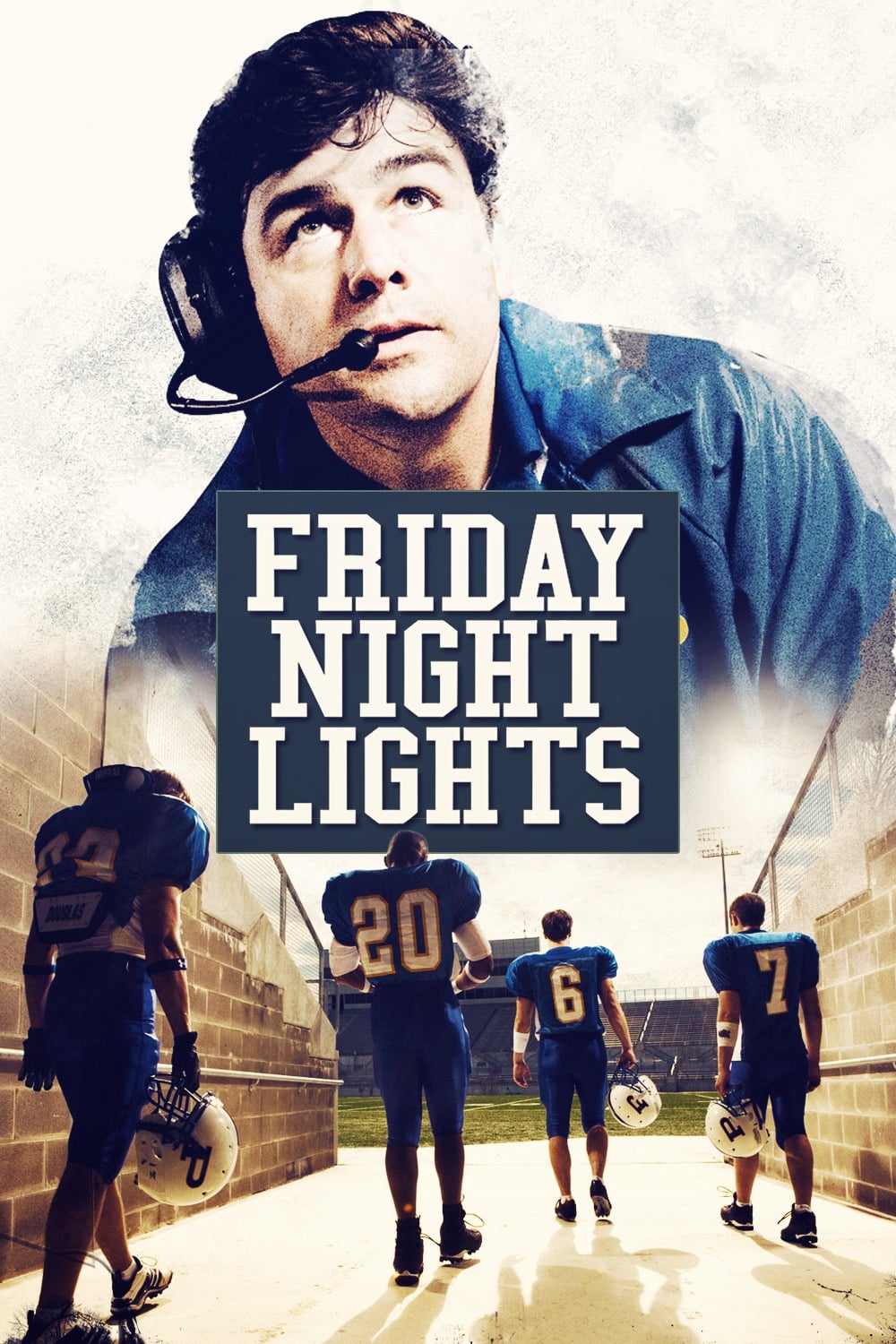
Filmed in and around Austin, Texas, the production utilized the natural light and weather to create its documentary style. The heat and humidity of the Texas nights were real, adding a sheen of sweat to the football players and coaches. Sudden winds or rain during the games were often captured as they happened, adding to the chaotic realism. The authentic weather was crucial to the show’s “clear eyes, full hearts” aesthetic.
‘Deadwood’ (2004–2006)
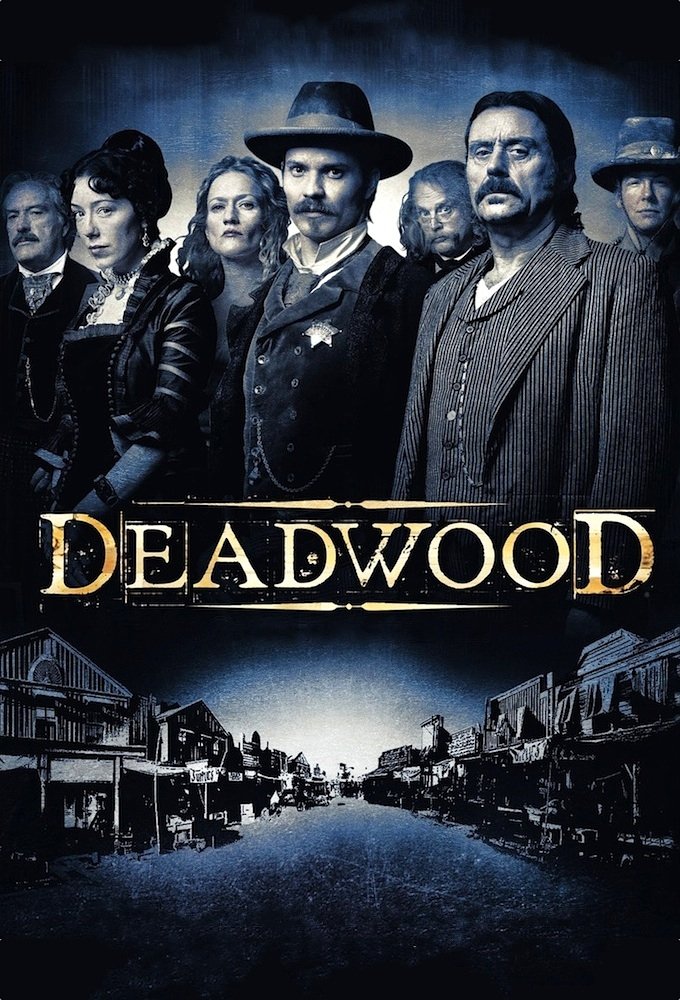
The production filmed at Melody Ranch in California, where rain and mud were often created, but natural weather also played a role. Dust storms and harsh sunlight were frequent unscripted occurrences that the actors had to work through. The mud that coated the thoroughfare often stayed wet due to real weather conditions, impacting how the characters moved. The grittiness of the western was enhanced by the production’s exposure to the elements.
‘Westworld’ (2016–2022)

Location shooting in Utah and California exposed the cast to intense desert heat and wind. The dust that coated the actors’ costumes was often the result of real gusts sweeping across the set. The blinding sunlight and stark shadows were natural effects that emphasized the harshness of the park. Adapting to these rugged environments helped the actors embody the physicality of the Wild West.
‘Battlestar Galactica’ (2004–2009)
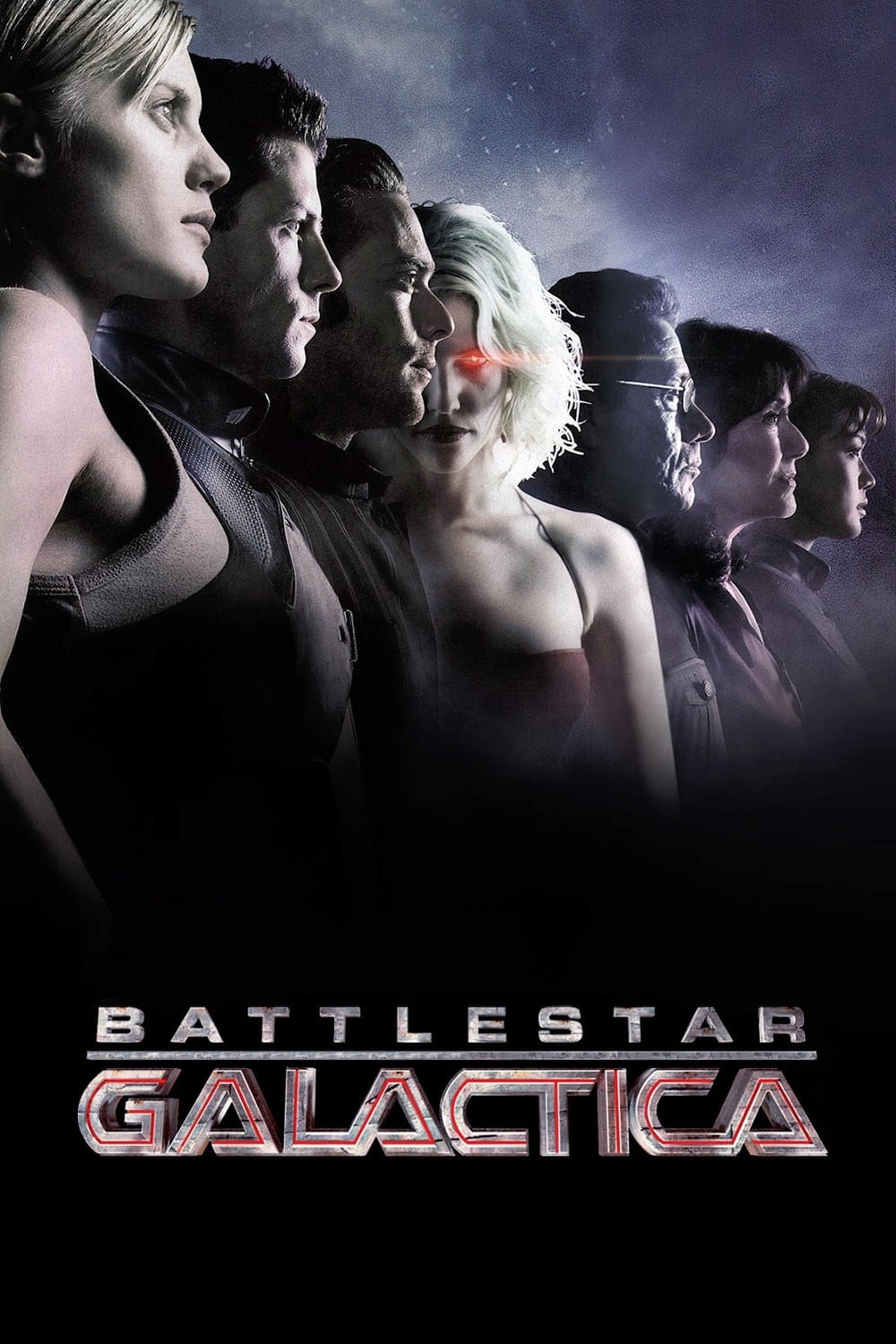
Filmed in Vancouver, the production often utilized the local forests and weather to depict alien worlds. The episode on the algae planet famously featured constant rain and mud that was largely a product of the filming location’s climate. Actors trudged through real sludge and endured genuine cold, adding to the misery of their characters’ journey. The bleak, wet conditions grounded the sci-fi drama in a tactile reality.
‘Supernatural’ (2005–2020)
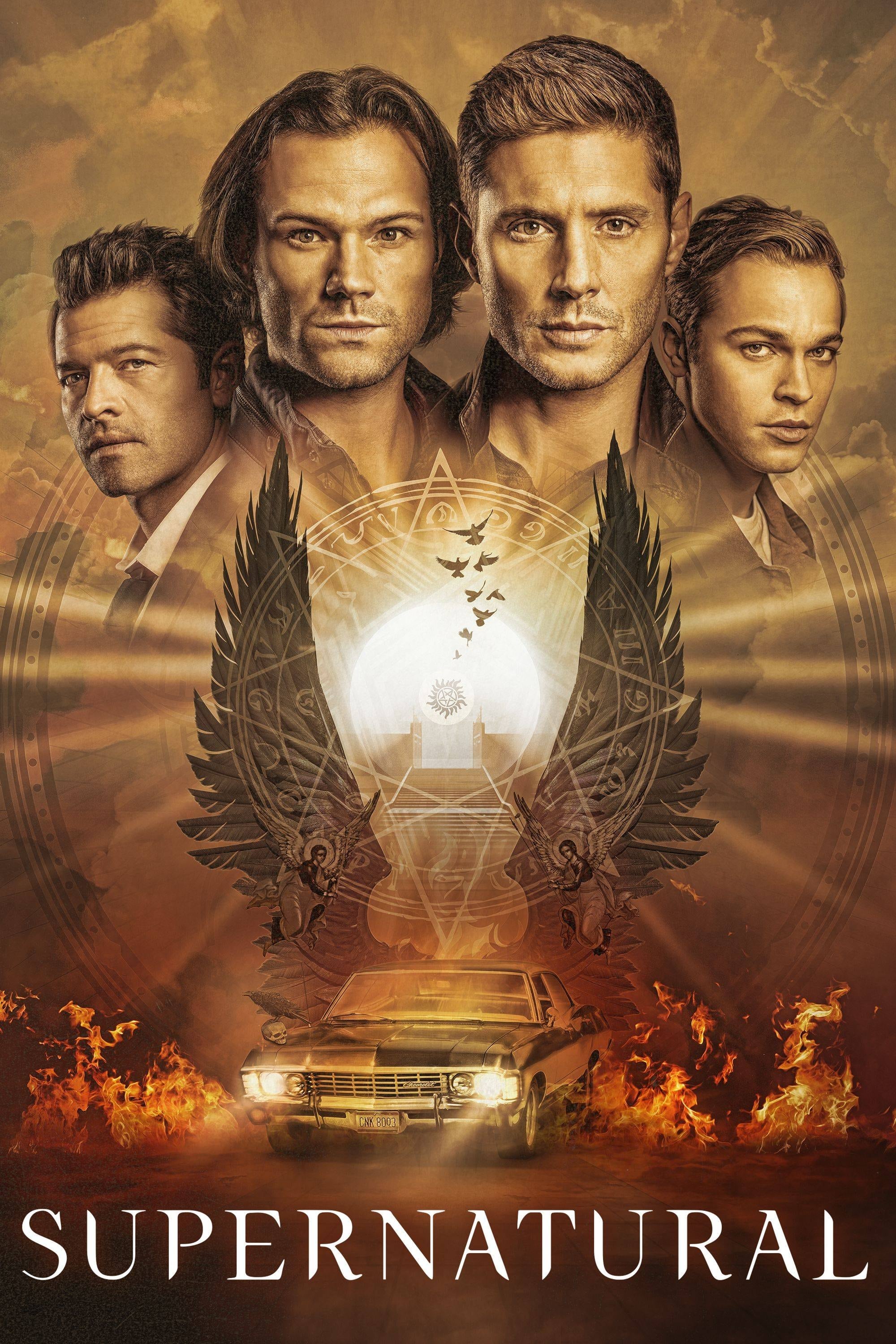
Another Vancouver-based production, the show frequently featured gray skies and wet roads typical of the region. The actors often filmed in freezing temperatures during night shoots, visible in their breath and body language. Real rain often set the mood for the horror elements without the need for special effects. The natural gloom provided a consistent backdrop for the brothers’ cross-country road trip.
‘Stargate SG-1’ (1997–2007)
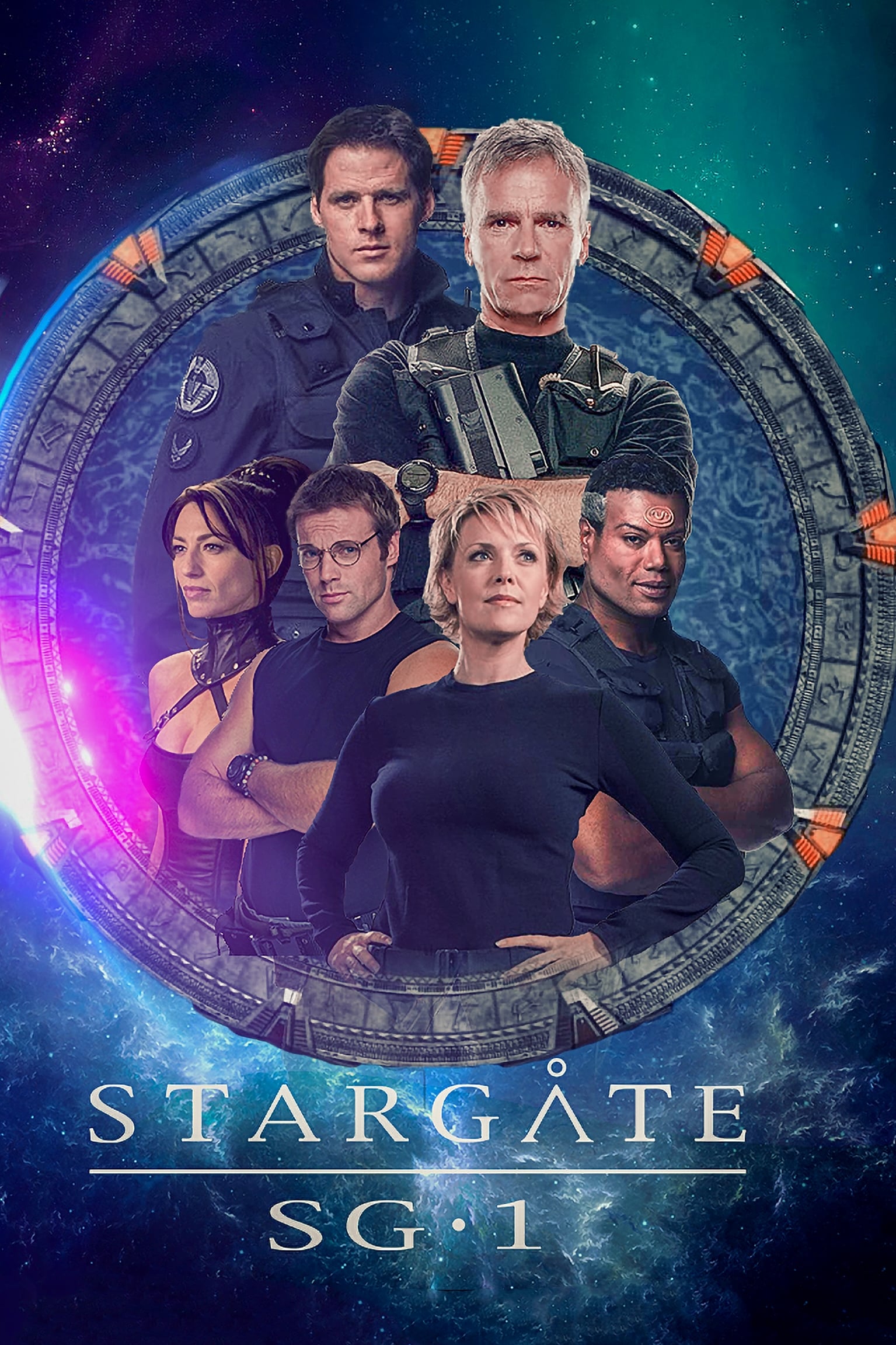
The forests of British Columbia stood in for countless alien planets, bringing the local weather with them. Rain, fog, and snow were frequently unscripted elements that the cast and crew had to incorporate into the scenes. The mud on the SG-1 team’s uniforms was often real and accumulated over long days of shooting outdoors. This reliance on location shooting gave the galaxy a cohesive, if somewhat damp, aesthetic.
‘The 100’ (2014–2020)
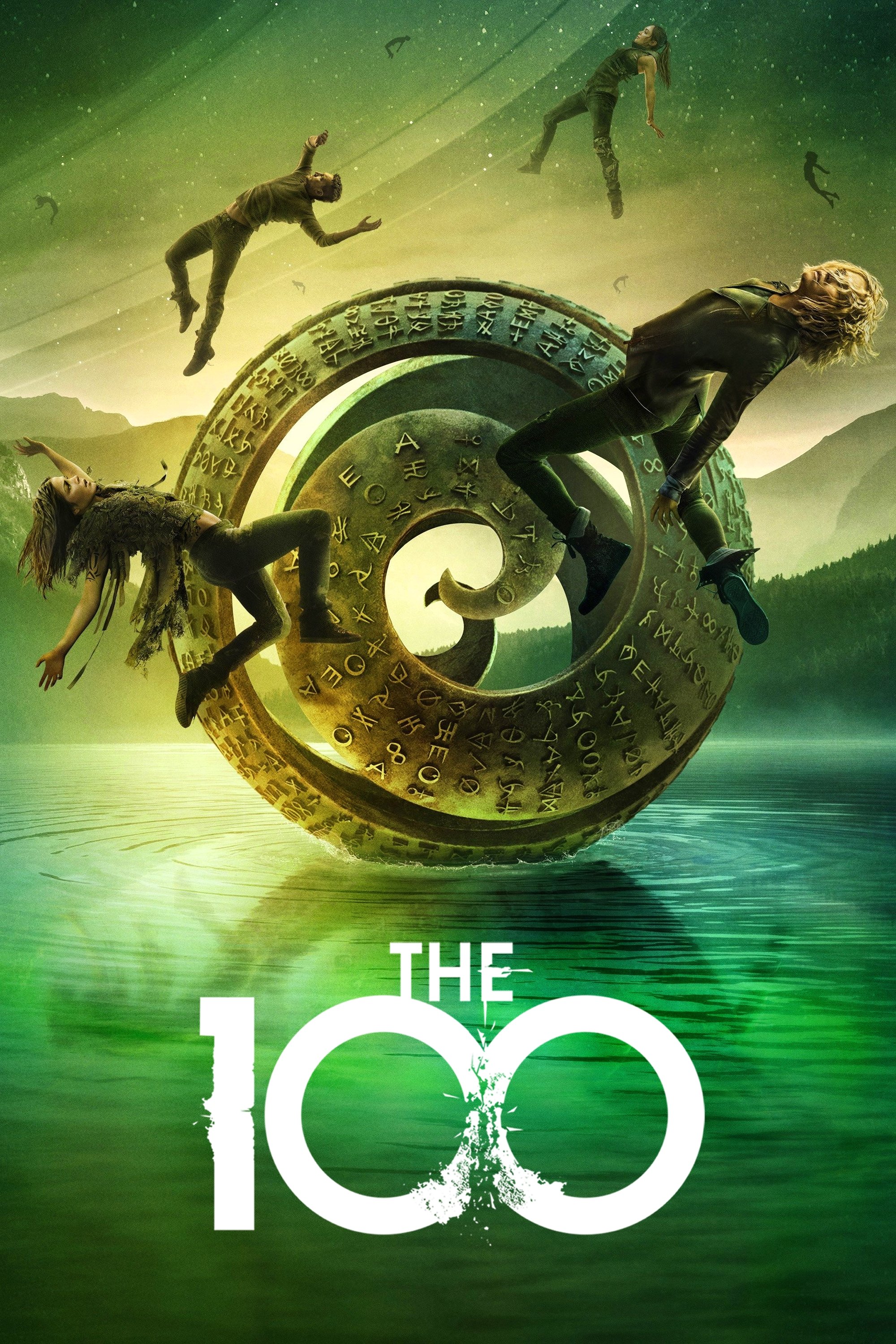
The post-apocalyptic survival series was filmed in the forests of Vancouver, where the cast faced real elements. The dirt and grime on the characters were often enhanced by the natural mud and rain of the location. Actors performed in cold rivers and wet woods, making their survival struggles appear more authentic. The lush, wet greenery provided a stark contrast to the sci-fi technology.
‘Smallville’ (2001–2011)
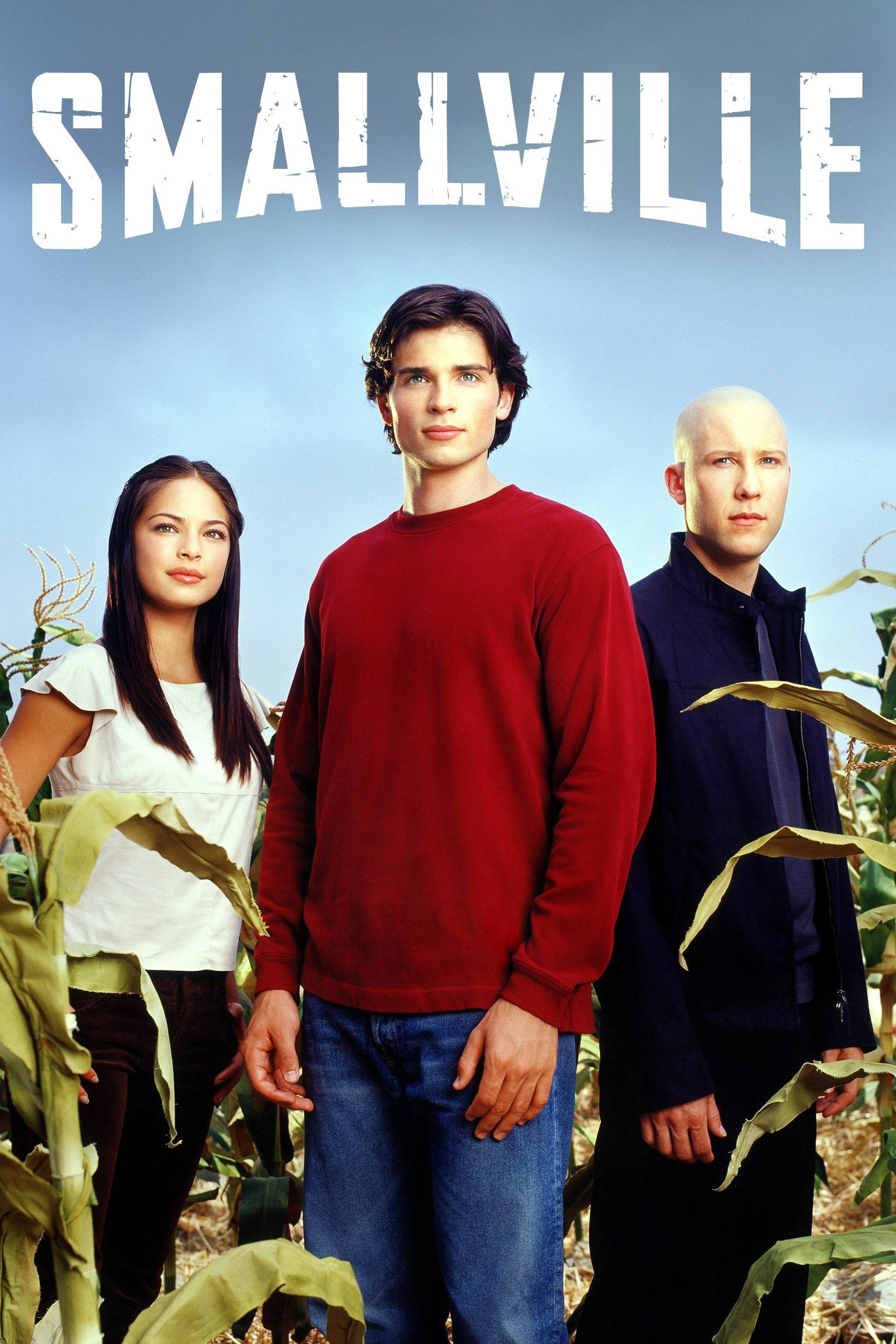
The farm scenes and outdoor locations were subject to the variable weather of the Pacific Northwest. Overcast skies often replaced the intended sunny Kansas backdrop, forcing the lighting team to adapt. Rain and mud were frequent challenges that the teenage Clark Kent had to navigate. The natural weather added a moody texture to the superhero origin story.
‘Arrow’ (2012–2020)
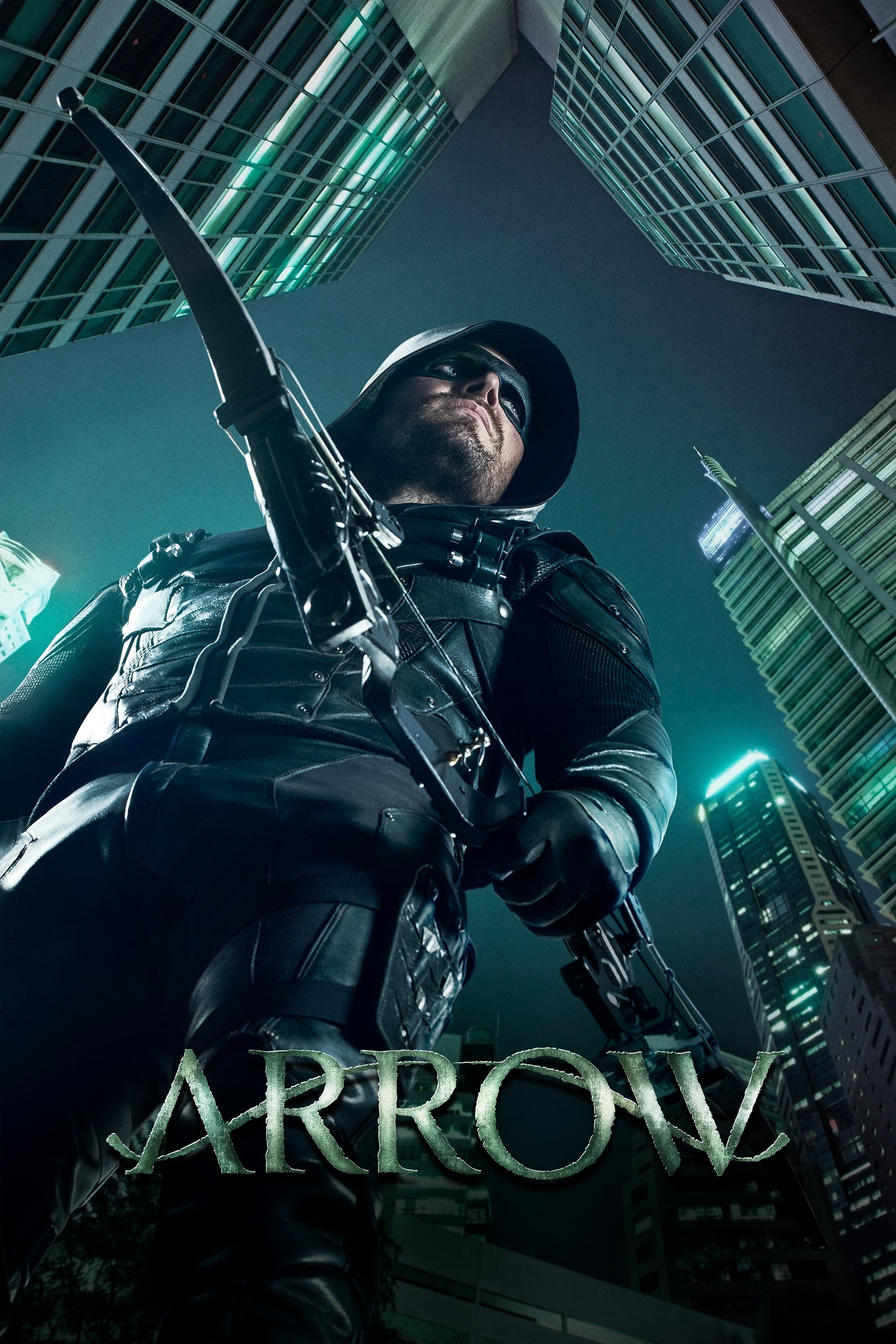
Star City’s grim atmosphere was aided by the real rain and fog of the filming locations. Night shoots often took place in genuine cold that required the actors to stay warm between takes. The wet streets reflecting the city lights were a natural effect of the local climate. This gritty weather suited the darker, more grounded tone of the series.
‘Once Upon a Time’ (2011–2018)
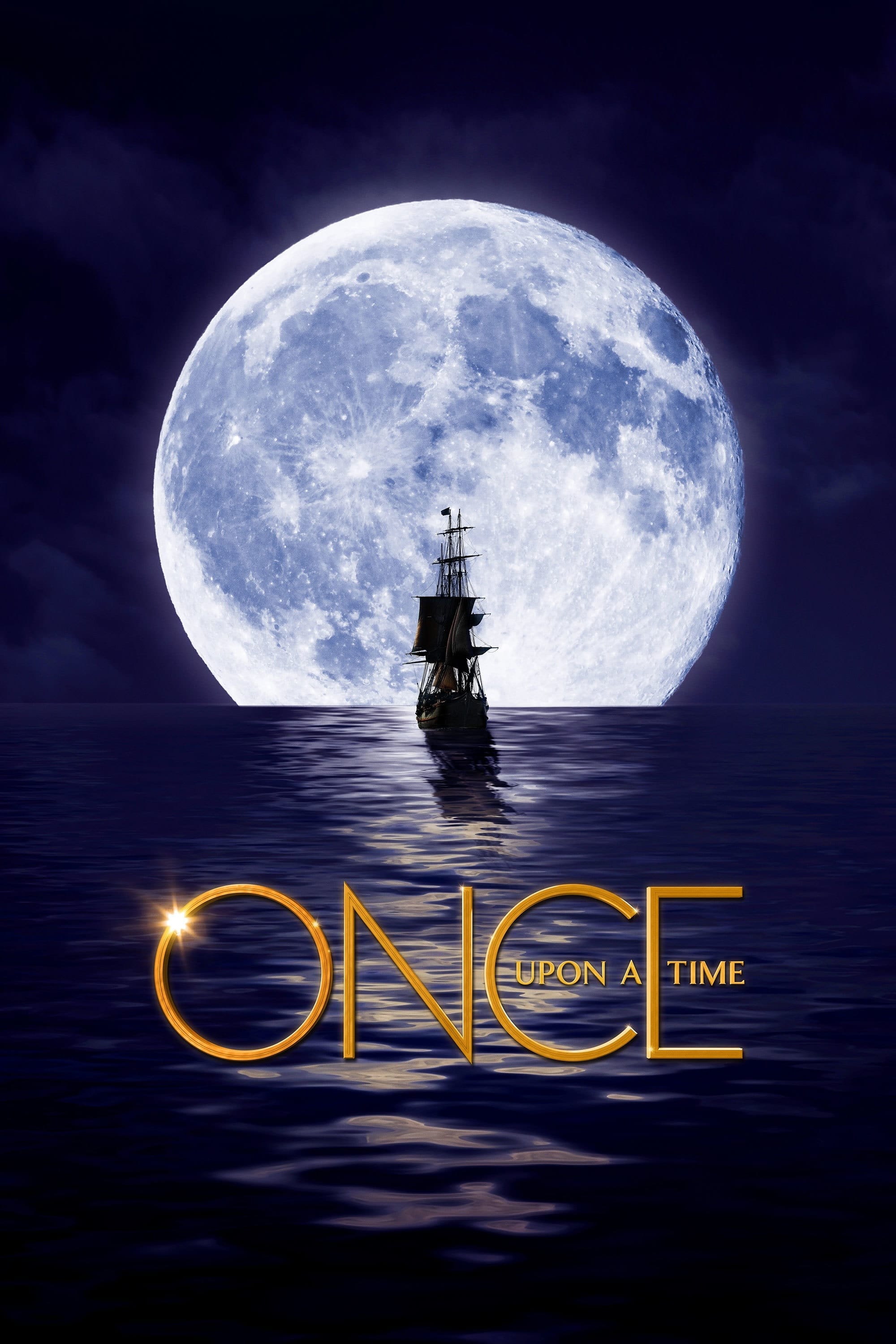
Storybrooke was filmed in the seaside village of Steveston, which was prone to fog and sea breezes. The actors often had to contend with wind blowing their elaborate fairy tale costumes. Real rain was frequently incorporated into the shots, adding a somber tone to the fantasy narrative. The natural coastal weather helped bridge the gap between the real world and the enchanted forest.
‘Dark’ (2017–2020)
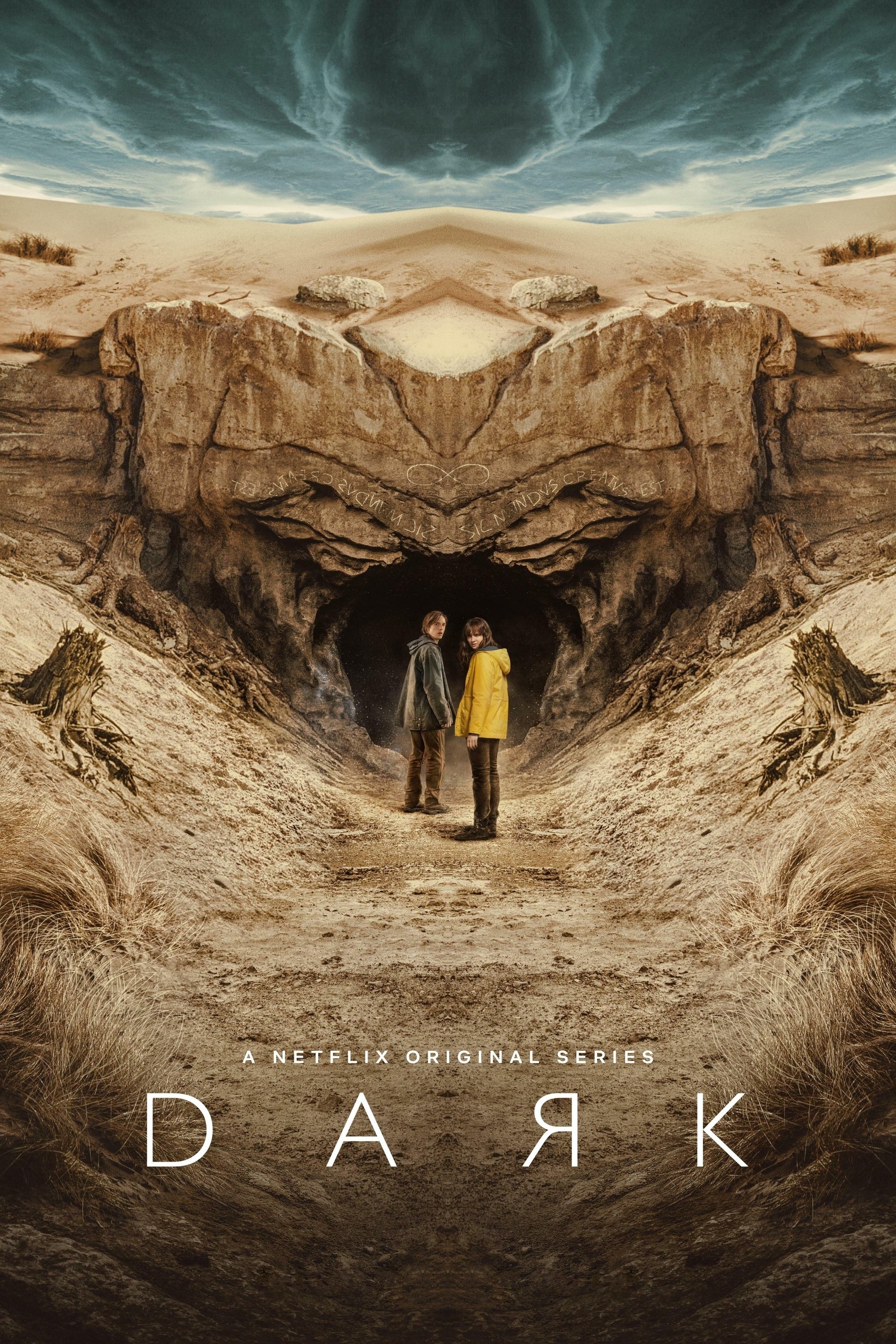
Filmed in the forests around Berlin, the show utilized the natural gloomy light and rain of the German autumn and winter. The relentless gray skies and wet woods were essential to the show’s oppressive and mysterious time-travel atmosphere. Actors often performed in real rain that soaked their yellow raincoats, adding to the iconic look of the series. The unscripted weather reinforced the bleak, deterministic themes of the narrative.
‘Ragnarok’ (2020–2023)
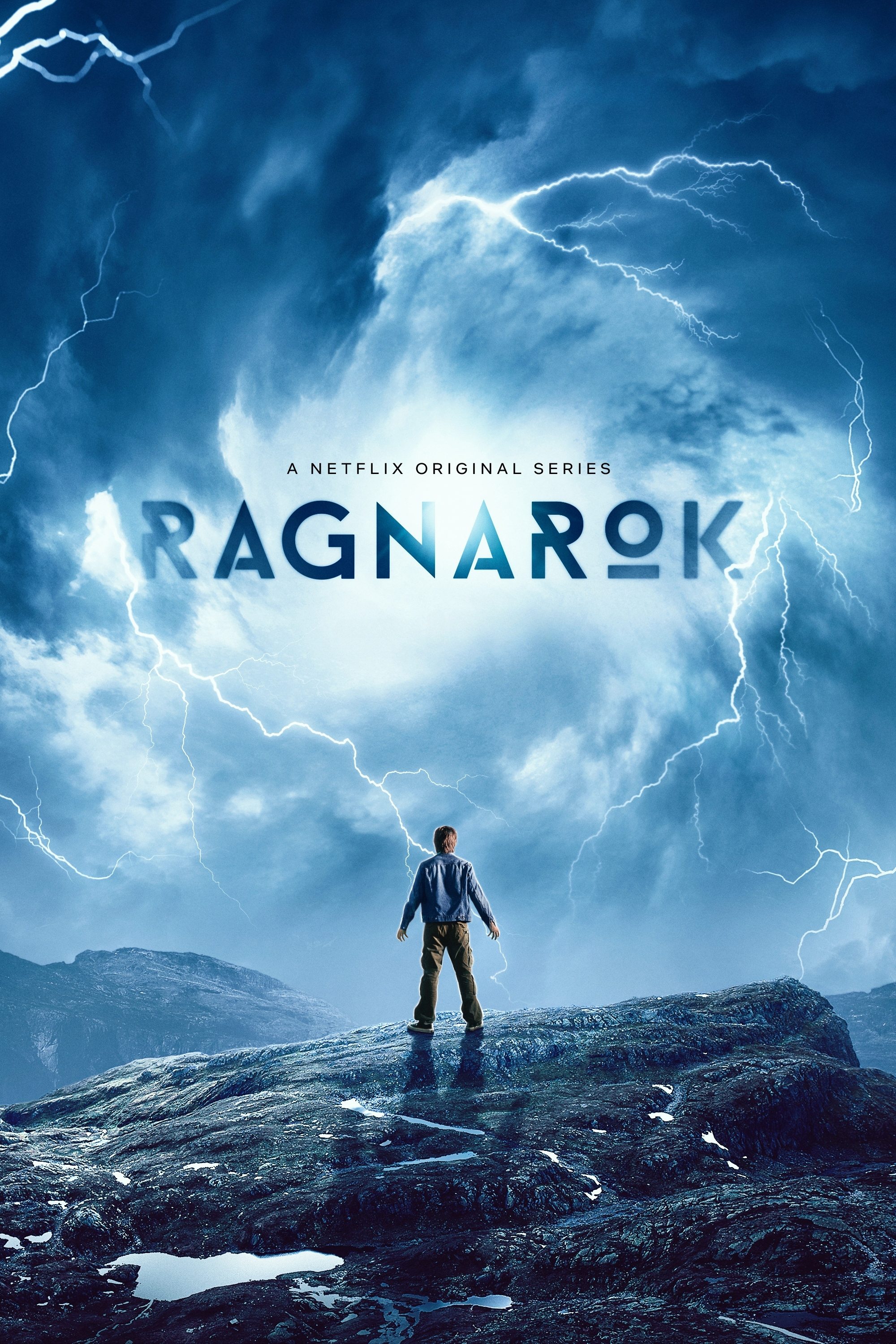
Shot on location in Odda, Norway, the series featured the stunning and harsh weather of the fjords. The actors faced real wind, rain, and snow that emphasized the power of the natural elements central to the myth. The dramatic mountain backdrops were often shrouded in real fog that could not be controlled. This connection to the actual landscape was vital for a show about Norse gods and giants.
‘Wallander’ (2008–2016)
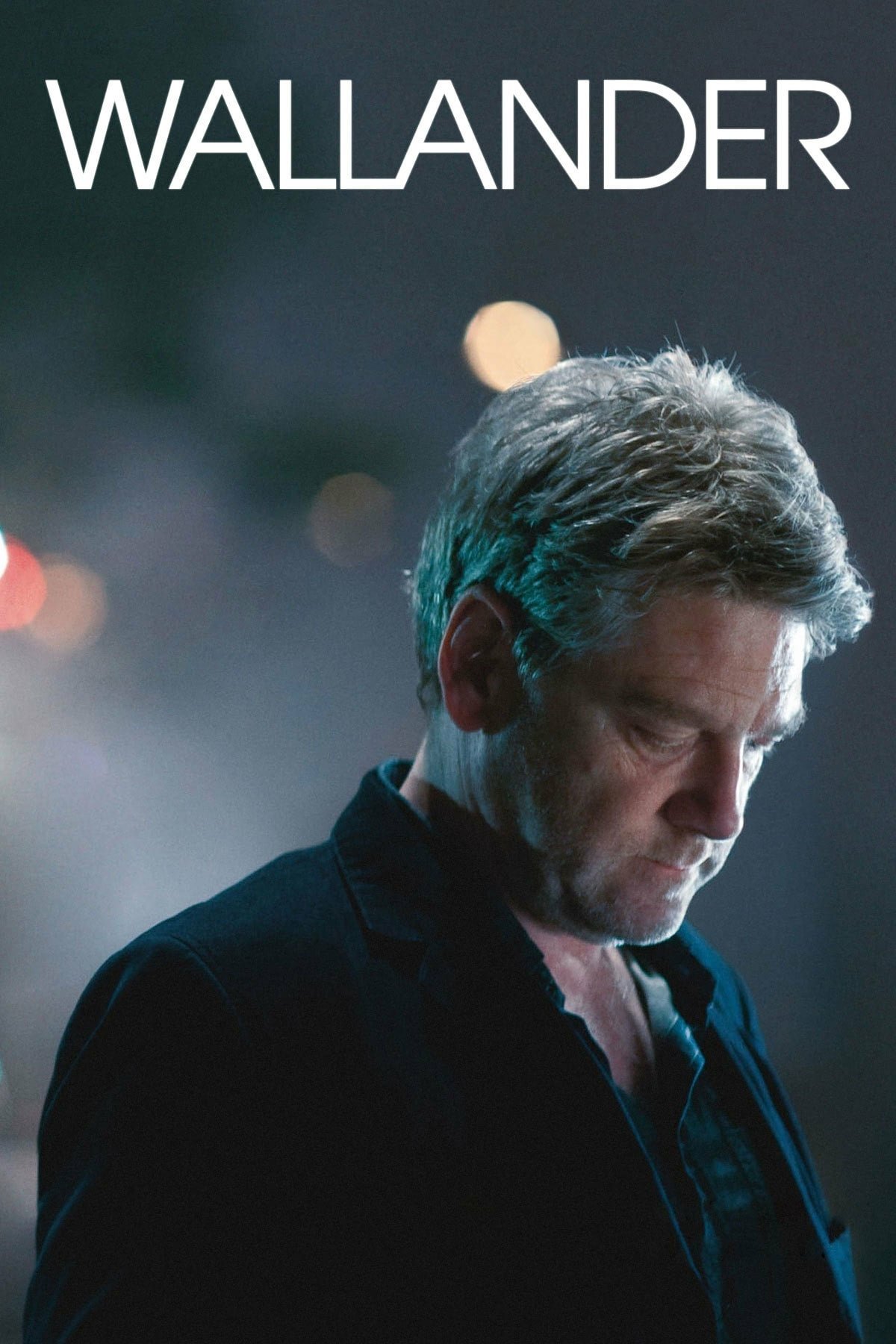
The British adaptation was filmed in Sweden, where the production embraced the unique Nordic light and weather. The flat, bleak landscapes were often battered by real winds that the actors had to walk through. The gray skies and sudden rain showers added to the melancholic tone of the detective series. The environment felt distinct and unyielding, mirroring the protagonist’s internal state.
‘The Bridge’ (2011–2018)
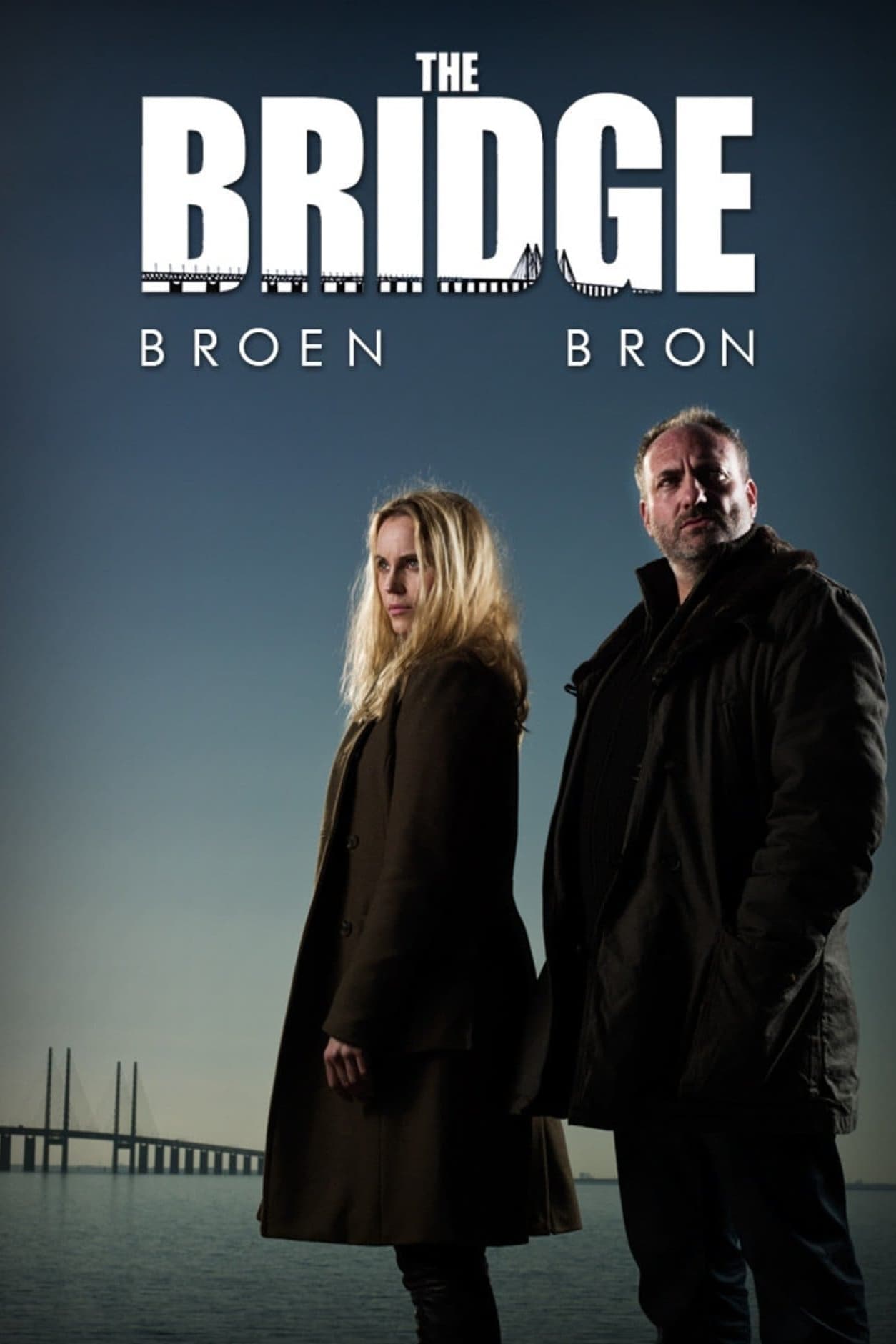
Filmed in Denmark and Sweden, the show used the cold, gray palette of the Scandinavian climate. The bridge itself was often shrouded in real mist or lashed by rain during filming. Actors performed in genuine cold that necessitated their heavy coats and scarves. The stark, unscripted weather contributed to the Noir atmosphere that defined the genre.
‘Trapped’ (2015–Present)
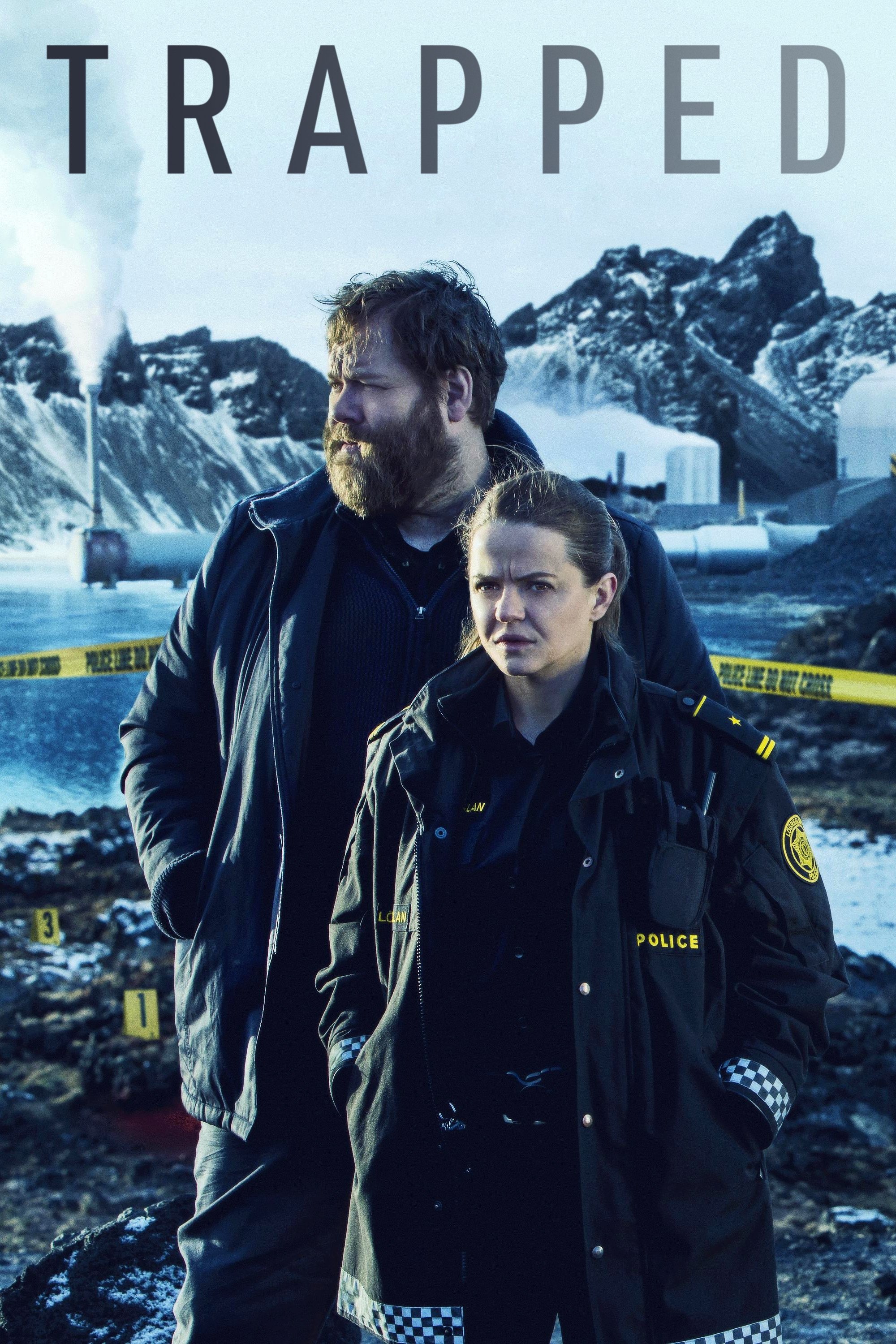
This Icelandic series was filmed in a remote fjord town during the depths of winter. The cast and crew battled real blizzards and deep snow that often made travel impossible, mirroring the plot of the show. The freezing winds and white-out conditions seen on screen were entirely authentic. The weather was not just an effect but the primary antagonist of the story.
‘Fortitude’ (2015–2018)
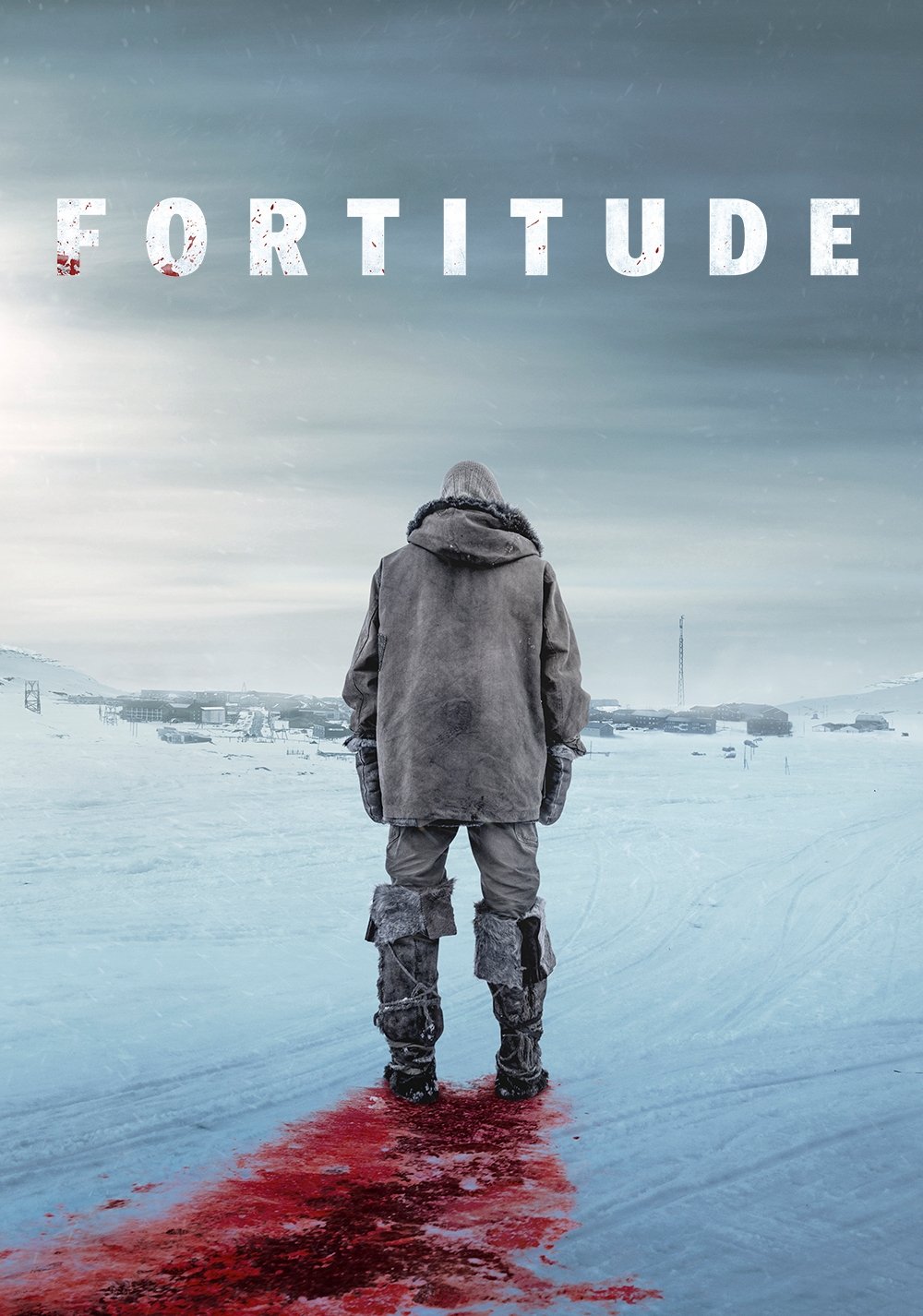
Although set in the Arctic and filmed in Iceland, the cast had to endure real extreme cold. The snow and ice were genuine, forcing the actors to wear heavy survival gear that restricted their movement. The visible breath and flushed faces were natural reactions to the sub-zero temperatures. This authenticity emphasized the hostility of the environment they were inhabiting.
‘Treme’ (2010–2013)
Filmed on location in New Orleans, the show captured the real humidity and heat of the city. The sweat on the actors’ faces was often a genuine reaction to the sweltering climate. Sudden tropical thunderstorms would occasionally interrupt filming and be incorporated into the mood of the scene. The atmosphere of the show relied heavily on the tangible, heavy air of the location.
‘The Wire’ (2002–2008)
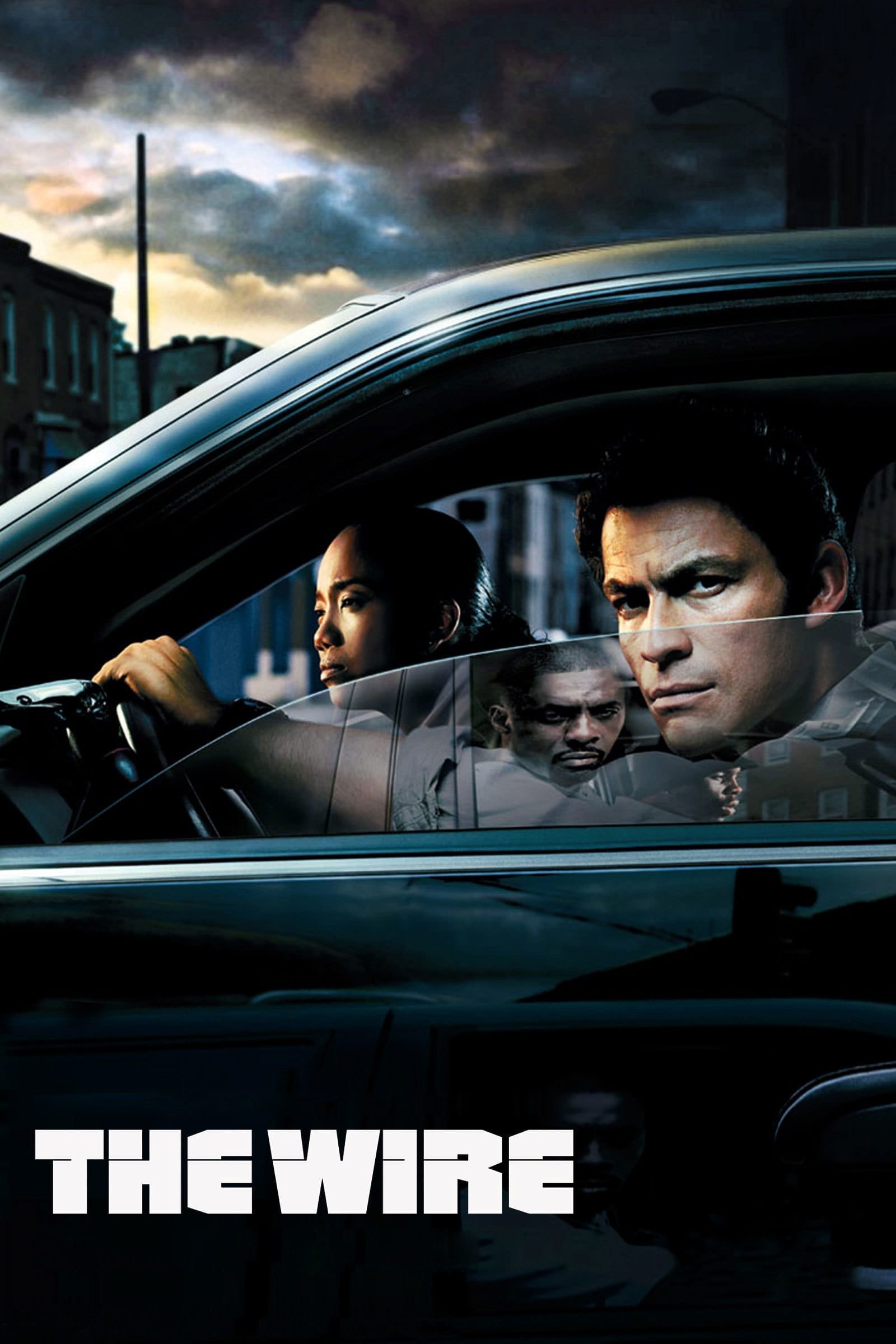
The production filmed on the streets of Baltimore in all seasons, capturing the real urban climate. Scenes shot in the dead of winter featured actors shivering in genuine cold on the corners. The gray, flat light of the overcast days added to the documentary feel of the series. The weather was presented without embellishment, grounding the drama in a stark reality.
‘Bloodline’ (2015–2017)
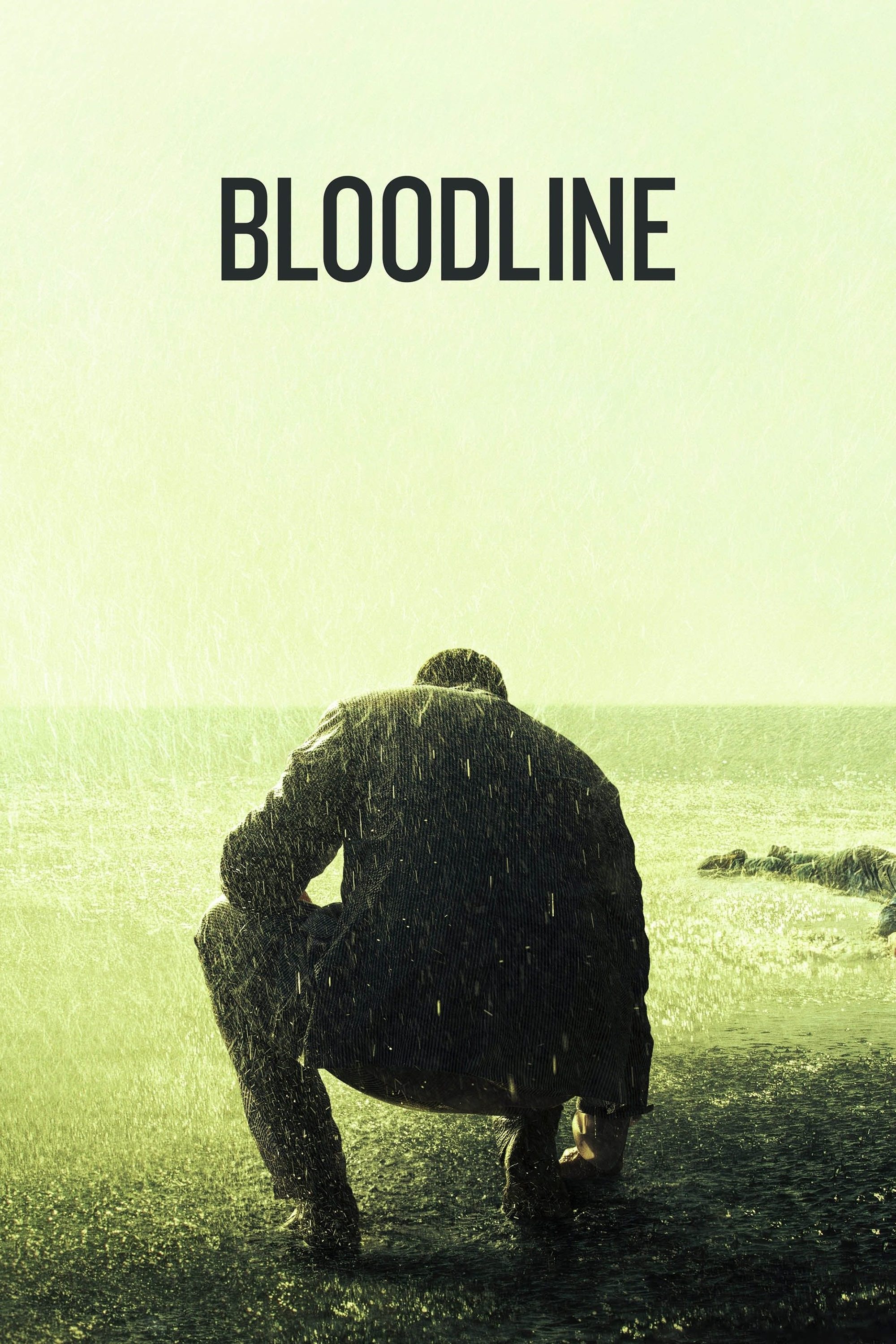
The Florida Keys provided a backdrop of intense heat and sudden, violent storms. The actors were constantly sweating due to the real humidity, which added to the tension of the noir thriller. Unscripted thunderstorms in the background often heightened the dramatic stakes of the scenes. The oppressive tropical weather mirrored the suffocating secrets of the Rayburn family.
‘Burn Notice’ (2007–2013)
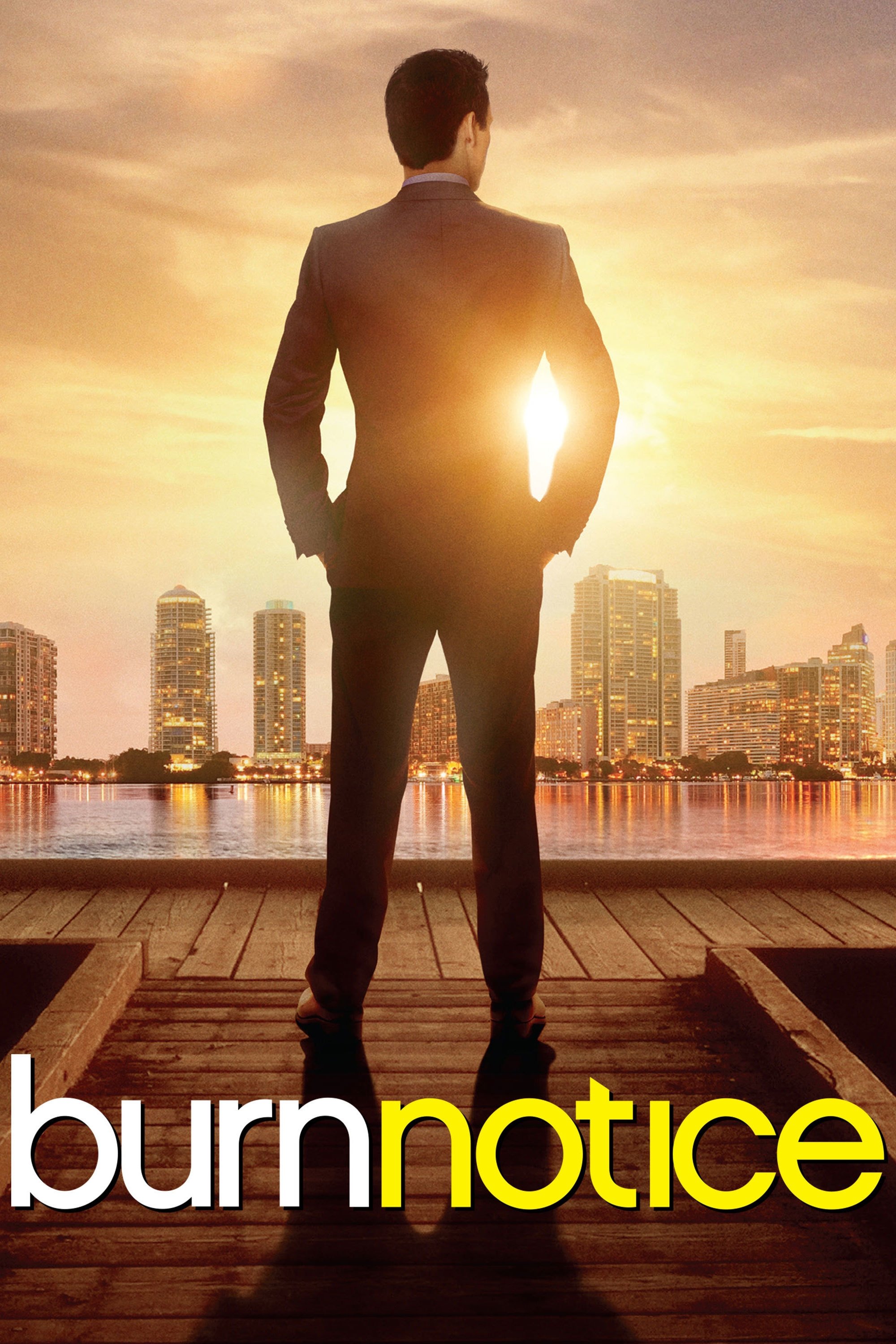
Filmed entirely in Miami, the cast had to work in the blistering sun and high humidity. The bright, washed-out lighting was a natural result of the location’s intensity. Actors frequently had to deal with the noise and wind of afternoon thunderstorms common to the region. The relentless heat was a constant, unscripted element of the show’s visual style.
‘Hawaii Five-0’ (2010–2020)
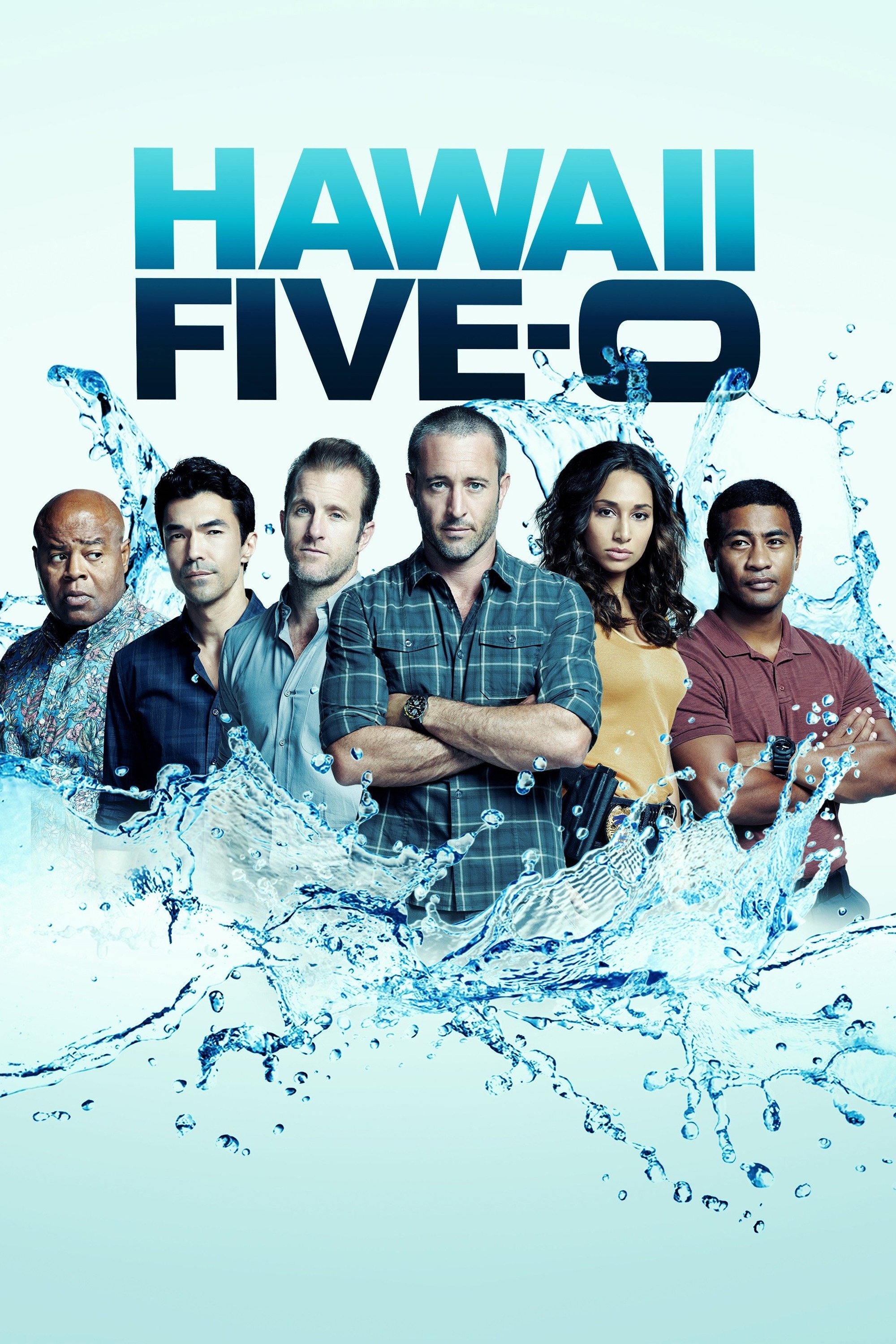
The reboot took full advantage of the Hawaiian locations, often filming through passing showers. The wind blowing off the ocean was a constant, natural effect that the actors had to ignore. Bright sunlight and sudden cloud cover would change the lighting of a scene in real-time. The dynamic tropical weather gave the police procedural a vibrant and unpredictable look.
‘Magnum P.I.’ (1980–1988)
The original series was also famous for filming in the real Hawaiian elements. Tom Selleck often drove the Ferrari in real heat that was palpable through the screen. Sudden rains would force the production to pause or adapt, adding wet streets to the shots. The natural trade winds frequently played havoc with the actors’ hair and costumes.
‘One Tree Hill’ (2003–2012)
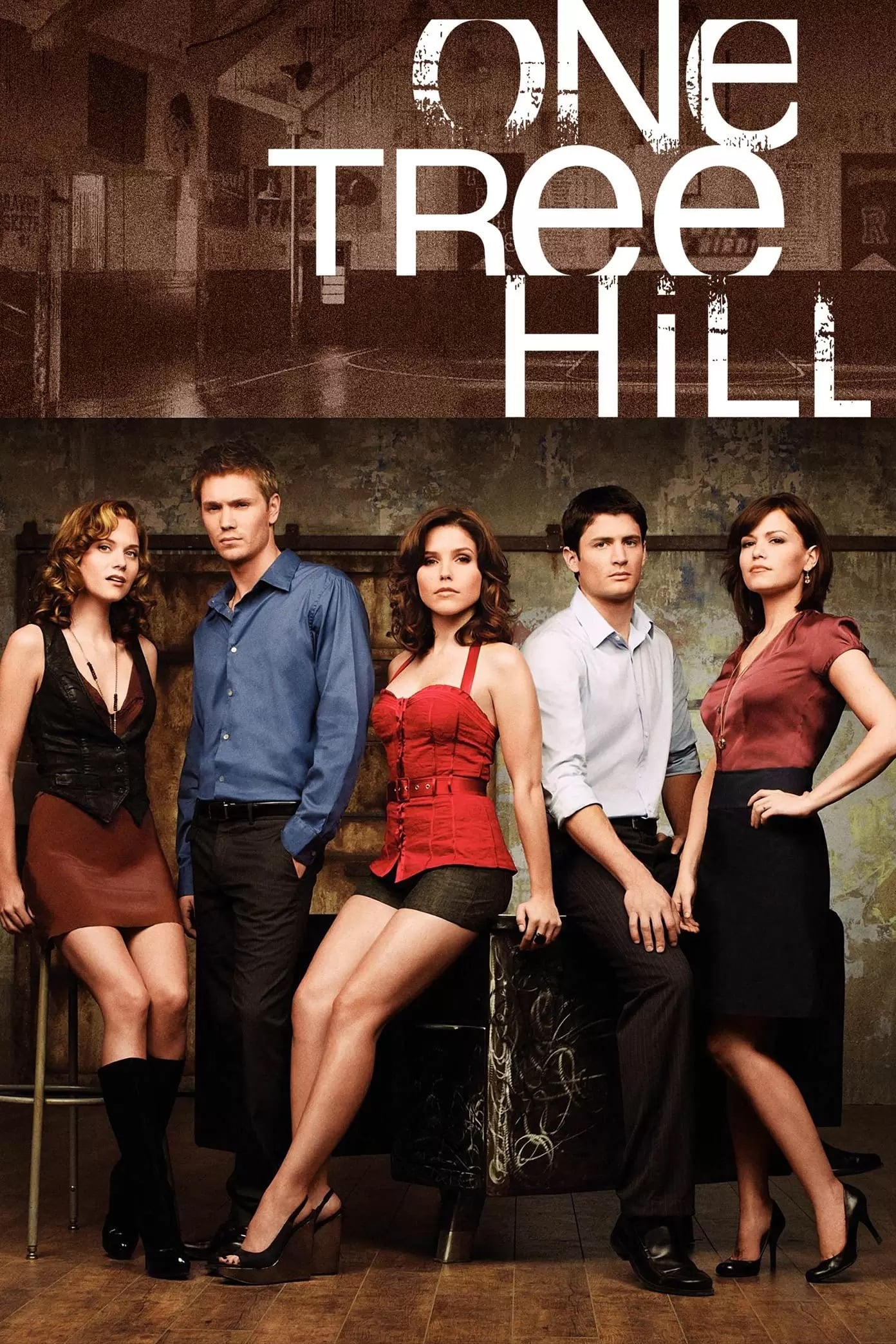
Filmed in Wilmington, North Carolina, the show often had to contend with the region’s volatile weather. The cast performed in real heat during the summer and surprising cold during the winter months. Unplanned wind and rain often added a dramatic flair to the outdoor scenes on the river court. The changing seasons were captured authentically as the production schedule spanned the school years.
‘Dawson’s Creek’ (1998–2003)
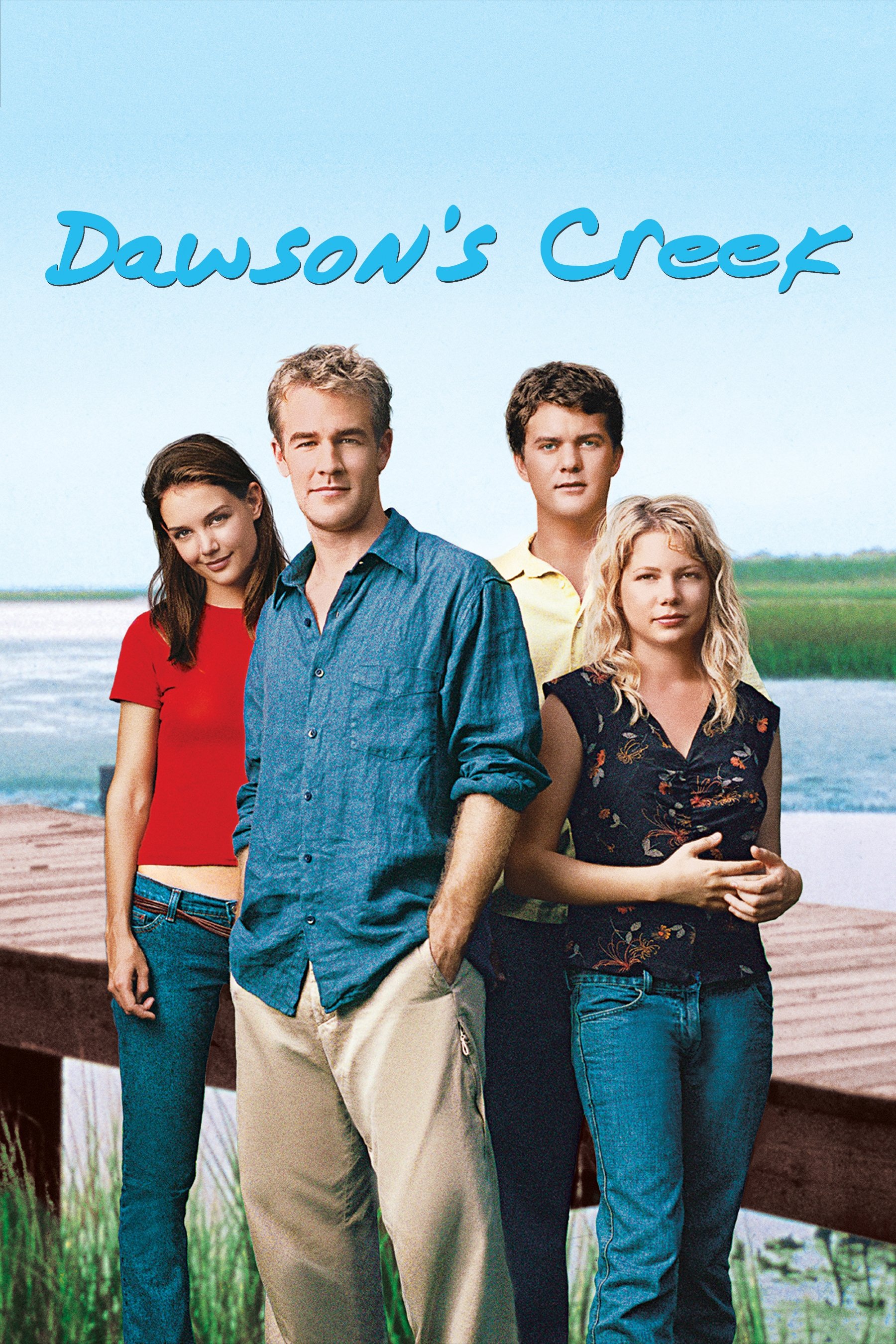
Also filmed in Wilmington, the creek scenes were subject to the tides and weather of the coast. Actors often had to row boats or walk docks in real wind that affected the audio and continuity. The humidity of the south was visible in the frizzy hair and shiny skin of the cast. Hurricanes occasionally threatened production, influencing the real-world atmosphere on set.
‘Outer Banks’ (2020–Present)

Filmed in Charleston, South Carolina, the show embraces the humid and stormy nature of the lowcountry. The cast is frequently drenched by real rain storms that roll in off the ocean. The sweat and dirt on the characters are genuine byproducts of filming in the sticky heat. The unpredictable weather adds a layer of danger and urgency to the treasure hunt adventure.
‘Survivor’ (2000–Present)
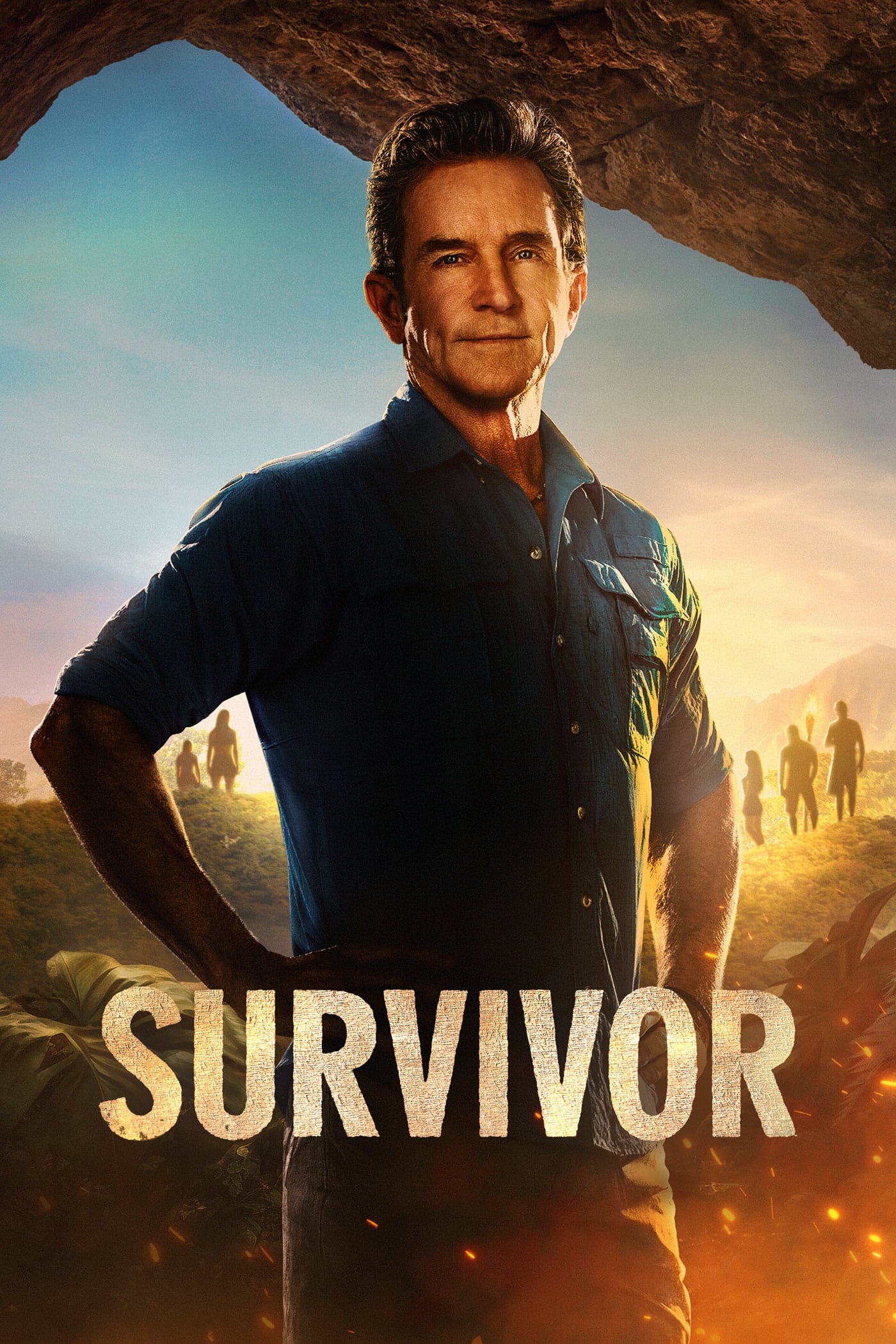
As a reality competition, the weather is the ultimate unscripted effect that the cast must endure. Typhoons, torrential rain, and scorching heat are entirely real and often dictate the flow of the game. The physical toll seen on the contestants is a direct result of their exposure to these elements. The show relies on the unpredictability of nature to test the limits of human endurance.
‘Top Gear’ (2002–2015)

The specials frequently placed the hosts in extreme environments where the weather was completely uncontrolled. From the rainforests of Bolivia to the frozen Arctic, the presenters faced real storms and temperature extremes. The rain soaking their open-top cars and the mud trapping them were genuine obstacles. These unscripted weather events often became the most memorable parts of their journeys.
Share your favorite unscripted TV moment in the comments to keep the conversation going.