


TV Shows With Creators Whose Vision Changed The Medium

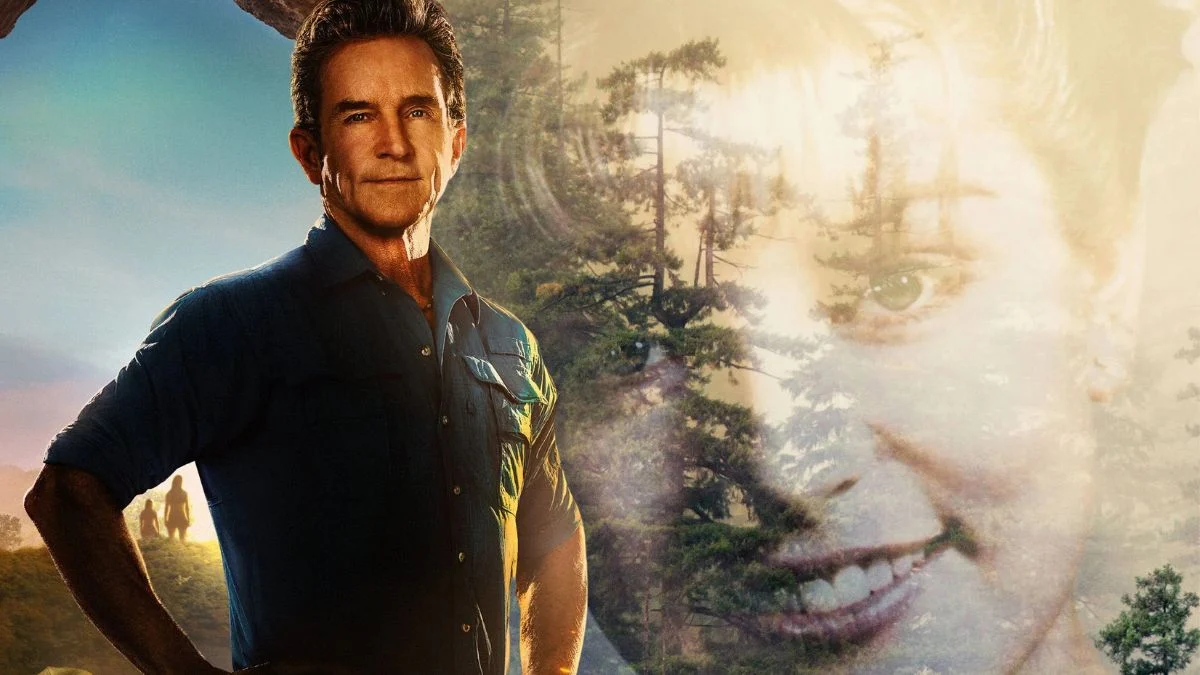


Television has evolved from a simple broadcast medium into a platform for complex storytelling and artistic expression. This transformation is largely due to visionary creators who refused to adhere to established formulas or limitations. These showrunners and producers introduced novel narrative structures and visual styles that challenged audiences. Their work paved the way for the cinematic quality and diverse genres available to viewers today. The following series represent pivotal moments where a singular creative vision altered the landscape of television forever.
‘Dragnet’ (1951–1959)
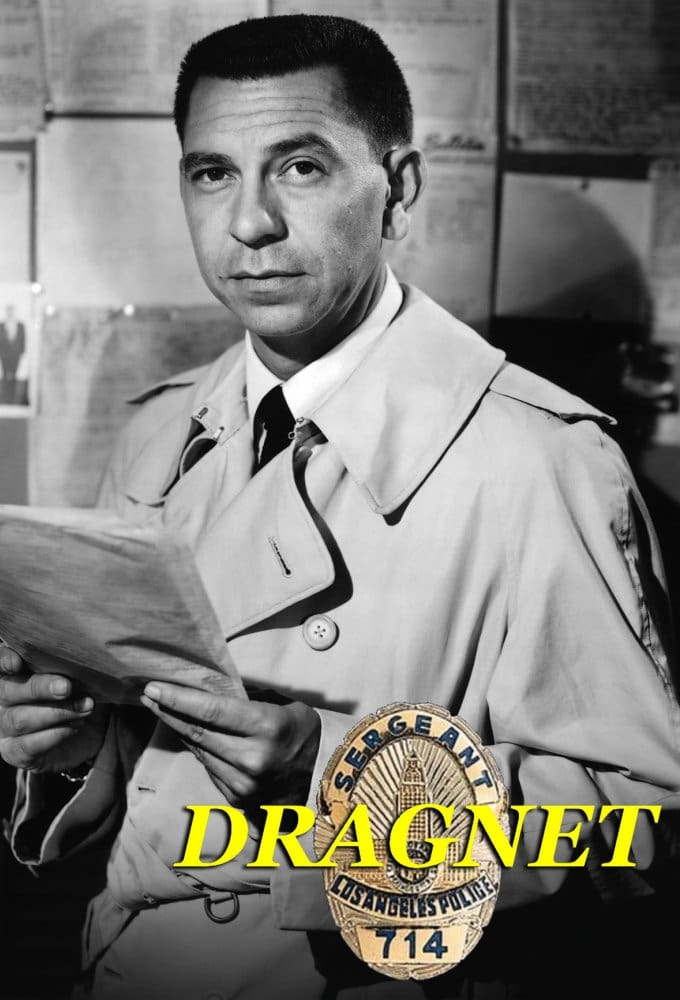
Jack Webb created a police procedural that focused entirely on realism and the technical aspects of law enforcement. He demanded a flat acting style and rapid dialogue that became known as the Dragnet style. This approach stripped away melodrama to focus on the actual mechanics of police work. The show established the template for nearly every cop show that followed in its wake.
‘I Love Lucy’ (1951–1957)
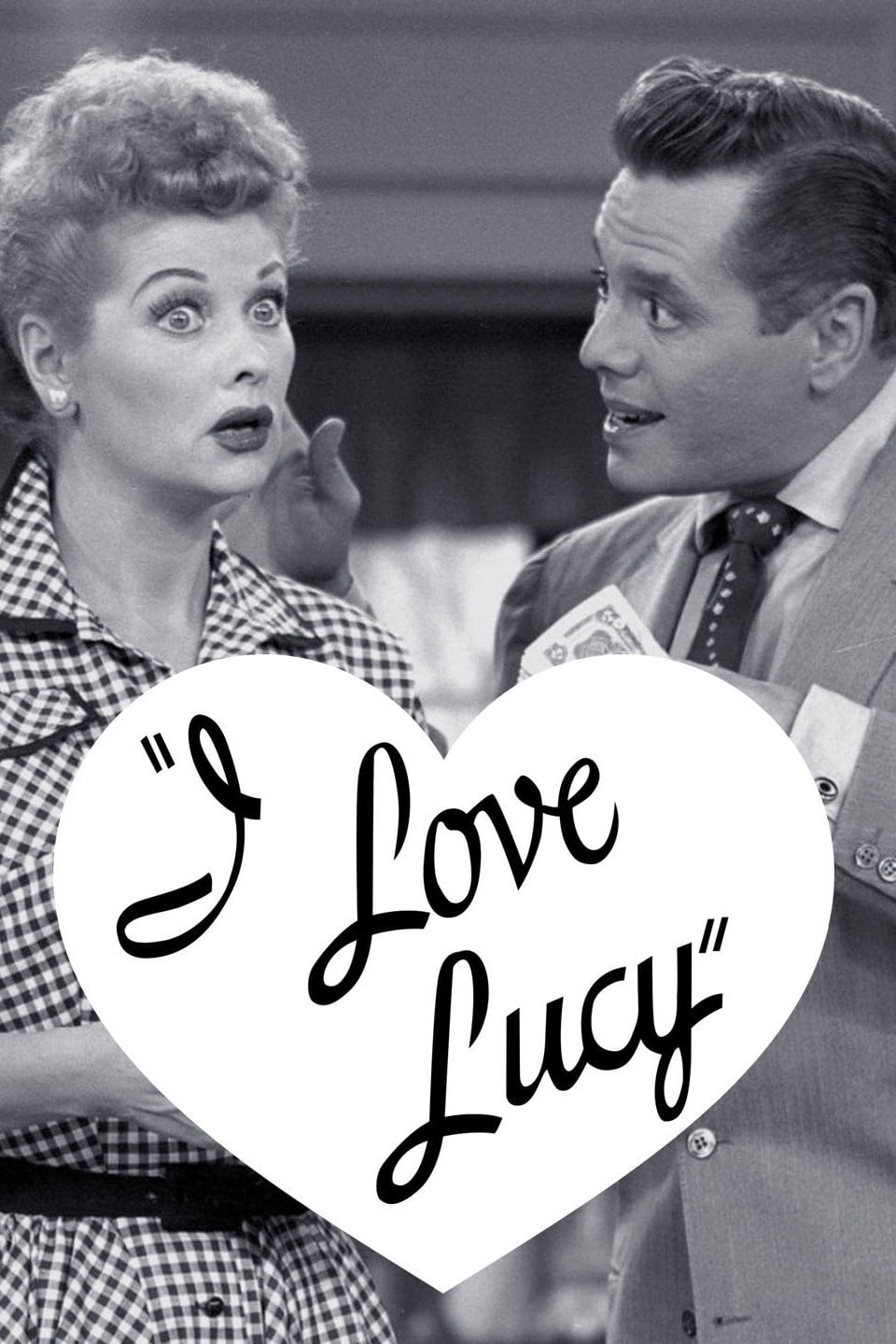
Lucille Ball and Desi Arnaz revolutionized television production by filming with three cameras on 35mm film in front of a live audience. This innovation allowed for high-quality reruns and established the multi-camera sitcom format still used today. They also pioneered the concept of the syndication market which made television a profitable long-term business. The creative control they maintained set a precedent for future stars to own their content.
‘The Twilight Zone’ (1959–1964)
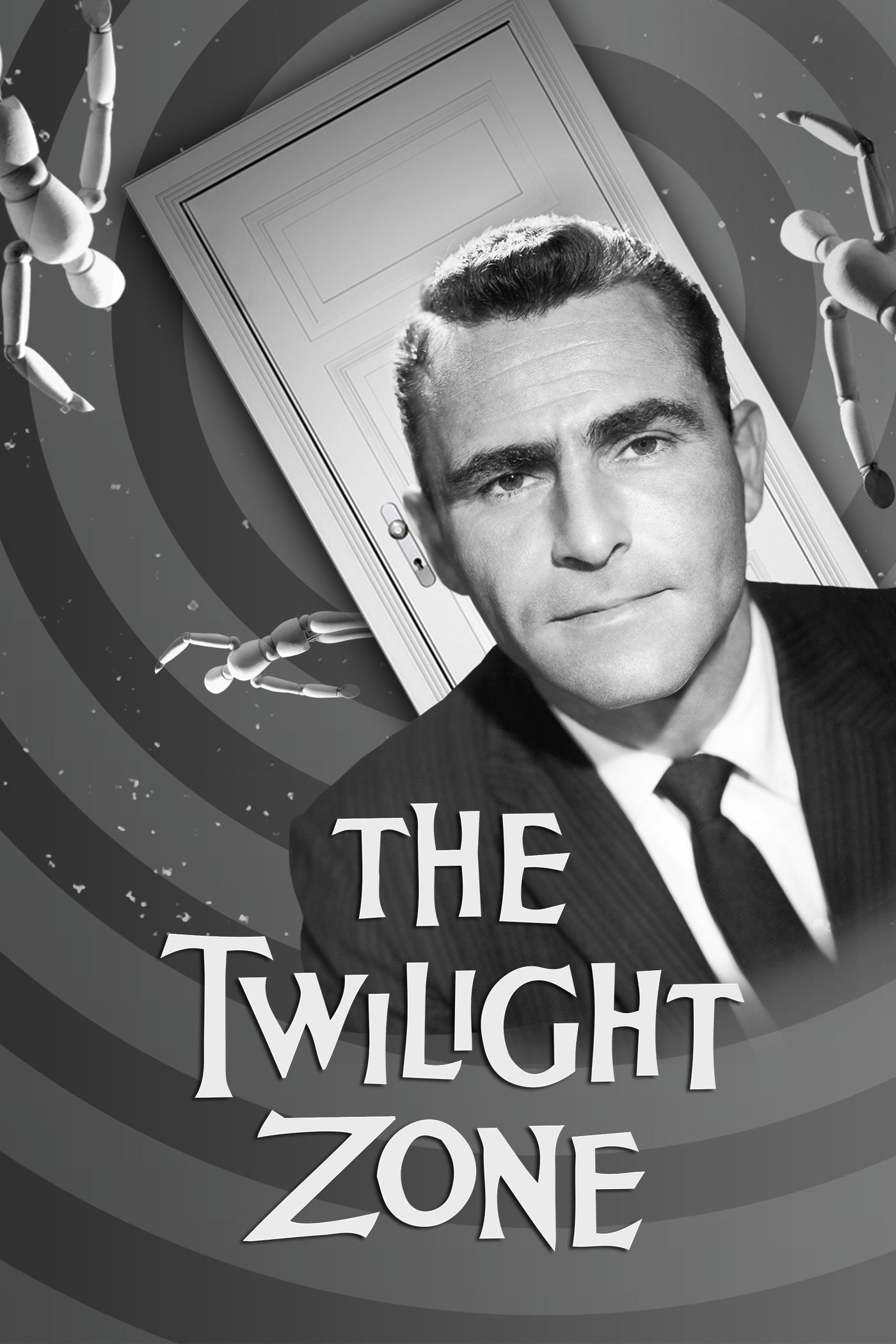
Rod Serling utilized the anthology format to tell socially conscious stories disguised as science fiction and fantasy. He wrote a significant portion of the episodes himself to ensure the thematic integrity of the series remained intact. The show proved that television could tackle difficult subjects like prejudice and war through allegory. Serling established the writer as the primary creative force in television drama.
‘Star Trek’ (1966–1969)
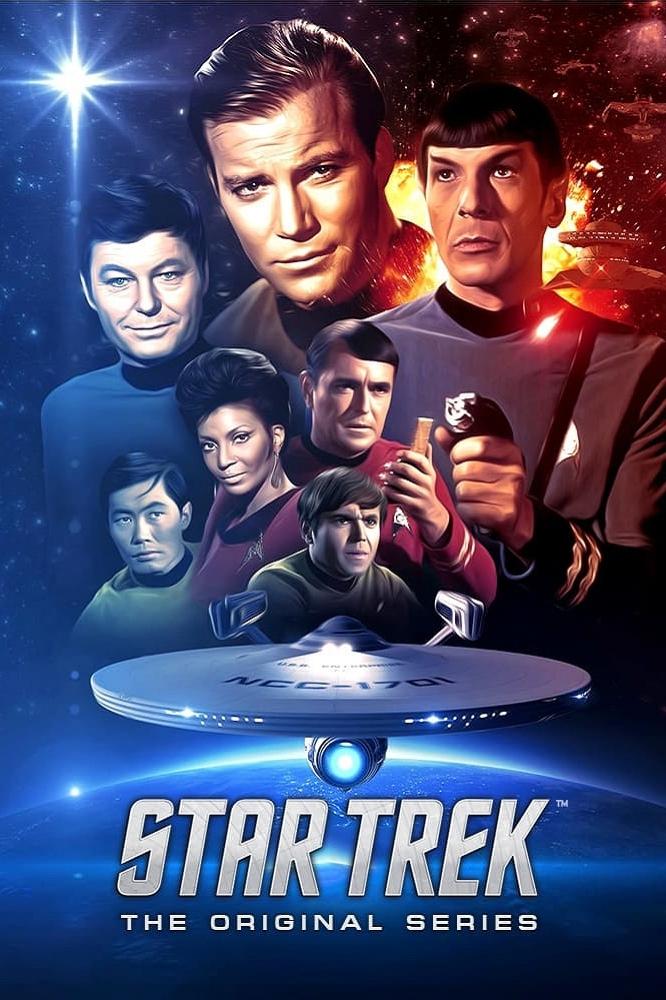
Gene Roddenberry envisioned a future where humanity had overcome its internal conflicts and united for exploration. He insisted on a diverse cast that included varied ethnicities and nationalities working together as equals. This utopian vision was a radical departure from the Cold War tensions prevalent during the era. The franchise he launched continues to influence how science fiction addresses social issues.
‘Sesame Street’ (1969–Present)
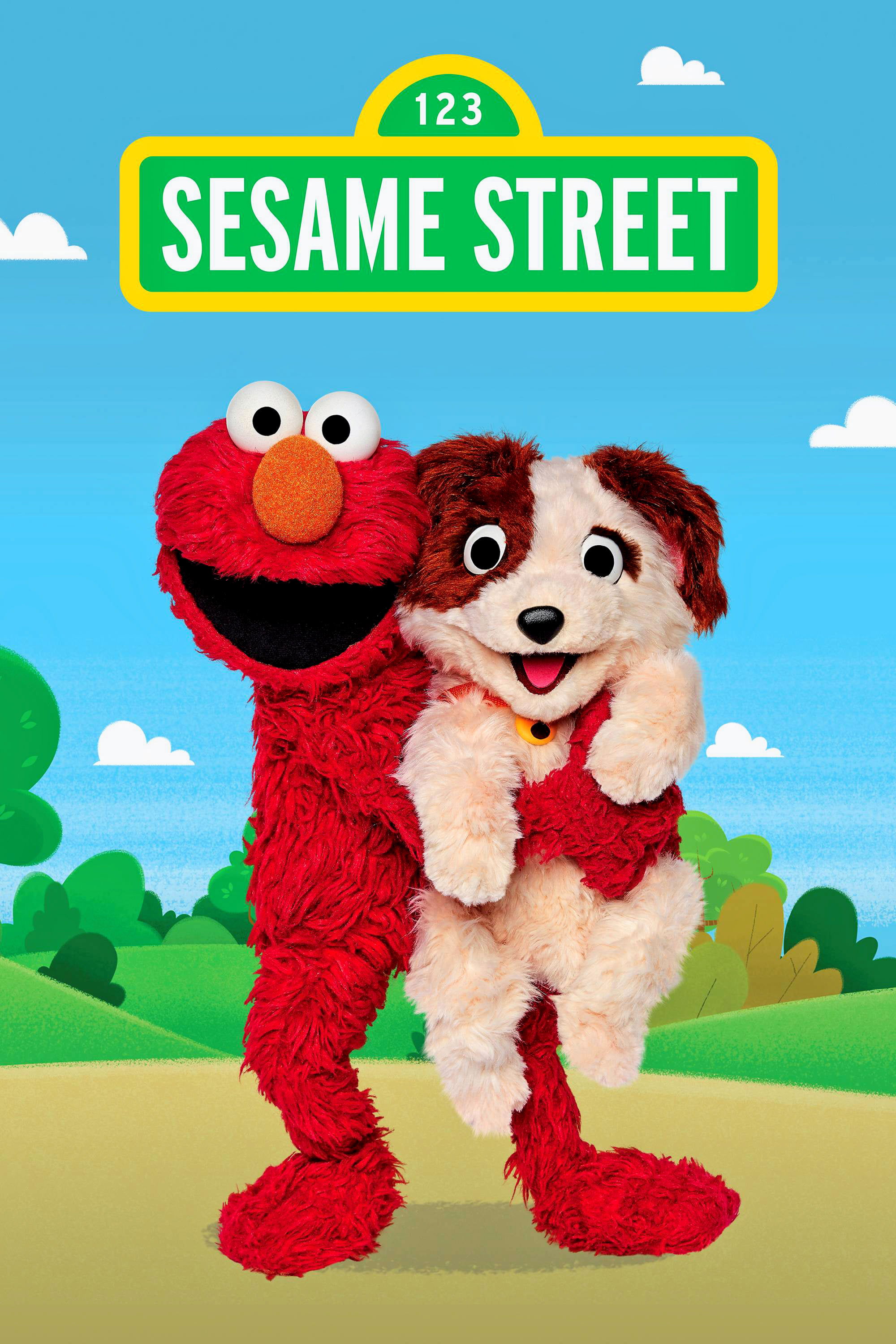
Joan Ganz Cooney and Lloyd Morrisett combined the addictive elements of commercial television with educational research. They worked with Jim Henson to integrate Muppets into a curriculum designed to help children learn. The show proved that television could be a powerful tool for early childhood education and social development. It created a model for educational programming that is emulated worldwide.
‘Monty Python’s Flying Circus’ (1969–1974)

The Python troupe deconstructed the format of the sketch comedy show by abandoning punchlines and traditional structure. They utilized stream-of-consciousness transitions and surreal animation by Terry Gilliam to link disparate sketches. This anarchic style challenged the rigid conventions of British comedy and influenced generations of comedians. Their work demonstrated that humor could be intellectual and absurd simultaneously.
‘All in the Family’ (1971–1979)
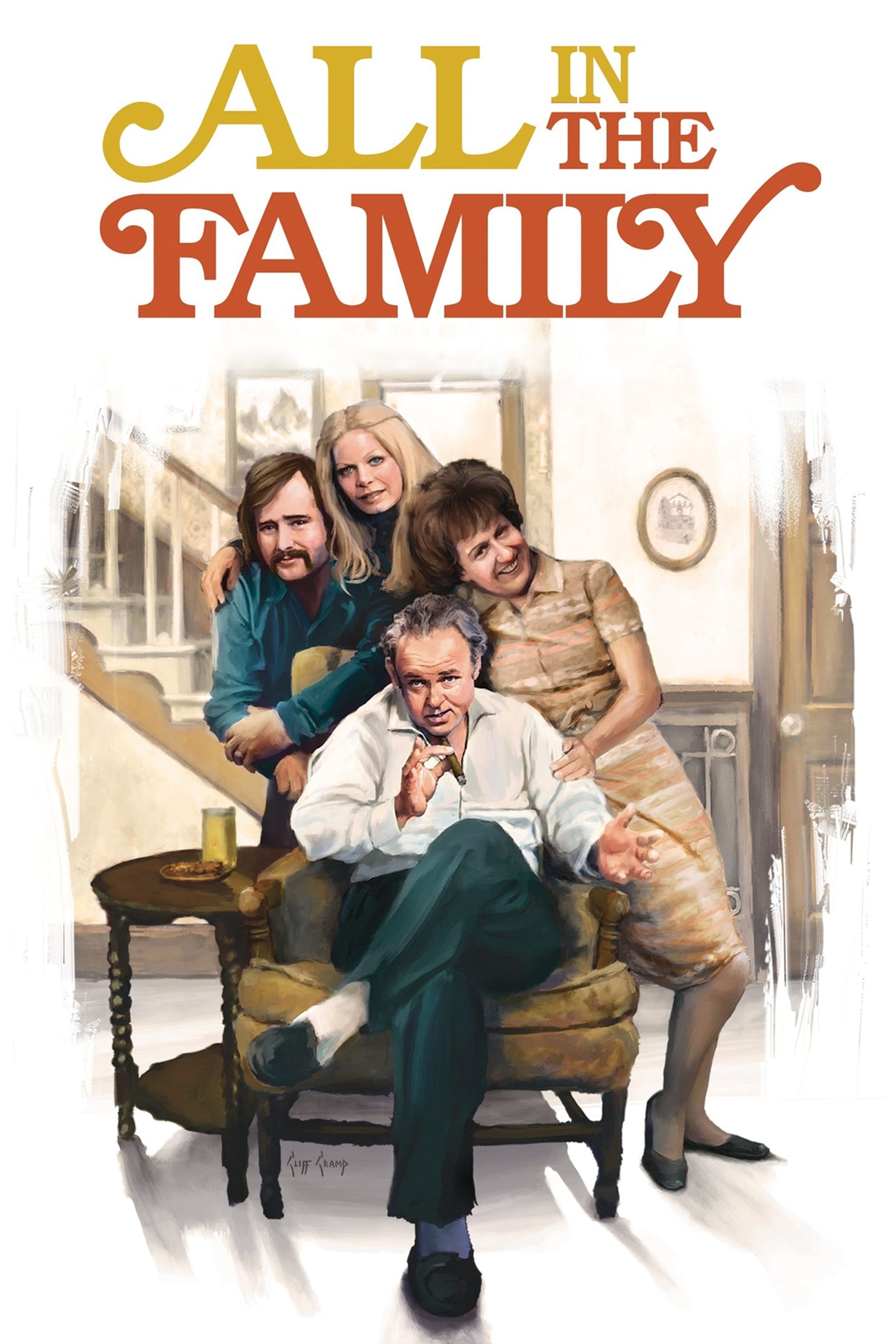
Norman Lear brought the political and social turbulence of the 1970s directly into the American living room. He centered the show around a bigoted protagonist to expose the absurdity of prejudice through satire. The series tackled taboo subjects such as racism and women’s rights that other sitcoms avoided. Lear proved that comedy could be an effective vehicle for serious cultural commentary.
‘Saturday Night Live’ (1975–Present)
Lorne Michaels created a late-night variety show that captured the countercultural spirit of the 1970s youth. He assembled a repertory company of writers and performers who became the new establishment of American comedy. The format of live sketches combined with musical guests became a cultural institution. Michaels championed a producer-driven model that has sustained the show for decades.
‘Hill Street Blues’ (1981–1987)
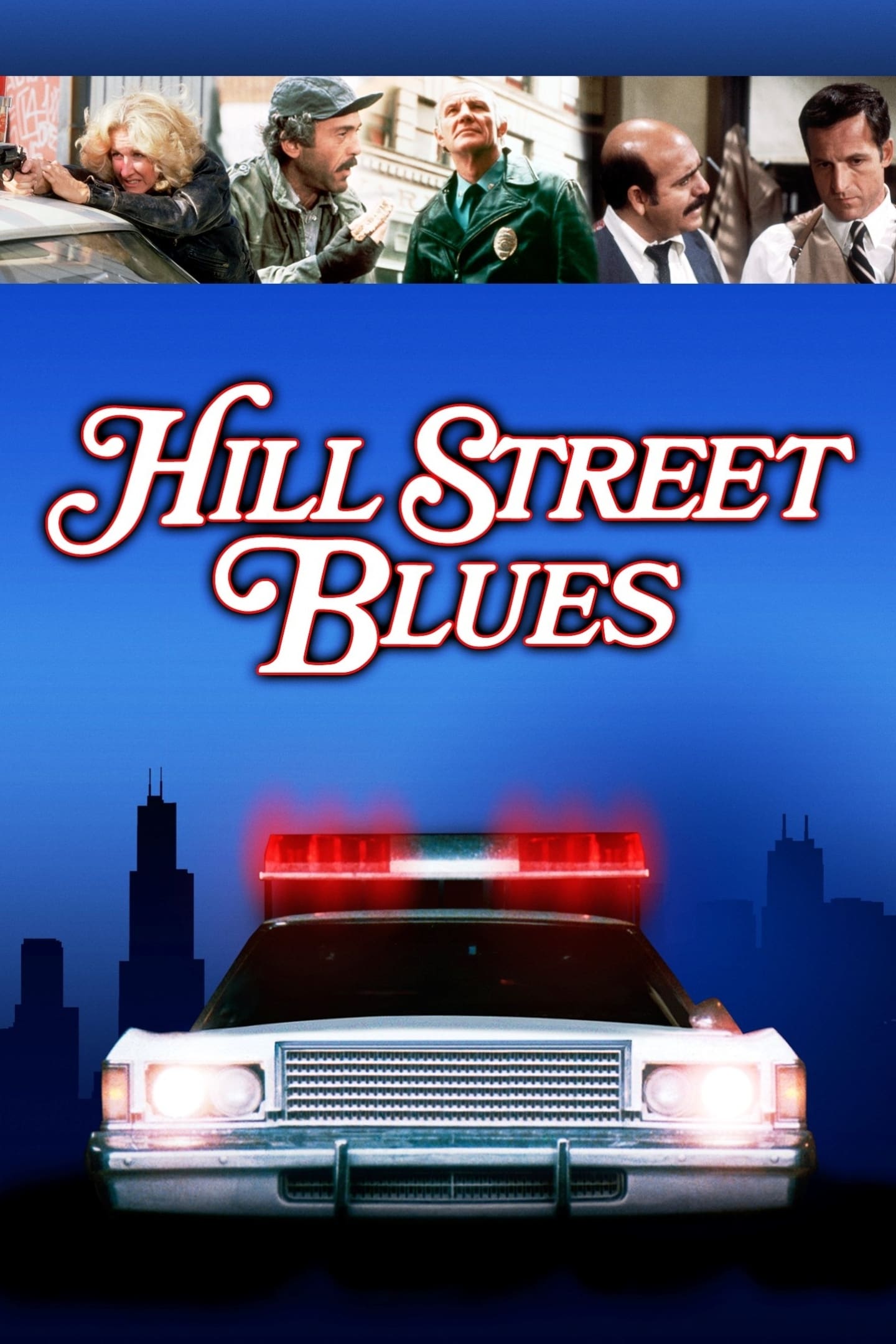
Steven Bochco and Michael Kozoll reinvented the police drama by incorporating serialized storylines that spanned multiple episodes. They utilized a large ensemble cast and a documentary visual style with handheld cameras. This complexity required viewers to pay close attention to ongoing character arcs. The series laid the groundwork for the golden age of serialized prestige drama.
‘Miami Vice’ (1984–1989)
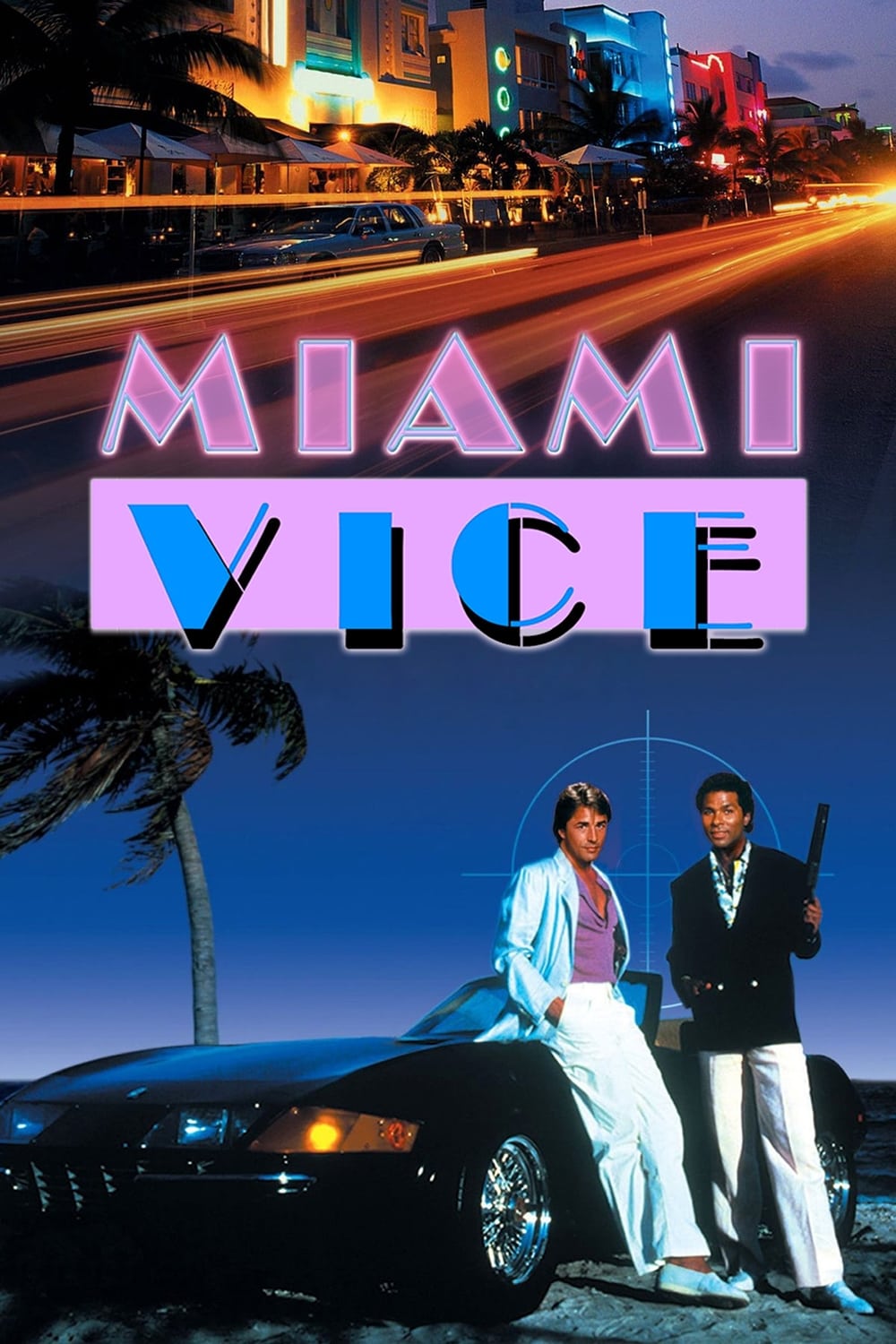
Anthony Yerkovich and executive producer Michael Mann integrated cinematic visuals and pop music into the police procedural. They emphasized atmosphere and style over traditional plotting to match the aesthetic of music videos. The show used pastel colors and licensed hits to create a distinct mood that defined the 1980s. This approach elevated the visual standard of television production to match feature films.
‘The Simpsons’ (1989–Present)
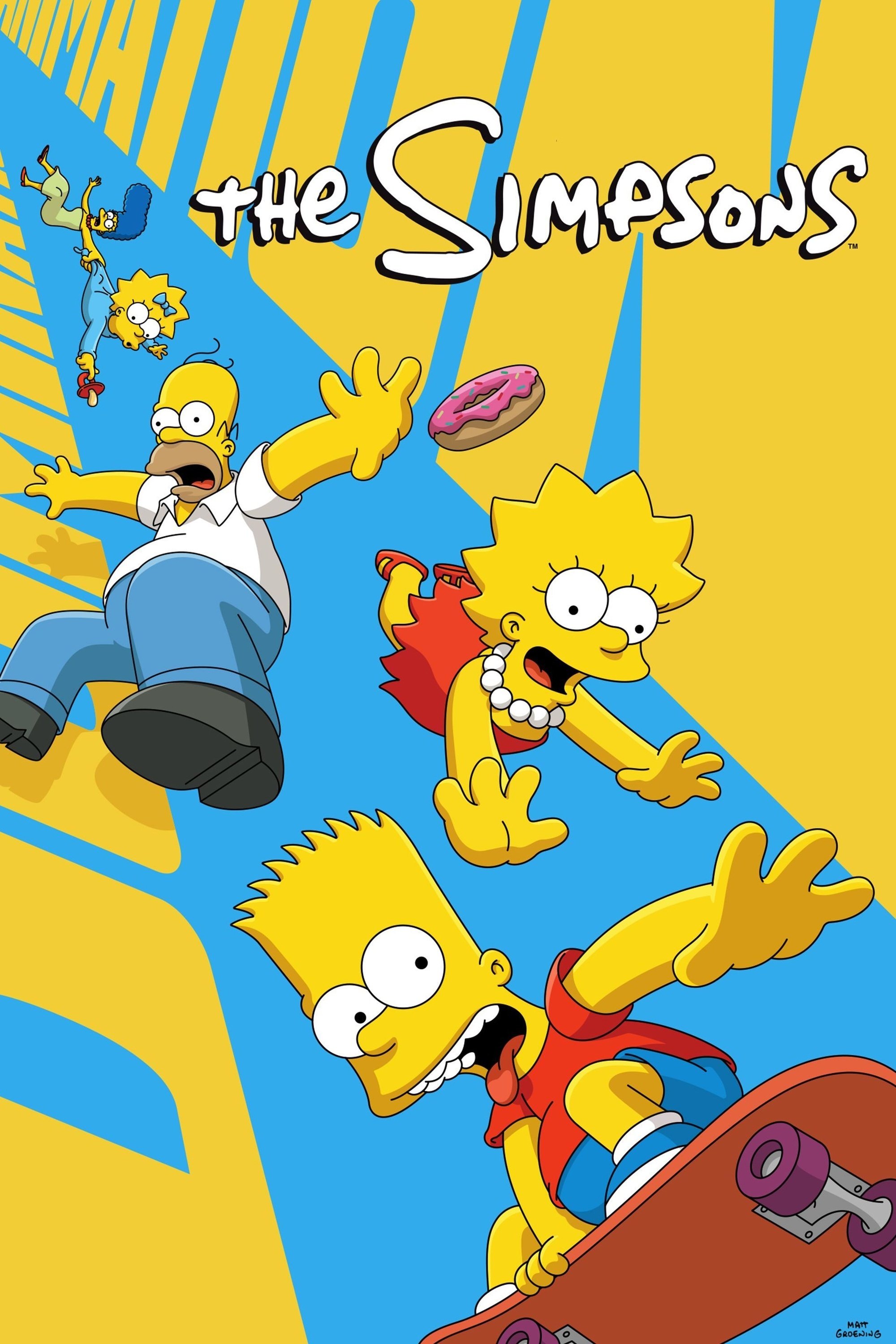
Matt Groening brought animation back to primetime television with a show that appealed to both adults and children. The series utilized a dense style of humor that rewarded repeat viewings and obsessive fandom. It deconstructed the American nuclear family while satirizing every aspect of modern society. The show paved the way for the explosion of adult-oriented animated series.
‘Seinfeld’ (1989–1998)
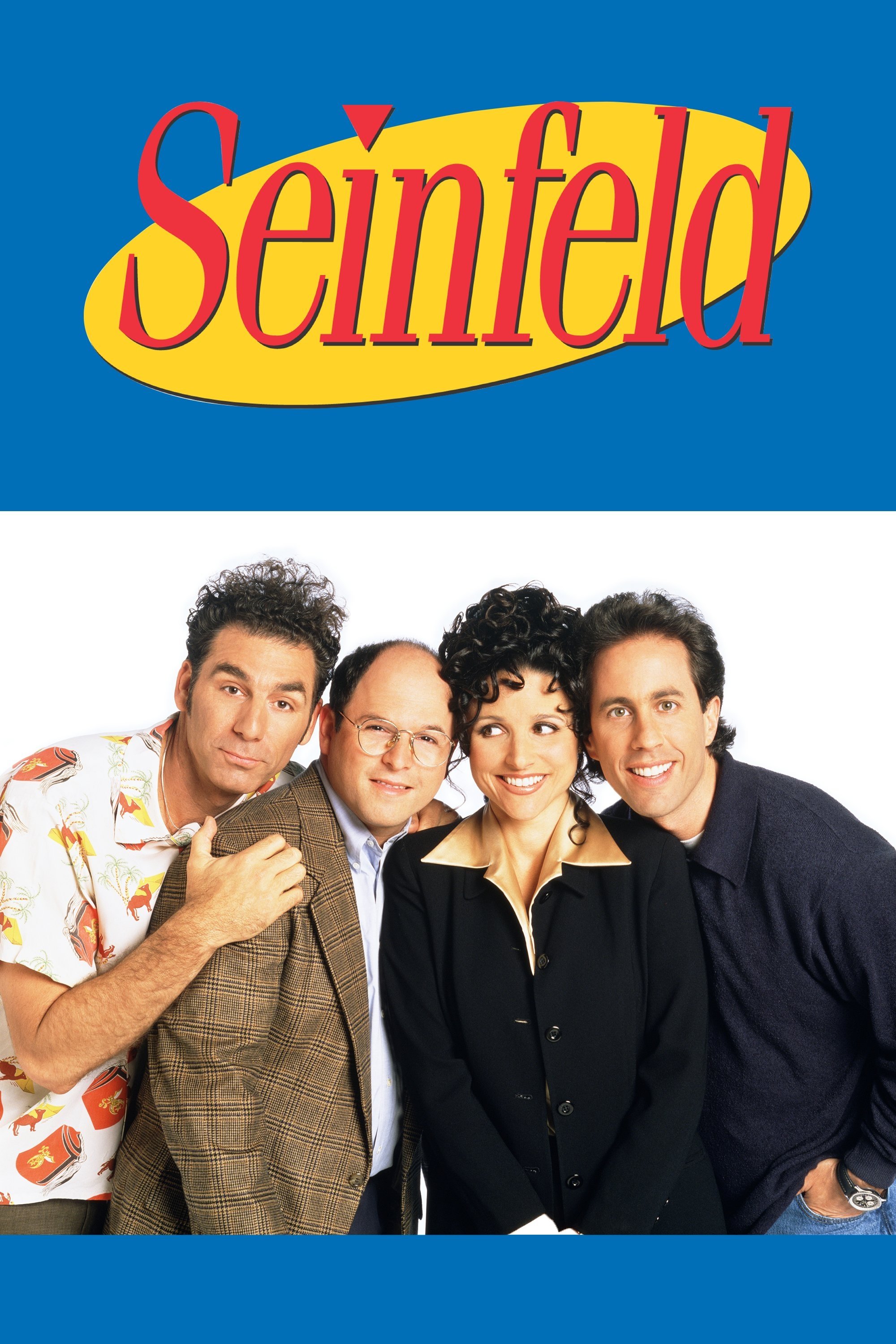
Larry David and Jerry Seinfeld created a sitcom that famously abided by a rule of no hugging and no learning. They focused on the minutiae of daily life and intertwined multiple trivial plotlines into a cohesive resolution. The characters remained selfish and cynical rather than growing morally like traditional sitcom figures. This structure revolutionized comedy writing and influenced countless subsequent shows.
‘Twin Peaks’ (1990–1991)
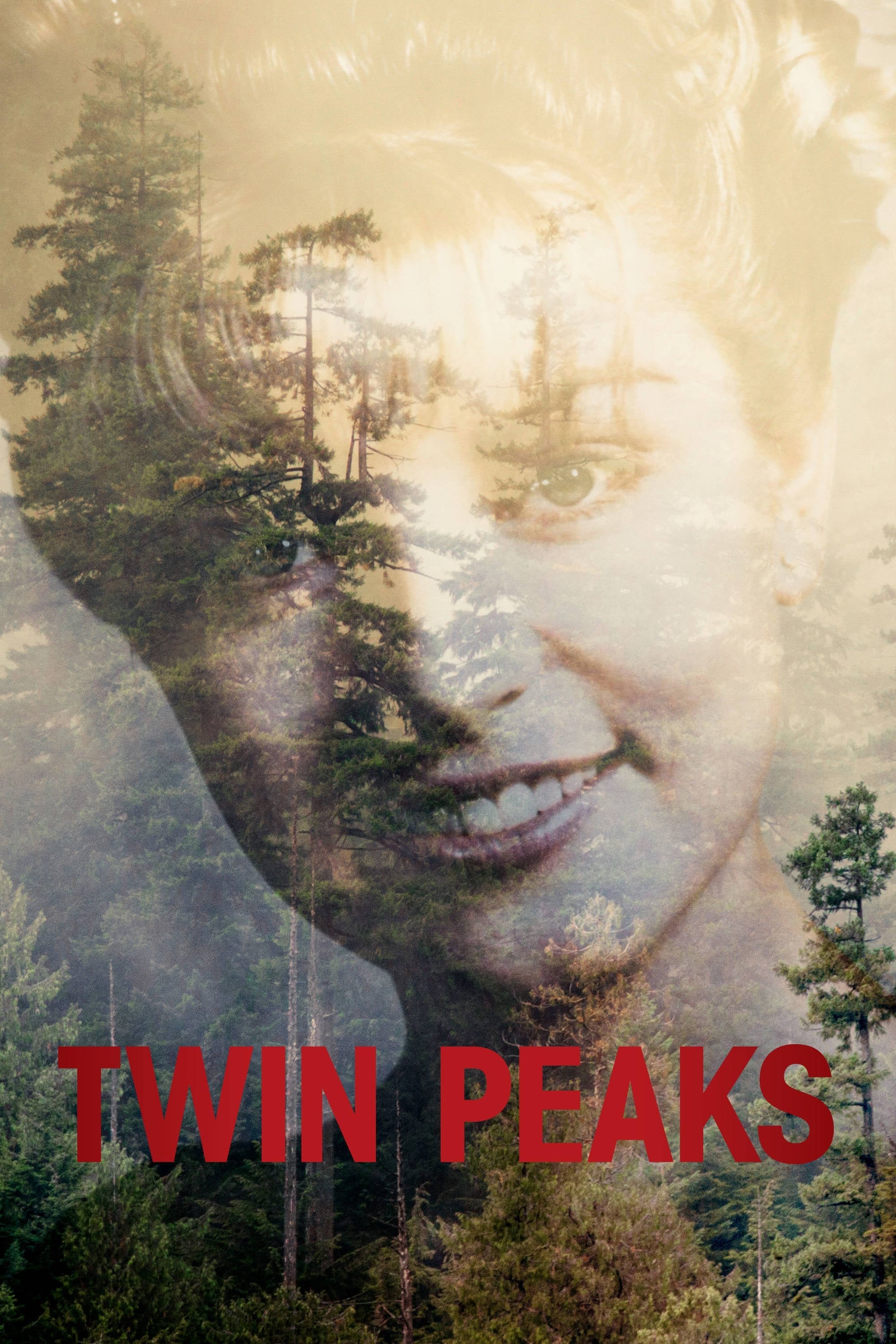
David Lynch and Mark Frost brought surrealism and cinematic mystery to broadcast television. The show blended soap opera tropes with dream logic and horror elements in a way audiences had never seen. It challenged viewers to solve a central mystery while immersing them in a bizarre atmosphere. The series proved that television could be as artistically avant-garde as independent cinema.
‘The X-Files’ (1993–2002)
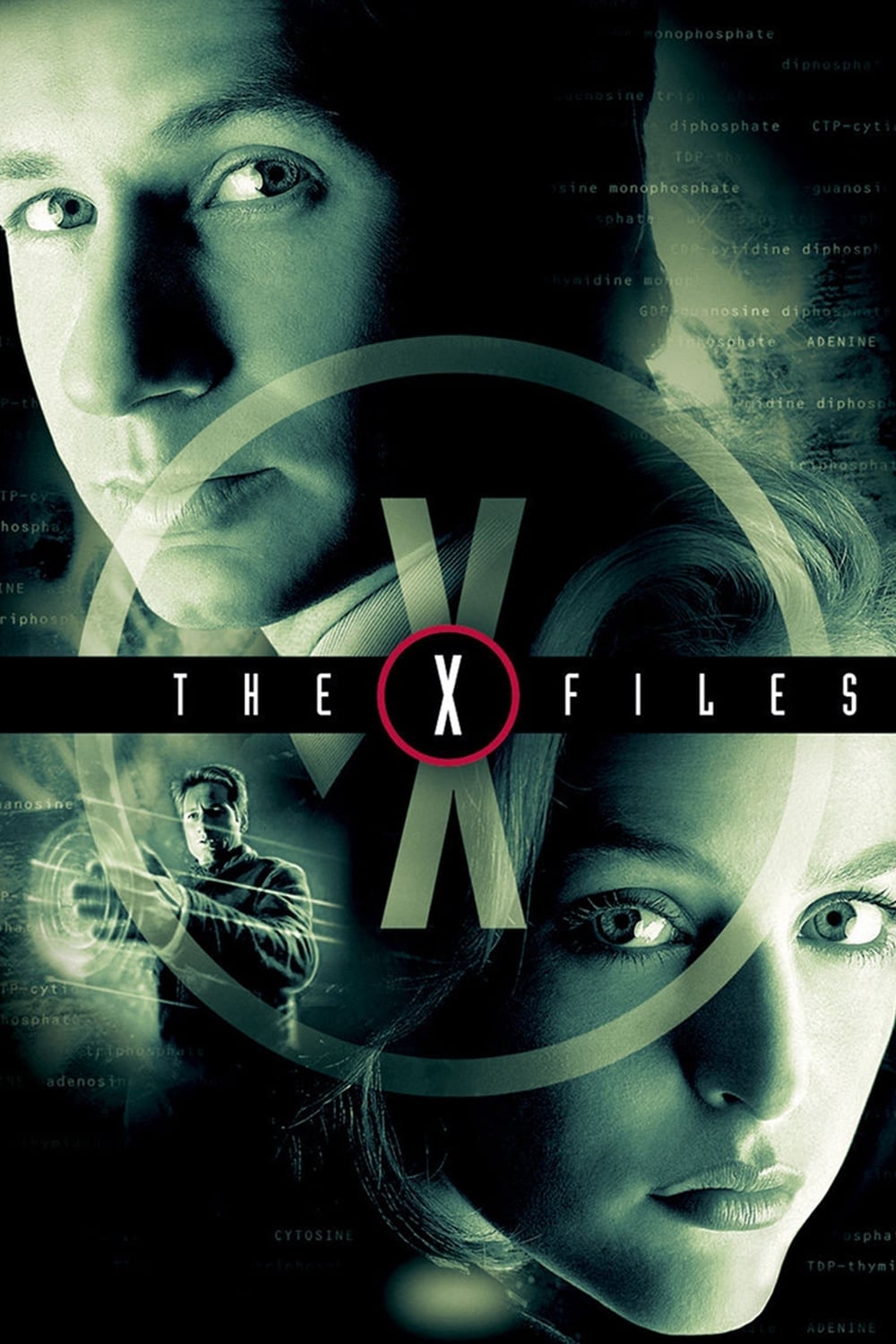
Chris Carter combined the procedural format with an overarching mythology about government conspiracies and aliens. The show balanced standalone monster episodes with serialized chapters that advanced the main plot. This structure encouraged audience investment in the long-term narrative while remaining accessible to casual viewers. It cultivated an early internet fandom that dissected every detail of the lore.
‘Oz’ (1997–2003)
Tom Fontana created the first one-hour drama produced by HBO that fully utilized the freedom of premium cable. The series depicted graphic violence and sexuality in a gritty prison setting without censorship. It established the potential for novelistic storytelling on subscription networks. This show opened the door for the wave of anti-hero dramas that followed.
‘Buffy the Vampire Slayer’ (1997–2003)
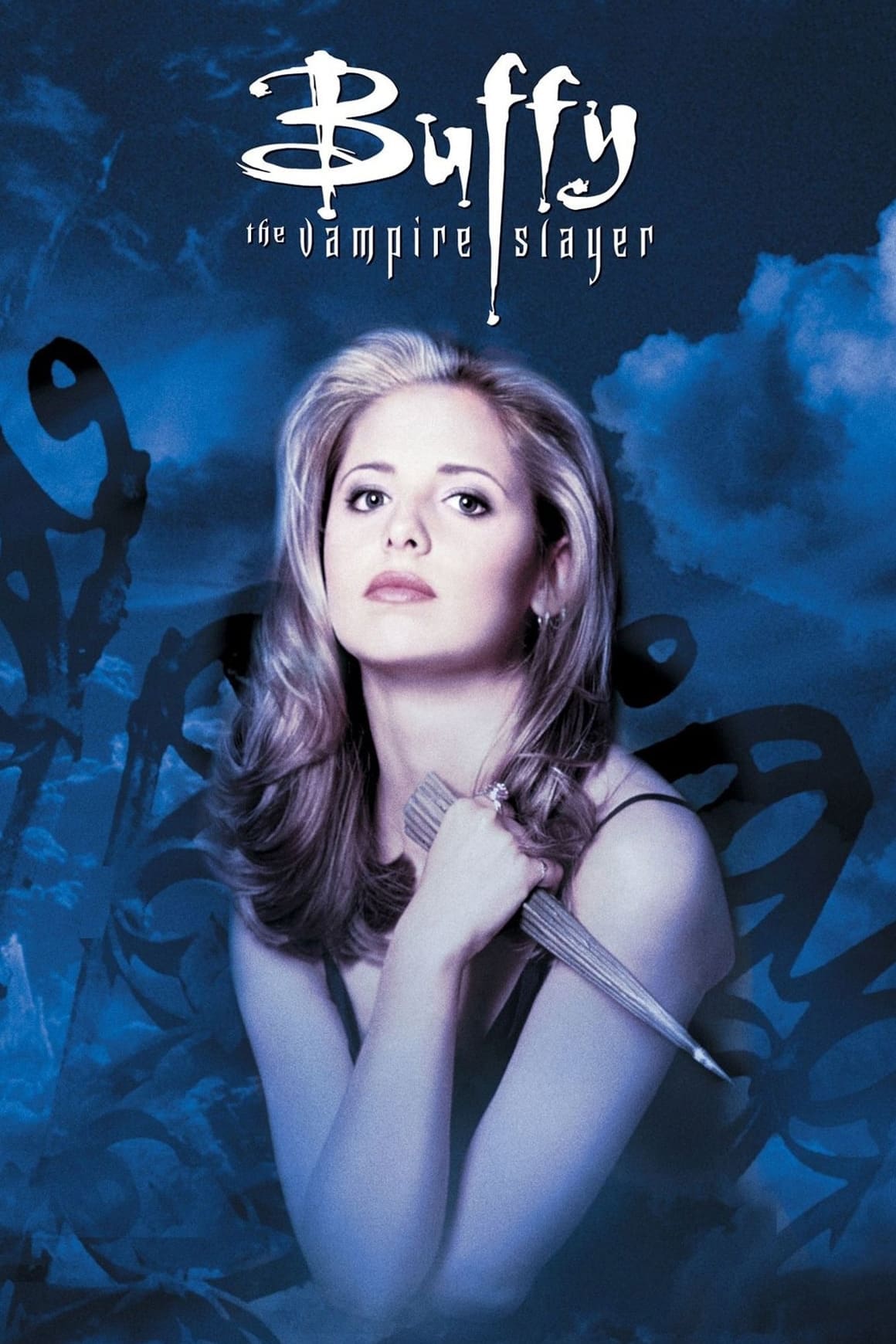
Joss Whedon used supernatural metaphors to explore the emotional realities of adolescence and growing up. He pioneered the use of season-long arcs in teen dramas and experimented with unique episode formats. One famous episode featured almost no dialogue while another was a full musical. Whedon demonstrated that genre television could carry significant emotional weight and critical acclaim.
‘Sex and the City’ (1998–2004)
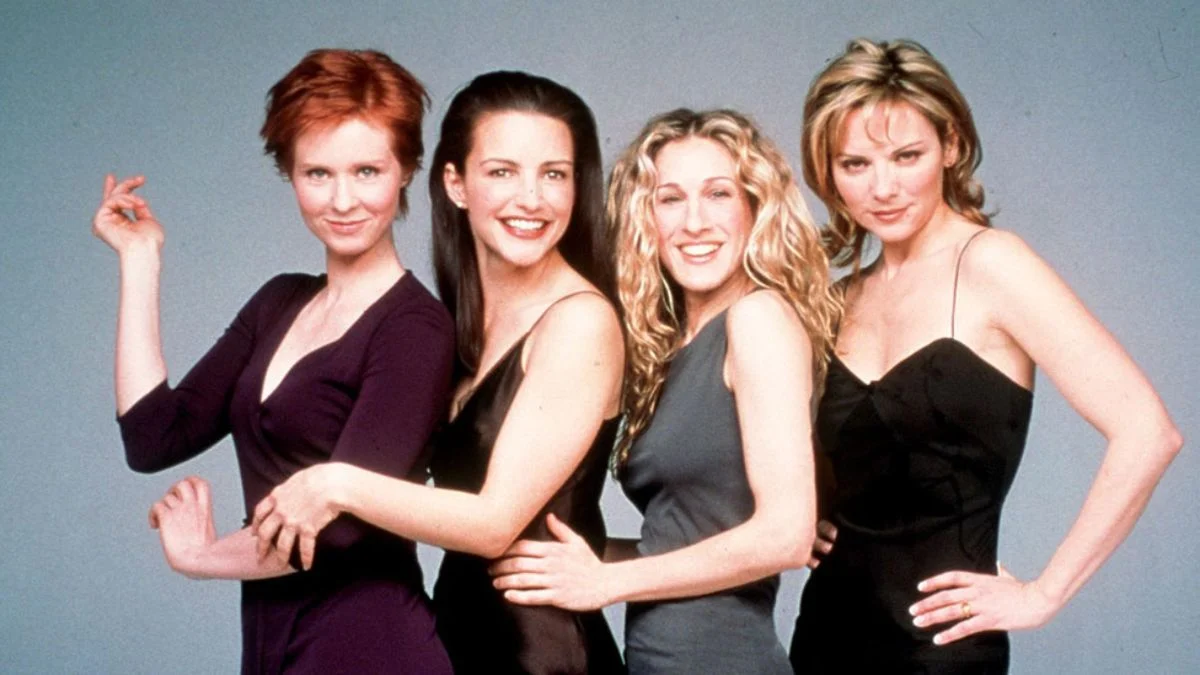
Darren Star adapted Candace Bushnell’s columns into a frank exploration of female sexuality and friendship. The show centered on four distinct female archetypes and treated their romantic lives with unprecedented candor. It turned premium cable into a destination for sophisticated comedy aimed at adult women. The series influenced fashion and social discourse regarding single life in the city.
‘The Sopranos’ (1999–2007)
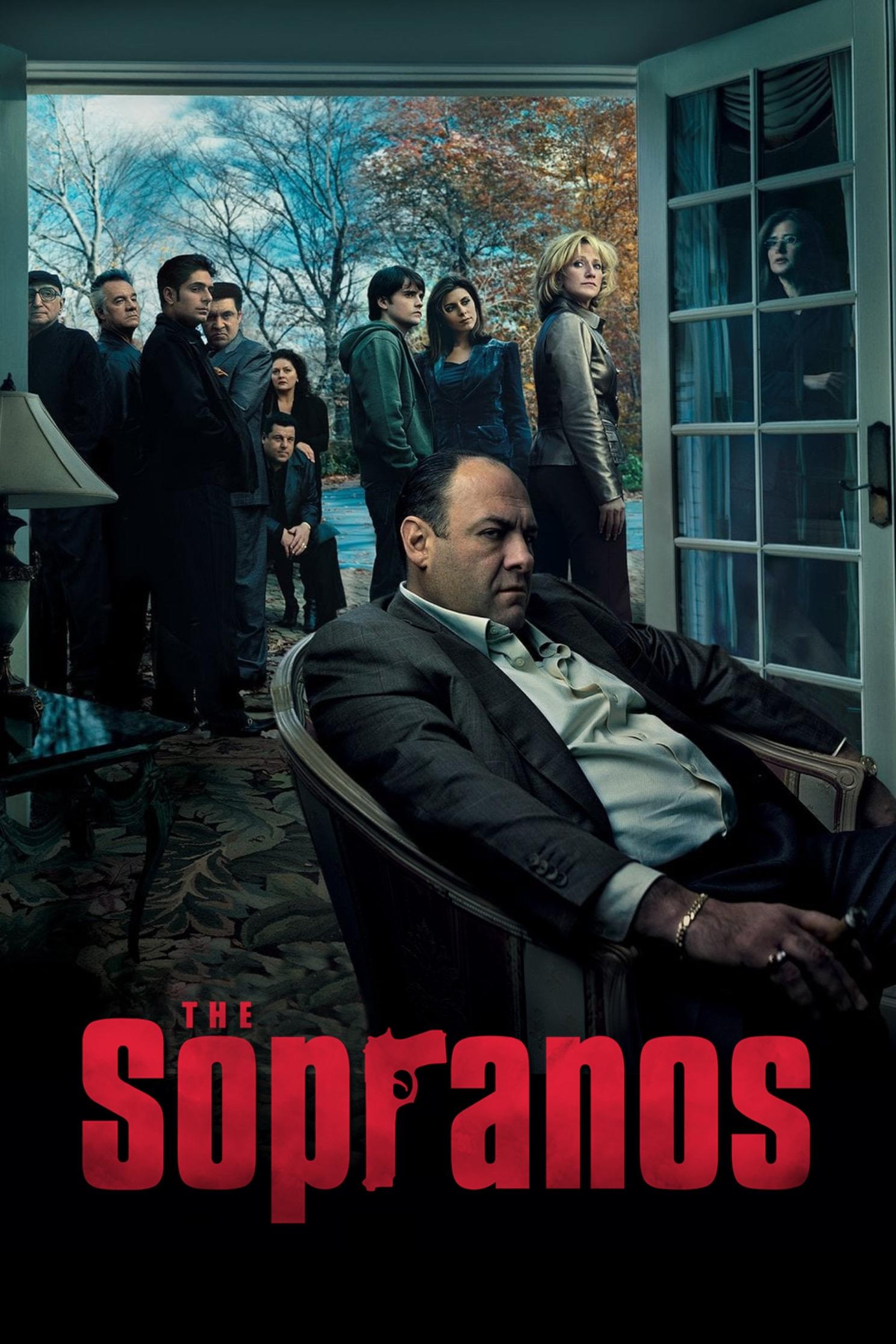
David Chase centered a drama around a villainous protagonist who was also a relatable family man. He utilized dream sequences and psychological depth to explore the interior life of a mob boss. The show demanded patience from the audience and often refused to provide easy narrative closure. It is widely considered the catalyst for the modern Golden Age of Television.
‘The West Wing’ (1999–2006)
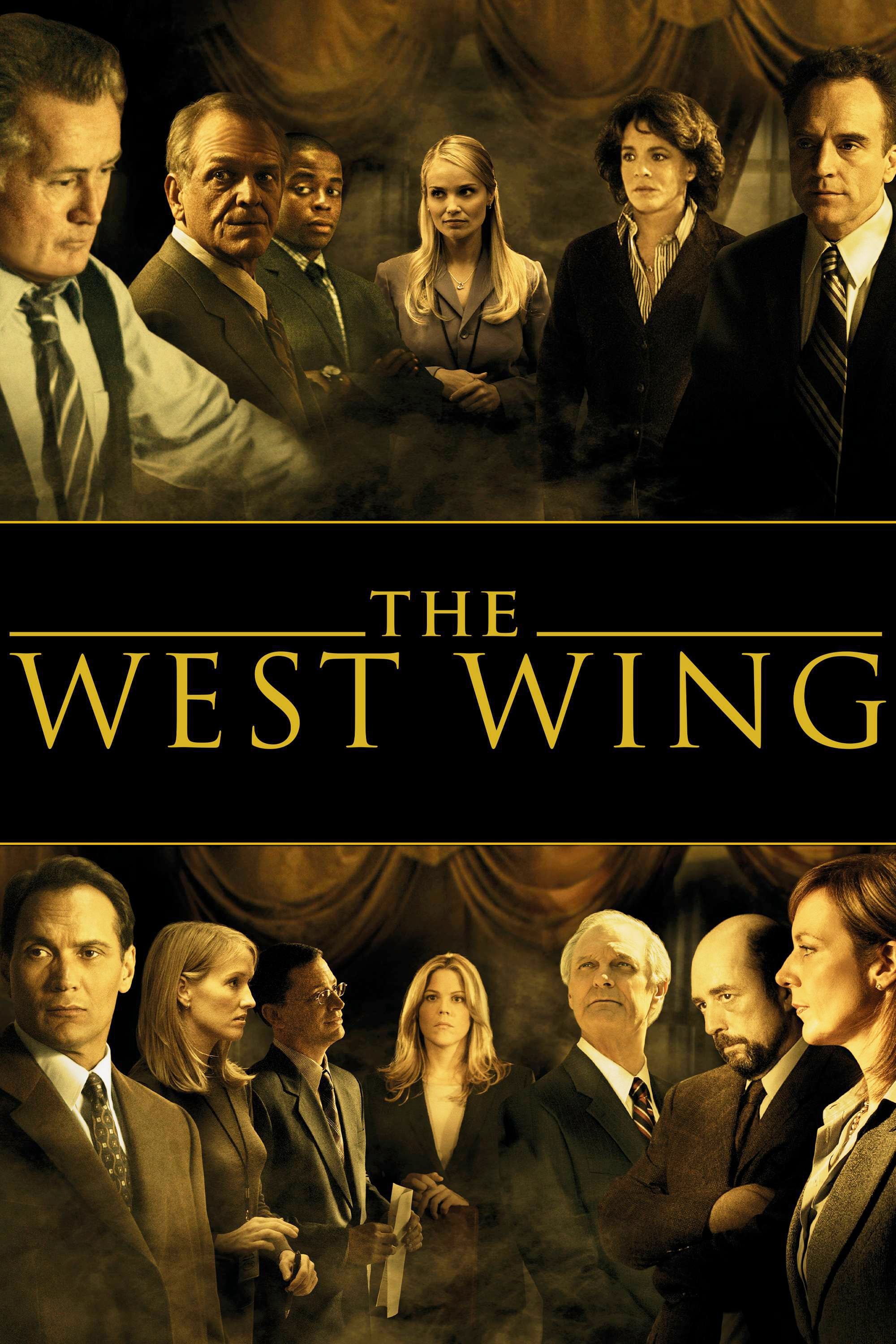
Aaron Sorkin introduced a rhythmic dialogue style and the walk-and-talk technique to the political drama. He presented an idealistic vision of the White House where intelligence and articulateness were celebrated. The show moved at a breakneck pace that required audiences to keep up with complex policy debates. Sorkin elevated the importance of the screenwriter in crafting the cadence of television.
‘Survivor’ (2000–Present)
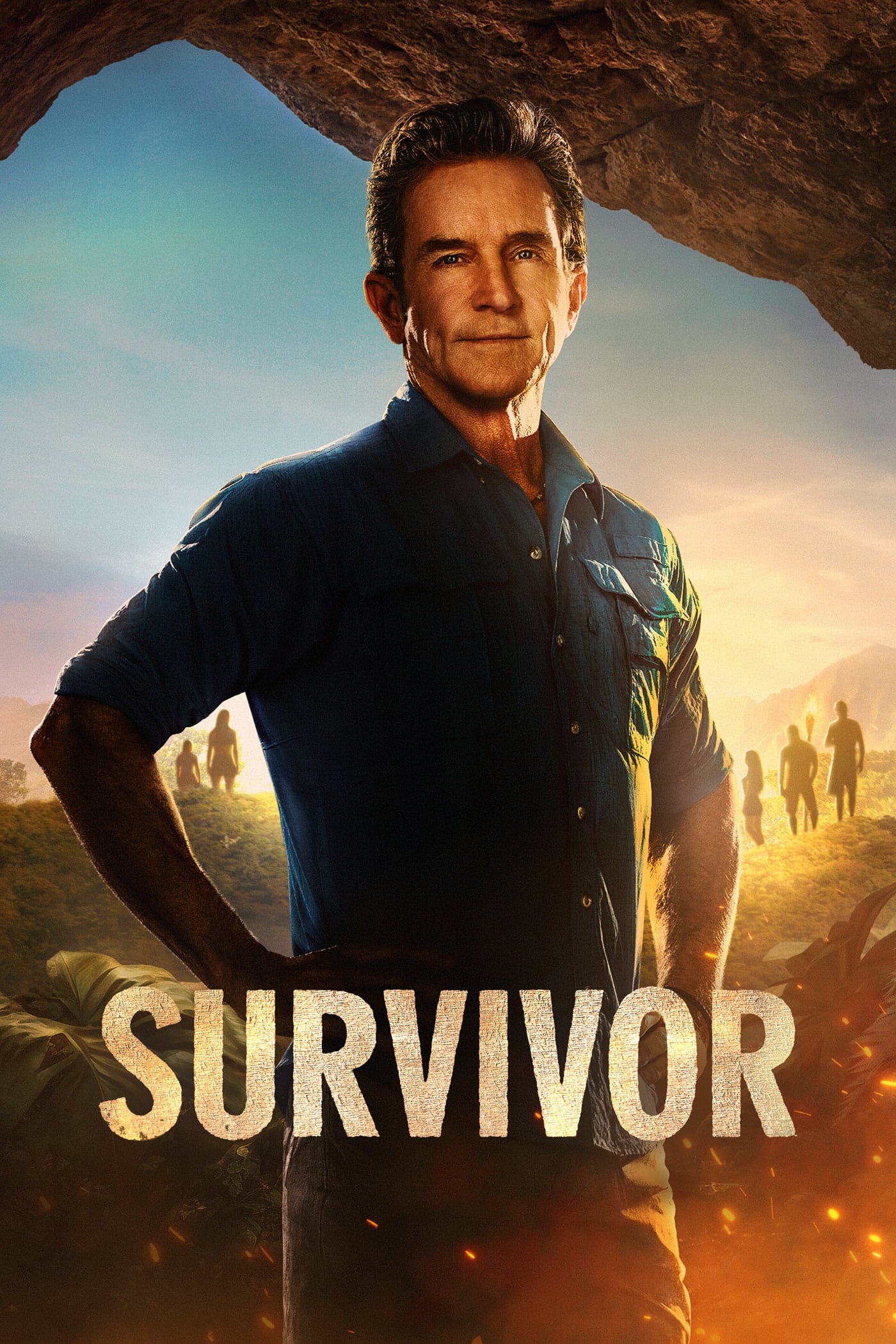
Charlie Parsons and producer Mark Burnett brought the reality competition format to American primetime. They combined unscripted human drama with high production values and strategic gameplay. The massive success of the show created a gold rush for reality television programming. It changed the economics of television by proving unscripted content could draw massive ratings.
‘Curb Your Enthusiasm’ (2000–Present)
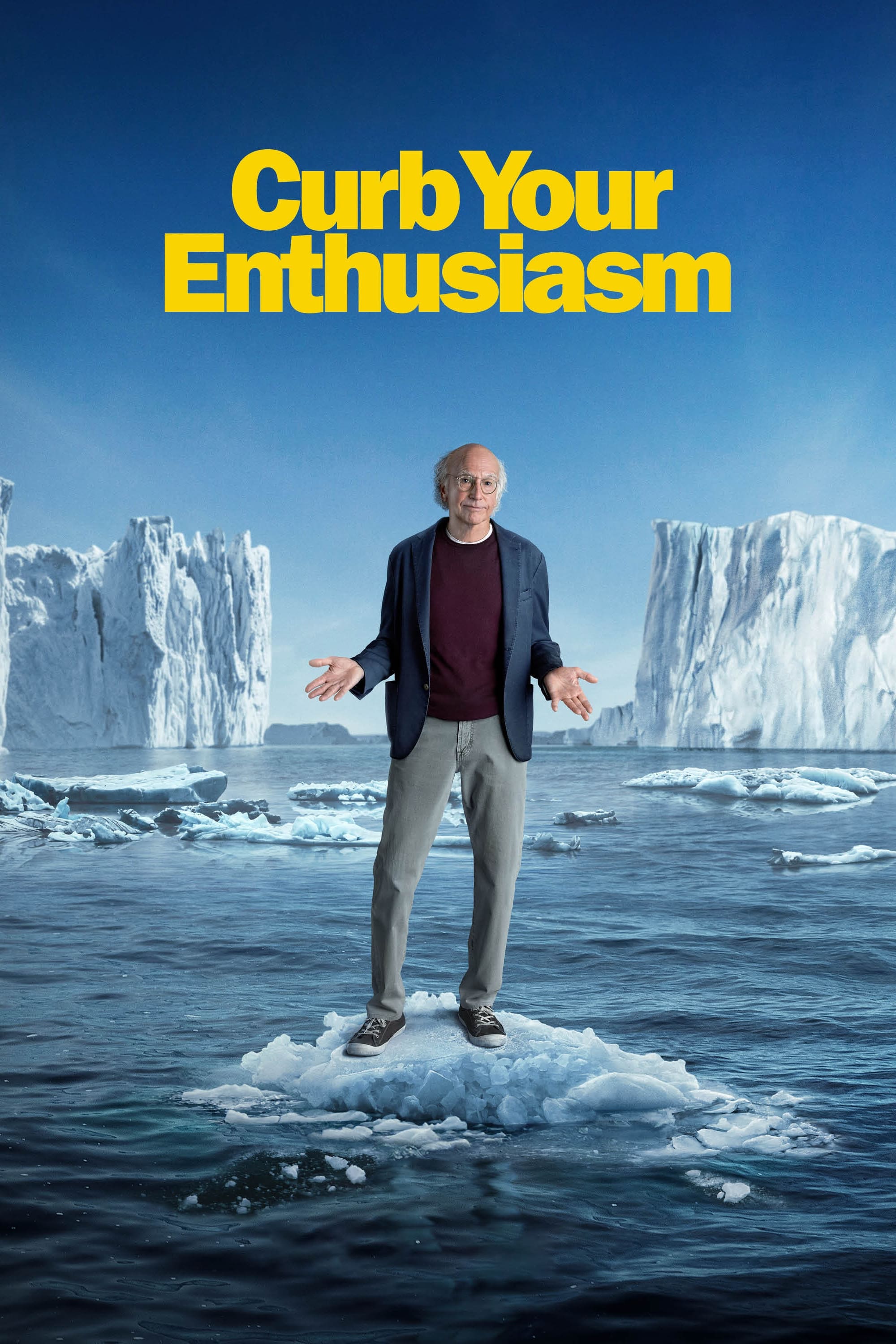
Larry David deconstructed the sitcom production process by filming with handheld cameras and using only story outlines. The actors improvised their dialogue based on the plot points provided by David. This method created a naturalistic and often excruciatingly awkward style of comedy. The show blurred the lines between fiction and reality by featuring celebrities playing themselves.
‘The Office’ (2001–2003)
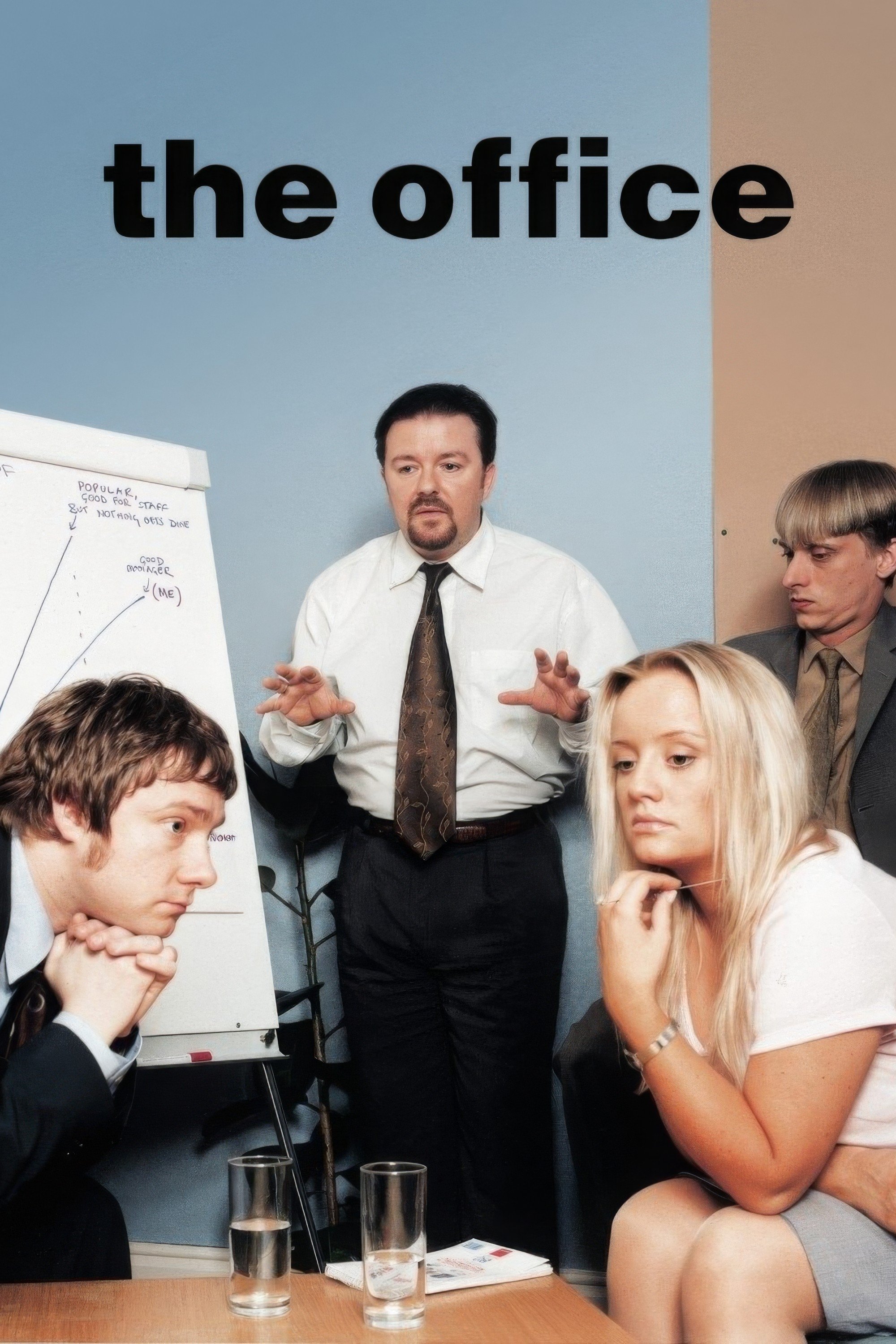
Ricky Gervais and Stephen Merchant popularized the mockumentary format for sitcoms by removing the laugh track entirely. They found humor in awkward silences and the mundane despair of a typical workplace. The characters spoke directly to the camera to share their inner thoughts with the audience. This style became a dominant visual language for television comedies for two decades.
‘The Wire’ (2002–2008)
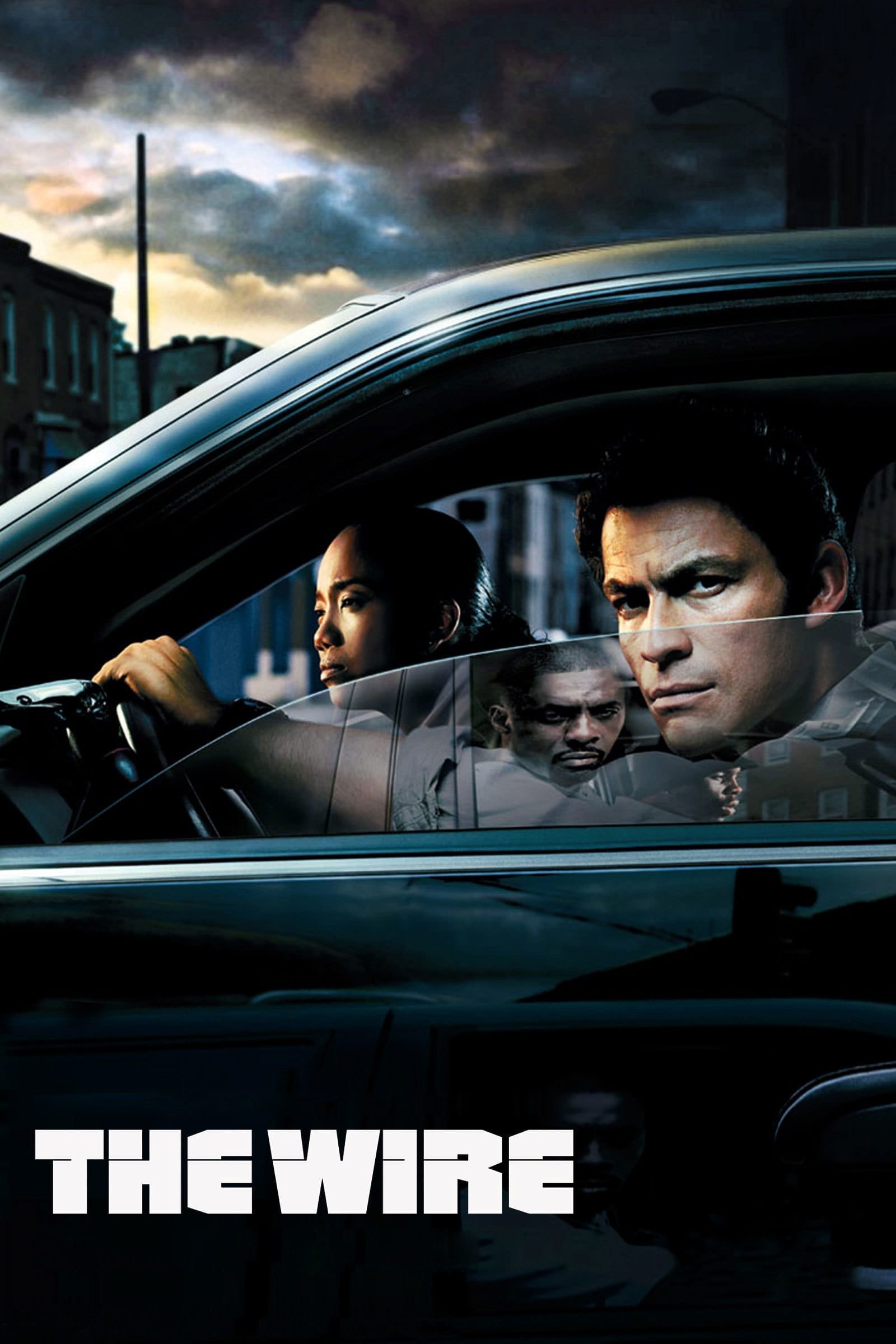
David Simon constructed a show that functioned more like a visual novel than a traditional television series. He explored the systemic failure of American institutions by focusing on a different facet of Baltimore each season. The show refused to hold the viewer’s hand and featured a sprawling cast of complex characters. It set a new standard for sociological depth and realism in drama.
‘Arrested Development’ (2003–2019)
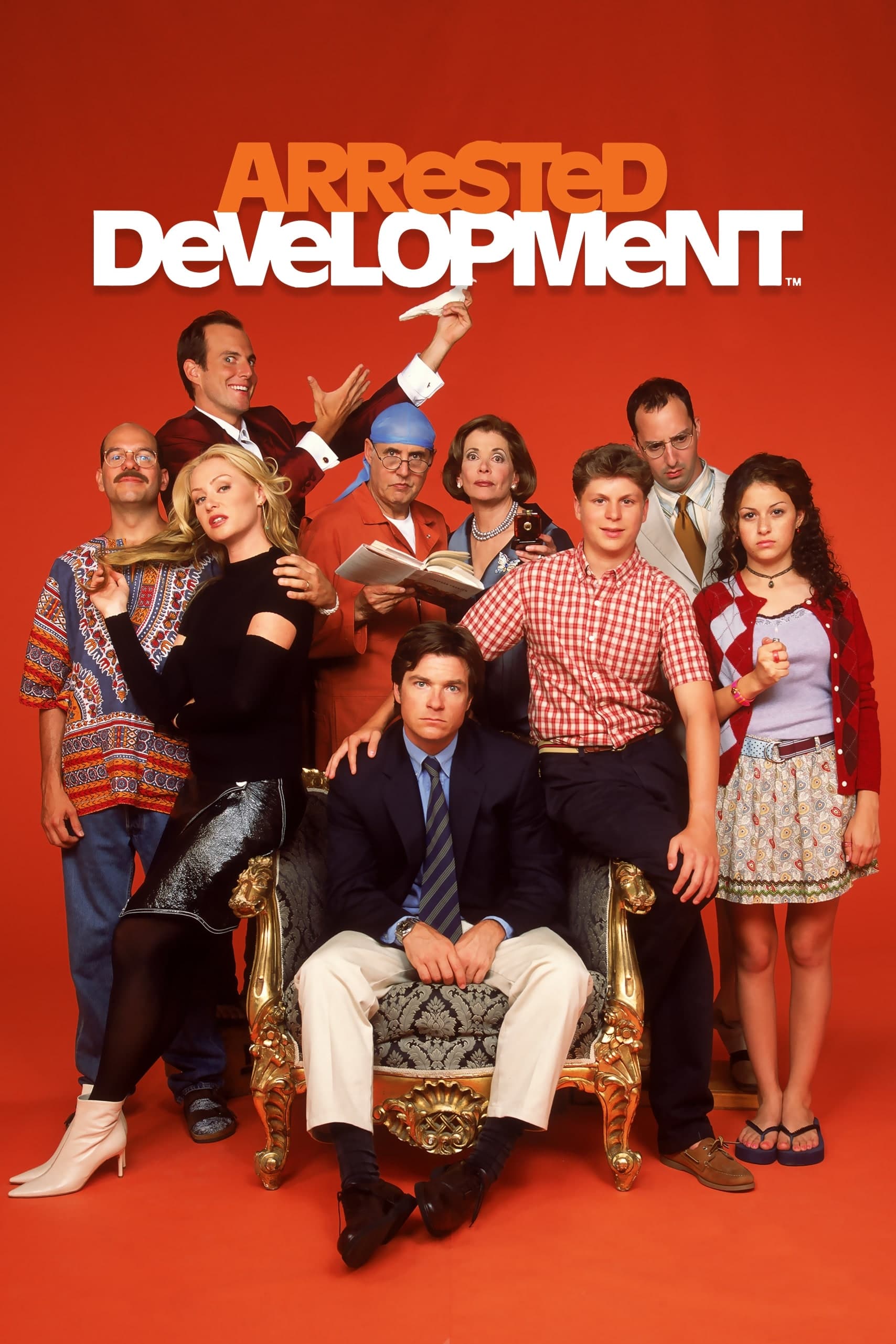
Mitchell Hurwitz packed his sitcom with dense self-referential jokes and foreshadowing that rewarded binge-watching. The show used a documentary style and a narrator to facilitate rapid-fire editing and flashbacks. It was ahead of its time in anticipating how audiences would consume comedy on DVD and streaming. The complexity of the writing set a high bar for cult comedies.
‘Lost’ (2004–2010)
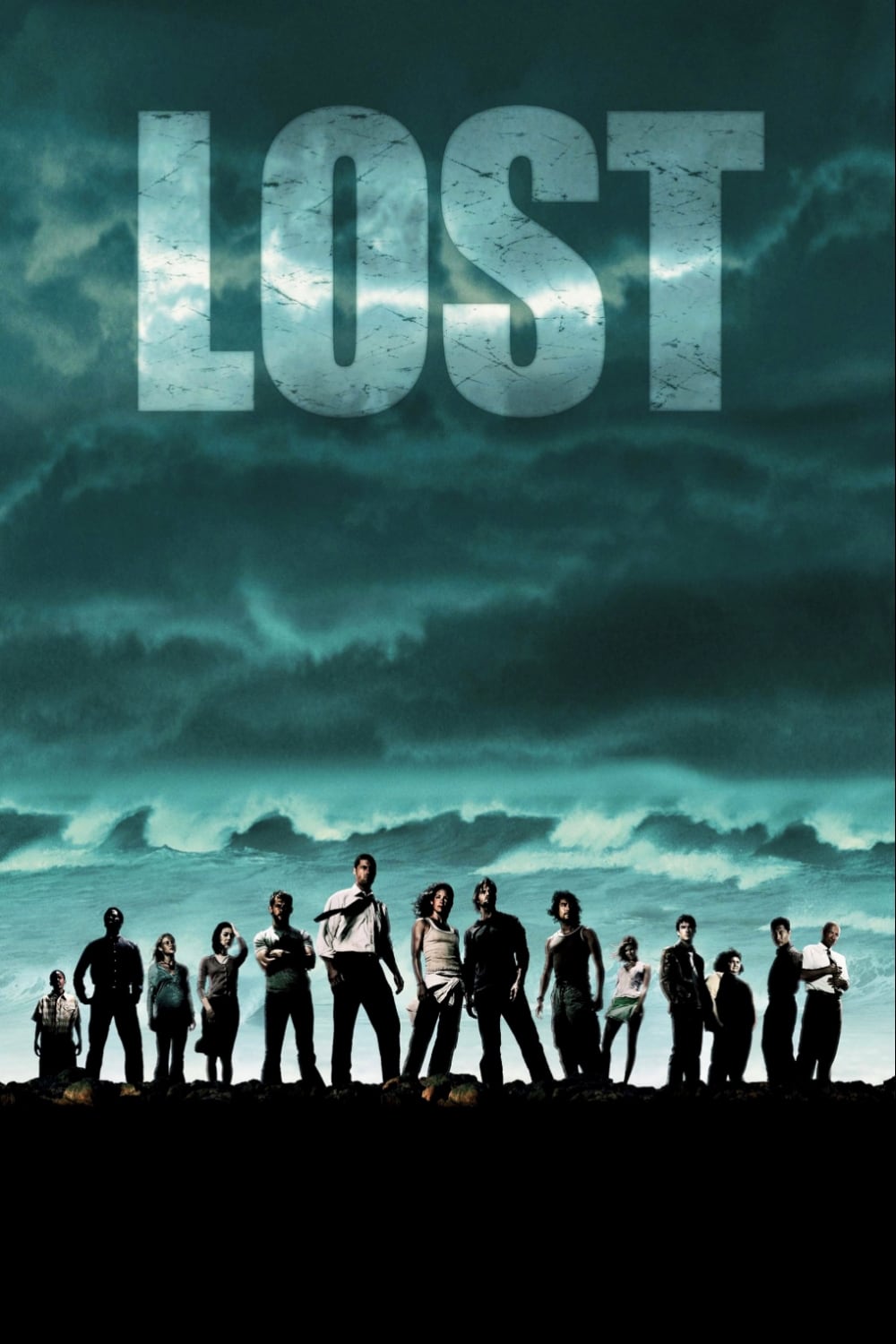
J.J. Abrams and Damon Lindelof created a global phenomenon built on the concept of the mystery box. The show utilized high-budget cinematic production values and an intricate web of secrets. It engaged viewers in collective theory-crafting on the internet unlike any show before it. The pilot episode redefined the scale of what a broadcast network television show could look like.
‘Battlestar Galactica’ (2004–2009)
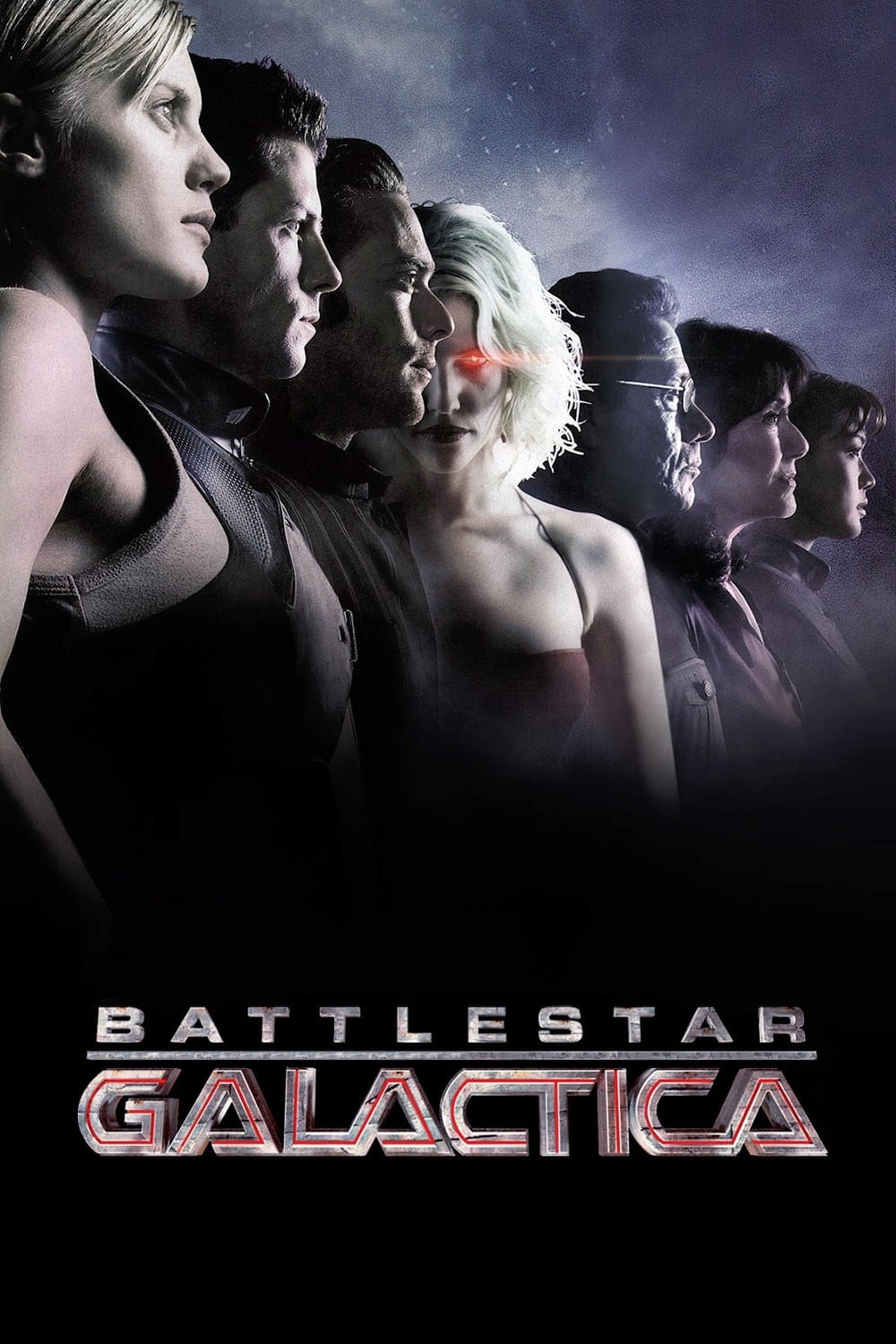
Ronald D. Moore reimagined a campy 1970s property as a gritty post-9/11 war drama. He stripped away the shiny tropes of space opera to focus on political survival and religious conflict. The show used handheld cameras and documentary lighting to ground the sci-fi setting in reality. It proved that science fiction could be a vehicle for serious military and political drama.
’30 Rock’ (2006–2013)
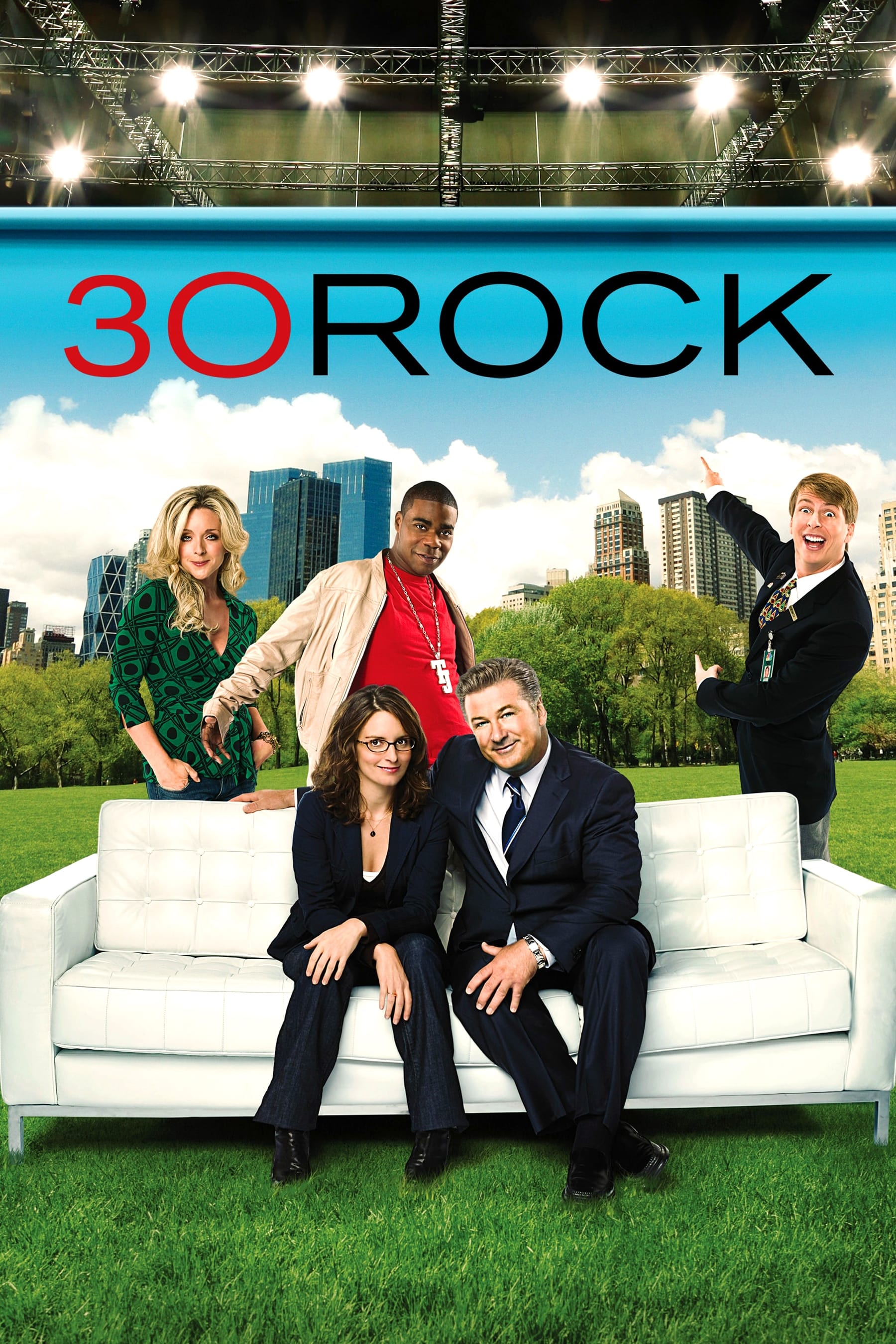
Tina Fey infused the workplace sitcom with a frantic pacing and an incredibly high jokes-per-minute ratio. She blended sharp social satire with surreal cutaway gags and meta-commentary on television itself. The show established a specific tone of absurdist comedy that defined the NBC brand for years. Fey demonstrated the power of a female showrunner writing from her own specific experiences.
‘Mad Men’ (2007–2015)
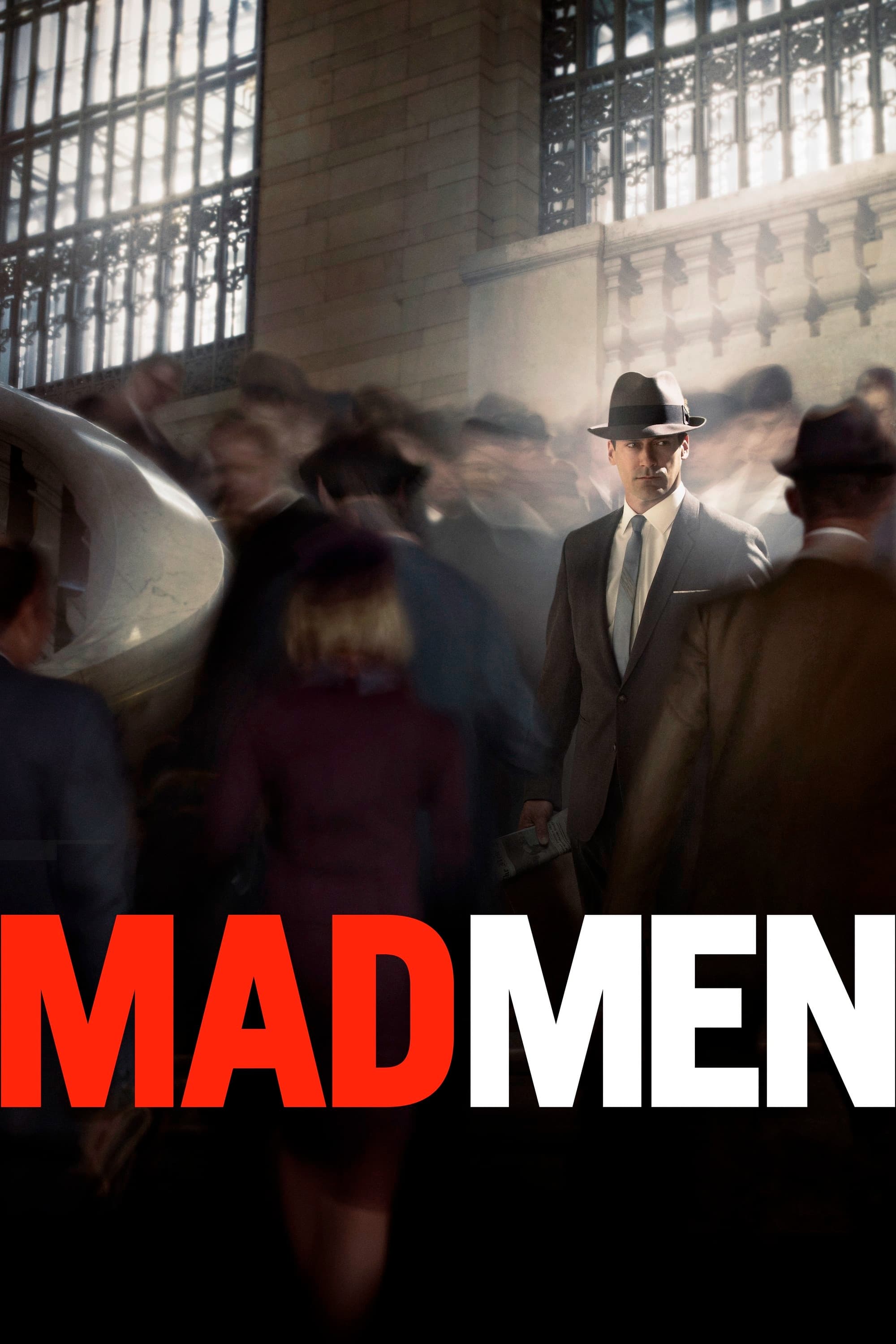
Matthew Weiner utilized obsessive period detail to deconstruct the American Dream of the 1960s. The show was a slow-burn character study that prioritized mood and subtext over plot mechanics. It revitalized the basic cable drama and proved that niche historical settings could have broad appeal. The visual style of the series had a massive impact on fashion and design.
‘Breaking Bad’ (2008–2013)
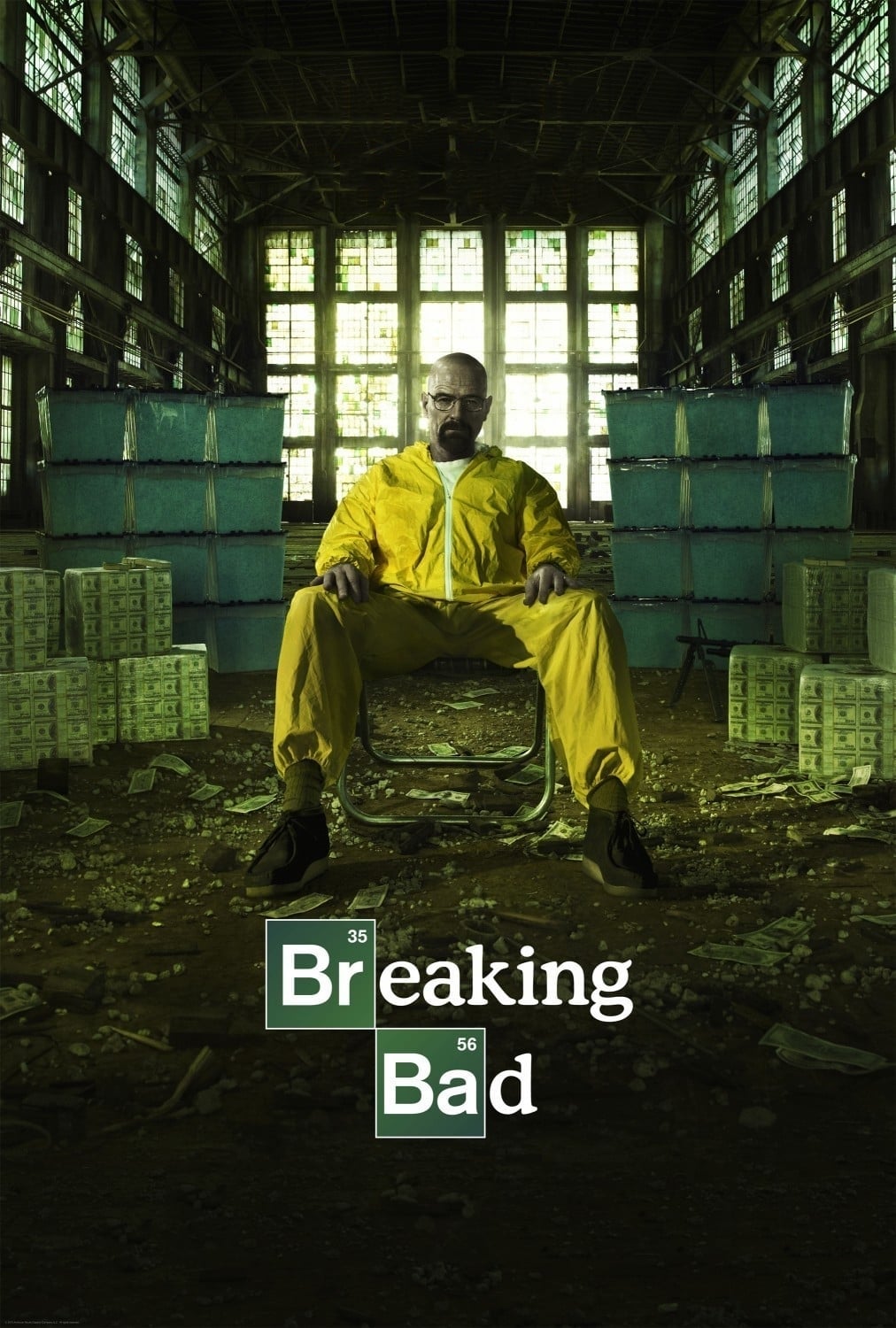
Vince Gilligan pitched the series as an experiment to turn the protagonist into the antagonist over the course of the show. He crafted a finite story with a clear beginning and end rather than an open-ended serial. The visual storytelling utilized distinctive camera angles and time-lapse photography. This transformation of character remains the gold standard for anti-hero narratives.
‘Community’ (2009–2015)
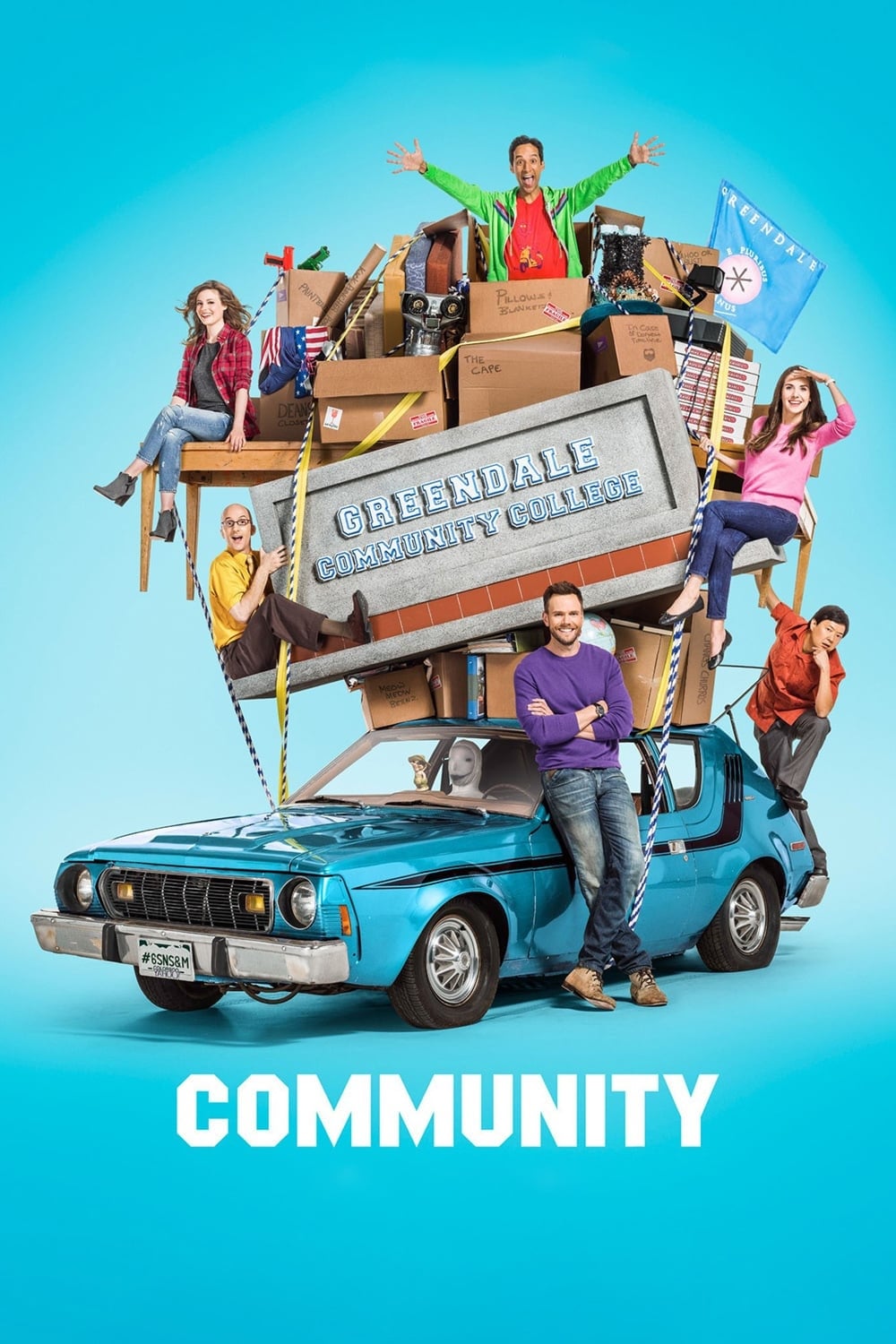
Dan Harmon used a community college setting to deconstruct television tropes and genre conventions. The show frequently broke the fourth wall and experimented with formats like animation and claymation. It catered to a media-literate audience that understood the references and meta-humor. Harmon turned the sitcom into a playground for conceptual experimentation.
‘Game of Thrones’ (2011–2019)
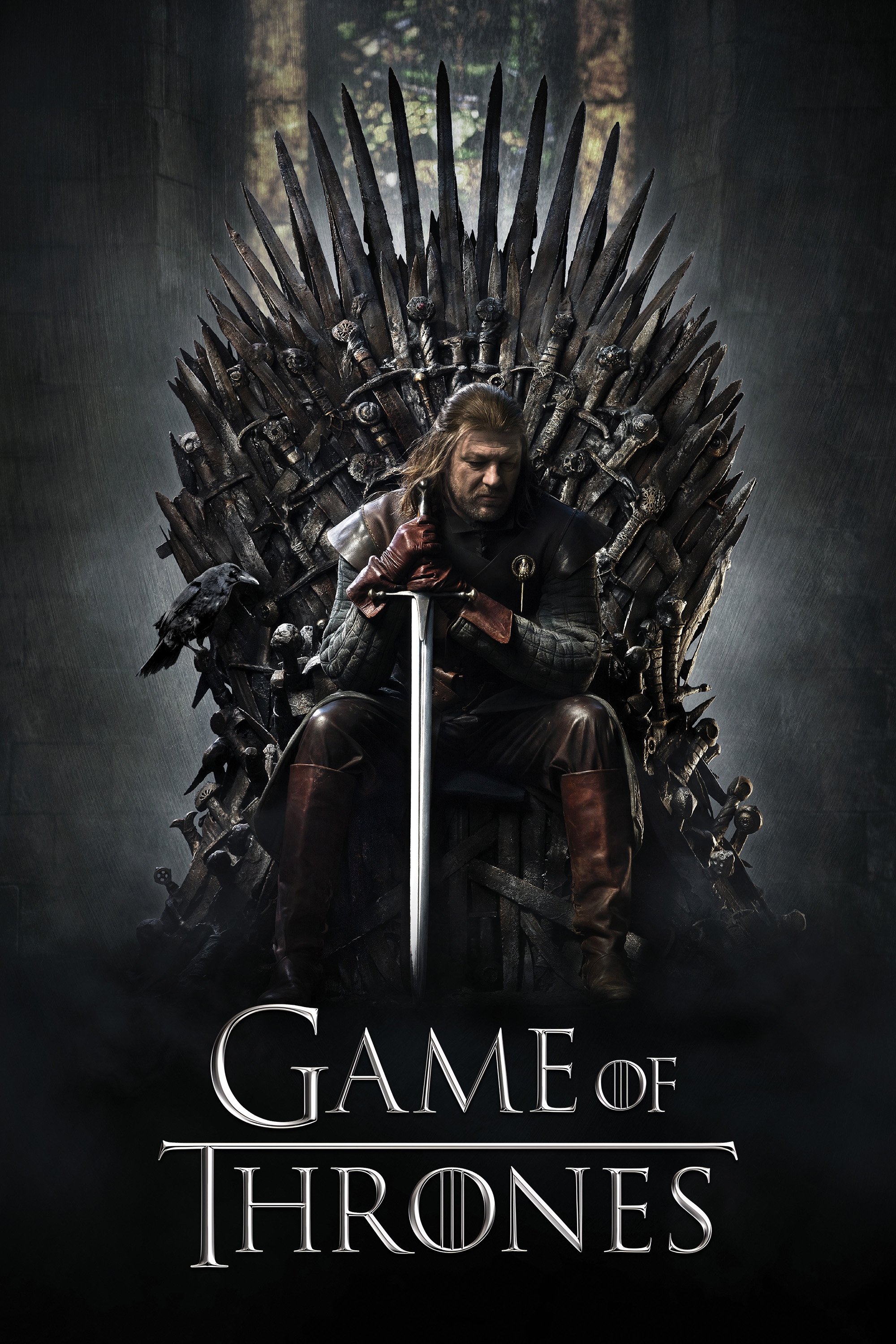
David Benioff and D.B. Weiss adapted a dense fantasy series with the budget and scale of a blockbuster film. They proved that fantasy could appeal to a mass adult audience by grounding it in political intrigue. The show became a global watercooler phenomenon that was viewed simultaneously around the world. It raised the ceiling for visual effects and production design on television.
‘Black Mirror’ (2011–Present)

Charlie Brooker revived the anthology format for the digital age with dark satires about technology and society. Each episode served as a standalone film with different casts and settings. The show tapped into modern anxieties about social media and artificial intelligence with terrifying precision. It demonstrated that the anthology format was viable for modern streaming audiences.
‘House of Cards’ (2013–2018)
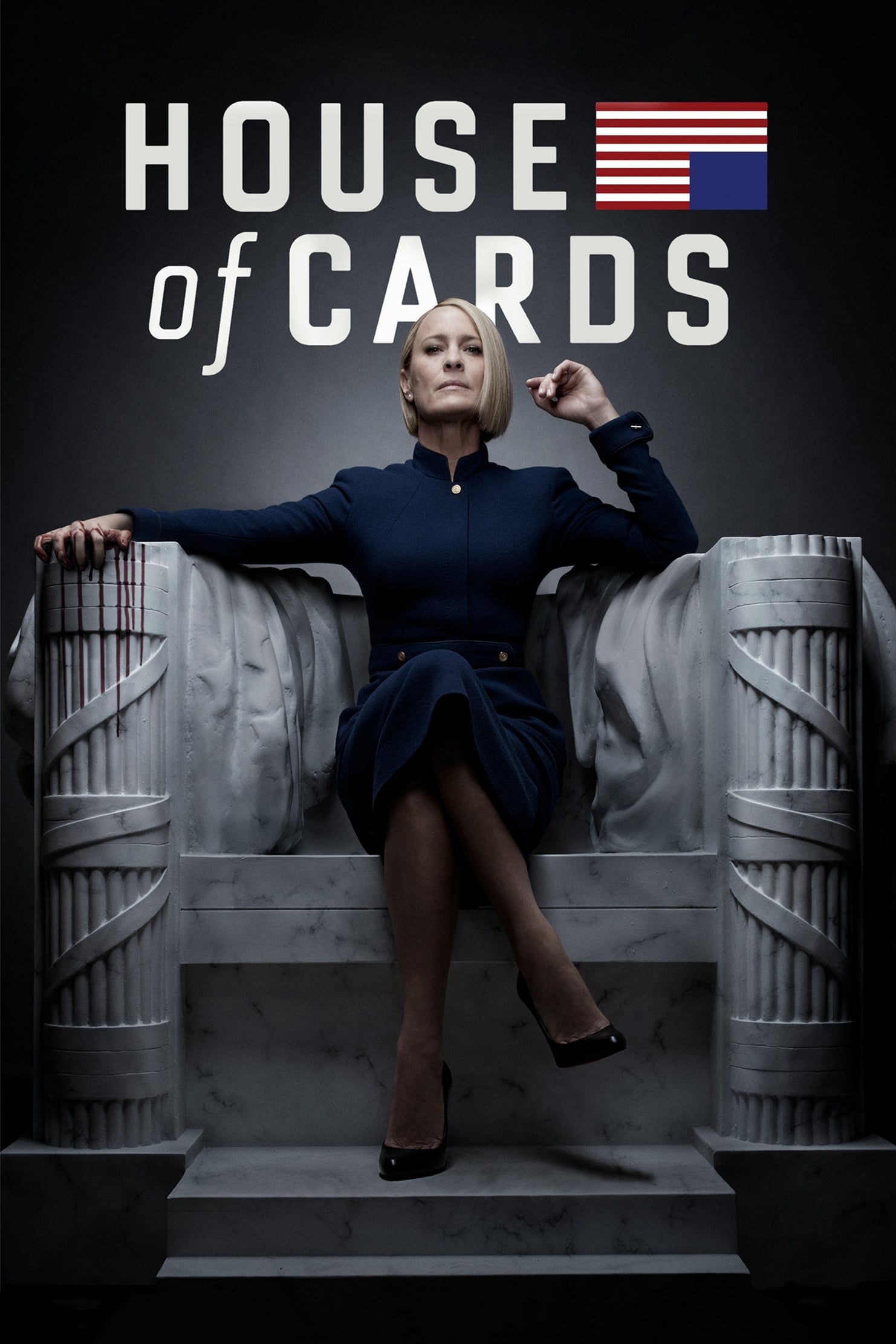
Beau Willimon and David Fincher helped launch the streaming era by releasing an entire season at once. This release strategy encouraged the habit of binge-watching and changed how stories were paced. The high-profile talent attached to the project signaled that streaming services were serious competitors to cable. It marked the beginning of the shift away from linear broadcast schedules.
‘True Detective’ (2014–Present)
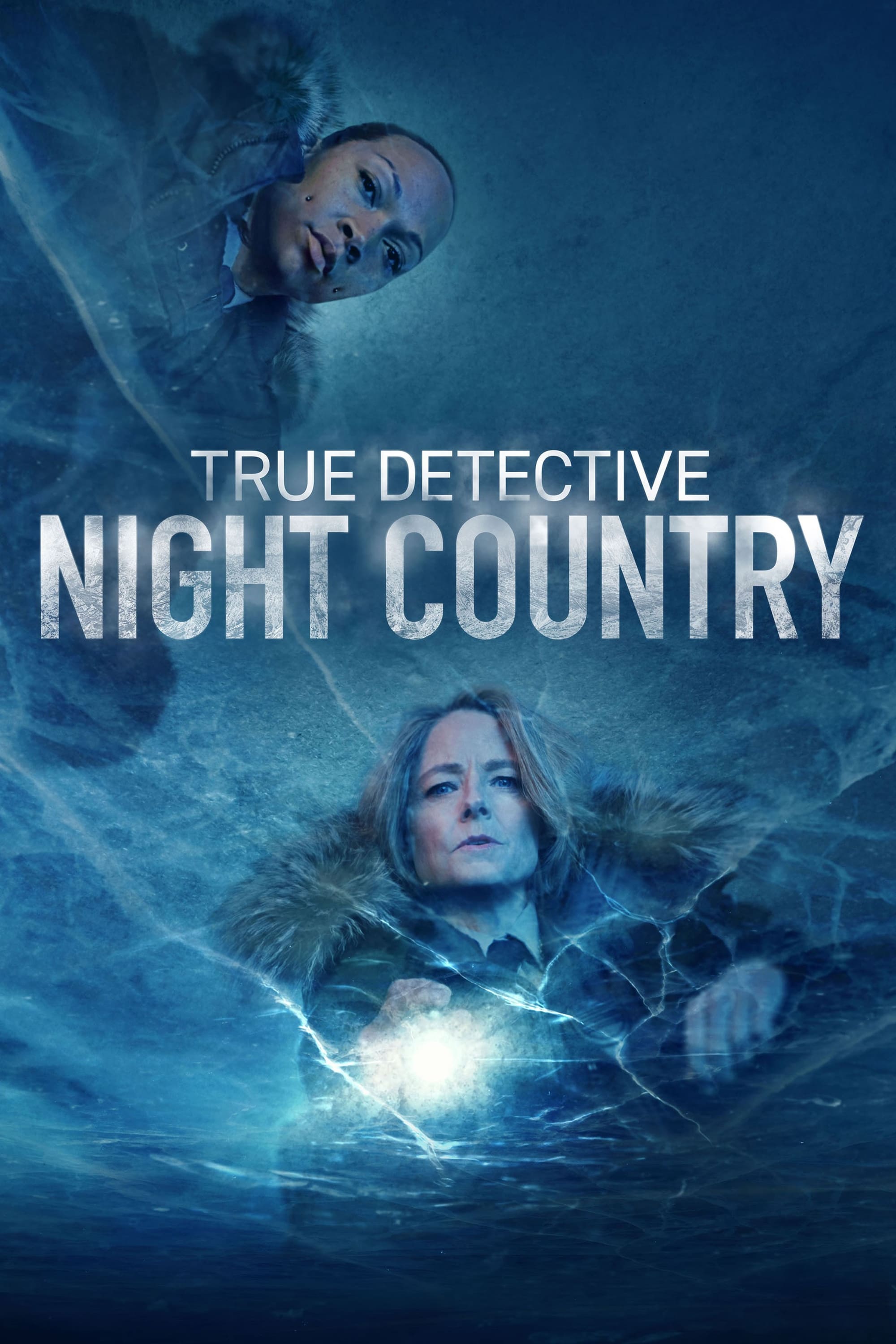
Nic Pizzolatto popularized the seasonal anthology format where each season features a new cast and story. He attracted A-list movie stars to television by offering limited commitments rather than multi-year contracts. The first season utilized a unique gothic atmosphere and philosophical dialogue. This model bridged the gap between the miniseries and the ongoing drama series.
‘Transparent’ (2014–2019)
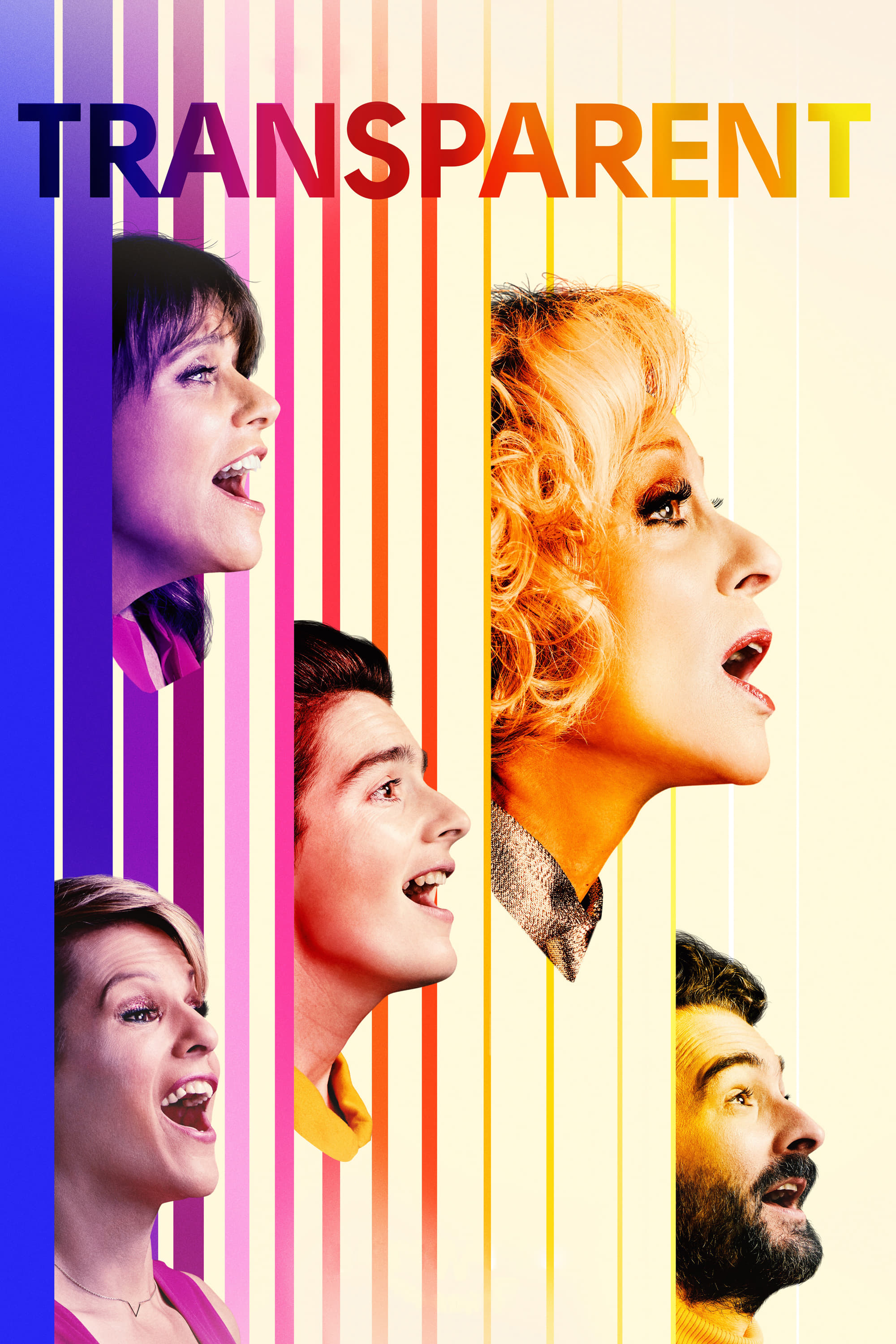
Joey Soloway created a half-hour show that felt more like an indie film than a traditional sitcom. The series explored gender identity and intergenerational trauma with an intimate and naturalistic tone. It helped establish Amazon Prime as a home for prestigious and artistically daring content. The show pushed the boundaries of representation and tone in the streaming comedy space.
‘Atlanta’ (2016–2022)
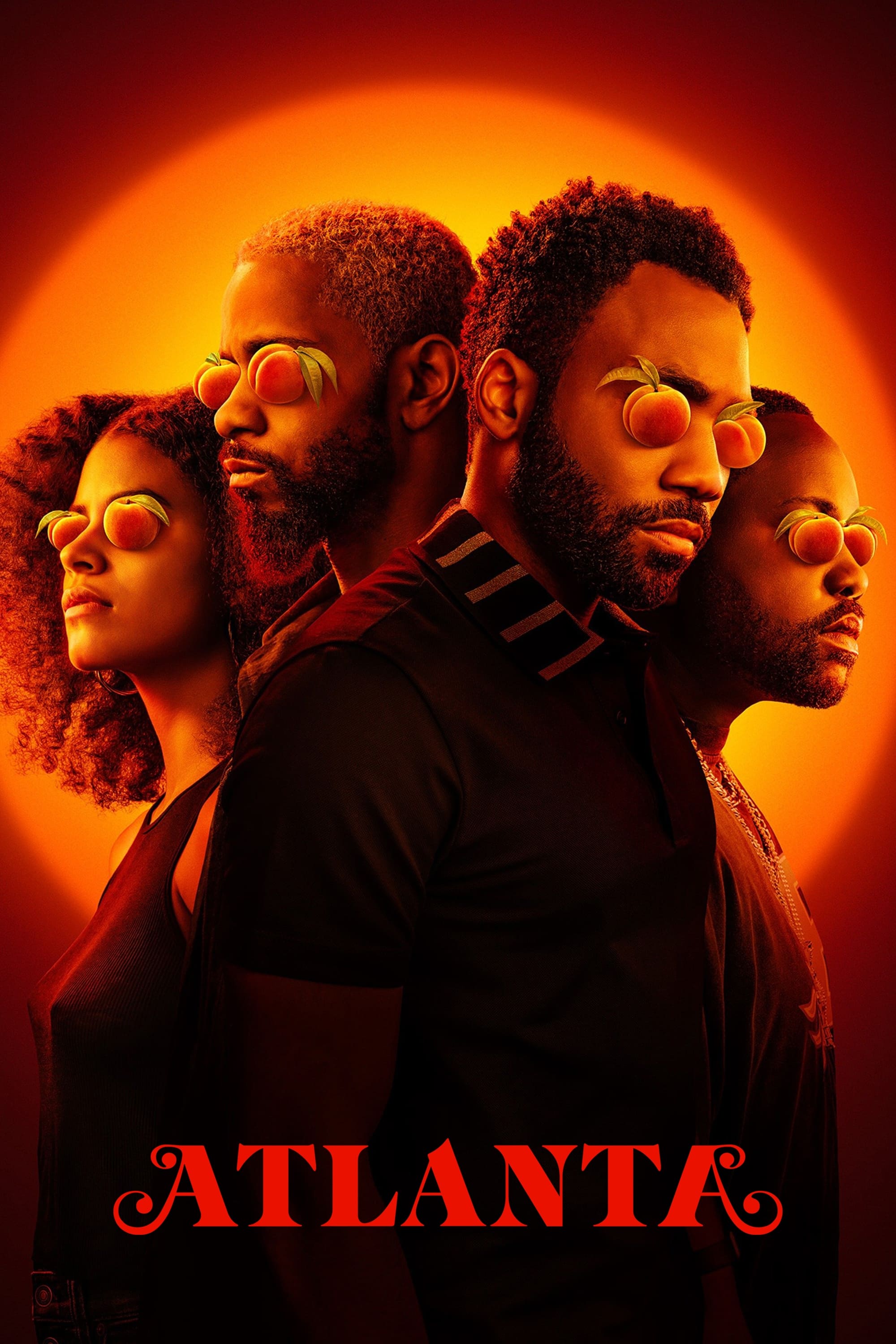
Donald Glover created a surrealist comedy that defied easy categorization by blending social commentary with horror and absurdity. He used the show to explore the black experience in America without adhering to traditional narrative structures. The series frequently took detours into standalone stories that felt like short films. Glover proved that an auteur vision could thrive on basic cable.
‘Fleabag’ (2016–2019)
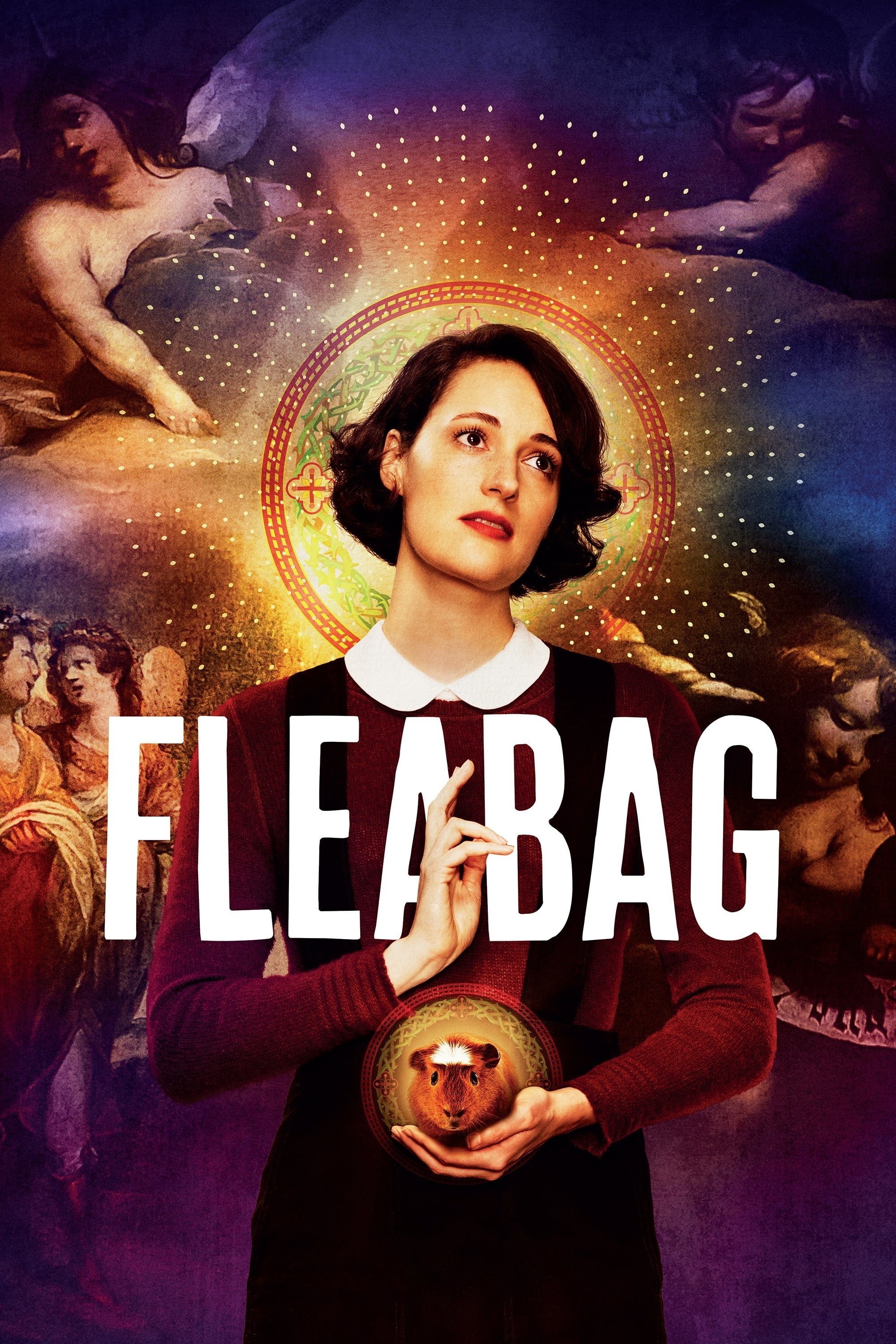
Phoebe Waller-Bridge adapted her one-woman play into a series that weaponized the breaking of the fourth wall. She used direct address to the camera to create intimacy and complicity with the viewer. The show balanced raunchy comedy with devastating emotional reveals about grief and guilt. It demonstrated how a singular theatrical voice could translate perfectly to the screen.
‘Succession’ (2018–2023)
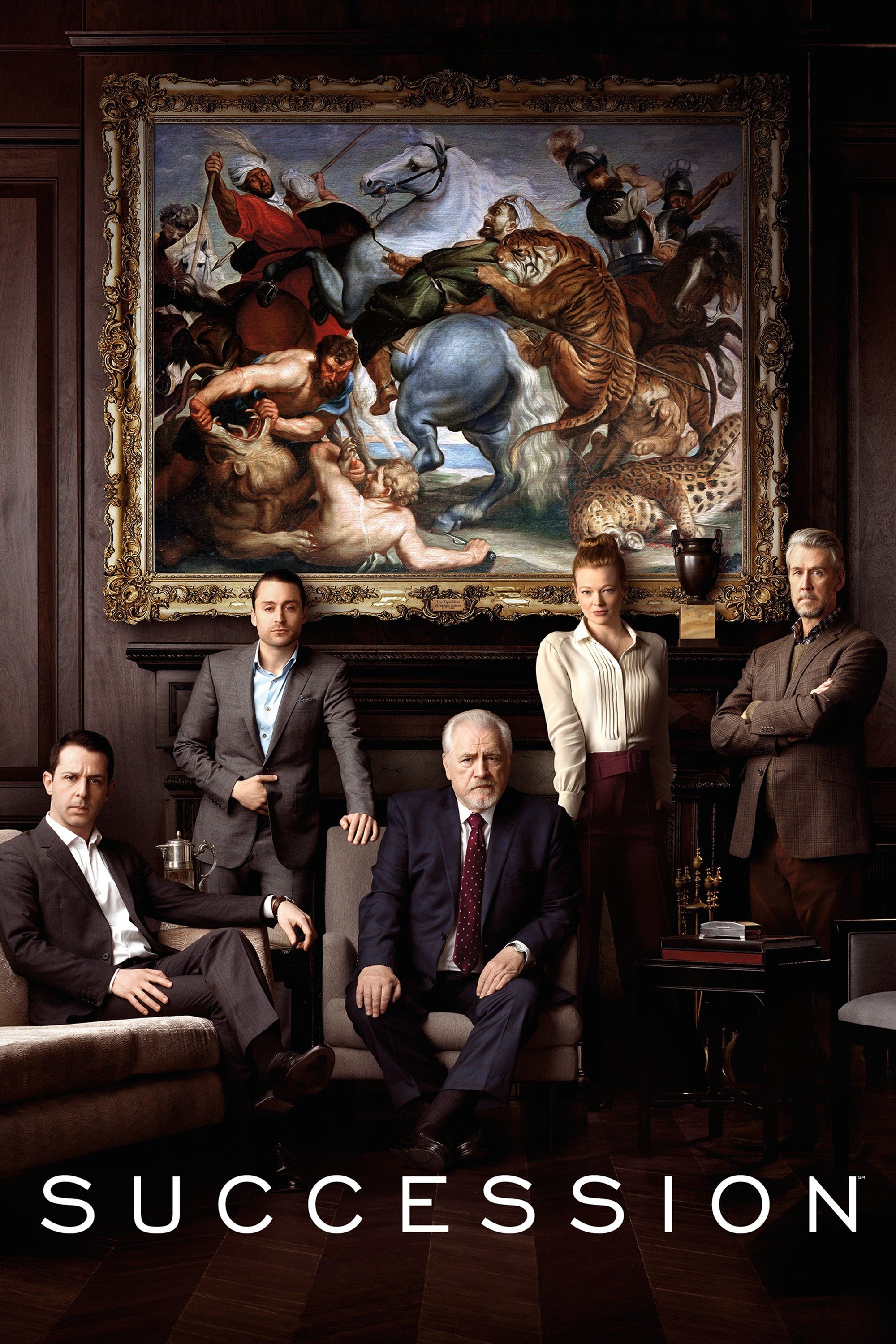
Jesse Armstrong blended Shakespearean family tragedy with the sharp insults of British political satire. The show utilized a handheld camera style and snap-zooms to capture the anxiety of the characters. It focused on the corrosive nature of wealth and power within a media dynasty. The writing elevated the insults and power plays into a form of high art.
Share your favorite visionary TV creator from this list in the comments.