


TV Shows With Hidden Details Only Die-Hard Fans Notice

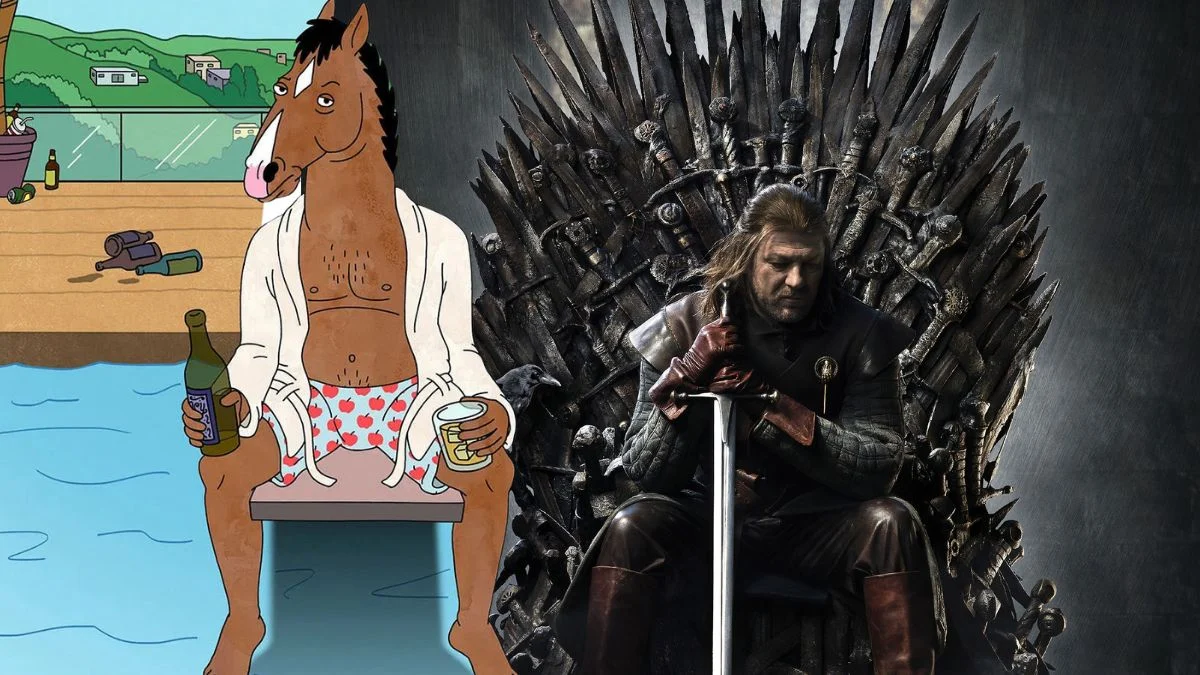


Television creators often embed secret messages and subtle clues to reward their most attentive viewers. These hidden details can range from foreshadowing major plot twists to elaborate background jokes that span multiple seasons. Identifying these Easter eggs adds a layer of depth that transforms a casual viewing into an obsessive hunt for clues. The following series are renowned for the intricate puzzles and continuity nods concealed within their frames.
‘Breaking Bad’ (2008–2013)
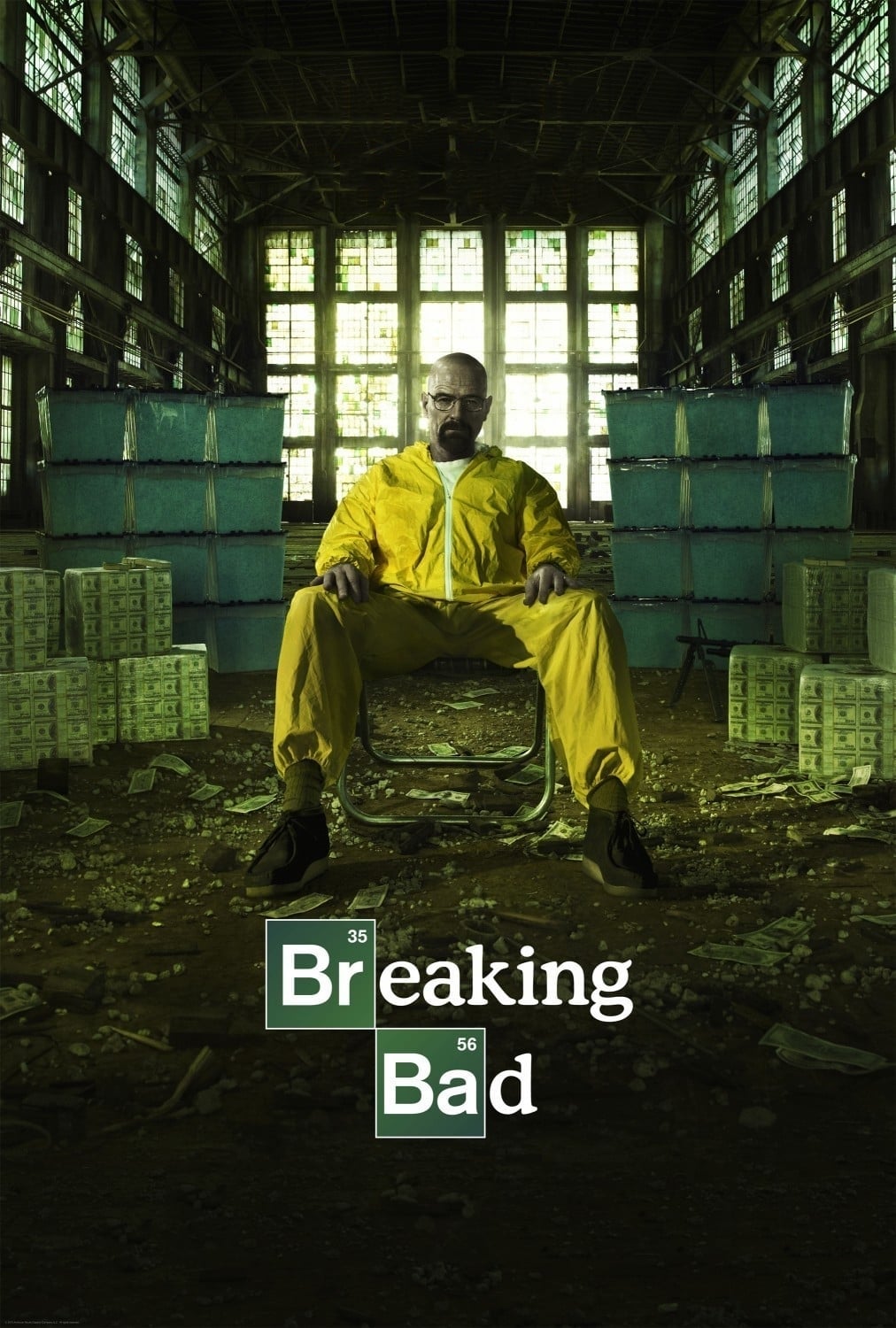
Vince Gilligan famously included a callback to the pilot episode during the final season. Walter White rolls a barrel of money past a pair of khaki pants lying in the dirt during the episode ‘Ozymandias’. These are the exact trousers the character lost during the chaotic RV drive in the very first episode. This visual cue serves to bookend the transformation of the protagonist from a desperate teacher to a drug kingpin. It emphasizes how much has changed while the physical setting remains the same.
‘Community’ (2009–2015)
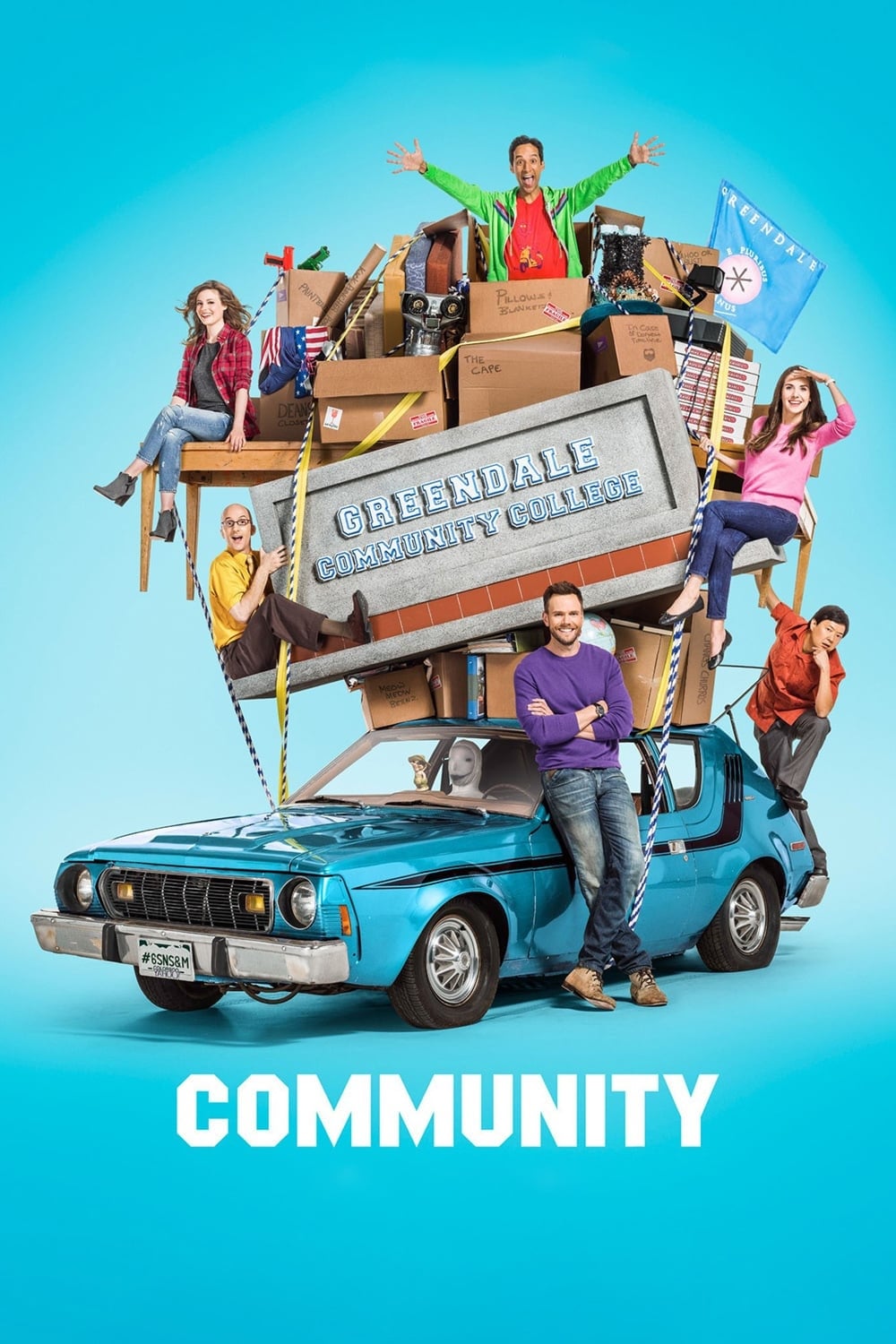
The writers executed a background gag that required three years of patience to deliver. The name Beetlejuice is mentioned once in the first season and again in the second season by different characters. When the name is spoken for a third time in the third season, an extra dressed as the ghost walks by in the background. This detail pays off the folklore rule that saying the name three times summons the character. It remains one of the most celebrated continuity jokes in sitcom history.
‘The Haunting of Hill House’ (2018)
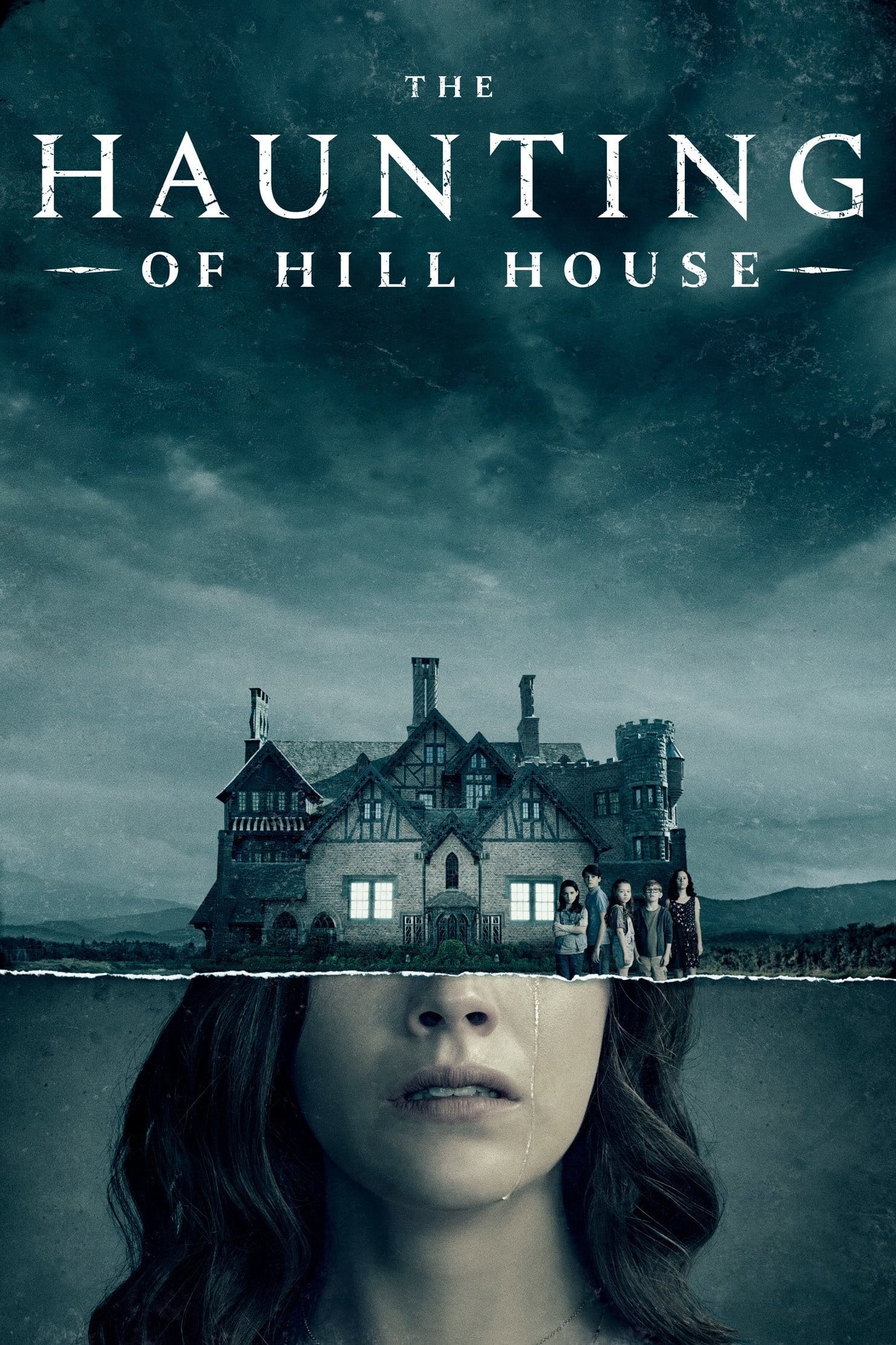
Director Mike Flanagan hid dozens of ghosts in plain sight throughout the ten-episode run. These spectral figures stand motionless in the background of shots or lurk under furniture without any musical cue to alert the audience. Viewers often miss these apparitions on the first watch because the camera does not focus on them. Spotting every hidden spirit became a viral challenge for fans of the horror anthology. The presence of these silent observers amplifies the sense of dread and surveillance within the house.
‘Arrested Development’ (2003–2019)
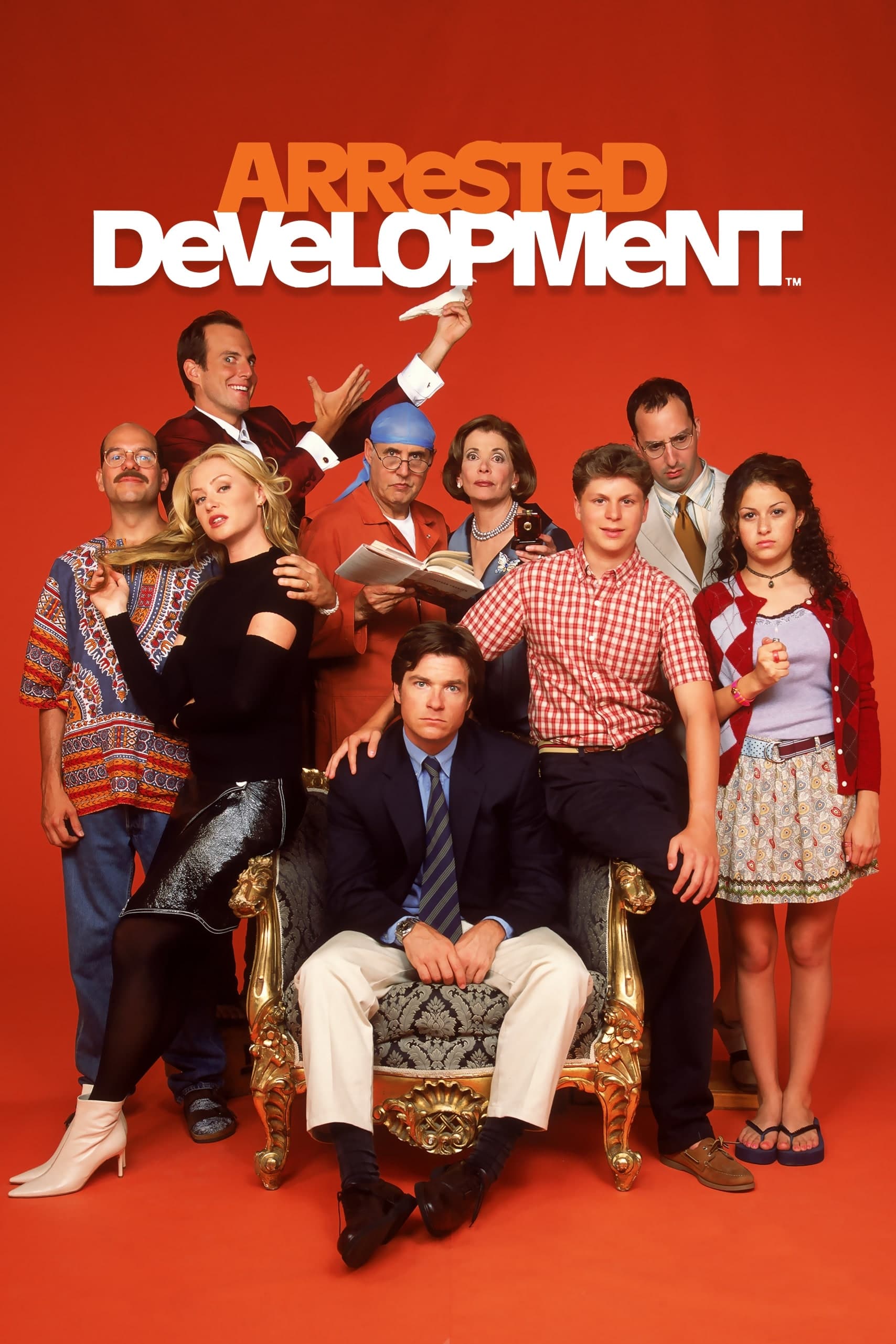
The showrunners foreshadowed Buster Bluth losing his hand long before the seal attack occurred. He is seen sitting on a bench covered by an advertisement that reads “Arm Off” next to a seal plush toy. Another scene features him finding his old hand chair which he remarks he never thought he would miss. The series is densely packed with such verbal and visual irony that predicts future storylines. Fans consider these layered jokes a primary reason to rewatch the series repeatedly.
‘Game of Thrones’ (2011–2019)
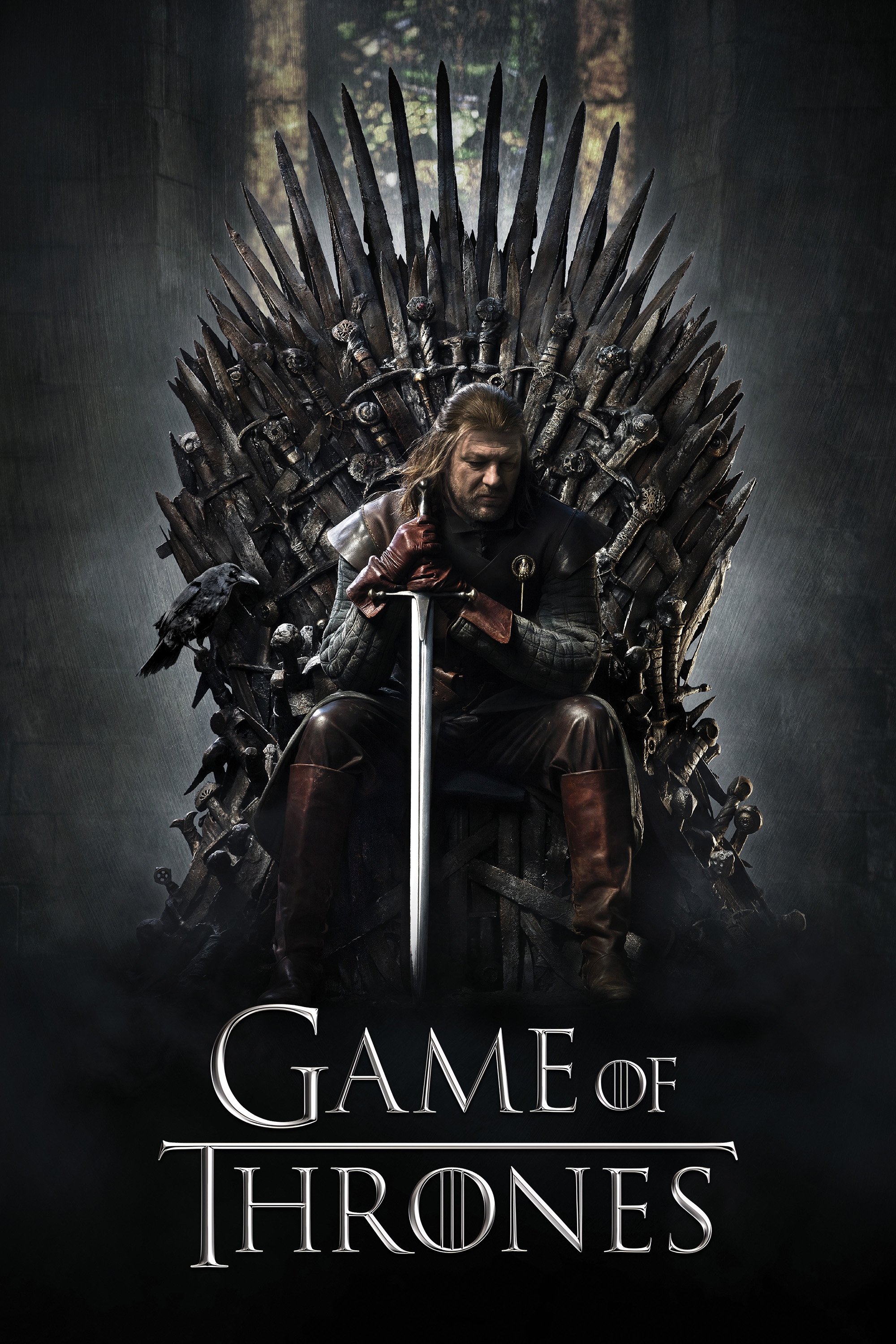
The animated opening credits evolved constantly to reflect the changing narrative landscape. Locations were added or removed from the mechanical map depending on whether they appeared in that specific episode. The sigils hovering over Winterfell and King’s Landing changed to indicate which house currently held control of the castle. This dynamic title sequence served as a weekly update on the political status of Westeros. Observant fans could predict plot movements simply by analyzing the introduction.
‘How I Met Your Mother’ (2005–2014)
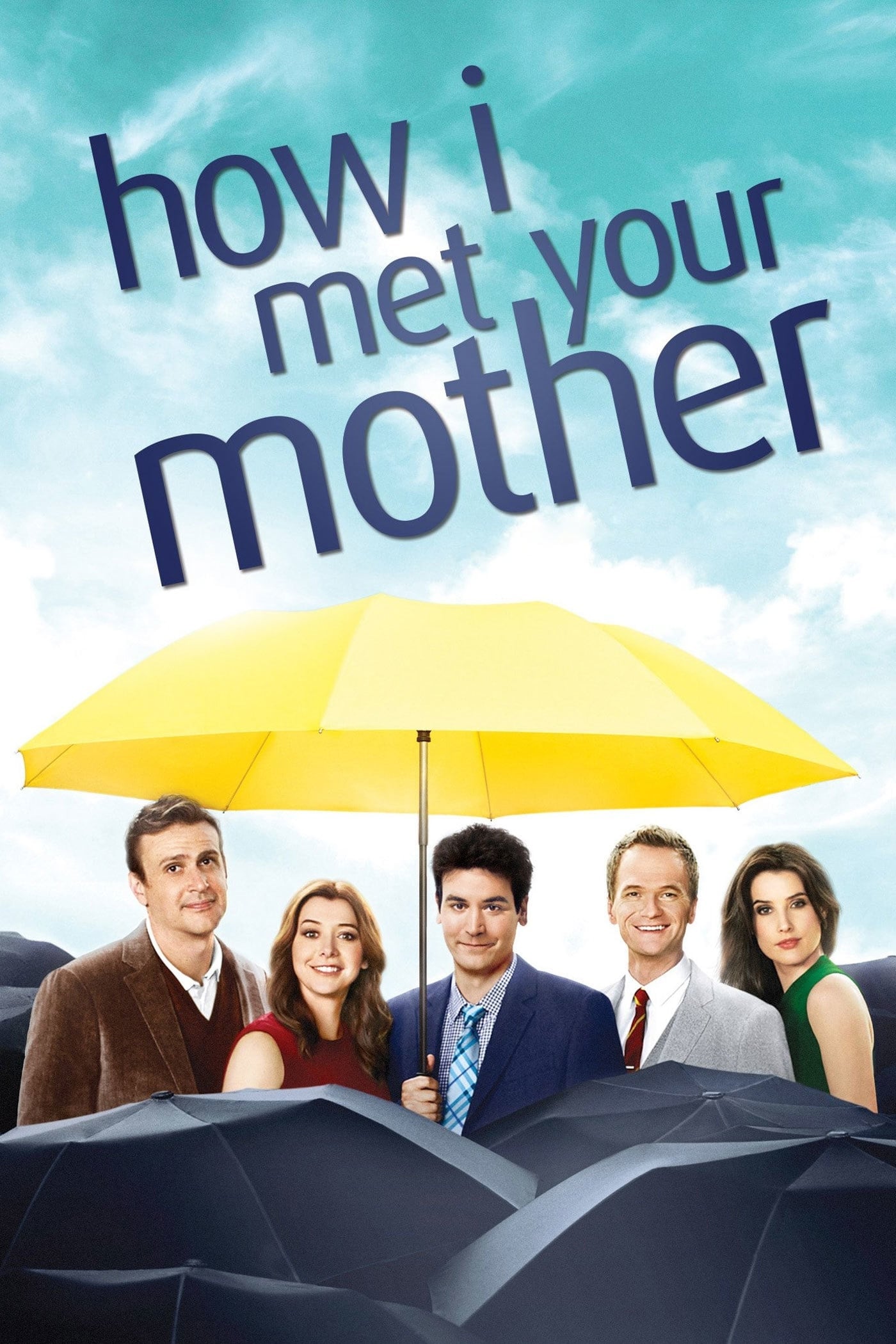
A countdown appeared throughout the episode ‘Bad News’ leading up to a tragic event. Numbers ranging from fifty down to one were integrated into props and background items in sequential order. The countdown ends on a parking meter just before Marshall receives the news of his father’s passing. This subtle visual device prepares the audience subconsciously for the emotional impact of the climax. It stands as a unique stylistic choice for a traditional multi-camera sitcom.
‘Friends’ (1994–2004)
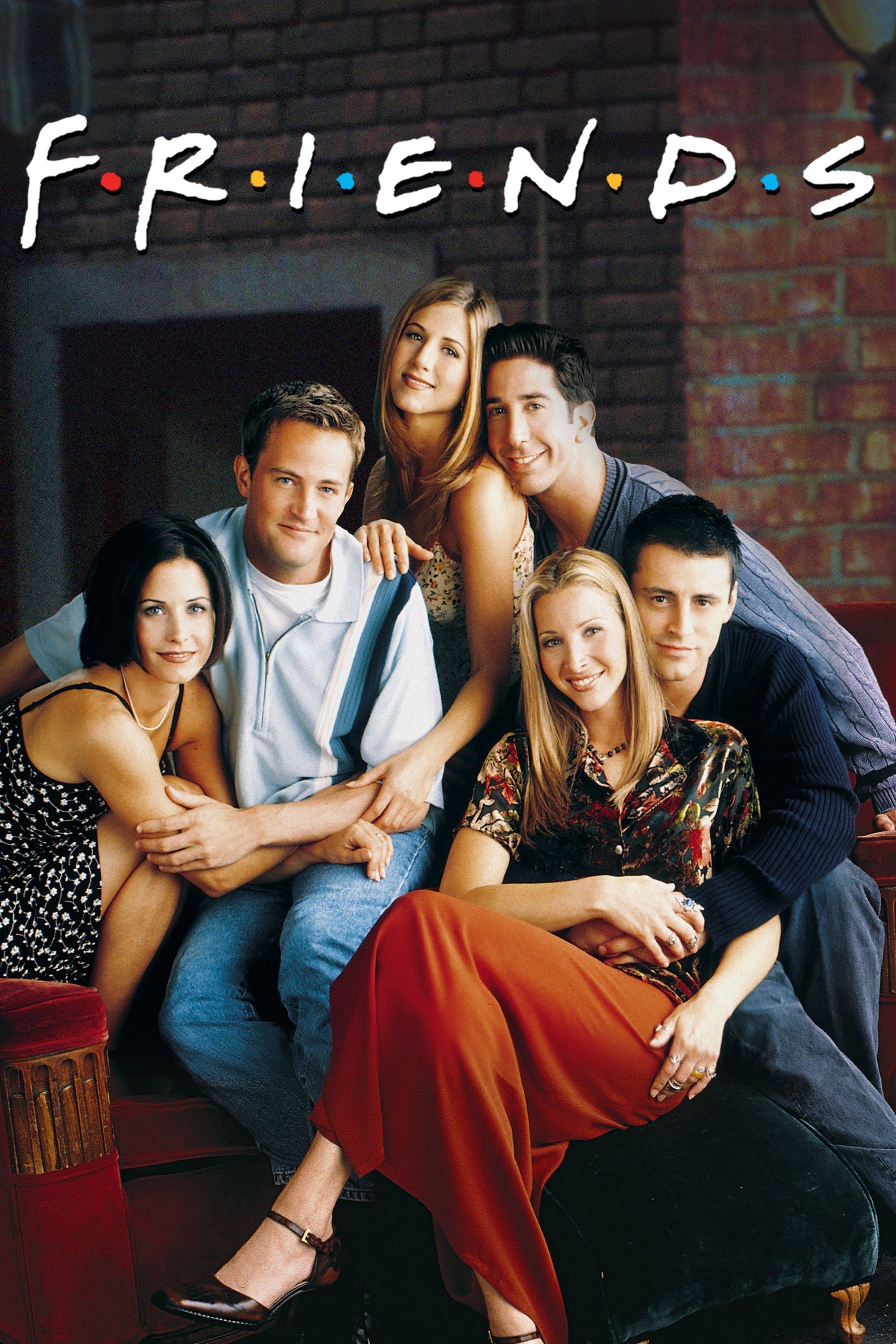
The Magna Doodle board hanging on the door of Joey and Chandler’s apartment featured a new drawing in almost every episode. The crew members sketched cartoons or messages that often referenced the plot of the current episode or inside jokes. Sometimes the board contained reminders to call people or random doodles that changed between scenes. Dedicated fans have cataloged every single iteration of the board’s artwork over the ten seasons. It provided a dynamic background element that made the set feel lived-in.
‘Psych’ (2006–2014)
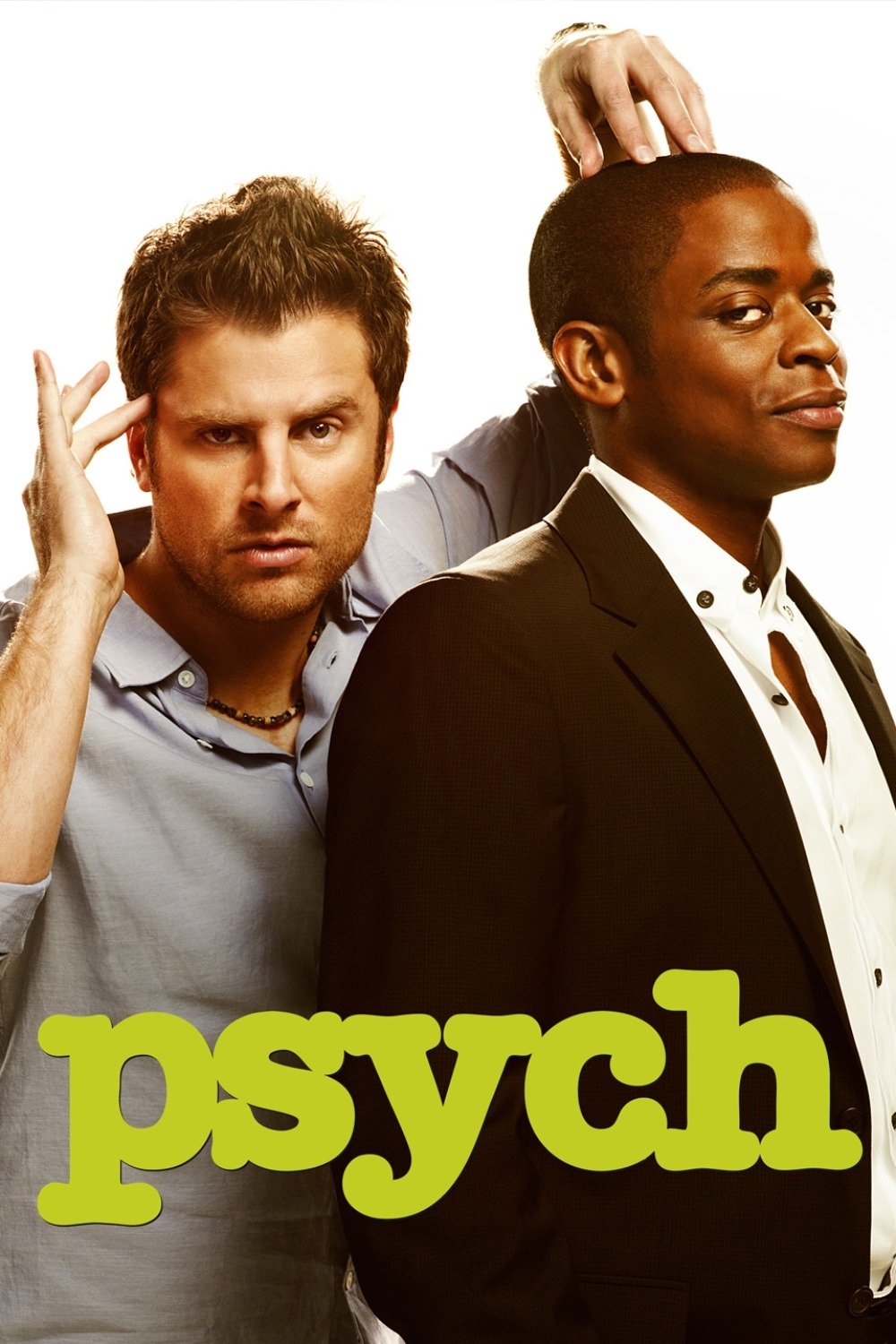
The production team hid a pineapple in nearly every episode of the series. The fruit appears as a prop, a print on clothing, or even a design element in the background. Finding the pineapple became a weekly contest for the fanbase during the show’s original broadcast. This running gag originated from an improvised moment in the pilot where actor James Roday Rodriguez grabbed a pineapple off a fridge. It became the show’s unofficial mascot and a symbol for the community.
‘Fringe’ (2008–2013)
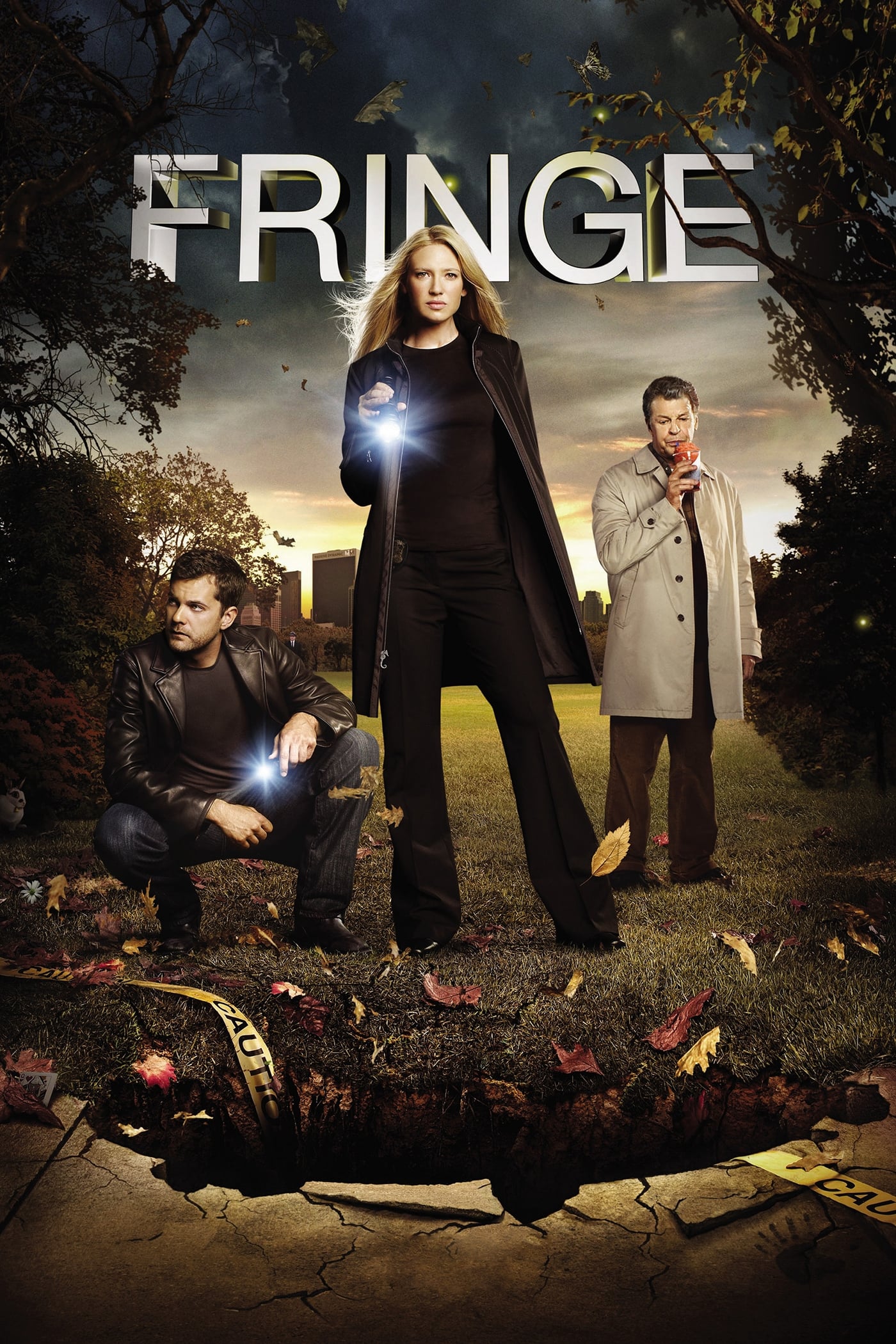
The commercial breaks were preceded by title cards featuring images of a hand, a frog, or a leaf. These images contained glowing dots that formed a glyph code which spelled out a thematic word for the episode. Viewers deciphered the alphabet early on and decoded the hidden words each week. The glyphs offered clues about the mystery or the emotional arc of the characters. This puzzle rewarded engagement and expanded the mythology of the show.
‘Doctor Who’ (2005–Present)
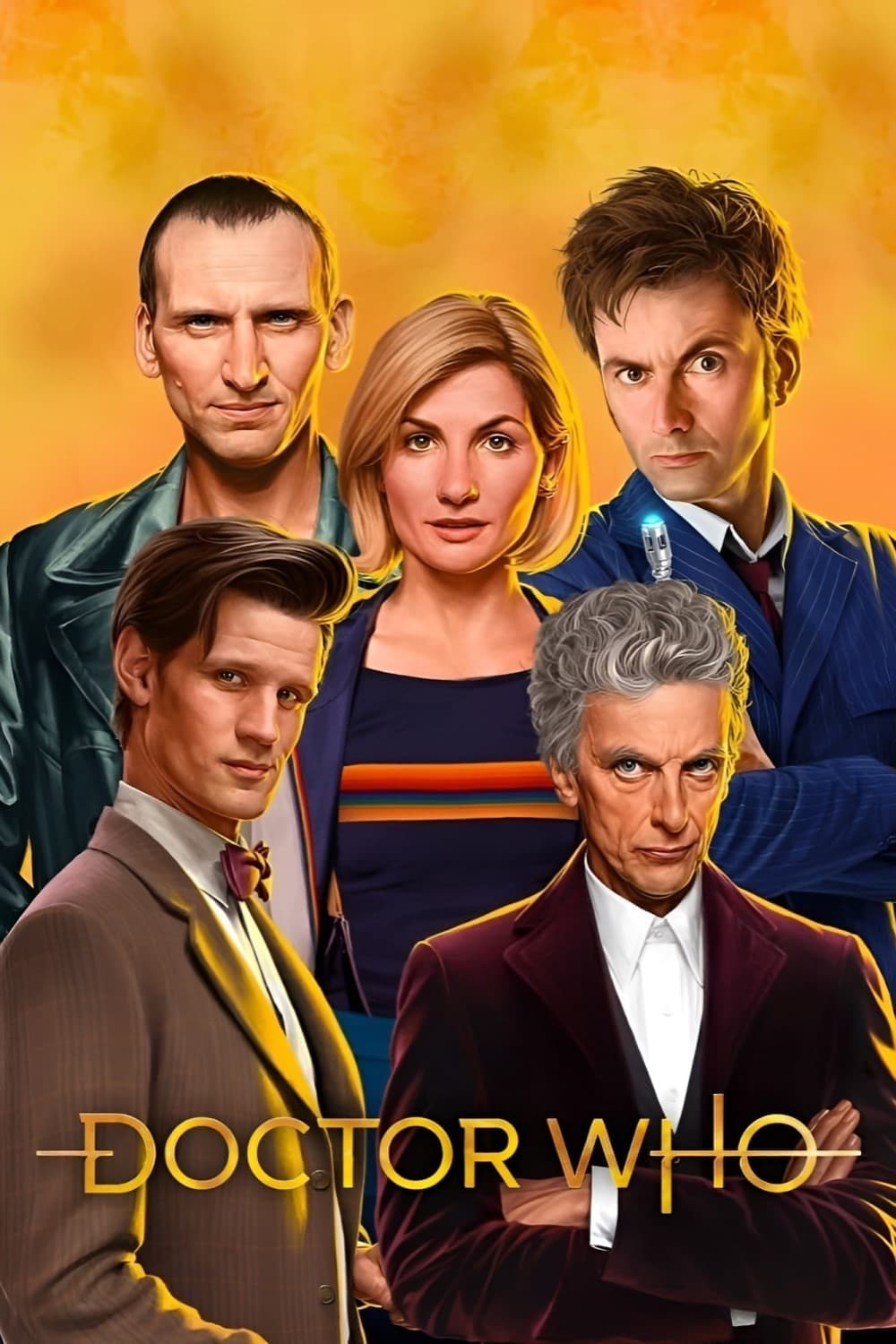
The phrase “Bad Wolf” was scattered throughout the first season of the revived series. It appeared as graffiti, brand names, and spoken dialogue in seemingly unrelated historical eras. This repeated motif foreshadowed the season finale where the companion Rose Tyler absorbs the time vortex. The showrunner used this arc to demonstrate that the entire season was a cohesive story rather than episodic adventures. The phrase has reappeared in subsequent seasons as a callback to this foundational mystery.
‘Lost’ (2004–2010)
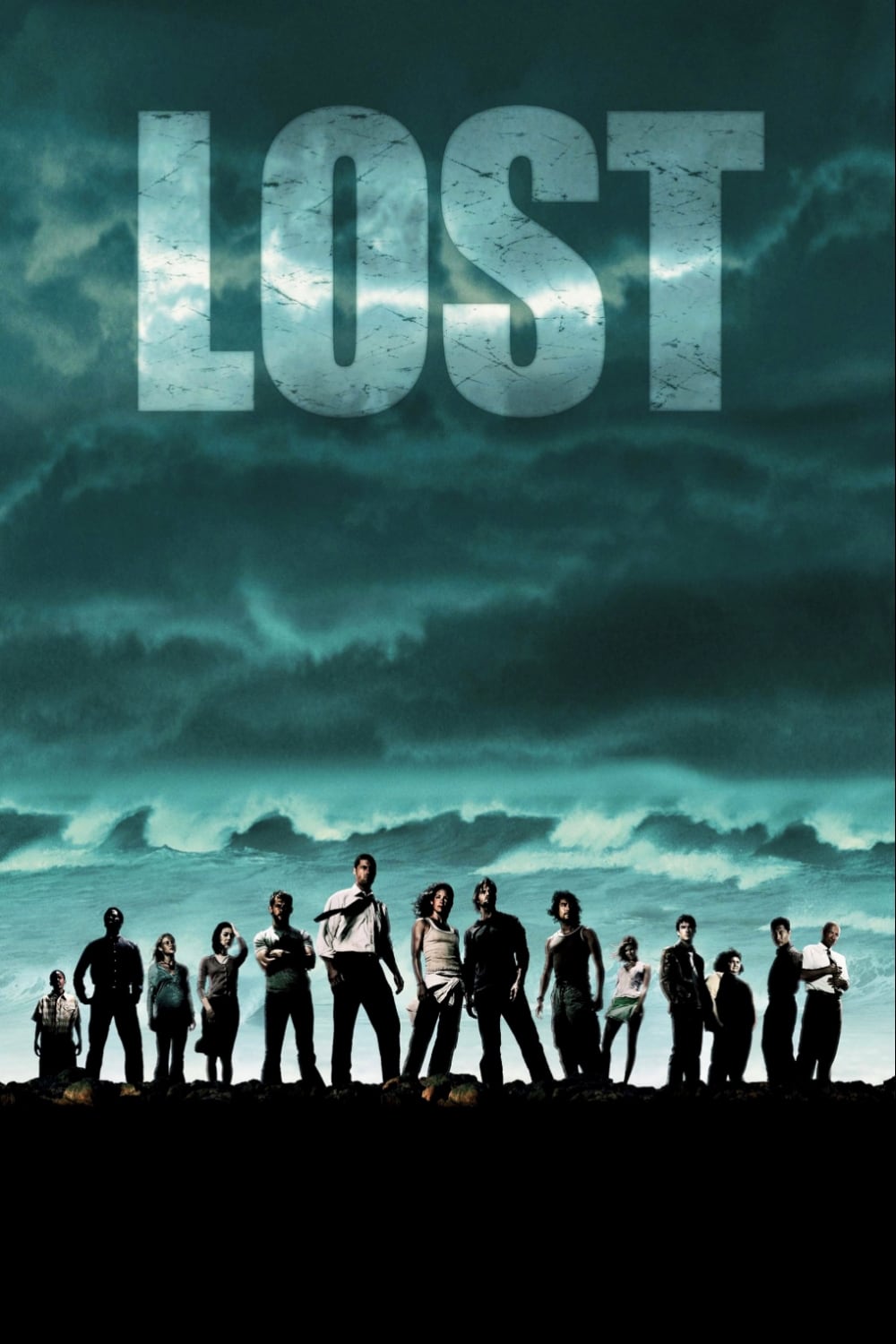
The cursed numbers 4, 8, 15, 16, 23, and 42 appeared frequently outside of their lottery context. They were found on the sides of planes, on medication bottles, and on sports jerseys throughout the six seasons. The sum of these numbers is 108, which is the number of minutes on the countdown timer in the hatch. Creators placed these digits in the background to reinforce the theme of destiny and interconnection. The prevalence of the numbers convinced fans that nothing on the island was a coincidence.
‘The Good Place’ (2016–2020)
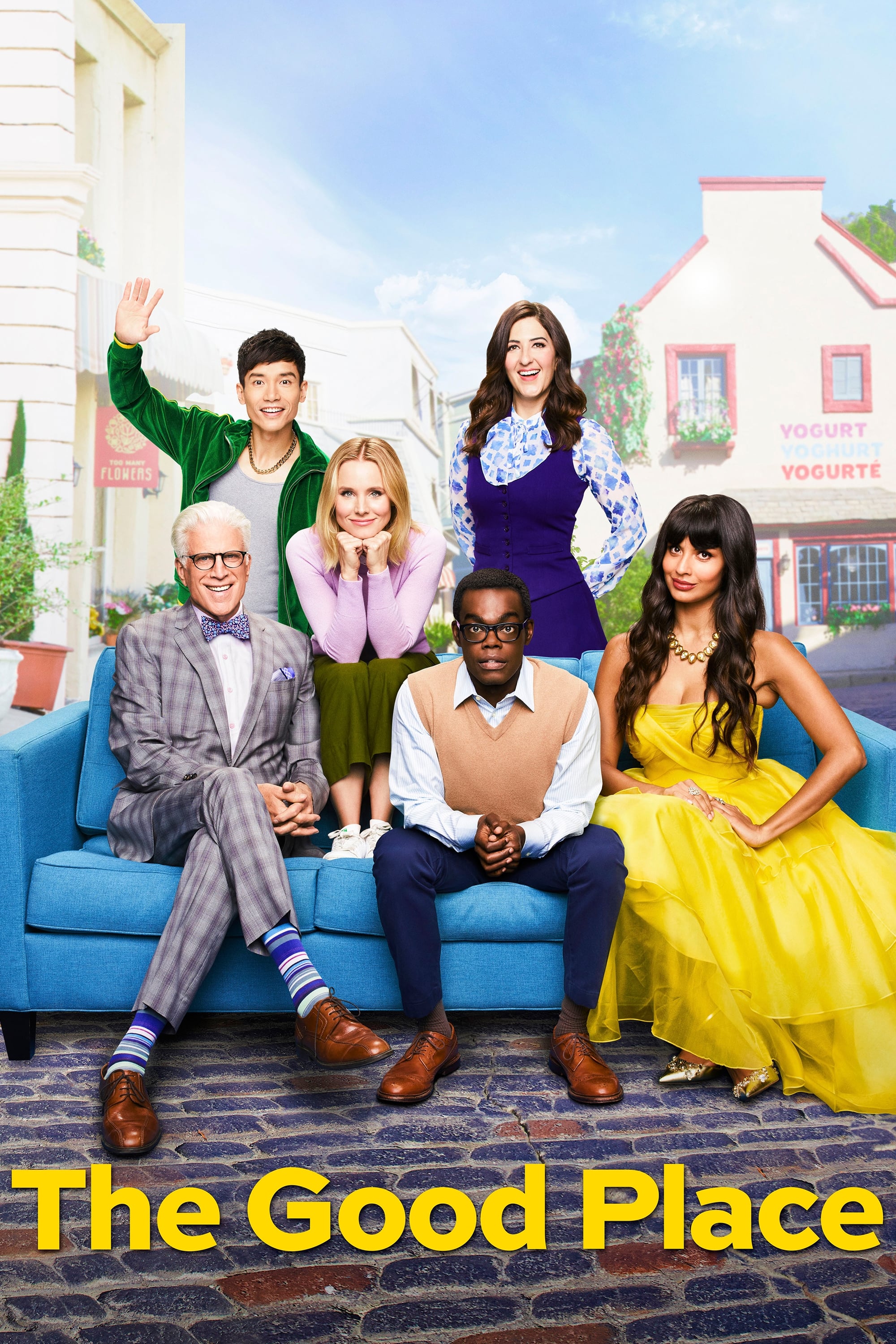
The neighborhood restaurants featured puns on the chalkboard menus that changed with every reboot or episode. Names like “Sushi and the Banshees” or “Knish from a Rose” populated the background scenery. The writers also hid clues about the true nature of the setting in the very first episode. Clowns were included in the decor specifically because the character Eleanor hated them. These details hinted at the torturous reality disguised as paradise.
‘Better Call Saul’ (2015–2022)
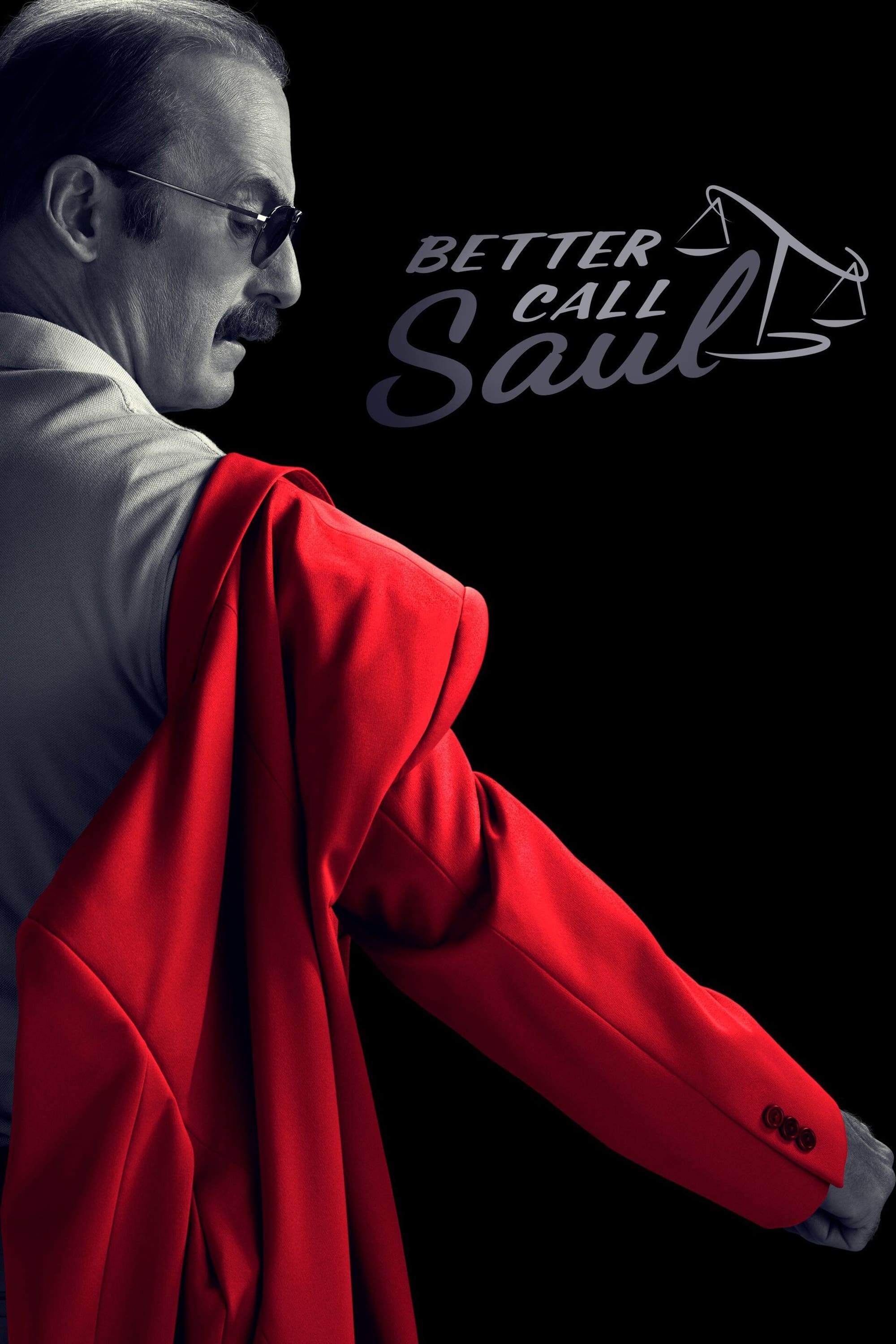
The opening title sequence decayed slightly with each passing season. The VHS-style footage became more distorted and greyscale as the story progressed toward the timeline of Breaking Bad. This degradation symbolized the protagonist’s moral decline and the loss of his original identity. The audio also became more disjointed and static-filled to match the visual corruption. It was a stylistic representation of Jimmy McGill transforming into Saul Goodman.
‘Futurama’ (1999–2023)
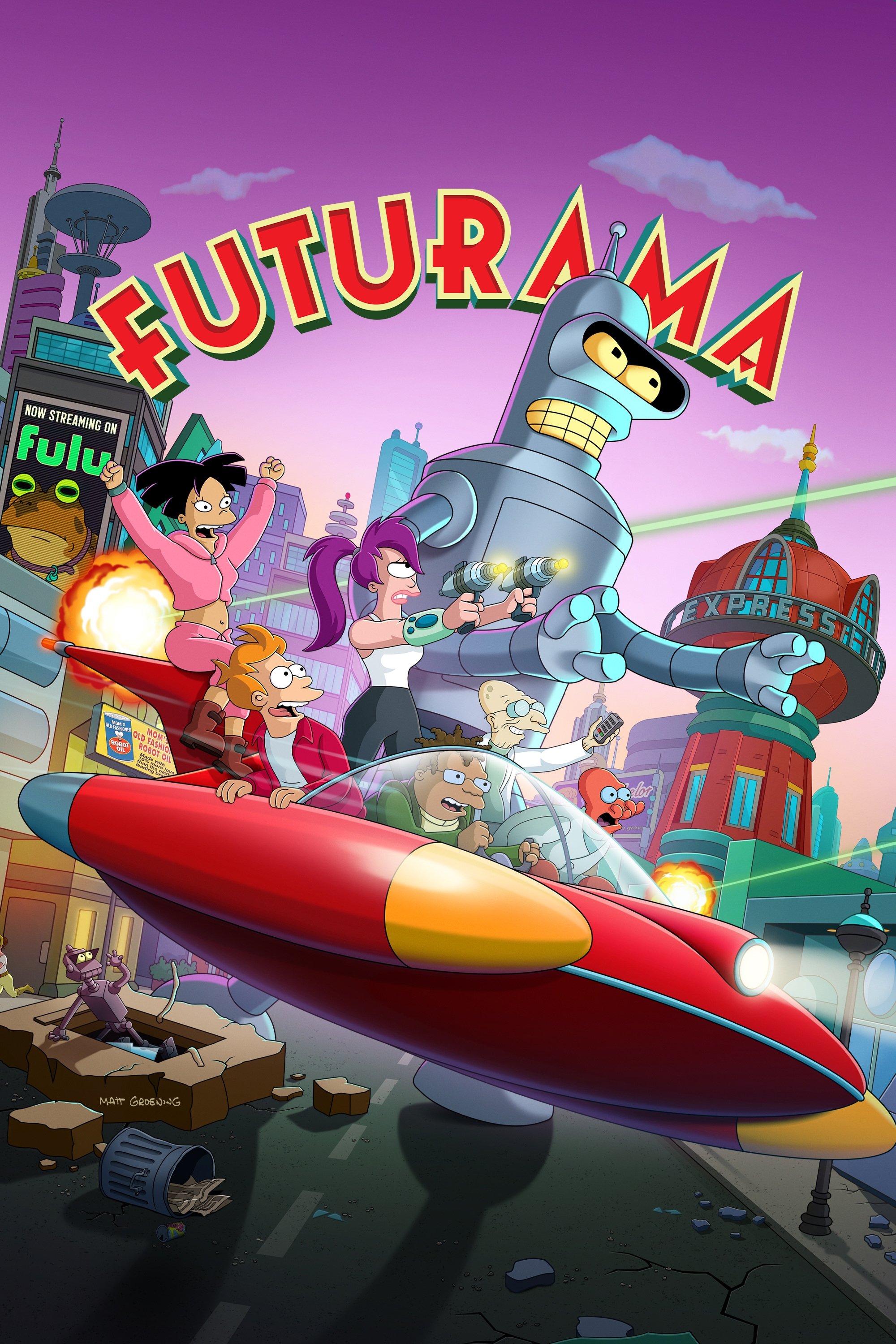
The creators developed a fully functional alien alphabet that appeared on signs in the background. Fans deciphered the first language quickly, prompting the writers to create a more complex second code. These signs often contained jokes that were not spoken aloud in the dialogue. Sometimes the graffiti translated to “Human Kebab” or cynical advertisements for futuristic products. The inclusion of translatable languages showcased the mathematical and linguistic background of the writing staff.
‘BoJack Horseman’ (2014–2020)
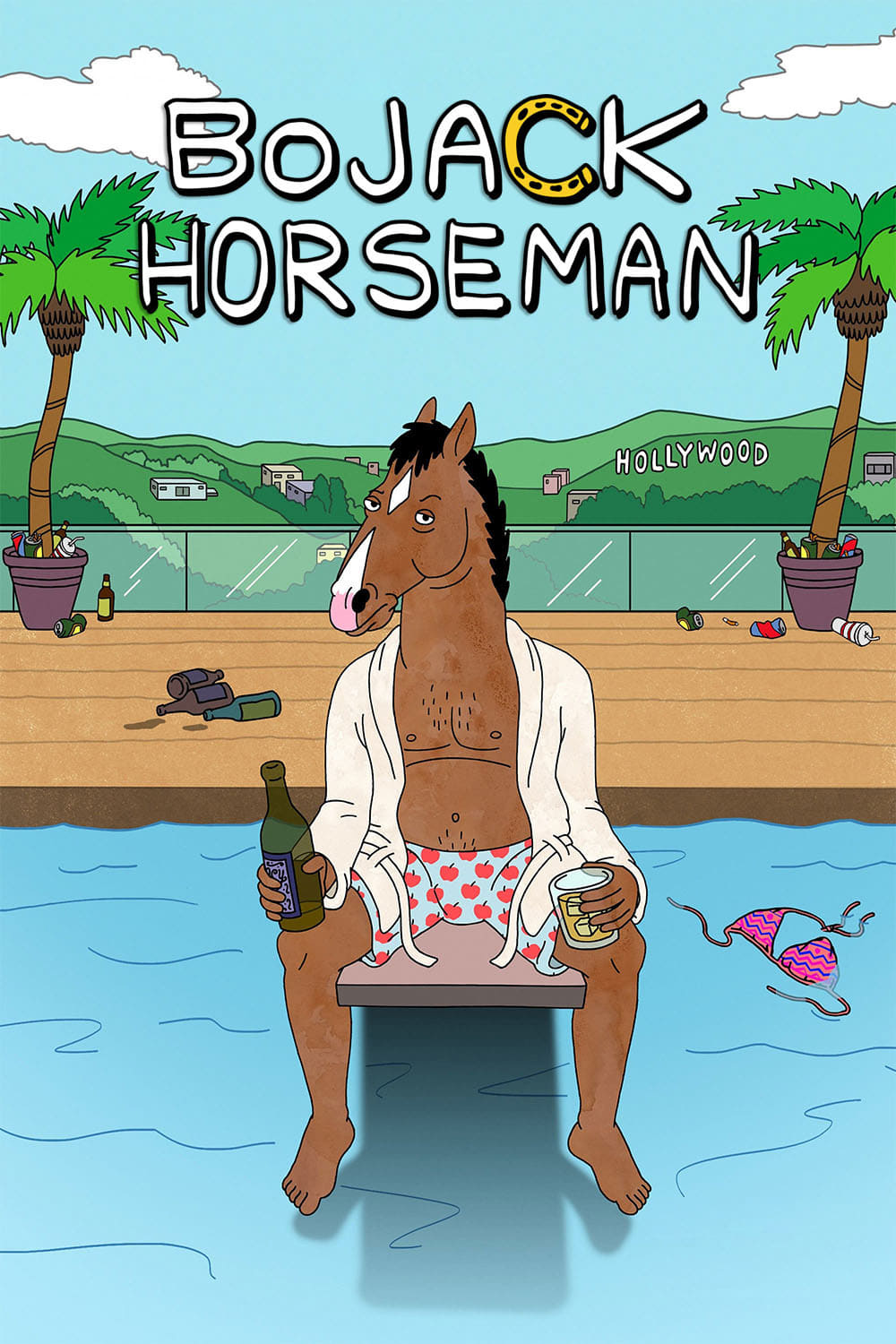
Animal characters in the background perform actions specific to their species throughout the series. A lemur might be seen sleeping in a pile with others, or a moth might repeatedly fly into a light fixture. The show also maintained strict continuity with background damage or character wardrobe changes. If a character burned an ottoman in one episode, that burn mark remained for the rest of the series. These details grounded the surreal animated world in a consistent reality.
‘Parks and Recreation’ (2009–2015)
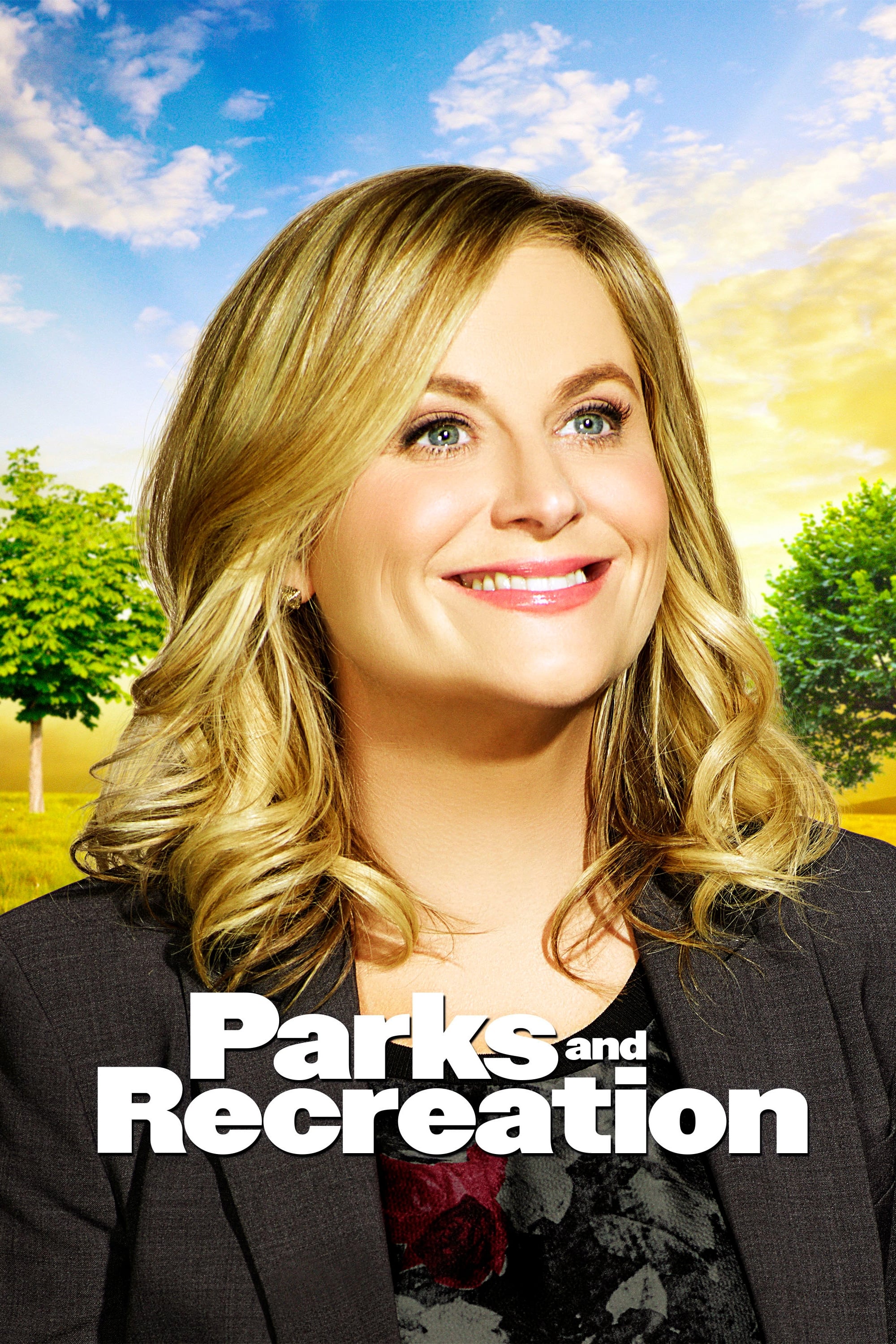
The murals in the Pioneer Hall evolved to depict the increasingly chaotic and violent history of Pawnee. The art style mimicked distinct historical periods while showcasing the town’s absurdity. Characters frequently referenced the atrocities depicted in the paintings during town hall meetings. As the series progressed, the team added new murals that included the current cast members. This visual gag enriched the fictional town’s lore and satirical take on local government history.
‘The Simpsons’ (1989–Present)
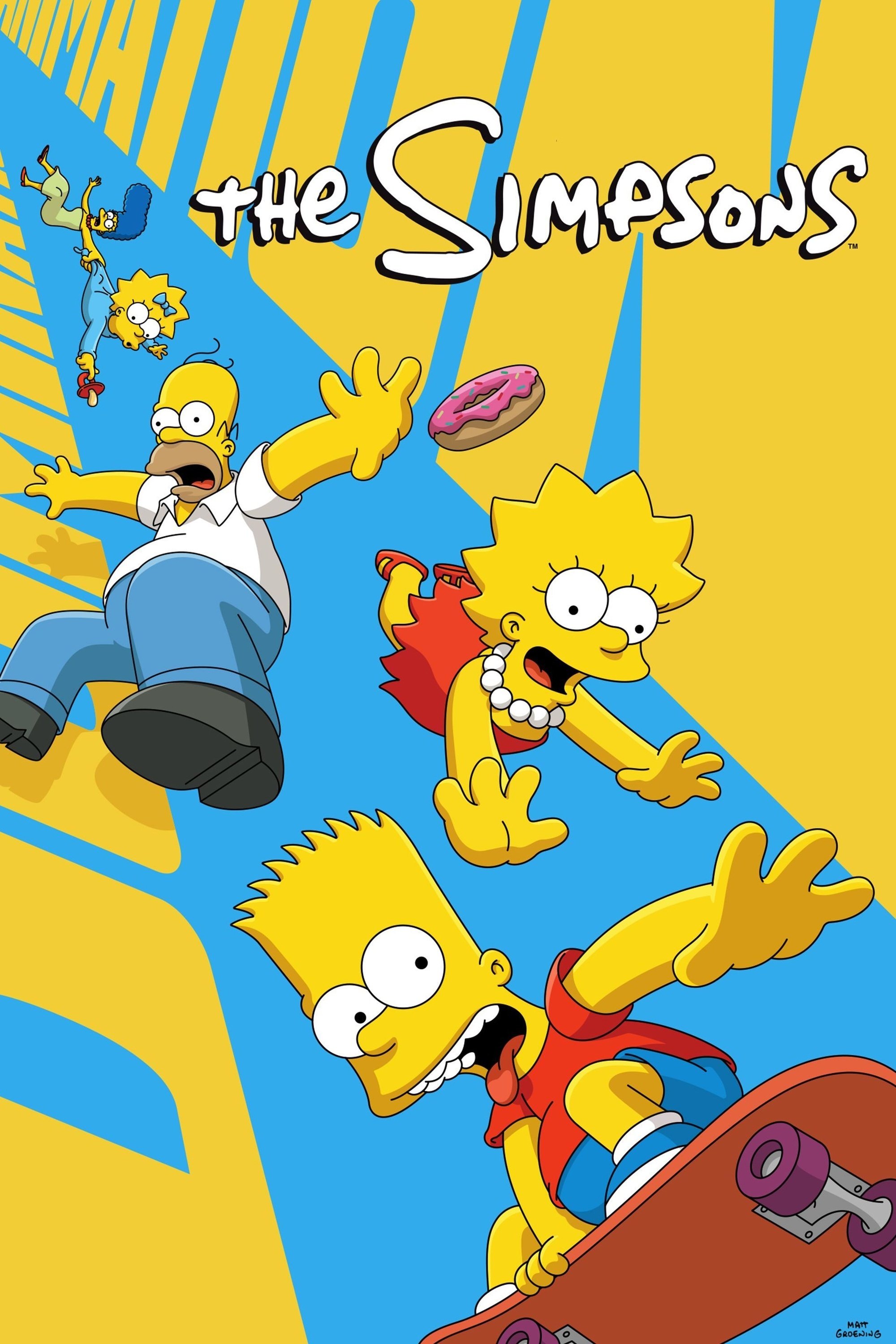
Clips of an action movie starring the character McBain that aired over several seasons can be spliced together to form a coherent plot. The fragmented scenes tell a complete story of a cop avenging his partner’s death. This hidden narrative was spread across episodes that aired years apart. It demonstrates the writers’ commitment to long-form jokes that only become apparent upon compilation. The McBain movie is a perfect parody of 1980s action cinema tropes.
‘Mad Men’ (2007–2015)
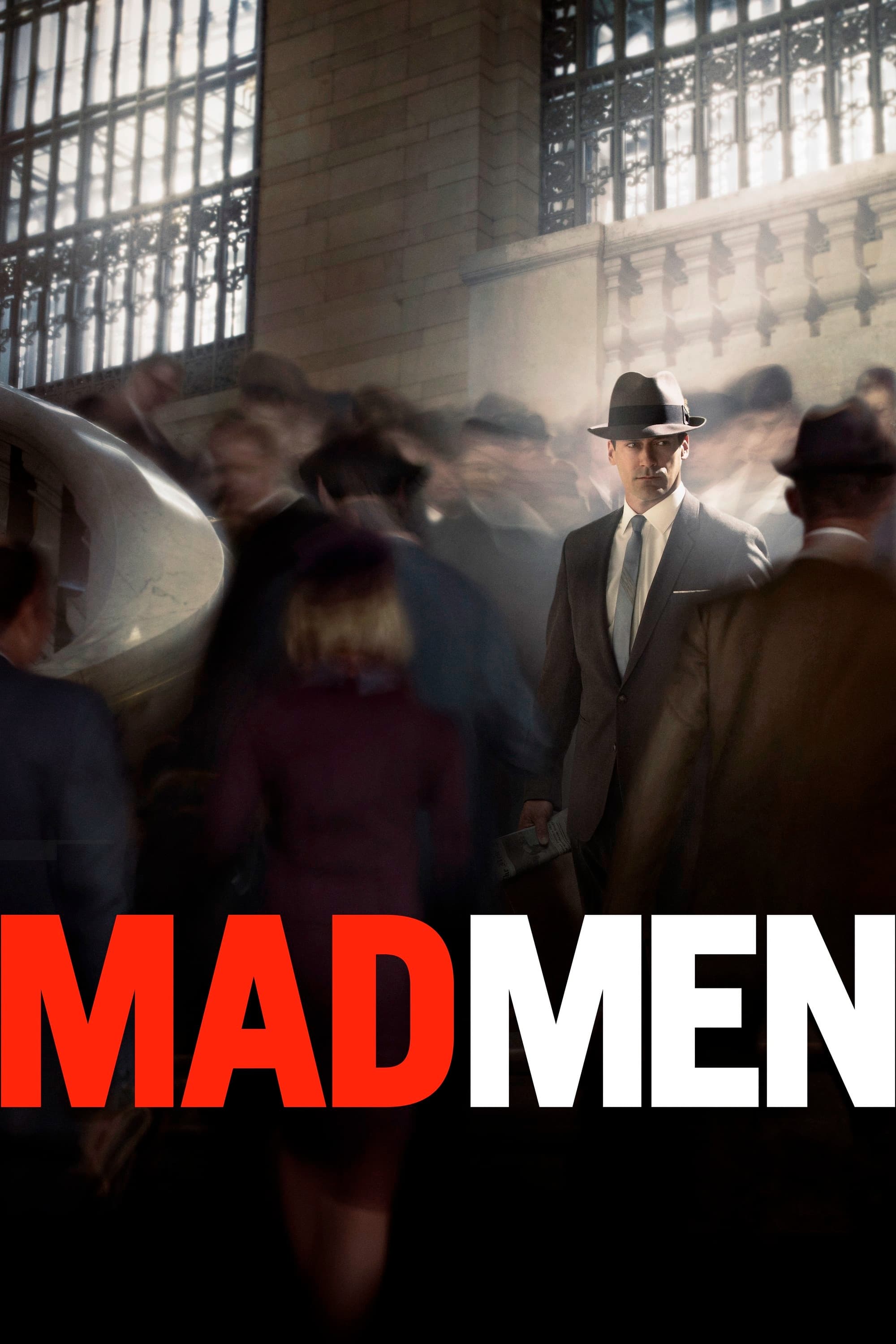
Costume designer Janie Bryant used clothing colors and styles to reflect the internal state of the characters. Peggy Olson’s wardrobe gradually mimics Don Draper’s style as she gains more power in the agency. The recurrence of the color blue often signaled a character’s infidelity or a forthcoming sexual encounter. These sartorial choices provided a subtext that complemented the script. Historical accuracy extended to the underwear and accessories that were never even seen on camera.
‘The Wire’ (2002–2008)
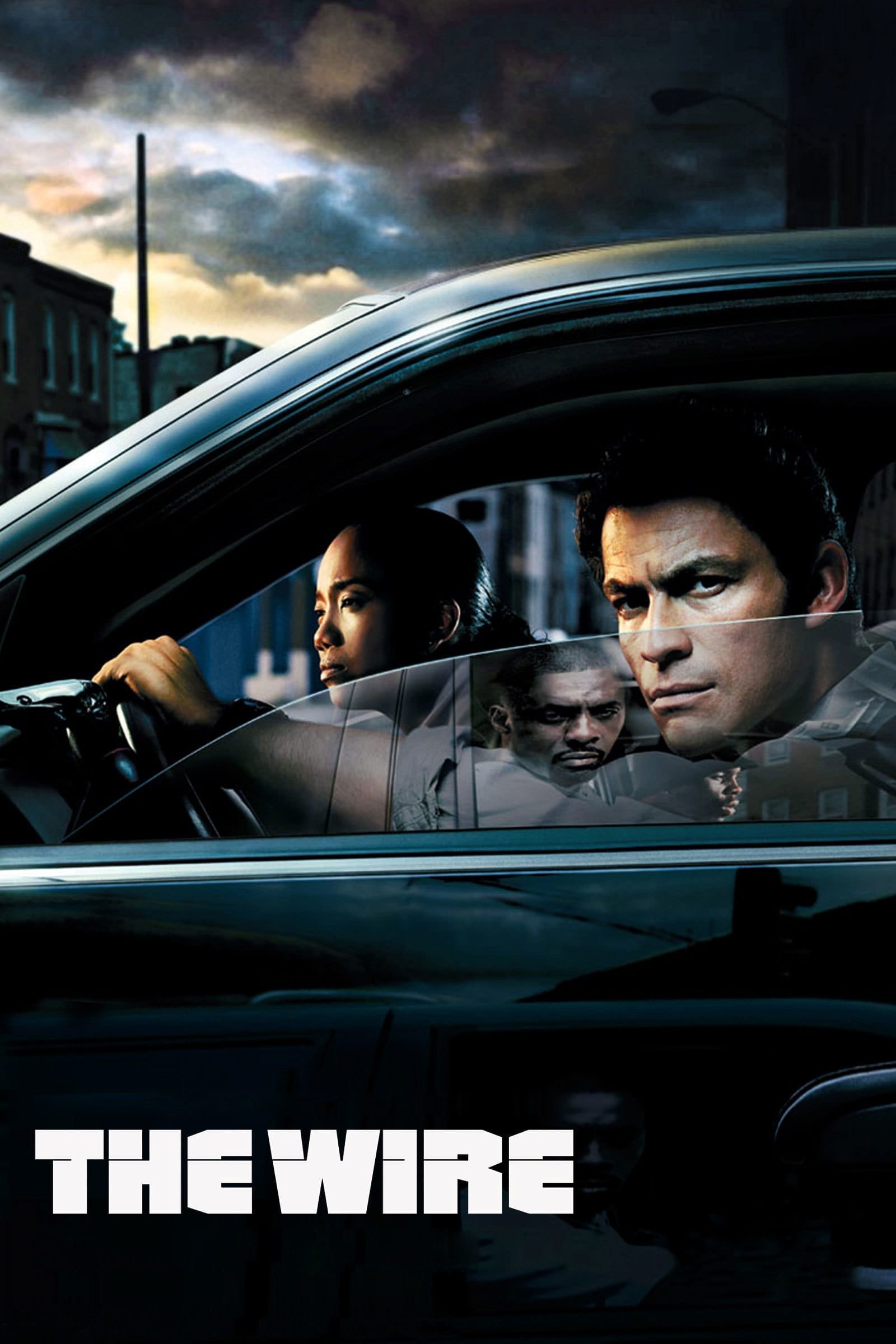
The opening theme song “Way Down in the Hole” was recorded by a different artist for each season. The musical style of each version reflected the specific theme of that year, such as the school system or the docks. The title sequence visuals also changed to include footage relevant to the new setting. Viewers who skipped the intro missed the thematic tone-setting intended by the creators. This evolution highlighted the shifting focus of the sociopolitical critique.
‘Stranger Things’ (2016–Present)
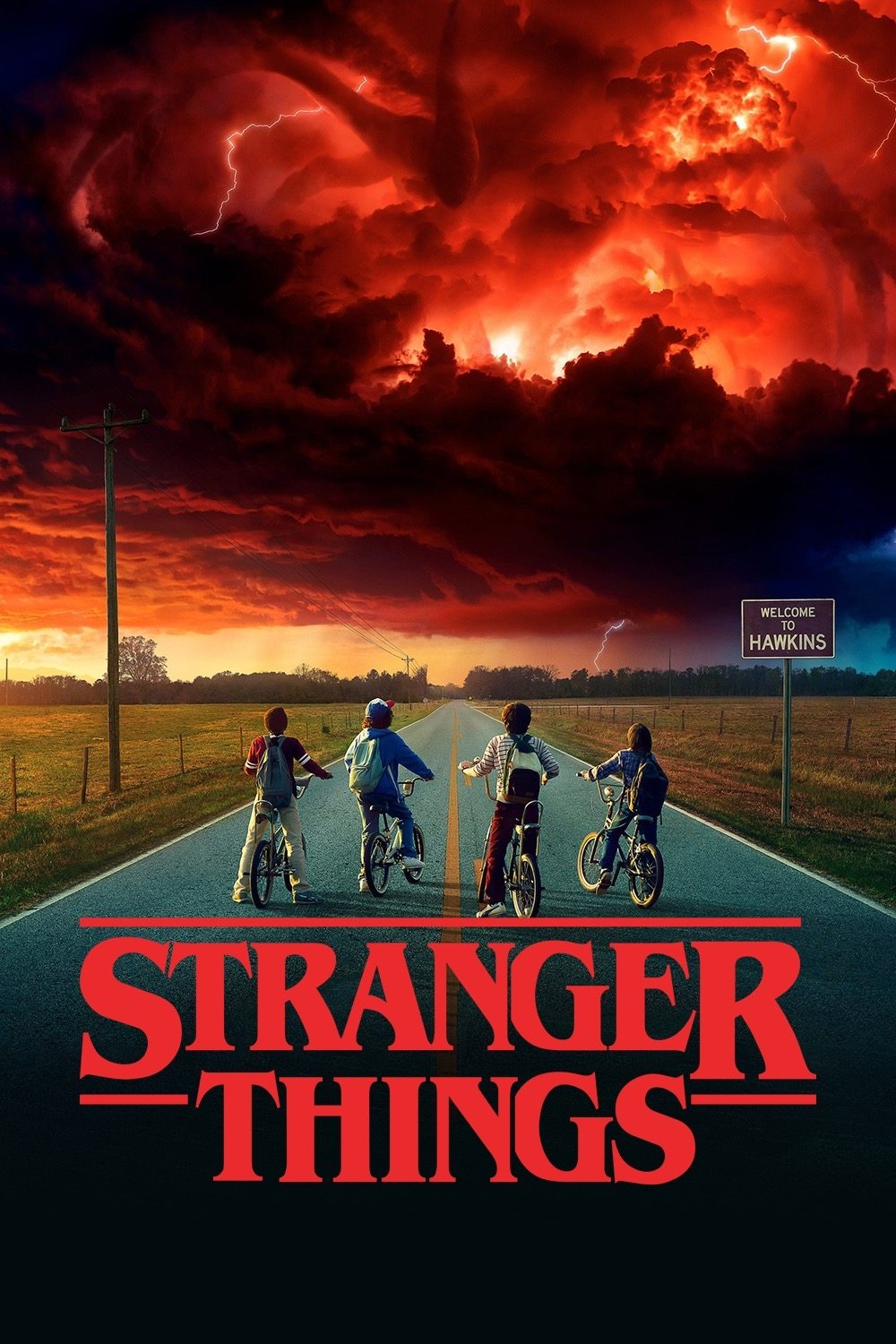
The showrunners meticulously include movie posters and products that are accurate to the specific month and year the season takes place. References to films like The Thing or Ghostbusters are not just aesthetic but reflect the monster or threat the kids are facing. The background props in the grocery store or basement change to match the consumer trends of the 1980s. Easter eggs often hint at the plot, such as the game of Dungeons & Dragons predicting the season’s villain. These details immerse the viewer in a nostalgic yet dangerous atmosphere.
‘Westworld’ (2016–2022)
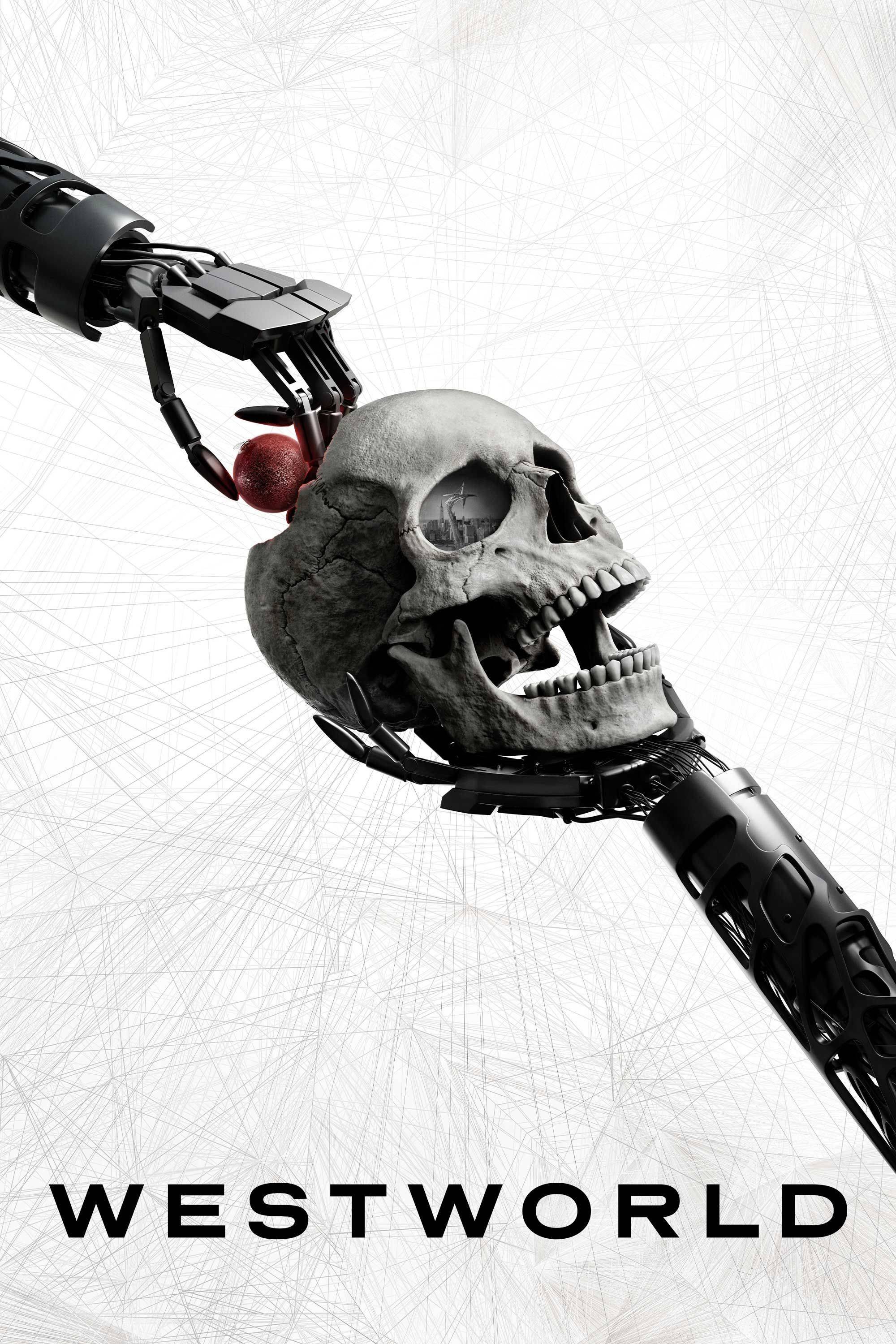
The player piano in the saloon played anachronistic modern songs adapted into ragtime melodies. Tunes by Radiohead, Soundgarden, and The Rolling Stones hinted that the setting was a constructed simulation. The hosts repeated specific looped gestures in the background that observant viewers could track to understand the timeline. Subtle differences in the logo used in the laboratory scenes distinguished between flashbacks and current events. These clues allowed fans to solve the timeline twist before the official reveal.
‘Sherlock’ (2010–2017)
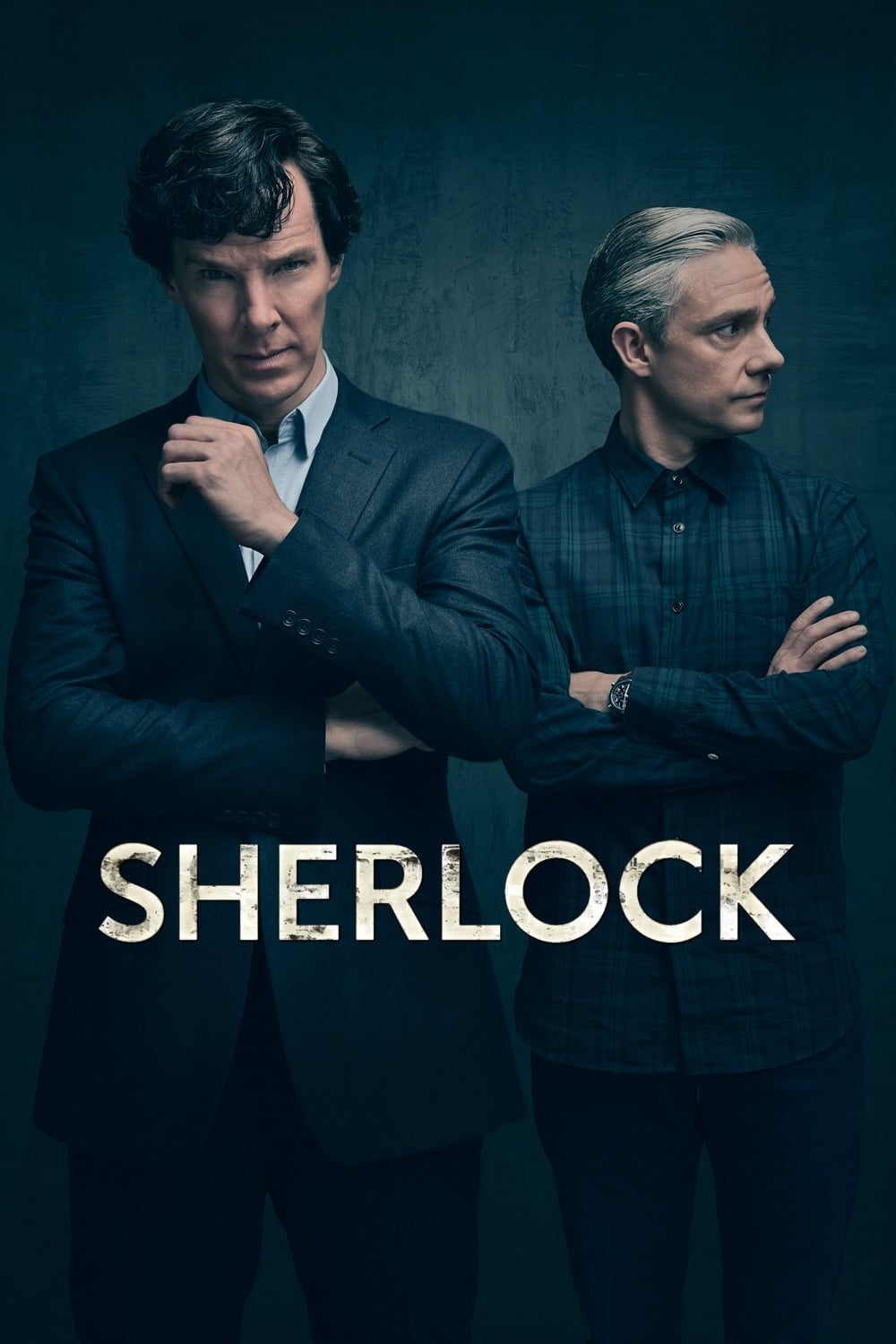
The set designers often placed visual clues in the frame that allowed the audience to solve the case alongside the detective. Words or numbers vital to the deduction were sometimes reflected in windows or arranged on bookshelves. The camera work highlighted specific objects that would become relevant later in the episode. This technique visualised the protagonist’s “mind palace” and deductive process. It turned the viewing experience into an interactive game of observation.
‘Adventure Time’ (2010–2018)
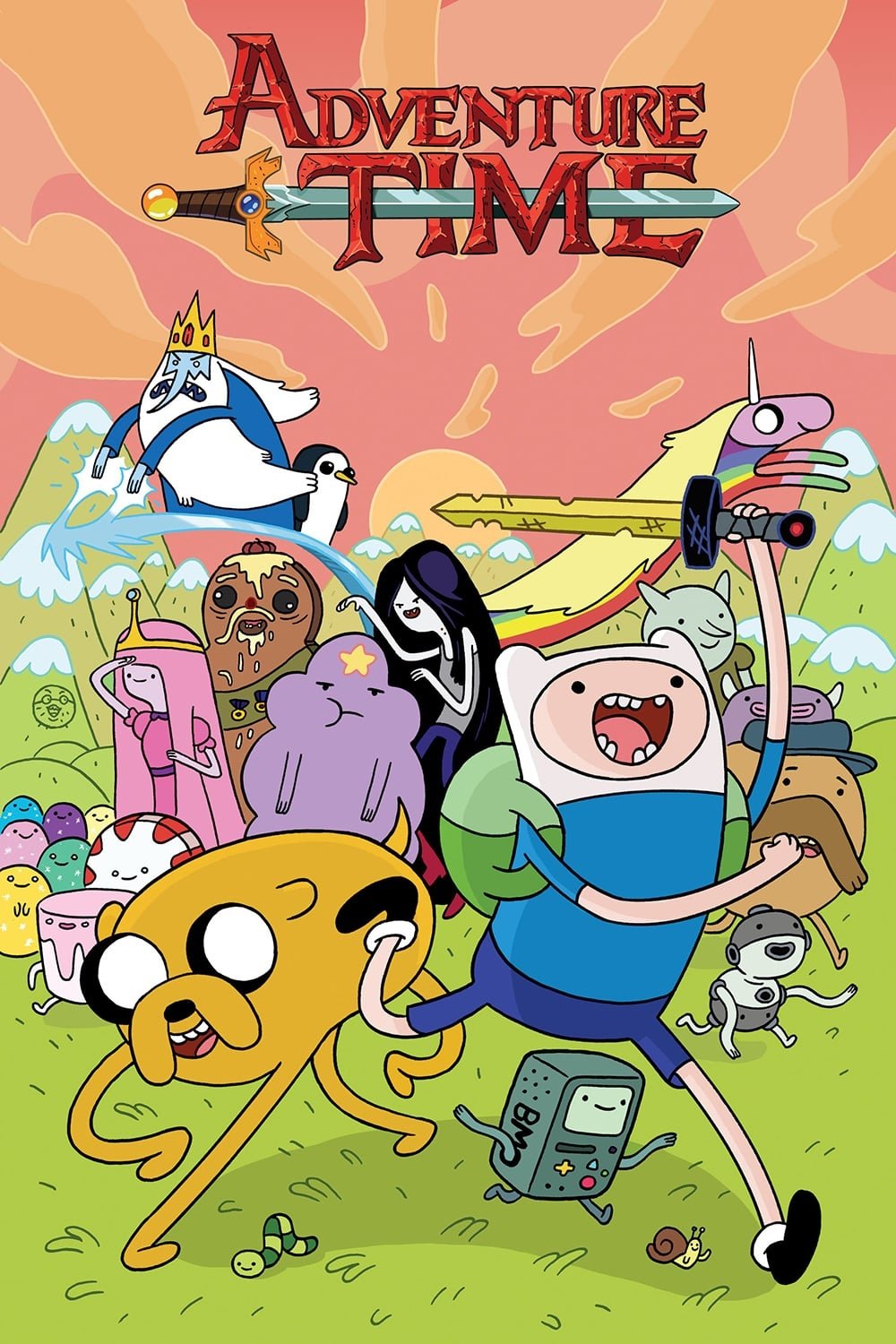
A small waving snail is hidden in every single episode of the series. The snail is usually placed in the background of a shot, waving at the audience. In one significant story arc, the snail becomes possessed by the Lich, the show’s main antagonist. This transformed a fun background search into a critical plot point. The snail serves as a constant observer of the events in the Land of Ooo.
‘Gravity Falls’ (2012–2016)
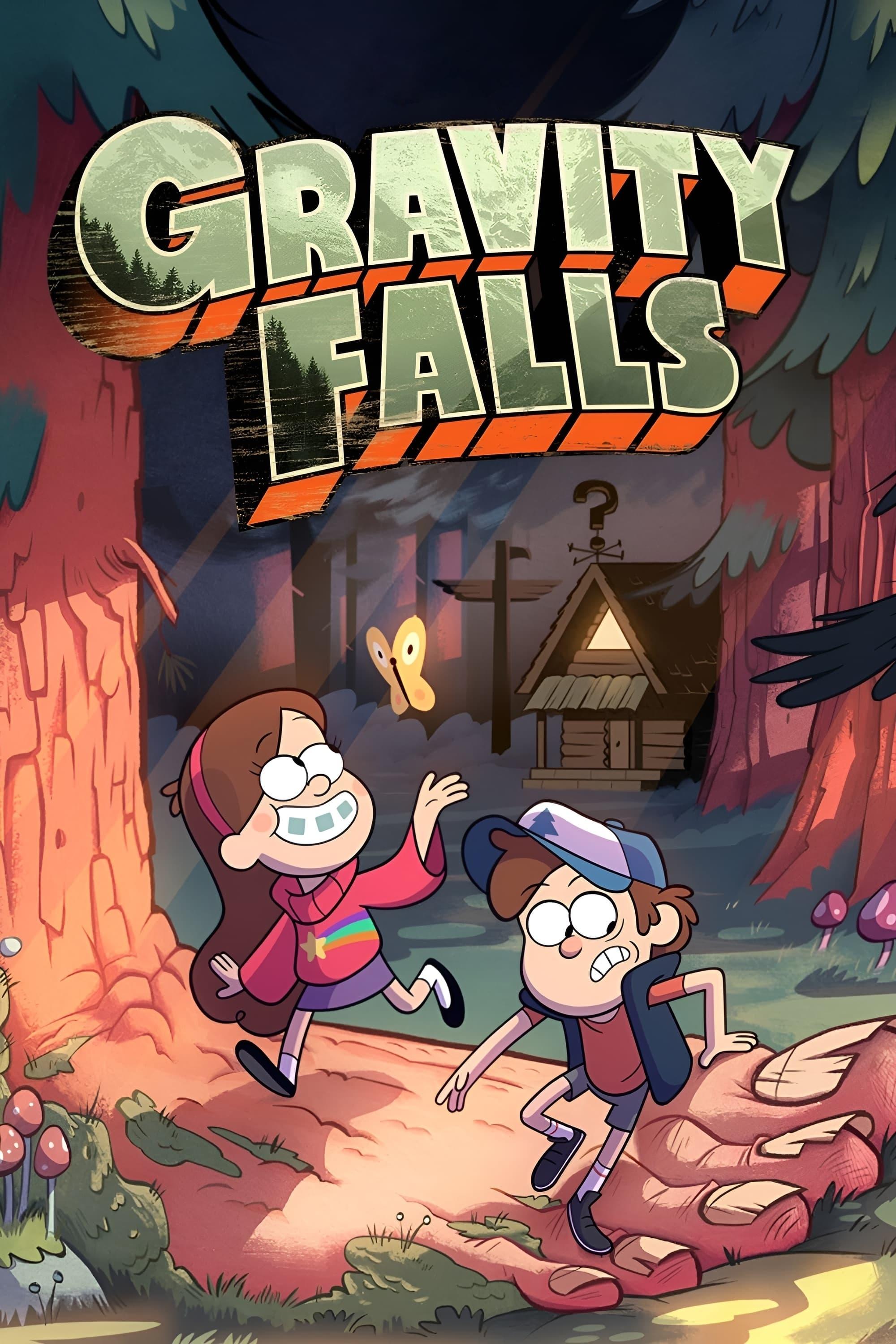
A cryptogram appeared at the end of the credits of every episode. These ciphers required different decoding methods, such as Caesar ciphers or A1Z26, to reveal a joke or a clue. The opening theme song also contained a whispered audio message played backwards that changed throughout the series. One image flashed for a single frame at the end of the intro, showing the overarching villain long before his introduction. These puzzles engaged the audience in the mystery element of the show.
‘South Park’ (1997–Present)
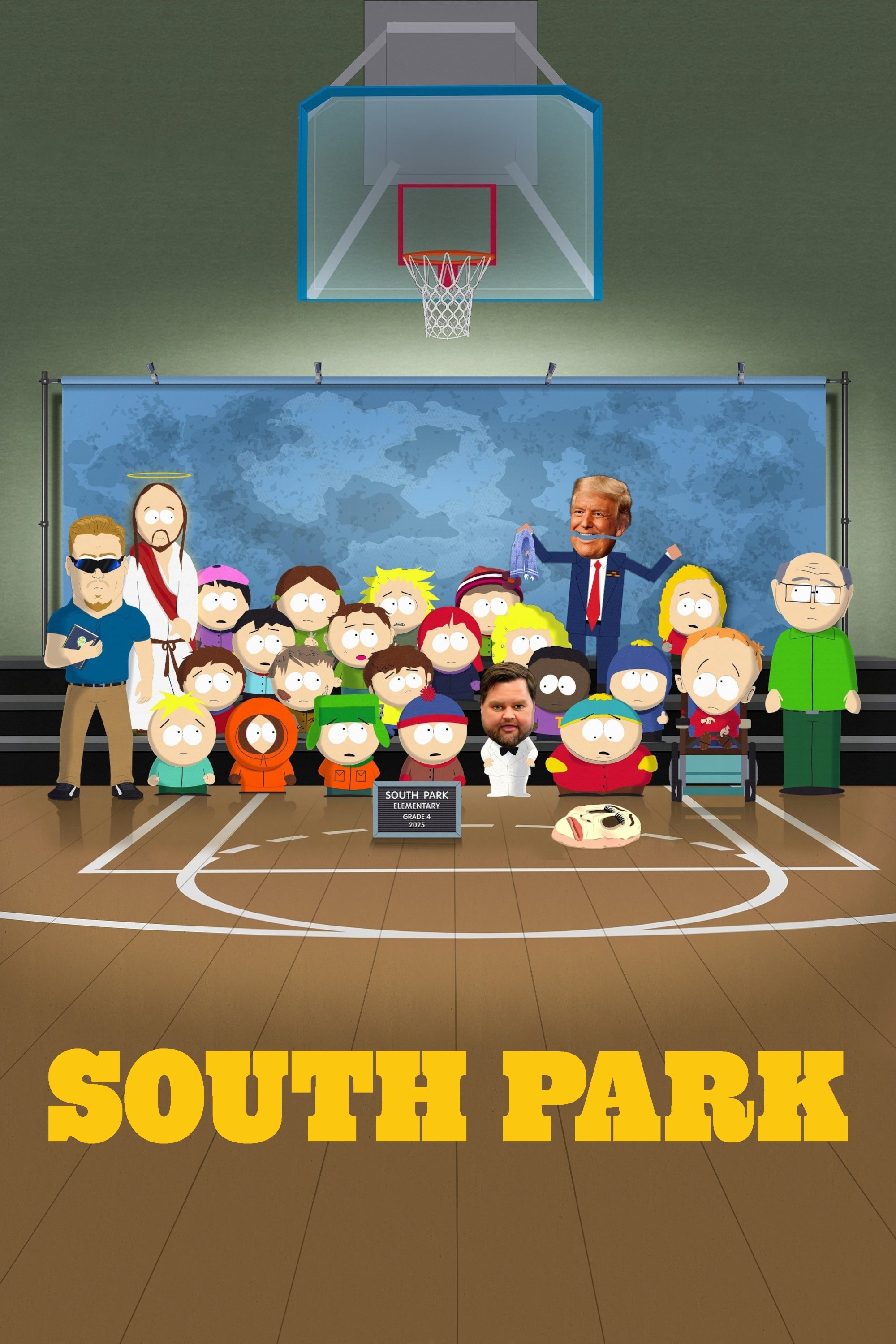
In the earlier seasons, the animators hid an alien visitor in the background of many episodes. These aliens were often blended into crowds or disguised as inanimate objects. The presence of the visitors acknowledged the pilot episode’s plot about alien abduction. Finding the alien became a popular pastime for fans analyzing the frame-by-frame details. It reinforced the chaotic and paranormal nature of the quiet mountain town.
‘Hannibal’ (2013–2015)
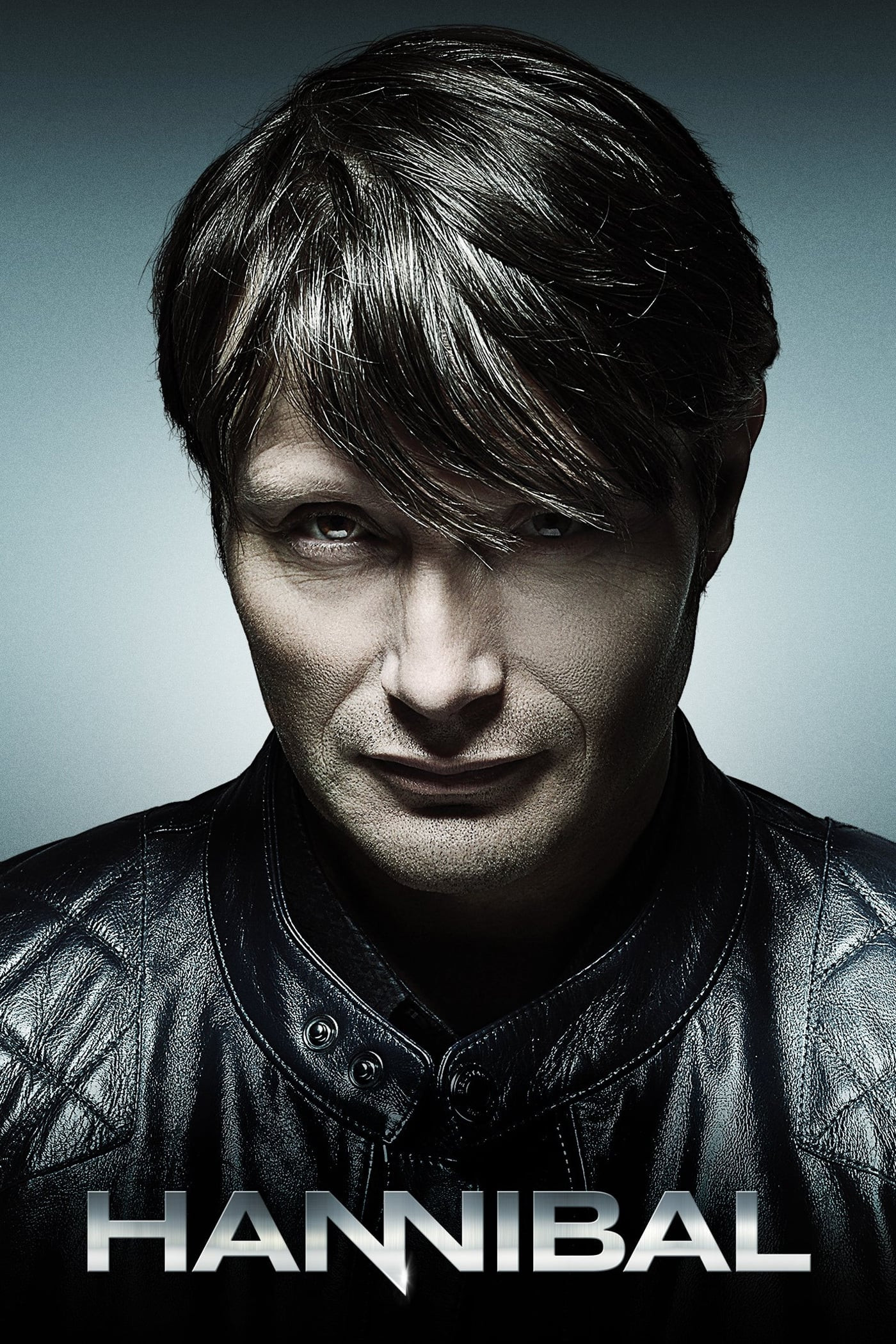
The visuals and murders in the show often mirrored the Chesapeake Ripper’s obsession with art and anatomy. The design of Hannibal Lecter’s dining room and suits featured subtle patterns that resembled blood spatter or antlers. The meals prepared by the title character were real culinary dishes styled by a food artist to look horrifyingly delicious. The titles of the episodes were named after courses in French, Japanese, and Italian cuisine to reflect the progression of a meal. These aesthetic choices underscored the refined brutality of the protagonist.
‘Severance’ (2022–Present)
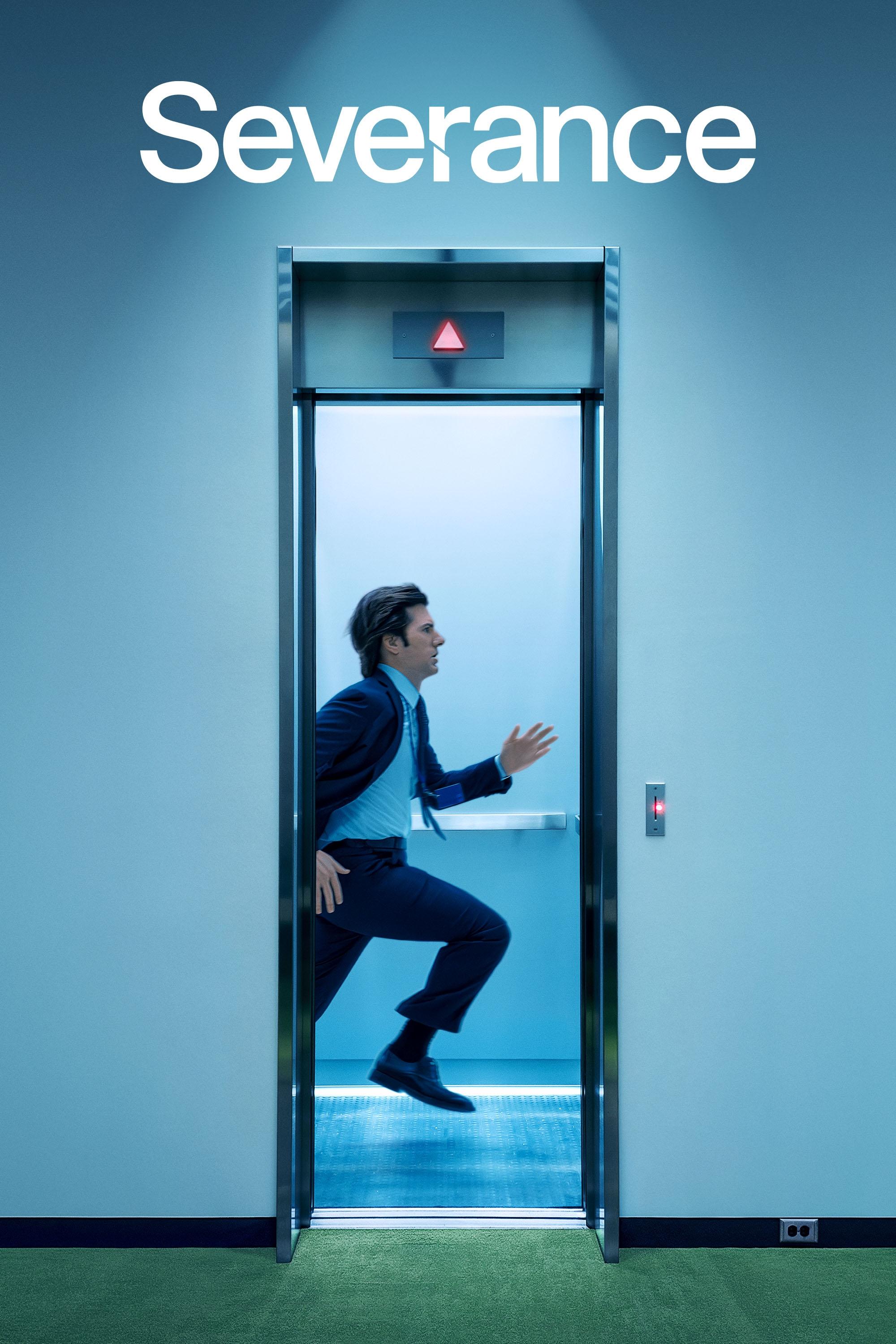
The lighting and color palette shift drastically depending on whether the characters are in their “Innie” or “Outie” state. The office environment uses sterile blues and greens, while the outside world features warmer, natural tones. The composition of the shots inside the office emphasizes symmetry and entrapment. Background paintings in the wellness center depict abstract versions of the department’s work. These visual cues reinforce the psychological bifurcation of the characters.
‘Succession’ (2018–2023)
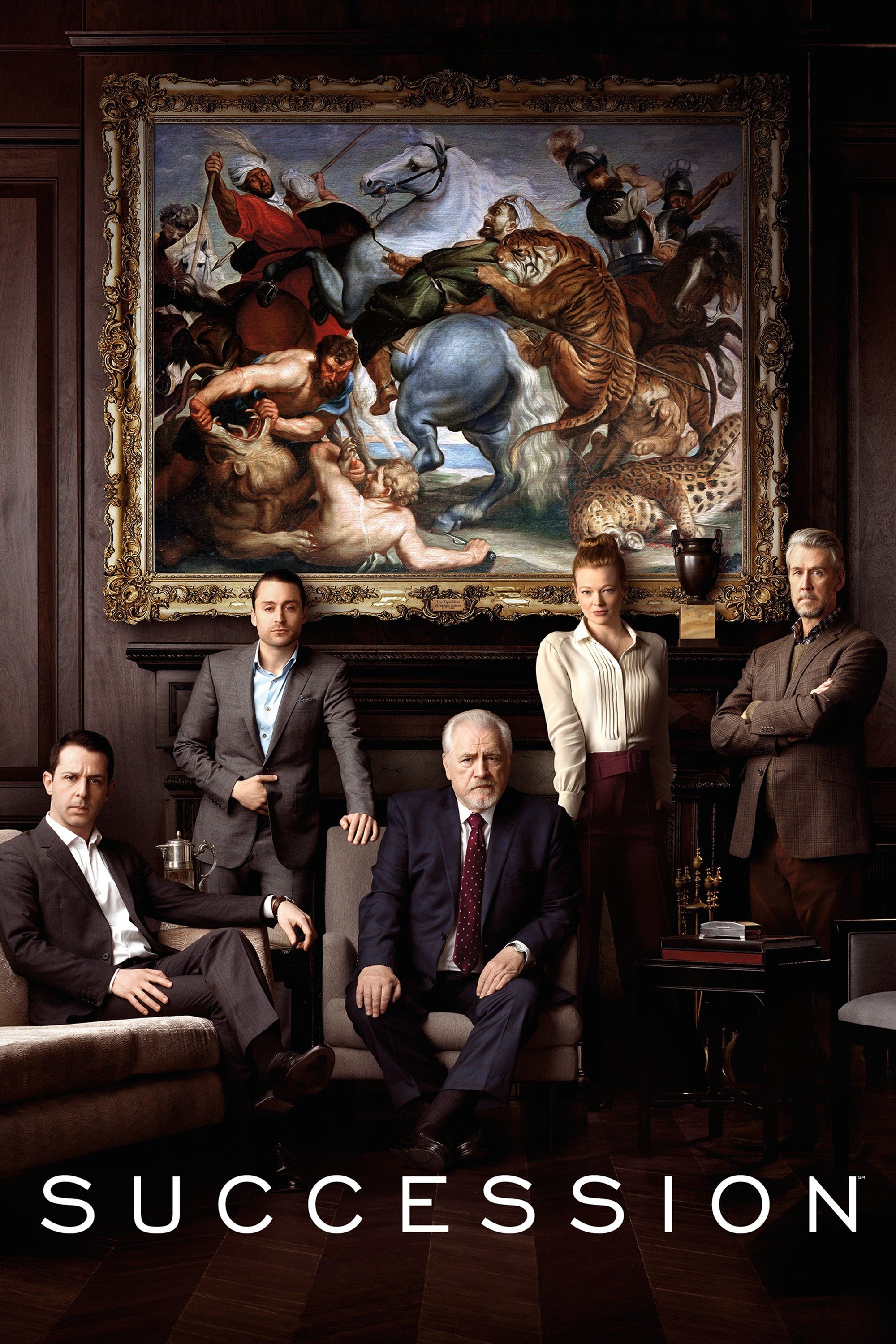
The opening credits changed slightly in the final season to reflect the shifting alliances. In earlier seasons, the patriarch Logan Roy is shown standing apart from his children, but the final intro adjusts their positions. Items on the family dinner table in the montage also evolved to represent the growing distance between the siblings. The childhood home videos used in the sequence offer a glimpse into the trauma that shaped the characters. These minute edits mirrored the narrative arc of the Roys losing their empire.
‘The Walking Dead’ (2010–2022)
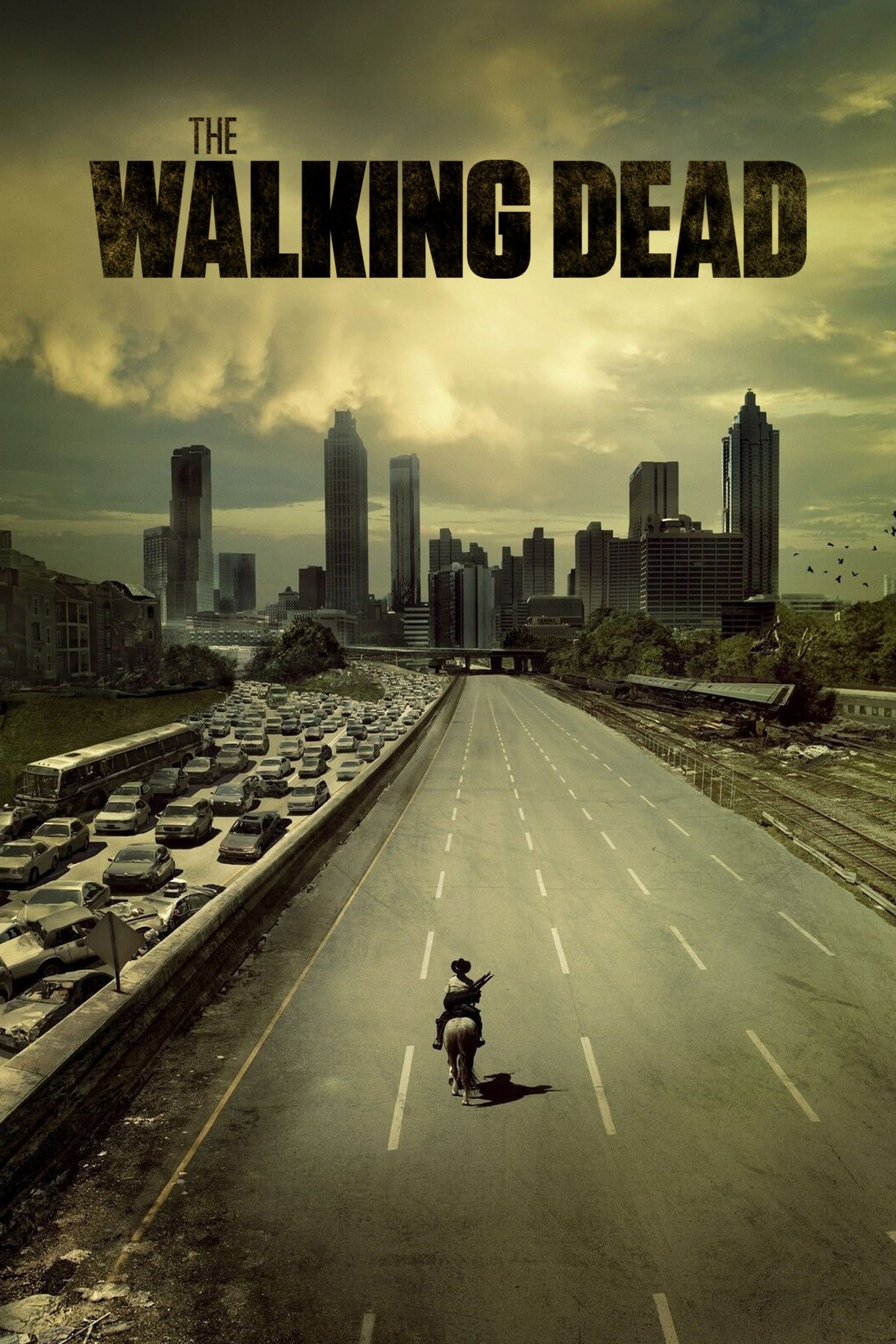
The main title logo on the opening screen decayed and cracked more with each season. This disintegration paralleled the collapse of society and the physical deterioration of the walkers. The color of the title card also darkened over the years to reflect the bleakness of the story. By the final seasons, the logo was covered in moss and overgrown foliage. It served as a visual timeline of the apocalypse’s duration.
‘Firefly’ (2002–2003)
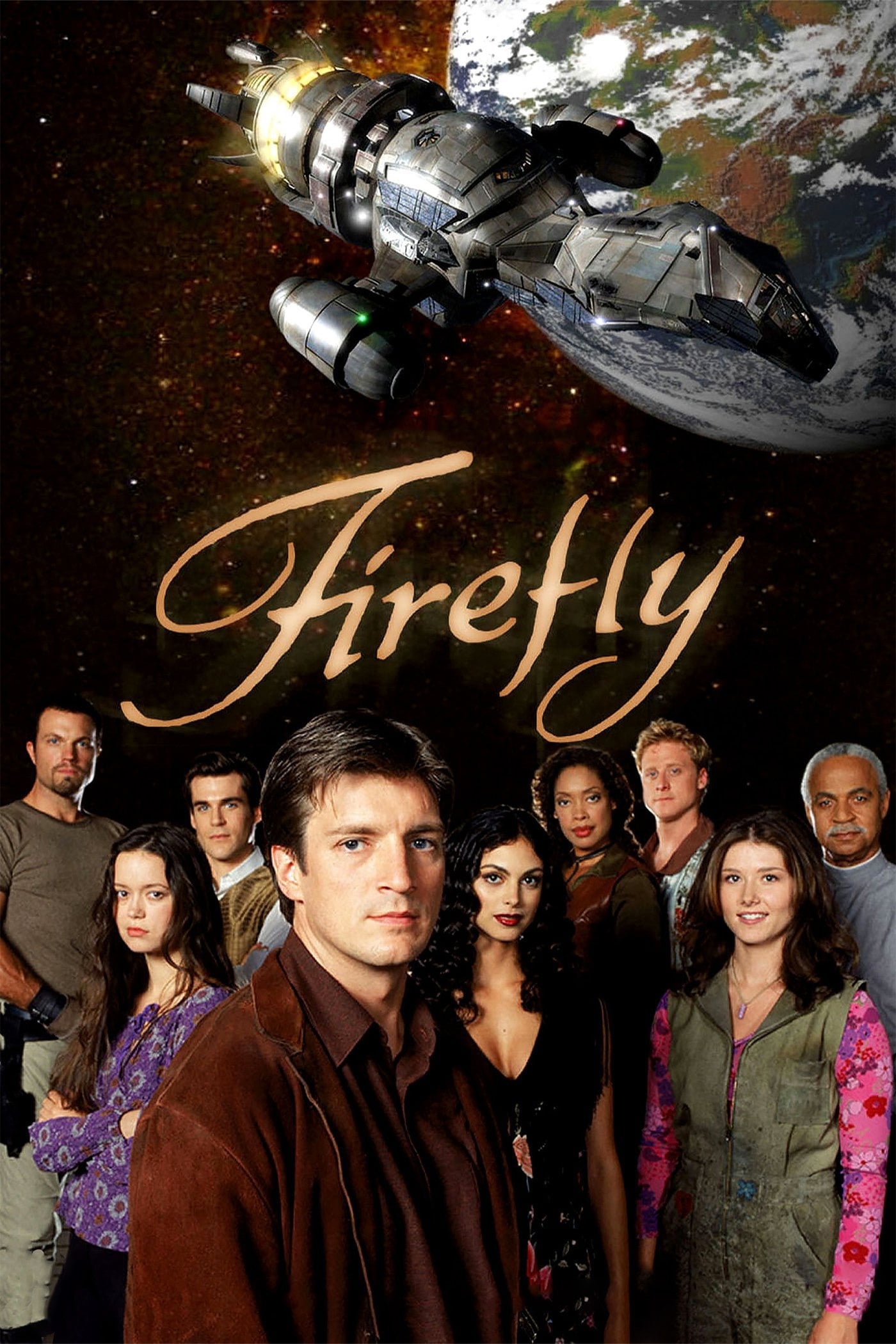
A model of Han Solo frozen in carbonite from Star Wars can be seen in the background of various scenes. It appears in the engine room and other areas of the Serenity ship. This Easter egg pays homage to the space western genre that influenced the show. Joss Whedon included it as a nod to the most famous rogue smuggler in sci-fi history. It connects the crew of Serenity to the lineage of rebellious space travelers.
‘Archer’ (2009–2023)
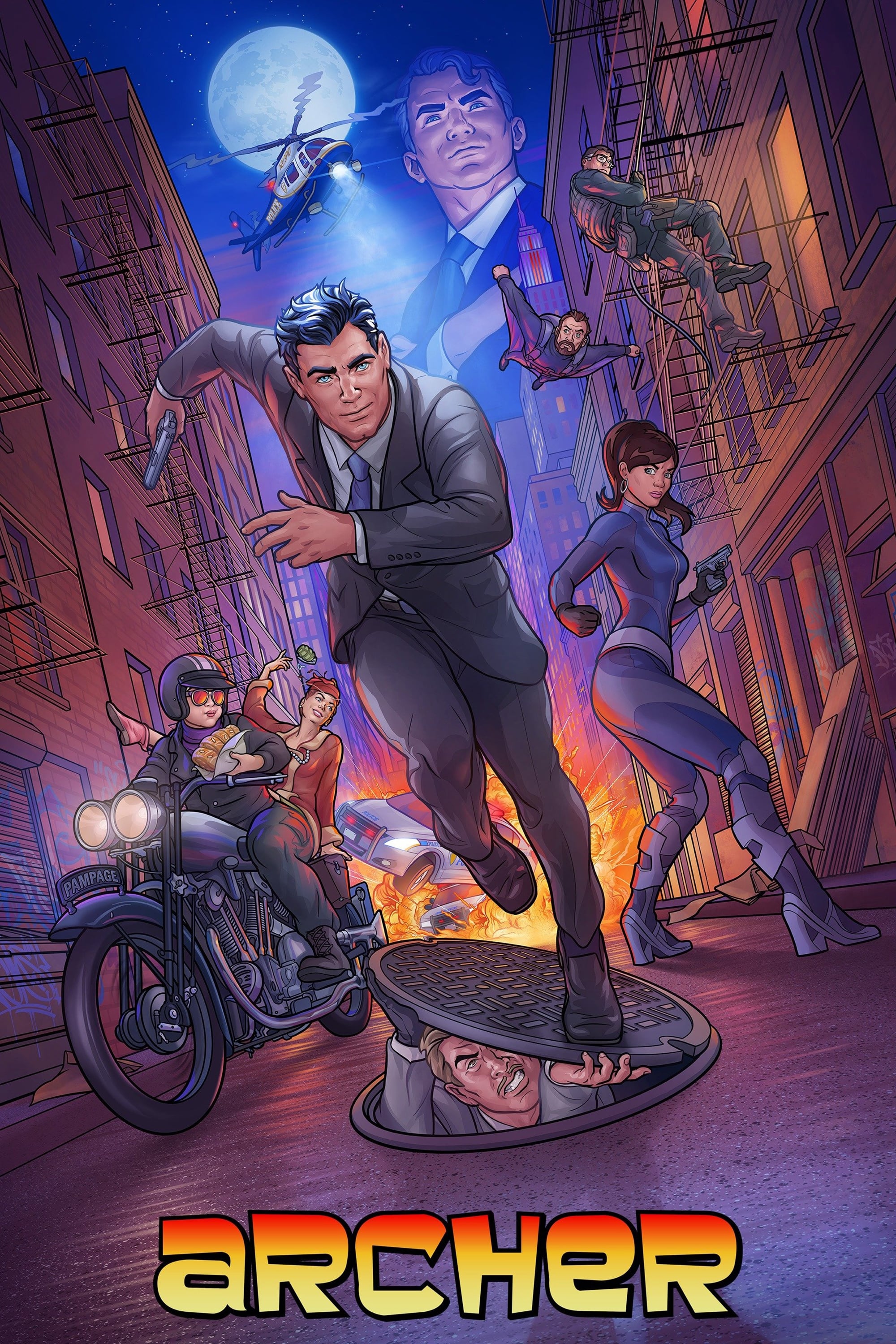
The animators maintained a running gag where toast pops out of a toaster in the background during random conversations. This often happens without any character acknowledging it or eating the toast. The show also features recurring obscure references to literature and history that only educated viewers would catch. Background text on computer screens frequently contains jokes about the animators’ workload. These details add a layer of chaotic humor to the spy parody.
‘Bob’s Burgers’ (2011–Present)
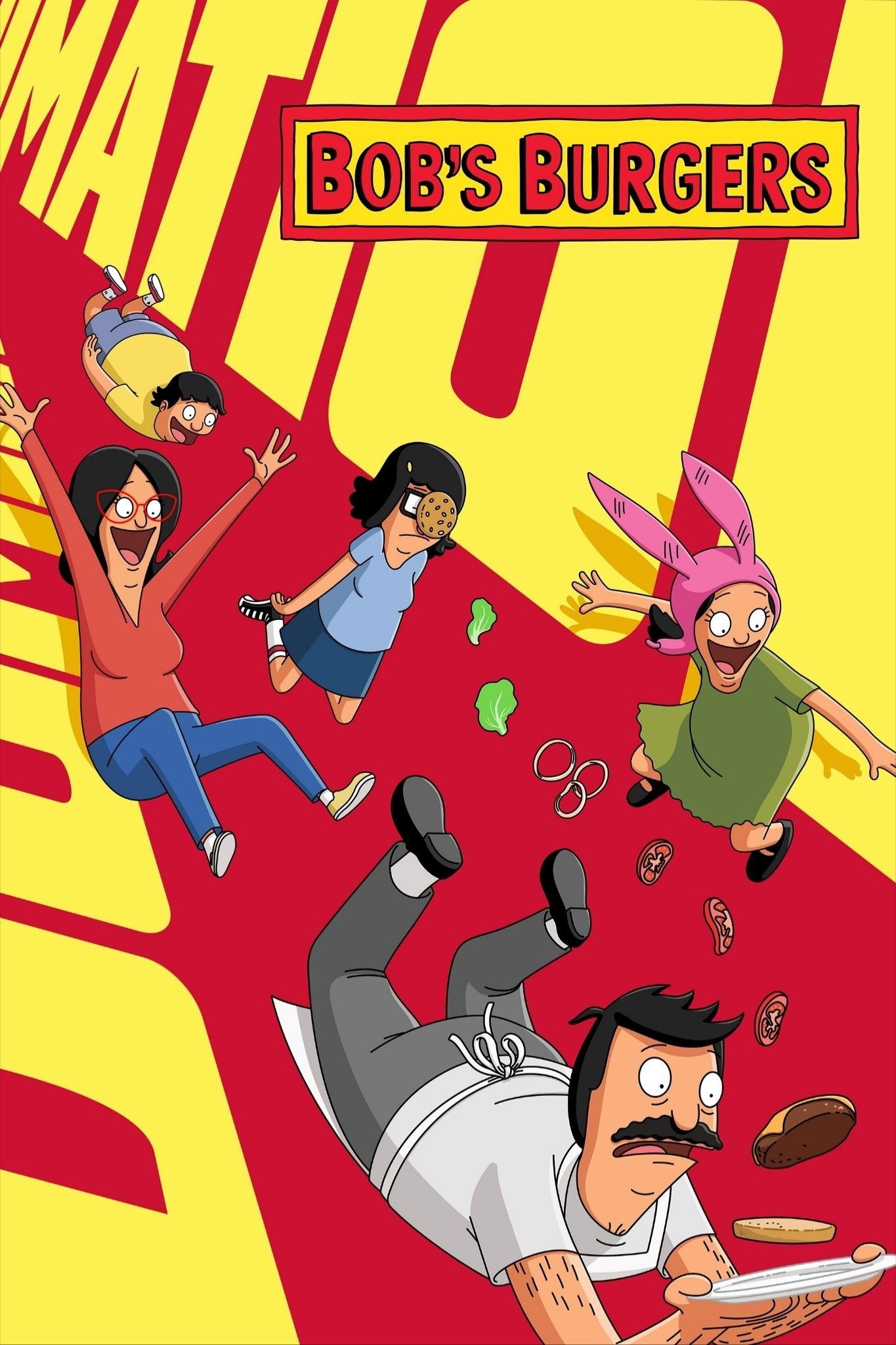
The store next door to the restaurant changes its name and sign in the opening sequence of every episode. These names are always elaborate puns related to the business being sold. The pest control van that pulls up also features a different pun-based company name each week. Additionally, the “Burger of the Day” board in the background of the restaurant offers a new culinary joke. These three changing elements reward viewers for not skipping the intro.
‘Rick and Morty’ (2013–Present)
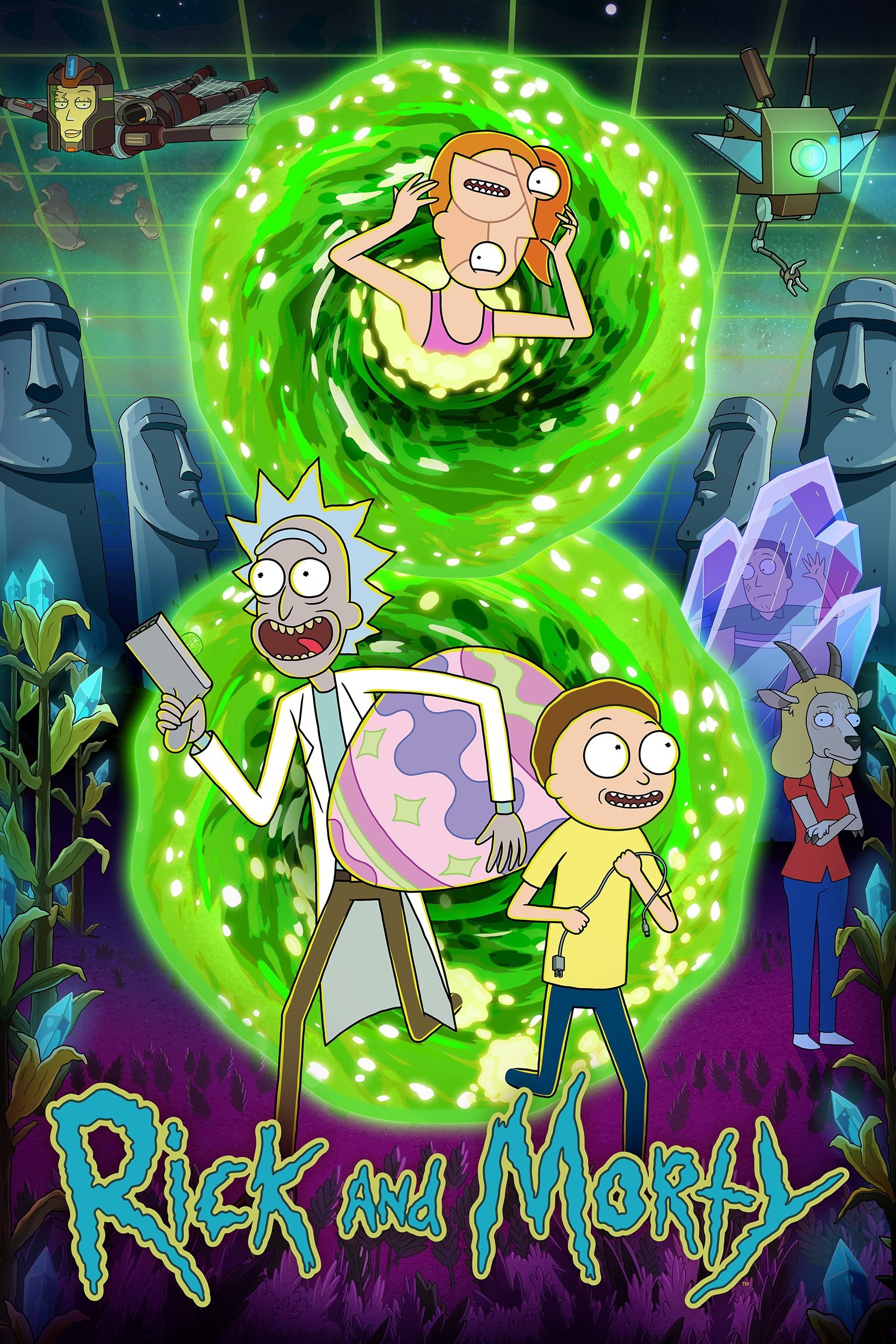
Characters or items from previous episodes can be seen in the background or in trash chutes, confirming continuity. In the episode where multiple timelines split, the background details remain consistent with the chaotic division of the screen. The show tracks the damage done to the house, such as cracks in the driveway, across multiple seasons. Background aliens often reappear in different locations, suggesting a functioning ecosystem. This attention to detail anchors the multiverse concept in a logical framework.
‘Supernatural’ (2005–2020)
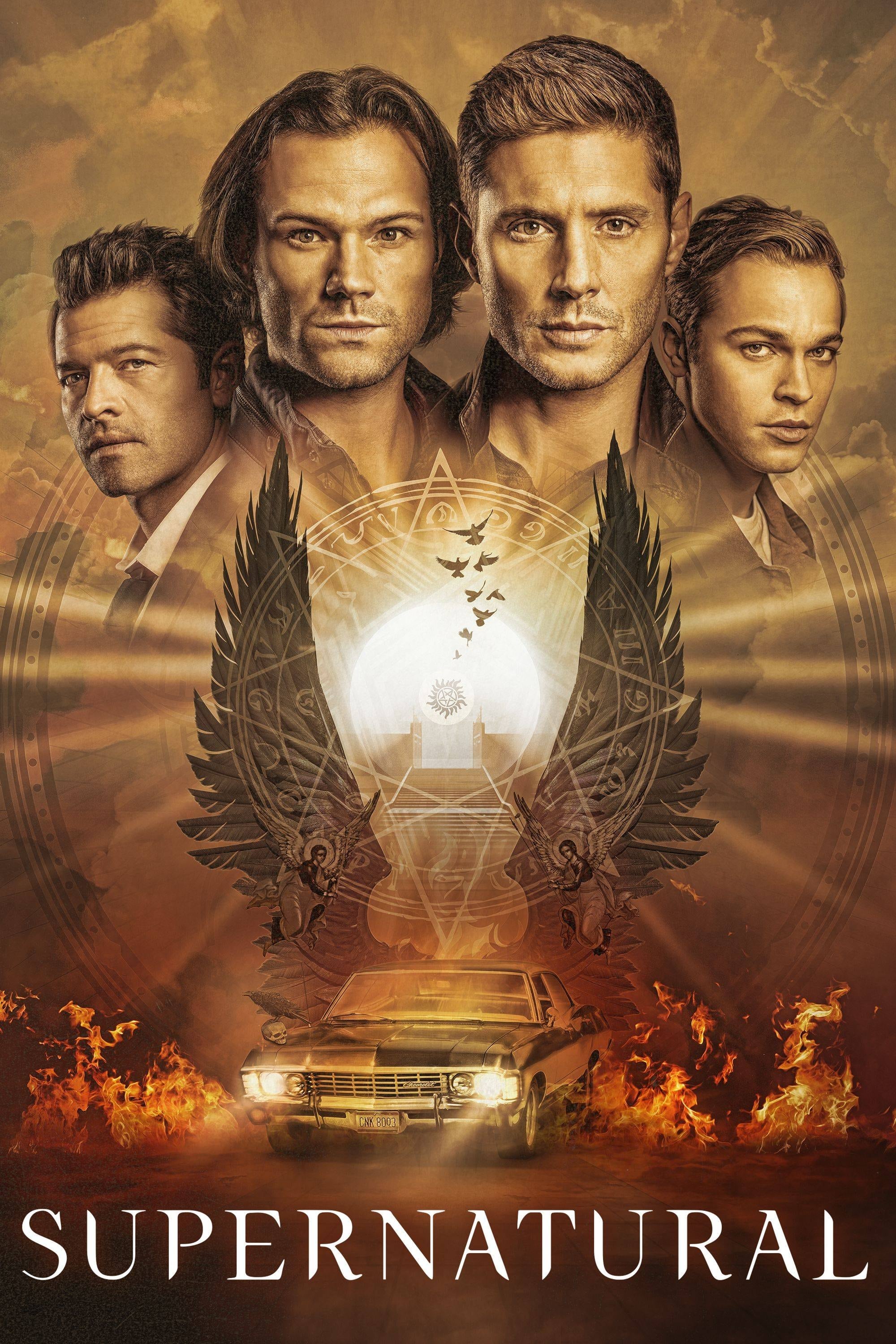
The license plate on the Winchesters’ Impala originally read KAZ 2Y5, a reference to Kansas and the year 2005. It was later changed to CNK 80Q3, but the original plate occasionally appears in flashbacks or alternate realities. The show also hid clocks that read 4:20 in various scenes as a subtle joke by the set dressers. Props from classic horror movies were sometimes used as background artifacts in the bunker. These nods honored the genre history the show was built upon.
‘Brooklyn Nine-Nine’ (2013–2021)
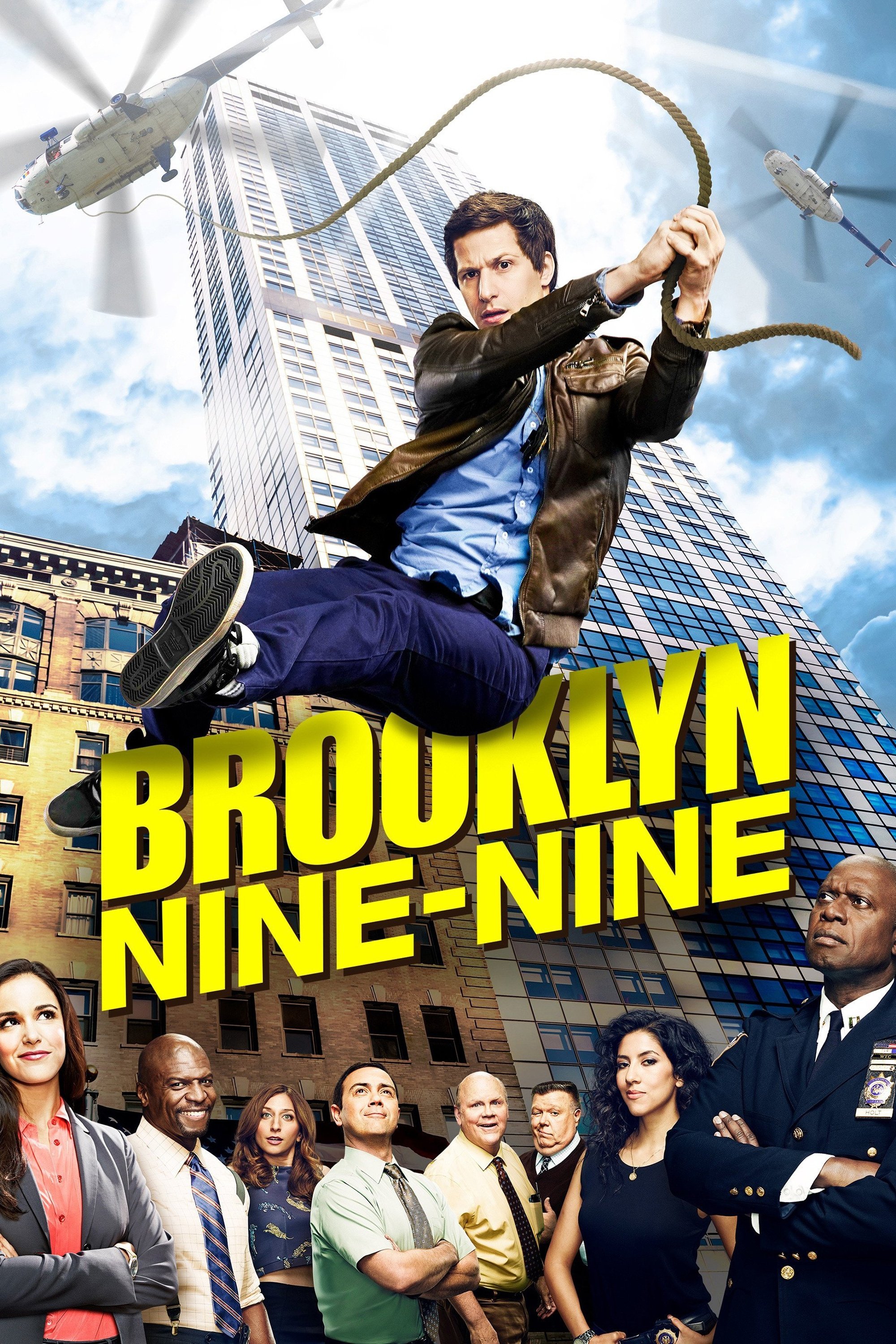
Detectives Hitchcock and Scully are often doing bizarre things in the background while the main plot occurs. They might be seen eating strange food combinations or struggling with simple office equipment. The whiteboard in the briefing room frequently contains doodles or notes related to previous cases. The messy state of Jake Peralta’s desk evolves to include mementos from his solved crimes. These background character beats reinforced their personalities without using dialogue.
‘Mr. Robot’ (2015–2019)
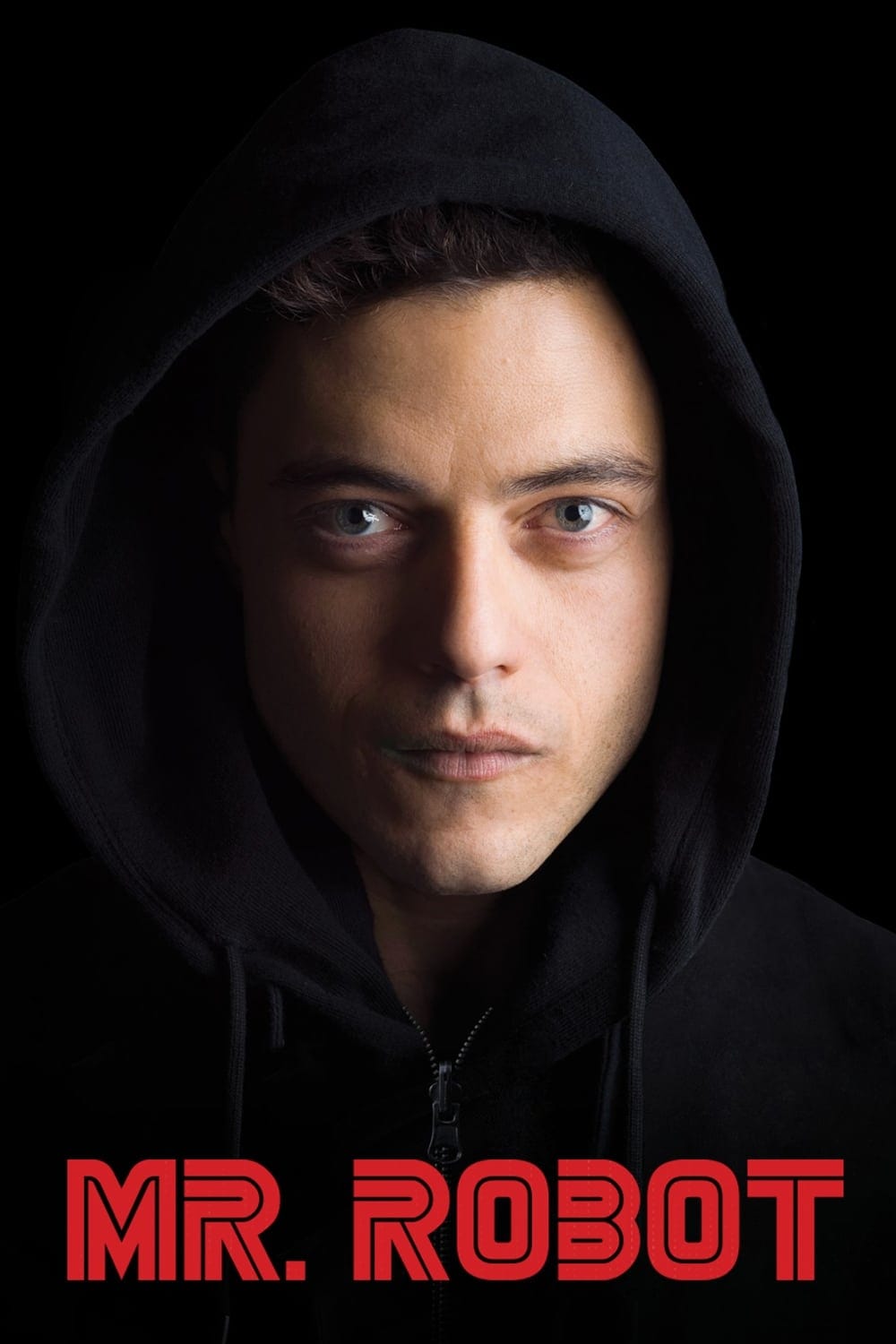
The QR codes that appeared on screen were functional and led viewers to real-world websites created by the show. These sites contained lore, puzzles, and sometimes exclusive clips that expanded the narrative. The IP addresses shown on computer screens were also valid and often led to Easter eggs. The showrunners ensured that every line of code visible was syntactically correct and relevant to the hack being performed. This technical accuracy set a new standard for portraying cybersecurity on television.
‘Silicon Valley’ (2014–2019)
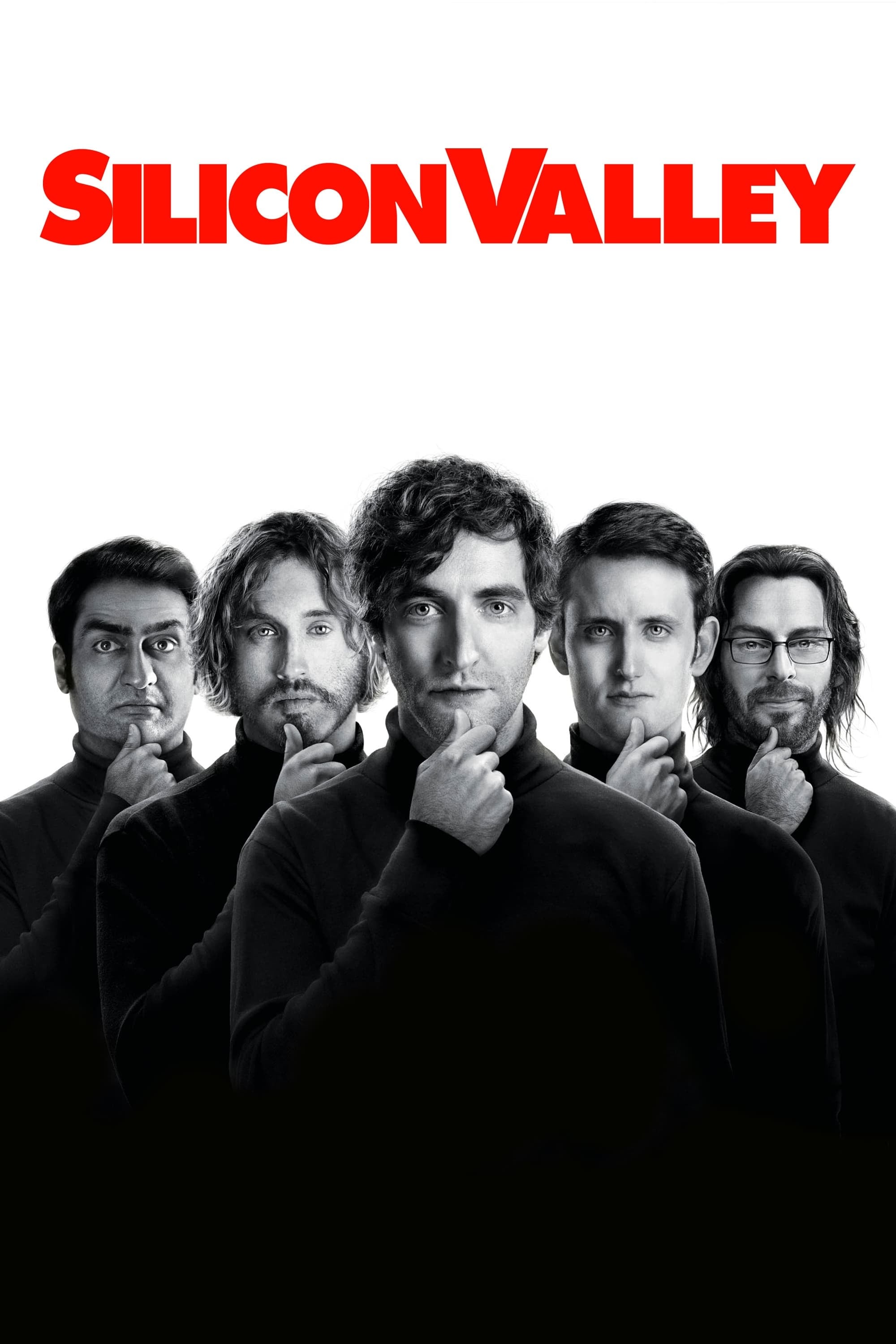
The opening animated title sequence was updated every season to reflect real-world changes in the tech industry. Logos of companies like Facebook, Uber, and Google grew or shrank depending on their current stock market status or public scandals. Small animations of delivery drones or self-driving cars were added as those technologies emerged. It served as a satire of the actual Silicon Valley landscape parallel to the show’s plot. Fans paused the intro to spot the new corporate mergers represented in the graphics.
‘Veep’ (2012–2019)
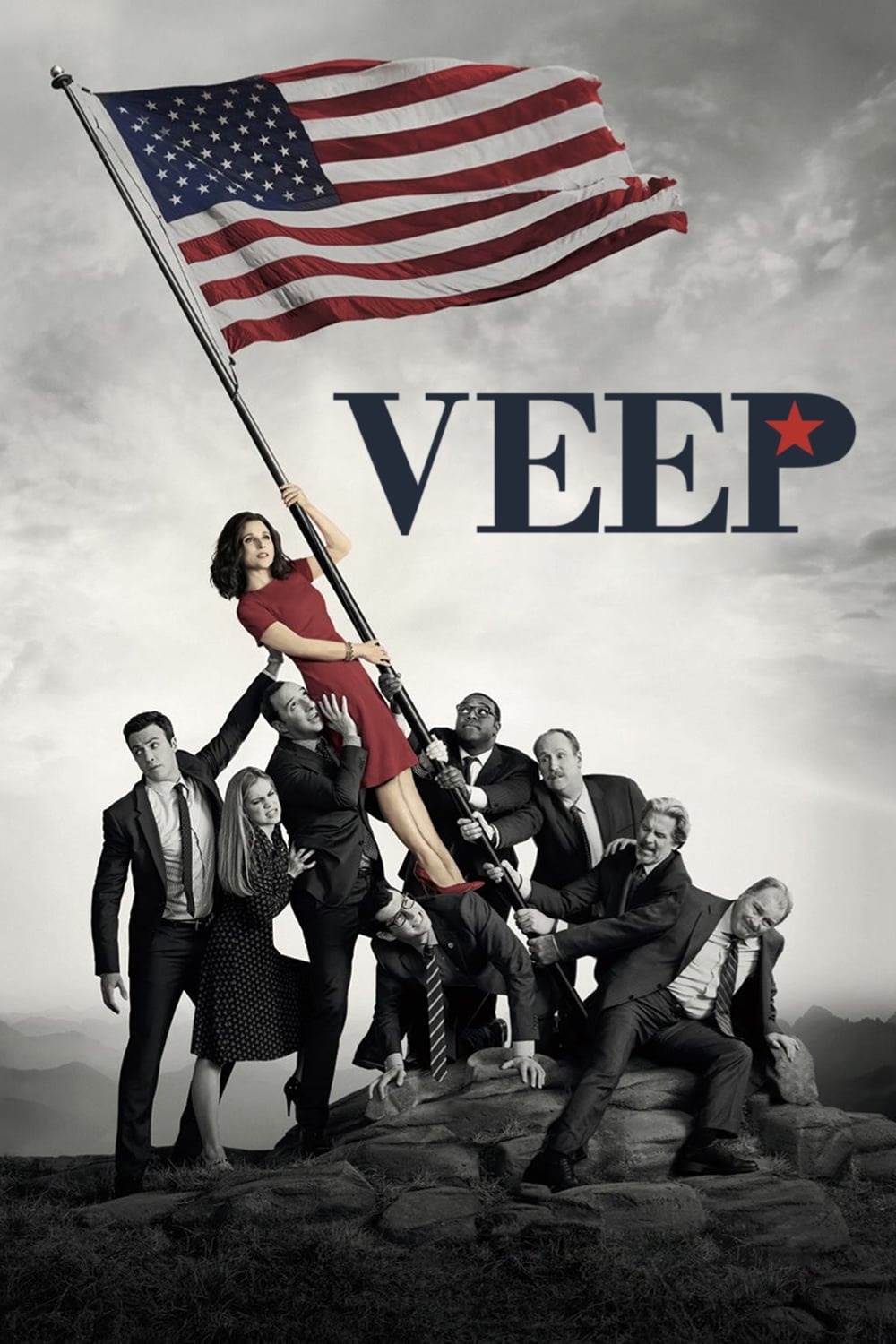
The calendar in Vice President Selina Meyer’s office remained stuck on the same month for a long duration. This subtle detail emphasized the stagnant nature of her political career and the incompetence of her staff. Background news tickers on television screens featured hilarious and inept headlines about the administration. The production design often included gifts from foreign dignitaries that were hideous or inappropriate. These elements contributed to the atmosphere of political dysfunction.
‘Modern Family’ (2009–2020)
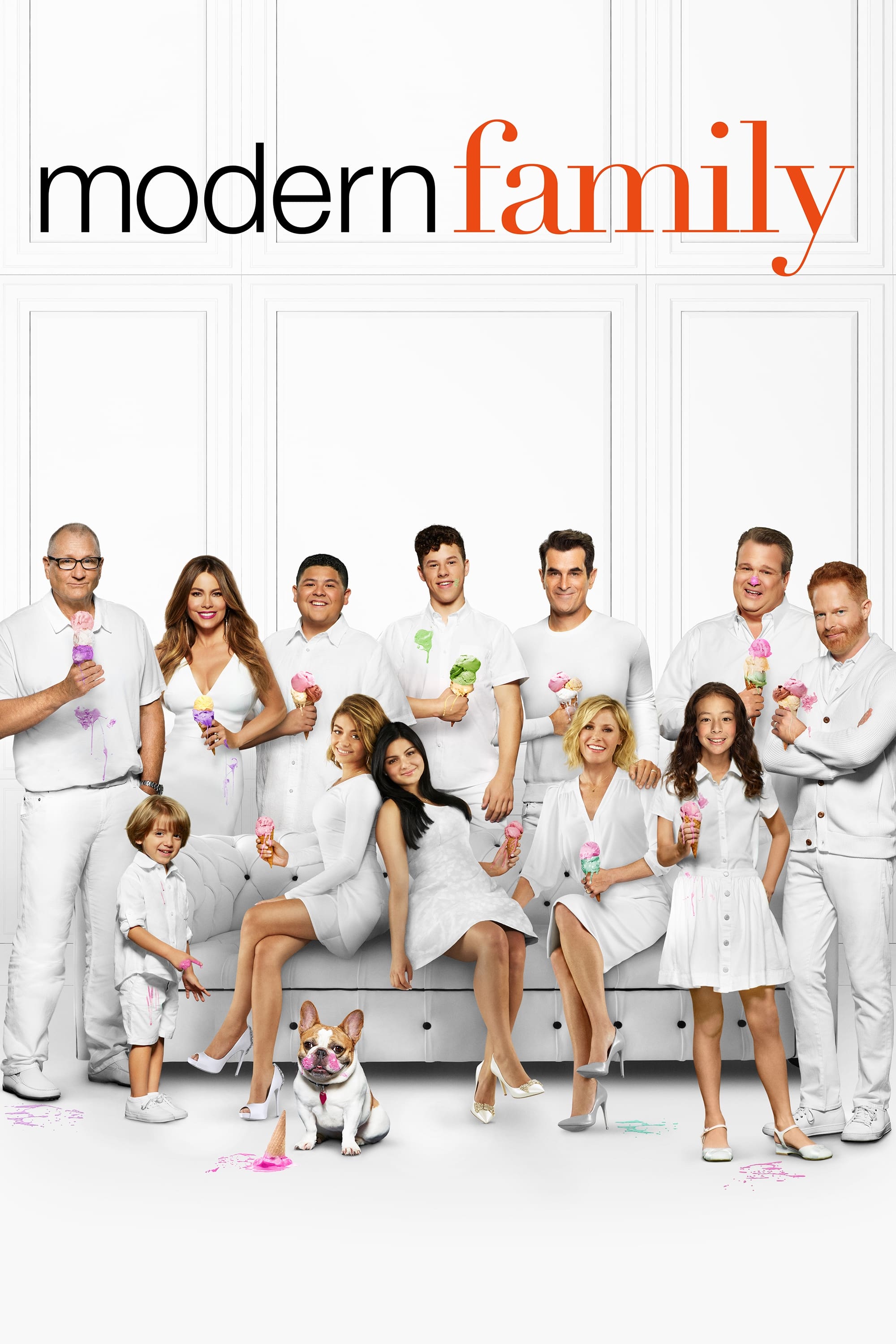
The broken step on the Dunphy family staircase was a running gag that spanned the entire series. Phil Dunphy would trip on it or promise to fix it in dozens of episodes. Even when it was finally repaired, it would break again shortly after, symbolizing the chaotic nature of their domestic life. The whiteboard in the kitchen often displayed notes that changed to reflect the kids’ schedules. This continuity grounded the show in the relatable frustrations of home ownership.
‘Twin Peaks’ (1990–1991)
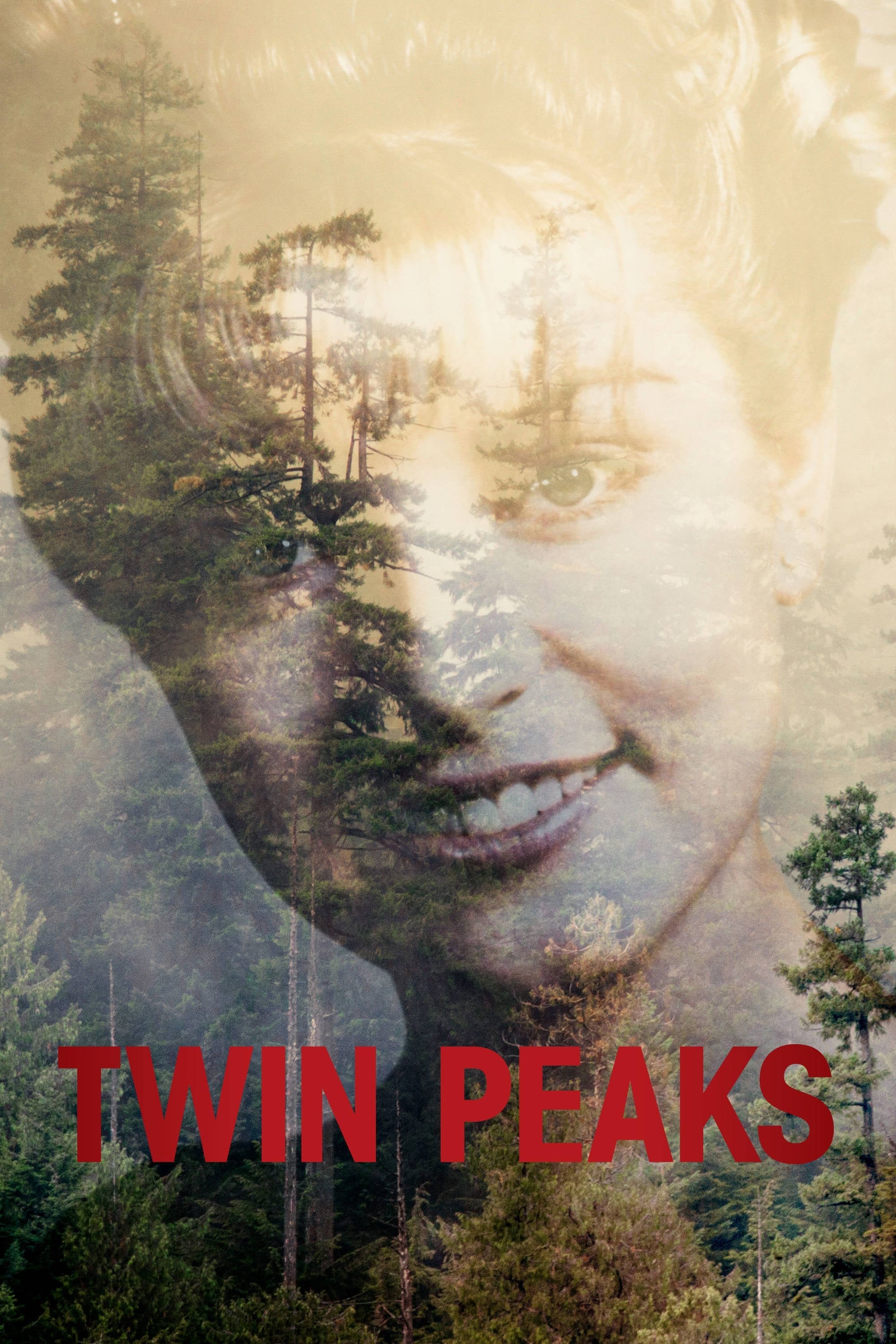
The actors in the Red Room scenes learned their lines phonetically backwards. The footage was then reversed to create an uncanny, otherworldly audio effect where they spoke English with strange intonations. The blinking patterns of the characters in these scenes were also manipulated to feel unnatural. Subtle reflections in mirrors sometimes showed a different face than the character standing before it. These techniques created a subconscious sense of unease that defined the show’s surreal horror.
Share your favorite hidden TV details that we missed in the comments.