


22 TV Shows With The Best Costume Evolution Over Seasons




Costume design serves as a powerful storytelling tool that visualizes character growth and narrative shifts in long-running television series. Audiences often track the internal journey of a protagonist through the changing fabrics and colors they wear as the years progress. Wardrobe choices reflect shifts in time periods or social status and emotional states with remarkable precision. The following series demonstrate exceptional attention to detail in how their characters dress from the pilot to the finale.
‘Game of Thrones’ (2011–2019)
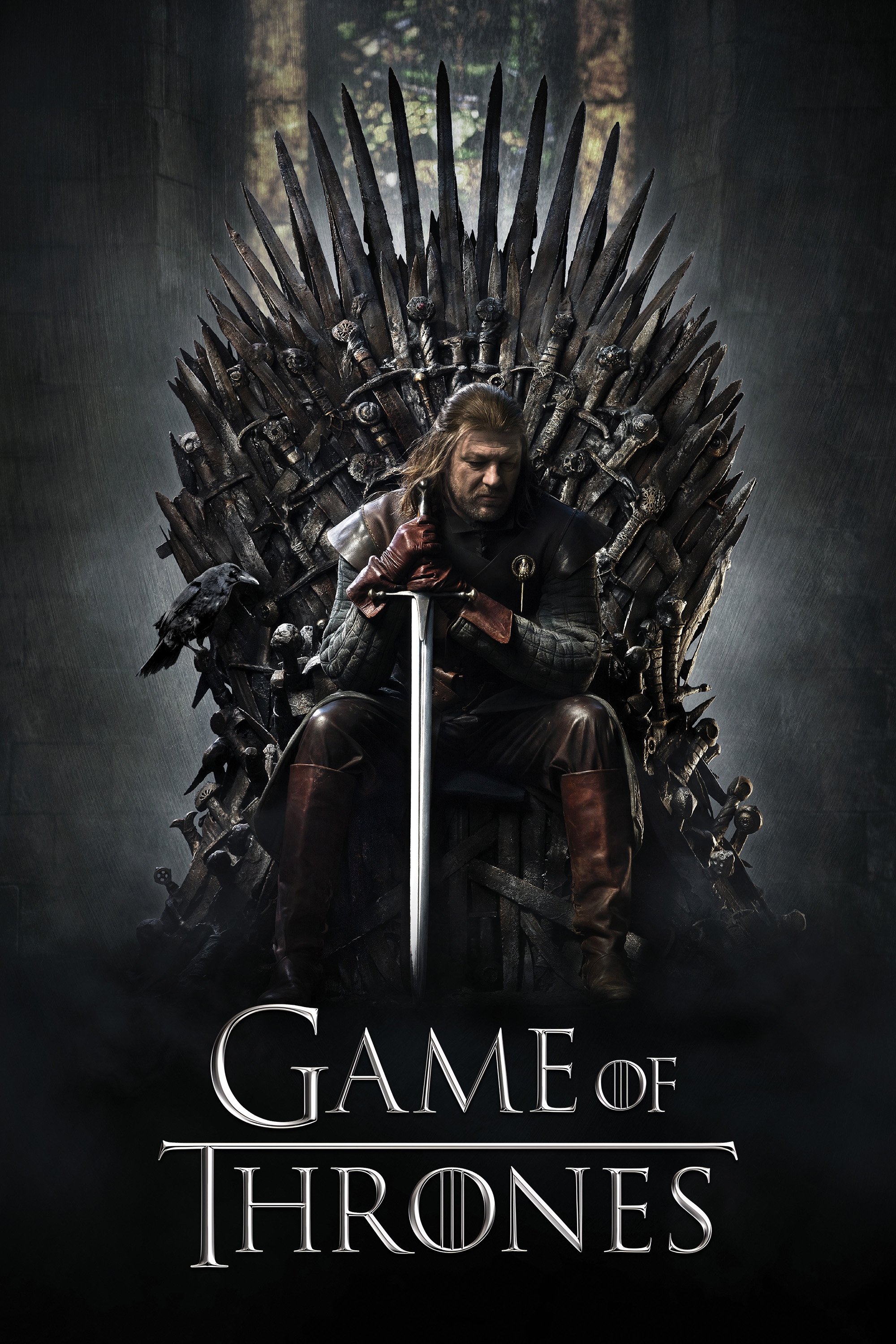
The wardrobe in ‘Game of Thrones’ shifts dramatically as the characters face war and the arrival of winter. Sansa Stark transforms her look from delicate southern dresses to dark armored structures that signify her power as the Queen in the North. Daenerys Targaryen adopts militaristic elements and dragon scales into her attire to reflect her conquest across the continents. These costume changes visually narrate the hardening of personalities in a brutal world.
‘Mad Men’ (2007–2015)
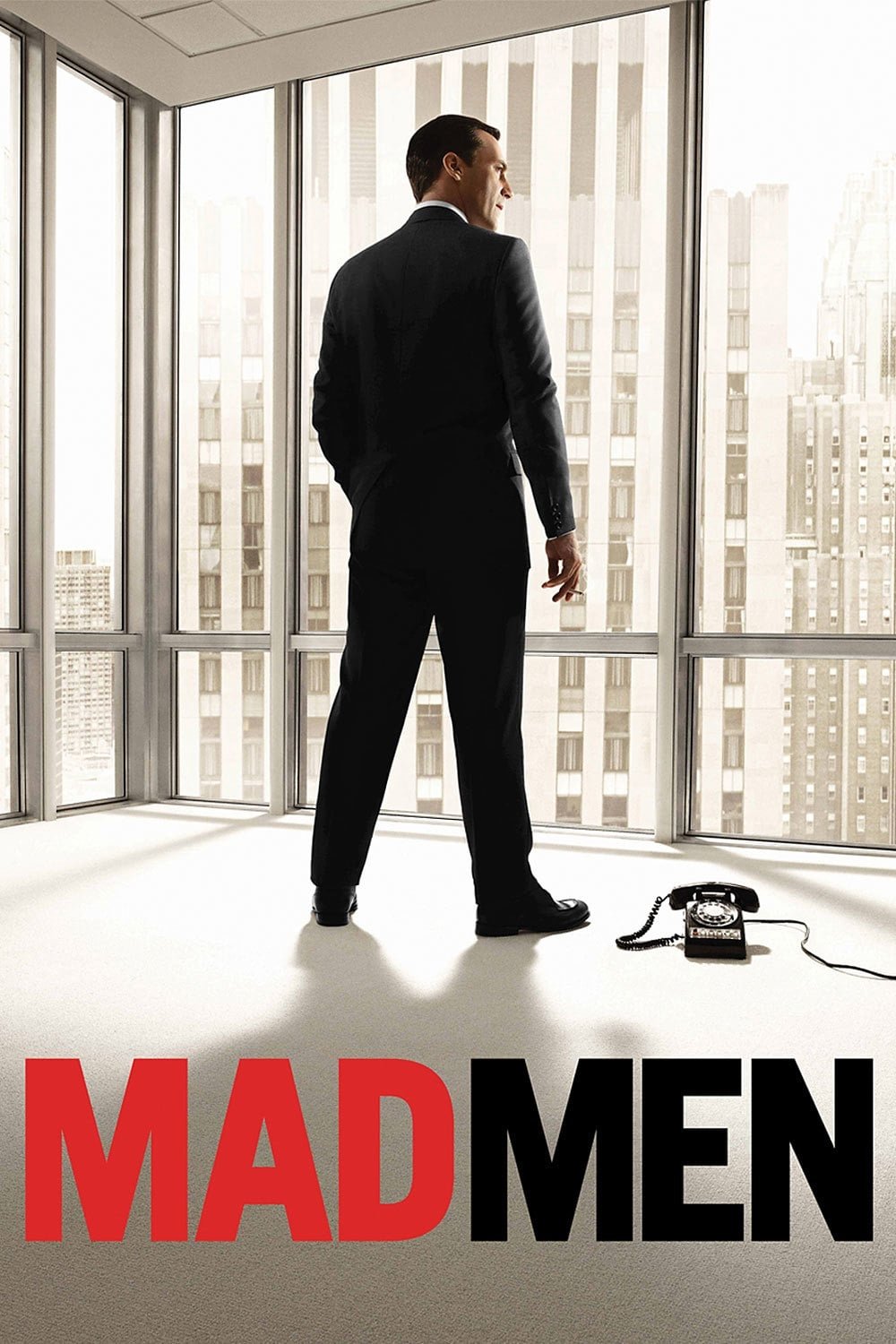
This series masterfully captures the transition from the structured fifties to the chaotic late sixties through fashion. Peggy Olson evolves from wearing plain homemade skirts to donning professional business attire that mirrors her rise in the advertising world. Don Draper maintains a classic silhouette that eventually becomes anachronistic as the counterculture movement rises around him. The costuming team used color and cut to symbolize the dismantling of traditional American social norms.
‘Breaking Bad’ (2008–2013)
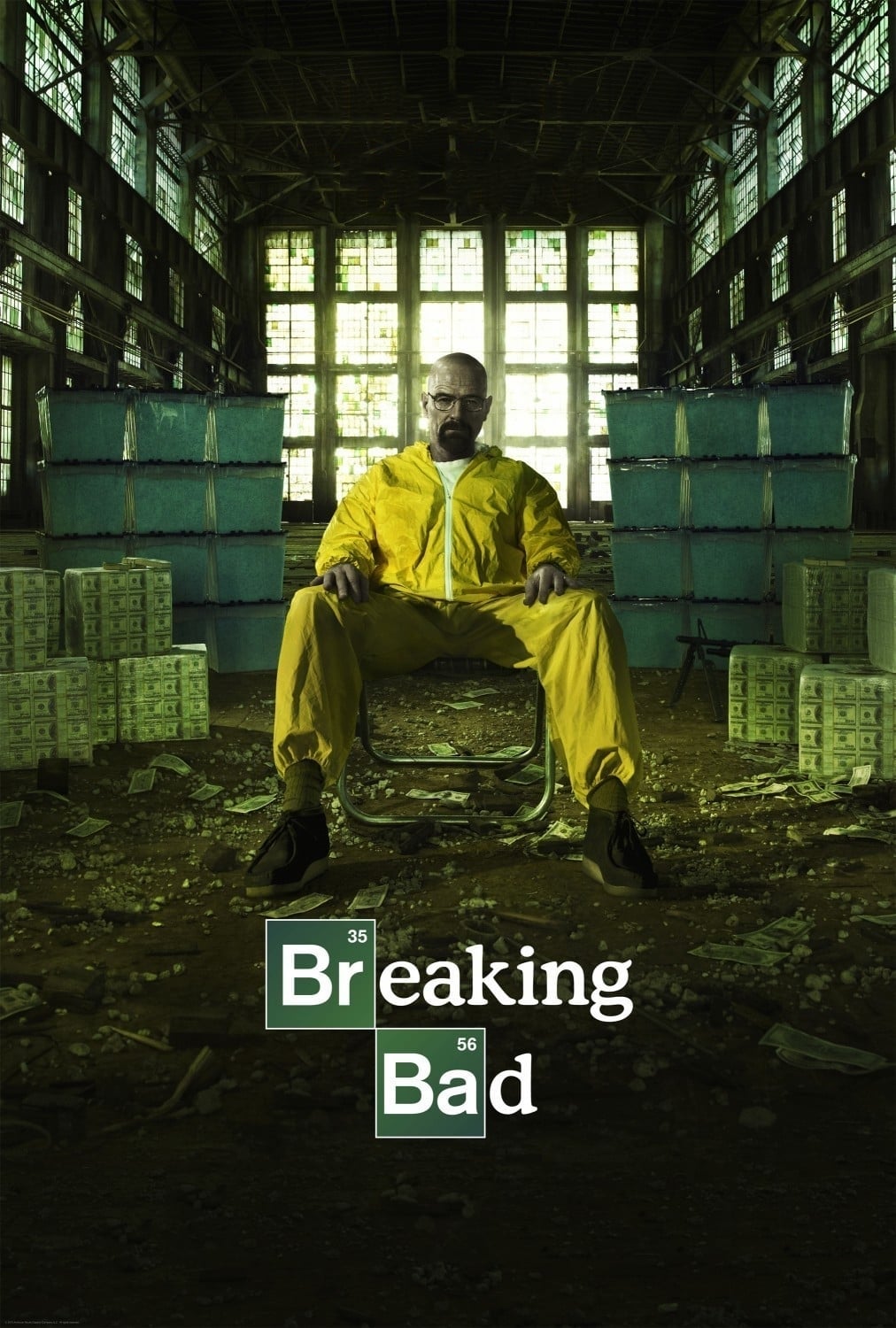
Walter White undergoes a distinct color evolution that mirrors his descent into the criminal underworld. The protagonist starts the series wearing beige and drab greens that signify his unremarkable life as a chemistry teacher. He eventually adopts darker tones and black ensembles as he embraces his Heisenberg persona. This gradual darkening of the wardrobe palette serves as a visual metaphor for his moral decay.
‘Schitt’s Creek’ (2015–2020)
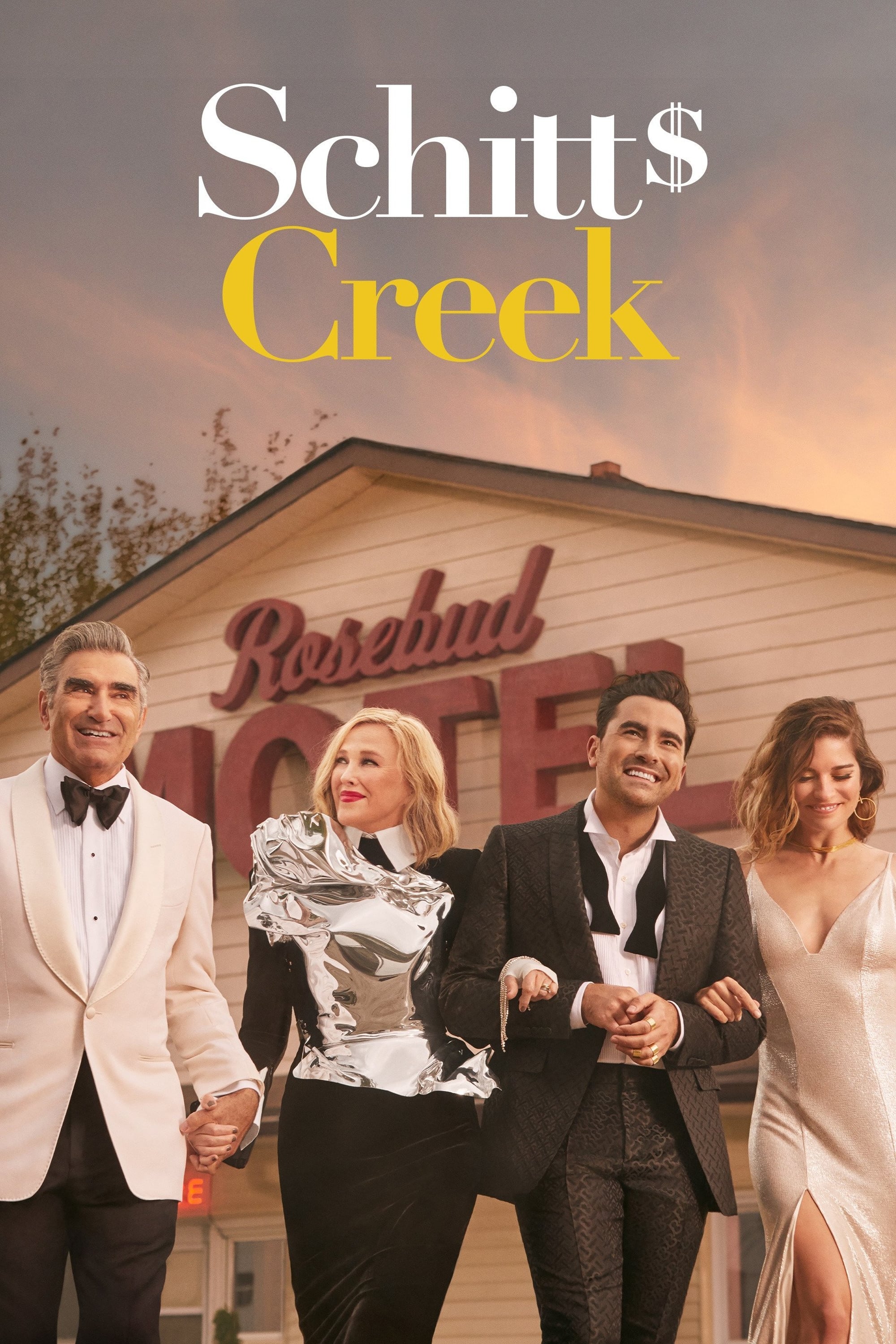
The Rose family uses fashion as armor against their newfound poverty in a small town. Moira Rose maintains her avant-garde aesthetic with black and white designer pieces that refuse to blend into her rural surroundings. Alexis Rose slowly trades her purely bohemian jet-setter vibe for more practical yet stylish professional wear as she matures. Their clothing remains a constant reminder of their identity even as their characters soften and adapt.
‘Sex and the City’ (1998–2004)

Carrie Bradshaw and her friends defined fashion trends for an entire generation with their eclectic wardrobe choices. The protagonist moves from the whimsical mix-and-match style of the late nineties to sleek high fashion couture in the final seasons. Her outfits often reflect her tumultuous romantic life and her growing success as an author in New York City. The evolution showcases the shift from seeking love to finding self-acceptance and stability.
‘The Crown’ (2016–2023)
The costumes in this historical drama change meticulously to reflect the moving decades of Queen Elizabeth II’s reign. Viewers see the transition from the practical post-war styles of the late forties to the bright colors and boxy shapes of the eighties. The wardrobe department recreates iconic royal outfits while using subtle differences to hint at the private emotions of the monarch. Each season introduces a new era of fashion that correlates with the aging of the cast.
‘Buffy the Vampire Slayer’ (1997–2003)
Buffy Summers starts her journey wearing pastel miniskirts and knee-high boots that scream nineties high school fashion. As the themes of the show darken and the characters enter adulthood the clothing becomes more functional and mature. Leather jackets and durable fabrics replace the flimsy trends of earlier seasons to reflect the reality of slaying demons. The evolution tracks the group’s growth from teenagers to hardened warriors.
‘Downton Abbey’ (2010–2015)
The Crawley family navigates the rapid social changes of the early twentieth century through their changing attire. The series begins with the restrictive corsets and complex layers of the Edwardian era. Hems rise and silhouettes loosen significantly as the timeline moves into the Roaring Twenties. These sartorial shifts illustrate the modernization of the British aristocracy and the liberation of women.
‘Stranger Things’ (2016–Present)
The kids of Hawkins grow up alongside the evolving fashion trends of the nineteen-eighties. Eleven undergoes the most drastic transformation as she moves from hospital gowns and oversized flannel to bright patterned mall fashion. The wardrobe choices become louder and more vibrant with each season to match the pop culture of the specific year depicted. This attention to period detail grounds the supernatural elements in a recognizable reality.
‘Gossip Girl’ (2007–2012)
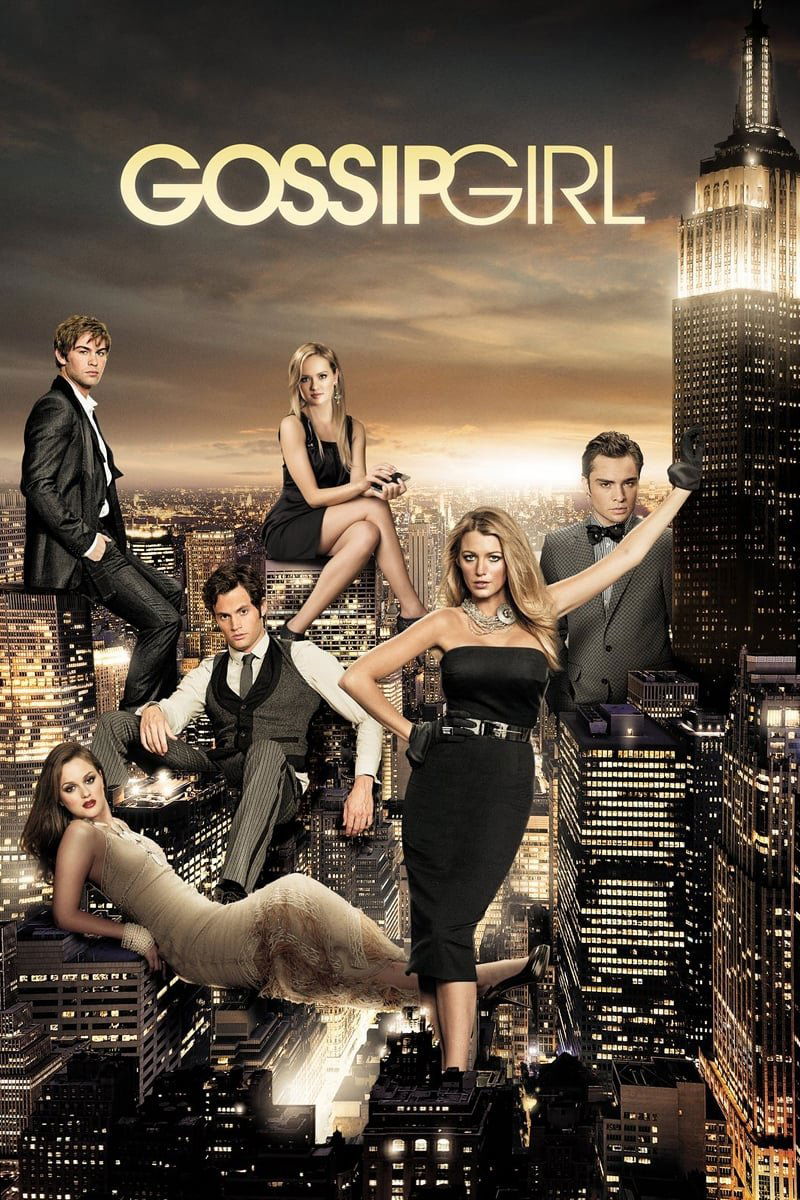
Blair Waldorf and Serena van der Woodsen treat the streets of the Upper East Side like a runway. The characters graduate from modified private school uniforms to sophisticated designer gowns and power suits. Blair trades her signature headbands for sleek professional wear as she takes control of her mother’s fashion empire. The evolution signifies their transition from ruling the school hierarchy to dominating the adult world.
‘Doctor Who’ (2005–Present)
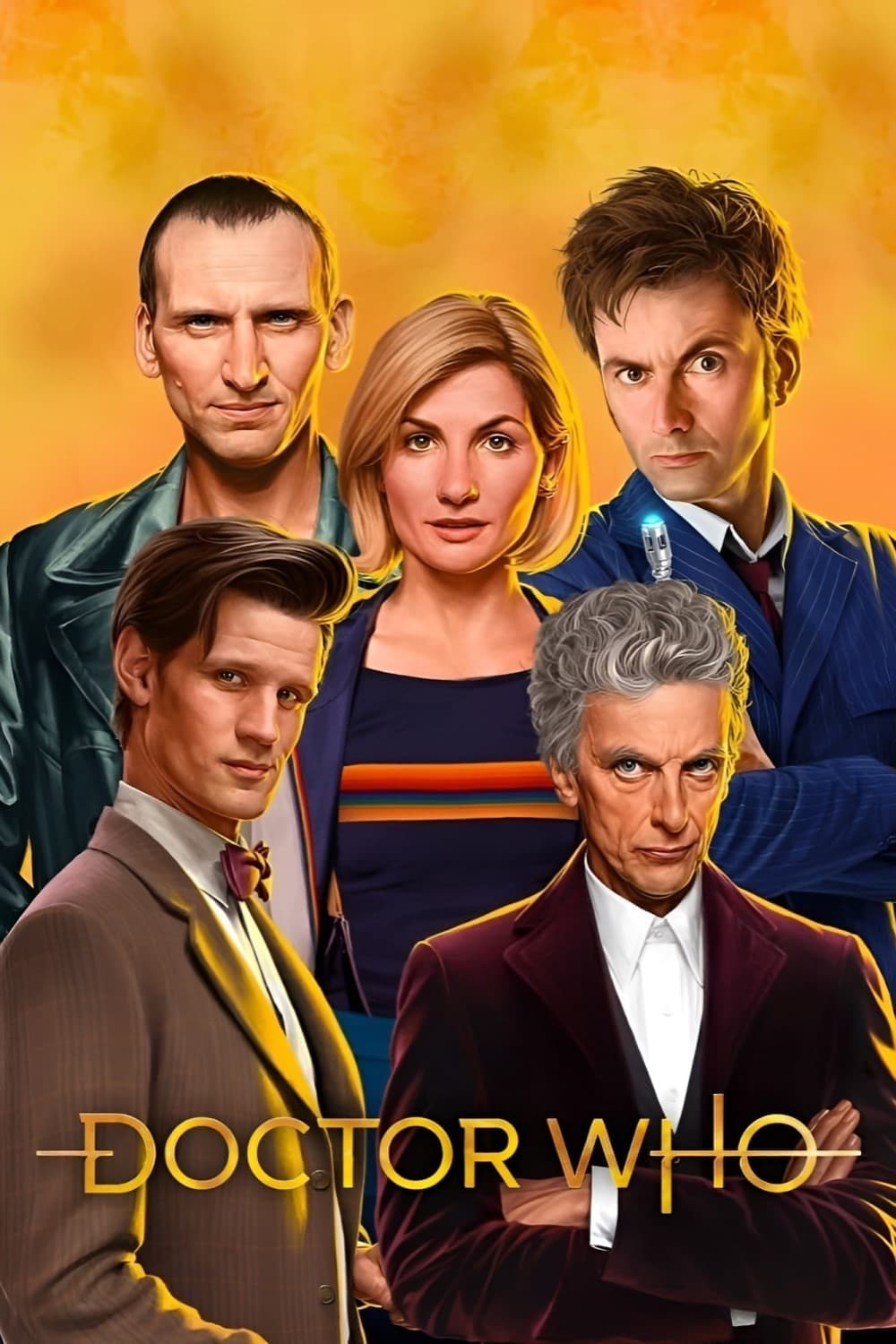
Every regeneration of the Doctor brings a completely new costume that defines their specific incarnation. The outfit choices range from leather jackets and combat boots to tweed jackets and bow ties. Companions also show significant growth through their clothing as they travel through time and space. Clara Oswald evolves from wearing prim dresses to practical adventure gear that mirrors the Doctor’s own style.
‘The Marvelous Mrs. Maisel’ (2017–2023)
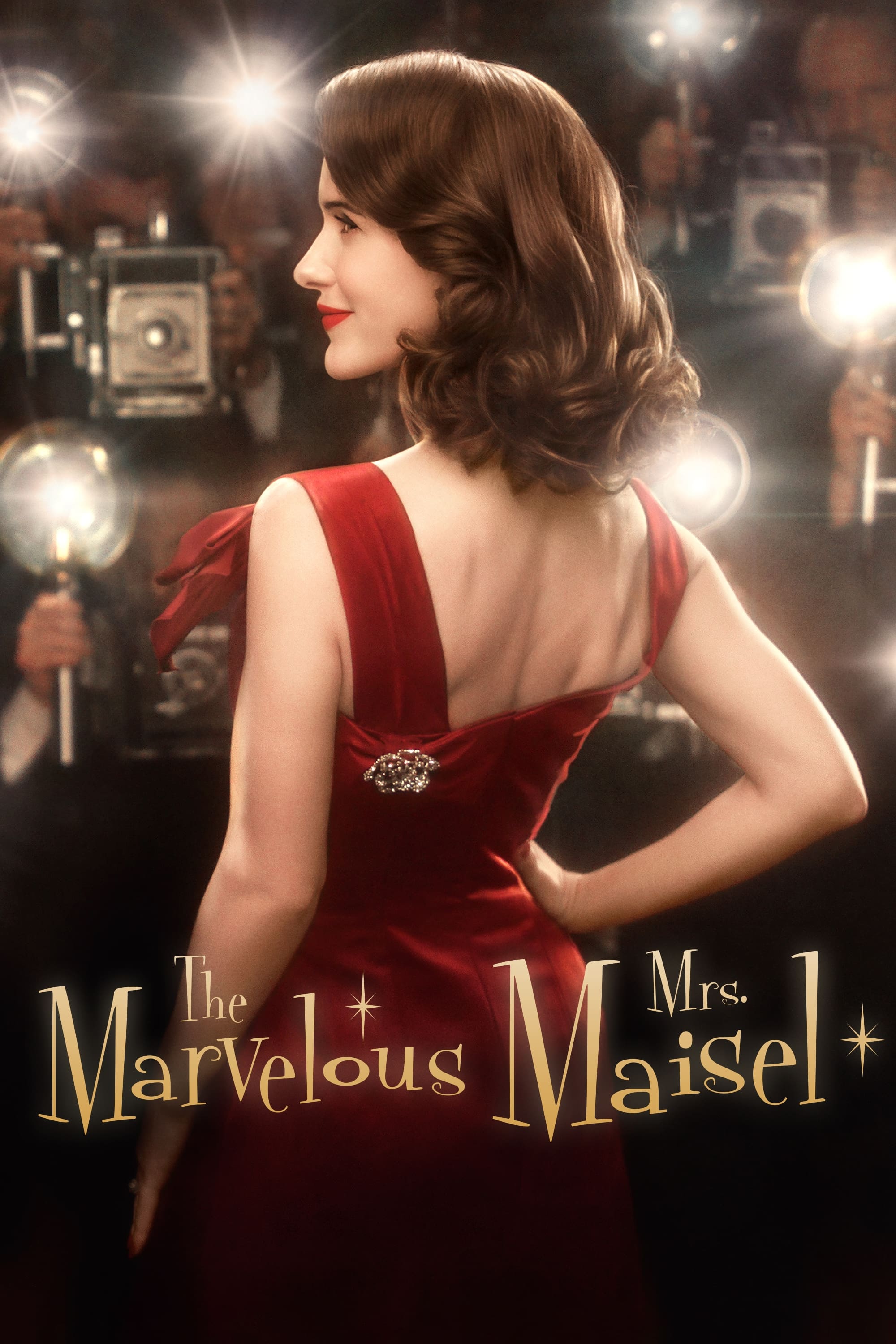
Midge Maisel distinguishes her two lives through her carefully curated wardrobe. Her pristine uptown dresses represent her role as a perfect housewife and mother in the nineteen-fifties. She adopts darker and slimmer silhouettes for her stand-up comedy performances in smoky downtown clubs. The contrast between her daywear and stage wear highlights her struggle to navigate two opposing worlds.
‘Friends’ (1994–2004)
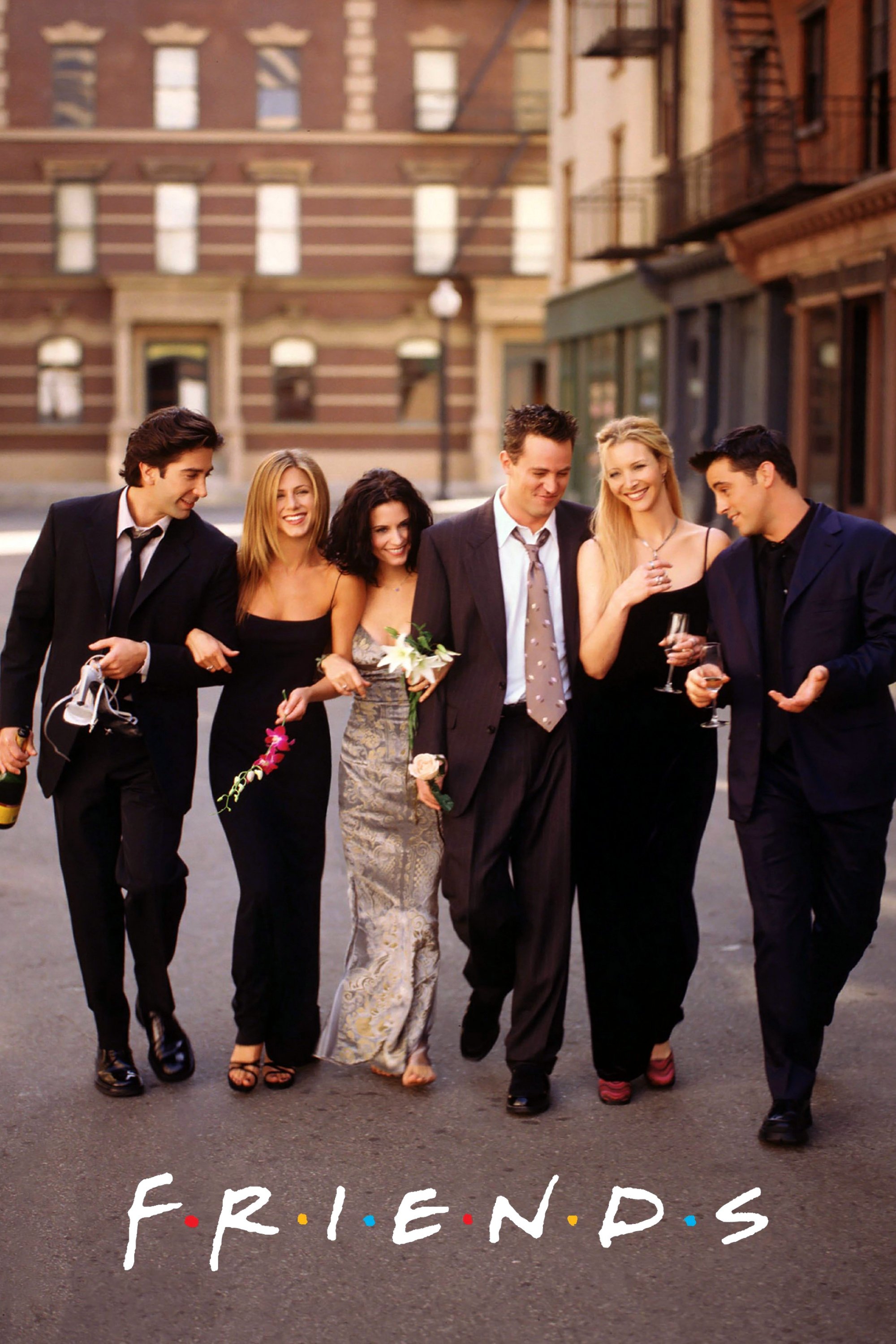
The six main characters embody the shift from nineties denim and plaid to the sleek minimalism of the early two-thousands. Rachel Green evolves from wearing waitress uniforms and casual knits to donning sharp executive suits as she climbs the corporate fashion ladder. Monica Geller transitions from comfortable chef wear to sophisticated separates that reflect her maturity. The wardrobe archive serves as a perfect time capsule of American casual style over a decade.
‘Outlander’ (2014–Present)
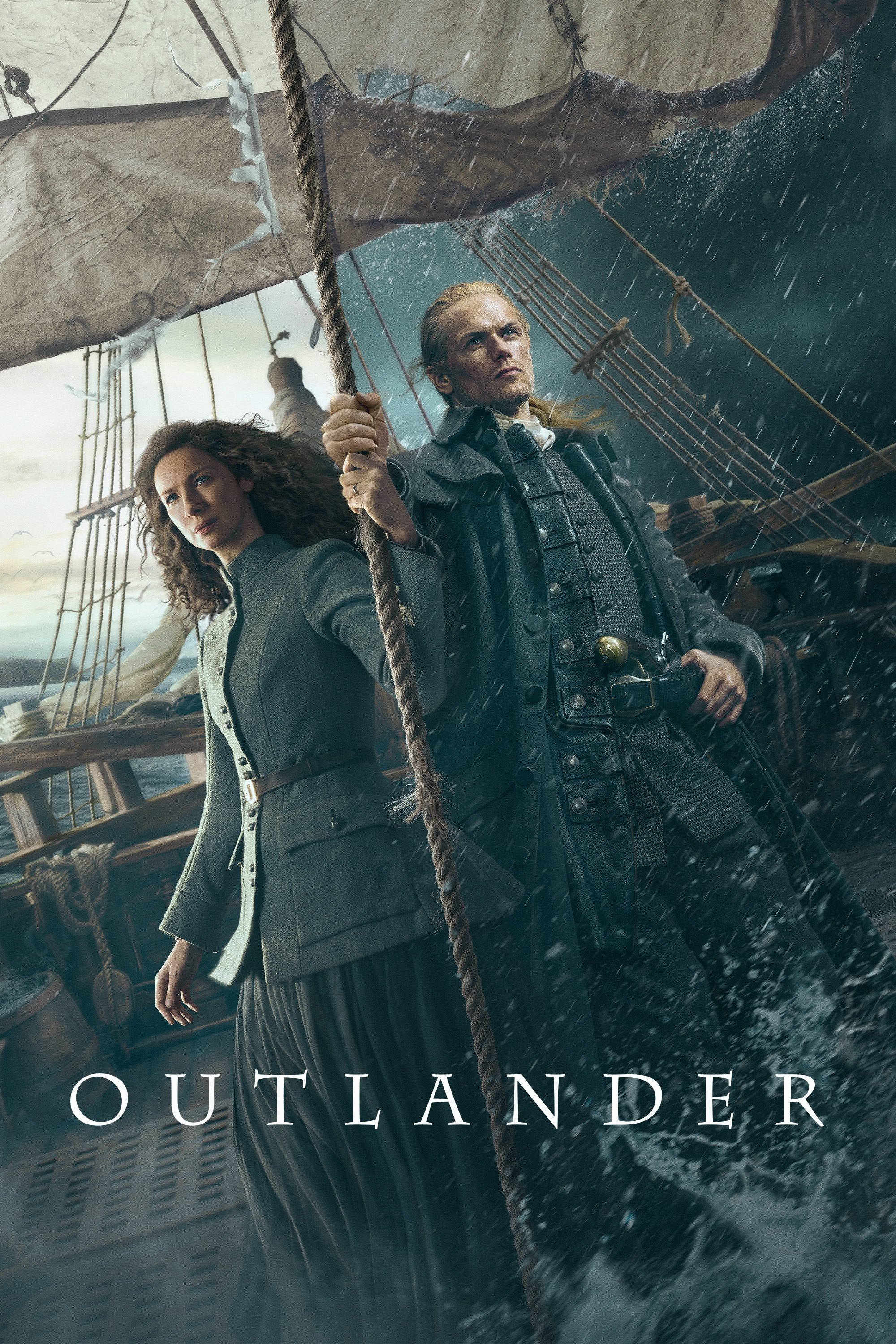
Claire Fraser adapts her clothing to survive in multiple centuries and continents. She begins in nineteen-forties combat nurse attire before fashioning eighteenth-century gowns in the Scottish Highlands. Her wardrobe later incorporates French court fashion and eventually practical colonial frontier wear in America. Each costume is a survival mechanism that helps her blend into the dangerous time periods she inhabits.
‘The 100’ (2014–2020)
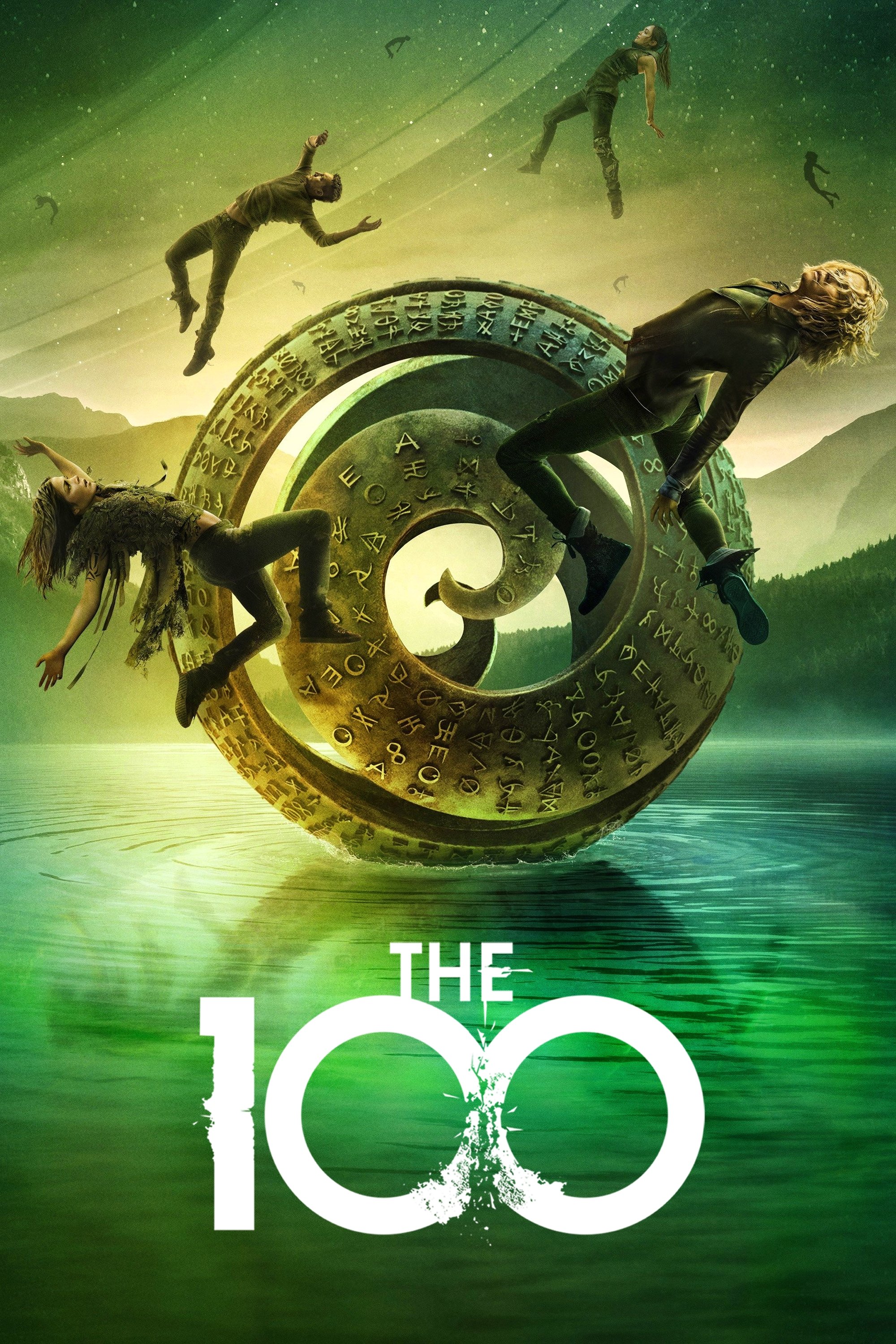
The delinquents land on Earth wearing sterile futuristic uniforms from their life on the Ark space station. Over several seasons their clothes degrade into ragged layers of fur and leather armor. The characters adopt the tribal aesthetic of the Grounders to survive the harsh radiation-soaked environment. This visual regression emphasizes the loss of technology and the return to a primal state of existence.
‘Pretty Little Liars’ (2010–2017)
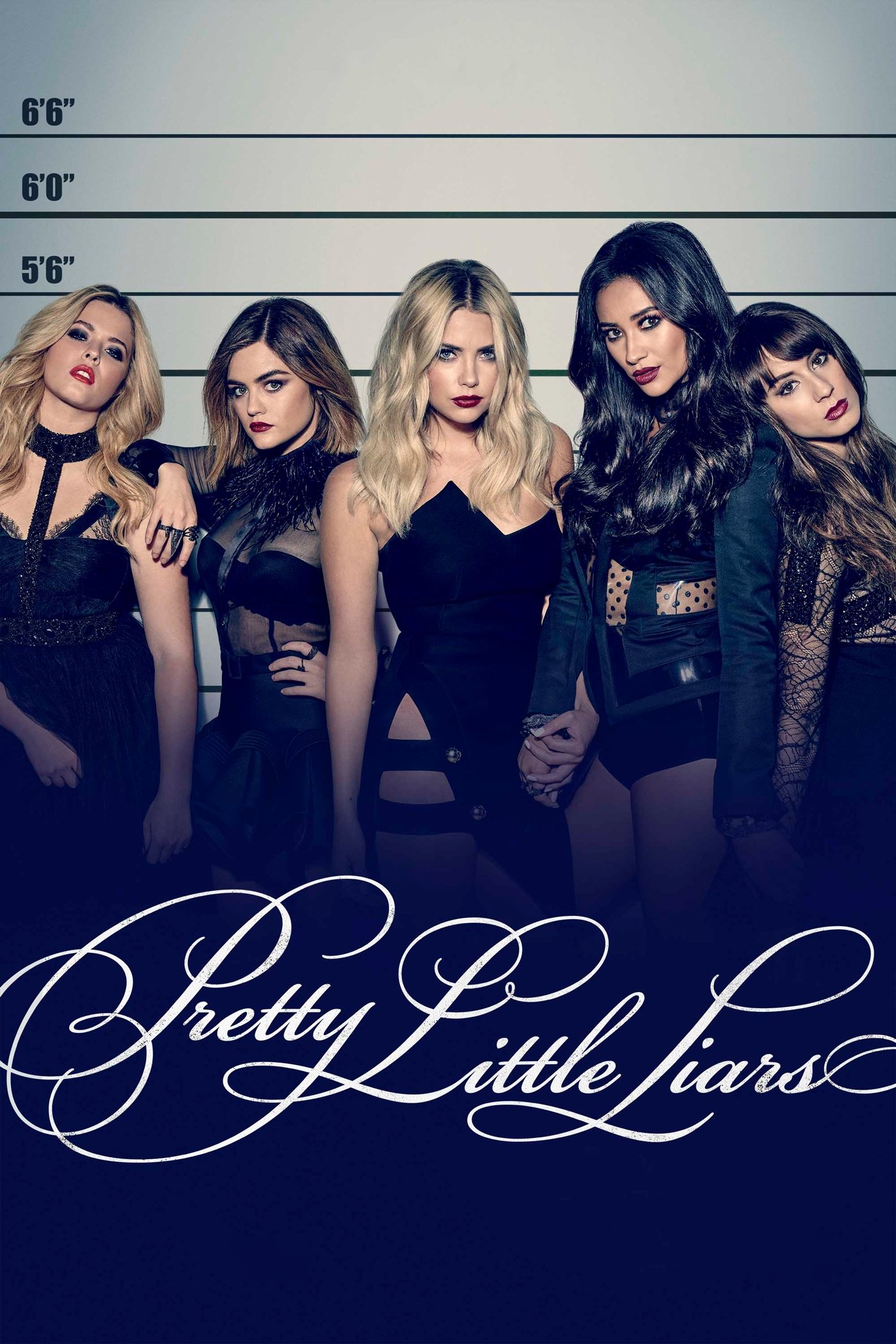
The four protagonists start the series with distinct teen styles that categorize their high school personas. Aria wears eclectic prints while Spencer sticks to preppy academic looks. A time jump in later seasons sees them adopt mature professional wardrobes that retain the essence of their original styles. The transition effectively sells the narrative leap from terrified teenagers to capable young women.
‘Suits’ (2011–2019)
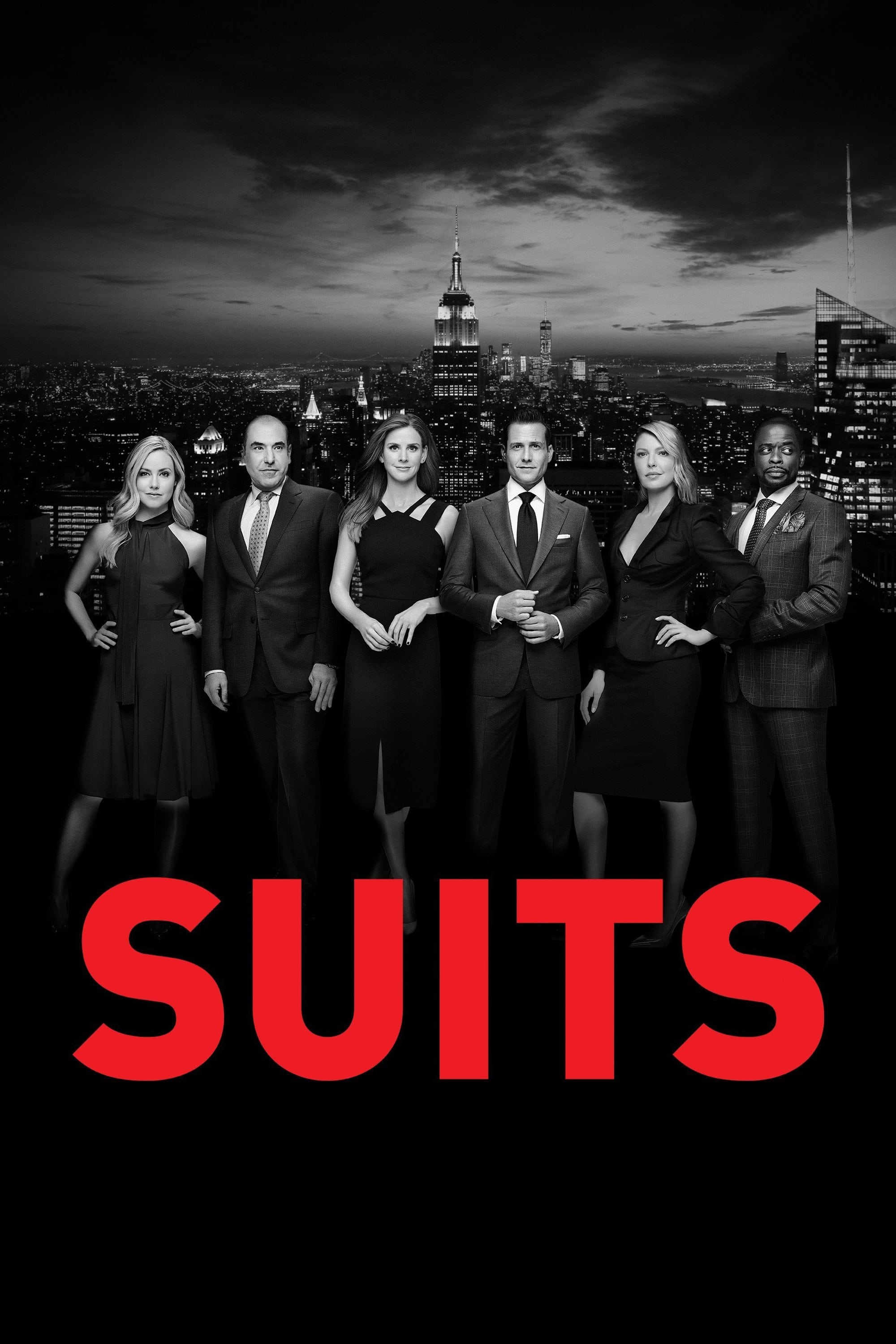
Mike Ross begins his legal career hiding in ill-fitting budget suits that highlight his fraud status. He gradually upgrades to tailored designer suits that rival those of his mentor Harvey Specter. This sartorial polish mirrors his increasing confidence and eventual legitimacy in the corporate law world. The cut and quality of the suits serve as a direct metric for success and power within the firm.
‘Parks and Recreation’ (2009–2015)
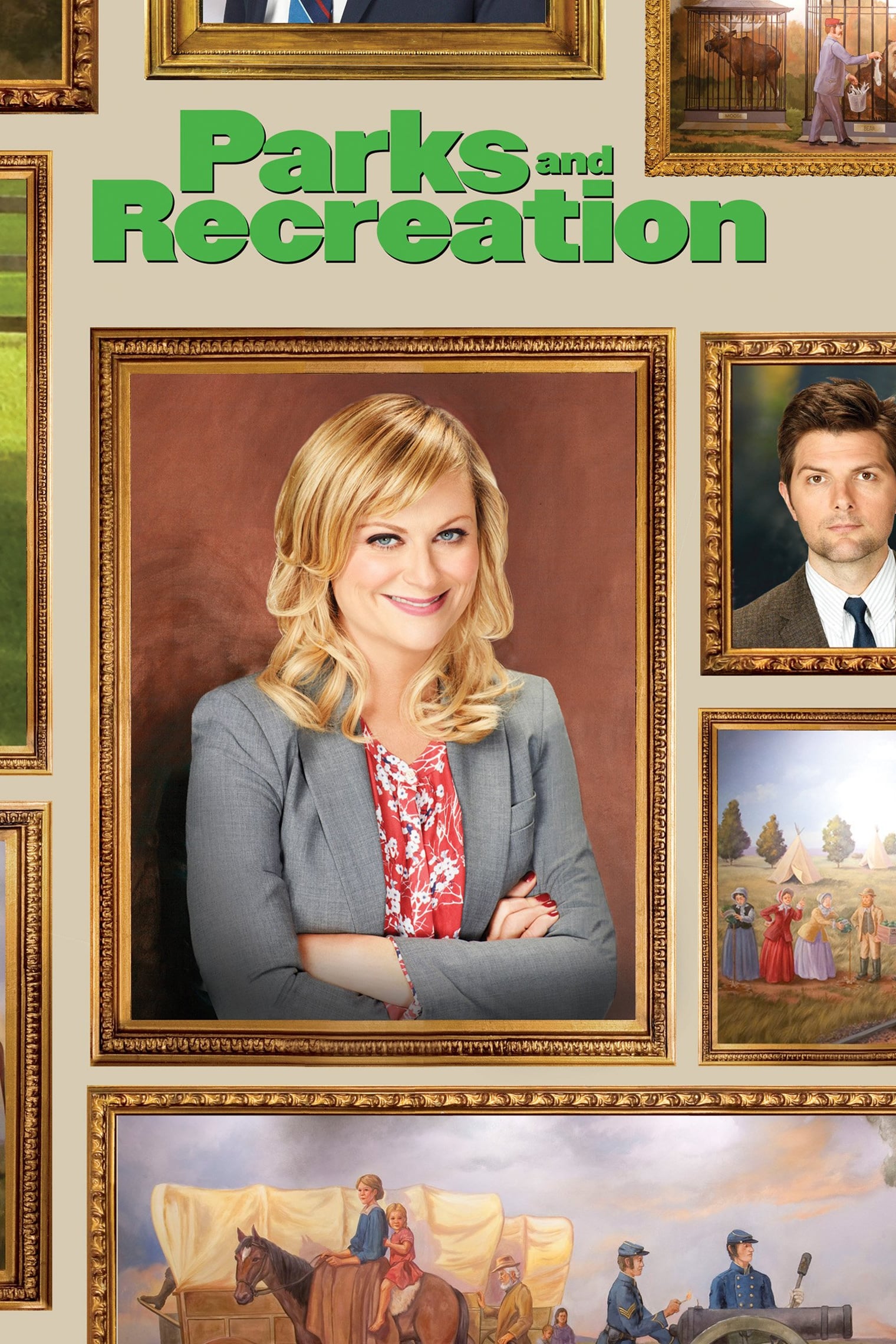
Leslie Knope refines her wardrobe as her political ambitions expand beyond Pawnee. She trades her slightly frumpy early season outfits for tailored pantsuits that command respect in Washington. April Ludgate moves from oversized hoodies to quirky but professional business casual wear as she finds her career path. These changes subtly underscore the professional development of the parks department staff.
‘Peaky Blinders’ (2013–2022)
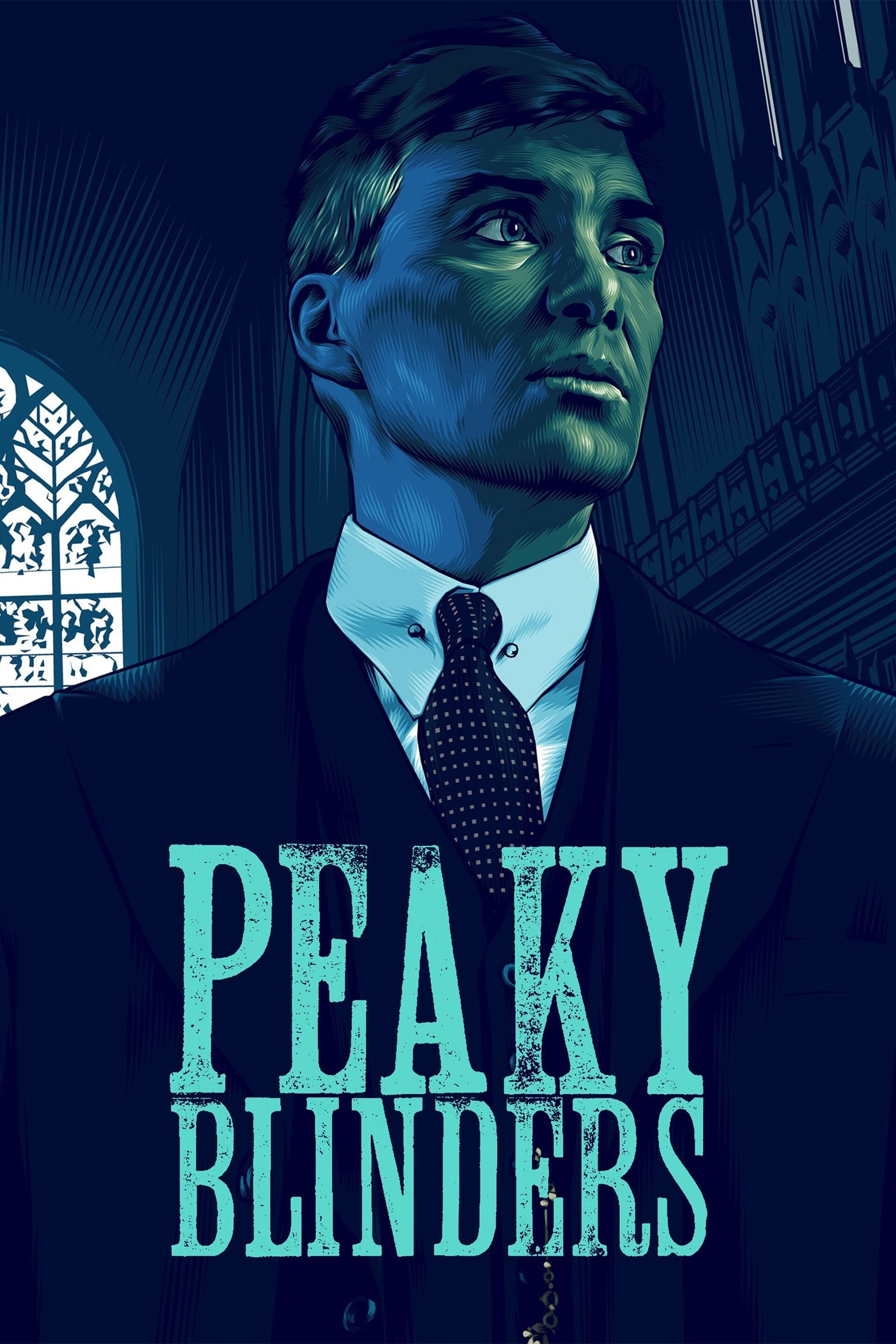
Thomas Shelby and his family use their clothing to project authority and wealth in post-war Birmingham. The gang starts with rough wool suits and their signature peaked caps. As they gain legitimacy and immense wealth they switch to silk ties and expensive three-piece suits with gold watches. The increasing opulence of their dress sharply contrasts with the grimy criminal underworld they operate within.
‘WandaVision’ (2021)
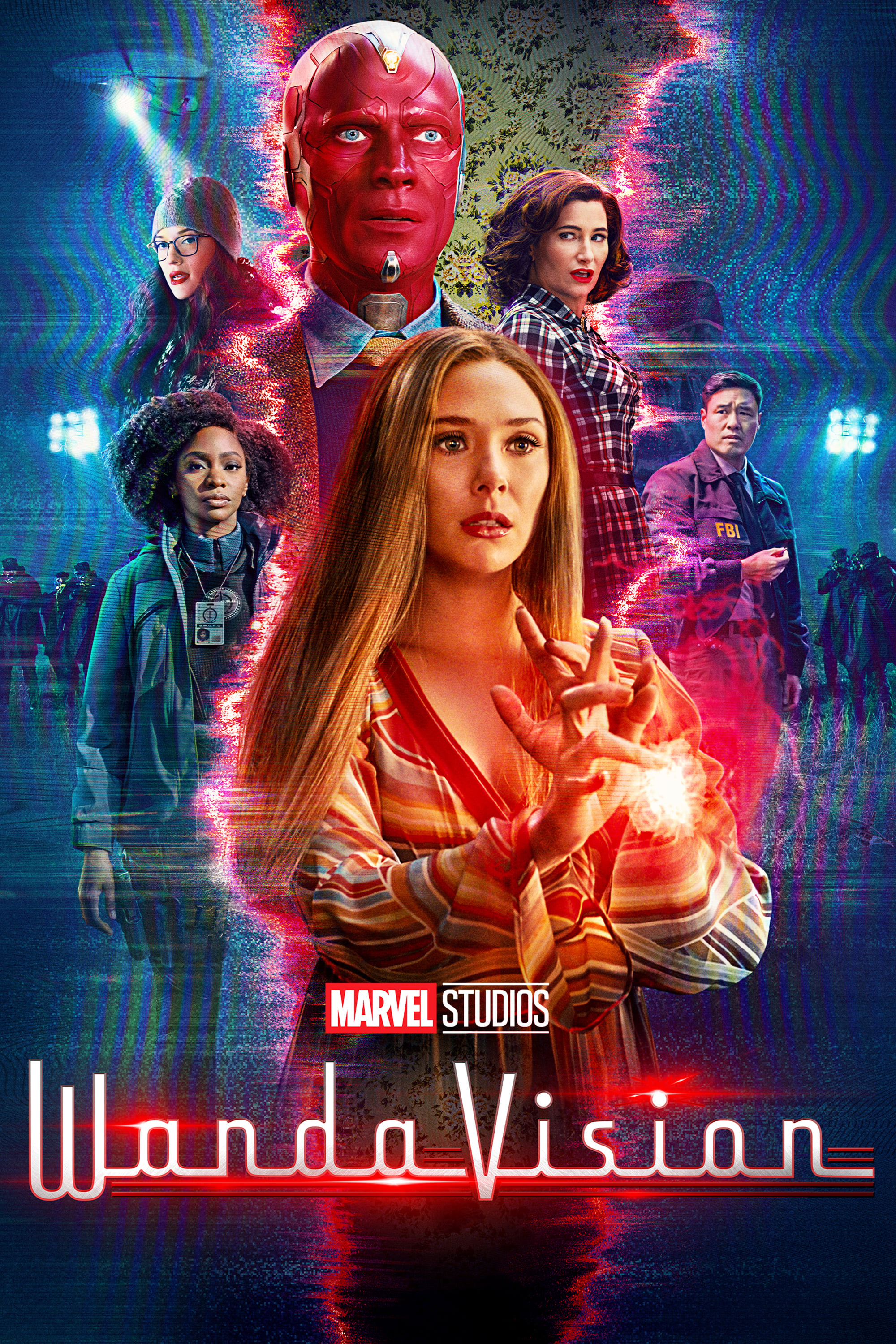
Wanda Maximoff cycles through decades of American sitcom fashion in a matter of episodes. She moves flawlessly from the A-line skirts of the fifties to the psychedelic prints of the seventies and the spandex of the eighties. The final transformation reveals her true form in a modern and intricate Scarlet Witch costume. This rapid evolution serves the narrative mystery while paying homage to television history.
‘The Walking Dead’ (2010–2022)
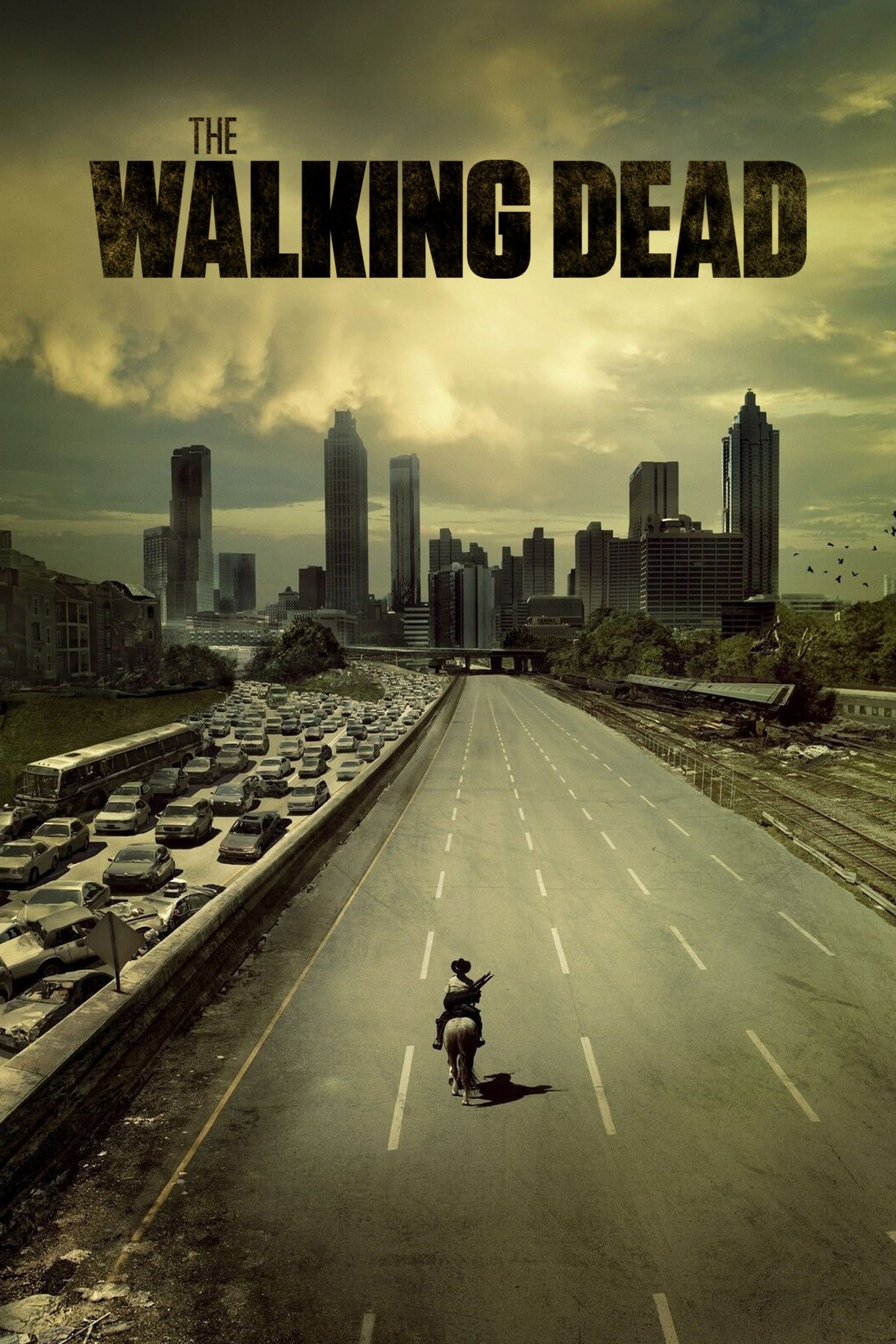
Characters in this zombie apocalypse drama begin with standard civilian clothing that quickly deteriorates. The wardrobe evolves into a mix of scavenged items and riot gear used for protection against walkers. Rick Grimes transitions from a clean police uniform to blood-stained shirts and heavy murder jackets. The degradation of their clothing parallels the erosion of societal rules and comfort.
‘Once Upon a Time’ (2011–2018)
The Evil Queen Regina Mills showcases a stark contrast between her two personas. In the Enchanted Forest she wears elaborate fantastical gowns with high collars and dark feathers. Her Storybrooke alter ego wears sharp mayoral blazers and structured coats that convey authority in the modern world. Both wardrobes utilize restrictive silhouettes to emphasize her need for control and power.
Tell us which TV character transformation impressed you the most in the comments.