


TV Shows with the Most Realistic Sibling Rivalries

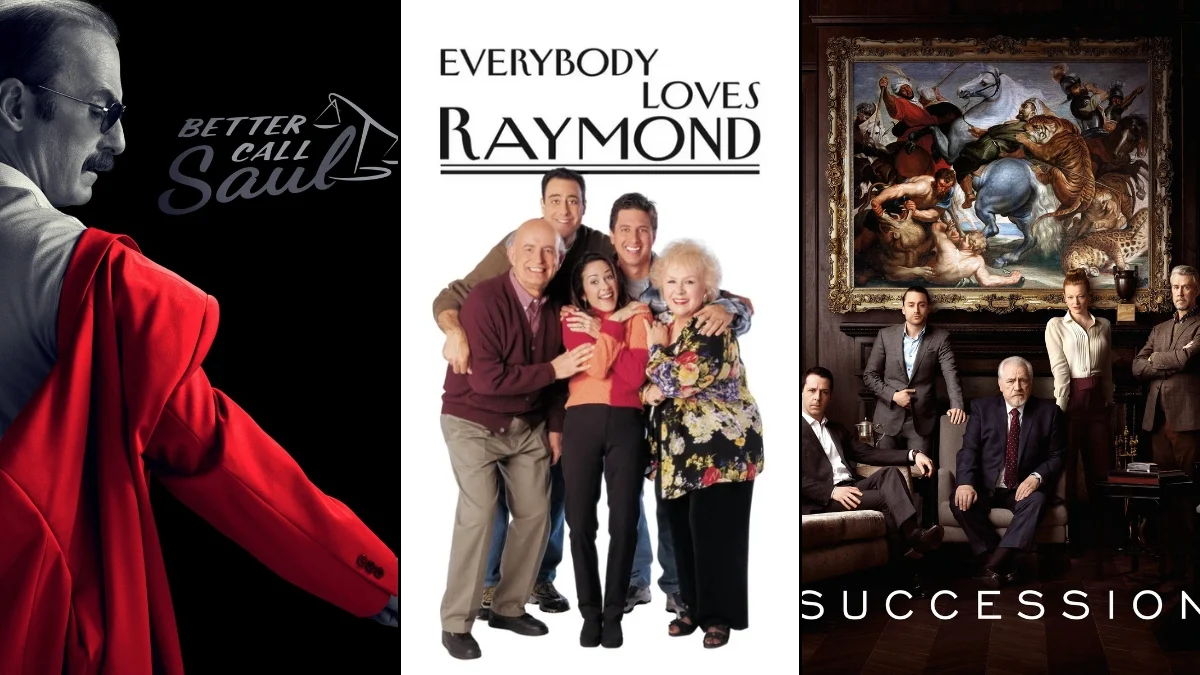


From petty slights that snowball into lifelong grudges to high-stakes battles over money, status, and parental approval, television has captured sibling rivalry in ways that feel uncomfortably familiar. The shows below dig into birth-order dynamics, favoritism, and the way old childhood roles linger well into adulthood. You’ll find rivalries that play out across dinner tables, boardrooms, and battlefields, often shaped by inheritance, responsibility, or clashing values. Here are 20 series where brothers and sisters push, pull, and—sometimes—finally show up for each other.
‘Succession’ (2018–2023)
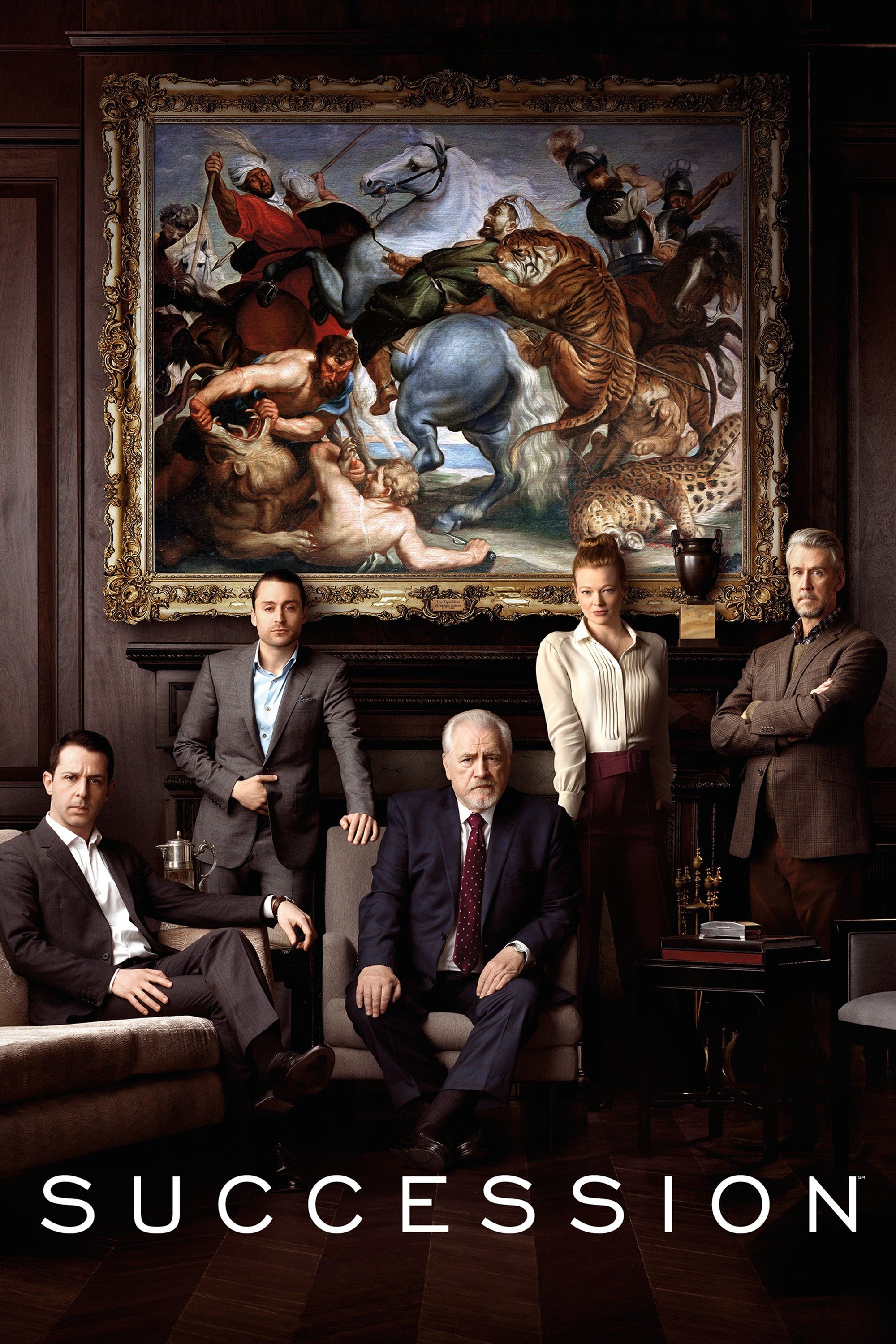
The Roy siblings—Kendall, Shiv, Roman, and Connor—spar over control of their father’s media empire, with alliances shifting as corporate deals and family crises unfold. Board votes, proxy battles, and leaked stories become weapons as each child tries to prove they’re the rightful heir. The rivalry is rooted in competing promises from their father and a childhood shaped by power tests and withheld approval. Back-channel negotiations and public spectacles show how business structures can formalize long-standing family competitions.
‘Better Call Saul’ (2015–2022)

Jimmy and Chuck McGill’s conflict centers on professional legitimacy and the meaning of ethics in the law. Chuck, a respected attorney, undermines Jimmy’s attempts to join the firm and later moves to block his career altogether. Their rivalry grows from childhood narratives—“Slippin’ Jimmy” versus the prodigy—which feed into bar hearings, courtroom maneuvers, and forged evidence. The show tracks how a sibling’s judgment can become a life-defining obstacle rather than guidance.
‘This Is Us’ (2016–2022)

Kevin, Kate, and Randall navigate rivalry shaped by adoption, talent, and expectations within a close-knit family. Conflicts emerge over caretaking duties, career breakthroughs, and who gets to define the family story. Episodes use parallel timelines to show how small childhood incidents echo in adult achievements and resentments. Therapy sessions, memorial plans, and parenting choices become arenas where old comparisons resurface.
‘Frasier’ (1993–2004)

Frasier and Niles Crane compete in status-conscious arenas—wine lists, opera boxes, and professional accolades. Their rivalry follows a pattern of one-upmanship that dates back to school competitions and maternal praise. Promotions, peer recognition, and romantic pursuits become scorecards they discreetly tally. Despite the sparring, they share resources and advice, illustrating how rivalry can coexist with deep interdependence.
‘Everybody Loves Raymond’ (1996–2005)

Ray and Robert Barone’s rivalry grows from perceived parental favoritism and differences in recognition for their work. Robert’s long police career contrasts with Ray’s celebrity as a sportswriter, creating constant comparisons at family gatherings. Milestones—engagements, job opportunities, and living arrangements—trigger renewed competition. The series uses household logistics and extended-family routines to show how rivalry persists when siblings remain geographically and emotionally close.
‘Malcolm in the Middle’ (2000–2006)

Brothers Malcolm, Reese, Dewey, and Francis cycle through shifting alliances that reflect age gaps and changing responsibilities. Rivalries move from pranks and outsmarting contests to disputes over independence and parental trust. School placements, part-time jobs, and moves away from home reconfigure power balances between the boys. The show maps how sibling hierarchies evolve as each child hits new life stages.
‘Six Feet Under’ (2001–2005)

Nate, David, and Claire Fisher clash over control of the family funeral business and over who shoulders care for aging parents. Professional decisions—expansion, partnerships, and risk—mirror differences in temperament and ambition. Romantic entanglements and personal crises strain their ability to collaborate under the pressure of constant grief work. The series uses the home-business setting to keep conflicts immediate and unavoidable.
‘Downton Abbey’ (2010–2015)

Mary and Edith Crawley’s rivalry is shaped by inheritance laws, social expectations, and limited roles for women in their class. Public embarrassments, marriage prospects, and editorial careers become flashpoints between the sisters. Shifts in the estate’s fortunes force them to renegotiate status and responsibility. Letters, headlines, and legal documents turn private resentments into public stakes.
‘Shameless’ (2011–2021)

The Gallagher siblings—Fiona, Lip, Ian, Debbie, Carl, and Liam—contend with scarce resources, guardianship roles, and diverging paths out of poverty. Rivalries flare over who sacrifices what for the household and who gets to pursue education or work opportunities. Romantic partners, custody decisions, and legal troubles test loyalties and pecking orders. The South Side setting anchors conflicts in bills, court dates, and shifts in neighborhood economics.
‘Game of Thrones’ (2011–2019)

Sibling rivalries—Lannister, Stark, and Targaryen—drive claims to titles, lands, and succession. Letters of legitimacy, arranged marriages, and oaths of fealty formalize conflicts that began in childhood favoritism and training. Military decisions and council votes turn private grudges into regional wars. The series shows how dynastic rules can magnify ordinary sibling competitions into existential battles.
‘Fleabag’ (2016–2019)

Fleabag and her sister Claire struggle with contrasting coping strategies—impulsivity versus control—after family losses. Career benchmarks, relationships, and responsibility for their father become practical points of contention. Confrontations in restaurants, offices, and family events reveal how small slights accumulate over time. The rivalry is tempered by moments of mutual rescue that reset, but never erase, their scorekeeping.
‘The Crown’ (2016–2023)

Elizabeth and Margaret navigate a rivalry structured by constitutional duty and limited personal freedom. The elder sister’s role creates institutional constraints that shape the younger sister’s options in marriage and public life. Press coverage, royal protocols, and government memos turn private disagreements into national narratives. The show details how codified precedence influences everyday choices between siblings.
‘Queen Sugar’ (2016–2022)

Nova, Charley, and Ralph Angel Bordelon dispute land management, media exposure, and leadership roles on their family farm. Legal filings, co-op negotiations, and loan terms make their conflicts material and measurable. Past secrets and differing approaches to activism influence their public and private strategies. Seasonal cycles on the farm add deadlines that force resolutions—or stalemates—by harvest and planting.
‘Brothers and Sisters’ (2006–2011)
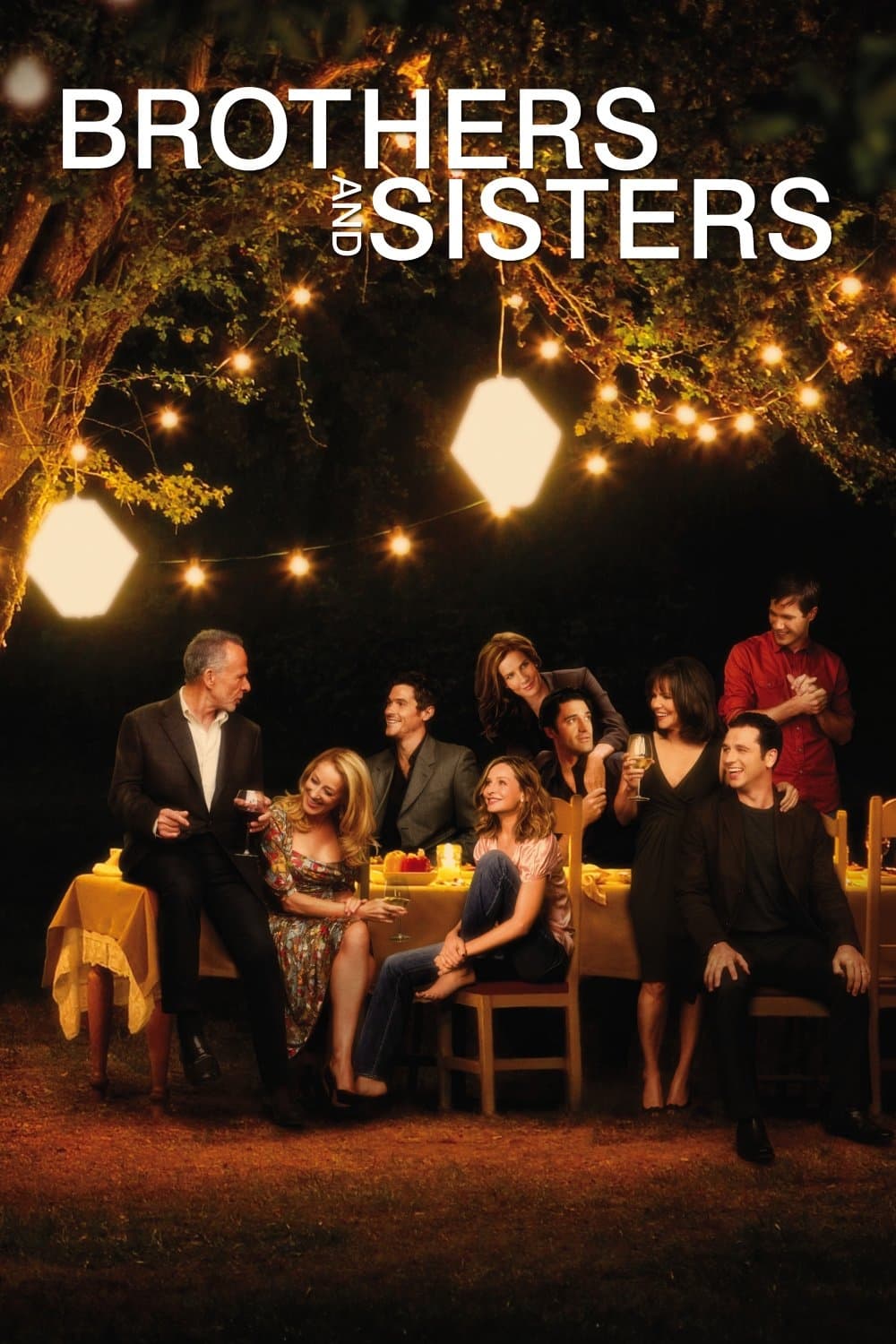
The Walker siblings sort through succession issues, corporate ethics, and revelations about their late father’s business. Board seats, mergers, and philanthropic projects become arenas for conflict and reconciliation. Marriages, adoptions, and relocations complicate who can commit time to the family enterprise. The series uses meetings, minutes, and trust documents to ground the rivalry in concrete decisions.
‘Arrested Development’ (2003–2019)
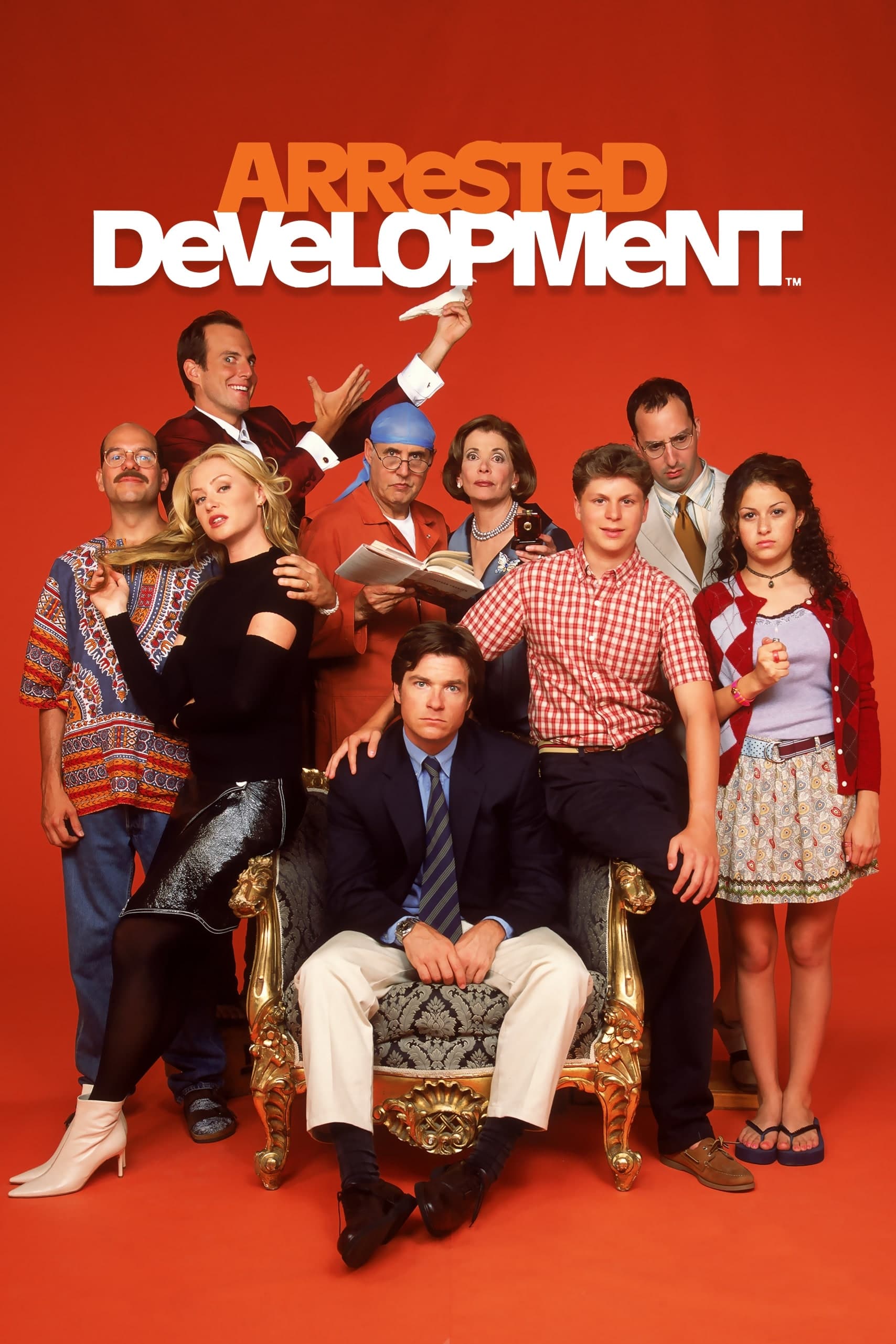
Michael, Gob, Lindsay, and Buster Bluth compete for parental approval and control of a troubled real-estate company. Promotions, staged stunts, and charity events function as attempts to prove value to the family. Legal investigations and audits expose who has been responsible—or reckless—with shared assets. The rivalry persists because each sibling interprets the family’s past differently and acts on conflicting versions of obligation.
‘Empire’ (2015–2020)

Andre, Jamal, and Hakeem Lyon vie for leadership of a music label built by their parents. Album releases, artist poaching, and shareholder votes translate artistic ambitions into corporate power moves. Health crises, legal challenges, and hostile takeovers reset the balance among the brothers. The series ties sibling competition to contracts, performance metrics, and public image campaigns.
‘Peaky Blinders’ (2013–2022)
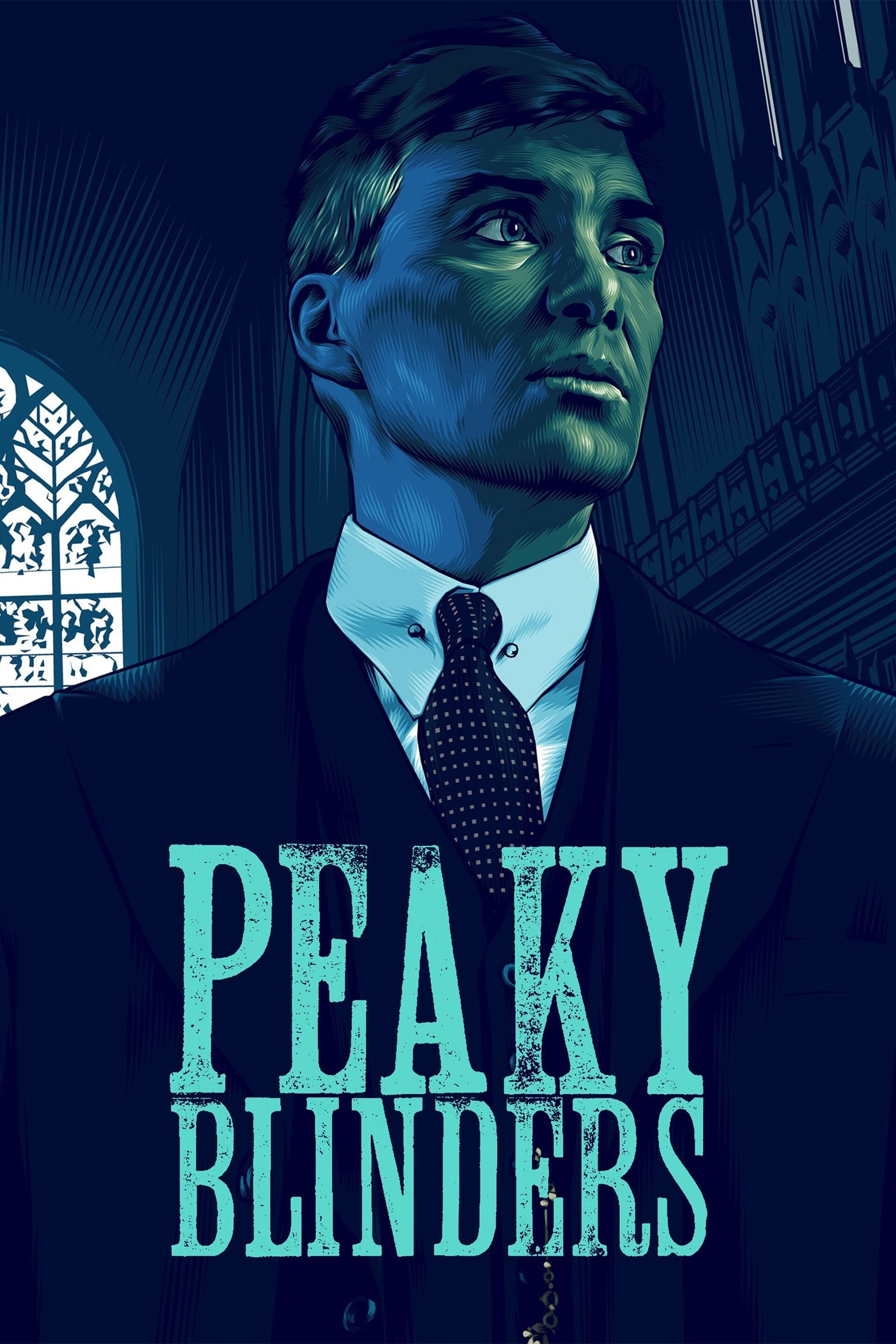
Tommy, Arthur, John, Ada, and Polly’s son Michael contend over expansion, legitimacy, and external alliances within a family gang. Business charters, political deals, and smuggling routes become measures of control. Personal trauma and wartime experiences influence each sibling’s appetite for risk. The rivalry intensifies when outside partners exploit divides to gain leverage over the enterprise.
‘The Vampire Diaries’ (2009–2017)

Stefan and Damon Salvatore’s rivalry is anchored in conflicting values about power, restraint, and loyalty. Their competition plays out through romantic entanglements, alliances with local factions, and control of key artifacts. Shifts in who holds knowledge or leverage alter the brothers’ truce at critical moments. Town councils and supernatural hierarchies formalize a sibling conflict that began with a single formative betrayal.
‘Boardwalk Empire’ (2010–2014)
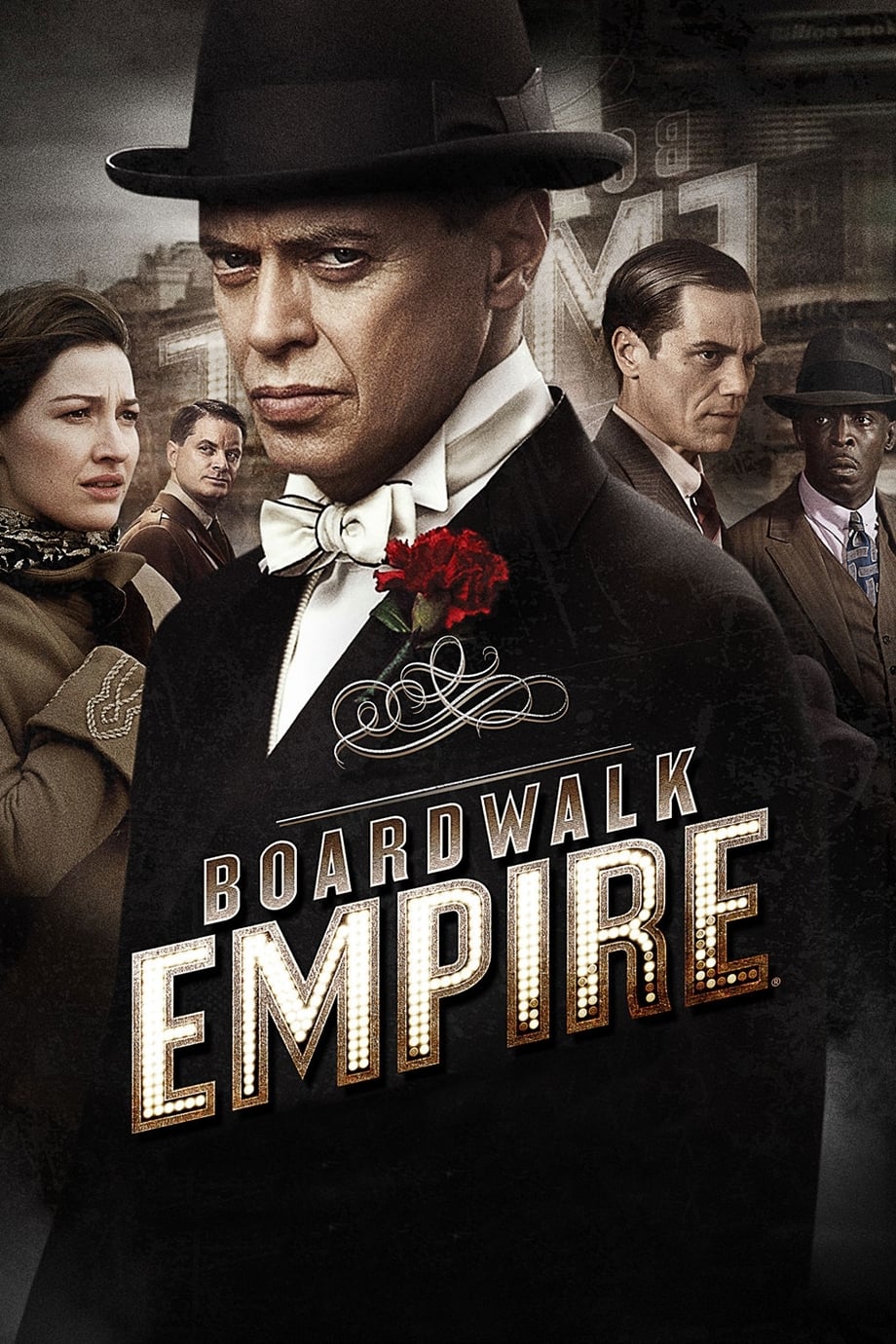
Nucky Thompson and his brother Eli clash over political influence, law enforcement authority, and bootlegging profits. Arrests, indictments, and ballot counts convert family arguments into legal and electoral outcomes. External pressures—from federal agents to rival mobs—amplify small slights into strategic breaks. The show traces how public office and organized crime create parallel ladders that siblings climb at each other’s expense.
‘Parenthood’ (2010–2015)

Adam, Sarah, Crosby, and Julia Braverman juggle rivalry over career stability, parenting styles, and who steps up during family emergencies. Business ventures, school placements, and caregiving plans turn values debates into logistics. Siblings challenge one another’s choices while offering practical support when crises hit. The series shows how adult rivalry persists through calendars, budgets, and shared responsibilities rather than dramatic betrayals.
Share your favorites in the comments—what other shows nailed sibling rivalry, and which dynamics felt most true to life?