


20 TV Spinoffs That Surpassed the Original Show

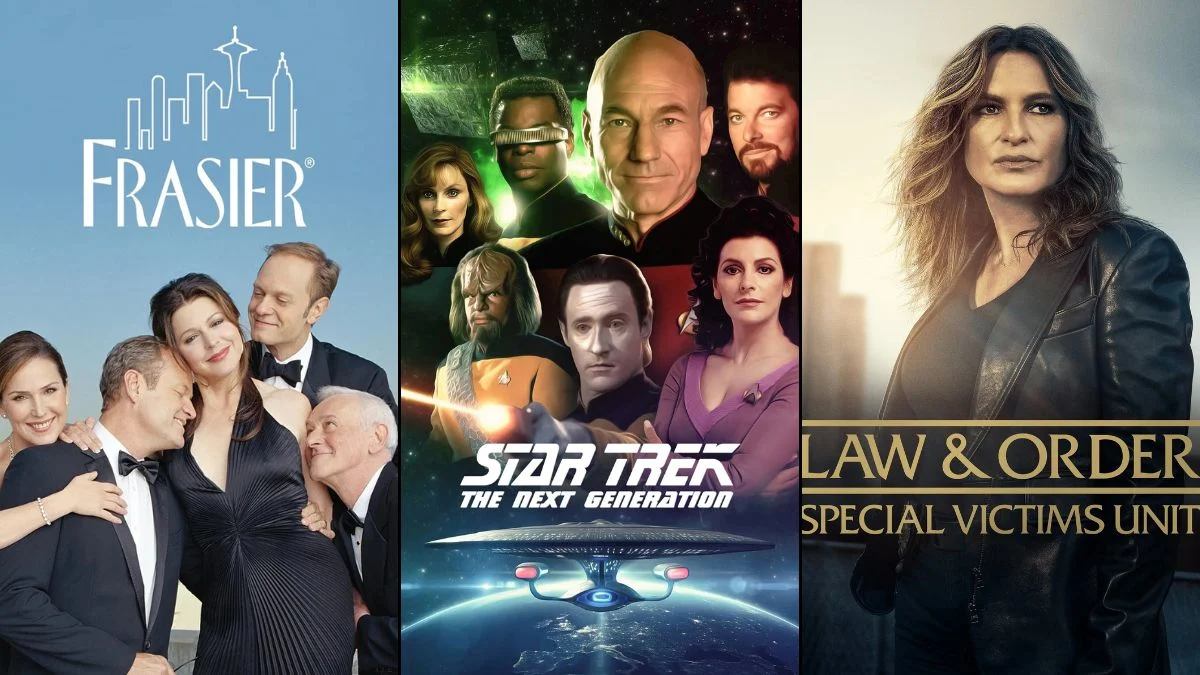


Television history is filled with spinoffs that managed to step out of the shadows of their parent series to carve their own path. These shows often started with a familiar character or setting before evolving into something unique that captured the attention of audiences worldwide. Many of these productions achieved longer runs and higher ratings than the shows that birthed them. The following collection highlights series that expanded upon their origins to become cultural phenomenons in their own right.
‘The Simpsons’ (1989–Present)
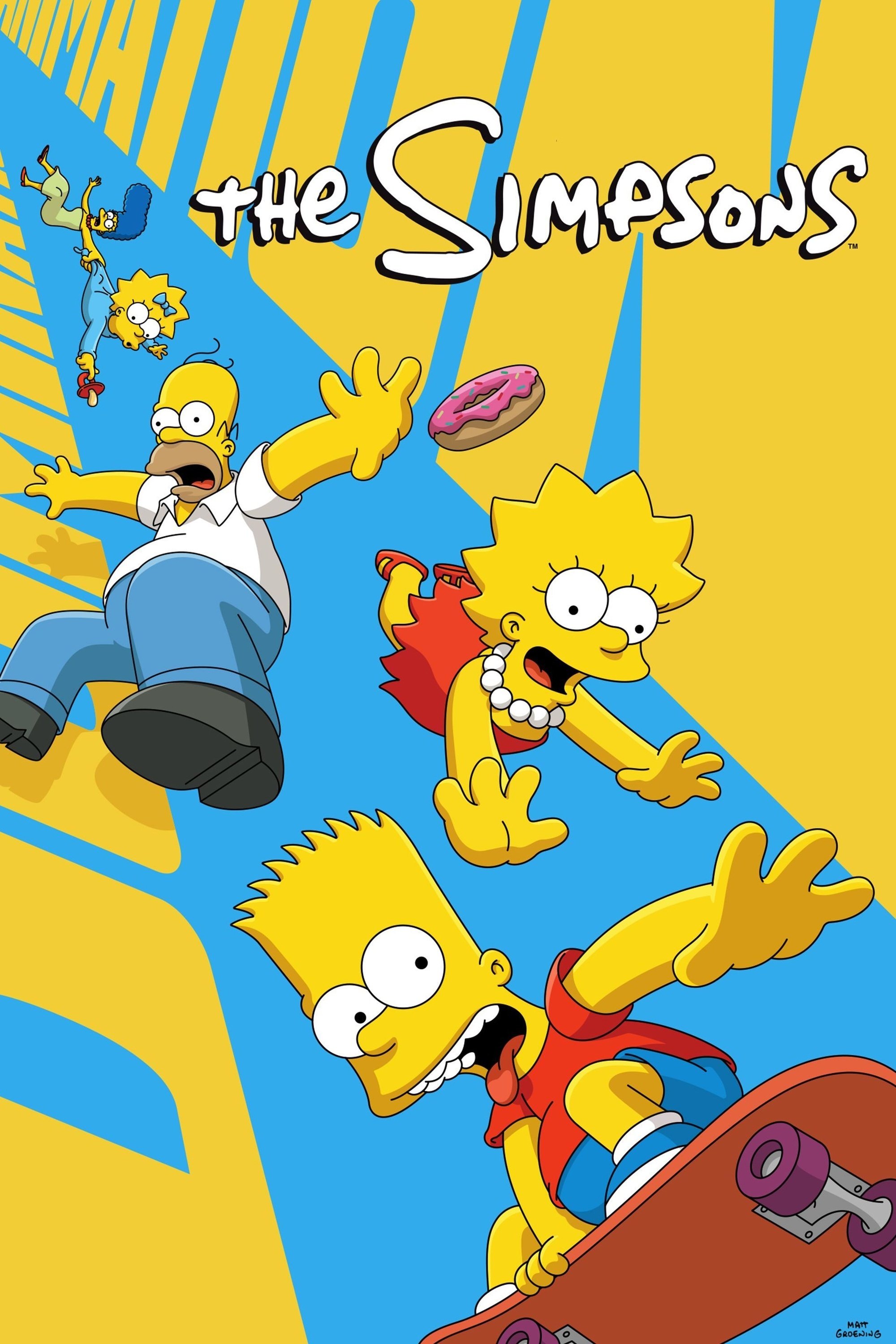
This animated juggernaut began as a series of short sketches on ‘The Tracey Ullman Show’ before developing into a primetime series. The satiric adventures of the Simpson family quickly eclipsed the variety show that launched them to become the longest-running American scripted primetime television series. Creator Matt Groening crafted a universe that has influenced generations of comedy writers and animators. Its cultural impact remains undeniable after decades on the air.
‘NCIS’ (2003–Present)
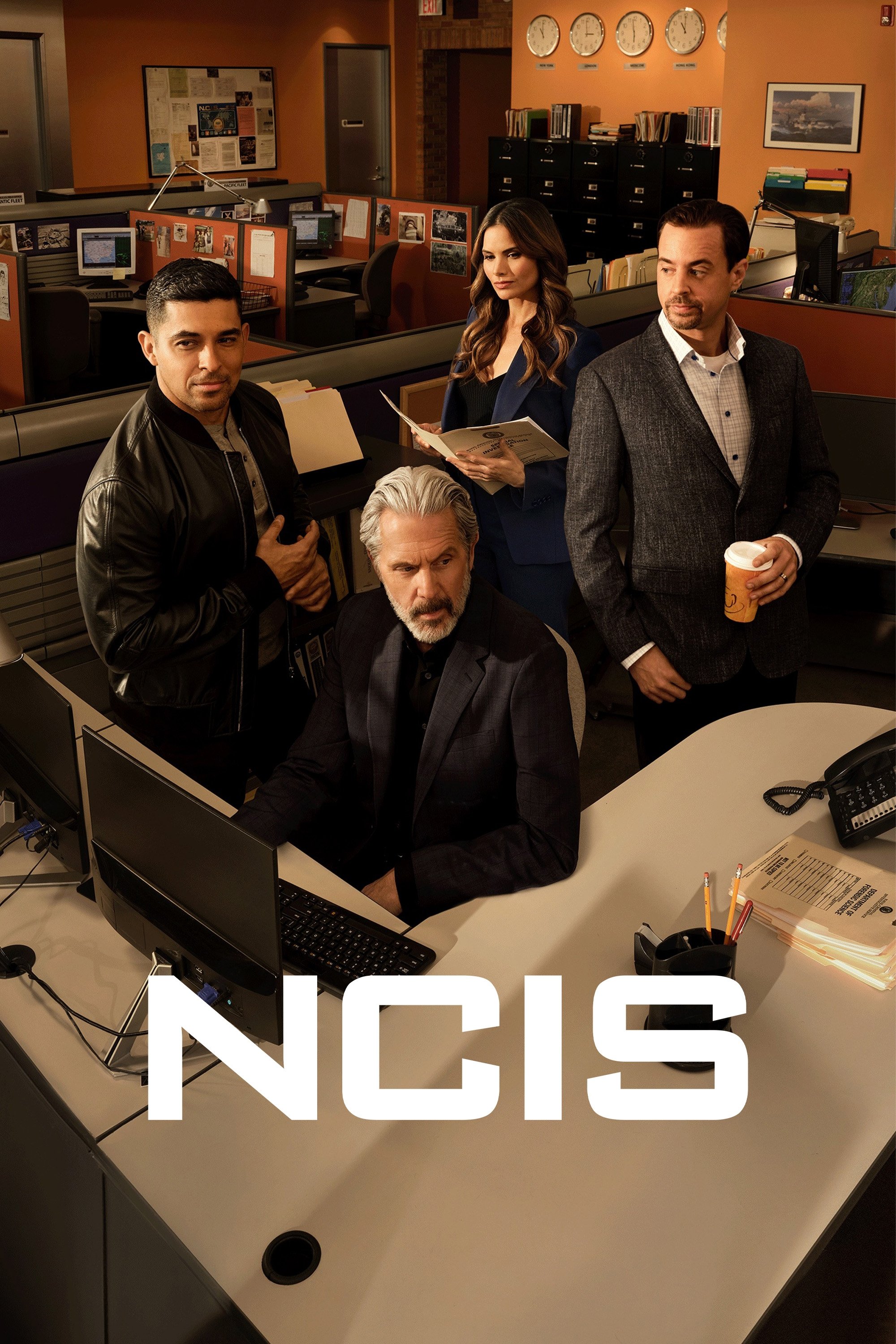
The naval police procedural originated as a two-part backdoor pilot on the legal drama ‘JAG’. It eventually surpassed its predecessor in both longevity and global viewership numbers. The series follows a team of special agents who investigate crimes involving the U.S. Navy and Marine Corps. Mark Harmon led the cast for nearly two decades while the franchise expanded into multiple international versions.
‘Frasier’ (1993–2004)
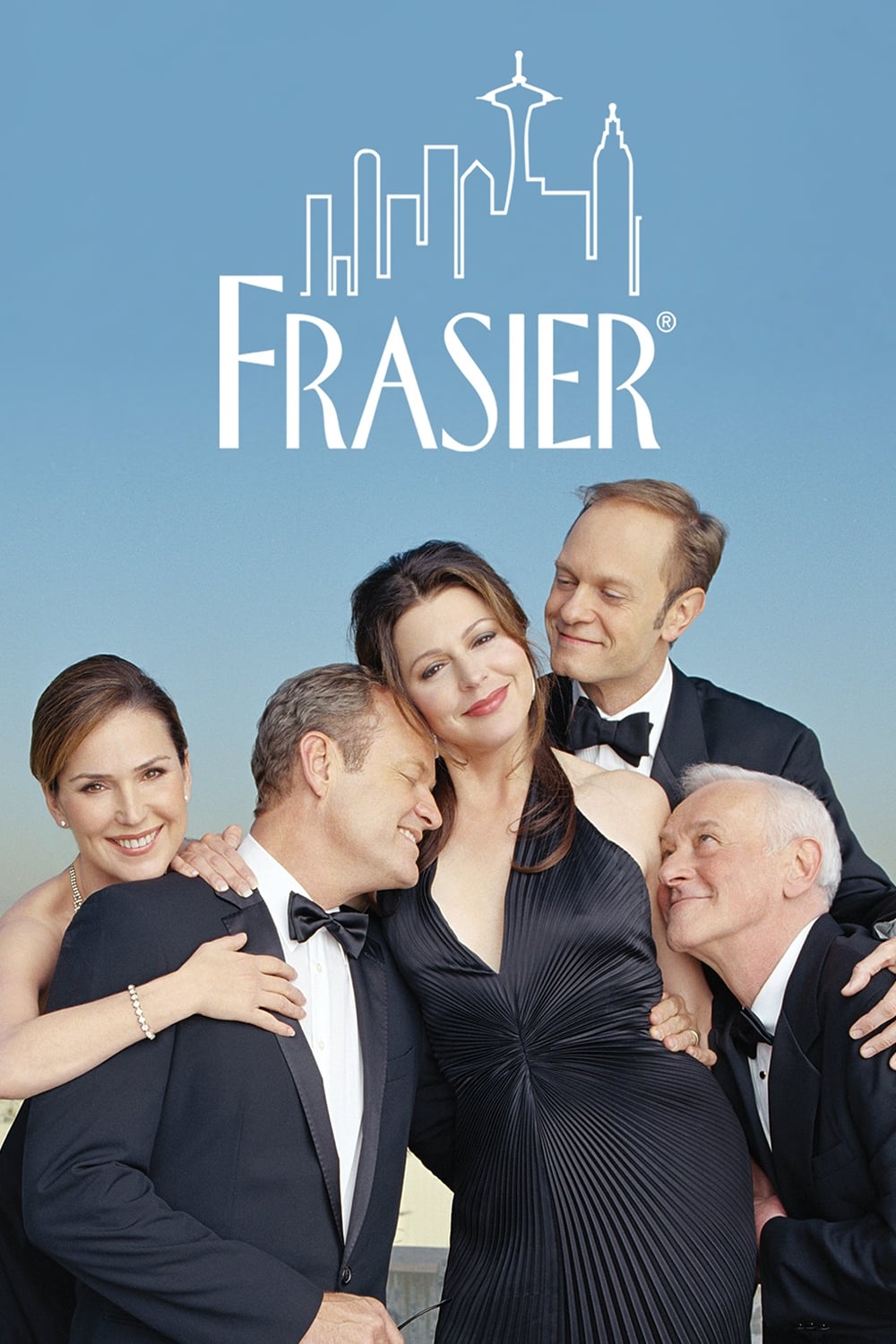
Dr. Frasier Crane moved from Boston to Seattle after the conclusion of ‘Cheers’ to start a new life as a radio psychiatrist. The sitcom found immense critical success by focusing on the strained but loving relationship between Frasier and his father Martin. It won a record-breaking thirty-seven Primetime Emmy Awards during its original run. The sophisticated writing and ensemble cast helped it stand independently from one of the most beloved sitcoms of all time.
‘Law & Order: Special Victims Unit’ (1999–Present)
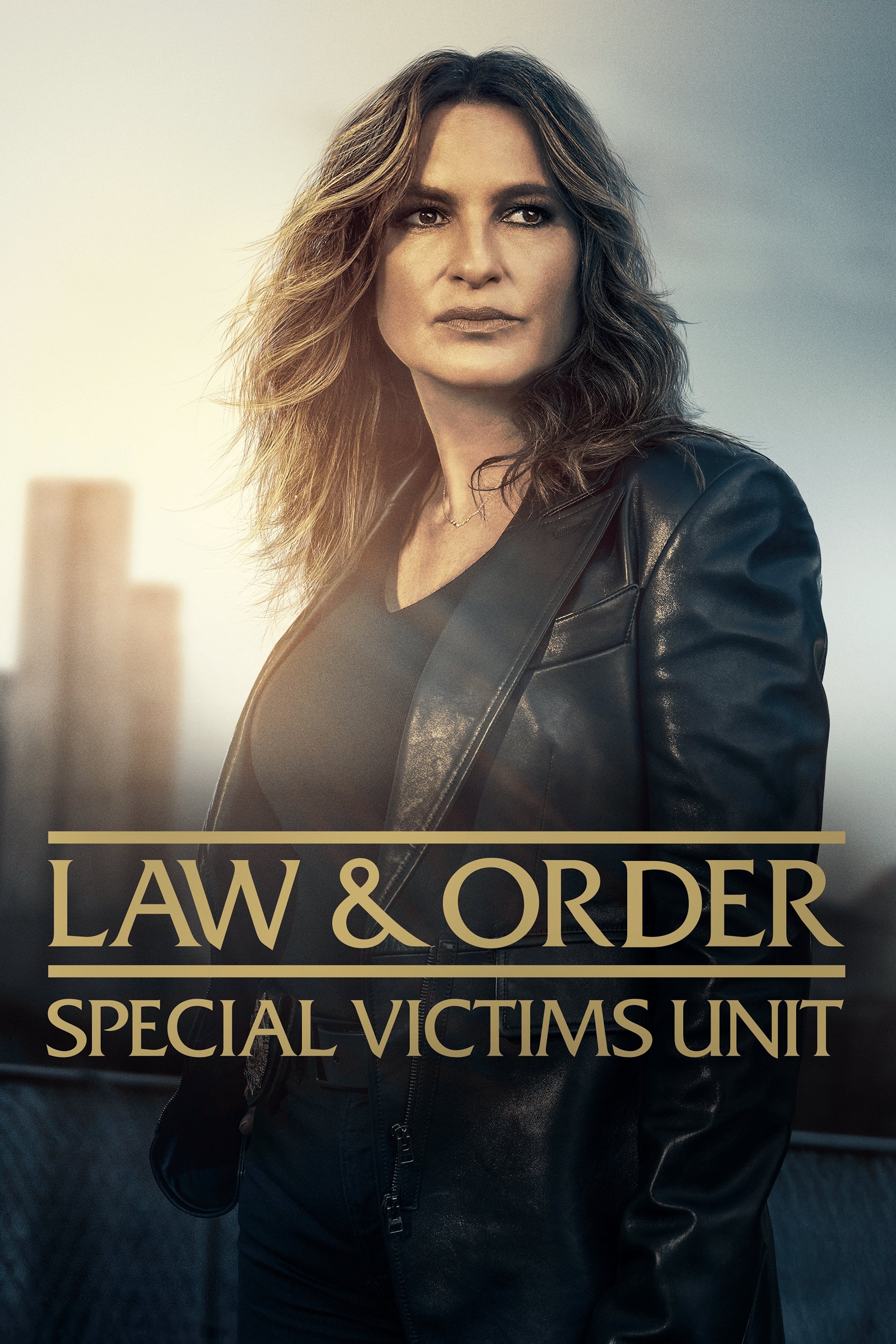
Dick Wolf expanded his crime drama universe with a series focusing on the darker nature of sexually based offenses. This spinoff eventually outlasted the original ‘Law & Order’ to become the longest-running primetime live-action series in American television history. Mariska Hargitay became the face of the franchise through her portrayal of Olivia Benson. The show differentiates itself by diving deeper into the psychology of victims and perpetrators.
‘The Jeffersons’ (1975–1985)
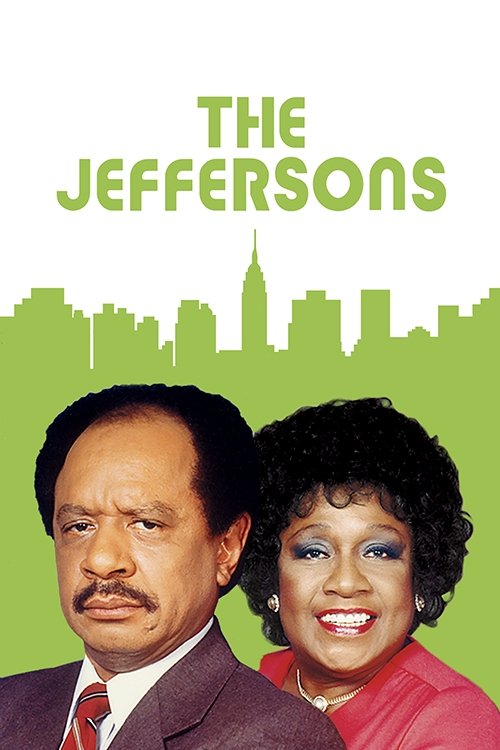
George and Louise Jefferson moved from a working-class neighborhood in Queens to a deluxe apartment in Manhattan after leaving ‘All in the Family’. The series ran for eleven seasons and became one of the longest-running sitcoms with a predominantly African American cast. It tackled complex social issues and class dynamics with a sharp comedic edge. The show remains a defining piece of television history that resonated with audiences across demographic lines.
‘Family Matters’ (1989–1998)
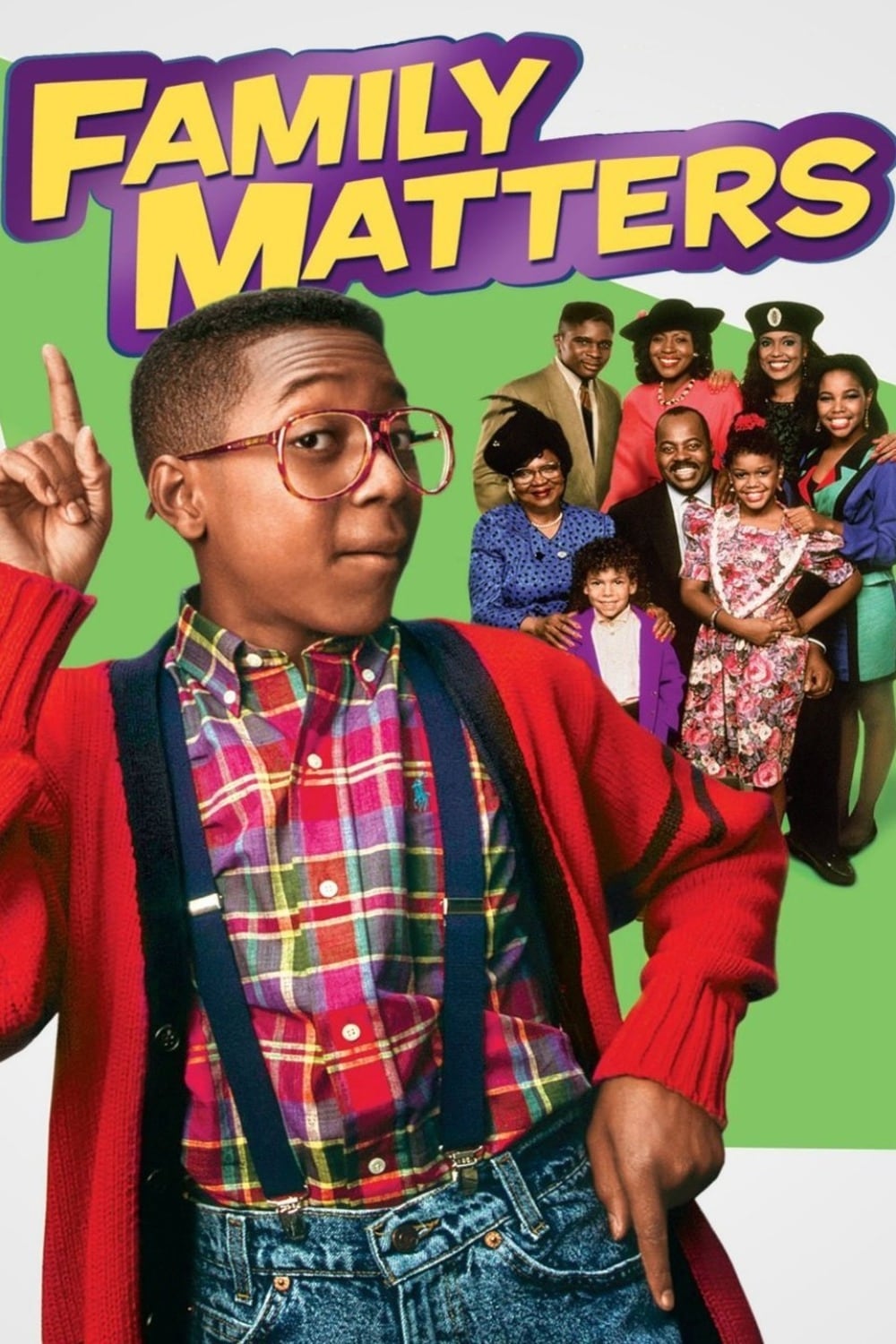
This sitcom started as a spinoff of ‘Perfect Strangers’ focusing on the Winslow family. The introduction of the nerdy neighbor Steve Urkel transformed the show into a massive pop culture sensation. Jaleel White delivered a performance that shifted the focus of the series and kept it on the air for nine seasons. It became a staple of the TGIF lineup and outlived its parent show by several years.
‘Star Trek: The Next Generation’ (1987–1994)
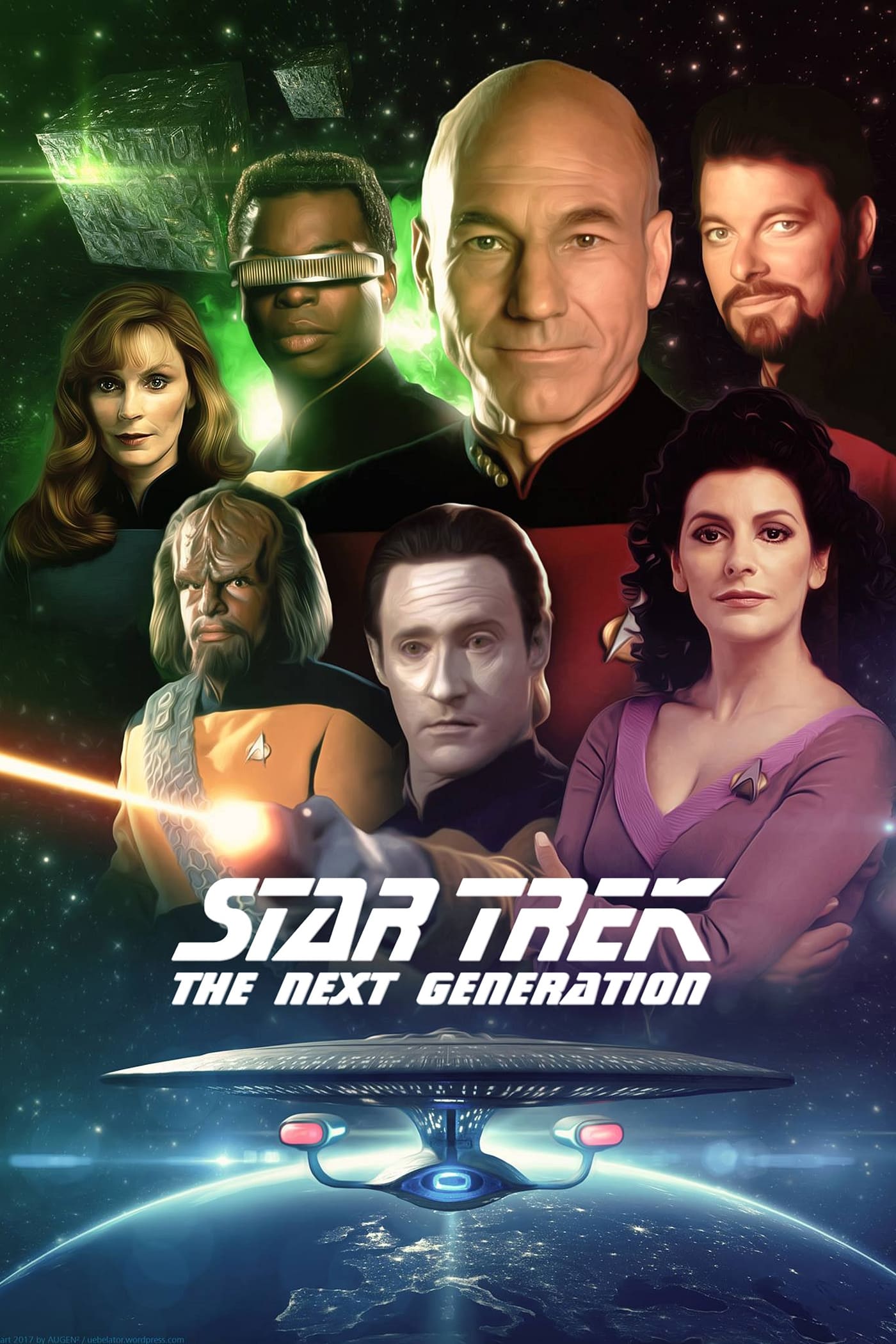
Gene Roddenberry returned to his sci-fi universe nearly two decades after the cancellation of the original series. Captain Jean-Luc Picard and his crew aboard the Enterprise-D introduced a more cerebral and diplomatic approach to interstellar exploration. The show successfully revived the franchise and paved the way for numerous subsequent series. It is often credited with perfecting the formula that the original show established.
‘Happy Days’ (1974–1984)

The Cunningham family first appeared in a segment on the anthology series ‘Love, American Style’. This nostalgic look at life in the 1950s became a massive hit and launched the career of Henry Winkler as the Fonz. It ran for eleven seasons and spawned several successful spinoffs of its own. The series remains one of the most recognizable and referenced shows in television history.
‘Xena: Warrior Princess’ (1995–2001)

Lucy Lawless first appeared as the reformed warlord Xena in a recurring role on ‘Hercules: The Legendary Journeys’. Her popularity led to a standalone series that gained a massive cult following and surpassed the parent show in ratings. The show blended mythology with action and developed a complex relationship between Xena and her bard companion Gabrielle. It remains a landmark for female-led action series.
‘Daria’ (1997–2002)

Daria Morgendorffer was a recurring character on ‘Beavis and Butt-Head’ before moving to Lawndale for her own animated series. The show captured the cynical and sarcastic voice of late-nineties youth culture. It focused on high school alienation and family dynamics with a sharp wit that distinguished it from its predecessor. The series maintains a strong legacy for its honest portrayal of teenage life.
‘Boston Legal’ (2004–2008)
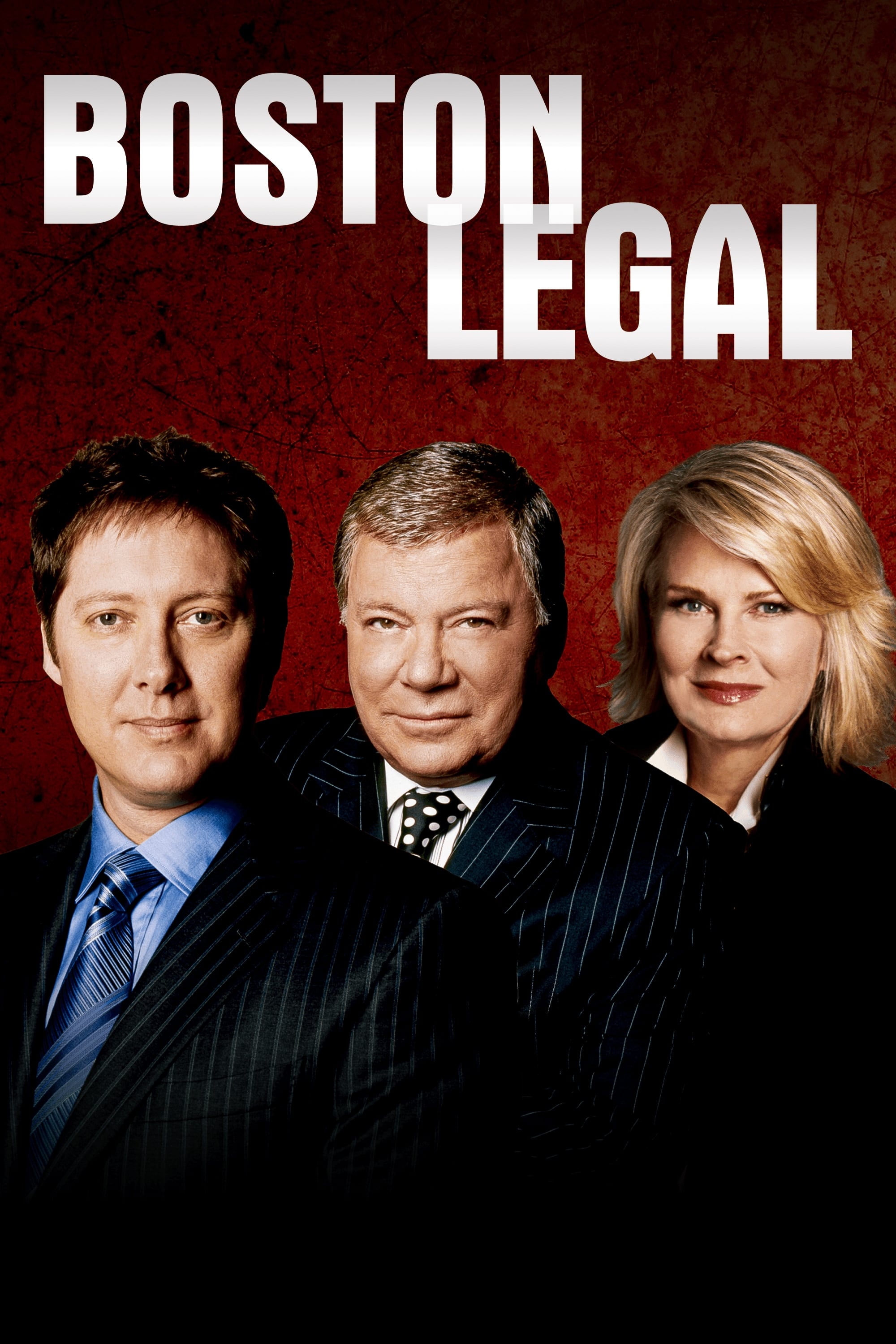
James Spader revived his character Alan Shore from the final season of ‘The Practice’ for this lighter legal drama. The show focused on the eccentric lawyers of the firm Crane, Poole & Schmidt. The chemistry between Spader and William Shatner drove the narrative and garnered critical acclaim. It offered a quirkier and more humorous take on the legal genre than the gritty show from which it originated.
‘Saved by the Bell’ (1989–1993)
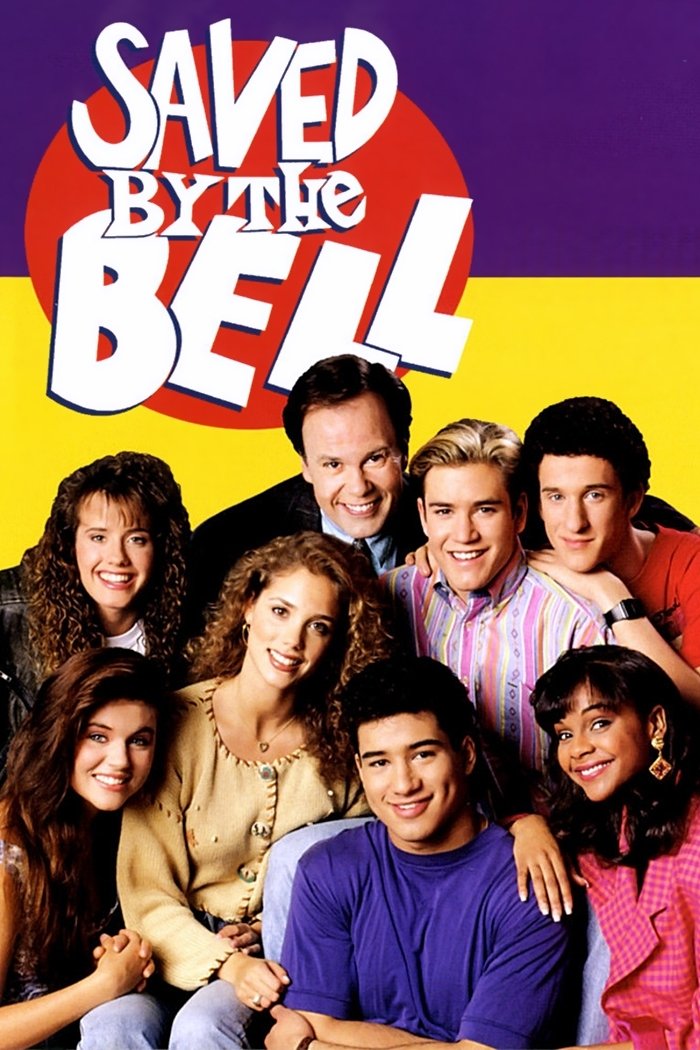
The series originated as a Disney Channel show called ‘Good Morning, Miss Bliss’ before being retooled for a wider audience. The revamped version focused on the students of Bayside High and became a defining show for Saturday morning television. Characters like Zack Morris and A.C. Slater became icons for a generation of young viewers. Its success led to multiple TV movies and additional spinoffs.
‘Laverne & Shirley’ (1976–1983)
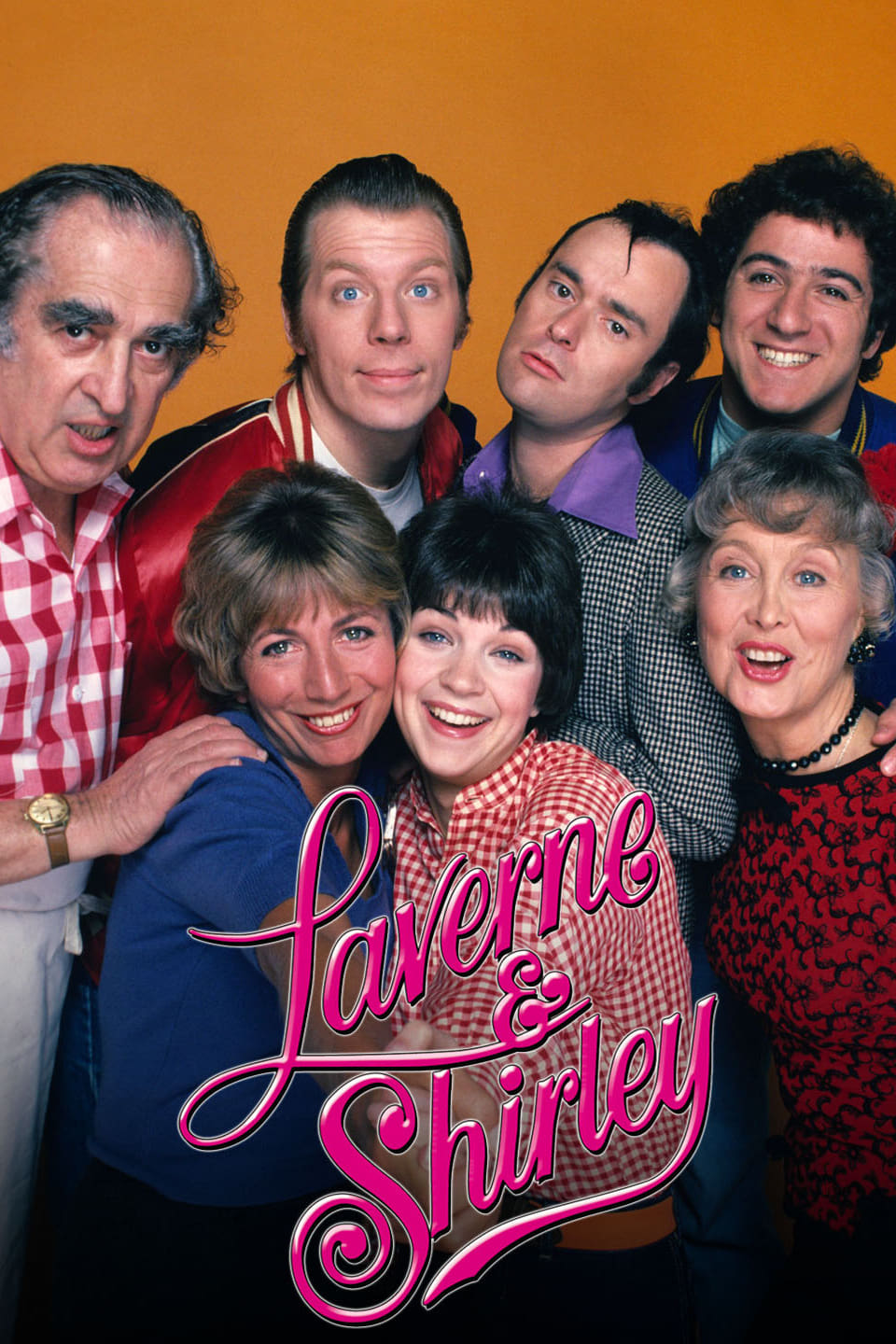
Characters Laverne DeFazio and Shirley Feeney were introduced as acquaintances of the Fonz on ‘Happy Days’. Their physical comedy and undeniable chemistry made their spinoff an instant ratings smash. The show became the most-watched program on American television by its third season. It proved that a sitcom centered on female friendship could dominate the ratings.
‘The Facts of Life’ (1979–1988)
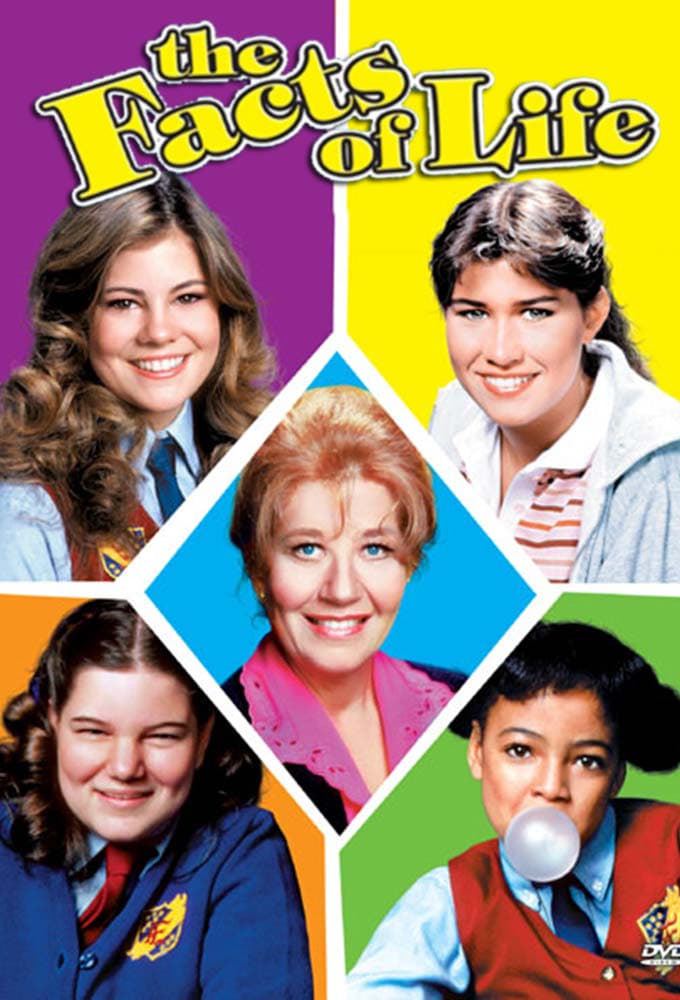
Mrs. Garrett left her position as the housekeeper on ‘Diff’rent Strokes’ to become a housemother at a boarding school. The series evolved to tackle serious issues facing adolescent girls as they matured into adulthood. It ran for nine seasons and became one of the longest-running sitcoms of the eighties. The show remains beloved for its ensemble cast and catchy theme song.
‘Knots Landing’ (1979–1993)
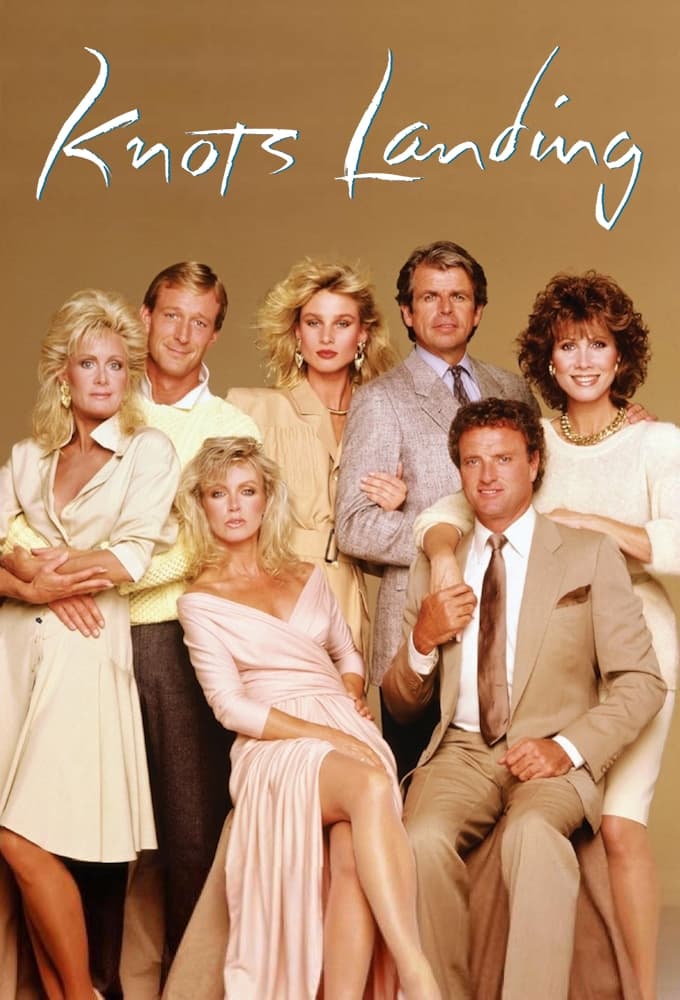
This primetime soap opera spun off from ‘Dallas’ to focus on the relatives of the Ewing family living in California. It adopted a slightly more grounded approach to storytelling compared to the larger-than-life drama of its parent show. The series ran for an impressive fourteen seasons and developed a distinct identity. It is frequently cited as one of the best dramas of its era.
‘Better Call Saul’ (2015–2022)
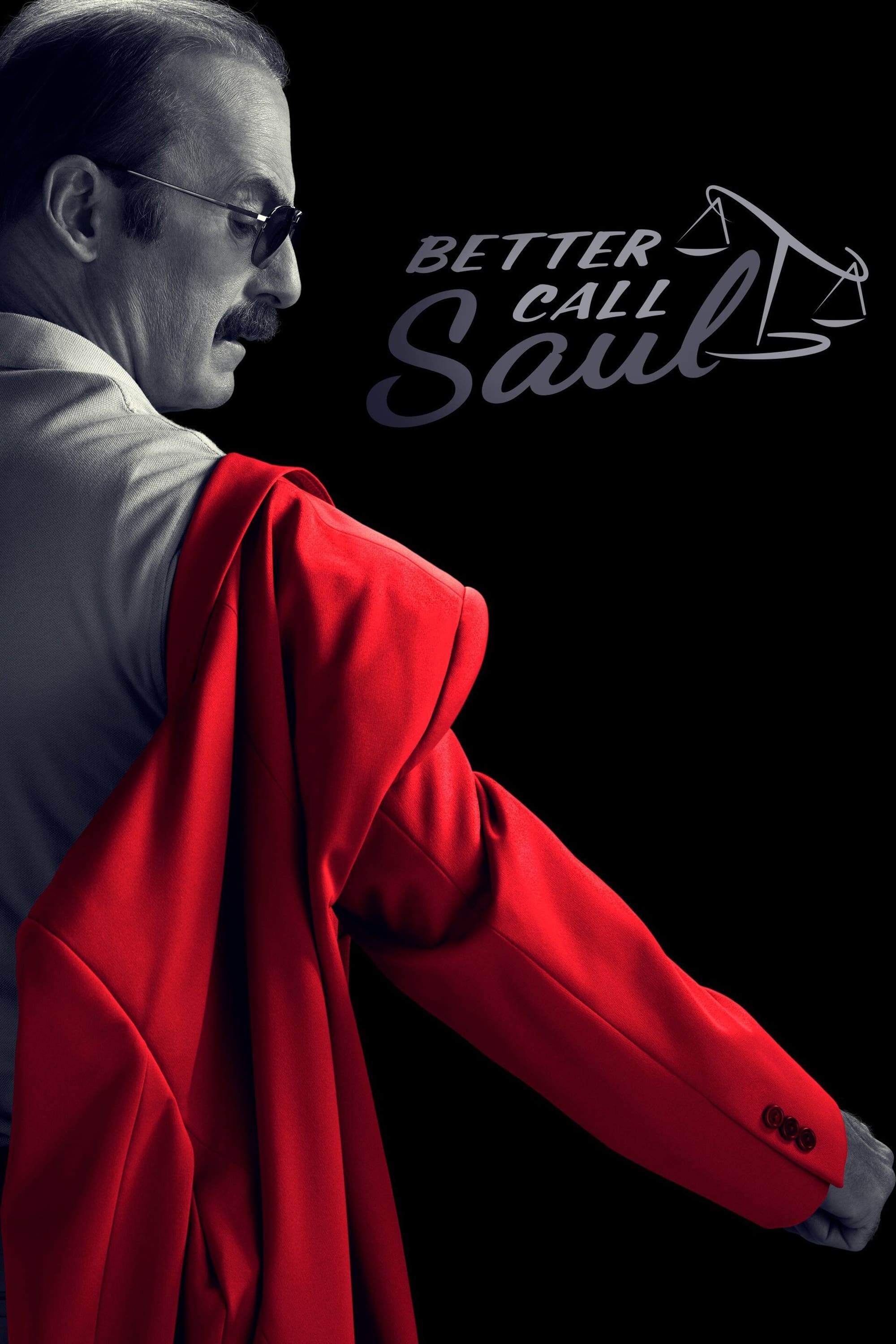
Bob Odenkirk reprised his role as the morally flexible lawyer Saul Goodman in this prequel to ‘Breaking Bad’. Critics praised the series for its meticulous character development and visual storytelling. It transformed a comic relief character into a tragic figure with incredible depth. Many viewers argue that it matches or even exceeds the artistic quality of the show that spawned it.
‘Good Times’ (1974–1979)
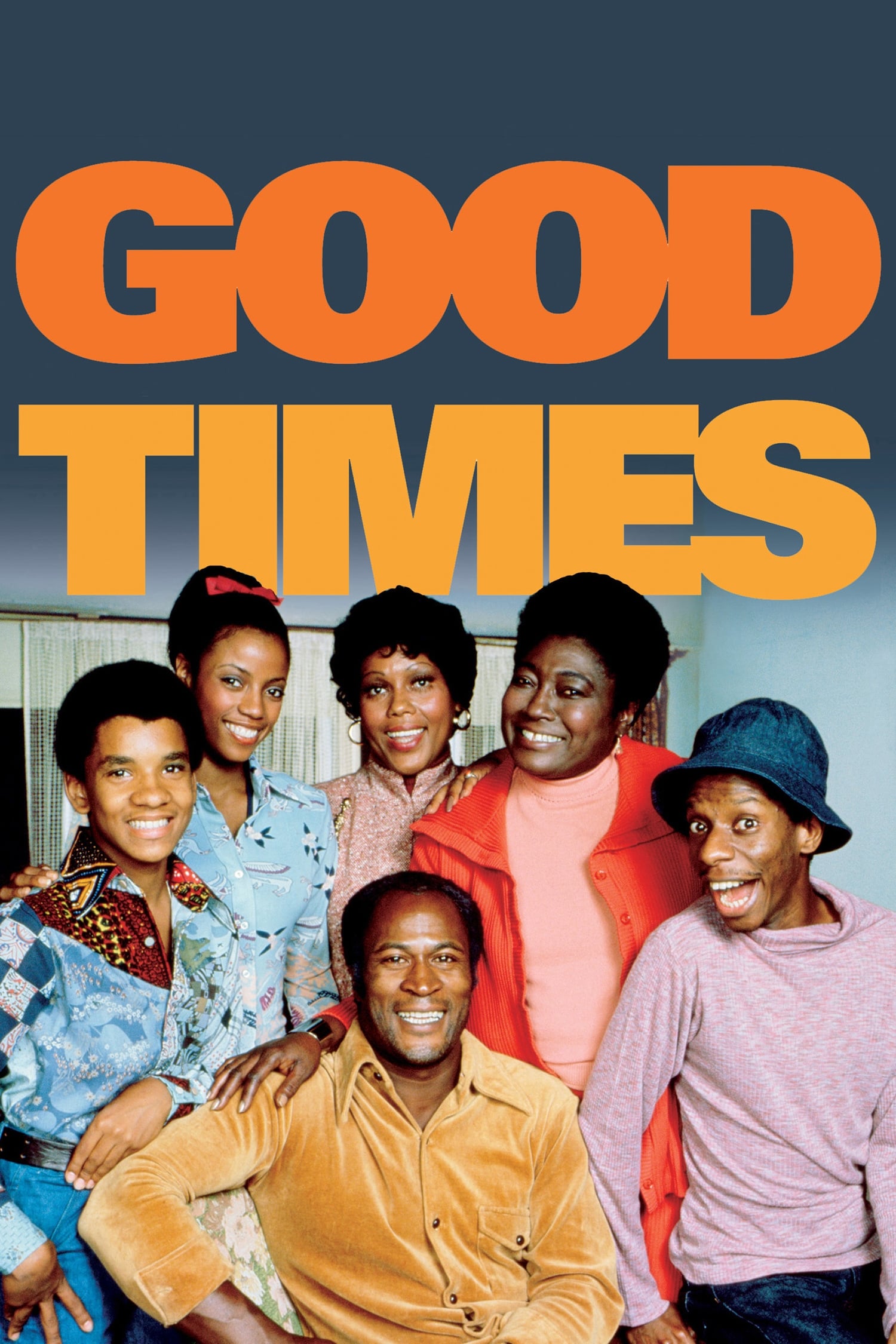
Florida and James Evans were first seen as characters on the sitcom ‘Maude’ before getting their own show set in a Chicago housing project. The series was groundbreaking for its portrayal of a two-parent African American family dealing with real-world struggles. It launched J.J. Evans into pop culture history with his catchphrases. The show addressed poverty and social issues with a blend of humor and drama.
‘Benson’ (1979–1986)
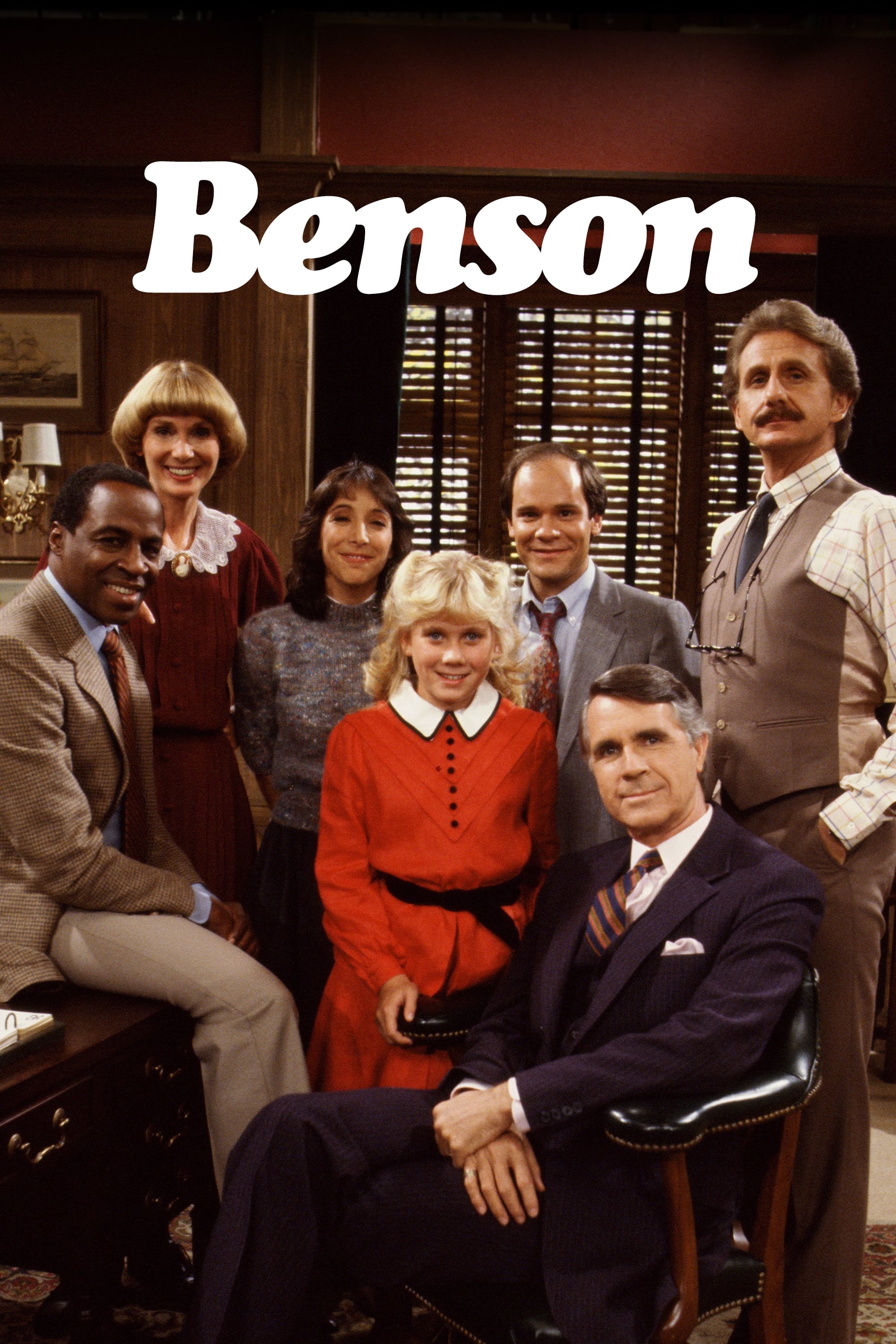
The dry-witted butler Benson DuBois moved from the Tate household in ‘Soap’ to work for a governor. Robert Guillaume anchored the series as the title character who eventually ran for governor himself. The show shifted focus from domestic service to political satire over its seven-season run. It allowed Guillaume to showcase his comedic range and win an Emmy for the role.
‘Diagnosis: Murder’ (1993–2001)
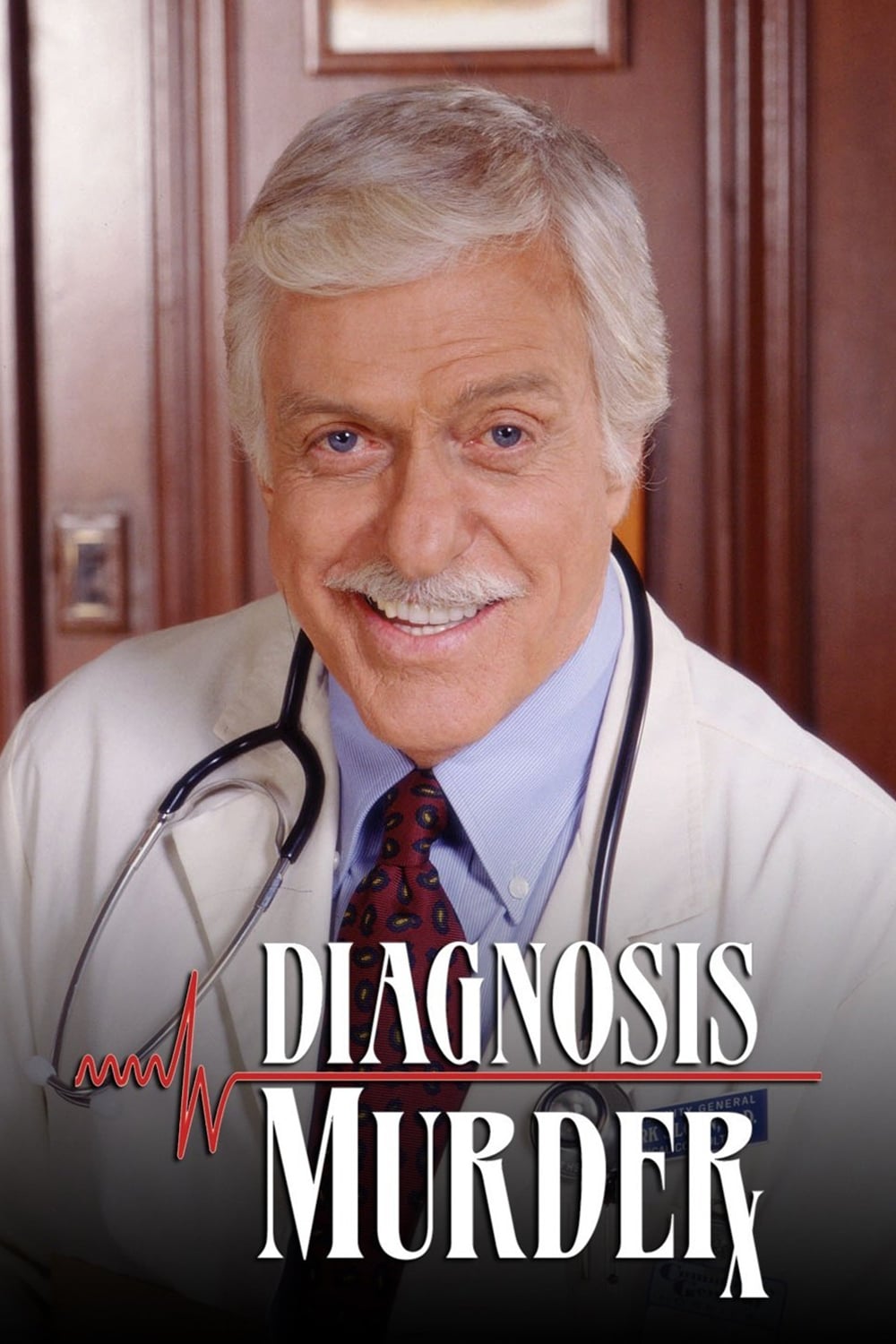
Dick Van Dyke introduced the character of Dr. Mark Sloan in an episode of ‘Jake and the Fatman’. The lighthearted mystery series paired the doctor with his detective son to solve crimes. It enjoyed a long and successful run on CBS as a cozy mystery favorite. The charm of Van Dyke helped the show outlive the legal drama that introduced the character.
‘Mork & Mindy’ (1978–1982)
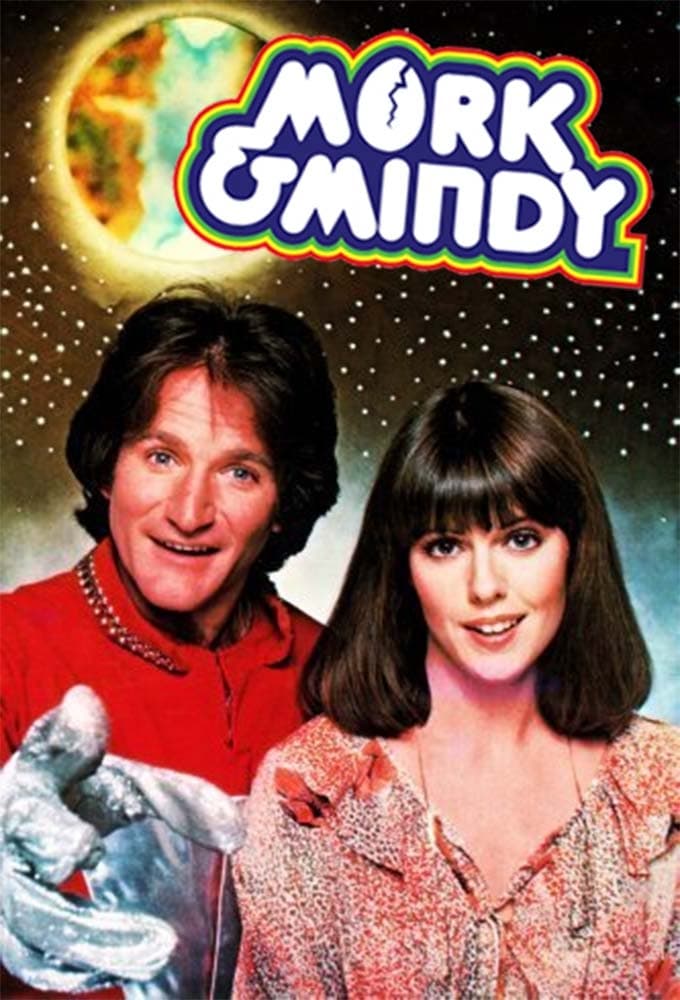
Robin Williams first appeared as the alien Mork in a bizarre dream sequence episode of ‘Happy Days’. The character proved so popular that a spinoff was immediately commissioned to showcase the manic energy of Williams. The show became a ratings sensation and turned the lead actor into a superstar. It remains a testament to the singular talent of its star.
Tell us which spinoff series you think improved upon its predecessor the most in the comments.