

10 Underwater Levels That Don’t Suck

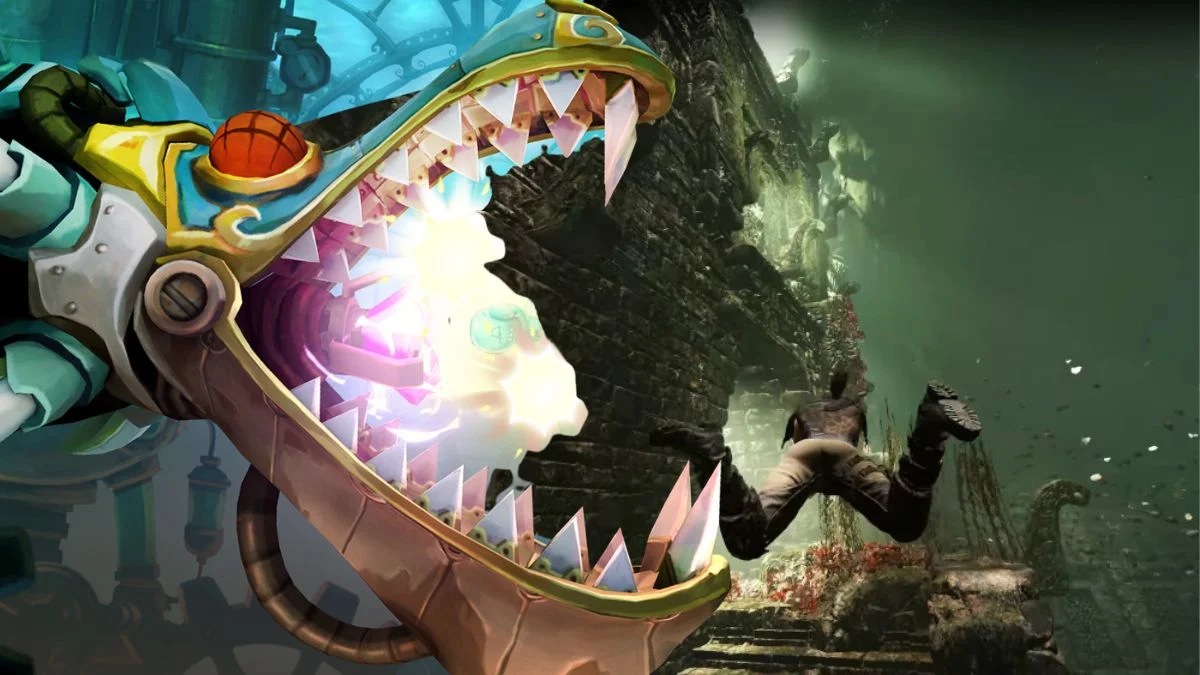


Underwater levels have a reputation for being slow, frustrating, and full of cheap hazards, but not every game gets them wrong. Some developers have managed to make exploring beneath the surface feel just as exciting as the rest of the adventure. Whether it’s through clever design, stunning visuals, or smart mechanics, these underwater stages prove that not every dive has to be a chore.
‘Hydrocity Zone’ in ‘Sonic the Hedgehog 3’ (1994)

Sega’s ‘Sonic the Hedgehog 3’ delivered a rare underwater level that players actually looked forward to. The Hydrocity Zone keeps the trademark Sonic speed intact thanks to water slides, air bubble paths, and smartly placed loops. Rather than punishing players with slow movement, the level balances underwater mechanics with fun momentum. The upbeat music and colorful design make it one of the most memorable zones in the series.
‘Lakebed Temple’ in ‘The Legend of Zelda: Twilight Princess’ (2006)
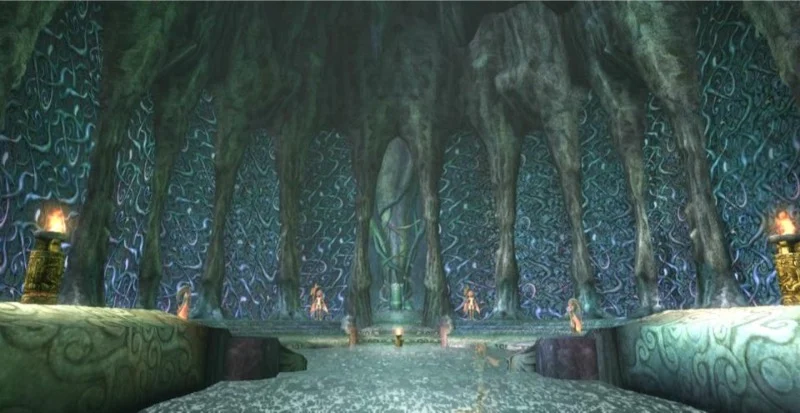
Nintendo’s design of the Lakebed Temple turned the idea of a dreaded water dungeon on its head. Using the Iron Boots and the Clawshot, players navigate a rotating central room filled with water flow puzzles that feel rewarding rather than tedious. The clever layout encourages experimentation and careful observation, keeping the pacing tight. It’s one of the rare Zelda water temples fans enjoy revisiting.
‘Atlantica’ in ‘Kingdom Hearts II’ (2005)
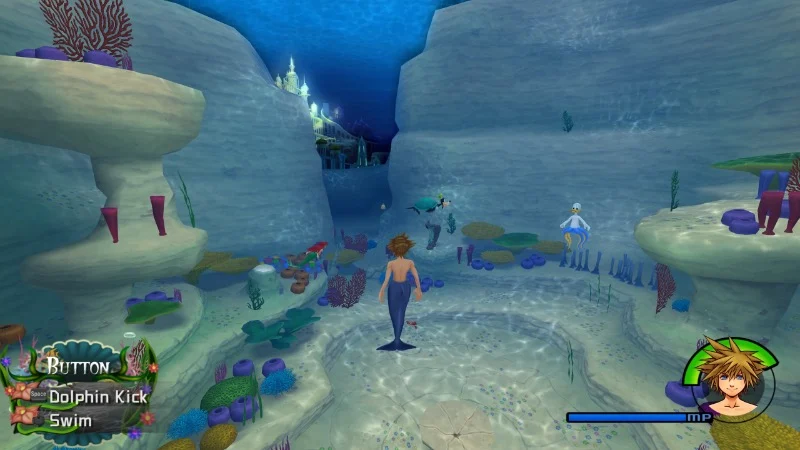
Square Enix took a different approach by turning the underwater world of Atlantica into a rhythm-based mini-adventure. Instead of traditional combat, players perform musical sequences alongside Ariel and friends. The bright visuals, catchy songs, and playful tone make it a refreshing change of pace. It’s a level that embraces the underwater setting’s whimsy rather than fighting against it.
‘Rapture’ in ‘BioShock’ (2007)
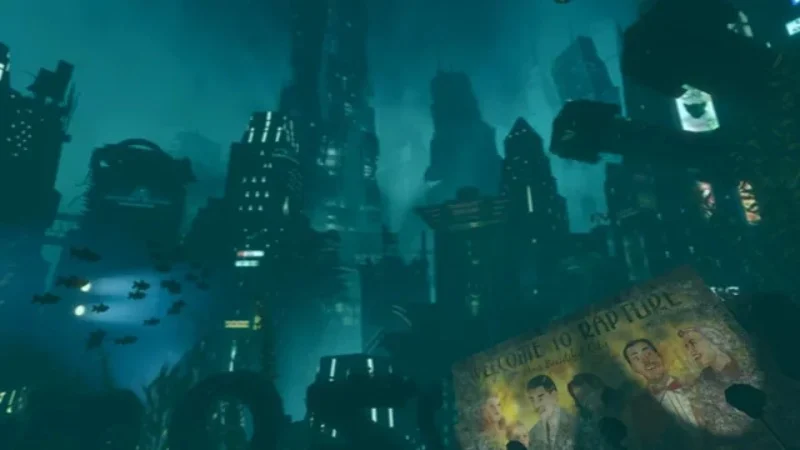
Irrational Games created one of the most iconic underwater environments in gaming history with Rapture. While not a traditional “level,” this fully submerged city defines the atmosphere of ‘BioShock.’ The art deco ruins, eerie lighting, and haunting audio design immerse players in a world both beautiful and terrifying. It’s proof that an underwater setting can drive narrative and emotion, not just gameplay.
‘Sea of Clouds’ in ‘Super Mario Odyssey’ (2017)

Nintendo’s attention to detail shines in this brief but delightful section of ‘Super Mario Odyssey.’ The Sea of Clouds mixes platforming and exploration with smooth swimming controls and playful visuals. By keeping movement responsive and puzzles creative, the level feels breezy instead of bogged down. It’s another example of Mario’s developers making water fun again.
‘Maelstrom’ in ‘Rayman Legends’ (2013)
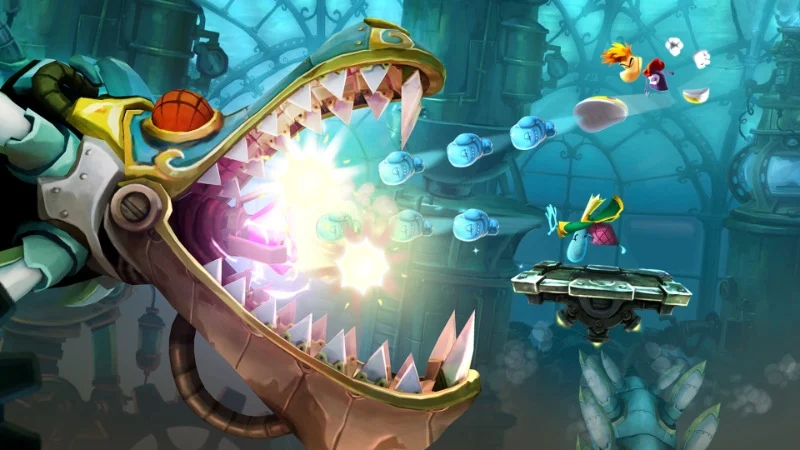
Ubisoft Montpellier showed how rhythm and design can make water flow naturally in gameplay. In ‘Rayman Legends,’ Maelstrom combines fast-paced swimming with synchronized music beats. The controls remain tight, and the level transitions smoothly between land and water. Its energy and visual flair make it one of the best examples of how to keep underwater stages exciting.
‘Flooded Ruins’ in ‘Tomb Raider’ (2013)
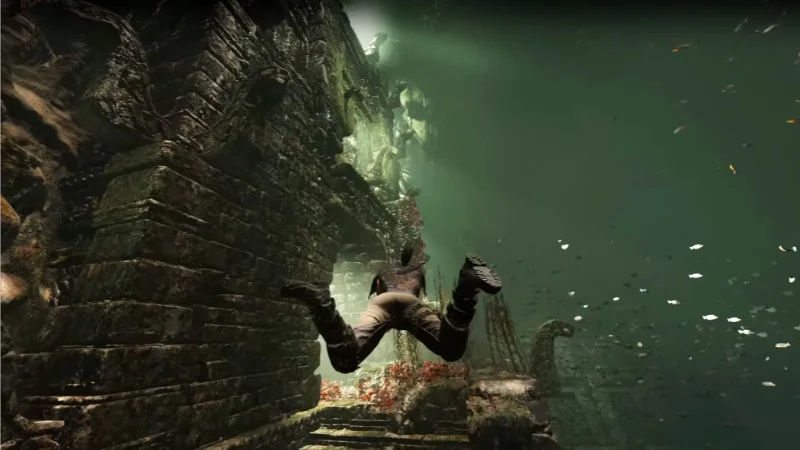
Crystal Dynamics gave players an intense yet fluid underwater experience in the ‘Tomb Raider’ reboot. The Flooded Ruins sequence blends exploration and danger, with cinematic camera work and responsive diving mechanics. The environment design makes every air pocket feel meaningful while maintaining tension. It’s a masterclass in pacing and visual storytelling beneath the surface.
‘Aquatic Base’ in ‘Sonic the Hedgehog’ (2006)
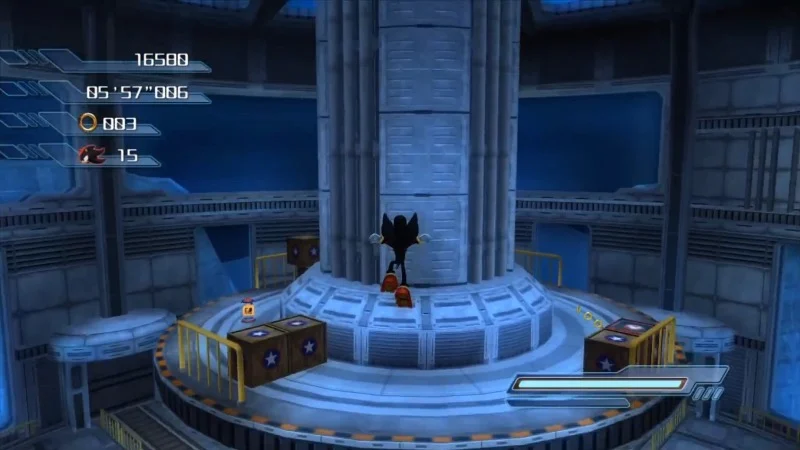
Sonic Team’s ‘Sonic the Hedgehog’ might have had its issues, but Aquatic Base stood out for its layered design and surprising depth. The mix of platforming, underwater traversal, and puzzle solving kept things engaging. Players could switch between characters, each offering a unique way to handle water segments. It remains one of the few bright spots in an otherwise troubled game.
‘Glacier Coast’ in ‘NiGHTS into Dreams’ (1996)

Developed by Sonic Team for the Sega Saturn, ‘Glacier Coast’ delivered an underwater experience full of motion and elegance. The level used NiGHTS’ flying mechanics to make the water feel more like gliding through air. Its dreamy atmosphere and smooth controls helped redefine what a water level could feel like. The result was an experience that felt magical rather than sluggish.
‘Siltbreaker’ in ‘Dota 2’ (2017)
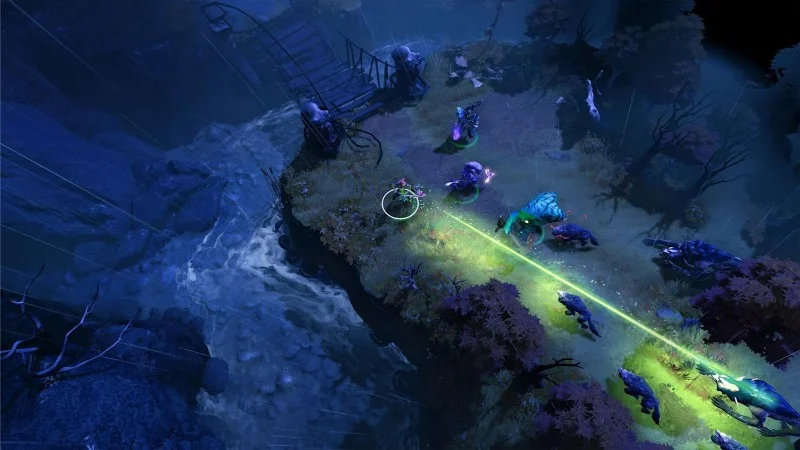
Valve surprised players with ‘Siltbreaker,’ a cooperative campaign set in an underwater world filled with strange monsters and glowing ruins. The mission structure, visuals, and combat depth gave the mode a strong sense of adventure. Its variety of objectives and team-based mechanics turned what could have been a gimmick into something special. It’s one of the best underwater experiences in a multiplayer game.
Which underwater level did you actually enjoy playing? Share your favorite in the comment