


“Uninsurable” Stars Studios Wouldn’t Touch




When a project needs a completion bond, insurers look hard at reliability, legal exposure, and medical risk. If a star brings too many red flags, premiums spike or coverage is refused, and producers either walk away or set strict conditions like salary escrow and daily medical clearances. Some actors have had to secure personal guarantees or third party backers to satisfy bond companies. Others spent years rebuilding trust with small roles, strong references, and clean track records before major studios came calling again.
Robert Downey Jr.
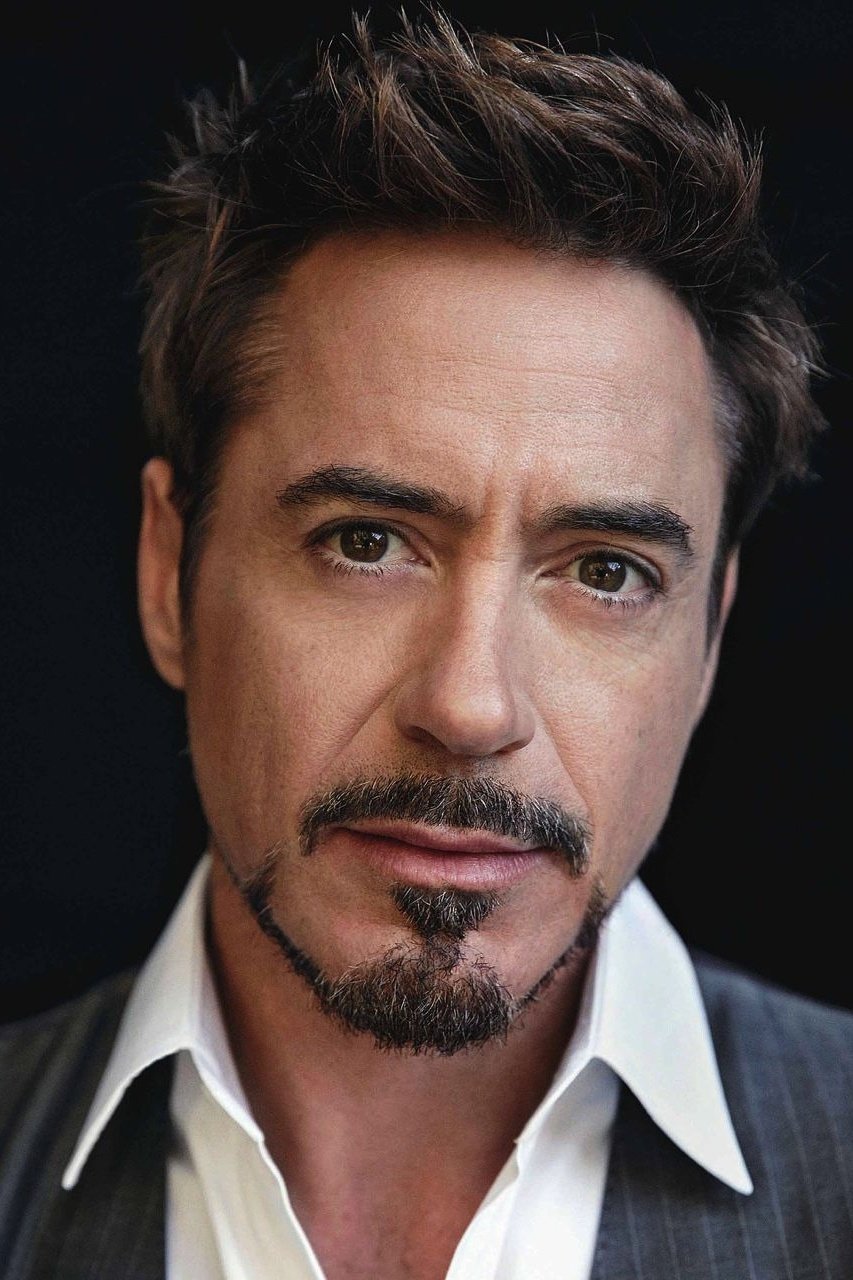
In the late 1990s and early 2000s, producers struggled to secure coverage for him after repeated legal troubles. On films like ‘The Singing Detective’ and ‘Gothika’, producers reportedly used salary withholds and personal guarantees to get a bond. Smaller productions sometimes structured minimized shoot schedules and tight supervision to limit risk. His consistent performance on later films helped restore confidence and opened the door to large franchise work.
Lindsay Lohan

Studios raised insurance concerns after frequent absences and on set issues drew headlines. On ‘Georgia Rule’, her attendance was formally addressed by producers, which signaled bonding challenges to the industry. Later projects used strict attendance clauses, frequent check ins, and financial penalties to satisfy insurers. Television work and independent films provided a pathway to demonstrate reliability.
Johnny Depp
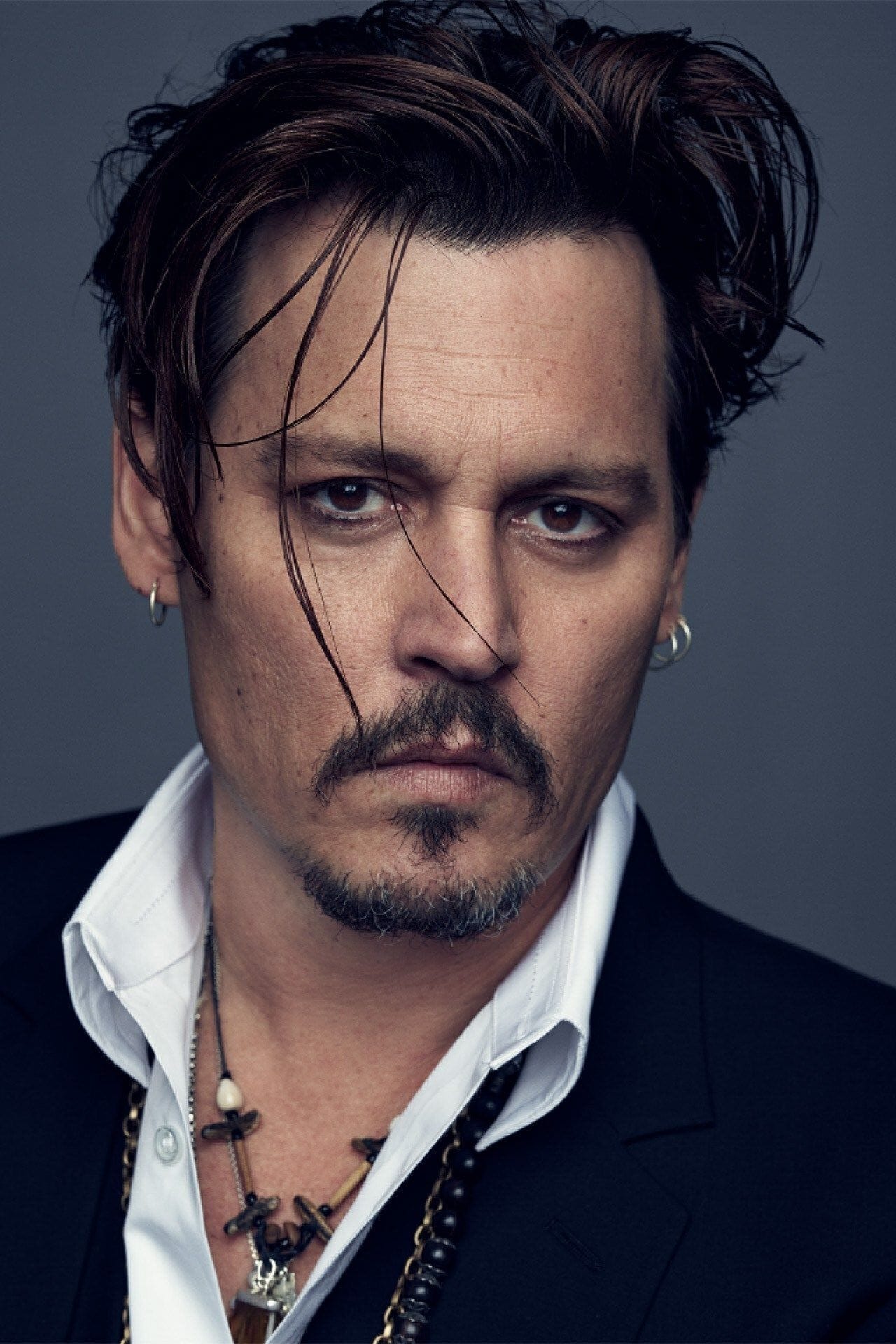
Coverage discussions became complicated after high profile legal disputes and production delays affected multiple projects. On ‘Pirates of the Caribbean’ entries, injury related stoppages and off set issues were watched closely by underwriters. Producers explored higher deductibles and completion bond riders to keep sequels on track. Subsequent roles involved careful scheduling and contractual behavior standards to reassure financiers.
Shia LaBeouf
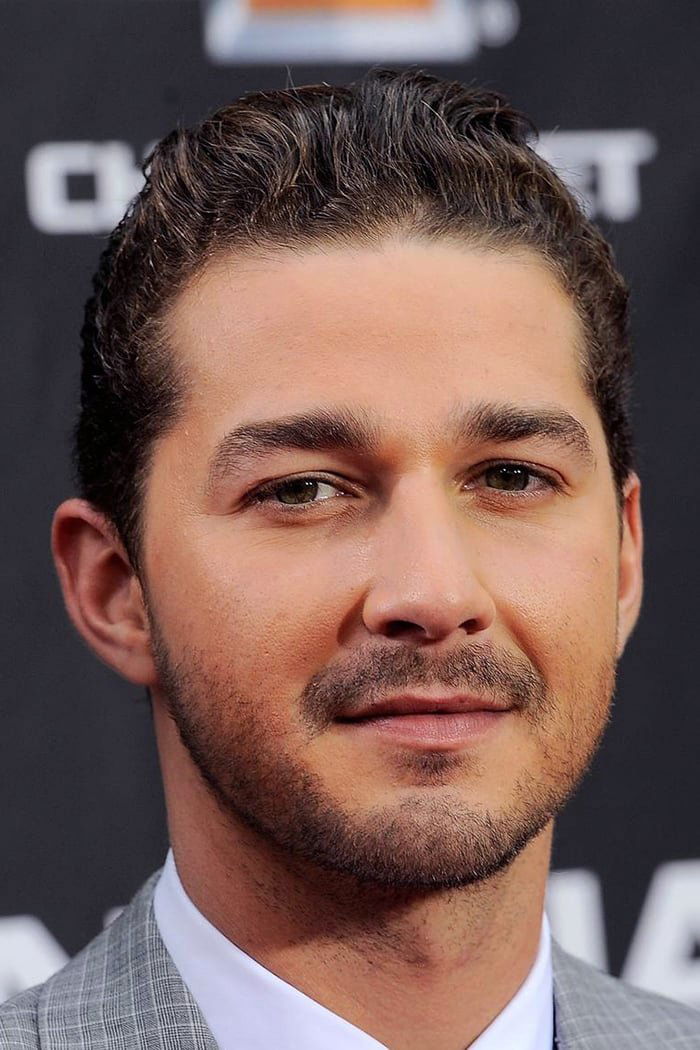
A series of public incidents and legal cases prompted risk reviews from bond companies. Productions that considered him examined tighter supervision, clean behavioral clauses, and escrow triggers. On films like ‘American Honey’ and ‘Pieces of a Woman’, smaller or auteur led models sometimes accepted specialized risk structures. Documented compliance and strong dailies helped projects close their financing.
Mel Gibson
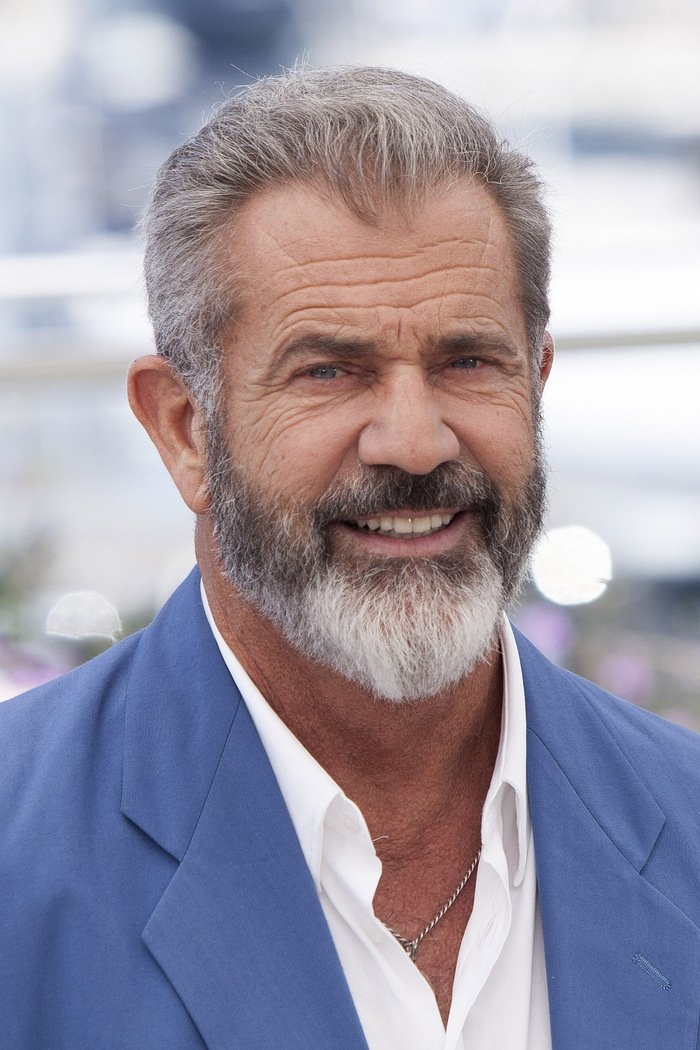
Following widely reported incidents, major studio projects faced insurer resistance tied to reputational and business interruption risk. Independent backers and international pre sales sometimes replaced traditional studio packages to move projects forward. Work behind the camera, such as ‘Hacksaw Ridge’, helped demonstrate set discipline and delivery. Over time, consistent outcomes made future coverage conversations more straightforward.
Charlie Sheen
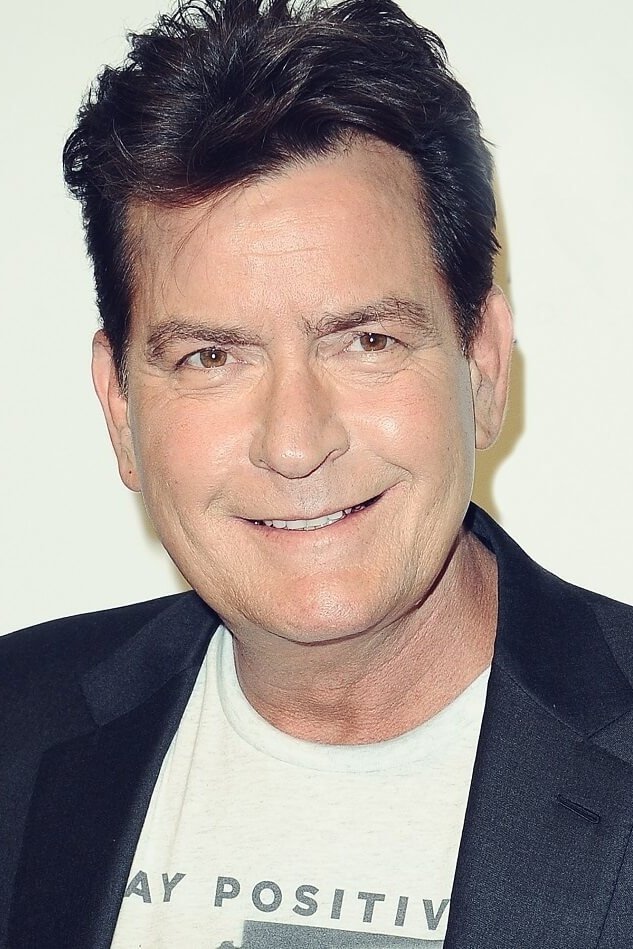
After a very public workplace dispute and production shutdowns, bond companies scrutinized reliability and potential delays. On ‘Anger Management’, financiers used unconventional episode ordering tied to performance to control exposure. Contracts added sobriety and attendance provisions to satisfy insurers. The approach allowed production to continue while limiting the chance of a costly halt.
Mickey Rourke
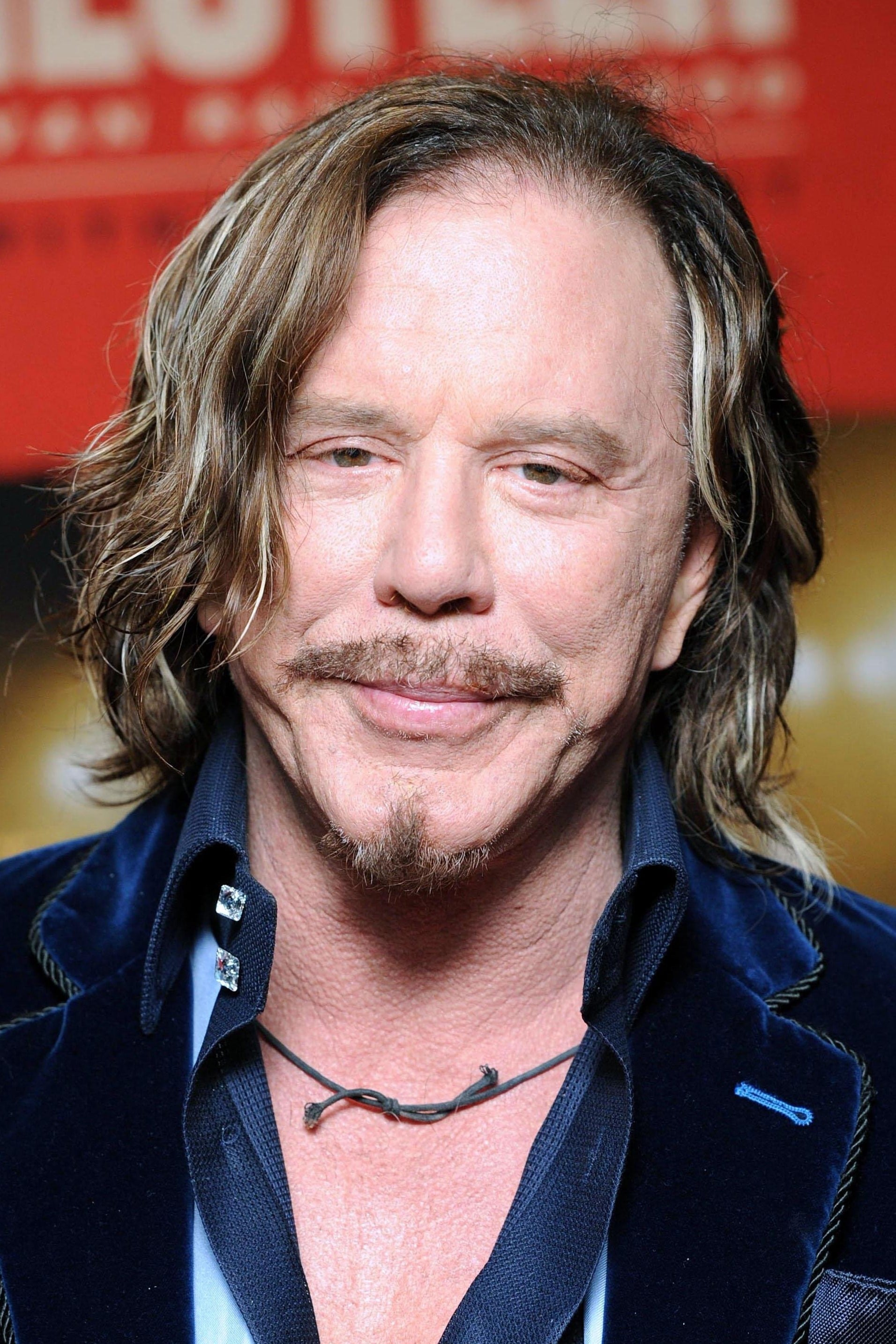
In the 1990s, a reputation for unpredictability made coverage difficult to secure on studio films. Comeback projects leaned on independent financing and directors willing to vouch for him. With ‘The Wrestler’, strong reviews and a cooperative set presence supported new deals. Subsequent roles benefited from improved references and manageable schedules.
Val Kilmer
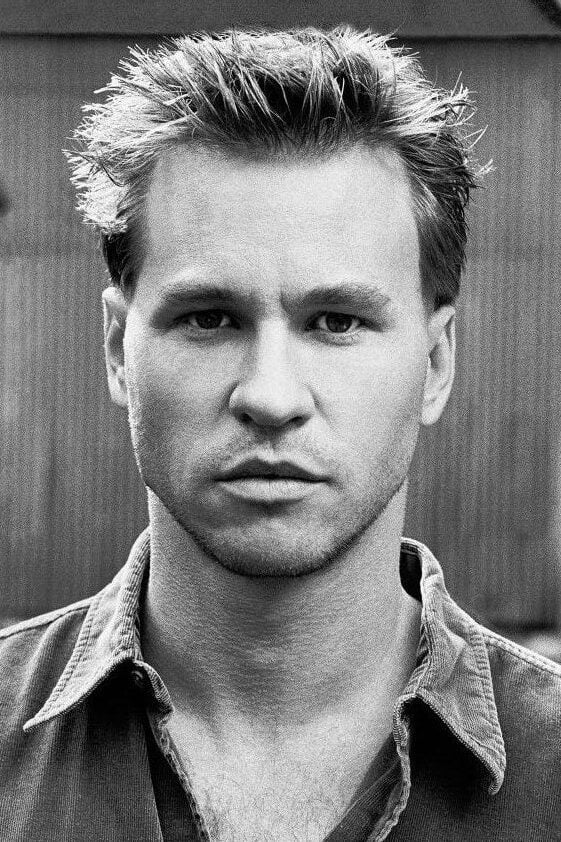
Reports of difficult productions in the past led some packages to include strict conduct and schedule protections. Health challenges later required medical clearances and exclusions to address interruption risk. On ‘Top Gun: Maverick’, limited and carefully planned work satisfied bonding requirements. Clear scope and controlled shoot days helped keep premiums in line.
Jean-Claude Van Damme
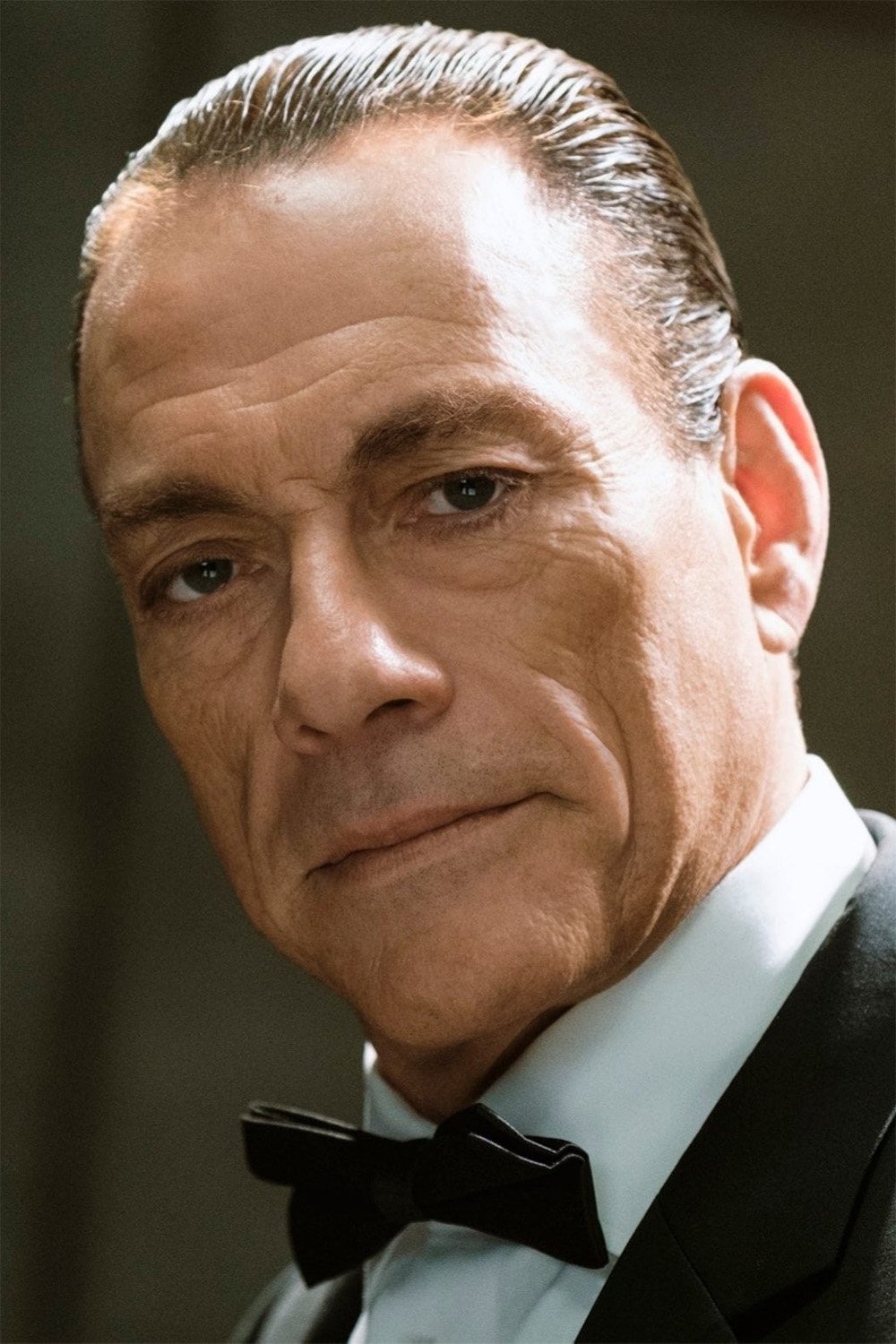
Substance related concerns in the 1990s pushed premiums higher and reduced studio appetite for risk. Some action titles shifted to lower budget models with shorter shoots to cut exposure. International financing and foreign pre sales often replaced domestic studio coverage during that period. A renewed focus on professionalism gradually eased insurance terms.
Wesley Snipes
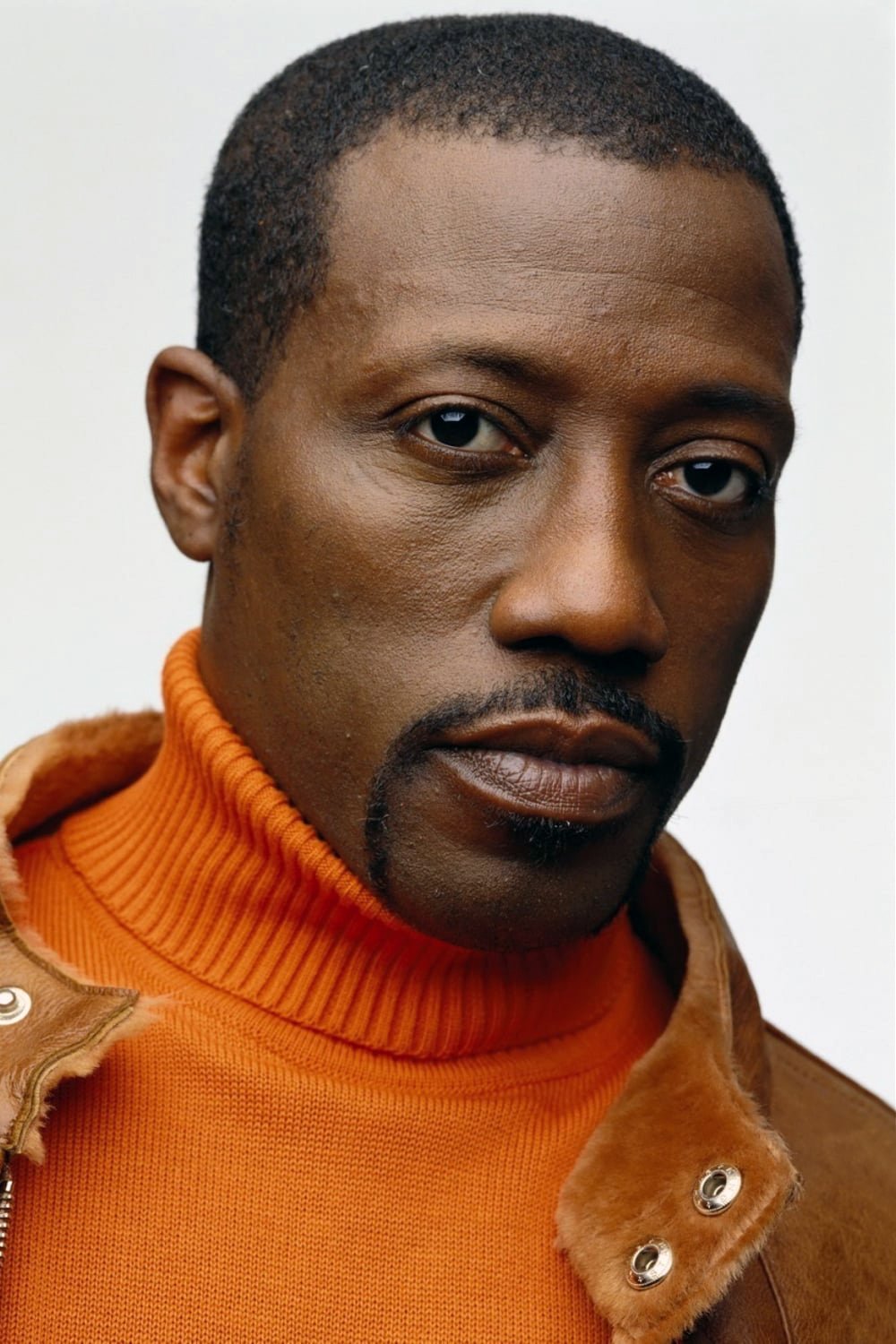
Tax and legal issues created reputational and schedule risk that bond companies flagged for producers. After incarceration, comeback projects adjusted coverage with exclusions and strict compliance clauses. Ensemble work like ‘The Expendables 3’ spread risk across multiple leads and shorter call requirements. Consistent delivery on set supported a measured return.
Ezra Miller

A series of legal controversies prompted careful reassessments of coverage on large scale productions. Publicity plans and travel were reworked to minimize disruption risk during release windows. Insurers examined behavior clauses and possible exclusions to protect against delays. Studio teams leaned on detailed scheduling and security planning to keep shoots stable.
Kevin Spacey
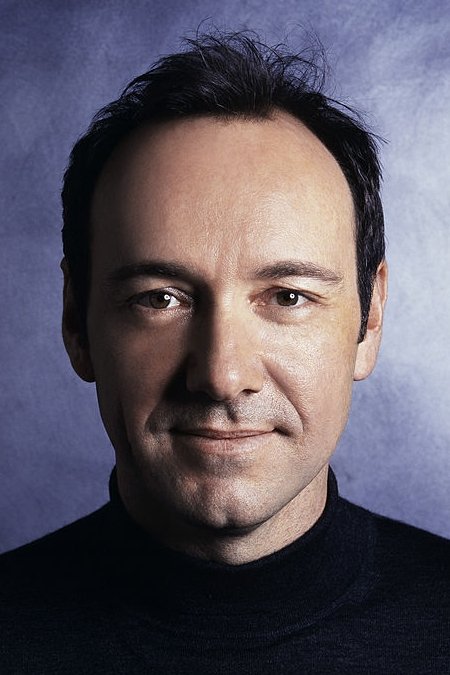
After serious allegations led to removals and reshoots on in progress projects, traditional coverage became challenging. Productions shifted to recasting strategies to eliminate exposure midstream. Financing models emphasized completion security without his involvement. Subsequent attempts to package projects faced significant bonding hurdles.
Armie Hammer
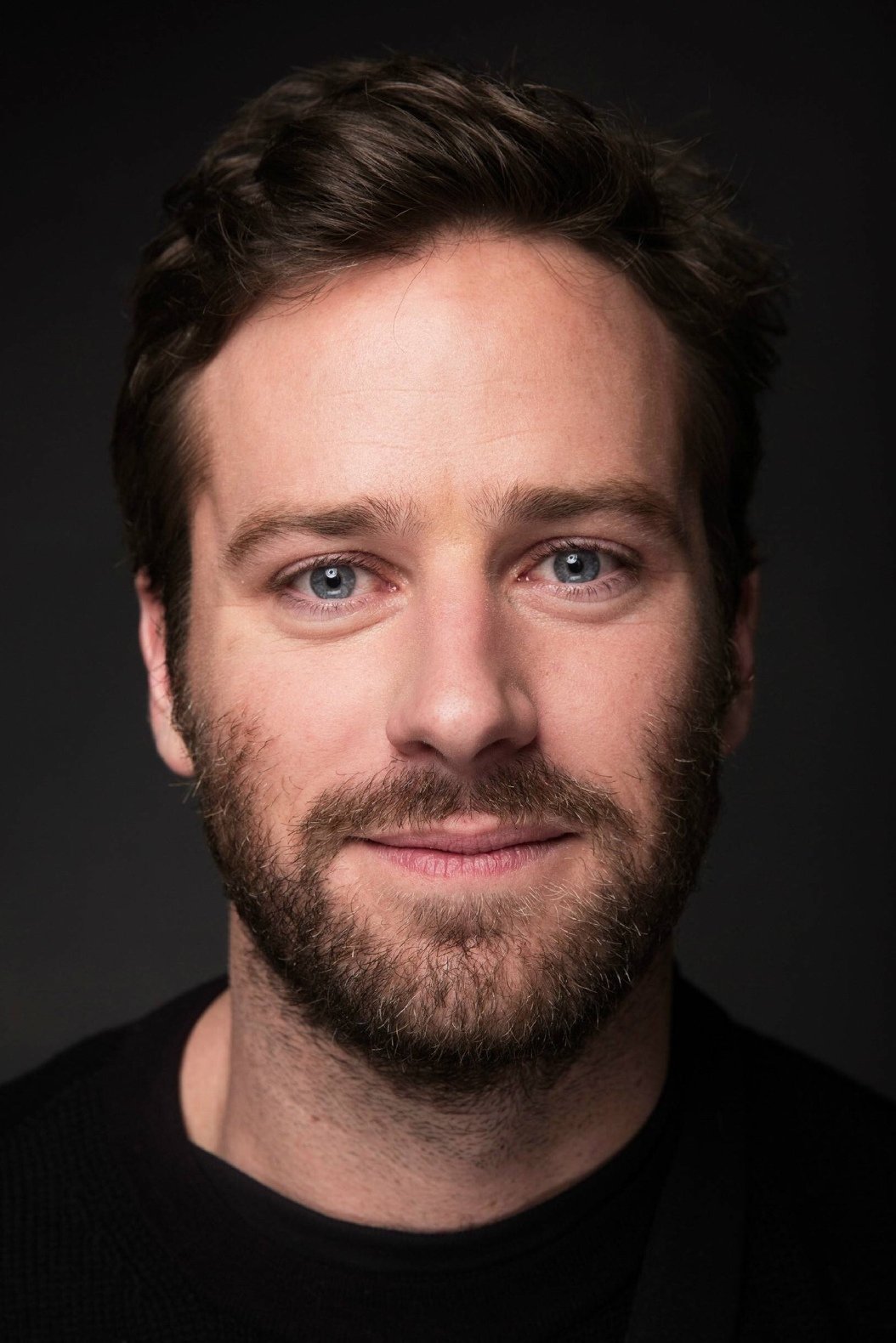
When multiple allegations surfaced, films in development reevaluated their insurance and financing assumptions. Roles were recast and marketing plans retooled to avoid reputational risk. Bond companies signaled high premiums or refusals for packages that proposed him as a lead. Independent producers moved on to safer alternatives to keep funding intact.
Alec Baldwin
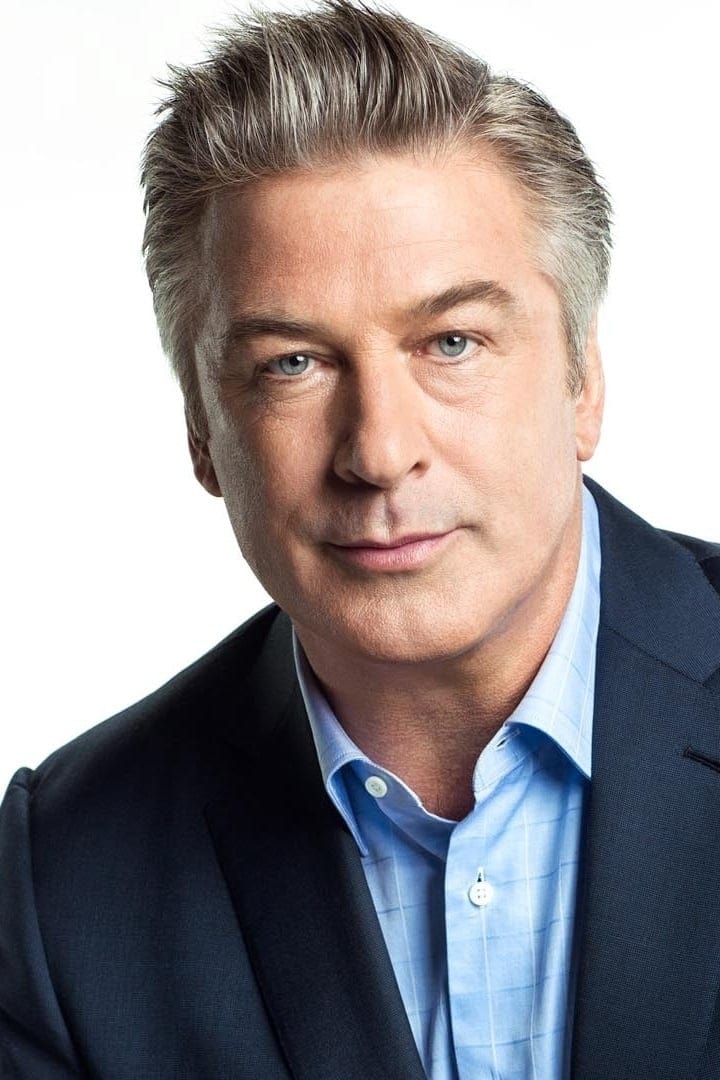
Following the tragedy on ‘Rust’, insurers scrutinized firearms safety plans, training logs, and set oversight for any future work. Policies began to feature stricter exclusions around weapons and live ammunition. Producers prepared more extensive safety documentation to meet underwriting standards. Coverage discussions centered on how to prevent business interruption from investigations or shutdowns.
Winona Ryder
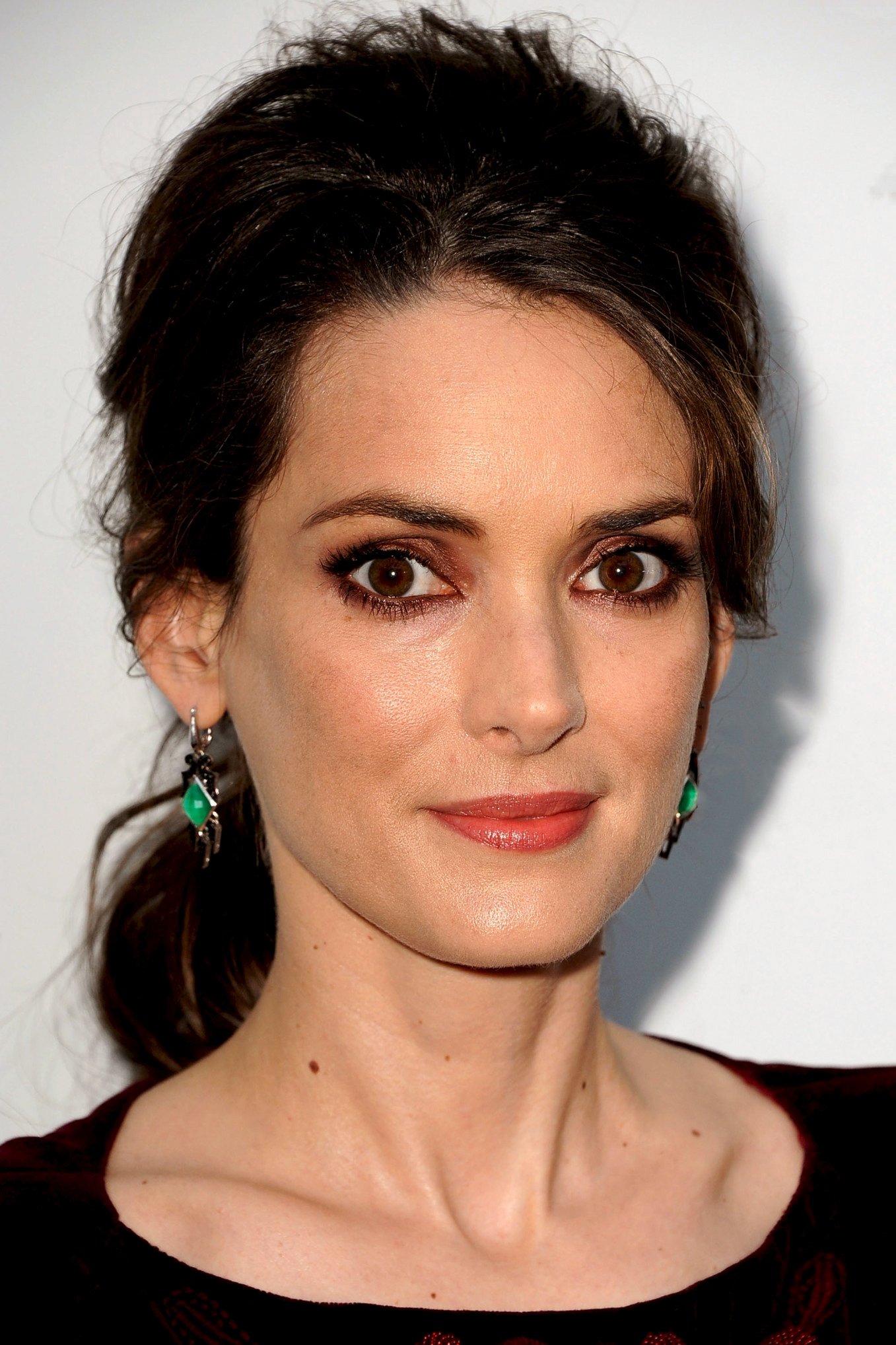
After a widely covered legal case in the early 2000s, some projects faced difficulty closing bonds with her attached. Smaller productions and supporting roles provided a way to demonstrate reliability. With ‘Stranger Things’, a television ensemble and strong production controls supported straightforward coverage. Positive references from recent sets helped normalize future terms.
Jussie Smollett
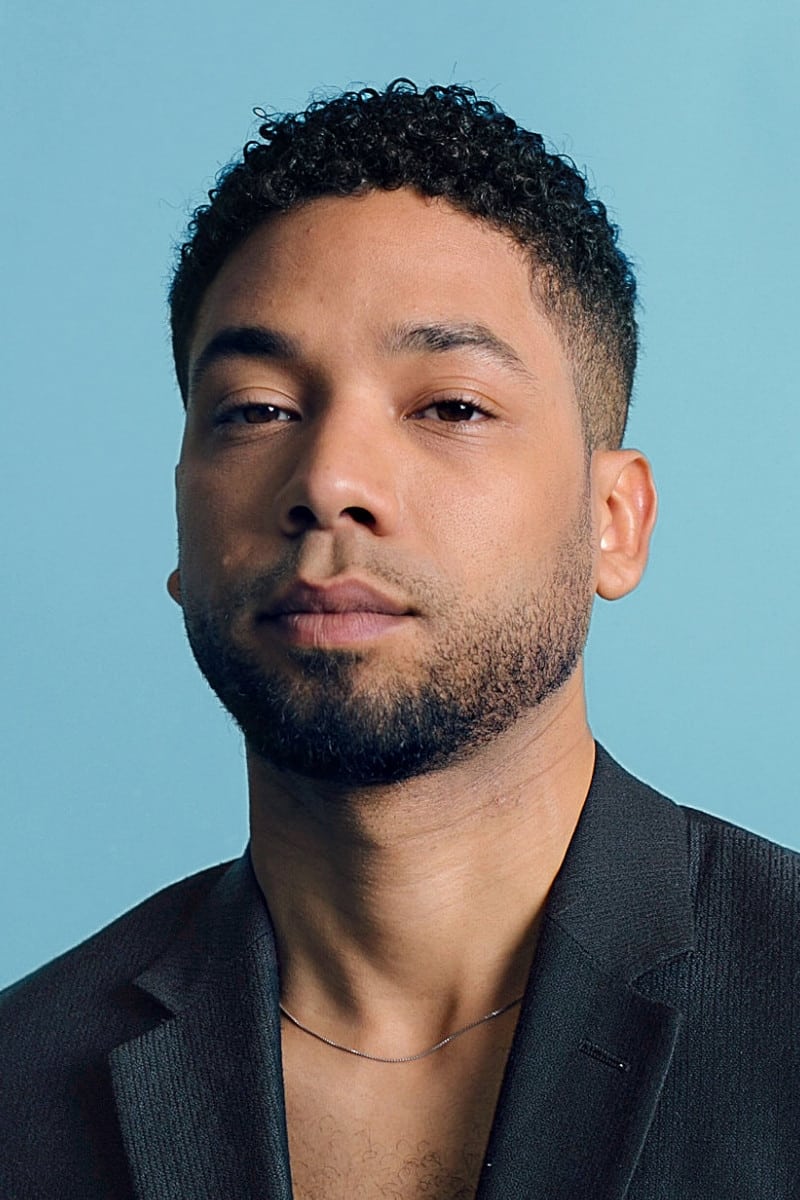
Following the criminal case related to a false report, productions evaluated the reputational and interruption risks of hiring him. Insurance brokers flagged potential marketing and distribution challenges as material exposures. Some teams opted for recasting to simplify financing. Independent offers, if any, required stringent morality clauses and publicity limitations.
Tom Sizemore
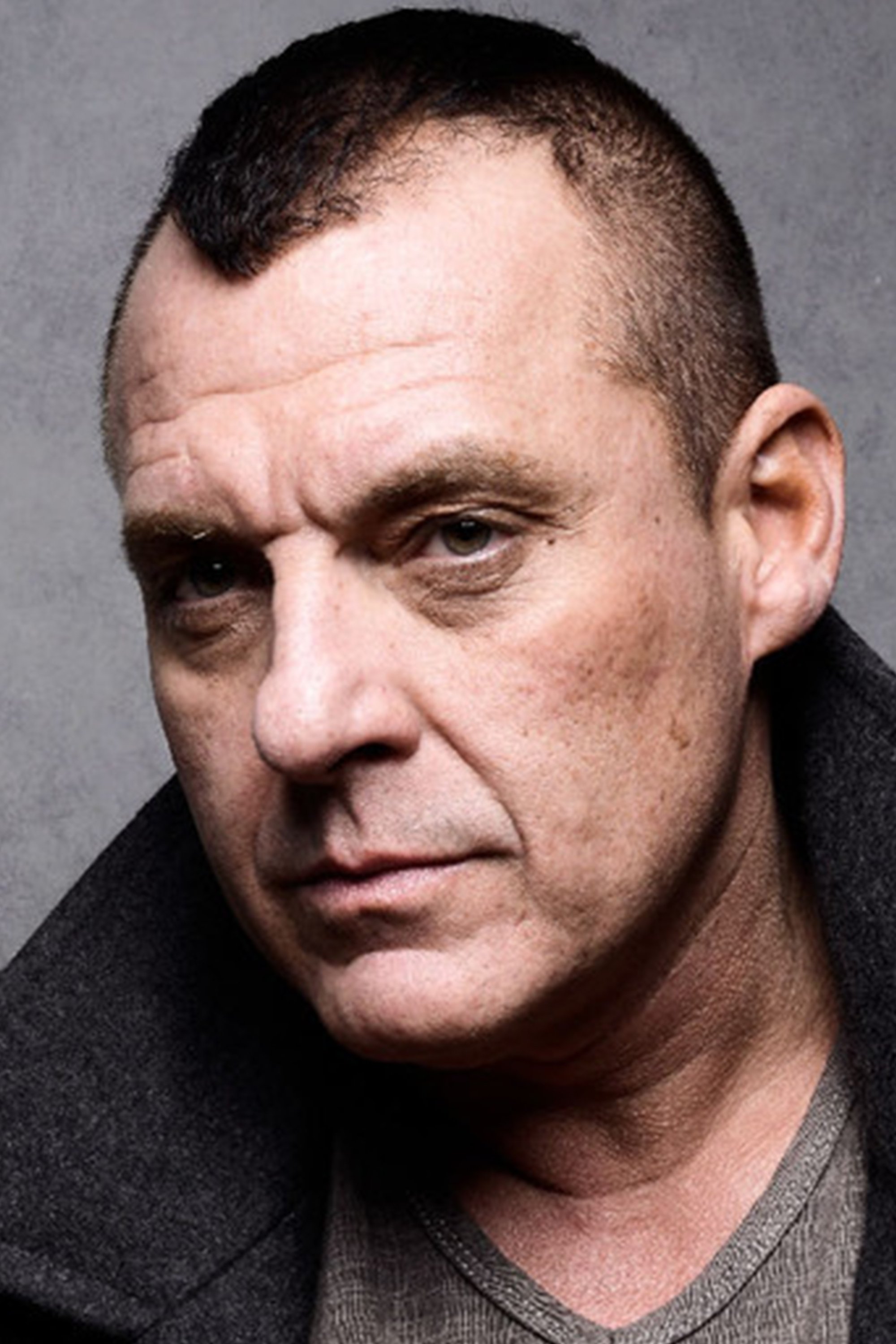
Legal issues and substance related incidents made insurers hesitant to back him on larger shoots. Producers who proceeded often required daily compliance checks and salary escrow. Roles shifted toward independent films with modest schedules that lowered exposure. Reliable performance on limited sets occasionally reopened opportunities.
Randy Quaid
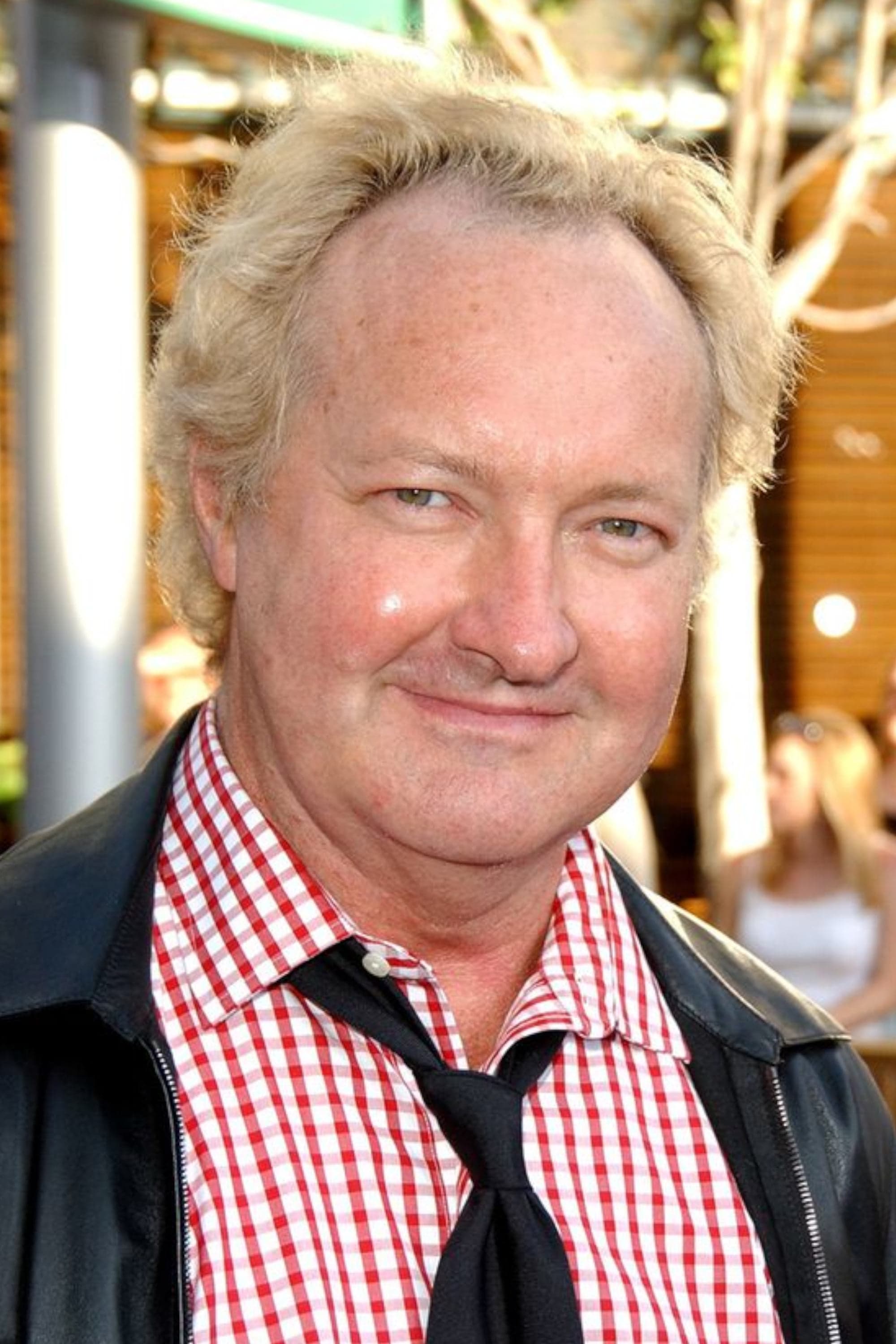
A string of legal and travel related problems complicated bonding for domestic productions. Cross border issues raised additional concerns about appearance risk and enforcement of contracts. Some packages attempted heavy exclusions that made deals impractical. As a result, mainstream studio offers became scarce.
Corey Haim
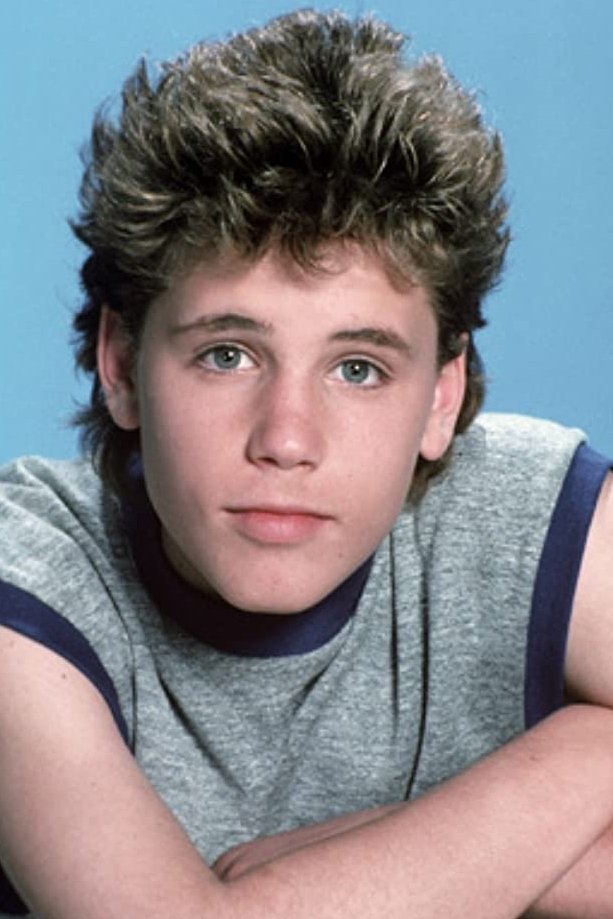
Substance struggles and health concerns made completion coverage difficult during the later stages of his career. Producers who considered him had to budget for high premiums and contingency days. Roles were often reduced or reassigned to protect schedules. Limited independent work remained possible with tight oversight.
Jonathan Majors
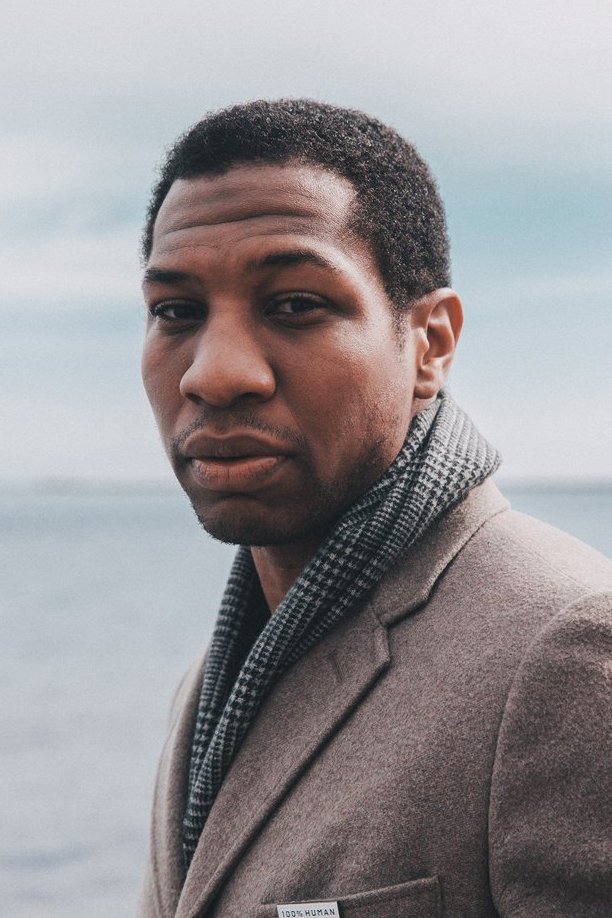
After a criminal case and subsequent industry fallout, packaging films with him attached faced significant hurdles. Insurers weighed potential delays from legal developments and reputational impact on distribution. Projects in development reassessed marketing risk and contractual exits. New attachments, if pursued, would likely require strict behavior clauses and careful rollout plans.
Share which cases surprised you most and tell us in the comments if there are other examples you think belong on this list.