


Velma Awards Celebrate LGBTQ Representation in Kids’ Shows, Honoring ‘Jurassic World: Chaos Theory’ and ‘Firebuds’

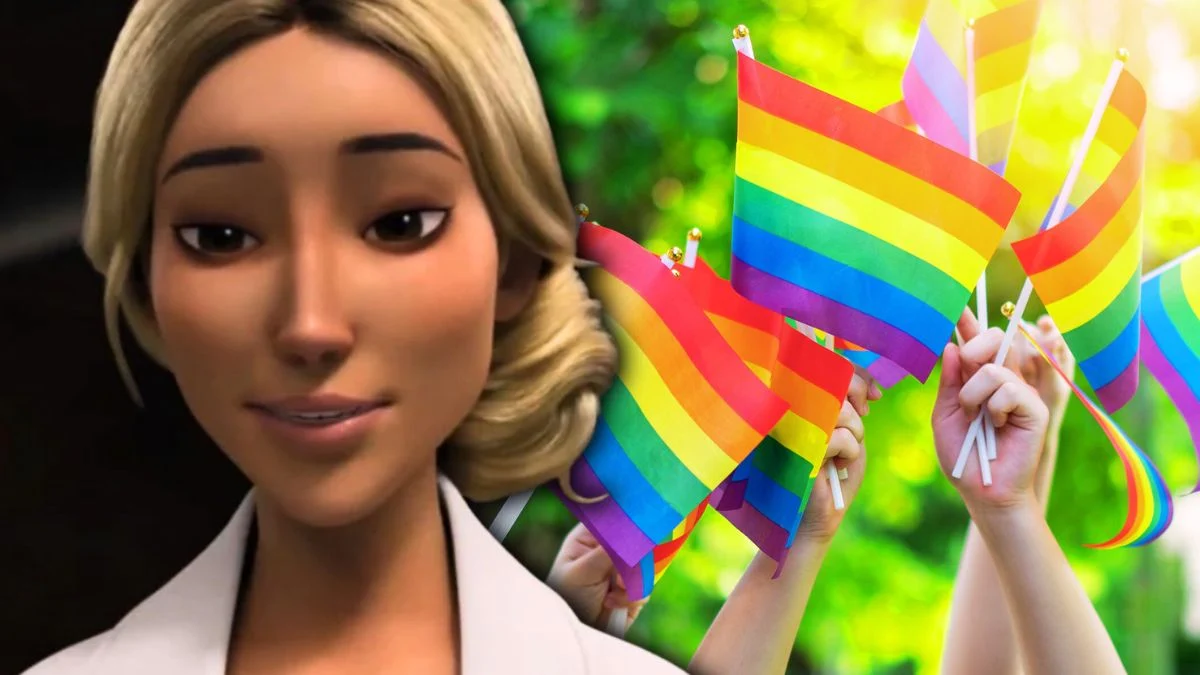


The second annual Velma Awards have celebrated LGBTQ representation in kids and family programming, highlighting shows that are breaking new ground in inclusive storytelling.
According to The Rainbow Project, which organizes the awards, this year’s winners include “Jurassic World: Chaos Theory,” “Firebuds,” and “Let’s Go Bananas.”
“Jurassic World: Chaos Theory” won The Best Queer Break Up That’s Just a Break Up Award for its Season 2 episode “Boiling Over” on Netflix.
Disney Junior’s “Firebuds” received The One Mom is Good But Two Moms Are Great Award for its Season 2 episode “A Family Tradition,” while CBC Kids’ “Let’s Go Bananas” took home The Show So Great and Inclusive We Wish It Would Adopt Us Award for its Season 1 episode “Reunion at the Orchard.”
Other winners included “The Bravest Knight,” “Jane,” “Fionna & Cake,” “The Fabulous Show with Fay and Fluffy,” and “Bearbrick.” PBS veteran Linda Simensky was honored with the Legacy Award for her work on “Arthur.”
The Rainbow Project, founded in 2024 by Chris Nee, Kristi Reed, and Jeremy Blacklow, aims to advance LGBTQ+ representation in children’s media. The organization not only celebrates queer narratives in programming but also recognizes the efforts of behind-the-scenes creators who champion inclusion.
Blacklow highlighted the urgency of recognizing these achievements this year, noting that the number of eligible LGBTQ+ shows has dropped nearly 40 percent from last year. “This year, celebrating these victories is not just important — it’s urgent. These creators aren’t simply making content. They are holding ground on behalf of a generation of queer youth,” he said.
Chris Nee added, “It was always hard to get LGBTQ+ narratives approved, but now it’s nearly impossible. None of these wins happened by accident — they are the result of someone advocating fiercely behind the scenes.”
Kristi Reed emphasized the importance of representation in media for young viewers, stating, “Queer visibility in children’s media is not optional — it’s essential. When young viewers see themselves and their families reflected authentically on screen, it affirms that they belong.”
The Velma Awards showcase the ongoing commitment of creators and advocates to keep queer stories alive in children’s media, even as challenges grow. This year’s winners highlight how diverse representation can resonate with audiences while setting an example for future programming.
Have something to add? Let us know in the comments!