

Video Game Franchises That Were Destroyed By ‘Woke’ Controversies

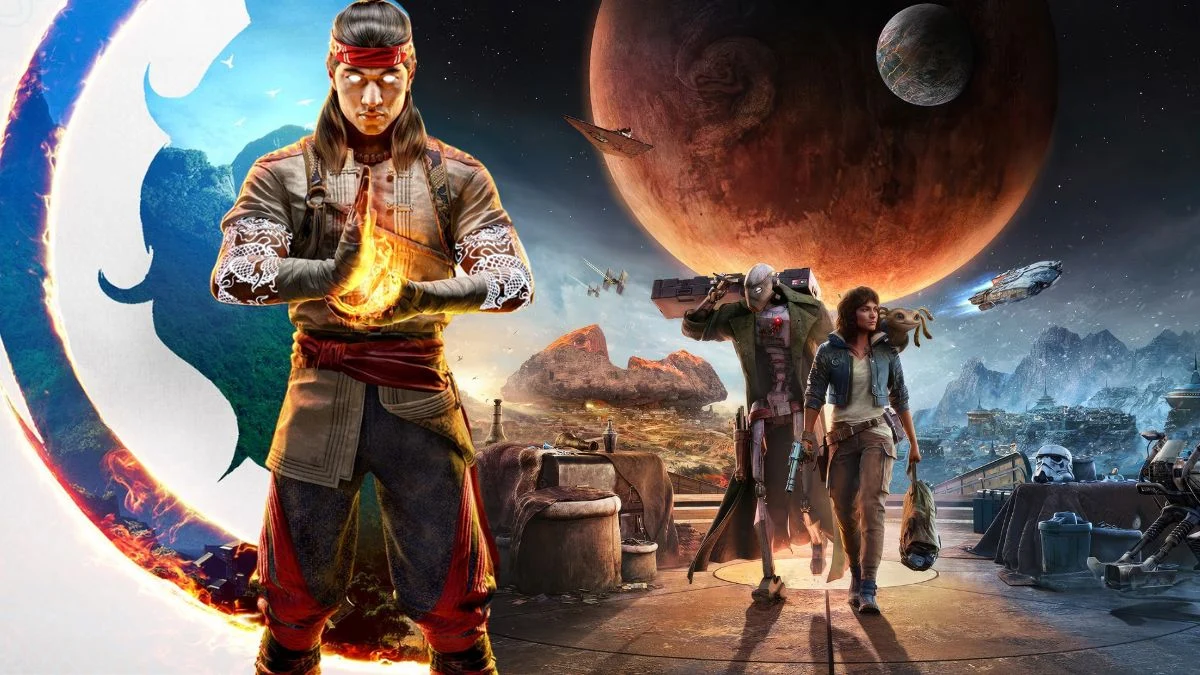


The video game industry has faced a growing cultural divide as developers attempt to modernize beloved franchises for contemporary audiences. This shift has frequently resulted in significant backlash from long-time fans who feel that political agendas are being prioritized over gameplay and storytelling. While some studios weather the storm, others have seen their sales plummet, their reputations tarnished, or their doors closed permanently following these heated debates. The following list highlights franchises that faced severe consequences or irrevocable damage due to controversies surrounding progressive content.
‘Saints Row’ (2022)
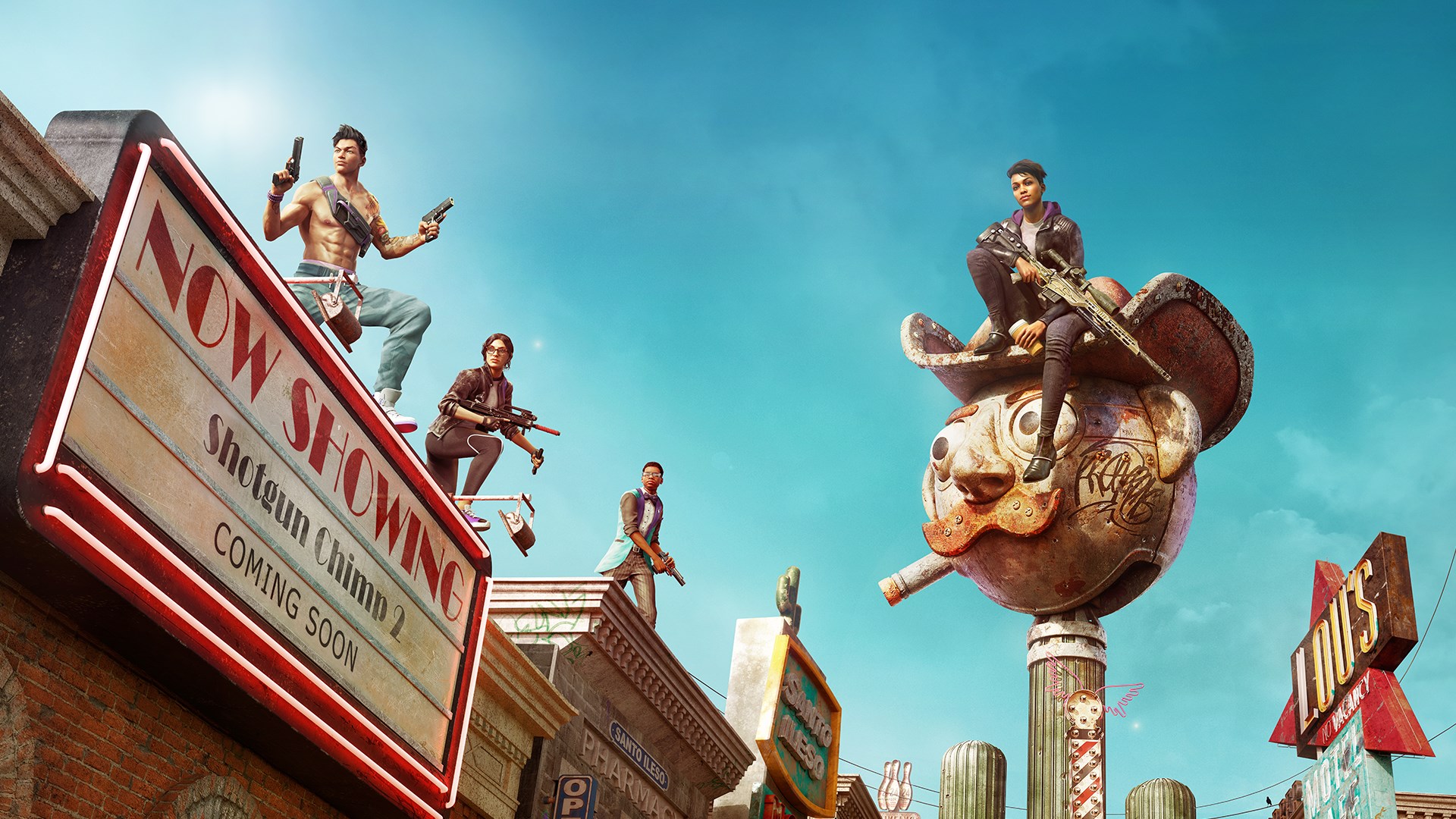
The reboot of this chaotic open-world franchise was intended to introduce a new generation of gangsters to a modern audience. Fans immediately rejected the game for abandoning the edgy humor of the originals in favor of characters that critics described as overly sanitized and relatable only to millennials. The writing was widely mocked for being “cringe-worthy” and disconnected from the series’ roots. This critical and commercial failure led to the permanent closure of the developer Volition after 30 years in the industry.
‘Concord’ (2024)
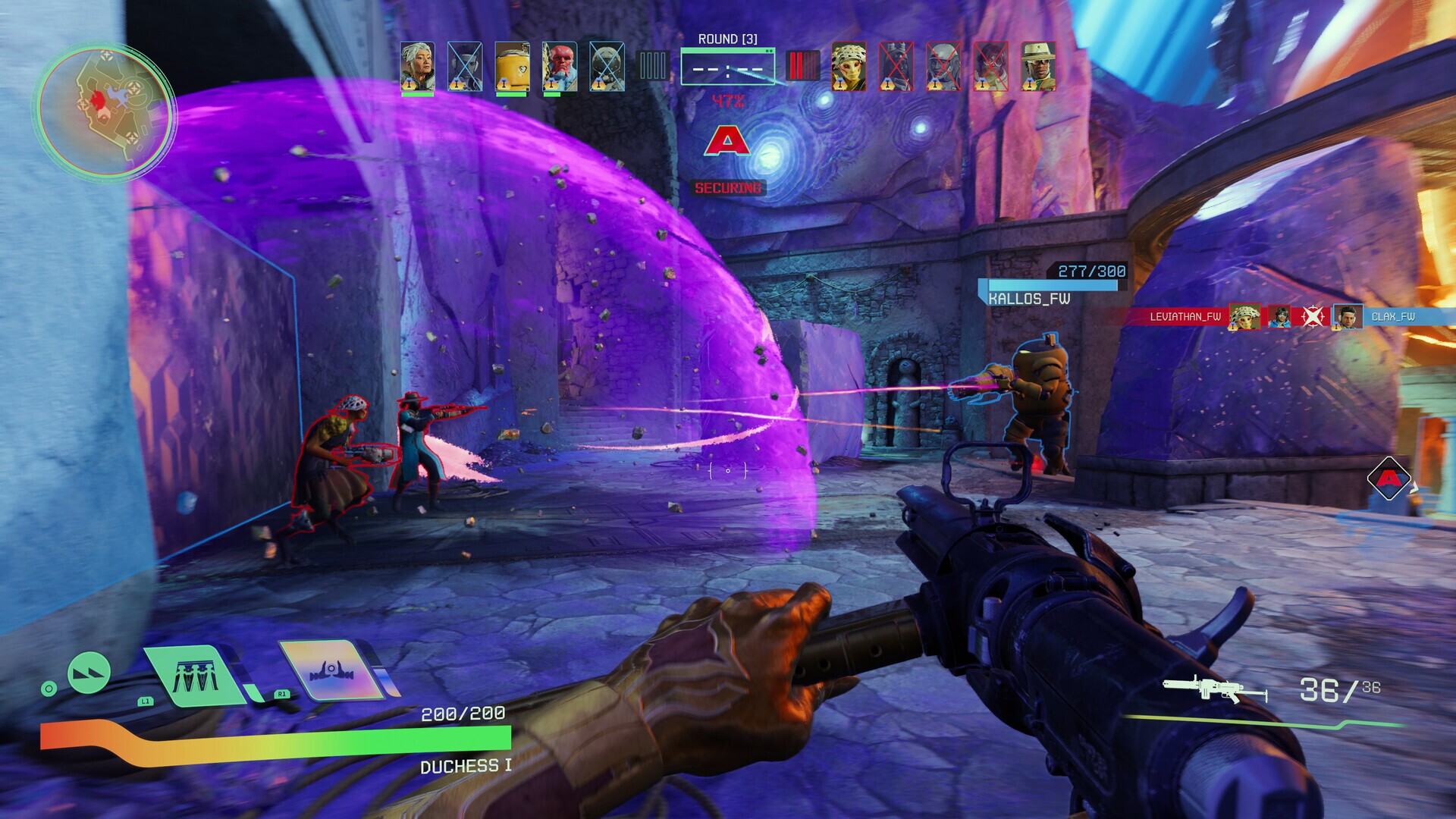
Sony launched this hero shooter with high hopes of establishing a new live-service juggernaut. The game was met with immediate derision for its character designs, which players felt prioritized “inclusive” aesthetics over visual appeal and coolness. The inclusion of pronouns on character selection screens became a focal point of online discourse regarding the game’s target audience. After peaking at fewer than 700 concurrent players on Steam, the game was taken offline and refunded just two weeks after launch.
‘Dustborn’ (2024)
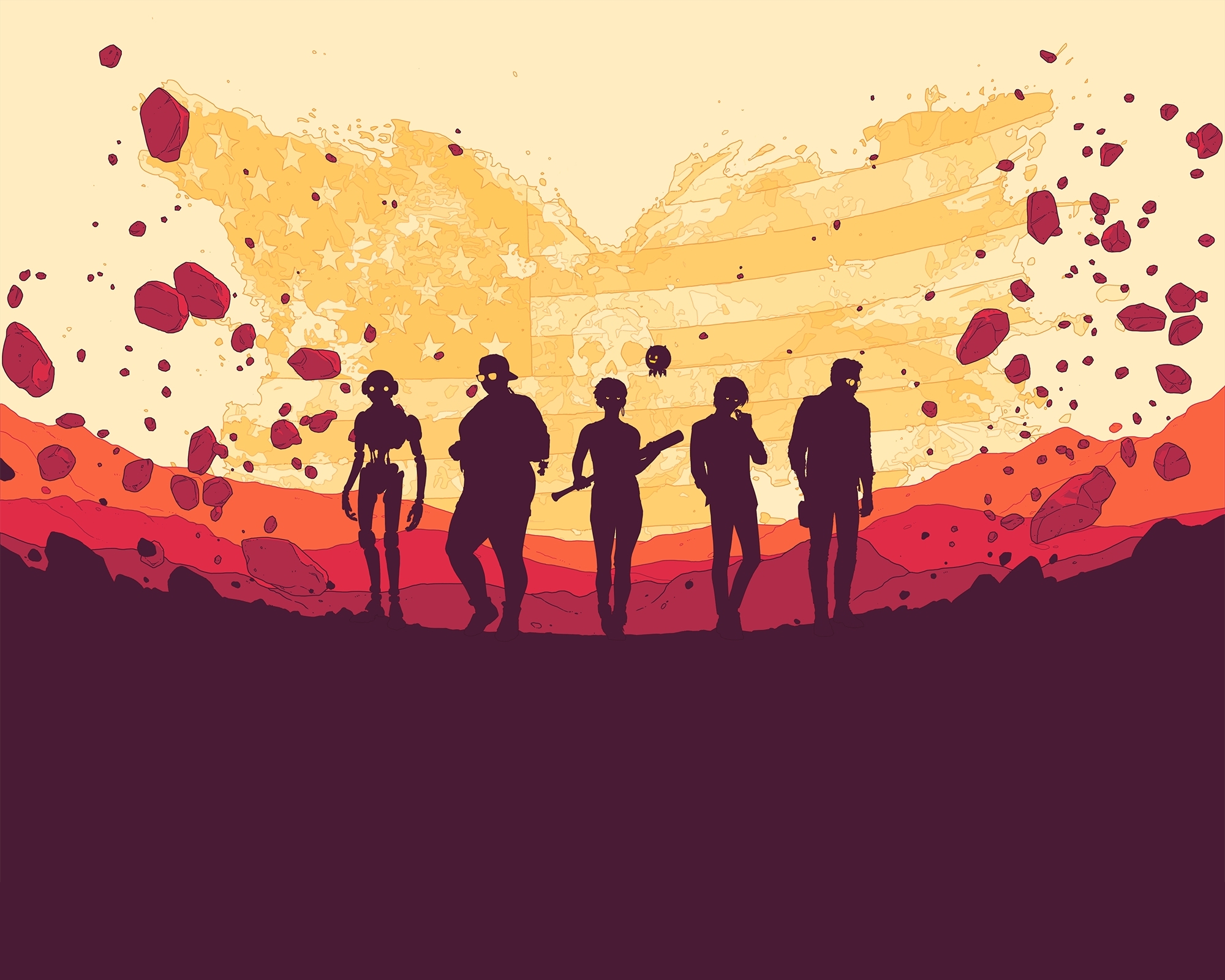
This narrative-driven action game centered on a group of misfits traveling across a divided America while wielding weaponized language. The game faced intense scrutiny for its funding from government grants and its overt political messaging. Gamers criticized the writing for feeling more like a lecture than an interactive experience. The title struggled to find an audience, launching with a peak player count in the double digits on PC.
‘Suicide Squad: Kill the Justice League’ (2024)
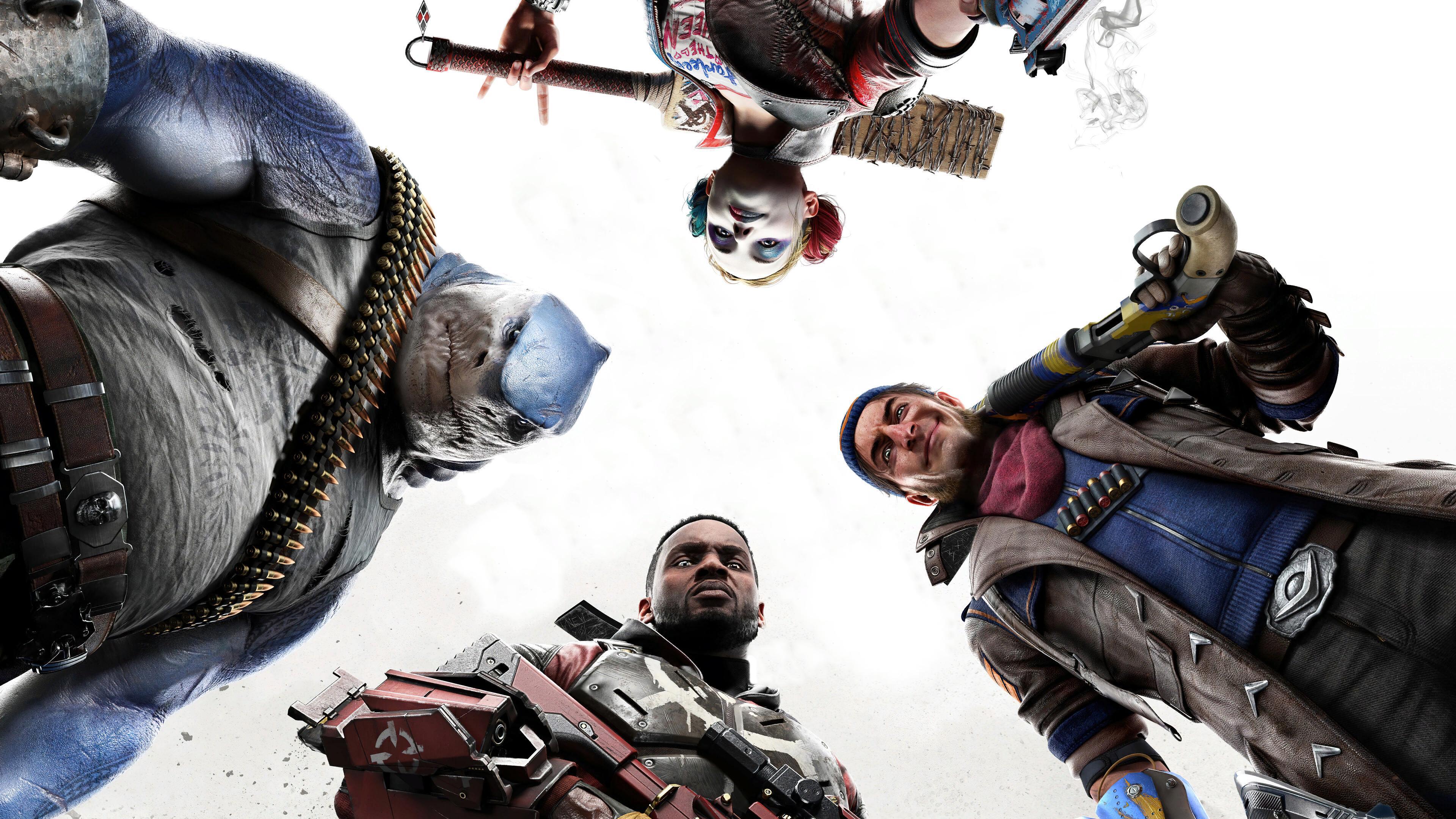
Rocksteady Studios was once revered for the ‘Batman: Arkham’ series, but this live-service sequel damaged that reputation significantly. Controversy erupted over the involvement of narrative consultation firm Sweet Baby Inc and the perceived disrespectful treatment of Batman. Fans were dismayed by a script that seemed to demean established heroes to elevate the new protagonists. The game resulted in a $200 million loss for Warner Bros. and a massive drop in player engagement.
‘Forspoken’ (2023)
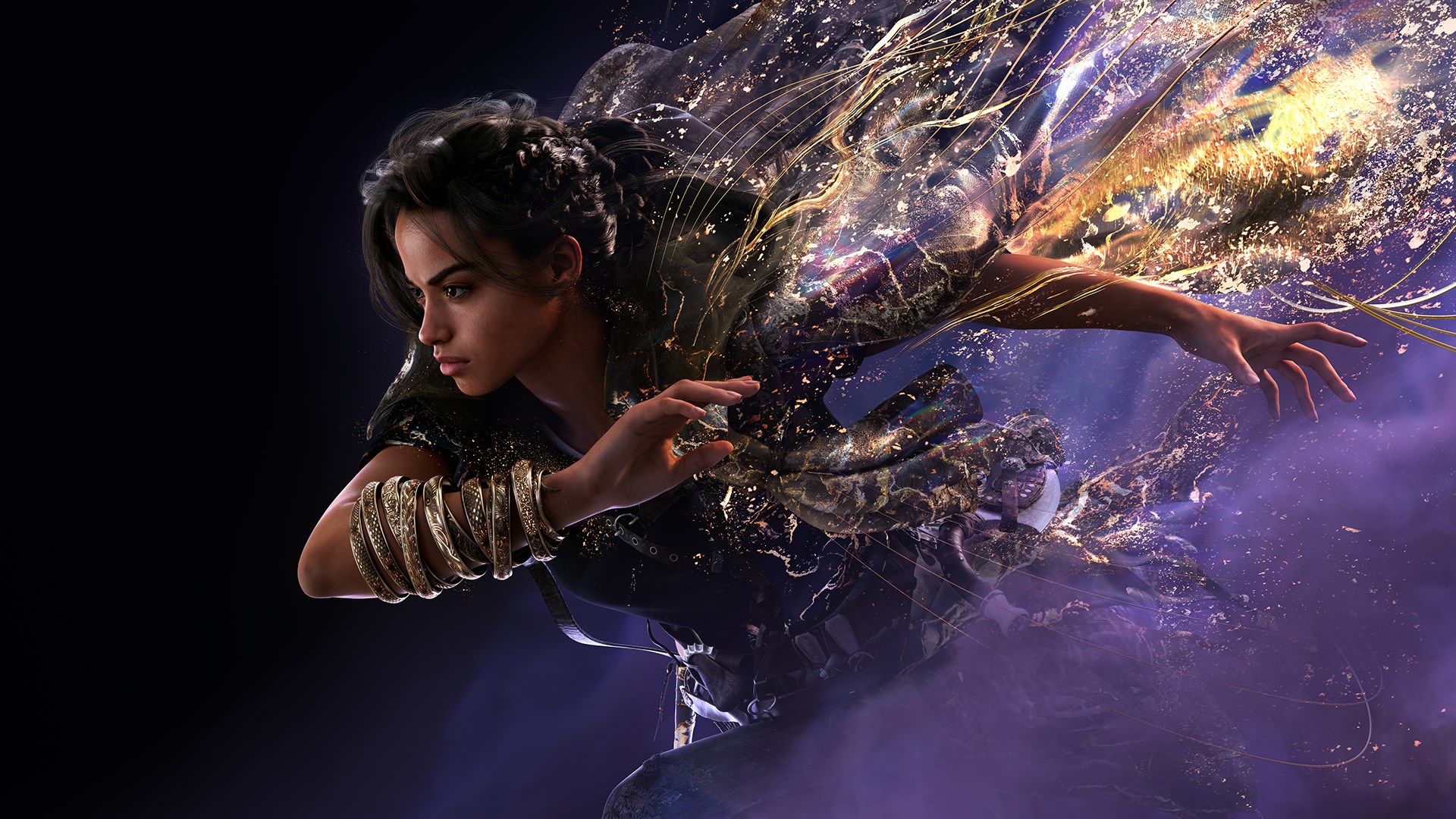
Square Enix hoped to launch a major new IP with this magic-focused action RPG. The game was quickly memed for its protagonist’s dialogue, which many found to be an annoying imitation of Marvel-style quips. Critics argued that the writing focused too heavily on modern progressive tropes rather than building a compelling fantasy world. The game’s financial failure resulted in the absorption and effective closure of its developer, Luminous Productions.
‘Unknown 9: Awakening’ (2024)
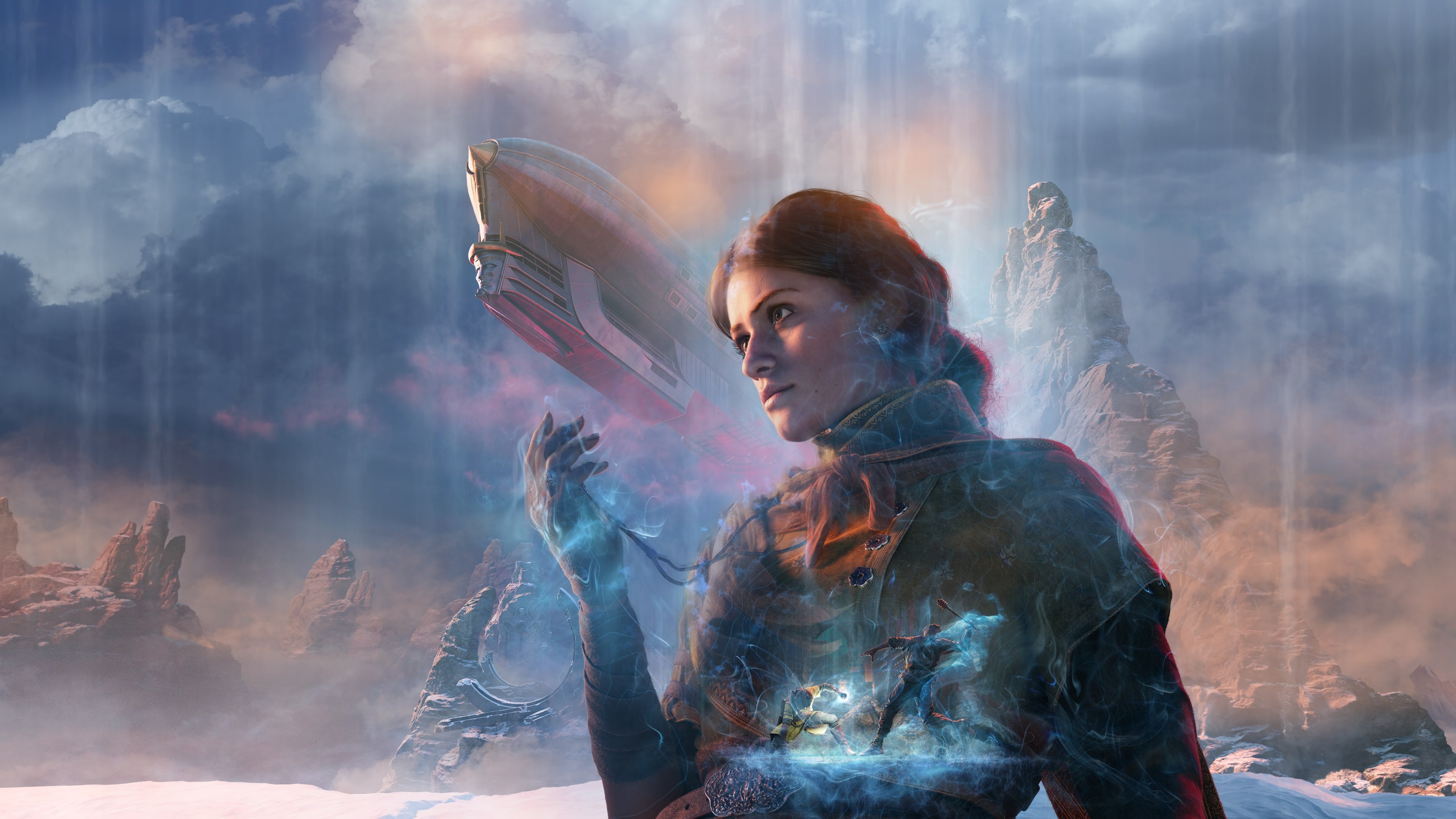
This transmedia project was designed to launch a massive new sci-fi universe involving books, comics, and games. The video game adaptation faced backlash regarding the involvement of consultancy firms and character designs that some fans labeled as deliberately unattractive. Technical issues compounded the negative reception, leading to abysmal sales figures. The developer, Reflector Entertainment, subsequently faced significant layoffs following the launch.
‘Battlefield V’ (2018)
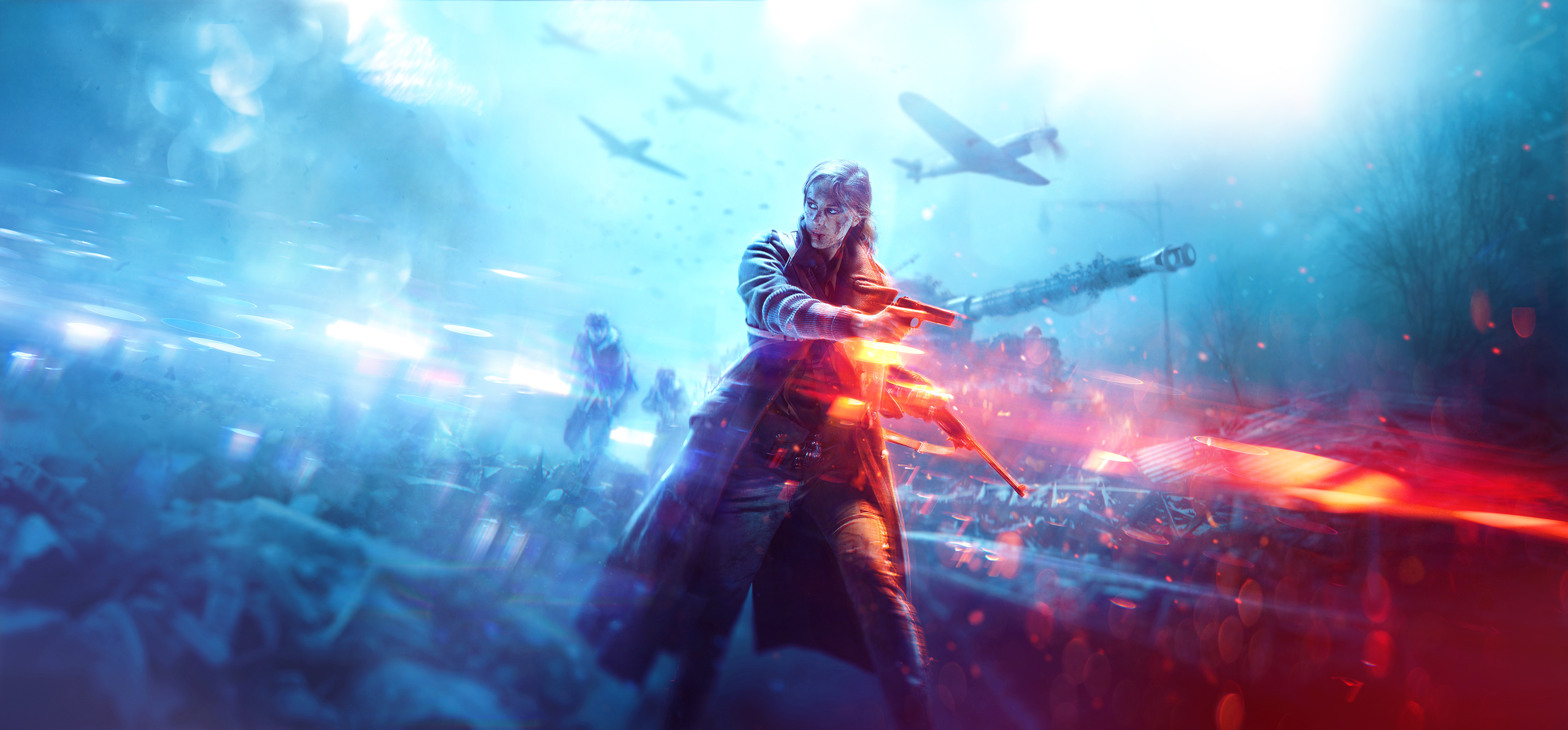
EA ignited a firestorm when they told fans not to buy the game if they disagreed with their creative choices regarding historical accuracy. The inclusion of a female soldier with a prosthetic arm in the reveal trailer became a symbol of the publisher’s push for diversity over authenticity. Pre-order numbers tracked poorly compared to previous entries in the series. The game underperformed commercially, leading to a scaling back of post-launch support and a damaged brand reputation.
‘Mass Effect: Andromeda’ (2017)
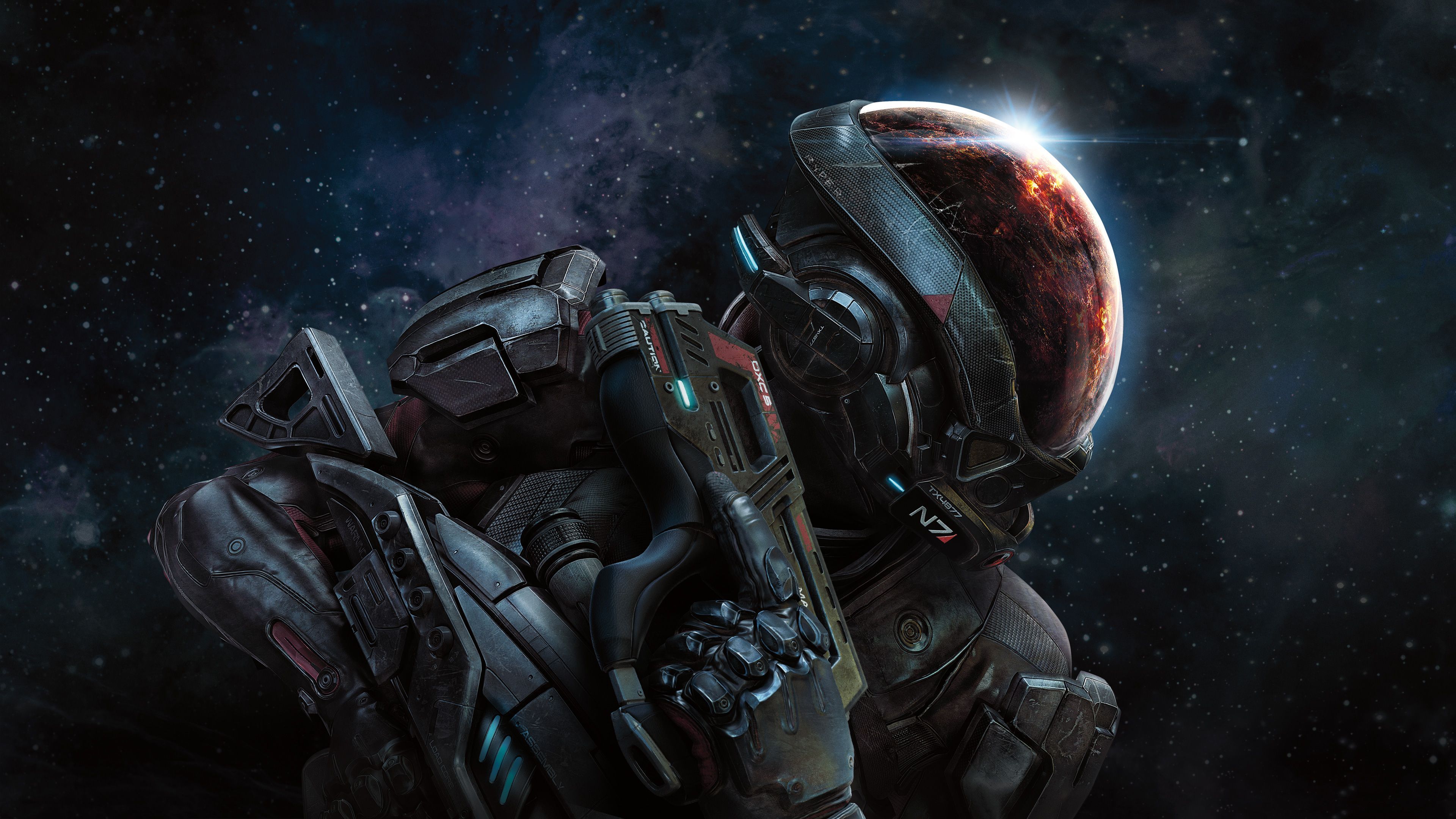
BioWare’s legendary sci-fi RPG series was put on ice for years following the disastrous launch of this spinoff. While technical bugs were a major issue, the game also faced accusations of hiring based on diversity rather than merit, which critics claimed led to poor writing. Fans mocked the facial animations and dialogue that felt inferior to the original trilogy. The backlash was so severe that planned single-player DLC was cancelled.
‘Wolfenstein: Youngblood’ (2019)
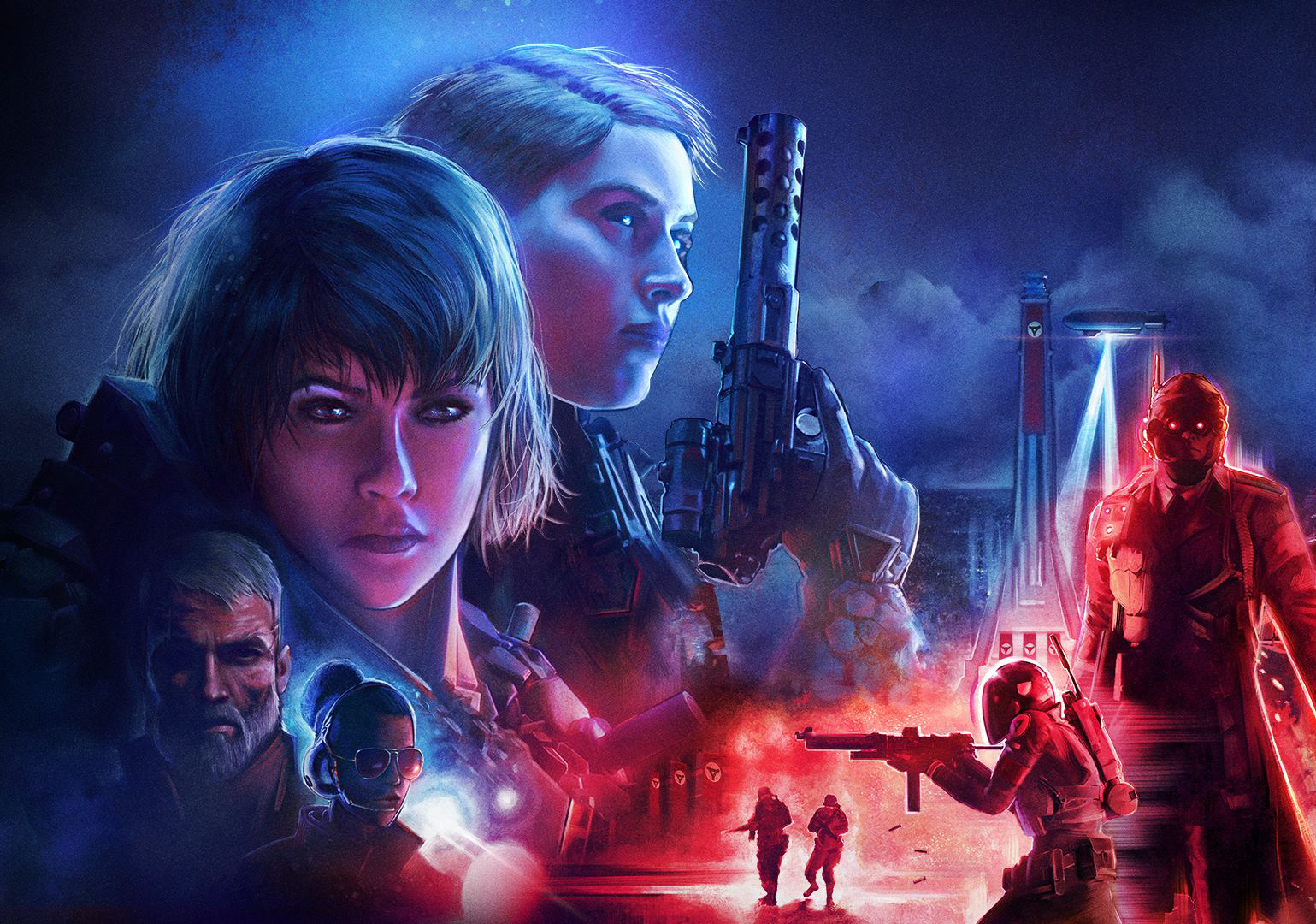
This co-op shooter shifted focus from series protagonist BJ Blazkowicz to his twin daughters. The change in tone from a gritty war drama to a banter-filled adventure alienated many hardcore fans of the rebooted franchise. Critics felt the dialogue was juvenile and that the characters were unlikable replacements for their father. The game is often cited as the point where the momentum of the modern ‘Wolfenstein’ series came to a halt.
‘Star Wars Outlaws’ (2024)
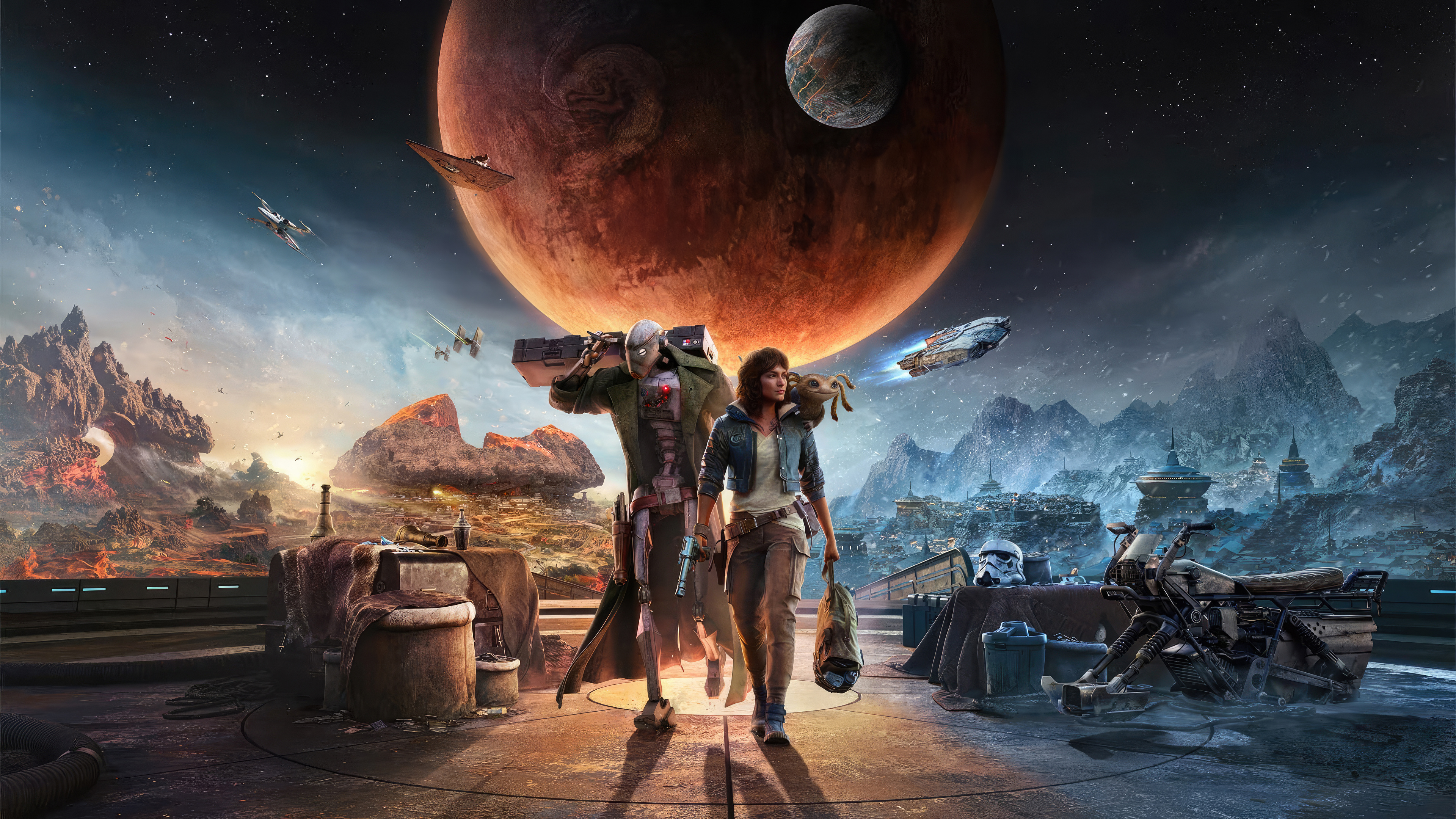
Ubisoft’s open-world adventure faced skepticism regarding the character design of protagonist Kay Vess. Online comparisons between the in-game model and the real-life actress led to accusations of intentional “uglification” to satisfy modern beauty standards. The game underperformed against sales expectations, causing Ubisoft’s stock value to drop significantly. This reception forced the publisher to rethink its strategy for future releases.
‘Assassin’s Creed Shadows’ (2025)
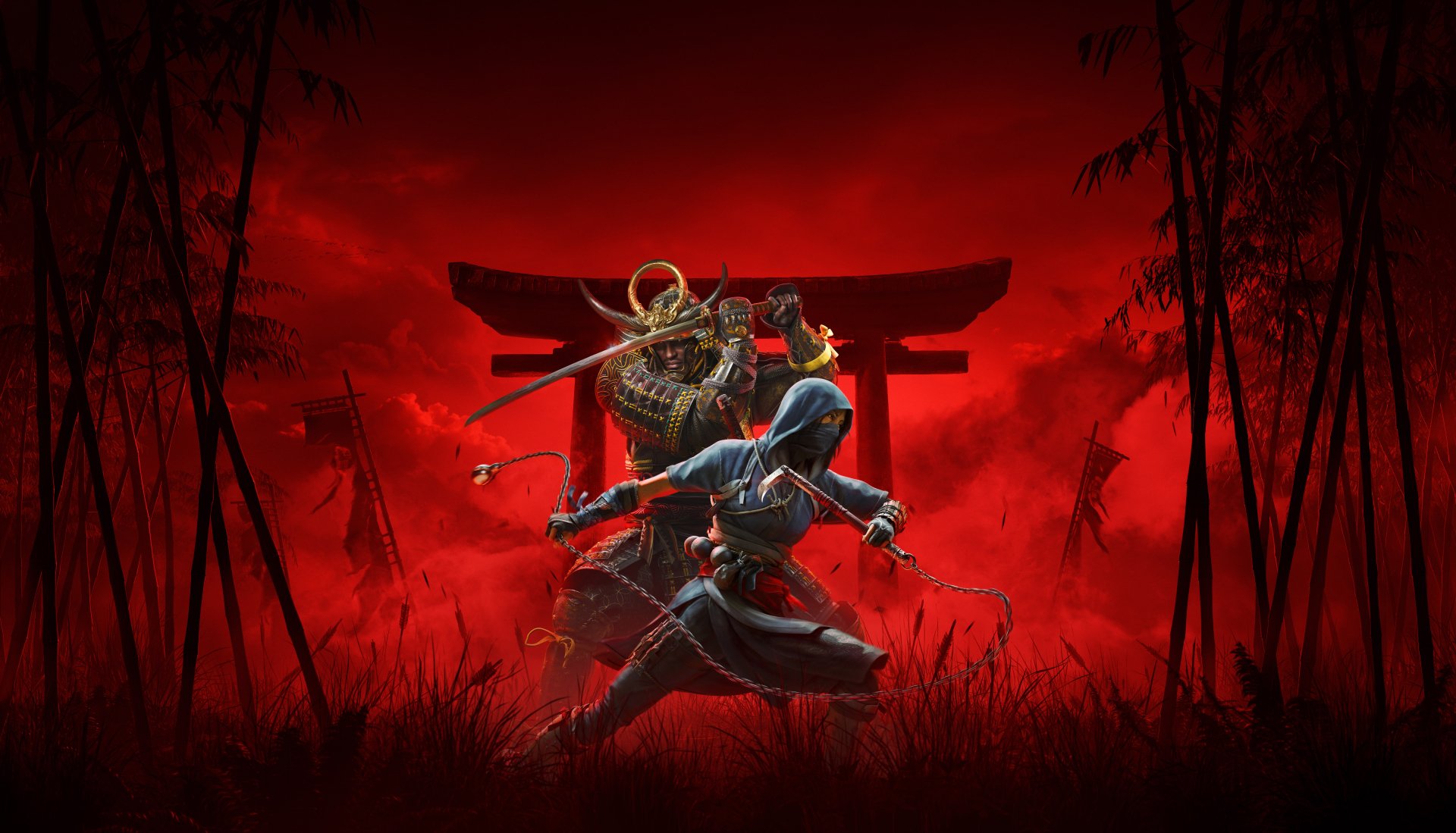
The decision to feature Yasuke, a historical African figure, as a samurai protagonist in a game set in Feudal Japan sparked an international debate. Japanese players and historians questioned the accuracy of the portrayal and the perceived disrespect toward their culture. Ubisoft faced intense pressure and falling stock prices, leading to a delay of the game’s release. The controversy has overshadowed the gameplay reveals and divided the fanbase before launch.
‘Dragon Age: The Veilguard’ (2024)
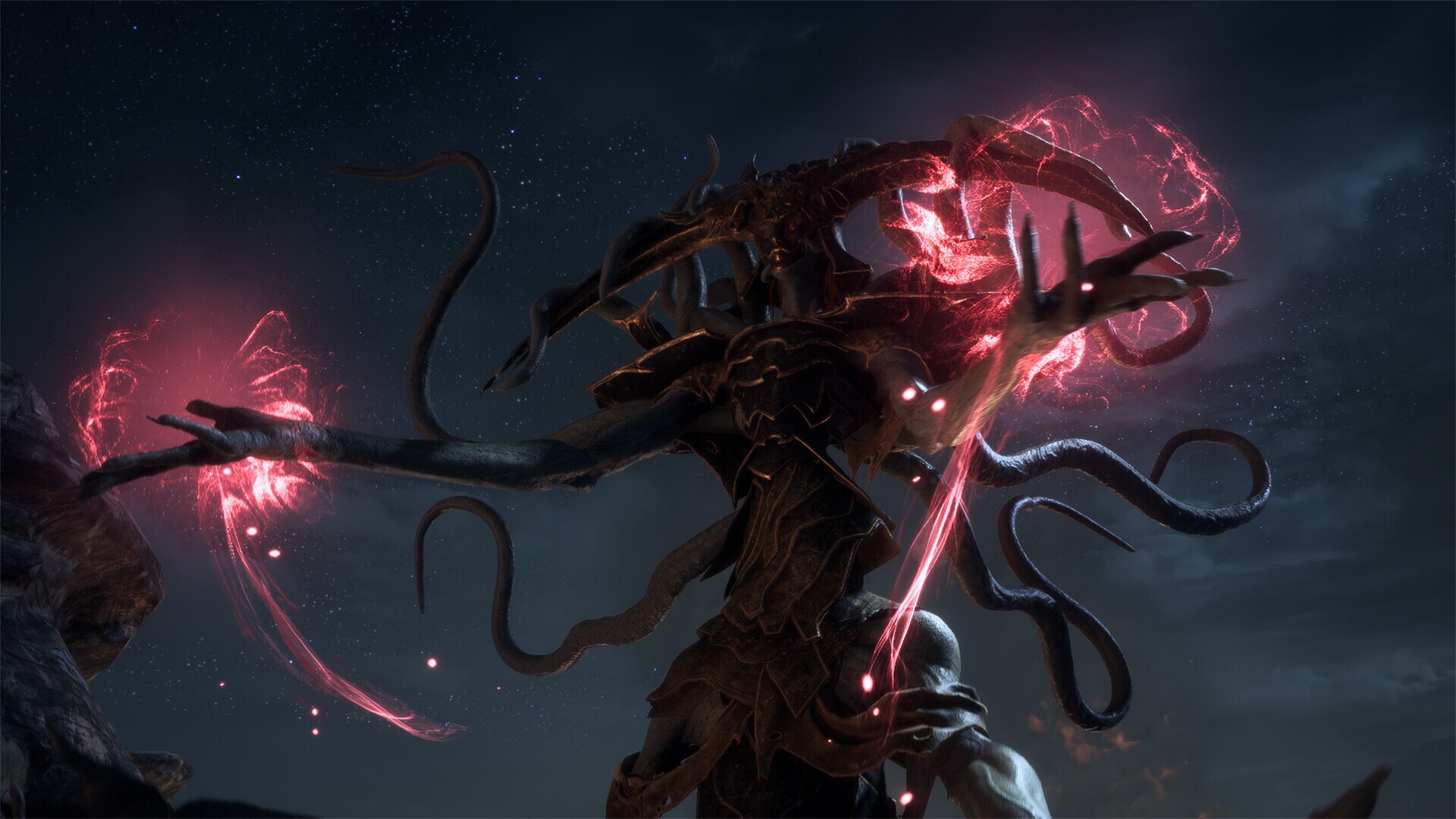
BioWare’s return to Thedas was marred by debates over its character creator options and dialogue. The inclusion of top surgery scars and modern gender identity language in a dark fantasy setting broke immersion for many long-time players. Clips of the dialogue circulated widely online, fueling arguments that the writing prioritized ideology over narrative coherence. The mixed reception has left the future of the franchise in a precarious position.
‘Gotham Knights’ (2022)
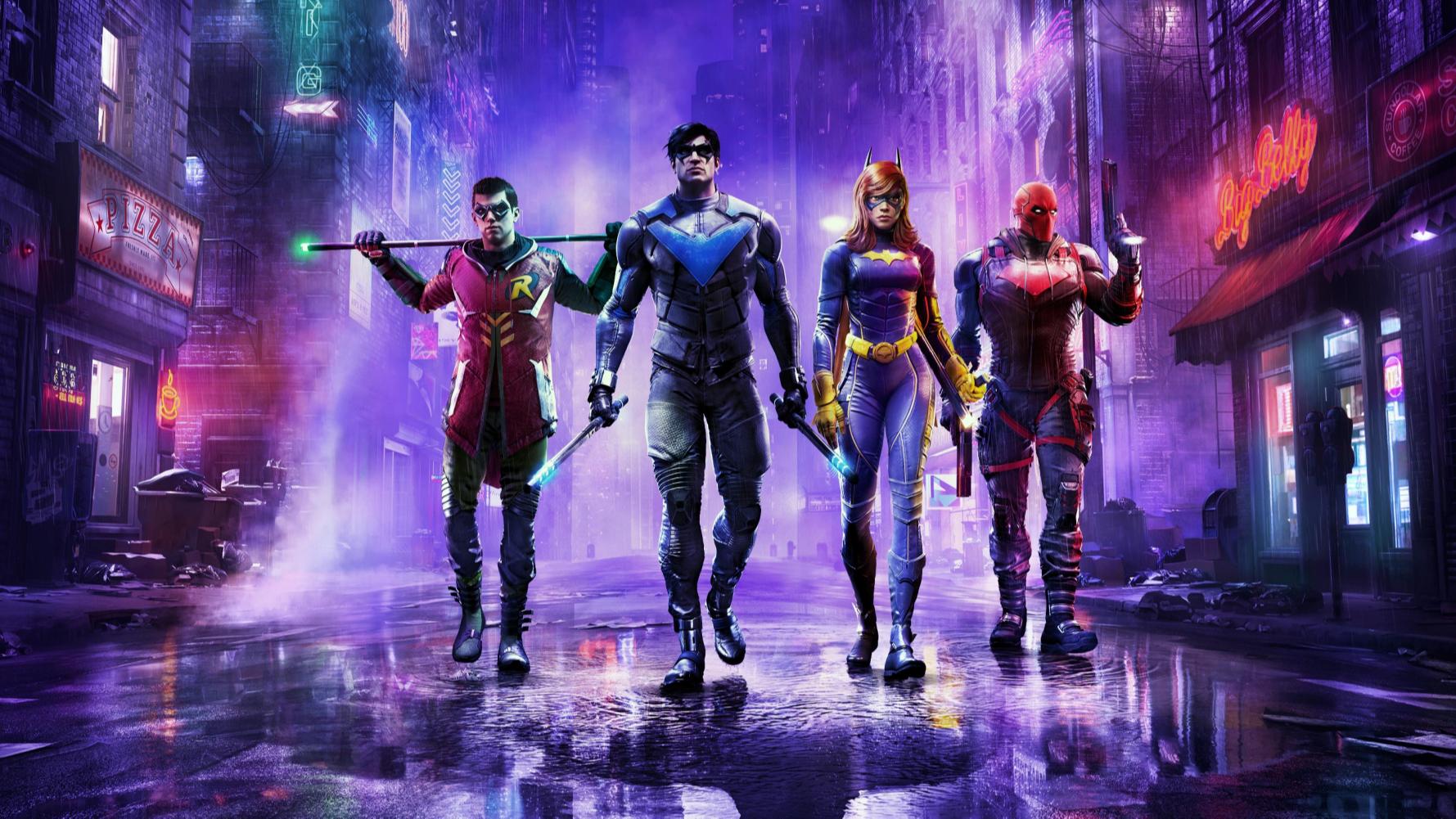
This co-op action game struggled to escape the shadow of the ‘Arkham’ games while facing its own identity crisis. Changes to the backstory of characters like Batgirl were criticized for being politically motivated rather than lore-accurate. The writing was described as safe and sanitized, lacking the grit associated with Gotham City. The game failed to meet sales expectations and was quickly discounted.
‘The Last of Us Part II’ (2020)
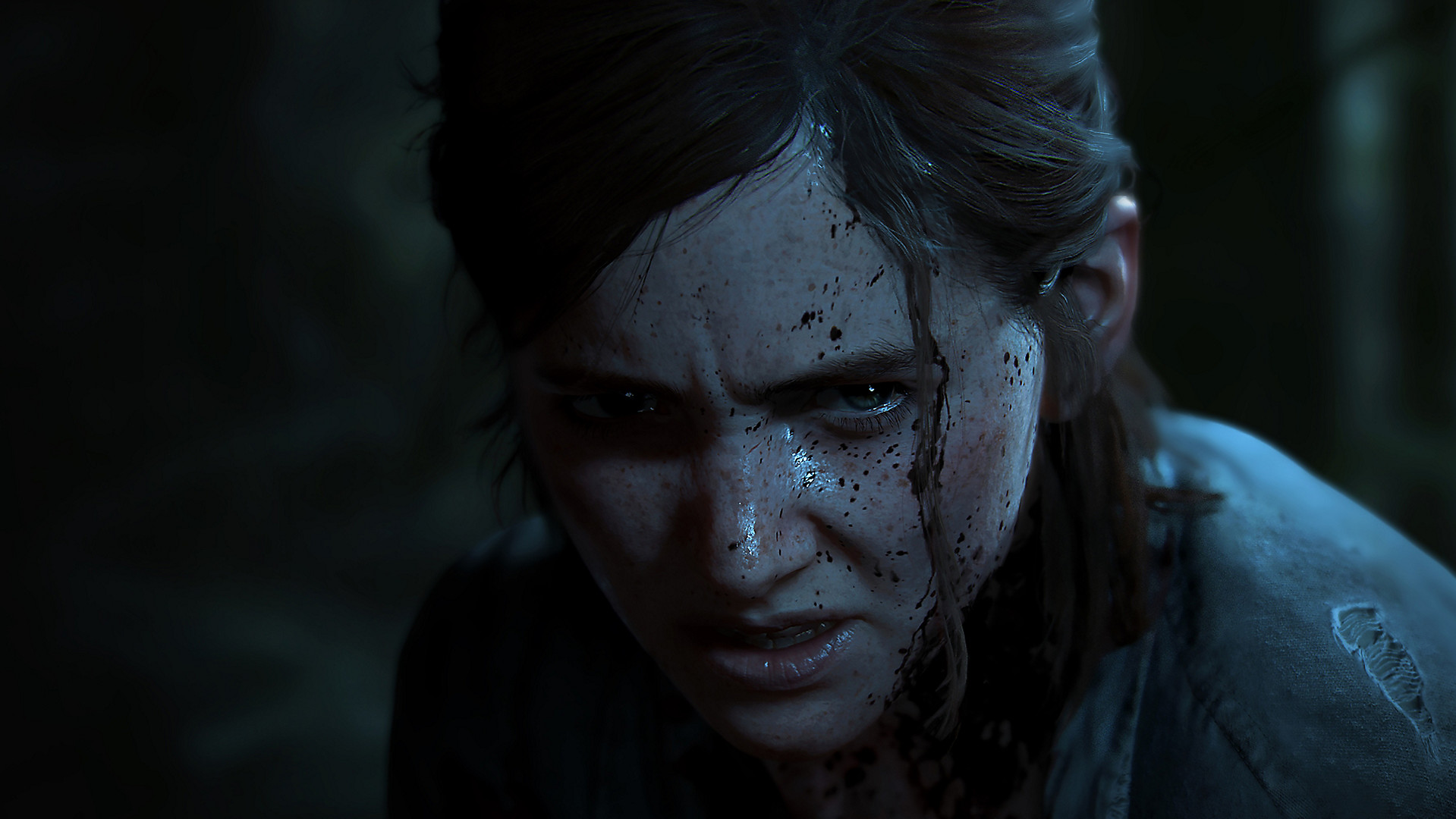
While a commercial success, this sequel permanently fractured one of the most passionate fanbases in gaming. The narrative decision to have the beloved protagonist Joel killed by a new, muscular female character named Abby caused an uproar. Leaks prior to launch fueled a culture war regarding the game’s themes and agenda. The franchise remains a flashpoint for discussions about when artistic subversion crosses into antagonism toward the audience.
‘Overwatch 2’ (2022)
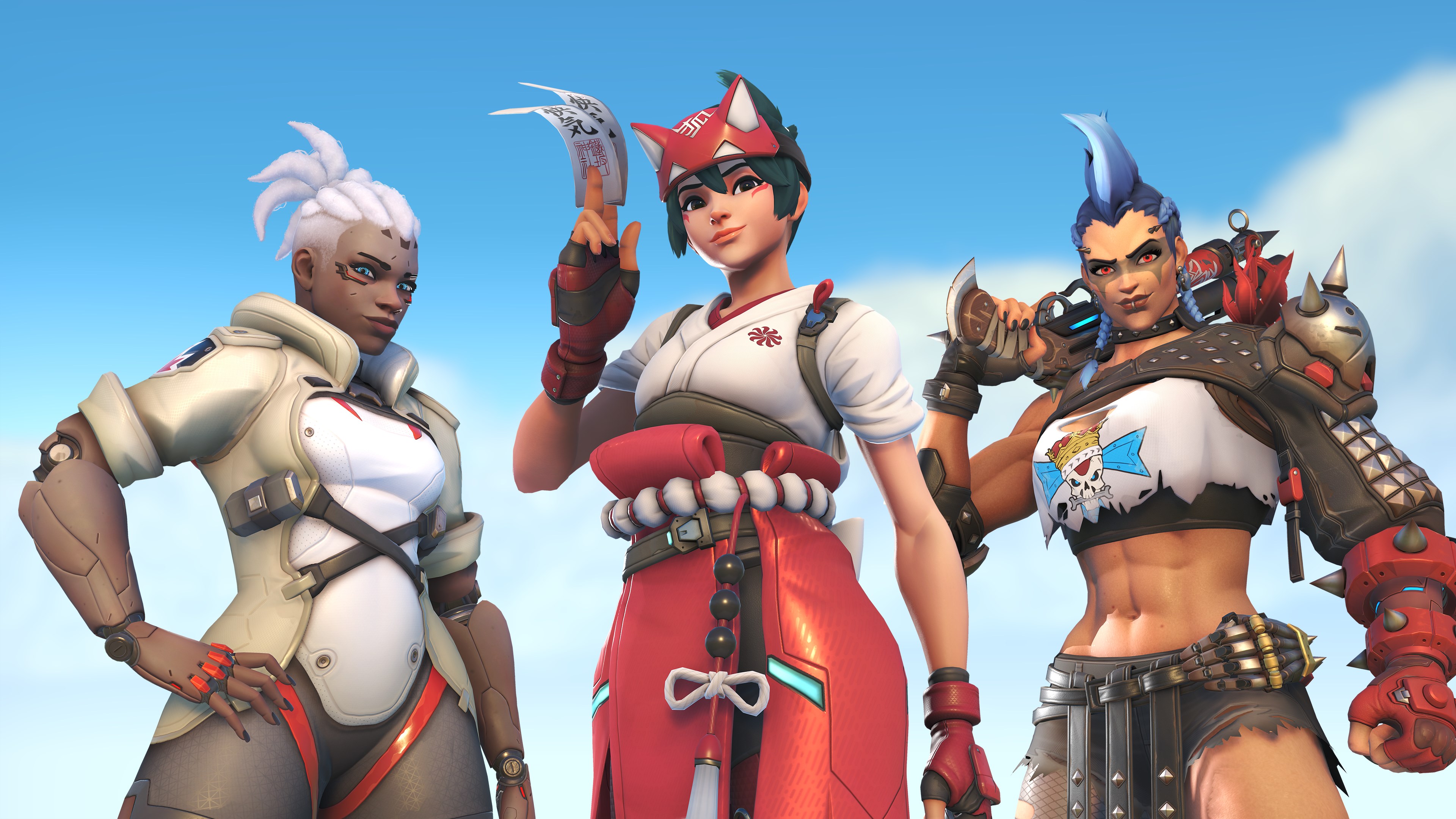
Blizzard’s hero shooter has faced a steady decline in user sentiment due to broken promises and a shift in focus. The cancellation of the highly anticipated PvE mode contrasted sharply with the developer’s continued emphasis on character identity announcements and Pride events. This disconnect led to the game becoming one of the lowest-rated titles on Steam upon its release on the platform. Players felt the developers were more interested in virtue signaling than delivering content.
‘Watch Dogs: Legion’ (2020)
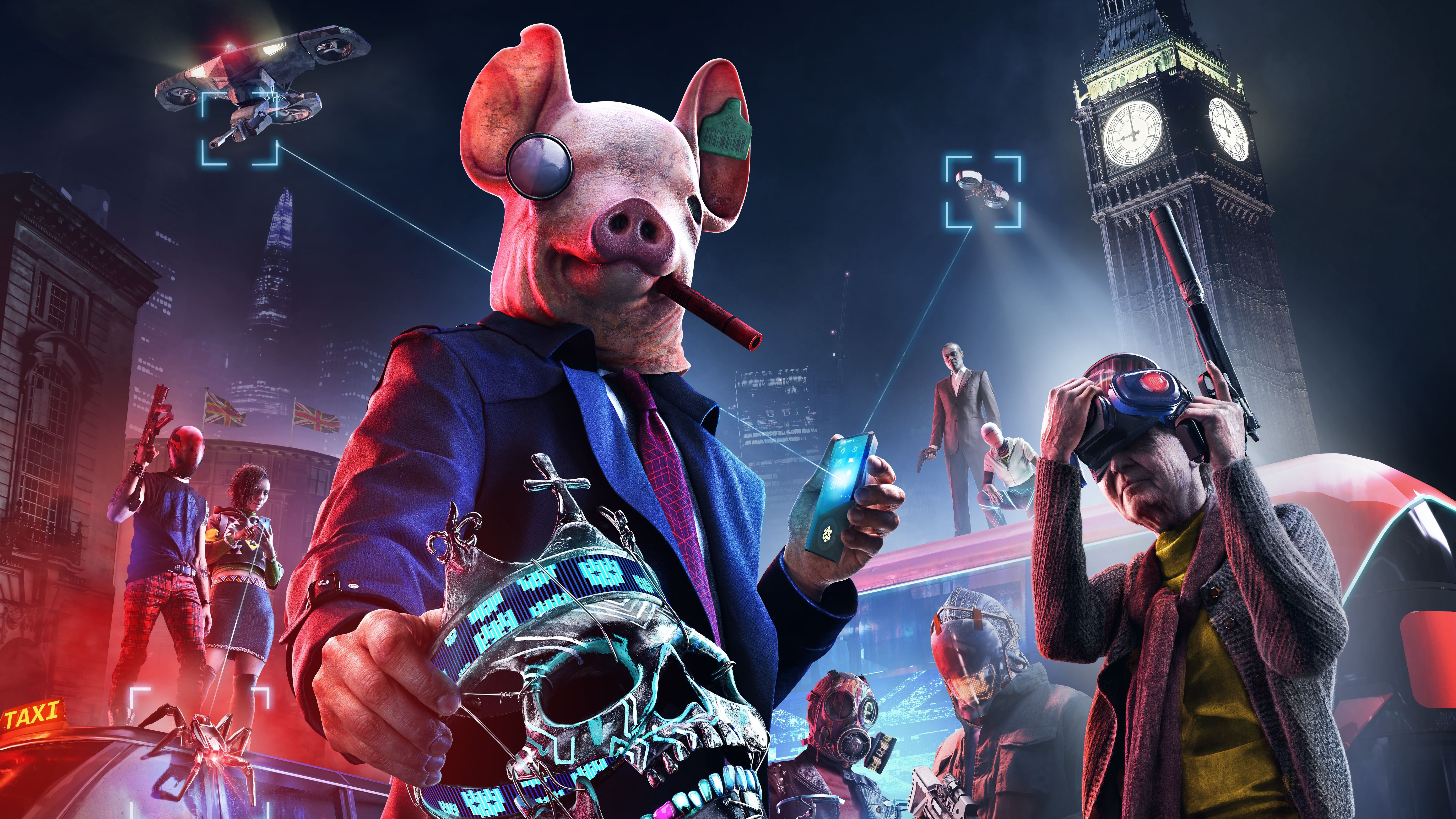
The third entry in the hacker franchise removed a central protagonist in favor of a “play as anyone” mechanic. The heavy-handed political themes regarding Brexit and authoritarianism were criticized for being shallow and preachy. Without a compelling main character to anchor the story, the narrative failed to resonate with players. The franchise has since been rumored to be “dead and buried” by Ubisoft.
‘Tales of Kenzera: Zau’ (2024)

This Metroidvania title garnered attention due to the involvement of a vocal consultancy firm. The game’s director engaged in heated arguments with gamers on social media, which further polarized potential customers. despite positive critical reviews, the game struggled to achieve significant sales numbers. The discourse surrounding the game became focused on the industry’s reliance on narrative consultants.
‘Flintlock: The Siege of Dawn’ (2024)
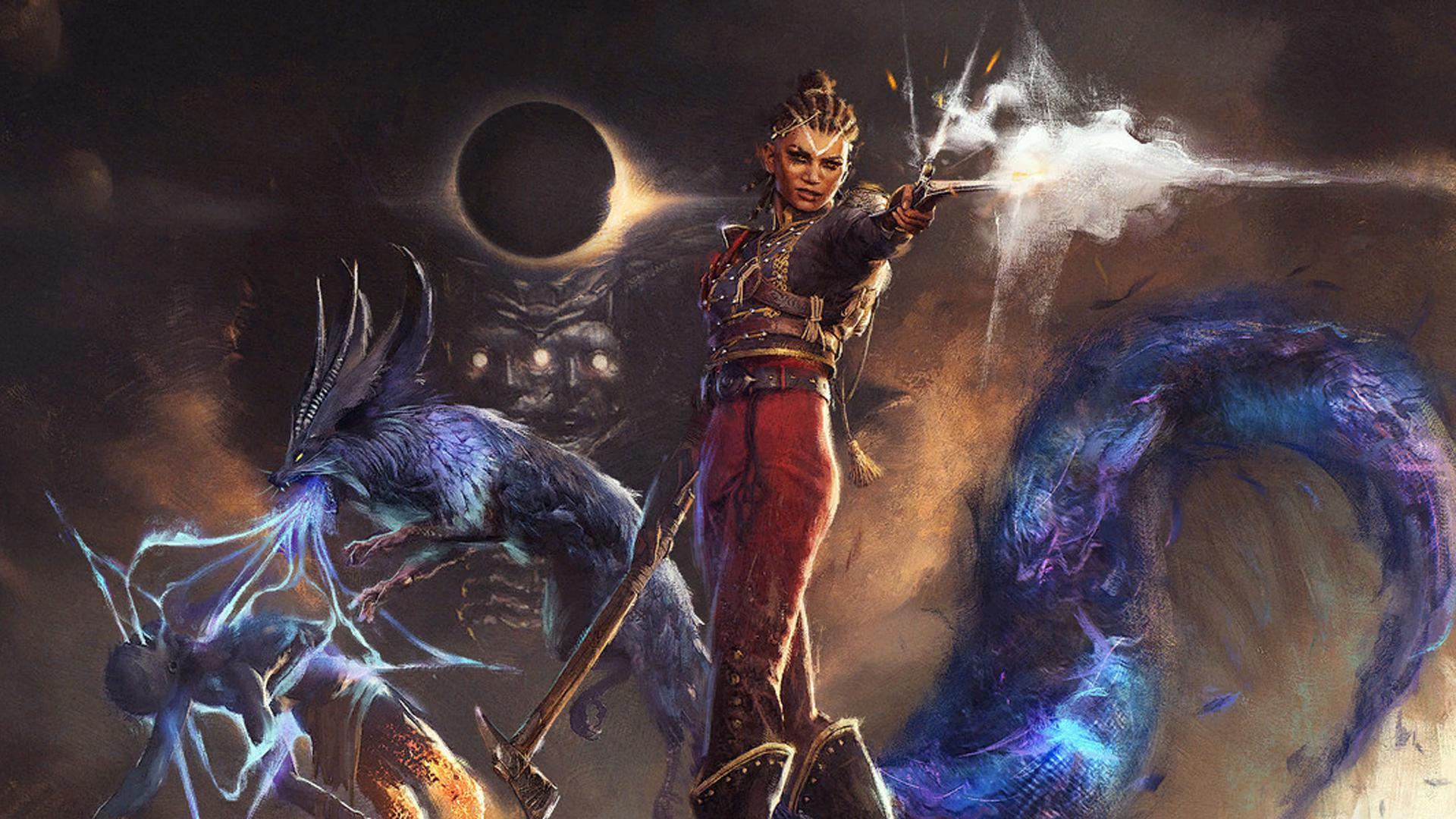
Controversy surrounded this action RPG well before its release due to the involvement of Sweet Baby Inc. The protagonist’s design and the game’s narrative themes were scrutinized by players wary of DEI initiatives in gaming. The title launched to a mixed reception and failed to capture a large audience. It became another example used by critics to argue that consultancy firms are detrimental to game appeal.
‘New Tales from the Borderlands’ (2022)
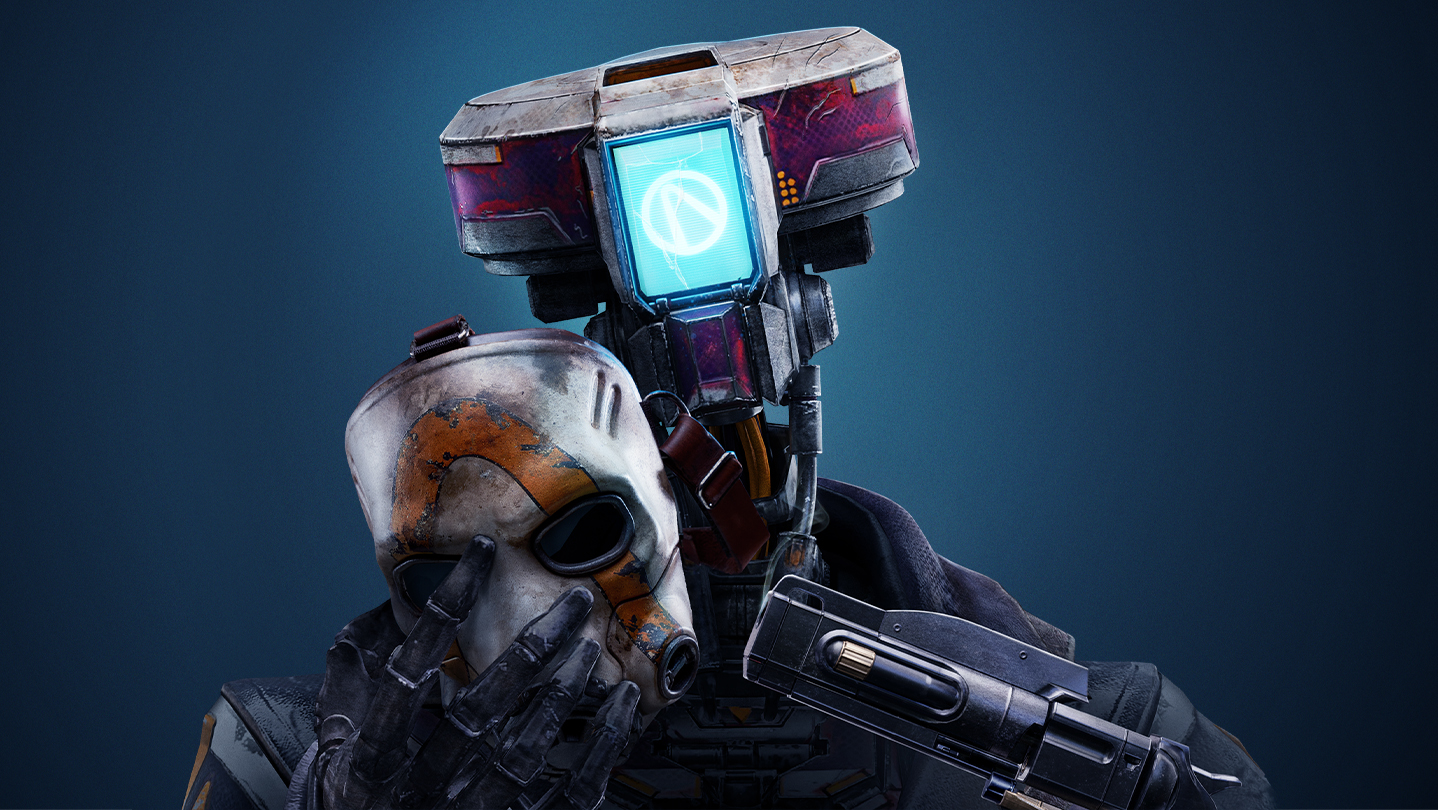
Gearbox’s attempt to revive the beloved Telltale adventure series resulted in a game that many fans found unbearable. The writing was heavily criticized for its “cringe” humor and characters that felt like caricatures of modern social media users. The game ignored established lore and character development from previous entries. It holds one of the lowest user scores in the franchise’s history.
‘Redfall’ (2023)
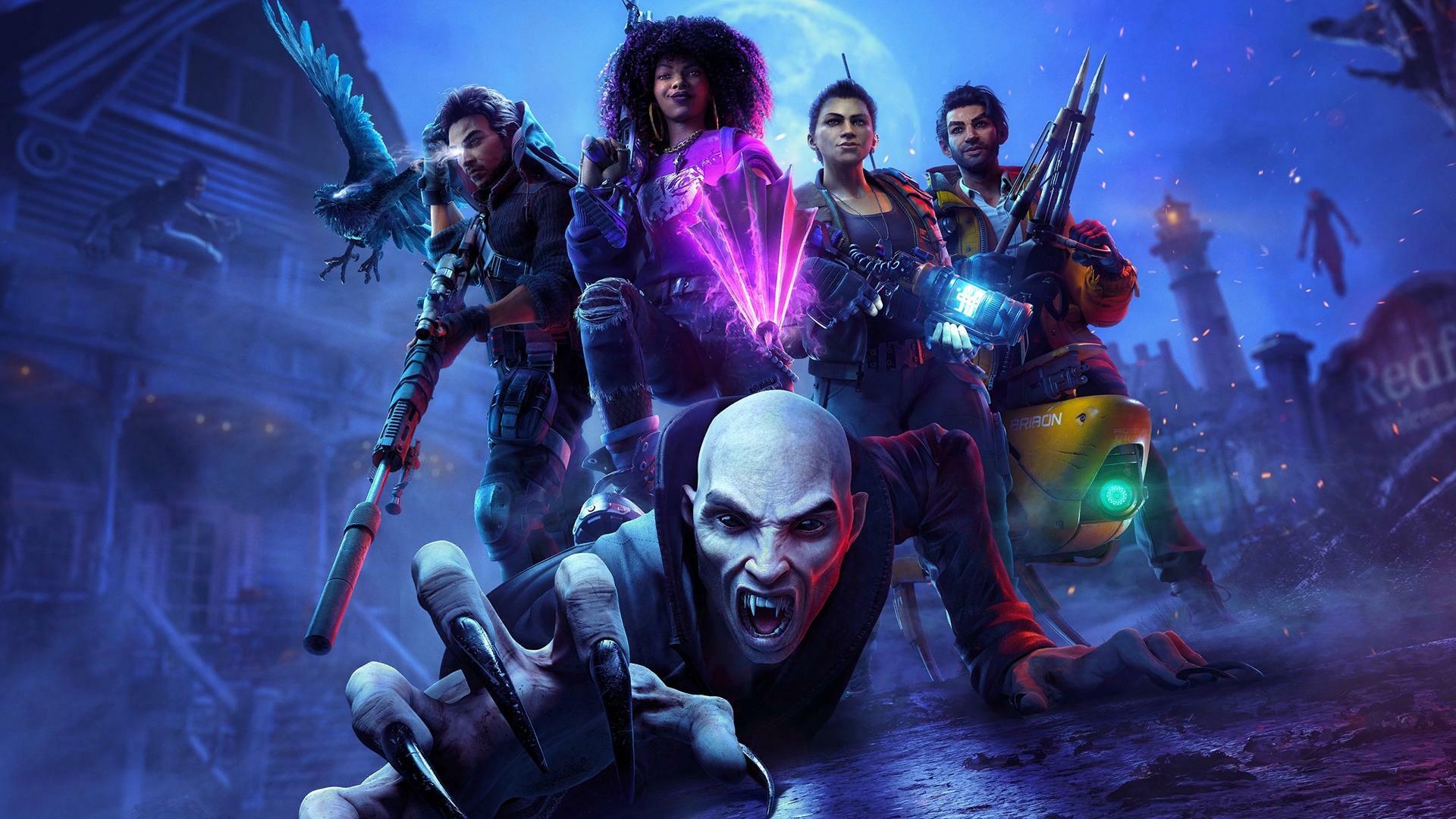
Arkane Austin’s vampire shooter was a disaster on multiple fronts, but its art style and character designs were part of the initial backlash. The game’s diverse cast of heroes failed to charm players, who found the dialogue grating and the world empty. The massive failure of the title led to the closure of the studio behind ‘Prey’. It stands as a black mark on Xbox’s first-party lineup.
‘Hyenas’ (Cancelled)
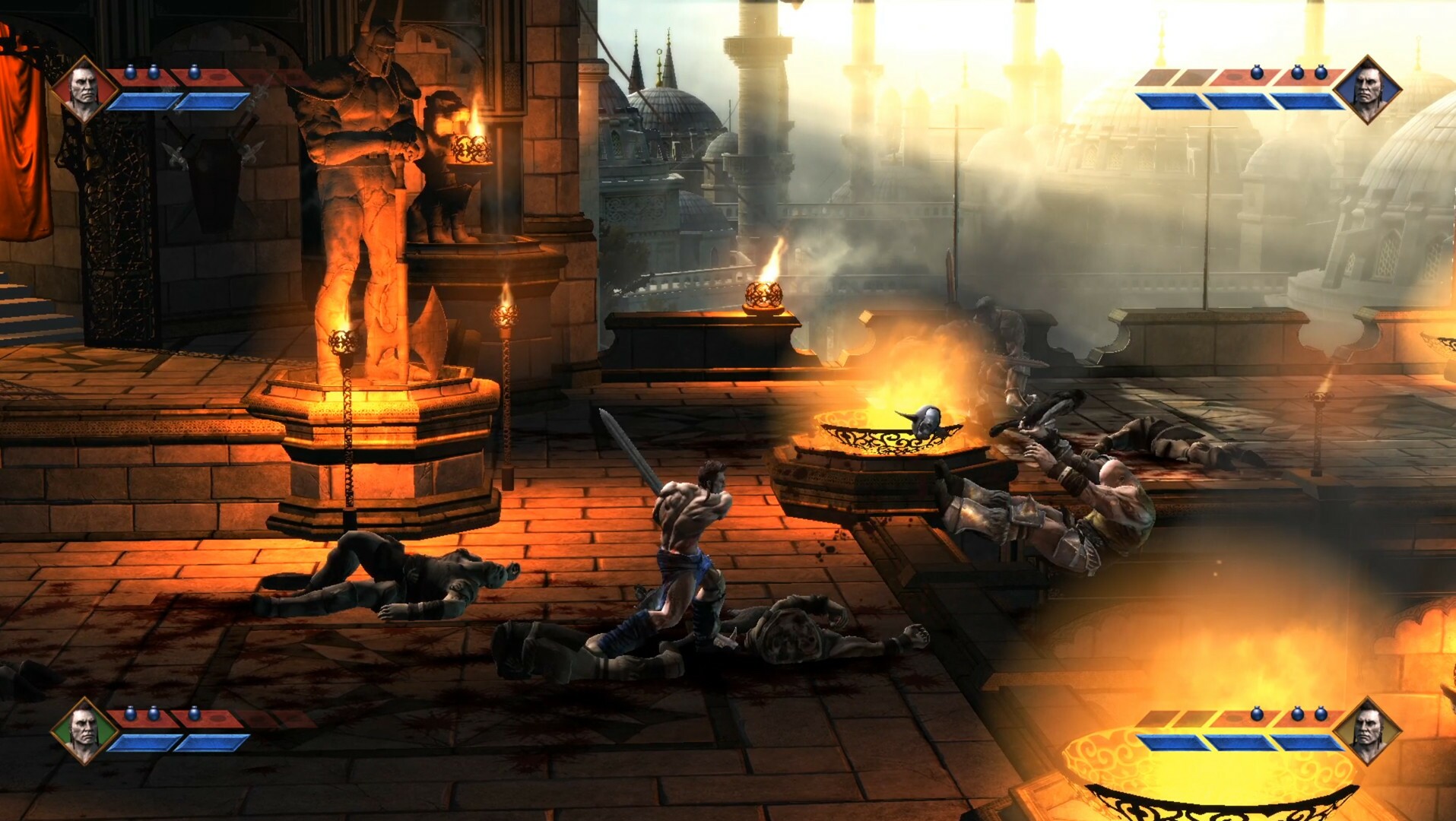
Sega cancelled this extraction shooter just weeks before its intended launch, despite having spent a fortune on development. The game was designed to appeal to a “modern audience” with its art style and anti-capitalist themes. Playtests reportedly showed a lack of interest from the core gaming demographic. The cancellation was a rare admission that a project was simply not viable in the current market.
‘Mortal Kombat 1’ (2023)
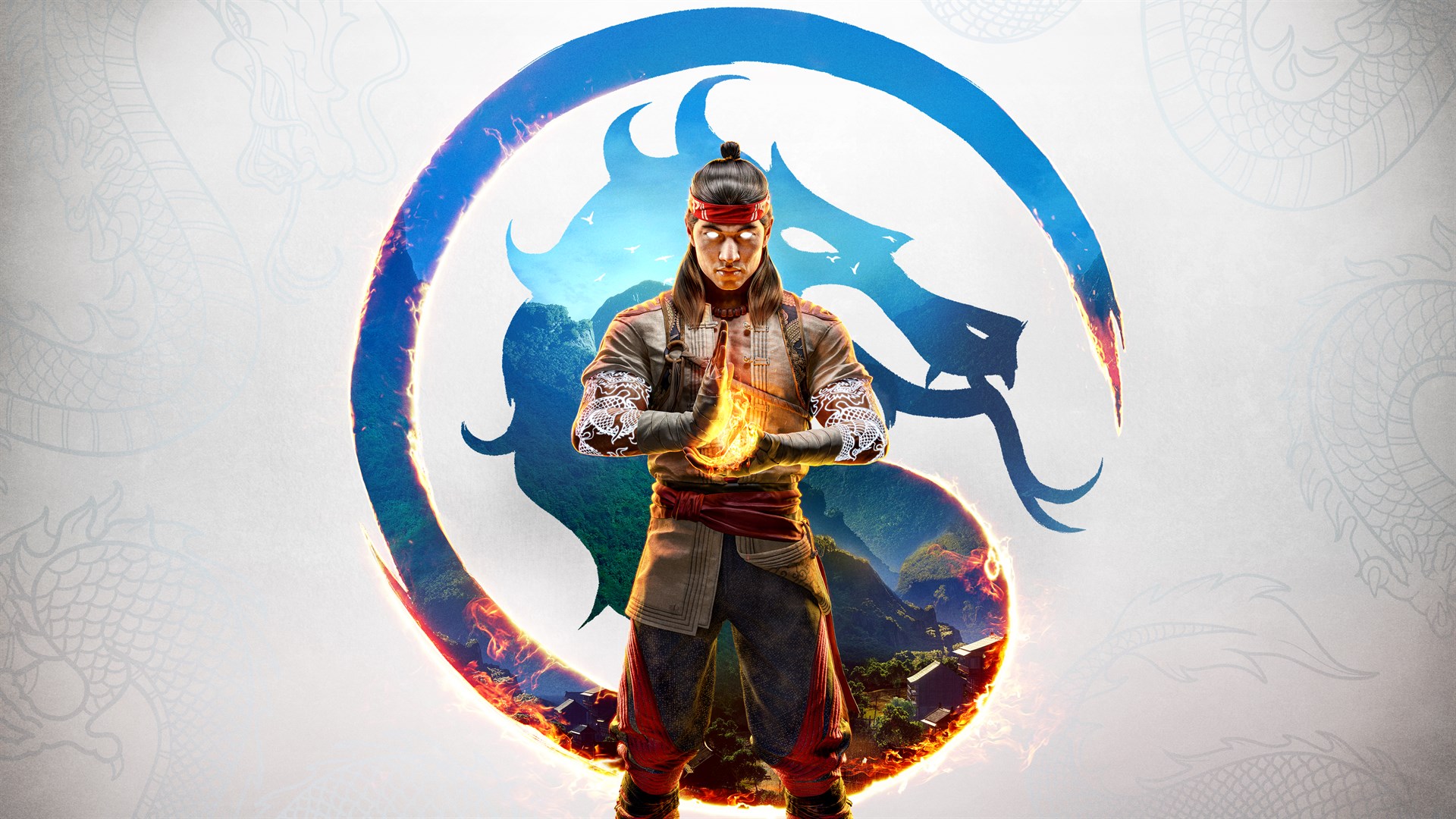
NetherRealm Studios faced backlash for the character designs of long-time female fighters like Tanya and Sonya Blade. Fans accused the developers of “desexualizing” the characters and making them less visually appealing compared to previous entries. The controversy was fueled by comparisons to the face models used for the characters. While the gameplay was praised, the aesthetic shifts alienated a portion of the dedicated community.
‘Dead Rising Deluxe Remaster’ (2024)
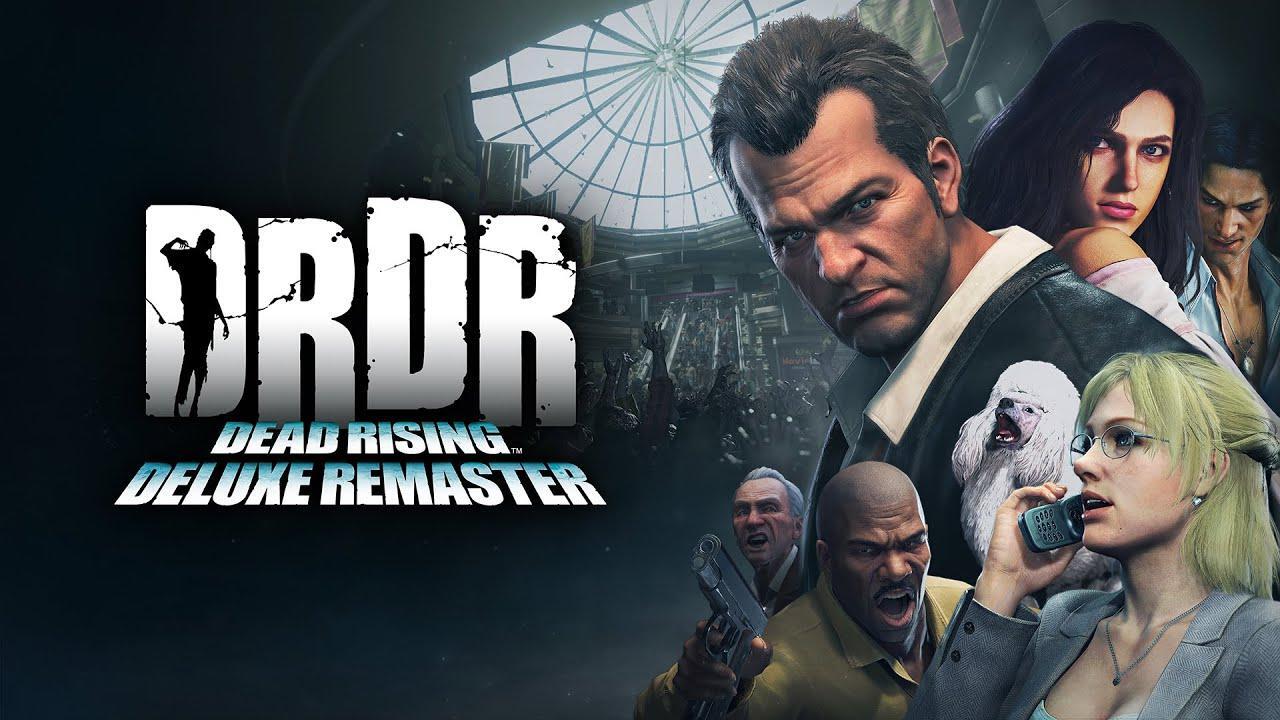
Capcom’s remaster of the 2006 classic removed the “Erotica” category from the photography mechanic. Fans viewed this as unnecessary censorship of the game’s original B-movie tone. The change sparked a debate about the preservation of older games versus modern sensibilities. This controversy dampened the hype for what should have been a celebration of the franchise.
‘Tomb Raider I-III Remastered’ (2024)
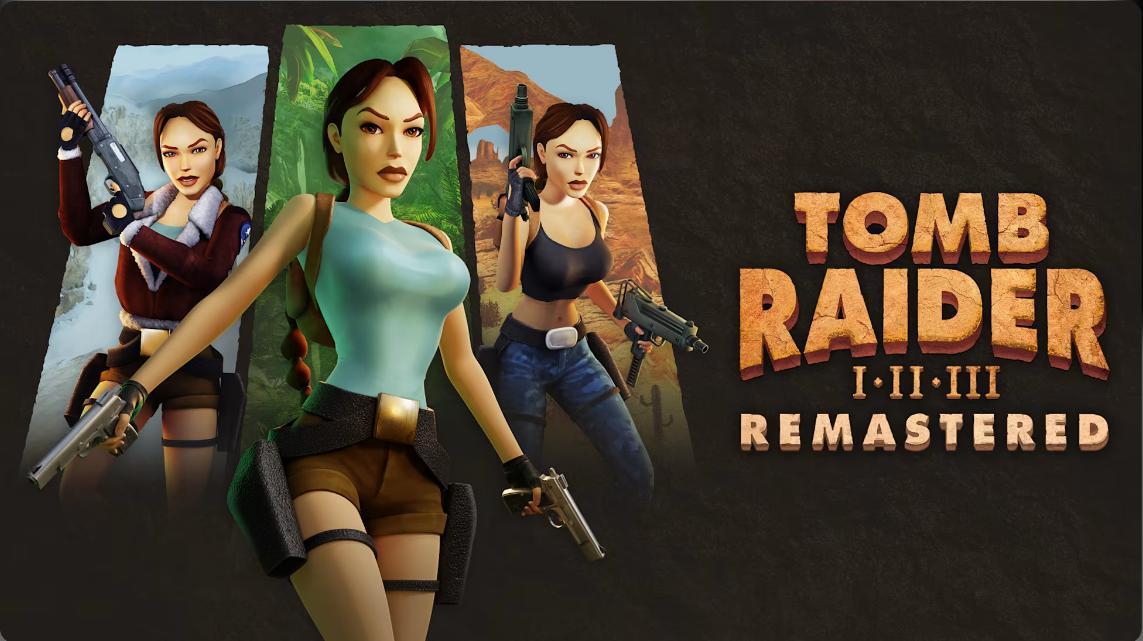
The collection of classic Lara Croft adventures included a content warning labeling the original games as containing “offensive depictions” of people and cultures. While the games themselves were left largely intact, the disclaimer was seen by some as performative moralizing. This reignited discussions about how the modern ‘Tomb Raider’ games have stripped Lara of her iconic confidence and appeal. The brand continues to struggle with balancing its legacy with modern expectations.
‘Apex Legends’ (2019–Present)
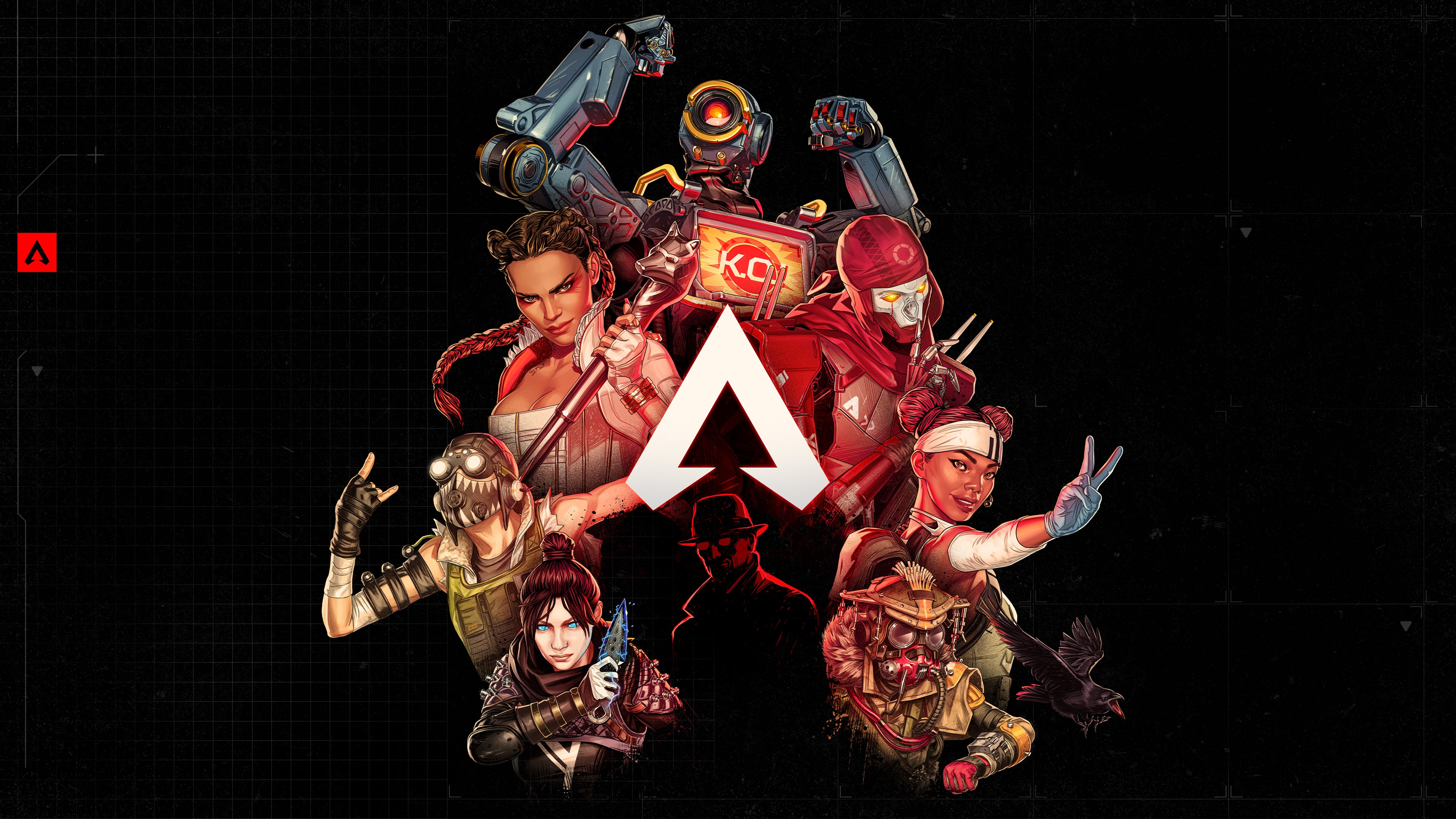
Respawn’s battle royale has seen growing frustration from its player base regarding the prioritization of identity politics in character lore. Recent updates and battle pass changes have been met with review bombing and calls for boycotts. Players argue that the developers focus more on the sexual orientation of the legends than on fixing technical issues and matchmaking. The community sentiment has shifted from passionate support to cynicism.
‘Horizon Forbidden West’ (2022)
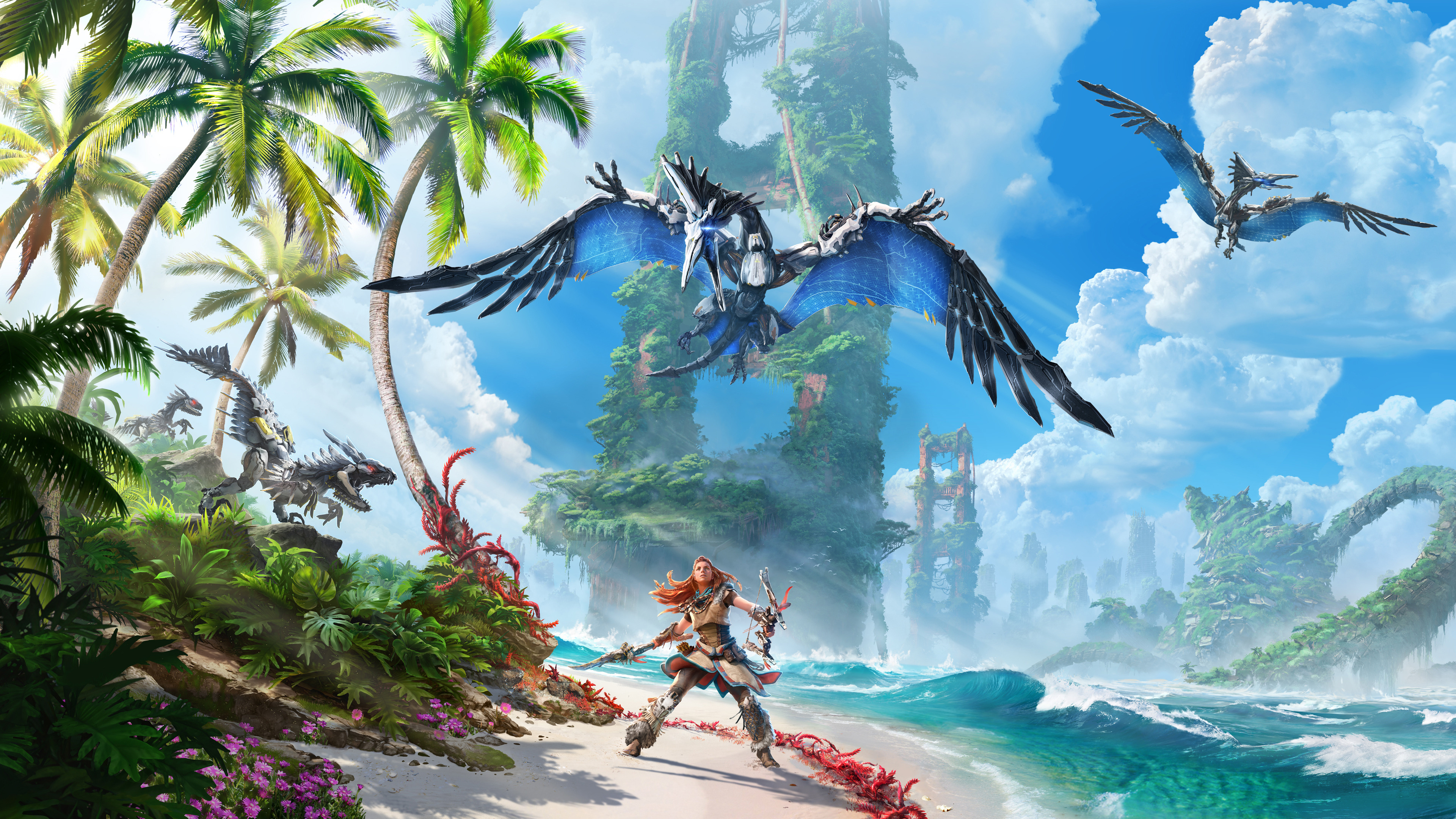
Sony’s blockbuster sequel faced ridiculous but loud complaints regarding the rendering of the protagonist Aloy. Close-up screenshots showing facial fuzz on the character led to viral debates about female beauty standards in gaming. The “Burning Shores” DLC was later review-bombed for including a romantic storyline involving Aloy and a female character. These controversies have kept the franchise in the center of the culture war despite its sales success.
‘Marvel’s Spider-Man 2’ (2023)
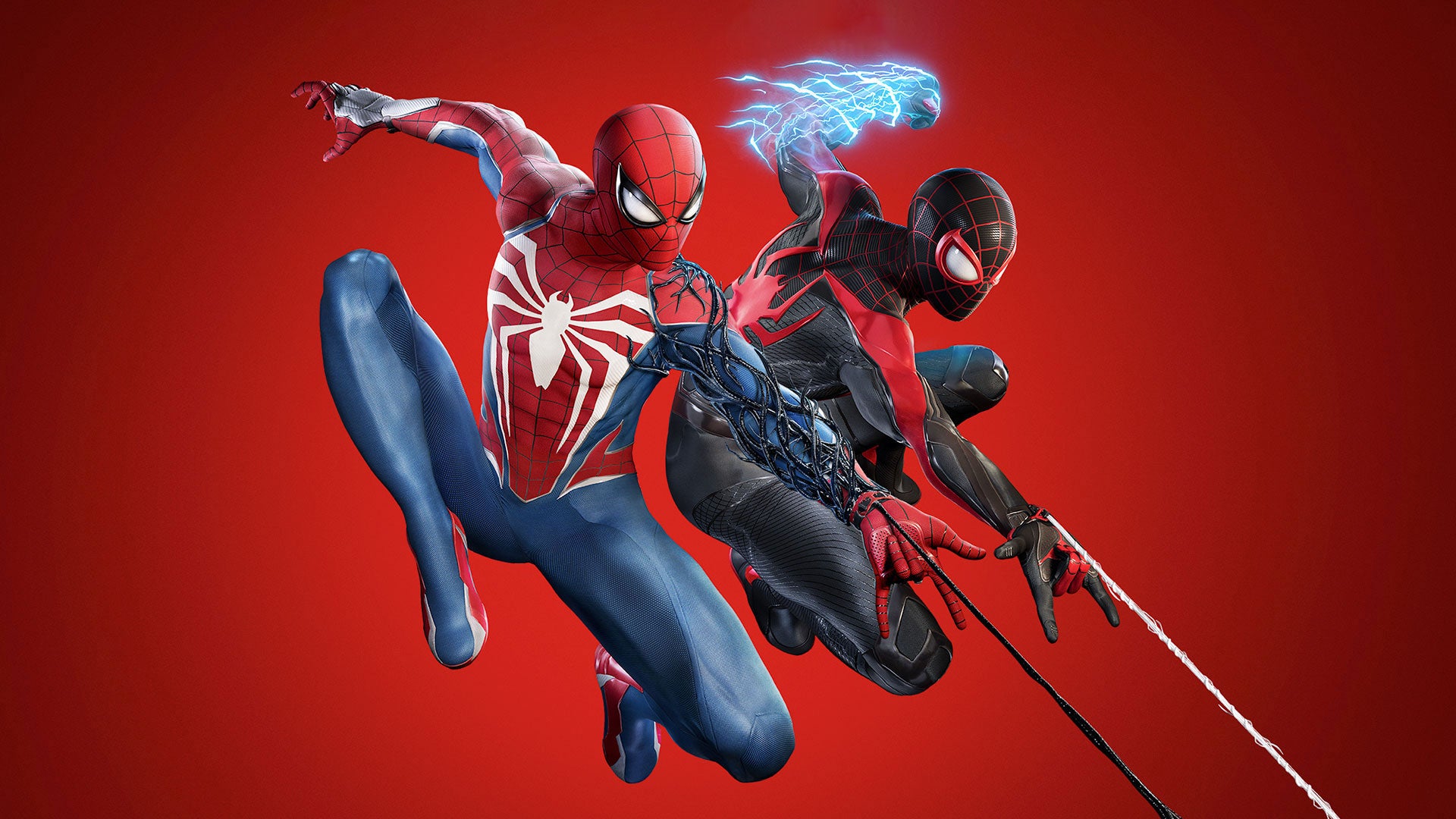
Insomniac Games faced unexpected backlash over several “woke” elements in their superhero sequel. Fans criticized the visual changes to Mary Jane Watson and her expanded combat roles which felt unrealistic. The game also launched with gender-neutral language in the Spanish localization and incorrect flags displayed in the city. These issues distracted from the gameplay and fueled narratives about the studio’s political bias.
‘God of War Ragnarok’ (2022)
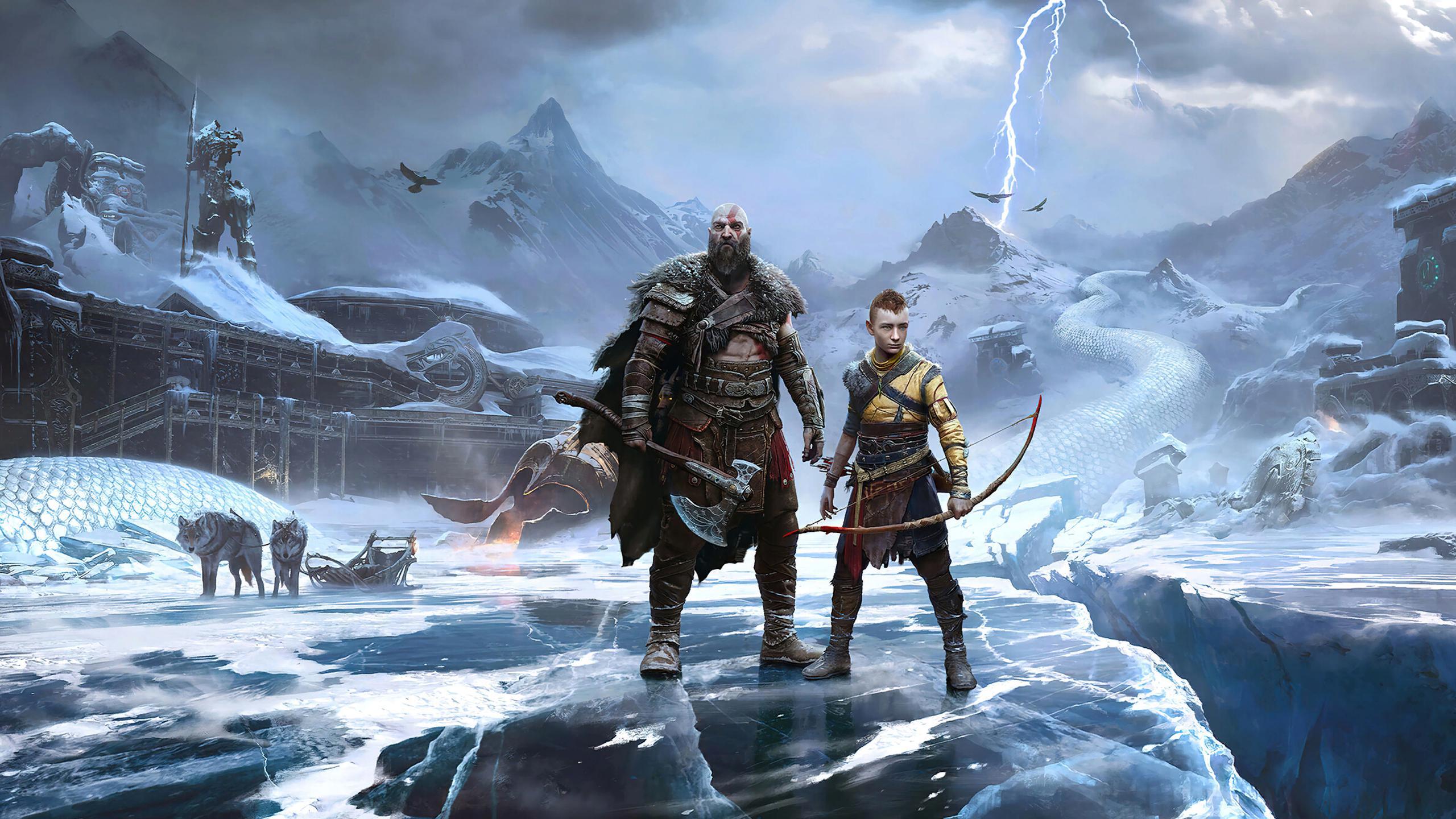
The reveal of the character Angrboda as a black girl in a game based on Norse mythology sparked immediate controversy. Purists argued that it was historically and mythologically inaccurate, while others defended it as a fantasy interpretation. The debate persisted through the game’s launch, with some players feeling the narrative had been softened compared to the brutal earlier entries. The franchise remains successful but is now scrutinized for every creative liberty.
‘Diablo IV’ (2023)
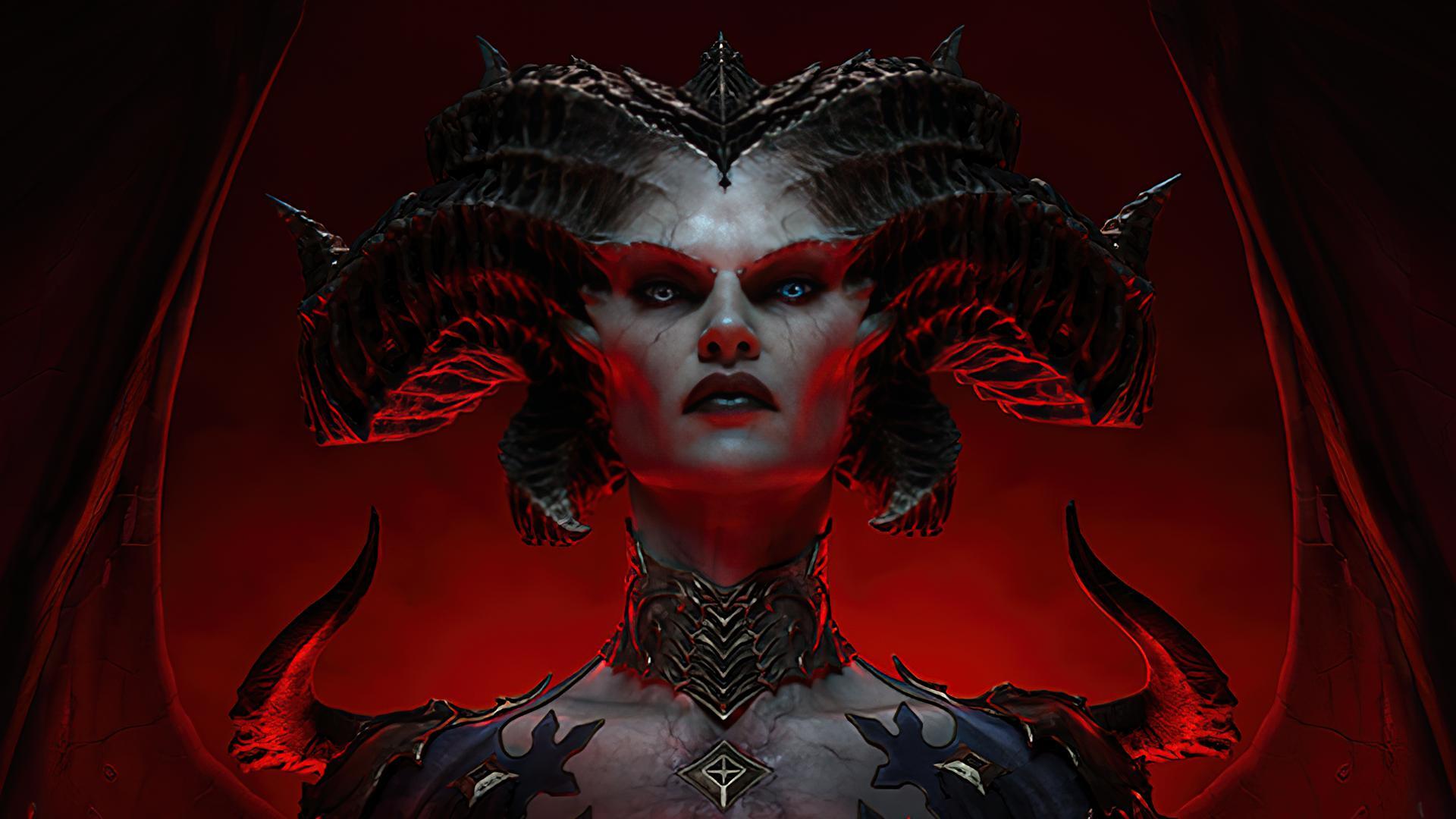
Blizzard’s action RPG generated discourse over its character creator, specifically the body types for the Druid class. Critics felt the bulky designs were forced and that the removal of “Male” and “Female” labels in favor of “Body Type A/B” was unnecessary. The game’s seasonal updates have continued to draw criticism for various design choices. The “woke” accusations are just one layer of the general dissatisfaction with the live-service model.
‘The Sims 4’ (2014–Present)
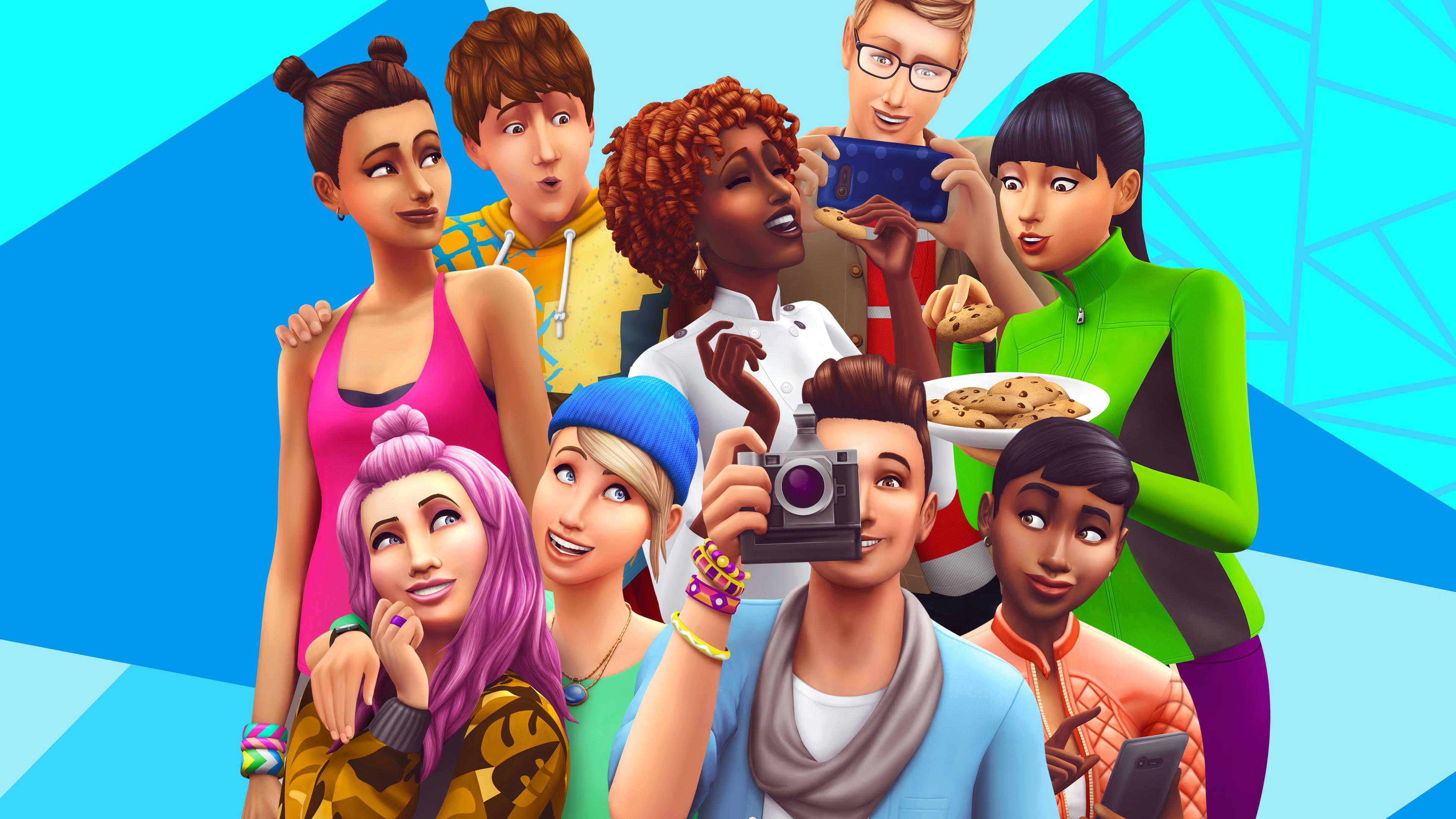
Recent updates to this life simulation game have focused heavily on gender affirmation features, such as pronouns, binders, and surgery scars. While praised by some for inclusivity, a vocal segment of the player base feels these resources should have been spent on fixing the game’s notorious bugs. The discourse has created a rift in the community between those who want a sandbox and those who want a social statement. The focus on identity features has become a defining characteristic of the game’s late lifecycle.
‘Silent Hill 2’ (2024)
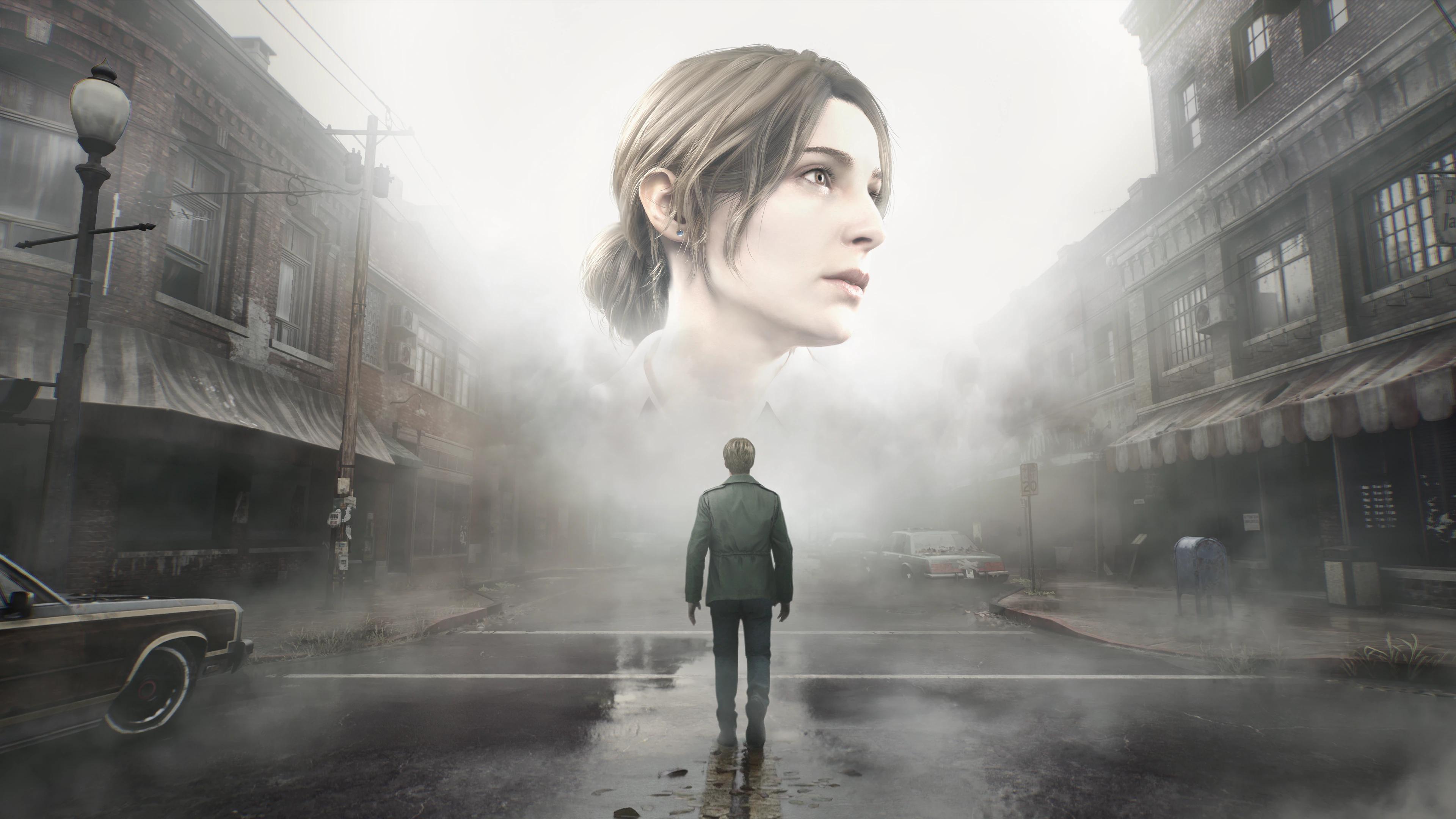
The remake of the psychological horror classic faced scrutiny over the redesigns of characters like Maria and Angela. Fans argued that the developers toned down the sexualized elements of Maria that were crucial to the story’s symbolism. Angela’s facial model was also criticized for looking older and different from the original vision. Bloober Team’s modernization efforts were viewed by purists as a misunderstanding of the source material.
‘Goodbye Volcano High’ (2023)
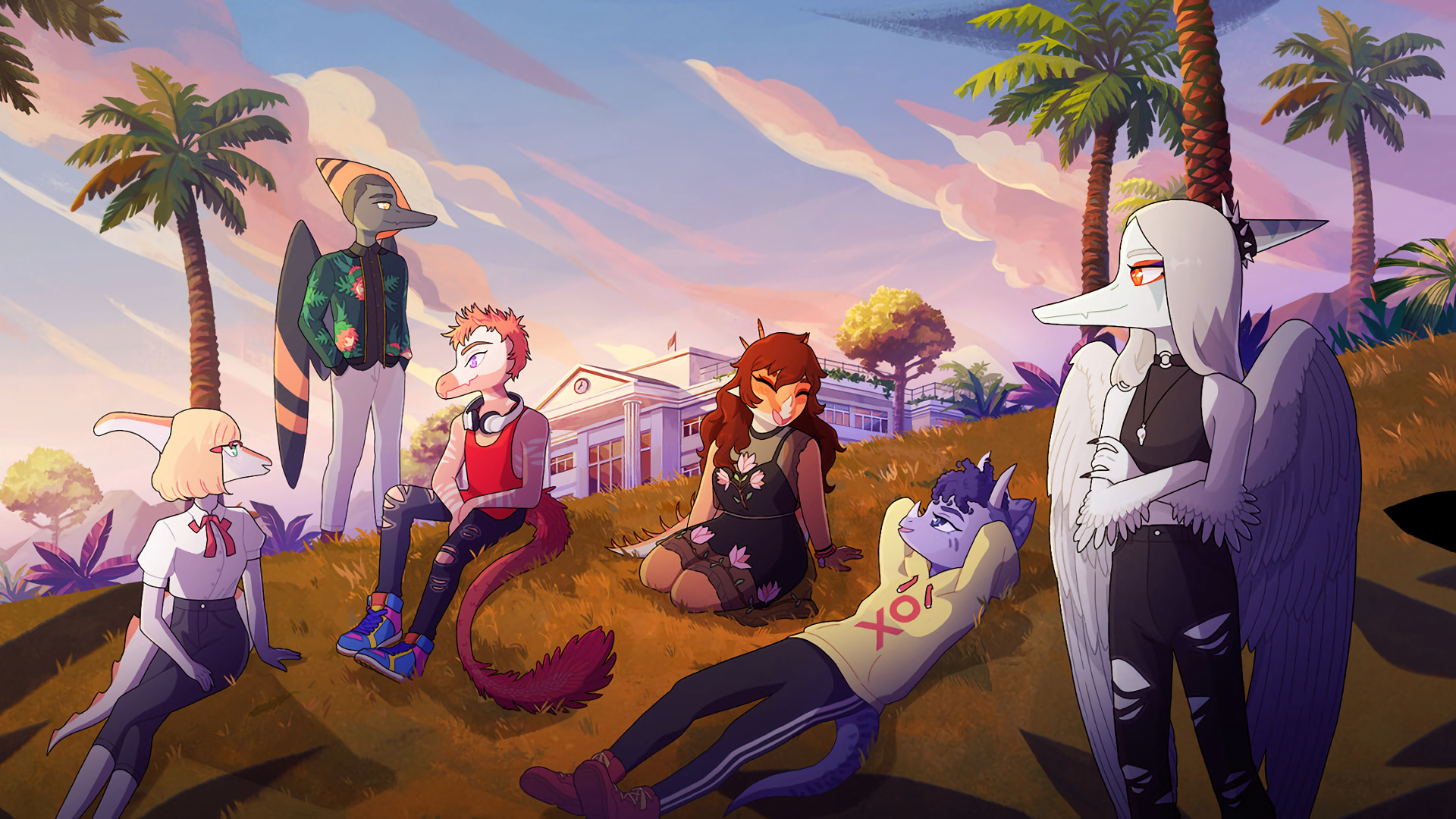
This narrative dinosaur adventure became the internet’s punching bag for “woke” indie games. The title’s focus on teenage drama, queer themes, and visual novel gameplay alienated the general gaming audience. It was widely mocked on social media platforms long before its release. The game failed to make a commercial impact and is often cited as an example of a disconnect between developers and the market.
‘Alan Wake 2’ (2023)
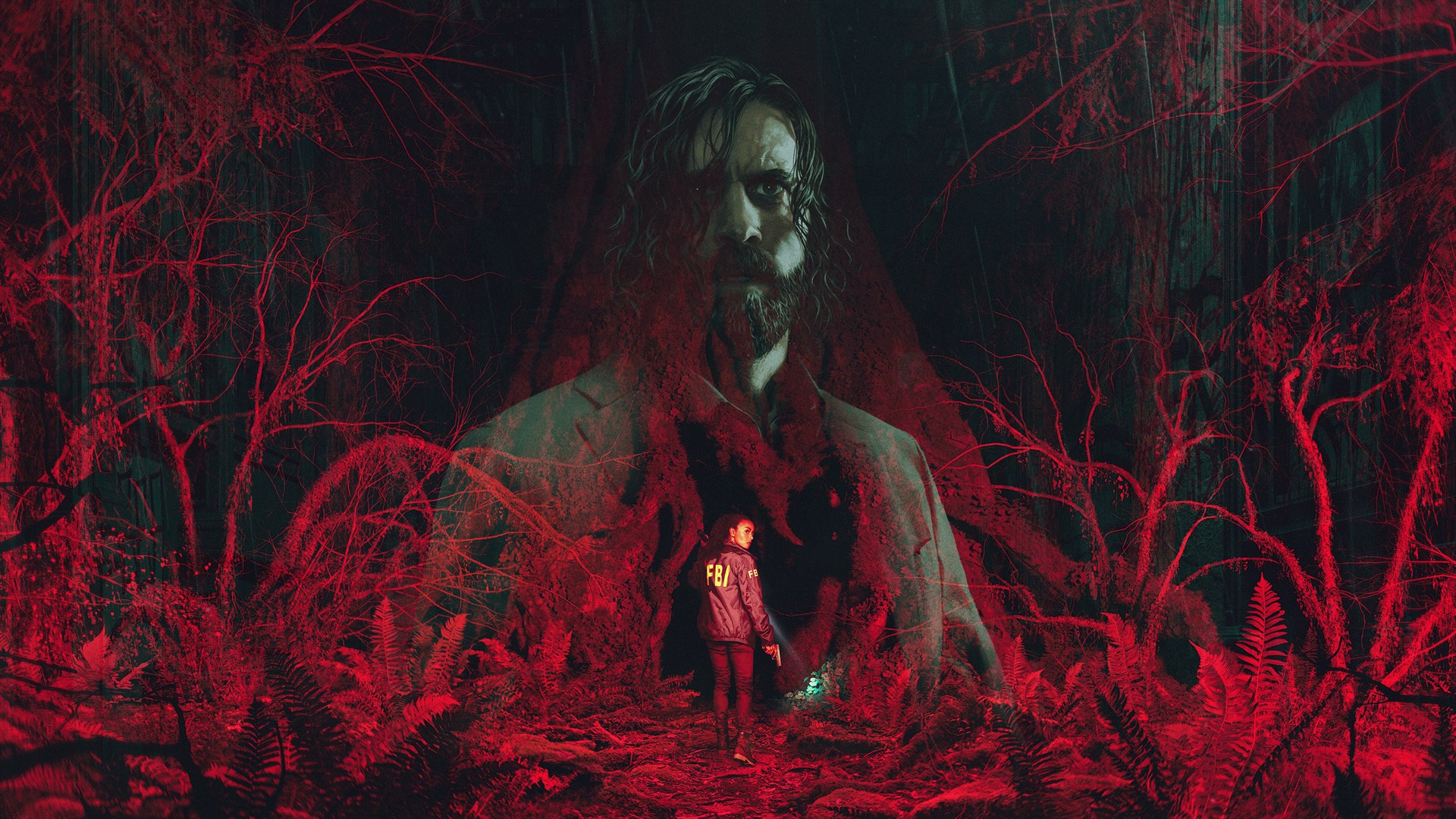
Remedy’s survival horror sequel was dragged into the consultancy controversy due to the involvement of Sweet Baby Inc. Theories circulated that the co-protagonist Saga Anderson was race-swapped during development, though this was denied. The discourse surrounding the game became toxic, with detractors looking for evidence of outside interference in the writing. Despite critical acclaim, the conversation around the game was heavily tainted by this speculation.
‘Fable’ (Upcoming)
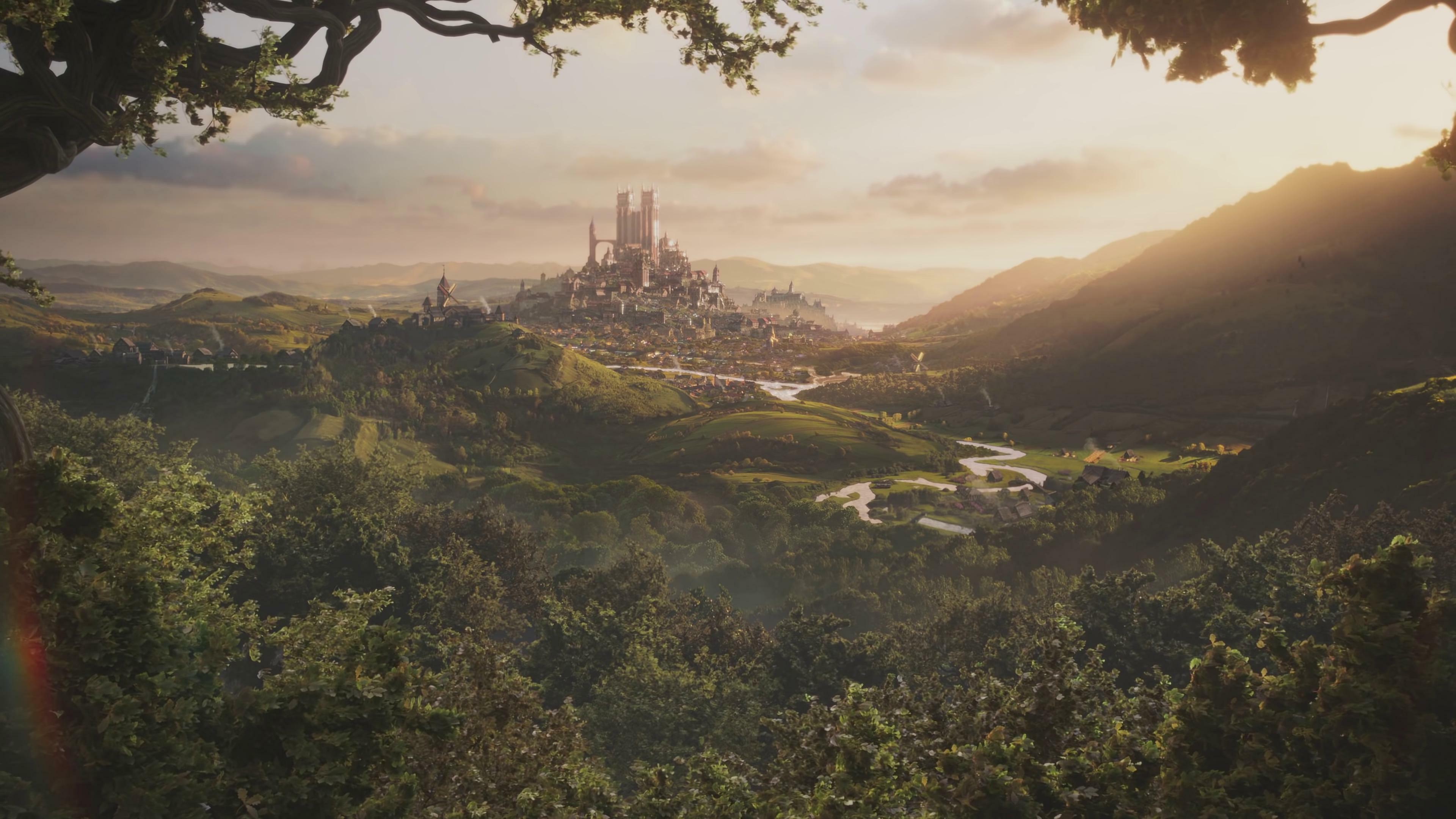
The trailer for the reboot of this fantasy RPG received a massive number of dislikes on YouTube. Fans reacted negatively to the appearance of the female protagonist, claiming she was deliberately designed to be unattractive. The tone of the trailer was also criticized for lacking the specific British charm of the original Lionhead Studios games. The backlash suggests the game faces an uphill battle to win over the core audience.
‘Street Fighter 6’ (2023)
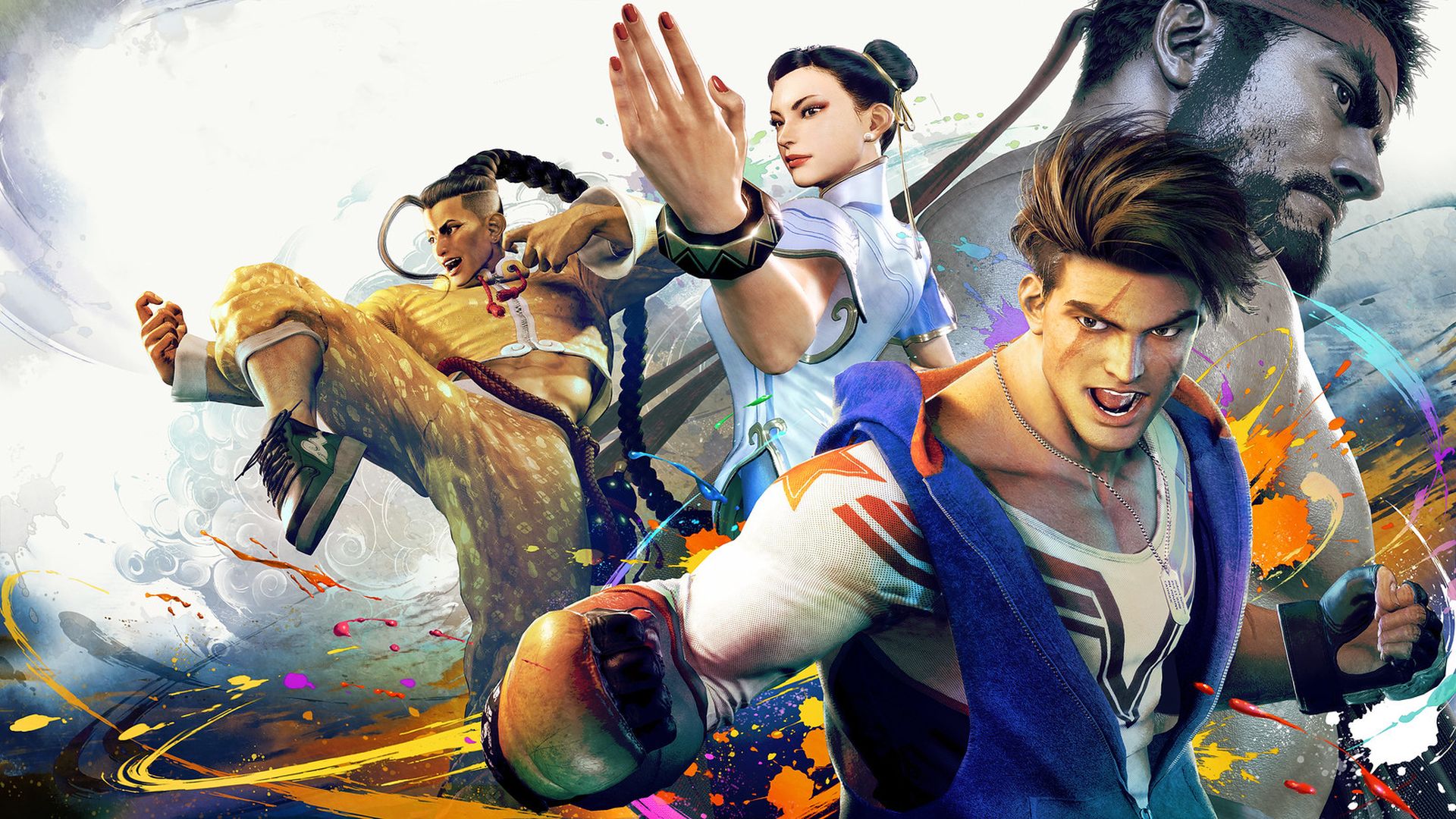
Capcom’s fighting game faced backlash for its logo change and the design of certain new characters. The “modern” aesthetic and the inclusion of a transgender commentator in the esports ecosystem drew complaints from some corners of the FGC. While the game has been successful, these elements caused friction during the launch window. The franchise now balances on a line between its arcade roots and modern esports inclusivity.
Share your thoughts on these controversies and their impact on the industry in the comments.