


Video Game Movies That Are Secretly Good (if You Ignore the Lore)

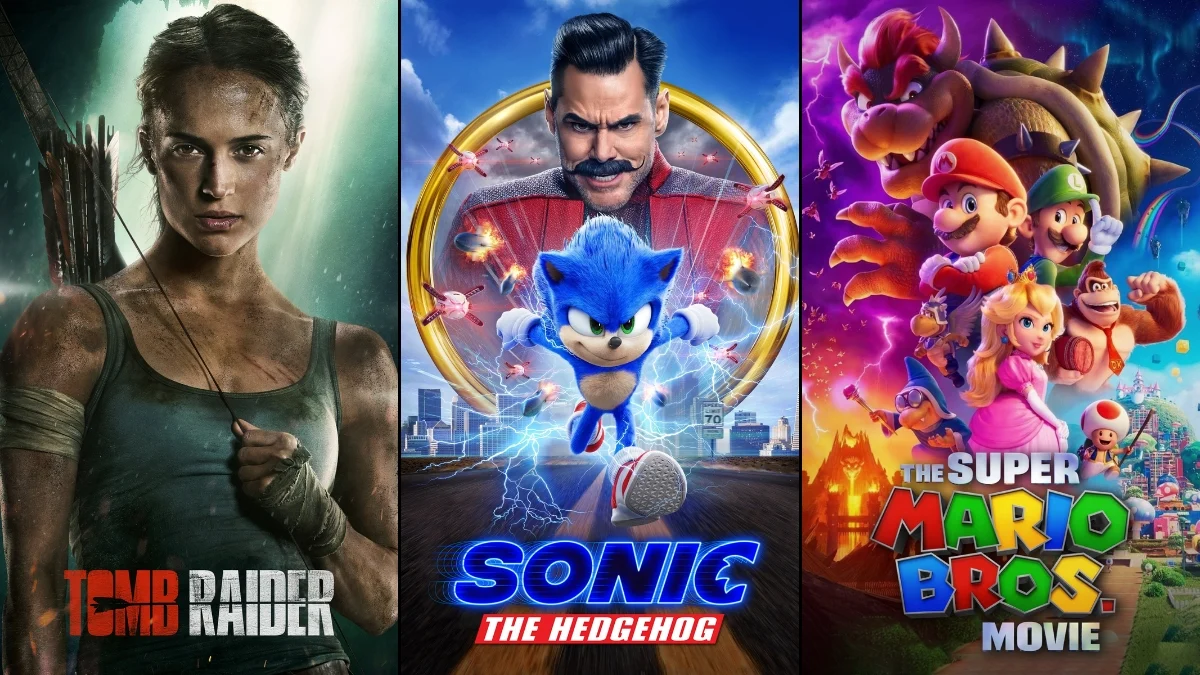


These adaptations don’t always stick to canon, but they deliver polished filmmaking, energetic set-pieces, and crowd-pleasing performances. Below are 25 video game movies you can enjoy on their own terms, with quick notes on who made the original games so you know whose worlds the films are riffing on.
‘Sonic the Hedgehog’ (2020)
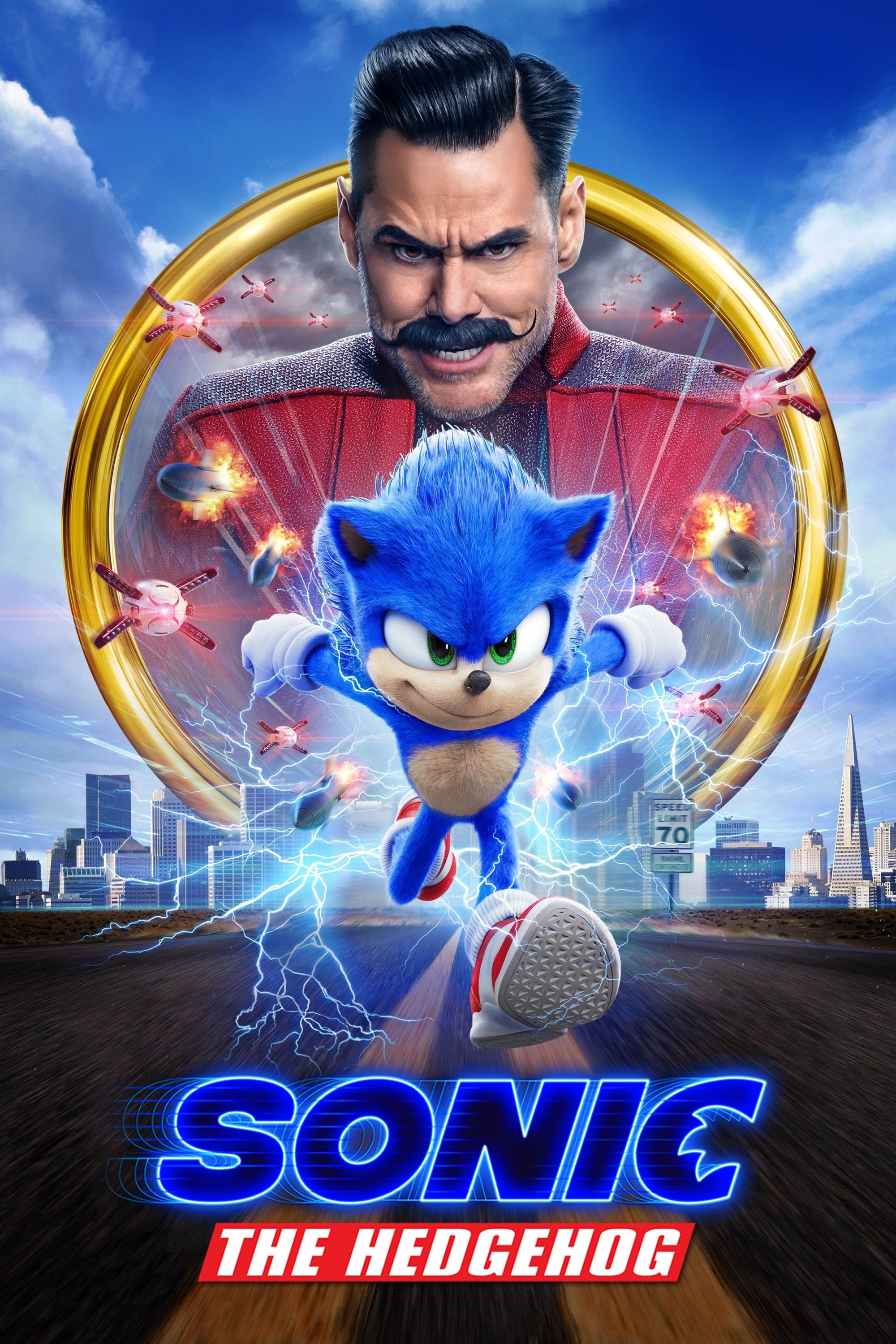
The 2020 film ‘Sonic the Hedgehog’ pairs a road-trip plot with family-friendly comedy led by Ben Schwartz and Jim Carrey. Director Jeff Fowler frames Sonic’s speed with clean VFX work that supports brisk chase sequences. The character originates from Sega’s flagship series developed by Sonic Team and published by Sega. The movie relocates Sonic to small-town Montana while keeping core elements like rings and Dr. Robotnik’s tech-heavy menace.
‘Sonic the Hedgehog 2’ (2022)
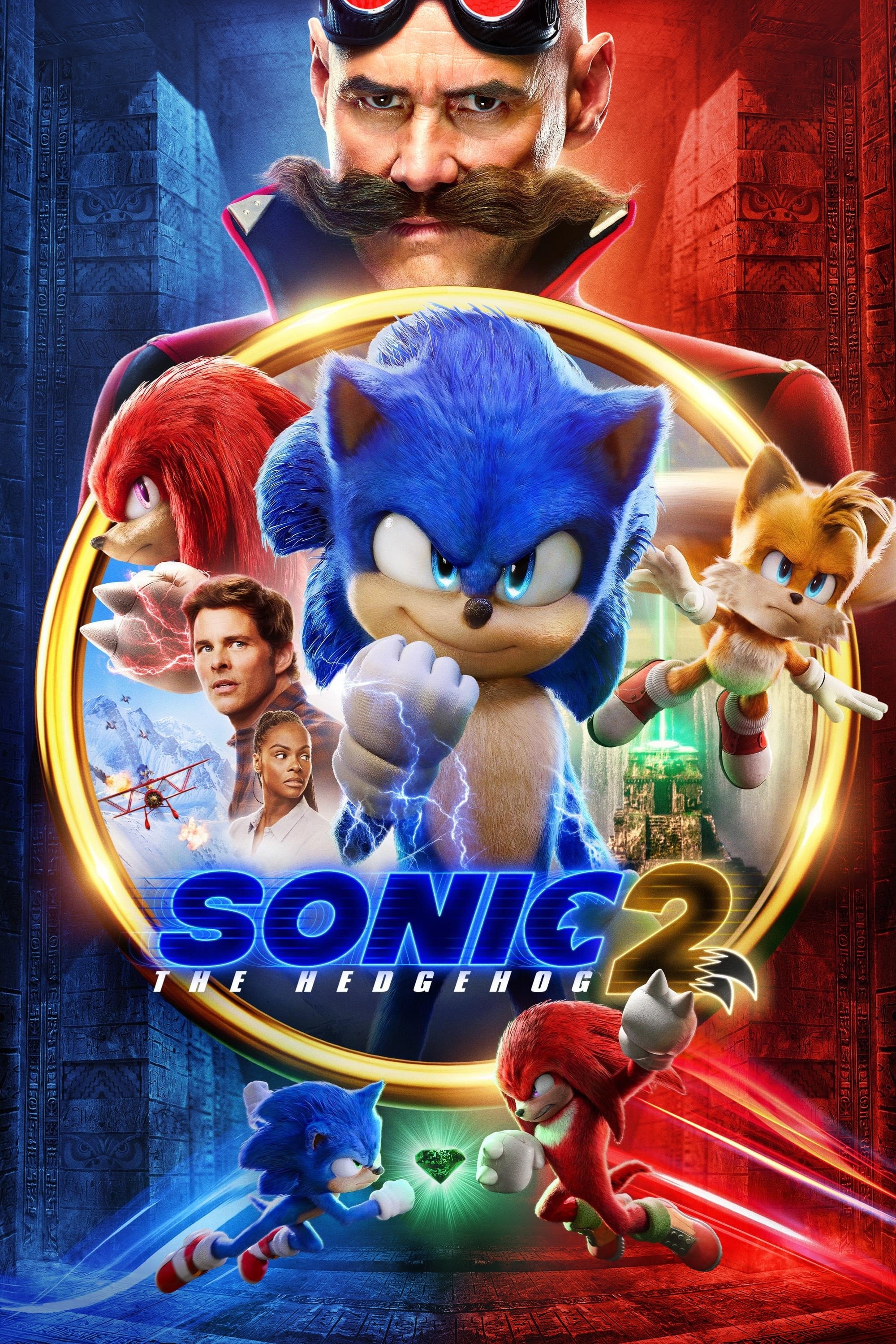
‘Sonic the Hedgehog’ returns with Tails and Knuckles added to the mix and Idris Elba voicing the latter. The sequel scales up with Master Emerald lore and globe-trotting action beats. Sonic’s source series was developed by Sonic Team and published by Sega. The film leans into buddy-adventure banter and larger set-pieces, using the games’ artifacts as MacGuffins more than strict canon.
‘Pokémon Detective Pikachu’ (2019)
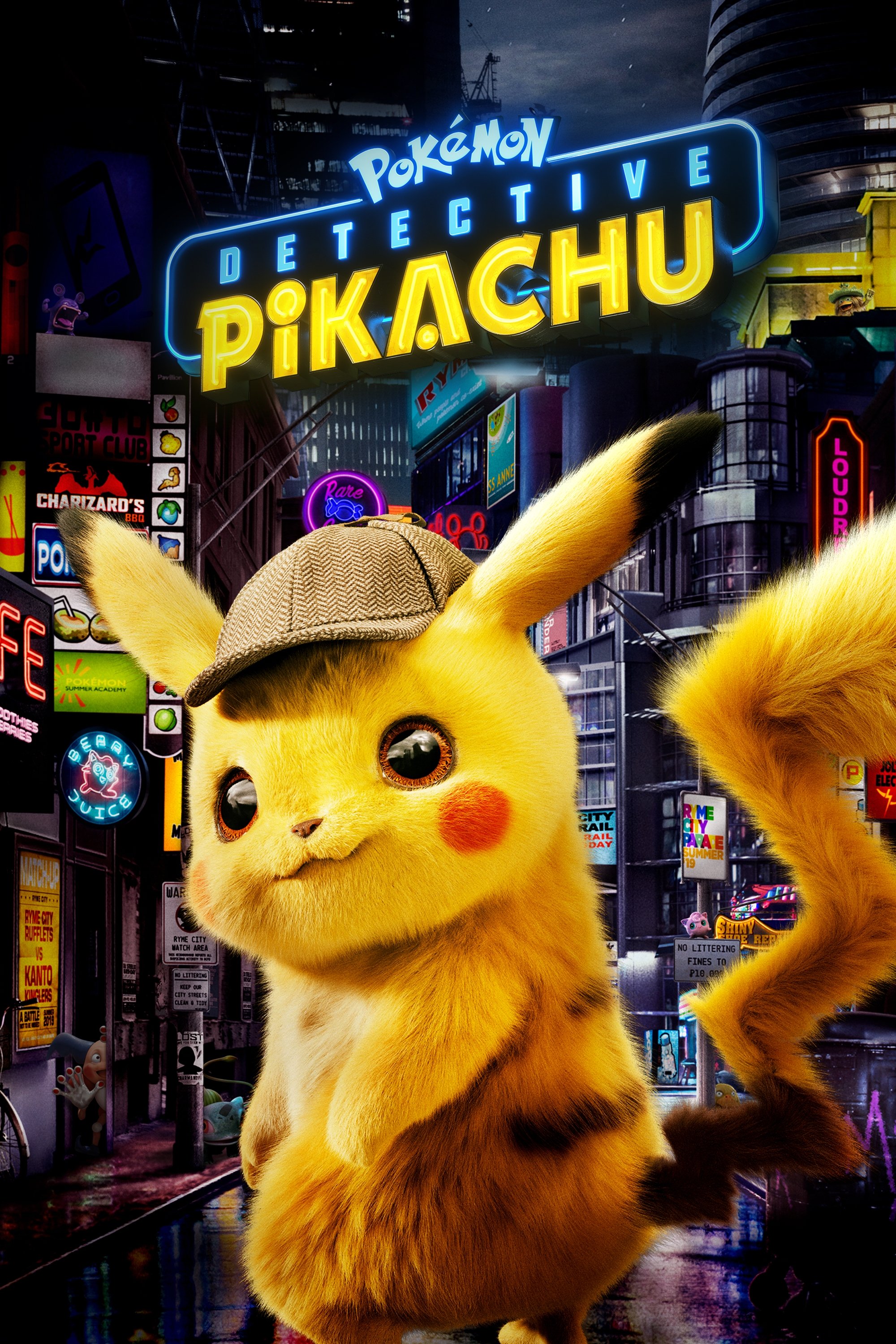
‘Pokémon Detective Pikachu’ sets its story in Ryme City with photoreal creature designs and a noir-lite mystery led by Ryan Reynolds and Justice Smith. Director Rob Letterman blends practical sets with CG to stage street-level encounters. The ‘Detective Pikachu’ game was developed by Creatures Inc. and published by Nintendo/The Pokémon Company. The film treats Poké battles and Pokédex rules loosely, focusing instead on a buddy-cop structure.
‘The Super Mario Bros. Movie’ (2023)
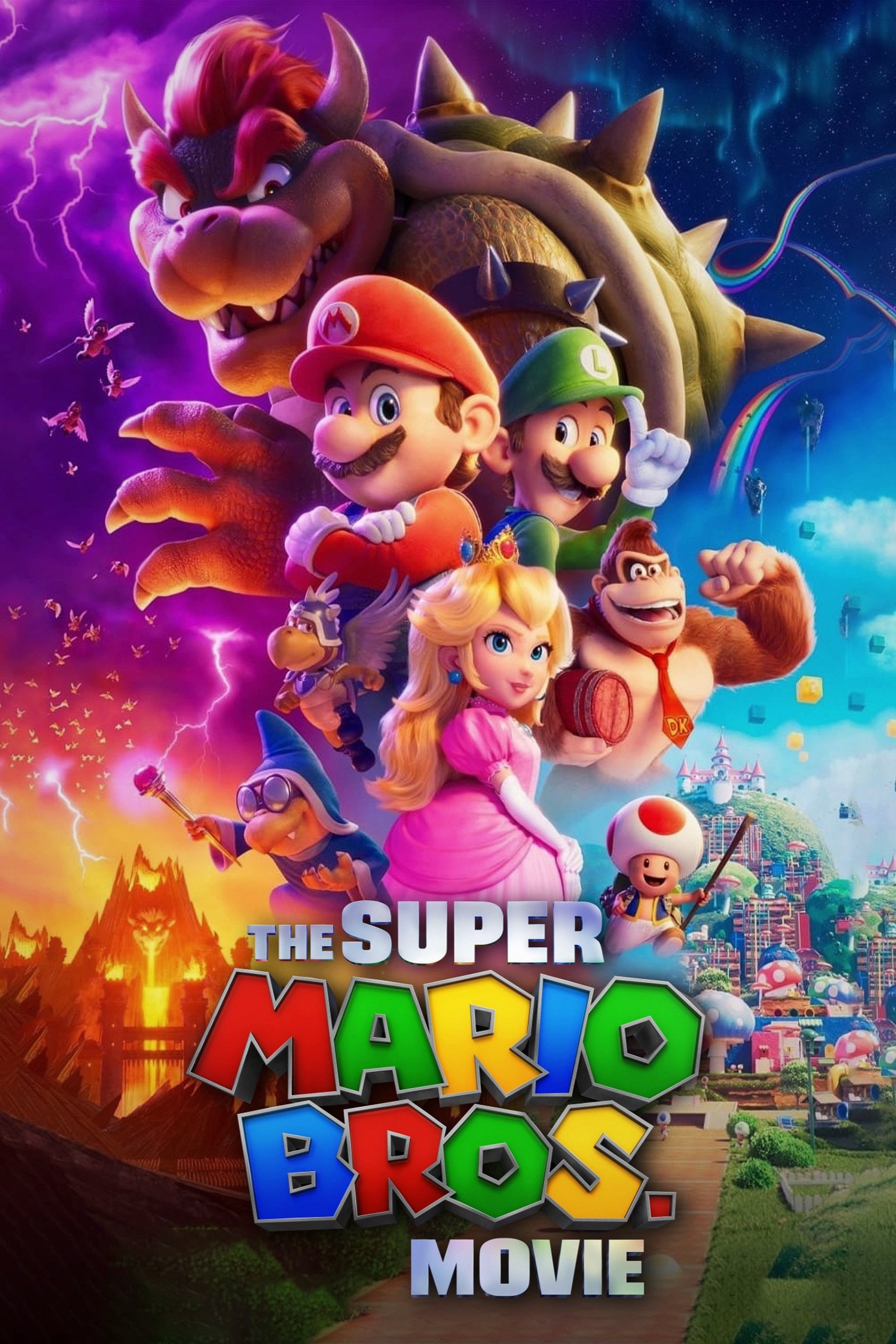
‘The Super Mario Bros. Movie’ uses Illumination’s bright animation to tour the Mushroom Kingdom with a kinetic, music-driven pace. Chris Pratt, Anya Taylor-Joy, and Jack Black voice the leads, while the plot stitches together platforming set-pieces. The ‘Super Mario Bros.’ games are developed and published by Nintendo. Power-ups, karts, and side-scroll nods appear as visual gags rather than level-by-level retellings.
‘Super Mario Bros.’ (1993)
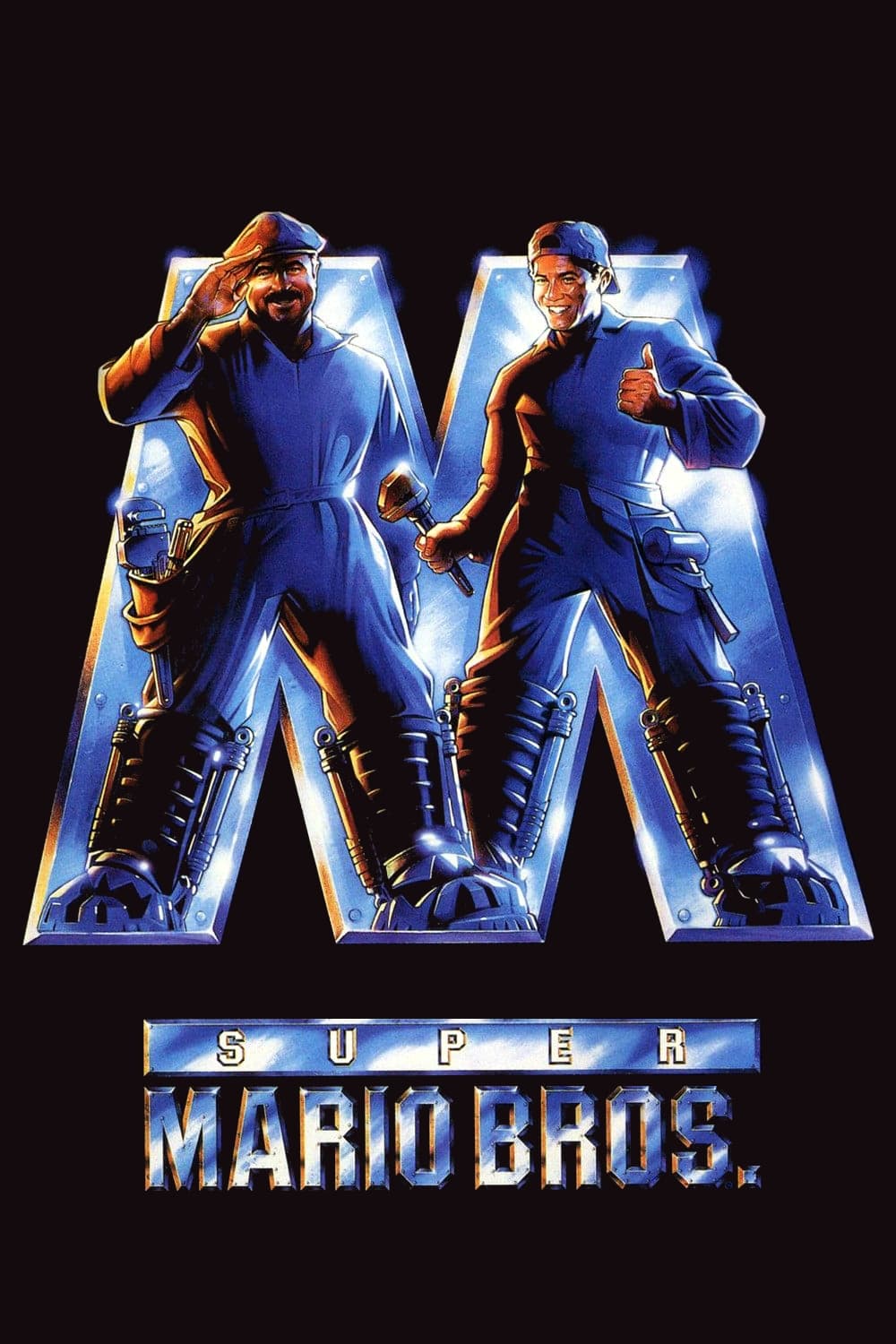
The 1993 live-action ‘Super Mario Bros.’ reimagines Mario and Luigi as Brooklyn plumbers in a dystopian, cyber-punkish Dinohattan. Its production design uses animatronics and practical sets for a distinct aesthetic. The ‘Super Mario Bros.’ series comes from Nintendo as developer and publisher. Canon elements—Koopa, mushrooms, and pipes—are translated into oddball props and costumes more than game-accurate systems.
‘Mortal Kombat’ (1995)
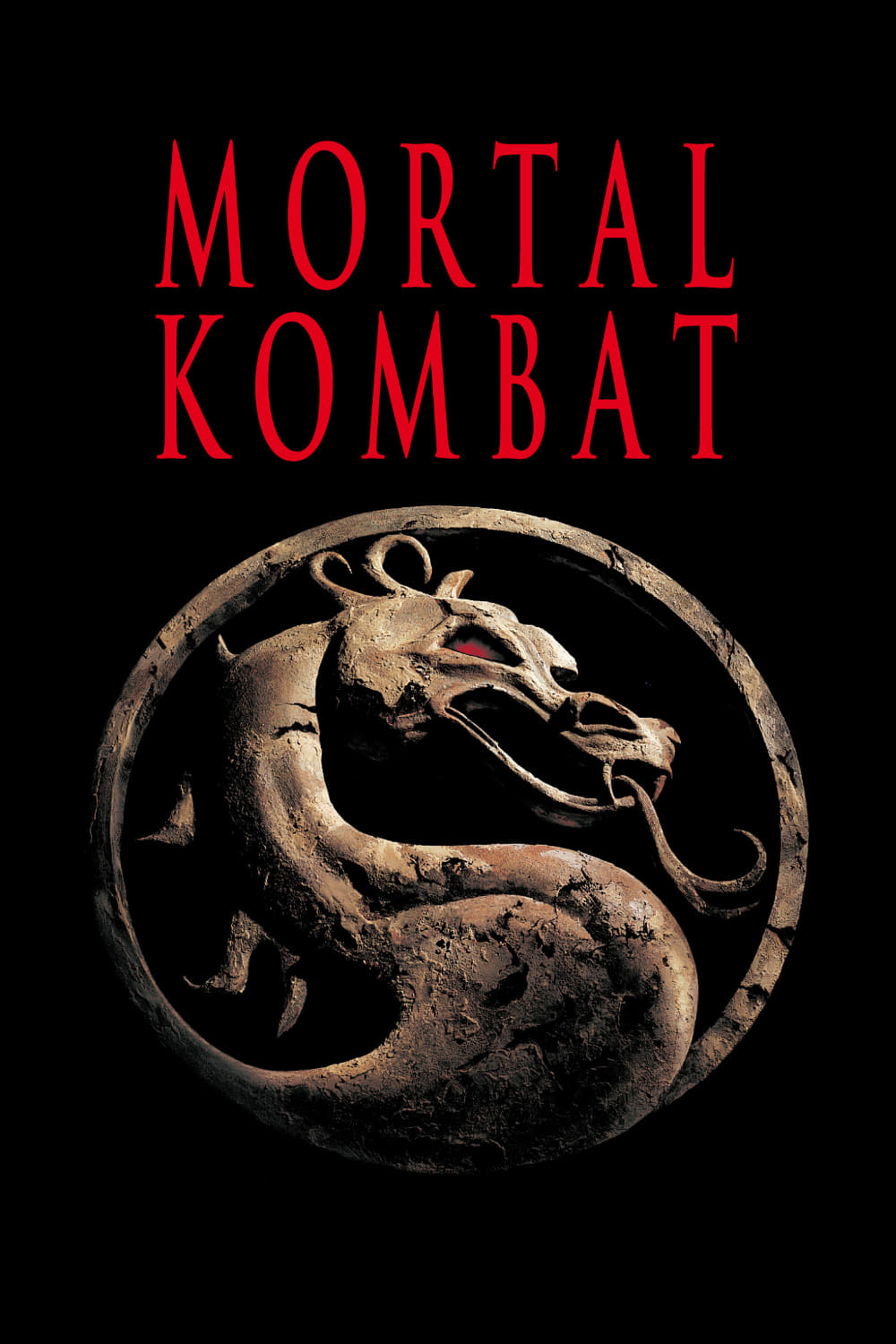
Paul W. S. Anderson’s ‘Mortal Kombat’ stages a tournament narrative with brisk martial-arts bouts and a PG-13 approach. Robin Shou, Linden Ashby, and Christopher Lambert anchor the ensemble. The ‘Mortal Kombat’ franchise originated at Midway Games and is now developed by NetherRealm Studios and published by Warner Bros. Games. Fatalities and lore trees are streamlined into a clean fight-ladder structure.
‘Mortal Kombat’ (2021)
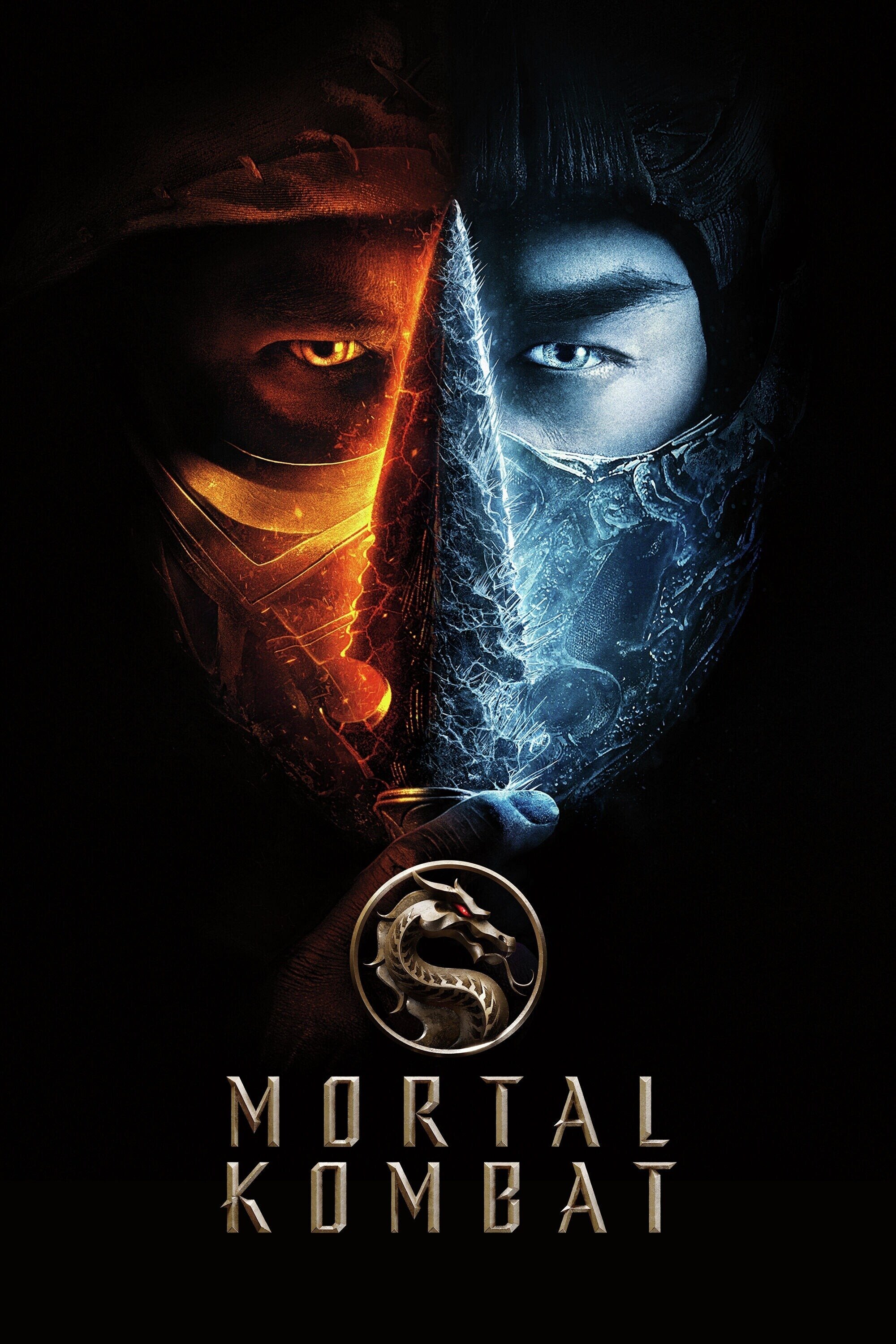
The 2021 ‘Mortal Kombat’ reboot introduces newcomer Cole Young and emphasizes hard-hitting choreography and R-rated finishers. Director Simon McQuoid focuses on training arcs and rivalries like Sub-Zero vs. Scorpion. The game series began at Midway and continues under NetherRealm Studios with Warner Bros. Games as publisher. Canon timelines are compressed so signature fighters can clash early and often.
‘Street Fighter’ (1994)
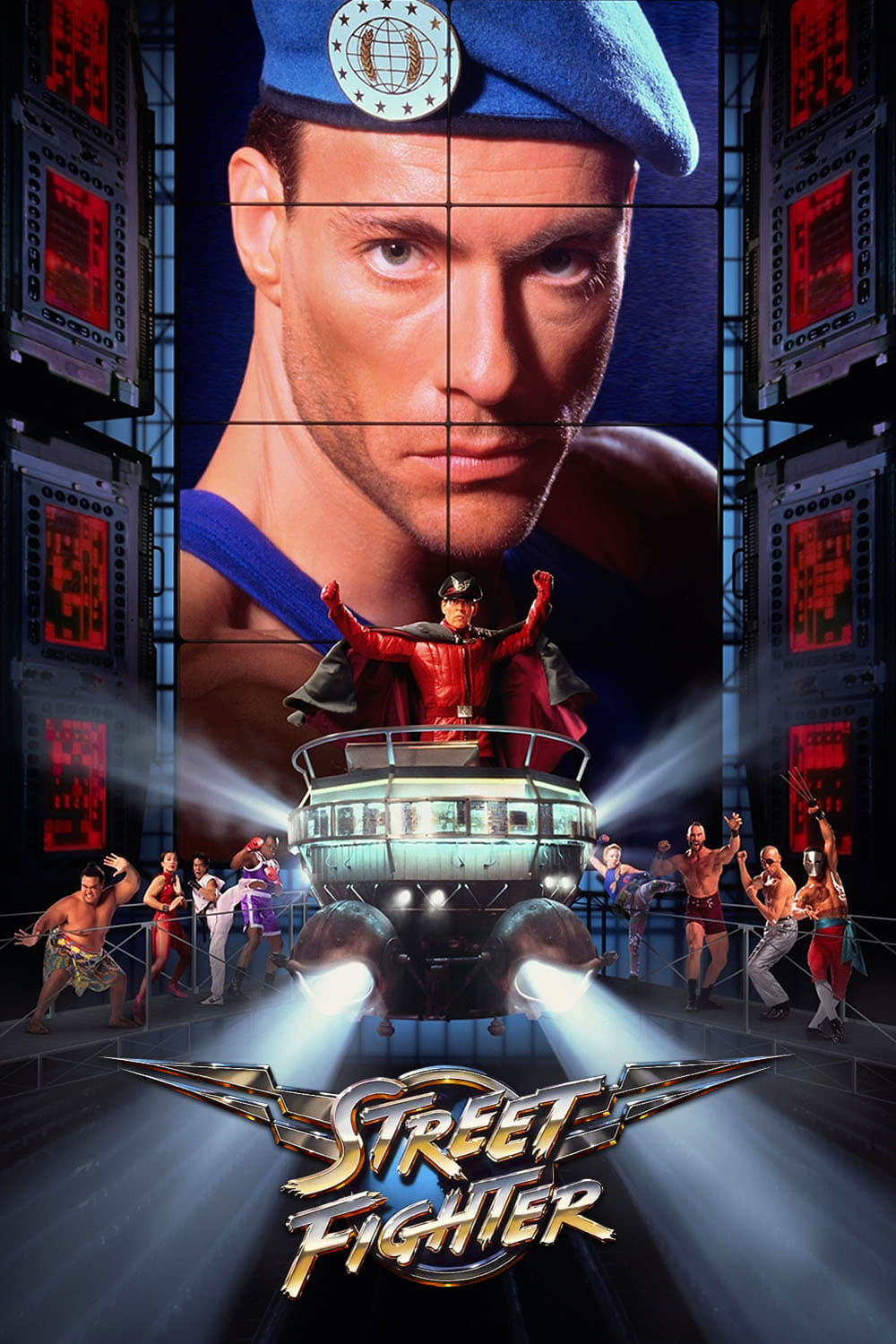
‘Street Fighter’ turns Capcom’s one-on-one fighter into a globe-trotting rescue operation led by Jean-Claude Van Damme and the late Raul Julia. The production mixes military spectacle with colorful costumes echoing the arcade roster. The ‘Street Fighter’ games are developed and published by Capcom. Tournament brackets give way to a paramilitary raid framework that still showcases signature moves as set-piece beats.
‘Resident Evil’ (2002)
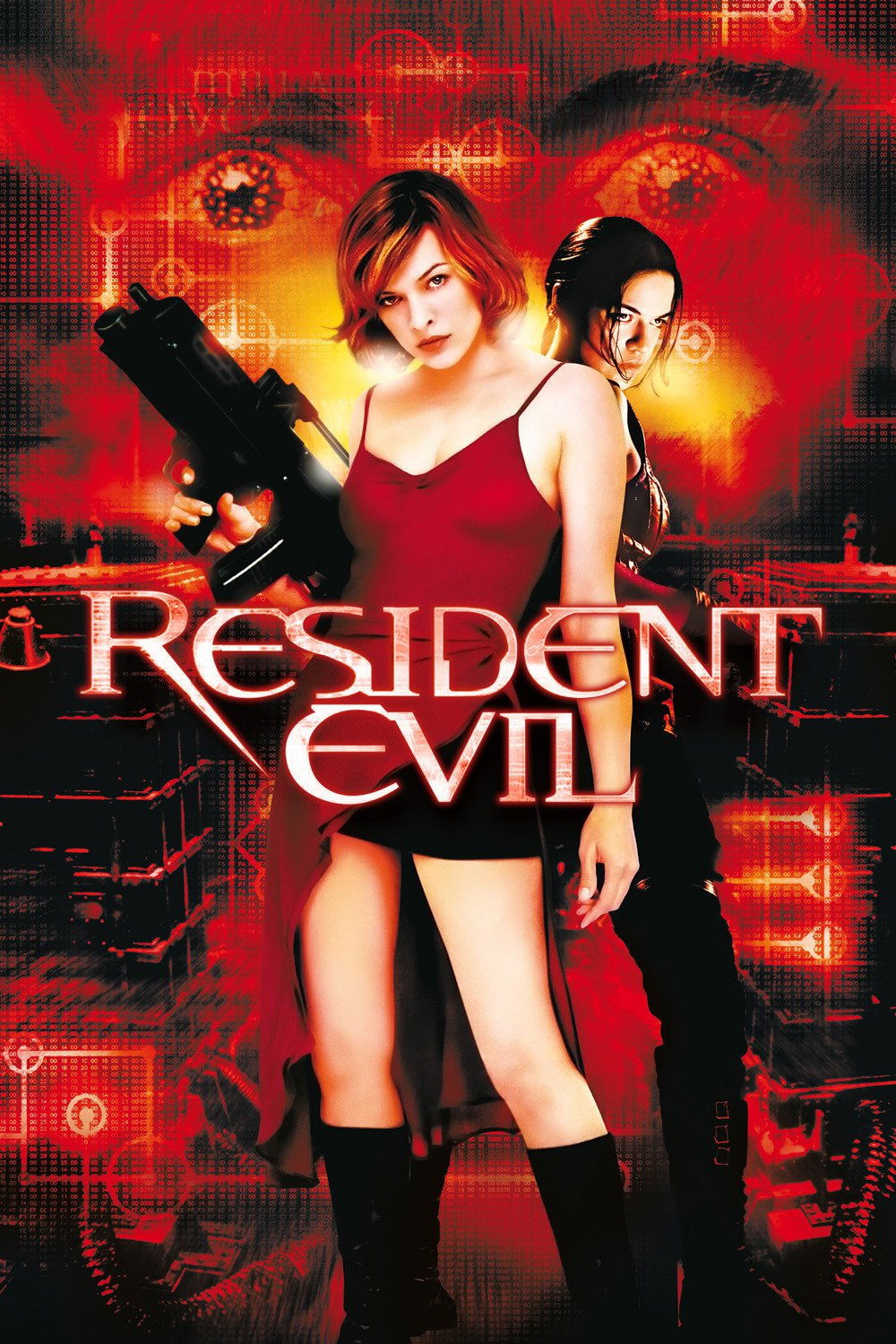
The first ‘Resident Evil’ film builds an ensemble survival-horror story inside the Hive, leaning on laser-grid traps and undead swarms. Milla Jovovich headlines as Alice, a film-original protagonist. The ‘Resident Evil’ games are developed and published by Capcom. Instead of recounting Spencer Mansion beats, the movie introduces Umbrella tech and bio-weapons as thriller devices.
‘Resident Evil: Apocalypse’ (2004)
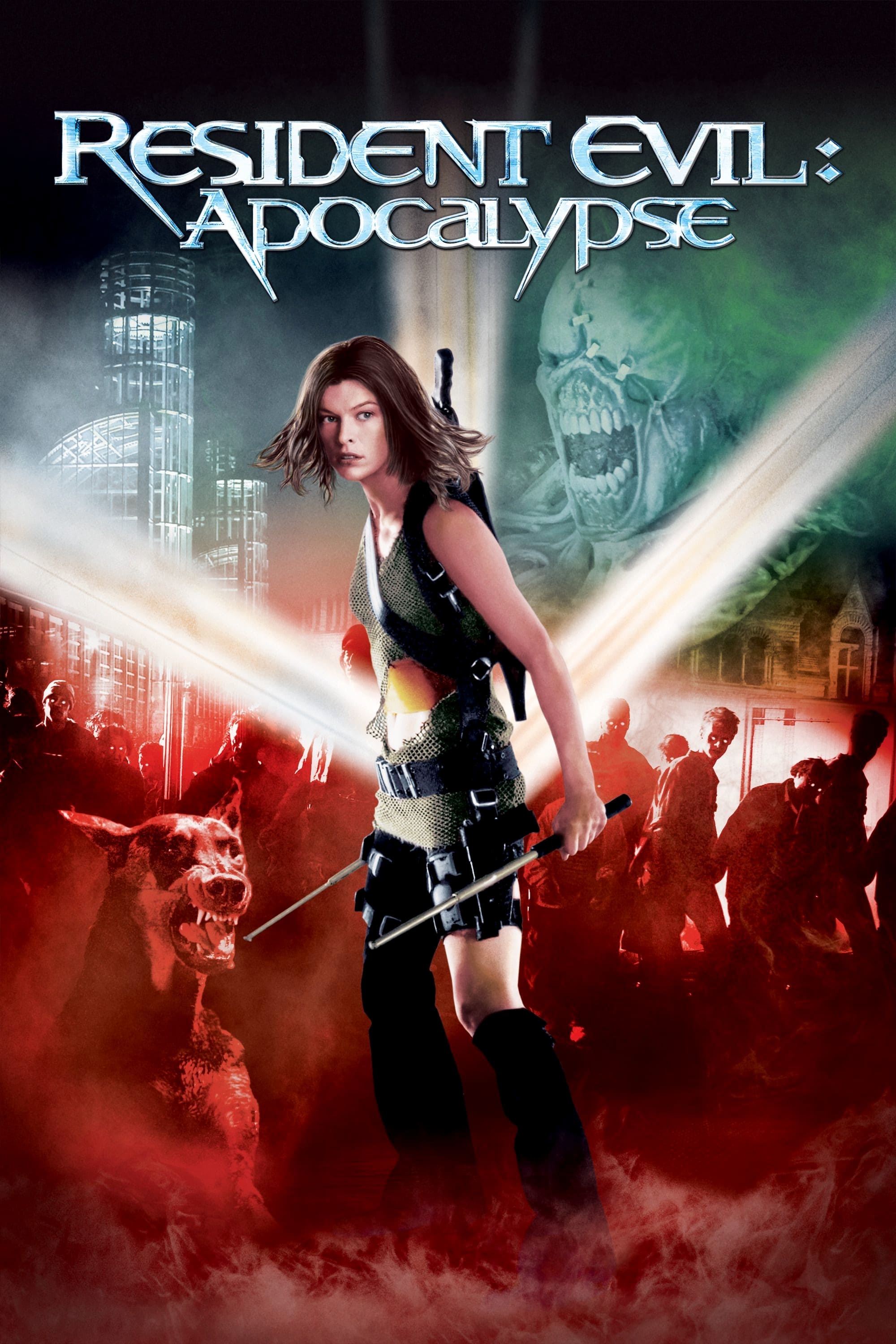
‘Resident Evil: Apocalypse’ expands to a city-wide outbreak with Nemesis as a central threat and stylized action sequences. It brings game characters Jill Valentine and Carlos Oliveira into the film continuity. Capcom develops and publishes the ‘Resident Evil’ series. Plotlines remix Raccoon City elements and setpieces into a rescue-driven structure rather than a faithful progression.
‘Resident Evil: Welcome to Raccoon City’ (2021)
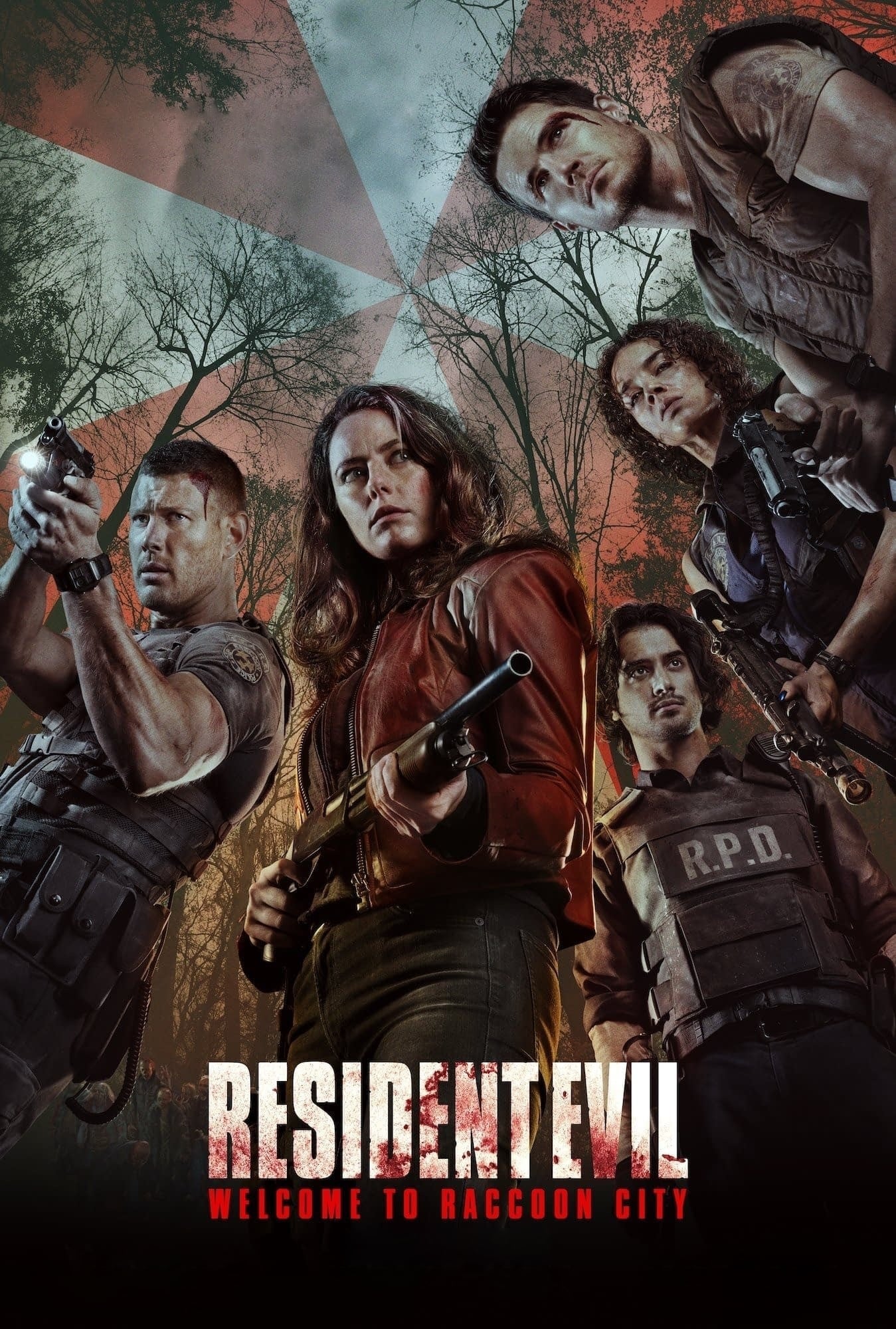
‘Resident Evil: Welcome to Raccoon City’ reboots the film side with a grungier aesthetic and a focus on the police station and mansion. Kaya Scodelario and Robbie Amell lead as Claire and Chris Redfield. The underlying games come from Capcom as developer and publisher. The script fuses early entries’ locations and antagonists into a single outbreak night.
‘Silent Hill’ (2006)

Christophe Gans’ ‘Silent Hill’ emphasizes atmosphere with dense fog, industrial sound design, and monster choreography. Radha Mitchell and Sean Bean headline as parents searching for a missing child. The ‘Silent Hill’ franchise is developed and published by Konami. The film borrows iconography—like Pyramid Head—while restructuring lore around a cult and alternate-reality shifts.
‘Tomb Raider’ (2018)

‘Tomb Raider’ draws heavily from the 2013 reboot’s grounded tone, starring Alicia Vikander as a younger Lara. Action scenes favor practical stunts on ships, cliffs, and temple traps. The 2013 ‘Tomb Raider’ game was developed by Crystal Dynamics and published by Square Enix. The film keeps Trinity and survival motifs while remixing island mythology for a contained adventure.
‘Lara Croft: Tomb Raider’ (2001)
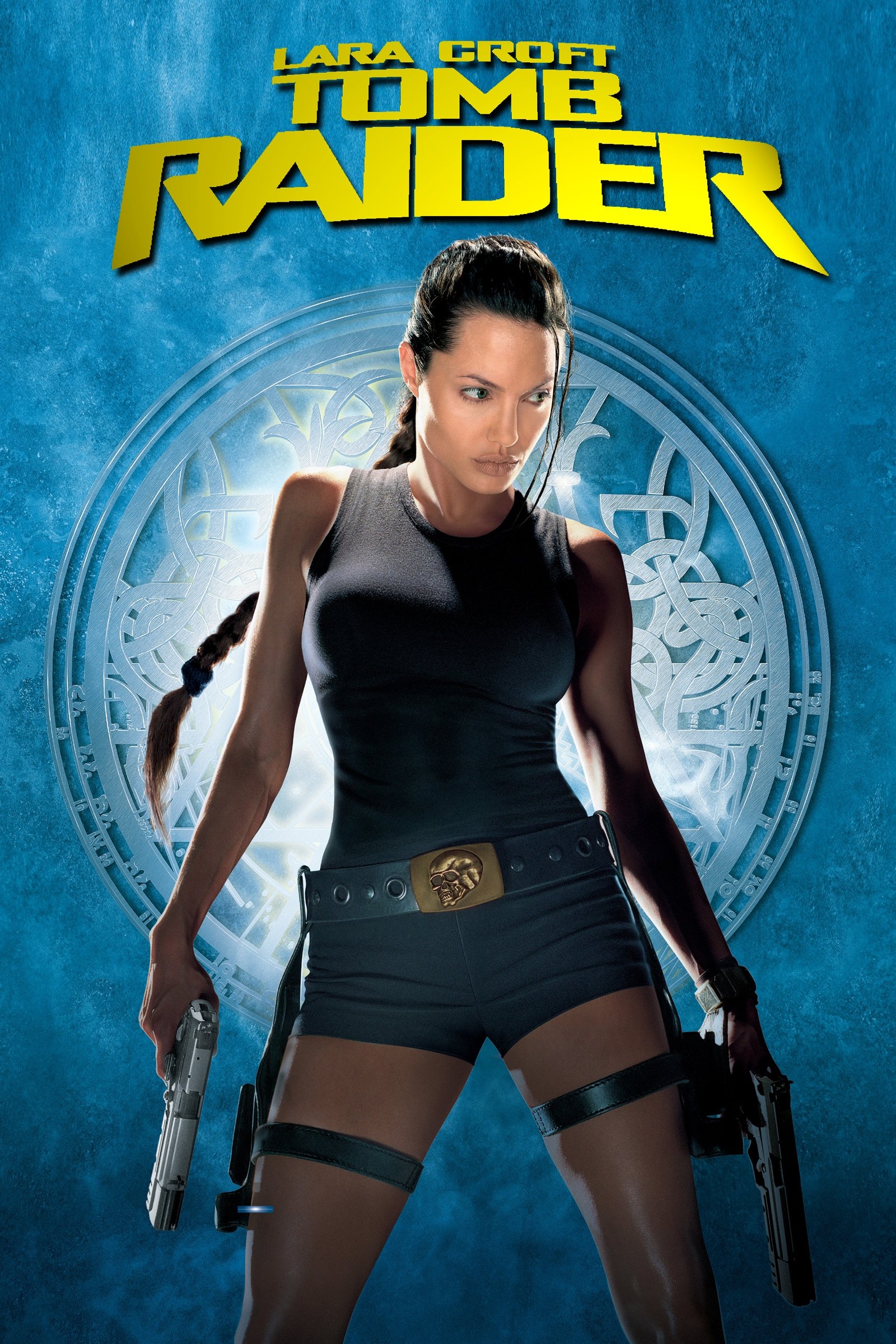
‘Lara Croft: Tomb Raider’ showcases globe-hopping archaeology with set-pieces in Cambodia and Iceland and Angelina Jolie in the title role. It leans into puzzle rooms and artifact hunts. Early ‘Tomb Raider’ entries were developed by Core Design and published by Eidos Interactive. The movie extracts the explorer fantasy and secret-society threads without mirroring specific level designs.
‘Prince of Persia: The Sands of Time’ (2010)
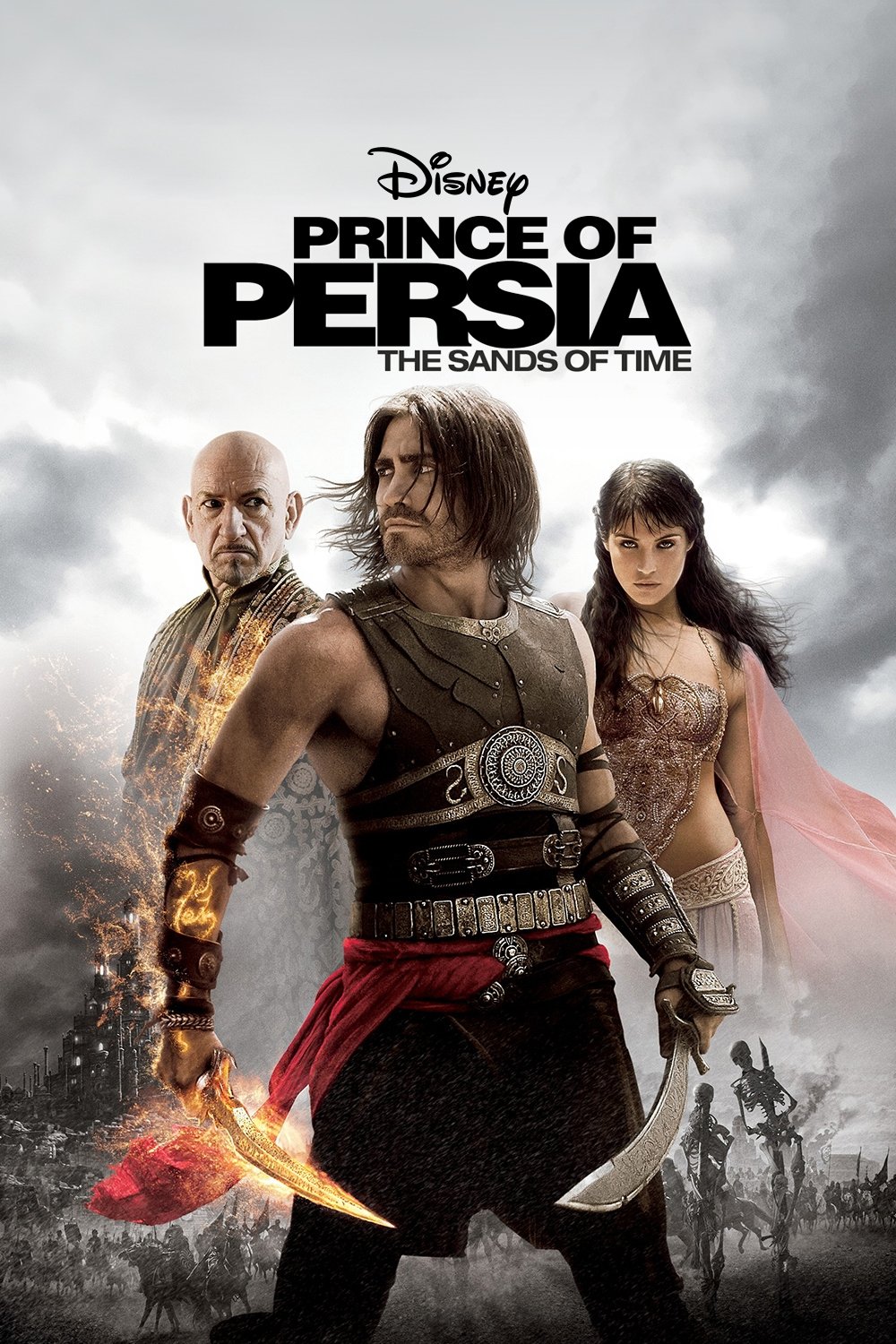
This adaptation uses parkour-forward action and a time-reversing dagger as its central mechanic. Jake Gyllenhaal and Gemma Arterton lead a swashbuckling quest across desert locales. The ‘Prince of Persia’ series is developed and published by Ubisoft. Game lore about the Vizier and the Sands is condensed into a singular heist-and-redemption storyline.
‘Warcraft’ (2016)
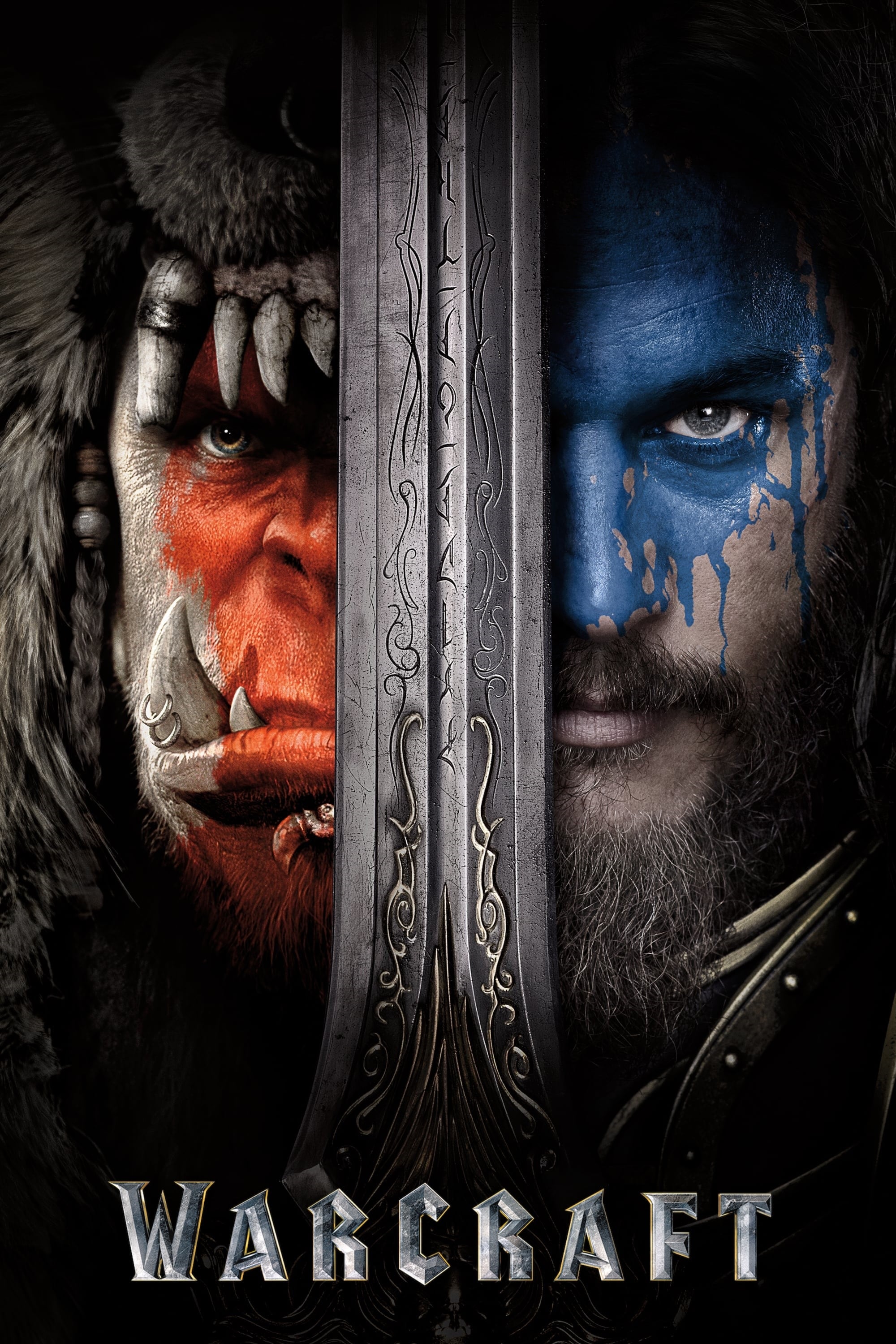
‘Warcraft’ visualizes Azeroth with large-scale CG orc performances and human-oriented politics. Travis Fimmel, Paula Patton, and Toby Kebbell headline a cast split across factions. The ‘Warcraft’ franchise is developed and published by Blizzard Entertainment. Instead of the games’ sprawling timeline, the film centers on the First War to stage a clear conflict introduction.
‘Uncharted’ (2022)
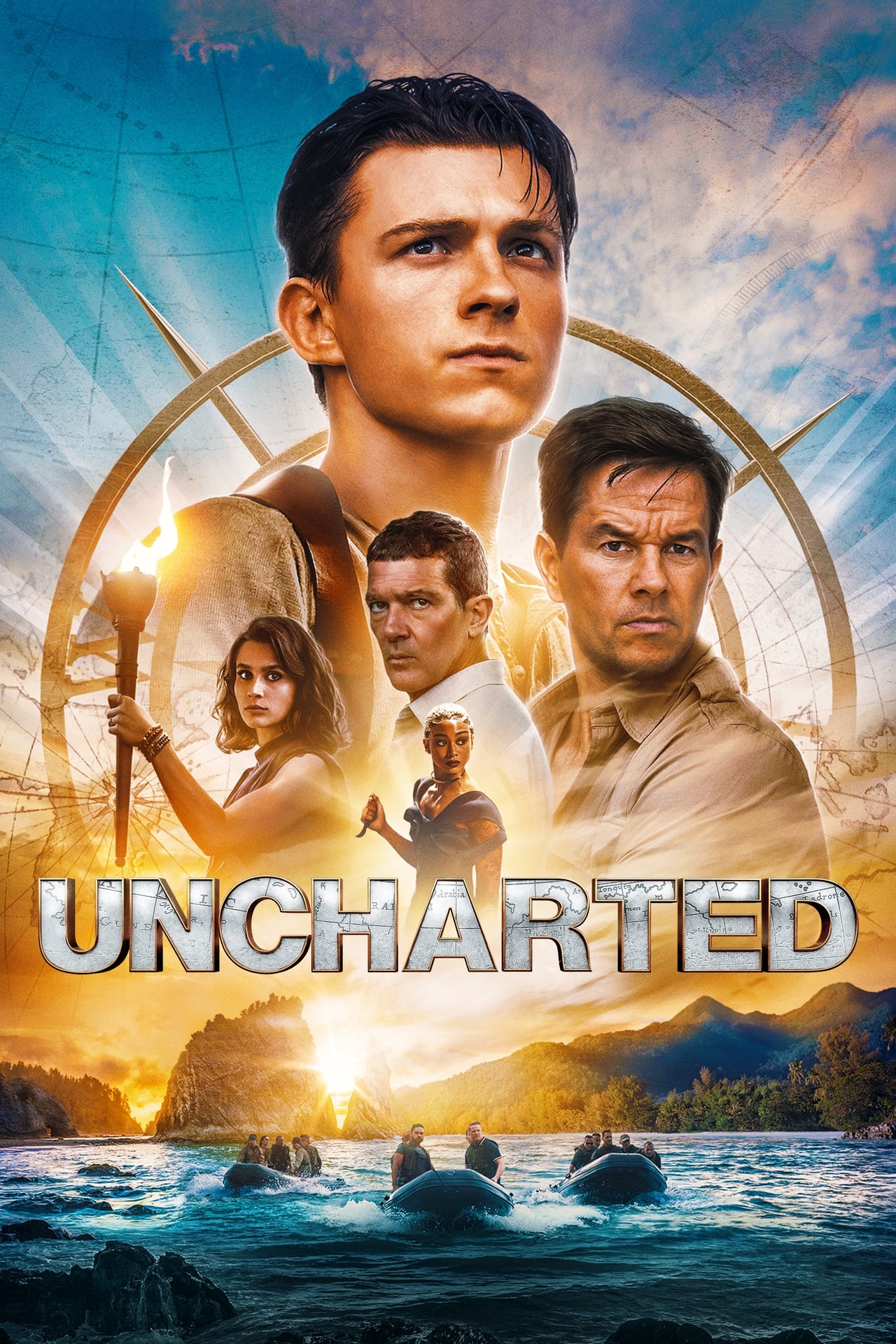
‘Uncharted’ blends treasure-hunt puzzles with cargo-plane and pirate-ship stunts led by Tom Holland and Mark Wahlberg. Director Ruben Fleischer borrows visual gags and setpieces from multiple entries. The ‘Uncharted’ games are developed by Naughty Dog and published by Sony Interactive Entertainment. Drake’s backstory is reframed as an origin caper stitched together from franchise highlights.
‘Need for Speed’ (2014)
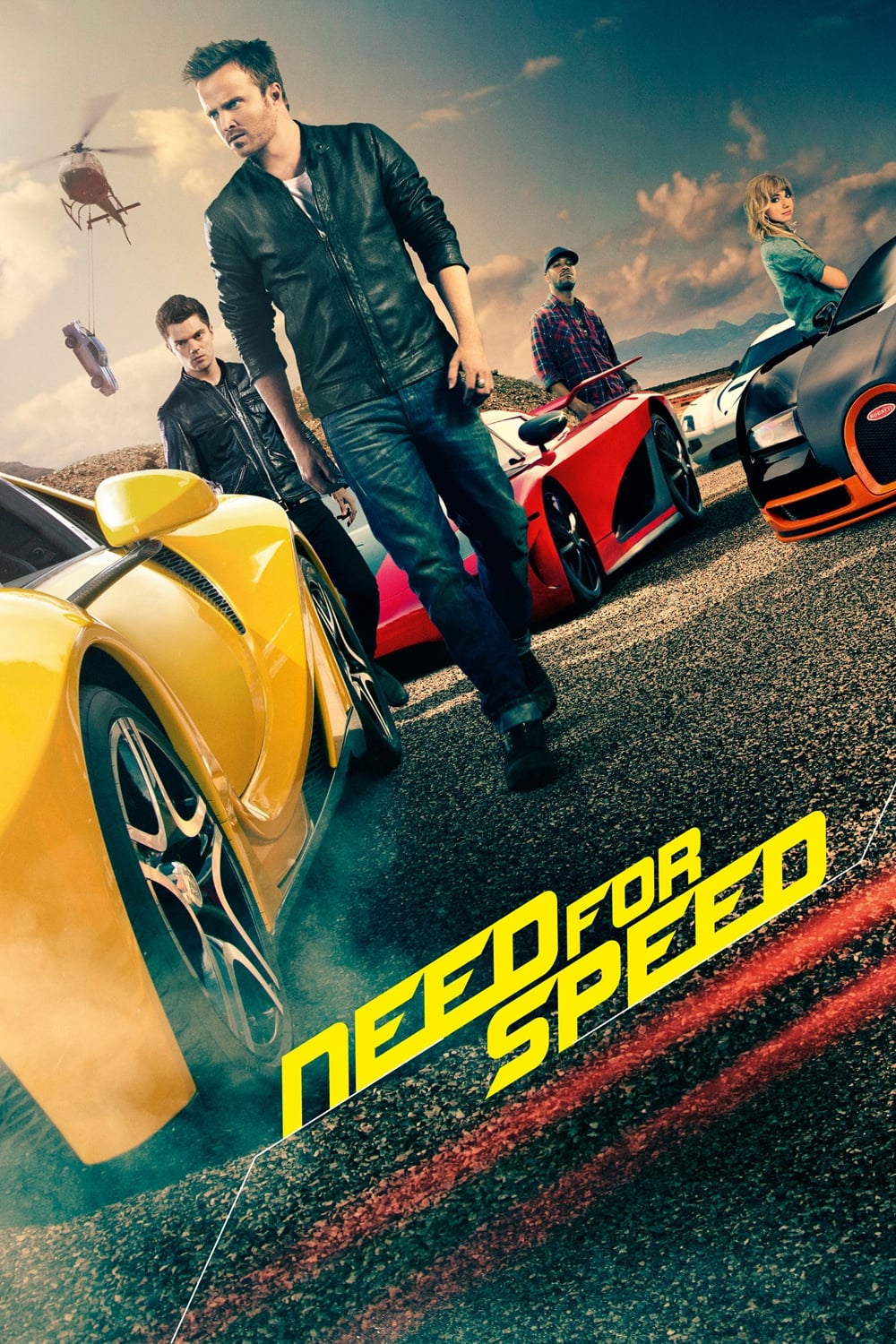
This movie emphasizes practical driving and cross-country race setups, starring Aaron Paul and Imogen Poots. It features supercar chases shot with minimal CG augmentation. The ‘Need for Speed’ series is published by Electronic Arts, with various entries developed by studios such as Ghost Games and Criterion Games. Narrative elements build a revenge race arc rather than simulating career modes or event structures.
‘Hitman’ (2007)
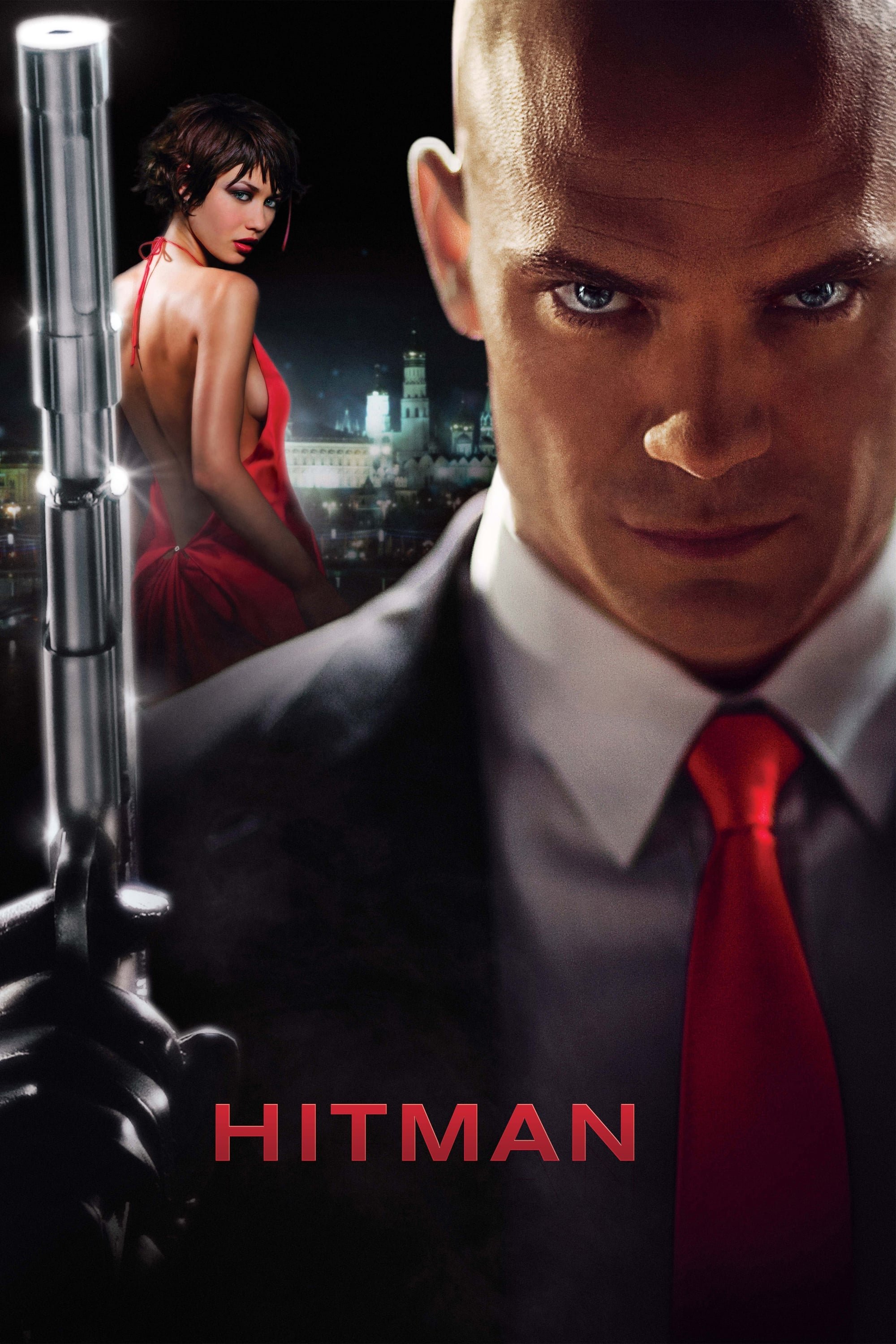
‘Hitman’ follows Agent 47 through European locales with sniper and disguise sequences front and center. Timothy Olyphant plays 47 with a focus on disciplined action beats. The ‘Hitman’ series is developed by IO Interactive and has been published by Eidos Interactive and Square Enix before IO self-publishing. Mission structures are streamlined into a linear conspiracy plot.
‘Hitman: Agent 47’ (2015)
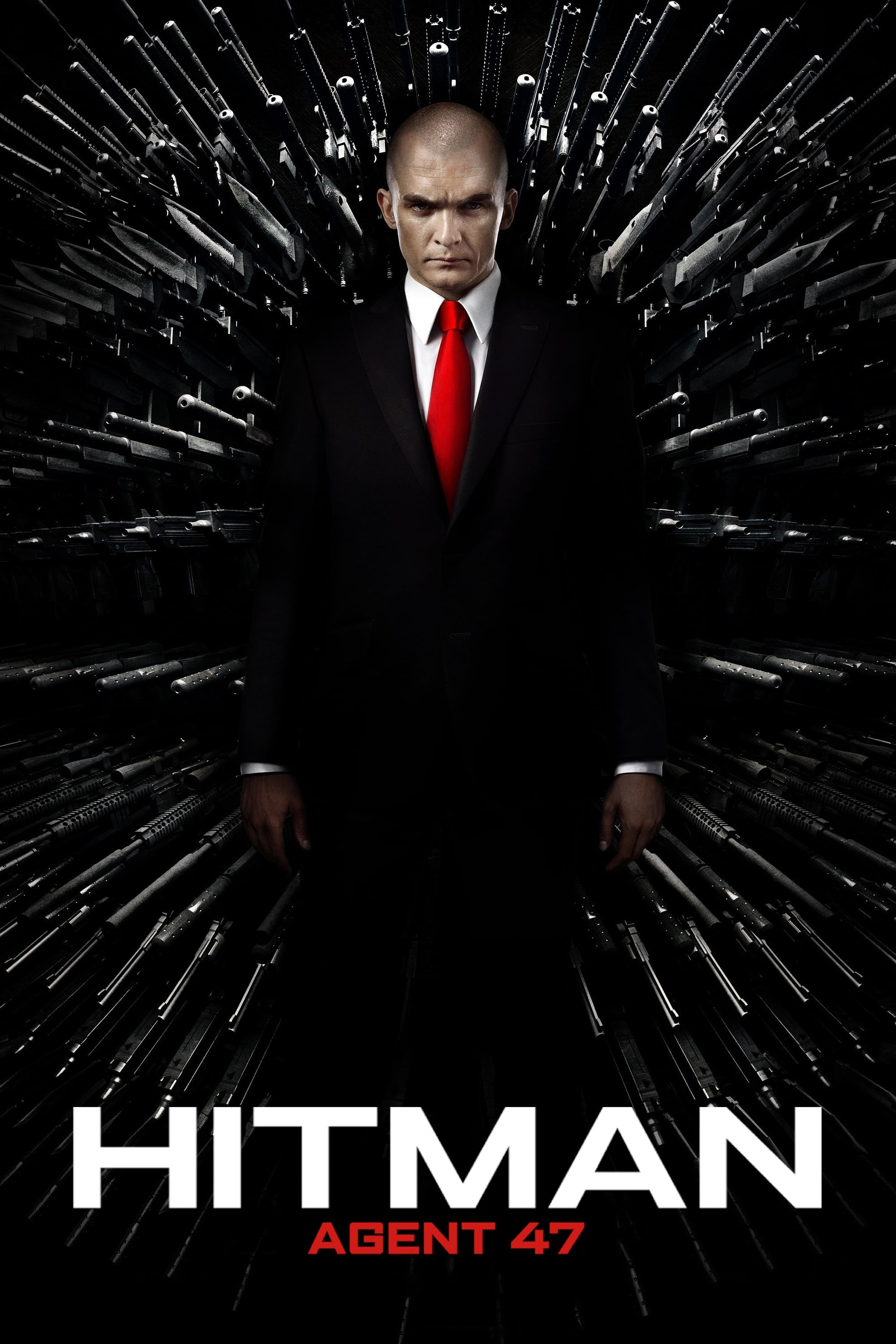
This reboot heightens biotech themes and close-quarters fights with Rupert Friend as 47. The film threads in cat-and-mouse setpieces across Berlin and Singapore. IO Interactive created the ‘Hitman’ games, with publishing history including Eidos, Square Enix, and later IO’s own label. The movie uses genetic-engineering angles and set-piece escalations over sandbox-style planning.
‘Assassin’s Creed’ (2016)
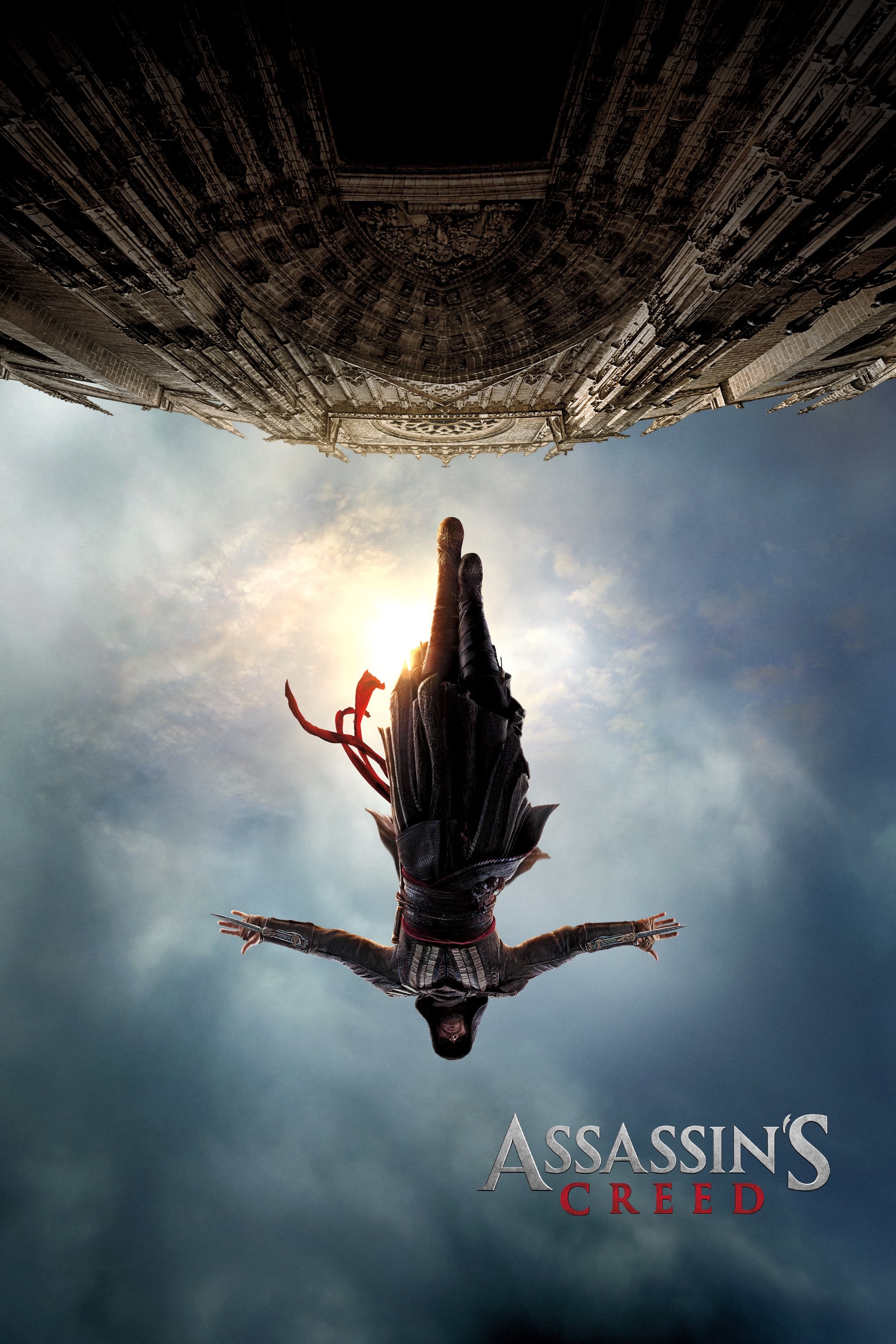
‘Assassin’s Creed’ presents a new protagonist accessing genetic memories via an updated Animus. Michael Fassbender and Marion Cotillard anchor the cast, and the action toggles between modern Spain and the Inquisition era. The game franchise is developed and published by Ubisoft. The film treats Templar-Assassin conflict as a standalone conspiracy rather than adapting a single installment.
‘Rampage’ (2018)
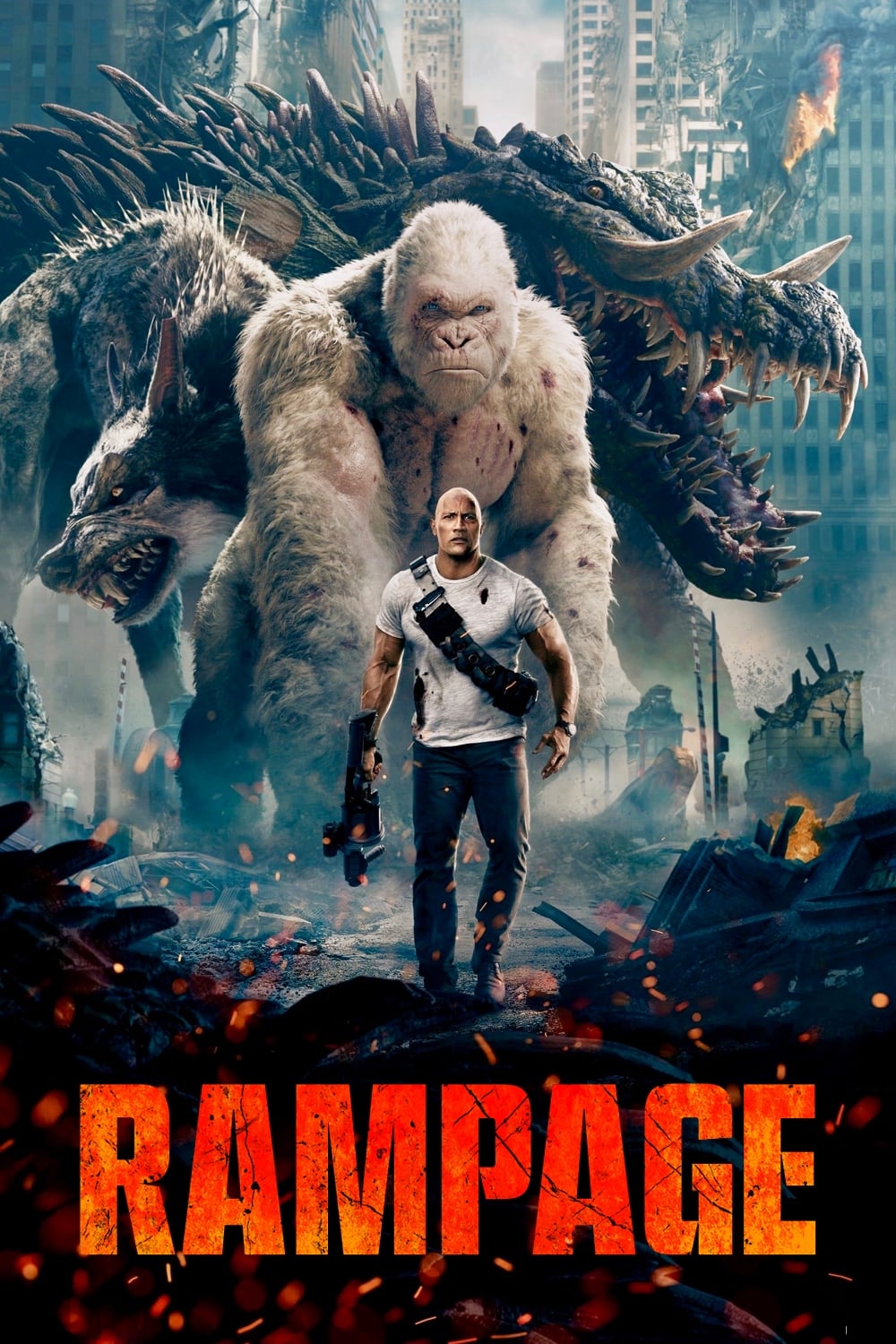
‘Rampage’ retools the arcade game’s monster mayhem into a creature-feature led by Dwayne Johnson. Kaiju-scale set-pieces level parts of Chicago in the third act. The original ‘Rampage’ game was developed and published by Midway Games. Instead of player-controlled destruction for points, the movie frames mutated animals as the result of a corporate experiment gone wrong.
‘Five Nights at Freddy’s’ (2023)
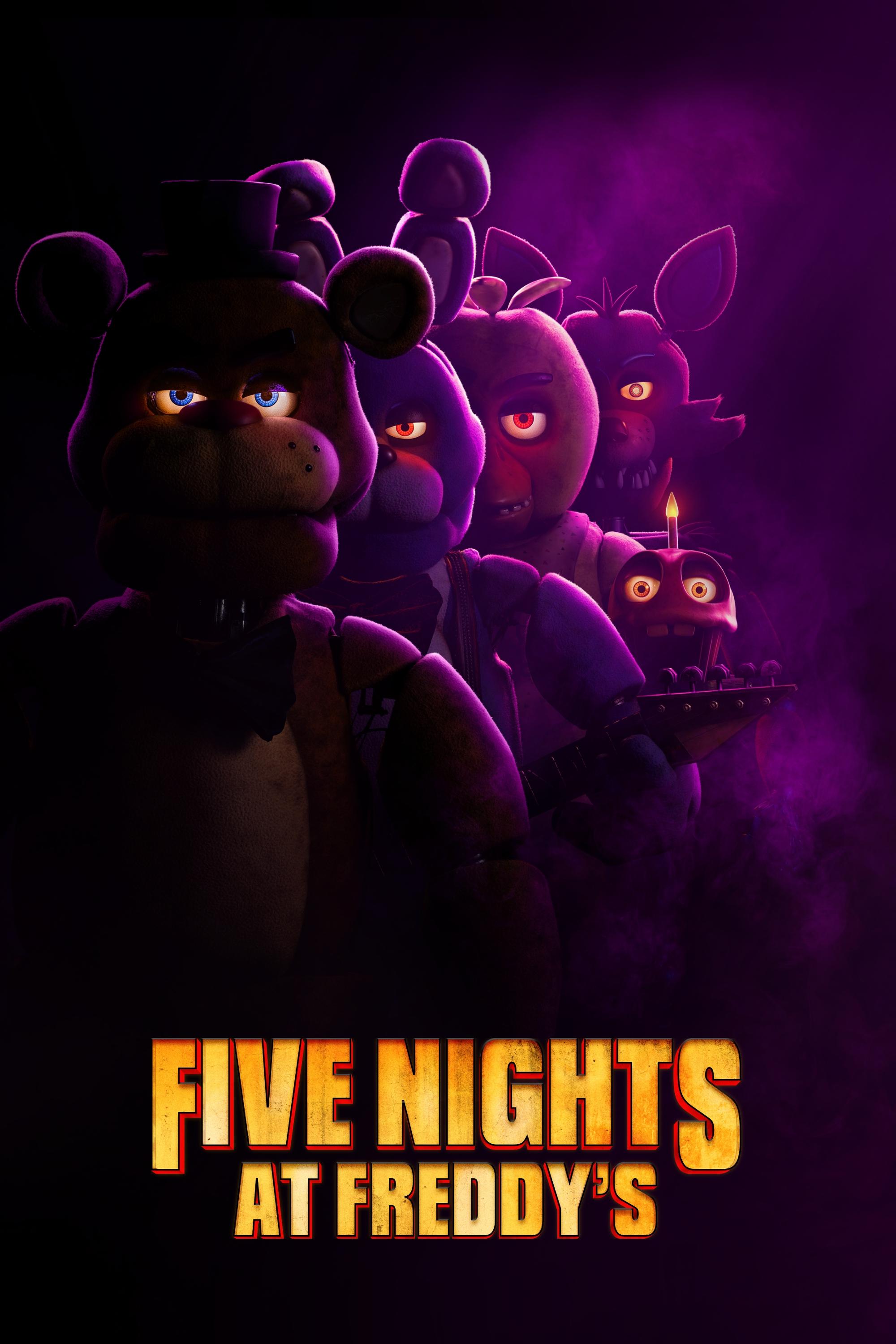
This adaptation mixes haunted-arcade imagery with an overnight-security setup starring Josh Hutcherson. Animatronic effects are a key focus, blending puppetry and VFX. The ‘Five Nights at Freddy’s’ series was created and self-published by Scott Cawthon before later releases under ScottGames. Canon backstory is condensed into a single shift’s mystery with nods to minigame lore.
‘Gran Turismo’ (2023)
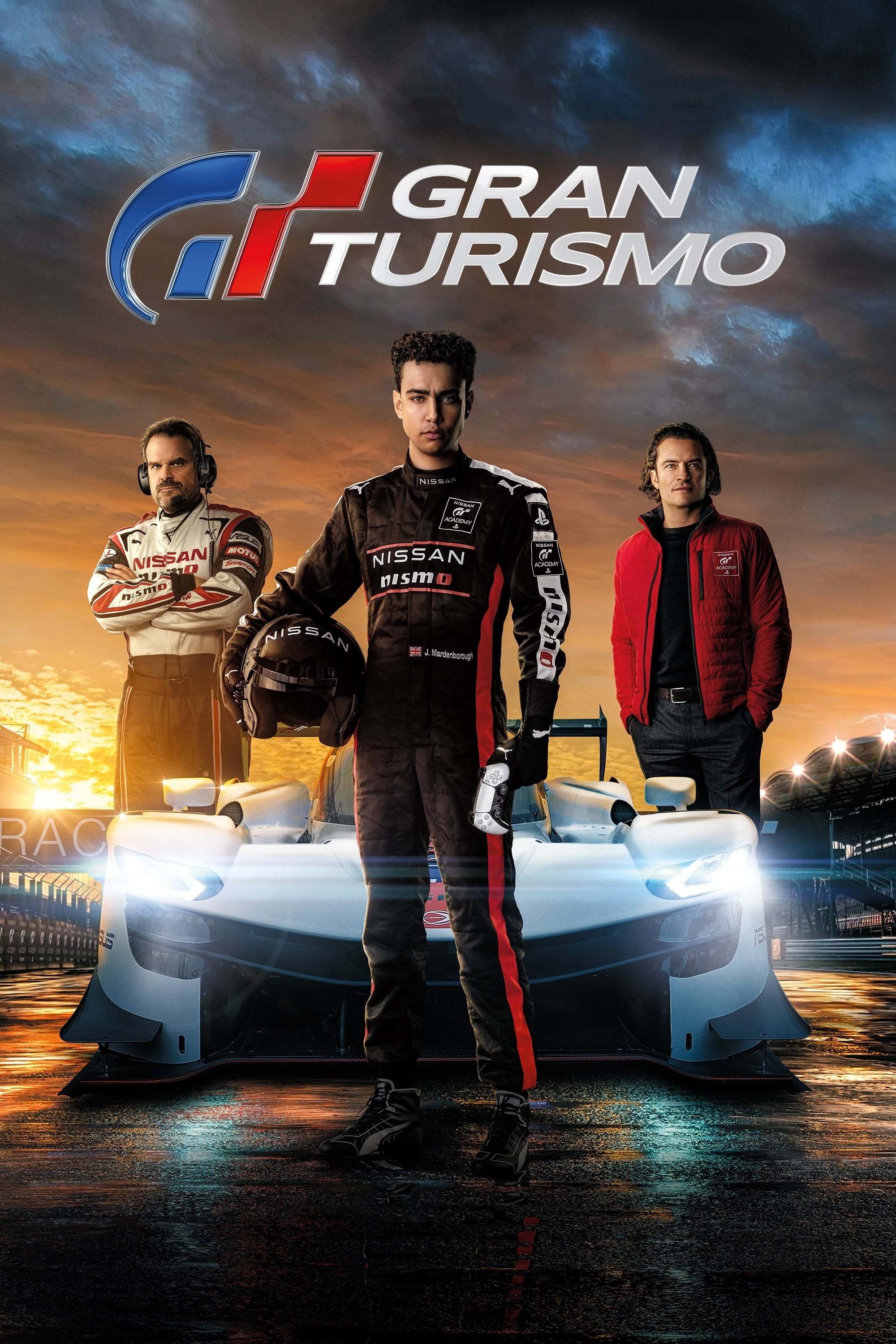
‘Gran Turismo’ dramatizes a real GT Academy winner’s path from sim racer to professional driver under Neill Blomkamp’s direction. The racing sequences emphasize cockpit perspective and track geography. The ‘Gran Turismo’ games are developed by Polyphony Digital and published by Sony Interactive Entertainment. Rather than adapting a campaign, the film uses the franchise’s motorsport ethos to tell a biographical sports story.
‘Monster Hunter’ (2020)

‘Monster Hunter’ stages desert hunts and sand-burrowing creatures with Milla Jovovich and Tony Jaa leading the action. The production builds oversized weapons and creature designs that echo the series’ look. The ‘Monster Hunter’ franchise is developed and published by Capcom. Story beats focus on survival training and team tactics instead of the games’ long-form crafting loops.
Share which of these films worked for you—lore be damned—in the comments!