

Video Games That Killed Their Own Franchises



Video game franchises often span decades and build loyal fanbases that eagerly await every new installment. Developers sometimes make drastic changes or release unfinished products that alienate these dedicated players and ruin the reputation of the series. A single disastrous launch can freeze an intellectual property for years or lead to the closure of the studio behind it. The following games failed so spectacularly that they effectively ended or indefinitely stalled their respective franchises.
‘Duke Nukem Forever’ (2011)
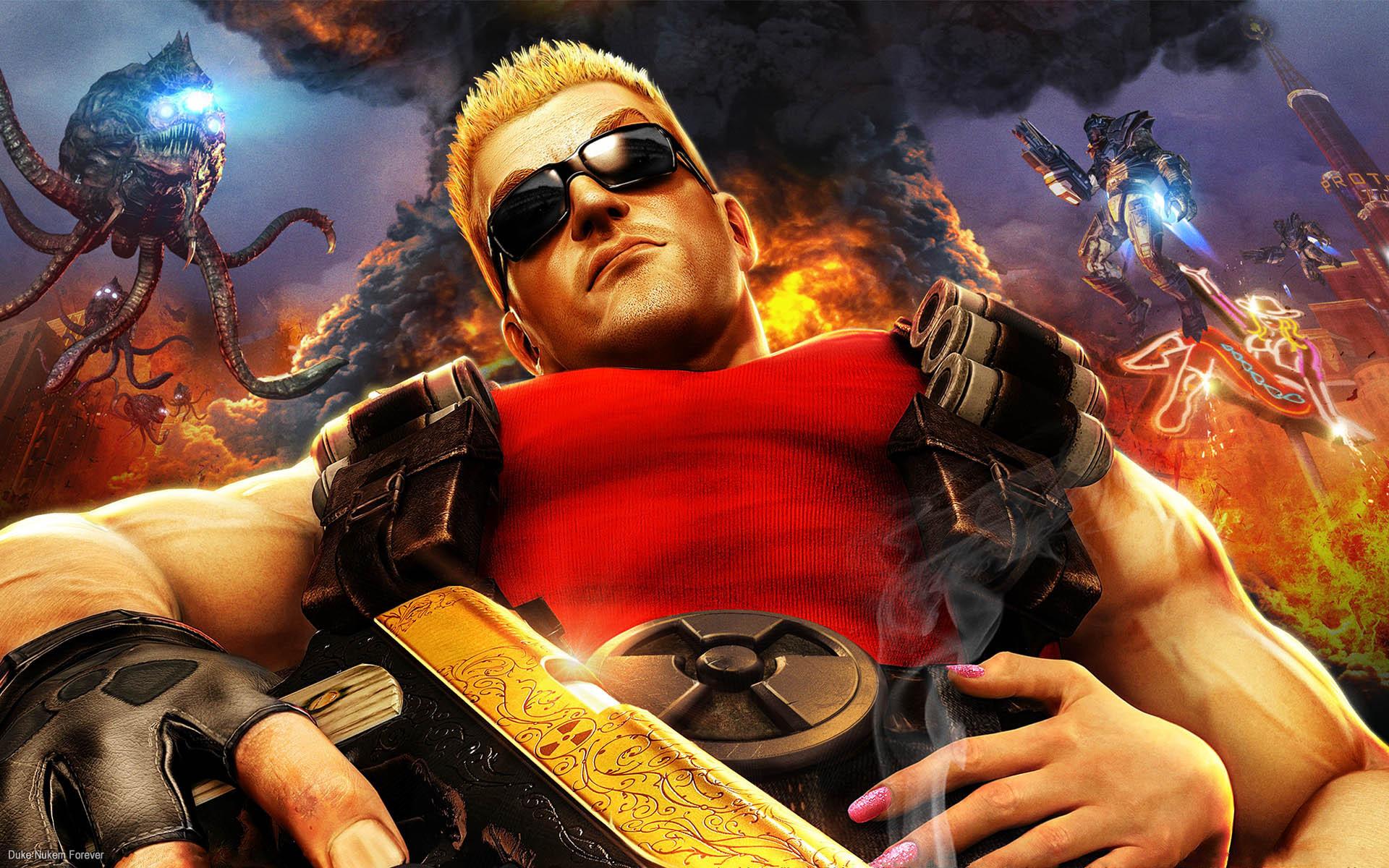
This title spent over a decade in development hell and became infamous for its constant delays. The final product arrived with dated graphics and mechanics that felt archaic compared to modern shooters. Players criticized the crude humor and clunky controls that failed to capture the charm of the original games. The commercial and critical failure of ‘Duke Nukem Forever’ halted any momentum for future mainline entries in the series.
‘SimCity’ (2013)
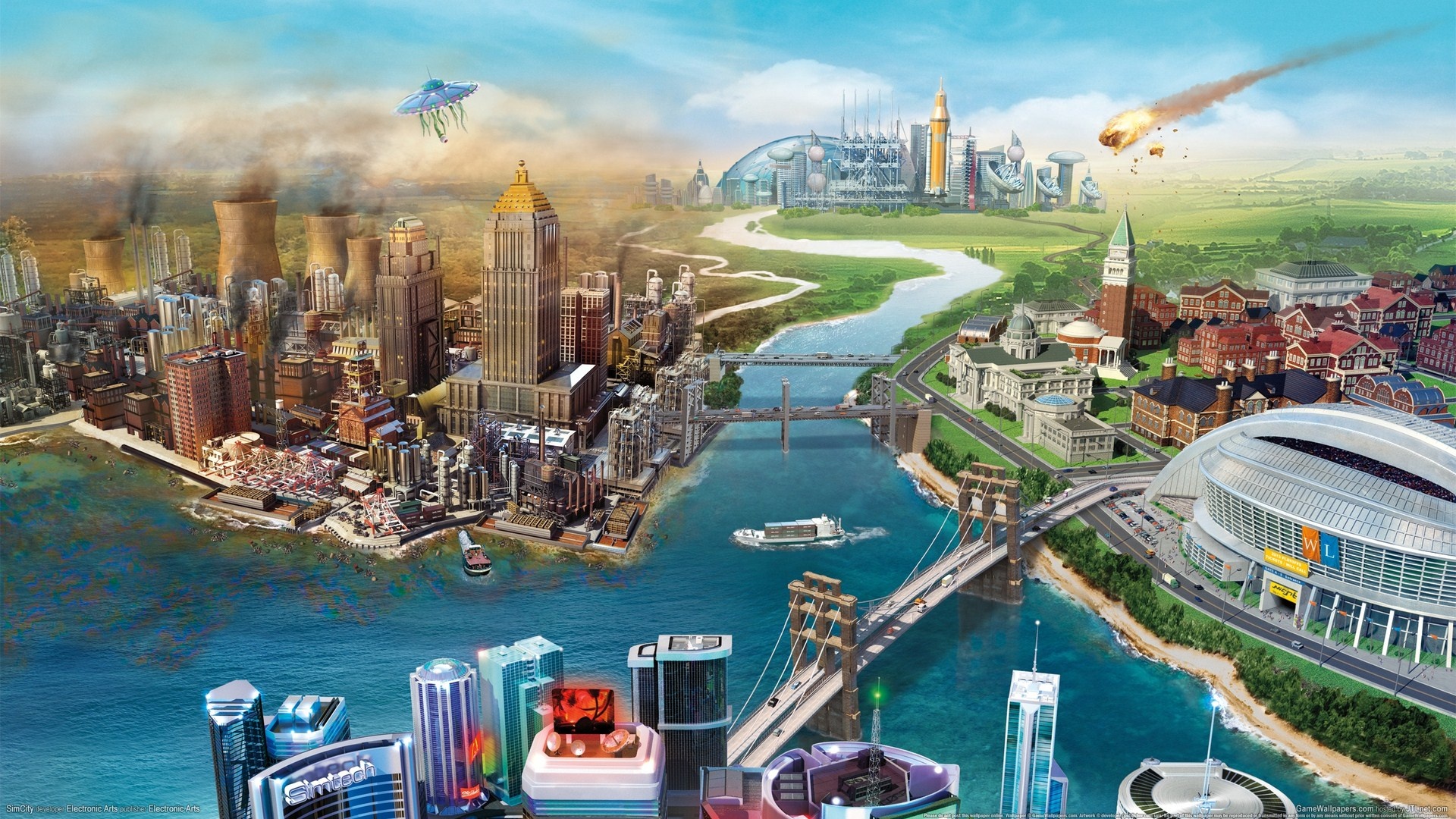
Maxis rebooted their premier city-building simulation with a requirement for an always-online internet connection. The launch was plagued by server instability that prevented thousands of people from playing the game they purchased. Players also discovered that the simulation engine was far more shallow than previous entries in the series. The backlash was severe enough to close the main studio and leave the door open for ‘Cities: Skylines’ to dominate the genre.
‘Mass Effect: Andromeda’ (2017)
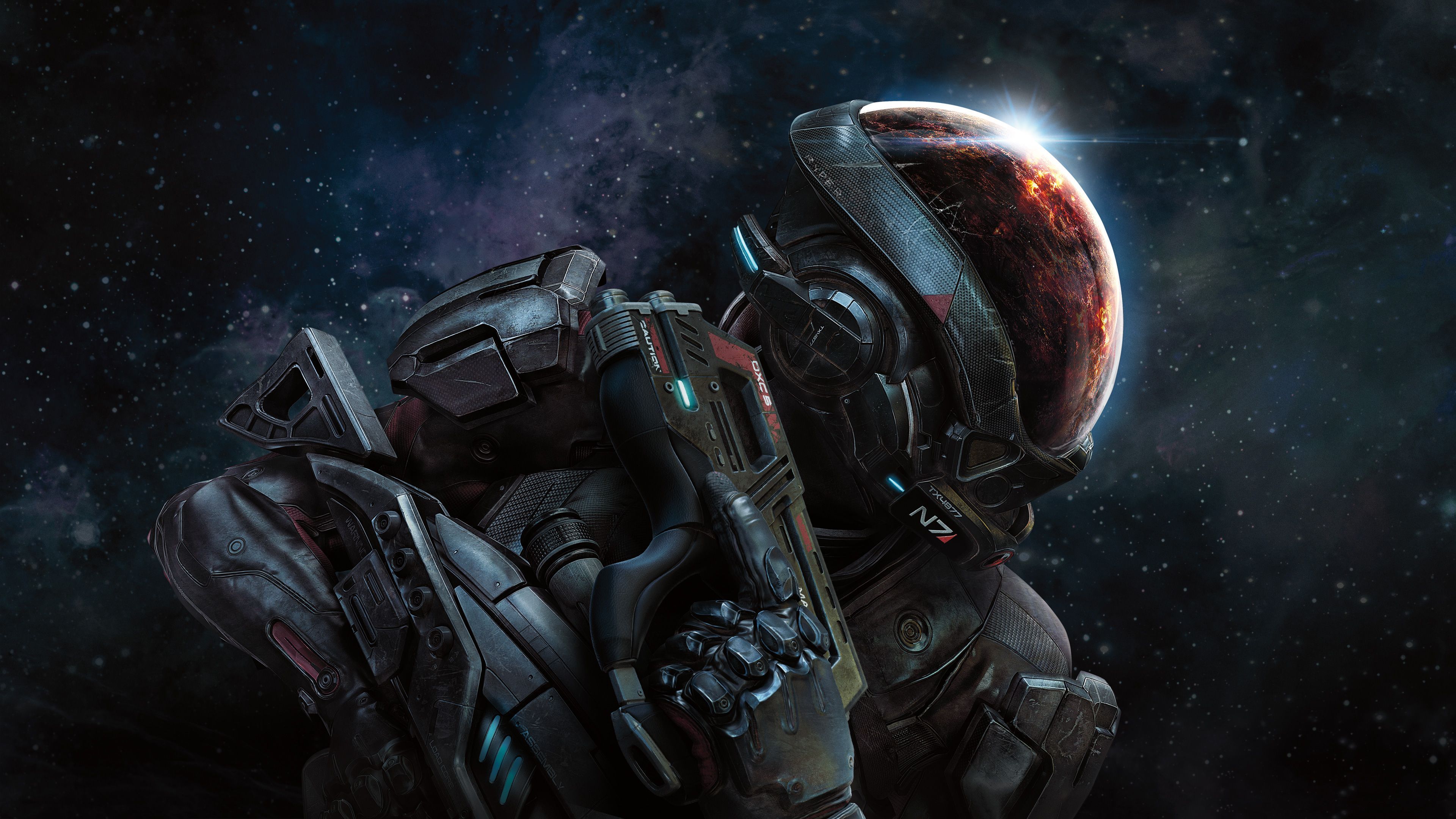
BioWare attempted to start a new saga within their beloved sci-fi universe but stumbled due to technical issues. The game launched with facial animations and glitches that became the subject of internet mockery. Critics felt the writing and character development lacked the depth found in the original trilogy. This lukewarm reception caused the publisher to put the franchise on a long hiatus while they restructured their development strategy.
‘Medal of Honor: Warfighter’ (2012)
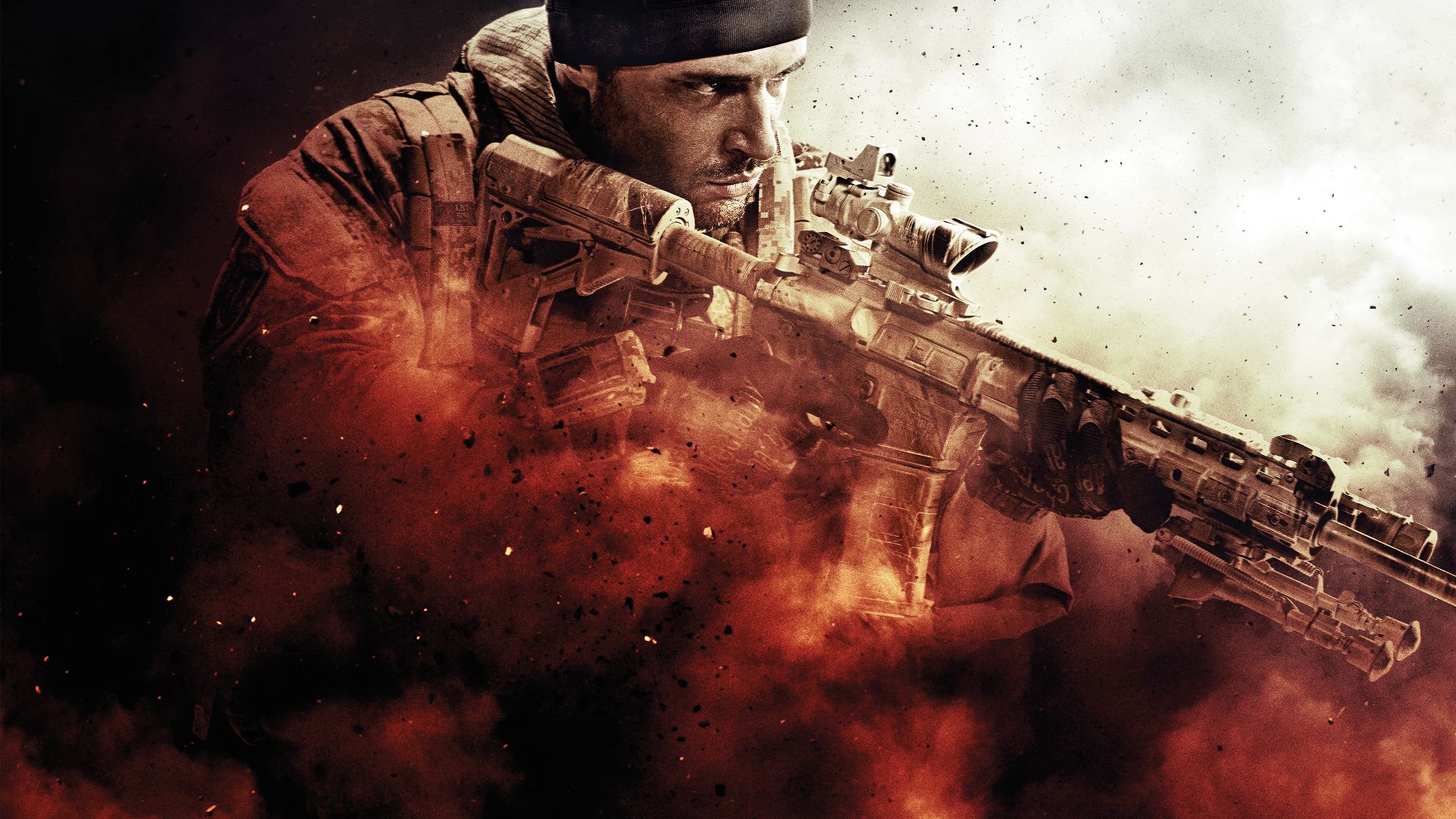
Electronic Arts attempted to modernize this classic World War II shooter to compete with other military giants. The game suffered from a disjointed campaign and a multiplayer mode that failed to retain a significant player base. Reviewers cited numerous bugs and uninspired level design as major flaws. Poor sales performance led the publisher to pull the plug on the series and focus entirely on the ‘Battlefield’ franchise.
‘Dead Space 3’ (2013)
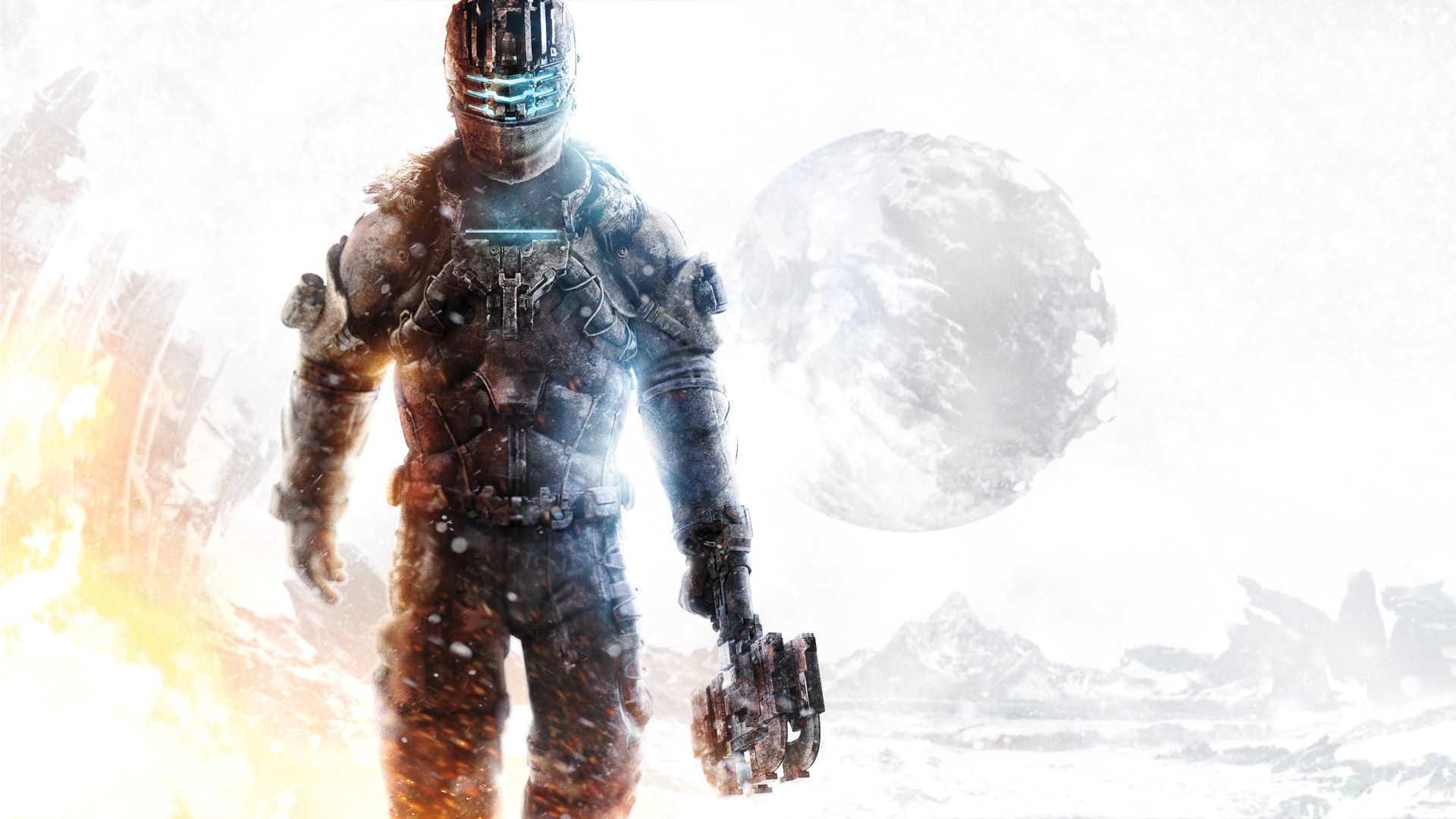
The developers shifted the focus of this survival horror series toward action and cooperative gameplay. Fans felt the addition of microtransactions for weapon crafting undermined the tension and resource management of the earlier games. The horror elements were diluted by the inclusion of a second player character and universal ammo drops. Electronic Arts expressed disappointment in the sales figures and the franchise remained dormant until the recent remake.
‘Command & Conquer 4: Tiberian Twilight’ (2010)
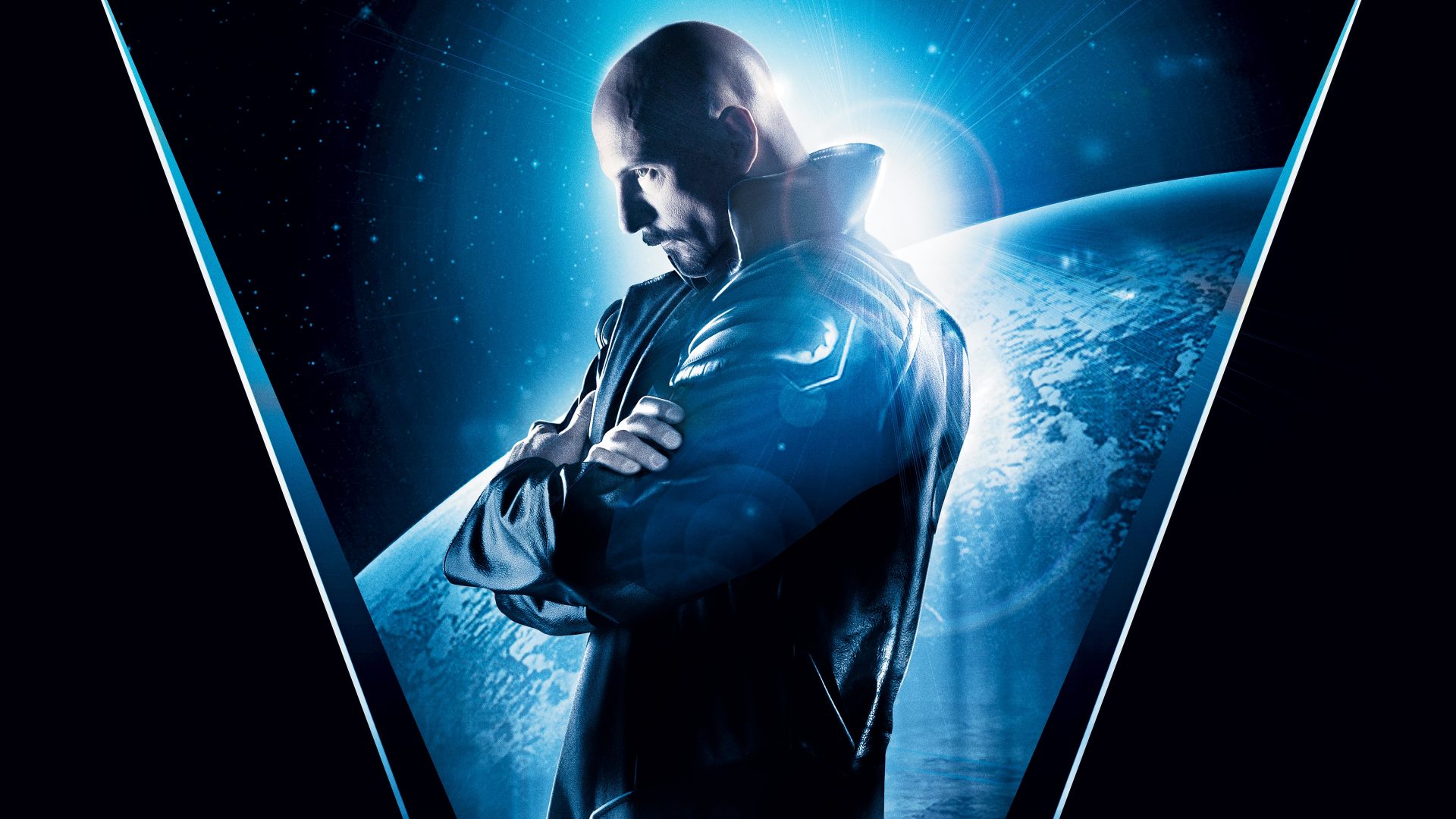
This real-time strategy game removed base building and resource gathering which were core staples of the genre. The developers implemented a class-based system and forced online progression that alienated longtime fans. The narrative conclusion to the Tiberium saga was widely considered unsatisfying and rushed. This radical departure from the established formula resulted in the cancellation of future projects and the end of the mainline series.
‘Dino Crisis 3’ (2003)
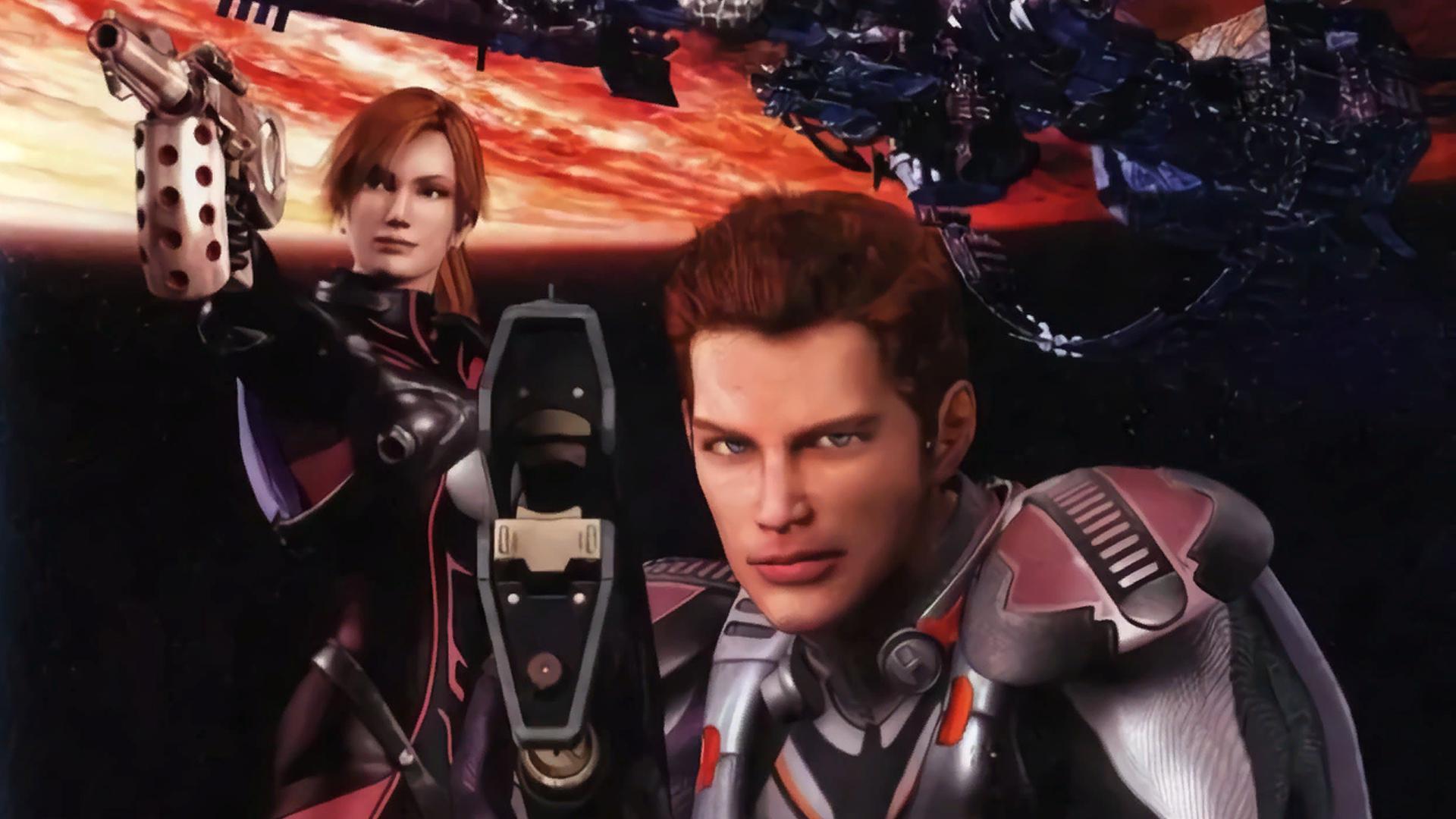
Capcom moved the setting of their dinosaur survival series to outer space in the far future. The game featured mutated creatures that barely resembled real dinosaurs and a problematic camera system. Players struggled with jetpack mechanics that made combat frustrating and imprecise. The drastic shift in tone and gameplay style caused the game to flop and the franchise has not seen a new entry since.
‘Banjo-Kazooie: Nuts & Bolts’ (2008)
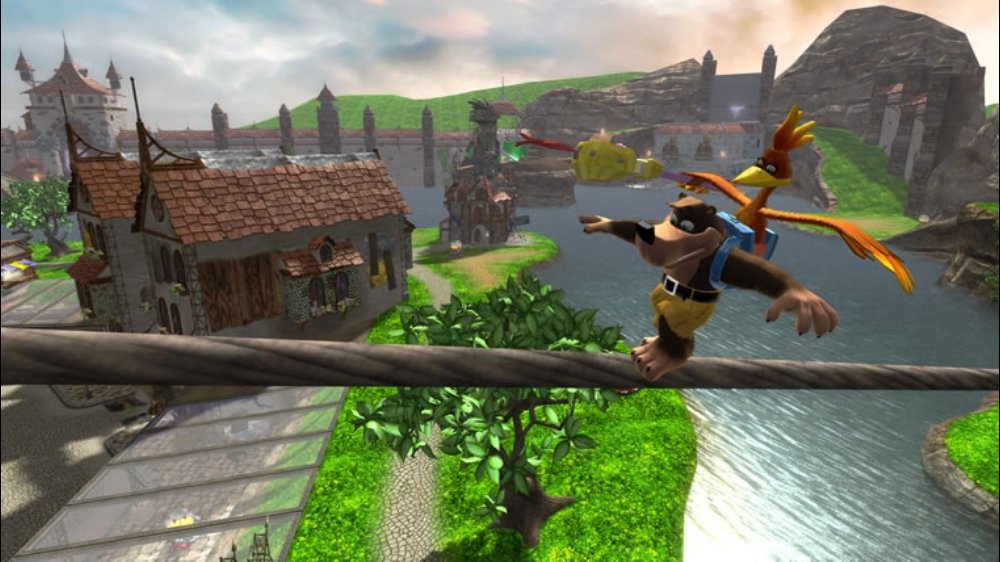
Rare took their famous platforming duo and placed them into a game focused on vehicle construction. Fans of the original collectathon platformers were disappointed by the lack of traditional exploration and movement. The vehicle physics were impressive but did not appeal to the core audience expecting a platforming adventure. This experimental shift alienated the fanbase and the characters have largely been relegated to cameo appearances.
‘Alone in the Dark: Illumination’ (2015)
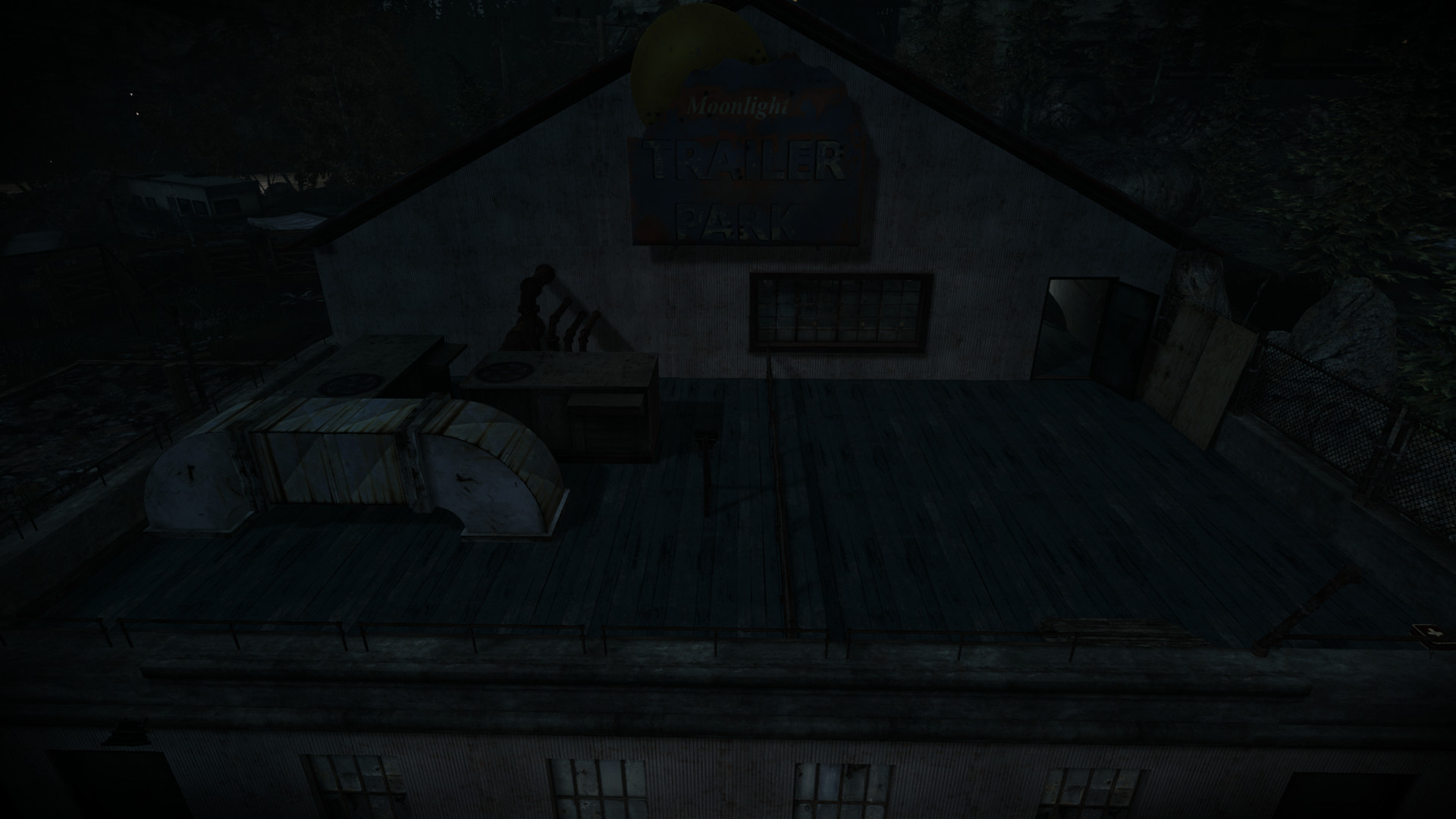
This entry turned the grandfather of survival horror into a cooperative shooter with four distinct character classes. The game was criticized for its repetitive gameplay and lack of genuine scares or atmosphere. Technical issues and poor lighting design made the experience frustrating for the few who played it. The overwhelmingly negative reception ensured that this iteration of the franchise was dead on arrival.
‘Empire Earth III’ (2007)
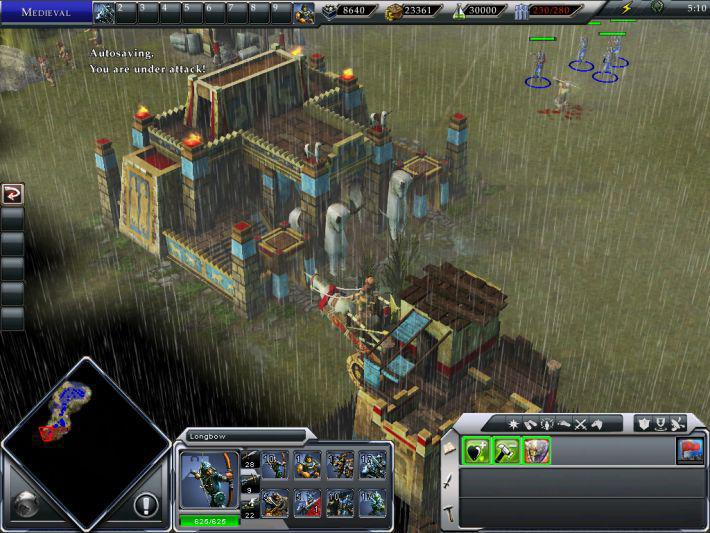
The developers simplified the complex mechanics of the previous games in an attempt to appeal to a broader audience. Critics noted that the tech tree was dumbed down and the AI was laughably incompetent. The humor introduced into the unit voice lines clashed with the historical tone of the series. This dumbing down of the strategy elements enraged fans and effectively killed the franchise.
‘Tony Hawk’s Pro Skater 5’ (2015)

The game was rushed to market before a licensing deal expired and released in a nearly unplayable state. Glitches caused skaters to fall through the floor or launch into the sky unpredictably. The art style was changed at the last minute to a cel-shaded look that did not hide the poor graphical fidelity. This disaster put the series on ice until a remake of the first two games eventually revived interest.
‘Marvel vs. Capcom: Infinite’ (2017)
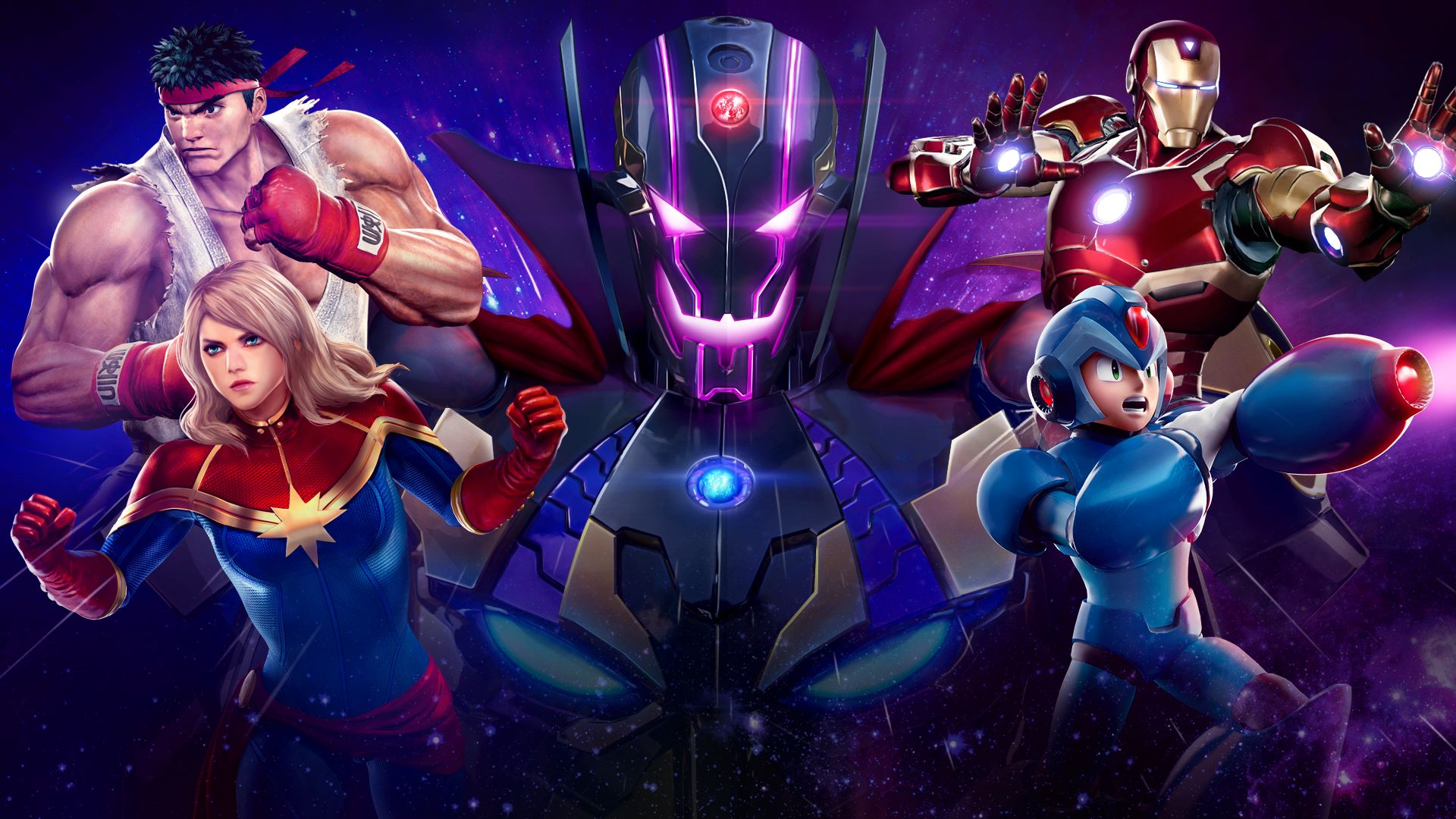
The visual style of this fighting game was heavily criticized for looking muddy and unpolished compared to its predecessors. The roster excluded fan-favorite ‘X-Men’ characters due to licensing disputes happening at the time. A simplistic two-button auto-combo system turned away hardcore fighting game enthusiasts. The game was excluded from major tournament circuits early on and support ceased shortly after launch.
‘Thief’ (2014)
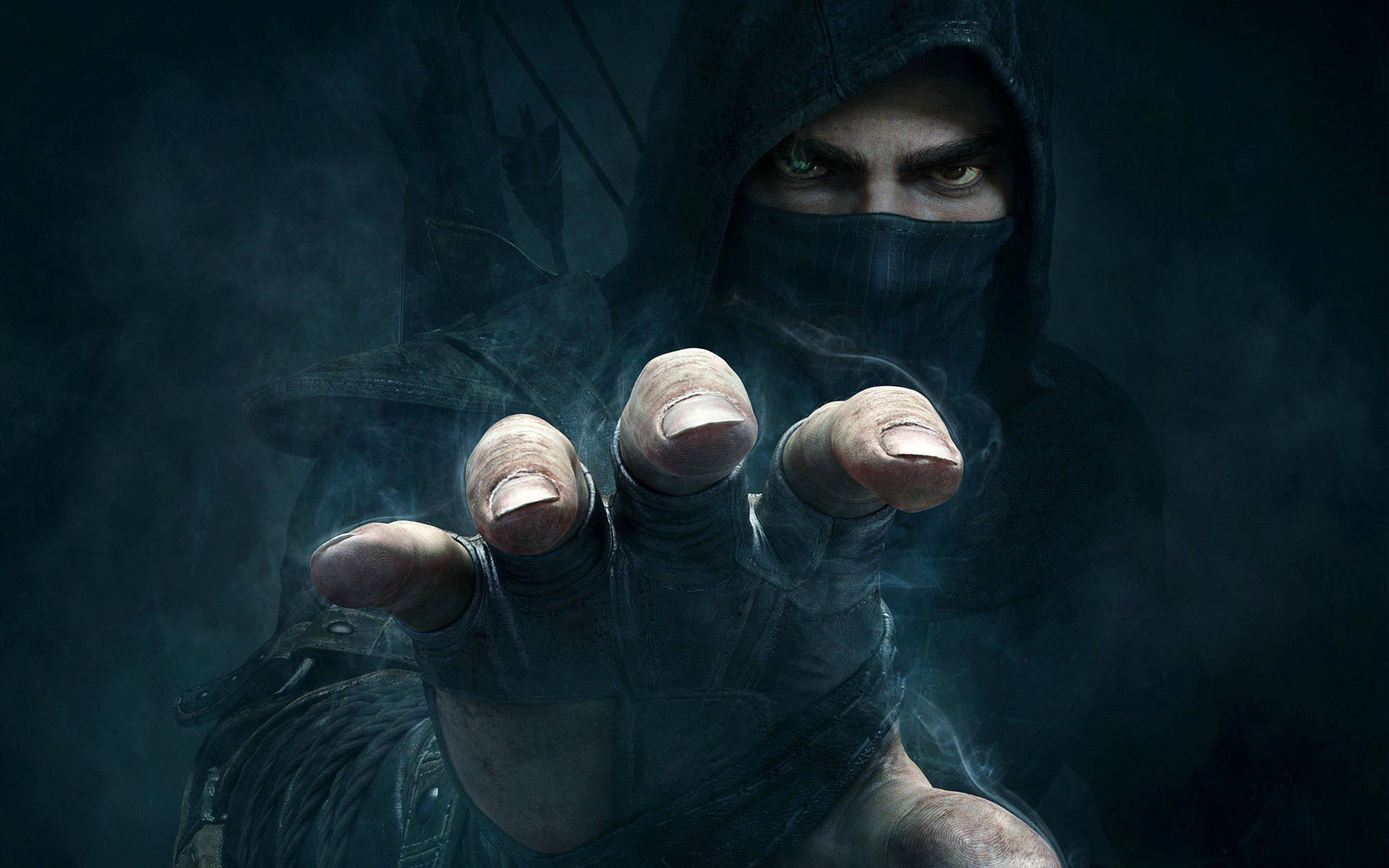
This reboot failed to capture the open-ended level design and immersive sound engineering of the original trilogy. The protagonist was reimagined with a brooding personality that lacked the cynical wit of the original character Garrett. Linearity plagued the missions and restricted the freedom of approach that defined the immersive sim genre. Eidos Montreal moved on to other projects and the series has remained in the shadows ever since.
‘Sacred 3’ (2014)
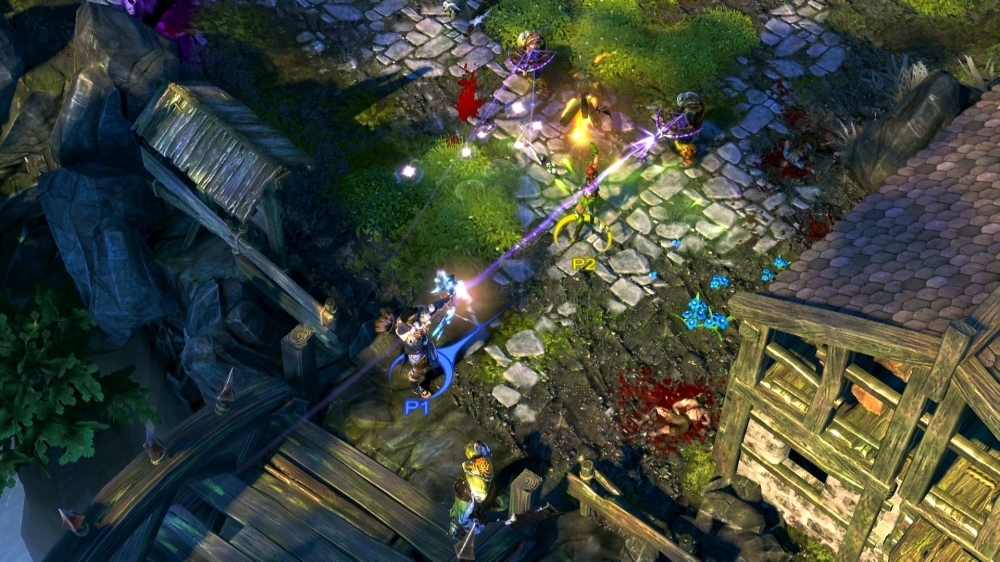
The developers transformed an open-world action RPG into a linear arcade brawler. Loot mechanics and character customization were stripped away in favor of simplified stage progression. Fans of the previous games felt betrayed by the complete removal of the exploration elements they loved. The backlash was so severe that the developers actually apologized for the misleading marketing of the game.
‘Metal Gear Survive’ (2018)
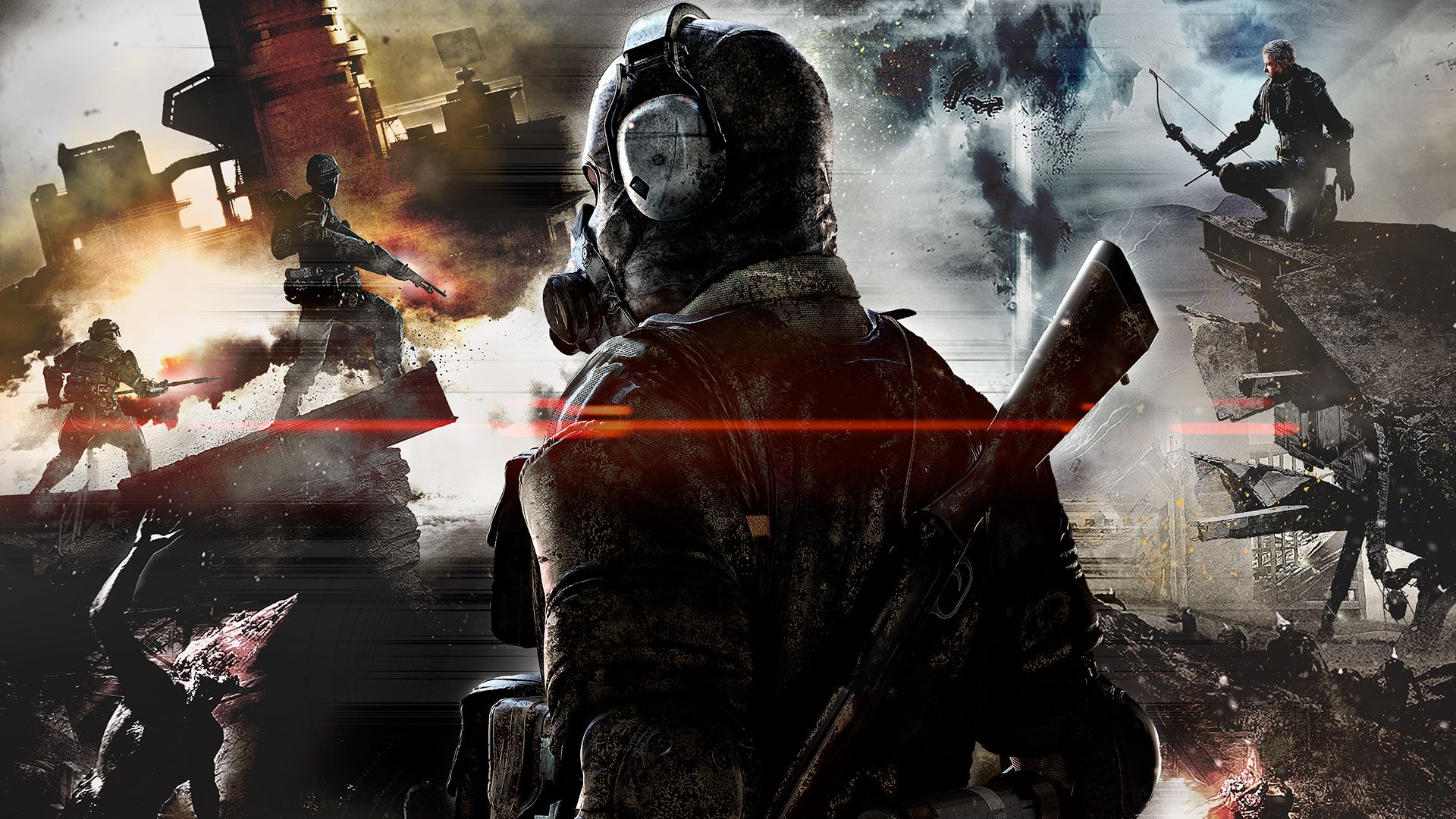
Konami released this zombie survival spin-off shortly after the departure of series creator Hideo Kojima. The game utilized the engine from the fifth main entry but added hunger and thirst meters that felt tedious. Players were outraged by the inclusion of microtransactions for basic features like additional save slots. The title was viewed as a cynical cash grab and failed to gain any traction with the fanbase.
‘Dungeon Keeper Mobile’ (2014)
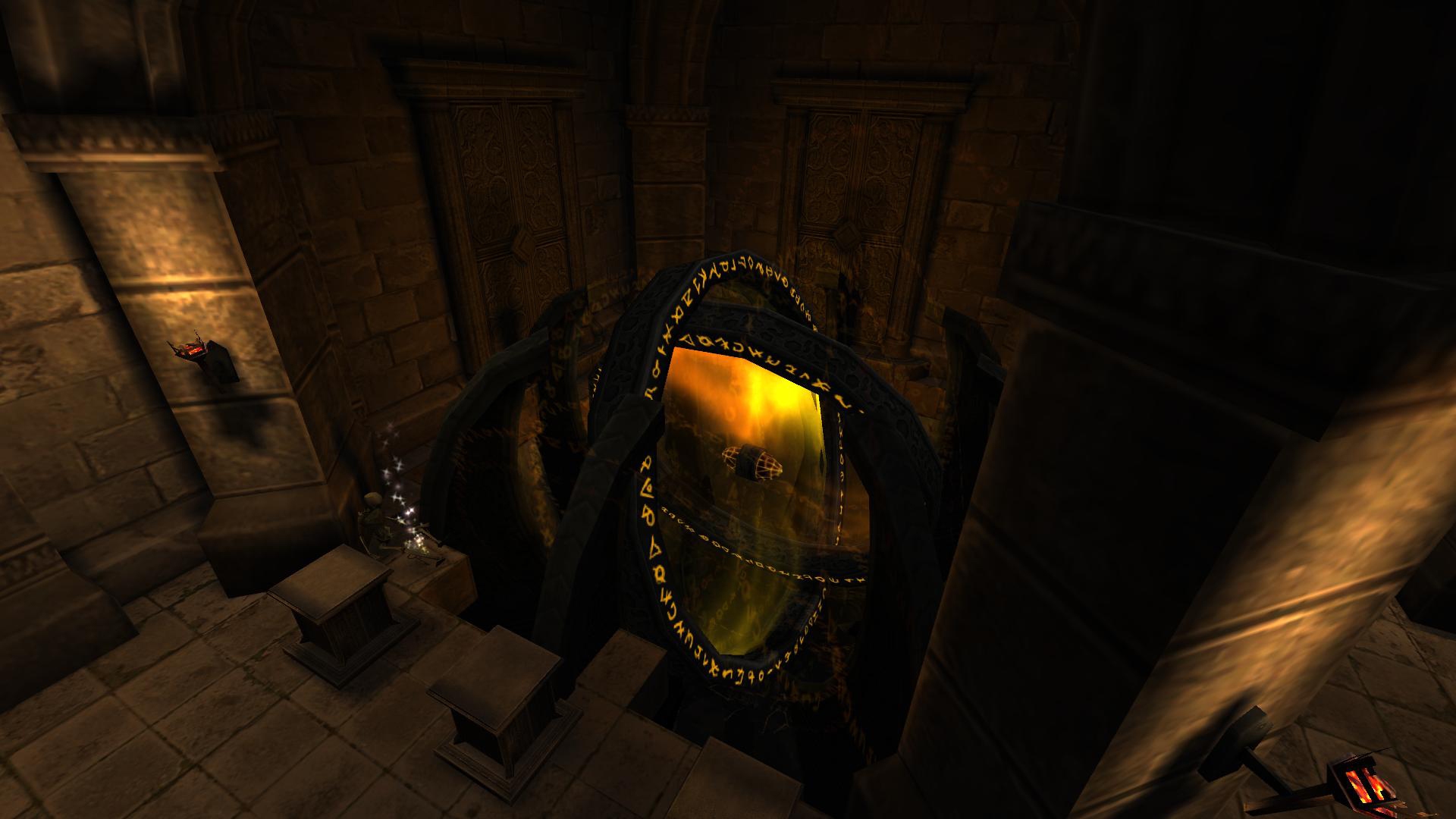
Electronic Arts revived the classic strategy management game as a free-to-play mobile title. The game was riddled with aggressive wait timers that halted progress unless players spent real money. Critics and fans slammed the monetization model for making the game virtually unplayable without paying. The original creator publicly denounced this version and the franchise reputation was thoroughly tarnished.
‘Dawn of War III’ (2017)
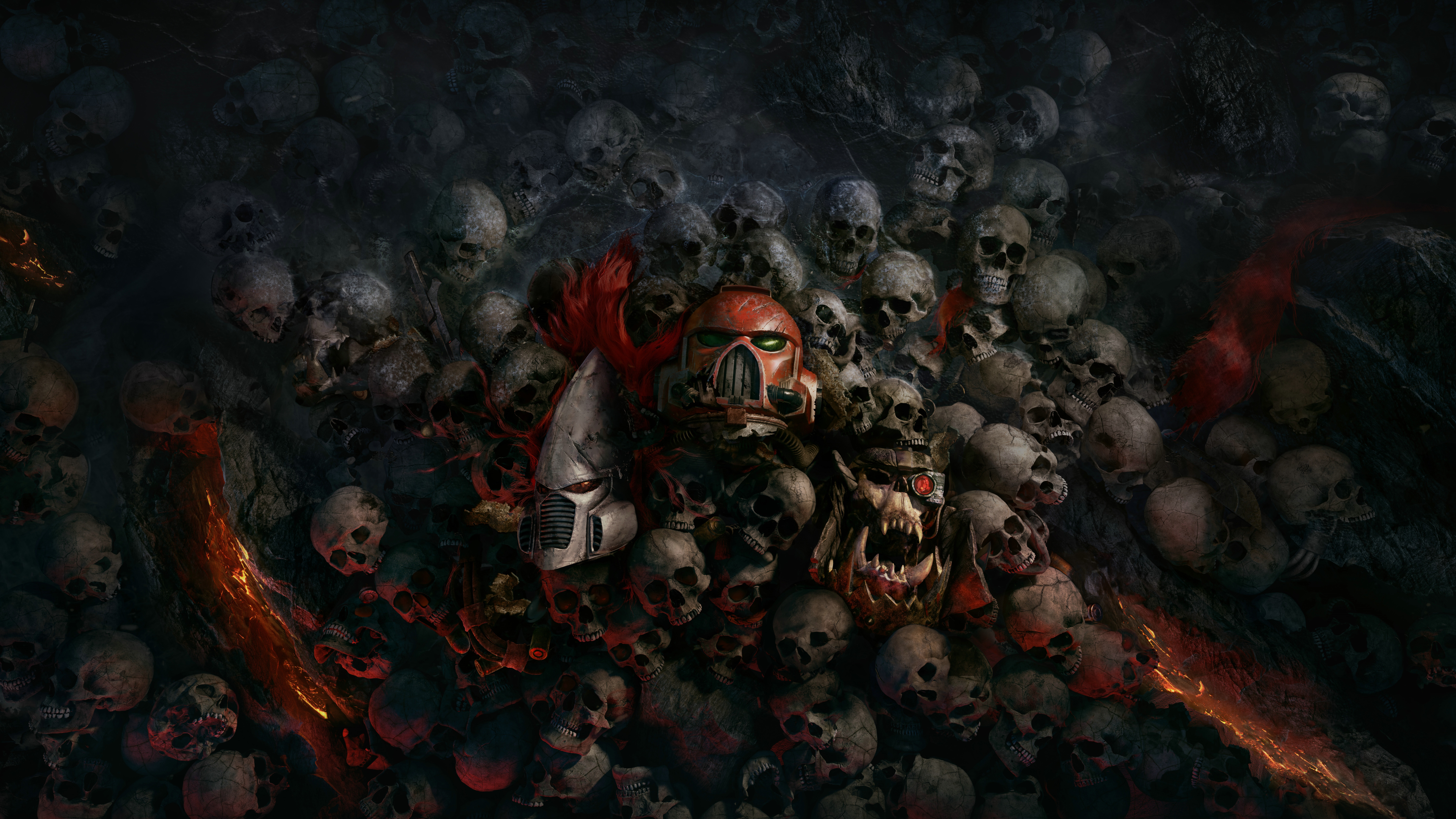
Relic Entertainment tried to blend the massive armies of the first game with the hero focus of the second. The result was a hybrid that satisfied neither group of fans and felt more like a MOBA than a strategy game. The limited number of multiplayer modes and factions at launch hurt player retention. Support for the game was abandoned less than a year after its release due to the dwindling player count.
‘FlatOut 3: Chaos & Destruction’ (2011)
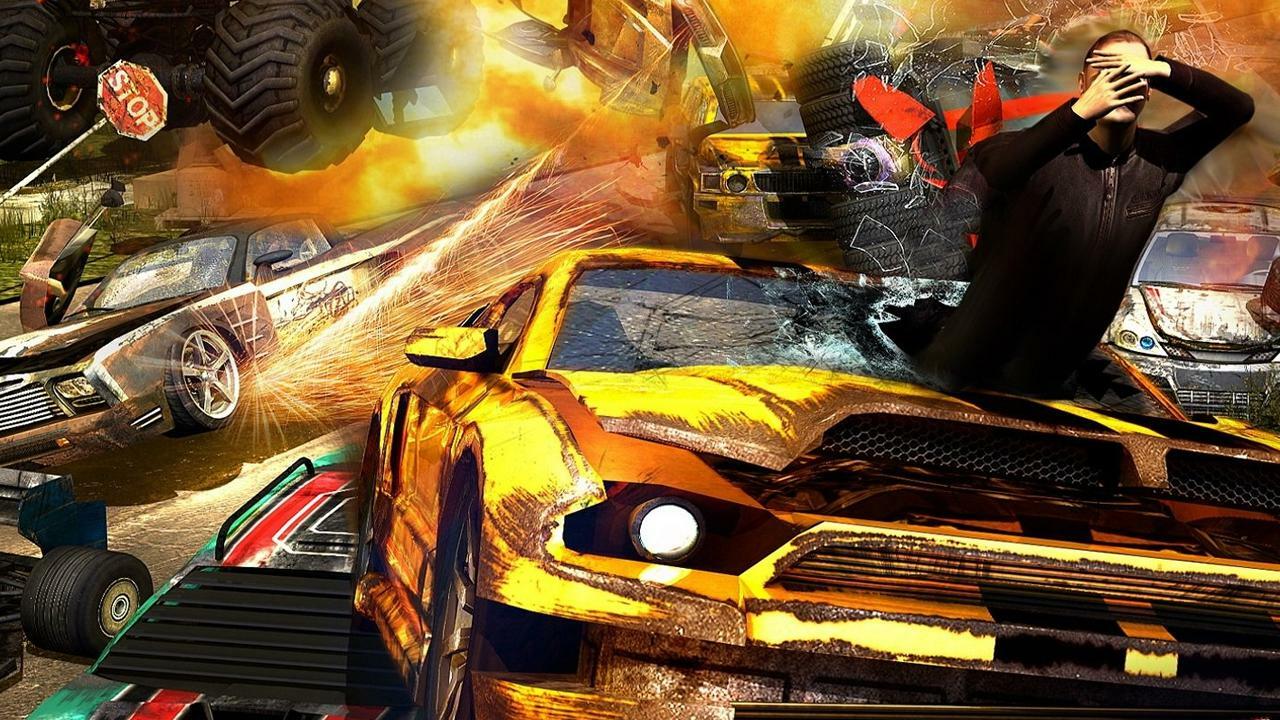
Development of this sequel was handed to a new studio that had no prior experience with the series. The physics engine was broken and caused cars to react unrealistically to collisions. The tracks were poorly designed and the graphics looked generations behind the competition. It holds one of the lowest user scores in history and destroyed the brand value of the racing series.
‘Star Fox Zero’ (2016)
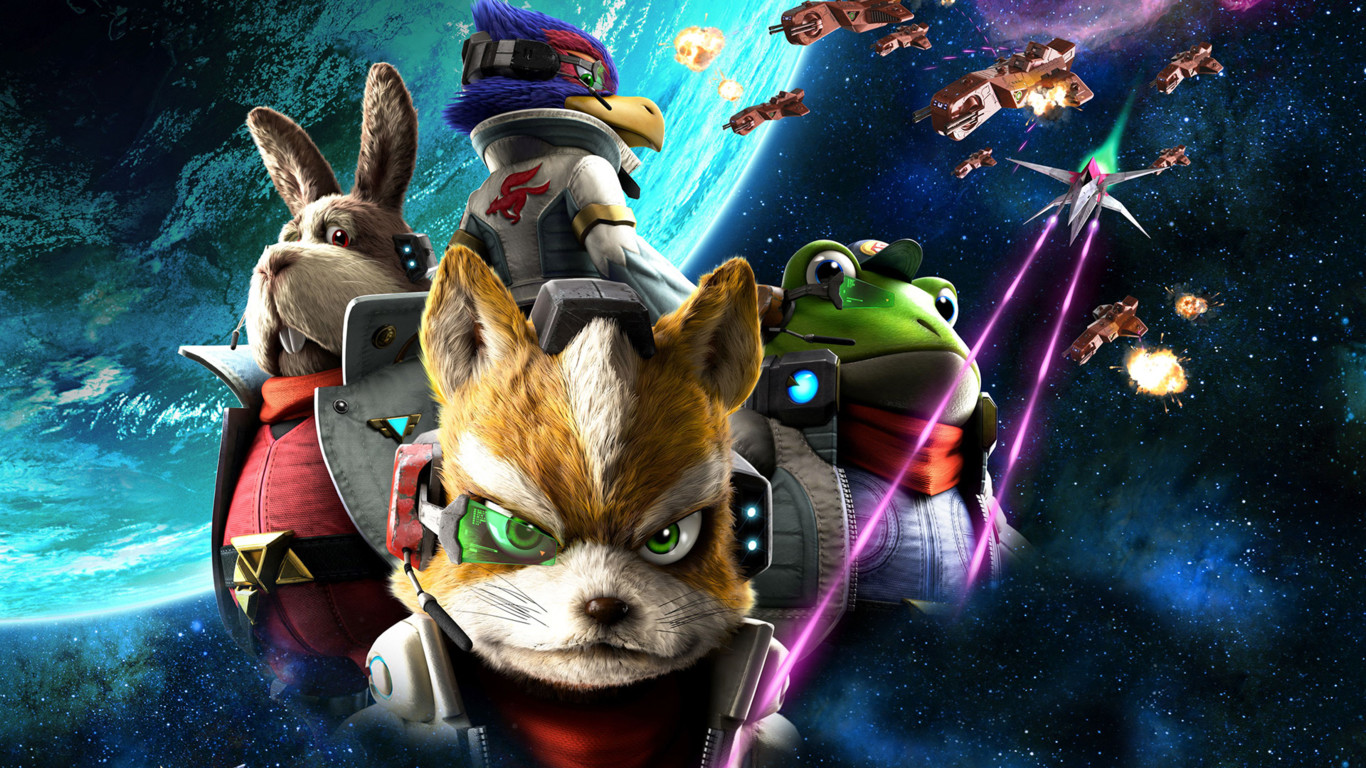
Nintendo insisted on implementing a control scheme that required players to look at two screens simultaneously. The motion controls were imprecise and forced players to constantly recalibrate the gamepad. This awkward setup made the simple act of aiming and flying frustratingly difficult. The game failed to resonate with audiences and the series has not seen a major console release since.
‘Splinter Cell: Blacklist’ (2013)
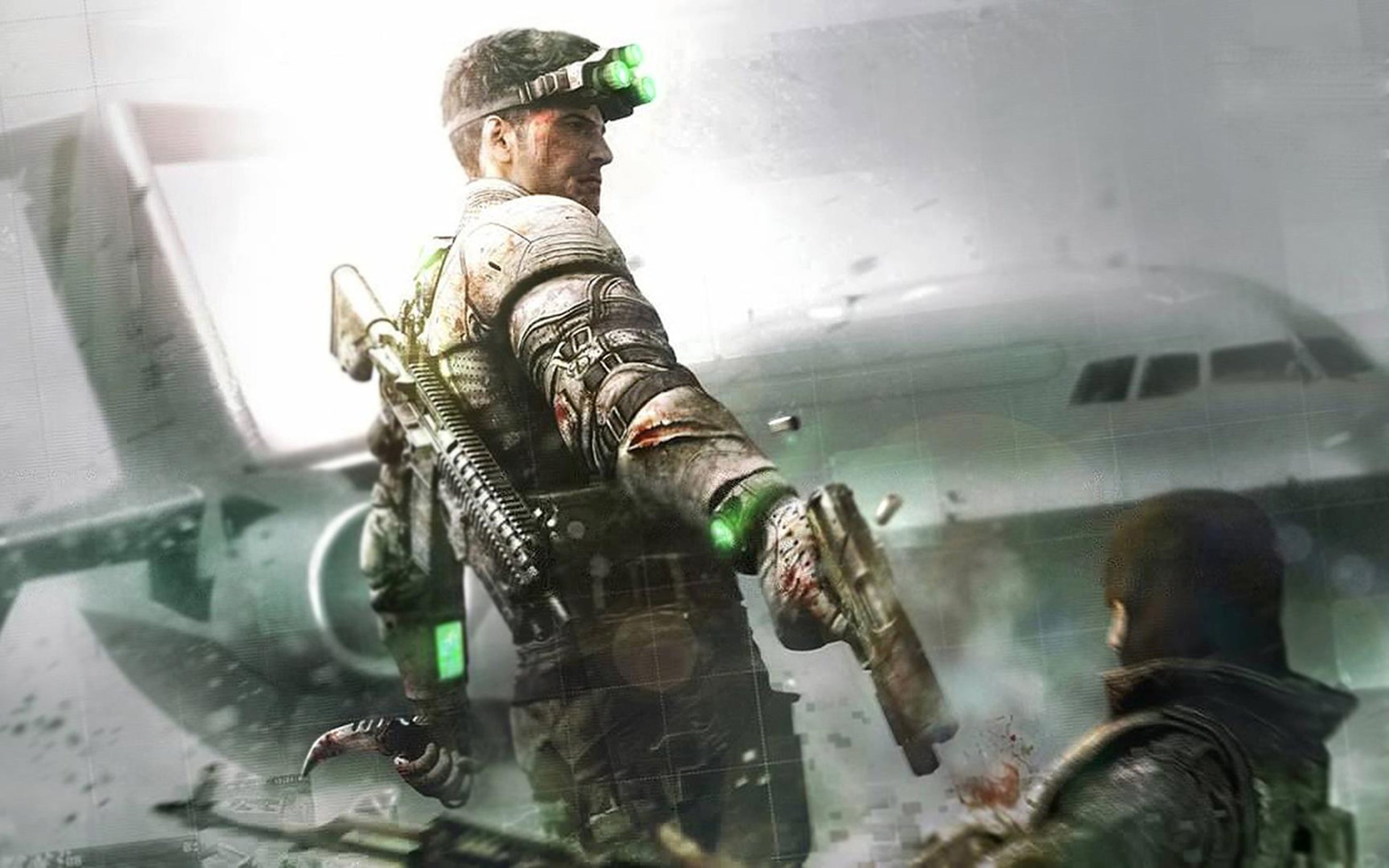
Ubisoft failed to meet their own inflated sales expectations despite the game receiving generally positive reviews. The replacement of the iconic voice actor Michael Ironside caused a rift with dedicated fans. The publisher decided the stealth genre was not profitable enough to warrant immediate sequels. Sam Fisher has since been relegated to guest appearances in other Ubisoft military games.
‘Sly Cooper: Thieves in Time’ (2013)
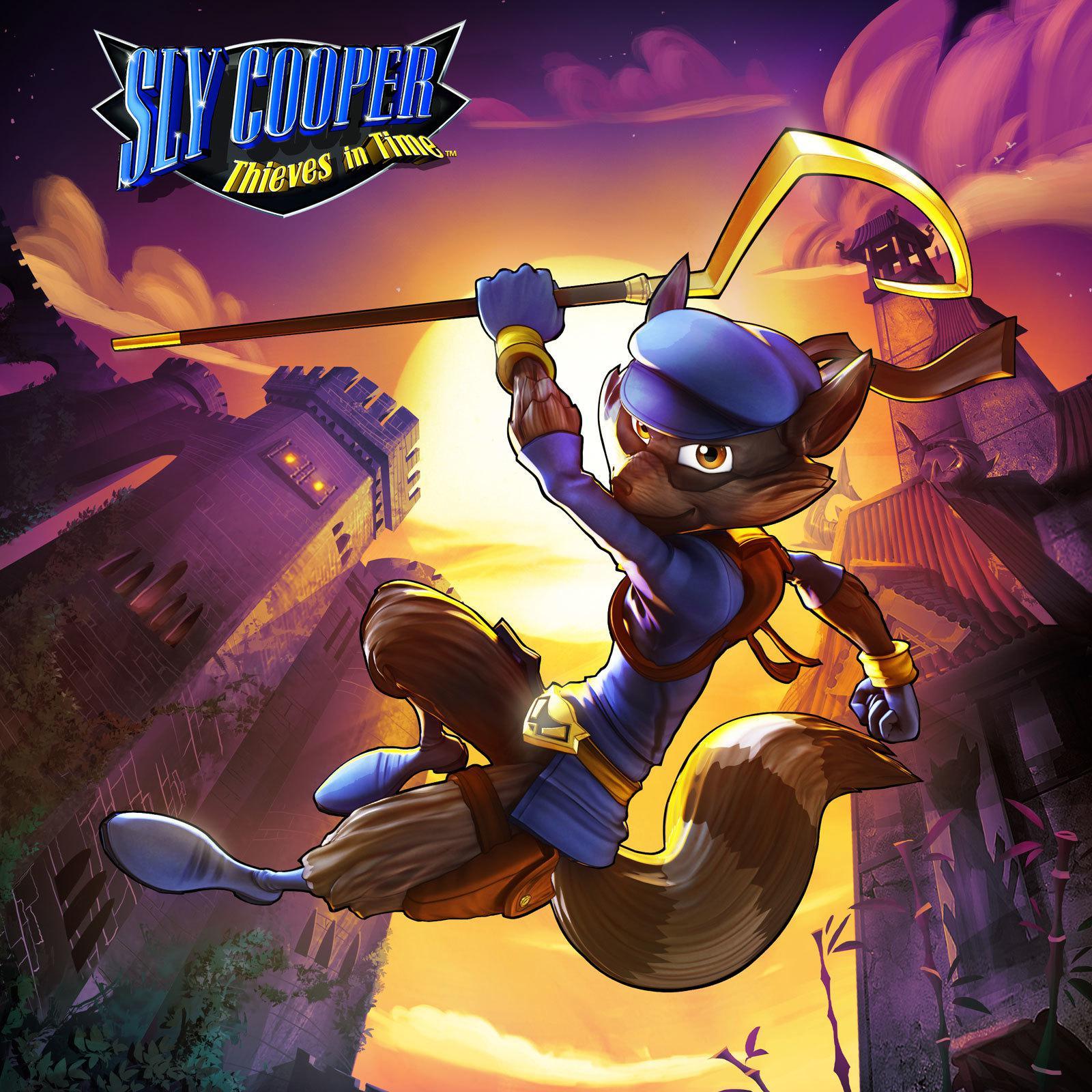
The game ended on a massive cliffhanger that teased a future installment for the raccoon thief. Sales figures were lower than expected and Sony decided to cut ties with the franchise. The studio that developed the game moved on to other projects and left the story unresolved. Fans have been waiting over a decade for a conclusion that may never arrive.
‘Jak and Daxter: The Lost Frontier’ (2009)
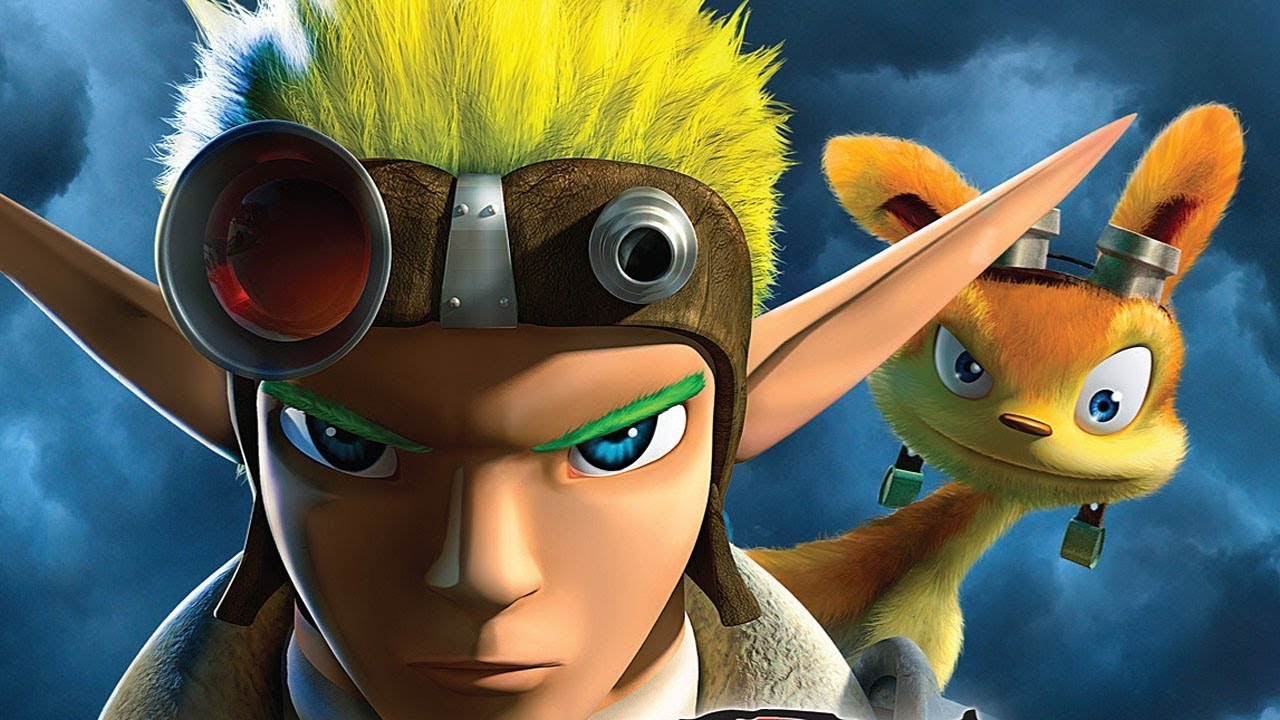
This title was developed without the involvement of the original creators at Naughty Dog. The gameplay suffered from awkward flight combat sections that took focus away from the platforming. Glitches and camera issues plagued the experience on both the PlayStation 2 and PSP versions. The poor quality of this release effectively signaled the end of the duo’s platforming adventures.
‘F-Zero Climax’ (2004)

This handheld entry was released only in Japan and marked the final game in the high-speed racing series. Nintendo has stated they struggle to come up with new ideas to justify a sequel. The franchise has been dormant for two decades outside of the main character appearing in ‘Super Smash Bros’. Fans continue to beg for a new entry but the series remains firmly in the rearview mirror.
‘Twisted Metal’ (2012)
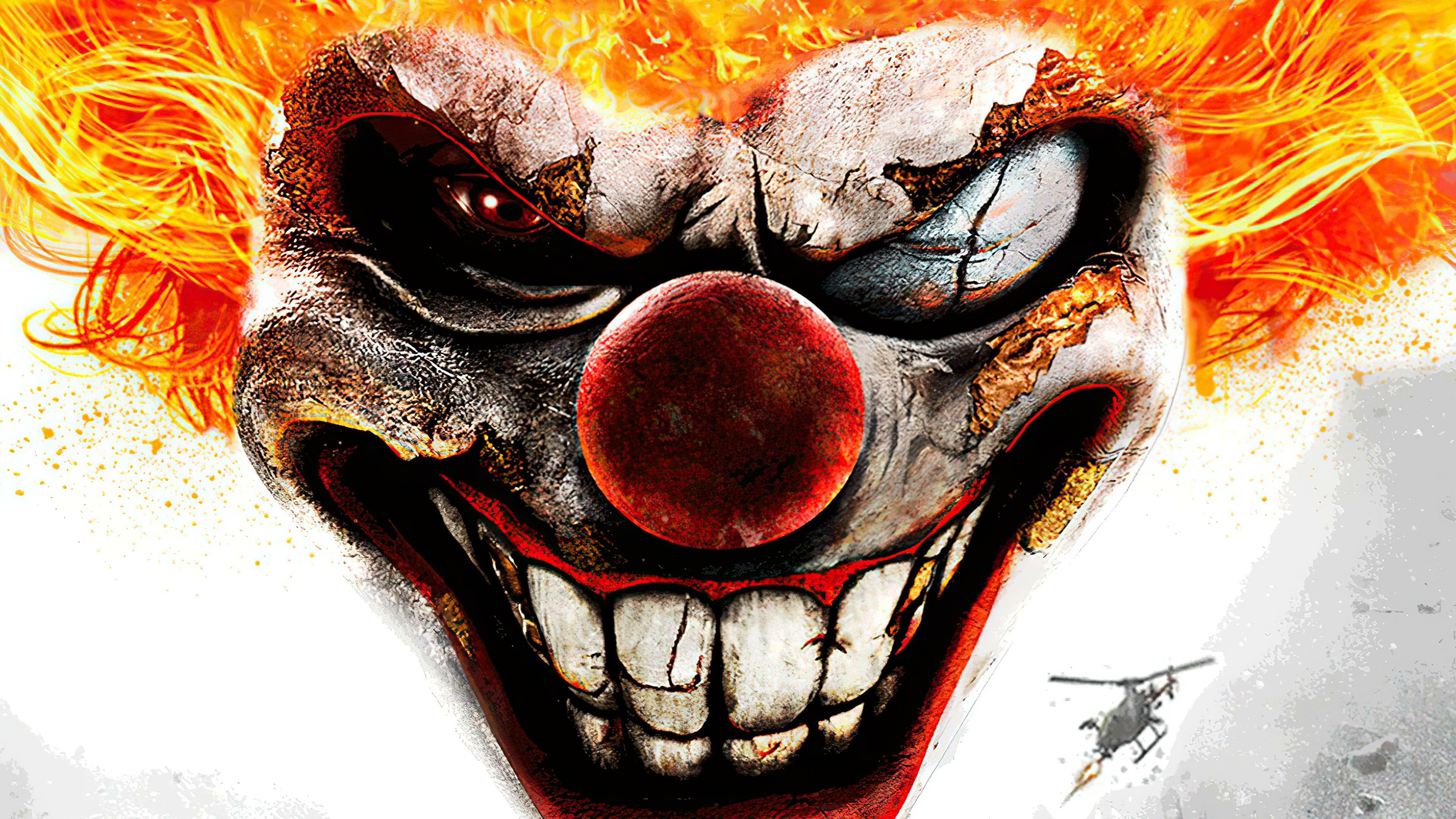
The reboot of the vehicular combat series focused heavily on multiplayer at the expense of the single-player campaign. The story mode was short and only featured three playable characters out of the large roster. Online connectivity issues marred the launch and discouraged players from sticking around. The genre had declined in popularity and this title failed to reignite enough interest to justify a sequel.
‘SSX’ (2012)
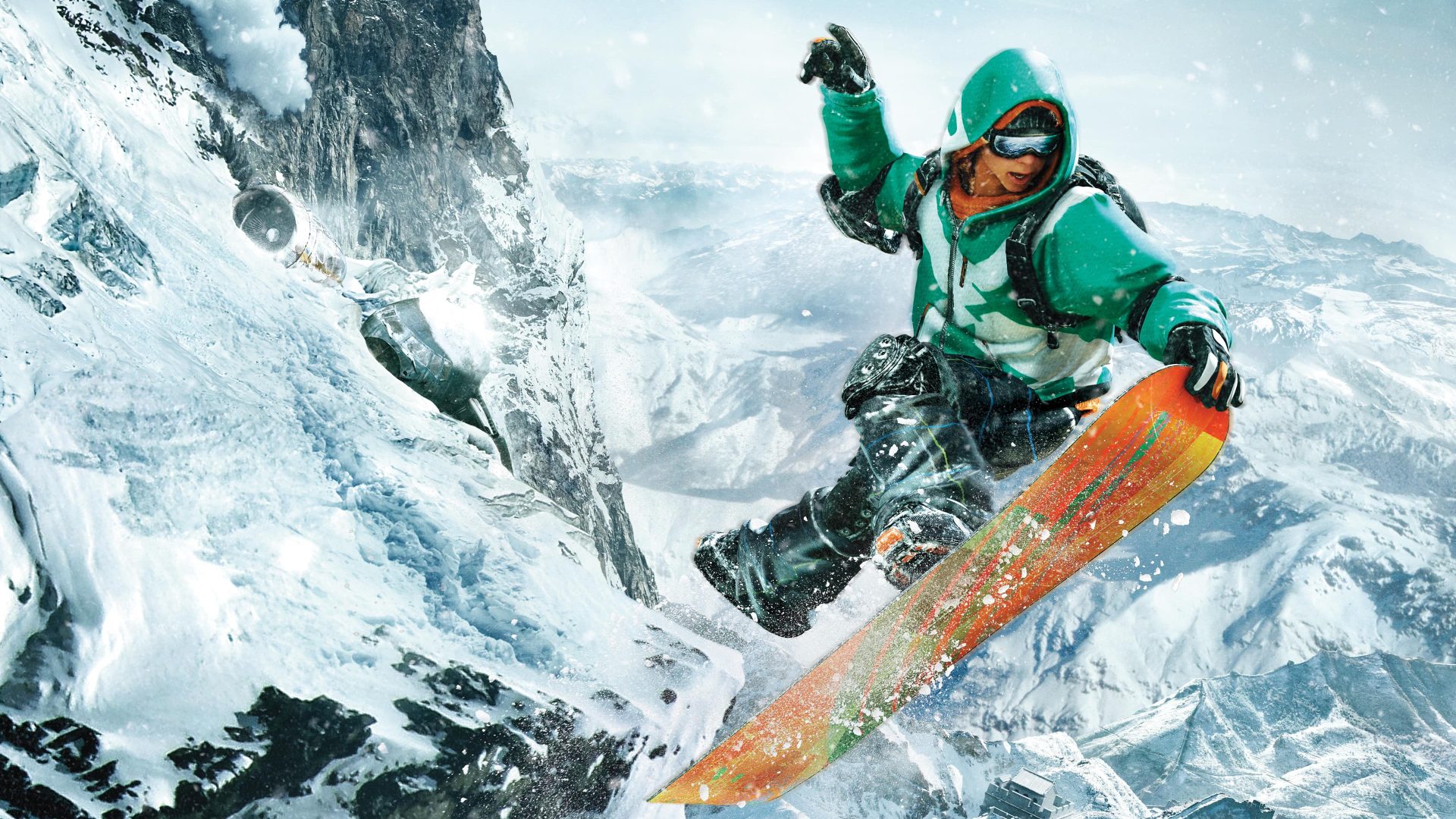
The developers abandoned the colorful and arcade-like aesthetic of previous games for a darker and grittier tone. They introduced a survival mechanic that required players to manage oxygen and armor while snowboarding. Many fans missed the over-the-top fun and vibrant tracks of the earlier titles. The franchise was put on hold as EA Sports pivoted to other profitable ventures.
‘Virtua Tennis 4’ (2011)

Sega attempted to modernize the arcade tennis series with motion controls and a new campaign structure. The game simplified the mechanics to the point where matches felt repetitive and lacked depth. The popularity of arcade sports games was waning and this title did nothing to reverse the trend. The series ceased production as the publisher shifted focus to other sports management titles.
‘Steel Battalion: Heavy Armor’ (2012)

The original game was famous for its massive dedicated controller but the sequel relied entirely on the Kinect sensor. The motion tracking was notoriously unreliable and made piloting the mech nearly impossible. Players struggled to perform basic functions like changing gears or closing the cockpit hatch. The game was deemed unplayable by many critics and killed the franchise instantly.
‘Kane & Lynch 2: Dog Days’ (2010)
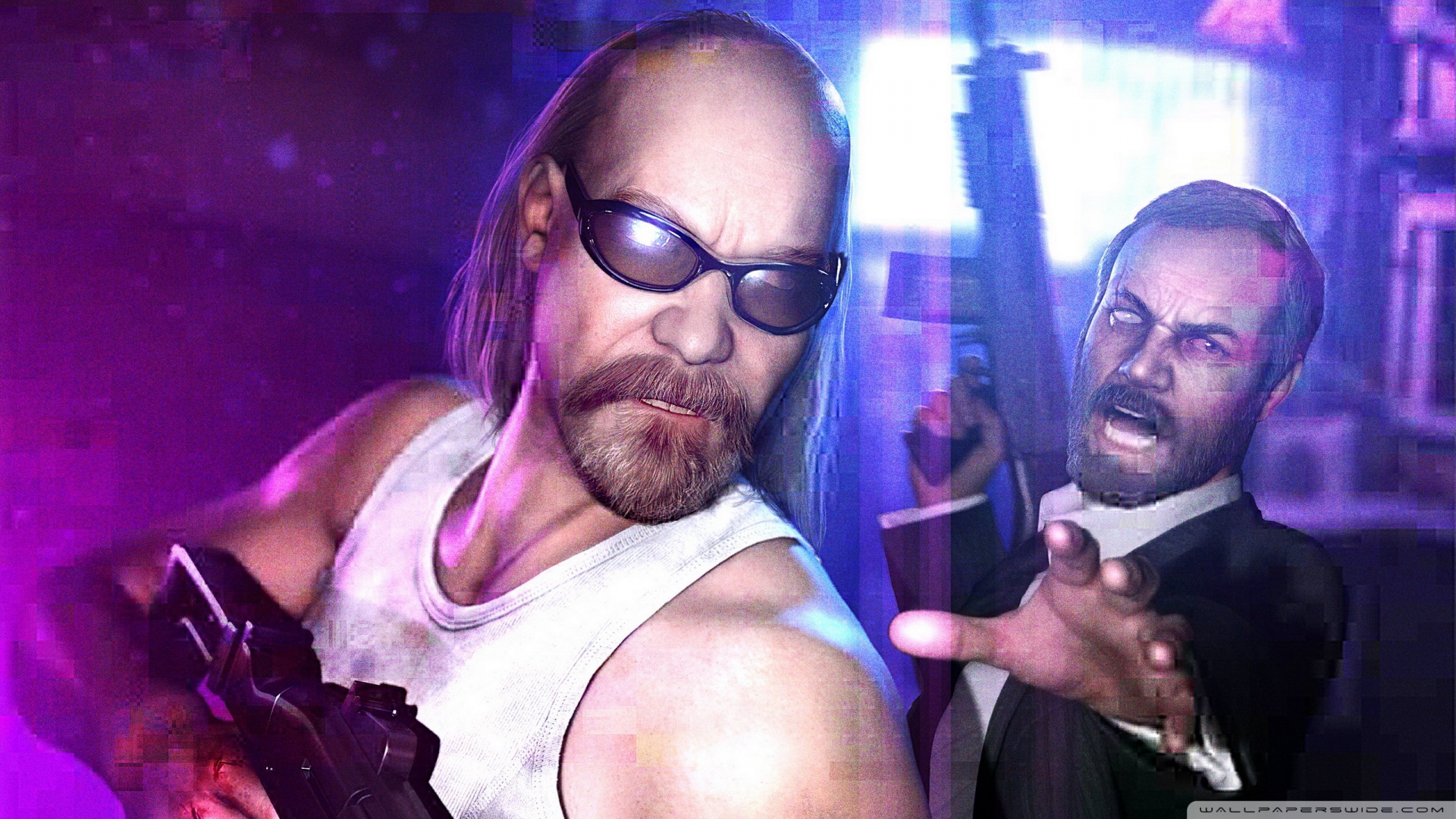
The visual style attempted to mimic low-quality camcorder footage which caused motion sickness for many players. The campaign was criticized for being extremely short and ending abruptly without a proper conclusion. The characters were viewed as unlikable and the cover-based shooting mechanics were generic. The poor reception led the publisher to abandon the IP and the planned movie adaptation.
‘Turok’ (2008)
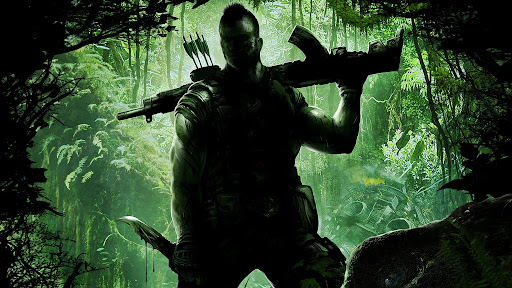
This reboot stripped away the fast-paced arcade action of the Nintendo 64 originals. The game adopted a generic military shooter aesthetic with grey and brown environments. Technical issues included screen tearing and inconsistent frame rates during combat. The studio was eventually shuttered and the dinosaur hunter has not headlined a major game since.
‘Bionic Commando’ (2009)
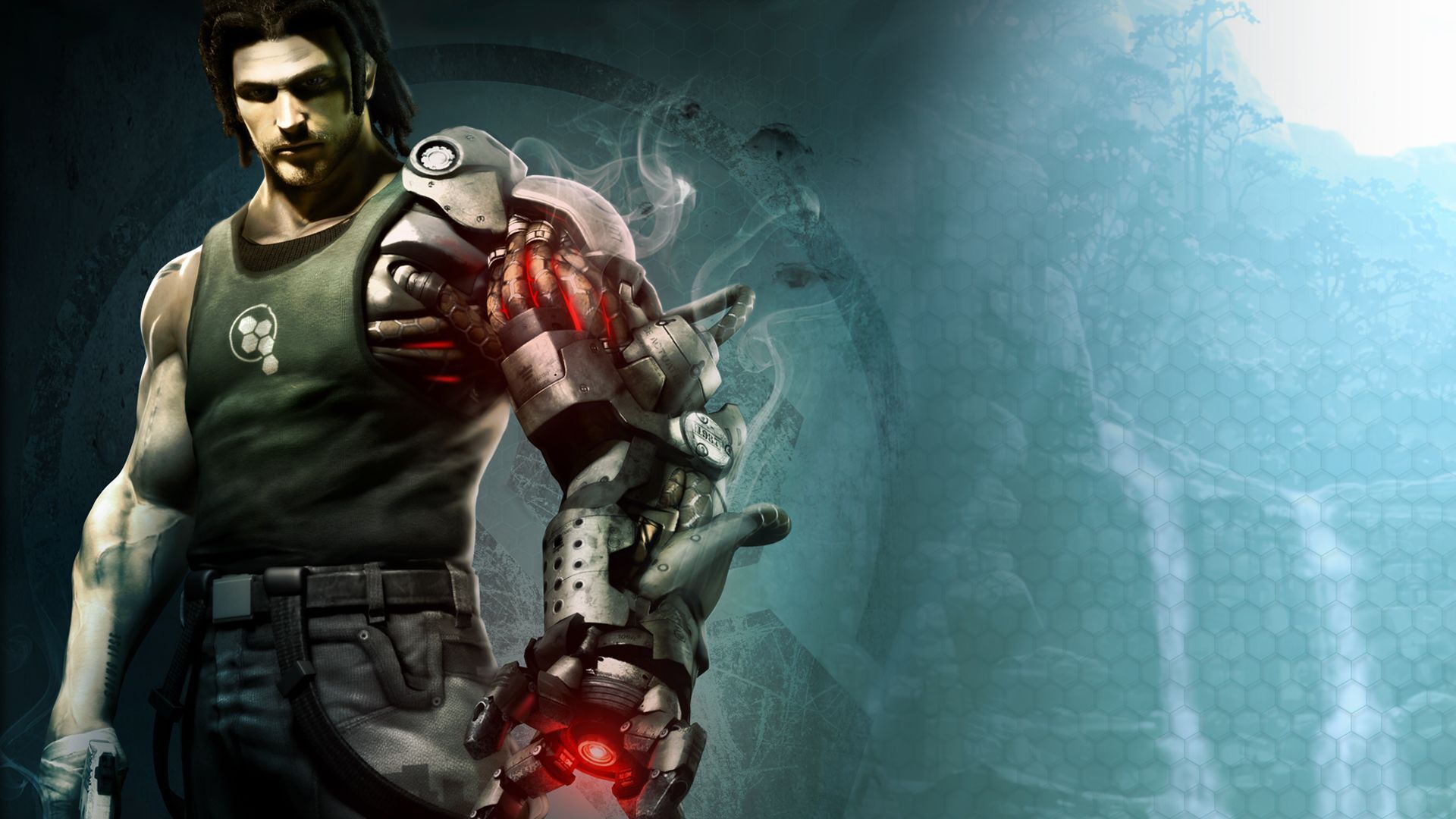
Capcom gave the classic hero a gritty makeover and a robotic arm with swinging mechanics. The game was punished by critics for linear levels that punished players for trying to explore. A plot twist involving the protagonist’s wife was widely mocked for being absurd. The reboot failed to sell and the series returned to the vault.
‘Bubsy 3D’ (1996)
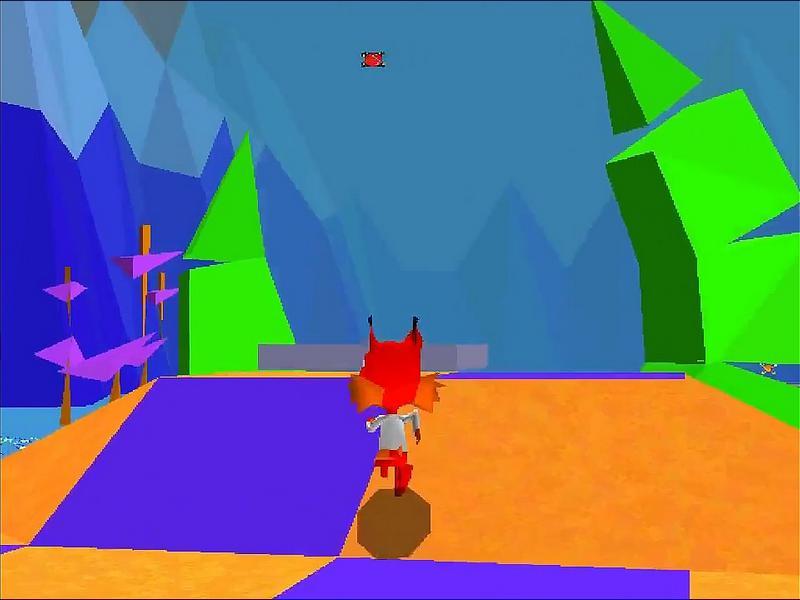
The transition from 2D to 3D was a disaster for this bobcat mascot. The controls were tank-like and the camera made platforming a nauseating experience. The graphics were primitive even for the time with sparse environments and flat textures. This title is often cited as one of the worst games ever made and destroyed the character’s career for decades.
‘Contra: Rogue Corps’ (2019)
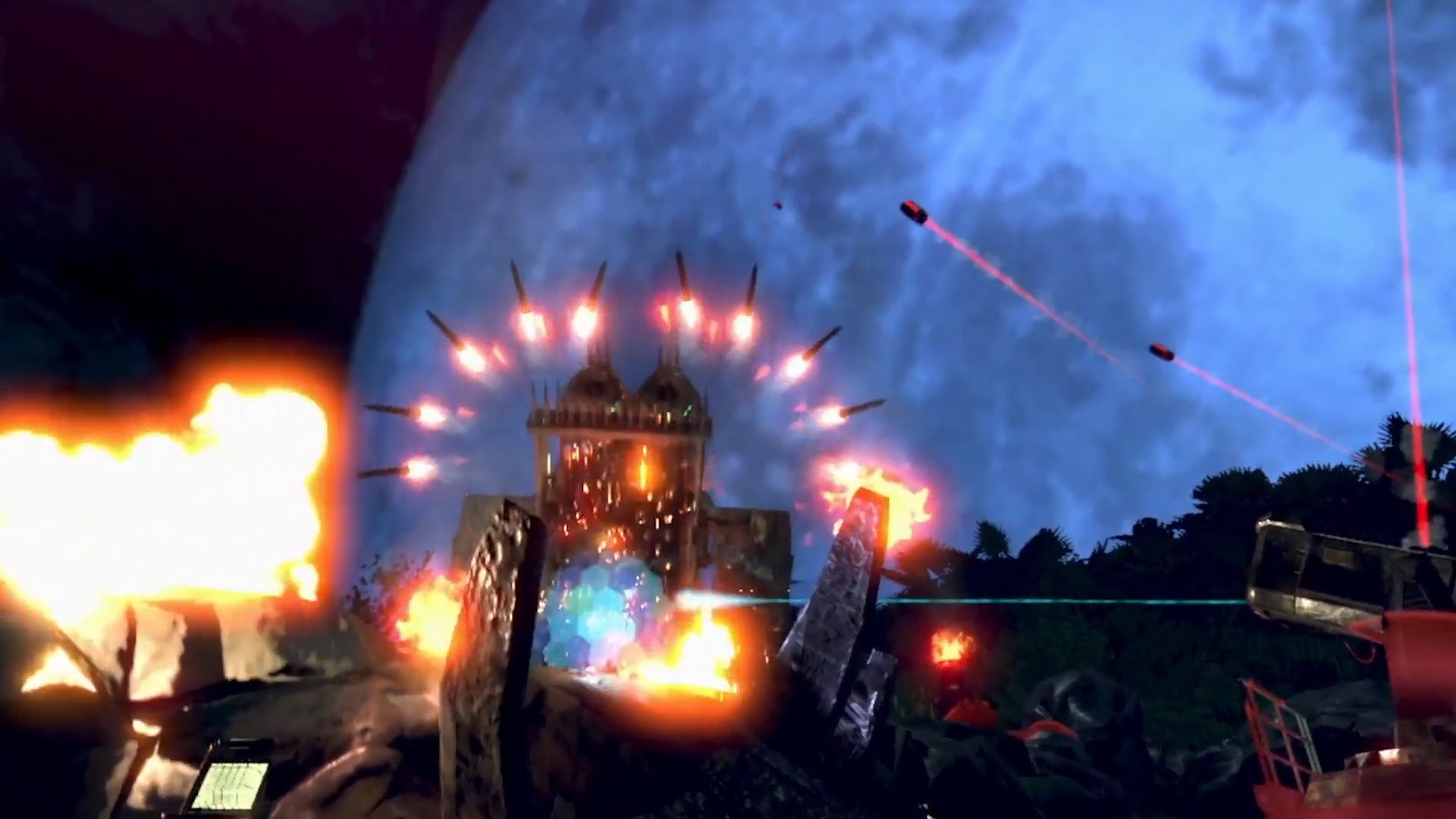
Konami attempted to revive the run-and-gun series with a twin-stick shooter that looked like a budget mobile game. The weapon overheating mechanic slowed down the pace of action significantly. The graphics were muddy and the humor was crude and unfunny. Longtime fans rejected the game and the series has gone back to re-releasing old collections.
‘Chibi-Robo! Zip Lash’ (2015)
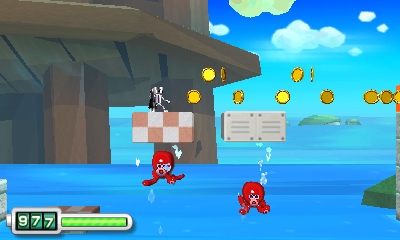
The developers moved away from the adventure gameplay of the original to create a generic 2D platformer. Nintendo openly stated that the future of the series depended on the sales success of this title. The game received mediocre reviews and failed to generate significant interest. The character is now considered a dead IP by the company.
‘Deus Ex: Mankind Divided’ (2016)
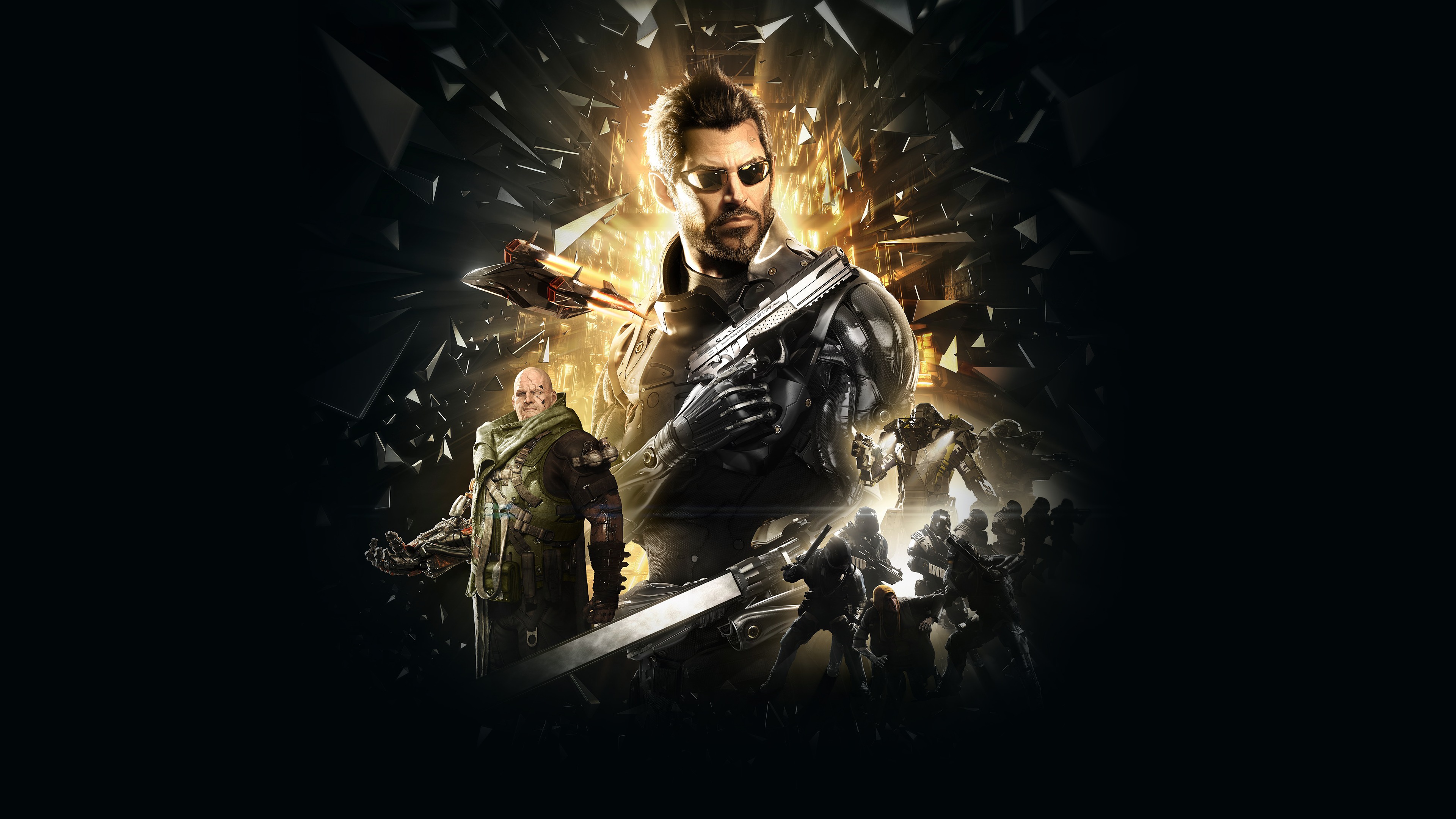
The game ended abruptly and left major plot threads unresolved due to development constraints. Square Enix included a controversial pre-order scheme and intrusive microtransactions in the single-player mode. Sales failed to cover the high development costs and the planned trilogy was cancelled. The studio was eventually sold and the future of the series remains uncertain.
‘Mirror’s Edge Catalyst’ (2016)

The shift to an open-world design diluted the tight level design that made the original a cult classic. The story was considered forgettable and the characters were less engaging than in the first game. Combat was forced upon the player in situations where running away would have been preferred. The game underperformed financially and EA has not revisited the IP.
‘Prototype 2’ (2012)
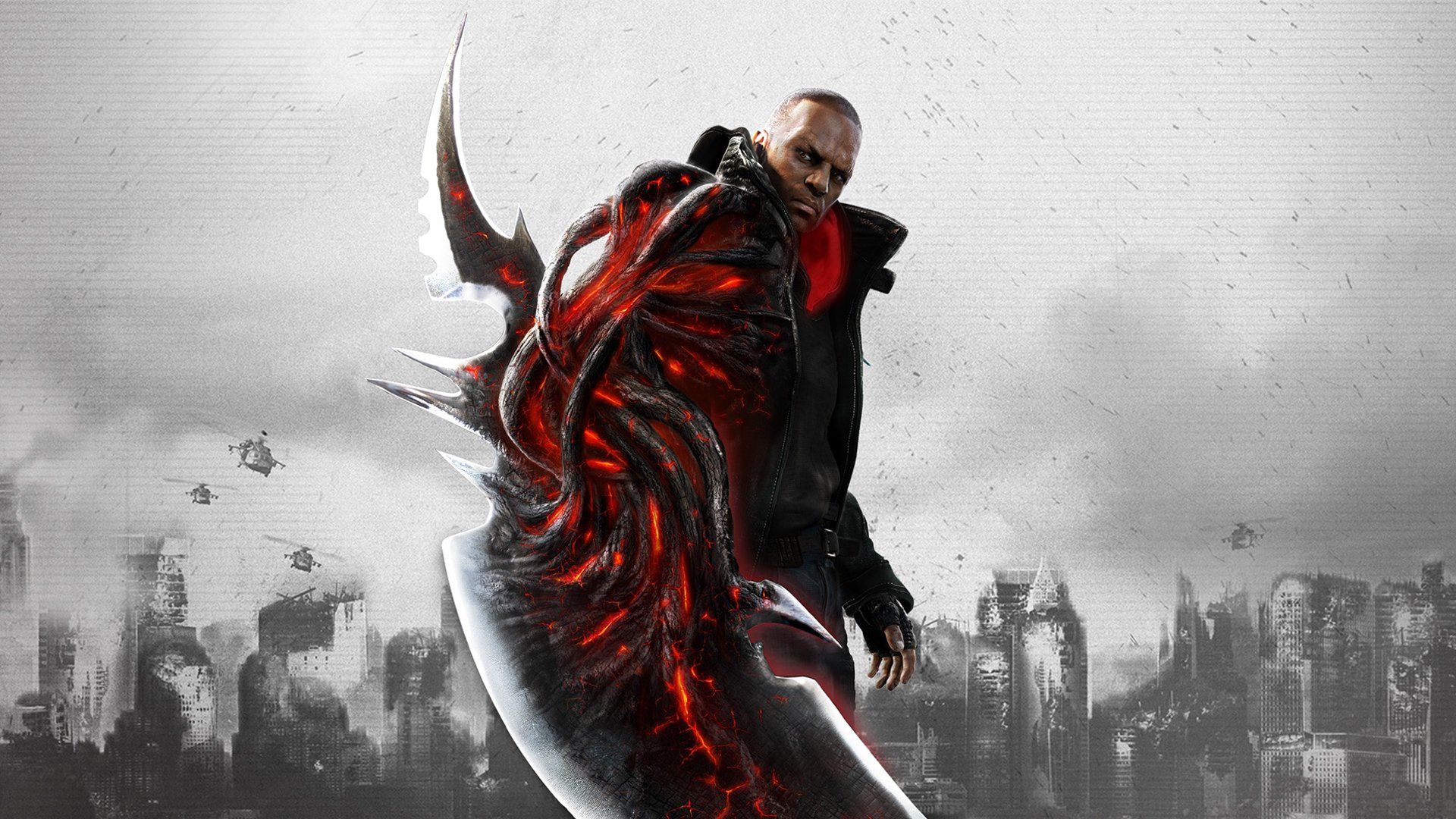
The sequel changed protagonists and streamlined the chaotic superpowers of the first game. While the gameplay was competent the sales did not meet the high expectations of Activision. The studio behind the game was reduced in size and eventually shut down completely. The franchise has remained dormant despite fan requests for a remaster or sequel.
‘Ninja Gaiden 3’ (2012)
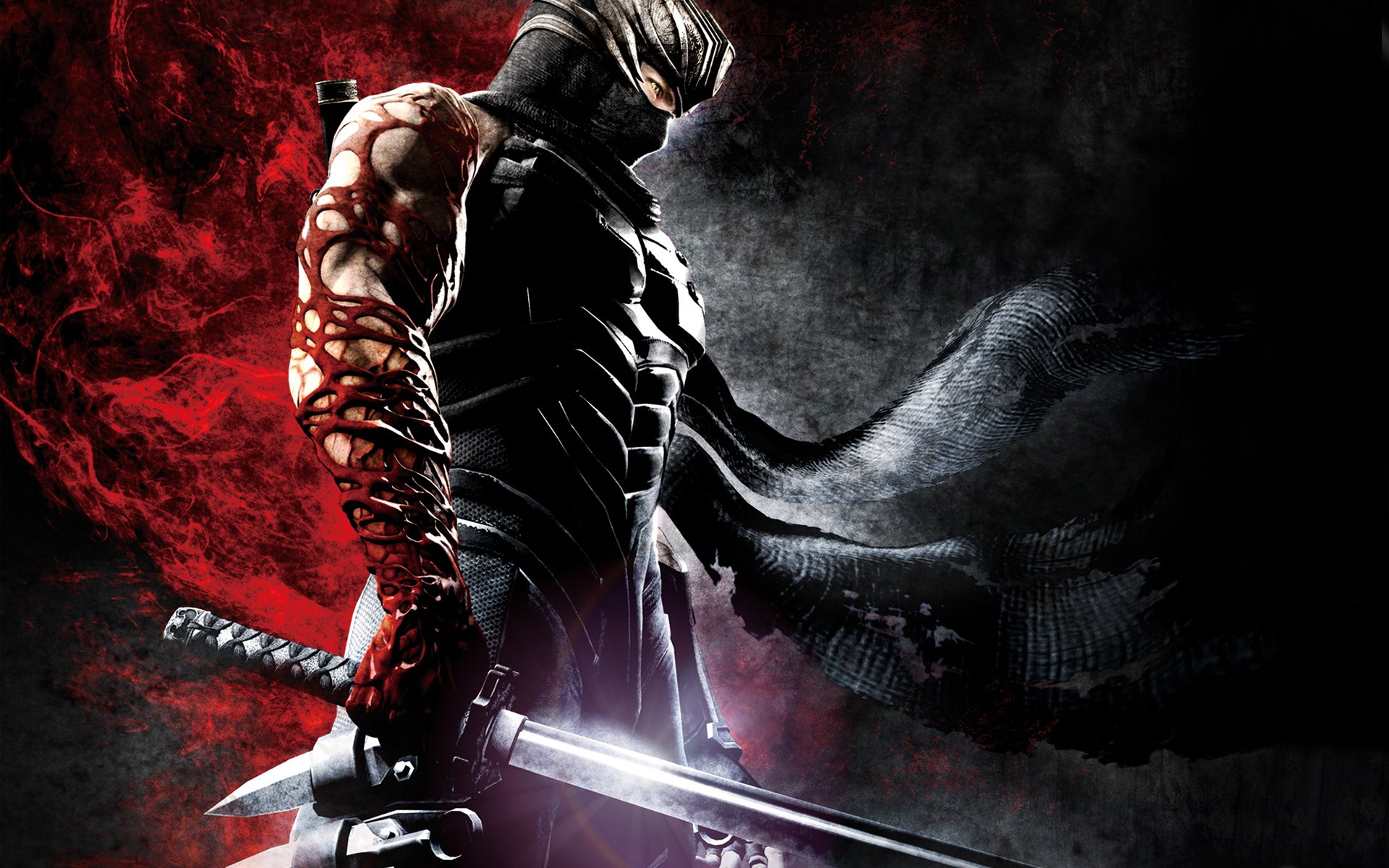
Team Ninja stripped away the complex combat and high difficulty that defined the previous games. The game was criticized for being too easy and relying on quick-time events. Weapons and upgrade systems were removed which reduced the replay value significantly. An updated version tried to fix these issues but the damage to the brand was already done.
‘Golden Axe: Beast Rider’ (2008)
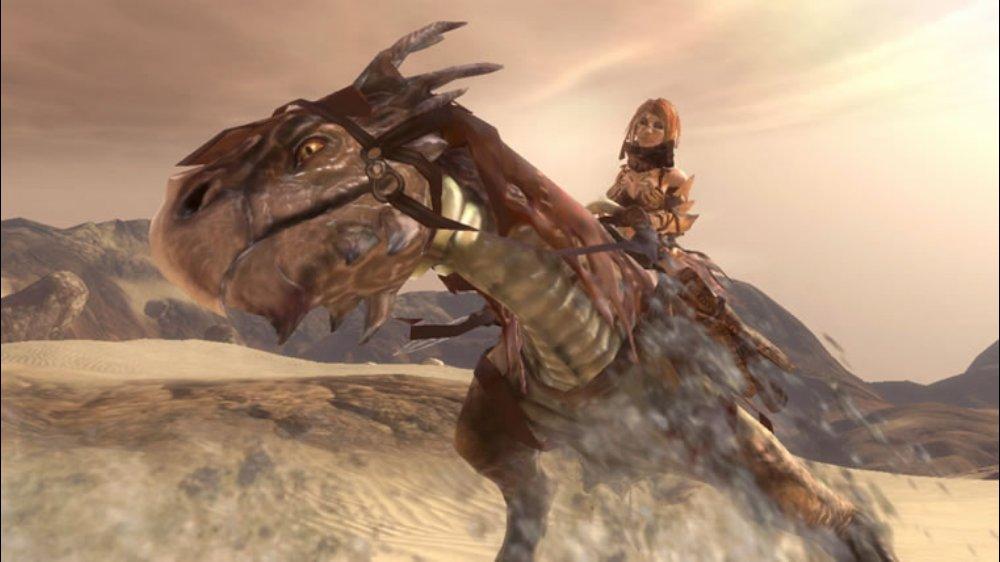
Sega transformed the classic beat-em-up into a single-player hack-and-slash adventure. The game suffered from poor collision detection and frustrating difficulty spikes. Critics panned the exclusion of the other classic characters and the lack of cooperative multiplayer. The negative reception ensured that this was the last major attempt to revive the franchise.
‘Bomberman: Act Zero’ (2006)
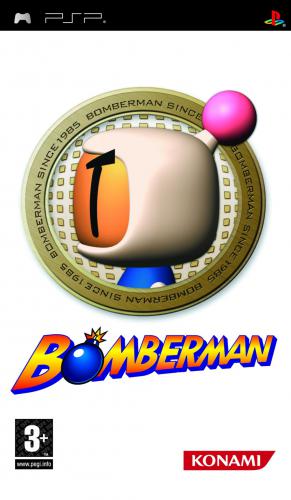
Hudson Soft gave the cute bomber a dystopian future makeover with realistic proportions. The game introduced a health bar which ruined the one-hit-kill tension of the original formula. The dark and gritty aesthetic clashed horribly with the party game mechanics. It is widely regarded as a baffling design choice that nearly killed the brand.
‘RollerCoaster Tycoon World’ (2016)
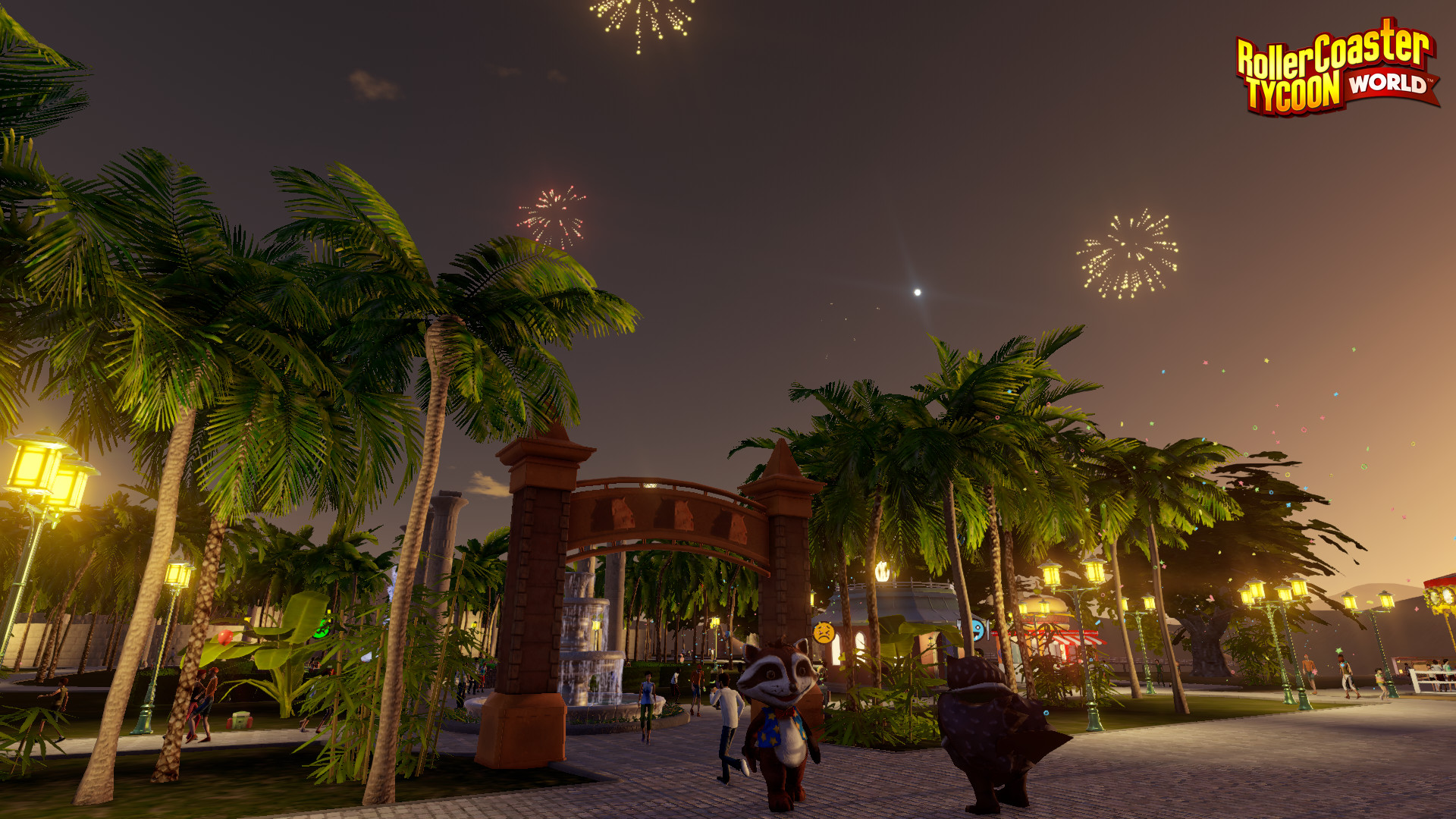
The game suffered from a troubled development cycle and changed studios multiple times. The graphics were outdated and the performance was terrible even on high-end computers. The coaster building tools were clunky compared to the competitor ‘Planet Coaster’. The game was a critical failure and the franchise lost its crown as the king of theme park simulators.
‘Castlevania: Lords of Shadow 2’ (2014)
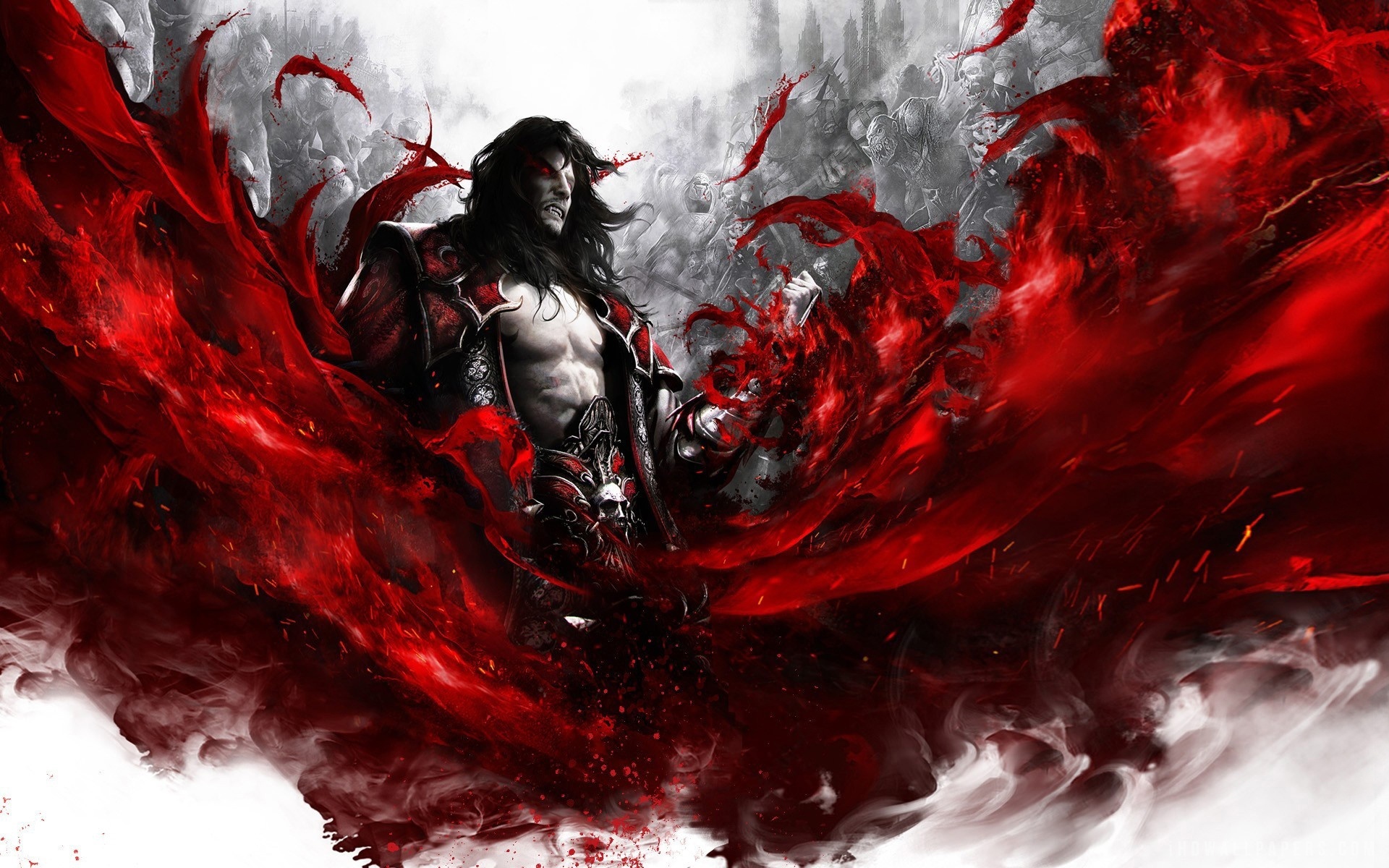
The conclusion to the rebooted timeline forced players into tedious stealth sections that halted the action. The modern-day setting was criticized for being bland compared to the gothic castle environments. The story became convoluted and failed to deliver a satisfying ending for Dracula. Konami shifted focus to mobile games and pachinko machines following this release.
‘The 3rd Birthday’ (2010)
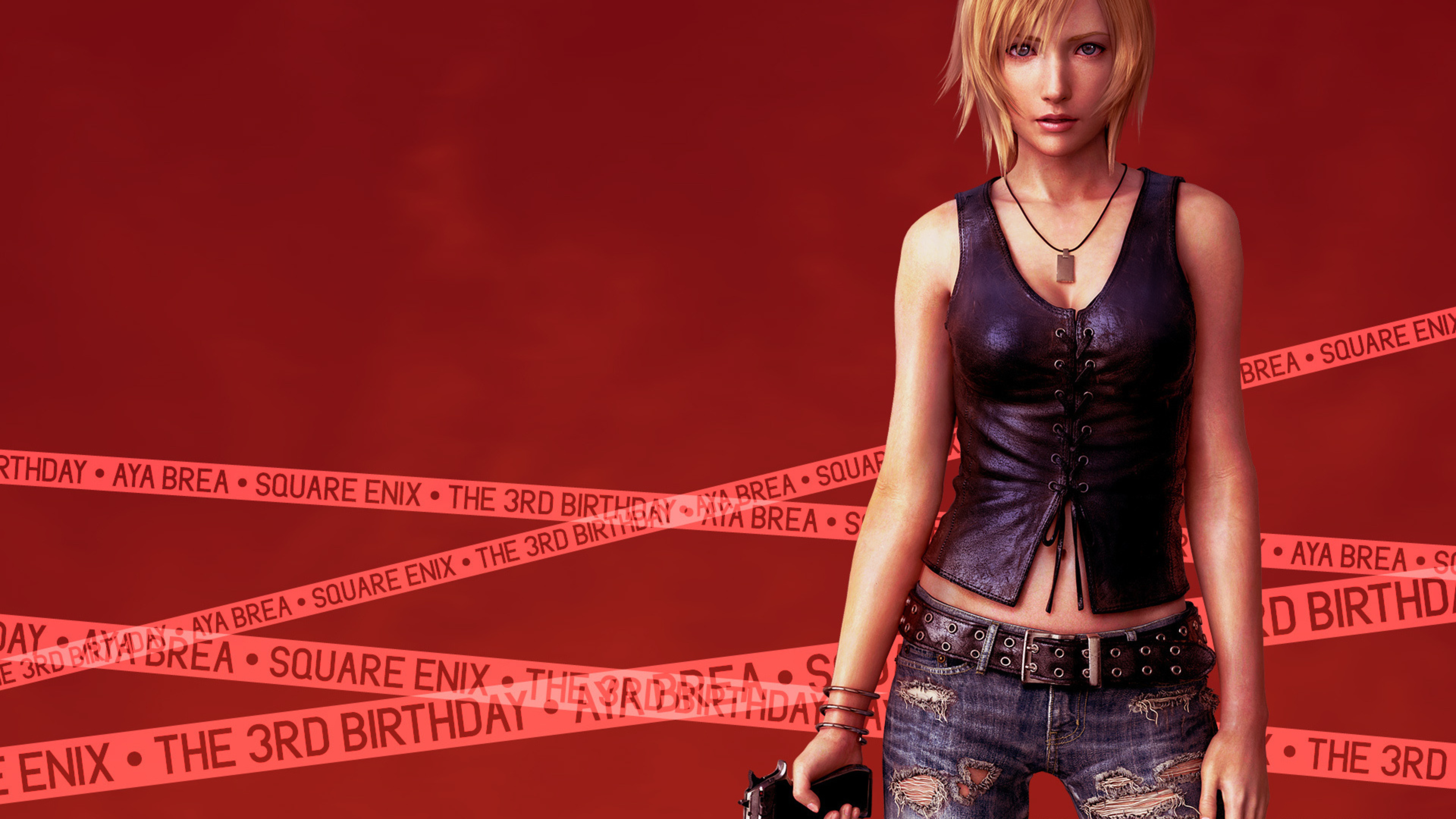
Square Enix revived the ‘Parasite Eve’ franchise but changed the gameplay to a third-person shooter. The story was criticized for character assassination of the protagonist Aya Brea. The complex plot involved time travel mechanics that confused players and contradicted previous lore. This PSP release alienated the original fanbase and the series has not returned.
‘Ultima IX: Ascension’ (1999)
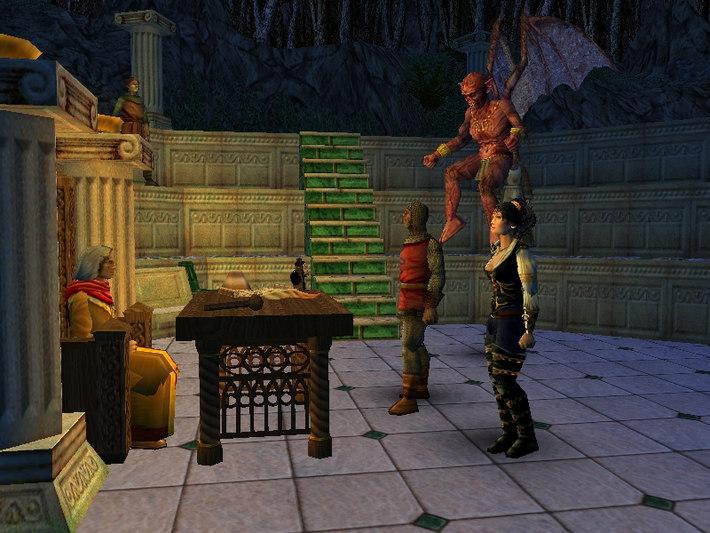
The final entry in the legendary RPG series was released in a buggy and unfinished state. The story ignored or rewrote established lore from the previous eight games. Performance issues made the open world difficult to traverse on computers of that era. The disastrous launch led to the dissolution of the development team and the end of the single-player lineage.
‘Prince of Persia: The Forgotten Sands’ (2010)
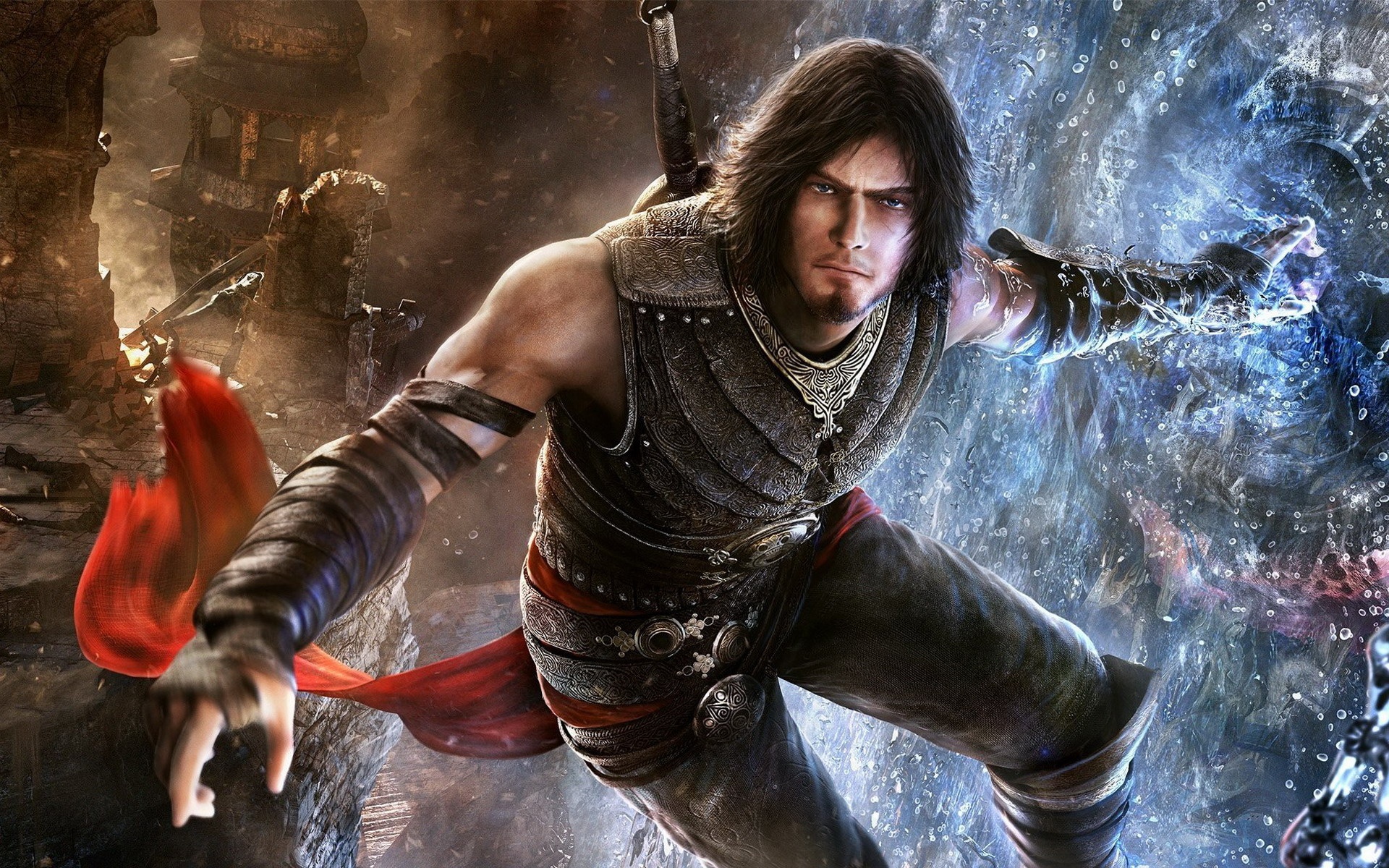
Ubisoft released this title to coincide with the motion picture but it felt like a step back from the 2008 reboot. The gameplay was safe and predictable without introducing any new innovative mechanics. The release was overshadowed by the rising popularity of ‘Assassin’s Creed’. The publisher decided to rest the IP for over a decade before attempting smaller spin-offs.
Give us your opinion on which game disappointed you the most in the comments.