

Video Games That Promised Multiplayer But Never Delivered

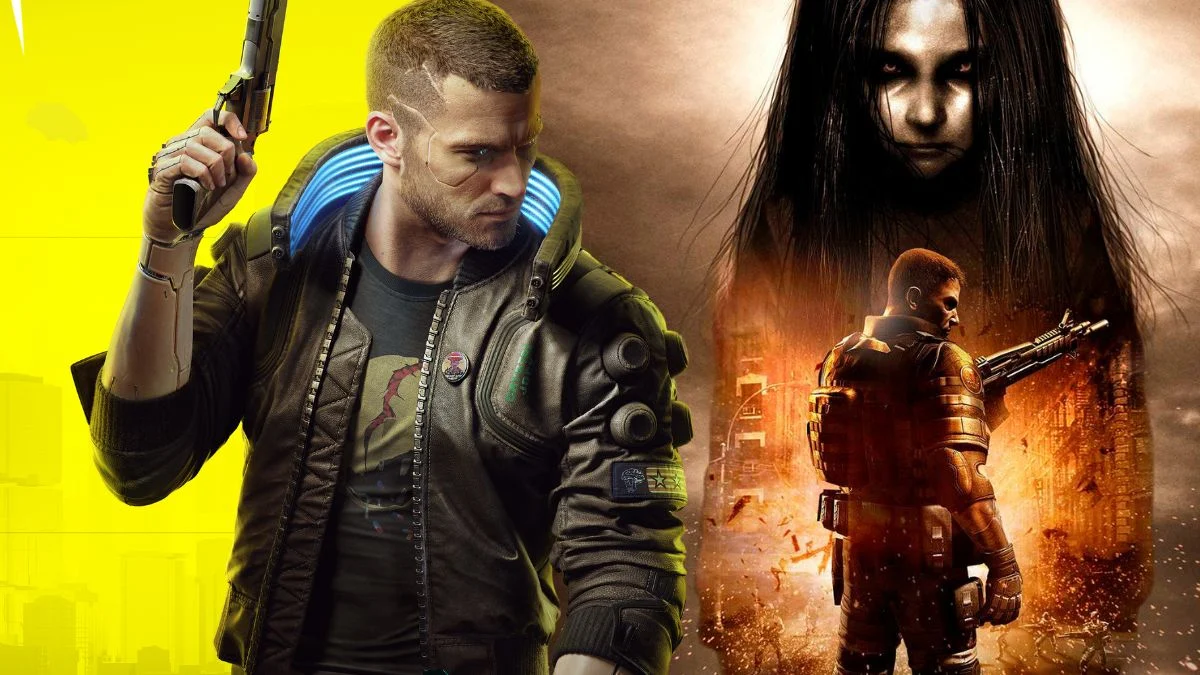


The video game industry is frequently defined by ambitious visions that push the boundaries of how players interact within digital worlds. Many high profile projects generate significant anticipation by promising revolutionary multiplayer features only to have those components removed or scaled back during development. These changes often occur due to technical constraints or shifts in studio priorities which result in a final product that differs from the initial marketing. This list highlights several notable games that failed to deliver the specific multiplayer experiences that were once a core part of their public identity.
‘The Last of Us Part II’ (2020)
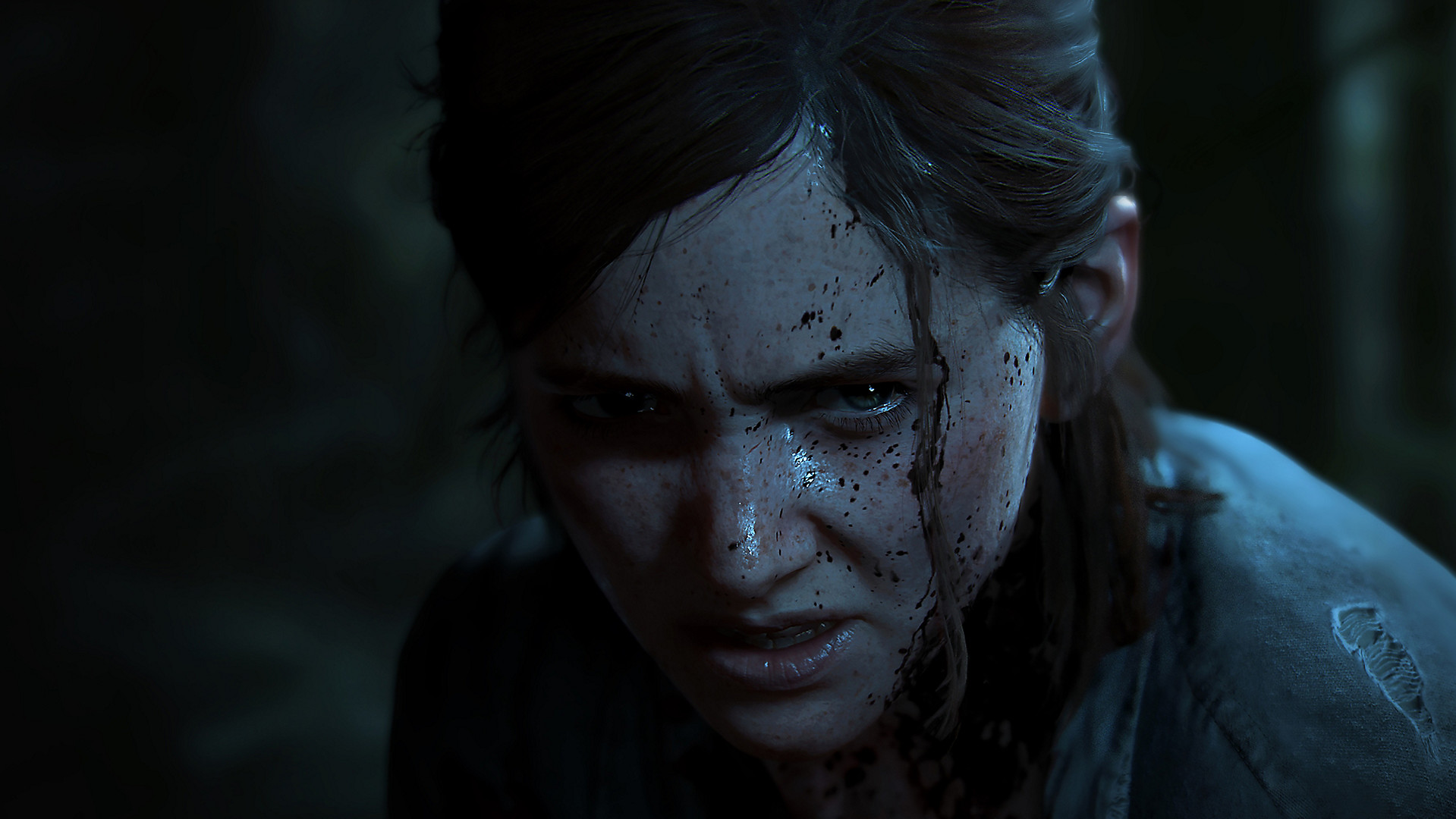
Naughty Dog initially confirmed that a standalone multiplayer experience would accompany this sequel to the acclaimed survival horror game. The developers later announced that the project had grown too ambitious to be included as a mode and would be released separately. After years of development and minimal updates the studio officially cancelled the multiplayer title in late 2023. This decision left fans without the evolved version of the Factions mode they had anticipated for years. The team shifted focus back to single player experiences while the assets for the cancelled project remained unused.
‘Cyberpunk 2077’ (2020)
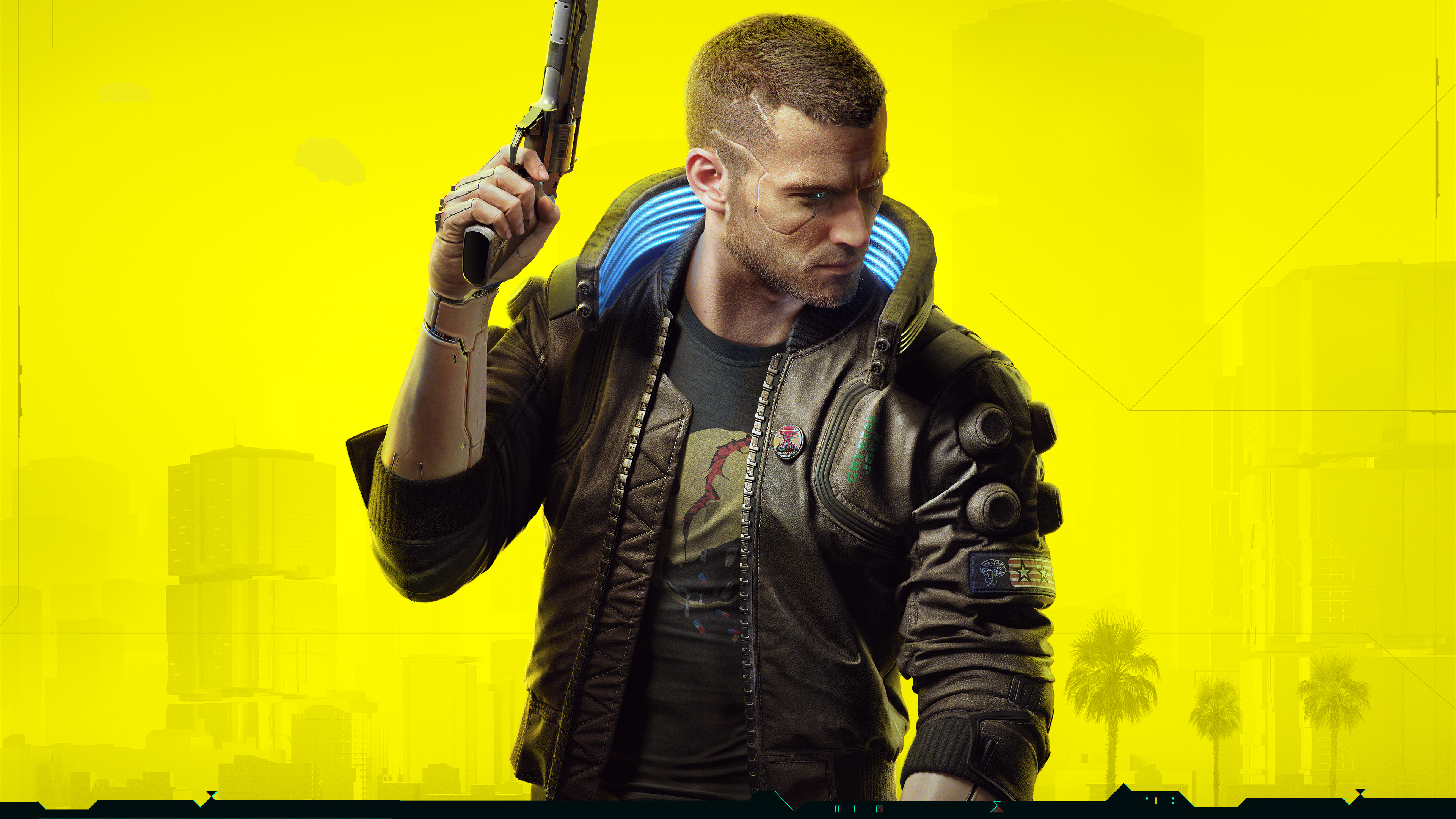
CD Projekt Red originally planned for a massive standalone multiplayer component to follow the release of the main game. This project was described as a high budget production that would function as its own separate experience within the Night City universe. Following the difficult launch of the single player campaign the studio decided to cancel the dedicated multiplayer title to focus on fixing the base game. Plans were eventually scaled back to integrating smaller online elements into future projects instead of a large scale release. Players who were excited for a grand online role playing experience were left with a strictly single player adventure.
‘Overwatch 2’ (2022)
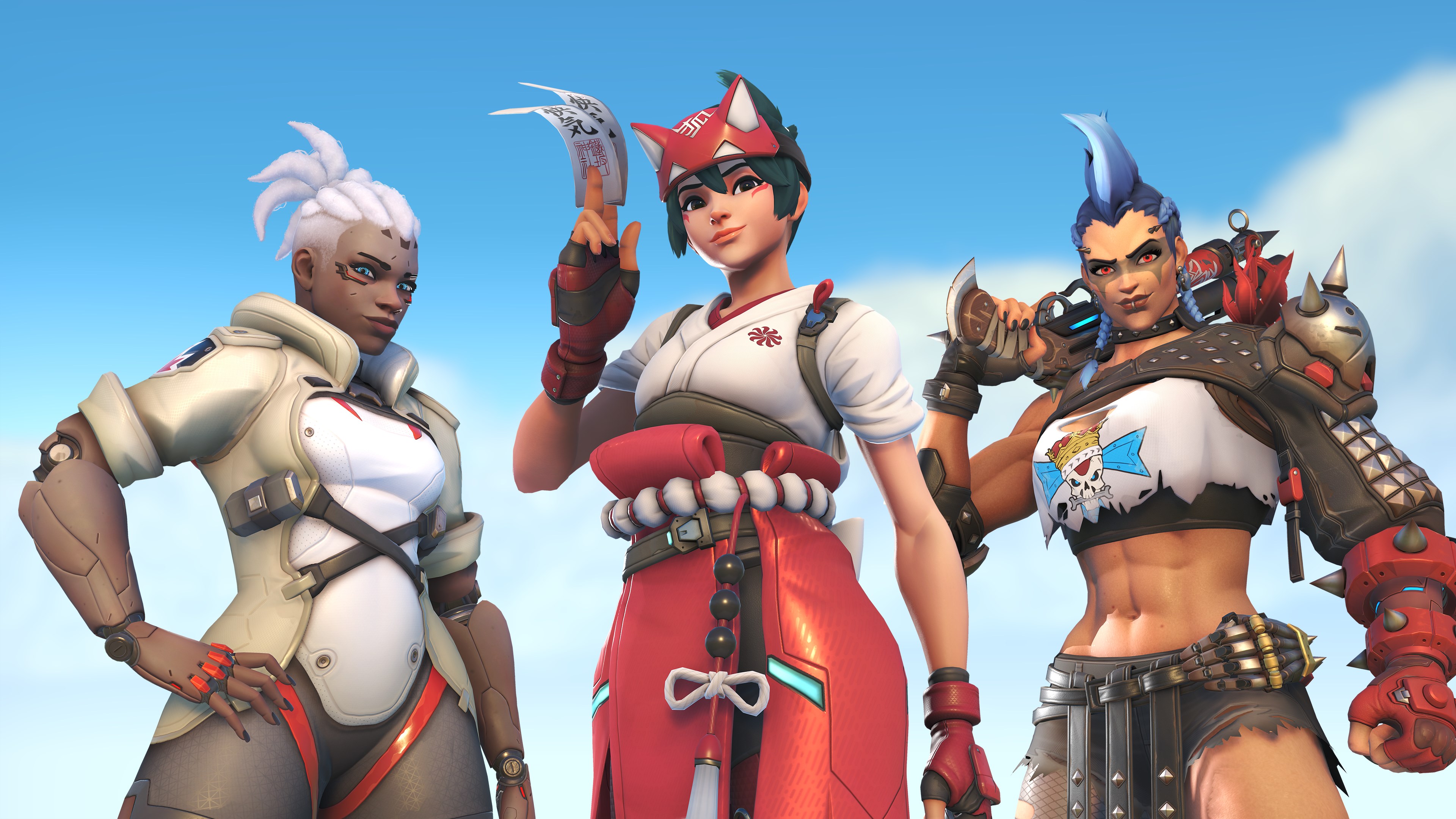
Blizzard Entertainment announced this sequel with a heavy emphasis on a deep and replayable cooperative mode featuring hero talent trees. This specific component was marketed as the primary reason for the transition to a numbered sequel and was showcased in multiple gameplay trailers. In 2023 the developers revealed that the ambitious hero missions and skill systems had been officially cancelled. The game shifted to a seasonal model with smaller story missions that did not include the promised progression mechanics. This reversal caused significant backlash from the community who felt the core promise of the sequel was discarded.
‘No Man’s Sky’ (2016)
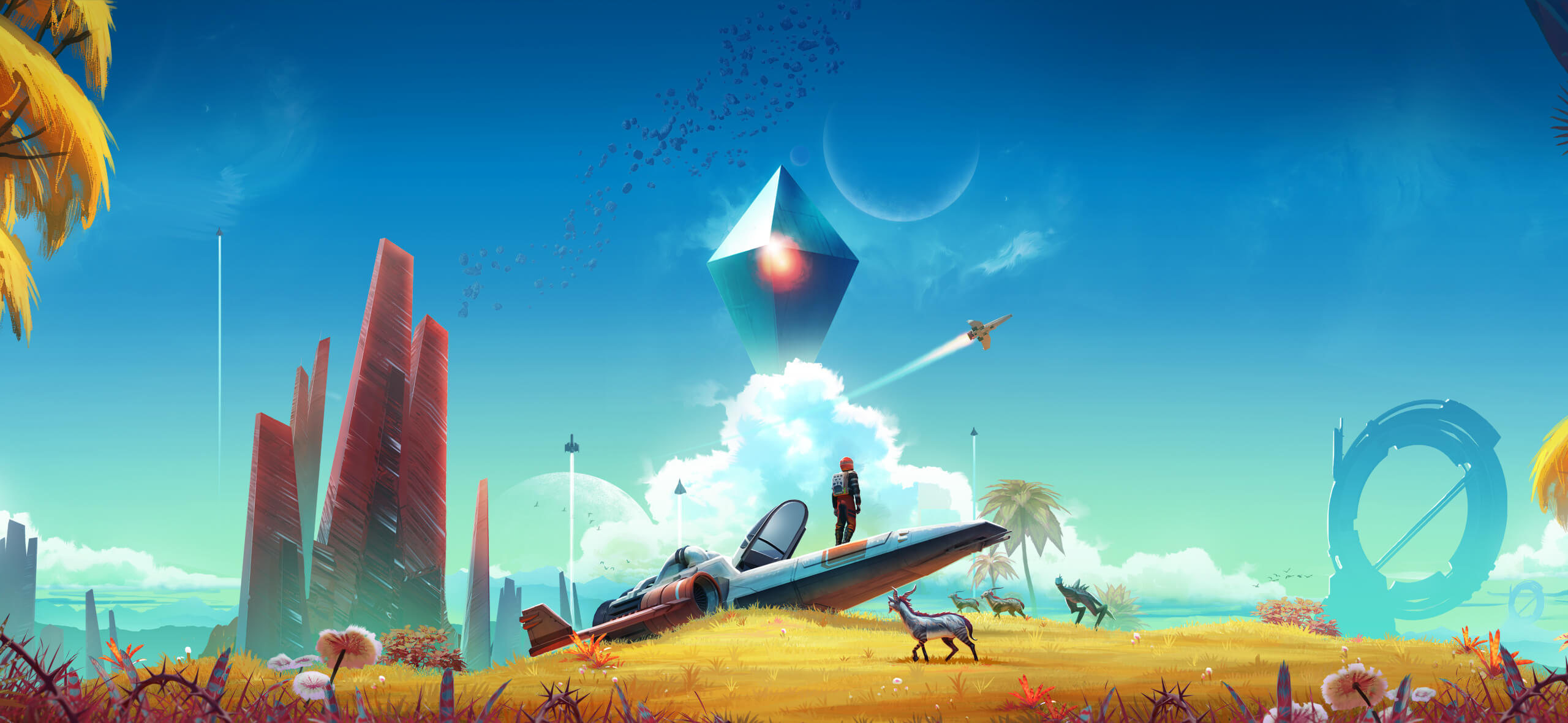
Before the game was released the lead developer frequently suggested that players would be able to encounter each other in the vast procedurally generated universe. On the day of launch two players reached the same location and discovered that they could not see or interact with one another. This revelation led to widespread criticism regarding the transparency of the pre release marketing and the lack of social features. While the studio eventually added comprehensive multiplayer in later updates the original launch failed to deliver on its specific shared world claims. The initial experience remained a lonely journey through space despite the earlier promises of a collaborative environment.
‘BioShock Infinite’ (2013)
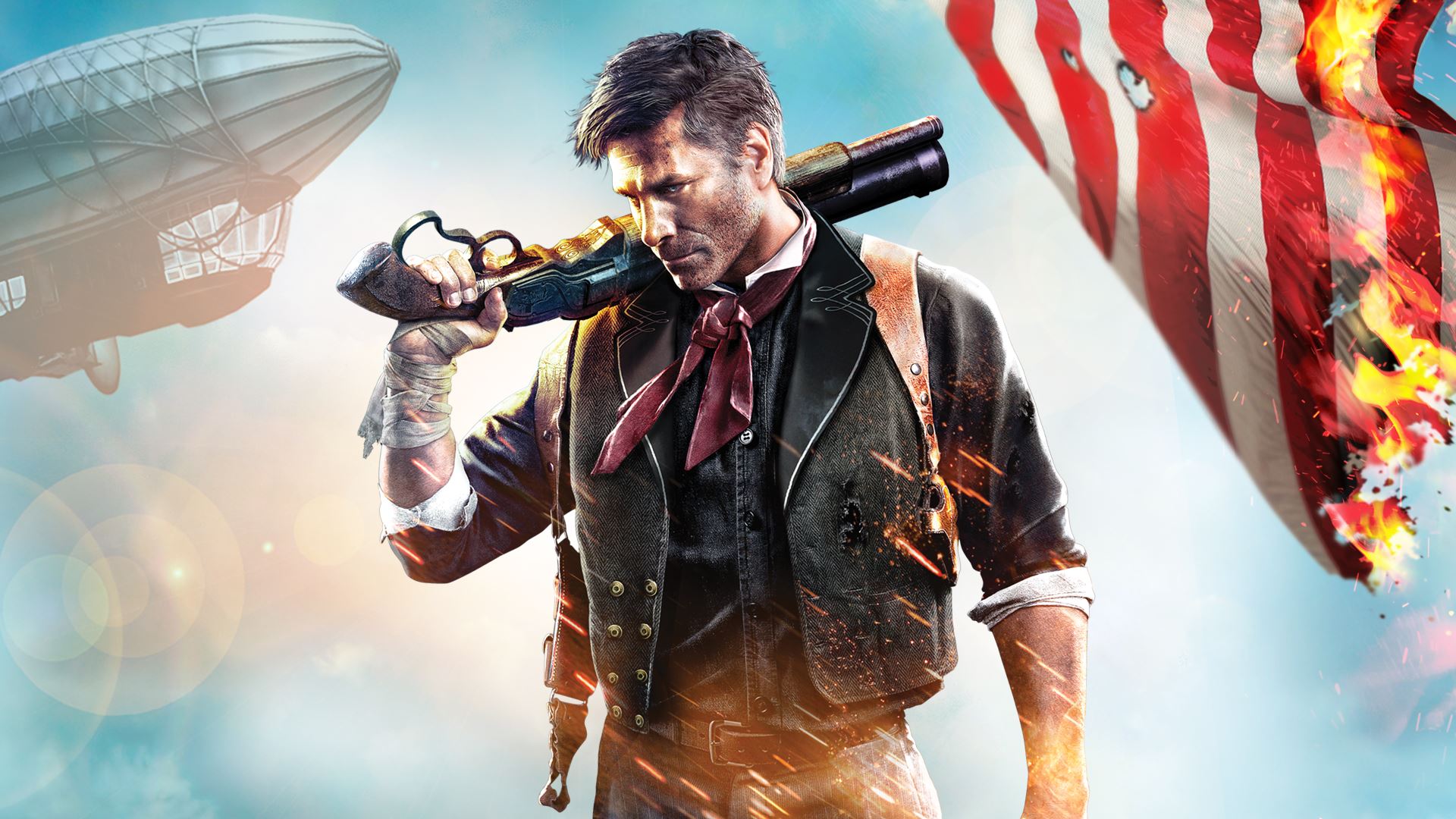
During the early stages of development Irrational Games experimented with several competitive multiplayer modes for this airborne sequel. Creative director Ken Levine mentioned that the team was testing unique concepts that would fit the lore of the floating city of Columbia. These modes were eventually scrapped because they did not meet the standards set by the single player narrative. The final release omitted all online components to ensure that the primary focus remained on the story of Booker and Elizabeth. Fans of the multiplayer suite from the previous entry were disappointed to find the feature entirely absent.
‘SimCity’ (2013)
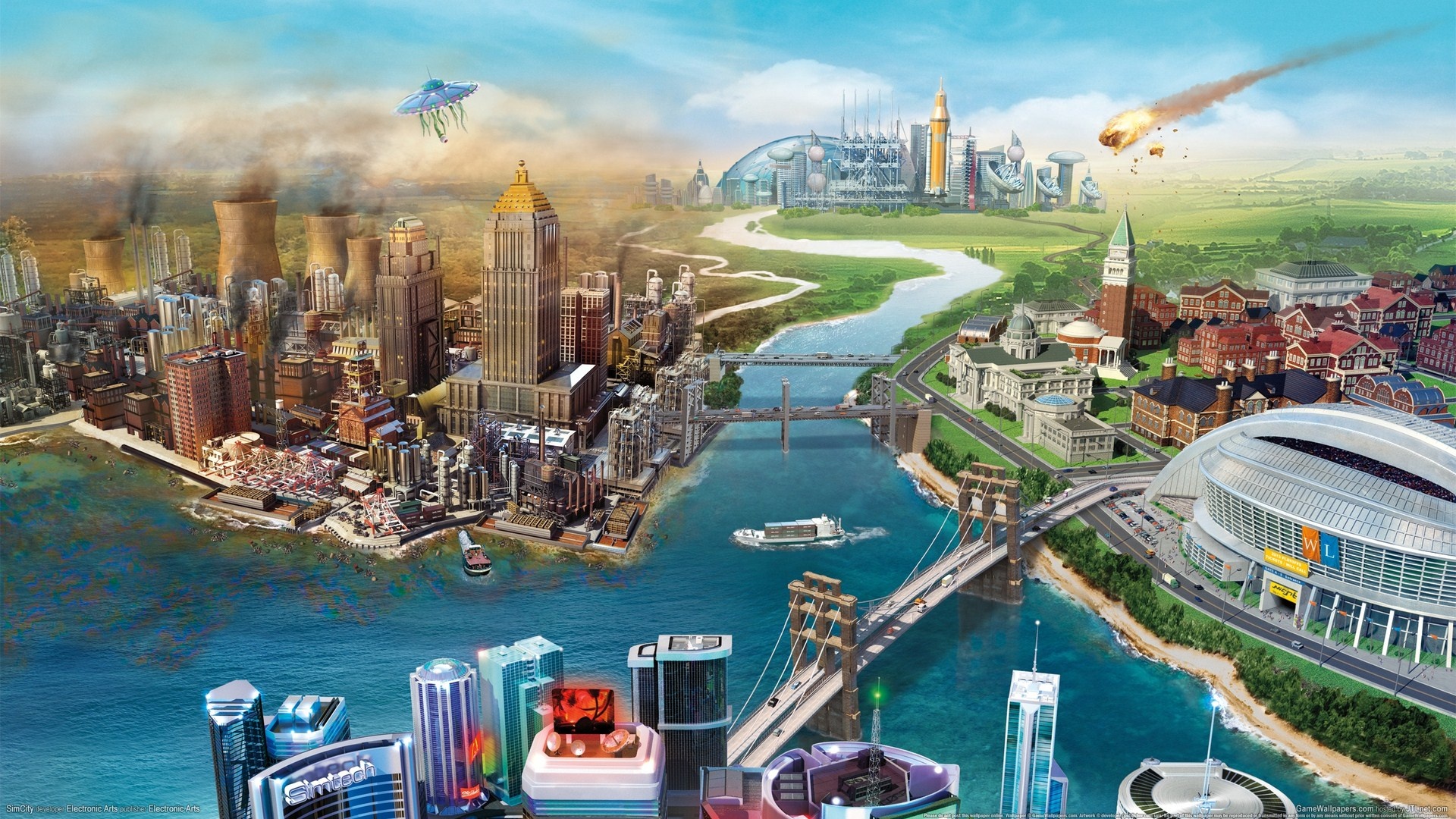
Electronic Arts and Maxis marketed this reboot with a heavy focus on a feature that required an always online connection to simulate a global economy. The developers claimed that the complex simulations required the power of the cloud to allow neighbors to share resources between cities. At launch the servers were unable to handle the traffic and the promised regional interactions were often broken or non existent. This controversial requirement led to major player backlash and the eventual addition of an offline mode. The dream of a perfectly integrated network of player cities never fully materialized as intended.
‘Scalebound’ (2017)
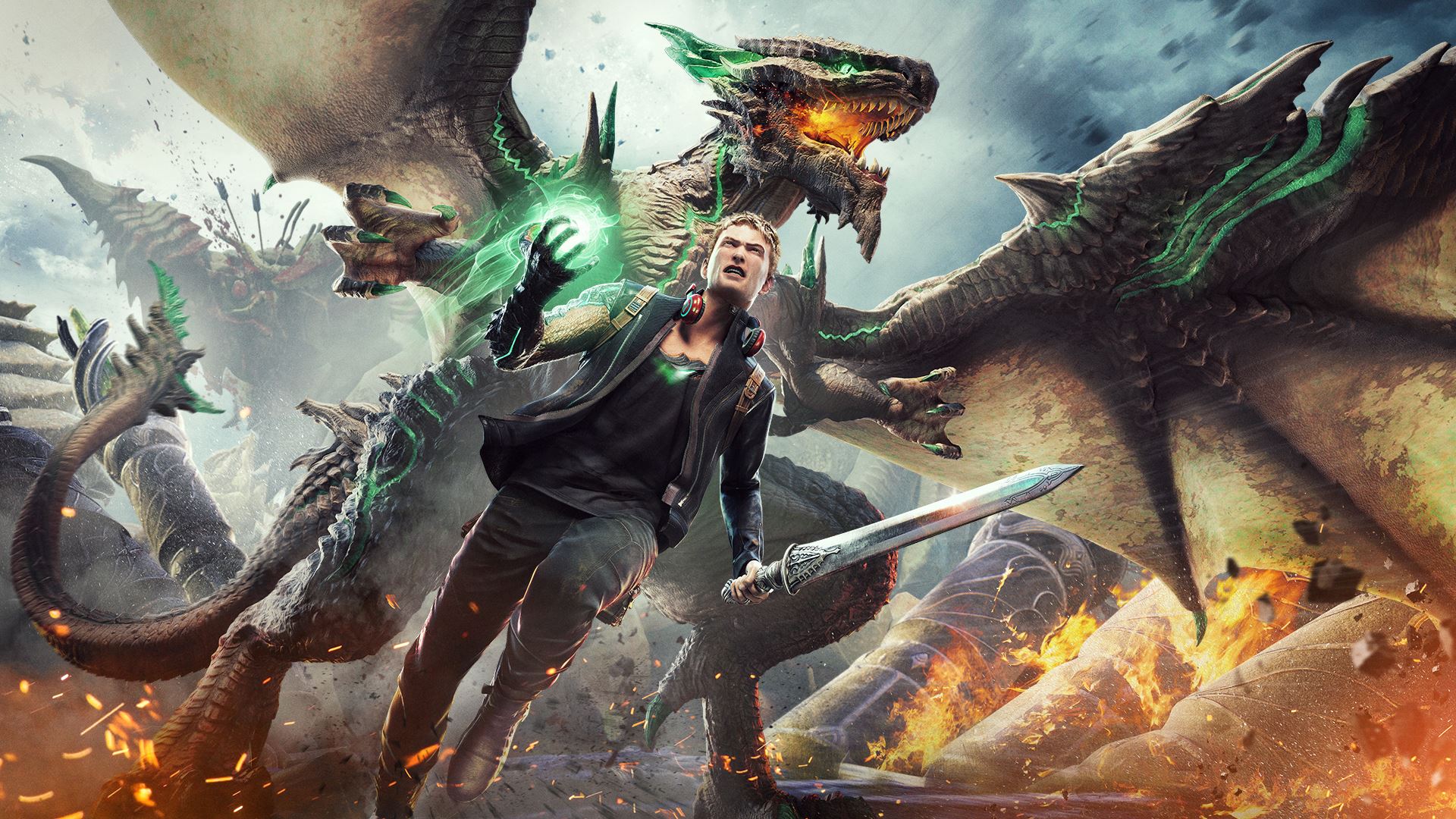
This ambitious action game from PlatinumGames was set to feature four player cooperative play where users could fight alongside their dragons. It was one of the most anticipated titles for the Xbox One and heavily featured its multiplayer combat in major trade show presentations. Microsoft announced the cancellation of the project in early 2017 after several years of public hype and development. The cancellation meant that the unique vision of bonding with a dragon in a shared world would never be realized by gamers. Fans were left without the chance to experience the large scale cooperative battles that had been promised.
‘Fable Legends’ (2016)
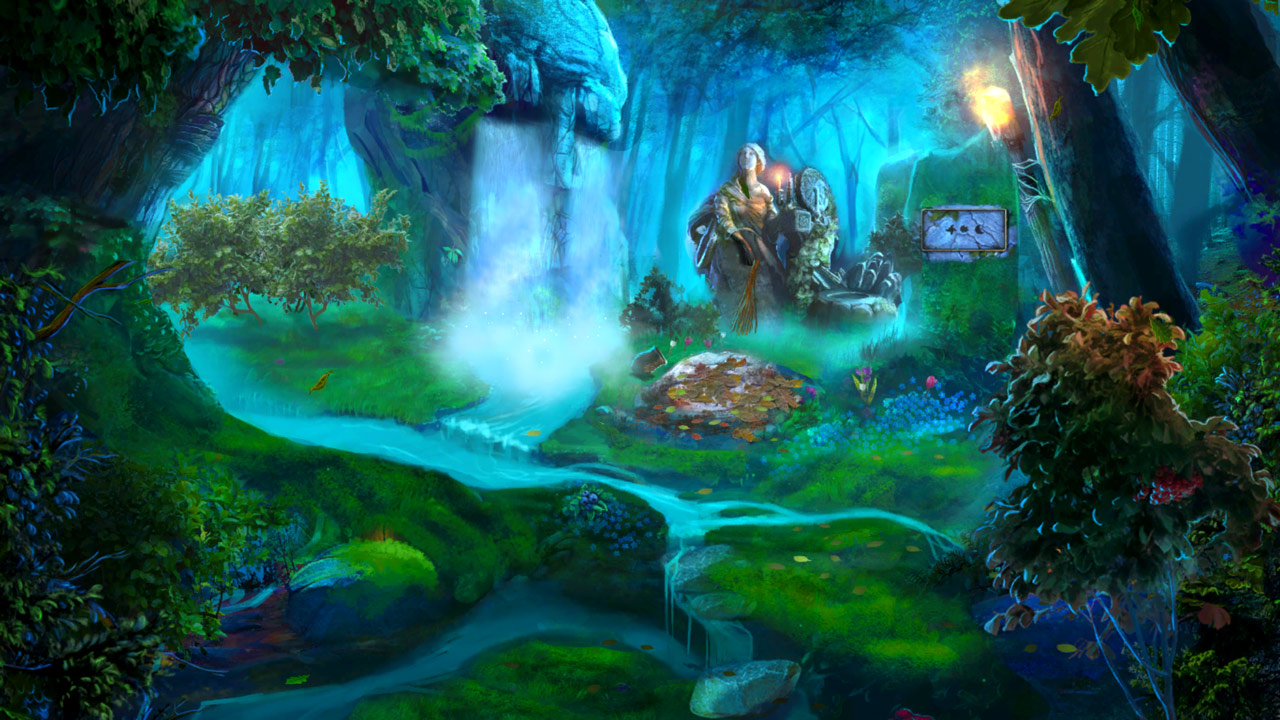
Lionhead Studios developed this title as an asymmetrical multiplayer experience where four heroes faced off against a single villain. The game was meant to be a flagship title for the cross play initiative between Xbox and Windows platforms. Despite reaching a playable beta stage and receiving extensive marketing the project was cancelled and the studio was closed. This move left the franchise in limbo for years and deprived players of the unique social mechanics the team had built. The servers for the beta were eventually shut down and the full vision was never released to the general public.
‘Beyond Good and Evil 2’ (2008)
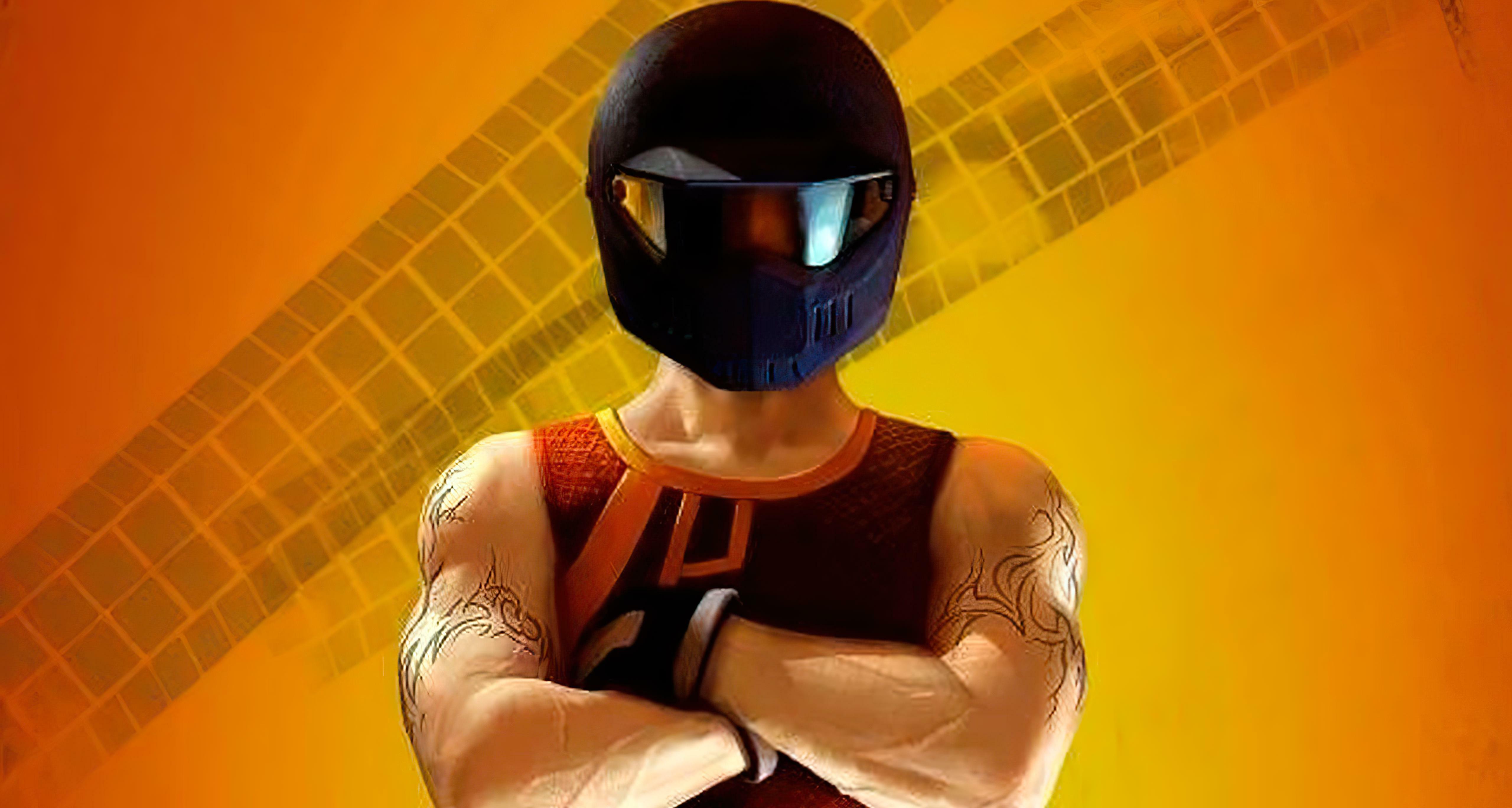
Ubisoft first teased a sequel to the beloved original game over a decade ago with promises of a massive seamless universe for multiplayer exploration. The game was re introduced years later with a vision of players creating their own characters and flying through space with friends. Since that second reveal the project has faced numerous delays and leadership changes while remaining in development for an unprecedented amount of time. Very little concrete information regarding the multiplayer systems has been shared recently and many fans fear the project may never be completed. The ambitious scope of the shared world remains a distant promise rather than a playable reality.
‘S.T.A.L.K.E.R. 2: Heart of Chornobyl’ (2024)
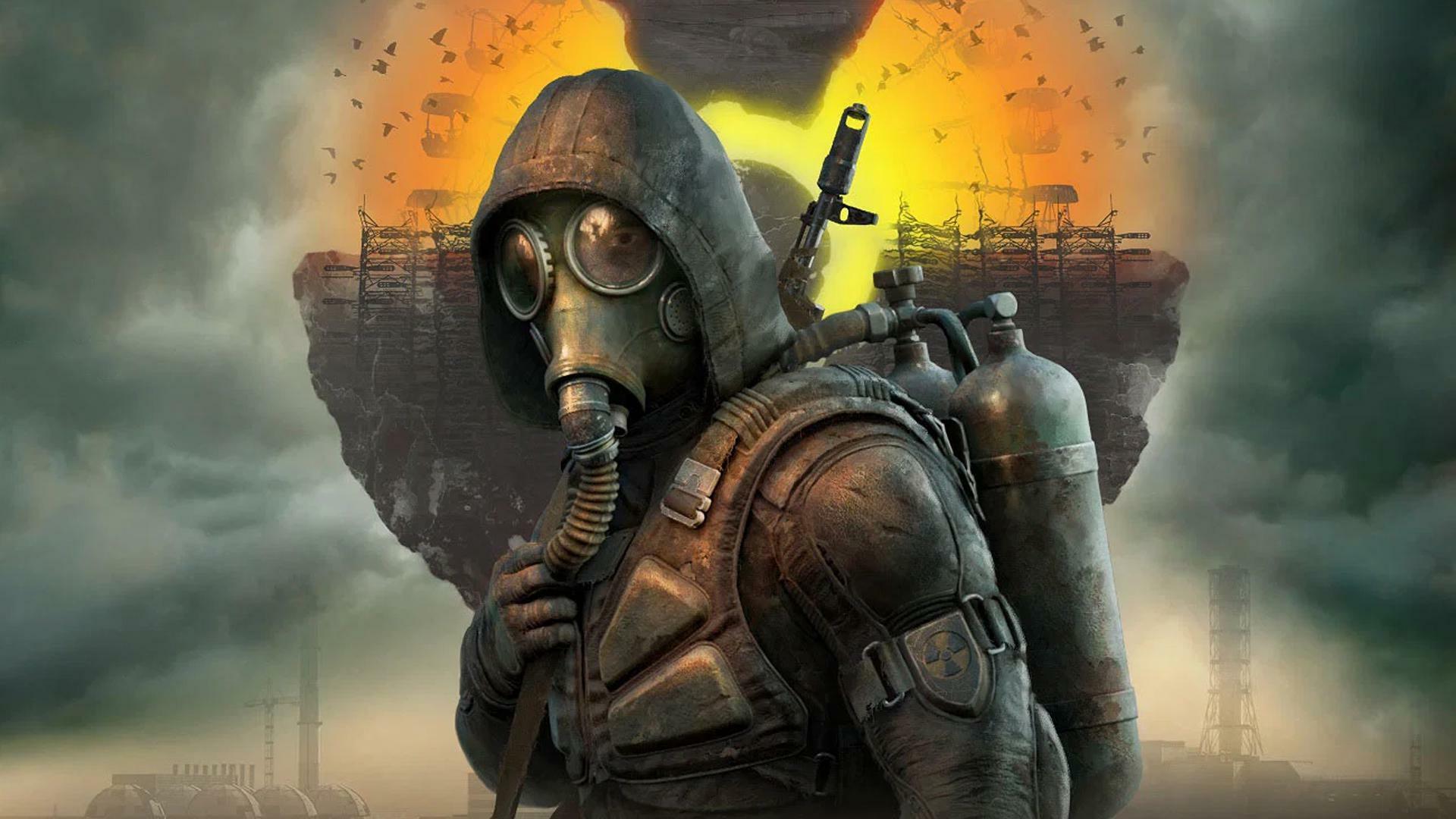
The developers at GSC Game World initially promised that a dedicated multiplayer mode would be added to the game as a free post launch update. This feature was intended to bring competitive survival elements to the landscapes of the Zone after players finished the main story. Due to the ongoing challenges faced by the development team the focus shifted entirely toward completing the single player experience. While the studio has not officially cancelled the mode it has been noticeably absent from recent communications and marketing materials. Players are currently waiting to see if the promised online interactions will ever be integrated into the final product.
‘The Day Before’ (2023)

Marketed as a revolutionary open world survival experience this game promised deep multiplayer interactions in a post apocalyptic setting. Trailers showcased a high level of polish and social features that many players found too impressive to be true. Upon its brief early access release the game was revealed to be a limited extraction shooter with almost none of the promised massive online elements. The studio shut down just days after the launch and the game was removed from digital storefronts forever. This collapse became one of the most notorious examples of a game failing to deliver its central multiplayer vision.
‘Aliens: Colonial Marines’ (2013)
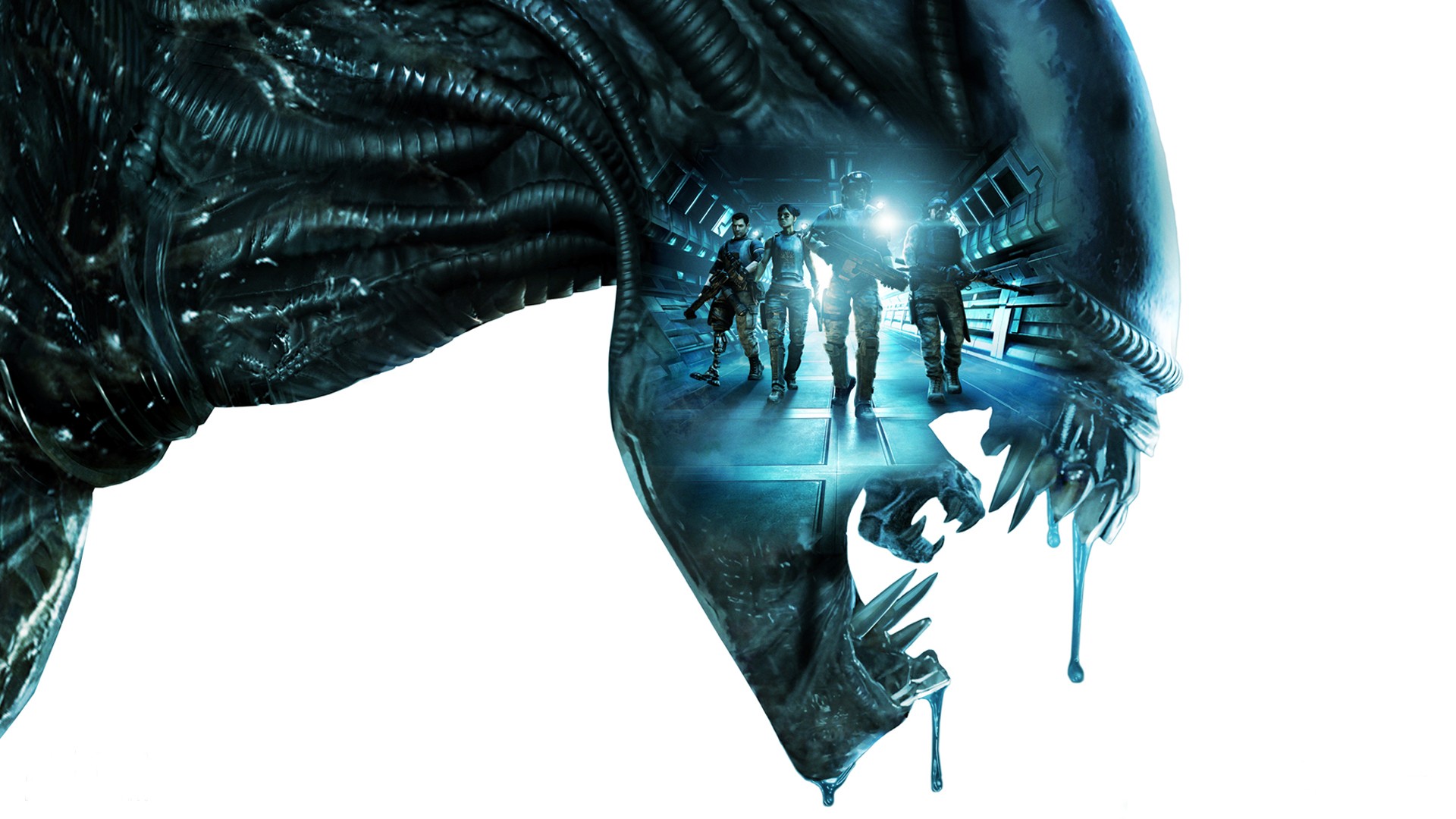
The pre release marketing for this shooter emphasized a highly tactical cooperative experience that would mirror the intensity of the films. Demonstrations showed advanced enemy behavior and atmospheric lighting that encouraged players to work together to survive the alien threat. The final product arrived with broken systems and significantly downgraded visuals that ruined the cooperative tension. Many of the specific multiplayer features and encounters shown in the demos were completely missing from the retail version. This led to a lawsuit regarding false advertising and a lasting reputation for misleading consumers about the multiplayer gameplay.
‘Deep Down’ (2013)
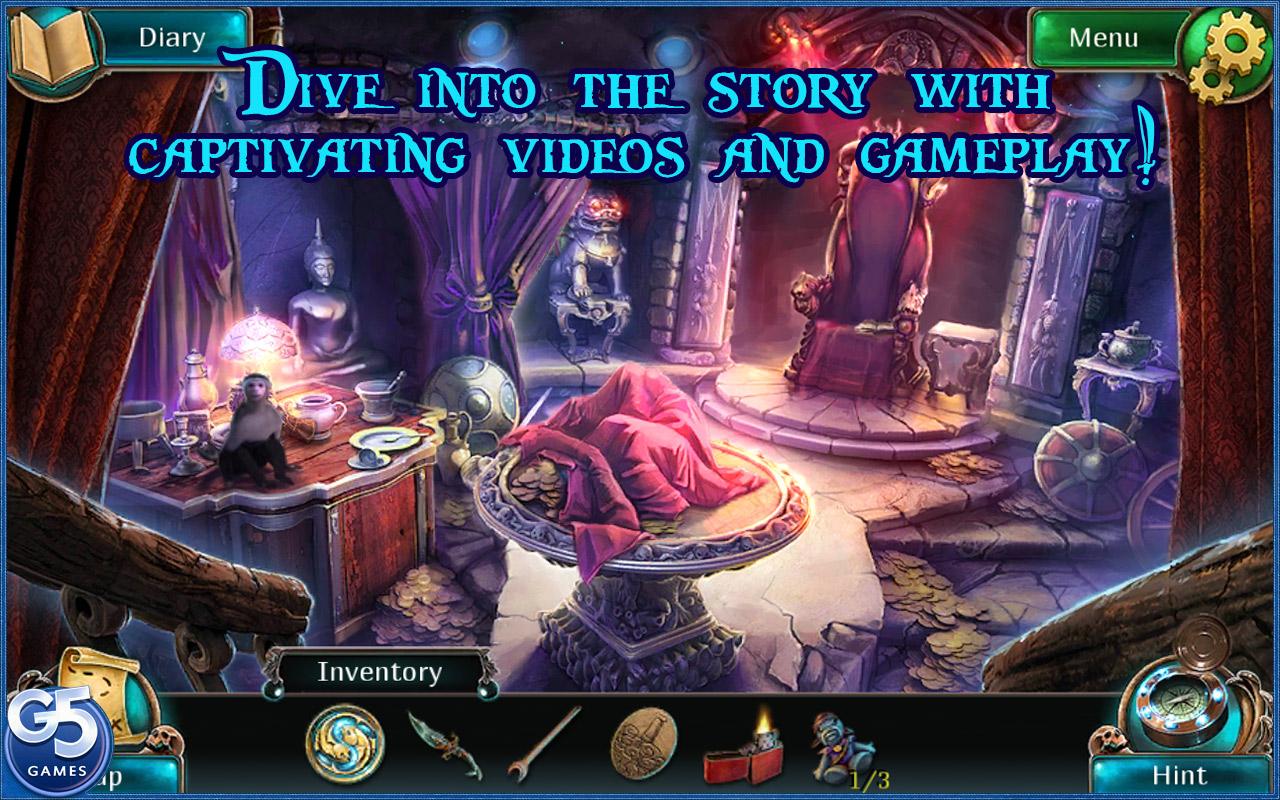
Capcom revealed this free to play dungeon crawler as a major showcase for the power of the PlayStation 4 with a focus on cooperative exploration. The game was supposed to feature procedurally generated environments where players would team up to battle realistic monsters. Despite several trailers and playable demos at Japanese trade shows the game stopped appearing in public updates after 2014. Capcom has renewed the trademark multiple times but the game has never been released or officially cancelled. The promise of a high fidelity cooperative fantasy experience remains unfulfilled as the game lingers in development limbo.
‘EverQuest Next’ (2016)
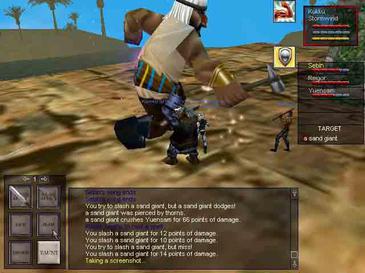
Daybreak Game Company intended this title to be a revolutionary step for the genre with fully destructible environments and emergent behavior. The game was designed to allow players to reshape the world together in a massive shared sandbox experience. After several years of development and a successful companion tool the studio announced that the project was cancelled. They stated that the game was not meeting their internal expectations for fun and could not live up to the legacy of the franchise. The innovative multiplayer features that were promised were never experienced by the broader gaming community.
‘Project Milo’ (2009)
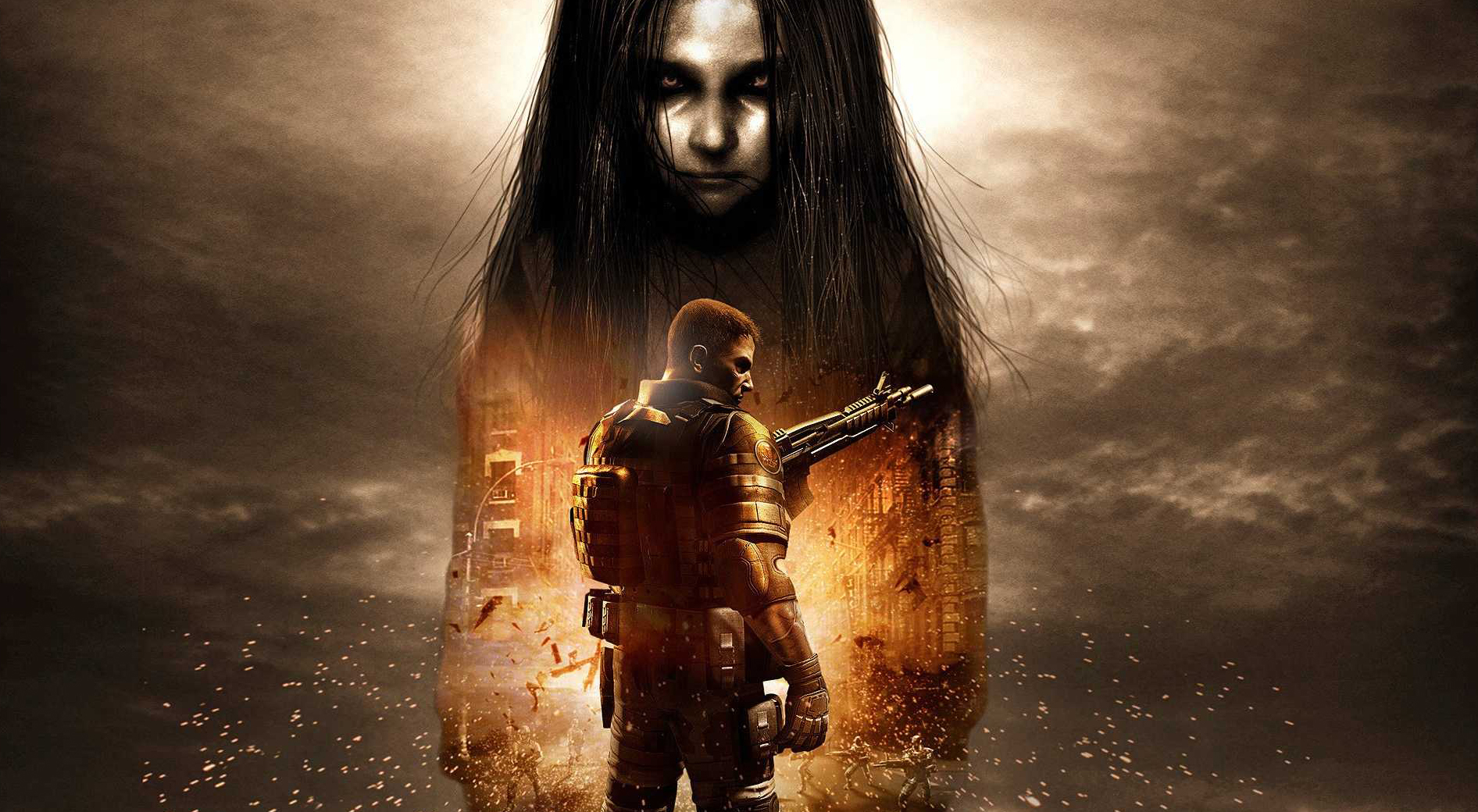
Lionhead Studios showcased a tech demo that featured a high level of interaction between a player and an artificial character using motion sensing technology. While not a traditional multiplayer game it was promised to include social elements where players could influence the character in a shared cloud environment. Peter Molyneux suggested that the technology would allow for unprecedented levels of emotional connection and collaborative play. The project was eventually revealed to be nothing more than a series of tech demos and was never developed into a full retail product. This left the promise of a socially reactive artificial intelligence as a forgotten piece of experimental software.
‘Rainbow Six Patriots’ (2011)
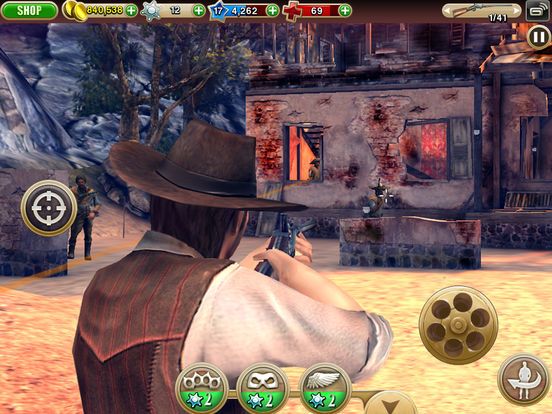
Ubisoft announced this title with a focus on a gritty narrative and intense team based tactical gameplay that explored domestic conflicts. The reveal trailer showcased a cinematic and cooperative approach to hostage situations that felt significantly different from previous entries. The project faced internal development struggles and was eventually scrapped in favor of what would become a different title focused on competitive play. While the successor was successful the specific cooperative story and tactical mechanics from the original pitch were lost. Fans who wanted the narrative driven multiplayer experience were left with a completely different type of game.
‘Prey 2’ (2011)
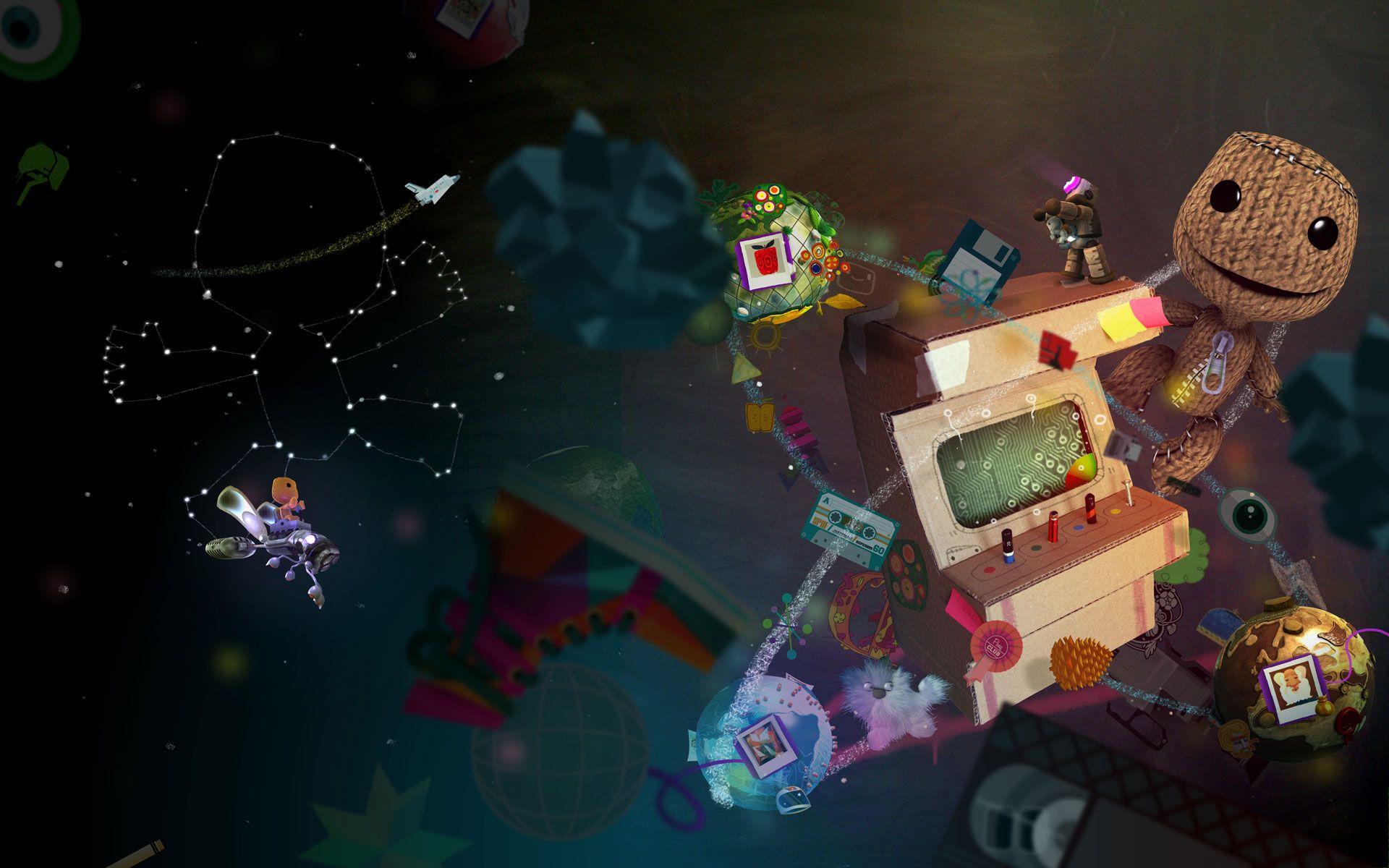
Human Head Studios developed a version of this sequel that focused on an alien world with open world multiplayer elements. Players were expected to navigate a vertical city and capture targets using various high tech gadgets and parkour skills. Bethesda eventually cancelled this version of the game after expressing dissatisfaction with the quality of the development. The brand was later rebooted as a completely different single player game by another studio. The original vision of a multiplayer bounty hunting adventure in a neon metropolis remains a lost project.
‘Super Mario 64’ (1996)

The lead developers have stated in interviews that they originally intended to include Luigi as a second playable character in a split screen mode. The development team actually implemented a version of this multiplayer feature but had to remove it because the hardware could not maintain a steady frame rate. The final game became a purely single player experience and the second player data was completely removed from the retail release. This started a long running urban legend about Luigi being hidden in the game until his model was discovered in a massive source code leak years later. The dream of a collaborative 3D Mario adventure would not be realized for several console generations.
‘Conker’s Bad Fur Day’ (2001)
The original plan for this platformer included a full cooperative version of the main campaign featuring two distinct characters. Rare ultimately decided to cut this feature due to time constraints and the complexity of adjusting the level design for two players. Instead the developers shifted their focus to creating a variety of standalone competitive multiplayer mini games. While these mini games were popular they did not fulfill the original promise of a shared story experience. The cooperative campaign remained a lost feature that fans only learned about through developer retrospectives.
‘H1Z1: Just Survive’ (2015)
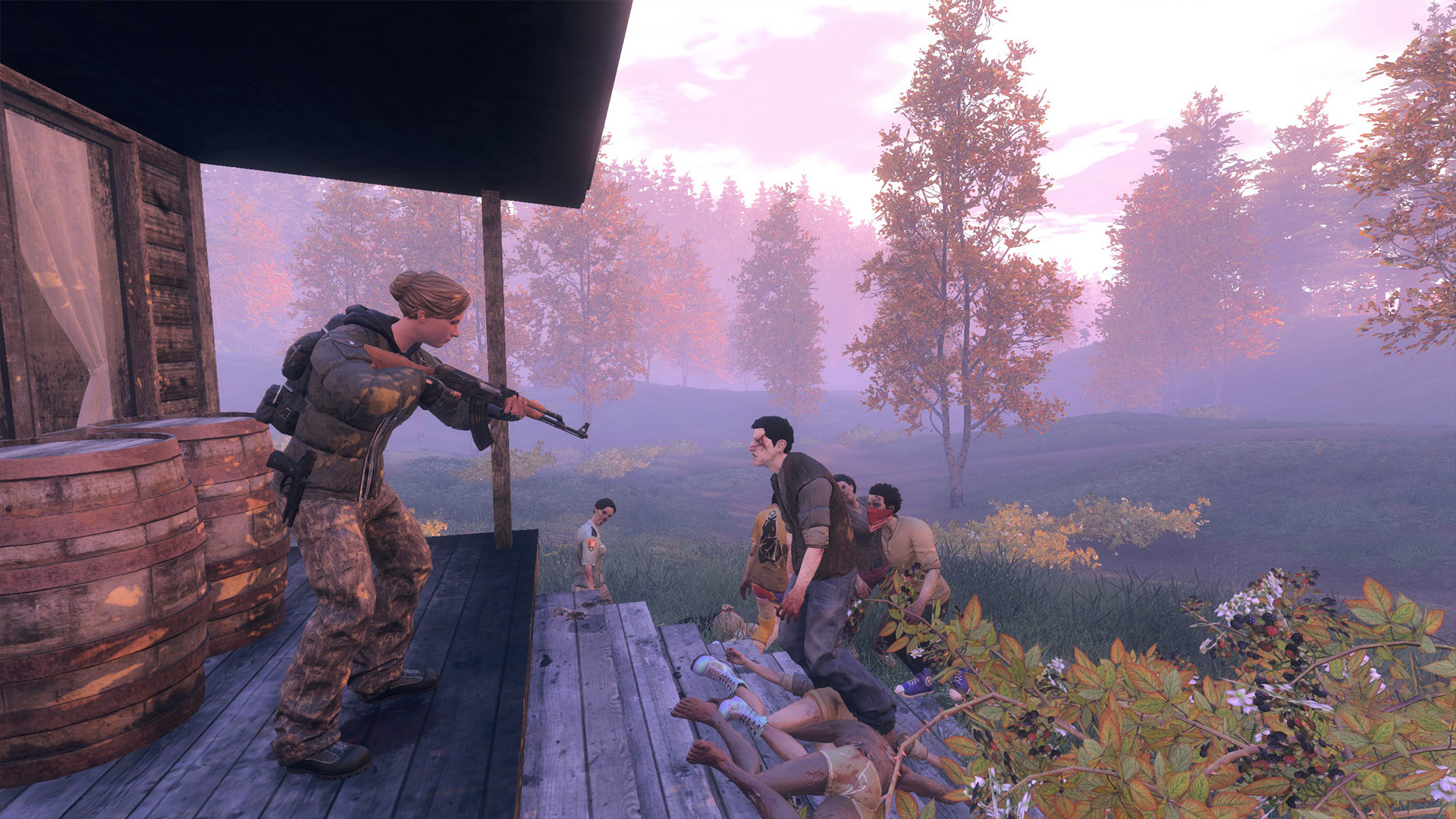
This game was originally marketed as a massive survival experience where players would need to form alliances to build bases and survive. After the success of its battle royale mode the developers decided to split the game into two separate products and prioritize the competitive shooter. The survival focused version received fewer updates and was eventually plagued by technical issues and a dwindling player base. Daybreak Game Company officially shut down the servers in 2018 ending the dream of a persistent survival world. The community felt that the original multiplayer promise was sacrificed in favor of more profitable trends.
‘Warhammer 40,000: Eternal Crusade’ (2016)
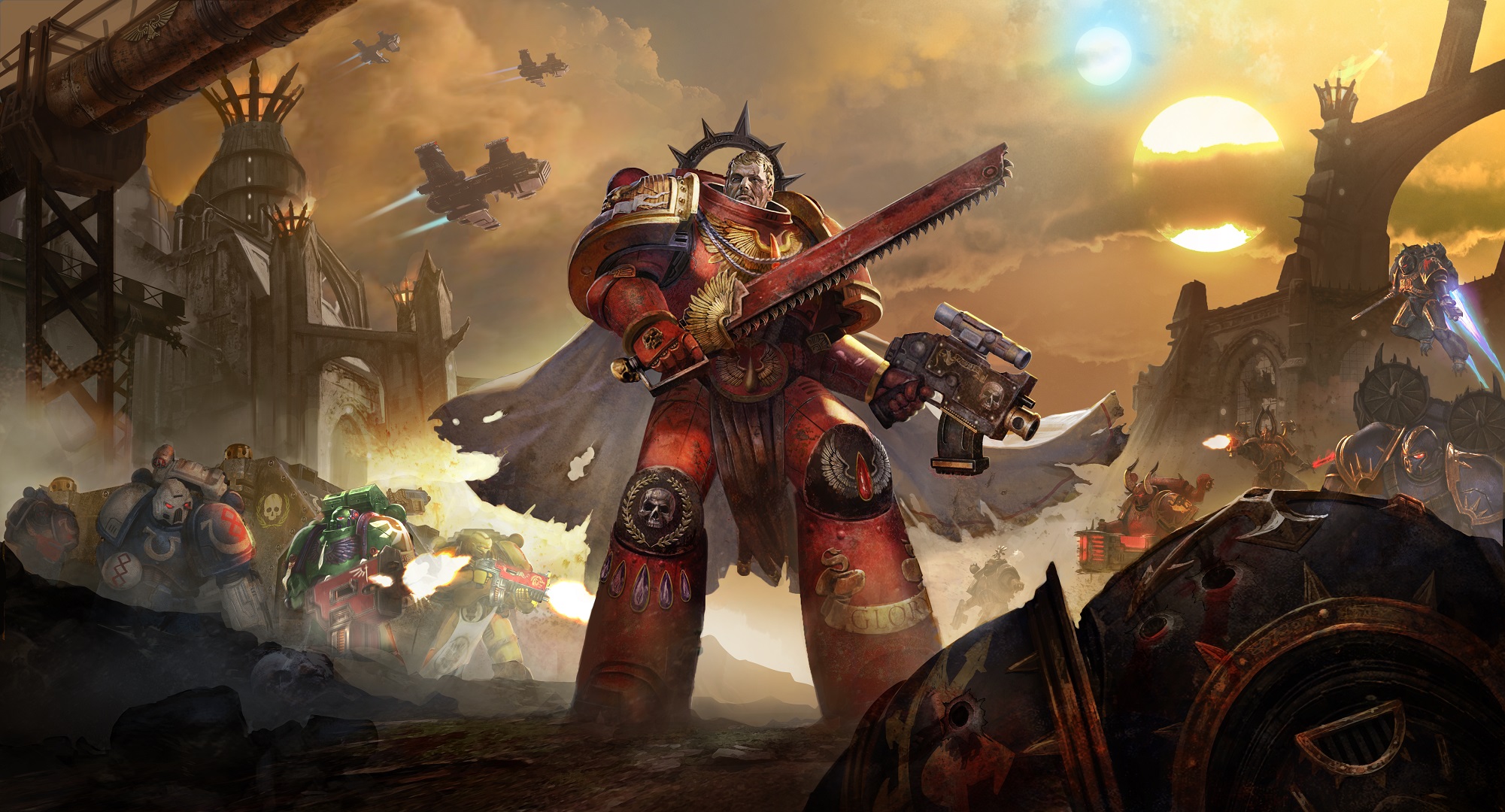
The developers promised a massive scale persistent world where thousands of players would fight for territory across a planetary map. This vision included controllable vehicles and complex faction based warfare that would change the state of the world in real time. Upon release the game was revealed to be a much smaller lobby based shooter with limited maps and traditional match types. Most of the grand social features were scaled back or removed entirely during the difficult development process. The game never achieved the scale it was marketed for and the servers were eventually taken offline.
‘The Stomping Land’ (2014)
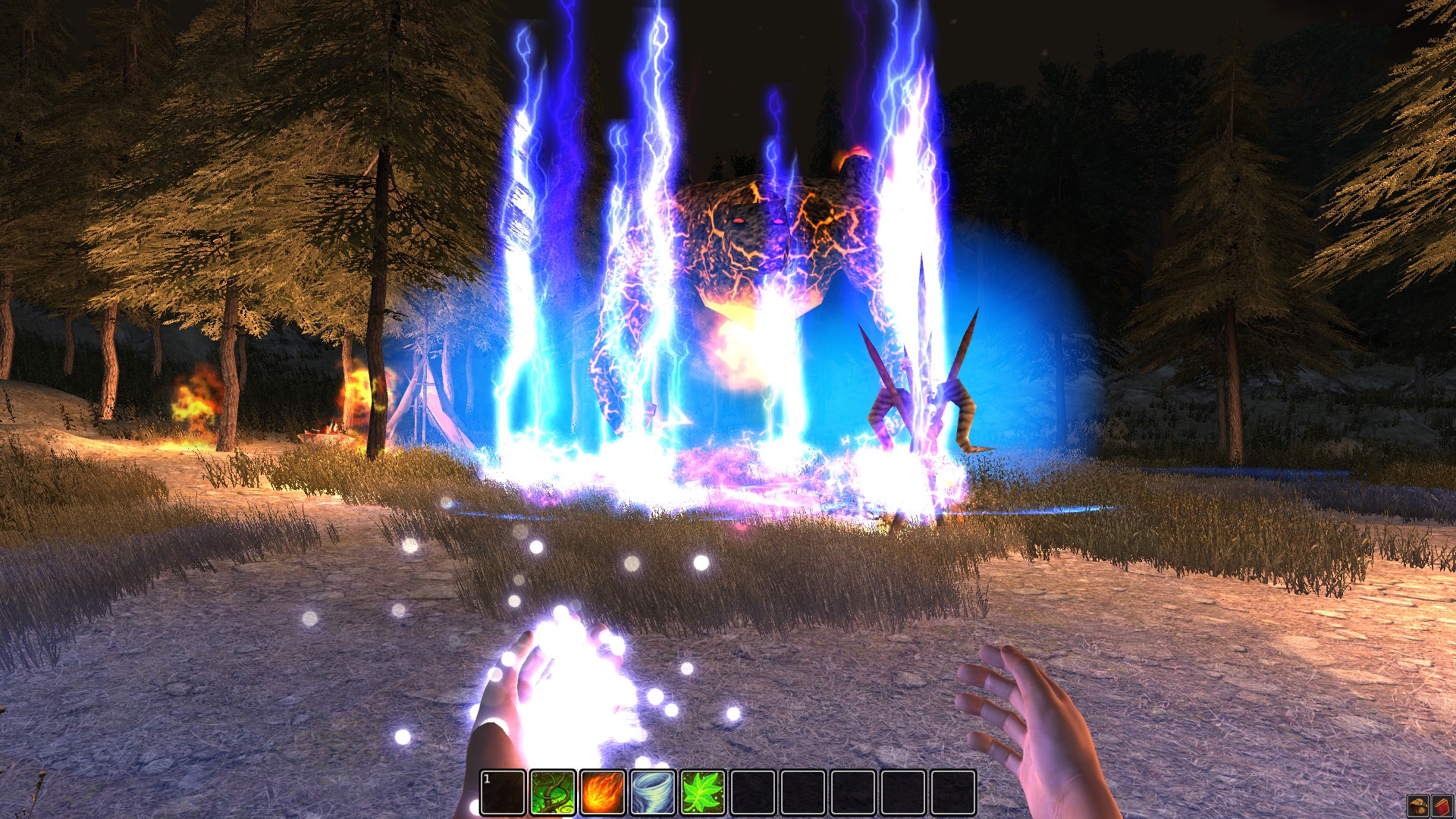
This survival game promised an innovative multiplayer experience where players would hunt dinosaurs and form tribes to dominate the landscape. It gained significant traction on crowdfunding platforms by showcasing unique gameplay mechanics like capturing and taming large reptiles. Shortly after the early access launch the lead developer stopped communicating with the community and the game stopped receiving updates. The project was eventually abandoned entirely and the servers became unplayable for most users. This incident became a cautionary tale for the risks of supporting early access multiplayer projects.
‘Anthem’ (2019)
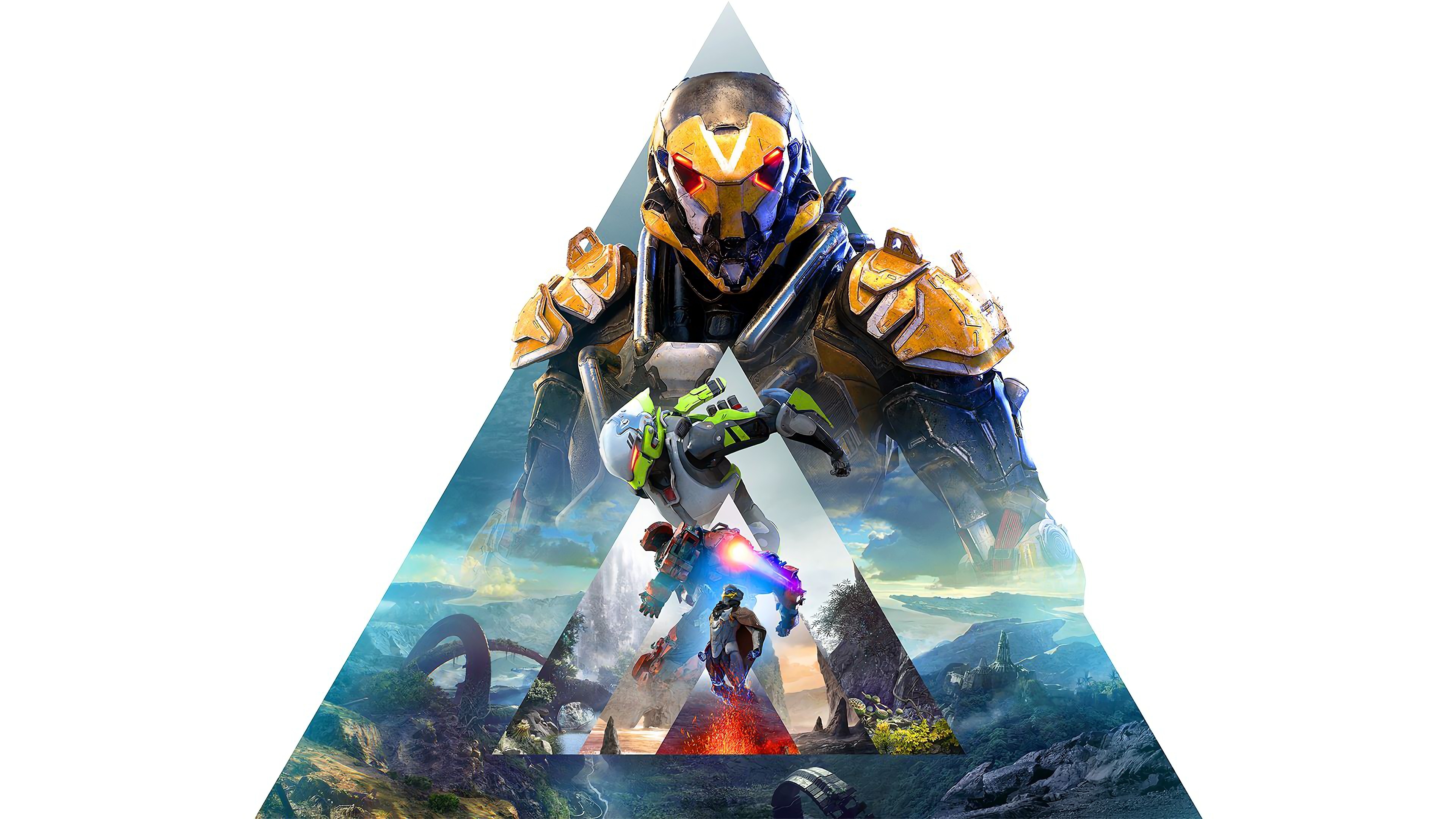
BioWare showcased this title as a live service powerhouse with a deep social hub and complex world events that players would tackle together. The early presentations suggested a highly reactive world where multiplayer choices would have a visible impact on the environment. At launch the game suffered from a lack of content and a social system that felt limited compared to the initial promises. Plans for a massive overhaul were eventually cancelled by the publisher in favor of other projects. The flight based cooperative experience never reached the heights that were showcased in its reveal trailers.
‘Redfall’ (2023)
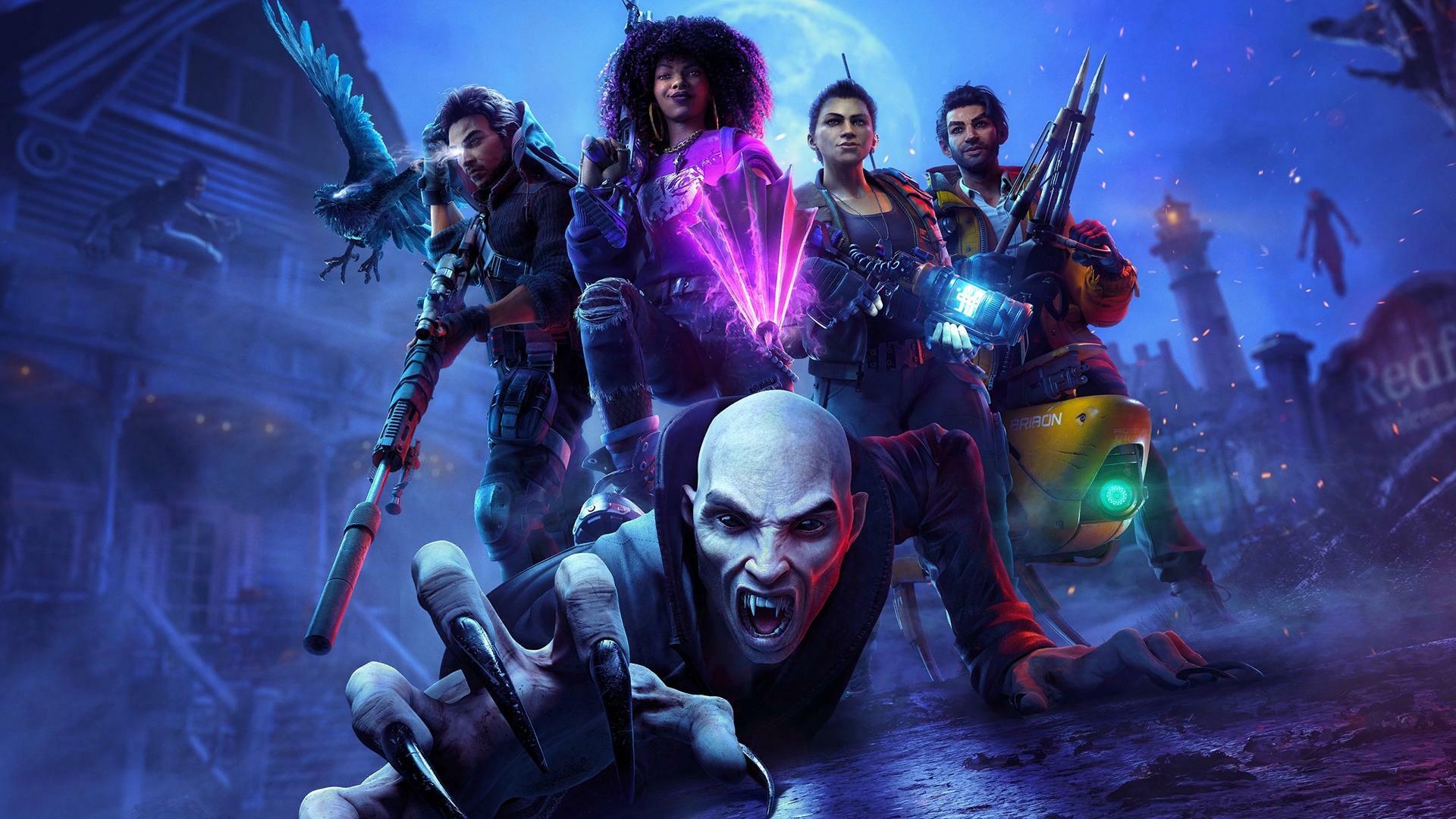
Arkane Austin marketed this vampire shooter as a seamless cooperative experience that combined their signature gameplay with multiplayer action. Players expected a highly polished world where different character abilities would interact in creative ways to defeat the undead. The launch was marred by technical issues and a lack of depth in the multiplayer systems that left the world feeling empty. The publisher later announced the closure of the studio and the cancellation of planned content updates. This meant that many of the features and refinements promised for the multiplayer experience would never be delivered.
‘Skull and Bones’ (2024)
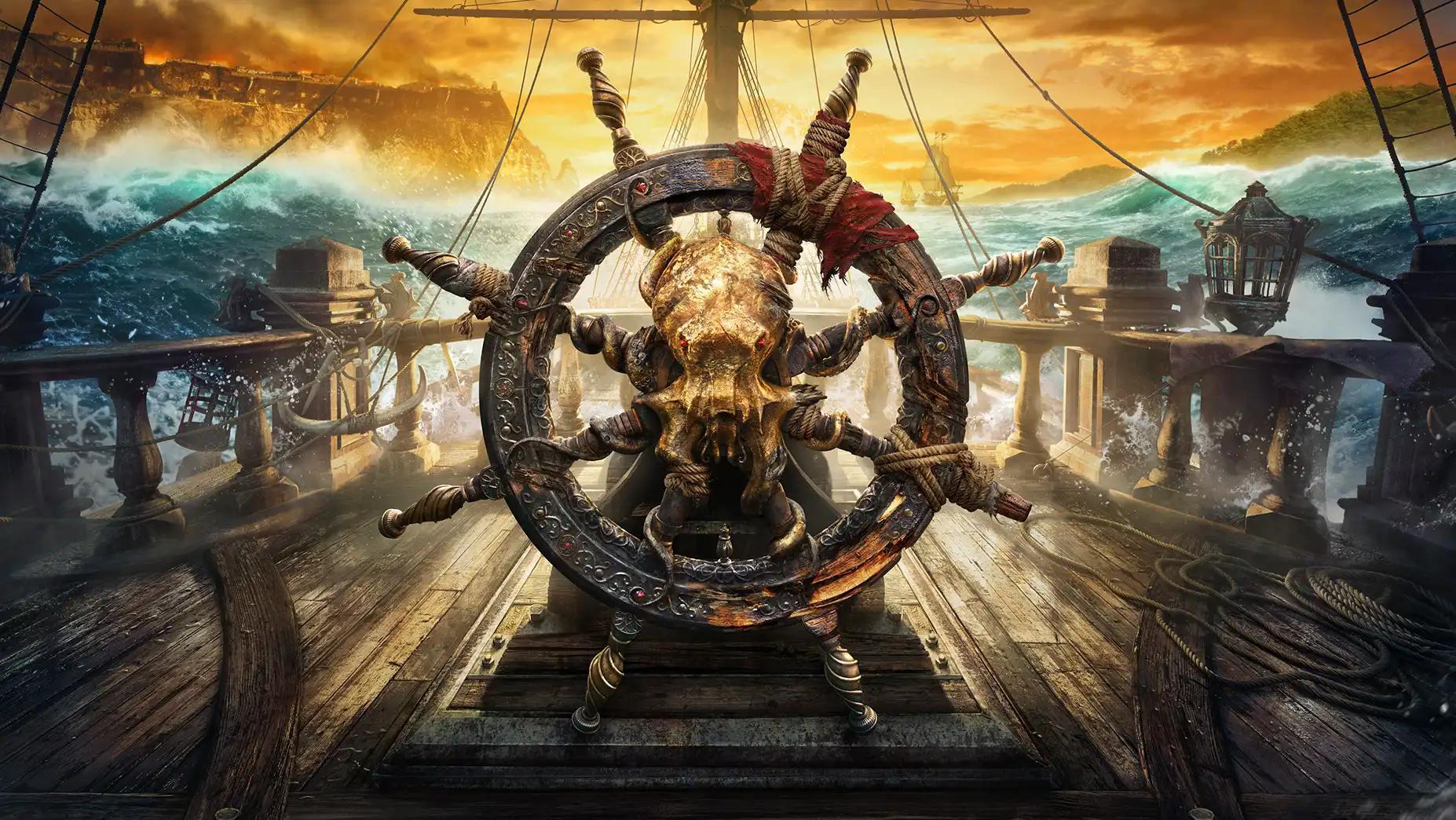
This pirate adventure spent over a decade in development and went through several iterations of its multiplayer vision. Early versions promised a deep tactical experience where players could engage in complex fleet battles and social trade. The final product shifted toward a more repetitive model that lacked many of the immersive features players had expected. Key elements like land based combat and boarding mechanics were simplified or excluded from the multiplayer loop. While the game did release the version of the pirate fantasy promised in early trailers felt largely absent.
‘Star Citizen’ (2012)
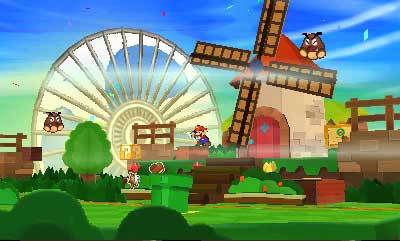
This project has raised hundreds of millions of dollars with the promise of creating the ultimate multiplayer space simulation. While parts of the game are playable in an early state many of the core multiplayer features like massive capital ship battles remain unfinished. The project has been split into several different modules and the timeline for a full release continues to shift further into the future. Players are still waiting for many of the persistent universe features that were promised during the original crowdfunding campaign. The massive scale of the vision remains in a state of perpetual development.
‘Dead Island 2’ (2023)
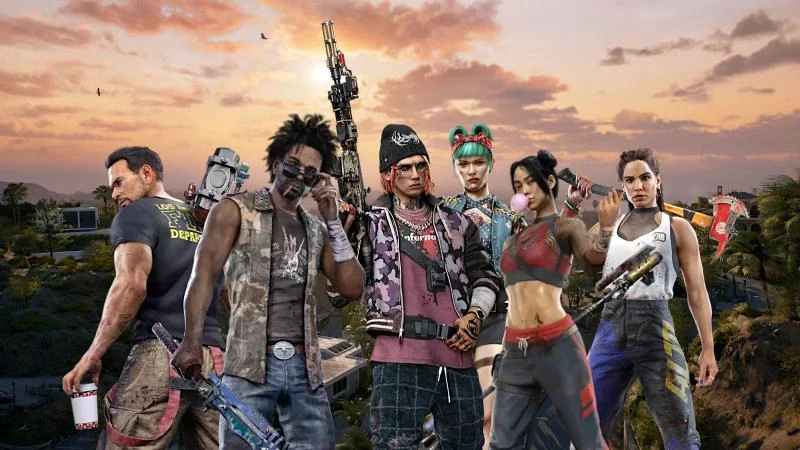
The original reveal trailer for this sequel promised a seamless multiplayer world where up to eight players could encounter each other while exploring. This ambitious social system was intended to make the city feel populated by other survivors in a constant state of cooperation or competition. After a decade of development and several different studios taking over the project the final version reduced the player count significantly. The released game features a standard three player cooperative lobby system instead of the massive shared world that was initially promoted. Many of the large scale social features from the early marketing were completely absent at launch.
‘Dead Space 3’ (2013)
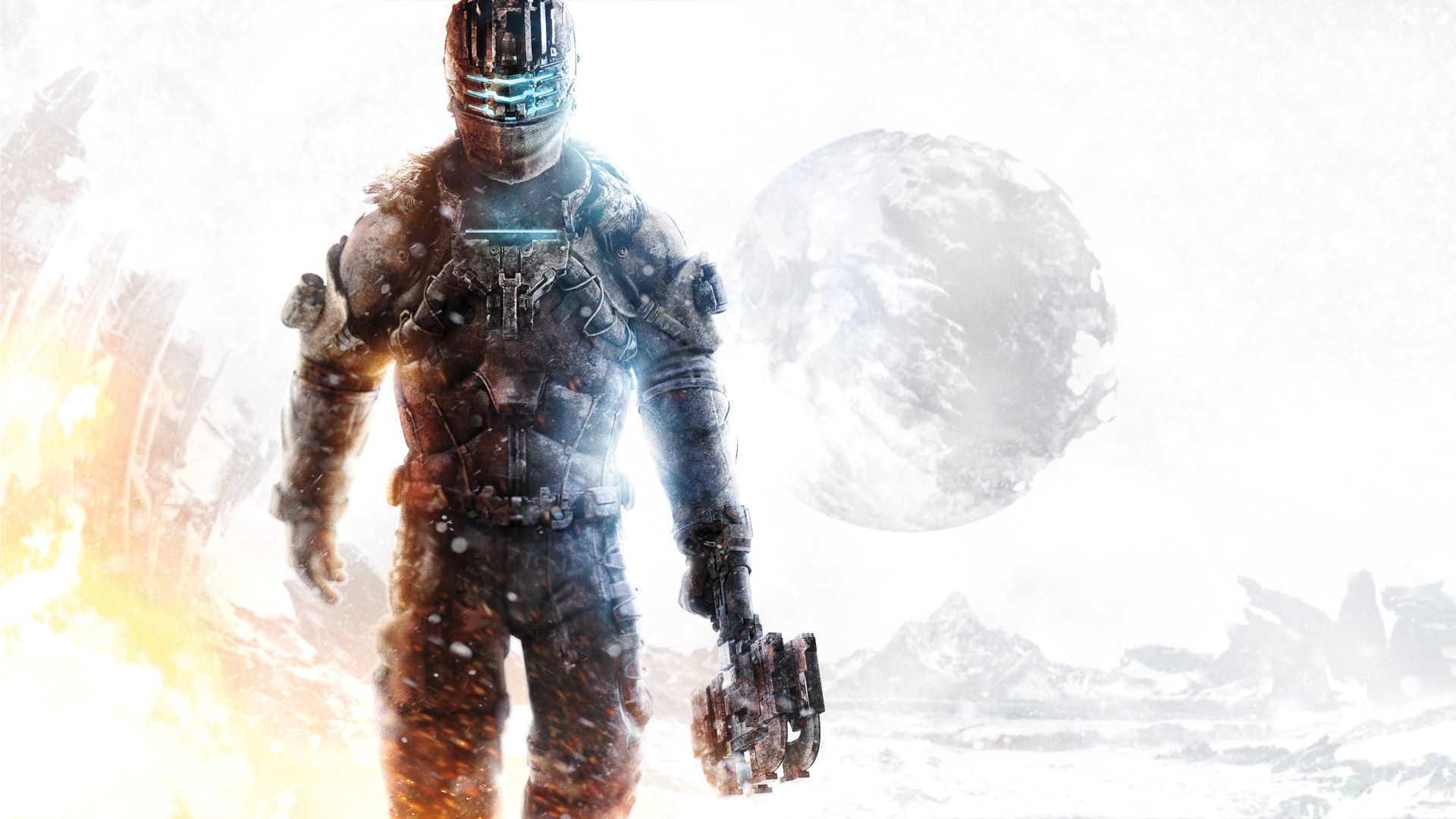
The marketing for this horror sequel heavily promoted the idea of a drop in cooperative mode that would change the narrative for both players. While the online cooperative mode was included in the final game the developers had originally suggested that local split screen play would be an option. Many fans of the series were disappointed when it was revealed that the game only supported online connectivity for its multiplayer features. This limitation prevented friends from playing together on the same couch in a genre that often benefits from local interaction. The omission of local play remained a point of frustration for the community throughout the life of the game.
‘Saints Row: Undercover’ (2016)
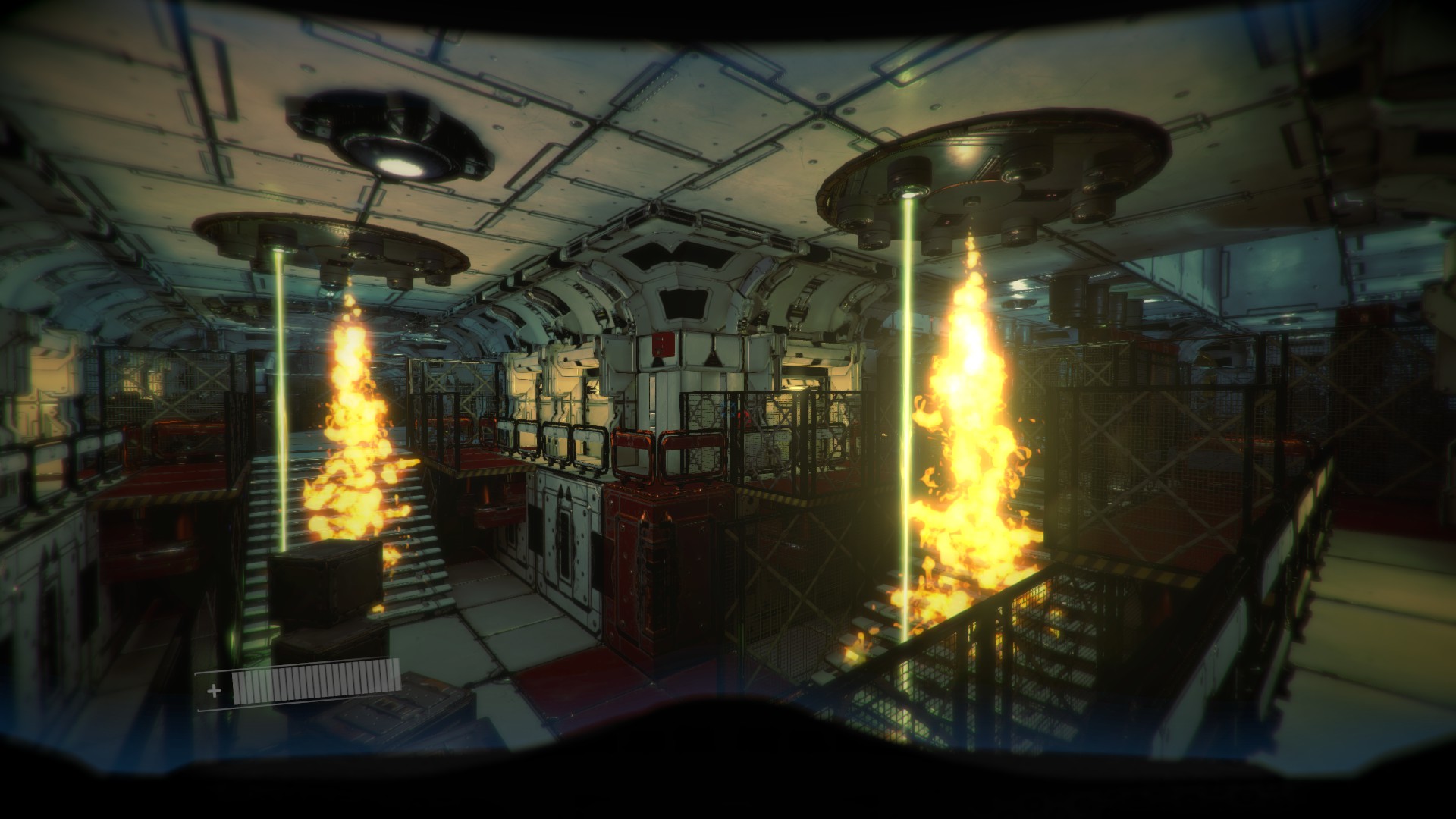
This cancelled project was originally intended to be a portable entry in the series with full cooperative support for handheld consoles. Volition worked on the game for several years before it was ultimately cancelled due to concerns about the hardware limitations and quality. A prototype of the game was eventually discovered on a development kit and released for free by the studio for preservation. This allowed fans to see the unfinished multiplayer systems and open world that never made it to retail. The vision of a handheld cooperative experience for this franchise was never officially realized.
Share your thoughts on which of these missing or cancelled multiplayer modes you were most looking forward to in the comments.