

Video Games That Ruined Their Own Franchises



Video game franchises often struggle to maintain quality over long periods and sometimes release entries that actively damage their reputation. These specific titles alienated fanbases through poor design choices, technical failures, or drastic departures from what made the series popular in the first place. The following games are widely considered to have halted the momentum of their respective series or ended them entirely.
‘Duke Nukem Forever’ (2011)
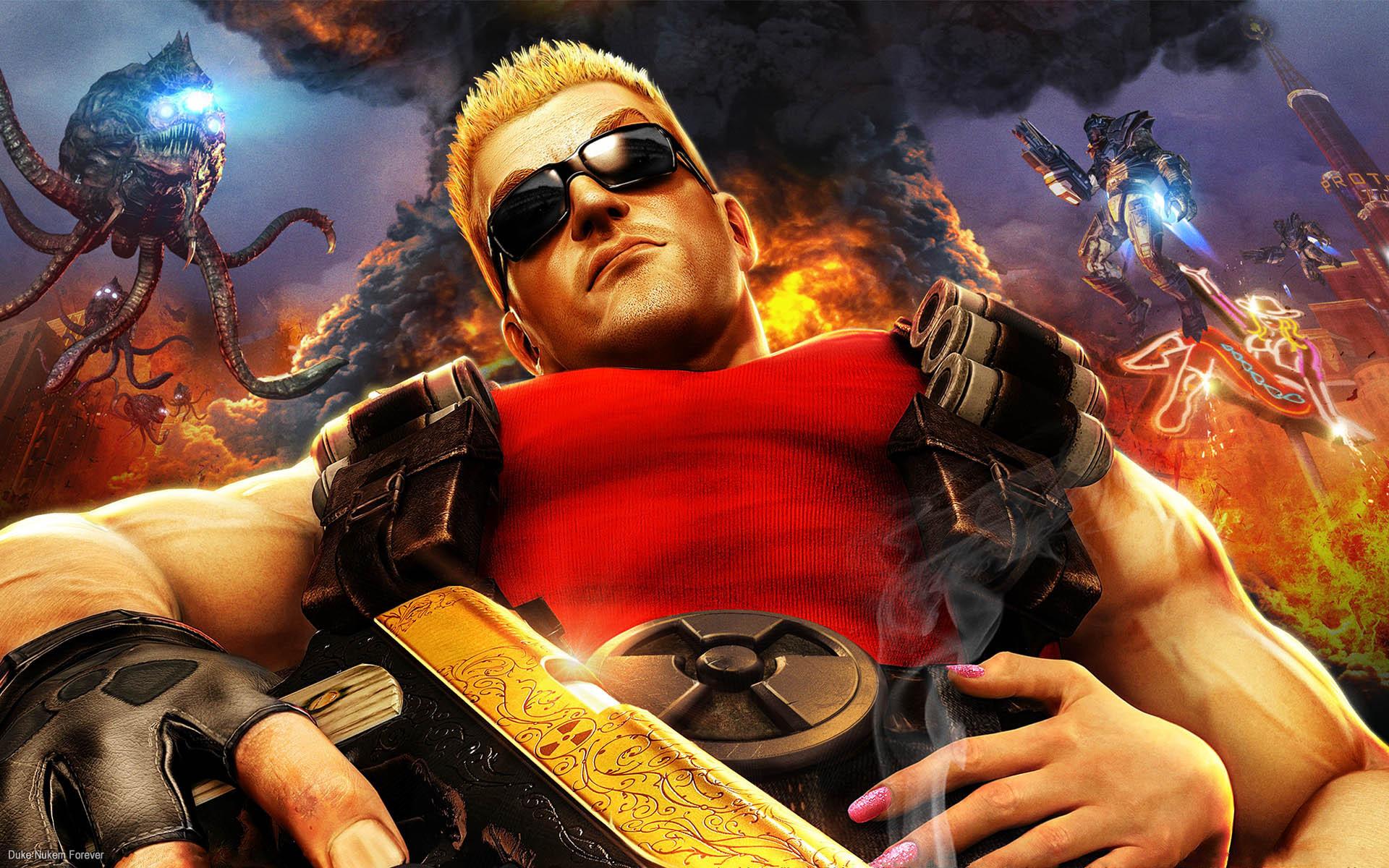
This game spent over a decade in development hell before finally releasing to disappointed fans. The humor and gameplay mechanics felt severely outdated compared to modern shooters. Players criticized the linear level design and technical issues that plagued the launch. The critical failure of this title effectively put the once-iconic franchise on an indefinite hiatus.
‘SimCity’ (2013)
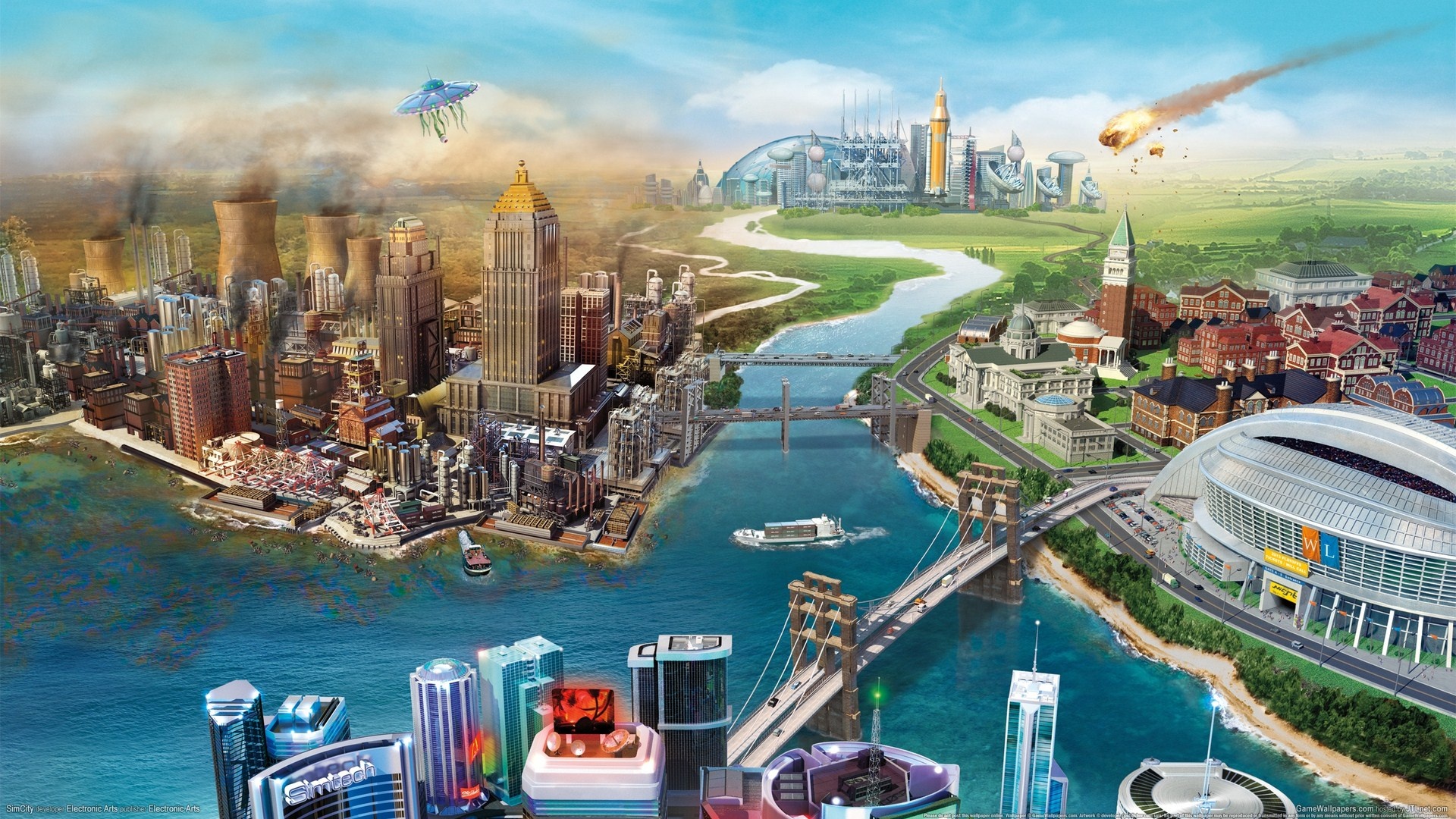
Maxis attempted to reboot the city-building series with a focus on online connectivity. The mandatory internet connection requirement caused massive server instability during the launch window. Players felt restricted by the significantly smaller map sizes compared to previous entries. This disastrous release allowed ‘Cities: Skylines’ to capture the market and left the ‘SimCity’ brand dormant.
‘Command & Conquer 4: Tiberian Twilight’ (2010)
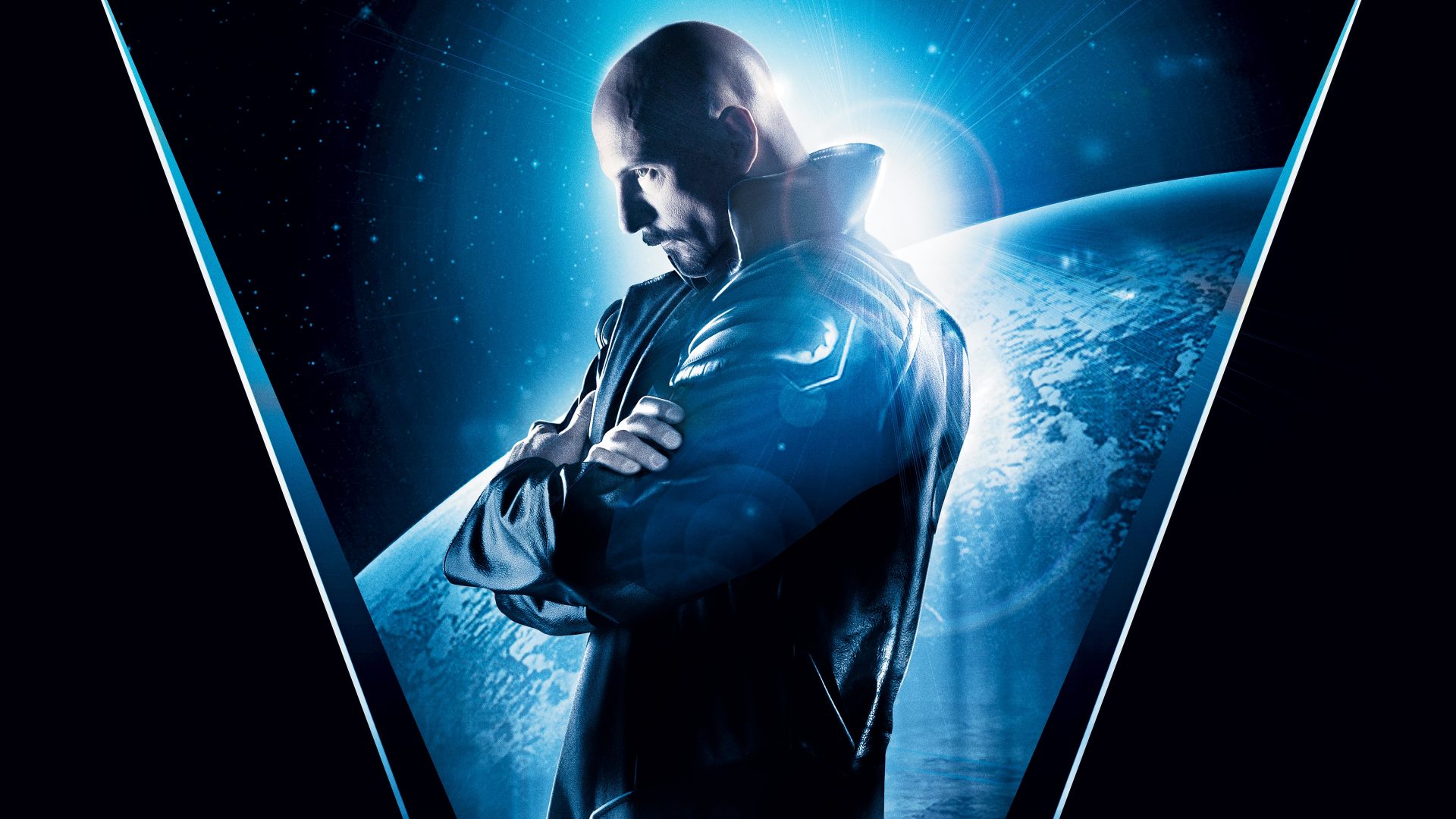
Developers removed the traditional base-building mechanics that defined the real-time strategy series. The game shifted toward a class-based system that alienated longtime veterans. The narrative conclusion to the Tiberium saga was viewed as rushed and unsatisfying. This radical departure from the formula resulted in the cancellation of future projects for the main series.
‘Tony Hawk’s Pro Skater 5’ (2015)

The developers rushed this title to market before a licensing deal expired. It launched with game-breaking bugs and physics glitches that made it nearly unplayable. The level design was uninspired and the cel-shaded art style was added at the last minute. This failure put the franchise on ice until the eventual remakes of the original games.
‘Medal of Honor: Warfighter’ (2012)
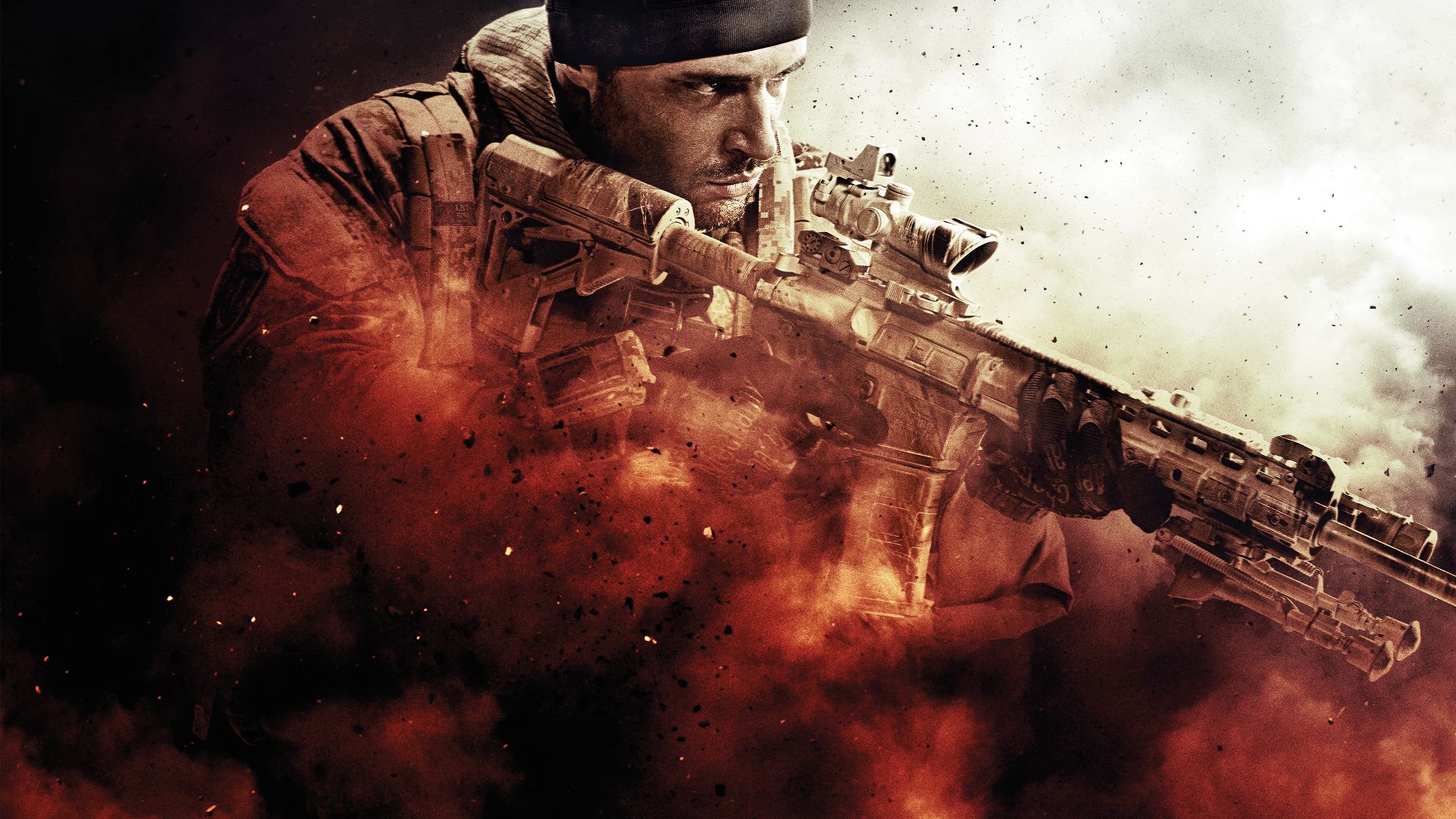
Electronic Arts attempted to compete with other military shooters but delivered a generic and buggy experience. The single-player campaign was criticized for its confused narrative and heavy reliance on scripted events. Multiplayer modes failed to retain a significant player base shortly after launch. The poor reception led the publisher to pull the franchise from its rotation.
‘Aliens: Colonial Marines’ (2013)
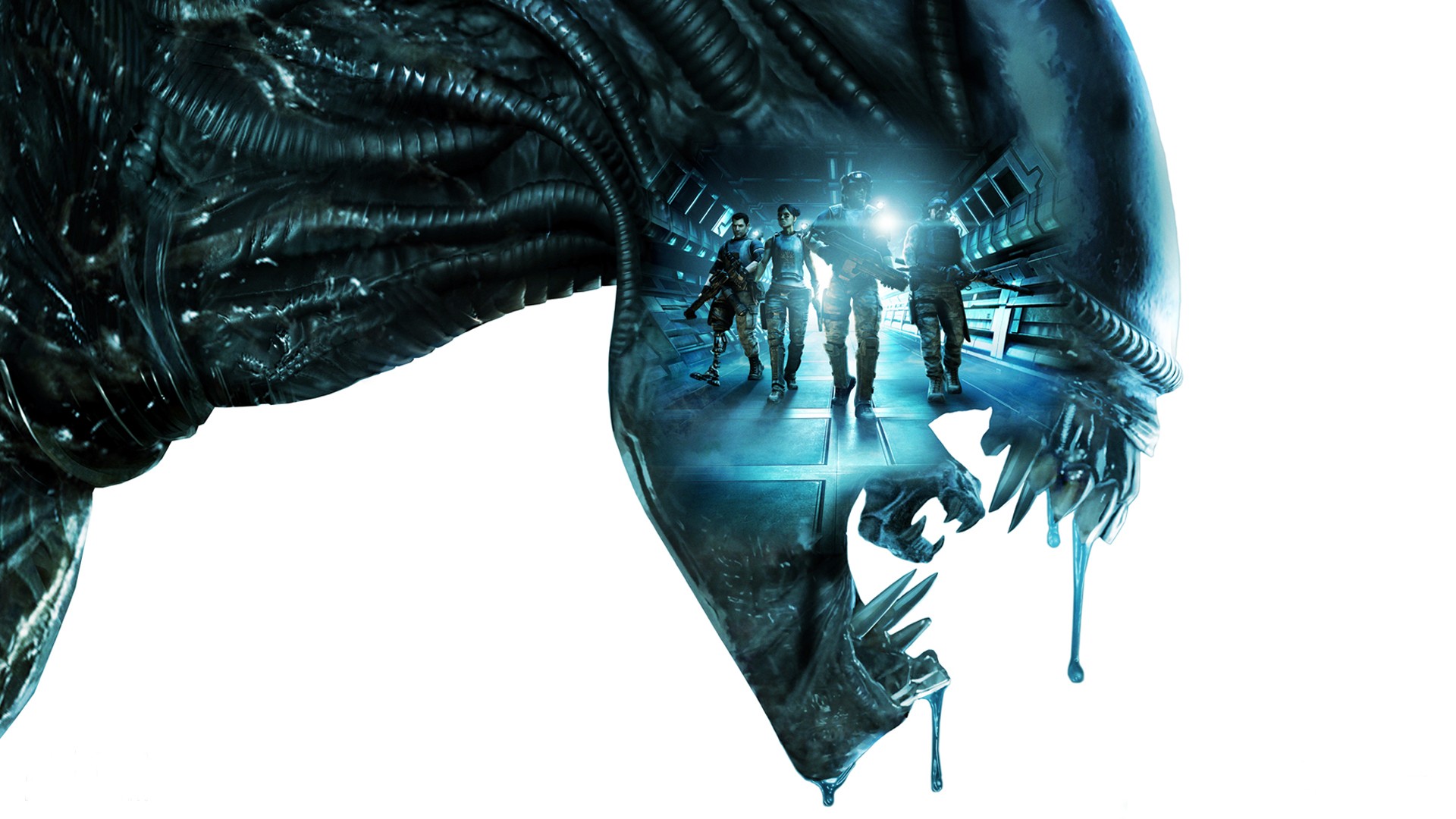
Promotional materials for this game showed lighting and textures that were not present in the final product. The artificial intelligence for the enemies was notoriously broken and reduced the tension completely. A class-action lawsuit was eventually filed regarding the misleading advertising. This title damaged the trust between gamers and the developers for years.
‘Dead Space 3’ (2013)
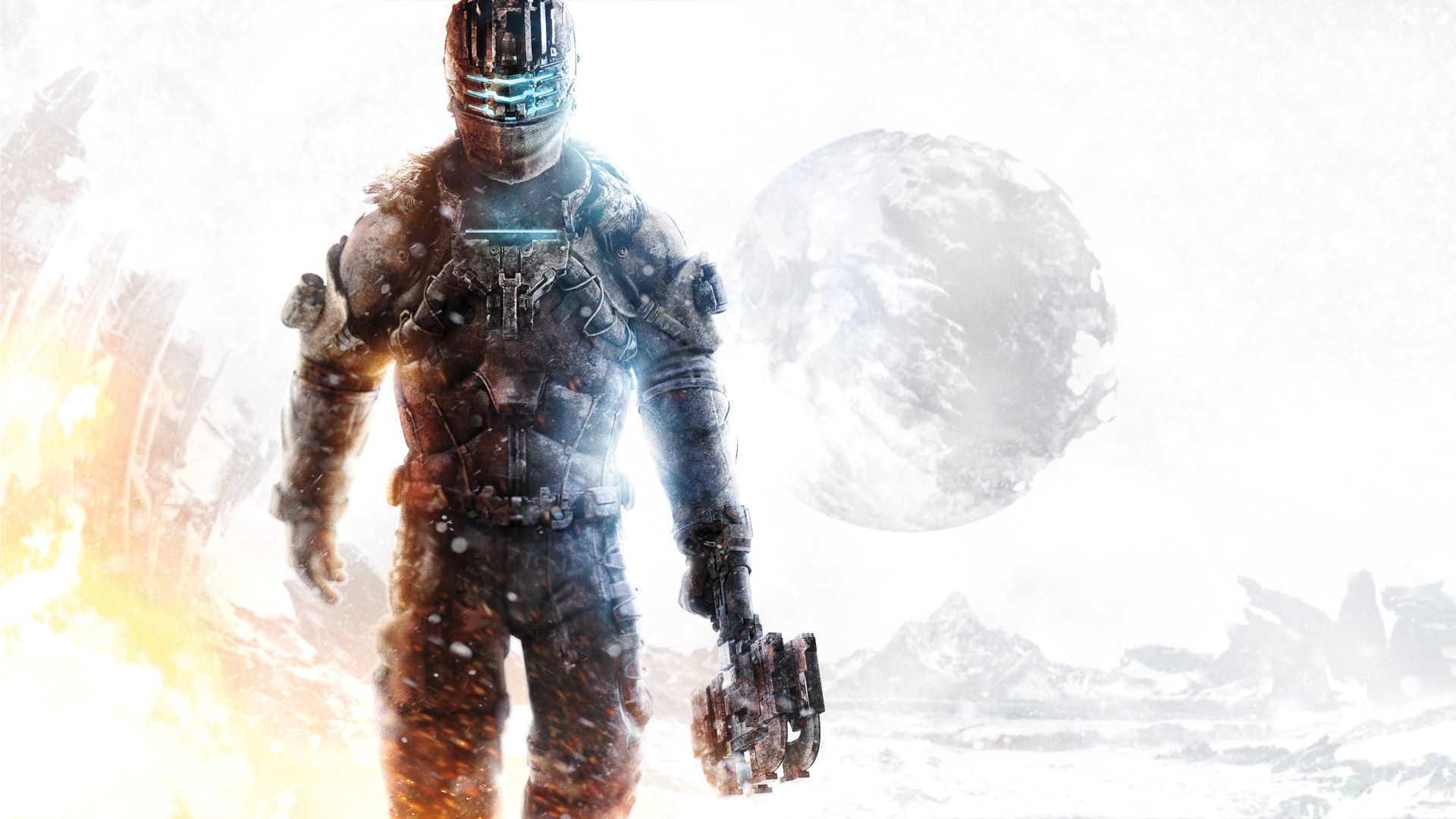
The shift from survival horror to cooperative action disappointed fans of the atmospheric originals. The introduction of microtransactions for weapon crafting was a major point of contention. The narrative moved away from psychological terror toward blockbuster set pieces. Electronic Arts shelved the series for a decade following the lackluster sales performance.
‘Resident Evil 6’ (2012)
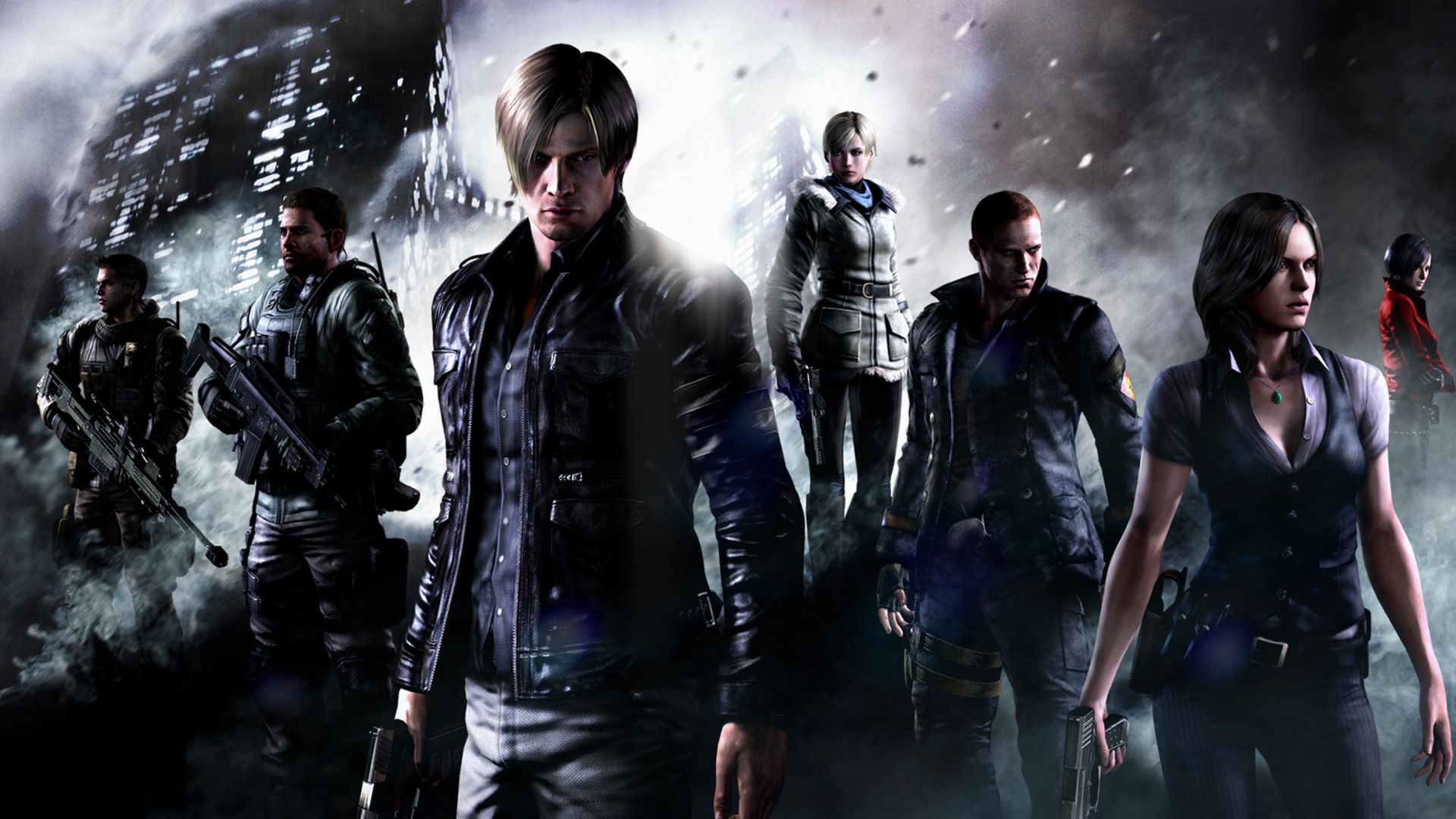
Capcom tried to appeal to action fans by including four distinct campaigns with different playstyles. The game was criticized for being bloated and abandoning the survival horror roots of the franchise. Quick-time events were overused and broke the flow of gameplay constantly. The negative reception forced the developers to soft-reboot the series with a return to horror in the next entry.
‘Silent Hill: Book of Memories’ (2012)
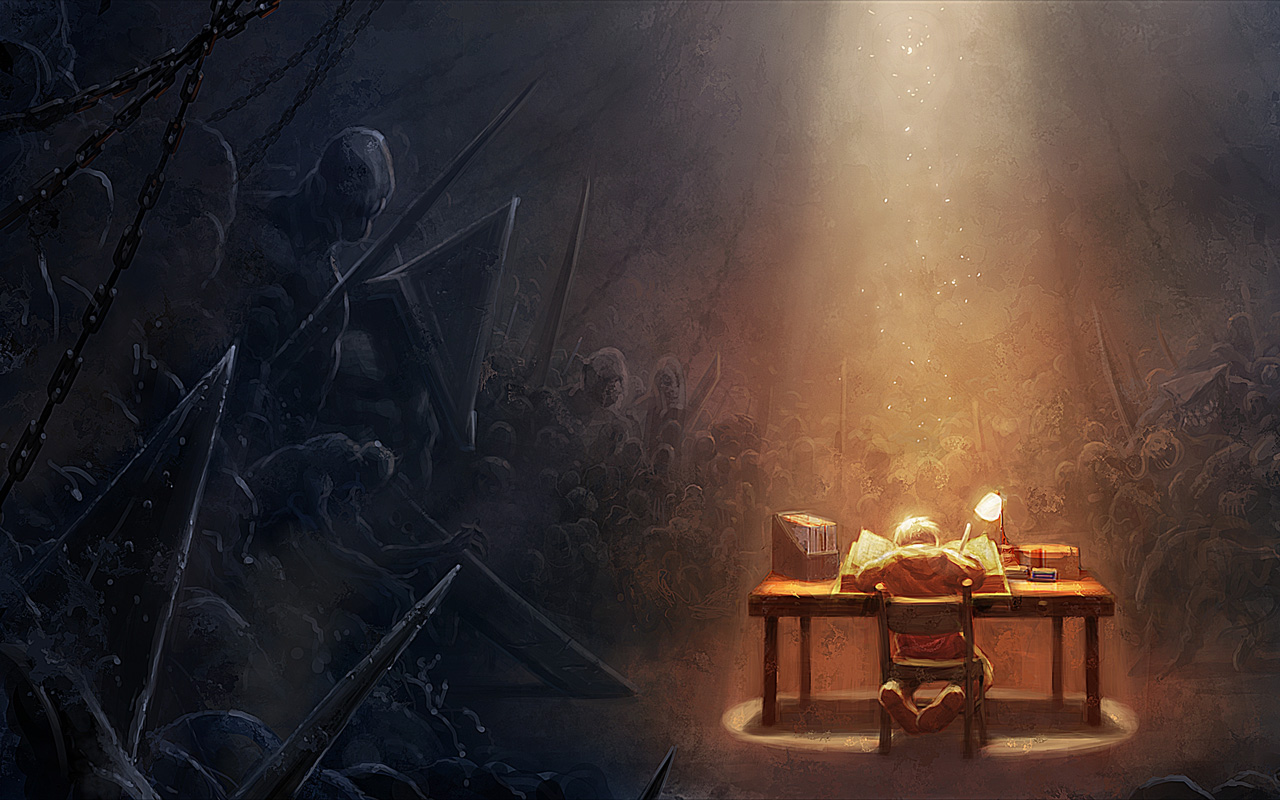
This handheld entry turned the psychological horror series into a dungeon-crawling action game. Fans felt the tone and mechanics were completely at odds with the lore of the franchise. The story lacked the depth and emotional weight of previous titles. It stands as one of the last original releases before the series went silent for many years.
‘Metal Gear Survive’ (2018)
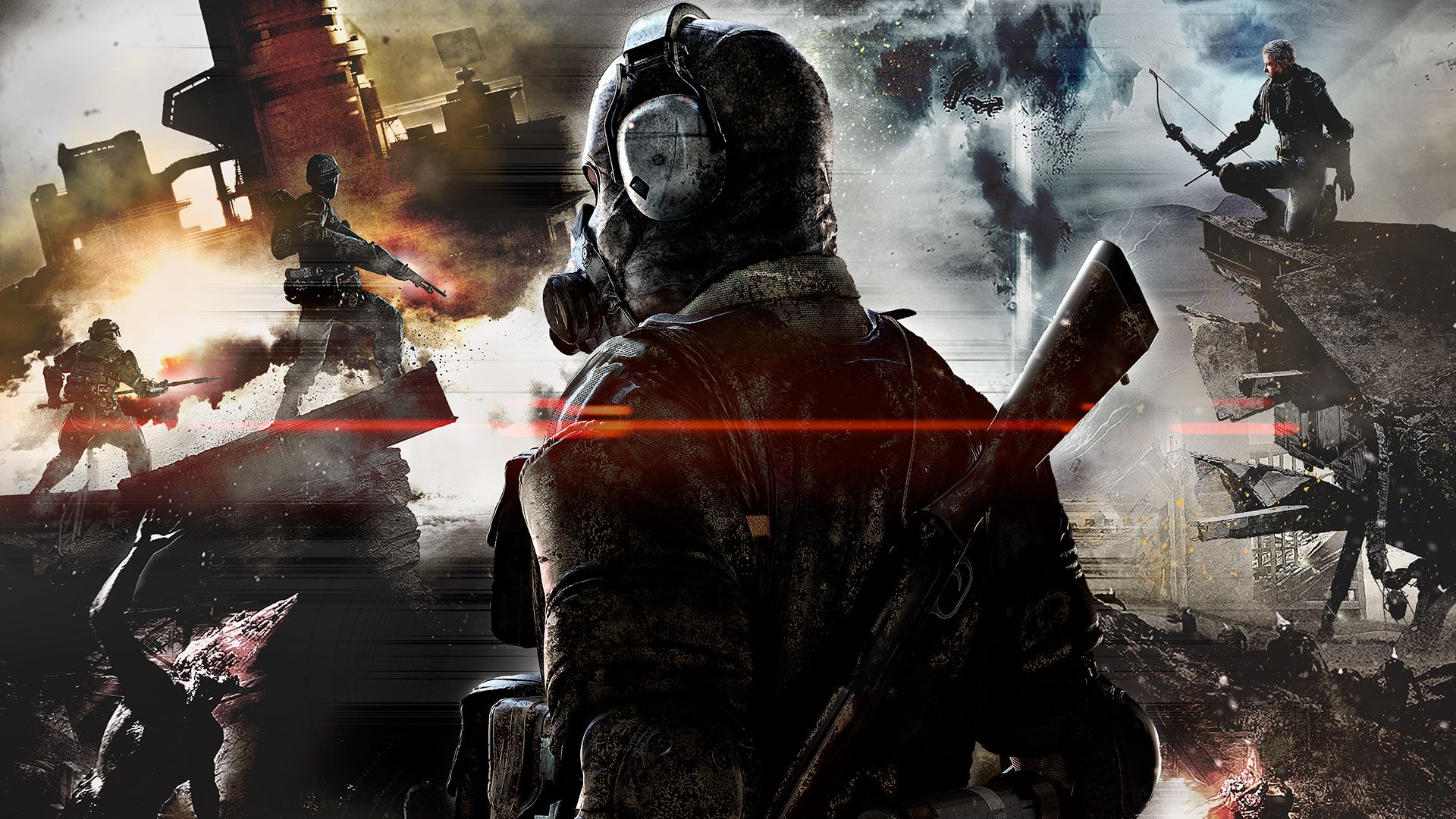
Konami released this survival spin-off shortly after the departure of series creator Hideo Kojima. The game reused assets from previous titles and implemented a heavy focus on resource grinding. Players rejected the zombie-like enemies and the inclusion of microtransactions for save slots. It is widely regarded as a cynical attempt to monetize the brand name without understanding its appeal.
‘Dungeon Keeper Mobile’ (2014)
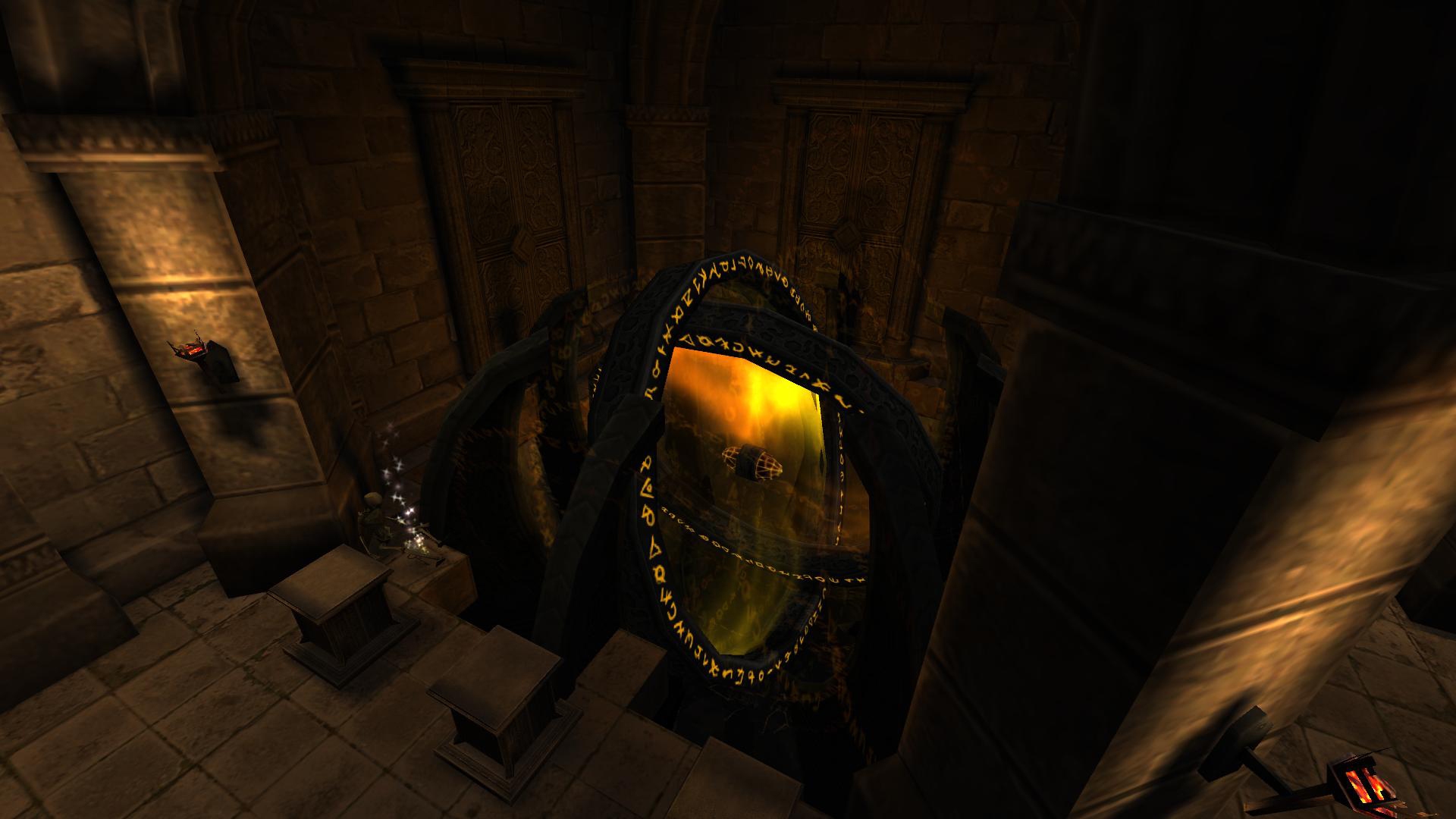
Electronic Arts revived the classic strategy series as a free-to-play mobile game. The aggressive monetization mechanics forced players to wait hours for simple actions or pay real money. The gameplay was simplified to the point where it lost all strategic depth. The overwhelming backlash served as a warning against improper monetization of beloved classic IPs.
‘Banjo-Kazooie: Nuts & Bolts’ (2008)
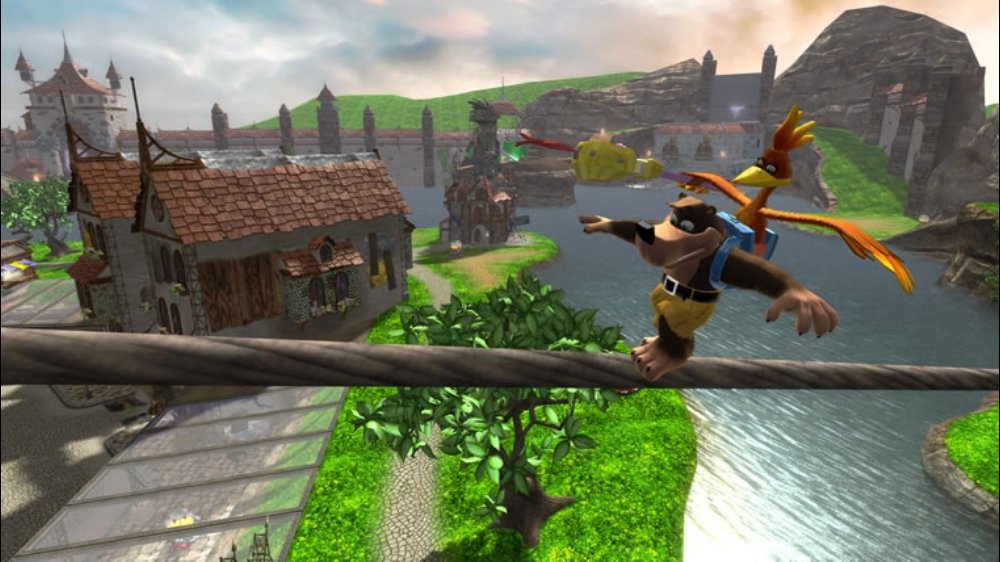
Rare moved away from platforming and focused entirely on vehicle construction mechanics. Fans of the original collect-a-thon gameplay were disappointed by the sudden genre shift. The large empty worlds lacked the charm and density of the Nintendo 64 classics. While the building mechanics were competent, the game failed to satisfy the audience waiting for a true platformer sequel.
‘Dino Crisis 3’ (2003)
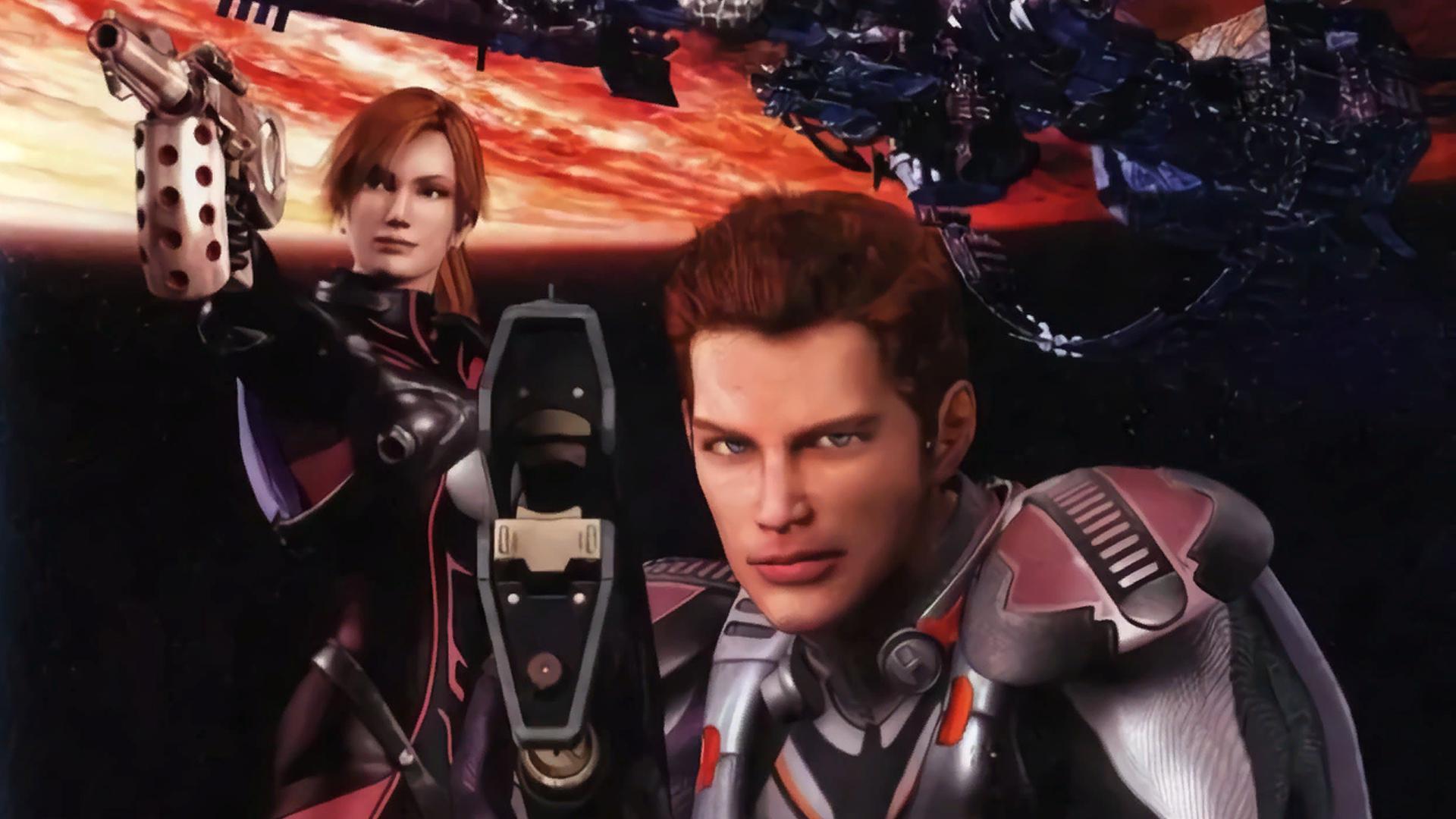
The series moved from a survival horror setting on Earth to a futuristic sci-fi setting in outer space. The dinosaurs were actually genetic mutations created from DNA rather than prehistoric creatures. The camera system was notoriously difficult to control and made combat frustrating. This strange thematic pivot effectively killed the franchise.
‘Sonic the Hedgehog’ (2006)
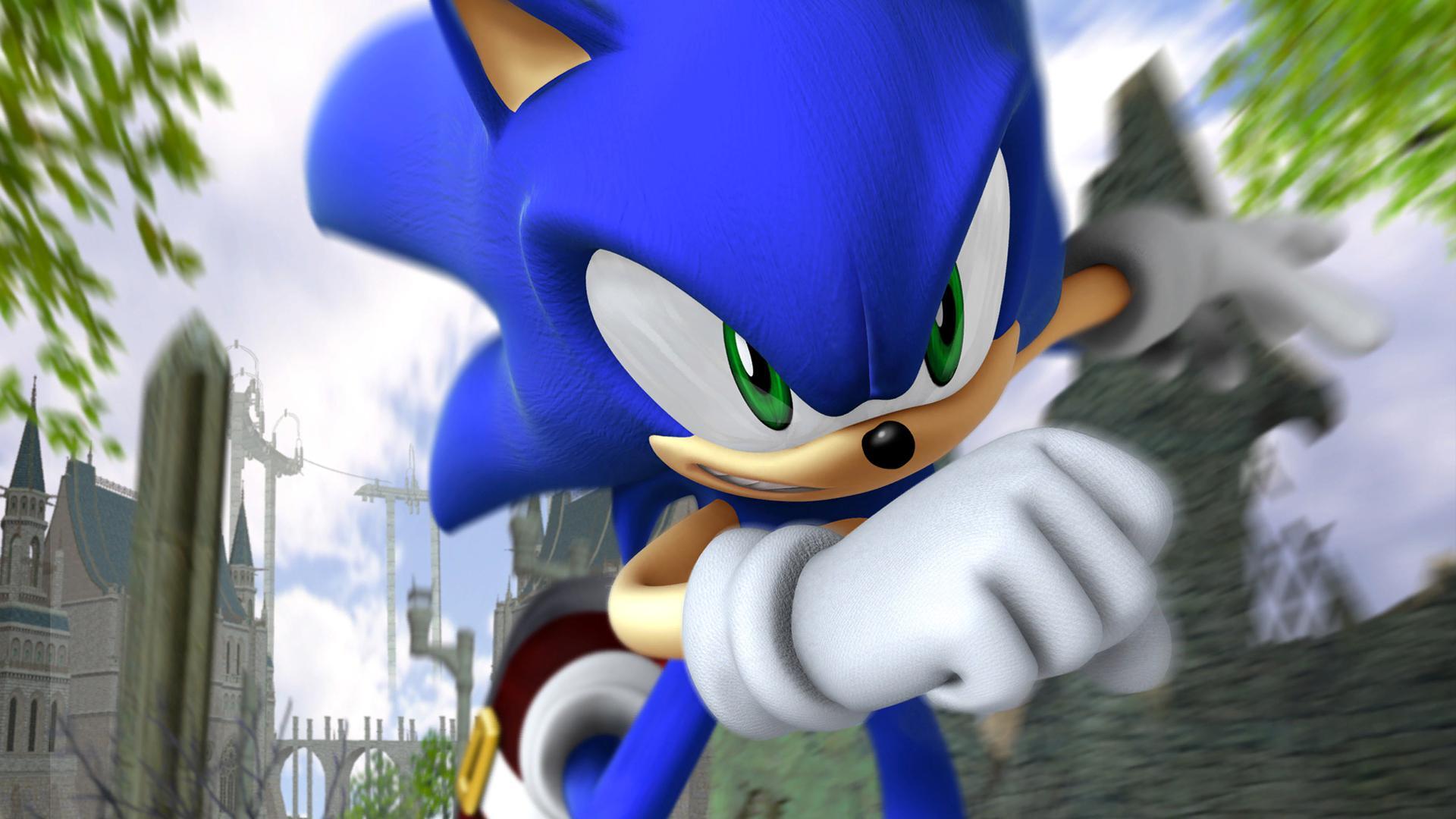
Sega rushed this anniversary title to release for the holiday season despite it being unfinished. The game is infamous for its long loading times and game-breaking glitches. The story included a controversial romance between a human princess and the titular hedgehog. It severely damaged the reputation of the mascot and took years for the brand to recover.
‘Tomb Raider: The Angel of Darkness’ (2003)
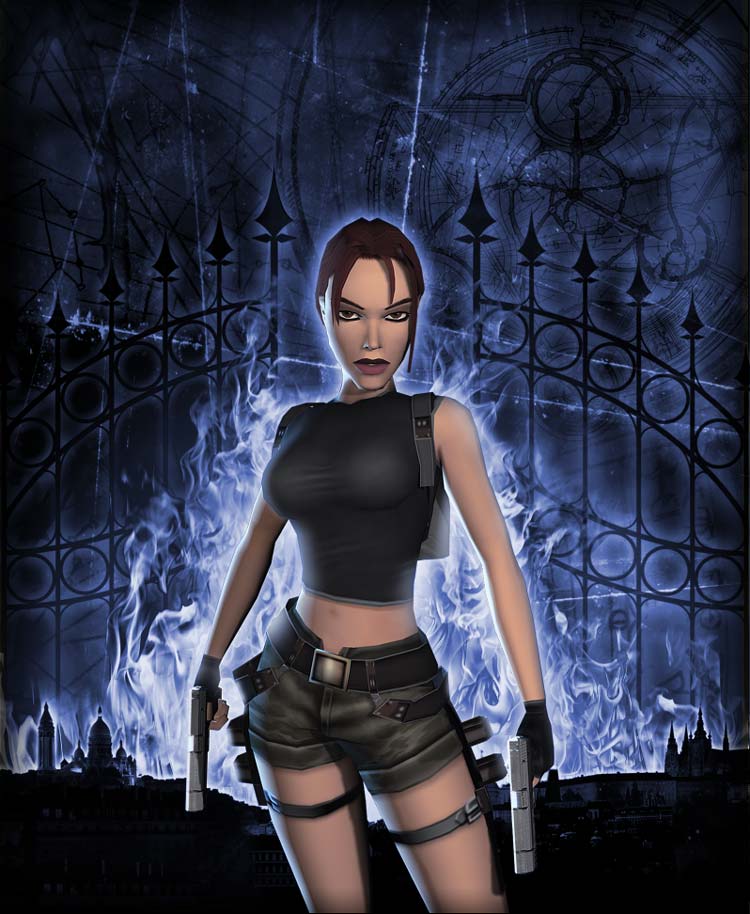
Core Design attempted to modernize the series with stealth elements and RPG-like stat upgrades. The controls were unresponsive and the game suffered from numerous technical bugs. The development was troubled and resulted in large sections of the game being cut. The failure of this title led to the development duties being transferred to Crystal Dynamics.
‘Alone in the Dark: Illumination’ (2015)
This entry turned the grandfather of survival horror into a cooperative shooter. The lighting mechanics were poorly implemented and the environments were repetitive. Critics panned the game for its lack of scares and technical incompetence. It holds one of the lowest review scores in the history of the genre.
‘Empire Earth III’ (2007)
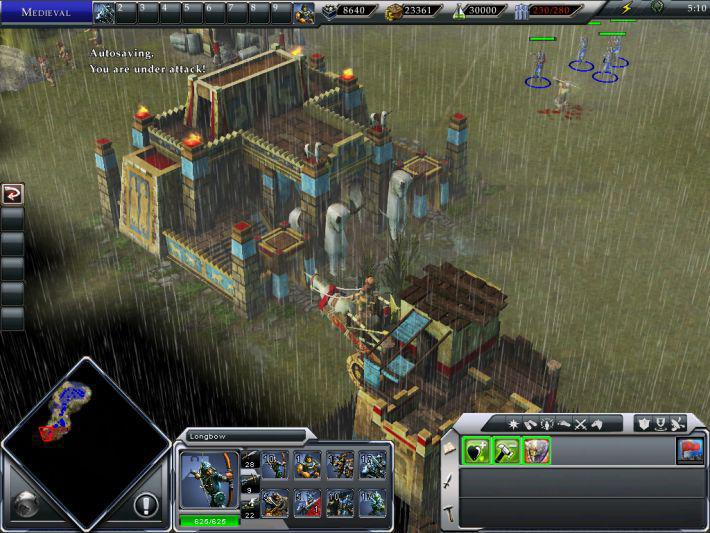
The developers simplified the complex mechanics of the previous games to appeal to a wider audience. The number of historical epochs and civilizations was drastically reduced. The humor was considered juvenile and out of place for a historical strategy game. Fans of the genre considered it a massive downgrade that ended the series.
‘Supreme Commander 2’ (2010)
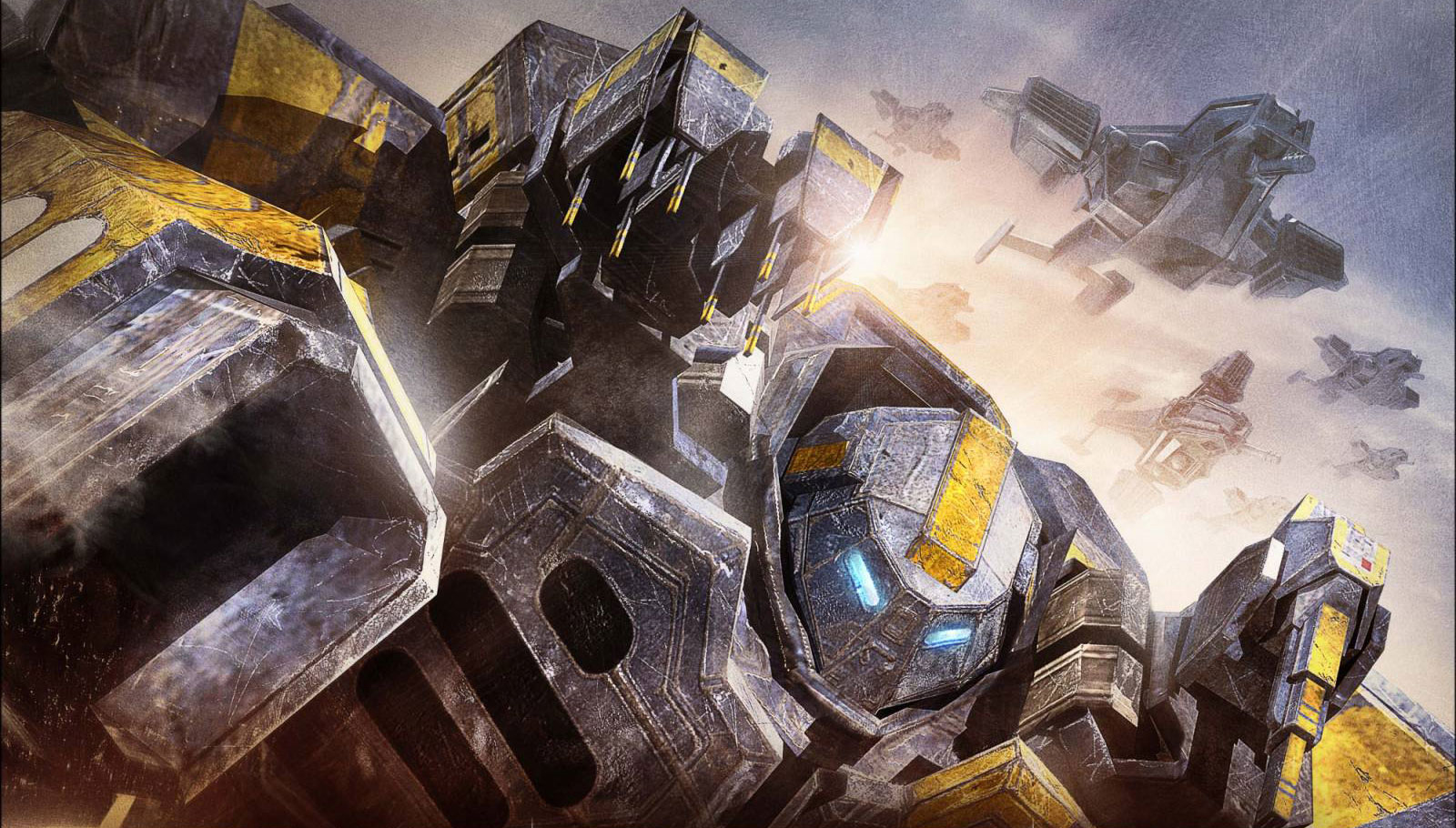
Square Enix streamlined the resource management and scale that defined the first game. The strategic depth was replaced by faster and more generic combat encounters. Hardcore fans of the original felt the sequel had lost its identity. The simplification of the economy system turned away the core audience.
‘Sacred 3’ (2014)
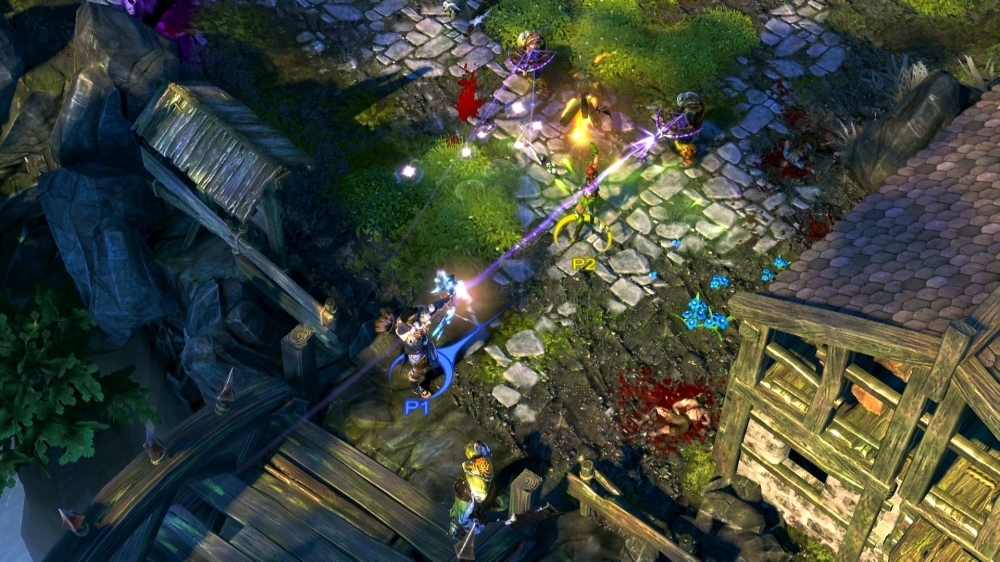
The developers changed the game from an open-world action RPG to a linear hack-and-slash brawler. The loot system and character customization were almost entirely removed. Humor in the game was pervasive and often criticized as annoying. The complete change in genre alienated the fanbase of the first two games.
‘Postal III’ (2011)
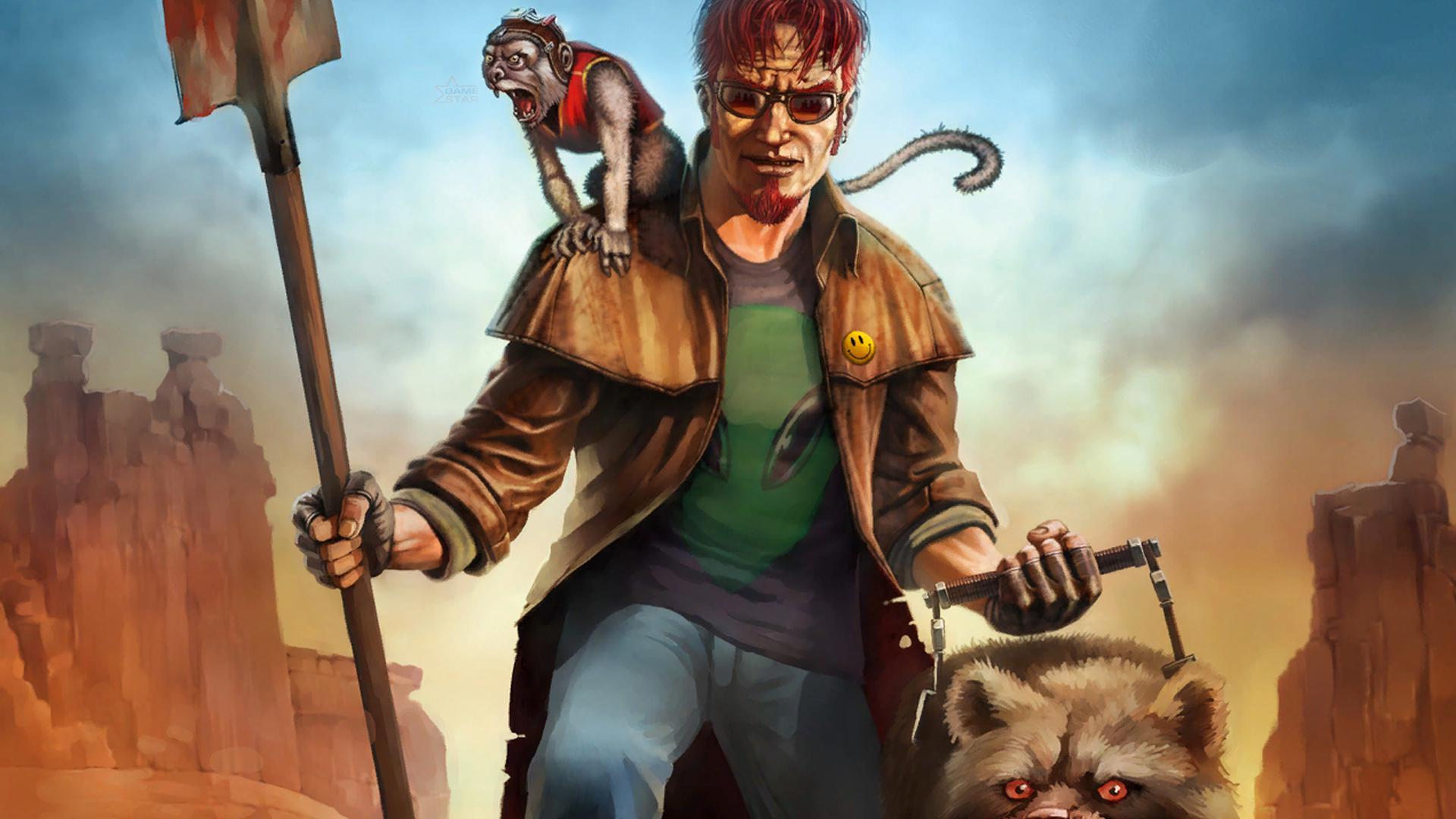
The development was outsourced to a different studio and suffered from severe technical problems. The open-world freedom of the second game was replaced by linear missions. The humor and gameplay were widely considered broken and unfunny. The original creators eventually disowned the game and removed it from their official canon.
‘FlatOut 3: Chaos & Destruction’ (2011)
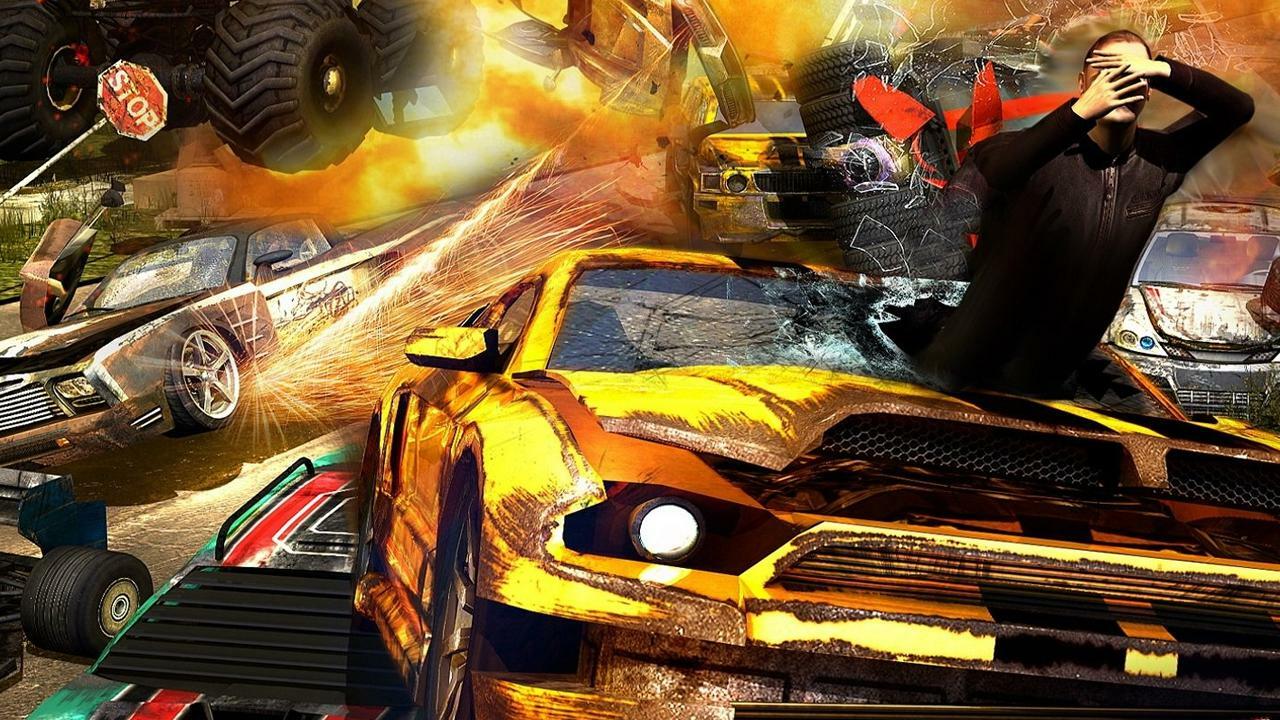
Team6 Game Studios took over the franchise and delivered a product with broken physics. The driving mechanics were extremely sensitive and made controlling the cars difficult. The graphics were poor and the collision detection was inconsistent. It is often cited as one of the worst racing games ever made.
‘Thief’ (2014)
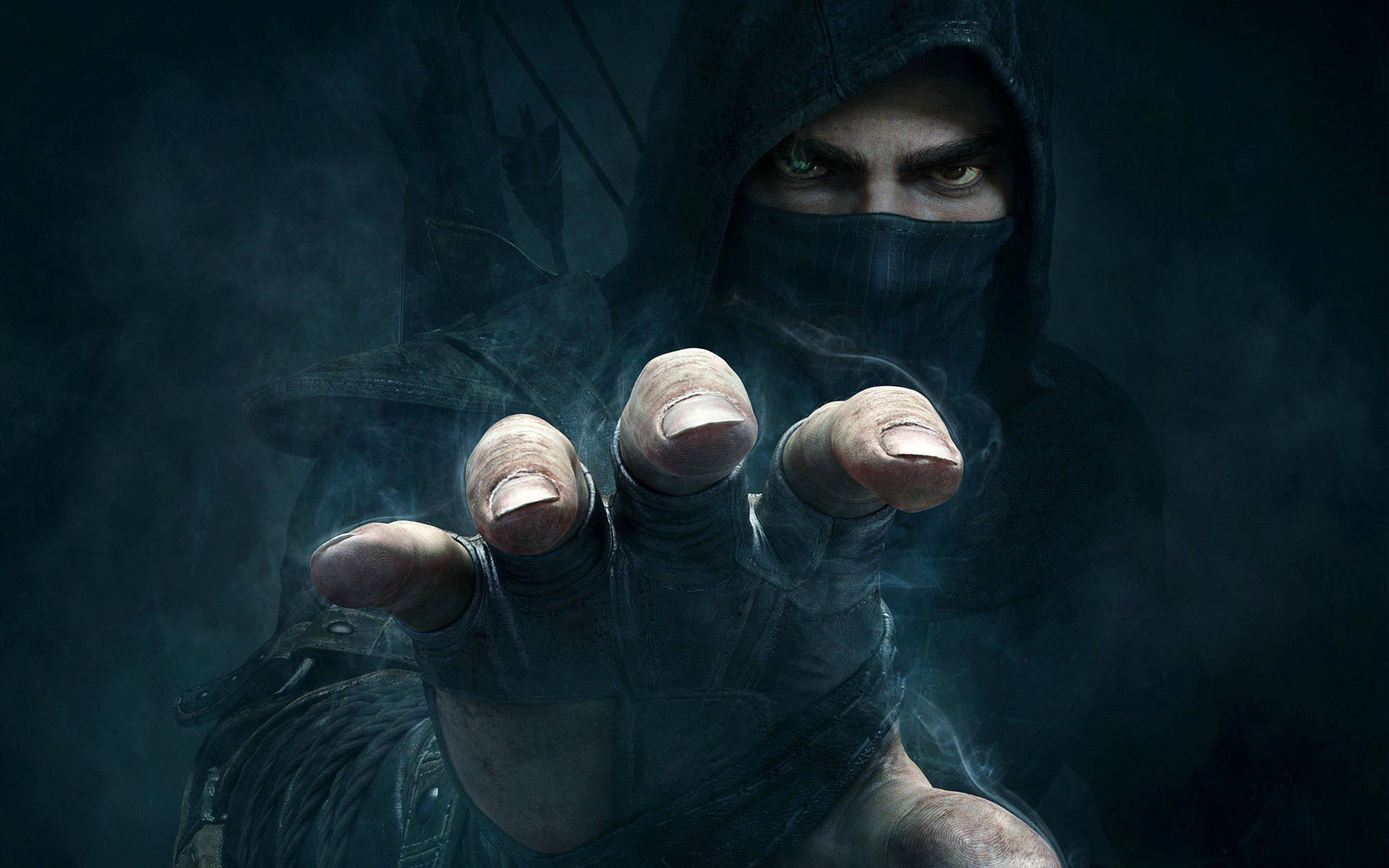
This reboot replaced the open-ended level design of the originals with linear paths. The contextual movement system limited player freedom and creativity. The audio design was plagued by technical issues that ruined the stealth experience. Longtime fans felt the protagonist had lost the personality that made him iconic.
‘Master of Orion 3’ (2003)
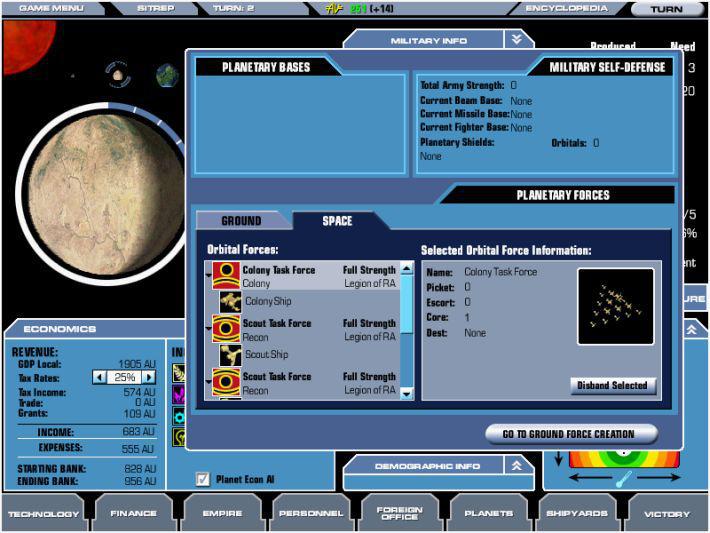
The developers automated many of the micromanagement aspects that players enjoyed. The user interface was cluttered and resembled a spreadsheet more than a game. The artificial intelligence was passive and offered little challenge. This disappointment caused the space strategy series to go dormant for over a decade.
‘Ultima IX: Ascension’ (1999)
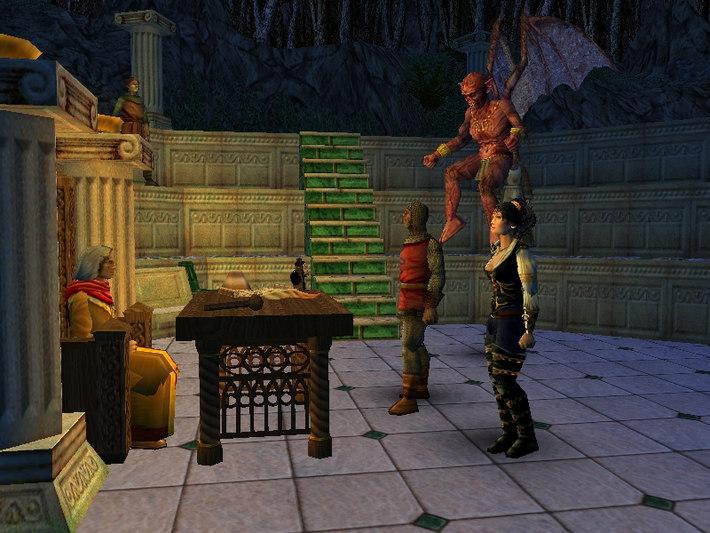
The final entry in the legendary RPG series was released in a buggy and unpolished state. The story retconned significant portions of the established lore. The 3D engine was demanding for hardware at the time and performed poorly. It served as a sad conclusion to one of the most influential franchises in gaming history.
‘Marvel vs. Capcom: Infinite’ (2017)
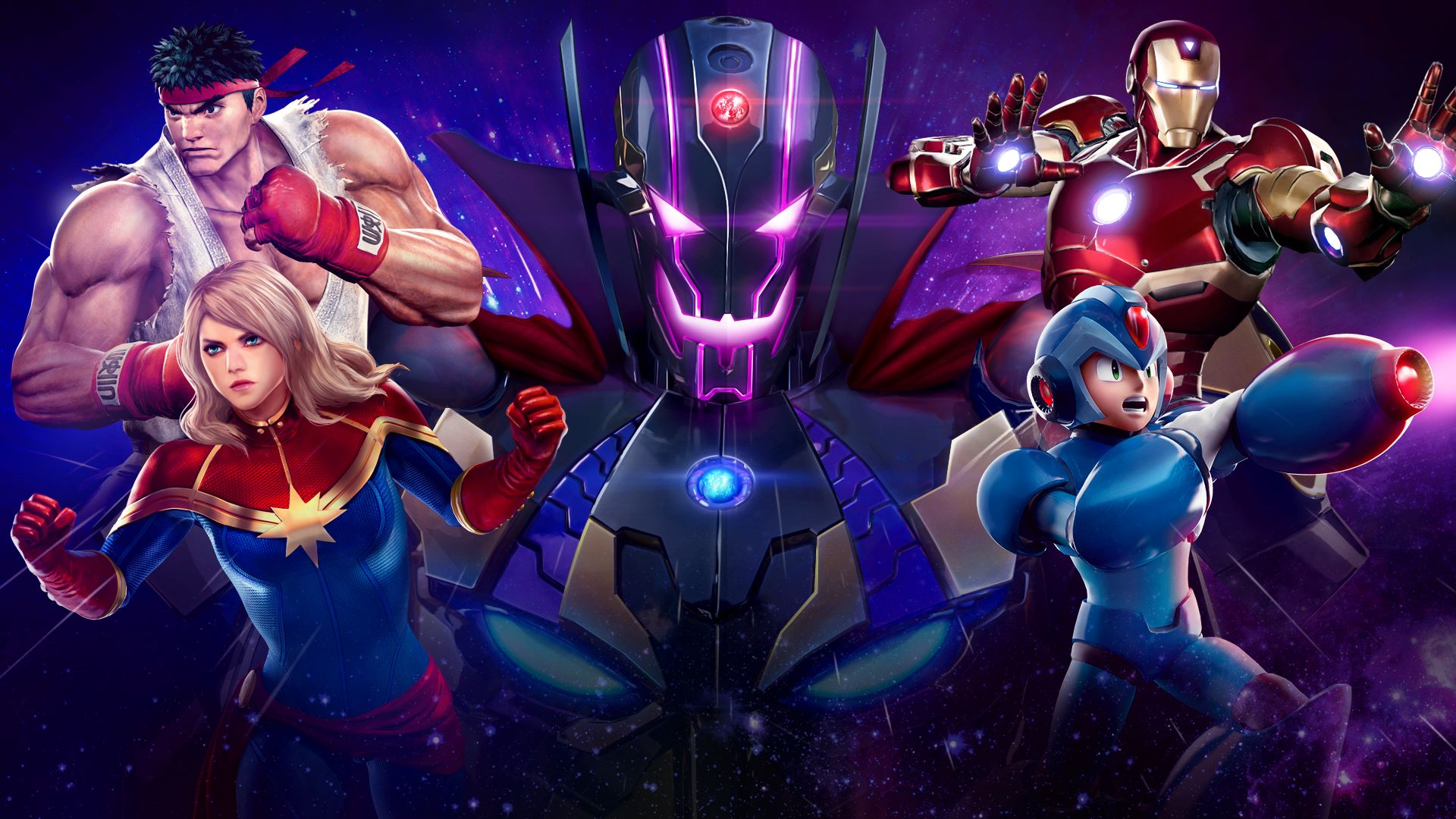
The game launched with a roster that excluded X-Men and Fantastic Four characters due to licensing issues. The visual style was criticized for looking muddy and unpolished compared to previous entries. The simplified control scheme upset competitive fighting game players. The game was quickly dropped from the main lineup of major tournaments.
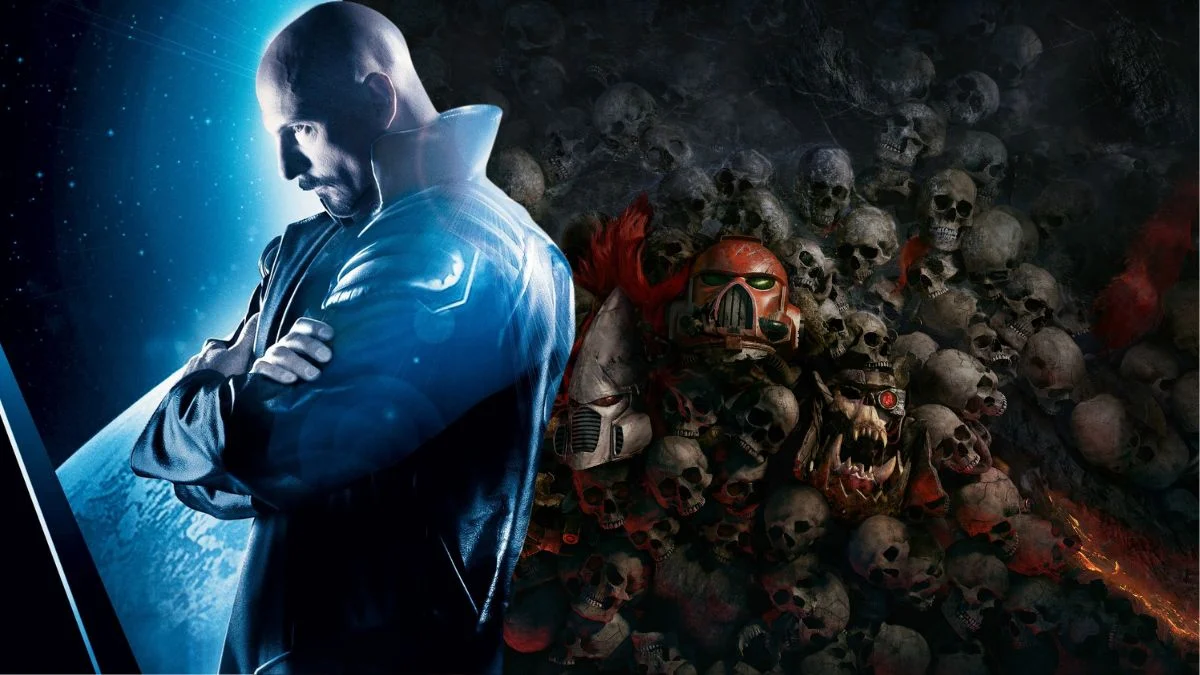
‘Warhammer 40,000: Dawn of War III’ (2017)
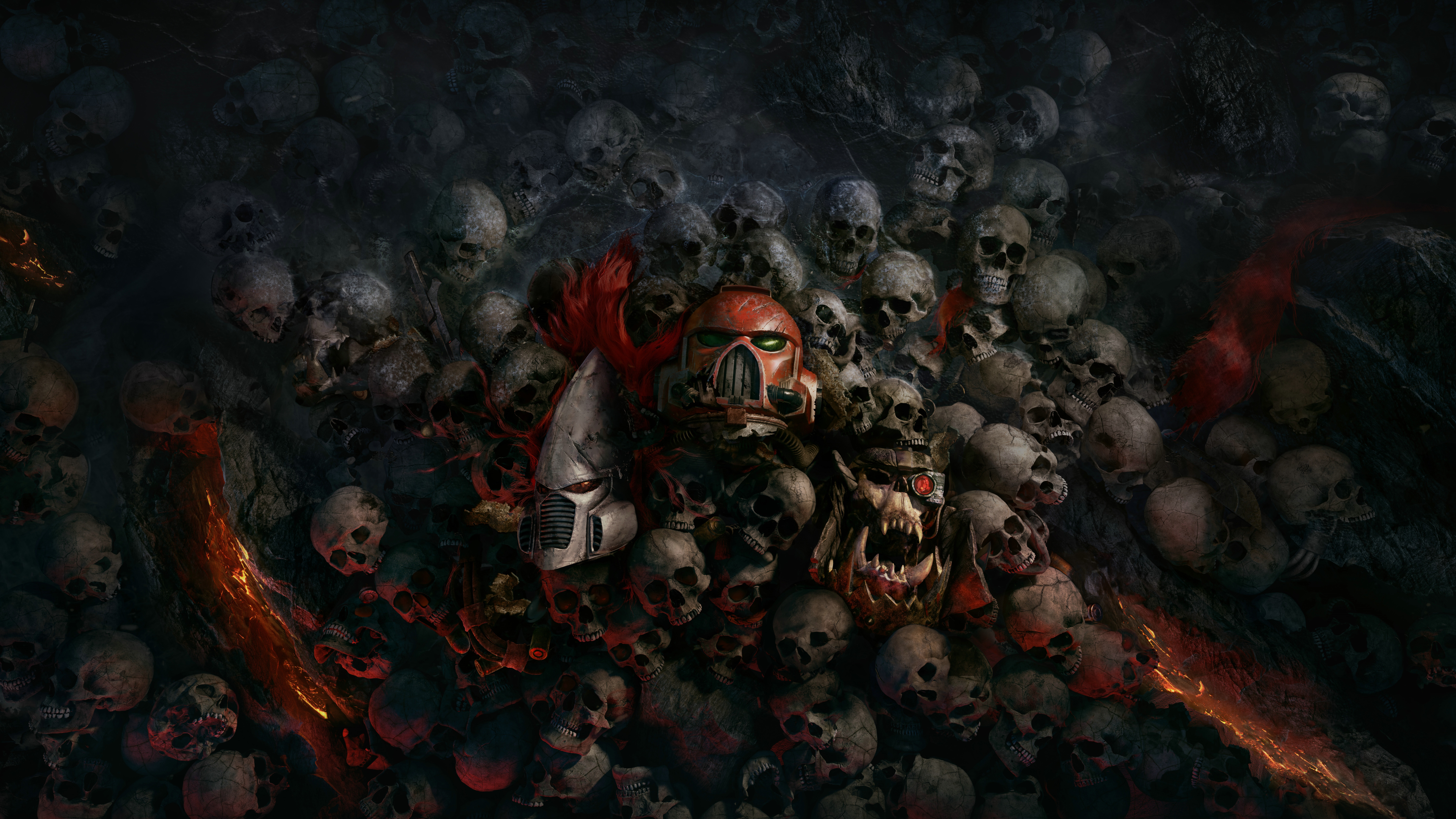
Relic Entertainment attempted to blend the large armies of the first game with the hero focus of the second. The result was a MOBA-inspired hybrid that failed to please fans of either style. The cover system was removed and the base building was simplified. Support for the game was ceased shortly after release due to low player retention.
‘Crackdown 3’ (2019)
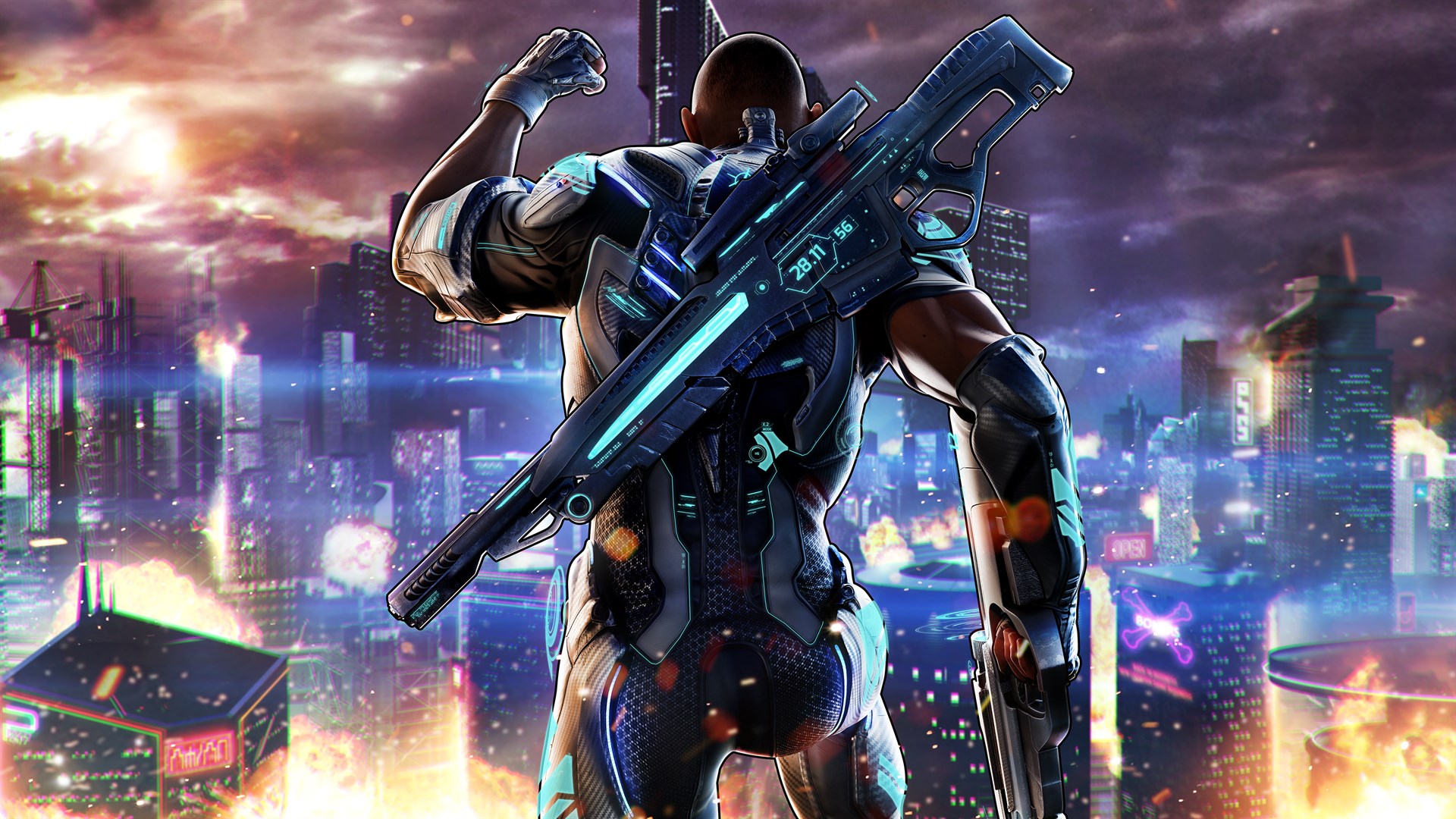
The game was announced with the promise of fully destructible environments using cloud computing. The final release scaled back these features significantly and only included them in a separate multiplayer mode. The campaign felt dated and offered little innovation over the original game from 2007. It failed to make an impact and the franchise has been silent since.
‘Saints Row’ (2022)
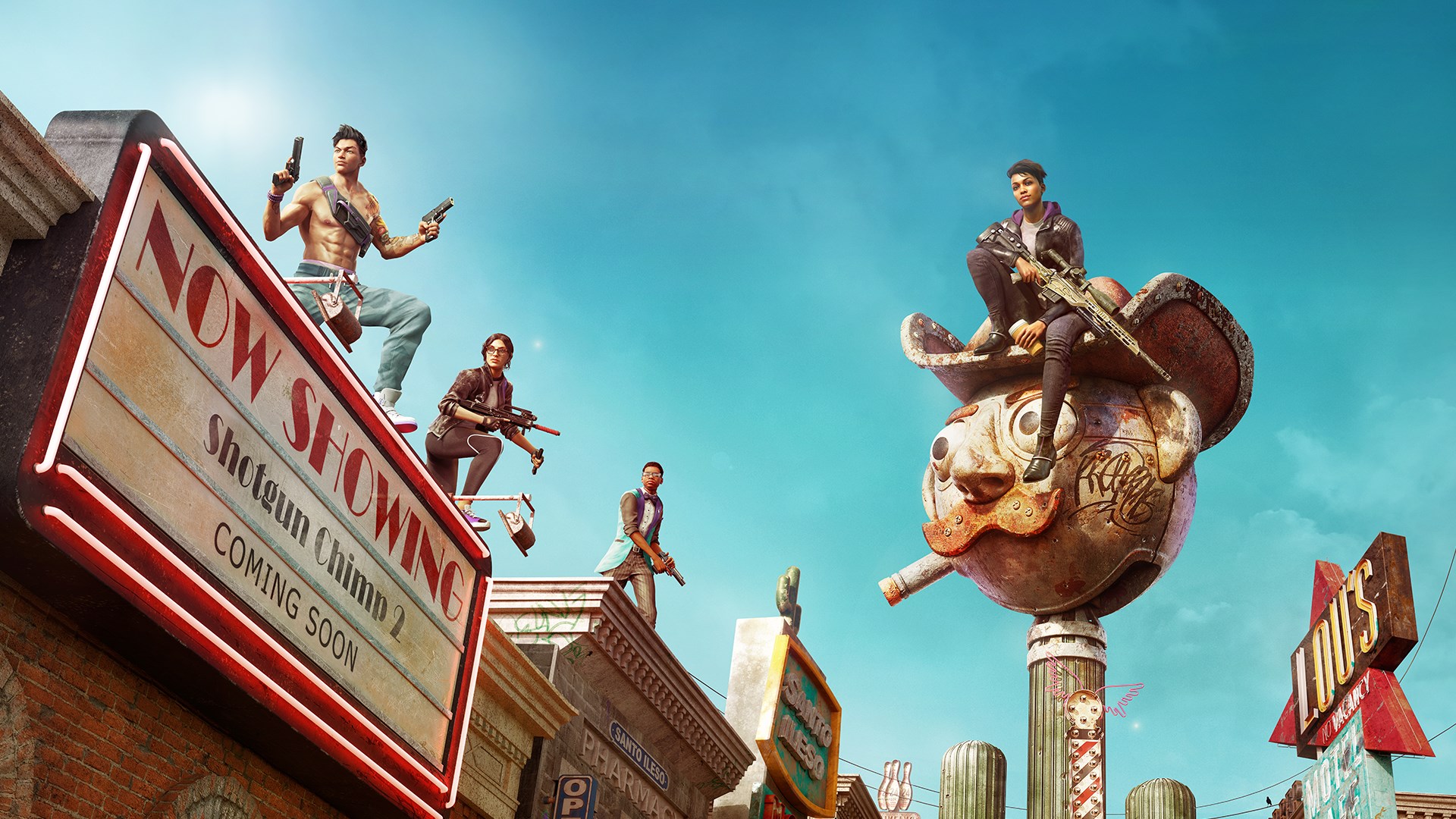
Volition rebooted the series with a new cast of characters that failed to resonate with fans. The tone tried to balance grounded crime with wacky humor but succeeded at neither. The open world was riddled with bugs and the mission design was repetitive. The poor commercial performance of this title led to the closure of the studio.
‘Bomberman: Act Zero’ (2006)
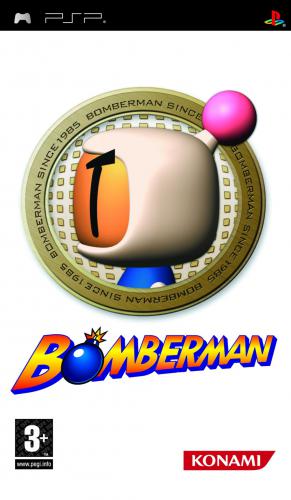
Konami reimagined the cute and colorful mascot as a gritty cyborg in a dystopian future. The classic grid-based gameplay was hampered by a clumsy camera perspective. The dark aesthetic was completely at odds with the spirit of the franchise. It is frequently cited as one of the most misguided reboots in gaming history.
‘Golden Axe: Beast Rider’ (2008)
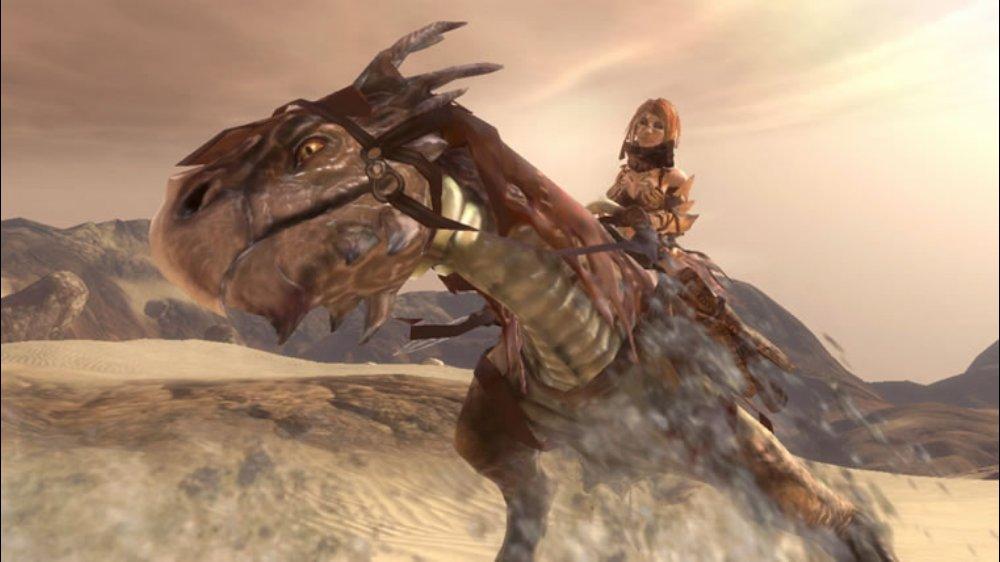
Sega transformed the classic side-scrolling beat-em-up into a 3D action game. The combat was clunky and the beast riding mechanics were frustrating. Players could only control one character instead of the traditional roster of three. The poor reception ensured that the franchise remained in the archives for years.
‘Steel Battalion: Heavy Armor’ (2012)

The game required the use of the Kinect motion sensor which functioned poorly for complex controls. Players struggled to perform basic actions like closing the cockpit hatch or shifting gears. The difficulty was artificially high due to the unresponsiveness of the hardware. This unplayable experience killed the mech simulation series.
‘Bionic Commando’ (2009)
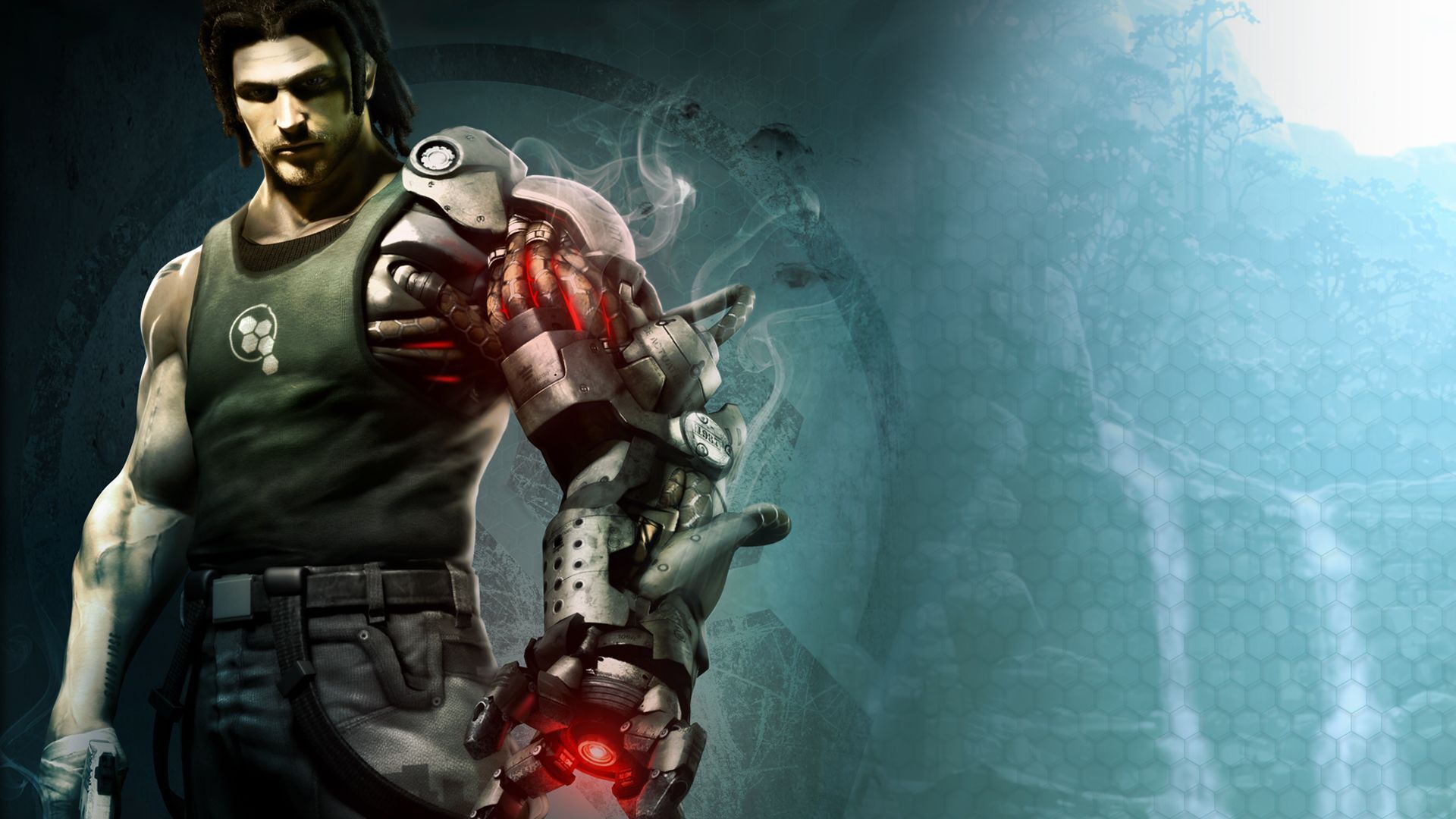
The reboot gave the protagonist a controversial new design and a gritty backstory. The swinging mechanics were difficult to master and the levels were surprisingly linear. A plot twist involving the protagonist’s arm was widely mocked. The game failed to sell enough copies to justify a sequel.
‘Star Fox Zero’ (2016)
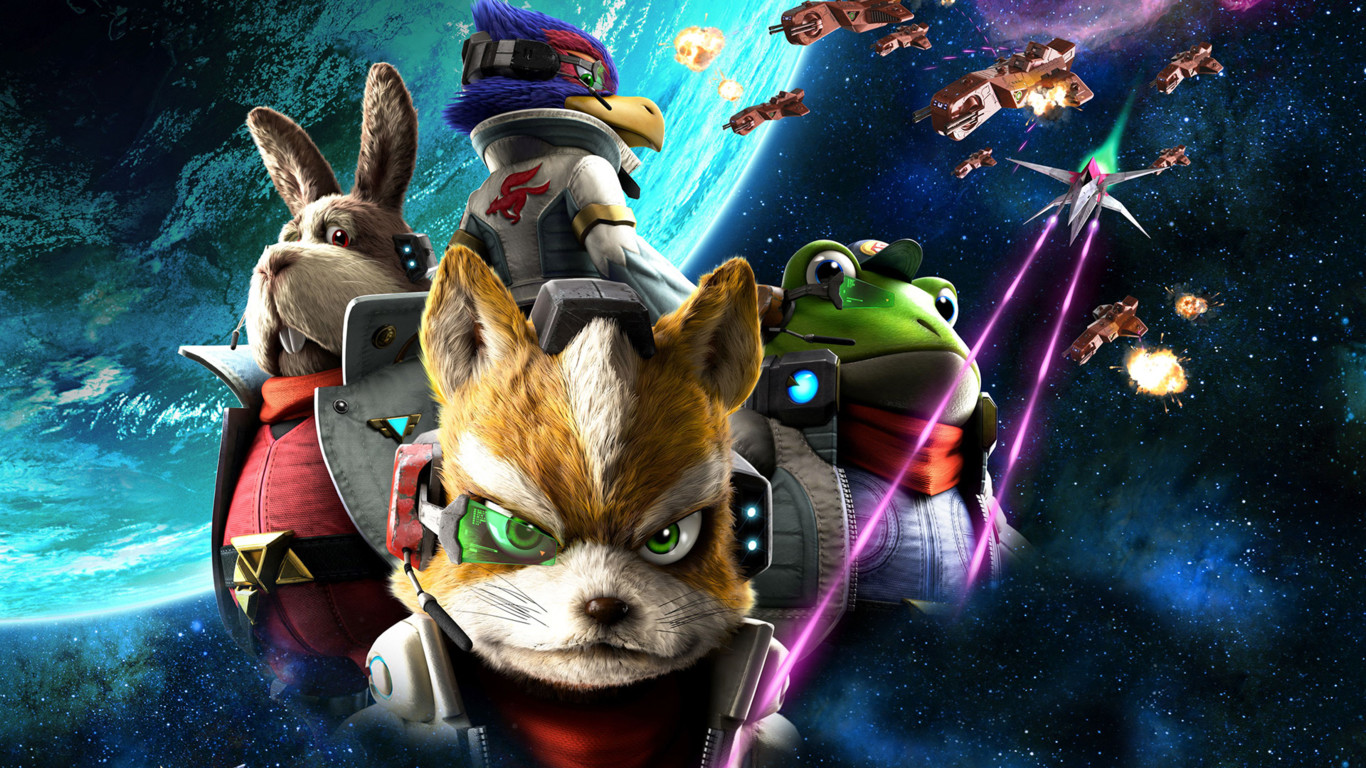
Nintendo forced a control scheme that required players to look at two screens simultaneously. The motion controls were imprecise and made aiming difficult for many users. The game was largely a retelling of the story from the Nintendo 64 version. The frustrating controls prevented it from revitalizing the space shooter series.
‘Paper Mario: Sticker Star’ (2012)
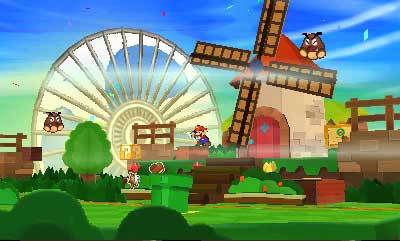
Nintendo removed the RPG elements and story depth that made the previous games popular. Combat became resource-dependent as attacks required disposable stickers. The original characters were replaced by generic Toads. This design philosophy persisted in future entries and divided the fanbase permanently.
‘Spyro: Enter the Dragonfly’ (2002)
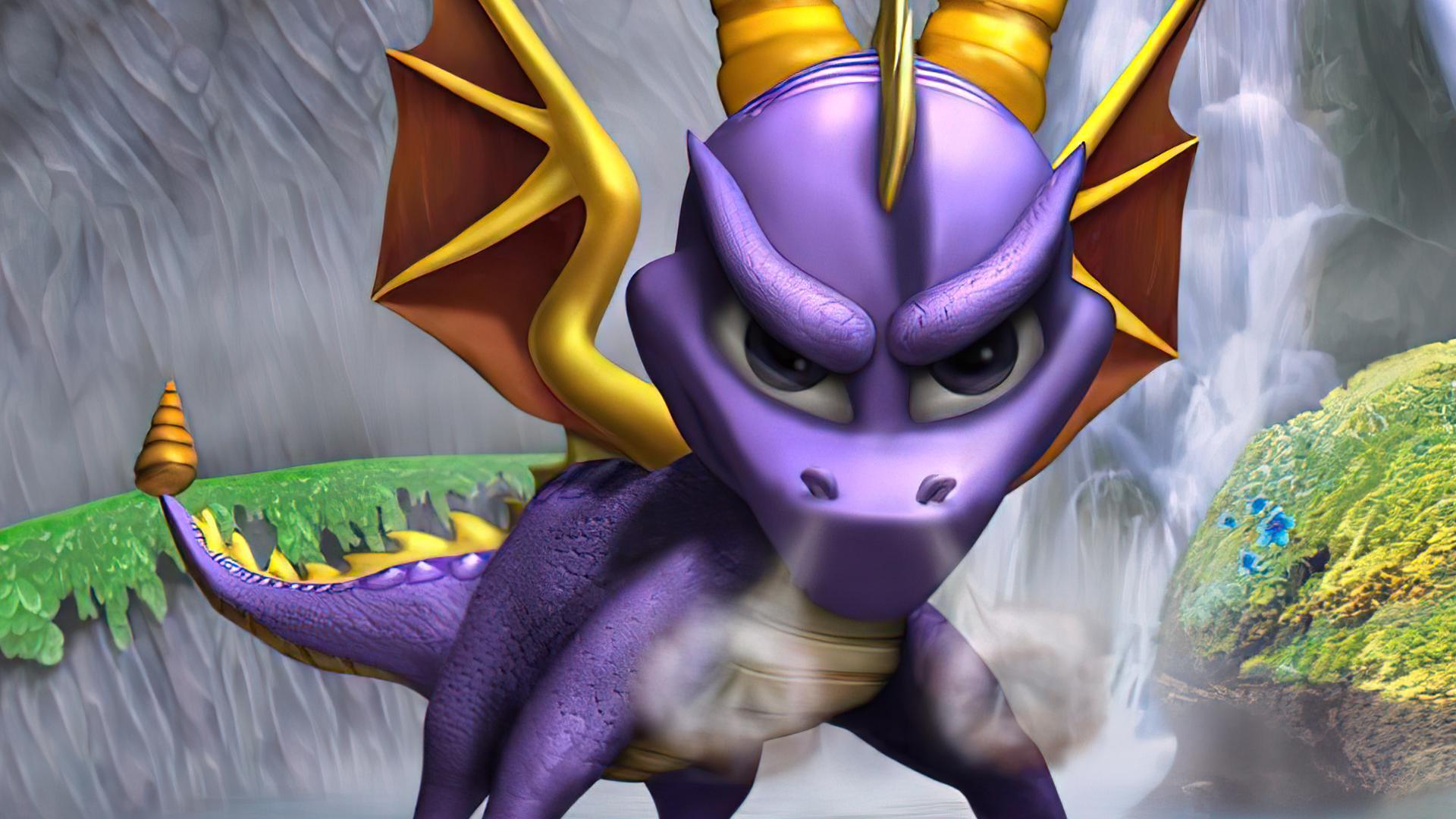
This was the first console game in the series not developed by Insomniac Games. It suffered from severe frame rate issues and long loading times. The amount of content was significantly lower than in previous titles. The technical state of the game damaged the brand until the ‘Skylanders’ spin-off arrived.
‘Bubsy 3D’ (1996)
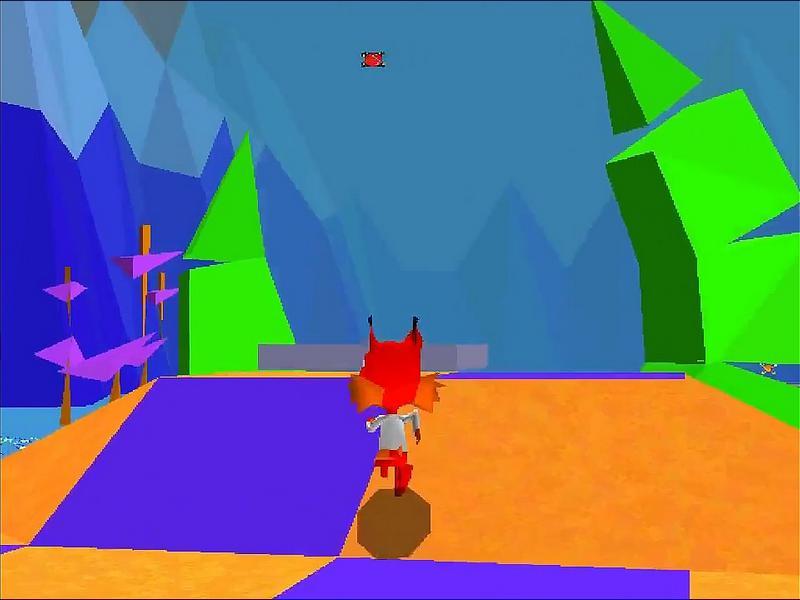
The transition to 3D platforming was a disaster due to tank controls and poor camera angles. The graphics were primitive with flat shading and sparse environments. The voice acting for the main character was considered grating. It is often compared unfavorably to ‘Super Mario 64’ which was released the same year.
‘Mega Man X7’ (2003)
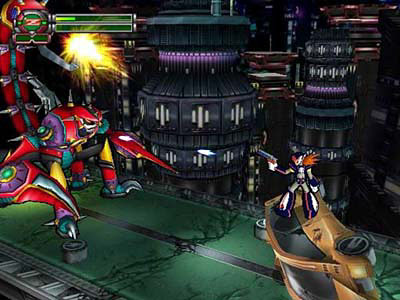
Capcom attempted to bring the fast-paced 2D series into a 3D environment. The auto-aim system took away the challenge of aiming and the camera was often an obstacle. The main character X was not playable for the first half of the game. Fans largely ignored this entry and the series struggled to find its footing afterward.
‘Driver 3’ (2004)
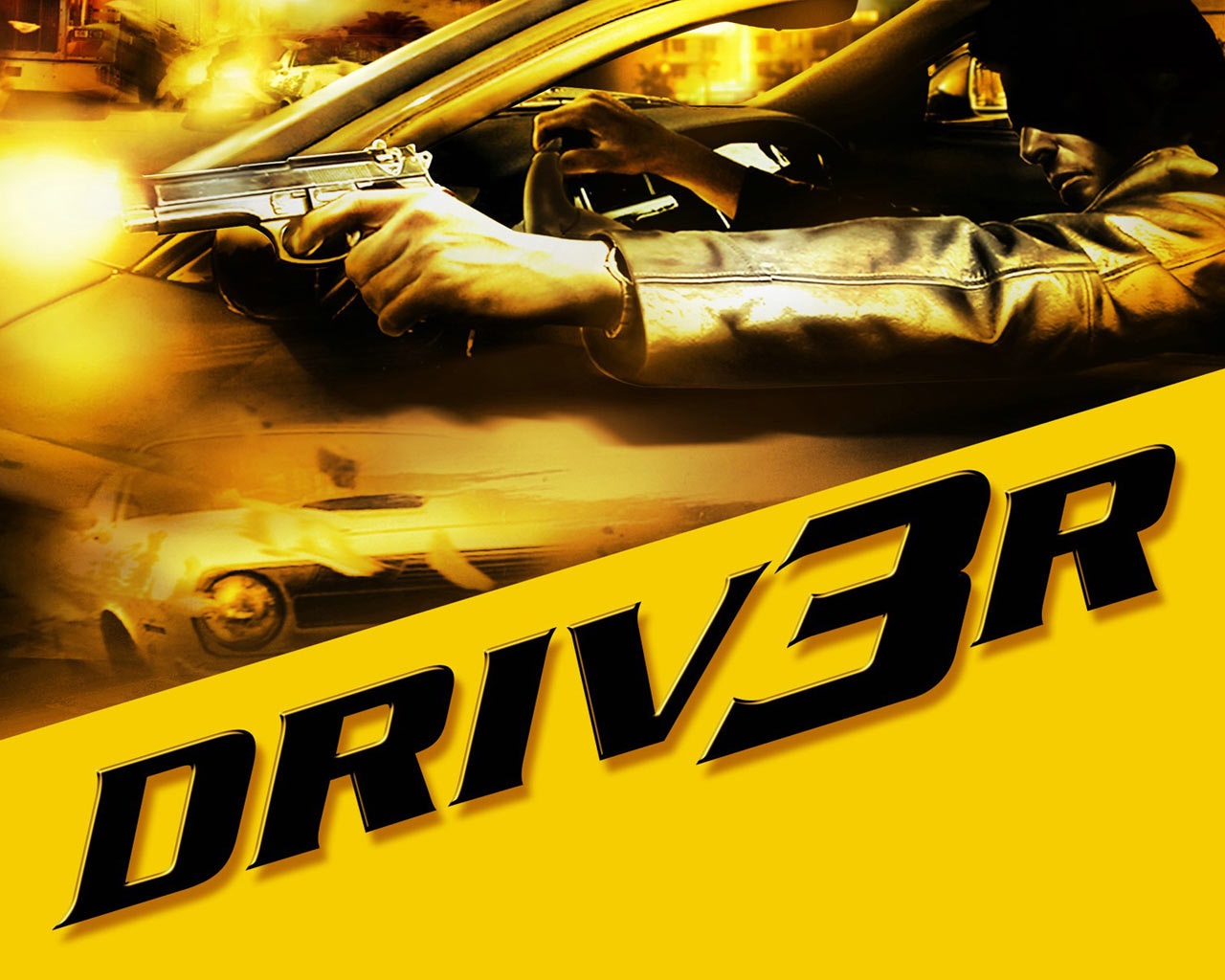
The game was marketed heavily as a competitor to ‘Grand Theft Auto’ but launched in a broken state. The on-foot shooting sections were clunky and the animations were stiff. Reviewers were allegedly given early access in exchange for positive scores which caused a scandal. The poor quality of the final product tarnished the brand’s image.
‘Earthworm Jim 3D’ (1999)

The unique animation style of the 2D games did not translate well to early 3D polygons. The humor felt forced and the camera system was notoriously bad. Exploring the levels was tedious rather than fun. The failure of this game ended the run of the popular 90s character.
‘Contra: Rogue Corps’ (2019)
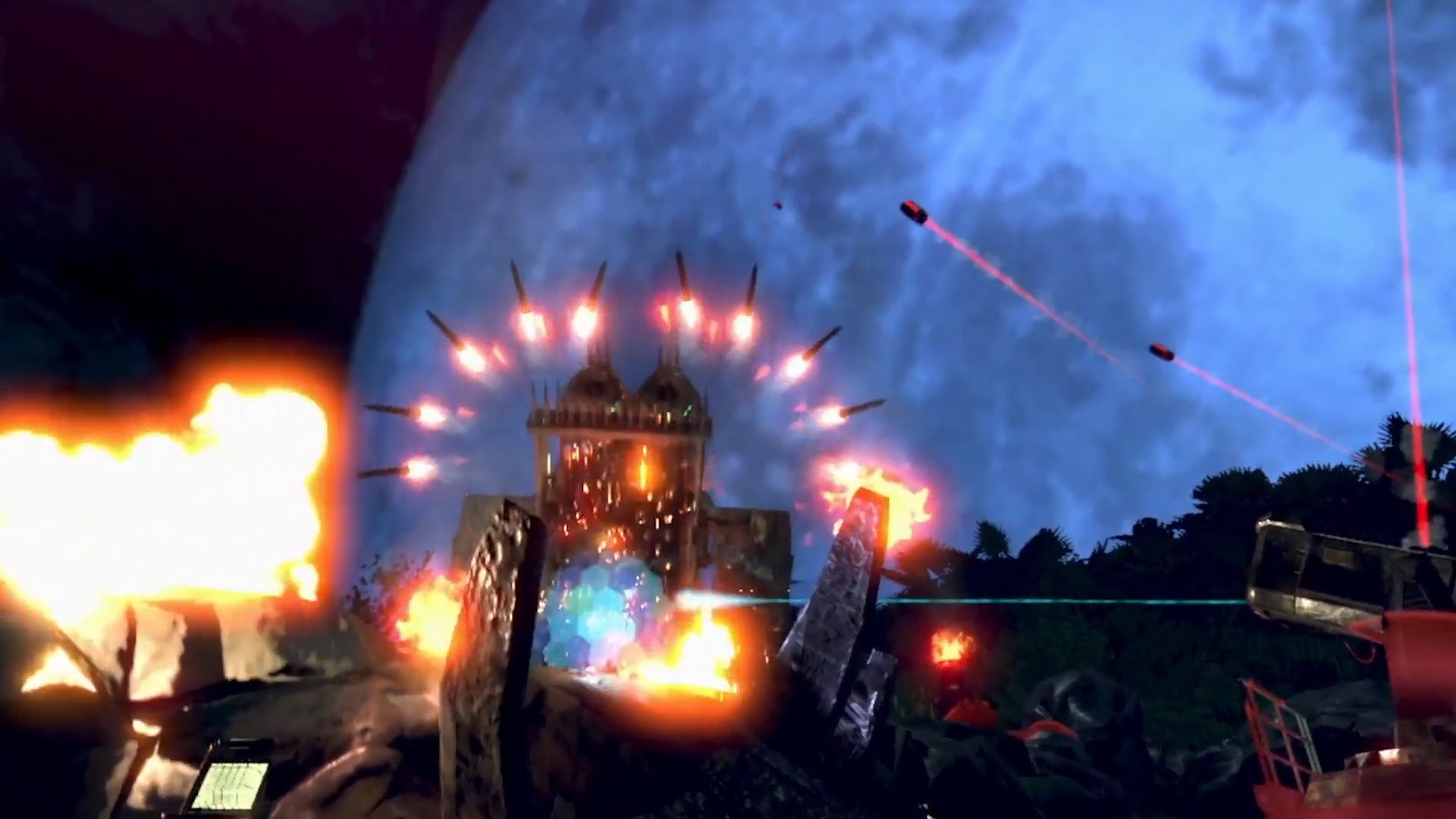
Konami changed the run-and-gun gameplay to a twin-stick shooter with cooldown timers on weapons. The graphics looked muddy and outdated for a game released in 2019. The weapon overheating mechanic slowed down the pace significantly. Fans of the hardcore action series were disappointed by the sluggish gameplay loop.
‘Breath of Fire 6’ (2016)
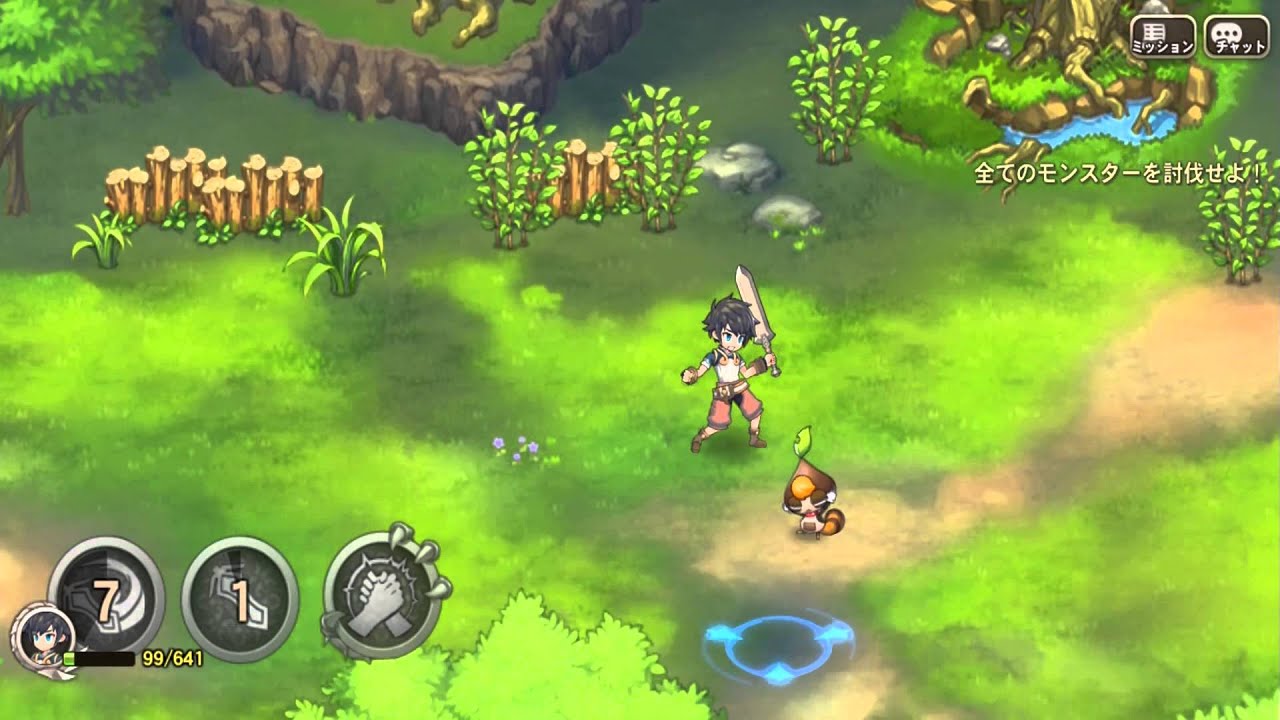
Capcom released the sixth numbered entry as a web-based mobile game with microtransactions. The rich story and characters of the previous RPGs were replaced by generic anime tropes. Longtime fans felt insulted that a mainline number was used for a mobile spin-off. The game was shut down less than two years after launch.
‘Call of Juarez: The Cartel’ (2011)
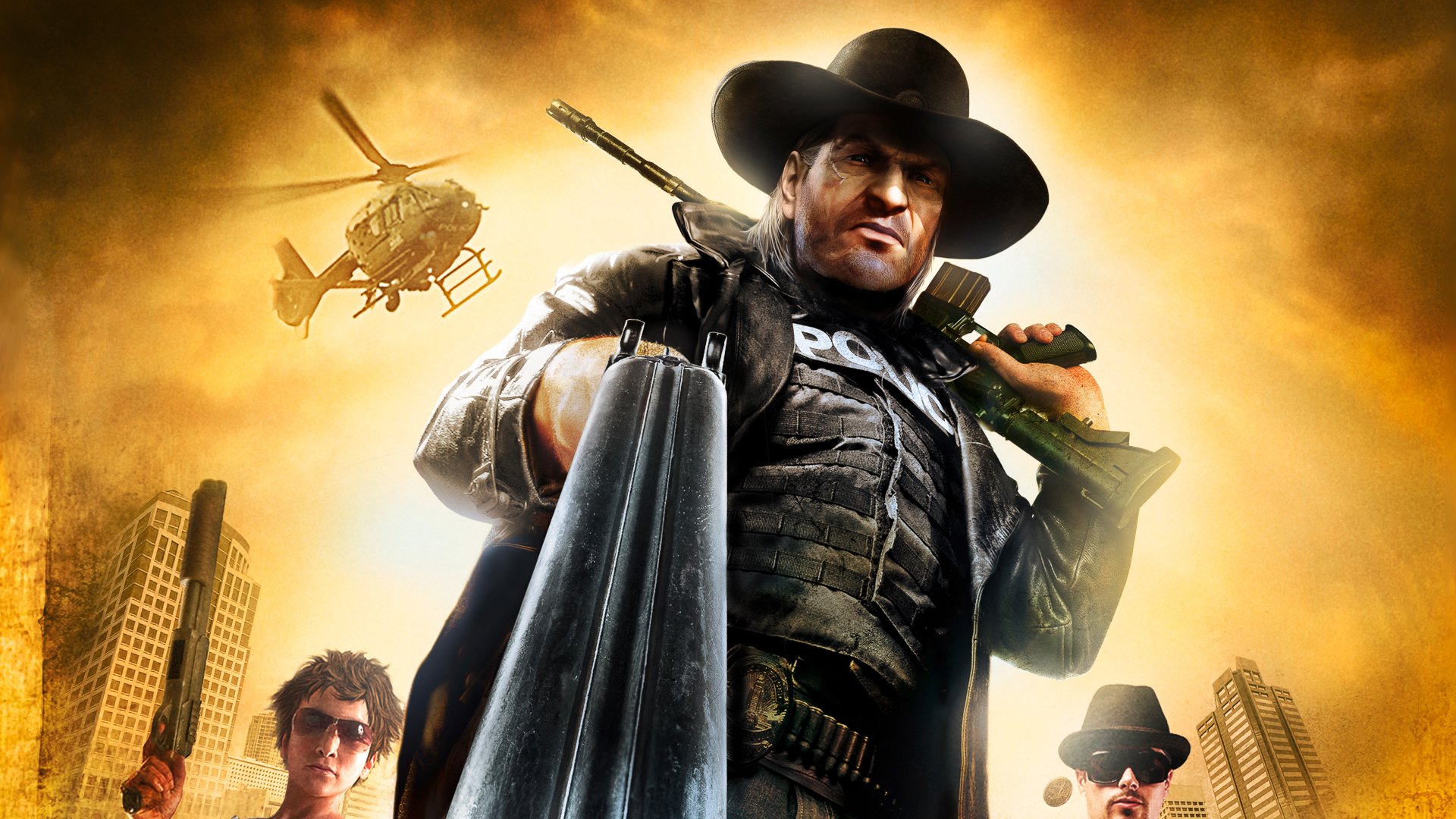
The series moved from a Wild West setting to a modern-day police drama. The story was full of clichés and the gameplay was a standard shooter experience. The charm of the western setting was the main appeal of the franchise and its removal was fatal. Techland eventually returned to the old west in a smaller downloadable title to apologize.
‘F.E.A.R. 3’ (2011)
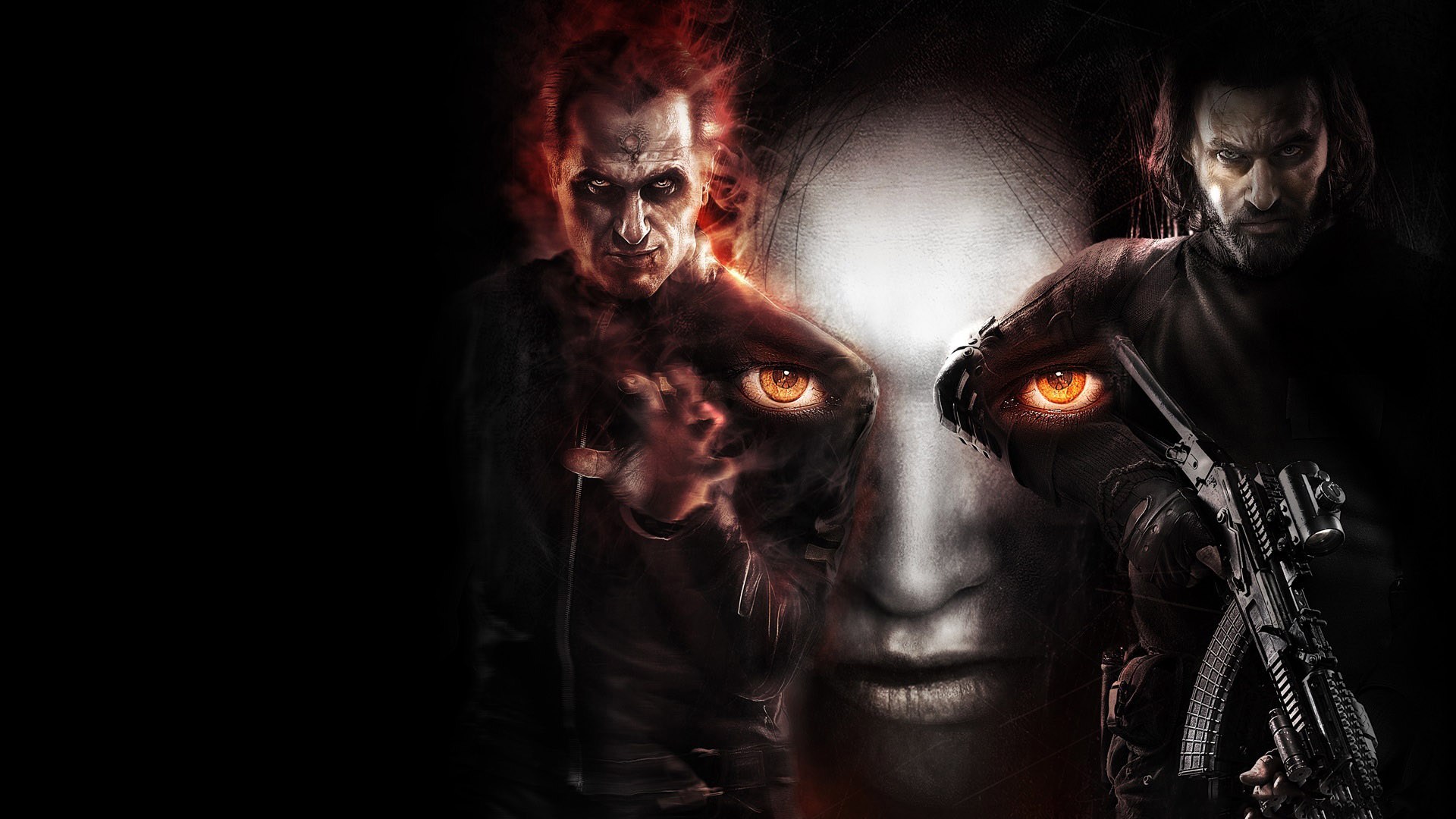
The psychological horror elements were downplayed in favor of cooperative action gameplay. The story lost the mysterious atmosphere that defined the first game. The scares were predictable and lacked impact. The shift in tone turned a unique horror shooter into a generic action title.
‘Arcania: Gothic 4’ (2010)
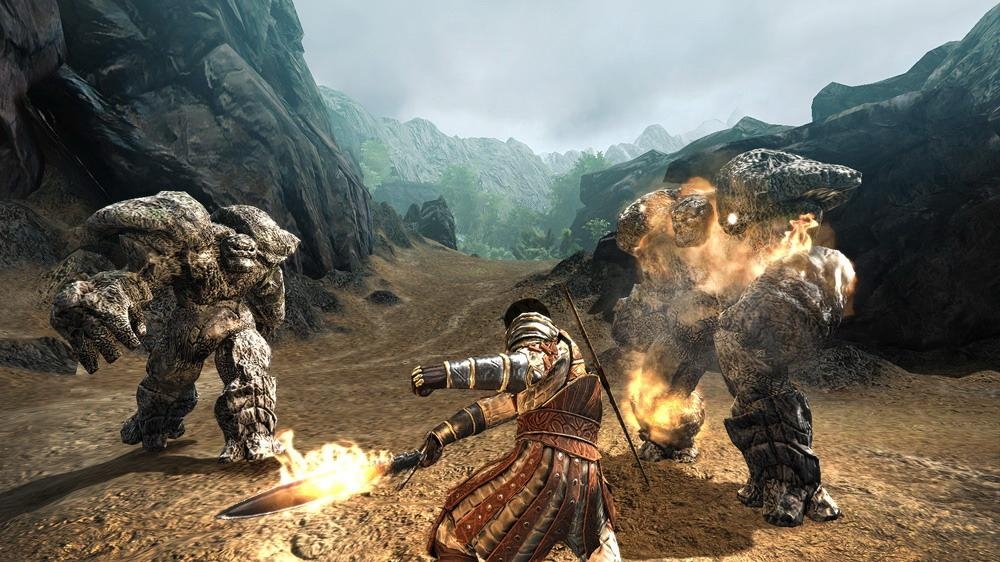
The developer removed the complex faction systems and open-ended gameplay of the previous games. The world was invisible-walled and the dialogue was simplified. Fans of the German RPG series considered it a betrayal of the core design philosophy. The original creators eventually regained the rights to fix the canon.
‘RollerCoaster Tycoon World’ (2016)
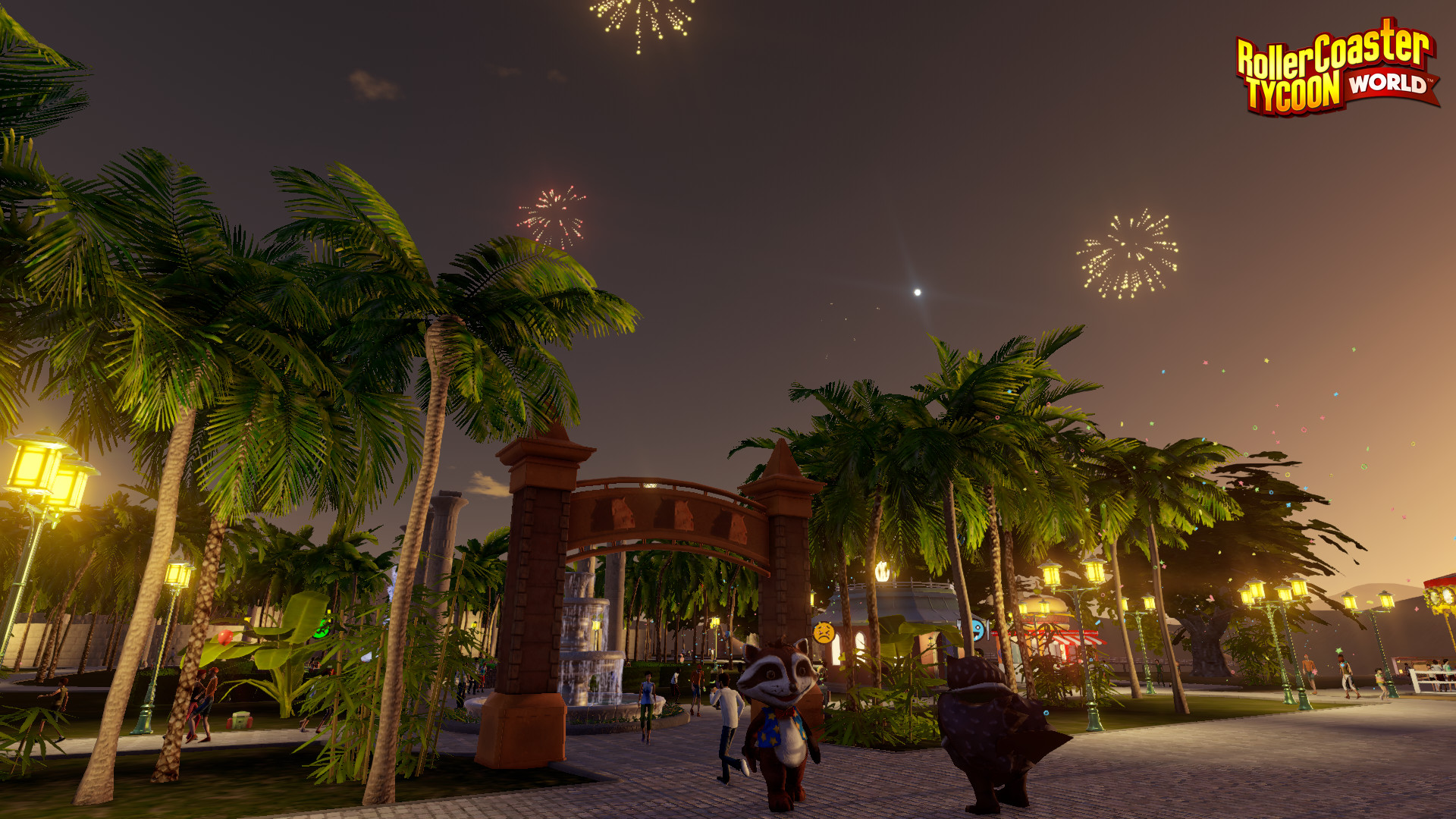
The visual style was considered ugly and the performance was poor even on high-end computers. The coaster building tools were unintuitive compared to the competitor ‘Planet Coaster’. Bugs and glitches made managing the park frustrating. The game failed to capture the magic of the classic simulation games.
‘Front Mission Evolved’ (2010)
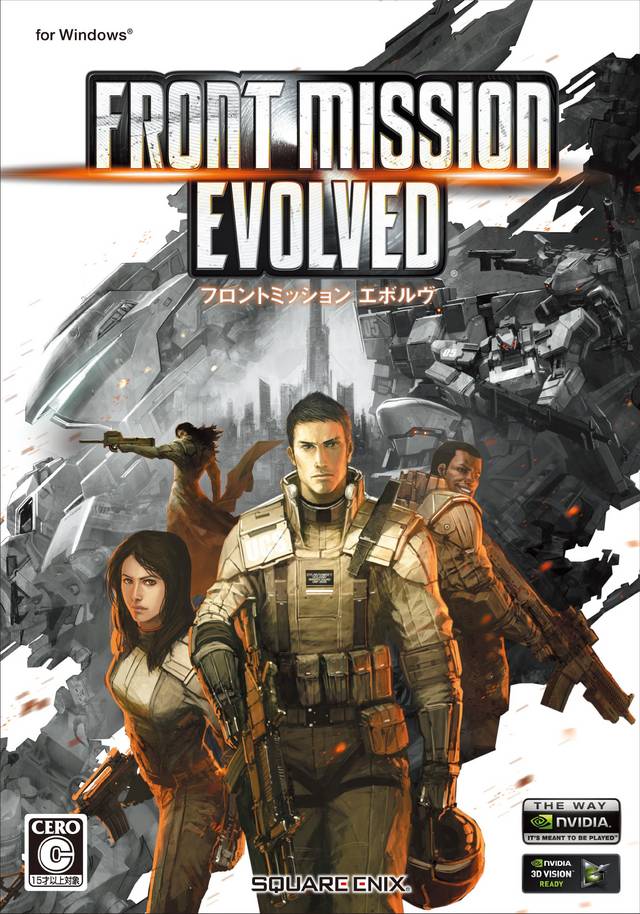
Square Enix turned the tactical turn-based strategy series into a generic third-person shooter. The customization options were simplified and the story was forgettable. Fans of the strategy genre had no interest in an action game. The franchise remained dormant for over a decade following this release.
‘Mass Effect: Andromeda’ (2017)
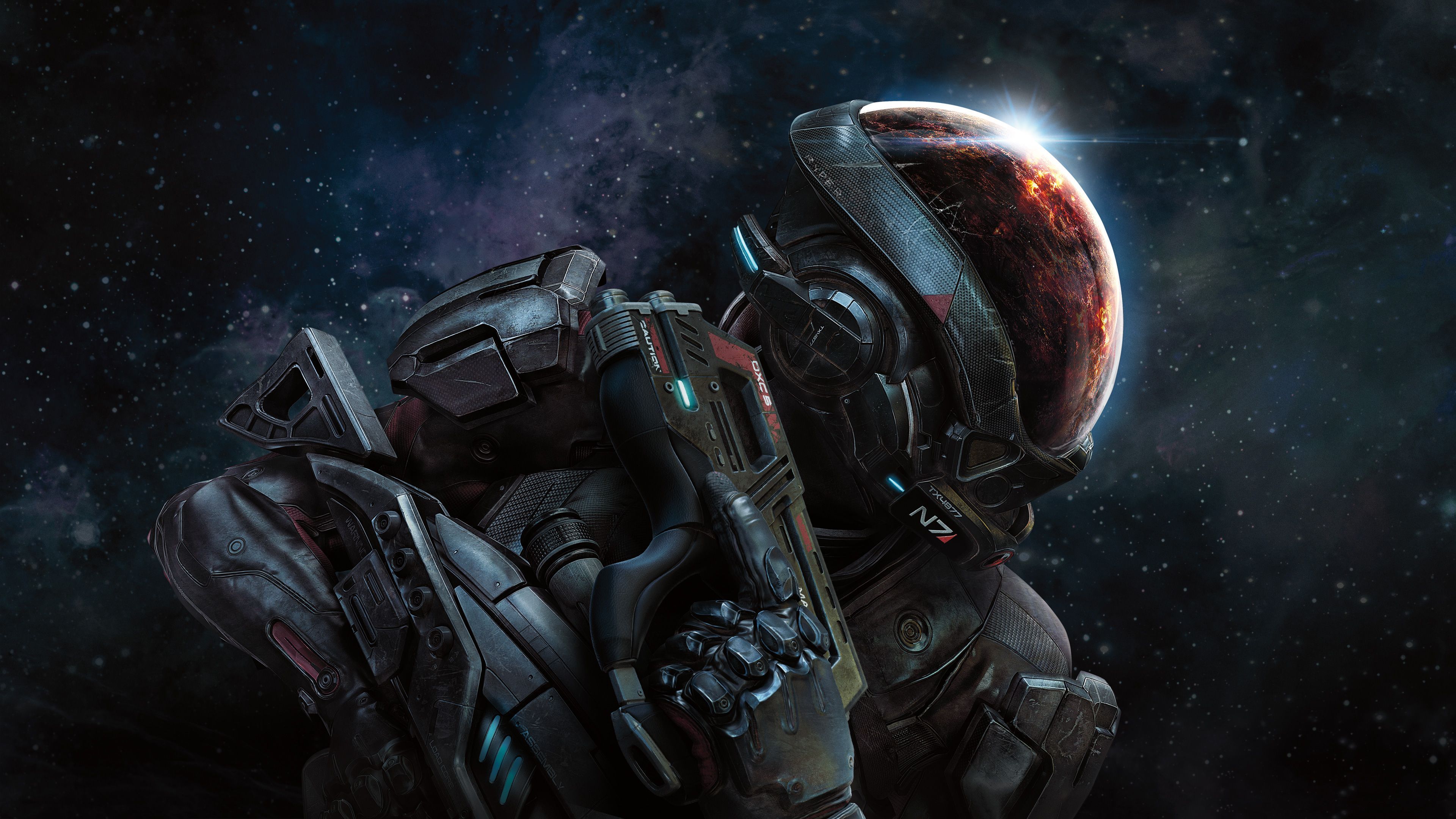
The facial animations were widely mocked upon release for looking unnatural and buggy. The writing and dialogue lacked the polish of the original trilogy. The open-world planets felt empty and filled with busywork tasks. Electronic Arts put the franchise on hold and cancelled planned single-player DLC.
‘Twisted Metal’ (2012)
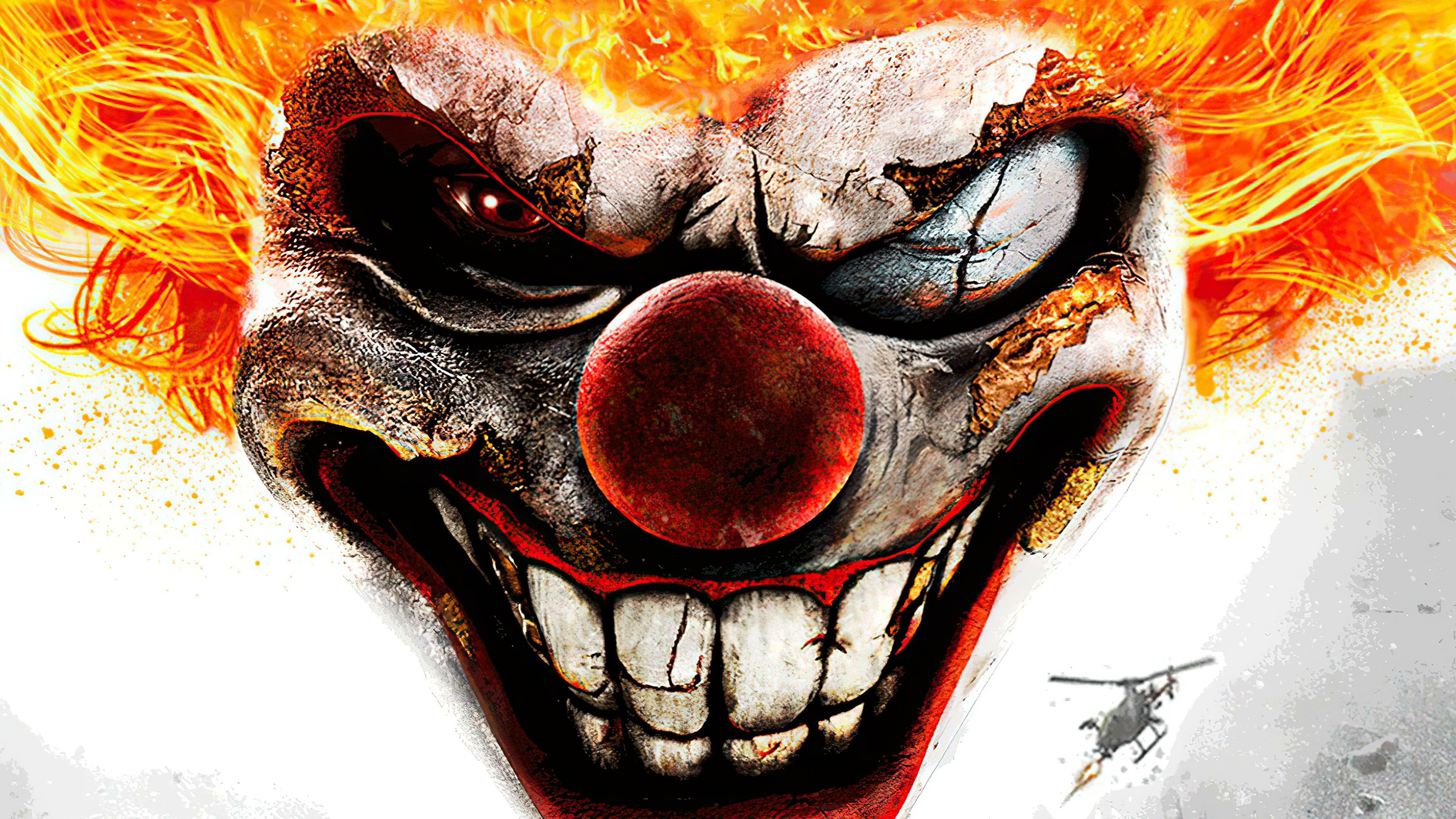
The reboot focused heavily on multiplayer and neglected the single-player story mode. The character roster was reduced to just a few drivers controlling different vehicles. The controls were overly complex and difficult for newcomers to learn. The lack of a substantial campaign alienated the casual audience.
‘Chibi-Robo! Zip Lash’ (2015)
Nintendo moved the series from 3D exploration to a generic 2D platformer. Fans felt the game lost the charm and unique mechanics of the original GameCube title. The level design was tedious and uninspired compared to previous entries. This critical and commercial failure signaled the end of the franchise.
‘Valkyrie Elysium’ (2022)

Square Enix abandoned the strategic turn-based combat of the original profile games for generic action. The story was considered weak and the production values appeared low budget. The levels were linear and lacked the exploration elements fans expected. It failed to revitalize the dormant IP and received mixed reviews.
Share your thoughts in the comments.