

Video Games That Stole Assets From Other Popular Games

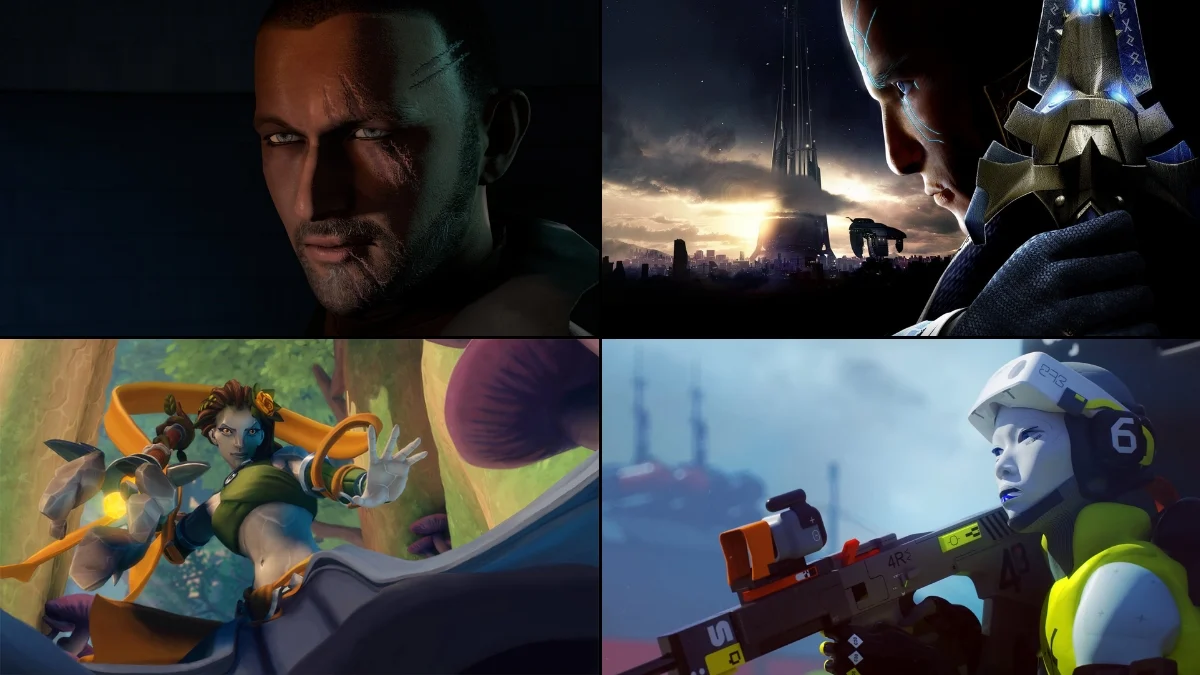


Video game development is an intensive process that requires thousands of original assets, from textures and 3D models to source code and sound effects. However, the industry has seen numerous instances where developers have bypassed the creative process by lifting assets directly from other properties. These cases often lead to significant legal battles, delisting from digital storefronts, and major reputational damage for the studios involved. From unintentional oversights to blatant plagiarism, the following games represent some of the most notable examples of asset theft in gaming history.
‘Too Human’ (2008)
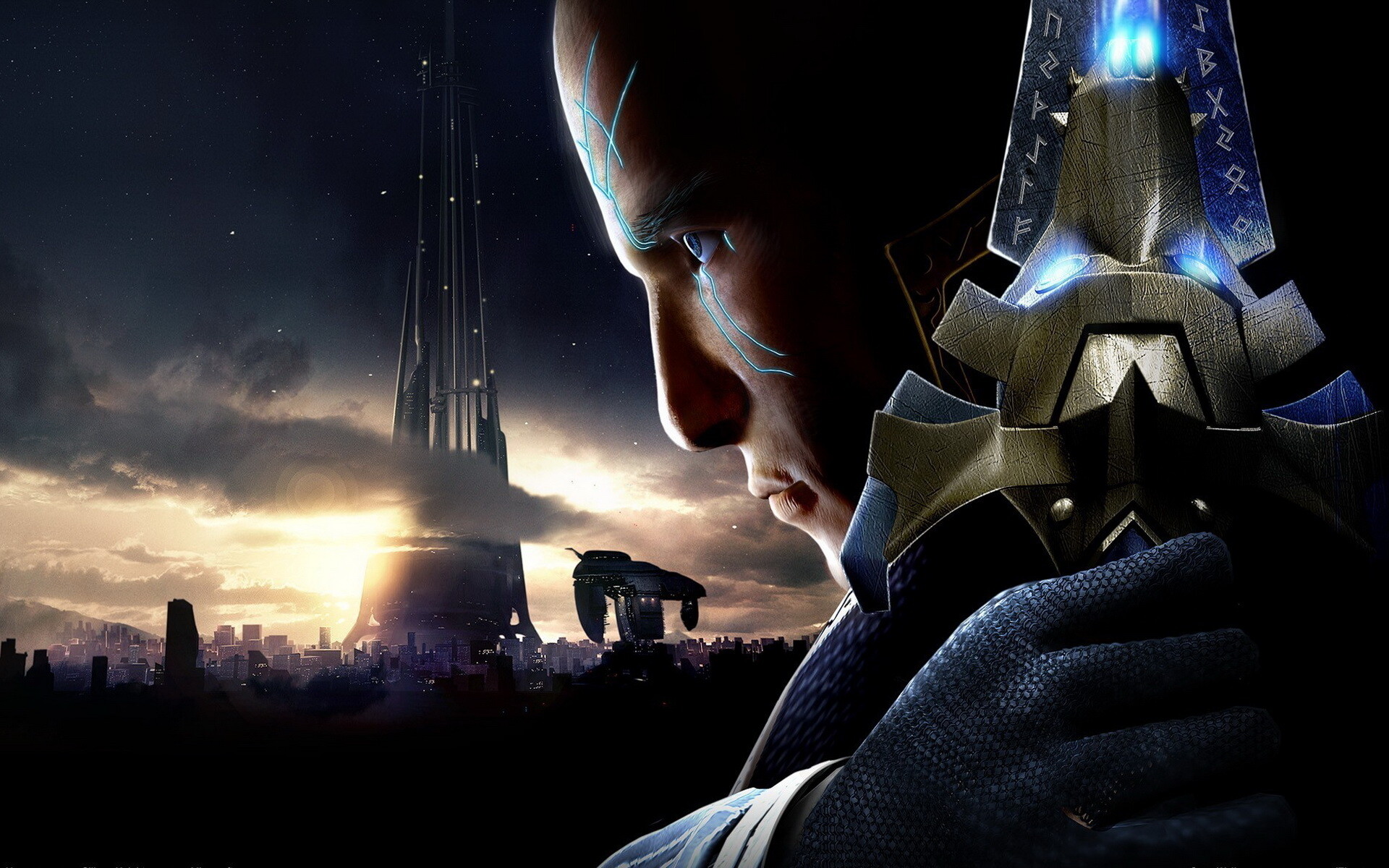
Developed by Silicon Knights and published by Microsoft Game Studios, this action-RPG faced a catastrophic legal battle regarding its game engine. Silicon Knights initially sued Epic Games, claiming the Unreal Engine 3 was faulty, but a counter-suit revealed that Silicon Knights had integrated Epic’s code into their own proprietary engine without permission. The court found Silicon Knights guilty of copyright infringement and trade secret misappropriation. Consequently, the developer was ordered to recall and destroy all unsold copies of ‘Too Human’ and several other titles.
‘Okami’ (2008)
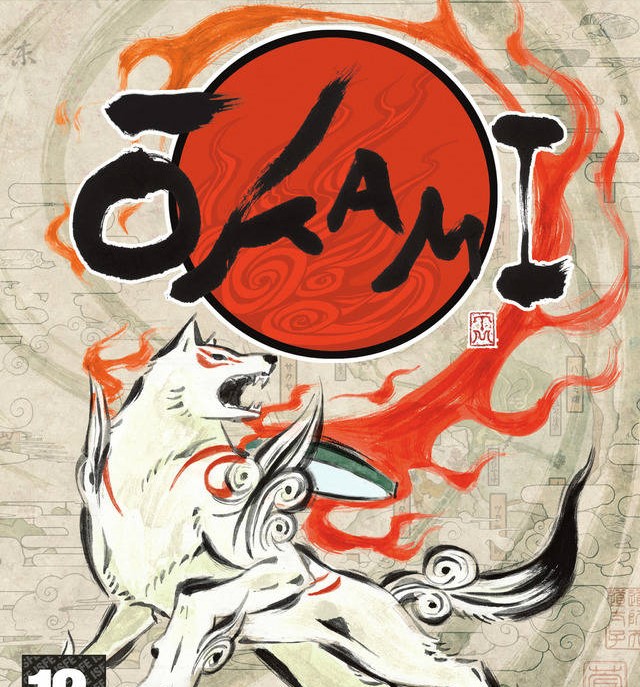
The Wii port of this critically acclaimed title, developed by Ready at Dawn and published by Capcom, featured a highly visible blunder on its physical cover art. Observant players noticed a faint IGN watermark near the protagonist’s mouth, proving that the developers had used an image downloaded from the gaming website’s gallery. This indicated that the studio failed to use high-resolution assets from Capcom’s internal archives for the box art. Capcom eventually offered a program for players to receive replacement covers without the watermark to rectify the situation.
‘The Last Hope: Dead Zone Survival’ (2023)

This Nintendo Switch title, released by V.G. Games, gained notoriety for its blatant imitation of ‘The Last of Us’. The game utilized promotional artwork and character designs that were visually identical to the protagonists of Naughty Dog’s flagship franchise. Beyond visual similarities, the game was criticized for being an “asset flip” that promised a high-quality experience but delivered a barely functional product. Sony Interactive Entertainment eventually issued a copyright claim, leading to the game’s trailer being scrubbed from YouTube and its removal from the eShop.
‘Marathon’ (2026)
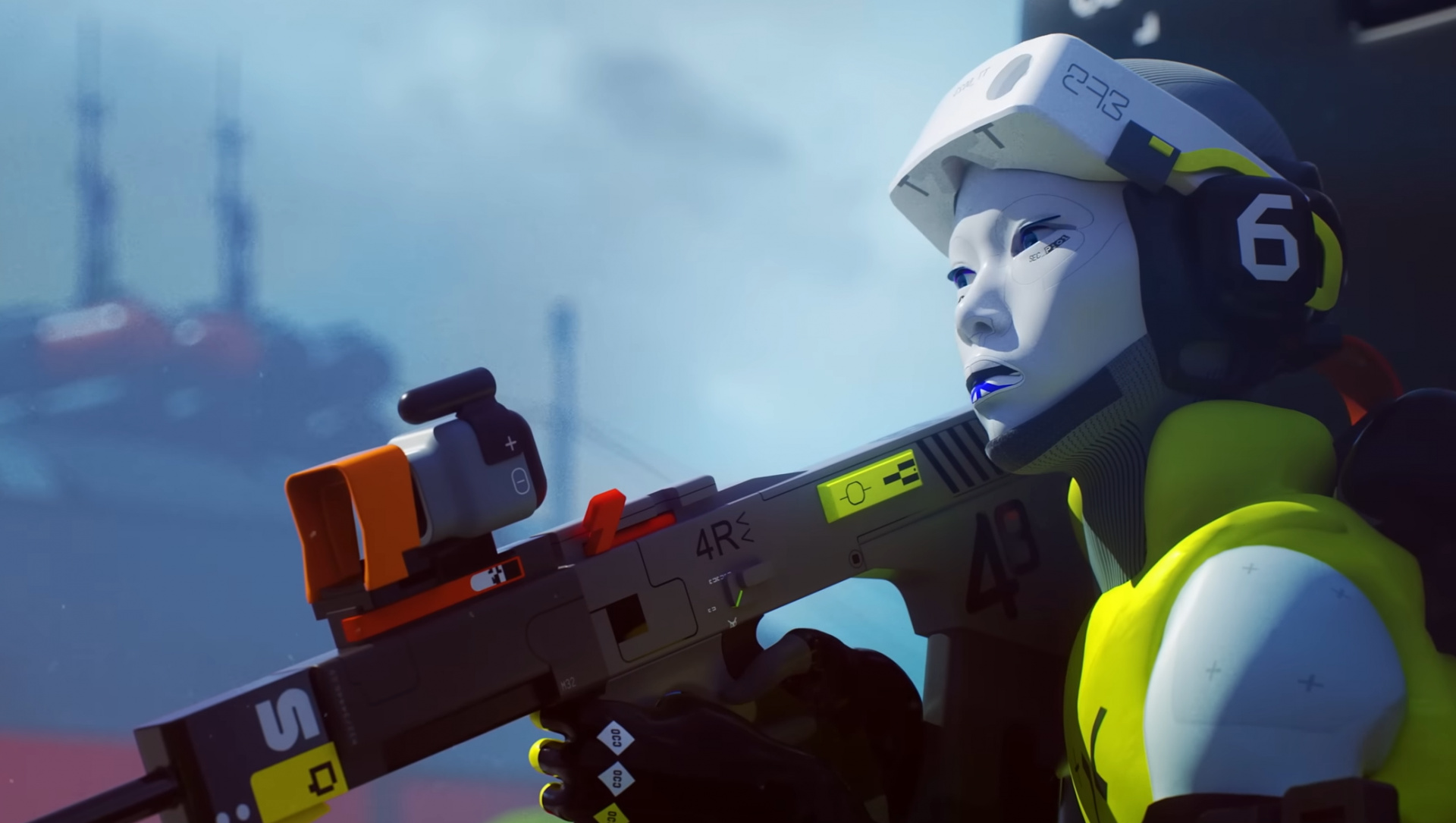
Bungie’s upcoming extraction shooter reboot faced controversy when it was discovered that the studio had used assets from a fan artist without permission. The dispute centered on concept art and visual designs featured in promotional materials and internal development builds that were traced back to artist Fern Hook. Bungie issued a public apology and confirmed that the use of the assets was an oversight during the early phases of production. The situation was resolved after the artist reached a settlement with Bungie and Sony Interactive Entertainment to her satisfaction.
‘Hunt Down the Freeman’ (2018)
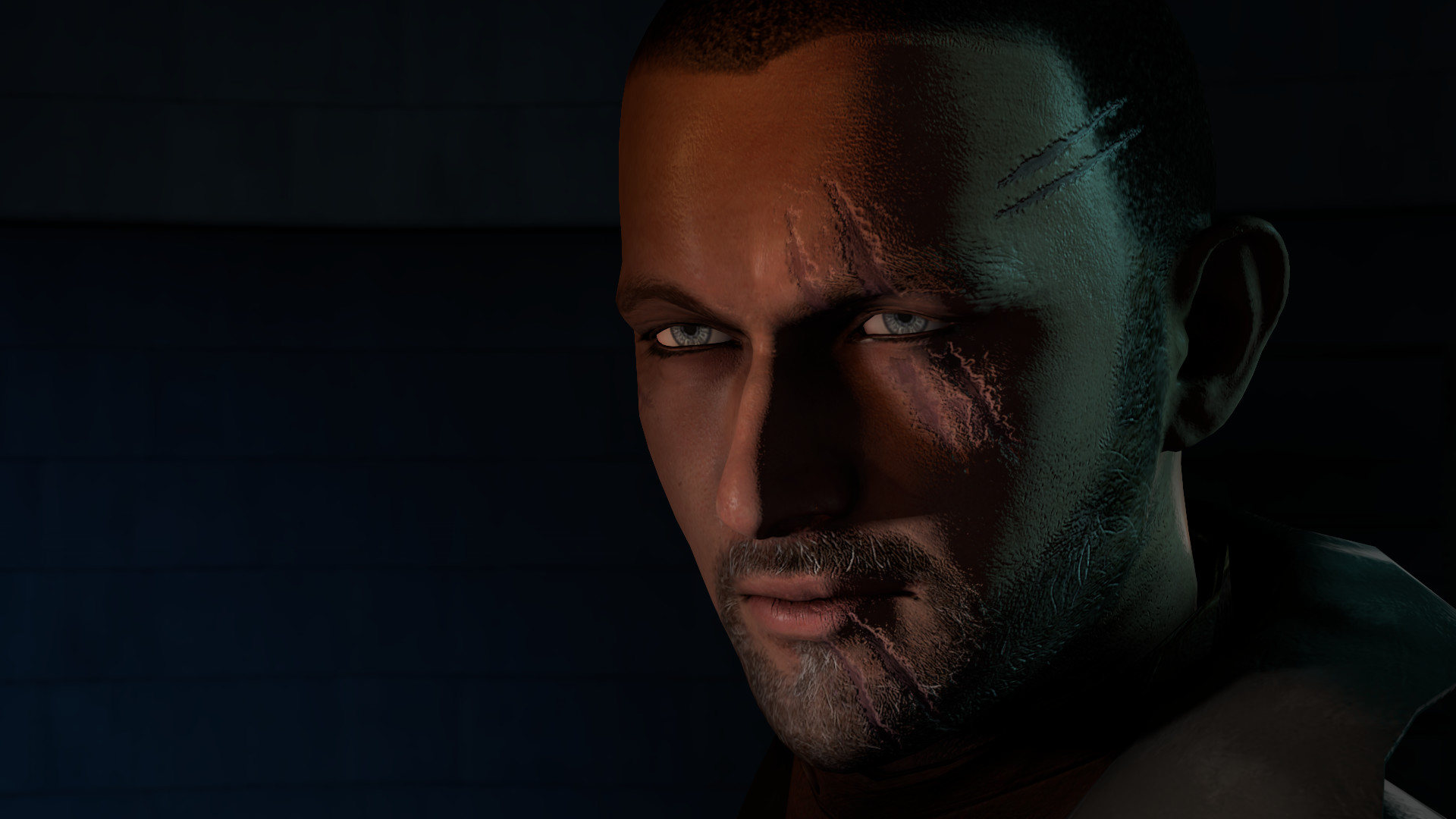
Developed by Royal Flush and published as a licensed ‘Half-Life’ spin-off, this game was widely condemned for its technical failures and stolen content. The game’s files contained assets taken from several other mods and games, including ‘Gmod Tower’ and ‘Black Mesa’, without the permission of the original creators. While Valve allows the use of its own assets in Source engine mods, the inclusion of third-party community assets sparked a major backlash. Despite these issues, the game remains available on Steam as a notable example of a troubled production.
‘Call of Duty: Vanguard’ (2021)
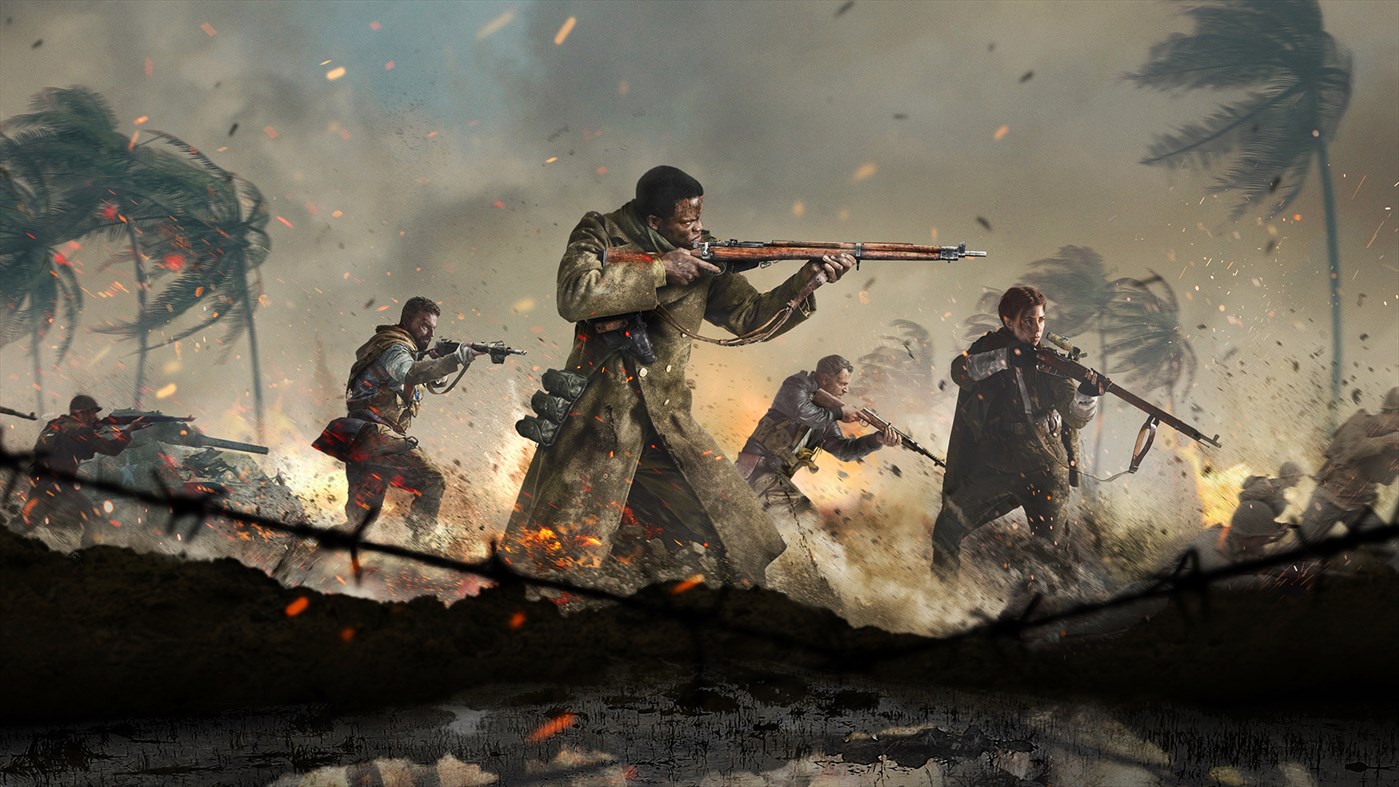
Activision and Sledgehammer Games were forced to apologize after players discovered that a specific cosmetic item was plagiarized. The “Loyal Samoyed” skin featured a humanoid dog character that was nearly identical to a design created by artist Sail Lin two years prior. The artist shared evidence on social media comparing the two designs, which featured matching armor plates and accessories. Activision removed the skin from the game and its marketing materials shortly after the plagiarism came to light.
‘Mobile Legends: Bang Bang’ (2016)
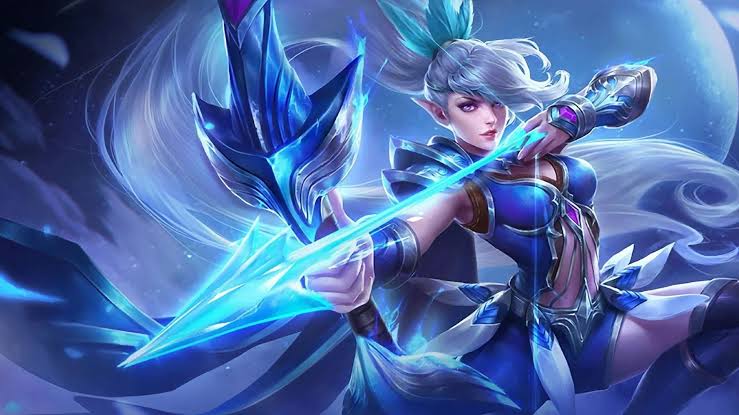
Developed and published by Moonton, this mobile MOBA has been the subject of multiple lawsuits from Riot Games. Riot alleged that the developer stole numerous assets, including character designs, skill descriptions, and map layouts, from ‘League of Legends’. The lawsuits featured side-by-side comparisons showing 1:1 similarities between the assets of both games. While Moonton has made various updates to differentiate its game over time, the legal disputes have resulted in multimillion-dollar settlements.
‘Paladins’ (2018)
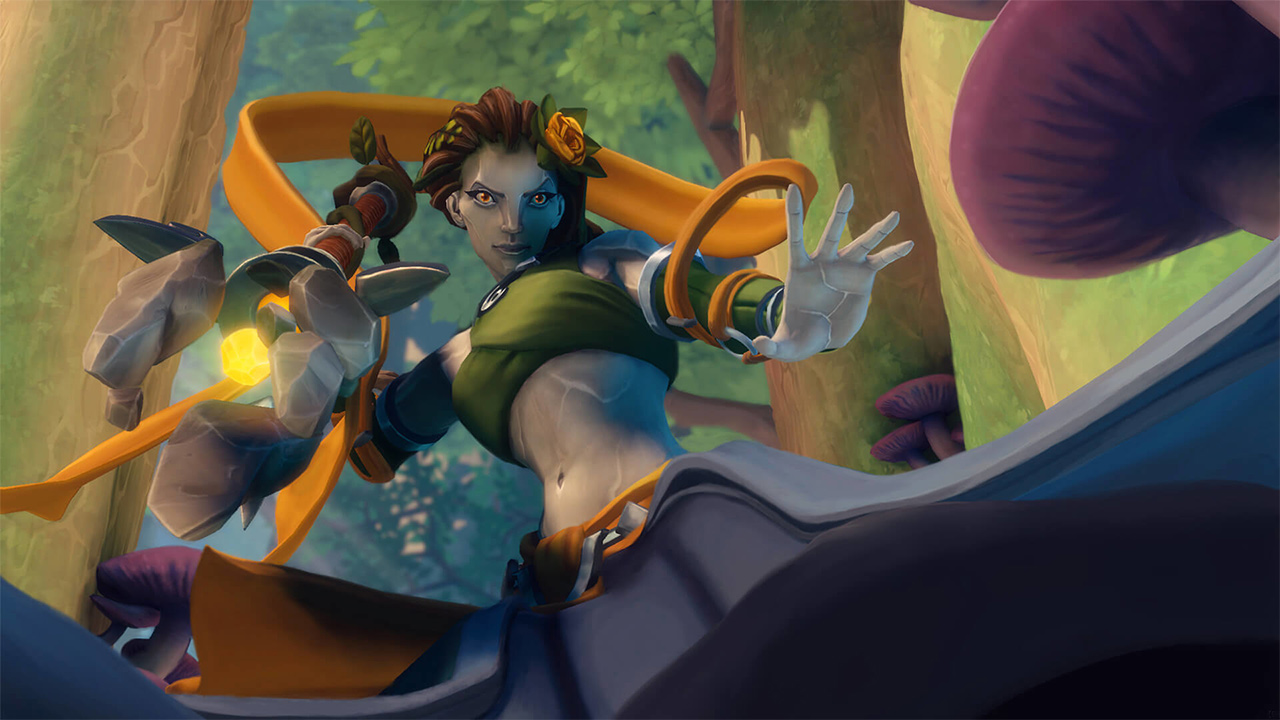
Hi-Rez Studios faced criticism when a promotional image for a mobile version of ‘Paladins’ was found to contain stolen assets. The background of the artwork was a direct copy of a map from ‘Overwatch’ known as Lijiang Tower. Hi-Rez art director acknowledged the mistake, explaining that the asset was created by a third-party partner and was not properly vetted by the internal team. The image was quickly replaced, but the incident fueled long-standing comparisons between the two competing hero shooters.
‘Uncharted 4: A Thief’s End’ (2016)
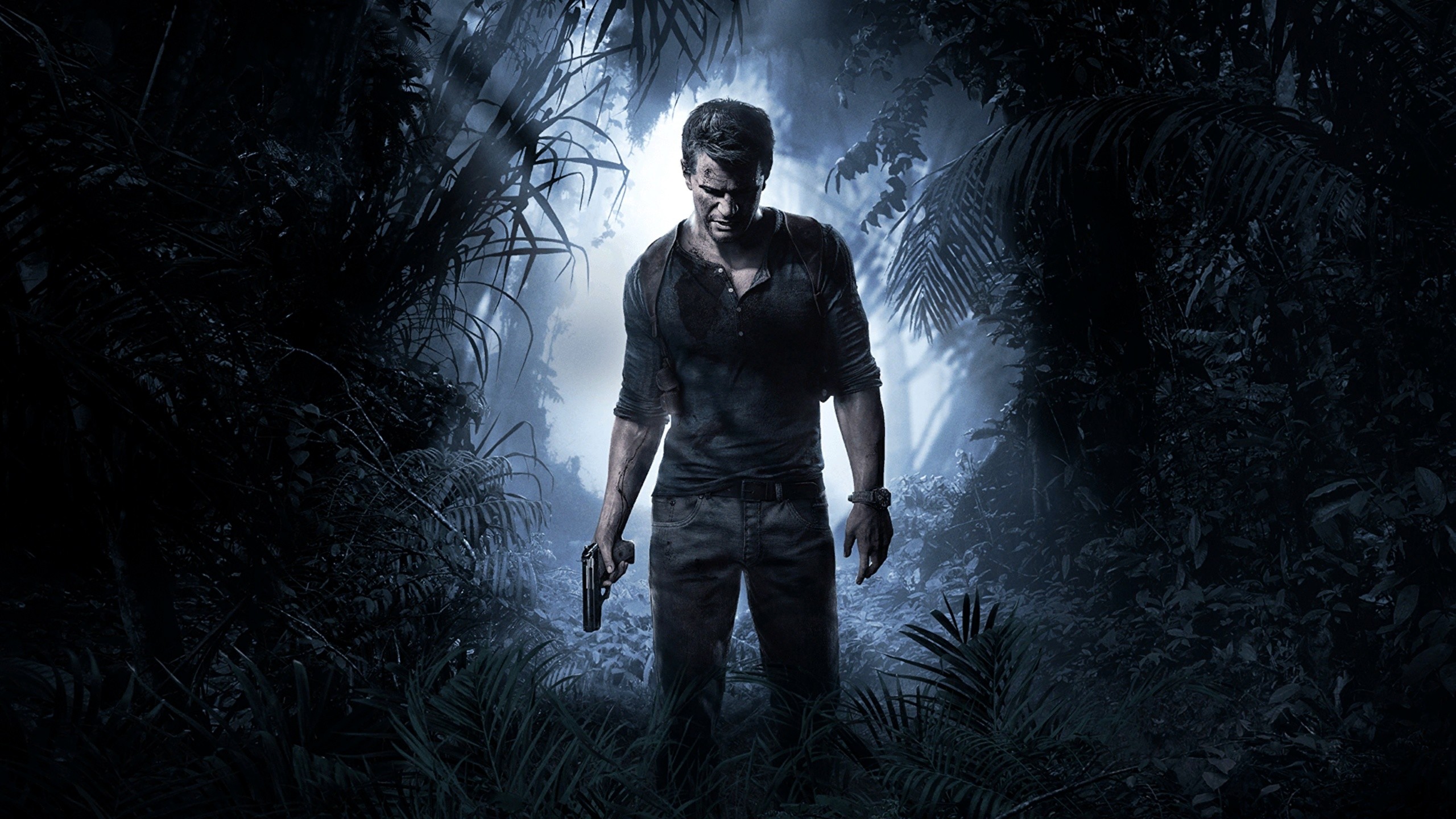
Naughty Dog and Sony Interactive Entertainment were caught in an embarrassing situation following the release of a story trailer for this blockbuster title. A piece of framed concept art inside a character’s home was identified as a direct copy of artwork from ‘Assassin’s Creed IV: Black Flag’. Ubisoft employees publicly pointed out the oversight, noting that the pirate-themed painting was identical to their own game’s promotional art. Naughty Dog issued an apology and released an updated version of the trailer with the offending asset removed.
‘Resident Evil 4’ (2005)
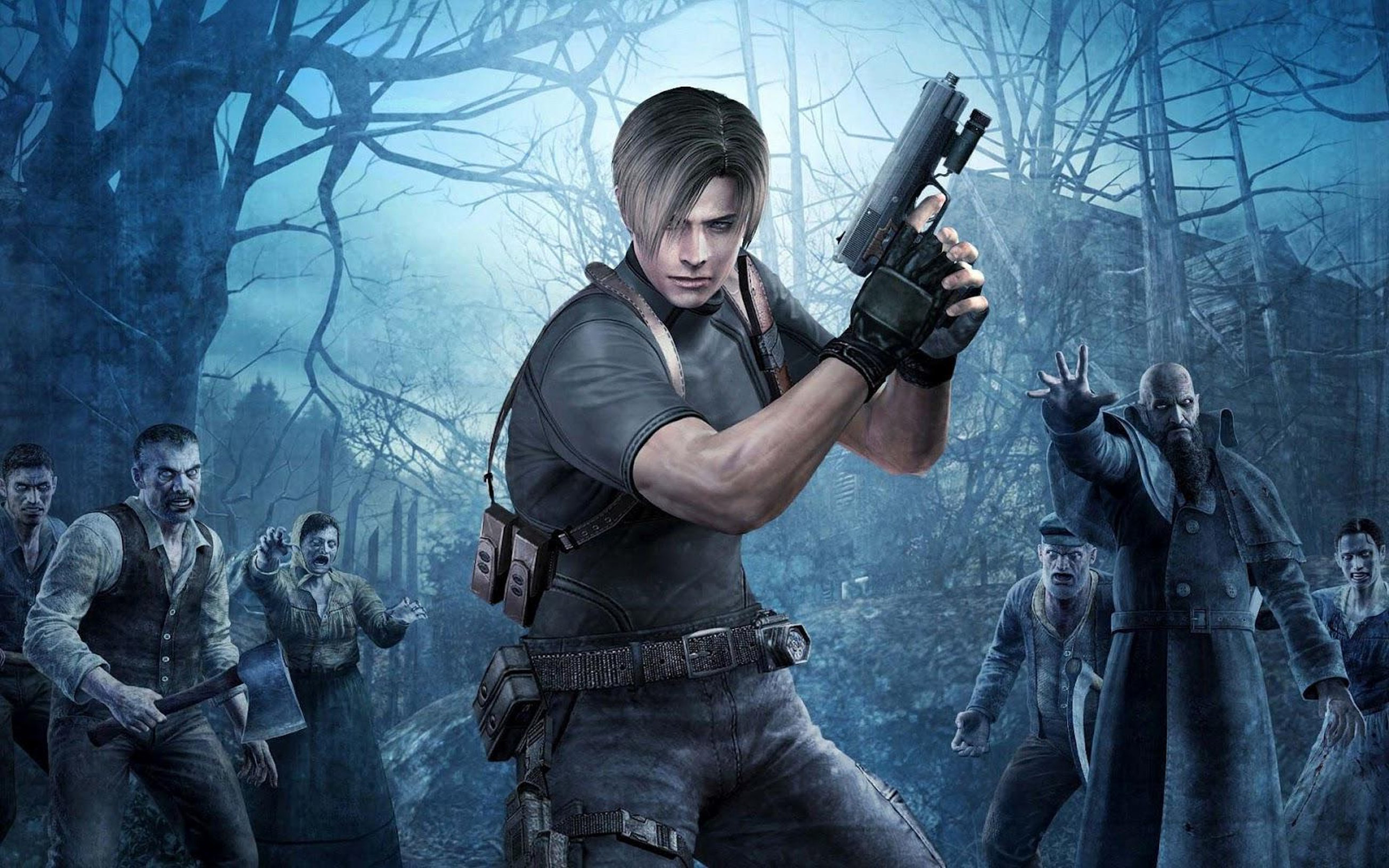
The original release of this Capcom classic was part of a lawsuit filed by designer Richard A. Batista. The plaintiff alleged that Capcom had used over 80 of his photographs from a book titled ‘Surfaces’ to create textures for environments and the game’s logo. The images included specific patterns of cracked stone and decorative wood that appeared verbatim in the game. While the game remains a landmark title in the survival horror genre, the case brought attention to the frequent use of unauthorized photography in early 3D texture design.
‘K.C. Munchkin!’ (1981)
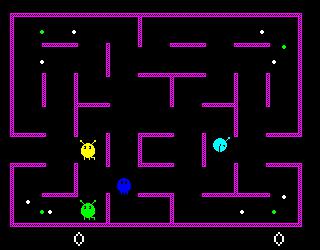
Published by Philips and Magnavox for the Odyssey² console, this game is a historic example of asset and concept theft. Atari sued the companies, alleging that the game was an unauthorized copy of ‘Pac-Man’, which Atari had licensed for home consoles. The court ruled that while the games were not identical, the “look and feel” of the characters and mazes were too similar to be a coincidence. This landmark case established that copyright protection extends beyond the literal code to include the artistic expression of a video game.
Please share your thoughts on these controversial cases and any others you might know of in the comments.