

Video Games That Were Impossible To Play Without A Guide



Video games have evolved significantly over the decades but many early titles relied on cryptic secrets and obtuse mechanics to extend playtime. Players often found themselves stuck for hours trying to solve puzzles that lacked logical clues or clear instructions. This led to the rise of physical strategy guides and eventually online walkthroughs to help fans reach the credits. These titles are famous for their difficulty and the necessity of external help to uncover hidden paths.
‘The Legend of Zelda’ (1986)
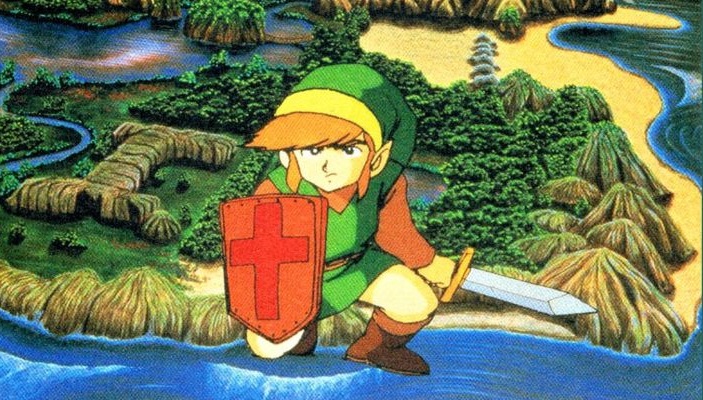
‘The Legend of Zelda’ introduced a massive world filled with secrets that were often hidden behind identical looking obstacles. Players had to burn random bushes or bomb nondescript walls to find essential items and dungeons. Without the map provided in the physical manual or a guide many fans would wander the landscape aimlessly. This design choice encouraged community discussion but made solo completion nearly impossible for newcomers.
‘Castlevania II: Simon’s Quest’ (1987)
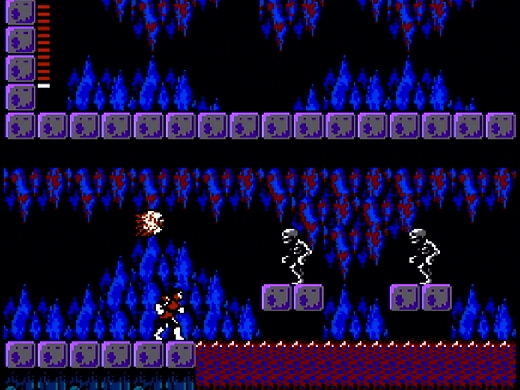
This sequel shifted the franchise toward an open ended exploration style that featured incredibly cryptic hints from non player characters. One of the most famous roadblocks required the player to kneel at a specific cliffside with a red crystal for several seconds to summon a tornado. The game never clearly explained this mechanic which left many players unable to progress past the early stages. This reliance on obscure actions made ‘Castlevania II: Simon’s Quest’ a prime candidate for strategy guide assistance.
‘Myst’ (1993)
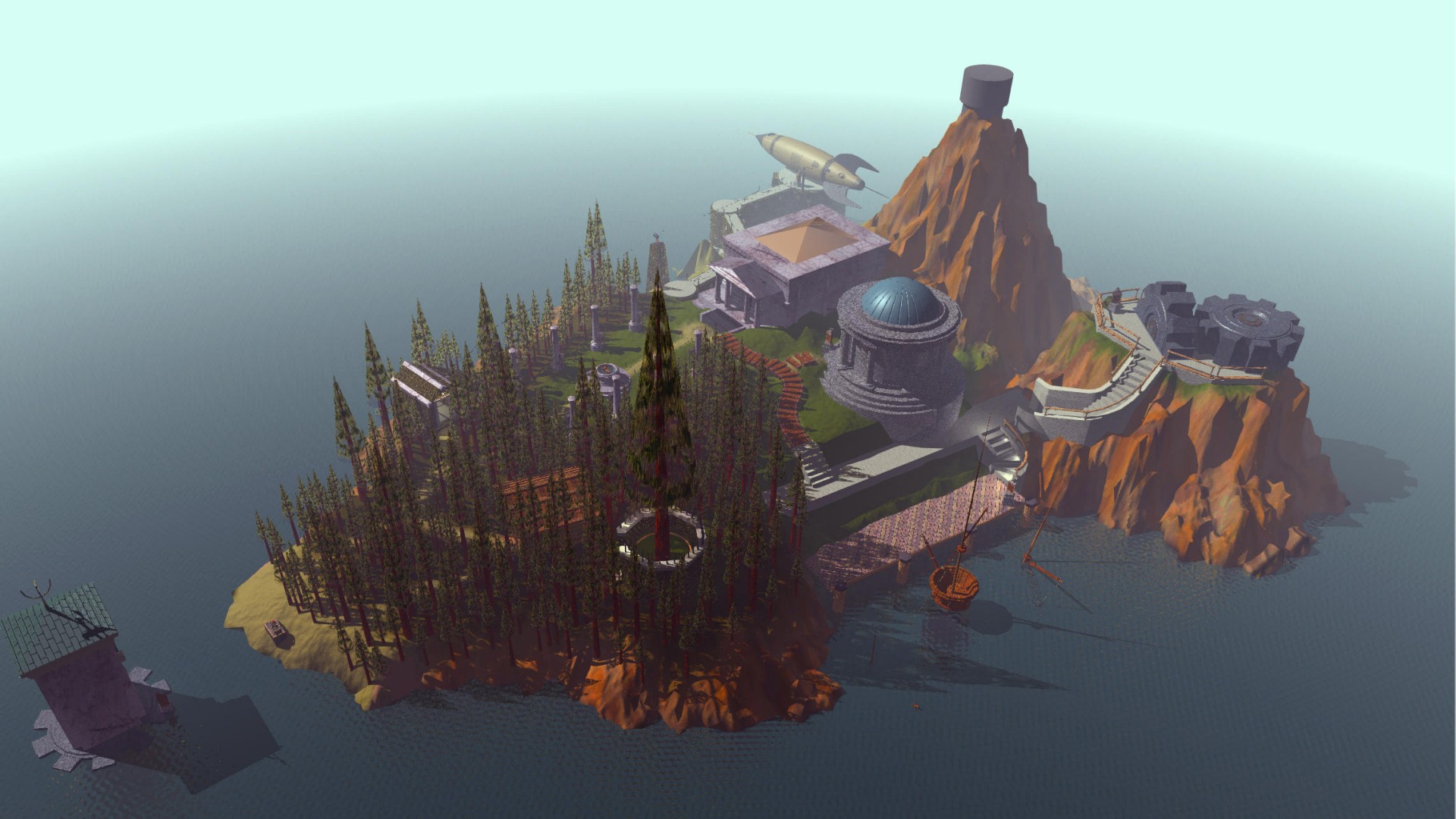
‘Myst’ focused on environmental storytelling and complex mechanical puzzles that required intense observation and note taking. The game provided no explicit directions and expected players to piece together the function of strange machinery across multiple ages. Many puzzles relied on sound cues or subtle visual patterns that were easy to miss without a comprehensive walkthrough. This title helped popularize the strategy guide industry during the early years of CD ROM gaming.
‘Metal Gear Solid’ (1998)
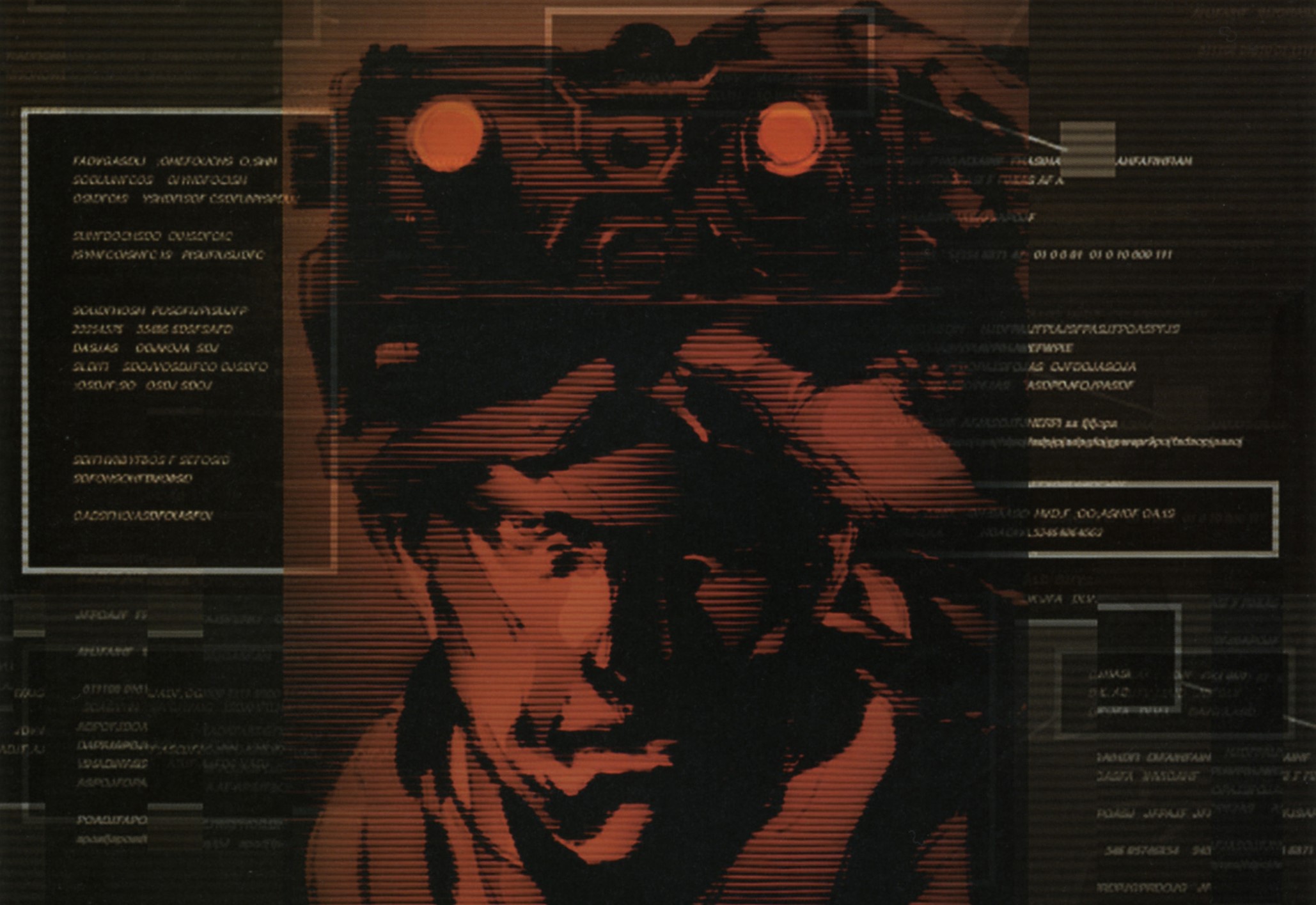
The first 3D entry in the ‘Metal Gear’ series famously broke the fourth wall to hide essential information. At one point the protagonist must contact a character named Meryl but her frequency is not found within the game menus. Instead the player is told to look at the back of the CD case which featured a screenshot of the codec screen. Digital re releases and used copies without the original box made this part of ‘Metal Gear Solid’ nearly impossible to solve without an internet search.
‘King’s Quest IV: The Perils of Rosella’ (1988)
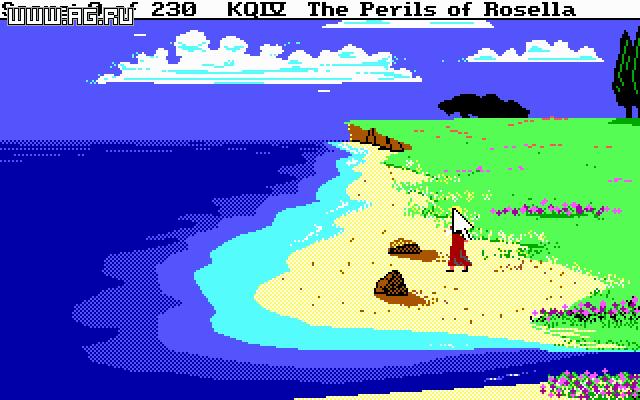
Sierra adventure games were notorious for their unforgiving puzzles and the constant threat of unwinnable states. ‘King’s Quest IV: The Perils of Rosella’ required players to perform specific actions within tight time limits or gather items that were easily overlooked. Many puzzles involved typing very specific commands into the parser that were not always intuitive. A player could spend hours trying different word combinations before turning to a hint book for the correct solution.
‘Silent Hill’ (1999)

The original ‘Silent Hill’ featured a notorious piano puzzle that required players to interpret a poem about birds. The solution involved pressing keys in a specific order based on the color and behavior of the birds mentioned in the text. Because the clues were metaphorical rather than literal many players found it incredibly difficult to deduce the correct sequence. This puzzle became one of the most famous examples of survival horror difficulty during the PlayStation era.
‘FEZ’ (2012)

‘FEZ’ is a platformer that appears simple at first but contains layers of hidden cryptographic puzzles. Players must learn an entirely new alphabet and numerical system to solve the more advanced secrets. Some solutions require knowledge of QR codes or specific controller inputs that have no obvious prompts in the game world. Most fans had to rely on community efforts and online wikis to find every collectible cube.
‘P.T.’ (2014)

The playable teaser for the cancelled ‘Silent Hills’ project was designed to be a global community puzzle. It featured a looping hallway where the player had to perform obscure actions like walking a certain number of steps or whispering into a microphone. The final sequence to trigger the ending was so complex that it took several days for the internet to figure it out. Without a guide the chance of a single player accidentally finishing ‘P.T.’ was extremely low.
‘La-Mulana’ (2005)
‘La-Mulana’ is a tribute to classic MSX games that takes cryptic design to an extreme level. It features hundreds of rooms filled with traps and puzzles that often require backtracking across the entire map. The clues are written in a fictional language and frequently mislead the player or provide only the barest hints. Completion usually demands a notebook and a detailed walkthrough to navigate the labyrinthine ruins successfully.
‘Final Fantasy XII’ (2006)
This role playing game featured a legendary weapon called the Zodiac Spear that was notoriously difficult to obtain. To acquire it players had to avoid opening four specific treasure chests located throughout the massive world. There was no internal hint or logical reason to leave these chests alone and opening even one would permanently lock the item. This specific requirement made ‘Final Fantasy XII’ a game where a guide was essential for completionists.
‘Pokémon Ruby and Sapphire’ (2002)

Unlocking the legendary Regi trio in these games required players to solve puzzles written in Braille. The instructions were found on stone tablets deep underwater but they were useless unless the player had a reference for the Braille alphabet. Even after translating the text the player had to perform specific actions like placing certain Pokémon in their party in a specific order. Many young players only discovered these secrets through schoolyard rumors or official strategy guides.
‘Riven: The Sequel to Myst’ (1997)
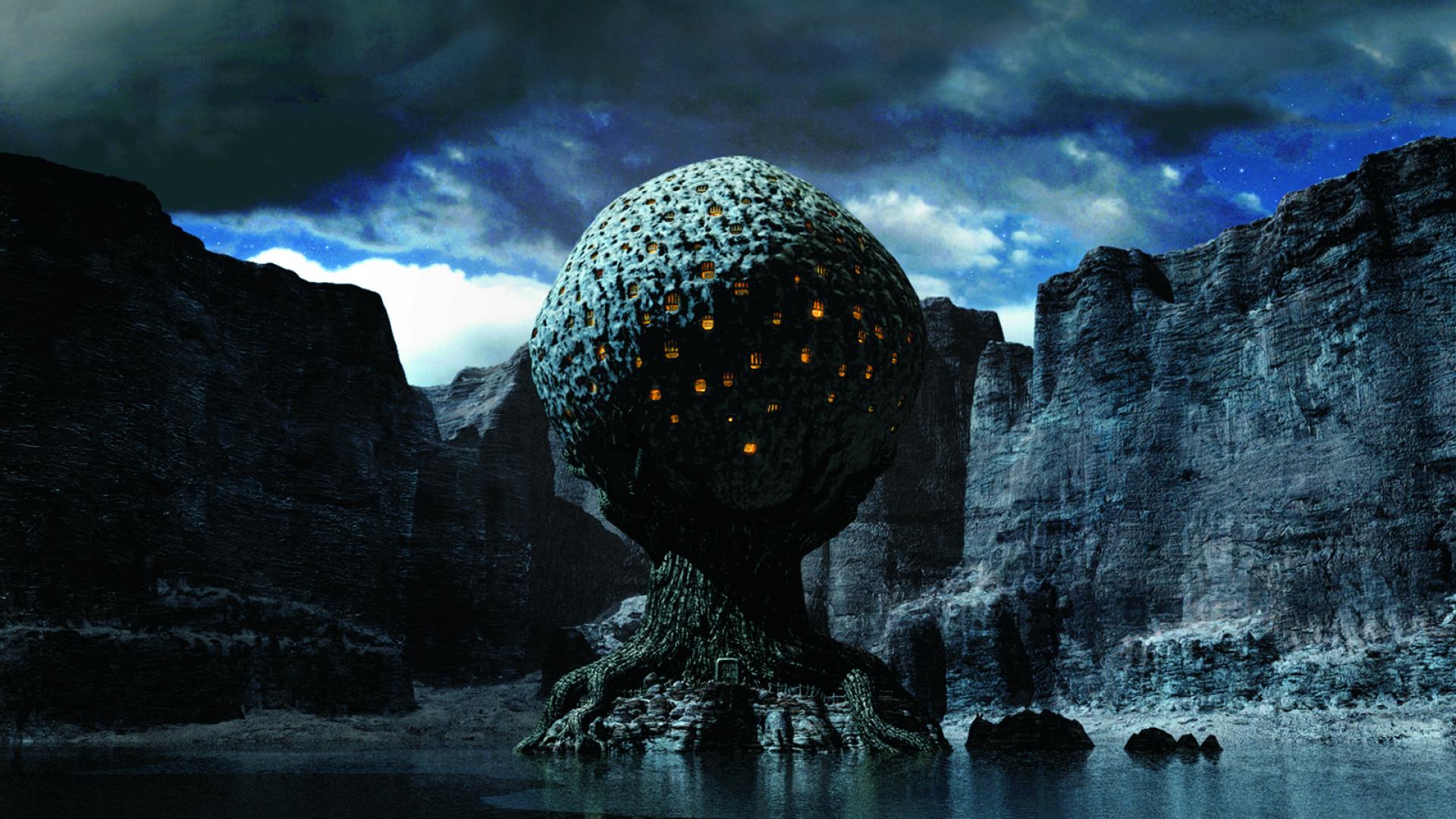
‘Riven: The Sequel to Myst’ increased the complexity of its predecessor by weaving its puzzles even more tightly into the environment. Every island was part of a giant machine and the player had to understand the culture and mathematics of the world to progress. One puzzle involved identifying animal sounds and matching them to symbols that looked nothing like the creatures. The sheer scale of the logic required meant that many players never finished the journey without a hint book.
‘Grim Fandango’ (1998)
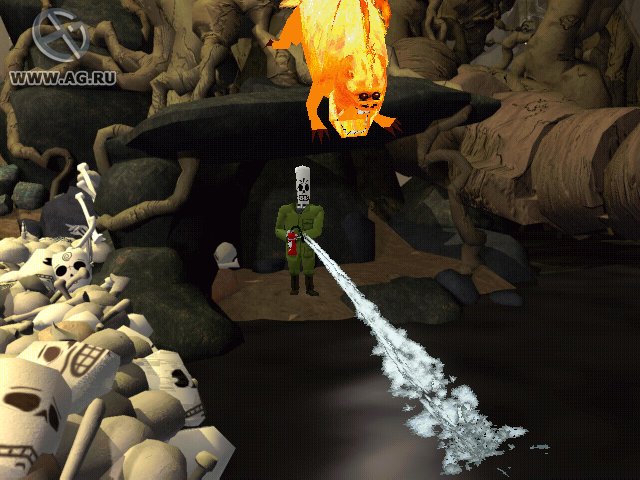
This classic LucasArts adventure game is beloved for its writing but criticized for several obtuse puzzles. One infamous challenge involves a bone wagon and a hydraulic system that requires precise timing and movements that are not clearly signaled. Another puzzle involving a forest signpost baffled players for years due to its strange logic. These hurdles often broke the flow of the story and forced fans to consult a guide to see the next chapter.
‘Monkey Island 2: LeChuck’s Revenge’ (1991)
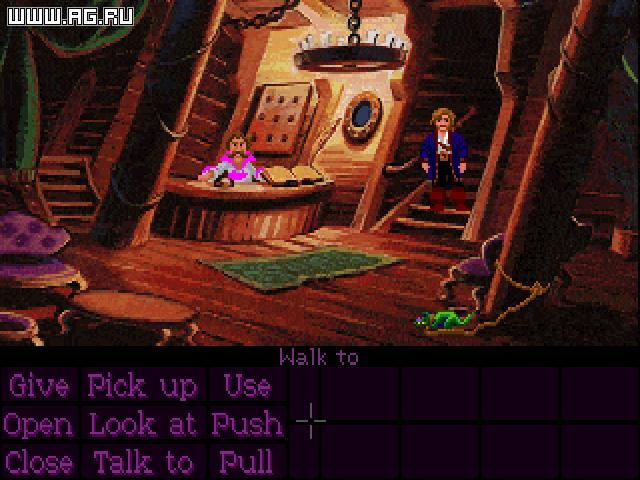
The ‘Monkey Island’ series is famous for its humor and sometimes bizarre puzzle logic. In the second game players must use a literal monkey as a wrench to turn a pump handle. Since most players would not associate a living animal with a mechanical tool this became one of the most cited examples of moon logic in gaming. Without a guide the leap of faith required to solve this puzzle was a significant barrier for many.
‘Phantasy Star II’ (1989)
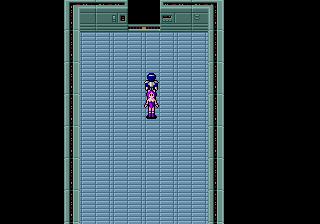
‘Phantasy Star II’ featured some of the most complex and confusing dungeon layouts in the history of the genre. The maps were massive and multi leveled with teleporters that would send players back to the beginning without warning. In the original North American release the game actually included a physical map and guide because the developers knew it was too difficult to navigate alone. Modern players often find the experience frustrating without a digital map to guide their steps.
‘Metroid’ (1986)
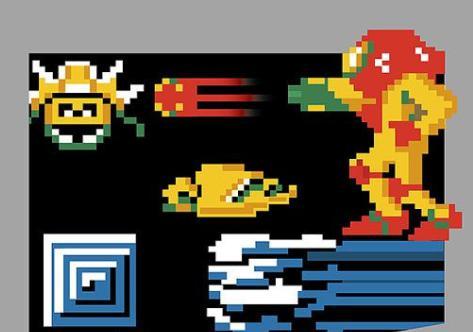
The original ‘Metroid’ dropped players onto a hostile planet with no map and very little direction. Many essential paths were hidden behind walls that looked exactly like solid rock and could only be destroyed with bombs. Finding the path to the final boss required a level of trial and error that could take dozens of hours. A guide or a hand drawn map was almost a requirement for anyone hoping to see the ending of Samus Aran’s first adventure.
‘Star Control II’ (1992)
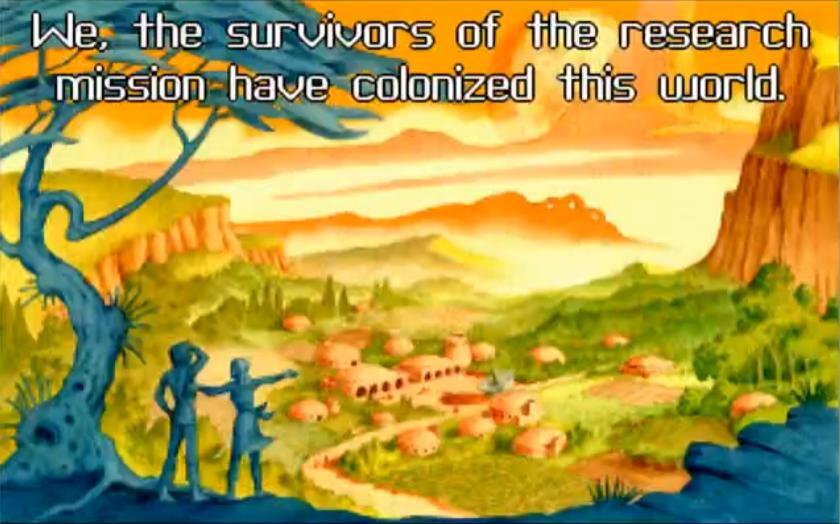
‘Star Control II’ is a massive space exploration game where the player must gather resources and allies to save the galaxy. The game operates on a real time clock and missing certain events or failing to find specific coordinates can lead to a game over. There are no quest markers or logs to keep track of the dozens of alien races and their needs. Success in this game usually requires a physical notebook or a detailed guide to keep track of every detail.
‘The Witness’ (2016)
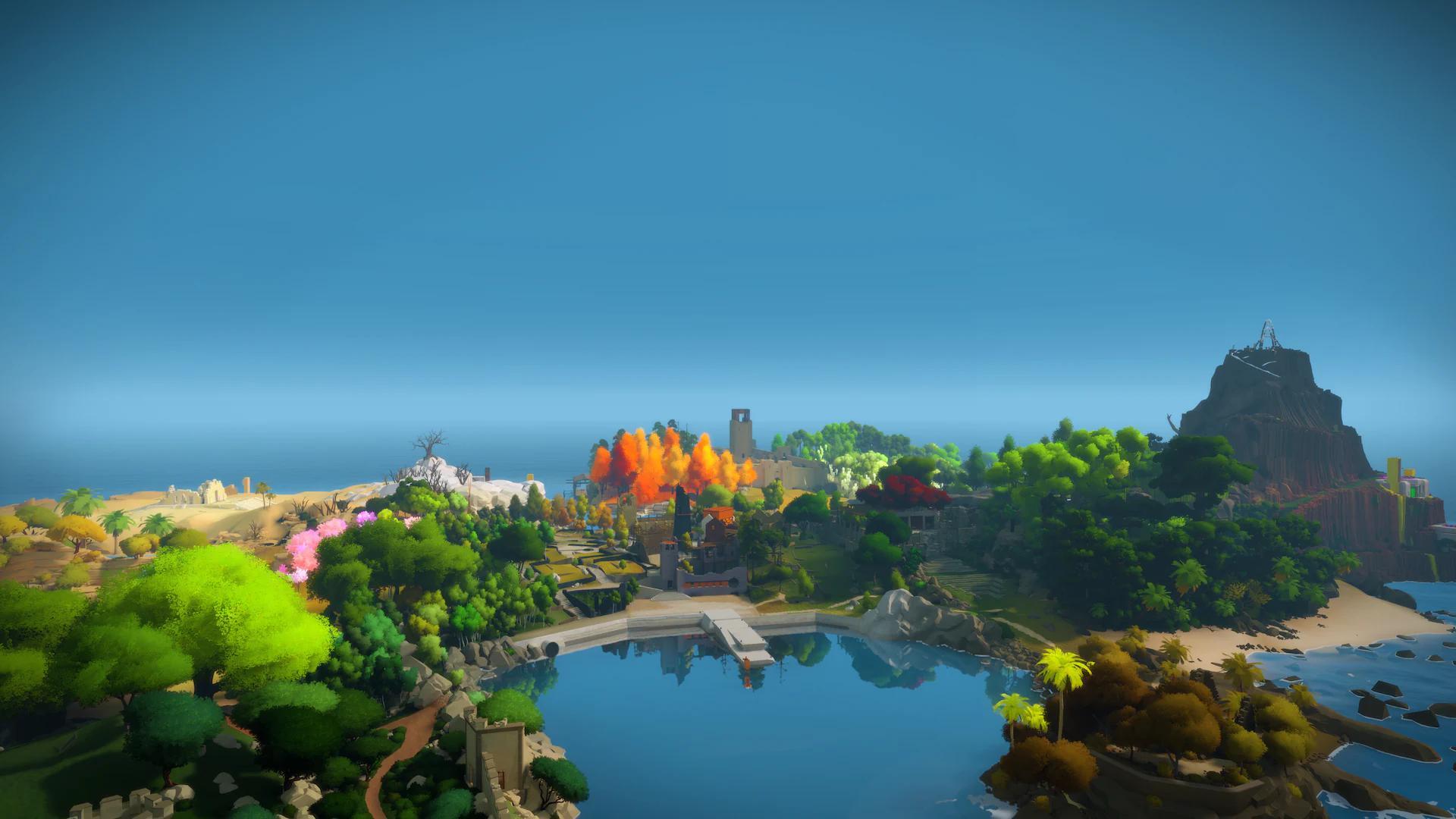
While ‘The Witness’ begins with simple line puzzles it eventually introduces environmental challenges that are incredibly subtle. Some puzzles require the player to stand in a exact spot to see a shape formed by shadows or clouds. Other challenges involve sound patterns that are easily drowned out by ambient noise. The lack of any text or voice guidance means that players who get stuck often have no choice but to look for help online.
‘Ultima IV: Quest of the Avatar’ (1985)
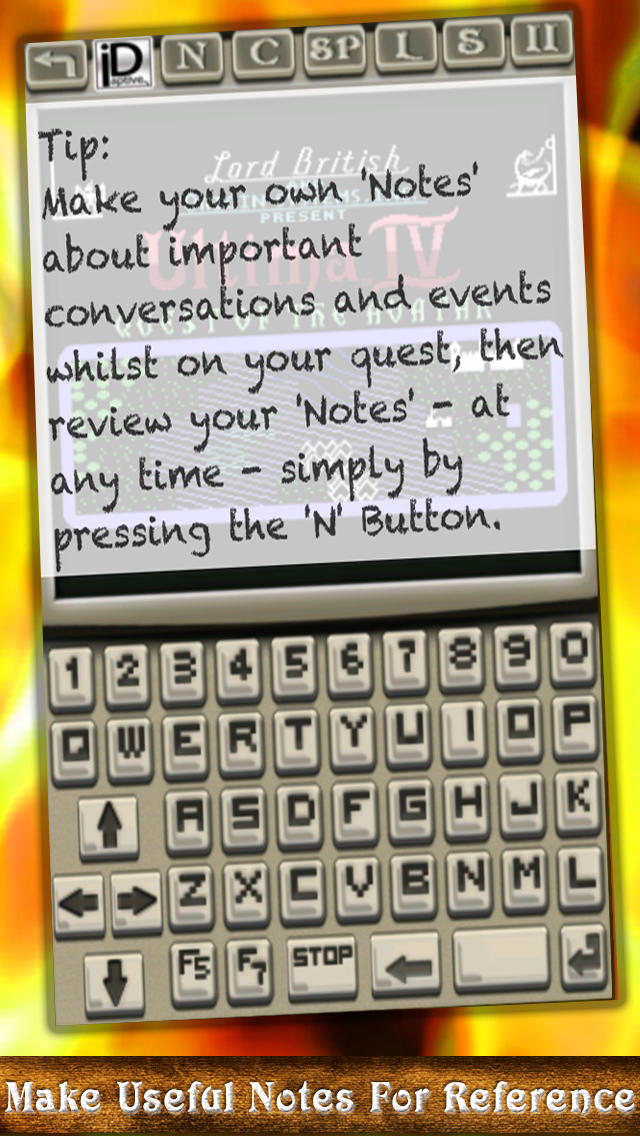
‘Ultima IV: Quest of the Avatar’ was revolutionary for its time because it focused on virtues rather than just combat. However the game provided very few clues on how to actually increase these hidden virtue stats. Players had to speak to hundreds of NPCs and take notes on cryptic phrases to understand the requirements for becoming the Avatar. Without a guide it was very easy to spend hours playing without making any actual progress toward the goal.
‘Gabriel Knight: Sins of the Fathers’ (1993)
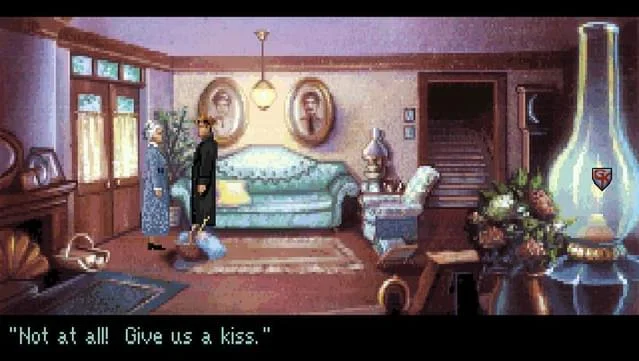
This supernatural thriller featured a puzzle that is often cited as one of the worst in adventure game history. To obtain a disguise the player must use masking tape to catch cat hair and then create a fake mustache. The logic for this sequence was so convoluted that it became a symbol for the decline of the point and click genre. Most players found it impossible to deduce the solution through rational thinking and turned to guides for the answer.
‘Shadowgate’ (1987)
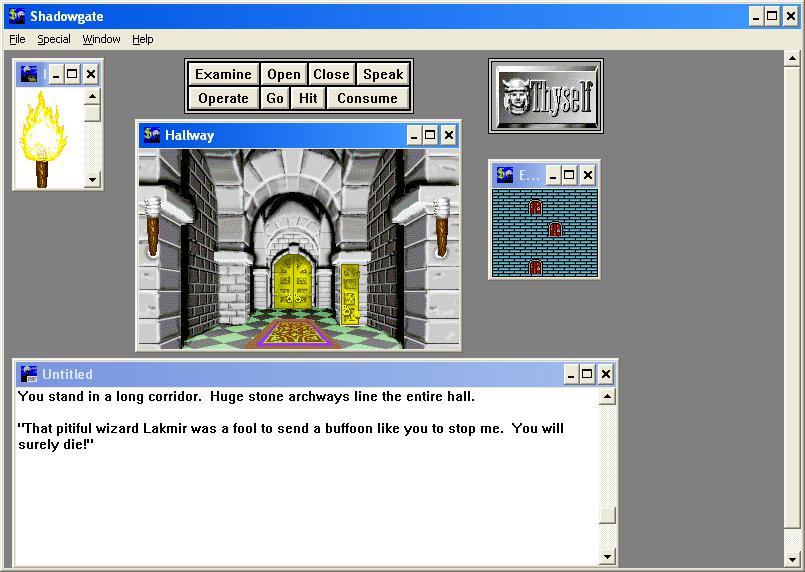
‘Shadowgate’ is a first person adventure game where almost every action can lead to instant death. Players must navigate a castle filled with traps while managing a limited supply of torches that act as a timer. Many puzzles require items found early in the game that have no obvious use until much later. The constant threat of a game over and the obscure solutions made a walkthrough nearly essential for survival.
‘Dragon Quest VII: Fragments of the Forgotten Past’ (2000)
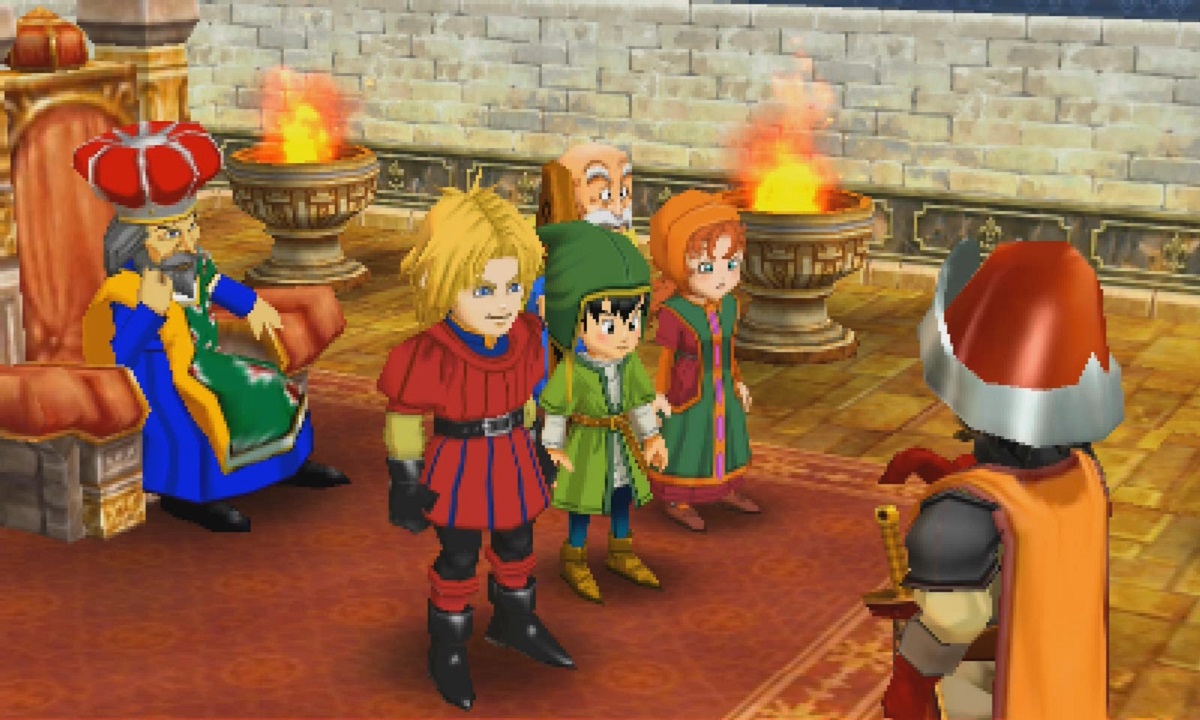
The original PlayStation version of ‘Dragon Quest VII: Fragments of the Forgotten Past’ featured an incredibly long opening segment without any combat. Players had to solve a series of environmental puzzles across different time periods to progress. Finding the specific stone shards needed to unlock new areas was a constant struggle that required thorough exploration. The sheer length and complexity of the quest often led players to rely on guides to find missing pieces.
‘Tunic’ (2022)
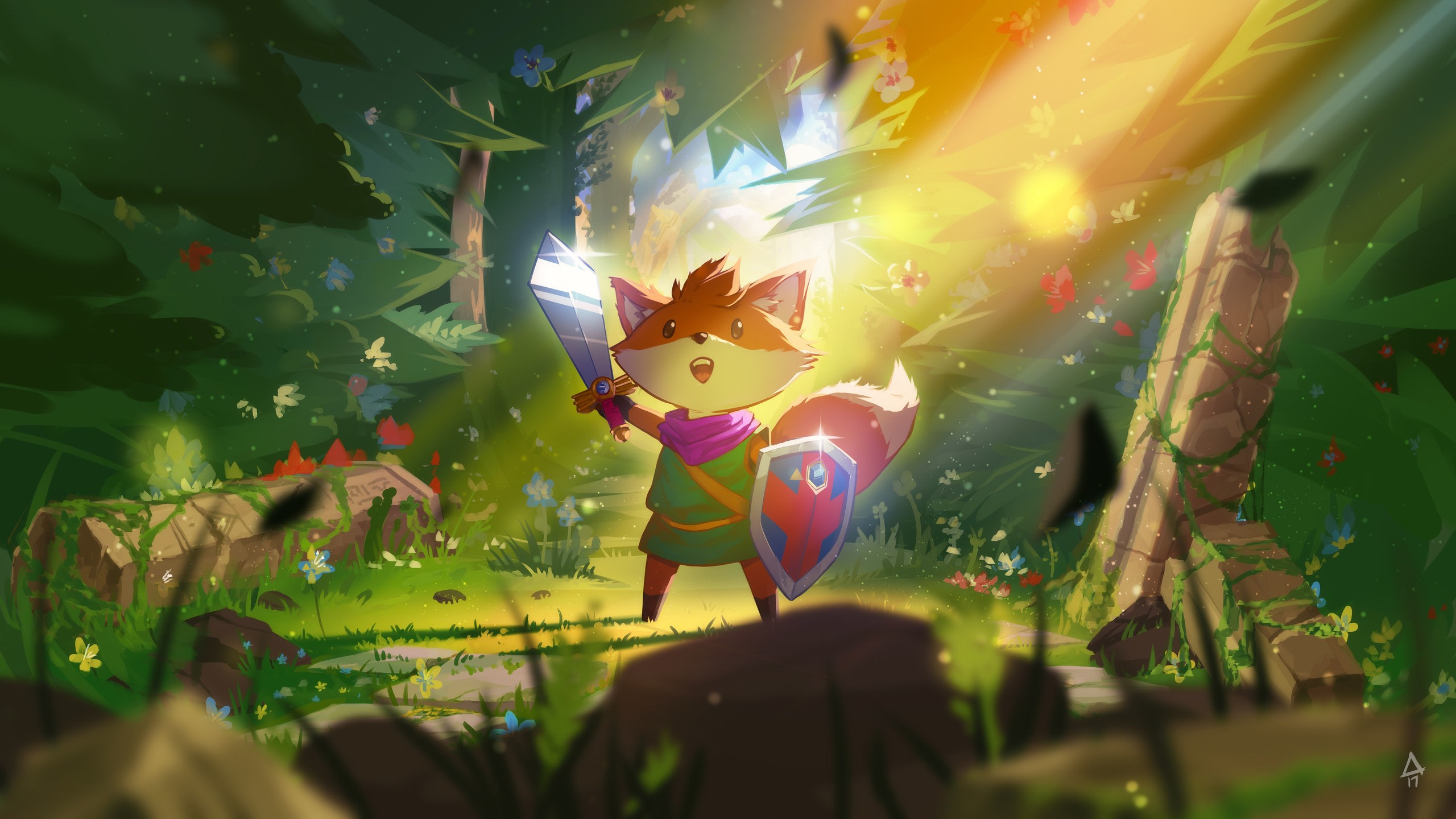
‘Tunic’ is a modern game that captures the feeling of playing an old manual based title. The game features an in game manual written in a fictional language that the player must piece together. Many of the late game secrets involve hidden paths and complex inputs that are only hinted at in the manual pages. While it is possible to finish the main story alone the true ending and deep secrets almost certainly require external help.
‘Golden Sun’ (2001)
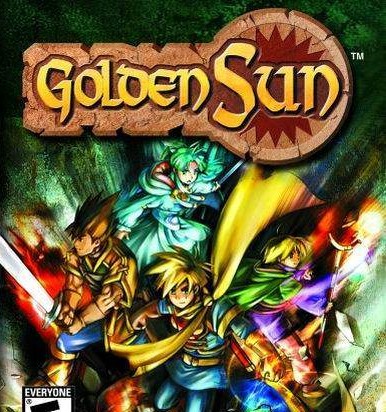
‘Golden Sun’ featured a system where players collected creatures called Djinn to enhance their characters. Many of these Djinn were hidden in obscure locations or required specific environmental spells to reach. The game also featured complex dungeons with puzzles that involved pushing pillars and freezing water in specific sequences. Missing a single Djinn could make the late game significantly harder leading many players to follow a checklist.
‘Resident Evil’ (1996)

The original ‘Resident Evil’ was famous for its inventory management and environmental puzzles. Players had to find specific crests and keys while navigating a mansion filled with zombies and limited ammunition. Some puzzles like the gallery painting challenge required a specific logic that was not immediately apparent. The combination of survival pressure and cryptic requirements made the official strategy guide a best seller.
‘Tomb Raider’ (1996)
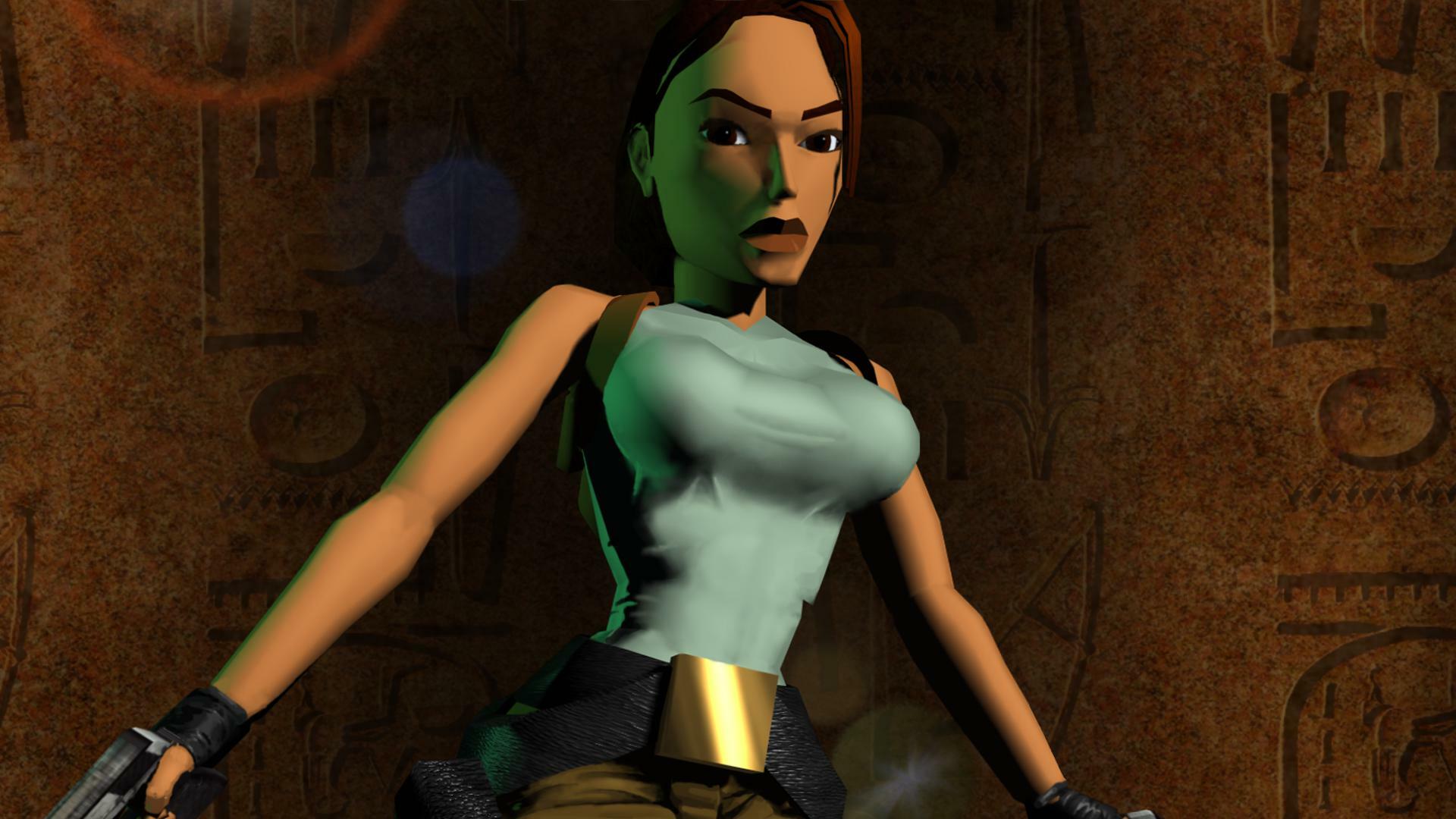
Lara Croft’s first adventure was a pioneer in 3D exploration but featured very difficult navigation. The levels were massive and filled with levers that opened doors on the other side of the map. Without a mini map or clear visual cues players often spent hours running back and forth through empty corridors. Finding the secret items and navigating the vertical traps was a much smoother experience with a guide in hand.
‘Maniac Mansion’ (1987)

‘Maniac Mansion’ allowed players to choose a team of teenagers to explore a creepy house. Depending on the characters chosen the puzzles and solutions would change which added significant complexity. There were many ways to get stuck or lose characters permanently making it a very punishing experience. A guide was often necessary to understand which items were needed for specific endings.
‘Day of the Tentacle’ (1993)

As a sequel to ‘Maniac Mansion’ this game involved puzzles that spanned across three different time periods. Actions taken in the past would change the environment in the future which required a high level of lateral thinking. For example washing a car in the past would cause it to rain in the future. While the logic was consistent it was often so imaginative that players found themselves stuck for days without a walkthrough.
‘EverQuest’ (1999)
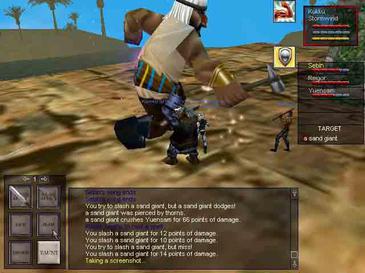
In its early years ‘EverQuest’ was a notoriously difficult online role playing game with very little in game help. The world was massive and dying meant losing experience points and all of your equipment. Quests were often long and required talking to specific NPCs who did not have markers over their heads. Most players relied on third party websites and community printed guides to navigate the dangerous lands of Norrath.
‘The Elder Scrolls III: Morrowind’ (2002)
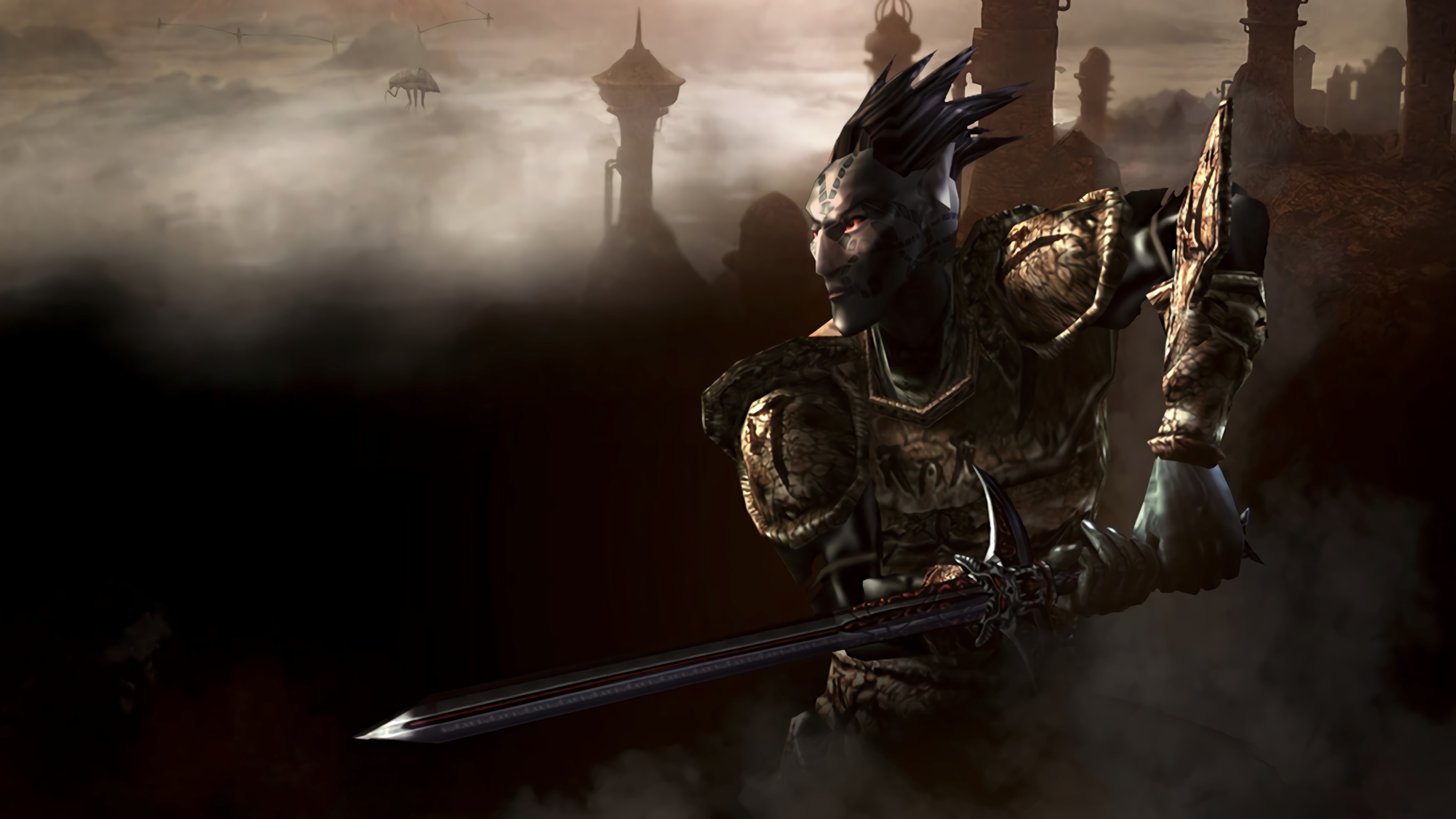
‘The Elder Scrolls III: Morrowind’ did not feature the quest markers or fast travel systems found in later entries. Players were given written directions like turn left at the fork in the road and look for a specific rock. These directions were sometimes inaccurate or difficult to follow due to the foggy landscape. A physical map or a detailed online guide was almost mandatory for finding specific caves and ruins in the vast world.
‘Final Fantasy VI’ (1994)
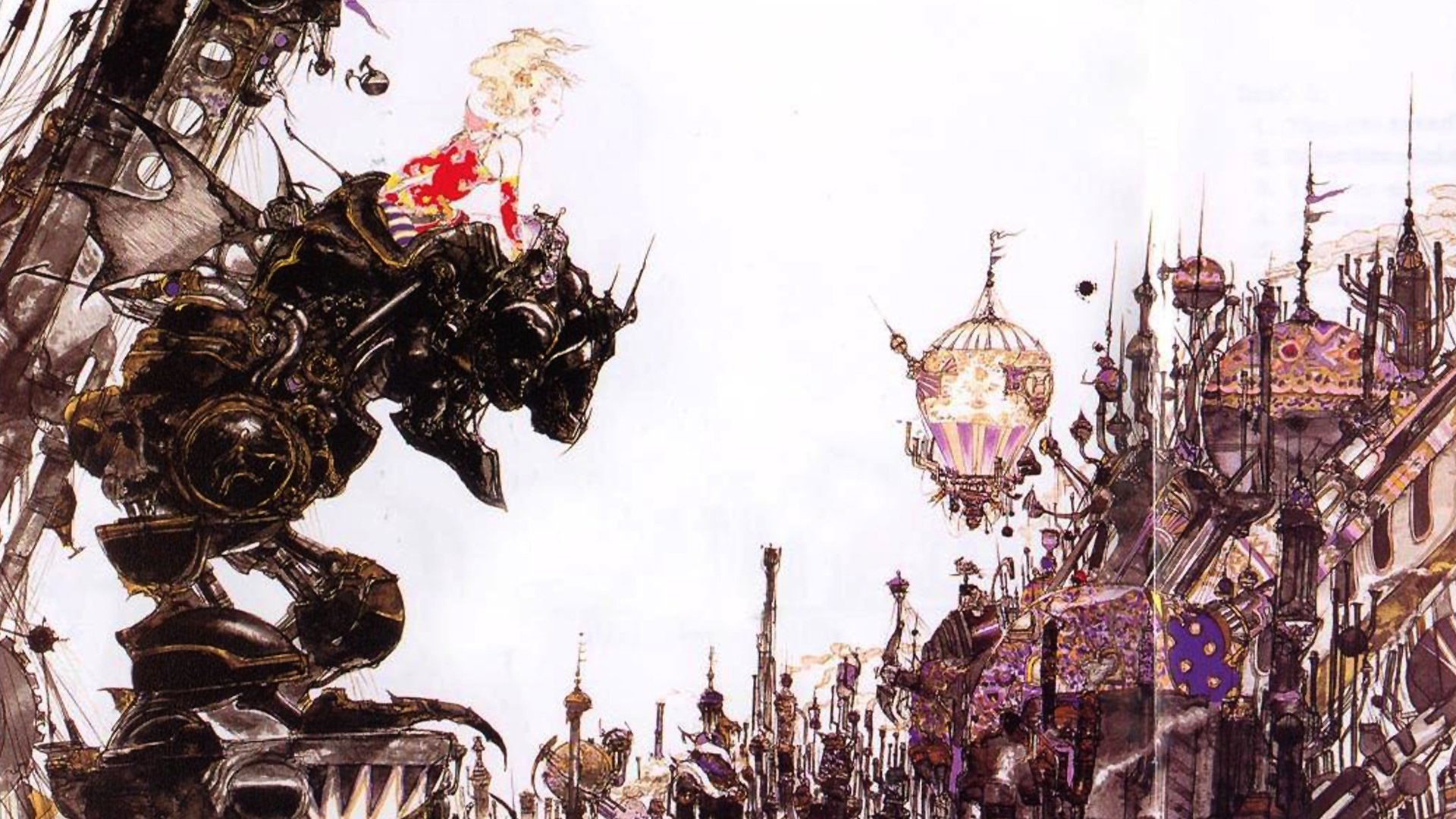
One of the most stressful moments in ‘Final Fantasy VI’ occurs during the escape from a floating continent. The player is given a timer to reach their airship and must make a choice to wait for a teammate named Shadow. If the player leaves even a few seconds early Shadow is lost forever for the rest of the game. Since the game encourages haste many players missed this requirement and had to restart or use a guide on subsequent playthroughs.
‘Dark Souls’ (2011)
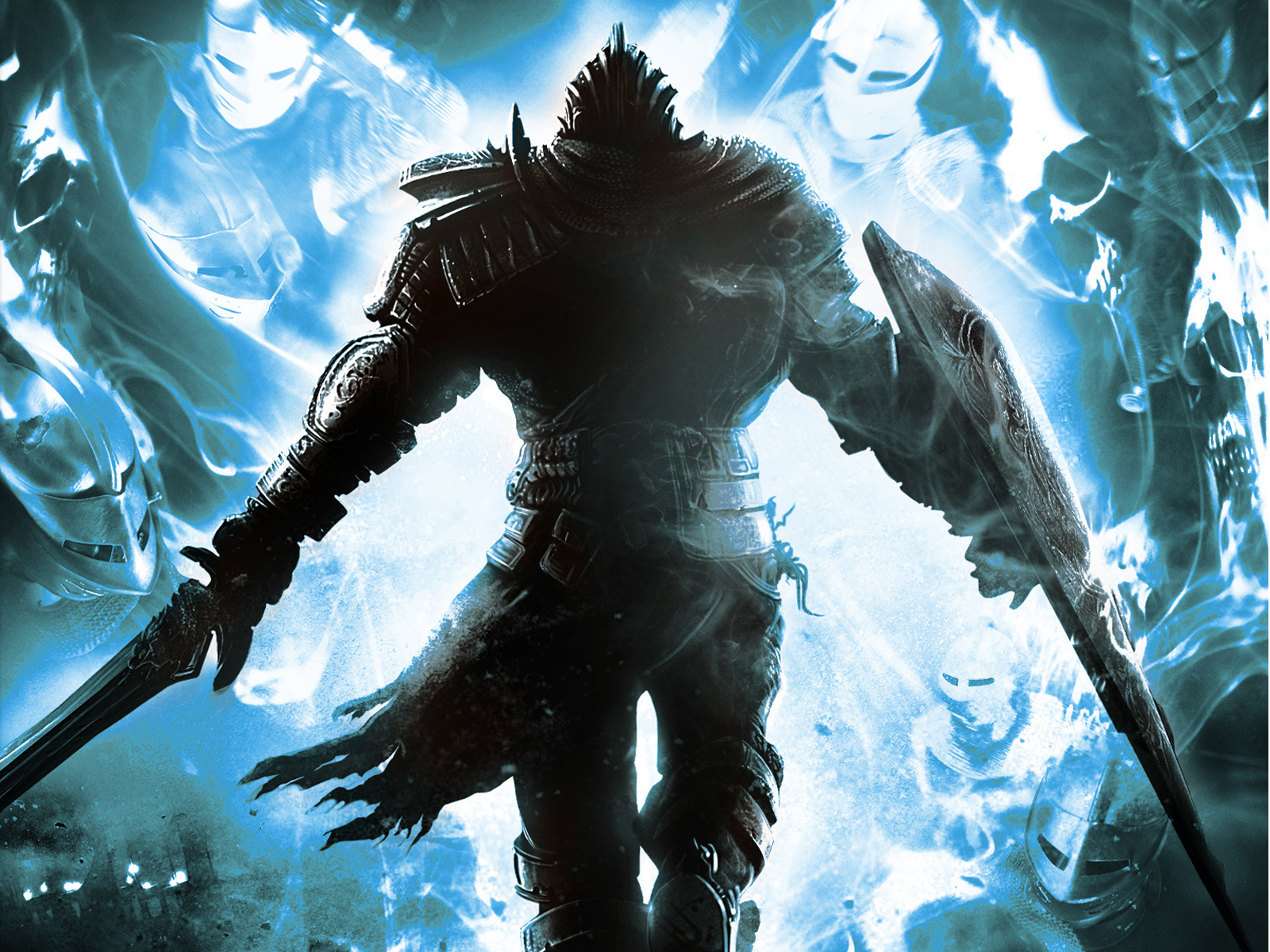
‘Dark Souls’ is famous for its difficulty but its quest design is equally challenging. Characters often move to new locations without warning and their stories can end abruptly if the player does not perform specific actions. The mechanics of the game such as how to upgrade weapons or join covenants are barely explained in the menus. This lack of information created a massive community dedicated to documenting every detail in online wikis.
‘Elden Ring’ (2022)
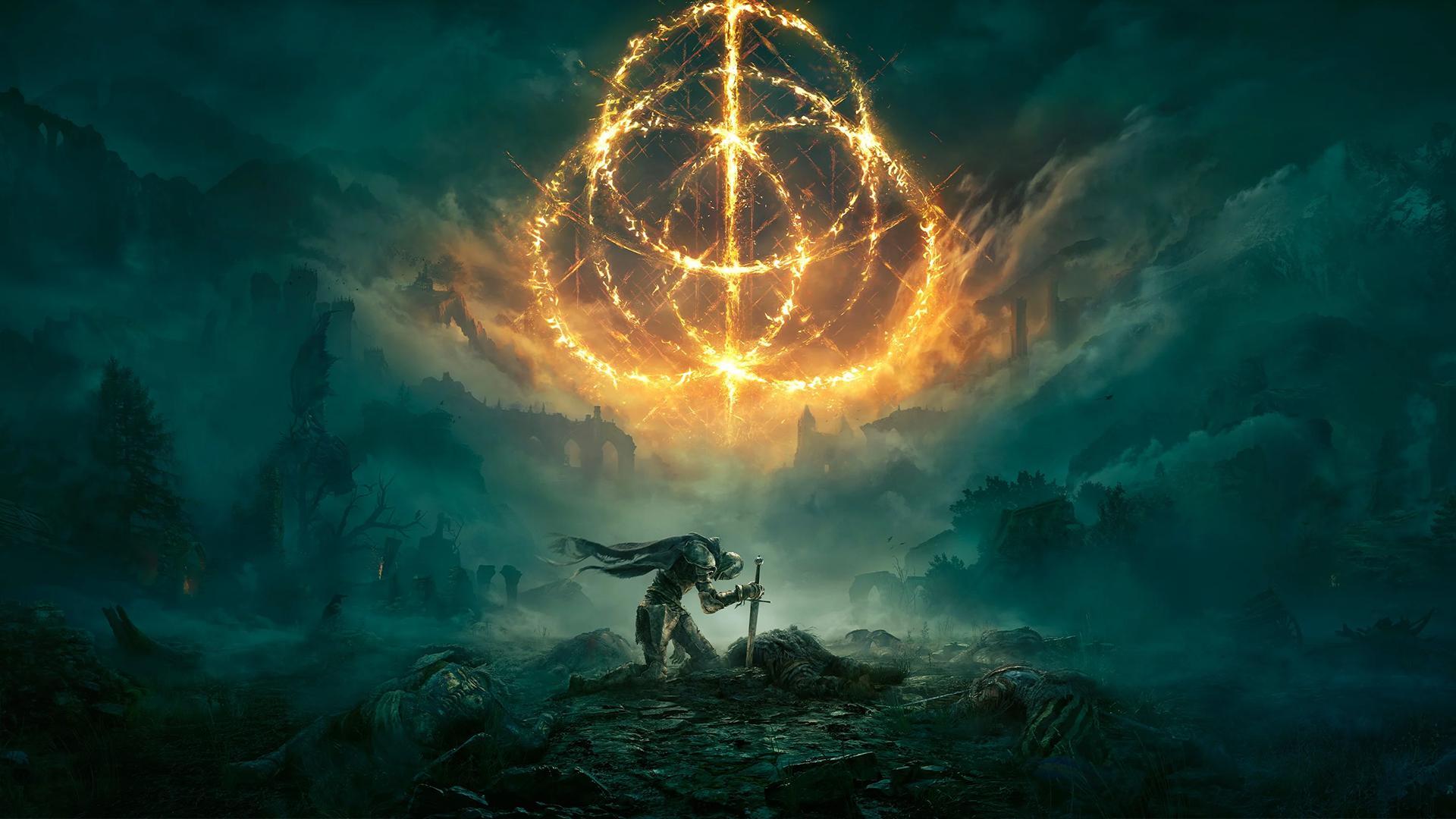
Despite being a more modern title ‘Elden Ring’ retains the cryptic quest design of previous FromSoftware games. Players must explore a massive open world to find NPCs who often give vague hints about their next destination. There is no traditional quest log which makes it easy to forget vital information or miss entire regions of the map. Most players find that using a guide is the only way to see the various character endings and hidden bosses.
‘Braid’ (2008)
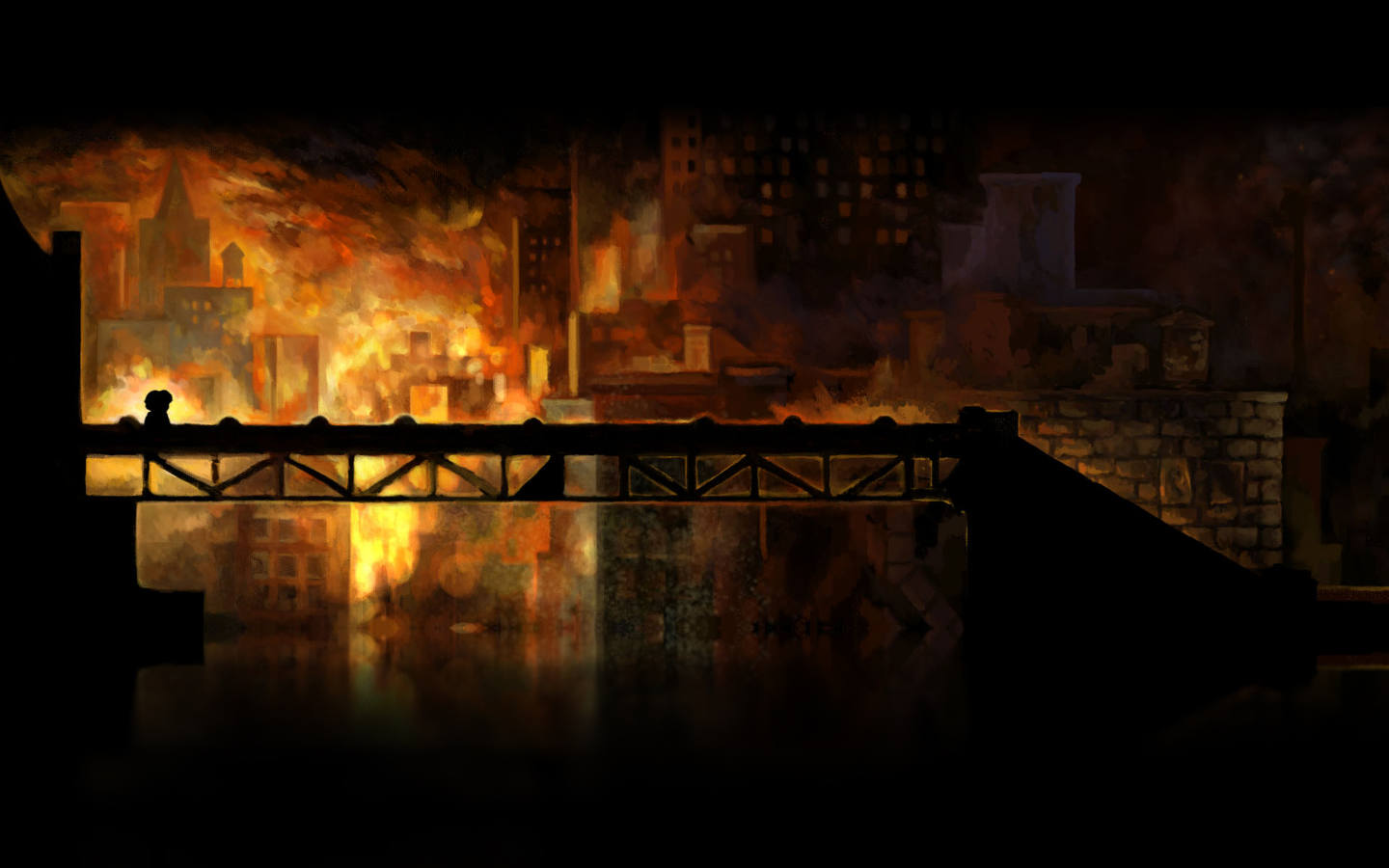
‘Braid’ is a puzzle platformer that uses time manipulation mechanics in very creative ways. While the main levels are challenging the hidden stars are nearly impossible to find without a guide. These stars require players to perform actions like waiting for an hour for a cloud to move across the screen. These secrets were clearly designed for the most dedicated players who were willing to share findings online.
‘Donkey Kong Country 2: Diddy’s Kong Quest’ (1995)
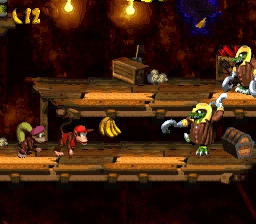
This sequel is packed with hidden collectibles called Kremcoins that are required to unlock the true final boss. These coins are hidden in bonus stages that are often tucked away in invisible pits or behind breakable walls. Finding every single bonus stage across the many levels of Crocodile Isle is a daunting task. Most fans from the nineties remember using a strategy guide to track down the final few coins.
‘Outer Wilds’ (2019)
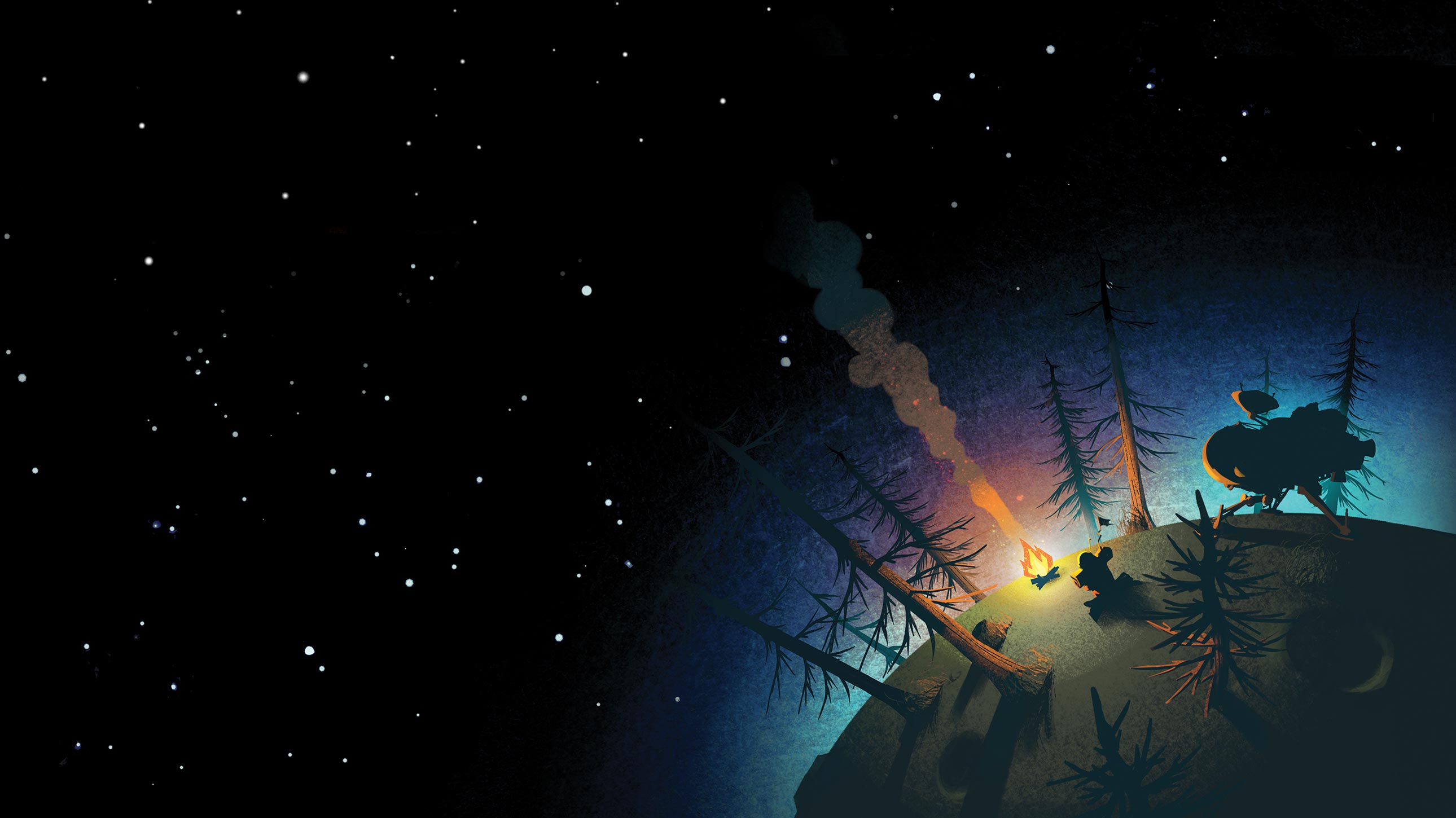
‘Outer Wilds’ is a game about discovery where knowledge is the only form of progression. Players must piece together the history of an ancient race by visiting different planets in a solar system that resets every twenty two minutes. Some locations can only be accessed at specific times or through very specific flight maneuvers. While the game provides a ship log to track clues many players still turn to guides for the more complex navigation puzzles.
‘Police Quest: In Pursuit of the Death Angel’ (1987)
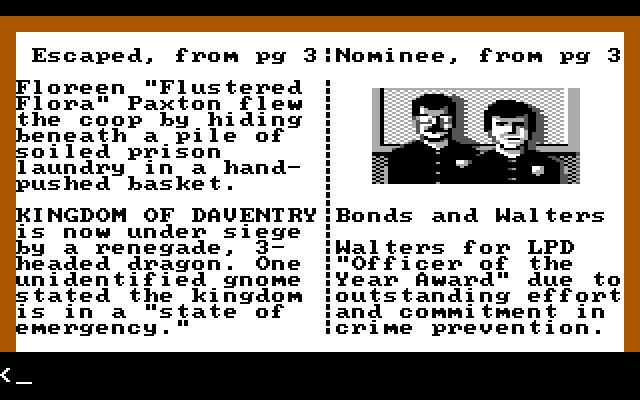
‘Police Quest: In Pursuit of the Death Angel’ required players to follow strict real world police procedures. If a player failed to walk around their car to check the tires or forgot to read a suspect their rights the game would end immediately. These rules were often found only in the physical manual that came with the game. Without that specific documentation the game felt unfair and impossible to complete.
‘Space Quest: The Sarien Encounter’ (1986)
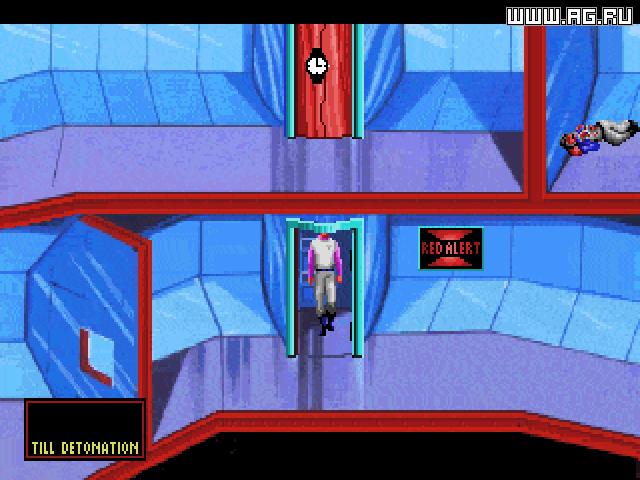
In this sci fi comedy adventure players must escape a spaceship before it explodes. The game features many instant death scenarios and items that must be picked up in the first few rooms to be used much later. If the player misses a specific gadget early on they can reach the end of the game and find themselves unable to win. This design required a lot of trial and error or a guide to ensure all necessary items were collected.
‘Simon the Sorcerer’ (1993)
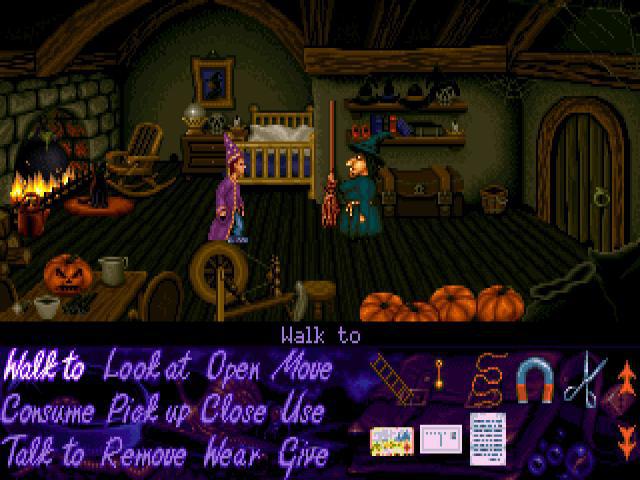
‘Simon the Sorcerer’ is a British adventure game filled with parodies of fantasy tropes and very difficult puzzles. One puzzle involves using a whistle to summon a dog but the conditions for this to work are not clearly explained. Another sequence requires the player to trade items across a series of NPCs in a way that feels random. Like many point and click games of the era it often required a guide to bridge the gap between player logic and game logic.
‘Zak McKracken and the Alien Mindbenders’ (1988)
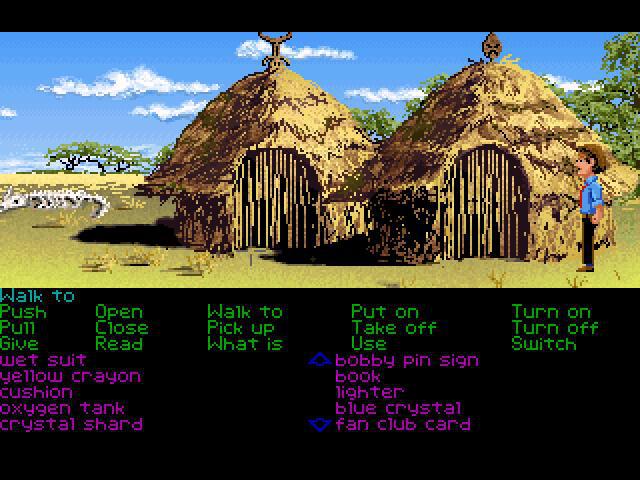
This LucasArts title featured global travel and multiple playable characters which made the puzzles much larger in scope. Players had to manage money and items across different continents while avoiding alien traps. Some puzzles involved using strange tools like a bread roll or a wet suit in very specific ways. The complexity of the world and the potential for losing essential items made it a very difficult game to finish unassisted.
Tell us about the video games that forced you to look for a guide in the comments.