

Video Games With Endings That Ruined The Entire Experience

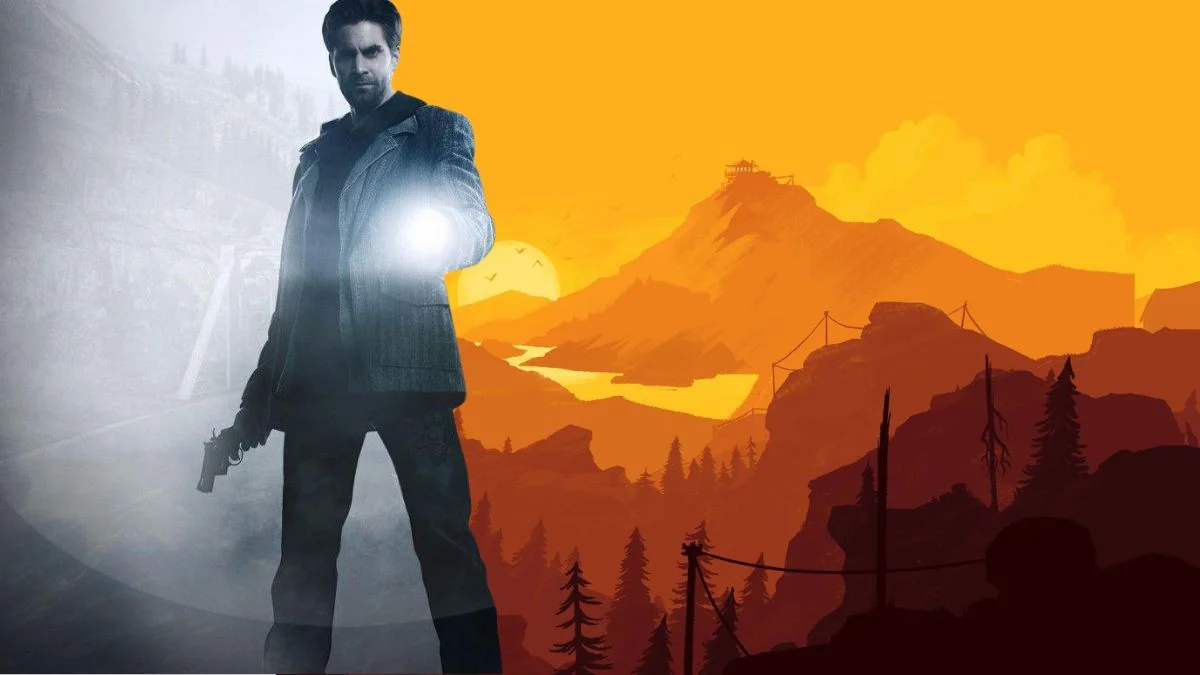


Many video games provide dozens of hours of immersive gameplay and compelling storytelling only to stumble at the finish line. A weak conclusion can leave players feeling that their time and emotional investment were not properly rewarded. These titles often feature mechanics or narratives that build significant momentum before delivering an ending that feels abrupt or illogical. Disappointing finales sometimes negate the choices made by the player throughout the journey. This list explores several notable examples of games where the final moments left a lasting negative impression on the community.
‘Mass Effect 3’ (2012)
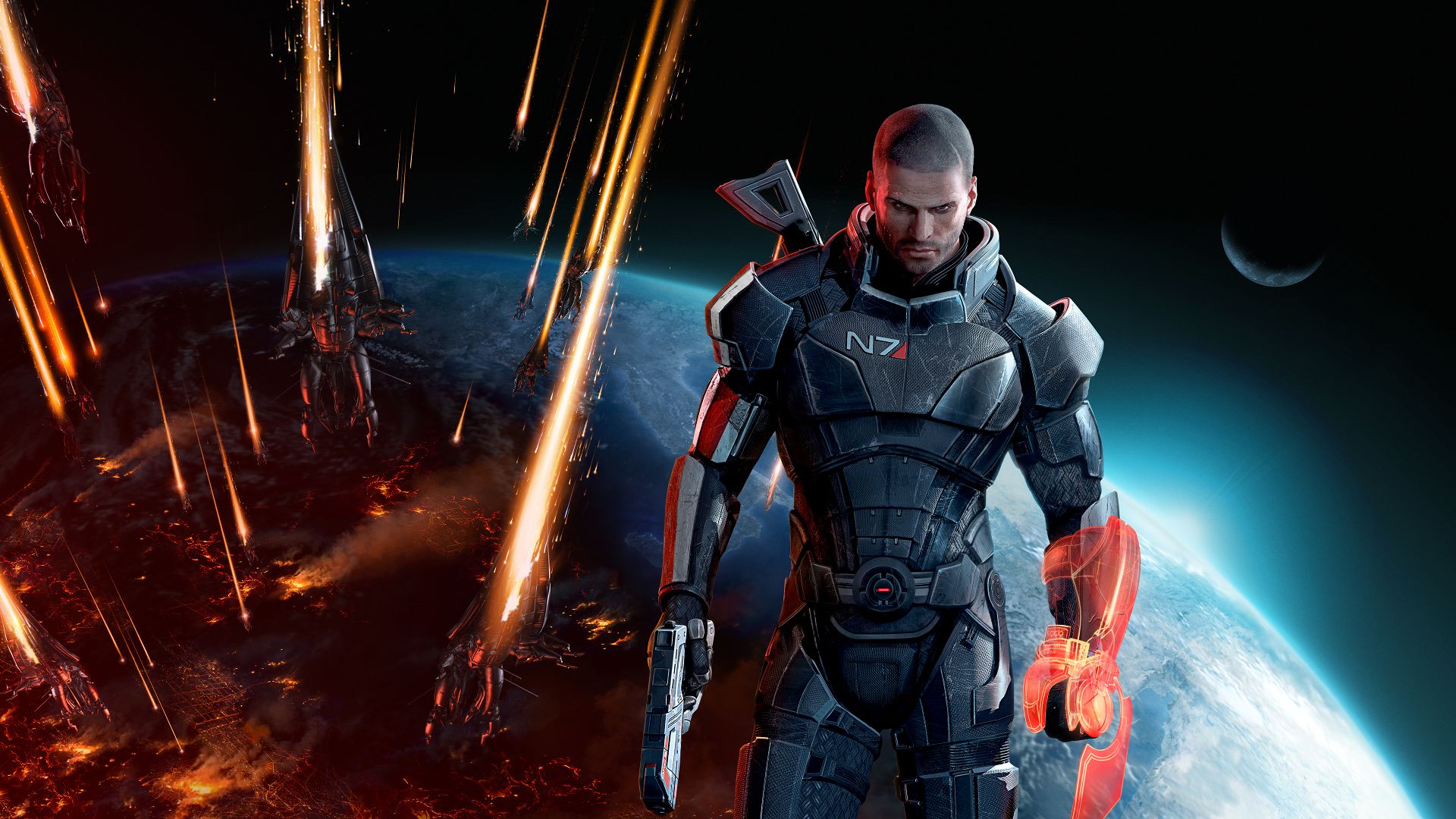
The conclusion to the trilogy presented players with a choice between three paths that determined the fate of the galaxy. Many fans felt the choices made throughout the previous games had little impact on the final outcome. The original release lacked a clear explanation for the consequences of the decision made by Commander Shepard. Developers eventually released an extended cut to address the confusion and provide more closure for the characters. This remains one of the most debated finales in the history of interactive storytelling.
‘BioShock Infinite’ (2013)
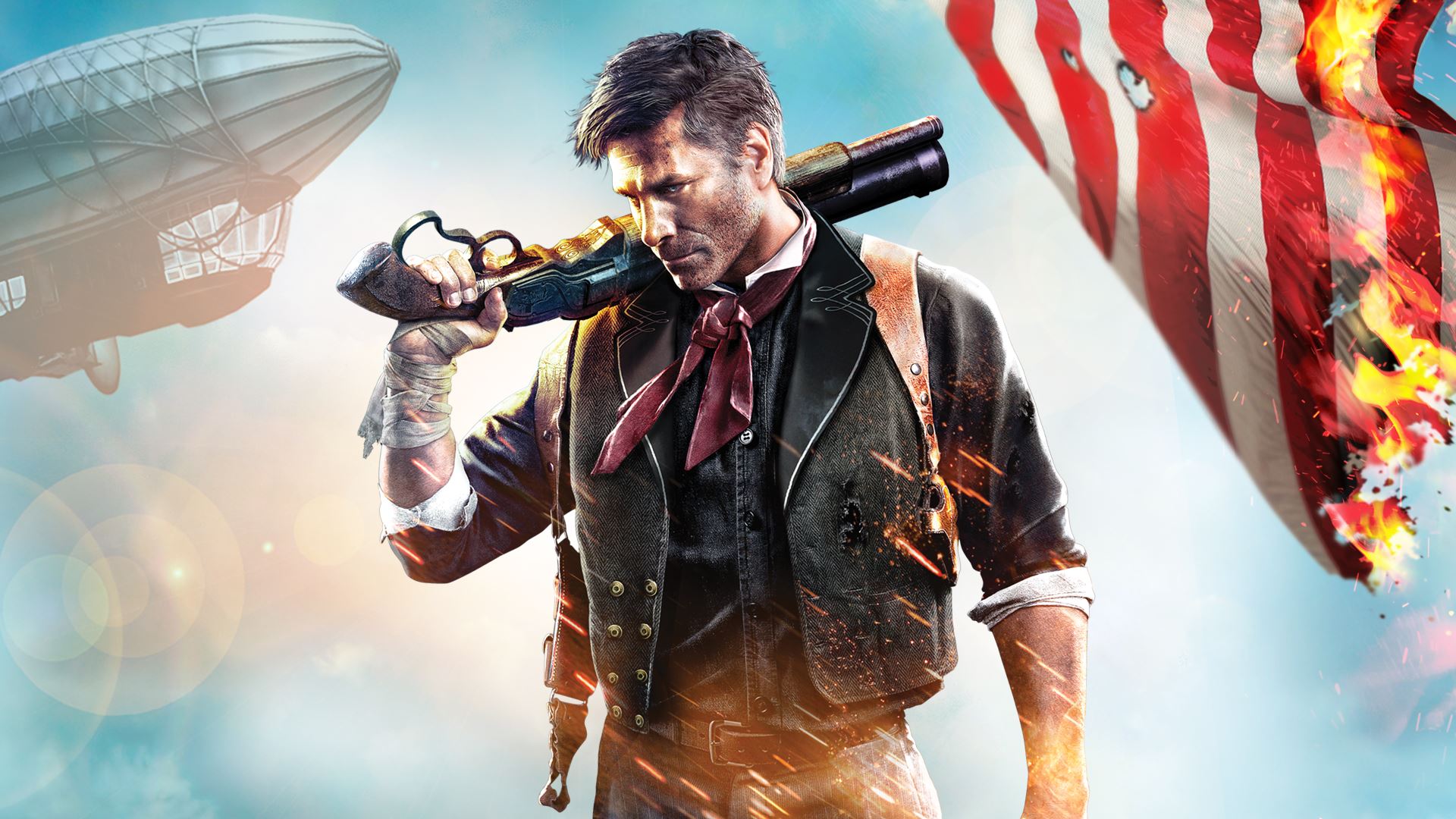
The story concludes with an exploration of parallel universes and the true identity of the protagonist. Some players found the complex time travel mechanics and multiversal shifts too confusing to follow clearly. The final revelation recontextualized the entire journey of Booker DeWitt and Elizabeth in a way that left many feeling disconnected. Critics argued that the ending of ‘BioShock Infinite’ prioritized shock value over a satisfying narrative resolution for the main characters.
‘Fallout 3’ (2008)
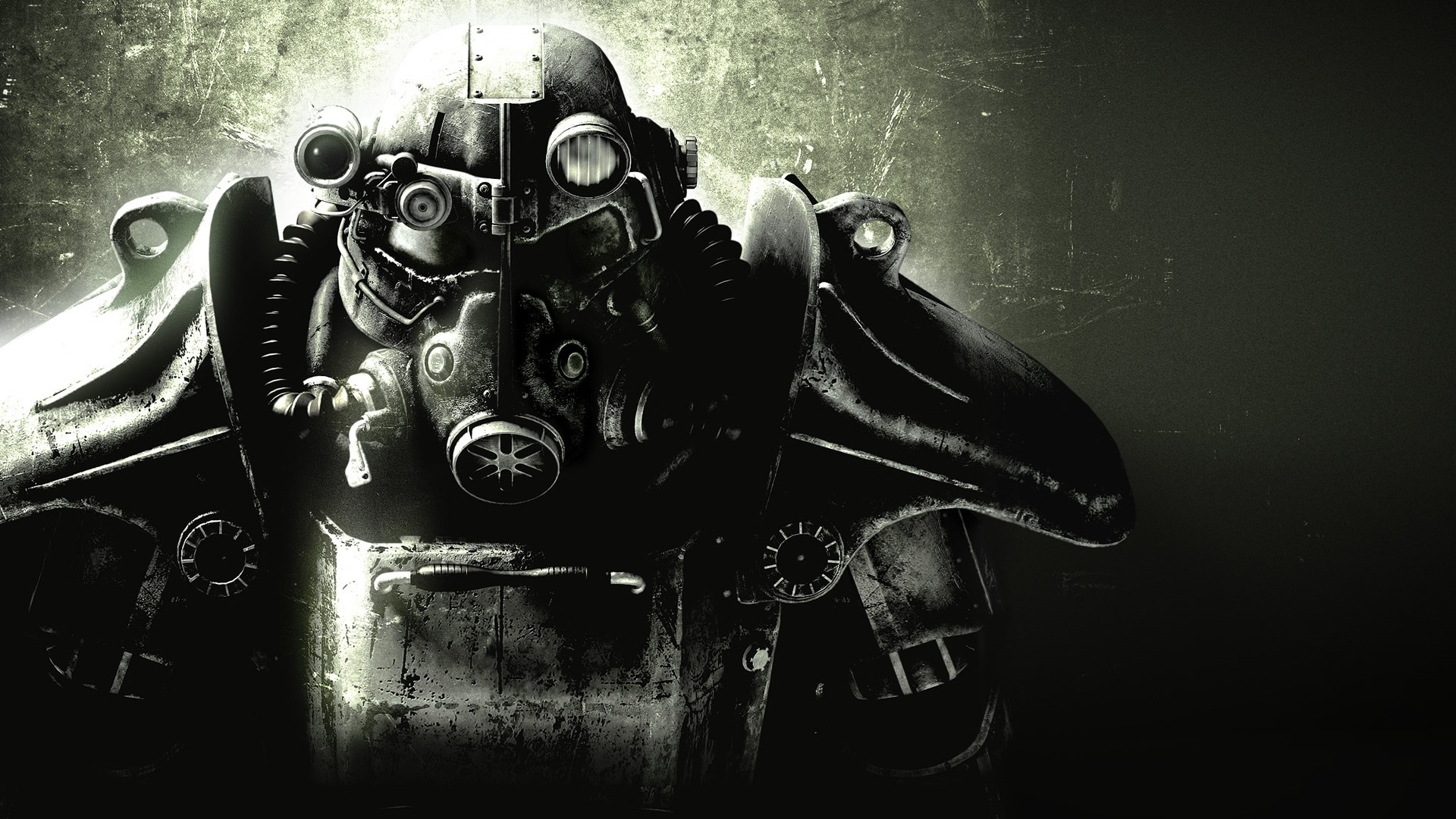
The original ending required the player character to sacrifice themselves in a radioactive chamber even if they had companions immune to radiation. Fans were frustrated that characters like Fawkes the mutant refused to help despite their natural resistance to the environment. This logical inconsistency broke the immersion for many players who had spent hours exploring the wasteland. Bethesda later released the Broken Steel expansion to allow the story to continue past this point.
‘Borderlands’ (2009)
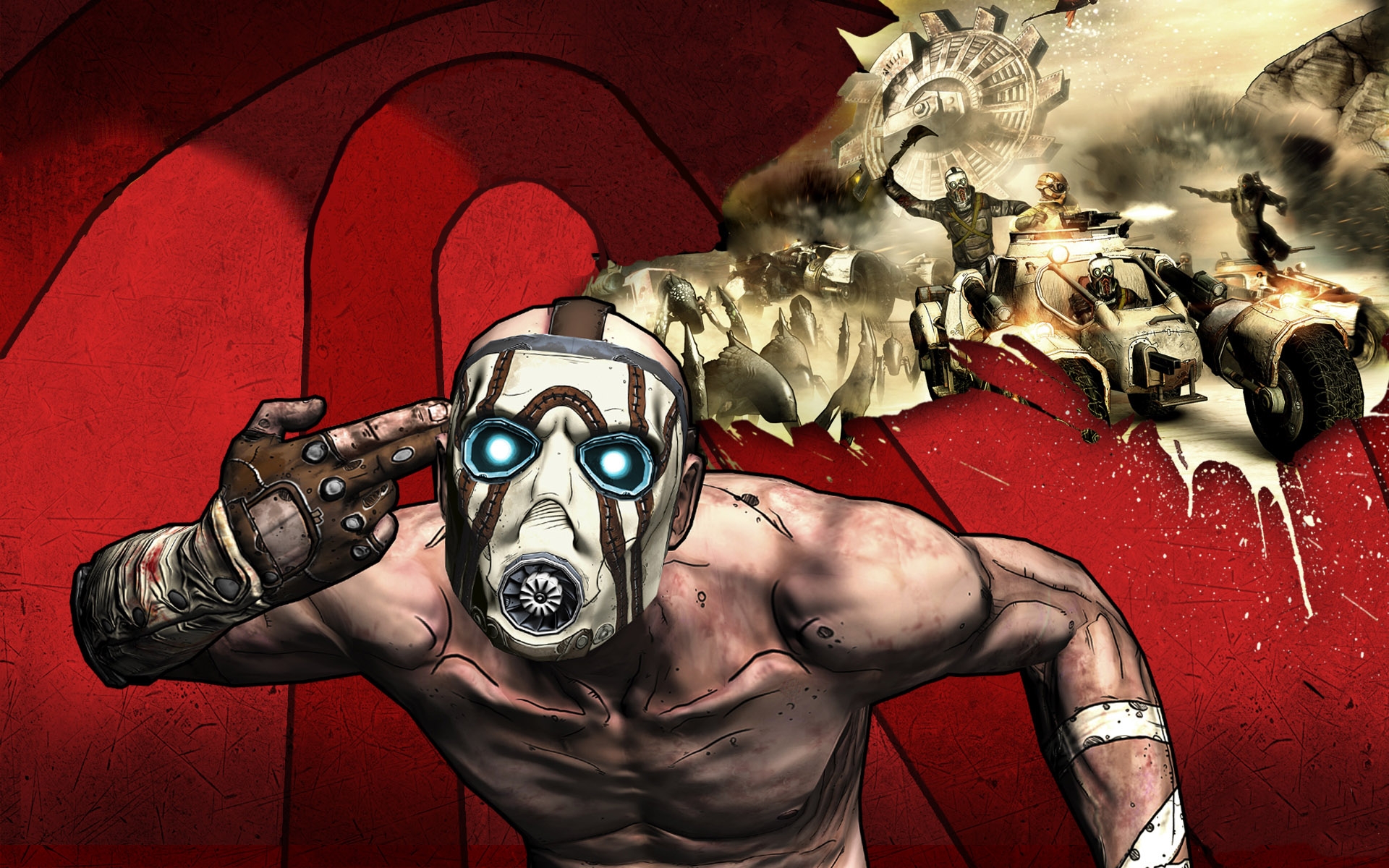
The entire game revolves around opening a legendary vault filled with untold treasures and alien technology. When the protagonists finally reach the destination they find a giant monster instead of loot. The boss fight ends with the vault closing for another two hundred years which left players with a sense of emptiness. Many felt the lack of tangible rewards in ‘Borderlands’ after such a long journey was a major letdown.
‘Fable II’ (2008)
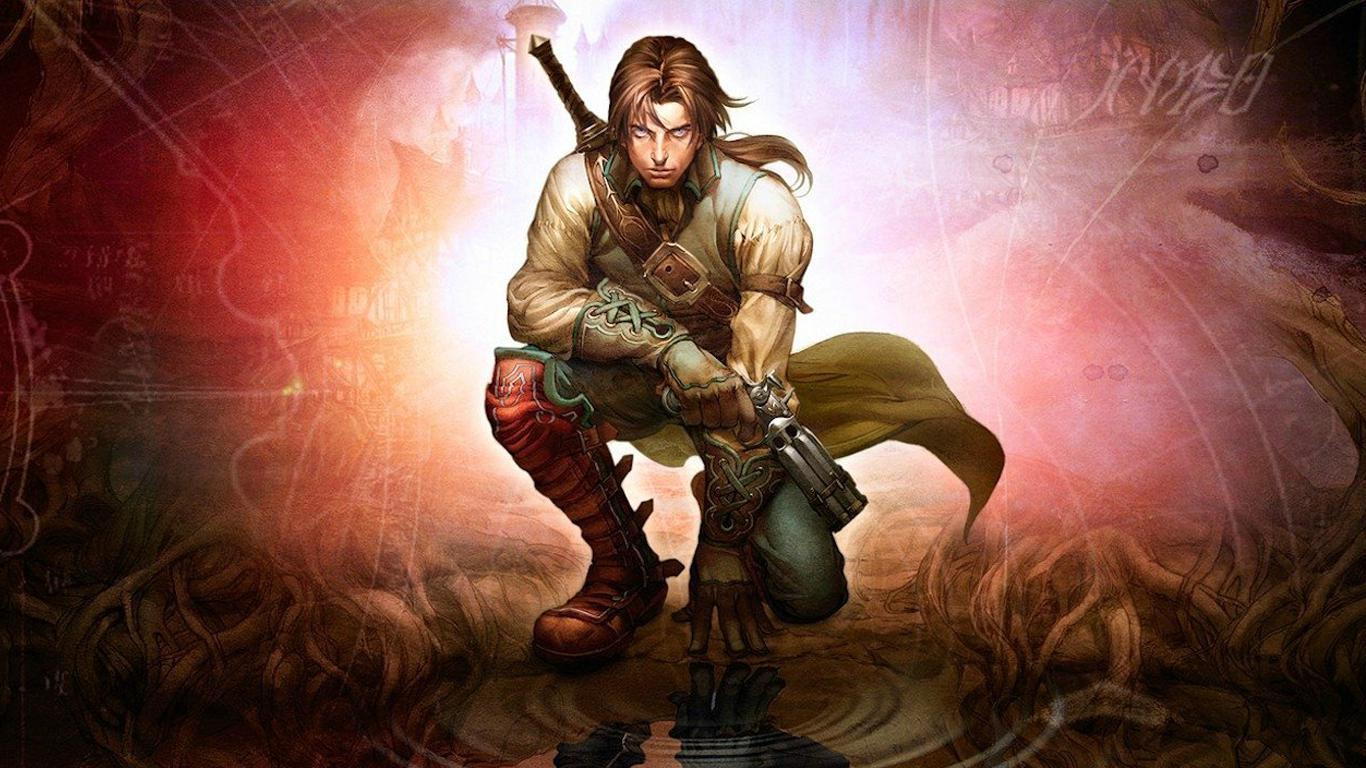
The final confrontation with the primary antagonist does not involve a traditional boss fight or test of skill. Players can defeat the villain with a single button press or even wait for an NPC to do it for them. This lack of a climactic struggle felt underwhelming after hours of building up character strength. The choice provided at the very end also felt restrictive to some who wanted more varied outcomes.
‘No Man’s Sky’ (2016)
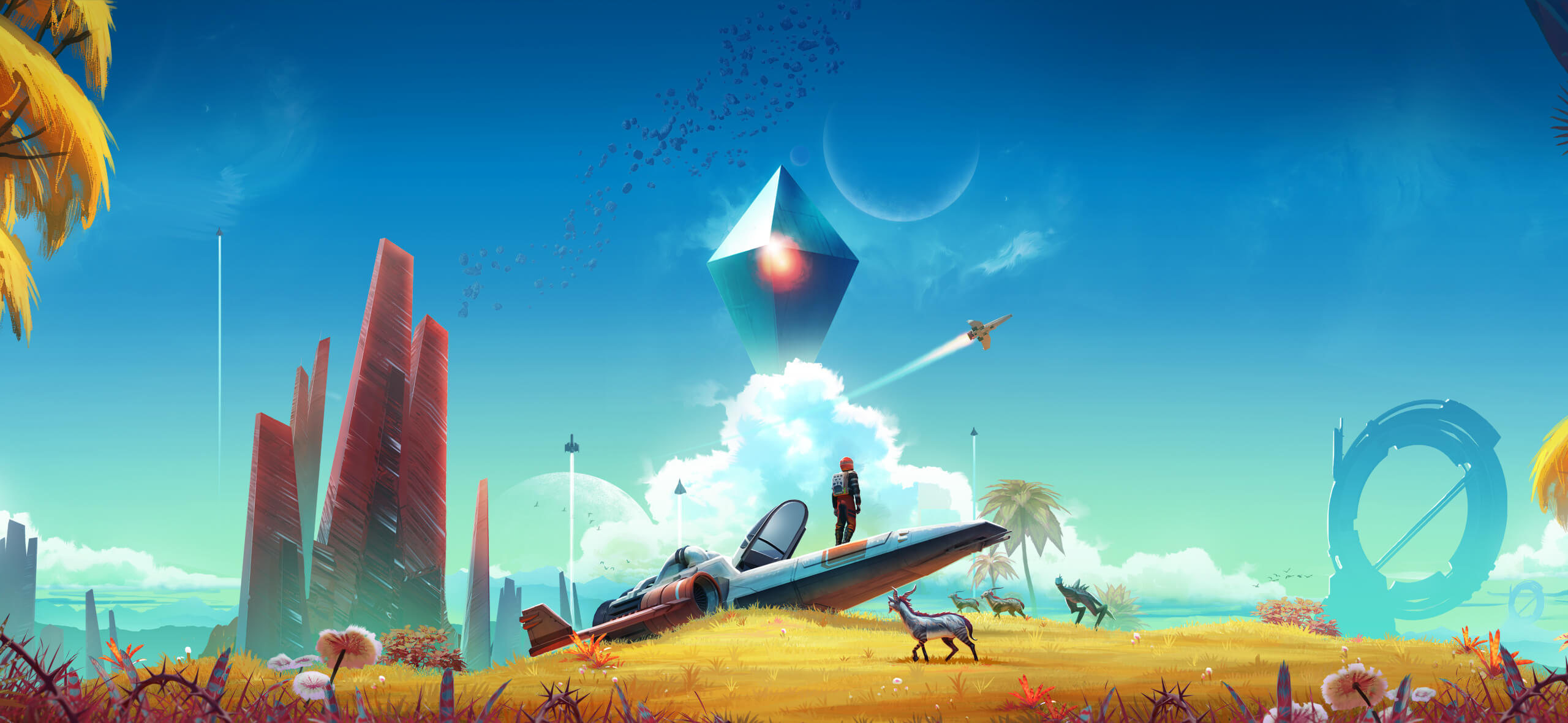
Reaching the center of the galaxy was the primary goal presented to players at the launch of the game. Upon arrival the screen simply zoomed out and restarted the player in a new galaxy with broken equipment. There was no narrative payoff or unique discovery to reward the massive journey across space. This cyclical ending contributed to the early backlash regarding the lack of meaningful content in the universe.
‘Batman Arkham Knight’ (2015)
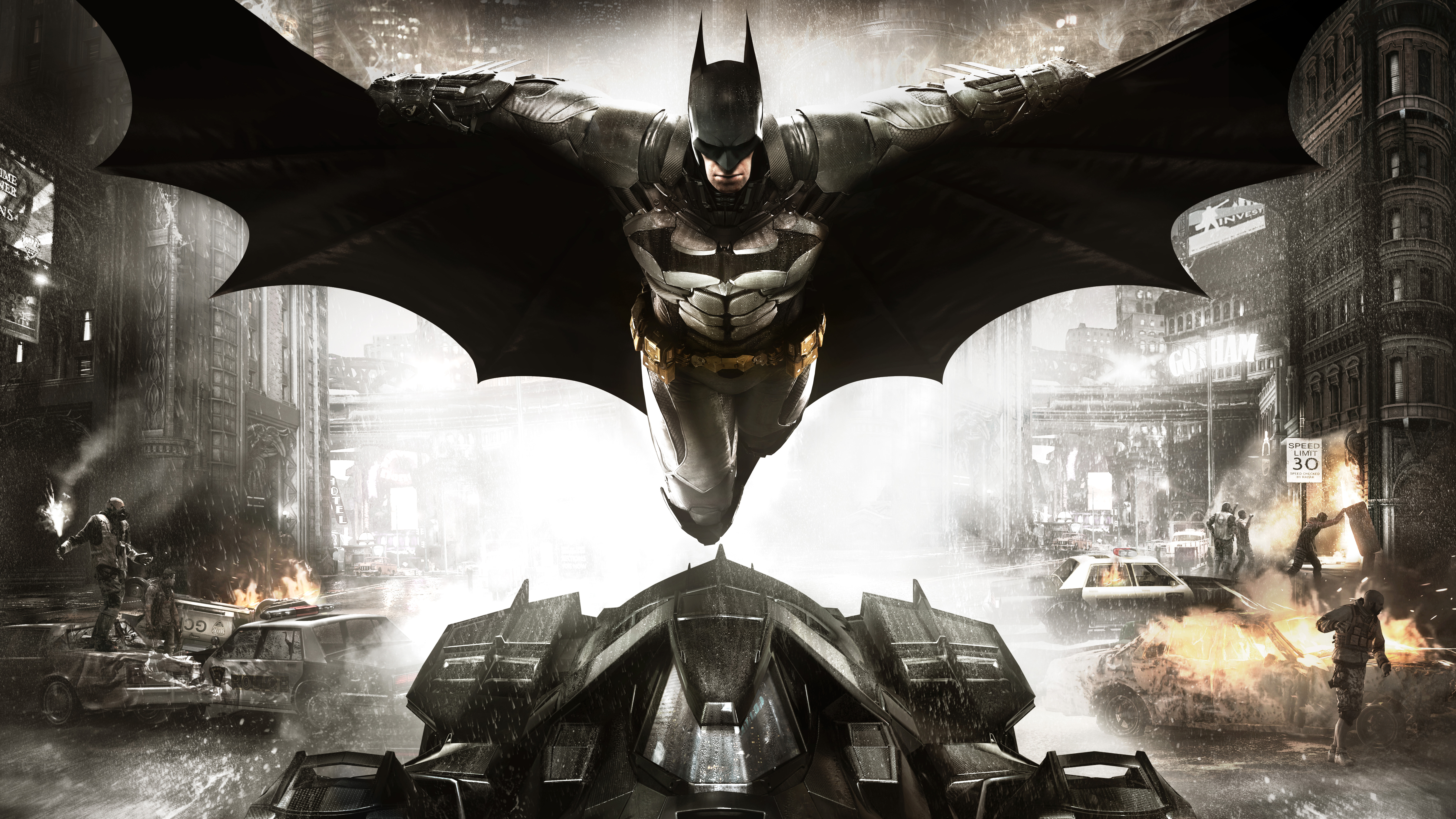
The game requires the player to achieve one hundred percent completion to see the true ending of the story. This involves collecting hundreds of Riddler trophies which many found to be a tedious and repetitive chore. Those who did not finish every side quest were left with an abrupt and incomplete conclusion to the trilogy. The final cinematic also left the ultimate fate of Batman ambiguous in a way that divided the fanbase.
‘Assassin’s Creed III’ (2012)
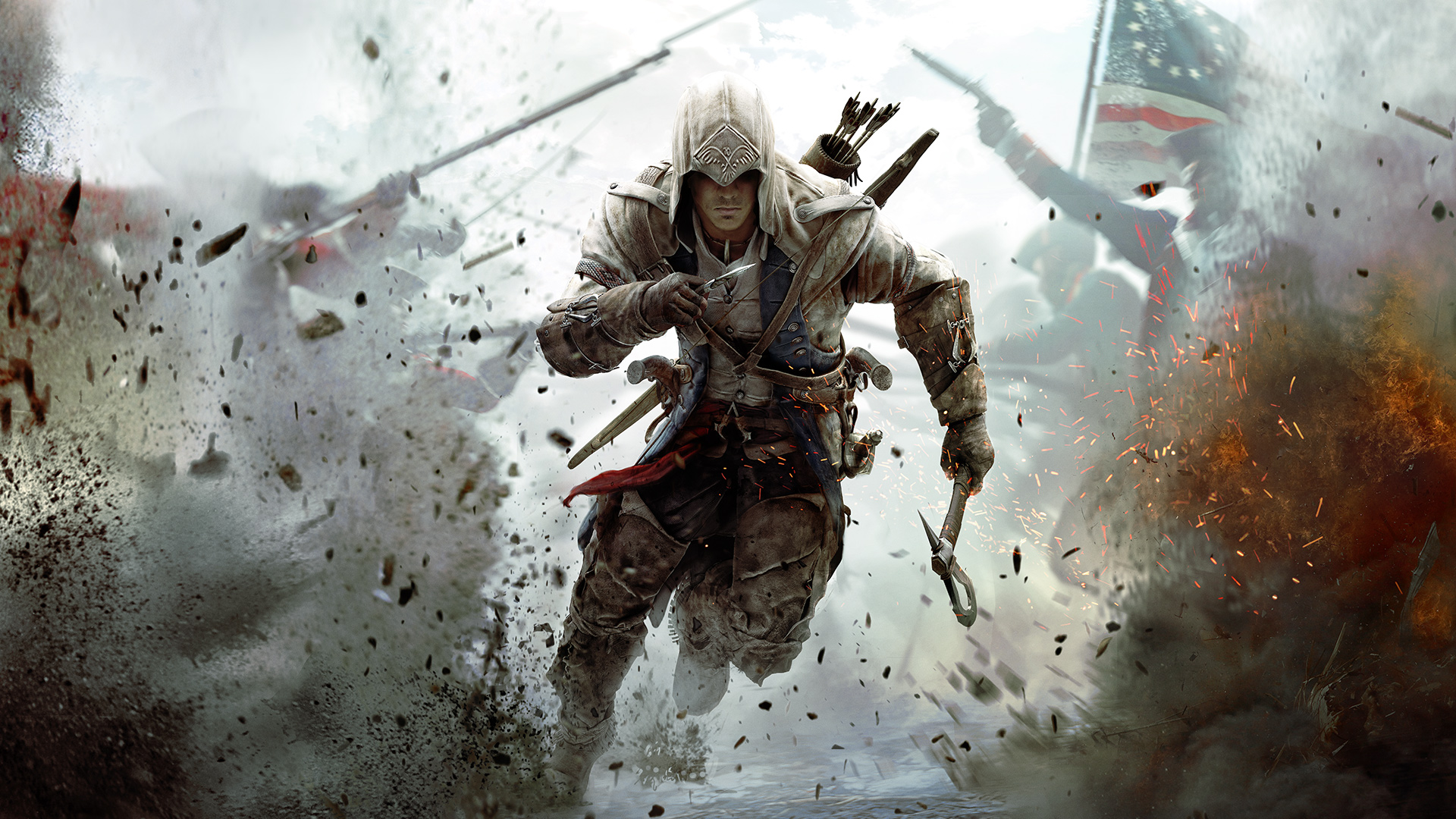
The modern day storyline involving Desmond Miles reached a conclusion that many fans found unsatisfactory. The protagonist makes a sudden sacrifice that felt rushed and disconnected from the historical narrative of Connor. This decision ended the long running overarching plot in a way that seemed to lack proper weight. Many players felt the series lost its narrative focus after the events of ‘Assassin’s Creed III’.
‘Half Life 2 Episode Two’ (2007)
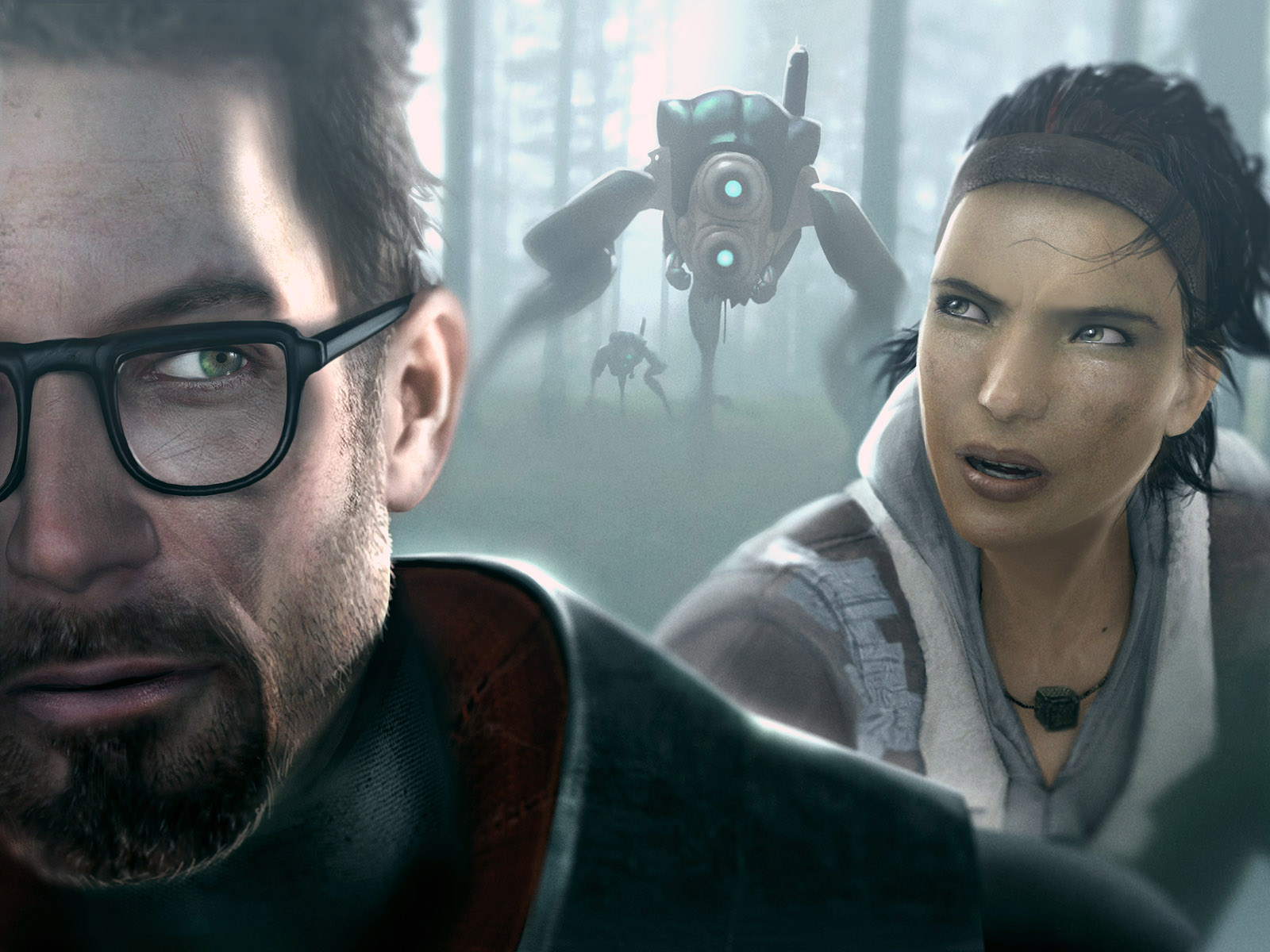
This title ends on a massive cliffhanger that has remained unresolved for over a decade. The death of a major character and the arrival of a new threat set the stage for a sequel that never arrived. While the scene itself was emotionally powerful it left the entire franchise in a state of permanent limbo. Fans have spent years hoping for a resolution to the story threads left hanging in the air.
‘Halo 2’ (2004)
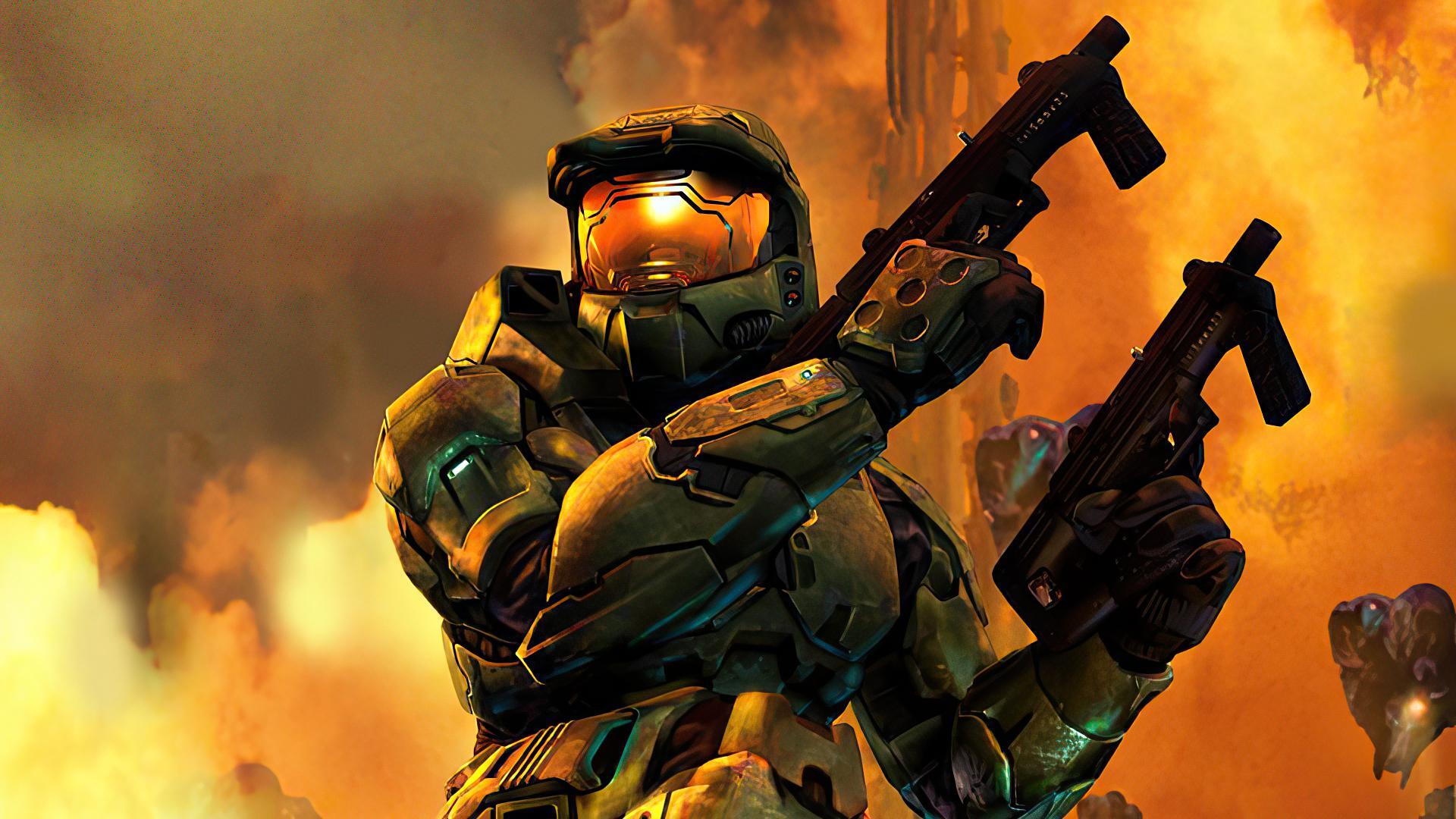
The game famously ends just as the Master Chief returns to Earth to finish the fight against the Covenant. Players were shocked when the credits rolled right before what appeared to be the final battle. This cliffhanger was widely criticized for feeling like half of a complete story. It took three more years for fans to see the actual conclusion of the conflict in the next numbered entry.
‘Metal Gear Solid V The Phantom Pain’ (2015)
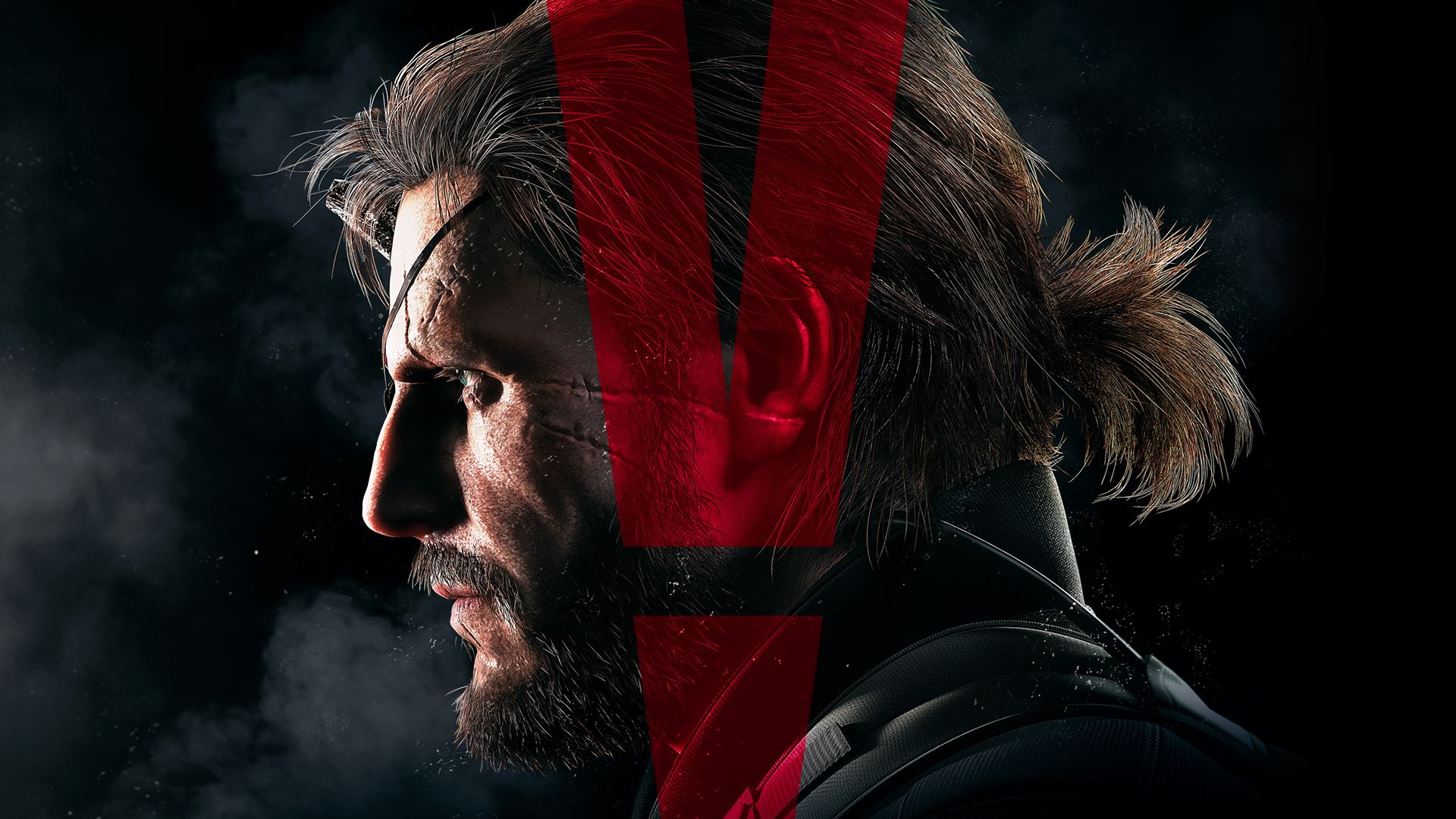
The narrative of this ambitious stealth game remains unfinished due to a troubled development cycle. Players discovered that an entire final act was missing from the game leaving several character arcs without resolution. The twist ending regarding the identity of Venom Snake was also polarizing among longtime fans of the series. This resulted in a masterpiece of gameplay that feels narratively hollow in its closing hours.
‘Indigo Prophecy’ (2005)
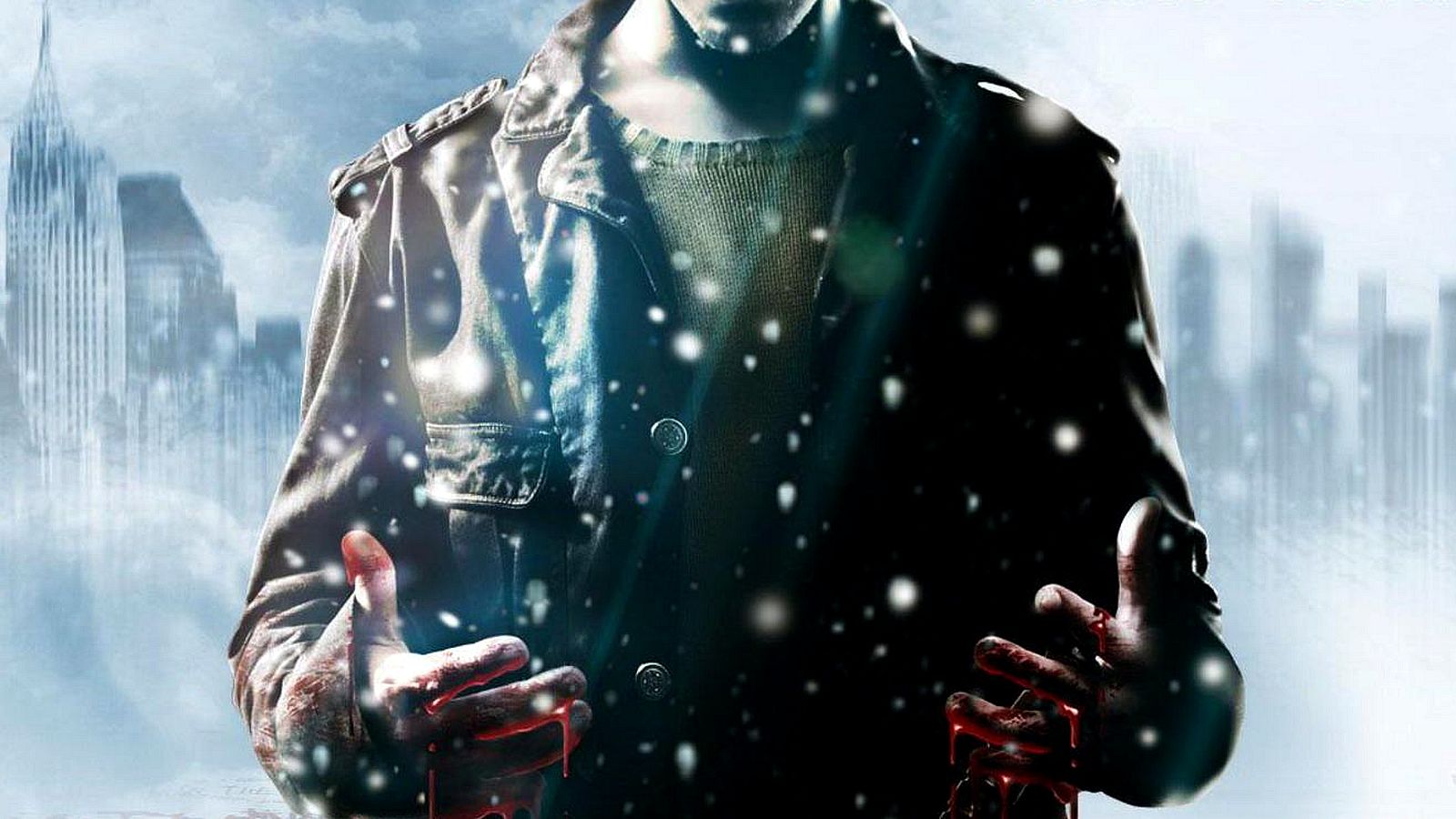
The game starts as a grounded supernatural murder mystery before descending into total absurdity in the final acts. The inclusion of ancient cults and matrix style action sequences felt completely out of place given the initial tone. Characters fall in love and gain superpowers with very little development or explanation. Many players felt the story of ‘Indigo Prophecy’ lost its way and became a confusing mess.
‘Star Wars Knights of the Old Republic II’ (2004)
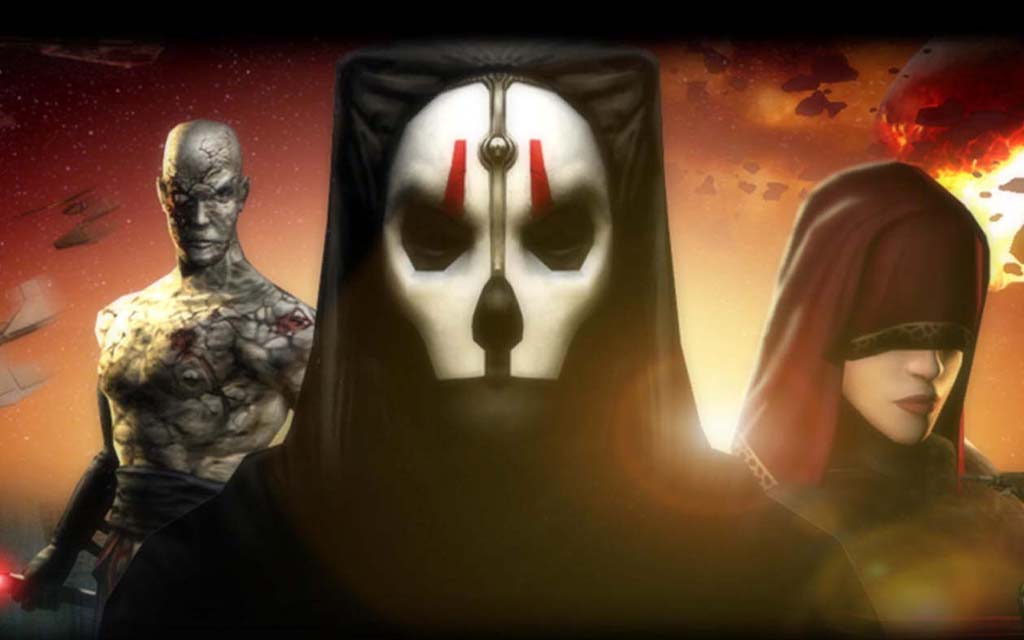
Due to a rushed development schedule the ending of this role playing game felt fragmented and incomplete. Many characters simply disappear from the narrative without any explanation of their final fates. Players were left wandering through an empty final location that lacked the depth found in the rest of the game. A fan made restoration mod eventually fixed many of these issues but the original release was deeply flawed.
‘Shenmue II’ (2001)
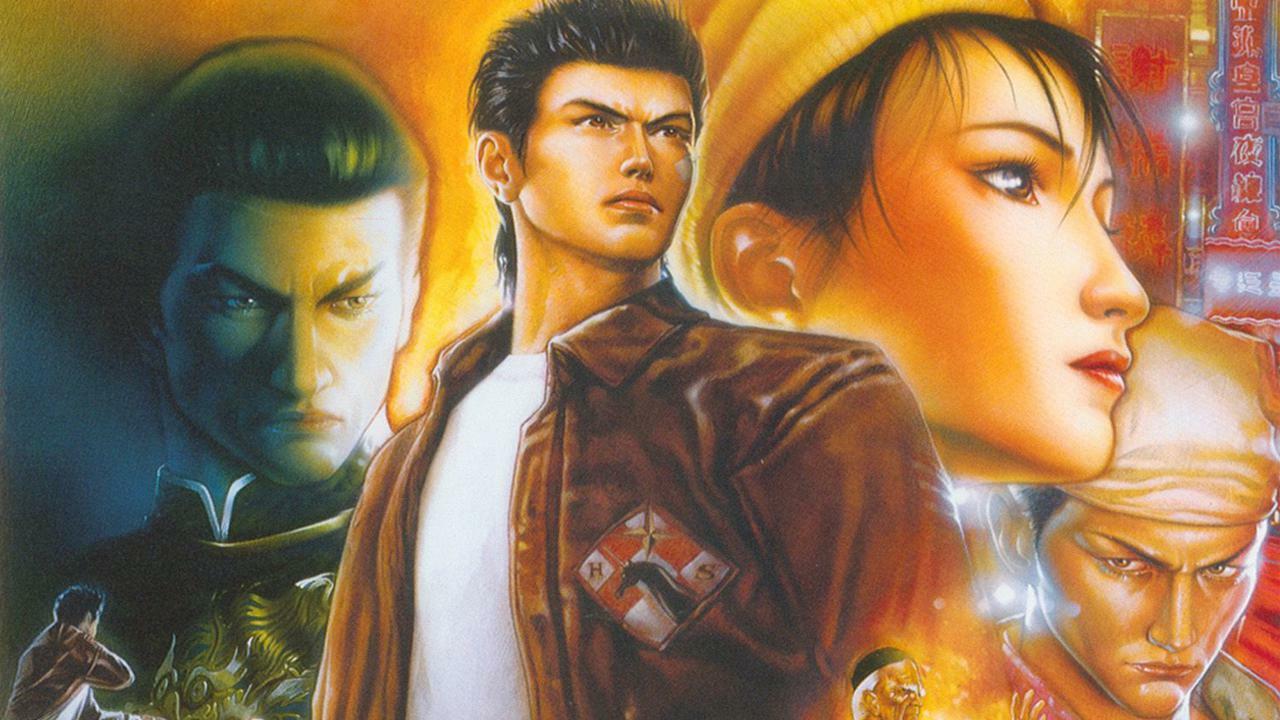
The story concludes with Ryo Hazuki finally reaching a remote village in China only for the game to end on a mystical note. After two games of searching for his father’s killer the protagonist is no closer to achieving his goal. The slow pace and lack of resolution frustrated many who had invested heavily in the journey. It would take nearly twenty years for the story to continue in a third installment.
‘Dead Space 3’ (2013)
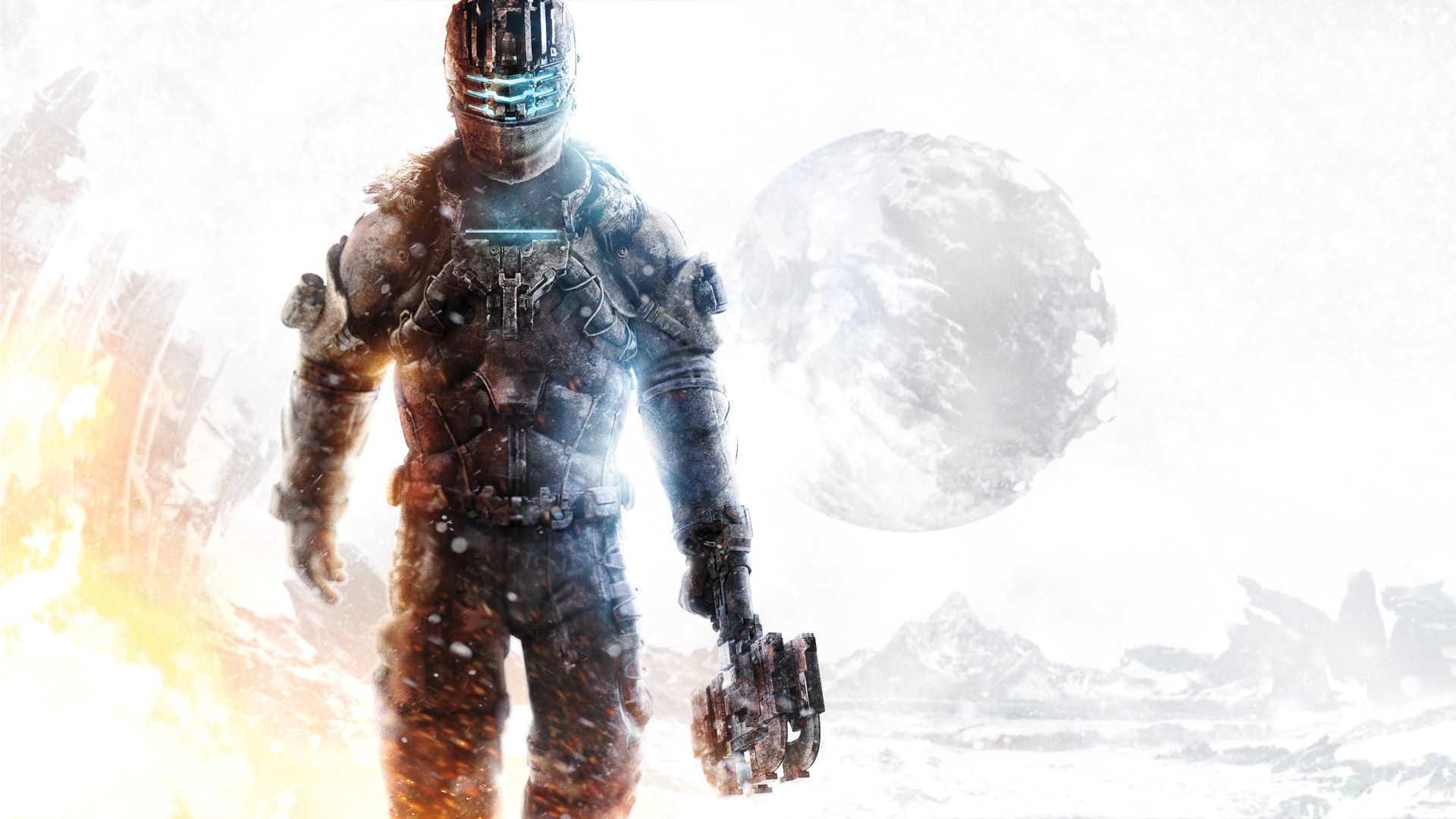
The narrative takes a turn toward grand scale cosmic horror that some fans felt moved too far away from the series roots. The final battle involves a moon sized creature and a resolution that seemed to kill off the main characters. A later piece of downloadable content revealed an even bleaker ending that many felt was unnecessary. This conclusion marked a significant departure from the intimate survival horror of the first two games.
‘L.A. Noire’ (2011)
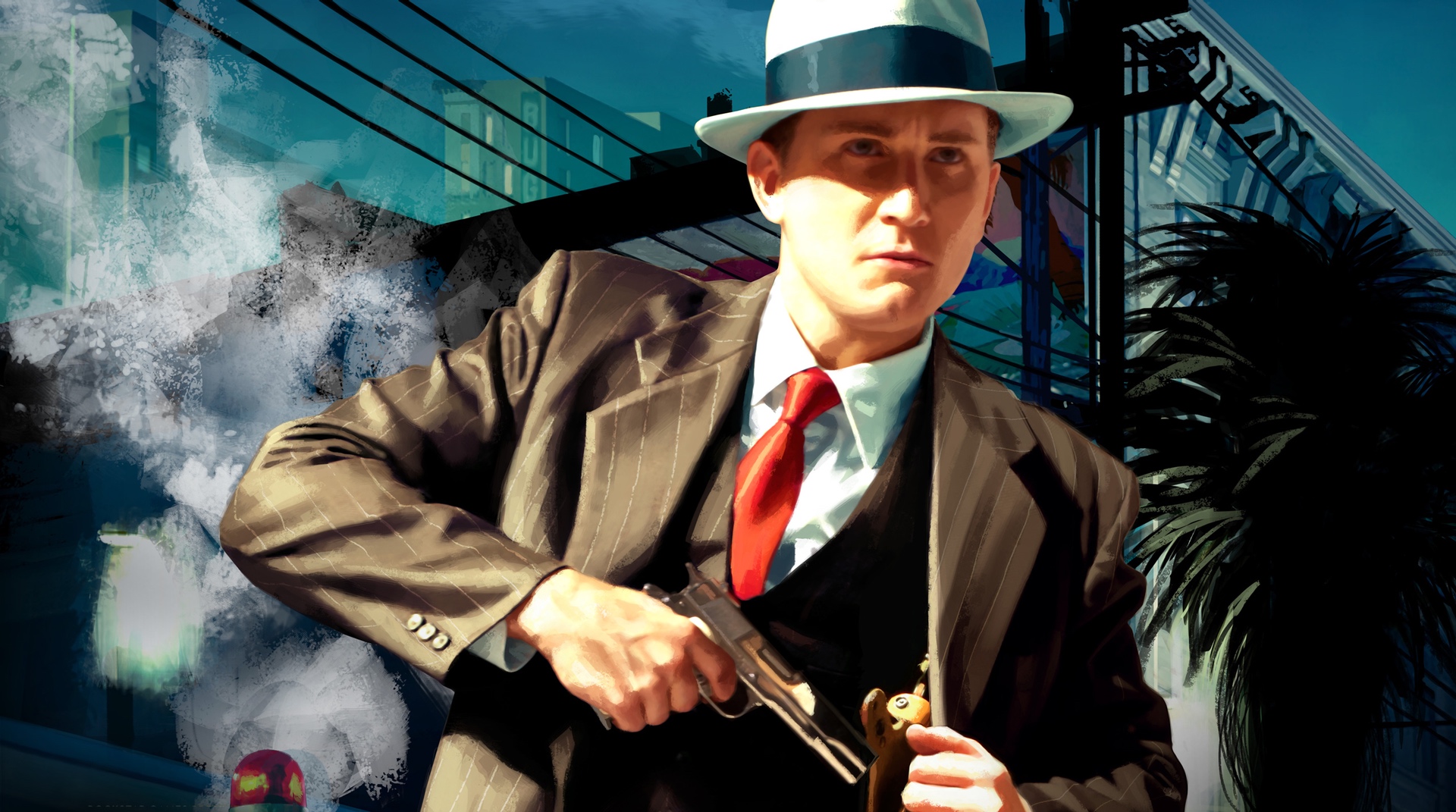
The protagonist Cole Phelps meets a sudden and tragic end in a sewer system during the final mission. Many players felt this death was unceremonious and did not fit the arc of the character. The shift in focus to a different playable character during the finale also disrupted the connection to the story. This choice left a bitter taste for those who wanted a more traditional noir resolution for the lead detective.
‘Far Cry 5’ (2018)
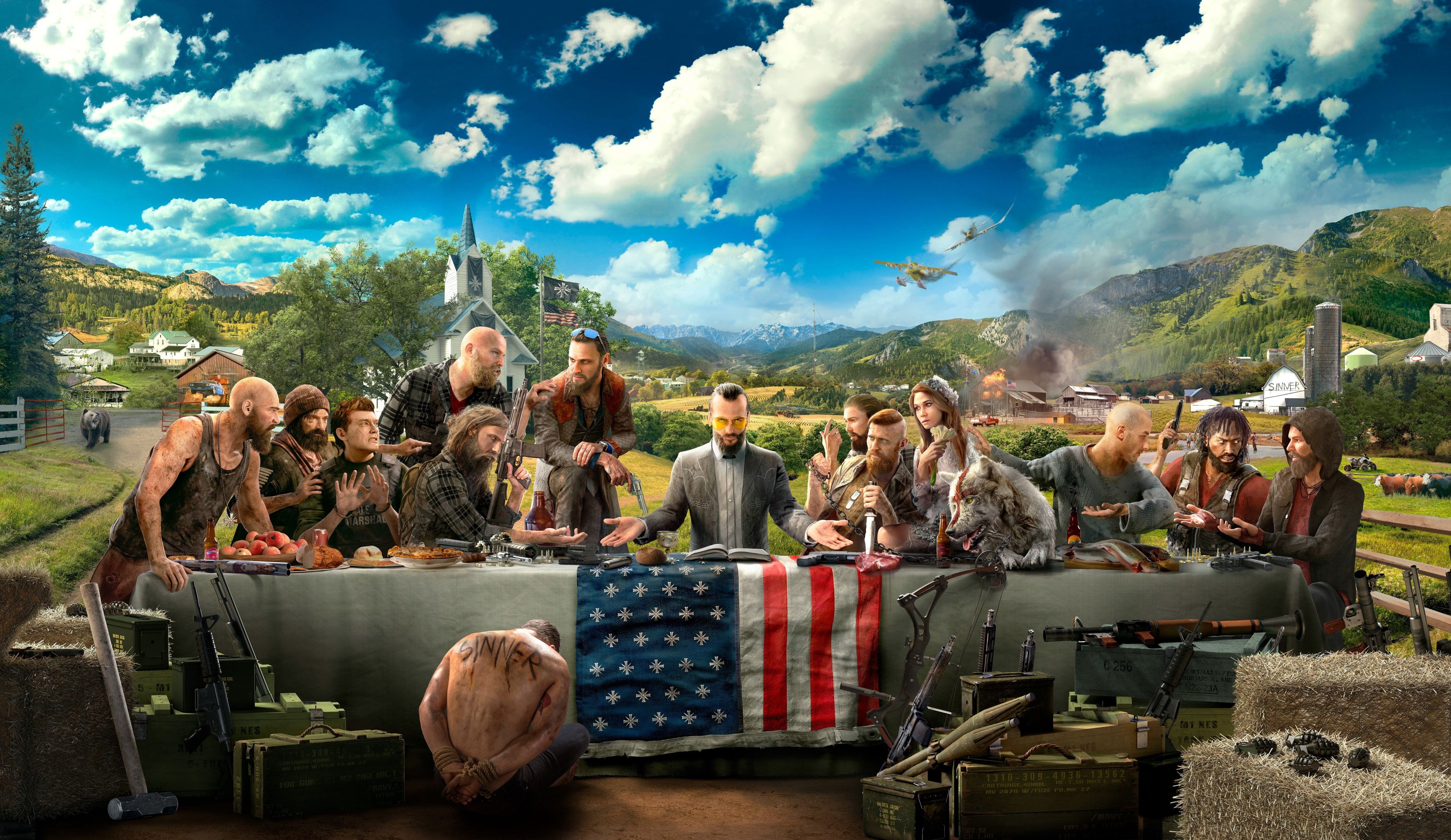
The game ends with a nuclear apocalypse that renders the entire struggle against the cult leader seemingly pointless. No matter what choices the player makes the world is destroyed and the villain ultimately wins. This nihilistic conclusion frustrated players who had spent dozens of hours trying to save the region. Many felt the ending of ‘Far Cry 5’ was forced to set up the events of the subsequent spin off title.
‘Deus Ex Mankind Divided’ (2016)
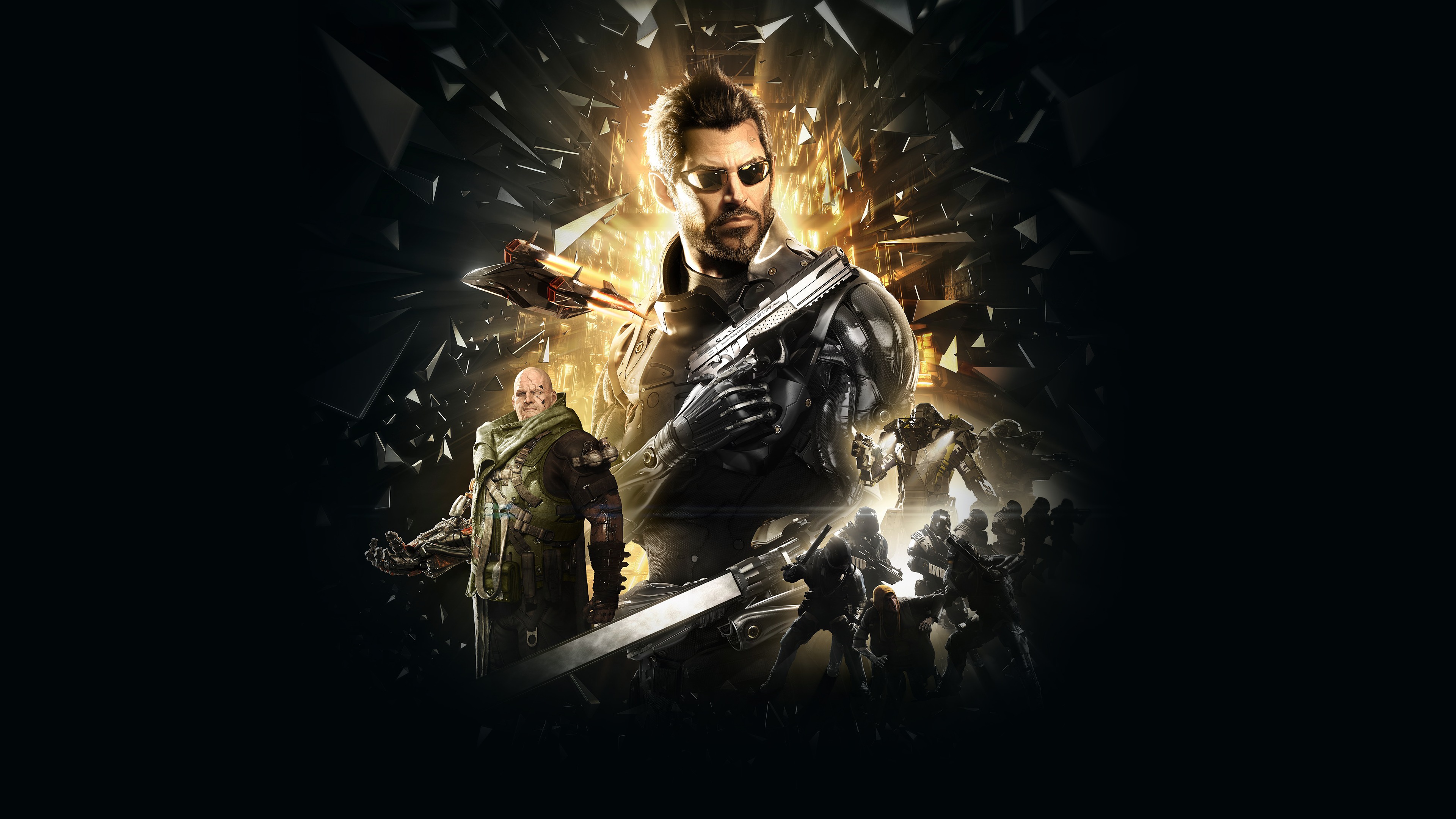
The story of Adam Jensen comes to a sudden halt just as the central conspiracy begins to unfold. The game ends after a single boss fight that feels like it should have been the midpoint of the journey. Many plot threads are left dangling and several major villains are never actually confronted. This left the impression that ‘Deus Ex Mankind Divided’ was only half of a planned story.
‘Rage’ (2011)
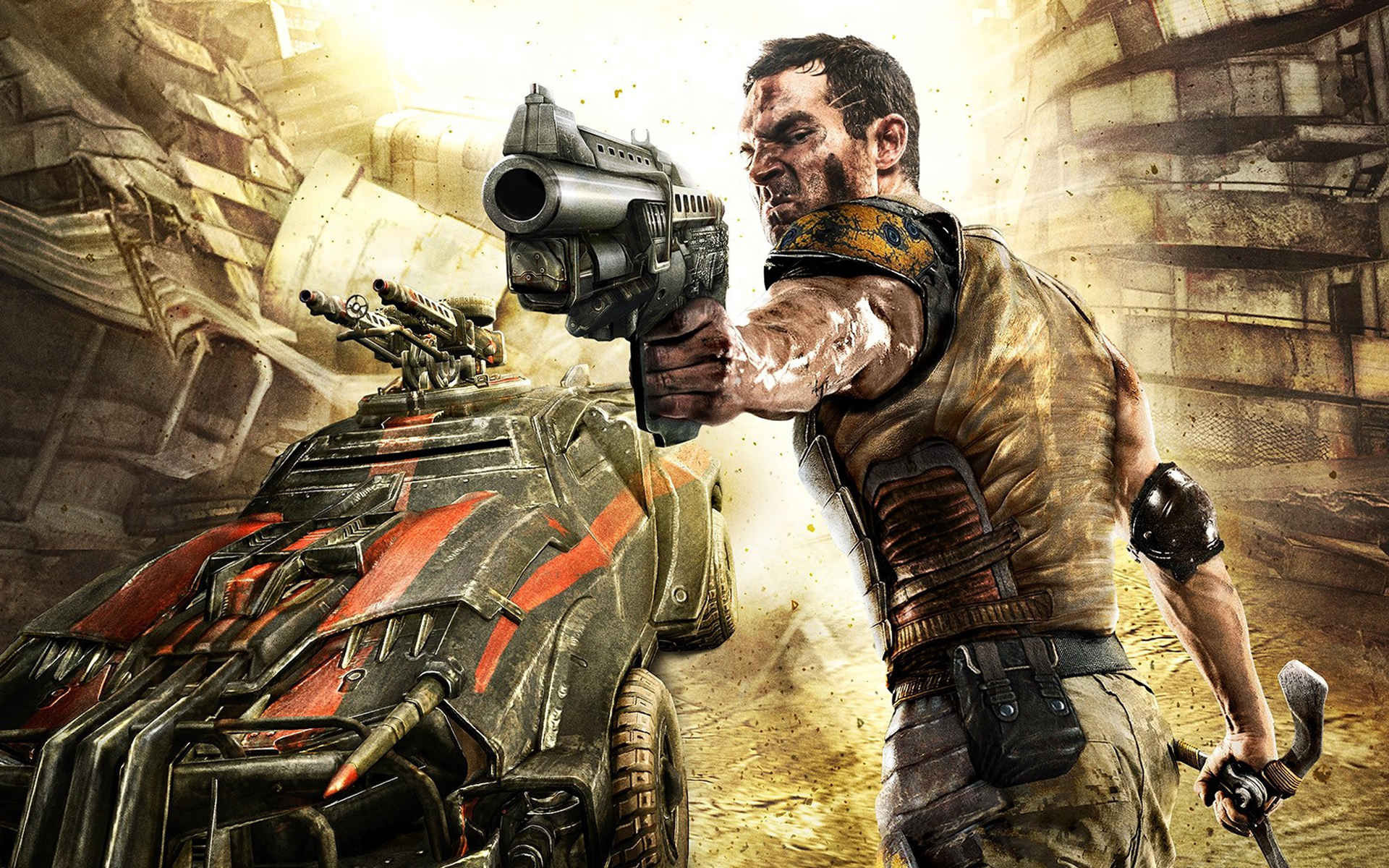
The final mission of this post apocalyptic shooter ends with the player pressing a button to activate a satellite. There is no final boss or major combat encounter to test the skills of the player. After the button is pressed a short cinematic plays and the game abruptly returns to the main menu. This lack of a meaningful climax made the entire experience feel unfinished to many fans.
‘Dying Light’ (2015)
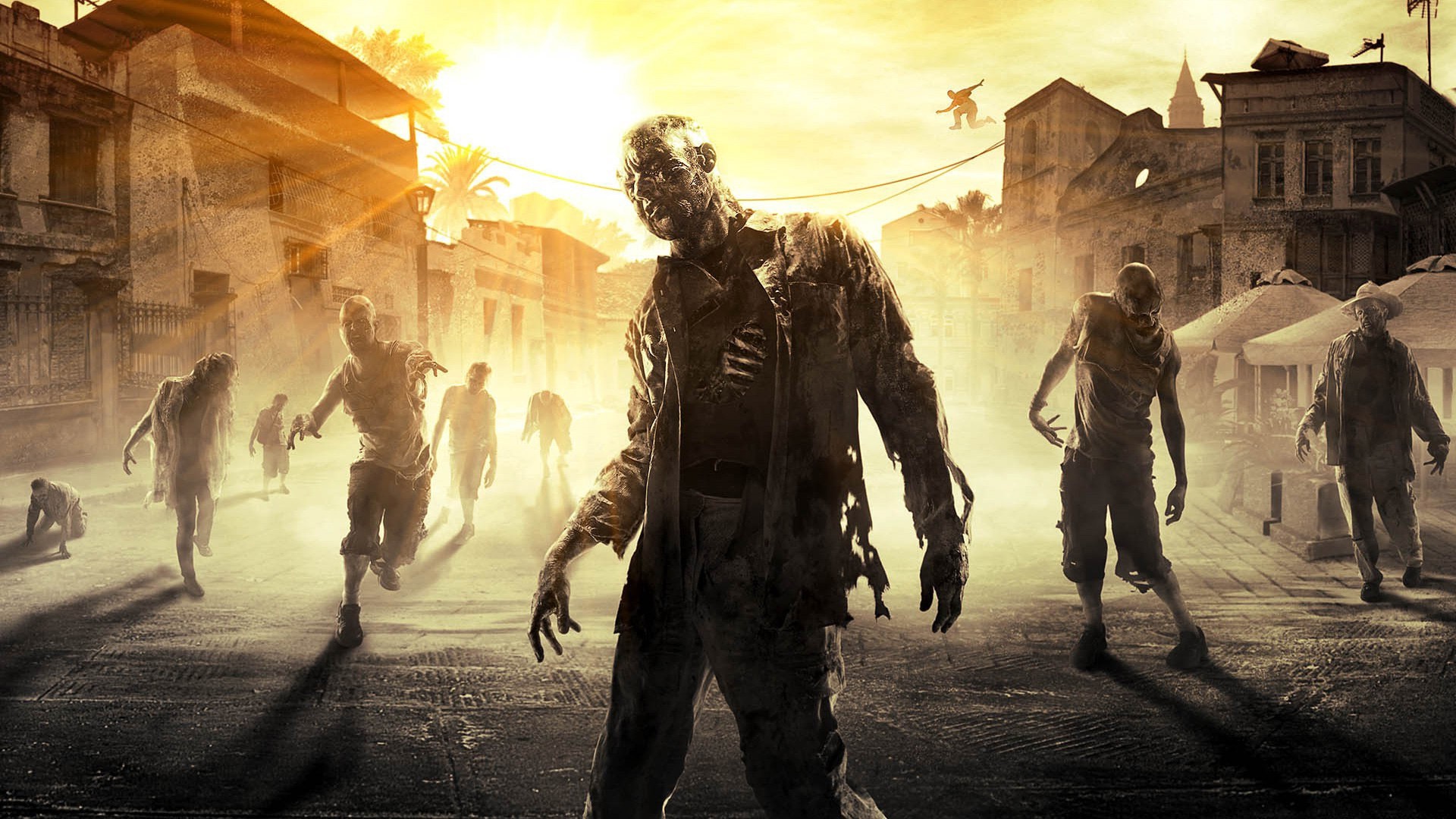
The game features an expansive open world with deep parkour mechanics and melee combat systems. However the final encounter with the main villain is a quick time event sequence rather than a real fight. Players were disappointed that they could not use their hard earned skills in the final showdown. This transition from complex gameplay to simple button prompts was widely criticized by the community.
‘Prince of Persia’ (2008)
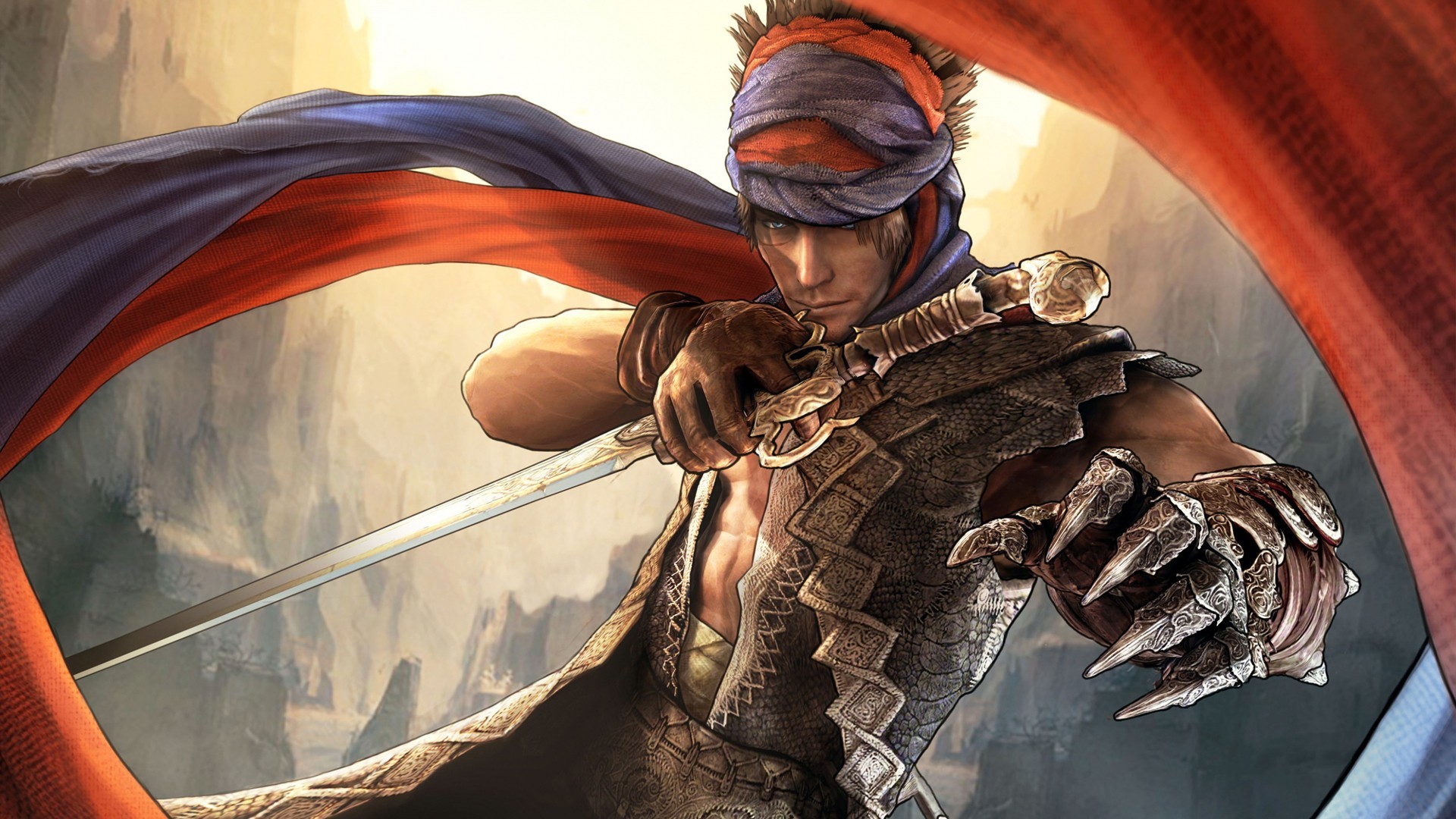
The conclusion involves the player choosing to undo all their progress to save a companion. This act releases an ancient evil back into the world and effectively negates the entire mission. While the decision was narratively interesting it made many players feel like their efforts were wasted. The story was intended to continue in a sequel that was never produced for consoles.
‘Monkey Island 2 LeChuck’s Revenge’ (1991)
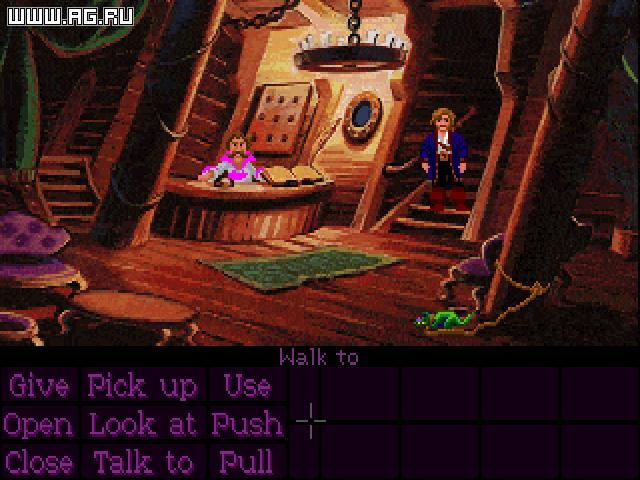
The surreal ending reveals that the entire pirate adventure might just be the imagination of two children in a theme park. This fourth wall breaking twist was incredibly controversial and confusing to fans of the series. It challenged the reality of the world and the characters in a way that felt jarring. Later games attempted to explain this away but the original impact of ‘Monkey Island 2 LeChuck’s Revenge’ remained divisive.
‘Firewatch’ (2016)
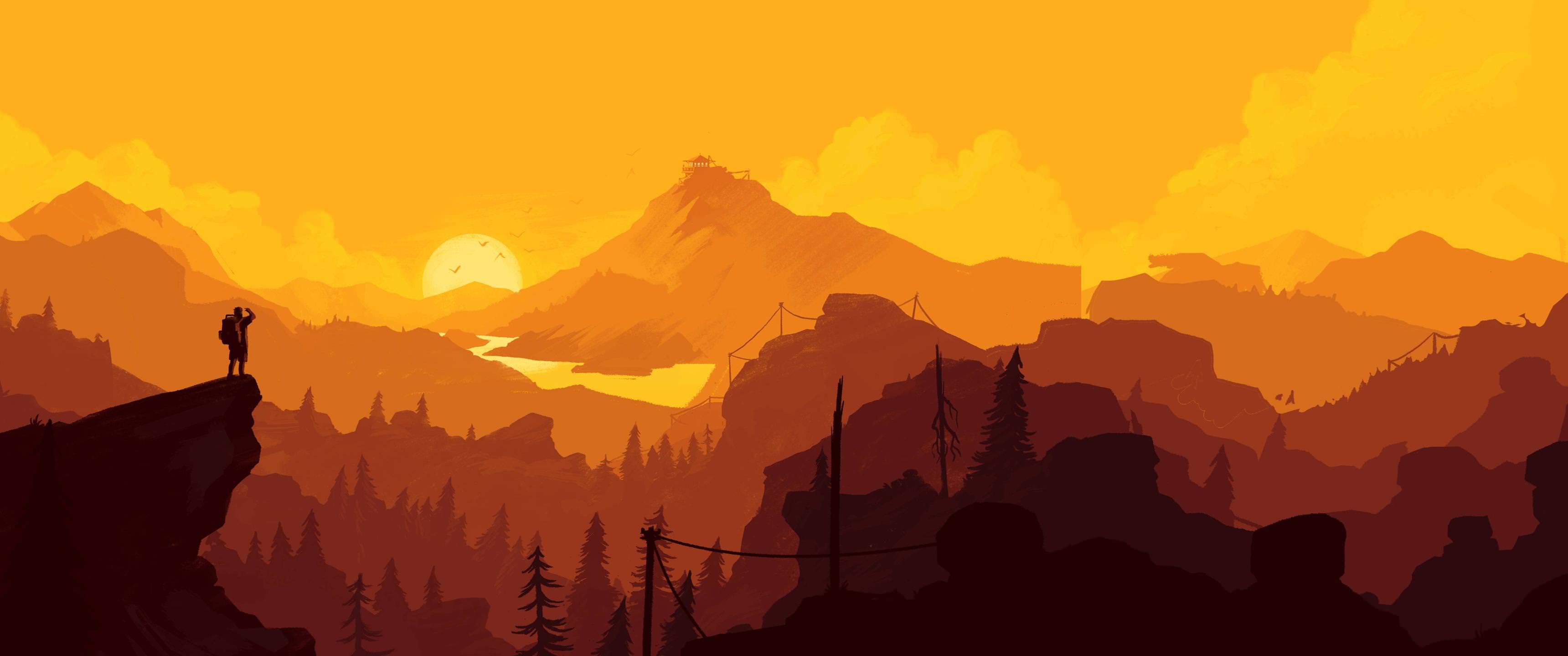
The mystery builds tension through radio conversations and strange occurrences in the wilderness. Many players expected a supernatural or grand conspiracy revelation at the end of the journey. Instead the resolution is a grounded and tragic explanation involving a grieving father. While realistic this subversion of expectations left some players feeling underwhelmed by the lack of a bigger payoff.
‘Kane & Lynch 2 Dog Days’ (2010)
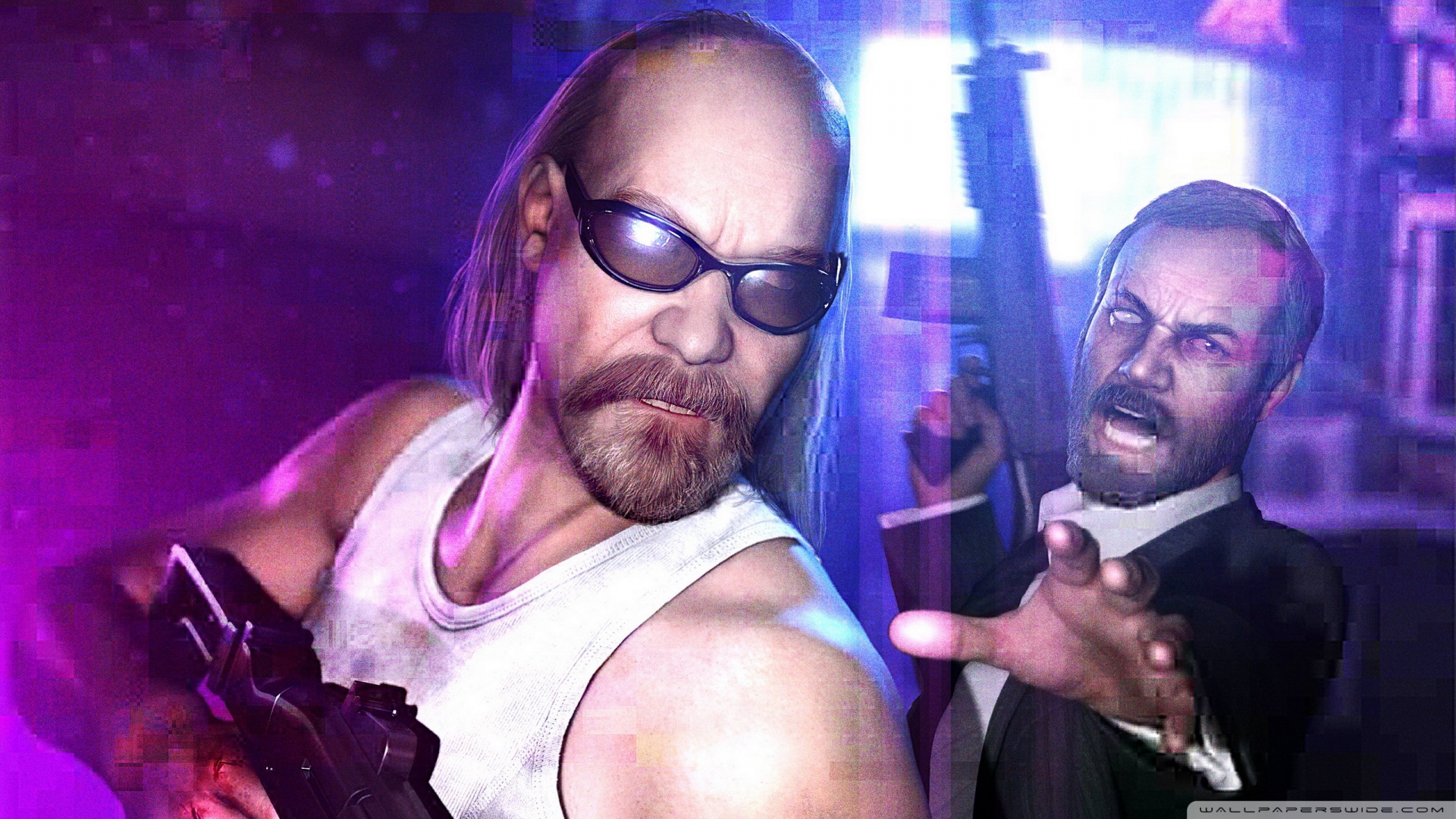
This gritty shooter ends with the two protagonists boarding a plane to escape their enemies. The screen simply cuts to black while the characters are still talking and the credits roll immediately. There is no closure for the characters or the violent events that took place during the game. This abruptness made the already short experience of ‘Kane & Lynch 2 Dog Days’ feel even more incomplete.
‘Starfield’ (2023)
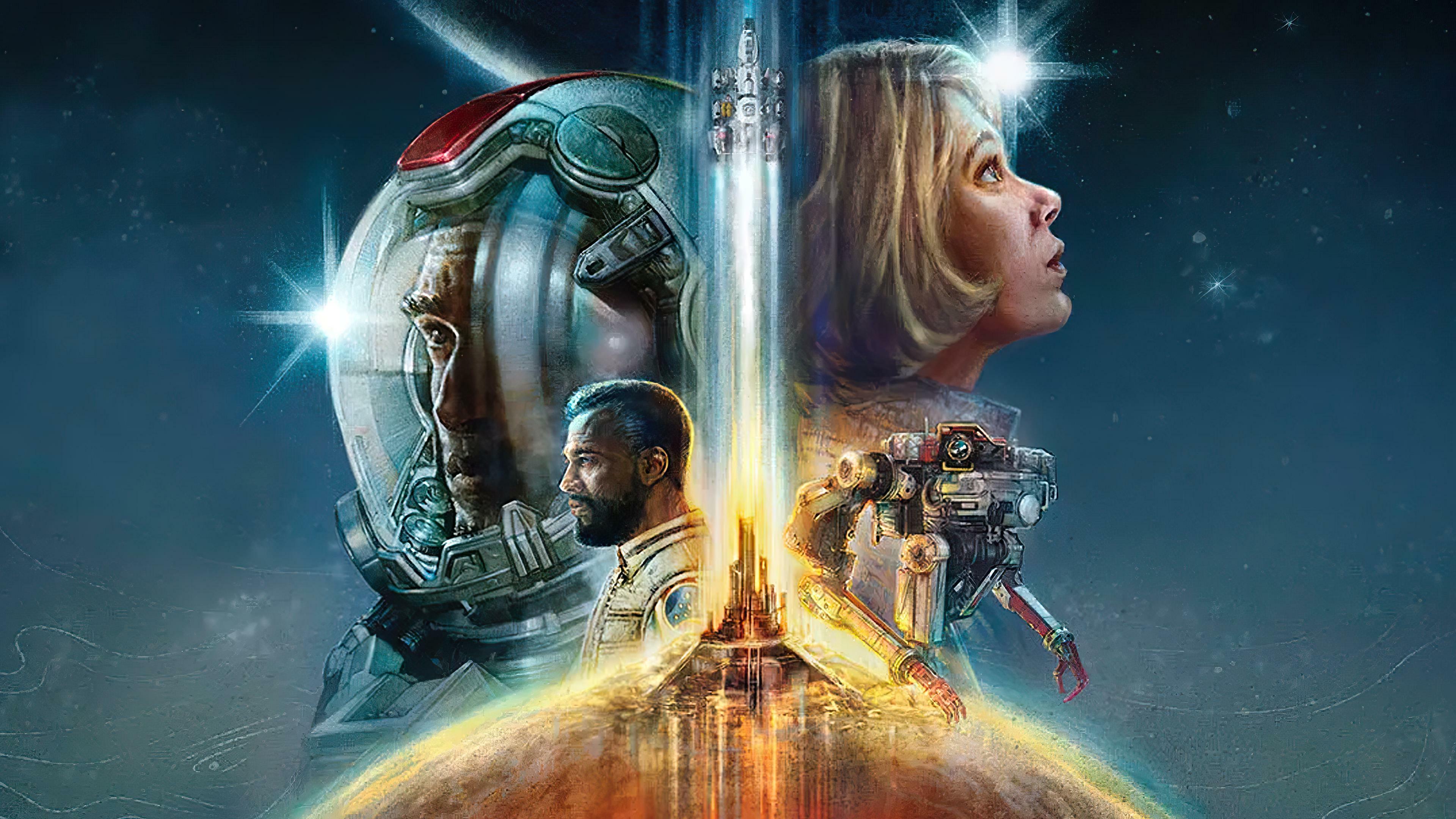
The ending introduces a multiversal cycle that encourages players to start the game over in a new universe. While this integrates the new game plus mechanic into the story it can make the original universe feel disposable. Some players felt that leaving their established relationships and outposts behind undermined their initial investment. The repetitive nature of the final quest line in ‘Starfield’ also drew criticism for its lack of variety.
‘The Last of Us Part II’ (2020)
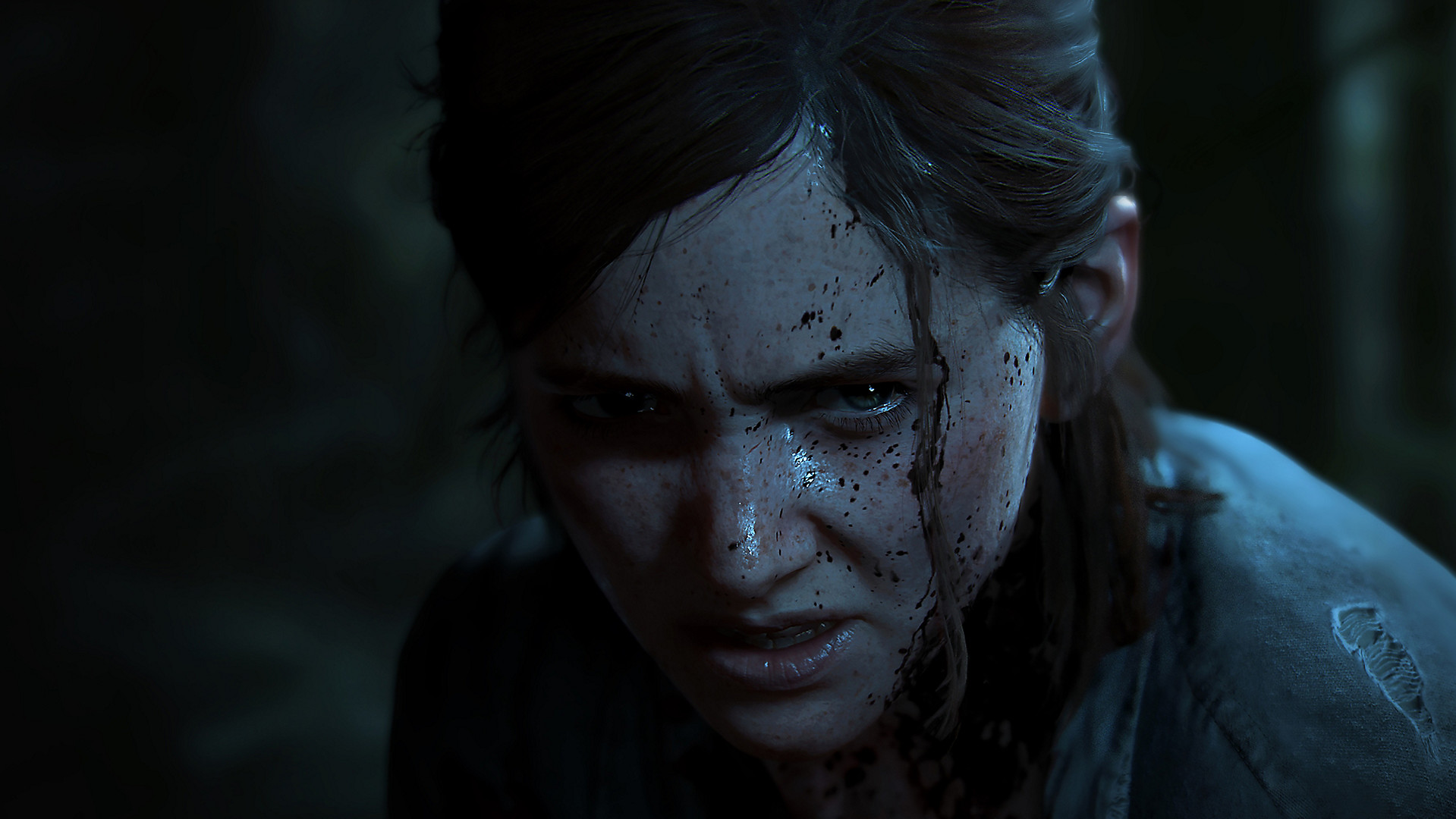
The narrative concludes with a final confrontation that leaves the protagonist Ellie alone and physically diminished. Many fans were upset by the direction the story took regarding beloved characters from the first game. The cycle of violence theme led to an ending that many found to be overly bleak and emotionally exhausting. This remains one of the most polarizing stories in modern gaming history.
‘Mirror’s Edge’ (2008)

The game features a unique first person parkour system that emphasizes movement and momentum. The final level however forces the player into awkward combat encounters and a very brief scripted escape. The story ends on a cliffhanger with a simple cinematic that provides very little closure for Faith and her sister. Many felt the narrative potential of the world was not fully realized in this conclusion.
‘Final Fantasy XV’ (2016)
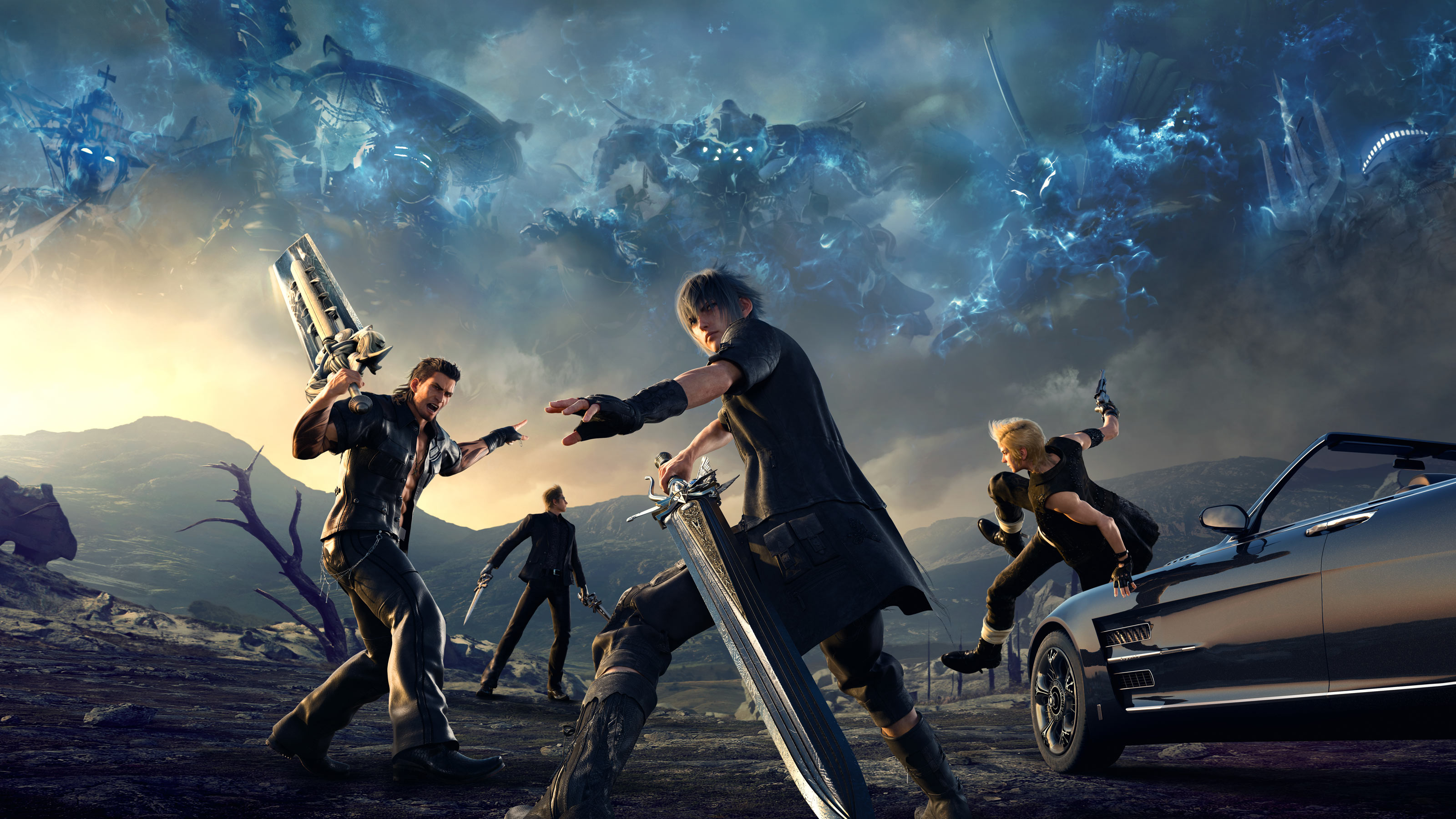
The story of Noctis and his friends becomes increasingly linear and rushed in the final chapters. Players are suddenly transported years into the future for a final battle that lacks proper build up. Key story moments were originally missing and had to be added later through patches and downloadable content. This fragmented approach to storytelling left many players confused during the initial launch of ‘Final Fantasy XV’.
‘Middle earth Shadow of War’ (2017)
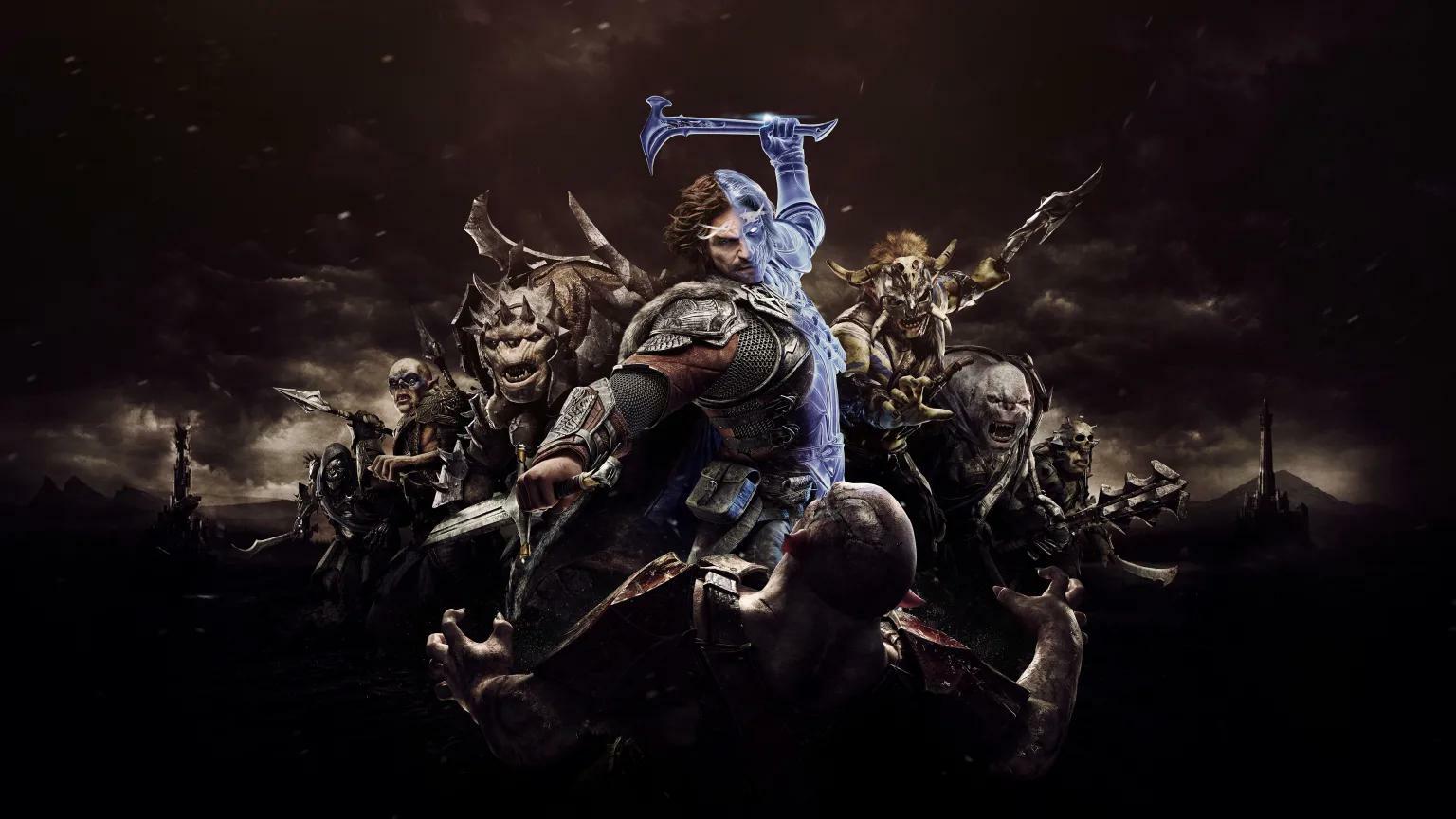
The true ending of the game was originally hidden behind a massive grind known as the Shadow Wars. Players had to engage in repetitive fortress defense missions for hours to see the final cinematic. This requirement felt like a way to push players toward in game microtransactions for faster progress. The developer eventually updated the game to make the final stages of ‘Middle earth Shadow of War’ less tedious.
‘Mafia II’ (2010)
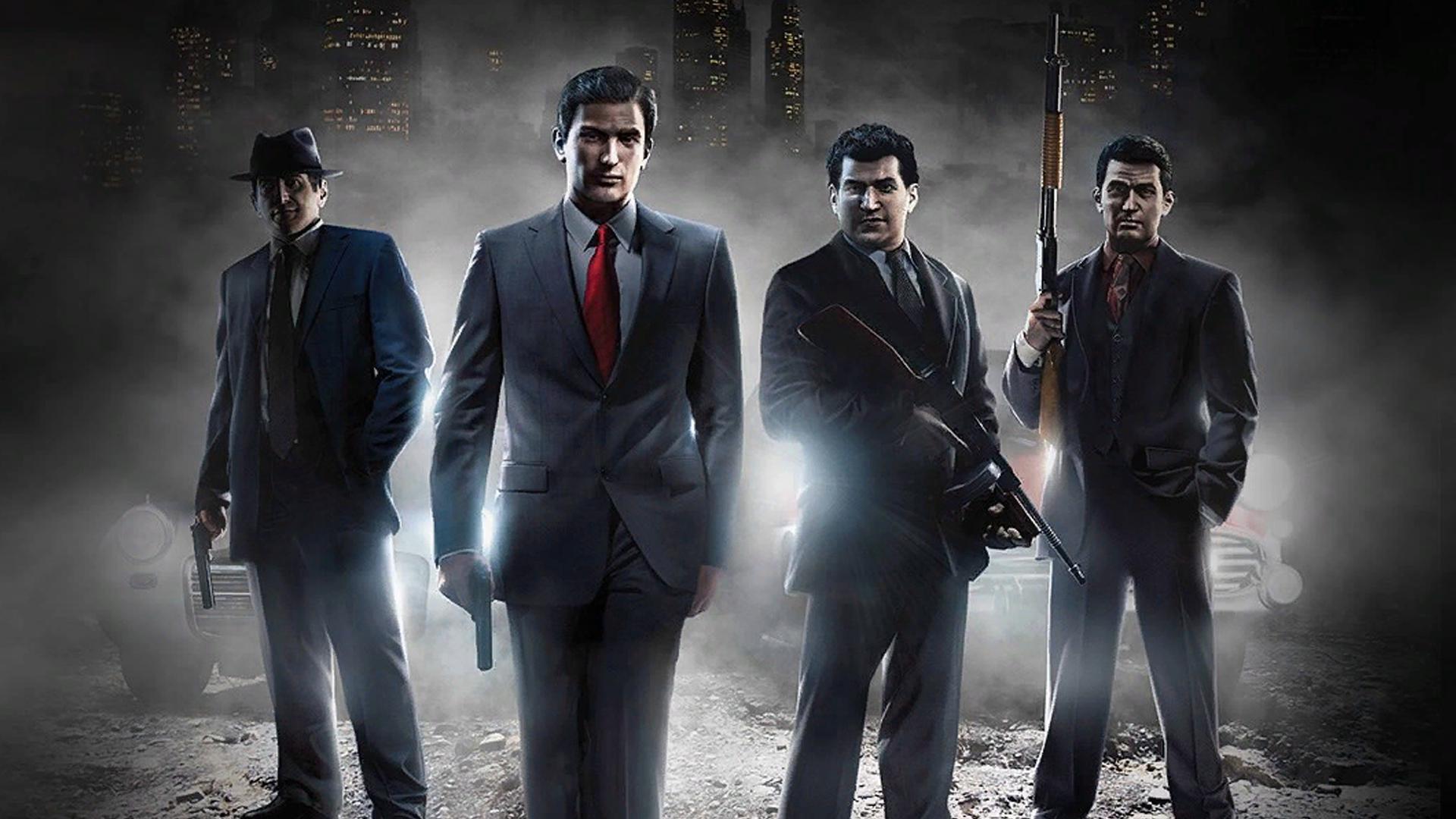
The game follows the rise of Vito Scaletta in the criminal underworld over several years. The final scene involves Vito seeing his best friend Joe being driven away to an uncertain fate. The protagonist is told that Joe was not part of the deal which leaves the story on a dark and unresolved note. This abrupt ending frustrated fans who wanted to see a more definitive conclusion for the duo.
‘Super Mario Bros. 2’ (1988)
The final scene reveals that the entire adventure in Subcon was just a dream being had by Mario. While this explained the different gameplay mechanics and enemies it felt like a cliché to many players. This trope is often seen as a way to avoid integrating a story into the larger franchise canon. Despite the popularity of ‘Super Mario Bros. 2’ the dream revelation remains a point of contention.
‘Castlevania II Simon’s Quest’ (1987)
The ending of this classic adventure is famously brief and provides very little reward for the difficult journey. Players must follow cryptic clues to gather Dracula’s remains and burn them at his castle. Depending on how long the player took to finish the game the ending could be as short as a few lines of text. The lack of a substantial final boss fight in ‘Castlevania II Simon’s Quest’ also left many fans feeling unsatisfied.
‘The Legend of Zelda Link’s Awakening’ (1993)
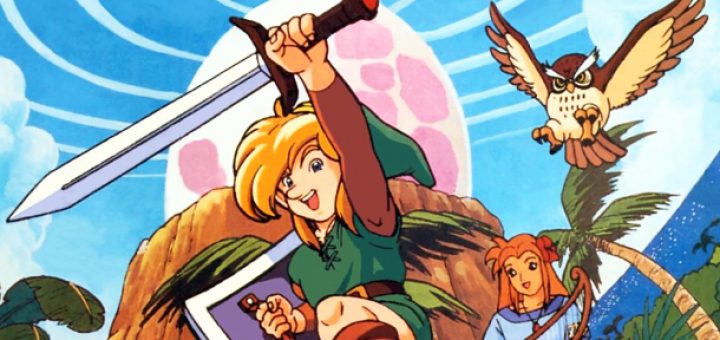
The story takes place on Koholint Island where Link must wake the Wind Fish to escape. As the game progresses it becomes clear that the island and its inhabitants are merely part of a dream. Waking the Wind Fish means that the entire world and everyone Link met will cease to exist. This bittersweet conclusion in ‘The Legend of Zelda Link’s Awakening’ felt tragic to players who had grown attached to the characters.
‘Dreamfall The Longest Journey’ (2006)
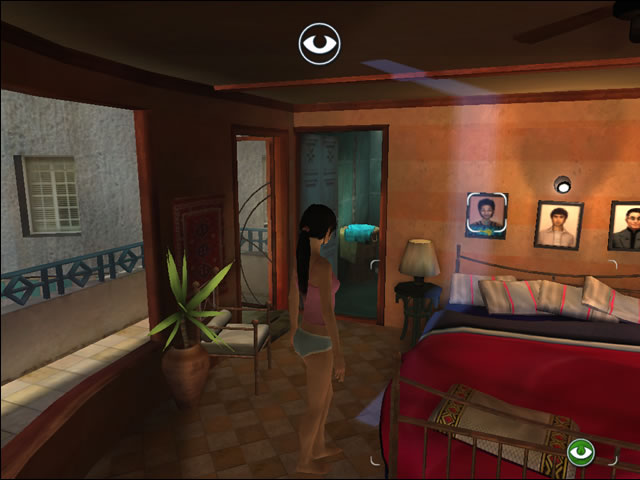
The game concludes with multiple protagonists in dire situations and no clear resolution to the main conflict. One character is left in a coma while another is seemingly killed off screen. This cliffhanger was meant to lead into a sequel that took nearly eight years to release. The lack of closure at the time made the experience feel deeply frustrating for fans of the series.
‘Soul Reaver 2’ (2001)
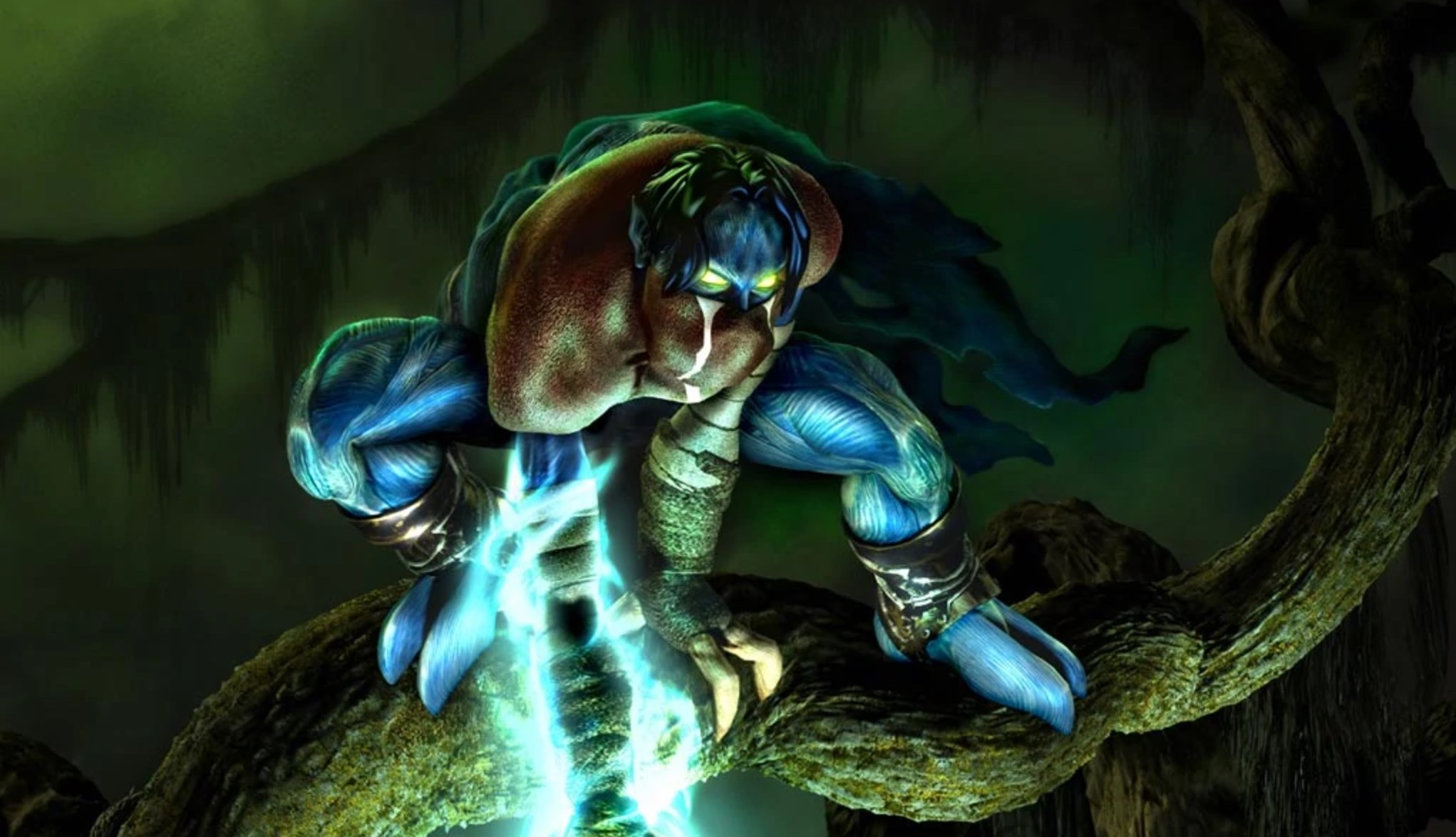
The narrative of Raziel and Kain ends on a complex time travel paradox that leaves the world in a state of flux. The game finishes with a cliffhanger that requires the next installment to fully understand. Many players were confused by the dense lore and the sudden stop in the action. It served as a bridge between games rather than a satisfying standalone conclusion for ‘Soul Reaver 2’.
‘Ghost Recon Wildlands’ (2017)
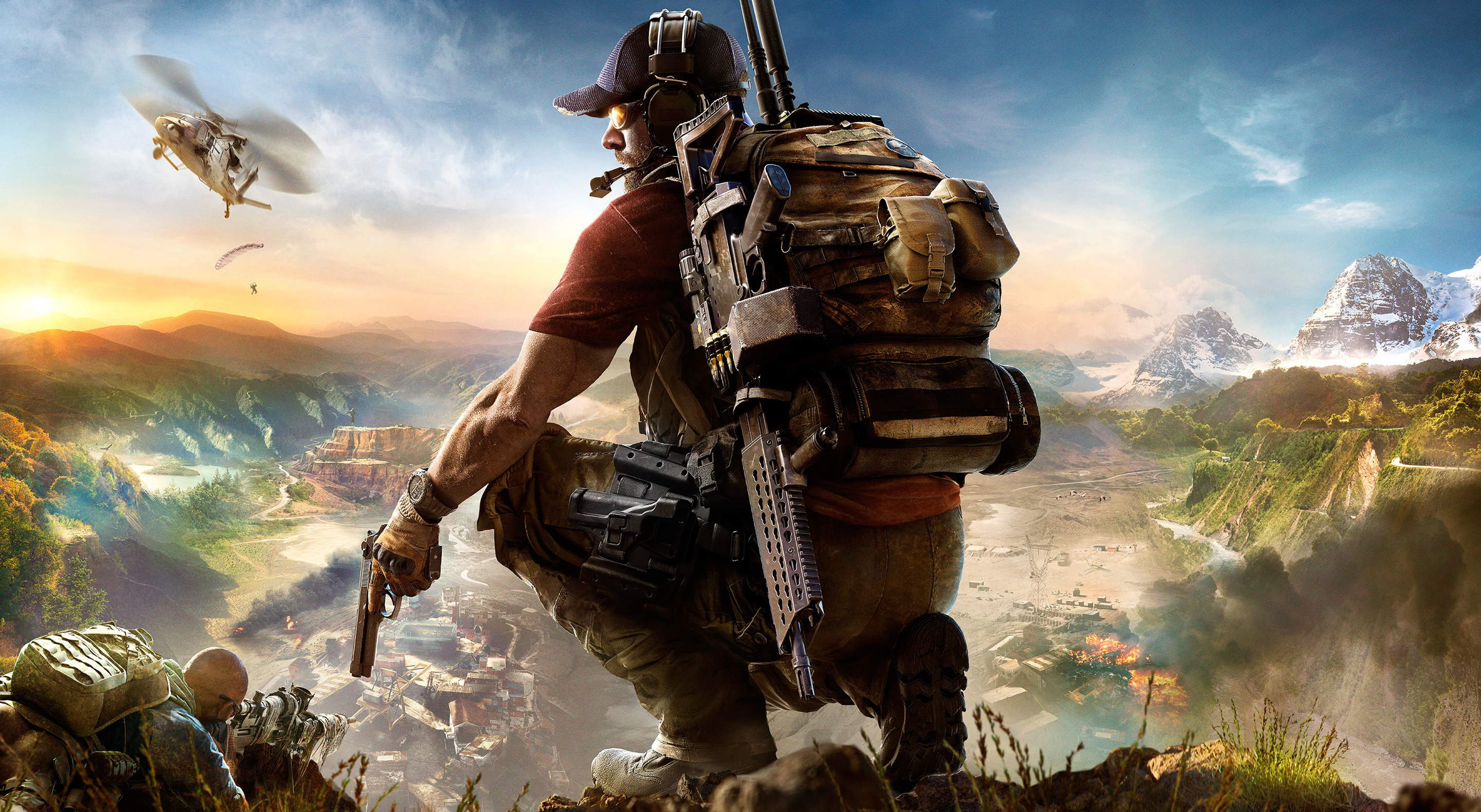
The mission to take down the Santa Blanca cartel ends with a choice that feels largely inconsequential. The two possible endings both result in the main villain escaping full justice in different ways. This realistic but cynical outcome made the dozens of hours spent dismantling the organization feel less impactful. Players wanted a more heroic or definitive end to the massive campaign of ‘Ghost Recon Wildlands’.
‘Doom’ (2016)
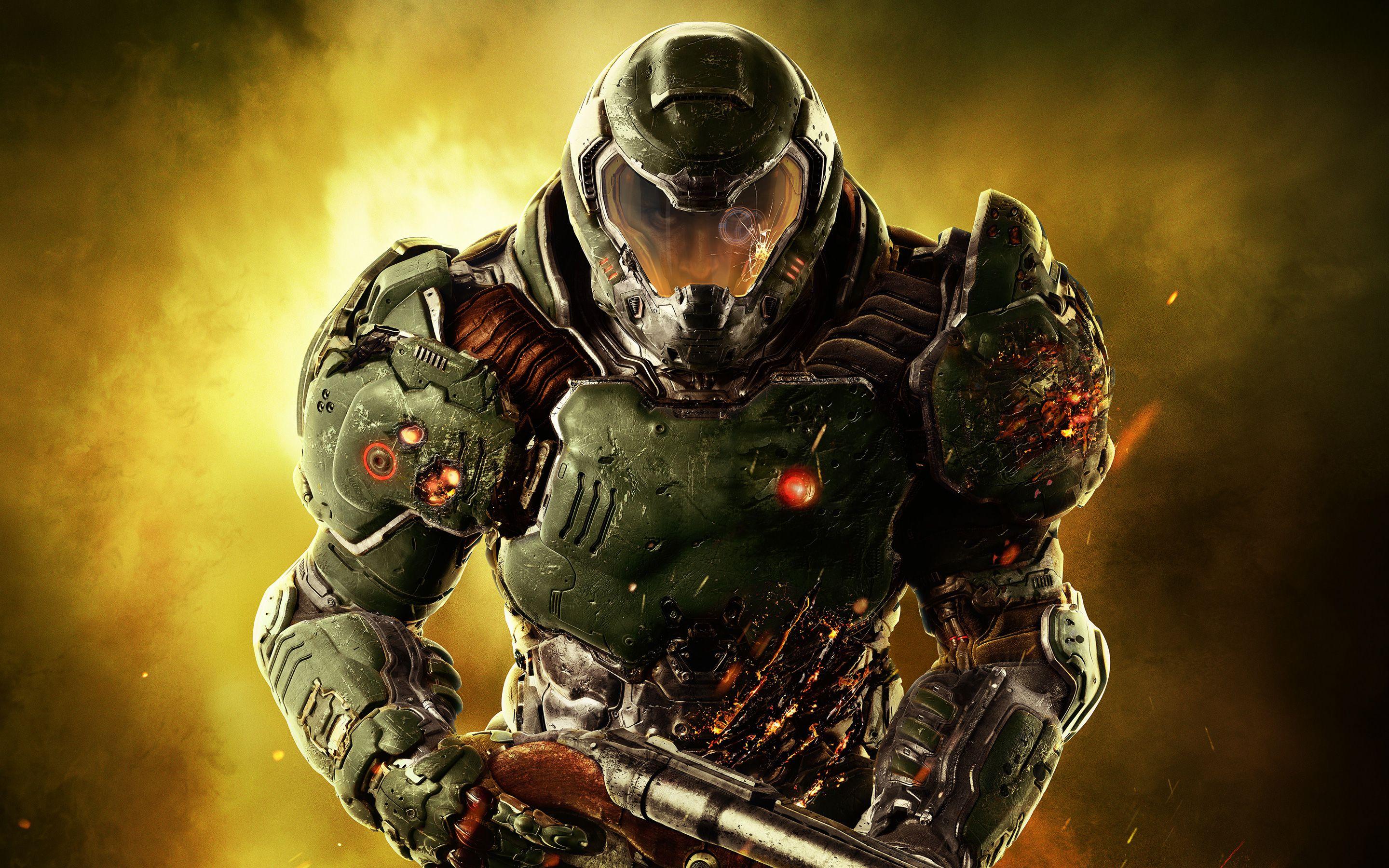
The fast paced action ends with the Doom Slayer being betrayed and trapped by Samuel Hayden. While the game was a massive success the ending was clearly designed to set up a sequel. The sudden loss of agency for the protagonist felt at odds with the power fantasy established throughout the game. It left players wanting to immediately jump back into the fight rather than feeling a sense of completion.
‘Alan Wake’ (2010)
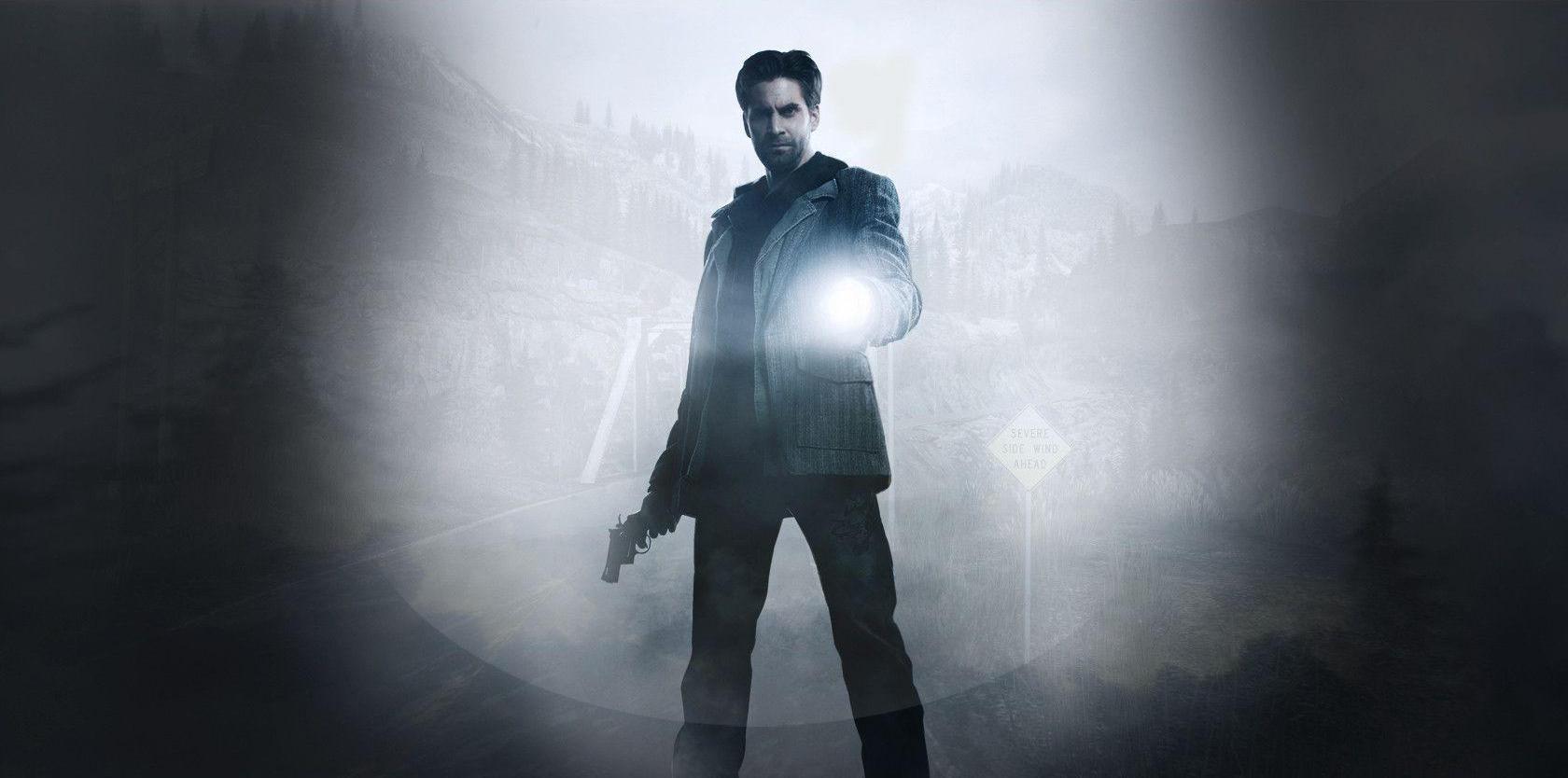
The story ends with Alan trapped in the Dark Place after sacrificing himself to save his wife. The final line of the game is cryptic and leaves many of the central mysteries unsolved. Players had to wait for downloadable content and a sequel many years later to get more information. This lack of immediate answers in ‘Alan Wake’ left many fans theorizing for over a decade.
‘Resident Evil 3’ (2020)
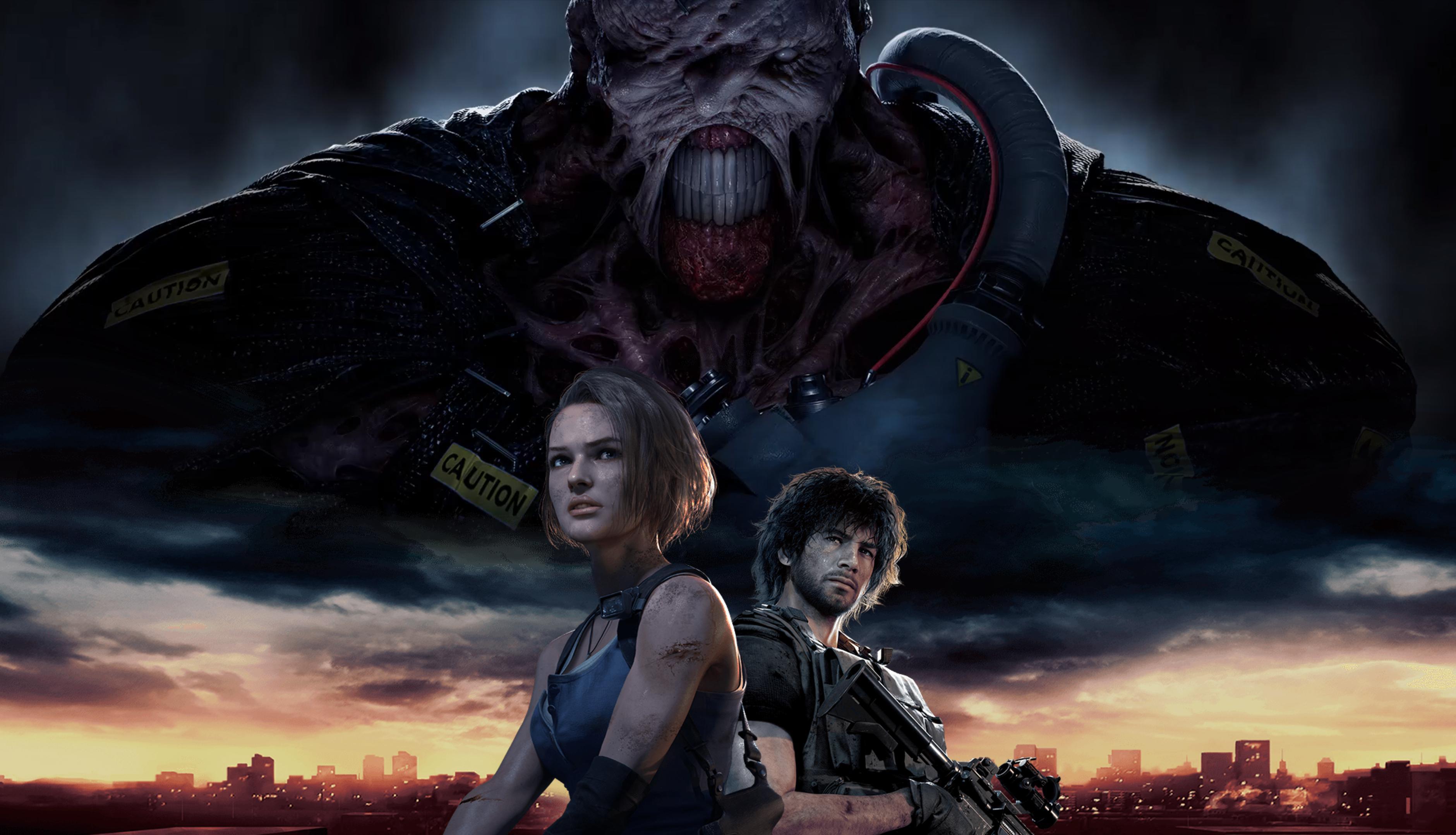
The remake of the classic survival horror game ends with a boss fight that many found to be repetitive and frustrating. The final escape sequence is also very short and lacks the tension found in earlier parts of the game. Some fans were disappointed that certain locations and events from the original game were removed. This led to a conclusion that felt less epic than the source material for ‘Resident Evil 3’.
‘Watch Dogs’ (2014)
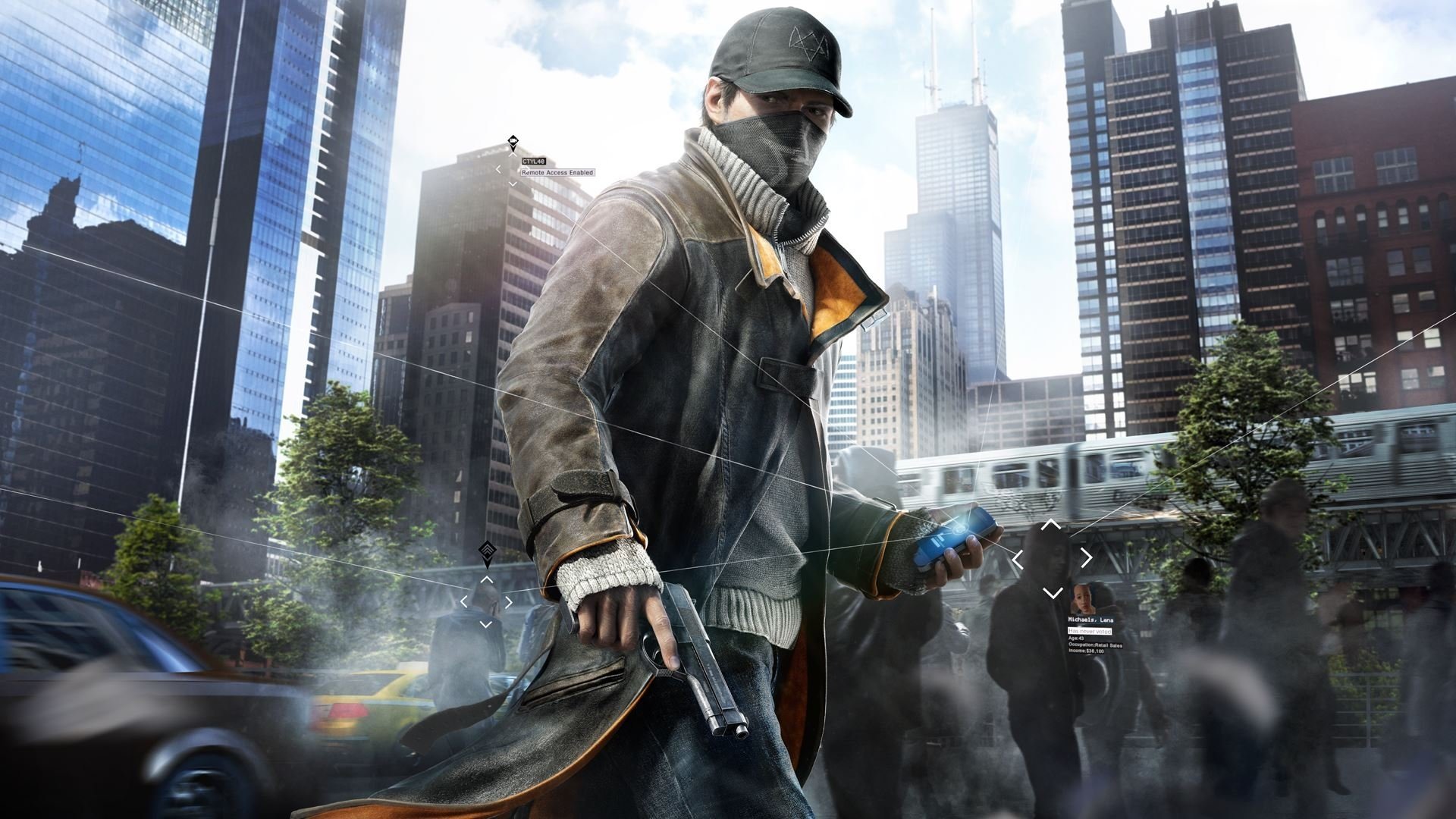
The revenge story of Aiden Pearce concludes with a choice to kill or spare the man responsible for his niece’s death. This decision has no long term impact on the world or the character’s future. The ending felt generic and failed to capitalize on the unique hacking themes presented throughout the game. Many players felt the protagonist of ‘Watch Dogs’ lacked a compelling arc that reached a meaningful peak.
Share which of these video game conclusions you found to be the most frustrating in the comments.