

Video Games With Morally Gray Decisions And Nuanced Outcomes Ranked

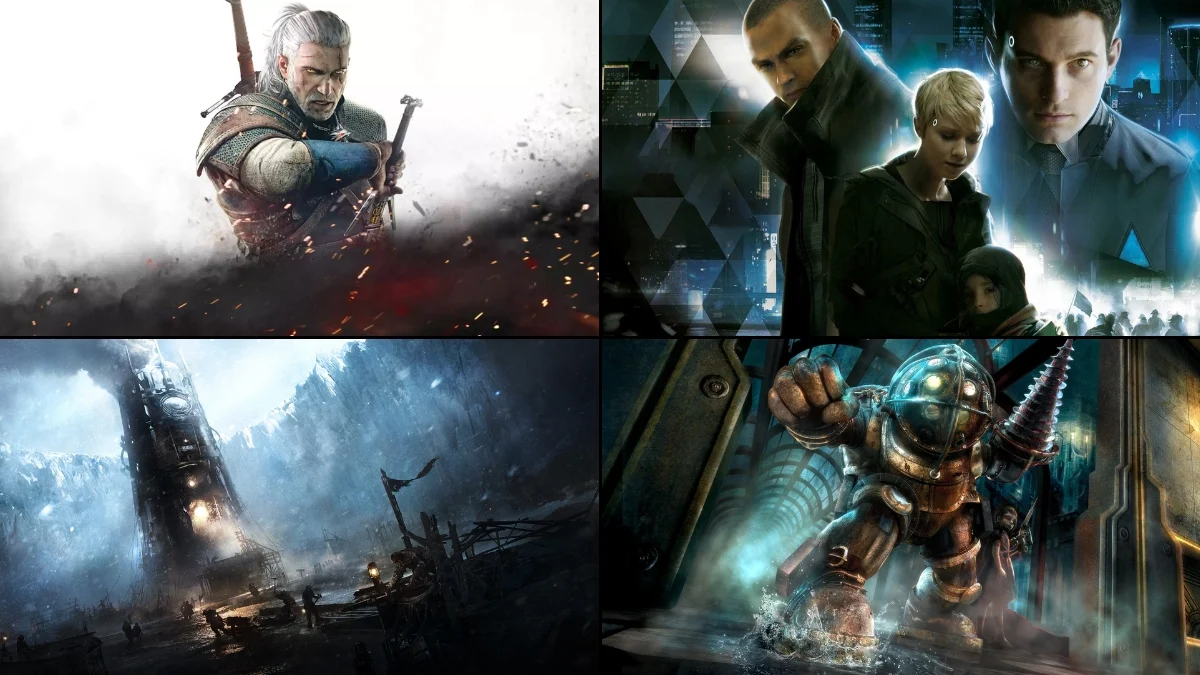


The evolution of video game narratives has moved beyond simple binary choices of good and evil, often placing players in positions where every decision carries heavy weight. Modern titles challenge traditional hero narratives by introducing moral ambiguity, requiring players to weigh survival, politics, and personal ethics against the greater good. Navigating these gray areas often leads to outcomes that are neither purely triumphant nor entirely tragic, reflecting the complexity of real-world dilemmas. These games are recognized for their sophisticated narrative design and the lingering impact of their difficult choices on the player’s conscience.
‘Vampyr’ (2018)
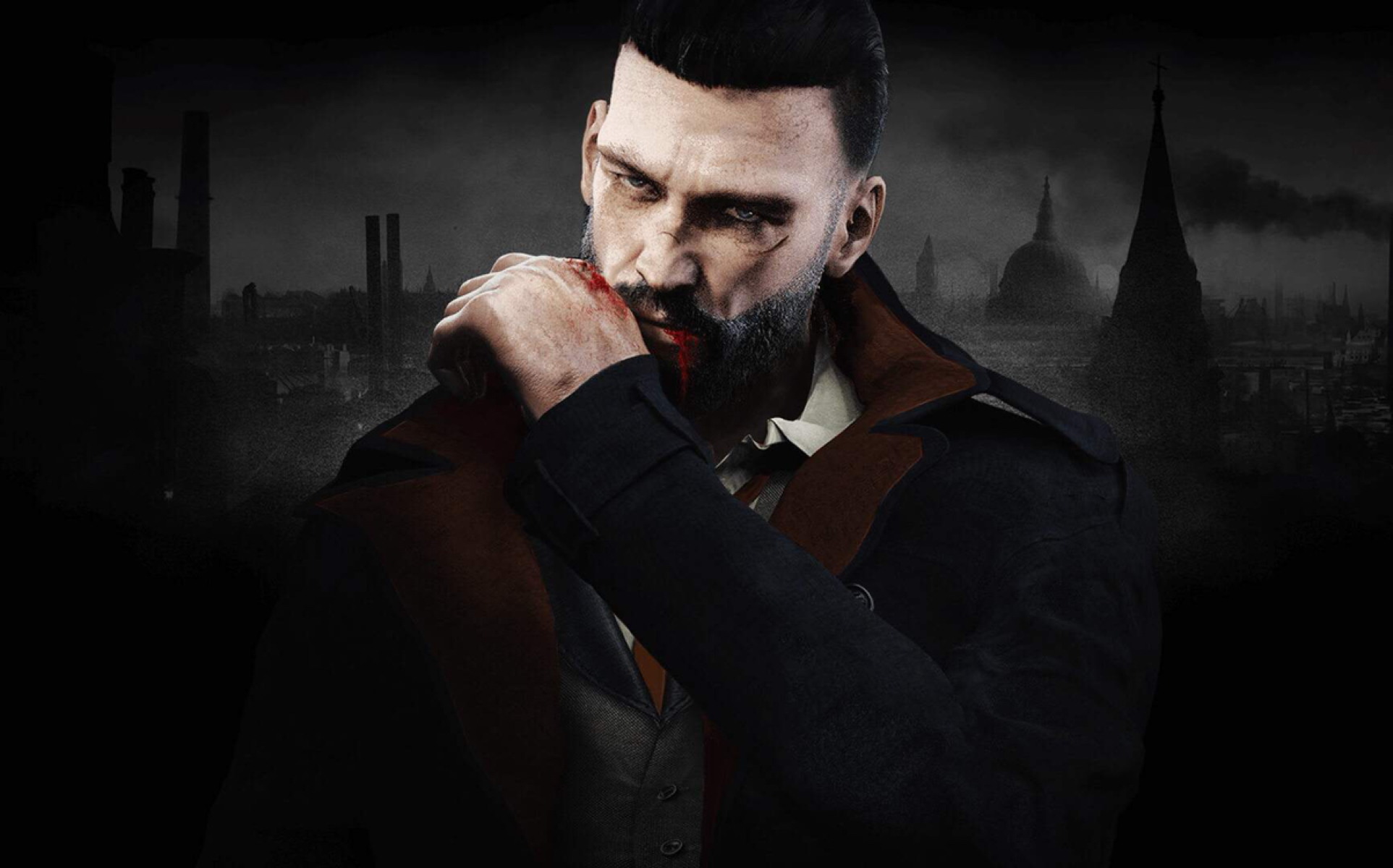
Players take on the role of Dr. Jonathan Reid, a physician turned vampire in 1918 London during a Spanish Flu outbreak. ‘Vampyr’ centers on the conflict between a Hippocratic Oath to save patients and a supernatural need to consume their blood. Every non-player character in the game’s districts can be killed for experience points, but their deaths destabilize the social health of the neighborhood. Choosing to spare everyone makes combat significantly more difficult, while overindulging leads to the collapse of entire communities. This system forces a constant negotiation between the acquisition of power and the preservation of Reid’s humanity.
‘Tyranny’ (2016)
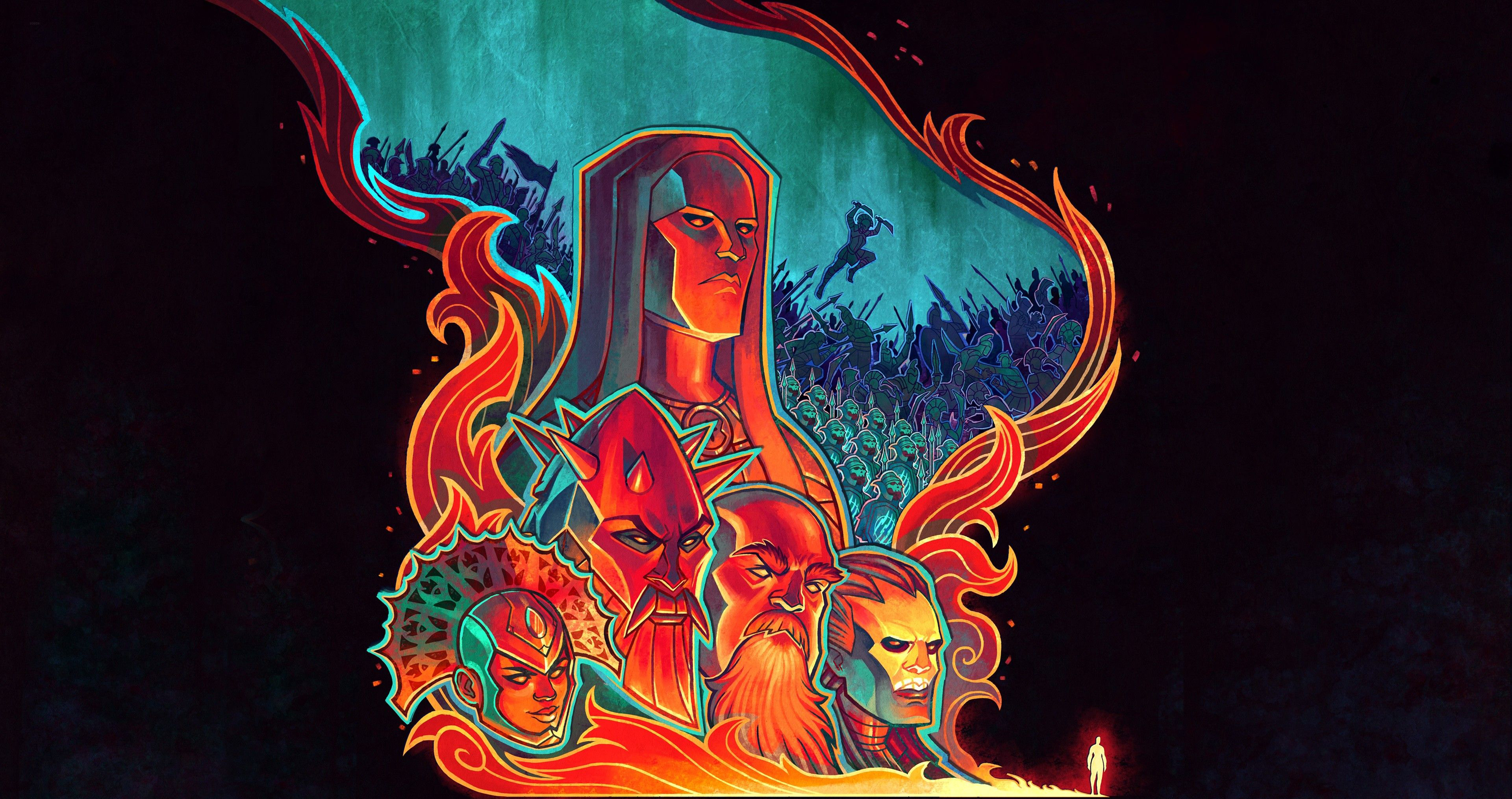
In a world where the primary antagonist has already conquered the known lands, players act as a Fatebinder to adjudicate the laws of a magical tyrant. ‘Tyranny’ focuses on resolving disputes between rival factions within the Overlord’s army, where no side represents a traditional moral high ground. Decisions often require choosing the lesser of two evils or enforcing brutal mandates to maintain order in a conquered territory. The branching storyline reflects how bureaucratic authority can be used to either mitigate or exacerbate the cruelty of an autocratic regime.
‘Frostpunk’ (2018)
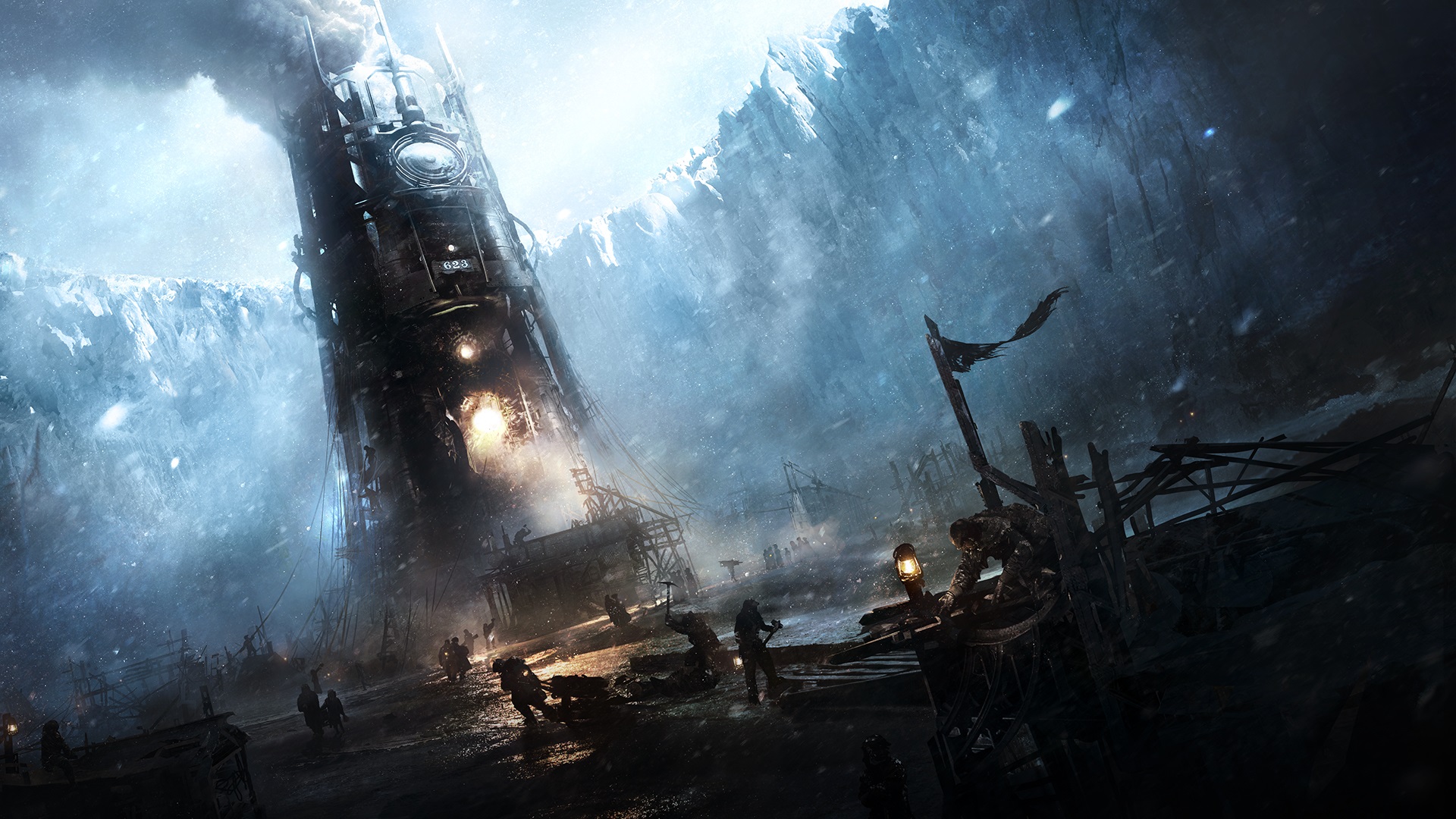
As the leader of the last city on Earth, players must manage a society struggling to survive an apocalyptic volcanic winter. ‘Frostpunk’ presents legislative choices such as employing child labor or dealing with the terminally ill to ensure necessary resource production. While these laws provide the materials required for the city’s survival, they take a significant toll on the population’s hope and discontent levels. Players are constantly pushed to decide how many of their personal principles they are willing to sacrifice to ensure the human species does not go extinct.
‘This War of Mine’ (2014)
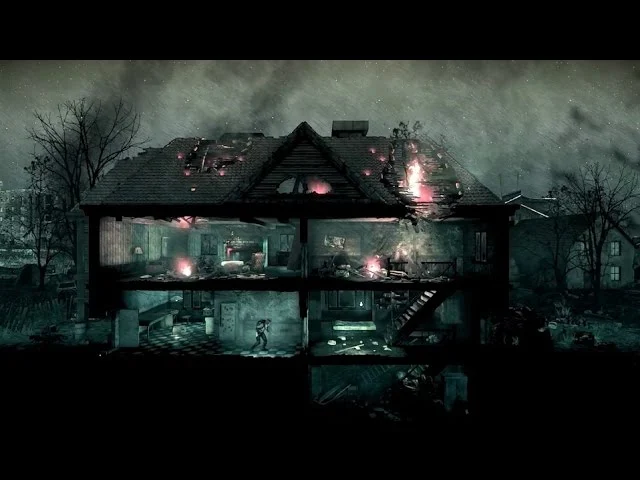
Unlike most war-themed titles, ‘This War of Mine’ focuses on a group of civilians trying to survive in a besieged city. Players must make desperate choices, such as stealing food from an elderly couple to preserve their own dwindling supplies. These actions have psychological effects on the characters, leading to depression or broken mental states if their morals are compromised too severely. The game emphasizes the harsh reality that survival often comes at a high ethical cost during times of extreme conflict.
‘Papers, Please’ (2013)

Set at a border checkpoint of the fictional state Arstotzka, the player serves as an immigration inspector tasked with vetting entrants. The job requires balancing the strict, ever-changing rules of the government with the personal plight of immigrants and potential revolutionaries. ‘Papers, Please’ forces players to choose between the law and humanitarian aid, where denying entry might be the legal move but leads to tragic consequences. Simultaneously, helping others often results in financial penalties that threaten the inspector’s own family’s survival in a failing economy.
‘Spec Ops: The Line’ (2012)
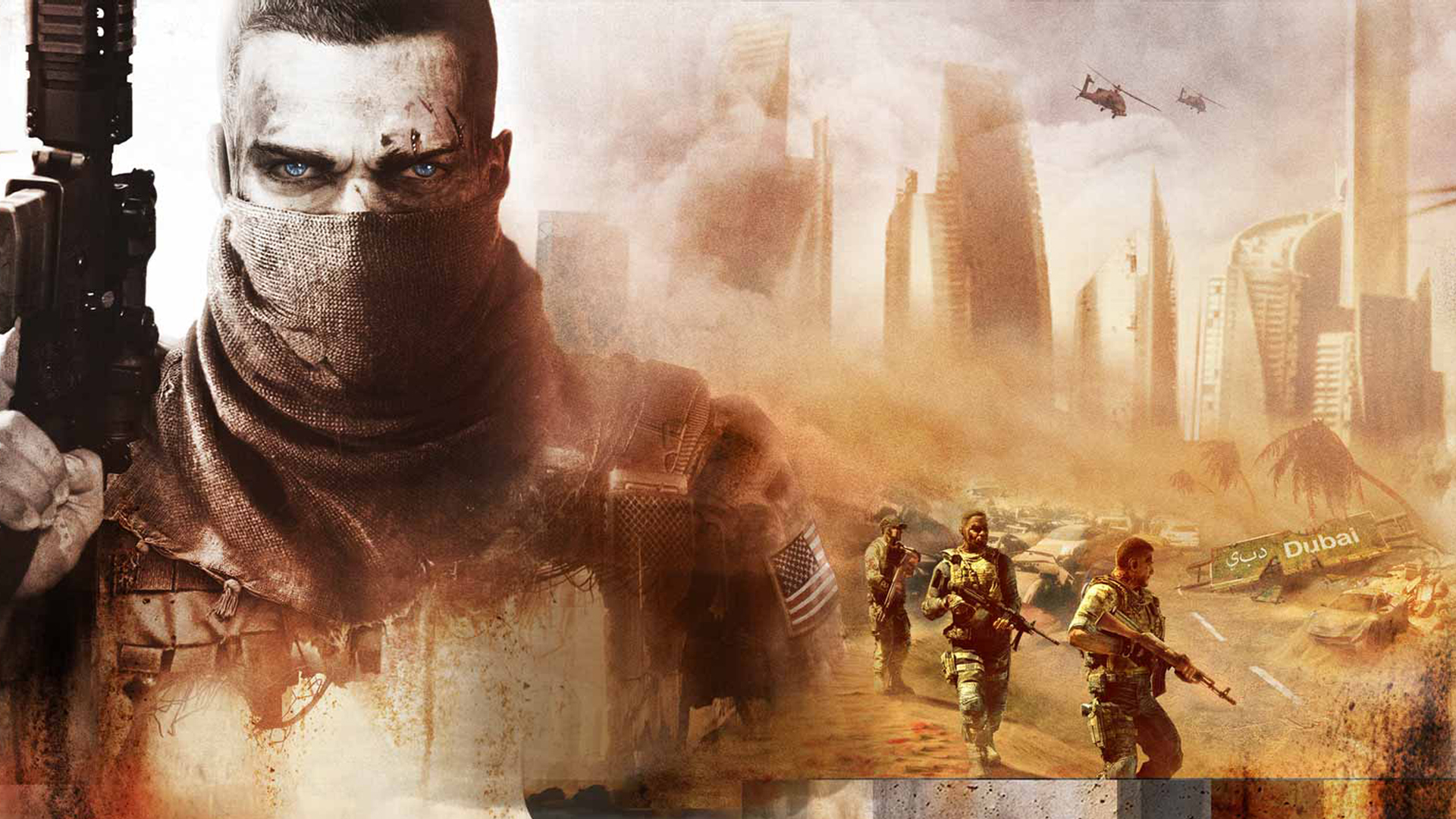
‘Spec Ops: The Line’ deconstructs the military hero archetype through the journey of Captain Martin Walker in a sandstorm-ravaged Dubai. Players are initially led to believe they are performing a standard rescue mission, but the choices presented quickly become harrowing and morally compromised. The game uses the concept of cognitive dissonance to force players to witness the devastating consequences of their tactical decisions on civilian populations. By the conclusion, the distinction between a savior and a perpetrator becomes entirely blurred for both the character and the player.
‘Undertale’ (2015)

While appearing as a charming RPG, ‘Undertale’ subverts traditional combat by allowing players to spare every monster they encounter in the Underground. The narrative tracks every action, including whether the player chooses to use violence or mercy to progress through the story. Characters remember previous playthroughs and react differently based on the player’s total accumulation of experience points. The gray outcomes emerge from how the world responds to the player’s willingness to conform to or reject typical gaming tropes of destruction.
‘The Last of Us Part II’ (2020)

This sequel explores the cycle of violence and the subjective nature of justice through the alternating perspectives of Ellie and Abby. Players are forced to participate in acts of brutality from one viewpoint, only to later see the humanity and motivations of their perceived enemies. ‘The Last of Us Part II’ intentionally makes players feel uncomfortable with the actions of characters they previously supported in the original game. It concludes with a resolution that refuses to offer easy closure, emphasizing the lasting trauma inherent in seeking vengeance.
‘Dishonored’ (2012)
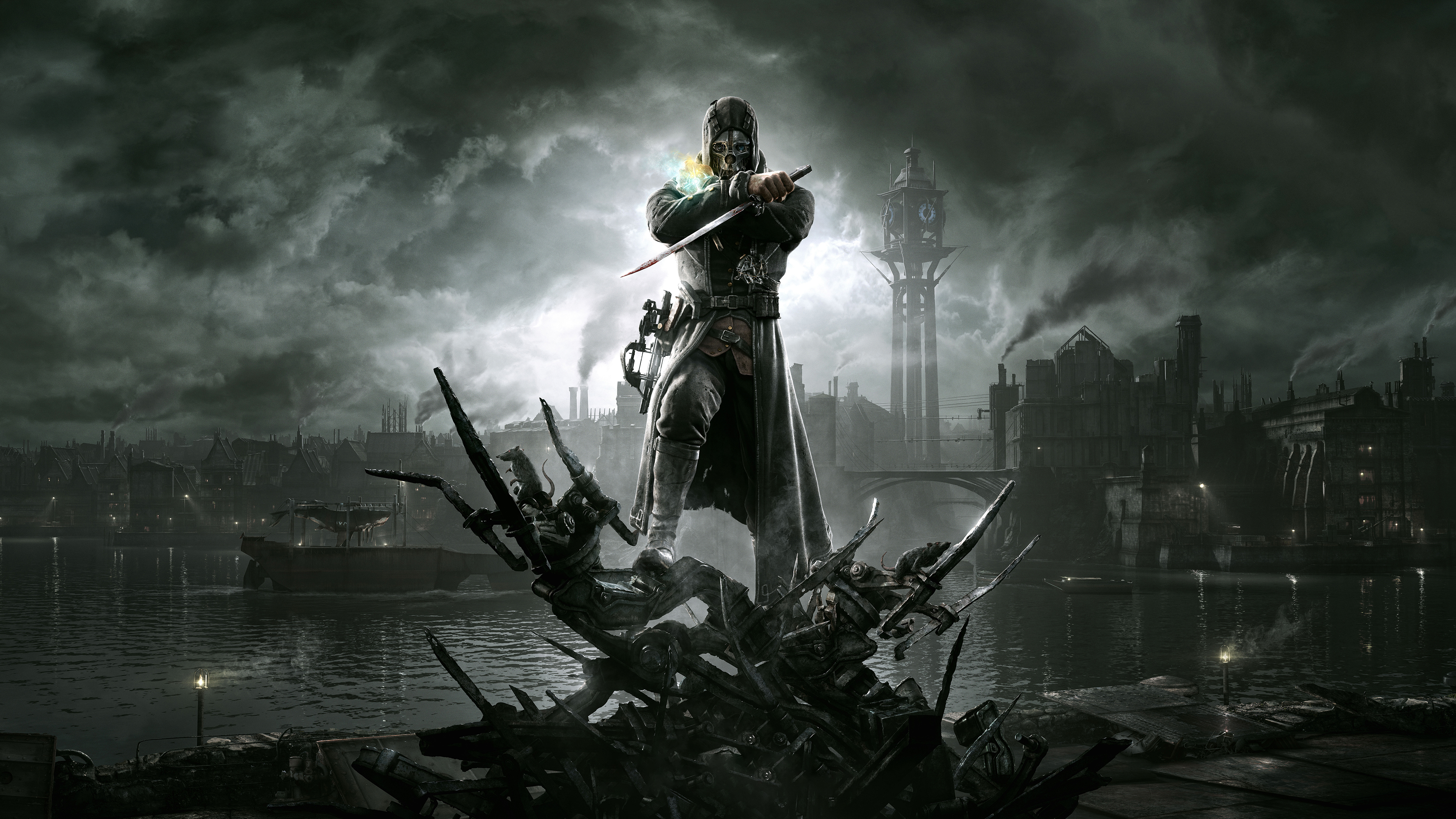
Players step into the role of Corvo Attano, a supernatural assassin seeking to clear his name in the plague-ridden city of Dunwall. ‘Dishonored’ features a chaos system that tracks how many people the player kills, which directly influences the state of the world. High chaos leads to a darker, more dangerous environment and a more cynical attitude from the supporting cast. The choice between lethal and non-lethal approaches presents a constant struggle between tactical efficiency and the preservation of a crumbling society.
‘Detroit: Become Human’ (2018)
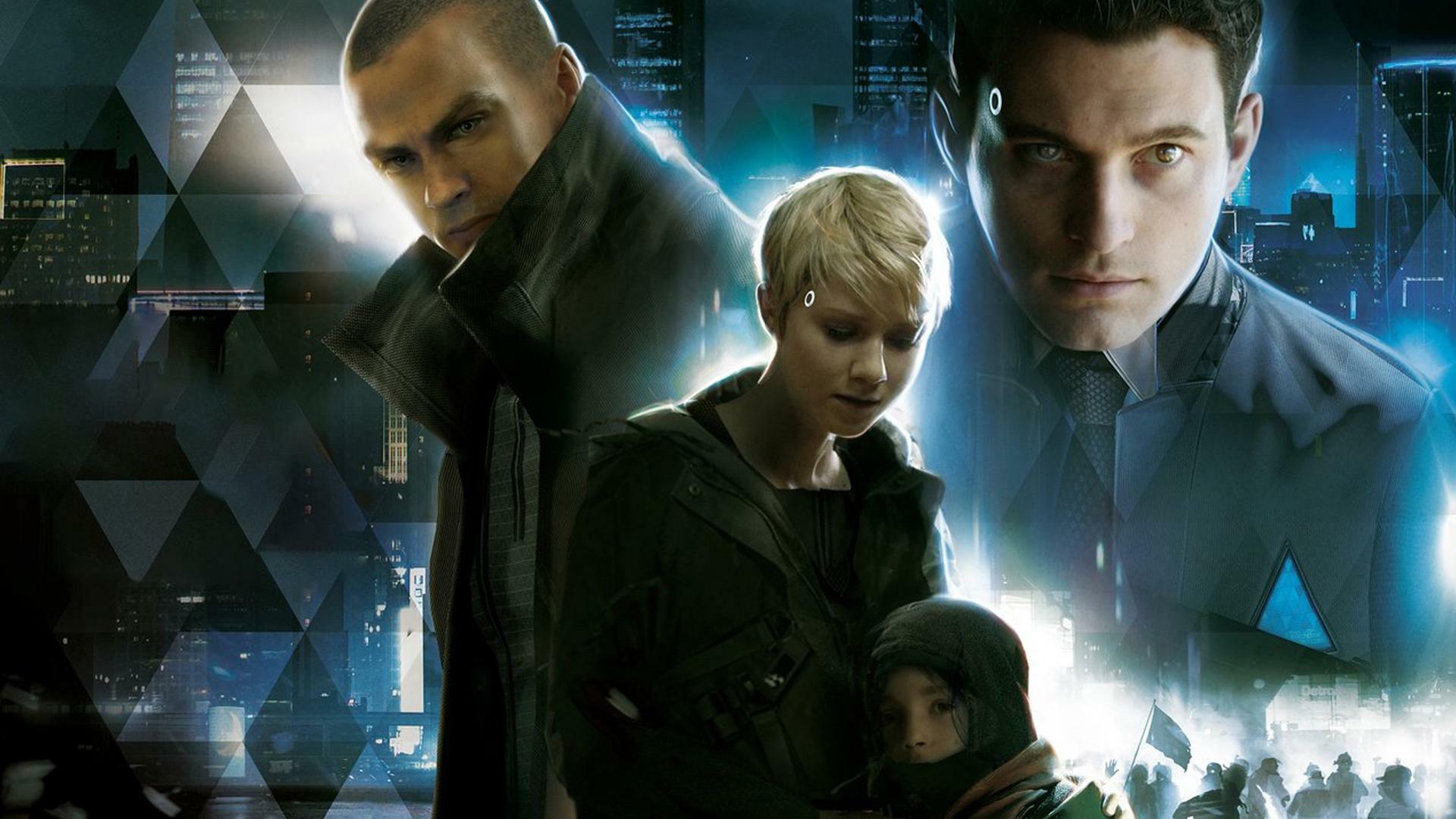
The story follows three androids as they navigate a world where synthetic life is beginning to gain sentience and demand civil rights. In ‘Detroit: Become Human’, players make choices that determine the public perception of the android uprising through peaceful or violent means. These decisions affect not only the survival of the main characters but also the future of human-android relations globally. The nuance lies in how public opinion shifts based on the player’s commitment to their chosen path and the sacrifices made along the way.
‘Fallout: New Vegas’ (2010)

Set in the Mojave Wasteland, ‘Fallout: New Vegas’ features a complex web of factions vying for control of the Hoover Dam. Players must choose between the bureaucratic New California Republic, the autocratic Caesar’s Legion, the enigmatic Mr. House, or an independent path. Each faction has valid arguments for their vision of the future, alongside significant moral failings and problematic long-term goals. The lack of a clear hero faction forces players to decide which compromise is most acceptable for the stability of the wasteland.
‘Dragon Age: Origins’ (2009)

As a Grey Warden, the player must unite various races and factions to stop a demonic invasion in ‘Dragon Age: Origins’. Many quests involve deep-seated political or cultural conflicts where no solution satisfies all parties involved. For instance, players must decide the fate of the elven people versus a werewolf curse or choose between two potential candidates for a throne. These choices often have unforeseen consequences that ripple through the story, illustrating the extreme difficulty of leadership during a world-ending crisis.
‘BioShock’ (2007)

In the underwater city of Rapture, ‘BioShock’ introduces Little Sisters, children who have been genetically modified to gather a valuable substance called ADAM. The central moral choice involves either rescuing these children for a smaller immediate reward or harvesting them for a larger gain in power. This mechanic tests the player’s willingness to exploit the vulnerable to survive the increasingly dangerous and claustrophobic environment. The game serves as a critique of objectivism, showing the tragic fallout of a society built on unchecked self-interest.
‘Mass Effect 2’ (2010)
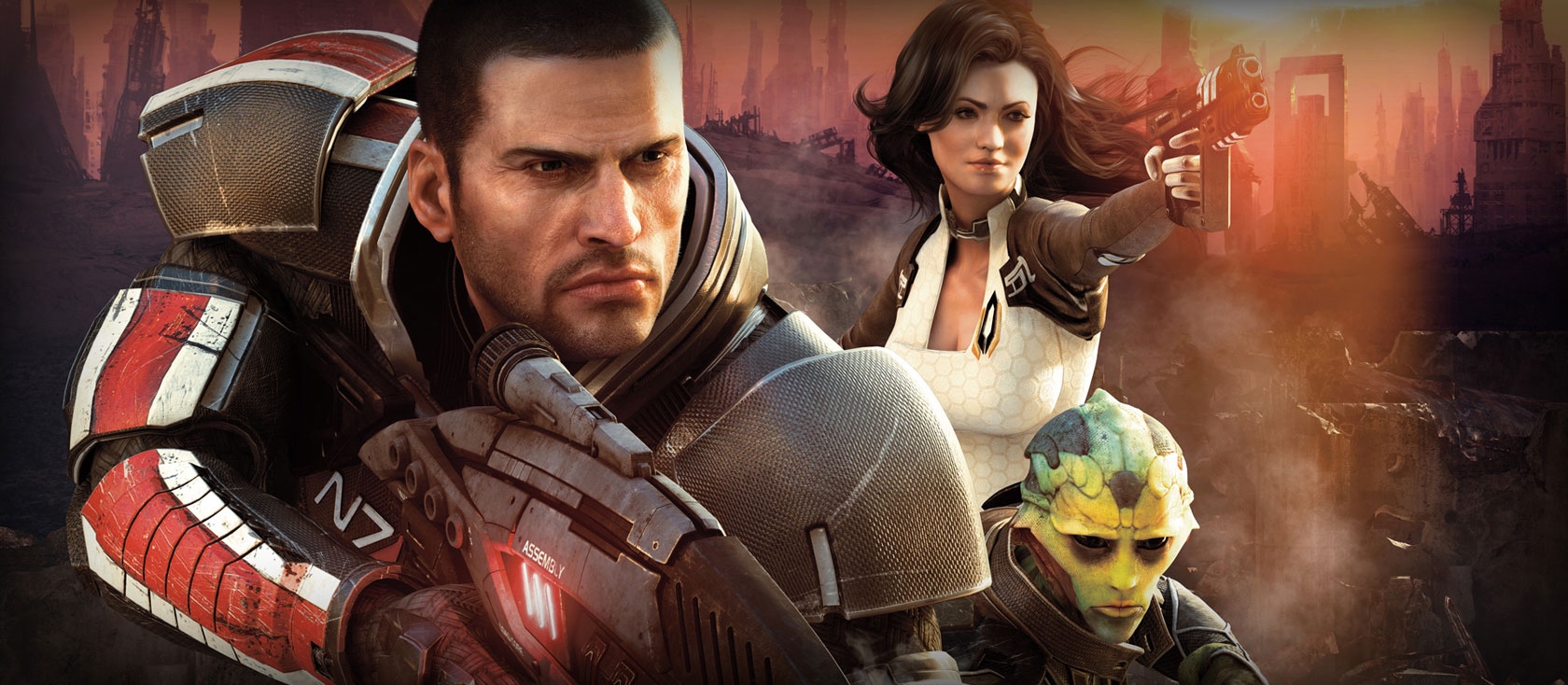
Commander Shepard must recruit a diverse team for a high-stakes suicide mission in ‘Mass Effect 2’. Throughout the journey, players make choices that define Shepard’s leadership style and influence the loyalty and morale of their crew. These decisions often involve difficult ethical trade-offs, such as whether to rewrite the personality of a faction of sentient machines or destroy them. The ultimate success of the mission and the survival of the squad depend heavily on these nuanced decisions and the personal relationships formed.
‘The Witcher 3: Wild Hunt’ (2015)

Geralt of Rivia often finds himself caught between the conflicting interests of powerful figures in ‘The Witcher 3: Wild Hunt’. Many quests present situations where even the most well-intentioned choice can lead to unintended suffering for the local population. For example, deciding the fate of a spirit trapped in a tree can lead to either the death of innocent children or the destruction of a village. The game consistently avoids binary morality, reminding players that every action has a cost that may not be apparent until much later.
Share your most difficult in-game decisions and their consequences in the comments.